AB 827: Safe schools: Safe Place to Learn Act: lesbian, gay, bisexual, transgender, and questioning pupil resources.
- Session Year: 2015-2016
- House: Assembly
- Latest Version Date: 2015-10-07
Existing law establishes the system of public elementary and secondary schools in this state, and provides for the establishment of local educational agencies to operate these schools and provide instruction to pupils. Existing law states the policy of the State of California to afford all persons in public schools, regardless of their disability, gender, gender identity, gender expression, nationality, race or ethnicity, religion, sexual orientation, or any other specified characteristic, equal rights and opportunities in the educational institutions of the state. Existing law, the Safe Place to Learn Act, requires the State Department of Education, as part of its regular monitoring and review of a local educational agency, to assess whether the local educational agency has, among other things, adopted a policy that prohibits discrimination, harassment, intimidation, and bullying, as specified, and has publicized that policy to pupils, parents, employees, agents of the governing board, and the general public.
This bill would require the department to also assess whether the local educational agency has provided to certificated schoolsite employees who serve pupils in any of grades 7 to 12, inclusive, information on existing schoolsite and community resources related to the support of lesbian, gay, bisexual, transgender, and questioning pupils, as specified.
Existing law establishes the system of public elementary and secondary schools in this state, and provides for the establishment of local educational agencies to operate these schools and provide instruction to pupils. Existing law states the policy of the State of California to afford all persons in public schools, regardless of their disability, gender, gender identity, gender expression, nationality, race or ethnicity, religion, sexual orientation, or any other specified characteristic, equal rights and opportunities in the educational institutions of the state. Existing law, the Safe Place to Learn Act, requires the State Department of Education, as part of its regular monitoring and review of a local educational agency, to assess whether the local educational agency has, among other things, adopted a policy that prohibits discrimination, harassment, intimidation, and bullying, as specified, and has publicized that policy to pupils, parents, employees, agents of the governing board, and the general public.
This bill would require each school district, county office of education, and charter school serving pupils in any of grades 7 to 12, inclusive, to provide the department to also assess whether the local educational agency has provided to certificated schoolsite employees who serve pupils in any of grades 7 to 12, inclusive, as part of the information publicized, information on existing schoolsite and community resources related to the support of lesbian, gay, bisexual, transgender, and questioning pupils, as specified. By imposing additional duties on school districts, county offices of education, and charter schools, the bill would impose a state-mandated local program.
The California Constitution requires the state to reimburse local agencies and school districts for certain costs mandated by the state. Statutory provisions establish procedures for making that reimbursement.
This bill would provide that, if the Commission on State Mandates determines that the bill contains costs mandated by the state, reimbursement for those costs shall be made pursuant to these statutory provisions.
Existing law establishes the system of public elementary and secondary schools in this state state, and provides for the establishment of local educational agencies to operate these schools and provide instruction to pupils. Existing law states the policy of the State of California to afford all persons in public schools, regardless of their disability, gender, gender identity, gender expression, nationality, race or ethnicity, religion, sexual orientation, or any other specified characteristic, equal rights and opportunities in the educational institutions of the state. Existing law, the Safe Place to Learn Act, requires the State Department of Education, as part of its regular monitoring and review of a local educational agency, to assess whether the local educational agency has, among other things, adopted a policy that prohibits discrimination, harassment, intimidation, and bullying, as specified, and has publicized that policy to pupils, parents, employees, agents of the governing board, and the general public.
This bill would require each school operated by a school district or district, county office of education education, and each charter school to provide in-service training every school year to teachers of serving pupils in any of grades 7 to 12, inclusive, and to all other to provide to certificated employees at that school, schoolsite employees who serve pupils in any of grades 7 to 12, inclusive, as part of the information publicized, information on existing schoolsite and community resources for related to the support of lesbian, gay, bisexual, transgender, and questioning pupils, as specified. By imposing additional duties on local educational agencies, school districts, county offices of education, and charter schools, the bill would impose a state-mandated local program.
The California Constitution requires the state to reimburse local agencies and school districts for certain costs mandated by the state. Statutory provisions establish procedures for making that reimbursement.
This bill would provide that, if the Commission on State Mandates determines that the bill contains costs mandated by the state, reimbursement for those costs shall be made pursuant to these statutory provisions.
Existing law establishes the system of public elementary and secondary schools in this state and provides for the establishment of local educational agencies to operate these schools and provide instruction to pupils. Existing law states the policy of the State of California to afford all persons in public schools, regardless of their disability, gender, gender identity, gender expression, nationality, race or ethnicity, religion, sexual orientation, or any other specified characteristic, equal rights and opportunities in the educational institutions of the state.
This bill would require each school operated by a school district or county office of education and each charter school to provide in-service training every school year to teachers of pupils in grades 7 to 12, inclusive, and to all other certificated employees at that school, on schoolsite and community resources for the support of lesbian, gay, bisexual, transgender, and questioning pupils, as specified. By imposing additional duties on local educational agencies, the bill would impose a state-mandated local program.
The California Constitution requires the state to reimburse local agencies and school districts for certain costs mandated by the state. Statutory provisions establish procedures for making that reimbursement.
This bill would provide that, if the Commission on State Mandates determines that the bill contains costs mandated by the state, reimbursement for those costs shall be made pursuant to these statutory provisions.
Existing law establishes the system of public elementary and secondary schools in this state and provides for the establishment of local educational agencies to operate these schools and provide instruction to pupils. Existing law states the policy of the State of California to afford all persons in public schools, regardless of their disability, gender, gender identity, gender expression, nationality, race or ethnicity, religion, sexual orientation, or any other specified characteristic, equal rights and opportunities in the educational institutions of the state.
This bill would require each school operated by a school district or county office of education and each charter school to provide in-service training every school year to teachers of pupils in grades 7 to 12, inclusive, on schoolsite and community resources for the support of lesbian, gay, bisexual, transgender, and questioning pupils, as specified. By imposing additional duties on local educational agencies, the bill would impose a state-mandated local program.
The California Constitution requires the state to reimburse local agencies and school districts for certain costs mandated by the state. Statutory provisions establish procedures for making that reimbursement.
This bill would provide that, if the Commission on State Mandates determines that the bill contains costs mandated by the state, reimbursement for those costs shall be made pursuant to these statutory provisions.
Existing law authorizes school districts to provide comprehensive sexual health education, consisting of age-appropriate instruction, in kindergarten and grades 1 to 12, inclusive, using instructors trained in the appropriate courses. Existing law specifies criteria that a school district that elects to offer comprehensive sexual health education is required to satisfy, including providing information on local resources for testing and medical care for sexually transmitted diseases.
This bill would require a school district that elects to offer comprehensive sexual health education to also provide information on local resources for counseling for sexuality transmitted diseases.
(a)The Legislature finds and declares all of the following:
(1)All pupils deserve and need safe and supportive school environments in which to learn.
(2)Despite much progress, California lesbian, gay, bisexual, transgender, and questioning (LGBTQ) pupils often face verbal, physical, and online harassment, which has significant effects on their academic achievement.
(3)In the Gay Lesbian & Straight Education Networks (GLSEN) 2013 National School Climate Survey, 91 percent of California LGBTQ pupils reported hearing anti-LGBTQ remarks, 7 in 10 reported being called names or threatened based on their sexual orientation, nearly one-third reported physical harassment or assault, and 46 percent reported cyberbullying.
(4)These problems have direct effects on pupils school performance. GLSEN survey data shows that the average grade point average for LGBTQ pupils who have experienced harassment is significantly lower than for LGBTQ pupils who have not, and that 30 percent of LGBTQ pupils report frequently skipping class or missing whole days of school because they felt unsafe at school.
(5)In spite of these problems, research has shown that LGBTQ pupils who are harassed or assaulted in school do not report these incidents to school staff, primarily because they believe school staff will not do anything about the problem.
(6)Creating supportive learning environments for LGBTQ pupils improves pupil performance. Pupils in schools with peer support clubs report less harassment and assault, are more likely to report incidents when they occur, and are less likely to miss school because of safety concerns.
(7)The federal Centers for Disease Control and Prevention (CDC) monitors and funds local efforts to provide professional development for educators on safe and supportive environments for LGBTQ pupils, foster schoolsite resources such as Gay Straight Alliance clubs and safe spaces for LGBTQ pupils, and promote referrals to school and community health professionals with experience providing support to LGBTQ pupils.
(8)CDC data shows that only 50 percent of California schools facilitate access to schoolsite and community health resources for LGBTQ pupils, and only 39 percent have peer support clubs.
(b)The Legislature therefore encourages school districts, county offices of education, and charter schools to provide information on existing schoolsite and community resources as required by subdivision (d) of Section 234.1 of the Education Code as part of a more comprehensive effort to educate school staff on the support of LGBTQ pupils.
SEC. 2.Section 234.1 of the Education Code is amended to read:234.1.The department, pursuant to subdivision (b) of Section 64001, shall monitor adherence to the requirements of Chapter 5.3 (commencing with Section 4900) of Division 1 of Title 5 of the California Code of Regulations and this chapter as part of its regular monitoring and review of local educational agencies, commonly known as the Categorical Program Monitoring process. The department shall assess whether local educational agencies have done all of the following:
(a)Adopted a policy that prohibits discrimination, harassment, intimidation, and bullying based on the actual or perceived characteristics set forth in Section 422.55 of the Penal Code and Section 220 of this code, and disability, gender, gender identity, gender expression, nationality, race or ethnicity, religion, sexual orientation, or association with a person or group with one or more of these actual or perceived characteristics. The policy shall include a statement that the policy applies to all acts related to school activity or school attendance occurring within a school under the jurisdiction of the superintendent of the school district.
(b)Adopted a process for receiving and investigating complaints of discrimination, harassment, intimidation, and bullying based on any of the actual or perceived characteristics set forth in Section 422.55 of the Penal Code and Section 220 of this code, and disability, gender, gender identity, gender expression, nationality, race or ethnicity, religion, sexual orientation, or association with a person or group with one or more of these actual or perceived characteristics. The complaint process shall include, but not be limited to, all of the following:
(1)A requirement that, if school personnel witness an act of discrimination, harassment, intimidation, or bullying, they shall take immediate steps to intervene when safe to do so.
(2)A timeline to investigate and resolve complaints of discrimination, harassment, intimidation, or bullying that shall be followed by all schools under the jurisdiction of the school district.
(3)An appeal process afforded to the complainant should he or she disagree with the resolution of a complaint filed pursuant to this section.
(4)All forms developed pursuant to this process shall be translated pursuant to Section 48985.
(c)Publicized antidiscrimination, antiharassment, anti-intimidation, and antibullying policies adopted pursuant to subdivision (a), including information about the manner in which to file a complaint, to pupils, parents, employees, agents of the governing board, and the general public. The information shall be translated pursuant to Section 48985.
(d)Provided, incident to the publicizing described in subdivision (c), to certificated schoolsite employees who serve pupils in any of grades 7 to 12, inclusive, who are employed by the local educational agency, information on existing schoolsite and community resources related to the support of lesbian, gay, bisexual, transgender, and questioning (LGBTQ) pupils. Schoolsite resources may include, but are not limited to, peer support or affinity clubs and organizations, safe spaces for LGBTQ pupils, counseling services, staff who have received antibias or other training aimed at supporting these pupils or who serve as designated support to these pupils, health and other curriculum materials that are inclusive of, and relevant to, these pupils, online training developed pursuant to Section 32283.5, and other policies adopted pursuant to this article, including related complaint procedures. Community resources may include, but are not limited to, community-based organizations that provide support to LGBTQ pupils and their families, and physical and mental health providers with experience or training in treating or supporting these pupils.
(e)Posted the policy established pursuant to subdivision (a) in all schools and offices, including staff lounges and pupil government meeting rooms.
(f)Maintained documentation of complaints and their resolution for a minimum of one review cycle.
(g)Ensured that complainants are protected from retaliation and that the identity of a complainant alleging discrimination, harassment, intimidation, or bullying remains confidential, as appropriate.
(h)Identified a responsible local educational agency officer for ensuring school district or county office of education compliance with the requirements of Chapter 5.3 (commencing with Section 4900) of Division 1 of Title 5 of the California Code of Regulations and this chapter.
(a)The Legislature finds and declares all of the following:
(1)All pupils deserve and need safe and supportive school environments in which to learn.
(2)Despite much progress, California lesbian, gay, bisexual, transgender, and questioning (LGBTQ) pupils often face verbal, physical, and online harassment, which has significant effects on their academic achievement.
(3)In the Gay Lesbian & Straight Education Networks (GLSEN) 2013 National School Climate Survey, 91 percent of California LGBTQ pupils reported hearing anti-LGBTQ remarks, 7 in 10 reported being called names or threatened based on their sexual orientation, nearly one-third reported physical harassment or assault, and 46 percent reported cyberbullying.
(4)These problems have direct effects on pupils school performance. GLSEN survey data shows that the average grade point average for LGBTQ pupils who have experienced harassment is significantly lower than for LGBTQ pupils who have not, and that 30 percent of LGBTQ pupils report frequently skipping class or missing whole days of school because they felt unsafe at school.
(5)In spite of these problems, research has shown that LGBTQ pupils who are harassed or assaulted in school do not report these incidents to school staff, primarily because they believe school staff will not do anything about the problem.
(6)Creating supportive learning environments for LGBTQ pupils improves pupil performance. Pupils in schools with peer support clubs report less harassment and assault, are more likely to report incidents when they occur, and are less likely to miss school because of safety concerns.
(7)The federal Centers for Disease Control and Prevention (CDC) monitors and funds local efforts to provide professional development for educators on safe and supportive environments for LGBTQ pupils, foster schoolsite resources such as Gay Straight Alliance clubs and safe spaces for LGBTQ pupils, and promote referrals to school and community health professionals with experience providing support to LGBTQ pupils.
(8)CDC data shows that only 50 percent of California schools facilitate access to schoolsite and community health resources for LGBTQ pupils, and only 39 percent have peer support clubs.
(b)The Legislature therefore encourages school districts, county offices of education, and charter schools to provide information on existing schoolsite and community resources as required by subdivision (c) (d) of Section 234.1 of the Education Code as part of a more comprehensive effort to educate school staff on the support of LGBTQ pupils.
SEC. 2.Section 234.1 of the Education Code is amended to read:234.1.The department, pursuant to subdivision (b) of Section 64001, shall monitor adherence to the requirements of Chapter 5.3 (commencing with Section 4900) of Division 1 of Title 5 of the California Code of Regulations and this chapter as part of its regular monitoring and review of local educational agencies, commonly known as the Categorical Program Monitoring process. The department shall assess whether local educational agencies have done all of the following:
(a)Adopted a policy that prohibits discrimination, harassment, intimidation, and bullying based on the actual or perceived characteristics set forth in Section 422.55 of the Penal Code and Section 220 of this code, and disability, gender, gender identity, gender expression, nationality, race or ethnicity, religion, sexual orientation, or association with a person or group with one or more of these actual or perceived characteristics. The policy shall include a statement that the policy applies to all acts related to school activity or school attendance occurring within a school under the jurisdiction of the superintendent of the school district.
(b)Adopted a process for receiving and investigating complaints of discrimination, harassment, intimidation, and bullying based on any of the actual or perceived characteristics set forth in Section 422.55 of the Penal Code and Section 220 of this code, and disability, gender, gender identity, gender expression, nationality, race or ethnicity, religion, sexual orientation, or association with a person or group with one or more of these actual or perceived characteristics. The complaint process shall include, but not be limited to, all of the following:
(1)A requirement that, if school personnel witness an act of discrimination, harassment, intimidation, or bullying, they shall take immediate steps to intervene when safe to do so.
(2)A timeline to investigate and resolve complaints of discrimination, harassment, intimidation, or bullying that shall be followed by all schools under the jurisdiction of the school district.
(3)An appeal process afforded to the complainant should he or she disagree with the resolution of a complaint filed pursuant to this section.
(4)All forms developed pursuant to this process shall be translated pursuant to Section 48985.
(c)Publicized antidiscrimination, antiharassment, anti-intimidation, and antibullying policies adopted pursuant to subdivision (a), including information about the manner in which to file a complaint, to pupils, parents, employees, agents of the governing board, and the general public. The information shall be translated pursuant to Section 48985.
(d)Provided, incident to the publicizing described in subdivision (c), to certificated schoolsite employees who serve pupils in any of grades 7 to 12, inclusive, who are employed by the local educational agency, information on existing schoolsite and community resources related to the support of lesbian, gay, bisexual, transgender, and questioning (LGBTQ) pupils. Schoolsite resources may include, but are not limited to, peer support or affinity clubs and organizations, safe spaces for LGBTQ pupils, counseling services, staff who have received antibias or other training aimed at supporting these pupils or who serve as designated support to these pupils, health and other curriculum materials that are inclusive of, and relevant to, these pupils, online training developed pursuant to Section 32283.5, and other policies adopted pursuant to this article, including related complaint procedures. Community resources may include, but are not limited to, community-based organizations that provide support to LGBTQ pupils and their families, and physical and mental health providers with experience or training in treating and or supporting these pupils.
(e)Posted the policy established pursuant to subdivision (a) in all schools and offices, including staff lounges and pupil government meeting rooms.
(f)Maintained documentation of complaints and their resolution for a minimum of one review cycle.
(g)Ensured that complainants are protected from retaliation and that the identity of a complainant alleging discrimination, harassment, intimidation, or bullying remains confidential, as appropriate.
(h)Identified a responsible local educational agency officer for ensuring school district or county office of education compliance with the requirements of Chapter 5.3 (commencing with Section 4900) of Division 1 of Title 5 of the California Code of Regulations and this chapter.
(a)The Legislature finds and declares all of the following:
(1)All pupils deserve and need safe and supportive school environments in which to learn.
(2)Despite much progress, California lesbian, gay, bisexual, transgender, and questioning (LGBTQ) pupils often face verbal, physical, and online harassment, which has significant effects on their academic achievement.
(3)In the Gay Lesbian & Straight Education Networks (GLSEN) 2013 National School Climate Survey, 91 percent of California LGBTQ pupils reported hearing anti-LGBTQ remarks, 7 in 10 reported being called names or threatened based on their sexual orientation, nearly one-third reported physical harassment or assault, and 46 percent reported cyberbullying.
(4)These problems have direct effects on pupils school performance. GLSEN survey data shows that the average grade point average for LGBTQ pupils who have experienced harassment is significantly lower than for LGBTQ pupils who have not, and that 30 percent of LGBTQ pupils report frequently skipping class or missing whole days of school because they felt unsafe at school.
(5)In spite of these problems, research has shown that LGBTQ pupils who are harassed or assaulted in school do not report these incidents to school staff, primarily because they believe school staff will not do anything about the problem.
(6)Creating supportive learning environments for LGBTQ pupils improves pupil performance. Pupils in schools with peer support clubs report less harassment and assault, are more likely to report incidents when they occur, and are less likely to miss school because of safety concerns.
(7)The federal Centers for Disease Control and Prevention (CDC) monitors and funds local efforts to provide professional development for educators on safe and supportive environments for LGBTQ pupils, foster schoolsite resources such as Gay Straight Alliance clubs and safe spaces for LGBTQ pupils, and promote referrals to school and community health professionals with experience providing support to LGBTQ pupils.
(8)CDC data shows that only 50 percent of California schools facilitate access to schoolsite and community health resources for LGBTQ pupils, and only 39 percent have peer support clubs.
(b)The Legislature therefore encourages school districts, county offices of education, and charter schools to provide information on existing schoolsite and community resources as required by subdivision (c) of Section 234.1 of the Education Code as part of a more comprehensive effort to educate school staff on the support of LGBTQ pupils.
SEC. 2.Section 234.1 of the Education Code is amended to read:234.1.The department, pursuant to subdivision (b) of Section 64001, shall monitor adherence to the requirements of Chapter 5.3 (commencing with Section 4900) of Division 1 of Title 5 of the California Code of Regulations and this chapter as part of its regular monitoring and review of local educational agencies, commonly known as the Categorical Program Monitoring process. The department shall assess whether local educational agencies have done all of the following:
(a)Adopted a policy that prohibits discrimination, harassment, intimidation, and bullying based on the actual or perceived characteristics set forth in Section 422.55 of the Penal Code and Section 220 of this code, and disability, gender, gender identity, gender expression, nationality, race or ethnicity, religion, sexual orientation, or association with a person or group with one or more of these actual or perceived characteristics. The policy shall include a statement that the policy applies to all acts related to school activity or school attendance occurring within a school under the jurisdiction of the superintendent of the school district.
(b)Adopted a process for receiving and investigating complaints of discrimination, harassment, intimidation, and bullying based on any of the actual or perceived characteristics set forth in Section 422.55 of the Penal Code and Section 220 of this code, and disability, gender, gender identity, gender expression, nationality, race or ethnicity, religion, sexual orientation, or association with a person or group with one or more of these actual or perceived characteristics. The complaint process shall include, but not be limited to, all of the following:
(1)A requirement that, if school personnel witness an act of discrimination, harassment, intimidation, or bullying, they shall take immediate steps to intervene when safe to do so.
(2)A timeline to investigate and resolve complaints of discrimination, harassment, intimidation, or bullying that shall be followed by all schools under the jurisdiction of the school district.
(3)An appeal process afforded to the complainant should he or she disagree with the resolution of a complaint filed pursuant to this section.
(4)All forms developed pursuant to this process shall be translated pursuant to Section 48985.
(c)Publicized antidiscrimination, antiharassment, anti-intimidation, and antibullying policies adopted pursuant to subdivision (a), including information about the manner in which to file a complaint, to pupils, parents, employees, agents of the governing board, and the general public. The information shall be translated pursuant to Section 48985. Each school district, county office of education, and charter school serving pupils in any of grades 7 to 12, inclusive, shall provide to certificated schoolsite employees who serve pupils in any of grades 7 to 12, inclusive, as part of the information publicized, information on existing schoolsite and community resources related to the support of lesbian, gay, bisexual, transgender, and questioning (LGBTQ) pupils. Schoolsite resources may include, but are not limited to, peer support or affinity clubs and organizations, safe spaces for LGBTQ pupils, counseling services, staff who have received antibias or other training aimed at supporting these pupils or who serve as designated support to these pupils, health and other curriculum materials that are inclusive of, and relevant to, these pupils, online training developed pursuant to Section 32283.5, and other policies adopted pursuant to this article, including related complaint procedures. Community resources may include, but are not limited to, community-based organizations that provide support to LGBTQ pupils and their families, and physical and mental health providers with experience in treating and supporting these pupils.
(d)Provided, incident to the publicizing described in subdivision (c), to certificated schoolsite employees who serve pupils in any of grades 7 to 12, inclusive, who are employed by the local educational agency, information on existing schoolsite and community resources related to the support of lesbian, gay, bisexual, transgender, and questioning (LGBTQ) pupils. Schoolsite resources may include, but are not limited to, peer support or affinity clubs and organizations, safe spaces for LGBTQ pupils, counseling services, staff who have received antibias or other training aimed at supporting these pupils or who serve as designated support to these pupils, health and other curriculum materials that are inclusive of, and relevant to, these pupils, online training developed pursuant to Section 32283.5, and other policies adopted pursuant to this article, including related complaint procedures. Community resources may include, but are not limited to, community-based organizations that provide support to LGBTQ pupils and their families, and physical and mental health providers with experience in treating and supporting these pupils.
(d)
(e)Posted the policy established pursuant to subdivision (a) in all schools and offices, including staff lounges and pupil government meeting rooms.
(e)
(f)Maintained documentation of complaints and their resolution for a minimum of one review cycle.
(f)
(g)Ensured that complainants are protected from retaliation and that the identity of a complainant alleging discrimination, harassment, intimidation, or bullying remains confidential, as appropriate.
(g)
(h)Identified a responsible local educational agency officer for ensuring school district or county office of education compliance with the requirements of Chapter 5.3 (commencing with Section 4900) of Division 1 of Title 5 of the California Code of Regulations and this chapter.
SEC. 3.If the Commission on State Mandates determines that this act contains costs mandated by the state, reimbursement to local agencies and school districts for those costs shall be made pursuant to Part 7 (commencing with Section 17500) of Division 4 of Title 2 of the Government Code.
(a)The Legislature finds and declares all of the following:
(1)All pupils deserve and need safe and supportive school environments in which to learn.
(2)Despite much progress, California lesbian, gay, bisexual, transgender, and questioning (LGBTQ) pupils often face verbal, physical, and online harassment, which has significant effects on their academic achievement.
(3)In the Gay Lesbian & Straight Education Networks (GLSEN) 2013 National School Climate Survey, 91 percent of California LGBTQ pupils reported hearing anti-LGBTQ remarks, 7 in 10 reported being called names or threatened based on their sexual orientation, nearly one-third reported physical harassment or assault, and 46 percent reported cyberbullying.
(4)These problems have direct effects on pupils school performance. GLSEN survey data shows that the average grade point average for LGBTQ pupils who have experienced harassment is significantly lower than for LGBTQ pupils who have not, and that 30 percent of LGBTQ pupils report frequently skipping class or missing whole days of school because they felt unsafe at school.
(5)In spite of these problems, research has shown that LGBTQ pupils who are harassed or assaulted in school do not report these incidents to school staff, primarily because they believe school staff will not do anything about the problem.
(6)Creating supportive learning environments for LGBTQ pupils improves pupil performance. Pupils in schools with peer support clubs report less harassment and assault, are more likely to report incidents when they occur, and are less likely to miss school because of safety concerns.
(7)The federal Centers for Disease Control and Prevention (CDC) monitors and funds local efforts to provide professional development for educators on safe and supportive environments for LGBTQ pupils, foster schoolsite resources such as Gay Straight Alliance clubs and safe spaces for LGBTQ pupils, and promote referrals to school and community health professionals with experience providing support to LGBTQ pupils.
(8)CDC data shows that only 50 percent of California schools facilitate access to schoolsite and community health resources for LGBTQ pupils, and only 39 percent have peer support clubs.
(b)The Legislature therefore encourages schools school districts, county offices of education, and charter schools to conduct the in-service training required by Article 2.5 (commencing with Section 218) of Chapter 2 of Part 1 of Division 1 of Title 1 of the Education Code provide information on existing schoolsite and community resources as required by subdivision (c) of Section 234.1 of the Education Code as part of a more comprehensive effort to educate school staff on the support of LGBTQ pupils.
SEC. 2.Article 2.5 (commencing with Section 218) is added to Chapter 2 of Part 1 of Division 1 of Title 1 of the Education Code, to read:2.5.In-Service Training: Lesbian, Gay, Bisexual, Transgender, and Questioning Pupil Resources218.Within the first six weeks of every school year, as part of a regularly scheduled staff meeting, each school operated by a school district or county office of education and each charter school shall provide in-service training to teachers of pupils in grades 7 to 12, inclusive, and to all other certificated employees at that school, on schoolsite and community resources for the support of lesbian, gay, bisexual, transgender, and questioning (LGBTQ) pupils.
(a)As used in this section, schoolsite resources for the support of LGBTQ pupils include, but are not limited to, all of the following:
(1)Peer support or affinity clubs and organizations.
(2)Safe spaces for LGBTQ pupils.
(3)Antibullying and harassment policies and related complaint procedures.
(4)Counseling services.
(5)School staff who have received antibias or other training aimed at supporting LGBTQ youth.
(6)Health and other curriculum materials that are inclusive of, and relevant to, LGBTQ youth.
(b)As used in this section, community resources for the support of LGBTQ pupils include, but are not limited to, all of the following:
(1)Community-based organizations that provide support to LGBTQ youth.
(2)Physical and mental health providers with experience in treating and supporting LGBTQ youth.
SEC. 2.Section 234.1 of the Education Code is amended to read:234.1.The department, pursuant to subdivision (b) of Section 64001, shall monitor adherence to the requirements of Chapter 5.3 (commencing with Section 4900) of Division 1 of Title 5 of the California Code of Regulations and Chapter 2 (commencing with Section 200) of this part this chapter as part of its regular monitoring and review of local educational agencies, commonly known as the Categorical Program Monitoring process. The department shall assess whether local educational agencies have done all of the following:
(a)Adopted a policy that prohibits discrimination, harassment, intimidation, and bullying based on the actual or perceived characteristics set forth in Section 422.55 of the Penal Code and Section 220 of this code, and disability, gender, gender identity, gender expression, nationality, race or ethnicity, religion, sexual orientation, or association with a person or group with one or more of these actual or perceived characteristics. The policy shall include a statement that the policy applies to all acts related to school activity or school attendance occurring within a school under the jurisdiction of the superintendent of the school district.
(b)Adopted a process for receiving and investigating complaints of discrimination, harassment, intimidation, and bullying based on any of the actual or perceived characteristics set forth in Section 422.55 of the Penal Code and Section 220 of this code, and disability, gender, gender identity, gender expression, nationality, race or ethnicity, religion, sexual orientation, or association with a person or group with one or more of these actual or perceived characteristics. The complaint process shall include, but not be limited to, all of the following:
(1)A requirement that, if school personnel witness an act of discrimination, harassment, intimidation, or bullying, they shall take immediate steps to intervene when safe to do so.
(2)A timeline to investigate and resolve complaints of discrimination, harassment, intimidation, or bullying that shall be followed by all schools under the jurisdiction of the school district.
(3)An appeal process afforded to the complainant should he or she disagree with the resolution of a complaint filed pursuant to this section.
(4)All forms developed pursuant to this process shall be translated pursuant to Section 48985.
(c)Publicized antidiscrimination, antiharassment, anti-intimidation, and antibullying policies adopted pursuant to subdivision (a), including information about the manner in which to file a complaint, to pupils, parents, employees, agents of the governing board, and the general public. The information shall be translated pursuant to Section 48985. Each school district, county office of education, and charter school serving pupils in any of grades 7 to 12, inclusive, shall provide to certificated schoolsite employees who serve pupils in any of grades 7 to 12, inclusive, as part of the information publicized, information on existing schoolsite and community resources related to the support of lesbian, gay, bisexual, transgender, and questioning (LGBTQ) pupils. Schoolsite resources may include, but are not limited to, peer support or affinity clubs and organizations, safe spaces for LGBTQ pupils, counseling services, staff who have received antibias or other training aimed at supporting these pupils or who serve as designated support to these pupils, health and other curriculum materials that are inclusive of, and relevant to, these pupils, online training developed pursuant to Section 32283.5, and other policies adopted pursuant to this article, including related complaint procedures. Community resources may include, but are not limited to, community-based organizations that provide support to LGBTQ pupils and their families, and physical and mental health providers with experience in treating and supporting these pupils.
(d)Posted the policy established pursuant to subdivision (a) in all schools and offices, including staff lounges and pupil government meeting rooms.
(e)Maintained documentation of complaints and their resolution for a minimum of one review cycle.
(f)Ensured that complainants are protected from retaliation and that the identity of a complainant alleging discrimination, harassment, intimidation, or bullying remains confidential, as appropriate.
(g)Identified a responsible local educational agency officer for ensuring school district or county office of education compliance with the requirements of Chapter 5.3 (commencing with Section 4900) of Division 1 of Title 5 of the California Code of Regulations and Chapter 2 (commencing with Section 200) of this part. this chapter.
SEC. 3.If the Commission on State Mandates determines that this act contains costs mandated by the state, reimbursement to local agencies and school districts for those costs shall be made pursuant to Part 7 (commencing with Section 17500) of Division 4 of Title 2 of the Government Code.
(a)The Legislature finds and declares all of the following:
(a)
(1)All pupils deserve and need safe and supportive school environments in which to learn.
(b)
(2)Despite much progress, California lesbian, gay, bisexual, transgender, and questioning (LGBTQ) pupils often face verbal, physical, and online harassment, which has significant effects on their academic achievement.
(c)
(3)In the Gay Lesbian & Straight Education Networks (GLSEN) 2013 National School Climate Survey, 91 percent of California LGBTQ pupils reported hearing anti-LGBTQ remarks, 7 in 10 reported being called names or threatened based on their sexual orientation, nearly one-third reported physical harassment or assault, and 46 percent reported cyberbullying.
(d)
(4)These problems have direct effects on pupils school performance. GLSEN survey data shows that the average grade point average for LGBTQ pupils who have experienced harassment is significantly lower than for LGBTQ pupils who have not, and that 30 percent of LGBTQ pupils report frequently skipping class or missing whole days of school because they felt unsafe at school.
(e)
(5)In spite of these problems, research has shown that LGBTQ pupils who are harassed or assaulted in school do not report these incidents to school staff, primarily because they believe school staff will not do anything about the problem.
(f)
(6)Creating supportive learning environments for LGBTQ pupils improves pupil performance. Pupils in schools with peer support clubs report less harassment and assault, are more likely to report incidents when they occur, and are less likely to miss school because of safety concerns.
(g)
(7)The federal Centers for Disease Control and Prevention (CDC) monitors and funds local efforts to provide professional development for educators on safe and supportive environments for LGBTQ pupils, foster schoolsite resources such as Gay Straight Alliance clubs and safe spaces for LGBTQ pupils, and promote referrals to school and community health professionals with experience providing support to LGBTQ pupils.
(h)
(8)CDC data shows that only 50 percent of California schools facilitate access to schoolsite and community health resources for LGBTQ pupils, and only 39 percent have peer support clubs.
(b)The Legislature therefore encourages schools to conduct the in-service training required by Article 2.5 (commencing with Section 218) of Chapter 2 of Part 1 of Division 1 of Title 1 of the Education Code as part of a more comprehensive effort to educate school staff on the support of LGBTQ pupils.
SEC. 2.Article 2.5 (commencing with Section 218) is added to Chapter 2 of Part 1 of Division 1 of Title 1 of the Education Code, to read:2.5.In-Service Training: Lesbian, Gay, Bisexual, Transgender, and Questioning Pupil Resources218.Within the first six weeks of every school year, as part of a regularly scheduled staff meeting, each school operated by a school district or county office of education and each charter school shall provide in-service training to teachers of pupils in grades 7 to 12, inclusive, and to all other certificated employees at that school, on schoolsite and community resources for the support of lesbian, gay, bisexual, transgender, and questioning (LGBTQ) pupils.
(a)As used in this section, schoolsite resources for the support of LGBTQ pupils include, but are not limited to, all of the following:
(1)Peer support or affinity clubs and organizations.
(2)Safe spaces for LGBTQ pupils.
(3)Antibullying and harassment policies and related complaint procedures.
(4)Counseling services.
(5)School staff who have received antibias or other training aimed at supporting LGBTQ youth.
(6)Health and other curriculum materials that are inclusive of, and relevant to, LGBTQ youth.
(b)As used in this section, community resources for the support of LGBTQ pupils include, but are not limited to, all of the following:
(1)Community-based organizations that provide support to LGBTQ youth.
(2)Physical and mental health providers with experience in treating and supporting LGBTQ youth.
SEC. 3.If the Commission on State Mandates determines that this act contains costs mandated by the state, reimbursement to local agencies and school districts for those costs shall be made pursuant to Part 7 (commencing with Section 17500) of Division 4 of Title 2 of the Government Code.
The Legislature finds and declares all of the following:
(a)All pupils deserve and need safe and supportive school environments in which to learn.
(b)Despite much progress, California lesbian, gay, bisexual, transgender, and questioning (LGBTQ) pupils often face verbal, physical, and online harassment, which has significant effects on their academic achievement.
(c)In the Gay Lesbian & Straight Education Networks (GLSEN) 2013 National School Climate Survey, 91 percent of California LGBTQ pupils reported hearing anti-LGBTQ remarks, 7 in 10 reported being called names or threatened based on their sexual orientation, nearly one-third reported physical harassment or assault, and 46 percent reported cyberbullying.
(d)These problems have direct effects on pupils school performance. GLSEN survey data shows that the average grade point average for LGBTQ pupils who have experienced harassment is significantly lower than for LGBTQ pupils who have not, and that 30 percent of LGBTQ pupils report frequently skipping class or missing whole days of school because they felt unsafe at school.
(e)In spite of these problems, research has shown that LGBTQ pupils who are harassed or assaulted in school do not report these incidents to school staff, primarily because they believe school staff will not do anything about the problem.
(f)Creating supportive learning environments for LGBTQ pupils improves pupil performance. Pupils in schools with peer support clubs report less harassment and assault, are more likely to report incidents when they occur, and are less likely to miss school because of safety concerns.
(g)The federal Centers for Disease Control and Prevention (CDC) monitors and funds local efforts to provide professional development for educators on safe and supportive environments for LGBTQ pupils, foster schoolsite resources such as Gay Straight Alliance clubs and safe spaces for LGBTQ pupils, and promote referrals to school and community health professionals with experience providing support to LGBTQ pupils.
(h)CDC data shows that only 50 percent of California schools facilitate access to schoolsite and community health resources for LGBTQ pupils, and only 39 percent have peer support clubs.
SEC. 2.Article 2.5 (commencing with Section 218) is added to Chapter 2 of Part 1 of Division 1 of Title 1 of the Education Code, to read:2.5.In-Service Training: Lesbian, Gay, Bisexual, Transgender, and Questioning Pupil Resources218.Within the first six weeks of every school year, as part of a regularly scheduled staff meeting, each school operated by a school district or county office of education and each charter school shall provide in-service training to teachers of pupils in grades 7 to 12, inclusive, on schoolsite and community resources for the support of lesbian, gay, bisexual, transgender, and questioning (LGBTQ) pupils.
(a)As used in this section, schoolsite resources for the support of LGBTQ pupils include, but are not limited to, all of the following:
(1)Peer support or affinity clubs and organizations.
(2)Safe spaces for LGBTQ pupils.
(3)Antibullying and harassment policies and related complaint procedures.
(4)Counseling services.
(5)School staff who have received antibias or other training aimed at supporting LGBTQ youth.
(6)Health and other curriculum materials that are inclusive of, and relevant to, LGBTQ youth.
(b)As used in this section, community resources for the support of LGBTQ pupils include, but are not limited to, all of the following:
(1)Community-based organizations that provide support to LGBTQ youth.
(2)Physical and mental health providers with experience in treating and supporting LGBTQ youth.
SEC. 3.If the Commission on State Mandates determines that this act contains costs mandated by the state, reimbursement to local agencies and school districts for those costs shall be made pursuant to Part 7 (commencing with Section 17500) of Division 4 of Title 2 of the Government Code.
SECTION 1.Section 51933 of the Education Code is amended to read:51933.(a)School districts may provide comprehensive sexual health education, consisting of age-appropriate instruction, in kindergarten and grades 1 to 12, inclusive, using instructors trained in the appropriate courses.
(b)A school district that elects to offer comprehensive sexual health education pursuant to subdivision (a), whether taught by school district personnel or outside consultants, shall satisfy all of the following criteria:
(1)Instruction and materials shall be age appropriate.
(2)All factual information presented shall be medically accurate and objective.
(3)Instruction shall be made available on an equal basis to a pupil who is an English learner, consistent with the existing curriculum and alternative options for an English learner pupil as otherwise provided in this code.
(4)Instruction and materials shall be appropriate for use with pupils of all races, genders, sexual orientations, ethnic and cultural backgrounds, and pupils with disabilities.
(5)Instruction and materials shall be accessible to pupils with disabilities, including, but not limited to, the provision of a modified curriculum, materials and instruction in alternative formats, and auxiliary aids.
(6)Instruction and materials shall encourage a pupil to communicate with his or her parents or guardians about human sexuality.
(7)Instruction and materials shall teach respect for marriage and committed relationships.
(8)Commencing in grade 7, instruction and materials shall teach that abstinence from sexual intercourse is the only certain way to prevent unintended pregnancy, teach that abstinence from sexual activity is the only certain way to prevent sexually transmitted diseases, and provide information about the value of abstinence while also providing medically accurate information on other methods of preventing pregnancy and sexually transmitted diseases.
(9)Commencing in grade 7, instruction and materials shall provide information about sexually transmitted diseases. This instruction shall include how sexually transmitted diseases are and are not transmitted, the effectiveness and safety of all federal Food and Drug Administration (FDA) approved methods of reducing the risk of contracting sexually transmitted diseases, and information on local resources for testing, counseling, and medical care for sexually transmitted diseases.
(10)Commencing in grade 7, instruction and materials shall provide information about the effectiveness and safety of all FDA-approved contraceptive methods in preventing pregnancy, including, but not limited to, emergency contraception.
(11)Commencing in grade 7, instruction and materials shall provide pupils with skills for making and implementing responsible decisions about sexuality.
(12)Commencing in grade 7, instruction and materials shall provide pupils with information on the law on surrendering physical custody of a minor child 72 hours or younger, pursuant to Section 1255.7 of the Health and Safety Code and Section 271.5 of the Penal Code.
(c)A school district that elects to offer comprehensive sexual health education pursuant to subdivision (a) earlier than grade 7 may provide age appropriate and medically accurate information on any of the general topics contained in paragraphs (8) to (12), inclusive, of subdivision (b).
(d)If a school district elects to offer comprehensive sexual health education pursuant to subdivision (a), whether taught by school district personnel or outside consultants, the school district shall comply with the following:
(1)Instruction and materials may not teach or promote religious doctrine.
(2)Instruction and materials may not reflect or promote bias against any person on the basis of any category protected by Section 220.
(a)School districts may provide comprehensive sexual health education, consisting of age-appropriate instruction, in any kindergarten to grade and grades 1 to 12, inclusive, using instructors trained in the appropriate courses.
(b)A school district that elects to offer comprehensive sexual health education pursuant to subdivision (a), whether taught by school district personnel or outside consultants, shall satisfy all of the following criteria:
(1)Instruction and materials shall be age appropriate.
(2)All factual information presented shall be medically accurate and objective.
(3)Instruction shall be made available on an equal basis to a pupil who is an English learner, consistent with the existing curriculum and alternative options for an English learner pupil as otherwise provided in this code.
(4)Instruction and materials shall be appropriate for use with pupils of all races, genders, sexual orientations, ethnic and cultural backgrounds, and pupils with disabilities.
(5)Instruction and materials shall be accessible to pupils with disabilities, including, but not limited to, the provision of a modified curriculum, materials and instruction in alternative formats, and auxiliary aids.
(6)Instruction and materials shall encourage a pupil to communicate with his or her parents or guardians about human sexuality.
(7)Instruction and materials shall teach respect for marriage and committed relationships.
(8)Commencing in grade 7, instruction and materials shall teach that abstinence from sexual intercourse is the only certain way to prevent unintended pregnancy, teach that abstinence from sexual activity is the only certain way to prevent sexually transmitted diseases, and provide information about the value of abstinence while also providing medically accurate information on other methods of preventing pregnancy and sexually transmitted diseases.
(9)Commencing in grade 7, instruction and materials shall provide information about sexually transmitted diseases. This instruction shall include how sexually transmitted diseases are and are not transmitted, the effectiveness and safety of all federal Food and Drug Administration (FDA) approved methods of reducing the risk of contracting sexually transmitted diseases, and information on local resources for testing, counseling, and medical care for sexually transmitted diseases.
(10)Commencing in grade 7, instruction and materials shall provide information about the effectiveness and safety of all FDA-approved contraceptive methods in preventing pregnancy, including, but not limited to, emergency contraception.
(11)Commencing in grade 7, instruction and materials shall provide pupils with skills for making and implementing responsible decisions about sexuality.
(12)Commencing in grade 7, instruction and materials shall provide pupils with information on the law on surrendering physical custody of a minor child 72 hours or younger, pursuant to Section 1255.7 of the Health and Safety Code and Section 271.5 of the Penal Code.
(c)A school district that elects to offer comprehensive sexual health education pursuant to subdivision (a) earlier than grade 7 may provide age appropriate and medically accurate information on any of the general topics contained in paragraphs (8) to (12), inclusive, of subdivision (b).
(d)If a school district elects to offer comprehensive sexual health education pursuant to subdivision (a), whether taught by school district personnel or outside consultants, the school district shall comply with the following:
(1)Instruction and materials may not teach or promote religious doctrine.
(2)Instruction and materials may not reflect or promote bias against any person on the basis of any category protected by Section 220.
|
Date
|
Status
|
|---|---|
| Oct 7, 2015 | Chaptered by Secretary of State - Chapter 562, Statutes of 2015. |
| Oct 7, 2015 | Approved by the Governor. |
| Sep 16, 2015 | Enrolled and presented to the Governor at 4 p.m. |
| Sep 3, 2015 | Senate amendments concurred in. To Engrossing and Enrolling. (Ayes 58. Noes 18. Page 2832.). |
| Sep 3, 2015 | Senate amendments concurred in. To Engrossing and Enrolling. (Ayes 58. Noes 18.). |
| Sep 1, 2015 | Read third time. Passed. Ordered to the Assembly. (Ayes 27. Noes 13. Page 2372.). |
| Sep 1, 2015 | In Assembly. Concurrence in Senate amendments pending. May be considered on or after September 3 pursuant to Assembly Rule 77. |
| Sep 1, 2015 | Read third time. Passed. Ordered to the Assembly. |
| Aug 26, 2015 | Read second time. Ordered to third reading. |
| Aug 25, 2015 | Read third time and amended. Ordered to second reading. |
| Aug 19, 2015 | Read second time. Ordered to third reading. |
| Aug 18, 2015 | From committee: Be placed on second reading file pursuant to Senate Rule 28.8. |
| Aug 17, 2015 | From committee chair, with author's amendments: Amend, and re-refer to committee. Read second time, amended, and re-referred to Com. on APPR. |
| Jul 8, 2015 | From committee: Do pass and re-refer to Com. on APPR. (Ayes 7. Noes 2.) (July 8). Re-referred to Com. on APPR. |
| Jun 18, 2015 | Referred to Com. on ED. |
| Jun 4, 2015 | In Senate. Read first time. To Com. on RLS. for assignment. |
| Jun 4, 2015 | Read third time. Passed. Ordered to the Senate. (Ayes 59. Noes 15. Page 1919.) |
| Jun 4, 2015 | Read third time. Passed. Ordered to the Senate. |
| Jun 3, 2015 | Read second time. Ordered to third reading. |
| Jun 2, 2015 | Read second time and amended. Ordered returned to second reading. |
| Jun 1, 2015 | From committee: Amend, and do pass as amended. (Ayes 12. Noes 0.) (May 28). |
| May 13, 2015 | In committee: Set, first hearing. Referred to APPR. suspense file. |
| May 5, 2015 | Re-referred to Com. on APPR. |
| May 4, 2015 | Read second time and amended. |
| Apr 30, 2015 | From committee: Amend, and do pass as amended and re-refer to Com. on APPR. (Ayes 6. Noes 1.) (April 22). |
| Apr 7, 2015 | Re-referred to Com. on ED. |
| Apr 6, 2015 | From committee chair, with author's amendments: Amend, and re-refer to Com. on ED. Read second time and amended. |
| Mar 12, 2015 | Referred to Com. on ED. |
| Feb 27, 2015 | From printer. May be heard in committee March 29. |
| Feb 26, 2015 | Read first time. To print. |
|
Date
|
Description
|
Location
|
Votes
|
|
|---|---|---|---|---|
| Sep 3, 2015 | AB 827 O'DONNELL Concurrence in Senate Amendments | Assembly Floor |
Passed |
|
| Sep 1, 2015 | Assembly 3rd Reading AB827 O'Donnell By Block | Senate Floor |
Passed |
|
| Jul 8, 2015 | Do pass, but first be re-referred to the Committee on [Appropriations] | Senate Standing Committee on Education |
Passed |
|
| Jun 4, 2015 | AB 827 O'DONNELL Assembly Third Reading | Assembly Floor |
Passed |
|
| May 28, 2015 | Do pass as amended. | Assembly Standing Committee on Appropriations |
Passed |
|
| Apr 22, 2015 | Do pass as amended and be re-referred to the Committee on [Appropriations] | Assembly Standing Committee on Education |
Passed |
This list shows positions taken on this bill by organizations on the date displayed, which is linked to the original source.
Positions by individuals are not included.
AB 827
Page 3
CONCURRENCE IN SENATE AMENDMENTS
AB 827
(O'Donnell)
As Amended August 25, 2015
Majority vote
ASSEMBLY: |
59-15 |
(June 4, 2015) |
SENATE: |
27-13 |
(September 1, 2015) |
Original Committee Reference: ED.
SUMMARY: Requires the California Department of Education (CDE), as part of its compliance monitoring, to assess whether local educational agencies (LEAs) have provided information to certificated staff serving grades 7-12 on schoolsite and community resources for lesbian, gay, bisexual, transgender, and questioning (LGBTQ) students.
Requires the CDE, as part of its categorical compliance monitoring, to assess whether LEAs have provided information on schoolsite and community resources for LGBTQ students to certificated staff serving grades 7-12, as part of their publicizing of anti-discrimination policies.
Defines schoolsite resources for the support of LGBTQ students to include:
Peer support or affinity clubs and organizations.
Safe spaces for LGBTQ students.
Anti-bullying and harassment policies, and related complaint procedures.
Counseling services.
School staffs who have received anti-bias or other training aimed at supporting LGBTQ youth or serve as designated support personnel for those students.
Health and other curriculum materials that are inclusive of, and relevant to, LGBTQ youth.
Online anti-bullying curriculum developed by the CDE.
Defines community resources for the support of LGBTQ students to include:
community-based organizations that provide support to LGBTQ youth and their families
physical and mental health providers with experience in treating and supporting LGBTQ youth
The Senate amendments replace the requirement that LEAs provide the specified information to school staff with a requirement that the CDE, through its compliance monitoring, assess whether the information is being provided.
EXISTING LAW:
Prohibits discrimination in public schools on the basis of disability, gender, gender expression, nationality, race or ethnicity, religion, sexual orientation, or any other characteristic that is contained in the definition of hate crimes.
Requires the CDE to monitor, through its categorical monitoring process, whether school districts have:
Adopted policies prohibiting discrimination based on the actual or perceived characteristics including disability, gender, gender expression, nationality, race or ethnicity, religion, sexual orientation, or association with a person or group with one or more of those characteristics.
Adopted a process for receiving and investigating complaints relating to discrimination, harassment, intimidation, and bullying, including:
A requirement that school personnel who witness such acts take immediate steps to intervene when safe to do so
A timeline for the investigation and resolution of complaints, and an appeal process
Publicized antidiscrimination, anti-harassment, anti-intimidation, and anti-bullying policies, including information about the manner in which to file a complaint, to pupils, parents, employees, agents of the governing board, and the general public
Requires the CDE to develop an online training module on bullying and cyberbullying for school staff, school administrators, parents, students, and community members.
FISCAL EFFECT: According to the Senate Appropriations Committee, pursuant to Senate Rule 28.8, negligible state costs.
COMMENTS:
Need for this bill. The author's office states, "Despite much progress, California LGBTQ students continue to face verbal, physical, and online harassment. This harassment has direct effects on their academic achievement – increasing truancy, lowering grade point averages, and resulting in poor attitudes toward school.
"Research has shown that when LGBTQ students have access to supports in school, they perform better academically, skip school less, and have more positive attitudes toward school. AB 827 will ensure that teachers are aware of resources for the support of these students, both at school and in the local community."
Use of an existing process to provide information. Existing law requires LEAs to publicize anti-discrimination policies to school staff. This bill expands the information to be included in that publicizing to include support resources for LGBTQ students. In this manner, this bill uses an existing process to provide information to school staff. The bill does not require schools to provide schoolsite resources, refer students to resources, or train schoolsite staff about those resources.
Which schoolsite supports improve outcomes for LGBTQ students? A number of supportive factors at school appear to improve academic outcomes and improve safety for LGBTQ students.
Research shows, for example, that LGBT students with many supportive educators feel safer at school, skip fewer classes, earn higher grades, and have fewer school-related problems than those without supportive educators. Students in schools with Gay Straight Alliance (GSA) clubs report less harassment and assault are more likely to report these incidents when they occur, and are less likely to miss school because of safety concerns. Anti-bullying policies are also associated with better outcomes, such as being one-third less likely to skip a class.
Evaluations from New York City, Illinois, and Massachusetts have found that such teacher training helped to create safer environments for LGBTQ students. The United States Department of Health and Human Services, as part of its anti-bullying campaign, recommends that, "when youth reveal same-sex attractions and relationships, this is an opportunity for health, medical, and school professionals to better inform and support sexual minority youth by linking them with community resources and helping to overcome the tensions of parents, families, and peers."
Research has also shown that feelings of safety at school are stronger when students know where to get information and support about sexual orientation and gender identity, but research has also shown that some students in California schools are not aware of one of these key supports – anti-discrimination policies.
CDC endorses schoolsite resources for LGBTQ students. The author notes that the Centers for Disease Control and Prevention (CDC), as part of its risk behavior prevention activities, monitors and funds local efforts to create supportive school environments for LGBTQ students. The CDC collects information on factors such as professional development for educators, schoolsite resources such as GSA clubs and safe spaces for LGBTQ students, and referrals to school and community health professionals with experience providing support to LGBTQ students. The CDC has made grants for teacher training in support of LGBTQ students in Michigan, Rhode Island, Pennsylvania, and California (to the Los Angeles Unified School District). The CDC reports that 50% of California schools facilitate access to schoolsite and community health resources for LGBTQ students and 39% have GSA clubs.
Analysis Prepared by: Tanya Lieberman / ED. / (916) 319-2087 FN: 0001588
AB 827
Page 4
|
Office of Senate Floor Analyses (916) 651-1520 Fax: (916) 327-4478 |
THIRD READING
Bill No: AB 827
Amended: 8/25/15 in Senate
SENATE EDUCATION COMMITTEE: 7-2, 7/8/15
AYES: Liu, Block, Hancock, Leyva, Mendoza, Monning, Pan
NOES: Runner, Vidak
SENATE APPROPRIATIONS COMMITTEE: Senate Rule 28.8
ASSEMBLY FLOOR: 59-15, 6/4/15 - See last page for vote
SUBJECT: Safe schools: Safe Place to Learn Act: lesbian, gay, bisexual, transgender, and questioning pupil resources
DIGEST: This bill requires the California Department of Education to assess whether local educational agencies have provided to certificated employees in schools serving grades 7-12, as part of the existing requirement to provide information relative to anti-discrimination policies, information on existing schoolsite and community resources to support students who are lesbian, gay, bisexual, transgender, and questioning.
Senate Floor Amendments of 8/25/15 clarify what may be included as community resources and add coauthors.
Existing law:
Prohibits discrimination in public schools on the basis of disability, gender, gender expression, nationality, race or ethnicity, religion, sexual orientation, or any other characteristic that is contained in the definition of hate crimes. (Education Code § 200, et seq.)
Requires the California Department of Education (CDE) to monitor, through its Categorical Program Monitoring process, and assess whether school districts have:
Adopted policies prohibiting discrimination, harassment, intimidation, and bullying based on the actual or perceived characteristics including disability, gender, gender identity, gender expression, nationality, race or ethnicity, religion, sexual orientation, or association with a person or group with one or more of those actual or perceived characteristics.
Adopted a process for receiving and investigating complaints relating to discrimination, harassment, intimidation, and bullying, including all of the following:
A requirement that school personnel who witness such acts take immediate steps to intervene when safe to do so.
A timeline for the investigation and resolution of complaints, and an appeal process.
Publicized to students, parents, employees, the governing board of the district, and the general public, anti-discrimination, anti-harassment, anti-intimidation, and anti-bullying policies, including information about the manner in which to file a complaint. (EC § 234.1)
This bill:
Requires the CDE to assess whether local educational agencies have provided to certificated employees in schools serving grades 7-12, as part of the existing requirement to provide information relative to anti-discrimination policies, information on existing schoolsite and community resources to support students who are lesbian, gay, bisexual, transgender, and questioning (LGBTQ).
Authorizes schoolsite resources to include:
Peer support or affinity clubs and organizations.
Safe spaces for students who are LGBTQ.
Counseling services.
School staff who have received anti-bias or other training aimed at supporting students who are LGBTQ or who serve as designated support personnel for those students.
Health and other curriculum materials that are inclusive of, and relevant to, students who are LGBTQ.
Online anti-bullying curriculum developed by the CDE.
Anti-bullying and harassment policies, and related complaint procedures.
Authorizes community resources to include:
Community-based organizations that provide support to students who are LGBTQ and their families.
Physical and mental health providers with experience or training in treating or supporting students who are LGBTQ.
States legislative findings and declarations relative to harassment faced by students who are LGBTQ and the benefits of creating supportive learning environments.
Comments
Provides information through an existing process. Existing law requires local educational agencies to publicize to students, parents, employees, the governing board of the district, and the general public, anti-discrimination, anti-harassment, anti-intimidation, and anti-bullying policies, including information about the manner in which to file a complaint. This bill essentially expands the information to be publicized to include information on existing schoolsite and community resources to support students who are LGBTQ. This bill does not require schools to provide schoolsite resources, refer students to resources, or train schoolsite staff about those resources.
FISCAL EFFECT: Appropriation: No Fiscal Com.: Yes Local: No
Equality California (source)
Superintendent of Public Instruction Tom Torlakson
American Academy of Pediatrics
OPPOSITION: (Verified 8/25/15)
None received
ARGUMENTS IN SUPPORT: According to Equality California, “Despite much progress, LGBTQ students in California often face verbal, physical, and online harassment. These problems have direct effects on students’ school performance. Research has shown that LGBTQ students who are harassed or assaulted in school often do not report these incidents to school staff, primarily because they believe school staff will not address their reports. Teachers play a key role in creating supportive learning environments.”
ASSEMBLY FLOOR: 59-15, 6/4/15
AYES: Alejo, Bloom, Bonilla, Bonta, Brown, Burke, Calderon, Campos, Chang, Chau, Chávez, Chiu, Chu, Cooley, Cooper, Dababneh, Daly, Dodd, Eggman, Frazier, Cristina Garcia, Eduardo Garcia, Gatto, Gipson, Gomez, Gonzalez, Gordon, Gray, Hadley, Roger Hernández, Holden, Irwin, Jones-Sawyer, Lackey, Levine, Linder, Lopez, Low, Maienschein, McCarty, Medina, Mullin, Nazarian, O'Donnell, Perea, Quirk, Rendon, Ridley-Thomas, Rodriguez, Salas, Santiago, Mark Stone, Thurmond, Ting, Weber, Wilk, Williams, Wood, Atkins
NOES: Baker, Bigelow, Brough, Beth Gaines, Gallagher, Grove, Harper, Jones, Kim, Mathis, Obernolte, Patterson, Steinorth, Wagner, Waldron
NO VOTE RECORDED: Achadjian, Travis Allen, Dahle, Mayes, Melendez, Olsen
Prepared by: Lynn Lorber / ED. / (916) 651-4105
8/26/15 12:03:24
**** END ****
AB 827
Page 4
|
Office of Senate Floor Analyses (916) 651-1520 Fax: (916) 327-4478 |
THIRD READING
Bill No: AB 827
Amended: 8/17/15 in Senate
SENATE EDUCATION COMMITTEE: 7-2, 7/8/15
AYES: Liu, Block, Hancock, Leyva, Mendoza, Monning, Pan
NOES: Runner, Vidak
SENATE APPROPRIATIONS COMMITTEE: Senate Rule 28.8
ASSEMBLY FLOOR: 59-15, 6/4/15 - See last page for vote
SUBJECT: Safe schools: Safe Place to Learn Act: lesbian, gay, bisexual, transgender, and questioning pupil resources
DIGEST: This bill requires the California Department of Education to assess whether local educational agencies have provided to certificated employees in schools serving grades 7-12, as part of the existing requirement to provide information relative to anti-discrimination policies, information on existing schoolsite and community resources to support students who are lesbian, gay, bisexual, transgender, and questioning.
Existing law:
Prohibits discrimination in public schools on the basis of disability, gender, gender expression, nationality, race or ethnicity, religion, sexual orientation, or any other characteristic that is contained in the definition of hate crimes. (Education Code § 200, et seq.)
Requires the California Department of Education (CDE) to monitor, through its Categorical Program Monitoring process, and assess whether school districts have:
Adopted policies prohibiting discrimination, harassment, intimidation, and bullying based on the actual or perceived characteristics including disability, gender, gender identity, gender expression, nationality, race or ethnicity, religion, sexual orientation, or association with a person or group with one or more of those actual or perceived characteristics.
Adopted a process for receiving and investigating complaints relating to discrimination, harassment, intimidation, and bullying, including all of the following:
A requirement that school personnel who witness such acts take immediate steps to intervene when safe to do so.
A timeline for the investigation and resolution of complaints, and an appeal process.
Publicized to students, parents, employees, the governing board of the district, and the general public, anti-discrimination, anti-harassment, anti-intimidation, and anti-bullying policies, including information about the manner in which to file a complaint. (EC § 234.1)
This bill:
Requires the CDE to assess whether local educational agencies have provided to certificated employees in schools serving grades 7-12, as part of the existing requirement to provide information relative to anti-discrimination policies, information on existing schoolsite and community resources to support students who are lesbian, gay, bisexual, transgender, and questioning (LGBTQ).
Authorizes schoolsite resources to include:
Peer support or affinity clubs and organizations.
Safe spaces for students who are LGBTQ.
Counseling services.
School staff who have received anti-bias or other training aimed at supporting students who are LGBTQ or who serve as designated support personnel for those students.
Health and other curriculum materials that are inclusive of, and relevant to, students who are LGBTQ.
Online anti-bullying curriculum developed by the CDE.
Anti-bullying and harassment policies, and related complaint procedures.
Authorizes community resources to include:
Community-based organizations that provide support to students who are LGBTQ and their families.
Physical and mental health providers with experience in treating and supporting students who are LGBTQ.
States legislative findings and declarations relative to harassment faced by students who are LGBTQ and the benefits of creating supportive learning environments.
Comments
Provides information through an existing process. Existing law requires local educational agencies to publicize to students, parents, employees, the governing board of the district, and the general public, anti-discrimination, anti-harassment, anti-intimidation, and anti-bullying policies, including information about the manner in which to file a complaint. This bill essentially expands the information to be publicized to include information on existing schoolsite and community resources to support students who are LGBTQ. This bill does not require schools to provide schoolsite resources, refer students to resources, or train schoolsite staff about those resources.
FISCAL EFFECT: Appropriation: No Fiscal Com.: Yes Local: No
Equality California (source)
State Superintendent of Public Instruction Tom Torlakson
American Civil Liberties Union
California Latinas for Reproductive Justice
California Teachers Association
Gender Spectrum
GSA Network
Transgender Law Center
OPPOSITION: (Verified 8/19/15)
None received
ARGUMENTS IN SUPPORT: According to Equality California, “Despite much progress, LGBTQ students in California often face verbal, physical, and online harassment. These problems have direct effects on students’ school performance. Research has shown that LGBTQ students who are harassed or assaulted in school often do not report these incidents to school staff, primarily because they believe school staff will not address their reports. Teachers play a key role in creating supportive learning environments.”
ASSEMBLY FLOOR: 59-15, 6/4/15
AYES: Alejo, Bloom, Bonilla, Bonta, Brown, Burke, Calderon, Campos, Chang, Chau, Chávez, Chiu, Chu, Cooley, Cooper, Dababneh, Daly, Dodd, Eggman, Frazier, Cristina Garcia, Eduardo Garcia, Gatto, Gipson, Gomez, Gonzalez, Gordon, Gray, Hadley, Roger Hernández, Holden, Irwin, Jones-Sawyer, Lackey, Levine, Linder, Lopez, Low, Maienschein, McCarty, Medina, Mullin, Nazarian, O'Donnell, Perea, Quirk, Rendon, Ridley-Thomas, Rodriguez, Salas, Santiago, Mark Stone, Thurmond, Ting, Weber, Wilk, Williams, Wood, Atkins
NOES: Baker, Bigelow, Brough, Beth Gaines, Gallagher, Grove, Harper, Jones, Kim, Mathis, Obernolte, Patterson, Steinorth, Wagner, Waldron
NO VOTE RECORDED: Achadjian, Travis Allen, Dahle, Mayes, Melendez, Olsen
Prepared by: Lynn Lorber / ED. / (916) 651-4105
8/19/15 20:39:05
**** END ****
AB 827 (O'Donnell) Page 3 of 3
SENATE COMMITTEE ON EDUCATION
Senator Carol Liu, Chair
2015 - 2016 Regular
Bill No: AB 827
Author: |
O'Donnell |
||
Version: |
June 2, 2015 Hearing Date: July 8, 2015 |
||
Urgency: |
No |
Fiscal: |
Yes |
Consultant: |
Lynn Lorber |
||
Subject: Safe schools: Safe Place to Learn Act: lesbian, gay, bisexual, transgender, and questioning pupil resources
SUMMARY
This bill requires local educational agencies serving students in any of grades 7-12 to include in existing information relative to anti-discrimination policies information on existing schoolsite and community resources to support students who are lesbian, gay, bisexual, transgender, and questioning.
BACKGROUND
Existing law:
Prohibits discrimination in public schools on the basis of disability, gender, gender expression, nationality, race or ethnicity, religion, sexual orientation, or any other characteristic that is contained in the definition of hate crimes.
(Education Code § 200, et seq.)
Requires the California Department of Education (CDE) to monitor, through its Categorical Program Monitoring process, and assess whether school districts have:
Adopted policies prohibiting discrimination, harassment, intimidation, and bullying based on the actual or perceived characteristics including disability, gender, gender identity, gender expression, nationality, race or ethnicity, religion, sexual orientation, or association with a person or group with one or more of those actual or perceived characteristics.
Adopted a process for receiving and investigating complaints relating to discrimination, harassment, intimidation, and bullying, including all of the following:
A requirement that school personnel who witness such acts take immediate steps to intervene when safe to do so.
A timeline for the investigation and resolution of complaints, and an appeal process
Publicized to students, parents, employees, the governing board of the district, and the general public, anti-discrimination, anti-harassment, anti-intimidation, and anti-bullying policies, including information about the manner in which to file a complaint. (EC § 234.1)
ANALYSIS
This bill requires local educational agencies serving students in any of grades 7-12 to include in existing information relative to anti-discrimination policies information on existing schoolsite and community resources to support students who are lesbian, gay, bisexual, transgender, and questioning (LGBTQ). Specifically, this bill:
Requires each school district, county office of education, and charter school serving any of grades 7-12, as part of publicizing anti-discrimination policies, to provide information to certificated school site staff serving those grades relative to schoolsite and community resources for the support of students who are LGBTQ.
Authorizes schoolsite resources to include:
Peer support or affinity clubs and organizations.
Safe spaces for students who are LGBTQ.
Counseling services.
School staff who have received anti-bias or other training aimed at supporting students who are LGBTQ or who serve as designated support personnel for those students.
Health and other curriculum materials that are inclusive of, and relevant to, students who are LGBTQ.
Online anti-bullying curriculum developed by the California Department of Education.
Anti-bullying and harassment policies, and related complaint procedures.
Authorizes community resources to include:
Community-based organizations that provide support to students who are LGBTQ and their families.
Physical and mental health providers with experience in treating and supporting students who are LGBTQ.
States legislative findings and declarations relative to harassment faced by students who are LGBTQ and the benefits of creating supportive learning environments.
STAFF COMMENTS
Need for the bill. According to the author, “Many teachers are unsure of how to support their LGBTQ students, and research has shown the LGBTQ students who are harassed do not report these incidents to school staff because they believe that the adults will not address these problems. The Centers for Disease Control and Prevention (CDC), as part of its risk behavior prevention activities, monitors and funds local efforts to create supportive school environments LGBTQ students. The CDC reports that 50% of California schools facilitate access to schoolsite and community health resources for lesbian, gay, bisexual, transgender, and questioning (LGBTQ) students, and 39% have Gay Straight Alliance clubs.”
Provides information through an existing process. Current law requires local educational agencies to publicize to students, parents, employees, the governing board of the district, and the general public, anti-discrimination, anti-harassment, anti-intimidation, and anti-bullying policies, including information about the manner in which to file a complaint. This bill expands the information to be publicized to include information on existing schoolsite and community resources to support students who are LGBTQ. This bill does not require schools to provide schoolsite resources, refer students to resources, or train schoolsite staff about those resources.
Fiscal impact. According to the Assembly Appropriations Committee, this bill would impose unknown, likely minor, costs for school districts and county offices of education to distribute information consistent with existing anti-discrimination policies.
SUPPORT
American Civil Liberties Union
California Latinas for Reproductive Justice
California Teachers Association
Equality California
Gay-Straight Alliance Network
Gender Spectrum
LGBTQ Center of Long Beach
National Association of Social Workers, California Chapter
National Center for Lesbian Rights
Transgender Law Center
OPPOSITION
None received.
-- END --
AB 827
Page 3
ASSEMBLY THIRD READING
AB 827
(O'Donnell)
As Amended June 2, 2015
Majority vote
Committee |
Votes |
Ayes |
Noes |
Education |
6-1 |
O'Donnell, Chávez, McCarty, Santiago, Thurmond, Weber |
Kim |
Appropriations |
12-0 |
Gomez, Bonta, Calderon, Daly, Eggman, Eduardo Garcia, Gordon, Holden, Quirk, Rendon, Weber, Wood |
|
SUMMARY: Requires schools serving grades 7-12, as part of publicizing anti-discrimination policies, to provide information to certificated school site staff on school site and community resources for the support of lesbian, gay, bisexual, transgender, and questioning (LGBTQ) students. Specifically, this bill:
Requires schools operated by school districts, county offices of education, and charter schools, serving grades 7-12, as part of publicizing anti-discrimination policies, to provide information to certificated school site staff serving those grades on school site and community resources for the support of LGBTQ students.
Defines school site resources for the support of LGBTQ students to include:
Peer support or affinity clubs and organizations.
Safe spaces for LGBTQ students.
Anti-bullying and harassment policies, and related complaint procedures.
Counseling services.
School staffs who have received anti-bias or other training aimed at supporting LGBTQ youth or serve as designated support personnel for those students.
Health and other curriculum materials that are inclusive of, and relevant to, LGBTQ youth.
Online anti-bullying curriculum developed by the California Department of Education (CDE).
Defines community resources for the support of LGBTQ students to include:
community-based organizations that provide support to LGBTQ youth and their families
physical and mental health providers with experience in treating and supporting LGBTQ youth
EXISTING LAW:
Prohibits discrimination in public schools on the basis of disability, gender, gender expression, nationality, race or ethnicity, religion, sexual orientation, or any other characteristic that is contained in the definition of hate crimes.
Requires the CDE to monitor, through its categorical monitoring process, whether school districts have:
Adopted policies prohibiting discrimination based on the actual or perceived characteristics including disability, gender, gender expression, nationality, race or ethnicity, religion, sexual orientation, or association with a person or group with one or more of those characteristics.
Adopted a process for receiving and investigating complaints relating to discrimination, harassment, intimidation, and bullying, including:
A requirement that school personnel who witness such acts take immediate steps to intervene when safe to do so
A timeline for the investigation and resolution of complaints, and an appeal process
Publicized antidiscrimination, anti-harassment, anti-intimidation, and anti-bullying policies, including information about the manner in which to file a complaint, to pupils, parents, employees, agents of the governing board, and the general public
Requires the CDE to develop an online training module on bullying and cyberbullying for school staff, school administrators, parents, students, and community members.
FISCAL EFFECT: According to the Assembly Appropriations Committee, unknown, likely minor, costs for school districts and COEs to distribute information consistent with existing anti-discrimination policies.
COMMENTS:
Need for the bill. The author's office states, "Despite much progress, California LGBTQ students continue to face verbal, physical, and online harassment. This harassment has direct effects on their academic achievement – increasing truancy, lowering grade point averages, and resulting in poor attitudes toward school.
Research has shown that when LGBTQ students have access to supports in school, they perform better academically, skip school less, and have more positive attitudes toward school. AB 827 will ensure that teachers are aware of resources for the support of these students, both at school and in the local community."
Which school site supports improve outcomes for LGBTQ students? A number of supportive factors at school appear to improve academic outcomes and improve safety for LGBTQ students.
Research shows, for example, that LGBT students with many supportive educators feel safer at school, skip fewer classes, earn higher grades, and have fewer school-related problems than those without supportive educators. Students in schools with Gay Straight Alliance (GSA) clubs report less harassment and assault are more likely to report these incidents when they occur, and are less likely to miss school because of safety concerns. Anti-bullying policies are also associated with better outcomes, such as being one-third less likely to skip a class.
Evaluations from New York City, Illinois, and Massachusetts have found that such teacher training helped to create safer environments for LGBTQ students. The United States Department of Health and Human Services, as part of its anti-bullying campaign, recommends that, "when youth reveal same-sex attractions and relationships, this is an opportunity for health, medical, and school professionals to better inform and support sexual minority youth by linking them with community resources and helping to overcome the tensions of parents, families, and peers."
Research has also shown that feelings of safety at school are stronger when students know where to get information and support about sexual orientation and gender identity, but research has also shown that some students in California schools are not aware of one of these key supports – anti-discrimination policies.
CDC endorses school site resources for LGBTQ students. The author notes that the Centers for Disease Control and Prevention (CDC), as part of its risk behavior prevention activities, monitors and funds local efforts to create supportive school environments for LGBTQ students. The CDC collects information on factors such as professional development for educators, school site resources such as GSA clubs and safe spaces for LGBTQ students, and referrals to school and community health professionals with experience providing support to LGBTQ students. The CDC has made grants for teacher training in support of LGBTQ students in Michigan, Rhode Island, Pennsylvania, and California (to the Los Angeles Unified School District). The CDC reports that 50% of California schools facilitate access to school site and community health resources for LGBTQ students and 39% have GSA clubs.
Analysis Prepared by: Tanya Lieberman / ED. / (916) 319-2087 FN: 0000940
AB 827
Page 2
Date of Hearing: May 13, 2015
ASSEMBLY COMMITTEE ON APPROPRIATIONS
Jimmy Gomez, Chair
AB 827
(O'Donnell) – As Amended May 4, 2015
Policy Committee: |
Education |
Vote: |
6 - 1 |
|
|
|
|
|
|
|
|
Urgency: No State Mandated Local Program: Yes Reimbursable: Yes
SUMMARY:
This bill requires each school operated by a school district or county office of education (COE) or charter school, within the first six weeks of every school year, as part of a regularly scheduled staff meeting, to provide in-service training to teachers of pupils in grades 7 to 12, inclusive, and to all other certificated employees at that school, on schoolsite and community resources for the support of lesbian, gay, bisexual, transgender, and questioning (LGBTQ) pupils. Specifically, this bill:
Specifies schoolsite resources for the support of LGBTQ pupils may include, but are not limited to, all of the following: peer support or affinity clubs and organizations; safe spaces for LGBTQ pupils; antibullying and harassment policies and related complaint procedures; counseling services; school staff who have received antibias or other training aimed at supporting LGBTQ youth; and health and other curriculum materials that are inclusive of, and relevant to, LGBTQ youth.
Specifies community resources for the support of LGBTQ pupils include, but are not limited to community-based organizations that provide support to LGBTQ youth and physical and mental health providers with experience in treating and supporting LGBTQ youth.
FISCAL EFFECT:
Proposition 98/GF reimbursable state mandated costs to school districts and COEs, potentially in excess of $2.5 million. Charter schools would also incur costs, however they are not eligible for mandate reimbursement. There are an estimated 600,000 classified and certificated staff that would be required to be trained pursuant to this bill. Costs will depend on the approach to training. If in-person training were provided by an outside consultant in approximately 1,000 school districts, costs could exceed $2.5 million annually. If training were provided through an online training module, costs could be significantly less.
COMMENTS:
Purpose. According to the author, all students need and deserve safe and supportive schools in which to learn. AB 827 will make California’s schools more effective learning environments for LGBTQ students by providing teachers with the information they need to support their students. Young people are coming out earlier and in greater numbers than ever before. Yet despite much progress, California LGBTQ students continue to face verbal, physical, and online harassment. This harassment has direct effects on their academic achievement – increasing truancy, lowering grade point averages, and resulting in poor attitudes toward school. Research has shown that when LGBTQ students have access to supports in school, they perform better academically, skip school less, and have more positive attitudes toward school. This bill will make teachers aware of resources for the support of these students by requiring schools to provide annual training to teachers on resources available to support LGBTQ students, both at school and in the local community.
Analysis Prepared by: Misty Feusahrens / APPR. / (916) 319-2081
AB 827
Page 5
Date of Hearing: April 22, 2015
ASSEMBLY COMMITTEE ON EDUCATION
Patrick O'Donnell, Chair
AB 827
(O'Donnell) – As Amended April 6, 2015
SUBJECT: Teachers: in-service training: lesbian, gay, bisexual, transgender, and questioning pupil resources
SUMMARY: Requires schools to provide in-service training to teachers on school site and community resources available for the support of lesbian, gay, bisexual, transgender, and questioning (LGBTQ) students. Specifically, this bill:
Requires, that each school operated by a school district or county office of education, and each charter school, provide in-service training to teachers of students in grades 7 to 12 on schoolsite and community resources for the support of LGBTQ students.
Requires this training occur within the first six weeks of every school year, as part of a regularly scheduled staff meeting
Defines schoolsite resources for the support of LGBTQ students to include, but not be limited to:
peer support or affinity clubs and organizations
safe spaces for LGBTQ students
anti-bullying and harassment policies, and related complaint procedures
counseling services.
school staff who have received anti-bias or other training aimed at supporting LGBTQ youth
health and other curriculum materials that are inclusive of, and relevant to, LGBTQ youth
Defines community resources for the support of LGBTQ students to include, but not be limited to:
community-based organizations that provide support to LGBTQ youth
physical and mental health providers with experience in treating and supporting LGBTQ youth
EXISTING LAW:
Prohibits discrimination on the basis of sexual orientation, gender, gender identity, or gender expression in any educational program or activity by an educational institution receiving state funds.
Requires the California Department of Education (CDE) to monitor local educational agencies (LEAs) for adoption of policies prohibiting discrimination, harassment, intimidation, and bullying on the basis of sexual orientation, gender, gender identity, or gender expression.
Requires the CDE to monitor local educational agencies LEAs for adoption of processes for receiving and investigating complaints of discrimination, harassment, intimidation, and bullying, and establishes complaint procedures.
Requires the inclusion of the contributions of lesbian, gay, bisexual, and transgender Americans in instruction on California and United States history, and prohibits, in instructional materials, matter which reflects adversely upon persons because of their sexual orientation, gender, gender identity, or gender expression.
FISCAL EFFECT: This bill has been keyed a state-mandated local program by the Office of Legislative Counsel.
COMMENTS:
Need for the bill. The author’s office states, “All students need and deserve safe and supportive schools in which to learn. AB 827 will make California’s schools more effective learning environments for LGBTQ students by providing teachers with the information they need to support their students.
Young people are coming out earlier and in greater numbers than ever before. Yet despite much progress, California LGBTQ students continue to face verbal, physical, and online harassment. This harassment has direct effects on their academic achievement – increasing truancy, lowering grade point averages, and resulting in poor attitudes toward school.
Many teachers are unsure of how to support their LGBTQ students, and student know it – they report not telling their teachers about harassment because they believe their teachers won’t do anything about it.
Research has shown that when LGBTQ students have access to supports in school, they perform better academically, skip school less, and have more positive attitudes toward school. AB 827 will ensure that teachers are aware of resources for the support of these students by requiring schools to provide annual training to teachers on resources available to support LGBTQ students, both at school and in the local community. In this way AB 827 will strengthen our schools so that all students have the opportunity to learn.”
Bias against LGBTQ students impacts academic outcomes. While much research has examined the effect of harassment on LGBTQ students’ risk behaviors, recent research has focused on the effect of such harassment on school performance.
The Gay Lesbian Straight Education Network’s (GLSEN) 2013 National School Climate Survey found that 91% of California LGBTQ students report hearing anti-LGBTQ remarks, 7 in 10 reported being called names or threatened based on their sexual orientation, nearly one-third report physical harassment or assault, and 46% report cyberbullying.
GLSEN survey data show that the average grade point average for LGBTQ students who have experienced harassment is significantly lower than for LGBTQ students who have not. This survey also found that 30% of LGBTQ students report frequently skipping class or missing whole days of school because they felt unsafe at school.
Research has shown that LGBTQ students who are harassed do not report these incidents to school staff, primarily because they believe school staff will not address these problems.
Which school site supports improve outcomes for LGBTQ students? A number of supportive factors at school appear to improve academic outcomes and improve safety for LGBTQ students.
Research shows, for example, that LGBT students with many supportive educators feel safer at school, skip fewer classes, earn higher grades, and have fewer school-related problems than those without supportive educators.i ii Students in schools with Gay Straight Alliance (GSA) clubs report less harassment and assault are more likely to report these incidents when they occur, and are less likely to miss school because of safety concerns. Anti-bullying policies are also associated with better outcomes, such as being one-third less likely to skip a class.iii
Evaluations from New York City, Illinois, and Massachusetts have found that such teacher training helped to create safer environments for LGBTQ students. The U.S. Department of Health and Human Services, as part of its anti-bullying campaign, recommends that, “when youth reveal same-sex attractions and relationships, this is an opportunity for health, medical, and school professionals to better inform and support sexual minority youth by linking them with community resources and helping to overcome the tensions of parents, families, and peers.”iv
Research has also shown that feelings of safety at school are stronger when students know where to get information and support about sexual orientation and gender identity, but research has also shown that some students in California schools are not aware of one of these key supports - anti-discrimination policies.
CDC endorses school site resources for LGBTQ students. The author notes that the Centers for Disease Control and Prevention (CDC), as part of its risk behavior prevention activities, monitors and funds local efforts to create supportive school environments for LGBTQ students. The CDC collects information on factors such as professional development for educators, school site resources such as GSA clubs and safe spaces for LGBTQ students, and referrals to school and community health professionals with experience providing support to LGBTQ students. The CDC has made grants for teacher training in support of LGBTQ students in Michigan, Rhode Island, Pennsylvania and in California (to the Los Angeles Unified School District). The CDC reports that 50% of California schools facilitate access to school site and community health resources for LGBTQ students, and 39% have Gay Straight Alliance (GSA) clubs.v
What are Gay Straight Alliance clubs and safe spaces for LGBTQ students? This bill requires that teachers receive information about school site supports for LGBTQ students, including peer support organizations and safe spaces for LGBTQ students.
One form of peer support organization in schools are Gay Straight Alliance clubs. These student-led clubs provide peer support for LGBTQ students and their straight allies. The presence of GSAs in schools is associated with less harassment, greater school safety and connectedness, and more instances of teacher intervention in harassment. First formed in the 1980’s, these clubs are now common to U.S. high schools. The Gay Straight Alliance Network lists 944 clubs in California middle and high schools.
“Safe spaces” (also known as positive spaces) for LGBTQ students refers to places where teachers, students, or educational institutions does not tolerate harassment, and instead is accepting and supportive. Some schools and teachers post signs indicating safe spaces. The CDC recommends that schools establish safe spaces, such as “counselors’ offices, designated classrooms, or student organizations, where LGBTQ youth can receive support from administrators, teachers, or other school staff.”
How will schools know about community resources to support LGBTQ students? This bill requires schools to provide information to teachers on community resources for support of LGBTQ students, including community-based organizations that provide support to LGBTQ youth, and physical and mental health providers with experience in treating and supporting LGBTQ youth.
In some cases, school personnel responsible for this training may not know how to identify such resources, particularly health care providers with the appropriate expertise. The author notes that databases of health professionals with special training or experience are available, such as the Gay Lesbian Medical Association (listed as a LGBTQ patient resource by the American Medical Association), which offers a searchable database of providers with this expertise. There is also a searchable database of LGBTQ centers which lists 21 centers in California.
Recommended amendments. Staff recommends the following amendments to meet the author’s intent: 1) Extend in-service training to all certificated staff at the site; 2) State intent that schools provide additional training on ways of supporting LGBTQ students.
REGISTERED SUPPORT / OPPOSITION:
Support
Equality California (sponsor)
American Civil Liberties Union of California
California Communities United Institute
California Teachers Association
Gay-Straight Alliance Network of California
Gender Health Center
Gender Spectrum
LGBTQ Center of Long Beach
National Association of Social Workers, California Chapter
National Center for Lesbian Rights
San Diego LGBT Community Center
Transgender Law Center
Opposition
None on file
Analysis Prepared by: Tanya Lieberman / ED. / (916) 319-2087
i GLSEN. (2013). The Safe Space Kit: Guide to Being an Ally to LGBT Students. New York: GLSEN.
ii Safe Schools Policy for LGBTQ Students, Society for Research in Child Development, Vol. 24, No. 4, 2010.
iii Harris Interactive & GLSEN. (2005). From teasing to torment: School climate in America, a survey of students and teachers. New York: GLSEN.
iv Bullying of LGBT Youth and Those Perceived to Have Different Sexual Orientations. U.S. Department of Health and Human Services, http://www.stopbullying.gov/at-risk/groups/lgbt/lgbtyouthtipsheet.pdf, retrieved 4/14/2015.
v Demissie Z, Brener et al. School Health Profiles 2012: Characteristics of Health Programs Among Secondary Schools. Atlanta: Centers for Disease Control and Prevention; 2013.
? GLSEN. (2013). The Safe Space Kit: Guide to Being an Ally to LGBT Students. New York: GLSEN.

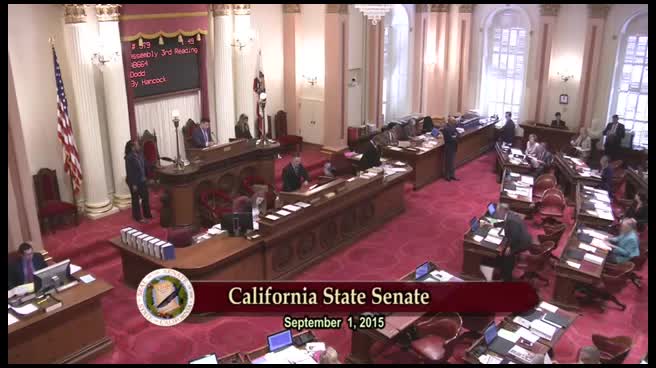
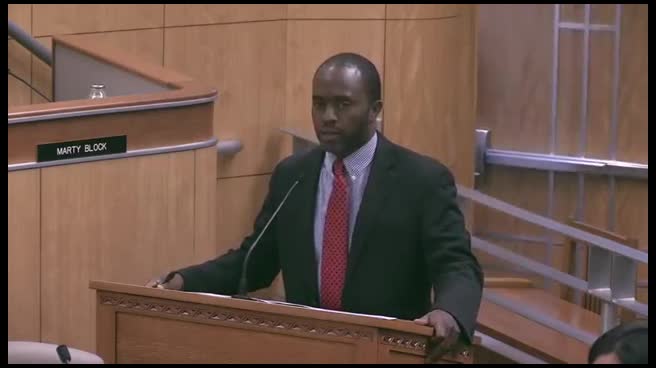
Bill Author