SB 712: Tenancy: personal micromobility devices.
- Session Year: 2023-2024
- House: Senate
- Latest Version Date: 2023-10-08
Current Status:
Passed
(2023-10-08: Chaptered by Secretary of State. Chapter 630, Statutes of 2023.)
Introduced
In Committee
First Chamber
In Committee
Second Chamber
Enacted
Existing law regulates the terms and conditions of residential tenancies. Among other things, existing law prohibits a landlord from prohibiting a tenant from posting or displaying specified political signs or displaying religious items, as specified.
This bill would prohibit a landlord from prohibiting a tenant from owning personal micromobility devices or from storing and recharging up to one personal micromobility device in their dwelling unit for each person occupying the unit, subject to certain conditions and exceptions. The bill would define personal micromobility device for those purposes to mean a device that is powered by the physical exertion of the rider or an electric motor and is designed to transport one individual or one adult accompanied by up to 3 minors.
Existing law regulates the terms and conditions of residential tenancies. Among other things, existing law prohibits a landlord from prohibiting a tenant from posting or displaying specified political signs or displaying religious items, as specified.
This bill would prohibit a landlord from prohibiting a tenant from owning a personal micromobility device devices or from storing up to one personal micromobility device in their dwelling unit for each person occupying the unit, subject to certain conditions and exceptions. The bill would define micromobility personal micromobility device for those purposes to mean a device that is powered by the physical exertion of the rider or an electric motor and is designed to transport one individual or one adult accompanied by up to 3 minors.
Existing law regulates the terms and conditions of residential tenancies. Among other things, existing law prohibits a landlord from prohibiting a tenant from posting or displaying specified political signs or displaying religious items, as specified.
This bill would prohibit a landlord from prohibiting a tenant from owning a personal micromobility device or from storing up to one personal micromobility device in their dwelling unit for each person occupying the unit, subject to certain conditions and exceptions. The bill would define micromobility device for those purposes to mean a device that is powered by the physical exertion of the rider or an electric motor and is designed to transport one individual or one adult accompanied by up to 3 minors.
Existing law regulates the terms and conditions of residential tenancies. Among other things, existing law prohibits a landlord from prohibiting a tenant from posting or displaying specified political signs or displaying religious items, as specified.
This bill would prohibit a landlord from prohibiting a tenant from owning a personal micromobility device or from storing a up to one personal micromobility device in their dwelling unit unless the landlord provides secure, long-term storage for those devices. for each person occupying the unit, subject to certain exceptions. The bill would define micromobility device for those purposes to include wheelchairs, bicycles, e-bicycles, scooters, e-scooters, skateboards, and hoverboards. mean a device that is powered by the physical exertion of the rider or an electric motor and is designed to transport one individual or one adult accompanied by up to 3 minors.
Existing law regulates the terms and conditions of residential tenancies. Among other things, existing law prohibits a landlord from prohibiting a tenant from posting or displaying specified political signs or displaying religious items, as specified.
This bill would prohibit a landlord from prohibiting a tenant from owning a personal micromobility device or from storing a personal micromobility device in their dwelling unit unless the landlord provides secure, long-term storage for those devices. The bill would define micromobility device for those purposes to include wheelchairs, bicycles, e-bicycles, scooters, e-scooters, skateboards, and hoverboards.
(a)For purposes of this section:
(1)Personal micromobility device means a device with both of the following characteristics:
(A)It is powered by the physical exertion of the rider or an electric motor.
(B)It is designed to transport one individual or one adult accompanied by up to three minors.
(2)Secure, long-term storage means a location with all of the following characteristics:
(A)Access is limited to residents of the same housing complex.
(B)It is located on the premises.
(C)It is reasonably protected against precipitation.
(D)It has a minimum of one standard electrical connection for each personal micromobility device that will be stored and recharged in that location.
(E)Tenants are not charged for its use.
(b)A landlord shall not prohibit a tenant from either of the following:
(1)Owning personal micromobility devices.
(2)(A)Storing and recharging up to one personal micromobility device in their dwelling unit for each person occupying the unit if the personal micromobility device meets one of the following:
(i)Is not powered by an electric motor.
(ii)Complies with the following safety standards:
(I)For e-bikes, UL 2849, the Standard for Electrical Systems for E-bikes, as recognized by the United States Consumer Product Safety Commission, or EN 15194, the European Standard for electrically powered assisted cycles (EPAC Bicycles).
(II)For e-scooters, UL 2272, the Standard for Electrical Systems for Personal E-Mobility Devices, as recognized by the United States Consumer Product Safety Commission, or EN 17128, the European Standard for personal light electric vehicles (PLEV).
(iii)Is insured by the tenant under an insurance policy covering storage of the device within the tenants dwelling unit. The owner may prohibit the tenant from charging a device in the unit if the device does not meet the standards in subclauses (I) and (II) of clause (ii).
(B)Subparagraph (A) does not apply if the landlord provides the tenant secure, long-term storage for the tenants personal micromobility devices.
(C)Subparagraphs (A) and (B) do not apply to circumstances in which an occupant of the unit requires the use of a personal micromobility device as an accommodation for a disability.
(c)This section does not require a landlord to modify or approve a tenants request to modify a rental dwelling unit for the purpose of storing a micromobility device inside of the dwelling unit.
(d)This section does not prohibit a landlord from doing any of the following:
(1)(A)Prohibiting repair or maintenance on batteries and motors of personal micromobility devices within a dwelling unit.
(B)Subparagraph (A) does not prohibit a tenant from changing a flat tire or adjusting the brakes on a personal micromobility device within the unit.
(2)Requiring a tenant to store a personal micromobility device in compliance with applicable fire code.
(3)Requiring a tenant to store a personal micromobility device in compliance with the Office of State Fire Marshal Information Bulletin 23-003 regarding lithium-ion battery safety, issued April 3, 2023, or any updated guidance issued by the Office of the State Fire Marshal regarding lithium-ion battery safety, if such bulletin or guidance is provided to the tenant by the landlord.
(e)This section does not limit the rights and remedies available to disabled persons under federal or state law.
(a)For purposes of this section:
(1)Personal micromobility device means a device with both of the following characteristics:
(A)It is powered by the physical exertion of the rider or an electric motor.
(B)It is designed to transport one individual or one adult accompanied by up to three minors.
(2)Secure, long-term storage means a location with all of the following characteristics:
(A)Access is limited to residents of the same housing complex.
(B)It is located on the premises.
(C)It is reasonably protected against precipitation.
(D)It has a minimum of one standard electrical connection for each personal micromobility device that will be stored and recharged in that location.
(E)Tenants are not charged for its use.
(b)A landlord shall not prohibit a tenant from either of the following:
(1)Owning personal micromobility devices.
(2)(A)Storing and recharging up to one personal micromobility device in their dwelling unit for each person occupying the unit if the personal micromobility device meets one of the following:
(i)Is not powered by an electric motor.
(ii)Complies with the following safety standards:
(I)For e-bikes, UL 2849, the Standard for Electrical Systems for E-bikes, as recognized by the United States Consumer Product Safety Commission, or EN 15194, the European Standard for electrically powered assisted cycles (EPAC Bicycles).
(II)For e-scooters, UL 2272, the Standard for Electrical Systems for Personal E-Mobility Devices, as recognized by the United States Consumer Product Safety Commission, or EN 17128, the European Standard for personal light electric vehicles (PLEV).
(iii)Is insured by the tenant under an insurance policy covering storage of the device within the tenants dwelling unit. The owner may prohibit the tenant from charging a device in the unit if the device does not meet the standards in subclauses (I) and (II) of clause (ii).
(B)Subparagraph (A) does not apply if the landlord provides the tenant secure, long-term storage for the tenants personal micromobility devices.
(C)Subparagraphs (A) and (B) do not apply to circumstances in which an occupant of the unit requires the use of a personal micromobility device as an accommodation for a disability.
(c)This section does not require a landlord to modify or approve a tenants request to modify a rental dwelling unit for the purpose of storing a micromobility device inside of the dwelling unit.
(d)This section does not prohibit a landlord from doing either any of the following:
(1)(A)Prohibiting repair or maintenance on batteries and motors of personal micromobility devices within a dwelling unit.
(B)Subparagraph (A) does not prohibit a tenant from changing a flat tire or adjusting the brakes on a personal micromobility device within the unit.
(2)Requiring a tenant to store a personal micromobility device in compliance with applicable fire code.
(3)Requiring a tenant to store a personal micromobility device in compliance with the Office of State Fire Marshal Information Bulletin 23-003 regarding lithium-ion battery safety, issued April 3, 2023, or any updated guidance issued by the Office of the State Fire Marshal regarding lithium-ion battery safety, if such bulletin or guidance is provided to the tenant by the landlord.
(e)This section does not limit the rights and remedies available to disabled persons under federal or state law.
(a)For purposes of this section:
(1)Personal micromobility device means a device with both of the following characteristics:
(A)It is powered by the physical exertion of the rider or an electric motor.
(B)It is designed to transport one individual or one adult accompanied by up to three minors.
(2)Secure, long-term storage means a location with all of the following characteristics:
(A)Access is limited to residents of the same housing complex.
(B)It is located on the premises.
(C)It is reasonably protected against precipitation.
(D)It has a minimum of one standard electrical connection for each personal micromobility device that will be stored in that location.
(E)Tenants are not charged for its use.
(b)A landlord shall not prohibit a tenant from either of the following:
(1)Owning personal micromobility devices.
(2)(A)Storing up to one personal micromobility device in their dwelling unit for each person occupying the unit if the personal micromobility device either: device meets one of the following:
(i)Is not powered by an electric motor.
(i)(ii)Complies with the following safety standards:
(I)For e-bikes, UL 2849, the Standard for Electrical Systems for E-bikes, as recognized by the United States Consumer Product Safety Commission, or EN 15194, the European Standard for electrically powered assisted cycles (EPAC Bicycles).
(II)For e-scooters, UL 2272, the Standard for Electrical Systems for Personal E-Mobility Devices, as recognized by the United States Consumer Product Safety Commission, or EN 17128, the European Standard for personal light electric vehicles (PLEV).
(ii)(iii)Is insured by the tenant under an insurance policy covering storage of the device within the tenants dwelling unit. The owner may prohibit the tenant from charging a device in the unit if the device does not meet the standards in subclauses (I) and (II) of clause (ii).
(B)Subparagraph (A) does not apply if the landlord provides the tenant secure, long-term storage for the tenants personal micromobility devices.
(C)Subparagraphs (A) and (B) do not apply to circumstances in which an occupant of the unit requires the use of a personal micromobility device as an accommodation for a disability.
(c)This section does not require a landlord to modify or approve a tenants request to modify a rental dwelling unit for the purpose of storing a micromobility device inside of the dwelling unit.
(d)This section does not prohibit a landlord from doing either of the following:
(1)Prohibiting repair or maintenance of personal micromobility devices within a dwelling unit.
(2)Requiring a tenant to store a personal micromobility device in compliance with applicable fire code.
(e)This section does not limit the rights and remedies available to disabled persons under federal or state law.
(a)For purposes of this section:
(1)Personal micromobility device means a device with both of the following characteristics:
(A)It is powered by the physical exertion of the rider or an electric motor.
(B)It is designed to transport one individual or one adult accompanied by up to three minors.
(2)Secure, long-term storage means a location with all of the following characteristics:
(A)Access is limited to residents of the same housing complex.
(B)It is located on the premises.
(C)It is reasonably protected against precipitation.
(D)It has a minimum of one standard electrical connection for each personal micromobility device that will be stored in that location.
(E)Tenants are not charged for its use.
(b)A landlord shall not prohibit a tenant from either of the following:
(1)Owning personal micromobility devices.
(2)(A)Storing up to one personal micromobility device in their dwelling unit for each person occupying the unit. unit if the personal micromobility device either:
(i)Complies with the following safety standards:
(I)For e-bikes, UL 2849, the Standard for Electrical Systems for E-bikes, as recognized by the United States Consumer Product Safety Commission, or EN 15194, the European Standard for electrically powered assisted cycles (EPAC Bicycles).
(II)For e-scooters, EN 17128, the European Standard for personal light electric vehicles (PLEV).
(ii)Is insured by the tenant under an insurance policy covering storage of the device within the tenants dwelling unit.
(B)Subparagraph (A) does not apply if the landlord provides the tenant secure, long-term storage for the tenants personal micromobility devices.
(C)Subparagraph (B) does Subparagraphs (A) and (B) do not apply to circumstances in which an occupant of the unit requires the use of a personal micromobility device as an accommodation for a disability.
(c)This section does not require a landlord to modify or approve a tenants request to modify a rental dwelling unit for the purpose of storing a micromobility device inside of the dwelling unit.
(d)This section does not prohibit a landlord from doing either of the following:
(1)Prohibiting repair or maintenance of personal micromobility devices within a dwelling unit.
(2)Requiring a tenant to store a personal micromobility device in compliance with applicable fire code.
(e)This section does not limit the rights and remedies available to disabled persons under federal or state law.
(a)For purposes of this section:
(1)Personal micromobility device means a device with both of the following characteristics:
(A)It is powered by the physical exertion of the rider or an electric motor.
(B)It is designed to transport one individual or one adult accompanied by up to three minors.
(2)Secure, long-term storage means a location with all of the following characteristics:
(A)Access is limited to residents of the same housing complex.
(B)It is located on the premises.
(C)It is reasonably protected against precipitation.
(D)It has a minimum of one standard electrical connection for each personal micromobility device that will be stored in that location.
(E)Tenants are not charged for its use.
(b)A landlord shall not prohibit a tenant from either of the following:
(1)Owning personal micromobility devices.
(2)(A)Storing a up to one personal micromobility device in their dwelling unit unless the landlord provides secure, long-term storage for those devices. for each person occupying the unit.
(B)Subparagraph (A) does not apply if the landlord provides the tenant secure, long-term storage for the tenants personal micromobility devices.
(C)Subparagraph (B) does not apply to circumstances in which an occupant of the unit requires the use of a personal micromobility device as an accommodation for a disability.
(b)For purposes of this section, micromobility devices includes, but is not limited to, wheelchairs, bicycles, e-bicycles, scooters, e-scooters, skateboards, and hoverboards.(c)This section does not require a landlord to modify or approve a tenants request to modify a rental dwelling unit for the purpose of storing a micromobility device inside of the dwelling unit.
(d)This section does not prohibit a landlord from doing either of the following:
(1)Prohibiting repair or maintenance of personal micromobility devices within a dwelling unit.
(2)Requiring a tenant to store a personal micromobility device in compliance with applicable fire code.
(e)This section does not limit the rights and remedies available to disabled persons under federal or state law.
(a)A landlord shall not prohibit a tenant from either of the following:
(1)Owning personal micromobility devices.
(2)Storing a personal micromobility device in their dwelling unit unless the landlord provides secure, long-term storage for those devices.
(b)For purposes of this section, micromobility devices includes, but is not limited to, wheelchairs, bicycles, e-bicycles, scooters, e-scooters, skateboards, and hoverboards.
|
Date
|
Status
|
|---|---|
| Oct 8, 2023 | Chaptered by Secretary of State. Chapter 630, Statutes of 2023. |
| Oct 8, 2023 | Approved by the Governor. |
| Sep 13, 2023 | Enrolled and presented to the Governor at 4 p.m. |
| Sep 7, 2023 | Assembly amendments concurred in. (Ayes 33. Noes 3. Page 2471.) Ordered to engrossing and enrolling. |
| Sep 6, 2023 | In Senate. Concurrence in Assembly amendments pending. |
| Sep 6, 2023 | Read third time. Passed. (Ayes 73. Noes 0. Page 2974.) Ordered to the Senate. |
| Aug 31, 2023 | Ordered to third reading. |
| Aug 31, 2023 | Read third time and amended. |
| Jun 29, 2023 | Ordered to third reading. |
| Jun 29, 2023 | From consent calendar on motion of Assembly Member Reyes. |
| Jun 28, 2023 | Read second time. Ordered to consent calendar. |
| Jun 27, 2023 | From committee: Do pass. Ordered to consent calendar. (Ayes 11. Noes 0.) (June 27). |
| Jun 22, 2023 | From committee with author's amendments. Read second time and amended. Re-referred to Com. on JUD. |
| Jun 14, 2023 | June 20 set for first hearing canceled at the request of author. |
| Jun 12, 2023 | From committee with author's amendments. Read second time and amended. Re-referred to Com. on JUD. |
| Jun 8, 2023 | Referred to Com. on JUD. |
| May 26, 2023 | In Assembly. Read first time. Held at Desk. |
| May 26, 2023 | Read third time. Passed. (Ayes 29. Noes 3. Page 1326.) Ordered to the Assembly. |
| Mar 30, 2023 | Read second time and amended. Ordered to third reading. |
| Mar 29, 2023 | From committee: Do pass as amended. (Ayes 9. Noes 1. Page 577.) (March 28). |
| Mar 9, 2023 | Set for hearing March 28. |
| Mar 1, 2023 | Referred to Com. on JUD. |
| Feb 17, 2023 | From printer. May be acted upon on or after March 19. |
| Feb 16, 2023 | Introduced. Read first time. To Com. on RLS. for assignment. To print. |
|
Date
|
Description
|
Location
|
Votes
|
|
|---|---|---|---|---|
| Sep 7, 2023 | Unfinished Business SB712 Portantino Concurrence | Senate Floor |
Passed |
|
| Sep 6, 2023 | SB 712 Portantino Senate Third Reading By Boerner | Assembly Floor |
Passed |
|
| Jun 27, 2023 | Do pass. To Consent Calendar. | Assembly Standing Committee on Judiciary |
Passed |
|
| May 26, 2023 | Senate 3rd Reading SB712 Portantino | Senate Floor |
Passed |
|
| Mar 28, 2023 | Do pass as amended | Senate Standing Committee on Judiciary |
Passed |
This list shows positions taken on this bill by organizations on the date displayed, which is linked to the original source.
Positions by individuals are not included.
|
Organization
|
Position
|
Date
|
|---|---|---|
| Active San Gabriel Valley | ** Support | |
| California Apartment Association | ** Support | |
| California Bicycle Coalition | ** Support | |
| Circulate San Diego | ** Support | |
| City of Alameda | ** Support | |
| Costa Mesa Alliance for Better Streets | ** Support | |
| Culver City Democratic Club | ** Support | |
| East Bay for Everyone | ** Support | |
| Marin County Bicycle Coalition | ** Support | |
| Move LA | ** Support | |
| Move Santa Barbara County | ** Support | |
| Northern California Association of Commuter Transportation | ** Support | |
| Norwalk Unides | ** Support | |
| San Diego County Bicycle Coalition | ** Support | |
| Santa Ana Active Streets | ** Support | |
| Streets for All | ** Support | |
| Telegraph for People | ** Support |
SENATE RULES COMMITTEE Office of Senate Floor Analyses (916) 651-1520 Fax: (916) 327-4478 | SB 712 |
UNFINISHED BUSINESS
Bill No: SB 712
Author: Portantino (D)
Amended: 8/31/23
Vote: 21
SENATE JUDICIARY COMMITTEE: 9-1, 3/28/23
AYES: Umberg, Wilk, Allen, Ashby, Caballero, Durazo, Laird, Min, Wiener
NOES: Niello
NO VOTE RECORDED: Stern
SENATE FLOOR: 29-3, 5/26/23
AYES: Allen, Archuleta, Ashby, Atkins, Becker, Blakespear, Bradford, Cortese, Dodd, Durazo, Eggman, Glazer, Gonzalez, Hurtado, Laird, Limón, McGuire, Menjivar, Min, Newman, Padilla, Portantino, Roth, Skinner, Smallwood-Cuevas, Umberg, Wahab, Wiener, Wilk
NOES: Jones, Niello, Seyarto
NO VOTE RECORDED: Alvarado-Gil, Caballero, Dahle, Grove, Nguyen, Ochoa Bogh, Rubio, Stern
ASSEMBLY FLOOR: 73-0, 9/6/23 - See last page for vote
SUBJECT: Tenancy: personal micromobility devices
SOURCE: Streets for All
DIGEST:
This bill prohibits a landlord from prohibiting a tenant from owning personal micromobility devices, as defined, or from storing and recharging up to one personal micromobility device in their dwelling unit for each person occupying the unit, subject to certain conditions and exceptions.
Assembly Amendments
make clarifying changes and specify safety standards and insurance requirements for micromobility devices.
ANALYSIS:
Existing law:
- Requires a landlord to approve a tenant’s written request to install an EV charging station at a parking space allotted for the lessee, so long as the request meets specified conditions and complies with the landlord’s approval process for modification to the property. (Civ. Code § 1947.6.)
- Prohibits a landlord from requiring a tenant to declaw or devocalize a pet cat as a condition of occupancy. (Civ. Code § 1942.7.)
- Prevents a landlord from prohibiting the installation of a clothesline or drying rack, subject to specified conditions. (Civ. Code § 1940.20.)
- Prevents a landlord from prohibiting tenants from engaging in personal agriculture on the rental premises, subject to specified conditions. (Civ. Code § 1940.10.)
- Prevents a landlord from prohibiting tenants from displaying political signs, subject to specified conditions and limitations. (Civ. Code § 1940.4.)
- Prevents a landlord from prohibiting tenants from affixing or displaying religious items on a doorway or door frame, subject to specified conditions. (Civ. Code § 1940.45.)
This bill:
- Defines “personal micromobility device” as a device that is powered by the physical exertion of the rider or an electric motor and is designed to transport one individual or one adult accompanied by up to three minors.
- Defines “Secure, long-term storage” as specified.
- Provides that a landlord shall not prohibit a tenant from owning personal micromobility devices.
- Provides that a landlord shall not prohibit a tenant from storing and recharging up to one personal micromobility device in their dwelling unit for each person occupying the unit if the personal micromobility device meets specified criteria.
- Provides that this bill does not require a landlord to modify or approve a tenant’s request to modify a rental dwelling unit for the purpose of storing a micromobility device inside of the dwelling unit.
- Provides that this bill does not prohibit a landlord from prohibiting repair or maintenance on batteries and motors of personal micromobility devices within a dwelling unit, as specified.
- Specifies that this bill does not prohibit a landlord from requiring a tenant to store a personal micromobility device in compliance with applicable fire code.
- Specifies that this bill does not prohibit a landlord from requiring a tenant to store a personal micromobility device in compliance with the Office of State Fire Marshal Information Bulletin 23-003 regarding lithium-ion battery safety, issued April 3, 2023, or any updated guidance issued by the Office of the State Fire Marshal regarding lithium-ion battery safety, if such bulletin or guidance is provided to the tenant by the landlord.
- Specifies that this bill does not limit the rights and remedies available to disabled persons under federal or state law.
Comments
Personal micromobility devices as key components of successful public transportation networks. Apart from the critical role that they can play in helping some people with disabilities to get around, personal micromobility devices – things like bicycles, scooters, hoverboards, skateboards, and their electric equivalents – were long associated with leisure activity. More recently, these devices have been recognized as potentially key components of a good public transit system.
Personal micromobility devices provide public transportation users with what is sometimes referred to as the “first and last miles.” The first mile is the trip between the rider’s unique starting point and the public transportation nodes where they join other riders such as bus stops, rail terminals, and subway stations. The last mile is the back end journey between the shared public transportation node and the rider’s unique final destination. For some riders, the availability of personal micromobility devices to cover the first and last mile makes a crucial difference in the accessibility and attractiveness of utilizing public transport.
As a 2021 U.S. Department of Transportation publication put it:
Shared micromobility devices such as bicycles, electric bicycles (e-bicycles), and e-scooters may create a more diverse, convenient, and accessible transportation network, which can provide more transportation options, reduce congestion, and improve quality of life.[1]
In response to a recent series of fires in New York City attributed to people charging lithium ion batteries for electronic bicycles, the fire department there has instituted new rules requiring landlords to post safety signage about the devices.[2] Some New York landlords have apparently gone even further, simply banning their tenants from keeping such bicycles in their units at all.[3] Tenants in these situations are effectively cut off from using such devices. Absent an alternative place to keep the devices securely nearby, having and using a personal micromobility device becomes effectively impossible.
To address this dynamic, this bill prevents landlords from prohibiting tenants from owning personal micromobility devices. Just as importantly, the bill would prevent landlords from banning the storage of personal micromobility devices inside dwelling units if the devices meet certain criteria, thus ensuring that tenants would have a safe, accessible place to keep the devices, protected from the elements and from theft. Enabling all tenants to keep personal micromobility devices with them where they live also facilitates the charging of those personal micromobility devices that rely on an electric motor and battery power. The bill does not require a landlord to modify or approve a tenant’s request to modify a rental dwelling unit for the purpose of storing a micromobility device inside of the dwelling unit. A landlord may still prohibit repair or maintenance on batteries and motors of personal micromobility devices within a dwelling unit, as specified. This bill makes it clear that a landlord can still require a tenant to store a personal micromobility device in compliance with applicable fire code.
FISCAL EFFECT: Appropriation: No Fiscal Com.: No Local: No
SUPPORT: (Verified 9/6/23)
Streets for All (source)
Active San Gabriel Valley
California Apartment Association
California Bicycle Coalition
Circulate San Diego
City of Alameda
Costa Mesa Alliance for Better Streets
Culver City Democratic Club
East Bay for Everyone
Marin County Bicycle Coalition
Move LA
MOVE Santa Barbara County
Northern California Association of Commuter Transportation
Norwalk Unides
San Diego County Bicycle Coalition
Santa Ana Active Streets
Streets for All
Telegraph for People
OPPOSITION: (Verified 9/6/23)
None received
ARGUMENTS IN SUPPORT: According to the author:
As the popularity of electric bikes (e-bikes) continues to grow, it is becoming increasingly important to address the issue of landlords banning these vehicles from apartments and homes. E-bikes are a sustainable and efficient mode of transportation that can greatly benefit individuals and communities by reducing traffic congestion, air pollution, and carbon emissions. However, many landlords are prohibiting their tenants from keeping e-bikes in their units, which can hinder their ability to use this convenient and eco-friendly mode of transportation. […] Legislation that prevents landlords from banning e-bikes in apartments and homes would help to ensure that individuals have the right to choose sustainable transportation options that best suit their needs. It would also help to promote the growth of the e-bike industry by increasing demand and accessibility.
As sponsor of the bill, Streets for All writes:
Private developers across the country (including most notably in New York City) have begun enacting measures to limit or outright ban their tenants from owning or storing micromobility devices such as e-bikes in their units. […] This bill […] would ensure that landlords do not prevent a tenant from purchasing or owning a micromobility device. The more renters have other options for transportation, the more we can get individuals out of cars and help meet our climate goals as a state.
ASSEMBLY FLOOR: 73-0, 9/6/23
AYES: Addis, Aguiar-Curry, Alanis, Alvarez, Arambula, Bauer-Kahan, Bennett, Berman, Boerner, Bonta, Bryan, Calderon, Juan Carrillo, Cervantes, Chen, Connolly, Megan Dahle, Davies, Dixon, Flora, Mike Fong, Vince Fong, Friedman, Gabriel, Gallagher, Garcia, Gipson, Haney, Hart, Holden, Hoover, Jackson, Jones-Sawyer, Kalra, Lackey, Lee, Low, Lowenthal, Maienschein, Mathis, McCarty, McKinnor, Muratsuchi, Stephanie Nguyen, Ortega, Pacheco, Papan, Jim Patterson, Joe Patterson, Pellerin, Petrie-Norris, Quirk-Silva, Ramos, Rendon, Reyes, Luz Rivas, Rodriguez, Blanca Rubio, Sanchez, Santiago, Soria, Ta, Ting, Valencia, Villapudua, Waldron, Wallis, Ward, Weber, Wicks, Wood, Zbur, Robert Rivas
NO VOTE RECORDED: Bains, Wendy Carrillo, Essayli, Grayson, Irwin, Schiavo, Wilson
Prepared by: Margie Estrada / JUD. / (916) 651-4113
9/6/23 18:20:14
**** END ****
Price et al. Micromobility: A Travel Mode Innovation (Spring 2021) U.S. Department of Transportation, Federal Highway Administration https://highways.dot.gov/public-roads/spring-2021/02 (as of Mar. 4, 2023). ↑
Adcroft. FDNY to Require Landlords to Post E-Bike Safety Signage After Series of Fires (Nov. 28, 2022) Spectrum News NY1 https://www.ny1.com/nyc/all-boroughs/news/2022/11/28/fdny-to-require-landlords-to-post-e-bike-safety-signage-after-series-of-fires (as of Mar. 22, 2023). ↑
McNicholas. Some Say Despite Rash of Fires, E-Bike Ban in NYC Buildings is Not the Right Approach (Nov. 7, 2022) CBS New York https://www.cbsnews.com/newyork/news/some-say-despite-rash-of-fires-e-bike-ban-in-nyc-buildings-is-not-the-right-approach/ (as of Mar. 22, 2023). ↑
SENATE THIRD READING
STR Bill Id:SB 712
Author:(Portantino)
As Amended Ver:August 31, 2023
Majority vote
SUMMARY
Prevents landlords from prohibiting their tenants from owning personal micromobility devices or storing and recharging such devices in their dwelling units.
Major Provisions
- Establishes that a landlord cannot prohibit a tenant from owning a personal micromobility device.
- Establishes that a landlord cannot prohibit a tenant from storing and recharging up to one personal micromobility device in their unit for each person occupying the unit, provided that the micromobility device complies with established safety standards or is insured by the tenant's insurance policy.
- Establishes that a landlord may prohibit storage and recharging of such devices in a residential dwelling unit, if they provide the tenant alternative secure, long-term storage for their device.
- Establishes that a landlord may prohibit the tenant from storing and recharging a device in the dwelling unit if the device does not meet the following prescribed safety standards:
- For e-bikes, UL 2849, the Standard for Electrical Systems for E-bikes, as recognized by the United States Consumer Product Safety Commission, or EN 15194, the European Standard for electrically powered assisted cycles (EPAC Bicycles).
- For e-scooters, UL 2272, the Standard for Electrical Systems for Personal E-Mobility Devices, as recognized by the United States Consumer Product Safety Commission, or EN 17128, the European Standard for personal light electric vehicles (PLEV).
- Provides that 2) and 3), above, do not apply to circumstances in which an occupant of a unit requires the use of personal micromobility device as an accommodation for a disability.
- Defines "personal micromobility device" as a device that is a) powered by the physical exertion of the rider or an electric motor; and b) designated to transport up to one adult and three minors.
- Defines "secure, long term storage" as a location that has the following characteristics:
- Access is limited to residents of the same housing complex;
- It is located on the premises;
- It is reasonably protected against precipitation;
- It has a minimum of one standard electrical connection for each personal micromobility device that will be stored and recharged in that location; and
- Tenants are not charged for its use.
- Clarifies that a landlord is not required to modify or approve a tenant's request to modify a rental dwelling unit for the purpose of storing a device within the dwelling unit.
- Clarifies that a landlord is permitted to prohibit the repair or maintenance on batteries and motors of personal micromobility devices within a dwelling unit.
- Provides that 9) does not prohibit a tenant from changing a flat tire or adjusting the brakes on a personal micromobility device within the unit.
- Clarifies that a landlord is permitted to require tenant to store a personal micromobility device in compliance with applicable fire code.
- Establishes that a landlord may require a tenant to store a personal micromobility device in compliance with the Office of State Fire Marshal Information Bulletin 23-003 regarding lithium-ion battery safety, issued April 3, 2023, or any updated guidance issued by the Office of the State Fire Marshal regarding lithium-ion battery safety, if such bulletin or guidance is provided to the tenant by the landlord.
- Clarifies that this bill does not limit the rights and remedies available to disabled persons under federal law.
COMMENTS
Personal micromobility devices include things such as bicycles, scooters, skateboards, and their electric equivalents. These devices are becoming increasingly popular in use, with e-bikes becoming America's best-selling electric vehicle. As California moves towards its zero emission goals, these devices will invariably play a large and growing role in ensuring it meets its objectives. This bill permits a tenant to store their personal micromobility devices within their dwelling unit if it complies with certain safety standards or the tenant has obtained insurance for the device, in the event the landlord does not provide alternative safe storage. The bill also permits a landlord to prohibit a tenant from charging electronic personal micromobility devices if they do not comply with certain safety standards.
What is a personal micromobility device? The bill defines "personal micromobility device" as a device "powered by the physical exertion of the rider or an electric motor." This includes things like bicycles, scooters, hoverboards, skateboards, and their electric equivalents. Micromobility devices, especially those powered by electric motor, have rapidly proliferated in cities nationwide, proving to be a popular transportation option for many users. The United States (U.S.) electric bike market continues to boom according to the latest figures from the Light Electric Vehicle Association (LEVA). The U.S. imported nearly 790,000 electric two-wheelers in 2021, according to LEVA's estimate, up from 463,000 in 2020. [https://www.bloomberg.com/news/articles/2022-01-21/u-s-e-bike-sales-outpaced-electric-cars-in-2021.] Although this is not a sales figure, it is a useful proxy for the state of the U.S. e-bike market. This research suggests that e-bikes are the best-selling electric vehicles in the country.
This bill strikes the right balance between permitting tenants to utilize and store micromobility devices, and ensuring compliance with applicable safety standards. In response to a recent series of fires in New York City attributed to people charging lithium ion batteries for electronic bicycles, the fire department there has instituted new rules requiring landlords to post safety signage about the devices. (Adcroft, FDNY to Require Landlords to Post E-Bike Safety Signage After Series of Fires (Nov. 28, 2022) Spectrum News NY1 [https://www.ny1.com/nyc/all-boroughs/news/2022/11/28/fdny-to-require-landlords-to-post-e-bike-safety-signage-after-series-of-fires.] Some New York landlords have apparently gone even further, simply banning tenants from keeping such bicycles in their units at all. (McNicholas, Some Say Despite Rash of Fires, E-Bike Ban in NYC Buildings is Not the Right Approach (Nov. 7, 2022) CBS New York https://www.cbsnews.com/newyork/news/some-say-despite-rash-of-fires-e-bike-ban-in-nyc-buildings-is-not-the-right-approach/.) These lithium ion fires remain relatively rare, but have occurred across the globe, including in California. (Torrez, 5 injured after e-bike battery catches fire in San Francisco apartment (May 9, 2023) KTVU https://www.ktvu.com/news/5-injured-after-e-bike-battery-catches-fire-in-san-francisco-apartment.)
In the United States, the typical wall-mounted electrical socket emits 120 volts of electricity, which is about the amount of electricity required to run a refrigerator. Standard electrified personal micromobility device batteries can be charged with any standard 120-volt outlet. (Electric Bike Place, Electric Bike Basics: 8 Common Charger Questions Answered, [https://electricbikeplace.com/blog/electric-bike-basics-8-common-charger-questions-answered/] (last accessed June 2, 2023).) Charging an e-bike battery shares many of the characteristics as charging any other small portable electronic, which are ubiquitous across the country. The fires and malfunctions discussed above may occur when non-certified devices are charged.
Many small portable devices utilized by Americans are reviewed and certified by national laboratories to ensure safety and reliability. The widely used "UL Mark" represents that a product has been certified by either Underwriter's Laboratory or Intertek, nationally recognized leaders in testing the safety of consumer products. These consumer product safety laboratories are two of several national laboratories certified by the Occupational Health and Safety Administration for the testing of consumer products. On December 20, 2022, the U.S. Consumer Product Safety Commission's (CPSC) called on manufacturers, retailers, importers, and distributors of micromobility devices to comply with established UL safety standards. This bill acknowledges the reliability of the certification from the national laboratories. Accordingly, for devices that obtain a certification from a national laboratory, as specified, this bill would exempt tenants who want to store those certified devices in their dwelling units from any additional insurance requirement for that device.
It should be noted that nothing in this bill would preclude a landlord from requiring a tenant to obtain a renter's insurance policy. These policies typically protect the tenant and landlord from liability for harms caused by the tenant, as well as protecting against damage to their appliances, furniture, and other fixtures and personal property in and around the rented space. Given the safety of certified electric micromobility devices and their batteries, there is little evidence to suggest that coverage provided by existing renters insurance is insufficient to cover the risk associated with these devices.
According to the Author
As the popularity of electric bikes (e-bikes) continues to grow, it is becoming increasingly important to address the issue of landlords banning these vehicles from apartments and homes. E-bikes are a sustainable and efficient mode of transportation that can greatly benefit individuals and communities by reducing traffic congestion, air pollution, and carbon emissions. However, many landlords are prohibiting their tenants from keeping e-bikes in their units, which can hinder their ability to use this convenient and eco-friendly mode of transportation.
Banning e-bikes in apartments and homes can disproportionately affect low-income individuals and communities of color. These groups may be more likely to rely on e-bikes as a primary mode of transportation due to limited access to other options. Banning e-bikes can create an unnecessary financial burden for these individuals, as they may have to invest in other transportation options that are less sustainable and more expensive.
Legislation that prevents landlords from banning e-bikes in apartments and homes would help to ensure that individuals have the right to choose sustainable transportation options that best suit their needs. It would also help to promote the growth of the e-bike industry by increasing demand and accessibility.
Arguments in Support
Streets for All, the sponsor of this bill, explains the need for this measure:
An extremely rare instance of e-bike battery malfunction has some landlords responding with discriminatory bans of micromobility devices and their storage by tenants. This disproportionately impacts low-income families who may be car-free or car-light and rely instead of micromobility as their mode of transportation. These policies also run contrary to our nation's climate and greenhouse gas reduction goals. Existing law regulates the terms and conditions of residential tenancies. Among other things, existing law prohibits a landlord from prohibiting a tenant from posting or displaying specified political signs or displaying religious items, as specified. This bill, which defines "micromobility device" for those purposes to include wheelchairs, bicycles, e-bicycles, scooters, e-scooters, skateboards, and hoverboards would ensure that landlords do not prevent a tenant from purchasing or owning a micromobility device.
The more renters have other options for transportation, the more we can get individuals out of cars and help meet our climate goals as a state.
The California Apartment Association, which negotiated amendments for this bill, also writes in support of the bill in print:
We appreciate your working with us to ensure that a micromobility device, which is stored in the residential rental unit, must include approved batteries. This requirement will help to ensure that the building and tenants are safe from a potential fire, which fire can be caused by device batteries that are not certified.
In addition to the June 12 amendments, we also appreciate your agreeing to include additional language to clarify that a device, which does not include an approved battery, can be stored in the rental unit so long as the tenant maintains insurance and the device is not plugged in and charged inside the unit.
Arguments in Opposition
No opposition on file.
FISCAL COMMENTS
None
VOTES
SENATE FLOOR: 29-3-8
YES: Allen, Archuleta, Ashby, Atkins, Becker, Blakespear, Bradford, Cortese, Dodd, Durazo, Eggman, Glazer, Gonzalez, Hurtado, Laird, Limón, McGuire, Menjivar, Min, Newman, Padilla, Portantino, Roth, Skinner, Smallwood-Cuevas, Umberg, Wahab, Wiener, Wilk
NO: Jones, Niello, Seyarto
ABS, ABST OR NV: Alvarado-Gil, Caballero, Dahle, Grove, Nguyen, Ochoa Bogh, Rubio, Stern
ASM JUDICIARY: 11-0-0
YES: Maienschein, Essayli, Connolly, Dixon, Haney, Kalra, Pacheco, Papan, Reyes, Lee, Sanchez
UPDATED
VERSION: August 31, 2023
CONSULTANT: Shiran Zohar / JUD. / (916) 319-2334 FN: 0001405
SENATE THIRD READING
STR Bill Id:SB 712
Author:(Portantino)
As Amended Ver:June 22, 2023
Majority vote
SUMMARY
Prevents landlords from prohibiting their tenants from owning personal micromobility devices or storing such devices in their dwelling units.
Major Provisions
- Establishes that a landlord cannot prohibit a tenant from owning a personal micromobility device.
- Establishes that a landlord cannot prohibit a tenant from storing up to one personal micromobility device in their unit for each person occupying the unit, provided that the micromobility device complies with established safety standards or is insured by the tenant's insurance policy.
- Establishes that a landlord may prohibit storage of such devices in a residential dwelling unit, if they provide the tenant alternative secure, long-term storage for their device.
- Establishes that a landlord may prohibit the tenant from charging a device in the dwelling unit if the device does not meet the following prescribed safety standards:
- For e-bikes, UL 2849, the Standard for Electrical Systems for E-bikes, as recognized by the United States Consumer Product Safety Commission, or EN 15194, the European Standard for electrically powered assisted cycles (EPAC Bicycles).
- For e-scooters, UL 2272, the Standard for Electrical Systems for Personal E-Mobility Devices, as recognized by the United States Consumer Product Safety Commission, or EN 17128, the European Standard for personal light electric vehicles (PLEV).
- Provides that 2) and 3), above, do not apply to circumstances in which an occupant of a unit requires the use of personal micromobility device as an accommodation for a disability.
- Defines "personal micromobility device" as a device that is a) powered by the physical exertion of the rider or an electric motor; and b) designated to transport up to one adult and three minors.
- Defines "secure, long term storage" as a location that has the following characteristics:
- Access is limited to residents of the same housing complex;
- It is located on the premises;
- It is reasonably protected against precipitation;
- It has a minimum of one standard electrical connection for each personal micromobility device that will be stored in that location; and
- Tenants are not charged for its use.
- Clarifies that a landlord is not required to modify or approve a tenant's request to modify a rental dwelling unit for the purpose of storing a device within the dwelling unit.
- Clarifies that a landlord is permitted to prohibit the repair or maintenance of a personal micromobility device within a dwelling unit.
- Clarifies that a landlord is permitted to require tenant to store a personal micromobility device in compliance with applicable fire code.
- Clarifies that this bill does not limit the rights and remedies available to disabled persons under federal law.
COMMENTS
Personal micromobility devices include things such as bicycles, scooters, skateboards, and their electric equivalents. These devices are becoming increasingly popular in use, with e-bikes becoming America’s best-selling electric vehicle. As California moves towards its zero emission goals, these devices will invariably play a large and growing role in ensuring it meets its objectives. This bill permits a tenant to store their personal micromobility devices within their dwelling unit if it complies with certain safety standards or the tenant has obtained insurance for the device, in the event the landlord does not provide alternative safe storage. The bill also permits a landlord to prohibit a tenant from charging electronic personal micromobility devices if they do not comply with certain safety standards.
What is a personal micromobility device? The bill defines "personal micromobility device" as a device "powered by the physical exertion of the rider or an electric motor." This includes things like bicycles, scooters, hoverboards, skateboards, and their electric equivalents. Micromobility devices, especially those powered by electric motor, have rapidly proliferated in cities nationwide, proving to be a popular transportation option for many users. The U.S. electric bike market continues to boom according to the latest figures from the Light Electric Vehicle Association (LEVA). The U.S. imported nearly 790,000 electric two-wheelers in 2021, according to LEVA's estimate, up from 463,000 in 2020. [https://www.bloomberg.com/news/articles/2022-01-21/u-s-e-bike-sales-outpaced-electric-cars-in-2021.] Although this is not a sales figure, it is a useful proxy for the state of the U.S. e-bike market. This research suggests that e-bikes are the best-selling electric vehicles in the country.
This bill advances California's clean transportation goals. A key component of California's zero-emission goal is reducing Californian's dependence on a personal automobile. As described above, Americans are turning to e-bikes in growing numbers, and that trend is firmly afoot in the state. This bill ensures that tenants are not functionally prevented from owning and using a micromobility device, such as a regular or e-bike, by overly burdensome restrictions on their charging and storage.
This bill strikes the right balance between permitting tenants to utilize and store micromobility devices, and ensuring compliance with applicable safety standards. In response to a recent series of fires in New York City attributed to people charging lithium ion batteries for electronic bicycles, the fire department there has instituted new rules requiring landlords to post safety signage about the devices. (Adcroft, FDNY to Require Landlords to Post E-Bike Safety Signage After Series of Fires (Nov. 28, 2022) Spectrum News NY1 [https://www.ny1.com/nyc/all-boroughs/news/2022/11/28/fdny-to-require-landlords-to-post-e-bike-safety-signage-after-series-of-fires.] Some New York landlords have apparently gone even further, simply banning tenants from keeping such bicycles in their units at all. (McNicholas, Some Say Despite Rash of Fires, E-Bike Ban in NYC Buildings is Not the Right Approach (Nov. 7, 2022) CBS New York https://www.cbsnews.com/newyork/news/some-say-despite-rash-of-fires-e-bike-ban-in-nyc-buildings-is-not-the-right-approach/.) These lithium ion fires remain relatively rare, but have occurred across the globe, including in California. (Torrez, 5 injured after e-bike battery catches fire in San Francisco apartment (May 9, 2023) KTVU https://www.ktvu.com/news/5-injured-after-e-bike-battery-catches-fire-in-san-francisco-apartment.)
In the United States, the typical wall-mounted electrical socket emits 120 volts of electricity, which is about the amount of electricity required to run a refrigerator. Standard electrified personal micromobility device batteries can be charged with any standard 120-volt outlet. (Electric Bike Place, Electric Bike Basics: 8 Common Charger Questions Answered, [https://electricbikeplace.com/blog/electric-bike-basics-8-common-charger-questions-answered/] (last accessed June 2, 2023).) Charging an e-bike battery shares many of the characteristics as charging any other small portable electronic, which are ubiquitous across the country. The fires and malfunctions discussed above may occur when non-certified devices are charged.
Many small portable devices utilized by Americans are reviewed and certified by national laboratories to ensure safety and reliability. The widely used "UL Mark" represents that a product has been certified by either Underwriter's Laboratory or Intertek, nationally recognized leaders in testing the safety of consumer products. These consumer product safety laboratories are two of several national laboratories certified by the Occupational Health and Safety Administration for the testing of consumer products. On December 20, 2022, the U.S. Consumer Product Safety Commission's (CPSC) called on manufacturers, retailers, importers, and distributors of micromobility devices to comply with established UL safety standards. This bill acknowledges the reliability of the certification from the national laboratories. Accordingly, for devices that obtain a certification from a national laboratory, as specified, this bill would exempt tenants who want to store those certified devices in their dwelling units from any additional insurance requirement for that device.
It should be noted that nothing in this bill would preclude a landlord from requiring a tenant to obtain a renter's insurance policy. These policies typically protect the tenant and landlord from liability for harms caused by the tenant, as well as protecting against damage to their appliances, furniture, and other fixtures and personal property in and around the rented space. Given the safety of certified electric micromobility devices and their batteries, there is little evidence to suggest that coverage provided by existing renters insurance is insufficient to cover the risk associated with these devices.
According to the Author
As the popularity of electric bikes (e-bikes) continues to grow, it is becoming increasingly important to address the issue of landlords banning these vehicles from apartments and homes. E-bikes are a sustainable and efficient mode of transportation that can greatly benefit individuals and communities by reducing traffic congestion, air pollution, and carbon emissions. However, many landlords are prohibiting their tenants from keeping e-bikes in their units, which can hinder their ability to use this convenient and eco-friendly mode of transportation.
Banning e-bikes in apartments and homes can disproportionately affect low-income individuals and communities of color. These groups may be more likely to rely on e-bikes as a primary mode of transportation due to limited access to other options. Banning e-bikes can create an unnecessary financial burden for these individuals, as they may have to invest in other transportation options that are less sustainable and more expensive.
Legislation that prevents landlords from banning e-bikes in apartments and homes would help to ensure that individuals have the right to choose sustainable transportation options that best suit their needs. It would also help to promote the growth of the e-bike industry by increasing demand and accessibility.
Arguments in Support
Streets for All, the sponsor of this bill, explains the need for this measure:
An extremely rare instance of e-bike battery malfunction has some landlords responding with discriminatory bans of micromobility devices and their storage by tenants. This disproportionately impacts low-income families who may be car-free or car-light and rely instead of micromobility as their mode of transportation. These policies also run contrary to our nation's climate and greenhouse gas reduction goals. Existing law regulates the terms and conditions of residential tenancies. Among other things, existing law prohibits a landlord from prohibiting a tenant from posting or displaying specified political signs or displaying religious items, as specified. This bill, which defines "micromobility device" for those purposes to include wheelchairs, bicycles, e-bicycles, scooters, e-scooters, skateboards, and hoverboards would ensure that landlords do not prevent a tenant from purchasing or owning a micromobility device.
The more renters have other options for transportation, the more we can get individuals out of cars and help meet our climate goals as a state.
The California Apartment Association, which negotiated amendments for this bill, also writes in support of the bill in print:
We appreciate your working with us to ensure that a micromobility device, which is stored in the residential rental unit, must include approved batteries. This requirement will help to ensure that the building and tenants are safe from a potential fire, which fire can be caused by device batteries that are not certified.
In addition to the June 12 amendments, we also appreciate your agreeing to include additional language to clarify that a device, which does not include an approved battery, can be stored in the rental unit so long as the tenant maintains insurance and the device is not plugged in and charged inside the unit.
Arguments in Opposition
No opposition on file.
FISCAL COMMENTS
None.
VOTES
SENATE FLOOR: 29-3-8
YES: Allen, Archuleta, Ashby, Atkins, Becker, Blakespear, Bradford, Cortese, Dodd, Durazo, Eggman, Glazer, Gonzalez, Hurtado, Laird, Limón, McGuire, Menjivar, Min, Newman, Padilla, Portantino, Roth, Skinner, Smallwood-Cuevas, Umberg, Wahab, Wiener, Wilk
NO: Jones, Niello, Seyarto
ABS, ABST OR NV: Alvarado-Gil, Caballero, Dahle, Grove, Nguyen, Ochoa Bogh, Rubio, Stern
ASM JUDICIARY: 11-0-0
YES: Maienschein, Essayli, Connolly, Dixon, Haney, Kalra, Pacheco, Papan, Reyes, Lee, Sanchez
UPDATED
VERSION: June 22, 2023
CONSULTANT: Shiran Zohar / JUD. / (916) 319-2334 FN: 0001190
Date of Hearing: June 27, 2023
ASSEMBLY COMMITTEE ON JUDICIARY
Brian Maienschein, Chair
SBPCA Bill Id:SB 712
Author:(Portantino) – As Amended Ver: June 22, 2023
PROPOSED CONSENT
SENATE VOTE: 29-3
SUBJECT: Tenancy: micromobility devices
KEY ISSUE: SHOULD TENANTS BE PERMITTED TO OWN, STORE, AND CHARGE PERSONAL MICROMOBILITY DEVICES IN THEIR RESIDENTIAL DWELLING UNITS, PROVIDED THEY COMPLY WITH CERTAIN REQUIREMENTS?
SYNOPSIS
Personal micromobility devices include things such as bicycles, scooters, skateboards, and their electric equivalents. These devices are becoming increasingly popular in use, with e-bikes becoming America’s best-selling electric vehicle. As California moves towards its zero emission goals, these devices will invariably play a large (and growing) role in ensuring it meets its objectives. This bill would permit a tenant to store their personal micromobility devices within their dwelling unit if it complies with certain safety standards or the tenant has obtained insurance for the device, in the event the landlord does not provide alternative safe storage. The bill also permits a landlord to prohibit a tenant from charging electronic personal micromobility devices if they do not comply with certain safety standards. The bill is sponsored by Streets for All and is supported by a broad coalition of active transportation advocates. There is no opposition on file.
SUMMARY: Prevents landlords from prohibiting their tenants from owning personal micromobility devices or storing such devices in their dwelling units. Specifically, this bill:
- Establishes that a landlord cannot prohibit a tenant from owning a personal micromobility device.
- Establishes that a landlord cannot prohibit a tenant from storing up to one personal micromobility device in their unit for each person occupying the unit, provided that the micromobility device complies with established safety standards or is insured by the tenant’s insurance policy.
- Establishes that a landlord may prohibit storage of such devices in a residential dwelling unit, if they provide the tenant alternative secure, long-term storage for their device.
- Establishes that a landlord may prohibit the tenant from charging a device in the dwelling unit if the device does not meet the following prescribed safety standards:
- For e-bikes, UL 2849, the Standard for Electrical Systems for E-bikes, as recognized by the United States Consumer Product Safety Commission, or EN 15194, the European Standard for electrically powered assisted cycles (EPAC Bicycles).
- (II) For e-scooters, UL 2272, the Standard for Electrical Systems for Personal E-Mobility Devices, as recognized by the United States Consumer Product Safety Commission, or EN 17128, the European Standard for personal light electric vehicles (PLEV).
- Provides that 2) and 3) do not apply to circumstances in which an occupant of a unit requires the use of personal micromobility device as an accommodation for a disability.
- Defines “personal micromobility device” as a device that is a) powered by the physical exertion of the rider or an electric motor; and b) designated to transport up to one adult and three minors.
- Defines “secure, long term storage” as a location that has the following characteristics:
- Access is limited to residents of the same housing complex;
- It is located on the premises;
- It is reasonably protected against precipitation;
- It has a minimum of one standard electrical connection for each personal micromobility device that will be stored in that location; and
- Tenants are not charged for its use.
- Clarifies that a landlord is not required to modify or approve a tenant’s request to modify a rental dwelling unit for the purpose of storing a device within the dwelling unit.
- Clarifies that a landlord is permitted to prohibit the repair or maintenance of a personal micromobility device within a dwelling unit.
- Clarifies that a landlord is permitted to require tenant to store a personal micromobility device in compliance with applicable fire code.
- Clarifies that this bill does not limit the rights and remedies available to disabled persons under federal law.
EXISTING LAW:
- Requires a landlord to approve a tenant’s written request to install an EV charging station at a parking space allotted for the lessee, so long as the request meets specified conditions and complies with the landlord’s approval process for modification to the property. (Civil Code Section 1947.6. Unless otherwise noted, all statutory references hereinafter are to the Civil Code.)
- Prohibits a landlord from requiring a tenant to declaw or devocalize a pet cat as a condition of occupancy. (Section 1942.7.)
- Prevents a landlord from prohibiting the installation of a clothesline or drying rack, subject to specified conditions. (Section 1940.20.)
- Prevents a landlord from prohibiting tenants from engaging in personal agriculture on the rental premises, subject to specified conditions. (Section 1940.10.)
- Prevents a landlord from prohibiting tenants from displaying political signs, subject to specified conditions and limitations. (Section 1940.4.)
- Prevents a landlord from prohibiting tenants from affixing or displaying religious items on a doorway or door frame, subject to specified conditions. (Section 1940.45.)
- Regulates the terms and conditions of residential tenancies, and generally requires landlords to keep the rental units in a condition fit for occupancy. (Civil Code Section 1940 et seq.)
- Creates an implied covenant of quiet enjoyment in every lease, requiring that the tenant shall not be disturbed in his or her possession by the landlord. (Civil Code Section 1927; Pierce v. Nash (1954) 126 Cal.App.2d 606, 612.)
FISCAL EFFECT: As currently in print this bill is keyed non-fiscal.
COMMENTS: Personal micromobility devices include things such as bicycles, scooters, skateboards, and their electric equivalents. These devices are becoming increasingly popular in use, with e-bikes becoming America’s best-selling electric vehicle. As California moves towards its zero emission goals, these devices will invariably play a large (and growing) role in ensuring it meets its objectives. This bill would permit a tenant to store their personal micromobility devices within their dwelling unit if it complies with certain safety standards or the tenant has obtained insurance for the device, in the event the landlord does not provide alternative safe storage. The bill also permits a landlord to prohibit a tenant from charging electronic personal micromobility devices if they do not comply with certain safety standards. According to the author:
As the popularity of electric bikes (e-bikes) continues to grow, it is becoming increasingly important to address the issue of landlords banning these vehicles from apartments and homes. E-bikes are a sustainable and efficient mode of transportation that can greatly benefit individuals and communities by reducing traffic congestion, air pollution, and carbon emissions. However, many landlords are prohibiting their tenants from keeping e-bikes in their units, which can hinder their ability to use this convenient and eco-friendly mode of transportation.
E-bikes can encourage physical activity and provide an affordable transportation option for individuals who may not have access to a car or public transportation. By supporting e-bike usage, lawmakers can help to promote healthy living and reduce healthcare costs associated with a sedentary lifestyle.
While some landlords may be concerned about the potential for property damage or liability issues these concerns can often be addressed through reasonable regulations and guidelines, rather than a ban.
Banning e-bikes in apartments and homes can disproportionately affect low-income individuals and communities of color. These groups may be more likely to rely on e-bikes as a primary mode of transportation due to limited access to other options. Banning e-bikes can create an unnecessary financial burden for these individuals, as they may have to invest in other transportation options that are less sustainable and more expensive.
Legislation that prevents landlords from banning e-bikes in apartments and homes would help to ensure that individuals have the right to choose sustainable transportation options that best suit their needs. It would also help to promote the growth of the e-bike industry by increasing demand and accessibility.
What is a personal micromobility device? The bill defines “personal micromobility device” as a device “powered by the physical exertion of the rider or an electric motor.” This includes things like bicycles, scooters, hoverboards, skateboards, and their electric equivalents. Micromobility devices, especially those powered by electric motor, have rapidly proliferated in cities nationwide, proving to be a popular transportation option for many users. Anyone walking in downtown Sacramento, or most town or city centers across this state, is likely to see commuters utilizing personal micromobility devices in lieu of motorized vehicles. Many locales have authorized shared micromobility systems, deployed initially in targeted service areas with the usage generally intended for short trips such as “first- and last-mile” connections to complete trips made via other modes, including transit.
As shared fleets of micromobility devices are becoming more commonplace, so is personal ownership of such devices. The U.S. electric bike market continues to boom according to the latest figures from the Light Electric Vehicle Association (LEVA). The U.S. imported nearly 790,000 electric two-wheelers in 2021, according to LEVA’s estimate, up from 463,000 in 2020. (https://www.bloomberg.com/news/articles/2022-01-21/u-s-e-bike-sales-outpaced-electric-cars-in-2021.) Although this is not a sales figure, it is a useful proxy for the state of the U.S. e-bike market. This research suggests that e-bikes are the best-selling electric vehicles in the country.
This bill advances California’s clean transportation goals. Governor Newsom’s Executive Order (EO) N-79-20, dated September 23, 2020, establishes the goal that 100% of in-state sales of new passenger cars and trucks will be zero-emission by 2035. The EO further requires that 100% of medium- and heavy-duty vehicles in the State be zero-emission by 2045, for all operations where feasible, and by 2035 for drayage trucks. In order for California to achieve its greenhouse gas emissions goals, the state must reduce Californian’s dependence on gas-powered personal vehicles. According to the Legislative Analysts’ Office, the transportation sector is the largest source of greenhouse gas emissions in the state, constituting 70 percent of all emissions. Within the transportation sector, the leading source of pollution is light duty passenger vehicles. The cars and light trucks that many Californians drive on a daily basis account for 28 percent of the statewide total of greenhouse gas emissions. (Assessing California's Climate Policies—Transportation, Legislative Analysts’ Office (Dec. 2018).)
The Legislature has enacted several measures over the last decade to cut the transportation sector’s contribution to climate pollution, including enacting a goal of deploying one million zero emissions vehicles statewide by 2023 (SB 1275 (de León) Chap. 530, Stats. 2014), eliminating parking minimums for residential properties in high-transit areas (AB 2097 (Friedman) Chap. 459, Stats. 2022), and modifying the insurance requirements imposed on a tenant seeking to install an electric vehicle charging station at a parking space allotted to their residential lease. (SB 638 (Allen) Chap. 855, Stats. 2019).
Another key component of that goal is reducing Californian’s dependence on a personal automobile. As described above, Americans are turning to e-bikes in growing numbers, and that trend is firmly afoot in the state. This bill would ensure that tenants are not functionally prevented from owning and using a micromobility device, such as a regular or e-bike, by overly burdensome restrictions on their charging and storage.
This bill strikes the right balance between permitting tenants to utilize and store micromobility devices, and ensuring compliance with applicable safety standards. In response to a recent series of fires in New York City attributed to people charging lithium ion batteries for electronic bicycles, the fire department there has instituted new rules requiring landlords to post safety signage about the devices. (Adcroft, FDNY to Require Landlords to Post E-Bike Safety Signage After Series of Fires (Nov. 28, 2022) Spectrum News NY1 https://www.ny1.com/nyc/all-boroughs/news/2022/11/28/fdny-to-require-landlords-to-post-e-bike-safety-signage-after-series-of-fires). Some New York landlords have apparently gone even further, simply banning tenants from keeping such bicycles in their units at all. (McNicholas, Some Say Despite Rash of Fires, E-Bike Ban in NYC Buildings is Not the Right Approach (Nov. 7, 2022) CBS New York https://www.cbsnews.com/newyork/news/some-say-despite-rash-of-fires-e-bike-ban-in-nyc-buildings-is-not-the-right-approach/.) These lithium ion fires remain relatively rare, but have occurred across the globe, including in California. (Torrez, 5 injured after e-bike battery catches fire in San Francisco apartment (May 9, 2023) KTVU https://www.ktvu.com/news/5-injured-after-e-bike-battery-catches-fire-in-san-francisco-apartment.)
In the United States, the typical wall-mounted electrical socket emits 120 volts of electricity, which is about the amount of electricity required to run a refrigerator. Standard electrified personal micromobility device batteries can be charged with any standard 120-volt outlet. (Electric Bike Place, Electric Bike Basics: 8 Common Charger Questions Answered, https://electricbikeplace.com/blog/electric-bike-basics-8-common-charger-questions-answered/ (last accessed June 2, 2023).) Charging an e-bike battery shares many of the characteristics as charging any other small portable electronic, which are ubiquitous across the country. The fires and malfunctions discussed above may occur when non-certified devices are charged.
Many small portable devices utilized by Americans are reviewed and certified by national laboratories to ensure safety and reliability. The widely used “UL Mark” represents that a product has been certified by either Underwriter’s Laboratory or Intertek, nationally recognized leaders in testing the safety of consumer products. These consumer product safety laboratories are two of several national laboratories certified by the Occupational Health and Safety Administration for the testing of consumer products. On December 20, 2022, the U.S. Consumer Product Safety Commission’s (CPSC) called on manufacturers, retailers, importers, and distributors of micromobility devices to comply with established UL safety standards. This bill acknowledges the reliability of the certification from the national laboratories. Accordingly, for devices that obtain a certification from a national laboratory, as specified, this bill would exempt tenants who want to store those certified devices in their dwelling units from any additional insurance requirement for that device.
It should be noted that nothing in this bill would preclude a landlord from requiring a tenant to obtain a renter’s insurance policy. These policies typically protect the tenant and landlord from liability for harms caused by the tenant, as well as protecting against damage to their appliances, furniture, and other fixtures and personal property in and around the rented space. Given the safety of certified electric micromobility devices and their batteries, there is little evidence to suggest that coverage provided by existing renters insurance is insufficient to cover the risk associated with these devices.
ARGUMENTS IN SUPPORT: Streets for All, the sponsor of this bill, explains the need for this measure:
Private developers across the country (including most notably in New York City) have begun enacting measures to limit or outright ban their tenants from owning or storing micromobility devices such as e-bikes in their units.
An extremely rare instance of e-bike battery malfunction has some landlords responding with discriminatory bans of micromobility devices and their storage by tenants. This disproportionately impacts low-income families who may be car-free or car-light and rely instead of micromobility as their mode of transportation. These policies also run contrary to our nation’s climate and greenhouse gas reduction goals. Existing law regulates the terms and conditions of residential tenancies. Among other things, existing law prohibits a landlord from prohibiting a tenant from posting or displaying specified political signs or displaying religious items, as specified. This bill, which defines “micromobility device” for those purposes to include wheelchairs, bicycles, e-bicycles, scooters, e-scooters, skateboards, and hoverboards would ensure that landlords do not prevent a tenant from purchasing or owning a micromobility device.
The more renters have other options for transportation, the more we can get individuals out of cars and help meet our climate goals as a state.
The California Apartment Association, which negotiated amendments for this bill, also writes in support of the bill in print:
We appreciate your working with us to ensure that a micromobility device, which is stored in the residential rental unit, must include approved batteries. This requirement will help to ensure that the building and tenants are safe from a potential fire, which fire can be caused by device batteries that are not certified.
In addition to the June 12 amendments, we also appreciate your agreeing to include additional language to clarify that a device, which does not include an approved battery, can be stored in the rental unit so long as the tenant maintains insurance and the device is not plugged in and charged inside the unit.
REGISTERED SUPPORT / OPPOSITION:
Support
Active San Gabriel Valley
California Apartment Association
California Bicycle Coalition
Costa Mesa Alliance for Better Streets
Culver City Democratic Club
Marin County Bicycle Coalition
Move Santa Barbara County
Northern California Association of Commuter Transportation
Norwalk Unides
San Diego County Bicycle Coalition
Santa Ana Active Streets
Streets for All
Telegraph for People
Opposition
None on file
Analysis Prepared by: Shiran Zohar / JUD. / (916) 319-2334
SENATE RULES COMMITTEE Office of Senate Floor Analyses (916) 651-1520 Fax: (916) 327-4478 | SB 712 |
THIRD READING
Bill No: SB 712
Author: Portantino (D)
Amended: 3/30/23
Vote: 21
SENATE JUDICIARY COMMITTEE: 9-1, 3/28/23
AYES: Umberg, Wilk, Allen, Ashby, Caballero, Durazo, Laird, Min, Wiener
NOES: Niello
NO VOTE RECORDED: Stern
SUBJECT: Tenancy: micromobility devices
SOURCE: Streets for All
DIGEST:
This bill prevents landlords from prohibiting their tenants from: (1) owning personal micromobility devices such as wheelchairs, bicycles, scooters, skateboards, hoverboards, and their electric equivalents; or (2) storing such devices in their dwelling units, unless the landlord provides an alternative, secure, and long-term alternative storage location, as defined and subject to specified exceptions.
ANALYSIS:
Existing law:
- Requires a landlord to approve a tenant’s written request to install an EV charging station at a parking space allotted for the lessee, so long as the request meets specified conditions and complies with the landlord’s approval process for modification to the property. (Civ. Code § 1947.6.)
- Prohibits a landlord from requiring a tenant to declaw or devocalize a pet cat as a condition of occupancy. (Civ. Code § 1942.7.)
- Prevents a landlord from prohibiting the installation of a clothesline or drying rack, subject to specified conditions. (Civ. Code § 1940.20.)
- Prevents a landlord from prohibiting tenants from engaging in personal agriculture on the rental premises, subject to specified conditions. (Civ. Code § 1940.10.)
- Prevents a landlord from prohibiting tenants from displaying political signs, subject to specified conditions and limitations. (Civ. Code § 1940.4.)
- Prevents a landlord from prohibiting tenants from affixing or displaying religious items on a doorway or door frame, subject to specified conditions. (Civ. Code § 1940.45.)
This bill:
- Defines “personal micromobility device” to mean a device that is both:
a) powered by the physical exertion of the rider or an electric motor; and
b) designed is to transport one individual or one adult accompanied by up to three minors.
- Defines “secure, long-term storage” to mean a location with all of the following characteristics:
a) access is limited to residents of the same housing complex;
b) it is located on the premises;
c) it is reasonably protected against precipitation;
d) it has a minimum of one standard electrical connection for each personal micromobility device that will be stored in that location; and
e) tenants are not charged for its use.
- Prevents landlords from prohibiting their tenants from owning personal micromobility devices.
- Prevents landlords from prohibiting their tenants from storing up to one personal micromobility device in their dwelling unit for each person occupying the unit unless the landlord provides alternative secure, long-term storage for those devices.
- Specifies that a landlord is not required to modify or approve a tenant’s request to modify a rental dwelling unit for the purpose of storing a micromobility device inside of the dwelling unit.
- Clarifies that the bill does not prohibit a landlord from:
a) prohibiting repair or maintenance of personal micromobility devices within a dwelling unit; or
b) requiring a tenant to store a personal micromobility device in compliance with applicable fire code.
- Clarifies that the bill does not limit the rights and remedies available to disabled persons under federal or state law.
Comments
- Personal micromobility devices as key components of successful public transportation networks. Apart from the critical role that they can play in helping some people with disabilities to get around, personal micromobility devices – things like bicycles, scooters, hoverboards, skateboards, and their electric equivalents – were long associated with leisure activity. More recently, these devices have been recognized as potentially key components of a good public transit system.
Personal micromobility devices provide public transportation users with what is sometimes referred to as the “first and last miles.” The first mile is the trip between the rider’s unique starting point and the public transportation nodes where they join other riders such as bus stops, rail terminals, and subway stations. The last mile is the back end journey between the shared public transportation node and the rider’s unique final destination. For some riders, the availability of personal micromobility devices to cover the first and last mile makes a crucial difference in the accessibility and attractiveness of utilizing public transport.
As a 2021 U.S. Department of Transportation publication put it:
Shared micromobility devices such as bicycles, electric bicycles (e-bicycles), and e-scooters may create a more diverse, convenient, and accessible transportation network, which can provide more transportation options, reduce congestion, and improve quality of life.[1]
- The problem the bill is intended to address. In response to a recent series of fires in New York City attributed to people charging lithium ion batteries for electronic bicycles, the fire department there has instituted new rules requiring landlords to post safety signage about the devices.[2] Some New York landlords have apparently gone even further, simply banning their tenants from keeping such bicycles in their units at all.[3] Tenants in these situations are effectively cut off from using such devices. Absent an alternative place to keep the devices securely nearby, having and using a personal micromobility device becomes effectively impossible.
- The proposed solution. To address this dynamic, this bill would prevent landlords from prohibiting tenants from owning personal micromobility devices, defined to include any device that is: (a) powered by the physical exertion of the rider or an electric motor; and (b) designed to transport one individual or one adult accompanied by up to three minors. Just as importantly, the bill would prevent landlords from banning the storage of personal micromobility devices inside dwelling units, thus ensuring that tenants would have a safe, accessible place to keep the devices, protected from the elements and from theft. Enabling all tenants to keep personal micromobility devices with them where they live also facilitates the charging of those personal micromobility devices that rely on an electric motor and battery power.
Anticipating that some landlords will be uncomfortable allowing tenants to store things like bicycles and scooters in their dwelling units – particularly in light of the possible additional fire risk the electric versions of these devices pose – the bill offers those landlords an alternative: those landlords can fully prohibit storage of personal micromobility devices inside the dwelling units, but then those landlords have to provide an alternative, secure storage location with specified minimum characteristics, including that it be located on the premises, that access be limited to residents of the same housing complex, that it is reasonably protected against precipitation, that it has at least one standard electrical connection for each personal micromobility device that will be stored there, and that tenants are not charged for its use.
This bill further clarifies that landlords have no obligation to modify or approve a tenant’s request to modify a rental dwelling unit for the purpose of storing a micromobility device, that landlords can still prohibit maintenance and repair of micromobility devices within a dwelling unit, and that landlords can still require tenants to store their micromobility devices in compliance with applicable fire code.
FISCAL EFFECT: Appropriation: No Fiscal Com.: No Local: No
SUPPORT: (Verified 4/6/23)
Streets for All (source)
Active San Gabriel Valley
California Bicycle Coalition
Marin County Bicycle Coalition
MOVE Santa Barbara County
Northern California Association of Commuter Transportation
Norwalk Unides
San Diego County Bicycle Coalition
OPPOSITION: (Verified 4/6/23)
None received
ARGUMENTS IN SUPPORT: According to the author:
As the popularity of electric bikes (e-bikes) continues to grow, it is becoming increasingly important to address the issue of landlords banning these vehicles from apartments and homes. E-bikes are a sustainable and efficient mode of transportation that can greatly benefit individuals and communities by reducing traffic congestion, air pollution, and carbon emissions. However, many landlords are prohibiting their tenants from keeping e-bikes in their units, which can hinder their ability to use this convenient and eco-friendly mode of transportation. […] Legislation that prevents landlords from banning e-bikes in apartments and homes would help to ensure that individuals have the right to choose sustainable transportation options that best suit their needs. It would also help to promote the growth of the e-bike industry by increasing demand and accessibility.
As sponsor of the bill, Streets for All writes:
Private developers across the country (including most notably in New York City) have begun enacting measures to limit or outright ban their tenants from owning or storing micromobility devices such as e-bikes in their units. […] This bill […] would ensure that landlords do not prevent a tenant from purchasing or owning a micromobility device. The more renters have other options for transportation, the more we can get individuals out of cars and help meet our climate goals as a state.
Prepared by: Margie Estrada / JUD. / (916) 651-4113
4/6/23 10:59:34
**** END ****
Price et al. Micromobility: A Travel Mode Innovation (Spring 2021) U.S. Department of Transportation, Federal Highway Administration https://highways.dot.gov/public-roads/spring-2021/02 (as of Mar. 4, 2023). ↑
Adcroft. FDNY to Require Landlords to Post E-Bike Safety Signage After Series of Fires (Nov. 28, 2022) Spectrum News NY1 https://www.ny1.com/nyc/all-boroughs/news/2022/11/28/fdny-to-require-landlords-to-post-e-bike-safety-signage-after-series-of-fires (as of Mar. 22, 2023). ↑
McNicholas. Some Say Despite Rash of Fires, E-Bike Ban in NYC Buildings is Not the Right Approach (Nov. 7, 2022) CBS New York https://www.cbsnews.com/newyork/news/some-say-despite-rash-of-fires-e-bike-ban-in-nyc-buildings-is-not-the-right-approach/ (as of Mar. 22, 2023). ↑
Senator Thomas Umberg, Chair
2023-2024 Regular Session
Bill No: SB 712 (Author:Portantino)
Version: February 16, 2023
Hearing Date: March 28, 2023
Fiscal: No
Urgency: No
Consultant: TSG
SUBJECT
Tenancy: micromobility devices
DIGEST
This bill prevents landlords from prohibiting their tenants from: (1) owning personal micromobility devices such as wheelchairs, bicycles, scooters, skateboards, hoverboards, and their electric equivalents; or (2) storing such devices in their dwelling units, unless the landlord provides an alternative, secure, and long-term alternative storage location.
EXECUTIVE SUMMARY
Personal micromobility devices – things like bicycles, scooters, hoverboards, wheelchairs, skateboards, and their electric equivalents – are not just fun, efficient, or necessary ways to get around. Increasingly, they have been recognized as key component of a good public transit system, carrying riders the critical “first and last” miles from the unique beginning and end of their journey to the shared modes of transportation in between. Where landlords prohibit their tenants from owning or storing personal micromobility devices at home, however, those tenants are effectively cut off from the use of those devices. That undermines the potential personal and social benefits that the devices offer. With that problem in mind, this bill would generally prevent landlords from prohibiting their tenants from owning personal micromobility devices or storing such devices in their dwelling unit. However, a landlord would still be able to ban storage of personal micromobility devices in the rental dwelling unit they own as long as the landlord provides an alternative secure and long-term storage location.
The bill is sponsored by Streets for All. Support comes from advocates of active transportation. There is no opposition on file. If the bill passes out of this Committee, it will next be heard on the Senate Floor.
PROPOSED CHANGES TO THE LAW
Existing law:
- Requires a landlord to approve a tenant’s written request to install an EV charging station at a parking space allotted for the lessee, so long as the request meets specified conditions and complies with the landlord’s approval process for modification to the property. (Civ. Code § 1947.6.)
- Prohibits a landlord from requiring a tenant to declaw or devocalize a pet cat as a condition of occupancy. (Civ. Code § 1942.7.)
- Prevents a landlord from prohibiting the installation of a clothesline or drying rack, subject to specified conditions. (Civ. Code § 1940.20.)
- Prevents a landlord from prohibiting tenants from engaging in personal agriculture on the rental premises, subject to specified conditions. (Civ. Code § 1940.10.)
- Prevents a landlord from prohibiting tenants from displaying political signs, subject to specified conditions and limitations. (Civ. Code § 1940.4.)
- Prevents a landlord from prohibiting tenants from affixing or displaying religious items on a doorway or door frame, subject to specified conditions. (Civ. Code § 1940.45.)
This bill:
- Defines micromobility devices to include, but not to be limited to, wheelchairs, bicycles, e-bicycles, scooters, e-scooters, skateboards, and hoverboards.
- Prevents landlords from prohibiting their tenants from owning personal micromobility devices.
- Prevents landlords from prohibiting their tenants from storing a personal micromobility device in their dwelling unit unless the landlord provides secure, long-term storage for those devices.
COMMENTS
- Personal micromobility devices as key components of successful public transportation networks
Apart from the critical role that they can play in helping some people with disabilities to get around, personal micromobility devices – things like bicycles, scooters, hoverboards, skateboards, and their electric equivalents – were long associated with leisure activity. More recently, these devices have been recognized as potentially key components of a good public transit system.
Personal micromobility devices provide public transportation users with what is sometimes referred to as the “first and last miles.” The first mile is the trip between the rider’s unique starting point and the public transportation nodes where they join other riders such as bus stops, rail terminals, and subway stations. The last mile is the back end journey between the shared public transportation node and the rider’s unique final destination. For some riders, the availability of personal micromobility devices to cover the first and last mile makes a crucial difference in the accessibility and attractiveness of utilizing public transport.
As a 2021 U.S. Department of Transportation publication put it:
Shared micromobility devices such as bicycles, electric bicycles (e-bicycles), and e-scooters may create a more diverse, convenient, and accessible transportation network, which can provide more transportation options, reduce congestion, and improve quality of life.[1]
2. The problem the bill is intended to address
In response to a recent series of fires in New York City attributed to people charging lithium ion batteries for electronic bicycles, the fire department there has instituted new rules requiring landlords to post safety signage about the devices.[2] Some New York landlords have apparently gone even further, simply banning their tenants from keeping such bicycles in their units at all.[3] Tenants in these situations are effectively cut off from using such devices. Absent an alternative place to keep the devices securely nearby, having and using a personal micromobility device becomes effectively impossible.
3. The proposed solution
To address this dynamic, this bill would prevent landlords from prohibiting tenants from owning personal micromobility devices. Just as importantly, the bill would prevent landlords from banning the storage of personal micromobility devices inside dwelling units, thus ensuring that tenants would have a safe, accessible place to keep the devices, protected from the elements and from theft. Enabling all tenants to keep personal micromobility devices with them where they live also facilitates the charging of those personal micromobility devices that rely on an electric motor and battery power.
Anticipating that some landlords will be uncomfortable allowing tenants to store things like bicycles and scooters in their dwelling units – particularly in light of the possible additional fire risk the electric versions of these devices pose – the bill offers those landlords an alternative: those landlords can fully prohibit storage of personal micromobility devices inside the dwelling units, but then those landlords have to provide an alternative, secure storage location.
4. Wheelchairs (or any other micromobility device needed to accommodate for a tenant’s disability) are already covered by existing law
The bill includes wheelchairs among the micromobility devices that a landlord would have to permit a tenant to own and store in the dwelling unit. It is important to note that existing civil rights law already requires landlords to allow a tenant to own, use, and store a wheelchair in the tenants’ dwelling units whenever the tenant needs the wheelchair on account of a disability. (42 U.S.C. §§ 3601-3631; Civ. Code §§ 54.1, 54.2; and Gov. Code §§ 12955-12956.2.)
It is not the author’s intent to supersede that existing law with regard to storage of wheelchairs. However, the bill in print contains a provision allowing landlords to prohibit storage of micromobility devices within dwelling units as long as the landlord provides an alternative, secure, and long-term location for such storage. As a result of this provision, the bill in print could potentially be construed to allow landlords to insist that disabled tenants store their wheelchairs in such an alternative location. To avoid such an interpretation, the author proposes to offer an amendment in Committee clarifying that the provision allowing a landlord to insist that tenants store their micromobility devices in an alternative location away from the dwelling unit does not apply to circumstances in which a tenant requires access to and use of a wheelchair as an accommodation for a disability.
5. Tightening the definition of micromobility devices
There are many types of micromobility devices currently. New varieties appear constantly. Perhaps with that in mind, the bill in print avoids limiting the definition of micromobility devices to specific, known devices. Instead, the bill provides a few examples, but otherwise leaves the definition of personal micromobility device open ended. The policy drawback to this approach is that such a broad definition invites future disputes (and, at the extremes, litigation) over what exactly constitutes a micromobility device covered by this law.
To retain the virtues of a relatively open definition while eliminating a few of the most obvious potential disputes, the author proposes to offer two amendments in Committee that would clarify the meaning of personal micromobility devices in the following ways. First, the amendments specify that for the purposes of this bill, a personal micromobility device is one that is designed for use by a single individual or an adult together with up to three children. The idea behind the amendment is to exclude larger devices that can carry multiple people while still including things like a bicycle with child seats. Second, the amendments define a personal micromobility device as one powered by the rider’s own physical exertion or an electric motor. The exclusion of devices powered by internal combustion engines comports with California’s effort to reduce reliance on non-renewable energy sources and has the additional virtue of addressing the dangers associated with internal combustion engine exhaust indoors.
6. Detailing the requisite characteristics and costs of the alterative storage location
As previously mentioned, the bill in print gives landlords the option to prohibit tenants from storing personal micromobility devices inside the tenants’ dwelling units so long as the landlord provides the tenants a “secure, long-term storage” alternative for their personal micromobility devices. Beyond this vague description, however, the bill in print does not offer landlords much information about what is required, nor does it give tenants much assurance that this alternative will be anything close to equivalent to storing their personal micromobility device in their home with them.
To provide more detail for landlords and tenants alike, the author proposes to offer amendments in Committee that would provide some minimum characteristics that the alternative storage site would have to have in order for the landlord to require its use in lieu of in-home storage. In brief, those amendments require the alternative storage site to be located within a short distance of the tenant’s home, to exclude everyone other than residents of the same housing complex from access, and to be sufficiently sealed against precipitation to keep the personal micromobility devices dry. Finally, because many personal micromobility devices operate off of battery power and must be regularly recharged, the amendments require that the landlord provide an electrical outlet for each personal micromobility device that will be stored at the alternative site.
Of course, any landlord for whom these requirements would be overly onerous or costly would retain the option of allowing the tenants to store their personal micromobility devices in their own units. For this same reason, the amendments specify that if a landlord is going to require tenants to use the alternative storage site, then the landlord cannot charge the tenants for it.
7. Clarifying what a landlord may still prohibit with respect to micromobility devices
Although the bill is intended to ensure that landlords cannot deprive their tenants of the use of personal micromobility devices altogether, landlords would not lose all control over how tenants use and store the devices at the rental property. To make the elements of this retained control explicit, the author proposes to offer the following amendments in Committee.
First, storage of a micromobility device inside a dwelling unit can be expected to contribute to ordinary wear and tear. Such ordinary wear and tear cannot be charged to a tenant or deducted from the tenant’s security deposit. (Civ. Code § 1950.5(b).) Performing repair or maintenance work on a micromobility device inside a dwelling unit raises the prospect of damage beyond ordinary wear and tear, however. With that in mind, the author proposes to offer an amendment in Committee that, while still preventing a landlord from prohibiting storage of the device, would make it clear that a landlord can prohibit tenants from repairing or performing maintenance on the micromobility device inside the dwelling unit.
Second, the author proposes an amendment making it clear that a landlord does not have to make modifications to the physical structure of the dwelling in order to enable the tenant to store a personal micromobility device there, nor does the landlord have to approve a tenant’s request to modify the structure in order to store a personal micromobility device.
Finally, the amendments clarify that a landlord may compel a tenant to store a personal micromobility device in a way that is compliant with applicable fire codes.
8. Proposed amendments
In order to address the issues set forth in the Comments, above, the author proposes to incorporate amendments into the bill that would:
- narrow the definition of personal micromobility devices;
- insert minimum requirements for the secure, long-term storage alternative;
- establish a minimum number of personal micromobility devices that a landlord must permit;
- clarify that a landlord can still prohibit repair and maintenance work on a personal micromobiltiy devices within a dwelling unit and can still require storage of the personal micromobility device to comply with fire codes; and
- clarify that a landlord does not have to modify, or approve a tenant’s request to modify, the physical structure of the dwelling unit in order to facilitate storage of personal micromobility devices.
A mock-up of the amendments in context is attached to this analysis.
9. Arguments in support of the bill
According to the author:
As the popularity of electric bikes (e-bikes) continues to grow, it is becoming increasingly important to address the issue of landlords banning these vehicles from apartments and homes. E-bikes are a sustainable and efficient mode of transportation that can greatly benefit individuals and communities by reducing traffic congestion, air pollution, and carbon emissions. However, many landlords are prohibiting their tenants from keeping e-bikes in their units, which can hinder their ability to use this convenient and eco-friendly mode of transportation. […] Legislation that prevents landlords from banning e-bikes in apartments and homes would help to ensure that individuals have the right to choose sustainable transportation options that best suit their needs. It would also help to promote the growth of the e-bike industry by increasing demand and accessibility.
As sponsor of the bill, Streets for All writes:
Private developers across the country (including most notably in New York City) have begun enacting measures to limit or outright ban their tenants from owning or storing micromobility devices such as e-bikes in their units. […] This bill […] would ensure that landlords do not prevent a tenant from purchasing or owning a micromobility device. The more renters have other options for transportation, the more we can get individuals out of cars and
help meet our climate goals as a state.
SUPPORT
Streets for All (sponsor)
Active San Gabriel Valley
California Bicycle Coalition
Marin County Bicycle Coalition
MOVE Santa Barbara County
Northern California Association of Commuter Transportation
Norwalk Unides
San Diego County Bicycle Coalition
OPPOSITION
None known
RELATED LEGISLATION
Pending Legislation: None known.
Prior Legislation:
SB 638 (Allen, Ch. 855, Stats. 2019) modified -- and in almost every circumstance significantly reduced -- the amount of insurance coverage that a landlord may demand from a tenant requesting to install an electric vehicle (EV) charging station on residential rental property.
AB 1796 (Muratsuchi, Ch. 163, Stats. 2018) eliminated prior existing law that excluded rent controlled properties from the general rule that residential landlords must approve tenant requests to install EV charging stations so long as the installation meets certain preconditions. AB 1796 thus gave tenants in rent controlled units the same conditional right to install EV charging stations as all other tenants.
************************
Amended Mock-up for 2023-2024 SB-712 (Portantino (S))
Mock-up based on Version Number 99 - Introduced 2/16/23
The people of the State of California do enact as follows:
SECTION 1. Section 1940.41 is added to the Civil Code, to read:
1940.41. (a) For purposes of this section:
(1) “Personal micromobility device” means a device with the all of the following characteristics:
(A) It is powered by the physical exertion of the rider or an electric motor.
(B) It is designed to transport one individual or one adult accompanied by up to three minors.
(2) “Secure, long-term storage” means a location with all of the following characteristics:
(A) Access is limited to residents of the same housing complex.
(B) It is located on the premises.
(C) It is reasonably protected against precipitation.
(D) It has a minimum of one standard electrical connection for each personal micromobility device that will be stored in that location.
(E) Tenants are not charged for its use.
(b) A landlord shall not prohibit a tenant from either of the following:
(1) Owning personal micromobility devices.
(2)(A) Storing up to one personal micromobility device in their dwelling unit for each person occupying the unit.
(B) Subparagraph (A) does not apply if the landlord provides the tenant secure, long-term storage for the tenant’s personal micromobility devices.
(C) Subparagraph (B) does not apply to circumstances in which an occupant of the unit requires the use of a personal micromobility device as an accommodation for a disability.
(c) This section does not require a landlord to modify or approve a tenant’s request to modify a rental dwelling unit for the purpose of storing a micromobility device inside of the dwelling unit.
(d) This section does not prohibit a landlord from any of the following:
(1) Prohibiting repair or maintenance of personal micromobility devices within a dwelling unit.
(2) Requiring a tenant to store a personal micromobility device in compliance with applicable fire code.
(e) This section does not limit the rights and remedies available to disabled persons under federal or state law.
Price et al. Micromobility: A Travel Mode Innovation (Spring 2021) U.S. Department of Transportation, Federal Highway Administration https://highways.dot.gov/public-roads/spring-2021/02 (as of Mar. 4, 2023). ↑
Adcroft. FDNY to Require Landlords to Post E-Bike Safety Signage After Series of Fires (Nov. 28, 2022) Spectrum News NY1 https://www.ny1.com/nyc/all-boroughs/news/2022/11/28/fdny-to-require-landlords-to-post-e-bike-safety-signage-after-series-of-fires (as of Mar. 22, 2023). ↑
McNicholas. Some Say Despite Rash of Fires, E-Bike Ban in NYC Buildings is Not the Right Approach (Nov. 7, 2022) CBS New York https://www.cbsnews.com/newyork/news/some-say-despite-rash-of-fires-e-bike-ban-in-nyc-buildings-is-not-the-right-approach/ (as of Mar. 22, 2023). ↑
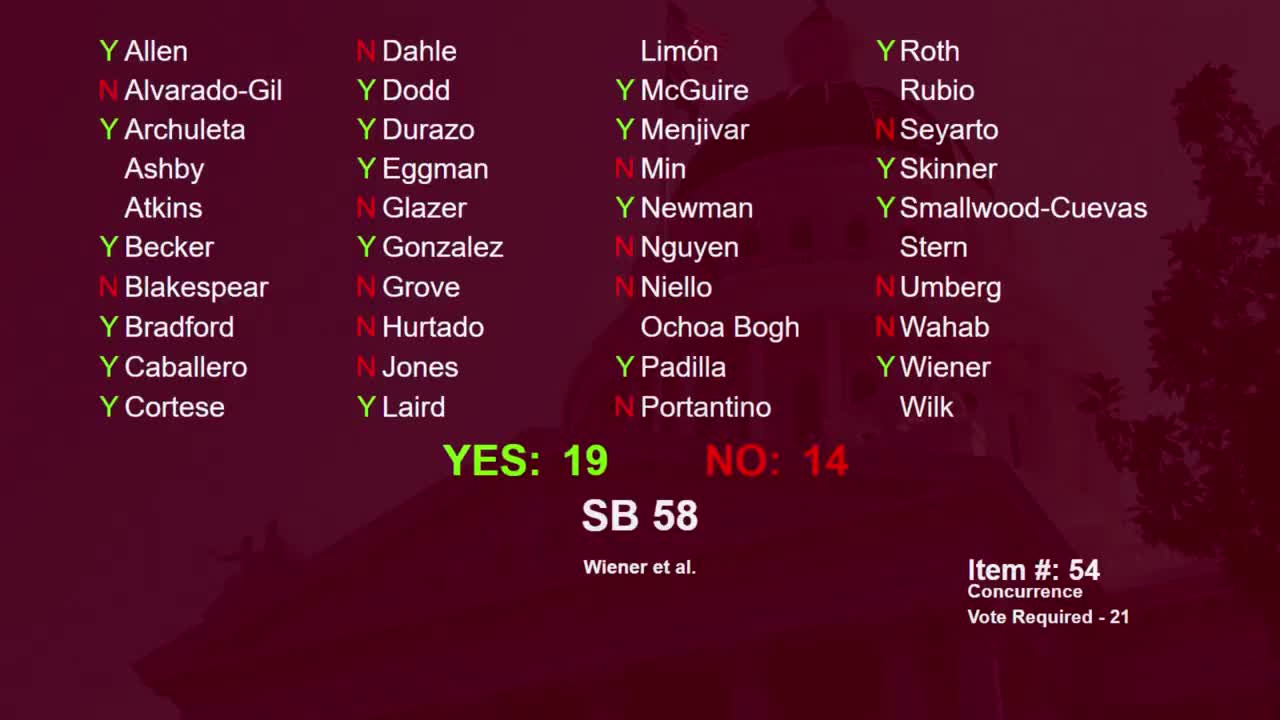
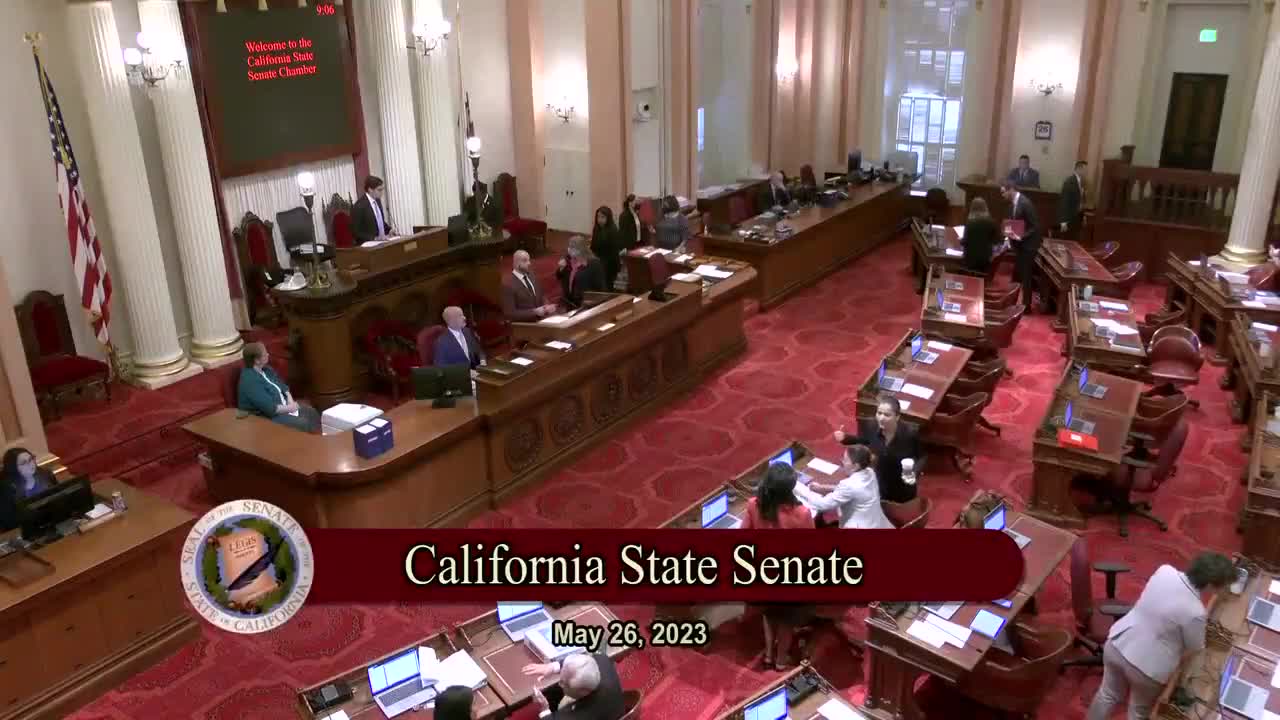

Bill Author

Bill Co-Author(s):