SR 27
- Session Year: 2023-2024
- House: Senate
- Latest Version Date: 2023-07-14
Current Status:
Failed
(2023-07-13: Read. Adopted. (Ayes 37. Noes 0. Page 2037.))
Introduced
In Committee
First Chamber
In Committee
Second Chamber
Enacted
WHEREAS, California is home to a diverse population with a rich cultural heritage of various ethnic groups that contribute to the richness and diversity of the state; and
WHEREAS, Sikhs, who are a distinct ethnic and religious community that originated in Punjab, India, began immigrating to the United States in the late 1800s and have played an important role in developing this country and the State of California while enriching American culture, history, economy, and diversity; and
WHEREAS, In 1912, the first Sikh house of worship (Gurdwara) in the United States, the Stockton Sikh Temple, was founded by Jawala Singh and Wasakha Singh. The following year, the congregation formed the Pacific Coast Khalsa Diwan Society; and
WHEREAS, Sikhism is the fifth largest religion in the world with more than 25,000,000 Sikhs worldwide, including more than 500,000 in the United States; and
WHEREAS, Sikhism places a primary focus on equality and the oneness of humanity and encourages those to practice seva, meaning self-service, such as providing free food to the less fortunate in the community, or helping at the Gurdwara, including cleaning, washing dishes, or serving in the langar, meaning the kitchen, where all are welcome to sit and eat together; and
WHEREAS, Although Sikhs have made immense contributions throughout history, they have long faced oppression and discrimination throughout the world, including the United States, which did not enact legislation authorizing Sikhs and other East Indian immigrants to naturalize as United States citizens until 1946; and
WHEREAS, The United Nations Office of the High Commissioner for Human Rights document entitled 18 Commitments on Faith for Rights included teaching and scripture from the Shri Guru Granth Sahib Ji meant to promote interfaith and interreligious harmony, peace, and human rights; and
WHEREAS, According to Sikh religion and history, Sikhs share a unique set of beliefs, practices, and ancestry; and
WHEREAS, The values of tolerance and religious diversity grounded in the First Amendment to the United States Constitution, the states promotion of a culture of mutual understanding, and the importance of reducing violence are all consistent with Sikhism and the teachings of the Shri Guru Granth Sahib Ji; now, therefore, be it
Resolved by the Senate of the State of California, That the Senate seeks to further the diversity of the state and afford all residents the opportunity to better understand, recognize, and appreciate the rich history and shared experiences of Sikhs; and be it further
Resolved, That the Senate recognizes and acknowledges the significant contributions made by Californians of Sikh heritage to our state, and by adoption of this resolution, seeks to afford all Californians the opportunity to better understand, recognize, and appreciate the rich history and shared principles of Sikh Americans; and be it further
Resolved, That the Secretary of the Senate transmit copies of this resolution to the author for appropriate distribution.
WHEREAS, California is home to a diverse population with a rich cultural heritage of various ethnic groups that contribute to the richness and diversity of the state; and
WHEREAS, According to founder Guru Nanak in 15th century Punjab, the Sikh monotheistic tradition teaches its adherents to practice the universal principles of truthful living, service to humanity, and devotion to God; andWHEREAS, The Sikh Sikhs, who are a distinct ethnic and religious community that originated in Punjab, India, began immigrating to the United States in the late 1800s and has have played an important role in developing this country and the State of California while enriching American culture, history, economy, and diversity; and
WHEREAS, In 1912, the first Sikh house of worship (Gurdwara) in the United States, the Stockton Sikh Temple, was founded by Jawala Singh and Wasakha Singh. The following year, the congregation formed the Pacific Coast Khalsa Diwan Society; and
WHEREAS, Sikhism is the fifth largest religion in the world with more than 25,000,000 Sikhs worldwide, including more than 750,000 500,000 in the United States; and
WHEREAS, Sikhism places a primary focus on equality and the oneness of humanity and encourages those to practice seva, meaning self-service, such as providing free food to the less fortunate in the community, or helping at the Gurdwara, including cleaning, washing dishes, or serving in the langar, meaning the kitchen, where all are welcome to sit and eat together; and
WHEREAS, According to Sikhism, the 10th Sikh Guru, Guru Gobind Singh Ji, left the world and indicated to the generations ahead to avoid idol worship and recognize the Shri Guru Granth Sahib Ji, the principal scripture of Sikhism, as the Living and Eleventh Guru of the Sikh religion; andWHEREAS, Although Sikhs have made immense contributions throughout history, they have long faced oppression and discrimination throughout the world; world, including the United States, which did not enact legislation authorizing Sikhs and other East Indian immigrants to naturalize as United States citizens until 1946; and
WHEREAS, The Shri Guru Granth Sahib Ji is written in Gurmukhi, commonly referred to as Sikh Script; andWHEREAS, The United Nations Office of the High Commissioner for Human Rights document entitled 18 Commitments on Faith for Rights included teaching and scripture from the Shri Guru Granth Sahib Ji meant to promote interfaith and interreligious harmony, peace, and human rights; and
WHEREAS, According to Sikh religion and history, Sikhs share a unique set of beliefs, practices, and ancestry that are altogether different from other existing religions; ancestry; and
WHEREAS, The values of tolerance and religious diversity grounded in the First Amendment to the United States Constitution, the states promotion of a culture of mutual understanding, and the importance of reducing violence are all consistent with Sikhism and the teachings of the Shri Guru Granth Sahib Ji; now, therefore, be it
Resolved by the Senate of the State of California, That the Senate seeks to further the diversity of the state and afford all residents the opportunity to better understand, recognize, and appreciate the rich history and shared experiences of Sikhs; and be it further
Resolved, That the Senate recognizes the cultural, religious, and interfaith importance of the Shri Guru Granth Sahib Ji as the Living Guru of Sikhs in promoting peace and declaring Sikhs as a distinct ethnic and religious minority; and acknowledges the significant contributions made by Californians of Sikh heritage to our state, and by adoption of this resolution, seeks to afford all Californians the opportunity to better understand, recognize, and appreciate the rich history and shared principles of Sikh Americans; and be it further
Resolved, That the Secretary of the Senate transmit copies of this resolution to the author for appropriate distribution.
WHEREAS, California is home to a diverse population with a rich cultural heritage of various ethnic groups that contribute to the richness and diversity of the state; and
WHEREAS, According to founder Guru Nanak in 15th century Punjab, the Sikh monotheistic tradition teaches its adherents to practice the universal principles of truthful living, service to humanity, and devotion to God; and
WHEREAS, The Sikh community began immigrating to the United States in the late 1800s and has played an important role in developing this country and the State of California while enriching American culture, history, economy, and diversity; and
WHEREAS, Sikhism is the fifth largest religion in the world with more than 25,000,000 Sikhs worldwide, including more than 750,000 in the United States; and
WHEREAS, Sikhism places a primary focus on equality and the oneness of humanity and encourages those to practice seva, meaning self-service, such as providing free food to the less fortunate in the community, or helping at the Gurdwara, including cleaning, washing dishes, or serving in the langar, meaning the kitchen, where all are welcome to sit and eat together; and
WHEREAS, According to Sikhism, the 10th Sikh Guru, Guru Gobind Singh Ji, left the world and indicated to the generations ahead to avoid idol worship and recognize the Shri Guru Granth Sahib Ji, the principal scripture of Sikhism, as the Living and Eleventh Guru of the Sikh religion; and
WHEREAS, Although Sikhs have made immense contributions throughout history, they have long faced oppression and discrimination throughout the world; and
WHEREAS, The Shri Guru Granth Sahib Ji is written in Gurmukhi, commonly referred to as Sikh Script; and
WHEREAS, The United Nations Office of the High Commissioner for Human Rights document entitled 18 Commitments on Faith for Rights included teaching and scripture from the Shri Guru Granth Sahib Ji meant to promote interfaith and interreligious harmony, peace, and human rights; and
WHEREAS, According to Sikh religion and history, Sikhs share a unique set of beliefs, practices, and ancestry that are altogether different from other existing religions; and
WHEREAS, The values of tolerance and religious diversity grounded in the First Amendment to the United States Constitution, the states promotion of a culture of mutual understanding, and the importance of reducing violence are all consistent with Sikhism and the teachings of the Shri Guru Granth Sahib Ji; now, therefore, be it
Resolved by the Senate of the State of California, That the Senate seeks to further the diversity of the state and afford all residents the opportunity to better understand, recognize, and appreciate the rich history and shared experiences of Sikhs; and be it further
Resolved, That the Senate recognizes the cultural, religious, and interfaith importance of the Shri Guru Granth Sahib Ji as the Living Guru of Sikhs in promoting peace and declaring Sikhs as a distinct ethnic and religious minority; and be it further
Resolved, That the Secretary of the Senate transmit copies of this resolution to the author for appropriate distribution.
|
Date
|
Status
|
|---|---|
| Jul 13, 2023 | Read. Adopted. (Ayes 37. Noes 0. Page 2037.) |
| Jul 10, 2023 | Read second time. Ordered to consent calendar. |
| Jul 6, 2023 | From committee: Be adopted. Ordered to consent calendar. (Ayes 11. Noes 0. Page 1937.) (July 6). |
| Jun 22, 2023 | Set for hearing July 6. |
| Jun 21, 2023 | From committee with author's amendments. Read second time and amended. Re-referred to Com. on JUD. |
| Apr 19, 2023 | Re-referred to Com. on JUD. |
| Apr 12, 2023 | Introduced. Referred to Com. on RLS. |
|
Date
|
Description
|
Location
|
Votes
|
|
|---|---|---|---|---|
| Jul 13, 2023 | Consent Calendar SR27 Cortese | Senate Floor |
Passed |
|
| Jul 6, 2023 | Be adopted and be ordered to the Consent Calendar | Senate Standing Committee on Judiciary |
Passed |
This list shows positions taken on this bill by organizations on the date displayed, which is linked to the original source.
Positions by individuals are not included.
|
Organization
|
Position
|
Date
|
|---|---|---|
| California Civil Liberties Advocacy | ** Support |
SENATE RULES COMMITTEE Office of Senate Floor Analyses (916) 651-1520 Fax: (916) 327-4478 | SR 27 |
CONSENT
Bill No: SR 27
Author: Cortese (D)
Amended: 6/21/23
Vote: Majority
SENATE JUDICIARY COMMITTEE: 11-0, 7/6/23
AYES: Umberg, Wilk, Allen, Ashby, Caballero, Durazo, Laird, Min, Niello, Stern, Wiener
SUBJECT: Sikhism
SOURCE: Author
DIGEST:
This resolution recognizes the contributions of Sikhs and seeks to afford all residents of this State the opportunity to understand and appreciate the rich history and shared experiences of Sikhs.
ANALYSIS:
This resolution:
- Declares that:
- California is home to a diverse population with a rich cultural heritage of various ethnic groups that contribute to the richness and diversity of the state.
- Sikhs, who are a distinct ethnic and religious community that originated in Punjab, India, began immigrating to the United States in the late 1800s and have played an important role in developing this country and the State of California while enriching American culture, history, economy, and diversity.
- In 1912, the first Sikh house of worship (Gurdwara) in the United States, the Stockton Sikh Temple, was founded by Jawala Singh and Wasakha Singh. The following year, the congregation formed the Pacific Coast Diwan Society.
- Sikhism is the fifth-largest religion in the world with more than 25 million Sikhs worldwide, including more than 500,000 in the United States.
- Sikhism places a primary focus on equality and the oneness of humanity and encourages those to practice “seva,” meaning self-service, such as providing free food to the less-fortunate in the community, or helping the Gurdwara, including cleaning, washing dishes, or serving in the “langar,” meaning the kitchen, where all are welcome to sit and eat together.
- Although Sikhs have made immense contributions throughout history, they have long faced oppression and discrimination throughout the world, including the United States, which did not enact legislation authorizing Sikhs and other East Indian immigrants to naturalize as United States citizens until 1946.
- The United Nations Office of the High Commissioner document entitled 18 Commitments on “Faith of Rights” included teaching and scripture from the Shri Guru Granth Sahib Ji meant to promote interfaith and interreligious harmony, peace, and human rights.
- According to Sikh religion and history, Sikhs share a unique set of beliefs, practices, and ancestry.
- The values of tolerance and religious diversity grounded in the First Amendment to the United States Constitution, the state’s promotion of a culture and mutual understanding, and the importance of reducing violence are all consistent with Sikhism.
- Resolves by the Senate:
- That the Senate seeks to further the diversity of the state and afford all residents the opportunity to better understand, recognize, and appreciate the rich history and shared experiences of the Sikhs.
- That the Senate recognizes and acknowledges the significant contributions made by Californians of Sikh heritage to our Sate, and by adoption of this resolution, seeks to afford all Californians the opportunity to better understand, recognize, and appreciate the rich history and shared experiences of the Sikhs.
- That the Secretary of the Senate transmit copies of this resolution to the author for appropriate distribution.
Comments
Sikhism is a religion founded in the 15th century in South Asia;[1] Sikhs are considered a distinct ethnic group as well as a religious community.[2] Sikhs began immigrating to the United States over 100 years ago.[3] There are between 25 million and 30 million Sikhs worldwide, making it the fifth-largest religion in the world.[4] Approximately 500,000 Sikhs live in the United States, with a significant Sikh presence in California.[5]
This resolution acknowledges the contributions made by Sikhs in this State and in the Country, highlights the Sikh values of tolerance, diversity, and equality shared by Sikhs, and resolves that all residents should be afforded the opportunity to better understand, recognize, and appreciate the rich history and shared experiences of Sikhs.
FISCAL EFFECT: Appropriation: No Fiscal Com.: No Local: No
SUPPORT: (Verified 7/6/23)
California Civil Liberties Advocacy
OPPOSITION: (Verified 7/6/23)
None received
ARGUMENTS IN SUPPORT: According to California Civil Liberties Advocacy:
The CCLA commends the Senate for its recognition of the significant contributions made by Californians of Sikh heritage to our state, who have contributed to the diversity, culture, history, and economy of California. We also appreciate the resolution's emphasis on promoting greater public understanding and recognition of Sikh history and culture in California. The values of humanity, self-service, and tolerance highlighted in the resolution are all consistent with the fundamental principles of civil liberties and human rights.
It is crucial to acknowledge the ongoing struggles and marginalization faced by Sikhs in California and beyond. The CCLA stands with the Sikh community and is committed to creating an equitable environment for all Californians. We strongly believe that this resolution represents an important contribution towards achieving our shared goal of a more inclusive and just California.
Prepared by: Allison Whitt Meredith / JUD. / (916) 651-4113
7/12/23 14:03:23
**** END ****
SikhNet, Who are Siks? What is Sikhism? (2023), https://www.sikhnet.com/pages/who-are-sikhs-what-is-sikhism. All links in this analysis are current as of July 6, 2023. ↑
United States Census Bureau, FAQs: Were Sikhs counted as a distinct detailed group in the 2020 Census?, https://ask.census.gov/prweb/PRServletCustom/app/ECORRAsk2/YACFBFye-rFIz_FoGtyvDRUGg1Uzu5Mn*/!STANDARD?pzuiactionzzz=CXtpbn0rTEpMcGRYOG1vS0tqTFAwaENUZWpvM1NNWEMzZ3p5aFpnWUxzVmw0TjJoMEZlb1Z1N2xLcllmNWtJaVlGS0xZ*#:~:text=Yes%2C%20Sikhs%20were%20counted%20as,outreach%20over%20the%20past%20decade. ↑
SikhNet, Who are Siks? What is Sikhism?, supra. ↑
The Sikh Coalition, Sikhi at a Glance (2023), https://www.sikhcoalition.org/about-sikhs/; id., Sikhs in America (2023), https://www.sikhcoalition.org/about-sikhs/sikhs-in-america/. ↑
The Sikh Coalition, Sikhi at a Glance, supra; SikhiWiki, Sikhism in the USA (2011), https://www.sikhiwiki.org/index.php/Sikhism_in_the_USA. ↑
Senator Thomas Umberg, Chair
2023-2024 Regular Session
Bill No: SR 27 (Author:Cortese)
Version: June 21, 2023
Hearing Date: July 6, 2023
Fiscal: No
Urgency: No
Consultant: AWM
SUBJECT
Sikhism
SYNOPSIS
This resolution recognizes the contributions of Sikhs and seeks to afford all residents of this State the opportunity to understand and appreciate the rich history and shared experiences of Sikhs.
This resolution is sponsored by the author and is supported by California Civil Liberties Advocacy. There is no known opposition.
SUMMARY
This resolution:
- Declares that:
- California is home to a diverse population with a rich cultural heritage of various ethnic groups that contribute to the richness and diversity of the state.
- Sikhs, who are a distinct ethnic and religious community that originated in Punjab, India, began immigrating to the United States in the late 1800s and have played an important role in developing this country and the State of California while enriching American culture, history, economy, and diversity.
- In 1912, the first Sikh house of worship (Gurdwara) in the United States, the Stockton Sikh Temple, was founded by Jawala Singh and Wasakha Singh. The following year, the congregation formed the Pacific Coast Diwan Society.
- Sikhism is the fifth-largest religion in the world with more than 25 million Sikhs worldwide, including more than 500,000 in the United States.
- Sikhism places a primary focus on equality and the oneness of humanity and encourages those to practice “seva,” meaning self-service, such as providing free food to the less-fortunate in the community, or helping the Gurdwara, including cleaning, washing dishes, or serving in the “langar,” meaning the kitchen, where all are welcome to sit and eat together.
- Although Sikhs have made immense contributions throughout history, they have long faced oppression and discrimination throughout the world, including the United States, which did not enact legislation authorizing Sikhs and other East Indian immigrants to naturalize as United States citizens until 1946.
- The United Nations Office of the High Commissioner document entitled 18 Commitments on “Faith of Rights” included teaching and scripture from the Shri Guru Granth Sahib Ji meant to promote interfaith and interreligious harmony, peace, and human rights.
- According to Sikh religion and history, Sikhs share a unique set of beliefs, practices, and ancestry.
- The values of tolerance and religious diversity grounded in the First Amendment to the United States Constitution, the state’s promotion of a culture and mutual understanding, and the importance of reducing violence are all consistent with Sikhism.
- Resolves by the Senate:
- That the Senate seeks to further the diversity of the state and afford all residents the opportunity to better understand, recognize, and appreciate the rich history and shared experiences of the Sikhs.
- That the Senate recognizes and acknowledges the significant contributions made by Californians of Sikh heritage to our Sate, and by adoption of this resolution, seeks to afford all Californians the opportunity to better understand, recognize, and appreciate the rich history and shared experiences of the Sikhs.
- That the Secretary of the Senate transmit copies of this resolution to the author for appropriate distribution.
COMMENTS
- Author’s comment
According to the author:
Sikhism is the fifth largest religion in the world with more than 25,000,000 adherents worldwide. 750,000 live in the United States and approximately half of that population reside in California. Sikhism places a primary focus on the oneness of humanity and emphasizes service. Inspired by this creed, Sikhs have greatly contributed to the vibrancy of California yet still remain one of our least recognized religions. SR 27 seeks to rectify this by declaring Sikhs as a distinct ethnic and religious minority. Although Sikhs have made immense contributions throughout history, they have long faced oppression and discrimination throughout the world. Hate often festers where ignorance reigns. To that end, this resolution will educate Californians about this essential community.
2. This resolution recognizes the unique contributions of Sikhs to the State and the country
Sikhism is a religion founded in the 15th century in South Asia;[1] Sikhs are considered a distinct ethnic group as well as a religious community.[2] Sikhs began immigrating to the United States over 100 years ago.[3] There are between 25 million and 30 million Sikhs worldwide, making it the fifth-largest religion in the world.[4] Approximately 500,000 Sikhs live in the United States, with a significant Sikh presence in California.[5]
This resolution acknowledges the contributions made by Sikhs in this State and in the Country, highlights the Sikh values of tolerance, diversity, and equality shared by Sikhs, and resolves that all residents should be afforded the opportunity to better understand, recognize, and appreciate the rich history and shared experiences of Sikhs.
SUPPORT
California Civil Liberties Advocacy
OPPOSITION
None known
RELATED LEGISLATION
Pending Legislation: None known.
Prior Legislation: SR 95 (Cortese, 2022) was similar to this resolution. SR 95 was introduced but not heard in 2022.
**************
SikhNet, Who are Siks? What is Sikhism? (2023), https://www.sikhnet.com/pages/who-are-sikhs-what-is-sikhism. All links in this analysis are current as of June 30, 2023. ↑
United States Census Bureau, FAQs: Were Sikhs counted as a distinct detailed group in the 2020 Census?, https://ask.census.gov/prweb/PRServletCustom/app/ECORRAsk2/YACFBFye-rFIz_FoGtyvDRUGg1Uzu5Mn*/!STANDARD?pzuiactionzzz=CXtpbn0rTEpMcGRYOG1vS0tqTFAwaENUZWpvM1NNWEMzZ3p5aFpnWUxzVmw0TjJoMEZlb1Z1N2xLcllmNWtJaVlGS0xZ*#:~:text=Yes%2C%20Sikhs%20were%20counted%20as,outreach%20over%20the%20past%20decade. ↑
SikhNet, Who are Siks? What is Sikhism?, supra. ↑
The Sikh Coalition, Sikhi at a Glance (2023), https://www.sikhcoalition.org/about-sikhs/; id., Sikhs in America (2023), https://www.sikhcoalition.org/about-sikhs/sikhs-in-america/. ↑
The Sikh Coalition, Sikhi at a Glance, supra; SikhiWiki, Sikhism in the USA (2011), https://www.sikhiwiki.org/index.php/Sikhism_in_the_USA. ↑
Bill Author
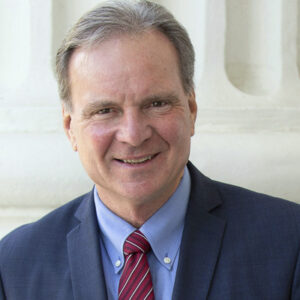
Bill Co-Author(s):