SR 38
- Session Year: 2023-2024
- House: Senate
- Latest Version Date: 2023-06-29
Current Status:
Failed
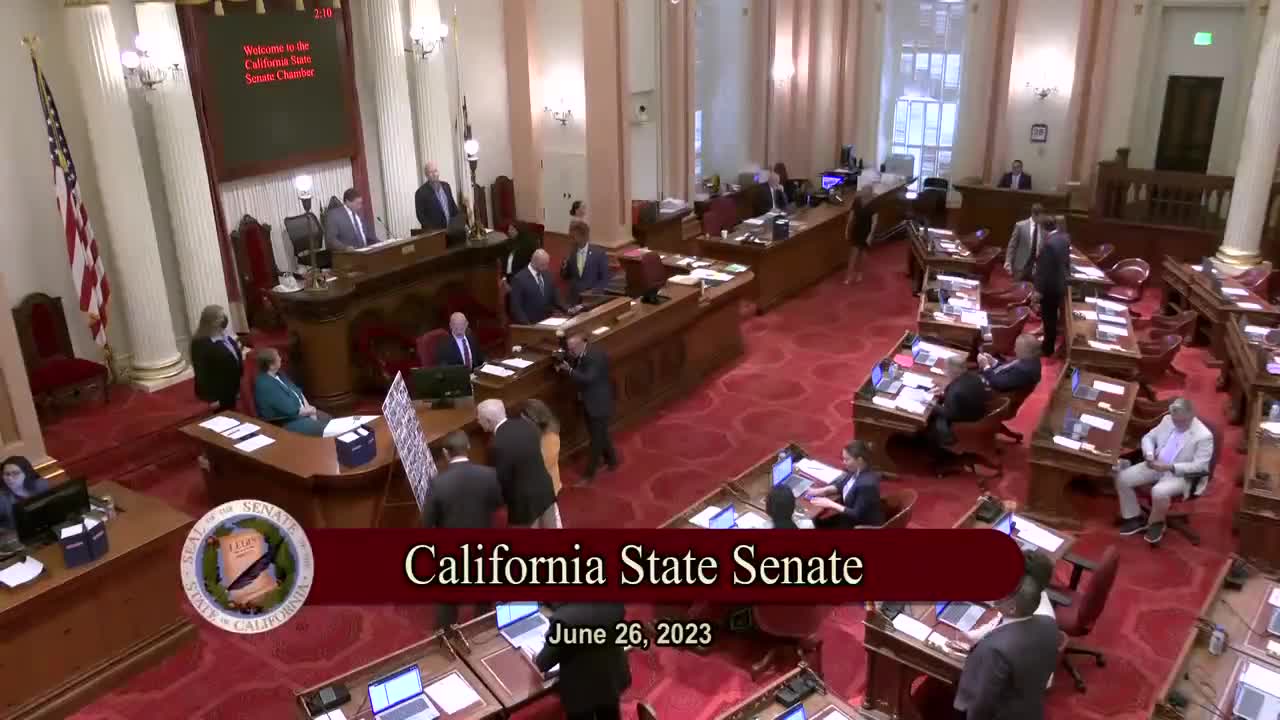
(2023-06-26: Read. Adopted. (Ayes 39. Noes 0. Page 1723.))
Introduced
In Committee
First Chamber
In Committee
Second Chamber
Enacted
WHEREAS, It is vital to the future and well-being of our state and nation to inspire people and students to think, act, and dream in the pursuit of the greater good through nonviolence; and to develop the language and structure necessary to strengthen the connection of all people and to fortify the foundation of our democracy; and
WHEREAS, One of the lessons of the Civil Rights Movement is that absent a framework for peaceful assembly to express discord and discontent, hatred inevitably leads to violence; and
WHEREAS, The strongest evidence of an ailing and regressing democratic society is mass killings and destructive violence occurring with increasing frequency in our country; and
WHEREAS, Nonviolence must become as relevant today as it was during the nonviolent campaigns of the Civil Rights Movement as people address the mass murders at a grocery store in Buffalo, New York, and LGBTQ night clubs in Florida, California, and Colorado; from the hate crimes against Asian Americans in New York to the deaths that occurred during the January 6 attack on our nations Capitol, from the school shootings at Sandy Hook Elementary School in Newtown, Connecticut, to Robb Elementary School in Uvalde, Texas, to the antisemitic speech on social media that inspired mass murders of worshipers in synagogues to the mass shooting targeting Latinos in Texas; and
WHEREAS, Dr. Martin Luther King, Jr., Reverend James M. Lawson, Jr., Congressman John Lewis, Cesar E. Chavez, Dolores Huerta, Larry Itliong, and Rabbi Leonard I. Beerman were among the leaders to inspire generations to combat the destructive nature of hatred and bigotry with the principles of nonviolence; and
WHEREAS, there is no greater authority in the United States on combating the destructive nature of hatred and bigotry than the work of Dr. Martin Luther King, Jr. and the principles of nonviolence; and
WHEREAS, a curriculum in the tactics and strategies of nonviolence that Dr. Martin Luther King, Jr. championed will educate students that hatred creates profound injustice and irreparable harm; and to reinforce such lessons, model curricula is needed for studying the events and principles of the nonviolent campaigns of the Civil Rights Movement; now, therefore, be it
Resolved by the Senate of the State of California, That each local education agency in this state is encouraged to study the Civil Rights Movement and the principles of nonviolence to affirm the commitment to reject hatred and bigotry, to champion equal protection under the law as a foundational principle necessary for the preservation of our democracy, and to learn how to use nonviolence in opposition to injustice and violence wherever it may occur; and be it further
Resolved, That each local education agency in this state is encouraged to include in its curriculum the study of the events of the Civil Rights Movement; the principles of nonviolence that Dr. Martin Luther King, Jr. practiced as a leader in the Civil Rights Movement; and the tactics and strategies of nonviolent resistance that were championed in response to such Jim Crow laws of that era; and be it further
Resolved, That as the Instructional Quality Commission and State Board of Education is urged to consider and develop content for the next history-social science curriculum framework and adoption on the instruction of the Civil Rights Movement, including the campaigns of the nonviolent movement of America during the period between 1953 and 1973, the State Department of Education is urged to immediately begin developing and selecting age-appropriate model curricula available to all local education entities on the instruction of the Civil Rights Movement during the same period; and be it further
Resolved, That the instruction for the next history-social science curriculum framework, adoption and model curricula should include, at a minimum, (1) Jim Crow-era laws in the United States, including laws which embodied the separate but equal doctrine; (2) The leadership, tactics, and strategies of nonviolent resistance to Jim Crow-era laws championed by Dr. Martin Luther King, Jr.; (3) The principles of natural rights and natural law which informed the leadership of Dr. Martin Luther King, Jr.; (4) The passage of the Civil Rights Acts of 1957, 1960, and 1964; (5) The passage of the Voting Rights Act of 1965; (6) Campaigns of the nonviolent movement of America that occurred between 1953 and 1973; (7) The impact of the Little Rock Nine beginning in 1957; and (8) The Delano Grape Boycott of 1965; and be it further
Resolved, That the Secretary of the Senate transmit copies of this resolution to the author for appropriate distribution.
|
Date
|
Status
|
|---|---|
| Jun 26, 2023 | Read. Adopted. (Ayes 39. Noes 0. Page 1723.) |
| Jun 7, 2023 | From committee: Be adopted. Ordered to third reading. (Ayes 7. Noes 0. Page 1477.) (June 7). |
| May 23, 2023 | Set for hearing June 7. |
| May 17, 2023 | Re-referred to Com. on ED. |
| May 4, 2023 | Introduced. Referred to Com. on RLS. |
|
Date
|
Description
|
Location
|
Votes
|
|
|---|---|---|---|---|
| Jun 26, 2023 | Senate 3rd Reading SR38 Durazo et al. | Senate Floor |
Passed |
|
| Jun 7, 2023 | Be adopted. Ordered to third reading | Senate Standing Committee on Education |
Passed |
This list shows positions taken on this bill by organizations on the date displayed, which is linked to the original source.
Positions by individuals are not included.
|
Organization
|
Position
|
Date
|
|---|---|---|
| Clergy and Laity United for Economic Justice | ** Support |
SENATE RULES COMMITTEE Office of Senate Floor Analyses (916) 651-1520 Fax: (916) 327-4478 | SR 38 |
THIRD READING
Bill No: SR 38
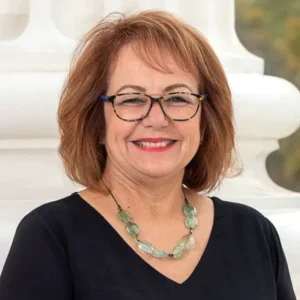
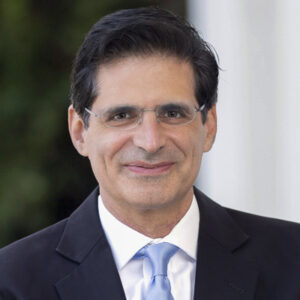
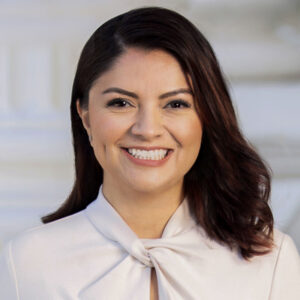
Author: Durazo (D), et al.
Introduced: 5/4/23
Vote: Majority
SENATE EDUCATION COMMITTEE: 7-0, 6/7/23
AYES: Newman, Ochoa Bogh, Cortese, Glazer, McGuire, Smallwood-Cuevas, Wilk
SUBJECT: Nonviolence Movement Curriculum Framework
SOURCE: Author
DIGEST:
This resolution encourages each local education agency (LEAs) to include in its curriculum the study of the events of the Civil Rights Movement; the principles of nonviolence that Dr. Martin Luther King, Jr.; and the tactics and strategies of nonviolent resistance that were championed in response to such Jim Crow laws of that era.
ANALYSIS: Existing law requires the State Board of Education (SBE) to include information designed to instruct pupils on Dr. Martin Luther King, Jr., the civil rights movement, and contributions made by ethnic minority groups to the history of the United States in the area of history-social sciences (H-SS) for use in kindergarten and grades 1 to 8. (Education Code 60200.6)
This resolution:
- Urges the Instructional Quality Commission (IQC) and SBE to consider and develop content for the next history-social science curriculum framework and adoption on the instruction of the Civil Rights Movement, including the campaigns of the nonviolent movement of America during the period between 1953 and 1973.
- Urges the California Department of Education to immediately begin developing and selecting age-appropriate model curricula available to all local education entities on the instruction of the Civil Rights Movement during the same period.
- Specifies in the next H-SS curriculum framework, adoption, and model curricula should include, at a minimum:
- Jim Crow-era laws in the United States, including laws that embodied the “separate but equal” doctrine;
- The leadership, tactics, and strategies of nonviolent resistance to Jim Crow-era laws championed by Dr. Martin Luther King, Jr.;
- The principles of natural rights and natural law, which informed the leadership of Dr. Martin Luther King, Jr.;
- The passage of the Civil Rights Acts of 1957, 1960, and 1964;
- The passage of the Voting Rights Act of 1965;
- Campaigns of the nonviolent movement of America that occurred between 1953 and 1973;
- The impact of the Little Rock Nine beginning in 1957; and
- The Delano Grape Boycott of 1965.
- Makes findings related to the importance of the Civil Rights Movement and the important lesson that can be drawn from Civil Rights leaders such as Dr. Martin Luther King, Jr., Reverend James M. Lawson, Jr., Congressman John Lewis, Cesar E. Chavez, Dolores Huerta, Larry Itliong, and Rabbi Leonard I. Beerman.
Comments
- Need for the resolution. According to the author, “Nonviolence must become as relevant today as it was during the nonviolent campaigns of the Civil Rights Movement, which helped push for peaceful social change. By teaching our students about nonviolence principles, it can help this generation become the generation that helps our nation move towards healing, overcome the hate and division among us, and build a just and harmonious community.”
- Contributions and Essential Lessons from the Civil Rights Movement. The civil rights movement took place during 1954-1968. The nonviolent protests, motivation, and inspiration ultimately led to the campaign ending up successfully, earning African-Americans the right to participate in politics and becoming less discriminated against and mistreated. Despite the success and the declaration of the civil rights movement, not everyone decided to treat African-American fairly due to their personal beliefs.
The 1950s and '60s were the height of the Civil Rights Movement and the continued struggle for social and racial justice for African Americans in the United States. The Civil War abolished slavery, but it did not end discrimination. African Americans, along with help from many white colleagues, mobilized and began an unprecedented journey for equality.
Montgomery Bus Boycott (1955). This boycott was born after Rosa Parks was arrested for refusing to give up her seat on a bus in Montgomery, Ala., to a white male passenger. The next day, Dec. 1, 1955, Dr. Martin Luther King, Jr. proposed a citywide boycott against racial segregation on the public transportation system. African Americans stopped using the system and would walk or get rides instead. The boycott continued for 381 days and was very effective. In June 1956, a federal court ruled that the laws to keep buses segregated were unconstitutional, and the U.S. Supreme Court eventually agreed. The Montgomery bus boycott was one of the first major movements that initiated social change during the civil rights movement.
Albany Movement (1961). This movement protested the segregation policies in Albany, Ga. Many groups took part in the Albany movement, including the Student Nonviolent Coordinating Committee (SNCC), the National Association for the Advancement of Colored People (NAACP), local activists, and King's Southern Christian Leadership Conference (SCLC). Dr. Martin Luther King’s goal was to offer counsel rather than become a participant, but he was jailed during a demonstration and was given a sentence of 45 days or a fine. He chose jail to push for change but was released three days later.
Birmingham Campaign (1963). The goal of the Birmingham campaign was to end discriminatory economic policies in Alabama city against African American residents. They faced deep financial disparities and violent reprisal when addressing racial issues. The campaign included a boycott of certain businesses that hired only white people or maintained segregated restrooms. Protesters used nonviolent tactics such as marches and sit-ins to get arrested so the city jail would become crowded. Police used dogs and high-pressure water hoses against protesters. This campaign ended successfully when many signs of segregation in Birmingham businesses came down, and public places became accessible to people of all races.
Bloody Sunday (1965). This march went down in history as Bloody Sunday for the violent beatings state troopers inflicted on protesters as they attempted to march peacefully from Selma, Ala., to the state capital, Montgomery—the march aimed to fight African Americans' lack of voting rights. Approximately 600 protesters were to travel from Selma on U.S. Highway 80 to the state capital on March 7, 1965, led by John Lewis, then chairman of the SNCC, and the Rev. Hosea Williams of the SCLC. Police violence against protesters brought the march to a shocking end. Footage of the brutality broadcast nationwide sparked public outrage and boosted support for the Civil Rights Movement.
Major victories from the Civil Rights Movement, including Brown v. Board of Education, the Civil Rights Act of 1964, the Voting Rights Act, and the Fair Housing Act, chipped away at the racist power structures that proliferated the southern United States.
- Civil Rights Movement Included In State Content Standards. Senate Bill 1 from the fifth Extraordinary Session (SB X5 1) in 2010 established the California Academic Content Standards Commission (Commission) to evaluate the Common Core State Standards for English Language Arts (ELA) and Literacy in History/Social Studies, Science, and Technical Subjects developed by the Common Core State Standards Initiative for rigor and alignment with the California standards.
United States History and Geography: Continuity and Change in the Twentieth Century |
Overarching Standards |
|
Standards |
|
- Ethnic Studies Model Curriculum. In 2018, the SBE approved Ethnic Studies Model Curriculum Guidelines based on AB 2016 (Alejo, Chapter 327, Statutes of 2016). According to the SBE, “the model curriculum focuses on the four ethnic groups at the core of the ethnic studies field. At the same time, this coursework, through its overarching study of the process and impact of the marginalization resulting from systems of power, is relevant and important for students of all backgrounds. By affirming the identities and contributions of marginalized groups in our society, ethnic studies help students see themselves and each other as part of the narrative of the United States. This helps students see themselves as active agents in the interethnic bridge-building process we call American life.” The model curriculum discusses ways in which the Civil Rights Movement can be embedded within the H-SS Framework.
FISCAL EFFECT: Appropriation: No Fiscal Com.: No Local: No
SUPPORT: (Verified 6/7/23)
Clergy and Laity United for Economic Justice
OPPOSITION: (Verified 6/7/23)
None received
ARGUMENTS IN SUPPORT: According to the Clergy and Laity United for Economic Justice, “As California’s leading statewide network for clergy and community leaders committed to economic justice, CLUE is proud to support the leadership of Senator Durazo of the California Latino caucus in sponsoring SR 38 to encourage the teaching of Dr. King was nonviolent in order to secure as an educational antidote to the raising tide of violence in CA and our nation. California and our nation are facing a rising tide of violence. So we must employ every educational means available to stem the tide of racism, hatred, and violence in order to secure a more peaceful future for our society. In the half-century since Dr. King gave his life for the case of justice and equality, social science research has extensively validated the efficacy of Dr. King’s commitment to pursuing social injustice through non-violence. This history profoundly impacted all Americans but is largely unknown to many young people today. For all of these reasons, Dr. King’s unifying, non-violent principles should be actively taught to a new generation of students as an essential foundation for productive citizenship in a democratic society.”
Prepared by: Kordell Hampton / ED. / (916) 651-4105
6/7/23 15:04:40
**** END ****
SENATE COMMITTEE ON EDUCATION
Senator Josh Newman, Chair
2023 - 2024 Regular
Bill No: Hearing Date: June 7, 2023
Author: | Durazo | ||
Version: |
| ||
Urgency: | Fiscal: | ||
Consultant: | |||
Subject:
SUMMARY
This resolution encourages each local education agency (LEAs) to include in its curriculum the study of the events of the Civil Rights Movement; the principles of nonviolence that Dr. Martin Luther King, Jr.; and the tactics and strategies of nonviolent resistance that were championed in response to such Jim Crow laws of that era.
BACKGROUND
Existing Law:
Education Code (EC)
- Requires the State Board of Education (SBE) to include information designed to instruct pupils on Dr. Martin Luther King, Jr., the civil rights movement, and contributions made by ethnic minority groups to the history of the United States in the area of history-social sciences (H-SS) for use in kindergarten and grades 1 to 8. (EC 60200.6)
ANALYSIS
This resolution encourages each LEAs to include in its curriculum the study of the events of the Civil Rights Movement; the principles of nonviolence that Dr. Martin Luther King, Jr.; and the tactics and strategies of nonviolent resistance that were championed in response to such Jim Crow laws of that era. Specifically, this bill:
- Urges the Instructional Quality Commission (IQC) and SBE to consider and develop content for the next history-social science curriculum framework and adoption on the instruction of the Civil Rights Movement, including the campaigns of the nonviolent movement of America during the period between 1953 and 1973.
- Urges the California Department of Education to immediately begin developing and selecting age-appropriate model curricula available to all local education entities on the instruction of the Civil Rights Movement during the same period.
- Specifies in the next H-SS curriculum framework, adoption, and model curricula should include, at a minimum:
- Jim Crow-era laws in the United States, including laws that embodied the “separate but equal” doctrine;
- The leadership, tactics, and strategies of nonviolent resistance to Jim Crow-era laws championed by Dr. Martin Luther King, Jr.;
- The principles of natural rights and natural law, which informed the leadership of Dr. Martin Luther King, Jr.;
- The passage of the Civil Rights Acts of 1957, 1960, and 1964;
- The passage of the Voting Rights Act of 1965;
- Campaigns of the nonviolent movement of America that occurred between 1953 and 1973;
- The impact of the Little Rock Nine beginning in 1957; and
- The Delano Grape Boycott of 1965.
- Makes findings related to the importance of the Civil Rights Movement and the important lesson that can be drawn from Civil Rights leaders such as Dr. Martin Luther King, Jr., Reverend James M. Lawson, Jr., Congressman John Lewis, Cesar E. Chavez, Dolores Huerta, Larry Itliong, and Rabbi Leonard I. Beerman.
STAFF COMMENTS
- Need for the bill. According to the author, “Nonviolence must become as relevant today as it was during the nonviolent campaigns of the Civil Rights Movement, which helped push for peaceful social change. By teaching our students about nonviolence principles, it can help this generation become the generation that helps our nation move towards healing, overcome the hate and division among us, and build a just and harmonious community.”
- Contributions and Essential Lessons from the Civil Rights Movement. The civil rights movement took place during 1954-1968. The nonviolent protests, motivation, and inspiration ultimately led to the campaign ending up successfully, earning African-Americans the right to participate in politics and becoming less discriminated against and mistreated. Despite the success and the declaration of the civil rights movement, not everyone decided to treat African-American fairly due to their personal beliefs.
The 1950s and '60s were the height of the Civil Rights Movement and the continued struggle for social and racial justice for African Americans in the United States. The Civil War abolished slavery, but it did not end discrimination. African Americans, along with help from many white colleagues, mobilized and began an unprecedented journey for equality.
Montgomery Bus Boycott (1955). This boycott was born after Rosa Parks was arrested for refusing to give up her seat on a bus in Montgomery, Ala., to a white male passenger. The next day, Dec. 1, 1955, Dr. Martin Luther King, Jr. proposed a citywide boycott against racial segregation on the public transportation system. African Americans stopped using the system and would walk or get rides instead. The boycott continued for 381 days and was very effective. In June 1956, a federal court ruled that the laws to keep buses segregated were unconstitutional, and the U.S. Supreme Court eventually agreed. The Montgomery bus boycott was one of the first major movements that initiated social change during the civil rights movement.
Albany Movement (1961). This movement protested the segregation policies in Albany, Ga. Many groups took part in the Albany movement, including the Student Nonviolent Coordinating Committee (SNCC), the National Association for the Advancement of Colored People (NAACP), local activists, and King's Southern Christian Leadership Conference (SCLC). Dr. Martin Luther King’s goal was to offer counsel rather than become a participant, but he was jailed during a demonstration and was given a sentence of 45 days or a fine. He chose jail to push for change but was released three days later.
Birmingham Campaign (1963). The goal of the Birmingham campaign was to end discriminatory economic policies in Alabama city against African American residents. They faced deep financial disparities and violent reprisal when addressing racial issues. The campaign included a boycott of certain businesses that hired only white people or maintained segregated restrooms. Protesters used nonviolent tactics such as marches and sit-ins to get arrested so the city jail would become crowded. Police used dogs and high-pressure water hoses against protesters. This campaign ended successfully when many signs of segregation in Birmingham businesses came down, and public places became accessible to people of all races.
Bloody Sunday (1965). This march went down in history as Bloody Sunday for the violent beatings state troopers inflicted on protesters as they attempted to march peacefully from Selma, Ala., to the state capital, Montgomery—the march aimed to fight African Americans' lack of voting rights. Approximately 600 protesters were to travel from Selma on U.S. Highway 80 to the state capital on March 7, 1965, led by John Lewis, then chairman of the SNCC, and the Rev. Hosea Williams of the SCLC. Police violence against protesters brought the march to a shocking end. Footage of the brutality broadcast nationwide sparked public outrage and boosted support for the Civil Rights Movement.
Major victories from the Civil Rights Movement, including Brown v. Board of Education, the Civil Rights Act of 1964, the Voting Rights Act, and the Fair Housing Act, chipped away at the racist power structures that proliferated the southern United States.
- Civil Rights Movement Included In State Content Standards. Senate Bill 1 from the fifth Extraordinary Session (SB X5 1) in 2010 established the California Academic Content Standards Commission (Commission) to evaluate the Common Core State Standards for English Language Arts (ELA) and Literacy in History/Social Studies, Science, and Technical Subjects developed by the Common Core State Standards Initiative for rigor and alignment with the California standards.
United States History and Geography: Continuity and Change in the Twentieth Century |
Overarching Standards |
|
Standards |
|
- Ethnic Studies Model Curriculum. In 2018, the SBE approved Ethnic Studies Model Curriculum Guidelines based on AB 2016 (Alejo), Chapter 327, Statutes of 2016. According to the SBE, “the model curriculum focuses on the four ethnic groups at the core of the ethnic studies field. At the same time, this coursework, through its overarching study of the process and impact of the marginalization resulting from systems of power, is relevant and important for students of all backgrounds. By affirming the identities and contributions of marginalized groups in our society, ethnic studies help students see themselves and each other as part of the narrative of the United States. This helps students see themselves as active agents in the interethnic bridge-building process we call American life.” The model curriculum discusses ways in which the Civil Rights Movement can be embedded within the H-SS Framework.
SUPPORT
Clergy and Laity United for Economic Justice
OPPOSITION
None received
-- END --
Bill Author