AB 1587: Prescription drug refills: prescriber notifications.
- Session Year: 2025-2026
- House: Assembly
- Latest Version Date: 2026-07-13
Current Status:
Passed
(2026-07-13: Chaptered by Secretary of State - Chapter 69, Statutes of 2026.)
Introduced
In Committee
Awaiting First Chamber Vote
Passed First Chamber
In Committee
Awaiting Second Chamber Vote
Passed Second Chamber
Enacted
Existing law, the Pharmacy Law, provides for the licensure and regulation of pharmacists by the California State Board of Pharmacy. Existing law authorizes a pharmacist to, among other things, perform certain procedures or functions and furnish specified drugs. Existing law authorizes the refilling of a prescription for a dangerous drug without the authorization of the prescriber if the prescriber is unavailable to authorize the refill and, in the pharmacists professional judgment, failure to refill the prescription might interrupt the patients ongoing care and have a significant adverse effect on the patients well-being. Existing law requires a pharmacist to notify the prescriber, as specified, of any prescription refilled without their authorization.
This bill would only require a pharmacist to provide that notification if a prescriber is identified.
Existing law, the Pharmacy Law, provides for the licensure and regulation of pharmacists by the California State Board of Pharmacy. Existing law authorizes a pharmacist to, among other things, perform certain procedures or functions and furnish specified drugs. Existing law authorizes the refilling of a prescription for a dangerous drug without the authorization of the prescriber if the prescriber is unavailable to authorize the refill and, in the pharmacists professional judgment, failure to refill the prescription might interrupt the patients ongoing care and have a significant adverse effect on the patients well-being. Existing law requires a pharmacist to notify the prescriber, as specified, of any prescription refilled without their authorization.
This bill would authorize a pharmacist to furnish up to a 30-day supply of a prescription drug for a life-threatening condition if the pharmacy, or another pharmacy under common control with the pharmacy, has previously furnished that drug to the patient and the patient is unable to secure a new prescription for the drug before their supply is exhausted. The bill would eliminate liability for the pharmacist or pharmacy as a result of furnishing a prescription drug for a life-threatening condition.This bill would only require a pharmacist to provide that notification if a prescriber is identified.
Existing law, the Pharmacy Law, provides for the licensure and regulation of pharmacists by the California State Board of Pharmacy. Existing law authorizes a pharmacist to, among other things, perform certain procedures or functions and furnish specified drugs.
This bill would authorize a pharmacist to furnish up to a 30-day supply of a prescription drug for a life-threatening condition if the pharmacy, or another pharmacy under common control with the pharmacy, has previously furnished that drug to the patient and the patient is unable to secure a new prescription for the drug before their supply is exhausted. The bill would eliminate liability for the pharmacist or pharmacy as a result of furnishing a prescription drug for a life-threatening condition.
(a)A prescription for a dangerous drug or dangerous device may be refilled without the prescribers authorization if the prescriber is unavailable to authorize the refill and if, in the pharmacists professional judgment, failure to refill the prescription might interrupt the patients ongoing care and have a significant adverse effect on the patients well-being.
(b)The pharmacist shall inform the patient that the prescription was refilled pursuant to this section.
(c)The pharmacist shall inform the prescriber within a reasonable period of time of any refills dispensed pursuant to this section, if a prescriber is identified.
(d)The prescriber shall not incur any liability as the result of a refilling of a prescription pursuant to this section.
(e)Notwithstanding Section 4060 or any other law, a person may possess a dangerous drug or dangerous device furnished without prescription pursuant to this section.
(a)A prescription for a dangerous drug or dangerous device may be refilled without the prescribers authorization if the prescriber is unavailable to authorize the refill and if, in the pharmacists professional judgment, failure to refill the prescription might interrupt the patients ongoing care and have a significant adverse effect on the patients well-being.
(b)The pharmacist shall inform the patient that the prescription was refilled pursuant to this section.
(c)The pharmacist shall inform the prescriber within a reasonable period of time of any refills dispensed pursuant to this section. section, if a prescriber is identified.
(d)The prescriber shall not incur any liability as the result of a refilling of a prescription pursuant to this section.
(e)Notwithstanding Section 4060 or any other law, a person may possess a dangerous drug or dangerous device furnished without prescription pursuant to this section.
SECTION 1.Section 4052 of the Business and Professions Code is amended to read:4052.(a)Notwithstanding any other law, a pharmacist may do all of the following:(1)Furnish a reasonable quantity of compounded drug product to a prescriber for office use by the prescriber.(2)Transmit a valid prescription to another pharmacist.(3)Administer drugs and biological products that have been ordered by a prescriber.(4)Perform procedures or functions as authorized by Sections 4052.1 and 4052.2.(5)Furnish epinephrine.(6)Perform procedures or functions as authorized by Section 4052.6.(7)Furnish, manufacture, measure, fit to the patient, or sell and repair dangerous devices, or furnish instructions to the patient or the patients representative concerning the use of those devices.(8)Provide consultation, training, and education to patients about drug therapy, disease management, and disease prevention, and furnish over-the-counter medications if requested.(9)Provide professional information, including clinical or pharmacological information, advice, or consultation to patients and health care professionals, and participate in multidisciplinary review of patient progress, including appropriate access to medical records.(10)(A)Furnish FDA-approved or authorized medications as part of preventative health care services that do not require a diagnosis, including any of the following:(i)Emergency contraception. A pharmacist shall not require a patient to provide individually identifiable medical information that is not specified in Section 1707.1 of Title 16 of the California Code of Regulations before initiating emergency contraception drug therapy pursuant to this subdivision.(ii)Contraception.(iii)Smoking cessation.(iv)Travel medication.(v)Anti-viral or anti-infective medications.(B)The pharmacist shall notify the patients primary care provider of any drugs or devices furnished to the patient, or enter the appropriate information in a patient record system shared with the primary care provider, as permitted by that primary care provider. If the patient does not have a primary care provider, the pharmacist shall provide the patient with a written record of the drugs or devices furnished and advise the patient to consult a physician of the patients choice.(C)Nothing in this section shall be construed as establishing an obligation on a pharmacist to report an over-the-counter medication sold to a patient that was not captured as a prescription.(11)Order and interpret tests.(12)Initiate, adjust, or discontinue drug therapy for a patient under either of the following:(A)A collaborative practice agreement with any health care provider with prescriptive authority. The collaborative practice agreement may be between a single or multiple pharmacists and a single or multiple health care providers with prescriptive authority.(B)An order or authorization made by the patients prescriber and in accordance with the policies, procedures, or protocols of the entity providing health care services, unless a patients treating prescriber otherwise prohibits the action.(13)Furnish medication used to reverse opioid overdose and medication used to treat substance use disorder to the extent authorized by federal law.(14)Complete missing information on a prescription for a noncontrolled medication if there is evidence to support the change.(15)Initiate and administer immunizations for persons three years of age and older pursuant to this article.(16)Furnish up to a 30-day supply of a prescription drug for a life-threatening condition if the pharmacy, or another pharmacy under common control with the pharmacy, has previously furnished that drug to the patient and the patient is unable to secure a new prescription for the drug before their supply is exhausted.(A)The pharmacist or pharmacy shall not incur any liability as the result of furnishing a prescription drug for a life-threatening condition pursuant to this paragraph.(B)For purposes of this paragraph, life-threatening has the same meaning as defined in Section 1367.21 of the Health and Safety Code.(b)A pharmacist who is authorized to issue an order to initiate or adjust a controlled substance therapy pursuant to this section shall personally register with the federal Drug Enforcement Administration.(c)This section does not affect the applicable requirements of law relating to either of the following:(1)Maintaining the confidentiality of medical records.(2)The licensing of a health care facility.(d)Nothing in this section shall be construed as establishing an obligation on a pharmacist to perform or provide a service or function authorized by subdivision (a) if the pharmacist has made a professional determination that any of the following apply:(1)The pharmacist lacks sufficient education, training, or expertise, or access to sufficient patient medical information, to perform the service or function properly or safely.(2)Performing or providing the service or function would place a patient at risk.(3)Pharmacist staffing at the pharmacy is insufficient to facilitate comprehensive patient care.(e)A pharmacist shall notify a patients primary care provider of any drugs or devices furnished to the patient, or enter the appropriate information in a patient record system shared with the primary care provider, as permitted by that primary care provider. If the patient does not have a primary care provider or requests not to notify the primary care provider, the pharmacist shall provide the patient with a written or electronic record of the drugs or devices furnished and advise the patient to consult a physician of the patients choice.(f)Nothing in this section shall be construed as establishing an obligation on a pharmacist to perform or provide authorized services without payment for the services, including payment directly by the patient, payment through a third-party payer, or payment of any required copayment by the patient.(a)Notwithstanding any other law, a pharmacist may do all of the following:
(1)Furnish a reasonable quantity of compounded drug product to a prescriber for office use by the prescriber.
(2)Transmit a valid prescription to another pharmacist.
(3)Administer drugs and biological products that have been ordered by a prescriber.
(4)Perform procedures or functions as authorized by Sections 4052.1 and 4052.2.
(5)Furnish epinephrine.
(6)Perform procedures or functions as authorized by Section 4052.6.
(7)Furnish, manufacture, measure, fit to the patient, or sell and repair dangerous devices, or furnish instructions to the patient or the patients representative concerning the use of those devices.
(8)Provide consultation, training, and education to patients about drug therapy, disease management, and disease prevention, and furnish over-the-counter medications if requested.
(9)Provide professional information, including clinical or pharmacological information, advice, or consultation to patients and health care professionals, and participate in multidisciplinary review of patient progress, including appropriate access to medical records.
(10)(A)Furnish FDA-approved or authorized medications as part of preventative health care services that do not require a diagnosis, including any of the following:
(i)Emergency contraception. A pharmacist shall not require a patient to provide individually identifiable medical information that is not specified in Section 1707.1 of Title 16 of the California Code of Regulations before initiating emergency contraception drug therapy pursuant to this subdivision.
(ii)Contraception.
(iii)Smoking cessation.
(iv)Travel medication.
(v)Anti-viral or anti-infective medications.
(B)The pharmacist shall notify the patients primary care provider of any drugs or devices furnished to the patient, or enter the appropriate information in a patient record system shared with the primary care provider, as permitted by that primary care provider. If the patient does not have a primary care provider, the pharmacist shall provide the patient with a written record of the drugs or devices furnished and advise the patient to consult a physician of the patients choice.
(C)Nothing in this section shall be construed as establishing an obligation on a pharmacist to report an over-the-counter medication sold to a patient that was not captured as a prescription.
(11)Order and interpret tests.
(12)Initiate, adjust, or discontinue drug therapy for a patient under either of the following:
(A)A collaborative practice agreement with any health care provider with prescriptive authority. The collaborative practice agreement may be between a single or multiple pharmacists and a single or multiple health care providers with prescriptive authority.
(B)An order or authorization made by the patients prescriber and in accordance with the policies, procedures, or protocols of the entity providing health care services, unless a patients treating prescriber otherwise prohibits the action.
(13)Furnish medication used to reverse opioid overdose and medication used to treat substance use disorder to the extent authorized by federal law.
(14)Complete missing information on a prescription for a noncontrolled medication if there is evidence to support the change.
(15)Initiate and administer immunizations for persons three years of age and older pursuant to this article.
(16)Furnish up to a 30-day supply of a prescription drug for a life-threatening condition if the pharmacy, or another pharmacy under common control with the pharmacy, has previously furnished that drug to the patient and the patient is unable to secure a new prescription for the drug before their supply is exhausted.
(A)The pharmacist or pharmacy shall not incur any liability as the result of furnishing a prescription drug for a life-threatening condition pursuant to this paragraph.
(B)For purposes of this paragraph, life-threatening has the same meaning as defined in Section 1367.21 of the Health and Safety Code.
(b)A pharmacist who is authorized to issue an order to initiate or adjust a controlled substance therapy pursuant to this section shall personally register with the federal Drug Enforcement Administration.
(c)This section does not affect the applicable requirements of law relating to either of the following:
(1)Maintaining the confidentiality of medical records.
(2)The licensing of a health care facility.
(d)Nothing in this section shall be construed as establishing an obligation on a pharmacist to perform or provide a service or function authorized by subdivision (a) if the pharmacist has made a professional determination that any of the following apply:
(1)The pharmacist lacks sufficient education, training, or expertise, or access to sufficient patient medical information, to perform the service or function properly or safely.
(2)Performing or providing the service or function would place a patient at risk.
(3)Pharmacist staffing at the pharmacy is insufficient to facilitate comprehensive patient care.
(e)A pharmacist shall notify a patients primary care provider of any drugs or devices furnished to the patient, or enter the appropriate information in a patient record system shared with the primary care provider, as permitted by that primary care provider. If the patient does not have a primary care provider or requests not to notify the primary care provider, the pharmacist shall provide the patient with a written or electronic record of the drugs or devices furnished and advise the patient to consult a physician of the patients choice.
(f)Nothing in this section shall be construed as establishing an obligation on a pharmacist to perform or provide authorized services without payment for the services, including payment directly by the patient, payment through a third-party payer, or payment of any required copayment by the patient.
|
Date
|
Status
|
|---|---|
| Jul 13, 2026 | Chaptered by Secretary of State - Chapter 69, Statutes of 2026. |
| Jul 13, 2026 | Approved by the Governor. |
| Jul 2, 2026 | Enrolled and presented to the Governor at 3 p.m. |
| Jun 25, 2026 | In Assembly. Ordered to Engrossing and Enrolling. |
| Jun 25, 2026 | Read third time. Passed. Ordered to the Assembly. (Ayes 36. Noes 0. Page 5015.). |
| Jun 25, 2026 | Read third time. Passed. Ordered to the Assembly. (Ayes 36. Noes 0.). |
| Jun 23, 2026 | Read second time. Ordered to Consent Calendar. |
| Jun 22, 2026 | From committee: Be ordered to second reading file pursuant to Senate Rule 28.8 and ordered to Consent Calendar. |
| Jun 8, 2026 | From committee: Do pass and re-refer to Com. on APPR. with recommendation: To Consent Calendar. (Ayes 10. Noes 0.) (June 8). Re-referred to Com. on APPR. |
| May 6, 2026 | Referred to Com. on B. P. & E.D. |
| Apr 23, 2026 | In Senate. Read first time. To Com. on RLS. for assignment. |
| Apr 23, 2026 | Read third time. Passed. Ordered to the Senate. (Ayes 74. Noes 0. Page 4794.) |
| Apr 23, 2026 | Read third time. Passed. Ordered to the Senate. (Ayes 74. Noes 0.) |
| Apr 16, 2026 | Read second time. Ordered to Consent Calendar. |
| Apr 15, 2026 | From committee: Do pass. To Consent Calendar. (Ayes 13. Noes 0.) (April 15). |
| Apr 7, 2026 | From committee: Do pass and re-refer to Com. on APPR. with recommendation: To Consent Calendar. (Ayes 19. Noes 0.) (April 7). Re-referred to Com. on APPR. |
| Mar 19, 2026 | Re-referred to Com. on B. & P. |
| Mar 18, 2026 | From committee chair, with author's amendments: Amend, and re-refer to Com. on B. & P. Read second time and amended. |
| Feb 2, 2026 | Referred to Com. on B. & P. |
| Jan 16, 2026 | From printer. May be heard in committee February 15. |
| Jan 15, 2026 | Read first time. To print. |
|
Date
|
Description
|
Location
|
Votes
|
|
|---|---|---|---|---|
| Jun 25, 2026 | Consent Calendar 2nd AB1587 Ta | Senate Floor |
Passed |
|
| Jun 8, 2026 | Do pass, but first be re-referred to the Committee on [Appropriations] with the recommendation: To Consent Calendar | Senate Standing Committee on Business, Professions and Economic Development |
Passed |
|
| Apr 23, 2026 | AB 1587 Ta Consent Calendar Second Day Regular Session | Assembly Floor |
Passed |
|
| Apr 15, 2026 | Do pass. To Consent Calendar. | Assembly Standing Committee on Appropriations |
Passed |
|
| Apr 7, 2026 | Do pass and be re-referred to the Committee on [Appropriations] with recommendation: To Consent Calendar | Assembly Standing Committee on Business and Professions |
Passed |
This list shows positions taken on this bill by organizations on the date displayed, which is linked to the original source.
Positions by individuals are not included.
|
Organization
|
Position
|
Date
|
|---|---|---|
| Biocom California | ** Support | |
| California Access Coalition | ** Support | |
| California Pharmacists Association | ** Support | |
| California Senior Legislature | ** Support | |
| Universities Allied for Essential Medicines | ** Support | |
| western center on law & poverty | ** Support |
SENATE RULES COMMITTEE Office of Senate Floor Analyses (916) 651-4171 | AB 1587 |
CONSENT
Bill No: AB 1587
Author: Ta (R)
Amended: 3/18/26 in Assembly
Vote: 21
SENATE BUS., PROF. & ECON. DEV. COMMITTEE: 10-0, 6/8/26
AYES: Wahab, Choi, Archuleta, Arreguín, Caballero, Grayson, Menjivar, Niello, Smallwood-Cuevas, Strickland
NO VOTE RECORDED: Umberg
SENATE APPROPRIATIONS COMMITTEE: Senate Rule 28.8
ASSEMBLY FLOOR: 74-0, 4/23/26 (Consent) - See last page for vote
SUBJECT: Prescription drug refills: prescriber notifications
SOURCE: Author
DIGEST:
This bill clarifies that a pharmacist who is dispensing an emergency refill of a medication to a patient is only required to inform the patient’s prescriber if a prescriber is identified.
Existing law:
- Establishes the Pharmacy Law which provides for the licensure and regulation of pharmacies, pharmacists, and dangerous drug or device wholesalers, and establishes the Board of Pharmacy (Board) to enforce the Pharmacy Law. (Business and Professions Code (BPC) §§ 4000 et seq.)
- Authorizes a pharmacist to refill a prescription for a dangerous drug or dangerous device without the prescriber’s authorization if the prescriber is unavailable to authorize the refill and if, in the pharmacist’s professional judgment, failure to refill the prescription might interrupt the patient’s ongoing care and have a significant adverse effect on the patient’s well-being. Requires the pharmacist to inform the patient that the prescription was refilled and requires the pharmacist to inform the prescriber within a reasonable period of time of any refills dispensed. (BPC § 4064)
This bill clarifies that a pharmacist is only required to inform the prescriber when a dangerous drug or device refill is dispensed if a prescriber is identified.
Background
The Board is estimated to regulate over 50,700 pharmacists, 1,300 advanced practice pharmacists, 4,400 intern pharmacists, and 65,700 pharmacy technicians across a total of 32 licensing programs. In addition to regulating personal professionals, the Board oversees, and licenses related business entities, including pharmacies, clinics, wholesalers, third-party logistic providers, and automated drug delivery systems.
The Pharmacy Law generally prohibits a pharmacist from refilling a prescription except upon authorization of the prescriber. This authorization may be given orally or at the time of the original prescription. If no refills were authorized when the prescription was written, the patient, or the pharmacist on behalf of the patient, may request a refill. However, the Pharmacy Law also allows a drug or device to be refilled by a pharmacist if the prescriber is unavailable to authorize the refill and if, in the pharmacist’s professional judgment, failure to refill the prescription could result in harm to the patient. Last year, AB 1503 (Berman, Chapter 196, Statutes of 2025) amended the same section of Pharmacy Law as this bill, among other changes made by that measure, to eliminate a requirement that the pharmacist make every reasonable effort to contact the prescriber prior to refilling a prescription without a prescriber’s authorization. The bill also deleted the requirement that the pharmacist make an appropriate record, including the basis for proceeding with an emergency refill. Under current law, a pharmacist is still required to subsequently inform the prescriber within a reasonable period of time of any refills dispensed. This bill only applies that requirement if a prescriber is identified.
FISCAL EFFECT: Appropriation: No Fiscal Com.: Yes Local: No
SUPPORT: (Verified 6/23/26)
Biocom California
California Access Coalition
California Pharmacists Association
California Senior Legislature
Western Center on Law & Poverty
OPPOSITION: (Verified 6/23/26)
None received
ARGUMENTS IN SUPPORT: Biocom writes that AB 1587 makes a targeted, common-sense improvement to emergency prescription refill statute.
According to California Access Coalition, “Ensuring access to life-saving medication is a matter of basic human dignity and responsible governance. No individual should face preventable harm due to gaps in administrative processes or provider availability. AB 1587 represents a measured and necessary step to uphold the well-being of Californians, particularly those most at risk.”
The California Pharmacists Association notes that “Even short delays in therapy for conditions such as cardiovascular disease, diabetes, or epilepsy can result in significant harm, including hospitalization or worse. This bill ensures that pharmacists can use their clinical training to prevent these dangerous gaps in care.”
According to the California Senior Legislature, “AB 1587 promotes continuity of care, prevents avoidable health crises, and supports aging Californians in safely managing their health conditions.”
The Western Center on Law and Poverty writes that “People may lose their physician for various reasons, including when providers leave their medical group or changes in circumstance that results in health plan changes. This can lead to gaps of care for patients who cannot find a new provider before they run out of their medication. Finding and securing an appointment for a new provider can be a lengthy process, especially for Medi-Cal patients or patients located in rural areas… This bill strikes the right balance between patient access and safety by ensuring patients can continue to access medications they have already been prescribed while finding a new provider.”
ASSEMBLY FLOOR: 74-0, 4/23/26
AYES: Aguiar-Curry, Ahrens, Alanis, Alvarez, Arambula, Ávila Farías, Bains, Bauer-Kahan, Bennett, Berman, Boerner, Bonta, Bryan, Calderon, Caloza, Carrillo, Castillo, Chen, Connolly, Davies, DeMaio, Dixon, Elhawary, Ellis, Flora, Fong, Gabriel, Gallagher, Garcia, Gipson, Jeff Gonzalez, Mark González, Haney, Harabedian, Hart, Hoover, Irwin, Jackson, Johnson, Kalra, Krell, Lackey, Lee, Lowenthal, Macedo, McKinnor, Muratsuchi, Nguyen, Ortega, Pacheco, Papan, Patel, Patterson, Pellerin, Petrie-Norris, Quirk-Silva, Ramos, Ransom, Michelle Rodriguez, Rogers, Blanca Rubio, Sanchez, Schiavo, Schultz, Solache, Stefani, Ta, Tangipa, Valencia, Wallis, Ward, Wilson, Zbur, Rivas
NO VOTE RECORDED: Addis, Hadwick, Celeste Rodriguez, Sharp-Collins, Soria, Wicks
Prepared by: Sarah Mason / B., P. & E.D. /
6/24/26 16:28:31
**** END ****
SENATE COMMITTEE ON
BUSINESS, PROFESSIONS AND ECONOMIC DEVELOPMENT
Senator Dr. Aisha Wahab, Chair
2025 - 2026 Regular
Bill No: Hearing Date: June 8, 2026
Author: | |||
Version: |
| ||
Urgency: | Fiscal: | ||
Consultant: | |||
Subject:
SUMMARY:
Clarifies that a pharmacist who is dispensing an emergency refill of a medication to a patient is only required to inform the patient’s prescriber if a prescriber is identified.
Existing law:
- Establishes the Pharmacy Law which provides for the licensure and regulation of pharmacies, pharmacists, and dangerous drug or device wholesalers, and establishes the Board of Pharmacy (Board) to enforce the Pharmacy Law. (Business and Professions Code (BPC) §§ 4000 et seq.)
- Authorizes a pharmacist to refill a prescription for a dangerous drug or dangerous device without the prescriber’s authorization if the prescriber is unavailable to authorize the refill and if, in the pharmacist’s professional judgment, failure to refill the prescription might interrupt the patient’s ongoing care and have a significant adverse effect on the patient’s well-being. Requires the pharmacist to inform the patient that the prescription was refilled and requires the pharmacist to inform the prescriber within a reasonable period of time of any refills dispensed. (BPC § 4064)
This bill clarifies that a pharmacist is only required to inform the prescriber when a dangerous drug or device refill is dispensed if a prescriber is identified.
FISCAL EFFECT:
This bill is keyed fiscal by Legislative Counsel. According to the Assembly Committee on Appropriations, the bill will result in absorbable costs of $800 to the Department of Consumer Affairs to add new enforcement codes to the online licensing and enforcement system.
COMMENTS:
- Purpose. The Author is the Sponsor of this bill. According to the Author, “Delays in care should not place patients in a position where they need to ration life-saving medication as they seek continued care. AB 1587 ensures that patients who undergo a transition between doctors or insurance coverage can have a previously established prescription refilled by the pharmacist. This bill will buy precious time for patients whose lives rely on this medication. Finding a physician while on Medi-Cal often involves navigating long administrative wait times and making phone calls to Medi-Cal support services. However, finding an available physician can take significantly longer due to network limitations. This is particularly difficult for our state’s homeless population, who frequently move around and may lack the skills necessary to find a new doctor, but who have medication that they need to take to survive…Many homeless individuals lack the resources or ability to navigate California’s complex healthcare system, and nearly a quarter said they were unable to obtain medication…The challenges everyday Californians face in finding a physician become even more severe for those experiencing homelessness, where a lack of resources can turn barriers into impossibilities. No one should be denied access to life-saving medication simply because they cannot navigate our complex system…California has a doctor shortage; we need to ensure that, amid this shortage, people are not falling through the cracks and losing their care. AB 1587 builds on the core philosophy of current law and ensures that Californians will continue to have access to medication that their lives depend on.”
- Background. The Board is estimated to regulate over 50,700 pharmacists, 1,300 advanced practice pharmacists, 4,400 intern pharmacists, and 65,700 pharmacy technicians across a total of 32 licensing programs. In addition to regulating personal professionals, the Board oversees, and licenses related business entities, including pharmacies, clinics, wholesalers, third-party logistic providers, and automated drug delivery systems.
The Pharmacy Law generally prohibits a pharmacist from refilling a prescription except upon authorization of the prescriber. This authorization may be given orally or at the time of the original prescription. If no refills were authorized when the prescription was written, the patient, or the pharmacist on behalf of the patient, may request a refill. However, the Pharmacy Law also allows a drug or device to be refilled by a pharmacist if the prescriber is unavailable to authorize the refill and if, in the pharmacist’s professional judgment, failure to refill the prescription could result in harm to the patient. Last year, AB 1503 (Berman, Chapter 196, Statutes of 2025) amended the same section of Pharmacy Law as this bill, among other changes made by that measure, to eliminate a requirement that the pharmacist make every reasonable effort to contact the prescriber prior to refilling a prescription without a prescriber’s authorization. The bill also deleted the requirement that the pharmacist make an appropriate record, including the basis for proceeding with an emergency refill. Under current law, a pharmacist is still required to subsequently inform the prescriber within a reasonable period of time of any refills dispensed. This bill only applies that requirement if a prescriber is identified.
- Arguments in Support. Biocom writes that AB 1587 makes a targeted, common-sense improvement to emergency prescription refill statute.
According to California Access Coalition, “Ensuring access to life-saving medication is a matter of basic human dignity and responsible governance. No individual should face preventable harm due to gaps in administrative processes or provider availability. AB 1587 represents a measured and necessary step to uphold the well-being of Californians, particularly those most at risk.”
The California Pharmacists Association notes that “Even short delays in therapy for conditions such as cardiovascular disease, diabetes, or epilepsy can result in significant harm, including hospitalization or worse. This bill ensures that pharmacists can use their clinical training to prevent these dangerous gaps in care.”
According to the California Senior Legislature, “AB 1587 promotes continuity of care, prevents avoidable health crises, and supports aging Californians in safely managing their health conditions.”
The Western Center on Law and Poverty writes that “People may lose their physician for various reasons, including when providers leave their medical group or changes in circumstance that results in health plan changes. This can lead to gaps of care for patients who cannot find a new provider before they run out of their medication. Finding and securing an appointment for a new provider can be a lengthy process, especially for Medi-Cal patients or patients located in rural areas… This bill strikes the right balance between patient access and safety by ensuring patients can continue to access medications they have already been prescribed while finding a new provider.”
SUPPORT AND OPPOSITION:
Support:
Biocom California
California Access Coalition
California Pharmacists Association
California Senior Legislature
Western Center on Law & Poverty
Opposition:
None received
-- END --
Date of Hearing: April 15, 2026
ASSEMBLY COMMITTEE ON APPROPRIATIONS
Buffy Wicks, Chair
ABPCA Bill Id:AB 1587
Author:(Ta) – As Amended Ver:March 18, 2026
Policy Committee: | Business and Professions | Vote: | 19 - 0 |
|
| ||
|
|
Urgency: No State Mandated Local Program: No Reimbursable: No
SUMMARY:
This bill provides that a pharmacist dispensing an emergency refill of a medication without the prescriber’s authorization must inform the patient’s prescriber of the refill within a reasonable period only if a prescriber is identified.
FISCAL EFFECT:
Absorbable cost of $800 to the Department of Consumer Affairs, to add new enforcement codes to the online licensing and enforcement system (Pharmacy Board Contingent Fund, Professions and Vocations Fund).
COMMENTS:
- Purpose. According to the author:
Delays in care should not place patients in a position where they need to ration life-saving medication as they seek continued care. [This bill] ensures that patients who undergo a transition between doctors or insurance coverage can have a previously established prescription refilled by the pharmacist. This bill will buy precious time for patients whose lives rely on this medication.
- Background. The Pharmacy Law generally prohibits a pharmacist from refilling a prescription except upon authorization of the prescriber. This authorization may be given orally or at the time of the original prescription. If no refills were authorized when the prescription was written, the patient, or the pharmacist on behalf of the patient, may requested a refill.
However, the Pharmacy Law provides for a prescription to be refilled by a pharmacist if the prescriber is unavailable to authorize the refill and if, in the pharmacist’s professional judgment, failure to refill the prescription could result in harm to the patient. A pharmacist is required to make efforts to contact the patient’s prescriber and make specified disclosures to the patient. This bill adds clarity to the current emergency refill authority by providing that a pharmacist is required to inform the prescriber of any refills dispensed only if a prescriber is identified.
The author argues that many vulnerable patients, especially those experiencing homelessness, can lose access to their physician and have difficulty finding a new one, often due to network limitations and a paucity of providers in the Medi-Cal program. This bill is intended to ensure that a patient who does not currently have a prescriber is still able to have their urgently needed medications refilled by a pharmacist.
Analysis Prepared by: Allegra Kim / APPR. / (916) 319-2081
Date of Hearing:
ASSEMBLY COMMITTEE ON BUSINESS AND PROFESSIONS
Marc Berman, Chair
ABPCA Bill Id:AB 1587
Author:(Ta) – As Amended Ver:March 18, 2026
SUBJECT: Prescription drug refills: prescriber notifications.
SUMMARY: Clarifies that a pharmacist who is dispensing an emergency refill of a medication to a patient is only required to inform the patient’s prescriber if a prescriber is identified.
EXISTING LAW:
- Establishes the Pharmacy Law. (Business and Professions Code (BPC) §§ 4000 et seq.)
- Establishes the California State Board of Pharmacy (BOP) to administer and enforce the Pharmacy Law. (BPC § 4001)
- Provides that protection of the public shall be the highest priority for the BOP in exercising its licensing, regulatory, and disciplinary functions. (BPC § 4001.1)
- Authorizes the BOP to adopt rules and regulations as may be necessary for the protection of the public. (BPC § 4005)
- Defines “pharmacist” as a natural person to whom a license has been issued by the BOP which is required for any person to manufacture, compound, furnish, sell, or dispense a dangerous drug or dangerous device, or to dispense or compound a prescription; allows a pharmacist to authorize the initiation of a prescription consistent with the accepted standard of care. (BPC § 4036; § 4051)
- Declares pharmacist practice to be a dynamic, patient-oriented health service that applies a scientific body of knowledge to improve and promote patient health by means of patient-care activities to optimize appropriate drug use, drug-related therapy, disease management and prevention, and communication for clinical and consultative purposes and that pharmacist practice is continually evolving to include more sophisticated and comprehensive patient care activities. (BPC § 4050)
- Authorizes a pharmacist to perform specified functions and provide specified services as part of their scope of practice. (BPC § 4052)
- Authorizes a pharmacist to refill a prescription for a dangerous drug or dangerous device without the prescriber’s authorization if the prescriber is unavailable to authorize the refill and if, in the pharmacist’s professional judgment, failure to refill the prescription might interrupt the patient’s ongoing care and have a significant adverse effect on the patient’s well-being, subject to additional requirements. (BPC § 4064)
- Requires records of manufacture and of sale, acquisition, receipt, shipment, or disposition of dangerous drugs or dangerous devices to be at all times during business hours open to inspection by authorized officers of the law, and preserved for at least three years from the date of making. (BPC § 4081)
THIS BILL:
Clarifies that a pharmacist is only required to inform the prescriber within a reasonable period of time of any refills dispensed pursuant to the law authorizing emergency refills if a prescriber is identified.
FISCAL EFFECT: Unknown; this bill is keyed fiscal by the Legislative Counsel.
COMMENTS:
Purpose. This bill is sponsored by the author. According to the author:
Delays in care should not place patients in a position where they need to ration life-saving medication as they seek continued care. AB 1587 ensures that patients who undergo a transition between doctors or insurance coverage can have a previously established prescription refilled by the pharmacist. This bill will buy precious time for patients whose lives rely on this medication.
Background.
California State Board of Pharmacy. The BOP is the regulatory body within the Department of Consumer Affairs responsible for overseeing the practice of pharmacy in California. The BOP is currently estimated to regulate over 50,700 pharmacists, 1,300 advanced practice pharmacists, 4,400 intern pharmacists, and 65,700 pharmacy technicians across a total of 32 licensing programs. In addition to regulating professionals, the BOP oversees and licenses pharmacies, clinics, wholesalers, third-party logistic providers, and automated drug delivery systems.
Emergency Refill Authority. The Pharmacy Law generally prohibits a pharmacist from refilling a prescription for a dangerous drug or device except upon authorization of the prescriber. This authorization may be given orally or at the time of giving the original prescription. When no refills were authorized at the time the prescription was written, a refill may be subsequently requested by the patient or the pharmacist on behalf of the patient.
Notwithstanding these requirements and restrictions, the Pharmacy Law has long provided for a drug or device to be refilled by a pharmacist if the prescriber is unavailable to authorize the refill and if, in the pharmacist’s professional judgment, failure to refill the prescription could result in harm to the patient. Historically, a pharmacist was required to make efforts to contact the patient’s prescriber, refill only an amount of the prescription sufficient to maintain the patient until the prescriber can be contacted, and make specified disclosures to the patient. This authority was broadened in 1997 through BOP’s sunset bill, SB 1349 (Committee on Business and Professions), to expand the conditions allowing for an emergency refill and remove refill amount limit and patient disclosure requirements.
In 2025, language was included in the BOP’s most sunset bill to transition provisions of the Pharmacy Law establishing a pharmacist’s scope of practice to a standard of care model for specified patient care services. This language was the result of a recommendations made to the Legislature by the BOP’s Standard of Care Ad Hoc Committee following seven workgroup convenings of interested stakeholders. Under the new model, pharmacists were provided greater authority to utilize their professional judgment in making patient care decisions, rather than having to follow more prescriptive rules in the delivery of specifically identified services.
One of the changes made in the BOP’s most recent sunset bill was to the existing emergency refill law. Specifically, AB 1503 (Berman) repealed the requirement that a pharmacist make every reasonable effort to contact the prescriber prior to refilling a prescription without a prescriber’s authorization. The bill also repealed the requirement that the pharmacist make an appropriate record, including the basis for proceeding with an emergency refill. Under current law, a pharmacist would still be required to subsequently inform the prescriber within a reasonable period of time of any refills dispensed.
This bill would add greater clarity to the current emergency refill authority by providing that a pharmacist is only required to inform the prescriber of any refills dispensed if a prescriber is identified. The author argues that many vulnerable patients, especially those experiencing homelessness, can lose access to their physician and have difficulty finding a new one, often due to network limitations and a paucity of providers in the state’s Medi-Cal program. This bill is intended to ensure that those patients who do not currently have a prescriber are still able to have their urgently needed medications refilled by pharmacists.
Prior Related Legislation. AB 1503 (Berman), Chapter 196, Statutes of 2025 extended the sunset date for the BOP and made various changes in response to issues raised during the BOP’s sunset review oversight process, including changes to the authority for pharmacists to dispense an emergency refill.
AB 1349 (Committee on Business and Professions), Chapter 549, Statutes of 1997 extended the sunset date for the BOP and made extensive technical revisions, including changes to the authority for pharmacists to dispense an emergency refill.
ARGUMENTS IN SUPPORT:
The California Pharmacists Association supports this bill, writing: “Even short delays in therapy for conditions such as cardiovascular disease, diabetes, or epilepsy can result in significant harm, including hospitalization or worse. This bill ensures that pharmacists can use their clinical training to prevent these dangerous gaps in care. Additionally, clarifying that pharmacists and pharmacies are not subject to liability when acting in good faith under these circumstances provides necessary protection for providers making time-sensitive clinical decisions in the best interest of their patients. The bill’s adjustment to prescriber notification requirements is also reasonable, recognizing that in some cases a prescriber may not be readily identifiable.”
ARGUMENTS IN OPPOSITION:
None on file.
REGISTERED SUPPORT:
Biocom California
California Senior Legislature
California Pharmacists Association
Universities Allied for Essential Medicines
Five individuals
REGISTERED OPPOSITION:
None on file
Analysis Prepared by: Robert Sumner / B. & P. / (916) 319-3301
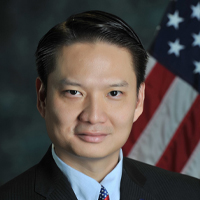
Bill Author
Bill Co-Author(s):