AB 1768: Transactions and use taxes: Counties of Contra Costa and Los Angeles.
- Session Year: 2025-2026
- House: Assembly
- Latest Version Date: 2026-06-01
Current Status:
Passed
(2026-06-01: Chaptered by Secretary of State - Chapter 11, Statutes of 2026.)
Introduced
In Committee
Awaiting First Chamber Vote
Passed First Chamber
In Committee
Awaiting Second Chamber Vote
Passed Second Chamber
Enacted
Existing law authorizes various local governmental entities, subject to certain limitations and approval requirements, to levy a transactions and use tax for general or specific purposes, in accordance with the procedures and requirements set forth in the Transactions and Use Tax Law, including a requirement that the combined rate of all taxes that may be imposed in accordance with that law in any county not exceed 2%.
This bill would authorize, until December 31, 2031, the County of Los Angeles, by an ordinance adopted by the county, to levy a tax pursuant to the Transactions and Use Tax Law at a rate not to exceed 0.5% for general and special purposes, subject to voter approval, as specified. The bill would also authorize, until December 31, 2031, the County of Contra Costa, by an ordinance adopted by the county, to levy a tax pursuant to the Transactions and Use Tax Law at a rate not to exceed 0.625% for general or specific purposes, subject to voter approval, as specified. The bill would authorize those taxes to exceed the 2% limit described above.
This bill would make legislative findings and declarations as to the necessity of a special statute for the Counties of Contra Costa and Los Angeles.
This bill would declare that it is to take effect immediately as an urgency statute.
Existing law authorizes various local governmental entities, subject to certain limitations and approval requirements, to levy a transactions and use tax for general or specific purposes, in accordance with the procedures and requirements set forth in the Transactions and Use Tax Law, including a requirement that the combined rate of all taxes that may be imposed in accordance with that law in any county not exceed 2%.
This bill would authorize, until December 31, 2031, the County of Los Angeles, by an ordinance adopted by the county, to levy a tax pursuant to the Transactions and Use Tax Law at a rate not to exceed 0.5% for general and special purposes, subject to voter approval, as specified. The bill would also authorize, until December 31, 2031, the County of Contra Costa, by an ordinance adopted by the county, to levy a tax pursuant to the Transactions and Use Tax Law at a rate not to exceed 0.625% for general or specific purposes, subject to voter approval, as specified. The bill would authorize those taxes to exceed the 2% limit described above.
This bill would make legislative findings and declarations as to the necessity of a special statute for the Counties of Contra Costa and Los Angeles.
This bill would declare that it is to take effect immediately as an urgency statute.
Existing law authorizes various local governmental entities, subject to certain limitations and approval requirements, to levy a transactions and use tax for general or specific purposes, in accordance with the procedures and requirements set forth in the Transactions and Use Tax Law, including a requirement that the combined rate of all taxes that may be imposed in accordance with that law in any county not exceed 2%.
This bill would authorize, until December 31, 2031, the County of Los Angeles, by an ordinance adopted by the county, to levy a tax pursuant to the Transactions and Use Tax Law at a rate not to exceed 0.5% for general and special purposes, subject to voter approval, as specified. The bill would also authorize, until December 31, 2031, the County of Contra Costa, by an ordinance adopted by the county, to levy a tax pursuant to the Transactions and Use Tax Law at a rate not to exceed 0.625% for general or specific purposes, subject to voter approval, as specified. The bill would authorize those taxes to exceed the 2% limit described above.
This bill would make legislative findings and declarations as to the necessity of a special statute for the Counties of Contra Costa and Los Angeles.
This bill would declare that it is to take effect immediately as an urgency statute.
Existing law authorizes various local governmental entities, subject to certain limitations and approval requirements, to levy a transactions and use tax for general or specific purposes, in accordance with the procedures and requirements set forth in the Transactions and Use Tax Law, including a requirement that the combined rate of all taxes that may be imposed in accordance with that law in any county not exceed 2%.
This bill would authorize, until December 31, 2031, the County of Los Angeles, by an ordinance adopted by the county, to levy a tax pursuant to the Transactions and Use Tax Law at a rate not to exceed 0.5% for general and special purposes, subject to voter approval, as specified. The bill would also authorize, until December 31, 2031, the County of Contra Costa, by an ordinance adopted by the county, to levy a tax pursuant to the Transactions and Use Tax Law at a rate not to exceed 0.625% for general or specific purposes, subject to voter approval, as specified. The bill would authorize those taxes to exceed the 2% limit described above.
This bill would make legislative findings and declarations as to the necessity of a special statute for the County of Counties of Contra Costa and Los Angeles.
Existing law authorizes various local governmental entities, subject to certain limitations and approval requirements, to levy a transactions and use tax for general or specific purposes, in accordance with the procedures and requirements set forth in the Transactions and Use Tax Law, including a requirement that the combined rate of all taxes that may be imposed in accordance with that law in any county not exceed 2%.
This bill would authorize, until December 31, 2031, the County of Los Angeles, by an ordinance adopted by the county, to levy a tax pursuant to the Transactions and Use Tax Law at a rate not to exceed 0.5% for general and special purposes, subject to voter approval, as specified. The bill would authorize those taxes to exceed the 2% limit described above.
This bill would make legislative findings and declarations as to the necessity of a special statute for the County of Los Angeles.
(a)Notwithstanding any other law, the County of Los Angeles may impose a transactions and use tax for general or specific purposes to support countywide programs at a rate of no more than 0.5 percent that would, in combination with all taxes imposed in accordance with the Transactions and Use Tax Law (Part 1.6 (commencing with Section 7251)), exceed the limit established in Section 7251.1, if all of the following requirements are met:
(1)The county adopts an ordinance proposing the transactions and use tax by any applicable voting approval requirement.
(2)The ordinance proposing the transactions and use tax is submitted to the electorate and is approved by the voters voting on the ordinance by the applicable voting approval requirement in accordance with Article XIII C of the California Constitution.
(3)The transactions and use tax conforms to the Transactions and Use Tax Law (Part 1.6 (commencing with Section 7251)), other than Section 7251.1.
(b)Notwithstanding Section 7251.1, a transactions and use tax rate imposed pursuant to subdivision (a) shall not be considered for purposes of the combined rate limitation established by Section 7251.1.
(c)If, as of December 31, 2031, an ordinance proposing a transactions and use tax has not been approved in the County of Los Angeles as authorized by subdivision (a), this chapter shall be repealed.
SEC. 2.Chapter 3.18 (commencing with Section 7287.22) is added to Part 1.7 of Division 2 of the Revenue and Taxation Code, to read:3.18.County of Contra Costa Transactions and Use Tax7287.22.(a)Notwithstanding any other law, the County of Contra Costa, by ordinance, may impose a transactions and use tax for general or specific purposes at a rate of no more than 0.625 percent that would, in combination with all taxes imposed pursuant to Part 1.6 (commencing with Section 7251), exceed the limit established in Section 7251.1, if all of the following requirements are met:
(1)The board of supervisors of the County of Contra Costa adopts an ordinance proposing the transactions and use tax by any applicable voting approval requirement.
(2)The ordinance proposing the transactions and use tax is submitted to the electorate and is approved by the voters voting on the ordinance in accordance with the California Constitution.
(3)The transactions and use tax conforms to the Transactions and Use Tax Law (Part 1.6 (commencing with Section 7251)), other than Section 7251.1.
(b)Notwithstanding Section 7251.1, a transactions and use tax rate imposed pursuant to subdivision (a) shall not be considered for purposes of the combined rate limit established by Section 7251.1.
(c)If, as of December 31, 2031, an ordinance proposing a transactions and use tax has not been approved in the County of Contra Costa as authorized by subdivision (a), this chapter shall be repealed.
SEC. 3.The Legislature finds and declares that a special statute is necessary and that a general statute cannot be made applicable within the meaning of Section 16 of Article IV of the California Constitution because of the unique fiscal pressures being experienced in the Counties of Contra Costa and Los Angeles in providing essential programs that have been caused, at least in part, by federal funding cuts.
SEC. 4.This act is an urgency statute necessary for the immediate preservation of the public peace, health, or safety within the meaning of Article IV of the California Constitution and shall go into immediate effect. The facts constituting the necessity are:
The County of Los Angeles has placed a 0.5 percent tax on the ballot for June 2, 2026, ballot, and the County of Contra Costa has placed a 0.625 percent tax on the ballot for June 2, 2026, and to accommodate that, it is necessary that this act go into immediate effect.
(a)Notwithstanding any other law, the County of Los Angeles may impose a transactions and use tax for general or specific purposes to support countywide programs at a rate of no more than 0.5 percent that would, in combination with all taxes imposed in accordance with the Transactions and Use Tax Law (Part 1.6 (commencing with Section 7251)), exceed the limit established in Section 7251.1, if all of the following requirements are met:
(1)The county adopts an ordinance proposing the transactions and use tax by any applicable voting approval requirement.
(2)The ordinance proposing the transactions and use tax is submitted to the electorate and is approved by the voters voting on the ordinance by the applicable voting approval requirement in accordance with Article XIII C of the California Constitution.
(3)The transactions and use tax conforms to the Transactions and Use Tax Law (Part 1.6 (commencing with Section 7251)), other than Section 7251.1.
(b)Notwithstanding Section 7251.1, a transactions and use tax rate imposed pursuant to subdivision (a) shall not be considered for purposes of the combined rate limitation established by Section 7251.1.
(c)If, as of December 31, 2031, an ordinance proposing a transactions and use tax has not been approved in the County of Los Angeles as authorized by subdivision (a), this chapter shall be repealed.
SEC. 2.Chapter 3.18 (commencing with Section 7287.22) is added to Part 1.7 of Division 2 of the Revenue and Taxation Code, to read:3.18.County of Contra Costa Transactions and Use Tax7287.22.(a)Notwithstanding any other law, the County of Contra Costa, by ordinance, may impose a transactions and use tax for general or specific purposes at a rate of no more than 0.625 percent that would, in combination with all taxes imposed pursuant to Part 1.6 (commencing with Section 7251), exceed the limit established in Section 7251.1, if all of the following requirements are met:
(1)The board of supervisors of the County of Contra Costa adopts an ordinance proposing the transactions and use tax by any applicable voting approval requirement.
(2)The ordinance proposing the transactions and use tax is submitted to the electorate and is approved by the voters voting on the ordinance in accordance with the California Constitution.
(3)The transactions and use tax conforms to the Transactions and Use Tax Law (Part 1.6 (commencing with Section 7251)), other than Section 7251.1.
(b)Notwithstanding Section 7251.1, a transactions and use tax rate imposed pursuant to subdivision (a) shall not be considered for purposes of the combined rate limit established by Section 7251.1.
(c)If, as of December 31, 2031, an ordinance proposing a transactions and use tax has not been approved in the County of Contra Costa as authorized by subdivision (a), this chapter shall be repealed.
SEC. 3.The Legislature finds and declares that a special statute is necessary and that a general statute cannot be made applicable within the meaning of Section 16 of Article IV of the California Constitution because of the unique fiscal pressures being experienced in the Counties of Contra Costa and Los Angeles in providing essential programs that have been caused, at least in part, by federal funding cuts.
SEC. 4.This act is an urgency statute necessary for the immediate preservation of the public peace, health, or safety within the meaning of Article IV of the California Constitution and shall go into immediate effect. The facts constituting the necessity are:
The County of Los Angeles has placed a 0.5 percent tax on the ballot for June 2, 2026, ballot, and the County of Contra Costa has placed a 0.625 percent tax on the ballot for June 2, 2026, and to accommodate that, it is necessary that this act go into immediate effect.
(a)Notwithstanding any other law, the County of Los Angeles may impose a transactions and use tax for general or specific purposes to support countywide programs at a rate of no more than 0.5 percent that would, in combination with all taxes imposed in accordance with the Transactions and Use Tax Law (Part 1.6 (commencing with Section 7251)), exceed the limit established in Section 7251.1, if all of the following requirements are met:
(1)The county adopts an ordinance proposing the transactions and use tax by any applicable voting approval requirement.
(2)The ordinance proposing the transactions and use tax is submitted to the electorate and is approved by the voters voting on the ordinance by the applicable voting approval requirement in accordance with Article XIII C of the California Constitution.
(3)The transactions and use tax conforms to the Transactions and Use Tax Law (Part 1.6 (commencing with Section 7251)), other than Section 7251.1.
(b)Notwithstanding Section 7251.1, a transactions and use tax rate imposed pursuant to subdivision (a) shall not be considered for purposes of the combined rate limitation established by Section 7251.1.
(c)If, as of December 31, 2031, an ordinance proposing a transactions and use tax has not been approved in the County of Los Angeles as authorized by subdivision (a), this chapter shall be repealed.
SEC. 2.Chapter 3.18 (commencing with Section 7287.22) is added to Part 1.7 of Division 2 of the Revenue and Taxation Code, to read:3.18.County of Contra Costa Transactions and Use Tax7287.22.(a)Notwithstanding any other law, the County of Contra Costa, by ordinance, may impose a transactions and use tax for general or specific purposes at a rate of no more than 0.625 percent that would, in combination with all taxes imposed pursuant to Part 1.6 (commencing with Section 7251), exceed the limit established in Section 7251.1, if all of the following requirements are met:
(1)The board of supervisors of the County of Contra Costa adopts an ordinance proposing the transactions and use tax by any applicable voting approval requirement.
(2)The ordinance proposing the transactions and use tax is submitted to the electorate and is approved by the voters voting on the ordinance in accordance with the California Constitution.
(3)The transactions and use tax conforms to the Transactions and Use Tax Law (Part 1.6 (commencing with Section 7251)), other than Section 7251.1.
(b)Notwithstanding Section 7251.1, a transactions and use tax rate imposed pursuant to subdivision (a) shall not be considered for purposes of the combined rate limit established by Section 7251.1.
(c)If, as of December 31, 2031, an ordinance proposing a transactions and use tax has not been approved in the County of Contra Costa as authorized by subdivision (a), this chapter shall be repealed.
SEC. 3.The Legislature finds and declares that a special statute is necessary and that a general statute cannot be made applicable within the meaning of Section 16 of Article IV of the California Constitution because of the unique fiscal pressures being experienced in the Counties of Contra Costa and Los Angeles in providing essential programs that have been caused, at least in part, by federal funding cuts.
SEC. 4.This act is an urgency statute necessary for the immediate preservation of the public peace, health, or safety within the meaning of Article IV of the California Constitution and shall go into immediate effect. The facts constituting the necessity are:
The County of Los Angeles has placed a 0.5 percent tax on the ballot for June 2, 2026, ballot, and the County of Contra Costa has placed a 0.625 percent tax on the ballot for June 2, 2026, and to accommodate that, it is necessary that this act go into immediate effect.
(a)Notwithstanding any other law, the County of Los Angeles may impose a transactions and use tax for general or specific purposes to support countywide programs at a rate of no more than 0.5 percent that would, in combination with all taxes imposed in accordance with the Transactions and Use Tax Law (Part 1.6 (commencing with Section 7251)), exceed the limit established in Section 7251.1, if all of the following requirements are met:
(1)The county adopts an ordinance proposing the transactions and use tax by any applicable voting approval requirement.
(2)The ordinance proposing the transactions and use tax is submitted to the electorate and is approved by the voters voting on the ordinance by the applicable voting approval requirement in accordance with Article XIII C of the California Constitution.
(3)The transactions and use tax conforms to the Transactions and Use Tax Law (Part 1.6 (commencing with Section 7251)), other than Section 7251.1.
(b)Notwithstanding Section 7251.1, a transactions and use tax rate imposed pursuant to subdivision (a) shall not be considered for purposes of the combined rate limitation established by Section 7251.1.
(c)If, as of December 31, 2031, an ordinance proposing a transactions and use tax has not been approved in the County of Los Angeles as authorized by subdivision (a), this chapter shall be repealed.
SEC. 2.Chapter 3.18 (commencing with Section 7287.22) is added to Part 1.7 of Division 2 of the Revenue and Taxation Code, to read:3.18.County of Contra Costa Transactions and Use Tax7287.22.(a)Notwithstanding any other law, the County of Contra Costa, by ordinance, may impose a transactions and use tax for general or specific purposes at a rate of no more than 0.625 percent that would, in combination with all taxes imposed pursuant to Part 1.6 (commencing with Section 7251), exceed the limit established in Section 7251.1, if all of the following requirements are met:
(1)The board of supervisors of the County of Contra Costa adopts an ordinance proposing the transactions and use tax by any applicable voting approval requirement.
(2)The ordinance proposing the transactions and use tax is submitted to the electorate and is approved by the voters voting on the ordinance in accordance with the California Constitution.
(3)The transactions and use tax conforms to the Transactions and Use Tax Law (Part 1.6 (commencing with Section 7251)), other than Section 7251.1.
(b)Notwithstanding Section 7251.1, a transactions and use tax rate imposed pursuant to subdivision (a) shall not be considered for purposes of the combined rate limit established by Section 7251.1.
(c)If, as of December 31, 2031, an ordinance proposing a transactions and use tax has not been approved in the County of Contra Costa as authorized by subdivision (a), this chapter shall be repealed.
SEC. 2.SEC. 3.The Legislature finds and declares that a special statute is necessary and that a general statute cannot be made applicable within the meaning of Section 16 of Article IV of the California Constitution because of the unique fiscal pressures being experienced in the County of Counties of Contra Costa and Los Angeles in providing essential programs that have been caused, at least in part, by federal funding cuts.
(a)Notwithstanding any other law, the County of Los Angeles may impose a transactions and use tax for general or specific purposes to support countywide programs at a rate of no more than 0.5 percent that would, in combination with all taxes imposed in accordance with the Transactions and Use Tax Law (Part 1.6 (commencing with Section 7251)), exceed the limit established in Section 7251.1, if all of the following requirements are met:
(1)The county adopts an ordinance proposing the transactions and use tax by any applicable voting approval requirement.
(2)The ordinance proposing the transactions and use tax is submitted to the electorate and is approved by the voters voting on the ordinance by the applicable voting approval requirement in accordance with Article XIII C of the California Constitution.
(3)The transactions and use tax conforms to the Transactions and Use Tax Law (Part 1.6 (commencing with Section 7251)), other than Section 7251.1.
(b)Notwithstanding Section 7251.1, a transactions and use tax rate imposed pursuant to subdivision (a) shall not be considered for purposes of the combined rate limitation established by Section 7251.1.
(c)If, as of December 31, 2031, an ordinance proposing a transactions and use tax has not been approved in the County of Los Angeles as authorized by subdivision (a), this chapter shall be repealed.
SEC. 2.The Legislature finds and declares that a special statute is necessary and that a general statute cannot be made applicable within the meaning of Section 16 of Article IV of the California Constitution because of the unique fiscal pressures being experienced in the County of Los Angeles in providing essential programs that have been caused, at least in part, by federal funding cuts.
|
Date
|
Status
|
|---|---|
| Jun 1, 2026 | Chaptered by Secretary of State - Chapter 11, Statutes of 2026. |
| Jun 1, 2026 | Approved by the Governor. |
| May 20, 2026 | Enrolled and presented to the Governor at 4:30 p.m. |
| May 20, 2026 | In Assembly. Ordered to Engrossing and Enrolling. |
| May 20, 2026 | Read third time. Urgency clause adopted. Passed. Ordered to the Assembly. (Ayes 29. Noes 8. Page 4374.). |
| May 20, 2026 | Read third time. Urgency clause adopted. Passed. Ordered to the Assembly. (Ayes 29. Noes 8.). |
| May 19, 2026 | Read second time. Ordered to third reading. |
| May 18, 2026 | Joint Rule 62(a), file notice suspended. (Ayes 28. Noes 9. Page 4302.) |
| May 18, 2026 | From committee: Do pass. (Ayes 5. Noes 2.) (May 18). |
| May 18, 2026 | Joint Rule 62(a), file notice suspended. (Ayes 28. Noes 9.) |
| May 18, 2026 | Referred to Com. on L. GOV. |
| May 14, 2026 | In Senate. Read first time. To Com. on RLS. for assignment. |
| May 14, 2026 | Read third time. Urgency clause adopted. Passed. Ordered to the Senate. (Ayes 55. Noes 15. Page 5044.). |
| May 14, 2026 | Read third time. Urgency clause adopted. Passed. Ordered to the Senate. (Ayes 55. Noes 15.). |
| May 4, 2026 | Read second time. Ordered to third reading. |
| Apr 30, 2026 | Read second time and amended. Ordered returned to second reading. |
| Apr 29, 2026 | From committee: Amend, and do pass as amended. (Ayes 6. Noes 2.) (April 29). |
| Apr 28, 2026 | From committee: Do pass and re-refer to Com. on L. GOV. (Ayes 5. Noes 2.) (April 27). Re-referred to Com. on L. GOV. |
| Apr 23, 2026 | Assembly Rule 56 suspended. (Page 4778.) |
| Apr 23, 2026 | (Pending re-refer to Com. on L. GOV.) |
| Apr 23, 2026 | Assembly Rule 56 suspended. |
| Apr 22, 2026 | Re-referred to Com. on REV. & TAX. |
| Apr 21, 2026 | From committee chair, with author's amendments: Amend, and re-refer to Com. on REV. & TAX. Read second time and amended. |
| Apr 20, 2026 | Re-referred to Coms. on REV. & TAX. and L. GOV. pursuant to Assembly Rule 96. |
| Feb 23, 2026 | Referred to Coms. on L. GOV. and REV. & TAX. |
| Feb 10, 2026 | From printer. May be heard in committee March 12. |
| Feb 9, 2026 | Read first time. To print. |
|
Date
|
Description
|
Location
|
Votes
|
|
|---|---|---|---|---|
| May 20, 2026 | Assembly 3rd Reading AB1768 Bryan et al. By Durazo Urgency Clause | Senate Floor |
Passed |
|
| May 18, 2026 | Do pass | Senate Standing Committee on Local Government |
Passed |
|
| May 14, 2026 | AB 1768 Bryan Third Reading Urgency | Assembly Floor |
Passed |
|
| Apr 29, 2026 | Do pass as amended. | Assembly Standing Committee on Local Government |
Passed |
|
| Apr 27, 2026 | Do pass and be re-referred to the Committee on [Local Government] | Assembly Standing Committee on Revenue and Taxation |
Passed |
This list shows positions taken on this bill by organizations on the date displayed, which is linked to the original source.
Positions by individuals are not included.
|
Organization
|
Position
|
Date
|
|---|---|---|
| Alameda County Taxpayers’ Association, INC. | ** Against | |
| Aliados Health | ** Support | |
| All Inclusive Community Health Center | ** Support | |
| AltaMed Health Services | ** Support | |
| Apartment Association of Greater Los Angeles | ** Against | |
| Arroyo Vista Family Health Center | ** Support | |
| California Business Properties Association | ** Against | |
| California Community Foundation | ** Support | |
| California Federation of Labor Unions, Afl-cio | ** Support | |
| California Professional Firefighters | ** Support | |
| California Rental Housing Association | ** Against | |
| California State Association Of Electrical Workers | ** Support | |
| California State Council of Service Employees International Union | ** Support | |
| California State Pipe Trades Council | ** Support | |
| California Taxpayers Association | ** Against | |
| Camino Health Center | ** Support | |
| Chinatown Service Center | ** Support | |
| City of Arcadia | ** Against | |
| City of Artesia | ** Against | |
| City Of Azusa | ** Against | |
| City of Bellflower | ** Against | |
| City Of Beverly Hills | ** Against | |
| city of bradbury | ** Against | |
| City Of Burbank | ** Against | |
| City of Calabasas | ** Against | |
| City of Glendale | ** Against | |
| City of Glendora | ** Against | |
| City of Inglewood City Hall | ** Against | |
| City of Lakewood | ** Against | |
| City of Lakewood CA | ** Against | |
| City Of Lancaster | ** Against | |
| City of La Verne | ** Against | |
| City Of Lomita | ** Against | |
| City of Norwalk | ** Against | |
| city of paramount | ** Against | |
| City of Pico Rivera | ** Against | |
| City of Rancho Palos Verdes | ** Against | |
| City of Rolling Hills Estates | ** Against | |
| City of Torrance | ** Against | |
| City of Torrence | ** Against | |
| City of Westlake Village | ** Against | |
| Clinica Monsenor Oscar A. Romero | ** Support | |
| Community Clinic Association of Los Angeles County | ** Support | |
| Community Clinic Association of Los Angeles County (CCALAC) | ** Support | |
| Community Health Association Inland Southern Region | ** Support | |
| Community Health Association of Inland Southern Region | ** Support | |
| Comprehensive Community Health Centers | ** Support | |
| Contra Costa County | ** Support | |
| CPCA Advocates | ** Support | |
| CPCA Advocates, Subsidiary of The California Primary Care Association | ** Support | |
| East LA Community Corporation | ** Support | |
| Eisner Health | ** Support | |
| El Proyecto del Barrio, Inc. | ** Support | |
| Garfield Health Center | ** Support | |
| Hill Country Community Clinic | ** Support | |
| Howard Jarvis Taxpayers Association | ** Against | |
| Independent Cities Association | ** Against | |
| Innercare | ** Support | |
| L.A. Care Health Plan | ** Support | |
| las virgenes-malibu council of governments | ** Against | |
| League of California Cities, Los Angeles Division | ** Against | |
| Long Beach Area Chamber of Commerce | ** Against | |
| Long Beach Chamber of Commerce | ** Against | |
| Los Angeles County | ** Support | |
| Los Angeles County Division, League of California Cities | ** Against | |
| Los Angeles LGBT Center | ** Support | |
| MCHC Health Centers | ** Support | |
| Mendocino Community Health Center | ** Support | |
| Neighborhood Healthcare | ** Support | |
| Northeast Valley Health Corporation | ** Support | |
| Open Door Community Health Centers | ** Support | |
| OPSAM Health | ** Support | |
| Planned Parenthood Affiliates Of California | ** Support | |
| Ravenswood Family Health Network | ** Support | |
| Saban Community Clinic | ** Support | |
| Saban Community Health Center | ** Support | |
| San Benito Health Foundation | ** Support | |
| san fernando community health center | ** Support | |
| Service Employees International Union, Local 721 | ** Support | |
| Solano County Taxpayers Association | ** Against | |
| South Bay Cities Council of Governments | ** Against | |
| South Central Family Health Center | ** Support | |
| St John\'s Community Health | ** Support | |
| TrueCare | ** Support | |
| Umma Health | ** Support | |
| UNITE HERE Local 11 | ** Support | |
| Valley Community Healthcare | ** Support | |
| Venice Family Clinic | ** Support | |
| Ventura County Taxpayers Association | ** Against | |
| Via Care Community Health Center | ** Support | |
| Vision Y Compromiso (UNREG) | ** Support | |
| Western States Council Sheet Metal, Air, Rail And Transportation | ** Support | |
| Westside Family Health Center | ** Support |
SENATE RULES COMMITTEE Office of Senate Floor Analyses (916) 651-4171 | AB 1768 |
THIRD READING
Bill No: AB 1768
Author: Bryan (D), et al.
Amended: 4/30/26 in Assembly
Vote: 27 - Urgency
SENATE LOCAL GOVERNMENT COMMITTEE: 5-2, 5/18/26
AYES: Durazo, Arreguín, Ashby, Cervantes, Laird
NOES: Choi, Seyarto
ASSEMBLY FLOOR: 55-15, 5/14/26 - See last page for vote
SUBJECT: Transactions and use taxes: Counties of Contra Costa and Los Angeles
SOURCE: Author
DIGEST:
This bill allows the counties of Contra Costa and Los Angeles to impose a district tax, by ordinance, of up to 0.625% and 0.5%, respectively, even if it exceeds the 2% cap.
ANALYSIS:
Existing law:
- Imposes the sales tax on every retailer engaged in business in this state that sells tangible personal property, and requires them to remit taxes collected from purchasers to the California Department of Tax and Fee Administration (CDTFA).
- Applies whenever a retail sale is made, which is basically any sale other than one for resale in the regular course of business.
- Provides that unless the person pays the sales tax to the retailer, he or she is liable for the use tax, which is imposed on any person consuming tangible personal property in the state. The use tax rate is the same rate as the sales tax rate, and must be remitted on or before the last day of the month following the quarterly period in which the person made the purchase.
- Levies the sales and use tax at a current rate of 7.25%.
- States that taxes levied by local governments are either general taxes, subject to majority approval of its voters, or special taxes, subject to 2/3 vote (California Constitution, Article XIII C).
- Allows cities, counties, and specified special districts, including the San Francisco Bay Area Rapid Transit District (BART) and the Contra Costa County Transportation Authority, to increase the sales and use tax applied within their jurisdictions, also known as district or transactions and use taxes, for either specific or general purposes pursuant to the California Constitution’s voter approval requirements.
- Allows counties to impose a district tax solely in the unincorporated area of a county (AB 2119, Stone, Chapter 148, Statutes of 2014).
- Caps the maximum district tax rate at 2% within a county; however, allows exceptions from the cap for the Cities of El Cerrito and Santa Fe Springs, Contra Costa County, Humboldt County, San Mateo County, Sonoma County (and any city in Sonoma County), the Transportation Agency for Monterey County, and the Los Angeles Metropolitan Transportation Authority, among others.
- Provides that BART’s district tax does not count toward the 2% cap (AB 723, Quirk, Chapter 747, Statutes of 2019).
This bill:
- Allows the counties of Contra Costa and Los Angeles to impose by ordinance a district tax, of up to 0.625% and 0.5%, respectively, even if the tax exceeds the 2% cap when combined with other district taxes imposed by local agencies.
- Requires the Board of Supervisors to adopt an ordinance proposing the tax, submit the ordinance to the electorate for approval, and be approved by voters.
- Requires the tax to conform to state district tax law.
- Sunsets the authority for the counties of Contra Costa and Los Angeles to impose a tax in excess of the cap on January 1, 2032.
Background
County of Contra Costa. Contra Costa is a county of nearly 1.2 million residents in the Bay Area. There are three countywide district taxes that combined add a total of 1.5% to the statewide rate of 7.25%. State law excludes one of the 0.5% countywide taxes from the 2% cap. Many of the cities in the county impose taxes that add up to 1%, meaning the County of Contra Costa cannot add on an additional countywide tax. The cities of El Cerrito and Pinole received statutory authorization to impose an additional 0.5%, which voters approved. As a result, those cities have the highest tax rate in Contra Costa County at 10.25%. SB 63 (Wiener, 2025) allows Bay Area transportation agencies to impose an additional 0.5%, but those agencies have not yet imposed the tax.
County of Los Angeles. Los Angeles is the state’s most populous county with nearly 10 million residents. Los Angeles County currently has 75 district taxes levied within its borders. Los Angeles County imposes four 0.5% district taxes for transportation, two of which the Legislature has exempted from the 2% cap (AB 2321, Feuer, 2008, and SB 767, De Leon, 2015). Los Angeles County also imposes a 0.5% tax for housing and homelessness services. The total countywide rate is 9.75%. There are 70 citywide taxes in Los Angeles County, including two 0.75% district taxes in the cities of Lancaster and Palmdale, for a total rate of 11.25% in those cities, the highest tax rate in the County.
Comments
- Purpose of the bill. According to the author, “AB 1768 is an urgent response to the harm directed at California communities from the corrupt Trump administration. Federal policies have stripped billions of dollars from the health systems that keep vulnerable Californians alive and healthy. Communities in Los Angeles and Contra Costa are now forced to assume significantly higher-cost and less-effective emergency-room treatment modalities, implement hiring freezes and service reductions, or book deficits that threaten the short-, medium-, and long-term fiscal health of critical care services. In response, these counties have placed measures on their June ballots to address these cuts. This bill gives these two counties state authorization to allow voters to decide. This bill does not raise taxes. AB 1768 simply reinforces local control. Voters can decide whether they want to protect their own health infrastructure against the cuts demanded by the incompetent Trump Administration.”
- Too high? While the state sales and use tax rate decreased from 7.5% to 7.25% on January 1, 2017, California’s sales and use tax rate is high compared to other states, especially when incorporating locally imposed district taxes. Tax experts generally agree that sales and use taxes are regressive, meaning the tax incidence falls more heavily on low-income individuals than on high-income individuals, because those of lesser means generally spend a greater percentage of their income on taxable sales, even if California exempts many necessities such as food and prescription medication. AB 1768 could lead to a tax rate of 10.875% in certain Contra Costa cities, and 11.75% in certain Los Angeles cities if the respective boards of supervisors impose the maximum tax rates allowed under the bill. If Bay Area transit exercised their authority to add another 0.5% excluded from the cap, the highest rate in Contra Costa could reach 11.375%. While local voters must approve any tax, the Committee may wish to consider whether AB 1768 allows for rates that are too high.
FISCAL EFFECT: Appropriation: No Fiscal Com.: No Local: No
SUPPORT: (Verified 5/18/26)
Aliados Health
All Inclusive Community Health Center
Altamed Health Services
Arroyo Vista Family Health Center
California Community Foundation
California Federation of Labor Unions, Afl-cio
California Professional Firefighters
California State Association of Electrical Workers
California State Council of Service Employees International Union
California State Pipe Trades Council
Camino Health Center
Chinatown Service Center
Clinica Monseñor Oscar A. Romero
Community Clinic Association of Los Angeles County
Community Health Association of Inland Southern Region
Comprehensive Community Health Centers
Contra Costa County
Cpca Advocates
Cpca Advocates, Subsidiary of the California Primary Care Association
East LA Community Corporation
Eisner Health
El Proyecto Del Barrio, INC.
Garfield Health Center
Hill Country Community Clinic
Innercare
L.A. Care Health Plan
Los Angeles County
Los Angeles Lgbt Center
Mchc Health Centers
Neighborhood Healthcare
Northeast Valley Health Corporation
Open Door Community Health Centers
Opsam Health
Planned Parenthood Affiliates of California
Ravenswood Family Health Network
Saban Community Clinic
San Benito Health Foundation
San Fernando Community Health Center
Service Employees International Union, Local 721
South Central Family Health Center
St John's Community Health
Truecare
Umma Health
Unite Here Local 11
Valley Community Healthcare
Venice Family Clinic
Via Care Community Health Center
Vision Y Compromiso (UNREG)
Western States Council Sheet Metal, Air, Rail and Transportation
Westside Family Health Center
OPPOSITION: (Verified 5/18/26)
Alameda County Taxpayers’ Association, INC.
Apartment Association of Greater Los Angeles
California Business Properties Association
California Rental Housing Association
California Taxpayers Association
City of Arcadia
City of Artesia
City of Azusa
City of Bellflower
City of Beverly Hills
City of Bradbury
City of Burbank
City of Calabasas
City of Glendale
City of Glendora
City of Inglewood City Hall
City of La Verne
City of Lakewood
City of Lakewood CA
City of Lancaster
City of Lomita
City of Norwalk
City of Paramount
City of Pico Rivera
City of Rancho Palos Verdes
City of Rolling Hills Estates
City of Torrance
City of Westlake Village
Howard Jarvis Taxpayers Association
Independent Cities Association
Las Virgenes-Malibu Council of Governments
Long Beach Area Chamber of Commerce
Los Angeles County Division, League of California Cities
Solano County Taxpayers Association
South Bay Cities Council of Governments
Ventura County Taxpayers Association
ASSEMBLY FLOOR: 55-15, 5/14/26
AYES: Addis, Aguiar-Curry, Ahrens, Alanis, Alvarez, Ávila Farías, Bauer-Kahan, Bennett, Berman, Boerner, Bonta, Bryan, Calderon, Caloza, Connolly, Elhawary, Ellis, Flora, Fong, Gabriel, Garcia, Gipson, Jeff Gonzalez, Mark González, Haney, Harabedian, Hart, Jackson, Kalra, Krell, Lowenthal, McKinnor, Muratsuchi, Nguyen, Ortega, Pacheco, Papan, Pellerin, Petrie-Norris, Quirk-Silva, Ramos, Ransom, Rogers, Schultz, Sharp-Collins, Solache, Soria, Stefani, Valencia, Wallis, Ward, Wicks, Wilson, Zbur, Rivas
NOES: Castillo, Chen, Davies, DeMaio, Dixon, Gallagher, Hadwick, Hoover, Johnson, Lackey, Macedo, Patterson, Sanchez, Ta, Tangipa
NO VOTE RECORDED: Arambula, Bains, Carrillo, Irwin, Lee, Patel, Celeste Rodriguez, Michelle Rodriguez, Blanca Rubio, Schiavo
Prepared by: Jonathan Peterson / L. GOV. / (916) 651-4119
5/19/26 17:12:27
**** END ****
SENATE COMMITTEE ON LOCAL GOVERNMENT
Senator María Elena Durazo, Chair
2025 - 2026 Regular
Bill No: | AB 1768 | Hearing Date: | 5/18/26 |
Author: | Bryan | Fiscal: | No |
Version: | 4/30/26 | Consultant: | Peterson |
Transactions and use taxes: Counties of Contra Costa and Los Angeles
Allows the counties of Contra Costa and Los Angeles to impose a district tax, by ordinance, of up to 0.625% and 0.5%, respectively, even if it exceeds the 2% cap.
Background
Sales and use tax. State law imposes the sales tax on every retailer “engaged in business in this state” that sells tangible personal property, and requires them to register with the California Department of Tax and Fee Administration (CDTFA), as well as collect and remit appropriate tax at purchase and remit the amount to CDTFA. Sales tax applies whenever a retail sale occurs, which is generally any sale other than one for resale in the regular course of business. The current rate is 7.25% as shown in the table below.
Rate | Jurisdiction | Purpose/Authority |
|---|---|---|
3.9375% | State (General Fund) | State general purposes |
1.0625% | Local Revenue Fund (2011 Realignment) | Local governments to fund local public safety services |
0.50% | State (1991 Realignment) | Local governments to fund health and welfare programs |
0.50% | State (Proposition 172 - 1993) | Local governments to fund public safety services |
1.25% | Local (City/County) 1.00% City and County | City and county general operations
|
7.25% | Total Statewide Rate |
Unless the purchaser pays the sales tax to the retailer, they are liable for the use tax, which the law imposes on any person consuming tangible personal property in the state. The use tax is the same rate as the sales tax, and like the sales tax, must be remitted on or before the last day of the month following the quarterly period in which the person made the purchase. CDTFA collects sales taxes from retailers, deposits the state share in the General Fund, and then allocates the local share of the Bradley-Burns sales tax and any district tax to the appropriate jurisdiction.
District taxes. The California Constitution states that taxes levied by local governments are either general taxes, subject to majority approval of their voters, or special taxes, subject to 2/3 vote (Article XIII C). Proposition 13 (1978) required a 2/3 vote of each house of the Legislature for state tax increases, and 2/3 vote for local special taxes. Proposition 62 (1986) prohibited local agencies from imposing general taxes without the majority approval of local voters, and a 2/3 vote for special taxes. Proposition 218 (1996) extended those vote thresholds to charter cities, and limited local agencies’ powers to levy new assessments, fees, and taxes. Local agencies generally propose to increase taxes by enacting an ordinance or adopting a resolution at a public hearing.
State law allows cities, counties, and specified special districts to increase the sales and use tax applicable in their jurisdiction, also known as district or transactions and use taxes. As of January 1, 2026, local agencies impose 484 district taxes for general or special purposes: 407 imposed citywide, 71 imposed countywide, and 6 imposed in unincorporated county areas. Generally, local agencies impose these taxes throughout the entire area of a single county, the entire unincorporated area within a single county, or a single incorporated city. However, three transportation operators in the Bay Area have regional district taxes:
- The Bay Area Rapid Transit (BART) District, which covers Alameda, Contra Costa, and San Francisco counties.
- The Peninsula Corridor Joint Powers Board (CalTrain), which covers San Francisco, San Mateo, and Santa Clara counties; and
- The Sonoma-Marin Rail Transit District, which includes Sonoma and Marin counties.
State law caps the total tax rate for any county district tax at 2%. The cap applies countywide, so if one agency imposes a district tax, it may limit the ability of another agency in the same jurisdiction to impose a district tax if there is no remaining room under 2% cap. For example, if city X imposes a 1% tax in county A, county A in which city X is located could not impose an additional district tax above 1%. The Legislature has enacted numerous exceptions to the countywide 2% cap as outlined in the table below.
Counties | Cities | Other |
Alameda | Alameda | Peninsula Corridor Joint |
Contra Costa | Berkeley | Powers Board |
Humboldt | Campbell | San Luis Obispo Council of |
Los Angeles | El Cerrito | Governments |
Monterey | Lancaster | |
San Mateo | Palmdale | |
Santa Clara | Pinole | |
Solano | Santa Fe Springs | |
Sonoma | Solano County cities | |
Ventura | Victorville |
County of Contra Costa. Contra Costa is a county of nearly 1.2 million residents in the Bay Area. There are three countywide district taxes that combined add a total of 1.5% to the statewide rate of 7.25%. State law excludes one of the 0.5% countywide taxes from the 2% cap. Many of the cities in the county impose taxes that add up to 1%, meaning the County of Contra Costa cannot add on an additional countywide tax. The cities of El Cerrito and Pinole received statutory authorization to impose an additional 0.5%, which voters approved. As a result, those cities have the highest tax rate in Contra Costa County at 10.25%. SB 63 (Wiener, 2025) allows Bay Area transportation agencies to impose an additional 0.5%, but those agencies have not yet imposed the tax.
County of Los Angeles. Los Angeles is the state’s most populous county with nearly 10 million residents. Los Angeles County currently has 75 district taxes levied within its borders. Los Angeles County imposes four 0.5% district taxes for transportation, two of which the Legislature has exempted from the 2% cap (AB 2321, Feuer, 2008, and SB 767, De Leon, 2015). Los Angeles County also imposes a 0.5% tax for housing and homelessness services. The total countywide rate is 9.75%. There are 70 citywide taxes in Los Angeles County, including two 0.75% district taxes in the cities of Lancaster and Palmdale, for a total rate of 11.25% in those cities, the highest tax rate in the County.
Citing the need to address the loss of federal funding for health programs and services, the counties of Contra Costa and Los Angeles want the authority to place an additional district tax measure above the 2% cap on the June 2026 ballot.
Proposed Law
Assembly Bill 1768 allows the counties of Contra Costa and Los Angeles to impose by ordinance a district tax, of up to 0.625% and 0.5%, respectively, even if the tax exceeds the 2% cap when combined with other district taxes imposed by local agencies.
The Board of Supervisors must adopt an ordinance proposing the tax, submit the ordinance to the electorate for approval, and be approved by voters. The tax must also conform to state district tax law.
The bill repeals the authority for the counties of Contra Costa and Los Angeles to impose a tax in excess of the cap on January 1, 2032.
Comments
1. Purpose of the bill. According to the author, “AB 1768 is an urgent response to the harm directed at California communities from the corrupt Trump administration. Federal policies have stripped billions of dollars from the health systems that keep vulnerable Californians alive and healthy. Communities in Los Angeles and Contra Costa are now forced to assume significantly higher-cost and less-effective emergency-room treatment modalities, implement hiring freezes and service reductions, or book deficits that threaten the short-, medium-, and long-term fiscal health of critical care services. In response, these counties have placed measures on their June ballots to address these cuts. This bill gives these two counties state authorization to allow voters to decide. This bill does not raise taxes. AB 1768 simply reinforces local control. Voters can decide whether they want to protect their own health infrastructure against the cuts demanded by the incompetent Trump Administration.”
2. Too high? While the state sales and use tax rate decreased from 7.5% to 7.25% on January 1, 2017, California’s sales and use tax rate is high compared to other states, especially when incorporating locally imposed district taxes. Tax experts generally agree that sales and use taxes are regressive, meaning the tax incidence falls more heavily on low-income individuals than on high-income individuals, because those of lesser means generally spend a greater percentage of their income on taxable sales, even if California exempts many necessities such as food and prescription medication. AB 1768 could lead to a tax rate of 10.875% in certain Contra Costa cities, and 11.75% in certain Los Angeles cities if the respective boards of supervisors impose the maximum tax rates allowed under the bill. If Bay Area transit exercised their authority to add another 0.5% excluded from the cap, the highest rate in Contra Costa could reach 11.375%. While local voters must approve any tax, the Committee may wish to consider whether AB 1768 allows for rates that are too high.
3. Existing cap. SB 566 (Scott, 2003) imposed the uniform 2% cap for both cities and counties, in response to a multitude of jurisdiction-specific bills seeking to authorize district taxes. The cap set an upper limit on the local rate, since, as noted above, California’s sales and use tax rate is very high. In 2015, AB 464 (Mullin) attempted to raise the cap to 3%. However, Governor Brown vetoed the bill, stating:
“This bill would raise, on a blanket basis, the limit on local transactions and use tax for all counties and cities from two percent to three percent. Although I have approved raising the limit for individual counties, I am reluctant to approve this measure in view of all the taxes being discussed and proposed for the 2016 ballot.”
4. Upland. On August 28, 2017, the California Supreme Court entered a decision in California Cannabis Coalition v. City of Upland, 3 Cal. 5th 924, which held that Article XIII C, Section Two, subdivision (b)’s requirement that general taxes be submitted to the electorate at a regularly scheduled general election where members of the local governing board are subject to election did not apply to taxes proposed by voter initiative. As discussed in the Senate Governance and Finance Committee’s March 7, 2018, joint oversight hearing, “Uproar over Upland? Assessing the California Supreme Court’s Decision,” groups seeking to impose special taxes by majority vote by initiative argued if the Court held the general election requirement in subdivision (b) did not apply to initiatives, then neither did the 2/3 vote requirement for special taxes in subdivision (d). At least seven such taxes imposed by voters in various local agencies across the state have been approved, and no court thus far has invalidated them. But, because AB 1768’s authority to exceed the 2% cap is granted solely to the boards of supervisors in Contra Costa and Los Angeles counties, the bill would not allow an initiative seeking to impose a special tax by majority vote.
5. Related legislation. The Legislature is considering similar measures for other jurisdictions, including:
- SB 762 (Arreguín), which this Committee approved on a 5-2 vote at its January 14, 2026, hearing, allows the City of Hercules to impose a district tax, by ordinance, of up to 1% even if it exceeds the 2% cap when combined with other district taxes imposed by local agencies. The measure is currently pending in the Assembly Committee on Local Government.
- SB 1078 (Laird), which this Committee approved on a 5-2 vote at its March 18, 2026, hearing, allows the County of Santa Cruz to impose a district tax, by ordinance, of up to 0.5% even if it exceeds the 2% cap. The measure is currently pending in the Assembly Committee on Local Government.
- AB 1919 (Pellerin) allows voters of the Santa Cruz Metropolitan Transit District to submit district taxes via initiative. The measure is currently pending on the Assembly Floor.
- AB 2484 (Alvarez) allows voters of the San Diego Metropolitan Transit System to submit district taxes via initiative. The measure is currently pending in the Assembly Committee on Appropriations.
6. Urgency. As an urgency statute, AB 1768 must be approved by a 2/3 vote of each house of the Legislature. Regular legislation takes effect on the January 1 following its passage, but urgency bills take effect as soon as they are passed, signed, and chaptered.
7. Special legislation. The California Constitution prohibits special legislation when a general law can apply (Section 16 of Article IV). AB 1768 contains findings and declarations explaining the need for legislation that applies only to transaction and use taxes imposed within the counties of Contra Costa and Los Angeles.
Assembly Actions
Assembly Committee on Revenue and Taxation: 5-2
Assembly Committee on Local Government: 6-2
Assembly Floor: 55-15
Support and Opposition
(5/15/2026)
Support: Aliados Health
All Inclusive Community Health Center
Altamed Health Services
Arroyo Vista Family Health Center
California Community Foundation
California Federation of Labor Unions, Afl-cio
California Professional Firefighters
California State Association of Electrical Workers
California State Council of Service Employees International Union (seiu California)
California State Pipe Trades Council
Camino Health Center
Chinatown Service Center
Clinica Monseñor Oscar A. Romero
Community Clinic Association of Los Angeles County (CCALAC)
Community Health Association of Inland Southern Region
Comprehensive Community Health Centers
Contra Costa County
Cpca Advocates
Cpca Advocates, Subsidiary of the California Primary Care Association
East LA Community Corporation
Eisner Health
El Proyecto Del Barrio, INC.
Garfield Health Center
Hill Country Community Clinic
Innercare
L.A. Care Health Plan
Los Angeles County
Los Angeles Lgbt Center
Mchc Health Centers
Neighborhood Healthcare
Northeast Valley Health Corporation
Open Door Community Health Centers
Opsam Health
Planned Parenthood Affiliates of California
Ravenswood Family Health Network
Saban Community Clinic
San Benito Health Foundation
San Fernando Community Health Center
Service Employees International Union, Local 721 (seiu Local 721)
South Central Family Health Center
St John's Community Health
Truecare
Umma Health
Unite Here Local 11
Valley Community Healthcare
Venice Family Clinic
Via Care Community Health Center
Vision Y Compromiso (UNREG)
Western States Council Sheet Metal, Air, Rail and Transportation
Westside Family Health Center
Opposition: Alameda County Taxpayers’ Association, INC.
Apartment Association of Greater Los Angeles
California Business Properties Association
California Rental Housing Association
California Taxpayers Association
City of Arcadia
City of Artesia
City of Azusa
City of Bellflower
City of Beverly Hills
City of Bradbury
City of Burbank
City of Calabasas
City of Glendale
City of Glendora
City of Inglewood City Hall
City of La Verne
City of Lakewood
City of Lakewood CA
City of Lancaster
City of Lomita
City of Norwalk
City of Paramount
City of Pico Rivera
City of Rancho Palos Verdes
City of Rolling Hills Estates
City of Torrance
City of Westlake Village
Howard Jarvis Taxpayers Association
Independent Cities Association
Las Virgenes-Malibu Council of Governments
Long Beach Area Chamber of Commerce
Los Angeles County Division, League of California Cities
Solano County Taxpayers Association
South Bay Cities Council of Governments
Ventura County Taxpayers Association
-- END --
ASSEMBLY THIRD READING
ATR Bill Id:AB 1768
Author:(Bryan)
As Amended Ver:April 30, 2026
2/3 vote. Urgency
SUMMARY
Allows Los Angeles and Contra Costa Counties to impose a transactions and use tax (TUT) that exceeds the 2% statutory limitation.
Major Provisions
- Authorizes Los Angeles County to impose a TUT for general or specific purposes to support countywide programs at a rate of no more than .5% that would, in combination with all taxes imposed, exceed the 2% combined rate limit, if all of the following requirements are met:
- The county adopts an ordinance proposing the TUT by any applicable voting approval requirement.
- The ordinance proposing the TUT is submitted to the electorate and is approved by the voters voting on the ordinance by the applicable voting approval requirement in accordance with the California Constitution.
- The TUT conforms to TUT Law, as specified.
- Authorizes Contra Costa County to impose, by ordinance, a TUT for general or specific purposes to support countywide programs at a rate of no more than .625% that would, in combination with all taxes imposed, exceed the 2% combined rate limit, if all of the following requirements are met:
- The board of supervisors of Contra Costa County adopts an ordinance proposing the TUT by any applicable voting approval requirement.
- The ordinance proposing the TUT is submitted to the electorate and is approved by the voters voting on the ordinance in accordance with the California Constitution.
- The TUT conforms to TUT Law, as specified.
- Contains an urgency clause.
COMMENTS
- Sales and Use Taxes. State law imposes the sales tax on every retailer "engaged in business in this state" that sells tangible personal property, and requires them to register with the California Department of Tax and Fee Administration (CDTFA), as well as collect the appropriate tax at purchase and remit the amount to CDFTA. Sales tax applies whenever a retail sale occurs, which is generally any sale other than one for resale in the regular course of business. The current rate is 7.25%.
Unless the purchaser pays the sales tax to the retailer, he or she is liable for the use tax, which the law imposes on any person consuming tangible personal property in the state. The use tax is the same rate as the sales tax, and also like the sales tax, must be remitted on or before the last day of the month following the quarterly period in which the person made the purchase.
- Transactions and Use Taxes. The California Constitution states that taxes levied by local governments are either general taxes, subject to majority approval of its voters, or special taxes, subject to 2/3 vote (Article XIII C). Proposition 13 (1978) required a 2/3 vote of each house of the Legislature for state tax increases, and a 2/3 vote for local special taxes. Proposition 62 (1986) prohibited local agencies from imposing general taxes without majority approval of local voters, and a 2/3 vote for special taxes. Proposition 218 (1996) extended those vote thresholds to charter cities, and limited local agencies' powers to levy new assessments, fees, and taxes. Local agencies generally propose to increase taxes by adopting an ordinance or a resolution at a public hearing.
State law allows cities, counties, and specified special districts to increase the sales and use tax applicable in their jurisdiction, also known as district taxes or TUTs. Generally, the combined TUT tax rate imposed within a local jurisdiction cannot exceed 2%. To determine whether a county has reached this rate limitation, all countywide taxes and the highest combined rate imposed by a city within the county are counted towards the county's rate limit. For example, if a county imposes three 0.5% countywide taxes and two cities within the county each impose a 0.5% tax, the combined rate in those two cities would be 2%. In such a circumstance, the two cities could not impose another TUT, and the county could not impose another countywide TUT, absent special authority to exceed the rate limitation.
Prior to 2003, cities lacked the ability to place TUTs before their voters without first obtaining approval by the Legislature to bring an ordinance before the city council, and, if approved at the council level, to the voters. This was remedied by SB 566 (Scott), Chapter 709, Statutes of 2003, which imposed the uniform 2% countywide cap.
AB 464 (Mullin) of 2015 would have increased the maximum combined rate of all TUTs that may be levied by authorized entities within a county from 2% to 3%. This bill was vetoed by Governor Brown stating, "This bill would raise, on a blanket basis, the limit on local transactions and use tax for all counties and cities from two percent to three percent. Although I have approved raising the limit for individual counties, I am reluctant to approve this measure in view of all the taxes being discussed and proposed for the 2016 ballot."
As of April 1, 2026, local agencies impose 486 district taxes for general or special purposes: 408 imposed citywide, 72 imposed countywide, and six imposed in unincorporated county areas. Generally, local agencies impose these taxes throughout the entire area of a single county, the entire unincorporated area within a single county, or a single incorporated city. However, three transportation operators in the Bay Area have regional district taxes:
- The Bay Area Rapid Transit (BART) District, which covers Alameda, Contra Costa, and San Francisco counties.
- The Peninsula Corridor Joint Powers Board (CalTrain), which covers San Francisco, San Mateo, and Santa Clara counties.
- The Sonoma-Marin Rail Transit District, which includes Sonoma and Marin counties.
- Los Angeles and Contra Costa County TUTs. Los Angeles County has 75 TUTs levied within its borders—five countywide taxes (four for transportations purposes and one for special purposes), and 70 city-wide taxes. Currently, two of the five countywide district taxes remain subject to the 2% combined TUT rate limitation, while three, imposed by the Los Angeles County Metro Transportation Authority (LAMT), Los Angeles County Traffic Improvement Plan (LAMA), and Los Angeles County Affordable Housing, Homelessness Solutions, and Prevention Now Transactions and Use Tax (LAHT) are exempt from the 2% combined TUT rate limitation.
Contra Costa County has 24 TUTs levied within its borders—three countywide taxes (two for transportations purposes and one for general or specific purposes), and 23 city-wide taxes. Currently, two of the three countywide TUTs for the remain subject to the 2% combined TUT rate limitation, while one, imposed by BART, is exempt. An additional countywide TUT rate of up to .5%, that is not subject to the 2% combined district tax rate limitation is authorized; however, this tax is not yet imposed under that authority.
According to the Author
"AB 1768 is an urgent response to the harm directed at California communities from the corrupt Trump administration. Federal policies have stripped billions of dollars from the health systems that keep vulnerable Californians alive and healthy. Communities in Los Angeles and Contra Costa are now forced to assume significantly higher-cost and less-effective emergency-room treatment modalities, implement hiring freezes and service reductions, or book deficits that threaten the short-, medium-, and long-term fiscal health of critical care services. In response, these counties have placed measures on their June ballots to address these cuts. This bill gives these two counties state authorization to allow voters to decide. This bill does not raise taxes. AB 1768 simply reinforces local control. Voters can decide whether they want to protect their own health infrastructure against the cuts demanded by the incompetent Trump Administration."
Arguments in Support
According to the sponsors of this bill, and a coalition of supporters, "The cuts imposed by H.R. 1 are projected to slash Los Angeles County's Department of Health budget by $700 million annually, placing four public hospitals and more than 550 health clinics at serious risk of closure or drastic service reductions. Chronic disease prevention and tracking efforts will be severely curtailed. One in three County residents who rely on Medi-Cal could lose access to essential care, and more than 5,000 dedicated healthcare workers face potential job loss. These impacts will not be limited to uninsured individuals; the strain on emergency rooms, hospitals, community clinics, school-based health centers, and public health infrastructure will affect all Angelenos.
"In response, healthcare clinics, faith leaders, nonprofit organizations, labor unions, elected officials, and thousands of patients and healthcare workers have united behind the Essential Services Restoration Act. This Los Angeles County ballot measure would enact a temporary 0.5 percent general sales tax for five years, generating approximately $1 billion annually to help offset severe federal funding reductions. The measure includes strict oversight and independent audits to ensure transparency and accountability, and guarantees that every dollar remains in Los Angeles County to protect local services.
"On February 10, 2026, the Los Angeles County Board of Supervisors adopted a spending plan dedicating these funds to restore and protect essential healthcare services, including:
- Up to 45% to the Department of Health Services to fund a limited network of nonprofit providers furnishing no-cost or reduced-cost care to uninsured low-income residents, including outpatient medical, specialty, dental, behavioral health, diagnostics, pharmaceuticals, nutrition, and medical supplies.
- 22% to safeguard the County's public hospital and clinic system.
- 10% to the Department of Public Health to support core public health functions and health equity grants.
- 5% to nonprofit safety-net hospitals meeting specific criteria.
- 5% allocated proportionately to nonprofit health agencies primarily providing family planning and reproductive health services to low-income and underserved communities.
- 4% for school-based health programs, as determined by the governing board of L.A. Care Health Plan.
- 3% to the Department of Public Social Services for Medicaid outreach, enrollment, and work/volunteer programs.
- 2.5% to support Correctional Health Services.
- 2.5% for In-Home Supportive Services (IHSS) for seniors and people with disabilities, prioritizing enhanced wages and benefits for IHSS providers.
- 1% to support core public health services provided by the Pasadena Public Health Department and the Long Beach Department of Health and Human Services, proportionate to their historic spending.
"The official ballot language makes clear that this measure is a direct response to severe federal cuts enacted by the President and Congress and is intended to reduce the loss of essential services, including healthcare for County residents, and to reduce the risk of closing the County's four public hospitals and numerous clinics.
"At a time when federal actions threaten to dismantle the foundation of our local healthcare
infrastructure, Los Angeles County must have the tools necessary to protect its residents. The
Essential Services Restoration Act represents a responsible, locally controlled, time-limited solution with robust oversight to ensure funds are used exactly as promised."
Arguments in Opposition
According to the League of California Cities, Los Angeles Division, "Congress' passage of H.R. 1 has created a national health care crisis that Los Angeles County cannot solve on its own. The LA County Division and many local cities are open to working with the County and the State to consider options to restore health care funding cut by H.R. 1, but not with a regressive tax that would disproportionately burden those in our communities who are already struggling to keep up with the rising cost of basic necessities like food, gas, utilities, and housing.
"This tax proposal comes less than two years after County voters agreed to Measure A (2024), another 0.5% sales tax increase exempted from the state sales tax cap, but this new proposal for the June ballot is different. Facing few political options, the County Board of Supervisors has approved a general tax with none of the financial safeguards included in Measure A. We believe this is a fatal flaw and our Division cannot support a $1 billion blank check to a County facing severe fiscal pressures including declining revenues, record legal payouts, and high debts.
"With sales taxes in LA County already as high as 11.25% in some areas and as low as 7.25% in nearby counties, we also fear that prices are reaching a tipping point and are in real danger of pushing businesses and shoppers out of LA County. If Sacramento legislators are serious about prioritizing affordability for Californians, then you should reject this proposal to exempt yet another 0.5% sales tax hike from the 2% sales tax cap.
"We agree that the cuts to health care in H. R. 1 passed by the Congress and signed by President Trump are nothing short of catastrophic. However, the County is proposing a flawed solution that would further raise the cost of everyday goods on County residents without safeguards in place to ensure that the funds go to the cause the Board of Supervisors are championing. Instead of encouraging a patchwork of measures for a few Californians, we urge legislators to find a statewide solution to this crisis."
FISCAL COMMENTS
None.
VOTES
ASM REVENUE AND TAXATION: 5-2-0
YES: Gipson, Carrillo, McKinnor, Quirk-Silva, Michelle Rodriguez
NO: Sanchez, DeMaio
ASM LOCAL GOVERNMENT: 6-2-2
YES: Carrillo, Ramos, Ransom, Caloza, Ward, Wilson
NO: Ta, Johnson
ABS, ABST OR NV: Pacheco, Blanca Rubio
UPDATED
VERSION: April 30, 2026
CONSULTANT: Jimmy MacDonald / L. GOV. / (916) 319-3958 FN: 0002474
Date of Hearing: April 29, 2026
ASSEMBLY COMMITTEE ON LOCAL GOVERNMENT
Juan Carrillo, Chair
ABPCA Bill Id:AB 1768 (
Author:Bryan) – As Amended Ver:April 21, 2026
SUBJECT: Transactions and use taxes: Counties of Contra Costa and Los Angeles
SUMMARY: Allows Los Angeles and Contra Costa Counties to impose a transactions and use tax (TUT) that exceeds the 2% statutory limitation. Specifically, this bill:
- Authorizes Los Angeles County to impose a TUT for general or specific purposes to support countywide programs at a rate of no more than .5% that would, in combination with all taxes imposed, exceed the 2% combined rate limit, if all of the following requirements are met:
- The county adopts an ordinance proposing the TUT by any applicable voting approval requirement.
- The ordinance proposing the TUT is submitted to the electorate and is approved by the voters voting on the ordinance by the applicable voting approval requirement in accordance with the California Constitution.
- The TUT conforms to TUT Law, as specified.
- Specifies that a TUT imposed pursuant to 1), above, shall not be considered for the purposes of the combined rate limitation established by existing law.
- Provides that if, as of December 31, 2031, an ordinance proposing a TUT has not been approved in Los Angeles County as authorized by 1), above, 1) through 3) shall be repealed.
- Authorizes Contra Costa County to impose, by ordinance, a TUT for general or specific purposes to support countywide programs at a rate of no more than .625% that would, in combination with all taxes imposed, exceed the 2% combined rate limit, if all of the following requirements are met:
- The board of supervisors of Contra Costa County adopts an ordinance proposing the TUT by any applicable voting approval requirement.
- The ordinance proposing the TUT is submitted to the electorate and is approved by the voters voting on the ordinance in accordance with the California Constitution.
- The TUT conforms to TUT Law, as specified.
- Specifies that a TUT imposed pursuant to 4), above, shall not be considered for the purposes of the combined rate limit established by existing law.
- Provides that if, as of December 31, 2031, an ordinance proposing a TUT has not been approved in Contra Costa County as authorized by 4), above, 4) through 6) shall be repealed.
- Finds and declares that a special statute is necessary and that a general statute cannot be made applicable because of the unique fiscal pressures being experienced in Contra Costa and Los Angeles Counties in providing essential programs that have been caused, at least in part, by federal funding cuts.
FISCAL EFFECT: None.
COMMENTS:
- Bill Summary and Author’s Statement. This bill allows Los Angeles and Contra Costa Counties to impose a TUT that exceeds the 2% statutory limitation, as specified. St. John’s Community Health and the California Primary Care Association (CPCA) Advocates are the sponsors of this bill.
According to the Author, “AB 1768 is an urgent response to the harm directed at California communities from the corrupt Trump administration. Federal policies have stripped billions of dollars from the health systems that keep vulnerable Californians alive and healthy. Communities in Los Angeles and Contra Costa are now forced to assume significantly higher-cost and less-effective emergency-room treatment modalities, implement hiring freezes and service reductions, or book deficits that threaten the short-, medium-, and long-term fiscal health of critical care services. In response, these counties have placed measures on their June ballots to address these cuts. This bill gives these two counties state authorization to allow voters to decide. This bill does not raise taxes. AB 1768 simply reinforces local control. Voters can decide whether they want to protect their own health infrastructure against the cuts demanded by the incompetent Trump Administration.”
- Sales and Use Taxes. State law imposes the sales tax on every retailer “engaged in business in this state” that sells tangible personal property, and requires them to register with the California Department of Tax and Fee Administration (CDTFA), as well as collect the appropriate tax at purchase and remit the amount to CDFTA. Sales tax applies whenever a retail sale occurs, which is generally any sale other than one for resale in the regular course of business. The current rate is 7.25% as shown in the table below.
Rate | Jurisdiction | Purpose/Authority | |
|---|---|---|---|
3.9375% | State (General Fund) | State general purposes | |
1.0625% |
| Local governments to fund local public safety services | |
0.50% | State (1991 Realignment) | Local governments to fund health and welfare programs | |
0.50% | State (Proposition 172 - 1993) | Local governments to fund public safety services | |
1.25% | Local (City/County) |
| |
7.25% | Total Statewide Rate |
Unless the purchaser pays the sales tax to the retailer, he or she is liable for the use tax, which the law imposes on any person consuming tangible personal property in the state. The use tax is the same rate as the sales tax, and also like the sales tax, must be remitted on or before the last day of the month following the quarterly period in which the person made the purchase.
- Transactions and Use Taxes. The California Constitution states that taxes levied by local governments are either general taxes, subject to majority approval of its voters, or special taxes, subject to 2/3 vote (Article XIII C). Proposition 13 (1978) required a 2/3 vote of each house of the Legislature for state tax increases, and a 2/3 vote for local special taxes. Proposition 62 (1986) prohibited local agencies from imposing general taxes without majority approval of local voters, and a 2/3 vote for special taxes. Proposition 218 (1996) extended those vote thresholds to charter cities, and limited local agencies' powers to levy new assessments, fees, and taxes. Local agencies generally propose to increase taxes by adopting an ordinance or a resolution at a public hearing.
State law allows cities, counties, and specified special districts to increase the sales and use tax applicable in their jurisdiction, also known as district taxes or TUTs. Generally, the combined TUT tax rate imposed within a local jurisdiction cannot exceed 2%. To determine whether a county has reached this rate limitation, all countywide taxes and the highest combined rate imposed by a city within the county are counted towards the county's rate limit. For example, if a county imposes three 0.5% countywide taxes and two cities within the county each impose a 0.5% tax, the combined rate in those two cities would be 2%. In such a circumstance, the two cities could not impose another TUT, and the county could not impose another countywide TUT, absent special authority to exceed the rate limitation.
Prior to 2003, cities lacked the ability to place TUTs before their voters without first obtaining approval by the Legislature to bring an ordinance before the city council, and, if approved at the council level, to the voters. This was remedied by SB 566 (Scott), Chapter 709, Statutes of 2003, which imposed the uniform 2% countywide cap.
AB 464 (Mullin) of 2015 would have increased the maximum combined rate of all TUTs that may be levied by authorized entities within a county from 2% to 3%. This bill was vetoed by Governor Brown stating, "This bill would raise, on a blanket basis, the limit on local transactions and use tax for all counties and cities from two percent to three percent. Although I have approved raising the limit for individual counties, I am reluctant to approve this measure in view of all the taxes being discussed and proposed for the 2016 ballot."
As of April 1, 2026, local agencies impose 486 district taxes for general or special purposes: 408 imposed citywide, 72 imposed countywide, and six imposed in unincorporated county areas. Generally, local agencies impose these taxes throughout the entire area of a single county, the entire unincorporated area within a single county, or a single incorporated city. However, three transportation operators in the Bay Area have regional district taxes:
- The Bay Area Rapid Transit (BART) District, which covers Alameda, Contra Costa, and San Francisco counties.
- The Peninsula Corridor Joint Powers Board (CalTrain), which covers San Francisco, San Mateo, and Santa Clara counties.
- The Sonoma-Marin Rail Transit District, which includes Sonoma and Marin counties.
- The Bay Area Rapid Transit (BART) District, which covers Alameda, Contra Costa, and San Francisco counties.
- Los Angeles and Contra Costa County TUTs. Los Angeles County has 75 TUTs levied within its borders—five countywide taxes (four for transportations purposes and one for special purposes), and 70 city-wide taxes. Currently, two of the five countywide district taxes remain subject to the 2% combined TUT rate limitation, while three, imposed by the Los Angeles County Metro Transportation Authority (LAMT), Los Angeles County Traffic Improvement Plan (LAMA), and Los Angeles County Affordable Housing, Homelessness Solutions, and Prevention Now Transactions and Use Tax (LAHT) are exempt from the 2% combined TUT rate limitation.
Contra Costa County has 24 TUTs levied within its borders—three countywide taxes (two for transportations purposes and one for general or specific purposes), and 23 city-wide taxes. Currently, two of the three countywide TUTs for the remain subject to the 2% combined TUT rate limitation, while one, imposed by BART, is exempt. An additional countywide TUT rate of up to .5%, that is not subject to the 2% combined district tax rate limitation is authorized; however, this tax is not yet imposed under that authority.
- Committee Amendment. The author has asked the Committee to adopt amendments that add an urgency clause to this bill.
- Related Legislation. AB 1919 (Pellerin) specifies that special taxes may be imposed through the initiative process in the Santa Cruz Metropolitan Transit District (SC Metro) and establishes procedures for the placement of a retail TUT ordinance on the ballot for the consideration of SC Metro voters. This bill is currently on the Assembly Floor.
AB 2484 (Alvarez) authorizes the San Diego Metropolitan Transit System (MTS) to impose a TUT that exceeds the 2% statutory limitation, and specifies that the TUT may be imposed by a qualified voter initiative. This bill is currently pending in the Assembly Appropriations Committee.
SB 762 (Arreguín) allows the City of Hercules to impose a TUT of up to 1%, even if it exceeds the 2% cap. This bill is currently pending at the Assembly Desk.
- Previous Legislation. AB 618 (Stone) of 2019 would have permitted the Cities of Emeryville (Alameda County) and Scotts Valley (Santa Cruz County) to impose a tax of up to 0.25% that exceeds the 2% cap. AB 618 was vetoed with a message that stated, “The Cities of Emeryville and Scotts Valley have not yet reached the statewide cap of 2 percent, making it unclear why additional tax authority is needed.”
AB 723 (Quirk), Chapter 747, Statutes of 2019, provided that neither the tax imposed by BART nor the tax imposed by the Alameda County Transportation Commission counts against the 2% cap and made a similar change in Santa Cruz County.
SB 1349 (Glazer), Chapter 369, Statutes of 2020, permitted Contra Costa County, and cities within Contra Costa County, additional legal flexibility to impose local TUTs.
AB 2453 (Bennett), Chapter 286, Statutes of 2022, authorized the Ventura County Transportation Commission to impose a TUT of no more than 0.5% that does not count against the cap in Ventura County.
AB 1256 (Wood), Chapter 572, Statutes of 2023, authorized Humboldt County to impose a TUT of up to 1% that exceeds the 2% statutory limitation.
AB 1385 (Garcia), Chapter 578, Statutes of 2023, raised the maximum TUT that RCTC may impose, from 1% to 1.5%.
AB 1679 (Santiago), Chapter 731, Statutes of 2023, authorizes Los Angeles County to impose a TUT of up to .5% that exceeds the 2% statutory limitation, as specified.
SB 335 (Cortese), Chapter 391, Statutes of 2023, allows the Santa Clara County Board of Supervisors to propose a TUT of up to .625% in Santa Clara County that exceeds the 2% cap and shifted the authority to impose a TUT for countywide transportation purposes in Ventura County that exceeds the 2% cap from the Ventura County Transportation Commission to the County.
SB 862 (Laird), Chapter 296, Statutes of 2023, authorized the board of directors of the Santa Cruz Metropolitan Transit District to impose a retail TUT of up to .5% after January 1, 2024, that is excluded from the 2% combined rate limit, if certain conditions are met.
SB 904 (Dodd), Chapter 866, Statutes of 2024, specified that special taxes may be imposed through the initiative process in the Sonoma-Marin Area Rail Transit District, among other provisions.
AB 2431 (Mathis) of 2024 would have authorized a city, county, or city and county to impose a TUT at an unspecified rate that exceeds the 2% statutory limitation if certain conditions are met. This bill died in the Assembly Local Government Committee.
AB 2443 (Carrillo), Chapter 961, Statutes of 2024, authorized the cities of Lancaster, Palmdale, and Victorville to impose a transaction and use tax (TUT) that exceeds the 2% statutory limitation.
AB 3259 (Wilson), Chapter 852, Statutes of 2024, allowed the cities of Campbell and Pinole, the Solano County Board of Supervisors and a city council in Solano County to impose a TUT, by ordinance or voter initiative, of up to 0.5% even if it exceeds the 2% cap. This bill is currently pending on the Senate Floor.
AB 761 (Addis), Chapter 706, Statutes of 2025, made changes to Monterey-Salinas Transit District’s authority to impose a TUT.
SB 63 (Wiener), Chapter 740, Statutes of 2025, established the Public Transit Revenue Measure District including Alameda, Contra Costa, Santa Clara, and San Mateo Counties and the City and County of San Francisco, and specified that special taxes may be imposed through the initiative process in that district, among other provisions.
SB 333 (Laird), Chapter 750, Statutes of 2025, allowed the San Luis Obispo Council of Governments to impose a TUT by ordinance of up to 1% even if it exceeds the 2% cap.
SB 512 (Pérez) of 2025, would have specified that voters of a district may impose TUTs for transportation purposes by a citizen’s initiative. SB 512 was vetoed by Governor Newsom. In his veto message, the Governor wrote, “This bill reaffirms that jurisdictions may use the initiative process to impose transactions and use taxes for transportation purposes. The courts have consistently and repeatedly affirmed this existing authority; therefore, this bill is unnecessary.”
- Arguments in Support. According to the sponsors of this bill, and a coalition of supporters, “The cuts imposed by H.R. 1 are projected to slash Los Angeles County’s Department of Health budget by $700 million annually, placing four public hospitals and more than 550 health clinics at serious risk of closure or drastic service reductions. Chronic disease prevention and tracking efforts will be severely curtailed. One in three County residents who rely on Medi-Cal could lose access to essential care, and more than 5,000 dedicated healthcare workers face potential job loss. These impacts will not be limited to uninsured individuals; the strain on emergency rooms, hospitals, community clinics, school-based health centers, and public health infrastructure will affect all Angelenos.
“In response, healthcare clinics, faith leaders, nonprofit organizations, labor unions, elected officials, and thousands of patients and healthcare workers have united behind the Essential Services Restoration Act. This Los Angeles County ballot measure would enact a temporary 0.5 percent general sales tax for five years, generating approximately $1 billion annually to help offset severe federal funding reductions. The measure includes strict oversight and independent audits to ensure transparency and accountability, and guarantees that every dollar remains in Los Angeles County to protect local services.
“On February 10, 2026, the Los Angeles County Board of Supervisors adopted a spending plan dedicating these funds to restore and protect essential healthcare services, including:
- Up to 45% to the Department of Health Services to fund a limited network of nonprofit providers furnishing no-cost or reduced-cost care to uninsured low-income residents, including outpatient medical, specialty, dental, behavioral health, diagnostics, pharmaceuticals, nutrition, and medical supplies.
- 22% to safeguard the County’s public hospital and clinic system.
- 10% to the Department of Public Health to support core public health functions and health equity grants.
- 5% to nonprofit safety-net hospitals meeting specific criteria.
- 5% allocated proportionately to nonprofit health agencies primarily providing family planning and reproductive health services to low-income and underserved communities.
- 4% for school-based health programs, as determined by the governing board of L.A. Care Health Plan.
- 3% to the Department of Public Social Services for Medicaid outreach, enrollment, and work/volunteer programs.
- 2.5% to support Correctional Health Services.
- 2.5% for In-Home Supportive Services (IHSS) for seniors and people with disabilities, prioritizing enhanced wages and benefits for IHSS providers.
- 1% to support core public health services provided by the Pasadena Public Health Department and the Long Beach Department of Health and Human Services, proportionate to their historic spending.
“The official ballot language makes clear that this measure is a direct response to severe federal cuts enacted by the President and Congress and is intended to reduce the loss of essential services, including healthcare for County residents, and to reduce the risk of closing the County’s four public hospitals and numerous clinics.
“At a time when federal actions threaten to dismantle the foundation of our local healthcare
infrastructure, Los Angeles County must have the tools necessary to protect its residents. The
Essential Services Restoration Act represents a responsible, locally controlled, time-limited
solution with robust oversight to ensure funds are used exactly as promised.”
- Arguments in Opposition. According to the League of California Cities, Los Angeles Division, “Congress’ passage of H.R. 1 has created a national health care crisis that Los Angeles County cannot solve on its own. The LA County Division and many local cities are open to working with the County and the State to consider options to restore health care funding cut by H.R. 1, but not with a regressive tax that would disproportionately burden those in our communities who are already struggling to keep up with the rising cost of basic necessities like food, gas, utilities, and housing.
“This tax proposal comes less than two years after County voters agreed to Measure A (2024), another 0.5% sales tax increase exempted from the state sales tax cap, but this new proposal for the June ballot is different. Facing few political options, the County Board of Supervisors has approved a general tax with none of the financial safeguards included in Measure A. We believe this is a fatal flaw and our Division cannot support a $1 billion blank check to a County facing severe fiscal pressures including declining revenues, record legal payouts, and high debts.
“With sales taxes in LA County already as high as 11.25% in some areas and as low as 7.25% in nearby counties, we also fear that prices are reaching a tipping point and are in real danger of pushing businesses and shoppers out of LA County. If Sacramento legislators are serious about prioritizing affordability for Californians, then you should reject this proposal to exempt yet another 0.5% sales tax hike from the 2% sales tax cap.
“We agree that the cuts to health care in H. R. 1 passed by the Congress and signed by President Trump are nothing short of catastrophic. However, the County is proposing a flawed solution that would further raise the cost of everyday goods on County residents without safeguards in place to ensure that the funds go to the cause the Board of Supervisors are championing. Instead of encouraging a patchwork of measures for a few Californians, we urge legislators to find a statewide solution to this crisis.” - Double-Referral. This bill is double-referred to the Revenue and Taxation Committee, where it passed on 5-2 vote on April 27, 2026.
REGISTERED SUPPORT / OPPOSITION:
Support
St. John’s Community Health [SPONSOR]
Aliados Health
All Inclusive Community Health Center
Altamed Health Services
Arroyo Vista Family Health Center
California Community Foundation
California Federation of Labor Unions, AFL-CIO
California Professional Firefighters
Camino Health Center
Chinatown Service Center
Clinica Monseñor Oscar A. Romero
Community Clinic Association of Los Angeles County
Community Health Association Inland Southern Region
Comprehensive Community Health Centers
Contra Costa County
East LA Community Corporation
Eisner Health
El Proyecto del Barrio, Inc.
Garfield Health Center
Hill Country Community Clinic
Innercare
Los Angeles County
Los Angeles LGBT Center
Mendocino Community Health Center
Neighborhood Healthcare
Northeast Valley Health Corporation
Open Door Community Health Center
Opsam Health
Planned Parenthood Affiliates of California
Ravenswood Family Health Network
Saban Community Clinic
San Benito Health Foundation
San Fernando Community Health Center
Service Employees International Union (SEIU) California
SEIU, Local 721
South Central Family Health Center
TrueCare
UMMA Health
Unite Here, Local 11
Valley Community Healthcare
Venice Family Clinic
Via Care Community Health Center
Visión y Compromiso
Westside Family Health Center
Opposition
Apartment Association of Greater Los Angeles
California Business Properties Association
California Rental Housing Association
California Taxpayers Association
City of Arcadia
City of Artesia
City of Calabasas
City of Glendale
City of Lancaster
City of Lakewood
City of La Verne
City of Lomita
City of Norwalk
City of Pico Rivera
City of Rancho Palos Verdes
City of Rolling Hills Estates
City of Torrence
Howard Jarvis Taxpayers Association
Independent Cities Association
Las Virgenes-Malibu Council of Governments
League of California Cities, Los Angeles County Division
Long Beach Chamber of Commerce
South Bay Cities Council of Governments
Analysis Prepared by: Jimmy MacDonald / L. GOV. / (916) 319-3958
Date of Hearing: April 27, 2026
ASSEMBLY COMMITTEE ON REVENUE AND TAXATION
Mike Gipson, Chair
ABPCA Bill Id:AB 1768 (
Author:Bryan) – As Amended Ver:April 21, 2026
Majority vote.
SUBJECT: Transactions and use taxes: Counties of Contra Costa and Los Angeles
SUMMARY: Authorizes the Counties of Los Angeles (LA) and Contra Costa to, subject to voter approval, impose a transactions and use tax (TUT) for general or specific purposes at certain rates that, in combination with other TUTs, would exceed the statutorily established limit. Specifically, this bill:
- Authorizes the County of LA to impose a TUT for general or specific purposes to support countywide programs at a rate of no more than 0.5% that would, in combination with all taxes imposed under the TUT Law, exceed the combined rate limit of 2%, if all the following requirements are met:
- The county adopts an ordinance proposing the TUT by any applicable voting approval requirement;
- The ordinance proposing the TUT is submitted to the electorate and is approved by the voters pursuant to Article XIII C of the California Constitution; and,
- The TUT conforms to the TUT Law.
- Repeals this statutory authorization as of December 31, 2031, if an ordinance proposing a TUT has not been approved in the County of LA by that date.
- Authorizes the County of Contra Costa to impose a TUT for general or specific purposes to support countywide programs at a rate of no more than 0.625% that would, in combination with all other taxes imposed under the TUT Law, exceed the combined rate limit of 2%, if all the following requirements are met:
- The county adopts an ordinance proposing the TUT by any applicable voting approval requirement;
- The ordinance proposing the TUT is submitted to the electorate and is approved by the voters pursuant to Article XIII C of the California Constitution; and,
- The TUT conforms to the TUT Law.
- Repeals this statutory authorization as of December 31, 2031, if an ordinance proposing a TUT has not been approved in the County of Contra Costa by that date.
- Finds and declares that a special statute is necessary and that a general statute cannot be made applicable within the meaning of Section 16 of Article IV of the California Constitution because of the unique fiscal pressures being experienced by the Counties of LA and Contra Costa in providing essential programs that have been caused, at least in part, by federal funding cuts.
EXISTING LAW:
- Requires that any tax imposed by a local government be deemed either a general tax or a special tax, and that imposition of either tax be subject to certain voter approval thresholds. (California Constitution, Article XIIIC, Section 2.)
- Authorizes counties, subject to certain limitations and approval requirements, to levy a TUT for general or specific purposes, in accordance with the TUT Law. (Revenue and Taxation Code (R&TC) Sections 7285 through 7285.5.)
3) Limits the combined rate of all taxes that may be imposed in accordance with the TUT Law in a county to 2%. (R&TC Section 7251.1.)
FISCAL EFFECT: Committee staff notes that this bill would not impact the State's General Fund.
COMMENTS:
- Writing in support of this bill, LA County states, in part:
H.R. 1 cuts billions in federal Medicaid funding to California and imposes new eligibility requirements and copays, resulting in reduced care for patients. By some accounts, these H.R. 1 cuts combined with other federal funding reductions and restrictions could result in $2.4 billion in projected losses for the County over the next three years. These losses would most severely impact the county's health care system.
- Writing in opposition to this bill, a coalition of cities in LA County, taxpayer advocates, and associations of governments, states, in part:
This tax proposal comes less than two years after County voters agreed to Measure A (2024), another 0.5% sales tax increase exempted from the state sales tax cap, but this new proposal for the June ballot is different. Facing few political options, the County Board of Supervisors has approved a general tax with none of the financial safeguards included in Measure A. We believe this is a fatal flaw and we cannot support a $1 billion blank check to a County facing severe fiscal pressures including declining revenues, record legal payouts, and high debts.
- Committee Staff Comments:
- This bill: This bill would authorize the Counties of LA and Contra Costa to impose a TUT for general or specific purposes at a rate of no more than 0.5% and 0.625%, respectively. The applicable county would first have to adopt an ordinance proposing the tax and the ordinance would need to be approved by the voters, subject to applicable voter approval requirements. Finally, this bill would repeal these authorizations on December 31, 2031, if an ordinance proposing the tax has not been approved in the relevant county.
- The TUT Law: The TUT Law authorizes cities and counties (and special purpose entities) to impose district taxes under specified conditions. Counties may impose a district tax for general or specific purposes at a rate of 0.125%, or multiples thereof, if the required percentage of county voters approves the ordinance imposing the tax. Cities, in turn, may also impose a district tax for general or specific purposes at a rate of 0.125% or multiples thereof, if the required percentage of city voters approves the ordinance imposing the tax.
- Recent authorizations to exceed the statutory rate limit: In 2023, the Legislature passed AB 1679 (Santiago), Chapter 731, Statutes of 2023, authorizing the County of LA to exceed the statutorily prescribed cap on taxes imposed under the TUT Law. The result of that authorization was Measure A, which increased LA's countywide sales tax to fund homeless prevention housing and services. Measure A took effect on April 1, 2025.
- Double referral: This bill has been double referred with the Assembly Committee on Local Government.
REGISTERED SUPPORT / OPPOSITION:
Support
Aliados Health
All Inclusive Community Health Center
Altamed Health Services
Arroyo Vista Family Health Center
California State Council of Service Employees International Union (SEIU California)
Camino Health Center
Chinatown Service Center
Clinica Monseñor Oscar A. Romero
Community Clinic Association of Los Angeles County (CCALAC)
Community Health Association of Inland Southern Region
Comprehensive Community Health Centers
CPCA Advocates, Subsidiary of the California Primary Care Association
East LA Community Corporation
Eisner Health
El Proyecto Del Barrio, INC.
Garfield Health Center
Hill Country Community Clinic
Innercare
Los Angeles County
Los Angeles Lgbt Center
MCHC Health Centers
Neighborhood Healthcare
Northeast Valley Health Corporation
Open Door Community Health Centers
Opsam Health
Planned Parenthood Affiliates of California
Ravenswood Family Health Network
Saban Community Clinic
San Benito Health Foundation
San Fernando Community Health Center
South Central Family Health Center
Truecare
Umma Health
Valley Community Healthcare
Venice Family Clinic
Via Care Community Health Center
Vision Y Compromiso (UNREG)
Westside Family Health Center
Opposition
Apartment Association of Greater Los Angeles
California Business Properties Association
California Rental Housing Association
California Taxpayers Association
City of Arcadia
City of Artesia
City of Calabasas
City of LA Verne
City of Lakewood CA
City of Lancaster
City of Norwalk
City of Pico Rivera
City of Rolling Hills Estates
City of Torrance
Howard Jarvis Taxpayers Association
Independent Cities Association
Las Virgenes-malibu Council of Governments
Long Beach Area Chamber of Commerce
Los Angeles County Division, League of California Cities
South Bay Cities Council of Governments
Analysis Prepared by: Harrison Bowlby / REV. & TAX. / (916) 319-2098
Discussed in Hearing
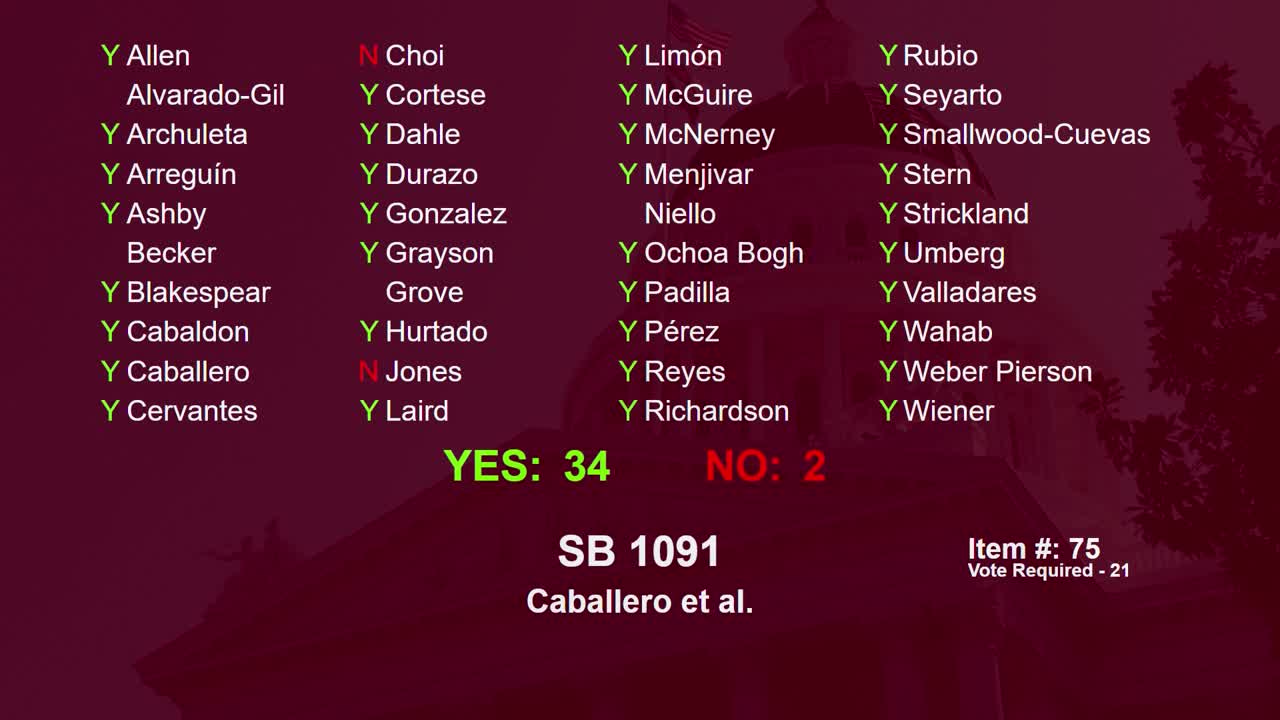 56MIN
Senate Floor
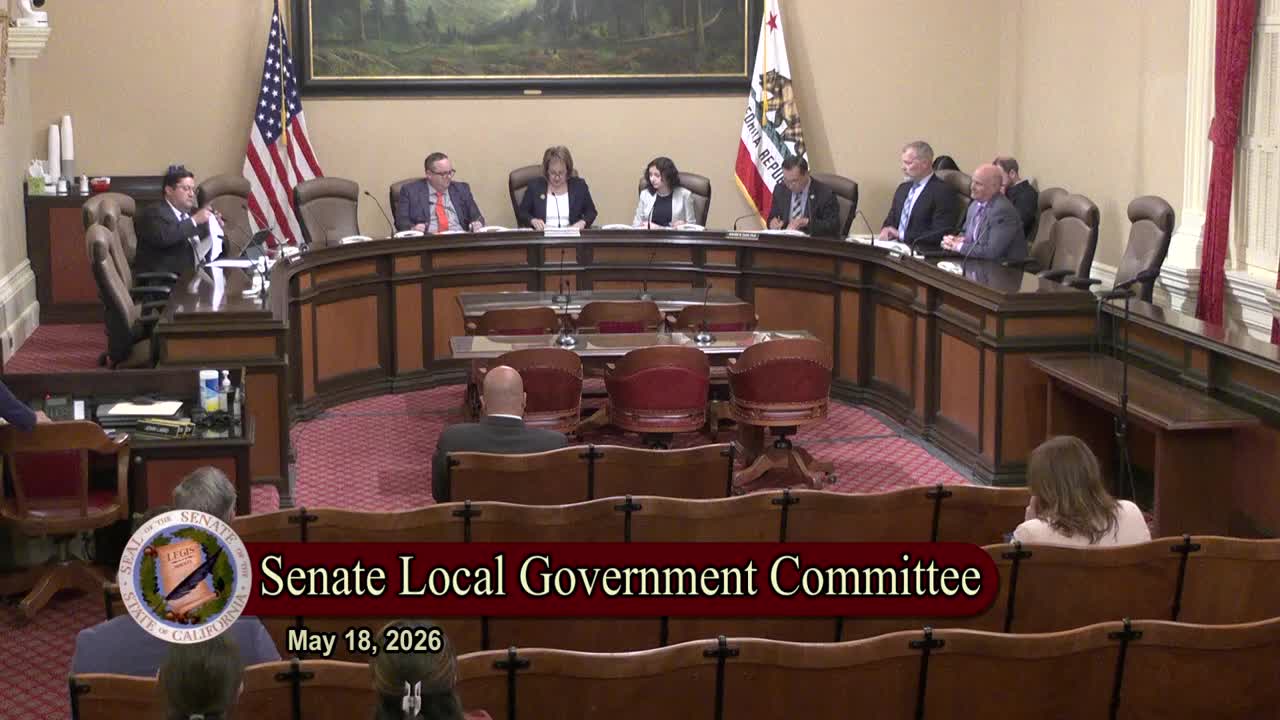 26MIN
Senate Standing Committee on Local Government
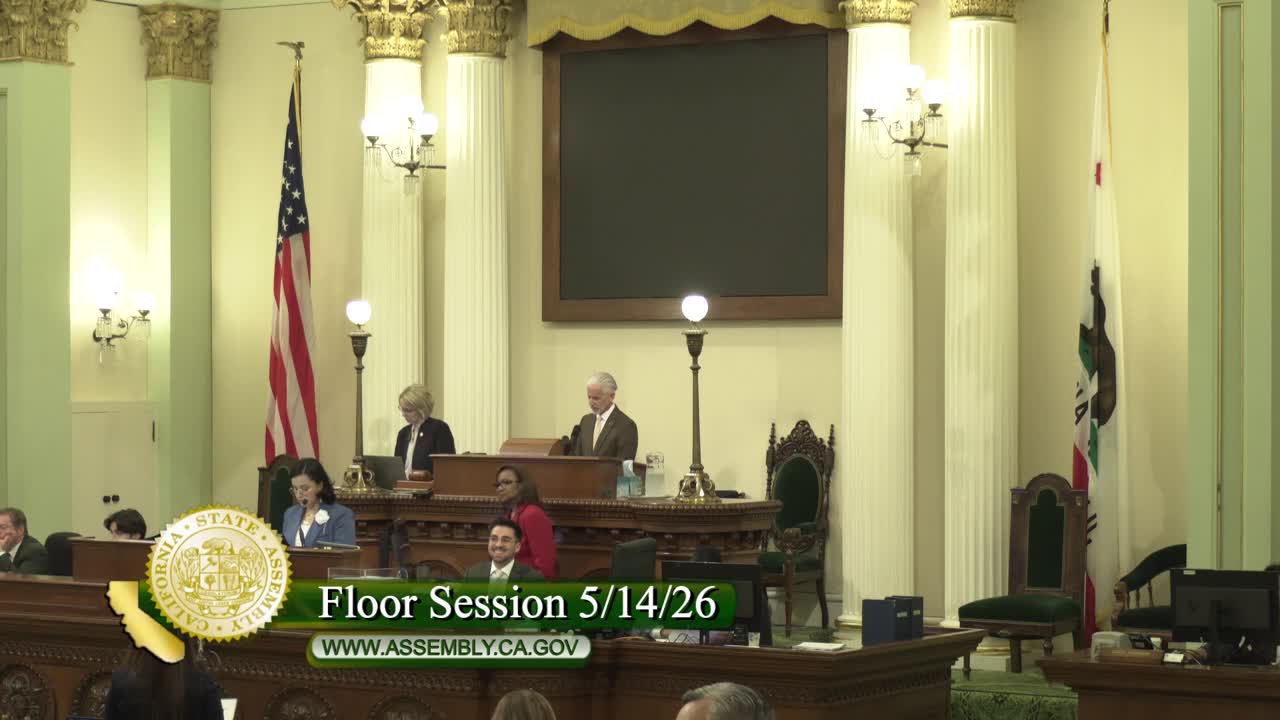 3MIN
Assembly Floor
 41MIN
Assembly Standing Committee on Local Government
 19MIN
Assembly Standing Committee on Revenue and Taxation
Bill Author