AB 2211: Craft distilled spirits manufacturers: licenses and fees.
- Session Year: 2025-2026
- House: Assembly
- Latest Version Date: 2026-08-21
Current Status:
In Progress
(2026-08-26: In Assembly. Concurrence in Senate amendments pending.)
Introduced
In Committee
Awaiting First Chamber Vote
Passed First Chamber
In Committee
Awaiting Second Chamber Vote
Passed Second Chamber
Enacted
Existing law, the Alcoholic Beverage Control Act, administered by the Department of Alcoholic Beverage Control, regulates the application, issuance, and suspension of alcoholic beverage licenses. Existing law establishes the types of licenses and the application and annual fees to be charged therefor. Existing law specifies that the application fee for a duplicate winegrower license is $440 and that the annual fee for a craft distilled spirits manufacturer is $755. Existing law provides that all money collected as fees pursuant to the act as payments under these provisions are deposited in the State Treasury to the credit of the Alcohol Beverage Control Fund. Existing law provides that a violation of the act or a regulation adopted pursuant to the act is a crime.
This bill would specify an application fee that is the same as the application fee for a duplicate winegrower license, $440, and an annual fee of $755, for a duplicate craft distilled spirits manufacturer license.
Under existing law, a distilled spirits manufacturers license or a craft distillers license authorizes the licensee to conduct tastings of distilled spirits produced or bottled by, or produced or bottled for, the licensee, on or off the licensees premises, subject to specified conditions. Existing law authorizes a licensed craft distiller to sell up to a specified volume, in any combination of prepackaged containers, per day, per consumer of distilled spirits manufactured or produced by the licensee at its premises to a consumer.
This bill would additionally condition the conduct of tasting of distilled spirits produced or bottled by, or produced or bottled for, the licensee, on or off the licensees premises, if the craft distiller purchases and uses common alcohol modifiers to combine with distilled spirits for consumption on its premises upon the distilled spirits being produced by the manufacturer. The bill would prohibit a craft distiller from selling distilled spirits to consumers or engaging in tasting activities at more than one licensed branch office. The bill would include in the definition of licensed premises for this purpose, and for purposes of the authorizations described above, any branch offices located away from the licensed craft distillers place of production and manufacturer for which a duplicate license has been issued by the department. Because the bill would expand the definition of an existing crime, it would impose a state-mandated local program.
This bill would also authorize a licensed craft distiller, in addition to exercising all of the privileges of their license at their licensed premises, to exercise all of the license privileges at or from a branch offices office located away from the place of production and manufacture other than production and manufacture. The bill would authorize the department to issue to a licensed craft distiller a duplicate of its original license for a location or locations, location, other than the distilled spirits manufacturing premises, that would permit the maintenance and operation of each the branch office declared and designated by the licensed craft distiller at the location for which the duplicate license is issued.
The California Constitution requires the state to reimburse local agencies and school districts for certain costs mandated by the state. Statutory provisions establish procedures for making that reimbursement.
This bill would provide that no reimbursement is required by this act for a specified reason.
Existing law, the Alcoholic Beverage Control Act, administered by the Department of Alcoholic Beverage Control, regulates the application, issuance, and suspension of alcoholic beverage licenses. Existing law establishes the types of licenses and the application and annual fees to be charged therefor. Existing law specifies that the application fee for a duplicate winegrower license is $440 and that the annual fee for a craft distilled spirits manufacturer is $755. Existing law provides that all money collected as fees pursuant to the act as payments under these provisions are deposited in the State Treasury to the credit of the Alcohol Beverage Control Fund. Existing law provides that a violation of the act or a regulation adopted pursuant to the act is a crime.
This bill would specify an application fee that is the same as the application fee for a duplicate winegrower license, $440, and an annual fee of $755, for a duplicate craft distilled spirits manufacturer license.
Under existing law, a distilled spirits manufacturers license or a craft distillers license authorizes the licensee to conduct tastings of distilled spirits produced or bottled by, or produced or bottled for, the licensee, on or off the licensees premises, subject to specified conditions. Existing law authorizes a licensed craft distiller to sell up to a specified volume, in any combination of prepackaged containers, per day, per consumer of distilled spirits manufactured or produced by the licensee at its premises to a consumer.
This bill would additionally condition the conduct of tasting of distilled spirits produced or bottled by, or produced or bottled for, the licensee, on or off the licensees premises, if the craft distiller purchases and uses common alcohol modifiers to combine with distilled spirits for consumption on its premises upon the distilled spirits being produced by the manufacturer. The bill would prohibit a craft distiller from selling distilled spirits to consumers or engaging in tasting activities at more than two one licensed branch offices. office. The bill would include in the definition of licensed premises for this purpose, and for purposes of the authorizations described above, any branch offices located away from the licensed craft distillers place of production and manufacturer for which a duplicate license has been issued by the department. Because the bill would expand the definition of an existing crime, it would impose a state-mandated local program.
This bill would also authorize a licensed craft distiller, in addition to exercising all of the privileges of their license at their licensed premises, to exercise all of the license privileges at or from branch offices located away from the place of production and manufacture other than production and manufacture. The bill would authorize the department to issue to a licensed craft distiller a duplicate of its original license for a location or locations, other than the distilled spirits manufacturing premises, that would permit the maintenance and operation of each branch office declared and designated by the licensed craft distiller at the location for which the duplicate license is issued.
The California Constitution requires the state to reimburse local agencies and school districts for certain costs mandated by the state. Statutory provisions establish procedures for making that reimbursement.
This bill would provide that no reimbursement is required by this act for a specified reason.
Existing law, the Alcoholic Beverage Control Act, administered by the Department of Alcoholic Beverage Control, regulates the application, issuance, and suspension of alcoholic beverage licenses. Existing law establishes the types of licenses and the application and annual fees to be charged therefor and specifies that therefor. Existing law specifies that the application fee for a duplicate winegrower license is $440 and that the annual fee for a craft distilled spirits manufacturer, the fee manufacturer is $755. Existing law provides that all money collected as fees pursuant to the act as payments under these provisions are deposited in the State Treasury to the credit of the Alcohol Beverage Control Fund. Existing law provides that a violation of the act or a regulation adopted pursuant to the act is a crime.
This bill would also specify a specify an application fee that is the same as the application fee for a duplicate winegrower license, $440, and an annual fee of $755 $755, for a duplicate craft distilled spirits manufacturer license.
Under existing law, a distilled spirits manufacturers license or a craft distillers license authorizes the licensee to conduct tastings of distilled spirits produced or bottled by, or produced or bottled for, the licensee, on or off the licensees premises, subject to specified conditions. Existing law authorizes a licensed craft distiller to sell up to a specified volume, in any combination of prepackaged containers, per day, per consumer of distilled spirits manufactured or produced by the licensee at its premises to a consumer.
This bill would additionally condition the conduct of tasting of distilled spirits produced or bottled by, or produced or bottled for, the licensee, on or off the licensees premises, if the craft distiller purchases and uses common alcohol modifiers to combine with distilled spirits for consumption on its premises upon the distilled spirits being produced by the manufacturer. The bill would prohibit a craft distiller from selling distilled spirits to consumers or engaging in tasting activities at more than two licensed branch premises. offices. The bill would include in the definition of licensed premises for this purpose, and for purposes of the authorizations described above, any branch premises offices located away from the licensed craft distillers place of production and manufacturer for which a duplicate license has been issued by the department. Because the bill would expand the definition of an existing crime, it would impose a state-mandated local program.
This bill would also authorize a licensed craft distiller, in addition to exercising all of the privileges of their license at their licensed premises, to exercise all of the license privileges at or from branch offices located away from the place of production and manufacture other than production and manufacture. The bill would authorize the department to issue to a licensed craft distiller a duplicate of its original license for a location or locations, other than the distilled spirits manufacturing premises, that would permit the maintenance and operation of each branch office declared and designated by the licensed craft distiller at the location for which the duplicate license is issued.
The California Constitution requires the state to reimburse local agencies and school districts for certain costs mandated by the state. Statutory provisions establish procedures for making that reimbursement.
This bill would provide that no reimbursement is required by this act for a specified reason.
Existing law, the Alcoholic Beverage Control Act, administered by the Department of Alcoholic Beverage Control, regulates the application, issuance, and suspension of alcoholic beverage licenses. Existing law establishes the types of licenses and the annual fees to be charged therefor and specifies that for a craft distilled spirits manufacturer, the fee is $755. Existing law provides that all money collected as fees pursuant to the act as payments under these provisions are deposited in the State Treasury to the credit of the Alcohol Beverage Control Fund. Existing law provides that a violation of the act or a regulation adopted pursuant to the act is a crime.
This bill would also specify a fee of $755 for a duplicate craft distilled spirits manufacturer license.
Under existing law, a distilled spirits manufacturers license or a craft distillers license authorizes the licensee to conduct tastings of distilled spirits produced or bottled by, or produced or bottled for, the licensee, on or off the licensees premises, subject to specified conditions. Existing law authorizes a licensed craft distiller to sell up to a specified volume, in any combination of prepackaged containers, per day, per consumer of distilled spirits manufactured or produced by the licensee at its premises to a consumer.
This bill would prohibit a craft distiller from selling distilled spirits to consumers or engaging in tasting activities at more than two licensed branch premises. The bill would include in the definition of licensed premises for this purpose, and for purposes of the authorizations described above, any branch premises located away from the licensed craft distillers place of production and manufacturer for which a duplicate license has been issued by the department. Because the bill would expand the definition of an existing crime, it would impose a state-mandated local program.
The California Constitution requires the state to reimburse local agencies and school districts for certain costs mandated by the state. Statutory provisions establish procedures for making that reimbursement.
This bill would provide that no reimbursement is required by this act for a specified reason.
(a)An applicant for a new permanent license, which shall not include duplicate licenses, except as provided in paragraph (4) or (5), shall accompany the application with the application fee as specified in this division:
(1)The license application fee for a new permanent license shall be nine hundred five dollars ($905), except as otherwise specified.
(2)Applicants for a new permanent license of the following types shall accompany the application with a fee of fifteen thousand eight hundred thirty-five dollars ($15,835):
(A)Off-sale general (Type 21).
(B)On-sale general - eating place (Type 47), on-sale general public premises (Type 48), special on-sale general (Type 57), special on-sale general for-profit theater (Type 71 and Type 72), brewpub-restaurant (Type 75), caterers (Type 83), neighborhood restricted special on-sale (Type 87), special on-sale general license for historic cemetery (Type 88), music venue license (Type 90), and special use (Type 99).
(3)Applicants for a new permanent license of the following types shall accompany the application with a fee as indicated:
(A)Twelve thousand dollars ($12,000) for a wine, food, and art cultural museum (Type 78).
(B)Six thousand dollars ($6,000) for an on-sale general - eating place on public property (Type 47), for an on-sale general restrictive service (Type 70), and for a music venue on public property (Type 90).
(C)Two thousand dollars ($2,000) for an on-sale general dockside (Type 62).
(D)One thousand dollars ($1,000) for a special on-sale general theater (Type 64).
(E)One hundred dollars ($100) for an out-of-state beer manufacturer certificate (Type 26), for a distilled spirits shipper certificate (Type 28), and for a direct shipper permit (Type 82).
(F)One hundred dollars ($100) for a still (Type 6).
(4)Applicants for a Duplicate Type 02 license shall accompany the application with a fee of four hundred forty dollars ($440).
(5)Applicants for a Duplicate Type 74 license shall accompany the application with the same fee that applies to a Duplicate Type 02 license.
(b)The following are the types of licenses and the annual fees to be charged therefor:
(1)(A)For a Type 01 - Beer manufacturer that produces more than 60,000 barrels per year: the fee through September 30, 2019, is one thousand five hundred thirty-one dollars ($1,531) and the fee on and after October 1, 2019, is one thousand eight hundred ninety dollars ($1,890).
(B)For a Duplicate Type 01: the fee through September 30, 2019, is ninety-eight dollars ($98) and the fee on and after October 1, 2019, is four hundred thirty dollars ($430).
(2)(A)For a Type 02 - Winegrower (to be computed only on the gallons produced); 5,000 gallons or less: the fee through September 30, 2019, is seventy-one dollars ($71) and the fee on and after October 1, 2019, is one hundred ten dollars ($110).
(B)For a Type 02 - Winegrower (to be computed only on the gallons produced); 5,000 - 20,000 gallons: the fee through September 30, 2019, is one hundred thirty-two dollars ($132) and the fee on and after October 1, 2019, is one hundred sixty dollars ($160).
(C)For a Type 02 - Winegrower (to be computed only on the gallons produced); 20,000 - 100,000 gallons: the fee through September 30, 2019, is two hundred thirty-nine dollars ($239) and the fee on and after October 1, 2019, is three hundred twenty-five dollars ($325).
(D)For a Type 02 - Winegrower (to be computed only on the gallons produced); 100,000 - 200,000 gallons: the fee through September 30, 2019, is three hundred fourteen dollars ($314) and the fee on and after October 1, 2019, is three hundred eighty dollars ($380).
(E)For a Type 02 - Winegrower (to be computed only on the gallons produced); 200,000 - 1,000,000 gallons: the fee through September 30, 2019, is four hundred sixty-six dollars ($466) and the fee on and after October 1, 2019, is five hundred forty dollars ($540).
(F)For a Type 02 - Winegrower (to be computed only on the gallons produced); for each additional 1,000,000 gallons over 1,000,000 gallons: the fee through September 30, 2019, is three hundred thirteen dollars ($313) and the fee on and after October 1, 2019, is three hundred eighty dollars ($380).
(G)For a Duplicate Type 02: the fee through September 30, 2019, is ninety-eight dollars ($98) and the fee on and after October 1, 2019, is one hundred sixty dollars ($160).
(3)(A)For a Type 03 - Brandy manufacturer: the fee through September 30, 2019, is three hundred eleven dollars ($311) and the fee on and after October 1, 2019, is five hundred forty dollars ($540).
(B)For a Duplicate Type 03: the fee through September 30, 2019, is two hundred eighty-four dollars ($284) and the fee on and after October 1, 2019, is three hundred eighty dollars ($380).
(4)For a Type 04 - Distilled spirits manufacturer: the fee through September 30, 2019, is five hundred ten dollars ($510) and the fee on and after October 1, 2019, is five hundred ninety-five dollars ($595).
(5)For a Type 05 - Distilled spirits manufacturers agent: the fee through September 30, 2019, is five hundred ten dollars ($510) and the fee on and after October 1, 2019, is five hundred ninety-five dollars ($595).
(6)For a Type 06 - Still: the fee through September 30, 2019, is seventy-seven dollars ($77) and the fee on and after October 1, 2019, is one hundred ten dollars ($110).
(7)For a Type 07 - Rectifier: the fee through September 30, 2019, is five hundred ten dollars ($510) and the fee on and after October 1, 2019, is five hundred ninety-five dollars ($595).
(8)For a Type 08 - Wine rectifier: the fee through September 30, 2019, is five hundred ten dollars ($510) and the fee on and after October 1, 2019, is five hundred ninety-five dollars ($595).
(9)For a Type 09 - Beer and wine importer: the fee through September 30, 2019, is seventy-seven dollars ($77) and the fee on and after October 1, 2019, is one hundred ten dollars ($110).
(10)For a Type 10 - Beer and wine importers general license: the fee through September 30, 2019, is three hundred forty dollars ($340) and the fee on and after October 1, 2019, is five hundred forty dollars ($540).
(11)For a Type 11 - Brandy importer: the fee through September 30, 2019, is seventy-seven dollars ($77) and the fee on and after October 1, 2019, is one hundred ten dollars ($110).
(12)For a Type 12 - Distilled spirits importer: the fee through September 30, 2019, is seventy-seven dollars ($77) and the fee on and after October 1, 2019, is one hundred ten dollars ($110).
(13)For a Type 13 - Distilled spirits importers general license: the fee through September 30, 2019, is five hundred ten dollars ($510) and the fee on and after October 1, 2019, is five hundred ninety-five dollars ($595).
(14)(A)For a Type 14 - Public warehouse: the fee through September 30, 2019, is seventy-seven dollars ($77) and the fee on and after October 1, 2019, is one hundred ten dollars ($110).
(B)For a Duplicate Type 14: the fee through September 30, 2019, is one dollar ($1) and the fee on and after October 1, 2019, is twenty-five dollars ($25).
(15)For a Type 15 - Customs broker: the fee through September 30, 2019, is seventy-seven dollars ($77) and the fee on and after October 1, 2019, is one hundred ten dollars ($110).
(16)For a Type 16 - Wine broker: the fee through September 30, 2019, is one hundred three dollars ($103) and the fee on and after October 1, 2019, is one hundred ten dollars ($110).
(17)For a Type 17 - Beer and wine wholesaler: the fee through September 30, 2019, is three hundred forty dollars ($340) and the fee on and after October 1, 2019, is three hundred eighty dollars ($380).
(18)For a Type 18 - Distilled spirits wholesaler: the fee through September 30, 2019, is five hundred ten dollars ($510) and the fee on and after October 1, 2019, is five hundred ninety-five dollars ($595).
(19)For a Type 19 - Industrial alcohol dealer: the fee through September 30, 2019, is one hundred three dollars ($103) and the fee on and after October 1, 2019, is one hundred ten dollars ($110).
(20)For a Type 20 - Off-sale beer and wine: the fee through September 30, 2019, is two hundred seventy-eight dollars ($278) and the fee on and after October 1, 2019, is three hundred eighty dollars ($380).
(21)For a Type 21 - Off-sale general: the fee through September 30, 2019, is six hundred seventeen dollars ($617) and the fee on and after October 1, 2019, is seven hundred fifty-five dollars ($755).
(22)(A)For a Type 22 - Wine blender (to be computed only on the gallons produced); 5,000 gallons or less: the fee through September 30, 2019, is seventy-one dollars ($71) and the fee on and after October 1, 2019, is one hundred ten dollars ($110).
(B)For a Type 22 - Wine blender (to be computed only on the gallons produced); 5,000 - 20,000 gallons: the fee through September 30, 2019, is one hundred thirty-two dollars ($132) and the fee on and after October 1, 2019, is one hundred sixty dollars ($160).
(C)For a Type 22 - Wine blender (to be computed only on the gallons produced); 20,000 - 100,000 gallons: the fee through September 30, 2019, is two hundred thirty-nine dollars ($239) and the fee on and after October 1, 2019, is three hundred twenty-five dollars ($325).
(D)For a Type 22 - Wine blender (to be computed only on the gallons produced); 100,000 - 200,000 gallons: the fee through September 30, 2019, is three hundred fourteen dollars ($314) and the fee on and after October 1, 2019, is three hundred eighty dollars ($380).
(E)For a Type 22 - Wine blender (to be computed only on the gallons produced); 200,000 - 1,000,000 gallons: the fee through September 30, 2019, is four hundred sixty-six dollars ($466) and the fee on and after October 1, 2019, is five hundred forty dollars ($540).
(F)For a Type 22 - Wine blender (to be computed only on the gallons produced); for each additional 1,000,000 gallons over 1,000,000 gallons: the fee through September 30, 2019, is three hundred thirteen dollars ($313) and the fee on and after October 1, 2019, is three hundred eighty dollars ($380).
(23)(A)For a Type 23 - Small beer manufacturer that produces 60,000 barrels or less a year: the fee through September 30, 2019, is one hundred eighty-four dollars ($184) and the fee on and after October 1, 2019, is three hundred eighty dollars ($380).
(B)For a Duplicate Type 23: the fee through September 30, 2019, is ninety-eight dollars ($98) and the fee on and after October 1, 2019, is two hundred fifteen dollars ($215).
(24)For a Type 24 - Distilled spirits rectifiers general license: the fee through September 30, 2019, is five hundred ten dollars ($510) and the fee on and after October 1, 2019, is five hundred ninety-five dollars ($595).
(25)For a Type 25 - California brandy wholesaler: the fee through September 30, 2019, is five hundred ten dollars ($510) and the fee on and after October 1, 2019, is five hundred ninety-five dollars ($595).
(26)For a Type 26 - Out-of-state beer manufacturer certificate: the fee through September 30, 2019, is seventy-nine dollars ($79) and the fee on and after October 1, 2019, is one hundred ten dollars ($110).
(27)For a Type 27 - California winegrowers agent: the fee through September 30, 2019, is five hundred ten dollars ($510) and the fee on and after October 1, 2019, is five hundred ninety-five dollars ($595).
(28)For a Type 28 - Out-of-state distilled spirits shipper certificate: the fee through September 30, 2019, is seventy-nine dollars ($79) and the fee on and after October 1, 2019, is one hundred ten dollars ($110).
(29)For a Type 29 - Winegrape grower storage: the fee through September 30, 2019, is ninety dollars ($90) and the fee on and after October 1, 2019, is one hundred ten dollars ($110).
(30)For a Type 40 - On-sale beer: the fee through September 30, 2019, is two hundred eighty-four dollars ($284) and the fee on and after October 1, 2019, is three hundred eighty dollars ($380).
(31)For a Type 41 - On-sale beer and wine eating place: the fee through September 30, 2019, is three hundred eighty-four dollars ($384) and the fee on and after October 1, 2019, is four hundred thirty dollars ($430).
(32)For a Type 42 - On-sale beer and wine pub premises: the fee through September 30, 2019, is two hundred eighty-four dollars ($284) and the fee on and after October 1, 2019, is five hundred forty dollars ($540).
(33)For a Type 43 - On-sale beer and wine train: the fee through September 30, 2019, is one hundred fourteen dollars ($114) and the fee on and after October 1, 2019, is one hundred sixty dollars ($160).
(34)For a Type 44 - On-sale beer and wine fishing party boat: the fee through September 30, 2019, is one hundred fourteen dollars ($114) and the fee on and after October 1, 2019, is one hundred sixty dollars ($160).
(35)For a Type 45 - On-sale beer and wine boat: the fee through September 30, 2019, is one hundred fourteen dollars ($114) and the fee on and after October 1, 2019, is one hundred sixty dollars ($160).
(36)For a Type 46 - On-sale beer and wine airplane: the fee through September 30, 2019, is one hundred fourteen dollars ($114) and the fee on and after October 1, 2019, is one hundred sixty dollars ($160).
(37)(A)For a Type 47 - On-sale general eating place in cities of 40,000 population or over: the fee through September 30, 2019, is nine hundred seventy-one dollars ($971) and the fee on and after October 1, 2019, is one thousand one hundred ninety dollars ($1,190).
(B)For a Type 47 - On-sale general eating place in cities of less than 40,000, but more than 20,000 population: the fee through September 30, 2019, is seven hundred eleven dollars ($711) and the fee on and after October 1, 2019, is nine hundred seventy dollars ($970).
(C)For a Type 47 - On-sale general eating place in all other localities: the fee through September 30, 2019, is six hundred thirty-two dollars ($632) and the fee on and after October 1, 2019, is seven hundred fifty-five dollars ($755).
(D)For a Duplicate Type 47 in cities of 40,000 population or over: the fee through September 30, 2019, is six hundred ninety-nine dollars ($699) and the fee on and after October 1, 2019, is seven hundred fifty-five dollars ($755).
(E)For a Duplicate Type 47 in cities of less than 40,000, but more than 20,000 population: the fee through September 30, 2019, is four hundred thirteen dollars ($413) and the fee on and after October 1, 2019, is five hundred forty dollars ($540).
(F)For a Duplicate Type 47 in all other localities: the fee through September 30, 2019, is three hundred twenty-six dollars ($326) and the fee on and after October 1, 2019, is four hundred thirty dollars ($430).
(38)(A)For a Type 48 - On-sale general public premises in cities of 40,000 population or over: the fee through September 30, 2019, is nine hundred seventy-one dollars ($971) and the fee on and after October 1, 2019, is one thousand one hundred ninety dollars ($1,190).
(B)For a Type 48 - On-sale general public premises in cities of less than 40,000, but more than 20,000 population: the fee through September 30, 2019, is seven hundred eleven dollars ($711) and the fee on and after October 1, 2019, is nine hundred seventy dollars ($970).
(C)For a Type 48 - On-sale general public premises in all other localities: the fee through September 30, 2019, is six hundred thirty-two dollars ($632) and the fee on and after October 1, 2019, is seven hundred fifty-five dollars ($755).
(D)For a Duplicate Type 48 in cities of 40,000 population or over: the fee through September 30, 2019, is six hundred ninety-nine dollars ($699) and the fee on and after October 1, 2019, is seven hundred fifty-five dollars ($755).
(E)For a Duplicate Type 48 in cities of less than 40,000, but more than 20,000 population: the fee through September 30, 2019, is four hundred thirteen dollars ($413) and the fee on and after October 1, 2019, is five hundred forty dollars ($540).
(F)For a Duplicate Type 48 in all other localities: the fee through September 30, 2019, is three hundred twenty-six dollars ($326) and the fee on and after October 1, 2019, is four hundred thirty dollars ($430).
(39)(A)For a Type 49 - On-sale general - seasonal business in cities of 40,000 population or over per three months: the fee through September 30, 2019, is two hundred forty-seven dollars ($247) and the fee on and after October 1, 2019, is three hundred twenty-five dollars ($325).
(B)For a Type 49 - On-sale general - seasonal business in cities of 40,000 population or over per six months: the fee through September 30, 2019, is four hundred ninety-four dollars ($494) and the fee on and after October 1, 2019, is six hundred fifty dollars ($650).
(C)For a Type 49 - On-sale general - seasonal business in cities of 40,000 population or over per nine months: the fee through September 30, 2019, is seven hundred forty-one dollars ($741) and the fee on and after October 1, 2019, is nine hundred seventy dollars ($970).
(D)For a Type 49 - On-sale general - seasonal business in cities of less than 40,000, but more than 20,000 population per three months: the fee through September 30, 2019, is one hundred seventy-six dollars ($176) and the fee on and after October 1, 2019, is two hundred fifteen dollars ($215).
(E)For a Type 49 - On-sale general - seasonal business in cities of less than 40,000, but more than 20,000 population per six months: the fee through September 30, 2019, is three hundred fifty dollars ($350) and the fee on and after October 1, 2019, is four hundred thirty dollars ($430).
(F)For a Type 49 - On-sale general - seasonal business in cities of less than 40,000, but more than 20,000 population per nine months: the fee through September 30, 2019, is five hundred twenty-six dollars ($526) and the fee on and after October 1, 2019, is six hundred fifty dollars ($650).
(G)For a Type 49 - On-sale general - seasonal business in all other localities per three months: the fee through September 30, 2019, is one hundred fifty-three dollars ($153) and the fee on and after October 1, 2019, is one hundred sixty dollars ($160).
(H)For a Type 49 - On-sale general - seasonal business in all other localities per six months: the fee through September 30, 2019, is three hundred six dollars ($306) and the fee on and after October 1, 2019, is three hundred eighty dollars ($380).
(I)For a Type 49 - On-sale general - seasonal business in all other localities per nine months: the fee through September 30, 2019, is four hundred fifty-eight dollars ($458) and the fee on and after October 1, 2019, is five hundred forty dollars ($540).
(J)For a Duplicate Type 49 in cities of 40,000 population or over per three months: the fee through September 30, 2019, is one hundred seventy-six dollars ($176) and the fee on and after October 1, 2019, is two hundred fifteen dollars ($215).
(K)For a Duplicate Type 49 in cities of 40,000 population or over per six months: the fee through September 30, 2019, is three hundred fifty dollars ($350) and the fee on and after October 1, 2019, is four hundred thirty dollars ($430).
(L)For a Duplicate Type 49 in cities of 40,000 population or over per nine months: the fee through September 30, 2019, is five hundred twenty-six dollars ($526) and the fee on and after October 1, 2019, is six hundred fifty dollars ($650).
(M)For a Duplicate Type 49 in cities of less than 40,000, but more than 20,000 population or over per three months: the fee through September 30, 2019, is one hundred three dollars ($103) and the fee on and after October 1, 2019, is one hundred twenty-five dollars ($125).
(N)For a Duplicate Type 49 in cities of less than 40,000, but more than 20,000 per six months: the fee through September 30, 2019, is two hundred seven dollars ($207) and the fee on and after October 1, 2019, is two hundred fifty dollars ($250).
(O)For a Duplicate Type 49 in cities of less than 40,000, but more than 20,000 population or over per nine months: the fee through September 30, 2019, is three hundred eleven dollars ($311) and the fee on and after October 1, 2019, is three hundred seventy-five dollars ($375).
(P)For a Duplicate Type 49 in all other localities per three months: the fee through September 30, 2019, is eighty-one dollars ($81) and the fee on and after October 1, 2019, is one hundred ten dollars ($110).
(Q)For a Duplicate Type 49 in all other localities per six months: the fee through September 30, 2019, is one hundred sixty-six dollars ($166) and the fee on and after October 1, 2019, is two hundred fifteen dollars ($215).
(R)For a Duplicate Type 49 in all other localities per nine months: the fee through September 30, 2019, is two hundred forty-seven dollars ($247) and the fee on and after October 1, 2019, is three hundred twenty-five dollars ($325).
(40)(A)For a Type 50 - On-sale general license for bona fide clubs in cities of 40,000 population or over: the fee through September 30, 2019, is five hundred sixty dollars ($560) and the fee on and after October 1, 2019, is six hundred fifty dollars ($650).
(B)For a Type 50 - On-sale general license for bona fide clubs in cities of less than 40,000, but more than 20,000 population: the fee through September 30, 2019, is four hundred twenty dollars ($420) and the fee on and after October 1, 2019, is five hundred forty dollars ($540).
(C)For a Type 50 - On-sale general license for bona fide clubs in all other localities: the fee through September 30, 2019, is three hundred seventy-three dollars ($373) and the fee on and after October 1, 2019, is four hundred thirty dollars ($430).
(41)(A)For a Type 51 - Club license (issued under Article 4 (commencing with Section 23425) of this chapter) in cities of 40,000 population or over: the fee through September 30, 2019, is five hundred sixty dollars ($560) and the fee on and after October 1, 2019, is six hundred fifty dollars ($650).
(B)For a Type 51 - Club license (issued under Article 4 (commencing with Section 23425) of this chapter) in cities of less than 40,000, but more than 20,000 population: the fee through September 30, 2019, is four hundred twenty dollars ($420) and the fee on and after October 1, 2019, is five hundred forty dollars ($540).
(C)For a Type 51 - Club license (issued under Article 4 (commencing with Section 23425) of this chapter) in all other localities: the fee through September 30, 2019, is three hundred seventy-three dollars ($373) and the fee on and after October 1, 2019, is four hundred thirty dollars ($430).
(42)(A)For a Type 52 - Veterans club license (issued under Article 5 (commencing with Section 23450) of this chapter) in cities of 40,000 population or over: the fee through September 30, 2019, is five hundred sixty dollars ($560) and the fee on and after October 1, 2019, is six hundred fifty dollars ($650).
(B)For a Type 52 - Veterans club license (issued under Article 5 (commencing with Section 23450) of this chapter) in cities of less than 40,000, but more than 20,000 population: the fee through September 30, 2019, is four hundred twenty dollars ($420) and the fee on and after October 1, 2019, is five hundred forty dollars ($540).
(C)For a Type 52 - Veterans club license (issued under Article 5 (commencing with Section 23450) of this chapter) in all other localities: the fee through September 30, 2019, is three hundred seventy-three dollars ($373) and the fee on and after October 1, 2019, is four hundred thirty dollars ($430).
(43)(A)For a Type 53 - On-sale general train: the fee through September 30, 2019, is two hundred seventeen dollars ($217) and the fee on and after October 1, 2019, is three hundred twenty-five dollars ($325).
(B)For a Duplicate Type 53: the fee through September 30, 2019, is seventy-seven dollars ($77) and the fee on and after October 1, 2019, is one hundred ten dollars ($110).
(44)For a Type 54 - On-sale general boat: the fee through September 30, 2019, is five hundred sixty-three dollars ($563) and the fee on and after October 1, 2019, is six hundred fifty dollars ($650).
(45)(A)For a Type 55 - On-sale general license for airplanes: the fee through September 30, 2019, is five hundred sixty-three dollars ($563) and the fee on and after October 1, 2019, is six hundred fifty dollars ($650).
(B)For a Duplicate Type 55 for air common carriers: the fee through September 30, 2019, is seventy-seven dollars ($77) and the fee on and after October 1, 2019, is one hundred ten dollars ($110).
(46)(A)For a Type 56 - On-sale general license for vessels of more than 1,000 tons burden: the fee through September 30, 2019, is two hundred seventeen dollars ($217) and the fee on and after October 1, 2019, is three hundred twenty-five dollars ($325).
(B)For a Duplicate Type 56: the fee through September 30, 2019, is seventy-seven dollars ($77) and the fee on and after October 1, 2019, is one hundred ten dollars ($110).
(47)(A)For a Type 57 - Special on-sale general in cities of 40,000 population or over: the fee through September 30, 2019, is nine hundred seventy-one dollars ($971) and the fee on and after October 1, 2019, is one thousand one hundred ninety dollars ($1,190).
(B)For a Type 57 - Special on-sale general in cities of less than 40,000, but more than 20,000 population: the fee through September 30, 2019, is seven hundred eleven dollars ($711) and the fee on and after October 1, 2019, is nine hundred seventy dollars ($970).
(C)For a Type 57 - Special on-sale general in all other localities: the fee through September 30, 2019, is six hundred thirty-two dollars ($632) and the fee on and after October 1, 2019, is seven hundred fifty-five dollars ($755).
(D)For a Duplicate Type 57 in cities of 40,000 population or over: the fee through September 30, 2019, is six hundred ninety-nine dollars ($699) and the fee on and after October 1, 2019, is seven hundred fifty-five dollars ($755).
(E)For a Duplicate Type 57 in cities of less than 40,000, but more than 20,000 population: the fee through September 30, 2019, is four hundred thirteen dollars ($413) and the fee on and after October 1, 2019, is five hundred forty dollars ($540).
(F)For a Duplicate Type 57 in all other localities: the fee through September 30, 2019, is three hundred twenty-six dollars ($326) and the fee on and after October 1, 2019, is four hundred thirty dollars ($430).
(48)(A)For a Type 58 - Caterers permit; on-sale general or on-sale beer and wine: the fee through September 30, 2019, is one hundred forty-six dollars ($146) and the fee on and after October 1, 2019, is two hundred fifteen dollars ($215).
(B)For a Type 58 - Caterers permit; club in cities of 40,000 population or over: the fee through September 30, 2019, is nine hundred seventy-one dollars ($971) and the fee on and after October 1, 2019, is one thousand one hundred ninety dollars ($1,190).
(C)For a Type 58 - Caterers permit; club in cities of less than 40,000, but more than 20,000 population: the fee through September 30, 2019, is seven hundred eleven dollars ($711) and the fee on and after October 1, 2019, is nine hundred seventy dollars ($970).
(D)For a Type 58 - Caterers permit; club in all other localities: the fee through September 30, 2019, is six hundred thirty-two dollars ($632) and the fee on and after October 1, 2019, is seven hundred fifty-five dollars ($755).
(49)(A)For a Type 59 - On-sale beer and wine seasonal; operating period three to nine months: the fee through September 30, 2019, is two hundred thirty-nine dollars ($239) and the fee on and after October 1, 2019, is two hundred fifty dollars ($250).
(B)For a Type 59 - On-sale beer and wine seasonal; operating period three to six months: the fee through September 30, 2019, is one hundred sixty-two dollars ($162) and the fee on and after October 1, 2019, is one hundred seventy-five dollars ($175).
(50)(A)For a Type 60 - On-sale beer seasonal; operating period three to nine months: the fee through September 30, 2019, is two hundred thirty-nine dollars ($239) and the fee on and after October 1, 2019, is two hundred fifty dollars ($250).
(B)For a Type 60 - On-sale beer seasonal; operating period three to six months: the fee through September 30, 2019, is one hundred sixty-two dollars ($162) and the fee on and after October 1, 2019, is one hundred seventy-five dollars ($175).
(51)For a Type 61 - On-sale beer public premises: the fee through September 30, 2019, is two hundred eighty-four dollars ($284) and the fee on and after October 1, 2019, is three hundred eighty dollars ($380).
(52)For a Type 62 - On-sale general license dockside: the fee through September 30, 2019, is six hundred nine dollars ($609) and the fee on and after October 1, 2019, is seven hundred fifty-five dollars ($755).
(53)For a Type 63 - On-sale special beer and wine hospital: the fee through September 30, 2019, is ninety-six dollars ($96) and the fee on and after October 1, 2019, is one hundred ten dollars ($110).
(54)(A)For a Type 64 - Special on-sale general theater in cities of 40,000 population or over: the fee through September 30, 2019, is five hundred sixty dollars ($560) and the fee on and after October 1, 2019, is seven hundred fifty-five dollars ($755).
(B)For a Type 64 - Special on-sale general theater in cities of less than 40,000, but more than 20,000 population: the fee through September 30, 2019, is four hundred twenty dollars ($420) and the fee on and after October 1, 2019, is five hundred forty dollars ($540).
(C)For a Type 64 - Special on-sale general theater in all other localities: the fee through September 30, 2019, is three hundred seventy-three dollars ($373) and the fee on and after October 1, 2019, is four hundred thirty dollars ($430).
(55)For a Type 65 - Special on-sale beer and wine symphony: the fee through September 30, 2019, is two hundred eighty-four dollars ($284) and the fee on and after October 1, 2019, is four hundred thirty dollars ($430).
(56)For a Type 66 - Controlled access cabinet: the fee through September 30, 2019, is six hundred seventeen dollars ($617) and the fee on and after October 1, 2019, is seven hundred fifty-five dollars ($755).
(57)For a Type 67 - Bed and breakfast inn; per room: the fee through September 30, 2019, is eight dollars ($8) and the fee on and after October 1, 2019, is ten dollars ($10).
(58)(A)For a Type 68 - Portable bar in cities of 40,000 population or over: the fee through September 30, 2019, is six hundred ninety-nine dollars ($699) and the fee on and after October 1, 2019, is seven hundred fifty-five dollars ($755).
(B)For a Type 68 - Portable bar in cities of less than 40,000, but more than 20,000 population: the fee through September 30, 2019, is four hundred thirteen dollars ($413) and the fee on and after October 1, 2019, is five hundred forty dollars ($540).
(C)For a Type 68 - Portable bar in all other localities: the fee through September 30, 2019, is three hundred twenty-six dollars ($326) and the fee on and after October 1, 2019, is four hundred thirty dollars ($430).
(59)For a Type 69 - Special on-sale beer and wine theater: the fee through September 30, 2019, is two hundred eighty-four dollars ($284) and the fee on and after October 1, 2019, is four hundred thirty dollars ($430).
(60)(A)For a Type 70 - On-sale general restrictive service in cities of 40,000 population or over: the fee through September 30, 2019, is nine hundred seventy-one dollars ($971) and the fee on and after October 1, 2019, is one thousand one hundred ninety dollars ($1,190).
(B)For a Type 70 - On-sale general restrictive service in cities of less than 40,000, but more than 20,000 population: the fee through September 30, 2019, is seven hundred eleven dollars ($711) and the fee on and after October 1, 2019, is nine hundred seventy dollars ($970).
(C)For a Type 70 - On-sale general restrictive service in all other localities: the fee through September 30, 2019, is six hundred thirty-two dollars ($632) and the fee on and after October 1, 2019, is seven hundred fifty-five dollars ($755).
(61)(A)For a Type 71 - Special on-sale general for-profit theater in cities of 40,000 population or over: the fee through September 30, 2019, is nine hundred seventy-one dollars ($971) and the fee on and after October 1, 2019, is one thousand one hundred ninety dollars ($1,190).
(B)For a Type 71 - Special on-sale general for-profit theater in cities of less than 40,000, but more than 20,000 population: the fee through September 30, 2019, is seven hundred eleven dollars ($711) and the fee on and after October 1, 2019, is nine hundred seventy dollars ($970).
(C)For a Type 71 - Special on-sale general for-profit theater in all other localities: the fee through September 30, 2019, is six hundred thirty-two dollars ($632) and the fee on and after October 1, 2019, is seven hundred fifty-five dollars ($755).
(D)For a Duplicate Type 71 in cities of 40,000 population or over: the fee through September 30, 2019, is six hundred ninety-nine dollars ($699) and the fee on and after October 1, 2019, is seven hundred fifty-five dollars ($755).
(E)For a Duplicate Type 71 in cities of less than 40,000, but more than 20,000 population: the fee through September 30, 2019, is four hundred thirteen dollars ($413) and the fee on and after October 1, 2019, is five hundred forty dollars ($540).
(F)For a Duplicate Type 71 in all other localities: the fee through September 30, 2019, is three hundred twenty-six dollars ($326) and the fee on and after October 1, 2019, is four hundred thirty dollars ($430).
(62)(A)For a Type 72 - Special on-sale general for-profit theater, Napa County in cities of 40,000 population or over: the fee through September 30, 2019, is nine hundred seventy-one dollars ($971) and the fee on and after October 1, 2019, is one thousand one hundred ninety dollars ($1,190).
(B)For a Type 72 - Special on-sale general for-profit theater, Napa County in cities of less than 40,000, but more than 20,000 population: the fee through September 30, 2019, is seven hundred eleven dollars ($711) and the fee on and after October 1, 2019, is nine hundred seventy dollars ($970).
(C)For a Type 72 - Special on-sale general for-profit theater, Napa County in all other localities: the fee through September 30, 2019, is six hundred thirty-two dollars ($632) and the fee on and after October 1, 2019, is seven hundred fifty-five dollars ($755).
(D)For a Duplicate Type 72 in cities of 40,000 population or over: the fee through September 30, 2019, is six hundred ninety-nine dollars ($699) and the fee on and after October 1, 2019, is seven hundred fifty-five dollars ($755).
(E)For a Duplicate Type 72 in cities of less than 40,000, but more than 20,000 population: the fee through September 30, 2019, is four hundred thirteen dollars ($413) and the fee on and after October 1, 2019, is five hundred forty dollars ($540).
(F)For a Duplicate Type 72 in all other localities: the fee through September 30, 2019, is three hundred twenty-six dollars ($326) and the fee on and after October 1, 2019, is four hundred thirty dollars ($430).
(63)For a Type 73 - Special nonprofit sales: the fee through September 30, 2019, is one hundred fourteen dollars ($114) and the fee on and after October 1, 2019, is one hundred sixty dollars ($160).
(64)(A)For a Type 74 - Craft distilled spirits manufacturer: the fee through September 30, 2019, is five hundred ten dollars ($510) and the fee on and after October 1, 2019, is seven hundred fifty-five dollars ($755).
(B)For a Duplicate Type 74 - Craft distilled spirits manufacturer: the fee is seven hundred fifty-five dollars ($755).
(65)(A)For a Type 75 - Brewpub-restaurant in cities of 40,000 population or over: the fee through September 30, 2019, is nine hundred seventy-one dollars ($971) and the fee on and after October 1, 2019, is one thousand one hundred ninety dollars ($1,190).
(B)For a Type 75 - Brewpub-restaurant in cities of less than 40,000, but more than 20,000 population: the fee through September 30, 2019, is seven hundred eleven dollars ($711) and the fee on and after October 1, 2019, is nine hundred seventy dollars ($970).
(C)For a Type 75 - Brewpub-restaurant in all other localities: the fee through September 30, 2019, is six hundred thirty-two dollars ($632) and the fee on and after October 1, 2019, is seven hundred fifty-five dollars ($755).
(D)For a Duplicate Type 75 in cities of 40,000 population or over: the fee through September 30, 2019, is six hundred ninety-nine dollars ($699) and the fee on and after October 1, 2019, is seven hundred fifty-five dollars ($755).
(E)For a Duplicate Type 75 in cities of less than 40,000, but more than 20,000 population: the fee through September 30, 2019, is four hundred thirteen dollars ($413) and the fee on and after October 1, 2019, is five hundred forty dollars ($540).
(F)For a Duplicate Type 75 in all other localities: the fee through September 30, 2019, is three hundred twenty-six dollars ($326) and the fee on and after October 1, 2019, is four hundred thirty dollars ($430).
(66)(A)For a Type 76 - On-sale general maritime museum: the fee through September 30, 2019, is two hundred seventeen dollars ($217) and the fee on and after October 1, 2019, is three hundred twenty-five dollars ($325).
(B)For a Duplicate Type 76 - On-Sale general maritime museum: the fee through September 30, 2019, is seventy-seven dollars ($77) and the fee on and after October 1, 2019, is one hundred ten dollars ($110).
(67)For a Type 77 - Event permit: the fee through September 30, 2019, is one hundred forty-six dollars ($146) and the fee on and after October 1, 2019, is two hundred fifteen dollars ($215).
(68)(A)For a Type 78 - On-sale general wine, food, and art cultural museum in cities of 40,000 population or over: the fee through September 30, 2019, is nine hundred seventy-one dollars ($971) and the fee on and after October 1, 2019, is one thousand one hundred ninety dollars ($1,190).
(B)For a Type 78 - On-sale general wine, food, and art cultural museum in cities of less than 40,000, but more than 20,000 population: the fee through September 30, 2019, is seven hundred eleven dollars ($711) and the fee on and after October 1, 2019, is nine hundred seventy dollars ($970).
(C)For a Type 78 - On-sale general wine, food, and art cultural museum in all other localities: the fee through September 30, 2019, is six hundred thirty-two dollars ($632) and the fee on and after October 1, 2019, is seven hundred fifty-five dollars ($755).
(D)For a Duplicate Type 78 in cities of 40,000 population or over: the fee through September 30, 2019, is six hundred ninety-nine dollars ($699) and the fee on and after October 1, 2019, is seven hundred fifty-five dollars ($755).
(E)For a Duplicate Type 78 in cities of less than 40,000, but more than 20,000 population: the fee through September 30, 2019, is four hundred thirteen dollars ($413) and the fee on and after October 1, 2019, is five hundred forty dollars ($540).
(F)For a Duplicate Type 78 in all other localities: the fee through September 30, 2019, is three hundred twenty-six dollars ($326) and the fee on and after October 1, 2019, is four hundred thirty dollars ($430).
(69)For a Type 79 - Certified farmers market: the fee through September 30, 2019, is fifty-eight dollars ($58) and the fee on and after October 1, 2019, is one hundred ten dollars ($110).
(70)For a Type 80 - Special on-sale general; per room: the fee through September 30, 2019, is seventeen dollars ($17) and the fee on and after October 1, 2019, is twenty dollars ($20).
(71)For a Type 81 - Wine sales event permit: the fee through September 30, 2019, is fifty dollars ($50) and the fee on and after October 1, 2019, is one hundred ten dollars ($110).
(72)For a Type 82 - Direct shipper permit: the fee through September 30, 2019, is ten dollars ($10) and the fee on and after October 1, 2019, is twenty-five dollars ($25).
(73)(A)For a Type 83 - On-sale general caterers permit in cities of 40,000 population or over: the fee through September 30, 2019, is nine hundred seventy-one dollars ($971) and the fee on and after October 1, 2019, is one thousand one hundred ninety dollars ($1,190).
(B)For a Type 83 - On-sale general caterers permit in cities of less than 40,000, but more than 20,000 population: the fee through September 30, 2019, is seven hundred eleven dollars ($711) and the fee on and after October 1, 2019, is nine hundred seventy dollars ($970).
(C)For a Type 83 - On-sale general caterers permit in all other localities: the fee through September 30, 2019, is six hundred thirty-two dollars ($632) and the fee on and after October 1, 2019, is seven hundred fifty-five dollars ($755).
(74)For a Type 84 - Certified farmers market beer: the fee through September 30, 2019, is fifty-eight dollars ($58) and the fee on and after October 1, 2019, is one hundred ten dollars ($110).
(75)For a Type 85 - Limited off-sale wine license: the fee through September 30, 2019, is two hundred seventy-eight dollars ($278) and the fee on and after October 1, 2019, is three hundred eighty dollars ($380).
(76)For a Type 86 - Instructional tasting license: the fee through September 30, 2019, is three hundred dollars ($300) and the fee on and after October 1, 2019, is three hundred eighty dollars ($380).
(77)(A)For a Type 87 - Neighborhood restricted special on-sale in cities of 40,000 population or over: the fee through September 30, 2019, is nine hundred seventy-one dollars ($971) and the fee on and after October 1, 2019, is one thousand one hundred ninety dollars ($1,190).
(B)For a Type 87 - Neighborhood restricted special on-sale in cities of less than 40,000, but more than 20,000 population: the fee through September 30, 2019, is seven hundred eleven dollars ($711) and the fee on and after October 1, 2019, is nine hundred seventy dollars ($970).
(C)For a Type 87 - Neighborhood restricted special on-sale in all other localities: the fee through September 30, 2019, is six hundred thirty-two dollars ($632) and the fee on and after October 1, 2019, is seven hundred fifty-five dollars ($755).
(D)For a Duplicate Type 87 in cities of 40,000 population or over: the fee through September 30, 2019, is six hundred ninety-nine dollars ($699) and the fee on and after October 1, 2019, is seven hundred fifty-five dollars ($755).
(E)For a Duplicate Type 87 in cities of less than 40,000, but more than 20,000 population: the fee through September 30, 2019, is four hundred thirteen dollars ($413) and the fee on and after October 1, 2019, is five hundred forty dollars ($540).
(F)For a Duplicate Type 87 in all other localities: the fee through September 30, 2019, is three hundred twenty-six dollars ($326) and the fee on and after October 1, 2019, is four hundred thirty dollars ($430).
(78)(A)For a Type 88 - Special on-sale general license for historic cemetery in cities of 40,000 population or over: the fee through September 30, 2019, is nine hundred seventy-one dollars ($971) and the fee on and after October 1, 2019, is one thousand one hundred ninety dollars ($1,190).
(B)For a Type 88 - Special on-sale general license for historic cemetery in cities of less than 40,000, but more than 20,000 population: the fee through September 30, 2019, is seven hundred eleven dollars ($711) and the fee on and after October 1, 2019, is nine hundred seventy dollars ($970).
(C)For a Type 88 - Special on-sale general license for historic cemetery in all other localities: the fee through September 30, 2019, is six hundred thirty-two dollars ($632) and the fee on and after October 1, 2019, is seven hundred fifty-five dollars ($755).
(D)For a Duplicate Type 88 in cities of 40,000 population or over: the fee through September 30, 2019, is six hundred ninety-nine dollars ($699) and the fee on and after October 1, 2019, is seven hundred fifty-five dollars ($755).
(E)For a Duplicate Type 88 in cities of less than 40,000, but more than 20,000 population: the fee through September 30, 2019, is four hundred thirteen dollars ($413) and the fee on and after October 1, 2019, is five hundred forty dollars ($540).
(F)For a Duplicate Type 88 in all other localities: the fee through September 30, 2019, is three hundred twenty-six dollars ($326) and the fee on and after October 1, 2019, is four hundred thirty dollars ($430).
(79)For a Type 90 - Music venue license in cities of 40,000 population or over: the fee is one thousand one hundred ninety dollars ($1,190).
(80)For a Type 90 - Music venue license in cities of less than 40,000, but more than 20,000 population: the fee is nine hundred seventy dollars ($970).
(81)For a Type 90 - Music venue license in all other localities: the fee is seven hundred fifty-five dollars ($755).
(82)For a Type 91 - Beer caterers permit: the fee is two hundred seventy-five dollars ($275).
(83)For a Type 93 - Estate tasting event permit: the fee is two hundred dollars ($200).
(c)(1)In addition to the application fee for a new permanent license as specified in subdivision (a), an annual renewal fee, as set forth in subdivision (b), shall accompany the application. The application fee shall be nonrefundable up to the amount of the application fee in paragraph (1) of subdivision (a), as adjusted by subdivisions (d) and (e). The annual fee provided at the time of application shall allow the license to be active for one year from the date of issuance and shall be refundable only in the event that the license application is withdrawn or denied.
(2)If an application includes multiple new permanent licenses to be issued at the same premises, the application fee shall be required for only one of the applied-for licenses and an application fee shall not be charged for the remainder of the licenses. In situations involving different license types, the application fee to be paid shall be the highest such fee as specified in subdivision (a). If an application for a new permanent license is combined with an application for license transfer pursuant to Section 24072 at the same premises, only the transfer application fee or the new permanent license application fee shall be required, whichever is highest. Notwithstanding this provision, the annual renewal fee required pursuant to this subdivision shall be payable for each license.
(d)Beginning January 1, 2021, and each January 1 thereafter, the department may adjust each of the fees specified in this section by increasing each fee by an amount not to exceed the percentage that the California Consumer Price Index (California Department of Industrial Relations, Division of Labor Statistics and Research, All Items, Base Period 198284=100) for the preceding August 2019, and each August annually thereafter, has increased under the same index over the month of August 2018, which shall be the base period. The department shall not adjust fees pursuant to this section if the balance of the Alcohol Beverage Control Fund at the end of the prior fiscal year is greater than one-fourth of the departments appropriation from the Alcohol Beverage Control Fund for the current fiscal year. No fee shall be decreased pursuant to this adjustment below the fee currently in effect on each December 31. If the accumulation of percentage increases is greater than 8 percent, the department shall not adjust fees without the Legislatures approval through the budget process. In the event that this index is discontinued, the department shall consult with the Department of Finance to convert the increase calculations to an index then available. When approved by the Department of Finance, the new index shall replace the discontinued index.
(e)When fees are adjusted pursuant to subdivision (d), the department shall calculate the percentage increase as specified in that subdivision and shall apply this increase to each fee. The increase to each fee shall be rounded to the nearest whole five dollars ($5). The adjusted fee list, to be effective on January 1 of the upcoming year, shall be published by the department on its internet website and transmitted in writing to the Chairperson of the Joint Legislative Budget Committee no later than January 10 of the year before it becomes effective. This adjustment of fees and publication of the adjusted fee list is not subject to the requirements of Chapter 3.5 (commencing with Section 11340) of Part 1 of Division 3 of Title 2 of the Government Code.
SEC. 2.Section 23363.1 of the Business and Professions Code is amended to read:23363.1.(a)A distilled spirits manufacturers license or a craft distillers license authorizes the licensee to conduct tastings of distilled spirits produced or bottled by, or produced or bottled for, the licensee, on or off the licensees premises.
(b)(1)Distilled spirits tastings may be conducted by the licensee off the licensees premises only for an event sponsored by a nonprofit organization. A distilled spirits manufacturer shall not sell or solicit sales of distilled spirits at an event. The sponsoring organization shall first obtain a permit from the department.
(2)For purposes of this subdivision, nonprofit organization does not include any community college or other institution of higher learning, as defined in the Education Code, nor does it include any officially recognized club, fraternity, or sorority, whether or not that entity is located on or off the institutions campus.
(c)Tastings on the licensees premises shall be subject to the following conditions:
(1)The total volume of tastings of distilled spirits shall not exceed one and one-half ounces per individual per day.
(2)Tastings shall only include the products that are authorized to be produced or bottled by or for the licensee.
(3)A person under 21 years of age shall not serve tastes of distilled spirits.
(4)A licensed craft distiller may purchase and use common alcohol modifiers of vermouth, ammaro, bitters, and liqueurs to combine with distilled spirits for consumption on its premises. A craft distiller that uses an alcohol modifier pursuant to this paragraph shall combine the modifier with a distilled spirit produced by the manufacturer.
(d)Notwithstanding Section 25600, the licensee may provide distilled spirits without charge for any tastings conducted pursuant to this section. The licensee may charge for tastings conducted by the licensee on its licensed premises.
(e)This section shall not relieve the holder of a craft distillers license or a distilled spirits manufacturers license of any civil or criminal liability arising out of a violation of Section 25602.
SEC. 3.Section 23363.4 is added to the Business and Professions Code, to read:23363.4.(a)A licensed craft distiller, in addition to exercising all of the privileges of their license at their licensed premises, may exercise all of the license privileges at or from a branch offices office located away from the place of production and manufacture other than production and manufacture. For purposes of this subdivision, production or manufacture does not include mere storage or aging of distilled spirits.
(b)The department may issue to a licensed craft distiller a duplicate of its original license for a location or locations, location, other than the distilled spirits manufacturing premises, authorizing the maintenance and operation of each the branch office declared and designated by the licensed craft distiller at the location for which the duplicate license is issued.
SEC. 4.Section 23504 of the Business and Professions Code is amended to read:23504.(a)Notwithstanding any other provision, a licensed craft distiller may sell up to the equivalent of 4.5 liters in any combination of prepackaged containers per day per consumer of distilled spirits manufactured or produced by the licensee at its premises to a consumer.
(b)A licensed craft distiller shall not sell distilled spirits to consumers or engage in tasting activities at more than one licensed branch office.
(c)For purposes of this section and Section 23363.1, licensed premises includes any branch offices located away from the licensed craft distillers place of production or manufacturer for which a duplicate license has been issued by the department.
SEC. 5.No reimbursement is required by this act pursuant to Section 6 of Article XIIIB of the California Constitution because the only costs that may be incurred by a local agency or school district will be incurred because this act creates a new crime or infraction, eliminates a crime or infraction, or changes the penalty for a crime or infraction, within the meaning of Section 17556 of the Government Code, or changes the definition of a crime within the meaning of Section 6 of Article XIIIB of the California Constitution.
(a)An applicant for a new permanent license, which shall not include duplicate licenses, except as provided in paragraph (4) or (5), shall accompany the application with the application fee as specified in this division:
(1)The license application fee for a new permanent license shall be nine hundred five dollars ($905), except as otherwise specified.
(2)Applicants for a new permanent license of the following types shall accompany the application with a fee of fifteen thousand eight hundred thirty-five dollars ($15,835):
(A)Off-sale general (Type 21).
(B)On-sale general - eating place (Type 47), on-sale general public premises (Type 48), special on-sale general (Type 57), special on-sale general for-profit theater (Type 71 and Type 72), brewpub-restaurant (Type 75), caterers (Type 83), neighborhood restricted special on-sale (Type 87), special on-sale general license for historic cemetery (Type 88), music venue license (Type 90), and special use (Type 99).
(3)Applicants for a new permanent license of the following types shall accompany the application with a fee as indicated:
(A)Twelve thousand dollars ($12,000) for a wine, food, and art cultural museum (Type 78).
(B)Six thousand dollars ($6,000) for an on-sale general - eating place on public property (Type 47), for an on-sale general restrictive service (Type 70), and for a music venue on public property (Type 90).
(C)Two thousand dollars ($2,000) for an on-sale general dockside (Type 62).
(D)One thousand dollars ($1,000) for a special on-sale general theater (Type 64).
(E)One hundred dollars ($100) for an out-of-state beer manufacturer certificate (Type 26), for a distilled spirits shipper certificate (Type 28), and for a direct shipper permit (Type 82).
(F)One hundred dollars ($100) for a still (Type 6).
(4)Applicants for a Duplicate Type 02 license shall accompany the application with a fee of four hundred forty dollars ($440).
(5)Applicants for a Duplicate Type 74 license shall accompany the application with the same fee that applies to a Duplicate Type 02 license.
(b)The following are the types of licenses and the annual fees to be charged therefor:
(1)(A)For a Type 01 - Beer manufacturer that produces more than 60,000 barrels per year: the fee through September 30, 2019, is one thousand five hundred thirty-one dollars ($1,531) and the fee on and after October 1, 2019, is one thousand eight hundred ninety dollars ($1,890).
(B)For a Duplicate Type 01: the fee through September 30, 2019, is ninety-eight dollars ($98) and the fee on and after October 1, 2019, is four hundred thirty dollars ($430).
(2)(A)For a Type 02 - Winegrower (to be computed only on the gallons produced); 5,000 gallons or less: the fee through September 30, 2019, is seventy-one dollars ($71) and the fee on and after October 1, 2019, is one hundred ten dollars ($110).
(B)For a Type 02 - Winegrower (to be computed only on the gallons produced); 5,000 - 20,000 gallons: the fee through September 30, 2019, is one hundred thirty-two dollars ($132) and the fee on and after October 1, 2019, is one hundred sixty dollars ($160).
(C)For a Type 02 - Winegrower (to be computed only on the gallons produced); 20,000 - 100,000 gallons: the fee through September 30, 2019, is two hundred thirty-nine dollars ($239) and the fee on and after October 1, 2019, is three hundred twenty-five dollars ($325).
(D)For a Type 02 - Winegrower (to be computed only on the gallons produced); 100,000 - 200,000 gallons: the fee through September 30, 2019, is three hundred fourteen dollars ($314) and the fee on and after October 1, 2019, is three hundred eighty dollars ($380).
(E)For a Type 02 - Winegrower (to be computed only on the gallons produced); 200,000 - 1,000,000 gallons: the fee through September 30, 2019, is four hundred sixty-six dollars ($466) and the fee on and after October 1, 2019, is five hundred forty dollars ($540).
(F)For a Type 02 - Winegrower (to be computed only on the gallons produced); for each additional 1,000,000 gallons over 1,000,000 gallons: the fee through September 30, 2019, is three hundred thirteen dollars ($313) and the fee on and after October 1, 2019, is three hundred eighty dollars ($380).
(G)For a Duplicate Type 02: the fee through September 30, 2019, is ninety-eight dollars ($98) and the fee on and after October 1, 2019, is one hundred sixty dollars ($160).
(3)(A)For a Type 03 - Brandy manufacturer: the fee through September 30, 2019, is three hundred eleven dollars ($311) and the fee on and after October 1, 2019, is five hundred forty dollars ($540).
(B)For a Duplicate Type 03: the fee through September 30, 2019, is two hundred eighty-four dollars ($284) and the fee on and after October 1, 2019, is three hundred eighty dollars ($380).
(4)For a Type 04 - Distilled spirits manufacturer: the fee through September 30, 2019, is five hundred ten dollars ($510) and the fee on and after October 1, 2019, is five hundred ninety-five dollars ($595).
(5)For a Type 05 - Distilled spirits manufacturers agent: the fee through September 30, 2019, is five hundred ten dollars ($510) and the fee on and after October 1, 2019, is five hundred ninety-five dollars ($595).
(6)For a Type 06 - Still: the fee through September 30, 2019, is seventy-seven dollars ($77) and the fee on and after October 1, 2019, is one hundred ten dollars ($110).
(7)For a Type 07 - Rectifier: the fee through September 30, 2019, is five hundred ten dollars ($510) and the fee on and after October 1, 2019, is five hundred ninety-five dollars ($595).
(8)For a Type 08 - Wine rectifier: the fee through September 30, 2019, is five hundred ten dollars ($510) and the fee on and after October 1, 2019, is five hundred ninety-five dollars ($595).
(9)For a Type 09 - Beer and wine importer: the fee through September 30, 2019, is seventy-seven dollars ($77) and the fee on and after October 1, 2019, is one hundred ten dollars ($110).
(10)For a Type 10 - Beer and wine importers general license: the fee through September 30, 2019, is three hundred forty dollars ($340) and the fee on and after October 1, 2019, is five hundred forty dollars ($540).
(11)For a Type 11 - Brandy importer: the fee through September 30, 2019, is seventy-seven dollars ($77) and the fee on and after October 1, 2019, is one hundred ten dollars ($110).
(12)For a Type 12 - Distilled spirits importer: the fee through September 30, 2019, is seventy-seven dollars ($77) and the fee on and after October 1, 2019, is one hundred ten dollars ($110).
(13)For a Type 13 - Distilled spirits importers general license: the fee through September 30, 2019, is five hundred ten dollars ($510) and the fee on and after October 1, 2019, is five hundred ninety-five dollars ($595).
(14)(A)For a Type 14 - Public warehouse: the fee through September 30, 2019, is seventy-seven dollars ($77) and the fee on and after October 1, 2019, is one hundred ten dollars ($110).
(B)For a Duplicate Type 14: the fee through September 30, 2019, is one dollar ($1) and the fee on and after October 1, 2019, is twenty-five dollars ($25).
(15)For a Type 15 - Customs broker: the fee through September 30, 2019, is seventy-seven dollars ($77) and the fee on and after October 1, 2019, is one hundred ten dollars ($110).
(16)For a Type 16 - Wine broker: the fee through September 30, 2019, is one hundred three dollars ($103) and the fee on and after October 1, 2019, is one hundred ten dollars ($110).
(17)For a Type 17 - Beer and wine wholesaler: the fee through September 30, 2019, is three hundred forty dollars ($340) and the fee on and after October 1, 2019, is three hundred eighty dollars ($380).
(18)For a Type 18 - Distilled spirits wholesaler: the fee through September 30, 2019, is five hundred ten dollars ($510) and the fee on and after October 1, 2019, is five hundred ninety-five dollars ($595).
(19)For a Type 19 - Industrial alcohol dealer: the fee through September 30, 2019, is one hundred three dollars ($103) and the fee on and after October 1, 2019, is one hundred ten dollars ($110).
(20)For a Type 20 - Off-sale beer and wine: the fee through September 30, 2019, is two hundred seventy-eight dollars ($278) and the fee on and after October 1, 2019, is three hundred eighty dollars ($380).
(21)For a Type 21 - Off-sale general: the fee through September 30, 2019, is six hundred seventeen dollars ($617) and the fee on and after October 1, 2019, is seven hundred fifty-five dollars ($755).
(22)(A)For a Type 22 - Wine blender (to be computed only on the gallons produced); 5,000 gallons or less: the fee through September 30, 2019, is seventy-one dollars ($71) and the fee on and after October 1, 2019, is one hundred ten dollars ($110).
(B)For a Type 22 - Wine blender (to be computed only on the gallons produced); 5,000 - 20,000 gallons: the fee through September 30, 2019, is one hundred thirty-two dollars ($132) and the fee on and after October 1, 2019, is one hundred sixty dollars ($160).
(C)For a Type 22 - Wine blender (to be computed only on the gallons produced); 20,000 - 100,000 gallons: the fee through September 30, 2019, is two hundred thirty-nine dollars ($239) and the fee on and after October 1, 2019, is three hundred twenty-five dollars ($325).
(D)For a Type 22 - Wine blender (to be computed only on the gallons produced); 100,000 - 200,000 gallons: the fee through September 30, 2019, is three hundred fourteen dollars ($314) and the fee on and after October 1, 2019, is three hundred eighty dollars ($380).
(E)For a Type 22 - Wine blender (to be computed only on the gallons produced); 200,000 - 1,000,000 gallons: the fee through September 30, 2019, is four hundred sixty-six dollars ($466) and the fee on and after October 1, 2019, is five hundred forty dollars ($540).
(F)For a Type 22 - Wine blender (to be computed only on the gallons produced); for each additional 1,000,000 gallons over 1,000,000 gallons: the fee through September 30, 2019, is three hundred thirteen dollars ($313) and the fee on and after October 1, 2019, is three hundred eighty dollars ($380).
(23)(A)For a Type 23 - Small beer manufacturer that produces 60,000 barrels or less a year: the fee through September 30, 2019, is one hundred eighty-four dollars ($184) and the fee on and after October 1, 2019, is three hundred eighty dollars ($380).
(B)For a Duplicate Type 23: the fee through September 30, 2019, is ninety-eight dollars ($98) and the fee on and after October 1, 2019, is two hundred fifteen dollars ($215).
(24)For a Type 24 - Distilled spirits rectifiers general license: the fee through September 30, 2019, is five hundred ten dollars ($510) and the fee on and after October 1, 2019, is five hundred ninety-five dollars ($595).
(25)For a Type 25 - California brandy wholesaler: the fee through September 30, 2019, is five hundred ten dollars ($510) and the fee on and after October 1, 2019, is five hundred ninety-five dollars ($595).
(26)For a Type 26 - Out-of-state beer manufacturer certificate: the fee through September 30, 2019, is seventy-nine dollars ($79) and the fee on and after October 1, 2019, is one hundred ten dollars ($110).
(27)For a Type 27 - California winegrowers agent: the fee through September 30, 2019, is five hundred ten dollars ($510) and the fee on and after October 1, 2019, is five hundred ninety-five dollars ($595).
(28)For a Type 28 - Out-of-state distilled spirits shipper certificate: the fee through September 30, 2019, is seventy-nine dollars ($79) and the fee on and after October 1, 2019, is one hundred ten dollars ($110).
(29)For a Type 29 - Winegrape grower storage: the fee through September 30, 2019, is ninety dollars ($90) and the fee on and after October 1, 2019, is one hundred ten dollars ($110).
(30)For a Type 40 - On-sale beer: the fee through September 30, 2019, is two hundred eighty-four dollars ($284) and the fee on and after October 1, 2019, is three hundred eighty dollars ($380).
(31)For a Type 41 - On-sale beer and wine eating place: the fee through September 30, 2019, is three hundred eighty-four dollars ($384) and the fee on and after October 1, 2019, is four hundred thirty dollars ($430).
(32)For a Type 42 - On-sale beer and wine pub premises: the fee through September 30, 2019, is two hundred eighty-four dollars ($284) and the fee on and after October 1, 2019, is five hundred forty dollars ($540).
(33)For a Type 43 - On-sale beer and wine train: the fee through September 30, 2019, is one hundred fourteen dollars ($114) and the fee on and after October 1, 2019, is one hundred sixty dollars ($160).
(34)For a Type 44 - On-sale beer and wine fishing party boat: the fee through September 30, 2019, is one hundred fourteen dollars ($114) and the fee on and after October 1, 2019, is one hundred sixty dollars ($160).
(35)For a Type 45 - On-sale beer and wine boat: the fee through September 30, 2019, is one hundred fourteen dollars ($114) and the fee on and after October 1, 2019, is one hundred sixty dollars ($160).
(36)For a Type 46 - On-sale beer and wine airplane: the fee through September 30, 2019, is one hundred fourteen dollars ($114) and the fee on and after October 1, 2019, is one hundred sixty dollars ($160).
(37)(A)For a Type 47 - On-sale general eating place in cities of 40,000 population or over: the fee through September 30, 2019, is nine hundred seventy-one dollars ($971) and the fee on and after October 1, 2019, is one thousand one hundred ninety dollars ($1,190).
(B)For a Type 47 - On-sale general eating place in cities of less than 40,000, but more than 20,000 population: the fee through September 30, 2019, is seven hundred eleven dollars ($711) and the fee on and after October 1, 2019, is nine hundred seventy dollars ($970).
(C)For a Type 47 - On-sale general eating place in all other localities: the fee through September 30, 2019, is six hundred thirty-two dollars ($632) and the fee on and after October 1, 2019, is seven hundred fifty-five dollars ($755).
(D)For a Duplicate Type 47 in cities of 40,000 population or over: the fee through September 30, 2019, is six hundred ninety-nine dollars ($699) and the fee on and after October 1, 2019, is seven hundred fifty-five dollars ($755).
(E)For a Duplicate Type 47 in cities of less than 40,000, but more than 20,000 population: the fee through September 30, 2019, is four hundred thirteen dollars ($413) and the fee on and after October 1, 2019, is five hundred forty dollars ($540).
(F)For a Duplicate Type 47 in all other localities: the fee through September 30, 2019, is three hundred twenty-six dollars ($326) and the fee on and after October 1, 2019, is four hundred thirty dollars ($430).
(38)(A)For a Type 48 - On-sale general public premises in cities of 40,000 population or over: the fee through September 30, 2019, is nine hundred seventy-one dollars ($971) and the fee on and after October 1, 2019, is one thousand one hundred ninety dollars ($1,190).
(B)For a Type 48 - On-sale general public premises in cities of less than 40,000, but more than 20,000 population: the fee through September 30, 2019, is seven hundred eleven dollars ($711) and the fee on and after October 1, 2019, is nine hundred seventy dollars ($970).
(C)For a Type 48 - On-sale general public premises in all other localities: the fee through September 30, 2019, is six hundred thirty-two dollars ($632) and the fee on and after October 1, 2019, is seven hundred fifty-five dollars ($755).
(D)For a Duplicate Type 48 in cities of 40,000 population or over: the fee through September 30, 2019, is six hundred ninety-nine dollars ($699) and the fee on and after October 1, 2019, is seven hundred fifty-five dollars ($755).
(E)For a Duplicate Type 48 in cities of less than 40,000, but more than 20,000 population: the fee through September 30, 2019, is four hundred thirteen dollars ($413) and the fee on and after October 1, 2019, is five hundred forty dollars ($540).
(F)For a Duplicate Type 48 in all other localities: the fee through September 30, 2019, is three hundred twenty-six dollars ($326) and the fee on and after October 1, 2019, is four hundred thirty dollars ($430).
(39)(A)For a Type 49 - On-sale general - seasonal business in cities of 40,000 population or over per three months: the fee through September 30, 2019, is two hundred forty-seven dollars ($247) and the fee on and after October 1, 2019, is three hundred twenty-five dollars ($325).
(B)For a Type 49 - On-sale general - seasonal business in cities of 40,000 population or over per six months: the fee through September 30, 2019, is four hundred ninety-four dollars ($494) and the fee on and after October 1, 2019, is six hundred fifty dollars ($650).
(C)For a Type 49 - On-sale general - seasonal business in cities of 40,000 population or over per nine months: the fee through September 30, 2019, is seven hundred forty-one dollars ($741) and the fee on and after October 1, 2019, is nine hundred seventy dollars ($970).
(D)For a Type 49 - On-sale general - seasonal business in cities of less than 40,000, but more than 20,000 population per three months: the fee through September 30, 2019, is one hundred seventy-six dollars ($176) and the fee on and after October 1, 2019, is two hundred fifteen dollars ($215).
(E)For a Type 49 - On-sale general - seasonal business in cities of less than 40,000, but more than 20,000 population per six months: the fee through September 30, 2019, is three hundred fifty dollars ($350) and the fee on and after October 1, 2019, is four hundred thirty dollars ($430).
(F)For a Type 49 - On-sale general - seasonal business in cities of less than 40,000, but more than 20,000 population per nine months: the fee through September 30, 2019, is five hundred twenty-six dollars ($526) and the fee on and after October 1, 2019, is six hundred fifty dollars ($650).
(G)For a Type 49 - On-sale general - seasonal business in all other localities per three months: the fee through September 30, 2019, is one hundred fifty-three dollars ($153) and the fee on and after October 1, 2019, is one hundred sixty dollars ($160).
(H)For a Type 49 - On-sale general - seasonal business in all other localities per six months: the fee through September 30, 2019, is three hundred six dollars ($306) and the fee on and after October 1, 2019, is three hundred eighty dollars ($380).
(I)For a Type 49 - On-sale general - seasonal business in all other localities per nine months: the fee through September 30, 2019, is four hundred fifty-eight dollars ($458) and the fee on and after October 1, 2019, is five hundred forty dollars ($540).
(J)For a Duplicate Type 49 in cities of 40,000 population or over per three months: the fee through September 30, 2019, is one hundred seventy-six dollars ($176) and the fee on and after October 1, 2019, is two hundred fifteen dollars ($215).
(K)For a Duplicate Type 49 in cities of 40,000 population or over per six months: the fee through September 30, 2019, is three hundred fifty dollars ($350) and the fee on and after October 1, 2019, is four hundred thirty dollars ($430).
(L)For a Duplicate Type 49 in cities of 40,000 population or over per nine months: the fee through September 30, 2019, is five hundred twenty-six dollars ($526) and the fee on and after October 1, 2019, is six hundred fifty dollars ($650).
(M)For a Duplicate Type 49 in cities of less than 40,000, but more than 20,000 population or over per three months: the fee through September 30, 2019, is one hundred three dollars ($103) and the fee on and after October 1, 2019, is one hundred twenty-five dollars ($125).
(N)For a Duplicate Type 49 in cities of less than 40,000, but more than 20,000 per six months: the fee through September 30, 2019, is two hundred seven dollars ($207) and the fee on and after October 1, 2019, is two hundred fifty dollars ($250).
(O)For a Duplicate Type 49 in cities of less than 40,000, but more than 20,000 population or over per nine months: the fee through September 30, 2019, is three hundred eleven dollars ($311) and the fee on and after October 1, 2019, is three hundred seventy-five dollars ($375).
(P)For a Duplicate Type 49 in all other localities per three months: the fee through September 30, 2019, is eighty-one dollars ($81) and the fee on and after October 1, 2019, is one hundred ten dollars ($110).
(Q)For a Duplicate Type 49 in all other localities per six months: the fee through September 30, 2019, is one hundred sixty-six dollars ($166) and the fee on and after October 1, 2019, is two hundred fifteen dollars ($215).
(R)For a Duplicate Type 49 in all other localities per nine months: the fee through September 30, 2019, is two hundred forty-seven dollars ($247) and the fee on and after October 1, 2019, is three hundred twenty-five dollars ($325).
(40)(A)For a Type 50 - On-sale general license for bona fide clubs in cities of 40,000 population or over: the fee through September 30, 2019, is five hundred sixty dollars ($560) and the fee on and after October 1, 2019, is six hundred fifty dollars ($650).
(B)For a Type 50 - On-sale general license for bona fide clubs in cities of less than 40,000, but more than 20,000 population: the fee through September 30, 2019, is four hundred twenty dollars ($420) and the fee on and after October 1, 2019, is five hundred forty dollars ($540).
(C)For a Type 50 - On-sale general license for bona fide clubs in all other localities: the fee through September 30, 2019, is three hundred seventy-three dollars ($373) and the fee on and after October 1, 2019, is four hundred thirty dollars ($430).
(41)(A)For a Type 51 - Club license (issued under Article 4 (commencing with Section 23425) of this chapter) in cities of 40,000 population or over: the fee through September 30, 2019, is five hundred sixty dollars ($560) and the fee on and after October 1, 2019, is six hundred fifty dollars ($650).
(B)For a Type 51 - Club license (issued under Article 4 (commencing with Section 23425) of this chapter) in cities of less than 40,000, but more than 20,000 population: the fee through September 30, 2019, is four hundred twenty dollars ($420) and the fee on and after October 1, 2019, is five hundred forty dollars ($540).
(C)For a Type 51 - Club license (issued under Article 4 (commencing with Section 23425) of this chapter) in all other localities: the fee through September 30, 2019, is three hundred seventy-three dollars ($373) and the fee on and after October 1, 2019, is four hundred thirty dollars ($430).
(42)(A)For a Type 52 - Veterans club license (issued under Article 5 (commencing with Section 23450) of this chapter) in cities of 40,000 population or over: the fee through September 30, 2019, is five hundred sixty dollars ($560) and the fee on and after October 1, 2019, is six hundred fifty dollars ($650).
(B)For a Type 52 - Veterans club license (issued under Article 5 (commencing with Section 23450) of this chapter) in cities of less than 40,000, but more than 20,000 population: the fee through September 30, 2019, is four hundred twenty dollars ($420) and the fee on and after October 1, 2019, is five hundred forty dollars ($540).
(C)For a Type 52 - Veterans club license (issued under Article 5 (commencing with Section 23450) of this chapter) in all other localities: the fee through September 30, 2019, is three hundred seventy-three dollars ($373) and the fee on and after October 1, 2019, is four hundred thirty dollars ($430).
(43)(A)For a Type 53 - On-sale general train: the fee through September 30, 2019, is two hundred seventeen dollars ($217) and the fee on and after October 1, 2019, is three hundred twenty-five dollars ($325).
(B)For a Duplicate Type 53: the fee through September 30, 2019, is seventy-seven dollars ($77) and the fee on and after October 1, 2019, is one hundred ten dollars ($110).
(44)For a Type 54 - On-sale general boat: the fee through September 30, 2019, is five hundred sixty-three dollars ($563) and the fee on and after October 1, 2019, is six hundred fifty dollars ($650).
(45)(A)For a Type 55 - On-sale general license for airplanes: the fee through September 30, 2019, is five hundred sixty-three dollars ($563) and the fee on and after October 1, 2019, is six hundred fifty dollars ($650).
(B)For a Duplicate Type 55 for air common carriers: the fee through September 30, 2019, is seventy-seven dollars ($77) and the fee on and after October 1, 2019, is one hundred ten dollars ($110).
(46)(A)For a Type 56 - On-sale general license for vessels of more than 1,000 tons burden: the fee through September 30, 2019, is two hundred seventeen dollars ($217) and the fee on and after October 1, 2019, is three hundred twenty-five dollars ($325).
(B)For a Duplicate Type 56: the fee through September 30, 2019, is seventy-seven dollars ($77) and the fee on and after October 1, 2019, is one hundred ten dollars ($110).
(47)(A)For a Type 57 - Special on-sale general in cities of 40,000 population or over: the fee through September 30, 2019, is nine hundred seventy-one dollars ($971) and the fee on and after October 1, 2019, is one thousand one hundred ninety dollars ($1,190).
(B)For a Type 57 - Special on-sale general in cities of less than 40,000, but more than 20,000 population: the fee through September 30, 2019, is seven hundred eleven dollars ($711) and the fee on and after October 1, 2019, is nine hundred seventy dollars ($970).
(C)For a Type 57 - Special on-sale general in all other localities: the fee through September 30, 2019, is six hundred thirty-two dollars ($632) and the fee on and after October 1, 2019, is seven hundred fifty-five dollars ($755).
(D)For a Duplicate Type 57 in cities of 40,000 population or over: the fee through September 30, 2019, is six hundred ninety-nine dollars ($699) and the fee on and after October 1, 2019, is seven hundred fifty-five dollars ($755).
(E)For a Duplicate Type 57 in cities of less than 40,000, but more than 20,000 population: the fee through September 30, 2019, is four hundred thirteen dollars ($413) and the fee on and after October 1, 2019, is five hundred forty dollars ($540).
(F)For a Duplicate Type 57 in all other localities: the fee through September 30, 2019, is three hundred twenty-six dollars ($326) and the fee on and after October 1, 2019, is four hundred thirty dollars ($430).
(48)(A)For a Type 58 - Caterers permit; on-sale general or on-sale beer and wine: the fee through September 30, 2019, is one hundred forty-six dollars ($146) and the fee on and after October 1, 2019, is two hundred fifteen dollars ($215).
(B)For a Type 58 - Caterers permit; club in cities of 40,000 population or over: the fee through September 30, 2019, is nine hundred seventy-one dollars ($971) and the fee on and after October 1, 2019, is one thousand one hundred ninety dollars ($1,190).
(C)For a Type 58 - Caterers permit; club in cities of less than 40,000, but more than 20,000 population: the fee through September 30, 2019, is seven hundred eleven dollars ($711) and the fee on and after October 1, 2019, is nine hundred seventy dollars ($970).
(D)For a Type 58 - Caterers permit; club in all other localities: the fee through September 30, 2019, is six hundred thirty-two dollars ($632) and the fee on and after October 1, 2019, is seven hundred fifty-five dollars ($755).
(49)(A)For a Type 59 - On-sale beer and wine seasonal; operating period three to nine months: the fee through September 30, 2019, is two hundred thirty-nine dollars ($239) and the fee on and after October 1, 2019, is two hundred fifty dollars ($250).
(B)For a Type 59 - On-sale beer and wine seasonal; operating period three to six months: the fee through September 30, 2019, is one hundred sixty-two dollars ($162) and the fee on and after October 1, 2019, is one hundred seventy-five dollars ($175).
(50)(A)For a Type 60 - On-sale beer seasonal; operating period three to nine months: the fee through September 30, 2019, is two hundred thirty-nine dollars ($239) and the fee on and after October 1, 2019, is two hundred fifty dollars ($250).
(B)For a Type 60 - On-sale beer seasonal; operating period three to six months: the fee through September 30, 2019, is one hundred sixty-two dollars ($162) and the fee on and after October 1, 2019, is one hundred seventy-five dollars ($175).
(51)For a Type 61 - On-sale beer public premises: the fee through September 30, 2019, is two hundred eighty-four dollars ($284) and the fee on and after October 1, 2019, is three hundred eighty dollars ($380).
(52)For a Type 62 - On-sale general license dockside: the fee through September 30, 2019, is six hundred nine dollars ($609) and the fee on and after October 1, 2019, is seven hundred fifty-five dollars ($755).
(53)For a Type 63 - On-sale special beer and wine hospital: the fee through September 30, 2019, is ninety-six dollars ($96) and the fee on and after October 1, 2019, is one hundred ten dollars ($110).
(54)(A)For a Type 64 - Special on-sale general theater in cities of 40,000 population or over: the fee through September 30, 2019, is five hundred sixty dollars ($560) and the fee on and after October 1, 2019, is seven hundred fifty-five dollars ($755).
(B)For a Type 64 - Special on-sale general theater in cities of less than 40,000, but more than 20,000 population: the fee through September 30, 2019, is four hundred twenty dollars ($420) and the fee on and after October 1, 2019, is five hundred forty dollars ($540).
(C)For a Type 64 - Special on-sale general theater in all other localities: the fee through September 30, 2019, is three hundred seventy-three dollars ($373) and the fee on and after October 1, 2019, is four hundred thirty dollars ($430).
(55)For a Type 65 - Special on-sale beer and wine symphony: the fee through September 30, 2019, is two hundred eighty-four dollars ($284) and the fee on and after October 1, 2019, is four hundred thirty dollars ($430).
(56)For a Type 66 - Controlled access cabinet: the fee through September 30, 2019, is six hundred seventeen dollars ($617) and the fee on and after October 1, 2019, is seven hundred fifty-five dollars ($755).
(57)For a Type 67 - Bed and breakfast inn; per room: the fee through September 30, 2019, is eight dollars ($8) and the fee on and after October 1, 2019, is ten dollars ($10).
(58)(A)For a Type 68 - Portable bar in cities of 40,000 population or over: the fee through September 30, 2019, is six hundred ninety-nine dollars ($699) and the fee on and after October 1, 2019, is seven hundred fifty-five dollars ($755).
(B)For a Type 68 - Portable bar in cities of less than 40,000, but more than 20,000 population: the fee through September 30, 2019, is four hundred thirteen dollars ($413) and the fee on and after October 1, 2019, is five hundred forty dollars ($540).
(C)For a Type 68 - Portable bar in all other localities: the fee through September 30, 2019, is three hundred twenty-six dollars ($326) and the fee on and after October 1, 2019, is four hundred thirty dollars ($430).
(59)For a Type 69 - Special on-sale beer and wine theater: the fee through September 30, 2019, is two hundred eighty-four dollars ($284) and the fee on and after October 1, 2019, is four hundred thirty dollars ($430).
(60)(A)For a Type 70 - On-sale general restrictive service in cities of 40,000 population or over: the fee through September 30, 2019, is nine hundred seventy-one dollars ($971) and the fee on and after October 1, 2019, is one thousand one hundred ninety dollars ($1,190).
(B)For a Type 70 - On-sale general restrictive service in cities of less than 40,000, but more than 20,000 population: the fee through September 30, 2019, is seven hundred eleven dollars ($711) and the fee on and after October 1, 2019, is nine hundred seventy dollars ($970).
(C)For a Type 70 - On-sale general restrictive service in all other localities: the fee through September 30, 2019, is six hundred thirty-two dollars ($632) and the fee on and after October 1, 2019, is seven hundred fifty-five dollars ($755).
(61)(A)For a Type 71 - Special on-sale general for-profit theater in cities of 40,000 population or over: the fee through September 30, 2019, is nine hundred seventy-one dollars ($971) and the fee on and after October 1, 2019, is one thousand one hundred ninety dollars ($1,190).
(B)For a Type 71 - Special on-sale general for-profit theater in cities of less than 40,000, but more than 20,000 population: the fee through September 30, 2019, is seven hundred eleven dollars ($711) and the fee on and after October 1, 2019, is nine hundred seventy dollars ($970).
(C)For a Type 71 - Special on-sale general for-profit theater in all other localities: the fee through September 30, 2019, is six hundred thirty-two dollars ($632) and the fee on and after October 1, 2019, is seven hundred fifty-five dollars ($755).
(D)For a Duplicate Type 71 in cities of 40,000 population or over: the fee through September 30, 2019, is six hundred ninety-nine dollars ($699) and the fee on and after October 1, 2019, is seven hundred fifty-five dollars ($755).
(E)For a Duplicate Type 71 in cities of less than 40,000, but more than 20,000 population: the fee through September 30, 2019, is four hundred thirteen dollars ($413) and the fee on and after October 1, 2019, is five hundred forty dollars ($540).
(F)For a Duplicate Type 71 in all other localities: the fee through September 30, 2019, is three hundred twenty-six dollars ($326) and the fee on and after October 1, 2019, is four hundred thirty dollars ($430).
(62)(A)For a Type 72 - Special on-sale general for-profit theater, Napa County in cities of 40,000 population or over: the fee through September 30, 2019, is nine hundred seventy-one dollars ($971) and the fee on and after October 1, 2019, is one thousand one hundred ninety dollars ($1,190).
(B)For a Type 72 - Special on-sale general for-profit theater, Napa County in cities of less than 40,000, but more than 20,000 population: the fee through September 30, 2019, is seven hundred eleven dollars ($711) and the fee on and after October 1, 2019, is nine hundred seventy dollars ($970).
(C)For a Type 72 - Special on-sale general for-profit theater, Napa County in all other localities: the fee through September 30, 2019, is six hundred thirty-two dollars ($632) and the fee on and after October 1, 2019, is seven hundred fifty-five dollars ($755).
(D)For a Duplicate Type 72 in cities of 40,000 population or over: the fee through September 30, 2019, is six hundred ninety-nine dollars ($699) and the fee on and after October 1, 2019, is seven hundred fifty-five dollars ($755).
(E)For a Duplicate Type 72 in cities of less than 40,000, but more than 20,000 population: the fee through September 30, 2019, is four hundred thirteen dollars ($413) and the fee on and after October 1, 2019, is five hundred forty dollars ($540).
(F)For a Duplicate Type 72 in all other localities: the fee through September 30, 2019, is three hundred twenty-six dollars ($326) and the fee on and after October 1, 2019, is four hundred thirty dollars ($430).
(63)For a Type 73 - Special nonprofit sales: the fee through September 30, 2019, is one hundred fourteen dollars ($114) and the fee on and after October 1, 2019, is one hundred sixty dollars ($160).
(64)(A)For a Type 74 - Craft distilled spirits manufacturer: the fee through September 30, 2019, is five hundred ten dollars ($510) and the fee on and after October 1, 2019, is seven hundred fifty-five dollars ($755).
(B)For a Duplicate Type 74 - Craft distilled spirits manufacturer manufacturer: the fee is seven hundred fifty-five dollars ($755).
(65)(A)For a Type 75 - Brewpub-restaurant in cities of 40,000 population or over: the fee through September 30, 2019, is nine hundred seventy-one dollars ($971) and the fee on and after October 1, 2019, is one thousand one hundred ninety dollars ($1,190).
(B)For a Type 75 - Brewpub-restaurant in cities of less than 40,000, but more than 20,000 population: the fee through September 30, 2019, is seven hundred eleven dollars ($711) and the fee on and after October 1, 2019, is nine hundred seventy dollars ($970).
(C)For a Type 75 - Brewpub-restaurant in all other localities: the fee through September 30, 2019, is six hundred thirty-two dollars ($632) and the fee on and after October 1, 2019, is seven hundred fifty-five dollars ($755).
(D)For a Duplicate Type 75 in cities of 40,000 population or over: the fee through September 30, 2019, is six hundred ninety-nine dollars ($699) and the fee on and after October 1, 2019, is seven hundred fifty-five dollars ($755).
(E)For a Duplicate Type 75 in cities of less than 40,000, but more than 20,000 population: the fee through September 30, 2019, is four hundred thirteen dollars ($413) and the fee on and after October 1, 2019, is five hundred forty dollars ($540).
(F)For a Duplicate Type 75 in all other localities: the fee through September 30, 2019, is three hundred twenty-six dollars ($326) and the fee on and after October 1, 2019, is four hundred thirty dollars ($430).
(66)(A)For a Type 76 - On-sale general maritime museum: the fee through September 30, 2019, is two hundred seventeen dollars ($217) and the fee on and after October 1, 2019, is three hundred twenty-five dollars ($325).
(B)For a Duplicate Type 76 - On-Sale general maritime museum: the fee through September 30, 2019, is seventy-seven dollars ($77) and the fee on and after October 1, 2019, is one hundred ten dollars ($110).
(67)For a Type 77 - Event permit: the fee through September 30, 2019, is one hundred forty-six dollars ($146) and the fee on and after October 1, 2019, is two hundred fifteen dollars ($215).
(68)(A)For a Type 78 - On-sale general wine, food, and art cultural museum in cities of 40,000 population or over: the fee through September 30, 2019, is nine hundred seventy-one dollars ($971) and the fee on and after October 1, 2019, is one thousand one hundred ninety dollars ($1,190).
(B)For a Type 78 - On-sale general wine, food, and art cultural museum in cities of less than 40,000, but more than 20,000 population: the fee through September 30, 2019, is seven hundred eleven dollars ($711) and the fee on and after October 1, 2019, is nine hundred seventy dollars ($970).
(C)For a Type 78 - On-sale general wine, food, and art cultural museum in all other localities: the fee through September 30, 2019, is six hundred thirty-two dollars ($632) and the fee on and after October 1, 2019, is seven hundred fifty-five dollars ($755).
(D)For a Duplicate Type 78 in cities of 40,000 population or over: the fee through September 30, 2019, is six hundred ninety-nine dollars ($699) and the fee on and after October 1, 2019, is seven hundred fifty-five dollars ($755).
(E)For a Duplicate Type 78 in cities of less than 40,000, but more than 20,000 population: the fee through September 30, 2019, is four hundred thirteen dollars ($413) and the fee on and after October 1, 2019, is five hundred forty dollars ($540).
(F)For a Duplicate Type 78 in all other localities: the fee through September 30, 2019, is three hundred twenty-six dollars ($326) and the fee on and after October 1, 2019, is four hundred thirty dollars ($430).
(69)For a Type 79 - Certified farmers market: the fee through September 30, 2019, is fifty-eight dollars ($58) and the fee on and after October 1, 2019, is one hundred ten dollars ($110).
(70)For a Type 80 - Special on-sale general; per room: the fee through September 30, 2019, is seventeen dollars ($17) and the fee on and after October 1, 2019, is twenty dollars ($20).
(71)For a Type 81 - Wine sales event permit: the fee through September 30, 2019, is fifty dollars ($50) and the fee on and after October 1, 2019, is one hundred ten dollars ($110).
(72)For a Type 82 - Direct shipper permit: the fee through September 30, 2019, is ten dollars ($10) and the fee on and after October 1, 2019, is twenty-five dollars ($25).
(73)(A)For a Type 83 - On-sale general caterers permit in cities of 40,000 population or over: the fee through September 30, 2019, is nine hundred seventy-one dollars ($971) and the fee on and after October 1, 2019, is one thousand one hundred ninety dollars ($1,190).
(B)For a Type 83 - On-sale general caterers permit in cities of less than 40,000, but more than 20,000 population: the fee through September 30, 2019, is seven hundred eleven dollars ($711) and the fee on and after October 1, 2019, is nine hundred seventy dollars ($970).
(C)For a Type 83 - On-sale general caterers permit in all other localities: the fee through September 30, 2019, is six hundred thirty-two dollars ($632) and the fee on and after October 1, 2019, is seven hundred fifty-five dollars ($755).
(74)For a Type 84 - Certified farmers market beer: the fee through September 30, 2019, is fifty-eight dollars ($58) and the fee on and after October 1, 2019, is one hundred ten dollars ($110).
(75)For a Type 85 - Limited off-sale wine license: the fee through September 30, 2019, is two hundred seventy-eight dollars ($278) and the fee on and after October 1, 2019, is three hundred eighty dollars ($380).
(76)For a Type 86 - Instructional tasting license: the fee through September 30, 2019, is three hundred dollars ($300) and the fee on and after October 1, 2019, is three hundred eighty dollars ($380).
(77)(A)For a Type 87 - Neighborhood restricted special on-sale in cities of 40,000 population or over: the fee through September 30, 2019, is nine hundred seventy-one dollars ($971) and the fee on and after October 1, 2019, is one thousand one hundred ninety dollars ($1,190).
(B)For a Type 87 - Neighborhood restricted special on-sale in cities of less than 40,000, but more than 20,000 population: the fee through September 30, 2019, is seven hundred eleven dollars ($711) and the fee on and after October 1, 2019, is nine hundred seventy dollars ($970).
(C)For a Type 87 - Neighborhood restricted special on-sale in all other localities: the fee through September 30, 2019, is six hundred thirty-two dollars ($632) and the fee on and after October 1, 2019, is seven hundred fifty-five dollars ($755).
(D)For a Duplicate Type 87 in cities of 40,000 population or over: the fee through September 30, 2019, is six hundred ninety-nine dollars ($699) and the fee on and after October 1, 2019, is seven hundred fifty-five dollars ($755).
(E)For a Duplicate Type 87 in cities of less than 40,000, but more than 20,000 population: the fee through September 30, 2019, is four hundred thirteen dollars ($413) and the fee on and after October 1, 2019, is five hundred forty dollars ($540).
(F)For a Duplicate Type 87 in all other localities: the fee through September 30, 2019, is three hundred twenty-six dollars ($326) and the fee on and after October 1, 2019, is four hundred thirty dollars ($430).
(78)(A)For a Type 88 - Special on-sale general license for historic cemetery in cities of 40,000 population or over: the fee through September 30, 2019, is nine hundred seventy-one dollars ($971) and the fee on and after October 1, 2019, is one thousand one hundred ninety dollars ($1,190).
(B)For a Type 88 - Special on-sale general license for historic cemetery in cities of less than 40,000, but more than 20,000 population: the fee through September 30, 2019, is seven hundred eleven dollars ($711) and the fee on and after October 1, 2019, is nine hundred seventy dollars ($970).
(C)For a Type 88 - Special on-sale general license for historic cemetery in all other localities: the fee through September 30, 2019, is six hundred thirty-two dollars ($632) and the fee on and after October 1, 2019, is seven hundred fifty-five dollars ($755).
(D)For a Duplicate Type 88 in cities of 40,000 population or over: the fee through September 30, 2019, is six hundred ninety-nine dollars ($699) and the fee on and after October 1, 2019, is seven hundred fifty-five dollars ($755).
(E)For a Duplicate Type 88 in cities of less than 40,000, but more than 20,000 population: the fee through September 30, 2019, is four hundred thirteen dollars ($413) and the fee on and after October 1, 2019, is five hundred forty dollars ($540).
(F)For a Duplicate Type 88 in all other localities: the fee through September 30, 2019, is three hundred twenty-six dollars ($326) and the fee on and after October 1, 2019, is four hundred thirty dollars ($430).
(79)For a Type 90 - Music venue license in cities of 40,000 population or over: the fee is one thousand one hundred ninety dollars ($1,190).
(80)For a Type 90 - Music venue license in cities of less than 40,000, but more than 20,000 population: the fee is nine hundred seventy dollars ($970).
(81)For a Type 90 - Music venue license in all other localities: the fee is seven hundred fifty-five dollars ($755).
(82)For a Type 91 - Beer caterers permit: the fee is two hundred seventy-five dollars ($275).
(83)For a Type 93 - Estate tasting event permit: the fee is two hundred dollars ($200).
(c)(1)In addition to the application fee for a new permanent license as specified in subdivision (a), an annual renewal fee, as set forth in subdivision (b), shall accompany the application. The application fee shall be nonrefundable up to the amount of the application fee in paragraph (1) of subdivision (a), as adjusted by subdivisions (d) and (e). The annual fee provided at the time of application shall allow the license to be active for one year from the date of issuance and shall be refundable only in the event that the license application is withdrawn or denied.
(2)If an application includes multiple new permanent licenses to be issued at the same premises, the application fee shall be required for only one of the applied-for licenses and an application fee shall not be charged for the remainder of the licenses. In situations involving different license types, the application fee to be paid shall be the highest such fee as specified in subdivision (a). If an application for a new permanent license is combined with an application for license transfer pursuant to Section 24072 at the same premises, only the transfer application fee or the new permanent license application fee shall be required, whichever is highest. Notwithstanding this provision, the annual renewal fee required pursuant to this subdivision shall be payable for each license.
(d)Beginning January 1, 2021, and each January 1 thereafter, the department may adjust each of the fees specified in this section by increasing each fee by an amount not to exceed the percentage that the California Consumer Price Index (California Department of Industrial Relations, Division of Labor Statistics and Research, All Items, Base Period 198284=100) for the preceding August 2019, and each August annually thereafter, has increased under the same index over the month of August 2018, which shall be the base period. The department shall not adjust fees pursuant to this section if the balance of the Alcohol Beverage Control Fund at the end of the prior fiscal year is greater than one-fourth of the departments appropriation from the Alcohol Beverage Control Fund for the current fiscal year. No fee shall be decreased pursuant to this adjustment below the fee currently in effect on each December 31. If the accumulation of percentage increases is greater than 8 percent, the department shall not adjust fees without the Legislatures approval through the budget process. In the event that this index is discontinued, the department shall consult with the Department of Finance to convert the increase calculations to an index then available. When approved by the Department of Finance, the new index shall replace the discontinued index.
(e)When fees are adjusted pursuant to subdivision (d), the department shall calculate the percentage increase as specified in that subdivision and shall apply this increase to each fee. The increase to each fee shall be rounded to the nearest whole five dollars ($5). The adjusted fee list, to be effective on January 1 of the upcoming year, shall be published by the department on its internet website and transmitted in writing to the Chairperson of the Joint Legislative Budget Committee no later than January 10 of the year before it becomes effective. This adjustment of fees and publication of the adjusted fee list is not subject to the requirements of Chapter 3.5 (commencing with Section 11340) of Part 1 of Division 3 of Title 2 of the Government Code.
SEC. 2.Section 23363.1 of the Business and Professions Code is amended to read:23363.1.(a)A distilled spirits manufacturers license or a craft distillers license authorizes the licensee to conduct tastings of distilled spirits produced or bottled by, or produced or bottled for, the licensee, on or off the licensees premises.
(b)(1)Distilled spirits tastings may be conducted by the licensee off the licensees premises only for an event sponsored by a nonprofit organization. A distilled spirits manufacturer shall not sell or solicit sales of distilled spirits at an event. The sponsoring organization shall first obtain a permit from the department.
(2)For purposes of this subdivision, nonprofit organization does not include any community college or other institution of higher learning, as defined in the Education Code, nor does it include any officially recognized club, fraternity, or sorority, whether or not that entity is located on or off the institutions campus.
(c)Tastings on the licensees premises shall be subject to the following conditions:
(1)The total volume of tastings of distilled spirits shall not exceed one and one-half ounces per individual per day.
(2)Tastings shall only include the products that are authorized to be produced or bottled by or for the licensee.
(3)A person under 21 years of age shall not serve tastes of distilled spirits.
(4)A licensed craft distiller may purchase and use common alcohol modifiers of vermouth, ammaro, bitters, and liqueurs to combine with distilled spirits for consumption on its premises. A craft distiller that uses an alcohol modifier pursuant to this paragraph shall combine the modifier with a distilled spirit produced by the manufacturer.
(d)Notwithstanding Section 25600, the licensee may provide distilled spirits without charge for any tastings conducted pursuant to this section. The licensee may charge for tastings conducted by the licensee on its licensed premises.
(e)This section shall not relieve the holder of a craft distillers license or a distilled spirits manufacturers license of any civil or criminal liability arising out of a violation of Section 25602.
SEC. 3.Section 23363.4 is added to the Business and Professions Code, to read:23363.4.(a)A licensed craft distiller, in addition to exercising all of the privileges of their license at their licensed premises, may exercise all of the license privileges at or from branch offices located away from the place of production and manufacture other than production and manufacture. For purposes of this subdivision, production or manufacture does not include mere storage or aging of distilled spirits.
(b)The department may issue to a licensed craft distiller a duplicate of its original license for a location or locations, other than the distilled spirits manufacturing premises, authorizing the maintenance and operation of each branch office declared and designated by the licensed craft distiller at the location for which the duplicate license is issued.
SEC. 4.Section 23504 of the Business and Professions Code is amended to read:23504.(a)Notwithstanding any other provision, a licensed craft distiller may sell up to the equivalent of 4.5 liters in any combination of prepackaged containers per day per consumer of distilled spirits manufactured or produced by the licensee at its premises to a consumer.
(b)A licensed craft distiller shall not sell distilled spirits to consumers or engage in tasting activities at more than two one licensed branch offices. office.
(c)For purposes of this section and Section 23363.1, licensed premises includes any branch offices located away from the licensed craft distillers place of production or manufacturer for which a duplicate license has been issued by the department.
SEC. 5.No reimbursement is required by this act pursuant to Section 6 of Article XIIIB of the California Constitution because the only costs that may be incurred by a local agency or school district will be incurred because this act creates a new crime or infraction, eliminates a crime or infraction, or changes the penalty for a crime or infraction, within the meaning of Section 17556 of the Government Code, or changes the definition of a crime within the meaning of Section 6 of Article XIIIB of the California Constitution.
(a)An applicant for a new permanent license, which shall not include duplicate licenses, except as provided in paragraph (4), paragraph (4) or (5), shall accompany the application with the application fee as specified in this division:
(1)The license application fee for a new permanent license shall be nine hundred five dollars ($905), except as otherwise specified.
(2)Applicants for a new permanent license of the following types shall accompany the application with a fee of fifteen thousand eight hundred thirty-five dollars ($15,835):
(A)Off-sale general (Type 21).
(B)On-sale general - eating place (Type 47), on-sale general public premises (Type 48), special on-sale general (Type 57), special on-sale general for-profit theater (Type 71 and Type 72), brewpub-restaurant (Type 75), caterers (Type 83), neighborhood restricted special on-sale (Type 87), special on-sale general license for historic cemetery (Type 88), music venue license (Type 90), and special use (Type 99).
(3)Applicants for a new permanent license of the following types shall accompany the application with a fee as indicated:
(A)Twelve thousand dollars ($12,000) for a wine, food, and art cultural museum (Type 78).
(B)Six thousand dollars ($6,000) for an on-sale general - eating place on public property (Type 47), for an on-sale general restrictive service (Type 70), and for a music venue on public property (Type 90).
(C)Two thousand dollars ($2,000) for an on-sale general dockside (Type 62).
(D)One thousand dollars ($1,000) for a special on-sale general theater (Type 64).
(E)One hundred dollars ($100) for an out-of-state beer manufacturer certificate (Type 26), for a distilled spirits shipper certificate (Type 28), and for a direct shipper permit (Type 82).
(F)One hundred dollars ($100) for a still (Type 6).
(4)Applicants for a Duplicate Type 02 license shall accompany the application with a fee of four hundred forty dollars ($440).
(5)Applicants for a Duplicate Type 74 license shall accompany the application with the same fee that applies to a Duplicate Type 02 license.
(b)The following are the types of licenses and the annual fees to be charged therefor:
(1)(A)For a Type 01 - Beer manufacturer that produces more than 60,000 barrels per year: the fee through September 30, 2019, is one thousand five hundred thirty-one dollars ($1,531) and the fee on and after October 1, 2019, is one thousand eight hundred ninety dollars ($1,890).
(B)For a Duplicate Type 01: the fee through September 30, 2019, is ninety-eight dollars ($98) and the fee on and after October 1, 2019, is four hundred thirty dollars ($430).
(2)(A)For a Type 02 - Winegrower (to be computed only on the gallons produced); 5,000 gallons or less: the fee through September 30, 2019, is seventy-one dollars ($71) and the fee on and after October 1, 2019, is one hundred ten dollars ($110).
(B)For a Type 02 - Winegrower (to be computed only on the gallons produced); 5,000 - 20,000 gallons: the fee through September 30, 2019, is one hundred thirty-two dollars ($132) and the fee on and after October 1, 2019, is one hundred sixty dollars ($160).
(C)For a Type 02 - Winegrower (to be computed only on the gallons produced); 20,000 - 100,000 gallons: the fee through September 30, 2019, is two hundred thirty-nine dollars ($239) and the fee on and after October 1, 2019, is three hundred twenty-five dollars ($325).
(D)For a Type 02 - Winegrower (to be computed only on the gallons produced); 100,000 - 200,000 gallons: the fee through September 30, 2019, is three hundred fourteen dollars ($314) and the fee on and after October 1, 2019, is three hundred eighty dollars ($380).
(E)For a Type 02 - Winegrower (to be computed only on the gallons produced); 200,000 - 1,000,000 gallons: the fee through September 30, 2019, is four hundred sixty-six dollars ($466) and the fee on and after October 1, 2019, is five hundred forty dollars ($540).
(F)For a Type 02 - Winegrower (to be computed only on the gallons produced); for each additional 1,000,000 gallons over 1,000,000 gallons: the fee through September 30, 2019, is three hundred thirteen dollars ($313) and the fee on and after October 1, 2019, is three hundred eighty dollars ($380).
(G)For a Duplicate Type 02: the fee through September 30, 2019, is ninety-eight dollars ($98) and the fee on and after October 1, 2019, is one hundred sixty dollars ($160).
(3)(A)For a Type 03 - Brandy manufacturer: the fee through September 30, 2019, is three hundred eleven dollars ($311) and the fee on and after October 1, 2019, is five hundred forty dollars ($540).
(B)For a Duplicate Type 03: the fee through September 30, 2019, is two hundred eighty-four dollars ($284) and the fee on and after October 1, 2019, is three hundred eighty dollars ($380).
(4)For a Type 04 - Distilled spirits manufacturer: the fee through September 30, 2019, is five hundred ten dollars ($510) and the fee on and after October 1, 2019, is five hundred ninety-five dollars ($595).
(5)For a Type 05 - Distilled spirits manufacturers agent: the fee through September 30, 2019, is five hundred ten dollars ($510) and the fee on and after October 1, 2019, is five hundred ninety-five dollars ($595).
(6)For a Type 06 - Still: the fee through September 30, 2019, is seventy-seven dollars ($77) and the fee on and after October 1, 2019, is one hundred ten dollars ($110).
(7)For a Type 07 - Rectifier: the fee through September 30, 2019, is five hundred ten dollars ($510) and the fee on and after October 1, 2019, is five hundred ninety-five dollars ($595).
(8)For a Type 08 - Wine rectifier: the fee through September 30, 2019, is five hundred ten dollars ($510) and the fee on and after October 1, 2019, is five hundred ninety-five dollars ($595).
(9)For a Type 09 - Beer and wine importer: the fee through September 30, 2019, is seventy-seven dollars ($77) and the fee on and after October 1, 2019, is one hundred ten dollars ($110).
(10)For a Type 10 - Beer and wine importers general license: the fee through September 30, 2019, is three hundred forty dollars ($340) and the fee on and after October 1, 2019, is five hundred forty dollars ($540).
(11)For a Type 11 - Brandy importer: the fee through September 30, 2019, is seventy-seven dollars ($77) and the fee on and after October 1, 2019, is one hundred ten dollars ($110).
(12)For a Type 12 - Distilled spirits importer: the fee through September 30, 2019, is seventy-seven dollars ($77) and the fee on and after October 1, 2019, is one hundred ten dollars ($110).
(13)For a Type 13 - Distilled spirits importers general license: the fee through September 30, 2019, is five hundred ten dollars ($510) and the fee on and after October 1, 2019, is five hundred ninety-five dollars ($595).
(14)(A)For a Type 14 - Public warehouse: the fee through September 30, 2019, is seventy-seven dollars ($77) and the fee on and after October 1, 2019, is one hundred ten dollars ($110).
(B)For a Duplicate Type 14: the fee through September 30, 2019, is one dollar ($1) and the fee on and after October 1, 2019, is twenty-five dollars ($25).
(15)For a Type 15 - Customs broker: the fee through September 30, 2019, is seventy-seven dollars ($77) and the fee on and after October 1, 2019, is one hundred ten dollars ($110).
(16)For a Type 16 - Wine broker: the fee through September 30, 2019, is one hundred three dollars ($103) and the fee on and after October 1, 2019, is one hundred ten dollars ($110).
(17)For a Type 17 - Beer and wine wholesaler: the fee through September 30, 2019, is three hundred forty dollars ($340) and the fee on and after October 1, 2019, is three hundred eighty dollars ($380).
(18)For a Type 18 - Distilled spirits wholesaler: the fee through September 30, 2019, is five hundred ten dollars ($510) and the fee on and after October 1, 2019, is five hundred ninety-five dollars ($595).
(19)For a Type 19 - Industrial alcohol dealer: the fee through September 30, 2019, is one hundred three dollars ($103) and the fee on and after October 1, 2019, is one hundred ten dollars ($110).
(20)For a Type 20 - Off-sale beer and wine: the fee through September 30, 2019, is two hundred seventy-eight dollars ($278) and the fee on and after October 1, 2019, is three hundred eighty dollars ($380).
(21)For a Type 21 - Off-sale general: the fee through September 30, 2019, is six hundred seventeen dollars ($617) and the fee on and after October 1, 2019, is seven hundred fifty-five dollars ($755).
(22)(A)For a Type 22 - Wine blender (to be computed only on the gallons produced); 5,000 gallons or less: the fee through September 30, 2019, is seventy-one dollars ($71) and the fee on and after October 1, 2019, is one hundred ten dollars ($110).
(B)For a Type 22 - Wine blender (to be computed only on the gallons produced); 5,000 - 20,000 gallons: the fee through September 30, 2019, is one hundred thirty-two dollars ($132) and the fee on and after October 1, 2019, is one hundred sixty dollars ($160).
(C)For a Type 22 - Wine blender (to be computed only on the gallons produced); 20,000 gallons - 100,000 gallons: the fee through September 30, 2019, is two hundred thirty-nine dollars ($239) and the fee on and after October 1, 2019, is three hundred twenty-five dollars ($325).
(D)For a Type 22 - Wine blender (to be computed only on the gallons produced); 100,000 - 200,000 gallons: the fee through September 30, 2019, is three hundred fourteen dollars ($314) and the fee on and after October 1, 2019, is three hundred eighty dollars ($380).
(E)For a Type 22 - Wine blender (to be computed only on the gallons produced); 200,000 - 1,000,000 gallons: the fee through September 30, 2019, is four hundred sixty-six dollars ($466) and the fee on and after October 1, 2019, is five hundred forty dollars ($540).
(F)For a Type 22 - Wine blender (to be computed only on the gallons produced); for each additional 1,000,000 gallons over 1,000,000 gallons: the fee through September 30, 2019, is three hundred thirteen dollars ($313) and the fee on and after October 1, 2019, is three hundred eighty dollars ($380).
(23)(A)For a Type 23 - Small beer manufacturer that produces 60,000 barrels or less a year: the fee through September 30, 2019, is one hundred eighty-four dollars ($184) and the fee on and after October 1, 2019, is three hundred eighty dollars ($380).
(B)For a Duplicate Type 23: the fee through September 30, 2019, is ninety-eight dollars ($98) and the fee on and after October 1, 2019, is two hundred fifteen dollars ($215).
(24)For a Type 24 - Distilled spirits rectifiers general license: the fee through September 30, 2019, is five hundred ten dollars ($510) and the fee on and after October 1, 2019, is five hundred ninety-five dollars ($595).
(25)For a Type 25 - California brandy wholesaler: the fee through September 30, 2019, is five hundred ten dollars ($510) and the fee on and after October 1, 2019, is five hundred ninety-five dollars ($595).
(26)For a Type 26 - Out-of-state beer manufacturer certificate: the fee through September 30, 2019, is seventy-nine dollars ($79) and the fee on and after October 1, 2019, is one hundred ten dollars ($110).
(27)For a Type 27 - California winegrowers agent: the fee through September 30, 2019, is five hundred ten dollars ($510) and the fee on and after October 1, 2019, is five hundred ninety-five dollars ($595).
(28)For a Type 28 - Out-of-state distilled spirits shipper certificate: the fee through September 30, 2019, is seventy-nine dollars ($79) and the fee on and after October 1, 2019, is one hundred ten dollars ($110).
(29)For a Type 29 - Winegrape grower storage: the fee through September 30, 2019, is ninety dollars ($90) and the fee on and after October 1, 2019, is one hundred ten dollars ($110).
(30)For a Type 40 - On-sale beer: the fee through September 30, 2019, is two hundred eighty-four dollars ($284) and the fee on and after October 1, 2019, is three hundred eighty dollars ($380).
(31)For a Type 41 - On-sale beer and wine eating place: the fee through September 30, 2019, is three hundred eighty-four dollars ($384) and the fee on and after October 1, 2019, is four hundred thirty dollars ($430).
(32)For a Type 42 - On-sale beer and wine pub premises: the fee through September 30, 2019, is two hundred eighty-four dollars ($284) and the fee on and after October 1, 2019, is five hundred forty dollars ($540).
(33)For a Type 43 - On-sale beer and wine train: the fee through September 30, 2019, is one hundred fourteen dollars ($114) and the fee on and after October 1, 2019, is one hundred sixty dollars ($160).
(34)For a Type 44 - On-sale beer and wine fishing party boat: the fee through September 30, 2019, is one hundred fourteen dollars ($114) and the fee on and after October 1, 2019, is one hundred sixty dollars ($160).
(35)For a Type 45 - On-sale beer and wine boat: the fee through September 30, 2019, is one hundred fourteen dollars ($114) and the fee on and after October 1, 2019, is one hundred sixty dollars ($160).
(36)For a Type 46 - On-sale beer and wine airplane: the fee through September 30, 2019, is one hundred fourteen dollars ($114) and the fee on and after October 1, 2019, is one hundred sixty dollars ($160).
(37)(A)For a Type 47 - On-sale general eating place in cities of 40,000 population or over: the fee through September 30, 2019, is nine hundred seventy-one dollars ($971) and the fee on and after October 1, 2019, is one thousand one hundred ninety dollars ($1,190).
(B)For a Type 47 - On-sale general eating place in cities of less than 40,000, but more than 20,000 population: the fee through September 30, 2019, is seven hundred eleven dollars ($711) and the fee on and after October 1, 2019, is nine hundred seventy dollars ($970).
(C)For a Type 47 - On-sale general eating place in all other localities: the fee through September 30, 2019, is six hundred thirty-two dollars ($632) and the fee on and after October 1, 2019, is seven hundred fifty-five dollars ($755).
(D)For a Duplicate Type 47 in cities of 40,000 population or over: the fee through September 30, 2019, is six hundred ninety-nine dollars ($699) and the fee on and after October 1, 2019, is seven hundred fifty-five dollars ($755).
(E)For a Duplicate Type 47 in cities of less than 40,000, but more than 20,000 population: the fee through September 30, 2019, is four hundred thirteen dollars ($413) and the fee on and after October 1, 2019, is five hundred forty dollars ($540).
(F)For a Duplicate Type 47 in all other localities: the fee through September 30, 2019, is three hundred twenty-six dollars ($326) and the fee on and after October 1, 2019, is four hundred thirty dollars ($430).
(38)(A)For a Type 48 - On-sale general public premises in cities of 40,000 population or over: the fee through September 30, 2019, is nine hundred seventy-one dollars ($971) and the fee on and after October 1, 2019, is one thousand one hundred ninety dollars ($1,190).
(B)For a Type 48 - On-sale general public premises in cities of less than 40,000, but more than 20,000 population: the fee through September 30, 2019, is seven hundred eleven dollars ($711) and the fee on and after October 1, 2019, is nine hundred seventy dollars ($970).
(C)For a Type 48 - On-sale general public premises in all other localities: the fee through September 30, 2019, is six hundred thirty-two dollars ($632) and the fee on and after October 1, 2019, is seven hundred fifty-five dollars ($755).
(D)For a Duplicate Type 48 in cities of 40,000 population or over: the fee through September 30, 2019, is six hundred ninety-nine dollars ($699) and the fee on and after October 1, 2019, is seven hundred fifty-five dollars ($755).
(E)For a Duplicate Type 48 in cities of less than 40,000, but more than 20,000 population: the fee through September 30, 2019, is four hundred thirteen dollars ($413) and the fee on and after October 1, 2019, is five hundred forty dollars ($540).
(F)For a Duplicate Type 48 in all other localities: the fee through September 30, 2019, is three hundred twenty-six dollars ($326) and the fee on and after October 1, 2019, is four hundred thirty dollars ($430).
(39)(A)For a Type 49 - On-sale general - seasonal business in cities of 40,000 population or over per three months: the fee through September 30, 2019, is two hundred forty-seven dollars ($247) and the fee on and after October 1, 2019, is three hundred twenty-five dollars ($325).
(B)For a Type 49 - On-sale general - seasonal business in cities of 40,000 population or over per six months: the fee through September 30, 2019, is four hundred ninety-four dollars ($494) and the fee on and after October 1, 2019, is six hundred fifty dollars ($650).
(C)For a Type 49 - On-sale general - seasonal business in cities of 40,000 population or over per nine months: the fee through September 30, 2019, is seven hundred forty-one dollars ($741) and the fee on and after October 1, 2019, is nine hundred seventy dollars ($970).
(D)For a Type 49 - On-sale general - seasonal business in cities of less than 40,000, but more than 20,000 population per three months: the fee through September 30, 2019, is one hundred seventy-six dollars ($176) and the fee on and after October 1, 2019, is two hundred fifteen dollars ($215).
(E)For a Type 49 - On-sale general - seasonal business in cities of less than 40,000, but more than 20,000 population per six months: the fee through September 30, 2019, is three hundred fifty dollars ($350) and the fee on and after October 1, 2019, is four hundred thirty dollars ($430).
(F)For a Type 49 - On-sale general - seasonal business in cities of less than 40,000, but more than 20,000 population per nine months: the fee through September 30, 2019, is five hundred twenty-six dollars ($526) and the fee on and after October 1, 2019, is six hundred fifty dollars ($650).
(G)For a Type 49 - On-sale general - seasonal business in all other localities per three months: the fee through September 30, 2019, is one hundred fifty-three dollars ($153) and the fee on and after October 1, 2019, is one hundred sixty dollars ($160).
(H)For a Type 49 - On-sale general - seasonal business in all other localities per six months: the fee through September 30, 2019, is three hundred six dollars ($306) and the fee on and after October 1, 2019, is three hundred eighty dollars ($380).
(I)For a Type 49 - On-sale general - seasonal business in all other localities per nine months: the fee through September 30, 2019, is four hundred fifty-eight dollars ($458) and the fee on and after October 1, 2019, is five hundred forty dollars ($540).
(J)For a Duplicate Type 49 in cities of 40,000 population or over per three months: the fee through September 30, 2019, is one hundred seventy-six dollars ($176) and the fee on and after October 1, 2019, is two hundred fifteen dollars ($215).
(K)For a Duplicate Type 49 in cities of 40,000 population or over per six months: the fee through September 30, 2019, is three hundred fifty dollars ($350) and the fee on and after October 1, 2019, is four hundred thirty dollars ($430).
(L)For a Duplicate Type 49 in cities of 40,000 population or over per nine months: the fee through September 30, 2019, is five hundred twenty-six dollars ($526) and the fee on and after October 1, 2019, is six hundred fifty dollars ($650).
(M)For a Duplicate Type 49 in cities of less than 40,000, but more than 20,000 population or over per three months: the fee through September 30, 2019, is one hundred three dollars ($103) and the fee on and after October 1, 2019, is one hundred twenty-five dollars ($125).
(N)For a Duplicate Type 49 in cities of less than 40,000, but more than 20,000 per six months: the fee through September 30, 2019, is two hundred seven dollars ($207) and the fee on and after October 1, 2019, is two hundred fifty dollars ($250).
(O)For a Duplicate Type 49 in cities of less than 40,000, but more than 20,000 population or over per nine months: the fee through September 30, 2019, is three hundred eleven dollars ($311) and the fee on and after October 1, 2019, is three hundred seventy-five dollars ($375).
(P)For a Duplicate Type 49 in all other localities per three months: the fee through September 30, 2019, is eighty-one dollars ($81) and the fee on and after October 1, 2019, is one hundred ten dollars ($110).
(Q)For a Duplicate Type 49 in all other localities per six months: the fee through September 30, 2019, is one hundred sixty-six dollars ($166) and the fee on and after October 1, 2019, is two hundred fifteen dollars ($215).
(R)For a Duplicate Type 49 in all other localities per nine months: the fee through September 30, 2019, is two hundred forty-seven dollars ($247) and the fee on and after October 1, 2019, is three hundred twenty-five dollars ($325).
(40)(A)For a Type 50 - On-sale general license for bona fide clubs in cities of 40,000 population or over: the fee through September 30, 2019, is five hundred sixty dollars ($560) and the fee on and after October 1, 2019, is six hundred fifty dollars ($650).
(B)For a Type 50 - On-sale general license for bona fide clubs in cities of less than 40,000, but more than 20,000 population: the fee through September 30, 2019, is four hundred twenty dollars ($420) and the fee on and after October 1, 2019, is five hundred forty dollars ($540).
(C)For a Type 50 - On-sale general license for bona fide clubs in all other localities: the fee through September 30, 2019, is three hundred seventy-three dollars ($373) and the fee on and after October 1, 2019, is four hundred thirty dollars ($430).
(41)(A)For a Type 51 - Club license (issued under Article 4 (commencing with Section 23425) of this chapter) in cities of 40,000 population or over: the fee through September 30, 2019, is five hundred sixty dollars ($560) and the fee on and after October 1, 2019, is six hundred fifty dollars ($650).
(B)For a Type 51 - Club license (issued under Article 4 (commencing with Section 23425) of this chapter) in cities of less than 40,000, but more than 20,000 population: the fee through September 30, 2019, is four hundred twenty dollars ($420) and the fee on and after October 1, 2019, is five hundred forty dollars ($540).
(C)For a Type 51 - Club license (issued under Article 4 (commencing with Section 23425) of this chapter) in all other localities: the fee through September 30, 2019, is three hundred seventy-three dollars ($373) and the fee on and after October 1, 2019, is four hundred thirty dollars ($430).
(42)(A)For a Type 52 - Veterans club license (issued under Article 5 (commencing with Section 23450) of this chapter) in cities of 40,000 population or over: the fee through September 30, 2019, is five hundred sixty dollars ($560) and the fee on and after October 1, 2019, is six hundred fifty dollars ($650).
(B)For a Type 52 - Veterans club license (issued under Article 5 (commencing with Section 23450) of this chapter) in cities of less than 40,000, but more than 20,000 population: the fee through September 30, 2019, is four hundred twenty dollars ($420) and the fee on and after October 1, 2019, is five hundred forty dollars ($540).
(C)For a Type 52 - Veterans club license (issued under Article 5 (commencing with Section 23450) of this chapter) in all other localities: the fee through September 30, 2019, is three hundred seventy-three dollars ($373) and the fee on and after October 1, 2019, is four hundred thirty dollars ($430).
(43)(A)For a Type 53 - On-sale general train: the fee through September 30, 2019, is two hundred seventeen dollars ($217) and the fee on and after October 1, 2019, is three hundred twenty-five dollars ($325).
(B)For a Duplicate Type 53: the fee through September 30, 2019, is seventy-seven dollars ($77) and the fee on and after October 1, 2019, is one hundred ten dollars ($110).
(44)For a Type 54 - On-sale general boat: the fee through September 30, 2019, is five hundred sixty-three dollars ($563) and the fee on and after October 1, 2019, is six hundred fifty dollars ($650).
(45)(A)For a Type 55 - On-sale general license for airplanes: the fee through September 30, 2019, is five hundred sixty-three dollars ($563) and the fee on and after October 1, 2019, is six hundred fifty dollars ($650).
(B)For a Duplicate Type 55 for air common carriers: the fee through September 30, 2019, is seventy-seven dollars ($77) and the fee on and after October 1, 2019, is one hundred ten dollars ($110).
(46)(A)For a Type 56 - On-sale general license for vessels of more than 1,000 tons burden: the fee through September 30, 2019, is two hundred seventeen dollars ($217) and the fee on and after October 1, 2019, is three hundred twenty-five dollars ($325).
(B)For a Duplicate Type 56: the fee through September 30, 2019, is seventy-seven dollars ($77) and the fee on and after October 1, 2019, is one hundred ten dollars ($110).
(47)(A)For a Type 57 - Special on-sale general in cities of 40,000 population or over: the fee through September 30, 2019, is nine hundred seventy-one dollars ($971) and the fee on and after October 1, 2019, is one thousand one hundred ninety dollars ($1,190).
(B)For a Type 57 - Special on-sale general in cities of less than 40,000, but more than 20,000 population: the fee through September 30, 2019, is seven hundred eleven dollars ($711) and the fee on and after October 1, 2019, is nine hundred seventy dollars ($970).
(C)For a Type 57 - Special on-sale general in all other localities: the fee through September 30, 2019, is six hundred thirty-two dollars ($632) and the fee on and after October 1, 2019, is seven hundred fifty-five dollars ($755).
(D)For a Duplicate Type 57 in cities of 40,000 population or over: the fee through September 30, 2019, is six hundred ninety-nine dollars ($699) and the fee on and after October 1, 2019, is seven hundred fifty-five dollars ($755).
(E)For a Duplicate Type 57 in cities of less than 40,000, but more than 20,000 population: the fee through September 30, 2019, is four hundred thirteen dollars ($413) and the fee on and after October 1, 2019, is five hundred forty dollars ($540).
(F)For a Duplicate Type 57 in all other localities: the fee through September 30, 2019, is three hundred twenty-six dollars ($326) and the fee on and after October 1, 2019, is four hundred thirty dollars ($430).
(48)(A)For a Type 58 - Caterers permit; on-sale general or on-sale beer and wine: the fee through September 30, 2019, is one hundred forty-six dollars ($146) and the fee on and after October 1, 2019, is two hundred fifteen dollars ($215).
(B)For a Type 58 - Caterers permit; club in cities of 40,000 population or over: the fee through September 30, 2019, is nine hundred seventy-one dollars ($971) and the fee on and after October 1, 2019, is one thousand one hundred ninety dollars ($1,190).
(C)For a Type 58 - Caterers permit; club in cities of less than 40,000, but more than 20,000 population: the fee through September 30, 2019, is seven hundred eleven dollars ($711) and the fee on and after October 1, 2019, is nine hundred seventy dollars ($970).
(D)For a Type 58 - Caterers permit; club in all other localities: the fee through September 30, 2019, is six hundred thirty-two dollars ($632) and the fee on and after October 1, 2019, is seven hundred fifty-five dollars ($755).
(49)(A)For a Type 59 - On-sale beer and wine seasonal; operating period three to nine months: the fee through September 30, 2019, is two hundred thirty-nine dollars ($239) and the fee on and after October 1, 2019, is two hundred fifty dollars ($250).
(B)For a Type 59 - On-sale beer and wine seasonal; operating period three to six months: the fee through September 30, 2019, is one hundred sixty-two dollars ($162) and the fee on and after October 1, 2019, is one hundred seventy-five dollars ($175).
(50)(A)For a Type 60 - On-sale beer seasonal; operating period three to nine months: the fee through September 30, 2019, is two hundred thirty-nine dollars ($239) and the fee on and after October 1, 2019, is two hundred fifty dollars ($250).
(B)For a Type 60 - On-sale beer seasonal; operating period three to six months: the fee through September 30, 2019, is one hundred sixty-two dollars ($162) and the fee on and after October 1, 2019, is one hundred seventy-five dollars ($175).
(51)For a Type 61 - On-sale beer public premises: the fee through September 30, 2019, is two hundred eighty-four dollars ($284) and the fee on and after October 1, 2019, is three hundred eighty dollars ($380).
(52)For a Type 62 - On-sale general license dockside: the fee through September 30, 2019, is six hundred nine dollars ($609) and the fee on and after October 1, 2019, is seven hundred fifty-five dollars ($755).
(53)For a Type 63 - On-sale special beer and wine hospital: the fee through September 30, 2019, is ninety-six dollars ($96) and the fee on and after October 1, 2019, is one hundred ten dollars ($110).
(54)(A)For a Type 64 - Special on-sale general theater in cities of 40,000 population or over: the fee through September 30, 2019, is five hundred sixty dollars ($560) and the fee on and after October 1, 2019, is seven hundred fifty-five dollars ($755).
(B)For a Type 64 - Special on-sale general theater in cities of less than 40,000, but more than 20,000 population: the fee through September 30, 2019, is four hundred twenty dollars ($420) and the fee on and after October 1, 2019, is five hundred forty dollars ($540).
(C)For a Type 64 - Special on-sale general theater in all other localities: the fee through September 30, 2019, is three hundred seventy-three dollars ($373) and the fee on and after October 1, 2019, is four hundred thirty dollars ($430).
(55)For a Type 65 - Special on-sale beer and wine symphony: the fee through September 30, 2019, is two hundred eighty-four dollars ($284) and the fee on and after October 1, 2019, is four hundred thirty dollars ($430).
(56)For a Type 66 - Controlled access cabinet: the fee through September 30, 2019, is six hundred seventeen dollars ($617) and the fee on and after October 1, 2019, is seven hundred fifty-five dollars ($755).
(57)For a Type 67 - Bed and breakfast inn; per room: the fee through September 30, 2019, is eight dollars ($8) and the fee on and after October 1, 2019, is ten dollars ($10).
(58)(A)For a Type 68 - Portable bar in cities of 40,000 population or over: the fee through September 30, 2019, is six hundred ninety-nine dollars ($699) and the fee on and after October 1, 2019, is seven hundred fifty-five dollars ($755).
(B)For a Type 68 - Portable bar in cities of less than 40,000, but more than 20,000 population: the fee through September 30, 2019, is four hundred thirteen dollars ($413) and the fee on and after October 1, 2019, is five hundred forty dollars ($540).
(C)For a Type 68 - Portable bar in all other localities: the fee through September 30, 2019, is three hundred twenty-six dollars ($326) and the fee on and after October 1, 2019, is four hundred thirty dollars ($430).
(59)For a Type 69 - Special on-sale beer and wine theater: the fee through September 30, 2019, is two hundred eighty-four dollars ($284) and the fee on and after October 1, 2019, is four hundred thirty dollars ($430).
(60)(A)For a Type 70 - On-sale general restrictive service in cities of 40,000 population or over: the fee through September 30, 2019, is nine hundred seventy-one dollars ($971) and the fee on and after October 1, 2019, is one thousand one hundred ninety dollars ($1,190).
(B)For a Type 70 - On-sale general restrictive service in cities of less than 40,000, but more than 20,000 population: the fee through September 30, 2019, is seven hundred eleven dollars ($711) and the fee on and after October 1, 2019, is nine hundred seventy dollars ($970).
(C)For a Type 70 - On-sale general restrictive service in all other localities: the fee through September 30, 2019, is six hundred thirty-two dollars ($632) and the fee on and after October 1, 2019, is seven hundred fifty-five dollars ($755).
(61)(A)For a Type 71 - Special on-sale general for-profit theater in cities of 40,000 population or over: the fee through September 30, 2019, is nine hundred seventy-one dollars ($971) and the fee on and after October 1, 2019, is one thousand one hundred ninety dollars ($1,190).
(B)For a Type 71 - Special on-sale general for-profit theater in cities of less than 40,000, but more than 20,000 population: the fee through September 30, 2019, is seven hundred eleven dollars ($711) and the fee on and after October 1, 2019, is nine hundred seventy dollars ($970).
(C)For a Type 71 - Special on-sale general for-profit theater in all other localities: the fee through September 30, 2019, is six hundred thirty-two dollars ($632) and the fee on and after October 1, 2019, is seven hundred fifty-five dollars ($755).
(D)For a Duplicate Type 71 in cities of 40,000 population or over: the fee through September 30, 2019, is six hundred ninety-nine dollars ($699) and the fee on and after October 1, 2019, is seven hundred fifty-five dollars ($755).
(E)For a Duplicate Type 71 in cities of less than 40,000, but more than 20,000 population: the fee through September 30, 2019, is four hundred thirteen dollars ($413) and the fee on and after October 1, 2019, is five hundred forty dollars ($540).
(F)For a Duplicate Type 71 in all other localities: the fee through September 30, 2019, is three hundred twenty-six dollars ($326) and the fee on and after October 1, 2019, is four hundred thirty dollars ($430).
(62)(A)For a Type 72 - Special on-sale general for-profit theater, Napa County in cities of 40,000 population or over: the fee through September 30, 2019, is nine hundred seventy-one dollars ($971) and the fee on and after October 1, 2019, is one thousand one hundred ninety dollars ($1,190).
(B)For a Type 72 - Special on-sale general for-profit theater, Napa County in cities of less than 40,000, but more than 20,000 population: the fee through September 30, 2019, is seven hundred eleven dollars ($711) and the fee on and after October 1, 2019, is nine hundred seventy dollars ($970).
(C)For a Type 72 - Special on-sale general for-profit theater, Napa County in all other localities: the fee through September 30, 2019, is six hundred thirty-two dollars ($632) and the fee on and after October 1, 2019, is seven hundred fifty-five dollars ($755).
(D)For a Duplicate Type 72 in cities of 40,000 population or over: the fee through September 30, 2019, is six hundred ninety-nine dollars ($699) and the fee on and after October 1, 2019, is seven hundred fifty-five dollars ($755).
(E)For a Duplicate Type 72 in cities of less than 40,000, but more than 20,000 population: the fee through September 30, 2019, is four hundred thirteen dollars ($413) and the fee on and after October 1, 2019, is five hundred forty dollars ($540).
(F)For a Duplicate Type 72 in all other localities: the fee through September 30, 2019, is three hundred twenty-six dollars ($326) and the fee on and after October 1, 2019, is four hundred thirty dollars ($430).
(63)For a Type 73 - Special nonprofit sales: the fee through September 30, 2019, is one hundred fourteen dollars ($114) and the fee on and after October 1, 2019, is one hundred sixty dollars ($160).
(64)(A)For a Type 74 - Craft distilled spirits manufacturer: the fee through September 30, 2019, is five hundred ten dollars ($510) and the fee on and after October 1, 2019, is seven hundred fifty-five dollars ($755).
(B)For a Duplicate Type 74 Craft 74 - Craft distilled spirits manufacturer the fee is seven hundred fifty-five dollars ($755).
(65)(A)For a Type 75 - Brewpub-restaurant in cities of 40,000 population or over: the fee through September 30, 2019, is nine hundred seventy-one dollars ($971) and the fee on and after October 1, 2019, is one thousand one hundred ninety dollars ($1,190).
(B)For a Type 75 - Brewpub-restaurant in cities of less than 40,000, but more than 20,000 population: the fee through September 30, 2019, is seven hundred eleven dollars ($711) and the fee on and after October 1, 2019, is nine hundred seventy dollars ($970).
(C)For a Type 75 - Brewpub-restaurant in all other localities: the fee through September 30, 2019, is six hundred thirty-two dollars ($632) and the fee on and after October 1, 2019, is seven hundred fifty-five dollars ($755).
(D)For a Duplicate Type 75 in cities of 40,000 population or over: the fee through September 30, 2019, is six hundred ninety-nine dollars ($699) and the fee on and after October 1, 2019, is seven hundred fifty-five dollars ($755).
(E)For a Duplicate Type 75 in cities of less than 40,000, but more than 20,000 population: the fee through September 30, 2019, is four hundred thirteen dollars ($413) and the fee on and after October 1, 2019, is five hundred forty dollars ($540).
(F)For a Duplicate Type 75 in all other localities: the fee through September 30, 2019, is three hundred twenty-six dollars ($326) and the fee on and after October 1, 2019, is four hundred thirty dollars ($430).
(66)(A)For a Type 76 - On-sale general maritime museum: the fee through September 30, 2019, is two hundred seventeen dollars ($217) and the fee on and after October 1, 2019, is three hundred twenty-five dollars ($325).
(B)For a Duplicate Type 76: 76 - On-Sale general maritime museum: the fee through September 30, 2019, is seventy-seven dollars ($77) and the fee on and after October 1, 2019, is one hundred ten dollars ($110).
(67)For a Type 77 - Event permit: the fee through September 30, 2019, is one hundred forty-six dollars ($146) and the fee on and after October 1, 2019, is two hundred fifteen dollars ($215).
(68)(A)For a Type 78 - On-sale general wine, food, and art cultural museum in cities of 40,000 population or over: the fee through September 30, 2019, is nine hundred seventy-one dollars ($971) and the fee on and after October 1, 2019, is one thousand one hundred ninety dollars ($1,190).
(B)For a Type 78 - On-sale general wine, food, and art cultural museum in cities of less than 40,000, but more than 20,000 population: the fee through September 30, 2019, is seven hundred eleven dollars ($711) and the fee on and after October 1, 2019, is nine hundred seventy dollars ($970).
(C)For a Type 78 - On-sale general wine, food, and art cultural museum in all other localities: the fee through September 30, 2019, is six hundred thirty-two dollars ($632) and the fee on and after October 1, 2019, is seven hundred fifty-five dollars ($755).
(D)For a Duplicate Type 78 in cities of 40,000 population or over: the fee through September 30, 2019, is six hundred ninety-nine dollars ($699) and the fee on and after October 1, 2019, is seven hundred fifty-five dollars ($755).
(E)For a Duplicate Type 78 in cities of less than 40,000, but more than 20,000 population: the fee through September 30, 2019, is four hundred thirteen dollars ($413) and the fee on and after October 1, 2019, is five hundred forty dollars ($540).
(F)For a Duplicate Type 78 in all other localities: the fee through September 30, 2019, is three hundred twenty-six dollars ($326) and the fee on and after October 1, 2019, is four hundred thirty dollars ($430).
(69)For a Type 79 - Certified farmers market: the fee through September 30, 2019, is fifty-eight dollars ($58) and the fee on and after October 1, 2019, is one hundred ten dollars ($110).
(70)For a Type 80 - Special on-sale general; per room: the fee through September 30, 2019, is seventeen dollars ($17) and the fee on and after October 1, 2019, is twenty dollars ($20).
(71)For a Type 81 - Wine sales event permit: the fee through September 30, 2019, is fifty dollars ($50) and the fee on and after October 1, 2019, is one hundred ten dollars ($110).
(72)For a Type 82 - Direct shipper permit: the fee through September 30, 2019, is ten dollars ($10) and the fee on and after October 1, 2019, is twenty-five dollars ($25).
(73)(A)For a Type 83 - On-sale general caterers permit in cities of 40,000 population or over: the fee through September 30, 2019, is nine hundred seventy-one dollars ($971) and the fee on and after October 1, 2019, is one thousand one hundred ninety dollars ($1,190).
(B)For a Type 83 - On-sale general caterers permit in cities of less than 40,000, but more than 20,000 population: the fee through September 30, 2019, is seven hundred eleven dollars ($711) and the fee on and after October 1, 2019, is nine hundred seventy dollars ($970).
(C)For a Type 83 - On-sale general caterers permit in all other localities: the fee through September 30, 2019, is six hundred thirty-two dollars ($632) and the fee on and after October 1, 2019, is seven hundred fifty-five dollars ($755).
(74)For a Type 84 - Certified farmers market beer: the fee through September 30, 2019, is fifty-eight dollars ($58) and the fee on and after October 1, 2019, is one hundred ten dollars ($110).
(75)For a Type 85 - Limited off-sale wine license: the fee through September 30, 2019, is two hundred seventy-eight dollars ($278) and the fee on and after October 1, 2019, is three hundred eighty dollars ($380).
(76)For a Type 86 - Instructional tasting license: the fee through September 30, 2019, is three hundred dollars ($300) and the fee on and after October 1, 2019, is three hundred eighty dollars ($380).
(77)(A)For a Type 87 - Neighborhood restricted special on-sale in cities of 40,000 population or over: the fee through September 30, 2019, is nine hundred seventy-one dollars ($971) and the fee on and after October 1, 2019, is one thousand one hundred ninety dollars ($1,190).
(B)For a Type 87 - Neighborhood restricted special on-sale in cities of less than 40,000, but more than 20,000 population: the fee through September 30, 2019, is seven hundred eleven dollars ($711) and the fee on and after October 1, 2019, is nine hundred seventy dollars ($970).
(C)For a Type 87 - Neighborhood restricted special on-sale in all other localities: the fee through September 30, 2019, is six hundred thirty-two dollars ($632) and the fee on and after October 1, 2019, is seven hundred fifty-five dollars ($755).
(D)For a Duplicate Type 87 in cities of 40,000 population or over: the fee through September 30, 2019, is six hundred ninety-nine dollars ($699) and the fee on and after October 1, 2019, is seven hundred fifty-five dollars ($755).
(E)For a Duplicate Type 87 in cities of less than 40,000, but more than 20,000 population: the fee through September 30, 2019, is four hundred thirteen dollars ($413) and the fee on and after October 1, 2019, is five hundred forty dollars ($540).
(F)For a Duplicate Type 87 in all other localities: the fee through September 30, 2019, is three hundred twenty-six dollars ($326) and the fee on and after October 1, 2019, is four hundred thirty dollars ($430).
(78)(A)For a Type 88 - Special on-sale general license for historic cemetery in cities of 40,000 population or over: the fee through September 30, 2019, is nine hundred seventy-one dollars ($971) and the fee on and after October 1, 2019, is one thousand one hundred ninety dollars ($1,190).
(B)For a Type 88 - Special on-sale general license for historic cemetery in cities of less than 40,000, but more than 20,000 population: the fee through September 30, 2019, is seven hundred eleven dollars ($711) and the fee on and after October 1, 2019, is nine hundred seventy dollars ($970).
(C)For a Type 88 - Special on-sale general license for historic cemetery in all other localities: the fee through September 30, 2019, is six hundred thirty-two dollars ($632) and the fee on and after October 1, 2019, is seven hundred fifty-five dollars ($755).
(D)For a Duplicate Type 88 in cities of 40,000 population or over: the fee through September 30, 2019, is six hundred ninety-nine dollars ($699) and the fee on and after October 1, 2019, is seven hundred fifty-five dollars ($755).
(E)For a Duplicate Type 88 in cities of less than 40,000, but more than 20,000 population: the fee through September 30, 2019, is four hundred thirteen dollars ($413) and the fee on and after October 1, 2019, is five hundred forty dollars ($540).
(F)For a Duplicate Type 88 in all other localities: the fee through September 30, 2019, is three hundred twenty-six dollars ($326) and the fee on and after October 1, 2019, is four hundred thirty dollars ($430).
(79)For a Type 90 - Music venue license in cities of 40,000 population or over: the fee is one thousand one hundred ninety dollars ($1,190).
(80)For a Type 90 - Music venue license in cities of less than 40,000, but more than 20,000 population: the fee is nine hundred seventy dollars ($970).
(81)For a Type 90 - Music venue license in all other localities: the fee is seven hundred fifty-five dollars ($755).
(82)For a Type 91 - Beer caterers permit: the fee is two hundred seventy-five dollars ($275).
(83)For a Type 93 - Estate tasting event permit: the fee is two hundred dollars ($200).
(c)(1)In addition to the application fee for a new permanent license as specified in subdivision (a), an annual renewal fee, as set forth in subdivision (b), shall accompany the application. The application fee shall be nonrefundable up to the amount of the application fee in paragraph (1) of subdivision (a), as adjusted by subdivisions (d) and (e). The annual fee provided at the time of application shall allow the license to be active for one year from the date of issuance and shall be refundable only in the event that the license application is withdrawn or denied.
(2)If an application includes multiple new permanent licenses to be issued at the same premises, the application fee shall be required for only one of the applied-for licenses and an application fee shall not be charged for the remainder of the licenses. In situations involving different license types, the application fee to be paid shall be the highest such fee as specified in subdivision (a). If an application for a new permanent license is combined with an application for license transfer pursuant to Section 24072 at the same premises, only the transfer application fee or the new permanent license application fee shall be required, whichever is highest. Notwithstanding this provision, the annual renewal fee required pursuant to this subdivision shall be payable for each license.
(d)Beginning January 1, 2021, and each January 1 thereafter, the department may adjust each of the fees specified in this section by increasing each fee by an amount not to exceed the percentage that the California Consumer Price Index (California Department of Industrial Relations, Division of Labor Statistics and Research, All Items, Base Period 198284=100) for the preceding August 2019, and each August annually thereafter, has increased under the same index over the month of August 2018, which shall be the base period. The department shall not adjust fees pursuant to this section if the balance of the Alcohol Beverage Control Fund at the end of the prior fiscal year is greater than one-fourth of the departments appropriation from the Alcohol Beverage Control Fund for the current fiscal year. No fee shall be decreased pursuant to this adjustment below the fee currently in effect on each December 31. If the accumulation of percentage increases is greater than 8 percent, the department shall not adjust fees without the Legislatures approval through the budget process. In the event that this index is discontinued, the department shall consult with the Department of Finance to convert the increase calculations to an index then available. When approved by the Department of Finance, the new index shall replace the discontinued index.
(e)When fees are adjusted pursuant to subdivision (d), the department shall calculate the percentage increase as specified in that subdivision and shall apply this increase to each fee. The increase to each fee shall be rounded to the nearest whole five dollars ($5). The adjusted fee list, to be effective on January 1 of the upcoming year, shall be published by the department on its internet website and transmitted in writing to the Chairperson of the Joint Legislative Budget Committee no later than January 10 of the year before it becomes effective. This adjustment of fees and publication of the adjusted fee list is not subject to the requirements of Chapter 3.5 (commencing with Section 11340) of Part 1 of Division 3 of Title 2 of the Government Code.
SEC. 2.Section 23363.1 of the Business and Professions Code is amended to read:23363.1.(a)A distilled spirits manufacturers license or a craft distillers license authorizes the licensee to conduct tastings of distilled spirits produced or bottled by, or produced or bottled for, the licensee, on or off the licensees premises.
(b)(1)Distilled spirits tastings may be conducted by the licensee off the licensees premises only for an event sponsored by a nonprofit organization. A distilled spirits manufacturer shall not sell or solicit sales of distilled spirits at an event. The sponsoring organization shall first obtain a permit from the department.
(2)For purposes of this subdivision, nonprofit organization does not include any community college or other institution of higher learning, as defined in the Education Code, nor does it include any officially recognized club, fraternity, or sorority, whether or not that entity is located on or off the institutions campus.
(c)Tastings on the licensees premises shall be subject to the following conditions:
(1)The total volume of tastings of distilled spirits shall not exceed one and one-half ounces per individual per day.
(2)Tastings shall only include the products that are authorized to be produced or bottled by or for the licensee.
(3)A person under 21 years of age shall not serve tastes of distilled spirits.
(4)A licensed craft distiller may purchase and use common alcohol modifiers of vermouth, ammaro, bitters, and liqueurs to combine with distilled spirits for consumption on its premises. A craft distiller that uses an alcohol modifier pursuant to this paragraph shall combine the modifier with a distilled spirit produced by the manufacturer.
(d)Notwithstanding Section 25600, the licensee may provide distilled spirits without charge for any tastings conducted pursuant to this section. The licensee may charge for tastings conducted by the licensee on its licensed premises.
(e)This section shall not relieve the holder of a craft distillers license or a distilled spirits manufacturers license of any civil or criminal liability arising out of a violation of Section 25602.
SEC. 3.Section 23363.4 is added to the Business and Professions Code, to read:23363.4.(a)A licensed craft distiller, in addition to exercising all of the privileges of their license at their licensed premises, may exercise all of the license privileges at or from branch offices located away from the place of production and manufacture other than production and manufacture. For purposes of this subdivision, production or manufacture does not include mere storage or aging of distilled spirits.
(b)The department may issue to a licensed craft distiller a duplicate of its original license for a location or locations, other than the distilled spirits manufacturing premises, authorizing the maintenance and operation of each branch office declared and designated by the licensed craft distiller at the location for which the duplicate license is issued.
SEC. 2.SEC. 4.Section 23504 of the Business and Professions Code is amended to read:23504.(a)Notwithstanding any other provision, a licensed craft distiller may sell up to the equivalent of 4.5 liters in any combination of prepackaged containers per day per consumer of distilled spirits manufactured or produced by the licensee at its premises to a consumer.
(b)A licensed craft distiller shall not sell distilled spirits to consumers or engage in tasting activities at more than two licensed branch premises. offices.
(c)For purposes of this section and Section 23363.1, licensed premises includes any branch premises offices located away from the licensed craft distillers place of production or manufacturer for which a duplicate license has been issued by the department.
SEC. 3.SEC. 5.No reimbursement is required by this act pursuant to Section 6 of Article XIIIB of the California Constitution because the only costs that may be incurred by a local agency or school district will be incurred because this act creates a new crime or infraction, eliminates a crime or infraction, or changes the penalty for a crime or infraction, within the meaning of Section 17556 of the Government Code, or changes the definition of a crime within the meaning of Section 6 of Article XIIIB of the California Constitution.
(a)An applicant for a new permanent license, which shall not include duplicate licenses, except as provided in paragraph (4), shall accompany the application with the application fee as specified in this division:
(1)The license application fee for a new permanent license shall be nine hundred five dollars ($905), except as otherwise specified.
(2)Applicants for a new permanent license of the following types shall accompany the application with a fee of fifteen thousand eight hundred thirty-five dollars ($15,835):
(A)Off-sale general (Type 21).
(B)On-sale general - eating place (Type 47), on-sale general public premises (Type 48), special on-sale general (Type 57), special on-sale general for-profit theater (Type 71 and Type 72), brewpub-restaurant (Type 75), caterers (Type 83), neighborhood restricted special on-sale (Type 87), special on-sale general license for historic cemetery (Type 88), music venue license (Type 90), and special use (Type 99).
(3)Applicants for a new permanent license of the following types shall accompany the application with a fee as indicated:
(A)Twelve thousand dollars ($12,000) for a wine, food, and art cultural museum (Type 78).
(B)Six thousand dollars ($6,000) for an on-sale general - eating place on public property (Type 47), for an on-sale general restrictive service (Type 70), and for a music venue on public property (Type 90).
(C)Two thousand dollars ($2,000) for an on-sale general dockside (Type 62).
(D)One thousand dollars ($1,000) for a special on-sale general theater (Type 64).
(E)One hundred dollars ($100) for an out-of-state beer manufacturer certificate (Type 26), for a distilled spirits shipper certificate (Type 28), and for a direct shipper permit (Type 82).
(F)One hundred dollars ($100) for a still (Type 6).
(4)Applicants for a Duplicate Type 02 license shall accompany the application with a fee of four hundred forty dollars ($440).
(b)The following are the types of licenses and the annual fees to be charged therefor:
(1)(A)For a Type 01 - Beer manufacturer that produces more than 60,000 barrels per year: the fee through September 30, 2019, is one thousand five hundred thirty-one dollars ($1,531) and the fee on and after October 1, 2019, is one thousand eight hundred ninety dollars ($1,890).
(B)For a Duplicate Type 01: the fee through September 30, 2019, is ninety-eight dollars ($98) and the fee on and after October 1, 2019, is four hundred thirty dollars ($430).
(2)(A)For a Type 02 - Winegrower (to be computed only on the gallons produced); 5,000 gallons or less: the fee through September 30, 2019, is seventy-one dollars ($71) and the fee on and after October 1, 2019, is one hundred ten dollars ($110).
(B)For a Type 02 - Winegrower (to be computed only on the gallons produced); 5,000 - 20,000 gallons: the fee through September 30, 2019, is one hundred thirty-two dollars ($132) and the fee on and after October 1, 2019, is one hundred sixty dollars ($160).
(C)For a Type 02 - Winegrower (to be computed only on the gallons produced); 20,000 - 100,000 gallons: the fee through September 30, 2019, is two hundred thirty-nine dollars ($239) and the fee on and after October 1, 2019, is three hundred twenty-five dollars ($325).
(D)For a Type 02 - Winegrower (to be computed only on the gallons produced); 100,000 - 200,000 gallons: the fee through September 30, 2019, is three hundred fourteen dollars ($314) and the fee on and after October 1, 2019, is three hundred eighty dollars ($380).
(E)For a Type 02 - Winegrower (to be computed only on the gallons produced); 200,000 - 1,000,000 gallons: the fee through September 30, 2019, is four hundred sixty-six dollars ($466) and the fee on and after October 1, 2019, is five hundred forty dollars ($540).
(F)For a Type 02 - Winegrower (to be computed only on the gallons produced); for each additional 1,000,000 gallons over 1,000,000 gallons: the fee through September 30, 2019, is three hundred thirteen dollars ($313) and the fee on and after October 1, 2019, is three hundred eighty dollars ($380).
(G)For a Duplicate Type 02: the fee through September 30, 2019, is ninety-eight dollars ($98) and the fee on and after October 1, 2019, is one hundred sixty dollars ($160).
(3)(A)For a Type 03 - Brandy manufacturer: the fee through September 30, 2019, is three hundred eleven dollars ($311) and the fee on and after October 1, 2019, is five hundred forty dollars ($540).
(B)For a Duplicate Type 03: the fee through September 30, 2019, is two hundred eighty-four dollars ($284) and the fee on and after October 1, 2019, is three hundred eighty dollars ($380).
(4)For a Type 04 - Distilled spirits manufacturer: the fee through September 30, 2019, is five hundred ten dollars ($510) and the fee on and after October 1, 2019, is five hundred ninety-five dollars ($595).
(5)For a Type 05 - Distilled spirits manufacturers agent: the fee through September 30, 2019, is five hundred ten dollars ($510) and the fee on and after October 1, 2019, is five hundred ninety-five dollars ($595).
(6)For a Type 06 - Still: the fee through September 30, 2019, is seventy-seven dollars ($77) and the fee on and after October 1, 2019, is one hundred ten dollars ($110).
(7)For a Type 07 - Rectifier: the fee through September 30, 2019, is five hundred ten dollars ($510) and the fee on and after October 1, 2019, is five hundred ninety-five dollars ($595).
(8)For a Type 08 - Wine rectifier: the fee through September 30, 2019, is five hundred ten dollars ($510) and the fee on and after October 1, 2019, is five hundred ninety-five dollars ($595).
(9)For a Type 09 - Beer and wine importer: the fee through September 30, 2019, is seventy-seven dollars ($77) and the fee on and after October 1, 2019, is one hundred ten dollars ($110).
(10)For a Type 10 - Beer and wine importers general license: the fee through September 30, 2019, is three hundred forty dollars ($340) and the fee on and after October 1, 2019, is five hundred forty dollars ($540).
(11)For a Type 11 - Brandy importer: the fee through September 30, 2019, is seventy-seven dollars ($77) and the fee on and after October 1, 2019, is one hundred ten dollars ($110).
(12)For a Type 12 - Distilled spirits importer: the fee through September 30, 2019, is seventy-seven dollars ($77) and the fee on and after October 1, 2019, is one hundred ten dollars ($110).
(13)For a Type 13 - Distilled spirits importers general license: the fee through September 30, 2019, is five hundred ten dollars ($510) and the fee on and after October 1, 2019, is five hundred ninety-five dollars ($595).
(14)(A)For a Type 14 - Public warehouse: the fee through September 30, 2019, is seventy-seven dollars ($77) and the fee on and after October 1, 2019, is one hundred ten dollars ($110).
(B)For a Duplicate Type 14: the fee through September 30, 2019, is one dollar ($1) and the fee on and after October 1, 2019, is twenty-five dollars ($25).
(15)For a Type 15 - Customs broker: the fee through September 30, 2019, is seventy-seven dollars ($77) and the fee on and after October 1, 2019, is one hundred ten dollars ($110).
(16)For a Type 16 - Wine broker: the fee through September 30, 2019, is one hundred three dollars ($103) and the fee on and after October 1, 2019, is one hundred ten dollars ($110).
(17)For a Type 17 - Beer and wine wholesaler: the fee through September 30, 2019, is three hundred forty dollars ($340) and the fee on and after October 1, 2019, is three hundred eighty dollars ($380).
(18)For a Type 18 - Distilled spirits wholesaler: the fee through September 30, 2019, is five hundred ten dollars ($510) and the fee on and after October 1, 2019, is five hundred ninety-five dollars ($595).
(19)For a Type 19 - Industrial alcohol dealer: the fee through September 30, 2019, is one hundred three dollars ($103) and the fee on and after October 1, 2019, is one hundred ten dollars ($110).
(20)For a Type 20 - Off-sale beer and wine: the fee through September 30, 2019, is two hundred seventy-eight dollars ($278) and the fee on and after October 1, 2019, is three hundred eighty dollars ($380).
(21)For a Type 21 - Off-sale general: the fee through September 30, 2019, is six hundred seventeen dollars ($617) and the fee on and after October 1, 2019, is seven hundred fifty-five dollars ($755).
(22)(A)For a Type 22 - Wine blender (to be computed only on the gallons produced); 5,000 gallons or less: the fee through September 30, 2019, is seventy-one dollars ($71) and the fee on and after October 1, 2019, is one hundred ten dollars ($110).
(B)For a Type 22 - Wine blender (to be computed only on the gallons produced); 5,000 - 20,000 gallons: the fee through September 30, 2019, is one hundred thirty-two dollars ($132) and the fee on and after October 1, 2019, is one hundred sixty dollars ($160).
(C)For a Type 22 - Wine blender (to be computed only on the gallons produced); 20,000 gallons - 100,000 gallons: the fee through September 30, 2019, is two hundred thirty-nine dollars ($239) and the fee on and after October 1, 2019, is three hundred twenty-five dollars ($325).
(D)For a Type 22 - Wine blender (to be computed only on the gallons produced); 100,000 - 200,000 gallons: the fee through September 30, 2019, is three hundred fourteen dollars ($314) and the fee on and after October 1, 2019, is three hundred eighty dollars ($380).
(E)For a Type 22 - Wine blender (to be computed only on the gallons produced); 200,000 - 1,000,000 gallons: the fee through September 30, 2019, is four hundred sixty-six dollars ($466) and the fee on and after October 1, 2019, is five hundred forty dollars ($540).
(F)For a Type 22 - Wine blender (to be computed only on the gallons produced); for each additional 1,000,000 gallons over 1,000,000 gallons: the fee through September 30, 2019, is three hundred thirteen dollars ($313) and the fee on and after October 1, 2019, is three hundred eighty dollars ($380).
(23)(A)For a Type 23 - Small beer manufacturer that produces 60,000 barrels or less a year: the fee through September 30, 2019, is one hundred eighty-four dollars ($184) and the fee on and after October 1, 2019, is three hundred eighty dollars ($380).
(B)For a Duplicate Type 23: the fee through September 30, 2019, is ninety-eight dollars ($98) and the fee on and after October 1, 2019, is two hundred fifteen dollars ($215).
(24)For a Type 24 - Distilled spirits rectifiers general license: the fee through September 30, 2019, is five hundred ten dollars ($510) and the fee on and after October 1, 2019, is five hundred ninety-five dollars ($595).
(25)For a Type 25 - California brandy wholesaler: the fee through September 30, 2019, is five hundred ten dollars ($510) and the fee on and after October 1, 2019, is five hundred ninety-five dollars ($595).
(26)For a Type 26 - Out-of-state beer manufacturer certificate: the fee through September 30, 2019, is seventy-nine dollars ($79) and the fee on and after October 1, 2019, is one hundred ten dollars ($110).
(27)For a Type 27 - California winegrowers agent: the fee through September 30, 2019, is five hundred ten dollars ($510) and the fee on and after October 1, 2019, is five hundred ninety-five dollars ($595).
(28)For a Type 28 - Out-of-state distilled spirits shipper certificate: the fee through September 30, 2019, is seventy-nine dollars ($79) and the fee on and after October 1, 2019, is one hundred ten dollars ($110).
(29)For a Type 29 - Winegrape grower storage: the fee through September 30, 2019, is ninety dollars ($90) and the fee on and after October 1, 2019, is one hundred ten dollars ($110).
(30)For a Type 40 - On-sale beer: the fee through September 30, 2019, is two hundred eighty-four dollars ($284) and the fee on and after October 1, 2019, is three hundred eighty dollars ($380).
(31)For a Type 41 - On-sale beer and wine eating place: the fee through September 30, 2019, is three hundred eighty-four dollars ($384) and the fee on and after October 1, 2019, is four hundred thirty dollars ($430).
(32)For a Type 42 - On-sale beer and wine pub premises: the fee through September 30, 2019, is two hundred eighty-four dollars ($284) and the fee on and after October 1, 2019, is five hundred forty dollars ($540).
(33)For a Type 43 - On-sale beer and wine train: the fee through September 30, 2019, is one hundred fourteen dollars ($114) and the fee on and after October 1, 2019, is one hundred sixty dollars ($160).
(34)For a Type 44 - On-sale beer and wine fishing party boat: the fee through September 30, 2019, is one hundred fourteen dollars ($114) and the fee on and after October 1, 2019, is one hundred sixty dollars ($160).
(35)For a Type 45 - On-sale beer and wine boat: the fee through September 30, 2019, is one hundred fourteen dollars ($114) and the fee on and after October 1, 2019, is one hundred sixty dollars ($160).
(36)For a Type 46 - On-sale beer and wine airplane: the fee through September 30, 2019, is one hundred fourteen dollars ($114) and the fee on and after October 1, 2019, is one hundred sixty dollars ($160).
(37)(A)For a Type 47 - On-sale general eating place in cities of 40,000 population or over: the fee through September 30, 2019, is nine hundred seventy-one dollars ($971) and the fee on and after October 1, 2019, is one thousand one hundred ninety dollars ($1,190).
(B)For a Type 47 - On-sale general eating place in cities of less than 40,000, but more than 20,000 population: the fee through September 30, 2019, is seven hundred eleven dollars ($711) and the fee on and after October 1, 2019, is nine hundred seventy dollars ($970).
(C)For a Type 47 - On-sale general eating place in all other localities: the fee through September 30, 2019, is six hundred thirty-two dollars ($632) and the fee on and after October 1, 2019, is seven hundred fifty-five dollars ($755).
(D)For a Duplicate Type 47 in cities of 40,000 population or over: the fee through September 30, 2019, is six hundred ninety-nine dollars ($699) and the fee on and after October 1, 2019, is seven hundred fifty-five dollars ($755).
(E)For a Duplicate Type 47 in cities of less than 40,000, but more than 20,000 population: the fee through September 30, 2019, is four hundred thirteen dollars ($413) and the fee on and after October 1, 2019, is five hundred forty dollars ($540).
(F)For a Duplicate Type 47 in all other localities: the fee through September 30, 2019, is three hundred twenty-six dollars ($326) and the fee on and after October 1, 2019, is four hundred thirty dollars ($430).
(38)(A)For a Type 48 - On-sale general public premises in cities of 40,000 population or over: the fee through September 30, 2019, is nine hundred seventy-one dollars ($971) and the fee on and after October 1, 2019, is one thousand one hundred ninety dollars ($1,190).
(B)For a Type 48 - On-sale general public premises in cities of less than 40,000, but more than 20,000 population: the fee through September 30, 2019, is seven hundred eleven dollars ($711) and the fee on and after October 1, 2019, is nine hundred seventy dollars ($970).
(C)For a Type 48 - On-sale general public premises in all other localities: the fee through September 30, 2019, is six hundred thirty-two dollars ($632) and the fee on and after October 1, 2019, is seven hundred fifty-five dollars ($755).
(D)For a Duplicate Type 48 in cities of 40,000 population or over: the fee through September 30, 2019, is six hundred ninety-nine dollars ($699) and the fee on and after October 1, 2019, is seven hundred fifty-five dollars ($755).
(E)For a Duplicate Type 48 in cities of less than 40,000, but more than 20,000 population: the fee through September 30, 2019, is four hundred thirteen dollars ($413) and the fee on and after October 1, 2019, is five hundred forty dollars ($540).
(F)For a Duplicate Type 48 in all other localities: the fee through September 30, 2019, is three hundred twenty-six dollars ($326) and the fee on and after October 1, 2019, is four hundred thirty dollars ($430).
(39)(A)For a Type 49 - On-sale general - seasonal business in cities of 40,000 population or over per three months: the fee through September 30, 2019, is two hundred forty-seven dollars ($247) and the fee on and after October 1, 2019, is three hundred twenty-five dollars ($325).
(B)For a Type 49 - On-sale general - seasonal business in cities of 40,000 population or over per six months: the fee through September 30, 2019, is four hundred ninety-four dollars ($494) and the fee on and after October 1, 2019, is six hundred fifty dollars ($650).
(C)For a Type 49 - On-sale general - seasonal business in cities of 40,000 population or over per nine months: the fee through September 30, 2019, is seven hundred forty-one dollars ($741) and the fee on and after October 1, 2019, is nine hundred seventy dollars ($970).
(D)For a Type 49 - On-sale general - seasonal business in cities of less than 40,000, but more than 20,000 population per three months: the fee through September 30, 2019, is one hundred seventy-six dollars ($176) and the fee on and after October 1, 2019, is two hundred fifteen dollars ($215).
(E)For a Type 49 - On-sale general - seasonal business in cities of less than 40,000, but more than 20,000 population per six months: the fee through September 30, 2019, is three hundred fifty dollars ($350) and the fee on and after October 1, 2019, is four hundred thirty dollars ($430).
(F)For a Type 49 - On-sale general - seasonal business in cities of less than 40,000, but more than 20,000 population per nine months: the fee through September 30, 2019, is five hundred twenty-six dollars ($526) and the fee on and after October 1, 2019, is six hundred fifty dollars ($650).
(G)For a Type 49 - On-sale general - seasonal business in all other localities per three months: the fee through September 30, 2019, is one hundred fifty-three dollars ($153) and the fee on and after October 1, 2019, is one hundred sixty dollars ($160).
(H)For a Type 49 - On-sale general - seasonal business in all other localities per six months: the fee through September 30, 2019, is three hundred six dollars ($306) and the fee on and after October 1, 2019, is three hundred eighty dollars ($380).
(I)For a Type 49 - On-sale general - seasonal business in all other localities per nine months: the fee through September 30, 2019, is four hundred fifty-eight dollars ($458) and the fee on and after October 1, 2019, is five hundred forty dollars ($540).
(J)For a Duplicate Type 49 in cities of 40,000 population or over per three months: the fee through September 30, 2019, is one hundred seventy-six dollars ($176) and the fee on and after October 1, 2019, is two hundred fifteen dollars ($215).
(K)For a Duplicate Type 49 in cities of 40,000 population or over per six months: the fee through September 30, 2019, is three hundred fifty dollars ($350) and the fee on and after October 1, 2019, is four hundred thirty dollars ($430).
(L)For a Duplicate Type 49 in cities of 40,000 population or over per nine months: the fee through September 30, 2019, is five hundred twenty-six dollars ($526) and the fee on and after October 1, 2019, is six hundred fifty dollars ($650).
(M)For a Duplicate Type 49 in cities of less than 40,000, but more than 20,000 population or over per three months: the fee through September 30, 2019, is one hundred three dollars ($103) and the fee on and after October 1, 2019, is one hundred twenty-five dollars ($125).
(N)For a Duplicate Type 49 in cities of less than 40,000, but more than 20,000 per six months: the fee through September 30, 2019, is two hundred seven dollars ($207) and the fee on and after October 1, 2019, is two hundred fifty dollars ($250).
(O)For a Duplicate Type 49 in cities of less than 40,000, but more than 20,000 population or over per nine months: the fee through September 30, 2019, is three hundred eleven dollars ($311) and the fee on and after October 1, 2019, is three hundred seventy-five dollars ($375).
(P)For a Duplicate Type 49 in all other localities per three months: the fee through September 30, 2019, is eighty-one dollars ($81) and the fee on and after October 1, 2019, is one hundred ten dollars ($110).
(Q)For a Duplicate Type 49 in all other localities per six months: the fee through September 30, 2019, is one hundred sixty-six dollars ($166) and the fee on and after October 1, 2019, is two hundred fifteen dollars ($215).
(R)For a Duplicate Type 49 in all other localities per nine months: the fee through September 30, 2019, is two hundred forty-seven dollars ($247) and the fee on and after October 1, 2019, is three hundred twenty-five dollars ($325).
(40)(A)For a Type 50 - On-sale general license for bona fide clubs in cities of 40,000 population or over: the fee through September 30, 2019, is five hundred sixty dollars ($560) and the fee on and after October 1, 2019, is six hundred fifty dollars ($650).
(B)For a Type 50 - On-sale general license for bona fide clubs in cities of less than 40,000, but more than 20,000 population: the fee through September 30, 2019, is four hundred twenty dollars ($420) and the fee on and after October 1, 2019, is five hundred forty dollars ($540).
(C)For a Type 50 - On-sale general license for bona fide clubs in all other localities: the fee through September 30, 2019, is three hundred seventy-three dollars ($373) and the fee on and after October 1, 2019, is four hundred thirty dollars ($430).
(41)(A)For a Type 51 - Club license (issued under Article 4 (commencing with Section 23425) of this chapter) in cities of 40,000 population or over: the fee through September 30, 2019, is five hundred sixty dollars ($560) and the fee on and after October 1, 2019, is six hundred fifty dollars ($650).
(B)For a Type 51 - Club license (issued under Article 4 (commencing with Section 23425) of this chapter) in cities of less than 40,000, but more than 20,000 population: the fee through September 30, 2019, is four hundred twenty dollars ($420) and the fee on and after October 1, 2019, is five hundred forty dollars ($540).
(C)For a Type 51 - Club license (issued under Article 4 (commencing with Section 23425) of this chapter) in all other localities: the fee through September 30, 2019, is three hundred seventy-three dollars ($373) and the fee on and after October 1, 2019, is four hundred thirty dollars ($430).
(42)(A)For a Type 52 - Veterans club license (issued under Article 5 (commencing with Section 23450) of this chapter) in cities of 40,000 population or over: the fee through September 30, 2019, is five hundred sixty dollars ($560) and the fee on and after October 1, 2019, is six hundred fifty dollars ($650).
(B)For a Type 52 - Veterans club license (issued under Article 5 (commencing with Section 23450) of this chapter) in cities of less than 40,000, but more than 20,000 population: the fee through September 30, 2019, is four hundred twenty dollars ($420) and the fee on and after October 1, 2019, is five hundred forty dollars ($540).
(C)For a Type 52 - Veterans club license (issued under Article 5 (commencing with Section 23450) of this chapter) in all other localities: the fee through September 30, 2019, is three hundred seventy-three dollars ($373) and the fee on and after October 1, 2019, is four hundred thirty dollars ($430).
(43)(A)For a Type 53 - On-sale general train: the fee through September 30, 2019, is two hundred seventeen dollars ($217) and the fee on and after October 1, 2019, is three hundred twenty-five dollars ($325).
(B)For a Duplicate Type 53: the fee through September 30, 2019, is seventy-seven dollars ($77) and the fee on and after October 1, 2019, is one hundred ten dollars ($110).
(44)For a Type 54 - On-sale general boat: the fee through September 30, 2019, is five hundred sixty-three dollars ($563) and the fee on and after October 1, 2019, is six hundred fifty dollars ($650).
(45)(A)For a Type 55 - On-sale general license for airplanes: the fee through September 30, 2019, is five hundred sixty-three dollars ($563) and the fee on and after October 1, 2019, is six hundred fifty dollars ($650).
(B)For a Duplicate Type 55 for air common carriers: the fee through September 30, 2019, is seventy-seven dollars ($77) and the fee on and after October 1, 2019, is one hundred ten dollars ($110).
(46)(A)For a Type 56 - On-sale general license for vessels of more than 1,000 tons burden: the fee through September 30, 2019, is two hundred seventeen dollars ($217) and the fee on and after October 1, 2019, is three hundred twenty-five dollars ($325).
(B)For a Duplicate Type 56: the fee through September 30, 2019, is seventy-seven dollars ($77) and the fee on and after October 1, 2019, is one hundred ten dollars ($110).
(47)(A)For a Type 57 - Special on-sale general in cities of 40,000 population or over: the fee through September 30, 2019, is nine hundred seventy-one dollars ($971) and the fee on and after October 1, 2019, is one thousand one hundred ninety dollars ($1,190).
(B)For a Type 57 - Special on-sale general in cities of less than 40,000, but more than 20,000 population: the fee through September 30, 2019, is seven hundred eleven dollars ($711) and the fee on and after October 1, 2019, is nine hundred seventy dollars ($970).
(C)For a Type 57 - Special on-sale general in all other localities: the fee through September 30, 2019, is six hundred thirty-two dollars ($632) and the fee on and after October 1, 2019, is seven hundred fifty-five dollars ($755).
(D)For a Duplicate Type 57 in cities of 40,000 population or over: the fee through September 30, 2019, is six hundred ninety-nine dollars ($699) and the fee on and after October 1, 2019, is seven hundred fifty-five dollars ($755).
(E)For a Duplicate Type 57 in cities of less than 40,000, but more than 20,000 population: the fee through September 30, 2019, is four hundred thirteen dollars ($413) and the fee on and after October 1, 2019, is five hundred forty dollars ($540).
(F)For a Duplicate Type 57 in all other localities: the fee through September 30, 2019, is three hundred twenty-six dollars ($326) and the fee on and after October 1, 2019, is four hundred thirty dollars ($430).
(48)(A)For a Type 58 - Caterers permit; on-sale general or on-sale beer and wine: the fee through September 30, 2019, is one hundred forty-six dollars ($146) and the fee on and after October 1, 2019, is two hundred fifteen dollars ($215).
(B)For a Type 58 - Caterers permit; club in cities of 40,000 population or over: the fee through September 30, 2019, is nine hundred seventy-one dollars ($971) and the fee on and after October 1, 2019, is one thousand one hundred ninety dollars ($1,190).
(C)For a Type 58 - Caterers permit; club in cities of less than 40,000, but more than 20,000 population: the fee through September 30, 2019, is seven hundred eleven dollars ($711) and the fee on and after October 1, 2019, is nine hundred seventy dollars ($970).
(D)For a Type 58 - Caterers permit; club in all other localities: the fee through September 30, 2019, is six hundred thirty-two dollars ($632) and the fee on and after October 1, 2019, is seven hundred fifty-five dollars ($755).
(49)(A)For a Type 59 - On-sale beer and wine seasonal; operating period three to nine months: the fee through September 30, 2019, is two hundred thirty-nine dollars ($239) and the fee on and after October 1, 2019, is two hundred fifty dollars ($250).
(B)For a Type 59 - On-sale beer and wine seasonal; operating period three to six months: the fee through September 30, 2019, is one hundred sixty-two dollars ($162) and the fee on and after October 1, 2019, is one hundred seventy-five dollars ($175).
(50)(A)For a Type 60 - On-sale beer seasonal; operating period three to nine months: the fee through September 30, 2019, is two hundred thirty-nine dollars ($239) and the fee on and after October 1, 2019, is two hundred fifty dollars ($250).
(B)For a Type 60 - On-sale beer seasonal; operating period three to six months: the fee through September 30, 2019, is one hundred sixty-two dollars ($162) and the fee on and after October 1, 2019, is one hundred seventy-five dollars ($175).
(51)For a Type 61 - On-sale beer public premises: the fee through September 30, 2019, is two hundred eighty-four dollars ($284) and the fee on and after October 1, 2019, is three hundred eighty dollars ($380).
(52)For a Type 62 - On-sale general license dockside: the fee through September 30, 2019, is six hundred nine dollars ($609) and the fee on and after October 1, 2019, is seven hundred fifty-five dollars ($755).
(53)For a Type 63 - On-sale special beer and wine hospital: the fee through September 30, 2019, is ninety-six dollars ($96) and the fee on and after October 1, 2019, is one hundred ten dollars ($110).
(54)(A)For a Type 64 - Special on-sale general theater in cities of 40,000 population or over: the fee through September 30, 2019, is five hundred sixty dollars ($560) and the fee on and after October 1, 2019, is seven hundred fifty-five dollars ($755).
(B)For a Type 64 - Special on-sale general theater in cities of less than 40,000, but more than 20,000 population: the fee through September 30, 2019, is four hundred twenty dollars ($420) and the fee on and after October 1, 2019, is five hundred forty dollars ($540).
(C)For a Type 64 - Special on-sale general theater in all other localities: the fee through September 30, 2019, is three hundred seventy-three dollars ($373) and the fee on and after October 1, 2019, is four hundred thirty dollars ($430).
(55)For a Type 65 - Special on-sale beer and wine symphony: the fee through September 30, 2019, is two hundred eighty-four dollars ($284) and the fee on and after October 1, 2019, is four hundred thirty dollars ($430).
(56)For a Type 66 - Controlled access cabinet: the fee through September 30, 2019, is six hundred seventeen dollars ($617) and the fee on and after October 1, 2019, is seven hundred fifty-five dollars ($755).
(57)For a Type 67 - Bed and breakfast inn; per room: the fee through September 30, 2019, is eight dollars ($8) and the fee on and after October 1, 2019, is ten dollars ($10).
(58)(A)For a Type 68 - Portable bar in cities of 40,000 population or over: the fee through September 30, 2019, is six hundred ninety-nine dollars ($699) and the fee on and after October 1, 2019, is seven hundred fifty-five dollars ($755).
(B)For a Type 68 - Portable bar in cities of less than 40,000, but more than 20,000 population: the fee through September 30, 2019, is four hundred thirteen dollars ($413) and the fee on and after October 1, 2019, is five hundred forty dollars ($540).
(C)For a Type 68 - Portable bar in all other localities: the fee through September 30, 2019, is three hundred twenty-six dollars ($326) and the fee on and after October 1, 2019, is four hundred thirty dollars ($430).
(59)For a Type 69 - Special on-sale beer and wine theater: the fee through September 30, 2019, is two hundred eighty-four dollars ($284) and the fee on and after October 1, 2019, is four hundred thirty dollars ($430).
(60)(A)For a Type 70 - On-sale general restrictive service in cities of 40,000 population or over: the fee through September 30, 2019, is nine hundred seventy-one dollars ($971) and the fee on and after October 1, 2019, is one thousand one hundred ninety dollars ($1,190).
(B)For a Type 70 - On-sale general restrictive service in cities of less than 40,000, but more than 20,000 population: the fee through September 30, 2019, is seven hundred eleven dollars ($711) and the fee on and after October 1, 2019, is nine hundred seventy dollars ($970).
(C)For a Type 70 - On-sale general restrictive service in all other localities: the fee through September 30, 2019, is six hundred thirty-two dollars ($632) and the fee on and after October 1, 2019, is seven hundred fifty-five dollars ($755).
(61)(A)For a Type 71 - Special on-sale general for-profit theater in cities of 40,000 population or over: the fee through September 30, 2019, is nine hundred seventy-one dollars ($971) and the fee on and after October 1, 2019, is one thousand one hundred ninety dollars ($1,190).
(B)For a Type 71 - Special on-sale general for-profit theater in cities of less than 40,000, but more than 20,000 population: the fee through September 30, 2019, is seven hundred eleven dollars ($711) and the fee on and after October 1, 2019, is nine hundred seventy dollars ($970).
(C)For a Type 71 - Special on-sale general for-profit theater in all other localities: the fee through September 30, 2019, is six hundred thirty-two dollars ($632) and the fee on and after October 1, 2019, is seven hundred fifty-five dollars ($755).
(D)For a Duplicate Type 71 in cities of 40,000 population or over: the fee through September 30, 2019, is six hundred ninety-nine dollars ($699) and the fee on and after October 1, 2019, is seven hundred fifty-five dollars ($755).
(E)For a Duplicate Type 71 in cities of less than 40,000, but more than 20,000 population: the fee through September 30, 2019, is four hundred thirteen dollars ($413) and the fee on and after October 1, 2019, is five hundred forty dollars ($540).
(F)For a Duplicate Type 71 in all other localities: the fee through September 30, 2019, is three hundred twenty-six dollars ($326) and the fee on and after October 1, 2019, is four hundred thirty dollars ($430).
(62)(A)For a Type 72 - Special on-sale general for-profit theater, Napa County in cities of 40,000 population or over: the fee through September 30, 2019, is nine hundred seventy-one dollars ($971) and the fee on and after October 1, 2019, is one thousand one hundred ninety dollars ($1,190).
(B)For a Type 72 - Special on-sale general for-profit theater, Napa County in cities of less than 40,000, but more than 20,000 population: the fee through September 30, 2019, is seven hundred eleven dollars ($711) and the fee on and after October 1, 2019, is nine hundred seventy dollars ($970).
(C)For a Type 72 - Special on-sale general for-profit theater, Napa County in all other localities: the fee through September 30, 2019, is six hundred thirty-two dollars ($632) and the fee on and after October 1, 2019, is seven hundred fifty-five dollars ($755).
(D)For a Duplicate Type 72 in cities of 40,000 population or over: the fee through September 30, 2019, is six hundred ninety-nine dollars ($699) and the fee on and after October 1, 2019, is seven hundred fifty-five dollars ($755).
(E)For a Duplicate Type 72 in cities of less than 40,000, but more than 20,000 population: the fee through September 30, 2019, is four hundred thirteen dollars ($413) and the fee on and after October 1, 2019, is five hundred forty dollars ($540).
(F)For a Duplicate Type 72 in all other localities: the fee through September 30, 2019, is three hundred twenty-six dollars ($326) and the fee on and after October 1, 2019, is four hundred thirty dollars ($430).
(63)For a Type 73 - Special nonprofit sales: the fee through September 30, 2019, is one hundred fourteen dollars ($114) and the fee on and after October 1, 2019, is one hundred sixty dollars ($160).
(64)(A)For a Type 74 - Craft distilled spirits manufacturer: the fee through September 30, 2019, is five hundred ten dollars ($510) and the fee on and after October 1, 2019, is seven hundred fifty-five dollars ($755).
(B)For a Duplicate Type 74 Craft distilled spirits manufacturer the fee is seven hundred fifty-five dollars ($755).
(65)(A)For a Type 75 - Brewpub-restaurant in cities of 40,000 population or over: the fee through September 30, 2019, is nine hundred seventy-one dollars ($971) and the fee on and after October 1, 2019, is one thousand one hundred ninety dollars ($1,190).
(B)For a Type 75 - Brewpub-restaurant in cities of less than 40,000, but more than 20,000 population: the fee through September 30, 2019, is seven hundred eleven dollars ($711) and the fee on and after October 1, 2019, is nine hundred seventy dollars ($970).
(C)For a Type 75 - Brewpub-restaurant in all other localities: the fee through September 30, 2019, is six hundred thirty-two dollars ($632) and the fee on and after October 1, 2019, is seven hundred fifty-five dollars ($755).
(D)For a Duplicate Type 75 in cities of 40,000 population or over: the fee through September 30, 2019, is six hundred ninety-nine dollars ($699) and the fee on and after October 1, 2019, is seven hundred fifty-five dollars ($755).
(E)For a Duplicate Type 75 in cities of less than 40,000, but more than 20,000 population: the fee through September 30, 2019, is four hundred thirteen dollars ($413) and the fee on and after October 1, 2019, is five hundred forty dollars ($540).
(F)For a Duplicate Type 75 in all other localities: the fee through September 30, 2019, is three hundred twenty-six dollars ($326) and the fee on and after October 1, 2019, is four hundred thirty dollars ($430).
(66)(A)For a Type 76 - On-sale general maritime museum: the fee through September 30, 2019, is two hundred seventeen dollars ($217) and the fee on and after October 1, 2019, is three hundred twenty-five dollars ($325).
(B)For a Duplicate Type 76: the fee through September 30, 2019, is seventy-seven dollars ($77) and the fee on and after October 1, 2019, is one hundred ten dollars ($110).
(67)For a Type 77 - Event permit: the fee through September 30, 2019, is one hundred forty-six dollars ($146) and the fee on and after October 1, 2019, is two hundred fifteen dollars ($215).
(68)(A)For a Type 78 - On-sale general wine, food, and art cultural museum in cities of 40,000 population or over: the fee through September 30, 2019, is nine hundred seventy-one dollars ($971) and the fee on and after October 1, 2019, is one thousand one hundred ninety dollars ($1,190).
(B)For a Type 78 - On-sale general wine, food, and art cultural museum in cities of less than 40,000, but more than 20,000 population: the fee through September 30, 2019, is seven hundred eleven dollars ($711) and the fee on and after October 1, 2019, is nine hundred seventy dollars ($970).
(C)For a Type 78 - On-sale general wine, food, and art cultural museum in all other localities: the fee through September 30, 2019, is six hundred thirty-two dollars ($632) and the fee on and after October 1, 2019, is seven hundred fifty-five dollars ($755).
(D)For a Duplicate Type 78 in cities of 40,000 population or over: the fee through September 30, 2019, is six hundred ninety-nine dollars ($699) and the fee on and after October 1, 2019, is seven hundred fifty-five dollars ($755).
(E)For a Duplicate Type 78 in cities of less than 40,000, but more than 20,000 population: the fee through September 30, 2019, is four hundred thirteen dollars ($413) and the fee on and after October 1, 2019, is five hundred forty dollars ($540).
(F)For a Duplicate Type 78 in all other localities: the fee through September 30, 2019, is three hundred twenty-six dollars ($326) and the fee on and after October 1, 2019, is four hundred thirty dollars ($430).
(69)For a Type 79 - Certified farmers market: the fee through September 30, 2019, is fifty-eight dollars ($58) and the fee on and after October 1, 2019, is one hundred ten dollars ($110).
(70)For a Type 80 - Special on-sale general; per room: the fee through September 30, 2019, is seventeen dollars ($17) and the fee on and after October 1, 2019, is twenty dollars ($20).
(71)For a Type 81 - Wine sales event permit: the fee through September 30, 2019, is fifty dollars ($50) and the fee on and after October 1, 2019, is one hundred ten dollars ($110).
(72)For a Type 82 - Direct shipper permit: the fee through September 30, 2019, is ten dollars ($10) and the fee on and after October 1, 2019, is twenty-five dollars ($25).
(73)(A)For a Type 83 - On-sale general caterers permit in cities of 40,000 population or over: the fee through September 30, 2019, is nine hundred seventy-one dollars ($971) and the fee on and after October 1, 2019, is one thousand one hundred ninety dollars ($1,190).
(B)For a Type 83 - On-sale general caterers permit in cities of less than 40,000, but more than 20,000 population: the fee through September 30, 2019, is seven hundred eleven dollars ($711) and the fee on and after October 1, 2019, is nine hundred seventy dollars ($970).
(C)For a Type 83 - On-sale general caterers permit in all other localities: the fee through September 30, 2019, is six hundred thirty-two dollars ($632) and the fee on and after October 1, 2019, is seven hundred fifty-five dollars ($755).
(74)For a Type 84 - Certified farmers market beer: the fee through September 30, 2019, is fifty-eight dollars ($58) and the fee on and after October 1, 2019, is one hundred ten dollars ($110).
(75)For a Type 85 - Limited off-sale wine license: the fee through September 30, 2019, is two hundred seventy-eight dollars ($278) and the fee on and after October 1, 2019, is three hundred eighty dollars ($380).
(76)For a Type 86 - Instructional tasting license: the fee through September 30, 2019, is three hundred dollars ($300) and the fee on and after October 1, 2019, is three hundred eighty dollars ($380).
(77)(A)For a Type 87 - Neighborhood restricted special on-sale in cities of 40,000 population or over: the fee through September 30, 2019, is nine hundred seventy-one dollars ($971) and the fee on and after October 1, 2019, is one thousand one hundred ninety dollars ($1,190).
(B)For a Type 87 - Neighborhood restricted special on-sale in cities of less than 40,000, but more than 20,000 population: the fee through September 30, 2019, is seven hundred eleven dollars ($711) and the fee on and after October 1, 2019, is nine hundred seventy dollars ($970).
(C)For a Type 87 - Neighborhood restricted special on-sale in all other localities: the fee through September 30, 2019, is six hundred thirty-two dollars ($632) and the fee on and after October 1, 2019, is seven hundred fifty-five dollars ($755).
(D)For a Duplicate Type 87 in cities of 40,000 population or over: the fee through September 30, 2019, is six hundred ninety-nine dollars ($699) and the fee on and after October 1, 2019, is seven hundred fifty-five dollars ($755).
(E)For a Duplicate Type 87 in cities of less than 40,000, but more than 20,000 population: the fee through September 30, 2019, is four hundred thirteen dollars ($413) and the fee on and after October 1, 2019, is five hundred forty dollars ($540).
(F)For a Duplicate Type 87 in all other localities: the fee through September 30, 2019, is three hundred twenty-six dollars ($326) and the fee on and after October 1, 2019, is four hundred thirty dollars ($430).
(78)(A)For a Type 88 - Special on-sale general license for historic cemetery in cities of 40,000 population or over: the fee through September 30, 2019, is nine hundred seventy-one dollars ($971) and the fee on and after October 1, 2019, is one thousand one hundred ninety dollars ($1,190).
(B)For a Type 88 - Special on-sale general license for historic cemetery in cities of less than 40,000, but more than 20,000 population: the fee through September 30, 2019, is seven hundred eleven dollars ($711) and the fee on and after October 1, 2019, is nine hundred seventy dollars ($970).
(C)For a Type 88 - Special on-sale general license for historic cemetery in all other localities: the fee through September 30, 2019, is six hundred thirty-two dollars ($632) and the fee on and after October 1, 2019, is seven hundred fifty-five dollars ($755).
(D)For a Duplicate Type 88 in cities of 40,000 population or over: the fee through September 30, 2019, is six hundred ninety-nine dollars ($699) and the fee on and after October 1, 2019, is seven hundred fifty-five dollars ($755).
(E)For a Duplicate Type 88 in cities of less than 40,000, but more than 20,000 population: the fee through September 30, 2019, is four hundred thirteen dollars ($413) and the fee on and after October 1, 2019, is five hundred forty dollars ($540).
(F)For a Duplicate Type 88 in all other localities: the fee through September 30, 2019, is three hundred twenty-six dollars ($326) and the fee on and after October 1, 2019, is four hundred thirty dollars ($430).
(79)For a Type 90 - Music venue license in cities of 40,000 population or over: the fee is one thousand one hundred ninety dollars ($1,190).
(80)For a Type 90 - Music venue license in cities of less than 40,000, but more than 20,000 population: the fee is nine hundred seventy dollars ($970).
(81)For a Type 90 - Music venue license in all other localities: the fee is seven hundred fifty-five dollars ($755).
(82)For a Type 91 - Beer caterers permit: the fee is two hundred seventy-five dollars ($275).
(83)For a Type 93 - Estate tasting event permit: the fee is two hundred dollars ($200).
(c)(1)In addition to the application fee for a new permanent license as specified in subdivision (a), an annual renewal fee, as set forth in subdivision (b), shall accompany the application. The application fee shall be nonrefundable up to the amount of the application fee in paragraph (1) of subdivision (a), as adjusted by subdivisions (d) and (e). The annual fee provided at the time of application shall allow the license to be active for one year from the date of issuance and shall be refundable only in the event that the license application is withdrawn or denied.
(2)If an application includes multiple new permanent licenses to be issued at the same premises, the application fee shall be required for only one of the applied-for licenses and an application fee shall not be charged for the remainder of the licenses. In situations involving different license types, the application fee to be paid shall be the highest such fee as specified in subdivision (a). If an application for a new permanent license is combined with an application for license transfer pursuant to Section 24072 at the same premises, only the transfer application fee or the new permanent license application fee shall be required, whichever is highest. Notwithstanding this provision, the annual renewal fee required pursuant to this subdivision shall be payable for each license.
(d)Beginning January 1, 2021, and each January 1 thereafter, the department may adjust each of the fees specified in this section by increasing each fee by an amount not to exceed the percentage that the California Consumer Price Index (California Department of Industrial Relations, Division of Labor Statistics and Research, All Items, Base Period 198284=100) for the preceding August 2019, and each August annually thereafter, has increased under the same index over the month of August 2018, which shall be the base period. The department shall not adjust fees pursuant to this section if the balance of the Alcohol Beverage Control Fund at the end of the prior fiscal year is greater than one-fourth of the departments appropriation from the Alcohol Beverage Control Fund for the current fiscal year. No fee shall be decreased pursuant to this adjustment below the fee currently in effect on each December 31. If the accumulation of percentage increases is greater than 8 percent, the department shall not adjust fees without the Legislatures approval through the budget process. In the event that this index is discontinued, the department shall consult with the Department of Finance to convert the increase calculations to an index then available. When approved by the Department of Finance, the new index shall replace the discontinued index.
(e)When fees are adjusted pursuant to subdivision (d), the department shall calculate the percentage increase as specified in that subdivision and shall apply this increase to each fee. The increase to each fee shall be rounded to the nearest whole five dollars ($5). The adjusted fee list, to be effective on January 1 of the upcoming year, shall be published by the department on its internet website and transmitted in writing to the Chairperson of the Joint Legislative Budget Committee no later than January 10 of the year before it becomes effective. This adjustment of fees and publication of the adjusted fee list is not subject to the requirements of Chapter 3.5 (commencing with Section 11340) of Part 1 of Division 3 of Title 2 of the Government Code.
SEC. 2.Section 23504 of the Business and Professions Code is amended to read:23504.(a)Notwithstanding any other provision, a licensed craft distiller may sell up to the equivalent of 4.5 liters in any combination of prepackaged containers per day per consumer of distilled spirits manufactured or produced by the licensee at its premises to a consumer.
(b)A licensed craft distiller shall not sell distilled spirits to consumers or engage in tasting activities at more than two licensed branch premises.
(c)For purposes of this section and Section 23363.1, licensed premises includes any branch premises located away from the licensed craft distillers place of production or manufacturer for which a duplicate license has been issued by the department.
SEC. 3.No reimbursement is required by this act pursuant to Section 6 of Article XIIIB of the California Constitution because the only costs that may be incurred by a local agency or school district will be incurred because this act creates a new crime or infraction, eliminates a crime or infraction, or changes the penalty for a crime or infraction, within the meaning of Section 17556 of the Government Code, or changes the definition of a crime within the meaning of Section 6 of Article XIIIB of the California Constitution.
|
Date
|
Status
|
|---|---|
| Aug 26, 2026 | In Assembly. Concurrence in Senate amendments pending. |
| Aug 25, 2026 | Read third time. Passed. Ordered to the Assembly. (Ayes 40. Noes 0. Page 5804.). |
| Aug 25, 2026 | Read third time. Passed. Ordered to the Assembly. (Ayes 39. Noes 0.). |
| Aug 24, 2026 | Read second time. Ordered to third reading. |
| Aug 21, 2026 | Read third time and amended. Ordered to second reading. |
| Aug 4, 2026 | Read second time. Ordered to third reading. |
| Aug 3, 2026 | From committee: Be ordered to second reading pursuant to Senate Rule 28.8. |
| Jun 24, 2026 | Read second time and amended. Re-referred to Com. on APPR. |
| Jun 23, 2026 | From committee: Amend, and do pass as amended and re-refer to Com. on APPR. (Ayes 14. Noes 0.) (June 23). |
| Jun 17, 2026 | From committee chair, with author's amendments: Amend, and re-refer to committee. Read second time, amended, and re-referred to Com. on G.O. |
| Jun 10, 2026 | Referred to Com. on G.O. |
| May 28, 2026 | In Senate. Read first time. To Com. on RLS. for assignment. |
| May 27, 2026 | Read third time. Passed. Ordered to the Senate. (Ayes 77. Noes 0. Page 5441.) |
| May 27, 2026 | Read third time. Passed. Ordered to the Senate. (Ayes 77. Noes 0.) |
| May 27, 2026 | Read third time. Passed. Ordered to the Senate. |
| May 7, 2026 | Read second time. Ordered to third reading. |
| May 6, 2026 | From committee: Do pass. (Ayes 14. Noes 0.) (May 6). |
| Apr 23, 2026 | From committee: Do pass and re-refer to Com. on APPR. (Ayes 22. Noes 0.) (April 22). Re-referred to Com. on APPR. |
| Mar 9, 2026 | Referred to Com. on G.O. |
| Feb 20, 2026 | From printer. May be heard in committee March 22. |
| Feb 19, 2026 | Read first time. To print. |
|
Date
|
Description
|
Location
|
Votes
|
|
|---|---|---|---|---|
| Aug 25, 2026 | Assembly 3rd Reading AB2211 Hoover By Valladares | Senate Floor |
Passed |
|
| Jun 23, 2026 | Do pass as amended, but first amend, and re-refer to the Committee on [Appropriations] | Senate Standing Committee on Governmental Organization |
Passed |
|
| May 27, 2026 | AB 2211 Hoover Assembly Third Reading | Assembly Floor |
Passed |
|
| May 6, 2026 | Do pass. | Assembly Standing Committee on Appropriations |
Passed |
|
| Apr 22, 2026 | Do pass and be re-referred to the Committee on [Appropriations] | Assembly Standing Committee on Governmental Organization |
Passed |
This list shows positions taken on this bill by organizations on the date displayed, which is linked to the original source.
Positions by individuals are not included.
|
Organization
|
Position
|
Date
|
|---|---|---|
| California Distillers | ** Support | |
| California Distillers Association | ** Support | |
| Craft Distillers Association | ** Support | |
| Family Winemakers Of California | ** Support |
CONCURRENCE IN SENATE AMENDMENTS
CSA1 Bill Id:AB 2211
Author:(Hoover)
As Amended Ver:August 21, 2026
Majority vote
SUMMARY
This bill allows a craft distiller to operate one off-site tasting room under its craft distillers license.
Senate Amendments
1) Changes the number off-site licensed branch premises located away from the place of production and manufacture that a craft distiller may operate from two to one, as specified.
2) Authorize a craft distiller to purchase and use common alcohol modifiers of vermouth, amaro, bitters, and liqueurs to combine with distilled spirits for consumption on its premises. A craft distiller that uses an alcohol modifier shall combine the modifier with a distilled spirit produced by the manufacturer.
3) Make technical and conforming changes.
COMMENTS
Background.
In 2015, California enacted AB 1295 (Levine), Chapter 640, creating the Type 74 Craft Distiller License. Ten years later, the state now leads the nation with nearly 200 craft distilleries, generating an estimated $26 million annually in sales tax and more than $8 million in excise tax. These distilleries have built strong community ties by partnering with local farmers, restaurants, and tourism businesses, contributing to economic growth across California.
Despite this success, craft distillers are unable to meet growing consumer demand at their facilities due to a 4.5‑liter per‑person, per‑day sales cap—the equivalent of six bottles. No similar limits apply to manufacturers of other alcoholic beverages, such as wineries and craft breweries, nor to retailers like grocery stores, which may sell unlimited quantities of distilled spirits. At the same time, consolidation in the distribution sector has reduced opportunities for craft distillers to place products in stores. The future of direct‑to‑consumer shipping is also uncertain, with the current authorization set to sunset on January 1, 2027, posing a significant threat to revenue.
AB 1246 would give California craft distillers the same opportunities enjoyed by wineries and craft breweries by allowing them to operate an additional off‑site tasting room. With distilleries currently constrained in how they can reach consumers beyond their primary locations, this added flexibility would help them meet visitor demand and expand their market presence. By strengthening sales channels for craft distillers, AB 1246 would support continued industry growth while generating additional revenue for state and local governments. The licensee would still be required to follow any local permitting regulations.
Alcohol Modifiers. Alcohol modifiers are secondary ingredients added to the base spirits (like vodka, gin, or whiskey) to enhance flavors, balance sweetness, and add complexity. Common modifiers include vermouths (both sweet and dry), liqueurs like Cointreau, triple sec, maraschino, or Chartreuse, amari and bitters such as Campari, Aperol, or Angostura, fortified wines like sherry and port, and syrups or cordials such as orgeat or grenadine, which sit somewhere between modifier and sweetener. This bill would allow a craft distiller to use common alcohol modifiers of vermouth, amaro, bitters, and liqueurs to combine with distilled spirits for consumption on its premises.
Prior legislation. AB 1246 (Hoover), Chapter 295, Statutes of 2025. This bill allowed, until January 1, 2027, a licensed craft distiller, or a qualifying out-of-state distiller to directly ship distilled spirits manufactured by the licensee to a consumer in California. Additionally, the bill allows California′s craft distillers to increase the number of liters that can be sold at their tasting rooms from 2.25 to 4.5 liters per day per consumer.
Tied-House Laws. The ″tied‑house″ or ″three‑tier″ system separates the alcoholic beverage industry into three distinct tiers: manufacturers (first tier), wholesalers (second tier), and retailers (third tier). At its core, this regulatory framework is designed to maintain a clear division between those who produce, distribute, and sell alcoholic beverages.
The original policy rationale for this body of law was to: 1) promote the state′s interest in an orderly market; 2) prohibit the vertical integration and dominance by a single producer in the marketplace; 3) prohibit commercial bribery and protect the public from predatory marketing practices; and, 4) discourage and/or prevent the intemperate use of alcoholic beverages.
Under a strict ″three‑tier″ system, manufacturers would have no privilege to sell alcoholic beverages directly to consumers. Over time, however, the Legislature has expanded manufacturers′ privileges to include, among other things, the ability to sell alcoholic beverages directly to consumers. Some manufacturers—such as winegrowers—now enjoy not only the ability to sell directly to consumers at their licensed premises, but also the ability to ship directly to consumers. Craft distillers, by contrast, remain far more limited. Although a one‑year exemption (until January 1, 2027) temporarily relaxes the prohibition, craft distillers are currently authorized to sell directly to consumers only through a direct shipper permit, which is required for shipping spirits directly to California consumers, as specified.
According to the Author
According to the author′s office, ″California leads the nation with nearly 200 craft distillers, employing thousands of Californians. These are family-owned small businesses that contribute to job growth in local agriculture, restaurants, and tourism. Given that distillers′ face constraints in their opportunities to reach consumers outside of their facilities, they need more flexibility to meet the demand of customers. This bill offers a critical lifeline to California′s craft distillers, while respecting consumer choice and appropriate oversight. This will help California craft distillers generate more revenue, create jobs and thrive as small businesses in our communities.″
Arguments in Support
According to the California Distillers, ″AB 2211 addresses a significant limitation currently facing craft distillers, who are restricted to a single premises tied to their production facility. Many distilleries are located in industrial areas that are not conducive to public visitation, limiting their ability to connect with consumers and grow their brands. By authorizing satellite tasting rooms, this bill will expand consumer access, support small business growth, and enhance local economic development across the state.″
Arguments in Opposition
None on file.
FISCAL COMMENTS
According to the Senate Committee on Appropriations, pursuant to Senate Rule 28.8, negligible state costs.
VOTES:
ASM GOVERNMENTAL ORGANIZATION: 22-0-0
YES: Blanca Rubio, Davies, Alvarez, Berman, Bryan, Carrillo, Dixon, Fong, Gabriel, Gallagher, Gipson, Macedo, McKinnor, Nguyen, Pacheco, Ramos, Michelle Rodriguez, Solache, Soria, Ta, Valencia, Wallis
ASM APPROPRIATIONS: 14-0-1
YES: Wicks, Hoover, Aguiar-Curry, Caloza, Dixon, Fong, Mark González, Krell, Pacheco, Pellerin, Sharp-Collins, Solache, Ta, Tangipa
ABS, ABST OR NV: Arambula
ASSEMBLY FLOOR: 77-0-3
YES: Addis, Aguiar-Curry, Ahrens, Alanis, Alvarez, Arambula, Ávila Farías, Bains, Bauer-Kahan, Bennett, Berman, Boerner, Bonta, Bryan, Calderon, Caloza, Carrillo, Castillo, Chen, Connolly, Davies, DeMaio, Dixon, Elhawary, Ellis, Flora, Fong, Gabriel, Gallagher, Garcia, Gipson, Jeff Gonzalez, Mark González, Hadwick, Haney, Harabedian, Hart, Hoover, Irwin, Johnson, Kalra, Krell, Lackey, Lowenthal, Macedo, McKinnor, Muratsuchi, Nguyen, Ortega, Pacheco, Papan, Patel, Patterson, Pellerin, Petrie-Norris, Quirk-Silva, Ramos, Ransom, Michelle Rodriguez, Rogers, Blanca Rubio, Sanchez, Schiavo, Schultz, Sharp-Collins, Solache, Soria, Stefani, Ta, Tangipa, Valencia, Wallis, Ward, Wicks, Wilson, Zbur, Rivas
ABS, ABST OR NV: Jackson, Lee, Celeste Rodriguez
UPDATED
VERSION: August 21, 2026
CONSULTANT: Eric Johnson / G.O. / (916) 319-2531 FN: 0004020
SENATE RULES COMMITTEE Office of Senate Floor Analyses (916) 651-4171 | AB 2211 |
THIRD READING
Bill No: AB 2211
Author: Hoover (R)
Amended: 8/21/26 in Senate
Vote: 21
SENATE GOVERNMENTAL ORG. COMMITTEE: 14-0, 6/23/26
AYES: Rubio, Valladares, Archuleta, Ashby, Blakespear, Cervantes, Dahle, Hurtado, Ochoa Bogh, Padilla, Richardson, Smallwood-Cuevas, Wahab, Weber Pierson
NO VOTE RECORDED: Alvarado-Gil
SENATE APPROPRIATIONS COMMITTEE: Senate Rule 28.8
ASSEMBLY FLOOR: 77-0, 5/27/26 - See last page for vote
SUBJECT: Craft distilled spirits manufacturers: licenses and fees
SOURCE: California Distillers Association
DIGEST: This bill allows a craft distiller to operate one off-site tasting room under its craft distillers license.
Senate Floor Amendments of 8/21/26 are technical and non-substantive.
ANALYSIS:
Existing law:
- Establishes the Department of Alcoholic Beverage Control (ABC) and grants it exclusive authority to administer the provisions of the ABC Act in accordance with laws enacted by the Legislature. This involves licensing individuals and businesses associated with the manufacture, importation, and sale of alcoholic beverages and the collection of license fees for this purpose.
- Provides, under the ABC Act, for the issuance of various alcoholic beverage licenses, including the imposition of fees, conditions, and restrictions in connection with the issuance of those licenses.
- Separates the alcoholic beverage industry into three separate component parts, or tiers, of the manufacturer (including, breweries, and distilleries), wholesaler/distributor, and retailer. This is referred to as the “tied-house” law or “three-tier” system.
- Creates the craft distillers license, which among other things, authorizes the licensee to produce up to 150,000 gallons of distilled spirits per year and sell up to 4.5 liters per day of distilled spirits directly to a consumer at the licensee’s licensed premises.
- Creates the distilled spirits manufacturer’s license, which allows a licensee to manufacture, produce, package, mix, flavor, color, label, and export distilled spirits.
- Authorizes, until January 1, 2027, a licensed craft distiller, or a qualifying out-of-state distiller to directly ship distilled spirits manufactured or produced by the licensee at its premises to a consumer only if they comply with the following requirements:
- The amount shipped does not exceed the equivalent of 2.25 liters and is solely for the consumer’s personal use.
- The licensee maintains adequate records of the shipments and provides those records to the Department of ABC upon request.
- The licensee requires the common carrier to obtain the signature of any individual 21 years of age or older before delivering any distilled spirits shipped to an individual in this state.
- The container in which the distilled spirits are shipped be conspicuously labeled with the words: “CONTAINS ALCOHOL: SIGNATURE OF PERSONS AGE 21 YEARS OR OLDER REQUIRED FOR DELIVERY.”
- Authorizes a licensed winegrower or brandy manufacturer to engage in wine tasting activities at two licensed branch premises.
This bill:
- Allows a craft distiller to sell distilled spirits to a consumer and engage in tasting activities at one licensed branch premises.
- Authorizes a craft distiller to purchase and use common alcohol modifiers of vermouth, amaro, bitters, and liqueurs to combine with distilled spirits for consumption on its premises. A craft distiller that uses an alcohol modifier shall combine the modifier with a distilled spirit produced by the manufacturer.
Background
Author Statement. According to the author’s office, “California leads the nation with nearly 200 craft distillers, employing thousands of Californians. These are family-owned small businesses that contribute to job growth in local agriculture, restaurants, and tourism. Given that distillers’ face constraints in their opportunities to reach consumers outside of their facilities, they need more flexibility to meet the demand of customers. This bill offers a critical lifeline to California’s craft distillers, while respecting consumer choice and appropriate oversight. This will help California craft distillers generate more revenue, create jobs and thrive as small businesses in our communities.”
California’s Craft Distillers. Prior to the establishment of the craft distiller license in 2015, no distilled spirits manufacturer held the privilege of selling distilled spirits directly to consumers. That year, AB 1295 (Levine, Chapter 640, Statutes of 2015) created the craft distiller license, which, among other things, authorized licensees to manufacture up to 100,000 gallons of distilled spirits annually and to sell up to 2.25 liters directly to a consumer who attended a tasting at the licensed premises. Subsequent legislation has increased the annual manufacturing cap to 150,000 gallons and the per-consumer, per-day sales limit to 4.5 liters — equivalent to approximately six standard 750-milliliter bottles.
Ten years after the creation of the craft distiller license, California leads the nation with approximately 200 licensed craft distillers. According to information provided by the author, the industry generates an estimated $26 million in sales tax and more than $8 million in excise tax annually. The sector also supports job growth across multiple industries — including agriculture, restaurants, and travel and tourism — with California craft distillers maintaining partnerships with local farmers, restaurants, and tourism operators that strengthen regional economies statewide.
Despite this success, supporters of this bill argue that craft distillers remain unable to meet growing consumer demand at their facilities due to the 4.5-liter per-person, per-day sales cap. No comparable limit applies to manufacturers of other alcoholic beverages, such as wineries and craft breweries, nor to retailers such as grocery stores, which may sell unlimited quantities of distilled spirits. Compounding this disparity, consolidation within the distribution sector has narrowed the pathways available for craft distillers to place their products in retail outlets. The future of direct-to-consumer shipping remains uncertain as well, with current authorization set to sunset on January 1, 2027 — posing a significant threat to an important revenue stream.
AB 1246 would afford California craft distillers the same opportunities currently enjoyed by wineries and craft breweries by authorizing the operation of up to two off-site tasting rooms. Under current law, a craft distiller is only authorized to sell distilled spirits to consumers at its licensed premises. This bill changes that by prohibiting a craft distiller from selling distilled spirits to consumers and engaging in tasting activities at no more one licensed branch premises. The licensee would be required to follow any local permitting regulations.
Alcohol Duplicative Licenses. In alcohol beverage regulation, a duplicative license is an additional license issued to the same licensee that authorizes the same privileges as the original license but at a different location. The concept is straightforward: rather than applying for an entirely new, independent license, a licensee holding a primary license may obtain a duplicative license to exercise the same privileges at a second location. The duplicate is tied to and dependent on the primary license, meaning that if the primary license is suspended or revoked, the duplicate license is affected as well.
In California, several license types already have the ability to obtain duplicative licenses. Wineries, for example, can obtain two duplicate Type 02 licenses to operate off-site tasting rooms – the same model that this bill proposes to extend to craft distillers. The duplicative license allows an existing licensee to expand consumer access without navigating the full new-license application process.
It is worth noting what a duplicative license is not. It is distinct from a separate, independent licensee of the same type held by the same person at a different location, and it differs from a license transfer, or a premises-to-premises move. In the context of AB 1246, authorizing craft distillers to obtain duplicative licenses for off-site tasting rooms would bring them into parity with how wineries currently expand their direct-to-consumer footprint under California law. Of note, beer manufacturers are authorized to sell alcoholic beverages to consumers for consumption on or off the licensed premises, or provide authorized tastings to consumers, at eight branch locations.
Alcohol Modifiers. Alcohol modifiers are secondary ingredients added to the base spirits (like vodka, gin, or whiskey) to enhance flavors, balance sweetness, and add complexity. Common modifiers include vermouths (both sweet and dry), liqueurs like Cointreau, triple sec, maraschino, or Chartreuse, amari and bitters such as Campari, Aperol, or Angostura, fortified wines like sherry and port, and syrups or cordials such as orgeat or grenadine, which sit somewhere between modifier and sweetener. This bill allows a craft distiller to use common alcohol modifiers of vermouth, amaro, bitters, and liqueurs to combine with distilled spirits for consumption on its premises.
Related/Prior Legislation
SB 917 (Laird, 2026) increases, among other things, the number of licensees allowed to conduct instructional tastings from one to three licensees at a certified farmers’ market. (Pending on the Governor’s Desk)
AB 1246 (Hoover, Chapter 295, Statutes of 2025) allows, until January 1, 2027, a licensed craft distiller, or a qualifying out-of-state distiller to directly ship distilled spirits manufactured by the licensee to a consumer in California. Additionally, this bill allows California’s craft distillers to increase the number of liters that can be sold at their tasting rooms from 2.25 to 4.5 liters per day per consumer. Finally, this bill authorizes a craft distiller to transport brandy to the premises of a licensed winegrower for the purpose of storing the brandy to age on the winegrower’s premises.
AB 3203 (Aguiar-Curry, Chapter 318, Statutes of 2024) extends a current exemption that allows a licensed craft distiller to directly ship distilled spirits manufactured by the licensee to a consumer from January 1, 2024, to January 1, 2025.
AB 1088 (Blanca Rubio, Chapter 829, Statutes of 2023) extended a current exemption that allows a licensed craft distiller to directly ship distilled spirits manufactured by the licensee to a consumer from January 1, 2024, to January 1, 2025.
AB 2307 (Berman, Chapter 962, Statutes of 2022) increased the number of authorized branch office locations for a licensed beer manufacturer, from six to eight. The bill provided that a beer manufacturer shall not be eligible to receive a seventh or eight duplicate license until it held a sixth duplicate license for a minimum of one year.
AB 920 (Aguiar-Curry, Chapter 729, Statutes of 2022) authorized, until January 1, 2024, a licensed craft distiller to directly ship distilled spirits manufactured and produced by the licensee at its premises to a consumer, as specified.
SB 620 (Allen, 2021) would have authorized craft distillers, who obtain a distilled spirits direct shipper permit, to sell and ship specified amounts of distilled spirits directly to a resident of California, who is 21 years of age or older, for the resident’s personal use and not for resale, as specified. (Never Heard in the Assembly Governmental Organization Committee)
SB 19 (Glazer, Chapter 274, Statutes of 2021) authorizes a licensed winegrower or brandy manufacturer to operate two off-site tasting rooms under its winegrower license.
SB 264 (Glazer, 2020) would have authorized a licensed winegrower or brandy manufacturer to operate two off-site tasting rooms under its winegrower license. (Held on the Assembly Appropriations Suspense File)
SB 1164 (Skinner, Chapter 695, Statutes of 2018) made various changes to the craft distiller’s license, including eliminating the requirement that a person must attend a tasting before being able to purchase prepackaged containers of the licensee’s spirits directly from the craft distiller and increasing the maximum amount of distilled spirits that a craft distiller is permitted to manufacture from 100,000 gallons to 150,000 gallons.
AB 1295 (Levine, Chapter 640, Statutes of 2015) created the craft distiller’s license which, among other things, allows a licensee to manufacture up to 100,000 gallons of distilled spirts annually. Additionally, the licensee is authorized to sell to a consumer participating in a distilled spirits tasting, on the distiller’s licensed premises, up to 2.25 liters of distilled spirits in any combination of prepackaged containers per day.
FISCAL EFFECT: Appropriation: No Fiscal Com.: Yes Local: Yes
According to the Senate Appropriations Committee, staff notes that the Department of ABC’s activities are funded by regulatory and license fees and generally the department does not receive support from the General Fund. New legislative mandates, although modest in scope, may in totality create new cost pressures and impact the department’s operating costs and future budget requests.
SUPPORT: (Verified 8/20/26)
California Distillers Association (Source)
Family Winemakers of California
OPPOSITION: (Verified 8/20/26)
None received
ARGUMENTS IN SUPPORT: According to the California Distillers, “AB 2211 addresses a significant limitation currently facing craft distillers, who are restricted to a single premises tied to their production facility. Many distilleries are located in industrial areas that are not conducive to public visitation, limiting their ability to connect with consumers and grow their brands. By authorizing satellite tasting rooms, this bill will expand consumer access, support small business growth, and enhance local economic development across the state.”
ASSEMBLY FLOOR: 77-0, 5/27/26
AYES: Addis, Aguiar-Curry, Ahrens, Alanis, Alvarez, Arambula, Ávila Farías, Bains, Bauer-Kahan, Bennett, Berman, Boerner, Bonta, Bryan, Calderon, Caloza, Carrillo, Castillo, Chen, Connolly, Davies, DeMaio, Dixon, Elhawary, Ellis, Flora, Fong, Gabriel, Gallagher, Garcia, Gipson, Jeff Gonzalez, Mark González, Hadwick, Haney, Harabedian, Hart, Hoover, Irwin, Johnson, Kalra, Krell, Lackey, Lowenthal, Macedo, McKinnor, Muratsuchi, Nguyen, Ortega, Pacheco, Papan, Patel, Patterson, Pellerin, Petrie-Norris, Quirk-Silva, Ramos, Ransom, Michelle Rodriguez, Rogers, Blanca Rubio, Sanchez, Schiavo, Schultz, Sharp-Collins, Solache, Soria, Stefani, Ta, Tangipa, Valencia, Wallis, Ward, Wicks, Wilson, Zbur, Rivas
NO VOTE RECORDED: Jackson, Lee, Celeste Rodriguez
Prepared by: Felipe Lopez / G.O. / (916) 651-1530
8/24/26 12:17:32
**** END ****
SENATE RULES COMMITTEE Office of Senate Floor Analyses (916) 651-4171 | AB 2211 |
THIRD READING
Bill No: AB 2211
Author: Hoover (R)
Amended: 6/24/26 in Senate
Vote: 21
SENATE GOVERNMENTAL ORG. COMMITTEE: 14-0, 6/23/26
AYES: Rubio, Valladares, Archuleta, Ashby, Blakespear, Cervantes, Dahle, Hurtado, Ochoa Bogh, Padilla, Richardson, Smallwood-Cuevas, Wahab, Weber Pierson
NO VOTE RECORDED: Alvarado-Gil
SENATE APPROPRIATIONS COMMITTEE: Senate Rule 28.8
ASSEMBLY FLOOR: 77-0, 5/27/26 - See last page for vote
SUBJECT: Craft distilled spirits manufacturers: licenses and fees
SOURCE: California Distillers Association
DIGEST: This bill allows a craft distiller to operate one off-site tasting room under its craft distillers license.
ANALYSIS:
Existing law:
- Establishes the Department of Alcoholic Beverage Control (ABC) and grants it exclusive authority to administer the provisions of the ABC Act in accordance with laws enacted by the Legislature. This involves licensing individuals and businesses associated with the manufacture, importation, and sale of alcoholic beverages and the collection of license fees for this purpose.
- Provides, under the ABC Act, for the issuance of various alcoholic beverage licenses, including the imposition of fees, conditions, and restrictions in connection with the issuance of those licenses.
- Separates the alcoholic beverage industry into three separate component parts, or tiers, of the manufacturer (including, breweries, and distilleries), wholesaler/distributor, and retailer. This is referred to as the “tied-house” law or “three-tier” system.
- Creates the craft distillers license, which among other things, authorizes the licensee to produce up to 150,000 gallons of distilled spirits per year and sell up to 4.5 liters per day of distilled spirits directly to a consumer at the licensee’s licensed premises.
- Creates the distilled spirits manufacturer’s license, which allows a licensee to manufacture, produce, package, mix, flavor, color, label, and export distilled spirits.
- Authorizes, until January 1, 2027, a licensed craft distiller, or a qualifying out-of-state distiller to directly ship distilled spirits manufactured or produced by the licensee at its premises to a consumer only if they comply with the following requirements:
- The amount shipped does not exceed the equivalent of 2.25 liters and is solely for the consumer’s personal use.
- The licensee maintains adequate records of the shipments and provides those records to the Department of ABC upon request.
- The licensee requires the common carrier to obtain the signature of any individual 21 years of age or older before delivering any distilled spirits shipped to an individual in this state.
- The container in which the distilled spirits are shipped be conspicuously labeled with the words: “CONTAINS ALCOHOL: SIGNATURE OF PERSONS AGE 21 YEARS OR OLDER REQUIRED FOR DELIVERY.”
- Authorizes a licensed winegrower or brandy manufacturer to engage in wine tasting activities at two licensed branch premises.
This bill:
- Allows a craft distiller to sell distilled spirits to a consumer and engage in tasting activities at one licensed branch premises.
- Authorizes a craft distiller to purchase and use common alcohol modifiers of vermouth, amaro, bitters, and liqueurs to combine with distilled spirits for consumption on its premises. A craft distiller that uses an alcohol modifier shall combine the modifier with a distilled spirit produced by the manufacturer.
Background
Author Statement. According to the author’s office, “California leads the nation with nearly 200 craft distillers, employing thousands of Californians. These are family-owned small businesses that contribute to job growth in local agriculture, restaurants, and tourism. Given that distillers’ face constraints in their opportunities to reach consumers outside of their facilities, they need more flexibility to meet the demand of customers. This bill offers a critical lifeline to California’s craft distillers, while respecting consumer choice and appropriate oversight. This will help California craft distillers generate more revenue, create jobs and thrive as small businesses in our communities.”
California’s Craft Distillers. Prior to the establishment of the craft distiller license in 2015, no distilled spirits manufacturer held the privilege of selling distilled spirits directly to consumers. That year, AB 1295 (Levine, Chapter 640, Statutes of 2015) created the craft distiller license, which, among other things, authorized licensees to manufacture up to 100,000 gallons of distilled spirits annually and to sell up to 2.25 liters directly to a consumer who attended a tasting at the licensed premises. Subsequent legislation has increased the annual manufacturing cap to 150,000 gallons and the per-consumer, per-day sales limit to 4.5 liters — equivalent to approximately six standard 750-milliliter bottles.
Ten years after the creation of the craft distiller license, California leads the nation with approximately 200 licensed craft distillers. According to information provided by the author, the industry generates an estimated $26 million in sales tax and more than $8 million in excise tax annually. The sector also supports job growth across multiple industries — including agriculture, restaurants, and travel and tourism — with California craft distillers maintaining partnerships with local farmers, restaurants, and tourism operators that strengthen regional economies statewide.
Despite this success, supporters of this bill argue that craft distillers remain unable to meet growing consumer demand at their facilities due to the 4.5-liter per-person, per-day sales cap. No comparable limit applies to manufacturers of other alcoholic beverages, such as wineries and craft breweries, nor to retailers such as grocery stores, which may sell unlimited quantities of distilled spirits. Compounding this disparity, consolidation within the distribution sector has narrowed the pathways available for craft distillers to place their products in retail outlets. The future of direct-to-consumer shipping remains uncertain as well, with current authorization set to sunset on January 1, 2027 — posing a significant threat to an important revenue stream.
AB 1246 would afford California craft distillers the same opportunities currently enjoyed by wineries and craft breweries by authorizing the operation of up to two off-site tasting rooms. Under current law, a craft distiller is only authorized to sell distilled spirits to consumers at its licensed premises. This bill changes that by prohibiting a craft distiller from selling distilled spirits to consumers and engaging in tasting activities at no more one licensed branch premises. The licensee would be required to follow any local permitting regulations.
Alcohol Duplicative Licenses. In alcohol beverage regulation, a duplicative license is an additional license issued to the same licensee that authorizes the same privileges as the original license but at a different location. The concept is straightforward: rather than applying for an entirely new, independent license, a licensee holding a primary license may obtain a duplicative license to exercise the same privileges at a second location. The duplicate is tied to and dependent on the primary license, meaning that if the primary license is suspended or revoked, the duplicate license is affected as well.
In California, several license types already have the ability to obtain duplicative licenses. Wineries, for example, can obtain two duplicate Type 02 licenses to operate off-site tasting rooms – the same model that this bill proposes to extend to craft distillers. The duplicative license allows an existing licensee to expand consumer access without navigating the full new-license application process.
It is worth noting what a duplicative license is not. It is distinct from a separate, independent licensee of the same type held by the same person at a different location, and it differs from a license transfer, or a premises-to-premises move. In the context of AB 1246, authorizing craft distillers to obtain duplicative licenses for off-site tasting rooms would bring them into parity with how wineries currently expand their direct-to-consumer footprint under California law. Of note, beer manufacturers are authorized to sell alcoholic beverages to consumers for consumption on or off the licensed premises, or provide authorized tastings to consumers, at eight branch locations.
Alcohol Modifiers. Alcohol modifiers are secondary ingredients added to the base spirits (like vodka, gin, or whiskey) to enhance flavors, balance sweetness, and add complexity. Common modifiers include vermouths (both sweet and dry), liqueurs like Cointreau, triple sec, maraschino, or Chartreuse, amari and bitters such as Campari, Aperol, or Angostura, fortified wines like sherry and port, and syrups or cordials such as orgeat or grenadine, which sit somewhere between modifier and sweetener. This bill would allow a craft distiller to use common alcohol modifiers of vermouth, amaro, bitters, and liqueurs to combine with distilled spirits for consumption on its premises.
Prior/Related Legislation
SB 917 (Laird, 2026) increases, among other things, the number of licensees allowed to conduct instructional tastings from one to three licensees at a certified farmers’ market. (Pending in the Assembly Appropriations Committee)
AB 1246 (Hoover, Chapter 295, Statutes of 2025) allows, until January 1, 2027, a licensed craft distiller, or a qualifying out-of-state distiller to directly ship distilled spirits manufactured by the licensee to a consumer in California. Additionally, this bill allows California’s craft distillers to increase the number of liters that can be sold at their tasting rooms from 2.25 to 4.5 liters per day per consumer. Finally, this bill authorizes a craft distiller to transport brandy to the premises of a licensed winegrower for the purpose of storing the brandy to age on the winegrower’s premises.
AB 3203 (Aguiar-Curry, Chapter 318, Statutes of 2024) extends a current exemption that allows a licensed craft distiller to directly ship distilled spirits manufactured by the licensee to a consumer from January 1, 2024, to January 1, 2025.
AB 1088 (Blanca Rubio, Chapter 829, Statutes of 2023) extended a current exemption that allows a licensed craft distiller to directly ship distilled spirits manufactured by the licensee to a consumer from January 1, 2024, to January 1, 2025.
AB 2307 (Berman, Chapter 962, Statutes of 2022) increased the number of authorized branch office locations for a licensed beer manufacturer, from six to eight. The bill provided that a beer manufacturer shall not be eligible to receive a seventh or eight duplicate license until it held a sixth duplicate license for a minimum of one year.
AB 920 (Aguiar-Curry, Chapter 729, Statutes of 2022) authorized, until January 1, 2024, a licensed craft distiller to directly ship distilled spirits manufactured and produced by the licensee at its premises to a consumer, as specified.
SB 620 (Allen, 2021) would have authorized craft distillers, who obtain a distilled spirits direct shipper permit, to sell and ship specified amounts of distilled spirits directly to a resident of California, who is 21 years of age or older, for the resident’s personal use and not for resale, as specified. (Never Heard in the Assembly Governmental Organization Committee)
SB 19 (Glazer, Chapter 274, Statutes of 2021) authorizes a licensed winegrower or brandy manufacturer to operate two off-site tasting rooms under its winegrower license.
SB 264 (Glazer, 2020) would have authorized a licensed winegrower or brandy manufacturer to operate two off-site tasting rooms under its winegrower license. (Held on the Assembly Appropriations Suspense File)
SB 1164 (Skinner, Chapter 695, Statutes of 2018) made various changes to the craft distiller’s license, including eliminating the requirement that a person must attend a tasting before being able to purchase prepackaged containers of the licensee’s spirits directly from the craft distiller and increasing the maximum amount of distilled spirits that a craft distiller is permitted to manufacture from 100,000 gallons to 150,000 gallons.
AB 1295 (Levine, Chapter 640, Statutes of 2015) created the craft distiller’s license which, among other things, allows a licensee to manufacture up to 100,000 gallons of distilled spirts annually. Additionally, the licensee is authorized to sell to a consumer participating in a distilled spirits tasting, on the distiller’s licensed premises, up to 2.25 liters of distilled spirits in any combination of prepackaged containers per day.
FISCAL EFFECT: Appropriation: No Fiscal Com.: Yes Local: Yes
According to the Senate Appropriations Committee, staff notes that the Department of ABC’s activities are funded by regulatory and license fees and generally the department does not receive support from the General Fund. New legislative mandates, although modest in scope, may in totality create new cost pressures and impact the department’s operating costs and future budget requests.
SUPPORT: (Verified 8/3/26)
California Distillers Association (Source)
Family Winemakers of California
OPPOSITION: (Verified 8/3/26)
None received
ARGUMENTS IN SUPPORT: According to the California Distillers, “AB 2211 addresses a significant limitation currently facing craft distillers, who are restricted to a single premises tied to their production facility. Many distilleries are located in industrial areas that are not conducive to public visitation, limiting their ability to connect with consumers and grow their brands. By authorizing satellite tasting rooms, this bill will expand consumer access, support small business growth, and enhance local economic development across the state.”
ASSEMBLY FLOOR: 77-0, 5/27/26
AYES: Addis, Aguiar-Curry, Ahrens, Alanis, Alvarez, Arambula, Ávila Farías, Bains, Bauer-Kahan, Bennett, Berman, Boerner, Bonta, Bryan, Calderon, Caloza, Carrillo, Castillo, Chen, Connolly, Davies, DeMaio, Dixon, Elhawary, Ellis, Flora, Fong, Gabriel, Gallagher, Garcia, Gipson, Jeff Gonzalez, Mark González, Hadwick, Haney, Harabedian, Hart, Hoover, Irwin, Johnson, Kalra, Krell, Lackey, Lowenthal, Macedo, McKinnor, Muratsuchi, Nguyen, Ortega, Pacheco, Papan, Patel, Patterson, Pellerin, Petrie-Norris, Quirk-Silva, Ramos, Ransom, Michelle Rodriguez, Rogers, Blanca Rubio, Sanchez, Schiavo, Schultz, Sharp-Collins, Solache, Soria, Stefani, Ta, Tangipa, Valencia, Wallis, Ward, Wicks, Wilson, Zbur, Rivas
NO VOTE RECORDED: Jackson, Lee, Celeste Rodriguez
Prepared by: Felipe Lopez / G.O. / (916) 651-1530
8/5/26 15:04:32
**** END ****
SENATE COMMITTEE ON GOVERNMENTAL ORGANIZATION
Senator Susan Rubio
Chair
2025 - 2026 Regular
Bill No: Hearing Date: 6/23/2026
Author: | |||
Version: | Amended | ||
Urgency: | Fiscal: | ||
Consultant: | |||
SUBJECT:
DIGEST: This bill allows a craft distiller to operate two off-site tasting rooms under its craft distillers license.
ANALYSIS:
Existing law:
- Establishes the Department of Alcoholic Beverage Control (ABC) and grants it exclusive authority to administer the provisions of the ABC Act in accordance with laws enacted by the Legislature. This involves licensing individuals and businesses associated with the manufacture, importation, and sale of alcoholic beverages and the collection of license fees for this purpose.
- Provides, under the ABC Act, for the issuance of various alcoholic beverage licenses, including the imposition of fees, conditions, and restrictions in connection with the issuance of those licenses.
- Separates the alcoholic beverage industry into three separate component parts, or tiers, of the manufacturer (including, breweries, and distilleries), wholesaler/distributor, and retailer. This is referred to as the “tied-house” law or “three-tier” system.
- Creates the craft distillers license, which among other things, authorizes the licensee to produce up to 150,000 gallons of distilled spirits per year and sell up to 4.5 liters per day of distilled spirits directly to a consumer at the licensee’s licensed premises.
- Creates the distilled spirits manufacturer’s license, which allows a licensee to manufacture, produce, package, mix, flavor, color, label, and export distilled spirits.
- Authorizes, until January 1, 2027, a licensed craft distiller, or a qualifying out-of-state distiller to directly ship distilled spirits manufactured or produced by the licensee at its premises to a consumer only if they comply with the following requirements:
- The amount shipped does not exceed the equivalent of 2.25 liters and is solely for the consumer’s personal use.
- The licensee maintains adequate records of the shipments and provides those records to the Department of ABC upon request.
- The licensee requires the common carrier to obtain the signature of any individual 21 years of age or older before delivering any distilled spirits shipped to an individual in this state.
- The container in which the distilled spirits are shipped be conspicuously labeled with the words: “CONTAINS ALCOHOL: SIGNATURE OF PERSONS AGE 21 YEARS OR OLDER REQUIRED FOR DELIVERY.”
- Authorizes a licensed winegrower or brandy manufacturer to engage in wine tasting activities at two licensed branch premises.
- Authorizes beer manufacturers to sell any alcoholic beverages to consumers for consumption on or off the licensed premises, or provide authorized tastings to consumers, at up to eight branch locations, as specified. A beer manufacturer licensees is not eligible to receive a seventh or an eight duplicate license until it has held a sixth duplicate license for a minimum of one year.
This bill:
- Allows a craft distiller to sell distilled spirits to a consumer and engage in tasting activities at no more than two licensed branch premises.
- Provides that a “licensed premises” includes any branch premises located away from the licensed craft distiller’s place of production or manufacturer for which a duplicate license has been issued by the Department of ABC.
- Authorizes a craft distiller to purchase and use common alcohol modifiers of vermouth, amaro, bitters, and liqueurs to combine with distilled spirits for consumption on its premises. A craft distiller that uses an alcohol modifier shall combine the modifier with a distilled spirit produced by the manufacturer.
Background
Author Statement. According to the author’s office, “California leads the nation with nearly 200 craft distillers, employing thousands of Californians. These are family-owned small businesses that contribute to job growth in local agriculture, restaurants, and tourism. Given that distillers’ face constraints in their opportunities to reach consumers outside of their facilities, they need more flexibility to meet the demand of customers. This bill offers a critical lifeline to California’s craft distillers, while respecting consumer choice and appropriate oversight. This will help California craft distillers generate more revenue, create jobs and thrive as small businesses in our communities.”
California’s Craft Distillers. Prior to the establishment of the craft distiller license in 2015, no distilled spirits manufacturer held the privilege of selling distilled spirits directly to consumers. That year, AB 1295 (Levine, Chapter 640, Statutes of 2015) created the craft distiller license, which, among other things, authorized licensees to manufacture up to 100,000 gallons of distilled spirits annually and to sell up to 2.25 liters directly to a consumer who attended a tasting at the licensed premises. Subsequent legislation has increased the annual manufacturing cap to 150,000 gallons and the per-consumer, per-day sales limit to 4.5 liters — equivalent to approximately six standard 750-milliliter bottles.
Ten years after the creation of the craft distiller license, California leads the nation with approximately 200 licensed craft distillers. According to information provided by the author, the industry generates an estimated $26 million in sales tax and more than $8 million in excise tax annually. The sector also supports job growth across multiple industries — including agriculture, restaurants, and travel and tourism — with California craft distillers maintaining partnerships with local farmers, restaurants, and tourism operators that strengthen regional economies statewide.
Despite this success, supporters of the bill argue that craft distillers remain unable to meet growing consumer demand at their facilities due to the 4.5-liter per-person, per-day sales cap. No comparable limit applies to manufacturers of other alcoholic beverages, such as wineries and craft breweries, nor to retailers such as grocery stores, which may sell unlimited quantities of distilled spirits. Compounding this disparity, consolidation within the distribution sector has narrowed the pathways available for craft distillers to place their products in retail outlets. The future of direct-to-consumer shipping remains uncertain as well, with current authorization set to sunset on January 1, 2027 — posing a significant threat to an important revenue stream.
AB 1246 would afford California craft distillers the same opportunities currently enjoyed by wineries and craft breweries by authorizing the operation of up to two off-site tasting rooms. Under current law, a craft distiller is only authorized to sell distilled spirits to consumers at its licensed premises. This bill would change that by prohibiting a craft distiller from selling distilled spirits to consumers and engaging in tasting activities at no more than two licensed branch premises. The licensee would be required to follow any local permitting regulations.
Alcohol Duplicative Licenses. In alcohol beverage regulation, a duplicative license in an additional license issued to the same licensee that authorizes the same privileges as the original license but at a different location. The concept is straightforward: rather than applying for an entirely new, independent license, a licensee holding a primary license may obtain a duplicative license to exercise the same privileges at a second location. The duplicate is tied to and dependent on the primary license, meaning that if the primary license is suspended or revoked, the duplicate license is affected as well.
In California, several license types already have the ability to obtain duplicative licenses. Wineries, for example, can obtain two duplicate Type 02 licenses to operate off-site tasting rooms – the same model that this bill proposes to extend to craft distillers. The duplicative license allows an existing licensee to expand consumer access without navigating the full new-license application process.
It is worth noting what a duplicative license is not. It is distinct from a separate, independent licensee of the same type held by the same person at a different location, and it differs from a license transfer, or a premises-to-premises move. In the context of AB 1246, authorizing craft distillers to obtain duplicative licenses for off-site tasting rooms would bring them into parity with how wineries currently expand their direct-to-consumer footprint under California law. Of note, beer manufacturers are authorized to sell alcoholic beverages to consumers for consumption on or off the licensed premises, or provide authorized tastings to consumers, at eight branch locations.
Alcohol Modifiers. Alcohol modifiers are secondary ingredients added to the base spirits (like vodka, gin, or whiskey) to enhance flavors, balance sweetness, and add complexity. Common modifiers include vermouths (both sweet and dry), liqueurs like Cointreau, triple sec, maraschino, or Chartreuse, amari and bitters such as Campari, Aperol, or Angostura, fortified wines like sherry and port, and syrups or cordials such as orgeat or grenadine, which sit somewhere between modifier and sweetener. This bill would allow a craft distiller to use common alcohol modifiers of vermouth, amaro, bitters, and liqueurs to combine with distilled spirits for consumption on its premises.
Tied-House Laws. The "tied-house” or "three-tier" system, separates the alcoholic beverage industry into three component parts of the manufacturer (the first tier), wholesaler (the second tier), and retailer (the third tier). In its simplest form, this set of laws is designed to separate manufacturers, distributors, and retailers of alcoholic beverages.
The original policy rationale for this body of law was to: (1) promote the state's interest in an orderly market; (2) prohibit the vertical integration and dominance by a single producer in the marketplace; (3) prohibit commercial bribery and protect the public from predatory marketing practices; and, (4) discourage and/or prevent the intemperate use of alcoholic beverages.
Thus, under a strict “three-tier” system, manufacturers would have no privilege to sell alcoholic beverages directly to consumers. Over the years, however, the Legislature has expanded the privileges of manufacturers to include, among other things, the ability to sell alcoholic beverages directly to consumers. Some, like winegrowers, enjoy not only the ability to sell alcoholic beverages directly to consumers at their licensed premises, but also the ability to ship directly to consumers. Though a one-year exemption currently exists to this prohibition, craft distillers are currently only statutorily allowed to sell directly to consumers at their licensed premises.
Committee Amendments. As currently written, the bill would allow for craft distillers to provide tasting at two off-site tasting rooms in addition to providing tastings at their current licensed premises. The author has agreed to amend the bill to instead limit the number of off-site tasting rooms to a single location.
Prior/Related Legislation
SB 917 (Laird, 2026) increases, among other things, the number of licensees allowed to conduct instructional tastings from one to three licensees at a certified farmers’ market. (Pending in the Assembly Governmental Organization Committee)
AB 1246 (Hoover, Chapter 295, Statutes of 2025) allows, until January 1, 2027, a licensed craft distiller, or a qualifying out-of-state distiller to directly ship distilled spirits manufactured by the licensee to a consumer in California. Additionally, this bill allows California’s craft distillers to increase the number of liters that can be sold at their tasting rooms from 2.25 to 4.5 liters per day per consumer. Finally, this bill authorizes a craft distiller to transport brandy to the premises of a licensed winegrower for the purpose of storing the brandy to age on the winegrower’s premises.
AB 3203 (Aguiar-Curry, Chapter 318, Statutes of 2024) extends a current exemption that allows a licensed craft distiller to directly ship distilled spirits manufactured by the licensee to a consumer from January 1, 2024, to January 1, 2025.
AB 1088 (Blanca Rubio, Chapter 829, Statutes of 2023) extended a current exemption that allows a licensed craft distiller to directly ship distilled spirits manufactured by the licensee to a consumer from January 1, 2024, to January 1, 2025.
AB 2307 (Berman, Chapter 962, Statutes of 2022) increased the number of authorized branch office locations for a licensed beer manufacturer, from six to eight. The bill provided that a beer manufacturer shall not be eligible to receive a seventh or eight duplicate license until it held a sixth duplicate license for a minimum of one year.
AB 920 (Aguiar-Curry, Chapter 729, Statutes of 2022) authorized, until January 1, 2024, a licensed craft distiller to directly ship distilled spirits manufactured and produced by the licensee at its premises to a consumer, as specified.
SB 620 (Allen, 2021) would have authorized craft distillers, who obtain a distilled spirits direct shipper permit, to sell and ship specified amounts of distilled spirits directly to a resident of California, who is 21 years of age or older, for the resident’s personal use and not for resale, as specified. (Never Heard in the Assembly Governmental Organization Committee)
SB 19 (Glazer, Chapter 274, Statutes of 2021) authorizes a licensed winegrower or brandy manufacturer to operate two off-site tasting rooms under its winegrower license.
SB 264 (Glazer, 2020) would have authorized a licensed winegrower or brandy manufacturer to operate two off-site tasting rooms under its winegrower license. (Held on the Assembly Appropriations Suspense File)
SB 1164 (Skinner, Chapter 695, Statutes of 2018) made various changes to the craft distiller’s license, including eliminating the requirement that a person must attend a tasting before being able to purchase prepackaged containers of the licensee’s spirits directly from the craft distiller and increasing the maximum amount of distilled spirits that a craft distiller is permitted to manufacture from 100,000 gallons to 150,000 gallons.
AB 1295 (Levine, Chapter 640, Statutes of 2015) created the craft distiller’s license which, among other things, allows a licensee to manufacture up to 100,000 gallons of distilled spirts annually. Additionally, the licensee is authorized to sell to a consumer participating in a distilled spirits tasting, on the distiller’s licensed premises, up to 2.25 liters of distilled spirits in any combination of prepackaged containers per day.
FISCAL EFFECT: Appropriation: Fiscal Com.: Local:
SUPPORT:
California Distillers Association (Source)
Family Winemakers of California
OPPOSITION:
None received
ARGUMENTS IN SUPPORT: According to the California Distillers, “AB 2211 addresses a significant limitation currently facing craft distillers, who are restricted to a single premises tied to their production facility. Many distilleries are located in industrial areas that are not conducive to public visitation, limiting their ability to connect with consumers and grow their brands. By authorizing satellite tasting rooms, this bill will expand consumer access, support small business growth, and enhance local economic development across the state.”
According to the Family Winemakers, “this measure represents a meaningful opportunity to support craft distillers and spirits manufacturers by expanding their ability to market to consumer at two separate locations through a duplicative license. As these businesses continue to grow, they are becoming essential contributors to the state’s broader beverage industry and agricultural economy. As representatives of small producers ourselves, we understand the challenges craft beverage manufacturers face, from navigating complex regulatory frameworks to managing rising operational costs and competing with long-established industry players”
ASSEMBLY THIRD READING
ATR Bill Id:AB 2211
Author:(Hoover)
As Introduced Ver:February 19, 2026
Majority vote
SUMMARY
This bill would allow a craft distiller to sell distilled spirits to consumers and engage in tasting activities at no more than two licensed branch premises.
Major Provisions
- Prohibit a craft distiller from selling distilled spirits to consumers or engaging in tasting activities at more than two licensed branch premises.
- States a "licensed premises" includes any branch premises located away from the licensed craft distiller's place of production or manufacturer for which a duplicate license has been issued by the Department of Alcoholic of Beverage Control (ABC).
- Sets a fee of $755 for a duplicate craft distilled spirits manufacturer license.
COMMENTS
Background.
In 2015, California enacted AB 1295 (Levine), Chapter 640, creating the Type 74 Craft Distiller License. Ten years later, the state now leads the nation with nearly 200 craft distilleries, generating an estimated $26 million annually in sales tax and more than $8 million in excise tax. These distilleries have built strong community ties by partnering with local farmers, restaurants, and tourism businesses, contributing to economic growth across California.
Despite this success, craft distillers are unable to meet growing consumer demand at their facilities due to a 4.5‑liter per‑person, per‑day sales cap—the equivalent of six bottles. No similar limits apply to manufacturers of other alcoholic beverages, such as wineries and craft breweries, nor to retailers like grocery stores, which may sell unlimited quantities of distilled spirits. At the same time, consolidation in the distribution sector has reduced opportunities for craft distillers to place products in stores. The future of direct‑to‑consumer shipping is also uncertain, with the current authorization set to sunset on January 1, 2027, posing a significant threat to revenue.
AB 1246 would give California craft distillers the same opportunities enjoyed by wineries and craft breweries by allowing them to operate two off‑site tasting rooms. With distilleries currently constrained in how they can reach consumers beyond their primary locations, this added flexibility would help them meet visitor demand and expand their market presence. By strengthening sales channels for craft distillers, AB 1246 would support continued industry growth while generating additional revenue for state and local governments.
Prior legislation. AB 1246 (Hoover), Chapter 295, Statutes of 2025. This bill allowed, until January 1, 2027, a licensed craft distiller, or a qualifying out-of-state distiller to directly ship distilled spirits manufactured by the licensee to a consumer in California. Additionally, the bill allows California's craft distillers to increase the number of liters that can be sold at their tasting rooms from 2.25 to 4.5 liters per day per consumer.
Tied-House Laws. The "tied‑house" or "three‑tier" system separates the alcoholic beverage industry into three distinct tiers: manufacturers (first tier), wholesalers (second tier), and retailers (third tier). At its core, this regulatory framework is designed to maintain a clear division between those who produce, distribute, and sell alcoholic beverages.
The original policy rationale for this body of law was to: 1) promote the state's interest in an orderly market; 2) prohibit the vertical integration and dominance by a single producer in the marketplace; 3) prohibit commercial bribery and protect the public from predatory marketing practices; and, 4) discourage and/or prevent the intemperate use of alcoholic beverages.
Under a strict "three‑tier" system, manufacturers would have no privilege to sell alcoholic beverages directly to consumers. Over time, however, the Legislature has expanded manufacturers' privileges to include, among other things, the ability to sell alcoholic beverages directly to consumers. Some manufacturers—such as winegrowers—now enjoy not only the ability to sell directly to consumers at their licensed premises, but also the ability to ship directly to consumers. Craft distillers, by contrast, remain far more limited. Although a one‑year exemption (until January 1, 2027) temporarily relaxes the prohibition, craft distillers are currently authorized to sell directly to consumers only through a direct shipper permit, which is required for shipping spirits directly to California consumers, as specified.
According to the Author
According to the author, "California leads the nation with nearly 200 craft distilleries, employing thousands of Californians. These are family-owned small businesses that contribute to job growth in local agriculture, restaurants, and tourism. Given that distilleries face constraints in their opportunities to reach consumers outside of their facilities, they need more flexibility to meet the demand of customers. This bill offers a critical lifeline to California's craft distillers, while respecting consumer choice and appropriate oversight. This will help California craft distillers generate more revenue, create jobs and thrive as small businesses in our communities."
Arguments in Support
According to the Craft Distillers Association, "This measure provides much-needed parity by allowing craft distillers to operate satellite tasting rooms, similar to privileges already granted to wineries and craft breweries. AB 2211 addresses a significant limitation currently facing craft distillers, who are restricted to a single premises tied to their production facility. Many distilleries are located in industrial areas that are not conducive to public visitation, limiting their ability to connect with consumers and grow their brands. By authorizing satellite tasting rooms, this bill will expand consumer access, support small business growth, and enhance local economic development across the state."
Arguments in Opposition
None on file
FISCAL COMMENTS
According to the Assembly Committee on Appropriations analysis, "Absorbable costs to ABC to license and provide enforcement for additional craft distiller branches where a distiller may sell spirits and offer tastings to a consumer, offset by new license fee revenues. ABC notes that there are only approximately 200 craft distillers in the state. Although each craft distiller would be eligible to receive a duplicate license and ABC does not know how many will utilize this new authorization, ABC assumes the number of applications will be on the low end and spread out slowly across any given fiscal year. Thus, although it is possible for ABC to receive additional license and application fee revenues in excess of $150,000 as a result of this bill, it is unlikely. This committee sees a wide array of bills that propose to modify the scope of alcohol laws.
Generally, the majority of proposals do not generate significant new workload for ABC, but taken together, these proposals could lead to significant new costs and future budget requests. In this case, however, the proposed expansion of licensee privileges is relatively minor in scope, given the smaller size of the craft distiller industry."
VOTES
ASM GOVERNMENTAL ORGANIZATION: 22-0-0
YES: Blanca Rubio, Davies, Alvarez, Berman, Bryan, Carrillo, Dixon, Fong, Gabriel, Gallagher, Gipson, Macedo, McKinnor, Nguyen, Pacheco, Ramos, Michelle Rodriguez, Solache, Soria, Ta, Valencia, Wallis
ASM APPROPRIATIONS: 14-0-1
YES: Wicks, Hoover, Aguiar-Curry, Caloza, Dixon, Fong, Mark González, Krell, Pacheco, Pellerin, Sharp-Collins, Solache, Ta, Tangipa
ABS, ABST OR NV: Arambula
UPDATED
VERSION: February 19, 2026
CONSULTANT: Eric Johnson / G.O. / (916) 319-2531 FN: 0002492
Date of Hearing: May 6, 2026
ASSEMBLY COMMITTEE ON APPROPRIATIONS
Buffy Wicks, Chair
ABPCA Bill Id:AB 2211
Author:(Hoover) – As Introduced Ver:February 19, 2026
Policy Committee: | Governmental Organization | Vote: | 22 - 0 |
|
| ||
|
|
Urgency: No State Mandated Local Program: Yes Reimbursable: No
SUMMARY:
This bill allows a craft distiller to sell distilled spirits to a consumer and engage in tasting activities at no more than two licensed branch premises.
Specifically, this bill:
- Prohibits a craft distiller from selling distilled spirits to a consumer or engaging in tasting activities at more than two licensed branch premises.
- Includes in the definition of a craft distiller’s “licensed premises” a branch premises located away from the licensed craft distiller’s place of production and manufacturer for which a duplicate license has been issued by the Department of Alcoholic Beverage Control (ABC).
- Sets a fee of $755 for a duplicate craft distilled spirits manufacturer license.
FISCAL EFFECT:
Absorbable costs to ABC to license and provide enforcement for additional craft distiller branches where a distiller may sell spirits and offer tastings to a consumer, offset by new license fee revenues. ABC notes that there are only approximately 200 craft distillers in the state. Although each craft distiller would be eligible to receive a duplicate license and ABC does not know how many will utilize this new authorization, ABC assumes the number of applications will be on the low end and spread out slowly across any given fiscal year. Thus, although it is possible for ABC to receive additional license and application fee revenues in excess of $150,000 as a result of this bill, it is unlikely.
This committee sees a wide array of bills that propose to modify the scope of alcohol laws. Generally, the majority of proposals do not generate significant new workload for ABC, but taken together, these proposals could lead to significant new costs and future budget requests. In this case, however, the proposed expansion of licensee privileges is relatively minor in scope, given the smaller size of the craft distiller industry.
COMMENTS:
- Purpose. According to the author:
Given that distilleries face constraints in their opportunities to reach consumers outside of their facilities, they need more flexibility to meet the demand of customers. This bill offers a critical lifeline to California’s craft distillers, while respecting consumer choice and appropriate oversight. This will help California craft distillers generate more revenue, create jobs and thrive as small businesses in our communities.
This bill is sponsored by the California Distillers Association.
- Background. Tied-house Law. California’s tied-house law prevents the vertical integration of the alcohol industry by keeping the manufacturer, wholesaler and retailer separated. Generally, one type of license holder is not permitted to do business as another type of licensee, absent an exemption to tied-house law.
Craft Distillers. AB 1295 (Levine), Chapter 640, Statutes of 2015, created the craft distillers license (Type 74), which allowed a licensee to manufacture and sell specified amounts of distilled spirits per year directly to a consumer attending an on-premises tasting. Although a consumer is no longer required to participate in a tasting prior to making a purchase, existing law specifies the sale must be made directly to a consumer at the licensed premises, thus prohibiting a licensee from shipping distilled spirits to the consumer. AB 1246 (Hoover), Chapter 295, Statutes of 2025, doubled the quantity of pre-packaged spirits a licensed craft distiller may sell at the licensee’s premises from 2.25 liters to 4.5 liters per consumer per day. This bill allows a craft distiller to provide tastings and sell distilled spirits to a consumer at a second licensed branch premises.
Analysis Prepared by: Irene Ho / APPR. / (916) 319-2081
Date of Hearing: April 22, 2026
ASSEMBLY COMMITTEE ON GOVERNMENTAL ORGANIZATION
Blanca Rubio, Chair
ABPCA Bill Id:AB 2211 (
Author:Hoover) – As Introduced Ver:February 19, 2026
SUBJECT: Craft distilled spirits manufacturers: licenses and fees.
SUMMARY: This bill would allow a craft distiller to sell distilled spirits to consumers and engage in tasting activities at no more than two licensed branch premises. Specifically, this bill:
1) Prohibit a craft distiller from selling distilled spirits to consumers or engaging in tasting activities at more than two licensed branch premises.
2) States a “licensed premises” includes any branch premises located away from the licensed craft distiller’s place of production or manufacturer for which a duplicate license has been issued by the Department of Alcoholic of Beverage Control (ABC).
3) Specifies a fee of $755 for a duplicate craft distilled spirits manufacturer license.
EXISTING LAW:
1) Establishes ABC and grants it exclusive authority to administer the provisions of the Alcoholic of Beverage Control Act (Act) in accordance with laws enacted by the Legislature. This involves licensing individuals and businesses associated with the manufacture, importation, and sale of alcoholic beverages and the collection of license fees for this purpose.
2) Provides, under the Act, for the issuance of various alcoholic beverage licenses, including the imposition of fees, conditions, and restrictions in connection with the issuance of those licenses.
3) Separates the alcoholic beverage industry into three separate component parts, or tiers, of the manufacturer (including, breweries, and distilleries), wholesaler/distributor, and retailer. This is referred to as the “tied-house” law or “three-tier” system.
4) Creates the craft distillers license, which, among other things, authorizes the licensee to
produce up to 150,000 gallons of distilled spirits per year and sell up to 4.5 liters per day of
distilled spirits directly to a consumer at the licensee’s licensed premises.
5) Creates the distilled spirits manufacturer’s license, which allows a licensee to manufacture,
produce, package, mix, flavor, color, label, and export distilled spirits.
6) Allows, until January 1, 2027, a licensed craft distiller, or a qualifying out-of-state
distiller to directly ship distilled spirits manufactured by the licensee to a consumer in
California, as specified.
7) Authorizes a licensed craft distiller to sell all beers, wines, brandies, or distilled spirits to consumers for consumption on the premises in a bona fide eating place, as defined, located on the licensed premises, or on premises owned by the licensee, that are contiguous licensed premises and are operated by and for the licensee, as specified.
8) Authorizes a licensed winegrower or brandy manufacturer to operate an additional offsite tasting room, thus allowing each licensee a total of two offsite tasting rooms.
FISCAL EFFECT: This bill is keyed fiscal by Legislative Counsel.
COMMENTS:
Purpose of the bill. According to the author’s office, “California leads the nation with nearly 200 craft distilleries, employing thousands of Californians. These are family-owned small businesses that contribute to job growth in local agriculture, restaurants, and tourism. Given that distilleries face constraints in their opportunities to reach consumers outside of their facilities, they need more flexibility to meet the demand of customers. This bill offers a critical lifeline to California’s craft distillers, while respecting consumer choice and appropriate oversight. This will help California craft distillers generate more revenue, create jobs and thrive as small businesses in our communities.”
What problem does this bill solve? According to information provided by the author’s office, “This measure is intended to allow a California craft distiller the right to operate satellite tasting room, separate from the craft distiller’s place of production and manufacture. Currently, craft distillers are limited to reaching consumers across California due to only being allowed to operate one branch/office/premises, at the craft distiller’s place of production. The restrictions on craft distillers are incongruent with the ability for consumers to visit multiple locations, or satellite tasting rooms, of wineries or craft breweries. This bill opens new economic opportunities while simply conforming to the privileges already allowed for other alcohol manufacturers licensed by the ABC.”
Background.
In 2015, California enacted AB 1295 (Levine), Chapter 640, creating the Type 74 Craft Distiller License. Ten years later, the state now leads the nation with nearly 200 craft distilleries, generating an estimated $26 million annually in sales tax and more than $8 million in excise tax. These distilleries have built strong community ties by partnering with local farmers, restaurants, and tourism businesses, contributing to economic growth across California.
Despite this success, craft distillers are unable to meet growing consumer demand at their facilities due to a 4.5‑liter per‑person, per‑day sales cap—the equivalent of six bottles. No similar limits apply to manufacturers of other alcoholic beverages, such as wineries and craft breweries, nor to retailers like grocery stores, which may sell unlimited quantities of distilled spirits. At the same time, consolidation in the distribution sector has reduced opportunities for craft distillers to place products in stores. The future of direct‑to‑consumer shipping is also uncertain, with the current authorization set to sunset on January 1, 2027, posing a significant threat to revenue.
AB 1246 would give California craft distillers the same opportunities enjoyed by wineries and craft breweries by allowing them to operate two off‑site tasting rooms. With distilleries currently constrained in how they can reach consumers beyond their primary locations, this added flexibility would help them meet visitor demand and expand their market presence. By strengthening sales channels for craft distillers, AB 1246 would support continued industry growth while generating additional revenue for state and local governments.
Tied-House Laws. The “tied‑house” or “three‑tier” system separates the alcoholic beverage industry into three distinct tiers: manufacturers (first tier), wholesalers (second tier), and retailers (third tier). At its core, this regulatory framework is designed to maintain a clear division between those who produce, distribute, and sell alcoholic beverages.
The original policy rationale for this body of law was to: (1) promote the state's interest in an orderly market; (2) prohibit the vertical integration and dominance by a single producer in the marketplace; (3) prohibit commercial bribery and protect the public from predatory marketing practices; and, (4) discourage and/or prevent the intemperate use of alcoholic beverages.
Under a strict “three‑tier” system, manufacturers would have no privilege to sell alcoholic beverages directly to consumers. Over time, however, the Legislature has expanded manufacturers’ privileges to include, among other things, the ability to sell alcoholic beverages directly to consumers. Some manufacturers—such as winegrowers—now enjoy not only the ability to sell directly to consumers at their licensed premises, but also the ability to ship directly to consumers. Craft distillers, by contrast, remain far more limited. Although a one‑year exemption (until January 1, 2027) temporarily relaxes the prohibition, craft distillers are currently authorized to sell directly to consumers only through a direct shipper permit, which is required for shipping spirits directly to California consumers, as specified.
In support. According to the Craft Distillers Association, “This measure provides much-needed parity by allowing craft distillers to operate satellite tasting rooms, similar to privileges already granted to wineries and craft breweries. AB 2211 addresses a significant limitation currently facing craft distillers, who are restricted to a single premises tied to their production facility. Many distilleries are located in industrial areas that are not conducive to public visitation, limiting their ability to connect with consumers and grow their brands. By authorizing satellite tasting rooms, this bill will expand consumer access, support small business growth, and enhance local economic development across the state.”
Prior legislation. AB 1246 (Hoover), Chapter 295, Statutes of 2025. This bill allowed, until January 1, 2027, a licensed craft distiller, or a qualifying out-of-state distiller to directly ship distilled spirits manufactured by the licensee to a consumer in California. Additionally, this bill allows California’s craft distillers to increase the number of liters that can be sold at their tasting rooms from 2.25 to 4.5 liters per day per consumer.
AB 720 (Rogers), Chapter 562, Statutes of 2025. Authorized a licensed winegrower to apply for, and for the ABC to issue an estate tasting event permit (Type 93) that would allow the licensee to exercise its tasting room privileges at either a property adjacent to the licensed premises or a nonadjacent vineyard that is owned by the licensee, as specified. Finally, the bill clarified that the holder of a winegrower's license and a brandy manufacturer's license for the same premises, where one license is a master license and the other is a branch license, to store, age, conduct brandy tastings, and engage in sales for off-premises consumption, as specified.
AB 2174 (Aguiar-Curry), Chapter 308, Statutes of 2024. Allowed a licensed beer manufacturer to apply for, and the ABC to issue, a beer caterer's permit, which would allow the licensed beer manufacturer to sell beer manufactured by the licensee at specified locations and events, as specified.
SB 19 (Glazer), Chapter 274, Statutes of 2021. Authorized winegrowers and brandy manufacturers to operate up to two off-site retail or winetasting outlets by increasing the number of duplicate licenses they are authorized from one to two. The bill also established a $440 application fee for a duplicate winegrower license.
AB 1649 (Chesbro), Chapter 129, Statutes of 2010. Allowed licensed winegrowers to produce spirits of wine under specified conditions without having to additionally obtain a distilled spirits manufacturer’s license.
REGISTERED SUPPORT / OPPOSITION:
Support
California Distillers Association
Opposition
None on file
Analysis Prepared by: Eric Johnson / G.O. / (916) 319-2531
Discussed in Hearing
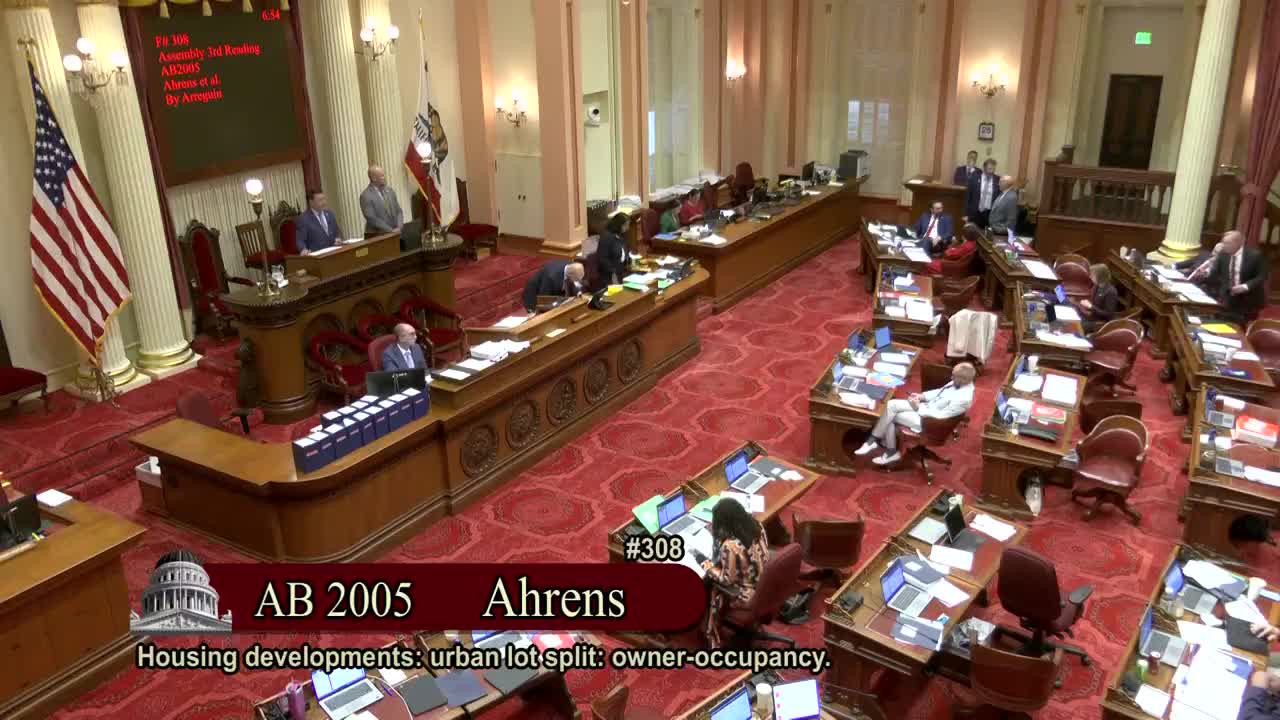 1MIN
Senate Floor
 2MIN
Senate Standing Committee on Governmental Organization
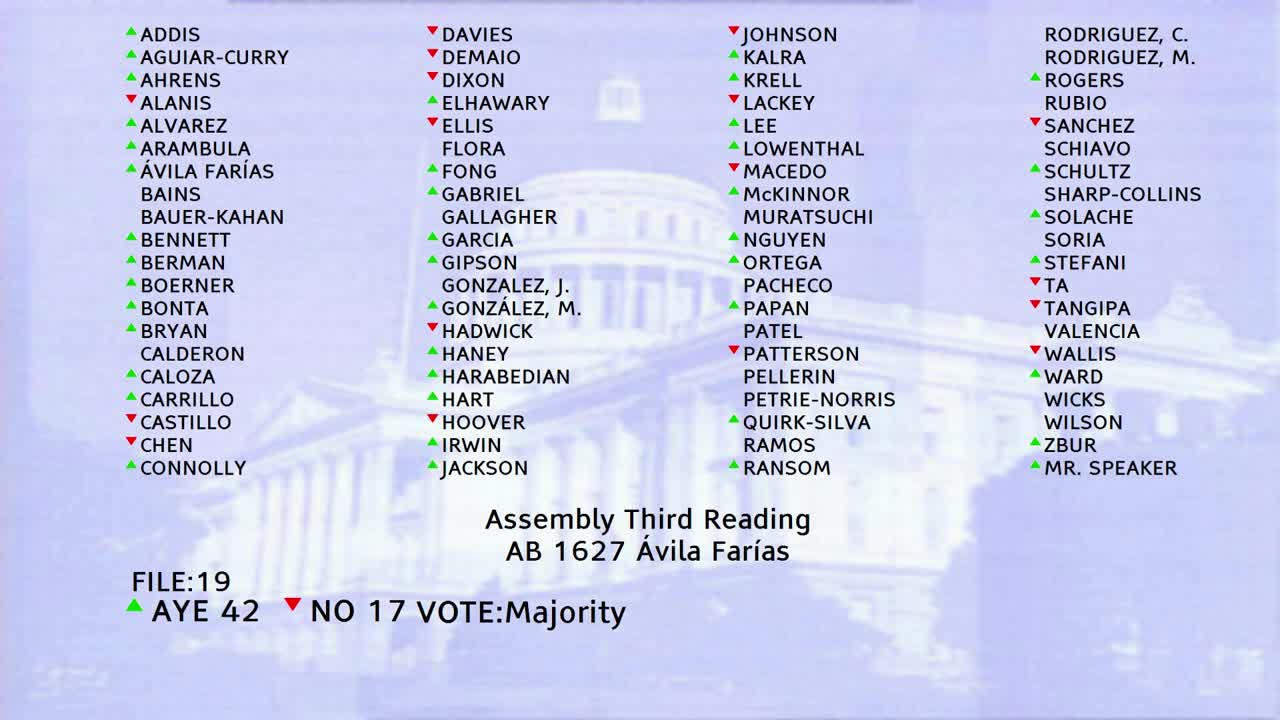 45SEC
Assembly Floor
 4MIN
Assembly Standing Committee on Governmental Organization
Bill Author

Bill Co-Author(s):