AB 1024: Driving schools.
- Session Year: 2015-2016
- House: Assembly
- Latest Version Date: 2015-10-06
Existing law requires a person who is licensed as a driving school operator by the Department of Motor Vehicles to meet specified requirements, and provides for disciplinary action against those licensees who commit certain acts. Existing law specifies certain requirements that a driving school operator must satisfy, including, among others, passing an examination, within 3 attempts, on traffic laws, safe driving practices, the operation of motor vehicles, and other topics. Existing law requires the operator to have worked as a driving instructor for a specified number of hours, as provided.
This bill would require driving school operators who are first licensed on or after July 1, 2016, and who offer no behind-the-wheel driver training, to successfully complete a 60-hour educational program acceptable to the department with specified content, including operator responsibilities and current laws, instead of meeting the requirement of having worked as a driving instructor for a specified number of hours.
Existing law requires a person who is licensed as a driving school operator by the Department of Motor Vehicles to meet specified requirements, and provides for disciplinary action against those licensees who commit certain acts. Existing law specifies certain requirements that a driving school operator must satisfy, including, among others, passing an examination, within 3 attempts, on traffic laws, safe driving practices, the operation of motor vehicles, and other topics. Existing law requires the operator to have worked as a driving instructor for a specified number of hours, as provided.
This bill would require driving school operators who are first licensed on or after July 1, 2016, and who operate Internet driving schools with offer no behind-the-wheel driver training, to successfully complete an 8-hour a 60-hour educational program acceptable to the department with specified content, including operator responsibilities and current laws, instead of meeting the requirement of having worked as a driving instructor for a specified number of hours.
Existing law requires a person who is licensed as a driving school operator by the Department of Motor Vehicles to meet specified requirements, and provides for disciplinary action against those licensees who commit certain acts. Existing law specifies certain requirements that a driving school operator must satisfy, including, among others, passing an examination, within 3 attempts, on traffic laws, safe driving practices, the operation of motor vehicles, and other topics. Existing law requires the operator to have worked as a driving instructor for a specified number of hours, as provided.
This bill would additionally require driving school operators who are first licensed on or after July 1, 2016, and who operate Internet and home study driving schools with no behind-the-wheel driver training, to successfully complete an 8-hour educational program acceptable to the department with specified content, including operator responsibilities and current laws, and would exempt these driving school operators from instead of meeting the requirement of having worked as a driving instructor for a specified number of hours.
Existing law requires certain qualifications to be satisfied in order to be a driving instructor, including, among others, that the person be physically able to safely operate a motor vehicle and to train others in the operation of motor vehicles, and that the person hold a valid California drivers license in a class appropriate for the type of vehicle in which instruction will be given.
This bill would require only classroom-based driving school driving instructors to satisfy the 2 above-described qualifications. The bill would require Internet and home-study driving school instructors to hold a class C drivers license.
Existing law requires a person who is licensed as a driving school operator by the Department of Motor Vehicles to meet specified requirements, and provides for disciplinary action against those licensees who commit certain acts. Existing law specifies certain requirements that a driving school operator must satisfy, including, among others, passing an examination, within 3 attempts, on traffic laws, safe driving practices, the operation of motor vehicles, and other topics. Existing law requires the operator to have worked as a driving instructor for a specified number of hours, as provided.
This bill would additionally require driving school operators who operate Internet and home study driving schools to successfully complete an 8-hour educational program acceptable to the department with specified content, including operator responsibilities and current laws, and would exempt these driving school operators from the requirement of having worked as a driving instructor for a specified number of hours.
Existing law requires certain qualifications to be satisfied in order to be a driving instructor, including, among others, that the person be physically able to safely operate a motor vehicle and to train others in the operation of motor vehicles, and that the person hold a valid California drivers license in a class appropriate for the type of vehicle in which instruction will be given.
This bill would require only classroom-based driving school driving instructors to satisfy the 2 above-described qualifications. The bill would require Internet and home-study driving school instructors to hold a class C drivers license.
(a)Notwithstanding Section 11102.5, a driving school operator who is first licensed to operate a driving school on or after July 1, 2016, and who offers no behind-the-wheel driver training, shall meet all of the following requirements:
(1)Within three attempts, pass an examination that the department requires on traffic laws, safe driving practices, operation of motor vehicles, teaching methods and techniques, driving school statutes and regulations, and office procedures and recordkeeping.
(2)Pay the department a fee for each examination taken, not to exceed the reasonable cost of administering the examination.
(3)Be 21 years of age or older.
(4)Have successfully completed an educational program of not less than 60 hours that is acceptable to the department. The program shall include a minimum of 40 hours of classroom instruction and 20 hours of behind the wheel instruction. The program shall include, but not be limited to, driving school operator responsibilities, current vehicle laws, and regulations in Article 4.6 of Chapter 1 of Title 13 of the California Code of Regulations. The instruction may be provided by generally accredited educational institutions, private vocational schools, and education programs and seminars offered by professional societies, organizations, trade associations, and other educational and technical programs that meet the requirements of this section.
(b)The qualifying requirements referred to in this section shall be met within one year from the date of application for a license, or a new application, examination, and a fee for the examination not to exceed the reasonable cost of administering the examination shall be required.
(a)Notwithstanding Section 11102.5, a driving school operator who is first licensed to operate a driving school on or after July 1, 2016, whose sole method of instruction is Internet-based driver education, and who offers no behind-the-wheel driver training, shall meet all of the following requirements:
(1)Within three attempts, pass an examination that the department requires on traffic laws, safe driving practices, operation of motor vehicles, teaching methods and techniques, driving school statutes and regulations, and office procedures and recordkeeping.
(2)Pay the department a fee for each examination taken, not to exceed the reasonable cost of administering the examination.
(3)Be 21 years of age or older.
(4)Have successfully completed an educational program of not less than eight 60 hours that is acceptable to the department. The program shall include a minimum of 40 hours of classroom instruction and 20 hours of behind the wheel instruction. The program shall include, but not be limited to, driving school operator responsibilities, current vehicle laws, and regulations in Article 4.6 of Chapter 1 of Title 13 of the California Code of Regulations. The instruction may be provided by generally accredited educational institutions, private vocational schools, and education programs and seminars offered by professional societies, organizations, trade associations, and other educational and technical programs that meet the requirements of this section.
(b)The qualifying requirements referred to in this section shall be met within one year from the date of application for a license, or a new application, examination, and a fee for the examination not to exceed the reasonable cost of administering the examination shall be required.
(a)Notwithstanding Section 11102.5, a driving school operator who is first licensed to operate a driving school on or after July 1, 2016, whose sole method of instruction is Internet-based driver education, and who offers no behind-the-wheel driver training, shall meet all of the following requirements:
(1)Within three attempts, pass an examination that the department requires on traffic laws, safe driving practices, operation of motor vehicles, teaching methods and techniques, driving school statutes and regulations, and office procedures and recordkeeping.
(2)Pay the department a fee for each examination taken, not to exceed the reasonable cost of administering the examination.
(3)Be 21 years of age or older.
(4)Have successfully completed an educational program of not less than eight hours that is acceptable to the department. The program shall include, but not be limited to, driving school operator responsibilities, current vehicle laws, and regulations in Article 4.6 of Chapter 1 of Title 13 of the California Code of Regulations. The instruction may be provided by generally accredited educational institutions, private vocational schools, and education programs and seminars offered by professional societies, organizations, trade associations, and other educational and technical programs that meet the requirements of this section.
(b)The qualifying requirements referred to in this section shall be met within one year from the date of application for a license, or a new application, examination, and a fee for the examination not to exceed the reasonable cost of administering the examination shall be required.
SECTION 1.Section 11102.5 of the Vehicle Code is amended to read:11102.5.(a)A driving school operator shall meet all of the following requirements:
(1)Within three attempts, pass an examination that the department requires on traffic laws, safe driving practices, operation of motor vehicles, teaching methods and techniques, driving school statutes and regulations, and office procedures and recordkeeping.
(2)Pay the department a fee of one hundred dollars ($100), which shall entitle the applicant to three examinations.
(3)Be 21 years of age or older.
(4)For Internet and home study driving schools, have successfully completed an educational program of not less than eight hours that is acceptable to the department. The program shall include, but not be limited to, driving school operator responsibilities, current vehicle laws, and regulations in Article 4 of Title 13 of the California Code of Regulations. The instruction may be provided by generally accredited educational institutions, private vocational schools, and education programs and seminars offered by professional societies, organizations, trade associations, and other educational and technical programs that meet the requirements of this section.
(5)For classroom-based driving schools, have worked for an established licensed California driving school as a driving instructor for a period of not less than 2,000 hours of actual behind-the-wheel teaching and, on and after July 1, 1973, have satisfactorily completed a course in the teaching of driver education and driver training acceptable to the department, except that the operator, including an owner who is also the operator, of a driving school that exclusively teaches motorcycle driving may, in lieu of the behind-the-wheel teaching requirement, have worked for an established licensed California driving school as a motorcycle driving instructor for not less than 300 hours of actual motorcycle range and street teaching, have taught 300 hours of actual motorcycle range and street instruction under the guidance of the Motorcycle Safety Foundation, or have given comparable training instruction that is acceptable to the department. This paragraph does not apply to any person who is certified by the State Department of Education as fully qualified to teach driver education and driver training and has taught those subjects in the public school system for not less than 1,000 hours.
(b)The qualifying requirements referred to in this section shall be met within one year from the date of application for a license, or a new application, examination, and a fee shall be required.
SEC. 2.Section 11104 of the Vehicle Code is amended to read:11104.(a)Every person, in order to qualify as a driving instructor, as defined in Section 310.4, shall meet all of the following requirements:
(1)On and after July 1, 1973, have a high school education or its equivalent and have satisfactorily completed a course in the teaching of driver education and driver training acceptable to the department.
(2)Within three attempts, pass an examination that the department requires on traffic laws, safe driving practices, operation of motor vehicles, and teaching methods and techniques.
(3)For classroom-based driving school instructors, be physically able to safely operate a motor vehicle and to train others in the operation of motor vehicles.
(4)For classroom-based driving school instructors, hold a valid California drivers license in a class appropriate for the type of vehicle in which instruction will be given.
(5)For Internet and home study driving school instructors, hold a class C drivers license.
(6)Not be on probation to the department as a negligent operator.
(7)Have a driving record without any outstanding notice for violating a written promise to appear in court or for willfully failing to pay a lawfully imposed fine, as provided in Section 40509.
(8)Be 21 years of age or older.
(b)For classroom-based driving school instructors, if an applicant cannot meet the requirements of paragraphs (3) and (4) of subdivision (a) because of a physical disability, the department may, at its discretion, issue the applicant a driving school instructors license restricted to classroom driver education instruction only.
(c)The qualifying requirements referred to in this section shall be met within one year from the date of application for a license, or a new application, examination, and a fee shall be required.
(a)A driving school operator shall meet all of the following requirements:
(1)Within three attempts, pass an examination that the department requires on traffic laws, safe driving practices, operation of motor vehicles, teaching methods and techniques, driving school statutes and regulations, and office procedures and recordkeeping.
(2)Pay the department a fee of one hundred dollars ($100), which shall entitle the applicant to three examinations.
(3)Be 21 years of age or older.
(4)For Internet and home study driving schools, have successfully completed an educational program of not less than eight hours that is acceptable to the department. The program shall include, but not be limited to, driving school operator responsibilities, current vehicle laws, and regulations in Article 4 of Title 13 of the California Code of Regulations. The instruction may be provided by generally accredited educational institutions, private vocational schools, and education programs and seminars offered by professional societies, organizations, trade associations, and other educational and technical programs that meet the requirements of this section.
(4)Have
(5)For classroom-based driving schools, have worked for an established licensed California driving school as a driving instructor for a period of not less than 2,000 hours of actual behind-the-wheel teaching and, on and after July 1, 1973, have satisfactorily completed a course in the teaching of driver education and driver training acceptable to the department, except that the operator, including an owner who is also the operator, of a driving school that exclusively teaches motorcycle driving may, in lieu of the behind-the-wheel teaching requirement, have worked for an established licensed California driving school as a motorcycle driving instructor for not less than 300 hours of actual motorcycle range and street teaching, have taught 300 hours of actual motorcycle range and street instruction under the guidance of the Motorcycle Safety Foundation, or have given comparable training instruction that is acceptable to the department. This paragraph does not apply to any person who is certified by the State Department of Education as fully qualified to teach driver education and driver training and has taught those subjects in the public school system for not less than 1,000 hours.
(b)The qualifying requirements referred to in this section shall be met within one year from the date of application for a license, or a new application, examination, and a fee shall be required.
SEC. 2.Section 11104 of the Vehicle Code is amended to read:11104.(a)Every person, in order to qualify as a driving instructor, as defined in Section 310.4, shall meet all of the following requirements:
(1)On and after July 1, 1973, have a high school education or its equivalent and have satisfactorily completed a course in the teaching of driver education and driver training acceptable to the department.
(2)Within three attempts, pass an examination that the department requires on traffic laws, safe driving practices, operation of motor vehicles, and teaching methods and techniques.
(3)Be For classroom-based driving school instructors, be physically able to safely operate a motor vehicle and to train others in the operation of motor vehicles.
(4)Hold For classroom-based driving school instructors, hold a valid California drivers license in a class appropriate for the type of vehicle in which instruction will be given.
(5)For Internet and home study driving school instructors, hold a class C drivers license.
(5)
(6)Not be on probation to the department as a negligent operator.
(6)
(7)Have a driving record that does not have an without any outstanding notice for violating a written promise to appear in court or for willfully failing to pay a lawfully imposed fine, as provided in Section 40509.
(7)
(8)Be 21 years of age or older.
(b)If For classroom-based driving school instructors, if an applicant cannot meet the requirements of paragraphs (3) and (4) of subdivision (a) because of a physical disability, the department may, at its discretion, issue the applicant a driving school instructors license restricted to classroom driver education instruction only.
(c)The qualifying requirements referred to in this section shall be met within one year from the date of application for a license, or a new application, examination, and a fee shall be required.
|
Date
|
Status
|
|---|---|
| Oct 6, 2015 | Chaptered by Secretary of State - Chapter 523, Statutes of 2015. |
| Oct 6, 2015 | Approved by the Governor. |
| Sep 16, 2015 | Enrolled and presented to the Governor at 4 p.m. |
| Sep 3, 2015 | Senate amendments concurred in. To Engrossing and Enrolling. (Ayes 79. Noes 0. Page 2872.). |
| Sep 3, 2015 | Assembly Rule 77 suspended. (Page 2859.) |
| Sep 3, 2015 | Senate amendments concurred in. To Engrossing and Enrolling. (Ayes 79. Noes 0.). |
| Sep 3, 2015 | Assembly Rule 77 suspended. |
| Sep 2, 2015 | Read third time. Passed. Ordered to the Assembly. (Ayes 40. Noes 0. Page 2398.). |
| Sep 2, 2015 | In Assembly. Concurrence in Senate amendments pending. May be considered on or after September 4 pursuant to Assembly Rule 77. |
| Sep 2, 2015 | Read third time. Passed. Ordered to the Assembly. |
| Aug 31, 2015 | Read second time. Ordered to third reading. |
| Aug 27, 2015 | From committee: Do pass. (Ayes 7. Noes 0.) (August 27). |
| Jun 29, 2015 | In committee: Referred to APPR. suspense file. |
| Jun 18, 2015 | Read second time and amended. Re-referred to Com. on APPR. |
| Jun 17, 2015 | From committee: Amend, and do pass as amended and re-refer to Com. on APPR. (Ayes 11. Noes 0.) (June 16). |
| May 28, 2015 | Referred to Com. on T. & H. |
| May 14, 2015 | In Senate. Read first time. To Com. on RLS. for assignment. |
| May 14, 2015 | Read third time. Passed. Ordered to the Senate. (Ayes 79. Noes 0. Page 1438.) |
| May 14, 2015 | Read third time. Passed. Ordered to the Senate. |
| May 7, 2015 | Read second time. Ordered to third reading. |
| May 6, 2015 | From committee: Do pass. (Ayes 17. Noes 0.) (May 6). |
| Apr 21, 2015 | From committee: Do pass and re-refer to Com. on APPR. (Ayes 14. Noes 1.) (April 20). Re-referred to Com. on APPR. |
| Apr 20, 2015 | In committee: Hearing postponed by committee. |
| Apr 15, 2015 | Re-referred to Com. on TRANS. |
| Apr 14, 2015 | From committee chair, with author's amendments: Amend, and re-refer to Com. on TRANS. Read second time and amended. |
| Mar 19, 2015 | Referred to Com. on TRANS. |
| Feb 27, 2015 | From printer. May be heard in committee March 29. |
| Feb 26, 2015 | Read first time. To print. |
|
Date
|
Description
|
Location
|
Votes
|
|
|---|---|---|---|---|
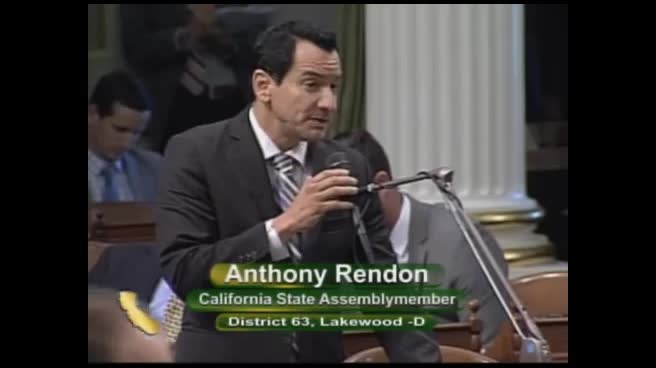
| Sep 3, 2015 | AB 1024 GAINES Concurrence in Senate Amendments | Assembly Floor |
Passed |
|
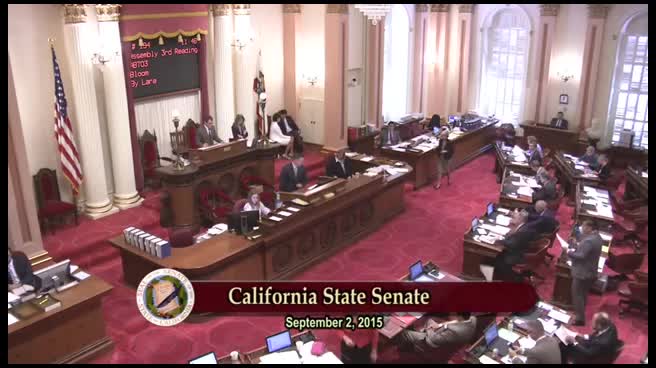
| Sep 2, 2015 | Assembly 3rd Reading AB1024 Beth Gaines By Roth | Senate Floor |
Passed |
|
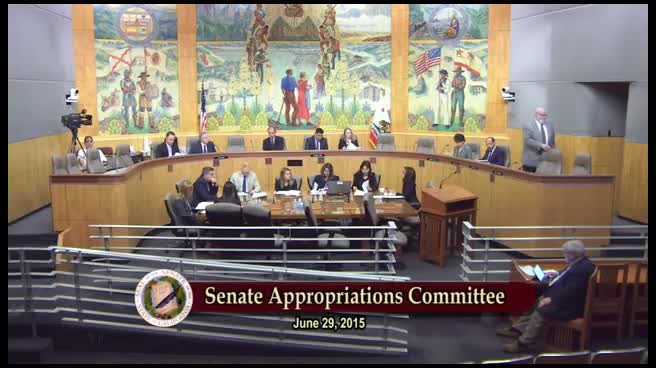
| Aug 27, 2015 | Do pass | Senate Standing Committee on Appropriations |
Passed |
|
| Jun 29, 2015 | Placed on suspense file | Senate Standing Committee on Appropriations |
Passed |
|
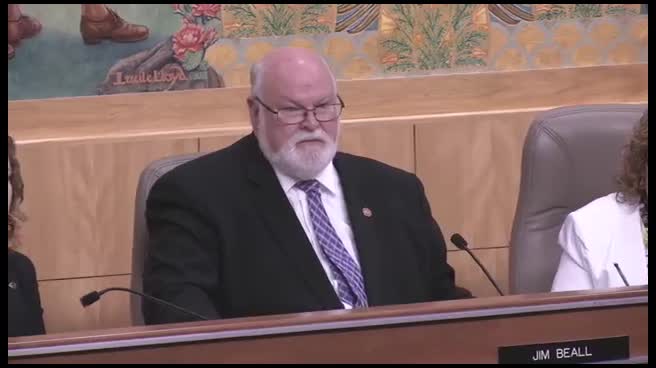
| Jun 16, 2015 | Do pass as amended, but first amend, and re-refer to the Committee on [Appropriations] | Senate Standing Committee on Transportation and Housing |
Passed |
|
| May 14, 2015 | AB 1024 GAINES Assembly Third Reading | Assembly Floor |
Passed |
|
| May 6, 2015 | Do pass. | Assembly Standing Committee on Appropriations |
Passed |
|
| Apr 20, 2015 | Do pass and be re-referred to the Committee on [Appropriations] | Assembly Standing Committee on Transportation |
Passed |
This list shows positions taken on this bill by organizations on the date displayed, which is linked to the original source.
Positions by individuals are not included.
AB 1024
Page 2
CONCURRENCE IN SENATE AMENDMENTS
AB 1024
(Beth Gaines)
As Amended June 18, 2015
Majority vote
ASSEMBLY: |
79-0 |
(May 14, 2015) |
SENATE: |
40-0 |
(September 2, 2015) |
Original Committee Reference: TRANS.
SUMMARY: Establishes alternative licensing requirements for operators of driver education schools that do not provide behind-the-wheel driver training instruction, as specified. Specifies that these requirements are to commence for new operators on or after July 1, 2016.
The Senate amendments:
Clarify that on or after July 1, 2016, a new driver education operator that only provides driver education coursework and no behind-the-wheel instruction will be subject to the occupational licensing requirements specified in this bill.
Change the operator's required educational training to obtain an occupational license from eight to 60 hours.
EXISTING LAW:
Requires Department of Motor Vehicles (DMV) to establish occupational licensing requirements for driving school operators.
Requires driver school operators to meet a number of requirements including, passing a DMV-administered examination, be age 21 or older, and serve as a behind the wheel driving instructor for a minimum of 2,000 hours.
FISCAL EFFECT: According to the Senate Appropriations Committee:
The DMV estimates one-time implementation costs of approximately $170,000 to adopt operator educational program requirements, make necessary programming changes to implement new licensing codes and fees, and update publications and forms. (Motor Vehicle Account)
DMV estimates ongoing administrative costs of $170,000 in 2015-16, $129,000 in 2016-17, and $86,000 annually thereafter for operator education curriculum approval, new driving school curriculum approval, and monitoring and oversight of additional schools. (Motor Vehicle Account)
Minor driving school owner and operator licensing revenues, less than $10,000 annually, beginning in 2016-17. (Motor Vehicle Account)
COMMENTS: Currently a minor between 15 and a half years old and 18 years old interested in obtaining a driver's license under DMV's graduated driver's license program (GDL) must first complete both a driver's education course and a six-hour behind-the-wheel driver's training course. The driver's education course includes information on a variety of topics including the basic fundamentals of being a safe and responsible driver, a review of pertinent driving laws, and GDL program restrictions. Additionally, behind-the-wheel driver's training allows the minor to practice basic driving skills under the supervision of an instructor. Once a minor has successfully completed both their driver's education course and driver's training course, the next step is to take DMV's written test to obtain a learner's permit.
DMV licenses and approves all owners, operators, and instructors of driver's education and driver's training courses. DMV also establishes course curricula, conducts monitoring activities, and performs other regulatory functions. Driver's education operators and instructors are also subject to separate licensing requirements due to their differing responsibilities – instructors provide coursework instruction and engage with students, whereas operators carry out administrative functions, oversee instructors, and, at times, provide instruction. Students are also provided a wide range of driver's education and training courses including classroom only driver's education, combined classroom driver's education and behind-the-wheel training, home study driver's education, Internet-based driver's education, and separate driver's training instruction.
The author introduced this bill on behalf of the sponsor to eliminate what she believes is an unnecessary requirement for Internet-based driver's education operators. Presently a driver's education operator must meet a number of requirements in order to obtain a DMV-issued occupational license including serving as a driving instructor for a minimum of 2,000 hours. While these requirements ensured an operator was adequately trained to manage both driver's education and training courses 20 years ago, the use of Internet-based companies solely providing driver's education courses has steadily increased. These online courses typically provide only driver's education coursework and then, upon successful completion, refer the student to local driver's training courses. An available instructor or operator is required to be available via online chat or through a customer service line to answer any questions a student may pose. Thus, an operator rarely, if at all, engages in person with a student. These particular set of operator requirements originally tailored for the classroom-based driver's education and training model has left many Internet-based driver's education companies struggling to hire or replace operators within a reasonable period, in turn, jeopardizing the company's ability to conduct business.
This bill provides an alternative set of occupational licensing requirements for certain new operators. Senate amendments align a driver education operator's training requirements to similar existing requirements for driver education instructors and also expands the new requirements to any operator that solely provides driver education instruction. Notably, this bill replaces the 2,000-hour behind-the-wheel instructor requirement with a 60 hour mandatory driver's education program that must be successfully completed.
Analysis Prepared by: Manny Leon / TRANS. / (916) 319-2093 FN: 0001734
AB 1024
Page 6
|
Office of Senate Floor Analyses (916) 651-1520 Fax: (916) 327-4478 |
THIRD READING
Bill No: AB 1024
Author: Beth Gaines (R), et al.
Amended: 6/18/15 in Senate
SENATE TRANS. & HOUSING COMMITTEE: 11-0, 6/16/15
AYES: Beall, Cannella, Allen, Bates, Gaines, Galgiani, Leyva, McGuire, Mendoza, Roth, Wieckowski
SENATE APPROPRIATIONS COMMITTEE: 7-0, 8/27/15
AYES: Lara, Bates, Beall, Hill, Leyva, Mendoza, Nielsen
ASSEMBLY FLOOR: 79-0, 5/14/15 - See last page for vote
SOURCE: Distance Learning Company
DIGEST: This bill reduces the education requirement for driving school operators.
Existing law:
New Drivers Under 18 Years of Age
Establishes a provisional driver’s license program for individuals between 16 and 18 years of age. Under this program, an individual who is 15 years and six months or older and has completed Department of Motor Vehicles (DMV)-approved driver education and training classes (25 hours of instruction through a classroom, home study, or Internet course), may apply to the DMV for a learner’s permit. Once the individual has held the permit for at least six months, and has completed at least six hours of behind-the-wheel training and 50 hours of supervised driving practice, among other requirements, he or she may apply for a provisional driver’s license. This license carries certain restrictions, such as limits on nighttime driving; once the individual turns 18, he or she can apply for a regular driver’s license.
Driving School Owners
Requires a driving school owner to be licensed by DMV. The owner must meet the following requirements within one year of applying for a license:
Maintain an established place of business open to the public;
Have the proper equipment necessary to give instruction in the operation of the class of vehicles for which the course is designed;
File with DMV a $10,000 bond and meet related requirements; and
Meet the requirements for a driving school operator, or designate an operator to meet these requirements if the owner is not the operator.
Driving School Operators
Requires a driving school operator to be licensed by DMV. The operator must meet the following requirements within one year of applying for a license:
Within three attempts, pass a written examination on traffic laws, safe driving practices, operation of motor vehicles, teaching methods and techniques, driving school statutes and regulations, and office procedures and recordkeeping.
Pay to DMV a $100 fee to cover the written exam(s).
Be 21 years or older.
Have worked for an established, licensed California driving school as a driving instructor for at least 2,000 hours of behind-the-wheel teaching and have successfully completed a course in the teaching of driver education.
Driving School Instructors
Requires a driving school instructor to be licensed by DMV. The instructor must meet the following requirements within one year of applying for a license:
Have a high school education or equivalent;
Have successfully completed a course in the teaching of driver education and driver training, including at least 40 hours of classroom instruction and at least 20 hours of behind-the-wheel instruction;
Within three attempts, pass a written examination required by DMV on traffic laws, safe driving practices, operation of motor vehicles, and teaching methods and techniques;
Be physically able to safely operate a motor vehicle and to train others to operate a motor vehicle;
Hold a valid California driver’s license in a class appropriate to the type of vehicle for which instruction will be given;
Not be identified by DMV as a negligent operator;
Have a clean driving record; and
Be 21 years or older.
If an applicant is disabled, DMV may issue a driving school instructor’s license restricted to classroom driver education instruction only.
This bill requires, beginning July 1, 2016, an individual who is applying for a first license to operate an Internet-based driving school that does not offer behind-the-wheel training to meet the following requirements:
Within three attempts, pass a written examination on traffic laws, safe driving practices, operation of motor vehicles, teaching methods and techniques, driving school statutes and regulations, and office procedures and recordkeeping.
Pay to DMV a fee for each examination taken, not to exceed the reasonable cost of administering the examination.
Be 21 years or older.
Have successfully completed an educational program of at least 60 hours, including at least 40 hours of classroom instruction and 20 hours of behind-the-wheel instruction. This program shall include, but not be limited to, driving school operator responsibilities and current vehicle laws and regulations. This instruction may be provided by generally accredited educational institutions, private vocational schools, and education programs and seminars offered by professional societies, organizations, trade associations, and other educational and technical programs acceptable to DMV.
Comments
Purpose. The author states that an operator of a driving school that provides only driver’s education, in an online or home-based study program, is required to complete the same 2,000-hour instruction requirement as an operator of a driving school that also provides behind-the-wheel training. The author states that requiring 2,000 hours of behind-the-wheel instruction is an unnecessary regulatory burden on Internet-based companies that are not providing driver’s training instruction.
The changing world of driving schools. In the past, teenagers could take driver’s education and driver’s training classes as part of their high school curriculum. However, with budget cuts this instruction faded away, and driving schools materialized to fill the void. When the Legislature and DMV first began regulating driving schools, a student typically went to a “brick-and-mortar” driving school for both driver’s education and driver’s training. Now, however, there are many Internet driving schools offering driver’s education.
Operator requirements. Although a driving school instructor must complete 60 hours of coursework (40 hours in the classroom and 20 hours behind the wheel), a driving school operator must complete 2,000 hours of behind-the-wheel instruction. The operator oversees the business operations and instructors and is also expected to be familiar with all of the laws relating to the subject matter being taught, answer any consumer questions or customer complaints, and ensure that the school is being operated in accordance with all laws. The Legislature increased the requirement from 1,000 hours to 2,000 hours a number of years ago with SB 1112 (Knight, Chapter 243, Statutes of 2000), in order to help ensure that an operator had at least two years of experience.
Traditionally, operators were often teachers who “promoted up” to operator, or left to start their own school. In such cases, the significant behind-the-wheel requirement was not a barrier because anyone who had taught for a year had already met it. Now, however, there are many Internet driving schools which offer only driver’s education. The source of this bill, the Distance Learning Company, states that “there is no logic to requiring a full year of behind-the-wheel teaching for an operator of an entirely online program” and that it is time to modernize the operator licensing requirements.
Opposition arguments. Writing in opposition to this bill, the Driving School Association of California states that the 2,000-hour requirement ensures that driving school operators are “experienced individuals who have a complete working knowledge of the complex fields of driver education and driver safety as well as a thorough understanding of the underlying laws, codes, and DMV regulations required to operate a driving school.” The Association argues that the operator is the sole conduit between the school and the DMV and is responsible for ensuring that the education program delivered to the public meets DMV standards. The driving school operator also hires and trains instructors. The Association states that this bill will damage the quality and credibility of the driving school industry and of driver education for novice drivers.
FISCAL EFFECT: Appropriation: No Fiscal Com.: Yes Local: No
According to the Senate Appropriations Committee:
DMV estimates one-time implementation costs of approximately $170,000 to adopt operator educational program requirements, make necessary programming changes to implement new licensing codes and fees, and update publications and forms. (Motor Vehicle Account)
DMV estimates ongoing administrative costs of $170,000 in 2015-16, $129,000 in 2016-17, and $86,000 annually thereafter for operator education curriculum approval, new driving school curriculum approval, and monitoring and oversight of additional schools. (Motor Vehicle Account)
Minor driving school owner and operator licensing revenues, less than $10,000 annually, beginning in 2016-17. (Motor Vehicle Account)
Distance Learning Company (source)
OPPOSITION: (Verified 8/27/15)
A1 Driving School of California
A1 Traffic School
Bay Area Driving School
Condor Driving School
Dollar Driving School, Inc.
Drive Star Driving School
Driver’s Ed.com
Driving School Association of California
Santa Fe Driving and Traffic School
Teen Driving Online
West Point Driving School
ASSEMBLY FLOOR: 79-0, 5/14/15
AYES: Achadjian, Alejo, Travis Allen, Baker, Bigelow, Bloom, Bonilla, Brough, Brown, Burke, Calderon, Campos, Chang, Chau, Chávez, Chiu, Chu, Cooley, Cooper, Dababneh, Dahle, Daly, Dodd, Eggman, Frazier, Beth Gaines, Gallagher, Cristina Garcia, Eduardo Garcia, Gatto, Gipson, Gomez, Gonzalez, Gordon, Gray, Grove, Hadley, Harper, Roger Hernández, Holden, Irwin, Jones, Jones-Sawyer, Kim, Lackey, Levine, Linder, Lopez, Low, Maienschein, Mathis, Mayes, McCarty, Medina, Melendez, Mullin, Nazarian, Obernolte, O'Donnell, Olsen, Patterson, Perea, Quirk, Rendon, Ridley-Thomas, Rodriguez, Salas, Santiago, Steinorth, Mark Stone, Thurmond, Ting, Wagner, Waldron, Weber, Wilk, Williams, Wood, Atkins
NO VOTE RECORDED: Bonta
Prepared by: Erin Riches / T. & H. / (916) 651-4121
8/31/15 9:06:03
**** END ****
AB 1024 (Beth Gaines) Page 3 of 3
SENATE COMMITTEE ON APPROPRIATIONS
Senator Ricardo Lara, Chair
2015 - 2016 Regular Session
AB 1024 (Beth Gaines) - Driving schools
|
|
Version: June 18, 2015 |
Policy Vote: T. & H. 11 - 0 |
Urgency: No |
Mandate: No |
Hearing Date: June 29, 2015 |
Consultant: Mark McKenzie |
This bill meets the criteria for referral to the Suspense File.
Bill Summary:
SB 1024 would revise the requirements for the operators of driving schools that offer no behind-the-wheel training. Specifically, this bill would require these driving school operators to complete a 60-hour educational program rather working as a driving instructor with at least 2,000 hours of behind-the-wheel teaching experience, in addition to other specified requirements.
Fiscal Impact:
The Department of Motor Vehicles (DMV) estimates one-time implementation costs of approximately $170,000 to adopt operator educational program requirements, make necessary programming changes to implement new licensing codes and fees, and update publications and forms. (Motor Vehicle Account)
DMV estimates ongoing administrative costs of $170,000 in 2015-16, $129,000 in 2016-17, and $86,000 annually thereafter for operator education curriculum approval, new driving school curriculum approval, and monitoring and oversight of additional schools. (Motor Vehicle Account)
Minor driving school owner and operator licensing revenues, less than $10,000 annually, beginning in 2016-17. (Motor Vehicle Account)
Background:
Existing law establishes a graduated driver’s licensing program for young drivers. Under this program, an individual who is 15 years and six months or older and has completed DMV-approved driver education and training classes (25 hours of instruction through a classroom, home study, or Internet course), may apply for a learner’s permit. Once the individual has held the permit for at least six months, and has completed at least six hours of behind-the-wheel training and 50 hours of supervised driving practice, among other requirements, he or she may apply for a provisional driver’s license. This license carries certain restrictions, such as limits on driving at night and prohibitions on driving with passengers. Once the individual reaches the age of 18, he or she can apply for a regular driver’s license.
DMV licenses and approves all owners, operators, and instructors of driver's education and driver's training courses. DMV also establishes course curricula, conducts monitoring activities, and performs other regulatory functions. Driver's education operators and instructors are also subject to separate licensing requirements due to their differing responsibilities - instructors provide coursework instruction and engage with students, whereas operators carry out administrative functions, oversee instructors, and, at times, provide instruction. Students are also provided a wide range of driver's education and training courses including classroom only driver's education, combined classroom driver's education and behind-the-wheel training, home study driver's education, Internet-based driver's education, and separate driver's training instruction.
Regardless of the mode of instruction, or whether a school offers behind-the-wheel training or not, existing law requires all driving school operators to meet the following requirements:
Pass an examination within three attempts on traffic laws, safe driving practices, operation of motor vehicles, teaching methods and techniques, driving school statutes and regulations, and office procedures and recordkeeping.
Pay a $100 fee, which entitles the applicant to three examinations.
Be 21 years of age or older.
Have worked for a licensed California driving school as a driving instructor for at least 2,000 hours of behind-the-wheel teaching.
Complete a course in the teaching of driver education and driver training acceptable to DMV.
Proposed Law:
Beginning July 1, 2016, AB 1024 would require an individual applying for a first license to operate a driving school that does not offer behind-the-wheel training to meet the following requirements:
Pass an examination within three attempts on traffic laws, safe driving practices, operation of motor vehicles, teaching methods and techniques, driving school statutes and regulations, and office procedures and recordkeeping.
Pay a fee for each examination taken, not to exceed DMV’s reasonable cost of administering the examination.
Be 21 years of age or older.
Have successfully completed an educational program of not less than 60 hours that is acceptable to the DMV and includes a minimum of 40 hours of classroom instruction and 20 hours of behind-the-wheel instruction. This program shall include, but not be limited to, driving school operator responsibilities and current vehicle laws and regulations. This instruction may be provided by generally accredited educational institutions, private vocational schools, and education programs and seminars offered by professional societies, organizations, trade associations, and other educational and technical programs.
Related Legislation:
SB 1112 (Knight), Chap. 243/2000, increased the driving school operator behind-the-wheel teaching experience requirement from 1,000 hours to 2,000 hours.
Staff Comments:
This bill is intended to revise the driving school operator licensing requirements for operators of schools that do not provide behind-the-wheel training. Since these schools only offer driver’s education, the 2,000 hour behind-the-wheel teaching requirement is replaced with a 60-hour operator education requirement. This educational program requirement mirrors the 60-hour education requirement for driving school instructors.
DMV has identified one-time implementation costs of $170,000, which primarily covers staff time for developing and adopting the new education requirements and curriculum frameworks through regulations, and includes about $90,000 for programming the new licensing codes and fees into the occupational licensing system. DMV estimates that the bill would result in a minimum of six education providers submitting operator education curriculum to DMV for approval, and would result in new driving schools offering instruction for new drivers, which also requires curriculum review by DMV. The department has identified ongoing costs to review and approve curriculum for both education program providers and new driving schools, and to provide ongoing monitoring and oversight of new driving schools. DMV estimates these costs to be $170,000 in 2015-16, $129,000 in 2016-17, and $86,000 annually thereafter.
Staff notes that DMV already approves curriculum for the 60-hour driving school instructor requirements, which appear to be similar to the requirements for driving school operators specified in this bill. DMV’s costs could be mitigated to the extent department staff can look to existing regulations and curriculum requirements for instructors when developing criteria for the operator education curriculum.
Recommended Amendments:
Staff recommends that the bill be amended to update Vehicle Code sections within Chapter 1 of Division 5, pertaining to Driving Schools and Driving Instructors, to include cross references to the new section of law added by this bill, where appropriate. Specifically, various surrounding code sections that cross reference requirements for driving school operators should be amended to include the new §11102.6 added by this bill.
-- END --
AB 1024 (Beth Gaines) Page 6 of 6
SENATE COMMITTEE ON TRANSPORTATION AND HOUSING
Senator Jim Beall, Chair
2015 - 2016 Regular
Bill No: AB 1024 Hearing Date: 6/16/2015
Author: |
Beth Gaines |
||
Version: |
4/14/2015 |
||
Urgency: |
No |
Fiscal: |
Yes |
Consultant: |
Erin Riches |
||
SUBJECT: Driving schools
DIGEST: This bill reduces the education requirement for driving school operators.
ANALYSIS:
New Drivers Under 18 Years of Age
Existing law establishes a provisional driver’s license program for individuals between 16 and 18 years of age. Under this program, an individual who is 15 years and six months or older and has completed DMV-approved driver education and training classes (25 hours of instruction through a classroom, home study, or Internet course), may apply to the Department of Motor Vehicles (DMV) for a learner’s permit. Once the individual has held the permit for at least six months, and has completed at least six hours of behind-the-wheel training and 50 hours of supervised driving practice, among other requirements, he or she may apply for a provisional driver’s license. This license carries certain restrictions, such as limits on nighttime driving; once the individual turns 18, he or she can apply for a regular driver’s license.
Driving School Owners
Existing law requires a driving school owner to be licensed by DMV. The owner must meet the following requirements within one year of applying for a license:
Maintain an established place of business open to the public;
Have the proper equipment necessary to give instruction in the operation of the class of vehicles for which the course is designed;
File with DMV a $10,000 bond and meet related requirements; and
Meet the requirements for a driving school operator, or designate an operator to meet these requirements if the owner is not the operator.
Driving School Operator
Existing law requires a driving school operator to be licensed by DMV. The operator must meet the following requirements within one year of applying for a license:
Within three attempts, pass a written examination on traffic laws, safe driving practices, operation of motor vehicles, teaching methods and techniques, driving school statutes and regulations, and office procedures and recordkeeping.
Pay to DMV a $100 fee to cover the written exam(s).
Be 21 years or older.
Have worked for an established, licensed California driving school as a driving instructor for at least 2,000 hours of behind-the-wheel teaching and have successfully completed a course in the teaching of driver education.
Driving School Instructor
Existing law requires a driving school instructor to be licensed by DMV. The instructor must meet the following requirements within one year of applying for a license:
Have a high school education or equivalent;
Have successfully completed a course in the teaching of driver education and driver training, including at least 40 hours of classroom instruction and at least 20 hours of behind-the-wheel instruction;
Within three attempts, pass a written examination required by DMV on traffic laws, safe driving practices, operation of motor vehicles, and teaching methods and techniques;
Be physically able to safely operate a motor vehicle and to train others to operate a motor vehicle;
Hold a valid California driver’s license in a class appropriate to the type of vehicle for which instruction will be given;
Not be identified by DMV as a negligent operator;
Have a clean driving record; and
Be 21 years or older.
If an applicant is disabled, DMV may issue a driving school instructor’s license restricted to classroom driver education instruction only.
This bill requires, beginning July 1, 2016, an individual who is applying for a first license to operate an Internet-based driving school that does not offer behind-the-wheel training to meet the following requirements:
Within three attempts, pass a written examination on traffic laws, safe driving practices, operation of motor vehicles, teaching methods and techniques, driving school statutes and regulations, and office procedures and recordkeeping.
Pay to DMV a fee for each examination taken, not to exceed the reasonable cost of administering the examination.
Be 21 years or older.
Have successfully completed an educational program of at least eight hours. This program shall include, but not be limited to, driving school operator responsibilities and current vehicle laws and regulations. This instruction may be provided by generally accredited educational institutions, private vocational schools, and education programs and seminars offered by professional societies, organizations, trade associations, and other educational and technical programs acceptable to DMV.
COMMENTS:
Purpose. The author states that an operator of a driving school that provides only driver’s education, in an online or home-based study program, is required to complete the same 2,000-hour instruction requirement as an operator of a driving school that also provides behind-the-wheel training. The author states that requiring 2,000 hours of behind-the-wheel instruction is an unnecessary regulatory burden on Internet-based companies that are not providing driver’s training instruction.
The changing world of driving school. In the past, teenagers could take driver’s education and driver’s training classes as part of their high school curriculum. However, with budget cuts this instruction faded away, and driving schools materialized to fill the void. When the Legislature and DMV first began regulating driving schools, a student typically went to a “brick-and-mortar” driving school for both driver’s education and driver’s training. Now, however, there are many Internet driving schools offering driver’s education.
Operator requirements. Although a driving school instructor must complete 60 hours of coursework (40 hours in the classroom and 20 hours behind the wheel), a driving school operator must complete 2,000 hours of behind-the-wheel instruction. The operator oversees the business operations and instructors and is also expected to be familiar with all of the laws relating to the subject matter being taught, answer any consumer questions or customer complaints, and ensure that the school is being operated in accordance with all laws. The Legislature increased the requirement from 1,000 hours to 2,000 hours a number of years ago (SB 1112, Knight, Chapter 243, Statutes of 2000) in order to help ensure that an operator had at least two years of experience.
Traditionally, operators were often teachers who “promoted up” to operator, or left to start their own school. In such cases, the significant behind-the-wheel requirement was not a barrier because anyone who had taught for a year had already met it. Now, however, there are many Internet driving schools which offer only driver’s education. The sponsor of this bill, the Distance Learning Company, states that “there is no logic to requiring a full year of behind-the-wheel teaching for an operator of an entirely online program” and that it is time to modernize the operator licensing requirements.
Should an instructor have more training than an operator? Under this bill, an instructor would still be required to complete 60 hours of instruction, including 20 hours of behind-the-wheel instruction, but an operator would only have to complete eight hours, which could be entirely online. The author will accept amendments to increase the eight-hour requirement to 60 hours (including 20 hours of behind-the-wheel instruction), to align with the instructor requirement.
Unfair advantage to online schools? By exempting online schools from the 2,000-hour requirement, this bill effectively gives online driving schools a significant competitive advantage over brick-and-mortar schools that offer both driver’s education and driver’s training. It is unclear how many brick-and-mortar schools offer driver’s education only as compared to schools that offer both driver’s education and training. The author will accept amendments to revise the 2,000-hour requirement for operators of all driving schools that offer only driver’s education, not just Internet schools.
Opposition arguments. Writing in opposition to this bill, the Driving School Association of California states that the 2,000-hour requirement ensures that driving school operators are “experienced individuals who have a complete working knowledge of the complex fields of driver education and driver safety as well as a thorough understanding of the underlying laws, codes, and Department of Motor Vehicle regulations required to operate a driving school.” The association argues that the operator is the sole conduit between the school and DMV and is responsible for ensuring that the education program delivered to the public meets DMV standards. The driving school operator also hires and trains instructors. The association states that this bill would damage the quality and credibility of the driving school industry and of driver education for novice drivers.
Assembly Votes:
Floor: 79-0
Appr: 17-0
Trans: 14-1
FISCAL EFFECT: Appropriation: No Fiscal Com.: Yes Local: No
POSITIONS: (Communicated to the committee before noon on Wednesday,
June 10, 2015.)
SUPPORT:
Distance Learning Company (sponsor)
OPPOSITION:
A1 Driving School of California
A1 Traffic School
Bay Area Driving School
Dollar Driving School, Inc.
Drive Star Driving School
Driving School Association of California
Santa Fe Driving and Traffic School
West Point Driving School
Driver’s Ed.com
-- END --
AB 1024
Page 2
ASSEMBLY THIRD READING
AB 1024
(Beth Gaines)
As Amended April 14, 2015
Majority vote
Committee |
Votes |
Ayes |
Noes |
Transportation |
14-1 |
Frazier, Achadjian, Baker, Bloom, Campos, Chu, Daly, Dodd, Eduardo Garcia, Kim, Linder, Medina, Melendez, O'Donnell |
Gomez |
Appropriations |
17-0 |
Gomez, Bigelow, Bloom, Bonta, Calderon, Chang, Daly, Eggman, Gallagher, Eduardo Garcia, Holden, Jones, Quirk, Rendon, Wagner, Weber, Wood |
|
SUMMARY: Establishes alternative licensing requirements for operators of Internet-based driver education schools, as specified. Specifies that these requirements are to commence for new operators on or after July 1, 2016.
EXISTING LAW:
Requires Department of Motor Vehicles (DMV) to establish occupational licensing requirements for driving school operators.
Requires driver school operators to meet a number of requirements including, passing a DMV-administered examination, be age 21 or older, and serve as a behind the wheel driving instructor for a minimum of 2,000 hours.
FISCAL EFFECT: According to the Assembly Appropriations Committee, "Minor absorbable costs to the DMV."
COMMENTS: Currently a minor between 15 and a half years old and 18 years old interested in obtaining a driver's license under DMV's graduated driver's license program (GDL) must first complete both a driver's education course and a six-hour behind-the-wheel driver's training course. The driver's education course includes information on a variety of topics including the basic fundamentals of being a safe and responsible driver, a review of pertinent driving laws, and GDL program restrictions. Additionally, behind-the-wheel driver's training allows the minor to practice basic driving skills under the supervision of an instructor. Once a minor has successfully completed both their driver's education course and driver's training course, the next step is to take DMV's written test to obtain a learner's permit.
DMV licenses and approves all owners, operators, and instructors of driver's education and driver's training courses. DMV also establishes course curricula, conducts monitoring activities, and performs other regulatory functions. Driver's education operators and instructors are also subject to separate licensing requirements due to their differing responsibilities – instructors provide coursework instruction and engage with students, whereas operators carry out administrative functions, oversee instructors, and, at times, provide instruction. Students are also provided a wide range of driver's education and training courses including classroom only driver's education, combined classroom driver's education and behind-the-wheel training, home study driver's education, Internet-based driver's education, and separate driver's training instruction.
The author introduced this bill on behalf of the sponsor to eliminate what she believes is an unnecessary requirement for Internet-based driver's education operators. Presently a driver's education operator must meet a number of requirements in order to obtain a DMV-issued occupational license including serving as a driving instructor for a minimum of 2,000 hours. While these requirements ensured an operator was adequately trained to manage both driver's education and training courses 20 years ago, the use of Internet-based companies solely providing driver's education courses has steadily increased. These online courses typically provide only driver's education coursework and then, upon successful completion, refer the student to local driver's training courses. An available instructor or operator is required to be available via online chat or through a customer service line to answer any questions a student may pose. Thus, an operator rarely, if at all, engages in person with a student. These particular set of operator requirements originally tailored for the classroom-based driver's education and training model has left many Internet-based driver's education companies struggling to hire or replace operators within a reasonable period, in turn, jeopardizing the company's ability to conduct business.
This bill provides an alternative set of licensing requirements for new operators who only administer Internet-based driver's education. Notably, this bill replaces the 2,000-hour behind-the-wheel instructor requirement with an eight-hour mandatory driver's education program that must be successfully completed. The author notes that this bill will "remove the unnecessary 2,000-hour requirement of behind-the-wheel training from operators of Internet-based driver's education companies who don't provide behind-the-wheel training in the course of their business."
Analysis Prepared by: Manny Leon / TRANS. / (916) 319-2093 FN: 0000301
AB 1024
Page 2
Date of Hearing: May 6, 2015
ASSEMBLY COMMITTEE ON APPROPRIATIONS
Jimmy Gomez, Chair
AB 1024
(Beth Gaines) – As Amended April 14, 2015
Policy Committee: |
Transportation |
Vote: |
14 - 1 |
|
|
|
|
|
|
|
|
Urgency: No State Mandated Local Program: No Reimbursable: No
SUMMARY:
This bill establishes the following alternative licensing requirements for new driving school operators who strictly provide internet-based instruction:
Pass a DMV-required examination, as specified, within three attempts and pay a fee to DMV for each exam taken.
Be at least 21 years of age.
Successfully complete a minimum 8-hour educational program, as specified, that is acceptable to the DMV.
FISCAL EFFECT:
Minor absorbable costs to the DMV.
COMMENTS:
Background. Currently a minor between 15-and-a-half years old and 18 years old interested in obtaining a driver's license must first complete both a driver's education course and a six hour behind-the-wheel driver's training course. DMV licenses and approves all owners, operators, and instructors of driver's education and driver's training courses. DMV also establishes course curricula, conducts monitoring activities, and performs other regulatory functions. Students are also provided a wide range of driver's education and training courses, including classroom only, combined classroom and behind-the-wheel training, home study, Internet-based, and separate driver's training instruction.
Purpose. The author indicates that AB 1024 is intended to eliminate what she believes is an unnecessary requirement for Internet-based driver's education operators. Presently a driver's education operator must meet a number of requirements in order to obtain a DMV-issued occupational license, including serving as a driving instructor for a minimum of 2,000 hours. While these requirements ensured an operator was adequately trained to manage both driver's education and training courses twenty years ago, the use of Internet-based companies solely providing driver's education courses has steadily increased. These online courses typically provide only driver's education coursework and then, upon successful completion, refer the student to local driver's training courses. An available instructor or operator is required to be available via online chat or through a customer service line to answer any questions a student may pose.
This bill, sponsored by The Distance Learning Company, provides an alternative set of licensing requirements for new operators who only administer Internet-based driver's education. Notably, this bill replaces the 2,000-hour behind-the-wheel instructor requirement with an eight-hour mandatory driver's education program that must be successfully completed.
Analysis Prepared by: Chuck Nicol / APPR. / (916) 319-2081
AB 1024
Page 2
Date of Hearing: April 20, 2015
ASSEMBLY COMMITTEE ON TRANSPORTATION
Jim Frazier, Chair
AB 1024
(Beth Gaines) – As Amended April 14, 2015
SUBJECT: Driving schools
SUMMARY: Establishes alternative licensing requirements for operators of Internet-based driver education schools, as specified. Specifies that these requirements are to commence for new operators on or after July 1, 2016.
EXISTING LAW:
Requires DMV to establish occupational licensing requirements for driving school operators.
Requires driver school operators to meet a number of requirements including, passing a DMV-administered examination, be age 21 or older, and serve as a behind the wheel driving instructor for a minimum of 2,000 hours.
FISCAL EFFECT: Unknown
COMMENTS: Currently a minor between 15 and a half years old and 18 years old interested in obtaining a driver's license under DMV's graduated driver's license program (GDL) must first complete both a driver's education course and a six hour behind-the-wheel driver's training course. The driver's education course includes information on a variety of topics including the basic fundamentals of being a safe and responsible driver, a review of pertinent driving laws, and GDL program restrictions. Additionally, behind-the-wheel driver's training allows the minor to practice basic driving skills under the supervision of an instructor. Once a minor has successfully completed both their driver's education course and driver's training course, the next step is to take DMV's written test to obtain a learner's permit.
DMV licenses and approves all owners, operators, and instructors of driver's education and driver's training courses. DMV also establishes course curricula, conducts monitoring activities, and performs other regulatory functions. Driver's education operators and instructors are also subject to separate licensing requirements due to their differing responsibilities - instructors provide coursework instruction and engage with students, whereas operators carry out administrative functions, oversee instructors, and, at times, provide instruction. Students are also provided a wide range of driver's education and training courses including classroom only driver's education, combined classroom driver's education and behind-the-wheel training, home study driver's education, Internet-based driver's education, and separate driver's training instruction.
The author introduced AB 1024 on behalf of the sponsor to eliminate what she believes is an unnecessary requirement for Internet-based driver's education operators. Presently a driver's education operator must meet a number of requirements in order to obtain a DMV-issued occupational license including serving as a driving instructor for a minimum of 2,000 hours. While these requirements ensured an operator was adequately trained to manage both driver's education and training courses twenty years ago, the use of Internet-based companies solely providing driver's education courses has steadily increased. These online courses typically provide only driver's education coursework and then, upon successful completion, refer the student to local driver's training courses. An available instructor or operator is required to be available via online chat or through a customer service line to answer any questions a student may pose. Thus, an operator rarely, if at all, engages in person with a student. These particular set of operator requirements originally tailored for the classroom-based driver's education and training model has left many Internet-based driver's education companies struggling to hire or replace operators within a reasonable period, in turn, jeopardizing the company's ability to conduct business.
This bill provides an alternative set of licensing requirements for new operators who only administer Internet-based driver's education. Notably, this bill replaces the 2,000 hour behind-the-wheel instructor requirement with an eight-hour mandatory driver's education program that must be successfully completed. The author notes that AB 1024 will "remove the unnecessary 2,000 hour requirement of behind-the-wheel training from operators of Internet-based driver's education companies who don't provide behind-the-wheel training in the course of their business."
REGISTERED SUPPORT / OPPOSITION:
Support
The Distance Learning Company (Sponsor)
Opposition
None on file
Analysis Prepared by: Manny Leon / TRANS. / (916) 319-2093
Discussed in Hearing
 51SEC
Assembly Floor
 1MIN
Senate Floor
 26SEC
Senate Standing Committee on Appropriations
 21MIN
Senate Standing Committee on Transportation and Housing
 1MIN
Assembly Floor
 1MIN
Assembly Standing Committee on Appropriations
Bill Author

Bill Co-Author(s):