AB 2460: Pupil health: mental health: model referral protocols.
- Session Year: 2025-2026
- House: Assembly
- Latest Version Date: 2026-09-18
Current Status:
Passed
(2026-09-18: Chaptered by Secretary of State - Chapter 301, Statutes of 2026.)
Introduced
In Committee
Awaiting First Chamber Vote
Passed First Chamber
In Committee
Awaiting Second Chamber Vote
Passed Second Chamber
Enacted
(1)Existing law requires the governing board of a school district to give diligent care to the health and physical development of pupils and authorizes the governing board of a school district to employ properly certified persons for this purpose. Existing law requires a school of a school district or county office of education and a charter school to notify pupils and parents or guardians of pupils no less than twice during the school year on how to initiate access to available pupil mental health services on campus or in the community, or both, as provided. Existing law requires the State Department of Education, on or before June 1, 2025, to develop model referral protocols for addressing pupil behavioral health concerns, as provided.
This bill would require the department, on or before July 1, 2027, in consultation with appropriate stakeholders, to review and, as necessary, update the model referral protocols to include guidance on providing equity-centered mental health supports in case of a local emergency related to immigration enforcement activities or deportations of pupils or their family members.
(2)Existing law requires the governing board or body of a local educational agency that serves pupils in grades 7 to 12, inclusive, before January 31, 2026, to adopt a policy on referral protocols for addressing pupil behavioral health concerns in grades 7 to 12, inclusive, as provided.
This bill would require those local educational agencies, on or before July 1, 2028, to review and, as necessary, update that policy to include guidance on providing equity-centered mental health supports in case of a local emergency related to immigration enforcement activities or deportations of pupils or their family members. The bill would authorize an updated policy to either be based on the updated model referral protocols developed by the department or developed in consultation with school and community stakeholders and school-linked behavioral health professionals, and would require the updated policy to, at a minimum, address procedures relating to referrals to behavioral health professionals and support services. By imposing additional duties on local educational agencies, the bill would impose a state-mandated local program.
(3)The California Constitution requires the state to reimburse local agencies and school districts for certain costs mandated by the state. Statutory provisions establish procedures for making that reimbursement.
This bill would provide that, if the Commission on State Mandates determines that the bill contains costs mandated by the state, reimbursement for those costs shall be made pursuant to the statutory provisions noted above.
(1)Existing law requires the governing board of a school district to give diligent care to the health and physical development of pupils and authorizes the governing board of a school district to employ properly certified persons for this purpose. Existing law requires a school of a school district or county office of education and a charter school to notify pupils and parents or guardians of pupils no less than twice during the school year on how to initiate access to available pupil mental health services on campus or in the community, or both, as provided. Existing law requires the State Department of Education, on or before June 1, 2025, to develop model referral protocols for addressing pupil behavioral health concerns, as provided.
This bill would require the department, on or before July 1, 2027, in consultation with appropriate stakeholders, to review and, as necessary, update the model referral protocols to include guidance on providing equity-centered mental health supports in case of a local emergency related to immigration enforcement activities or deportations of pupils or their family members, and would require the department to post the updated model referral protocols on its internet website on or before July 1, 2027. members.
(2)Existing law requires the governing board or body of a local educational agency that serves pupils in grades 7 to 12, inclusive, before January 31, 2026, to adopt a policy on referral protocols for addressing pupil behavioral health concerns in grades 7 to 12, inclusive, as provided.
This bill would require the governing boards and bodies of those local educational agencies, on or before July 1, 2028, to adopt, at a regularly scheduled public meeting, an update to review and, as necessary, update that policy to include guidance on providing equity-centered mental health supports in case of a local emergency related to immigration enforcement activities or deportations of pupils or their family members. The bill would require the authorize an updated policy (A) to either be based on the updated model referral protocols developed by the department or developed in consultation with school and community stakeholders and school-linked behavioral health professionals, and (B) would require the updated policy to, at a minimum, address procedures relating to referrals to behavioral health professionals and support services. By imposing additional duties on local educational agencies, the bill would impose a state-mandated local program.
(3)The California Constitution requires the state to reimburse local agencies and school districts for certain costs mandated by the state. Statutory provisions establish procedures for making that reimbursement.
This bill would provide that, if the Commission on State Mandates determines that the bill contains costs mandated by the state, reimbursement for those costs shall be made pursuant to the statutory provisions noted above.
(1)Existing law requires the governing board of a school district to give diligent care to the health and physical development of pupils and authorizes the governing board of a school district to employ properly certified persons for this purpose. Existing law requires a school of a school district or county office of education and a charter school to notify pupils and parents or guardians of pupils no less than twice during the school year on how to initiate access to available pupil mental health services on campus or in the community, or both, as provided. Existing law requires the State Department of Education, on or before June 1, 2025, to develop model referral protocols for addressing pupil behavioral health concerns, as provided.
This bill would require the State Department of Education, in consultation with the State Department of Health Care Services and appropriate stakeholders, to develop a framework to ensure that pupils have access to comprehensive mental health support within their education environment that is adaptable to local emergencies and that local educational agencies strive to promote a safe, supportive educational environment that includes an equity-centered mental health framework adaptable to locally declared emergencies in which community mental health resources, networks, and other resources are provided to pupils, as specified. department, in consultation with appropriate stakeholders, to update the model referral protocols to include guidance on providing equity-centered mental health supports in case of a local emergency related to immigration enforcement activities or deportations of pupils or their family members, and would require the department to post the updated model referral protocols on its internet website on or before July 1, 2027.
(2)Existing law requires the governing board or body of a local educational agency that serves pupils in grades 7 to 12, inclusive, before January 31, 2026, to adopt a policy on referral protocols for addressing pupil behavioral health concerns in grades 7 to 12, inclusive, as provided.
This bill would require the governing boards and bodies of those local educational agencies, on or before July 1, 2028, to adopt, at a regularly scheduled public meeting, an update to that policy to include guidance on providing equity-centered mental health supports in case of a local emergency related to immigration enforcement activities or deportations of pupils or their family members. The bill would require the updated policy (A) to either be based on the updated model referral protocols developed by the department or developed in consultation with school and community stakeholders and school-linked behavioral health professionals, and (B) to, at a minimum, address procedures relating to referrals to behavioral health professionals and support services. By imposing additional duties on local educational agencies, the bill would impose a state-mandated local program.
(3)The California Constitution requires the state to reimburse local agencies and school districts for certain costs mandated by the state. Statutory provisions establish procedures for making that reimbursement.
This bill would provide that, if the Commission on State Mandates determines that the bill contains costs mandated by the state, reimbursement for those costs shall be made pursuant to the statutory provisions noted above.
Existing law requires the governing board of a school district to give diligent care to the health and physical development of pupils and authorizes the governing board of a school district to employ properly certified persons for this purpose. Existing law requires a school of a school district or county office of education and a charter school to notify pupils and parents or guardians of pupils no less than twice during the school year on how to initiate access to available pupil mental health services on campus or in the community, or both, as provided.
This bill would require the State Department of Education, in consultation with the State Department of Health Care Services and appropriate stakeholders, to develop a framework to ensure that pupils have access to comprehensive mental health support within their education environment that is adaptable to local emergencies and that local educational agencies strive to promote a safe, supportive educational environment that includes an equity-centered mental health framework adaptable to locally declared emergencies in which community mental health resources, networks, and other resources are provided to pupils, as specified.
Existing law states the intent of the Legislature that public higher education strive to provide educationally equitable environments that give each Californian, regardless of age, economic circumstance, or certain specified characteristics, a reasonable opportunity to develop fully their potential.This bill would make a nonsubstantive change to that statement of legislative intent.Existing law states the intent of the Legislature that public higher education strive to provide educationally equitable environments that give each Californian, regardless of age, economic circumstance, or certain specified characteristics, a reasonable opportunity to develop fully their potential.
This bill would make a nonsubstantive change to that statement of legislative intent.
(a)The Legislature finds and declares all of the following:
(1)Pupil mental health needs are widespread and urgent. The State Department of Education has reported that one in five schoolaged youth experiences mental health issues that interfere with learning and that more than half of young people with mental health needs remain untreated or undertreated.
(2)Pupils from immigrant families face heightened and distinct harms during periods of increased immigration enforcement. The State Department of Education has stated that it is providing resources to preserve access to education for pupils from immigrant families during times of increased fear of immigration enforcement and has recognized that the threat of immigration enforcement can impair the ability of many pupils, including both pupils who are undocumented and pupils who are United States citizens, to thrive in school. The State Department of Education also reports that approximately half of Californias pupils are members of immigrant families and that one in five children in California are members of mixed-status families, the vast majority of whom are United States citizens.
(3)Immigration raids and enforcement activity can directly disrupt school attendance and opportunities to learn. A 2025 Stanford study found that pupil absences increased by 22 percent in Central Valley school districts affected by immigration raids, with especially pronounced effects among younger pupils.
(4)The impact of immigration enforcement is not limited to attendance. Reporting from CalMatters in 2025 documented that immigration raids were straining the mental health of children and school communities across California, that children need routine to thrive academically and emotionally, and that sudden increases in immigration-related fear can make it harder for schools to detect behavior changes and mental health symptoms and to respond effectively.
(5)California has long recognized the right of all children to access public education regardless of immigration status. The United States Supreme Court held in Plyler v. Doe (457 U.S. 202) that all children have a right to a free public education regardless of immigration status and the State Department of Education continues to reaffirm that right.
(6)California law already limits schoolsite cooperation with immigration enforcement to protect access to education. Existing state law prohibits school officials and employees of a local educational agency from allowing an officer or employee of an agency conducting immigration enforcement to enter a nonpublic area of a schoolsite for any purpose without a valid judicial warrant, judicial subpoena, or court order. Local school guidance has accordingly emphasized safe-haven policies, legal review of warrants, and procedures for protecting pupil rights on campus.
(7)Local educational agencies are increasingly being encouraged to develop ad hoc emergency response systems to address immigration-enforcement activity affecting students and families. The Los Angeles County Office of Educations Supporting Immigrant Students and Families Toolkit recommends safe-haven policies, schoolsite protocols for responding to immigration officials, staff training on the impact of deportation on pupils and families, emergency response planning, counseling for pupils whose family members have been detained, and referral pathways to mental health professionals and community-based organizations. These local efforts demonstrate both the seriousness of the harm and the need for broader statewide guidance so schools are not left to respond inconsistently to pupil trauma and family crisis.
(8)California has taken important steps to address pupil behavioral health through model referral protocols and local referral policies, including a multitiered system of supports approach, but those measures do not by themselves provide broader guidance to help schools respond consistently when communitywide trauma, fear of family separation, and local emergencies destabilize pupils and families. Local guidance now calls not only for referrals, but also for emergency communication plans, trauma-informed staff training, counseling for pupils affected by detention, family crisis planning, and partnerships with legal aid and mental health providers, underscoring the need for a more comprehensive statewide guidance.
(b)Therefore, it is the intent of the Legislature to ensure that schools are better prepared to respond when pupils are affected by trauma, fear, and instability by requiring the update of the model referral protocols to include guidance for pupils impacted by immigration enforcement that strengthens early identification, culturally responsive and multilingual support, family and community partnerships, and continuity of care.
SEC. 2.Section 49428.12 is added to the Education Code, to read:49428.12.On or before July 1, 2027, the department, in consultation with appropriate stakeholders, shall review and, as necessary, update the model referral protocols for addressing pupil behavioral health concerns developed pursuant to Section 49428.1 to ensure that they include guidance on providing equity-centered mental health supports in case of a local emergency related to immigration enforcement activities or deportations of pupils or their family members.
SEC. 3.Section 49428.3 is added to the Education Code, to read:49428.3.(a)On or before July 1, 2028, a local educational agency shall review and, as necessary, update its policy on referral protocols for addressing behavioral health concerns adopted pursuant to Section 49428.2, to ensure that it includes guidance on providing equity-centered mental health supports in case of a local emergency related to immigration enforcement activities or deportations of pupils or their family members.
(b)An updated policy adopted pursuant to subdivision (a) may be either based on the updated model referral protocols developed by the department pursuant to Section 49428.12 or developed in consultation with school and community stakeholders and school-linked behavioral health professionals, and shall, at a minimum, address procedures relating to referrals to behavioral health professionals and support services.
(c)Policies adopted by the governing board or body of a local educational agency may be considered to meet the requirements of this section, if they include the guidance specified in subdivision (a).
SEC. 4.If the Commission on State Mandates determines that this act contains costs mandated by the state, reimbursement to local agencies and school districts for those costs shall be made pursuant to Part 7 (commencing with Section 17500) of Division 4 of Title 2 of the Government Code.
(a)The Legislature finds and declares all of the following:
(1)Pupil mental health needs are widespread and urgent. The State Department of Education has reported that one in five schoolaged youth experiences mental health issues that interfere with learning and that more than half of young people with mental health needs remain untreated or undertreated.
(2)Pupils from immigrant families face heightened and distinct harms during periods of increased immigration enforcement. The State Department of Education has stated that it is providing resources to preserve access to education for pupils from immigrant families during times of increased fear of immigration enforcement and has recognized that the threat of immigration enforcement can impair the ability of many pupils, including both pupils who are undocumented and pupils who are United States citizens, to thrive in school. The State Department of Education also reports that approximately half of Californias pupils are members of immigrant families and that one in five children in California are members of mixed-status families, the vast majority of whom are United States citizens.
(3)Immigration raids and enforcement activity can directly disrupt school attendance and opportunities to learn. A 2025 Stanford study found that pupil absences increased by 22 percent in Central Valley school districts affected by immigration raids, with especially pronounced effects among younger pupils.
(4)The impact of immigration enforcement is not limited to attendance. Reporting from CalMatters in 2025 documented that immigration raids were straining the mental health of children and school communities across California, that children need routine to thrive academically and emotionally, and that sudden increases in immigration-related fear can make it harder for schools to detect behavior changes and mental health symptoms and to respond effectively.
(5)California has long recognized the right of all children to access public education regardless of immigration status. The United States Supreme Court held in Plyler v. Doe (457 U.S. 202) that all children have a right to a free public education regardless of immigration status and the State Department of Education continues to reaffirm that right.
(6)California law already limits schoolsite cooperation with immigration enforcement to protect access to education. Existing state law prohibits school officials and employees of a local educational agency from allowing an officer or employee of an agency conducting immigration enforcement to enter a nonpublic area of a schoolsite for any purpose without a valid judicial warrant, judicial subpoena, or court order. Local school guidance has accordingly emphasized safe-haven policies, legal review of warrants, and procedures for protecting pupil rights on campus.
(7)Local educational agencies are increasingly being encouraged to develop ad hoc emergency response systems to address immigration-enforcement activity affecting students and families. The Los Angeles County Office of Educations Supporting Immigrant Students and Families Toolkit recommends safe-haven policies, schoolsite protocols for responding to immigration officials, staff training on the impact of deportation on pupils and families, emergency response planning, counseling for pupils whose family members have been detained, and referral pathways to mental health professionals and community-based organizations. These local efforts demonstrate both the seriousness of the harm and the need for broader statewide guidance so schools are not left to respond inconsistently to pupil trauma and family crisis.
(8)California has taken important steps to address pupil behavioral health through model referral protocols and local referral policies, including a multitiered system of supports approach, but those measures do not by themselves provide broader guidance to help schools respond consistently when communitywide trauma, fear of family separation, and local emergencies destabilize pupils and families. Local guidance now calls not only for referrals, but also for emergency communication plans, trauma-informed staff training, counseling for pupils affected by detention, family crisis planning, and partnerships with legal aid and mental health providers, underscoring the need for a more comprehensive statewide guidance.
(b)Therefore, it is the intent of the Legislature to ensure that schools are better prepared to respond when pupils are affected by trauma, fear, and instability by requiring the update of the model referral protocols to include guidance for pupils impacted by immigration enforcement that strengthens early identification, culturally responsive and multilingual support, family and community partnerships, and continuity of care.
SEC. 2.Section 49428.12 is added to the Education Code, to read:49428.12.(a)The On or before July 1, 2027, the department, in consultation with appropriate stakeholders, shall review and, as necessary, update the model referral protocols for addressing pupil behavioral health concerns developed pursuant to Section 49428.1 to include ensure that they include guidance on providing equity-centered mental health supports in case of a local emergency related to immigration enforcement activities or deportations of pupils or their family members.
(b)The department shall post the updated model referral protocols on its internet website on or before July 1, 2027.SEC. 3.Section 49428.3 is added to the Education Code, to read:49428.3.(a)On or before July 1, 2028, the governing board or body of a local educational agency shall adopt, at a regularly scheduled public meeting, an update to the review and, as necessary, update its policy on referral protocols for addressing behavioral health concerns adopted pursuant to Section 49428.2, to include ensure that it includes guidance on providing equity-centered mental health supports in case of a local emergency related to immigration enforcement activities or deportations of pupils or their family members.
(b)The An updated policy adopted pursuant to subdivision (a) shall may be either based on the updated model referral protocols developed by the department pursuant to Section 49428.12 or developed in consultation with school and community stakeholders and school-linked behavioral health professionals, and shall, at a minimum, address procedures relating to referrals to behavioral health professionals and support services.
(c)Policies adopted before January 1, 2027, by the governing board or body of a local educational agency may be considered to meet the requirements of this section, if they fulfill the requirements of this section. include the guidance specified in subdivision (a).
SEC. 4.If the Commission on State Mandates determines that this act contains costs mandated by the state, reimbursement to local agencies and school districts for those costs shall be made pursuant to Part 7 (commencing with Section 17500) of Division 4 of Title 2 of the Government Code.
(a)The Legislature finds and declares all of the following:
(1)Pupil mental health needs are widespread and urgent. The State Department of Education has reported that one in five schoolaged youth experiences mental health issues that interfere with learning and that more than half of young people with mental health needs remain untreated or undertreated.
(2)Pupils from immigrant families face heightened and distinct harms during periods of increased immigration enforcement. The State Department of Education has stated that it is providing resources to preserve access to education for pupils from immigrant families during times of increased fear of immigration enforcement and has recognized that the threat of immigration enforcement can impair the ability of many pupils, including both pupils who are undocumented and pupils who are United States citizens, to thrive in school. The State Department of Education also reports that approximately half of Californias pupils are members of immigrant families and that one in five children in California are members of mixed-status families, the vast majority of whom are United States citizens.
(3)Immigration raids and enforcement activity can directly disrupt school attendance and opportunities to learn. A 2025 Stanford study found that pupil absences increased by 22 percent in Central Valley school districts affected by immigration raids, with especially pronounced effects among younger pupils.
(4)The impact of immigration enforcement is not limited to attendance. Reporting from CalMatters in 2025 documented that immigration raids were straining the mental health of children and school communities across California, that children need routine to thrive academically and emotionally, and that sudden increases in immigration-related fear can make it harder for schools to detect behavior changes and mental health symptoms and to respond effectively.
(5)California has long recognized the right of all children to access public education regardless of immigration status. The United States Supreme Court held in Plyler v. Doe (457 U.S. 202) that all children have a right to a free public education regardless of immigration status and the State Department of Education continues to reaffirm that right.
(6)California law already limits schoolsite cooperation with immigration enforcement to protect access to education. Existing state law prohibits school officials and employees of a local educational agency from allowing an officer or employee of an agency conducting immigration enforcement to enter a nonpublic area of a schoolsite for any purpose without a valid judicial warrant, judicial subpoena, or court order. Local school guidance has accordingly emphasized safe-haven policies, legal review of warrants, and procedures for protecting pupil rights on campus.
(7)Local educational agencies are increasingly being encouraged to develop ad hoc emergency response systems to address immigration-enforcement activity affecting students and families. The Los Angeles County Office of Educations Supporting Immigrant Students and Families Toolkit recommends safe-haven policies, schoolsite protocols for responding to immigration officials, staff training on the impact of deportation on pupils and families, emergency response planning, counseling for pupils whose family members have been detained, and referral pathways to mental health professionals and community-based organizations. These local efforts demonstrate both the seriousness of the harm and the need for broader statewide guidance so schools are not left to respond inconsistently to pupil trauma and family crisis.
(8)California has taken important steps to address pupil behavioral health through model referral protocols and local referral policies, including a multitiered system of supports approach, but those measures do not by themselves provide broader guidance to help schools respond consistently when communitywide trauma, fear of family separation, and local emergencies destabilize pupils and families. Local guidance now calls not only for referrals, but also for emergency communication plans, trauma-informed staff training, counseling for pupils affected by detention, family crisis planning, and partnerships with legal aid and mental health providers, underscoring the need for a more comprehensive statewide guidance.
(b)Therefore, it is the intent of the Legislature to ensure that schools are better prepared to respond when pupils are affected by trauma, fear, and instability by requiring the update of the model referral protocols to include guidance for pupils impacted by immigration enforcement that strengthens early identification, culturally responsive and multilingual support, family and community partnerships, and continuity of care.
SEC. 2.Section 49428.12 is added to the Education Code, to read:49428.12.(a)The department, in consultation with appropriate stakeholders, shall update the model referral protocols for addressing pupil behavioral health concerns developed pursuant to Section 49428.1 to include guidance on providing equity-centered mental health supports in case of a local emergency related to immigration enforcement activities or deportations of pupils or their family members.
(b)The department shall post the updated model referral protocols on its internet website on or before July 1, 2027.
SEC. 3.Section 49428.3 is added to the Education Code, to read:49428.3.(a)On or before July 1, 2028, the governing board or body of a local educational agency shall adopt, at a regularly scheduled public meeting, an update to the policy on referral protocols for addressing behavioral health concerns adopted pursuant to Section 49428.2, to include guidance on providing equity-centered mental health supports in case of a local emergency related to immigration enforcement activities or deportations of pupils or their family members.
(b)The updated policy adopted pursuant to subdivision (a) shall be either based on the updated model referral protocols developed by the department pursuant to Section 49428.12 or developed in consultation with school and community stakeholders and school-linked behavioral health professionals, and shall, at a minimum, address procedures relating to referrals to behavioral health professionals and support services.
(c)Policies adopted before January 1, 2027, may be considered to meet the requirements of this section, if they fulfill the requirements of this section.
SEC. 4.If the Commission on State Mandates determines that this act contains costs mandated by the state, reimbursement to local agencies and school districts for those costs shall be made pursuant to Part 7 (commencing with Section 17500) of Division 4 of Title 2 of the Government Code.
SECTION 1.Article 1.3 (commencing with Section 49417.5) is added to Chapter 9 of Part 27 of Division 4 of Title 2 of the Education Code, to read:1.3.Mental Health Framework49417.5.(a)The department, in consultation with the State Department of Health Care Services and appropriate stakeholders, including stakeholders with experience in addressing locally declared emergencies, shall develop a framework to ensure (1) that pupils have access to comprehensive mental health support within their education environment that is adaptable to local emergencies and (2) that local educational agencies strive to promote a safe, supportive educational environment that includes an equity-centered mental health framework adaptable to locally declared emergencies in which community mental health resources, networks, and other resources are provided to pupils.(b)The mental health framework described in subdivision (a) shall strive to include, but not be limited to, processes that support all of the following:(1)Promoting screening and early identification by developing and implementing a plan to provide staff with guidance to identify early signs of mental health vulnerabilities.(2)Leveraging family and community partnerships by providing resources to parents and partnering with community-based organizations.(3)Providing culturally responsive care to reduce disparities, including, but not limited to, multilingual resources.(4)Leveraging partnerships to increase access to digital and telehealth services to increase reach.(5)Identifying early partnerships that can be created and sustained to address the needs following a locally declared emergency.(a)The department, in consultation with the State Department of Health Care Services and appropriate stakeholders, including stakeholders with experience in addressing locally declared emergencies, shall develop a framework to ensure (1) that pupils have access to comprehensive mental health support within their education environment that is adaptable to local emergencies and (2) that local educational agencies strive to promote a safe, supportive educational environment that includes an equity-centered mental health framework adaptable to locally declared emergencies in which community mental health resources, networks, and other resources are provided to pupils.
(b)The mental health framework described in subdivision (a) shall strive to include, but not be limited to, processes that support all of the following:
(1)Promoting screening and early identification by developing and implementing a plan to provide staff with guidance to identify early signs of mental health vulnerabilities.
(2)Leveraging family and community partnerships by providing resources to parents and partnering with community-based organizations.
(3)Providing culturally responsive care to reduce disparities, including, but not limited to, multilingual resources.
(4)Leveraging partnerships to increase access to digital and telehealth services to increase reach.
(5)Identifying early partnerships that can be created and sustained to address the needs following a locally declared emergency.
SECTION 1.Section 66030 of the Education Code is amended to read:66030.(a)It is the intent of the Legislature that public higher education in California strive to provide educationally equitable environments that give each Californian, regardless of age, economic circumstance, or the characteristics listed in Section 66270, a reasonable opportunity to develop fully their potential.(b)It is the responsibility of the governing boards of institutions of higher education to ensure and maintain multicultural learning environments free from all forms of discrimination and harassment, in accordance with state and federal law.(a)It is the intent of the Legislature that public higher education in California strive to provide educationally equitable environments that give each Californian, regardless of age, economic circumstance, or the characteristics listed in Section 66270, a reasonable opportunity to develop fully his or her their potential.
(b)It is the responsibility of the governing boards of institutions of higher education to ensure and maintain multicultural learning environments free from all forms of discrimination and harassment, in accordance with state and federal law.
|
Date
|
Status
|
|---|---|
| Sep 18, 2026 | Chaptered by Secretary of State - Chapter 301, Statutes of 2026. |
| Sep 18, 2026 | Approved by the Governor. |
| Sep 3, 2026 | Enrolled and presented to the Governor at 4 p.m. |
| Aug 26, 2026 | Senate amendments concurred in. To Engrossing and Enrolling. (Ayes 66. Noes 9. Page 6648.). |
| Aug 26, 2026 | Senate amendments concurred in. To Engrossing and Enrolling. (Ayes 66. Noes 9.). |
| Aug 26, 2026 | In Assembly. Concurrence in Senate amendments pending. |
| Aug 26, 2026 | Read third time. Passed. Ordered to the Assembly. (Ayes 30. Noes 6. Page 5840.). |
| Aug 26, 2026 | Read third time. Passed. Ordered to the Assembly. (Ayes 30. Noes 6.). |
| Aug 24, 2026 | Read second time. Ordered to third reading. |
| Aug 20, 2026 | Read third time and amended. Ordered to second reading. |
| Aug 4, 2026 | Read second time. Ordered to third reading. |
| Aug 3, 2026 | From committee: Be ordered to second reading pursuant to Senate Rule 28.8. |
| Jul 2, 2026 | From committee: Do pass and re-refer to Com. on APPR. (Ayes 5. Noes 0.) (July 1). Re-referred to Com. on APPR. |
| Jun 10, 2026 | Referred to Com. on ED. |
| May 28, 2026 | In Senate. Read first time. To Com. on RLS. for assignment. |
| May 27, 2026 | Read third time. Passed. Ordered to the Senate. (Ayes 65. Noes 9. Page 5433.) |
| May 27, 2026 | Read third time. Passed. Ordered to the Senate. (Ayes 65. Noes 9.) |
| May 27, 2026 | Read third time. Passed. Ordered to the Senate. |
| May 18, 2026 | Read second time. Ordered to third reading. |
| May 14, 2026 | From committee: Do pass. (Ayes 12. Noes 1.) (May 14). |
| May 6, 2026 | In committee: Set, first hearing. Referred to APPR. suspense file. |
| Apr 16, 2026 | From committee: Do pass and re-refer to Com. on APPR. (Ayes 9. Noes 0.) (April 15). Re-referred to Com. on APPR. |
| Apr 7, 2026 | Re-referred to Com. on ED. |
| Apr 6, 2026 | From committee chair, with author's amendments: Amend, and re-refer to Com. on ED. Read second time and amended. |
| Mar 31, 2026 | In committee: Hearing postponed by committee. |
| Mar 23, 2026 | Re-referred to Com. on ED. |
| Mar 19, 2026 | From committee chair, with author's amendments: Amend, and re-refer to Com. on ED. Read second time and amended. |
| Mar 19, 2026 | Referred to Coms. on ED. and HEALTH. |
| Feb 21, 2026 | From printer. May be heard in committee March 23. |
| Feb 20, 2026 | Read first time. To print. |
|
Date
|
Description
|
Location
|
Votes
|
|
|---|---|---|---|---|
| Aug 26, 2026 | AB 2460 Celeste Rodriguez Concurrence in Senate Amendments | Assembly Floor |
Passed |
|
| Aug 26, 2026 | Assembly 3rd Reading AB2460 Celeste Rodriguez By Pérez | Senate Floor |
Passed |
|
| Jul 1, 2026 | Do pass, but first be re-referred to the Committee on [Appropriations] | Senate Standing Committee on Education |
Passed |
|
| May 27, 2026 | AB 2460 Celeste Rodriguez Assembly Third Reading | Assembly Floor |
Passed |
|
| May 14, 2026 | Do pass. | Assembly Standing Committee on Appropriations |
Passed |
|
| Apr 15, 2026 | Do pass and be re-referred to the Committee on [Appropriations] | Assembly Standing Committee on Education |
Passed |
This list shows positions taken on this bill by organizations on the date displayed, which is linked to the original source.
Positions by individuals are not included.
|
Organization
|
Position
|
Date
|
|---|---|---|
| Association Of California School Administrators | ** Support | |
| California Academy of Child and Adolescent Psychiatry | ** Support | |
| California Association of Student Councils | ** Support | |
| California Behavioral Health Planning Council | ** Support | |
| California Catholic Conference | ** Support | |
| California Community Foundation | ** Support | |
| Central American Resource Center of California | ** Support | |
| cleanearth4kids.org | ** Support | |
| EdTrust-West | ** Support | |
| Fresno Unified School District | ** Support | |
| la Cooperativa Campesina de California | ** Support | |
| Los Amigos de la Comunidad | ** Support | |
| National Association of Social Workers- California | ** Support | |
| Para Los Ninos | ** Support | |
| Santa Clara County Office Of Education | ** Support |
CONCURRENCE IN SENATE AMENDMENTS
CSA1 Bill Id:AB 2460
Author:(Celeste Rodriguez)
As Amended Ver:August 20, 2026
Majority vote
SUMMARY
Requires the California Department of Education (CDE) by July 1, 2027, in consultation with appropriate stakeholders, to review and update as necessary, the model behavioral health referral protocols to ensure they include guidance on providing supports in case of a local emergency related to immigration enforcement activities; and requires the governing board or body of a local educational agency (LEA) serving students in grades 7 to 12 to review and, as necessary, adopt an updated policy on referral protocols to ensure it includes guidance on immigration enforcement by July 1, 2028.
Senate Amendments
- Requires the CDE, by July 1, 2027, to review, and update if necessary, the model behavioral health referral protocols.
- Requires LEA governing boards or bodies, by July 1, 2028, to review, and update if necessary, their policy on referral protocols.
- Removes the requirements for the CDE and LEAs to post the referral protocols on their websites.
COMMENTS
Immigration status among California children and parents. Approximately 4.2 million children in California had at least one immigrant parent in 2017-18, according to the Urban Institute. Of these children, 93% are U.S. citizens. Over 1 million children in California have at least one undocumented parent.
Harm to children from immigration enforcement. According to a report from the Center for American Progress, it is not simply enforcement actions themselves, such as detentions, deportations, raids, or traffic stops, that affect undocumented immigrants and their communities, but it is also the fear of enforcement actions. The expansion of immigration enforcement pushes even those with legal status to fear that their loved ones could be deported. This fear can take many forms, such as individuals refusing to leave their homes or take their children to school due to an impending raid. Within the school, these actions instill fear in young people and their families, making them perceive schools as a place where family members may be detained. In some cases, Immigration and Customs Enforcement (ICE) officers detained parents after they dropped their children off at school. Students may underperform or exit school early based on fears of detention or the knowledge that, without legal status, access to higher education and a good job are inaccessible. (Center for American Progress, 2012)
This report further notes that ″some youth, particularly those whose parents are undocumented, learn early on that their undocumented status makes them different, vulnerable, and even suspect. This is especially driven home by nervous parents who, when fearful of deportation, may not take their children, including U.S.-born children, to school. Even though research by the Urban Institute found that schools provide a safe haven for children who have lost a family member to immigration enforcement, helping these students cope and adjust, the schools can only provide these functions when parents feel comfortable enough to send their children, not fearing immigration reprisal.″ (Center for American Progress, 2012)
In addition to impacts on a child′s schooling, ″families may avoid interacting with officials in social service agencies, even when this means denying children the social, medical, and educational services they need and are entitled to. In the process, children learn to be fearful of authorities who may, at any moment during a regular activity such as attending school, separate them from their families or send them to a country they do not remember or simply do not know.″ (Center for American Progress, 2012)
CDE developed model referral protocols for addressing student behavioral health concerns. AB 309 (Gabriel) Chapter 662, Statutes of 2021 requires the CDE, in consultation with the DHCS, to develop mental health model referral protocols for voluntary use by schools to address the appropriate and timely referral by school staff of students with mental health concerns. SB 153 (Committee on Budget and Fiscal Review) Chapter 38, Statutes of 2024, requires the CDE, before June 1, 2025, to develop these protocols for use, and requires LEAs to adopt a policy on referral protocols by January 31, 2026.
According to the Author
″Students cannot succeed in school when fear and trauma keep them from the classroom. In many immigrant communities, aggressive immigration enforcement has created deep anxiety for children who fear family separation, parental detention, or sudden disruption at home. That fear does not stay outside the school gates — it affects attendance, concentration, emotional well-being, and a student′s ability to learn.
AB 2460 recognizes that schools need a clearer mental health framework to respond when students are experiencing this kind of community-wide trauma. California′s children deserve learning environments that are prepared to support them with stability, compassion, and continuity during times of crisis.″
Arguments in Support
La Cooperativa Campesina de California writes, ″ This legislation addresses a growing need. Recent immigration enforcement activities have been linked to increased student absences, heightened anxiety, and long-term emotional distress among children. Yet schools currently lack a uniform statewide protocol for responding when immigration-related trauma affects a student′s well-being and educational outcomes. AB 2460 provides schools with practical tools to better support vulnerable students while reinforcing California′s longstanding commitment to safe, inclusive learning environments. Every child deserves the opportunity to learn in an environment where they feel safe, supported, and connected to the services they need to succeed. By ensuring schools are better equipped to recognize and respond to the impacts of immigration-related trauma, AB 2460 represents an important investment in the health, well-being, and educational success of California′s children.″
Arguments in Opposition
None on file
FISCAL COMMENTS
According to the Senate Appropriations Committee, pursuant to Senate Rule 28.8, negligible state costs.
VOTES:
ASM EDUCATION: 9-0-0
YES: Patel, Hoover, Alvarez, Bonta, Castillo, Garcia, Lowenthal, Pellerin, Zbur
ASM APPROPRIATIONS: 12-1-2
YES: Wicks, Hoover, Aguiar-Curry, Calderon, Caloza, Fong, Mark González, Krell, Pacheco, Pellerin, Sharp-Collins, Solache
NO: Tangipa
ABS, ABST OR NV: Dixon, Ta
ASSEMBLY FLOOR: 65-9-6
YES: Addis, Aguiar-Curry, Ahrens, Alanis, Alvarez, Arambula, Ávila Farías, Bains, Bauer-Kahan, Bennett, Berman, Boerner, Bonta, Bryan, Calderon, Caloza, Carrillo, Castillo, Connolly, Davies, Elhawary, Fong, Gabriel, Garcia, Gipson, Jeff Gonzalez, Mark González, Haney, Harabedian, Hart, Hoover, Irwin, Jackson, Kalra, Krell, Lee, Lowenthal, McKinnor, Muratsuchi, Nguyen, Ortega, Pacheco, Papan, Patel, Pellerin, Petrie-Norris, Quirk-Silva, Ramos, Ransom, Michelle Rodriguez, Rogers, Blanca Rubio, Schiavo, Schultz, Sharp-Collins, Solache, Soria, Stefani, Valencia, Wallis, Ward, Wicks, Wilson, Zbur, Rivas
NO: DeMaio, Ellis, Flora, Hadwick, Johnson, Macedo, Patterson, Sanchez, Tangipa
ABS, ABST OR NV: Chen, Dixon, Gallagher, Lackey, Celeste Rodriguez, Ta
UPDATED
VERSION: August 20, 2026
CONSULTANT: Debbie Look / ED. / (916) 319-2087 FN: 0004265
SENATE RULES COMMITTEE Office of Senate Floor Analyses (916) 651-4171 | AB 2460 |
THIRD READING
Bill No: AB 2460
Author: Celeste Rodriguez (D)
Amended: 8/20/26 in Senate
Vote: 21
SENATE EDUCATION COMMITTEE: 5-0, 7/1/26
AYES: Pérez, Cabaldon, Cortese, Gonzalez, Reyes
NO VOTE RECORDED: Ochoa Bogh, Choi
SENATE APPROPRIATIONS COMMITTEE: Senate Rule 28.8
ASSEMBLY FLOOR: 65-9, 5/27/26 - See last page for vote
SUBJECT: Pupil health: mental health: model referral protocols
SOURCE: Author
DIGEST:
This bill 1) requires the California Department of Education (CDE), on or before July 1, 2027, to review, and as necessary, update existing model referral protocols for addressing pupil behavioral health concerns to ensure that it includes guidance on providing equity-centered mental health supports in case of a local emergency related to immigration enforcement activities or deportations of pupils or their family members; and 2) requires a local educational agency (LEA), on or before July 1, 2028, to review, and as necessary, update its governing board or body’s adopted policy on referral protocols for addressing behavioral health concerns to ensure that it includes specified guidance.
Senate Floor Amendments of 8/20/26: (1) specify that CDE must review, and as necessary, update the existing model referral protocols to ensure that it includes guidance on providing mental health supports in case of a local emergency related to immigration enforcement activities or deportations of pupils or their family members; (2) recasts the responsibility of the governing board of a LEA to update its policy on referral protocols on or before July 1, 2028, to instead require the LEA to review, and as necessary, update the policy on referral protocols to be adopted by the governing board or body, on or before July 1, 2028; (3) removes the requirement for the updated referral policy to be adopted at a regularly scheduled public meeting; and (4) makes other technical changes.
ANALYSIS:
Existing law:
- Requires the CDE, by June 1, 2025, to develop model referral protocols for addressing student mental health concerns, in consultation with specified agencies and stakeholders, and authorizes these protocols to be used on a voluntary basis by schools. (Education Code (EC) § 49428.1)
- Requires the governing boards or bodies of LEAs, by January 31, 2026, to adopt at a regularly scheduled meeting, a policy on referral protocols for addressing student behavioral health concerns of students in grades 7 to 12. (EC § 49428.2)
- Requires the CDE, by January 1, 2023, to recommend best practices and identify evidence-based and evidence-informed training programs for schools to address youth behavioral health, including staff and student training, contingent upon an appropriation for this purpose. (EC § 49428.15)
- Requires LEAs to certify to the CDE by July 1, 2029, that 100% of certificated employees and 40% of classified employees who have direct contact with students in grades 7 to 12 have received youth behavioral health training at least once, as specified. (EC § 49428.2)
- Requires LEAs by November 1, 2024 to coordinate agreements between school districts and charter schools within a county in order to develop a system through which qualified mental health professionals and other key school personnel employed by individual school districts and charter schools throughout the county could be rapidly deployed on a short- or long-term basis to an area of the county that has experienced a natural disaster or other traumatic event, in order to provide support to pupils and staff. (EC § 49429.5)
- Requires LEAs to provide information to parents and guardians regarding their children’s right to a free public education, regardless of immigration status or religious beliefs. (EC § 234.7)
- Requires LEAs to educate pupils about the negative impact of bullying other pupils based on their actual or perceived immigration status or their religious beliefs and customs. (EC § 234.7)
- Requires the Attorney General (AG), in consultation with stakeholders, to publish model policies limiting assistance with immigration enforcement at public schools to the fullest extent possible, consistent with federal and state law, by April 1, 2018. (EC § 234.7)
- Requires the superintendent of a school district or county office of education (COE) and the principal of a charter school to report to the respective governing board or body of the LEA any requests for information or access to a schoolsite by a law enforcement official for the purpose of enforcing the immigration laws in a manner that ensures the confidentiality and privacy of any potentially identifying information. (EC § 234.7)
This bill:
- Requires the CDE, on or before July 1, 2027, in consultation with appropriate stakeholders, to review, and as necessary, update the existing model referral protocols for addressing pupil behavioral health concerns to ensure that they include guidance on providing equity-centered mental health supports in case of a local emergency related to immigration enforcement activities or deportations of pupils or their family members.
- Requires an LEA, on or before July 1, 2028, to review, and as necessary, update its adopted policy on referral protocols for addressing behavioral health concerns to ensure that it includes guidance on providing equity-centered mental health supports in case of a local emergency related to immigration enforcement activities or deportations of pupils or their family members.
- States that an updated policy adopted pursuant to the provisions of this bill may be based on the updated model referral protocols developed by the CDE or developed in consultation with school and community stakeholders and school-linked behavioral health professionals.
- Provides that policies adopted by the governing board or body of an LEA may be considered to meet the requirements of this bill if they include guidance on providing equity-centered mental health supports in case of a local emergency related to immigration enforcement activities or deportations of pupils or their family members.
- Makes a series of findings and declarations about the fear of deportation and its effect on pupil mental health.
- States the intent of the Legislature to ensure that schools are better prepared to respond when pupils are affected by trauma, fear, and instability by requiring the update of the model referral protocols to include guidance for pupils impacted by immigration enforcement that strengthens early identification, culturally responsive and multilingual support, family and community partnerships, and continuity of care.
Comments
- Need for the bill. According to the author, “Students cannot succeed in school when fear and trauma keep them from the classroom. In many immigrant communities, aggressive immigration enforcement has created deep anxiety for children who fear family separation, parental detention, or sudden disruption at home. That fear does not stay outside the school gates — it affects attendance, concentration, emotional well-being, and a student’s ability to learn.
“AB 2460 recognizes that schools need a clearer mental health framework to respond when students are experiencing this kind of community-wide trauma. California’s children deserve learning environments that are prepared to support them with stability, compassion, and continuity during times of crisis.”
- Impacts of increasing immigration enforcement on student mental health. According to a 2025 survey of 1,036 adults in immigrant families conducted by the Urban Institute, over 1 in 7 adults in immigrant families with children reported their children experienced increased emotional distress because of immigration-related worries. 15% of adults in immigrant families with children reported that their children experienced increased stress, anxiety, or sadness because of worries about immigration status in the previous year. Such effects were higher for those in mixed-status families (27%) but were also felt in families with all citizens (8%) and a mix of green card holders and citizens (15%).
A 2025 article in Psychiatric News, a publication of the American Psychiatric Association, examined the mental health consequences of contemporary U.S. immigration enforcement on immigrant children and families, drawing from clinical vignettes, epidemiological data, and community-based research (Fortuna et al., 2025). The article highlights the following:
- Forced family separations, particularly those resulting from immigration enforcement (e.g., detention, deportation), introduce acute psychological risks. A national study of 547 U.S.-born adolescents ages 11 to 16 found that having a detained or deported family member was associated with elevated risk for suicidal ideation, externalizing behaviors, and alcohol use (Roche et al., 2020).
- In young children, abrupt caregiver loss has been linked to sleep and appetite disturbances, emotional dysregulation, and developmental regression (MacLean et al., 2019).
- Forcible separation from a caregiver is recognized as an adverse childhood experience (ACE) that contributes to toxic stress, ambiguous loss, and long-term risk for psychiatric disorders (Roberts et al., 2014; Lu et al., 2020).
- Even the threat of separation can generate profound emotional harm. Children in mixed-status families often live with chronic anticipatory anxiety that a loved one could be detained or deported. These fears have been shown to lead to school absenteeism, academic disengagement, and heightened emotional distress (Ramos-Sánchez & Llamas, 2024).
- Students’ right to public education. As noted in the AG’s December 2025 updated guidance on promoting safe and secure learning environments, the U.S. Constitution provides all students with the right to receive an education without discrimination based on immigration status. In Plyler v. Doe, the U.S. Supreme Court recognized that undocumented immigrants are guaranteed due process and equal protection rights under the U.S. Constitution, and that children cannot be denied equal access to a public education because of their immigration status. Therefore, schools must provide free public education to all students, regardless of their immigration status and regardless of the citizenship status of the students’ parents or guardians.
Similarly, California law affirms the equal educational rights of immigrant students. Under the California Constitution, all students and staff, regardless of immigration status, have the inalienable right to attend campuses that are safe, secure, and peaceful. State statute further prohibits discrimination based on a student’s immigration status.
- Model referral protocols for addressing pupil behavioral health concerns. The Model Referral Protocols for Addressing Pupil Behavioral Health Concerns (“the Protocols”) are designed by the CDE, in consultation with the Department of Health Care Services (DHCS), members of the Student Mental Health Policy Workgroup, and pupil behavioral health stakeholders to assist schools in creating or refining timely referral systems that support students’ behavioral health needs. The Protocols provide guidance for identifying, referring, and supporting students experiencing behavioral health challenges.
The Protocols promote best practices to enhance collaboration between schools, families, and external service providers. They are grounded in multi-tiered systems of support, trauma-informed care, and culturally responsive approaches. The goal is to establish consistent, effective, and accessible referral systems that contribute to positive outcomes for all students.
The Protocols are structured around five key components:
- Needs Assessment: Understand behavioral health trends, gaps, and available supports.
- Building Capacity: Strengthen internal and community-based systems.
- Planning: Develop coordinated strategies based on assessed needs.
- Implementation: Execute referral protocols through a collaborative model.
- Evaluation: Assess system impact and make continuous improvements.
Existing law requires the governing board or body of an LEA to adopt a policy on referral protocols for addressing pupil behavioral health concerns in grades 7 to 12 by January 31, 2026. These policies must be developed in consultation with school and community stakeholders and school-linked behavioral health professionals, and be based on the CDE’s model referral protocol.
The adopted policies must also specifically address the needs of high-risk groups, including but not limited to the following:
- Pupils bereaved by death or loss of a close family member or friend.
- Pupils for whom there is concern due to behavioral health disorders, including common psychiatric conditions and substance use disorders such as opioid and alcohol abuse.
- Pupils with disabilities, mental illness, or substance use disorders.
- Pupils experiencing homelessness or placed in out-of-home settings, such as foster care.
- Lesbian, gay, bisexual, transgender, or questioning pupils.
This bill requires the CDE, on or before July 1, 2027, to review, and as necessary, update its model referral protocols to ensure that it includes guidance on providing equity-centered mental health supports in case of a local emergency related to immigration enforcement activities or deportations of pupils or their family members. It further requires the LEAs to review, and as necessary, update their policies on behavioral health referral protocols to ensure that they include corresponding guidance. The guidance may be based either on the updated guidance developed by the CDE, or be developed in consultation with school and community stakeholders and school-linked behavioral health professionals, so long as it, at a minimum, addresses procedures relating to referrals to behavioral health professionals and support services.
While recent amendments shift the responsibility for reviewing and updating the policy to the LEA and its staff, the ultimate adoption of the updated policy before July 1, 2028, remains the responsibility of the governing board or body of the LEA.
FISCAL EFFECT: Appropriation: No Fiscal Com.: Yes Local: Yes
SUPPORT: (Verified 8/19/26)
Association of California School Administrators
California Academy of Child and Adolescent Psychiatry
California Association of Student Councils
California Behavioral Health Planning Council
California Catholic Conference
California Community Foundation
Central American Resource Center of California
CleanEarth4Kids.org
EdTrust-West
Fresno Unified School District
La Cooperativa Campesina de California
Los Amigos de la Comunidad
National Association of Social Workers- California
Para Los Ninos
Santa Clara County Office of Education
OPPOSITION: (Verified 8/19/26)
None received
ASSEMBLY FLOOR: 65-9, 5/27/26
AYES: Addis, Aguiar-Curry, Ahrens, Alanis, Alvarez, Arambula, Ávila Farías, Bains, Bauer-Kahan, Bennett, Berman, Boerner, Bonta, Bryan, Calderon, Caloza, Carrillo, Castillo, Connolly, Davies, Elhawary, Fong, Gabriel, Garcia, Gipson, Jeff Gonzalez, Mark González, Haney, Harabedian, Hart, Hoover, Irwin, Jackson, Kalra, Krell, Lee, Lowenthal, McKinnor, Muratsuchi, Nguyen, Ortega, Pacheco, Papan, Patel, Pellerin, Petrie-Norris, Quirk-Silva, Ramos, Ransom, Michelle Rodriguez, Rogers, Blanca Rubio, Schiavo, Schultz, Sharp-Collins, Solache, Soria, Stefani, Valencia, Wallis, Ward, Wicks, Wilson, Zbur, Rivas
NOES: DeMaio, Ellis, Flora, Hadwick, Johnson, Macedo, Patterson, Sanchez, Tangipa
NO VOTE RECORDED: Chen, Dixon, Gallagher, Lackey, Celeste Rodriguez, Ta
Prepared by: Therresa Austin / ED. / (916) 651-4105
8/24/26 13:51:26
**** END ****
SENATE RULES COMMITTEE Office of Senate Floor Analyses (916) 651-4171 | AB 2460 |
THIRD READING
Bill No: AB 2460
Author: Celeste Rodriguez (D)
Amended: 4/6/26 in Assembly
Vote: 21
SENATE EDUCATION COMMITTEE: 5-0, 7/1/26
AYES: Pérez, Cabaldon, Cortese, Gonzalez, Reyes
NO VOTE RECORDED: Ochoa Bogh, Choi
SENATE APPROPRIATIONS COMMITTEE: Senate Rule 28.8
ASSEMBLY FLOOR: 65-9, 5/27/26 - See last page for vote
SUBJECT: Pupil health: mental health: model referral protocols
SOURCE: Author
DIGEST:
This bill 1) requires the California Department of Education (CDE), on or before July 1, 2027, to update existing model referral protocols for addressing pupil behavioral health concerns to include guidance on providing equity-centered mental health supports in case of a local emergency related to immigration enforcement activities or deportations of pupils or their family members; and 2) requires the governing board or body of a local educational agency (LEA), on or before July 1, 2028, to update its policy based on the CDE’s updated model referral protocols or develop a local equivalent in consultation with local school and community stakeholders, and behavioral health professionals.
ANALYSIS:
Existing law:
- Requires the CDE, by June 1, 2025, to develop model referral protocols for addressing student mental health concerns, in consultation with specified agencies and stakeholders, and authorizes these protocols to be used on a voluntary basis by schools. (Education Code (EC) § 49428.1)
- Requires the governing boards or bodies of LEAs, by January 31, 2026, to adopt at a regularly scheduled meeting, a policy on referral protocols for addressing student behavioral health concerns of students in grades 7 to 12. (EC § 49428.2)
- Requires the CDE, by January 1, 2023, to recommend best practices and identify evidence-based and evidence-informed training programs for schools to address youth behavioral health, including staff and student training, contingent upon an appropriation for this purpose. (EC § 49428.15)
- Requires LEAs to certify to the CDE by July 1, 2029, that 100% of certificated employees and 40% of classified employees who have direct contact with students in grades 7 to 12 have received youth behavioral health training at least once, as specified. (EC § 49428.2)
- Requires LEAs by November 1, 2024 to coordinate agreements between school districts and charter schools within a county in order to develop a system through which qualified mental health professionals and other key school personnel employed by individual school districts and charter schools throughout the county could be rapidly deployed on a short- or long-term basis to an area of the county that has experienced a natural disaster or other traumatic event, in order to provide support to pupils and staff. (EC § 49429.5)
- Requires LEAs to provide information to parents and guardians regarding their children’s right to a free public education, regardless of immigration status or religious beliefs. (EC § 234.7)
- Requires LEAs to educate pupils about the negative impact of bullying other pupils based on their actual or perceived immigration status or their religious beliefs and customs. (EC § 234.7)
- Requires the Attorney General (AG), in consultation with stakeholders, to publish model policies limiting assistance with immigration enforcement at public schools to the fullest extent possible, consistent with federal and state law, by April 1, 2018. (EC § 234.7)
- Requires the superintendent of a school district or county office of education (COE) and the principal of a charter school to report to the respective governing board or body of the LEA any requests for information or access to a schoolsite by a law enforcement official for the purpose of enforcing the immigration laws in a manner that ensures the confidentiality and privacy of any potentially identifying information. (EC § 234.7)
This bill:
- Requires the CDE, in consultation with appropriate stakeholders, to update the existing model referral protocols for addressing pupil behavioral health concerns to include guidance on providing equity-centered mental health supports in case of a local emergency related to immigration enforcement activities or deportations of pupils or their family members.
- Requires the CDE to post the above model referral protocols on its internet website on or before July 1, 2027.
- Requires the governing board or body of an LEA, on or before July 1, 2028, to adopt at a regularly scheduled public meeting, an update to the policy on referral protocols for addressing behavioral health concerns, as specified, to include guidance on providing equity-centered mental health supports in case of a local emergency related to immigration enforcement activities or deportations of pupils or their family members.
- Requires the adopted policy to be based on the updated model referral protocols developed by the CDE and developed in consultation with school and community stakeholders and school-linked behavioral health professionals. Requires the policy to, at a minimum, address procedures related to referrals to behavioral health professionals and support services.
- Provides that policies adopted before January 1, 2027, may be considered to meet the requirements of this bill if they fulfill the requirements outlined above.
- Makes a series of findings and declarations about the fear of deportation and its effect on pupil mental health.
- Expresses the intent of the Legislature to ensure that schools are better prepared to respond when pupils are affected by trauma, fear, and instability by requiring the update of the model referral protocols to include guidance for pupils impacted by immigration enforcement that strengthens early identification, culturally responsive and multilingual support, family and community partnerships, and continuity of care.
Comments
- Need for the bill. According to the author, “Students cannot succeed in school when fear and trauma keep them from the classroom. In many immigrant communities, aggressive immigration enforcement has created deep anxiety for children who fear family separation, parental detention, or sudden disruption at home. That fear does not stay outside the school gates — it affects attendance, concentration, emotional well-being, and a student’s ability to learn.
“AB 2460 recognizes that schools need a clearer mental health framework to respond when students are experiencing this kind of community-wide trauma. California’s children deserve learning environments that are prepared to support them with stability, compassion, and continuity during times of crisis.”
- Impacts of increasing immigration enforcement on student mental health. According to a 2025 survey of 1,036 adults in immigrant families conducted by the Urban Institute, over 1 in 7 adults in immigrant families with children reported their children experienced increased emotional distress because of immigration-related worries. Fifteen percent of adults in immigrant families with children reported that their children experienced increased stress, anxiety, or sadness because of worries about immigration status in the previous year. Such effects were higher for those in mixed-status families (27%) but were also felt in families with all citizens (8%) and a mix of green card holders and citizens (15%).
A 2025 article in Psychiatric News, a publication of the American Psychiatric Association, examined the mental health consequences of contemporary U.S. immigration enforcement on immigrant children and families, drawing from clinical vignettes, epidemiological data, and community-based research (Fortuna et al., 2025). The article highlights the following:
- Forced family separations, particularly those resulting from immigration enforcement (e.g., detention, deportation), introduce acute psychological risks. A national study of 547 U.S.-born adolescents ages 11 to 16 found that having a detained or deported family member was associated with elevated risk for suicidal ideation, externalizing behaviors, and alcohol use (Roche et al., 2020).
- In young children, abrupt caregiver loss has been linked to sleep and appetite disturbances, emotional dysregulation, and developmental regression (MacLean et al., 2019).
- Forcible separation from a caregiver is recognized as an adverse childhood experience (ACE) that contributes to toxic stress, ambiguous loss, and long-term risk for psychiatric disorders (Roberts et al., 2014; Lu et al., 2020).
- Even the threat of separation can generate profound emotional harm. Children in mixed-status families often live with chronic anticipatory anxiety that a loved one could be detained or deported. These fears have been shown to lead to school absenteeism, academic disengagement, and heightened emotional distress (Ramos-Sánchez & Llamas, 2024).
- Students’ right to public education. As noted in the AG’s December 2025 updated guidance on promoting safe and secure learning environments, the U.S. Constitution provides all students with the right to receive an education without discrimination based on immigration status. In Plyler v. Doe, the U.S. Supreme Court recognized that undocumented immigrants are guaranteed due process and equal protection rights under the U.S. Constitution, and that children cannot be denied equal access to a public education because of their immigration status. Therefore, schools must provide free public education to all students, regardless of their immigration status and regardless of the citizenship status of the students’ parents or guardians.
Similarly, California law affirms the equal educational rights of immigrant students. Under the California Constitution, all students and staff, regardless of immigration status, have the inalienable right to attend campuses that are safe, secure, and peaceful. State statute further prohibits discrimination based on a student’s immigration status.
- Model referral protocols for addressing pupil behavioral health concerns. The Model Referral Protocols for Addressing Pupil Behavioral Health Concerns (“the Protocols”) are designed by the CDE, in consultation with the Department of Health Care Services (DHCS), members of the Student Mental Health Policy Workgroup, and pupil behavioral health stakeholders to assist schools in creating or refining timely referral systems that support students’ behavioral health needs. The Protocols provide guidance for identifying, referring, and supporting students experiencing behavioral health challenges.
The Protocols promote best practices to enhance collaboration between schools, families, and external service providers. They are grounded in multi-tiered systems of support, trauma-informed care, and culturally responsive approaches. The goal is to establish consistent, effective, and accessible referral systems that contribute to positive outcomes for all students.
The Protocols are structured around five key components:
- Needs Assessment: Understand behavioral health trends, gaps, and available supports.
- Building Capacity: Strengthen internal and community-based systems.
- Planning: Develop coordinated strategies based on assessed needs.
- Implementation: Execute referral protocols through a collaborative model.
- Evaluation: Assess system impact and make continuous improvements.
Existing law requires the governing board or body of an LEA to adopt a policy on referral protocols for addressing pupil behavioral health concerns in grades 7 to 12 by January 31, 2026. These policies must be developed in consultation with school and community stakeholders and school-linked behavioral health professionals, and be based on the CDE’s model referral protocol.
The adopted policies must also specifically address the needs of high-risk groups, including but not limited to the following:
- Pupils bereaved by death or loss of a close family member or friend.
- Pupils for whom there is concern due to behavioral health disorders, including common psychiatric conditions and substance use disorders such as opioid and alcohol abuse.
- Pupils with disabilities, mental illness, or substance use disorders.
- Pupils experiencing homelessness or placed in out-of-home settings, such as foster care.
- Lesbian, gay, bisexual, transgender, or questioning pupils.
This bill requires the CDE to update its model referral protocols to include guidance on providing equity-centered mental health supports in case of a local emergency related to immigration enforcement activities or deportations of pupils or their family members, on or before July 1, 2027. It further requires the governing board or body of an LEA to update their policies on behavioral health referral protocols to include corresponding guidance, on or before July 1, 2028, and specifies that if an LEA has already adopted a policy that already addresses the specified supports, then that policy may be deemed sufficient to fulfill this new requirement.
FISCAL EFFECT: Appropriation: No Fiscal Com.: Yes Local: Yes
SUPPORT: (Verified 8/3/26)
Association of California School Administrators
California Association of Student Councils
California Behavioral Health Planning Council
California Catholic Conference
California Community Foundation
Central American Resource Center of California
CleanEarth4Kids.org
EdTrust-West
Fresno Unified School District
La Cooperativa Campesina de California
Los Amigos de la Comunidad
National Association of Social Workers- California
Para Los Ninos
Santa Clara County Office of Education
OPPOSITION: (Verified 8/3/26)
None received
ASSEMBLY FLOOR: 65-9, 5/27/26
AYES: Addis, Aguiar-Curry, Ahrens, Alanis, Alvarez, Arambula, Ávila Farías, Bains, Bauer-Kahan, Bennett, Berman, Boerner, Bonta, Bryan, Calderon, Caloza, Carrillo, Castillo, Connolly, Davies, Elhawary, Fong, Gabriel, Garcia, Gipson, Jeff Gonzalez, Mark González, Haney, Harabedian, Hart, Hoover, Irwin, Jackson, Kalra, Krell, Lee, Lowenthal, McKinnor, Muratsuchi, Nguyen, Ortega, Pacheco, Papan, Patel, Pellerin, Petrie-Norris, Quirk-Silva, Ramos, Ransom, Michelle Rodriguez, Rogers, Blanca Rubio, Schiavo, Schultz, Sharp-Collins, Solache, Soria, Stefani, Valencia, Wallis, Ward, Wicks, Wilson, Zbur, Rivas
NOES: DeMaio, Ellis, Flora, Hadwick, Johnson, Macedo, Patterson, Sanchez, Tangipa
NO VOTE RECORDED: Chen, Dixon, Gallagher, Lackey, Celeste Rodriguez, Ta
Prepared by: Therresa Austin / ED. / (916) 651-4105
8/5/26 15:12:45
**** END ****
SENATE COMMITTEE ON EDUCATION
Senator Sasha Renée Pérez, Chair
2025 - 2026 Regular
Bill No: Hearing Date: July 1, 2026
Author: | |||
Version: |
| ||
Urgency: | Fiscal: | ||
Consultant: | |||
Subject:
SUMMARY
This bill requires the California Department of Education (CDE), on or before July 1, 2027, to update existing model referral protocols for addressing pupil behavioral health concerns to include guidance on providing equity-centered mental health supports in case of a local emergency related to immigration enforcement activities or deportations of pupils or their family members. The bill also requires the governing board or body of a local educational agency (LEA), on or before July 1, 2028, to update its policy based on the CDE’s updated model referral protocols or develop a local equivalent in consultation with local school and community stakeholders, and behavioral health professionals.
BACKGROUND
Existing law:
- Requires the CDE, by June 1, 2025, to develop model referral protocols for addressing student mental health concerns, in consultation with specified agencies and stakeholders, and authorizes these protocols to be used on a voluntary basis by schools. (Education Code (EC) § 49428.1)
- Requires the governing boards or bodies of LEAs, by January 31, 2026, to adopt at a regularly scheduled meeting, a policy on referral protocols for addressing student behavioral health concerns of students in grades 7 to 12. (EC § 49428.2)
- Requires the CDE, by January 1, 2023, to recommend best practices and identify evidence-based and evidence-informed training programs for schools to address youth behavioral health, including staff and student training, contingent upon an appropriation for this purpose. (EC § 49428.15)
- Requires LEAs to certify to the CDE by July 1, 2029, that 100% of certificated employees and 40% of classified employees who have direct contact with students in grades 7 to 12 have received youth behavioral health training at least once, as specified. (EC § 49428.2)
- Requires LEAs by November 1, 2024 to coordinate agreements between school districts and charter schools within a county in order to develop a system through which qualified mental health professionals and other key school personnel employed by individual school districts and charter schools throughout the county could be rapidly deployed on a short- or long-term basis to an area of the county that has experienced a natural disaster or other traumatic event, in order to provide support to pupils and staff. (EC § 49429.5)
- Requires LEAs to provide information to parents and guardians regarding their children’s right to a free public education, regardless of immigration status or religious beliefs. (EC § 234.7)
- Requires LEAs to educate pupils about the negative impact of bullying other pupils based on their actual or perceived immigration status or their religious beliefs and customs. (EC § 234.7)
- Requires the Attorney General (AG), in consultation with stakeholders, to publish model policies limiting assistance with immigration enforcement at public schools to the fullest extent possible, consistent with federal and state law, by April 1, 2018. Requires the AG to consider all of the following issues in developing the model policies:
- Procedures related to requests for access to school grounds for purposes related to immigration enforcement;
- Procedures for LEA employees to notify the superintendent of the school district or the county office of education (COE) or the principal of the charter school if an individual requests or gains access to school grounds for purposes related to immigration enforcement; and
- Procedures for responding to requests for personal information about students or their family members for purposes of immigration enforcement. (EC § 234.7)
- Requires all LEAs to adopt the model policies on immigration enforcement at public schools developed by the AG by July 1, 2018. (EC § 234.7)
- Requires the superintendent of a school district or COE and the principal of a charter school to report to the respective governing board or body of the LEA any requests for information or access to a schoolsite by a law enforcement official for the purpose of enforcing the immigration laws in a manner that ensures the confidentiality and privacy of any potentially identifying information. (EC § 234.7)
ANALYSIS
This bill:
- Requires the CDE, in consultation with appropriate stakeholders, to update the existing model referral protocols for addressing pupil behavioral health concerns to include guidance on providing equity-centered mental health supports in case of a local emergency related to immigration enforcement activities or deportations of pupils or their family members.
- Requires the CDE to post the above model referral protocols on its internet website on or before July 1, 2027.
- Requires the governing board or body of an LEA, on or before July 1, 2028, to adopt at a regularly scheduled public meeting, an update to the policy on referral protocols for addressing behavioral health concerns, as specified, to include guidance on providing equity-centered mental health supports in case of a local emergency related to immigration enforcement activities or deportations of pupils or their family members.
- Requires the adopted policy to be based on the updated model referral protocols developed by the CDE and developed in consultation with school and community stakeholders and school-linked behavioral health professionals. Requires the policy to, at a minimum, address procedures related to referrals to behavioral health professionals and support services.
- Provides that policies adopted before January 1, 2027, may be considered to meet the requirements of this bill if they fulfill the requirements outlined above.
- Makes a series of findings and declarations about the fear of deportation and its effect on pupil mental health.
- Expresses the intent of the Legislature to ensure that schools are better prepared to respond when pupils are affected by trauma, fear, and instability by requiring the update of the model referral protocols to include guidance for pupils impacted by immigration enforcement that strengthens early identification, culturally responsive and multilingual support, family and community partnerships, and continuity of care.
STAFF COMMENTS
- Need for the bill. According to the author, “Students cannot succeed in school when fear and trauma keep them from the classroom. In many immigrant communities, aggressive immigration enforcement has created deep anxiety for children who fear family separation, parental detention, or sudden disruption at home. That fear does not stay outside the school gates — it affects attendance, concentration, emotional well-being, and a student’s ability to learn.
“AB 2460 recognizes that schools need a clearer mental health framework to respond when students are experiencing this kind of community-wide trauma. California’s children deserve learning environments that are prepared to support them with stability, compassion, and continuity during times of crisis.”
- Impacts of increasing immigration enforcement on student mental health.
According to a 2025 survey of 1,036 adults in immigrant families conducted by the Urban Institute, over 1 in 7 adults in immigrant families with children reported their children experienced increased emotional distress because of immigration-related worries. Fifteen percent of adults in immigrant families with children reported that their children experienced increased stress, anxiety, or sadness because of worries about immigration status in the previous year. Such effects were higher for those in mixed-status families (27%) but were also felt in families with all citizens (8%) and a mix of green card holders and citizens (15%).
A 2025 article in Psychiatric News, a publication of the American Psychiatric Association, examined the mental health consequences of contemporary U.S. immigration enforcement on immigrant children and families, drawing from clinical vignettes, epidemiological data, and community-based research (Fortuna et al., 2025). The article highlights the following:
- Forced family separations, particularly those resulting from immigration enforcement (e.g., detention, deportation), introduce acute psychological risks. A national study of 547 U.S.-born adolescents ages 11 to 16 found that having a detained or deported family member was associated with elevated risk for suicidal ideation, externalizing behaviors, and alcohol use (Roche et al., 2020).
- In young children, abrupt caregiver loss has been linked to sleep and appetite disturbances, emotional dysregulation, and developmental regression (MacLean et al., 2019).
- Forcible separation from a caregiver is recognized as an adverse childhood experience (ACE) that contributes to toxic stress, ambiguous loss, and long-term risk for psychiatric disorders (Roberts et al., 2014; Lu et al., 2020).
- Even the threat of separation can generate profound emotional harm. Children in mixed-status families often live with chronic anticipatory anxiety that a loved one could be detained or deported. These fears have been shown to lead to school absenteeism, academic disengagement, and heightened emotional distress (Ramos-Sánchez & Llamas, 2024).
- Students’ right to public education. As noted in the AG’s December 2025 updated guidance on promoting safe and secure learning environments, the U.S. Constitution provides all students with the right to receive an education without discrimination based on immigration status. In Plyler v. Doe, the U.S. Supreme Court recognized that undocumented immigrants are guaranteed due process and equal protection rights under the U.S. Constitution, and that children cannot be denied equal access to a public education because of their immigration status. Therefore, schools must provide free public education to all students, regardless of their immigration status and regardless of the citizenship status of the students’ parents or guardians.
Similarly, California law affirms the equal educational rights of immigrant students. Under the California Constitution, all students and staff, regardless of immigration status, have the inalienable right to attend campuses that are safe, secure, and peaceful. State statute further prohibits discrimination based on a student’s immigration status.
- Model referral protocols for addressing pupil behavioral health concerns. The Model Referral Protocols for Addressing Pupil Behavioral Health Concerns (“the Protocols”) are designed by the CDE, in consultation with the Department of Health Care Services (DHCS), members of the Student Mental Health Policy Workgroup, and pupil behavioral health stakeholders to assist schools in creating or refining timely referral systems that support students’ behavioral health needs. The Protocols provide guidance for identifying, referring, and supporting students experiencing behavioral health challenges.
The Protocols promote best practices to enhance collaboration between schools, families, and external service providers. They are grounded in multi-tiered systems of support, trauma-informed care, and culturally responsive approaches. The goal is to establish consistent, effective, and accessible referral systems that contribute to positive outcomes for all students.
The Protocols are structured around five key components:
- Needs Assessment: Understand behavioral health trends, gaps, and available supports.
- Building Capacity: Strengthen internal and community-based systems.
- Planning: Develop coordinated strategies based on assessed needs.
- Implementation: Execute referral protocols through a collaborative model.
- Evaluation: Assess system impact and make continuous improvements.
Existing law requires the governing board or body of an LEA to adopt a policy on referral protocols for addressing pupil behavioral health concerns in grades 7 to 12 by January 31, 2026. These policies must be developed in consultation with school and community stakeholders and school-linked behavioral health professionals, and be based on the CDE’s model referral protocol.
The adopted policies must also specifically address the needs of high-risk groups, including but not limited to the following:
- Pupils bereaved by death or loss of a close family member or friend.
- Pupils for whom there is concern due to behavioral health disorders, including common psychiatric conditions and substance use disorders such as opioid and alcohol abuse.
- Pupils with disabilities, mental illness, or substance use disorders.
- Pupils experiencing homelessness or placed in out-of-home settings, such as foster care.
- Lesbian, gay, bisexual, transgender, or questioning pupils.
This bill requires the CDE to update its model referral protocols to include guidance on providing equity-centered mental health supports in case of a local emergency related to immigration enforcement activities or deportations of pupils or their family members, on or before July 1, 2027. It further requires the governing board or body of an LEA to update their policies on behavioral health referral protocols to include corresponding guidance, on or before July 1, 2028, and specifies that if an LEA has already adopted a policy that already addresses the specified supports, then that policy may be deemed sufficient to fulfill this new requirement.
- Children and Youth Behavioral Health Initiative (CYBHI). Launched in July 2021, CYBHI is a multiyear, multi-billion-dollar effort focused on improving the behavioral health and well-being of children, youth, and families. The CYBHI is the core of the Master Plan for Kids’ Mental Health, the state’s $4.7 billion investment to overhaul its mental health system and enhance the pathways that connect families with the services they need. According to the CYBHI’s 2024 annual report, CYBHI investments have taken form in the following work streams in educational settings:
- Safe Spaces Trauma Informed Training – A free, online training designed to help individuals working with children and youth recognize and respond to signs of trauma and stress.
- CalHOPE Mindfulness, Resilience, and Well-being Supports – Providing no-cost mental health and wellness resources to schools across the state. The website contains resources that focus on creating trusted spaces, building resilience, and recognizing the signs of mental stress and duress in colleagues, students, and family members.
- Student Behavioral Health Incentive Program – Addressing behavioral health access barriers for Medi-Cal students through targeted interventions that increase access to preventive, early intervention, or other behavioral health services provided by school-affiliated behavioral health providers for TK-12 children in public schools.
- School-Linked Partnership and Capacity Grants - Providing COEs and LEAs, as well as institutions of higher education (IHEs), with critical resources to build infrastructure and partnerships and achieve a long-term and sustainable funding model for student behavioral health services. These one-time grants aim to increase operational readiness to engage in the CYBHI Fee Schedule program through supporting Medi-Cal enrollment, building service delivery and billing infrastructure, establishing data collection and documentation processes, and supporting collective impact efforts.
- Transforming Together (T2) - Supported by the San Bernardino County Superintendent of Schools, T2 brings together a cross-sector Collaborative Leadership Working Group to align and integrate systems efforts for a re-imagined, youth-centered behavioral health ecosystem. Work is conducted in close partnership with CDE’s California Community Schools Partnership Program and piloted in four demonstration counties.
- CYBHI Fee Schedule Program. As part of the CYBHI, DHCS was tasked with establishing and maintaining a statewide multi-payer fee schedule for school-linked behavioral health (known as the CYBHI Fee Schedule), enabling LEAs and public IHEs to receive funding for outpatient services rendered at a school or school-linked site. To be eligible for covered services, children and youth must be under the age of 26; enrolled in public TK-12 schools or IHEs; and covered by Medi-Cal managed care plans, Medi-Cal Fee-for-Service, health care service plans, and disability insurers. Since 2024, DHCS has enrolled around 700 LEAs and public IHEs in the CYBHI Fee Schedule program.
- Arguments in support. In a letter of support submitted to this Committee, Para Los Niños noted the following:
“AB 2460 addresses a serious and growing challenge facing students and families across California. Children in immigrant communities are bringing fear, anxiety, and trauma into the classroom as they live under the threat of immigration enforcement, detention, and family separation. These harms fall especially hard on students from immigrant families, including children in mixed-status households, whose emotional well-being and ability to learn can be disrupted both at home and at school […]
“While California has made significant progress in supporting student behavioral health, there remains a lack of comprehensive policy addressing the unique trauma and mental health challenges resulting from family separation and immigration-related risks—issues impacting Californians at alarming rates. AB 2460 represents a prudent and necessary step towards ensuring that students affected by immigration enforcement and family instability receive the support, stability, and care they need when such harms threaten their educational well-being.”
- Prior and related legislation.
AB 49 (Muratsuchi, Chapter 122, Statutes of 2025) establishes, as an urgency measure, the California Safe Haven Schools Act and prohibits, except as required by state or federal law, school officials and employees of an LEA from allowing officers or employees of an agency conducting immigration enforcement to enter a school site without providing a valid judicial warrant or court order. Prohibits LEAs from providing information about students, their families, teachers, and school employees to immigration authorities
SB 98 (Pérez, Chapter 124, Statutes of 2025) requires the governing boards of school districts and COEs, and the governing boards of charter schools, to include procedures for notifying parents and school staff when immigration enforcement is confirmed on the school site within the comprehensive school safety plan. It further requires the California State University, each California Community College District, and each Cal Grant qualifying independent IHE, and requests the University of California Regents to notify specified individuals when the presence of immigration enforcement is confirmed on their respective campuses or schoolsites.
AB 419 (Connolly, Chapter 663, Statutes of 2025) requires LEAs to post specified information about immigration enforcement actions at California schools on its website and the website of each school within the LEA in English and any additional languages that a school is required to provide translated documents.
SB 153 (Committee on Budget and Fiscal Review, Chapter 38, Statutes of 2024) requires the CDE, on or before June 1, 2025, to develop model referral protocols for addressing student behavioral health concerns, for use, on a voluntary basis, by LEAs and requires LEAs to adopt a policy on referral protocols for addressing student behavioral health concerns in grades 7 to 12 by January 31, 2026.
AB 2072 (Gabriel, Chapter 909, Statutes of 2022) requires, by November 1, 2024, COEs in consultation with the CDE and other relevant state and local agencies, to coordinate agreements between school districts and charter schools within the county to develop a system for rapidly deploying qualified mental health professionals and other key school personnel employed by individual school districts and charter schools throughout the county to areas of the county that experienced a natural disaster or other traumatic event.
AB 309 (Gabriel, Chapter 662, Statutes of 2021) requires the CDE to develop model pupil mental health referral protocols, in consultation with relevant stakeholders, subject to the availability of funding for this purpose.
SB 224 (Portantino, Chapter 675, Statutes of 2021) requires LEAs and charter schools that offer courses in health education to students in middle school or high school to include in those courses instruction in mental health that meets specified requirements and requires the CDE, by January 1, 2024, to develop a plan to increase mental health instruction in California public schools.
AB 2022 (Chu, Chapter 484, Statutes of 2018) requires each school of a school district or COE, and each charter school, to notify students and parents or guardians of students, at least twice per school year, about how to initiate access to available student mental health services on campus or in the community.
AB 699 (O’Donnell, Chapter 493, Statutes of 2017) requires the AG to publish model policies limiting assistance with immigration enforcement at public schools, requires LEAs to adopt the model policies or equivalent policies, and provides education and support to immigrant students and their families.
SUPPORT
Association of California School Administrators
California Association of Student Councils
California Behavioral Health Planning Council
California Catholic Conference
EdTrust-West
Fresno Unified School District
Para Los Ninos
Santa Clara County Office of Education
OPPOSITION
None received
-- END --
ASSEMBLY THIRD READING
ATR Bill Id:AB 2460
Author:(Celeste Rodriguez)
As Amended Ver:April 6, 2026
Majority vote
SUMMARY
Requires the California Department of Education (CDE) by July 1, 2027, in consultation with appropriate stakeholders, to update the model behavioral health referral protocols to include guidance on providing supports in case of a local emergency related to immigration enforcement activities; and requires the governing board or body of a local educational agency (LEA) serving students in grades 7 to 12 to adopt an updated policy on referral protocols to include guidance on immigration enforcement.
Major Provisions
- Requires the CDE, in consultation with appropriate stakeholders, to update the model referral protocols for addressing pupil behavioral health concerns to include guidance on providing equity-centered mental health supports in case of a local emergency related to immigration enforcement activities or deportations of pupils or their family members, and to post these protocols on their website by July 1, 2027.
- Requires the governing board or body of an LEA serving students in grades 7 to 12, by July 1, 2028, to adopt an updated policy on referral protocols for addressing pupil behavioral health concerns to include guidance on providing equity-centered mental health support in case of a local emergency related to immigration enforcement activities or deportations of pupils or their family members.
- Requires the policy to be adopted by LEAs to be based on the updated model referral protocols developed by the CDE or developed locally in consultation with school and community stakeholders and school-linked behavioral health professionals, and at a minimum, address procedures relating to referrals to behavioral health professionals and support services.
COMMENTS
This bill would not mandate the provision of any behavioral health services to students as it requires the adoption of guidance and protocols rather than any direct services. It requires the CDE to update the existing model behavioral health referral protocols to include guidance on supports in the case of impacts of immigration enforcement activities by July 1, 2027. LEAs serving students in grades 7 to 12 would be required to adopt updated protocols by July 1, 2028.
LEAs currently required to develop policies on referral protocols. SB 153 (Committee on Budget and Fiscal Review) Chapter 38, Statutes of 2024, requires LEAs to adopt a policy on referral protocols for addressing student behavioral health concerns in grades 7 to 12 by January 31, 2026. LEAs may adopt the model policy developed by the CDE or develop a local policy, as specified.
Immigration status among California children and parents. Approximately 4.2 million children in California had at least one immigrant parent in 2017-18, according to the Urban Institute. Of these children, 93% are U.S. citizens. Over 1 million children in California have at least one undocumented parent.
Harm to children from immigration enforcement. According to a report from the Center for American Progress, it is not simply enforcement actions themselves, such as detentions, deportations, raids, or traffic stops, that affect undocumented immigrants and their communities, but it is also the fear of enforcement actions. The expansion of immigration enforcement pushes even those with legal status to fear that their loved ones could be deported. This fear can take many forms, such as individuals refusing to leave their homes or take their children to school due to an impending raid. Within the school, these actions instill fear in young people and their families, making them perceive schools as a place where family members may be detained. In some cases, Immigration and Customs Enforcement (ICE) officers detained parents after they dropped their children off at school. Students may underperform or exit school early based on fears of detention or the knowledge that, without legal status, access to higher education and a good job are inaccessible. (Center for American Progress, 2012)
This report further notes that "some youth, particularly those whose parents are undocumented, learn early on that their undocumented status makes them different, vulnerable, and even suspect. This is especially driven home by nervous parents who, when fearful of deportation, may not take their children, including U.S.-born children, to school. Even though research by the Urban Institute found that schools provide a safe haven for children who have lost a family member to immigration enforcement, helping these students cope and adjust, the schools can only provide these functions when parents feel comfortable enough to send their children, not fearing immigration reprisal." (Center for American Progress, 2012)
Increased immigration enforcement activity. Since 1993, the Department of Homeland Security (DHS), formerly known as the Immigration and Naturalization Service, has had a policy to "attempt to avoid apprehension of persons and to tightly control investigative operations on the premises of schools, places of worship, funerals and other religious ceremonies." In 2011, the DHS reaffirmed the policy of avoiding enforcement actions at "sensitive locations" such as schools and churches, unless exigent circumstances exist, a law enforcement action leads to a sensitive location, or prior approval is obtained.
A 2021 memo from the U.S. DHS reiterated guidance for ICE and Customs and Border Protection (CBP) in or near sensitive locations and included the following statement:
To the fullest extent possible, we should not take an enforcement action in or near a location that would restrain people's access to essential services or engagement in essential activities. Such a location is referred to as a protected area.
The memo includes examples of protected areas, including "a school, such as a pre-school, primary or secondary school, vocational or trade school, or college or university." It also included "a place where children gather, such as a playground, recreation center, childcare center, before- or after-school care center, foster care facility, group home for children, or school bus stop."
A more recent communication from the U.S. Department of Justice, issued on January 21, 2025, rescinded guidelines for ICE and CBP enforcement actions that prohibit law enforcement activity in or near so-called "sensitive areas." The memo notes that federal law prohibits state and local actors from resisting, obstructing, and otherwise failing to comply with lawful immigration-related commands and requests. A DHS spokesperson noted, "Criminals will no longer be able to hide in America's schools and churches to avoid arrest. The Trump Administration will not tie the hands of our brave law enforcement, and instead trusts them to use common sense."
According to the Author
According to the author, "Students cannot succeed in school when fear and trauma keep them from the classroom. In many immigrant communities, aggressive immigration enforcement has created deep anxiety for children who fear family separation, parental detention, or sudden disruption at home. That fear does not stay outside the school gates — it affects attendance, concentration, emotional well-being, and a student's ability to learn.
AB 2460 recognizes that schools need a clearer mental health framework to respond when students are experiencing this kind of community-wide trauma. California's children deserve learning environments that are prepared to support them with stability, compassion, and continuity during times of crisis."
Arguments in Support
None on file
Arguments in Opposition
None on file
FISCAL COMMENTS
According to the Assembly Appropriations Committee:
- Minor and absorbable costs to the CDE to update model referral protocols.
- Proposition 98 General Fund costs of an unknown amount, likely minor and absorbable, for LEAs to update their existing referral protocols.
VOTES
ASM EDUCATION: 9-0-0
YES: Patel, Hoover, Alvarez, Bonta, Castillo, Garcia, Lowenthal, Pellerin, Zbur
ASM APPROPRIATIONS: 12-1-2
YES: Wicks, Hoover, Aguiar-Curry, Calderon, Caloza, Fong, Mark González, Krell, Pacheco, Pellerin, Sharp-Collins, Solache
NO: Tangipa
ABS, ABST OR NV: Dixon, Ta
UPDATED
VERSION: April 6, 2026
CONSULTANT: Debbie Look / ED. / (916) 319-2087 FN: 0002678
Date of Hearing: May 6, 2026
ASSEMBLY COMMITTEE ON APPROPRIATIONS
Buffy Wicks, Chair
ABPCA Bill Id:AB 2460
Author:(Celeste Rodriguez) – As Amended Ver:April 6, 2026
Policy Committee: | Education | Vote: | 9 - 0 |
|
| ||
|
|
Urgency: No State Mandated Local Program: Yes Reimbursable: Yes
SUMMARY:
This bill requires the California Department of Education (CDE), on or before July 1, 2027, to post updated pupil behavioral health model referral protocols including guidance on providing equity-centered mental health supports to pupils for immigration enforcement or deportation related local emergencies. The bill also requires a local educational agency (LEA) serving grades seven to 12, on or before July 1, 2028, to update its existing policy for mental health referral protocols to include guidance on providing equity-centered mental health supports to pupils for immigration enforcement or deportation-related local emergencies either based on CDE’s model policy or developed in consultation with school and community interest holders and school-linked behavioral health professionals.
FISCAL EFFECT:
- Minor and absorbable costs to the CDE to update model referral protocols.
- Proposition 98 General Fund costs of an unknown amount, likely minor and absorbable, for LEAs to update their existing referral protocols.
If the Commission on State Mandates determines the bill’s requirements to be a reimbursable state mandate, the state would need to reimburse these costs to LEAs or provide funding through the K-12 Mandate Block Grant.
COMMENTS:
- Purpose. According to the author:
In many immigrant communities, aggressive immigration enforcement has created deep anxiety for children who fear family separation, parental detention, or sudden disruption at home. That fear does not stay outside the school gates — it affects attendance, concentration, emotional well-being, and a student’s ability to learn. AB 2460 recognizes that schools need a clearer mental health framework to respond when students are experiencing this kind of community-wide trauma. California’s children deserve learning environments that are prepared to support them with stability, compassion, and continuity during times of crisis
- Background. California Families and Immigration Status. According to the Urban Institute, approximately 4.2 million children in California had at least one immigrant parent in 2017 to 2018. Of these children, 93% are U.S. citizens. Over 1 million children in California have at least one undocumented parent. While previous guidance from DHS treated schools as “protected areas” from immigration enforcement actions, an updated memo from the U.S. Department of Justice issued on January 21, 2025, rescinded that guidance.
Recent Immigration Enforcement Actions at Schools. On Monday, April 7, 2025, several plainclothes federal agents arrived at two Los Angeles-area elementary schools looking for five children who the agents claimed had entered the country without authorization. According to Los Angeles Unified School District (LAUSD) Superintendent Alberto Carvalho:
They declared to the principals in both instances that the caretakers of these students have authorized them to go to the school. We have confirmed that this is a falsehood. We’ve spoken with the caretakers of these children, in some cases parents, and they deny any interactions, deny providing authorization for these individuals to have any contact with these children at the school.
An analysis by Policy Analysis for California Education (PACE) published in 2022 found “consistent evidence that Latinx and Latinx English learner (EL) students experienced declines in achievement, attendance, and perceptions of school climate and safety when more immigration arrests occurred in the counties where their schools were located.”
LEA Policy on Referral Protocols. Current law requires an LEA serving grades seven to 12 to adopt a policy on referral protocols to behavioral health professionals and support services for addressing pupil behavioral health concerns and requires the CDE to develop a model policy for addressing pupil mental health concerns for voluntary use by LEAs. Under existing law, an LEA’s adopted policy must specifically address the needs of high-risk groups, including, but not limited to: bereaved pupils, pupils with concern of a behavioral health disorder, pupils with disabilities, mental illness, or substance use disorders, homeless or foster care pupils, and LGBTQ pupils. While nothing in current law precludes an LEA from adopting a policy for mental health referral protocols including support services that were equity-centered specific to pupils affected by immigration enforcement activities or deportations, this bill explicitly requires inclusion of such referral protocols within both CDE’s model policy and an LEA’s adopted policy, on or before July 1, 2027, and July 1, 2028, respectively.
- Related Legislation. AB 49 (Muratsuchi) Chapter 122, Statutes of 2025, establishes the California Safe Haven Schools Act prohibiting school officials and employees of an LEA from allowing an officer or employee of an agency conducting immigration enforcement to enter a school site without providing a valid judicial warrant or court order.
SB 98 () Chapter 124, Statutes of 2025, requires the governing boards or body of an LEA to include procedures within its comprehensive school safety plan for notifying parents and school staff when immigration enforcement is confirmed on the school site, and places similar immigration enforcement activity notification requirements on higher education institutions.
AB 419 (Connolly) Chapter 663, Statutes of 2025, requires an LEA to post specified information about immigration enforcement actions at California schools on its website and the website of each school within the LEA.
Analysis Prepared by: Aaron Heredia / APPR. / (916) 319-2081
Date of Hearing: April 15, 2026
ASSEMBLY COMMITTEE ON EDUCATION
Darshana R. Patel, Chair
ABPCA Bill Id:AB 2460 (
Author:Celeste Rodriguez) – As Amended Ver:April 6, 2026
[This bill was double referred to the Committee on Health and may be heard by that Committee on issues in its jurisdiction.]
SUBJECT: Pupil health: mental health: model referral protocols
SUMMARY: Requires the California Department of Education (CDE) by July 1, 2027, in consultation with appropriate stakeholders, to update the model behavioral health referral protocols to include guidance on providing supports in case of a local emergency related to immigration enforcement activities; and requires the governing board or body of a local educational agency (LEA) serving students in grades 7 to 12 to adopt an updated policy on referral protocols to include guidance on immigration enforcement. Specifically, this bill:
- Requires the CDE, in consultation with appropriate stakeholders, to update the model referral protocols for addressing pupil behavioral health concerns to include guidance on providing equity-centered mental health supports in case of a local emergency related to immigration enforcement activities or deportations of pupils or their family members.
- Requires the CDE to post the updated model referral protocols on their website by July 1, 2027.
- Requires the governing board or body of an LEA serving students in grades 7 to 12, by July 1, 2028, to adopt an updated policy on referral protocols for addressing pupil behavioral health concerns to include guidance on providing equity-centered mental health support in case of a local emergency related to immigration enforcement activities or deportations of pupils or their family members.
- Requires the policy to be adopted by LEAs to be based on the updated model referral protocols developed by the CDE or developed locally in consultation with school and community stakeholders and school-linked behavioral health professionals, and at a minimum, address procedures relating to referrals to behavioral health professionals and support services.
- Expresses the intent of the Legislature to ensure that schools are better prepared to respond when students are affected by trauma, fear, and instability by requiring the update of the model referral protocols to include guidance for pupils impacted by immigration enforcement that strengthens early identification, culturally responsive and multilingual support, family and community partnerships, and continuity of care.
EXISTING LAW:
- Requires the CDE, by June 1, 2025, to develop model referral protocols for addressing student mental health concerns, in consultation with specified agencies and stakeholders, and authorizes these protocols to be used on a voluntary basis by schools. (Education Code (EC) 49428.1)
- Requires the governing boards or bodies of LEAs, by January 31, 2026, to adopt at a regularly scheduled meeting, a policy on referral protocols for addressing student behavioral health concerns of students in grades 7 to 12. (EC 49428.2)
- Requires LEAs to:
- Provide information to parents and guardians regarding their children’s right to a free public education, regardless of immigration status or religious beliefs. This includes information relating to “know your rights” immigration enforcement established by the Attorney General (AG) and may be provided in the annual notification to parents and guardians or any other cost-effective means determined by the LEA; and
- Educate pupils about the negative impact of bullying other pupils based on their actual or perceived immigration status or their religious beliefs and customs. (EC 234.7)
- Requires the AG, in consultation with stakeholders, to publish model policies limiting assistance with immigration enforcement at public schools to the fullest extent possible, consistent with federal and state law, by April 1, 2018. Requires the AG to consider all of the following issues in developing the model policies:
- Procedures related to requests for access to school grounds for purposes related to immigration enforcement;
- Procedures for LEA employees to notify the superintendent of the school district or the County Office of Education (COE) or the principal of the charter school if an individual requests or gains access to school grounds for purposes related to immigration enforcement; and
- Procedures for responding to requests for personal information about students or their family members for purposes of immigration enforcement. (EC 234.7)
- Requires all LEAs to adopt the model policies on immigration enforcement at public schools developed by the AG by July 1, 2018. (EC 234.7)
- Requires the CDE, by January 1, 2023, to recommend best practices and identify evidence-based and evidence-informed training programs for schools to address youth behavioral health, including staff and student training, contingent upon an appropriation for this purpose. (EC 49428.15)
- Requires LEAs to certify to the CDE by July 1, 2029, that 100% of certificated employees and 40% of classified employees who have direct contact with students in grades 7 to 12 have received youth behavioral health training at least once, as specified. (EC 49428.2)
- Requires LEAs by November 1, 2024 to coordinate agreements between school districts and charter schools within a county in order to develop a system through which qualified mental health professionals and other key school personnel employed by individual school districts and charter schools throughout the county could be rapidly deployed on a short- or long-term basis to an area of the county that has experienced a natural disaster or other traumatic event, in order to provide support to pupils and staff. (EC 49429.5)
- Requires the superintendent of a school district or COE and the principal of a charter school to report to the respective governing board or body of the LEA any requests for information or access to a schoolsite by a law enforcement official for the purpose of enforcing the immigration laws in a manner that ensures the confidentiality and privacy of any potentially identifying information. (EC 234.7)
- Requires LEAs to:
- Provide information to parents and guardians regarding their children’s right to a free public education, regardless of immigration status or religious beliefs. This includes information relating to “know your rights” immigration enforcement established by the Attorney General (AG) and may be provided in the annual notification to parents and guardians or any other cost-effective means determined by the LEA; and
- Educate pupils about the negative impact of bullying other pupils based on their actual or perceived immigration status or their religious beliefs and customs. (EC 234.7)
FISCAL EFFECT: The Office of Legislative Counsel has identified this bill as a possible state-mandated local program.
COMMENTS:
Need for the bill. According to the author, “Students cannot succeed in school when fear and trauma keep them from the classroom. In many immigrant communities, aggressive immigration enforcement has created deep anxiety for children who fear family separation, parental detention, or sudden disruption at home. That fear does not stay outside the school gates — it affects attendance, concentration, emotional well-being, and a student’s ability to learn.
AB 2460 recognizes that schools need a clearer mental health framework to respond when students are experiencing this kind of community-wide trauma. California’s children deserve learning environments that are prepared to support them with stability, compassion, and continuity during times of crisis.”
This bill would not mandate the provision of any behavioral health services to students as it requires the adoption of guidance and protocols rather than any direct services. It requires the CDE to update the existing model behavioral health referral protocols to include guidance on supports in the case of impacts of immigration enforcement activities by July 1, 2027. LEAs serving students in grades 7 to 12 would be required to adopt updated protocols by July 1, 2028. These LEAs were required to adopt the existing referral protocols by January 1, 2026. The Committee may wish to consider whether it is prudent to require these LEAs to update these protocols given that they have only very recently adopted the original protocols and would incur an additional fiscal and administrative burden with a requirement to update the protocols without necessarily any short-term impact to students.
Immigration status among California children and parents. Approximately 4.2 million children in California had at least one immigrant parent in 2017-18, according to the Urban Institute. Of these children, 93% are U.S. citizens. Over 1 million children in California have at least one undocumented parent.
Right to public education. The U.S. Supreme Court, in a 1982 decision, Plyler v. Doe, upheld the right of undocumented children to free public education. The lawsuit stemmed from a 1975 Texas law that authorized school districts to deny enrollment of children and withhold state funds for the education of children not legally admitted to the U.S. The Supreme Court argued that the denial of public education would be a violation of the U.S. Constitution's Fourteenth Amendment, which does not allow states to deprive any person of life, liberty, or property, without due process of law; nor deny to any person within its jurisdiction the equal protection of the laws.
In 1994, Proposition 187 was a statewide initiative that would have prohibited public health, social services, and education to undocumented immigrants and would have required law enforcement, teachers, and social service and health care workers to verify a person's immigration status. A federal judge found the initiative unconstitutional.
Harm to children from immigration enforcement. According to a report from the Center for American Progress, it is not simply enforcement actions themselves, such as detentions, deportations, raids, or traffic stops, that affect undocumented immigrants and their communities, but it is also the fear of enforcement actions. The expansion of immigration enforcement pushes even those with legal status to fear that their loved ones could be deported. This fear can take many forms, such as individuals refusing to leave their homes or take their children to school due to an impending raid. Within the school, these actions instill fear in young people and their families, making them perceive schools as a place where family members may be detained. In some cases, Immigration and Customs Enforcement (ICE) officers detained parents after they dropped their children off at school. Students may underperform or exit school early based on fears of detention or the knowledge that, without legal status, access to higher education and a good job are inaccessible. (Center for American Progress, 2012)
This report further notes that “some youth, particularly those whose parents are undocumented, learn early on that their undocumented status makes them different, vulnerable, and even suspect. This is especially driven home by nervous parents who, when fearful of deportation, may not take their children, including U.S.-born children, to school. Even though research by the Urban Institute found that schools provide a safe haven for children who have lost a family member to immigration enforcement, helping these students cope and adjust, the schools can only provide these functions when parents feel comfortable enough to send their children, not fearing immigration reprisal.” (Center for American Progress, 2012)
In addition to impacts on a child’s schooling, “families may avoid interacting with officials in social service agencies, even when this means denying children the social, medical, and educational services they need and are entitled to. In the process, children learn to be fearful of authorities who may, at any moment during a regular activity such as attending school, separate them from their families or send them to a country they do not remember or simply do not know.” (Center for American Progress, 2012)
Increased immigration enforcement activity. Since 1993, the Department of Homeland Security (DHS), formerly known as the Immigration and Naturalization Service, has had a policy to "attempt to avoid apprehension of persons and to tightly control investigative operations on the premises of schools, places of worship, funerals and other religious ceremonies." In 2011, the DHS reaffirmed the policy of avoiding enforcement actions at “sensitive locations” such as schools and churches, unless exigent circumstances exist, a law enforcement action leads to a sensitive location, or prior approval is obtained.
A 2021 memo from the U.S. DHS reiterated guidance for ICE and Customs and Border Protection (CBP) in or near sensitive locations and included the following statement:
To the fullest extent possible, we should not take an enforcement action in or near a location that would restrain people’s access to essential services or engagement in essential activities. Such a location is referred to as a protected area.
The memo includes examples of protected areas, including “a school, such as a pre-school, primary or secondary school, vocational or trade school, or college or university.” It also included “a place where children gather, such as a playground, recreation center, childcare center, before- or after-school care center, foster care facility, group home for children, or school bus stop.”
A more recent communication from the U.S. Department of Justice, issued on January 21, 2025, rescinded guidelines for ICE and CBP enforcement actions that prohibit law enforcement activity in or near so-called “sensitive areas.” The memo notes that federal law prohibits state and local actors from resisting, obstructing, and otherwise failing to comply with lawful immigration-related commands and requests. A DHS spokesperson noted, “Criminals will no longer be able to hide in America’s schools and churches to avoid arrest. The Trump Administration will not tie the hands of our brave law enforcement, and instead trusts them to use common sense.”
CDE developed model referral protocols for addressing student behavioral health concerns. AB 309 (Gabriel) Chapter 662, Statutes of 2021 requires the CDE, in consultation with the DHCS, to develop mental health model referral protocols for voluntary use by schools to address the appropriate and timely referral by school staff of students with mental health concerns. SB 153 (Committee on Budget and Fiscal Review) Chapter 38, Statutes of 2024, requires the CDE, before June 1, 2025, to develop these protocols for use, and requires LEAs to adopt a policy on referral protocols by January 31, 2026.
According to the CDE, the protocols are designed to assist schools in creating or refining timely referral systems that support students' behavioral health needs. and provide guidance for identifying, referring, and supporting students experiencing behavioral health challenges. They promote best practices to enhance collaboration between schools, families, and external service providers. They are grounded in multi-tiered systems of support (MTSS), trauma-informed care, and culturally responsive approaches. The goal is to establish consistent, effective, and accessible referral systems that contribute to positive outcomes for all students.
The protocols use the term “behavioral health” as an umbrella term for factors that influence an individual’s overall health, including mental health, substance use, stress-related symptoms, and actions or habits that impact physical, mental, and social emotional well-being.
LEAs required to develop policies on referral protocols. SB 153 (Committee on Budget and Fiscal Review) Chapter 38, Statutes of 2024, requires LEAs to adopt a policy on referral protocols for addressing student behavioral health concerns in grades 7 to 12 by January 31, 2026. LEAs may adopt the model policy developed by the CDE, as noted above, or develop a local policy, as specified. This bill would require that a governing board of body of an LEA adopt updated referral protocols to include guidance on providing mental health supports to students impacted by immigration enforcement activities or deportations of students or their family members.
Multi-payer school-linked statewide fee schedule designed to support mental health services in schools. The California Youth Behavioral Health Initiative (CYBHI), a $4.6 billion investment, is one of the components of the transformation of California's mental health system to meet the mental health needs of children and youth. As part of the CYBHI, the Department of Health Care Services (DHCS), in collaboration with the Department of Managed Health Care (DMHC), developed and maintains a multi-payer, school-linked statewide fee schedule for outpatient mental health or substance use disorder services provided to a student 25 years of age or younger at or near a school site. As of March 2026, approximately 700 LEAs and public IHEs have enrolled in the CYBHI fee schedule program, representing over 3.6 million students.
Youth behavioral health training and support. Current law requires LEAs, by July 1, 2029, to certify to the CDE that 100% of its certificated employees and 40% of its classified employees, who have direct contact with students in any of grades 7 to 12, have received youth behavioral health training at least one-time.
Related legislation. AB 49 (Muratsuchi) Chapter 122, Statutes of 2025, establishes, as an urgency measure, the California Safe Haven Schools Act and prohibits, except as required by state or federal law, school officials and employees of an LEA from allowing officer or employee of an agency conducting immigration enforcement to enter a school site without providing a valid judicial warrant or court order. Prohibits LEAs from providing information about students, their families, teachers, and school employees to immigration authorities.
SB 98 () Chapter 124, Statutes of 2025, requires the governing boards of school districts and county offices of education, and the governing boards of charter schools, to include procedures for notifying parents and school staff when immigration enforcement is confirmed on the school site within the school safety plan. It further requires the California State University, each California Community College District, and each Cal Grant qualifying independent institution of higher education, and requests the University of California Regents to notify specified individuals when the presence of immigration enforcement is confirmed on their respective campuses or schoolsites.
AB 419 (Connolly) Chapter 663, Statutes of 2025, requires LEAs to post specified information about immigration enforcement actions at California schools on its website and the website of each school within the LEA in English and any additional languages that a school is required to provide translated documents.
SB 153 (Committee on Budget and Fiscal Review) Chapter 38, Statutes of 2024, requires the CDE, s June 1, 2025, to develop model referral protocols for addressing student behavioral health concerns, for use, on a voluntary basis, by LEAs and requires LEAs to adopt a policy on referral protocols for addressing student behavioral health concerns in grades 7 to 12 by January 31, 2026.
AB 2072 (Gabriel) Chapter 909, Statutes of 2022, requires, by November 1, 2024, COEs in consultation with the CDE and other relevant state and local agencies, to coordinate agreements between school districts and charter schools within the county to develop a system for rapidly deploying qualified mental health professionals and other key school personnel employed by individual school districts and charter schools throughout the county to areas of the county that experienced a natural disaster or other traumatic event.
AB 309 (Gabriel) Chapter 662, Statutes of 2021 requires the CDE to develop model pupil mental health referral protocols, in consultation with relevant stakeholders, subject to the availability of funding for this purpose.
SB 224 (Portantino) Chapter 675, Statutes of 2021, requires LEAs and charter schools that offer courses in health education to students in middle school or high school to include in those courses instruction in mental health that meets specified requirements and requires the CDE, by January 1, 2024, to develop a plan to increase mental health instruction in California public schools.
SB 14 (Portantino) Chapter 675, Statutes of 2021, requires a student's absence related to pupil mental or behavioral health to count as an excused absence for school attendance reporting and, subject to appropriation, requires the CDE, by January 1, 2023, to recommend best practices and identify evidence-based and evidence-informed training programs for schools to address youth behavioral health, including staff and student training.
AB 2022 (Chu) Chapter 484, Statutes of 2018, requires each school of a school district or COE, and each charter school, to notify students and parents or guardians of students, at least twice per school year, about how to initiate access to available student mental health services on campus or in the community.
AB 699 (O’Donnell) Chapter 493, Statutes of 2017, requires the AG to publish model policies limiting assistance with immigration enforcement at public schools, requires LEAs to adopt the model policies or equivalent policies, and provides education and support to immigrant students and their families.
REGISTERED SUPPORT / OPPOSITION:
Support
None on file
Opposition
None on file
Analysis Prepared by: Debbie Look / ED. / (916) 319-2087
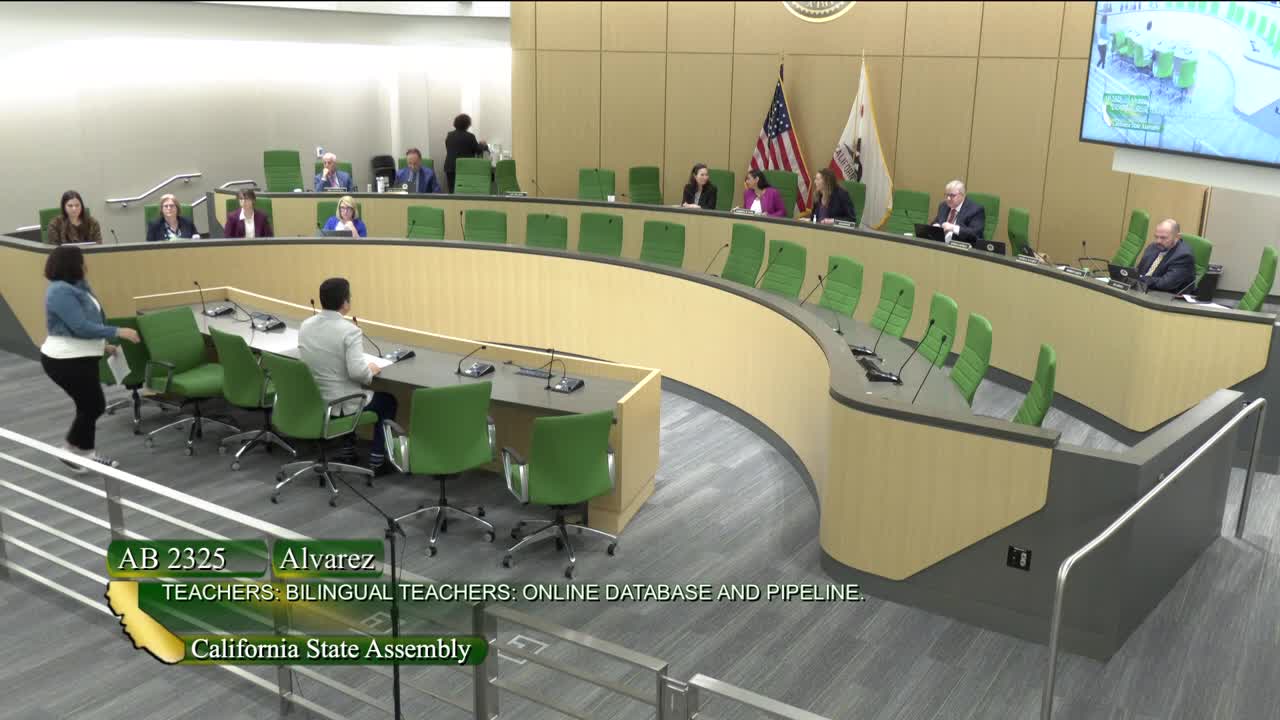
Bill Author
Bill Co-Author(s):