AB 2518: San Diego Gas and Electric Company: energization pilot program.
- Session Year: 2025-2026
- House: Assembly
- Latest Version Date: 2026-09-27
Current Status:
Passed
(2026-09-27: Chaptered by Secretary of State - Chapter 616, Statutes of 2026.)
Introduced
In Committee
Awaiting First Chamber Vote
Passed First Chamber
In Committee
Awaiting Second Chamber Vote
Passed Second Chamber
Enacted
Existing law vests the Public Utilities Commission with regulatory jurisdiction over public utilities, including electrical corporations. Existing law requires each public utility to furnish and maintain adequate, efficient, just, and reasonable service, instrumentalities, equipment, and facilities, as are necessary to promote the safety, health, comfort, and convenience of its patrons, employees, and the public. Existing law prohibits a public utility from making or granting any preference or advantage to any corporation or person, as provided.
This bill would require, until January 1, 2030, San Diego Gas and Electric Company (SDGE) to energize construction-ready projects within specified timeframes, as provided.
Existing law requires the commission to establish annual reporting requirements for electrical corporations to report customer energization projects in order to evaluate the electrical corporations fulfillment of timely electrical service. Existing law requires the commission to require each electrical corporation to retain an independent third-party auditor to review the electrical corporations business practices and procedures for energizing new customers and how the electrical corporation is planning for demand growth, including new customer energizations. Existing law requires the third-party auditor to report to the commission on a biannual basis.
This bill would require, only until January 1, 2030, reporting on the energization of those construction-ready projects to be included in SDGEs biannual energization reporting submitted to the commission.
Under existing law, a violation of the Public Utilities Act or any order, decision, rule, direction, demand, or requirement of the commission is a crime.
Because the provisions of the bill would be part of the act and a violation of a commission action implementing the bills requirements would be a crime, this bill would impose a state-mandated local program.
The California Constitution requires the state to reimburse local agencies and school districts for certain costs mandated by the state. Statutory provisions establish procedures for making that reimbursement.
This bill would provide that no reimbursement is required by this act for a specified reason.
Existing law vests the Public Utilities Commission with regulatory jurisdiction over public utilities, including electrical corporations. Existing law requires each public utility to furnish and maintain adequate, efficient, just, and reasonable service, instrumentalities, equipment, and facilities, as are necessary to promote the safety, health, comfort, and convenience of its patrons, employees, and the public. Existing law prohibits a public utility from making or granting any preference or advantage to any corporation or person, as provided.
This bill would require, until January 1, 2032, 2030, San Diego Gas and Electric Company (SDGE) to energize construction-ready projects within specified timeframes, as provided.
Existing law requires the commission to establish annual reporting requirements for electrical corporations to report customer energization projects in order to evaluate the electrical corporations fulfillment of timely electrical service. Existing law requires the commission to require each electrical corporation to retain an independent third-party auditor to review the electrical corporations business practices and procedures for energizing new customers and how the electrical corporation is planning for demand growth, including new customer energizations. Existing law requires the third-party auditor to report to the commission on a biannual basis.
This bill would require, only until January 1, 2032, 2030, reporting on the energization of those construction-ready projects to be included in SDGEs biannual energization reporting submitted to the commission.
Under existing law, a violation of the Public Utilities Act or any order, decision, rule, direction, demand, or requirement of the commission is a crime.
Because the provisions of the bill would be part of the act and a violation of a commission action implementing the bills requirements would be a crime, this bill would impose a state-mandated local program.
The California Constitution requires the state to reimburse local agencies and school districts for certain costs mandated by the state. Statutory provisions establish procedures for making that reimbursement.
This bill would provide that no reimbursement is required by this act for a specified reason.
Existing law vests the Public Utilities Commission with regulatory jurisdiction over public utilities, including electrical corporations. Existing law requires each public utility to furnish and maintain adequate, efficient, just, and reasonable service, instrumentalities, equipment, and facilities, as are necessary to promote the safety, health, comfort, and convenience of its patrons, employees, and the public. Existing law prohibits a public utility from making or granting any preference or advantage to any corporation or person, as provided.
This bill would require, until January 1, 2032, San Diego Gas and Electric Company (SDGE) to energize an affordable housing development project within 40 business days from the date on which SDGE determines the project to be construction ready, as defined, and to prioritize the energization of affordable housing development projects over other residential energization projects under specified circumstances, construction-ready projects within specified timeframes, as provided.
Existing law requires the commission to establish annual reporting requirements for electrical corporations to report customer energization projects in order to evaluate the electrical corporations fulfillment of timely electrical service. Existing law requires the commission to require each electrical corporation to retain an independent third-party auditor to review the electrical corporations business practices and procedures for energizing new customers and how the electrical corporation is planning for demand growth, including new customer energizations. Existing law requires the third-party auditor to report to the commission on a biannual basis.
This bill would require, only until January 1, 2032, reporting on the energization of affordable housing development those construction-ready projects to be included in SDGEs biannual energization reporting submitted to the commission.
Under existing law, a violation of the Public Utilities Act or any order, decision, rule, direction, demand, or requirement of the commission is a crime.
Because the provisions of the bill would be part of the act and a violation of a commission action implementing the bills requirements would be a crime, this bill would impose a state-mandated local program.
The California Constitution requires the state to reimburse local agencies and school districts for certain costs mandated by the state. Statutory provisions establish procedures for making that reimbursement.
This bill would provide that no reimbursement is required by this act for a specified reason.
Existing law vests the Public Utilities Commission with regulatory jurisdiction over public utilities, including electrical corporations. Existing law requires each public utility to furnish and maintain adequate, efficient, just, and reasonable service, instrumentalities, equipment, and facilities, as are necessary to promote the safety, health, comfort, and convenience of its patrons, employees, and the public. Existing law prohibits a public utility from making or granting any preference or advantage to any corporation or person, as provided.
This bill would require, until January 1, 2032, San Diego Gas and Electric Company (SDGE) to energize an affordable housing development project within 40 business days from the date on which SDGE determines the project to be construction ready, as defined, and to prioritize the energization of affordable housing development projects over other residential energization projects under specified circumstances, as provided.
Existing law requires the commission to establish annual reporting requirements for electrical corporations to report customer energization projects in order to evaluate the electrical corporations fulfillment of timely electrical service. Existing law requires the commission to require each electrical corporation to retain an independent third-party auditor to review the electrical corporations business practices and procedures for energizing new customers and how the electrical corporation is planning for demand growth, including new customer energizations. Existing law requires the third-party auditor to report to the commission on a biannual basis.
This bill would require, only until January 1, 2032, reporting on the energization of affordable housing development projects to be included in SDGEs biannual energization reporting submitted to the commission.
Under existing law, a violation of the Public Utilities Act or any order, decision, rule, direction, demand, or requirement of the commission is a crime.
Because the provisions of the bill would be part of the act and a violation of a commission action implementing the bills requirements would be a crime, this bill would impose a state-mandated local program.
The California Constitution requires the state to reimburse local agencies and school districts for certain costs mandated by the state. Statutory provisions establish procedures for making that reimbursement.
This bill would provide that no reimbursement is required by this act for a specified reason.
Existing law requires the Public Utilities Commission, if it determines that the rules, practices, equipment, appliances, facilities, or service of a public utility, or the methods of manufacture, distribution, transmission, storage, or supply used by the public utility, are unjust, unreasonable, unsafe, improper, inadequate, or insufficient, to determine and fix the rules, practices, equipment, appliances, facilities, service, or methods to be observed, furnished, constructed, enforced, or used.This bill would make nonsubstantive changes to that requirement.Existing law requires the Public Utilities Commission, if it determines that the rules, practices, equipment, appliances, facilities, or service of a public utility, or the methods of manufacture, distribution, transmission, storage, or supply used by the public utility, are unjust, unreasonable, unsafe, improper, inadequate, or insufficient, to determine and fix the rules, practices, equipment, appliances, facilities, service, or methods to be observed, furnished, constructed, enforced, or used.
This bill would make nonsubstantive changes to that requirement.
(a)For purposes of this section, all of the following definitions apply:
(1)Affordable housing development means the construction of a new structure, or the modification of an existing structure, if not less than 100 percent of the dwelling units in that structure, other than dwelling units that will be occupied by resident managers, are set aside and reserved for lower income households, as defined in Section 50079.5 of the Health and Safety Code, for not less than 55 years pursuant to a recorded affordability restriction.
(2)Category 1 project means a development project that is designed to protect, support, or advance the public health, safety, or welfare of the community, and includes only the following types of development projects.
(A)Affordable housing developments.
(B)Development of essential services buildings.
(C)Development of health facilities.
(3)Category 2 project means the development of a municipal facility or an electric vehicle charger and charging station.
(4)Category 3 project includes the development of any other facility and project type.
(5)Construction ready means the phase in a project when all critical dependencies, including, but not limited to, all necessary inspections, easements, certifications, billing applications, and permits required to energize, have been completed and the project site is accessible to SDGE.
(6)Energize means the act of physically connecting a project to the electrical distribution grid of SDGE, including the completion of all work necessary to make the energization effective.
(7)Essential services building has the same meaning as defined in Section 16007 of the Health and Safety Code.
(8)Health facility has the same meaning as defined in Section 1250 of the Health and Safety Code, but also includes a community clinic, as defined in Section 1204 of the Health and Safety Code.
(9)SDGE means San Diego Gas and Electric Company.
(b)Notwithstanding any other law, SDGE shall energize construction-ready projects based on the following timelines:
(1)Category 1 projects, within 40 business days of being deemed construction ready.
(2)Category 2 projects, within 55 business days of being deemed construction ready.
(3)Category 3 projects, within 70 business days of being deemed construction ready.
(c)After SDGE determines a project is construction ready, if an issue specific to the project arises that reasonably prevents SDGE from safely and compliantly completing the energization, the period set forth in subdivision (b) shall not apply until the issue has been resolved to the mutual satisfaction of SDGE and the project applicant.
(d)Reporting on the energization of projects subject to this section shall be included in SDGEs biannual energization reporting submitted to the commission.
(e)SDGEs compliance with the requirements of this section is not a violation of Section 453.
(f)SDGEs compliance with this section shall complement, and not conflict with nor supersede, any rule, order, or determination by the commission pursuant to the Powering Up Californians Act (Article 14.5 (commencing with Section 930)).
(g)This section shall remain in effect only until January 1, 2030, and as of that date is repealed.
SEC. 2.No reimbursement is required by this act pursuant to Section 6 of Article XIIIB of the California Constitution because the only costs that may be incurred by a local agency or school district will be incurred because this act creates a new crime or infraction, eliminates a crime or infraction, or changes the penalty for a crime or infraction, within the meaning of Section 17556 of the Government Code, or changes the definition of a crime within the meaning of Section 6 of Article XIIIB of the California Constitution.
(a)For purposes of this section, all of the following definitions apply:
(1)Affordable housing development means the construction of a new structure, or the modification of an existing structure, if not less than 100 percent of the dwelling units in that structure, other than dwelling units that will be occupied by resident managers, are set aside and reserved for lower income households, as defined in Section 50079.5 of the Health and Safety Code, for not less than 55 years pursuant to a recorded affordability restriction.
(2)Category one 1 project means a development project that is designed to protect, support, or advance the public health, safety, or welfare of the community, and includes only the following types of development projects.
(A)Affordable housing developments.
(B)Development of essential services buildings.
(C)Development of health facilities.
(3)Category three project includes the development of any other facility and project type.(4)(3)Category two 2 project means the development of a municipal facility or an electric vehicle charger and charging station.
(4)Category 3 project includes the development of any other facility and project type.
(5)Construction ready means the phase in a project when all critical dependencies, including, but not limited to, all necessary inspections, easements, certifications, billing applications, and permits required to energize, have been completed and the project site is accessible to SDGE.
(6)Energize means the act of physically connecting a project to the electrical distribution grid of SDGE, including the completion of all work necessary to make the energization effective.
(7)Essential services building has the same meaning as defined in Section 16007 of the Health and Safety Code.
(8)Health facility has the same meaning as defined in Section 1250 of the Health and Safety Code, but also includes a community clinic, as defined in Section 1204 of the Health and Safety Code.
(9)SDGE means San Diego Gas and Electric Company.
(b)Notwithstanding any other law, SDGE shall energize construction-ready projects based on the following timelines:
(1)Category one 1 projects, within 40 business days of being deemed construction ready.
(2)Category two 2 projects, within 55 business days of being deemed construction ready.
(3)Category three 3 projects, within 70 business days of being deemed construction ready.
(c)After SDGE determines a project is construction ready, if an issue specific to the project arises that reasonably prevents SDGE from safely and compliantly completing the energization, the period set forth in subdivision (b) shall not apply until the issue has been resolved to the mutual satisfaction of SDGE and the project applicant.
(d)Reporting on the energization of projects subject to this section shall be included in SDGEs biannual energization reporting submitted to the commission.
(e)SDGEs compliance with the requirements of this section is not a violation of Section 453.
(f)SDGEs compliance with this section shall complement, and not conflict with nor supersede, any rule, order, or determination by the commission pursuant to the Powering Up Californians Act (Article 14.5 (commencing with Section 930)).
(g)This section shall remain in effect only until January 1, 2032, 2030, and as of that date is repealed.
SEC. 2.No reimbursement is required by this act pursuant to Section 6 of Article XIIIB of the California Constitution because the only costs that may be incurred by a local agency or school district will be incurred because this act creates a new crime or infraction, eliminates a crime or infraction, or changes the penalty for a crime or infraction, within the meaning of Section 17556 of the Government Code, or changes the definition of a crime within the meaning of Section 6 of Article XIIIB of the California Constitution.
(a)For purposes of this section, all of the following definitions apply:
(1)Affordable housing development project development means a project for the construction of a new structure, or the modification of an existing structure, if not less than 100 percent of the dwelling units in that structure, other than dwelling units that will be occupied by resident managers, are set aside and reserved for lower income households, as defined in Section 50079.5 of the Health and Safety Code, for not less than 55 years pursuant to a recorded affordability restriction.
(2)Category one project means a development project that is designed to protect, support, or advance the public health, safety, or welfare of the community, and includes only the following types of development projects.
(A)Affordable housing developments.
(B)Development of essential services buildings.
(C)Development of health facilities.
(3)Category three project includes the development of any other facility and project type.
(4)Category two project means the development of a municipal facility or an electric vehicle charger and charging station.
(2)(5)Construction ready means the phase in an affordablehousing development a project when all critical dependencies, including, but not limited to, all necessary inspections, easements, certifications, billing applications, and permits required to energize, have been completed and the affordable housingdevelopment project site is accessible to SDGE.
(3)(6)Energize means the act of physically connecting an affordable housing development a project to the electrical distribution grid of SDGE, including the completion of all work necessary to make the energization effective.
(7)Essential services building has the same meaning as defined in Section 16007 of the Health and Safety Code.
(8)Health facility has the same meaning as defined in Section 1250 of the Health and Safety Code, but also includes a community clinic, as defined in Section 1204 of the Health and Safety Code.
(4)(9)SDGE means San Diego Gas and Electric Company.
(b)Notwithstanding any other law, SDGE shall energize an affordable housing development project within 40 business days from the date on which SDGE determines the affordable housing development project to be construction ready. In satisfying the requirements of this subdivision, SDGE shall prioritize the energization of affordable housing development projects over other residential energization projects, if that prioritization does not compromise safety, reliability, or compliance with applicable laws and regulations. The 40-business-day period shall be calculated solely based on periods during which the energization steps are within SDGEs control. construction-ready projects based on the following timelines:
(1)Category one projects, within 40 business days of being deemed construction ready.
(2)Category two projects, within 55 business days of being deemed construction ready.
(3)Category three projects, within 70 business days of being deemed construction ready.
(c)After SDGE determines an affordable housing development a project is construction ready, if an issue specific to the affordable housing development project arises that reasonably prevents SDGE from safely and compliantly completing the energization, as required by subdivision (b), the 40-business-day the period set forth in subdivision (b) shall not apply until the issue has been resolved to the mutual satisfaction of SDGE and the project applicant.
(d)Reporting on the energization of affordable housing development projects subject to this section shall be included in SDGEs biannual energization reporting submitted to the commission.
(e)SDGEs compliance with the requirements of this section is not a violation of Section 453.
(f)SDGEs compliance with this section shall complement, and not conflict with nor supersede, any rule, order, or determination by the commission pursuant to the Powering Up Californians Act (Article 14.5 (commencing with Section 930)).
(f)(g)This section shall remain in effect only until January 1, 2032, and as of that date is repealed.
SEC. 2.No reimbursement is required by this act pursuant to Section 6 of Article XIIIB of the California Constitution because the only costs that may be incurred by a local agency or school district will be incurred because this act creates a new crime or infraction, eliminates a crime or infraction, or changes the penalty for a crime or infraction, within the meaning of Section 17556 of the Government Code, or changes the definition of a crime within the meaning of Section 6 of Article XIIIB of the California Constitution.
(a)For purposes of this section, all of the following definitions apply:
(1)Affordable housing development project means a project for the construction of a new structure, or the modification of an existing structure, if not less than 100 percent of the dwelling units in that structure, other than dwelling units that will be occupied by resident managers, are set aside and reserved for lower income households, as defined in Section 50079.5 of the Health and Safety Code, for not less than 55 years pursuant to a recorded affordability restriction.
(2)Construction ready means the phase in an affordable housing development project when all critical dependencies, including, but not limited to, all necessary inspections, easements, certifications, billing applications, and permits required to energize, have been completed and the affordable housing development project site is accessible to SDGE.
(3)Energize means the act of physically connecting an affordable housing development project to the electrical distribution grid of SDGE, including the completion of all work necessary to make the energization effective.
(4)SDGE means San Diego Gas and Electric Company.
(b)Notwithstanding any other law, SDGE shall energize an affordable housing development project within 40 business days from the date on which SDGE determines the affordable housing development project to be construction ready. In satisfying the requirements of this subdivision, SDGE shall prioritize the energization of affordable housing development projects over other residential energization projects, if that prioritization does not compromise safety, reliability, or compliance with applicable laws and regulations. The 40-business-day period shall be calculated solely based on periods during which the energization steps are within SDGEs control.
(c)After SDGE determines an affordable housing development project is construction ready, if an issue specific to the affordable housing development project arises that reasonably prevents SDGE from safely and compliantly completing the energization, as required by subdivision (b), the 40-business-day period set forth in subdivision (b) shall not apply until the issue has been resolved to the mutual satisfaction of SDGE and the project applicant.
(d)Reporting on the energization of affordable housing development projects subject to this section shall be included in SDGEs biannual energization reporting submitted to the commission.
(e)SDGEs compliance with the requirements of this section is not a violation of Section 453.
(f)This section shall remain in effect only until January 1, 2032, and as of that date is repealed.
SEC. 2.No reimbursement is required by this act pursuant to Section 6 of Article XIIIB of the California Constitution because the only costs that may be incurred by a local agency or school district will be incurred because this act creates a new crime or infraction, eliminates a crime or infraction, or changes the penalty for a crime or infraction, within the meaning of Section 17556 of the Government Code, or changes the definition of a crime within the meaning of Section 6 of Article XIIIB of the California Constitution.
SECTION 1.Section 761 of the Public Utilities Code is amended to read:761.If the commission, after a hearing, finds that the rules, practices, equipment, appliances, facilities, or service of a public utility, or the methods of manufacture, distribution, transmission, storage, or supply used by the public utility, are unjust, unreasonable, unsafe, improper, inadequate, or insufficient, the commission shall determine and, by order or rule, fix the rules, practices, equipment, appliances, facilities, service, or methods to be observed, furnished, constructed, enforced, or used. The commission shall prescribe rules for the performance of a service or the furnishing of a commodity of the character furnished or supplied by a public utility, and, on proper demand and tender of rates, the public utility shall furnish that commodity or render that service within the time and upon the conditions provided in those rules.Whenever If the commission, after a hearing, finds that the rules, practices, equipment, appliances, facilities, or service of any a public utility, or the methods of manufacture, distribution, transmission, storage, or supply employed by it, used by the public utility, are unjust, unreasonable, unsafe, improper, inadequate, or insufficient, the commission shall determine and, by order or rule, fix the rules, practices, equipment, appliances, facilities, service, or methods to be observed, furnished, constructed, enforced, or employed. used. The commission shall prescribe rules for the performance of any a service or the furnishing of any a commodity of the character furnished or supplied by any a public utility, and, on proper demand and tender of rates, such the public utility shall furnish such that commodity or render such that service within the time and upon the conditions provided in such those rules.
|
Date
|
Status
|
|---|---|
| Sep 27, 2026 | Chaptered by Secretary of State - Chapter 616, Statutes of 2026. |
| Sep 27, 2026 | Approved by the Governor. |
| Sep 10, 2026 | Enrolled and presented to the Governor at 3 p.m. |
| Aug 30, 2026 | Senate amendments concurred in. To Engrossing and Enrolling. (Ayes 79. Noes 0. Page 6878.). |
| Aug 30, 2026 | Senate amendments concurred in. To Engrossing and Enrolling. (Ayes 79. Noes 0.). |
| Aug 30, 2026 | Senate amendments concurred in. To Engrossing and Enrolling. |
| Aug 28, 2026 | In Assembly. Concurrence in Senate amendments pending. |
| Aug 27, 2026 | Read third time. Passed. Ordered to the Assembly. (Ayes 40. Noes 0. Page 5990.). |
| Aug 27, 2026 | Read third time. Passed. Ordered to the Assembly. (Ayes 39. Noes 0.). |
| Aug 24, 2026 | Read second time. Ordered to third reading. |
| Aug 21, 2026 | Read third time and amended. Ordered to second reading. |
| Aug 13, 2026 | Read second time. Ordered to third reading. |
| Aug 13, 2026 | From committee: Do pass. (Ayes 7. Noes 0.) (August 13). |
| Jun 22, 2026 | In committee: Referred to APPR. suspense file. |
| Jun 9, 2026 | From committee: Do pass and re-refer to Com. on APPR. (Ayes 16. Noes 0.) (June 8). Re-referred to Com. on APPR. |
| May 27, 2026 | Referred to Com. on E., U & C. |
| May 14, 2026 | In Senate. Read first time. To Com. on RLS. for assignment. |
| May 14, 2026 | Read third time. Passed. Ordered to the Senate. (Ayes 77. Noes 0. Page 5050.) |
| May 14, 2026 | Read third time. Passed. Ordered to the Senate. (Ayes 77. Noes 0.) |
| May 7, 2026 | Read second time. Ordered to third reading. |
| May 6, 2026 | From committee: Do pass. (Ayes 14. Noes 0.) (May 6). |
| Apr 28, 2026 | Re-referred to Com. on APPR. |
| Apr 27, 2026 | Read second time and amended. |
| Apr 23, 2026 | From committee: Amend, and do pass as amended and re-refer to Com. on APPR. (Ayes 17. Noes 0.) (April 22). |
| Apr 20, 2026 | Joint Rule 62(a), file notice suspended. (Ayes 54. Noes 16. Page 4716.) |
| Apr 20, 2026 | Joint Rule 62(a), file notice suspended. |
| Mar 23, 2026 | Re-referred to Com. on U. & E. |
| Mar 19, 2026 | From committee chair, with author's amendments: Amend, and re-refer to Com. on U. & E. Read second time and amended. |
| Mar 19, 2026 | Referred to Com. on U. & E. |
| Feb 21, 2026 | From printer. May be heard in committee March 23. |
| Feb 20, 2026 | Read first time. To print. |
|
Date
|
Description
|
Location
|
Votes
|
|
|---|---|---|---|---|
| Aug 30, 2026 | AB 2518 Sharp-Collins Concurrence in Senate Amendments | Assembly Floor |
Passed |
|
| Aug 27, 2026 | Assembly 3rd Reading AB2518 Sharp-Collins et al. By Padilla | Senate Floor |
Passed |
|
| Aug 13, 2026 | Do pass | Senate Standing Committee on Appropriations |
Passed |
|
| Jun 22, 2026 | Placed on suspense file | Senate Standing Committee on Appropriations |
Passed |
|
| Jun 8, 2026 | Do pass, but first be re-referred to the Committee on [Appropriations] | Senate Standing Committee on Energy, Utilities and Communications |
Passed |
|
| May 14, 2026 | AB 2518 Sharp-Collins Assembly Third Reading | Assembly Floor |
Passed |
|
| May 6, 2026 | Do pass. | Assembly Standing Committee on Appropriations |
Passed |
|
| Apr 22, 2026 | Do pass as amended and be re-referred to the Committee on [Appropriations] | Assembly Standing Committee on Utilities and Energy |
Passed |
This list shows positions taken on this bill by organizations on the date displayed, which is linked to the original source.
Positions by individuals are not included.
|
Organization
|
Position
|
Date
|
|---|---|---|
| California Public Utilities Commission | ** Against | |
| San Diego Housing Federation | ** Support | |
| SDG&E | ** Support |
CONCURRENCE IN SENATE AMENDMENTS
CSA1 Bill Id:AB 2518
Author:(Sharp-Collins)
As Amended Ver:August 21, 2026
Majority vote
SUMMARY
Establishes a pilot program to address energization timelines for specified customers in the San Diego Gas & Electric (SDG&E) service territory.
Senate Amendments
- Shortens the duration of the pilot program from five years to three years by moving the program's sunset date from January 1, 2032, to January 1, 2030.
- Makes additional clarifying changes.
COMMENTS
Energization Lifecycle. The time needed to energize a new customer connection varies based on project complexity, available distribution system capacity, and whether infrastructure upgrades are needed. In recent years, customers and developers have experienced delays in energizing new projects, leading to longer timelines for new utility connections. The process generally includes application review, engineering, cost estimates, construction planning, inspections, and final service connection, often in coordination with local permitting agencies. Timelines may also be affected by factors outside a utility's control, such as permitting delays, supply chain constraints, and delays in customer-submitted materials or approvals.
Legislative Response to Energization Delays. In response to concerns over delays in electric service connections and upgrades, the Legislature enacted SB 410 (Becker, Chapter 394, Statutes of 2023) and AB 50 (Wood, Chapter 317, Statutes of 2023). Together, these measures directed the CPUC to establish target energization timelines, improve utility reporting and customer communication, and provide a process for customers to report delays. Rather than establishing fixed deadlines for individual projects, the measures rely on target timelines, reporting, and CPUC oversight to monitor utility performance and improve accountability.
CPUC Implementation. In September 2024, the CPUC issued Decision 24-09-020 implementing SB 410 and AB 50. The decision established average and maximum energization timelines for different service categories, biannual utility reporting requirements, an eight-step energization process, and customer notification requirements when delays occur. Utilities that fail to meet adopted targets must explain the delays and identify corrective steps, and the CPUC may require remedial action. More recently, SB 254 (Becker, Chapter 119, Statutes of 2025) directed the CPUC to establish an enforcement policy, including penalties for noncompliance, by January 1, 2027.
According to the Author
According to the author, "Last year, the Legislature passed sweeping CEQA exemptions to expedite building affordable housing throughout the state. However, developers in San Diego are completing construction on homes that vulnerable San Diegans are waiting to occupy, only to face months of unexplained utility connection delays. These delays drive up costs, and most importantly, leave families on the streets while new homes sit empty. AB 2518 establishes a straightforward priority: eliminate delays and provide for the community."
Arguments in Support
This measure is supported by SDG&E and the San Diego Housing Federation. Supporters contend that AB 2518 would provide more predictable energization timelines for high public benefit projects, including affordable housing developments. SDG&E further argues that the bill would improve coordination, project tracking, and transparency in the energization process, while preserving utility discretion over safety, reliability, and regulatory compliance.
Arguments in Opposition
None on file.
FISCAL COMMENTS
According to the Senate Committee on Appropriations, the CPUC estimates ongoing costs of approximately $380,000 annually from ratepayer funds to establish new reporting requirements to track SDG&E's compliance with the bill’s energization timelines and oversee the pilot program, among other activities.
VOTES:
ASM UTILITIES AND ENERGY: 17-0-1
YES: Petrie-Norris, Patterson, Boerner, Calderon, Chen, Davies, Mark González, Harabedian, Hart, Irwin, Kalra, Papan, Rogers, Schiavo, Schultz, Wallis, Zbur
ABS, ABST OR NV: Ta
ASM APPROPRIATIONS: 14-0-1
YES: Wicks, Hoover, Aguiar-Curry, Caloza, Dixon, Fong, Mark González, Krell, Pacheco, Pellerin, Sharp-Collins, Solache, Ta, Tangipa
ABS, ABST OR NV: Arambula
ASSEMBLY FLOOR: 77-0-3
YES: Addis, Aguiar-Curry, Ahrens, Alanis, Alvarez, Ávila Farías, Bains, Bauer-Kahan, Bennett, Berman, Boerner, Bonta, Bryan, Calderon, Caloza, Carrillo, Castillo, Chen, Connolly, Davies, DeMaio, Dixon, Elhawary, Ellis, Fong, Gabriel, Gallagher, Garcia, Gipson, Jeff Gonzalez, Mark González, Hadwick, Haney, Harabedian, Hart, Hoover, Irwin, Jackson, Johnson, Kalra, Krell, Lackey, Lee, Lowenthal, Macedo, McKinnor, Muratsuchi, Nguyen, Ortega, Pacheco, Papan, Patel, Patterson, Pellerin, Petrie-Norris, Quirk-Silva, Ramos, Ransom, Michelle Rodriguez, Rogers, Blanca Rubio, Sanchez, Schiavo, Schultz, Sharp-Collins, Solache, Soria, Stefani, Ta, Tangipa, Valencia, Wallis, Ward, Wicks, Wilson, Zbur, Rivas
ABS, ABST OR NV: Arambula, Flora, Celeste Rodriguez
UPDATED
VERSION: August 21, 2026
CONSULTANT: Lina V. Malova / U. & E. / (916) 319-2083 FN: 0004374
SENATE RULES COMMITTEE Office of Senate Floor Analyses (916) 651-4171 | AB 2518 |
THIRD READING
Bill No: AB 2518
Author: Sharp-Collins (D), et al.
Amended: 8/21/26 in Senate
Vote: 21
SENATE ENERGY, U. & C. COMMITTEE: 16-0, 6/8/26
AYES: Allen, Ochoa Bogh, Archuleta, Arreguín, Ashby, Becker, Caballero, Dahle, Gonzalez, Grove, McNerney, Reyes, Richardson, Rubio, Strickland, Wahab
NO VOTE RECORDED: Hurtado
SENATE APPROPRIATIONS COMMITTEE: 7-0, 8/13/26
AYES: Cervantes, Seyarto, Cabaldon, Dahle, Grayson, Richardson, Wahab
ASSEMBLY FLOOR: 77-0, 5/14/26 - See last page for vote
SUBJECT: San Diego Gas and Electric Company: energization pilot program
SOURCE: San Diego Housing Federation
DIGEST:
This bill establishes a five-year pilot program regarding timelines to energize specified customers within the San Diego Gas & Electric (SDG&E) service territory.
Senate Floor Amendments of 08/21/26 shorten the duration of the proposed pilot program by two years to January 1, 2030, instead of January 1, 2032, and make additional clarifying changes.
ANALYSIS:
Existing law:
- Establishes and vests the California Public Utilities Commission (CPUC) with regulatory jurisdiction over public utilities, including electrical corporations. (Article XII of the California Constitution)
- Prohibits a public utility from making or granting any preference or advantage to any corporation or person or subject any corporation or person to any prejudice or disadvantage as to rates, charges, service, facilities, or in any other respect. (Public Utilities Code §453)
- Requires the CPUC to enforce the rules governing the extension of service by a gas or electrical corporation to new residential, commercial, agricultural, and industrial customers. (Public Utilities Code §783)
- Establishes the Powering Up Californians Act and requires the CPUC to determine the criteria for timely service for electrical customers to be energized, including categories of timely electric service through energization, as specified. Requires the CPUC to determine the criteria for timely service for electric customers to be energized. (Public Utilities Code §930 et seq.)
- Defines “lower income households” to mean persons and families whose income does not exceed the qualifying limits for lower income families as established and amended from time to time pursuant to Section 8 of the United States Housing Act of 1937, including those defined as very low-income households and extremely low-income households. (Health and Safety Code §50079.5)
- Defines “essential services building” to mean any building designed and constructed for public agencies, such as a fire station, police station, emergency operations center. (Health and Safety Code §16007).
- Defines “health facility” to mean a facility that is organized, maintained, and operated for the diagnosis, care, prevention, and treatment of human illness, physical or mental, to which the persons are admitted for a 24-hour stay or longer, and includes a general acute care hospital.(Health and Safety Code §1250)
- Defines “community clinic” to mean a clinic operated by a tax-exempt nonprofit corporation, as specified. (Health and Safety Code §1204)
This bill:
- Requires, until January 1, 2030, SDG&E to energize construction-ready projects within specified timeframes, specifically:
- Category 1 projects: within 40 business days of being deemed construction ready. Category 1 projects are development projects that are designed to protect, support, or advance the public health, safety, or welfare of the community, and includes only:
- Affordable housing developments.
- Development of essential services buildings.
- Development of health facilities.
- Category 2 projects: within 55 business days of being deemed construction ready. Category 2 projects are the development of a municipal facility or an electric vehicle charger and charging station.
- Category 3 projects: within 70 business days of being deemed construction ready. Category 3 projects are the development of any other facility and project type.
- Category 1 projects: within 40 business days of being deemed construction ready. Category 1 projects are development projects that are designed to protect, support, or advance the public health, safety, or welfare of the community, and includes only:
- Requires, only until January 1, 2030, reporting on the energization of those construction-ready projects to be included in SDG&E’s biannual energization reporting submitted to the CPUC.
- Provides, if an issue specific to the project arises after SDG&E determines a project is construction ready that reasonably prevents SDG&E from safely and compliantly completing the energization, the timeframes do not apply until the issue has been resolved to the mutual satisfaction of SDG&E and the project applicant.
- States that SDG&E’s compliance with the requirements of this section is not a violation of Public Utilities Code §453 concerning preferential treatment of customers.
- Requires that SDG&E’s compliance with the proposed timeframes complement, and not conflict with nor supersede, any rule, order, or determination by the CPUC pursuant to the Powering Up Californians Act, pursuant to Public Utilities Code §930 et seq.
Background
Connecting to the electric and gas distribution grid. Rules governing the ability of new buildings and generation and storage resources to connect to the electric and gas distribution grid are generally determined by statute, CPUC rules, and tariffs, (i.e., documents that specify rates, charges, rules, and conditions under which an electrical corporation will provide services to the public) for each of the electrical corporations. New service connections refer to extending an electricity or expanding distribution infrastructure to service new or expanded customer load, known as “energization.” Electric Tariff Rules 15 and 16 establish the guidelines for design, cost allocation, and responsibilities of a project applicant and a utility for electric distribution line extensions. The ability to connect to the larger electrical system can take months (if not, years, in some cases) as the process can entail the need for designs, assessments on cost allocations associated with improvements on the electric distribution system to allow for the connection, and other issues. In the case of new building developments, depending on the size of the development, the need for electric service extensions may be needed in phases over months, or years.
Energization target time periods. SB 410 (Becker, Chapter 394, Statutes of 2023), the Powering Up Californians Act, required the CPUC to establish by September 30, 2024, reasonable average and maximum target energization time periods in order to connect new customers and upgrade the service of existing customers to the electrical grid. The bill also required reporting by electrical corporations and authorized specified annual cost-recovery, subject to a cap. AB 50 (Wood, Chapter 317, Statutes of 2023) required the CPUC to determine the criteria for timely service for electric customers to be energized. In CPUC proceeding (R. 24-01-018) the CPUC adopted a decision in September 2024 (D. 24-09-020) which established timelines for energization requests and a procedure for customers to report energization delays to the CPUC. The table below notes the new targets and timelines adopted by the CPUC.
Energization Type | Average Energization Target (calendar days) | Maximum Energization Target (calendar days) |
Rule 15 | 182 | 357 |
Rule 16 | 182 | 335 |
Rule 15/16 combined | 182 | 306 |
Application Decision | 10 | 45 |
Main panel upgrade | 30 | 45 |
The CPUC decision also identified eight standard energization steps for the three large electric investor-owned utilities (IOUs), Pacific Gas & Electric, SDG&E, and Southern California Edison, including identifying the steps within IOU control and which are within customer or third-party control (Steps 2, 4, 6, 7, and 8 are solely within the control of an IOU). These steps are: 1) Customer intake; 2) Engineering and Design; 3) Customer Dependencies; 4) Utility Dependencies; 5) Customer Site Readiness; 6) Large Electric IOU Site Readiness; 7) Construction; and 8) Service Energization Provided to the Customer.
The CPUC decision also requires electric IOUs to submit biannual energization reports to the CPUC, with the first report due March 31, 2025, and the second due September 30, 2025, with average completion times, explanations for energization periods that exceed the maximum target, and an analysis of obstacles affecting energization. The electric IOUs are required to report compliance with the CPUC’s adopted energization targets in those biannual reports. When an electric IOU is out of compliance, it must provide a detailed strategy for meeting the adopted targets in the future. However, the CPUC may require the IOUs to take specific remedial actions based on reported non-compliance to achieve the mandated timelines.
Comments
Need for this bill. According to the author:
AB 2518 establishes a straightforward priority: eliminate delays and provide for the community. Energization delays are leaving critical infrastructure projects across San Diego, such as affordable housing, schools, and hospitals vacant and useless despite being ready for public access. When these delays occur, that means families are left living on the street, children can’t get access to the care they need, and project costs rise.
SDG&E specific pilot program. This bill requires a five-year pilot program to energize customers by specified timelines for projects determined to be construction-ready, meaning all critical dependencies are completed (including permitting and inspections). Under this bill, SDG&E would need to meet the specific timelines which are intended to be sooner for essential services buildings, affordable housing, and health facilities at 40 business days. Category 2 projects for EV chargers and municipal facilities need to be energized by 55 business days and lastly all other remaining project types could be energized by up to 70 business days. SDG&E suggests these timelines are feasible given the stage of the project is at when it is construction ready. They note this is often the final stage of a project development seeking to receive electricity service from SDG&E distribution system.
Alignment with SB 410 and AB 50 decisions. This bill provides that the pilot program and its timelines are intended to complement and not conflict or supersede any rule, order, or CPUC determination when implementing SB 410 and AB 50. This bill also makes clear that the timelines required are not intended to violate Public Utilities Code §453 prohibiting preferential treatment of customers. The understanding of these intentions is perhaps best demonstrated by the lack of opposition to this proposed pilot program.
Related/Prior Legislation
SB 1196 (McNerney, 2026) requires the CPUC by September 30, 2027, in a new or existing proceeding, to establish timelines for electrical corporations to respond to and process requests for small energization projects. The bill is pending before the Governor.
(See Policy Committee Analysis for more)
FISCAL EFFECT: Appropriation: No Fiscal Com.: Yes Local: Yes
According to the Senate Appropriations Committee, the California Public Utilities Commission (CPUC) estimates ongoing costs of $380,000 annually (ratepayer funds) to establish new reporting requirements to track SDG&E's compliance with the bill's energization timelines and oversee the pilot project, among other things.
SUPPORT: (Verified 8/21/26)
San Diego Housing Federation (Source)
San Diego Gas and Electric Company
OPPOSITION: (Verified 8/21/26)
None received
ARGUMENTS IN SUPPORT: According to the San Diego Housing Federation:
After years of securing entitlements, financing commitments, and construction permits—and after completing construction—affordable housing developments can sit vacant and uninhabitable simply because SDG&E has not yet completed the electrical connection. These delays are not merely inconvenient. They translate directly into construction loan interest accruing without offsetting rental income, expiring tax credit deadlines, and months of additional wait time for our most vulnerable neighbors looking for an affordable place to call home. …AB 2518 provides a targeted, sensible remedy. The bill requires SDG&E to prioritize energization of 100% affordable housing development projects over other residential energization projects, while preserving SDG&E’s discretion to manage safety, reliability, and regulatory compliance. The bill applies a clear definition of “construction ready” to ensure prioritization is triggered only when a project has completed all prerequisites, avoiding any undue burden on the utility.
ASSEMBLY FLOOR: 77-0, 5/14/26
AYES: Addis, Aguiar-Curry, Ahrens, Alanis, Alvarez, Ávila Farías, Bains, Bauer-Kahan, Bennett, Berman, Boerner, Bonta, Bryan, Calderon, Caloza, Carrillo, Castillo, Chen, Connolly, Davies, DeMaio, Dixon, Elhawary, Ellis, Fong, Gabriel, Gallagher, Garcia, Gipson, Jeff Gonzalez, Mark González, Hadwick, Haney, Harabedian, Hart, Hoover, Irwin, Jackson, Johnson, Kalra, Krell, Lackey, Lee, Lowenthal, Macedo, McKinnor, Muratsuchi, Nguyen, Ortega, Pacheco, Papan, Patel, Patterson, Pellerin, Petrie-Norris, Quirk-Silva, Ramos, Ransom, Michelle Rodriguez, Rogers, Blanca Rubio, Sanchez, Schiavo, Schultz, Sharp-Collins, Solache, Soria, Stefani, Ta, Tangipa, Valencia, Wallis, Ward, Wicks, Wilson, Zbur, Rivas
NO VOTE RECORDED: Arambula, Flora, Celeste Rodriguez
Prepared by: Nidia Bautista / E., U. & C. / (916) 651-4107
8/24/26 14:04:07
**** END ****
SENATE RULES COMMITTEE Office of Senate Floor Analyses (916) 651-4171 | AB 2518 |
THIRD READING
Bill No: AB 2518
Author: Sharp-Collins (D), et al.
Amended: 4/27/26 in Assembly
Vote: 21
SENATE ENERGY, U. & C. COMMITTEE: 16-0, 6/8/26
AYES: Allen, Ochoa Bogh, Archuleta, Arreguín, Ashby, Becker, Caballero, Dahle, Gonzalez, Grove, McNerney, Reyes, Richardson, Rubio, Strickland, Wahab
NO VOTE RECORDED: Hurtado
SENATE APPROPRIATIONS COMMITTEE: 7-0, 8/13/26
AYES: Cervantes, Seyarto, Cabaldon, Dahle, Grayson, Richardson, Wahab
ASSEMBLY FLOOR: 77-0, 5/14/26 - See last page for vote
SUBJECT: San Diego Gas and Electric Company: energization pilot program
SOURCE: San Diego Housing Federation
DIGEST:
This bill establishes a five-year pilot program regarding timelines to energize specified customers within the San Diego Gas & Electric (SDG&E) service territory.
ANALYSIS:
Existing law:
- Establishes and vests the California Public Utilities Commission (CPUC) with regulatory jurisdiction over public utilities, including electrical corporations. (Article XII of the California Constitution)
- Prohibits a public utility from making or granting any preference or advantage to any corporation or person or subject any corporation or person to any prejudice or disadvantage as to rates, charges, service, facilities, or in any other respect. (Public Utilities Code §453)
- Requires the CPUC to enforce the rules governing the extension of service by a gas or electrical corporation to new residential, commercial, agricultural, and industrial customers. (Public Utilities Code §783)
- Establishes the Powering Up Californians Act and requires the CPUC to determine the criteria for timely service for electrical customers to be energized, including categories of timely electric service through energization, as specified. Requires the CPUC to determine the criteria for timely service for electric customers to be energized. (Public Utilities Code §930 et seq.)
- Defines “lower income households” to mean persons and families whose income does not exceed the qualifying limits for lower income families as established and amended from time to time pursuant to Section 8 of the United States Housing Act of 1937, including those defined as very low-income households and extremely low-income households. (Health and Safety Code §50079.5)
- Defines “essential services building” to mean any building designed and constructed for public agencies, such as a fire station, police station, emergency operations center. (Health and Safety Code §16007).
- Defines “health facility” to mean a facility that is organized, maintained, and operated for the diagnosis, care, prevention, and treatment of human illness, physical or mental, to which the persons are admitted for a 24-hour stay or longer, and includes a general acute care hospital.(Health and Safety Code §1250)
- Defines “community clinic” to mean a clinic operated by a tax-exempt nonprofit corporation, as specified. (Health and Safety Code §1204)
This bill:
- Requires, until January 1, 2032, SDG&E to energize construction-ready projects within specified timeframes, specifically:
- Category 1 projects: within 40 business days of being deemed construction ready. Category 1 projects are development projects that are designed to protect, support, or advance the public health, safety, or welfare of the community, and includes only:
- Affordable housing developments.
- Development of essential services buildings.
- Development of health facilities.
- Category 2 projects: within 55 business days of being deemed construction ready. Category 2 projects are the development of a municipal facility or an electric vehicle charger and charging station.
- Category 3 projects: within 70 business days of being deemed construction ready. Category 3 projects are the development of any other facility and project type.
- Category 1 projects: within 40 business days of being deemed construction ready. Category 1 projects are development projects that are designed to protect, support, or advance the public health, safety, or welfare of the community, and includes only:
- Requires, only until January 1, 2032, reporting on the energization of those construction-ready projects to be included in SDG&E’s biannual energization reporting submitted to the CPUC.
- Provides, if an issue specific to the project arises after SDG&E determines a project is construction ready that reasonably prevents SDG&E from safely and compliantly completing the energization, the timeframes do not apply until the issue has been resolved to the mutual satisfaction of SDG&E and the project applicant.
- States that SDG&E’s compliance with the requirements of this section is not a violation of Public Utilities Code §453 concerning preferential treatment of customers.
- Requires that SDG&E’s compliance with the proposed timeframes complement, and not conflict with nor supersede, any rule, order, or determination by the CPUC pursuant to the Powering Up Californians Act, pursuant to Public Utilities Code §930 et seq.
Background
Connecting to the electric and gas distribution grid. Rules governing the ability of new buildings and generation and storage resources to connect to the electric and gas distribution grid are generally determined by statute, CPUC rules, and tariffs, (i.e., documents that specify rates, charges, rules, and conditions under which an electrical corporation will provide services to the public) for each of the electrical corporations. New service connections refer to extending an electricity or expanding distribution infrastructure to service new or expanded customer load, known as “energization.” Electric Tariff Rules 15 and 16 establish the guidelines for design, cost allocation, and responsibilities of a project applicant and a utility for electric distribution line extensions. The ability to connect to the larger electrical system can take months (if not, years, in some cases) as the process can entail the need for designs, assessments on cost allocations associated with improvements on the electric distribution system to allow for the connection, and other issues. In the case of new building developments, depending on the size of the development, the need for electric service extensions may be needed in phases over months, or years.
Energization target time periods. SB 410 (Becker, Chapter 394, Statutes of 2023), the Powering Up Californians Act, required the CPUC to establish by September 30, 2024, reasonable average and maximum target energization time periods in order to connect new customers and upgrade the service of existing customers to the electrical grid. The bill also required reporting by electrical corporations and authorized specified annual cost-recovery, subject to a cap. AB 50 (Wood, Chapter 317, Statutes of 2023) required the CPUC to determine the criteria for timely service for electric customers to be energized. In CPUC proceeding (R. 24-01-018) the CPUC adopted a decision in September 2024 (D. 24-09-020) which established timelines for energization requests and a procedure for customers to report energization delays to the CPUC. The table below notes the new targets and timelines adopted by the CPUC.
Energization Type | Average Energization Target (calendar days) | Maximum Energization Target (calendar days) |
Rule 15 | 182 | 357 |
Rule 16 | 182 | 335 |
Rule 15/16 combined | 182 | 306 |
Application Decision | 10 | 45 |
Main panel upgrade | 30 | 45 |
The CPUC decision also identified eight standard energization steps for the three large electric investor-owned utilities (IOUs), Pacific Gas & Electric, SDG&E, and Southern California Edison, including identifying the steps within IOU control and which are within customer or third-party control (Steps 2, 4, 6, 7, and 8 are solely within the control of an IOU). These steps are: 1) Customer intake; 2) Engineering and Design; 3) Customer Dependencies; 4) Utility Dependencies; 5) Customer Site Readiness; 6) Large Electric IOU Site Readiness; 7) Construction; and 8) Service Energization Provided to the Customer.
The CPUC decision also requires electric IOUs to submit biannual energization reports to the CPUC, with the first report due March 31, 2025, and the second due September 30, 2025, with average completion times, explanations for energization periods that exceed the maximum target, and an analysis of obstacles affecting energization. The electric IOUs are required to report compliance with the CPUC’s adopted energization targets in those biannual reports. When an electric IOU is out of compliance, it must provide a detailed strategy for meeting the adopted targets in the future. However, the CPUC may require the IOUs to take specific remedial actions based on reported non-compliance to achieve the mandated timelines.
Comments
Need for this bill. According to the author:
AB 2518 establishes a straightforward priority: eliminate delays and provide for the community. Energization delays are leaving critical infrastructure projects across San Diego, such as affordable housing, schools, and hospitals vacant and useless despite being ready for public access. When these delays occur, that means families are left living on the street, children can’t get access to the care they need, and project costs rise.
SDG&E specific pilot program. This bill requires a five-year pilot program to energize customers by specified timelines for projects determined to be construction-ready, meaning all critical dependencies are completed (including permitting and inspections). Under this bill, SDG&E would need to meet the specific timelines which are intended to be sooner for essential services buildings, affordable housing, and health facilities at 40 business days. Category 2 projects for EV chargers and municipal facilities need to be energized by 55 business days and lastly all other remaining project types could be energized by up to 70 business days. SDG&E suggests these timelines are feasible given the stage of the project is at when it is construction ready. They note this is often the final stage of a project development seeking to receive electricity service from SDG&E distribution system.
Alignment with SB 410 and AB 50 decisions. This bill provides that the pilot program and its timelines are intended to complement and not conflict or supersede any rule, order, or CPUC determination when implementing SB 410 and AB 50. This bill also makes clear that the timelines required are not intended to violate Public Utilities Code §453 prohibiting preferential treatment of customers. The understanding of these intentions is perhaps best demonstrated by the lack of opposition to this proposed pilot program.
Related/Prior Legislation
SB 1196 (McNerney, 2026) requires the CPUC by September 30, 2027, in a new or existing proceeding, to establish timelines for electrical corporations to respond to and process requests for small energization projects. The bill is pending in the Assembly.
(See Policy Committee Analysis for more)
FISCAL EFFECT: Appropriation: No Fiscal Com.: Yes Local: Yes
According to the Senate Appropriations Committee, the California Public Utilities Commission (CPUC) estimates ongoing costs of $380,000 annually (ratepayer funds) to establish new reporting requirements to track SDG&E's compliance with the bill's energization timelines and oversee the pilot project, among other things.
SUPPORT: (Verified 8/13/26)
San Diego Housing Federation (source)
San Diego Gas and Electric Company
OPPOSITION: (Verified 8/13/26)
None received
ARGUMENTS IN SUPPORT: According to the San Diego Housing Federation:
After years of securing entitlements, financing commitments, and construction permits—and after completing construction—affordable housing developments can sit vacant and uninhabitable simply because SDG&E has not yet completed the electrical connection. These delays are not merely inconvenient. They translate directly into construction loan interest accruing without offsetting rental income, expiring tax credit deadlines, and months of additional wait time for our most vulnerable neighbors looking for an affordable place to call home. …AB 2518 provides a targeted, sensible remedy. The bill requires SDG&E to prioritize energization of 100% affordable housing development projects over other residential energization projects, while preserving SDG&E’s discretion to manage safety, reliability, and regulatory compliance. The bill applies a clear definition of “construction ready” to ensure prioritization is triggered only when a project has completed all prerequisites, avoiding any undue burden on the utility.
ASSEMBLY FLOOR: 77-0, 5/14/26
AYES: Addis, Aguiar-Curry, Ahrens, Alanis, Alvarez, Ávila Farías, Bains, Bauer-Kahan, Bennett, Berman, Boerner, Bonta, Bryan, Calderon, Caloza, Carrillo, Castillo, Chen, Connolly, Davies, DeMaio, Dixon, Elhawary, Ellis, Fong, Gabriel, Gallagher, Garcia, Gipson, Jeff Gonzalez, Mark González, Hadwick, Haney, Harabedian, Hart, Hoover, Irwin, Jackson, Johnson, Kalra, Krell, Lackey, Lee, Lowenthal, Macedo, McKinnor, Muratsuchi, Nguyen, Ortega, Pacheco, Papan, Patel, Patterson, Pellerin, Petrie-Norris, Quirk-Silva, Ramos, Ransom, Michelle Rodriguez, Rogers, Blanca Rubio, Sanchez, Schiavo, Schultz, Sharp-Collins, Solache, Soria, Stefani, Ta, Tangipa, Valencia, Wallis, Ward, Wicks, Wilson, Zbur, Rivas
NO VOTE RECORDED: Arambula, Flora, Celeste Rodriguez
Prepared by: Nidia Bautista / E., U. & C. / (916) 651-4107
8/14/26 14:03:54
**** END ****
SENATE COMMITTEE ON
Senator Sabrina Cervantes, Chair
2025 - 2026 Regular Session
AB 2518 (Sharp-Collins) - San Diego Gas and Electric Company: energization pilot program
Version: | Policy Vote: |
Urgency: | Mandate: |
Hearing Date: | Consultant: |
Bill Summary:
This bill would establish a five-year pilot project regarding specified timelines to energize customers within the San Diego Gas & Electric (SDG&E) service territory.
Fiscal Impact:
- The California Public Utilities Commission (CPUC) estimates ongoing costs of $380,000 annually (ratepayer funds) to establish new reporting requirements to track SDG&E's compliance with the bill's energization timelines and oversee the pilot project, among other things.
Background:
Rules governing the ability of new buildings and generation and storage resources to connect to the electric and gas distribution grid are generally determined by statute, CPUC rules, and tariffs, (i.e., documents that specify rates, charges, rules, and conditions under which an electrical corporation will provide services to the public) for each of the electrical corporations. New service connections refer to extending an electricity or expanding distribution infrastructure to service new or expanded customer load, known as “energization.” Electric Tariff Rules 15 and 16 establish the guidelines for design, cost allocation, and responsibilities of a project applicant and a utility for electric distribution line extensions. The ability to connect to the larger electrical system can take months (if not, years, in some cases) as the process can entail the need for designs, assessments on cost allocations associated with improvements on the electric distribution system to allow for the connection, and other issues. In the case of new building developments, depending on the size of the development, the need for electric service extensions may be needed in phases over months, or years.
Proposed Law:
This bill would:
- Define terms.
- Require, until January 1, 2032, SDG&E to energize construction-ready projects within specified timeframes, specifically:
- Category 1 projects: within 40 business days of being deemed construction ready. Category 1 projects are development projects that are designed to protect, support, or advance the public health, safety, or welfare of the community, and includes only:
- Affordable housing developments.
- Development of essential services buildings.
- Development of health facilities.
- Category 2 projects: within 55 business days of being deemed construction ready. Category 2 projects are the development of a municipal facility or an electric vehicle charger and charging station.
- Category 3 projects: within 70 business days of being deemed construction ready. Category 3 projects are the development of any other facility and project type.
- Category 1 projects: within 40 business days of being deemed construction ready. Category 1 projects are development projects that are designed to protect, support, or advance the public health, safety, or welfare of the community, and includes only:
- Require, only until January 1, 2032, reporting on the energization of those construction-ready projects to be included in SDG&E’s biannual energization reporting submitted to the CPUC.
- Provide, if an issue specific to the project arises after SDG&E determines a project is construction ready that reasonably prevents SDG&E from safely and compliantly completing the energization, the timeframes do not apply until the issue has been resolved to the mutual satisfaction of SDG&E and the project applicant.
- State that SDG&E’s compliance with the requirements of this section is not a violation of Public Utilities Code §453 concerning preferential treatment of customers.
- Require that SDG&E’s compliance with the proposed timeframes complement, and not conflict with nor supersede, any rule, order, or determination by the CPUC pursuant to the Powering Up Californians Act, pursuant to Public Utilities Code §§930 et seq.)
Related Legislation:
SB 1196 (McNerney) of 2026, requires the CPUC by September 30, 2027, in a new or existing proceeding, to establish timelines for electrical corporations to respond to and process requests to energize accessory dwelling units and junior accessory dwelling units.
SB 254 (Becker, Chapter 119, Statutes of 2025) among its provisions required the CPUC to evaluate and report to the Legislature on or before January 1, 2027, whether to require an electrical corporation to have an executive incentive compensation structure that includes incentive compensation based on meeting the energization targets for all executive officers. The bill also required, on or before January 1, 2027, the CPUC to establish an enforcement policy for the energization targets that include penalties for not complying with the remedial actions and requires the CPUC to require each electrical corporation to retain an independent third-party auditor to review the electrical corporation’s business practices and procedures for energizing new customers.
SB 1210 (Skinner, Chapter 728, Statutes of 2024) required electrical, gas, sewer, and water service utilities, with exceptions, to post estimated fees and timeframes for new service connections needed to connect new housing construction projects.
AB 50 (Wood, Chapter 317, Statutes of 2023) required the CPUC, by July 1, 2025, to determine the criteria for customers to receive timely electricity service when requesting new service connections or upgraded service, known as “energization.”
SB 410 (Becker, Chapter 394, Statutes of 2023) required the CPUC to establish by September 30, 2024, reasonable average and maximum target energization time periods in order to connect new customers and upgrade the service of existing customers to the electrical grid.
AB 1026 (Wood, Chapter 446, Statutes of 2019) required an electrical or gas corporation to apply only those construction and design specifications, standards, terms, and conditions that are applicable to a new extension of service project for the 18 months following the date the application for a new extension of service project is approved.
Staff Comments: The CPUC notes that AB 2518 is duplicative and potentially harmful to an existing, more comprehensive rulemaking effort. The CPUC is already doing this work in R.24-01-018, where it established energization timelines for all three large IOUs based on five years of historical data. That proceeding is actively evolving: a public workshop is scheduled for June 18 to discuss data reporting and potential timeline modifications, including the kind of granular, step-specific timelines this bill would mandate.
-- END --
SENATE COMMITTEE ON ENERGY, UTILITIES AND COMMUNICATIONS
Senator Benjamin Allen, Chair
2025 - 2026 Regular
Bill No: Hearing Date: 6/8/2026
Author: | |||
Version: | Amended | ||
Urgency: | Fiscal: | ||
Consultant: | |||
SUBJECT:
DIGEST: This bill establishes a five-year pilot project regarding specified timelines to energize customers within the San Diego Gas & Electric (SDG&E) service territory.
ANALYSIS:
Existing law:
- Establishes and vests the California Public Utilities Commission (CPUC) with regulatory jurisdiction over public utilities, including electrical corporations. (Article XII of the California Constitution)
- Defines an “electrical corporation” to include every corporation or person owning, controlling, operating, or managing any electric plant for compensation within this state, except where electricity is generated on or distributed by the producer through private property solely for its own use or the use of its tenants and not for sale or transmission to others. (Public Utilities Code §218)
- Requires each public utility to furnish and maintain adequate, efficient, just, and reasonable service, instrumentalities, equipment, and facilities, as are necessary to promote the safety, health, comfort, and convenience of its patrons, employees, and the public. Authorizes the CPUC to fix the rates and charges for every public utility and requires that those rates and charges be just and reasonable. (Public Utilities Code §451)
- Prohibits a public utility from making or granting any preference or advantage to any corporation or person or subject any corporation or person to any prejudice or disadvantage as to rates, charges, service, facilities, or in any other respect. (Public Utilities Code §453)
- Requires the CPUC to enforce the rules governing the extension of service by a gas or electrical corporation to new residential, commercial, agricultural, and industrial customers. Requires an electrical or gas corporation to permit a new or existing customer who applies for an extension of service from that corporation to install the extension in accordance with the regulations of the CPUC and any applicable specification of the corporation. (Public Utilities Code §783)
- Establishes the Powering Up Californians Act and requires the CPUC to determine the criteria for timely service for electrical customers to be energized, including categories of timely electric service through energization, as specified. (Public Utilities Code § 930 et seq.)
- Establishes the policy of the state that each electrical corporation promptly energize new customers, including by ensuring that new housing, new businesses, new electric equipment in buildings, and new charging for light-duty, medium-duty, heavy-duty vehicles and off-road vehicles, vessels, trains, and equipment can be used without delay caused by a failure of the electrical corporation to implement energization projects. (Public Utilities Code § 933)
- Requires the CPUC to determine the criteria for timely service for electric customers to be energized. (Public Utilities Code § 933.5)
- Requires the CPUC, by September 30, 2024, to establish reasonable average and maximum target energization time periods. Requires the targets ensure that work is completed in a manner that minimizes delay in meeting the date requested by the customer to the greatest extent possible. Requires procedures for customers to report energization delays to the CPUC and for electrical corporations to annually report on their performance. (Public Utilities Code §934)
- Requires, for a new housing construction, those utilities to publicly post on their internet websites a schedule of estimated fees for typical service connections for each housing development type and the estimated timeframes for completing typical service connections needed for each housing type. (Public Utilities Code § 8400)
- Requires the CPUC to establish annual reporting requirements for electrical corporations to report customer energization projects in order to evaluate the electrical corporation’s fulfillment of timely electrical service.
- Requires the CPUC to require each electrical corporation to retain an independent third-party auditor to review the electrical corporation’s business practices and procedures for energizing new customers and how the electrical corporation is planning for demand growth, including new customer energizations.
- Requires the third-party auditor to report to the CPUC on a biannual basis.
- Defines “lower income households” to mean persons and families whose income does not exceed the qualifying limits for lower income families as established and amended from time to time pursuant to Section 8 of the United States Housing Act of 1937, including those defined as very low-income households and extremely low income households. (Health and Safety Code §50079.5)
- Defines “essential services building” to mean any building, including buildings designed and constructed, for public agencies used, or designed to be used, or any building a portion of which is used or designed to be used, as a fire station, police station, emergency operations center, California Highway Patrol office, sheriff’s office, or emergency communication dispatch center. (Health and Safety Code §16007).
- Defines “health facility” to mean a facility, place, or building that is organized, maintained, and operated for the diagnosis, care, prevention, and treatment of human illness, physical or mental, including convalescence and rehabilitation and including care during and after pregnancy, or for any one or more of these purposes, for one or more persons, to which the persons are admitted for a 24-hour stay or longer, and includes an general acute care hospital, acute psychiatric hospital, and others. (Health and Safety Code §1250)
- Defines “community clinic” to mean a clinic operated by a tax-exempt nonprofit corporation that is supported and maintained in whole or in part by donations, bequests, gifts, grants, government funds or contributions, that may be in the form of money, goods, or services. In a community clinic, any charges to the patient shall be based on the patient’s ability to pay, utilizing a sliding fee scale. (Health and Safety Code §1204)
This bill:
- Defines “affordable housing development” to mean the construction of a new structure, or the modification of an existing structure, if not less than 100% of the dwelling units in that structure, other than dwelling units that will be occupied by resident managers, are set aside and reserved for lower income households for not less than 55 years pursuant to a recorded affordability restriction.
- Defines “construction ready” to mean the phase in a project when all critical dependencies, including all necessary inspections, easements, certifications, billing applications, and permits required to energize, have been completed and the project site.
- Defines “energize” to mean the act of physically connecting a project to the electrical distribution grid of SDG&E, including the completion of all work necessary to make the energization effective.
- Defines “essential services building” has the same meaning as defined in Section 16007 of the Health and Safety Code.
- Defines “health facility” to have the same meaning as defined in Section 1250 of the Health and Safety Code, but also includes a community clinic, as defined in Section 1204 of the Health and Safety Code.
- Requires, until January 1, 2032, SDG&E to energize construction-ready projects within specified timeframes, specifically:
- Category 1 projects: within 40 business days of being deemed construction ready. Category 1 projects are development projects that are designed to protect, support, or advance the public health, safety, or welfare of the community, and includes only:
- Affordable housing developments.
- Development of essential services buildings.
- Development of health facilities.
- Category 2 projects: within 55 business days of being deemed construction ready. Category 2 projects are the development of a municipal facility or an electric vehicle charger and charging station.
- Category 3 projects: within 70 business days of being deemed construction ready. Category 3 projects are the development of any other facility and project type.
- Category 1 projects: within 40 business days of being deemed construction ready. Category 1 projects are development projects that are designed to protect, support, or advance the public health, safety, or welfare of the community, and includes only:
- Requires, only until January 1, 2032, reporting on the energization of those construction-ready projects to be included in SDG&E’s biannual energization reporting submitted to the CPUC.
- Provides, if an issue specific to the project arises after SDG&E determines a project is construction ready that reasonably prevents SDG&E from safely and compliantly completing the energization, the timeframes do not apply until the issue has been resolved to the mutual satisfaction of SDG&E and the project applicant.
- States that SDG&E’s compliance with the requirements of this section is not a violation of Public Utilities Code §453 concerning preferential treatment of customers.
- Requires that SDG&E’s compliance with the proposed timeframes complement, and not conflict with nor supersede, any rule, order, or determination by the CPUC pursuant to the Powering Up Californians Act, pursuant to Public Utilities Code §§930 et seq.)
Background
Connecting to the electric and gas distribution grid. Rules governing the ability of new buildings and generation and storage resources to connect to the electric and gas distribution grid are generally determined by statute, CPUC rules, and tariffs, (i.e., documents that specify rates, charges, rules, and conditions under which an electrical corporation will provide services to the public) for each of the electrical corporations. New service connections refer to extending an electricity or expanding distribution infrastructure to service new or expanded customer load, known as “energization.” Electric Tariff Rules 15 and 16 establish the guidelines for design, cost allocation, and responsibilities of a project applicant and a utility for electric distribution line extensions. The ability to connect to the larger electrical system can take months (if not, years, in some cases) as the process can entail the need for designs, assessments on cost allocations associated with improvements on the electric distribution system to allow for the connection, and other issues. In the case of new building developments, depending on the size of the development, the need for electric service extensions may be needed in phases over months, or years.
Energization target time periods. SB 410 (Becker, Chapter 394, Statutes of 2023), the Powering Up Californians Act, required the CPUC to establish by September 30, 2024, reasonable average and maximum target energization time periods in order to connect new customers and upgrade the service of existing customers to the electrical grid. The bill also required reporting by electrical corporations and authorized specified annual cost-recovery, subject to a cap. AB 50 (Wood, Chapter 317, Statutes of 2023) required the CPUC to determine the criteria for timely service for electric customers to be energized. In CPUC proceeding (R. 24-01-018) the CPUC adopted a decision in September 2024 (D. 24-09-020) which established timelines for energization requests and a procedure for customers to report energization delays to the CPUC. The table below notes the new targets and timelines adopted by the CPUC.
Energization Type | Average Energization Target (calendar days) | Maximum Energization Target (calendar days) |
Rule 15 | 182 | 357 |
Rule 16 | 182 | 335 |
Rule 15/16 combined | 182 | 306 |
Application Decision | 10 | 45 |
Main panel upgrade | 30 | 45 |
The CPUC decision also identified eight standard energization steps for the three large electric investor-owned utilities (IOUs), Pacific Gas & Electric, SDG&E, and Southern California Edison, including identifying the steps within IOU control and which are within customer or third-party control (Steps 2, 4, 6, 7, and 8 are solely within the control of an IOU).
- Customer Intake: the customer submits service energization request; the large electric IOU reviews customer submission, educates customer on the energization process and submission requirements; the Applicant Final Submittal (AFS) date is established. The energization clock starts once the large electric IOU notifies the customer that its application is deemed complete.
- Engineering and Design: the large electric IOU completes its field visit(s), engineering study, creates project design and determines cost of project.
- Customer Dependencies: the customer obtains necessary permits, secures easements, signs contracts, pays necessary fees, and receives and documents any other required third-party approvals.
- Utility Dependencies: the large electric IOU submits documentation for all permits and easements and completes other large electric IOU-required approvals related to the specific project and/or site.
- Customer Site Readiness: (a) For non-Rule 29/45 projects: the step reflects the time when a customer requests pre-construction meeting and inspection from utility; and the customer- required onsite construction is deemed complete after the customer schedules and completes all civil construction. For these projects, the energization clock starts when the customer is cleared for construction and stops when the customer releases the site to the large electric IOU for utility-side construction and energization. (b) For Rule 29/45 projects: the customer requests a pre-construction meeting and inspection from a large electric IOU. The energization clock would stop once a date for preconstruction meeting and inspection is scheduled.
- Large Electric IOU Site Readiness: (a) For non-Rule 29/45 projects: large electric IOU completes pre-construction meetings and inspections. The energization clock would start when the customer requests the preconstruction meeting and inspection and pauses at the first available date the utility representative is able to perform the inspection and meeting.
- Construction: the large electric IOU schedules and completes electrical construction, including traffic control, scheduling outages, and other construction activities.
- Service Energization Provided to Customer: all final inspections are scheduled, and if performed by the large electric IOU, completed; the site is “energized”, allowing the customer to start receiving service.
The CPUC decision also requires electric IOUs to submit biannual energization reports to the CPUC, with the first report due March 31, 2025, and the second due September 30, 2025, with average completion times, explanations for energization periods that exceed the maximum target, and an analysis of obstacles affecting energization. The electric IOUs are required to report compliance with the CPUC’s adopted energization targets in those biannual reports. When an electric IOU is out of compliance, it must provide a detailed strategy for meeting the adopted targets in the future. However, the CPUC may require the IOUs to take specific remedial actions based on reported non-compliance to achieve the mandated timelines.
Comments
Need for this bill. According to the author:
AB 2518 establishes a straightforward priority: eliminate delays and provide for the community. Energization delays are leaving critical infrastructure projects across San Diego, such as affordable housing, schools, and hospitals vacant and useless despite being ready for public access. When these delays occur, that means families are left living on the street, children can’t get access to the care they need, and project costs rise.
SDG&E specific pilot program. This bill requires a five-year pilot program to energize customers by specified timelines for projects determined to be construction-ready, meaning all critical dependencies are completed (including permitting and inspections). Under this bill, SDG&E would need to meet the specific timelines which are intended to be sooner for essential services buildings, affordable housing, and health facilities at 40 business days. Category 2 projects for EV chargers and municipal facilities need to be energized by 55 business days and lastly all other remaining project types could be energized by up to 70 business days. SDG&E suggests these timelines are feasible given the stage of the project is at when it is construction ready. They note this is often the final stage of a project development seeking to receive electricity service from SDG&E distribution system (noted in the graphic below).

Alignment with SB 410 and AB 50 decisions. This bill provides that the pilot program and its timelines are intended to complement and not conflict or supersede any rule, order, or CPUC determination when implementing SB 410 and AB 50. This bill also makes clear that the timelines required are not intended to violate Public Utilities Code §453 prohibiting preferential treatment of customers. The understanding of these intentions is perhaps best demonstrated by the lack of opposition to this proposed pilot program.
Prior/Related Legislation
SB 1196 (McNerney) of 2026, requires the CPUC by September 30, 2027, in a new or existing proceeding, to establish timelines for electrical corporations to respond to and process requests to energize accessory dwelling units and junior accessory dwelling units.
SB 254 (Becker, Chapter 119, Statutes of 2025) among its provisions required the CPUC to evaluate and report to the Legislature on or before January 1, 2027, whether to require an electrical corporation to have an executive incentive compensation structure that includes incentive compensation based on meeting the energization targets for all executive officers. The bill also required, on or before January 1, 2027, the CPUC to establish an enforcement policy for the energization targets that include penalties for not complying with the remedial actions and requires the CPUC to require each electrical corporation to retain an independent third-party auditor to review the electrical corporation’s business practices and procedures for energizing new customers.
SB 1210 (Skinner, Chapter 728, Statutes of 2024) required electrical, gas, sewer, and water service utilities, with exceptions, to post estimated fees and timeframes for new service connections needed to connect new housing construction projects.
AB 50 (Wood, Chapter 317, Statutes of 2023) required the CPUC, by July 1, 2025, to determine the criteria for customers to receive timely electricity service when requesting new service connections or upgraded service, known as “energization.”
SB 410 (Becker, Chapter 394, Statutes of 2023) required the CPUC to establish by September 30, 2024, reasonable average and maximum target energization time periods in order to connect new customers and upgrade the service of existing customers to the electrical grid.
AB 1026 (Wood, Chapter 446, Statutes of 2019) required an electrical or gas corporation to apply only those construction and design specifications, standards, terms, and conditions that are applicable to a new extension of service project for the 18 months following the date the application for a new extension of service project is approved.
FISCAL EFFECT: Appropriation: Fiscal Com.: Local:
SUPPORT:
San Diego Housing Federation (Sponsor)
San Diego Gas and Electric Company
OPPOSITION:
None received
ARGUMENTS IN SUPPORT: According to the San Diego Housing Federation:
After years of securing entitlements, financing commitments, and construction permits—and after completing construction—affordable housing developments can sit vacant and uninhabitable simply because SDG&E has not yet completed the electrical connection. These delays are not merely inconvenient. They translate directly into construction loan interest accruing without offsetting rental income, expiring tax credit deadlines, and months of additional wait time for our most vulnerable neighbors looking for an affordable place to call home. …AB 2518 provides a targeted, sensible remedy. The bill requires SDG&E to prioritize energization of 100% affordable housing development projects over other residential energization projects, while preserving SDG&E’s discretion to manage safety, reliability, and regulatory compliance. The bill applies a clear definition of “construction ready” to ensure prioritization is triggered only when a project has completed all prerequisites, avoiding any undue burden on the utility.
-- END --
ASSEMBLY THIRD READING
ATR Bill Id:AB 2518
Author:(Sharp-Collins)
As Amended Ver:April 27, 2026
Majority vote
SUMMARY
Requires as part of a pilot program expiring January 1, 2032, San Diego Gas and Electric Company (SDG&E) to energize construction-ready projects within specified timeframes, as provided.
Major Provisions
- Categorizes projects and establishes timelines by which SDG&E must energize construction-ready projects, as follows:
- Category One — Projects intended to protect, support, or advance public health, safety, or community welfare, limited to affordable housing developments, essential services buildings, and health facilities. These projects must be energized within 40 business days after being deemed construction ready.
- Category Two — Municipal facilities and electric vehicle chargers or charging stations. These projects must be energized within 55 business days after being deemed construction ready.
- Category Three — All other facility and project types. These projects must be energized within 70 business days after being deemed construction ready.
- Requires SDG&E to report on the energization of those construction-ready projects as part of the utility's biannual energization reports submitted to the California Public Utilities Commission (CPUC).
COMMENTS
Energization Lifecycle. The time needed to energize a new customer connection depends on the type of project, the condition and available capacity of the distribution system, and whether additional infrastructure upgrades are needed. Projects can range from relatively simple service requests, such as residential panel upgrades or new home connections, to more complex developments that require additional engineering review or system upgrades for large commercial buildings, public facilities, or electric vehicle charging projects. The process generally includes application review, engineering, cost estimates, construction planning, inspections, and final service connection, often requiring coordination with local permitting agencies. Timelines may also be affected by factors outside a utility’s control, including supply chain constraints, permitting timelines, and delays in customer-submitted materials or approvals.
Legislative Response to Energization Delays. In response to concerns over delays in electric service connections and upgrades, the Legislature enacted SB 410 (Becker, Chapter 394, Statutes of 2023) and AB 50 (Wood, Chapter 317, Statutes of 2023). These measures directed the CPUC to establish target energization timelines, improve utility reporting, and increase transparency for customers. The statutes also require utilities to provide customers with information on the status of service requests and expected timelines and establish a process for customers to report delays to the CPUC. Together, the measures established statewide expectations for energization timelines and improved oversight of utility performance, while recognizing that timelines can vary depending on project complexity, system conditions, permitting, and the need for infrastructure upgrades. Rather than imposing fixed deadlines for individual projects, these measures use target setting, reporting, and CPUC oversight through regulatory proceedings to monitor utility performance and improve accountability.
CPUC Decision Implementing SB 410 and AB 50. On September 12, 2024, the CPUC issued Decision 24-09-020 implementing SB 410 and AB 50. The decision established average and maximum energization timelines for different service categories and requires utilities to report on their performance through biannual filings. The decision also created an eight-step energization process, requires utilities to assign a project manager for approved applications, and directs utilities to provide customers with regular status updates when delays occur. In addition, the CPUC established a customer delay reporting process through its Energy Division.
Utilities that fail to meet adopted targets must explain the reasons for delays and identify steps to improve performance, and the CPUC may require remedial actions in response to noncompliance. In 2026, the CPUC continued the proceeding to address flexible service connections and enforcement issues, while SB 254 (Becker, Chapter 119, Statutes of 2025) directed the CPUC to establish an enforcement policy with penalties for noncompliance by January 1, 2027.
According to the Author
According to the author, "Last year, the Legislature passed sweeping CEQA exemptions to expedite building affordable housing throughout the state. However, developers in San Diego are completing construction on homes that vulnerable San Diegans are waiting to occupy, only to face months of unexplained utility connection delays. These delays drive up costs, and most importantly, leave families on the streets while new homes sit empty. AB 2518 establishes a straightforward priority: eliminate delays and provide for the community."
Arguments in Support
This bill is supported by SDG&E and the San Diego Housing Federation. Supporters contend that this bill would provide more predictable energization timelines for high public benefit projects, including affordable housing developments. SDG&E further argues that the bill would improve coordination, project tracking, and transparency in the energization process, while preserving utility discretion over safety, reliability, and regulatory compliance.
Arguments in Opposition
None on file.
FISCAL COMMENTS
According to the Assembly Committee on Appropriations, this bill is expected to result in minor, if any, costs to the CPUC.
VOTES
ASM UTILITIES AND ENERGY: 17-0-1
YES: Petrie-Norris, Patterson, Boerner, Calderon, Chen, Davies, Mark González, Harabedian, Hart, Irwin, Kalra, Papan, Rogers, Schiavo, Schultz, Wallis, Zbur
ABS, ABST OR NV: Ta
ASM APPROPRIATIONS: 14-0-1
YES: Wicks, Hoover, Aguiar-Curry, Caloza, Dixon, Fong, Mark González, Krell, Pacheco, Pellerin, Sharp-Collins, Solache, Ta, Tangipa
ABS, ABST OR NV: Arambula
UPDATED
VERSION: April 27, 2026
CONSULTANT: Lina V. Malova / U. & E. / (916) 319-2083 FN: 0002509
Date of Hearing: May 6, 2026
ASSEMBLY COMMITTEE ON APPROPRIATIONS
Buffy Wicks, Chair
ABPCA Bill Id:AB 2518
Author:(Sharp-Collins) – As Amended Ver:April 27, 2026
Policy Committee: | Utilities and Energy | Vote: | 17 - 0 |
|
| ||
|
|
Urgency: No State Mandated Local Program: Yes Reimbursable: No
SUMMARY:
This bill establishes a pilot project, through the end of 2031, of timelines by which San Diego Gas and Electric (SDG&E) is to “energize” a project, that is, physically connect the project to the SDG&E electrical distribution grid, including the completion of all work necessary to make the energization effective.
More specifically, this bill distinguishes projects by category type and specifies timelines by which SDG&E is to energize a project of a given category type, as follows:
- Category one—A development project designed to protect, support or advance the public health, safety or welfare of the community, and includes only affordable housing developments, development of essential services buildings and development of health facilities. Time to energize—within 40 business days of being deemed construction ready.
- Category two—Development of a municipal facility or an electric vehicle charger and charging station. Time to energize—within 55 business days of being deemed construction ready.
- Category three—Development of any other facility and project type. Time to energize—within 70 business days of being deemed construction ready.
The bill requires SDG&E to include reporting on its compliance with the bill’s requirements in the report it provides to the California Public Utilities Commission (CPUC) every other year.
FISCAL EFFECT:
Minor costs the CPUC, if any.
COMMENTS:
Energization generally refers to connecting a load, such as a building, factory or charging station, to the electrical distribution system. The Legislature has an interest in ensuring utilities fulfill energization requests quickly, so that economic and personal activity may occur, and so that the state may achieve its clean energy goals. To ensure timely energization, the Legislature has, in the past few years, directed the CPUC to establish reasonable average and maximum target energization time periods applicable to the state’s investor-owned utilities (IOUs) and requiring utilities to share energization information with local governments.
This bill proposes a definition of energization that is much more specific, at least for the purposes of this bill—the act of physically connecting a project to the electrical distribution grid of SDGE, including the completion of all work necessary to make the energization effective. And the bill establishes timelines by which SDG&E is to energize a project. According to the San Diego Housing Federation, this approach is desirable, because “Utility energization delays present a serious and underappreciated barrier to affordable housing delivery.” SDG&E does not object, having submitted a letter in support of this bill.
Analysis Prepared by: Jay Dickenson / APPR. / (916) 319-2081
Date of Hearing:
ASSEMBLY COMMITTEE ON UTILITIES AND ENERGY
Cottie Petrie-Norris, Chair
ABPCA Bill Id:AB 2518 (
Author:Sharp-Collins) – As Amended Ver:March 19, 2026
SUBJECT: San Diego Gas and Electric Company: energization pilot program
SUMMARY: Requires as part of a pilot program expiring January 1, 2032, San Diego Gas and Electric Company (SDG&E) to energize an affordable housing development project within 40 business days from the date the utility determines that the project is construction ready. Specifically, this bill:
- Requires SDG&E to prioritize the energization of affordable housing development projects over other residential energization projects, provided that such prioritization does not compromise safety, reliability, or compliance with applicable laws and regulations.
- Provides that the 40-business-day period shall be calculated solely based on periods during which the energization steps are within SDG&E's control.
- Provides that if, after SDG&E determines an affordable housing development project is construction ready, an issue specific to the project arises that reasonably prevents SDG&E from safely and compliantly completing the energization, the 40-business-day period shall not apply until the issue has been resolved to the mutual satisfaction of SDG&E and the project applicant.
- Requires reporting on the energization of affordable housing development projects to be included in SDG&E's biannual energization reporting submitted to the CPUC.
- Defines:
- “An affordable housing development project" to mean a project for the construction of a new structure, or the modification of an existing structure, if not less than 100 percent of the dwelling units in that structure, other than dwelling units that will be occupied by resident managers, are set aside and reserved for lower income households, as defined in Section 50079.5 of the Health and Safety Code, for not less than 55 years pursuant to a recorded affordability restriction.
- "Construction ready" as the phase in an affordable housing development project when all critical dependencies, including, but not limited to, all necessary inspections, easements, certifications, billing applications, and permits required to energize, have been completed and the affordable housing development project site is accessible to SDG&E.
- "Energize" as the act of physically connecting an affordable housing development project to the electrical distribution grid of SDG&E, including the completion of all work necessary to make the energization effective.
EXISTING LAW:
- Establishes the California Public Utilities Commission (CPUC) and vests the agency with regulatory authority over public utilities, including telephone corporations. (Article 12 of the California Constitution)
- Requires the CPUC to require each electrical corporation to retain an independent third-party auditor to review the electrical corporation’s business practices and procedures for energizing new customers and how the electrical corporation is planning for demand growth, including new customer energizations, and to evaluate the electrical corporation’s current and future energization performance. (Public Utilities Code § 940)
- Requires the CPUC to require each electrical corporation to retain an independent third-party auditor to review the electrical corporation’s business practices and procedures for energizing new customers and how the electrical corporation is planning for demand growth, including new customer energizations. (Public Utilities Code § 940(a))
- Requires the independent third-party auditor to report to the CPUC on a biannual basis regarding the electrical corporation’s business practices and procedures for energizing new customers and how the electrical corporation is planning for demand growth, including new customer energizations. (Public Utilities Code § 940(c))
- Requires the CPUC to ensure that each electrical corporation has sufficient and timely recovery of costs, consistent with the findings and policies of the Powering Up Californians Act, including for energization projects. (Public Utilities Code § 936)
- Requires each electrical corporation to annually report to the CPUC on its energization performance, including progress toward meeting the targets established pursuant to Section 934. (Public Utilities Code § 935)
- Requires the CPUC, on or before September 30, 2024, to establish reasonable average and maximum target energization targets and a process for customers to report energization delays to the CPUC. (Public Utilities Code § 934(a))
- Requires the CPUC to periodically update the energization time periods and requirements established pursuant to this section to reflect changed circumstances, new information, and experience. (Public Utilities Code § 934(e))
- Requires the CPUC to establish annual reporting requirements for electrical corporations to report customer energization projects in order to evaluate each electrical corporation's compliance with timely electrical service obligations and requires all such reports to be made publicly available. (Public Utilities Code § 933.5)
- Authorizes the CPUC to supervise and regulate every public utility in the state and do all things necessary and convenient in the exercise of such power and jurisdiction. (Public Utilities Code § 701)
- Requires each public utility to furnish and maintain adequate, efficient, just, and reasonable service, instrumentalities, equipment, and facilities, as are necessary to promote the safety, health, comfort, and convenience of its patrons, employees, and the public. (Public Utilities Code § 451)
- Prohibits a public utility from making or granting any preference or advantage to any corporation or person or subjecting any corporation or person to any prejudice or disadvantage, as to rates, charges, service, facilities, or in any other respect. (Public Utilities Code § 453)
FISCAL EFFECT: Unknown. This bill is keyed fiscal and will be referred to the Assembly Committee on Appropriations for its review.
BACKGROUND:
Energization Lifecycle – The time required to energize a new customer connection is influenced by project characteristics and the condition and capacity of the distribution system. Energization processes vary by utility territory and project type, ranging from relatively simple upgrades, such as residential panel replacements, to more complex projects, such as large commercial or public facilities. Timelines may also be affected by the need for system upgrades and by factors outside the utility’s control, including supply chain delays, weather, and the timing of customer application materials and permit approvals. The process typically includes application review, engineering assessment, cost estimation, construction planning, and final inspection and service connection, and may require coordination with local permitting authorities. Utilities often process multiple requests at the same time, and project sequencing can affect timing. In addition, certain steps depend on actions by third parties, including local agencies responsible for permitting and inspections. Some projects also require distribution system upgrades or other infrastructure work, which can extend timelines. As a result, energization may take from about a month to multiple years, depending on project scope and conditions.
As shown in Figure 1, there are many steps—and thus many opportunities for delay—in the customer energization lifecycle. The energization process spans seven sequential phases from pre-application through construction. Preliminary engineering and design alone may take 16 to 23 weeks.
Figure 1: Customer Project Lifecycle (for complex projects)[1]
Energization Delays – California’s clean energy and climate policies, including the expansion of renewable electricity, the electrification of buildings, and the transition to zero-emission transportation, are increasing demand for new electric service connections and upgrades to the distribution grid. At the same time, state efforts to accelerate housing production, driven by statutory requirements, depend on timely and reliable access to electric service.
Delays in energizing new customer connections and service upgrades can occur at multiple stages of the process, including engineering review, construction, and coordination with local permitting agencies, and may extend project timelines beyond initial expectations. Projects affected may include housing developments, commercial facilities, public facilities such as schools, hospitals, and water infrastructure, and electric vehicle charging installations, where delays in obtaining electric service can postpone occupancy or operation.
Legislative Response to Energization Delays – To provide certainty around timelines for electric service connections and upgrades, the Legislature enacted SB 410 (Becker, Chapter 394, Statutes of 2023) and AB 50 (Wood, Chapter 317, Statutes of 2023). SB 410 requires the CPUC to establish average and maximum target energization time periods by September 30, 2024. It also requires electrical corporations to report on their performance in meeting those targets, including information on staffing levels and workforce projections. The CPUC is further required to establish a process for customers to report delays and to consider actions in response. AB 50 addresses related issues of transparency in the energization process. It requires the CPUC to define timely electric service, including establishing categories of service, setting target timeframes, and identifying exceptions for more complex projects. The measure also requires utilities to provide customers with information about the status of their service requests and expected timelines.
Together, these measures establish expectations for energization timelines and provide the CPUC with tools to monitor utility performance. However, they rely on target setting and reporting, rather than requiring compliance with fixed timelines for individual projects. The statutes also recognize that timelines may vary based on project characteristics, system conditions, and the need for upgrades, and leave implementation details to the CPUC to work through its regulatory proceedings.
CPUC Decision Implementing SB 410 (Becker) and AB 50 (Wood) – On September 12, 2024, the CPUC issued Decision 24-09-020 implementing SB 410 and AB 50. It sets both average and maximum timeframes for different categories of service requests and requires IOUs to track and report their performance against those timeframes.
The decision establishes an eight-step energization process, identifying which steps are within IOU control and which are within customer or third-party control. Steps 2, 4, 6, 7, and 8 are solely within the control of an IOU. It requires IOUs to submit biannual energization reports to the CPUC, with the first report due March 31, 2025, and the second due September 30, 2025. Those reports must include average completion times, explanations for energization periods that exceed the maximum target, and an analysis of obstacles affecting energization. The IOUs are required to report compliance with the CPUC’s adopted energization targets in those biannual reports. When an IOU is out of compliance, it must provide a detailed strategy for meeting the adopted targets in the future. However, the CPUC may require the IOUs to take specific remedial actions based on reported non-compliance to achieve the mandated timelines.
The decision requires IOUs to assign a dedicated project manager within 10 business days of application approval to serve as a single point of contact. The project manager must provide monthly status updates and communicate with customers when delays arise, including the cause, responsible party, and estimated resolution timeframe. The decision also adopted an Energization Delay Reporting Form, which provides customers the ability to report energization delays directly to the CPUC’s Energy Division. Upon receipt, the Energy Division contacts both the customer and the IOU to request additional information and works with both parties to resolve the delay in a timely manner.
In February 2026, the CPUC issued an additional decision in the proceeding addressing flexible service connections for distribution customers facing capacity constraints. The CPUC is developing a record in Phase 2 on existing enforcement policies and associated penalties. SB 254 (Becker, Chapter 119, Statutes of 2025) requires the CPUC, on or before January 1, 2027, to establish an enforcement policy for the energization targets established by the decision, including penalties for non-compliance with remedial actions.
 The Customer Energization Map – Figure 1: (Titled New Project Customer Process): Figure 1 outlines the sequence of actions that a customer (e.g., a project developer) and an IOU — PG&E, in this case, must take to establish electric service for new construction projects. The process is organized by six phases:
1)Application and intake,
2) Engineering and design
3)Dependencies
4)Site readiness
5) Construction
6) Service energization.
In summary, the process begins when the customer submits project details, site plans, and required documents, and pays any upfront engineering fees. PG&E contacts the customer within 3 business days to verify documents. This application and intake phase must be completed within 66 calendar days of application submission. PG&E then reviews requirements, finalizes the engineering design, and sends construction documents and a contract to the customer. The customer signs and pays for the contract within 90 days. PG&E then confirms all required clearances, including environmental approvals. Once cleared, PG&E schedules a pre-construction meeting and provides the customer with a construction schedule. PG&E crews then perform onsite construction work and a final inspection, taking 52 days. Service energization follows, during which PG&E restores the site, starts billing, and closes out the project, taking 20 days. Construction and service energization alone account for 72 days of PG&E responsibility.
COMMENTS
- Author’s Statement. According to the author, “Last year, the Legislature passed sweeping CEQA exemptions to expedite building affordable housing throughout the state. However, developers in San Diego are completing construction on homes that vulnerable San Diegans are waiting to occupy, only to face months of unexplained utility connection delays. These delays drive up costs, and most importantly, leave families on the streets while new homes sit empty. AB 2518 establishes a straightforward priority: eliminate delays and provide for the community.”
- This Bill. AB 2518 establishes a pilot program requiring SDG&E, until January 1, 2032, to energize affordable housing development projects within 40 business days from the date SDG&E determines the project to be construction ready, and to prioritize these projects over other residential energization requests under specified circumstances.
- Bill Amendments. While advancing affordable housing is a significant state priority, allowing the utilities to prioritize energizing one sector of development over another could have unintended consequences, and risk compromising customers’ sense of fairness and expectations. Given that past legislative efforts (mentioned above) did not select specific economic sectors, however meritorious, to be fast-tracked to energization, but rather set broad targets applicable to all customers seeking to interconnect, the committee recommends expanding this bill's scope beyond affordable housing projects to include all project types. However, the committee also recognizes that some project development is driven by equity, social justice, and policy priorities, and therefore may merit additional attention. As such, the committee recommends establishing three project categories as follows:
- Category one projects are defined as development projects designed to protect, support, or advance the public health, safety, or welfare of the community. This category includes affordable housing developments, essential services buildings, and health facilities. Essential services buildings include fire stations, police stations, emergency operations centers, California Highway Patrol offices, sheriff's offices, and emergency communication dispatch centers. Health facilities include hospitals and community clinics.
- Category two projects would include municipal facilities and electric vehicle chargers and charging stations.
- Category three projects would include all other facilities and project types.
The committee further recommends establishing tiered energization timelines corresponding to each category. Category one projects must be energized within 40 business days of being determined construction ready. Category two projects must be energized within 55 business days. Category three projects must be energized within 70 business days.
- Related Legislation.
AB 2239 (Carrillo, 2026) requires electrical corporations to meet energization timelines established by the commission and authorizes enforcement mechanisms for failure to meet those timelines, including provisions addressing infrastructure constraints. Status: Assembly Committee on Utilities and Energy Committee
- Prior Legislation.
AB 1026 (Wilson, 2025) requires electrical corporations to provide customers with information necessary to submit an application for service, to notify customers whether an application is complete, and to identify any deficiencies. Status: Vetoed by the Governor.
AB 281 (Grayson) requires special districts to comply with specified timeframes, similar to those for cities and counties, when reviewing and approving post-entitlement phase permit applications from housing developers. Status: Chapter 735, Statutes of 2023.
SB 410 (Becker) requires the California Public Utilities Commission (CPUC) to establish by September 30, 2024, reasonable average and maximum target energization time periods in order to connect new customers and upgrade the service of existing customers to the electrical grid. Status: Chapter 394, Statutes of 2023.
AB 50 (Wood) requires the CPUC to determine the criteria for customers to receive timely electricity service when requesting new service connections or upgraded service, known as "energization." Proposes several policies to address delays in connecting customers to the electrical grid, including improved information sharing with local governments, reporting by electric IOUs, and other measures. Status: Chapter 317, Statutes of 2023.
AB 2234 (Rivas) requires a local agency to post information related to post-entitlement phase permits for housing development projects, process those permits in a specified time period depending on the size of the housing development and establish a digital permitting system if the local agency. Chapter 651, Statutes of 2022.
REGISTERED SUPPORT / OPPOSITION:
Support
San Diego Housing Federation
Opposition
None on file.
Analysis Prepared by: Lina V. Malova / U. & E. / (916) 319-2083
Example provided by SDG&E and representative of their territory. Timelines and activities reflect those for complex projects (e.g., subdivisions, developments involving design by SDG&E). Requests that do not involve SDG&E design tend to have shorter timelines. Duration of the project phases are estimates only and represent activities managed by SDG&E; i.e. do not include time for activities that are the customer responsibility. ↑
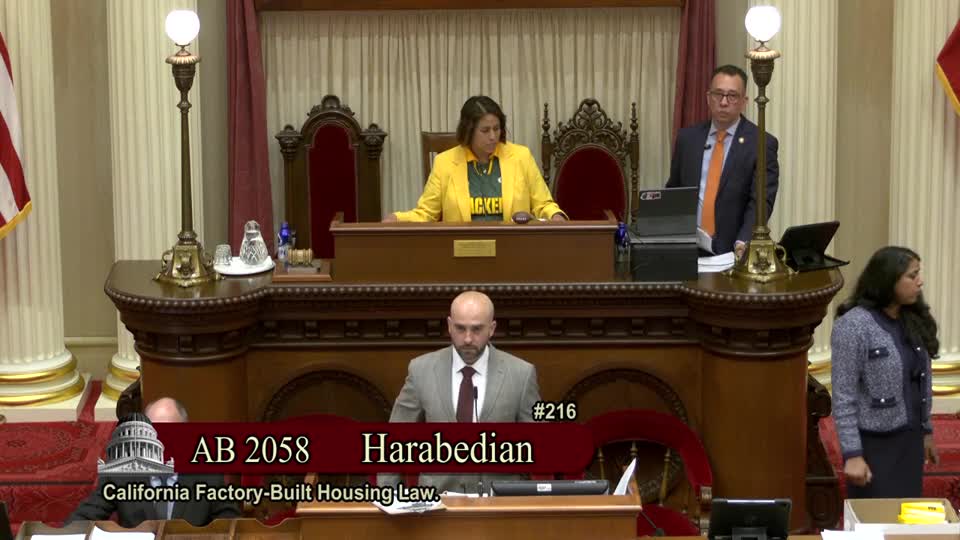
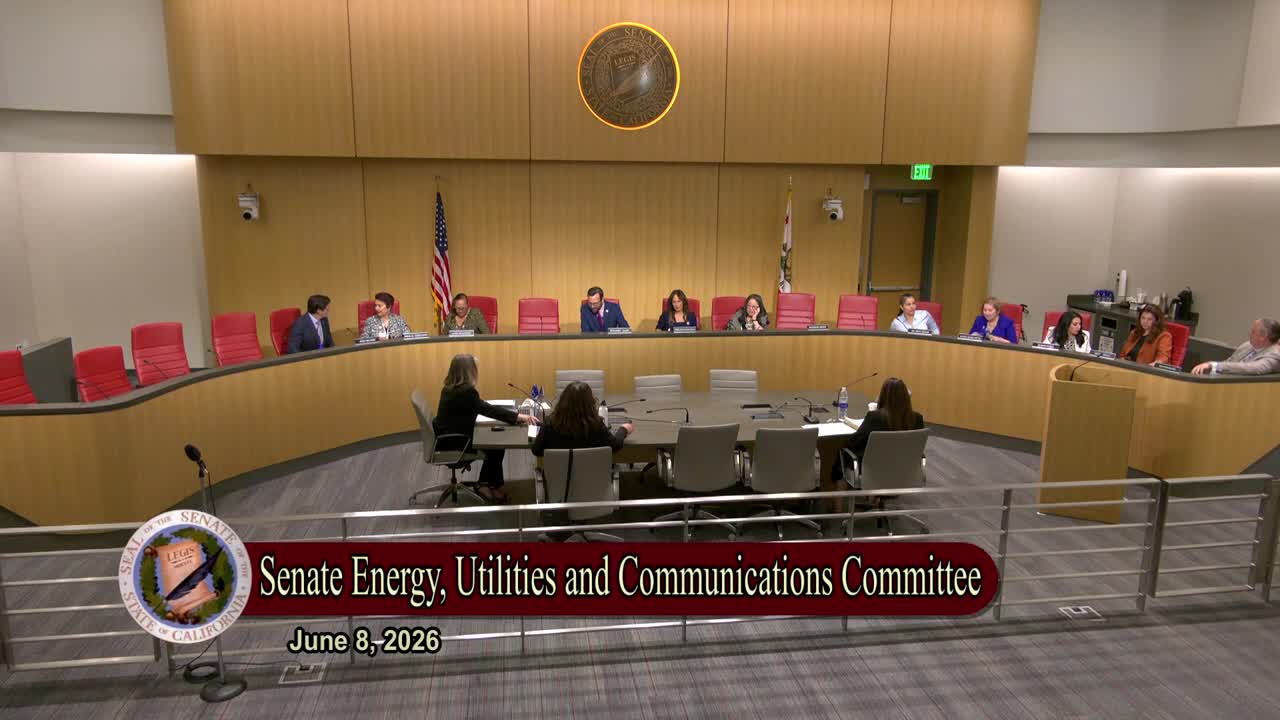
Bill Author