AB 2551: Equity in Higher Education Act: time, place, and manner policies: student code of conduct violations: open forum.
- Session Year: 2025-2026
- House: Assembly
- Latest Version Date: 2026-09-04
Current Status:
Failed
(2026-09-27: Vetoed by Governor.)
Introduced
In Committee
Awaiting First Chamber Vote
Passed First Chamber
In Committee
Awaiting Second Chamber Vote
Passed Second Chamber
Enacted
A portion of the Donahoe Higher Education Act, known as the Equity in Higher Education Act, provides, among other things, that all students have the right to participate fully in the educational process, free from discrimination and harassment, and that postsecondary educational institutions have an affirmative obligation to combat discrimination on the basis of, among other things, disability, gender, race, or ethnicity, and a responsibility to provide equal educational opportunity. A provision of the act applies to the University of California only to the extent that the Regents of the University of California, by appropriate resolution, act to make the provision applicable.
The Equity in Higher Education Act requires the Trustees of the California State University and the Regents of the University of California to have the primary responsibility to prevent and address conduct that either creates a hostile environment for students on campus or results in differential treatment of students on campus, as specified. The act requires the trustees to, among other things, adopt rules and procedures in the student codes of conduct to prohibit violent, harassing, intimidating, or discriminatory conduct that creates a hostile environment on campus, to prohibit conduct that limits or denies a persons ability to participate in or benefit from the free exchange of ideas or the educational mission of the California State University, and to establish, and require each campus to publish on the campus internet website, reasonable content-neutral time, place, and manner restrictions and, if applicable, any advance permitting requirements for protests on campus. The act requires the trustees to submit a report to the Legislature, on or before January 2 of each year, on the implementation and administration of these provisions, including information on student code of conduct violations. The act requests the University of California to comply with these provisions.
This bill would require the above-described report to also include information on student code of conduct violations that occurred during, or as a result of, a protest on campus and a description of the discipline imposed on the student as a result of the specified student code of conduct violation.
This bill would require the California State University, and request the University of California, to (1) hold an open forum on a selected campus on or before December 31, 2027, to elicit feedback regarding established content-neutral time, place, and manner restrictions, as provided, and (2) notify the relevant policy committees of the Legislature of the location and date of the open forum. The bill would repeal these provisions as of January 1, 2028.
A portion of the Donahoe Higher Education Act, known as the Equity in Higher Education Act, provides, among other things, that all students have the right to participate fully in the educational process, free from discrimination and harassment, and that postsecondary educational institutions have an affirmative obligation to combat discrimination on the basis of, among other things, disability, gender, race, or ethnicity, and a responsibility to provide equal educational opportunity. A provision of the act applies to the University of California only to the extent that the Regents of the University of California, by appropriate resolution, act to make the provision applicable.
The Equity in Higher Education Act requires the Trustees of the California State University and the Regents of the University of California to have the primary responsibility to prevent and address conduct that either creates a hostile environment for students on campus or results in differential treatment of students on campus, as specified. The act requires the trustees to, among other things, adopt rules and procedures in the student codes of conduct to prohibit violent, harassing, intimidating, or discriminatory conduct that creates a hostile environment on campus, to prohibit conduct that limits or denies a persons ability to participate in or benefit from the free exchange of ideas or the educational mission of the California State University, and to establish, and require each campus to publish on the campus internet website, reasonable content-neutral time, place, and manner restrictions and, if applicable, any advance permitting requirements for protests on campus. The act requires the trustees to submit a report to the Legislature, on or before January 2 of each year, on the implementation and administration of these provisions, including information on student code of conduct violations. The act requests the University of California to comply with these provisions.
This bill would require the above-described report to also include demographic data about students reported to have violated the student codes of conduct. The bill information on student code of conduct violations that occurred during, or as a result of, a protest on campus and a description of the discipline imposed on the student as a result of the specified student code of conduct violation.
This bill would require each campus of the California State University to establish a committee that would be required to hold at least 2 student hearings before January 1, 2029, University, and request the University of California, to (1) hold an open forum on a selected campus on or before December 31, 2027, to elicit feedback regarding established content-neutral time, place, and manner restrictions, as provided. provided, and (2) notify the relevant policy committees of the Legislature of the location and date of the open forum. The bill would repeal these provisions as of January 1, 2029. 2028.
A portion of the Donahoe Higher Education Act, known as the Equity in Higher Education Act, provides, among other things, that all students have the right to participate fully in the educational process, free from discrimination and harassment, and that postsecondary educational institutions have an affirmative obligation to combat discrimination on the basis of, among other things, disability, gender, race, or ethnicity, and a responsibility to provide equal educational opportunity. A provision of the act applies to the University of California only to the extent that the Regents of the University of California, by appropriate resolution, act to make the provision applicable.
The Equity in Higher Education Act requires the Trustees of the California State University and the Regents of the University of California to have the primary responsibility to prevent and address conduct that either creates a hostile environment for students on campus or results in differential treatment of students on campus, as specified. The act requires the trustees to, among other things, adopt rules and procedures in the student codes of conduct to prohibit violent, harassing, intimidating, or discriminatory conduct that creates a hostile environment on campus, to prohibit conduct that limits or denies a persons ability to participate in or benefit from the free exchange of ideas or the educational mission of the California State University, and to establish, and require each campus to publish on the campus internet website, reasonable content-neutral time, place, and manner restrictions and, if applicable, any advance permitting requirements for protests on campus. The act requires the trustees to submit a report to the Legislature, on or before January 2 of each year, on the implementation and administration of these provisions, including information on student code of conduct violations. The act requests the University of California to comply with these provisions.
This bill would require the above-described report to also include demographic data about students reported to have violated the student codes of conduct. The bill would require each campus of the California State University to establish a committee that would be required to hold at least 2 student hearings before January 1, 2029, to elicit feedback regarding established content-neutral time, place, and manner restrictions, as provided. The bill would repeal these provisions as of January 1, 2029.
(1)Existing law, the Knox-Keene Health Care Service Plan Act of 1975, provides for the licensure and regulation of health care service plans by the Department of Managed Health Care, and makes a willful violation of the act a crime. Existing law provides for the regulation of health insurers by the Department of Insurance. Existing law requires a health care service plan contract or health insurance policy issued, amended, or renewed on or after January 1, 2021, to provide coverage for medically necessary treatment of mental health and substance use disorders, as defined, under the same terms and conditions applied to other medical conditions.This bill would require health care service plans and health insurers to conduct an annual survey to assess the number and prevalence of enrollees or insureds seeking or accessing behavioral health care services from out-of-network providers, the total expenditures paid out-of-pocket by enrollees and insureds for out-of-network and in-network behavioral health care services, as specified, and the reasons for seeking out-of-network behavioral health services. The bill would require the annual survey to be optional for enrollees or insureds. The bill would require health care service plans and health insurers to report survey findings to the departments on or before May 1, 2028, and annually thereafter. The bill would require the departments to adopt regulations establishing standard requirements and a survey tool, as specified. The bill would require the departments to develop annual reports based on the annual survey and other data, as specified. Because a willful violation of these requirements by a health care service plan would be a crime, this bill would impose a state-mandated local program. (2)Existing law requires specified boards, including the Board of Registered Nursing and the Respiratory Care Board of California, to collect certain workforce data from their respective licensees and registrants for future workforce planning at least biennially. Existing law requires other specified boards that regulate healing arts licensees or registrants to request workforce data from their respective licensees and registrants for future workforce planning at least biennially. Existing law requires the workforce data collected or requested to include specified information, including, among others, the type of employer or classification or primary practice site, as specified. Existing law prohibits a licensee or registrant from being required to provide the information as a condition for license or registration renewal, and prohibits licensees or registrants from being subject to discipline for not providing the information.This bill would require the information collected or requested by boards to include whether a licensee or registrant is a contracted provider and the types of health care coverage under which contracted services are provided.(3)The California Constitution requires the state to reimburse local agencies and school districts for certain costs mandated by the state. Statutory provisions establish procedures for making that reimbursement.This bill would provide that no reimbursement is required by this act for a specified reason.Existing
(1)Existing law, the Knox-Keene Health Care Service Plan Act of 1975, provides for the licensure and regulation of health care service plans by the Department of Managed Health Care. Care, and makes a willful violation of the act a crime. Existing law provides for the regulation of health insurers by the Department of Insurance. Existing law requires a health care service plan contract or health insurance policy issued, amended, or renewed on or after January 1, 2021, to provide coverage for medically necessary treatment of mental health and substance use disorders, as defined, under the same terms and conditions applied to other medical conditions.
This bill would express the intent of the Legislature to enact legislation to require health care service plans and health insurers to survey and publicly report the percentage of enrollees or insureds going in network or out of network for behavioral health care, among other things. The bill would also make related findings and declarations.This bill would require health care service plans and health insurers to conduct an annual survey to assess the number and prevalence of enrollees or insureds seeking or accessing behavioral health care services from out-of-network providers, the total expenditures paid out-of-pocket by enrollees and insureds for out-of-network and in-network behavioral health care services, as specified, and the reasons for seeking out-of-network behavioral health services. The bill would require the annual survey to be optional for enrollees or insureds. The bill would require health care service plans and health insurers to report survey findings to the departments on or before May 1, 2028, and annually thereafter. The bill would require the departments to adopt regulations establishing standard requirements and a survey tool, as specified. The bill would require the departments to develop annual reports based on the annual survey and other data, as specified. Because a willful violation of these requirements by a health care service plan would be a crime, this bill would impose a state-mandated local program.
(2)Existing law requires specified boards, including the Board of Registered Nursing and the Respiratory Care Board of California, to collect certain workforce data from their respective licensees and registrants for future workforce planning at least biennially. Existing law requires other specified boards that regulate healing arts licensees or registrants to request workforce data from their respective licensees and registrants for future workforce planning at least biennially. Existing law requires the workforce data collected or requested to include specified information, including, among others, the type of employer or classification or primary practice site, as specified. Existing law prohibits a licensee or registrant from being required to provide the information as a condition for license or registration renewal, and prohibits licensees or registrants from being subject to discipline for not providing the information.
This bill would require the information collected or requested by boards to include whether a licensee or registrant is a contracted provider and the types of health care coverage under which contracted services are provided.
(3)The California Constitution requires the state to reimburse local agencies and school districts for certain costs mandated by the state. Statutory provisions establish procedures for making that reimbursement.
This bill would provide that no reimbursement is required by this act for a specified reason.
Existing law, the Knox-Keene Health Care Service Plan Act of 1975, provides for the licensure and regulation of health care service plans by the Department of Managed Health Care. Existing law provides for the regulation of health insurers by the Department of Insurance. Existing law requires a health care service plan contract or health insurance policy issued, amended, or renewed on or after January 1, 2021, to provide coverage for medically necessary treatment of mental health and substance use disorders, as defined, under the same terms and conditions applied to other medical conditions.
This bill would express the intent of the Legislature to enact legislation to require health care service plans and health insurers to survey and publicly report the percentage of enrollees or insureds going in network or out of network for behavioral health care, among other things. The bill would also make related findings and declarations.
(a)As used in this section, hostile environment means unwelcomed conduct based on a persons actual or perceived race, color, ethnicity, national origin, religion, or disability status, that based on the totality of circumstances, is subjectively and objectively offensive, and is so severe or pervasive that it limits or denies a persons ability to participate in or benefit from a campuss education program or activity.
(b)The Trustees of the California State University and the Regents of the University of California have the primary responsibility to prevent and address conduct that either creates a hostile environment for students on campus, or results in differential treatment of students on campus based on a students actual or perceived race, color, ethnicity, national origin, religion, or disability status.
(c)The Trustees of the California State University shall do all of the following:
(1)Adopt rules and procedures in the student codes of conduct to provide all of the following elements:
(A)Prohibit violent, harassing, intimidating, or discriminatory conduct that creates a hostile environment on campus.
(B)Prohibit conduct that limits or denies a persons ability to participate in or benefit from the free exchange of ideas or the educational mission of the California State University.
(C)Establish reasonable content-neutral time, place, and manner restrictions, and, if applicable, any advance permitting requirements for protests on campus.
(2)Adopt rules and procedures to take reasonable steps to respond to each incident described in subparagraphs (A) and (B) of paragraph (1) that creates a hostile environment on campus.
(3)Require each campus to publish on the campuss internet website the time, place, and manner restrictions, and any advance permitting requirements for protests on campus.
(4)Develop mandatory training programs to educate students on all of the following:
(A)What constitutes violent, harassing, intimidating, or discriminatory conduct that creates a hostile environment on campus, and the procedures for investigating violations of the student code of conduct.
(B)When and where protests and gatherings may be held, including the difference between public fora, limited public fora, nonpublic fora, and private property, consistent with the First Amendment to the United States Constitution and Section 2 of Article I of the California Constitution.
(C)How to exchange views in an atmosphere of mutual respect and civility.
(5)Require, as a condition of enrollment at a California State University campus, each student attending the campus to acknowledge the campuss student code of conduct.
(d)The Trustees of the California State University and each California State University campus shall ensure that any policy adopted or enforced pursuant to this section, as applicable, is consistent with the First Amendment to the United States Constitution, Section 2 of Article I of the California Constitution, and Title VI of the federal Civil Rights Act of 1964 (42 U.S.C. Sec. 2000d et seq.).
(e)(1)(A)On or before January 2 of each year, the Trustees of the California State University shall submit a report to the Legislature on the implementation and administration of this section. This report shall include information on student code of conduct violations relating to incidents described in subparagraphs (A) and (B) of paragraph (1) of subdivision (c).
(B)A report submitted pursuant to subparagraph (A) shall include information on student code of conduct violations that occurred during, or as a result of, a protest on campus and a description of the discipline imposed on the student as a result of the specified student code of conduct violation. The student data shall be disaggregated by race and gender.
(2)A report submitted pursuant to paragraph (1) shall be submitted in compliance with Section 9795 of the Government Code.
(f)The University of California is requested to comply with this section.
(g)This section is intended to be interpreted consistent with the First Amendment to the United States Constitution and Section 2 of Article I of the California Constitution.
(h)The provisions of this section are severable. If any provision of this section or its application is held invalid, that invalidity shall not affect other provisions or applications that can be given effect without the invalid provision or application.
SEC. 2.Section 66270.8 is added to the Education Code, to read:66270.8.(a)The California State University shall, and the University of California is requested to, do both of the following:
(1)Hold an open forum on a selected campus on or before December 31, 2027, to elicit student feedback regarding content-neutral time, place, and manner restrictions established pursuant to subparagraph (C) of paragraph (1) of subdivision (c) of Section 66270.7, including how students feel about the restrictions and the way the restrictions are being enforced.
(2)Notify the relevant policy committees of the Legislature of the location and date of the open forum held pursuant to paragraph (1).
(b)This section shall remain in effect only until January 1, 2028, and as of that date is repealed.
(a)As used in this section section, hostile environment means unwelcomed conduct based on a persons actual or perceived race, color, ethnicity, national origin, religion, or disability status, that based on the totality of circumstances, is subjectively and objectively offensive, and is so severe or pervasive that it limits or denies a persons ability to participate in or benefit from a campuss education program or activity.
(b)The Trustees of the California State University and the Regents of the University of California have the primary responsibility to prevent and address conduct that either creates a hostile environment for students on campus, or results in differential treatment of students on campus based on a students actual or perceived race, color, ethnicity, national origin, religion, or disability status.
(c)The Trustees of the California State University shall do all of the following:
(1)Adopt rules and procedures in the student codes of conduct to provide all of the following elements:
(A)Prohibit violent, harassing, intimidating, or discriminatory conduct that creates a hostile environment on campus.
(B)Prohibit conduct that limits or denies a persons ability to participate in or benefit from the free exchange of ideas or the educational mission of the California State University.
(C)Establish reasonable content-neutral time, place, and manner restrictions, and, if applicable, any advance permitting requirements for protests on campus.
(2)Adopt rules and procedures to take reasonable steps to respond to each incident described in subparagraphs (A) and (B) of paragraph (1) that creates a hostile environment on campus.
(3)Require each campus to publish on the campuss internet website the time, place, and manner restrictions, and any advance permitting requirements for protests on campus.
(4)Develop mandatory training programs to educate students on all of the following:
(A)What constitutes violent, harassing, intimidating, or discriminatory conduct that creates a hostile environment on campus, and the procedures for investigating violations of the student code of conduct.
(B)When and where protests and gatherings may be held, including the difference between public fora, limited public fora, nonpublic fora, and private property, consistent with the First Amendment to the United States Constitution and Section 2 of Article I of the California Constitution.
(C)How to exchange views in an atmosphere of mutual respect and civility.
(5)Require, as a condition of enrollment at a California State University campus, each student attending the campus to acknowledge the campuss student code of conduct.
(d)The Trustees of the California State University and each California State University campus shall ensure that any policy adopted or enforced pursuant to this section, as applicable, is consistent with the First Amendment to the United States Constitution, Section 2 of Article I of the California Constitution, and Title VI of the federal Civil Rights Act of 1964 (42 U.S.C. Sec. 2000d et seq.).
(e)Each California State University campus shall establish a committee and require the committee to hold at least two student hearings before January 1, 2029, to elicit feedback regarding content-neutral time, place, and manner restrictions established pursuant to subparagraph (C) of paragraph (1) of subdivision (c), including how students feel about the restrictions and the way the restrictions are being enforced.(f)(e)(1)(A)On or before January 2 of each year, the Trustees of the California State University shall submit a report to the Legislature on the implementation and administration of this section. This report shall include information on student code of conduct violations relating to incidents described in subparagraphs (A) and (B) of paragraph (1) of subdivision (c), including demographic data about those students. (c).
(B)A report submitted pursuant to subparagraph (A) shall include information on student code of conduct violations that occurred during, or as a result of, a protest on campus and a description of the discipline imposed on the student as a result of the specified student code of conduct violation. The student data shall be disaggregated by race and gender.
(2)A report submitted pursuant to paragraph (1) shall be submitted in compliance with Section 9795 of the Government Code.
(g)(f)The University of California is requested to comply with this section.
(h)(g)This section is intended to be interpreted consistent with the First Amendment to the United States Constitution and Section 2 of Article I of the California Constitution.
(i)(h)The provisions of this section are severable. If any provision of this section or its application is held invalid, that invalidity shall not affect other provisions or applications that can be given effect without the invalid provision or application.
(j)This section shall remain in effect only until January 1, 2029, and as of that date is repealed.SEC. 2.Section 66270.8 is added to the Education Code, to read:66270.8.(a)The California State University shall, and the University of California is requested to, do both of the following:
(1)Hold an open forum on a selected campus on or before December 31, 2027, to elicit student feedback regarding content-neutral time, place, and manner restrictions established pursuant to subparagraph (C) of paragraph (1) of subdivision (c) of Section 66270.7, including how students feel about the restrictions and the way the restrictions are being enforced.
(2)Notify the relevant policy committees of the Legislature of the location and date of the open forum held pursuant to paragraph (1).
(b)This section shall remain in effect only until January 1, 2028, and as of that date is repealed.
(a)As used in this section hostile environment means unwelcomed conduct based on a persons actual or perceived race, color, ethnicity, national origin, religion, or disability status, that based on the totality of circumstances, is subjectively and objectively offensive, and is so severe or pervasive that it limits or denies a persons ability to participate in or benefit from a campuss education program or activity.
(b)The Trustees of the California State University and the Regents of the University of California have the primary responsibility to prevent and address conduct that either creates a hostile environment for students on campus, or results in differential treatment of students on campus based on a students actual or perceived race, color, ethnicity, national origin, religion, or disability status.
(c)The Trustees of the California State University shall do all of the following:
(1)Adopt rules and procedures in the student codes of conduct to provide all of the following elements:
(A)Prohibit violent, harassing, intimidating, or discriminatory conduct that creates a hostile environment on campus.
(B)Prohibit conduct that limits or denies a persons ability to participate in or benefit from the free exchange of ideas or the educational mission of the California State University.
(C)Establish reasonable content-neutral time, place, and manner restrictions, and, if applicable, any advance permitting requirements for protests on campus.
(2)Adopt rules and procedures to take reasonable steps to respond to each incident described in subparagraphs (A) and (B) of paragraph (1) that creates a hostile environment on campus.
(3)Require each campus to publish on the campuss internet website the time, place, and manner restrictions, and any advance permitting requirements for protests on campus.
(4)Develop mandatory training programs to educate students on all of the following:
(A)What constitutes violent, harassing, intimidating, or discriminatory conduct that creates a hostile environment on campus, and the procedures for investigating violations of the student code of conduct.
(B)When and where protests and gatherings may be held, including the difference between public fora, limited public fora, nonpublic fora, and private property, consistent with the First Amendment to the United States Constitution and Section 2 of Article I of the California Constitution.
(C)How to exchange views in an atmosphere of mutual respect and civility.
(5)Require, as a condition of enrollment at a California State University campus, each student attending the campus to acknowledge the campuss student code of conduct.
(d)The Trustees of the California State University and each California State University campus shall ensure that any policy adopted or enforced pursuant to this section, as applicable, is consistent with the First Amendment to the United States Constitution, Section 2 of Article I of the California Constitution, and Title VI of the federal Civil Rights Act of 1964 (42 U.S.C. Sec. 2000d et seq.).
(e)Each California State University campus shall establish a committee and require the committee to hold at least two student hearings before January 1, 2029, to elicit feedback regarding content-neutral time, place, and manner restrictions established pursuant to subparagraph (C) of paragraph (1) of subdivision (c), including how students feel about the restrictions and the way the restrictions are being enforced.
(e)(f)(1)On or before January 2, 2025, and annually thereafter, 2 of each year, the Trustees of the California State University shall submit a report to the Legislature on the implementation and administration of this section. This report shall include information on student code of conduct violations relating to incidents described in subparagraphs (A) and (B) of paragraph (1) of subdivision (c). (c), including demographic data about those students.
(2)A report submitted pursuant to paragraph (1) shall be submitted in compliance with Section 9795 of the Government Code.
(f)(g)The University of California is requested to comply with this section.
(g)(h)This section is intended to be interpreted consistent with the First Amendment to the United States Constitution and Section 2 of Article I of the California Constitution.
(h)(i)The provisions of this section are severable. If any provision of this section or its application is held invalid, that invalidity shall not affect other provisions or applications that can be given effect without the invalid provision or application.
(j)This section shall remain in effect only until January 1, 2029, and as of that date is repealed.
All matter omitted in this version of the bill appears in the bill as amended in the Assembly, March 19, 2026. (JR11)The Legislature finds and declares all of the following:
(a)Access to behavioral health care is at a crisis point in California and the nation. Despite billions of dollars in state investment in the public mental health safety net and updated laws requiring health care service plans and health insurers to provide necessary care, too many Californians report struggling to access effective behavioral health services.
(b)Communities of color face particular challenges with access to care and report some of the lowest rates of utilization of mental health services.
(c)For Californians who speak a language other than English, finding behavioral health care that meets their needs is particularly daunting.
(d)LGBTQIA+ individuals within Black, Indigenous, and People of Color (BIPOC) communities, in particular, face distinct challenges that compound the barriers to equitable mental health care. Navigating the health system to find and access a culturally affirming provider can feel like an impossibility, forcing many to seek care outside of their plan or policy or to forgo care entirely because they cannot afford to pay out of pocket.
(e)Since passage of the federal Patient Protection and Affordable Care Act, health care service plans and health insurers have been required to provide medically necessary mental health services for their enrollees and insureds. Additionally, in 2020, the Legislature took action to ensure strong enforcement of the Paul Wellstone and Pete Domenici Mental Health Parity Addiction Equity Act of 2008, which requires health care service plan contracts and health insurance policies to provide mental health and substance use disorder coverage that is no more restrictive or costly than coverage for physical health for medical or surgical conditions.
(f)California consumers are increasingly forced to go out of network to access behavioral health care. Nationally, consumers pay $15 billion in out-of-pocket expenses for treatment for mental health disorders.
(g)Individuals seeking mental health services are six times more likely to have to go out of network for care compared to other services, and in one-third of these cases, they bear the full cost themselves.
(h)Behavioral health out-of-pocket spending rose at double the rate by 2022 of other medical costs for children, causing major family financial strain.
(i)Despite legislation, Department of Managed Health Care behavioral health investigations have found contracted providers are increasingly dissatisfied with network access. Low reimbursement rates, onerous health care service plan processes for authorizing payment, and burdensome contracting terms are the dominant reasons for the shortage of in-network mental health providers. Though the number of therapists who accept health care coverage isnt tracked by a single organization, one estimate suggests 42 percent of therapists in California dont accept health care coverage at all.
(j)Without the financial help of health care coverage, clients pay an average of $130 out of pocket per session or higher in major cities.
SEC. 2.It is the intent of the Legislature to enact legislation to that this act do all of the following:
(a)Require health care service plans and health insurers to survey and publicly report the percentage of number and prevalence of enrollees or insureds going in network or out of network for behavioral health care and why, care, the total expenditures paid out-of-pocket by enrollees for out-of-network and in-network behavioral health care services after copayments, coinsurance, and applicable deductibles are applied, and the reasons, including lack of access to affordable, timely, geographically accessible, and culturally and linguistically responsive care. care delivered in person or via telehealth.
(b)Require health care service plans and health insurers to conduct a cultural competency and health equity assessment of their enrollees or insureds, including identifying disparities among the enrollee or insured population by age, race, culture, ethnicity, sexual orientation, gender identity, income level, and geographic location, amongst other categories. As part of that assessment, plans and insurers would develop and implement comprehensive and effective training and programs for staff and participating providers and an evaluation and demonstration of how the assessment is being used to improve health outcomes, and reduce or eliminate disparities by understanding the challenges faced by enrollees or insureds.(b)Require the Department of Managed Health Care to develop an annual report that summarizes health plan survey findings on the prevalence of, and the reasons for, out-of-network utilization and out-of-pocket enrollee costs. Additionally, reports would include data already submitted on the number of enrollee requests for network and nonnetwork behavioral health providers and determinations submitted pursuant to existing reporting requirements.
(c)Add a an optional question on licensing renewal forms stating whether or not for providers of the healing arts to state whether they are currently contracting with a health care service plan or health insurer and the type of plan or insurer so California regulators can more readily monitor trends in provider contracting by region, language spoken, and provider type, amongst other categories.
SEC. 3.Section 502 of the Business and Professions Code is amended to read:502.(a)Notwithstanding any other law, both of the following apply:
(1)The Board of Registered Nursing, the Board of Vocational Nursing and Psychiatric Technicians of the State of California, the Physician Assistant Board, and the Respiratory Care Board of California shall collect workforce data from their respective licensees and registrants as specified in subdivision (b) for future workforce planning at least biennially. The data shall be collected at the time of electronic license or registration renewal for those boards that utilize electronic renewals for licensees or registrants.
(2)All other boards that are not listed in paragraph (1) that regulate healing arts licensees or registrants under this division shall request workforce data from their respective licensees and registrants as specified in subdivision (b) for future workforce planning at least biennially. The data shall be requested at the time of electronic license or registration renewal for those boards that utilize electronic renewals for licensees or registrants.
(b)In conformance with specifications under subdivision (d), the workforce data collected or requested by each board about its licensees and registrants shall include, at a minimum, all of the following information:
(1)Anticipated year of retirement.
(2)Area of practice or specialty.
(3)City, county, and ZIP Code of practice.
(4)Date of birth.
(5)Educational background and the highest level attained at time of licensure or registration.
(6)Gender or gender identity.
(7)Hours spent in direct patient care, including telehealth hours as a subcategory, training, research, and administration.
(8)Languages spoken.
(9)National Provider Identifier.
(10)Race or ethnicity.
(11)Type of employer or classification of primary practice site among the types of practice sites specified by the board, including, but not limited to, clinic, hospital, managed care organization, or private practice.
(12)Work hours.
(13)Sexual orientation.
(14)Disability status.
(15)(A)Whether the licensee or registrant is a contracted provider with a health care service plan or health insurer to provide services, including through an individual contract or through employment with an organization that contracts with a health care service plan or health insurer.
(B)Type of health care service plans or health insurers under which contracted services are provided, including commercial coverage, Medi-Cal, and Medicare.
(c)Each board shall maintain the confidentiality of the information it receives from licensees and registrants under this section and shall only release information in an aggregate form that cannot be used to identify an individual other than as specified in subdivision (e).
(d)The Department of Consumer Affairs, in consultation with the Department of Health Care Access and Information, shall specify for each board subject to this section the specific information and data that will be collected or requested pursuant to subdivision (b). The Department of Consumer Affairs identification and specification of this information and data shall be exempt until June 30, 2023, from the requirements of the Administrative Procedure Act (Chapter 3.5 (commencing with Section 11340) of Part 1 of Division 3 of Title 2 of the Government Code).
(e)Each board, or the Department of Consumer Affairs on its behalf, shall, beginning on July 1, 2022, and quarterly thereafter, provide the individual licensee and registrant data it collects pursuant to this section to the Department of Health Care Access and Information in a manner directed by the Department of Health Care Access and Information, including license or registration number and associated license or registration information. The Department of Health Care Access and Information shall maintain the confidentiality of the licensee and registrant information it receives and shall only release information in an aggregate form that cannot be used to identify an individual.
(f)A licensee or registrant shall not be required to provide the information listed in subdivision (b) as a condition for license or registration renewal, and licensees or registrants shall not be subject to discipline for not providing the information listed in subdivision (b).
(g)This section does not alter or affect mandatory reporting requirements for licensees or registrants established pursuant to this division, including, but not limited to, Sections 1715.5, 1902.2, 2425.3, and 2455.2.
SEC. 4.Section 1374.199 is added to the Health and Safety Code, to read:1374.199.(a)(1)A health care service plan shall conduct an annual survey of all enrollees in order to assess all of the following:
(A)Number and prevalence of enrollees seeking or accessing behavioral health care services from out-of-network providers.
(B)Total expenditures paid out-of-pocket by enrollees for out-of-network behavioral health care services and in-network behavioral health care services after copayments, coinsurance, and applicable deductibles are applied.
(C)The reasons for seeking or accessing out-of-network providers and paying out-of-pocket for behavioral health care services, including, but not limited to, lack of access to affordable, timely, geographically accessible, and culturally and linguistically competent care delivered in person or via telehealth.
(2)The annual survey shall be optional for enrollees to complete.
(3)To the extent practicable, a health care service plan may incorporate questions to fulfill these requirements into enrollee surveys already conducted by the plan.
(4)A health care service plan shall report survey findings to the department on or before May 1, 2028, and annually thereafter.
(b)(1)In implementing this section, the department shall develop and adopt regulations establishing standard requirements and a survey tool for health plans to use in order to comply with subdivision (a).
(2)The regulations shall include standards and guidelines for health care service plans to collect and report accurate and complete member-level demographic data to more effectively assess and report disparities in the number and prevalence of enrollees and enrollees reasons for going out of network and paying out-of-pocket for behavioral health care services, and the total expenditures paid out-of-pocket by enrollees, by utilizing survey best practice methods compatible with identifying disparities for smaller populations, including, but not limited to, all of the following:
(A)Asian, Native Hawaiian and Pacific Islander, or American Indian or Alaska Native populations.
(B)Lesbian, gay, bisexual, transgender, or queer+ populations.
(C)Persons with disabilities, including cognitive or functional disabilities, or persons with accommodation needs.
(D)Other historically disadvantaged populations.
(3)The department shall consult with the Department of Insurance regarding development of the regulations required by this subdivision.
(4)The department shall additionally seek public input from a wide range of interested parties through existing advisory bodies established by the director.
(5)The department shall finalize these regulations and standards by July 1, 2027, and plans shall be required to utilize these standards by October 1, 2027.
(c)The department shall develop an annual report based on data submitted pursuant to both of the following:
(1)The departments Annual Network Report submissions of network and nonnetwork behavioral health provider requests and determinations.
(2)The annual survey described in paragraph (1) of subdivision (a).
(d)For purposes of this section, the following definitions apply:
(1)Culturally and linguistically competent care means the ability of health care providers and systems to adhere to the National Standards for Culturally and Linguistically Appropriate Services in order to provide respectful, effective, and understandable care and services that honor diverse patient cultural health beliefs and practices, language needs, health literacy, and other communication needs of patients. At a minimum, culturally and linguistically competent care includes all of the following:
(A)Applying linguistic skills, including American Sign Language, to communicate effectively with the target population.
(B)Utilizing cultural information to establish therapeutic relationships.
(C)Eliciting and incorporating pertinent cultural data compatible with patient backgrounds, beliefs, and life experiences in diagnosis and treatment.
(D)Understanding and applying culturally, ethnically, and sociologically inclusive data to the process of clinical care, including, as appropriate, information and evidence-based cultural competency training pertinent to the treatment of, and provision of care to, individuals from racially and ethnically diverse cultural and linguistic backgrounds and who identify as lesbian, gay, bisexual, transgender, queer or questioning, asexual, intersex, or gender diverse. This subparagraph includes processes specific to those seeking gender-affirming care services.
(2)Disparity means variation in behavioral health care access, utilization, and costs between population groups by age, geographic area, primary language, race, ethnicity, sex, gender identity, sexual orientation, and disability status.
(3)In-network has the same meaning as in-network coverage or services, as defined in Section 1374.60.
(4)Member-level demographic data means information specific to an individual enrollee that is self-reported by the enrollee about their own race, ethnicity, language, sex, gender identity, sexual orientation, disability status, and other characteristics.
(5)Out-of-network or out of network has the same meaning as out-of-network coverage or services, as defined in Section 1374.60.
(6)Out-of-pocket refers to copayments, coinsurance, and the applicable deductible, plus all costs for health care services that are not covered by the plan.
SEC. 5.Section 10127.22 is added to the Insurance Code, to read:10127.22.(a)(1)A health insurer shall conduct an annual survey of all insureds in order to assess all of the following:
(A)Number and prevalence of insureds seeking or accessing behavioral health care services from out-of-network providers.
(B)Total expenditures paid out-of-pocket by insureds for out-of-network behavioral health care services and in-network behavioral health care services after copayments, coinsurance, and applicable deductibles are applied.
(C)The reasons for seeking or accessing out-of-network providers and paying out-of-pocket for behavioral health care services, including, but not limited to, lack of access to affordable, timely, geographically accessible, and culturally and linguistically competent care delivered in person or via telehealth.
(2)The annual survey shall be optional for insureds to complete.
(3)To the extent practicable, a health insurer may incorporate questions to fulfill these requirements into insured surveys already conducted by the insurer.
(4)A health insurer shall report survey findings to the department on or before May 1, 2028, and annually thereafter.
(b)(1)In implementing this section, the department shall develop and adopt regulations establishing standard requirements and a survey tool for health plans to use in order to comply with subdivision (a).
(2)The regulations shall include standards and guidelines for health insurers to collect and report accurate and complete member-level demographic data to more effectively assess and report disparities in the number and prevalence of insureds and insureds reasons for going out of network and paying out-of-pocket for behavioral health care services, and the total expenditures paid out-of-pocket by insureds, by utilizing survey best practice methods compatible with identifying disparities for smaller populations, including, but not limited to, all of the following:
(A)Asian, Native Hawaiian and Pacific Islander, or American Indian or Alaska Native populations.
(B)Lesbian, gay, bisexual, transgender, or queer+ populations.
(C)Persons with disabilities, including cognitive or functional disabilities, or persons with accommodation needs.
(D)Other historically disadvantaged populations.
(3)The department shall consult with the Department of Managed Health Care regarding development of the regulations required by this subdivision.
(4)The department shall additionally seek public input from a wide range of interested parties through existing advisory bodies established by the commissioner.
(5)The department shall finalize these regulations and standards by July 1, 2027, and insurers shall be required to utilize these standards by October 1, 2027.
(c)The department shall develop an annual report based on data submitted pursuant to both of the following:
(1)Health insurer network adequacy reporting, including submissions of network and nonnetwork behavioral health provider requests and determinations.
(2)The annual survey described in paragraph (1) of subdivision (a).
(d)For purposes of this section, the following definitions apply:
(1)Culturally and linguistically competent care means the ability of health care providers and systems to adhere to the National Standards for Culturally and Linguistically Appropriate Services in order to provide respectful, effective, and understandable care and services that honor diverse patient cultural health beliefs and practices, language needs, health literacy, and other communication needs of patients. At a minimum, culturally and linguistically competent care includes all of the following:
(A)Applying linguistic skills, including American Sign Language, to communicate effectively with the target population.
(B)Utilizing cultural information to establish therapeutic relationships.
(C)Eliciting and incorporating pertinent cultural data compatible with patient backgrounds, beliefs, and life experiences in diagnosis and treatment.
(D)Understanding and applying culturally, ethnically, and sociologically inclusive data to the process of clinical care, including, as appropriate, information and evidence-based cultural competency training pertinent to the treatment of, and provision of care to, individuals from racially and ethnically diverse cultural and linguistic backgrounds and who identify as lesbian, gay, bisexual, transgender, queer or questioning, asexual, intersex, or gender diverse. This subparagraph includes processes specific to those seeking gender-affirming care services.
(2)Disparity means variation in behavioral health care access, utilization, and costs between population groups by age, geographic area, primary language, race, ethnicity, sex, gender identity, sexual orientation, and disability status.
(3)In-network means all of the following:
(A)All of the health care services provided or offered under the requirements of this chapter that are received from a provider employed by, under contract with, or otherwise affiliated with the health insurer and in accordance with the procedures set forth in the insurers approved evidence of coverage.
(B)Health care services received from a provider not affiliated with the health insurer when the plan arranges for the insured to receive services from that provider.
(C)Out-of-area emergency care provided in accordance with the procedures set by the health insurer to be followed in securing these services.
(4)Member-level demographic data means information specific to an individual insured that is self-reported by the insured about their own race, ethnicity, language, sex, gender identity, sexual orientation, disability status, and other characteristics.
(5)Out-of-network or out of network means health care services received from either of the following:
(A)Providers who are not employed by, under contract with, or otherwise affiliated with the health insurer, except for health care services received from these providers in an emergency or when referred or authorized by the plan under procedures specifically reviewed and approved by the commissioner.
(B)Providers who are employed by, under contract with, or otherwise affiliated with a health insurer in instances when the in-network coverage or services requirements for care set forth in the health insurers approved evidence of coverage are not met.
(6)Out-of-pocket refers to copayments, coinsurance, and the applicable deductible, plus all costs for health care services that are not covered by the insurer.
SEC. 6.No reimbursement is required by this act pursuant to Section 6 of Article XIIIB of the California Constitution because the only costs that may be incurred by a local agency or school district will be incurred because this act creates a new crime or infraction, eliminates a crime or infraction, or changes the penalty for a crime or infraction, within the meaning of Section 17556 of the Government Code, or changes the definition of a crime within the meaning of Section 6 of Article XIIIB of the California Constitution.
The Legislature finds and declares all of the following:
(a)Access to behavioral health care is at a crisis point in California and the nation. Despite billions of dollars in state investment in the public mental health safety net and updated laws requiring health care service plans and health insurers to provide necessary care, too many Californians report struggling to access effective behavioral health services.
(b)Communities of color face particular challenges with access to care and report some of the lowest rates of utilization of mental health services.
(c)For Californians who speak a language other than English, finding behavioral health care that meets their needs is particularly daunting.
(d)LGBTQIA+ individuals within Black, Indigenous, and People of Color (BIPOC) communities, in particular, face distinct challenges that compound the barriers to equitable mental health care. Navigating the health system to find and access a culturally affirming provider can feel like an impossibility, forcing many to seek care outside of their plan or policy or to forgo care entirely because they cannot afford to pay out of pocket.
(e)Since passage of the federal Patient Protection and Affordable Care Act, health care service plans and health insurers have been required to provide medically necessary mental health services for their enrollees and insureds. Additionally, in 2020, the Legislature took action to ensure strong enforcement of the Paul Wellstone and Pete Domenici Mental Health Parity Addiction Equity Act of 2008, which requires health care service plan contracts and health insurance policies to provide mental health and substance use disorder coverage that is no more restrictive or costly than coverage for physical health for medical or surgical conditions.
(f)California consumers are increasingly forced to go out of network to access behavioral health care. Nationally, consumers pay $15 billion in out-of-pocket expenses for treatment for mental health disorders.
(g)Individuals seeking mental health services are six times more likely to have to go out of network for care compared to other services, and in one-third of these cases, they bear the full cost themselves.
(h)Behavioral health out-of-pocket spending rose at double the rate by 2022 of other medical costs for children, causing major family financial strain.
(i)Despite legislation, Department of Managed Health Care behavioral health investigations have found contracted providers are increasingly dissatisfied with network access. Low reimbursement rates, onerous health care service plan processes for authorizing payment, and burdensome contracting terms are the dominant reasons for the shortage of in-network mental health providers. Though the number of therapists who accept health care coverage isnt tracked by a single organization, one estimate suggests 42 percent of therapists in California dont accept health care coverage at all.
(j)Without the financial help of health care coverage, clients pay an average of $130 out of pocket per session or higher in major cities.
SEC. 2.It is the intent of the Legislature to enact legislation to do all of the following:
(a)Require health care service plans and health insurers to survey and publicly report the percentage of enrollees or insureds going in network or out of network for behavioral health care and why, including lack of access to culturally and linguistically responsive care.
(b)Require health care service plans and health insurers to conduct a cultural competency and health equity assessment of their enrollees or insureds, including identifying disparities among the enrollee or insured population by age, race, culture, ethnicity, sexual orientation, gender identity, income level, and geographic location, amongst other categories. As part of that assessment, plans and insurers would develop and implement comprehensive and effective training and programs for staff and participating providers and an evaluation and demonstration of how the assessment is being used to improve health outcomes, and reduce or eliminate disparities by understanding the challenges faced by enrollees or insureds.
(c)Add a question on licensing renewal forms stating whether or not providers of the healing arts are currently contracting with a plan or insurer and the type of plan or insurer so California regulators can more readily monitor trends in provider contracting by region, language spoken, and provider type, amongst other categories.
|
Date
|
Status
|
|---|---|
| Sep 27, 2026 | Vetoed by Governor. |
| Sep 15, 2026 | Enrolled and presented to the Governor at 3 p.m. |
| Aug 31, 2026 | Senate amendments concurred in. To Engrossing and Enrolling. (Ayes 44. Noes 8. Page 7003.). |
| Aug 31, 2026 | Senate amendments concurred in. To Engrossing and Enrolling. (Ayes 44. Noes 8.). |
| Aug 31, 2026 | Senate amendments concurred in. To Engrossing and Enrolling. |
| Aug 30, 2026 | Joint Rule 62(a), file notice suspended. (Page 6844.) |
| Aug 30, 2026 | From committee: That the Senate amendments be concurred in. (Ayes 8. Noes 1.) (August 30). |
| Aug 30, 2026 | Joint Rule 62(a), file notice suspended. |
| Aug 30, 2026 | Re-referred to Com. on HIGHER ED. pursuant to Assembly Rule 77.2. |
| Aug 28, 2026 | In Assembly. Concurrence in Senate amendments pending. |
| Aug 28, 2026 | Read third time. Passed. Ordered to the Assembly. (Ayes 23. Noes 12. Page 6079.). |
| Aug 28, 2026 | Read third time. Passed. Ordered to the Assembly. (Ayes 22. Noes 12.). |
| Aug 13, 2026 | Read second time. Ordered to third reading. |
| Aug 13, 2026 | From committee: Do pass. (Ayes 5. Noes 2.) (August 13). |
| Aug 3, 2026 | In committee: Referred to APPR. suspense file. |
| Jul 2, 2026 | Read second time and amended. Re-referred to Com. on APPR. |
| Jul 2, 2026 | From committee: Amend, and do pass as amended and re-refer to Com. on APPR. (Ayes 5. Noes 0.) (July 1). |
| Jun 15, 2026 | Re-referred to Com. on ED. |
| Jun 12, 2026 | Re-referred to Com. on RLS. |
| Jun 12, 2026 | Withdrawn from committee. |
| Jun 12, 2026 | In committee: Hearing postponed by committee. |
| Jun 11, 2026 | From committee chair, with author's amendments: Amend, and re-refer to committee. Read second time, amended, and re-referred to Com. on HEALTH. |
| Jun 10, 2026 | Referred to Coms. on HEALTH and B. P. & E.D. |
| May 27, 2026 | In Senate. Read first time. To Com. on RLS. for assignment. |
| May 26, 2026 | Read third time. Passed. Ordered to the Senate. (Ayes 78. Noes 0. Page 5331.) |
| May 26, 2026 | Read third time. Passed. Ordered to the Senate. (Ayes 78. Noes 0.) |
| May 26, 2026 | Read third time. Passed. Ordered to the Senate. |
| May 18, 2026 | Read second time. Ordered to third reading. |
| May 14, 2026 | From committee: Do pass. (Ayes 15. Noes 0.) (May 14). |
| Apr 22, 2026 | In committee: Set, first hearing. Referred to APPR. suspense file. |
| Apr 8, 2026 | From committee: Do pass and re-refer to Com. on APPR. (Ayes 16. Noes 0.) (April 7). Re-referred to Com. on APPR. |
| Mar 23, 2026 | Re-referred to Com. on HEALTH. |
| Mar 19, 2026 | From committee chair, with author's amendments: Amend, and re-refer to Com. on HEALTH. Read second time and amended. |
| Mar 19, 2026 | Referred to Com. on HEALTH. |
| Feb 21, 2026 | From printer. May be heard in committee March 23. |
| Feb 20, 2026 | Read first time. To print. |
|
Date
|
Description
|
Location
|
Votes
|
|
|---|---|---|---|---|
| Aug 31, 2026 | AB 2551 Elhawary Concurrence in Senate Amendments | Assembly Floor |
Passed |
|
| Aug 30, 2026 | With recommendation: That Senate amendments be concurred in. | Assembly Standing Committee on Higher Education |
Passed |
|
| Aug 28, 2026 | Assembly 3rd Reading AB2551 Elhawary By Pérez | Senate Floor |
Passed |
|
| Aug 13, 2026 | Do pass | Senate Standing Committee on Appropriations |
Passed |
|
| Aug 3, 2026 | Placed on suspense file | Senate Standing Committee on Appropriations |
Passed |
|
| Jul 1, 2026 | Do pass as amended, but first amend, and re-refer to the Committee on [Appropriations] | Senate Standing Committee on Education |
Passed |
|
| May 26, 2026 | AB 2551 Elhawary Assembly Third Reading | Assembly Floor |
Passed |
|
| May 14, 2026 | Do pass. | Assembly Standing Committee on Appropriations |
Passed |
|
| Apr 7, 2026 | Do pass and be re-referred to the Committee on [Appropriations] | Assembly Standing Committee on Health |
Passed |
This list shows positions taken on this bill by organizations on the date displayed, which is linked to the original source.
Positions by individuals are not included.
|
Organization
|
Position
|
Date
|
|---|---|---|
| 1021 Jewish Workers for Justice | ** Support | |
| 1021 Members for Palestine | ** Support | |
| 30 Years After | ** Against | |
| AARP | ** Support | |
| A.B.L.E. Community Development Foundation | ** Support | |
| Access Reproductive Justice | ** Support | |
| Access to Thrive, Inc. | ** Support | |
| Adat Shalom - Los Angeles | ** Against | |
| ADL | ** Against | |
| Agudath Israel Of California | ** Against | |
| AJC Los Angeles | ** Against | |
| AJC Northern California | ** Against | |
| AJC San Diego | ** Against | |
| AMCHA Initiative | ** Against | |
| American Jewish Committee CA | ** Against | |
| Anti Police-Terror Project | ** Support | |
| Asian Resources, Inc. | ** Support | |
| Association Of California Life And Health Insurance Companies | ** Against | |
| Association of LIfe and Health Insurance Companies | ** Against | |
| Bay Area Jewish Coalition | ** Against | |
| Bend the Arc California | ** Support | |
| Beverly Hills Synagogue | ** Against | |
| Black Lives Matter California | ** Support | |
| Board of Rabbis of Southern California | ** Against | |
| California Alliance Of Child And Family Services | ** Support | |
| California Association Of Alcohol And Drug Program Executives, Inc. | ** Support | |
| California Association Of Health Plans | ** Against | |
| California Behavioral Health Association | ** Support | |
| California Democratic Party | ** Support | |
| California Faculty Association | ** Support | |
| California Jewish Democrats | ** Against | |
| California LGBTQ Health and Human Services Network | ** Support | |
| California Pan-Ethnic Health Network | ** Support | |
| California State University | ** Against | |
| California State University, Office Of The Chancellor | ** Against | |
| Cal Voices | ** Support | |
| Center for Empowering Refugees & Immigrants | ** Support | |
| Children Now | ** Support | |
| Church State Council | ** Support | |
| Contra Costa Jewish Democrats | ** Against | |
| Council on American-Islamic Relations, California | ** Support | |
| Democrats for Israel - Los Angeles | ** Against | |
| Disability Rights California | ** Support | |
| Disability Voices United | ** Support | |
| Empowering Pacific Islander Communities Fiscally Sponsored by Community Partners | ** Support | |
| Hadassah, the Women's Zionist Organization of America | ** Against | |
| Hadassah, The Women’s Zionist Organization of America | ** Against | |
| Health Access California | ** Support | |
| Hillsides Pasadena | ** Support | |
| Imperial Valley Equity & Justice Coalition | ** Support | |
| International Rescue Committee - Los Angeles | ** Support | |
| Israeli-American Council | ** Against | |
| JCC-Federation of San Luis Obispo | ** Against | |
| JCRC Bay Area | ** Against | |
| JCRC, Jewish Long Beach | ** Against | |
| JCRC of the Sacramento Region | ** Against | |
| Jewish California | ** Against | |
| Jewish Center for Justice | ** Against | |
| Jewish Community Action Network of Orange County | ** Against | |
| Jewish Family Service LA | ** Against | |
| Jewish Family Service of the Desert | ** Against | |
| Jewish Family Services of Silicon Valley | ** Against | |
| Jewish Federation Bay Area | ** Against | |
| Jewish Federation Los Angeles | ** Against | |
| Jewish Federation of Greater Santa Barbara | ** Against | |
| Jewish Federation of Orange County | ** Against | |
| Jewish Federation of Palm Springs & the Desert | ** Against | |
| Jewish Federation of San Diego | ** Against | |
| Jewish Federation of Santa Barbara | ** Against | |
| Jewish Federation of The Greater San Gabriel and Pomona Valleys | ** Against | |
| Jewish Federation Of The Sacramento Region | ** Against | |
| Jewish Federation of Ventura County | ** Against | |
| Jewish Free Loan Association | ** Against | |
| Jewish Parents for Collective Liberation | ** Support | |
| Jewish Partisan Educational Foundation | ** Against | |
| Jewish Silicon Valley | ** Against | |
| Jews BeLong Beach Coalition | ** Against | |
| JFCS East Bay | ** Against | |
| JFCS Long Beach and Orange County | ** Against | |
| JFCS SF Bay Area | ** Against | |
| Mental Health America of California | ** Support | |
| Mighty Community Advocacy | ** Support | |
| Milpa Collective | ** Support | |
| National Health Law Program | ** Support | |
| National Union Of Healthcare Workers | ** Support | |
| Northern California Council of Jewish Democratic Clubs | ** Against | |
| Northern California Jewish Labor Committee | ** Against | |
| Queercasa | ** Support | |
| Queers Undermining Israeli Terrorism | ** Support | |
| Refugee Enrichment and Development Association | ** Support | |
| Regional Pacific Islander Taskforce | ** Support | |
| Sacramento Area Congregation Together | ** Support | |
| San Diego Refugee Communities Coalition | ** Support | |
| Santa Barbara Hillel | ** Against | |
| scope la | ** Support | |
| SEIU California | ** Support | |
| South Asian Network | ** Support | |
| Southeast Asia Resource Action Center | ** Support | |
| StandWithUs | ** Against | |
| Students for Quality Education at California State University, Sacramento | ** Support | |
| The Children's Partnership | ** Support | |
| The East Oakland Collective | ** Support | |
| transitions clinic network | ** Support | |
| United Women of East Africa Support Team | ** Support | |
| University of California | ** Against | |
| University Of California Student Association | ** Support | |
| Young Invincibles | ** Support | |
| Youth Will | ** Support |
GOVERNOR'S VETO
GV Bill Id:AB 2551
Author:(Elhawary)
As Enrolled Ver:September 4, 2026
2/3 vote
SUMMARY
Original Committee of Reference: Health Committee
Requires health plans and health insurers to collect data and report on the number of enrollees and insureds seeking out-of-network behavioral health (BH) care. Expands existing licensing board reporting requirements to include whether a licensee and registrant contracts with a health plan or health insurer to provide services.
Senate Amendments
Requires the California State University (CSU) and requests the University of California (UC) to do the following: 1) hold a public forum on selected campuses to elicit student feedback regarding the institution's time, place, and manner (TPM) policies; and, 2) provide data on student code of conduct violations that occurred during or as the result of a protest on campus.
Specifically, amendments taken in the Senate:
- Strike the contents of the measure as it passed out of the Assembly.
- Amend the annual reporting requirement for the CSU on specific student code of conduct violations to include all student code of conduct violations and the discipline imposed due to violations that occurred, during or as the result of a protest on campus. Requires the reported student code of conduct violations and the discipline imposed due to violations during or as the result of a protest to be disaggregated by race and gender.
- Require the CSU and requests the UC, to do the following:
- By December 31, 2027, hold an open forum on a selected campus to allow for student feedback on the content-neutral TPM policies. The forum will provide the space and time for students to express how they feel about the restrictions and the way the restrictions are enforced; and,
- Notify the relevant policy committees of the Legislature of the time and location of the forum, as described above.
- Repeals the requirement for an open forum to be conducted for feedback on the content-neutral TPM on January 1, 2028.
Governor's Veto Message
"This bill requires the California State University (CSU), and requests the University of California (UC), to hold an open forum on a selected campus by December 31, 2027, to elicit student feedback regarding content-neutral time, place, and manner policies. It further requires that the institutions submit information on student code of conduct violations that occurred during, or as a result of, a protest on campus and a description of the discipline imposed on the student as a result of the specified student code of conduct violation.
Both the CSU and the UC governing bodies have regularly scheduled meetings where the campus community can address their respective boards in a public forum. The CSU and UC also have established communication channels between their respective student associations and administrations at both the system and campus levels. Given the numerous ways that the campus community can already provide perspective to policy leaders, it is unnecessary to require an additional forum outside of these established processes."
COMMENTS
SB 1287 (Glazer), Chapter 892, Statutes of 2024. As stated by then – Senator Glazer, the intention of SB 1287 was to "make sure that California universities are places where everyone can share their thoughts and ideas freely. We want to protect free speech and academic freedom while also preventing any form of harassment or discrimination. The need has been highlighted by incidents of antisemitism that have resulted from the October 7th terrorist attack in Israel. By having the higher education institution's set clear rules and reporting systems, we're making sure that universities can maintain an environment where everyone feels respected and can learn without fear of intimidation, harassment, or violence."
In its final form, the measure:
- Defined hostile environment and stated that both the CSU and the UC have the primary responsibility to address and prevent conduct that either creates a hostile environment or results in differential treatment of students based on a student's actual or perceived race, color, ethnicity, national origin, religion, or disability status;
- Required the CSU and requested the UC, to adopt rules and procedures in the student code of conduct that:
- Prohibit violent, harassing, intimidating, or discriminatory conduct that creates a hostile environment;
- Prohibits conduct that limits a person's ability to participate in the educational programs or experiences offered by the campus; and,
- Establish reasonable content-neutral TPM restrictions and if applicable any advance permitting requirements for protests on campus;
- Required the CSU and requested the UC, to adopt rules and procedures to take reasonable steps to respond to any violations of the student code of conduct that create a hostile environment on campus;
- Required the CSU and requested the UC, to publish the TPM on the campus's websites and to publish any advance permitting requirements for protests on campus;
- Required the CSU and requested the UC, to develop mandatory training programs to educate students on the following:
- What qualifies as conduct that results in a hostile environment on campus and the procedures that will ensue for violations of the student code of conduct;
- When and where protests and gatherings may be held on campus; and,
- How to exchange views in a manner that creates an atmosphere of mutual respect and civility.
- Required the CSU and requested the UC, to mandate that all students acknowledge the campus's student code of conduct as a condition for enrollment; and,
- Required the CSU and requested the UC, to submit an annual report to the Legislature on the implementation of the various requirements as listed above and to report on student code of conduct violations relating to hostile environments.
In their inaugural report, the CSU indicated they fully complied with the measure by 1) updating their TMP to outline how the university will respond to activities that violate the TPM or create a hostile environment on campus; 2) implementing a training program for all students beginning the 2025-2026 academic year; and 3) beginning in the 2025-2026 students will be required to acknowledge the student code of conduct via the student self-service portal.
In the 2024-2025 academic year, the CSU had 201 violations of student code of conduct related to acts of violence, harassment, intimidation, discrimination, or actions that would create a hostile environment or would limit a person's ability to participate in the programs and activities on campus.
As indicated in their 2026 report, the UC implemented the requirements of SB 1287 (Glazer). In the 2026 report, the UC indicated there were 53 violations of the student code of conduct that limited the ability for the free exchange of ideas; 14 disturbances of the peace or unlawful assembly; and four violations of the UC's antidiscrimination policy that constituted the creation of a hostile environment.
Committee staff note that the CCC system was not included in the provision and therefore, data is not available as to how the 116 community colleges are addressing discriminatory incidents on campus.
Concerns with the enforcement of TPM. In 2026, a "lunch and learn" was hosted at the State Capitol regarding TPM on CSU and UC campuses. Student panelists shared their stories as to how their rights were violated in the name of TPM while participating in peaceful demonstrations and sanctioned protests on campus. The sentiments of the panelist were that TPM policies were not being used by the institutions in a content-neutral manner and were being used to target students who engage in any form of protest. SB 1287 (Glazer) did not create TPM on postsecondary campuses; however, it did require campuses to re-examine TPM as a tool to help curb hostile environments on campus. TPM and TPM enforcement was to be content neutral and to allow for all ideas to be exchanged and not be used as a tool to censor nor target ideology, cultures, or religions.
As stated in the 2024 Assembly Committee on Higher Education's analysis for SB 1287 (Glazer) Chapter 892, Statutes of 2024:
Moving forward, the author may wish to include a requirement for the institutions to disclose the disciplinary sanction levied against the student to ensure the disciplinary action matches the severity of the student code of conduct violation.
The Committee may wish to examine if the behavioral restrictions of SB 1287 (Glazer) should only be applied to the most vulnerable population on campus who lack any additional forms of protections against accusations.
The measure addresses concerns raised by the student panelists and the comments published in this Committee's 2024 analysis by requiring the CSU to disclose the student code of conduct violations that occurred during or as the result of a protest, the disciplinary sanctions levied against the student due to the violations, and to disaggregate the data to ensure that specific groups of students are not being targeted or penalized unjustly. The measure further addresses the concerns and comments by allowing for an open forum to be conducted to allow for feedback on how the TMP enforcement is directly affecting students.
According to the Author
The author expounds on the need for the measure as "due to the unintended consequences of prior legislation, students are most directly affected by time, place, and manner (TPM) restrictions and their enforcement, yet their perspectives are often overlooked. Various pressing concerns have been raised about TPM implementation, including the arrest of peaceful protesters, the disciplinary actions against student advocates and organizers, and the disproportionate impact of enforcement on students and faculty of color. By establishing committees and requiring student hearings in the California State University system, AB 2551 creates meaningful opportunities for students to contribute their thoughts and experiences in informing campus policy that affects their rights, safety, and lives on campus. This bill also promotes transparency and accountability by requiring collection of demographic data on TPM conduct violations. Data collection and student feedback are essential to empowering students and ensuring the equitable and consistent application of TPM policies. AB 2551 includes a sunset date of January 1, 2028, providing an opportunity to evaluate the effectiveness of this approach."
Arguments in Support
As stated by the California Faculty Association, "The state legislature adopted SB 1287 (Glazer - 2024) that, among other things, requires campuses to have TPM policies and budget language through SB 108 in 2024 that requires student notification of TPM policies and reporting to the state legislature. These bills have had unintended consequences on students and faculty and have unreasonably limited freedom of speech. These policies have led to students being disenrolled for nonviolent TPM and have impacted the number of protests on campus. The California legislature has an opportunity to send a strong message to college campuses and the broader community by taking steps to protect free speech on campuses. AB 2551 represents a good first step in assessing the impacts of recent TPM legislation and its impact on free speech."
Arguments in Opposition
As stated by the California State University, Office of the Chancellor, "while the initial language in AB 2551 regarding the sunsetting of SB 1287 has now been removed, the CSU remains concerned that this bill will create uncertainty among our campus communities. The CSU has devoted substantial effort to reviewing and strengthening its policy governing time, place and manner of activities on campuses. These policies have provided clear, content-neutral expectations for conduct on campus, support the exercise of free expression rights, protect access to educational programs and services, and ensure the safety of students, employees and visitors. Universities have invested significant resources in policy development, training, communication and implementation to ensure these standards are understood and consistently applied. Each university maintains a time, place and manner team that routinely evaluates its campus policies and implementation. We share the author's interest in promoting transparency and accountability in the administration of campus policies governing expressive activity. However, we believe the existing framework provides opportunities for each campus community to share their perspectives, while maintaining a consistent application of the code of conduct and standards that should be adhered to in order to ensure an equitable opportunity for a safe learning environment."
FISCAL COMMENTS
According to the Senate Committee on Appropriations:
- The UC estimates one-time General Fund costs of about $100,000 to develop and implement a case management system to collect demographic data regarding student code of conduct violations. There will likely be additional, ongoing vendor maintenance costs that are unknown at this time.
- The CSU estimates ongoing General Fund costs of $200,000 to $300,000 to contract with a vendor for student conduct case management. Additionally, there would be one-time General Fund costs of $75,000 to $100,000 to hold the student forum.
VOTES
ASM HEALTH: 16-0-0
YES: Bonta, Chen, Addis, Aguiar-Curry, Ahrens, Caloza, Carrillo, Mark González, Johnson, Patel, Patterson, Rogers, Sanchez, Schiavo, Sharp-Collins, Stefani
ASM APPROPRIATIONS: 15-0-0
YES: Wicks, Hoover, Aguiar-Curry, Calderon, Caloza, Dixon, Fong, Mark González, Krell, Pacheco, Pellerin, Sharp-Collins, Solache, Ta, Tangipa
ASSEMBLY FLOOR: 78-0-2
YES: Addis, Aguiar-Curry, Ahrens, Alanis, Alvarez, Arambula, Ávila Farías, Bains, Bauer-Kahan, Bennett, Berman, Boerner, Bonta, Bryan, Calderon, Caloza, Carrillo, Castillo, Chen, Connolly, Davies, DeMaio, Dixon, Elhawary, Ellis, Flora, Fong, Gabriel, Gallagher, Garcia, Gipson, Jeff Gonzalez, Mark González, Hadwick, Haney, Harabedian, Hart, Hoover, Irwin, Jackson, Johnson, Kalra, Krell, Lackey, Lee, Lowenthal, Macedo, McKinnor, Nguyen, Ortega, Pacheco, Papan, Patel, Patterson, Pellerin, Petrie-Norris, Quirk-Silva, Ramos, Ransom, Michelle Rodriguez, Rogers, Blanca Rubio, Sanchez, Schiavo, Schultz, Sharp-Collins, Solache, Soria, Stefani, Ta, Tangipa, Valencia, Wallis, Ward, Wicks, Wilson, Zbur, Rivas
ABS, ABST OR NV: Muratsuchi, Celeste Rodriguez
SENATE FLOOR: 23-12-5
YES: Archuleta, Arreguín, Ashby, Blakespear, Caballero, Cervantes, Cortese, Durazo, Gonzalez, Grayson, Laird, Limón, McGuire, McNerney, Menjivar, Pérez, Reyes, Richardson, Smallwood-Cuevas, Umberg, Wahab, Weber Pierson, Wiener
NO: Allen, Alvarado-Gil, Choi, Dahle, Grove, Jones, Niello, Ochoa Bogh, Seyarto, Stern, Strickland, Valladares
ABS, ABST OR NV: Becker, Cabaldon, Hurtado, Padilla, Rubio
ASM HIGHER EDUCATION: 8-1-1
YES: Fong, Boerner, Jackson, Muratsuchi, Patel, Celeste Rodriguez, Sharp-Collins, Tangipa
NO: DeMaio
ABS, ABST OR NV: Jeff Gonzalez
ASSEMBLY FLOOR: 44-8-27
YES: Aguiar-Curry, Ahrens, Alvarez, Arambula, Bains, Bennett, Boerner, Bonta, Bryan, Caloza, Carrillo, Connolly, Elhawary, Flora, Fong, Garcia, Gipson, Mark González, Haney, Harabedian, Hart, Jackson, Kalra, Krell, Lee, McKinnor, Muratsuchi, Nguyen, Ortega, Papan, Patel, Petrie-Norris, Quirk-Silva, Ramos, Ransom, Celeste Rodriguez, Rogers, Schiavo, Schultz, Sharp-Collins, Solache, Ward, Wilson, Rivas
NO: Ávila Farías, Bauer-Kahan, Castillo, DeMaio, Dixon, Ellis, Macedo, Zbur
ABS, ABST OR NV: Addis, Alanis, Berman, Calderon, Chen, Davies, Gabriel, Jeff Gonzalez, Hadwick, Hoover, Irwin, Johnson, Lackey, Lowenthal, Pacheco, Patterson, Pellerin, Michelle Rodriguez, Blanca Rubio, Sanchez, Soria, Stefani, Ta, Tangipa, Valencia, Wallis, Wicks
UPDATED
VERSION: September 4, 2026
CONSULTANT: Ellen Cesaretti-Monroy / HIGHER ED. / (916) 319-3960 FN: 0004609
Date of Hearing: August 30, 2026
ASSEMBLY COMMITTEE ON HIGHER EDUCATION
Mike Fong, Chair
ABPCA Bill Id:AB 2551 (
Author:Elhawary) – As Amended Ver:July 2, 2026
SUBJECT: Equity in Higher Education Act: time, place, and manner policies: student code of conduct violations: open forum
SUMMARY: Requires the California State University and requests the University of California to do the following: (1) hold public forums on selected campuses to elicit student feedback regarding the institution’s time, place, and manner policies; and (2) provide data on student code of conduct violations that occurred during or as the result of a protest on campus. Specifically, this bill:
- Amends the annual reporting requirement for the California State University (CSU) on specific student code of conduct violations to include all student code of conduct violations and the discipline imposed due to violations that occurred, during or as the result of a protest on campus. Requires the reported student code of conduct violations and the discipline imposed due to violations during or as the result of a protest to be disaggregated by race and gender.
- Requires the CSU and requests the University of California (UC), to do the following:
- By December 31, 2027, hold an open forum on a selected campus to allow for student feedback on the content-neutral time, place, and manner policies. The forum will provide the space and time for students to express how they feel about the restrictions and the way the restrictions are enforced; and,
- Notify the relevant policy committees of the Legislature of the time and location of the forum, as described above.
- Repeals the requirement for an open forum to be conducted for feedback on the content-neutral time, place, and manner on January 1, 2028.
EXISTING LAW:
The Constitution of the United States of America.
- Congress shall make no law respecting an establishment of religion, or prohibiting the free exercise thereof; or abridging the freedom of speech, or of the press, or the right of the people to peaceably to assemble, and to petition the Government for a redress of grievances (Amendment I of the Constitution of the United States of America; Bill of Rights ratified 1791).
Federal law.
- Provides that recipeients of federal funding must comply with themandate that no person on the basis of race, color, or national origin be excluded form the paticipation in, denied the benefit of, or be subjected to discrimination in any federally funded program or activitiy (Title IV of the Civil Rights Act of 1964, 42 U.S.C. §§ 2000d et seq.).
The Constitution of the State of California.
- Every person may freely speak, write, and publish his or her sentiments on all subject, being responsible for the abuse of this right. A law may not restrain or abridge liberty of speech or press (Section 2 of Article I of the California Constitution).
State law.
- Requires the California Community Colleges (CCC), CSU and UC to adopt procedures and designate a person to take disciplinary actions against students, faculty, support staff, or administrators who have been found to have willfully disrupted the orderly operation of the campus. Establishes the adjudication process, as defined, for those who have been accused of willful disruption and permits the disciplinary actions to include dismissal, suspension, or expulsion (Education Code (EDC) Section 66017).
- Prohibits higher education institutions from adopting or enforcing a rule that would discipline students solely on the basis of conducting speech that would be considered protected by the United States Constitution or the California State Constitution in an off-campus setting. Prohibits the institution from dismissing, suspending, disciplining, reassigning, transferring, or retaliating against an employee who protects student’s right to peacefully protest (EDC Section 66301).
- Requires the CSU and requests the UC to designate an individual to serve as a liaison between campus law enforcement agencies and students exercising their rights guaranteed under the first amendment to peacefully protest (EDC Section 66303).
- No person participating in any program or activity conducted by any postsecondary education institution, that receives state financial assistance or enrolls students who receive state financial aid, is to be subjected to discrimination on the basis of disability, gender, gender identity, gender expression, nationality, race or ethnicity, religion, sexual orientation, or any characteristic listed or defined in Section 11135 of the Government Code or any other characteristic that is contained in the prohibition of hate crimes defined in Section 422.6 subdivision (a) of the Penal Code, including immigration status (EDC Section 66270).
- Defines “hostile environment” to mean unwelcomed conduct based on a person’s actual or perceived race, color, ethnicity, national origin, religion, or disability status that based on the totality of circumstances, is subjectively and objectively offensive and is so severe or pervasive that it limits or denies a person’s ability to participate in or benefit from a campus’s education program or activity (EDC Section 66270.7, subdivision (a)).
- Requires the Trustees of the CSU and requests the Regents of the UC to: (1) adopt and enforce student code of conduct policies pertaining to the prevention of hostile environments and the preservation of the exchange of ideas on campus; (2) maintain and enforce time, place, and manner restrictions; (3) respond to incidents that create a hostile environment on campus; and, (4) develop mandatory training programs for students pertaining to protests and the exchange of ideas on campus (EDC Sections 66270.7, subdivision (b) – (h)).
FISCAL EFFECT: According to the Senate Committee on Appropriations:
- The UC estimates one-time General Fund costs of about $100,000 to develop and implement a case management system to collect demographic data regarding student code of conduct violations. There will likely be additional, ongoing vendor maintenance costs that are unknown at this time.
- The CSU estimates ongoing General Fund costs of $200,000 to $300,000 to contract with a vendor for student conduct case management. Additionally, there would be one-time General Fund costs of $75,000 to $100,000 to hold the student forum.
COMMENTS: 77.2 Hearing. This measure was referred to the Assembly Committee on Higher Education for a 77.2 hearing as the content of the measure was amended on June 11, 2026, to include provisions germane to the jurisdiction of this Committee. The bill was previously heard by Assembly Committee on Health as the previous contents of the measure were relevant to the jurisdiction of that Committee.
Author’s statement. The author expounds on the need for the measure as “due to the unintended consequences of prior legislation, students are most directly affected by time, place, and manner (TPM) restrictions and their enforcement, yet their perspectives are often overlooked. Various pressing concerns have been raised about TPM implementation, including the arrest of peaceful protesters, the disciplinary actions against student advocates and organizers, and the disproportionate impact of enforcement on students and faculty of color. By establishing committees and requiring student hearings in the California State University system, AB 2551 creates meaningful opportunities for students to contribute their thoughts and experiences in informing campus policy that affects their rights, safety, and lives on campus. This bill also promotes transparency and accountability by requiring collection of demographic data on TPM conduct violations. Data collection and student feedback are essential to empowering students and ensuring the equitable and consistent application of TPM policies. AB 2551 includes a sunset date of January 1, 2028, providing an opportunity to evaluate the effectiveness of this approach.”
Legislative response to hostile environments on California postsecondary campuses. For decades, college students have used protests to bring awareness and change to social issues impacting society at large. While mostly peaceful demonstrations of dissident, protests can turn violent and can cause emotional distress to those who possess counter viewpoints to the issue being discussed. In 2024, in the wake of the October 2023 terrorist events and the subsequent war in Gaza, students across the United States erected encampments and protested the war. For some campuses these protests were peaceful demonstrations; however, for others what began as peaceful devolved into violence.
In direct response to the protests and the rise of discriminatory actions by faculty, staff, and students on collegiate campuses in California, several bills were passed by the State Legislature. The intention behind the legislation was to clarify the responsibilities of postsecondary education institutions to provide campuses where educational access is protected and the free exchange of ideas is conducted in a manner that fosters civility and respect. The legislation did all of the following:
- Required postsecondary education institutions to include a section on how to combat and address dissemination of specific groups in their antidiscrimination training or diversity, equity, and inclusion training (AB 2925 (Friedman), Chapter 844, Statues of 2024);
- Required annual notifications to students on the CSU and UC time, place, and manner policies (TPM), the procedures in place to address incidents that violate either the TPM or the student code of conduct, and the mental health resources available to students, faculty, and staff (SB 108 (Weiner), Chapter 35, Statutes of 2024); and,
- Required the Trustees of the CSU and requests the Regents of the UC to: (1) adopt and enforce student code of conduct policies pertaining to the prevention of hostile environments and the preservation of the exchange of ideas on campus; (2) maintain and enforce time, place, and manner restrictions; (3) respond to incidents that create a hostile environment on campus; and, (4) develop mandatory training programs for students pertaining to protests and the exchange of ideas on campus (SB 1287 (Glazer), Chapter 892, Statutes of 2024).
AB 2551 (Elhawary) updates the statutes contained within SB 1287 to address concerns from students and faculty with how the TPM requirements and student code of conduct violations are being implemented by CSU and UC campuses.
SB 1287 (Glazer), Chapter 892, Statutes of 2024. As stated by then – Senator Glazer, the intention of SB 1287 was to “make sure that California universities are places where everyone can share their thoughts and ideas freely. We want to protect free speech and academic freedom while also preventing any form of harassment or discrimination. The need has been highlighted by incidents of antisemitism that have resulted from the October 7th terrorist attack in Israel. By having the higher education institution’s set clear rules and reporting systems, we're making sure that universities can maintain an environment where everyone feels respected and can learn without fear of intimidation, harassment, or violence.”[1]
In its final form, the measure:
- Defined hostile environment and stated that both the CSU and the UC have the primary responsibility to address and prevent conduct that either creates a hostile environment or results in differential treatment of students based on a student’s actual or perceived race, color, ethnicity, national origin, religion, or disability status;
- Required the CSU and requested the UC, to adopt rules and procedures in the student code of conduct that:
- Prohibit violent, harassing, intimidating, or discriminatory conduct that creates a hostile environment;
- Prohibits conduct that limits a person’s ability to participate in the educational programs or experiences offered by the campus; and,
- Establish reasonable content-neutral TPM restrictions and if applicable any advance permitting requirements for protests on campus;
- Required the CSU and requested the UC, to adopt rules and procedures to take reasonable steps to respond to any violations of the student code of conduct that create a hostile environment on campus;
- Required the CSU and requested the UC, to publish the TPM on the campus’s websites and to publish any advance permitting requirements for protests on campus;
- Required the CSU and requested the UC, to develop mandatory training programs to educate students on the following:
- What qualifies as conduct that results in a hostile environment on campus and the procedures that will ensue for violations of the student code of conduct;
- When and where protests and gatherings may be held on campus; and,
- How to exchange views in a manner that creates an atmosphere of mutual respect and civility.
- Required the CSU and requested the UC, to mandate that all students acknowledge the campus’s student code of conduct as a condition for enrollment; and,
- Required the CSU and requested the UC, to submit an annual report to the Legislature on the implementation of the various requirements as listed above and to report on student code of conduct violations relating to hostile environments.
In their inaugural report, the CSU indicated they fully complied with the measure by (1) updating their TMP to outline how the university will respond to activities that violate the TPM or create a hostile environment on campus; (2) implementing a training program for all students beginning the 2025-2026 academic year; and (3) beginning in the 2025-2026 students will be required to acknowledge the student code of conduct via the student self-service portal.[2] The CSU further stated that: “the unfettered exchange of information and ideas is critical in learning and to a free society. The CSU is committed to ensuring that individuals and groups have wide latitude to lawfully exercise the right of free expression and that their constitutionally protected right to free expression is not abridged. Freedom of expression, however, is not absolute. It coexists with other rights and the need for public order and safety. The exercise of the rights of assembly and of freedom of expression must comply with all applicable federal, state and local laws, as well as university policies.”2
The CSU provided a second report in December 2025, which provided further clarity on the content of the mandatory training for students, the acknowledgment the students were required to sign, and the number of violations to the student code of conduct relating to a hostile environment on campus. In the 2024-2025 academic year, the CSU had 201 violations of student code of conduct related to acts of violence, harassment, intimidation, discrimination, or actions that would create a hostile environment or would limit a person’s ability to participate in the programs and activities on campus.[3]
As indicated in their 2026 report, the UC implemented the requirements of SB 1287 (Glazer). The UC did all of the following:
- Issued new guidance in 2024 to provide clear direction regarding the university policies and procedures that protect both freedom of expression and the safety of the campus community;
- Created and mandated that all students complete training on the civil discord on campus and what would constitute discrimination on campus;
- Updated the UC’s nondiscrimination policy to include sections on the scope of harassment that creates a hostile environment;
- Requires students to attest to having read the student code of conduct prior to enrollment; and,
- Issued notifications to students, faculty, and staff on the rights and responsibilities of being a member on campus.4
In the 2026 report, the UC indicated there were 53 violations of the student code of conduct that limited the ability for the free exchange of ideas; 14 disturbances of the peace or unlawful assembly; and four violations of the UC’s antidiscrimination policy that constituted the creation of a hostile environment.[4]
Committee staff note that the CCC system was not included in the provision and therefore, data is not available as to how the 116 community colleges are addressing discriminatory incidents on campus.
Concerns with the enforcement of TPM. In 2026, a “lunch and learn” was hosted at the State Capitol regarding TPM on CSU and UC campuses. Student panelists shared their stories as to how their rights were violated in the name of TPM while participating in peaceful demonstrations and sanctioned protests on campus. The sentiments of the panelist were that TPM policies were not being used by the institutions in a content-neutral manner and were being used to target students who engage in any form of protest. SB 1287 (Glazer) did not create TPM on postsecondary campuses; however, it did require campuses to re-examine TPM as a tool to help curb hostile environments on campus. TPM and TPM enforcement was to be content neutral and to allow for all ideas to be exchanged and not be used as a tool to censor nor target ideology, cultures, or religions.
As stated in the 2024 Assembly Committee on Higher Education analysis for SB 1287 (Glazer):
Moving forward, the author may wish to include a requirement for the institutions to disclose the disciplinary sanction levied against the student to ensure the disciplinary action matches the severity of the student code of conduct violation.
The Committee may wish to examine if the behavioral restrictions of SB 1287 (Glazer) should only be applied to the most vulnerable population on campus who lack any additional forms of protections against accusations.[5]
AB 2551 (Elhawary) addresses concerns raised by the student panelists and the comments published in this Committee’s 2024 analysis by requiring the CSU to disclose the student code of conduct violations that occurred during or as the result of a protest, the disciplinary sanctions levied against the student due to the violations, and to disaggregate the data to ensure that specific groups of students are not being targeted or penalized unjustly. AB 2251 (Elhawary) further addresses the concerns and comments by allowing for open forums to be conducted to allow for feedback on how the TMP enforcement is directly affecting students.
Arguments in support. As stated by the California Faculty Association, “The state legislature adopted SB 1287 (Glazer - 2024) that, among other things, requires campuses to have TPM policies and budget language through SB 108 in 2024 that requires student notification of TPM policies and reporting to the state legislature. These bills have had unintended consequences on students and faculty and have unreasonably limited freedom of speech. These policies have led to students being disenrolled for nonviolent TPM and have impacted the number of protests on campus. The California legislature has an opportunity to send a strong message to college campuses and the broader community by taking steps to protect free speech on campuses. AB 2551 represents a good first step in assessing the impacts of recent TPM legislation and its impact on free speech.”
According to the Council on American-Islamic Relations, “while TPM regulations are legally required to be content-neutral, recent events have demonstrated that they are frequently weaponized to suppress specific political expression—particularly advocacy for Palestinian rights. Following recent campus protests, CSU administrations instituted sweeping, systemwide expansions of TPM policies. These new restrictions, which banned everything from encampments and temporary structures to the use of face masks, were implemented with zero consultation from student government or faculty associations. The result has been a chilling effect on speech, effectively making peaceful protest nearly impossible on campus. This aggressive enforcement is taking a severe toll on marginalized students. According to our 2024 Campus Climate Report, 49% of Muslim college students in California reported facing harassment or discrimination, and nearly a quarter reported being penalized simply for exercising their freedom of expression and assembly. We are seeing students subjected to doxxing, intense surveillance, and disproportionate disciplinary action. Without adequate tracking and oversight, vague TPM codes give administrators cover to selectively enforce rules against viewpoints they find inconvenient. AB 2551 provides a much-needed check on this overreach.”
Arguments in opposition. As stated by the California State University, Office of the Chancellor, “while the initial language in AB 2551 regarding the sunsetting of SB 1287 has now been removed, the CSU remains concerned that this bill will create uncertainty among our campus communities. The CSU has devoted substantial effort to reviewing and strengthening its policy governing time, place and manner of activities on campuses. These policies have provided clear, content-neutral expectations for conduct on campus, support the exercise of free expression rights, protect access to educational programs and services, and ensure the safety of students, employees and visitors. Universities have invested significant resources in policy development, training, communication and implementation to ensure these standards are understood and consistently applied. Each university maintains a time, place and manner team that routinely evaluates its campus policies and implementation. We share the author's interest in promoting transparency and accountability in the administration of campus policies governing expressive activity. However, we believe the existing framework provides opportunities for each campus community to share their perspectives, while maintaining a consistent application of the code of conduct and standards that should be adhered to in order to ensure an equitable opportunity for a safe learning environment.”
According to the University of California, Office of the President, “the University is concerned that the hearing process proposed in AB 2551 is duplicative of the University's existing and well-established channels for student input, engagement, and feedback. Students already enjoy open forum opportunities to provide public comment at Board of Regents meetings, participate in governance through the Student Regent positions, and engage directly with campus and system leadership through regular meetings and listening sessions. In addition, the University's civil rights infrastructure provides mechanisms for addressing students’ concerns related to discrimination and harassment. Though recent amendments taken in the Senate Education Committee removed the language that would have repealed the requirement for UC and CSU to adopt TPM policies, the University continues to believe that this bill would create uncertainty regarding policies and requirements that were only recently adopted and implemented following the enactment of SB 1287 (2024)….The University remains committed to protecting freedom of expression while addressing discrimination, harassment, intimidation, and disruptive conduct. The University appreciates the author's interest in these important issues but believes AB 2551 is not an effective approach to advancing these shared goals.”
REGISTERED SUPPORT / OPPOSITION:
Support
1021 Jewish Workers for Justice
1021 Members for Palestine
Anti Police-terror Project
Bend the Arc California
Black Lives Matter California
California Behavioral Health Association
California Democratic Party
California Faculty Association
Church State Council
Council on American-Islamic Relations, California
Jewish Parents for Collective Liberation
Queers Undermining Israeli Terrorism
SEIU California
Students for Quality Education At California State University, Sacramento
University of California Student Association
Young Invincibles
Opposition
30 Years After
Adat Shalom - Los Angeles
ADL
Agudath Israel of California
AJC Los Angeles
AJC Northern California
AJC San Diego
Amcha Initiative
American Jewish Committee CA
Bay Area Jewish Coalition
Beverly Hills Synagogue
Board of Rabbis of Southern California
California Jewish Democrats
California State University, Office of the Chancellor
Contra Costa Jewish Democrats
Democrats for Israel - Los Angeles
Hadassah, the Women's Zionist Organization of America
Israeli-american Council
JCC-federation of San Luis Obispo
JCRC Bay Area
JCRC of the Sacramento Region
JCRC, Jewish Long Beach
Jewish California
Jewish Center for Justice
Jewish Community Action Network of Orange County
Jewish Family Service LA
Jewish Family Service of the Desert
Jewish Family Services of Silicon Valley
Jewish Federation Bay Area
Jewish Federation Los Angeles
Jewish Federation of Greater Santa Barbara
Jewish Federation of Orange County
Jewish Federation of Palm Springs & the Desert
Jewish Federation of San Diego
Jewish Federation of the Greater San Gabriel and Pomona Valleys
Jewish Federation of the Sacramento Region
Jewish Federation of Ventura County
Jewish Free Loan Association
Jewish Partisan Educational Foundation
Jewish Silicon Valley
Jews Belong Beach Coalition
JFCS East Bay
JFCS Long Beach and Orange County
JFCS Sf Bay Area
Northern California Council of Jewish Democratic Clubs
Northern California Jewish Labor Committee
Santa Barbara Hillel
Standwithus
University of California
Analysis Prepared by: Ellen Cesaretti-Monroy / HIGHER ED. / (916) 319-3960
https://leginfo.legislature.ca.gov/faces/billAnalysisClient.xhtml?bill_id=202320240SB1287# ↑
https://www.calstate.edu/impact-of-the-csu/government/Advocacy-and-State-Relations/legislativereports1/Equity-HE-Code-Conduct-Violations-SB%201287-signed.pdf ↑
https://www.calstate.edu/impact-of-the-csu/government/Advocacy-and-State-Relations/legislativereports1/Student-Code-of-Conduct-Violations-Report-signed.pdf ↑
https://www.ucop.edu/operating-budget/_files/legreports/2526/equity_in_higher_ed_legrpt.pdf ↑
https://leginfo.legislature.ca.gov/faces/billAnalysisClient.xhtml?bill_id=202320240SB1287# ↑
CONCURRENCE IN SENATE AMENDMENTS
CSA2 Bill Id:AB 2551
Author:(Elhawary)
As Amended Ver:July 2, 2026
Majority vote
SUMMARY
Original Committee of Reference: Health Committee
Requires health plans and health insurers to collect data and report on the number of enrollees and insureds seeking out-of-network behavioral health (BH) care. Expands existing licensing board reporting requirements to include whether a licensee and registrant contracts with a health plan or health insurer to provide services.
Senate Amendments
Current Committee Recommendation: Concur in Senate Amendments
Requires the California State University (CSU) and requests the University of California (UC) to do the following: (1) hold a public forum on selected campuses to elicit student feedback regarding the institution’s time, place, and manner (TPM) policies; and, (2) provide data on student code of conduct violations that occurred during or as the result of a protest on campus.
Amendments taken in the Senate:
- Strike the contents of the measure as it passed out of the Assemby.
- Amend the annual reporting requirement for the CSU on specific student code of conduct violations to include all student code of conduct violations and the discipline imposed due to violations that occurred, during or as the result of a protest on campus. Requires the reported student code of conduct violations and the discipline imposed due to violations during or as the result of a protest to be disaggregated by race and gender.
- Require the CSU and requests the UC, to do the following:
- By December 31, 2027, hold an open forum on a selected campus to allow for student feedback on the content-neutral TPM policies. The forum will provide the space and time for students to express how they feel about the restrictions and the way the restrictions are enforced; and,
- Notify the relevant policy committees of the Legislature of the time and location of the forum, as described above.
- Repeals the requirement for an open forum to be conducted for feedback on the content-neutral TPM on January 1, 2028.
COMMENTS
SB 1287 (Glazer), Chapter 892, Statutes of 2024. As stated by then – Senator Glazer, the intention of SB 1287 was to “make sure that California universities are places where everyone can share their thoughts and ideas freely. We want to protect free speech and academic freedom while also preventing any form of harassment or discrimination. The need has been highlighted by incidents of antisemitism that have resulted from the October 7th terrorist attack in Israel. By having the higher education institution’s set clear rules and reporting systems, we're making sure that universities can maintain an environment where everyone feels respected and can learn without fear of intimidation, harassment, or violence.”
In its final form, the measure:
- Defined hostile environment and stated that both the CSU and the UC have the primary responsibility to address and prevent conduct that either creates a hostile environment or results in differential treatment of students based on a student’s actual or perceived race, color, ethnicity, national origin, religion, or disability status;
- Required the CSU and requested the UC, to adopt rules and procedures in the student code of conduct that:
- Prohibit violent, harassing, intimidating, or discriminatory conduct that creates a hostile environment;
- Prohibits conduct that limits a person’s ability to participate in the educational programs or experiences offered by the campus; and,
- Establish reasonable content-neutral TPM restrictions and if applicable any advance permitting requirements for protests on campus;
- Required the CSU and requested the UC, to adopt rules and procedures to take reasonable steps to respond to any violations of the student code of conduct that create a hostile environment on campus;
- Required the CSU and requested the UC, to publish the TPM on the campus’s websites and to publish any advance permitting requirements for protests on campus;
- Required the CSU and requested the UC, to develop mandatory training programs to educate students on the following:
- What qualifies as conduct that results in a hostile environment on campus and the procedures that will ensue for violations of the student code of conduct;
- When and where protests and gatherings may be held on campus; and,
- How to exchange views in a manner that creates an atmosphere of mutual respect and civility.
- Required the CSU and requested the UC, to mandate that all students acknowledge the campus’s student code of conduct as a condition for enrollment; and,
- Required the CSU and requested the UC, to submit an annual report to the Legislature on the implementation of the various requirements as listed above and to report on student code of conduct violations relating to hostile environments.
In their inaugural report, the CSU indicated they fully complied with the measure by (1) updating their TMP to outline how the university will respond to activities that violate the TPM or create a hostile environment on campus; (2) implementing a training program for all students beginning the 2025-2026 academic year; and (3) beginning in the 2025-2026 students will be required to acknowledge the student code of conduct via the student self-service portal.
In the 2024-2025 academic year, the CSU had 201 violations of student code of conduct related to acts of violence, harassment, intimidation, discrimination, or actions that would create a hostile environment or would limit a person’s ability to participate in the programs and activities on campus.
As indicated in their 2026 report, the UC implemented the requirements of SB 1287 (Glazer). In the 2026 report, the UC indicated there were 53 violations of the student code of conduct that limited the ability for the free exchange of ideas; 14 disturbances of the peace or unlawful assembly; and four violations of the UC’s antidiscrimination policy that constituted the creation of a hostile environment.
Committee staff note that the CCC system was not included in the provision and therefore, data is not available as to how the 116 community colleges are addressing discriminatory incidents on campus.
Concerns with the enforcement of TPM. In 2026, a “lunch and learn” was hosted at the State Capitol regarding TPM on CSU and UC campuses. Student panelists shared their stories as to how their rights were violated in the name of TPM while participating in peaceful demonstrations and sanctioned protests on campus. The sentiments of the panelist were that TPM policies were not being used by the institutions in a content-neutral manner and were being used to target students who engage in any form of protest. SB 1287 (Glazer) did not create TPM on postsecondary campuses; however, it did require campuses to re-examine TPM as a tool to help curb hostile environments on campus. TPM and TPM enforcement was to be content neutral and to allow for all ideas to be exchanged and not be used as a tool to censor nor target ideology, cultures, or religions.
As stated in the 2024 Assembly Committee on Higher Education’s analysis for SB 1287 (Glazer):
Moving forward, the author may wish to include a requirement for the institutions to disclose the disciplinary sanction levied against the student to ensure the disciplinary action matches the severity of the student code of conduct violation.
The Committee may wish to examine if the behavioral restrictions of SB 1287 (Glazer) should only be applied to the most vulnerable population on campus who lack any additional forms of protections against accusations.
The measure addresses concerns raised by the student panelists and the comments published in this Committee’s 2024 analysis by requiring the CSU to disclose the student code of conduct violations that occurred during or as the result of a protest, the disciplinary sanctions levied against the student due to the violations, and to disaggregate the data to ensure that specific groups of students are not being targeted or penalized unjustly. The measure further addresses the concerns and comments by allowing for an open forum to be conducted to allow for feedback on how the TMP enforcement is directly affecting students.
According to the Author
The author expounds on the need for the measure as “due to the unintended consequences of prior legislation, students are most directly affected by time, place, and manner (TPM) restrictions and their enforcement, yet their perspectives are often overlooked. Various pressing concerns have been raised about TPM implementation, including the arrest of peaceful protesters, the disciplinary actions against student advocates and organizers, and the disproportionate impact of enforcement on students and faculty of color. By establishing committees and requiring student hearings in the California State University system, AB 2551 creates meaningful opportunities for students to contribute their thoughts and experiences in informing campus policy that affects their rights, safety, and lives on campus. This bill also promotes transparency and accountability by requiring collection of demographic data on TPM conduct violations. Data collection and student feedback are essential to empowering students and ensuring the equitable and consistent application of TPM policies. AB 2551 includes a sunset date of January 1, 2028, providing an opportunity to evaluate the effectiveness of this approach.”
Arguments in Support
As stated by the California Faculty Association, “The state legislature adopted SB 1287 (Glazer - 2024) that, among other things, requires campuses to have TPM policies and budget language through SB 108 in 2024 that requires student notification of TPM policies and reporting to the state legislature. These bills have had unintended consequences on students and faculty and have unreasonably limited freedom of speech. These policies have led to students being disenrolled for nonviolent TPM and have impacted the number of protests on campus. The California legislature has an opportunity to send a strong message to college campuses and the broader community by taking steps to protect free speech on campuses. AB 2551 represents a good first step in assessing the impacts of recent TPM legislation and its impact on free speech.”
Arguments in Opposition
As stated by the California State University, Office of the Chancellor, “while the initial language in AB 2551 regarding the sunsetting of SB 1287 has now been removed, the CSU remains concerned that this bill will create uncertainty among our campus communities. The CSU has devoted substantial effort to reviewing and strengthening its policy governing time, place and manner of activities on campuses. These policies have provided clear, content-neutral expectations for conduct on campus, support the exercise of free expression rights, protect access to educational programs and services, and ensure the safety of students, employees and visitors. Universities have invested significant resources in policy development, training, communication and implementation to ensure these standards are understood and consistently applied. Each university maintains a time, place and manner team that routinely evaluates its campus policies and implementation. We share the author's interest in promoting transparency and accountability in the administration of campus policies governing expressive activity. However, we believe the existing framework provides opportunities for each campus community to share their perspectives, while maintaining a consistent application of the code of conduct and standards that should be adhered to in order to ensure an equitable opportunity for a safe learning environment.”
FISCAL COMMENTS
According to the Senate Committee on Appropriations:
- The UC estimates one-time General Fund costs of about $100,000 to develop and implement a case management system to collect demographic data regarding student code of conduct violations. There will likely be additional, ongoing vendor maintenance costs that are unknown at this time.
- The CSU estimates ongoing General Fund costs of $200,000 to $300,000 to contract with a vendor for student conduct case management. Additionally, there would be one-time General Fund costs of $75,000 to $100,000 to hold the student forum.
VOTES
ASM HEALTH: 16-0-0
YES: Bonta, Chen, Addis, Aguiar-Curry, Ahrens, Caloza, Carrillo, Mark González, Johnson, Patel, Patterson, Rogers, Sanchez, Schiavo, Sharp-Collins, Stefani
ASM APPROPRIATIONS: 15-0-0
YES: Wicks, Hoover, Aguiar-Curry, Calderon, Caloza, Dixon, Fong, Mark González, Krell, Pacheco, Pellerin, Sharp-Collins, Solache, Ta, Tangipa
ASSEMBLY FLOOR: 78-0-2
YES: Addis, Aguiar-Curry, Ahrens, Alanis, Alvarez, Arambula, Ávila Farías, Bains, Bauer-Kahan, Bennett, Berman, Boerner, Bonta, Bryan, Calderon, Caloza, Carrillo, Castillo, Chen, Connolly, Davies, DeMaio, Dixon, Elhawary, Ellis, Flora, Fong, Gabriel, Gallagher, Garcia, Gipson, Jeff Gonzalez, Mark González, Hadwick, Haney, Harabedian, Hart, Hoover, Irwin, Jackson, Johnson, Kalra, Krell, Lackey, Lee, Lowenthal, Macedo, McKinnor, Nguyen, Ortega, Pacheco, Papan, Patel, Patterson, Pellerin, Petrie-Norris, Quirk-Silva, Ramos, Ransom, Michelle Rodriguez, Rogers, Blanca Rubio, Sanchez, Schiavo, Schultz, Sharp-Collins, Solache, Soria, Stefani, Ta, Tangipa, Valencia, Wallis, Ward, Wicks, Wilson, Zbur, Rivas
ABS, ABST OR NV: Muratsuchi, Celeste Rodriguez
SENATE FLOOR: 23-12-5
YES: Archuleta, Arreguín, Ashby, Blakespear, Caballero, Cervantes, Cortese, Durazo, Gonzalez, Grayson, Laird, Limón, McGuire, McNerney, Menjivar, Pérez, Reyes, Richardson, Smallwood-Cuevas, Umberg, Wahab, Weber Pierson, Wiener
NO: Allen, Alvarado-Gil, Choi, Dahle, Grove, Jones, Niello, Ochoa Bogh, Seyarto, Stern, Strickland, Valladares
ABS, ABST OR NV: Becker, Cabaldon, Hurtado, Padilla, Rubio
ASM HIGHER EDUCATION: 8-1-1
YES: Fong, Boerner, Jackson, Muratsuchi, Patel, Celeste Rodriguez, Sharp-Collins, Tangipa
NO: DeMaio
ABS, ABST OR NV: Jeff Gonzalez
UPDATED
VERSION: July 2, 2026
CONSULTANT: Ellen Cesaretti-Monroy / HIGHER ED. / (916) 319-3960 FN: 0004528
SENATE RULES COMMITTEE Office of Senate Floor Analyses (916) 651-4171 | AB 2551 |
THIRD READING
Bill No: AB 2551
Author: Elhawary (D)
Amended: 7/2/26 in Senate
Vote: 21
SENATE EDUCATION COMMITTEE: 5-0, 7/1/26
AYES: Pérez, Cabaldon, Cortese, Gonzalez, Reyes
NO VOTE RECORDED: Ochoa Bogh, Choi
SENATE APPROPRIATIONS COMMITTEE: 5-2, 8/13/26
AYES: Cervantes, Cabaldon, Grayson, Richardson, Wahab
NOES: Seyarto, Dahle
ASSEMBLY FLOOR: 78-0, 5/26/26 - See last page for vote
SUBJECT: Public postsecondary education: Equity in Higher Education Act: prohibition on violence, harassment, intimidation, and discrimination: student hearings
SOURCE: Author
DIGEST:
This bill requires the California State University (CSU), and requests of the University of California (UC), to: (1) hold an open forum on a selected campus, by December 31, 2027, to elicit student feedback regarding content-neutral time, place, and manner (TPM) restrictions, and (2) submit information on student code of conduct violations that occurred during, or as a result of, a protest on campus and a description of the discipline imposed on the student as a result of the specified student code of conduct violation.
ANALYSIS:
Existing federal law:
- Requires that no person in the United States, on the ground of race, color, or national origin, be excluded from participation in, be denied the benefits of, or be subjected to discrimination under any program or activity receiving Federal financial assistance. (United States Code, Title 42, Chapter 21, Subchapter V, § 2000d … commonly known as Title VI of the Civil Rights Act)
- Prohibits Congress from making any law respecting an establishment of religion, prohibiting the free exercise thereof; abridging the freedom of speech, or of the press; or the right of the people peaceably to assemble, and to petition the government for a redress of grievances. (First Amendment to the United States Constitution)
Existing state law:
- States that the Trustees of the CSU and the Regents of the UC have the primary responsibility to prevent and address conduct that either creates a hostile environment for students on campus, or results in differential treatment of students on campus based on a student’s actual or perceived race, color, ethnicity, national origin, religion, or disability status. (Education Code (EC) § 66270.7)
- Requires the Trustees of the CSU and requests the Regents of the UC to adopt rules and procedures in the student codes of conduct that: a) prohibit violent, harassing, intimidating, or discriminatory conduct that creates a hostile environment on campus, and b) prohibit conduct that limits or denies a person’s ability to participate in or benefit from the free exchange of ideas or the educational mission of the universities. (EC § 66270.7)
- Provides that every person may freely speak, write, and publish his or her sentiments on all subjects, being responsible for the abuse of this right, and prohibits a law from restraining or abridging liberty of speech or press. (California Constitution, Article I, § 2)
- Prohibits the Regents of the UC, the Trustees of the CSU, the governing board of a community college district, a private postsecondary educational institution, and an administrator of any campus of those institutions, from making or enforcing a rule subjecting a student to disciplinary sanction solely on the basis of conduct that is speech or other communication that, when engaged in outside a campus of those institutions, is protected from governmental restriction by the United States Constitution or California Constitution. (EC § 66301 and § 94367)
- Provides that #3 and #4 do not prohibit an institution from adopting rules and regulations that are designed to prevent hate violence from being directed at students in a manner that denies them their full participation in the educational process, if the rules and regulations conform to standards established by the First Amendment to the United States Constitution and Section 2 of Article I of the California Constitution for citizens generally. (EC § 66301 and § 94367)
This bill:
- Requires the CSU, and requests of the UC, to include—as part of a report submitted annually on student code of conduct violations—information on student code of conduct violations that occurred during, or as a result of, a protest on campus and a description of the discipline imposed on the student as a result of the specified student code of conduct violation, and requires any submitted student data to be disaggregated by race and gender.
- Requires the CSU, and requests of the UC, to hold an open forum on a selected campus, by December 31, 2027, to elicit student feedback regarding content-neutral TPM restrictions, including how students feel about the restrictions and the way the restrictions are being enforced.
- Requires the CSU, and requests of the UC, to notify the relevant policy committees of the Legislature of the location and date of the specified open forum.
Comments
- Need for the bill. According to the author, “Due to the unintended consequences of prior legislation, students are most directly affected by time, place, and manner (TPM) restrictions and their enforcement, yet their perspectives are often overlooked. Various pressing concerns have been raised about TPM implementation, including the arrest of peaceful protesters, the disciplinary actions against student advocates and organizers, and the disproportionate impact of enforcement on students and faculty of color. … AB 2551 creates meaningful opportunities for students to contribute their thoughts and experiences in informing campus policy that affects their rights, safety, and lives on campus.”
- Recent legislation addressing protests on college campuses. In the wake of protests on college campuses in spring 2024, the 2024 Budget Act required the CSU and the UC to prepare a campus climate notification by the beginning of the Fall 2024 term and to develop a systemwide framework to provide for consistency with campus implementation and enforcement. (For the UC specifically, a lack of compliance meant that $25 million from the state budget would not be released to UC campuses.) Further, the 2024 Budget Act required each UC and CSU campus to provide notification of the following to students before the start of each academic year:
- The campus’ TPM policy, which identifies the allowable parameters of free speech activities and the campus.
- The Student Code of Conduct, which identifies acceptable student behavior, and relevant state and federal laws.
- The systemwide Nondiscrimination Policy.
- The process by which the campus will resolve any complaint of a violation of relevant institutional policies, state law, or federal law, including complaints against individuals not affiliated with the campus.
- The range of consequences possible for students, faculty, or staff who violate relevant institutional policies, state law, or federal law.
- How the campus may respond to activities that threaten the safety of students, faculty, or staff, and disrupt their ability to access the campus or buildings, the educational process, or activities on campus.
- How the campus intends to foster healthy discourse and bring together campus community members, and viewpoints that are ideologically different, in order to best promote the educational mission of the institution and the exchange of ideas in a safe and peaceful manner.
- Identify educational programs and activities for faculty, staff, and students to support the balance between free speech activities, educational mission, and student safety.
- A list of the resources available on campus for faculty, staff, and students to receive mental health and trauma support.
Three months later, SB 1287 (Glazer, Chapter 892, Statutes of 2024) was signed by the Governor. SB 1287 requires the Trustees of the CSU, and requests the Regents of the UC, to adopt rules and procedures in the student codes of conduct that:
- Prohibit violent, harassing, intimidating, or discriminatory conduct that creates a hostile environment on campus.
- Prohibit conduct that limits or denies a person’s ability to participate in or benefit from the free exchange of ideas or the educational mission of the segment.
- Establish reasonable content-neutral TPM restrictions, and, if applicable, any advance permitting requirements for protests on campus.
SB 1287 also requires the campuses to adopt rules and procedures to take reasonable steps to respond to each incident creating a hostile environment on campus, or that limits the free exchange of ideas; requires mandatory training programs for students; and requires students to acknowledge their campus’ student code of conduct.
- Consistent with 2024 Budget Act requirements, UC and CSU put forward systemwide frameworks in August 2024. Before 2024, all UC and CSU campuses had TPM restrictions to ensure safety, security, and order. However, the 2024 Budget Act specifically required the UC and CSU systems to develop a systemwide framework to provide consistency with campus implementation and enforcement.
In letters sent to leadership of their respective campuses in August 2024, the UC Office of the President provided a directive to each campus to provide a compilation of existing policies that most commonly apply to protest and demonstration activity, while the CSU Chancellor’s Office developed and issued a systemwide TPM policy. Both UC and CSU letters also included prohibitions on university property for the following:
a) Camping/encampments and unauthorized structures.
- Restricting free movement, particularly regarding denying access to a university facility/space or occupying buildings and facilities.
- Masking to conceal identity, either with the intent to violate laws or policies or with the intent to intimidate any person or group.
- Reasonable content-neutral TPM restrictions. Freedom of speech on college campuses is allowed within the confines of student codes of conduct and TPM restrictions. Institutions cannot discipline a student for engaging in a free speech activity, but can discipline a student if the free speech activity crosses into unlawful behavior, or otherwise violates an institution’s student codes of conduct.
All UC and CSU campuses maintain TPM restrictions to ensure safety, security, and order, and have been permitted to do so long before the enactment of SB 1287. As established by case law, reasonable TPM restrictions on protected speech are permissible, provided that the restriction is content neutral, that the restriction serves a significant governmental interest, that the restriction is not more extensive than necessary to serve that interest, and that alternative means must exist to communicate the expression that is limited by the regulation.
TPM restrictions regulate when, where, and how expression may occur freely. Regarding time, regulations may restrict the use of amplified sound during early morning or late evening hours in public forums, and case law also permits the requirement that large groups get a permit in advance of an event, protest, or demonstration. Regarding place, case law distinguishes between public and non-public forums where speech may be expressed freely, and regulations allow for activities to not block pathways or traffic. Regarding manner, regulations may address decibel levels of amplified sound, limits on signs and banner size, erecting physical structures, and the use of barricades to ensure pathways and emergency access.
- This bill requires the segments to hold an open forum for students about TPM restrictions. This bill requires the CSU, and requests of the UC, to hold an open forum on a campus to elicit feedback regarding content-neutral TPM restrictions, including how students feel about the restrictions and the way the restrictions are being enforced. The author has expressed concerns with how SB 1287 has been enforced and seeks an avenue for students to provide feedback on TPM restrictions. In particular, the author indicates that campus police and administration have at times implemented or enforced the provisions of SB 1287 in an overly rigid or overzealous way, such that some students have felt targeted based on what they are protesting. Though there are opportunities for students to express concerns by engaging with campus and system leadership and providing public comment at meetings of the Trustees or Regents, if students do feel that enforcement of TPM restrictions are disproportionately skewed toward them without justifiable cause, it may be difficult to express those concerns through typical public settings.
- Relationship between TPM restrictions, the student codes of conduct, and student discipline. The author’s office states that certain students have felt that the response from campus police and campus administration during student protests has been outsized relative to the level of purported infraction. For example, the author’s office has stated that some students who stepped outside the permitted protest area feel that campus police overreacted to their doing so. However, it should be noted that institutions’ policies do not penalize students for violations of TPM restrictions specifically; rather, any discipline for students would result from a violation of the student code of conduct or from unlawful behavior, according to the institutions’ policies.
As an example, UC’s August 2024 letter required their campuses to have a consistent tiered response across all campuses that starts with informing a person of a violation, making multiple requests, and being warned of potential consequences, and then escalates to being cited for a violation of relevant UC policy, and arresting or detaining someone for unlawful behavior. In the case of a student merely stepping outside the permitted protest area, that does not seem like it would necessarily, on its face, result in a violation of the student code of conduct. However, if the campus police were overzealous in their policing of the protest area, that should be reviewed and could be seen as overstepping how the policies are meant to be implemented.
- What evidence do we have of these issues? The author’s office cited having heard about these issues from meetings with small groups of students, and later consulting with student groups, but it is not known how widespread an issue this is, and if there is a root cause. The anecdotes that have been presented sometimes have conflicting or unclear details, and committee staff has not independently verified these accounts. As a result, committee staff has limited ability to assess the scope of the concerns and the nature of the problem. In an attempt to gather more information, this bill requires the CSU, and requests of the UC, to report information on student code of conduct violations that occurred during, or as a result of, a protest on campus and a description of the discipline imposed on the student as a result of the violation, with a requirement for the student data to be disaggregated by race and gender.
SB 1287 does require information to be reported on the implementation and administration of the bill, and must specifically include information on student code of conduct violations relating to conduct that creates a hostile environment and conduct that limits the free exchange of ideas, as summarized below:
- In UC’s most recent report dated February 2026, UC reported 53 violations of codes of conduct related to the “Obstruction or disruption of teaching, research, administration, disciplinary procedures, or other University activities”; 14 violations of codes of conduct related to “Participation in a disturbance of the peace of unlawful assembly”; and 4 violations of codes of conduct related to “Violation of the UC Anti-Discrimination Policy”. UC notes that these data represent all incidents across the system and that they do not collect data on codes of conduct violations related to TPM restrictions.
- In CSU’s most recent report dated December 2025, CSU reported 201 violations that resulted in a finding of responsibility for these behaviors and noted that these violations may be duplicative, as students may have been charged for multiple violations of the CSU Code of Conduct for one case. CSU notes that these data represent all incidents across the system and that they do not collect data on codes of conduct violations related to TPM restrictions.
FISCAL EFFECT: Appropriation: No Fiscal Com.: Yes Local: No
According to the Senate Appropriations Committee:
The UC estimates one-time General Fund costs of about $100,000 to develop and implement a case management system to collect demographic data regarding student code of conduct violations. There will likely be additional, ongoing vendor maintenance costs that are unknown at this time.
The CSU estimates ongoing General Fund costs of $200,000 to $300,000 to contract with a vendor for student conduct case management. Additionally, there would be one-time General Fund costs of $75,000 to $100,000 to hold the student forum.
SUPPORT: (Verified 8/14/26)
1021 Jewish Workers for Justice
1021 Members for Palestine
Anti Police-Terror Project
Bend the Arc: Jewish Action California
Black Lives Matter California
California Faculty Association
Church State Council
Council on American-Islamic Relations, California
Jewish Parents for Collective Liberation
Queers Undermining Israeli Terrorism
SEIU California
Students for Quality Education at California State University, Sacramento
University of California Student Association
Young Invincibles
OPPOSITION: (Verified 8/14/26)
Adat Shalom - Los Angeles
ADL
Agudath Israel of California
AJC Los Angeles
AJC Northern California
AJC San Diego
AMCHA Initiative
Bay Area Jewish Coalition
Beverly Hills Synagogue
Board of Rabbis of Southern California
California Jewish Democrats
California State University
Contra Costa Jewish Democrats
Democrats for Israel - Los Angeles
Hadassah, The Women’s Zionist Organization of America
Israeli-American Council
JCC-Federation of San Luis Obispo
JCRC Bay Area
JCRC of the Sacramento Region
JCRC, Jewish Long Beach
Jewish California
Jewish Center for Justice
Jewish Community Action Network of Orange County
Jewish Family Service LA
Jewish Family Service of the Desert
Jewish Family Services of Silicon Valley
Jewish Federation Bay Area
Jewish Federation Los Angeles
Jewish Federation of Greater Santa Barbara
Jewish Federation of Orange County
Jewish Federation of Palm Springs & the Desert
Jewish Federation of San Diego
Jewish Federation of the Greater San Gabriel and Pomona Valleys
Jewish Federation of the Sacramento Region
Jewish Federation of Ventura County
Jewish Free Loan Association
Jewish Partisan Educational Foundation
Jewish Silicon Valley
Jews BeLong Beach Coalition
JFCS East Bay
JFCS Long Beach and Orange County
JFCS SF Bay Area
Northern California Council of Jewish Democratic Clubs
Northern California Jewish Labor Committee
Santa Barbara Hillel
StandWithUs
University of California
ASSEMBLY FLOOR: 78-0, 5/26/26
AYES: Addis, Aguiar-Curry, Ahrens, Alanis, Alvarez, Arambula, Ávila Farías, Bains, Bauer-Kahan, Bennett, Berman, Boerner, Bonta, Bryan, Calderon, Caloza, Carrillo, Castillo, Chen, Connolly, Davies, DeMaio, Dixon, Elhawary, Ellis, Flora, Fong, Gabriel, Gallagher, Garcia, Gipson, Jeff Gonzalez, Mark González, Hadwick, Haney, Harabedian, Hart, Hoover, Irwin, Jackson, Johnson, Kalra, Krell, Lackey, Lee, Lowenthal, Macedo, McKinnor, Nguyen, Ortega, Pacheco, Papan, Patel, Patterson, Pellerin, Petrie-Norris, Quirk-Silva, Ramos, Ransom, Michelle Rodriguez, Rogers, Blanca Rubio, Sanchez, Schiavo, Schultz, Sharp-Collins, Solache, Soria, Stefani, Ta, Tangipa, Valencia, Wallis, Ward, Wicks, Wilson, Zbur, Rivas
NO VOTE RECORDED: Muratsuchi, Celeste Rodriguez
Prepared by: Michelle Nguyen / ED. / (916) 651-4105
8/14/26 16:40:40
SENATE COMMITTEE ON
Senator Sabrina Cervantes, Chair
2025 - 2026 Regular Session
AB 2551 (Elhawary) - Equity in Higher Education Act: time, place, and manner policies: student code of conduct violations: open forum
Version: | Policy Vote: |
Urgency: | Mandate: |
Hearing Date: | Consultant: |
Bill Summary:
This bill would require the California State University (CSU), and request the University of California (UC), to report on student code of conduct violations that occur during, or as a result of, a protest on campus and a description of the discipline that was imposed on the students.
Fiscal Impact:
The UC estimates one-time General Fund costs of about $100,000 to develop and implement a case management system to collect demographic data regarding student code of conduct violations. There will likely be additional, ongoing vendor maintenance costs that are unknown at this time.
The CSU estimates ongoing General Fund costs of $200,000 to $300,000 to contract with a vendor for student conduct case management. Additionally, there would be one-time General Fund costs of $75,000 to $100,000 to hold the student forum.
Background:
Existing law states that no person shall be subjected to discrimination on the basis of disability, gender, gender identity, gender expression, nationality, race or ethnicity, religion, sexual orientation, or any characteristic listed or defined in the Government Code or any other characteristic that is contained in the prohibition of hate crimes set forth in the Penal Code, including immigration status, in any program or activity conducted by any postsecondary educational institution that receives, or benefits from, state financial assistance or enrolls students who receive state student financial aid.
Existing law states that the Trustees of the CSU and the Regents of the UC have the primary responsibility to prevent and address conduct that either creates a hostile environment for students on campus, or results in differential treatment of students on campus based on a student’s actual or perceived race, color, ethnicity, national origin, religion, or disability status.
Existing law requires the Trustees of the CSU and requests the Regents of the UC to adopt rules and procedures in the student codes of conduct that: prohibit violent, harassing, intimidating, or discriminatory conduct that creates a hostile environment on campus, and prohibit conduct that limits or denies a person’s ability to participate in or benefit from the free exchange of ideas or the educational mission of the universities.
Proposed Law:
This bill requires the CSU, and requests the UC, to report on student code of conduct violations that occurred during, or as a result of, an on-campus protest and a description of the discipline imposed on the student as a result of the specified student code of conduct violation. The student data shall be disaggregated by race and gender.
This bill requires the CSU, and requests the UC, to hold an open forum on a CSU campus and a UC campus to elicit student feedback regarding content-neutral time, place and manner (TPM) restrictions. This bill also requires the CSU, and requests the UC, to submit a notification to relevant policy committees of the Legislature about the location and date for the open forum.
This bill removes the statement that the Trustees of the CSU and the Regents of the UC have the primary responsibility to prevent and address conduct that either creates a hostile environment for students on campus, or results in differential treatment of students on campus, specifically based on a student’s actual or perceived race, color, ethnicity, national origin, religion, or disability status.
Related Legislation:
SB 1287 (Glazer, Chapter 892, Statutes of 2024) requires the Trustees of the CSU and requests the Regents of the UC to adopt rules and procedures in the student codes of conduct that prohibit violent, harassing, intimidating, or discriminatory conduct that creates a hostile environment on campus; and adopt rules and procedures in the student codes of conduct that prohibit conduct that limits or denies a person’s ability to participate in or benefit from the free exchange of ideas or the educational mission of the segment.
Staff Comments: This bill would require the CSU, and request the UC, to report on student code of conduct violations that occur during, or as a result of, a protest on campus as well as a description of the discipline that was imposed on the students. The student data shall be disaggregated by race and gender. This bill also requires the CSU, and requests the UC, to hold an open forum on a CSU campus and a UC campus to elicit student feedback regarding TPM restrictions. According to the author, “Due to the unintended consequences of prior legislation, students are most directly affected by time, place, and manner (TPM) restrictions and their enforcement, yet their perspectives are often overlooked. Various pressing concerns have been raised about TPM implementation, including the arrest of peaceful protesters, the disciplinary actions against student advocates and organizers, and the disproportionate impact of enforcement on students and faculty of color. By establishing committees and requiring student hearings in the California State University system, AB 2551 creates meaningful opportunities for students to contribute their thoughts and experiences in informing campus policy that affects their rights, safety, and lives on campus.”
-- END --
SENATE COMMITTEE ON EDUCATION
Senator Sasha Renée Pérez, Chair
2025 - 2026 Regular
Bill No: Hearing Date: July 1, 2026
Author: | |||
Version: |
| ||
Urgency: | Fiscal: | ||
Consultant: | |||
Subject: .
NOTE: This bill has been amended to replace its contents, and this is the first time the bill is being heard in its current form.
SUMMARY
This bill establishes a repeal date of January 1, 2029, for provisions that require the Trustees of the California State University (CSU), and requests of the Regents of the University of California (UC), to adopt rules and procedures in the student codes of conduct that 1) prohibit violent, harassing, intimidating, or discriminatory conduct that creates a hostile environment on campus, 2) prohibit conduct that limits or denies a person’s ability to participate in or benefit from the free exchange, and 3) establish reasonable content-neutral time, place, and manner (TPM) restrictions, and, if applicable, any advance permitting requirements for protests on campus.
BACKGROUND
Existing federal law:
- Requires that no person in the United States, on the ground of race, color, or national origin, be excluded from participation in, be denied the benefits of, or be subjected to discrimination under any program or activity receiving Federal financial assistance. (United States Code, Title 42, Chapter 21, Subchapter V, § 2000d … commonly known as Title VI of the Civil Rights Act)
- Prohibits Congress from making any law respecting an establishment of religion, prohibiting the free exercise thereof; abridging the freedom of speech, or of the press; or the right of the people peaceably to assemble, and to petition the government for a redress of grievances. (First Amendment to the United States Constitution)
Existing state law:
- States that no person shall be subjected to discrimination on the basis of disability, gender, gender identity, gender expression, nationality, race or ethnicity, religion, sexual orientation, or any characteristic listed or defined in the Government Code or any other characteristic that is contained in the prohibition of hate crimes set forth in the Penal Code, including immigration status, in any program or activity conducted by any postsecondary educational institution that receives, or benefits from, state financial assistance or enrolls students who receive state student financial aid. (Education Code (EC) § 66270)
- States that the Trustees of the CSU and the Regents of the UC have the primary responsibility to prevent and address conduct that either creates a hostile environment for students on campus, or results in differential treatment of students on campus based on a student’s actual or perceived race, color, ethnicity, national origin, religion, or disability status. (EC § 66270.7)
- Requires the Trustees of the CSU and requests the Regents of the UC to adopt rules and procedures in the student codes of conduct that: a) prohibit violent, harassing, intimidating, or discriminatory conduct that creates a hostile environment on campus, and b) prohibit conduct that limits or denies a person’s ability to participate in or benefit from the free exchange of ideas or the educational mission of the universities. (EC § 66270.7)
- Provides that every person may freely speak, write, and publish his or her sentiments on all subjects, being responsible for the abuse of this right, and prohibits a law from restraining or abridging liberty of speech or press. (California Constitution, Article I, § 2)
- Prohibits the Regents of the UC, the Trustees of the CSU, the governing board of a community college district, a private postsecondary educational institution, and an administrator of any campus of those institutions, from making or enforcing a rule subjecting a student to disciplinary sanction solely on the basis of conduct that is speech or other communication that, when engaged in outside a campus of those institutions, is protected from governmental restriction by the United States Constitution or California Constitution. (EC § 66301 and § 94367)
- Provides that #4 and #5 do not prohibit an institution from adopting rules and regulations that are designed to prevent hate violence from being directed at students in a manner that denies them their full participation in the educational process, if the rules and regulations conform to standards established by the First Amendment to the United States Constitution and Section 2 of Article I of the California Constitution for citizens generally. (EC § 66301 and § 94367)
ANALYSIS
This bill:
- Establishes a repeal date of January 1, 2029, for the following provisions that are required of the CSU Trustees and requested of the UC Regents:
- Adopt rules and procedures in the student codes of conduct that 1) prohibit violent, harassing, intimidating, or discriminatory conduct that creates a hostile environment on campus, 2) prohibit conduct that limits or denies a person’s ability to participate in or benefit from the free exchange, and 3) establish reasonable content-neutral TPM restrictions, and, if applicable, any advance permitting requirements for protests on campus.
- Adopt rules and procedures to take reasonable steps to respond to #1 and #2 listed in the paragraph above.
- Require each campus to publish on the campus’s internet website the TPM restrictions, and any advance permitting requirements for protests on campus.
- Develop mandatory training programs for students, as follows:
- What constitutes violent, harassing, intimidating, or discriminatory conduct that creates a hostile environment on campus, and the procedures for investigating violations of the student code of conduct.
- When and where protests and gatherings may be held, including the difference between public fora, limited public fora, nonpublic fora, and private property, consistent with the United States Constitution and California Constitution.
- Submit a report, by January 2 of each year, to the Legislature on the implementation and administration of these provisions, as specified.
- Requires the CSU, and requests of the UC, to establish a committee and requires the committee to hold at least two student hearings before January 1, 2029, to elicit feedback regarding specified content-neutral TPM restrictions, including how students feel about the restrictions and the way the restrictions are being enforced.
- Requires the CSU, and requests of the UC, to include demographic data for a report of student code of conduct violations related to a) prohibiting violent, harassing, intimidating, or discriminatory conduct that creates a hostile environment on campus and b) prohibiting conduct that limits or denies a person’s ability to participate in or benefit from the free exchange of ideas or the educational mission of the CSU.
- Removes the statement that the Trustees of the CSU and the Regents of the UC have the primary responsibility to prevent and address conduct that either creates a hostile environment for students on campus, or results in differential treatment of students on campus, specifically based on a student’s actual or perceived race, color, ethnicity, national origin, religion, or disability status.
STAFF COMMENTS
- Need for the bill. According to the author, “Due to the unintended consequences of prior legislation, students are most directly affected by time, place, and manner (TPM) restrictions and their enforcement, yet their perspectives are often overlooked. Various pressing concerns have been raised about TPM implementation, including the arrest of peaceful protesters, the disciplinary actions against student advocates and organizers, and the disproportionate impact of enforcement on students and faculty of color. By establishing committees and requiring student hearings in the California State University system, AB 2551 creates meaningful opportunities for students to contribute their thoughts and experiences in informing campus policy that affects their rights, safety, and lives on campus.”
The author continues, “This bill also promotes transparency and accountability by requiring collection of demographic data on TPM conduct violations. Data collection and student feedback are essential to empowering students and ensuring the equitable and consistent application of TPM policies. AB 2551 includes a sunset date of January 1, 2029, providing an opportunity to evaluate the effectiveness of this approach.”
- Recent legislation addressing protests on college campuses. In the wake of protests on college campuses in spring 2024, the 2024 Budget Act required the CSU and the UC to prepare a campus climate notification by the beginning of the Fall 2024 term and to develop a systemwide framework to provide for consistency with campus implementation and enforcement. (For the UC specifically, a lack of compliance meant that $25 million from the state budget would not be released to UC campuses.) Further, the 2024 Budget Act required each UC and CSU campus to provide notification of the following to students before the start of each academic year:
- The campus’ TPM policy, which identifies the allowable parameters of free speech activities and the campus.
- The Student Code of Conduct, which identifies acceptable student behavior, and relevant state and federal laws.
- The systemwide Nondiscrimination Policy.
- The process by which the campus will resolve any complaint of a violation of relevant institutional policies, state law, or federal law, including complaints against individuals not affiliated with the campus.
- The range of consequences possible for students, faculty, or staff who violate relevant institutional policies, state law, or federal law.
- How the campus may respond to activities that threaten the safety of students, faculty, or staff, and disrupt their ability to access the campus or buildings, the educational process, or activities on campus.
- How the campus intends to foster healthy discourse and bring together campus community members, and viewpoints that are ideologically different, in order to best promote the educational mission of the institution and the exchange of ideas in a safe and peaceful manner.
- Identify educational programs and activities for faculty, staff, and students to support the balance between free speech activities, educational mission, and student safety.
- A list of the resources available on campus for faculty, staff, and students to receive mental health and trauma support.
Three months later, SB 1287 (Glazer, Chapter 892, Statutes of 2024) was signed by the Governor. SB 1287 requires the Trustees of the CSU, and requests the Regents of the UC, to adopt rules and procedures in the student codes of conduct that:
- Prohibit violent, harassing, intimidating, or discriminatory conduct that creates a hostile environment on campus.
- Prohibit conduct that limits or denies a person’s ability to participate in or benefit from the free exchange of ideas or the educational mission of the segment.
- Establish reasonable content-neutral TPM restrictions, and, if applicable, any advance permitting requirements for protests on campus.
SB 1287 also requires the campuses to adopt rules and procedures to take reasonable steps to respond to each incident creating a hostile environment on campus or that limits the free exchange of ideas; requires mandatory training programs for students; and requires students to acknowledge their campus’ student code of conduct.
According to the author at the time, “Across our higher education system, the freedom of expression has been impaired with increasing reoccurrences of harassment, intimidation, and violence on campus targeted towards those with differing viewpoints. California’s colleges and universities have a responsibility to promote free speech and to prevent harassment and discrimination that violates anti-discrimination laws. Many marginalized communities are suffering from discriminatory attacks. SB 1287 is about making sure that California universities are places where everyone can share their thoughts and ideas freely. We want to protect free speech and academic freedom while also preventing any form of harassment or discrimination. The need has been highlighted by incidents of antisemitism that have resulted from the October 7th terrorist attack in Israel. By having the higher education institution’s set clear rules and reporting systems, we're making sure that universities can maintain an environment where everyone feels respected and can learn without fear of intimidation, harassment, or violence.”
- Consistent with 2024 Budget Act requirements, UC and CSU put forward systemwide frameworks in August 2024. Before 2024, all UC and CSU campuses had TPM restrictions to ensure safety, security, and order. However, the 2024 Budget Act specifically required the UC and CSU systems to develop a systemwide framework to provide consistency with campus implementation and enforcement.
In letters sent to leadership of their respective campuses in August 2024, the UC Office of the President provided a directive to each campus to provide a compilation of existing policies that most commonly apply to protest and demonstration activity, while the CSU Chancellor’s Office developed and issued a systemwide TPM policy. Both UC and CSU letters also included prohibitions on university property for the following:
- Camping/encampments and unauthorized structures.
- Restricting free movement, particularly regarding denying access to a university facility/space or occupying buildings and facilities.
- Masking to conceal identity, either with the intent to violate laws or policies or with the intent to intimidate any person or group.
- Reasonable content-neutral TPM restrictions. Freedom of speech on college campuses is allowed within the confines of student codes of conduct and TPM restrictions. Institutions cannot discipline a student for engaging in a free speech activity, but can discipline a student if the free speech activity crosses into unlawful behavior, or otherwise violates an institution’s student codes of conduct.
All UC and CSU campuses maintain TPM restrictions to ensure safety, security, and order, and have been permitted to do so long before the enactment of SB 1287. As established by case law, reasonable TPM restrictions on protected speech are permissible, provided that the restriction is content neutral, that the restriction serves a significant governmental interest, that the restriction is not more extensive than necessary to serve that interest, and that alternative means must exist to communicate the expression that is limited by the regulation.
TPM restrictions regulate when, where, and how expression may occur freely. Regarding time, regulations may restrict the use of amplified sound during early morning or late evening hours in public forums, and case law also permits the requirement that large groups get a permit in advance of an event, protest, or demonstration. Regarding place, case law distinguishes between public and non-public forums where speech may be expressed freely, and regulations allow for activities to not block pathways or traffic. Regarding manner, regulations may address decibel levels of amplified sound, limits on signs and banner size, erecting physical structures, and the use of barricades to ensure pathways and emergency access.
- This bill requires two student hearings and the collection of demographic data before effectively repealing SB 1287 in January 2029. This bill requires each CSU campus, and requests of each UC campus, to hold at least two student hearings before January 1, 2029, to elicit feedback regarding content-neutral TPM restrictions, including how students feel about the restrictions and the way the restrictions are being enforced. This bill also requires the CSU, and requests of the UC, to report information on student code of conduct violations relating to conduct that creates a hostile environment and conduct that limits the free exchange of ideas, and to report demographic data specifically.
The author has expressed concerns with how SB 1287 has been enforced and seeks an avenue for students to provide feedback on TPM restrictions. In particular, the author indicates that campus police and administration have at times implemented or enforced the provisions of SB 1287 in an overly rigid or overzealous way, such that some students have felt targeted based on what they are protesting. Though there are ample opportunities for students to express concerns by engaging directly with campus and system leadership and providing public comment at meetings of the Trustees or Regents, if students do feel that enforcement of TPM restrictions are disproportionately skewed toward them without justifiable cause, it may be difficult to express those concerns through typical public settings.
Because of the author’s concerns, the author wants campuses to gather data on these specified student code of conduct violations and include demographic data to see if the data shows any trends that would suggest that certain students are being disproportionately targeted. Both the UC and CSU are required to report information on these specified student code of conduct violations; however, the data that is collected and reported is not specific to TPM restrictions or students’ expression of free speech, so unless the language is revised to require that the data be collected and reported differently, collecting demographic data would not necessarily provide the author with a better understanding of whether these students are being disproportionately affected because of TPM restrictions.
- Relationship between TPM restrictions, the student codes of conduct, and student discipline. The author’s office states that certain students have felt that the response from campus police and campus administration during student protests has been outsized relative to the level of purported infraction. For example, the author’s office has stated that some students who stepped outside the permitted protest area feel that campus police overreacted to their doing so. However, it should be noted that institutions’ policies do not penalize students for violations of TPM restrictions specifically; rather, any discipline for students would result from a violation of the student code of conduct or from unlawful behavior, according to the institutions’ policies.
As an example, UC’s August 2024 letter required their campuses to have a consistent tiered response across all campuses that starts with informing a person of a violation, making multiple requests, and being warned of potential consequences, and then escalates to being cited for a violation of relevant UC policy, and arresting or detaining someone for unlawful behavior. In the case of a student merely stepping outside the permitted protest area, that does not seem like it would not necessarily, on its face, result in a violation of the student code of conduct. However, if the campus police were overzealous in their policing of the protest area, that should be reviewed and could be seen as overstepping how the policies are meant to be implemented.
- What evidence do we have of these issues? The author’s office cited having heard about these issues from meetings with small groups of students, and later consulting with student groups, but it is not known how widespread an issue this is, and if there is a root cause. The anecdotes that have been presented sometimes have conflicting or unclear details, and Committee staff has not independently verified these accounts. As a result, Committee staff has limited ability to assess the scope of the concerns and the nature of the problem.
SB 1287 does require information to be reported on the implementation and administration of the bill, and must specifically include information on student code of conduct violations relating to conduct that creates a hostile environment and conduct that limits the free exchange of ideas, as summarized below:
- In UC’s most recent report dated February 2026, UC reported 53 violations of codes of conduct related to the “Obstruction or disruption of teaching, research, administration, disciplinary procedures, or other University activities”; 14 violations of codes of conduct related to “Participation in a disturbance of the peace of unlawful assembly”; and 4 violations of codes of conduct related to “Violation of the UC Anti-Discrimination Policy”. UC notes that these data represent all incidents across the system and that they do not collect data on codes of conduct violations related to TPM restrictions.
- In CSU’s most recent report dated December 2025, CSU reported 201 violations that resulted in a finding of responsibility for these behaviors and noted that these violations may be duplicative, as students may have been charged for multiple violations of the CSU Code of Conduct for one case. CSU notes that these data represent all incidents across the system and that they do not collect data on codes of conduct violations related to TPM restrictions.
To the extent that enforcement of SB 1287 is an issue, it may be more appropriate to create a bill that is tailored to documenting, and developing a better understanding of, any issues of enforcement. To that end, this bill requires hearings for students to provide feedback and additional reporting of disaggregated demographic data, which is consistent with attempting to better understand the nature of the problem. However, this bill also repeals the provisions of SB 1287, effective January 1, 2029, and SB 1287 has not been implemented for two full years. Given the gravity of the issues being considered—free speech in public forums, the right to assemble, political speech on college campuses, and student and employee safety—the Committee should consider if a policy of this magnitude should have a more solid foundation of the issues that are happening on the ground.
- Repealing SB 1287 would not necessarily prohibit TPM restrictions. This bill repeals the provisions of SB 1287, effective January 1, 2029. SB 1287 requires the CSU, and requests of the UC, to adopt rules and procedures in the student codes of conduct that 1) prohibit violent, harassing, intimidating, or discriminatory conduct that creates a hostile environment on campus, 2) prohibit conduct that limits or denies a person’s ability to participate in or benefit from the free exchange, and 3) establish reasonable content-neutral TPM restrictions, and, if applicable, any advance permitting requirements for protests on campus. SB 1287 also requires students to acknowledge the campus’ student code of conduct and requires mandatory training programs for students.
TPM restrictions have been discussed at length in multiple cases argued before the Supreme Court, and they were already permissible before the enactment of SB 1287. As discussed above, all UC and CSU campuses had TPM policies in place at the time of the 2024 Budget Act and SB 1287. However, the requirements in those bills pushed the CSU and UC campuses to adopt a systemwide framework to provide for consistency with campus implementation and enforcement. If SB 1287 were repealed, the CSU and UC could still elect to maintain robust campus-level and systemwide policies relating to TPM restrictions, and they could still maintain policies that prohibit conduct that creates a hostile environment or denies a person’s ability to participate in the free exchange of ideas.
- Committee questions. Given the substantive policy changes this bill seeks to make, the Committee may wish to consider the following questions:
- If the primary concern is enforcement of TPM restrictions and student code of conduct violations as it pertains to student protest, is there a way to better study how SB 1287 is being implemented and enforced across campuses, and if certain populations of students are being disproportionately affected?
- What mechanisms currently exist to review or address concerns regarding the enforcement of TPM restrictions?
- What are the impacts of repealing SB 1287, in both abstract and concrete terms, especially if repealing SB 1287 would not prohibit TPM restrictions on college campuses?
- Committee amendments. Committee staff recommends, and the author accepts, the following amendments:
- Remove the repeal date of January 1, 2029 for this section of law.
- Require the CSU, and request of the UC, to report on student code of conduct violations that happened during, or as a result of, an on-campus protest, and require that this data be disaggregated by race and gender.
- Recast the student hearing requirements in a new section, and revise the requirements so that the CSU is required, and UC is requested, to hold an open forum on a CSU campus and a UC campus—instead of every CSU and UC campus—to elicit student feedback on TPM restrictions, and require the CSU, and request of the UC, to submit a notification to relevant policy committees of the Legislature about the location and date for the open forum.
- Remove an edit that indicates that the CSU Trustees and UC Regents have the primary responsibility to prevent and address conduct that results in differential treatment of students on campus, specifically based on a “student’s actual or perceived race, color, ethnicity, national origin, religion, or disability status”.
- Related and Prior Legislation.
SB 1287 (Glazer, Chapter 892, Statutes of 2024) requires the Trustees of the CSU and requests the Regents of the UC to (1) adopt rules and procedures in the student codes of conduct that prohibit violent, harassing, intimidating, or discriminatory conduct that creates a hostile environment on campus; (2) adopt rules and procedures in the student codes of conduct that prohibit conduct that limits or denies a person’s ability to participate in or benefit from the free exchange of ideas or the educational mission of the segment; (3) develop mandatory training programs for students; and, (4) require each student to acknowledge the code of conduct.
SB 108 (Wiener, Chapter 35, Statutes of 2024), which is part of the 2024 Budget Act, required the CSU and the UC to prepare a campus climate notification by the beginning of the Fall 2024 term and to develop a systemwide framework to provide for consistency with campus implementation and enforcement. SB 108 required each UC and CSU campus to provide notification of specified topics to students before the start of each academic year. SB 108 also stated that, for the UC, a lack of compliance meant that $25 million from the state budget would not be released to UC campuses.
SUPPORT
1021 Members for Palestine
California Faculty Association
Church State Council
Council on American-Islamic Relations, California
University of California Student Association
OPPOSITION
California State University
University of California
-- END --
ASSEMBLY THIRD READING
ATR Bill Id:AB 2551
Author:(Elhawary)
As Amended Ver:March 19, 2026
Majority vote
SUMMARY
Requires health plans and health insurers to collect data and report on the number of enrollees and insureds seeking out-of-network behavioral health (BH) care. Expands existing licensing board reporting requirements to include whether a licensee and registrant contracts with a health plan or health insurer to provide services.
Major Provisions
COMMENTS
BH disorders in California.
- Substance Use Disorders (SUD). A 2022 publication from the California Health Care Foundation (CHCF), titled ″Substance Use in California: Prevalence and Treatment″ reported that substance use in California is widespread with over half of Californians over age 12 reporting using alcohol in the past month and 20% reporting using marijuana in the past year. According to the report, 9% of Californians have met the criteria for a SUD within the last year. Overdose deaths from both opioids and psychostimulants (such as amphetamines), are soaring. This issue, compounded by the increased availability of fentanyl, has resulted in a 10-fold increase in fentanyl related deaths between 2015 and 2019. This epidemic is disproportionately impacting American Indian and Alaskan Native Californians who have the highest rate of opioid overdose deaths, followed by white and Black Californians. According to the California Department of Public Health′s Overdose Prevention Initiative, 7,847 opioid-related overdose deaths occurred in California in 2023. In the first two quarters of 2024, 2,975 opioid-related overdose deaths were recorded in California. In August 2024, Health Management Associates, with support of the CHCF published ″Substance Use Disorder in California — a Focused Landscape Analysis″ and found that a key barrier to accessing care for people with substance use disorders is the lack of access to housing and residential services.
- Mental Health (MH) Disorders. A 2022 publication from CHCF, titled ″Mental Health in California″ reported that nearly 1 in 7 California adults experience a mental illness, and 1 in 26 has a serious MH condition that makes it difficult to carry out daily activities. One in 14 children has an emotional disturbance that limits functioning in family, school, or community activities. According to the report, the prevalence of serious mental illness varies by income, with the highest rates in adults and children in families with incomes below 100% of the federal poverty level.
A 2019 survey by the Substance Abuse and Mental Health Services Administration found nearly five million, or 16%, of Black Americans reported having a mental illness. However, only 1 in 3 Black adults who needs MH care receives it. Similarly, a 2021 study by the University of California Los Angeles Center for Health Policy Research found that almost half of Latino adults who had a perceived need for MH services experienced an unmet need for care.
BH provider access. According to the Department of Health Care Access and Information (HCAI), all 58 counties were projected to face a shortage across all BH roles in 2025, with the most severe shortages in the Northern & Sierra, Inland Empire, and San Joaquin Valley regions. Between associate level clinicians (such as associate professional clinical counselors), non-prescribing licensed clinicians (such as Licensed Clinical Social Workers and Licensed Marriage and Family Therapists), and psychiatrists, HCAI estimates that there is a statewide shortage of over 72,000 BH providers – a number which is projected to grow significantly by 2033.
This growing workforce shortage creates significant access gaps for patients seeking BH care. These gaps are further compounded by poor provider networks. The national advocacy organization Inseparable recently released a report focused on the scope of the national BH provider shortage, providing state-by-state snapshots on the issue. In California, Inseparable found that patients had to seek BH care out-of-network 5.8 times more often than they do for medical or surgical care. Inseparable cites low reimbursement rates and burdensome insurer practices as drivers that push BH providers out of insurance networks, leaving inadequate access to care for patients. In a report titled ″The Behavioral Health Care Affordability Problem,″ the Center for American Progress (CAP) details that historically oppressed communities have faced the brunt of network inadequacy. CAP states that Black, Native, and low-income communities have experienced heightened levels of BH needs and have disproportionately struggled to access much-needed services.
This bill aims to collect measurable data to understand the scope of out-of-network BH care in California, who it′s impacting, and what it′s costing.
According to the Author
According to the author, parity laws were supposed to guarantee that MH care is treated the same as physical health care. The author states that′s not happening. The author continues that constituents are still forced to go out of network and pay thousands out of pocket just to get the care they need. The author concludes this bill is about closing that gap and making sure insurance actually works for the people it′s meant to serve.
Arguments in Support
The California Pan-Ethnic Health Network (CPEHN) is sponsoring this bill, arguing that it lays critical groundwork for improvement in BH coverage and network adequacy for Californians covered by health insurance, especially communities of color and those with limited English proficiency. CPEHN notes that despite billions of dollars in state investment in the public BH safety net and laws requiring public and commercial health plans to provide necessary care, too many Californians report struggling to access effective BH services. CPEHN continues that communities of color face particular challenges with access to care and report some of the lowest rates of utilization of MH services. For Californians who speak a language other than English, finding BH care that meets their needs is particularly daunting as stories collected by CPEHN demonstrate. CPEHN states that when health plans do not have enough providers to offer accessible care to their members, consumers are forced to wait for care, go without it, or go to out-of-network providers and pay out of pocket. That means paying twice since this care should already be covered by their health plan- and is already paid for with their premiums. CPEHN notes that nationwide estimates show adults aged 18 and over paid about $15 billion in out-of-pocket expenses for BH treatment annually. Individuals seeking MH services are six times more likely to have to go out-of-network for care compared to other services, and in one-third of these cases, they bear the full cost themselves. CPEHN argues that additional data is needed at the national and state levels to understand why and how often these out-of-pocket care and expenses are incurred, and this bill will remedy that gap in knowledge. CPEHN concludes that understanding how often care is accessed outside of the insurer′s network, why this occurs, and how much members pay for out-of-network care and in-network care after copayments, coinsurance, and applicable deductibles are applied, is critical to understanding existing gaps in care and the steps that must be taken to address them.
Arguments in Opposition
The California Association of Health Plans and Association of Life and Health Insurance Companies are opposed to this bill, stating that it would require new annual surveys and reporting on out-of-network BH care, adding to existing oversight requirements, network adequacy standards, timely access rules, and ongoing reporting. The opposition continues that these additional mandates increase administrative costs without addressing the root causes of access challenges. The opposition argues that this bill oversimplifies why enrollees/insureds seek out-of-network BH care. The opposition continues that in many cases, especially in preferred provider organization products, out-of-network use reflects plan design rather than a lack of access. In closed-network products, out-of-network care is only approved when specific criteria are met, and in those cases, member cost-sharing is already limited to in-network levels under existing law and regulations. The opposition notes that when members seek out-of-network care outside of these requirements, plans/insurers often have no visibility into the service or its cost unless a claim is submitted. As a result, the opposition argues it is unclear how plans/insurers would be able to accurately identify what enrollees/insureds to survey or reliably collect the information required under this bill. The opposition concludes that given the complexity of this issue, the Legislature may wish to consider a policy that preserves timely access to out-of-network care when necessary, protects consumers from excessive charges, and restores incentives for providers to participate in networks rather than one that simply adds an additional administrative burden to system.
FISCAL COMMENTS
According to the Assembly Committee on Appropriations:
- The Department of Managed Health Care (DMHC) estimates costs of approximately $677,000 in fiscal year (FY) 2026-27; $1.16 million in FY 2027-28, $1.13 million each year in FYs 2028-29 and 2029-30, and $1.11 million in FY 2030-31 and annually thereafter (Managed Care Fund (MCF)). These costs include three to four additional staff positions to promulgate regulations; prepare an annual network report; meet with and otherwise communicate with stakeholders; and conduct legal, clinical, and statistical research. Costs also include contracts with consultants for statistical analyses to determine health plan compliance, among other activities and expenses. DMHC notes that, generally, a $1 million increase to the MCF could result in an increase of $0.02 per enrollee per year on assessments to full-service health plans and $0.01 for specialized health plans.
- Costs to the California Department of Insurance of an unknown amount, potentially in the hundreds of thousands of dollars per year, to prepare the report, develop regulations and guidelines and communicate with insurers, and assess compliance (Insurance Fund).
- The Department of Consumer Affairs (DCA) reports the healing arts boards anticipate minimal to no fiscal impact, as existing systems and processes can be used to collect the required information. DCA′s Office of Information Services estimates updating survey questions to include data collection would cost $15,000, which is absorbable.
VOTES
ASM HEALTH: 16-0-0
YES: Bonta, Chen, Addis, Aguiar-Curry, Ahrens, Caloza, Carrillo, Mark González, Johnson, Patel, Patterson, Rogers, Sanchez, Schiavo, Sharp-Collins, Stefani
ASM APPROPRIATIONS: 15-0-0
YES: Wicks, Hoover, Aguiar-Curry, Calderon, Caloza, Dixon, Fong, Mark González, Krell, Pacheco, Pellerin, Sharp-Collins, Solache, Ta, Tangipa
UPDATED
VERSION: March 19, 2026
CONSULTANT: Riana King / HEALTH / (916) 319-2097 FN: 0002978
Date of Hearing: April 22, 2026
ASSEMBLY COMMITTEE ON APPROPRIATIONS
Buffy Wicks, Chair
ABPCA Bill Id:AB 2551
Author:(Elhawary) – As Amended Ver:March 19, 2026
Policy Committee: | Health | Vote: | 16 - 0 |
|
| ||
|
|
Urgency: No State Mandated Local Program: Yes Reimbursable: No
SUMMARY:
This bill requires health plans and insurers (collectively, health plans) to collect information and report on the number of enrollees and insureds (collectively, enrollees) seeking out-of-network behavioral health (BH) care. This bill also expands existing licensing board reporting requirements to include whether a licensee or registrant contracts with a health plan insurer to provide services.
Specifically, this bill:
- Requires a health plan to conduct an annual survey of all enrollees to assess the number of enrollees seeking or accessing BH care services from out-of-network providers, out-of-pocket expenditures for BH care services from out-of-network providers, and reasons for seeking or accessing out-of-network providers, as specified.
- Requires health plans to utilize DMHC or CDI’s standards adopted pursuant to this bill, by October 1, 2027, and requires the annual survey to be optional for enrollees to complete.
- Allows the health plan to incorporate questions to fulfill these requirements into existing surveys.
- Requires a health plan to report survey findings to the Department of Managed Health Care (DMHC) or the California Department of Insurance (CDI) on or before May 1, 2028 and annually thereafter.
- Requires DMHC and CDI to adopt regulations establishing standard requirements and a survey tool for health plans to use to comply with this bill, by July 1, 2027, and requires the regulations to include standards and guidelines for the collection of enrollee-level demographic data to assess and report disparities in seeking out-of-network BH care, and out-of-pocket expenditures, as specified.
- Requires DMHC and CDI to develop an annual report based on data submitted pursuant to this bill and existing reports of BH network adequacy.
- Requires all other healing arts boards under the Department of Consumer Affairs (DCA) to collect data on whether their respective licensees and registrants contract with a health plan or health insurer to provide services, and to specify the type of health plan or health insurer.
FISCAL EFFECT:
DMHC estimates costs of approximately $677,000 in fiscal year (FY) 2026-27; $1.16 million in FY 2027-28, $1.13 million each year in FYs 2028-29 and 2029-30, and $1.11 million in FY 2030-31 and annually thereafter (Managed Care Fund (MCF)). These costs include three to four additional staff positions to promulgate regulations; prepare an annual network report; meet with and otherwise communicate with stakeholders; and conduct legal, clinical, and statistical research. Costs also include contracts with consultants for statistical analyses to determine health plan compliance, among other activities and expenses. DMHC notes that, generally, a $1 million increase to the MCF could result in an increase of $0.02 per enrollee per year on assessments to full-service health plans and $0.01 for specialized health plans.
Costs to CDI of an unknown amount, potentially in the hundreds of thousands of dollars per year, to prepare the report, develop regulations and guidelines and communicate with insurers, and assess compliance (Insurance Fund).
DCA reports the healing arts boards anticipate minimal to no fiscal impact, as existing systems and processes can be used to collect the required information. DCA’s Office of Information Services estimates updating survey questions to include data collection would cost $15,000, which is absorbable.
COMMENTS:
- Purpose. This bill is sponsored by California Pan-Ethnic Health Network. According to the author:
Parity laws were supposed to guarantee that mental health care is treated the same as physical health care. That’s not happening. Our constituents are still forced to go out of network and pay thousands out of pocket just to get the care they need. [This bill] is about closing that gap and making sure insurance actually works for the people it’s meant to serve.
- Background. According to the Department of Health Care Access and Information (HCAI), all 58 counties were projected to face a shortage across all BH roles in 2025, with the most severe shortages in the Northern and Sierra, Inland Empire, and San Joaquin Valley regions. HCAI estimates there is a statewide shortage of over 72,000 BH providers, including associate level clinicians (such as associate professional clinical counselors), non-prescribing licensed clinicians (such as licensed clinical social workers), and psychiatrists, and the shortfall is projected to grow significantly.
The growing workforce shortage creates significant access gaps for patients seeking BH care. These gaps are further compounded by poor provider networks. The national advocacy organization Inseparable recently released a report on the scope of the national BH provider shortage and found that in California, patients had to seek BH care out-of-network 5.8 times more often than they do for medical or surgical care. Inseparable cites low reimbursement rates and burdensome insurer practices as drivers that push BH providers out of insurance networks, leaving inadequate access to care for patients. The Center for American Progress reports that Black, Native, and low-income communities have experienced heightened levels of BH needs and have disproportionately struggled to access much-needed services. - Opposition. The California Association of Health Plans (CAHP) and Association of California Life and Health Insurance Companies (ACLHIC) write that the mandates in this bill increase administrative costs without addressing the root causes of access challenges. The opposition argues that this bill oversimplifies why enrollees seek out-of-network BH care and that in many cases, especially in preferred provider organization products, out-of-network use reflects plan design rather than a lack of access.
- Related Legislation. AB 2011 (Hart) codifies federal BH parity regulations into state law. AB 2011 is pending on the Assembly floor.
Analysis Prepared by: Allegra Kim / APPR. / (916) 319-2081
Date of Hearing: April 7, 2026
ASSEMBLY COMMITTEE ON HEALTH
Mia Bonta, Chair
ABPCA Bill Id:AB 2551
Author:(Elhawary) – As Amended Ver:March 19, 2026
SUBJECT: Health care coverage.
SUMMARY: Requires health plans and health insurers to collect data and report on the number of enrollees and insureds seeking out-of-network behavioral health (BH) care. Expands existing licensing board reporting requirements to include whether a licensee and registrant contracts with a health plan or health insurer to provide services. Specifically, this bill:
- Requires a health plan and health insurer to conduct an annual survey of all enrollees or insureds to assess all of the following:
- Number and prevalence of enrollees seeking or accessing BH care services from out-of-network providers;
- Total expenditures paid out-of-pocket by enrollees for out-of-network BH care services from out-of-network providers; and,
- The reasons for seeking or accessing out-of-network providers and paying out-of-pocket for BH care services, including, but not limited to, lack of access to affordable, timely, geographically accessible, and culturally and linguistically competent care delivered in person or via telehealth.
- Requires the annual survey to be optional for enrollees or insureds to complete.
- Permits the health plan or health insurer to incorporate questions to fulfill these requirements into existing surveys.
- Requires a health plan or health insurer to report survey findings to the Department of Managed Health Care (DMHC) and California Department of Insurance (CDI) on or before May 1, 2028 and annually thereafter.
- Requires DMHC and CDI to adopt regulations establishing standard requirements and a survey tool for health plans and health insurers to use in order to comply with this bill. Requires the regulations to include standards and guidelines for the collection of member-level demographic data to more effectively assess and report disparities in the number and prevalence of individuals going out-of-network and paying out-of-pocket for BH care, and the total expenditures paid out-of-pocket, as specified. Requires regulations and standards to be finalized by July 1, 2027 and requires plans to utilize standards by October 1, 2027.
- Requires DMHC and CDI to develop an annual report based on data submitted pursuant to this bill and DMHC’s Annual Network Report submissions or CDI’s health insurer network adequacy reporting of network and non-network BH provider requests and determinations.
- Requires the Board of Registered Nursing, the Board of Vocational Nursing and Psychiatric Technicians, the Physician Assistant Board, and the Respiratory Board to collect data from their respective licensees and registrants on whether they contract with a health plan or health insurer to provide services. Requires the type of health plan or health insurer, including commercial coverage, Medi-Cal, and Medicare, to be specified.
- Requires all other healing arts boards under the Department of Consumer Affairs (DCA) to request the data specified in 6) above from their licensees or registrants.
- Makes legislative findings and declarations on access to BH care, impacts on diverse communities, and prevalence of out-of-network care.
- States that it is the intent of the legislature that this bill:
- Requires health plans and health insurers to survey and publicly report the number and prevalence of enrollees or insureds going out-of-network for BH care, the total expenditures paid out-of-pocket by enrollees for out-of-network and in-network BH care services after copayments, coinsurance, and applicable deductibles are applied, and the reasons, including lack of access to affordable, timely, geographically accessible, and culturally and linguistically responsive care delivered in person or via telehealth; and,
- Requires DMHC to develop an annual report that summarizes health plan survey findings on the prevalence of, and the reasons for, out-of-network utilization and out-of-pocket enrollee costs. Additionally, requires DMHC reports to include data already submitted on the number of enrollee requests for network and non-network BH providers and determinations submitted pursuant to existing reporting requirements.
- Defines “culturally and linguistically competent care” as the ability of health care providers and systems to adhere to the National Standards for Culturally and Linguistically Appropriate Services in order to provide respectful, effective, and understandable care and services that honor diverse patient cultural health beliefs and practices, language needs, health literacy, and other communication needs of patients, as specified.
- Defines “disparity” as variation in BH care access, utilization, and costs between population groups by age, geographic area, primary language, race, ethnicity, sex, gender identity, sexual orientation, and disability status.
- Defines “member-level demographic data” as information specific to an individual enrollee that is self-reported by the enrollee about their own race, ethnicity, language, sex, gender identity, sexual orientation, disability status, and other characteristics.
EXISTING LAW:
- Establishes DMHC to regulate health plans under the Knox-Keene Health Care Service Plan Act of 1975 and CDI to regulate health insurers. [Health and Safety Code (HSC) § 1340, et seq., and Insurance Code (INS) § 106, et seq.]
- Requires every disability insurance policy and health plan that provides hospital, medical, or surgical coverage to provide coverage for medically necessary treatment of mental health (MH) and substance use disorders (SUDs), under the same terms and conditions applied to other medical conditions, as specified. [HSC § 1374.72 and INS § 10144.5]
- Defines “medically necessary treatment of MH or SUD,” including that the service or product is in accordance with generally accepted standards of MH or SUD care, clinically appropriate in terms of type, frequency, extent, site, and duration. [Ibid.]
- Requires health plans or insurers, when medically necessary treatment of MH or SUD services are not available in network within the geographic and timely access standards set by law or regulation, to arrange coverage to ensure the delivery of medically necessary out-of-network services and any medically necessary follow-up services that, to the maximum extent possible, meet those geographic and timely access standards. Requires “arrange coverage to ensure the delivery of medically necessary out-of-network services” to include, but not be limited to, providing services to secure medically necessary out-of-network options that are available to the enrollee or insured within geographic and timely access standards. Requires the enrollee or insured to pay no more than the same cost-sharing that would be paid for the same covered services received from an in-network provider. [Ibid.]
- Establishes the DCA within the Business, Consumer Services, and Housing Agency. [Business and Professions Code (BPC) §§ 100, et seq.]
- Establishes various boards, bureaus, and other entities within the jurisdiction of the DCA. [BPC § 101]
- Establishes “healing arts” boards under the jurisdiction of DCA, which includes the following entities:
- Acupuncture Board;
- Board of Behavioral Sciences;
- State Board of Chiropractic Examiners;
- Dental Board of California;
- Dental Hygiene Board of California;
- Medical Board of California;
- California Board of Naturopathic Medicine;
- California Board of Occupational Therapy;
- California Board of Optometry;
- Osteopathic Medical Board of California;
- California State Board of Pharmacy;
- Physical Therapy Board of California;
- Physician Assistant Board;
- Podiatric Medical Board of California;
- Board of Psychology;
- Board of Registered Nursing;
- Respiratory Care Board of California;
- Speech-Language Pathology and Audiology and Hearing Aid Dispensers Board;
- Veterinary Medical Board; and,
- Board of Vocational Nursing and Psychiatric Technicians. [BPC §§ 500, et seq.]
- Requires the Board of Registered Nursing, the Board of Vocational Nursing and Psychiatric Technicians, the Physician Assistant Board, and the Respiratory Care Board of California to collect specified workforce data from their respective licensees and registrants for future workforce planning at least biennially, with data collected at the time of electronic license or registration renewal as applicable. [BPC § 502(a)(1)]
- Provides that all other healing arts boards will request the specified workforce data for future workforce planning at least biennially, with data collected at the time of electronic license or registration renewal as applicable. [BPC § 502(a)(2)]
FISCAL EFFECT: Unknown. This bill has not been analyzed by a fiscal committee.
COMMENTS:
- PURPOSE OF THIS BILL. According to the author, parity laws were supposed to guarantee that mental health care is treated the same as physical health care. The author states that’s not happening. The author continues that constituents are still forced to go out of network and pay thousands out of pocket just to get the care they need. The author concludes this bill is about closing that gap and making sure insurance actually works for the people it’s meant to serve.
- BACKGROUND.
- BH disorders in California.
- SUD. A 2022 publication from the California Health Care Foundation (CHCF), titled “Substance Use in California: Prevalence and Treatment” reported that substance use in California is widespread with over half of Californians over age 12 reporting using alcohol in the past month and 20% reporting using marijuana in the past year. According to the report, 9% of Californians have met the criteria for a SUD within the last year. Overdose deaths from both opioids and psychostimulants (such as amphetamines), are soaring. This issue, compounded by the increased availability of fentanyl, has resulted in a 10-fold increase in fentanyl related deaths between 2015 and 2019. This epidemic is disproportionately impacting American Indian and Alaskan Native Californians who have the highest rate of opioid overdose deaths, followed by white and Black Californians. According to the California Department of Public Health’s Overdose Prevention Initiative, 7,847 opioid-related overdose deaths occurred in California in 2023. In the first two quarters of 2024, 2,975 opioid-related overdose deaths were recorded in California. In August 2024, Health Management Associates, with support of the CHCF published “Substance Use Disorder in California — a Focused Landscape Analysis” and found that a key barrier to accessing care for people with substance use disorders is the lack of access to housing and residential services.
- MH Disorders. A 2022 publication from CHCF, titled “Mental Health in California” reported that nearly 1 in 7 California adults experience a mental illness, and 1 in 26 has a serious MH condition that makes it difficult to carry out daily activities. One in 14 children has an emotional disturbance that limits functioning in family, school, or community activities. According to the report, the prevalence of serious mental illness varies by income, with the highest rates in adults and children in families with incomes below 100% of the federal poverty level.
- BH disorders in California.
A 2019 survey by the Substance Abuse and Mental Health Services Administration found nearly five million, or 16%, of Black Americans reported having a mental illness. However, only 1 in 3 Black adults who needs MH care receives it. Similarly, a 2021 study by the University of California Los Angeles Center for Health Policy Research found that almost half of Latino adults who had a perceived need for MH services experienced an unmet need for care.
- BH provider access. According to the Department of Health Care Access and Information (HCAI), all 58 counties were projected to face a shortage across all BH roles in 2025, with the most severe shortages in the Northern & Sierra, Inland Empire, and San Joaquin Valley regions. Between associate level clinicians (such as associate professional clinical counselors), non-prescribing licensed clinicians (such as Licensed Clinical Social Workers and Licensed Marriage and Family Therapists), and psychiatrists, HCAI estimates that there is a statewide shortage of over 72,000 BH providers – a number which is projected to grow significantly by 2033.
This growing workforce shortage creates significant access gaps for patients seeking BH care. These gaps are further compounded by poor provider networks. The national advocacy organization Inseparable recently released a report focused on the scope of the national BH provider shortage, providing state-by-state snapshots on the issue. In California, Inseparable found that patients had to seek BH care out-of-network 5.8 times more often than they do for medical or surgical care. Inseparable cites low reimbursement rates and burdensome insurer practices as drivers that push BH providers out of insurance networks, leaving inadequate access to care for patients. In a report titled “The Behavioral Health Care Affordability Problem,” the Center for American Progress (CAP) details that historically oppressed communities have faced the brunt of network inadequacy. CAP states that Black, Native, and low-income communities have experienced heightened levels of BH needs and have disproportionately struggled to access much-needed services.
This bill aims to collect measurable data to understand the scope of out-of-network BH care in California, who it’s impacting, and what it’s costing.
- SUPPORT. The California Pan-Ethnic Health Network (CPEHN) is sponsoring this bill, arguing that it lays critical groundwork for improvement in BH coverage and network adequacy for Californians covered by health insurance, especially communities of color and those with limited English proficiency. CPEHN notes that despite billions of dollars in state investment in the public BH safety net and laws requiring public and commercial health plans to provide necessary care, too many Californians report struggling to access effective BH services. CPEHN continues that communities of color face particular challenges with access to care and report some of the lowest rates of utilization of MH services. For Californians who speak a language other than English, finding BH care that meets their needs is particularly daunting as stories collected by CPEHN demonstrate. CPEHN states that when health plans do not have enough providers to offer accessible care to their members, consumers are forced to wait for care, go without it, or go to out-of-network providers and pay out of pocket. That means paying twice since this care should already be covered by their health plan- and is already paid for with their premiums. CPEHN notes that nationwide estimates show adults aged 18 and over paid about $15 billion in out-of-pocket expenses for BH treatment annually. Individuals seeking MH services are six times more likely to have to go out-of-network for care compared to other services, and in one-third of these cases, they bear the full cost themselves. CPEHN argues that additional data is needed at the national and state levels to understand why and how often these out-of-pocket care and expenses are incurred, and this bill will remedy that gap in knowledge. CPEHN concludes that understanding how often care is accessed outside of the insurer’s network, why this occurs, and how much members pay for out-of-network care and in-network care after copayments, coinsurance, and applicable deductibles are applied, is critical to understanding existing gaps in care and the steps that must be taken to address them.
- OPPOSITION. The California Association of Health Plans and Association of Life and Health Insurance Companies are opposed to this bill, stating that it would require new annual surveys and reporting on out-of-network behavioral health care, adding to existing oversight requirements, network adequacy standards, timely access rules, and ongoing reporting. The opposition continues that these additional mandates increase administrative costs without addressing the root causes of access challenges. The opposition argues that this bill oversimplifies why enrollees/insureds seek out-of-network behavioral health care. The opposition continues that in many cases, especially in preferred provider organization products, out-of-network use reflects plan design rather than a lack of access. In closed-network products, out-of-network care is only approved when specific criteria are met, and in those cases, member cost-sharing is already limited to in-network levels under existing law and regulations. The opposition notes that when members seek out-of-network care outside of these requirements, plans/insurers often have no visibility into the service or its cost unless a claim is submitted. As a result, the opposition argues it is unclear how plans/insurers would be able to accurately identify what enrollees/insureds to survey or reliably collect the information required under this bill. The opposition concludes that given the complexity of this issue, the Legislature may wish to consider a policy that preserves timely access to out-of-network care when necessary, protects consumers from excessive charges, and restores incentives for providers to participate in networks rather than one that simply adds an additional administrative burden to system.
- RELATED LEGISLATION. AB 2011 (Hart) would codify federal Mental Health Parity and Addiction Equity Act (MHPAEA) regulations into state law. AB 2011 is currently pending in the Assembly Appropriations Committee.
- PREVIOUS LEGISLATION.
- AB 1991 (Bonta), Chapter 369, Statutes of 2024, requires all healing arts boards under DCA to require their licensees or registrants who electronically renews their license or registration to provide to that board the licensee’s or registrant’s individual National Provider Identifier, if they have one.
- AB 133 (Committee on Budget), Chapter 143, Statutes of 2021, consolidated workforce data collection requirements and requires all healing arts boards to request, if not require, that data.
- AB 1236 (Ting) of 2021 would have consolidated workforce data collection requirements and required all healing arts boards to collect that data. AB 1236 was held on the inactive file of the Assembly Floor.
- AB 2704 (Ting) of 2020 would have consolidated workforce data collection requirements and required all healing arts boards to collect that data. AB 2704 was held in the Assembly Business and Professions Committee.
- AB 2102 (Ting), Chapter 420, Statutes of 2014, required four specified healing arts boards to collect and report specific demographic data related to its licensees.
REGISTERED SUPPORT / OPPOSITION:
Support
California Pan - Ethnic Health Network (sponsor)
A.B.L.E. Community Development Foundation
AARP
Access Reproductive Justice
Access to Thrive, Inc.
Anti Police-terror Project
Asian Resources, Inc.
Cal Voices
California Alliance of Child and Family Services
California Association of Alcohol and Drug Program Executives, Inc.
California LGBTQ Health and Human Services Network
Center for Empowering Refugees & Immigrants
Children Now
Disability Rights California
Disability Voices United
Empowering Pacific Islander Communities Fiscally Sponsored by Community Partners
Health Access California
Hillsides Pasadena
Imperial Valley Equity & Justice Coalition
International Rescue Committee - Los Angeles
Mental Health America of California
Mighty Community Advocacy
MILPA Collective
National Health Law Program
National Union of Healthcare Workers
Queercasa
Refugee Enrichment and Development Association
Regional Pacific Islander Taskforce
Sacramento Area Congregation Together
San Diego Refugee Communities Coalition
Scope LA
South Asian Network
Southeast Asia Resource Action Center
The Children's Partnership
The East Oakland Collective
Transitions Clinic Network
United Women of East Africa Support Team
Youth Will
Opposition
Association of California Life & Health Insurance Companies
California Association of Health Plans
Analysis Prepared by: Riana King / HEALTH / (916) 319-2097
Discussed in Hearing
 44MIN
Assembly Floor
 31SEC
Assembly Floor
 29MIN
Assembly Standing Committee on Higher Education
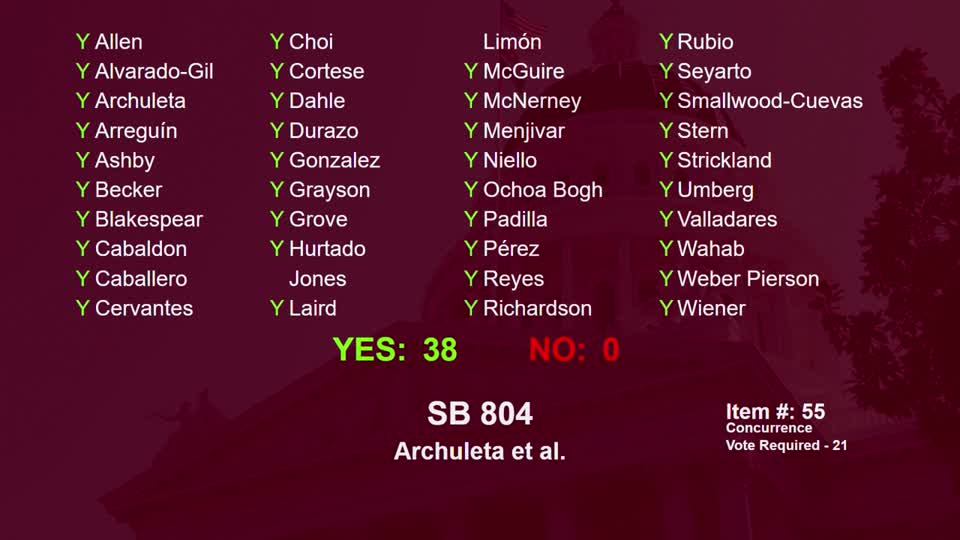 27MIN
Senate Floor
 34MIN
Senate Standing Committee on Education
 1MIN
Assembly Floor
 32MIN
Assembly Standing Committee on Appropriations
 18MIN
Assembly Standing Committee on Health
Bill Author
Bill Co-Author(s):