AB 2598: Health care facilities: notification of next of kin.
- Session Year: 2025-2026
- House: Assembly
- Latest Version Date: 2026-09-27
Current Status:
Passed
(2026-09-27: Chaptered by Secretary of State - Chapter 627, Statutes of 2026.)
Introduced
In Committee
Awaiting First Chamber Vote
Passed First Chamber
In Committee
Awaiting Second Chamber Vote
Passed Second Chamber
Enacted
Existing law provides for the licensure and regulation of health facilities, including general acute care hospitals and skilled nursing facilities, by the State Department of Public Health. A violation of these provisions is generally a crime.
Under existing law, if a person dies in a hospital, convalescent hospital, or board and care facility without known next of kin, the person in charge of the hospital or facility is required to give immediate notice of that fact to the public administrator of the county in which the hospital or facility is located, and if the person in charge fails to do so, the hospital or facility is liable for the cost of internment, as specified, and specified losses incurred by the estate or beneficiaries as a result of the failure to notify.
This bill would instead require the licensee in charge of a general acute care hospital or a skilled nursing facility to make a reasonable attempt to notify any known next of kin, as specified. The bill would state that this requirement is met if a skilled nursing facility notifies the persons resident representative or has the body transferred to a hospital after death, or if the person notified the hospital or facility, prior to death and in writing, that they do not want their known next of kin to be notified of their presence or death. The bill would require, if a reasonable attempt is made or the person expressed a desire that next of kin not be notified, as specified, that the hospital or facility give notice to the public administrator as described above.
The bill would make a hospital or facility that fails to notify any known next of kin liable for a continuing civil penalty of $200 per day, up to a maximum of $50,000, measured from the time it would take to make a reasonable attempt to notify the next of kin until the actual knowledge by the next of kin of the decedents death. The bill would also make a hospital or facility that fails to notify the county public administrator, as specified, liable for a continuing civil penalty of up to $200 per day, up to a maximum of $50,000, measured from the 5th business day following a persons death until the county public administrator is notified. The bill would authorize a licensee that disputes the assessment of a civil penalty to, within 10 working days of the notification of the penalty, request a hearing pursuant to specified law.
Existing law provides for the licensure and regulation of health facilities, including general acute care hospitals and skilled nursing facilities, by the State Department of Public Health. A violation of these provisions is generally a crime.
Under existing law, if a person dies in a hospital, convalescent hospital, or board and care facility without known next of kin, the person in charge of the hospital or facility is required to give immediate notice of that fact to the public administrator of the county in which the hospital or facility is located, and if the person in charge fails to do so, the hospital or facility is liable for the cost of internment, as specified, and specified losses incurred by the estate or beneficiaries as a result of the failure to notify.
This bill would instead require the person licensee in charge of a general acute care hospital or a skilled nursing facility to make a reasonable attempt to notify any known next of kin, as specified. The bill would state that this requirement is met if a skilled nursing facility notifies the persons resident representative or has the body transferred to a hospital after death, or if the person notified the hospital or facility, prior to death and in writing, that they do not want their known next of kin to be notified of their presence or death. The bill would require, if a reasonable attempt is made or the person expressed a desire that next of kin not be notified, as specified, that the hospital or facility give notice to the public administrator as described above.
The bill would make a hospital or facility that fails to notify any known next of kin liable for a continuing civil penalty of $200 per day, up to a maximum of $50,000, measured from the time it would take to make a reasonable attempt to notify the next of kin, as determined by the State Department of Public Health, kin until the actual knowledge by the next of kin of the decedents death. The bill would also make a hospital or facility that fails to notify the county public administrator, as specified, liable for a continuing civil penalty of up to $200 per day, up to a maximum of $50,000, measured from the time it would take to provide notice to the county public administrator, as determined by the department, 5th business day following a persons death until the county public administrator is notified. The bill would authorize the department to assess the penalty after notice and an opportunity to be heard. a licensee that disputes the assessment of a civil penalty to, within 10 working days of the notification of the penalty, request a hearing pursuant to specified law.
Existing law provides for the licensure and regulation of health facilities, including general acute care hospitals and skilled nursing facilities, by the State Department of Public Health. A violation of these provisions is generally a crime.
Under existing law, if a person dies in a hospital, convalescent hospital, or board and care facility without known next of kin, the person in charge of the hospital or facility is required to give immediate notice of that fact to the public administrator of the county in which the hospital or facility is located, and if the person in charge fails to do so, the hospital or facility is liable for the cost of internment, as specified, and specified losses incurred by the estate or beneficiaries as a result of the failure to notify.
This bill would instead require the person in charge of a general acute care hospital or a skilled nursing facility to make a reasonable attempt to notify any known next of kin, as specified. The bill would state that this requirement is met if a skilled nursing facility notifies the persons resident representative or has the body transferred to a hospital after death, or if the person notified the hospital or facility, prior to death and in writing, that they do not want their known next of kin to be notified of their presence or death. The bill would require, if a reasonable attempt is made or the person expressed a desire that next of kin not be notified, as specified, that the hospital or facility give notice to the public administrator as described above.
The bill would make a hospital or facility that fails to notify any known next of kin liable for a civil penalty of $200 per day, up to a maximum of $50,000, measured from the time it would take to make a reasonable attempt to notify the next of kin, as determined by the State Department of Public Health, until the actual knowledge by the next of kin of the decedents death. The bill would also make a hospital or facility that fails to notify the county public administrator, as specified, liable for a civil penalty of up to $200 per day, up to a maximum of $50,000, measured from the time it would take to provide notice to the county public administrator, as determined by the department, until the county public administrator is notified. The bill would authorize the department to assess the penalty after notice and an opportunity to be heard.
Existing law provides for the licensure and regulation of health facilities, including general acute care hospitals and skilled nursing facilities, by the State Department of Public Health. A violation of these provisions is generally a crime.
Under existing law, if a person dies in a hospital, convalescent hospital, or board and care facility without known next of kin, the person in charge of the hospital or facility is required to give immediate notice of that fact to the public administrator of the county in which the hospital or facility is located, and if the person in charge fails to do so, the hospital or facility is liable for the cost of internment, as specified, and specified losses incurred by the estate or beneficiaries as a result of the failure to notify.
This bill would instead require the person in charge of a general acute care hospital or a skilled nursing facility to make a reasonable attempt to notify any known next of kin that the person died in the hospital or facility, or if the body of a person is transferred to a general acute care hospital after death, the person in charge of the hospital to make a reasonable attempt to notify any known next of kin that the persons body is being held by the hospital, and if after a reasonable attempt the hospital or facility cannot notify next of kin, to kin, as specified. The bill would state that this requirement is met if a skilled nursing facility notifies the persons resident representative or has the body transferred to a hospital after death, or if the person notified the hospital or facility, prior to death and in writing, that they do not want their known next of kin to be notified of their presence or death. The bill would require, if a reasonable attempt is made or the person expressed a desire that next of kin not be notified, as specified, that the hospital or facility give notice to the public administrator as described above. The
The bill would make a hospital or facility that fails to notify any known next of kin liable for a civil penalty of $200 per day, up to a maximum of $50,000, measured from the time it would take to make a reasonable attempt to notify the next of kin, as determined by the State Department of Public Health, until the actual knowledge by the next of kin of the decedents death. The bill would also make a hospital or facility that fails to notify the county public administrator, as specified, liable for a civil penalty of up to $200 per day, up to a maximum of $50,000, measured from the time it would take to provide notice to the county public administrator, as determined by the department, until the county public administrator is notified. The bill would authorize the department to assess the penalty after notice and an opportunity to be heard.
Existing law provides for the licensure and regulation of health facilities, including general acute care hospitals and skilled nursing facilities, by the State Department of Public Health. A violation of these provisions is generally a crime. Existing law, the California Residential Care Facilities for the Elderly Act, provides for the licensure and regulation of residential care facilities for the elderly by the State Department of Social Services. A violation of the act is a misdemeanor.
Under existing law, if a person dies in a hospital, convalescent hospital, or board and care facility without known next of kin, the person in charge of the hospital or facility is required to give immediate notice of that fact to the public administrator of the county in which the hospital or facility is located, and if the person in charge fails to do so, the hospital or facility is liable for the cost of internment, as specified, and specified losses incurred by the estate or beneficiaries as a result of the failure to notify.
This bill would instead require a hospital, convalescent hospital, or board and care facility the person in charge of a general acute care hospital or a skilled nursing facility to make a reasonable attempt to notify any known next of kin that the person died in the hospital or facility, or if the body of a person is transferred to a general acute care hospital after death, the person in charge of the hospital or facility to make a reasonable attempt to notify any known next of kin that the persons body is being held by the hospital, and if after a reasonable attempt the hospital or facility cannot notify next of kin, to give notice to the public administrator as described above. The bill would make a hospital or a residential care facility for the elderly hospital or facility that fails to notify any known next of kin liable for a civil penalty of $200 per day, up to a maximum of $50,000, measured from the time it would take to make a reasonable effort attempt to notify the next of kin, as determined by the State Department of Public Health or the State Department of Social Services, as applicable, Health, until the actual knowledge by the next of kin of the decedents death. The bill would authorize the applicable department to assess a the penalty after notice and an opportunity to be heard.
Because a violation of the above-described provisions by a hospital or a residential care facility for the elderly would be a crime, the bill would impose a state-mandated local program.The California Constitution requires the state to reimburse local agencies and school districts for certain costs mandated by the state. Statutory provisions establish procedures for making that reimbursement.This bill would provide that no reimbursement is required by this act for a specified reason.Existing law provides for the licensure and regulation of health facilities, including general acute care hospitals and skilled nursing facilities, by the State Department of Public Health. A violation of these provisions is generally a crime. Existing law, the California Residential Care Facilities for the Elderly Act, provides for the licensure and regulation of residential care facilities for the elderly by the State Department of Social Services. A violation of the act is a misdemeanor.
Under existing law, if a person dies in a hospital, convalescent hospital, or board and care facility without known next of kin, the person in charge of the hospital or facility is required to give immediate notice of that fact to the public administrator of the county in which the hospital or facility is located, and if the person in charge fails to do so, the hospital or facility is liable for the cost of internment, as specified, and specified losses incurred by the estate or beneficiaries as a result of the failure to notify.
This bill would instead require a hospital, convalescent hospital, or board and care facility to make a reasonable attempt to notify any known next of kin that the person died in the facility, or if the body of a person is transferred to a hospital after death, the person in charge of the hospital or facility to make a reasonable attempt to notify any known next of kin that the persons body is being held by the hospital, and if after a reasonable attempt the facility cannot notify next of kin, to give notice to the public administrator as described above. The bill would make a hospital or a residential care facility for the elderly that fails to notify any known next of kin liable for a civil penalty of $200 per day, up to a maximum of $50,000, measured from the time it would take to make a reasonable effort to notify the next of kin, as determined by the State Department of Public Health or the State Department of Social Services, as applicable, until the actual knowledge by the next of kin of the decedents death. The bill would authorize the applicable department to assess a penalty after notice and an opportunity to be heard.
Because a violation of the above-described provisions by a hospital or a residential care facility for the elderly would be a crime, the bill would impose a state-mandated local program.
The California Constitution requires the state to reimburse local agencies and school districts for certain costs mandated by the state. Statutory provisions establish procedures for making that reimbursement.
This bill would provide that no reimbursement is required by this act for a specified reason.
(a)Notwithstanding any other provision of this chapter, a general acute care hospital, as defined in subdivision (a) of Section 1250, or a skilled nursing facility, as defined in subdivision (c) of Section 1250, that fails to make a reasonable attempt to notify any known next of kin of a persons death, as described in Section 7600.4 of the Probate Code, shall be liable for a continuing civil penalty in the amount of two hundred dollars ($200) for each day of the violation, up to fifty thousand dollars ($50,000), measured from the time it would take to make a reasonable attempt to notify the next of kin until the actual knowledge by the next of kin of the decedents death.
(b)Notwithstanding any other provision of this chapter, a general acute care hospital, as defined in subdivision (a) of Section 1250, or a skilled nursing facility, as defined in subdivision (c) of Section 1250, that fails to notify the county public administrator of a persons death, as described in Section 7600.4 of the Probate Code, shall be liable for a continuing civil penalty in the amount of two hundred dollars ($200) for each day of the violation, up to fifty thousand dollars ($50,000), measured from the fifth business day following a persons death until the county public administrator is notified.
(c)If a licensee disputes the assessment by the department of a civil penalty pursuant to this section, the licensee may, within 10 working days of the licensees receipt of the notification of the civil penalty, request a hearing pursuant to Section 131071.
(d)This section does not preclude the application of any other existing civil remedies provided by law.
(e)For the purposes of this article, known next of kin means a relative of the person by blood, marriage, or registered domestic partnership, identified to the hospital or facility by the person or persons representative, or identified by information contained in the persons belongings.
SEC. 2.Section 7600.4 is added to the Probate Code, to read:7600.4.(a)(1)(A)If a person dies in a general acute care hospital or a skilled nursing facility, the licensee shall make a reasonable attempt to notify any known next of kin that the person died in the hospital or facility.
(B)If the body of a person is transferred to a hospital after death, the licensee shall make a reasonable attempt to notify any known next of kin that the persons body is being held by the hospital.
(2)The requirements of paragraph (1) may also be met by the hospital or facility in either of the following ways:
(A)The facility notifies the designated resident representative of the person who died in the facility or has their body transferred to a hospital after death.
(B)The hospital or facility is informed by the person, prior to death and in writing, that they do not want their known next of kin to be notified of their presence or death.
(b)If, after either a reasonable attempt described in paragraph (1) of subdivision (a), the licensee cannot locate any next of kin, or the requirements of paragraph (2) of subdivision (a) are satisfied, the licensee shall give notice within two business days of the fact that the person died in the hospital or facility or died and is being held by the hospital, to the public administrator of the county in which the hospital or facility is located. If the notice required by this section is not given, the hospital or facility is liable for both of the following:
(1)Any cost of interment incurred by the estate or the county as a result of the failure.
(2)Any loss to the estate or beneficiaries caused by loss, injury, waste, or misappropriation of property of the decedent as a result of the failure.
(c)If a hospital or facility is required to notify the county public administrator pursuant to subdivision (b), the hospital or facility shall provide the county public administrator with any identifying information they have available that may assist the county public administrator in identifying the decedent and their known next of kin, including, but not limited to, the decedents full legal name, social security number, drivers license, or other identification, residence at the time of death or last known address, and any available contact information for known next of kin.
(d)For the purposes of this section and Section 7600.5, the following definitions apply:
(1)General acute care hospital or hospital has the same meaning as defined in subdivision (a) of Section 1250 of the Health and Safety Code.
(2)Known next of kin means a relative of the person by blood, marriage, or registered domestic partnership, identified to the hospital or facility by the person or persons representative, or identified by information contained in the persons belongings.
(3)Reasonable attempt means a documented, good-faith effort by the hospital or facility to contact any known next of kin within 72 hours of a persons death using any contact information available to the hospital or facility at the time, including, but not limited to, speaking to the next of kin via telephone or leaving a voicemail message and, if available, sending a text message or an email to the next of kin.
(4)Resident representative has the same meaning as used in subdivision (a) of Section 1599.15 of the Health and Safety Code.
(5)Skilled nursing facility or facility has the same meaning as defined in subdivision (c) of Section 1250 of the Health and Safety Code.
(e)This section does not apply to the death of an incarcerated individual in the custody of the Department of Corrections and Rehabilitation, as next of kin notifications for incarcerated persons are governed by Sections 5022 and 6401 of the Penal Code.
SEC. 3.Section 7600.5 of the Probate Code is amended to read:7600.5.If a person dies in a health facility other than a general acute care hospital or a skilled nursing facility or in a board and care facility without known next of kin, the person in charge of the hospital or facility shall give immediate notice of that fact to the public administrator of the county in which the hospital or facility is located. If the notice required by this section is not given, the hospital or facility is liable for both of the following:
(a)Any cost of interment incurred by the estate or the county as a result of the failure.
(b)Any loss to the estate or beneficiaries caused by loss, injury, waste, or misappropriation of property of the decedent as a result of the failure.
(c)This section does not apply to the death of an incarcerated individual in the custody of the Department of Corrections and Rehabilitation, as next of kin notifications for incarcerated persons are governed by Sections 5022 and 6401 of the Penal Code.
(a)Notwithstanding any other provision of this chapter, a general acute care hospital, as defined in subdivision (a) of Section 1250, or a skilled nursing facility, as defined in subdivision (c) of Section 1250, that violates Section 7600.4 of the Probate Code by failing to make a reasonable attempt to notify any known next of kin shall be liable for a fails to make a reasonable attempt to notify any known next of kin of a persons death, as described in Section 7600.4 of the Probate Code, shall be liable for a continuing civil penalty in the amount of two hundred dollars ($200) for each day of the violation, up to fifty thousand dollars ($50,000), measured from the time it would take to make a reasonable attempt to notify the next of kin, as determined by the State Department of Public Health, kin until the actual knowledge by the next of kin of the decedents death.
(b)Notwithstanding any other provision of this chapter, a general acute care hospital, as defined in subdivision (a) of Section 1250, or a skilled nursing facility, as defined in subdivision (c) of Section 1250, that violates Section 7600.4 of the Probate Code by failing to notify the county public administrator shall be liable for a fails to notify the county public administrator of a persons death, as described in Section 7600.4 of the Probate Code, shall be liable for a continuing civil penalty in the amount of two hundred dollars ($200) for each day of the violation, up to fifty thousand dollars ($50,000), measured from the time it would take to provide notice to the county public administrator, as determined by the State Department of Public Health, fifth business day following a persons death until the county public administrator is notified.
(c)The State Department of Public Health may, after notice and an opportunity to be heard, in accordance with Chapter 5 (commencing with Section 11500) of Part 1 of Division 3 of Title 2 of the Government Code, assess the penalties described in subdivisions (a) and (b).(c)If a licensee disputes the assessment by the department of a civil penalty pursuant to this section, the licensee may, within 10 working days of the licensees receipt of the notification of the civil penalty, request a hearing pursuant to Section 131071.
(d)This section does not preclude the application of any other existing civil remedies provided by law.
(e)For the purposes of this article, known next of kin means a relative of the person by blood, marriage, or registered domestic partnership, identified to the hospital or facility by the person or persons representative, or identified by information contained in the persons belongings.
SEC. 2.Section 7600.4 is added to the Probate Code, to read:7600.4.(a)(1)(A)If a person dies in a general acute care hospital or a skilled nursing facility, the person in charge of the hospital or facility or their designee licensee shall make a reasonable attempt to notify any known next of kin that the person died in the hospital or facility.
(B)If the body of a person is transferred to a hospital after death, the person in charge of the hospital or their designee licensee shall make a reasonable attempt to notify any known next of kin that the persons body is being held by the hospital.
(2)The requirements of paragraph (1) may also be met by the hospital or facility in either of the following ways:
(A)The facility notifies the designated resident representative of the person who died in the facility or has their body transferred to a hospital after death.
(B)The hospital or facility is informed by the person, prior to death and in writing, that they do not want their known next of kin to be notified of their presence or death.
(b)If, after either a reasonable attempt described in paragraph (1) of subdivision (a), the person in charge of the hospital or facility or their designee licensee cannot locate any next of kin, or the requirements of paragraph (2) of subdivision (a) are satisfied, the person in charge, or their designee, licensee shall give notice within two business days of the fact that the person died in the hospital or facility or died and is being held by the hospital, to the public administrator of the county in which the hospital or facility is located. If the notice required by this section is not given, the hospital or facility is liable for both of the following:
(1)Any cost of interment incurred by the estate or the county as a result of the failure.
(2)Any loss to the estate or beneficiaries caused by loss, injury, waste, or misappropriation of property of the decedent as a result of the failure.
(c)If a hospital or facility is required to notify the county public administrator pursuant to subdivision (b), the hospital or facility shall provide the county public administrator with any identifying information they have available that may assist the county public administrator in identifying the decedent and their known next of kin, including, but not limited to, the decedents full legal name, social security number, drivers license, or other identification, residence at the time of death or last known address, and any available contact information for known next of kin.
(d)For the purposes of this section, section and Section 7600.5, the following definitions apply:
(1)General acute care hospital or hospital has the same meaning as defined in subdivision (a) of Section 1250 of the Health and Safety Code.
(2)Known next of kin means a relative of the person by blood, marriage, or registered domestic partnership, identified to the hospital or facility by the person or persons representative, or identified by information contained in the persons belongings.
(3)Reasonable attempt means a documented, good-faith effort by the hospital or facility to contact any known next of kin within 72 hours of a persons death using any contact information available to the hospital or facility at the time, including, but not limited to, speaking to the next of kin via telephone or leaving a voicemail message and, if available, sending a text message or an email to the next of kin.
(4)Resident representative has the same meaning as used in subdivision (a) of Section 1599.15 of the Health and Safety Code.
(5)Skilled nursing facility or facility has the same meaning as defined in subdivision (c) of Section 1250 of the Health and Safety Code.
(e)This section does not apply to the death of an incarcerated individual in the custody of the Department of Corrections and Rehabilitation, as next of kin notifications for incarcerated persons are governed by Sections 5022 and 6401 of the Penal Code.
SEC. 3.Section 7600.5 of the Probate Code is amended to read:7600.5.If a person dies in a hospital that is not a general acute care hospital, as defined in subdivision (a) of Section 1250 of the Health and Safety Code, a convalescent hospital that is not a skilled nursing facility, as defined in subdivision (c) of Section 1250 of the Health and Safety Code, or health facility other than a general acute care hospital or a skilled nursing facility or in a board and care facility without known next of kin, the person in charge of the hospital or facility shall give immediate notice of that fact to the public administrator of the county in which the hospital or facility is located. If the notice required by this section is not given, the hospital or facility is liable for both of the following:
(a)Any cost of interment incurred by the estate or the county as a result of the failure.
(b)Any loss to the estate or beneficiaries caused by loss, injury, waste, or misappropriation of property of the decedent as a result of the failure.
(c)This section does not apply to the death of an incarcerated individual in the custody of the Department of Corrections and Rehabilitation, as next of kin notifications for incarcerated persons are governed by Sections 5022 and 6401 of the Penal Code.
(a)Notwithstanding any other provision of this chapter, a general acute care hospital, as defined in subdivision (a) of Section 1250, or a skilled nursing facility, as defined in subdivision (c) of Section 1250, that violates Section 7600.4 of the Probate Code by failing to make a reasonable attempt to notify any known next of kin shall be liable for a civil penalty in the amount of two hundred dollars ($200) for each day of the violation, up to fifty thousand dollars ($50,000), measured from the time it would take to make a reasonable attempt to notify the next of kin, as determined by the State Department of Public Health, until the actual knowledge by the next of kin of the decedents death.
(b)Notwithstanding any other provision of this chapter, a general acute care hospital, as defined in subdivision (a) of Section 1250, or a skilled nursing facility, as defined in subdivision (c) of Section 1250, that violates Section 7600.4 of the Probate Code by failing to notify the county public administrator shall be liable for a civil penalty in the amount of two hundred dollars ($200) for each day of the violation, up to fifty thousand dollars ($50,000), measured from the time it would take to provide notice to the county public administrator, as determined by the State Department of Public Health, until the county public administrator is notified.
(c)The State Department of Public Health may, after notice and an opportunity to be heard, in accordance with Chapter 5 (commencing with Section 11500) of Part 1 of Division 3 of Title 2 of the Government Code, assess the penalties described in subdivisions (a) and (b).
(d)This section does not preclude the application of any other existing civil remedies provided by law.
SEC. 2.Section 7600.4 is added to the Probate Code, to read:7600.4.(a)(1)(A)If a person dies in a general acute care hospital or a skilled nursing facility, the person in charge of the hospital or facility or their designee shall make a reasonable attempt to notify any known next of kin that the person died in the hospital or facility.
(B)If the body of a person is transferred to a hospital after death, the person in charge of the hospital or their designee shall make a reasonable attempt to notify any known next of kin that the persons body is being held by the hospital.
(2)The requirements of paragraph (1) may also be met by the hospital or facility in either of the following ways:
(A)The facility notifies the designated resident representative of the person who died in the facility or has their body transferred to a hospital after death.
(B)The hospital or facility is informed by the person, prior to death and in writing, that they do not want their known next of kin to be notified of their presence or death.
(b)If, after either a reasonable attempt described in paragraph (1) of subdivision (a), the person in charge of the hospital or facility or their designee cannot locate any next of kin, or the requirements of paragraph (2) of subdivision (a) are satisfied, the person in charge, or their designee, shall give notice within two business days of the fact that the person died in the hospital or facility or died and is being held by the hospital, to the public administrator of the county in which the hospital or facility is located. If the notice required by this section is not given, the hospital or facility is liable for both of the following:
(1)Any cost of interment incurred by the estate or the county as a result of the failure.
(2)Any loss to the estate or beneficiaries caused by loss, injury, waste, or misappropriation of property of the decedent as a result of the failure.
(c)If a hospital or facility is required to notify the county public administrator pursuant to subdivision (b), the hospital or facility shall provide the county public administrator with any identifying information they have available that may assist the county public administrator in identifying the decedent and their known next of kin, including, but not limited to, the decedents full legal name, social security number, drivers license, or other identification, residence at the time of death or last known address, and any available contact information for known next of kin.
(d)For purposes of this section, the following definitions apply:
(1)General acute care hospital or hospital has the same meaning as defined in subdivision (a) of Section 1250 of the Health and Safety Code.
(2)Known next of kin means a relative of the person by blood, marriage, or registered domestic partnership, identified to the hospital or facility by the person or persons representative, or identified by information contained in the persons belongings.
(3)Reasonable attempt means a documented, good-faith effort by the hospital or facility to contact any known next of kin within 72 hours of a persons death using any contact information available to the hospital or facility at the time, including, but not limited to, speaking to the next of kin via telephone or leaving a voicemail message and, if available, sending a text message or an email to the next of kin.
(4)Resident representative has the same meaning as used in subdivision (a) of Section 1599.15 of the Health and Safety Code.
(5)Skilled nursing facility or facility has the same meaning as defined in subdivision (c) of Section 1250 of the Health and Safety Code.
(e)This section does not apply to the death of an incarcerated individual in the custody of the Department of Corrections and Rehabilitation, as next of kin notifications for incarcerated persons are governed by Sections 5022 and 6401 of the Penal Code.
SEC. 3.Section 7600.5 of the Probate Code is amended to read:7600.5.If a person dies in a hospital that is not a general acute care hospital, as defined in subdivision (a) of Section 1250 of the Health and Safety Code, a convalescent hospital that is not a skilled nursing facility, as defined in subdivision (c) of Section 1250 of the Health and Safety Code, or a board and care facility without known next of kin, the person in charge of the hospital or facility shall give immediate notice of that fact to the public administrator of the county in which the hospital or facility is located. If the notice required by this section is not given, the hospital or facility is liable for both of the following:
(a)Any cost of interment incurred by the estate or the county as a result of the failure.
(b)Any loss to the estate or beneficiaries caused by loss, injury, waste, or misappropriation of property of the decedent as a result of the failure.
(c)This section does not apply to the death of an incarcerated individual in the custody of the Department of Corrections and Rehabilitation, as next of kin notifications for incarcerated persons are governed by Sections 5022 and 6401 of the Penal Code.
(a)Notwithstanding any other provision of this chapter, a general acute care hospital, as defined in subdivision (a) of Section 1250, or a skilled nursing facility, as defined in subdivision (c) of Section 1250, that violates Section 7600.4 of the Probate Code by failing to make a reasonable attempt to notify any known next of kin shall be liable for a civil penalty in the amount of two hundred dollars ($200) for each day of the violation, up to fifty thousand dollars ($50,000), measured from the time it would take to make a reasonable attempt to notify the next of kin, as determined by the State Department of Public Health Health, until the actual knowledge by the next of kin of the decedents death.
(b)Notwithstanding any other provision of this chapter, a general acute care hospital, as defined in subdivision (a) of Section 1250, or a skilled nursing facility, as defined in subdivision (c) of Section 1250, that violates Section 7600.4 of the Probate Code by failing to notify the county public administrator shall be liable for a civil penalty in the amount of two hundred dollars ($200) for each day of the violation, up to fifty thousand dollars ($50,000), measured from the time it would take to provide notice to the county public administrator, as determined by the State Department of Public Health, until the county public administrator is notified.
(b)(c)The State Department of Public Health may, after notice and an opportunity to be heard, in accordance with Chapter 5 (commencing with Section 11500) of Part 1 of Division 3 of Title 2 of the Government Code, assess the penalty penalties described in subdivision (a). subdivisions (a) and (b).
(c)(d)This section does not preclude the application of any other existing civil remedies provided by law.
SEC. 2.Section 7600.4 is added to the Probate Code, to read:7600.4.(a)(1)(A)If a person dies in a general acute care hospital, as defined in subdivision (a) of Section 1250 of the Health and Safety Code, hospital or a skilled nursing facility, as defined in subdivision (c) of Section 1250 of the Health and Safety Code, the person in charge of the hospital or facility or their designee shall make a reasonable attempt to notify any known next of kin that the person died in the hospital or facility.
(2)(B)If the body of a person is transferred to a general acute care hospital after death, the person in charge of the hospital or their designee shall make a reasonable attempt to notify any known next of kin that the persons body is being held by the hospital.
(2)The requirements of paragraph (1) may also be met by the hospital or facility in either of the following ways:
(A)The facility notifies the designated resident representative of the person who died in the facility or has their body transferred to a hospital after death.
(B)The hospital or facility is informed by the person, prior to death and in writing, that they do not want their known next of kin to be notified of their presence or death.
(b)If, after the either a reasonable attempt described in paragraph (1) of subdivision (a), the person in charge of the hospital or facility or their designee cannot locate any next of kin, or the requirements of paragraph (2) of subdivision (a) are satisfied, the person in charge, or their designee, shall give notice within 48 hours two business days of the fact that the person died in the hospital or facility or died and is being held by the hospital, to the public administrator of the county in which the hospital or facility is located. If the notice required by this section is not given, the hospital or facility is liable for both of the following:
(1)Any cost of interment incurred by the estate or the county as a result of the failure.
(2)Any loss to the estate or beneficiaries caused by loss, injury, waste, or misappropriation of property of the decedent as a result of the failure.
(c)If a hospital or facility is required to notify the county public administrator pursuant to subdivision (b), the hospital or facility shall provide the county public administrator with any identifying information they have available that may assist the county public administrator in identifying the decedent and their known next of kin, including, but not limited to, the decedents full legal name, social security number, drivers license, or other identification, residence at the time of death or last known address, and any available contact information for known next of kin.
(c)(d)For purposes of this section, reasonable the following definitions apply:
(1)General acute care hospital or hospital has the same meaning as defined in subdivision (a) of Section 1250 of the Health and Safety Code.
(2)Known next of kin means a relative of the person by blood, marriage, or registered domestic partnership, identified to the hospital or facility by the person or persons representative, or identified by information contained in the persons belongings.
(3)Reasonable attempt means a documented, good-faith effort by the hospital or facility to contact any known next of kin within 72 hours of a persons death using any contact information available to the hospital or facility at the time, including, but not limited to, speaking to the next of kin via telephone or leaving a voicemail message and, if available, sending a text message or an email to the next of kin.
(4)Resident representative has the same meaning as used in subdivision (a) of Section 1599.15 of the Health and Safety Code.
(5)Skilled nursing facility or facility has the same meaning as defined in subdivision (c) of Section 1250 of the Health and Safety Code.
SEC. 3.Section 7600.5 of the Probate Code is amended to read:7600.5.If a person dies in a hospital that is not a general acute care hospital, as defined in subdivision (a) of Section 1250 of the Health and Safety Code, a convalescent hospital that is not a skilled nursing facility, as defined in subdivision (c) of Section 1250 of the Health and Safety Code, or a board and care facility without known next of kin, the person in charge of the hospital or facility shall give immediate notice of that fact to the public administrator of the county in which the hospital or facility is located. If the notice required by this section is not given, the hospital or facility is liable for both of the following:
(a)Any cost of interment incurred by the estate or the county as a result of the failure.
(b)Any loss to the estate or beneficiaries caused by loss, injury, waste, or misappropriation of property of the decedent as a result of the failure.
(a)Notwithstanding any other provision of this chapter, a hospital general acute care hospital, as defined in subdivision (a) of Section 1250, or a skilled nursing facility, as defined in subdivision (c) of Section 1250, that violates Section 7600.5 7600.4 of the Probate Code by failing to make a reasonable effort attempt to notify any known next of kin shall be liable for a civil penalty in the amount of two hundred dollars ($200) for each day of the violation, up to fifty thousand dollars ($50,000), measured from the time it would take to make a reasonable effort attempt to notify the next of kin, as determined by the department, State Department of Public Health until the actual knowledge by the next of kin of the decedents death.
(b)The State Department of Public Health may, after notice and an opportunity to be heard, heard, in accordance with Chapter 5 (commencing with Section 11500) of Part 1 of Division 3 of Title 2 of the Government Code, assess the penalty described in subdivision (a).
(c)This section does not preclude the application of any other existing civil remedies provided by law.
SEC. 2.Section 1569.492 is added to the Health and Safety Code, to read:1569.492.(a)Notwithstanding any other provision of this chapter, a facility that violates Section 7600.5 of the Probate Code by failing to make a reasonable effort to notify any known next of kin shall be liable for a civil penalty in the amount of two hundred dollars ($200) for each day of the violation, up to fifty thousand dollars ($50,000), measured from the time it would take to make a reasonable effort to notify the next of kin, as determined by the department, until the actual knowledge by the next of kin of the decedents death.(b)The State Department of Social Services may, after notice and an opportunity to be heard, assess the penalty described in subdivision (a).(c)This section does not preclude the application of any other existing civil remedies provided by law.SEC. 3.Section 7600.5 of the Probate Code is amended to read:7600.5.(a)(1)If a person dies in a hospital, convalescent hospital, or board and care facility, the person in charge of the hospital or facility shall make a reasonable attempt to notify any known next of kin that the person died in the facility.(2)If the body of a person is transferred to a hospital after death, the person in charge of the hospital or facility shall make a reasonable attempt to notify any known next of kin that the persons body is being held by the hospital.(b)If, after the reasonable attempt described in subdivision (a), the person in charge of the hospital, convalescent hospital, or board and care facility cannot locate any next of kin, the person in charge shall give immediate notice of the fact that the person died in the facility or died and is being held by the hospital, as appropriate, to the public administrator of the county in which the hospital or facility is located. If the notice required by this section is not given, the hospital or facility is liable for both of the following:(1)Any cost of interment incurred by the estate or the county as a result of the failure.(2)Any loss to the estate or beneficiaries caused by loss, injury, waste, or misappropriation of property of the decedent as a result of the failure.SEC. 2.Section 7600.4 is added to the Probate Code, to read:7600.4.(a)(1)If a person dies in a general acute care hospital, as defined in subdivision (a) of Section 1250 of the Health and Safety Code, or a skilled nursing facility, as defined in subdivision (c) of Section 1250 of the Health and Safety Code, the person in charge of the hospital or facility or their designee shall make a reasonable attempt to notify any known next of kin that the person died in the hospital or facility.
(2)If the body of a person is transferred to a general acute care hospital after death, the person in charge of the hospital or their designee shall make a reasonable attempt to notify any known next of kin that the persons body is being held by the hospital.
(b)If, after the reasonable attempt described in subdivision (a), the person in charge of the hospital or facility or their designee cannot locate any next of kin, the person in charge, or their designee, shall give notice within 48 hours of the fact that the person died in the hospital or facility or died and is being held by the hospital, to the public administrator of the county in which the hospital or facility is located. If the notice required by this section is not given, the hospital or facility is liable for both of the following:
(1)Any cost of interment incurred by the estate or the county as a result of the failure.
(2)Any loss to the estate or beneficiaries caused by loss, injury, waste, or misappropriation of property of the decedent as a result of the failure.
(c)For purposes of this section, reasonable attempt means a documented, good-faith effort by the hospital or facility to contact any known next of kin within 72 hours of a persons death using any contact information available to the hospital or facility at the time, including, but not limited to, speaking to the next of kin via telephone or leaving a voicemail message and, if available, sending a text message or an email to the next of kin.
SEC. 3.Section 7600.5 of the Probate Code is amended to read:7600.5.If a person dies in a hospital, convalescent hospital, or hospital that is not a general acute care hospital, as defined in subdivision (a) of Section 1250 of the Health and Safety Code, a convalescent hospital that is not a skilled nursing facility, as defined in subdivision (c) of Section 1250 of the Health and Safety Code, or a board and care facility without known next of kin, the person in charge of the hospital or facility shall give immediate notice of that fact to the public administrator of the county in which the hospital or facility is located. If the notice required by this section is not given, the hospital or facility is liable for (1) any both of the following:
(a)Any cost of interment incurred by the estate or the county as a result of the failure and (2) any failure.
(b)Any loss to the estate or beneficiaries caused by loss, injury, waste, or misappropriation of property of the decedent as a result of the failure.
SEC. 4.No reimbursement is required by this act pursuant to Section 6 of Article XIIIB of the California Constitution because the only costs that may be incurred by a local agency or school district will be incurred because this act creates a new crime or infraction, eliminates a crime or infraction, or changes the penalty for a crime or infraction, within the meaning of Section 17556 of the Government Code, or changes the definition of a crime within the meaning of Section 6 of Article XIIIB of the California Constitution. REVISIONS: HeadingLine 2.(a)Notwithstanding any other provision of this chapter, a hospital that violates Section 7600.5 of the Probate Code by failing to make a reasonable effort to notify any known next of kin shall be liable for a civil penalty in the amount of two hundred dollars ($200) for each day of the violation, up to fifty thousand dollars ($50,000), measured from the time it would take to make a reasonable effort to notify the next of kin, as determined by the department, until the actual knowledge by the next of kin of the decedents death.
(b)The State Department of Public Health may, after notice and an opportunity to be heard, assess the penalty described in subdivision (a).
(c)This section does not preclude the application of any other existing civil remedies provided by law.
SEC. 2.Section 1569.492 is added to the Health and Safety Code, to read:1569.492.(a)Notwithstanding any other provision of this chapter, a facility that violates Section 7600.5 of the Probate Code by failing to make a reasonable effort to notify any known next of kin shall be liable for a civil penalty in the amount of two hundred dollars ($200) for each day of the violation, up to fifty thousand dollars ($50,000), measured from the time it would take to make a reasonable effort to notify the next of kin, as determined by the department, until the actual knowledge by the next of kin of the decedents death.
(b)The State Department of Social Services may, after notice and an opportunity to be heard, assess the penalty described in subdivision (a).
(c)This section does not preclude the application of any other existing civil remedies provided by law.
SEC. 3.Section 7600.5 of the Probate Code is amended to read:7600.5.(a)(1)If a person dies in a hospital, convalescent hospital, or board and care facility without known next of kin, the person in charge of the hospital or facility shall give immediate notice of that fact facility, the person in charge of the hospital or facility shall make a reasonable attempt to notify any known next of kin that the person died in the facility.
(2)If the body of a person is transferred to a hospital after death, the person in charge of the hospital or facility shall make a reasonable attempt to notify any known next of kin that the persons body is being held by the hospital.
(b)If, after the reasonable attempt described in subdivision (a), the person in charge of the hospital, convalescent hospital, or board and care facility cannot locate any next of kin, the person in charge shall give immediate notice of the fact that the person died in the facility or died and is being held by the hospital, as appropriate, to the public administrator of the county in which the hospital or facility is located. If the notice required by this section is not given, the hospital or facility is liable for (1) any cost of interment incurred by the estate or the county as a result of the failure and (2) any loss to the estate or beneficiaries caused by loss, injury, waste, or misappropriation of property of the decedent as a result of the failure. both of the following:
(1)Any cost of interment incurred by the estate or the county as a result of the failure.
(2)Any loss to the estate or beneficiaries caused by loss, injury, waste, or misappropriation of property of the decedent as a result of the failure.
SEC. 4.No reimbursement is required by this act pursuant to Section 6 of Article XIIIB of the California Constitution because the only costs that may be incurred by a local agency or school district will be incurred because this act creates a new crime or infraction, eliminates a crime or infraction, or changes the penalty for a crime or infraction, within the meaning of Section 17556 of the Government Code, or changes the definition of a crime within the meaning of Section 6 of Article XIIIB of the California Constitution.
|
Date
|
Status
|
|---|---|
| Sep 27, 2026 | Chaptered by Secretary of State - Chapter 627, Statutes of 2026. |
| Sep 27, 2026 | Approved by the Governor. |
| Sep 10, 2026 | Enrolled and presented to the Governor at 3 p.m. |
| Aug 30, 2026 | Senate amendments concurred in. To Engrossing and Enrolling. (Ayes 79. Noes 0. Page 6881.). |
| Aug 30, 2026 | Senate amendments concurred in. To Engrossing and Enrolling. (Ayes 79. Noes 0.). |
| Aug 30, 2026 | Senate amendments concurred in. To Engrossing and Enrolling. |
| Aug 28, 2026 | In Assembly. Concurrence in Senate amendments pending. |
| Aug 27, 2026 | Read third time. Passed. Ordered to the Assembly. (Ayes 40. Noes 0. Page 6012.). |
| Aug 27, 2026 | Read third time. Passed. Ordered to the Assembly. (Ayes 39. Noes 0.). |
| Aug 24, 2026 | Read second time. Ordered to third reading. |
| Aug 20, 2026 | Read third time and amended. Ordered to second reading. |
| Aug 17, 2026 | Read second time. Ordered to third reading. |
| Aug 13, 2026 | Read second time and amended. Ordered returned to second reading. |
| Aug 13, 2026 | From committee: Amend, and do pass as amended. (Ayes 6. Noes 0.) (August 13). |
| Aug 3, 2026 | In committee: Referred to APPR. suspense file. |
| Jul 1, 2026 | From committee: Do pass and re-refer to Com. on APPR. with recommendation: To Consent Calendar. (Ayes 13. Noes 0.) (June 30). Re-referred to Com. on APPR. |
| Jun 25, 2026 | From committee: Do pass and re-refer to Com. on JUD. with recommendation: To Consent Calendar. (Ayes 11. Noes 0.) (June 24). Re-referred to Com. on JUD. |
| Jun 16, 2026 | From committee chair, with author's amendments: Amend, and re-refer to committee. Read second time, amended, and re-referred to Com. on HEALTH. |
| Jun 10, 2026 | Referred to Coms. on HEALTH and JUD. |
| May 28, 2026 | In Senate. Read first time. To Com. on RLS. for assignment. |
| May 27, 2026 | Read third time. Passed. Ordered to the Senate. (Ayes 78. Noes 0. Page 5467.) |
| May 27, 2026 | Read third time. Passed. Ordered to the Senate. (Ayes 78. Noes 0.) |
| May 27, 2026 | Read third time. Passed. Ordered to the Senate. |
| May 18, 2026 | Read second time. Ordered to third reading. |
| May 14, 2026 | From committee: Do pass. (Ayes 14. Noes 0.) (May 14). |
| May 6, 2026 | In committee: Set, first hearing. Referred to APPR. suspense file. |
| Apr 22, 2026 | From committee: Do pass and re-refer to Com. on APPR. (Ayes 12. Noes 0.) (April 21). Re-referred to Com. on APPR. |
| Apr 22, 2026 | Coauthors revised. |
| Apr 13, 2026 | Re-referred to Com. on JUD. |
| Apr 9, 2026 | Read second time and amended. |
| Apr 8, 2026 | From committee: Amend, and do pass as amended and re-refer to Com. on JUD. (Ayes 16. Noes 0.) (April 7). |
| Mar 18, 2026 | In committee: Hearing postponed by committee. |
| Mar 9, 2026 | Referred to Coms. on HEALTH and JUD. |
| Feb 21, 2026 | From printer. May be heard in committee March 23. |
| Feb 20, 2026 | Read first time. To print. |
|
Date
|
Description
|
Location
|
Votes
|
|
|---|---|---|---|---|
| Aug 30, 2026 | AB 2598 Krell Concurrence in Senate Amendments | Assembly Floor |
Passed |
|
| Aug 27, 2026 | Assembly 3rd Reading AB2598 Krell et al. By Cabaldon | Senate Floor |
Passed |
|
| Aug 13, 2026 | Do pass as amended | Senate Standing Committee on Appropriations |
Passed |
|
| Aug 3, 2026 | Placed on suspense file | Senate Standing Committee on Appropriations |
Passed |
|
| Jun 30, 2026 | Do pass, but first be re-referred to the Committee on [Appropriations] with the recommendation: To Consent Calendar | Senate Standing Committee on Judiciary |
Passed |
|
| Jun 24, 2026 | Do pass, but first be re-referred to the Committee on [Judiciary] with the recommendation: To Consent Calendar | Senate Standing Committee on Health |
Passed |
|
| May 27, 2026 | AB 2598 Krell Assembly Third Reading | Assembly Floor |
Passed |
|
| May 14, 2026 | Do pass. | Assembly Standing Committee on Appropriations |
Passed |
|
| Apr 21, 2026 | Do pass and be re-referred to the Committee on [Appropriations] | Assembly Standing Committee on Judiciary |
Passed |
|
| Apr 7, 2026 | Do pass as amended and be re-referred to the Committee on [Judiciary] | Assembly Standing Committee on Health |
Passed |
This list shows positions taken on this bill by organizations on the date displayed, which is linked to the original source.
Positions by individuals are not included.
|
Organization
|
Position
|
Date
|
|---|---|---|
| California Advocates for Nursing Home Reform | ** Support |
CONCURRENCE IN SENATE AMENDMENTS
CSA1 Bill Id:AB 2598
Author:(Krell)
As Amended Ver:August 20, 2026
Majority vote
SUMMARY
Requires the licensee in charge of a general acute care hospital or a skilled nursing facility (SNF) to make a reasonable attempt to notify any known next of kin that the person has died in the hospital or facility, or, if the body of a person is transferred to a hospital after death, requires the person in charge of the hospital to make a reasonable attempt to notify any known next of kin that the person’s body is being held by the hospital, and if after a reasonable attempt the facility cannot notify next of kin, to give notice to the public administrator (PA) of the county in which the death occurred. Makes a hospital or facility that fails to notify any known next of kin liable for a continuing civil penalty of $200 per day, up to a maximum of $50,000, measured from the 5th business day following a person’s death until the county public administrator is notified. Authorizes a license that disputes the assessment of a civil penalty to, within 10 working days of the notification of the penalty, request a hearing.
Senate Amendments
- Clarify a SNF has made a reasonable attempt to notify any known next of kin, if the SNF notifies the person's resident representative or has the body transferred to a hospital after death, or if the person notified the hospital or facility, prior to death and in writing, that they do not want their known next of kin to be notified of their presence or death;
- Make a hospital or facility that fails to notify the county public administrator liable for a continuing civil penalty of up to $200 per day, up to a maximum of $50,000 if specified conditions are met;
- Specify that the provisions of this bill do not apply to the death of an incarcerated individual in the custody of the Department of Corrections and Rehabilitation, as next of kin notifications for incarcerated person are governed under other sections of existing law; and,
- Remove references to Probate code in which the Department of Public Health (DPH) has no authority to determine violations.
COMMENTS
Generally, when someone passes away in a hospital, convalescent hospital, or board and care facility, California Probate Code requires that the hospital or facility notify the PA in the county where the hospital or facility is located if there is no known next of kin. This code section largely relates to fiduciary responsibilities, as the code holds hospitals and facilities liable for the cost of interment or loss to the estate or beneficiaries. Following notification, the PA then carries the responsibility to search for property, a will, and instructions for the disposition of the deceased’s remains. Existing law, while relatively clear on what happens if there is no known next of kin, lacks clarity on which entity is responsible for notification if there is a known next of kin.
PAs. PAs handle the disposition of deceased estates. The PA serves the public by investigating and administering the estates of persons who die with no will or without an appropriate person willing or able to act as administrator. The PA’s primary duties are to protect the decedent’s property from waste, loss, or theft; make appropriate burial arrangements; conduct thorough investigations to discover all assets; liquidate assets at public sale or distribute assets to heirs; pay the decedent's bills and taxes; and locate persons entitled to inherit from the estate and ensure that these individuals receive their inheritance. Most counties provide a form for a facility to notify the PA when someone has died and the PA needs to collect the body. The form provides the opportunity for facilities to provide information on the deceased, including the next of kin, if known.
Local News Reports on Failure to Notify Next of Kin. According to information provided by the author, in recent months local news has reported that the Mercy San Juan Medical Center had failed to notify the family members and next of kin of multiple recently deceased individuals. In these cases, there were no public records of the patients’ deaths, and family members reported that they received no communication about their deceased loved one. In at least four of these cases, the deceased’s family had to contact local law enforcement, only to tragically discover that their family member had passed away months ago. News reports showed that the hospital held these individuals' remains in an off-site storage facility, leaving families in the dark. Further investigation found that the problem, while most significant at Mercy San Juan Medical Center, spanned across Dignity Health facilities, including Mercy General Hospital and one skilled nursing facility. According to reports there were at least 179 patients at these facilities' off-site morgues with a delayed death certificate of at least one month. In one instance, a deceased individual reportedly had their death certificate and family notification delayed by 3.5 years. In response to these lapses, there are currently multiple pending lawsuits against Dignity Health from family members of the deceased.
According to the Author
No family should have to wait months or years to discover that a loved one has passed away while at a hospital. With clear notification requirements and an enforcement mechanism, this bill ensures that compassion, dignity, and communication remain at the heart of California’s healthcare system.
Arguments in Support
California Advocates for Nursing Home Reform support this bill and states that it provides sensible and righteous requirements to ensure patient deaths are properly reported to the people who need and deserve to know about them.
Arguments in Opposition
None on file.
FISCAL COMMENTS
According to the Senate Appropriations Committee, unknown ongoing costs, likely low hundreds of thousands, for DPH to verify facility compliance with the updated next of kin requirements, investigate complaints, and conduct administrative proceedings (Licensing and Certification Fund). Unknown, potential workload costs to the courts related to enforcement of civil penalties (Trial Court Trust Fund, General Fund). While the courts are not funded on a workload basis, an increase in workload could result in delayed court services and would put pressure on the General Fund to increase the amount appropriated for trial court operations.
VOTES:
ASM HEALTH: 16-0-0
YES: Bonta, Chen, Addis, Aguiar-Curry, Ahrens, Caloza, Carrillo, Mark González, Johnson, Patel, Patterson, Rogers, Sanchez, Schiavo, Sharp-Collins, Stefani
ASM JUDICIARY: 12-0-0
YES: Kalra, Macedo, Bauer-Kahan, Bryan, Connolly, Dixon, Harabedian, Pacheco, Papan, Sanchez, Stefani, Zbur
ASM APPROPRIATIONS: 14-0-1
YES: Wicks, Hoover, Aguiar-Curry, Calderon, Caloza, Dixon, Fong, Mark González, Krell, Pacheco, Pellerin, Sharp-Collins, Solache, Ta
ABS, ABST OR NV: Tangipa
ASSEMBLY FLOOR: 78-0-2
YES: Addis, Aguiar-Curry, Ahrens, Alanis, Alvarez, Arambula, Ávila Farías, Bains, Bauer-Kahan, Bennett, Berman, Boerner, Bonta, Bryan, Calderon, Caloza, Carrillo, Castillo, Chen, Connolly, Davies, DeMaio, Dixon, Elhawary, Ellis, Flora, Fong, Gabriel, Gallagher, Garcia, Gipson, Jeff Gonzalez, Mark González, Hadwick, Haney, Harabedian, Hart, Hoover, Irwin, Jackson, Johnson, Kalra, Krell, Lackey, Lee, Lowenthal, Macedo, McKinnor, Muratsuchi, Nguyen, Ortega, Pacheco, Papan, Patel, Patterson, Pellerin, Petrie-Norris, Quirk-Silva, Ramos, Ransom, Michelle Rodriguez, Rogers, Blanca Rubio, Sanchez, Schiavo, Schultz, Sharp-Collins, Solache, Soria, Stefani, Ta, Valencia, Wallis, Ward, Wicks, Wilson, Zbur, Rivas
ABS, ABST OR NV: Celeste Rodriguez, Tangipa
UPDATED
VERSION: August 20, 2026
CONSULTANT: Lara Flynn / HEALTH / (916) 319-2097 FN: 0004103
SENATE RULES COMMITTEE Office of Senate Floor Analyses (916) 651-4171 | AB 2598 |
THIRD READING
Bill No: AB 2598
Author: Krell (D), et al.
Amended: 8/20/26 in Senate
Vote: 21
SENATE HEALTH COMMITTEE: 11-0, 6/24/26
AYES: Weber Pierson, Valladares, Caballero, Durazo, Gonzalez, Grove, Menjivar, Padilla, Pérez, Rubio, Smallwood-Cuevas
SENATE JUDICIARY COMMITTEE: 13-0, 6/30/26
AYES: Umberg, Niello, Allen, Ashby, Caballero, Durazo, Laird, Reyes, Stern, Valladares, Wahab, Weber Pierson, Wiener
SENATE APPROPRIATIONS COMMITTEE: 6-0, 8/13/26
AYES: Cervantes, Seyarto, Cabaldon, Dahle, Grayson, Richardson
NO VOTE RECORDED: Wahab
ASSEMBLY FLOOR: 78-0, 5/27/26 - See last page for vote
SUBJECT: Health care facilities: notification of next of kin
SOURCE: Author
DIGEST:
This bill 1) requires a hospital or a skilled nursing facility, if a person dies while in the facility, to make a reasonable attempt to notify any known next of kin, or if next of kin cannot be located, to notify the public administrator of the county within two business days; and 2) makes a violation of this requirement punishable by a civil penalty of $200 per day, up to $50,000, measured until the actual knowledge by the next of kin or the county public administrator of the decedent’s death.
Senate Floor Amendments of 8/20/2026 incorporated technical assistance amendments provided by the California Department of Public Health, which added a five business day standard for notification of a person’s death to the county public administrator, and made a number of technical and clarifying changes.
ANALYSIS:
Existing law:
- Licenses and regulates health care facilities, including general acute care hospitals and skilled nursing facilities (SNF), under the California Department of Public Health (CDPH). [Health and Safety Code (HSC) §1250]
- Requires the person in charge of a hospital, convalescent hospital, or board and care facility, if a person dies in the facility without known next of kin, to give immediate notice of that fact to the public administrator of the county in which the hospital or facility is located. Makes a hospital or facility, if this notice is not given, liable for any cost of interment incurred by the estate or the county as a result of the failure, and any loss to the estate or beneficiaries caused by loss, injury, waste, or misappropriation of property of the decedent. [Probate Code (PROB) §7600.5]
This bill:
- Requires a general acute care hospital or SNF, if a person dies while in the facility, to make a reasonable attempt to notify any known next of kin that the person died in the facility.
- Requires a hospital, if the body of a person is transferred to the hospital after death, to make a reasonable attempt to notify any known next of kin that the person’s body is being held by the hospital.
- Permits these requirements to be met by the hospital or SNF in either of the following ways:
- The facility notifies the designated resident representative of the person who died in the facility or has their body transferred to a hospital after death; or,
- The hospital or facility is informed by the person, prior to death and in writing, that they do not want their known next of kin to be notified of their presence or death.
- Requires the facility, if they cannot locate any next of kin after a reasonable effort, to give notice within two business days of the fact that the person died in the facility or is being held by the hospital, to the public administrator of the county in which the facility is located.
- Makes a hospital or SNF liable for both of the following if the notice to the next of kin or county public administrator is not given:
- Any cost of interment incurred by the estate or the county as a result of the failure;
- Any loss to the estate or beneficiaries caused by loss, injury, waste, or misappropriation of property of the decedent as a result of the failure.
- Requires the hospital or facility, if it is required to notify the county public administrator, to provide the county public administrator with any identifying information they have available that may assist the county public administrator in identifying the decedent and their known next of kin, including the decedent’s full legal name, social security number, driver’s license, or other identification, residents at the time of death or last known address, and any available contact information for known next of kin.
- Makes a general acute care hospital or an SNF that fails to make a reasonable attempt to notify any known next of kin, or to fail to notify the county public administrator within 5 business days, to be liable for a civil penalty in the amount of $200 for each day of the violation, up to $50,000. Specifies that these penalties do not preclude the application of any other existing civil remedies provided by law.
- Permits a facility, if it disputes the assessment of a civil penalty under this bill, within 10 working days of the receipt of notification of the civil penalty, to request a hearing pursuant to specified provisions of existing law.
- Defines various terms for purposes of this bill, including “reasonable attempt” as a documented, good-faith effort by the hospital or facility to contact any known next of kin within 72 hours of a person’s death using any contact information available to the facility, including leaving a voicemail message and sending a text message or an email to the next of kin.
- Makes technical changes to ensure that the new penalties established by this bill only apply to general acute care hospitals and SNFs, and that existing law as described in Existing Law 2) above continues to apply unchanged to health facilities that are not general acute care hospitals or SNFs, and board and care facilities.
- Specifies that the provisions of this bill do not apply to the death of an incarcerated individual in the custody of the Department of Corrections and Rehabilitation, because next of kin notification for incarcerated persons are governed by other provisions of existing law, as specified.
Background
According to the author of this bill:
No family should have to wait months or years to discover that a loved one has passed away while at a hospital. With clear notification requirements and an enforcement mechanism, this bill ensures that compassion, dignity, and communication remain at the heart of California’s healthcare system.
Background from author. This bill is responding to a series of reports by local television station KCRA into cases where Mercy San Juan Medical Center in Sacramento had failed to notify family members and next of kin of multiple deceased individuals. In these cases, there were no public records of the patients’ deaths, and family members reported that they received no communication about their deceased family member. In at least four of these cases, the deceased’s family contacted local law enforcement, where they ultimately discovered that their family member had passed away months prior. According to KCRA’s reporting, the hospital held these individuals remains in an off-site cold storage facility. KCRA also reported that while the problem was most significant at Mercy San Juan Medical Center, the problem spanned across other Dignity Health facilities, including Mercy General Hospital and even one SNF. There were at least 179 patients at the off-site morgues with a delayed death certificate of at least one month. In the most extreme example, a deceased individual had their death certificate and family notification delayed by 3.5 years. According to the author, there are currently multiple lawsuits pending against Dignity Health from family members of the deceased.
CDPH investigated the incident at Mercy San Juan Medical Center and found that the hospital consistently failed to notify patients’ families of their death, and issued a statement of deficiency, which requires a plan of correction. The initial state of deficiency for Mercy San Juan, issued in 2022, showed multiple failures to notify next of kin. Although Mercy San Juan subsequently completed a plan of correction, the hospital was issued two more statements of deficiencies in the following years, demonstrating repeated compliance failure. The author argues that this repetitive issue revealed gaps and insufficiencies in California law, and that CDPH needs clear authority to impose a penalty on facilities that have significant delays in notifying next of kin.
Role of Public Administrators. Public Administrators, along with Public Guardians and Public Conservators, are a type of county official who act under the authority granted by the California Superior Court. The Public Administrator handles the disposition of deceased estates of persons who die with no will or without an appropriate person willing or able to act as administrator. The Public Administrator’s primary duties are to protect the decedent’s property from waste, loss or theft; make appropriate burial arrangements; conduct thorough investigations to discover all assets; liquidate assets at public sale or distribute assets to heirs; pay the decedent’s bills and taxes; and, locate persons entitled to inherit from the estate and ensure that these individuals receive their inheritance.
Under current law, if someone dies without known next of kin at a hospital, convalescent hospital (generally speaking, an outdated term for an SNF), or a board and care facility (typically an adult residential facility), the person in charge of these facilities is required to give immediate notice to the public administrator of the county in which the facility is located. The failure to give this notice makes the facility liable for the cost of interment and loss to the estate or beneficiaries as a result of the failure to notify. However, this requirement is in the Probate Code, and so CDPH does not have direct enforcement authority over this provision of law. Therefore, one of the provisions of this bill adds a provision to the Health and Safety Code giving CDPH the ability to assess penalties for failure to follow the Probate Code requirements when it comes to general acute care hospitals and SNFs.
FISCAL EFFECT: Appropriation: No Fiscal Com.: Yes Local: No
According to the Senate Appropriations Committee, unknown ongoing costs, likely low hundreds of thousands, for CDPH to verify facility compliance with the updated next of kin requirements, investigate complaints, and conduct administrative proceedings (Licensing and Certification Fund).
Unknown, potential workload costs to the courts related to enforcement of civil penalties (Trial Court Trust Fund, General Fund). While the courts are not funded on a workload basis, an increase in workload could result in delayed court services and would put pressure on the General Fund to increase the amount appropriated for trial court operations.
SUPPORT: (Verified 8/20/2026)
California Advocates for Nursing Home Reform
OPPOSITION: (Verified 8/20/2026)
None received
ARGUMENTS IN SUPPORT: California Advocates for Nursing Home Reform (CANHR) state in support that the recent KCRA news story reinforced sporadic accounts CANHR staff have heard over the years of health facilities failing to notify next of kin when a patient has died. This bill provides sensible and righteous requirements to ensure patient deaths are properly reported to the people who need and deserve to know about them.
ASSEMBLY FLOOR: 78-0, 5/27/26
AYES: Addis, Aguiar-Curry, Ahrens, Alanis, Alvarez, Arambula, Ávila Farías, Bains, Bauer-Kahan, Bennett, Berman, Boerner, Bonta, Bryan, Calderon, Caloza, Carrillo, Castillo, Chen, Connolly, Davies, DeMaio, Dixon, Elhawary, Ellis, Flora, Fong, Gabriel, Gallagher, Garcia, Gipson, Jeff Gonzalez, Mark González, Hadwick, Haney, Harabedian, Hart, Hoover, Irwin, Jackson, Johnson, Kalra, Krell, Lackey, Lee, Lowenthal, Macedo, McKinnor, Muratsuchi, Nguyen, Ortega, Pacheco, Papan, Patel, Patterson, Pellerin, Petrie-Norris, Quirk-Silva, Ramos, Ransom, Michelle Rodriguez, Rogers, Blanca Rubio, Sanchez, Schiavo, Schultz, Sharp-Collins, Solache, Soria, Stefani, Ta, Valencia, Wallis, Ward, Wicks, Wilson, Zbur, Rivas
NO VOTE RECORDED: Celeste Rodriguez, Tangipa
Prepared by: Vincent D. Marchand / HEALTH / (916) 651-4111
8/24/26 13:37:12
**** END ****
SENATE RULES COMMITTEE Office of Senate Floor Analyses (916) 651-4171 | AB 2598 |
THIRD READING
Bill No: AB 2598
Author: Krell (D), et al.
Amended: 8/13/26 in Senate
Vote: 21
SENATE HEALTH COMMITTEE: 11-0, 6/24/26
AYES: Weber Pierson, Valladares, Caballero, Durazo, Gonzalez, Grove, Menjivar, Padilla, Pérez, Rubio, Smallwood-Cuevas
SENATE JUDICIARY COMMITTEE: 13-0, 6/30/26
AYES: Umberg, Niello, Allen, Ashby, Caballero, Durazo, Laird, Reyes, Stern, Valladares, Wahab, Weber Pierson, Wiener
SENATE APPROPRIATIONS COMMITTEE: 6-0, 8/13/26
AYES: Cervantes, Seyarto, Cabaldon, Dahle, Grayson, Richardson
NO VOTE RECORDED: Wahab
ASSEMBLY FLOOR: 78-0, 5/27/26 - See last page for vote
SUBJECT: Health care facilities: notification of next of kin
SOURCE: Author
DIGEST:
This bill 1) requires a hospital or a skilled nursing facility, if a person dies while in the facility, to make a reasonable attempt to notify any known next of kin, or if next of kin cannot be located, to notify the public administrator of the county within two business days; and 2) makes a violation of this requirement punishable by a civil penalty of $200 per day, up to $50,000, measured until the actual knowledge by the next of kin or the county public administrator of the decedent’s death.
ANALYSIS:
Existing law:
- Licenses and regulates health care facilities, including general acute care hospitals and skilled nursing facilities (SNF), under the California Department of Public Health (CDPH). [Health and Safety Code (HSC) §1250]
- Requires the person in charge of a hospital, convalescent hospital, or board and care facility, if a person dies in the facility without known next of kin, to give immediate notice of that fact to the public administrator of the county in which the hospital or facility is located. Makes a hospital or facility, if this notice is not given, liable for any cost of interment incurred by the estate or the county as a result of the failure, and any loss to the estate or beneficiaries caused by loss, injury, waste, or misappropriation of property of the decedent. [Probate Code (PROB) §7600.5]
This bill:
- Requires the person in charge of a general acute care hospital or SNF, if a person dies while in the facility, to make a reasonable attempt to notify any known next of kin that the person died in the facility.
- Requires the person in charge of a hospital, if the body of a person is transferred to a hospital after death, to make a reasonable attempt to notify any known next of kin that the person’s body is being held by the hospital.
- Permits these requirements to be met by the hospital or SNF in either of the following ways:
- The facility notifies the designated resident representative of the person who died in the facility or has their body transferred to a hospital after death; or,
- The hospital or facility is informed by the person, prior to death and in writing, that they do not want their known next of kin to be notified of their presence or death.
- Requires the person in charge of the facility, if they cannot locate any next of kin after a reasonable effort, to give notice within two business days of the fact that the person died in the facility or is being held by the hospital, to the public administrator of the county in which the facility is located.
- Makes a hospital or SNF liable for both of the following if the notice to the next of kin or county public administrator is not given:
- Any cost of interment incurred by the estate or the county as a result of the failure;
- Any loss to the estate or beneficiaries caused by loss, injury, waste, or misappropriation of property of the decedent as a result of the failure.
- Requires the hospital or facility, if it is required to notify the county public administrator, to provide the county public administrator with any identifying information they have available that may assist the county public administrator in identifying the decedent and their known next of kin, including the decedent’s full legal name, social security number, driver’s license, or other identification, residents at the time of death or last known address, and any available contact information for known next of kin.
- Makes a general acute care hospital or an SNF that violates the above provisions of law by failing to make a reasonable attempt to notify any known next of kin, or to fail to notify the county public administrator, to be liable for a civil penalty in the amount of $200 for each day of the violation, up to $50,000, measured from the time it would take to make a reasonable attempt to notify next of kin until the actual knowledge by the next of kin or the county public administrator of the decedent’s death.
- Permits CDPH, after notice and an opportunity to be heard, in accordance with specified provisions of existing law, to assess the penalties, and specifies that these penalties do not preclude the application of any other existing civil remedies provided by law.
- Defines various terms for purposes of this bill, including “reasonable attempt” as a documented, good-faith effort by the hospital or facility to contact any known next of kin within 72 hours of a person’s death using any contact information available to the facility, including leaving a voicemail message and sending a text message or an email to the next of kin.
- Makes technical changes to ensure that the new penalties established by this bill only apply to general acute care hospitals and SNFs, and that existing law as described in Existing Law 2) above continues to apply unchanged to hospitals that are not general acute care hospitals, convalescent hospitals that are not SNFs, and board and care facilities.
- Specifies that this provisions of this bill do not apply to the death of an incarcerated individual in the custody of the Department of Corrections and Rehabilitation, because next of kin notification for incarcerated persons are governed by other provisions of existing law, as specified.
Comments
According to the author of this bill:
No family should have to wait months or years to discover that a loved one has passed away while at a hospital. With clear notification requirements and an enforcement mechanism, this bill ensures that compassion, dignity, and communication remain at the heart of California’s healthcare system.
Background
Background from author. This bill is responding to a series of reports by local television station KCRA into cases where Mercy San Juan Medical Center in Sacramento had failed to notify family members and next of kin of multiple deceased individuals. In these cases, there were no public records of the patients’ deaths, and family members reported that they received no communication about their deceased family member. In at least four of these cases, the deceased’s family contacted local law enforcement, where they ultimately discovered that their family member had passed away months prior. According to KCRA’s reporting, the hospital held these individuals remains in an off-site cold storage facility. KCRA also reported that while the problem was most significant at Mercy San Juan Medical Center, the problem spanned across other Dignity Health facilities, including Mercy General Hospital and even one SNF. There were at least 179 patients at the off-site morgues with a delayed death certificate of at least one month. In the most extreme example, a deceased individual had their death certificate and family notification delayed by 3.5 years. According to the author, there are currently multiple lawsuits pending against Dignity Health from family members of the deceased.
CDPH investigated the incident at Mercy San Juan Medical Center and found that the hospital consistently failed to notify patients’ families of their death, and issued a statement of deficiency, which requires a plan of correction. The initial state of deficiency for Mercy San Juan, issued in 2022, showed multiple failures to notify next of kin. Although Mercy San Juan subsequently completed a plan of correction, the hospital was issued two more statements of deficiencies in the following years, demonstrating repeated compliance failure. The author argues that this repetitive issue revealed gaps and insufficiencies in California law, and that CDPH needs clear authority to impose a penalty on facilities that have significant delays in notifying next of kin.
Role of Public Administrators. Public Administrators, along with Public Guardians and Public Conservators, are a type of county official who act under the authority granted by the California Superior Court. The Public Administrator handles the disposition of deceased estates of persons who die with no will or without an appropriate person willing or able to act as administrator. The Public Administrator’s primary duties are to protect the decedent’s property from waste, loss or theft; make appropriate burial arrangements; conduct thorough investigations to discover all assets; liquidate assets at public sale or distribute assets to heirs; pay the decedent’s bills and taxes; and, locate persons entitled to inherit from the estate and ensure that these individuals receive their inheritance.
Under current law, if someone dies without known next of kin at a hospital, convalescent hospital (generally speaking, an outdated term for an SNF), or a board and care facility (typically an adult residential facility), the person in charge of these facilities is required to give immediate notice to the public administrator of the county in which the facility is located. The failure to give this notice makes the facility liable for the cost of interment and loss to the estate or beneficiaries as a result of the failure to notify. However, this requirement is in the Probate Code, and so CDPH does not have direct enforcement authority over this provision of law. Therefore, one of the provisions of this bill adds a provision to the Health and Safety Code giving CDPH the ability to assess penalties for failure to follow the Probate Code requirements when it comes to general acute care hospitals and SNFs.
FISCAL EFFECT: Appropriation: No Fiscal Com.: Yes Local: No
According to the Senate Appropriations Committee, unknown ongoing costs, likely low hundreds of thousands, for CDPH to verify facility compliance with the updated next of kin requirements, investigate complaints, and conduct administrative proceedings (Licensing and Certification Fund).
Unknown, potential workload costs to the courts related to enforcement of civil penalties (Trial Court Trust Fund, General Fund). While the courts are not funded on a workload basis, an increase in workload could result in delayed court services and would put pressure on the General Fund to increase the amount appropriated for trial court operations.
SUPPORT: (Verified 8/14/26)
California Advocates for Nursing Home Reform
OPPOSITION: (Verified 8/14/26)
None received
ARGUMENTS IN SUPPORT: California Advocates for Nursing Home Reform (CANHR) state in support that the recent KCRA news story reinforced sporadic accounts CANHR staff have heard over the years of health facilities failing to notify next of kin when a patient has died. This bill provides sensible and righteous requirements to ensure patient deaths are properly reported to the people who need and deserve to know about them.
ASSEMBLY FLOOR: 78-0, 5/27/26
AYES: Addis, Aguiar-Curry, Ahrens, Alanis, Alvarez, Arambula, Ávila Farías, Bains, Bauer-Kahan, Bennett, Berman, Boerner, Bonta, Bryan, Calderon, Caloza, Carrillo, Castillo, Chen, Connolly, Davies, DeMaio, Dixon, Elhawary, Ellis, Flora, Fong, Gabriel, Gallagher, Garcia, Gipson, Jeff Gonzalez, Mark González, Hadwick, Haney, Harabedian, Hart, Hoover, Irwin, Jackson, Johnson, Kalra, Krell, Lackey, Lee, Lowenthal, Macedo, McKinnor, Muratsuchi, Nguyen, Ortega, Pacheco, Papan, Patel, Patterson, Pellerin, Petrie-Norris, Quirk-Silva, Ramos, Ransom, Michelle Rodriguez, Rogers, Blanca Rubio, Sanchez, Schiavo, Schultz, Sharp-Collins, Solache, Soria, Stefani, Ta, Valencia, Wallis, Ward, Wicks, Wilson, Zbur, Rivas
NO VOTE RECORDED: Celeste Rodriguez, Tangipa
Prepared by: Vincent D. Marchand / HEALTH / (916) 651-4111
8/17/26 11:01:57
**** END ****
SENATE COMMITTEE ON
Senator Sabrina Cervantes, Chair
2025 - 2026 Regular Session
AB 2598 (Krell) - Health care facilities: notification of next of kin
Version: | Policy Vote: |
Urgency: | Mandate: |
Hearing Date: | Consultant: |
Bill Summary:
AB 2598 would require that if a person dies in a general acute care hospital or a skilled nursing facility, the person in charge of the hospital or facility or their designee must make a reasonable attempt to notify any known next of kin that the person died in the hospital or facility.
*********** ANALYSIS ADDENDUM – SUSPENSE FILE ***********
The following information is revised to reflect amendments
adopted by the committee on August 13, 2026
Fiscal Impact:
- Unknown ongoing costs, likely low hundreds of thousands, for the California Department of Public Health (CDPH) to verify facility compliance with the updated next of kin requirements, investigate complaints, and conduct administrative proceedings (Licensing and Certification Fund).
- Unknown, potential workload costs to the courts related to enforcement of civil penalties (Trial Court Trust Fund, General Fund). While the courts are not funded on a workload basis, an increase in workload could result in delayed court services and would put pressure on the General Fund to increase the amount appropriated for trial court operations.
Author Amendments:
Clarify that requirements to notify any known next of kin do not apply to the death of an incarcerated individual in the custody of the Department of Corrections and Rehabilitation.
-- END --
SENATE COMMITTEE ON
Senator Sabrina Cervantes, Chair
2025 - 2026 Regular Session
AB 2598 (Krell) - Health care facilities: notification of next of kin
Version: | Policy Vote: |
Urgency: | Mandate: |
Hearing Date: | Consultant: |
Bill Summary:
AB 2598 would require that if a person dies in a general acute care hospital or a skilled nursing facility, the person in charge of the hospital or facility or their designee must make a reasonable attempt to notify any known next of kin that the person died in the hospital or facility.
Fiscal Impact:
- The California Department of Public Health (CDPH) estimates costs of approximately $218,000 beginning in 2027-28 and ongoing thereafter to verify facility compliance with the updated next of kin requirements, investigate complaints, and conduct administrative proceedings (Licensing and Certification Fund).
- Unknown, potential workload costs to the courts related to enforcement of civil penalties (Trial Court Trust Fund, General Fund). While the courts are not funded on a workload basis, an increase in workload could result in delayed court services and would put pressure on the General Fund to increase the amount appropriated for trial court operations.
Background:
Current law requires that if a person dies without known next of kin at a hospital, convalescent hospital, or a board and care facility, the person in charge of these facilities is required to give immediate notice to the public administrator of the county in which the facility is located. The failure to give this notice makes the facility liable for (1) any cost of interment incurred by the estate or the county as a result of the failure, and (2) any loss to the estate or beneficiaries caused by loss, injury, waste, or misappropriation of property of the decedent as a result of the failure.
The CDPH is responsible for licensing and regulating health care facilities, including general acute care hospitals and skilled nursing facilities. The CDPH’s licensing authority is in the Health and Safety Code. The requirement above for facilities to notify the public administrator regarding a death if there is no known next of kin is in the Probate Code. Thus, CDPH does not have direct enforcement authority over this provision of law for facilities they license.
Proposed Law:
Specific provisions of the bill would:
- Require that if a person dies in a general acute care hospital or a skilled nursing facility, the person in charge of the hospital or facility or their designee must make a reasonable attempt to notify any known next of kin that the person died in the hospital or facility; and require that if the body of a person is transferred to a hospital after death, the person in charge of the hospital or their designee must make a reasonable attempt to notify any known next of kin that the person’s body is being held by the hospital; and provide that these requirements may also be met by the hospital or facility in either of the following ways:
- The facility notifies the designated resident representative of the person who died in the facility or has their body transferred to a hospital after death.
- The hospital or facility is informed by the person, prior to death and in writing, that they do not want their known next of kin to be notified of their presence or death.
- Require that if, after either a reasonable attempt described above, the person in charge of the hospital or facility or their designee cannot locate any next of kin, or the hospital or facility meets the other requirements above, the person in charge, or their designee, must give notice within two business days of the fact that the person died in the hospital or facility or died and is being held by the hospital, to the public administrator of the county in which the hospital or facility is located; and provide that if the notice required is not given, the hospital or facility is liable for both:
- Any cost of interment incurred by the estate or the county as a result of the failure.
- Any loss to the estate or beneficiaries caused by loss, injury, waste, or misappropriation of property of the decedent as a result of the failure.
- Require that if a hospital or facility is required to notify the county public administrator, the hospital or facility must provide the county public administrator with any identifying information they have available that may assist the county public administrator in identifying the decedent and their known next of kin, including, but not limited to, the decedent’s full legal name, social security number, driver’s license, or other identification, residence at the time of death or last known address, and any available contact information for known next of kin.
- Require that a general acute care hospital, as defined, or a skilled nursing facility, as defined, that violates the requirement above by failing to make a reasonable attempt to notify any known next of kin is liable for a civil penalty in the amount of $200 for each day of the violation, up to $50,000, measured from the time it would take to make a reasonable attempt to notify the next of kin, as determined by the CDPH, until the actual knowledge by the next of kin of the decedent’s death; require that a general acute care hospital, as defined, or a skilled nursing facility, as defined, that violates the requirement above by failing to notify the county public administrator is liable for a civil penalty in the amount of $200 for each day of the violation, up to $50,000, measured from the time it would take to provide notice to the county public administrator, as determined by the CDPH, until the county public administrator is notified; and authorize CDPH to assess the penalties.
- Maintain existing law requirements for facilities that are not a general acute care hospital or skilled nursing facility, as defined.
-- END --
Senator Thomas Umberg, Chair
2025-2026 Regular Session
Bill No: AB 2598 (Author:Krell)
Version: June 16, 2026
Hearing Date: June 30, 2026
Fiscal: Yes
Urgency: No
Consultant: ME
SUBJECT
Health care facilities: notification of next of kin
DIGEST
This bill requires the person in charge of a general acute care hospital or a skilled nursing facility to make a reasonable attempt to notify any known next of kin that the person died in the hospital or facility.
EXECUTIVE SUMMARY
A KCRA News report exposed how a particular medical center in the author’s district failed to notify the family and next of kin of recently deceased loved ones.[1] According to the author, “there were no public records of the patients’ deaths” and family members received “no communication about their deceased loved one.” In some cases, the family contacted law enforcement and learned that their family member passed away months earlier.
Under current law, if a person dies in a hospital, convalescent hospital, or board and care facility without known next of kin, the person in charge of the hospital or facility is required to give immediate notice of that fact to the public administrator of the county in which the hospital or facility is located, and if the person in charge fails to do so, the hospital or facility is liable for the cost of internment and specified losses incurred by the estate or beneficiaries as a result of the failure to notify. This bill, instead, requires the person in charge of a general acute care hospital or a skilled nursing facility to make a reasonable attempt to notify any known next of kin. If a reasonable attempt is made or the person who died expressed a desire that next of kin not be notified, then the hospital or facility must instead give notice of the death to the public administrator.
A hospital or facility that fails to notify any known next of kin is liable for a civil penalty of $200 per day, up to a maximum of $50,000, measured from the time it would take to make a reasonable attempt to notify the next of kin, as determined by the State Department of Public Health (DPH), until the actual knowledge by the next of kin of the death. A hospital or facility that fails to notify the county public administrator, as required, is liable for a civil penalty of up to $200 per day, up to a maximum of $50,000, measured from the time it would take to provide notice to the county public administrator, as determined by the DPH, until the county public administrator is notified.
AB 2598 is supported by California Advocates for Nursing Home Reform. The Committee received no timely opposition to this bill. The bill passed out of the Senate Health Committee with a vote of 11 to 0. Should this bill be passed by this Committee, it will then be referred to the Senate Appropriations Committee.
PROPOSED CHANGES TO THE LAW
Existing law:
- Requires, if a person dies in a hospital, convalescent hospital, or board and care facility without known next of kin, that the person in charge of the hospital or facility shall give immediate notice of that fact to the public administrator of the county in which the hospital or facility is located. (Prob. Code § 7600.5.)
- Specifies, if the notice required by 1), above, is not given, that the hospital or facility is liable for any cost of interment incurred by the estate or the county as a result of the failure; and any loss to the estate or beneficiaries caused by loss, injury, waste, or misappropriation of property of the decedent as a result of the failure. (Prob. Code § 7600.5.)
- Requires a public administrator who is authorized to take possession or control of property of a decedent to make a prompt search for other property, a will, and instructions for disposition of the decedent’s remains. (Prob. Code § 7602 (a).)
- Requires the public administrator or custodian of the will to deliver the will, as specified, if a will is found. (Prob. Code § 7602 (b).)
- Requires the public administrator to promptly deliver the instructions to the person upon whom the right to control disposition of the decedent’s remains devolves, if instructions for disposition of the decedent’s remains are found, as specified. (Prob. Code § 7602 (c).)
- Requires the public administrator, if other property is located, to take possession or control of any property that, in the sole discretion of the public administrator, is deemed to be subject to loss, injury, waste, or misappropriation and that is located anywhere in this state or that is subject to the laws of this state. Specifies that the public administrator does not have any liability for loss, injury, waste, or misappropriation of property of which they are unable to take possession or control. (Prob. Code § 7602 (d).)
This bill:
- Requires the person in charge of a general acute care hospital or a skilled nursing facility to make a reasonable attempt to notify any known next of kin. If a reasonable attempt is made or the person who died expressed a desire that next of kin not be notified then the hospital or facility must instead give notice of the death to the public administrator.
- Specifies that a hospital or facility that fails to notify any known next of kin is liable for a civil penalty of $200 per day, up to a maximum of $50,000, measured from the time it would take to make a reasonable attempt to notify the next of kin, as determined by the State Department of Public Health (DPH), until the next of kin has actual knowledge of the death.
- Specifies that a hospital or facility that fails to notify the county public administrator, as required, is liable for a civil penalty of up to $200 per day, up to a maximum of $50,000, measured from the time it would take to provide notice to the county public administrator, as determined by the DPH, until the county public administrator is notified.
COMMENTS
- Genesis of the bill and the need for it
According to the author:
No family should have to wait months or years to discover that a loved one has passed away while at a hospital. With clear notification requirements and an enforcement mechanism, this bill ensures that compassion, dignity, and communication remain at the heart of California’s healthcare system.
The author’s office provided the Committee with information about a local medical facility that failed to notify the family members and next of kin of recently deceased individuals. The author’s office writes:
Recently, KCRA reported that the Mercy San Juan Medical Center had failed to notify the family members and next of kin of multiple recently deceased individuals. In these cases, there were no public records of the patients’ deaths, and family members reported that they received no communication about their deceased loved one. In at least four of these cases, the deceased’s family had to contact local law enforcement, only to tragically discover that their family member had passed away months ago.[2] KCRA’s reporting showed that the hospital held these individuals' remains in an off-site storage facility, leaving families completely in the dark. Further investigation by KCRA found that the problem, while most significant at Mercy San Juan Medical Center, spanned across Dignity Health facilities, including Mercy General Hospital and even one skilled nursing facility.[3] There were at least 179 patients at these facilities' off-site morgues with a delayed death certificate of at least one month. In the most extreme example, a deceased individual had their death certificate and family notification delayed by 3.5 years.[4]
In response, the author brings this bill to require the person in charge of a general acute care hospital or a skilled nursing facility to make a reasonable attempt to notify any known next of kin of the death of the person in their hospital or facility. If a reasonable attempt is made or the person who died expressed a desire that next of kin not be notified, then the hospital or facility must instead give notice of the death to the public administrator. A hospital or facility that fails to notify any known next of kin is liable, under this legislation, for a civil penalty of $200 per day, up to a maximum of $50,000, measured from the time it would take to make a reasonable attempt to notify the next of kin, as determined by the DPH, until the actual knowledge by the next of kin of the death. Additionally, a hospital or facility that fails to notify the county public administrator, as required, is liable for a civil penalty of up to $200 per day, up to a maximum of $50,000, measured from the time it would take to provide notice to the county public administrator, as determined by the DPH, until the county public administrator is notified.
2. Support
California Advocates for Nursing Home Reform writes the following in support of AB 2598:
California Advocates for Nursing Home Reform (CANHR) would like to register its strong support for AB 2598, a bill to clarify the responsibility of health facilities for contacting a deceased individual's next of kin or representative and provide some enforcement teeth when identifiable next of kin are not notified of a loved one’s death.
Since 1983, CANHR has advocated for the well-being of health care consumers. A recent KCRA Sacramento news story, describing the appalling failure of a hospital to report patients’ deaths to their next of kin, exposed a surprising hole in California law: there is no explicit statutory requirement for health facilities to inform next of kin when a patient under its care has died. The story reinforced the occasional accounts CANHR staff hears about health facilities failing to notify known next of kin when a patient has died, despite having their contact information.
AB 2598 remedies the gaps in the law and provides sensible requirements and enforcement measures to ensure patient deaths are properly reported to the people who need and deserve to know about them.
SUPPORT
California Advocates for Nursing Home Reform
OPPOSITION
None received
RELATED LEGISLATION
Pending Legislation: None known.
Prior Legislation: None known.
PRIOR VOTES:
Senate Health Committee (Ayes 11, Noes 0)
Assembly Floor (Ayes 78, Noes 0)
Assembly Appropriations Committee (Ayes 14, Noes 0)
Assembly Judiciary Committee (Ayes 12, Noes 0)
Assembly Health Committee (Ayes 16, Noes 0)
**************
Mitri, Lysée, Dignity Delayed: A 1-year investigation of body backlog at Sacramento-area hospitals, KCRA3 (Feb. 20, 2026). Link current as of June 26, 2026. https://www.kcra.com/article/dignity-health-hospitals-kcra-3-investigation-1-year-later/65480551. ↑
Ibid. ↑
Ibid. ↑
Ibid. ↑
SENATE COMMITTEE ON HEALTH
Senator Akilah Weber Pierson, Chair
BILL NO: AB 2598
AUTHOR: | Krell | ||
VERSION: | June 16, 2026 | ||
HEARING DATE: | June 24, 2026 | ||
CONSULTANT: | Vincent D. Marchand | ||
SUBJECT: Health care facilities: notification of next of kin
SUMMARY:
Requires a hospital or a skilled nursing facility, if a person dies while in the facility, to make a reasonable attempt to notify any known next of kin, or if next of kin cannot be located, to notify the public administrator of the county within two business days. Makes a violation of this requirement punishable by a civil penalty of $200 per day, up to $50,000, measured until the actual knowledge by the next of kin or the county public administrator of the decedent’s death.
Existing law:
- Licenses and regulates health care facilities, including general acute care hospitals and skilled nursing facilities (SNF), under the California Department of Public Health (CDPH). [HSC §1250]
- Requires the person in charge of a hospital, convalescent hospital, or board and care facility, if a person dies in the facility without known next of kin, to give immediate notice of that fact to the public administrator of the county in which the hospital or facility is located. Makes a hospital or facility, if this notice is not given, liable for any cost of interment incurred by the estate or the county as a result of the failure, and any loss to the estate or beneficiaries caused by loss, injury, waste, or misappropriation of property of the decedent. [PROB §7600.5]
This bill:
- Requires the person in charge of a general acute care hospital or SNF, if a person dies while in the facility, to make a reasonable attempt to notify any known next of kin that the person died in the facility.
- Requires the person in charge of a hospital, if the body of a person is transferred to a hospital after death, to make a reasonable attempt to notify any known next of kin that the person’s body is being held by the hospital.
- Permits these requirements to be met by the hospital or SNF in either of the following ways:
- The facility notifies the designated resident representative of the person who died in the facility or has their body transferred to a hospital after death; or,
- The hospital or facility is informed by the person, prior to death and in writing, that they do not want their known next of kin to be notified of their presence or death.
- Requires the person in charge of the facility, if they cannot locate any next of kin after a reasonable effort, to give notice within two business days of the fact that the person died in the facility or is being held by the hospital, to the public administrator of the county in which the facility is located.
- Makes a hospital or SNF liable for both of the following if the notice to the next of kin or county public administrator is not given:
- Any cost of interment incurred by the estate or the county as a result of the failure;
- Any loss to the estate or beneficiaries caused by loss, injury, waste, or misappropriation of property of the decedent as a result of the failure.
- Requires the hospital or facility, if it is required to notify the county public administrator, to provide the county public administrator with any identifying information they have available that may assist the county public administrator in identifying the decedent and their known next of kin, including the decedent’s full legal name, social security number, driver’s license, or other identification, residents at the time of death or last known address, and any available contact information for known next of kin.
- Makes a general acute care hospital or an SNF that violates the above provisions of law by failing to make a reasonable attempt to notify any known next of kin, or to fail to notify the county public administrator, to be liable for a civil penalty in the amount of $200 for each day of the violation, up to $50,000, measured from the time it would take to make a reasonable attempt to notify next of kin until the actual knowledge by the next of kin or the county public administrator of the decedent’s death.
- Permits CDPH, after notice and an opportunity to be heard, in accordance with specified provisions of existing law, to assess the penalties, and specifies that these penalties do not preclude the application of any other existing civil remedies provided by law.
- Defines various terms for purposes of this bill, including “reasonable attempt” as a documented, good-faith effort by the hospital or facility to contact any known next of kin within 72 hours of a person’s death using any contact information available to the facility, including leaving a voicemail message and sending a text message or an email to the next of kin.
- Makes technical changes to ensure that the new penalties established by this bill only apply to general acute care hospitals and SNFs, and that existing law as described in Existing Law 2) above continues to apply unchanged to hospitals that are not general acute care hospitals, convalescent hospitals that are not SNFs, and board and care facilities.
FISCAL EFFECT:
According to the Assembly Appropriations Committee, one-time costs to CDPH of an unknown amount, potentially in the low- to mid-hundreds of thousands of dollars, if CDPH needs to promulgate regulations (Licensing and Certification Fund).
PRIOR VOTES:
Assembly Floor: | 78 - 0 |
Assembly Appropriations Committee: | 14 - 0 |
Assembly Judiciary Committee | 12 - 0 |
Assembly Health Committee: | 16 - 0 |
COMMENTS:
- Author’s statement. According to the author, no family should have to wait months or years to discover that a loved one has passed away while at a hospital. With clear notification requirements and an enforcement mechanism, this bill ensures that compassion, dignity, and communication remain at the heart of California’s healthcare system.
- Background from author. This bill is responding to a series of reports by local television station KCRA into cases where Mercy San Juan Medical Center in Sacramento had failed to notify family members and next of kin of multiple deceased individuals. In these cases, there were no public records of the patients’ deaths, and family members reported that they received no communication about their deceased family member. In at least four of these cases, the deceased’s family contacted local law enforcement, where they ultimately discovered that their family member had passed away months prior. According to KCRA’s reporting, the hospital held these individuals remains in an off-site cold storage facility. KCRA also reported that while the problem was most significant at Mercy San Juan Medical Center, the problem spanned across other Dignity Health facilities, including Mercy General Hospital and even one SNF. There were at least 179 patients at the off-site morgues with a delayed death certificate of at least one month. In the most extreme example, a deceased individual had their death certificate and family notification delayed by 3.5 years. According to the author, there are currently multiple lawsuits pending against Dignity Health from family members of the deceased.
CDPH investigated the incident at Mercy San Juan Medical Center and found that the hospital consistently failed to notify patients’ families of their death, and issued a statement of deficiency, which requires a plan of correction. The initial state of deficiency for Mercy San Juan, issued in 2022, showed multiple failures to notify next of kin. Although Mercy San Juan subsequently completed a plan of correction, the hospital was issued two more statements of deficiencies in the following years, demonstrating repeated compliance failure. The author argues that this repetitive issue revealed gaps and insufficiencies in California law, and that CDPH needs clear authority to impose a penalty on facilities that have significant delays in notifying next of kin. - Role of Public Administrators. Public Administrators, along with Public Guardians and Public Conservators, are a type of county official who act under the authority granted by the California Superior Court. The Public Administrator handles the disposition of deceased estates of persons who die with no will or without an appropriate person willing or able to act as administrator. The Public Administrator’s primary duties are to protect the decedent’s property from waste, loss or theft; make appropriate burial arrangements; conduct thorough investigations to discover all assets; liquidate assets at public sale or distribute assets to heirs; pay the decedent’s bills and taxes; and, locate persons entitled to inherit from the estate and ensure that these individuals receive their inheritance.
Under current law, if someone dies without known next of kin at a hospital, convalescent hospital (generally speaking, an outdated term for an SNF), or a board and care facility (typically an adult residential facility), the person in charge of these facilities is required to give immediate notice to the public administrator of the county in which the facility is located. The failure to give this notice makes the facility liable for the cost of interment and loss to the estate or beneficiaries as a result of the failure to notify. However, this requirement is in the Probate Code, and so CDPH does not have direct enforcement authority over this provision of law. Therefore, one of the provisions of this bill adds a provision to the Health and Safety Code giving CDPH the ability to assess penalties for failure to follow the Probate Code requirements when it comes to general acute care hospitals and SNFs. - Double referral. This bill is double referred. Should it pass out of this Committee, it will be referred to the Senate Judiciary Committee.
- Support. California Advocates for Nursing Home Reform (CANHR) state in support that the recent KCRA news story reinforced sporadic accounts CANHR staff have heard over the years of health facilities failing to notify next of kin when a patient has died. This bill provides sensible and righteous requirements to ensure patient deaths are properly reported to the people who need and deserve to know about them.
SUPPORT AND OPPOSITION:
Support: California Advocates for Nursing Home Reform
Oppose: None received
-- END --
ASSEMBLY THIRD READING
ATR Bill Id:AB 2598
Author:(Krell)
As Amended Ver:April 9, 2026
Majority vote
SUMMARY
Requires the person in charge of a general acute care hospital or a skilled nursing facility to make a reasonable attempt to notify any known next of kin that the person has died in the hospital or facility, or, if the body of a person is transferred to a hospital after death, requires the person in charge of the hospital to make a reasonable attempt to notify any known next of kin that the person's body is being held by the hospital, and if after a reasonable attempt the facility cannot notify next of kin, to give notice to the public administrator (PA) of the county in which the death occurred. Makes a hospital or facility that fails to notify any known next of kin liable for a civil penalty of $200 per day, up to a maximum of $50,000, measured from the time it would take to make a reasonable effort to notify the next of kin, as determined by the State Department of Public Health (DPH).
Major Provisions
COMMENTS
Generally, when someone passes away in a hospital, convalescent hospital, or board and care facility, California Probate Code requires that the hospital or facility notify the PA in the county where the hospital or facility is located if there is no known next of kin. This code section largely relates to fiduciary responsibilities, as the code holds hospitals and facilities liable for the cost of interment or loss to the estate or beneficiaries. Following notification, the PA then carries the responsibility to search for property, a will, and instructions for the disposition of the deceased's remains. Existing law, while relatively clear on what happens if there is no known next of kin, lacks clarity on which entity is responsible for notification if there is a known next of kin.
PAs. PAs handle the disposition of deceased estates. The PA serves the public by investigating and administering the estates of persons who die with no will or without an appropriate person willing or able to act as administrator. The PA's primary duties are to protect the decedent's property from waste, loss or theft; make appropriate burial arrangements; conduct thorough investigations to discover all assets; liquidate assets at public sale or distribute assets to heirs; pay the decedent's bills and taxes; and locate persons entitled to inherit from the estate and ensure that these individuals receive their inheritance. Most counties provide a form for a facility to notify the PA when someone has died and the PA needs to collect the body. The form provides the opportunity for facilities to provide information on the deceased, including the next of kin, if known.
Local News Reports on Failure to Notify Next of Kin. According to information provided by the author, in recent months local news has reported that the Mercy San Juan Medical Center had failed to notify the family members and next of kin of multiple recently deceased individuals. In these cases, there were no public records of the patients' deaths, and family members reported that they received no communication about their deceased loved one. In at least four of these cases, the deceased's family had to contact local law enforcement, only to tragically discover that their family member had passed away months ago. News reports showed that the hospital held these individuals' remains in an off-site storage facility, leaving families in the dark. Further investigation found that the problem, while most significant at Mercy San Juan Medical Center, spanned across Dignity Health facilities, including Mercy General Hospital and one skilled nursing facility. According to reports there were at least 179 patients at these facilities' off-site morgues with a delayed death certificate of at least one month. In one instance, a deceased individual reportedly had their death certificate and family notification delayed by 3.5 years. In response to these lapses, there are currently multiple pending lawsuits against Dignity Health from family members of the deceased.
According to the Author
No family should have to wait months or years to discover that a loved one has passed away while at a hospital. With clear notification requirements and an enforcement mechanism, this bill ensures that compassion, dignity, and communication remain at the heart of California's healthcare system.
Arguments in Support
California Advocates for Nursing Home Reform support this bill and states that it provides sensible and righteous requirements to ensure patient deaths are properly reported to the people who need and deserve to know about them.
Arguments in Opposition
None on file.
FISCAL COMMENTS
According to the Assembly Appropriations Committee, one-time costs to DPH of an unknown amount, potentially in the low- to mid-hundreds of thousands of dollars, if DPH needs to promulgate regulations (Licensing and Certification Fund).
VOTES
ASM HEALTH: 16-0-0
YES: Bonta, Chen, Addis, Aguiar-Curry, Ahrens, Caloza, Carrillo, Mark González, Johnson, Patel, Patterson, Rogers, Sanchez, Schiavo, Sharp-Collins, Stefani
ASM JUDICIARY: 12-0-0
YES: Kalra, Macedo, Bauer-Kahan, Bryan, Connolly, Dixon, Harabedian, Pacheco, Papan, Sanchez, Stefani, Zbur
ASM APPROPRIATIONS: 14-0-1
YES: Wicks, Hoover, Aguiar-Curry, Calderon, Caloza, Dixon, Fong, Mark González, Krell, Pacheco, Pellerin, Sharp-Collins, Solache, Ta
ABS, ABST OR NV: Tangipa
UPDATED
VERSION: April 9, 2026
CONSULTANT: Lara Flynn / HEALTH / (916) 319-2097 FN: 0002982
ASSEMBLY COMMITTEE ON APPROPRIATIONS
Buffy Wicks, Chair
ABPCA Bill Id:AB 2598
Author:(Krell) – As Amended Ver:April 9, 2026
Policy Committee: | Health | Vote: | 16 - 0 |
Judiciary | 12 - 0 | ||
|
|
Urgency: No State Mandated Local Program: No Reimbursable: No
SUMMARY:
This bill requires the person in charge of a hospital or other facility to make a reasonable attempt to notify a decedent’s known next of kin (NOK) that the person died in the hospital or facility, or, if the decedent was transferred to the hospital after death, that the person’s body is being held by the hospital. If the hospital or facility cannot notify the NOK, the bill requires the person in charge to give notice to the county administrator. The bill provides for civil penalties, to be determined by the California Department of Public Health (CDPH).
Specifically, this bill:
- Provides that if a person dies in a general acute care hospital (GACH), a hospital that is not a GACH, a skilled nursing facility (SNF), a convalescent hospital that is not a SNF, or a board and care facility, the person in charge of the hospital or facility or their designee must make a reasonable attempt to notify any known NOK of the decedent that the person died in the hospital or facility.
- Provides that if the body of a person was transferred to a GACH after death, the person in charge of a hospital or their designee must make a reasonable attempt to notify any known NOK that the person’s body is being held by the hospital.
- Provides that, if, after the reasonable attempt described in items 1 and 2, above, the person in charge of the hospital or facility cannot locate any NOK, the person in charge must notify the public administrator of the county in which the hospital or facility is located within 48 hours.
- Specifies that if the notice required by item 3, above, is not provided, the hospital or facility is liable for any cost of interment incurred by the estate or the county as a result of the failure and any loss to the estate or beneficiaries caused by loss, injury, waste, or misappropriation of property of the decedent as a result of the failure.
- Defines “reasonable attempt,” for the purposes of this bill, to mean a documented, good-faith effort by the hospital or facility to contact any known NOK within 72 hours of a person’s death using any contact information available to the hospital or facility at the time, including speaking to the NOK via telephone, leaving a voicemail message, sending a text message or sending an email to the NOK.
- Provides that if a person without known NOK dies in a hospital that is not a GACH, a convalescent hospital that is not a SNF, as defined, or a board and care facility, the person in charge of the hospital or facility must give immediate notice of that fact to the public administrator of the county in which the hospital or facility is located.
- Specifies that if the notice required by item 6, above, is not given, the hospital or facility is liable for both the cost of interment incurred by the estate or the county as a result of the failure and any loss to the estate or beneficiaries caused by loss, injury, waste, or misappropriation of property of the decedent as a result of the failure.
- Makes a hospital or a SNF that violates the provisions of this bill by failing to make a reasonable attempt to notify any known NOK, as determined by CDPH, liable for a civil penalty of $200 for each day of the violation up to $50,000 until the actual knowledge by the NOK of the decedent’s death, and authorizes CDPH to assess the penalty.
FISCAL EFFECT:
One-time costs to CDPH of an unknown amount, potentially in the low- to mid-hundreds of thousands of dollars, if CDPH needs to promulgate regulations (Licensing and Certification Fund).
COMMENTS:
- Purpose. According to the author:
No family should have to wait months or years to discover that a loved one has passed away while at a hospital. With clear notification requirements and an enforcement mechanism, this bill ensures that compassion, dignity, and communication remain at the heart of California’s healthcare system.
- Background. KCRA has reported several hospitals in the Sacramento area have been failing to provide notice to family members or any known NOK when a person has died in their facility, leaving families in the dark for months and even years. In the most extreme example, a decedent had their death certificate and family notification delayed by three and a half years. Additionally, in some cases, KCRA reported that no official record of a patient’s death could be found until weeks or months after the death.
Under existing law, if a person dies in a hospital or facility, the hospital or facility is required to notify the public administrator of the county where the hospital or facility is located if there is no known NOK. Following notification, public administrators carry the responsibility to search for property, a will, and instructions for the disposition of the decedent’s remains. If the county public administrator is not given such notice, the distribution of assets to heirs and beneficiaries, among other things, is inevitably delayed. If a hospital or facility fails to give notice to a public administrator, they can be liable for costs of interment incurred as result of the failure to give notice and any loss to the estate or beneficiaries caused by loss, injury, waste, or misappropriation of the decedent’s property incurred as a result of that failure. The law is not clear with respect to which entities are responsible for notification if there is a known NOK and does not specify what efforts should be made to notify any known NOK, should an initial attempt be unsuccessful.
Analysis Prepared by: Allegra Kim / APPR. / (916) 319-2081
Date of Hearing: April 21, 2026
ASSEMBLY COMMITTEE ON JUDICIARY
Ash Kalra, Chair
ABPCA Bill Id:AB 2598
Author:(Krell) – As Amended Ver:April 9, 2026
SUBJECT: Health care facilities: notification of next of kin
KEY ISSUE: should the state impose additional penalties on hospitals or facilities that fail to make a reasonable attempt to notify a decedent’s next of kin?
SYNOPSIS
According to the author, a recent KCRA investigation reported that a California hospital failed to notify the family members and next of kin of multiple recently deceased individuals. In those cases, family members alleged that they received no communication about their deceased loved ones. And, in at least four of these cases, the deceased’s family had to contact local law enforcement, only to tragically discover that their family member had passed away months ago. While existing law lays out relatively clear notice requirements in cases where there is no known next of kin, the law lacks clarity regarding which entities are responsible for providing notice when there is a known next of kin, and to what extent, these entities must continue to attempt to provide notice, if initially unsuccessful. Additionally, while hospitals or facilities may be liable for specified costs incurred by a decedent’s estate under existing law, there is no clear enforcement mechanism to penalize bad actors who fail to fulfill such an important duty.
This bill requires persons in charge of general acute hospitals and other specified health facilities to make a “reasonable attempt,” as defined, to notify a known next of kin if a deceased individual has died or their body is being held in a hospital or facility. If a hospital or facility fails to make a reasonable attempt to provide such notice, the California Department of Public Health can assess an administrative penalty against the hospital or facility, after providing notice and an opportunity to be heard. Finally, the bill requires specified hospitals or facilities to provide notice to the public administrator of the county if, within a specified time-period, the hospital or facility was unable to notify a next of kin, and makes these entities liable for specified costs incurred as a result of the failure to provide notice. This bill enjoys the support of the California Advocates for Nursing Home Reform. They contend that the bill provides sensible requirements and enforcement measures to ensure patient deaths are properly reported. This bill was unanimously passed out of the Assembly Health Committee and has no registered opposition on file.
SUMMARY: Requires the person in charge of a general acute care hospital or a skilled nursing facility to make a reasonable attempt to notify any known next of kin if their kin died in the hospital or facility, or if the body of their kin was transferred to a general acute care hospital after death, and makes hospitals or facilities subject to administrative penalties for failure to provide such notice. Specifically, this bill:
- Provides that if a person dies in a general acute hospital, as defined, or a skilled nursing facility, as defined, the person in charge of a hospital or facility or their designee must make a reasonable attempt to notify any known next of kin that the person died in the hospital or facility.
- Provides that if the body of a person was transferred to a general acute care hospital after death, the person in charge of a hospital or their designee must make a reasonable attempt to notify any known next of kin that the person’s body is being held by the hospital.
- Provides that if after the reasonable attempt described in 1) and 2), the person in charge of the hospital or facility or their designee cannot locate any next of kin, the person in charge, or their designee, must give notice within 48 hours of the fact that the person died in the hospital or facility or died and is being held by the hospital, to the public administrator of the county in which the hospital or facility is located.
- Specifies that if the notice required by 3) is not provided, the hospital or facility is liable for both of the following:
- Any cost of interment incurred by the estate or the county as a result of the failure.
- Any loss to the estate or beneficiaries caused by loss, injury, waste, or misappropriation of property of the decedent as a result of the failure.
- Defines “reasonable attempt,” for the purposes of this bill, to mean a documented, good-faith effort by the hospital or facility to contact any known next of kin within 72 hours of a person’s death using any contact information available to the hospital or facility at the time, including, but not limited to, speaking to the next of kin via telephone or leaving a voicemail message and, if available, sending a text message or an email to the next of kin.
- Provides that if a person dies in a hospital that is not a general acute care hospital, as defined, a convalescent hospital that is not a skilled nursing facility, as defined, or a board and care facility without known next of kin, the person in charge of the hospital or facility must give immediate notice of that fact to the public administrator of the county in which the hospital or facility is located.
- Specifies that if the notice required by 6) is not given, the hospital or facility is liable for both of the following:
- Any cost of interment incurred by the estate or the county as a result of the failure.
- Any loss to the estate or beneficiaries caused by loss, injury, waste, or misappropriation of property of the decedent as a result of the failure.
- Makes a general acute hospital, as defined, or a skilled nursing facility, as defined, that violates the provisions of this bill by failing to make a reasonable attempt to notify any known next of kin liable for a civil penalty in the amount of two hundred dollars ($200) for each day of the violation up to fifty thousand dollars ($50,000), measured from the time it would take to make a reasonable attempt to notify the next of kin, as determined by the California Department of Public Health (CDPH) until the actual knowledge by the next of kin of the decedent’s death.
- Authorizes CDPH to, after notice and an opportunity to be heard, assess the penalty described in 8).
EXISTING LAW:
- Provides that if a person dies in a hospital, convalescent hospital, or board and care facility without known next of kin, the person in charge of the hospital or facility must give immediate notice to the public administrator of the county where the facility is located. (Probate Code Section 7600.5.)
- Requires a public administrator of a county, who is authorized to take possession or control of property of a deceased individual, to make a prompt search for other property, a will, and instructions for disposition of the decedent’s remains. (Probate Code Section 7602.)
FISCAL EFFECT: As currently in print this bill is keyed fiscal.
COMMENTS: For the past few years, KCRA has been investigating and reporting on a problem among some hospitals in the Sacramento area, related to the handling of deceased individuals in their facilities. According to KCRA, several hospitals have been failing to provide to notice to family members or any known next of kin when a person has died in their facility, leaving families in the dark for months and even years. (Lysée Mitri, Dignity Delayed: A 1-year investigation of body backlog at Sacramento-area hospitals, KCRA, (updated Feb. 20, 2026) available at: https://www.kcra.com/article/dignity-health-hospitals-kcra-3-investigation-1-year-later/65480551.) In the most extreme example, a deceased individual had their death certificate and family notification delayed by three and a half years. (Id.) Additionally, in some cases, KCRA reported that no official record of a patient’s death could be found until weeks or months after the death. (Lysée Mitri, It's like a nightmare’: Mother says Sacramento area hospital didn't tell her of son’s death for 1 month, KCRA, (Oct. 31, 2024) available at: https://www.kcra.com/article/sacramento-county-hospital-fail-to-notify-of-death/62305433.)
To prevent stories like these and others the author has introduced this bill, which further clarifies how hospitals and various health facilities should approach notifying any known next of kin in the event that a person dies in their care, and imposes penalties on entities that fail to make good-faith efforts to do so. According to the author:
No family should have to wait months or years to discover that a loved one has passed away while at a hospital. With clear notification requirements and an enforcement mechanism, this bill ensures that compassion, dignity, and communication remain at the heart of California’s healthcare system.
Existing Requirements for Notification of Next of Kin. Under existing law, if a person dies in a hospital or facility, that hospital or facility is required to notify the public administrator of the county where the hospital or facility is located, if there is no known next of kin. Following notification, public administrators carry the responsibility to search for property, a will, and instructions for the disposition of the deceased’s remains. Accordingly, if such notice is never given, the distribution of assets to heirs and beneficiaries, among other things, is inevitably delayed. Currently, if a hospital or facility fails to give notice to a public administrator, they can be liable for costs of internment incurred as result of the failure to give notice and any loss to the estate or beneficiaries caused by loss, injury, waste, or misappropriation of the decedent’s property incurred as a result of that failure.
While the structure under existing law is relatively clear regarding the duties of a hospital or facility when a person dies in their facility and there is no known next of kin, the law lacks clarity with respect to what entities are responsible for notification if there is a known next of kin. Further, the law does not specify what efforts should be made to notify any known next of kin, should an initial attempt be unsuccessful.
This bill requires a general acute hospital or a skilled nursing facility to make a “reasonable attempt” to notify any known next of kin, when a person has died in the facility or hospital. Similarly, if the body of a person has been transferred to a general acute hospital after death, the hospital would be required to make a reasonable attempt to notify any known next of kin. For the purposes of this bill, “reasonable attempt” is defined as a good-faith effort to contact any known next of kin within 72 hours of a person’s death using any contact information available, including but not limited to, text messages, email, and phone calls.
If a hospital or facility fails to make a reasonable attempt to notify any known next of kin, that hospital or facility could be subject to an administrative penalty ranging from two hundred dollars ($200) for each day of the violation up to fifty thousand dollars ($50,000). Violations are measured from the time it would take to make a reasonable attempt, as determined by the California Department of Public Health (CDPH), until the actual knowledge by the next of kin of the decedent’s death. This bill provides CDPH with the authority to assess these penalties after providing a hospital with notice and a hearing.
Finally, the bill specifies requirements for notice if a hospital or facility is unable to locate any next of kin or in cases where the next of kin is unknown. Specifically, if after making a reasonable attempt to notify a next of kin, a hospital or facility was unable to locate any next of kin, that hospital or facility would be required to notify the public administrator of their county within 48 hours of their reasonable attempt. Similarly, hospitals that are not general acute hospitals, and convalescent homes that are not skilled nursing facilities would be required to provide immediate notice to the public administrator for their county if a person dies in their hospital or facility. Under the bill, all of these entities are subject to liability for various costs incurred by a decedent’s estate as a result of their failure to notify a public administrator.
Because failure to notify any next of kin or a public administrator cannot only result in emotional distress, but serious financial consequences to heirs and beneficiaries, this bill seems like a reasonable approach to ensure that hospitals and facilities exert good-faith efforts to provide notice to any next of kin when their loved one has passed.
Although there is no known opposition to the bill, the author’s office has recently taken amendments to address stakeholder concerns, and the author has indicated that she will continue to work with those stakeholders to fine tune various aspects of the bill.
ARGUMENTS IN SUPPORT: In support of the bill, the California Advocates for Nursing Home Reform contend that there is no “explicit statutory requirement for health facilities to inform next of kin when a patient under its care has died.” They argue that AB 2598 fills the gaps in the law and provides requirements and enforcement mechanisms to ensure patient deaths are properly reported.
REGISTERED SUPPORT / OPPOSITION:
Support
California Advocates for Nursing Home Reform
Opposition
None on file
Analysis Prepared by: Kristian Wright / JUD. / (916) 319-2334
Date of Hearing: April 7, 2026
ASSEMBLY COMMITTEE ON HEALTH
Mia Bonta, Chair
ABPCA Bill Id:AB 2598
Author:(Krell) – As Introduced Ver:February 20, 2026
SUBJECT: Health care facilities: notification of next of kin.
SUMMARY: Requires a hospital, convalescent hospital, or board and care facility to make a reasonable attempt to notify any known next of kin when a person has died in the facility, or, if the body of a person is transferred to a hospital after death, requires the person in charge of the hospital or facility to make a reasonable attempt to notify any known next of kin that the person’s body is being held by the hospital, and if after a reasonable attempt the facility cannot notify next of kin, to give notice to the public administrator (PA) of the county in which the death occurred. Makes a hospital or a residential care facility for the elderly (RCFE) that fails to notify any known next of kin liable for a civil penalty of $200 per day, up to a maximum of $50,000, measured from the time it would take to make a reasonable effort to notify the next of kin, as determined by the State Department of Public Health (DPH) or the State Department of Social Services (DSS). Specifically, this bill:
- Requires a hospital that violates existing law as described in 1) below by failing to make a reasonable effort to notify any known next of kin of a death liable for a civil penalty in the amount of two hundred dollars ($200) for each day of the violation, up to fifty thousand dollars ($50,000), measured from the time it would take to make a reasonable effort to notify the next of kin, as determined by DPH, until the actual knowledge by the next of kin of the decedent’s death.
- Specifies that this bill does not preclude the application of any other existing civil remedies provided by law.
- Makes a convalescent hospital (usually a skilled nursing facility, or SNF), or a board and care facility (usually an RCFE) that fails to make a reasonable effort to notify any known next of kin liable for a civil penalty in the amount of two hundred dollars ($200) for each day of the violation, up to fifty thousand dollars ($50,000), measured from the time it would take to make a reasonable effort to notify the next of kin, as determined by DSS, until the actual knowledge by the next of kin of the decedent’s death.
- DSS may, after notice and an opportunity to be heard, assess the penalty described in 3) above.
- Requires, if a person dies in a hospital, convalescent hospital, or board and care facility, the person in charge of the hospital or facility to make a reasonable attempt to notify any known next of kin that the person died in the facility.
- Requires, if the body of a person is transferred to a hospital after death, the person in charge of the hospital or facility to make a reasonable attempt to notify any known next of kin that the person’s body is being held by the hospital.
- Requires, after the reasonable attempt described in 6) above, the person in charge of the hospital, convalescent hospital, or board and care facility cannot locate any next of kin, the person in charge to give immediate notice of the fact that the person died in the facility or died and is being held by the hospital, as appropriate, to the PA of the county in which the hospital or facility is located. Specifies that if the notice required by this bill is not given, the hospital or facility is liable for both of the following:
- Any cost of interment incurred by the estate or the county as a result of the failure; and,
- Any loss to the estate or beneficiaries caused by loss, injury, waste, or misappropriation of property of the decedent as a result of the failure.
EXISTING LAW:
- Provides that if a person dies in a hospital, convalescent hospital, or board and care facility without known next of kin, the person in charge of the hospital or facility must give immediate notice to the PA of the county where the facility is located. [Probate Code (PROB) § 7600.5]
- Requires a PA, who is authorized to take possession or control of property of a deceased individual, to make a prompt search for other property, a will, and instructions for disposition of the decedent’s remains. [PROB § 7602]
FISCAL EFFECT: Unknown. This bill has not been analyzed by a fiscal committee.
COMMENTS:
- PURPOSE OF THIS BILL. According to the author, no family should have to wait months or years to discover that a loved one has passed away while at a hospital. With clear notification requirements and an enforcement mechanism, this bill ensures that compassion, dignity, and communication remain at the heart of California’s healthcare system.
- BACKGROUND. Generally, when someone passes away in a hospital, convalescent hospital, or board and care facility, California Probate Code requires that the hospital or facility notify the PA in the county where the hospital or facility is located if there is no known next of kin. This code section largely relates to fiduciary responsibilities, as the code holds hospitals and facilities liable for the cost of interment or loss to the estate or beneficiaries. Following notification, the PA then carries the responsibility to search for property, a will, and instructions for the disposition of the deceased’s remains. Existing law, while relatively clear on what happens if there is no known next of kin, lacks clarity on which entity is responsible for notification if there is a known next of kin.
- PAs. PAs handle the disposition of deceased estates. The PA serves the public by investigating and administering the estates of persons who die with no will or without an appropriate person willing or able to act as administrator. The PA’s primary duties are to protect the decedent’s property from waste, loss or theft; make appropriate burial arrangements; conduct thorough investigations to discover all assets; liquidate assets at public sale or distribute assets to heirs; pay the decedent’s bills and taxes; and locate persons entitled to inherit from the estate and ensure that these individuals receive their inheritance. Most counties provide a form for a facility to notify the PA when someone has died and the PA needs to collect the body. The form provides the opportunity for facilities to provide information on the deceased, including the next of kin, if known.
- Local News Reports on Failure to Notify Next of Kin. According to information provided by the author, in recent months local news has reported that the Mercy San Juan Medical Center had failed to notify the family members and next of kin of multiple recently deceased individuals. In these cases, there were no public records of the patients’ deaths, and family members reported that they received no communication about their deceased loved one. In at least four of these cases, the deceased’s family had to contact local law enforcement, only to tragically discover that their family member had passed away months ago. News reports showed that the hospital held these individuals' remains in an off-site storage facility, leaving families in the dark. Further investigation found that the problem, while most significant at Mercy San Juan Medical Center, spanned across Dignity Health facilities, including Mercy General Hospital and one skilled nursing facility. According to reports there were at least 179 patients at these facilities' off-site morgues with a delayed death certificate of at least one month. In one instance, a deceased individual reportedly had their death certificate and family notification delayed by 3.5 years. In response to these lapses, there are currently multiple pending lawsuits against Dignity Health from family members of the deceased.
- SUPPORT. California Advocates for Nursing Home Reform support this bill and state that it provides sensible and righteous requirements to ensure patient deaths are properly reported to the people who need and deserve to know about them.
- DOUBLE REFERRAL. This bill is double referred, upon passage of this committee, it will be referred to the Assembly Committee on Judiciary.
- AMENDMENTS. In order to address concerns raised by the California Hospital Association, the California Association of Health Facilities, and the California Assisted Living Association, the author is proposing to amend this bill as follows:
- To clarify that existing law regarding appeals and hearing processes apply to the civil penalty provisions;
- To define “reasonable attempt” with respect to the requirement to notify next of kin and to clarify the subsequent timeline required to provide notice to the PA; and
- To remove RCFEs from the provisions of this bill.
REGISTERED SUPPORT / OPPOSITION:
Support
California Advocates for Nursing Home Reform
Opposition
None on file
Analysis Prepared by: Lara Flynn / HEALTH / (916) 319-2097
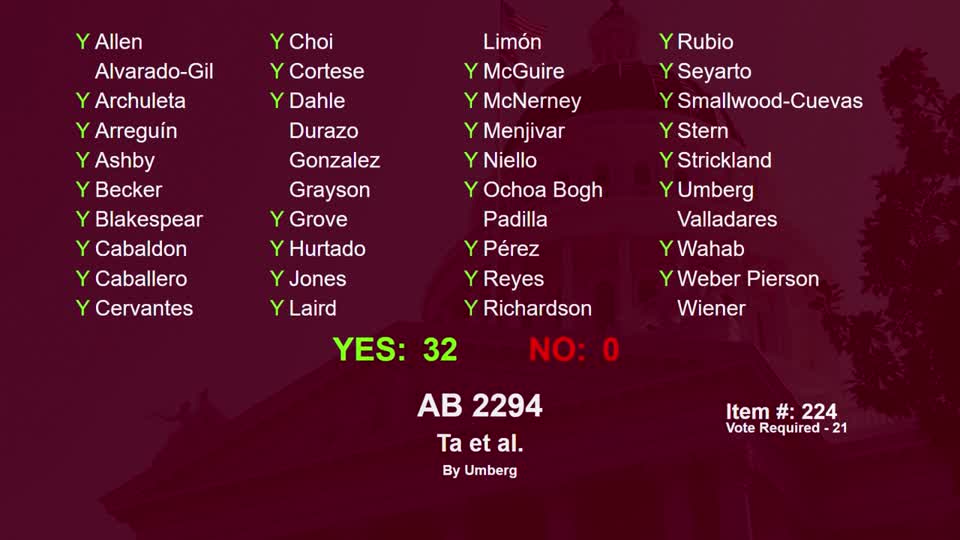
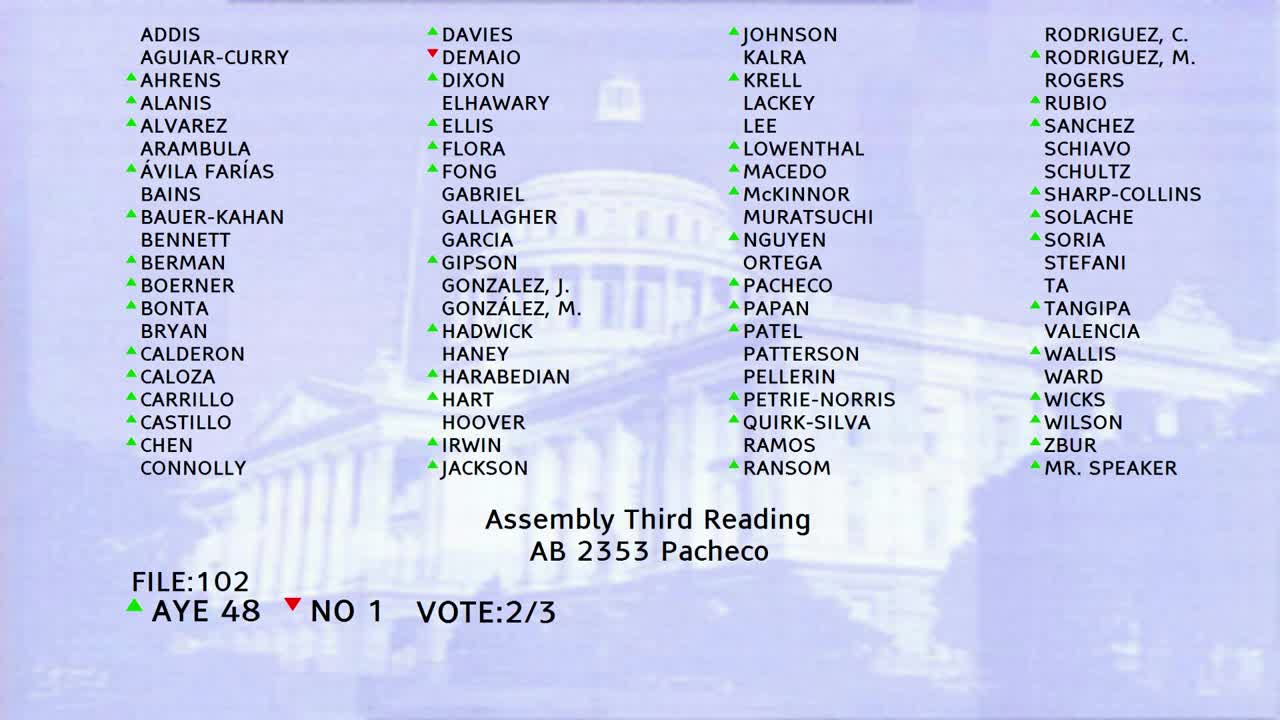
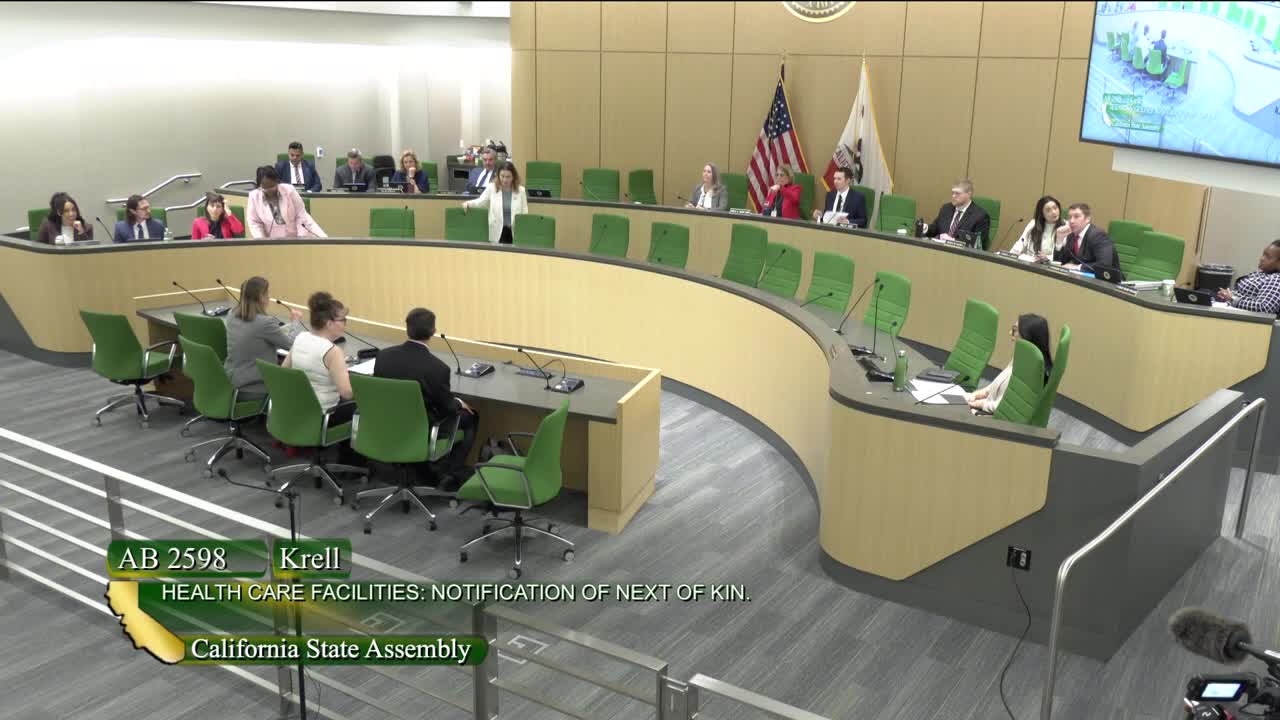
Bill Author