AB 2751: Alcoholic beverages: imports: personal or household use: reasonable amounts.
- Session Year: 2025-2026
- House: Assembly
- Latest Version Date: 2026-09-27
Current Status:
Passed
(2026-09-27: Chaptered by Secretary of State - Chapter 635, Statutes of 2026.)
Introduced
In Committee
Awaiting First Chamber Vote
Passed First Chamber
In Committee
Awaiting Second Chamber Vote
Passed Second Chamber
Enacted
The Alcoholic Beverage Control Act imposes restrictions on the means and manner by which alcoholic beverages are imported into the state for delivery or use within the state, as
provided. Existing law provides an exception to these restrictions that allows an adult to bring a reasonable amount of alcoholic beverages into this state from without the United States for personal or household use. Existing law limits that personal or household use exception by restricting a California resident returning to the United States by a vehicle that is not a common carrier, or any adult entering the United States as a pedestrian, to the amount of alcoholic beverages that is exempt from the payment of duty in accordance with existing provisions of federal law.
This bill would instead limit the personal or household use exception by restricting any adult entering the United States as a pedestrian or by a vehicle that is not a common carrier to 6 liters of alcoholic beverages every 31 days.
The Alcoholic Beverage Control Act imposes restrictions on the means and manner by which alcoholic beverages are imported into the state for delivery or use within the state, as provided. Existing law provides an exception to these restrictions for incidental amounts of alcoholic beverages brought into this state by an adult for personal use from a hotel that is jointly located within the jurisdictions of this state and Nevada.
This bill would revise the above-described exception to allow the importation of incidental amounts of alcoholic beverages brought into this state by an adult for personal use from a location that is jointly located within the jurisdictions of this state and Nevada.Existing law also provided. Existing law provides an exception to the importation these restrictions that allows an adult to bring a reasonable amount of alcoholic beverages into this state from without the United States for personal or household use. Existing law restricts limits that personal or household use exception by restricting a California resident returning to the United States by a vehicle that is not a common carrier, or any adult entering the United States as a pedestrian, to the amount of alcoholic beverages that is exempt from the payment of duty in accordance with existing provisions of federal law.
This bill would specify that a reasonable amount of alcoholic beverages for purposes of the above-described exception is an amount that does not exceed 6 liters, and would remove the above-described restriction limiting the amount of alcoholic beverages to the amount exempt from the payment of duty. instead limit the personal or household use exception by restricting any adult entering the United States as a pedestrian or by a vehicle that is not a common carrier to 6 liters of alcoholic beverages every 31 days.
The Alcoholic Beverage Control Act imposes restrictions on the means and manner by which alcoholic beverages are imported into the state for delivery or use within the state, as provided. Existing law provides exceptions an exception to these restrictions for incidental amounts of alcoholic beverages brought into this state by an adult for personal use from a hotel that is jointly located within the jurisdictions of this state and Nevada.
This bill would revise the above-described exception to allow the importation of incidental amounts of alcoholic beverages brought into this state by an adult for personal use from a location that is jointly located within the jurisdictions of this state and Nevada.
Existing law also provides an exception to the importation restrictions that allows an adult to bring a reasonable amount of alcoholic beverages into this state from without the United States for personal household use. Existing law restricts a California resident returning to the United States by a vehicle that is not a common carrier, or any adult entering the United States as a pedestrian, to the amount of alcoholic beverages that is exempt from the payment of duty in accordance with existing provisions of federal law.
This bill would specify that a reasonable amount of alcoholic beverages for purposes of the above-described exception is an amount that does not exceed 6 liters, and would remove the above-described restriction limiting the amount of alcoholic beverages to the amount exempt from the payment of duty.
The Alcoholic Beverage Control Act imposes restrictions on the means and manner by which alcoholic beverages are imported into the state for delivery or use within the state, as provided. Existing law provides exceptions to these restrictions for incidental amounts of alcoholic beverages brought into this state by an adult for personal use from a hotel that is jointly located within the jurisdictions of this state and Nevada.
This bill would revise the above-described exception to allow the importation of incidental amounts of alcoholic beverages brought into this state by an adult for personal use from a location that is jointly located within the jurisdictions of this state and Nevada.
(a)Except as otherwise provided in this section, alcoholic beverages shall be brought into this state from without this state for delivery or use within the state only by common carriers and only when the alcoholic beverages are consigned to a licensed importer, and only when consigned to the premises of the licensed importer or to a licensed importer or customs broker at the premises of a public warehouse licensed under this division.
(b)The provisions of this chapter are not applicable in the case of alcoholic beverages that are sold and delivered by a licensee in this state to another licensee in this state, and that in the course of delivery are taken without this state through another state without any storage thereof in that other state.
(c)The provisions of subdivision (a) are not applicable in the case of a reasonable amount of alcoholic beverages brought into this state by an adult from without the United States for personal or household use, except that any adult entering the United States as a pedestrian or by a vehicle that is not a common carrier shall be restricted to no more than six liters of alcoholic beverages every 31 days. These alcoholic beverages shall be exempt from state licensing restrictions.
(d)The provisions of subdivision (a) are not applicable to incidental amounts of alcoholic beverages brought into this state by an adult for personal use from a hotel that is jointly located within the jurisdictions of this state and Nevada.
(e)The provisions of subdivision (a) are not applicable in the case of alcoholic beverages shipped into this state from without the United States by an adult member of the Armed Forces of the United States, serving outside the confines of the United States, for their personal or household use within the state in a quantity of alcoholic beverages as is exempt from the payment of duty under existing provisions of the Federal Tariff Act or regulations. These alcoholic beverages may be brought into this state only by common carrier and consigned to the premises of a licensed importer or customs broker, or to a licensed importer or customs broker at the premises of a public warehouse licensed under this division. Notwithstanding this division, the holder of an importers license, a customs brokers license, or a public warehouse license, may make delivery of those alcoholic beverages as may be brought into this state under the provisions of this paragraph directly to the owner thereof upon satisfactory proof of identity. This delivery shall not be deemed to constitute a sale in this state.
(f)A manufacturer of distilled spirits shall transport those distilled spirits into this state in motor vehicles owned by or leased to the manufacturer, and operated by employees of the manufacturer, only if all of the following apply:
(1)The distilled spirits are transported into this state from a place of manufacture within the United States.
(2)The manufacturer holds a California distilled spirits manufacturers license.
(3)The delivery is made to the licensed premises of that distilled spirits manufacturer.
(a)Except as otherwise provided in this section, alcoholic beverages shall be brought into this state from without this state for delivery or use within the state only by common carriers and only when the alcoholic beverages are consigned to a licensed importer, and only when consigned to the premises of the licensed importer or to a licensed importer or customs broker at the premises of a public warehouse licensed under this division.
(b)The provisions of this chapter are not applicable in the case of alcoholic beverages that are sold and delivered by a licensee in this state to another licensee in this state, and that in the course of delivery are taken without this state through another state without any storage thereof in that other state.
(c)The provisions of subdivision (a) are not applicable in the case of a reasonable amount of alcoholic beverages, not to exceed six liters, beverages brought into this state by an adult from without the United States for personal or household use. use, except that any adult entering the United States as a pedestrian or by a vehicle that is not a common carrier shall be restricted to no more than six liters of alcoholic beverages every 31 days. These alcoholic beverages shall be exempt from state licensing restrictions.
(d)The provisions of subdivision (a) are not applicable to incidental amounts of alcoholic beverages brought into this state by an adult for personal use from a location hotel that is jointly located within the jurisdictions of this state and Nevada.
(e)The provisions of subdivision (a) are not applicable in the case of alcoholic beverages shipped into this state from without the United States by an adult member of the Armed Forces of the United States, serving outside the confines of the United States, for their personal or household use within the state in a quantity of alcoholic beverages as is exempt from the payment of duty under existing provisions of the Federal Tariff Act or regulations. These alcoholic beverages may be brought into this state only by common carrier and consigned to the premises of a licensed importer or customs broker, or to a licensed importer or customs broker at the premises of a public warehouse licensed under this division. Notwithstanding this division, the holder of an importers license, a customs brokers license, or a public warehouse license, may make delivery of those alcoholic beverages as may be brought into this state under the provisions of this paragraph directly to the owner thereof upon satisfactory proof of identity. This delivery shall not be deemed to constitute a sale in this state.
(f)A manufacturer of distilled spirits shall transport those distilled spirits into this state in motor vehicles owned by or leased to the manufacturer, and operated by employees of the manufacturer, only if all of the following apply:
(1)The distilled spirits are transported into this state from a place of manufacture within the United States.
(2)The manufacturer holds a California distilled spirits manufacturers license.
(3)The delivery is made to the licensed premises of that distilled spirits manufacturer.
(a)Except as otherwise provided in this section, alcoholic beverages shall be brought into this state from without this state for delivery or use within the state only by common carriers and only when the alcoholic beverages are consigned to a licensed importer, and only when consigned to the premises of the licensed importer or to a licensed importer or customs broker at the premises of a public warehouse licensed under this division.
(b)The provisions of this chapter are not applicable in the case of alcoholic beverages that are sold and delivered by a licensee in this state to another licensee in this state, and that in the course of delivery are taken without this state through another state without any storage thereof in that other state.
(c)The provisions of subdivision (a) are not applicable in the case of a reasonable amount of alcoholic beverages beverages, not to exceed six liters, brought into this state by an adult from without the United States for personal or household use, except that a California resident returning to the United States by a vehicle that is not a common carrier, or any adult entering the United States as a pedestrian, shall be restricted to the amount of alcoholic beverages that are exempt from the payment of duty in accordance with existing provisions of federal law. use. These alcoholic beverages shall be exempt from state licensing restrictions.
(d)The provisions of subdivision (a) are not applicable to incidental amounts of alcoholic beverages brought into this state by an adult for personal use from a location that is jointly located within the jurisdictions of this state and Nevada.
(e)The provisions of subdivision (a) are not applicable in the case of alcoholic beverages shipped into this state from without the United States by an adult member of the Armed Forces of the United States, serving outside the confines of the United States, for their personal or household use within the state in a quantity of alcoholic beverages as is exempt from the payment of duty under existing provisions of the Federal Tariff Act or regulations. These alcoholic beverages may be brought into this state only by common carrier and consigned to the premises of a licensed importer or customs broker, or to a licensed importer or customs broker at the premises of a public warehouse licensed under this division. Notwithstanding this division, the holder of an importers license, a customs brokers license, or a public warehouse license, may make delivery of those alcoholic beverages as may be brought into this state under the provisions of this paragraph directly to the owner thereof upon satisfactory proof of identity. This delivery shall not be deemed to constitute a sale in this state.
(f)A manufacturer of distilled spirits shall transport those distilled spirits into this state in motor vehicles owned by or leased to the manufacturer, and operated by employees of the manufacturer, only if all of the following apply:
(1)The distilled spirits are transported into this state from a place of manufacture within the United States.
(2)The manufacturer holds a California distilled spirits manufacturers license.
(3)The delivery is made to the licensed premises of that distilled spirits manufacturer.
(a)Except as otherwise provided in this section, alcoholic beverages shall be brought into this state from without this state for delivery or use within the state only by common carriers and only when the alcoholic beverages are consigned to a licensed importer, and only when consigned to the premises of the licensed importer or to a licensed importer or customs broker at the premises of a public warehouse licensed under this division.
(b)The provisions of this chapter are not applicable in the case of alcoholic beverages which that are sold and delivered by a licensee in this state to another licensee in this state, and which that in the course of delivery are taken without this state through another state without any storage thereof in such that other state.
(c)The provisions of subdivision (a) are not applicable in the case of a reasonable amount of alcoholic beverages brought into this state by an adult from without the United States for personal or household use, except that a California resident returning to the United States by a vehicle that is not a common carrier, or any adult entering the United States as a pedestrian, shall be restricted to the amount of alcoholic beverages which that are exempt from the payment of duty in accordance with existing provisions of federal law. These alcoholic beverages shall be exempt from state licensing restrictions.
(d)The provisions of subdivision (a) are not applicable to incidental amounts of alcoholic beverages brought into this state by an adult for personal use from a hotel location that is jointly located within the jurisdictions of this state and Nevada.
(e)The provisions of subdivision (a) are not applicable in the case of alcoholic beverages shipped into this state from without the United States by an adult member of the Armed Forces of the United States, serving outside the confines of the United States, for their personal or household use within the state in such a quantity of alcoholic beverages as is exempt from the payment of duty under existing provisions of the Federal Tariff Act or regulations. These alcoholic beverages may be brought into this state only by common carrier and consigned to the premises of a licensed importer or customs broker, or to a licensed importer or customs broker at the premises of a public warehouse licensed under this division. Notwithstanding any other provisions of this division, the holder of an importers license, a customs brokers license, or a public warehouse license, may make delivery of such those alcoholic beverages as may be brought into this state under the provisions of this paragraph directly to the owner thereof upon satisfactory proof of identity. This delivery shall not be deemed to constitute a sale in this state.
(f)A manufacturer of distilled spirits shall transport such those distilled spirits into this state in motor vehicles owned by or leased to the manufacturer, and operated by employees of the manufacturer, only if all of the following apply:
(1)The distilled spirits are transported into this state from a place of manufacture within the United States.
(2)The manufacturer holds a California distilled spirits manufacturers license.
(3)Delivery The delivery is made to the licensed premises of such that distilled spirits manufacturer.
|
Date
|
Status
|
|---|---|
| Sep 27, 2026 | Chaptered by Secretary of State - Chapter 635, Statutes of 2026. |
| Sep 27, 2026 | Approved by the Governor. |
| Aug 28, 2026 | Enrolled and presented to the Governor at 3:30 p.m. |
| Aug 24, 2026 | In Assembly. Ordered to Engrossing and Enrolling. |
| Aug 24, 2026 | Read third time. Passed. Ordered to the Assembly. (Ayes 39. Noes 0. Page 5694.). |
| Aug 24, 2026 | Read third time. Passed. Ordered to the Assembly. (Ayes 39. Noes 0.). |
| Jun 23, 2026 | Read second time. Ordered to third reading. |
| Jun 22, 2026 | From committee: Be ordered to second reading pursuant to Senate Rule 28.8. |
| Jun 9, 2026 | From committee: Do pass and re-refer to Com. on APPR. (Ayes 13. Noes 0.) (June 9). Re-referred to Com. on APPR. |
| May 27, 2026 | Referred to Com. on G.O. |
| May 14, 2026 | In Senate. Read first time. To Com. on RLS. for assignment. |
| May 14, 2026 | Read third time. Passed. Ordered to the Senate. (Ayes 76. Noes 0. Page 5051.) |
| May 14, 2026 | Read third time. Passed. Ordered to the Senate. (Ayes 76. Noes 0.) |
| May 7, 2026 | Read second time. Ordered to third reading. |
| May 6, 2026 | From committee: Do pass. (Ayes 14. Noes 0.) (May 6). |
| Apr 23, 2026 | From committee: Do pass and re-refer to Com. on APPR. (Ayes 22. Noes 0.) (April 22). Re-referred to Com. on APPR. |
| Apr 20, 2026 | Re-referred to Com. on G.O. |
| Apr 16, 2026 | From committee chair, with author's amendments: Amend, and re-refer to Com. on G.O. Read second time and amended. |
| Apr 7, 2026 | Re-referred to Com. on G.O. |
| Apr 6, 2026 | From committee chair, with author's amendments: Amend, and re-refer to Com. on G.O. Read second time and amended. |
| Mar 16, 2026 | Referred to Com. on G.O. |
| Feb 21, 2026 | From printer. May be heard in committee March 23. |
| Feb 20, 2026 | Read first time. To print. |
|
Date
|
Description
|
Location
|
Votes
|
|
|---|---|---|---|---|
| Aug 24, 2026 | Assembly 3rd Reading AB2751 Alvarez By Rubio | Senate Floor |
Passed |
|
| Jun 9, 2026 | Do pass, but first be re-referred to the Committee on [Appropriations] | Senate Standing Committee on Governmental Organization |
Passed |
|
| May 14, 2026 | AB 2751 Alvarez Assembly Third Reading | Assembly Floor |
Passed |
|
| May 6, 2026 | Do pass. | Assembly Standing Committee on Appropriations |
Passed |
|
| Apr 22, 2026 | Do pass and be re-referred to the Committee on [Appropriations] | Assembly Standing Committee on Governmental Organization |
Passed |
This list shows positions taken on this bill by organizations on the date displayed, which is linked to the original source.
Positions by individuals are not included.
|
Organization
|
Position
|
Date
|
|---|---|---|
| Mexican-American Policy Alliance | ** Support |
SENATE RULES COMMITTEE Office of Senate Floor Analyses (916) 651-4171 | AB 2751 |
THIRD READING
Bill No: AB 2751
Author: Alvarez (D)
Amended: 4/16/26 in Assembly
Vote: 21
SENATE GOVERNMENTAL ORG. COMMITTEE: 13-0, 6/9/26
AYES: Rubio, Valladares, Archuleta, Ashby, Blakespear, Cervantes, Dahle, Ochoa Bogh, Padilla, Richardson, Smallwood-Cuevas, Wahab, Weber Pierson
NO VOTE RECORDED: Alvarado-Gil, Hurtado
SENATE APPROPRIATIONS COMMITTEE: Senate Rule 28.8
ASSEMBLY FLOOR: 76-0, 5/14/26 - See last page for vote
SUBJECT: Alcoholic beverages: imports: personal or household use: reasonable amounts
SOURCE: Author
DIGEST: This bill revises the amount of alcohol an individual may bring into California for personal or household use. This bill establishes a uniform limit of six liters (eight standard bottles) of alcohol per 31-days for individuals crossing the U.S.-Mexico border into California on foot or via personal vehicle.
ANALYSIS:
Existing law:
- Establishes the Department of Alcoholic Beverage Control (ABC) and grants it exclusive authority to administer the provisions of the ABC Act in accordance with laws enacted by the Legislature. This involves licensing individuals and businesses associated with the manufacture, importation, and sale of alcoholic beverages in this state and the collection of license fees.
- Makes it unlawful for any person other than a licensee to sell, manufacture, or import alcoholic beverages in this state, with exceptions.
- Imposes restrictions on the means, by which alcoholic beverages are imported into the state for delivery or use within the state, as provided, and provides exceptions to these restrictions for specified amounts of alcoholic beverages brought into the state for personal or household use, as specified.
- Provides an exception to the importation restrictions that allows an adult to bring a reasonable amount of alcoholic beverages into this state from outside of the United States for personal and household use.
- Restricts a California resident returning to the United States by a vehicle that is not a common carrier, or any adult entering the United States as a pedestrian, to the amount of alcoholic beverages that is exempt from the payment of duty in accordance with existing provisions of federal law.
This bill:
- Establishes a uniform limit of six liters of alcohol (eight standard bottles) per every 31-days for individuals crossing the U.S. border into California on foot or via personal vehicle.
- Makes other technical changes.
Background
Author Statement. According to the author’s office, “this bill is about fairness. If you fly into San Diego or arrive by cruise ship, you can bring home a reasonable amount of wine or spirits from Baja California, but if you cross at San Ysidro or Otay Mesa, those same rules do not apply. The bill aligns California's personal use import limits from Mexico with those of other states like Texas, allowing residents to bring back up to six liters of alcohol for personal consumption. These changes support cross border commerce, promote tourism, and foster the binational relationship with Mexico while maintaining public safety through clear, enforceable standards.”
Federal Regulations. U.S. Customs and Border Protection (CBP) permits individuals, age 21 and older returning from abroad, to bring back one liter of alcohol duty-free, provided the alcohol is for personal use and its importation complies with laws of the destination state. Amounts exceeding this one-liter exemption may be brought back but will be subject to applicable customs and federal Internal Revenue Tax.
While federal law does not set a firm limit on how much alcohol an individual may import for personal use, unusually large quantities may draw scrutiny from CBP, who are authorized to determine on the spot whether an importation appears to be for commercial rather than personal purposes. If a commercial intent is suspected, the traveler may be required to obtain an import permit and complete a formal customs entry before the alcohol is released.
California Law. Individuals bringing alcohol into California for commercial or business purposes must hold a license issued by the Department of ABC. Those importing alcohol for personal or household use are not subject to this licensing requirement; however, the alcohol must accompany the traveler upon entry and cannot be shipped separately into the state at a later date.
California law also establishes specific quantity limits for alcohol brought in from Mexico. Pedestrians crossing the border on foot, as well as California residents crossing in a personal vehicle, are limited to the federally exempt amount – currently one liter every 31 days. Non-California residents crossing in a personal vehicle may bring up to five cases (60 liters) for personal or household use. California residents and all other travelers crossing via common carrier – such as airline, railroad, or cruise line – are also permitted to bring up to five cases (60 liters) for personal use. These thresholds are established and enforced under a formal agreement between the Department of ABC and the CBP.
Other requirements and exemptions occur for new California residents, military personnel (relocating and non-relocating) and out-of-state residents traveling through California, and foreign diplomats.
This bill would increase the current limit on alcoholic beverages that may be brought across the U.S.-Mexico border— from one liter to six liters every 31 days — for individuals entering by personal vehicle and for all adults entering on foot. This bill also eliminates the existing residency distinction, applying the six-liter limit uniformly to all adults regardless of state of residence. As a result, non-California residents crossing by personal vehicle would be subject to a stricter standard than is currently imposed.
It should be noted that the ABC does not maintain agents at the U.S.-Mexico border. Accordingly, enforcement of this limitation would fall primarily to the CBP.
Related/Prior Legislation
AB 840 (Dahle, Chapter 355, Statutes of 2019) authorizes the Department of ABC to create and issue a special on-sale general license to a person who owns or operates a facility that is partially located in the County of Placer and partially located in the County of Washoe, State of Nevada (Cal Neva Resort & Casino), as specified.
FISCAL EFFECT: Appropriation: No Fiscal Com.: Yes Local: No
According to the Senate Appropriations Committee, staff notes that the Department of ABC’s activities are funded by regulatory and license fees and generally the department does not receive support from the General Fund. New legislative mandates, although modest in scope, may in totality create new cost pressures and impact the department’s operating costs and future budget requests.
SUPPORT: (Verified 6/22/26)
Mexican-American Policy Alliance
OPPOSITION: (Verified 6/22/26)
None received
ARGUMENTS IN SUPPORT: According to the Mexican-American Policy Alliance, “this piece of legislation is especially important to the Cali-Baja region as this region holds a unique bond. In the San Diego-Tijuana/Calexico region, data collected on cross-border commuting shows about 34,800 people residing in Tijuana regularly commute to the U.S. for work while 13,200 people do the same in Mexicali. That’s roughly more than 48,000 people who live in Mexico and cross regularly for the U.S. for work around those two cities alone. The relationship between California and Baja California is essential. Cross-border economic ties translate into real benefits for workers, businesses, and families on both sides.”
ASSEMBLY FLOOR: 76-0, 5/14/26
AYES: Addis, Aguiar-Curry, Ahrens, Alanis, Alvarez, Ávila Farías, Bains, Bauer-Kahan, Bennett, Berman, Boerner, Bonta, Bryan, Calderon, Caloza, Carrillo, Castillo, Chen, Connolly, Davies, DeMaio, Dixon, Elhawary, Ellis, Fong, Gabriel, Gallagher, Garcia, Gipson, Jeff Gonzalez, Mark González, Hadwick, Haney, Harabedian, Hart, Hoover, Irwin, Jackson, Johnson, Krell, Lackey, Lee, Lowenthal, Macedo, McKinnor, Muratsuchi, Nguyen, Ortega, Pacheco, Papan, Patel, Patterson, Pellerin, Petrie-Norris, Quirk-Silva, Ramos, Ransom, Michelle Rodriguez, Rogers, Blanca Rubio, Sanchez, Schiavo, Schultz, Sharp-Collins, Solache, Soria, Stefani, Ta, Tangipa, Valencia, Wallis, Ward, Wicks, Wilson, Zbur, Rivas
NO VOTE RECORDED: Arambula, Flora, Kalra, Celeste Rodriguez
Prepared by: Felipe Lopez / G.O. / (916) 651-1530
6/24/26 16:39:43
**** END ****
SENATE COMMITTEE ON GOVERNMENTAL ORGANIZATION
Senator Susan Rubio
Chair
2025 - 2026 Regular
Bill No: Hearing Date: 6/9/2026
Author: | |||
Version: | Amended | ||
Urgency: | Fiscal: | ||
Consultant: | |||
SUBJECT:
DIGEST: This bill revises the amount of alcohol an individual may bring into California for personal or household use. Specifically, this bill establishes a uniform limit of six liters (eight standard bottles) of alcohol per 31-days for individuals crossing the U.S.-Mexico border into California on foot or via personal vehicle.
ANALYSIS:
Existing law:
- Establishes the Department of Alcoholic Beverage Control (ABC) and grants it exclusive authority to administer the provisions of the ABC Act in accordance with laws enacted by the Legislature. This involves licensing individuals and businesses associated with the manufacture, importation, and sale of alcoholic beverages in this state and the collection of license fees.
- Makes it unlawful for any person other than a licensee to sell, manufacture, or import alcoholic beverages in this state, with exceptions.
- Imposes restrictions on the means, by which alcoholic beverages are imported into the state for delivery or use within the state, as provided, and provides exceptions to these restrictions for specified amounts of alcoholic beverages brought into the state for personal or household use, as specified.
- Provides an exception to the importation restrictions that allows an adult to bring a reasonable amount of alcoholic beverages into this state from outside of the United States for personal and household use.
- Restricts a California resident returning to the United States by a vehicle that is not a common carrier, or any adult entering the United States as a pedestrian, to the amount of alcoholic beverages that is exempt from the payment of duty in accordance with existing provisions of federal law.
This bill:
- Establishes a uniform limit of six liters of alcohol (eight standard bottles) per every 31-days for individuals crossing the U.S. border into California on foot or via personal vehicle.
- Makes other technical changes.
Background
Author Statement. According to the author’s office, “this bill is about fairness. If you fly into San Diego or arrive by cruise ship, you can bring home a reasonable amount of wine or spirits from Baja California, but if you cross at San Ysidro or Otay Mesa, those same rules do not apply. The bill aligns California's personal use import limits from Mexico with those of other states like Texas, allowing residents to bring back up to six liters of alcohol for personal consumption. These changes support cross border commerce, promote tourism, and foster the binational relationship with Mexico while maintaining public safety through clear, enforceable standards.”
Federal Regulations. U.S. Customs and Border Protection (CBP) permits individuals, age 21 and older returning from abroad, to bring back one liter of alcohol duty-free, provided the alcohol is for personal use and its importation complies with laws of the destination state. Amounts exceeding this one-liter exemption may be brought back but will be subject to applicable customs and federal Internal Revenue Tax.
While federal law does not set a firm limit on how much alcohol an individual may import for personal use, unusually large quantities may draw scrutiny from CBP, who are authorized to determine on the spot whether an importation appears to be for commercial rather than personal purposes. If a commercial intent is suspected, the traveler may be required to obtain an import permit and complete a formal customs entry before the alcohol is released.
California Law. Individuals bringing alcohol into California for commercial or business purposes must hold a license issued by the Department of ABC. Those importing alcohol for personal or household use are not subject to this licensing requirement; however, the alcohol must accompany the traveler upon entry and cannot be shipped separately into the state at a later date.
California law also establishes specific quantity limits for alcohol brought in from Mexico. Pedestrians crossing the border on foot, as well as California residents crossing in a personal vehicle, are limited to the federally exempt amount – currently one liter every 31 days. Non-California residents crossing in a personal vehicle may bring up to five cases (60 liters) for personal or household use. California residents and all other travelers crossing via common carrier – such as airline, railroad, or cruise line – are also permitted to bring up to five cases (60 liters) for personal use. These thresholds are established and enforced under a formal agreement between the Department of ABC and the CBP.
Other requirements and exemptions occur for new California residents, military personnel (relocating and non-relocating) and out-of-state residents traveling through California, and foreign diplomats.
This bill would increase the current limit on alcoholic beverages that may be brought across the U.S.-Mexico border— from one liter to six liters every 31 days — for individuals entering by personal vehicle and for all adults entering on foot. The bill would also eliminate the existing residency distinction, applying the six-liter limit uniformly to all adults regardless of state of residence. As a result, non-California residents crossing by personal vehicle would be subject to a stricter standard than is currently imposed.
It should be noted that the ABC does not maintain agents at the U.S.-Mexico border. Accordingly, enforcement of this limitation would fall primarily to the CBP.
Prior/Related Legislation
AB 840 (Dahle, Chapter 355, Statutes of 2019) authorizes the Department of ABC to create and issue a special on-sale general license to a person who owns or operates a facility that is partially located in the County of Placer and partially located in the County of Washoe, State of Nevada (Cal Neva Resort & Casino), as specified.
FISCAL EFFECT: Appropriation: Fiscal Com.: Local:
SUPPORT:
Mexican-American Policy Alliance
OPPOSITION:
None received
ARGUMENTS IN SUPPORT: According to the Mexican-American Policy Alliance, “this piece of legislation is especially important to the Cali-Baja region as this region holds a unique bond. In the San Diego-Tijuana/Calexico region, data collected on cross-border commuting shows about 34,800 people residing in Tijuana regularly commute to the U.S. for work while 13,200 people do the same in Mexicali. That’s roughly more than 48,000 people who live in Mexico and cross regularly for the U.S. for work around those two cities alone. The relationship between California and Baja California is essential. Cross-border economic ties translate into real benefits for workers, businesses, and families on both sides.”
ASSEMBLY THIRD READING
ATR Bill Id:AB 2751
Author:(Alvarez)
As Amended Ver:April 16, 2026
Majority vote
SUMMARY
This bill would further authorize, but also limit, the personal or household use permitted under an existing exception in the Alcoholic Beverage Control Act by restricting any adult entering the United States as a pedestrian or in a vehicle that is not a common carrier to no more than 6 liters of alcoholic beverages every 31 days.
Major Provisions
- Clarifies current law by stating that any adult entering the United States as a pedestrian or by a vehicle that is not a common carrier shall be restricted to no more than six liters of alcoholic beverages every 31 days.
- Makes technical and clarifying changes.
COMMENTS
Background.
According to the United States Customs and Border Protection (CBP), an adult U.S. resident returning from a foreign country may bring one liter of alcoholic beverages duty-free as part of their personal exemption, provided that: (1) the individual is at least 21 years old; (2) the alcohol is intended strictly for personal use and not for resale; and (3) the importation does not violate the laws of the state of arrival. While federal regulations allow one liter to be brought in duty-free, travelers may bring back additional quantities of alcohol if permitted by the destination state. However, any amount exceeding the duty-free exemption may be subject to applicable Customs duties and Internal Revenue Tax (IRT).
Under current California law, adults (21 years of age or older) who bring alcoholic beverages into California for commercial or business purposes must be licensed by the ABC. Adults who bring alcoholic beverages into California for personal or household use are not required to obtain an alcoholic beverage license; however, certain restrictions apply. The alcoholic beverages must accompany the traveler upon entry and may not be shipped separately to California at a later date.
Current law also limits the quantity of alcohol brought into California from Mexico for personal or household use as follows: 1) A pedestrian crossing the international border on foot may bring in only the amount of alcoholic beverages which are exempt from payment of duty in accordance with the existing provision of federal law (currently, this is one-liter every 31 days). This limit applies to all persons regardless of state or country of residence; 2) A California resident crossing the international border in a vehicle that is not a common carrier may bring in only the amount of alcoholic beverages which are exempt from payment of duty in accordance with the existing provisions of federal law (currently, this is one-liter every 31 days); 3) Non-California residents crossing the international border in a vehicle that is not a common carrier can bring with them a reasonable quantity of alcoholic beverages (up to five cases or 60 liters) provided the beverages are for personal or household use; and 4) A California resident or any other person crossing the international border via common carrier may bring in a reasonable quantity of alcoholic beverages (up to five cases or 60 liters) provided the beverages are for personal or household use.
These alcoholic beverage thresholds for personal or household use are set and enforced under an agreement between ABC and the CBP. Other requirements and exemptions occur for new California residents, military personnel (relocating and non-relocating) and out-of-state residents traveling through California, and foreign diplomats.
AB 2751 does not alter licensing requirements, distribution rules, or commercial import restrictions. It simply clarifies personal use allowances that already exist in statute. The bill maintains all safeguards that prevent diversion into the retail market and ensures that California's alcohol regulatory framework remains strong, transparent, and enforceable.
According to the Author
According to the author's office, "this bill modernizes California's alcohol import laws to reflect the realities of our border communities. The bill aligns California's personal use import limits from Mexico with those of other states like Texas, allowing residents to bring back up to 6 liters of alcohol for personal consumption. These changes support cross border commerce, promote tourism, and foster the binational relationship with Mexico while maintaining public safety through clear, enforceable standards."
Arguments in Support
None on file
Arguments in Opposition
None on file
FISCAL COMMENTS
According to the Assembly Committee on Appropriations analysis, "Minor and absorbable costs to ABC to update informational materials and provide related enforcement. This committee sees a wide array of bills that propose to modify the scope of alcohol laws. Generally, the majority of proposals do not generate significant new workload for ABC, but taken together, these proposals could lead to significant new costs and future budget requests. In this case, however, the proposed expansion of consumer privileges is relatively minor in scope."
VOTES
ASM GOVERNMENTAL ORGANIZATION: 22-0-0
YES: Blanca Rubio, Davies, Alvarez, Berman, Bryan, Carrillo, Dixon, Fong, Gabriel, Gallagher, Gipson, Macedo, McKinnor, Nguyen, Pacheco, Ramos, Michelle Rodriguez, Solache, Soria, Ta, Valencia, Wallis
ASM APPROPRIATIONS: 14-0-1
YES: Wicks, Hoover, Aguiar-Curry, Caloza, Dixon, Fong, Mark González, Krell, Pacheco, Pellerin, Sharp-Collins, Solache, Ta, Tangipa
ABS, ABST OR NV: Arambula
UPDATED
VERSION: April 16, 2026
CONSULTANT: Eric Johnson / G.O. / (916) 319-2531 FN: 0002511
Date of Hearing: May 6, 2026
ASSEMBLY COMMITTEE ON APPROPRIATIONS
Buffy Wicks, Chair
ABPCA Bill Id:AB 2751
Author:(Alvarez) – As Amended Ver:April 16, 2026
Policy Committee: | Governmental Organization | Vote: | 22 - 0 |
|
| ||
|
|
Urgency: No State Mandated Local Program: No Reimbursable: No
SUMMARY:
This bill revises the amount of alcohol an individual may bring into California for personal or household use.
Specifically, this bill restricts an adult entering the U.S. as a pedestrian or by vehicle that is not a common carrier to bringing into the state no more than six liters of alcoholic beverages every 31 days. As a result, this bill increases the amount of alcohol a pedestrian or a California resident who crosses the border in a vehicle that is not a common carrier may bring (up from one liter every 31 days) and decreases the amount of alcohol a non-California resident crossing the border in a vehicle that is not a common carrier may bring (down from 60 liters).
FISCAL EFFECT:
Minor and absorbable costs to the Department of Alcoholic Beverage Control (ABC) to update informational materials and provide related enforcement.
This committee sees a wide array of bills that propose to modify the scope of alcohol laws. Generally, the majority of proposals do not generate significant new workload for ABC, but taken together, these proposals could lead to significant new costs and future budget requests. In this case, however, the proposed expansion of consumer privileges is relatively minor in scope.
COMMENTS:
- Purpose. According to the author:
this bill modernizes California’s alcohol import laws to reflect the realities of our border communities. The bill aligns California’s personal use import limits from Mexico with those of other states like Texas, allowing residents to bring back up to 6 liters of alcohol for personal consumption. These changes support cross border commerce, promote tourism, and foster the binational relationship with Mexico while maintaining public safety through clear, enforceable standards.
- Customs Control. An adult who brings alcoholic beverages into California from out of state for personal or household use is not required to obtain a license from ABC, but certain restrictions apply. Existing law limits the quantity of alcohol brought into California for personal or household use as follows:
- A pedestrian crossing the international border on foot may bring in only the amount of alcoholic beverages exempt from the payment of duties in accordance with federal law (one liter every 31 days).
- A person crossing the international border via a common carrier (generally, by bus, ship, or plane) may bring in a “reasonable” quantity of alcoholic beverages (up to five cases or 60 liters).
- A California resident crossing the international border in a vehicle that is not a common carrier may bring in the same amount as a pedestrian.
- A non-California resident crossing the international border in a vehicle that is not a common carrier may bring in the same amount as a person crossing via common carrier.
These thresholds are set and enforced under an agreement between ABC and U.S. Customs and Border Protection. This bill sets a uniform threshold – six liters – for an adult bringing alcohol into the state for personal or household use who enters as a pedestrian or in a vehicle that is not a common carrier, regardless of the adult’s residency status. This bill does not impact a person entering the state via a common carrier.
Analysis Prepared by: Irene Ho / APPR. / (916) 319-2081
Date of Hearing: April 22, 2025
ASSEMBLY COMMITTEE ON GOVERNMENTAL ORGANIZATION
Blanca Rubio, Chair
ABPCA Bill Id:AB 2751 (
Author:Alvarez) – As Amended Ver:April 16, 2026
SUBJECT: Alcoholic beverages: imports: personal or household use: reasonable amounts
SUMMARY: This bill would further authorize, but also limit, the personal or household use permitted under an existing exception in the Alcoholic Beverage Control Act by restricting any adult entering the United States as a pedestrian or in a vehicle that is not a common carrier to no more than 6 liters of alcoholic beverages every 31 days. Specifically, this bill:
1) Clarifies current law by stating that any adult entering the United States as a pedestrian or by a vehicle that is not a common carrier shall be restricted to no more than six liters of alcoholic beverages every 31 days.
2) Makes technical and clarifying changes.
EXISTING LAW:
1) Establishes the Department of Alcoholic Beverage Control (ABC) and grants it exclusive authority to administer the provisions of the ABC Act (Act) in accordance with laws enacted by
the Legislature. This involves licensing individuals and businesses associated with the manufacture, importation and sale of alcoholic beverages in this state and the collection of license fees or occupation taxes for these purposes.
2) Establishes various alcoholic beverage license categories and a schedule of annual fees charged to the licensees.
3) Makes it unlawful for any person other than a licensee to sell, manufacture, or import alcoholic beverages in this state, with exceptions.
4) Imposes restrictions on the means by which alcoholic beverages are imported into the state for delivery or use within the state, as provided, and provides exceptions to these restrictions for specified amounts of alcoholic beverages brought in the state for personal or household use, as specified.
5) Provides an exception to the importation restrictions that allows an adult to bring a reasonable amount of alcoholic beverages into this state from without the United States for personal household use.
6) Restricts a California resident returning to the United States by a vehicle that is not a common carrier, or any adult entering the United States as a pedestrian, to the amount of alcoholic beverages that is exempt from the payment of duty in accordance with existing provisions of federal law.
7) Authorizes ABC to create and issue a special on-sale general license to a person who owns or operates a facility that is partially located in the County of Placer and in the County of Washoe, State of Nevada (Cal Neva Resort & Casino), subject to the following:
- The licensed premises is located on a single contiguous property of not less than three acres, and not more than seven acres, where the floor area structure in the County of Placer is no greater than 20% of the total area of all structures located in both counties.
- The facility consists of at least a restaurant, casino, conference center, and hotel.
- The licensed premises is operated as an integral part of the facility.
- The licensee shall not be transferable except from person to person.
FISCAL EFFECT: This bill is keyed fiscal by Legislative Counsel.
COMMENTS:
Purpose of the bill. According to the author’s office, “this bill modernizes California’s alcohol import laws to reflect the realities of our border communities. The bill aligns California’s personal use import limits from Mexico with those of other states like Texas, allowing residents to bring back up to 6 liters of alcohol for personal consumption. These changes support cross border commerce, promote tourism, and foster the binational relationship with Mexico while maintaining public safety through clear, enforceable standards.”
Background.
According to the United States Customs and Border Protection (CBP), an adult U.S. resident returning from a foreign country may bring one liter of alcoholic beverages duty-free as part of their personal exemption, provided that: (1) the individual is at least 21 years old; (2) the alcohol is intended strictly for personal use and not for resale; and (3) the importation does not violate the laws of the state of arrival. While federal regulations allow one liter to be brought in duty-free, travelers may bring back additional quantities of alcohol if permitted by the destination state. However, any amount exceeding the duty-free exemption may be subject to applicable Customs duties and Internal Revenue Tax (IRT).
Although federal law does not impose a strict limit on the total quantity of alcohol a person may import for personal use, bringing back unusually large amounts may raise concerns that the alcohol is intended for commercial purposes. CBP officers enforce regulations established by the Bureau of Alcohol, Tobacco, Firearms and Explosives (ATF) and have the authority to make on-the-spot determinations regarding the purpose of the importation. If the alcohol is deemed to be for commercial use, the traveler may be required to obtain an import permit and file a formal entry before the alcohol can be released.
Under current California law, adults (21 years of age or older) who bring alcoholic beverages into California for commercial or business purposes must be licensed by the ABC. Adults who bring alcoholic beverages into California for personal or household use are not required to obtain an alcoholic beverage license; however, certain restrictions apply. The alcoholic beverages must accompany the traveler upon entry and may not be shipped separately to California at a later date.
Current law also limits the quantity of alcohol brought into California from Mexico for personal or household use as follows: 1) A pedestrian crossing the international border on foot may bring in only the amount of alcoholic beverages which are exempt from payment of duty in accordance with the existing provision of federal law (currently, this is one-liter every 31 days). This limit applies to all persons regardless of state or country of residence; 2) A California resident crossing the international border in a vehicle that is not a common carrier may bring in only the amount of alcoholic beverages which are exempt from payment of duty in accordance with the existing provisions of federal law (currently, this is one-liter every 31 days); 3) Non-California residents crossing the international border in a vehicle that is not a common carrier can bring with them a reasonable quantity of alcoholic beverages (up to five cases or 60 liters) provided the beverages are for personal or household use; and 4) A California resident or any other person crossing the international border via common carrier may bring in a reasonable quantity of alcoholic beverages (up to five cases or 60 liters) provided the beverages are for personal or household use.
These alcoholic beverage thresholds for personal or household use are set and enforced under an agreement between ABC and U.S. Customs and Border Protection (CBP).
For the purpose of current law, “common carriers” are steamship companies and railroads, or any persons who hold themselves out to the general public to transport in interstate or foreign commerce any class or classes of passengers or property, or both, for compensation by air or highway.
Other requirements and exemptions occur for new California residents, military personnel (relocating and non-relocating) and out-of-state residents traveling through California, and foreign diplomats.
AB 2751 does not alter licensing requirements, distribution rules, or commercial import restrictions. It simply clarifies personal use allowances that already exist in statute. The bill maintains all safeguards that prevent diversion into the retail market and ensures that California’s alcohol regulatory framework remains strong, transparent, and enforceable.
Committee staff comment. Committee staff notes that current law allows adults to bring small quantities of alcoholic beverages into California for personal use, but the statute relies on undefined terms such as “reasonable.” This ambiguity causes inconsistent enforcement at ports of entry and confusion among travelers. AB 2751 will modernize and clarify California’s rules governing the personal importation of alcoholic beverages from out-of-country locations. This bill does not change or expand commercial activity or weaken regulatory oversight. Instead, it establishes a clear, uniform standard that is easy for travelers to follow and straightforward for enforcement agencies to administer.
Prior legislation. AB 840 (Dahle), Chapter 355, Statutes of 2019. Allowed ABC to create and issue a special on-sale general license to a person who owns or operates a facility that is partially located in the County of Placer and partially located in the County of Washoe, State of Nevada (Cal Neva Resort & Casino), as specified.
AB 1370 (Chiu), Chapter 191, Statutes of 2019. Authorized ABC to issue a special on-sale general license to Saint Joseph’s Church in San Francisco.
AB 1217 (Santiago), Chapter 474, Statutes of 2018. Authorized ABC to issue a special on sale general license to the Hollywood Forever Cemetery.
AB 1670 (Dodd), Chapter 347, Statutes of 2016. Among other things, authorized ABC to issue a special on-sale general license to the operator of any for-profit theater located within the County of Napa (Uptown Theater).
AB 525 (Ting), Chapter 235, Statutes of 2013. Created a new special on-sale general license in the Act that enabled the operator of any for-profit theater, as specified, to serve alcoholic beverages during certain hours in specified areas of the theater.
AB 2793 (Governmental Organization Committee), Chapter 273, Statutes of 2010. Among other things, authorized a licensed winegrower to serve on the board of trustees of a nonprofit theater company operating a theater in the City of Livermore, as specified. Also, authorized the ABC to issue a club license to nonprofit lawn bowling clubs that do not discriminate or restrict membership, as specified.
AB 23 (Ma), Chapter 23, Statutes of 2008. Allowed licensees operating a cabaret theater to admit persons under 21 years of age to theater performances at any time, provided that alcoholic beverages are not sold, served, or consumed on the premises during those performances.
REGISTERED SUPPORT / OPPOSITION:
Support
None on file
Opposition
None on file
Analysis Prepared by: Eric Johnson / G.O. / (916) 319-2531
Discussed in Hearing
 1MIN
Senate Floor
 5MIN
Senate Standing Committee on Governmental Organization
 2MIN
Assembly Floor
 2MIN
Assembly Standing Committee on Governmental Organization
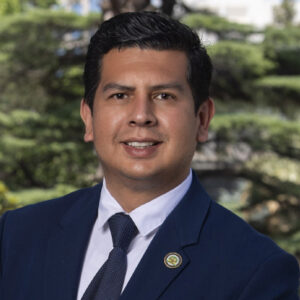
Bill Author
Bill Co-Author(s):