AB 2766: Public postsecondary education: student housing: foster youth and homeless youth.
- Session Year: 2025-2026
- House: Assembly
- Latest Version Date: 2026-09-14
Current Status:
Passed
(2026-09-15: Chaptered by Secretary of State - Chapter 216, Statutes of 2026.)
Introduced
In Committee
Awaiting First Chamber Vote
Passed First Chamber
In Committee
Awaiting Second Chamber Vote
Passed Second Chamber
Enacted
Existing law establishes the California Community Colleges, under the administration of the Board of Governors of the California Community Colleges, the California State University, under the administration of the Trustees of the California State University, and the University of California, under the administration of the Regents of the University of California, as the 3 segments of public postsecondary education in the state.
Existing law, the NextUp program, authorizes the office of the Chancellor of the California Community Colleges to enter into agreements with community college districts to provide, and allocate to selected community colleges within a community college district, funds for services in support of postsecondary education for foster youth. Existing law requires a student participant in the program to be a current or former foster youth whose dependency was established or continued by a court on or after the youths 13th birthday and who is no older than 25 years of age at the commencement of the academic year in which the student first enrolls in the program.
Existing law requires the California State University and each community college district, and requests the University of California, with respect to each campus in their respective jurisdictions that administers a priority enrollment system, to grant priority in that system to, among others, foster youth and former foster youth whose dependency was established or continued by a court on or after the youths 13th birthday and who is no older than 25 years of age at the commencement of the academic year.
This bill would extend the requirement and request for priority enrollment to current or former foster youth whose dependency was established or continued by a court on or after the youths 13th birthday and who is older than 25 years of age so long as they are enrolled in the NextUp program.
Existing law requests campuses of the California Community Colleges, requires campuses of the California State University, and, subject to the Regents of the University of Californias agreement by resolution, requires University of California campuses, that maintain student housing facilities, to: (1) give priority for student housing to current and former foster youth and current and former homeless youth, and (2) as to campuses that maintain student housing facilities open for occupation during school breaks, or on a year-round basis, give first priority to current and former foster youth and current and former homeless youth for residence in housing facilities that are open for uninterrupted year-round occupation and next give priority to current and former foster youth and current and former homeless youth for housing that is open for occupation during the most days in the calendar year.
This bill would require, instead of request, campuses of the California Community Colleges to give this priority for student housing to current and former foster youth and current and former homeless youth. The bill would require campuses of the California Community Colleges and campuses of the California State University, and, subject to the Regents of the University of Californias agreement by resolution, require University of California campuses, that maintain student housing facilities, to, among other things: (1) include, in their student housing applications, questions designed to identify students who may be eligible for priority student housing as current and former foster youth and current and former homeless youth, (2) defer or waive the collection of housing-related costs, as defined, for those students granted this priority, and (3) post on its internet website information describing priority housing benefits and the eligibility criteria for those benefits, as specified.
By adding to the duties of community colleges that maintain student housing facilities, this bill would impose a state-mandated local program.
The California Constitution requires the state to reimburse local agencies and school districts for certain costs mandated by the state. Statutory provisions establish procedures for making that reimbursement.
This bill would provide that, if the Commission on State Mandates determines that the bill contains costs mandated by the state, reimbursement for those costs shall be made pursuant to the statutory provisions noted above.
Existing law establishes the California Community Colleges, under the administration of the Board of Governors of the California Community Colleges, the California State University, under the administration of the Trustees of the California State University, and the University of California, under the administration of the Regents of the University of California, as the 3 segments of public postsecondary education in the state.
Existing law, the NextUp program, authorizes the office of the Chancellor of the California Community Colleges to enter into agreements with community college districts to provide, and allocate to selected community colleges within a community college district, funds for services in support of postsecondary education for foster youth. Existing law requires a student participant in the program to be a current or former foster youth whose dependency was established or continued by a court on or after the youths 13th birthday and who is no older than 25 years of age at the commencement of the academic year in which the student first enrolls in the program.
Existing law requires the California State University and each community college district, and requests the University of California, with respect to each campus in their respective jurisdictions that administers a priority enrollment system, to grant priority in that system to, among others, foster youth and former foster youth whose dependency was established or continued by a court on or after the youths 13th birthday and who is no older than 25 years of age at the commencement of the academic year.
This bill would extend the requirement and request for priority enrollment to current or former foster youth whose dependency was established or continued by a court on or after the youths 13th birthday and who is older than 25 years of age so long as they are enrolled in the NextUp program.
Existing law requests campuses of the California Community Colleges, requires campuses of the California State University, and, subject to the Regents of the University of Californias agreement by resolution, requires University of California campuses, that maintain student housing facilities, to: (1) give priority for student housing to current and former foster youth and current and former homeless youth, and (2) as to campuses that maintain student housing facilities open for occupation during school breaks, or on a year-round basis, give first priority to current and former foster youth and current and former homeless youth for residence in housing facilities that are open for uninterrupted year-round occupation and next give priority to current and former foster youth and current and former homeless youth for housing that is open for occupation during the most days in the calendar year.
This bill would require, instead of request, campuses of the California Community Colleges to give this priority for student housing to current and former foster youth and current and former homeless youth. The bill would require campuses of the California Community Colleges and campuses of the California State University, and, subject to the Regents of the University of Californias agreement by resolution, require University of California campuses, that maintain student housing facilities, to, among other things: (1) include include, in their student housing applications applications, questions designed to identify students who may be eligible for priority student housing as current and former foster youth and current and former homeless youth, (2) defer or waive the collection of housing-related costs, as defined, for those students granted this priority, and (3) post on its internet website information describing priority housing benefits and the eligibility criteria for those benefits, as specified.
By adding to the duties of community colleges that maintain student housing facilities, this bill would impose a state-mandated local program.
The California Constitution requires the state to reimburse local agencies and school districts for certain costs mandated by the state. Statutory provisions establish procedures for making that reimbursement.
This bill would provide that, if the Commission on State Mandates determines that the bill contains costs mandated by the state, reimbursement for those costs shall be made pursuant to the statutory provisions noted above.
Existing law establishes the California Community Colleges, under the administration of the Board of Governors of the California Community Colleges, the California State University, under the administration of the Trustees of the California State University, and the University of California, under the administration of the Regents of the University of California, as the 3 segments of public postsecondary education in the state.
Existing law, the NextUp program, authorizes the office of the Chancellor of the California Community Colleges to enter into agreements with community college districts to provide, and allocate to selected community colleges within a community college district, funds for services in support of postsecondary education for foster youth. Existing law requires a student participant in the program to be a current or former foster youth whose dependency was established or continued by a court on or after the youths 13th birthday and who is no older than 25 years of age at the commencement of the academic year in which the student first enrolls in the program.
Existing law requires the California State University and each community college district, and requests the University of California, with respect to each campus in their respective jurisdictions that administers a priority enrollment system, to grant priority in that system to, among others, foster youth and former foster youth whose dependency was established or continued by a court on or after the youths 13th birthday and who is no older than 25 years of age at the commencement of the academic year.
This bill would extend the requirement and request for priority enrollment to current or former foster youth whose dependency was established or continued by a court on or after the youths 13th birthday and who is older than 25 years of age so long as they are enrolled in the NextUp program.
Existing law requests campuses of the California Community Colleges, requires campuses of the California State University, and, subject to the Regents of the University of Californias agreement by resolution, requires University of California campuses, that maintain student housing facilities, to: (1) give priority for student housing to current and former foster youth and current and former homeless youth, and (2) as to campuses that maintain student housing facilities open for occupation during school breaks, or on a year-round basis, give first priority to current and former foster youth and current and former homeless youth for residence in housing facilities that are open for uninterrupted year-round occupation and next give priority to current and former foster youth and current and former homeless youth for housing that is open for occupation during the most days in the calendar year.
This bill would require, instead of request, campuses of the California Community Colleges to give this priority for student housing to current and former foster youth and current and former homeless youth. The bill would require campuses of the California Community Colleges and campuses of the California State University, and, subject to the Regents of the University of Californias agreement by resolution, require University of California campuses, that maintain student housing facilities, to, among other things: (1) include in their student housing applications questions designed to identify students who may be eligible for priority student housing as current and former foster youth and current and former homeless youth, (2) defer or waive the collection of housing-related costs, as defined, for those students granted this priority, and (3) post on its internet website information describing priority housing benefits and the eligibility criteria for those benefits, as specified.
By adding to the duties of community colleges that maintain student housing facilities, this bill would impose a state-mandated local program.
The California Constitution requires the state to reimburse local agencies and school districts for certain costs mandated by the state. Statutory provisions establish procedures for making that reimbursement.
This bill would provide that, if the Commission on State Mandates determines that the bill contains costs mandated by the state, reimbursement for those costs shall be made pursuant to the statutory provisions noted above.
Existing law establishes the California Community Colleges, under the administration of the Board of Governors of the California Community Colleges, the California State University, under the administration of the Trustees of the California State University, and the University of California, under the administration of the Regents of the University of California, as the 3 segments of public postsecondary education in the state.
Existing law, the NextUp program, authorizes the office of the Chancellor of the California Community Colleges to enter into agreements with community college districts to provide, and allocate to selected community colleges within a community college district, funds for services in support of postsecondary education for foster youth. Existing law requires a student participant in the program to be a current or former foster youth whose dependency was established or continued by a court on or after the youths 13th birthday and who is no older than 25 years of age at the commencement of the academic year in which the student first enrolls in the program.
Existing law requires the California State University and each community college district, and requests the University of California, with respect to each campus in their respective jurisdictions that administers a priority enrollment system, to grant priority in that system to, among others, foster youth and former foster youth whose dependency was established or continued by a court on or after the youths 13th birthday and who is no older than 25 years of age at the commencement of the academic year.
This bill would extend the requirement and request for priority enrollment to current or former foster youth whose dependency was established or continued by a court on or after the youths 13th birthday and who is older than 25 years of age so long as they are enrolled in the NextUp program.
Existing law requests campuses of the California Community Colleges, requires campuses of the California State University, and, subject to the Regents of the University of Californias agreement by resolution, requires University of California campuses, that maintain student housing facilities, to: (1) give priority for student housing to current and former foster youth and current and former homeless youth, and (2) as to campuses that maintain student housing facilities open for occupation during school breaks, or on a year-round basis, give first priority to current and former foster youth and current and former homeless youth for residence in housing facilities that are open for uninterrupted year-round occupation and next give priority to current and former foster youth and current and former homeless youth for housing that is open for occupation during the most days in the calendar year.
This bill would require, instead of request, campuses of the California Community Colleges to give this priority for student housing to current and former foster youth and current and former homeless youth. The bill would require campuses of the California Community Colleges and campuses of the California State University, and, subject to the Regents of the University of Californias agreement by resolution, require University of California campuses, that maintain student housing facilities, to, among other things: (1) include in their student housing applications questions designed to identify students who may be eligible for priority student housing as current and former foster youth and current and former homeless youth, (2) defer the collection of housing-related costs, as defined, for those students granted this priority, and (3) post on its internet website information describing priority housing benefits and the eligibility criteria for those benefits, as specified.
By adding to the duties of community colleges that maintain student housing facilities, this bill would impose a state-mandated local program.
The California Constitution requires the state to reimburse local agencies and school districts for certain costs mandated by the state. Statutory provisions establish procedures for making that reimbursement.
This bill would provide that, if the Commission on State Mandates determines that the bill contains costs mandated by the state, reimbursement for those costs shall be made pursuant to the statutory provisions noted above.
(a)The California State University and each community college district shall, and the University of California is requested to, with respect to each campus in their respective jurisdictions that administers a priority enrollment system, grant priority in that system for registration for enrollment to a foster youth, former foster youth, homeless youth, or former homeless youth.
(b)For purposes of this section:
(1)Foster youth and former foster youth means a person in California whose dependency was established or continued by a court of competent jurisdiction, including a tribal court, on or after the youths 13th birthday and who is no older than 25 years of age at the commencement of the academic year or is enrolled in the NextUp program established in Article 7 (commencing with Section 79220) of Chapter 9 of Part 48 of Division 7.
(2)Homeless youth and former homeless youth means a student under 25 years of age, who has been verified, in the case of a former homeless youth, at any time during the 24 months immediately preceding the receipt of the youths application for admission by a postsecondary educational institution that is a qualifying institution pursuant to Section 69432.7, as a homeless child or youth, as defined in subsection (2) of Section 725 of the federal McKinney-Vento Homeless Assistance Act (42 U.S.C. Sec. 11434a(2)), by at least one of the following:
(A)A homeless services provider, as that term is defined in paragraph (3) of subdivision (e) of Section 103577 of the Health and Safety Code.
(B)The director of a federal TRIO program or Gaining Early Awareness and Readiness for Undergraduate Programs program, or a designee of that director.
(C)A financial aid administrator for an institution of higher education.
(D)A homeless and foster student liaison designated pursuant to paragraph (1) of subdivision (a) of Section 67003.5.
(E)For American Indian students, a representative of the students tribe or a representative of a tribal organization that is a homeless services provider.
(c)For purposes of this section, a student who is verified as a homeless youth as defined in paragraph (2) of subdivision (b) shall retain that status for a period of six years from the date of admission to the postsecondary educational institution.
SEC. 2.Section 76010 of the Education Code is amended to read:76010.(a)In order to ensure that current and former homeless youth and current and former foster youth who are students at the campuses of the California Community Colleges have stable housing, each campus of the California Community Colleges that maintains student housing facilities shall give priority for housing to current and former homeless youth and current and former foster youth. In addition, each campus of the California Community Colleges that maintains student housing facilities open for occupation during school breaks, or on a year-round basis, shall give first priority to current and former homeless youth and current and former foster youth for residence in the housing facilities that are open for uninterrupted year-round occupation and provide this housing to current and former homeless youth and current and former foster youth at no extra cost during academic or campus breaks, and next give priority to current and former homeless youth and current and former foster youth for housing that is open for occupation during the most days in the calendar year.
(b)In addition, each campus of the California Community Colleges is requested to develop a plan to ensure that current and former homeless youth and current and former foster youth can access housing resources as needed during and between academic terms, including during academic and campus breaks, regardless of whether the campus maintains student housing facilities.
(c)(1)Each campus of the California Community Colleges that maintains student housing facilities shall include, in its student housing application, questions designed to identify students who may be eligible for priority housing pursuant to this section.
(2)Notwithstanding any other law, each campus of the California Community Colleges that maintains student housing facilities shall defer or waive the collection of any housing-related costs required for initial occupancy for an eligible student until the student receives their disbursement of financial aid for the applicable academic term.
(3)Each campus of the California Community Colleges that maintains student housing shall require, as a condition of eligibility for the deferral or waiver described in paragraph (2), that the student submit a Free Application for Federal Student Aid (FAFSA) or, if applicable, a California Dream Act application, for the academic year in which the housing is sought.
(4)Each campus of the California Community Colleges that maintains student housing shall not deny housing placement, cancel a housing assignment, or condition access to student housing on the prepayment of housing-related costs by an eligible student before the student receives their disbursement of financial aid for the applicable term.
(5)If an eligible student does not receive a financial aid disbursement for the applicable academic term after submitting a FAFSA or, if applicable, a California Dream Act application, the community college campus may require payment of the deferred housing-related costs, provided that all of the following has occurred:
(A)The campus has provided a written notice informing the student that they did not receive a financial aid disbursement for the applicable academic term.
(B)The student is afforded a reasonable period of time, which shall not be less than 30 days from the date of the notice described in subparagraph (A), to submit payment.
(C)The campus has not assessed late fees, penalties, or interest charges before expiration of the period described in subparagraph (B).
(6)This subdivision does not waive a students ultimate responsibility for payment of housing-related costs not waived pursuant to paragraph (2), or require a campus to forgive those costs.
(d)Each campus of the California Community Colleges that maintains student housing facilities shall post on its internet website, on any web page that provides information regarding campus student housing, information describing priority housing benefits and the eligibility criteria for those benefits.
(e)As used in this section, the following definitions apply:
(1)Eligible student means a student who is eligible for priority housing pursuant to this section.
(2)Homeless youth means a student under 25 years of age, who has been verified, in the case of a former homeless youth, at any time during the 24 months immediately preceding the receipt of the students application for admission by a campus of the California Community Colleges, as a homeless child or youth, as defined in subsection (2) of Section 725 of the federal McKinney-Vento Homeless Assistance Act (42 U.S.C. Sec. 11434a(2)), by at least one of the following:
(A)A homeless services provider, as defined in paragraph (3) of subdivision (d) of Section 103577 of the Health and Safety Code.
(B)The director, or the directors designee, of a federal TRIO program or a Gaining Early Awareness and Readiness for Undergraduate Programs program.
(C)A financial aid administrator.
(3)Housing-related costs include, but are not limited to, housing application fees, housing deposits, security deposits, administrative fees, or other charges required as a condition of securing or maintaining student housing.
(f)For purposes of this section, a student who is verified as a former homeless youth pursuant to subdivision (e) shall retain that status for a period of six years from the date of admission.
SEC. 3.Section 90001.5 of the Education Code is amended to read:90001.5.(a)In order to ensure that current and former homeless youth and current and former foster youth who are students at campuses of the California State University have stable housing, each campus of the California State University that maintains student housing facilities shall give priority to current and former homeless youth and current and former foster youth. In addition, each campus of the California State University that maintains student housing facilities open for occupation during school breaks, or on a year-round basis, shall first give priority to current and former homeless youth and current and former foster youth for residence in the housing facilities that are open for uninterrupted year-round occupation and provide this housing to current and former homeless youth and current and former foster youth at no extra cost during academic or campus breaks, and next give priority to current and former homeless youth and current and former foster youth for housing that is open for occupation during the most days in the calendar year.
(b)In addition, each campus of the California State University is requested to develop a plan to ensure that current and former homeless youth and current and former foster youth can access housing resources as needed during and between academic terms, including during academic and campus breaks, regardless of whether the campus maintains student housing facilities.
(c)(1)Each campus of the California State University that maintains student housing facilities shall include, in its student housing application, questions designed to identify students who may be eligible for priority housing pursuant to this section.
(2)Notwithstanding any other law, each campus of the California State University that maintains student housing facilities shall defer or waive the collection of any housing-related costs required for initial occupancy for an eligible student until the student receives their disbursement of financial aid for the applicable academic term.
(3)Each campus of the California State University that maintains student housing facilities shall require, as a condition of eligibility for the deferral or waiver described in paragraph (2), that the student submit a Free Application for Federal Student Aid (FAFSA) or, if applicable, a California Dream Act application, for the academic year for which the housing is sought.
(4)Each campus of the California State University that maintains student housing facilities shall not deny housing placement, cancel a housing assignment, or condition access to student housing on the prepayment of housing-related costs by an eligible student before the student receives their disbursement of financial aid for the applicable term.
(5)If an eligible student does not receive a financial aid disbursement for the applicable academic term after submitting a FAFSA or, if applicable, a California Dream Act application, the California State University campus may require payment of the deferred housing-related costs, provided that all of the following has occurred:
(A)The campus has provided a written notice informing the student that they did not receive a financial aid disbursement for the applicable academic term.
(B)The student is afforded a reasonable period of time, which shall not be less than 30 days from the date of the notice described in subparagraph (A), to submit payment.
(C)The campus has not assessed late fees, penalties, or interest charges before expiration of the period described in subparagraph (B).
(6)This subdivision does not waive a students ultimate responsibility for payment of housing-related costs not waived pursuant to paragraph (2), or require a campus to forgive those costs.
(d)Each campus of the California State University that maintains student housing facilities shall post on its internet website, on any web page that provides information regarding campus student housing, information describing priority housing benefits and the eligibility criteria for those benefits.
(e)As used in this section, the following definitions apply:
(1)Eligible student means a student who is eligible for priority housing pursuant to this section.
(2)Homeless youth means a student under 25 years of age, who has been verified, in the case of a former homeless youth, at any time during the 24 months immediately preceding the receipt of the students application for admission by a campus of the California State University, as a homeless child or youth, as defined in subsection (2) of Section 725 of the federal McKinney-Vento Homeless Assistance Act (42 U.S.C. Sec. 11434a(2)), by at least one of the following:
(A)A homeless services provider, as defined in paragraph (3) of subdivision (d) of Section 103577 of the Health and Safety Code.
(B)The director, or the directors designee, of a federal TRIO program or a Gaining Early Awareness and Readiness for Undergraduate Programs program.
(C)A financial aid administrator.
(3)Housing-related costs include, but are not limited to, housing application fees, housing deposits, security deposits, administrative fees, or other charges required as a condition of securing or maintaining student housing.
(f)For purposes of this section, a student who is verified as a former homeless youth pursuant to subdivision (e) shall retain that status for a period of six years from the date of admission.
SEC. 4.Section 92660 of the Education Code is amended to read:92660.(a)In order to ensure that current and former homeless youth and current and former foster youth who are students at campuses of the University of California have stable housing, each campus of the University of California that maintains student housing facilities shall give priority to current and former homeless youth and current and former foster youth. In addition, each campus of the University of California that maintains student housing facilities open for occupation during school breaks, or on a year-round basis, shall first give priority to current and former homeless youth and current and former foster youth for residence in the housing facilities for which they are eligible that are open for uninterrupted year-round occupation and provide this housing to current and former homeless youth and current and former foster youth at no extra cost during academic or campus breaks, and next give priority to current or former homeless youth and current and former foster youth for residence in the housing facilities for which they are eligible that are open for occupation during the most days in the calendar year.
(b)In addition, a campus of the University of California is requested to develop a plan to ensure that current and former homeless youth and current and former foster youth can access housing resources as needed during and between academic terms, including during academic and campus breaks, regardless of whether the campus maintains student housing facilities.
(c)(1)Each campus of the University of California that maintains student housing facilities shall include, in its student housing application, questions designed to identify students who may be eligible for priority housing pursuant to this section.
(2)Notwithstanding any other law, each campus of the University of California that maintains student housing facilities shall defer or waive the collection of any housing-related costs required for initial occupancy for an eligible student until the student receives their disbursement of financial aid for the applicable academic term.
(3)Each campus of the University of California that maintains student housing facilities shall require, as a condition of eligibility for the deferral or waiver described in paragraph (2), that the student submit a Free Application for Federal Student Aid (FAFSA) or, if applicable, a California Dream Act application, for the academic year in which the housing is sought.
(4)Each campus of the University of California that maintains student housing facilities shall not deny housing placement, cancel a housing assignment, or condition access to student housing on the prepayment of housing-related costs by an eligible student before the student receives disbursement of financial aid for the applicable term.
(5)If an eligible student does not receive a financial aid disbursement for the applicable academic term after submitting a FAFSA or, if applicable, a California Dream Act application, the University of California campus may require payment of the deferred housing-related costs, provided that all of the following has occurred:
(A)The campus has provided a written notice informing the student that they did not receive a financial aid disbursement for the applicable academic term.
(B)The student is afforded a reasonable period of time, which shall not be less than 30 days from the date of the notice described in subparagraph (A), to submit payment.
(C)The campus has not assessed late fees, penalties, or interest charges before expiration of the period described in subparagraph (B).
(6)This subdivision does not waive a students ultimate responsibility for payment of housing-related costs not waived pursuant to paragraph (2), or require a campus to forgive those costs.
(d)Each campus of the University of California that maintains student housing facilities is requested to post on its internet website, on any web page that provides information regarding campus student housing, information describing priority housing benefits and the eligibility criteria for those benefits.
(e)As used in this section, the following definitions apply:
(1)Eligible student means a student who is eligible for priority housing pursuant to this section.
(2)Homeless youth means a student under 25 years of age, who has been verified, in the case of a former homeless youth, at any time during the 24 months immediately preceding the receipt of the students application for admission by a campus of the University of California, as a homeless child or youth, as defined in subsection (2) of Section 725 of the federal McKinney-Vento Homeless Assistance Act (42 U.S.C. Sec. 11434a(2)), by at least one of the following:
(A)A homeless services provider, as defined in paragraph (3) of subdivision (d) of Section 103577 of the Health and Safety Code.
(B)The director, or the directors designee, of a federal TRIO program or a Gaining Early Awareness and Readiness for Undergraduate Programs program.
(C)A financial aid administrator.
(3)Housing-related costs include, but are not limited to, housing application fees, housing deposits, security deposits, administrative fees, or other charges required as a condition of securing or maintaining student housing.
(f)For purposes of this section, a student who is verified as a former homeless youth pursuant to subdivision (e) shall retain that status for a period of six years from the date of admission.
(g)This section shall not apply to the University of California except to the extent that the Regents of the University of California, by appropriate resolution, make this section applicable.
SEC. 5.If the Commission on State Mandates determines that this act contains costs mandated by the state, reimbursement to local agencies and school districts for those costs shall be made pursuant to Part 7 (commencing with Section 17500) of Division 4 of Title 2 of the Government Code.
(a)The California State University and each community college district shall, and the University of California is requested to, with respect to each campus in their respective jurisdictions that administers a priority enrollment system, grant priority in that system for registration for enrollment to a foster youth, former foster youth, homeless youth, or former homeless youth.
(b)For purposes of this section:
(1)Foster youth and former foster youth means a person in California whose dependency was established or continued by a court of competent jurisdiction, including a tribal court, on or after the youths 13th birthday and who is no older than 25 years of age at the commencement of the academic year or is enrolled in the NextUp program established in Article 7 (commencing with Section 79220) of Chapter 9 of Part 48 of Division 7.
(2)Homeless youth and former homeless youth means a student under 25 years of age, who has been verified, in the case of a former homeless youth, at any time during the 24 months immediately preceding the receipt of the youths application for admission by a postsecondary educational institution that is a qualifying institution pursuant to Section 69432.7, as a homeless child or youth, as defined in subsection (2) of Section 725 of the federal McKinney-Vento Homeless Assistance Act (42 U.S.C. Sec. 11434a(2)), by at least one of the following:
(A)A homeless services provider, as that term is defined in paragraph (3) of subdivision (e) of Section 103577 of the Health and Safety Code.
(B)The director of a federal TRIO program or Gaining Early Awareness and Readiness for Undergraduate Programs program, or a designee of that director.
(C)A financial aid administrator for an institution of higher education.
(D)A homeless and foster student liaison designated pursuant to paragraph (1) of subdivision (a) of Section 67003.5.
(E)For American Indian students, a representative of the students tribe or a representative of a tribal organization that is a homeless services provider.
(c)For purposes of this section, a student who is verified as a homeless youth as defined in paragraph (2) of subdivision (b) shall retain that status for a period of six years from the date of admission to the postsecondary educational institution.
SEC. 2.Section 76010 of the Education Code is amended to read:76010.(a)In order to ensure that current and former homeless youth and current and former foster youth who are students at the campuses of the California Community Colleges have stable housing, each campus of the California Community Colleges that maintains student housing facilities shall give priority for housing to current and former homeless youth and current and former foster youth. In addition, each campus of the California Community Colleges that maintains student housing facilities open for occupation during school breaks, or on a year-round basis, shall give first priority to current and former homeless youth and current and former foster youth for residence in the housing facilities that are open for uninterrupted year-round occupation and provide this housing to current and former homeless youth and current and former foster youth at no extra cost during academic or campus breaks, and next give priority to current and former homeless youth and current and former foster youth for housing that is open for occupation during the most days in the calendar year.
(b)In addition, each campus of the California Community Colleges is requested to develop a plan to ensure that current and former homeless youth and current and former foster youth can access housing resources as needed during and between academic terms, including during academic and campus breaks, regardless of whether the campus maintains student housing facilities.
(c)(1)Each campus of the California Community Colleges that maintains student housing facilities shall include include, in its student housing application application, questions designed to identify students who may be eligible for priority housing pursuant to this section.
(2)Notwithstanding any other law, each campus of the California Community Colleges that maintains student housing facilities shall defer or waive the collection of any housing-related costs required for initial occupancy for an eligible student until the student receives their disbursement of financial aid for the applicable academic term.
(3)Each campus of the California Community Colleges that maintains student housing shall require, as a condition of eligibility for the deferral or waiver described in paragraph (2), that the student submit a Free Application for Federal Student Aid (FAFSA) or, if applicable, a California Dream Act application, for the academic year in which the housing is sought.
(4)Each campus of the California Community Colleges that maintains student housing shall not deny housing placement, cancel a housing assignment, or condition access to student housing on the prepayment of housing-related costs by an eligible student before the student receives their disbursement of financial aid for the applicable term.
(5)If an eligible student does not receive a financial aid disbursement for the applicable academic term after submitting a FAFSA or, if applicable, a California Dream Act application, the community college campus may require payment of the deferred housing-related costs, provided that all of the following has occurred:
(A)The campus has provided a written notice informing the student that they did not receive a financial aid disbursement for the applicable academic term.
(B)The student is afforded a reasonable period of time, which shall not be less than 30 days from the date of the notice described in subparagraph (A), to submit payment.
(C)The campus has not assessed late fees, penalties, or interest charges before expiration of the period described in subparagraph (B).
(6)This subdivision does not waive a students ultimate responsibility for payment of housing-related costs not waived pursuant to paragraph (2), or require a campus to forgive those costs.
(d)Each campus of the California Community Colleges that maintains student housing facilities shall post on its internet website, on any web page that provides information regarding campus student housing, information describing priority housing benefits and the eligibility criteria for those benefits.
(e)As used in this section, the following definitions apply:
(1)Eligible student means a student who is eligible for priority housing pursuant to this section.
(2)Homeless youth means a student under 25 years of age, who has been verified, in the case of a former homeless youth, at any time during the 24 months immediately preceding the receipt of the students application for admission by a campus of the California Community Colleges, as a homeless child or youth, as defined in subsection (2) of Section 725 of the federal McKinney-Vento Homeless Assistance Act (42 U.S.C. Sec. 11434a(2)), by at least one of the following:
(A)A homeless services provider, as defined in paragraph (3) of subdivision (d) of Section 103577 of the Health and Safety Code.
(B)The director, or the directors designee, of a federal TRIO program or a Gaining Early Awareness and Readiness for Undergraduate Programs program.
(C)A financial aid administrator.
(3)Housing-related costs include, but are not limited to, housing application fees, housing deposits, security deposits, administrative fees, or other charges required as a condition of securing or maintaining student housing.
(f)For purposes of this section, a student who is verified as a former homeless youth pursuant to subdivision (e) shall retain that status for a period of six years from the date of admission.
SEC. 3.Section 90001.5 of the Education Code is amended to read:90001.5.(a)In order to ensure that current and former homeless youth and current and former foster youth who are students at campuses of the California State University have stable housing, each campus of the California State University that maintains student housing facilities shall give priority to current and former homeless youth and current and former foster youth. In addition, each campus of the California State University that maintains student housing facilities open for occupation during school breaks, or on a year-round basis, shall first give priority to current and former homeless youth and current and former foster youth for residence in the housing facilities that are open for uninterrupted year-round occupation and provide this housing to current and former homeless youth and current and former foster youth at no extra cost during academic or campus breaks, and next give priority to current and former homeless youth and current and former foster youth for housing that is open for occupation during the most days in the calendar year.
(b)In addition, each campus of the California State University is requested to develop a plan to ensure that current and former homeless youth and current and former foster youth can access housing resources as needed during and between academic terms, including during academic and campus breaks, regardless of whether the campus maintains student housing facilities.
(c)(1)Each campus of the California State University that maintains student housing facilities shall include include, in its student housing application application, questions designed to identify students who may be eligible for priority housing pursuant to this section.
(2)Notwithstanding any other law, each campus of the California State University that maintains student housing facilities shall defer or waive the collection of any housing-related costs required for initial occupancy for an eligible student until the student receives their disbursement of financial aid for the applicable academic term.
(3)Each campus of the California State University that maintains student housing facilities shall require, as a condition of eligibility for the deferral or waiver described in paragraph (2), that the student submit a Free Application for Federal Student Aid (FAFSA) or, if applicable, a California Dream Act application, for the academic year for which the housing is sought.
(4)Each campus of the California State University that maintains student housing facilities shall not deny housing placement, cancel a housing assignment, or condition access to student housing on the prepayment of housing-related costs by an eligible student before the student receives their disbursement of financial aid for the applicable term.
(5)If an eligible student does not receive a financial aid disbursement for the applicable academic term after submitting a FAFSA or, if applicable, a California Dream Act application, the California State University campus may require payment of the deferred housing-related costs, provided that all of the following has occurred:
(A)The campus has provided a written notice informing the student that they did not receive a financial aid disbursement for the applicable academic term.
(B)The student is afforded a reasonable period of time, which shall not be less than 30 days from the date of the notice described in subparagraph (A), to submit payment.
(C)The campus has not assessed late fees, penalties, or interest charges before expiration of the period described in subparagraph (B).
(6)This subdivision does not waive a students ultimate responsibility for payment of housing-related costs not waived pursuant to paragraph (2), or require a campus to forgive those costs.
(d)Each campus of the California State University that maintains student housing facilities shall post on its internet website, on any web page that provides information regarding campus student housing, information describing priority housing benefits and the eligibility criteria for those benefits.
(e)As used in this section, the following definitions apply:
(1)Eligible student means a student who is eligible for priority housing pursuant to this section.
(2)Homeless youth means a student under 25 years of age, who has been verified, in the case of a former homeless youth, at any time during the 24 months immediately preceding the receipt of the students application for admission by a campus of the California State University, as a homeless child or youth, as defined in subsection (2) of Section 725 of the federal McKinney-Vento Homeless Assistance Act (42 U.S.C. Sec. 11434a(2)), by at least one of the following:
(A)A homeless services provider, as defined in paragraph (3) of subdivision (d) of Section 103577 of the Health and Safety Code.
(B)The director, or the directors designee, of a federal TRIO program or a Gaining Early Awareness and Readiness for Undergraduate Programs program.
(C)A financial aid administrator.
(3)Housing-related costs include, but are not limited to, housing application fees, housing deposits, security deposits, administrative fees, or other charges required as a condition of securing or maintaining student housing.
(f)For purposes of this section, a student who is verified as a former homeless youth pursuant to subdivision (e) shall retain that status for a period of six years from the date of admission.
SEC. 4.Section 92660 of the Education Code is amended to read:92660.(a)In order to ensure that current and former homeless youth and current and former foster youth who are students at campuses of the University of California have stable housing, each campus of the University of California that maintains student housing facilities shall give priority to current and former homeless youth and current and former foster youth. In addition, each campus of the University of California that maintains student housing facilities open for occupation during school breaks, or on a year-round basis, shall first give priority to current and former homeless youth and current and former foster youth for residence in the housing facilities for which they are eligible that are open for uninterrupted year-round occupation and provide this housing to current and former homeless youth and current and former foster youth at no extra cost during academic or campus breaks, and next give priority to current or former homeless youth and current and former foster youth for residence in the housing facilities for which they are eligible that are open for occupation during the most days in the calendar year.
(b)In addition, a campus of the University of California is requested to develop a plan to ensure that current and former homeless youth and current and former foster youth can access housing resources as needed during and between academic terms, including during academic and campus breaks, regardless of whether the campus maintains student housing facilities.
(c)(1)Each campus of the University of California that maintains student housing facilities shall include include, in its student housing application application, questions designed to identify students who may be eligible for priority housing pursuant to this section.
(2)Notwithstanding any other law, each campus of the University of California that maintains student housing facilities shall defer or waive the collection of any housing-related costs required for initial occupancy for an eligible student until the student receives their disbursement of financial aid for the applicable academic term.
(3)Each campus of the University of California that maintains student housing facilities shall require, as a condition of eligibility for the deferral or waiver described in paragraph (2), that the student submit a Free Application for Federal Student Aid (FAFSA) or, if applicable, a California Dream Act application, for the academic year in which the housing is sought.
(4)Each campus of the University of California that maintains student housing facilities shall not deny housing placement, cancel a housing assignment, or condition access to student housing on the prepayment of housing-related costs by an eligible student before the student receives disbursement of financial aid for the applicable term.
(5)If an eligible student does not receive a financial aid disbursement for the applicable academic term after submitting a FAFSA or, if applicable, a California Dream Act application, the University of California campus may require payment of the deferred housing-related costs, provided that all of the following has occurred:
(A)The campus has provided a written notice informing the student that they did not receive a financial aid disbursement for the applicable academic term.
(B)The student is afforded a reasonable period of time, which shall not be less than 30 days from the date of the notice described in subparagraph (A), to submit payment.
(C)The campus has not assessed late fees, penalties, or interest charges before expiration of the period described in subparagraph (B).
(6)This subdivision does not waive a students ultimate responsibility for payment of housing-related costs not waived pursuant to paragraph (2), or require a campus to forgive those costs.
(d)Each campus of the University of California that maintains student housing facilities is requested to post on its internet website, on any web page that provides information regarding campus student housing, information describing priority housing benefits and the eligibility criteria for those benefits.
(e)As used in this section, the following definitions apply:
(1)Eligible student means a student who is eligible for priority housing pursuant to this section.
(2)Homeless youth means a student under 25 years of age, who has been verified, in the case of a former homeless youth, at any time during the 24 months immediately preceding the receipt of the students application for admission by a campus of the University of California, as a homeless child or youth, as defined in subsection (2) of Section 725 of the federal McKinney-Vento Homeless Assistance Act (42 U.S.C. Sec. 11434a(2)), by at least one of the following:
(A)A homeless services provider, as defined in paragraph (3) of subdivision (d) of Section 103577 of the Health and Safety Code.
(B)The director, or the directors designee, of a federal TRIO program or a Gaining Early Awareness and Readiness for Undergraduate Programs program.
(C)A financial aid administrator.
(3)Housing-related costs include, but are not limited to, housing application fees, housing deposits, security deposits, administrative fees, or other charges required as a condition of securing or maintaining student housing.
(f)For purposes of this section, a student who is verified as a former homeless youth pursuant to subdivision (e) shall retain that status for a period of six years from the date of admission.
(g)This section shall not apply to the University of California except to the extent that the Regents of the University of California, by appropriate resolution, make this section applicable.
SEC. 5.If the Commission on State Mandates determines that this act contains costs mandated by the state, reimbursement to local agencies and school districts for those costs shall be made pursuant to Part 7 (commencing with Section 17500) of Division 4 of Title 2 of the Government Code.
(a)The California State University and each community college district shall, and the University of California is requested to, with respect to each campus in their respective jurisdictions that administers a priority enrollment system, grant priority in that system for registration for enrollment to a foster youth, former foster youth, homeless youth, or former homeless youth.
(b)For purposes of this section:
(1)Foster youth and former foster youth means a person in California whose dependency was established or continued by a court of competent jurisdiction, including a tribal court, on or after the youths 13th birthday and who is no older than 25 years of age at the commencement of the academic year or is enrolled in the NextUp program established in Article 7 (commencing with Section 79220) of Chapter 9 of Part 48 of Division 7.
(2)Homeless youth and former homeless youth means a student under 25 years of age, who has been verified, in the case of a former homeless youth, at any time during the 24 months immediately preceding the receipt of the youths application for admission by a postsecondary educational institution that is a qualifying institution pursuant to Section 69432.7, as a homeless child or youth, as defined in subsection (2) of Section 725 of the federal McKinney-Vento Homeless Assistance Act (42 U.S.C. Sec. 11434a(2)), by at least one of the following:
(A)A homeless services provider, as that term is defined in paragraph (3) of subdivision (e) of Section 103577 of the Health and Safety Code.
(B)The director of a federal TRIO program or Gaining Early Awareness and Readiness for Undergraduate Programs program, or a designee of that director.
(C)A financial aid administrator for an institution of higher education.
(D)A homeless and foster student liaison designated pursuant to paragraph (1) of subdivision (a) of Section 67003.5.
(E)For American Indian students, a representative of the students tribe or a representative of a tribal organization that is a homeless services provider.
(c)For purposes of this section, a student who is verified as a homeless youth as defined in paragraph (2) of subdivision (b) shall retain that status for a period of six years from the date of admission to the postsecondary educational institution.
SEC. 2.Section 76010 of the Education Code is amended to read:76010.(a)In order to ensure that current and former homeless youth and current and former foster youth who are students at the campuses of the California Community Colleges have stable housing, each campus of the California Community Colleges that maintains student housing facilities shall give priority for housing to current and former homeless youth and current and former foster youth. In addition, each campus of the California Community Colleges that maintains student housing facilities open for occupation during school breaks, or on a year-round basis, shall give first priority to current and former homeless youth and current and former foster youth for residence in the housing facilities that are open for uninterrupted year-round occupation and provide this housing to current and former homeless youth and current and former foster youth at no extra cost during academic or campus breaks, and next give priority to current and former homeless youth and current and former foster youth for housing that is open for occupation during the most days in the calendar year.
(b)In addition, each campus of the California Community Colleges is requested to develop a plan to ensure that current and former homeless youth and current and former foster youth can access housing resources as needed during and between academic terms, including during academic and campus breaks, regardless of whether the campus maintains student housing facilities.
(c)(1)Each campus of the California Community Colleges that maintains student housing facilities shall include in its student housing application questions designed to identify students who may be eligible for priority housing pursuant to this section.
(2)Notwithstanding any other law, each campus of the California Community Colleges that maintains student housing facilities shall defer or waive the collection of any housing-related costs required for initial occupancy for an eligible student until the student receives their disbursement of financial aid for the applicable academic term.
(3)Each campus of the California Community Colleges that maintains student housing shall require, as a condition of eligibility for the deferral or waiver described in paragraph (2), that the student submit a Free Application for Federal Student Aid (FAFSA) or, if applicable, a California Dream Act application, for the academic year in which the housing is sought.
(4)Each campus of the California Community Colleges that maintains student housing shall not deny housing placement, cancel a housing assignment, or condition access to student housing on the prepayment of housing-related costs by an eligible student before the student receives their disbursement of financial aid for the applicable term.
(5)If an eligible student does not receive a financial aid disbursement for the applicable academic term after submitting a FAFSA or, if applicable, a California Dream Act application, the community college campus may require payment of the deferred housing-related costs, provided that all of the following has occurred:
(A)The campus has provided a written notice informing the student that they did not receive a financial aid disbursement for the applicable academic term.
(B)The student is afforded a reasonable period of time, which shall not be less than 30 days from the date of the notice described in subparagraph (A), to submit payment.
(C)The campus has not assessed late fees, penalties, or interest charges before expiration of the period described in subparagraph (B).
(6)This subdivision does not waive a students ultimate responsibility for payment of housing-related costs, costs not waived pursuant to paragraph (2), or require a campus to forgive those costs.
(d)Each campus of the California Community Colleges that maintains student housing facilities shall post on its internet website, on any web page that provides information regarding campus student housing, information describing priority housing benefits and the eligibility criteria for those benefits.
(e)As used in this section, the following definitions apply:
(1)Eligible student means a student who is eligible for priority housing pursuant to this section.
(2)Homeless youth means a student under 25 years of age, who has been verified, in the case of a former homeless youth, at any time during the 24 months immediately preceding the receipt of the students application for admission by a campus of the California Community Colleges, as a homeless child or youth, as defined in subsection (2) of Section 725 of the federal McKinney-Vento Homeless Assistance Act (42 U.S.C. Sec. 11434a(2)), by at least one of the following:
(A)A homeless services provider, as defined in paragraph (3) of subdivision (d) of Section 103577 of the Health and Safety Code.
(B)The director, or the directors designee, of a federal TRIO program or a Gaining Early Awareness and Readiness for Undergraduate Programs program.
(C)A financial aid administrator.
(3)Housing-related costs include, but are not limited to, housing application fees, housing deposits, security deposits, administrative fees, or other charges required as a condition of securing or maintaining student housing.
(f)For purposes of this section, a student who is verified as a former homeless youth pursuant to subdivision (e) shall retain that status for a period of six years from the date of admission.
SEC. 3.Section 90001.5 of the Education Code is amended to read:90001.5.(a)In order to ensure that current and former homeless youth and current and former foster youth who are students at campuses of the California State University have stable housing, each campus of the California State University that maintains student housing facilities shall give priority to current and former homeless youth and current and former foster youth. In addition, each campus of the California State University that maintains student housing facilities open for occupation during school breaks, or on a year-round basis, shall first give priority to current and former homeless youth and current and former foster youth for residence in the housing facilities that are open for uninterrupted year-round occupation and provide this housing to current and former homeless youth and current and former foster youth at no extra cost during academic or campus breaks, and next give priority to current and former homeless youth and current and former foster youth for housing that is open for occupation during the most days in the calendar year.
(b)In addition, each campus of the California State University is requested to develop a plan to ensure that current and former homeless youth and current and former foster youth can access housing resources as needed during and between academic terms, including during academic and campus breaks, regardless of whether the campus maintains student housing facilities.
(c)(1)Each campus of the California State University that maintains student housing facilities shall include in its student housing application questions designed to identify students who may be eligible for priority housing pursuant to this section.
(2)Notwithstanding any other law, each campus of the California State University that maintains student housing facilities shall defer or waive the collection of any housing-related costs required for initial occupancy for an eligible student until the student receives their disbursement of financial aid for the applicable academic term.
(3)Each campus of the California State University that maintains student housing facilities shall require, as a condition of eligibility for the deferral or waiver described in paragraph (2), that the student submit a Free Application for Federal Student Aid (FAFSA) or, if applicable, a California Dream Act application, for the academic year for which the housing is sought.
(4)Each campus of the California State University that maintains student housing facilities shall not deny housing placement, cancel a housing assignment, or condition access to student housing on the prepayment of housing-related costs by an eligible student before the student receives their disbursement of financial aid for the applicable term.
(5)If an eligible student does not receive a financial aid disbursement for the applicable academic term after submitting a FAFSA or, if applicable, a California Dream Act application, the California State University campus may require payment of the deferred housing-related costs, provided that all of the following has occurred:
(A)The campus has provided a written notice informing the student that they did not receive a financial aid disbursement for the applicable academic term.
(B)The student is afforded a reasonable period of time, which shall not be less than 30 days from the date of the notice described in subparagraph (A), to submit payment.
(C)The campus has not assessed late fees, penalties, or interest charges before expiration of the period described in subparagraph (B).
(6)This subdivision does not waive a students ultimate responsibility for payment of housing-related costs, costs not waived pursuant to paragraph (2), or require a campus to forgive those costs.
(d)Each campus of the California State University that maintains student housing facilities shall post on its internet website, on any web page that provides information regarding campus student housing, information describing priority housing benefits and the eligibility criteria for those benefits.
(e)As used in this section, the following definitions apply:
(1)Eligible student means a student who is eligible for priority housing pursuant to this section.
(2)Homeless youth means a student under 25 years of age, who has been verified, in the case of a former homeless youth, at any time during the 24 months immediately preceding the receipt of the students application for admission by a campus of the California State University, as a homeless child or youth, as defined in subsection (2) of Section 725 of the federal McKinney-Vento Homeless Assistance Act (42 U.S.C. Sec. 11434a(2)), by at least one of the following:
(A)A homeless services provider, as defined in paragraph (3) of subdivision (d) of Section 103577 of the Health and Safety Code.
(B)The director, or the directors designee, of a federal TRIO program or a Gaining Early Awareness and Readiness for Undergraduate Programs program.
(C)A financial aid administrator.
(3)Housing-related costs include, but are not limited to, housing application fees, housing deposits, security deposits, administrative fees, or other charges required as a condition of securing or maintaining student housing.
(f)For purposes of this section, a student who is verified as a former homeless youth pursuant to subdivision (e) shall retain that status for a period of six years from the date of admission.
SEC. 4.Section 92660 of the Education Code is amended to read:92660.(a)In order to ensure that current and former homeless youth and current and former foster youth who are students at campuses of the University of California have stable housing, each campus of the University of California that maintains student housing facilities shall give priority to current and former homeless youth and current and former foster youth. In addition, each campus of the University of California that maintains student housing facilities open for occupation during school breaks, or on a year-round basis, shall first give priority to current and former homeless youth and current and former foster youth for residence in the housing facilities for which they are eligible that are open for uninterrupted year-round occupation and provide this housing to current and former homeless youth and current and former foster youth at no extra cost during academic or campus breaks, and next give priority to current or former homeless youth and current and former foster youth for residence in the housing facilities for which they are eligible that are open for occupation during the most days in the calendar year.
(b)In addition, a campus of the University of California is requested to develop a plan to ensure that current and former homeless youth and current and former foster youth can access housing resources as needed during and between academic terms, including during academic and campus breaks, regardless of whether the campus maintains student housing facilities.
(c)(1)Each campus of the University of California that maintains student housing facilities shall include in its student housing application questions designed to identify students who may be eligible for priority housing pursuant to this section.
(2)Notwithstanding any other law, each campus of the University of California that maintains student housing facilities shall defer or waive the collection of any housing-related costs required for initial occupancy for an eligible student until the student receives their disbursement of financial aid for the applicable academic term.
(3)Each campus of the University of California that maintains student housing facilities shall require, as a condition of eligibility for the deferral or waiver described in paragraph (2), that the student submit a Free Application for Federal Student Aid (FAFSA) or, if applicable, a California Dream Act application, for the academic year in which the housing is sought.
(4)Each campus of the University of California that maintains student housing facilities shall not deny housing placement, cancel a housing assignment, or condition access to student housing on the prepayment of housing-related costs by an eligible student before the student receives disbursement of financial aid for the applicable term.
(5)If an eligible student does not receive a financial aid disbursement for the applicable academic term after submitting a FAFSA or, if applicable, a California Dream Act application, the University of California campus may require payment of the deferred housing-related costs, provided that all of the following has occurred:
(A)The campus has provided a written notice informing the student that they did not receive a financial aid disbursement for the applicable academic term.
(B)The student is afforded a reasonable period of time, which shall not be less than 30 days from the date of the notice described in subparagraph (A), to submit payment.
(C)The campus has not assessed late fees, penalties, or interest charges before expiration of the period described in subparagraph (B).
(6)This subdivision does not waive a students ultimate responsibility for payment of housing-related costs, costs not waived pursuant to paragraph (2), or require a campus to forgive those costs.
(d)Each campus of the University of California that maintains student housing facilities is requested to post on its internet website, on any web page that provides information regarding campus student housing, information describing priority housing benefits and the eligibility criteria for those benefits.
(e)As used in this section, a the following definitions apply:
(1)Eligible student means a student who is eligible for priority housing pursuant to this section.
(2)Homeless youth means a student under 25 years of age, who has been verified, in the case of a former homeless youth, at any time during the 24 months immediately preceding the receipt of the students application for admission by a campus of the University of California, as a homeless child or youth, as defined in subsection (2) of Section 725 of the federal McKinney-Vento Homeless Assistance Act (42 U.S.C. Sec. 11434a(2)), by at least one of the following:
(A)A homeless services provider, as defined in paragraph (3) of subdivision (d) of Section 103577 of the Health and Safety Code.
(B)The director, or the directors designee, of a federal TRIO program or a Gaining Early Awareness and Readiness for Undergraduate Programs program.
(C)A financial aid administrator.
(3)Housing-related costs include, but are not limited to, housing application fees, housing deposits, security deposits, administrative fees, or other charges required as a condition of securing or maintaining student housing.
(f)For purposes of this section, a student who is verified as a former homeless youth pursuant to subdivision (e) shall retain that status for a period of six years from the date of admission.
(g)This section shall not apply to the University of California except to the extent that the Regents of the University of California, by appropriate resolution, make this section applicable.
SEC. 5.If the Commission on State Mandates determines that this act contains costs mandated by the state, reimbursement to local agencies and school districts for those costs shall be made pursuant to Part 7 (commencing with Section 17500) of Division 4 of Title 2 of the Government Code.
REVISIONS: HeadingLine 2.(a)The California State University and each community college district shall, and the University of California is requested to, with respect to each campus in their respective jurisdictions that administers a priority enrollment system, grant priority in that system for registration for enrollment to a foster youth, former foster youth, homeless youth, or former homeless youth.
(b)For purposes of this section:
(1)Foster youth and former foster youth means a person in California whose dependency was established or continued by a court of competent jurisdiction, including a tribal court, on or after the youths 13th birthday and who is no older than 25 years of age at the commencement of the academic year. year or is enrolled in the NextUp program established in Article 7 (commencing with Section 79220) of Chapter 9 of Part 48 of Division 7.
(2)Homeless youth and former homeless youth means a student under 25 years of age, who has been verified, in the case of a former homeless youth, at any time during the 24 months immediately preceding the receipt of the youths application for admission by a postsecondary educational institution that is a qualifying institution pursuant to Section 69432.7, as a homeless child or youth, as defined in subsection (2) of Section 725 of the federal McKinney-Vento Homeless Assistance Act (42 U.S.C. Sec. 11434a(2)), by at least one of the following:
(A)A homeless services provider, as that term is defined in paragraph (3) of subdivision (e) of Section 103577 of the Health and Safety Code.
(B)The director of a federal TRIO program or Gaining Early Awareness and Readiness for Undergraduate Programs program, or a designee of that director.
(C)A financial aid administrator for an institution of higher education.
(D)A homeless and foster student liaison designated pursuant to paragraph (1) of subdivision (a) of Section 67003.5.
(E)For American Indian students, a representative of the students tribe or a representative of a tribal organization that is a homeless services provider.
(c)For purposes of this section, a student who is verified as a homeless youth as defined in paragraph (2) of subdivision (b) shall retain that status for a period of six years from the date of admission to the postsecondary educational institution.
SEC. 2.Section 76010 of the Education Code is amended to read:76010.(a)In order to ensure that current and former homeless youth and current and former foster youth who are students at the campuses of the California Community Colleges have stable housing, each campus of the California Community Colleges that maintains student housing facilities is requested to shall give priority for housing to current and former homeless youth and current and former foster youth. In addition, each campus of the California Community Colleges that maintains student housing facilities open for occupation during school breaks, or on a year-round basis, is requested to shall give first priority to current and former homeless youth and current and former foster youth for residence in the housing facilities that are open for uninterrupted year-round occupation and provide this housing to current and former homeless youth and current and former foster youth at no extra cost during academic or campus breaks, and next give priority to current and former homeless youth and current and former foster youth for housing that is open for occupation during the most days in the calendar year.
(b)In addition, each campus of the California Community Colleges is requested to develop a plan to ensure that current and former homeless youth and current and former foster youth can access housing resources as needed during and between academic terms, including during academic and campus breaks, regardless of whether the campus maintains student housing facilities.
(c)(1)Each campus of the California Community Colleges that maintains student housing facilities shall include in its student housing application questions designed to identify students who may be eligible for priority housing pursuant to this section.
(2)Notwithstanding any other law, each campus of the California Community Colleges that maintains student housing facilities shall defer the collection of any housing-related costs required for initial occupancy for an eligible student until the student receives their disbursement of financial aid for the applicable academic term.
(3)Each campus of the California Community Colleges that maintains student housing shall require, as a condition of eligibility for the deferral described in paragraph (2), that the student submit a Free Application for Federal Student Aid (FAFSA) or, if applicable, a California Dream Act application, for the academic year in which the housing is sought.
(4)Each campus of the California Community Colleges that maintains student housing shall not deny housing placement, cancel a housing assignment, or condition access to student housing on the prepayment of housing-related costs by an eligible student before the student receives their disbursement of financial aid for the applicable term.
(5)If an eligible student does not receive a financial aid disbursement for the applicable academic term after submitting a FAFSA or, if applicable, a California Dream Act application, the community college campus may require payment of the deferred housing-related costs, provided that all of the following has occurred:
(A)The campus has provided a written notice informing the student that they did not receive a financial aid disbursement for the applicable academic term.
(B)The student is afforded a reasonable period of time, which shall not be less than 30 days from the date of the notice described in subparagraph (A), to submit payment.
(C)The campus has not assessed late fees, penalties, or interest charges before expiration of the period described in subparagraph (B).
(6)This subdivision does not waive a students ultimate responsibility for payment of housing-related costs, or require a campus to forgive those costs.
(d)Each campus of the California Community Colleges that maintains student housing facilities shall post on its internet website, on any web page that provides information regarding campus student housing, information describing priority housing benefits and the eligibility criteria for those benefits.
(c)(e)As used in this section, a homeless the following definitions apply:
(1)Eligible student means a student who is eligible for priority housing pursuant to this section.
(2)Homeless youth means a student under 25 years of age, who has been verified, in the case of a former homeless youth, at any time during the 24 months immediately preceding the receipt of his or her the students application for admission by a campus of the California Community Colleges, as a homeless child or youth, as defined in subsection (2) of Section 725 of the federal McKinney-Vento Homeless Assistance Act (42 U.S.C. Sec. 11434a(2)), by at least one of the following:
(1)(A)A homeless services provider, as defined in paragraph (3) of subdivision (d) of Section 103577 of the Health and Safety Code.
(2)(B)The director, or his or her the directors designee, of a federal TRIO program or a Gaining Early Awareness and Readiness for Undergraduate Programs program.
(3)(C)A financial aid administrator.
(3)Housing-related costs include, but are not limited to, housing application fees, housing deposits, security deposits, administrative fees, or other charges required as a condition of securing or maintaining student housing.
(d)(f)For purposes of this section, a student who is verified as a former homeless youth pursuant to subdivision (c) (e) shall retain that status for a period of six years from the date of admission.
SEC. 3.Section 90001.5 of the Education Code is amended to read:90001.5.(a)In order to ensure that current and former homeless youth and current and former foster youth who are students at campuses of the California State University have stable housing, each campus of the California State University that maintains student housing facilities shall give priority to current and former homeless youth and current and former foster youth. In addition, each campus of the California State University that maintains student housing facilities open for occupation during school breaks, or on a year-round basis, shall first give priority to current and former homeless youth and current and former foster youth for residence in the housing facilities that are open for uninterrupted year-round occupation and provide this housing to current and former homeless youth and current and former foster youth at no extra cost during academic or campus breaks, and next give priority to current and former homeless youth and current and former foster youth for housing that is open for occupation during the most days in the calendar year.
(b)In addition, each campus of the California State University is requested to develop a plan to ensure that current and former homeless youth and current and former foster youth can access housing resources as needed during and between academic terms, including during academic and campus breaks, regardless of whether the campus maintains student housing facilities.
(c)(1)Each campus of the California State University that maintains student housing facilities shall include in its student housing application questions designed to identify students who may be eligible for priority housing pursuant to this section.
(2)Notwithstanding any other law, each campus of the California State University that maintains student housing facilities shall defer the collection of any housing-related costs required for initial occupancy for an eligible student until the student receives their disbursement of financial aid for the applicable academic term.
(3)Each campus of the California State University that maintains student housing facilities shall require, as a condition of eligibility for the deferral described in paragraph (2), that the student submit a Free Application for Federal Student Aid (FAFSA) or, if applicable, a California Dream Act application, for the academic year for which the housing is sought.
(4)Each campus of the California State University that maintains student housing facilities shall not deny housing placement, cancel a housing assignment, or condition access to student housing on the prepayment of housing-related costs by an eligible student before the student receives their disbursement of financial aid for the applicable term.
(5)If an eligible student does not receive a financial aid disbursement for the applicable academic term after submitting a FAFSA or, if applicable, a California Dream Act application, the California State University campus may require payment of the deferred housing-related costs, provided that all of the following has occurred:
(A)The campus has provided a written notice informing the student that they did not receive a financial aid disbursement for the applicable academic term.
(B)The student is afforded a reasonable period of time, which shall not be less than 30 days from the date of the notice described in subparagraph (A), to submit payment.
(C)The campus has not assessed late fees, penalties, or interest charges before expiration of the period described in subparagraph (B).
(6)This subdivision does not waive a students ultimate responsibility for payment of housing-related costs, or require a campus to forgive those costs.
(d)Each campus of the California State University that maintains student housing facilities shall post on its internet website, on any web page that provides information regarding campus student housing, information describing priority housing benefits and the eligibility criteria for those benefits.
(c)(e)As used in this section, a homeless the following definitions apply:
(1)Eligible student means a student who is eligible for priority housing pursuant to this section.
(2)Homeless youth means a student under 25 years of age, who has been verified, in the case of a former homeless youth, at any time during the 24 months immediately preceding the receipt of his or her the students application for admission by a campus of the California State University, as a homeless child or youth, as defined in subsection (2) of Section 725 of the federal McKinney-Vento Homeless Assistance Act (42 U.S.C. Sec. 11434a(2)), by at least one of the following:
(1)(A)A homeless services provider, as defined in paragraph (3) of subdivision (d) of Section 103577 of the Health and Safety Code.
(2)(B)The director, or his or her the directors designee, of a federal TRIO program or a Gaining Early Awareness and Readiness for Undergraduate Programs program.
(3)(C)A financial aid administrator.
(3)Housing-related costs include, but are not limited to, housing application fees, housing deposits, security deposits, administrative fees, or other charges required as a condition of securing or maintaining student housing.
(d)(f)For purposes of this section, a student who is verified as a former homeless youth pursuant to subdivision (c) (e) shall retain that status for a period of six years from the date of admission.
SEC. 4.Section 92660 of the Education Code is amended to read:92660.(a)In order to ensure that current and former homeless youth and current and former foster youth who are students at campuses of the University of California have stable housing, each campus of the University of California that maintains student housing facilities shall give priority to current and former homeless youth and current and former foster youth. In addition, each campus of the University of California that maintains student housing facilities open for occupation during school breaks, or on a year-round basis, shall first give priority to current and former homeless youth and current and former foster youth for residence in the housing facilities for which they are eligible that are open for uninterrupted year-round occupation and provide this housing to current and former homeless youth and current and former foster youth at no extra cost during academic or campus breaks, and next give priority to current or former homeless youth and current and former foster youth for residence in the housing facilities for which they are eligible that are open for occupation during the most days in the calendar year.
(b)In addition, a campus of the University of California is requested to develop a plan to ensure that current and former homeless youth and current and former foster youth can access housing resources as needed during and between academic terms, including during academic and campus breaks, regardless of whether the campus maintains student housing facilities.
(c)(1)Each campus of the University of California that maintains student housing facilities shall include in its student housing application questions designed to identify students who may be eligible for priority housing pursuant to this section.
(2)Notwithstanding any other law, each campus of the University of California that maintains student housing facilities shall defer the collection of any housing-related costs required for initial occupancy for an eligible student until the student receives their disbursement of financial aid for the applicable academic term.
(3)Each campus of the University of California that maintains student housing facilities shall require, as a condition of eligibility for the deferral described in paragraph (2), that the student submit a Free Application for Federal Student Aid (FAFSA) or, if applicable, a California Dream Act application, for the academic year in which the housing is sought.
(4)Each campus of the University of California that maintains student housing facilities shall not deny housing placement, cancel a housing assignment, or condition access to student housing on the prepayment of housing-related costs by an eligible student before the student receives disbursement of financial aid for the applicable term.
(5)If an eligible student does not receive a financial aid disbursement for the applicable academic term after submitting a FAFSA or, if applicable, a California Dream Act application, the University of California campus may require payment of the deferred housing-related costs, provided that all of the following has occurred:
(A)The campus has provided a written notice informing the student that they did not receive a financial aid disbursement for the applicable academic term.
(B)The student is afforded a reasonable period of time, which shall not be less than 30 days from the date of the notice described in subparagraph (A), to submit payment.
(C)The campus has not assessed late fees, penalties, or interest charges before expiration of the period described in subparagraph (B).
(6)This subdivision does not waive a students ultimate responsibility for payment of housing-related costs, or require a campus to forgive those costs.
(d)Each campus of the University of California that maintains student housing facilities is requested to post on its internet website, on any web page that provides information regarding campus student housing, information describing priority housing benefits and the eligibility criteria for those benefits.
(c)(e)As used in this section, a homeless the following definitions apply:
(1)Eligible student means a student who is eligible for priority housing pursuant to this section.
(2)Homeless youth means a student under 25 years of age, who has been verified, in the case of a former homeless youth, at any time during the 24 months immediately preceding the receipt of his or her the students application for admission by a campus of the University of California, as a homeless child or youth, as defined in subsection (2) of Section 725 of the federal McKinney-Vento Homeless Assistance Act (42 U.S.C. Sec. 11434a(2)), by at least one of the following:
(1)(A)A homeless services provider, as defined in paragraph (3) of subdivision (d) of Section 103577 of the Health and Safety Code.
(2)(B)The director, or his or her the directors designee, of a federal TRIO program or a Gaining Early Awareness and Readiness for Undergraduate Programs program.
(3)(C)A financial aid administrator.
(3)Housing-related costs include, but are not limited to, housing application fees, housing deposits, security deposits, administrative fees, or other charges required as a condition of securing or maintaining student housing.
(d)(f)For purposes of this section, a student who is verified as a former homeless youth pursuant to subdivision (c) (e) shall retain that status for a period of six years from the date of admission.
(e)(g)This section shall not apply to the University of California except to the extent that the Regents of the University of California, by appropriate resolution, make this section applicable.
SEC. 5.If the Commission on State Mandates determines that this act contains costs mandated by the state, reimbursement to local agencies and school districts for those costs shall be made pursuant to Part 7 (commencing with Section 17500) of Division 4 of Title 2 of the Government Code.
|
Date
|
Status
|
|---|---|
| Sep 15, 2026 | Chaptered by Secretary of State - Chapter 216, Statutes of 2026. |
| Sep 15, 2026 | Approved by the Governor. |
| Sep 14, 2026 | Chaptered by Secretary of State - Chapter 216, Statutes of 2026. |
| Sep 14, 2026 | Approved by the Governor. |
| Aug 27, 2026 | Enrolled and presented to the Governor at 4 p.m. |
| Aug 20, 2026 | Senate amendments concurred in. To Engrossing and Enrolling. (Ayes 77. Noes 0. Page 6330.). |
| Aug 20, 2026 | Senate amendments concurred in. To Engrossing and Enrolling. (Ayes 77. Noes 0.). |
| Aug 20, 2026 | Senate amendments concurred in. To Engrossing and Enrolling. |
| Aug 19, 2026 | In Assembly. Concurrence in Senate amendments pending. |
| Aug 19, 2026 | Read third time. Passed. Ordered to the Assembly. (Ayes 38. Noes 0. Page 5548.). |
| Aug 19, 2026 | Read third time. Passed. Ordered to the Assembly. (Ayes 38. Noes 0.). |
| Aug 4, 2026 | Read second time. Ordered to third reading. |
| Aug 3, 2026 | From committee: Be ordered to second reading pursuant to Senate Rule 28.8. |
| Jun 29, 2026 | From committee: Do pass and re-refer to Com. on APPR. (Ayes 5. Noes 0.) (June 29). Re-referred to Com. on APPR. |
| Jun 10, 2026 | From committee: Do pass and re-refer to Com. on HUMAN S. (Ayes 7. Noes 0.) (June 10). Re-referred to Com. on HUMAN S. |
| May 28, 2026 | From committee chair, with author's amendments: Amend, and re-refer to committee. Read second time, amended, and re-referred to Com. on ED. |
| May 27, 2026 | Referred to Coms. on ED. and HUMAN S. |
| May 14, 2026 | In Senate. Read first time. To Com. on RLS. for assignment. |
| May 14, 2026 | Read third time. Passed. Ordered to the Senate. (Ayes 77. Noes 0. Page 5057.) |
| May 14, 2026 | Read third time. Passed. Ordered to the Senate. (Ayes 77. Noes 0.) |
| May 7, 2026 | Read second time. Ordered to Consent Calendar. |
| May 6, 2026 | From committee: Do pass. To Consent Calendar. (Ayes 14. Noes 0.) (May 6). |
| Apr 23, 2026 | From committee: Do pass and re-refer to Com. on APPR. with recommendation: To Consent Calendar. (Ayes 6. Noes 0.) (April 23). Re-referred to Com. on APPR. |
| Apr 23, 2026 | Coauthors revised. |
| Apr 15, 2026 | From committee: Do pass and re-refer to Com. on HUM. S. (Ayes 9. Noes 0.) (April 14). Re-referred to Com. on HUM. S. |
| Apr 9, 2026 | Re-referred to Com. on HIGHER ED. |
| Apr 8, 2026 | From committee chair, with author's amendments: Amend, and re-refer to Com. on HIGHER ED. Read second time and amended. |
| Mar 16, 2026 | Referred to Coms. on HIGHER ED. and HUM. S. |
| Feb 21, 2026 | From printer. May be heard in committee March 23. |
| Feb 20, 2026 | Read first time. To print. |
|
Date
|
Description
|
Location
|
Votes
|
|
|---|---|---|---|---|
| Aug 20, 2026 | AB 2766 Ahrens Concurrence in Senate Amendments | Assembly Floor |
Passed |
|
| Aug 19, 2026 | Assembly 3rd Reading AB2766 Ahrens et al. By Wahab | Senate Floor |
Passed |
|
| Jun 29, 2026 | Do pass, but first be re-referred to the Committee on [Appropriations] | Senate Standing Committee on Human Services |
Passed |
|
| Jun 10, 2026 | Do pass, but first be re-referred to the Committee on [Human Services] | Senate Standing Committee on Education |
Passed |
|
| May 14, 2026 | AB 2766 Ahrens Consent Calendar Second Day Regular Session | Assembly Floor |
Passed |
|
| May 6, 2026 | Do pass. To Consent Calendar. | Assembly Standing Committee on Appropriations |
Passed |
|
| Apr 23, 2026 | Do pass and be re-referred to the Committee on [Appropriations] with recommendation: To Consent Calendar | Assembly Standing Committee on Human Services |
Passed |
|
| Apr 14, 2026 | Do pass and be re-referred to the Committee on [Human Services] | Assembly Standing Committee on Higher Education |
Passed |
This list shows positions taken on this bill by organizations on the date displayed, which is linked to the original source.
Positions by individuals are not included.
|
Organization
|
Position
|
Date
|
|---|---|---|
| Alliance for A Better Community | ** Support | |
| Alliance for Children’s Rights | ** Support | |
| Allies for Every Child | ** Support | |
| Asian Americans Advancing Justice Southern California | ** Support | |
| ASPIRANET | ** Support | |
| ASUCD Housing and Transportation Advocacy Committee | ** Support | |
| ASUCD Housing and Transportation and Advocacy Committee | ** Support | |
| Bill Wilson Center | ** Support | |
| California Alliance of Caregivers | ** Support | |
| California Alliance Of Child And Family Services | ** Support | |
| California Community Colleges Chancellor’s Office | ** Support | |
| California Court Appointed Special Advocate Association | ** Support | |
| California State Treasurer | ** Support | |
| California Teachers Association | ** Support | |
| California Youth Connection (CYC) | ** Support | |
| Cal Poly Humboldt Elite Scholars Program | ** Support | |
| Cal State Student Association | ** Support | |
| Central American Resource Center of California | ** Support | |
| CFT – a Union of Educators & Classified Professionals, AFT, AFL-CIO | ** Support | |
| CFT– a Union of Educators & Classified Professionals, AFT, AFL-CIO | ** Support | |
| Chabot College GSP/NextUp | ** Support | |
| Children Now | ** Support | |
| Children’s Law Center of California | ** Support | |
| Children'S Law Center Of California | ** Support | |
| Children Youth & Family Collaborative | ** Support | |
| College Democrats At UC Irvine | ** Support | |
| College for All Coalition | ** Support | |
| Consejo de Federaciones Mexicanas | ** Support | |
| Corona Norco Unified School District | ** Support | |
| County of Santa Clara | ** Support | |
| Davis College Democrats | ** Support | |
| Depaul USA | ** Support | |
| Educating Students Together | ** Support | |
| Everychild Foundation | ** Support | |
| Faculty Association Of California Community Colleges | ** Support | |
| Fighting Back Santa Maria Valley | ** Support | |
| Foster and Homeless Youth College Housing Authority | ** Support | |
| Foster Youth Pre-college Collective | ** Support | |
| Future Leaders Of America | ** Support | |
| Gavilan College NextUp | ** Support | |
| Generation Up | ** Support | |
| Hope Elementary School District | ** Support | |
| Hope School District | ** Support | |
| Independent Living Program at Woodland Community College | ** Support | |
| Indivisible Ca Statestrong | ** Support | |
| InnerCity Struggle | ** Support | |
| Institute for College Access & Success; the | ** Support | |
| John Burton Advocates for Youth | ** Support | |
| Journey House | ** Support | |
| Kid City Hope Place | ** Support | |
| Latino and Latina Roundtable of the San Gabriel and Pomona Valley | ** Support | |
| los angeles homeless services authority | ** Support | |
| Los Angeles Unified School District | ** Support | |
| Los Angeles Urban Foundation | ** Support | |
| Marin County Office of Education | ** Support | |
| Marin County Superintendent of Schools | ** Support | |
| National Center for Youth Law (NCYL) | ** Support | |
| NextGen California | ** Support | |
| Office of the Riverside County Superintendent of Schools | ** Support | |
| Ohlone College NextUp | ** Support | |
| Orange County United Way | ** Support | |
| Oxnard College - EOPS | ** Support | |
| Pasadena City College Next Up | ** Support | |
| Pasadena City College-next Up Program | ** Support | |
| Public Advocates | ** Support | |
| Public Counsel | ** Support | |
| Puente Learning Center | ** Support | |
| Rowland Unified School District Family Resource Center | ** Support | |
| Sacramento County Office of Education | ** Support | |
| San Bernardino County Superintendent Of Schools | ** Support | |
| San Bernardino Valley College Guardian Scholars | ** Support | |
| San Diego City College - Nextup Program | ** Support | |
| Santa Clara County Office Of Education | ** Support | |
| Santa Cruz County Office Of Education | ** Support | |
| Santa Rose Junior College GSP/NextUp | ** Support | |
| Schoolhouse Connection | ** Support | |
| Southern California College Attainment Network | ** Support | |
| Stepping Forward LA | ** Support | |
| Student Homes At SJSU | ** Support | |
| Student Homes At UCLA | ** Support | |
| Student Homes At UCSB | ** Support | |
| Student Homes At UCSD | ** Support | |
| Student Homes at UCSD Student Homes Coalition | ** Support | |
| Student Homes Coalition | ** Support | |
| Student Homes Coalition (co-sponsor) | ** Support | |
| Student Senate for California Community Colleges | ** Support | |
| The Institute for College Access & Success | ** Support | |
| uAspire | ** Support | |
| Uaspire (Co-Sponsor) | ** Support | |
| UC Davis Guardian Scholars | ** Support | |
| UCLA CalKIDA Institute | ** Support | |
| UCLA CalKids Institute | ** Support | |
| UC Riverside Foster Youth Support Services | ** Support | |
| United Friends Of The Children | ** Support | |
| Unite-LA | ** Support | |
| University Housing Rights Organization At UC Berkeley | ** Support | |
| University of California | ** Support | |
| University Of California Student Association | ** Support | |
| Urban Studies Student Association | ** Support | |
| Young Invincibles | ** Support | |
| Youthbridge Housing | ** Support |
CONCURRENCE IN SENATE AMENDMENTS
CSA1 Bill Id:AB 2766
Author:(Ahrens)
As Amended Ver:May 28, 2026
Majority vote
SUMMARY
Requires, instead of requests, housing priority at a California Community College (CCC) be granted to foster and homeless youth, and requires a CCC, California State University (CSU), and requests the University of California (UC) to waive or defer housing costs for foster and homeless youth until they have received their financial aid disbursement. It further expands priority registration for enrollment to foster youth to include those enrolled in the NextUp program at a CCC.
Senate Amendments
- Provide clarifying and technical changes to the measure.
- Add co-authors.
COMMENTS
This measure aims to achieve the following:
- Require, rather than request, the CCC to provide priority housing for current and former foster youth and students experiencing homelessness;
- Require CCC and CSU, and request the UC campuses, to identify eligible students in housing applications and publicize priority housing benefits on their websites;
- Require CCC and CSU campuses, and request UC campuses, to defer housing deposits and fees until after financial aid is disbursed; and,
- Align priority registration eligibility with the NextUp foster youth support program to ensure foster youth can access required courses and graduate on time.
What is NextUp? A student is eligible to be served by the NextUp program if the student is a current or former foster youth who was in care on or after the student's 13th birthday, is enrolled in at least nine units, and is not older than 25 years of age at the beginning of the academic term in which the student participates in NextUp. Students enrolled in fewer than nine units may be accepted if enrollment is part of an education plan designed to move the student toward subsequent enrollment in at least nine units.
The NextUp program provides traditional student support services such as orientation, in addition to outreach and recruitment, consultation and eligibility verification, consultation and referrals for students deemed ineligible, service coordination, counseling, book and supply grants, tutoring, independent living and financial literacy skills support, frequent in-person contact, career guidance, transfer counseling, child care and transportation assistance, and referrals to health services, mental health services, housing assistance, and other related services.
Age requirements for priority enrollment. Priority enrollment decisions are made at the campus level at each segment. The process allows specific students access to classes ahead of the general student population. Continuing students are generally allowed to enroll in courses before new students enroll. As such, students who have priority registration status have an advantage over other students. Under existing law, students who were in foster care on or after their thirteenth birthday and who are no older than age 25 at the commencement of the academic year, are eligible for priority enrollment at CSU, CCC, and UC.
Expands housing support for homeless and foster youth. This measure seeks to ease access to campus housing for foster and homeless youth by requiring CCCs, CSUs, and requesting UC to identify potentially eligible foster and homeless youth through the housing application process, defer or waive housing related costs, and maintain publicly available information regarding priority housing eligibility and benefits.
The deferral or waiver of housing related costs is effective until the students receive their financial aid disbursement. Students are required to submit a Free Application for Federal Student Aid (FAFSA) or California Dream Act Application (CADAA) as a condition for qualifying for fee deferral or waiver. Institutions are permitted to collect payment if the student does not receive a financial aid disbursement under certain circumstances.
According to the Author
According to the author, "foster youth and students experiencing homelessness complete college at far lower rates than their peers. Just 12% and 15%, respectively, earn a degree by age 29, compared to 49% of the general student population."
The author states that, "housing instability is a key barrier: nearly half of foster youth experience homelessness while attending community college and 25% while attending a CSU, and students without stable housing face greater risk of academic failure. For students with extremely limited means, even a small upfront cost like a housing deposit due before financial aid is disbursed can derail their path to stable housing. Foster youth also risk losing priority registration eligibility before completing their degrees, leaving them unable to enroll in required courses in time to graduate."
The author further states that, "AB 2766 removes key structural barriers that prevent vulnerable students from enrolling, persisting, and completing their postsecondary education. As someone who has experience with homelessness and the foster care system, I understand how difficult it can be to complete college without stable, secure housing. I also understand the transformative power of a college degree, and the vast potential for expanded opportunity it can create. This bill takes several simple yet impactful steps to promote academic success for former and current foster youth and students experiencing homelessness, providing crucial support to vulnerable individuals and promoting upward mobility."
Arguments in Support
According to the John Burton Advocates for Youth (JBAY), sponsors of this measure, "nearly half of foster youth attending community college experience homelessness, as do 25% of foster youth enrolled in the Cal State University (CSU) system. Research demonstrates a clear connection between a lack of stable housing and failure to persist in and complete postsecondary education. While the CSU system is required—and the University of California (UC) system is required upon adoption by the Regents—to provide priority housing to current and former foster youth and students experiencing homelessness, the California Community Colleges (CCCs) are not subject to this requirement. As a result, students at CCCs—who make up the majority of these populations—face unequal access to stable housing, even as community college housing capacity has expanded."
Further, JBAY states that, "even where campus housing is available, upfront costs such as housing application fees and deposits, often due months before financial aid is disbursed, can create additional barriers. For students with little or no financial support, these upfront costs can block access to campus housing and, in some cases, prevent enrollment altogether."
Arguments in Opposition
None on file.
FISCAL COMMENTS
According to the Senate Committee on Appropriations, pursuant to Senate Rule 28.8, negligible state costs.
VOTES:
ASM HIGHER EDUCATION: 9-0-1
YES: Fong, DeMaio, Boerner, Jeff Gonzalez, Jackson, Muratsuchi, Patel, Sharp-Collins, Tangipa
ABS, ABST OR NV: Celeste Rodriguez
ASM HUMAN SERVICES: 6-0-1
YES: Lee, Calderon, Elhawary, Blanca Rubio, Ahrens, Tangipa
ABS, ABST OR NV: Castillo
ASM APPROPRIATIONS: 14-0-1
YES: Wicks, Hoover, Aguiar-Curry, Caloza, Dixon, Fong, Mark González, Krell, Pacheco, Pellerin, Sharp-Collins, Solache, Ta, Tangipa
ABS, ABST OR NV: Arambula
ASSEMBLY FLOOR: 77-0-3
YES: Addis, Aguiar-Curry, Ahrens, Alanis, Alvarez, Ávila Farías, Bains, Bauer-Kahan, Bennett, Berman, Boerner, Bonta, Bryan, Calderon, Caloza, Carrillo, Castillo, Chen, Connolly, Davies, DeMaio, Dixon, Elhawary, Ellis, Fong, Gabriel, Gallagher, Garcia, Gipson, Jeff Gonzalez, Mark González, Hadwick, Haney, Harabedian, Hart, Hoover, Irwin, Jackson, Johnson, Kalra, Krell, Lackey, Lee, Lowenthal, Macedo, McKinnor, Muratsuchi, Nguyen, Ortega, Pacheco, Papan, Patel, Patterson, Pellerin, Petrie-Norris, Quirk-Silva, Ramos, Ransom, Michelle Rodriguez, Rogers, Blanca Rubio, Sanchez, Schiavo, Schultz, Sharp-Collins, Solache, Soria, Stefani, Ta, Tangipa, Valencia, Wallis, Ward, Wicks, Wilson, Zbur, Rivas
ABS, ABST OR NV: Arambula, Flora, Celeste Rodriguez
SENATE FLOOR: 38-0-2
YES: Allen, Alvarado-Gil, Archuleta, Arreguín, Ashby, Becker, Cabaldon, Caballero, Cervantes, Choi, Cortese, Dahle, Durazo, Gonzalez, Grayson, Grove, Hurtado, Jones, Laird, McGuire, McNerney, Menjivar, Niello, Ochoa Bogh, Padilla, Pérez, Reyes, Richardson, Rubio, Seyarto, Smallwood-Cuevas, Stern, Strickland, Umberg, Valladares, Wahab, Weber Pierson, Wiener
ABS, ABST OR NV: Blakespear, Limón
UPDATED
VERSION: May 28, 2026
CONSULTANT: Jeanice Warden / HIGHER ED. / (916) 319-3960 FN: 0003862
SENATE RULES COMMITTEE Office of Senate Floor Analyses (916) 651-4171 | AB 2766 |
THIRD READING
Bill No: AB 2766
Author: Ahrens (D), et al.
Amended: 5/28/26 in Senate
Vote: 21
SENATE EDUCATION COMMITTEE: 7-0, 6/10/26
AYES: Pérez, Ochoa Bogh, Cabaldon, Choi, Cortese, Menjivar, Reyes
SENATE HUMAN SERVICES COMMITTEE: 5-0, 6/29/26
AYES: Becker, Ochoa Bogh, Laird, Pérez, Weber Pierson
SENATE APPROPRIATIONS COMMITTEE: Senate Rule 28.8
ASSEMBLY FLOOR: 77-0, 5/14/26 (Consent) - See last page for vote
SUBJECT: Public postsecondary education: student housing: foster youth and homeless youth
SOURCE: John Burton Advocates for Youth
Student Homes Coalition
uAspire
UC Student Association
DIGEST:
This bill requires, instead of requests, housing priority at a California Community College (CCC) be granted to foster and homeless youth, and requires a CCC, California State University (CSU), and request the University of California (UC) to waive or defer housing costs for foster and homeless youth until they have received their financial aid disbursement. It further expands priority registration for enrollment to foster youth to include those enrolled in the NextUp program at a CCC.
ANALYSIS:
Existing Federal law defines “homeless children and youth” as children and youth who lack a fixed, regular, and adequate nighttime residence, including those who are sharing the housing of others due to loss of housing, economic hardship, or a similar reason; staying in motels, trailer parks, or camp grounds due to the lack of an adequate alternative; staying in shelters or transitional housing; or sleeping in cars, parks, abandoned buildings, substandard housing, or similar settings. (42 United States Code § 11434a(2))
Existing State law:
- Establishes the CSU, under the administration of the Trustees of the CSU, the UC, under the administration of the Regents of the UC, the CCC, under the administration of the Board of Governors of the CCC, and independent institutions of higher education, as defined, as four segments of postsecondary education in the State. (Education Code (EC) § 66010.4 et seq.)
- Establishes priority enrollment for foster youth and homeless youth at CSU, CCC, and UC campuses, currently limited to youth younger than 25 years of age at the commencement of the academic year. (EC § 66025.9)
- Requests CCC campuses to give priority housing to foster and homeless youth and provide year-round housing at no extra cost during breaks. (EC § 76010)
- Requires CSU campuses to give priority housing to foster and homeless youth. (EC § 90001.5)
- Requires UC campuses to give priority housing to foster and homeless youth, subject to the UC Regents issuing a resolution of approval. (EC § 92660)
- Establishes the NextUp program for foster youth services in CCCs. (EC § 79220 et seq.)
ANALYSIS
This bill:
- Expands the definition of current and former foster youth to include CCC students who are enrolled in the NextUp program at a CCC for purposes of determining and granting priority registration for enrollment.
- Requires each CCC campus that maintains student housing facilities to do all of the following:
- Grant priority for housing to current and former homeless youth and current and former foster youth.
- Open for occupation during school breaks, or on a year round basis grant first priority to current and former homeless youth and current and former foster youth at no extra cost.
- Include in its student housing application, questions to identify students who may be eligible for priority housing, as prescribed.
- Defer or waive, notwithstanding any other law, the collection of any housing-related costs required for initial occupancy for an eligible student until the student receives their financial aid disbursement for the applicable academic term.
- Require as a condition of eligibility for the deferral or waiver that the student submit a Free Application for Federal Student Aid (FAFSA) or the California DREAM Act application, as applicable, for the academic term in which the housing is sought.
- Not deny housing placement, cancel a housing assignment, or condition access to student housing on the prepayment of housing-related costs by an eligible student before the student receives their financial aid disbursement for the applicable term.
- Post on its website information describing priority housing benefits and the eligibility criteria for those benefits.
- Requires, in addition to granting priority and access during breaks, as provided in current law, each CSU and UC campus that maintains student housing facilities to do all of the following:
- Include in its student housing application, questions designed to identify students who may be eligible for priority housing, as prescribed.
- Defer or waive, notwithstanding any other law, the collection of any housing-related costs required for initial occupancy for an eligible student until the student receives their financial aid disbursement for the applicable academic term.
- Require as a condition of eligibility for the deferral or waiver that the student submit a FAFSA or the California DREAM Act application, as applicable, for the academic term in which the housing is sought.
- Not deny housing placement, cancel a housing assignment, or condition access to student housing on the prepayment of housing-related costs by an eligible student before the student receives their financial aid disbursement for the applicable term.
- Post on its website information describing priority housing benefits and the eligibility criteria for those benefits.
- Authorizes each CCC, CSU, and UC campus that maintains student housing facilities to require payment of the deferred housing-related costs if an eligible student does not receive a financial aid disbursement for the applicable academic term after submitting a FAFSA or California Dream Act application provided that all of the following has occurred:
- The campus has provided a written notice informing the student that they did not receive a financial aid disbursement for the applicable academic term.
- The student is afforded a reasonable period of time, which is not less than 30 days from the date of the notice to submit payment.
- The campus has not assessed late fees, penalties, or interest charges before expiration of the reasonable period of time provided.
- States that the provisions governing deferral or waiver of housing related costs at CCC, CSU and UC campuses do not waive a student’s ultimate responsibility for payment of housing-related costs not waived nor does it require a campus to forgive those costs.
- Defines terms for purposes including, “Housing related costs” to mean costs including, but are not limited to, housing application fees, housing deposits, security deposits, administrative fees, or other charges required as a condition of securing or maintaining student housing.
Comments
Need for the bill. According to the author, “AB 2766 removes key structural barriers that prevent vulnerable students from enrolling, persisting, and completing their postsecondary education. As someone who has experience with homelessness and the foster care system, I understand how difficult it can be to complete college without stable, secure housing. I also understand the transformative power of a college degree, and the vast potential for expanded opportunity it can create. This bill takes several simple yet impactful steps to promote academic success for former and current foster youth and students experiencing homelessness, providing crucial support to vulnerable individuals and promoting upward mobility.”
NextUp. A student is eligible to be served by the NextUp program if the student is a current or former foster youth who was in care on or after the student’s 13th birthday, is enrolled in at least nine units, and is not older than 25 years of age at the beginning of the academic term in which the student participates in NextUp. Students enrolled in fewer than nine units may be accepted if enrollment is part of an education plan designed to move the student toward subsequent enrollment in at least nine units.
The NextUp program provides traditional student support services such as orientation, in addition to outreach and recruitment, consultation and eligibility verification, consultation and referrals for students deemed ineligible, service coordination, counseling, book and supply grants, tutoring, independent living and financial literacy skills support, frequent in-person contact, career guidance, transfer counseling, child care and transportation assistance, and referrals to health services, mental health services, housing assistance, and other related services.
Age requirements for priority enrollment. Priority enrollment decisions are made at the campus level at each segment. The process allows specific students access to classes ahead of the general student population. For example, continuing students are generally allowed to enroll in courses before new students enroll. As such, students who have priority registration status have an advantage over other students. Under current law, students who were in foster care on or after their 13th birthday and who are no older than 25 years of age at the commencement of the academic year are eligible for priority enrollment at CSU, CCCs, and UC. This bill expands eligibility for priority enrollment at CCCs by including students who are enrolled in the NextUP program. Effectively extending eligibility to older students who entered the NextUp program at age 25.
New priority housing requirement for CCCs. According to the Chancellor’s 2024 student housing report, 6% of students receiving housing assistance are current or former foster youth and about nine percent are homeless. About 16 CCCs or parent colleges currently provide campus-owned, campus-operated, or campus-affiliated student housing. More than 80% of CCCs that currently offer housing also have students on waiting lists. This bill requires CCCs that maintain student housing facilities to grant priority housing to homeless and foster youth. Current law already requires CSU and requests UC to do the same at their respective institutions.
Expands housing support for homeless and foster youth. This bill attempts to ease access to campus housing for foster and homeless youth by requiring CCCs, CSUs, and requesting UC to identify potentially eligible foster and homeless youth through the housing application process, defer or waive housing related costs, and maintain publicly available information regarding priority housing eligibility and benefits. The deferral or waiver of housing related costs is effective until the students receive their financial aid disbursement. Students are required to submit a FAFSA or CA Dream Act application as a condition for qualifying for fee deferral or waiver. Institutions are permitted to collect payment if the student does not receive a financial aid disbursement under certain circumstances.
FISCAL EFFECT: Appropriation: No Fiscal Com.: Yes Local: Yes
SUPPORT: (Verified 8/3/26)
John Burton Advocates for Youth (co-source)
Student Homes Coalition (co-source)
uAspire (co-source)
University of California Student Association (co-source)
California State Treasurer
Alliance for a Better Community
Alliance for Children’s Rights
Allies for Every Child
Asian Americans Advancing Justice Southern California
Aspiranet
Cal State Student Association
California Alliance of Caregivers
California Alliance of Child and Family Services
California Community Colleges Chancellor’s Office
California Court Appointed Special Advocate Association
California Teachers Association
Central American Resource Center of California
CFT – a Union of Educators & Classified Professionals, AFT, AFL-CIO
Children Now
Children Youth & Family Collaborative
Children’s Law Center of California
College for All Coalition
Consejo de Federaciones Mexicanas
County of Santa Clara
Davis College Democrats
Educating Students Together
Everychild Foundation
Faculty Association of California Community Colleges
Future Leaders of America
InnerCity Struggle
Journey House
Kid City Hope Place
Latino and Latina Roundtable of the San Gabriel and Pomona Valley
Los Angeles Unified School District
Los Angeles Urban Foundation
Office of the Riverside County Superintendent of Schools
Ohlone College NextUp
Orange County United Way
Pasadena City College Next Up
Public Advocates
Public Counsel
Puente Learning Center
Sacramento County Office of Education
San Bernardino Valley College Guardian Scholars
Santa Clara County Office of Education
Santa Cruz County Office of Education
SchoolHouse Connection
Southern California College Attainment Network
Stepping Forward LA
Student Homes At SJSU
Student Homes At UCLA
Student Homes At UCSB
Student Homes At UCSD
Student Senate for California Community Colleges
The Institute for College Access & Success
UCLA CalKIDS Institute
Unite-LA
University Housing Rights Organization at UC Berkeley
University of California
University of California Student Association
Young Invincibles
YouthBridge Housing
Two individuals
OPPOSITION: (Verified 8/3/26)
None received
ASSEMBLY FLOOR: 77-0, 5/14/26
AYES: Addis, Aguiar-Curry, Ahrens, Alanis, Alvarez, Ávila Farías, Bains, Bauer-Kahan, Bennett, Berman, Boerner, Bonta, Bryan, Calderon, Caloza, Carrillo, Castillo, Chen, Connolly, Davies, DeMaio, Dixon, Elhawary, Ellis, Fong, Gabriel, Gallagher, Garcia, Gipson, Jeff Gonzalez, Mark González, Hadwick, Haney, Harabedian, Hart, Hoover, Irwin, Jackson, Johnson, Kalra, Krell, Lackey, Lee, Lowenthal, Macedo, McKinnor, Muratsuchi, Nguyen, Ortega, Pacheco, Papan, Patel, Patterson, Pellerin, Petrie-Norris, Quirk-Silva, Ramos, Ransom, Michelle Rodriguez, Rogers, Blanca Rubio, Sanchez, Schiavo, Schultz, Sharp-Collins, Solache, Soria, Stefani, Ta, Tangipa, Valencia, Wallis, Ward, Wicks, Wilson, Zbur, Rivas
NO VOTE RECORDED: Arambula, Flora, Celeste Rodriguez
Prepared by: Olgalilia Ramirez / ED. / (916) 651-4105
8/5/26 15:12:55
SENATE COMMITTEE ON HUMAN SERVICES
Senator Becker, Chair
2025 - 2026 Regular
Bill No: | AB 2766 | ||
Author: | Ahrens | ||
Version: | May 28, 2026 | Hearing Date: | June 29, 2026 |
Urgency: | No | Fiscal: | Yes |
Consultant: | Naima Ford Antal | ||
Subject: Public postsecondary education: student housing: foster youth and homeless youth
SUMMARY
This bill makes changes to the student housing prioritization process for former foster youth enrolled in a University of California (UC), California State University (CSU), or California Community College (CCC) campus.
ABSTRACT
Existing Law:
- Establishes a state and local system of child welfare services, including foster care, for children who have been adjudged by the court to be at risk of abuse and neglect or to have been abused or neglected, as specified. (Welfare and Institutions Code [WIC] 202)
- Establishes a system of juvenile dependency for children for specified reasons and designates that a child who meets certain criteria is within the jurisdiction of the juvenile court and may be adjudged as a dependent child of the court, as specified. (WIC 300 et seq.)
- Requires each campus of the CSU and CCC, and requests each campus of the UC, to grant priority enrollment to current and former foster youth and current and former homeless youth. (Education Code (EDC) 66025.9)
- Requests CCC campuses to give priority housing to foster and homeless youth and provide year-round housing at no extra cost during breaks. (EDC 76010)
- Requires CSU campuses to give priority housing to foster and homeless youth. (EDC 90001.5)
- Requires UC campuses to give priority housing to foster and homeless youth, subject to the UC Regents issuing a resolution of approval. (EDC 92660)
- Authorizes the CCC Chancellor’s Office to enter into agreements with up to 20 community college districts to provide additional funds for services in support of postsecondary education for foster youth, also known as the Cooperating Agencies Foster Youth Education Support Program (NextUp). Further provides that services are to include, when appropriate, outreach and recruitment; consultation and eligibility verification; consultation and referrals for students deemed ineligible; service coordination; counseling; book and supply grants; tutoring; independent living and financial literacy skills support; frequent in-person contact; career guidance; transfer counseling; childcare and transportation assistance; referrals to health services, mental health services, housing assistance; and other related services. (EDC 79220(a))
- Requires a student participating in the foster youth education support program to meet both of the following requirements:
- Be a current or former California foster youth whose dependency was established or continued by the court on or after the youth’s 13th birthday; and
- Be no older than 25 years of age at the beginning of any academic year in which the student participates in the program. (EDC 79222)
This Bill:
- Redefines “foster youth and former foster youth,” for purposes of eligibility for priority enrollment into the UC, CSU and CCC system, to include a person who is enrolled in the NextUp program.
- Requires CCC campuses that maintain student housing facilities to give priority housing enrollment to current and former homeless youth and current and former foster youth.
- Requires CCC campuses that maintain student housing facilities open for occupation during school breaks, or on a year-round basis, to give first priority to current and former homeless youth and current and former foster youth for residence in the housing facilities.
- Requires each UC, CSU, and CCC campus that maintains student housing facilities to include questions in its student housing application designed to identify students who may be eligible for priority housing.
- Requires each UC, CSU, and CCC campus that maintains student housing facilities to defer or waive the collection of any housing-related costs required for initial occupancy for an eligible student until the student receives their disbursement of financial aid for the applicable academic term.
- Requires UC, CSU, and CCC campuses to require as a condition of eligibility for the deferral or waiver that the student submit a Free Application for Federal Student Aid (FAFSA) or, if applicable, a California Dream Act application, for the academic year in which the housing is sought.
- Prohibits each UC, CSU, and CCC campus that maintains student housing facilities from denying housing placement, canceling a housing assignment, or to condition access to student housing on the prepayment of housing-related costs by an eligible student before the student receives their disbursement of financial aid for the applicable term.
- Allows, if an eligible student does not receive a financial aid disbursement for the applicable academic term after submitting a FAFSA or a California Dream Act application, the UC, CSU, and CCC campus to require payment of the deferred housing-related costs, provided that all of the following has occurred:
- The campus has provided a written notice informing the student that they did not receive a financial aid disbursement for the applicable academic term.
- The student is afforded a reasonable period of time, which shall not be less than 30 days from the date of the notice to submit the payment.
- The campus has not assessed late fees, penalties, or interest charges before those 30 days.
- Does not waive a student’s ultimate responsibility for payment of housing-related costs not waived or require a campus to forgive those cost.
- Requires each UC, CSU, and CCC campus that maintains student housing facilities to post on its internet website, or any web page that provides information regarding campus student housing, information describing priority housing benefits and the eligibility criteria for those benefits.
- Defines “eligible student” to mean a student who is eligible for priority housing, for the purposes of this bill.
- Defines “housing-related costs” to include, but are not limited to, housing application fees, housing deposits, security deposits, administrative fees, or other charges required as a condition of securing or maintaining student housing, for the purposes of this bill.
FISCAL IMPACT
According to the Assembly Appropriations Committee, this bill has minor and absorbable costs to the UC, CSU, and CCC.
BACKGROUND AND DISCUSSION
Purpose of the Bill:
According to the author, “AB 2766 removes key structural barriers that prevent vulnerable students from enrolling, persisting, and completing their postsecondary education. As someone who has experience with homelessness and the foster care system, I understand how difficult it can be to complete college without stable, secure housing. I also understand the transformative power of a college degree, and the vast potential for expanded opportunity it can create. This bill takes several simple yet impactful steps to promote academic success for former and current foster youth and students experiencing homelessness, providing crucial support to vulnerable individuals and promoting upward mobility.”
Foster Youth and Higher Education
Children and youth typically enter the child welfare system because of abuse and/or serious neglect. This trauma is then further compounded by the instability they experience while in foster care, through placement and school changes. The result is well-documented disparities in education outcomes between foster youth and their non-foster peers, with the CalYouth Study reporting that in California just 11 percent of foster youth obtain a degree by age 23 as compared to 36 percent of the same-age non-foster youth population.[1]
Housing insecurity is one driver of educational outcome disparities for former foster youth, but it is a growing problem for all college students. One study showed that “homelessness affects 12% of community college students and 9% of university students over a 12-month period.”[2] Students that experienced housing insecurity also had other basic needs challenges and more difficulty reaching their educational goals. According to the California Community College Basic Needs Survey Report, though reported homelessness rates have gone down among former foster youth, 47% of the former foster youth surveyed experienced homelessness, compared to 18% of non- former foster youth. Among former foster youth, 82% experienced housing insecurity versus 57% of non- former foster youth.
This bill will ensure former foster youth have access to priority housing enrollment and waiver or deferral of housing fees in all three public college and university systems. The bill also requires CCCs that have student housing facilities that are open during school breaks, or on a year-round basis, to give former foster youth priority to obtain that housing.
Cooperating Agencies Foster Youth Education Support Program (NextUP)
The data also suggests that campus-based support programs make a big difference in the success of foster youth in higher education. A 2020 study found that foster youth who participated in a campus support program were twice as likely to stay in school as those who did not.[3] The NextUP program was established through SB 1023 (Lui, Chapter 771, Statutes of 2014) and a 2015 budget allocation to provide support and services to qualifying current or former foster youth with the goal of helping them meet the requirements of the Student Success Act. The Student Success Act, SB 1456 (Lowenthal, Chapter 624, Statutes of 2012), enacted recommendations of the Student Success Task force to help increase student success by establishing critical support services, such as the community college programs for educationally disadvantaged students (EOPS), among other things. SB 1023 was in part introduced in response to a 2013 study, published by the Stuart Foundation, which found that youth in foster care were 47 percent less likely to enter a CCC than the general student population and 51 percent less likely to return after the first year. SB 1023 sought to provide an additional supplemental component of EOPS, specific to the needs of current and former foster youth. This included reducing the enrollment requirements for current and former foster youth to access support from full-time,12 units, to nine units, thus allowing foster youth greater flexibility as they navigate the college experience.
Participating CCCs have a NextUP coordinator or counselor within their EOPS to help current or former foster youth navigate the services available to them. A student is eligible for NextUP services if they were in foster care on or after their 13th birthday, are enrolled in at least nine units, and are not older than 25 years of age at the beginning of the academic term. However, if a student is enrolled in the program prior to turning 26 years old, they are allowed to continue participating in the program beyond the age of 26.
NextUP provides qualifying current or former foster youth with a myriad of services including outreach and recruitment; consultation and eligibility verification; service coordination; counseling; tutoring; career guidance; and direct support for non-tuition costs, such as books, childcare, transportation, and housing. NextUP students also receive frequent in-person contact, career guidance, transfer counseling, and referrals to health services, mental health services, housing assistance, and other related services. NextUP students can also receive priority enrollment. This bill expands the definition of former foster youth for purposes of priority enrollment, which is limited to people 25 and younger, to include all participants of the NextUP program who are benefiting from other services provided to former foster youth regardless of age.
Related/Prior Legislation:
AB 2768 (Ahrens, 2026) requires CSUs, CCCs, and requests UCs to waive or defer the unpaid portion of enrollment fees and costs for a student who has submitted a Free Application for Federal Student Aid or California Dream Act Application, if applicable, and if a former foster youth until the student has received their financial aid award. AB 2768 is pending in the Senate Appropriations Committee.
AB 190 (Assembly Committee on Budget, Chapter 572, Statutes of 2022) a higher education trailer bill that, among other things, extended NextUp participation to students who were already enrolled when they turned 26 years of age.
SB 1023 (Lui, Chapter 771, Statutes of 2014) created the Cooperating Agencies Foster Youth Educational Support Program, also known as NextUP. Required services for former foster youth to include but not be limited to outreach and recruitment, service coordination, counseling, book and supply grants, tutoring, independent living and financial literacy skills support, frequent in-person contact, career guidance, transfer counseling, child care and transportation assistance, and referrals to health services, mental health services, housing assistance, and other related services.
COMMENTS
AB 2766 gives former foster youth certain advantages when applying for student housing at California’s public colleges and universities. Many former foster youth have grown up experiencing housing instability and CCC students are more than twice as likely to experience homelessness in college. This bill requires UCs, CSUs, and CCCs to prioritize former foster youth for housing and housing resources as well as waive or defer housing fees until they receive financial aid. These efforts together could ease the transition of former foster youth into their higher education career and create a stable living situation that can lead to educational success.
PRIOR VOTES
Senate Education Committee: | 7 - 0 |
Assembly Floor: | 77 - 0 |
Assembly Appropriations Committee: | 14 - 0 |
Assembly Higher Education Committee: | 9 - 0 |
POSITIONS
Support:
John Burton Advocates for Youth (Co-Sponsor)
Student Homes Coalition (Co-Sponsor)
Uaspire (Co-Sponsor)
Alliance for a Better Community
Alliance for Children's Rights
Allies for Every Child
Asian Americans Advancing Justice Southern California
Aspiranet
California Alliance of Caregivers
California Alliance of Child and Family Services
California Community Colleges Chancellor's Office
California Court Appointed Special Advocate Association
California Teachers Association
Children Now
Children Youth & Family Collaborative
Children's Law Center of California
College for All Coalition
County of Santa Clara
Davis College Democrats
Everychild Foundation
Institute for College Access & Success; the
Journey House
Latino and Latina Roundtable of the San Gabriel and Pomona Valley
National Center for Youth Law (NCYL)
Nextgen California
Office of the Riverside County Superintendent of Schools
Ohlone College Nextup
Orange County United Way
Pasadena City College-next Up Program
Public Advocates
Sacramento County Office of Education
San Bernardino Valley College Guardian Scholars
Santa Clara County Office of Education
Santa Cruz County Office of Education
Schoolhouse Connection
Southern California College Attainment Network
Student Homes At SJSU
Student Homes At UCLA
Student Homes At UCSB
Student Homes At UCSD
Student Senate for California Community Colleges
UCLA Calkids Institute
University Housing Rights Organization at UC Berkeley
University of California
University of California Student Association
Youthbridge Housing
Oppose:
None received
-- END --
https://www.chapinhall.org/wp-content/uploads/CY_YT_RE1020.pdf ↑
bipartisanpolicy.org/article/housing-insecurity-and-homelessness-among-college-students/ ↑
Okpych, N., Park, S., Sayed, S., Courtney, M. 2020. The roles of Campus-Support Programs (CSPs) and Education and Training Vouchers (ETVs) on college persistence for youth with foster care histories, Children and Youth Services Review 111. ↑
SENATE COMMITTEE ON EDUCATION
Senator Sasha Renée Pérez, Chair
2025 - 2026 Regular
Bill No: Hearing Date: June 10, 2026
Author: | |||
Version: |
| ||
Urgency: | Fiscal: | ||
Consultant: | |||
Subject: .
NOTE: This bill has been referred to the Committees on Education and Human Services. A “do pass” motion should include referral to the Committee on Human Services.
SUMMARY
This bill requires, instead of requests, housing priority at a California Community College (CCC) be granted to foster and homeless youth, and requires a CCC, California State University (CSU), and request the University of California (UC) to waive or defer housing costs for foster and homeless youth until they have received their financial aid disbursement. It further expands priority registration for enrollment to foster youth to include those enrolled in the NextUp program at a CCC.
BACKGROUND
Existing law:
- Defines, under federal law, “homeless children and youth” as children and youth who lack a fixed, regular, and adequate nighttime residence, including those who are sharing the housing of others due to loss of housing, economic hardship, or a similar reason; staying in motels, trailer parks, or camp grounds due to the lack of an adequate alternative; staying in shelters or transitional housing; or sleeping in cars, parks, abandoned buildings, substandard housing, or similar settings. (42 United States Code § 11434a(2))
State law:
- Establishes the CSU, under the administration of the Trustees of the CSU, the UC, under the administration of the Regents of the UC, the CCC, under the administration of the Board of Governors of the CCC, and independent institutions of higher education, as defined, as four segments of postsecondary education in the State. (Education Code (EC) § 66010.4 et seq.)
- Establishes priority enrollment for foster youth and homeless youth at CSU, CCC, and UC campuses, currently limited to youth younger than 25 years of age at the commencement of the academic year. (EC § 66025.9)
- Requests CCC campuses to give priority housing to foster and homeless youth and provide year-round housing at no extra cost during breaks. (EC § 76010)
- Requires CSU campuses to give priority housing to foster and homeless youth. (EC § 90001.5)
- Requires UC campuses to give priority housing to foster and homeless youth, subject to the UC Regents issuing a resolution of approval. (EC § 92660)
- Establishes the NextUp program for foster youth services in CCCs. (EC § 79220 et seq.)
ANALYSIS
This bill:
Priority enrollment
- Expands the definition of current and former foster youth to include CCC students who are enrolled in the NextUp program at a CCC for purposes of determining and granting priority registration for enrollment.
Priority for housing, fee deferral, and waivers at CCCs
- Requires each CCC campus that maintains student housing facilities to do all of the following:
- Grant priority for housing to current and former homeless youth and
current and former foster youth.
- For CCCs that maintain student housing facilities open for occupation
during school breaks, or on a year round basis grant first priority to current and former homeless youth and current and former foster youth at no extra cost.
- Include in its student housing application, questions designed to identify
students who may be eligible for priority housing, as prescribed.
- Defer or waive, notwithstanding any other law, the collection of any
housing-related costs required for initial occupancy for an eligible student until the student receives their disbursement of financial aid for the applicable academic term.
- Require as a condition of eligibility for the deferral or waiver that the
student submit a Free Application for Federal Student Aid (FAFSA) or the California DREAM Act application, as applicable, for the academic term in which the housing is sought.
- Not deny housing placement, cancel a housing assignment, or condition
access to student housing on the prepayment of housing-related costs by an eligible student before the student receives their disbursement of financial aid for the applicable term.
- Post on its internet website information describing priority housing benefits
and the eligibility criteria for those benefits.
Priority housing, fee deferral, and waiver at CSU and UC
- Requires, in addition to granting priority and access during breaks, as provided in current law, each CSU and UC campus that maintains student housing facilities to do all of the following:
- Include in its student housing application, questions designed to identify
students who may be eligible for priority housing, as prescribed.
- Defer or waive, notwithstanding any other law, the collection of any
housing-related costs required for initial occupancy for an eligible student until the student receives their disbursement of financial aid for the applicable academic term.
- Require as a condition of eligibility for the deferral or waiver that the
student submit a FAFSA or the California DREAM Act application, as applicable, for the academic term in which the housing is sought.
- Not deny housing placement, cancel a housing assignment, or condition
access to student housing on the prepayment of housing-related costs by an eligible student before the student receives their disbursement of financial aid for the applicable term.
- Post on its internet website information describing priority housing benefits
and the eligibility criteria for those benefits.
Conditions for collecting payment for housing at CCC, CSU, and UC.
- Authorizes each CCC, CSU, and UC campus that maintains student housing facilities to require payment of the deferred housing-related costs if an eligible student does not receive a financial aid disbursement for the applicable academic term after submitting a FAFSA or California Dream Act application provided that all of the following has occurred:
- The campus has provided a written notice informing the student that they
did not receive a financial aid disbursement for the applicable academic term.
- The student is afforded a reasonable period of time, which is not less than
30 days from the date of the notice to submit payment.
- The campus has not assessed late fees, penalties, or interest charges
before expiration of the reasonable period of time provided.
- States that the provisions governing deferral or waiver of housing related costs at CCC, CSU and UC campuses do not waive a student’s ultimate responsibility for payment of housing-related costs not waived nor does it require a campus to forgive those costs.
Miscellaneous
- Defines terms for purposes including the following:
- “Housing related costs” to mean costs including, but are not limited to,
housing application fees, housing deposits, security deposits, administrative fees, or other charges required as a condition of securing or maintaining student housing.
- Makes other technical changes.
STAFF COMMENTS
- Need for the bill. According to the author, “AB 2766 removes key structural barriers that prevent vulnerable students from enrolling, persisting, and completing their postsecondary education. As someone who has experience with homelessness and the foster care system, I understand how difficult it can be to complete college without stable, secure housing. I also understand the transformative power of a college degree, and the vast potential for expanded opportunity it can create. This bill takes several simple yet impactful steps to promote academic success for former and current foster youth and students experiencing homelessness, providing crucial support to vulnerable individuals and promoting upward mobility.”
- NextUp. The Student Success Task Force reported that students who maintained full-time enrollment (12 units) were more likely to meet their educational goals. Regulations established eligibility for student support to include full-time enrollment. However, reports specific to educational outcomes of foster youth found that maintaining full-time enrollment is an obstacle for students who are current or former foster youth; many do not continue to attend beyond the first year. As a result, legislation established the “Cooperating Agencies Foster Youth Educational Support Program” in statute in 2015. In 2017, the CCC Chancellor’s Office changed the name of this program to “NextUp.” The goal is to provide the support and services to students necessary to assist them in meeting the requirements of the Student Success Act.
A student is eligible to be served by the NextUp program if the student is a current or former foster youth who was in care on or after the student’s 13th birthday, is enrolled in at least 9 units, and is not older than 25 years of age at the beginning of the academic term in which the student participates in NextUp. Students enrolled in fewer than nine units may be accepted if enrollment is part of an education plan designed to move the student toward subsequent enrollment in at least 9 units.
The NextUp program provides traditional student support services such as orientation, in addition to outreach and recruitment, consultation and eligibility verification, consultation and referrals for students deemed ineligible, service coordination, counseling, book and supply grants, tutoring, independent living and financial literacy skills support, frequent in-person contact, career guidance, transfer counseling, child care and transportation assistance, and referrals to health services, mental health services, housing assistance, and other related services.
Existing law requires the CCC Board of Governors to report biennially, describing its efforts to serve students who are current and former foster youth, and include:- A review on a campus-by-campus basis of the enrollment, retention, transfer, and completion rates of foster youth, including categorical funding of those programs.
- Recommendations on whether and how the program under this article can be expanded to all community college districts and campuses.
- A review on a campus-by-campus basis of the enrollment, retention, transfer, and completion rates of foster youth, including categorical funding of those programs.
The 2020 report recommends that programs place a strong emphasis on student outreach, growth, and retention by expanding the wraparound support services and individualized case management.
- Age requirements for priority enrollment. Priority enrollment decisions are made at the campus level at each segment. The process allows specific students access to classes ahead of the general student population. For example, continuing students are generally allowed to enroll in courses before new students enroll. As such, students who have priority registration status have an advantage over other students. Under current law, students who were in foster care on or after their 13th birthday and who are no older than 25 years of age at the commencement of the academic year are eligible for priority enrollment at CSU, CCCs, and UC. This bill expands eligibility for priority enrollment at CCCs by including students who are enrolled in the NextUP program. Effectively extending eligibility to older students who entered the NextUp program at age 25.
- New priority housing requirement for CCCs. According to the Chancellor’s 2024 student housing report, 6 percent of students receiving housing assistance are current or former foster youth and about nine percent are homeless. About 16 CCCs or parent colleges currently provide campus-owned, campus-operated, or campus-affiliated student housing. More than 80 percent of CCCs that currently offer housing also have students on waiting lists. This bill requires CCCs that maintain student housing facilities to grant priority housing to homeless and foster youth. Current law already requires CSU and requests UC to do the same at their respective institutions.
- Expands housing support for homeless and foster youth. According to the 2024 NextUp report, foster youth often lack caregivers who can assist with the complexities of college admissions and financial aid. Once enrolled, they frequently face limited access to critical resources such as stable housing and financial support. These barriers contribute to disproportionate rates of poverty, housing insecurity, and homelessness, which in turn negatively impact academic performance, credit accumulation, and eligibility for financial aid. Information provided by the author notes that in a 2023 study, Housing Insecurity and Homelessness Among College Students, housing insecurity and homelessness show a strong, statistically significant negative relationship with college completion rates, persistence, and credit attainment. This bill attempts to ease access to campus housing for foster and homeless youth by requiring CCCs, CSUs, and requesting UC to identify potentially eligible foster and homeless youth through the housing application process, defer or waive housing related costs, and maintain publicly available information regarding priority housing eligibility and benefits. The deferral or waiver of housing related costs is effective until the students receive their financial aid disbursement. Students are required to submit a FAFSA or CA Dream Act application as a condition for qualifying for fee deferral or waiver. Institutions are permitted to collect payment if the student does not receive a financial aid disbursement under certain circumstances.
- Prior and related legislation.
AB 2768 (Ahrens, 2026) would require the CSU, CCC districts, and private postsecondary educational institutions and independent institutions of higher education that receive state financial assistance to, and requests the UC to, defer the unpaid portion of enrollment fees and costs for a student that is a foster youth or former foster youth, as defined, upon the student’s initial enrollment at the postsecondary educational institutional until the student has received an initial disbursement of the student’s financial aid award, as provided. AB 2768 has been referred to this Committee.
AB 190 (Assembly Committee on Budget, Chapter 572, Statutes of 2022) was a higher education trailer bill that extended NextUp participation to students who were already enrolled when they turned 26 years of age, allowing them to remain in the program and continue receiving services.
SUPPORT
John Burton Advocates for Youth (co-sponsor)
Student Homes Coalition (co-sponsor)
uAspire (co-sponsor)
University of California Student Association (co-sponsor)
Alliance for a Better Community
Alliance for Children’s Rights
Allies for Every Child
Asian Americans Advancing Justice Southern California
California Alliance of Caregivers
California Alliance of Child and Family Services
California Community Colleges Chancellor’s Office
California Court Appointed Special Advocate Association
Children Now
Children Youth & Family Collaborative
Children’s Law Center of California
College for All Coalition
County of Santa Clara
Davis College Democrats
Everychild Foundation
Faculty Association of California Community Colleges
Latino and Latina Roundtable of the San Gabriel and Pomona Valley
Los Angeles Unified School District
Ohlone College NextUp
Orange County United Way
Pasadena City College-Next Up Program
Public Advocates
Public Counsel
Sacramento County Office of Education
San Bernardino Valley College Guardian Scholars
Santa Clara County Office of Education
Santa Cruz County Office of Education
SchoolHouse Connection
Student Homes At SJSU
Student Homes At UCLA
Student Homes At UCSB
Student Homes At UCSD
Student Senate for California Community Colleges
The Institute for College Access & Success
UCLA CalKIDS Institute
University Housing Rights Organization at UC Berkeley
University of California
YouthBridge Housing
OPPOSITION
None received
-- END --
Date of Hearing: May 6, 2026
ASSEMBLY COMMITTEE ON APPROPRIATIONS
Buffy Wicks, Chair
ABPCA Bill Id:AB 2766
Author:(Ahrens) – As Amended Ver:April 8, 2026
Policy Committee: | Higher Education | Vote: | 9 - 0 |
Human Services | 6 - 0 | ||
|
|
Urgency: No State Mandated Local Program: Yes Reimbursable: Yes
SUMMARY:
This bill requires housing priority at a campus of the California Community College (CCCs) for foster youth and homeless youth students and expands existing priority housing provisions for foster youth and homeless youth students at a campus of the California State University (CSU) and University of California (UC). The bill also expands the definition of foster youth attending a postsecondary education institution.
FISCAL EFFECT:
Minor and absorbable costs to the UC, CSU, and CCC.
COMMENTS:
- Purpose. According to the author:
AB 2766 removes key structural barriers that prevent vulnerable students from enrolling, persisting, and completing their postsecondary education. As someone who has experience with homelessness and the foster care system, I understand how difficult it can be to complete college without stable, secure housing. I also understand the transformative power of a college degree, and the vast potential for expanded opportunity it can create. This bill takes several simple yet impactful steps to promote academic success for former and current foster youth and students experiencing homelessness, providing crucial support to vulnerable individuals and promoting upward mobility.
- Background. Several programs exist to provide temporary and transitional housing to the homeless community and homeless youth, typically administered by a state agency, such as the California Department of Social Services or the California Department of Housing and Community Development (HCD). For example, the Homeless Housing, Assistance and Prevention Grant Program, administered by HCD, provides grants to cities, counties, and continuums of care with flexible funding to address homelessness, with a requirement that a grantee spend 10% of its allocation on services for homeless youth.
California receives funding under the federal Education for Homeless Children and Youths program, which provides grants to states to ensure homeless children and youth receive a free and appropriate public education (FAPE). Each state then must provide subgrants, awarded on a competitive basis, to K-12 local educational agencies (LEAs) for facilitation of enrollment, attendance, and success in school for homeless students, which may include addressing transportation, immunization, documentation, or guardianship needs. LEAs collaborate with other local agencies (such as a county social services agency) to ensure homeless students receive these comprehensive supports and services. According to the California Department of Education (CDE), there were 286,854 homeless youth and 29,815 foster youth in public schools in the 2023-24 school year. However, there is not adequate data available to determine how many of these students matriculate to a campus of the CCC, CSU, or UC. However, according to data available from the CCC Chancellor’s Office, it appears CCC students identifying as foster youth and homeless youth make up less than 2% and 1.3% of the total student population, respectively.
To support the transition for both foster youth and homeless youth to higher education, existing law requests the campuses of the CCCs and requires campuses of the CSU and UC to provide priority housing for foster youth and homeless youth. Each campus must also develop a plan to ensure that current and former foster youth and homeless youth can access housing resources as needed during and between academic terms. This bill requires campuses of the CCC to provide priority housing to these students and expands the resources and assistance provided to eligible students.
- Related Legislation. AB 2768 (Ahrens), of the current legislative session, requires a postsecondary educational institution to defer the unpaid portion of enrollment fees and costs for foster youth or former foster youth until the student has received an initial disbursement of financial aid. AB 2768 is pending hearing in this committee.
Analysis Prepared by: Aaron Heredia / APPR. / (916) 319-2081
Date of Hearing: April 23, 2026
ASSEMBLY COMMITTEE ON HUMAN SERVICES
Alex Lee, Chair
ABPCA Bill Id:AB 2766 (
Author:Ahrens) – As Amended Ver:April 8, 2026
SUBJECT: Public postsecondary education: student housing: foster youth and homeless youth
SUMMARY: Expands protections for foster youth and homeless youth in California's public postsecondary education system and extends priority enrollment to foster youth and former foster youth who are older than 25 years of age. Specifically, this bill:
- Revises the definition of “foster youth and former foster youth” for the purposes of granting priority registration at a California State University (CSU), California Community College (CCC), or University of California (UC), to include a student who is enrolled in the NextUp program.
- Extends priority enrollment to foster youth and former foster youth who are older than 25 years of age, provided they are enrolled in the NextUp program at a CCC, removing the existing age cap of 25 years of age for that population. Retains existing priority enrollment requirements and requests for foster youth under 25 years of age and for homeless youth under 25 years of age across CCC, CSU, and UC campuses that administer priority enrollment systems.
- Converts the existing housing priority for current and former foster youth and current and former homeless youth at CCC campuses that maintain student housing from a request to a mandate, requiring campuses to give priority housing to these students.
- Requires CCC campuses with year-round or school break housing to give first priority to current and former foster youth and homeless youth for housing that is open for uninterrupted year-round occupation, at no extra cost during academic or campus breaks, and next priority for housing open during the most days in the calendar year.
- Requires CCC and CSU campuses, and subject to approval by resolution, UC campuses, that maintain student housing to include in their student housing applications questions designed to identify students who may be eligible for priority housing as current or former foster youth or current or former homeless youth.
- Requires CCC and CSU campuses, and subject to approval by resolution, UC campuses, that maintain student housing to defer or waive the collection of housing-related costs required for initial occupancy for eligible students until those students receive their financial aid disbursement for the applicable academic term.
- Requires eligible students, as a condition of the deferral or waiver, to submit a Free Application for Federal Student Aid (FAFSA) or, if applicable, a California Dream Act application for the academic year in which housing is sought.
- Prohibits campuses from denying housing placement, canceling a housing assignment, or conditioning access to student housing on the prepayment of housing-related costs before an eligible student receives their financial aid disbursement.
- Authorizes campuses to require payment of deferred housing-related costs if an eligible student does not receive a financial aid disbursement after submitting a FAFSA or Dream Act application, provided that all of the following conditions are met:
- The campus has provided written notice to the student that they did not receive a financial aid disbursement for the applicable term;
- The student is given a reasonable period of time to submit payment, which must be no less than 30 days from the date of the written notice; and,
- The campus has not assessed late fees, penalties, or interest charges before the 30-day period expires.
- Clarifies that the deferral and waiver provisions do not eliminate a student's ultimate responsibility for payment of housing-related costs, and do not require a campus to forgive those costs.
- Requires CCC and CSU campuses that maintain student housing facilities to post on their websites, on any page that provides information about campus student housing, information describing priority housing benefits and eligibility criteria for those benefits.
- Requests, but does not require, UC campuses to post the same priority housing information on their websites, consistent with the Regents' resolution framework applicable to UC throughout these provisions.
- Provides that a student verified as a former homeless youth retains that status for a period of six years from the date of admission to the postsecondary educational institution, ensuring that students do not lose priority housing eligibility due to the passage of time after their initial verification.
- Specifies that the housing priority, application identification, deferral and waiver, and website posting provisions applicable to UC campuses do not take effect unless and until the Regents of the UC adopt an appropriate resolution making those provisions applicable, consistent with the constitutional autonomy of the UC.
- Defines housing-related costs to include, but not be limited to, housing application fees, housing deposits, security deposits, administrative fees, and other charges required as a condition of securing or maintaining student housing.
- Defines “eligible student” to mean a student who is eligible for priority housing pursuant to these provisions.
- Defines “housing-related costs” to include, but not be limited to, housing application fees, housing deposits, security deposits, administrative fees, or other charges required as a condition of securing or maintaining student housing.
EXISTING LAW:
- Establishes the CSU, under the administration of the Trustees of the CSU, the UC, under the administration of the Regents of the UC, the CCC, under the administration of the Board of Governors of the CCC, and independent institutions of higher education, as defined, as four segments of postsecondary education in the state. (Education Code [EDC] § 66010.4, et seq.)
- Establishes priority enrollment for foster youth and homeless youth at CSU, CCC, and UC campuses, currently limited to youth younger than 25 years of age at the commencement of the academic year. (EDC § 66025.9)
- Requests CCC campuses to give priority housing to foster and homeless youth and provide year-round housing at no extra cost during breaks. (EDC § 76010)
- Requires CSU campuses to give priority housing to foster and homeless youth. (EDC § 90001.5)
- Requires UC campuses to give priority housing to foster and homeless youth, subject to the UC Regents issuing a resolution approval. (EDC § 92660)
6) Establishes the NextUp program for foster youth services in CCCs. (EDC § 79220, et seq.)
FISCAL EFFECT: Unknown, this bill has not been analyzed by a fiscal committee.
COMMENTS: This analysis only discusses policy issues germane to the Assembly Committee on Human Services.
Background: Foster Youth and Housing Instability in Higher Education. Foster youth face some of the most severe barriers to postsecondary educational attainment of any student population. By 29 years of age, only 12% of foster youth have completed a two-year or four-year degree, compared to 49% of the general student population.[1] Housing instability is a central driver of this gap. Nearly half of foster youth attending a CCC experience homelessness while enrolled, and approximately 25% of those attending a CSU campus face the same.[2]
Research consistently finds that housing insecurity is associated with lower grade point averages, poorer mental health outcomes, reduced persistence, and lower credit attainment, all of which compound the already significant challenges facing students who have aged out of or exited the foster care system. One overlooked barrier is the timing of housing-related costs. Deposits, application fees, and other upfront charges required to secure campus housing are typically due months before financial aid is disbursed. For students with extremely limited financial resources and no family safety net, this timing gap can make stable housing inaccessible at the start of an academic term. This bill addresses this directly by requiring CCC and CSU campuses, and requesting UC campuses, to defer or waive housing-related costs for eligible students until financial aid is disbursed, and prohibiting campuses from denying or canceling housing assignments based on failure to prepay.[3]
The bill also addresses inconsistency in current law: while CSU and UC campuses are already required or requested to provide priority housing to foster youth and homeless youth students, CCCs, which enroll the largest share of this population are only requested to do so. This bill converts that request to a mandate, bringing CCC obligations in line with those of the other segments and closing an equity gap in the campus housing system.
The NextUp Program and Priority Registration. The NextUp program, formerly known as Cooperating Agencies Foster Youth Educational Support, is the CCC system's primary support program for current and former foster youth. Operating on 45 campuses across the state, NextUp provides eligible students with a comprehensive set of wraparound services including emergency housing assistance, textbook and supply support, transportation, tutoring, counseling, career and transfer assistance, and priority registration.[4]
To be eligible, students must be current or former foster youth whose dependency was established or continued by a court on or after their 13th birthday. Eligibility to first enroll in the program requires that the student be under 26 years of age at the start of the academic year, though students enrolled before turning 26 may continue in the program beyond that age.
AB 190 (Assembly Committee on Budget), Chapter 572, Statutes of 2022, was a higher education trailer bill that extended NextUp participation to students who were already enrolled when they turned 26 years of age, allowing them to remain in the program and continue receiving services. However, the corresponding priority enrollment benefit which allows students to register for courses before the general student population was not similarly extended. As a result, approximately 900 students over 25 years of age are enrolled in NextUp and are receiving support services, but are not eligible for priority registration. Without priority registration, foster youth may be unable to enroll in required courses in time to meet graduation or transfer requirements, undermining the outcomes the program is designed to support. This bill extends priority enrollment eligibility to foster youth enrolled in NextUp regardless of age, aligning registration benefits with program participation.
Author’s Statement: According to the Author, “[This bill] removes key structural barriers that prevent vulnerable students from enrolling, persisting, and completing their postsecondary education. As someone who has experience with homelessness and the foster care system, I understand how difficult it can be to complete college without stable, secure housing. I also understand the transformative power of a college degree, and the vast potential for expanded opportunity it can create. This bill takes several simple yet impactful steps to promote academic success for former and current foster youth and students experiencing homelessness, providing crucial support to vulnerable individuals and promoting upward mobility.”
Equity Implications: The provisions of this bill seek to address the barriers that fall disproportionately on students who are already among the most marginalized in California's higher education system. Foster youth and youth experiencing homelessness are disproportionately youth of color who have been failed by, or pushed out of, the systems meant to protect them. According to a 2024 Legislative Analyst’s Office report, Black and Native American youth are represented in California's child welfare system at approximately four times their share of the general child population.[5] LGBTQ+ youth are also significantly overrepresented among homeless young people on college campuses. For these students, the absence of a stable housing guarantee, the inability to afford a deposit before financial aid arrives, and the loss of priority registration that allows them to properly build a class schedule are the difference between persistence and dropout. By mandating, rather than requesting, priority housing at community colleges, requiring campuses to proactively identify eligible students through housing applications, and ensuring that priority registration tracks with program enrollment rather than age, this bill removes structural barriers for these vulnerable students. Students who have experienced the child welfare system or homelessness should be able to access housing stability without navigating additional administrative processes while pursuing higher education.
Double referral: This bill was previously heard in the Assembly Committee on Higher Education on April 14, 2027, and was approved on a 9-0 vote.
Arguments in Support: According to the sponsor, John Advocates for Youth, “Even where campus housing is available, upfront costs such as housing application fees and deposits, often due months before financial aid is disbursed, can create additional barriers. For students with little or no financial support, these upfront costs can block access to campus housing and, in some cases, prevent enrollment altogether.
“A second key factor contributing to low college completion rates among foster and homeless youth in community colleges is their limited access to priority registration, which currently ends when a student turns 26. Priority registration allows designated student groups to enroll in classes before the general student population, helping them secure required courses, stay on track for timely graduation, and reduce overall educational costs. Unfortunately, approximately 900 students in the NextUp foster youth support program are over the age of 25 and currently unable to access this benefit.”
Arguments in Opposition: None on file.
RELATED AND PRIOR LEGISLATION:
AB 190 (Assembly Committee on Budget, Chapter 572, Statutes of 2022), see comments above.
REGISTERED SUPPORT / OPPOSITION:
Support
John Burton Advocates for Youth (Sponsor)
Aspiranet
ASUCD Housing and Transportation and Advocacy Committee
Bill Wilson Center
California Alliance of Caregivers
California Alliance of Child and Family Services
California Community Colleges Chancellor's Office
California Court Appointed Special Advocate Association
California Youth Connection (CYC)
CFT – a Union of Educators & Classified Professionals, AFT, AFL-CIO
Children Now
Children's Law Center of California
College Democrats at UC Irvine
Corona Norco Unified School District
Davis College Democrats
Everychild Foundation
Faculty Association of California Community Colleges
Fighting Back Santa Maria Valley
Generation Up
Hope School District
Independent Living Program at Woodland Community College
Indivisible CA StateStrong
Journey House
Los Angeles Homeless Services Authority
Los Angeles Unified School District
Marin County Office of Education
National Center for Youth Law (NCYL)
NextGen California
NextGen Policy
Ohlone College NextUp
Orange County United Way
Public Advocates
Rowland Unified School District Family Resource Center
Sacramento County Office of Education
San Bernardino County Superintendent of Schools
San Bernardino Valley College Guardian Scholars
San Diego City College - NextUp Program
Santa Cruz County Office of Education
SchoolHouse Connection
Stepping Forward LA
Student Homes At SJSU
Student Homes At UCLA
Student Homes At UCSB
Student Homes At UCSD
Student Homes Coalition
uAspire
UCLA CalKIDA Institute
United Friends of the Children
University Housing Rights Organization At UC Berkeley
University of California
University of California Student Association
Urban Studies Student Association
YouthBridge Housing
Opposition
None on file.
Analysis Prepared by: Jessica Langtry / HUM. S. / (916) 319-2089
https://journals.sagepub.com/doi/full/10.1177/23328584251331454 ↑
https://www.ccleague.org/wp-content/uploads/2025_BasicNeedsSurveyBook_FINAL.pdf ↑
https://schoolhouseconnection.org/article/college-student-homelessness-policy-brief ↑
https://icangotocollege.com/financial-aid/foster-youth-support ↑
https://lao.ca.gov/handouts/socservices/2024/Child-Welfare-Disparities-040324.pdf ↑
Date of Hearing: April 14, 2026
ASSEMBLY COMMITTEE ON HIGHER EDUCATION
Mike Fong, Chair
ABPCA Bill Id:AB 2766 (
Author:Ahrens) – As Amended Ver:April 8, 2026
[Note: This bill is double referred to the Assembly Committee on Human Services and will be heard by that Committee as it relates to issues under its jurisdiction.]
SUBJECT: Public postsecondary education: student housing: foster youth and homeless youth.
SUMMARY: Expands and strengthens protections for foster youth and homeless youth in California's public postsecondary education system. Specifically, this bill:
- Expands priority enrollment eligibility to include foster youth over age 25 who are enrolled in the NextUp program.
- Mandates housing priority for California Community Colleges (CCC) thus, converting existing permissive authority for CCC to provide priority housing to current and former foster and homeless youth, into binding requirements.
- Strengthens housing requirements for California State University (CSU) and the University of California (UC) by requiring CSU and UC campuses to implement housing application identification questions, defer housing-related costs until financial aid disbursement, and post eligibility information on their websites.
- Establishes cost deferral protections across all three public postsecondary segments (CCC, CSU, UC), prohibiting denial of housing placement or cancellation of assignments based on inability to prepay housing-related costs before financial aid arrives.
- Stipulates that the initial waiving of an eligible students’ housing-related costs does not permanently wave their costs; the students ultimately have the responsibility for payment and the campus is not required to forgive costs.
EXISTING LAW: Federal. Defines “homeless children and youth” as children and youth who lack a fixed, regular, and adequate nighttime residence, including those who are sharing the housing of others due to loss of housing, economic hardship, or a similar reason; staying in motels, trailer parks, or camp grounds due to the lack of an adequate alternative; staying in shelters or transitional housing; or sleeping in cars, parks, abandoned buildings, substandard housing, or similar settings (42 U.S.C. Section 11434a(2)).
State.
- Establishes the CSU, under the administration of the Trustees of the CSU, the UC, under the administration of the Regents of the UC, the CCC, under the administration of the Board of Governors of the CCC, and independent institutions of higher education, as defined, as four segments of postsecondary education in the State (Education Code (EC) Section 66010.4, et seq.).
- Establishes priority enrollment for foster youth and homeless youth at CSU, CCC, and UC campuses, currently limited to youth younger than 25 years of age at the commencement of the academic year (EC Section 66025.9).
- Requests CCC campuses to give priority housing to foster and homeless youth and provide year-round housing at no extra cost during breaks (EC Section 76010).
- Requires CSU campuses to give priority housing to foster and homeless youth (EC Section 90001.5).
- Requires UC campuses to give priority housing to foster and homeless youth, subject to the UC Regents issuing a resolution approval (EC Section 92660).
- Establishes the NextUp program for foster youth services in CCCs (EC Section 79220, et seq.).
FISCAL EFFECT: Unknown
COMMENTS: Purpose of this measure. According to the author, “foster youth and students experiencing homelessness complete college at far lower rates than their peers. Just 12% and 15%, respectively, earn a degree by age 29, compared to 49% of the general student population.”
The author states that, “housing instability is a key barrier: nearly half of foster youth experience homelessness while attending community college and 25% while attending a CSU, and students without stable housing face greater risk of academic failure. For students with extremely limited means, even a small upfront cost like a housing deposit due before financial aid is disbursed can derail their path to stable housing. Foster youth also risk losing priority registration eligibility before completing their degrees, leaving them unable to enroll in required courses in time to graduate.”
The author further states that, “AB 2766 removes key structural barriers that prevent vulnerable students from enrolling, persisting, and completing their postsecondary education. As someone who has experience with homelessness and the foster care system, I understand how difficult it can be to complete college without stable, secure housing. I also understand the transformative power of a college degree, and the vast potential for expanded opportunity it can create. This bill takes several simple yet impactful steps to promote academic success for former and current foster youth and students experiencing homelessness, providing crucial support to vulnerable individuals and promoting upward mobility.”
This measure seeks to address these barriers through several targeted measures:
- Require, rather than request, the CCC to provide priority housing for current and former foster youth and students experiencing homelessness;
- Require CCC and CSU, and request the UC campuses, to identify eligible students in housing applications and publicize priority housing benefits on their websites;
- Require CCC and CSU campuses, and request UC campuses, to defer housing deposits and fees until after financial aid is disbursed; and,
- Align priority registration eligibility with the NextUp foster youth support program to ensure foster youth can access required courses and graduate on time.
Committee comments. Committee Staff understands that many campuses are facing staffing shortages. Implementation of some of the provisions of this measure could pose fiscal challenges to some campuses.
Moving forward, the author may wish, in consultation with the segments, to explore if a budgetary ask is necessary for the segments to be able to fully implement the entire measure.
Arguments in support. According to the John Burton Advocates for Youth (JBAY), sponsors of this measure, “nearly half of foster youth attending community college experience homelessness, as do 25 percent of foster youth enrolled in the Cal State University (CSU) system. Research demonstrates a clear connection between a lack of stable housing and failure to persist in and complete postsecondary education. While the CSU system is required—and the University of California (UC) system is required upon adoption by the Regents—to provide priority housing to current and former foster youth and students experiencing homelessness, the California Community Colleges (CCCs) are not subject to this requirement. As a result, students at CCCs—who make up the majority of these populations—face unequal access to stable housing, even as community college housing capacity has expanded.”
Further, JBAY states that, “even where campus housing is available, upfront costs such as housing application fees and deposits, often due months before financial aid is disbursed, can create additional barriers. For students with little or no financial support, these upfront costs can block access to campus housing and, in some cases, prevent enrollment altogether.”
Related legislation. AB 2768 (Ahrens), which is scheduled to be heard by this Committee, on April 21, 2026, in part, requires the CSU, CCC districts, and private postsecondary educational institutions and independent institutions of higher education that receive state financial assistance to, and requests the UC to, defer the unpaid portion of enrollment fees and costs for a student that is a foster youth or former foster youth, as defined, upon the student’s initial enrollment at the postsecondary educational institutional until the student has received an initial disbursement of the student’s financial aid award, as provided.
Prior legislation. AB 1228 (Gipson), Chapter 571, Statutes of 2015, in part, extends priority for housing at the UC, the CSU, and the CCC to homeless youth, and requests campuses to develop plans to ensure that homeless and foster youth have housing during breaks.
REGISTERED SUPPORT / OPPOSITION:
Support
Alliance for Children's Rights
Aspiranet
ASUCD Housing and Transportation Advocacy Committee
Cal Poly Humboldt Elite Scholars Program
California Alliance of Caregivers
California Alliance of Child and Family Services
California Court Appointed Special Advocate Association
CFT– a Union of Educators & Classified Professionals, AFT, AFL-CIO
Chabot College GSP/NextUp
Children Now
Children Youth & Family Collaborative
Children's Law Center of California
College Democrats At UC Irvine
Davis College Democrats
Depaul USA
Educating Students Together
EveryChild Foundation
Foster and Homeless Youth College Housing Authority
Foster Youth Pre-college Collective
Gavilan College NextUp
Hope Elementary School District
Indivisible CA Statestrong
John Burton Advocates for Youth (Sponsor)
Los Angeles Homeless Services Authority
Los Angeles Unified School District
Marin County Superintendent of Schools
National Center for Youth Law
NextGen California
Ohlone College NextUp
Orange County United Way
Oxnard College - EOPS
Public Advocates
Rowland Unified School District
San Bernardino County Superintendent of Schools
San Bernardino Valley College Guardian Scholars
San Diego City College - NextUp Program
Santa Cruz County Office of Education
Santa Rose Junior College GSP/NextUp
Schoolhouse Connection
Student Homes at SJSU
Student Homes at UCLA
Student Homes at UCSB
Student Homes at UCSD Student Homes Coalition
The Institute for College Access & Success
UC Davis Guardian Scholars
UC Riverside Foster Youth Support Services
UCLA CalKids Institute
United Friends of the Children
University Housing Rights Organization At UC Berkeley
Urban Studies Student Association
Youthbridge Housing
Opposition
None on file.
Analysis Prepared by: Jeanice Warden / HIGHER ED. / (916) 319-3960
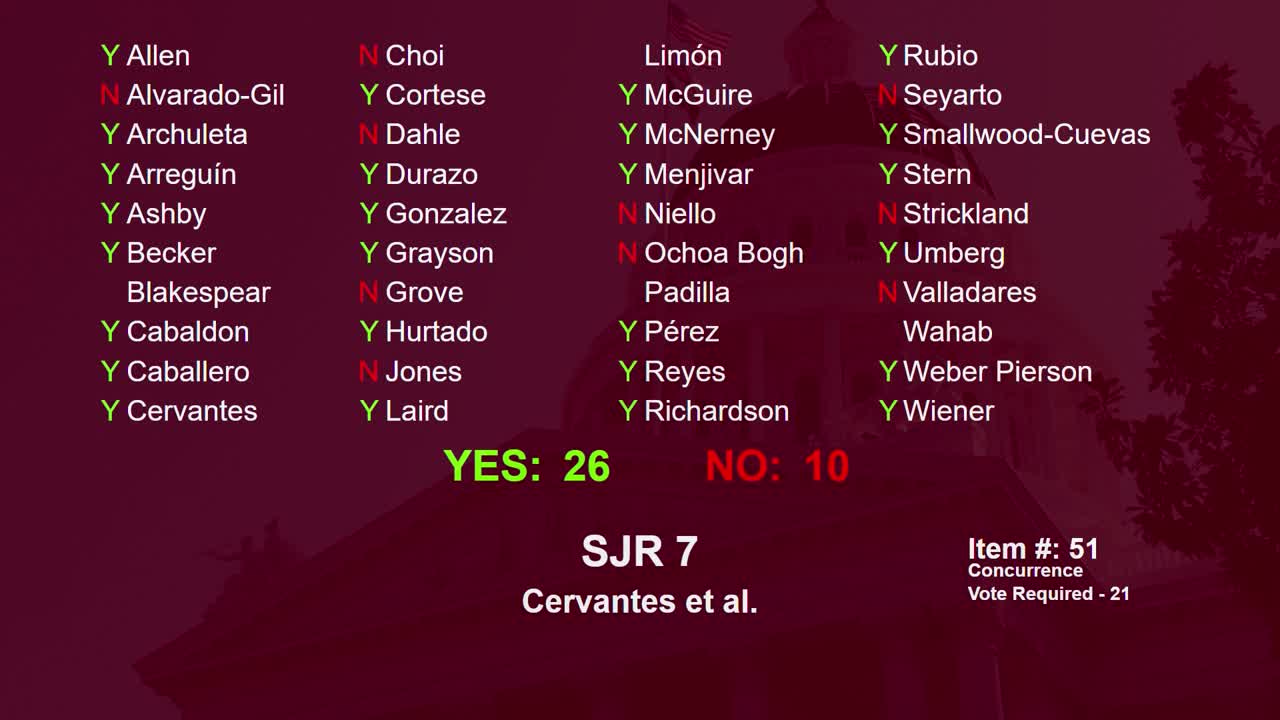
Bill Author