ACR 39: Financial Aid and Literacy Month.
- Session Year: 2015-2016
- House: Assembly
- Latest Version Date: 2015-04-29
This measure would declare the month of April 2015 as Financial Aid and Literacy Month, with the theme of Prosperity Through Education, to raise public awareness about the continuing need for increased financial literacy.
This measure would declare the month of April 2015 as Financial Aid and Literacy Month, with the theme of Prosperity Through Education, to raise public awareness about the continuing need for increased financial literacy.
This measure would declare the month of April 2015 as Financial Aid and Literacy Month, with the theme of Prosperity Through Education, to raise public awareness about the continuing need for increased financial literacy.
This measure would declare the month of April 2015 as Financial Aid and Literacy Month, with the theme of Financial Wellness: A Family Affair, Prosperity Through Education, to raise public awareness about the continuing need for increased financial literacy.
This measure would declare the month of April 2015 as Financial Aid and Literacy Month, with the theme of Financial Wellness: A Family Affair, to raise public awareness about the continuing need for increased financial literacy.
WHEREAS, The Presidents Advisory Council on Financial Capability urges the integration of personal finance into the teaching of math and English language arts common core academic content standards for K12 education as well as other subjects; and
WHEREAS, California law requires that financial education, including budgeting, managing credit, student loans, consumer debt, and identity theft security, is included in the next revision of the social sciences, health, and mathematics curricula; and
WHEREAS, In Junior Achievements 2014 Teens and Personal Finance Survey, 77 percent of male teens and 63 percent of female teens 16 to 18 years of age said they do not keep track of their money; and
WHEREAS, Eighty-five percent of American parents believe that financial education courses should be a requirement for high school graduation and 52 percent of teenagers want to learn more about budgeting, saving, and investing; and
WHEREAS, According to a poll by Northeastern Universitys Innovation Imperative Initiative, more than 80 percent of students 16 to 19 years of age believe obtaining a college degree is important to having a career, but 67 percent are worried they will not be able to afford college; and
WHEREAS, In Sallie Maes How America Saves for College 2014, the proportion of families saving for college declined during the recession from 62 percent in 2009 to 50 percent in 2013; and
WHEREAS, The total average savings for higher education is $15,346, which is up from $11,781 in 2014; and
WHEREAS, In 2014, student loan debt soared by more than 11 percent; and
WHEREAS, When it comes to where families put money, more parents use a general savings account (45 percent in 2014, compared with 42 percent in 2013) than any other method of saving, ahead of a 529 plan (29 percent in 2014, compared with 27 percent in 2013) and a checking account (24 percent in 2014, compared with 27 percent in 2013); and
WHEREAS, Only 40 percent of adults keep a budget and track their spending, 75 percent of American families say they live paycheck to paycheck, and more than 25 percent of American families have no savings at all; and
WHEREAS, Statistics compiled by LearnVest and Chase Blueprint show that for Americans 45 to 54 years of age, the median saved for retirement is only $101,000, and 38 percent of adults are concerned about being able to retire on time; and
WHEREAS, Only 5 percent of adults say they were taught about money by a teacher, and 40 percent would give themselves Cs, Ds, or Fs on their grasp of personal finance concepts; and
WHEREAS, Twenty-five percent of adults do not think any amount of debt is manageable, and 45 percent said that they could only handle debt payments of $100 a month; and
WHEREAS, Nearly 67 percent of adults are concerned about being able to get a job, 60 percent expressed concern about having enough money as adults, and nearly 33 percent said college costs are not worth it and that the costs will outweigh the benefits; and
WHEREAS, According to the Federal Reserve, the total United States outstanding consumer debt, including car and student loans as well as revolving debt, was $3.24 trillion as of July 2014; and
WHEREAS, Collectively, American consumers owe $11.52 trillion to lenders and creditors and the debt burden is continuing to increase; and
WHEREAS, According to CreditCards.com, the average credit card debt per American adult, excluding zero-balance cards and store cards, is $4,878.43; and
WHEREAS, The average interest rate paid on credit card balances is over 13 percent annual percentage rate (APR); and
WHEREAS, Children as young as five years old have shown an increase in depression and anxiety stemming from their parents unemployment and financial problems; and
WHEREAS, Children whose families endured financial hardships during the childrens adolescence became parents earlier than their peers and also treated their children more harshly; and
WHEREAS, According to T. Rowe Prices 2014 Parents, Kids & Money Survey, 69 percent of parents are very/extremely concerned about setting a good financial example for their kids, but 74 percent admit they are reluctant to approach the topic because they do not want their kids to worry; and
WHEREAS, The State of California established the Bank on California Program to raise awareness among unbanked consumers about the benefits of account ownership and to spur Californians to open accounts; and
WHEREAS, The Bank on California Program makes quality money management education more easily available to low-income Californians and raises statewide awareness of the unbanked problem and potential solutions; and
WHEREAS, An estimated 7.8 percent of Californians are unbanked and an additional 18 percent are considered underbanked; and
WHEREAS, The average unbanked Californian pays $1,000 a year to cash paychecks; and
WHEREAS, Californians with bank accounts are more likely to save, have higher credit scores, and get better-priced car and home loans; and
WHEREAS, Many employers, government agencies, schools, service groups, community organizations, libraries, financial institutions, and nonprofit entities, including, but not limited to, FDIC: Money Smart, the Consumer Financial Protection Bureaus Office of Financial Empowerment, the California Jump$tart Coalition, the CalCPA Financial Literacy Committee, the New America Foundation, SparkPoint Centers, America Saves, the United Way Financial Literacy Program, Junior Achievement Finance Park, and the Girl Scouts of America, have created programs to help people improve their financial literacy skills; and
WHEREAS, Resolutions similar to this resolution have been introduced and passed with strong bipartisan support to increase awareness of the need for financial literacy for California citizens; now, therefore, be it
Resolved by the Assembly of the State of California, the Senate thereof concurring, That the Legislature hereby declares the month of April 2015 as Financial Aid and Literacy Month, with the theme of Prosperity Through Education, to raise public awareness about the continuing need for increased financial literacy; and be it further
Resolved, That legislators, employers, government agencies, schools, service groups, community organizations, libraries, financial institutions, and other nonprofit entities should be encouraged to provide all Californians with the opportunity to obtain or improve their financial literacy skills; and be it further
Resolved, That the Chief Clerk of the Assembly transmit copies of this resolution to the author for appropriate distribution.
WHEREAS, The Presidents Advisory Council on Financial Capability urges the integration of personal finance into the teaching of math and English language arts common core academic content standards for K12 education as well as other subjects; and
WHEREAS, California law requires that financial education, including budgeting, managing credit, student loans, consumer debt, and identity theft security, is included in the next revision of the social sciences, health, and mathematics curricula; and
WHEREAS, In Junior Achievements 2014 Teens and Personal Finance Survey, 77 percent of male teens and 63 percent of female teens 16 to 18 years of age said they do not keep track of their money; and
WHEREAS, Eighty-five percent of American parents believe that financial education courses should be a requirement for high school graduation and 52 percent of teenagers want to learn more about budgeting, saving, and investing; and
WHEREAS, According to a poll by Northeastern Universitys Innovation Imperative Initiative, more than 80 percent of students 16 to 19 years of age believe obtaining a college degree is important to having a career, but 67 percent are worried they will not be able to afford college; and
WHEREAS, In Sallie Maes How America Saves for College 2014, the proportion of families saving for college declined during the recession from 62 percent in 2009 to 50 percent in 2013; and
WHEREAS, The total average savings for higher education is $15,346, which is up from $11,781 in 2014; and
WHEREAS, In 2014, student loan debt soared by more than 11 percent; and
WHEREAS, When it comes to where families put money, more parents use a general savings account (45 percent in 2014, compared with 42 percent in 2013) than any other method of saving, ahead of a 529 plan (29 percent in 2014, compared with 27 percent in 2013) and a checking account (24 percent in 2014, compared with 27 percent in 2013); and
WHEREAS, Only 40 percent of adults keep a budget and track their spending, 75 percent of American families say they live paycheck to paycheck, and more than 25 percent of American families have no savings at all; and
WHEREAS, Statistics compiled by LearnVest and Chase Blueprint show that for Americans 45 to 54 years of age, the median saved for retirement is only $101,000, and 38 percent of adults are concerned about being able to retire on time; and
WHEREAS, Only 5 percent of adults say they were taught about money by a teacher, and 40 percent would give themselves Cs, Ds, or Fs on their grasp of personal finance concepts; and
WHEREAS, Twenty-five percent of adults do not think any amount of debt is manageable, and 45 percent said that they could only handle debt payments of $100 a month; and
WHEREAS, Nearly 67 percent of adults are concerned about being able to get a job, 60 percent expressed concern about having enough money as adults, and nearly 33 percent said college costs are not worth it and that the costs will outweigh the benefits; and
WHEREAS, According to the Federal Reserve, the total United States outstanding consumer debt, including car and student loans as well as revolving debt, was $3.24 trillion as of July 2014; and
WHEREAS, Collectively, American consumers owe $11.52 trillion to lenders and creditors and the debt burden is continuing to increase; and
WHEREAS, According to CreditCards.com, the average credit card debt per American adult, excluding zero-balance cards and store cards, is $4,878.43; and
WHEREAS, The average interest rate paid on credit card balances is over 13 percent annual percentage rate (APR); and
WHEREAS, Children as young as five years old have shown an increase in depression and anxiety stemming from their parents unemployment and financial problems; and
WHEREAS, Children whose families endured financial hardships during the childrens adolescence became parents earlier than their peers and also treated their children more harshly; and
WHEREAS, According to T. Rowe Prices 2014 Parents, Kids & Money Survey, 69 percent of parents are very/extremely concerned about setting a good financial example for their kids, but 74 percent admit they are reluctant to approach the topic because they do not want their kids to worry; and
WHEREAS, The State of California established the Bank on California Program to raise awareness among unbanked consumers about the benefits of account ownership and to spur Californians to open accounts; and
WHEREAS, The Bank on California Program makes quality money management education more easily available to low-income Californians and raises statewide awareness of the unbanked problem and potential solutions; and
WHEREAS, An estimated 7.8 percent of Californians are unbanked and an additional 18 percent are considered underbanked; and
WHEREAS, The average unbanked Californian pays $1,000 a year to cash paychecks; and
WHEREAS, Californians with bank accounts are more likely to save, have higher credit scores, and get better-priced car and home loans; and
WHEREAS, Many employers, government agencies, schools, service groups, community organizations, libraries, financial institutions, and nonprofit entities, including, but not limited to, FDIC: Money Smart, the Consumer Financial Protection Bureaus Office of Financial Empowerment, the California Jump$tart Coalition, the CalCPA Financial Literacy Committee, the New America Foundation, SparkPoint Centers, America Saves, the United Way Financial Literacy Program, Junior Achievement Finance Park, and the Girl Scouts of America, have created programs to help people improve their financial literacy skills; and
WHEREAS, Resolutions similar to this resolution have been introduced and passed with strong bipartisan support to increase awareness of the need for financial literacy for California citizens; now, therefore, be it
Resolved by the Assembly of the State of California, the Senate thereof concurring, That the Legislature hereby declares the month of April 2015 as Financial Aid and Literacy Month, with the theme of Financial Wellness: A Family Affair, Prosperity Through Education, to raise public awareness about the continuing need for increased financial literacy; and be it further
Resolved, That legislators, employers, government agencies, schools, service groups, community organizations, libraries, financial institutions, and the media other nonprofit entities should be encouraged to provide opportunities for financial literacy education for all Californians through a variety of means to provide outreach and education; with the opportunity to obtain or improve their financial literacy skills; and be it further
Resolved, That the Chief Clerk of the Assembly transmit copies of this resolution to the author for appropriate distribution.
WHEREAS, The Presidents Advisory Council on Financial Capability urges the integration of personal finance into the teaching of math and English language arts common core academic content standards for K12 education as well as other subjects; and
WHEREAS, California law requires that financial education, including budgeting, managing credit, student loans, consumer debt, and identity theft security, is included in the next revision of the social sciences, health, and mathematics curricula; and
WHEREAS, In Junior Achievements 2014 Teens and Personal Finance Survey, 77 percent of male teens and 63 percent of female teens 16 to 18 years of age said they do not keep track of their money; and
WHEREAS, Eighty-five percent of American parents believe that financial education courses should be a requirement for high school graduation and 52 percent of teenagers want to learn more about budgeting, saving, and investing; and
WHEREAS, According to a poll by Northeastern Universitys Innovation Imperative Initiative, more than 80 percent of students 16 to 19 years of age believe obtaining a college degree is important to having a career, but 67 percent are worried they will not be able to afford college; and
WHEREAS, In Sallie Maes How America Saves for College 2014, the proportion of families saving for college declined during the recession from 62 percent in 2009 to 50 percent in 2013; and
WHEREAS, The total average savings for higher education is $15,346, which is up from $11,781 in 2014; and
WHEREAS, In 2014, student loan debt soared by more than 11 percent; and
WHEREAS, When it comes to where families put money, more parents use a general savings account (45 percent in 2014, compared with 42 percent in 2013) than any other method of saving, ahead of a 529 plan (29 percent in 2014, compared with 27 percent in 2013) and a checking account (24 percent in 2014, compared with 27 percent in 2013); and
WHEREAS, Only 40 percent of adults keep a budget and track their spending, 75 percent of American families say they live paycheck to paycheck, and more than 25 percent of American families have no savings at all; and
WHEREAS, Statistics compiled by LearnVest and Chase Blueprint show that for Americans 45 to 54 years of age, the median saved for retirement is only $101,000, and 38 percent of adults are concerned about being able to retire on time; and
WHEREAS, Only 5 percent of adults say they were taught about money by a teacher, and 40 percent would give themselves Cs, Ds, or Fs on their grasp of personal finance concepts; and
WHEREAS, Twenty-five percent of adults do not think any amount of debt is manageable, and 45 percent said that they could only handle debt payments of $100 a month; and
WHEREAS, Nearly 67 percent of adults are concerned about being able to get a job, 60 percent expressed concern about having enough money as adults, and nearly 33 percent said college costs are not worth it and that the costs will outweigh the benefits; and
WHEREAS, According to the Federal Reserve, the total United States outstanding consumer debt, including car and student loans as well as revolving debt, was $3.24 trillion as of July 2014; and
WHEREAS, Collectively, American consumers owe $11.52 trillion to lenders and creditors and the debt burden is continuing to increase; and
WHEREAS, According to CreditCards.com, the average credit card debt per American adult, excluding zero-balance cards and store cards, is $4,878.43; and
WHEREAS, The average interest rate paid on credit card balances is over 13 percent annual percentage rate (APR); and
WHEREAS, Children as young as five years old have shown an increase in depression and anxiety stemming from their parents unemployment and financial problems; and
WHEREAS, Children whose families endured financial hardships during the childrens adolescence became parents earlier than their peers and also treated their children more harshly; and
WHEREAS, According to T. Rowe Prices 2014 Parents, Kids & Money Survey, 69 percent of parents are very/extremely concerned about setting a good financial example for their kids, but 74 percent admit they are reluctant to approach the topic because they do not want their kids to worry; and
WHEREAS, The State of California established the Bank on California Program to raise awareness among unbanked consumers about the benefits of account ownership and to spur Californians to open accounts; and
WHEREAS, The Bank on California Program makes quality money management education more easily available to low-income Californians and raises statewide awareness of the unbanked problem and potential solutions; and
WHEREAS, An estimated 7.8 percent of Californians are unbanked and an additional 18 percent are considered underbanked; and
WHEREAS, The average unbanked Californian pays $1,000 a year to cash paychecks; and
WHEREAS, Californians with bank accounts are more likely to save, have higher credit scores, and get better-priced car and home loans; and
WHEREAS, Resolutions similar to this resolution have been introduced and passed with strong bipartisan support to increase awareness of the need for financial literacy for California citizens; now, therefore, be it
Resolved by the Assembly of the State of California, the Senate thereof concurring, That the Legislature hereby declares the month of April 2015 as Financial Aid and Literacy Month, with the theme of Financial Wellness: A Family Affair, to raise public awareness about the continuing need for increased financial literacy; and be it further
Resolved, That legislators, employers, schools, service groups, community organizations, libraries, financial institutions, and the media should be encouraged to provide opportunities for financial literacy education for all Californians through a variety of means to provide outreach and education; and be it further
Resolved, That the Chief Clerk of the Assembly transmit copies of this resolution to the author for appropriate distribution.
|
Date
|
Status
|
|---|---|
| Apr 29, 2015 | Chaptered by Secretary of State - Res. Chapter 34, Statutes of 2015. |
| Apr 29, 2015 | Enrolled and filed with the Secretary of State at 2:30 p.m. |
| Apr 23, 2015 | In Assembly. Ordered to Engrossing and Enrolling. |
| Apr 23, 2015 | Adopted and to Assembly. (Ayes 37. Noes 0. Page 744.) |
| Apr 23, 2015 | Adopted and to Assembly. |
| Apr 15, 2015 | From committee: Ordered to third reading. |
| Apr 7, 2015 | In Senate. To Com. on RLS. |
| Apr 6, 2015 | Amended, adopted, and to Senate. (Page 769.) |
| Mar 24, 2015 | From committee: Be adopted. Ordered to Third Reading. (Ayes 11. Noes 0.) (March 23). |
| Mar 18, 2015 | Re-referred to Com. on RLS. |
| Mar 17, 2015 | From committee chair, with author's amendments: Amend, and re-refer to Com. on RLS. Amended. |
| Mar 5, 2015 | Referred to Com. on RLS. |
| Mar 1, 2015 | From printer. |
| Feb 27, 2015 | Introduced. To print. |
|
Date
|
Description
|
Location
|
Votes
|
|
|---|---|---|---|---|
| Apr 23, 2015 | Assembly 3rd Reading ACR39 Dababneh By Block | Senate Floor |
Passed |
|
| Mar 23, 2015 | Be adopted. To third reading. | Assembly Standing Committee on Rules |
Passed |
This list shows positions taken on this bill by organizations on the date displayed, which is linked to the original source.
Positions by individuals are not included.
ACR 39
Page 3
|
Office of Senate Floor Analyses (916) 651-1520 Fax: (916) 327-4478 |
THIRD READING
Bill No: ACR 39
Amended: 4/6/15 in Assembly
ASSEMBLY FLOOR: Read and adopted, 4/6/15
SUBJECT: Financial Aid and Literacy Month
SOURCE: State Controller Betty Yee
DIGEST: This resolution declares the month of April 2015 as Financial Aid and Literacy Month, with the theme of “Prosperity Through Education,” to raise public awareness about the continuing need for increased financial literacy.
ANALYSIS: This resolution makes the following legislative findings:
The President’s Advisory Council on Financial Capability urges the integration of personal finance into the teaching of math and English language arts common core academic content standards for K–12 education as well as other subjects.
California law requires that financial education, including budgeting, managing credit, student loans, consumer debt, and identity theft security, is included in the next revision of the social sciences, health, and mathematics curricula.
85% of American parents believe that financial education courses should be a requirement for high school graduation and 52% of teenagers want to learn more about budgeting, saving, and investing.
Only 5% of adults say they were taught about money by a teacher, and 40% would give themselves a grade of C, D, or F on their grasp of personal finance concepts.
The State of California established the Bank on California Program to raise awareness among unbanked consumers about the benefits of account ownership and to spur Californians to open accounts. The Bank on California Program makes quality money management education more easily available to low-income Californians and raises statewide awareness of the unbanked problem and potential solutions.
Many employers, government agencies, schools, service groups, community organizations, libraries, financial institutions, and nonprofit entities have created programs to help people improve their financial literacy skills.
This resolution declares the month of April 2015 as Financial Aid and Literacy Month, with the theme of “Prosperity Through Education,” to raise public awareness about the continuing need for increased financial literacy; and encourages legislators, employers, government agencies, schools, service groups, community organizations, libraries, financial institutions, and other nonprofit entities to provide all Californians with the opportunity to obtain or improve their financial literacy skills.
Prior Legislation
SCR 105 (Lieu, Resolution Chapter 91, Statutes of 2014) declared the month of April 2014 as Financial Aid and Literacy Month to raise public awareness about the continuing need for increased financial literacy.
FISCAL EFFECT: Appropriation: No Fiscal Com.: No Local: No
State Controller Betty Yee (source)
California New Car Dealers
Association
California Society of Certified Public Accountants
OPPOSITION: (Verified 4/13/15)
None received
Prepared by: Karen Chow / SFA / (916) 651-1520
4/15/15 16:28:58
**** END ****
ACR 39
Page 1
ASSEMBLY THIRD READING
ACR 39
(Dababneh)
As Amended March 17, 2015
Majority vote
Committee |
Votes |
Ayes |
Noes |
Rules |
11-0 |
Gordon, Chang, Burke, Campos, Dodd, Jones, Lopez, Mayes, Rodriguez, Waldron, Wood |
|
SUMMARY: Declares the month of April 2015 as Financial Aid and Literacy Month, with the theme of "Prosperity Through Education," to raise public awareness about the continuing need for increased financial literacy. Specifically, this resolution makes the following legislative findings:
California law requires that financial education, including budgeting, managing credit, student loans, consumer debt, and identity theft security, is included in the next revision of the social sciences, health, and mathematics curricula.
A survey of teenagers found that 52% want to learn more about budgeting, saving, and investing and 85% of parents believe that financial education courses should be a requirement for high school graduation.
Only 5% of adults say they were taught about money by a teacher and 40% would give themselves Cs, Ds, or Fs on their grasp of personal finance concepts.
According to T. Rowe Price's, 2014 Parents, Kids, and Money Survey, 69% of parents are "very/extremely" concerned about setting a good financial example for their kids, but 74% admit they are reluctant to approach the topic because they do not want their kids to worry.
FISCAL EFFECT: None
Analysis Prepared by: Nicole Willis / RLS. / (916) 319-2800 FN: 0000071
ACR 39
Page 1
Date of Hearing: March 23, 2015
ASSEMBLY COMMITTEE ON RULES
Richard Gordon, Chair
ACR 39
(Dababneh) – As Amended March 17, 2015
SUBJECT: Financial Aid and Literacy Month.
SUMMARY: Declares the month of April 2015 as Financial Aid and Literacy Month, with the theme of "Prosperity Through Education," to raise public awareness about the continuing need for increased financial literacy. Specifically, this resolution makes the following legislative findings:
California law requires that financial education, including budgeting, managing credit, student loans, consumer debt, and identity theft security, is included in the next revision of the social sciences, health, and mathematics curricula.
A survey of teenagers found that 52 percent want to learn more about budgeting, saving, and investing and 85 percent of parents believe that financial education courses should be a requirement for high school graduation.
Only 5 percent of adults say they were taught about money by a teacher and 40 percent would give themselves Cs, Ds, or Fs on their grasp of personal finance concepts.
According to T. Rowe Price's 2014 Parents, Kids, and Money Survey, 69 percent of parents are "very/extremely" concerned about setting a good financial example for their kids, but 74 percent admit they are reluctant to approach the topic because they do not want their kids to worry.
FISCAL EFFECT: None
REGISTERED SUPPORT / OPPOSITION:
Support
California Society of Certified Public Accountants (CalCPA)
Opposition
None on file
Analysis Prepared by: Nicole Willis / RLS. / (916) 319-2800
ACR 39
Page 1
Date of Hearing: March 23, 2015
ASSEMBLY COMMITTEE ON RULES
Richard Gordon, Chair
ACR 39
(Dababneh) – As Amended March 17, 2015
SUBJECT: Financial Aid and Literacy Month.
SUMMARY: Declares the month of April 2015 as Financial Aid and Literacy Month, with the theme of "Prosperity Through Education," to raise public awareness about the continuing need for increased financial literacy. Specifically, this resolution makes the following legislative findings:
California law requires that financial education, including budgeting, managing credit, student loans, consumer debt, and identity theft security, is included in the next revision of the social sciences, health, and mathematics curricula.
A survey of teenagers found that 52 percent want to learn more about budgeting, saving, and investing and 85 percent of parents believe that financial education courses should be a requirement for high school graduation.
Only 5 percent of adults say they were taught about money by a teacher and 40 percent would give themselves Cs, Ds, or Fs on their grasp of personal finance concepts.
According to T. Rowe Price's 2014 Parents, Kids, and Money Survey, 69 percent of parents are "very/extremely" concerned about setting a good financial example for their kids, but 74 percent admit they are reluctant to approach the topic because they do not want their kids to worry.
FISCAL EFFECT: None
REGISTERED SUPPORT / OPPOSITION:
Support
California Society of Certified Public Accountants (CalCPA)
Opposition
None on file
Analysis Prepared by: Nicole Willis / RLS. / (916) 319-2800
Discussed in Hearing
View Older Hearings
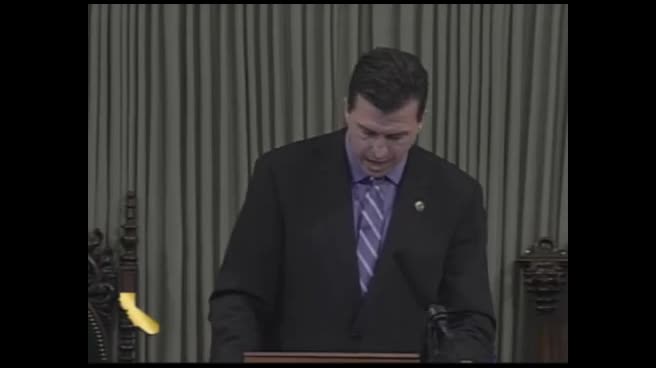
Bill Author
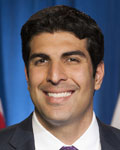
Bill Co-Author(s):