AB 503: School facilities: Civic Center Act: direct costs.
- Session Year: 2025-2026
- House: Assembly
- Latest Version Date: 2025-10-01
Current Status:
Passed
(2025-10-01: Chaptered by Secretary of State - Chapter 156, Statutes of 2025.)
Introduced
In Committee
Awaiting First Chamber Vote
Passed First Chamber
In Committee
Awaiting Second Chamber Vote
Passed Second Chamber
Enacted
The Civic Center Act authorizes, and in some instances requires, the governing board of a school district to allow the use of school facilities or grounds as a civic center, for specified purposes. The act authorizes or requires, as applicable, the governing board of a school district to charge a fee, not to exceed the school districts direct costs, as defined, for use of its school facilities or grounds. Existing law, for these purposes, defines direct costs to mean the costs of supplies, utilities, janitorial services, services of school district employees, and salaries paid to school district employees directly associated with the administration of this section necessitated by the entitys use of the school facilities or grounds. Existing law, until January 1, 2025, expanded the definition of direct costs to include a specified share of the operating and maintenance costs proportional to the entitys use of the school facilities or grounds and a share of the costs for maintenance, repair, restoration, and refurbishment of the school facilities or grounds proportional to that entitys use of the school facilities or grounds, as specified.
This bill would restore, indefinitely, the above-described expanded definition of direct costs that was repealed as of January 1, 2025. The bill would require funds collected relating to maintenance, repair, restoration, and refurbishment to be deposited into a special fund and to be used only for certain purposes.
This bill would declare that it is to take effect immediately as an urgency statute.
The Civic Center Act authorizes, and in some instances requires, the governing board of a school district to allow the use of school facilities or grounds as a civic center, for specified purposes. The act authorizes or requires, as applicable, the governing board of a school district to charge a fee, not to exceed the school districts direct costs, as defined, for use of its school facilities or grounds. Existing law, for these purposes, defines direct costs to mean the costs of supplies, utilities, janitorial services, services of school district employees, and salaries paid to school district employees directly associated with the administration of this section necessitated by the entitys use of the school facilities or grounds. Existing law, until January 1, 2025, expanded the definition of direct costs to include a specified share of the operating and maintenance costs proportional to the entitys use of the school facilities or grounds and a share of the costs for maintenance, repair, restoration, and refurbishment of the school facilities or grounds proportional to that entitys use of the school facilities or grounds, as specified.
This bill would restore, indefinitely, the above-described expanded definition of direct costs that was repealed as of January 1, 2025. The bill would require funds collected relating to maintenance, repair, restoration, and refurbishment to be deposited into a special fund and to be used only for certain purposes. The bill would, by December 31, 2025, require the Superintendent of Public Instruction to develop, and the State Board of Education to adopt, regulations to be used by a school district in determining the proportionate share and the specific allowable costs that a school district may include as direct costs for the use of its school facilities or grounds.
This bill would declare that it is to take effect immediately as an urgency statute.
(a)(1)The governing board of a school district shall authorize the use of school facilities or grounds under its control by a nonprofit organization, or by a club or an association organized to promote youth and school activities, including, but not necessarily limited to, any of the following:
(A)The Girl Scouts; the Boy Scouts; Camp Fire USA; or the YMCA.
(B)A parent-teacher association.
(C)A school-community advisory council.
(D)A recreational youth sports league that charges participants no more than a nominal fee. As used in this subparagraph, nominal fee means an average of no more than sixty dollars ($60) per month.
(2)This subdivision does not apply to a group that uses school facilities or grounds for fundraising activities that are not beneficial to youth or public school activities of the school district, as determined by the governing board of the school district.
(b)Except as otherwise provided by law, a governing board of a school district may charge an amount not to exceed its direct costs for use of its school facilities or grounds pursuant to this section. A governing board of a school district that levies these charges shall first adopt a policy specifying which activities shall be charged an amount not to exceed direct costs.
(c)The governing board of a school district may charge an amount, not to exceed its direct costs for use of its school facilities or grounds by the entity using the school facilities or grounds, including a religious organization or church, that arranges for and supervises sports league activities for youths as described in paragraph (6) of subdivision (b) of Section 38131.
(d)The governing board of a school district that authorizes the use of school facilities or grounds for the purpose specified in paragraph (3) of subdivision (b) of Section 38131 shall charge the church or religious organization an amount at least equal to the school districts direct costs.
(e)In the case of entertainment or a meeting where an admission fee is charged or contributions are solicited, and the net receipts are not expended for the welfare of the pupils of the school district or for charitable purposes, a charge equal to fair rental value shall be levied for the use of the school facilities or grounds.
(f)If the use of school facilities or grounds under this section results in the destruction of school property, the entity using the school facilities or grounds may be charged for an amount necessary to repay the damages, and further use of facilities or grounds by that entity may be denied.
(g)As used in this section:
(1)Direct costs to the school district for the use of school facilities or grounds includes all of the following:
(A)The share of the costs of supplies, utilities, janitorial services, services of school district employees, and salaries paid to school district employees directly associated with the administration of this section to operate and maintain school facilities or grounds that is proportional to the entitys use of the school facilities or grounds under this section.
(B)The share of the costs for maintenance, repair, restoration, and refurbishment, proportional to the use of the school facilities or grounds by the entity using the school facilities or grounds under this section as follows:
(i)For purposes of this subparagraph, school facilities shall be limited to only nonclassroom space, and school grounds shall include, but not necessarily be limited to, playing fields, athletic fields, track and field venues, tennis courts, and outdoor basketball courts.
(ii)The share of the cost for maintenance, repair, restoration, and refurbishment shall not apply to:
(I)Classroom-based programs that operate after school hours, including, but not necessarily limited to, after school programs, tutoring programs, or child care programs.
(II)Organizations retained by the school or school district to provide instruction or instructional activities to pupils during school hours.
(iii)Funds collected under this subparagraph shall be deposited into a special fund that shall only be used for purposes of this section.
(2)Fair rental value means the direct costs to the school district plus the amortized costs of the school facilities or grounds used for the duration of the activity authorized.
(h)(1)A school district authorizing the use of school facilities or grounds under subdivision (a) is liable for an injury resulting from the negligence of the school district in the ownership and maintenance of the school facilities or grounds. An entity using school facilities or grounds under this section is liable for an injury resulting from the negligence of that entity during the use of the school facilities or grounds. The school district and the entity using the school facilities or grounds under this section shall each bear the cost of insuring against its respective risks and shall each bear the costs of defending itself against claims arising from those risks.
(2)Notwithstanding any other law, this subdivision shall not be waived. This subdivision does not limit or affect the immunity or liability of a school district under Division 3.6 (commencing with Section 810) of Title 1 of the Government Code for an injury caused by a dangerous condition of public property.
SEC. 2.This act is an urgency statute necessary for the immediate preservation of the public peace, health, or safety within the meaning of Article IV of the California Constitution and shall go into immediate effect. The facts constituting the necessity are:
In order for school districts to provide safe and high-quality public spaces as soon as possible, it is necessary that this act take effect immediately.
(a)(1)The governing board of a school district shall authorize the use of school facilities or grounds under its control by a nonprofit organization, or by a club or an association organized to promote youth and school activities, including, but not necessarily limited to, any of the following:
(A)The Girl Scouts; the Boy Scouts; Camp Fire USA; or the YMCA.
(B)A parent-teacher association.
(C)A school-community advisory council.
(D)A recreational youth sports league that charges participants no more than a nominal fee. As used in this subparagraph, nominal fee means an average of no more than sixty dollars ($60) per month.
(2)This subdivision does not apply to a group that uses school facilities or grounds for fundraising activities that are not beneficial to youth or public school activities of the school district, as determined by the governing board of the school district.
(b)Except as otherwise provided by law, a governing board of a school district may charge an amount not to exceed its direct costs for use of its school facilities or grounds pursuant to this section. A governing board of a school district that levies these charges shall first adopt a policy specifying which activities shall be charged an amount not to exceed direct costs.
(c)The governing board of a school district may charge an amount, not to exceed its direct costs for use of its school facilities or grounds by the entity using the school facilities or grounds, including a religious organization or church, that arranges for and supervises sports league activities for youths as described in paragraph (6) of subdivision (b) of Section 38131.
(d)The governing board of a school district that authorizes the use of school facilities or grounds for the purpose specified in paragraph (3) of subdivision (b) of Section 38131 shall charge the church or religious organization an amount at least equal to the school districts direct costs.
(e)In the case of entertainment or a meeting where an admission fee is charged or contributions are solicited, and the net receipts are not expended for the welfare of the pupils of the school district or for charitable purposes, a charge equal to fair rental value shall be levied for the use of the school facilities or grounds.
(f)If the use of school facilities or grounds under this section results in the destruction of school property, the entity using the school facilities or grounds may be charged for an amount necessary to repay the damages, and further use of facilities or grounds by that entity may be denied.
(g)As used in this section:
(1)Direct costs to the school district for the use of school facilities or grounds includes all of the following:
(A)The share of the costs of supplies, utilities, janitorial services, services of school district employees, and salaries paid to school district employees directly associated with the administration of this section to operate and maintain school facilities or grounds that is proportional to the entitys use of the school facilities or grounds under this section.
(B)The share of the costs for maintenance, repair, restoration, and refurbishment, proportional to the use of the school facilities or grounds by the entity using the school facilities or grounds under this section as follows:
(i)For purposes of this subparagraph, school facilities shall be limited to only nonclassroom space, and school grounds shall include, but not necessarily be limited to, playing fields, athletic fields, track and field venues, tennis courts, and outdoor basketball courts.
(ii)The share of the cost for maintenance, repair, restoration, and refurbishment shall not apply to:
(I)Classroom-based programs that operate after school hours, including, but not necessarily limited to, after school programs, tutoring programs, or child care programs.
(II)Organizations retained by the school or school district to provide instruction or instructional activities to pupils during school hours.
(iii)Funds collected under this subparagraph shall be deposited into a special fund that shall only be used for purposes of this section.
(2)Fair rental value means the direct costs to the school district plus the amortized costs of the school facilities or grounds used for the duration of the activity authorized.
(h)By December 31, 2025, the Superintendent shall develop, and the state board shall adopt, regulations to be used by a school district in determining the proportionate share and the specific allowable costs that a school district may include as direct costs for the use of its school facilities or grounds.(i)(h)(1)A school district authorizing the use of school facilities or grounds under subdivision (a) is liable for an injury resulting from the negligence of the school district in the ownership and maintenance of the school facilities or grounds. An entity using school facilities or grounds under this section is liable for an injury resulting from the negligence of that entity during the use of the school facilities or grounds. The school district and the entity using the school facilities or grounds under this section shall each bear the cost of insuring against its respective risks and shall each bear the costs of defending itself against claims arising from those risks.
(2)Notwithstanding any other law, this subdivision shall not be waived. This subdivision does not limit or affect the immunity or liability of a school district under Division 3.6 (commencing with Section 810) of Title 1 of the Government Code for an injury caused by a dangerous condition of public property.
SEC. 2.This act is an urgency statute necessary for the immediate preservation of the public peace, health, or safety within the meaning of Article IV of the California Constitution and shall go into immediate effect. The facts constituting the necessity are:
In order for school districts to provide safe and high-quality public spaces as soon as possible, it is necessary that this act take effect immediately.
(a)(1)The governing board of a school district shall authorize the use of school facilities or grounds under its control by a nonprofit organization, or by a club or an association organized to promote youth and school activities, including, but not necessarily limited to, any of the following:
(A)The Girl Scouts; the Boy Scouts; Camp Fire USA; or the YMCA.
(B)A parent-teacher association.
(C)A school-community advisory council.
(D)A recreational youth sports league that charges participants no more than a nominal fee. As used in this subparagraph, nominal fee means an average of no more than sixty dollars ($60) per month.
(2)This subdivision does not apply to a group that uses school facilities or grounds for fundraising activities that are not beneficial to youth or public school activities of the school district, as determined by the governing board of the school district.
(b)Except as otherwise provided by law, a governing board of a school district may charge an amount not to exceed its direct costs for use of its school facilities or grounds pursuant to this section. A governing board of a school district that levies these charges shall first adopt a policy specifying which activities shall be charged an amount not to exceed direct costs.
(c)The governing board of a school district may charge an amount, not to exceed its direct costs for use of its school facilities or grounds by the entity using the school facilities or grounds, including a religious organization or church, that arranges for and supervises sports league activities for youths as described in paragraph (6) of subdivision (b) of Section 38131.
(d)The governing board of a school district that authorizes the use of school facilities or grounds for the purpose specified in paragraph (3) of subdivision (b) of Section 38131 shall charge the church or religious organization an amount at least equal to the school districts direct costs.
(e)In the case of entertainment or a meeting where an admission fee is charged or contributions are solicited, and the net receipts are not expended for the welfare of the pupils of the school district or for charitable purposes, a charge equal to fair rental value shall be levied for the use of the school facilities or grounds.
(f)If the use of school facilities or grounds under this section results in the destruction of school property, the entity using the school facilities or grounds may be charged for an amount necessary to repay the damages, and further use of facilities or grounds by that entity may be denied.
(g)As used in this section:
(1)Direct costs to the school district for the use of school facilities or grounds means the costs of supplies, utilities, janitorial services, services of school district employees, and salaries paid to school district employees directly associated with the administration of this section necessitated by the entitys use of the school facilities or grounds.(1)Direct costs to the school district for the use of school facilities or grounds includes all of the following:
(A)The share of the costs of supplies, utilities, janitorial services, services of school district employees, and salaries paid to school district employees directly associated with the administration of this section to operate and maintain school facilities or grounds that is proportional to the entitys use of the school facilities or grounds under this section.
(B)The share of the costs for maintenance, repair, restoration, and refurbishment, proportional to the use of the school facilities or grounds by the entity using the school facilities or grounds under this section as follows:
(i)For purposes of this subparagraph, school facilities shall be limited to only nonclassroom space, and school grounds shall include, but not necessarily be limited to, playing fields, athletic fields, track and field venues, tennis courts, and outdoor basketball courts.
(ii)The share of the cost for maintenance, repair, restoration, and refurbishment shall not apply to:
(I)Classroom-based programs that operate after school hours, including, but not necessarily limited to, after school programs, tutoring programs, or child care programs.
(II)Organizations retained by the school or school district to provide instruction or instructional activities to pupils during school hours.
(iii)Funds collected under this subparagraph shall be deposited into a special fund that shall only be used for purposes of this section.
(2)Fair rental value means the direct costs to the school district plus the amortized costs of the school facilities or grounds used for the duration of the activity authorized.
(h)By December 31, 2025, the Superintendent shall develop, and the state board shall adopt, regulations to be used by a school district in determining the proportionate share and the specific allowable costs that a school district may include as direct costs for the use of its school facilities or grounds.
(h)(i)(1)A school district authorizing the use of school facilities or grounds under subdivision (a) is liable for an injury resulting from the negligence of the school district in the ownership and maintenance of the school facilities or grounds. An entity using school facilities or grounds under this section is liable for an injury resulting from the negligence of that entity during the use of the school facilities or grounds. The school district and the entity using the school facilities or grounds under this section shall each bear the cost of insuring against its respective risks and shall each bear the costs of defending itself against claims arising from those risks.
(2)Notwithstanding any other law, this subdivision shall not be waived. This subdivision does not limit or affect the immunity or liability of a school district under Division 3.6 (commencing with Section 810) of Title 1 of the Government Code for an injury caused by a dangerous condition of public property.
(i)This section is operative on and after January 1, 2025.SEC. 2.This act is an urgency statute necessary for the immediate preservation of the public peace, health, or safety within the meaning of Article IV of the California Constitution and shall go into immediate effect. The facts constituting the necessity are:
In order for school districts to provide safe and high-quality public spaces as soon as possible, it is necessary that this act take effect immediately.
|
Date
|
Status
|
|---|---|
| Oct 1, 2025 | Chaptered by Secretary of State - Chapter 156, Statutes of 2025. |
| Oct 1, 2025 | Approved by the Governor. |
| Sep 9, 2025 | Enrolled and presented to the Governor at 3 p.m. |
| Sep 2, 2025 | In Assembly. Ordered to Engrossing and Enrolling. |
| Sep 2, 2025 | Read third time. Urgency clause adopted. Passed. Ordered to the Assembly. (Ayes 40. Noes 0. Page 2411.). |
| Jun 12, 2025 | Read second time. Ordered to third reading. |
| Jun 11, 2025 | From committee: Do pass. (Ayes 6. Noes 0.) (June 11). |
| May 7, 2025 | Referred to Com. on ED. |
| Apr 24, 2025 | In Senate. Read first time. To Com. on RLS. for assignment. |
| Apr 24, 2025 | Read third time. Urgency clause adopted. Passed. Ordered to the Senate. (Ayes 75. Noes 0. Page 1280.). |
| Apr 21, 2025 | Read second time. Ordered to Consent Calendar. |
| Apr 10, 2025 | From committee: Do pass. To Consent Calendar. (Ayes 9. Noes 0.) (April 9). |
| Feb 26, 2025 | Re-referred to Com. on ED. |
| Feb 25, 2025 | From committee chair, with author's amendments: Amend, and re-refer to Com. on ED. Read second time and amended. |
| Feb 24, 2025 | Referred to Com. on ED. |
| Feb 11, 2025 | From printer. May be heard in committee March 13. |
| Feb 10, 2025 | Read first time. To print. |
|
Date
|
Description
|
Location
|
Votes
|
|
|---|---|---|---|---|
| Sep 2, 2025 | The committee on JHA recommend that the measure be PASSED, UNAMENDED | Senate Floor |
Passed |
|
| Jun 11, 2025 | Do pass | Senate Standing Committee on Education |
Passed |
|
| Apr 24, 2025 | AB 503 Mark González Consent Calendar Second Day Regular Session | Assembly Floor |
Passed |
|
| Apr 9, 2025 | Do pass. To Consent Calendar. | Assembly Standing Committee on Education |
Passed |
This list shows positions taken on this bill by organizations on the date displayed, which is linked to the original source.
Positions by individuals are not included.
|
Organization
|
Position
|
Date
|
|---|---|---|
| Alameda County Office Of Education | ** Support | |
| Anaheim Union High School District | ** Support | |
| Association Of California School Administrators | ** Support | |
| Bassett Unified School District | ** Support | |
| Beaumont Unified School District | ** Support | |
| Caitlin Quinn, Board President, Petaluma City Schools | ** Support | |
| California Association Of School Business Officials | ** Support | |
| California Association Of Suburban School Districts | ** Support | |
| California School Boards Association | ** Support | |
| California School Employees Association | ** Support | |
| Castro Valley Unified School District | ** Support | |
| Coalition For Adequate School Housing | ** Support | |
| County School Facilities Consortium | ** Support | |
| Fontana Unified School District | ** Support | |
| Grossmont Union High School District | ** Support | |
| Hanford Joint Union High School District | ** Support | |
| Jurupa Unified School District | ** Support | |
| Los Angeles County Office Of Education | ** Support | |
| Los Angeles Unified School District | ** Support | |
| Modesto City Schools | ** Support | |
| Natomas Unified School District | ** Support | |
| Office of the Riverside County Superintendent of Schools | ** Support | |
| Petaluma City Schools | ** Support | |
| Pittsburg Unified School District | ** Support | |
| Placer Union High School District | ** Support | |
| Riverside County Public K-12 School District Superintendents | ** Support | |
| San Benito High School District | ** Support | |
| San Diego Unified School District | ** Support | |
| San Francisco Unified School District | ** Support | |
| San Jose Unified School District | ** Support | |
| Santa Cruz City Schools | ** Support | |
| Santa Monica Malibu Unified School District | ** Support | |
| Sierra Sands Unified School District | ** Support | |
| Small School Districts Association | ** Support |
SENATE RULES COMMITTEE Office of Senate Floor Analyses (916) 651-1520 Fax: (916) 327-4478 | AB 503 |
THIRD READING
Bill No: AB 503
Author: Mark González (D)
Amended: 2/25/25 in Assembly
Vote: 27 - Urgency
SENATE EDUCATION COMMITTEE: 6-0, 6/11/25
AYES: Pérez, Ochoa Bogh, Cabaldon, Choi, Cortese, Laird
NO VOTE RECORDED: Gonzalez
ASSEMBLY FLOOR: 75-0, 4/24/25 (Consent) - See last page for vote
SUBJECT: School facilities: Civic Center Act: direct costs
SOURCE: Coalition for Adequate School Housing
DIGEST:
This bill, an urgency measure, permanently restores provisions of the Civic Center Act that expired on January 1, 2025, allowing school districts to continue recovering direct costs—including proportional maintenance, repair, restoration, and refurbishment costs—for the use of nonclassroom school facilities and grounds by eligible organizations.
ANALYSIS:
Existing law:
- Establishes the Civic Center Act, creating a “civic center” at each public school facility in California, enabling community access for supervised recreational activities, public meetings, and civic engagements. (Education Code (EC) §§ 38130, 38131)
- Requires school districts to authorize use of their facilities by nonprofit organizations or groups promoting youth and school activities, such as the Girl Scouts, Boy Scouts, parent-teacher associations, and recreational youth sports leagues. (EC § 38134(a))
- Permits districts to charge such organizations fees covering direct costs associated with their use of facilities, provided districts first adopt a clear policy specifying applicable activities and costs. (EC § 38134(b))
- Defines “direct costs” to include proportional shares of expenses related to supplies, utilities, janitorial services, employee salaries, and costs directly tied to operating and maintaining facilities. This also temporarily includes proportional shares of maintenance, repair, restoration, and refurbishment. However, this provision sunsets on January 1, 2025. (EC § 38134(g))
This bill:
- Permanently reinstates the Civic Center Act provisions that sunset on January 1, 2025, allowing school districts to charge a proportional share of maintenance, repair, restoration, and refurbishment costs when community organizations use nonclassroom facilities and grounds.
- Clarifies the definition of “direct costs”—consistent with how the term was defined in statute prior to the sunset—by specifying that allowable charges include:
- The proportional share of costs for supplies, utilities, janitorial services, and district employee salaries directly tied to administering and maintaining the facility use.
- The proportional share of maintenance, repair, restoration, and refurbishment costs, but only for nonclassroom spaces and grounds such as athletic fields, tennis courts, track venues, and outdoor basketball courts.
- Exempts classroom-based after-school programs, tutoring, childcare, and in-school instructional providers from any charges related to maintenance and repair.
- Requires that funds collected under these provisions be placed in a dedicated special fund, used exclusively for purposes of the Civic Center Act.
- Declares an urgency statute, making the bill effective immediately to minimize the gap in authority and maintain safe, accessible public facilities.
Comments
- Need for the bill. According to the author, “School districts struggle with adequate resources to maintain and preserve their facilities. The Civic Center Act, up until January 1, 2025, allowed school districts to charge for both the operating and maintenance costs relating to the use of school facilities by outside entities. Without the authorization to charge outside organizations for a prorated share of maintenance costs, school districts are being forced to take on the entire burden for all wear and tear to their facilities. School districts want to continue to be able to offer their facilities for community use, but they must be able to recoup some of the costs to ensure the facilities are safe and accessible to all for years to come.”
- Rationale and historical context. The Civic Center Act was established to guarantee community access to publicly funded school facilities for civic, recreational, and youth-oriented activities. In response to mounting facility maintenance pressures during budget downturns, the Legislature temporarily authorized districts to recover a proportional share of maintenance and repair costs tied to community use. That authority remained in effect through December 31, 2024. This bill does not introduce a new policy but rather makes that previously sunsetted authority permanent, recognizing that ongoing cost recovery has become a necessary component of district budgeting. This bill maintains the original spirit of the Civic Center Act while aligning it with the long-term fiscal realities districts now face.
- Facility maintenance and community access. Public school facilities often function as vital community gathering spaces, hosting youth leagues, local events, and civic programming. These uses, while valuable, also contribute to wear and tear—especially on fields and outdoor infrastructure. Without the ability to recover costs proportionately, districts must either reduce public access or divert limited instructional resources to cover upkeep. By reinstating cost-recovery authority that was in place for over a decade, this bill helps districts continue to make facilities available while keeping them safe and functional for students and community users alike.
- Financial stewardship and transparency. The bill’s requirement to place collected fees into a dedicated special fund provides critical transparency. This measure enhances fiscal accountability, enabling clear auditing and assurance that funds collected from community groups are used solely to offset the actual maintenance and operational costs directly associated with community use. This approach reassures stakeholders, fostering trust and continued support for community facility usage.
- Urgency justification. The statutory authority for school districts to recover proportional maintenance and repair costs under the Civic Center Act expired on January 1, 2025. As a result, districts currently lack authority to charge these fees, potentially disrupting budget planning and limiting their ability to maintain facilities used by community groups. The urgency clause allows the bill to take effect immediately upon enactment, minimizing the gap in authority and helping districts avoid shifting these costs onto educational programs or restricting community access.
FISCAL EFFECT: Appropriation: No Fiscal Com.: No Local: No
SUPPORT: (Verified 6/11/25)
Coalition for Adequate School Housing (source)
Alameda County Office of Education
Association of California School Administrators
Beaumont Unified School District
California Association of School Business Officials
California Association of Suburban School Districts
California School Boards Association
California School Employees Association
Castro Valley Unified School District
County School Facilities Consortium
Fontana Unified School District
Grossmont Union High School District
Jurupa Unified School District
Los Angeles County Office of Education
Los Angeles Unified School District
Modesto City Schools
Natomas Unified School District
Office of the Riverside County Superintendent of Schools
Petaluma City Schools
Pittsburg Unified School District
Riverside County Public K-12 School District Superintendents
San Benito High School District
San Diego Unified School District
San Francisco Unified School District
Santa Monica – Malibu Unified School District
Sierra Sands Unified School District
Small School Districts Association
OPPOSITION: (Verified 6/11/25)
None received
ASSEMBLY FLOOR: 75-0, 4/24/25
AYES: Addis, Aguiar-Curry, Ahrens, Alanis, Alvarez, Arambula, Ávila Farías, Bains, Bauer-Kahan, Bennett, Berman, Boerner, Bonta, Bryan, Calderon, Caloza, Carrillo, Castillo, Connolly, Davies, DeMaio, Dixon, Elhawary, Ellis, Flora, Fong, Gabriel, Garcia, Gipson, Jeff Gonzalez, Mark González, Hadwick, Haney, Hart, Hoover, Irwin, Jackson, Kalra, Krell, Lee, Lowenthal, Macedo, McKinnor, Muratsuchi, Nguyen, Ortega, Pacheco, Papan, Patel, Patterson, Pellerin, Petrie-Norris, Quirk-Silva, Ramos, Ransom, Celeste Rodriguez, Michelle Rodriguez, Rogers, Blanca Rubio, Sanchez, Schiavo, Schultz, Sharp-Collins, Solache, Soria, Stefani, Ta, Tangipa, Valencia, Wallis, Ward, Wicks, Wilson, Zbur, Rivas
NO VOTE RECORDED: Chen, Gallagher, Harabedian, Lackey
Prepared by: Ian Johnson / ED. / (916) 651-4105
6/12/25 16:02:25
**** END ****
SENATE COMMITTEE ON EDUCATION
Senator Sasha Renée Pérez, Chair
2025 - 2026 Regular
Bill No: Hearing Date: June 11, 2025
Author: | Mark González | ||
Version: |
| ||
Urgency: | Fiscal: | ||
Consultant: | |||
Subject: .
SUMMARY
This bill, an urgency measure, permanently extends provisions of the Civic Center Act allowing school districts to recover direct costs—including proportional maintenance, repair, restoration, and refurbishment costs—for the use of nonclassroom school facilities and grounds by eligible organizations.
BACKGROUND
Existing law:
- Establishes the Civic Center Act, creating a “civic center” at each public school facility in California, enabling community access for supervised recreational activities, public meetings, and civic engagements. (Education Code (EC) §§ 38130, 38131)
- Requires school districts to authorize use of their facilities by nonprofit organizations or groups promoting youth and school activities, such as the Girl Scouts, Boy Scouts, parent-teacher associations, and recreational youth sports leagues. (EC § 38134(a))
- Permits districts to charge such organizations fees covering direct costs associated with their use of facilities, provided districts first adopt a clear policy specifying applicable activities and costs. (EC § 38134(b))
- Defines “direct costs” to include proportional shares of expenses related to supplies, utilities, janitorial services, employee salaries, and costs directly tied to operating and maintaining facilities. This also temporarily includes proportional shares of maintenance, repair, restoration, and refurbishment. However, this provision sunsets on January 1, 2025. (EC § 38134(g))
ANALYSIS
This bill:
- Permanently eliminates the sunset date (currently January 1, 2025) for school districts’ ability to charge proportional maintenance, repair, restoration, and refurbishment costs when community organizations use nonclassroom facilities and grounds.
- Updates the definition of “direct costs,” clarifying allowable charges to include proportional shares of expenses specifically for:
- Supplies, utilities, janitorial services, and district employee salaries directly related to the administration and operational upkeep of facilities and grounds used.
- Maintenance, repair, restoration, and refurbishment expenses specifically for nonclassroom spaces and grounds like athletic fields, tennis courts, track venues, and outdoor basketball courts.
- Excludes from maintenance and repair costs any use by after-school, tutoring, childcare, or instructional programs operated by or contracted with the district.
- Requires districts to deposit collected funds into a dedicated special fund solely for the Act’s purposes, ensuring transparency and accountability.
- Declares an urgency statute to maintain safe, accessible community facilities, effective immediately upon enactment.
STAFF COMMENTS
- Need for the bill. According to the author, “School districts struggle with adequate resources to maintain and preserve their facilities. The Civic Center Act, up until January 1, 2025, allowed school districts to charge for both the operating and maintenance costs relating to the use of school facilities by outside entities. Without the authorization to charge outside organizations for a prorated share of maintenance costs, school districts are being forced to take on the entire burden for all wear and tear to their facilities. School districts want to continue to be able to offer their facilities for community use, but they must be able to recoup some of the costs to ensure the facilities are safe and accessible to all for years to come.”
- Rationale and historical context. The Civic Center Act originally sought to ensure community access to publicly funded school facilities for beneficial community activities without imposing significant fees. However, evolving economic circumstances and aging school infrastructure have made it increasingly burdensome for districts to absorb all associated maintenance costs without supplementary support. Initially adopted temporarily during budget downturns, the authorization to recover proportional maintenance and repair costs has now become an essential budgeting tool for many districts. This bill recognizes the ongoing financial realities districts face and provides them with a permanent, equitable funding mechanism, consistent with the Act’s community-minded intent.
- Facility maintenance and community access. Public schools often serve as critical community hubs, hosting youth sports, civic events, and recreational activities. Yet, frequent community use inevitably leads to increased wear and tear, which districts must then address through routine maintenance and repairs. Without the ability to proportionately recover these costs, districts face either degrading facility conditions or reallocating scarce educational resources away from students and classrooms to cover community-caused wear. This bill ensures schools remain accessible, safe, and well-maintained community assets without compromising educational funding.
- Financial stewardship and transparency. The bill’s requirement to place collected fees into a dedicated special fund provides critical transparency. This measure enhances fiscal accountability, enabling clear auditing and assurance that funds collected from community groups are used solely to offset the actual maintenance and operational costs directly associated with community use. This approach reassures stakeholders, fostering trust and continued support for community facility usage.
- Equity considerations. This bill safeguards educational programs by exempting classroom-based and instructional activities from additional charges. By clearly delineating nonclassroom spaces (e.g., athletic fields, courts), this bill strategically targets fees toward areas where community use has the highest impact and where cost recovery is most justified. This helps ensure that educational opportunities and community activities coexist sustainably.
- Urgency justification. The statutory authority for school districts to recover proportional maintenance and repair costs under the Civic Center Act expired on January 1, 2025. As a result, districts currently lack authority to charge these fees, potentially disrupting budget planning and limiting their ability to maintain facilities used by community groups. The urgency clause allows the bill to take effect immediately upon enactment, minimizing the gap in authority and helping districts avoid shifting these costs onto educational programs or restricting community access.
SUPPORT
Coalition for Adequate School Housing (Sponsor)
Alameda County Office of Education
Association of California School Administrators
Beaumont Unified School District
California Association of School Business Officials
California Association of Suburban School Districts
California School Boards Association
California School Employees Association
Castro Valley Unified School District
County School Facilities Consortium
Fontana Unified School District
Jurupa Unified School District
Los Angeles County Office of Education
Los Angeles Unified School District
Natomas Unified School District
Office of the Riverside County Superintendent of Schools
Petaluma City Schools
Pittsburg Unified School District
Riverside County Public K-12 School District Superintendents
San Benito High School District
San Diego Unified School District
San Francisco Unified School District
Sierra Sands Unified School District
Small School Districts Association
OPPOSITION
None received
-- END --
SENATE COMMITTEE ON EDUCATION
Senator Sasha Renée Pérez, Chair
2025 - 2026 Regular
Bill No: AB 503 Hearing Date: June 11, 2025
Author: | |||
Version: | February 25, 2025 | ||
Urgency: | Yes | Fiscal: | No |
Consultant: | Ian Johnson | ||
Subject: School facilities: Civic Center Act: direct costs.
SUMMARY
This bill, an urgency measure, permanently extends provisions of the Civic Center Act allowing school districts to recover direct costs—including proportional maintenance, repair, restoration, and refurbishment costs—for the use of nonclassroom school facilities and grounds by eligible organizations.
BACKGROUND
Existing law:
- Establishes the Civic Center Act, creating a “civic center” at each public school facility in California, enabling community access for supervised recreational activities, public meetings, and civic engagements. (Education Code (EC) §§ 38130, 38131)
- Requires school districts to authorize use of their facilities by nonprofit organizations or groups promoting youth and school activities, such as the Girl Scouts, Boy Scouts, parent-teacher associations, and recreational youth sports leagues. (EC § 38134(a))
- Permits districts to charge such organizations fees covering direct costs associated with their use of facilities, provided districts first adopt a clear policy specifying applicable activities and costs. (EC § 38134(b))
- Defines “direct costs” to include proportional shares of expenses related to supplies, utilities, janitorial services, employee salaries, and costs directly tied to operating and maintaining facilities. This also temporarily includes proportional shares of maintenance, repair, restoration, and refurbishment. However, this provision sunsets on January 1, 2025. (EC § 38134(g))
ANALYSIS
This bill:
- Permanently eliminates the sunset date (currently January 1, 2025) for school districts’ ability to charge proportional maintenance, repair, restoration, and refurbishment costs when community organizations use nonclassroom facilities and grounds.
- Updates the definition of “direct costs,” clarifying allowable charges to include proportional shares of expenses specifically for:
- Supplies, utilities, janitorial services, and district employee salaries directly related to the administration and operational upkeep of facilities and grounds used.
- Maintenance, repair, restoration, and refurbishment expenses specifically for nonclassroom spaces and grounds like athletic fields, tennis courts, track venues, and outdoor basketball courts.
- Excludes from maintenance and repair costs any use by after-school, tutoring, childcare, or instructional programs operated by or contracted with the district.
- Requires districts to deposit collected funds into a dedicated special fund solely for the Act’s purposes, ensuring transparency and accountability.
- Declares an urgency statute to maintain safe, accessible community facilities, effective immediately upon enactment.
STAFF COMMENTS
- Need for the bill. According to the author, “School districts struggle with adequate resources to maintain and preserve their facilities. The Civic Center Act, up until January 1, 2025, allowed school districts to charge for both the operating and maintenance costs relating to the use of school facilities by outside entities. Without the authorization to charge outside organizations for a prorated share of maintenance costs, school districts are being forced to take on the entire burden for all wear and tear to their facilities. School districts want to continue to be able to offer their facilities for community use, but they must be able to recoup some of the costs to ensure the facilities are safe and accessible to all for years to come.”
- Rationale and historical context. The Civic Center Act originally sought to ensure community access to publicly funded school facilities for beneficial community activities without imposing significant fees. However, evolving economic circumstances and aging school infrastructure have made it increasingly burdensome for districts to absorb all associated maintenance costs without supplementary support. Initially adopted temporarily during budget downturns, the authorization to recover proportional maintenance and repair costs has now become an essential budgeting tool for many districts. This bill recognizes the ongoing financial realities districts face and provides them with a permanent, equitable funding mechanism, consistent with the Act’s community-minded intent.
- Facility maintenance and community access. Public schools often serve as critical community hubs, hosting youth sports, civic events, and recreational activities. Yet, frequent community use inevitably leads to increased wear and tear, which districts must then address through routine maintenance and repairs. Without the ability to proportionately recover these costs, districts face either degrading facility conditions or reallocating scarce educational resources away from students and classrooms to cover community-caused wear. This bill ensures schools remain accessible, safe, and well-maintained community assets without compromising educational funding.
- Financial stewardship and transparency. The bill’s requirement to place collected fees into a dedicated special fund provides critical transparency. This measure enhances fiscal accountability, enabling clear auditing and assurance that funds collected from community groups are used solely to offset the actual maintenance and operational costs directly associated with community use. This approach reassures stakeholders, fostering trust and continued support for community facility usage.
- Equity considerations. This bill safeguards educational programs by exempting classroom-based and instructional activities from additional charges. By clearly delineating nonclassroom spaces (e.g., athletic fields, courts), this bill strategically targets fees toward areas where community use has the highest impact and where cost recovery is most justified. This helps ensure that educational opportunities and community activities coexist sustainably.
- Urgency justification. Given the rapidly approaching sunset date and the immediate impact districts face without continued authorization, urgency status is well-founded. Prompt enactment allows districts uninterrupted ability to manage facility conditions responsibly, avoiding financial uncertainty or sudden shifts in community usage policies.
SUPPORT
Coalition for Adequate School Housing (Sponsor)
Alameda County Office of Education
Association of California School Administrators
Beaumont Unified School District
California Association of School Business Officials
California Association of Suburban School Districts
California School Boards Association
California School Employees Association
Castro Valley Unified School District
County School Facilities Consortium
Fontana Unified School District
Jurupa Unified School District
Los Angeles County Office of Education
Los Angeles Unified School District
Natomas Unified School District
Office of the Riverside County Superintendent of Schools
Petaluma City Schools
Pittsburg Unified School District
Riverside County Public K-12 School District Superintendents
San Benito High School District
San Diego Unified School District
San Francisco Unified School District
Sierra Sands Unified School District
Small School Districts Association
OPPOSITION
None received
-- END --
Date of Hearing: April 9, 2025
ASSEMBLY COMMITTEE ON EDUCATION
Al Muratsuchi, Chair
ABPCA Bill Id:AB 503 (
Author:Mark González) – As Amended Ver:February 25, 2025
SUBJECT: School facilities: Civic Center Act: direct costs
SUMMARY: Makes permanent, as an urgency statute, an authorization within the Civic Center Act (Act) allowing school districts to assess “direct costs,” a proportionate amount for maintenance, repair, restoration, and refurbishment for the use of nonclassroom facilities and grounds when authorizing the use of school facilities or grants by a nonprofit organization, or by a club or association organized to promote youth and school activities. Makes changes to the definition of direct costs. Specifically, this bill:
- Removes the sunset date of January 1, 2025, of the Act, therefore making the authorization permanent.
- Defines “direct costs” to the school district for the use of school facilities or grounds to include all of the following:
- The share of the costs of supplies, utilities, janitorial services, services of school district employees, and salaries paid to school district employees directly associated with the administration of the Act to operate and maintain school facilities or grounds that is proportional to the entity’s use of the school facilities or grounds;
- The share of the costs for maintenance, repair, restoration, and refurbishment, proportional to the use of the school facilities or grounds by the entity using the school facilities or grounds as follows:
- Requires “school facilities” to be limited to only nonclassroom space, and “school grounds” to include, but not necessarily be limited to, playing fields, athletic fields, track and field venues, tennis courts, and outdoor basketball courts; and
- Requires the share of the cost for maintenance, repair, restoration, and refurbishment to not apply to: classroom-based programs that operate after school hours, including, but not necessarily limited to, after school programs, tutoring programs, or child care programs, and organizations retained by the school or school district to provide instruction or instructional activities to pupils during school hours.
- Requires funds collected from direct costs to be deposited into a special fund to only be used for purposes of the Act.
- States that this Act is an urgency statute necessary for the immediate preservation of the public peace, health, or safety within the meaning of Article IV of the California Constitution and shall go into immediate effect in order for school districts to provide safe and high-quality public spaces as soon as possible, it is necessary that this act take effect immediately.
EXISTING LAW:
- Establishes the Civic Center Act, which provides that there is a civic center at each and every public school facility and grounds within the state where the citizens, parent teacher associations, Camp Fire girls, Boy Scout troops, veterans’ organizations, farmers’ organizations, school-community advisory councils, senior citizens’ organizations, clubs, and associations formed for recreational, educational, political, economic, artistic, or moral activities of the public school districts may engage in supervised recreational activities, and where they may meet and discuss, from time to time, as they may desire, any subjects and questions that in their judgment pertain to the educational, political, economic, artistic, and moral interests of the citizens of the communities in which they reside. (Education Code (EC) 38130, 38131)
- Authorizes the governing board of any school district to grant the use of school facilities or grounds as a civic center upon the terms and conditions the board deems proper, subject to specified limitations, requirements, and restrictions. (EC 38131)
- Requires the governing board of a school district to authorize the use of school facilities or grounds under its control by a nonprofit organization, or by a club or an association organized to promote youth and school activities, including, but not necessarily limited to, any of the following:
- The Girl Scouts; the Boy Scouts; Camp Fire USA; or the YMCA;
- A parent-teacher association;
- A school-community advisory council; and
- A recreational youth sports league that charges participants no more than a nominal fee. As used in this subparagraph, “nominal fee” means an average of no more than sixty dollars ($60) per month. (EC 38134)
- Authorizes the governing board of a school district to charge an amount not to exceed its direct costs for use of its school facilities or grounds, but first requires the adoption of a policy specifying which activities to be charged an amount not to exceed direct costs. (EC 38134)
- Defines “direct costs” to the school district for the use of school facilities or grounds to include all of the following:
- The share of the costs of supplies, utilities, janitorial services, services of school district employees, and salaries paid to school district employees directly associated with the administration of the Act to operate and maintain school facilities or grounds that is proportional to the entity’s use of the school facilities or grounds; and
- The share of the costs for maintenance, repair, restoration, and refurbishment, proportional to the use of the school facilities or grounds by the entity using the school facilities or grounds. (EC 38134)
- Sunsets the authority to charge a proportional share of costs on January 1, 2025. (EC 38134)
- Authorizes the governing board of a school district to require persons other than students, or organizations that wish to use recreational facilities that are on school grounds or are provided by a district at a community recreation center and maintained solely by the district, to pay fees, as prescribed by the board. (EC 10912)
FISCAL EFFECT: This bill has been keyed as non-fiscal by the Office of Legislative Counsel.
COMMENTS:
Need for the bill. According to the author, “School districts struggle with adequate resources to maintain and preserve their facilities. The Civic Center Act, up until January 1, 2025, allowed school districts to charge for both the operating and maintenance costs relating to the use of school facilities by outside entities. Without the authorization to charge outside organizations for a prorated share of maintenance costs, school districts are being forced to take on the entire burden for all wear and tear to their facilities. School districts want to continue to be able to offer their facilities for community use, but they must be able to recoup some of the costs to ensure the facilities are safe and accessible to all for years to come.”
History of the Civic Center Act. The Act was established by SB 1562 (Greene), Chapter 277, Statutes of 1996, as a component of the Leroy Greene School Facilities Act. The Act authorizes the governing board to change an amount not to exceed its direct costs for use of its school facilities, as specified. The Act also requires each governing board that decides to levy these charges to first adopt a policy specifying which activities to be charged an amount not to exceed direct costs.
SB 1404 (Hancock) Chapter 764, Statutes of 2012, authorizes, until January 1, 2020, school districts to charge a proportional amount for the maintenance, repair, restoration and refurbishment for the use of nonclassroom space and school grounds, defined as playing fields, athletic fields, track and field venues, tennis courts, and outdoor basketball courts, in addition to the school district's direct costs. According to the Assembly Education Committee analysis of SB 1404, “The sunset date of January 1, 2020 was added to the bill at the recommendation of the Senate Education Committee, arguing that the fee should only be allowed temporarily, during bad budget times.”
AB 1557 (Mathis), Chapter 120, Statutes of 2016, adds a recreational youth sports league to the list of organizations that districts are authorized to charge participants no more than a nominal fee under the Act and defines a “nominal fee” as an average of no more than $60 per month. According to the Senate Education Committee analysis of AB 1557, “the Civic Center Act was originally enacted to ensure public access to publicly funded facilities for purposes that benefit the community. While current law provides the ability for school districts to recoup the costs related to the use of the buildings and grounds, it did not envision “user fees” for non-profit organizations, sports leagues, and community organizations that utilize the school facilities and grounds to promote youth and school activities. By requiring school districts to charge an amount not to exceed its direct costs rather than fair rental value for recreational youth sports leagues, it appears that this measure is consistent with the original intent of the Civic Center Act.”
SB 1303 (O’Donnell), Chapter 541, Statutes of 2019, extends, by five years, from January 1, 2020, to January 1, 2025, the sunset of the provisions in the Act allowing school districts to assess a proportionate amount for maintenance, repair, restoration and refurbishment for the use of nonclassroom facilities and grounds.
This bill has two components:
- To remove the sunset date of January 1, 2025, for school districts to charge direct costs to entities specified under the Act, as well as nominal fees for recreational sports fees, and fair market value, as specified; therefore making the authorization permanent, and
- Update the definition of direct costs to the school district for the use of school facilities or grounds to include the share of the costs of supplies, utilities, janitorial services, services of school district employees, and salaries paid to school district employees directly associated with the administration of the Act to operate and maintain school facilities or grounds that is proportional to the entity’s use of the school facilities or grounds; and share of the costs for maintenance, repair, restoration, and refurbishment, proportional to the use of the school facilities or grounds by the entity using the school facilities or grounds.
School districts are liable for injuries caused by a dangerous condition of public property, and therefore need to properly and routinely maintain their facilities and grounds. The revenue received from charging a proportional share of operating and maintenance costs would help school districts pay for these costs.
Arguments in support. The Association of California School Administrators (ACSA) writes, “ACSA has been a long-time proponent of this fee authority to ensure well-maintained, accessible facilities for community members. Up until January 1, 2025, the Civic Center Act included authorization for school districts to collect prorated fees to address the wear and tear on our facilities and fields caused by community groups, to ensure that they remain safe and functional for our students and community members. Schools are often the heart of a community and may offer the only communal, welcoming space for a variety of activities and events. However, this service will come at the expense of our students without restored fee authorization. We believe it is in the best interests for students and the community alike.”
Related legislation. AB 932 (Irwin) of the 2025-26 Session would prohibit a school district, COE, or charter school from discriminating against a person on the basis of sex or gender in the operation, conduct, or administration of community youth athletics programs or in the allocation or rental to a third-party community youth athletics program of school and recreation facilities and resources that support or enable the program.
SB 1303 (O’Donnell), Chapter 541, Statutes of 2019, extends, by five years, from January 1, 2020, to January 1, 2025, the sunset of the provisions in the Act allowing school districts to assess a proportionate amount for maintenance, repair, restoration, and refurbishment for the use of nonclassroom facilities and grounds.
AB 1557 (Mathis), Chapter 120, Statutes of 2016, expands the list of organizations subject to the Civic Center Act to include recreational sports leagues that charge participants an average of no more than a nominal fee per month.
SB 1404 (Hancock), Chapter 764, Statutes of 2012, authorizes a governing board of a school district to, until January 1, 2020, charge an entity for using school facilities or grounds an amount for maintenance, repair, restoration, and refurbishment, proportional to the use of the school facilities or grounds.
SB 1562 (Greene), Chapter 277, Statutes of 1996, established the Leroy Greene School Facilities Act, including the Civic Center Act. Authorized the governing board to change an amount not to exceed its direct costs for use of its school facilities. Requires each governing board that decides to levy these charges to first adopt a policy specifying which activities to be charged an amount not to exceed direct costs.
REGISTERED SUPPORT / OPPOSITION:
Support
Alameda County Office of Education
Anaheim Union High School District
Association of California School Administrators
Bassett Unified School District
Beaumont Unified School District
Caitlin Quinn, Board President, Petaluma City Schools
California Association of School Business Officials (CASBO)
California School Boards Association
California School Employees Association
Castro Valley Unified School District
Coalition for Adequate School Housing (CASH)
County School Facilities Consortium
Grossmont Union High School District
Hanford Joint Union High School District
Jurupa Unified School District
Los Angeles County Office of Education
Los Angeles Unified School District
Natomas Unified School District
Office of The Riverside County Superintendent of Schools
Placer Union High School District
Riverside County Public K-12 School District Superintendents
San Diego Unified School District
San Jose Unified School District
Santa Cruz City Schools
Sierra Sands Unified School District
Small School Districts Association
Opposition
None on file
Analysis Prepared by: Marguerite Ries / ED. / (916) 319-2087
Discussed in Hearing
View Older Hearings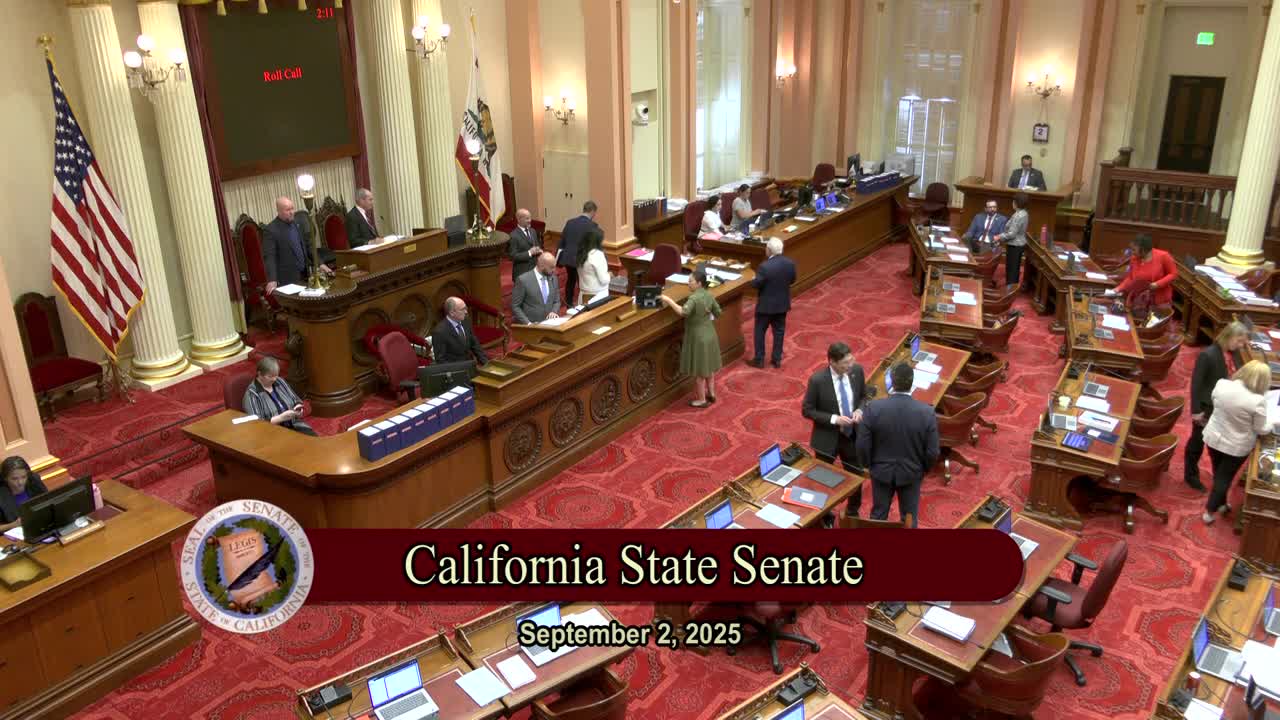
Bill Author

Bill Co-Author(s):