AB 618: Medi-Cal: behavioral health: data sharing.
- Session Year: 2025-2026
- House: Assembly
- Latest Version Date: 2025-06-23
Current Status:
In Progress
(2025-08-29: In committee: Held under submission.)
Introduced
In Committee
Awaiting First Chamber Vote
Passed First Chamber
In Committee
Awaiting Second Chamber Vote
Passed Second Chamber
Enacted
Existing law establishes the Medi-Cal program, which is administered by the State Department of Health Care Services and under which qualified low-income individuals receive health care services, through fee-for-service or managed care delivery systems. The Medi-Cal program is, in part, governed and funded by federal Medicaid program provisions.
Under existing Medi-Cal provisions, behavioral health services, including specialty mental health services and substance use disorder treatment, are provided under the Medi-Cal Specialty Mental Health Services Program, the Drug Medi-Cal Treatment Program, and the Drug Medi-Cal organized delivery system (DMC-ODS) program, as specified.
This bill would require each Medi-Cal managed care plan, county specialty mental health plan, Drug Medi-Cal certified program, and DMC-ODS program to electronically provide data for members of the respective entities to support member care. The bill would require the California Health and Human Services Agency department to determine minimum data elements and the frequency and format of data sharing through a stakeholder process and guidance, with final guidance to be published by the State Department of Health Care Services department by January 1, 2027, in compliance with privacy laws.
Existing law establishes the Medi-Cal program, which is administered by the State Department of Health Care Services and under which qualified low-income individuals receive health care services, through fee-for-service or managed care delivery systems. The Medi-Cal program is, in part, governed and funded by federal Medicaid program provisions.
Under existing Medi-Cal provisions, behavioral health services, including specialty mental health services and substance use disorder treatment, are provided under the Medi-Cal Specialty Mental Health Services Program, the Drug Medi-Cal Treatment Program, and the Drug Medi-Cal organized delivery system (DMC-ODS) program, as specified.
This bill would require each Medi-Cal managed care plan, county specialty mental health plan, Drug Medi-Cal certified program, and DMC-ODS program to electronically provide data for members of the respective entities to support member care. The bill would require the department California Health and Human Services Agency to determine minimum data elements and the frequency and format of data sharing through a stakeholder process and guidance, with final guidance to be published by the State Department of Health Care Services by January 1, 2027, in compliance with privacy laws.
Existing law establishes the Medi-Cal program, which is administered by the State Department of Health Care Services and under which qualified low-income individuals receive health care services, through fee-for-service or managed care delivery systems. The Medi-Cal program is, in part, governed and funded by federal Medicaid program provisions.
Under existing Medi-Cal provisions, behavioral health services, including specialty mental health services and substance use disorder treatment, are provided under the Medi-Cal Specialty Mental Health Services Program, the Drug Medi-Cal Treatment Program, and the Drug Medi-Cal organized delivery system (DMC-ODS) program, as specified.
This bill would require each Medi-Cal managed care plan, county specialty mental health plan, Drug Medi-Cal certified program, and DMC-ODS program to electronically provide data for members of the respective entities to support member care. The bill would require the department to determine minimum data elements and the frequency and format of data sharing through a stakeholder process and guidance, with final guidance to be published by January 1, 2027, in compliance with privacy laws.
(a)It is the intent of the Legislature that this section serve to improve the treatment and care coordination of individuals receiving services from a Medi-Cal managed care plan, a county specialty mental health plan, the Drug Medi-Cal Treatment Program, or the Drug Medi-Cal organized delivery system (DMC-ODS) program, in order to support the goals and objectives of the California Advancing and Innovating Medi-Cal (CalAIM) Act and the Behavioral Health Services Act.
(b)Effective 180 days after the issuance of the guidance described in subdivision (c), each Medi-Cal managed care plan, county specialty mental health plan, Drug Medi-Cal certified program, and DMC-ODS program shall electronically provide data for members of the respective entities to support member care. The California Health and Human Services Agency department shall determine minimum data elements and the frequency and format of data sharing through a stakeholder process and the guidance described in subdivision (c). (c), in consultation with the California Health and Human Services Agency to ensure alignment with its Data Exchange Framework.
(c)(1)By March 1, 2026, the State Department of Health Care Services department shall consult with representatives of Medi-Cal managed care plans, county specialty mental health plans, Drug Medi-Cal certified programs, and DMC-ODS programs DMC-ODS programs, and the California Health and Human Services Agency to develop implementing guidance to assist Medi-Cal managed care plans, county specialty mental health plans, Drug Medi-Cal certified programs, and DMC-ODS programs in meeting the requirements of this section. Final guidance shall be published by January 1, 2027, and shall include requirements for timely health information exchange, minimum data elements, and data format as required to implement this section in a manner that is compliant with all relevant privacy protections described in subdivision (d).
(2)The State Department of Health Care Services department shall implement, interpret, or make specific this section by means of all-county letters, plan letters, plan or provider bulletins, or similar instructions that direct Medi-Cal managed care plans, county specialty mental health plans, Drug Medi-Cal certified programs, and DMC-ODS programs to exchange information consistent with the requirements of this section, including the recommendations developed under the consultation of those entities as described in paragraph (1).
(d)(1)This section shall not be construed as diminishing or undermining the privacy protections under federal laws, including, but not limited to, the Health Insurance Portability and Accountability Act (HIPAA) privacy rule (Parts 160 and 164 of Title 45 of the Code of Federal Regulations) and the Confidentiality of Substance Use Disorder Patient Records regulations (Part 2 of Title 42 of the Code of Federal Regulations).
(2)Guidance developed pursuant to this section shall adhere to state privacy rules for sharing of health care information, including permissible uses for data exchange as outlined in subdivision (d) of Section 14197.71.
(a)It is the intent of the Legislature that this section serve to improve the treatment and care coordination of individuals receiving services from a Medi-Cal managed care plan, a county specialty mental health plan, the Drug Medi-Cal Treatment Program, or the Drug Medi-Cal organized delivery system (DMC-ODS) program, in order to support the goals and objectives of the California Advancing and Innovating Medi-Cal (CalAIM) Act and the Behavioral Health Services Act.
(b)Effective 180 days after the issuance of the guidance described in subdivision (c), each Medi-Cal managed care plan, county specialty mental health plan, Drug Medi-Cal certified program, and DMC-ODS program shall electronically provide data for members of the respective entities to support member care. The department California Health and Human Services Agency shall determine minimum data elements and the frequency and format of data sharing through a stakeholder process and the guidance described in subdivision (c).
(c)(1)By March 1, 2026, the department State Department of Health Care Services shall consult with representatives of Medi-Cal managed care plans, county specialty mental health plans, Drug Medi-Cal certified programs, and DMC-ODS programs to develop implementing guidance to assist Medi-Cal managed care plans, county specialty mental health plans, Drug Medi-Cal certified programs, and DMC-ODS programs in meeting the requirements of this section. Final guidance shall be published by January 1, 2027, and shall include requirements for timely health information exchange, minimum data elements, and data format as required to implement this section in a manner that is compliant with all relevant privacy protections described in subdivision (d).
(2)The department State Department of Health Care Services shall implement, interpret, or make specific this section by means of all-county letters, plan letters, plan or provider bulletins, or similar instructions that direct Medi-Cal managed care plans, county specialty mental health plans, Drug Medi-Cal certified programs, and DMC-ODS programs to exchange information consistent with the requirements of this section, including the recommendations developed under the consultation of those entities as described in paragraph (1).
(d)(1)This section shall not be construed as diminishing or undermining the privacy protections under federal laws, including, but not limited to, the Health Insurance Portability and Accountability Act (HIPAA) privacy rule (Parts 160 and 164 of Title 45 of the Code of Federal Regulations) and the Confidentiality of Substance Use Disorder Patient Records regulations (Part 2 of Title 42 of the Code of Federal Regulations).
(2)Guidance developed pursuant to this section shall adhere to state privacy rules for sharing of health care information, including permissible uses for data exchange as outlined in subdivision (d) of Section 14197.71.
(a)It is the intent of the Legislature that this section serve to improve the treatment and care coordination of individuals receiving services from a Medi-Cal managed care plan, a county specialty mental health plan, the Drug Medi-Cal Treatment Program, or the Drug Medi-Cal organized delivery system (DMC-ODS) program, in order to support the goals and objectives of the California Advancing and Innovating Medi-Cal (CalAIM) Act and the Behavioral Health Services Act.
(b)Effective 180 days after the issuance of the guidance described in subdivision (c), each Medi-Cal managed care plan, county specialty mental health plan, Drug Medi-Cal certified program, and DMC-ODS program shall electronically provide data for members of the respective entities to support member care. The department shall determine minimum data elements and the frequency and format of data sharing through a stakeholder process and the guidance described in subdivision (c).
(c)(1)By March 1, 2026, the department shall consult with representatives of Medi-Cal managed care plans, county specialty mental health plans, Drug Medi-Cal certified programs, and DMC-ODS programs to develop implementing guidance to assist Medi-Cal managed care plans, county specialty mental health plans, Drug Medi-Cal certified programs, and DMC-ODS programs in meeting the requirements of this section. Final guidance shall be published by January 1, 2027, and shall include requirements for timely health information exchange, minimum data elements, and data format as required to implement this section in a manner that is compliant with all relevant privacy protections described in subdivision (d).
(2)The department shall implement, interpret, or make specific this section by means of all-county letters, plan letters, plan or provider bulletins, or similar instructions that direct Medi-Cal managed care plans, county specialty mental health plans, Drug Medi-Cal certified programs, and DMC-ODS programs to exchange information consistent with the requirements of this section, including the recommendations developed under the consultation of those entities as described in paragraph (1).
(d)(1)This section shall not be construed as diminishing or undermining the privacy protections under federal laws, including, but not limited to, the Health Insurance Portability and Accountability Act (HIPAA) privacy rule (Parts 160 and 164 of Title 45 of the Code of Federal Regulations) and the Confidentiality of Substance Use Disorder Patient Records regulations (Part 2 of Title 42 of the Code of Federal Regulations).
(2)Guidance developed pursuant to this section shall adhere to state privacy rules for sharing of health care information, including permissible uses for data exchange as outlined in subdivision (d) of Section 14197.71.
REVISIONS: HeadingLine 2.|
Date
|
Status
|
|---|---|
| Aug 29, 2025 | In committee: Held under submission. |
| Jul 7, 2025 | In committee: Referred to APPR. suspense file. |
| Jun 23, 2025 | Read second time and amended. Re-referred to Com. on APPR. |
| Jun 19, 2025 | From committee: Amend, and do pass as amended and re-refer to Com. on APPR. with recommendation: To Consent Calendar. (Ayes 10. Noes 0.) (June 18). |
| Jun 11, 2025 | Referred to Com. on HEALTH. |
| Jun 3, 2025 | In Senate. Read first time. To Com. on RLS. for assignment. |
| Jun 2, 2025 | Read third time. Passed. Ordered to the Senate. (Ayes 79. Noes 0. Page 1904.) |
| May 27, 2025 | Read second time. Ordered to third reading. |
| May 23, 2025 | Read second time and amended. Ordered returned to second reading. |
| May 23, 2025 | From committee: Amend, and do pass as amended. (Ayes 11. Noes 0.) (May 23). |
| May 23, 2025 | Assembly Rule 63 suspended. (Ayes 51. Noes 16. Page 1644.) |
| Apr 30, 2025 | In committee: Set, first hearing. Referred to suspense file. |
| Apr 2, 2025 | Coauthors revised. |
| Apr 2, 2025 | From committee: Do pass and re-refer to Com. on APPR. with recommendation: To Consent Calendar. (Ayes 15. Noes 0.) (April 1). Re-referred to Com. on APPR. |
| Mar 3, 2025 | Referred to Com. on HEALTH. |
| Feb 14, 2025 | From printer. May be heard in committee March 16. |
| Feb 13, 2025 | Read first time. To print. |
|
Date
|
Description
|
Location
|
Votes
|
|
|---|---|---|---|---|
| Jul 7, 2025 | Placed on suspense file | Senate Standing Committee on Appropriations |
Passed |
|
| Jun 18, 2025 | Do pass as amended, but first amend, and re-refer to the Committee on [Appropriations] with the recommendation: To Consent Calendar | Senate Standing Committee on Health |
Passed |
|
| Jun 2, 2025 | AB 618 Krell Assembly Third Reading | Assembly Floor |
Passed |
|
| May 23, 2025 | Do pass as amended. | Assembly Standing Committee on Appropriations |
Passed |
|
| Apr 1, 2025 | Do pass and be re-referred to the Committee on [Appropriations] with recommendation: To Consent Calendar | Assembly Standing Committee on Health |
Passed |
This list shows positions taken on this bill by organizations on the date displayed, which is linked to the original source.
Positions by individuals are not included.
|
Organization
|
Position
|
Date
|
|---|---|---|
| Alameda Alliance For Health | ** Support | |
| CALIFORNIA ASSOCIATION OF PUBLIC HOSPITALS & HEALTH SYSTEMS | ** Support | |
| Caloptima Health | ** Support | |
| Connecting for Better Health | ** Support | |
| County Behavioral Health Directors Association | ** Support | |
| Local Health Plans Of California | ** Support | |
| Manifest Medex | ** Support | |
| National Alliance on Mental Illness - California | ** Support |
SENATE COMMITTEE ON HEALTH
Senator Caroline Menjivar, Chair
BILL NO: AB 618
AUTHOR: | Krell | ||
VERSION: | May 23, 2025 | ||
HEARING DATE: | June 18, 2025 | ||
CONSULTANT: | Jen Flory | ||
SUBJECT: Medi-Cal: behavioral health: data sharing.
SUMMARY:
Requires the Department of Health Care Services to develop guidance to assist Medi-Cal plans, county mental health plans, Drug Medi-Cal certified programs and Drug Medi-Cal organized delivery system programs to share member data electronically to support member care by January 1, 2027, after consulting with the aforementioned stakeholders on the development of the guidance. Requires the California Health and Human Services Agency to determine the minimum data elements for sharing member data.
Existing law:
- Establishes the Medi-Cal program, which is administered by the Department of Health Care Services (DHCS), and under which qualified low-income individuals receive health care services. [WIC §14000, et seq.]
- Establishes a schedule of benefits under the Medi-Cal program, which includes federally required and optional Medicaid benefits. [WIC §14132, et seq.]
- Includes mental health and substance use services in the essential health benefits package established under state law as Medi-Cal benefits. [WIC §14132.03]
- Authorizes the DHCS Director to contract, on a bid or nonbid basis, with any qualified individual, organization, or entity to provide services to, arrange for, or case manage the care of Medi-Cal beneficiaries and establishes managed care models that DHCS contracts with in each county. [WIC §14087.3, §14089, §14087.98, §14087.967 and §14087.5]
- Defines a Medi-Cal managed care plan (Medi-Cal plan) as any individual, organization, or entity that enters into a comprehensive risk contract with DHCS to provide covered full-scope health care services to enrolled Medi-Cal beneficiaries. [WIC §14184.101]
- Requires Medi-Cal plans to provide mental health benefits covered in the California’s Medicaid State Plan or the fee-for-service delivery system for beneficiaries not enrolled in a Medi-Cal plan, excluding those benefits provided by county mental health plans. [WIC §14184.402 and §14189]
- Requires DHCS to implement mental health managed care through contracts with county mental health plans. Requires DHCS to contract with a county or counties acting jointly for the delivery of specialty mental health services (“specialty services”) to each county’s eligible Medi-Cal beneficiary population. Authorizes county mental health plan contracts to be awarded exclusively and on a geographic basis. [WIC §14712]
- Authorizes DHCS to enter into contracts for the provision of Drug Medi-Cal (DMC) Treatment Program services with certified DMC providers directly or through qualifying individual counties or counties acting jointly. [WIC §14124.21]
- Authorizes the sharing of health, social services, housing, and criminal justice information, records, and other data with and among DHCS, other state departments, including the Department of Public Health and the Department of Social Services, Medi-Cal plans, Medi-Cal behavioral health delivery systems, counties, health care providers, social services organizations, care coordination and case management teams, and other authorized provider or plan entities, and contractors of all of those entities, to the extent necessary and consistent with state and federal law. [WIC §14197.71]
- Requires DHCS to issue guidance identifying permissible data-sharing arrangements. [WIC §14197.71]
- Requires, subject to an appropriation in the annual Budget Act, the California Health and Human Services Agency (CHHS), along with its departments and offices and in consultation with stakeholders and local partners, to establish the CHHS Data Exchange Framework (data exchange framework) to include a single data sharing agreement and common set of policies and procedures that will leverage and advance national standards for information exchange and data content, and that will govern and require the exchange of health information among health care entities and government agencies in California. [HSC §130290]
- Requires, in alignment with existing federal standards and policies, the following health care organizations to execute the data exchange framework data sharing agreement:
- General acute care hospitals;
- Physician organizations and medical groups;
- Skilled nursing facilities (SNFs) that currently maintain electronic records;
- Health plans and disability insurers that provide hospital, medical, or surgical coverage that are regulated by the Department of Managed Health Care (DMHC) or the Department of Insurance (CDI), including a Medi-Cal plan under a comprehensive risk contract with DHCS that is not regulated by DMHC or CDI;
- Clinical laboratories, as specified, that are regulated by the State Department of Public Health; and,
- Acute psychiatric hospitals. [HSC §130290]
- Requires the entities listed above to exchange health information or provide access to health information to and from every other entities listed above in real time as specified by CHHS pursuant to the data exchange framework data sharing agreement for treatment, payment, or health care operations. [HSC §130290]
This bill:
- Requires DHCS to develop guidance to assist Medi-Cal plans, county mental health plans, DMC certified programs and DMC organized delivery system (DMC-ODS) programs to electronically provide data of their members to support member care by January 1, 2027. Requires the guidance to include requirements for timely health information exchange, minimum data elements, and data frequency and format in a manner that complies with state and federal privacy law. Requires the guidance to adhere to state privacy rules for sharing health information.
- Prior to developing the guidance, requires DHCS to consult with the affected plans and programs in a stakeholder process by March 1, 2026.
- Requires CHHS to determine the minimum data elements and the frequency and format of data sharing pursuant to the stakeholder process in 2) above.
- Requires the affected plans and programs to electronically provide data for their members to support member care 180 days after the issuance of the guidance.
- Allows DHCS to implement this bill via all-county letters, plan letters, plan or provider bulletins or similar instructions, including the required guidance.
- Prohibits this bill from being construed as diminishing or undermining federal law, including the Health Insurance Portability and Accountability Act (HIPAA) privacy rule and the Confidentiality of Substance Use Disorder Patient Records regulations.
- States legislative intent to improve the treatment and care coordination of individuals receiving services from Medi-Cal plans, county mental health plans, DMC certified programs and DMC-ODS programs to support the goals and objectives of the CalAIM act and the Behavioral Health Services Act.
FISCAL EFFECT:
According to the Assembly Appropriations Committee:
One-time costs to DHCS of an unknown amount, potentially in the hundreds of thousands of dollars, to develop the guidance in consultation with stakeholders and provide notifications and support for implementation (General Funds, federal funds).
Cost pressures of an unknown, likely minor amount on Medi-Cal plans, county specialty mental health plans, Drug Medi-Cal certified programs, and DMC-ODS programs to comply with new requirements for information sharing (General Fund). To the extent the new requirements contribute to overall increased county costs for specialty mental health services, the state is responsible for the non-federal share of the cost increase. If the state provides no funding, local entities are not required to implement the provisions of this bill.
PRIOR VOTES:
Assembly Floor: | 79 - 0 |
Assembly Appropriations Committee: | 11 - 0 |
Assembly Health Committee: | 15 - 0 |
COMMENTS:
- Author’s statement. According to the author, the state has long worked to improve the landscape of behavioral health. Behavioral health conditions often impact the most vulnerable communities; therefore, it is important that those with behavioral health needs can receive the highest quality of care. In this effort, data sharing is essential to most efficiently navigate the behavioral health system and ensure comprehensive and coordinated care for Medi-Cal patients. Current data sharing practices between Medi-Cal plans and Medi-Cal behavioral health delivery systems are permissive rather than required. This can lead to various gaps in data sharing, which can lead to disparities in Medi-Cal member’s care. In order to most effectively provide the high-quality care that Medi-Cal members deserve, this bill would require DHCS to work with counties and local health plans to develop a data sharing framework that abides by all state and federal privacy regulations. While technical in nature, this required data sharing can make a world of difference for Medi-Cal members.
- Provision of mental health services in the Medi-Cal program. In 2014, the Medi-Cal program began requiring Medi-Cal plans to provide services for mild-to-moderate impairment of mental, emotional, or behavioral health functioning. As a result, Medi-Cal mental health benefits are now delivered through two separate systems and under a separate statutory framework from the drug Medi-Cal benefit. County mental health plans provide a broad range of specialty services to individuals with more severe mental illnesses, while Medi-Cal plans provide nonspecialty services (generally known as mental health services for those with mild-to-moderate mental illness). The delivery of specialty services through county mental health plans is commonly referred to as a “carve out,” which is when services covered by the Medi-Cal program are delivered outside of a Medi-Cal plan. Counties also provide substance use disorder (SUD) services, including those in the DMC-OD plans. This bill applies to all of these delivery systems.
- Efforts to improve service delivery. DHCS, through its California Advancing and Innovating Medi-Cal (CalAIM) initiative, has made efforts to improve access to behavioral health care. DHCS implemented CalAIM through the California’s Medicaid State Plan, the 1115 waiver, and the 1915(b) waiver. CalAIM transferred DHCS’s authority to implement the Medi-Cal managed care program from the previous 1115 waiver to a 1915(b) waiver. Under the 1915(b) waiver, DHCS also renewed its authority to provide specialty services through county mental health plans. According to DHCS, the behavioral health components of CalAIM are designed to support whole-person, integrated care; move the administration of Medi-Cal behavioral health to a more consistent and seamless system by reducing complexity and increasing flexibility; and improve quality outcomes, reduce health disparities, and drive delivery system transformation and innovation through improvements to behavioral health policies and the launch of behavioral health payment reform. The majority of these policy changes launched in 2022, but implementation will continue through 2027. The changes include updating and clarifying the responsibilities of county mental health plans, updating the criteria to be used to determine the appropriate level of care for SUD treatment services, streamlining and redesigning behavioral health documentation requirements for SUD and specialty mental health services, implementing a “no wrong door” policy for mental health services, standardizing screening and transition of care tools, behavioral health payment reform and administrative integration.
- Data exchange framework. According to the CHHS’s Center for Data Insights and Innovation website, the data exchange framework is not a new technology or centralized data repository; instead, it is an agreement across health and human services systems and providers, to share information safely. That means every health care provider can access the information they need to treat a patient quickly and safely; health care, behavioral health and social services agencies can connect to each other to deliver what Californians need to be healthy; and, the public health system can better assess how to address the needs of all communities. Hundreds of experts and members of the public have spent the last year shaping a framework that delivers on these principles. The data sharing agreement was finalized July 1, 2022 and was expected to be executed by health and human services organizations on January 31, 2023. Health care entities required to participate are: general acute care hospitals, physician organizations and medical groups, SNFs, health plans and insurers, Medi-Cal plans, clinical laboratories, and acute psychiatric hospitals. Most providers were required to begin data exchange by January 31, 2024 and the remaining providers are required to begin data exchange by January 31, 2026. Over $250 million over the next several years has been budgeted to support the data exchange adoption. While Medi-Cal plans are required to participate in the data exchange framework, the county mental health plans and DMC programs are not, though they may. Amendments imposed in the Assembly Appropriations Committee would require CHHS to determine the minimum data elements and frequency and format of data sharing, presumably to account for the data exchange framework.
- Related legislation. SB 660 (Menjivar) establishes the CHHS Data Exchange Board to review, modify, and approve modifications of the CHHS Data Exchange Framework and Data Sharing Agreement and its policies and procedures, and new data sharing requirements for signatories of the data exchange framework developed by the CDII in the CHHS Agency. SB 660 is pending in the Assembly Health Committee.
- Prior legislation. AB 1175 (Wood of 2019) would have required Medi-Cal plans and county mental health plans to electronically share demographic and clinical information each month in a standard data format on patients they are both treating, including the patient's current diagnosis, the patient's current medication (if known), the dates of services, and the patient's and provider's contact information. AB 1175 was vetoed by Governor Newsom who stated in his veto message, “I support the author's goal of improving care coordination for consumers who receive treatment from multiple delivery systems. As such, I am directing DHCS to exercise its administrative authority over Medi-Cal plans and county mental health plans and identify and implement the most efficient and effective method for ensuring these entities coordinate care for Medi-Cal beneficiaries receiving these critically important services.”
- Support. Co-sponsors Local Health Plans of California and County Behavioral Health Directors Association write that as California continues to overhaul the state’s Medi-Cal and behavioral health delivery systems through large and ambitious initiatives such as CalAIM, it is becoming increasingly evident that consistent and complete data sharing is critical to achieving the goals of those initiatives and to ultimately ensuring better health outcomes for Medi-Cal members. Current guidance on data sharing from DHCS has historically been permissive in nature, leading to inconsistent interpretation of that guidance, and therefore, inconsistent data sharing across the state. This bill would ensure that the Medi-Cal delivery system is better equipped to meet the important goals of CalAIM and ensure that Medi-Cal members receive the comprehensive, coordinated, high-quality care that they deserve.
- Policy comment. Although the data sharing broadly does fall within the realm of the CHHS’s data exchange framework, ensuring the effective delivery of behavioral health services to Medi-Cal members by Medi-Cal plans, county mental health plans and DMC programs is specific to DHCS’s role as the agency in charge of the state Medicaid program. Ideally, the determination of what data elements to include would align with both the goals of the data exchange framework and the administration of the Medi-Cal program. The author may want to consider how best to achieve these two goals.
- Amendments. The author and committee have agreed to the following amendments to address the roles of both DHCS and CHHS:
(b) Effective 180 days after the issuance of the guidance described in subdivision (c), each Medi-Cal managed care plan, county specialty mental health plan, Drug Medi-Cal certified program, and DMC-ODS program shall electronically provide data for members of the respective entities to support member care. The department California Health and Human Services Agency shall determine minimum data elements and the frequency and format of data sharing through a stakeholder process and the guidance described in subdivision (c), in consultation with the California Health and Human Services Agency to ensure alignment with its Data Exchange Framework.
(c) (1) By March 1, 2026, State Department of Health Care Services shall consult with representatives of Medi-Cal managed care plans, county specialty mental health plans, Drug Medi-Cal certified programs, and DMC-ODS programs, and the California Health and Human Services Agency to develop implementing guidance to assist Medi-Cal managed care plans, county specialty mental health plans, Drug Medi-Cal certified programs, and DMC-ODS programs in meeting the requirements of this section. Final guidance shall be published by January 1, 2027, and shall include requirements for timely health information exchange, minimum data elements, and data format as required to implement this section in a manner that is compliant with all relevant privacy protections described in subdivision (d).
SUPPORT AND OPPOSITION:
Support: County Behavioral Health Directors Association (co-sponsor)
Local Health Plans of California (co-sponsor)
Alameda Alliance for Health
California Association of Public Hospitals & Health Systems
CalOptima Health
Connecting for Better Health
Manifest MedEx
National Alliance on Mental Illness - California
Oppose: None received.
-- END --
ASSEMBLY THIRD READING
ATR Bill Id:AB 618
Author:(Krell)
As Amended Ver:May 23, 2025
Majority vote
SUMMARY
Requires the California Health and Human Services Agency (Agency) to determine minimum data elements and the frequency and format of data sharing for timely health information exchange between Medi-Cal managed care (MCMC) plans, county specialty mental health plans (MHPs), Drug Medi-Cal Treatment Programs, and Drug Medi-Cal organized delivery system (DMC-ODS) programs. Requires the Department of Health Care Services (DHCS) to consult with representatives of these entities in developing the data elements, and requires these entities to electronically provide data to support member care.
Major Provisions
COMMENTS
Background. Nearly all Medi-Cal beneficiaries must enroll in a MCMC for most covered services. These plans are specific to counties or regions of the state. However, some services, such as outpatient prescription drugs, dental care, specialty mental health services (SMHS) for severe mental health conditions, and drug treatment services (in most counties), are delivered outside of MCMC plans. This is known as a "carve-out."
Depending on a beneficiary's needs, they may have received care from multiple delivery systems, including MCMC, fee-for-service, SMHS, substance use disorder services, dental, developmental services, and In-Home Supportive Services. The California Advancing and Innovating Medi-Cal (CalAIM) initiative by DHCS aims to improve care coordination across these systems so that beneficiaries receive integrated, patient-centered care for their physical, behavioral, developmental, and oral health needs.
State and federal law and regulation govern medical privacy. Under the state Confidentiality of Medical Information Act, health care providers and health plans are generally prohibited from disclosing medical information without patient authorization. However, they can share medical data with other healthcare providers or plans for diagnosis or treatment purposes. The health budget trailer bill implementing CalAIM (AB 133, Committee on Budget, Chapter 143, Statutes of 2021) contains broad language allowing the sharing of health, social services, housing, and criminal justice data among state departments, MCMC plans, behavioral health systems, counties, and other authorized entities, as long as it complies with federal law.
According to the Author
The state has long worked to improve the landscape of behavioral health. Behavioral health conditions often impact the most vulnerable communities; therefore, it is important that those with behavioral health needs can receive the highest quality of care. In this effort, data sharing is essential to most efficiently navigate the behavioral health system and ensure comprehensive and coordinated care for Medi-Cal patients. Current data sharing practices between MCMC plans and Medi-Cal Behavioral Health Delivery Systems (county MHPs and DMC-ODS) are permissive rather than required. This can lead to various gaps in data sharing, which can lead to disparities in Medi-Cal member's care. In order to most effectively provide the high-quality care that Medi-Cal members deserve, this bill would require the state to work with counties and local health plans to develop a data sharing framework that abides by all state and federal privacy regulations. While technical in nature, this required data sharing can make a world of difference for Medi-Cal members.
Arguments in Support
This bill is jointly co-sponsored by the County Behavioral Health Directors Association and the Local Health Plans of California. The co-sponsors write that, as California continues to overhaul the state's Medi-Cal and behavioral health delivery systems through large and ambitious initiatives such as CalAIM and the Behavioral Health Transformation, it is becoming increasingly evident that consistent and complete data sharing is critical to achieving the goals of those initiatives and to ultimately ensure better health outcomes for Medi-Cal members. Close collaboration and coordination between MCMC plans and the Medi-Cal county behavioral health delivery system necessitates the exchange of data between the two delivery systems and the consequences for not reliably exchanging complete data continues to grow. The coordination of care for Medi-Cal members, the ability to truly assess the quality of care being delivered, and successful implementation of these promising initiatives are all dependent on the exchange of consistent and real-time data sharing. Current guidance on data sharing from DHCS has historically been permissive in nature, leading to inconsistent interpretation of that guidance, and therefore, inconsistent data sharing across the state. The co-sponsors argue this bill would ensure consistent and complete exchange of data between MCMC plans and the Medi-Cal county behavioral health delivery system by requiring DHCS to develop clear and directive guidance mandating the two delivery systems share data in compliance with all state and federal laws and rules.
Arguments in Opposition
None.
FISCAL COMMENTS
According to the Assembly Appropriations Committee:
- One-time costs to DHCS of an unknown amount, potentially in the hundreds of thousands of dollars, to develop the guidance in consultation with stakeholders and provide notifications and support for implementation (General Funds, federal funds).
- Cost pressures of an unknown, likely minor amount on MCMC plans, county specialty mental health plans, Drug Medi-Cal certified programs, and DMC-ODS programs to comply with new requirements for information sharing (General Fund). To the extent the new requirements contribute to overall increased county costs for specialty mental health services, the state is responsible for the non-federal share of the cost increase. If the state provides no funding, local entities are not required to implement the provisions of this bill.
VOTES
ASM HEALTH: 15-0-0
YES: Bonta, Chen, Addis, Aguiar-Curry, Arambula, Carrillo, Flora, Mark González, Krell, Patel, Celeste Rodriguez, Sanchez, Schiavo, Sharp-Collins, Stefani
ASM APPROPRIATIONS: 11-0-4
YES: Wicks, Arambula, Calderon, Caloza, Elhawary, Fong, Mark González, Hart, Pacheco, Pellerin, Solache
ABS, ABST OR NV: Sanchez, Dixon, Ta, Tangipa
UPDATED
VERSION: May 23, 2025
CONSULTANT: Scott Bain / HEALTH / (916) 319-2097 FN: 0000926
Date of Hearing: April 30, 2025
ASSEMBLY COMMITTEE ON APPROPRIATIONS
Buffy Wicks, Chair
ABPCA Bill Id:AB 618
Author:(Krell) – As Introduced Ver:February 13, 2025
Policy Committee: | Health | Vote: | 15 - 0 |
|
| ||
|
|
Urgency: No State Mandated Local Program: No Reimbursable: No
SUMMARY:
This bill requires the Department of Health Care Services (DHCS), by January 1, 2027, develop implementing guidance for sharing electronic behavioral health data among Medi-Cal managed care (MCMC) plans, county specialty mental health plans, Drug Medi-Cal certified programs, and Drug Medi-Cal organized delivery system (DMC-ODS) programs.
Specifically, this bill:
- Requires, by March 1, 2026, DHCS consult with representatives of the above-named organizations to develop the implementing guidance.
- Requires DHCS to ensure the guidance includes minimum data elements, data exchange frequency and format, and requirements for timely health information exchange, as required to comply with relevant state and federal privacy protections, as specified, and to publish the final guidance by January 1, 2027.
- Requires, 180 days after DHCS issues the final guidance, each of the Medi-Cal managed care plan, county specialty mental health plan, Drug Medi-Cal certified program, and DMC-ODS to electronically share data for members of respective entities to support member care.
- Requires DHCS to implement, interpret, or make specific this bill by means of all-county letters, plan letters, plan or provider bulletins, or similar instructions that direct the programs to exchange information consistent with the requirements of this bill, including the recommendations developed under the consultation with those entities.
- Prohibits this bill from being construed as diminishing or undermining the privacy protections under federal laws and requires the guidance adhere to state privacy rules for sharing of health care information, as specified.
FISCAL EFFECT:
- One-time costs to DHCS of an unknown amount, potentially in the hundreds of thousands of dollars, to develop the guidance in consultation with stakeholders and provide notifications and support for implementation (General Funds, federal funds).
- Cost pressures of an unknown, likely minor amount on MCMC plans, county specialty mental health plans, Drug Medi-Cal certified programs, and DMC-ODS programs to comply with new requirements for information sharing (General Fund). To the extent the new requirements contribute to overall increased county costs for specialty mental health services, the state is responsible for the non-federal share of the cost increase. If the state provides no funding, local entities are not required to implement the provisions of this bill.
COMMENTS:
Purpose. This bill is sponsored by Local Health Plans of California and County Behavioral Health Directors Association (CBHDA). According to the author:
The state has long worked to improve the landscape of behavioral health. Behavioral health conditions often impact the most vulnerable communities; therefore, it is important that those with behavioral health needs can receive the highest quality of care. In this effort, data sharing is essential to most efficiently navigate the behavioral health system and ensure comprehensive and coordinated care for Medi-Cal patients. Current data sharing practices between Medi-Cal managed care plans and Medi-Cal Behavioral Health Delivery Systems are permissive rather than required. This can lead to various gaps in data sharing, which can lead to disparities in Medi-Cal members’ care. In order to most effectively provide the high-quality care that Medi-Cal members deserve, this bill would require DHCS to work with counties and local health plans to develop a data sharing framework that abides by all state and federal privacy regulations. While technical in nature, this required data sharing can make a world of difference for Medi-Cal members.
Prior Legislation. AB 1175 (Wood), of the 2019-20 Legislative Session, would have required county specialty mental health plans and MCMC plans to electronically share specified demographic and clinical information on patients they are both treating, each month, in a standard data format. AB 1175 would have required, by July 1, 2019, DHCS to issue implementing guidance on the exchange of information. AB 1175 was vetoed by Governor Newsom, who directed DHCS to instead exercise its administrative authority over MCMC plans and county specialty mental health plans and identify and implement the most efficient and effective method for ensuring these entities coordinate care for Medi-Cal beneficiaries.
Analysis Prepared by: Allegra Kim / APPR. / (916) 319-2081
Date of Hearing: April 1, 2025
ASSEMBLY COMMITTEE ON HEALTH
Mia Bonta, Chair
ABPCA Bill Id:AB 618 (
Author:Krell) – As Introduced Ver:February 13, 2025
SUBJECT: Medi-Cal: behavioral health: data sharing.
SUMMARY: Requires the Department of Health Care Services (DHCS) to determine minimum data elements and the frequency and format of data sharing for timely health information exchange between Medi-Cal managed care (MCMC) plans, county specialty mental health plans (MHPs), Drug Medi-Cal Treatment Programs, and Drug Medi-Cal organized delivery system (DMC-ODS) programs. Requires DHCS to consult with representatives of these entities in developing the data elements, and requires these entities to electronically provide data to support member care. Specifically, this bill:
- Requires DHCS, by March 1, 2026, to consult with representatives of MCMC plans, county specialty MHPs, Drug Medi-Cal certified programs, and DMC-ODS programs to develop implementing guidance to assist MCMC plans, county MHPs, Drug Medi-Cal certified programs, and DMC-ODS programs in meeting the requirements of this bill.
- Requires final guidance to be published by January 1, 2027, and to include requirements for timely health information exchange, minimum data elements, and data format as required to implement this bill in a manner that is compliant with all relevant privacy protections.
- Requires each MCMC plan, county specialty MHP, Drug Medi-Cal certified program, and DMC-ODS program to electronically provide data for members of the respective entities to support member care, effective 180 days after the issuance of the DHCS guidance.
- Requires DHCS to implement, interpret, or make specific this bill by means of all-county letters, plan letters, plan or provider bulletins, or similar instructions that direct MCMC plans, county specialty MHPs, Drug Medi-Cal certified programs, and DMC-ODS programs to exchange information consistent with the requirements of this bill, including the recommendations developed under the consultation with those entities.
- Prohibits this bill from being construed as diminishing or undermining the privacy protections under federal laws, including, but not limited to, the Health Insurance Portability and Accountability Act (HIPAA) privacy rule and the federal Confidentiality of Substance Use Disorder Patient Records regulations (referred to as Part 2 of Title 42 of the Code of Federal Regulations).
- Requires guidance developed pursuant to this bill to adhere to state privacy rules for sharing of health care information, including permissible uses for data exchange as outlined in a specified provision of existing law.
- States legislative intent that this bill serves to improve the treatment and care coordination of individuals receiving services from a MCMC plan, a county specialty MHP, the Drug Medi-Cal Treatment Program, or the DMC-ODS program, in order to support the goals and objectives of the California Advancing and Innovating Medi-Cal (CalAIM) Act and the Behavioral Health Services Act.
EXISTING LAW:
- Establishes the Medi-Cal Program, administered by DHCS, to provide comprehensive health benefits to low-income individuals who meet specified eligibility criteria. [Welfare and Institutions Code (WIC) § 14000 et seq.]
- Requires DHCS’s Director to enter into contracts with MCMC plans, as specified, for the provision of medical benefits to all persons who are eligible to receive medical benefits under publicly supported programs. [WIC § 14093.05]
- Requires the development of county MHPs for the provision of managed Medi-Cal specialty mental health services (SMHS) to eligible Medi-Cal beneficiaries. [WIC § 14680, 14684]
- Permits DHCS to enter into a Drug Medi-Cal (DMC) Treatment Program contract with each county for the provision of alcohol and drug abuse services within the county service area. Requires DHCS to contract for DMC treatment services to ensure beneficiary access to these services, including permitting DHCS to directly contract with DMC providers or qualifying entities, as specified. [WIC § 14124.20, 14124.21]
- Authorizes, notwithstanding any other state or local law, the sharing of health, social services, housing, and criminal justice information, records, and other data with and among DHCS, other state departments, including the Department of Public Health and the Department of Social Services, MCMC plans, Medi-Cal behavioral health delivery systems, counties, health care providers, social services organizations, care coordination and case management teams, and other authorized provider or plan entities, and contractors of all of those entities, to the extent necessary and consistent with federal law. [WIC § 14197.71]
- Requires DHCS to issue guidance identifying permissible data-sharing arrangements. [WIC § 14197.71]
FISCAL EFFECT: Unknown. This bill has not yet been analyzed by a fiscal committee.
COMMENTS:
- PURPOSE OF THIS BILL. According to the author, the state has long worked to improve the landscape of behavioral health. Behavioral health conditions often impact the most vulnerable communities; therefore, it is important that those with behavioral health needs can receive the highest quality of care. In this effort, data sharing is essential to most efficiently navigate the behavioral health system and ensure comprehensive and coordinated care for Medi-Cal patients. Current data sharing practices between MCMC plans and Medi-Cal Behavioral Health Delivery Systems (county MHPs and DMC-ODS) are permissive rather than required. This can lead to various gaps in data sharing, which can lead to disparities in Medi-Cal member’s care. In order to most effectively provide the high-quality care that Medi-Cal members deserve, this bill would require DHCS to work with counties and local health plans to develop a data sharing framework that abides by all state and federal privacy regulations. While technical in nature, this required data sharing can make a world of difference for Medi-Cal members.
- BACKGROUND. Nearly all Medi-Cal beneficiaries must enroll in a MCMC for most covered services. These plans are specific to counties or regions of the state. However, some services, such as outpatient prescription drugs, dental care, SMHS for severe mental health conditions, and drug treatment services (in most counties), are delivered outside of MCMC plans. This is known as a "carve-out."
Depending on a beneficiary's needs, they may have received care from multiple delivery systems, including MCMC, fee-for-service, SMHS, substance use disorder services, dental, developmental services, and In-Home Supportive Services. The Cal-AIM initiative by DHCS aims to improve care coordination across these systems so that beneficiaries receive integrated, patient-centered care for their physical, behavioral, developmental, and oral health needs.
State and federal law and regulation govern medical privacy. Under the state Confidentiality of Medical Information Act, healthcare providers and health plans are generally prohibited from disclosing medical information without patient authorization. However, they can share medical data with other healthcare providers or plans for diagnosis or treatment purposes. The health budget trailer bill implementing Cal-AIM (AB 133, Committee on Budget, Chapter 143, Statutes of 2021) contains broad language allowing the sharing of health, social services, housing, and criminal justice data among state departments, MCMC plans, behavioral health systems, counties, and other authorized entities, as long as it complies with federal law.
Under federal HIPAA medial privacy regulations, an entity subject to HIPAA may not use or disclose protected health information (PHI) without an individual's written authorization. However, disclosure is allowed without patient consent for specific purposes related to treatment, payment, healthcare operations. Part 2 of Title 42 of the Code of Federal Regulations focuses on information related to the treatment of substance use disorders (SUD), and it generally imposes stricter restrictions on the disclosure of SUD treatment records by prohibiting patient-identifying information related to SUD treatment from being disclosed without the written consent of the patient, with certain exceptions.
- SUPPORT. This bill is jointly co-sponsored by the County Behavioral Health Directors Association and the Local Health Plans of California. The co-sponsors write that, as California continues to overhaul the state’s Medi-Cal and behavioral health delivery systems through large and ambitious initiatives such as CalAIM and the Behavioral Health Transformation, it is becoming increasingly evident that consistent and complete data sharing is critical to achieving the goals of those initiatives and to ultimately ensure better health outcomes for Medi-Cal members. Close collaboration and coordination between MCMC plans and the Medi-Cal county behavioral health delivery system necessitates the exchange of data between the two delivery systems and the consequences for not reliably exchanging complete data continues to grow. The coordination of care for Medi-Cal members, the ability to truly assess the quality of care being delivered, and successful implementation of these promising initiatives are all dependent on the exchange of consistent and real-time data sharing. Current guidance on data sharing from DHCS has historically been permissive in nature, leading to inconsistent interpretation of that guidance, and therefore, inconsistent data sharing across the state. The co-sponsors argue this bill would ensure consistent and complete exchange of data between MCMC plans and the Medi-Cal county behavioral health delivery system by requiring DHCS to develop clear and directive guidance mandating the two delivery systems share data in compliance with all state and federal laws and rules.
- PREVIOUS LEGISLATION. AB 1175 (Wood) of 2019 would have required MHPs and MCMC plans to electronically share demographic and clinical information each month in a standard data format on patients they are both treating, including the patient's current diagnosis, the patient's current medication (if known), the dates of services, and the patient's and provider's contact information. AB 1175 would have required DHCS to issue implementing guidance by July 1, 2019 on the exchange of information, and would have implemented the data exchange requirement 180 days following the issuance of the DHCS guidance.
AB 1175 was vetoed by Governor Newsom. In his veto message, the Governor stated he support the author's goal of improving care coordination for consumers who receive treatment from multiple delivery systems. He directed DHCS to exercise its administrative authority over MCMC plans and MHPs, and identify and implement the most efficient and effective method for ensuring these entities coordinate care for Medi-Cal beneficiaries receiving these critically important services.
REGISTERED SUPPORT / OPPOSITION:
Support
County Behavioral Health Directors Association (co-sponsor)
Local Health Plans of California (co-sponsor)
Alameda Alliance for Health
Opposition
None on file.
Analysis Prepared by: Scott Bain / HEALTH / (916) 319-2097
Date of Hearing: April 1, 2025
ASSEMBLY COMMITTEE ON HEALTH
Mia Bonta, Chair
ABPCA Bill Id:AB 618 (
Author:Krell) – As Introduced Ver:February 13, 2025
SUBJECT: Medi-Cal: behavioral health: data sharing.
SUMMARY: Requires the Department of Health Care Services (DHCS) to determine minimum data elements and the frequency and format of data sharing for timely health information exchange between Medi-Cal managed care (MCMC) plans, county specialty mental health plans (MHPs), Drug Medi-Cal Treatment Programs, and Drug Medi-Cal organized delivery system (DMC-ODS) programs. Requires DHCS to consult with representatives of these entities in developing the data elements, and requires these entities to electronically provide data to support member care. Specifically, this bill:
- Requires DHCS, by March 1, 2026, to consult with representatives of MCMC plans, county specialty MHPs, Drug Medi-Cal certified programs, and DMC-ODS programs to develop implementing guidance to assist MCMC plans, county MHPs, Drug Medi-Cal certified programs, and DMC-ODS programs in meeting the requirements of this bill.
- Requires final guidance to be published by January 1, 2027, and to include requirements for timely health information exchange, minimum data elements, and data format as required to implement this bill in a manner that is compliant with all relevant privacy protections.
- Requires each MCMC plan, county specialty MHP, Drug Medi-Cal certified program, and DMC-ODS program to electronically provide data for members of the respective entities to support member care, effective 180 days after the issuance of the DHCS guidance.
- Requires DHCS to implement, interpret, or make specific this bill by means of all-county letters, plan letters, plan or provider bulletins, or similar instructions that direct MCMC plans, county specialty MHPs, Drug Medi-Cal certified programs, and DMC-ODS programs to exchange information consistent with the requirements of this bill, including the recommendations developed under the consultation with those entities.
- Prohibits this bill from being construed as diminishing or undermining the privacy protections under federal laws, including, but not limited to, the Health Insurance Portability and Accountability Act (HIPAA) privacy rule and the federal Confidentiality of Substance Use Disorder Patient Records regulations (referred to as Part 2 of Title 42 of the Code of Federal Regulations).
- Requires guidance developed pursuant to this bill to adhere to state privacy rules for sharing of health care information, including permissible uses for data exchange as outlined in a specified provision of existing law.
- States legislative intent that this bill serves to improve the treatment and care coordination of individuals receiving services from a MCMC plan, a county specialty MHP, the Drug Medi-Cal Treatment Program, or the DMC-ODS program, in order to support the goals and objectives of the California Advancing and Innovating Medi-Cal (CalAIM) Act and the Behavioral Health Services Act.
EXISTING LAW:
- Establishes the Medi-Cal Program, administered by DHCS, to provide comprehensive health benefits to low-income individuals who meet specified eligibility criteria. [Welfare and Institutions Code (WIC) § 14000 et seq.]
- Requires DHCS’s Director to enter into contracts with MCMC plans, as specified, for the provision of medical benefits to all persons who are eligible to receive medical benefits under publicly supported programs. [WIC § 14093.05]
- Requires the development of county MHPs for the provision of managed Medi-Cal specialty mental health services (SMHS) to eligible Medi-Cal beneficiaries. [WIC § 14680, 14684]
- Permits DHCS to enter into a Drug Medi-Cal (DMC) Treatment Program contract with each county for the provision of alcohol and drug abuse services within the county service area. Requires DHCS to contract for DMC treatment services to ensure beneficiary access to these services, including permitting DHCS to directly contract with DMC providers or qualifying entities, as specified. [WIC § 14124.20, 14124.21]
- Authorizes, notwithstanding any other state or local law, the sharing of health, social services, housing, and criminal justice information, records, and other data with and among DHCS, other state departments, including the Department of Public Health and the Department of Social Services, MCMC plans, Medi-Cal behavioral health delivery systems, counties, health care providers, social services organizations, care coordination and case management teams, and other authorized provider or plan entities, and contractors of all of those entities, to the extent necessary and consistent with federal law. [WIC § 14197.71]
- Requires DHCS to issue guidance identifying permissible data-sharing arrangements. [WIC §14197.71]
FISCAL EFFECT: Unknown. This bill has not yet been analyzed by a fiscal committee.
COMMENTS:
- PURPOSE OF THIS BILL. According to the author, the state has long worked to improve the landscape of behavioral health. Behavioral health conditions often impact the most vulnerable communities; therefore, it is important that those with behavioral health needs can receive the highest quality of care. In this effort, data sharing is essential to most efficiently navigate the behavioral health system and ensure comprehensive and coordinated care for Medi-Cal patients. Current data sharing practices between MCMC plans and Medi-Cal Behavioral Health Delivery Systems (county MHPs and DMC-ODS) are permissive rather than required. This can lead to various gaps in data sharing, which can lead to disparities in Medi-Cal member’s care. In order to most effectively provide the high-quality care that Medi-Cal members deserve, this bill would require DHCS to work with counties and local health plans to develop a data sharing framework that abides by all state and federal privacy regulations. While technical in nature, this required data sharing can make a world of difference for Medi-Cal members.
- BACKGROUND. Nearly all Medi-Cal beneficiaries must enroll in a MCMC for most covered services. These plans are specific to counties or regions of the state. However, some services, such as outpatient prescription drugs, dental care, SMHS for severe mental health conditions, and drug treatment services (in most counties), are delivered outside of MCMC plans. This is known as a "carve-out."
Depending on a beneficiary's needs, they may have received care from multiple delivery systems, including MCMC, fee-for-service, SMHS, substance use disorder services, dental, developmental services, and In-Home Supportive Services. The Cal-AIM initiative by DHCS aims to improve care coordination across these systems so that beneficiaries receive integrated, patient-centered care for their physical, behavioral, developmental, and oral health needs.
State and federal law and regulation govern medical privacy. Under the state Confidentiality of Medical Information Act, healthcare providers and health plans are generally prohibited from disclosing medical information without patient authorization. However, they can share medical data with other healthcare providers or plans for diagnosis or treatment purposes. The health budget trailer bill implementing Cal-AIM (AB 133, Committee on Budget, Chapter 143, Statutes of 2021) contains broad language allowing the sharing of health, social services, housing, and criminal justice data among state departments, MCMC plans, behavioral health systems, counties, and other authorized entities, as long as it complies with federal law.
Under federal HIPAA medial privacy regulations, an entity subject to HIPAA may not use or disclose protected health information (PHI) without an individual's written authorization. However, disclosure is allowed without patient consent for specific purposes related to treatment, payment, healthcare operations. Part 2 of Title 42 of the Code of Federal Regulations focuses on information related to the treatment of substance use disorders (SUD), and it generally imposes stricter restrictions on the disclosure of SUD treatment records by prohibiting patient-identifying information related to SUD treatment from being disclosed without the written consent of the patient, with certain exceptions.
- SUPPORT. This bill is jointly co-sponsored by the County Behavioral Health Directors Association and the Local Health Plans of California. The co-sponsors write that, as California continues to overhaul the state’s Medi-Cal and behavioral health delivery systems through large and ambitious initiatives such as CalAIM and the Behavioral Health Transformation, it is becoming increasingly evident that consistent and complete data sharing is critical to achieving the goals of those initiatives and to ultimately ensure better health outcomes for Medi-Cal members. Close collaboration and coordination between MCMC plans and the Medi-Cal county behavioral health delivery system necessitates the exchange of data between the two delivery systems and the consequences for not reliably exchanging complete data continues to grow. The coordination of care for Medi-Cal members, the ability to truly assess the quality of care being delivered, and successful implementation of these promising initiatives are all dependent on the exchange of consistent and real-time data sharing. Current guidance on data sharing from DHCS has historically been permissive in nature, leading to inconsistent interpretation of that guidance, and therefore, inconsistent data sharing across the state. The co-sponsors argue this bill would ensure consistent and complete exchange of data between MCMC plans and the Medi-Cal county behavioral health delivery system by requiring DHCS to develop clear and directive guidance mandating the two delivery systems share data in compliance with all state and federal laws and rules.
- PREVIOUS LEGISLATION. AB 1175 (Wood) of 2019 would have required MHPs and MCMC plans to electronically share demographic and clinical information each month in a standard data format on patients they are both treating, including the patient's current diagnosis, the patient's current medication (if known), the dates of services, and the patient's and provider's contact information. AB 1175 would have required DHCS to issue implementing guidance by July 1, 2019 on the exchange of information, and would have implemented the data exchange requirement 180 days following the issuance of the DHCS guidance.
AB 1175 was vetoed by Governor Newsom. In his veto message, the Governor stated he support the author's goal of improving care coordination for consumers who receive treatment from multiple delivery systems. He directed DHCS to exercise its administrative authority over MCMC plans and MHPs, and identify and implement the most efficient and effective method for ensuring these entities coordinate care for Medi-Cal beneficiaries receiving these critically important services.
REGISTERED SUPPORT / OPPOSITION:
Support
County Behavioral Health Directors Association (co-sponsor)
Local Health Plans of California (co-sponsor)
Alameda Alliance for Health
Opposition
None on file.
Analysis Prepared by: Scott Bain / HEALTH / (916) 319-2097
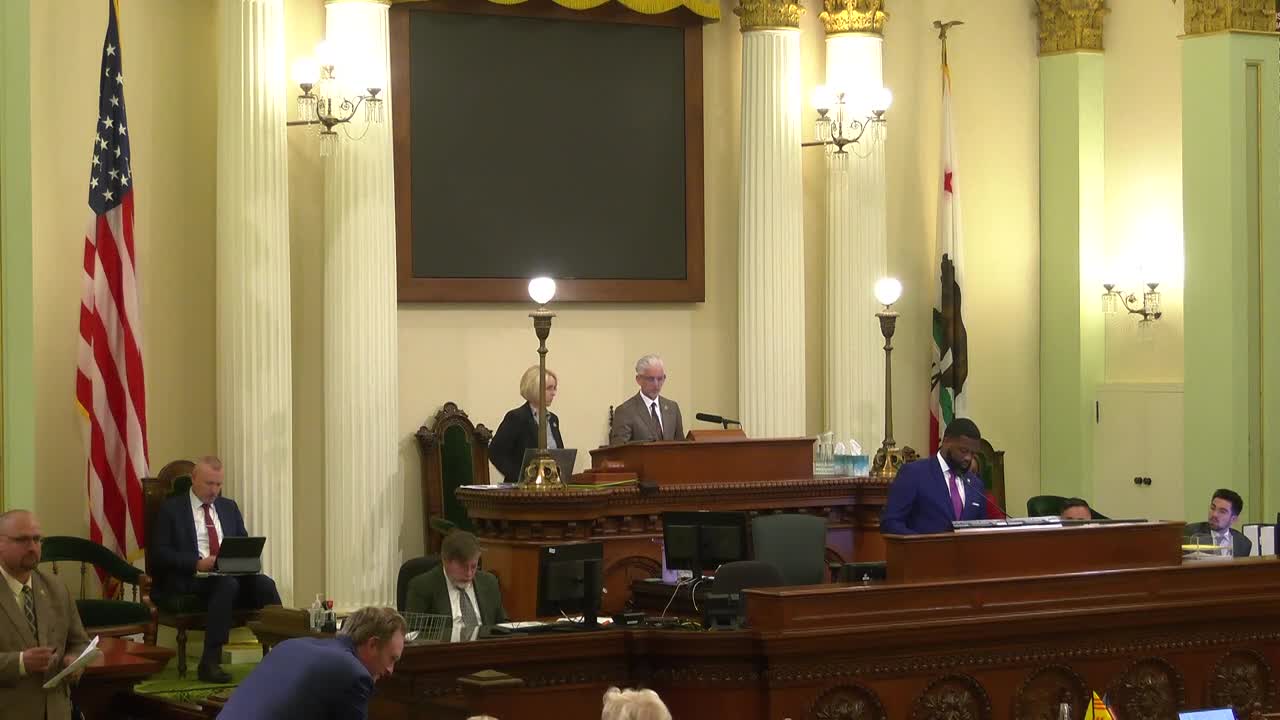
Bill Author

Bill Co-Author(s):
