AB 886: Nicotine: cessation.
- Session Year: 2025-2026
- House: Assembly
- Latest Version Date: 2025-04-22
Current Status:
Failed
(2026-02-02: From committee: Filed with the Chief Clerk pursuant to Joint Rule 56.)
Introduced
In Committee
Awaiting First Chamber Vote
Passed First Chamber
In Committee
Awaiting Second Chamber Vote
Passed Second Chamber
Enacted
Existing law establishes the Tobacco Education and Research Oversight Committee (TEROC) to advise the State Department of Public Health and the State Department of Education with respect to policy development, integration, and evaluation of tobacco education programs funded under specified provisions.
This bill would require TEROC to develop and oversee a statewide community education plan to translate, disseminate, and apply research findings from the Tobacco-Related Disease Research Program related to teenage vaping and nicotine cessation. The bill would require TEROC to develop a plan to identify and share best practices on effective, developmentally appropriate nicotine cessation strategies for youth, as specified. The bill would also require the State Department of Public Health to establish a pilot program in the County of Los Angeles, the County of Sacramento, and the County of Santa Clara to, among other things, implement targeted intervention programs for youth under 21 years of age who are addicted to nicotine and to prioritize developmentally appropriate cessation strategies over traditional nicotine replacement therapies.
Existing law establishes, within the California Health and Human Services Agency, the State Department of Public Health, which has authority over various programs promoting public health. Existing law declares that smoking is the single most important source of preventable disease and premature death in California, and it is the intent of the Legislature to require the department, along with the State Department of Education, to cooperatively and individually conduct activities directed at the prevention of tobacco use and tobacco-related diseases.This bill would require the department to establish and administer a grant program to support research and other efforts toward effective teenage vaping and nicotine cessation strategies. The bill would require the department, in consultation with the Tobacco Cessation Policy Research Center, if it chooses to participate, to fund, upon an appropriation by the Legislature, grants to support specified efforts, including education and outreach to schools, health care providers, and community organizations. The bill would authorize grants to be awarded to qualifying entities, including colleges or universities, or to an individual conducting research in California.Existing law establishes, within the California Health and Human Services Agency, the State Department of Public Health, which has authority over various programs promoting public health. Existing law declares that smoking is the single most important source of preventable disease and premature death in California, and it is the intent of the Legislature to require the department, along with the State Department of Education, to cooperatively and individually conduct activities directed at the prevention of tobacco use and tobacco-related diseases.
This bill would require the department to establish and administer a grant program to support research and other efforts toward effective teenage vaping and nicotine cessation strategies. The bill would require the department, in consultation with the Tobacco Cessation Policy Research Center, if it chooses to participate, to fund, upon an appropriation by the Legislature, grants to support specified efforts, including education and outreach to schools, health care providers, and community organizations. The bill would authorize grants to be awarded to qualifying entities, including colleges or universities, or to an individual conducting research in California.
Under existing law, it is unlawful for any person, agent, or employee of a person in the business of selling or distributing smokeless tobacco or cigarettes to engage in the nonsale distribution of tobacco in certain public areas, as defined, or on private property open to the public, except as specified. Existing law makes a person who violates these provisions liable for civil penalties, as specified. This bill would also make unlawful the nonsale distribution of vaping products in the above-described areas.Under existing law, it is unlawful for any person, agent, or employee of a person in the business of selling or distributing smokeless tobacco or cigarettes to engage in the nonsale distribution of tobacco in certain public areas, as defined, or on private property open to the public, except as specified. Existing law makes a person who violates these provisions liable for civil penalties, as specified.
This bill would also make unlawful the nonsale distribution of vaping products in the above-described areas.
(a)The Tobacco Education and Research Oversight Committee (TEROC) shall develop and oversee a statewide community education plan to translate, disseminate, and apply research findings from the Tobacco-Related Disease Research Program related to teenage vaping and nicotine cessation.
(b)TEROC shall develop a plan to identify and share best practices on effective, developmentally appropriate nicotine cessation strategies for youth. The plan shall include, but not be limited to, targeted outreach and education efforts directed at all of the following:
(1)Health care providers and health systems serving youth populations.
(2)Community-based organizations that engage with youth, including, but not limited to, youth experiencing disproportionate tobacco-related harms.
(3)Local educational agencies, including school districts and county offices of education.
(c)The goal of the statewide plan shall be to ensure broad implementation of evidence-based nicotine cessation strategies and interventions tailored to adolescents, recognizing that traditional nicotine replacement therapies have not been deemed appropriate for youth under 21 years of age.
(d)In addition to the statewide plan, the department shall establish a pilot program in the County of Los Angeles, the County of Sacramento, and the County of Santa Clara. The pilot program shall do all of the following:
(1)Implement targeted intervention programs for youth under 21 years of age who are addicted to nicotine, using best available research.
(2)Include culturally responsive, youth-centered program models that take into account the unique behavioral, psychological, and social aspects of nicotine addiction in adolescents.
(3)Prioritize developmentally appropriate cessation strategies over traditional nicotine replacement therapies.
(4)Be implemented in collaboration with local health departments and community-based organizations with a demonstrated history of work on nicotine cessation in those regions.
(e)Funding for activities in this section shall not be derived from the California Healthcare, Research, and Prevention Tobacco Tax Act of 2016 (Proposition 56) or the Tobacco Tax and Health Protection Act of 1988 (Proposition 99) tobacco tax revenues.
SECTION 1.Section 104391 is added to the Health and Safety Code, to read:104391.(a)The department shall establish and administer a grant program to support research and other efforts toward effective teenage vaping and nicotine cessation strategies. The department, in consultation with the Tobacco Cessation Policy Research Center, if it chooses to participate, shall fund, upon an appropriation by the Legislature, grants to support all of the following: (1)Research that identifies effective, developmentally appropriate cessation strategies for teenage vaping and nicotine use, recognizing that traditional nicotine replacement therapies are not suitable for adolescents. (2)The creation and testing of interventions designed for adolescents, considering the limitations of current cessation methods.(3)Education and outreach to schools, health care providers, and community organizations to implement evidence-based cessation programs statewide.(b)Grants may be awarded under this section to a qualifying public or nonprofit private agency, including, but not limited to, a college, university, hospital, clinic, research institution, local health department, county office of education, or school district, or to a qualifying individual conducting research in California.(a)The department shall establish and administer a grant program to support research and other efforts toward effective teenage vaping and nicotine cessation strategies. The department, in consultation with the Tobacco Cessation Policy Research Center, if it chooses to participate, shall fund, upon an appropriation by the Legislature, grants to support all of the following:
(1)Research that identifies effective, developmentally appropriate cessation strategies for teenage vaping and nicotine use, recognizing that traditional nicotine replacement therapies are not suitable for adolescents.
(2)The creation and testing of interventions designed for adolescents, considering the limitations of current cessation methods.
(3)Education and outreach to schools, health care providers, and community organizations to implement evidence-based cessation programs statewide.
(b)Grants may be awarded under this section to a qualifying public or nonprofit private agency, including, but not limited to, a college, university, hospital, clinic, research institution, local health department, county office of education, or school district, or to a qualifying individual conducting research in California.
SECTION 1.Section 118950 of the Health and Safety Code is amended to read:118950.(a)The Legislature hereby finds and declares the following:(1)Smoking is the single most important source of preventable disease and premature death in California.(2)Smoking is responsible for one-quarter of all death caused by fire.(3)Tobacco-related disease places a tremendous financial burden upon the persons with the disease, their families, the health care delivery system, and society as a whole.(4)Despite laws in at least 44 states prohibiting the sale of tobacco products to minors, each day 3,000 children start using tobacco products in this nation. Children under the age of 18 years consume 947 million packages of cigarettes in this country yearly.(5)The earlier a child begins to use tobacco products, the more likely it is that the child will be unable to quit.(6)More than 60 percent of all smokers begin smoking by the age of 14 years, and 90 percent begin by the age of 19 years.(7)Use of smokeless tobacco products among minors in this state is increasing.(8)Smokeless tobacco or chewing tobacco is harmful to the health of individuals and may cause gum disease, mouth or oral cancers, increased tooth decay and leukoplakia.(9)Tobacco product advertising and promotion are an important cause of tobacco use among children. More money is spent advertising and promoting tobacco products than any other consumer product.(10)Distribution of tobacco product samples, coupons, coupon offers, gift certificates, gift cards, or other similar offers is a recognized source by which minors obtain tobacco products, beginning the addiction process.(11)It is the intent of the Legislature that keeping children from beginning to use tobacco products in any form and encouraging all persons to quit tobacco use shall be among the highest priorities in disease prevention for the State of California.(b)It is unlawful for any person, agent, or employee of a person in the business of selling or distributing smokeless tobacco, vaping products, or cigarettes to engage in the nonsale distribution of any smokeless tobacco, vaping products, or cigarettes to any person in any public building, park or playground, or on any public sidewalk, street, or other public grounds, or on any private property that is open to the general public.(c)For purposes of this section:(1)Nonsale distribution means to give smokeless tobacco, vaping products, or cigarettes to the general public at no cost, or at nominal cost, or to give coupons, coupon offers, gift certificates, gift cards, or other similar offers, or rebate offers for smokeless tobacco, vaping products, or cigarettes to the general public at no cost or at nominal cost. Distribution of vaping or tobacco products, coupons, coupon offers, gift certificates, gift cards, or other similar offers, or rebate offers in connection with the sale of another item, including vaping or tobacco products, cigarette lighters, magazines, or newspapers shall not constitute nonsale distribution.(2) Smokeless tobacco means (A) a loose or flat, compressed cake form of tobacco that may be chewed or held in the mouth or (B) a shredded, powdered, or pulverized form of tobacco that may be inhaled through the nostrils, chewed, or held in the mouth.(3)Public building, park, playground, sidewalk, street, or other public grounds means any structure or outdoor area that is owned, operated, or maintained by any public entity, including, but not limited to: city and county streets and sidewalks, parade grounds, fair grounds, public transportation facilities and terminals, public reception areas, public health facilities, public recreational facilities, and public office buildings.(4)Private property that is open to the general public means any structure or outdoor area that is owned, operated, or maintained by any private entity and that is open for entry or use by the general public, whether or not a fee or charge is imposed for entry or use.(d)Any person who violates this section shall be liable for a civil penalty of not less than two hundred dollars ($200) for one act, five hundred dollars ($500) for two acts, and one thousand dollars ($1,000) for each subsequent act constituting a violation. Each distribution of a single package, coupon, coupon offer, gift certificates, gift cards, or other similar offers, or rebate offer to an individual member of the general public in violation of this section shall be considered a separate violation.(e)Neither this section nor any other provision of law shall invalidate an ordinance of, or prohibit the adoption of an ordinance by, a city or county regulating distribution of smokeless tobacco, vaping product, or cigarette samples within its boundaries that is more restrictive than this section. An ordinance that imposes greater restrictions on the sale or distribution of tobacco than this section shall govern, to the extent of any inconsistency between it and this section.(f)Subdivisions (a) to (e), inclusive, do not apply to any public building, park, playground, sidewalk, street, or other public grounds, or any private property that is open to the general public where minors are prohibited by law. Subdivisions (a) to (e), inclusive, do not apply to any public building, park, playground, sidewalk, street, or other public grounds open to the general public and leased for private functions where minors are denied access by a peace officer or licensed security guard on the premises.(g)Subdivisions (a) to (e), inclusive, do not apply to any private property that is open to the general public where minors are denied access to a separate nonsale distribution area by a peace officer or licensed security guard stationed at the entrance of the separate nonsale distribution area and the separate nonsale distribution area is enclosed so as to prevent persons outside the separate nonsale distribution area from seeing the nonsale distribution unless they undertake unreasonable efforts to see inside the area.(a)The Legislature hereby finds and declares the following:
(1)Smoking is the single most important source of preventable disease and premature death in California.
(2)Smoking is responsible for one-quarter of all death caused by fire.
(3)Tobacco-related disease places a tremendous financial burden upon the persons with the disease, their families, the health care delivery system, and society as a whole.
(4)Despite laws in at least 44 states prohibiting the sale of tobacco products to minors, each day 3,000 children start using tobacco products in this nation. Children under the age of 18 years consume 947 million packages of cigarettes in this country yearly.
(5)The earlier a child begins to use tobacco products, the more likely it is that the child will be unable to quit.
(6)More than 60 percent of all smokers begin smoking by the age of 14 years, and 90 percent begin by the age of 19 years.
(7)Use of smokeless tobacco products among minors in this state is increasing.
(8)Smokeless tobacco or chewing tobacco is harmful to the health of individuals and may cause gum disease, mouth or oral cancers, increased tooth decay and leukoplakia.
(9)Tobacco product advertising and promotion are an important cause of tobacco use among children. More money is spent advertising and promoting tobacco products than any other consumer product.
(10)Distribution of tobacco product samples, coupons, coupon offers, gift certificates, gift cards, or other similar offers is a recognized source by which minors obtain tobacco products, beginning the addiction process.
(11)It is the intent of the Legislature that keeping children from beginning to use tobacco products in any form and encouraging all persons to quit tobacco use shall be among the highest priorities in disease prevention for the State of California.
(b)It is unlawful for any person, agent, or employee of a person in the business of selling or distributing smokeless tobacco tobacco, vaping products, or cigarettes to engage in the nonsale distribution of any smokeless tobacco tobacco, vaping products, or cigarettes to any person in any public building, park or playground, or on any public sidewalk, street, or other public grounds, or on any private property that is open to the general public.
(c)For purposes of this section:
(1)Nonsale distribution means to give smokeless tobacco tobacco, vaping products, or cigarettes to the general public at no cost, or at nominal cost, or to give coupons, coupon offers, gift certificates, gift cards, or other similar offers, or rebate offers for smokeless tobacco tobacco, vaping products, or cigarettes to the general public at no cost or at nominal cost. Distribution of vaping or tobacco products, coupons, coupon offers, gift certificates, gift cards, or other similar offers, or rebate offers in connection with the sale of another item, including vaping or tobacco products, cigarette lighters, magazines, or newspapers shall not constitute nonsale distribution.
(2) Smokeless tobacco means (A) a loose or flat, compressed cake form of tobacco that may be chewed or held in the mouth or (B) a shredded, powdered, or pulverized form of tobacco that may be inhaled through the nostrils, chewed, or held in the mouth.
(3)Public building, park, playground, sidewalk, street, or other public grounds means any structure or outdoor area that is owned, operated, or maintained by any public entity, including, but not limited to: city and county streets and sidewalks, parade grounds, fair grounds, public transportation facilities and terminals, public reception areas, public health facilities, public recreational facilities, and public office buildings.
(4)Private property that is open to the general public means any structure or outdoor area that is owned, operated, or maintained by any private entity and that is open for entry or use by the general public, whether or not a fee or charge is imposed for entry or use.
(d)Any person who violates this section shall be liable for a civil penalty of not less than two hundred dollars ($200) for one act, five hundred dollars ($500) for two acts, and one thousand dollars ($1,000) for each subsequent act constituting a violation. Each distribution of a single package, coupon, coupon offer, gift certificates, gift cards, or other similar offers, or rebate offer to an individual member of the general public in violation of this section shall be considered a separate violation.
(e)Neither this section nor any other provision of law shall invalidate an ordinance of, or prohibit the adoption of an ordinance by, a city or county regulating distribution of smokeless tobacco tobacco, vaping product, or cigarette samples within its boundaries that is more restrictive than this section. An ordinance that imposes greater restrictions on the sale or distribution of tobacco than this section shall govern, to the extent of any inconsistency between it and this section.
(f)Subdivisions (a) to (e), inclusive, do not apply to any public building, park, playground, sidewalk, street, or other public grounds, or any private property that is open to the general public where minors are prohibited by law. Subdivisions (a) to (e), inclusive, do not apply to any public building, park, playground, sidewalk, street, or other public grounds open to the general public and leased for private functions where minors are denied access by a peace officer or licensed security guard on the premises.
(g)Subdivisions (a) to (e), inclusive, do not apply to any private property that is open to the general public where minors are denied access to a separate nonsale distribution area by a peace officer or licensed security guard stationed at the entrance of the separate nonsale distribution area and the separate nonsale distribution area is enclosed so as to prevent persons outside the separate nonsale distribution area from seeing the nonsale distribution unless they undertake unreasonable efforts to see inside the area.
|
Date
|
Status
|
|---|---|
| Feb 2, 2026 | From committee: Filed with the Chief Clerk pursuant to Joint Rule 56. |
| Jan 31, 2026 | Died pursuant to Art. IV, Sec. 10(c) of the Constitution. |
| May 23, 2025 | In committee: Held under submission. |
| May 21, 2025 | Joint Rule 62(a), file notice suspended. (Page 1627.) |
| May 21, 2025 | In committee: Set, first hearing. Referred to APPR. suspense file. |
| May 14, 2025 | In committee: Hearing postponed by committee. |
| Apr 30, 2025 | From committee: Do pass and re-refer to Com. on APPR. with recommendation: To Consent Calendar. (Ayes 16. Noes 0.) (April 29). Re-referred to Com. on APPR. |
| Apr 23, 2025 | Re-referred to Com. on HEALTH. |
| Apr 22, 2025 | From committee chair, with author's amendments: Amend, and re-refer to Com. on HEALTH. Read second time and amended. |
| Mar 26, 2025 | In committee: Hearing postponed by committee. |
| Mar 25, 2025 | Re-referred to Com. on HEALTH. |
| Mar 24, 2025 | From committee chair, with author's amendments: Amend, and re-refer to Com. on HEALTH. Read second time and amended. |
| Mar 10, 2025 | Referred to Coms. on HEALTH and G.O. |
| Feb 20, 2025 | From printer. May be heard in committee March 22. |
| Feb 19, 2025 | Read first time. To print. |
|
Date
|
Description
|
Location
|
Votes
|
|
|---|---|---|---|---|
| Apr 29, 2025 | Do pass and be re-referred to the Committee on [Appropriations] with recommendation: To Consent Calendar | Assembly Standing Committee on Health |
Passed |
This list shows positions taken on this bill by organizations on the date displayed, which is linked to the original source.
Positions by individuals are not included.
|
Organization
|
Position
|
Date
|
|---|---|---|
| American Academy Of Pediatrics, California | ** Support | |
| Breathe Southern California | ** Support | |
| Center For Environmental Health | ** Support | |
| Church State Council | ** Support | |
| cleanearth4kids.org | ** Support |
Date of Hearing: May 21, 2025
ASSEMBLY COMMITTEE ON APPROPRIATIONS
Buffy Wicks, Chair
ABPCA Bill Id:AB 886
Author:(Krell) – As Amended Ver:April 22, 2025
Policy Committee: | Health | Vote: | 16 - 0 |
|
| ||
|
|
Urgency: No State Mandated Local Program: No Reimbursable: No
SUMMARY:
This bill requires the Tobacco Education and Research Oversight Committee (TEROC) to conduct a statewide community education plan to translate, disseminate, and apply research findings from the Tobacco-Related Disease Research Program (TRDRP) related to teenage vaping and nicotine cessation. This bill also requires the California Department of Public Health (CDPH) to establish a pilot program in the counties of Los Angeles, Sacramento, and Santa Clara to implement intervention programs for youth under 21 years of age who are addicted to nicotine.
Specifically, this bill:
- Requires TEROC develop a plan to identify and share best practices on effective, developmentally appropriate nicotine cessation strategies for youth.
- Requires the plan to include targeted outreach and education efforts directed at:
- Health care providers and health systems serving youth populations.
- Community-based organizations that engage with youth, including youth experiencing disproportionate tobacco-related harms.
- Local educational agencies.
- Specifies the goal of the plan is to ensure broad implementation of evidence-based nicotine cessation strategies and interventions tailored to adolescents.
- Requires CDPH establish a pilot program in the counties of Los Angeles, Sacramento, and Santa Clara to implement targeted, developmentally appropriate intervention programs for youth under 21 years of age who are addicted to nicotine and that prioritizes developmentally appropriate cessation strategies over traditional nicotine replacement therapies. Requires CDPH implement the pilot program in collaboration with local health departments and community-based organizations, as specified.
- Prohibits funding for activities in this bill from coming from the California Healthcare, Research, and Prevention Tobacco Tax Act of 2016 (Proposition 56) or the Tobacco Tax and Health Protection Act of 1988 (Proposition 99) tobacco tax revenues.
FISCAL EFFECT:
CDPH estimates General Fund costs of $395,000 in fiscal year (FY) 2026-27, $2.6 million in each of FY 2027-28, FY 2028-29, and FY 2029-30, and $640,000 in FY 2030-31. CDPH anticipates the need for two full-time staff positions to manage the grant-making process, consult with grant recipients, and provide professional services for three three-year pilot projects.
COMMENTS:
- Purpose. This bill is sponsored by Breathe SoCal, Breathe Sacramento, and Breathe Bay Area. According to the author:
Investing in evidence-based strategies to reduce youth nicotine addiction is essential, given the severe impact of nicotine on adolescent brain development and the lack of FDA-approved nicotine replacement therapies for minors. AB 886 prioritizes prevention, education, and behavioral interventions designed to curb early addiction and mitigate long-term health consequences of this highly addictive drug. By adopting proven best practices, we can protect young people from lifelong dependence and reduce the broader public health burden of nicotine use.
- Background. TEROC. TEROC is a legislatively mandated advisory committee charged with overseeing the use of Proposition 99 and Proposition 56 tobacco tax revenues for tobacco control and prevention education and for tobacco-related research. In performing this mandate, the Committee provides advice to CDPH, University of California (UC), and the California Department of Education (CDE) regarding the administration of the Proposition 99- and Proposition 56-funded programs. TEROC also publishes and periodically updates a state master plan for tobacco control and tobacco-related research, and makes recommendations to the State Legislature for improving Proposition 99 and Proposition 56 -funded tobacco control and tobacco-related research efforts in California.
TRDRP. TRDRP is administered by the Research Grants Program Office at the UC Office of the President (UCOP). TRDRP is a collaborative of UC, CDPH’s Tobacco Control Branch, and the CDE’s Tobacco Use Prevention and Education Program under the guidance of TEROC to ensure collaboration across all sectors of California's tobacco control community. TRDRP is solely funded through the tobacco tax and individual contributions. TRDRP funds UC campuses and non-UC institutions through a competitive peer review process that distributes funds based on scientific and programmatic merit.
Analysis Prepared by: Allegra Kim / APPR. / (916) 319-2081
Date of Hearing: April 29, 2025
ASSEMBLY COMMITTEE ON HEALTH
Mia Bonta, Chair
ABPCA Bill Id:AB 886
Author:(Krell) – As Amended Ver:April 22, 2025
SUBJECT: Nicotine: cessation.
SUMMARY: Requires the Tobacco Education and Research Oversight Committee (TEROC) to develop and oversee a statewide community education plan to translate, disseminate, and apply research findings from the Tobacco-Related Disease Research Program (TRDRP) related to teenage vaping and nicotine cessation. Requires TEROC to develop a plan to identify and share best practices on effective, developmentally appropriate nicotine cessation strategies for youth, as specified. Requires the State Department of Public Health (DPH) to establish a pilot program in the County of Los Angeles, the County of Sacramento, and the County of Santa Clara to, among other things, implement targeted intervention programs for youth under 21 years of age who are addicted to nicotine and to prioritize developmentally appropriate cessation strategies over traditional nicotine replacement therapies. Specifically, this bill:
- Requires TEROC to develop and oversee a statewide community education plan to translate, disseminate, and apply research findings from the TRDRP related to teenage vaping and nicotine cessation.
- Requires TEROC to develop a plan to identify and share best practices on effective, developmentally appropriate nicotine cessation strategies for youth. Requires the plan to include, but not be limited to, targeted outreach and education efforts directed at all of the following:
- Health care providers and health systems serving youth populations;
- Community-based organizations that engage with youth, including, but not limited to, youth experiencing disproportionate tobacco-related harms; and,
- Local educational agencies, including school districts and county offices of education.
- Requires the goal of the statewide plan to be to ensure broad implementation of evidence-based nicotine cessation strategies and interventions tailored to adolescents, recognizing that traditional nicotine replacement therapies have not been deemed appropriate for youth under 21 years of age.
- Requires DPH, in addition to the statewide plan, to establish a pilot program in the County of Los Angeles, the County of Sacramento, and the County of Santa Clara. Requires the pilot program to do all of the following:
- Implement targeted intervention programs for youth under 21 years of age who are addicted to nicotine, using best available research;
- Include culturally responsive, youth-centered program models that take into account the unique behavioral, psychological, and social aspects of nicotine addiction in adolescents;
- Prioritize developmentally appropriate cessation strategies over traditional nicotine replacement therapies; and,
- Be implemented in collaboration with local health departments and community-based organizations with a demonstrated history of work on nicotine cessation in those regions.
- Prohibits funding for activities in this bill from being derived from the California Healthcare, Research, and Prevention Tobacco Tax Act of 2016 (Proposition 56) or the Tobacco Tax and Health Protection Act of 1988 (Proposition 99) tobacco tax revenues.
EXISTING LAW:
- Establishes DPH to, among other functions, to protect the public’s health and shape positive health outcomes for individuals, families and communities, including leading statewide and local health programs, services and activities that promote a tobacco free environment. Establishes the California Tobacco Control Branch within DPH, which leads statewide and local health programs, services and activities that promote a tobacco free environment. [Health and Safety Code (HSC) § 131056]
- Establishes TEROC with overseeing the use of Proposition 99 and Proposition 56 tobacco tax revenues for tobacco control and prevention education and for tobacco-related research. Specifies that in performing this mandate, TEROC will provide advice to DPH, the University of California (UC), and the State Department of Education (DOE) regarding the administration of the Proposition 99 and Proposition 56-funded programs.
- Requires DPH to establish and develop a program to reduce the availability of “tobacco products,” as defined, to persons under 21 years of age through authorized enforcement activities, as specified, pursuant to the Stop Tobacco Access to Kids Enforcement Act (STAKE Act). [Business and Professions Code (BCP) § 22952]
- Requires all persons engaging in the retail sale of tobacco products to check the identification of tobacco purchasers, to establish the age of the purchaser, if the purchaser reasonably appears to be under 21. [BPC § 22956]
- Permits an enforcing agency, as specified, to assess civil penalties against any person, firm, or corporation that sells, gives, or in any way furnishes to another person who is under 21 any tobacco product, instrument, or paraphernalia that is designed for the smoking or ingestion of tobacco products, as specified, ranging from $400 to $6,000 for a first, second, third, fourth, or fifth violation within a five-year period. [BPC § 22958]
- Defines “tobacco product” as a product containing, made, or derived from tobacco or nicotine that is intended for human consumption, as specified, including an electronic device that delivers nicotine or other vaporized liquids to the person inhaling from the device, and any component, part, or accessory of a tobacco product, whether or not sold separately. Prohibits any product approved by the federal Food and Drug Administration (FDA) for sale as a tobacco cessation product or for other therapeutic purposes, as specified, from being deemed a tobacco product. [BPC § 22950.5]
FISCAL EFFECT: Unknown. This bill has not yet been analyzed by a fiscal committee.
COMMENTS:
- PURPOSE OF THIS BILL. According to the author, investing in evidence-based strategies to reduce youth nicotine addiction is essential, given the severe impact of nicotine on adolescent brain development and the lack of FDA-approved nicotine replacement therapies for minors. This bill prioritizes prevention, education, and behavioral interventions designed to curb early addiction and mitigate long-term health consequences of this highly addictive drug. The author concludes that by adopting proven best practices, we can protect young people from lifelong dependence and reduce the broader public health burden of nicotine use.
- BACKGROUND. Cigarette smoking causes more than 480,000 deaths each year in the United States (U.S.), or nearly one in five deaths. Smoking causes more deaths each year than the following causes combined: Human immunodeficiency virus, illegal drug use, alcohol use, motor vehicle injuries, and firearm-related incidents. More than 10 times as many U.S. citizens have died prematurely from cigarette smoking than have died in all the wars fought by the U.S. Smoking causes about 90% (or nine out of 10) of all lung cancer deaths. More women die from lung cancer each year than from breast cancer. Smoking causes about 80% (or eight out of 10) of all deaths from chronic obstructive pulmonary disease. Cigarette smoking increases the risk for death from all causes in men and women. In California, smoking-related health care costs $13.29 billion per year and smoking-related losses in productivity totals $10.35 billion per year.
- Youth vaping data. According to the 2024 National Youth Tobacco Survey (NYTS), over 1.6 million U.S. kids were current e-cigarette users in 2024. While youth e-cigarette use has declined since its peak in 2019, it remains a serious public health problem. The most recent survey data finds:
- Many youth are using these products most days or every day, a sign they are becoming addicted. In 2024, over 40% of high school e-cigarette users vaped on at least 20 days a month, and nearly 30% reported vaping every day;
- Flavored products are driving youth use. Nearly 90% of youth e-cigarette users use flavored products, with fruit, candy/desserts/other sweets, mint and menthol reported as the most popular flavors; and,
- Youth have shifted dramatically to disposable and menthol e-cigarettes, two categories of products that were left on the market under current federal restrictions.
- TEROC. TEROC is a legislatively mandated advisory committee charged with overseeing the use of Proposition 99 and Proposition 56 tobacco tax revenues for tobacco control and prevention education and for tobacco-related research. In performing this mandate, the Committee provides advice to the DPH, UC, and DOE regarding the administration of the Proposition 99 and Proposition 56-funded programs. TEROC also publishes and periodically updates a state master plan for tobacco control and tobacco-related research, and makes recommendations to the State Legislature for improving Proposition 99 and Proposition 56 -funded tobacco control and tobacco-related research efforts in California.
- TRDRP. The TRDRP is administered by the UC Office of the President (UCOP), and is one of three state agencies working to eliminate commercial tobacco use and tobacco-related diseases. TRDRP works with DPH’s Tobacco Control Branch and the DOE’s Tobacco Use Prevention and Education Program under the guidance of TEROC to ensure collaboration across all sectors of California's tobacco control community. TRDRP is solely funded through the tobacco tax and individual contributions and is administered by the Research Grants Program Office at the UCOP. TRDRP funds both UC campuses and non-UC institutions through a competitive peer review process that distributes funds based on scientific and programmatic merit.
- Youth vaping data. According to the 2024 National Youth Tobacco Survey (NYTS), over 1.6 million U.S. kids were current e-cigarette users in 2024. While youth e-cigarette use has declined since its peak in 2019, it remains a serious public health problem. The most recent survey data finds:
TRDRP disseminates the findings of the research awards in several ways including: (1) grantees are required to describe and execute a plan for community engagement during the course of their award and these plans often involve disseminating scientific information to the public; (2) grantees often publish their results in scientific journals; (3) grantees sometimes describe their results to lay audiences via newspaper editorials, oral presentations at legislative hearings, position papers, social media, and other media channels; (4) TRDRP regularly updates the program website with lay articles summarizing research findings; (5) TRDRP publishes lay articles in a quarterly newsletter that goes to TRDRP grantees, applicants, and other stakeholders; (6) TRDRP hosts webinars and in-person convenings to highlight research findings on a topic of interest.
- California’s flavored tobacco ban. In 2020 the Legislature passed, and Governor Newsom signed, SB 793 (Hill), Chapter 34, Statutes of 2020. The law prohibits a tobacco retailer, or any of its agents or employees from selling, offering for sale, or possessing with the intent to sell or offer for sale, a flavored tobacco product or a tobacco product flavor enhancer. It exempts the sale of Hookah water pipes and flavored shisha tobacco products, pipe tobacco, and premium cigars from the prohibition. Fueled by kid friendly flavors like cotton candy and bubblegum, 3.6 million more middle and high school students started using e-cigarettes in 2018. The disturbing rates of teen e-cigarette use continued to rise in 2019 with the overwhelming majority of youth citing use of popular fruit and menthol or mint flavors and there are now 5.3 million young Americans who use e-cigarettes regularly. SB 793 also included menthol flavor, which was excluded from the original federal Food and Drug Administration (FDA) ban, because, as the author of SB 793 noted during his bill presentation, unless action is taken, an estimated 1.6 million African Americans alive today, who are now under the age of 18, will become regular smokers; and about 500,000 of those will die prematurely from a tobacco-related disease.
- Tobacco taxes. The California Cigarette and Tobacco Products Tax Law imposes a tax of $2.87 per package of 20 cigarettes. Distributors pay the tax by purchasing tax stamps from the California Department of Tax and Fee Administration, which are then affixed to a cigarette package. While a base tax rate of $0.10 per pack of 20 cigarettes has been in place since 1967, with revenue flowing to the General Fund, the Legislature and voters have adopted four tobacco tax measures directing revenue for specific programs:
- In 1988, voters approved Proposition 99, which imposed a surtax of $0.25 cents per package, and created an equivalent tax on tobacco products. Proceeds from the tax fund health education, disease research, hospital care, fire prevention, and environmental conservation;
- AB 478 (Friedman), Chapter 660, Statutes of 1993, added an excise tax of $0.02 per packet of 20 cigarettes for breast cancer research and early detection services;
- In 1998, California voters approved Proposition 10, which imposed an additional surtax of $0.50 per pack, and created a proportionately larger increase in the tax on tobacco products. The revenues are used to fund early childhood development programs, called First 5 programs;
- In 2016, voters approved Proposition 56, which imposed an additional surtax of $2 per pack and expanded the definition of "tobacco products" to include e-cigarettes when sold in combination with nicotine for a single price, and liquids containing nicotine used in those products. The additional tax revenues are deposited into the California Healthcare, Research and Prevention Tobacco Tax Act of 2016 Fund, which is used to backfill revenue losses for the above programs that result from reduced consumption due to the increased tax rate; and,
- SB 395 (Caballero), Chapter 489, Statutes of 2021, enacts the Healthy Outcomes and Prevention Education Act, which imposes the California Electronic Cigarette Excise Tax on the sale of electronic cigarettes, and creates the Health Careers Opportunity Grant Program in the Department of Health Care Access and Information, and directs proceeds of the tax to various purposes.
Because tobacco taxes successfully discourage tobacco use, they are a diminishing source of revenue.
- Youth Tobacco Cessation Resources. Youth report using a diversity of tobacco products, including cigarettes, e-cigarettes, cigarillos, hookah, smokeless tobacco, and a variety of new and emerging products. Nicotine exposure during youth can harm the developing adolescent brain and can lead to a lifetime of nicotine addiction and tobacco use. Nicotine exposure can also prime the adolescent brain for addiction to other drugs. Helping youth quit using tobacco products is critical for protecting their health now and in the future. DPH’s Tobacco Control Branch offers cessation services and resources including flyers, downloadable apps to help youth quit, and automated texting programs.
The FDA has not approved any agents for smoking cessation in patients under the age of 18.
- SUPPORT. Breathe Southern California is the sponsor of this bill and states that the rapid rise in teen vaping, as evidenced by the 2023 California Youth Tobacco Survey, underscores the urgent need for evidence-based interventions tailored specifically to this age group. Nicotine exposure during adolescence has been shown to impair brain development, increase the likelihood of long-term addiction, and elevate the risk of cardiovascular issues. The sponsor states that this bill addresses this crisis by requiring TEROC within DPH to develop and oversee a statewide community education plan to translate, disseminate, and apply research findings from TRDRP related to youth vaping and nicotine cessation to ensure that available research is getting into the hands of groups that can implement best practices. The sponsor notes that this bill would also require the establishment of research-informed youth nicotine intervention pilot programs in three California counties – Los Angeles, Sacramento, and Santa Clara. The sponsor concludes that by utilizing these evidence-based strategies to treat and reduce nicotine addiction, this creates a sustainable, statewide framework for youth nicotine cessation.
- PREVIOUS LEGISLATION.
- AB 935 (Connolly), Chapter 351, Statutes of 2023, makes provisions of current law prohibiting a tobacco retailer, or any of the tobacco retailer's agents or employees, from selling, offering for sale, or possessing with the intent to sell or offer for sale, a flavored tobacco product or a tobacco product flavor enhancer, punishable by civil penalties in the same manner as the STAKE Act.
- AB 3218 (Wood), Chapter 849, Statutes of 2024, requires the Attorney General (AG) to establish and maintain on the AG’s website, a list of tobacco product brand styles that lack a characterizing flavor, to be known as the Unflavored Tobacco List.
- SB 793 (Hill) Chapter 34, Statutes of 2020 prohibits a tobacco retailer, or any of the tobacco retailer’s agents or employees, from selling, offering for sale, or possessing with the intent to sell or offer for sale a flavored tobacco product or a tobacco product flavor enhancer, as specified.
REGISTERED SUPPORT / OPPOSITION:
Support
Breathe Southern California (sponsor)
American Academy of Pediatrics, California
Center for Environmental Health
Church State Council
Cleanearth4kids.org
Opposition
None on file
Analysis Prepared by: Lara Flynn / HEALTH / (916) 319-2097
Bill Author
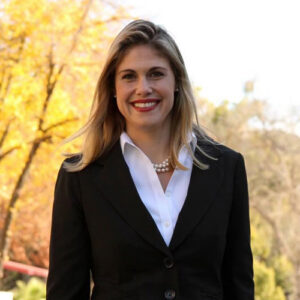
Bill Co-Author(s):