AB 900: Environmental protection: 30x30 goals: land conservation: stewardship.
- Session Year: 2025-2026
- House: Assembly
- Latest Version Date: 2025-10-06
Current Status:
Passed
(2025-10-06: Chaptered by Secretary of State - Chapter 385, Statutes of 2025.)
Introduced
In Committee
Awaiting First Chamber Vote
Passed First Chamber
In Committee
Awaiting Second Chamber Vote
Passed Second Chamber
Enacted
By Executive Order No. N-82-20, Governor Gavin Newsom directed the Natural Resources Agency to combat the biodiversity and climate crises by, among other things, establishing the California Biodiversity Collaborative and conserving at least 30% of the states lands and coastal waters by 2030. Existing law provides that it is the goal of the state to conserve at least 30% of Californias lands and coastal waters by 2030, known as the 30x30 goal. On April 22, 2022, the Natural Resources Agency issued the Pathways to 30x30 California: Accelerating Conservation of Californias Nature report and existing law requires the Secretary of Natural Resources Agency to prepare and submit an annual report to the Legislature on progress made toward achieving the 30x30 goal, as provided.
This bill would, to further specified findings of the Pathways to 30x30 Report, require the agency to develop strategies to reduce barriers and increase support for stewardship of conserved lands. The bill would require the agency to collaborate with stakeholders, California Native American tribes, and relevant state agencies to prepare a section on stewardship as part of the 2027 annual report on progress made toward achieving the 30x30 goal, which the bill would require to include, among other things, recommendations to increase and improve stewardship of 30x30 lands, including innovative ways to reduce barriers and increase federal, state, and local support for stewardship, as specified. The bill would require the update to be posted on the agencys internet website.
By Executive Order No. N-82-20, Governor Gavin Newsom directed the Natural Resources Agency to combat the biodiversity and climate crises by, among other things, establishing the California Biodiversity Collaborative and conserving at least 30% of the states lands and coastal waters by 2030. Existing law provides that it is the goal of the state to conserve at least 30% of Californias lands and coastal waters by 2030, known as the 30x30 goal. On April 22, 2022, the Natural Resources Agency issued the Pathways to 30x30 California: Accelerating Conservation of Californias Nature report and existing law requires the Secretary of Natural Resources Agency to prepare and submit an annual report to the Legislature on progress made toward achieving the 30x30 goal, as provided.
This bill would, to further specified findings of the Pathways to 30x30 Report, require the agency to develop strategies to reduce barriers and increase support for stewardship of conserved lands. The bill would require the agency, agency to collaborate with stakeholders, California Native American tribes, and relevant state agencies to prepare a section on stewardship as part of the 2027 annual report on progress made toward achieving the 30x30 goal, to update the Pathways to 30x30 Report, and for the update to which the bill would require to include, among other things, recommendations to increase and improve stewardship of 30x30 lands, including innovative ways to reduce barriers and increase federal, state, and local support for stewardship, as specified. The bill would require the update to be posted on the agencys internet website.
The Safe Drinking Water, Wildfire Prevention, Drought Preparedness, and Clean Air Bond Act of 2024 (bond act), approved by the voters as Proposition 4 at the November 5, 2024, statewide general election, authorized the issuance of bonds in the amount of $10,000,000,000 pursuant to the State General Obligation Bond Law to finance projects for safe drinking water, drought, flood, and water resilience, wildfire and forest resilience, coastal resilience, extreme heat mitigation, biodiversity and nature-based climate solutions, climate-smart, sustainable, and resilient farms, ranches, and working lands, park creation and outdoor access, and clean air programs. Of these funds, the bond act makes available specified funds for grant programs to protect and enhance fish and wildlife resources and habitat and achieve the states biodiversity, public access, and conservation goals, as provided.This bill would, in order to further specified findings of the Pathways to 30x30 Report, require the agency to develop strategies to reduce barriers and increase support for stewardship of conserved lands. The bill would authorize the allocation of funds made available pursuant to the bond act, as described above, for the purpose of land acquisition to include funding for initial stewardship, as provided, for a period not to exceed three years.By Executive Order No. N-82-20, Governor Gavin Newsom directed the Natural Resources Agency to combat the biodiversity and climate crises by, among other things, establishing the California Biodiversity Collaborative and conserving at least 30% of the states lands and coastal waters by 2030. Existing law provides that it is the goal of the state to conserve at least 30% of Californias lands and coastal waters by 2030, known as the 30x30 goal. On April 22, 2022, the Natural Resources Agency issued the Pathways to 30x30 California: Accelerating Conservation of Californias Nature report and existing law requires the Secretary of Natural Resources Agency to prepare and submit an annual report to the Legislature on progress made toward achieving the 30x30 goal, as provided.
This bill would require the agency, as part of the 2027 annual report on progress made toward achieving the 30x30 goal, to update the Pathways to 30x30 Report, and for the update to include, among other things, recommendations to increase and improve stewardship of 30x30 lands, including innovative ways to reduce barriers and increase federal, state, and local support for science-based management and stewardship, as specified. The bill would require the update to be posted on the agencys internet website.
The Safe Drinking Water, Wildfire Prevention, Drought Preparedness, and Clean Air Bond Act of 2024 (bond act), approved by the voters as Proposition 4 at the November 5, 2024, statewide general election, authorized the issuance of bonds in the amount of $10,000,000,000 pursuant to the State General Obligation Bond Law to finance projects for safe drinking water, drought, flood, and water resilience, wildfire and forest resilience, coastal resilience, extreme heat mitigation, biodiversity and nature-based climate solutions, climate-smart, sustainable, and resilient farms, ranches, and working lands, park creation and outdoor access, and clean air programs. Of these funds, the bond act makes available specified funds for grant programs to protect and enhance fish and wildlife resources and habitat and achieve the states biodiversity, public access, and conservation goals, as provided.
This bill would, in order to further specified findings of the Pathways to 30x30 Report, require the agency to develop strategies to reduce barriers and increase support for stewardship of conserved lands. The bill would authorize the allocation of funds made available pursuant to the bond act, as described above, for initial stewardship funding that is included as part of a land acquisition project for a 3-year period, as provided. the purpose of land acquisition to include funding for initial stewardship, as provided, for a period not to exceed three years.
By Executive Order No. N-82-20, Governor Gavin Newsom directed the Natural Resources Agency to combat the biodiversity and climate crises by, among other things, establishing the California Biodiversity Collaborative and conserving at least 30% of the states lands and coastal waters by 2030. Existing law provides that it is the goal of the state to conserve at least 30% of Californias lands and coastal waters by 2030, known as the 30x30 goal. On April 22, 2022, the Natural Resources Agency issued the Pathways to 30x30 California: Accelerating Conservation of Californias Nature report and existing law requires the Secretary of Natural Resources Agency to prepare and submit an annual report to the Legislature on progress made toward achieving the 30x30 goal, as provided.
This bill would require the agency, on or before July 1, 2026, as part of the 2027 annual report on progress made toward achieving the 30x30 goal, to update the Pathways to 30x30 Report, and for the update to include, among other things, recommendations to increase science-based management and improve stewardship of 30x30 lands, including innovative ways to reduce barriers and increase federal, state, and local support for science-based management and stewardship, as specified. The bill would require the update to be posted on the agencys internet website.
The Safe Drinking Water, Wildfire Prevention, Drought Preparedness, and Clean Air Bond Act of 2024 (bond act), approved by the voters as Proposition 4 at the November 5, 2024, statewide general election, authorized the issuance of bonds in the amount of $10,000,000,000 pursuant to the State General Obligation Bond Law to finance projects for safe drinking water, drought, flood, and water resilience, wildfire and forest resilience, coastal resilience, extreme heat mitigation, biodiversity and nature-based climate solutions, climate-smart, sustainable, and resilient farms, ranches, and working lands, park creation and outdoor access, and clean air programs. Of these funds, the bond act makes available specified funds for grant programs to protect and enhance fish and wildlife resources and habitat and achieve the states biodiversity, public access, and conservation goals, as provided.
This bill would, in order to further specified findings of the Pathways to 30x30 Report, require the agency to develop strategies to reduce barriers and increase support for science-based management and stewardship of conserved lands. The bill would authorize the allocation of funds made available pursuant to the bond act, as described above, for science-based management and initial stewardship funding that is included as part of a land acquisition project, project for a 3-year period, as provided.
By Executive Order No. N-82-20, Governor Gavin Newsom directed the Natural Resources Agency to combat the biodiversity and climate crises by, among other things, establishing the California Biodiversity Collaborative and conserving at least 30% of the states lands and coastal waters by 2030. Existing law provides that it is the goal of the state to conserve at least 30% of Californias lands and coastal waters by 2030, known as the 30x30 goal. On April 22, 2022, the Natural Resources Agency issued the Pathways to 30x30 California: Accelerating Conservation of Californias Nature report and existing law requires the Secretary of Natural Resources Agency to prepare and submit an annual report to the Legislature on progress made toward achieving the 30x30 goal, as provided.
This bill would require the agency, on or before July 1, 2026, to update the Pathways to 30x30 Report, and for the update to include, among other things, recommendations to increase science-based management and stewardship of 30x30 lands, including innovative ways to reduce barriers and increase federal, state, and local support for science-based management and stewardship, as specified. The bill would require the update to be posted on the agencys internet website.
The Safe Drinking Water, Wildfire Prevention, Drought Preparedness, and Clean Air Bond Act of 2024 (bond act), approved by the voters as Proposition 4 at the November 5, 2024, statewide general election, authorized the issuance of bonds in the amount of $10,000,000,000 pursuant to the State General Obligation Bond Law to finance projects for safe drinking water, drought, flood, and water resilience, wildfire and forest resilience, coastal resilience, extreme heat mitigation, biodiversity and nature-based climate solutions, climate-smart, sustainable, and resilient farms, ranches, and working lands, park creation and outdoor access, and clean air programs. Of these funds, the bond act makes available specified funds for grant programs to protect and enhance fish and wildlife resources and habitat and achieve the states biodiversity, public access, and conservation goals, as provided.
This bill would, in order to further specified findings of the Pathways to 30x30 Report, require the agency to develop strategies to reduce barriers and increase support for science-based management and stewardship of conserved lands. The bill would authorize the allocation of funds made available pursuant to the bond act, as described above, for science-based management and stewardship funding that is included as part of a land acquisition project, as provided.
(a)The Natural Resources Agency shall develop strategies to reduce barriers and increase support for stewardship of conserved lands in order to further the findings from the Pathways to 30x30 Report, which provided that designating an area as conserved is only the beginning of effective conservation and that protected areas require ongoing stewardship and monitoring.
(b)The Natural Resources Agency shall collaborate with stakeholders, California Native American tribes, and relevant state agencies to prepare a section on stewardship as part of the 2027 annual report required pursuant to Section 71452 that shall include, but not be limited to, all of the following information:
(1)An estimate of backlogged, critical, recurring, and future stewardship needs throughout the state with associated costs. The Natural Resources Agency may use datasets, that are in existence on or before March 31, 2027, from federal, state, and local governments, California Native American tribes, private entities, and tribal landowners and managers to complete this estimate.
(2)Case studies of effective stewardship.
(3)A review of stewardship best practices for conserved lands that includes, but is not limited to, new technology and innovative practices that improve outcomes and cost-effectiveness.
(4)A valuation of the benefits of stewardship on biodiversity and ecosystem services.
(5)Identification of the ecological workforce needs for stewardship and opportunities to support workforce training.
(6)A review of the cobenefits of stewardship that includes, but is not limited to, recreation and public access, the provision of habitat and resources for wildlife, carbon sequestration, water and air purification, and climate regulation.
(7)Recommendations to increase and improve stewardship of 30x30 lands, including innovative ways to reduce barriers and increase federal, state, and local support for stewardship.
(8)Recommendations to increase ancestral land return.
(9)Recommendations to increase consultation and partnership with California Native American tribes and tribal cultural practitioners throughout the state, including, but not limited to, support for tribal stewardship activities, traditional ecological knowledge, and cultural practices.
(c)The update required pursuant to subdivision (b) shall be posted on the Natural Resources Agencys internet website.
(d)For purposes of this section, stewardship includes, but is not limited to, science-based management, adaptive management, traditional ecological knowledge, and best land management practices across all land types.
(a)The Natural Resources Agency shall develop strategies to reduce barriers and increase support for stewardship of conserved lands in order to further the findings from the Pathways to 30x30 Report, which provided that designating an area as conserved is only the beginning of effective conservation and that protected areas require ongoing stewardship and monitoring.
(b)As The Natural Resources Agency shall collaborate with stakeholders, California Native American tribes, and relevant state agencies to prepare a section on stewardship as part of the 2027 annual report required pursuant to Section 71452, the Natural Resources Agency, in consultation with stakeholders and other relevant state agencies, shall update the Pathways to 30x30 Report. The update 71452 that shall include, but not be limited to, all of the following information:
(1)An estimate of backlogged, critical, recurring, and future stewardship needs throughout the state with associated costs. The Natural Resources Agency may use datasets, that are in existence on or before March 31, 2027, from federal, state, and local governments, California Native American tribes, private entities, and tribal landowners and managers to complete this estimate.
(2)Case studies of effective stewardship.
(3)A review of stewardship best practices for conserved lands that includes, but is not limited to, new technology and innovative practices that improve outcomes and cost-effectiveness.
(4)A valuation of the benefits of stewardship on biodiversity and ecosystem services.
(5)Identification of the ecological workforce needs for stewardship and opportunities to support workforce training.
(6)A review of the cobenefits of stewardship that includes, but is not limited to, recreation and public access, the provision of habitat and resources for wildlife, carbon sequestration, water and air purification, and climate regulation.
(7)Recommendations to increase and improve stewardship of 30x30 lands, including innovative ways to reduce barriers and increase federal, state, and local support for stewardship.
(8)Recommendations to increase ancestral land return.
(9)Recommendations to increase consultation and partnership with California Native American tribes and tribal cultural practitioners throughout the state, including, but not limited to, support for tribal stewardship activities, traditional ecological knowledge, and cultural practices.
(c)The update required pursuant to subdivision (b) shall be posted on the Natural Resources Agencys internet website.
(d)When appropriating funds made available pursuant to Section 93010 for the purposes of land acquisition, initial stewardship funding to enhance the benefits of the acquired land in ways that further the goals of this section, consistent with Division 50 (commencing with Section 90000) as it relates to the protection and restoration of land, may be included as part of a land acquisition grant or in a separate direct grant for a period not to exceed three years.(e)(d)For purposes of this section, stewardship includes, but is not limited to, science-based management, adaptive management, traditional ecological knowledge, and best land management practices across all land types.
(a)The Natural Resources Agency shall develop strategies to reduce barriers and increase support for stewardship of conserved lands in order to further the findings from the Pathways to 30x30 Report, which provided that designating an area as conserved is only the beginning of effective conservation and that protected areas require ongoing stewardship and monitoring.
(b)As part of the 2027 annual report required pursuant to Section 71452, the Natural Resources Agency, in consultation with stakeholders and other relevant state agencies, shall update the Pathways to 30x30 Report. The update shall include, but not be limited to, all of the following information:
(1)An estimate of backlogged, critical, recurring, and future stewardship needs throughout the state with associated costs. The Natural Resources Agency may use data sets, datasets, that are in existence on or before March 31, 2027, from federal, state, and local governments, private entities, and tribal landowners and managers to complete this estimate.
(2)Case studies of effective stewardship.
(3)A review of stewardship best practices for conserved lands that includes, but is not limited to, new technology and innovative practices that improve outcomes and cost-effectiveness.
(4)A valuation of the benefits of stewardship on biodiversity and ecosystem services.
(5)Identification of the ecological workforce needs for stewardship and opportunities to support workforce training.
(6)A review of the cobenefits of stewardship that includes, but is not limited to, recreation and public access, the provision of habitat and resources for wildlife, carbon sequestration, water and air purification, and climate regulation.
(7)Recommendations to increase and improve stewardship of 30x30 lands, including innovative ways to reduce barriers and increase federal, state, and local support for stewardship.
(c)The update required pursuant to subdivision (b) shall be posted on the Natural Resources Agencys internet website.
(d)When appropriating funds made available pursuant to Section 93010, 93010 for the purposes of land acquisition, initial stewardship funding may be included as part of a land acquisition project for a three-year period to enhance the benefits of the acquired land in ways that further the goals of this section, consistent with Division 50 (commencing with Section 90000). 90000) as it relates to the protection and restoration of land, may be included as part of a land acquisition grant or in a separate direct grant for a period not to exceed three years.
(e)For purposes of this section, stewardship includes, but is not limited to, science-based management, adaptive management, traditional ecological knowledge, and best land management practices across all land types.
(a)The Natural Resources Agency shall develop strategies to reduce barriers and increase support for science-based management and stewardship of conserved lands in order to further the findings from the Pathways to 30x30 Report, which provided that designating an area as conserved is only the beginning of effective conservation and that protected areas require ongoing stewardship and monitoring.
(b)On or before July 1, 2026, As part of the 2027 annual report required pursuant to Section 71452, the Natural Resources Agency Agency, in consultation with stakeholders and other relevant state agencies, shall update the Pathways to 30x30 Report. The update shall include, but not be limited to, all of the following information:
(1)An accounting estimate of backlogged, critical, recurring, and future stewardship needs throughout the state with associated costs. The Natural Resources Agency may use data sets, that are in existence on or before March 31, 2027, from federal, state, and local governments, private entities, and tribal landowners and managers to complete this estimate.
(2)Case studies of successful science-based management and effective stewardship.
(3)A review of science-based management and stewardship best practices for conserved lands that includes, but is not limited to, new technology and innovative practices that improve outcomes and cost-effectiveness.
(4)A valuation of the benefits of science-based management and stewardship on biodiversity and ecosystem services.
(5)Identification of the ecological workforce needs for science-based management and stewardship and opportunities to support workforce training.
(6)A review of the cobenefits of science-based management and stewardship that includes, but is not limited to, recreation and public access, the provision of habitat and resources for wildlife, carbon sequestration, water and air purification, and climate regulation.
(7)Recommendations to increase science-based management and and improve stewardship of 30x30 lands, including innovative ways to reduce barriers and increase federal, state, and local support for science-based management and stewardship.
(c)The update required pursuant to subdivision (b) shall be posted on the Natural Resources Agencys internet website.
(d)When appropriating funds made available pursuant to Section 93010, science-based management and initial stewardship funding may be included as part of a land acquisition project for a three-year period to enhance the benefits of the acquired land in ways that further the goals of this section. section, consistent with Division 50 (commencing with Section 90000).
(e)For purposes of this section, Science-based management and stewardship stewardship includes, but is not limited to, science-based management, adaptive management, traditional ecological knowledge, and best land management practices across all land types.
(a)The Natural Resources Agency shall develop strategies to reduce barriers and increase support for science-based management and stewardship of conserved lands in order to further the findings from the Pathways to 30x30 Report, which provided that designating an area as conserved is only the beginning of effective conservation and that protected areas require ongoing stewardship and monitoring.
(b)On or before July 1, 2026, the Natural Resources Agency shall update the Pathways to 30x30 Report. The update shall include, but not be limited to, all of the following information:
(1)An accounting of backlogged, critical, recurring, and future stewardship needs throughout the state with associated costs.
(1)(2)Case studies of successful science-based management and stewardship.
(2)(3)A review of science-based management and stewardship best practices for conserved lands that includes, but is not limited to, new technology and innovative practices that improve outcomes and cost-effectiveness.
(3)(4)A valuation of the benefits of science-based management and stewardship on biodiversity and ecosystem services.
(4)(5)Identification of the ecological workforce needs to for science-based management and stewardship and opportunities to support workforce training.
(5)(6)A review of the cobenefits of science-based management and stewardship that includes, but is not limited to, recreation and public access, the provision of habitat and resources for wildlife, carbon sequestration, water and air purification, and climate regulation.
(6)(7)Recommendations to increase science-based management and stewardship of 30x30 lands, including innovative ways to reduce barriers and increase federal, state, and local support for science-based management and stewardship.
(c)The update required pursuant to subdivision (b) shall be posted on the Natural Resources Agencys internet website.
(d)When appropriating funds made available pursuant to Section 93010, science-based management and stewardship funding may be included as part of a land acquisition project to further the goals of this section.
(e)For purposes of this section, Science-based management and stewardship includes, but is not limited to, adaptive management, traditional ecological knowledge, and best land management practices across all land types.
(a)The Natural Resources Agency shall develop strategies to reduce barriers and increase support for science-based management and stewardship of conserved lands in order to further the findings from the Pathways to 30x30 Report, which provided that designating an area as conserved is only the beginning of effective conservation and that protected areas require ongoing stewardship and monitoring.
(b)On or before July 1, 2026, the Natural Resources Agency shall update the Pathways to 30x30 Report. The update shall include, but not be limited to, all of the following information:
(1)Case studies of successful science-based management and stewardship.
(2)A review of science-based management and stewardship best practices for conserved lands that includes, but is not limited to, new technology and innovative practices that improve outcomes and cost-effectiveness.
(3)A valuation of the benefits of science-based management and stewardship on biodiversity and ecosystem services.
(4)Identification of the ecological workforce needs to science-based management and stewardship and opportunities to support workforce training.
(5)A review of the cobenefits of science-based management and stewardship that includes, but is not limited to, recreation and public access, the provision of habitat and resources for wildlife, carbon sequestration, water and air purification, and climate regulation.
(6)Recommendations to increase science-based management and stewardship of 30x30 lands, including innovative ways to reduce barriers and increase federal, state, and local support for science-based management and stewardship.
(c)The update required pursuant to subdivision (b) shall be posted on the Natural Resources Agencys internet website.
(d)When appropriating funds made available pursuant to Section 93010, science-based management and stewardship funding may be included as part of a land acquisition project to further the goals of this section.
|
Date
|
Status
|
|---|---|
| Oct 6, 2025 | Chaptered by Secretary of State - Chapter 385, Statutes of 2025. |
| Oct 6, 2025 | Approved by the Governor. |
| Sep 11, 2025 | Enrolled and presented to the Governor at 4 p.m. |
| Sep 4, 2025 | Senate amendments concurred in. To Engrossing and Enrolling. (Ayes 77. Noes 0. Page 2933.). |
| Sep 4, 2025 | In Assembly. Concurrence in Senate amendments pending. |
| Sep 3, 2025 | Read third time. Passed. Ordered to the Assembly. (Ayes 37. Noes 0. Page 2441.). |
| Sep 2, 2025 | Read second time. Ordered to third reading. |
| Aug 29, 2025 | Read second time and amended. Ordered returned to second reading. |
| Aug 29, 2025 | From committee: Amend, and do pass as amended. (Ayes 5. Noes 0.) (August 29). |
| Jul 7, 2025 | In committee: Referred to APPR. suspense file. |
| Jun 25, 2025 | Read second time and amended. Re-referred to Com. on APPR. |
| Jun 24, 2025 | From committee: Amend, and do pass as amended and re-refer to Com. on APPR. (Ayes 7. Noes 0.) (June 24). |
| Jun 11, 2025 | Referred to Com. on N.R. & W. |
| Jun 3, 2025 | In Senate. Read first time. To Com. on RLS. for assignment. |
| Jun 2, 2025 | Read third time. Passed. Ordered to the Senate. (Ayes 77. Noes 0. Page 1909.) |
| May 27, 2025 | Read second time. Ordered to third reading. |
| May 23, 2025 | Read second time and amended. Ordered returned to second reading. |
| May 23, 2025 | From committee: Amend, and do pass as amended. (Ayes 11. Noes 0.) (May 23). |
| May 23, 2025 | Assembly Rule 63 suspended. (Ayes 51. Noes 16. Page 1644.) |
| Apr 23, 2025 | In committee: Set, first hearing. Referred to suspense file. |
| Apr 8, 2025 | From committee: Do pass and re-refer to Com. on APPR. (Ayes 14. Noes 0.) (April 7). Re-referred to Com. on APPR. |
| Mar 25, 2025 | Re-referred to Com. on NAT. RES. |
| Mar 24, 2025 | From committee chair, with author's amendments: Amend, and re-refer to Com. on NAT. RES. Read second time and amended. |
| Mar 10, 2025 | Referred to Com. on NAT. RES. |
| Feb 20, 2025 | From printer. May be heard in committee March 22. |
| Feb 19, 2025 | Read first time. To print. |
|
Date
|
Description
|
Location
|
Votes
|
|
|---|---|---|---|---|
| Sep 4, 2025 | AB 900 Papan Concurrence in Senate Amendments | Assembly Floor |
Passed |
|
| Sep 3, 2025 | Assembly 3rd Reading AB900 Papan By Grove | Senate Floor |
Passed |
|
| Aug 29, 2025 | Do pass as amended | Senate Standing Committee on Appropriations |
Passed |
|
| Jul 7, 2025 | Placed on suspense file | Senate Standing Committee on Appropriations |
Passed |
|
| Jun 24, 2025 | Do pass as amended, but first amend, and re-refer to the Committee on [Appropriations] | Senate Standing Committee on Natural Resources and Water |
Passed |
|
| Jun 2, 2025 | AB 900 Papan Assembly Third Reading | Assembly Floor |
Passed |
|
| May 23, 2025 | Do pass as amended. | Assembly Standing Committee on Appropriations |
Passed |
|
| Apr 7, 2025 | Do pass and be re-referred to the Committee on [Appropriations] | Assembly Standing Committee on Natural Resources |
Passed |
This list shows positions taken on this bill by organizations on the date displayed, which is linked to the original source.
Positions by individuals are not included.
|
Organization
|
Position
|
Date
|
|---|---|---|
| Audubon California | ** Support | |
| Audubon Canyon Ranch | ** Support | |
| Backcountry Hunters and Anglers, California Chapter | ** Support | |
| Big Sur Land Trust | ** Support | |
| Bolsa Chica Land Trust | ** Support | |
| California Association Of Local Conservation Corps | ** Support | |
| California Council of Land Trusts (co-sponsor) | ** Support | |
| California Environmental Voters | ** Support | |
| California Invasive Plant Council | ** Support | |
| California Native Plant Society | ** Support | |
| California Outdoor Recreation Partnership | ** Support | |
| California State Parks Foundation | ** Support | |
| Cayucos Land Conservancy | ** Support | |
| CleanEarth4Kids | ** Support | |
| Climate Reality Project, Bay Area Chapter | ** Support | |
| Climate Reality Project, Los Angeles Chapter | ** Support | |
| Climate Reality Project, Orange County | ** Support | |
| Climate Reality Project San Diego | ** Support | |
| Climate Reality Project: San Fernando Valley Chapter | ** Support | |
| Coachella Valley Conservation Commission | ** Support | |
| Defenders Of Wildlife | ** Support | |
| Eastern Sierra Land Trust | ** Support | |
| Elkhorn Slough Foundation | ** Support | |
| Grassland Water District | ** Support | |
| Kings River Conservancy | ** Support | |
| Land Conservancy of San Luis Obispo | ** Support | |
| Land Trust of Napa County | ** Support | |
| Land Trust Of Santa Cruz County | ** Support | |
| Los Angeles Neighborhood Land Trust | ** Support | |
| Marin Agricultural Land Trust | ** Support | |
| Midpeninsula Regional Open Space District | ** Support | |
| Mojave Desert Land Trust | ** Support | |
| Northern California Regional Land Trust | ** Support | |
| Ojai Valley Land Conservancy | ** Support | |
| Peninsula Open Space Trust | ** Support | |
| Placer Land Trust | ** Support | |
| Rural County Representatives of California | ** Support | |
| Sanctuary Forest INC. | ** Support | |
| San Joaquin River Parkway & Conservation Trust, INC. | ** Support | |
| Santa Clara Valley Open Space Authority | ** Support | |
| Save the Redwoods League | ** Support | |
| Sempervirens Fund | ** Support | |
| Sequoia Riverlands Trust | ** Support | |
| Sierra Business Council | ** Support | |
| Sierra Club | ** Support | |
| Sierra Consortium | ** Support | |
| Sierra Foothill Conservancy | ** Support | |
| Solano Land Trust | ** Support | |
| Sonoma Land Trust | ** Support | |
| Sustainable Conservation | ** Support | |
| The Nature Conservancy (co-sponsor) | ** Support | |
| The Wildlands Conservancy | ** Support | |
| TOGETHER Bay Area | ** Support | |
| Ventura Land Trust | ** Support |
CONCURRENCE IN SENATE AMENDMENTS
CSA1 Bill Id:AB 900
Author:(Papan)
As Amended Ver:August 29, 2025
Majority vote
SUMMARY
Requires the Natural Resources Agency (NRA) to develop strategies to reduce barriers and increase support for stewardship of conserved lands, and requires NRA to collaborate with stakeholders, California Native American tribes, and relevant state agencies to prepare a section on stewardship as part of the 2027 annual report on progress made toward achieving the 30x30 goal.
Senate Amendments
- Strike authorizing language related to Safe Drinking Water, Wildfire Prevention, Drought Preparedness, and Clean Air Bond Act of 2024 allocations for land acquisition.
- Require NRA to collaborate with stakeholders, California Native American tribes, and relevant state agencies to prepare a section on stewardship as part of the 2027 annual report on progress made toward achieving the 30x30 goal.
- Require the report to additionally include:
- Recommendations to increase ancestral land return.
- Recommendations to increase consultation and partnership with California Native American tribes and tribal cultural practitioners throughout the state, including, but not limited to, support for tribal stewardship activities, traditional ecological knowledge, and cultural practices.
COMMENTS
The state has a goal of conserving 30% of California's lands and coastal waters by 2030 – known as 30x30. Many of the areas currently conserved and counting toward the 30x30 goal are within our state parks, national parks, national forests, and Bureau of Land Management (BLM) lands and are counted in the 24.4% of what NRA calls "durably protected and managed" 30x30 lands. The state may need to redefine what it determines is "durably managed" as it relates to those lands under federal jurisdiction; since taking office, President Trump has downsized the federal workforce by more than two million employees, including more than 7,000 employees at the U.S. Forest Service (USFS), and hundreds of positions at the National Park Service, the Environmental Protection Agency (US EPA), and BLM. Further, the Department of Government Efficiency plans to terminate lease contracts at nearly two dozen California offices including the National Oceanic and Atmospheric Administration, US EPA, USFS, and Geological Survey. The result will undoubtedly lead to sparse and unreliable land management for conserved areas on federal lands.
Given the need for land managers on state lands and the uncertainty of federal land management, identifying stewardship needs will be critical if these lands are genuinely to be conserved in perpetuity.
According to the Author
AB 900 is the next step in furthering the state's 30x30 initiative. California has been making steady progress toward conserving lands that support biodiversity, access, and climate resiliency. However, with over a quarter of state lands considered '30x30 conservation areas,' it is important that we follow through and promote strategies that ensure these lands are both 'durably protected and managed.' 30x30 is a critical safeguard in the face of climate change, so it is essential to support our statewide partners in their pursuit of sustainably managing and stewarding our precious natural resources.
Arguments in Support
A coalition of environmental groups write, "California must take proactive steps to address the long-term needs of conserved lands across the state. Without necessary support and funding structures in place, the benefits of conservation efforts could be diminished over time. AB 900 strengthens the state's ability to maximize the environmental, economic, and public health benefits of open spaces by bolstering land management capacity and providing a sustainable path forward for conservation lands."
Arguments in Opposition
None on file
FISCAL COMMENTS
According to the Senate Appropriations Committee, this bill will result in one-time costs of about $500,000 in fiscal year 2026-27 and ongoing costs of about $600,000 starting in 2026-27 and annually thereafter (General Fund or bond funds) for NRA to updated the Pathways to 30x30 Report with recommendations and strategies to increase and improve stewardship of 30x30 lands, including innovative ways to reduce barriers and increase federal, state, and local support stewardship, as specified.
VOTES:
ASM NATURAL RESOURCES: 14-0-0
YES: Bryan, Alanis, Connolly, Ellis, Flora, Garcia, Haney, Hoover, Kalra, Muratsuchi, Pellerin, Schultz, Wicks, Zbur
ASM APPROPRIATIONS: 11-0-4
YES: Wicks, Arambula, Calderon, Caloza, Elhawary, Fong, Mark González, Hart, Pacheco, Pellerin, Solache
ABS, ABST OR NV: Sanchez, Dixon, Ta, Tangipa
ASSEMBLY FLOOR: 77-0-2
YES: Addis, Aguiar-Curry, Ahrens, Alanis, Alvarez, Arambula, Ávila Farías, Bains, Bauer-Kahan, Bennett, Berman, Boerner, Bonta, Bryan, Calderon, Caloza, Carrillo, Castillo, Chen, Connolly, Davies, DeMaio, Dixon, Elhawary, Flora, Fong, Gabriel, Gallagher, Garcia, Gipson, Jeff Gonzalez, Mark González, Hadwick, Haney, Harabedian, Hart, Hoover, Irwin, Jackson, Kalra, Krell, Lackey, Lee, Lowenthal, Macedo, McKinnor, Muratsuchi, Nguyen, Ortega, Pacheco, Papan, Patel, Patterson, Pellerin, Petrie-Norris, Quirk-Silva, Ramos, Ransom, Celeste Rodriguez, Michelle Rodriguez, Rogers, Blanca Rubio, Sanchez, Schiavo, Schultz, Sharp-Collins, Solache, Soria, Stefani, Ta, Valencia, Wallis, Ward, Wicks, Wilson, Zbur, Rivas
ABS, ABST OR NV: Ellis, Tangipa
SENATE FLOOR: 37-0-3
YES: Allen, Alvarado-Gil, Archuleta, Arreguín, Ashby, Becker, Blakespear, Cabaldon, Caballero, Cervantes, Choi, Cortese, Dahle, Durazo, Gonzalez, Grayson, Grove, Hurtado, Jones, Laird, Limón, McGuire, McNerney, Menjivar, Padilla, Pérez, Reyes, Richardson, Rubio, Smallwood-Cuevas, Stern, Strickland, Umberg, Valladares, Wahab, Weber Pierson, Wiener
ABS, ABST OR NV: Niello, Ochoa Bogh, Seyarto
UPDATED
VERSION: August 29, 2025
CONSULTANT: Paige Brokaw / NAT. RES. / (916) 319-2092 FN: 0001584
SENATE RULES COMMITTEE Office of Senate Floor Analyses (916) 651-1520 Fax: (916) 327-4478 | AB 900 |
THIRD READING
Bill No: AB 900
Author: Papan (D)
Amended: 8/29/25 in Senate
Vote: 21
SENATE NATURAL RES. & WATER COMMITTEE: 7-0, 6/24/25
AYES: Limón, Seyarto, Allen, Grove, Hurtado, Laird, Stern
SENATE APPROPRIATIONS COMMITTEE: 5-0, 8/29/25
AYES: Caballero, Cabaldon, Grayson, Richardson, Wahab
NO VOTE RECORDED: Seyarto, Dahle
ASSEMBLY FLOOR: 77-0, 6/2/25 - See last page for vote
SUBJECT: Environmental protection: 30x30 goals: land conservation: stewardship
SOURCE: Author
DIGEST:
This bill requires the California Natural Resources Agency (CNRA) to update the 2027 Pathways to 30x30 Report to include recommendations to increase and improve stewardship of 30x30 lands, including innovative ways to reduce barriers and increase federal, state, and local support for science-based management and stewardship, as specified.
ANALYSIS: Existing law:
- Authorizes, pursuant to the Safe Drinking Water, Wildfire Prevention, Drought Preparedness, and Clean Air Bond Act of 2024 (Proposition 4), $1.2 billion to protect California’s biodiversity and to protect nature and restore landscape health to achieve California’s climate change goals (Public Resources Code (PRC) § 93000).
- Establishes CNRA and vests it with the responsibility to restore, protect, and manage the state’s natural, historical, and cultural resources for current and future generations (Government Code § 12805).
- Establishes a goal to conserve 30 percent of California’s land and coastal waters by 2030 (“30x30”) (PRC § 71450 and Executive Order No. N-82-20).
- Requires the Secretary of CNRA to annually submit a report to the Legislature on the progress made in the prior calendar year toward achieving the 30x30 goal (PRC § 71452).
This bill:
- Requires CNRA to develop strategies to reduce barriers and increase support for stewardship of conserved lands.
- Requires CNRA to update the 2027 30x30 Pathways Report to include:
- An estimate of backlogged, critical, recurring, and future stewardship needs throughout the state with associated costs.
- Case studies of effective stewardship.
- A review of stewardship best practices for conserved lands that includes, but is not limited to, new technology and innovative practices that improve outcomes and cost-effectiveness.
- A valuation of the benefits of stewardship on biodiversity and ecosystem services.
- Identification of the ecological workforce needs for stewardship and opportunities to support workforce training.
- A review of the cobenefits of stewardship that includes, but is not limited to, recreation and public access, the provision of habitat and resources for wildlife, carbon sequestration, water and air purification, and climate regulation.
- Recommendations to increase and improve stewardship of 30x30 lands, including innovative ways to reduce barriers and increase federal, state, and local support for stewardship.
- Recommendations to increase ancestral land return and to Recommendations to increase consultation and partnership with California Native American tribes and tribal cultural practitioners.
- Establishes that initial funding from Proposition 4 may be used to further the goals of this bill.
- Defines “stewardship” for the purposes of this bill.
Comments
30x30 progress. According to the CNRA May 2023 annual progress report, the state has conserved 24.4% of lands and 16.2% of coastal waters for 30x30, adding approximately 631,000 acres to lands conserved over the past year and identifying concrete strategies to strengthen conservation in coastal waters. The report concludes that the state is on track to meet the goals of 30x30.
30x30 Pathways. The 30x30 Strategy Report identified ten pathways to achieve the 30x30 goal. Pathway 6 commits the state to expanding and accelerating environmental restoration and stewardship. The 2023 report acknowledges that merely protecting existing habitat is not enough – active restoration and stewardship are necessary to protect biodiversity and increase the sustainability of California’s ecosystems which this bill seeks to address.
Proposition 4. The Safe Drinking Water, Wildfire Prevention, Drought Preparedness, and Clean Air Bond Act of 2024 (Proposition 4) sets aside $1.2 billion for the protection of California’s biodiversity and to protect nature and restore landscape health to achieve California’s climate change goals (PRC § 93000). Of that $1.2 billion, $870,000,000 is designated, upon appropriation, to the Wildlife Conservation Board for grant programs to protect and enhance fish and wildlife resources and habitat and achieve the state’s biodiversity, public access, and conservation goals (PRC § 93010).
This bill allows the Legislature, when appropriating funds from section 93010 in Proposition 4, to authorize initial stewardship funding as part of a land acquisition project to enhance the benefits of the acquired land in ways that further the purposes of this bill.
FISCAL EFFECT: Appropriation: No Fiscal Com.: Yes Local: No
SUPPORT: (Verified 8/28/25)
California Council of Land Trusts (co-sponsor)
The Nature Conservancy (co-sponsor)
Audubon California
Audubon Canyon Ranch
Big Sur Land Trust
Bolsa Chica Land Trust
California Association of Local Conservation Corps
California Environmental Voters
California Invasive Plant Council
California Native Plant Society
California State Parks Foundation
Cayucos Land Conservancy
Cleanearth4kids
Coachella Valley Conservation Commission
Defenders of Wildlife
Eastern Sierra Land Trust
Elkhorn Slough Foundation
Grassland Water District
Kings River Conservancy
Land Conservancy of San Luis Obispo
Land Trust of Napa County
Land Trust of Santa Cruz County
Los Angeles Neighborhood Land Trust
Marin Agricultural Land Trust
Midpeninsula Regional Open Space District
Mojave Desert Land Trust
Northern California Regional Land Trust
Ojai Valley Land Conservancy
Peninsula Open Space Trust
Placer Land Trust
Rural County Representatives of California
San Joaquin River Parkway & Conservation Trust, INC.
Sanctuary Forest INC.
Santa Clara Valley Open Space Authority
Save the Redwoods League
Sequoia Riverlands Trust
Sierra Business Council
Sierra Consortium
Sierra Foothill Conservancy
Solano Land Trust
Sonoma Land Trust
Sustainable Conservation
The Wildlands Conservancy
Together Bay Area
Ventura Land Trust
OPPOSITION: (Verified 8/28/25)
None received
ARGUMENTS IN SUPPORT: According to the author, “AB 900 is the next step in furthering the state’s 30x30 initiative. California has been making steady progress toward conserving lands that support biodiversity, access, and climate resiliency. However, with over a quarter of state lands considered ‘30x30 conservation areas,’ it is important that we follow through and promote strategies that ensure these lands are both ‘durably protected and managed.’ 30x30 is a critical safeguard in the face of climate change, so it is essential to support our statewide partners in their pursuit of sustainably managing and stewarding our precious natural resources.”
ARGUMENTS IN OPPOSITION: None received.
ASSEMBLY FLOOR: 77-0, 6/2/25
AYES: Addis, Aguiar-Curry, Ahrens, Alanis, Alvarez, Arambula, Ávila Farías, Bains, Bauer-Kahan, Bennett, Berman, Boerner, Bonta, Bryan, Calderon, Caloza, Carrillo, Castillo, Chen, Connolly, Davies, DeMaio, Dixon, Elhawary, Flora, Fong, Gabriel, Gallagher, Garcia, Gipson, Jeff Gonzalez, Mark González, Hadwick, Haney, Harabedian, Hart, Hoover, Irwin, Jackson, Kalra, Krell, Lackey, Lee, Lowenthal, Macedo, McKinnor, Muratsuchi, Nguyen, Ortega, Pacheco, Papan, Patel, Patterson, Pellerin, Petrie-Norris, Quirk-Silva, Ramos, Ransom, Celeste Rodriguez, Michelle Rodriguez, Rogers, Blanca Rubio, Sanchez, Schiavo, Schultz, Sharp-Collins, Solache, Soria, Stefani, Ta, Valencia, Wallis, Ward, Wicks, Wilson, Zbur, Rivas
NO VOTE RECORDED: Ellis, Tangipa
Prepared by: Edith Hannigan / N.R. & W. / (916) 651-4116
9/2/25 18:08:42
**** END ****
SENATE COMMITTEE ON
Senator Anna Caballero, Chair
2025 - 2026 Regular Session
AB 900 (Papan) - Environmental protection: 30x30 goals: land conservation: stewardship
Version: | Policy Vote: |
Urgency: | Mandate: |
Hearing Date: | Consultant: |
Bill Summary:
This bill would require the California Natural Resources Agency (CNRA) to update the 2027 Pathways to 30x30 Report to include recommendations to increase and improve stewardship of 30x30 lands, including innovative ways to reduce barriers and increase federal, state, and local support stewardship, as specified.
*********** ANALYSIS ADDENDUM – SUSPENSE FILE ***********
The following information is revised to reflect amendments
adopted by the committee on August 29, 2025
Fiscal Impact:
- One-time costs of about $500,000 in fiscal year 2026-27 and ongoing costs of about $600,000 starting in 2026-27 and annually thereafter (General Fund or bond funds) for CNRA to updated the Pathways to 30x30 Report with recommendations and strategies to increase and improve stewardship of 30x30 lands, including innovative ways to reduce barriers and increase federal, state, and local support stewardship, as specified.
Author Amendments:
These amendments would require CNRA to develop strategies to reduce barriers and increase support for stewardship of conserved lands, as provided.
-- END --
SENATE COMMITTEE ON NATURAL RESOURCES AND WATER
Senator Monique Limón, Chair
2025 - 2026 Regular
Bill No: AB 900 Hearing Date: June 24, 2025
Author: | |||
Version: | Amended | ||
Urgency: | Fiscal: | ||
Consultant: | |||
Subject: Environmental protection: 30x30 goals: land conservation: science-based management and stewardship
SUMMARY
This bill would require the California Natural Resources Agency (CNRA) to update the 2027 Pathways to 30x30 Report to include recommendations to increase and improve stewardship of 30x30 lands, including innovative ways to reduce barriers and increase federal, state, and local support for science-based management and stewardship, as specified.
BACKGROUND AND EXISTING LAW
30x30. California’s 30x30 initiative is part of an international movement to conserve natural areas across our planet, through which scores of countries have established their own 30x30 commitments. California’s initiative seeks to protect and restore biodiversity, expand access to nature, and mitigate and build resilience to climate change. According to the CNRA May 2023 annual progress report, the state has conserved 24.4% of lands and 16.2% of coastal waters for 30x30.
Existing law:
- Authorizes, pursuant to the Safe Drinking Water, Wildfire Prevention, Drought Preparedness, and Clean Air Bond Act of 2024 (Proposition 4), $1.2 billion to protect California’s biodiversity and to protect nature and restore landscape health to achieve California’s climate change goals (Public Resources Code (PRC) § 93000).
- Establishes CNRA and vests it with the responsibility to restore, protect, and manage the state’s natural, historical, and cultural resources for current and future generations (Government Code § 12805).
- Establishes a goal to conserve 30 percent of California’s land and coastal waters by 2030 (“30x30”) (PRC § 71450 and Executive Order No. N-82-20).
- Requires the Secretary of CNRA to annually submit a report to the Legislature on the progress made in the prior calendar year toward achieving the 30x30 goal (PRC § 71452).
PROPOSED LAW
This bill would:
- Require CNRA to develop strategies to reduce barriers and increase support for stewardship of conserved lands.
- Require CNRA to update the 2027 30x30 Pathways Report to include:
- An estimate of backlogged, critical, recurring, and future stewardship needs throughout the state with associated costs.
- Case studies of effective stewardship.
- A review of stewardship best practices for conserved lands that includes, but is not limited to, new technology and innovative practices that improve outcomes and cost-effectiveness.
- A valuation of the benefits of stewardship on biodiversity and ecosystem services.
- Identification of the ecological workforce needs for stewardship and opportunities to support workforce training.
- A review of the cobenefits of stewardship that includes, but is not limited to, recreation and public access, the provision of habitat and resources for wildlife, carbon sequestration, water and air purification, and climate regulation.
- Recommendations to increase and improve stewardship of 30x30 lands, including innovative ways to reduce barriers and increase federal, state, and local support for stewardship.
- Establish that initial funding from Proposition 4 may be used to further the goals of the bill.
- Define “stewardship” for the purposes of the bill.
ARGUMENTS IN SUPPORT
According to the author, “AB 900 is the next step in furthering the state’s 30x30 initiative. California has been making steady progress toward conserving lands that support biodiversity, access, and climate resiliency. However, with over a quarter of state lands considered ‘30x30 conservation areas,’ it is important that we follow through and promote strategies that ensure these lands are both ‘durably protected and managed.’ 30x30 is a critical safeguard in the face of climate change, so it is essential to support our statewide partners in their pursuit of sustainably managing and stewarding our precious natural resources.”
ARGUMENTS IN OPPOSITION
None received.
COMMENTS
30x30 progress. According to the CNRA May 2023 annual progress report, the state has conserved 24.4% of lands and 16.2% of coastal waters for 30x30, adding approximately 631,000 acres to lands conserved over the past year and identifying concrete strategies to strengthen conservation in coastal waters. The report concludes that the state is on track to meet the goals of 30x30.
30x30 Pathways. The 30x30 Strategy Report identified ten pathways to achieve the 30x30 goal. Pathway 6 commits the state to expanding and accelerating environmental restoration and stewardship. The 2023 report acknowledges that merely protecting existing habitat is not enough – active restoration and stewardship are necessary to protect biodiversity and increase the sustainability of California’s ecosystems which this bill seeks to address.
Proposition 4. The Safe Drinking Water, Wildfire Prevention, Drought Preparedness, and Clean Air Bond Act of 2024 (Proposition 4) sets aside $1.2 billion for the protection of California’s biodiversity and to protect nature and restore landscape health to achieve California’s climate change goals (PRC § 93000). Of that $1.2 billion, $870,000,000 is designated, upon appropriation, to the Wildlife Conservation Board for grant programs to protect and enhance fish and wildlife resources and habitat and achieve the state’s biodiversity, public access, and conservation goals (PRC § 93010).
This bill would allow the Legislature, when appropriating funds from section 93010 in Proposition 4, to authorize initial stewardship funding as part of a land acquisition project to enhance the benefits of the acquired land in ways that further the purposes of this bill. The committee may wish to amend the bill to clarify the permissions and restrictions regarding the use of Proposition 4 monies in this way [SEE AMENDMENT #1].
SUGGESTED AMENDMENTS
AMENDMENT #1
Revise proposed PRC § 71453(d) to read:
(d) When appropriating funds made available pursuant to Section 93010, 93010 for the purposes of land acquisition, initial stewardship funding may be included as part of a land acquisition project for a three-year period to enhance the benefits of the acquired land in ways that further the goals of this section, consistent with Division 50 (commencing with Section 90000). 90000) as it relates to the protection and restoration of land, may be included as part of a land acquisition grant or in a separate direct grant for a period not to exceed three years.
SUPPORT
California Council of Land Trusts (co-sponsor)
The Nature Conservancy (co-sponsor)
Audubon California
Audubon Canyon Ranch
Big Sur Land Trust
Bolsa Chica Land Trust
California Association of Local Conservation Corps
California Invasive Plant Council
California Native Plant Society
California State Parks Foundation
Cayucos Land Conservancy
Coachella Valley Conservation Commission
Defenders of Wildlife
Eastern Sierra Land Trust
Elkhorn Slough Foundation
Kings River Conservancy
Land Conservancy of San Luis Obispo
Land Trust of Napa County
Land Trust of Santa Cruz County
Los Angeles Neighborhood Land Trust
Marin Agricultural Land Trust
Midpeninsula Regional Open Space District
Mojave Desert Land Trust
Northern California Regional Land Trust
Ojai Valley Land Conservancy
Peninsula Open Space Trust
Placer Land Trust
Rural County Representatives of California (RCRC)
San Joaquin River Parkway & Conservation Trust, INC.
Sanctuary Forest INC.
Santa Clara Valley Open Space Authority
Save the Redwoods League
Sequoia Riverlands Trust
Sierra Business Council
Sierra Consortium
Sierra Foothill Conservancy
Solano Land Trust
Sonoma Land Trust
Sustainable Conservation
The Wildlands Conservancy
Together Bay Area
Ventura Land Trust
OPPOSITION
None Received
-- END --
ASSEMBLY THIRD READING
ATR Bill Id:AB 900
Author:(Papan)
As Amended Ver:May 23, 2025
Majority vote
SUMMARY
Require the Natural Resources Agency (NRA), as part of the 2027 annual report to the Legislature on the progress made in the prior calendar year toward achieving the 30x30 goal, in consultation with stakeholders and other relevant state agencies, to update the Pathways to 30x30 Report with specified information.
Major Provisions
- Requires NRA to develop strategies to reduce barriers and increase support for stewardship of conserved lands in order to further the findings from the Pathways to 30x30 Report, which provided that designating an area as conserved is only the beginning of effective conservation and that protected areas require ongoing stewardship and monitoring.
- Requires, as part of the 2027 annual report, NRA to update the Pathways to 30x30 Report with an estimate of backlogged, critical, recurring, and future stewardship needs throughout the state; case studies of effective stewardship; best practices for conserved lands; a valuation of benefits on biodiversity and ecosystem needs; identification of workforce needs; a review of cobenefits; and, recommendations to increase and improve stewardship.
- When appropriating funds, authorizes initial stewardship funding to be included as part of a land acquisition project for a three- year period to enhance the benefits of the acquired land in ways that further the goals of the bill.
- Provides that "science-based management and stewardship" includes, but is not limited to, adaptive management, traditional ecological knowledge, and best land management practices across all land types.
COMMENTS
In October 2020, Governor Newsom issued Executive Order N-82-20 which establishes a state goal of conserving 30% of California's lands and coastal waters by 2030 – known as 30x30. The 30x30 goal is intended to help conserve our lands and coastal waters through voluntary, collaborative action with partners across the state to meet three objectives: conserve and restore biodiversity, expand access to nature, and mitigate and build resilience to climate change. The 30x30 goal was codified by SB 337 (Min), Chapter 392, Statutes of 2023. California's 30x30 commitment is part of a global effort to increase biodiversity conservation, including in the United States.
As of June 2024, 25.2% of California's lands and 16.2% of its coastal waters are under long-term conservation and care for the benefit of plant, animal, and human communities. This includes an addition of 861,000 acres of conserved lands that are verified across the state. The state must conserve an estimated 750,000 acres of land per year between now and 2030 to meet its goal.
The September 2024 NRA progress report Pathways to 30x30 California Annual Progress Report acknowledges that "effectively caring for lands and waters depends upon adaptive management that integrates the best available science and Traditional Ecological Knowledge."
Many of the areas currently conserved and counting toward the 30x30 goal are within our state parks, national parks, national forests, and Bureau of Land Management (BLM) lands and are counted in the 24.4% of what NRA calls "durably protected and managed" 30x30 lands. The state may need to redefine what it determines is "durably managed" as it relates to those lands under federal jurisdiction; since taking office, President Trump has downsized the federal workforce by more than two million employees, including more than 7,000 employees at the U.S. Forest Service (USFS), and hundreds of positions at the National Park Service, the Environmental Protection Agency (US EPA), and BLM. Further, the Department of Government Efficiency plans to terminate lease contracts at nearly two dozen California offices including the National Oceanic and Atmospheric Administration, US EPA, USFS, and Geological Survey. The result will undoubtedly lead to sparse and unreliable land management for conserved areas on federal lands.
Given the need for land managers on state lands and the uncertainty of federal land management, identifying stewardship needs will be critical if these lands are genuinely to be conserved in perpetuity.
According to the Author
AB 900 is the next step in furthering the state's 30x30 initiative. California has been making steady progress toward conserving lands that support biodiversity, access, and climate resiliency. However, with over a quarter of state lands considered '30x30 conservation areas,' it is important that we follow through and promote strategies that ensure these lands are both 'durably protected and managed.' 30x30 is a critical safeguard in the face of climate change, so it is essential to support our statewide partners in their pursuit of sustainably managing and stewarding our precious natural resources.
Arguments in Support
A broad coalition of environmental organizations write, "AB 900 builds on the state's commitments and recognizes the importance of strong, sustainable management of these protected lands as an essential part of our 30x30 goals. However, land trusts and other organizations have shouldered much of the burden of managing conserved lands, often without adequate resources for long-term maintenance and restoration. Proper land management is critical to achieving the state's conservation and climate resilience goals. Strategic stewardship ensures that these lands continue to provide valuable benefits such as wildfire prevention, clean water, biodiversity protection, and enhanced public access. "
Arguments in Opposition
None on file
FISCAL COMMENTS
According to the Assembly Appropriations Committee:
- NRA and WCB will incur one-time and ongoing costs of an unknown but potentially significant amount, likely in the hundreds of thousands of dollars, to implement the requirements of this bill (General Fund and bond funds). Limited-term costs of an unknown amount, likely in the low hundreds of thousands of dollars, for NRA to update the "Pathways to 30x30" report to consult and engage with stakeholders and state agencies and develop the estimate of backlogged, critical, recurring, and future stewardship needs and all the other elements of the updated report required by the bill. Costs of an unknown but potentially significant amount, likely in the low hundreds of thousands of dollars, for the Wildlife Conservation Board (WCB) to implement the requirements of this bill (General Fund and bond funds). Grant agreements currently used by WCB for acquisitions are not used for ongoing activities. According to NRA, WCB does not currently administer management and stewardship grants and would need to establish a new program to set standards, allowable expenses, and procedures for invoicing.
- By making initial stewardship (for a three-year period) – which can be fairly resource-intensive – an eligible use for Proposition 4 funds allocated to WCB for land acquisition, this bill creates potentially significant cost pressures on this funding source.
VOTES
ASM NATURAL RESOURCES: 14-0-0
YES: Bryan, Alanis, Connolly, Ellis, Flora, Garcia, Haney, Hoover, Kalra, Muratsuchi, Pellerin, Schultz, Wicks, Zbur
ASM APPROPRIATIONS: 11-0-4
YES: Wicks, Arambula, Calderon, Caloza, Elhawary, Fong, Mark González, Hart, Pacheco, Pellerin, Solache
ABS, ABST OR NV: Sanchez, Dixon, Ta, Tangipa
UPDATED
VERSION: May 23, 2025
CONSULTANT: Paige Brokaw / NAT. RES. / (916) 319-2092 FN: 0000685
Date of Hearing: April 23, 2025
ASSEMBLY COMMITTEE ON APPROPRIATIONS
Buffy Wicks, Chair
ABPCA Bill Id:AB 900
Author:(Papan) – As Amended Ver:March 24, 2025
Policy Committee: | Natural Resources | Vote: | 14 - 0 |
|
| ||
|
|
Urgency: No State Mandated Local Program: No Reimbursable: No
SUMMARY:
This bill requires the California Natural Resources Agency (CNRA) to develop strategies to reduce barriers and increase support for science-based management and stewardship of conserved lands and update its “Pathways to 30x30” report with specified information. The bill also provides that funding for management and stewardship may be included as part of a land acquisition project funded by the Proposition 4 climate bond.
Specifically, this bill, among other things:
- Requires CNRA to develop strategies to reduce barriers and increase support for science-based management and stewardship of conserved lands to further the findings from the “Pathways to 30x30” report, as specified.
- Requires CNRA, by July 1, 2026, to update the “Pathways to 30x30” report with specified information, and to post the updated report on its website.
- Provides that when appropriating funds made available pursuant to Public Resources Code section 93010 (which allocates $870 million to the Wildlife Conservation Board (WCB) for specified purposes from the Proposition 4 climate bond), science-based management and stewardship funding may be included as part of a land acquisition project to further the goals of this bill.
FISCAL EFFECT:
1) CNRA and WCB will incur one-time and ongoing costs of an unknown but potentially significant amount, likely in the hundreds of thousands of dollars, to implement the requirements of this bill (General Fund and bond funds).
2) The bill requires the updated “Pathways to 30x30” report to, among other things, include an accounting of backlogged, critical, recurring, and future stewardship needs throughout the state with associated costs. CNRA contends that developing the necessary inventory and accounting technology will cost the agency approximately $500,000 in the first year and $250,000 annually thereafter for maintenance, updates, and public interface. In addition, CNRA notes ongoing annual costs of approximately $350,000 to hire two environmental scientists to assist with research, public outreach, inventory management, and other tasks. Finally, CNRA notes one-time costs of approximately $200,000 over 18 to 24 months for public engagement as it develops the required strategies and recommendations.
Given the scope of the required update to the “Pathways to 30x30” report and the inability of CNRA to absorb the resulting workload within existing resources, this committee notes the July 1, 2026, deadline in the bill is potentially infeasible.
3) Costs of an unknown but potentially significant amount, likely in the low hundreds of thousands of dollars, for WCB to implement the requirements of this bill (General Fund and bond funds). Grant agreements currently used by WCB for acquisitions are not used for ongoing activities. According to CNRA, WCB does not currently administer management and stewardship grants and would need to establish a new program to set standards, allowable expenses, and procedures for invoicing.
4) By making ongoing stewardship and management – which can be fairly resource-intensive – an eligible use for Proposition 4 funds allocated to WCB for land acquisition, this bill creates potentially significant cost pressures on this funding source.
COMMENTS:
1) Purpose. According to the author:
AB 900 is the next step in furthering the state’s 30x30 initiative. California has been making steady progress toward conserving lands that support biodiversity, access, and climate resiliency. However, with over a quarter of state lands considered ‘30x30 conservation areas,’ it is important that we follow through and promote strategies that ensure these lands are both ‘durably protected and managed.’ 30x30 is a critical safeguard in the face of climate change, so it is essential to support our statewide partners in their pursuit of sustainably managing and stewarding our precious natural resources.
2) Background. In October 2020, Governor Newsom issued Executive Order N-82-20, which established a state goal of conserving 30% of California’s lands and coastal waters by 2030 – known as 30x30. The 30x30 goal was codified by SB 337 (Min), Chapter 392, Statutes of 2023. As of June 2024, 25.2% of the state’s lands and 16.2% of its coastal waters are under long-term conservation and care. In its “Pathways to 30x30” report, CNRA made the following findings: (a) designating an area as conserved is only the beginning of effective conservation, and (b) protected areas require ongoing stewardship and monitoring.
According to the California Council of Land Trusts (CCLT) and The Nature Conservancy (TNC) – the co-sponsors of this bill – many conserved areas lack funds necessary for stewardship, which can diminish the benefits of the conserved land. These activities include removal of pre-existing hazards, clean-up from extreme weather events, invasive weed removal, fencing and water infrastructure work, wildfire resilience work, and other important and necessary activities. CCLT and TNC note that stewardship needs, and the costs associated with them, for conserved lands will grow due to the impacts of climate change on ecosystems as well as an increase in climate related extreme weather events. “Stewardship can protect and enhance climate resilience, biodiversity, and the environmental services conserved land provides.”
Analysis Prepared by: Nikita Koraddi / APPR. / (916) 319-2081
Date of Hearing: April 7, 2025
ASSEMBLY COMMITTEE ON NATURAL RESOURCES
Isaac G. Bryan, Chair
ABPCA Bill Id:AB 900 (
Author:Papan) – As Amended Ver:March 24, 2025
SUBJECT: Environmental protection: 30x30 goals: land conservation: science-based management and stewardship
SUMMARY: Require the Natural Resources Agency (NRA), on or before July 1, 2026, to update the Pathways to 30x30 Report, and requires the update to include, among other things, recommendations to increase science-based management and stewardship of 30x30 lands, including innovative ways to reduce barriers and increase federal, state, and local support for science-based management and stewardship, as specified.
EXISTING LAW:
- Directs California Natural Resources Agency (NRA) to combat the biodiversity and climate crisis by, among other things, establishing the California Biodiversity Collaborative and establishing the 30x30 goal. (Executive Order No. N-82-20)
- Codifies the 30x30 goal. (Public Resources Code (PRC) 71450)
- Requires NRA, in implementing actions to achieve the 30x30 goal, to prioritize specified actions. Requires the Secretary of NRA to prepare and submit, beginning on or before March 31, 2024, an annual report to the Legislature on the progress made during the prior calendar year toward achieving that goal, as provided. (PRC 71451-71452)
- Authorizes, pursuant to the Safe Drinking Water, Wildfire Prevention, Drought Preparedness, and Clean Air Bond Act of 2024 (Proposition 4), $10 billion to finance projects for safe drinking water, drought, flood, and water resilience, wildfire and forest resilience, coastal resilience, extreme heat mitigation, biodiversity and nature-based climate solutions, climate-smart, sustainable, and resilient farms, ranches, and working lands, park creation and outdoor access, and clean air programs. (PRC 91535)
THIS BILL:
- Requires NRA to develop strategies to reduce barriers and increase support for science-based management and stewardship of conserved lands in order to further the findings from the Pathways to 30x30 Report, which provided that designating an area as conserved is only the beginning of effective conservation and that protected areas require ongoing stewardship and monitoring.
- Requires, on or before July 1, 2026, NRA to update the Pathways to 30x30 Report. Requires the update to include, but not be limited to, all of the following information:
- An accounting of backlogged, critical, recurring, and future stewardship needs throughout the state with associated costs;
- Case studies of successful science-based management and stewardship;
- A review of science-based management and stewardship best practices for conserved lands that includes, but is not limited to, new technology and innovative practices that improve outcomes and cost-effectiveness;
- A valuation of the benefits of science-based management and stewardship on biodiversity and ecosystem services;
- Identification of the ecological workforce needs for science-based management and stewardship and opportunities to support workforce training;
- A review of the co-benefits of science-based management and stewardship that includes, but is not limited to, recreation and public access, the provision of habitat and resources for wildlife, carbon sequestration, water and air purification, and climate regulation; and,
- Recommendations to increase science-based management and stewardship of 30x30 lands, including innovative ways to reduce barriers and increase federal, state, and local support for science-based management and stewardship.
- Requires the update to be posted on NRA’s internet website.
- When appropriating funds, science-based management and stewardship funding may be included as part of a land acquisition project to further the goals of this bill.
- Provides that “science-based management and stewardship” includes, but is not limited to, adaptive management, traditional ecological knowledge, and best land management practices across all land types.
FISCAL EFFECT: Unknown
COMMENTS:
- Author’s statement:
AB 900 is the next step in furthering the state’s 30x30 initiative. California has been making steady progress toward conserving lands that support biodiversity, access, and climate resiliency. However, with over a quarter of state lands considered ‘30x30 conservation areas,’ it is important that we follow through and promote strategies that ensure these lands are both ‘durably protected and managed.’ 30x30 is a critical safeguard in the face of climate change, so it is essential to support our statewide partners in their pursuit of sustainably managing and stewarding our precious natural resources.
- 30x30. In October 2020, Governor Newsom issued Executive Order N-82-20 which establishes a state goal of conserving 30% of California’s lands and coastal waters by 2030 – known as 30x30. The 30x30 goal is intended to help conserve our lands and coastal waters through voluntary, collaborative action with partners across the state to meet three objectives: conserve and restore biodiversity, expand access to nature, and mitigate and build resilience to climate change. The 30x30 goal was codified by SB 337 (Min), Chapter 392, Statutes of 2023. California’s 30x30 commitment is part of a global effort to increase biodiversity conservation, including in the United States.
As of June 2024, 25.2% of California’s lands and 16.2% of its coastal waters are under long-term conservation and care for the benefit of plant, animal, and human communities. This includes an addition of 861,000 acres of conserved lands that are verified across the state. The state must conserve an estimated 750,000 acres of land per year between now and 2030 to meet its goal.
- Stewardship. The September 2024 NRA progress report Pathways to 30x30 California Annual Progress Report acknowledges that “effectively caring for lands and waters depends upon adaptive management that integrates the best available science and Traditional Ecological Knowledge.”
For state lands, between state land managers, local governments, and land trusts, there is likely sufficient capacity to meet 30x30 land manager needs, but there could be future workforce constraints.
The state’s Regional Investment Initiative under the Labor and Workforce Development Agency identified natural and working lands as a key sector of the economy and as essential sectors to invest in. Also in recognition of the need for workforce development in these sectors, the Governor’s Office of Business and Economic Development categorized elements of clean economy and working lands and waters under its “Bet” category, indicating sectors with significant investment or high strategic importance to the innovation ecosystem. Tourism and outdoor recreation (a part of the 30x30 goals) is under the “Strengthen” category, indicating it probably needs a bump.
Many of the areas currently conserved and counting toward the 30x30 goal are within our state parks, national parks, national forests, and Bureau of Land Management (BLM) lands and are counted in the 24.4% of what NRA calls “durably protected and managed” 30x30 lands. The state may need to redefine what it determines is “durably managed” as it relates to those lands under federal jurisdiction; since taking office, President Trump has downsized the federal workforce by more than two million employees, including more than 7,000 employees at the U.S. Forest Service (USFS), and hundreds of positions at the National Park Service, the Environmental Protection Agency (US EPA), and BLM. Further, the Department of Government Efficiency plans to terminate lease contracts at nearly two dozen California offices including the National Oceanic and Atmospheric Administration, US EPA, USFS, and Geological Survey. The result will undoubtedly lead to sparse and unreliable land management for conserved areas on federal lands.
Given the need for land managers on state lands and the uncertainty of federal land management, identifying stewardship needs will be critical if these lands are genuinely to be conserved in perpetuity.
- This bill. AB 900 requires NRA to develop strategies to reduce barriers and increase support for science-based management and stewardship of conserved lands, and requires NRA to update the Pathways to 30x30 Report to include an accounting of current and future stewardship needs and recommendations to increase science-based management and stewardship of 30x30 lands.
- Related legislation.
AB 2440 (Reyes), Chapter 716, Statutes of 2024 requires NRA to prioritize promoting and supporting partnering state agencies and departments, including, but not limited to, the Department of Parks and Recreation, in the acquisition and responsible stewardship of state land.
AB 2320 (Irwin) 2024 requires NRA’s annual report to the Legislature on progress made to achieve the 30x30 goals to include the identification of key wildlife corridors in the state, connections between large blocks of natural areas and habitats, progress on protecting additional acres of wildlife corridors, and goals for wildlife corridor protection in the next five years. This bill was held in the Senate Appropriations Committee.
AB 2285 (Rendon) 2024 encourages the Governor’s office, state agencies, and the Legislature, when distributing resources towards conservation and restoration goals during future budgetary deliberations, to ensure parity in allocations toward urban nature-based investments and requires state funding agencies to amend guidelines as necessary to meet the 30x30 goal to allow for urban nature-based projects on degraded lands to be eligible and competitive for state funds. This bill was held in the Senate Appropriations Committee.
REGISTERED SUPPORT / OPPOSITION:
Support
Backcountry Hunters and Anglers, California Chapter
Big Sur Land Trust
Bolsa Chica Land Trust a Non-profit Corporation
California Council of Land Trusts
California Environmental Voters
California Invasive Plant Council
California Native Plant Society
California Outdoor Recreation Partnership
Climate Reality Project Bay Area Chapter
Climate Reality Project San Diego
Climate Reality Project San Fernando Valley Chapter
Climate Reality Project, Los Angeles Chapter
Climate Reality Project, Orange County
Coachella Valley Conservation Commission
Defenders of Wildlife
Land Trust of Santa Cruz County
Mojave Desert Land Trust
Peninsula Open Space Trust
Placer Land Trust
Rural County Representatives of California
San Joaquin River Parkway & Conservation Trust, INC.
Sanctuary Forest INC.
Sempervirens Fund
Sequoia Riverlands Trust
Sierra Business Council
Sierra Club
Sierra Consortium
Solano Land Trust
Sonoma Land Trust
Sustainable Conservation
The Nature Conservancy
Wildlands Conservancy
Opposition
None on file
Analysis Prepared by: Paige Brokaw / NAT. RES. /
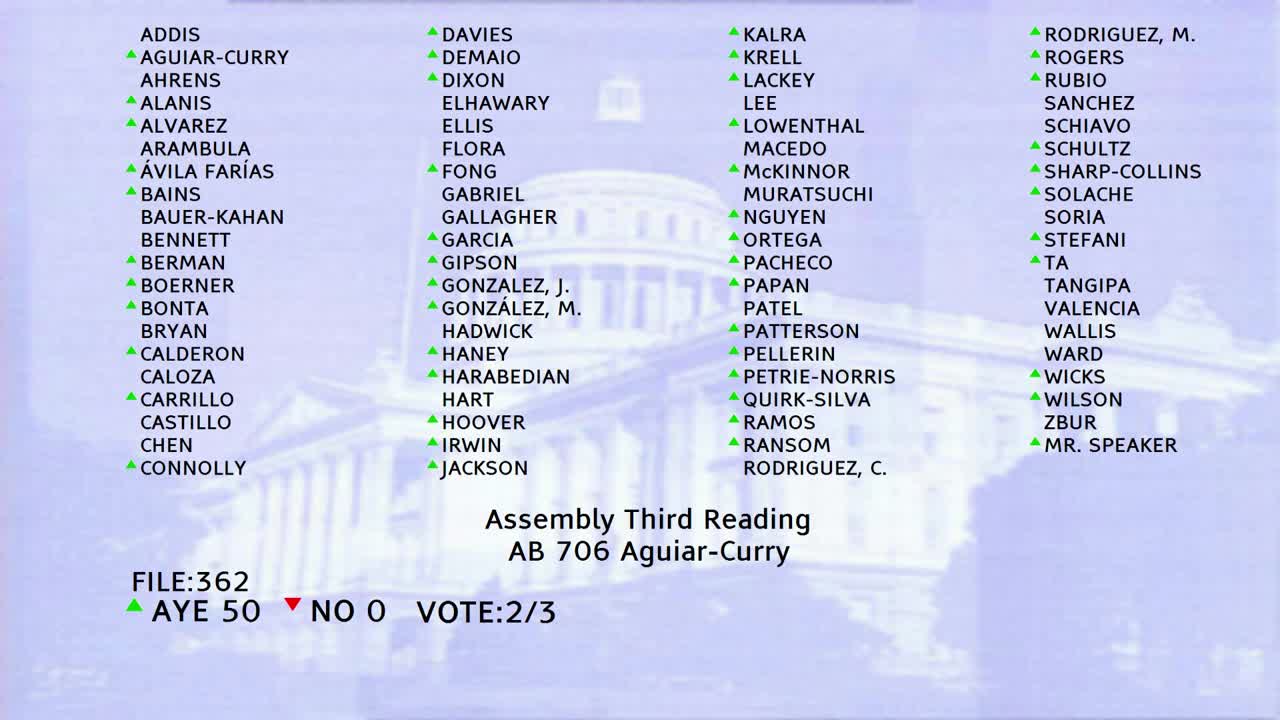
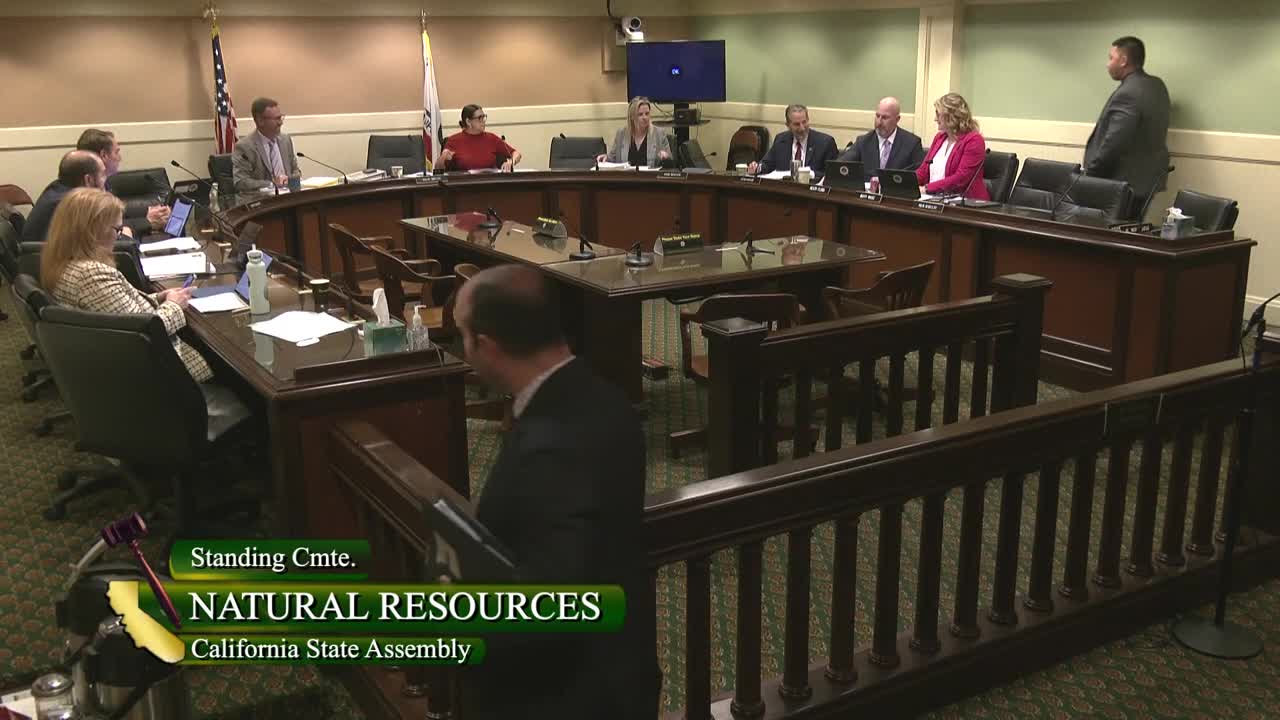
Bill Author

Bill Co-Author(s):