AB 960: Patient visitation.
- Session Year: 2025-2026
- House: Assembly
- Latest Version Date: 2025-10-01
Current Status:
Passed
(2025-10-01: Chaptered by Secretary of State - Chapter 172, Statutes of 2025.)
Introduced
In Committee
Awaiting First Chamber Vote
Passed First Chamber
In Committee
Awaiting Second Chamber Vote
Passed Second Chamber
Enacted
Existing law provides for the licensure and regulation by the State Department of Public Health of health facilities, including general acute care hospitals, as defined. Existing law requires a health facility to allow a patients domestic partner, the children of the patients domestic partner, and the domestic partner of the patients parent or child to visit unless no visitors are allowed, the facility reasonably determines that the presence of a particular visitor would endanger the health or safety of a patient, a member of the health facility staff, or other visitor to the health facility, or would significantly disrupt the operations of a facility, or the patient has indicated to the health facility staff that the patient does not want this person to visit. A violation of this provision is a misdemeanor.
This bill would require a general acute care hospital to allow a patient with physical, intellectual, or developmental disabilities, a patient with cognitive impairment, including dementia, and a patient with another disability, as specified, to have a family or friend caregiver with them as needed, including outside standard visiting hours, unless specified conditions are met, including, but not limited to, that the hospital reasonably determines that the presence of a particular visitor would endanger the health or safety of the visitor, a patient, a member of the staff, or other visitor to the hospital, or would significantly disrupt the operations of the hospital. The bill would not prohibit a hospital from otherwise establishing reasonable restrictions upon visitation. The bill would authorize the hospital to impose legitimate health and safety requirements on visitors, as specified. The bill would specify that its provisions do not prohibit restrictions to patient visitation policies implemented during a state of emergency declared by the Governor, a health emergency declared by the State Public Health Officer, or a local health emergency declared by a local health officer, as specified. The bill would specify that its provisions do not create any new civil or criminal liability, including, but not limited to, liability for any illness, infection, or injury experienced by a patient or visitor on the part of a hospital that complies with its requirements. By expanding the scope of a crime, this bill would impose a state-mandated local program.
The California Constitution requires the state to reimburse local agencies and school districts for certain costs mandated by the state. Statutory provisions establish procedures for making that reimbursement.
This bill would provide that no reimbursement is required by this act for a specified reason.
Existing law provides for the licensure and regulation by the State Department of Public Health of health facilities, including general acute care hospitals, as defined. Existing law requires a health facility to allow a patients domestic partner, the children of the patients domestic partner, and the domestic partner of the patients parent or child to visit unless no visitors are allowed, the facility reasonably determines that the presence of a particular visitor would endanger the health or safety of a patient, a member of the health facility staff, or other visitor to the health facility, or would significantly disrupt the operations of a facility, or the patient has indicated to the health facility staff that the patient does not want this person to visit. A violation of this provision is a misdemeanor.
This bill would require a general acute care hospital to allow a patient with physical, intellectual, or developmental disabilities, a patient with cognitive impairment, including dementia, and a patient with another disability, as specified, to have a family or friend caregiver with them as needed, including outside standard visiting hours, unless specified conditions are met, including, but not limited to, that the hospital reasonably determines that the presence of a particular visitor would endanger the health or safety of the visitor, a patient, a member of the staff, or other visitor to the hospital, or would significantly disrupt the operations of the hospital. The bill would not prohibit a hospital from otherwise establishing reasonable restrictions upon visitation. The bill would authorize the hospital to impose legitimate health and safety requirements on visitors, as specified. The bill would specify that its provisions do not create any new civil or criminal liability, including, but not limited to, liability for any illness, infection, or injury experienced by a patient or visitor on the part of a hospital that complies with its requirements. By expanding the scope of a crime, this bill would impose a state-mandated local program.
The California Constitution requires the state to reimburse local agencies and school districts for certain costs mandated by the state. Statutory provisions establish procedures for making that reimbursement.
This bill would provide that no reimbursement is required by this act for a specified reason.
Existing law provides for the licensure and regulation by the State Department of Public Health of health facilities, including general acute care hospitals, as defined. Existing law requires a health facility to allow a patients domestic partner, the children of the patients domestic partner, and the domestic partner of the patients parent or child to visit unless no visitors are allowed, the facility reasonably determines that the presence of a particular visitor would endanger the health or safety of a patient, a member of the health facility staff, or other visitor to the health facility, or would significantly disrupt the operations of a facility, or the patient has indicated to the health facility staff that the patient does not want this person to visit. A violation of this provision is a misdemeanor.
This bill would require a health facility general acute care hospital to allow a patient with demonstrated dementia needs physical, intellectual, or developmental disabilities, a patient with cognitive impairment, including dementia, and a patient with another disability, as specified, to have a family or friend caregiver with them as needed needed, including outside standard visiting hours, unless specified conditions are met, including, but not limited to, that the facility hospital reasonably determines that the presence of a particular visitor would endanger the health or safety of the visitor, a patient, a member of the health facility staff, or other visitor to the health facility, hospital, or would significantly disrupt the operations of the facility. The bill would authorize a health facility to require visitors to adhere to personal protective equipment and testing protocols, as specified, and does hospital. The bill would not prohibit a health facility hospital from otherwise establishing reasonable restrictions upon visitation. The bill would authorize the hospital to impose legitimate health and safety requirements on visitors, as specified. The bill would specify that its provisions do not create any new civil or criminal liability, including, but not limited to, liability for any illness, infection, or injury experienced by a patient or visitor on the part of a facility hospital that complies with its requirements. By expanding the scope of a crime, this bill would impose a state-mandated local program.
The California Constitution requires the state to reimburse local agencies and school districts for certain costs mandated by the state. Statutory provisions establish procedures for making that reimbursement.
This bill would provide that no reimbursement is required by this act for a specified reason.
Existing law provides for the licensure and regulation by the State Department of Public Health of health facilities, as defined. Existing law requires a health facility to allow a patients domestic partner, the children of the patients domestic partner, and the domestic partner of the patients parent or child to visit unless no visitors are allowed, the facility reasonably determines that the presence of a particular visitor would endanger the health or safety of a patient, a member of the health facility staff, or other visitor to the health facility, or would significantly disrupt the operations of a facility, or the patient has indicated to the health facility staff that the patient does not want this person to visit. A violation of this provision is a misdemeanor.
This bill would require a health facility to allow a patient with demonstrated dementia needs to have a family or friend caregiver with them as needed unless specified conditions are met, including, but not limited to, that the facility reasonably determines that the presence of a particular visitor would endanger the health or safety of the visitor, a patient, a member of the health facility staff, or other visitor to the health facility, or would significantly disrupt the operations of the facility. The bill would authorize a health facility to require visitors to adhere to personal protective equipment and testing protocols, as specified, and does not prohibit a health facility from otherwise establishing reasonable restrictions upon visitation. The bill would specify that its provisions do not create any new civil or criminal liability, including, but not limited to, liability for any illness, infection, or injury experienced by a patient or visitor on the part of a facility that complies with its requirements. By expanding the scope of a crime, this bill would impose a state-mandated local program.
The California Constitution requires the state to reimburse local agencies and school districts for certain costs mandated by the state. Statutory provisions establish procedures for making that reimbursement.
This bill would provide that no reimbursement is required by this act for a specified reason.
(a)(1)A general acute care hospital, as defined in subdivision (a) of Section 1250, shall allow a patient with physical, intellectual, or developmental disabilities, a patient with cognitive impairment, including dementia, and a patient with another disability, as necessary to allow the patient to fully and equally benefit from any goods, services, or facilities offered by the hospital, to have a family or friend caregiver with them as needed, including outside standard visiting hours, unless any of the following conditions apply:
(A)The hospital reasonably determines that the presence of a particular visitor would endanger the health or safety of the visitor, a patient, a member of the staff, or other visitor to the hospital, or would significantly disrupt the operations of the hospital.
(B)This section does not require a hospital to permit a visitor who is violent or potentially violent to enter the facility or visit a patient.
(C)The delivery of medical care would be impeded by the presence of the family or friend caregiver.
(2)It is the intent of the Legislature that this subdivision ensures liberal visitation rights for patients with disabilities or cognitive impairment while at the same time recognizing hospitals obligations to provide a safe environment for patients, staff, and visitors.
(b)This section does not prohibit a hospital from otherwise establishing reasonable restrictions upon visitation, including age of visitors, supervision of minor visitors, and number of visitors.
(c)The hospital may impose legitimate health and safety requirements on visitors, including, but not limited to, requiring masking, excluding sick visitors, limiting access to certain areas of the facility, and prohibiting the visitor from bringing in prohibited items.
(d)If circumstances require restricted visitor access, the hospital shall allow visitation by family members or caregivers to the greatest extent possible to allow the patient to fully and equally benefit from any goods, services, or facilities offered by the hospital while maintaining patient, visitor, and staff health and safety.
(e)This section does not prohibit restrictions to visitation policies implemented during a state of emergency declared by the Governor, a health emergency declared by the State Public Health Officer, or a local health emergency declared by a local health officer to limit contact with patients or staff at a general acute care hospital in order to prevent or limit the spread of a contagious, infectious, or communicable disease.
(f)This section does not create any new civil or criminal liability, including, but not limited to, liability for any illness, infection, or injury experienced by a patient or visitor on the part of a hospital that complies with its requirements.
SEC. 2.No reimbursement is required by this act pursuant to Section 6 of Article XIIIB of the California Constitution because the only costs that may be incurred by a local agency or school district will be incurred because this act creates a new crime or infraction, eliminates a crime or infraction, or changes the penalty for a crime or infraction, within the meaning of Section 17556 of the Government Code, or changes the definition of a crime within the meaning of Section 6 of Article XIIIB of the California Constitution.
(a)(1)A general acute care hospital, as defined in subdivision (a) of Section 1250, shall allow a patient with physical, intellectual, or developmental disabilities, a patient with cognitive impairment, including dementia, and a patient with another disability, as necessary to allow the patient to fully and equally benefit from any goods, services, or facilities offered by the hospital, to have a family or friend caregiver with them as needed, including outside standard visiting hours, unless any of the following conditions apply:
(A)(i)The hospital reasonably determines that the presence of a particular visitor would endanger the health or safety of the visitor, a patient, a member of the staff, or other visitor to the hospital, or would significantly disrupt the operations of the hospital.
(ii)If circumstances require the hospital to restrict visitor access due to health or safety concerns, the hospital shall develop alternate visitation protocols that allow visitation by family members or caregivers to the greatest extent possible as necessary to allow the patient to fully and equally benefit from any goods, services, or facilities offered by the hospital while maintaining patient, visitor, and staff health and safety.(B)This section does not require a hospital to permit a visitor who is violent or potentially violent to enter the facility or visit a patient.
(C)The delivery of medical care would be impeded by the presence of the family or friend caregiver.
(2)It is the intent of the Legislature that this subdivision ensures liberal visitation rights for patients with disabilities or cognitive impairment while at the same time recognizing hospitals obligations to provide a safe environment for patients, staff, and visitors.
(b)This section does not prohibit a hospital from otherwise establishing reasonable restrictions upon visitation, including age of visitors, supervision of minor visitors, and number of visitors.
(c)The hospital may impose legitimate health and safety requirements on visitors, including, but not limited to, requiring masking, excluding sick visitors, limiting access to certain areas of the facility, and prohibiting the visitor from bringing in prohibited items.
(d)If circumstances require restricted visitor access, the hospital shall allow visitation by family members or caregivers to the greatest extent possible to allow the patient to fully and equally benefit from any goods, services, or facilities offered by the hospital while maintaining patient, visitor, and staff health and safety.
(e)This section does not prohibit restrictions to visitation policies implemented during a state of emergency declared by the Governor, a health emergency declared by the State Public Health Officer, or a local health emergency declared by a local health officer to limit contact with patients or staff at a general acute care hospital in order to prevent or limit the spread of a contagious, infectious, or communicable disease.
(d)(f)This section does not create any new civil or criminal liability, including, but not limited to, liability for any illness, infection, or injury experienced by a patient or visitor on the part of a hospital that complies with its requirements.
SEC. 2.No reimbursement is required by this act pursuant to Section 6 of Article XIIIB of the California Constitution because the only costs that may be incurred by a local agency or school district will be incurred because this act creates a new crime or infraction, eliminates a crime or infraction, or changes the penalty for a crime or infraction, within the meaning of Section 17556 of the Government Code, or changes the definition of a crime within the meaning of Section 6 of Article XIIIB of the California Constitution.
(a)(1)A general acute care hospital, as defined in subdivision (a) of Section 1250, shall allow a patient with physical, intellectual, or developmental disabilities, a patient with cognitive impairment, including dementia, and a patient with another disability, as necessary to allow the patient to fully and equally benefit from any goods, services, or facilities offered by the hospital, to have a family or friend caregiver with them as needed, including outside standard visiting hours, unless any of the following conditions apply:
(A)(i)The hospital reasonably determines that the presence of a particular visitor would endanger the health or safety of the visitor, a patient, a member of the staff, or other visitor to the hospital, or would significantly disrupt the operations of the hospital.
(ii)If circumstances require the hospital to restrict visitor access due to health or safety concerns, the hospital shall develop alternate visitation protocols that allow visitation by family members or caregivers to the greatest extent possible as necessary to allow the patient to fully and equally benefit from any goods, services, or facilities offered by the hospital while maintaining patient, visitor, and staff health and safety.
(B)This section does not require a hospital to permit a visitor who is violent or potentially violent to enter the facility or visit a patient.
(C)The delivery of medical care would be impeded by the presence of the family or friend caregiver.
(2)It is the intent of the Legislature that this subdivision ensures liberal visitation rights for patients with disabilities or cognitive impairment while at the same time recognizing hospitals obligations to provide a safe environment for patients, staff, and visitors.
(b)This section does not prohibit a hospital from otherwise establishing reasonable restrictions upon visitation, including age of visitors, supervision of minor visitors, and number of visitors.
(c)The hospital may impose legitimate health and safety requirements on visitors, including, but not limited to, requiring masking, excluding sick visitors, limiting access to certain areas of the facility, and prohibiting the visitor from bringing in prohibited items.
(d)This section does not create any new civil or criminal liability, including, but not limited to, liability for any illness, infection, or injury experienced by a patient or visitor on the part of a hospital that complies with its requirements.
SEC. 2.No reimbursement is required by this act pursuant to Section 6 of Article XIIIB of the California Constitution because the only costs that may be incurred by a local agency or school district will be incurred because this act creates a new crime or infraction, eliminates a crime or infraction, or changes the penalty for a crime or infraction, within the meaning of Section 17556 of the Government Code, or changes the definition of a crime within the meaning of Section 6 of Article XIIIB of the California Constitution.
(a)(1)A health facility general acute care hospital, as defined in subdivision (a) of Section 1250, shall allow a patient with demonstrated dementia needs physical, intellectual, or developmental disabilities, a patient with cognitive impairment, including dementia, and a patient with another disability, as necessary to allow the patient to fully and equally benefit from any goods, services, or facilities offered by the hospital, to have a family or friend caregiver with them as needed needed, including outside standard visiting hours, unless any of the following conditions apply:
(1)(A)(A)(i)The facility hospital reasonably determines that the presence of a particular visitor would endanger the health or safety of the visitor, a patient, a member of the health facility staff, or other visitor to the health facility, hospital, or would significantly disrupt the operations of a facility. the hospital.
(B)(ii)If circumstances require the health facility hospital to restrict visitor access to the facility due to health or safety concerns, the health facility hospital shall develop alternate visitation protocols that allow visitation to the greatest extent possible while maintaining patient, visitor, and staff health and safety.
(2)(B)This section does not require a health facility hospital to permit a visitor who is violent or potentially violent to enter the facility or visit a patient. It is the intent of the Legislature that this subdivision ensures liberal visitation rights for patients with demonstrated dementia needs while at the same time recognizing hospitals obligations to provide a safe environment for patients, staff, and visitors.
(3)(C)The delivery of medical care would be impeded by the presence of the family or friend caregiver.
(2)It is the intent of the Legislature that this subdivision ensures liberal visitation rights for patients with disabilities or cognitive impairment while at the same time recognizing hospitals obligations to provide a safe environment for patients, staff, and visitors.
(b)A health facility may require visitors to adhere to personal protective equipment and testing protocols not greater than those required for facility staff for the duration of their visit. The facility shall provide personal protective equipment and testing resources to each visitor, to the extent that those resources have been made readily available to the facility by state or local entities for this purpose. The provision of personal protective equipment and testing resources to visitors is not intended to inhibit access to emergency supplies for staff. Visitors may use their own supplies so long as they meet or exceed the minimum standards required by the facility for its own staff. (c)(b)This section does not prohibit a health facility hospital from otherwise establishing reasonable restrictions upon visitation, including age of visitors, supervision of minor visitors, and number of visitors.
(c)The hospital may impose legitimate health and safety requirements on visitors, including, but not limited to, requiring masking, excluding sick visitors, limiting access to certain areas of the facility, and prohibiting the visitor from bringing in prohibited items.
(d)(d)This section does not create any new civil or criminal liability, including, but not limited to, liability for any illness, infection, or injury experienced by a patient or visitor on the part of a facility hospital that complies with its requirements.
SEC. 2.No reimbursement is required by this act pursuant to Section 6 of Article XIIIB of the California Constitution because the only costs that may be incurred by a local agency or school district will be incurred because this act creates a new crime or infraction, eliminates a crime or infraction, or changes the penalty for a crime or infraction, within the meaning of Section 17556 of the Government Code, or changes the definition of a crime within the meaning of Section 6 of Article XIIIB of the California Constitution.
(a)A health facility shall allow a patient with demonstrated dementia needs to have a family or friend caregiver with them as needed unless any of the following conditions apply:
(1)(A)The facility reasonably determines that the presence of a particular visitor would endanger the health or safety of the visitor, a patient, a member of the health facility staff, or other visitor to the health facility, or would significantly disrupt the operations of a facility.
(B)If circumstances require the health facility to restrict visitor access to the facility due to health or safety concerns, the health facility shall develop alternate visitation protocols that allow visitation to the greatest extent possible while maintaining patient, visitor, and staff health and safety.
(2)This section does not require a health facility to permit a visitor who is violent or potentially violent to enter the facility or visit a patient. It is the intent of the Legislature that this subdivision ensures liberal visitation rights for patients with demonstrated dementia needs while at the same time recognizing hospitals obligations to provide a safe environment for patients, staff, and visitors.
(3)The delivery of medical care would be impeded by the presence of the family or friend caregiver.
(b)A health facility may require visitors to adhere to personal protective equipment and testing protocols not greater than those required for facility staff for the duration of their visit. The facility shall provide personal protective equipment and testing resources to each visitor, to the extent that those resources have been made readily available to the facility by state or local entities for this purpose. The provision of personal protective equipment and testing resources to visitors is not intended to inhibit access to emergency supplies for staff. Visitors may use their own supplies so long as they meet or exceed the minimum standards required by the facility for its own staff.
(c)This section does not prohibit a health facility from otherwise establishing reasonable restrictions upon visitation, including age of visitors, supervision of minor visitors, and number of visitors.
(d)This section does not create any new civil or criminal liability, including, but not limited to, liability for any illness, infection, or injury experienced by a patient or visitor on the part of a facility that complies with its requirements.
SEC. 2.No reimbursement is required by this act pursuant to Section 6 of Article XIIIB of the California Constitution because the only costs that may be incurred by a local agency or school district will be incurred because this act creates a new crime or infraction, eliminates a crime or infraction, or changes the penalty for a crime or infraction, within the meaning of Section 17556 of the Government Code, or changes the definition of a crime within the meaning of Section 6 of Article XIIIB of the California Constitution.
|
Date
|
Status
|
|---|---|
| Oct 1, 2025 | Chaptered by Secretary of State - Chapter 172, Statutes of 2025. |
| Oct 1, 2025 | Approved by the Governor. |
| Sep 11, 2025 | Enrolled and presented to the Governor at 4 p.m. |
| Sep 4, 2025 | Senate amendments concurred in. To Engrossing and Enrolling. (Ayes 78. Noes 0. Page 2922.). |
| Sep 3, 2025 | In Assembly. Concurrence in Senate amendments pending. |
| Sep 3, 2025 | Read third time. Passed. Ordered to the Assembly. (Ayes 40. Noes 0. Page 2452.). |
| Aug 26, 2025 | Read second time. Ordered to third reading. |
| Aug 25, 2025 | Read third time and amended. Ordered to second reading. |
| Jul 15, 2025 | Read second time. Ordered to third reading. |
| Jul 14, 2025 | From committee: Do pass. (Ayes 7. Noes 0.) (July 14). |
| Jun 26, 2025 | From committee: Do pass and re-refer to Com. on APPR. with recommendation: To Consent Calendar. (Ayes 11. Noes 0.) (June 25). Re-referred to Com. on APPR. |
| Jun 11, 2025 | Referred to Com. on HEALTH. |
| Jun 3, 2025 | In Senate. Read first time. To Com. on RLS. for assignment. |
| Jun 2, 2025 | Read third time. Passed. Ordered to the Senate. (Ayes 79. Noes 0. Page 1868.) |
| May 29, 2025 | Read third time and amended. Ordered to third reading. (Page 1788.) |
| May 27, 2025 | Read second time. Ordered to third reading. |
| May 23, 2025 | From committee: Do pass. (Ayes 14. Noes 0.) (May 23). |
| May 21, 2025 | Joint Rule 62(a), file notice suspended. (Page 1627.) |
| May 21, 2025 | In committee: Set, first hearing. Referred to APPR. suspense file. |
| May 14, 2025 | In committee: Hearing postponed by committee. |
| Apr 28, 2025 | Re-referred to Com. on APPR. |
| Apr 24, 2025 | Read second time and amended. |
| Apr 23, 2025 | From committee: Amend, and do pass as amended and re-refer to Com. on APPR. with recommendation: To Consent Calendar. (Ayes 16. Noes 0.) (April 22). |
| Mar 10, 2025 | Referred to Com. on HEALTH. |
| Feb 21, 2025 | From printer. May be heard in committee March 23. |
| Feb 20, 2025 | Read first time. To print. |
|
Date
|
Description
|
Location
|
Votes
|
|
|---|---|---|---|---|
| Sep 4, 2025 | AB 960 Garcia Concurrence in Senate Amendments | Assembly Floor |
Passed |
|
| Sep 3, 2025 | Assembly 3rd Reading AB960 Garcia et al. By Limón | Senate Floor |
Passed |
|
| Jul 14, 2025 | Do pass | Senate Standing Committee on Appropriations |
Passed |
|
| Jun 25, 2025 | Do pass, but first be re-referred to the Committee on [Appropriations] with the recommendation: To Consent Calendar | Senate Standing Committee on Health |
Passed |
|
| Jun 2, 2025 | AB 960 Garcia Assembly Third Reading | Assembly Floor |
Passed |
|
| May 23, 2025 | Do pass. | Assembly Standing Committee on Appropriations |
Passed |
|
| Apr 22, 2025 | Do pass as amended, and be re-referred to the Committee on [Appropriations] with recommendation: To Consent Calendar | Assembly Standing Committee on Health |
Passed |
This list shows positions taken on this bill by organizations on the date displayed, which is linked to the original source.
Positions by individuals are not included.
|
Organization
|
Position
|
Date
|
|---|---|---|
| AARP California | ** Support | |
| Actively Caring Through Sharing, Inc. | ** Support | |
| Alzheimer's Association | ** Support | |
| A Voice for Choice Advocacy | ** Support | |
| California Coalition on Family Caregiving | ** Support | |
| California Collaborative for Long-Term Services and Supports | ** Support | |
| California Commission on Aging | ** Support | |
| California Elder Justice Coalition | ** Support |
CONCURRENCE IN SENATE AMENDMENTS
CSA1 Bill Id:AB 960
Author:(Garcia)
As Amended Ver:August 25, 2025
Majority vote
SUMMARY
Requires a general acute care hospital (GACH) to allow a patient with physical, intellectual, or developmental disabilities; cognitive impairment, including dementia; or another disability, to have a family or friend caregiver with them as needed unless hospital reasonably determines that the presence of a particular visitor would endanger the health or safety of the visitor, a patient, a member of the health facility staff, or other visitor to the health facility, or would significantly disrupt the operations of the facility. Clarifies that if circumstances require a hospital to restrict visitor access due to health or safety concerns, the hospitals′ alternative visitation protocols allow visitation to the greatest extent possible to allow the patient to fully and equally benefit from any goods, services, or facilities offered by the hospital.
Senate Amendments
Clarify that this bill does not prohibit restrictions to visitation policies implemented during a state of emergency declared by the Governor, a health emergency declared by the State Public Health Officer, or a local health emergency declared by a local health officer to limit contact with patients or staff at a GACH in order to prevent or limit the spread of a contagious, infectious, or communicable disease.
COMMENTS
Background. According to the Alzheimer′s Association, dementia is an overall term for a particular group of symptoms. The characteristic symptoms of dementia are difficulties with memory, language, problem-solving, and other thinking skills that affect a person′s ability to perform everyday activities. Changes to the brain cause dementia, and many different brain changes can lead to dementia. Alzheimer′s is the most common cause of dementia, accounting for an estimated 60% to 80% of cases. Most individuals also have the brain changes of one or more other causes of dementia. This is called mixed pathologies, and if recognized during life, is called mixed dementia. Nearly seven million Americans are living with Alzheimer′s. By 2050, this number is projected to rise to nearly 13 million. Alzheimer′s disease was the fifth-leading cause of death among people age 65 and older in 2021. An estimated 6.9 million Americans age 65 and older are living with Alzheimer′s in 2024. Seventy-three percent are age 75 or older. About one in nine people age 65 and older (10.9%) has Alzheimer′s. Almost two-thirds of Americans with Alzheimer′s are women. Older Black Americans are about twice as likely to have Alzheimer′s or other dementias as older whites. Older Hispanics are about one and one-half times as likely to have Alzheimer′s or other dementias as older whites.
Federal Law. The Patient Bill of Rights, established as part of the Patient Protection and Affordable Care Act, as well as federal regulations outlining a hospitals′ ability to receive Medicaid payments, require a hospital to have written policies and procedures regarding the visitation rights of patients, including those setting forth any clinically necessary or reasonable restriction or limitation that the hospital may need to place on such rights and the reasons for the clinical restriction or limitation. A hospital must meet the following requirements:
- Inform each patient (or support person, where appropriate) of their visitation rights, including any clinical restriction or limitation on such rights;
- Inform each patient (or support person, where appropriate) of the right, subject their consent, to receive the visitors whom they designate, including, but not limited to, a spouse, a domestic partner (including a same-sex domestic partner), another family member, or a friend, and their right to withdraw or deny such consent at any time;
- Not restrict, limit, or otherwise deny visitation privileges on the basis of race, color, national origin, religion, sex, gender identity, sexual orientation, or disability; and,
- Ensure that all visitors enjoy full and equal visitation privileges consistent with patient preferences.
According to the Author
People with dementia rely heavily on friends and family caregivers to be their voice, to help them maintain a good quality of life, and to remain a part of our communities. When visiting the hospital, people with dementia need to have access to a friend and family caregiver throughout the duration of their stay. Caregivers are an essential part of a dementia care team, and restricting access will cause harm to people with dementia. The author argues, not only do they provide emotional and physical support, but they provide information, facilitate communication, and ensure the needs of the person with dementia are advocated for and met during the hospital stay. They are also the person who will continue to provide and support the health care of the person after they leave the hospital. The author concludes they should be treated as a valuable member of the support team, instead of being restricted to standard visitation hours.
Arguments in Support
The Alzheimer′s Association (AA) supports this bill and states that the policy in this bill is a critical support for patients with dementia. This provides them with a sense of familiarity which reduces anxiety. It will decrease the risk that patients become agitated and minimizes the likelihood that they get confused or disoriented. This accommodation is needed while patients are in what can feel like an unfamiliar environment. This item supports the patient′s emotional wellbeing, which is closely linked to outcomes in their physical health. AA concludes that this bill requires a health facility to allow a patient with demonstrated dementia needs to have access to people who bring them comfort with reasonable provisions to assist facilities with implementation.
AARP California supports this bill and states that hospital stays can be stressful and overwhelming for anyone, and patients with Alzheimer′s or dementia needs – who experience twice as many hospital stays per year as other older adults – are particularly vulnerable in these situations. They may find themselves confused, frightened, and unable to communicate their needs. While people with dementia are likely to experience further cognitive decline during hospitalization, it is also known that the presence of family or friend caregiver can help patients with communication, meeting urgent needs, assisting with eating, and washing, and providing emotional support. AARP notes that as an organization they have long highlighted the value of consumer and family caregiver engagement and empowerment in all health care settings. However, caregivers are often restricted in accompanying people with dementia throughout hospital stays. AARP concludes that his bill would ensure that people with dementia have access to a friend or family caregiver while hospitalized.
Arguments in Opposition
None.
FISCAL COMMENTS
According to the Senate Appropriations Committee, the California Department of Public Health estimates annual costs of $111,000 (Licensing and Certification Fund) for state operations during any event that requires state-wide restrictions on patient visitation due to health or safety concerns. This would cover staffing resources to verify facility compliance with the development of alternate visitation protocols, investigate related complaints, and ensure requirements for visitors are properly established and enforced.
VOTES:
ASM HEALTH: 16-0-0
YES: Bonta, Chen, Addis, Aguiar-Curry, Rogers, Carrillo, Flora, Mark González, Krell, Patel, Patterson, Celeste Rodriguez, Sanchez, Schiavo, Sharp-Collins, Stefani
ASM APPROPRIATIONS: 14-0-1
YES: Wicks, Arambula, Calderon, Caloza, Dixon, Elhawary, Fong, Mark González, Hart, Pacheco, Pellerin, Solache, Ta, Tangipa
ABS, ABST OR NV: Sanchez
ASSEMBLY FLOOR: 79-0-0
YES: Addis, Aguiar-Curry, Ahrens, Alanis, Alvarez, Arambula, Ávila Farías, Bains, Bauer-Kahan, Bennett, Berman, Boerner, Bonta, Bryan, Calderon, Caloza, Carrillo, Castillo, Chen, Connolly, Davies, DeMaio, Dixon, Elhawary, Ellis, Flora, Fong, Gabriel, Gallagher, Garcia, Gipson, Jeff Gonzalez, Mark González, Hadwick, Haney, Harabedian, Hart, Hoover, Irwin, Jackson, Kalra, Krell, Lackey, Lee, Lowenthal, Macedo, McKinnor, Muratsuchi, Nguyen, Ortega, Pacheco, Papan, Patel, Patterson, Pellerin, Petrie-Norris, Quirk-Silva, Ramos, Ransom, Celeste Rodriguez, Michelle Rodriguez, Rogers, Blanca Rubio, Sanchez, Schiavo, Schultz, Sharp-Collins, Solache, Soria, Stefani, Ta, Tangipa, Valencia, Wallis, Ward, Wicks, Wilson, Zbur, Rivas
SENATE FLOOR: 40-0-0
YES: Allen, Alvarado-Gil, Archuleta, Arreguín, Ashby, Becker, Blakespear, Cabaldon, Caballero, Cervantes, Choi, Cortese, Dahle, Durazo, Gonzalez, Grayson, Grove, Hurtado, Jones, Laird, Limón, McGuire, McNerney, Menjivar, Niello, Ochoa Bogh, Padilla, Pérez, Reyes, Richardson, Rubio, Seyarto, Smallwood-Cuevas, Stern, Strickland, Umberg, Valladares, Wahab, Weber Pierson, Wiener
UPDATED
VERSION: August 25, 2025
CONSULTANT: Lara Flynn / HEALTH / (916) 319-2097 FN: 0001259
SENATE RULES COMMITTEE Office of Senate Floor Analyses (916) 651-1520 Fax: (916) 327-4478 | AB 960 |
THIRD READING
Bill No: AB 960
Author: Garcia (D), et al.
Amended: 8/25/25 in Senate
Vote: 21
SENATE HEALTH COMMITTEE: 11-0, 6/25/25
AYES: Menjivar, Valladares, Durazo, Gonzalez, Grove, Limón, Padilla, Richardson, Rubio, Weber Pierson, Wiener
SENATE APPROPRIATIONS COMMITTEE: 7-0, 7/14/25
AYES: Caballero, Seyarto, Cabaldon, Dahle, Grayson, Richardson, Wahab
ASSEMBLY FLOOR: 79-0, 6/2/25 - See last page for vote
SUBJECT: Patient visitation
SOURCE: Alzheimer’s Los Angeles
Alzheimer’s Orange County
Alzheimer’s San Diego
DIGEST:
This bill requires a general acute care hospital to allow a patient with physical, intellectual, or developmental disabilities, cognitive impairment, or another disability, to have a family or friend caregiver with them as needed, including outside standard visiting hours, with certain exceptions to allow a hospital to maintain a safe environment at the hospital.
Senate Floor Amendments of 8/25/25 specify that this bill does not prohibit restrictions to visitation policies implemented during a state of emergency declared by the Governor, a health emergency declared by the State Public Health Officer, or a local health emergency declared by a local health officer to limit contact with patients or staff at a general acute care hospital in order to prevent or limit the spread of a contagious, infectious, or communicable disease.
ANALYSIS:
Existing federal law:
- Requires a hospital, under federal conditions of participation in Medicare and Medi-Cal, to have written policies and procedures regarding the visitation rights of patients, including those setting forth any clinically necessary or reasonable restriction or limitation that the hospital may need to place on such rights and the reasons for the clinical restriction or limitation. Requires these policies to meet certain requirements, including that all visitors enjoy full and equal visitation privileges consistent with patient preferences. [42 Code of Federal Regulations (CFR) §482.13(h)]
- Enacts the Americans with Disabilities Act (ADA) of 1990 to provide a clear and comprehensive national mandate for the elimination of discrimination against individuals with disabilities, and to provide clear, strong, consistent, enforceable standards addressing discrimination against individuals with disabilities. [42 United States Code (USC) §12101, et seq.]
- Enacts the Rehabilitation Act of 1973, which, among other provisions, prohibits any person with a disability from being excluded from, or denied the benefits of, any program or activity receiving federal financial assistance or any program or activity conducted by the federal government, on the bases of that disability. This is known as Section 504 of the Rehabilitation Act. [29 USC §701, et seq. and §794]
- Prohibits, under Section 1557 of the Patient Protection and Affordable Care of Act of 2010 (ACA), discrimination on the grounds of race, color, national origin, sex, age, and disability in certain health programs and activities. [42 U.S.C. §18116]
Existing state law:
- Licenses and regulates health facilities by the California Department of Public Health (CDPH), and defines “health facility” as a facility that is operated for the diagnosis, care, prevention, and treatment of illness, physical or mental, to which persons are admitted for a 24-hour stay or longer. Health facilities include general acute care hospitals, acute psychiatric hospitals, skilled nursing facilities, intermediate care facilities, and congregate living health facilities, among others. [Health & Safety Code (HSC) §1250, et seq.]
- Requires a health facility to permit a patient’s domestic partner, the children of the patient’s domestic partner, and the domestic partner of the patient’s parent or child to visit, unless one of the following is met: no visitors are allowed; the facility reasonably determines that the presence of a particular visitor would endanger the health or safety of a patient, member of the health facility staff, or other visitor to the health facility, or would significantly disrupt the operations of a facility; or, the patient has indicated that they do not want this person to visit. [HSC §1261]
- Prohibits 2) above, from being construed to prohibit a health facility from otherwise establishing reasonable restrictions on visitation, including restrictions on the hours of visitation and number of visitors. [HSC §1261(b)]
- Enacts the Unruh Civil Rights Act, which states that all persons within the jurisdiction of this state are free and equal, and no matter what their sex, race, color, religion, ancestry, national origin, disability, medical condition, genetic information, marital status, sexual orientation, citizenship, primary language, or immigration status are entitle to the full and equal accommodations, advantages, facilities, privileges, or services in all business establishments of every kind whatsoever. [Civil Code (CIV) §51]
This bill:
- Requires a general acute care hospital to allow a patient with physical, intellectual, or developmental disabilities, a patient with cognitive impairment, including dementia, and a patient with another disability, as necessary to allow the patient to fully and equally benefit from any goods, services, or facilities offered by the hospital, to have a family or friend caregiver with them as needed, including outside standard visiting hours, unless any of the following conditions apply:
- The hospital reasonably determines that the presence of a particular visitor would endanger the health or safety of the visitor, a patient, a member of the staff, or other visitor to the hospital, or would significantly disrupt the operations of the hospital; or,
- The delivery of medical care would be impeded by the presence of the family or friend caregiver.
- Requires a hospital, if circumstances require restricted visitor access, to allow visitation by family members or caregivers to the greatest extent possible to allow the patient to fully and equally benefit from any goods, services, or facilities offered by the hospital while maintaining patient, visitor, and staff health and safety.
- Specifies that this bill does not require a hospital to permit a visitor who is violent or potentially violent to enter the facility or visit a patient.
- Specifies that this bill does not prohibit a hospital from otherwise establishing reasonable restrictions upon visitation, including age of visitors, supervisions of minor visitors, and number of visitors.
- Permits a hospital to impose legitimate health and safety requirements on visitors, including requiring masking, excluding sick visitors, limiting access to certain areas of the facility, and prohibiting the visitor from bringing in prohibited items.
- Specifies that this bill does not prohibit restrictions to visitation policies implemented during a state of emergency declared by the Governor, a health emergency declared by the State Public Health Officer, or a local health emergency declared by a local health officer to limit contact with patients or staff at a general acute care hospital in order to prevent or limit the spread of a contagious, infectious, or communicable disease.
- Specifies this bill does not create any new civil or criminal liability, including liability for any illness, infection, or injury experienced by a patient or visitor on the part of a hospital that complies with this bill.
- States the intent of the Legislature that this bill ensures liberal visitation rights for patients with disabilities or cognitive impairment while at the same time recognizing hospitals’ obligations to provide a safe environment for patients, staff, and visitors.
Comments
Author’s statement. According to the author, people with dementia, cognitive impairment, and physical, intellectual, or developmental disabilities often rely heavily on friends and family caregivers to be their voice, to help them maintain a good quality of life, and to remain a part of our communities. When visiting the hospital, access to a friend or family caregiver throughout their stay will help them relay information, provide emotional and physical support, facilitate communication, and ensure the patient's needs are advocated for and met during the hospital stay. While some caregivers have been able to remain with their loved ones as needed throughout their hospital stay, this has not been the case for everyone. Caregivers have shared stories of not being allowed to stay with their loved ones in the Emergency Room, even though they were trying to ensure critical information was shared with the hospital staff. They should be treated as a valuable member of the support team, instead of being restricted to standard visitation hours. This bill would require hospitals to allow a patient with physical, intellectual, or developmental disabilities, cognitive impairment, or demonstrated dementia needs, the right to a family or friend caregiver throughout their entire stay.
Visitation requirements in hospitals. Federal requirements for hospitals that participate in Medicare and Medicaid (which means virtually all hospitals) require hospitals to have written policies and procedures regarding the visitation rights of patients “including those setting forth any clinically necessary or reasonable restriction or limitation that the hospital may need to place on such rights.” Establishing visitation hours is permitted as one of the “reasonable restrictions” on visitation rights, as long as it is applied evenly and does not discriminate. State law is consistent with federal law in this regard. As described in existing law above, there is a provision of law that requires a health facility to permit a patient’s domestic partner to visit, but specifies that this provision cannot be construed to prohibit a health facility from otherwise establishing reasonable restrictions on visitation, including restrictions on the hours of visitation. Visitation policies vary, however. Locally, for example, according to their websites, UC Davis Medical Center and Sutter General Hospital permit visitation 24 hours per day, while Mercy General Hospital’s visiting hours are between 9 a.m. and 9 p.m.
Bill closely tracks existing anti-discrimination laws. As described in existing law above, there are a number of state and federal anti-discrimination laws that protect individuals with disabilities from discrimination. The ADA, for example, prohibits individuals from being discriminated against “on the basis of disability in the full and equal enjoyment of the goods, services, facilities, privileges, advantages, or accommodations of any place of public accommodation by any private entity.” This tracks with the language of this bill requiring hospitals to allow a patient to have a family or friend caregiver outside of visitation hours “as necessary to allow the patient to fully and equally benefit from any goods, services, or facilities offered by the hospital.” The definition of “public accommodation” in the ADA includes hospitals, among many other locations, and the definition of “disability” is required to be construed broadly in favor of expansive coverage, and is based on whether there is a “physical or mental impairment that substantially limits one or more of the major life activities of such individual.” Section 504 of the federal Rehabilitation Act, as well as Section 1557 of the ACA, have similar antidiscrimination protections. All three of these laws require entities such as hospitals to make “reasonable modifications in policies, practices, or procedures” when the modifications are necessary to provide services or facilities or other benefits to people with disabilities. The federal Health and Human Services Agency (HHS Agency), in guidance on applying Section 504 and Section 1557 to visitation policies, stated that some people have disabilities that prevent them from providing their medical history or understanding medical decisions or directions. According to the HHS Agency, permitting a patient or resident with a disability to use a support person when necessary to have an equal opportunity to obtain and benefit from healthcare services is a reasonable modification that generally must be provided unless it would fundamentally alter the nature of the service, program, or activity. The HHS Agency states that whether a covered entity must allow the support person to be physically present as a reasonable modification depends on a number of factors, including safety issues and whether remote participation would be effective. The HHS Agency noted that in some situations, the support person will not be effective unless present in person, and in such cases, the covered entity should take steps such as modifying visiting hours and visitation restriction policies.
Given these requirements under federal disability laws, hospitals arguably should already be permitting patients with dementia and other disabilities to have a caregiver remain at the hospital after visiting hours are over, but by placing this requirement in statute, it will provide families and caregivers with a law to point to when asked to leave when visiting hours are over.
Related/Prior Legislation
AB 2549 (Gallagher) of 2024 would have required a health facility to allow a patient’s family, including the spouses of family members, and grandparents and grandchildren, to visit the patient, subject to reasonable restrictions such as visiting hours and with the ability to restrict visitor access due to health or safety concerns. However, AB 2549 would have prohibited a hospital from prohibiting in-person visiting in end-of-life situations, even when visitor access is restricted due to health or safety concerns. AB 2549 was vetoed by Governor Newsom, who stated, in part, “California established a locally-driven response, where counties with fewer risks had higher flexibilities. This bill instead proposes a facility-by-facility approach, and the Governor stated that he was concerned that requiring facilities to develop individual, alternative protocols will result in confusion and create different access to patients based on each facility’s management, rather than public health recommendations.”
AB 2075 (Alvarez) of 2024 would have enacted the Resident Access Protection Act to require each resident of a long-term care facility to have the right to in-person, onsite access to visitors and health care and social services providers during any public health emergency in which visitation rights of residents are curtailed by a state or local order. AB 2075 was held on the Senate Appropriations Committee suspense file.
FISCAL EFFECT: Appropriation: No Fiscal Com.: Yes Local: Yes
According to the Senate Appropriations Committee, CDPH estimates annual costs of $111,000 (Licensing and Certification Fund) for state operations during any event that requires state-wide restrictions on patient visitation due to health or safety concerns. This would cover staffing resources to verify facility compliance with the development of alternate visitation protocols, investigate related complaints, and ensure requirements for visitors are properly established and enforced.
SUPPORT: (Verified 8/25/25)
Alzheimer’s Los Angeles (co-source)
Alzheimer’s Orange County (co-source)
Alzheimer’s San Diego (co-source)
A Voice for Choice Advocacy
AARP
Actively Caring Through Sharing, Inc.
Alzheimer’s Association
California Coalition on Family Caregiving
California Collaborative for Long-Term Services and Support
California Commission on Aging
California Elder Justice Coalition
OPPOSITION: (Verified 8/25/25)
None received
ARGUMENTS IN SUPPORT: This bill is co-sponsored by Alzheimer’s Los Angeles, Alzheimer’s Orange County, and Alzheimer’s San Diego, who state that a person with dementia may not be able to communicate, may experience difficulty in movement, may wander and get lost, struggle with normal daily tasks, and have personality and behavior changes. For those in the later stages of the disease, they may be completely dependent on others for care. Being hospitalized is already a stressful situation for any person, but having a cognitive impairment can escalate that stress. Trusted and familiar individuals can provide comfort and support to the person living with the disease, and can also provide important information regarding healthcare, advocate for personal preferences, and assist in communications. Unfortunately, the co-sponsors state that many caregivers face challenges in remaining with their loved ones with dementia during the entirety of their hospitalization. Because each hospital sets its own visitor policy, a family’s experience may differ depending on where they are hospitalized. This bill will give caregivers and people living with dementia another tool to help ensure their experiences in health facilities are dementia friendly and supportive. A number of organizations in support make similar arguments.
ASSEMBLY FLOOR: 79-0, 6/2/25
AYES: Addis, Aguiar-Curry, Ahrens, Alanis, Alvarez, Arambula, Ávila Farías, Bains, Bauer-Kahan, Bennett, Berman, Boerner, Bonta, Bryan, Calderon, Caloza, Carrillo, Castillo, Chen, Connolly, Davies, DeMaio, Dixon, Elhawary, Ellis, Flora, Fong, Gabriel, Gallagher, Garcia, Gipson, Jeff Gonzalez, Mark González, Hadwick, Haney, Harabedian, Hart, Hoover, Irwin, Jackson, Kalra, Krell, Lackey, Lee, Lowenthal, Macedo, McKinnor, Muratsuchi, Nguyen, Ortega, Pacheco, Papan, Patel, Patterson, Pellerin, Petrie-Norris, Quirk-Silva, Ramos, Ransom, Celeste Rodriguez, Michelle Rodriguez, Rogers, Blanca Rubio, Sanchez, Schiavo, Schultz, Sharp-Collins, Solache, Soria, Stefani, Ta, Tangipa, Valencia, Wallis, Ward, Wicks, Wilson, Zbur, Rivas
Prepared by: Vincent D. Marchand / HEALTH / (916) 651-4111
8/26/25 16:30:06
**** END ****
SENATE RULES COMMITTEE Office of Senate Floor Analyses (916) 651-1520 Fax: (916) 327-4478 | AB 960 |
THIRD READING
Bill No: AB 960
Author: Garcia (D)
Amended: 5/29/25 in Assembly
Vote: 21
SENATE HEALTH COMMITTEE: 11-0, 6/25/25
AYES: Menjivar, Valladares, Durazo, Gonzalez, Grove, Limón, Padilla, Richardson, Rubio, Weber Pierson, Wiener
SENATE APPROPRIATIONS COMMITTEE: 7-0, 7/14/25
AYES: Caballero, Seyarto, Cabaldon, Dahle, Grayson, Richardson, Wahab
ASSEMBLY FLOOR: 79-0, 6/2/25 - See last page for vote
SUBJECT: Patient visitation
SOURCE: Alzheimer’s Los Angeles
Alzheimer’s Orange County
Alzheimer’s San Diego
DIGEST:
This bill requires a general acute care hospital to allow a patient with physical, intellectual, or developmental disabilities, cognitive impairment, or another disability, to have a family or friend caregiver with them as needed, including outside standard visiting hours, with certain exceptions to allow a hospital to maintain a safe environment at the hospital.
ANALYSIS:
Existing federal law:
- Requires a hospital, under federal conditions of participation in Medicare and Medi-Cal, to have written policies and procedures regarding the visitation rights of patients, including those setting forth any clinically necessary or reasonable restriction or limitation that the hospital may need to place on such rights and the reasons for the clinical restriction or limitation. Requires these policies to meet certain requirements, including that all visitors enjoy full and equal visitation privileges consistent with patient preferences. [42 Code of Federal Regulations (CFR) §482.13(h)]
- Enacts the Americans with Disabilities Act (ADA) of 1990 to provide a clear and comprehensive national mandate for the elimination of discrimination against individuals with disabilities, and to provide clear, strong, consistent, enforceable standards addressing discrimination against individuals with disabilities. [42 United States Code (USC) §12101, et seq.]
- Enacts the Rehabilitation Act of 1973, which, among other provisions, prohibits any person with a disability from being excluded from, or denied the benefits of, any program or activity receiving federal financial assistance or any program or activity conducted by the federal government, on the bases of that disability. This is known as Section 504 of the Rehabilitation Act. [29 USC §701, et seq. and §794]
- Prohibits, under Section 1557 of the Patient Protection and Affordable Care of Act of 2010 (ACA), discrimination on the grounds of race, color, national origin, sex, age, and disability in certain health programs and activities. [42 U.S.C. §18116]
Existing state law:
- Licenses and regulates health facilities by the California Department of Public Health (CDPH), and defines “health facility” as a facility that is operated for the diagnosis, care, prevention, and treatment of illness, physical or mental, to which persons are admitted for a 24-hour stay or longer. Health facilities include general acute care hospitals, acute psychiatric hospitals, skilled nursing facilities, intermediate care facilities, and congregate living health facilities, among others. [Health & Safety Code (HSC) §1250, et seq.]
- Requires a health facility to permit a patient’s domestic partner, the children of the patient’s domestic partner, and the domestic partner of the patient’s parent or child to visit, unless one of the following is met: no visitors are allowed; the facility reasonably determines that the presence of a particular visitor would endanger the health or safety of a patient, member of the health facility staff, or other visitor to the health facility, or would significantly disrupt the operations of a facility; or, the patient has indicated that they do not want this person to visit. [HSC §1261]
- Prohibits 2) above, from being construed to prohibit a health facility from otherwise establishing reasonable restrictions on visitation, including restrictions on the hours of visitation and number of visitors. [HSC §1261(b)]
- Enacts the Unruh Civil Rights Act, which states that all persons within the jurisdiction of this state are free and equal, and no matter what their sex, race, color, religion, ancestry, national origin, disability, medical condition, genetic information, marital status, sexual orientation, citizenship, primary language, or immigration status are entitle to the full and equal accommodations, advantages, facilities, privileges, or services in all business establishments of every kind whatsoever. [Civil Code (CIV) §51]
This bill:
- Requires a general acute care hospital to allow a patient with physical, intellectual, or developmental disabilities, a patient with cognitive impairment, including dementia, and a patient with another disability, as necessary to allow the patient to fully and equally benefit from any goods, services, or facilities offered by the hospital, to have a family or friend caregiver with them as needed, including outside standard visiting hours, unless any of the following conditions apply:
- The hospital reasonably determines that the presence of a particular visitor would endanger the health or safety of the visitor, a patient, a member of the staff, or other visitor to the hospital, or would significantly disrupt the operations of the hospital; or,
- The delivery of medical care would be impeded by the presence of the family or friend caregiver.
- Requires a hospital, if circumstances require it to restrict visitor access due to health or safety concerns, to develop alternate visitation protocols that allow visitation by family members or caregivers to the greatest extent possible, as necessary to allow the patient to fully and equally benefit from any goods, services, or facilities offered by the hospital while maintaining patient, visitor, and staff health and safety.
- Specifies that this bill does not require a hospital to permit a visitor who is violent or potentially violent to enter the facility or visit a patient.
- Specifies that this bill does not prohibit a hospital from otherwise establishing reasonable restrictions upon visitation, including age of visitors, supervisions of minor visitors, and number of visitors.
- Permits a hospital to impose legitimate health and safety requirements on visitors, including requiring masking, excluding sick visitors, limiting access to certain areas of the facility, and prohibiting the visitor from bringing in prohibited items.
- Specifies this bill does not create any new civil or criminal liability, including liability for any illness, infection, or injury experienced by a patient or visitor on the part of a hospital that complies with this bill.
- States the intent of the Legislature that this bill ensures liberal visitation rights for patients with disabilities or cognitive impairment while at the same time recognizing hospitals’ obligations to provide a safe environment for patients, staff, and visitors.
Comments
Author’s statement. According to the author, people with dementia, cognitive impairment, and physical, intellectual, or developmental disabilities often rely heavily on friends and family caregivers to be their voice, to help them maintain a good quality of life, and to remain a part of our communities. When visiting the hospital, access to a friend or family caregiver throughout their stay will help them relay information, provide emotional and physical support, facilitate communication, and ensure the patient's needs are advocated for and met during the hospital stay. While some caregivers have been able to remain with their loved ones as needed throughout their hospital stay, this has not been the case for everyone. Caregivers have shared stories of not being allowed to stay with their loved ones in the Emergency Room, even though they were trying to ensure critical information was shared with the hospital staff. They should be treated as a valuable member of the support team, instead of being restricted to standard visitation hours. This bill would require hospitals to allow a patient with physical, intellectual, or developmental disabilities, cognitive impairment, or demonstrated dementia needs, the right to a family or friend caregiver throughout their entire stay.
Visitation requirements in hospitals. Federal requirements for hospitals that participate in Medicare and Medicaid (which means virtually all hospitals) require hospitals to have written policies and procedures regarding the visitation rights of patients “including those setting forth any clinically necessary or reasonable restriction or limitation that the hospital may need to place on such rights.” Establishing visitation hours is permitted as one of the “reasonable restrictions” on visitation rights, as long as it is applied evenly and does not discriminate. State law is consistent with federal law in this regard. As described in existing law above, there is a provision of law that requires a health facility to permit a patient’s domestic partner to visit, but specifies that this provision cannot be construed to prohibit a health facility from otherwise establishing reasonable restrictions on visitation, including restrictions on the hours of visitation. Visitation policies vary, however. Locally, for example, according to their websites, UC Davis Medical Center and Sutter General Hospital permit visitation 24 hours per day, while Mercy General Hospital’s visiting hours are between 9 a.m. and 9 p.m.
Bill closely tracks existing anti-discrimination laws. As described in existing law above, there are a number of state and federal anti-discrimination laws that protect individuals with disabilities from discrimination. The ADA, for example, prohibits individuals from being discriminated against “on the basis of disability in the full and equal enjoyment of the goods, services, facilities, privileges, advantages, or accommodations of any place of public accommodation by any private entity.” This tracks with the language of this bill requiring hospitals to allow a patient to have a family or friend caregiver outside of visitation hours “as necessary to allow the patient to fully and equally benefit from any goods, services, or facilities offered by the hospital.” The definition of “public accommodation” in the ADA includes hospitals, among many other locations, and the definition of “disability” is required to be construed broadly in favor of expansive coverage, and is based on whether there is a “physical or mental impairment that substantially limits one or more of the major life activities of such individual.” Section 504 of the federal Rehabilitation Act, as well as Section 1557 of the ACA, have similar antidiscrimination protections. All three of these laws require entities such as hospitals to make “reasonable modifications in policies, practices, or procedures” when the modifications are necessary to provide services or facilities or other benefits to people with disabilities. The federal Health and Human Services Agency (HHS Agency), in guidance on applying Section 504 and Section 1557 to visitation policies, stated that some people have disabilities that prevent them from providing their medical history or understanding medical decisions or directions. According to the HHS Agency, permitting a patient or resident with a disability to use a support person when necessary to have an equal opportunity to obtain and benefit from healthcare services is a reasonable modification that generally must be provided unless it would fundamentally alter the nature of the service, program, or activity. The HHS Agency states that whether a covered entity must allow the support person to be physically present as a reasonable modification depends on a number of factors, including safety issues and whether remote participation would be effective. The HHS Agency noted that in some situations, the support person will not be effective unless present in person, and in such cases, the covered entity should take steps such as modifying visiting hours and visitation restriction policies.
Given these requirements under federal disability laws, hospitals arguably should already be permitting patients with dementia and other disabilities to have a caregiver remain at the hospital after visiting hours are over, but by placing this requirement in statute, it will provide families and caregivers with a law to point to when asked to leave when visiting hours are over.
Related/Prior Legislation
AB 2549 (Gallagher) of 2024 would have required a health facility to allow a patient’s family, including the spouses of family members, and grandparents and grandchildren, to visit the patient, subject to reasonable restrictions such as visiting hours and with the ability to restrict visitor access due to health or safety concerns. However, AB 2549 would have prohibited a hospital from prohibiting in-person visiting in end-of-life situations, even when visitor access is restricted due to health or safety concerns. AB 2549 was vetoed by Governor Newsom, who stated, in part, “California established a locally-driven response, where counties with fewer risks had higher flexibilities. This bill instead proposes a facility-by-facility approach, and the Governor stated that he was concerned that requiring facilities to develop individual, alternative protocols will result in confusion and create different access to patients based on each facility’s management, rather than public health recommendations.”
AB 2075 (Alvarez) of 2024 would have enacted the Resident Access Protection Act to require each resident of a long-term care facility to have the right to in-person, onsite access to visitors and health care and social services providers during any public health emergency in which visitation rights of residents are curtailed by a state or local order. AB 2075 was held on the Senate Appropriations Committee suspense file.
FISCAL EFFECT: Appropriation: No Fiscal Com.: Yes Local: Yes
According to the Senate Appropriations Committee, CDPH estimates annual costs of $111,000 (Licensing and Certification Fund) for state operations during any event that requires state-wide restrictions on patient visitation due to health or safety concerns. This would cover staffing resources to verify facility compliance with the development of alternate visitation protocols, investigate related complaints, and ensure requirements for visitors are properly established and enforced.
SUPPORT: (Verified 7/14/25)
Alzheimer’s Los Angeles (co-source)
Alzheimer’s Orange County (co-source)
Alzheimer’s San Diego (co-source)
A Voice for Choice Advocacy
AARP
Actively Caring Through Sharing, Inc.
Alzheimer’s Association
California Coalition on Family Caregiving
California Collaborative for Long-Term Services and Support
California Commission on Aging
California Elder Justice Coalition
OPPOSITION: (Verified 7/14/25)
None received
ARGUMENTS IN SUPPORT: This bill is co-sponsored by Alzheimer’s Los Angeles, Alzheimer’s Orange County, and Alzheimer’s San Diego, who state that a person with dementia may not be able to communicate, may experience difficulty in movement, may wander and get lost, struggle with normal daily tasks, and have personality and behavior changes. For those in the later stages of the disease, they may be completely dependent on others for care. Being hospitalized is already a stressful situation for any person, but having a cognitive impairment can escalate that stress. Trusted and familiar individuals can provide comfort and support to the person living with the disease, and can also provide important information regarding healthcare, advocate for personal preferences, and assist in communications. Unfortunately, the co-sponsors state that many caregivers face challenges in remaining with their loved ones with dementia during the entirety of their hospitalization. Because each hospital sets its own visitor policy, a family’s experience may differ depending on where they are hospitalized. This bill will give caregivers and people living with dementia another tool to help ensure their experiences in health facilities are dementia friendly and supportive. A number of organizations in support make similar arguments.
ASSEMBLY FLOOR: 79-0, 6/2/25
AYES: Addis, Aguiar-Curry, Ahrens, Alanis, Alvarez, Arambula, Ávila Farías, Bains, Bauer-Kahan, Bennett, Berman, Boerner, Bonta, Bryan, Calderon, Caloza, Carrillo, Castillo, Chen, Connolly, Davies, DeMaio, Dixon, Elhawary, Ellis, Flora, Fong, Gabriel, Gallagher, Garcia, Gipson, Jeff Gonzalez, Mark González, Hadwick, Haney, Harabedian, Hart, Hoover, Irwin, Jackson, Kalra, Krell, Lackey, Lee, Lowenthal, Macedo, McKinnor, Muratsuchi, Nguyen, Ortega, Pacheco, Papan, Patel, Patterson, Pellerin, Petrie-Norris, Quirk-Silva, Ramos, Ransom, Celeste Rodriguez, Michelle Rodriguez, Rogers, Blanca Rubio, Sanchez, Schiavo, Schultz, Sharp-Collins, Solache, Soria, Stefani, Ta, Tangipa, Valencia, Wallis, Ward, Wicks, Wilson, Zbur, Rivas
Prepared by: Vincent D. Marchand / HEALTH / (916) 651-4111
7/15/25 16:23:47
**** END ****
SENATE COMMITTEE ON
Senator Anna Caballero, Chair
2025 - 2026 Regular Session
AB 960 (Garcia) - Patient visitation
Version: | Policy Vote: |
Urgency: | Mandate: |
Hearing Date: | Consultant: |
Bill Summary:
AB 960 would require a general acute care hospital to allow a patient with physical, intellectual, or developmental disabilities, cognitive impairment, or another disability, to have a family or friend caregiver with them as needed, including outside standard visiting hours, except as specified.
Fiscal Impact:
The California Department of Public Health (CDPH) estimates annual costs of $111,000 (Licensing and Certification Fund) for state operations during any event that requires state-wide restrictions on patient visitation due to health or safety concerns. This would cover staffing resources to verify facility compliance with the development of alternate visitation protocols, investigate related complaints, and ensure requirements for visitors are properly established and enforced.
Background:
The CDPH licenses and regulates health facilities, including general acute care hospitals. Federal requirements for hospitals that participate in Medicare and Medicaid require hospitals to have written policies and procedures regarding the visitation rights of patients “including those setting forth any clinically necessary or reasonable restriction or limitation that the hospital may need to place on such rights.” Establishing visitation hours is permitted as one of the “reasonable restrictions” on visitation rights, as long as it is applied evenly and does not discriminate. State law is consistent with federal law in this regard.
Current state law also requires a health facility to permit a patient’s domestic partner, the children of the patient’s domestic partner, and the domestic partner of the patient’s parent or child to visit, unless one of the following is met: no visitors are allowed; the facility reasonably determines that the presence of a particular visitor would endanger the health or safety of a patient, member of the health facility staff, or other visitor to the health facility, or would significantly disrupt the operations of a facility; or, the patient has indicated that they do not want this person to visit. Current state law states that this provision does not prohibit a health facility from otherwise establishing reasonable restrictions upon visitation, including restrictions upon the hours of visitation and number of visitors.
Proposed Law:
Specific provisions of the bill would:
- Require a general acute care hospital to allow a patient with physical, intellectual, or developmental disabilities, a patient with cognitive impairment, including dementia, and a patient with another disability, as necessary to allow the patient to fully and equally benefit from any goods, services, or facilities offered by the hospital, to have a family or friend caregiver with them as needed, including outside standard visiting hours, unless any of the following conditions apply:
- The hospital reasonably determines that the presence of a particular visitor would endanger the health or safety of the visitor, a patient, a member of the staff, or other visitor to the hospital, or would significantly disrupt the operations of the hospital; and require that if circumstances require the hospital to restrict visitor access due to health or safety concerns, the hospital must develop alternate visitation protocols, as specified.
- A hospital is not required to permit a visitor who is violent or potentially violent to enter the facility or visit a patient.
- The delivery of medical care would be impeded by the presence of the family or friend caregiver.
- State that the bill’s provisions do not prohibit a hospital from otherwise establishing reasonable restrictions upon visitation, including age of visitors, supervision of minor visitors, and number of visitors.
- Allow the hospital to impose legitimate health and safety requirements on visitors, including, but not limited to, requiring masking, excluding sick visitors, limiting access to certain areas of the facility, and prohibiting the visitor from bringing in prohibited items.
- State that the bill’s provisions do not create any new civil or criminal liability, including, but not limited to, liability for any illness, infection, or injury experienced by a patient or visitor on the part of a hospital that complies with the requirements.
-- END --
SENATE COMMITTEE ON HEALTH
Senator Caroline Menjivar, Chair
BILL NO: AB 960
AUTHOR: | Garcia | ||
VERSION: | May 29, 2025 | ||
HEARING DATE: | June 25, 2025 | ||
CONSULTANT: | Vincent D. Marchand | ||
SUBJECT: Patient visitation
SUMMARY:
Requires a general acute care hospital to allow a patient with physical, intellectual, or developmental disabilities, cognitive impairment, or another disability, to have a family or friend caregiver with them as needed, including outside standard visiting hours, with certain exceptions to allow a hospital to maintain a safe environment at the hospital.
Existing state law:
- Licenses and regulates health facilities by the California Department of Public Health (CDPH), and defines “health facility” as a facility that is operated for the diagnosis, care, prevention, and treatment of illness, physical or mental, to which persons are admitted for a 24-hour stay or longer. Health facilities include general acute care hospitals, acute psychiatric hospitals, skilled nursing facilities, intermediate care facilities, and congregate living health facilities, among others. [HSC §1250, et seq.]
- Requires a health facility to permit a patient’s domestic partner, the children of the patient’s domestic partner, and the domestic partner of the patient’s parent or child to visit, unless one of the following is met: no visitors are allowed; the facility reasonably determines that the presence of a particular visitor would endanger the health or safety of a patient, member of the health facility staff, or other visitor to the health facility, or would significantly disrupt the operations of a facility; or, the patient has indicated that they do not want this person to visit. [HSC §1261]
- Prohibits 2) above, from being construed to prohibit a health facility from otherwise establishing reasonable restrictions on visitation, including restrictions on the hours of visitation and number of visitors. [HSC §1261(b)]
- Enacts the Unruh Civil Rights Act, which states that all persons within the jurisdiction of this state are free and equal, and no matter what their sex, race, color, religion, ancestry, national origin, disability, medical condition, genetic information, marital status, sexual orientation, citizenship, primary language, or immigration status are entitle to the full and equal accommodations, advantages, facilities, privileges, or services in all business establishments of every kind whatsoever. [CIV §51]
Existing federal law:
- Requires a hospital, under federal conditions of participation in Medicare and Medi-Cal, to have written policies and procedures regarding the visitation rights of patients, including those setting forth any clinically necessary or reasonable restriction or limitation that the hospital may need to place on such rights and the reasons for the clinical restriction or limitation. Requires these policies to meet certain requirements, including that all visitors enjoy full and equal visitation privileges consistent with patient preferences. [42 CFR §482.13(h)]
- Enacts the Americans with Disabilities Act of 1990 to provide a clear and comprehensive national mandate for the elimination of discrimination against individuals with disabilities, and to provide clear, strong, consistent, enforceable standards addressing discrimination against individuals with disabilities. [42 USC §12101, et seq.]
- Enacts the Rehabilitation Act of 1973, which, among other provisions, prohibits any person with a disability from being excluded from, or denied the benefits of, any program or activity receiving federal financial assistance or any program or activity conducted by the federal government, on the bases of that disability. This is known as Section 504 of the Rehabilitation Act. [29 USC §701, et seq. and §794]
- Prohibits, under Section 1557 of the Patient Protection and Affordable Care of Act of 2010 (ACA), discrimination on the grounds of race, color, national origin, sex, age, and disability in certain health programs and activities. [42 U.S.C. §18116]
This bill:
- Requires a general acute care hospital to allow a patient with physical, intellectual, or developmental disabilities, a patient with cognitive impairment, including dementia, and a patient with another disability, as necessary to allow the patient to fully and equally benefit from any goods, services, or facilities offered by the hospital, to have a family or friend caregiver with them as needed, including outside standard visiting hours, unless any of the following conditions apply:
- The hospital reasonably determines that the presence of a particular visitor would endanger the health or safety of the visitor, a patient, a member of the staff, or other visitor to the hospital, or would significantly disrupt the operations of the hospital; or,
- The delivery of medical care would be impeded by the presence of the family or friend caregiver.
- Requires a hospital, if circumstances require it to restrict visitor access due to health or safety concerns, to develop alternate visitation protocols that allow visitation by family members or caregivers to the greatest extent possible, as necessary to allow the patient to fully and equally benefit from any goods, services, or facilities offered by the hospital while maintaining patient, visitor, and staff health and safety.
- Specifies that this bill does not require a hospital to permit a visitor who is violent or potentially violent to enter the facility or visit a patient.
- Specifies that this bill does not prohibit a hospital from otherwise establishing reasonable restrictions upon visitation, including age of visitors, supervisions of minor visitors, and number of visitors.
- Permits a hospital to impose legitimate health and safety requirements on visitors, including requiring masking, excluding sick visitors, limiting access to certain areas of the facility, and prohibiting the visitor from bringing in prohibited items.
- Specifies this bill does not create any new civil or criminal liability, including liability for any illness, infection, or injury experienced by a patient or visitor on the part of a hospital that complies with this bill.
- States the intent of the Legislature that this bill ensures liberal visitation rights for patients with disabilities or cognitive impairment while at the same time recognizing hospitals’ obligations to provide a safe environment for patients, staff, and visitors.
FISCAL EFFECT:
According to the Assembly Appropriations Committee, ongoing costs of an unknown amount, potentially in the hundreds of thousands of dollars annually, to CDPH to ensure hospitals comply with the provisions of this bill (Licensing and Certification Fund).
PRIOR VOTES:
Assembly Floor: | 79 - 0 |
Assembly Appropriations Committee: | 14 - 0 |
Assembly Health Committee: | 16 - 0 |
COMMENTS:
- Author’s statement. According to the author, people with dementia, cognitive impairment, and physical, intellectual, or developmental disabilities often rely heavily on friends and family caregivers to be their voice, to help them maintain a good quality of life, and to remain a part of our communities. When visiting the hospital, access to a friend or family caregiver throughout their stay will help them relay information, provide emotional and physical support, facilitate communication, and ensure the patient's needs are advocated for and met during the hospital stay. While some caregivers have been able to remain with their loved ones as needed throughout their hospital stay, this has not been the case for everyone. Caregivers have shared stories of not being allowed to stay with their loved ones in the Emergency Room, even though they were trying to ensure critical information was shared with the hospital staff. They should be treated as a valuable member of the support team, instead of being restricted to standard visitation hours. This bill would require hospitals to allow a patient with physical, intellectual, or developmental disabilities, cognitive impairment, or demonstrated dementia needs, the right to a family or friend caregiver throughout their entire stay.
- Visitation requirements in hospitals. Federal requirements for hospitals that participate in Medicare and Medicaid (which means virtually all hospitals) require hospitals to have written policies and procedures regarding the visitation rights of patients “including those setting forth any clinically necessary or reasonable restriction or limitation that the hospital may need to place on such rights.” Establishing visitation hours is permitted as one of the “reasonable restrictions” on visitation rights, as long as it is applied evenly and does not discriminate. State law is consistent with federal law in this regard. As described in existing law above, there is a provision of law that requires a health facility to permit a patient’s domestic partner to visit, but specifies that this provision cannot be construed to prohibit a health facility from otherwise establishing reasonable restrictions on visitation, including restrictions on the hours of visitation. Visitation policies vary, however. Locally, for example, according to their websites, UC Davis Medical Center and Sutter General Hospital permit visitation 24 hours per day, while Mercy General Hospital’s visiting hours are between 9 a.m. and 9 p.m.
- Bill closely tracks existing anti-discrimination laws. As described in existing law above, there are a number of state and federal anti-discrimination laws that protect individuals with disabilities from discrimination. The Americans with Disabilities Act (ADA), for example, prohibits individuals from being discriminated against “on the basis of disability in the full and equal enjoyment of the goods, services, facilities, privileges, advantages, or accommodations of any place of public accommodation by any private entity.” This tracks with the language of this bill requiring hospitals to allow a patient to have a family or friend caregiver outside of visitation hours “as necessary to allow the patient to fully and equally benefit from any goods, services, or facilities offered by the hospital.” The definition of “public accommodation” in the ADA includes hospitals, among many other locations, and the definition of “disability” is required to be construed broadly in favor of expansive coverage, and is based on whether there is a “physical or mental impairment that substantially limits one or more of the major life activities of such individual.” Section 504 of the federal Rehabilitation Act, as well as Section 1557 of the ACA, have similar antidiscrimination protections. All three of these laws require entities such as hospitals to make “reasonable modifications in policies, practices, or procedures” when the modifications are necessary to provide services or facilities or other benefits to people with disabilities. The federal Health and Human Services Agency (HHS Agency), in guidance on applying Section 504 and Section 1557 to visitation policies, stated that some people have disabilities that prevent them from providing their medical history or understanding medical decisions or directions. According to the HHS Agency, permitting a patient or resident with a disability to use a support person when necessary to have an equal opportunity to obtain and benefit from healthcare services is a reasonable modification that generally must be provided unless it would fundamentally alter the nature of the service, program, or activity. The HHS Agency states that whether a covered entity must allow the support person to be physically present as a reasonable modification depends on a number of factors, including safety issues and whether remote participation would be effective. The HHS Agency noted that in some situations, the support person will not be effective unless present in person, and in such cases, the covered entity should take steps such as modifying visiting hours and visitation restriction policies.
Given these requirements under federal disability laws, hospitals arguably should already be permitting patients with dementia and other disabilities to have a caregiver remain at the hospital after visiting hours are over, but by placing this requirement in statute, it will provide families and caregivers with a law to point to when asked to leave when visiting hours are over. - Prior legislation. AB 2549 (Gallagher of 2024) would have required a health facility to allow a patient’s family, including the spouses of family members, and grandparents and grandchildren, to visit the patient, subject to reasonable restrictions such as visiting hours and with the ability to restrict visitor access due to health or safety concerns. However, AB 2549 would have prohibited a hospital from prohibiting in-person visiting in end-of-life situations, even when visitor access is restricted due to health or safety concerns. AB 2549 was vetoed by Governor Newsom, who stated, in part, “California established a locally-driven response, where counties with fewer risks had higher flexibilities. This bill instead proposes a facility-by-facility approach, and the Governor stated that he was concerned that requiring facilities to develop individual, alternative protocols will result in confusion and create different access to patients based on each facility’s management, rather than public health recommendations.”
AB 2075 (Alvarez of 2024) would have enacted the Resident Access Protection Act to require each resident of a long-term care facility to have the right to in-person, onsite access to visitors and health care and social services providers during any public health emergency in which visitation rights of residents are curtailed by a state or local order. AB 2075 was held on the Senate Appropriations Committee suspense file.
AB 1855 (Nazarian, Chapter 583, Statutes of 2022) prohibits a skilled nursing facility or residential care facility for the elderly, from denying entry to a long term care ombudsman, unless the Governor has declared a state of emergency related to an infectious disease and the ombudsman is positive for, or showing symptoms of, the disease that is the reason for the state of emergency. - Support. This bill is co-sponsored by Alzheimer’s Los Angeles, Alzheimer’s Orange County, and Alzheimer’s San Diego, who state that a person with dementia may not be able to communicate, may experience difficulty in movement, may wander and get lost, struggle with normal daily tasks, and have personality and behavior changes. For those in the later stages of the disease, they may be completely dependent on others for care. Being hospitalized is already a stressful situation for any person, but having a cognitive impairment can escalate that stress. Trusted and familiar individuals can provide comfort and support to the person living with the disease, and can also provide important information regarding healthcare, advocate for personal preferences, and assist in communications. Unfortunately, the co-sponsors state that many caregivers face challenges in remaining with their loved ones with dementia during the entirety of their hospitalization. Because each hospital sets its own visitor policy, a family’s experience may differ depending on where they are hospitalized. This bill will give caregivers and people living with dementia another tool to help ensure their experiences in health facilities are dementia friendly and supportive. A number of organizations in support make similar arguments.
SUPPORT AND OPPOSITION:
Support: Alzheimer’s Los Angeles (co-sponsor)
Alzheimer’s Orange County (co-sponsor)
Alzheimer’s San Diego (co-sponsor)
A Voice for Choice Advocacy
AARP
Actively Caring Through Sharing, Inc.
Alzheimer’s Association
California Coalition on Family Caregiving
California Collaborative for Long-Term Services and Support
California Commission on Aging
California Elder Justice Coalition
Oppose: None received
-- END --
ASSEMBLY THIRD READING
ATR Bill Id:AB 960
Author:(Garcia)
As Amended Ver:May 29, 2025
Majority vote
SUMMARY
Requires a health facility to allow a patient with physical, intellectual, or developmental disabilities; cognitive impairment, including dementia; or another disability, to have a family or friend caregiver with them as needed unless specified conditions are met, including, but not limited to, that the facility reasonably determines that the presence of a particular visitor would endanger the health or safety of the visitor, a patient, a member of the health facility staff, or other visitor to the health facility, or would significantly disrupt the operations of the facility. Clarifies that if circumstances require a hospital to restrict visitor access due to health or safety concerns, the hospitals′ alternative visitation protocols that allow visitation by family members or caregivers allow visitation as necessary to allow the patient to fully and equally benefit from any goods, services, or facilities offered by the hospital.
Major Provisions
COMMENTS
Background. According to the Alzheimer′s Association, dementia is an overall term for a particular group of symptoms. The characteristic symptoms of dementia are difficulties with memory, language, problem-solving, and other thinking skills that affect a person′s ability to perform everyday activities. Changes to the brain cause dementia, and many different brain changes can lead to dementia. Alzheimer′s is the most common cause of dementia, accounting for an estimated 60% to 80% of cases. Most individuals also have the brain changes of one or more other causes of dementia. This is called mixed pathologies, and if recognized during life, is called mixed dementia. Nearly seven million Americans are living with Alzheimer′s. By 2050, this number is projected to rise to nearly 13 million. Alzheimer′s disease was the fifth-leading cause of death among people age 65 and older in 2021. An estimated 6.9 million Americans age 65 and older are living with Alzheimer′s in 2024. Seventy-three percent are age 75 or older. About one in nine people age 65 and older (10.9%) has Alzheimer′s. Almost two-thirds of Americans with Alzheimer′s are women. Older Black Americans are about twice as likely to have Alzheimer′s or other dementias as older whites. Older Hispanics are about one and one-half times as likely to have Alzheimer′s or other dementias as older whites.
Federal Law. The Patient Bill of Rights, established as part of the Patient Protection and Affordable Care Act, as well as federal regulations outlining a hospitals′ ability to receive Medicaid payments, require a hospital to have written policies and procedures regarding the visitation rights of patients, including those setting forth any clinically necessary or reasonable restriction or limitation that the hospital may need to place on such rights and the reasons for the clinical restriction or limitation. A hospital must meet the following requirements:
- Inform each patient (or support person, where appropriate) of their visitation rights, including any clinical restriction or limitation on such rights;
- Inform each patient (or support person, where appropriate) of the right, subject their consent, to receive the visitors whom they designate, including, but not limited to, a spouse, a domestic partner (including a same-sex domestic partner), another family member, or a friend, and their right to withdraw or deny such consent at any time;
- Not restrict, limit, or otherwise deny visitation privileges on the basis of race, color, national origin, religion, sex, gender identity, sexual orientation, or disability; and,
- Ensure that all visitors enjoy full and equal visitation privileges consistent with patient preferences.
According to the Author
People with dementia rely heavily on friends and family caregivers to be their voice, to help them maintain a good quality of life, and to remain a part of our communities. When visiting the hospital, people with dementia need to have access to a friend and family caregiver throughout the duration of their stay. Caregivers are an essential part of a dementia care team, and restricting access will cause harm to people with dementia. The author argues, not only do they provide emotional and physical support, but they provide information, facilitate communication, and ensure the needs of the person with dementia are advocated for and met during the hospital stay. They are also the person who will continue to provide and support the health care of the person after they leave the hospital. The author concludes they should be treated as a valuable member of the support team, instead of being restricted to standard visitation hours.
Arguments in Support
The Alzheimer′s Association (AA) supports this bill and states that the policy in this bill is a critical support for patients with dementia. This provides them with a sense of familiarity which reduces anxiety. It will decrease the risk that patients become agitated and minimizes the likelihood that they get confused or disoriented. This accommodation is needed while patients are in what can feel like an unfamiliar environment. This item supports the patient′s emotional wellbeing, which is closely linked to outcomes in their physical health. AA concludes that this bill requires a health facility to allow a patient with demonstrated dementia needs to have access to people who bring them comfort with reasonable provisions to assist facilities with implementation.
AARP California supports this bill and states that hospital stays can be stressful and overwhelming for anyone, and patients with Alzheimer′s or dementia needs – who experience twice as many hospital stays per year as other older adults – are particularly vulnerable in these situations. They may find themselves confused, frightened, and unable to communicate their needs. While people with dementia are likely to experience further cognitive decline during hospitalization, it is also known that the presence of family or friend caregiver can help patients with communication, meeting urgent needs, assisting with eating, and washing, and providing emotional support. AARP notes that as an organization they have long highlighted the value of consumer and family caregiver engagement and empowerment in all health care settings. However, caregivers are often restricted in accompanying people with dementia throughout hospital stays. AARP concludes that his bill would ensure that people with dementia have access to a friend or family caregiver while hospitalized.
Arguments in Opposition
None.
FISCAL COMMENTS
According to the Assembly Appropriations Committee, ongoing costs of an unknown amount, potentially in the hundreds of thousands of dollars annually, to the California Department of Public Health (DPH) to ensure hospitals comply with the provisions of this bill (Licensing and Certification Fund).
VOTES
ASM HEALTH: 16-0-0
YES: Bonta, Chen, Addis, Aguiar-Curry, Rogers, Carrillo, Flora, Mark González, Krell, Patel, Patterson, Celeste Rodriguez, Sanchez, Schiavo, Sharp-Collins, Stefani
ASM APPROPRIATIONS: 14-0-1
YES: Wicks, Arambula, Calderon, Caloza, Dixon, Elhawary, Fong, Mark González, Hart, Pacheco, Pellerin, Solache, Ta, Tangipa
ABS, ABST OR NV: Sanchez
UPDATED
VERSION: May 29, 2025
CONSULTANT: Lara Flynn / HEALTH / (916) 319-2097 FN: 0000945
ASSEMBLY THIRD READING
ATR Bill Id:AB 960
Author:(Garcia)
As Amended Ver:April 24, 2025
Majority vote
SUMMARY
Requires a health facility to allow a patient with physical, intellectual, or developmental disabilities; cognitive impairment, including dementia; or another disability, to have a family or friend caregiver with them as needed unless specified conditions are met, including, but not limited to, that the facility reasonably determines that the presence of a particular visitor would endanger the health or safety of the visitor, a patient, a member of the health facility staff, or other visitor to the health facility, or would significantly disrupt the operations of the facility.
Major Provisions
COMMENTS
Background. According to the Alzheimer's Association, dementia is an overall term for a particular group of symptoms. The characteristic symptoms of dementia are difficulties with memory, language, problem-solving, and other thinking skills that affect a person's ability to perform everyday activities. Changes to the brain cause dementia, and many different brain changes can lead to dementia. Alzheimer's is the most common cause of dementia, accounting for an estimated 60% to 80% of cases. Most individuals also have the brain changes of one or more other causes of dementia. This is called mixed pathologies, and if recognized during life, is called mixed dementia. Nearly seven million Americans are living with Alzheimer's. By 2050, this number is projected to rise to nearly 13 million. Alzheimer's disease was the fifth-leading cause of death among people age 65 and older in 2021. An estimated 6.9 million Americans age 65 and older are living with Alzheimer's in 2024. Seventy-three percent are age 75 or older. About one in nine people age 65 and older (10.9%) has Alzheimer's. Almost two-thirds of Americans with Alzheimer's are women. Older Black Americans are about twice as likely to have Alzheimer's or other dementias as older whites. Older Hispanics are about one and one-half times as likely to have Alzheimer's or other dementias as older whites.
Federal Law. The Patient Bill of Rights, established as part of the Patient Protection and Affordable Care Act, as well as federal regulations outlining a hospitals' ability to receive Medicaid payments, require a hospital to have written policies and procedures regarding the visitation rights of patients, including those setting forth any clinically necessary or reasonable restriction or limitation that the hospital may need to place on such rights and the reasons for the clinical restriction or limitation. A hospital must meet the following requirements:
- Inform each patient (or support person, where appropriate) of their visitation rights, including any clinical restriction or limitation on such rights;
- Inform each patient (or support person, where appropriate) of the right, subject their consent, to receive the visitors whom they designate, including, but not limited to, a spouse, a domestic partner (including a same-sex domestic partner), another family member, or a friend, and their right to withdraw or deny such consent at any time;
- Not restrict, limit, or otherwise deny visitation privileges on the basis of race, color, national origin, religion, sex, gender identity, sexual orientation, or disability; and,
- Ensure that all visitors enjoy full and equal visitation privileges consistent with patient preferences.
According to the Author
People with dementia rely heavily on friends and family caregivers to be their voice, to help them maintain a good quality of life, and to remain a part of our communities. When visiting the hospital, people with dementia need to have access to a friend and family caregiver throughout the duration of their stay. Caregivers are an essential part of a dementia care team, and restricting access will cause harm to people with dementia. The author argues, not only do they provide emotional and physical support, but they provide information, facilitate communication, and ensure the needs of the person with dementia are advocated for and met during the hospital stay. They are also the person who will continue to provide and support the health care of the person after they leave the hospital. The author concludes they should be treated as a valuable member of the support team, instead of being restricted to standard visitation hours.
Arguments in Support
The Alzheimer's Association (AA) supports this bill and states that the policy in this bill is a critical support for patients with dementia. This provides them with a sense of familiarity which reduces anxiety. It will decrease the risk that patients become agitated and minimizes the likelihood that they get confused or disoriented. This accommodation is needed while patients are in what can feel like an unfamiliar environment. This item supports the patient's emotional wellbeing, which is closely linked to outcomes in their physical health. AA concludes that this bill requires a health facility to allow a patient with demonstrated dementia needs to have access to people who bring them comfort with reasonable provisions to assist facilities with implementation.
AARP California supports this bill and states that hospital stays can be stressful and overwhelming for anyone, and patients with Alzheimer's or dementia needs – who experience twice as many hospital stays per year as other older adults – are particularly vulnerable in these situations. They may find themselves confused, frightened, and unable to communicate their needs. While people with dementia are likely to experience further cognitive decline during hospitalization, it is also known that the presence of family or friend caregiver can help patients with communication, meeting urgent needs, assisting with eating, and washing, and providing emotional support. AARP notes that as an organization they have long highlighted the value of consumer and family caregiver engagement and empowerment in all health care settings. However, caregivers are often restricted in accompanying people with dementia throughout hospital stays. AARP concludes that his bill would ensure that people with dementia have access to a friend or family caregiver while hospitalized.
Arguments in Opposition
None.
FISCAL COMMENTS
According to the Assembly Appropriations Committee, ongoing costs of an unknown amount, potentially in the hundreds of thousands of dollars annually, to the California Department of Public Health (DPH) to ensure hospitals comply with the provisions of this bill (Licensing and Certification Fund).
VOTES
ASM HEALTH: 16-0-0
YES: Bonta, Chen, Addis, Aguiar-Curry, Rogers, Carrillo, Flora, Mark González, Krell, Patel, Patterson, Celeste Rodriguez, Sanchez, Schiavo, Sharp-Collins, Stefani
ASM APPROPRIATIONS: 14-0-1
YES: Wicks, Arambula, Calderon, Caloza, Dixon, Elhawary, Fong, Mark González, Hart, Pacheco, Pellerin, Solache, Ta, Tangipa
ABS, ABST OR NV: Sanchez
UPDATED
VERSION: April 24, 2025
CONSULTANT: Lara Flynn / HEALTH / (916) 319-2097 FN: 0000784
Date of Hearing: May 21, 2025
ASSEMBLY COMMITTEE ON APPROPRIATIONS
Buffy Wicks, Chair
ABPCA Bill Id:AB 960
Author:(Garcia) – As Amended Ver:April 24, 2025
Policy Committee: | Health | Vote: | 16 - 0 |
|
| ||
|
|
Urgency: No State Mandated Local Program: Yes Reimbursable: No
SUMMARY:
This bill requires a general acute care hospital (hospital) to allow a patient with physical, intellectual, or developmental disabilities; cognitive impairment, including dementia; or another disability, as specified, to have a family or friend caregiver with them as needed, including outside standard visiting hours, except under certain conditions.
This bill also:
- Allows a hospital to restrict a patient to have a family or friend caregiver if any of the following is true:
- The hospital reasonably determines that the presence of a particular visitor would endanger the health or safety of the visitor, a patient, a member of the staff, or other visitor to the hospital, or would significantly disrupt the operations of the hospital.
- The visitor is violent or potentially violent.
- The presence of the family or friend caregiver would impede the delivery of medical care.
- The hospital reasonably determines that the presence of a particular visitor would endanger the health or safety of the visitor, a patient, a member of the staff, or other visitor to the hospital, or would significantly disrupt the operations of the hospital.
- Requires a hospital to develop alternate visitation protocols if a hospital must restrict visitor access due to safety or health concerns.
- Allows a hospital to require visitors to adhere to personal protective equipment and testing protocols, as specified.
- Provides that this bill does not create new civil or criminal liability.
FISCAL EFFECT:
Ongoing costs of an unknown amount, potentially in the hundreds of thousands of dollars annually, to the California Department of Public Health (CDPH) to ensure hospitals comply with the provisions of this bill (Licensing and Certification Fund). At the time this analysis was prepared, CDPH had not provided a cost estimate.
COMMENTS:
Purpose. This bill is sponsored by Alzheimer’s Los Angeles, Alzheimer’s Orange County, and Alzheimer’s San Diego. According to the author:
People with dementia rely heavily on friends and family caregivers to be their voice, to help them maintain a good quality of life, and to remain a part of our communities. When visiting the hospital, people with dementia need to have access to a friend and family caregiver throughout the duration of their stay. Caregivers are an essential part of a dementia care team, and restricting access will cause harm to people with dementia. Not only do they provide emotional and physical support, but they provide information, facilitate communication, and ensure the needs of the person with dementia are advocated for and met during the hospital stay. They are also the person who will continue to provide and support the healthcare of the person after they leave the hospital. They should be treated as a valuable member of the support team, instead of being restricted to standard visitation hours.
Analysis Prepared by: Allegra Kim / APPR. / (916) 319-2081
Date of Hearing: April 22, 2025
ASSEMBLY COMMITTEE ON HEALTH
Mia Bonta, Chair
ABPCA Bill Id:AB 960
Author:(Garcia) – As Introduced Ver:February 20, 2025
SUBJECT: Patient visitation.
SUMMARY: Requires a health facility to allow a patient with demonstrated dementia needs to have a family or friend caregiver with them as needed unless specified conditions are met, including, but not limited to, that the facility reasonably determines that the presence of a particular visitor would endanger the health or safety of the visitor, a patient, a member of the health facility staff, or other visitor to the health facility, or would significantly disrupt the operations of the facility. Specifically, this bill:
- Requires a health facility to allow a patient with demonstrated dementia needs to have a family or friend caregiver with them as needed unless any of the following conditions apply:
- The facility reasonably determines that the presence of a particular visitor would endanger the health or safety of the visitor, a patient, a member of the health facility staff, or other visitor to the health facility, or would significantly disrupt the operations of a facility;
- Requires, if circumstances require the health facility to restrict visitor access to the facility due to health or safety concerns, the health facility to develop alternate visitation protocols that allow visitation to the greatest extent possible while maintaining patient, visitor, and staff health and safety;
- Specifies the provisions in 1) do not require a health facility to permit a visitor who is violent or potentially violent to enter the facility or visit a patient, and states that it is the intent of the Legislature that this provision ensures liberal visitation rights for patients with demonstrated dementia needs while at the same time recognizing hospitals’ obligations to provide a safe environment for patients, staff, and visitors; and,
- The delivery of medical care would be impeded by the presence of the family or friend caregiver.
- Authorizes a health facility to require visitors to adhere to personal protective equipment and requires the facility to provide personal protective equipment and testing resources to each visitor, to the extent that those resources have been made readily available to the facility by state or local entities for this purpose. States that the provision of personal protective equipment and testing resources to visitors is not intended to inhibit access to emergency supplies for staff, and allows visitors to use their own supplies so long as they meet or exceed the minimum standards required by the facility for its own staff.
- Specifies that this bill does not prohibit a health facility from otherwise establishing reasonable restrictions upon visitation, including age of visitors, supervision of minor visitors, and number of visitors.
- States that this bill does not create any new civil or criminal liability, including, but not limited to, liability for any illness, infection, or injury experienced by a patient or visitor on the part of a facility that complies with its requirements.
EXISTING LAW:
- Establishes the Department of Public Health (DPH), which, among other functions, licenses and regulates health facilities. Defines a “health facility” to mean a facility, place, or building that is organized, maintained, and operated for the diagnosis, care, prevention, and treatment of human illness, physical or mental, including convalescence and rehabilitation and including care during and after pregnancy, or for any one or more of these purposes, for one or more persons, to which the persons are admitted for a 24-hour stay or longer, and includes the following types:
- General Acute Care Hospitals (GACHs), which means a health facility having a duly constituted governing body with overall administrative and professional responsibility and an organized medical staff that provides 24-hour inpatient care, including the following basic services: medical, nursing, surgical, anesthesia, laboratory, radiology, pharmacy, and dietary services;
- Acute psychiatric hospital, which means a health facility having a duly constituted governing body with overall administrative and professional responsibility and an organized medical staff that provides 24-hour inpatient care for persons with mental health disorders;
- Skilled nursing facility (SNF), which means a health facility that provides skilled nursing care and supportive care to patients whose primary need is for availability of skilled nursing care on an extended basis;
- Intermediate care facility (ICF), which means a health facility that provides inpatient care to ambulatory or non-ambulatory patients who have recurring need for skilled nursing supervision and need supportive care, but who do not require availability of continuous skilled nursing care;
- ICF/developmentally disabled habilitative, which means a facility with a capacity of four to 15 beds that provides 24-hour personal care, habilitation, developmental, and supportive health services to 15 or fewer persons with developmental disabilities who have intermittent recurring needs for nursing services, but have been certified by a physician and surgeon as not requiring availability of continuous skilled nursing care;
- Special hospital, which means a health facility having a duly constituted governing body with overall administrative and professional responsibility and an organized medical or dental staff that provides inpatient or outpatient care in dentistry or maternity (there are currently no licensed special hospitals in California);
- ICF/developmentally disabled, which means a facility that provides 24-hour personal care, habilitation, developmental, and supportive health services to persons with developmental disabilities whose primary need is for developmental services and who have a recurring but intermittent need for skilled nursing services;
- ICF/developmentally disabled-nursing, which means a facility with a capacity of four to 15 beds that provides 24-hour personal care, developmental services, and nursing supervision for persons with developmental disabilities who have intermittent recurring needs for skilled nursing care but have been certified by a physician and surgeon as not requiring continuous skilled nursing care;
- Congregate living health facility, which means a residential home with a capacity of no more than 18 beds, that provides inpatient care, including the following basic services: medical supervision, 24-hour skilled nursing and supportive care, pharmacy, dietary, social, and recreational;
- Correctional treatment center, which means a health facility operated by the Department of Corrections and Rehabilitation (DCR), the DCR Division of Juvenile Facilities, or a county, city, or city and county law enforcement agency that, as determined by DCR, provides inpatient health services to that portion of the inmate population who do not require a general acute care level of basic services;
- Nursing facility, which means a health facility that is certified to participate as a provider of care either as a SNF in the federal Medicare Program or Medicaid Program, or both;
- ICF/developmentally disabled-continuous nursing, which means a homelike facility with a capacity of four to eight, inclusive, beds that provides 24-hour personal care, developmental services, and nursing supervision for persons with developmental disabilities who have continuous needs for skilled nursing care and have been certified by a physician and surgeon as warranting continuous skilled nursing care; and,
- Hospice facilities. [Health and Safety Code (HSC) § 1250 et seq.]
- Requires a health facility to allow a patient’s domestic partner, the children of the patient’s domestic partner, and the domestic partner of the patient’s parent or child to visit, unless one of the following is met:
- No visitors are allowed;
- The facility reasonably determines that the presence of a particular visitor would endanger the health or safety of a patient, member of the health facility staff, or other visitor to the health facility, or would significantly disrupt the operations of a facility; or,
- The patient has indicated to health facility staff that the patient does not want this person to visit. [HSC § 1261]
- Prohibits the provisions of 2) above from being construed to prohibit a health facility from otherwise establishing reasonable restrictions upon visitation, including restrictions upon the hours of visitation and number of visitors. [Ibid.]
FISCAL EFFECT: Unknown. This bill has not yet been analyzed by a fiscal committee.
COMMENTS:
- PURPOSE OF THIS BILL. According to the author, people with dementia rely heavily on friends and family caregivers to be their voice, to help them maintain a good quality of life, and to remain a part of our communities. When visiting the hospital, people with dementia need to have access to a friend and family caregiver throughout the duration of their stay. Caregivers are an essential part of a dementia care team, and restricting access will cause harm to people with dementia. The author argues, not only do they provide emotional and physical support, but they provide information, facilitate communication, and ensure the needs of the person with dementia are advocated for and met during the hospital stay. They are also the person who will continue to provide and support the health care of the person after they leave the hospital. The author concludes they should be treated as a valuable member of the support team, instead of being restricted to standard visitation hours.
- BACKGROUND. According to the Alzheimer’s Association, dementia is an overall term for a particular group of symptoms. The characteristic symptoms of dementia are difficulties with memory, language, problem-solving, and other thinking skills that affect a person’s ability to perform everyday activities. Changes to the brain cause dementia, and many different brain changes can lead to dementia. Alzheimer’s is the most common cause of dementia, accounting for an estimated 60% to 80% of cases. Most individuals also have the brain changes of one or more other causes of dementia. This is called mixed pathologies, and if recognized during life, is called mixed dementia. Nearly seven million Americans are living with Alzheimer's. By 2050, this number is projected to rise to nearly 13 million. Alzheimer's disease was the fifth-leading cause of death among people age 65 and older in 2021. An estimated 6.9 million Americans age 65 and older are living with Alzheimer's in 2024. Seventy-three percent are age 75 or older. About one in nine people age 65 and older (10.9%) has Alzheimer's. Almost two-thirds of Americans with Alzheimer's are women. Older Black Americans are about twice as likely to have Alzheimer's or other dementias as older whites. Older Hispanics are about one and one-half times as likely to have Alzheimer's or other dementias as older whites.
- Federal Law. The Patient Bill of Rights, established as part of the Patient Protection and Affordable Care Act, as well as federal regulations outlining a hospitals’ ability to receive Medicaid payments, require a hospital to have written policies and procedures regarding the visitation rights of patients, including those setting forth any clinically necessary or reasonable restriction or limitation that the hospital may need to place on such rights and the reasons for the clinical restriction or limitation. A hospital must meet the following requirements:
- Inform each patient (or support person, where appropriate) of their visitation rights, including any clinical restriction or limitation on such rights;
- Inform each patient (or support person, where appropriate) of the right, subject their consent, to receive the visitors whom they designate, including, but not limited to, a spouse, a domestic partner (including a same-sex domestic partner), another family member, or a friend, and their right to withdraw or deny such consent at any time;
- Not restrict, limit, or otherwise deny visitation privileges on the basis of race, color, national origin, religion, sex, gender identity, sexual orientation, or disability; and,
- Ensure that all visitors enjoy full and equal visitation privileges consistent with patient preferences.
- Hospital stays. A 2020 literature review titled, “What are the needs of people with dementia in acute hospital settings, and what interventions are made to meet these needs? A systematic integrative review of the literature,” noted that hospitalization of people with dementia often leads to an increase in behavioural and psychological symptoms in dementia, risk of poor outcomes, higher incidence of harm, and further cognitive decline. A prospective cohort study of 10,014 hospital admissions revealed that among people with a dementia diagnosis, delirium occurred in 45.8% during the hospital stay. Consequences for people with dementia admitted to hospital include higher mortality rates, increased likelihood of falls, functional decline, spatial disorientation, possible malnutrition and dehydration, increased reliance on caregivers, depression, and delirium. Additionally, they may experience more pain, thirst, fear, and over-stimulation than people without a cognitive impairment while in hospital, partly due to their impaired ability to communicate.
- Federal Law. The Patient Bill of Rights, established as part of the Patient Protection and Affordable Care Act, as well as federal regulations outlining a hospitals’ ability to receive Medicaid payments, require a hospital to have written policies and procedures regarding the visitation rights of patients, including those setting forth any clinically necessary or reasonable restriction or limitation that the hospital may need to place on such rights and the reasons for the clinical restriction or limitation. A hospital must meet the following requirements:
- SUPPORT. The Alzheimer’s Association (AA) supports this bill and states that the policy in this bill is a critical support for patients with dementia. This provides them with a sense of familiarity which reduces anxiety. It will decrease the risk that patients become agitated
and minimizes the likelihood that they get confused or disoriented. This accommodation is
needed while patients are in what can feel like an unfamiliar environment. This item supports the patient’s emotional wellbeing, which is closely linked to outcomes in their physical health. AA concludes that this bill requires a health facility to allow a patient with demonstrated dementia needs to have access to people who bring them comfort with reasonable provisions to assist facilities with implementation.
AARP California supports this bill and states that hospital stays can be stressful and overwhelming for anyone, and patients with Alzheimer’s or dementia needs – who experience twice as many hospital stays per year as other older adults – are particularly vulnerable in these situations. They may find themselves confused, frightened, and unable to communicate their needs. While people with dementia are likely to experience further cognitive decline during hospitalization, it is also known that the presence of family or friend caregiver can help patients with communication, meeting urgent needs, assisting with eating, and washing, and providing emotional support. AARP notes that as an organization they have long highlighted the value of consumer and family caregiver engagement and empowerment in all health care settings. However, caregivers are often restricted in accompanying people with dementia throughout hospital stays. AARP concludes that his bill would ensure that people with dementia have access to a friend or family caregiver while hospitalized.
- RELATED LEGISLATION. AB 92 (Gallagher) would establish Dianne’s Law, which would require health facilities to develop alternate visitation protocols that allow visitation to the greatest extent possible when circumstances require the facility to restrict visitor access to the facility due to health or safety concerns. The bill would prevent a health facility from prohibiting in-person visitation in end-of-life situations unless the patient has indicated to the health facility staff that the patient dies not want the person to visit. AB 92 is pending in Assembly Health Committee.
- PREVIOUS LEGISLATION.
- AB 2075 (Alvarez) of 2024, would have granted a resident of a Long Term Care (LTC) facility the right to in-person, onsite access to a designated support person and health care and social services provider during any public health emergency in which visitation rights of residents are curtailed by a state or local order. AB 2075 was held in the Senate Appropriations Committee.
- AB 2549 (Gallagher) of 2024, would have established the Patients’ Visitation Rights Act, which required DPH, not later than January 1, 2026, to provide specific clinical guidance related to safe visitation during a pandemic event for hospitals, as defined. AB 2549 was vetoed by Governor Gavin Newsom, who stated, in part: “I believe there are many benefits to in-person visitation for people in health facilities who are sick, in recovery, or simply require a higher level of care. During the COVID-19 pandemic, state and local officials worked with public health and infectious disease experts to evaluate the risks and benefits of in-person interactions, and these standards were updated regularly as personal protective equipment, testing, and vaccines became available. California established a locally-driven response, where counties with fewer risks had higher flexibilities. This bill instead proposes a facility-by-facility approach. I am concerned that requiring facilities to develop individual, alternative protocols will result in confusion and create different access to patients based on each facility's management, rather than public health recommendations.”
- AB 1855 (Nazarian), Chapter 583, Statutes of 2022, prohibits a SNF or a Residential Care Facility for the Elderly, under any circumstances and notwithstanding any other law, from denying entry to a long term care ombudsman, unless the Governor has declared a state of emergency related to an infectious disease and the ombudsman is positive for, or showing symptoms of, the disease that is the reason for the state of emergency.
- AB 2546 (Nazarian) of 2022 would have enacted the Resident-Designated Support Persons Act, granting residents of LTC facilities the right to in-person, onsite access to a minimum of two designated support person during any public health emergency, as defined, in which the residents’ visitation rights are curtailed by a state or local order. AB 2546 was subsequently amended to address a different subject matter.
- AMENDMENTS. As currently drafted this bill grants the ability to request more liberal visitation policies of health facilities for patients’ with dementia. The Committee may wish to amend this bill as follows:
- To apply the ability to request reasonable visitation policies to any patient with physical, intellectual, and/or developmental disabilities and patients with cognitive impairment, including dementia, or another disability; and,
- To narrow the provisions of this bill to apply only to general acute care hospitals.
REGISTERED SUPPORT / OPPOSITION:
Support
A Voice for Choice Advocacy
AARP
California Commission on Aging
One individual
Opposition
None on file
Analysis Prepared by: Lara Flynn / HEALTH / (916) 319-2097
Discussed in Hearing
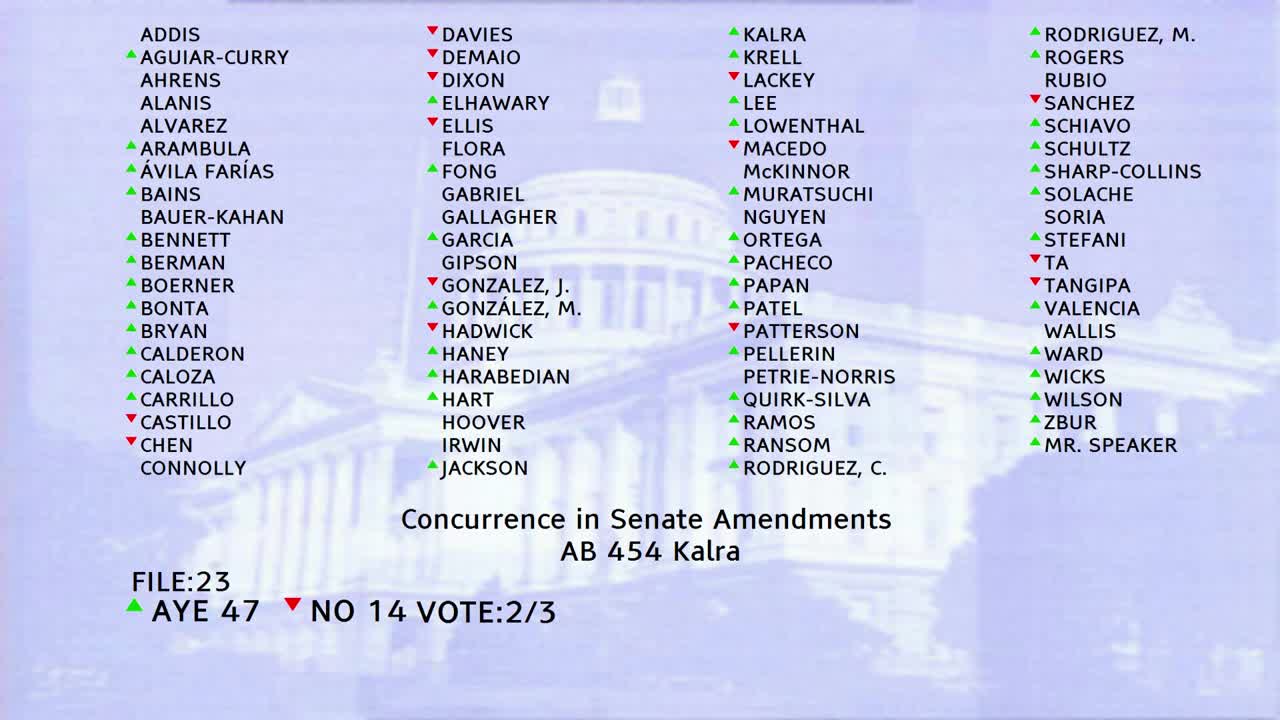 56SEC
Assembly Floor
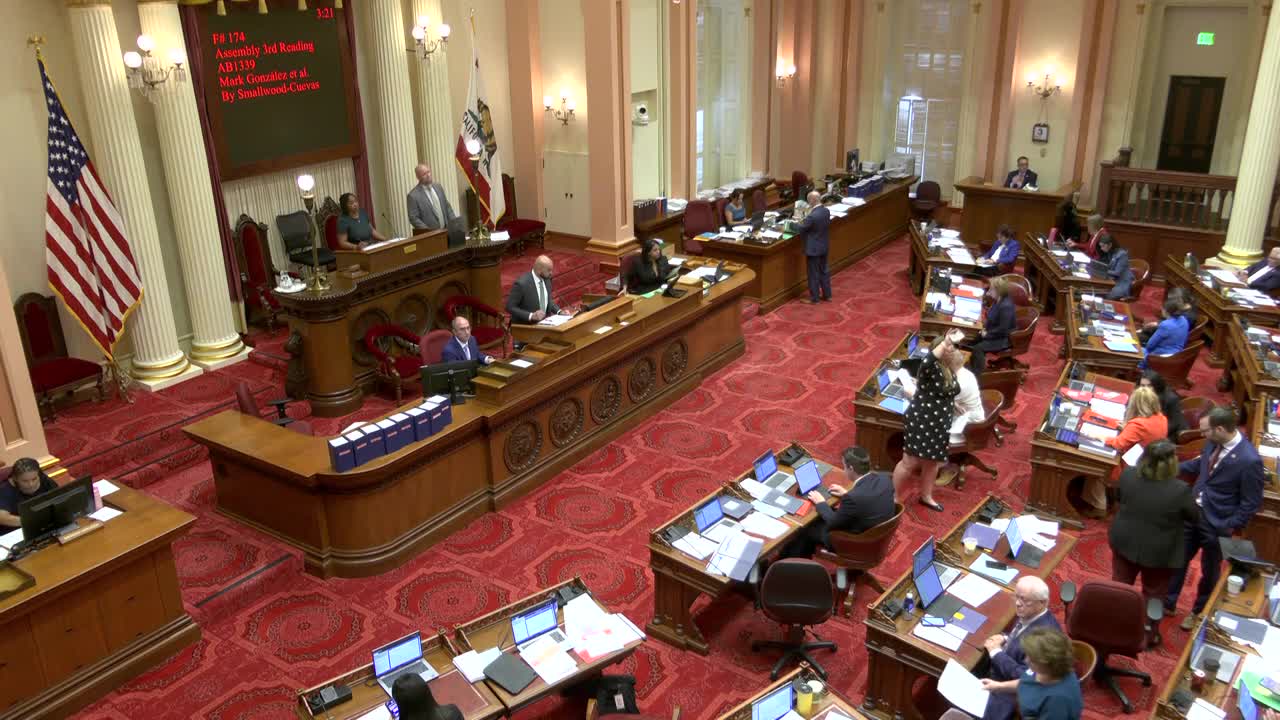 1MIN
Senate Floor
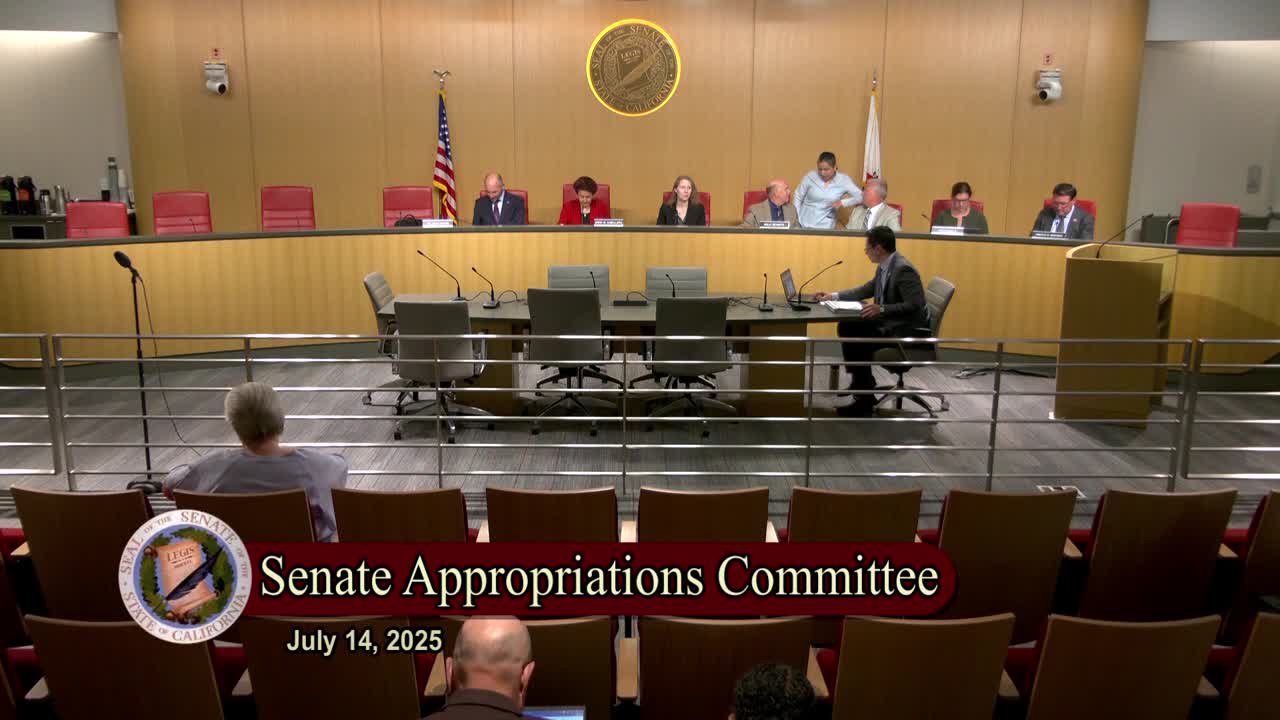 2MIN
Senate Standing Committee on Appropriations
 58SEC
Assembly Floor
Bill Author

Bill Co-Author(s):