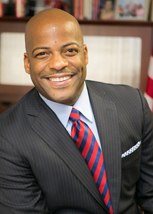
AJR 26: Removal of the Confederate flag and symbols.
- Session Year: 2015-2016
- House: Assembly
- Latest Version Date: 2015-09-21
This measure would, among other things, memorialize the Congress of the United States to ban the sale or display of any Confederate flag, including the Confederate Battle Flag, on federal property and encourage states to ban the use of Confederate States of America symbolism from state flags, seals, and symbols, and would encourage the donation of Confederate artifacts to museums.
This measure would, among other things, memorialize the Congress of the United States to ban the sale or display of any Confederate flag, including the Confederate Battle Flag, on federal property and encourage states to ban the use of Confederate States of America symbolism from state flags, seals, and symbols, and would encourage the donation of Confederate artifacts to museums.
This measure would, among other things, memorialize the Congress of the United States to ban the sale or display of any Confederate flag, including the Confederate Battle Flag, on federal property and encourage states to ban the use of Confederate States of America symbolism from state flags, seals, and symbols, and would encourage the donation of Confederate artifacts to museums.
This measure would, among other things, memorialize the Congress of the United States to ban the sale or display of the any Confederate flag flag, including the Confederate Battle Flag, on federal property and encourage states to ban the use of Confederate States of America symbolism from state flags, seals, and symbols, and would encourage the donation of Confederate artifacts to museums.
This measure would, among other things, memorialize the President and Congress of the United States to ban the sale or display of the Confederate flag on public federal property and encourage states to ban the use of Confederate States of America symbolism from state flags, seals, and symbols, and would encourage the donation of Confederate artifacts to museums.
This measure would, among other things, memorialize the President and Congress of the United States to ban the sale or display of the Confederate flag on public property and to ban the use of Confederate States of America symbolism from state symbols, and would encourage the donation of Confederate artifacts to museums.
WHEREAS, According to the 1860 United States Census, the United States population was 31,443,321. The total number of slaves in the Lower South was 2,312,352, comprising 47 percent of the total population, and the total number of slaves in the Upper South was 1,208,758, comprising 29 percent of the total population; and
WHEREAS, South Carolina had a clear Black majority from about 1708 through most of the 18th century. By 1720, there were approximately 18,000 people living in South Carolina and 65 percent of those were African American slaves. South Carolinas slave population grew to match the success of its rice culture. Whereas in 1790, there were slightly more Whites than Blacks, with 140,178 Whites and 108,896 Blacks living in South Carolina. By 1860, the Black population had grown, with 291,300 Whites and 412,320 Blacks, to nearly double the White population; and
WHEREAS, The Southern United States, including the States of Alabama, Arkansas, Florida, Georgia, Louisiana, Mississippi, North Carolina, Texas, West Virginia, Virginia, and South Carolina, seceded from the greater union in 1860 to join the Confederate States of America under President Jefferson Davis and General Robert E. Lee; and
WHEREAS, The symbolism of the Confederate flag when the states seceded in 1860 represented, in its personification, secession and treason; and
WHEREAS, The first official national flag of the Confederacy, often called the Stars and Bars, was flown from March 4, 1861, to May 1, 1863, inclusive. The Stars and Bars flag was adopted March 4, 1861, in the first temporary national capital of Montgomery, Alabama, and was raised over the dome of that first Confederate Capitol; and
WHEREAS, At the First Battle of Manassas, the first battle of the Civil War, the similarity between the Stars and Bars and the Stars and Stripes caused confusion and military problems. Regiments carried flags to help commanders observe and assess battles in the warfare of the era. At a distance, the two national flags were hard to tell apart. In addition, Confederate regiments carried many other flags, which added to the possibility of confusion; and
WHEREAS, After the battle, General Pierre Gustave Toutant Beauregard, a prominent general of the Confederate States Army during the Civil War, wrote that he was resolved then to have the Confederate flag changed if possible, or to adopt for his command a battle flag, the Stars and Bars, that would be entirely different from any state or federal flag. His aide William Porcher Miles, the former chair of the Committee on the Flag and Seal, described his rejected national flag design to Beauregard. Miles also told the Committee on the Flag and Seal about the generals complaints and request for the national flag to be changed. The committee rejected this idea by a four to one vote, after which Beauregard proposed the idea of having two flags. He described the idea in a letter to his commander General Joseph E. Johnston: How would it do for us to address the War Dept. on the subject for a supply of Regimental or badge flags made of red with two blue bars crossing each other diagonally on which shall be introduced the stars. ... We would then on the field of battle know our friends from our enemies; and
WHEREAS, Although the soldiers of the Confederacy were never tried by the United States government after the Civil War, Jefferson Davis and General Robert E. Lee were indicted and later acquitted of all charges by President Andrew Johnson as he left office in 1869; and
WHEREAS, After the Civil War ended, groups such as the Ku Klux Klan were formed to promote White supremacy and racial hatred. The Ku Klux Klan, perhaps the most infamous, was one of the first groups to continue using the Confederate flag after the war. The Ku Klux Klan rallied others still vexed after the war to instill fear and spout hate against freed African Americans; and
WHEREAS, The flag was later resurrected in the 1950s to rally resistance to the Civil Rights movement and support the Souths desire to maintain segregation and further the policies of Jim Crow; and
WHEREAS, In South Carolina, the Confederate flag was moved to the top of their State Capitol building in 1962, after President John F. Kennedy called on the Congress of the United States to end poll taxes and literacy tests for voting, and the United States Supreme Court struck down segregation in public transportation; and
WHEREAS, According to the Southern Poverty Law Center, there are 788 hate groups in the United States. Of these, 57 are located in the State of California, which is the highest of any state. There are a total of 283 of these hate groups in the former Confederate states. Nineteen of these hate groups reside in South Carolina. Of these 19 hate groups, 16 use the Confederate flag as one of their symbols. These hate groups include the Ku Klux Klan, Neo-Nazis, and Neo-Confederates; and
WHEREAS, African Americans make up 15.6 percent of the population of the United States, or 45 million people, but in 2013, they were victims of one-third of all hate crimes in the United States, which is the highest number of any group in America; and
WHEREAS, On June 17, 2015, Dylann Roof went to Emanuel AME Church in Charleston, South Carolina, and opened fire during a Wednesday Bible study, killing nine of the churchs attendees; and
WHEREAS, Over the last five years, friends of Dylann Roof had seen him become increasingly aligned with White supremacist ideologies. They observed his behavior becoming more fanatical than that of the most notorious hate groups in his native South Carolina. Dylann Roof believed that it was up to him to do the work that other hate groups were failing to do. Dylann Roof believed that African Americans were stupid and violent people and viewed Hispanics and Latinos as the enemy; and
WHEREAS, Dylann Roof has been photographed on various occasions with the same Confederate flag that many of these hate groups proudly display; and
WHEREAS, Sixty-nine percent of those surveyed by Public Policy Polling believe that the shooting attack at Emanuel AME Church in Charleston, South Carolina, was a hate crime and 34 percent surveyed believe it was a form of terrorism; and
WHEREAS, Since the end of the Civil War, private and official use of the Confederacys flags, and of flags with derivative designs, has continued and generated philosophical, political, cultural, and racial controversy in the United States. These include flags displayed in states, cities, towns, counties, schools, colleges, or universities, or by private organizations, associations, or by individuals; and
WHEREAS, In some American states the Confederate flag is given the same protection from burning and desecration as the United States flag. It is protected from being publicly mutilated, defiled, or otherwise cast in contempt by the laws of five states: Florida, Georgia, Louisiana, Mississippi, and South Carolina. However, laws banning the desecration of any flag, even if technically remaining in effect, were ruled unconstitutional in 1989 by the United States Supreme Court in Texas v. Johnson and are not enforceable; and
WHEREAS, In 2000, South Carolina passed a bill to remove the Confederate flag from the top of the state house dome. It had been placed there since the early 1960s by an all-White South Carolina Legislature to mark the 100th anniversary of the Civil War. The flag was moved to the north end of the state house as part of a compromise. However, to this day, there have been protests to have the flag removed from there as well; and
WHEREAS, To many groups, especially African Americans, the Confederate flag is a symbol of hate, racism, exclusion, oppression, and violence. Its symbolism and history are directly linked to the enslavement, torture, and murder of millions of African Americans; and
WHEREAS, Today, as in the past, public display of the Confederate flag is believed to instill fear, intimidation, and a direct threat of violence towards others, though a minute number of groups disagree, claiming that the Confederate flag commemorates Southern heritage; and
WHEREAS, In 2014, the State of California, through the enactment of Assembly Bill 2444, became the first state to ban the state sale and display of the Confederate flag. The State of California may not sell or display the Battle Flag of the Confederacy, also referred to as the Stars and Bars, or any similar image, or tangible personal property inscribed with that image unless the image appears in a book, digital medium, or state museum that serves an educational or historical purpose; and
WHEREAS, On June 22, 2015, Governor Nikki Haley of South Carolina called upon her state to remove the Confederate flag from the capitol grounds in the wake of the Emanuel AME Church shooting; now, therefore, be it
Resolved by the Assembly and the Senate of the State of California, jointly, That the Legislature of California encourages the United States Congress to identify the states that have a Confederate symbol embedded into their states flag; and be it further
Resolved, That the Legislature memorializes the United States Congress to encourage states to ban the use of the former Confederate States of America symbolism and seals from all state flags, seals, and symbols; and be it further
Resolved, That the Legislature memorializes the United States Congress to ban the sale and display of any Confederate flag, including the Confederate Battle Flag, on federally owned properties and buildings and to urge those states that sell or display the flag at their capitols to have the flag removed; and be it further
Resolved, That the Legislature encourages the United States Congress to encourage businesses to urge their states to take down any Confederate flag, including the Confederate Battle Flag, from their capitols; and be it further
Resolved, That the Legislature encourages the donation of any effects representing the former Confederate States of America to local, state, and national museums; and be it further
Resolved, That the Chief Clerk of the Assembly transmit copies of this resolution to the President and Vice President of the United States, to the Speaker of the House of Representatives, to the Minority Leader of the House of Representatives, to the Majority Leader of the Senate, to the Minority Leader of the Senate, to each Senator and Representative from California, and to the governors of the southern states including Alabama, Arkansas, Florida, Georgia, Louisiana, Mississippi, North Carolina, South Carolina, Tennessee, Texas, and Virginia.
WHEREAS, According to the 1860 United States Census, the United States population was 31,443,321. The total number of slaves in the Lower South was 2,312,352, comprising 47 percent of the total population, and the total number of slaves in the Upper South was 1,208,758, comprising 29 percent of the total population; and
WHEREAS, South Carolina had a clear Black majority from about 1708 through most of the 18th century. By 1720, there were approximately 18,000 people living in South Carolina and 65 percent of those were African American slaves. South Carolinas slave population grew to match the success of its rice culture. Whereas in 1790, there were slightly more Whites than Blacks, with 140,178 White Whites and 108,896 Black, Blacks living in South Carolina. By 1860 1860, the Black population had grown, with 291,300 White Whites and 412,320 Black, Blacks, to more than nearly double of the White population; and
WHEREAS, The Southern United States, including the States of Alabama, Arkansas, Florida, Georgia, Louisiana, Mississippi, North Carolina, Texas, West Virginia, Virginia, and South Carolina, seceded from the greater union in 1860 to join the Confederate States of America under President Jefferson Davis and General Robert E. Lee; and
WHEREAS, The symbolism of the Confederate flag when the states seceded in 1860 represented, in its personification, secession and treason; and
WHEREAS, The first official national flag of the Confederacy, often called the Stars and Bars, was flown from March 4, 1861, to May 1, 1863, inclusive. The Stars and Bars flag was adopted March 4, 1861, in the first temporary national capital of Montgomery, Alabama, and was raised over the dome of that first Confederate Capitol; and
WHEREAS, At the First Battle of Manassas, the first battle of the Civil War, the similarity between the Stars and Bars and the Stars and Stripes caused confusion and military problems. Regiments carried flags to help commanders observe and assess battles in the warfare of the era. At a distance, the two national flags were hard to tell apart. In addition, Confederate regiments carried many other flags, which added to the possibility of confusion; and
WHEREAS, After the battle, General Pierre Gustave Toutant Beauregard, a prominent general of the Confederate States Army during the Civil War, wrote that he was resolved then to have the Confederate flag changed if possible, or to adopt for his command a battle flag, the Stars and Bars, that would be entirely different from any state or federal flag. His aide William Porcher Miles, the former chair of the Committee on the Flag and Seal, described his rejected national flag design to Beauregard. Miles also told the Committee on the Flag and Seal about the generals complaints and request for the national flag to be changed. The committee rejected this idea by a four to one vote, after which Beauregard proposed the idea of having two flags. He described the idea in a letter to his commander General Joseph E. Johnston: How would it do for us to address the War Dept. on the subject for a supply of Regimental or badge flags made of red with two blue bars crossing each other diagonally on which shall be introduced the stars. ... We would then on the field of battle know our friends from our enemies; and
WHEREAS, Although the soldiers of the Confederacy were never tried by the United States government after the Civil War, Jefferson Davis and General Robert E. Lee were indicted and later acquitted of all charges by President Andrew Jackson Johnson as he left office in 1869; and
WHEREAS, After the Civil War ended, groups such as the Ku Klux Klan were formed to promote White supremacy and racial hatred. The Ku Klux Klan, perhaps the most infamous, was one of the first groups to continue using the Confederate flag after the war. The Ku Klux Klan rallied others still vexed after the war to instill fear and spout hate against freed African Americans; and
WHEREAS, The flag was later resurrected in the 1950s to rally resistance to the Civil Rights movement and support the Souths desire to maintain segregation and further the policies of Jim Crow; and
WHEREAS, In South Carolina, the Confederate flag was moved to the top of their State Capitol building in 1962, after President John F. Kennedy called on the Congress of the United States to end poll taxes and literacy tests for voting, and the United States Supreme Court struck down segregation in public transportation; and
WHEREAS, According to the Southern Poverty Law Center, there are 788 hate groups in the United States. Of these, 57 are located in the State of California, which is the highest of any state. There are a total of 283 of these hate groups in the former Confederate states. Nineteen of these hate groups reside in South Carolina. Of these 19 hate groups, 16 use the Confederate flag as one of their symbols. These hate groups include the Ku Klux Klan, Neo-Nazis, and Neo-Confederates; and
WHEREAS, Whereas, African Americans make up 15.6 percent of the population of the United States, or 45 million people, but in 2013, they were victims of 32.7 percent, or 14,715,000, one-third of all hate crimes in the United States, which is the highest number of any group in America; and
WHEREAS, On June 17, 2015, Dylann Roof went to Emanuel AME Church in Charleston, South Carolina, and opened fire during a Wednesday Bible study, killing nine of the churchs attendees; and
WHEREAS, Over the last five years, friends of Dylann Roof had seen him become increasingly aligned with White supremacist ideologies. They observed his behavior becoming more fanatical than that of the most notorious hate groups in his native South Carolina. Dylann Roof believed that it was up to him to do the work that other hate groups were failing to do. Dylann Roof believed that African Americans were stupid and violent people and viewed Hispanics and Latinos as the enemy; and
WHEREAS, Dylann Roof has been photographed on various occasions with the same Confederate flag that many of these hate groups proudly display; and
WHEREAS, Sixty-nine percent of those surveyed by Public Policy Polling believe that the shooting attack at Emanuel AME Church in Charleston, South Carolina, was a hate crime and 34 percent surveyed believe it was a form of terrorism; and
WHEREAS, Since the end of the Civil War, private and official use of the Confederacys flags, and of flags with derivative designs, has continued and generated philosophical, political, cultural, and racial controversy in the United States. These include flags displayed in states, cities, towns, counties, schools, colleges, or universities, or by private organizations, associations, and or by individuals; and
WHEREAS, In some American states the Confederate flag is given the same protection from burning and desecration as the United States flag. It is protected from being publicly mutilated, defiled, or otherwise cast in contempt by the laws of five states: Florida, Georgia, Louisiana, Mississippi, and South Carolina. However, laws banning the desecration of any flag, even if technically remaining in effect, were ruled unconstitutional in 1989 by the United States Supreme Court in Texas v. Johnson and are not enforceable; and
WHEREAS, In 2000, South Carolina passed a bill to remove the Confederate flag from the top of the state house dome. It had been placed there since the early 1960s by an all-White South Carolina Legislature to mark the 100th anniversary of the Civil War. The flag was moved to the north end of the state house as part of a compromise. However, to this day, there have been protests to have the flag removed from there as well; and
WHEREAS, To many groups, especially African Americans, the Confederate flag is a symbol of hate, racism, exclusion, oppression, and violence. Its symbolism and history are directly linked to the enslavement, torture, and murder of millions of African Americans; and
WHEREAS, Today, as in the past, public display of the Confederate flag is believed to instill fear, intimidation, and a direct threat of violence towards others, though a minute number of groups disagree, claiming that the Confederate flag commemorates Southern heritage; and
WHEREAS, In 2014, the State of California, through the enactment of Assembly Bill 2444, became the first state to ban the state sale and display of the Confederate flag. The State of California may not sell or display the Battle Flag of the Confederacy, also referred to as the Stars and Bars, or any similar image, or tangible personal property inscribed with that image unless the image appears in a book, digital medium, or state museum that serves an educational or historical purpose; and
WHEREAS, On June 22, 2015, Governor Nikki Haley of South Carolina called upon her state to remove the Confederate flag from the capitol grounds in the wake of the Emanuel AME Church shooting; now, therefore, be it
Resolved by the Assembly and the Senate of the State of California, jointly, That the Legislature of California encourages the United States Congress to identify the states that have a Confederate symbol embedded into their states flag; and be it further
Resolved, That the Legislature memorializes the United States Congress to encourage states to ban the use of the former Confederate States of America symbolism and seals from all state flags, seals, and symbols; and be it further
Resolved, That the Legislature memorializes the United States Congress to ban the sale and display of any Confederate flag, including the Confederate Battle Flag, on federally owned properties and buildings and to urge those states that sell or display the flag at their capitols to have the flag removed; and be it further
Resolved, That the Legislature encourages the United States Congress to encourage businesses to urge their states to take down any Confederate flag, including the Confederate Battle Flag, from their capitols; and be it further
Resolved, That the Legislature encourages the donation of any effects representing the former Confederate States of America to local, state, and national museums; and be it further
Resolved, That the Chief Clerk of the Assembly transmit copies of this resolution to the President and Vice President of the United States, to the Speaker of the House of Representatives, to the Minority Leader of the House of Representatives, to the Majority Leader of the Senate, to the Minority Leader of the Senate, to each Senator and Representative from California, and to the governors of the southern states including Alabama, Arkansas, Florida, Georgia, Louisiana, Mississippi, North Carolina, Texas, West Virginia, Virginia, and South Carolina. South Carolina, Tennessee, Texas, and Virginia.
WHEREAS, According to the 1860 United States Census, the United States population was 31,443,321. The total number of slaves in the Lower South was 2,312,352, comprising 47 percent of the total population, and the total number of slaves in the Upper South was 1,208,758, comprising 29 percent of the total population; and
WHEREAS, South Carolina had a clear Black majority from about 1708 through most of the 18th century. By 1720, there were approximately 18,000 people living in South Carolina and 65 percent of those were African American slaves. South Carolinas slave population grew to match the success of its rice culture. Whereas in 1790, there were slightly more Whites than Blacks, with 140,178 White and 108,896 Black, living in South Carolina. By 1860 the Black population had grown, with 291,300 White and 412,320 Black, to more than double of the White population; and
WHEREAS, The Southern United States, including the States of Alabama, Arkansas, Florida, Georgia, Louisiana, Mississippi, North Carolina, Texas, West Virginia, Virginia, and South Carolina Carolina, seceded from the greater union in 1860 to join the Confederate States of America under President Jefferson Davis and General Robert E. Lee; and
WHEREAS, The symbolism of the Confederate flag when the states seceded in 1860 represented, in its personification, secession and treason; and
WHEREAS, The first official national flag of the Confederacy, often called the Stars and Bars, was flown from March 4, 1861, to May 1, 1863, inclusive. The Stars and Bars flag was adopted March 4, 1861, in the first temporary national capital of Montgomery, Alabama, and was raised over the dome of that first Confederate Capitol; and
WHEREAS, At the First Battle of Manassas, the first battle of the Civil War, the similarity between the Stars and Bars and the Stars and Stripes caused confusion and military problems. Regiments carried flags to help commanders observe and assess battles in the warfare of the era. At a distance, the two national flags were hard to tell apart. In addition, Confederate regiments carried many other flags, which added to the possibility of confusion; and
WHEREAS, After the battle, General Pierre Gustave Toutant Beauregard, a prominent general of the Confederate States Army during the Civil War, wrote that he was resolved then to have the Confederate flag changed if possible, or to adopt for his command a battle flag, the Stars and Bars, that would be entirely different from any state or federal flag. His aide William Porcher Miles, the former chair of the Committee on the Flag and Seal, described his rejected national flag design to Beauregard. Miles also told the Committee on the Flag and Seal about the generals complaints and request for the national flag to be changed. The committee rejected this idea by a four to one vote, after which Beauregard proposed the idea of having two flags. He described the idea in a letter to his commander General Joseph E. Johnston: How would it do for us to address the War Dept. on the subject for a supply of Regimental or badge flags made of red with two blue bars crossing each other diagonally on which shall be introduced the stars. ... We would then on the field of battle know our friends from our enemies; and
WHEREAS, Although the soldiers of the Confederacy were never tried by the United States government after the Civil War, Jefferson Davis and General Robert E. Lee were indicted and later acquitted of all charges by President Andrew Jackson as he left office in 1869; and
WHEREAS, After the Civil War ended, groups such as the Ku Klux Klan were formed to promote White supremacy and racial hatred. The Ku Klux Klan, perhaps the most infamous, was one of the first groups to continue using the Confederate flag after the war. The Ku Klux Klan rallied others still vexed after the war to instill fear and spout hate against freed African Americans; and
WHEREAS, The flag was later resurrected in the 1950s to rally resistance to the Civil Rights movement and support the Souths desire to maintain segregation and further the policies of Jim Crow; and
WHEREAS, In South Carolina, the Confederate flag was moved to the top of their State Capitol building in 1962, after President John F. Kennedy called on the Congress of the United States to end poll taxes and literacy tests for voting, and the United States Supreme Court struck down segregation in public transportation; and
WHEREAS, According to the Southern Poverty Law Center, there are 788 hate groups in the United States. Of these, 57 are located in the State of California, which is the highest of any state. There are a total of 283 of these hate groups in the former Confederate states. Nineteen of these hate groups reside in South Carolina. Of these 19 hate groups, 16 use the Confederate flag as one of their symbols. These hate groups include the Ku Klux Klan, Neo-Nazis, and Neo-Confederates; and
WHEREAS, Whereas, African Americans make up 15.6 percent of the population of the United States, or 45 million people, in 2013, they were victims of 32.7 percent, or 14,715,000, of all hate crimes in the United States, which is the highest number of any group in America; and
WHEREAS, On June 17, 2015, Dylann Roof went to Emanuel AME Church in Charleston, South Carolina, and opened fire during a Wednesday bible Bible study, killing nine of the churchs attendees; and
WHEREAS, Over the last five years, friends of Dylann Roof had seen him become increasingly aligned with White supremacist ideologies. They observed his behavior becoming more fanatical than that of the most notorious hate groups in his native South Carolina. Dylann Roof believed that it was up to him to do the work that other hate groups were failing to do. Dylann Roof believed that African Americans were stupid and violent people and viewed Hispanics and Latinos as the enemy; and
WHEREAS, Dylann Roof has been photographed on various occasions with the same Confederate flag that many of these hate groups proudly display; and
WHEREAS, Sixty-nine percent of those surveyed by Public Policy Polling believe that the shooting attack at Emanuel AME Church in Charleston, South Carolina, was a hate crime and 34 percent surveyed believe it was a form of terrorism; and
WHEREAS, Since the end of the Civil War, private and official use of the Confederacys flags, and of flags with derivative designs, has continued and generated philosophical, political, cultural, and racial controversy in the United States. These include flags displayed in states, cities, towns, counties, schools, colleges, universities, private organizations, associations, and by individuals; and
WHEREAS, In some American states the Confederate flag is given the same protection from burning and desecration as the United States flag. It is protected from being publicly mutilated, defiled, or otherwise cast in contempt by the laws of five states: Florida, Georgia, Louisiana, Mississippi, and South Carolina. However, laws banning the desecration of any flag, even if technically remaining in effect, were ruled unconstitutional in 1989 by the United States Supreme Court in Texas v. Johnson and are not enforceable; and
WHEREAS, In 2000, South Carolina passed a bill to remove the Confederate flag from the top of the state house dome. It had been placed there since the early 1960s by an all-White South Carolina Legislature to mark the 100th anniversary of the Civil War. The flag was moved to the north end of the state house as part of a compromise. However, to this day, there have been protests to have the flag removed from there as well; and
WHEREAS, To many groups, especially African Americans, the Confederate flag is a symbol of hate, racism, exclusion, oppression, and violence. Its symbolism and history is are directly linked to the enslavement, torture, and murder of millions of African Americans; and
WHEREAS, Today, as in the past, public display of the Confederate flag is believed to instill fear, intimidation, and a direct threat of violence towards others, though a minute number of groups disagree, claiming that the Confederate flag commemorates Southern heritage; and
WHEREAS, In 2014, the State of California, through the enactment of Assembly Bill 2444, became the first state to ban the state sale and display of the Confederate flag. The State of California may not sell or display the Battle Flag of the Confederacy, also referred to as the Stars and Bars, or any similar image, or tangible personal property inscribed with that image unless the image appears in a book, digital medium, or state museum that serves an educational or historical purpose; and
WHEREAS, On June 22, 2015, Governor Nikki Haley of South Carolina called upon her state to remove the Confederate flag from the capitol grounds in the wake of the Emanuel AME Church shooting; now, therefore, be it
Resolved by the Assembly and the Senate of the State of California, jointly, That the Legislature of California encourages the United States Congress to identify the states that have the a Confederate symbol embedded into their states flag; and be it further
Resolved, That the Legislature memorializes the United States Congress to encourage states to ban the use of the former Confederate States of America symbolism and seals from all state flags, seals, and symbols; and be it further
Resolved, That the Legislature memorializes the United States Congress to ban the sale and display of the Confederate flag any Confederate flag, including the Confederate Battle Flag, on federally owned properties and buildings and to urge those states that sell or display the flag at their capitols to have the flag removed; and be it further
Resolved, That the Legislature encourages the United States Congress to encourage businesses to urge their states to take down the Confederate flag any Confederate flag, including the Confederate Battle Flag, from their capitols; and be it further
Resolved, That the Legislature encourages the donation of any effects representing the former Confederate States of America to local, state, and national museums; and be it further
Resolved, That the Chief Clerk of the Assembly transmit copies of this resolution to the President and Vice President of the United States, to the Speaker of the House of Representatives, to the Minority Leader of the House of Representatives, to the Majority Leader of the Senate, to the Minority Leader of the Senate, to each Senator and Representative from California, and to the governors of the southern states including Alabama, Arkansas, Florida, Georgia, Louisiana, Mississippi, North Carolina, Texas, West Virginia, Virginia, and South Carolina.
WHEREAS, According to the 1860 United States Census, the United States population was 31,443,321. The total number of slaves in the Lower South was 2,312,352 2,312,352, comprising 47 percent of the total population population, and the total number of slaves in the Upper South was 1,208,758 1,208,758, comprising 29 percent of the total population; and
WHEREAS, South Carolina had a clear Black majority from about 1,708 1708 through most of the 18th century. By 1720, there were approximately 18,000 people living in South Carolina and 65 percent of those were African American slaves. South Carolinas slave population grew to match the success of its rice culture. Whereas in 1790, there were slightly more Whites than Blacks, with 140,178 White and 108,896 Black, living in South Carolina. By 1860 the black Black population had grown, with 291,300 White and 412,320 Black, to more than double of the white White population; and
WHEREAS, The Southern United States, including the States of Alabama, Arkansas, Florida, Georgia, Louisiana, Mississippi, North Carolina, Texas, West Virginia, Virginia, and South Carolina seceded from the greater union in 1860 to join the Confederate States of America under President Jefferson Davis and General Robert E. Lee; and
WHEREAS, The symbolism of the Confederate flag when the states seceded in 1860 represented, in its personification, secession and treason; and
WHEREAS, The first official national flag of the Confederacy, often called the Stars and Bars, was flown from March 4, 1861, to May 1, 1863, inclusive. The Stars and Bars flag was adopted March 4, 1861, in the first temporary national capital of Montgomery, Alabama, and was raised over the dome of that first Confederate Capitol; and
WHEREAS, At the First Battle of Manassas, the first battle of the Civil War, the similarity between the Stars and Bars and the Stars and Stripes caused confusion and military problems. Regiments carried flags to help commanders observe and assess battles in the warfare of the era. At a distance, the two national flags were hard to tell apart. In addition, Confederate regiments carried many other flags, which added to the possibility of confusion; and
WHEREAS, After the battle, General Pierre Gustave Toutant Beauregard, a prominent general of the Confederate States Army during the American Civil War, wrote that he was resolved then to have the Confederate flag changed if possible, or to adopt for his command a battle flag, the Stars and Bars, that would be entirely different from any state or federal flag. His aide William Porcher Miles, the former chair of the Committee on the Flag and Seal, described his rejected national flag design to Beauregard. Miles also told the Committee on the Flag and Seal about the generals complaints and request for the national flag to be changed. The committee rejected this idea by a four to one vote, after which Beauregard proposed the idea of having two flags. He described the idea in a letter to his commander General Joseph E. Johnston: How would it do for us to address the War Department Dept. on the subject for a supply of Regimental or badge flags made of red with two blue bars crossing each other diagonally on which shall be introduced the stars, ... stars. ... We would then on the field of battle know our friends from our enemies; and
WHEREAS, Although the soldiers of the Confederacy were never tried by the United States government after the Civil War, Jefferson Davis and General Robert E. Lee were indicted and later acquitted of all charges by President Andrew Jackson as he left office in 1869; and
WHEREAS, After the Civil War ended, groups such as the Ku Klux Klan were formed to promote White supremacy and racial hatred. The Ku Klux Klan, perhaps the most infamous, was one of the first groups to continue using the Confederate flag after the war. The Ku Klux Klan rallied others still vexed after the war to instill fear and spout hate against freed African Americans; and
WHEREAS, The flag was later resurrected in the 1950s to rally resistance to the Civil Rights movement and support the Souths desire to maintain segregation and further the policies of Jim Crow; and
WHEREAS, In South Carolina, the Confederate flag was moved to the top of their State Capitol building in 1962, after President John F. Kennedy called on the Congress of the United States to end poll taxes and literacy tests for voting, and the United States Supreme Court struck down segregation in public transportation; and
WHEREAS, According to the Southern Poverty Law Center, there are 788 hate groups in the United States. Of these, 57 are located in the State of California, which is the highest of any state. There are a total of 283 of these hate groups in the former Confederate states. Nineteen of these hate groups reside in South Carolina. Of these 19 hate groups, 16 use the Confederate flag as one of their symbols. These hate groups include the Ku Klux Klan, Neo-Nazis, and Neo-Confederates; and
WHEREAS, Whereas, African Americans make up 15.6 percent of the population of the United States States, or 45 million people, in 2013, they were victims of 32.7 percent, or 14,715,000, of all hate crimes in the United States, which is the highest number of any group in America; and
WHEREAS, On June 17, 2015, Dylann Roof went to Emanuel AME Church in Charleston, South Carolina, and opened fire during a Wednesday bible study, killing nine of the churchs attendees; and
WHEREAS, Over the last five years, friends of Dylann Roof had seen him become increasingly aligned with White Supremacist supremacist ideologies. They observed his behavior becoming more fanatical than that of the most notorious hate groups in his native South Carolina. Dylann Roof believed that it was up to him to do the work that other hate groups were failing to do. Dylann Roof believed that African Americans were stupid and violent people and viewed Hispanics and Latinos as the enemy; and
WHEREAS, Dylann Roof has been photographed on various occasions with the same Confederate flag that many of these hate groups proudly display; and
WHEREAS, Sixty-nine percent of those surveyed by Public Policy Polling believe that the shooting attack at Emanuel AME Church in Charleston, South Carolina, was a hate crime and 34 percent surveyed believe it was a form of terrorism; and
WHEREAS, Since the end of the Civil War, private and official use of the Confederacys flags, and of flags with derivative designs, has continued and generated philosophical, political, cultural, and racial controversy in the United States. These include flags displayed in states, cities, towns, counties, schools, colleges, universities, private organizations, associations, and by individuals; and
WHEREAS, In some American states the Confederate flag is given the same protection from burning and desecration as the United States flag. It is protected from being publicly mutilated, defiled, or otherwise cast in contempt by the laws of five states: Florida, Georgia, Louisiana, Mississippi, and South Carolina. However, laws banning the desecration of any flag, even if technically remaining in effect, were ruled unconstitutional in 1989 by the United States Supreme Court in Texas v. Johnson and are not enforceable; and
WHEREAS, In 2000, South Carolina passed a bill to remove the Confederate flag from the top of the state house dome. It had been placed there since the early 1960s by an all-White South Carolina Legislature to mark the 100th anniversary of the Civil War. The flag was moved to the north end of the state house as part of a compromise. However, to this day, there have been protests to have the flag removed from there as well; and
WHEREAS, To many groups, especially African Americans, the Confederate flag is a symbol of hate, racism, exclusion, oppression, and violence. Its symbolism and history is directly linked to the enslavement, torture, and murder of millions of African Americans; and
WHEREAS, Today, as in the past, public display of the Confederate flag is believed to instill fear, intimidation intimidation, and a direct threat of violence towards others, though a minute number of groups disagree, claiming that the Confederate flag commemorates Southern heritage; and
WHEREAS, In 2014, the State of California, through the enactment of Assembly Bill 2444, became the first state to ban the state sale and display of the Confederate flag. The State of California may not sell or display the Battle Flag of the Confederacy, also referred to as the Stars and Bars, or any similar image, or tangible personal property inscribed with that image unless the image appears in a book, digital medium, or state museum that serves an educational or historical purpose; and
WHEREAS, On June 22nd, 22, 2015, Governor Nikki Haley of South Carolina called upon her state to remove the Confederate flag from the capitol grounds in the wake of the Emanuel AME Church shooting; now, therefore, be it
Resolved by the Assembly and the Senate of the State of California, jointly, That the Legislature of California encourages the United States Congress to enact a ban on the sale and display of the Confederate flag at all state capitols and federal, state, and local government-owned property and buildings; identify the states that have the Confederate symbol embedded into their states flag; and be it further
Resolved, That the Legislature encourages memorializes the United States Congress to enact a encourage states to ban on the use of the former Confederate States of America symbolism and seals from all state flags, seals, and symbols; and be it further
Resolved, That the Legislature memorializes the United States Congress to ban the sale and display of the Confederate flag on federally owned properties and buildings and to urge those states that sell or display the flag at their capitols to have the flag removed; and be it further
Resolved, That the Legislature encourages the United States Congress to encourage businesses located in the states that have the Confederate symbols in their state flag to take them down; to urge their states to take down the Confederate flag from their capitols; and be it further
Resolved, That the Legislature encourages the donation of any effects representing the former Confederate States of America to local, state, and national museums; and be it further
Resolved, That the Chief Clerk of the Assembly transmit copies of this resolution to the President and Vice President of the United States, to the Speaker of the House of Representatives, to the Minority Leader of the House of Representatives, to the Majority Leader of the Senate, to the Minority Leader of the Senate, to each Senator and Representative from California, and to the governors of the southern states including Alabama, Arkansas, Florida, Georgia, Louisiana, Mississippi, North Carolina, Texas, West Virginia, Virginia, and South Carolina.
WHEREAS, According to the 1860 United States Census, the United States population was 31,443,321. The total number of slaves in the Lower South was 2,312,352 comprising 47 percent of total population and the total number of slaves in the Upper South was 1,208,758 comprising 29 percent of total population; and
WHEREAS, South Carolina had a clear Black majority from about 1,708 through most of the 18th century. By 1720, there were approximately 18,000 people living in South Carolina and 65 percent of those were African American slaves. South Carolinas slave population grew to match the success of its rice culture. Whereas in 1790, there were slightly more Whites than Blacks, with 140,178 White and 108,896 Black, living in South Carolina. By 1860 the black population had grown, with 291,300 White and 412,320 Black, to more than double of the white population; and
WHEREAS, The Southern United States, including the States of Alabama, Arkansas, Florida, Georgia, Louisiana, Mississippi, North Carolina, Texas, West Virginia, Virginia, and South Carolina seceded from the greater union in 1860 to join the Confederate States of America under President Jefferson Davis and General Robert E. Lee; and
WHEREAS, The symbolism of the Confederate flag when the states seceded in 1860 represented, in its personification, secession and treason; and
WHEREAS, The first official national flag of the Confederacy, often called the Stars and Bars, was flown from March 4, 1861, to May 1, 1863, inclusive. The Stars and Bars flag was adopted March 4, 1861, in the first temporary national capital of Montgomery, Alabama, and was raised over the dome of that first Confederate Capitol; and
WHEREAS, At the First Battle of Manassas, the first battle of the Civil War, the similarity between the Stars and Bars and the Stars and Stripes caused confusion and military problems. Regiments carried flags to help commanders observe and assess battles in the warfare of the era. At a distance, the two national flags were hard to tell apart. In addition, Confederate regiments carried many other flags, which added to the possibility of confusion; and
WHEREAS, After the battle, General Pierre Gustave Toutant Beauregard, a prominent general of the Confederate States Army during the American Civil War, wrote that he was resolved then to have the Confederate flag changed if possible, or to adopt for his command a battle flag, the Stars and Bars, that would be entirely different from any state or federal flag. His aide William Porcher Miles, the former chair of the Committee on the Flag and Seal, described his rejected national flag design to Beauregard. Miles also told the Committee on the Flag and Seal about the generals complaints and request for the national flag to be changed. The committee rejected this idea by a four to one vote, after which Beauregard proposed the idea of having two flags. He described the idea in a letter to his commander General Joseph E. Johnston: How would it do us to address the War Department on the subject of Regimental or badge flags made of red with two blue bars crossing each other diagonally on which shall be introduced the stars, ... We would then on the field of battle know our friends from our enemies; and
WHEREAS, Although the soldiers of the Confederacy were never tried by the United States government after the Civil War, Jefferson Davis and General Robert E. Lee were indicted and later acquitted of all charges by President Andrew Jackson as he left office in 1869; and
WHEREAS, After the Civil War ended, groups such as the Ku Klux Klan were formed to promote White supremacy and racial hatred. The Ku Klux Klan, perhaps the most infamous, was one of the first groups to continue using the Confederate flag after the war. The Ku Klux Klan rallied others still vexed after the war to instill fear and spout hate against freed African Americans; and
WHEREAS, The flag was later resurrected in the 1950s to rally resistance to the Civil Rights movement and support the Souths desire to maintain segregation and further the policies of Jim Crow; and
WHEREAS, In South Carolina, the Confederate flag was moved to the top of their State Capitol building in 1962, after President John F. Kennedy called on the Congress of the United States to end poll taxes and literacy tests for voting, and the United States Supreme Court struck down segregation in public transportation; and
WHEREAS, According to the Southern Poverty Law Center, there are 788 hate groups in the United States. Of these, 57 are located in the State of California, which is the highest of any state. There are a total of 283 of these hate groups in the former Confederate states. Nineteen of these hate groups reside in South Carolina. Of these 19 hate groups, 16 use the Confederate flag as one of their symbols. These hate groups include the Ku Klux Klan, Neo-Nazis, and Neo-Confederates; and
WHEREAS, Whereas, African Americans make up 15.6 percent of the population of the United States or 45 million people, in 2013, they were victims of 32.7 percent, or 14,715,000, of all hate crimes in the United States, which is the highest number of any group in America; and
WHEREAS, On June 17, 2015, Dylann Roof went to Emanuel AME Church in Charleston, South Carolina, and opened fire during a Wednesday bible study, killing nine of the churchs attendees; and
WHEREAS, Over the last five years, friends of Dylann Roof had seen him become increasingly aligned with White Supremacist ideologies. They observed his behavior becoming more fanatical than that of the most notorious hate groups in his native South Carolina. Dylann Roof believed that it was up to him to do the work that other hate groups were failing to do. Dylann Roof believed that African Americans were stupid and violent people and viewed Hispanics and Latinos as the enemy; and
WHEREAS, Dylann Roof has been photographed on various occasions with the same Confederate flag that many of these hate groups proudly display; and
WHEREAS, Sixty-nine percent of those surveyed by Public Policy Polling believe that the shooting attack at Emanuel AME Church in Charleston, South Carolina, was a hate crime and 34 percent surveyed believe it was a form of terrorism; and
WHEREAS, Since the end of the Civil War, private and official use of the Confederacys flags, and of flags with derivative designs, has continued and generated philosophical, political, cultural, and racial controversy in the United States. These include flags displayed in states, cities, towns, counties, schools, colleges, universities, private organizations, associations, and by individuals; and
WHEREAS, In some American states the Confederate flag is given the same protection from burning and desecration as the United States flag. It is protected from being publicly mutilated, defiled, or otherwise cast in contempt by the laws of five states: Florida, Georgia, Louisiana, Mississippi, and South Carolina. However, laws banning the desecration of any flag, even if technically remaining in effect, were ruled unconstitutional in 1989 by the United States Supreme Court in Texas v. Johnson and are not enforceable; and
WHEREAS, In 2000, South Carolina passed a bill to remove the Confederate flag from the top of the state house dome. It had been placed there since the early 1960s by an all-White South Carolina Legislature to mark the 100th anniversary of the Civil War. The flag was moved to the north end of the state house as part of a compromise. However, to this day, there have been protests to have the flag removed from there as well; and
WHEREAS, To many groups, especially African Americans, the Confederate flag is a symbol of hate, racism, exclusion, oppression, and violence. Its symbolism and history is directly linked to the enslavement, torture, and murder of millions of African Americans; and
WHEREAS, Today, as in the past, public display of the Confederate flag is believed to instill fear, intimidation and a direct threat of violence towards others, though a minute number of groups disagree, claiming that the Confederate flag commemorates Southern heritage; and
WHEREAS, In 2014, the State of California, through the enactment of Assembly Bill 2444, became the first state to ban the state sale and display of the Confederate flag. The State of California may not sell or display the Battle Flag of the Confederacy, also referred to as the Stars and Bars, or any similar image, or tangible personal property inscribed with that image unless the image appears in a book, digital medium, or state museum that serves an educational or historical purpose; and
WHEREAS, On June 22nd, 2015, Governor Nikki Haley of South Carolina called upon her state to remove the Confederate flag from the capitol grounds in the wake of the Emanuel AME Church shooting; now, therefore, be it
Resolved by the Assembly and the Senate of the State of California, jointly, That the Legislature of California encourages the United States Congress to enact a ban on the sale and display of the Confederate flag at all state capitols and federal, state, and local government-owned property and buildings; and be it further
Resolved, That the Legislature encourages the United States Congress to identify the states and their state flags that have the Confederate symbol embedded into their states flag and are using the flag. Moreover, the Legislature encourages Congress to prohibit these states from selling or displaying the Confederate flag at all state capitols and other federal, state, and local government owned properties and items, including drivers licenses, license plates, and public buildings; and be it further
Resolved, That the Legislature encourages the United States Congress to enact a ban on the use of the former Confederate States of America symbolism and seals from all state symbols; and be it further
Resolved, That the Legislature encourages the United States Congress to encourage businesses located in the states that have the Confederate symbols in their state flag to take them down; and be it further
Resolved, That the Legislature encourages the donation of any effects representing the former Confederate States of America to local, state, and national museums; and be it further
Resolved, That the Chief Clerk of the Assembly transmit copies of this resolution to the President and Vice President of the United States, to the Speaker of the House of Representatives, to the Minority Leader of the House of Representatives, to the Majority Leader of the Senate, to the Minority Leader of the Senate, to each Senator and Representative from California, and to the governors of the southern states including Alabama, Arkansas, Florida, Georgia, Louisiana, Mississippi, North Carolina, Texas, West Virginia, Virginia, and South Carolina.
|
Date
|
Status
|
|---|---|
| Sep 21, 2015 | Chaptered by Secretary of State - Res. Chapter 196, Statutes of 2015. |
| Sep 21, 2015 | Enrolled and filed with the Secretary of State at 4 p.m. |
| Sep 8, 2015 | Senate amendments concurred in. To Engrossing and Enrolling. (Ayes 73. Noes 0. Page 2947.). |
| Sep 8, 2015 | Senate amendments concurred in. To Engrossing and Enrolling. (Ayes 73. Noes 0.). |
| Sep 8, 2015 | Senate amendments concurred in. To Engrossing and Enrolling. |
| Sep 4, 2015 | Adopted and to Assembly. (Ayes 40. Noes 0. Page 2505.) |
| Sep 4, 2015 | In Assembly. Concurrence in Senate amendments pending. |
| Sep 4, 2015 | Adopted and to Assembly. |
| Sep 2, 2015 | Read second time. Ordered to third reading. |
| Sep 1, 2015 | Read third time and amended. Ordered to second reading. |
| Aug 31, 2015 | Ordered to third reading. |
| Aug 26, 2015 | Ordered to special consent calendar. |
| Aug 18, 2015 | From committee: Ordered to third reading. |
| Aug 17, 2015 | Adopted and to Senate. (Ayes 75. Noes 0. Page 2465.) |
| Aug 17, 2015 | In Senate. To Com. on RLS. |
| Aug 17, 2015 | Adopted and to Senate. (Ayes 75. Noes 0.) |
| Jul 16, 2015 | Amended. Ordered to third reading. |
| Jul 15, 2015 | From committee: Amend, and be adopted as amended. (Ayes 10. Noes 0.) (July 14). |
| Jul 9, 2015 | Re-referred to Com. on JUD. |
| Jul 8, 2015 | From committee chair, with author's amendments: Amend, and re-refer to Com. on JUD. Amended. |
| Jul 6, 2015 | Referred to Com. on JUD. |
| Jul 1, 2015 | From printer. |
| Jun 30, 2015 | Introduced. To print. |
|
Date
|
Description
|
Location
|
Votes
|
|
|---|---|---|---|---|
| Sep 8, 2015 | AJR 26 WEBER Concurrence in Senate Amendments | Assembly Floor |
Passed |
|
| Sep 4, 2015 | Assembly 3rd Reading AJR26 Weber By Mitchell | Senate Floor |
Passed |
|
| Aug 17, 2015 | AJR 26 WEBER Assembly Third Reading | Assembly Floor |
Passed |
|
| Jul 14, 2015 | Be adopted as amended. | Assembly Standing Committee on Judiciary |
Passed |
This list shows positions taken on this bill by organizations on the date displayed, which is linked to the original source.
Positions by individuals are not included.
AJR 26
Page 3
CONCURRENCE IN SENATE AMENDMENTS
AJR 26
(Weber)
As Amended September 1, 2015
Majority vote
ASSEMBLY: |
75-0 |
(August 17, 2015) |
SENATE: |
40-0 |
(September 4, 2015) |
Original Committee Reference: JUD.
SUMMARY: Encourages Congress to ban government use or display of the confederate flag on federal property and encourage the states to ban Confederate symbolism in state flags, seals, and symbols. Specifically, this resolution:
Makes various findings and declarations relating to the history of race relations in the southern United States in the antebellum South, the origins of the Civil War, the subsequent symbolism of the Confederate Battle Flag from the period of Reconstruction to the Civil Rights era of the 1950s and 1960s, the rise of Neo-Confederate hate groups in contemporary America, and the recent shootings in Charleston, South Carolina, and the resulting calls to remove the Confederate Battle Flag from the South Carolina capitol building and through the southern United States.
Resolves, in light of the above findings and declarations, the following:
That the Legislature of California encourages the United States Congress to identify the states that have a Confederate symbol embedded into their state's flag.
The Legislature memorializes the United States Congress to encourage states to ban use of Confederate States of America symbolism and seals from all state flags, seals, or symbols.
That the Legislature memorializes the United States Congress to ban the sale and display of any Confederate flag on federally owned properties and buildings and to urge those states that sell or display any such flag at their capitols to have the flag removed.
That the Legislature encourages the United States Congress to encourage businesses to urge their states to take down any Confederate flag from their capitols.
That the Legislature encourages the donation of any effects representing the former Confederate States of America to local, state, and national museums.
That the Chief Clerk of the Assembly shall transmit copies of this resolution to specified state and federal officials.
The Senate amendments make technical corrections.
EXISTING LAW:
Holds that when the government speaks, it is not barred by the Free Speech Clause from determining the content of what it says. A government is generally entitled to promote a program, espouse a policy, or take a position. (Pleasant Grove City v. Summum (2009) 555 United States 460; Walker v. Texas Division, Sons of Confederate Veterans (June 18, 2015) 135 S. Ct. 2339.)
Prohibits the State of California from selling or displaying the Battle Flag of the Confederacy, also referred to as the Stars and Bars, or any similar image, or tangible personal property, inscribed with such an image unless the image appears in a book, digital medium or state museum that serves an educational or historical purpose.
FISCAL EFFECT: None
COMMENTS: The tragic shootings at an African Methodist Episcopal church in Charleston, South Carolina, have prompted some national soul searching about the propriety of Confederate symbols in the public square. As is well known, the shooter was a white supremacist who, literally, wrapped himself in the Confederate Battle Flag in one of his social media postings. (He was also, apparently, a fan of the apartheid regime in South Africa.) After long and passionate debates in both houses of the South Carolina legislature, Governor Nikki Haley signed legislation on July 9, 2015, requiring the removal of the flag. (The Confederate Battle Flag was removed from the top of the South Carolina capitol dome in 2000, where it had flown since 1962, but it remains on the capitol grounds near a Confederate soldier's memorial.) According to the author, to whatever extent the flag may have once been a symbol of southern secession, it has since been used by Neo-Nazis, Neo-Confederates, the Ku Klux Klan and other hate groups to elicit fear and promote hate and intolerance toward people of color, especially African Americans. This resolution, therefore, calls upon Congress to ban the sale and display of the Confederate flag on federal property and encourage the states to remove Confederate symbols from state buildings, flags, and seals. This resolution would encourage that any Confederate flags or other effects be donated to local, state, and national museums.
Constitutional Considerations: Individual vs Government Speech. The courts have regularly held that the "Confederate flag conveys political, ideological, cultural, or other messages protected by the First Amendment." (Defoe v. Spiva (2010) 625 F.3d 324, 332.) Constitutionally, it does not matter whether one sees the Confederate flag as a symbol of racism and slavery, or a symbol of "states' rights." Whatever political, ideological or cultural belief one attaches to the Confederate flag, the First Amendment has long been held to protect one's right to express it. Nor does it matter, constitutionally, that some find the Confederate flag offensive; indeed, the First Amendment is almost always invoked to protect speech that someone finds offensive, since as a general rule no one seeks to repress inoffensive speech. Any law that restricts the expression of symbolic speech, solely because the government disagrees with the content of that speech or the message that it conveys, is deemed to be a "content-based" restriction and is subject to the most exacting scrutiny by the courts. (Police Department of Chicago v. Mosely (1972) 408 U.S. 92, 95-96.) Restricting private persons from selling or displaying Confederate flags on government property – insofar as the state otherwise permitted the sale or display of similar items on that property – would therefore likely be a form of content-based viewpoint discrimination that would be held to be invalid.
However this resolution only calls upon Congress to prohibit the display of a Confederate flag on federal property and encourage the states to impose similar bans and remove Confederate symbols from existing flags and seals. It does not propose to limit the speech of any individual; it merely affirms the government's right to speak and shape the message that it wishes to convey. In the session that just ended, the United States Supreme Court once again upheld the government's right to dissociate itself from Confederate symbols. The Court ruled that the Texas Department of Motor Vehicles did not violate the free speech clause of the First Amendment when it rejected the Sons of Confederate Veterans application for a "specialty" license plate that included an image of the Confederate Battle Flag. The Court reasoned that because license plates are issued by the government and bear the name of the state and often include mottos that honor or promote the state, they have historically been seen as representing speech that the state endorses. The government, as a speaker, therefore, has the right to control its messages. The Court held that when the government speaks, it is not barred by the free speech clause from determining the content of what it says. A government is generally entitled to promote a program, espouse a policy, or take a position. (Walker v. Texas Division, Sons of Confederate Veterans (2015) 135 S. Ct. 2239, citing Pleasant Grove City v. Summum (2009) 555 U. S. 460.)
This resolution would seem to raise even less of a constitutional issue than policies at issue in the Texas and Lexington cases discussed above. Those cases presented a colorable conflict between the government's right to convey its preferred message and the ability of individuals to use government property to convey a different or even contrary message. This resolution, however, does not present any competing individual free speech claim.
Analysis Prepared by: Thomas Clark / JUD. / (916) 319-2334 FN: 0002004
AJR 26
Page 4
|
Office of Senate Floor Analyses (916) 651-1520 Fax: (916) 327-4478 |
THIRD READING
Bill No: AJR 26
Amended: 9/1/15 in Senate
ASSEMBLY FLOOR: 75-0, 8/17/15 - See last page for vote
SUBJECT: Removal of the Confederate flag and symbols
DIGEST: This resolution encourages Congress to ban government use or display of the confederate flag on federal property and encourage the states to ban Confederate symbolism in state flags, seals, and symbols.
Senate Floor Amendments of 9/1/15 make numerous technical and clarifying changes.
Existing law:
Holds that when the government speaks, it is not barred by the Free Speech Clause from determining the content of what it says. A government is generally entitled to promote a program, espouse a policy, or take a position. (Pleasant Grove City v. Summum (2009) 555 U. S. 460; Walker v. Texas Division, Sons of Confederate Veterans (June 18, 2015) 135 S. Ct. 2339.)
Prohibits the State of California from selling or displaying the Battle Flag of the Confederacy, also referred to as the Stars and Bars, or any similar image, or tangible personal property, inscribed with such an image unless the image appears in a book, digital medium or state museum that serves an educational or historical purpose.
This resolution:
Makes various findings and declarations relating to the history of race relations in the southern United States in the antebellum South, the origins of the Civil War, the subsequent symbolism of the Confederate Battle Flag from the period of Reconstruction to the Civil Rights era of the 1950s and 1960s, the rise of Neo-Confederate hate groups in contemporary America, and the recent shootings in Charleston, South Carolina, and the resulting calls to remove the Confederate Battle Flag from the South Carolina capitol building and through the southern United States.
Resolves, in light of the above findings and declarations, the following:
That the Legislature of California encourages the United States Congress to identify the states that have a Confederate symbol embedded into their state's flag.
The Legislature memorializes the United States Congress to encourage states to ban use of Confederate States of America symbolism and seals from all state flags, seals, or symbols.
That the Legislature memorializes the United States Congress to ban the sale and display of any Confederate flag on federally owned properties and buildings and to urge those states that sell or display any such flag at their capitols to have the flag removed.
That the Legislature encourages the United States Congress to encourage businesses to urge their states to take down any Confederate flag from their capitols.
That the Legislature encourages the donation of any effects representing the former Confederate States of America to local, state, and national museums.
That the Chief Clerk of the Assembly shall transmit copies of this resolution to specified state and federal officials.
Comments
The tragic shootings at an African Methodist Episcopal church in Charleston, South Carolina, have prompted some national soul searching about the propriety of Confederate symbols in the public square. As is well known, the shooter was a white supremacist who, literally, wrapped himself in the Confederate Battle Flag in one of his social media postings. (He was also, apparently, a fan of the apartheid regime in South Africa.) After long and passionate debates in both houses of the South Carolina legislature, Governor Nikki Haley signed legislation on July 9, 2015, requiring the removal of the flag. (The Confederate Battle Flag was removed from the top of the South Carolina capitol dome in 2000, where it had flown since 1962, but it remains on the capitol grounds near a Confederate soldier's memorial.) According to the author, to whatever extent the flag may have once been a symbol of southern secession, it has since been used by Neo-Nazis, Neo-Confederates, the Ku Klux Klan and other hate groups to elicit fear and promote hate and intolerance toward people of color, especially African Americans. This resolution, therefore, calls upon Congress to ban the sale and display of the Confederate flag on federal property and encourage the states to remove Confederate symbols from state buildings, flags, and seals. This resolution would encourage that any Confederate flags or other effects be donated to local, state, and national museums.
Related Legislation
SJR 15 (Glazer, 2015) urges the Congress and the President of the United States to rename any federal buildings, parks, roadways, or other federally owned property that bear the names of elected or military leaders of the Confederate States of America.
FISCAL EFFECT: Appropriation: No Fiscal Com.: No Local: No
None received
OPPOSITION: (Verified 8/24/15)
None received
ASSEMBLY FLOOR: 75-0, 8/17/15
AYES: Achadjian, Alejo, Travis Allen, Baker, Bigelow, Bloom, Bonilla, Bonta, Brown, Burke, Calderon, Campos, Chang, Chau, Chávez, Chiu, Chu, Cooley, Cooper, Dababneh, Dahle, Daly, Dodd, Eggman, Frazier, Gallagher, Cristina Garcia, Eduardo Garcia, Gatto, Gipson, Gomez, Gonzalez, Gordon, Gray, Grove, Hadley, Roger Hernández, Holden, Irwin, Jones, Jones-Sawyer, Kim, Lackey, Levine, Linder, Lopez, Low, Maienschein, Mathis, Mayes, McCarty, Medina, Melendez, Mullin, Nazarian, Obernolte, O'Donnell, Olsen, Perea, Quirk, Rendon, Ridley-Thomas, Rodriguez, Salas, Santiago, Steinorth, Mark Stone, Thurmond, Ting, Wagner, Weber, Wilk, Williams, Wood, Atkins
NO VOTE RECORDED: Brough, Beth Gaines, Harper, Patterson, Waldron
Prepared by: Jonas Austin / SFA / (916) 651-1520
9/2/15 18:48:53
AJR 26
Page 4
|
Office of Senate Floor Analyses (916) 651-1520 Fax: (916) 327-4478 |
THIRD READING
Bill No: AJR 26
Amended: 7/16/15 in Assembly
ASSEMBLY FLOOR: 75-0, 8/17/15 - See last page for vote
SUBJECT: Removal of the Confederate flag and symbols
DIGEST: This resolution encourages Congress to ban government use or display of the confederate flag on federal property and encourage the states to ban Confederate symbolism in state flags, seals, and symbols.
Existing law:
Holds that when the government speaks, it is not barred by the Free Speech Clause from determining the content of what it says. A government is generally entitled to promote a program, espouse a policy, or take a position. (Pleasant Grove City v. Summum (2009) 555 U. S. 460; Walker v. Texas Division, Sons of Confederate Veterans (June 18, 2015) 135 S. Ct. 2339.)
Prohibits the State of California from selling or displaying the Battle Flag of the Confederacy, also referred to as the Stars and Bars, or any similar image, or tangible personal property, inscribed with such an image unless the image appears in a book, digital medium or state museum that serves an educational or historical purpose.
This resolution:
Makes various findings and declarations relating to the history of race relations in the southern United States in the antebellum South, the origins of the Civil War, the subsequent symbolism of the Confederate Battle Flag from the period of Reconstruction to the Civil Rights era of the 1950s and 1960s, the rise of Neo-Confederate hate groups in contemporary America, and the recent shootings in Charleston, South Carolina, and the resulting calls to remove the Confederate Battle Flag from the South Carolina capitol building and through the southern United States.
Resolves, in light of the above findings and declarations, the following:
That the Legislature of California encourages the United States Congress to identify the states that have a Confederate symbol embedded into their state's flag.
The Legislature memorializes the United States Congress to encourage states to ban use of Confederate States of America symbolism and seals from all state flags, seals, or symbols.
That the Legislature memorializes the United States Congress to ban the sale and display of any Confederate flag on federally owned properties and buildings and to urge those states that sell or display any such flag at their capitols to have the flag removed.
That the Legislature encourages the United States Congress to encourage businesses to urge their states to take down any Confederate flag from their capitols.
That the Legislature encourages the donation of any effects representing the former Confederate States of America to local, state, and national museums.
That the Chief Clerk of the Assembly shall transmit copies of this resolution to specified state and federal officials.
Comments
The tragic shootings at an African Methodist Episcopal church in Charleston, South Carolina, have prompted some national soul searching about the propriety of Confederate symbols in the public square. As is well known, the shooter was a white supremacist who, literally, wrapped himself in the Confederate Battle Flag in one of his social media postings. (He was also, apparently, a fan of the apartheid regime in South Africa.) After long and passionate debates in both houses of the South Carolina legislature, Governor Nikki Haley signed legislation on July 9, 2015, requiring the removal of the flag. (The Confederate Battle Flag was removed from the top of the South Carolina capitol dome in 2000, where it had flown since 1962, but it remains on the capitol grounds near a Confederate soldier's memorial.) According to the author, to whatever extent the flag may have once been a symbol of southern secession, it has since been used by Neo-Nazis, Neo-Confederates, the Ku Klux Klan and other hate groups to elicit fear and promote hate and intolerance toward people of color, especially African Americans. This resolution, therefore, calls upon Congress to ban the sale and display of the Confederate flag on federal property and encourage the states to remove Confederate symbols from state buildings, flags, and seals. This resolution would encourage that any Confederate flags or other effects be donated to local, state, and national museums.
Related Legislation
SJR 15 (Glazer, 2015) urges the Congress and the President of the United States to rename any federal buildings, parks, roadways, or other federally owned property that bear the names of elected or military leaders of the Confederate States of America. This resolution is pending on the Senate floor.
FISCAL EFFECT: Appropriation: No Fiscal Com.: No Local: No
None received
OPPOSITION: (Verified 8/24/15)
None received
ASSEMBLY FLOOR: 75-0, 8/17/15
AYES: Achadjian, Alejo, Travis Allen, Baker, Bigelow, Bloom, Bonilla, Bonta, Brown, Burke, Calderon, Campos, Chang, Chau, Chávez, Chiu, Chu, Cooley, Cooper, Dababneh, Dahle, Daly, Dodd, Eggman, Frazier, Gallagher, Cristina Garcia, Eduardo Garcia, Gatto, Gipson, Gomez, Gonzalez, Gordon, Gray, Grove, Hadley, Roger Hernández, Holden, Irwin, Jones, Jones-Sawyer, Kim, Lackey, Levine, Linder, Lopez, Low, Maienschein, Mathis, Mayes, McCarty, Medina, Melendez, Mullin, Nazarian, Obernolte, O'Donnell, Olsen, Perea, Quirk, Rendon, Ridley-Thomas, Rodriguez, Salas, Santiago, Steinorth, Mark Stone, Thurmond, Ting, Wagner, Weber, Wilk, Williams, Wood, Atkins
NO VOTE RECORDED: Brough, Beth Gaines, Harper, Patterson, Waldron
Prepared by: Jonas Austin / SFA / (916) 651-1520
8/26/15 19:17:04
AJR 26
Page 4
|
Office of Senate Floor Analyses (916) 651-1520 Fax: (916) 327-4478 |
THIRD READING
Bill No: AJR 26
Amended: 7/16/15 in Assembly
ASSEMBLY FLOOR: 75-0, 8/17/15 - See last page for vote
SUBJECT: Removal of the Confederate flag and symbols
DIGEST: This resolution encourages Congress to ban government use or display of the confederate flag on federal property and encourage the states to ban Confederate symbolism in state flags, seals, and symbols.
Existing law:
Holds that when the government speaks, it is not barred by the Free Speech Clause from determining the content of what it says. A government is generally entitled to promote a program, espouse a policy, or take a position. (Pleasant Grove City v. Summum (2009) 555 U. S. 460; Walker v. Texas Division, Sons of Confederate Veterans (June 18, 2015) 135 S. Ct. 2339.)
Prohibits the State of California from selling or displaying the Battle Flag of the Confederacy, also referred to as the Stars and Bars, or any similar image, or tangible personal property, inscribed with such an image unless the image appears in a book, digital medium or state museum that serves an educational or historical purpose.
This resolution:
Makes various findings and declarations relating to the history of race relations in the southern United States in the antebellum South, the origins of the Civil War, the subsequent symbolism of the Confederate Battle Flag from the period of Reconstruction to the Civil Rights era of the 1950s and 1960s, the rise of Neo-Confederate hate groups in contemporary America, and the recent shootings in Charleston, South Carolina, and the resulting calls to remove the Confederate Battle Flag from the South Carolina capitol building and through the southern United States.
Resolves, in light of the above findings and declarations, the following:
That the Legislature of California encourages the United States Congress to identify the states that have a Confederate symbol embedded into their state's flag.
The Legislature memorializes the United States Congress to encourage states to ban use of Confederate States of America symbolism and seals from all state flags, seals, or symbols.
That the Legislature memorializes the United States Congress to ban the sale and display of any Confederate flag on federally owned properties and buildings and to urge those states that sell or display any such flag at their capitols to have the flag removed.
That the Legislature encourages the United States Congress to encourage businesses to urge their states to take down any Confederate flag from their capitols.
That the Legislature encourages the donation of any effects representing the former Confederate States of America to local, state, and national museums.
That the Chief Clerk of the Assembly shall transmit copies of this resolution to specified state and federal officials.
Comments
The tragic shootings at an African Methodist Episcopal church in Charleston, South Carolina, have prompted some national soul searching about the propriety of Confederate symbols in the public square. As is well known, the shooter was a white supremacist who, literally, wrapped himself in the Confederate Battle Flag in one of his social media postings. (He was also, apparently, a fan of the apartheid regime in South Africa.) After long and passionate debates in both houses of the South Carolina legislature, Governor Nikki Haley signed legislation on July 9, 2015, requiring the removal of the flag. (The Confederate Battle Flag was removed from the top of the South Carolina capitol dome in 2000, where it had flown since 1962, but it remains on the capitol grounds near a Confederate soldier's memorial.) According to the author, to whatever extent the flag may have once been a symbol of southern secession, it has since been used by Neo-Nazis, Neo-Confederates, the Ku Klux Klan and other hate groups to elicit fear and promote hate and intolerance toward people of color, especially African Americans. This resolution, therefore, calls upon Congress to ban the sale and display of the Confederate flag on federal property and encourage the states to remove Confederate symbols from state buildings, flags, and seals. This resolution would encourage that any Confederate flags or other effects be donated to local, state, and national museums.
Related Legislation
SJR 15 (Glazer, 2015) urges the Congress and the President of the United States to rename any federal buildings, parks, roadways, or other federally owned property that bear the names of elected or military leaders of the Confederate States of America. This resolution is pending on the Senate floor.
FISCAL EFFECT: Appropriation: No Fiscal Com.: No Local: No
None received
OPPOSITION: (Verified 8/24/15)
None received
ASSEMBLY FLOOR: 75-0, 8/17/15
AYES: Achadjian, Alejo, Travis Allen, Baker, Bigelow, Bloom, Bonilla, Bonta, Brown, Burke, Calderon, Campos, Chang, Chau, Chávez, Chiu, Chu, Cooley, Cooper, Dababneh, Dahle, Daly, Dodd, Eggman, Frazier, Gallagher, Cristina Garcia, Eduardo Garcia, Gatto, Gipson, Gomez, Gonzalez, Gordon, Gray, Grove, Hadley, Roger Hernández, Holden, Irwin, Jones, Jones-Sawyer, Kim, Lackey, Levine, Linder, Lopez, Low, Maienschein, Mathis, Mayes, McCarty, Medina, Melendez, Mullin, Nazarian, Obernolte, O'Donnell, Olsen, Perea, Quirk, Rendon, Ridley-Thomas, Rodriguez, Salas, Santiago, Steinorth, Mark Stone, Thurmond, Ting, Wagner, Weber, Wilk, Williams, Wood, Atkins
NO VOTE RECORDED: Brough, Beth Gaines, Harper, Patterson, Waldron
Prepared by: Jonas Austin / SFA / (916) 651-1520
8/24/15 13:28:17
AJR 26
Page 4
|
Office of Senate Floor Analyses (916) 651-1520 Fax: (916) 327-4478 |
THIRD READING
Bill No: AJR 26
Amended: 7/16/15 in Assembly
ASSEMBLY FLOOR: 75-0, 8/17/15 - See last page for vote
SUBJECT: Removal of the Confederate flag and symbols
DIGEST: This resolution encourages Congress to ban government use or display of the confederate flag on federal property and encourage the states to ban Confederate symbolism in state flags, seals, and symbols.
Existing law:
Holds that when the government speaks, it is not barred by the Free Speech Clause from determining the content of what it says. A government is generally entitled to promote a program, espouse a policy, or take a position. (Pleasant Grove City v. Summum (2009) 555 U. S. 460; Walker v. Texas Division, Sons of Confederate Veterans (June 18, 2015) 135 S. Ct. 2339.)
Prohibits the State of California from selling or displaying the Battle Flag of the Confederacy, also referred to as the Stars and Bars, or any similar image, or tangible personal property, inscribed with such an image unless the image appears in a book, digital medium or state museum that serves an educational or historical purpose.
This resolution:
Makes various findings and declarations relating to the history of race relations in the southern United States in the antebellum South, the origins of the Civil War, the subsequent symbolism of the Confederate Battle Flag from the period of Reconstruction to the Civil Rights era of the 1950s and 1960s, the rise of Neo-Confederate hate groups in contemporary America, and the recent shootings in Charleston, South Carolina, and the resulting calls to remove the Confederate Battle Flag from the South Carolina capitol building and through the southern United States.
Resolves, in light of the above findings and declarations, the following:
That the Legislature of California encourages the United States Congress to identify the states that have a Confederate symbol embedded into their state's flag.
The Legislature memorializes the United States Congress to encourage states to ban use of Confederate States of America symbolism and seals from all state flags, seals, or symbols.
That the Legislature memorializes the United States Congress to ban the sale and display of any Confederate flag on federally owned properties and buildings and to urge those states that sell or display any such flag at their capitols to have the flag removed.
That the Legislature encourages the United States Congress to encourage businesses to urge their states to take down any Confederate flag from their capitols.
That the Legislature encourages the donation of any effects representing the former Confederate States of America to local, state, and national museums.
That the Chief Clerk of the Assembly shall transmit copies of this resolution to specified state and federal officials.
Comments
The tragic shootings at an African Methodist Episcopal church in Charleston, South Carolina, have prompted some national soul searching about the propriety of Confederate symbols in the public square. As is well known, the shooter was a white supremacist who, literally, wrapped himself in the Confederate Battle Flag in one of his social media postings. (He was also, apparently, a fan of the apartheid regime in South Africa.) After long and passionate debates in both houses of the South Carolina legislature, Governor Nikki Haley signed legislation on July 9, 2015, requiring the removal of the flag. (The Confederate Battle Flag was removed from the top of the South Carolina capitol dome in 2000, where it had flown since 1962, but it remains on the capitol grounds near a Confederate soldier's memorial.) According to the author, to whatever extent the flag may have once been a symbol of southern secession, it has since been used by Neo-Nazis, Neo-Confederates, the Ku Klux Klan and other hate groups to elicit fear and promote hate and intolerance toward people of color, especially African Americans. This resolution, therefore, calls upon Congress to ban the sale and display of the Confederate flag on federal property and encourage the states to remove Confederate symbols from state buildings, flags, and seals. This resolution would encourage that any Confederate flags or other effects be donated to local, state, and national museums.
Related Legislation
SJR 15 (Glazer, 2015) urges the Congress and the President of the United States to rename any federal buildings, parks, roadways, or other federally owned property that bear the names of elected or military leaders of the Confederate States of America. This resolution is pending on the Senate floor.
FISCAL EFFECT: Appropriation: No Fiscal Com.: No Local: No
SUPPORT: (Unable to verify at time of writing)
None received
OPPOSITION: (Unable to verify at time of writing)
None received
ASSEMBLY FLOOR: 75-0, 8/17/15
AYES: Achadjian, Alejo, Travis Allen, Baker, Bigelow, Bloom, Bonilla, Bonta, Brown, Burke, Calderon, Campos, Chang, Chau, Chávez, Chiu, Chu, Cooley, Cooper, Dababneh, Dahle, Daly, Dodd, Eggman, Frazier, Gallagher, Cristina Garcia, Eduardo Garcia, Gatto, Gipson, Gomez, Gonzalez, Gordon, Gray, Grove, Hadley, Roger Hernández, Holden, Irwin, Jones, Jones-Sawyer, Kim, Lackey, Levine, Linder, Lopez, Low, Maienschein, Mathis, Mayes, McCarty, Medina, Melendez, Mullin, Nazarian, Obernolte, O'Donnell, Olsen, Perea, Quirk, Rendon, Ridley-Thomas, Rodriguez, Salas, Santiago, Steinorth, Mark Stone, Thurmond, Ting, Wagner, Weber, Wilk, Williams, Wood, Atkins
NO VOTE RECORDED: Brough, Beth Gaines, Harper, Patterson, Waldron
Prepared by: Jonas Austin / SFA / (916) 651-1520
8/19/15 21:42:10
**** END ****
AJR 26
Page 3
ASSEMBLY THIRD READING
AJR 26
(Weber)
As Amended July 16, 2015
Majority vote
Committee |
Votes |
Ayes |
Noes |
Judiciary |
10-0 |
Mark Stone, Weber, Wagner, Alejo, Chau, Chiu, Gallagher, Cristina Garcia, Maienschein, Thurmond |
|
SUMMARY: Encourages Congress to ban government use or display of the confederate flag on federal property and encourage the states to ban Confederate symbolism in state flags, seals, and symbols. Specifically, this resolution:
Makes various findings and declarations relating to the history of race relations in the southern United States in the antebellum South, the origins of the Civil War, the subsequent symbolism of the Confederate Battle Flag from the period of Reconstruction to the Civil Rights era of the 1950s and 1960s, the rise of Neo-Confederate hate groups in contemporary America, and the recent shootings in Charleston, South Carolina, and the resulting calls to remove the Confederate Battle Flag from the South Carolina capitol building and through the southern United States.
Resolves, in light of the above findings and declarations, the following:
That the Legislature of California encourages the United States Congress to identify the states that have a Confederate symbol embedded into their state's flag.
The Legislature memorializes the United States Congress to encourage states to ban use of Confederate States of America symbolism and seals from all state flags, seals, or symbols.
That the Legislature memorializes the United States Congress to ban the sale and display of any Confederate flag on federally owned properties and buildings and to urge those states that sell or display any such flag at their capitols to have the flag removed.
That the Legislature encourages the United States Congress to encourage businesses to urge their states to take down any Confederate flag from their capitols.
That the Legislature encourages the donation of any effects representing the former Confederate States of America to local, state, and national museums.
That the Chief Clerk of the Assembly shall transmit copies of this resolution to specified state and federal officials.
EXISTING LAW:
Holds that when the government speaks, it is not barred by the Free Speech Clause from determining the content of what it says. A government is generally entitled to promote a program, espouse a policy, or take a position. (Pleasant Grove City v. Summum (2009) 555 U. S. 460; Walker v. Texas Division, Sons of Confederate Veterans (June 18, 2015) 135 S. Ct. 2339.)
Prohibits the State of California from selling or displaying the Battle Flag of the Confederacy, also referred to as the Stars and Bars, or any similar image, or tangible personal property, inscribed with such an image unless the image appears in a book, digital medium or state museum that serves an educational or historical purpose.
FISCAL EFFECT: None
COMMENTS: The tragic shootings at an African Methodist Episcopal church in Charleston, South Carolina, have prompted some national soul searching about the propriety of Confederate symbols in the public square. As is well known, the shooter was a white supremacist who, literally, wrapped himself in the Confederate Battle Flag in one of his social media postings. (He was also, apparently, a fan of the apartheid regime in South Africa.) After long and passionate debates in both houses of the South Carolina legislature, Governor Nikki Haley signed legislation on July 9, 2015, requiring the removal of the flag. (The Confederate Battle Flag was removed from the top of the South Carolina capitol dome in 2000, where it had flown since 1962, but it remains on the capitol grounds near a Confederate soldier's memorial.) According to the author, to whatever extent the flag may have once been a symbol of southern secession, it has since been used by Neo-Nazis, Neo-Confederates, the Ku Klux Klan and other hate groups to elicit fear and promote hate and intolerance toward people of color, especially African Americans. This resolution, therefore, calls upon Congress to ban the sale and display of the Confederate flag on federal property and encourage the states to remove Confederate symbols from state buildings, flags, and seals. This resolution would encourage that any Confederate flags or other effects be donated to local, state, and national museums.
Constitutional Considerations: Individual vs Government Speech. The courts have regularly held that the "Confederate flag conveys political, ideological, cultural, or other messages protected by the First Amendment." (Defoe v. Spiva (2010) 625 F.3d 324, 332.) Constitutionally, it does not matter whether one sees the Confederate flag as a symbol of racism and slavery, or a symbol of "states' rights." Whatever political, ideological or cultural belief one attaches to the Confederate flag, the First Amendment has long been held to protect one's right to express it. Nor does it matter, constitutionally, that some find the Confederate flag offensive; indeed, the First Amendment is almost always invoked to protect speech that someone finds offensive, since as a general rule no one seeks to repress inoffensive speech. Any law that restricts the expression of symbolic speech, solely because the government disagrees with the content of that speech or the message that it conveys, is deemed to be a "content-based" restriction and is subject to the most exacting scrutiny by the courts. (Police Department of Chicago v. Mosely (1972) 408 U.S. 92, 95-96.) Restricting private persons from selling or displaying Confederate flags on government property – insofar as the state otherwise permitted the sale or display of similar items on that property – would therefore likely be a form of content-based viewpoint discrimination that would be held to be invalid.
However this resolution only calls upon Congress to prohibit the display of a Confederate flag on federal property and encourage the states to impose similar bans and remove Confederate symbols from existing flags and seals. It does not propose to limit the speech of any individual; it merely affirms the government’s right to speak and shape the message that it wishes to convey. In the session that just ended, the United States Supreme Court once again upheld the government's right to dissociate itself from Confederate symbols. The Court ruled that the Texas Department of Motor Vehicles did not violate the free speech clause of the First Amendment when it rejected the SCV's application for a "specialty" license plate that included an image of the Confederate Battle Flag. The Court reasoned that because license plates are issued by the government and bear the name of the state and often include mottos that honor or promote the state, they have historically been seen as representing speech that the state endorses. The government, as a speaker, therefore, has the right to control its messages. The Court held that when the government speaks, it is not barred by the free speech clause from determining the content of what it says. A government is generally entitled to promote a program, espouse a policy, or take a position. (Walker v. Texas Division, Sons of Confederate Veterans (2015) 135 S. Ct. 2239, citing Pleasant Grove City v. Summum (2009) 555 U. S. 460.)
This resolution would seem to raise even less of a constitutional issue than policies at issue in the Texas and Lexington cases discussed above. Those cases presented a colorable conflict between the government's right to convey its preferred message and the ability of individuals to use government property to convey a different or even contrary message. This resolution, however, does not present any competing individual free speech claim.
Analysis Prepared by: Thomas Clark / JUD. / (916) 319-2334 FN: 0001238
AJR 26
Page 8
Date of Hearing: July 14, 2015
ASSEMBLY COMMITTEE ON JUDICIARY
Mark Stone, Chair
AJR 26
(Weber) – As Amended July 8, 2015
As Proposed to be Amended
SUBJECT: Removal of the Confederate flag and symbols
KEY ISSUE: should the legislature encourage congress to ban display of confederate flags on federal property and encourage states to ban the use of confederate symbolism in state flags, seals, and symbols?
SYNOPSIS
The tragic shootings at an African Methodist Episcopal church in Charleston, South Carolina, have prompted some national soul searching about the propriety of Confederate symbols in the public square. As is well known, the shooter was a white supremacist who, literally, wrapped himself in the Confederate Battle Flag in one of his social media postings. After long and passionate debates in both houses of the South Carolina legislature, Governor Nikki Haley signed legislation on July 9, 2015, requiring the removal of the Confederate Battle Flag from the grounds of the South Carolina capitol building. According to the author, to whatever extent the flag may have once been a symbol of southern secession, it has since been used by Neo-Nazis, Neo-Confederates, the Ku Klux Klan and other hate groups to elicit fear and promote hate and intolerance toward people of color, especially African Americans. This resolution, therefore, calls upon Congress to ban the sale and display of the Confederate flag on federal property and encourage the states to similarly ban the use of Confederate symbols and remove them from state flags and seals. The resolution would encourage that these symbols be donated to local, state, and national museums. Although the author anticipates possible "states' rights" and First Amendment objections, the resolution as recently amended makes it clear that Congress would only ban Confederate symbols from federal property, and it would only encourage the states to do the same and to remove Confederate symbols from existing flags and seals. This resolution does not appear to raise First Amendment issues either, for it does not ask Congress to prohibit any private citizen from displaying Confederate symbols; it merely asks that the government itself not use that form of expression. The resolution raises not a constitutional but a policy question: do we want government to officially display and thereby legitimate a symbol identified first with the defense of slavery, and subsequently with Jim Crow segregation, the terrorism of the Ku Klux Klan, racial disenfranchisement, "massive resistance" to civil rights legislation, and, as resurfaced most recently, a long history of white supremacy and violence.
SUMMARY: Encourages Congress to ban government use or display of the confederate flag on federal property and encourage the states to ban Confederate symbolism in state flags, seals, and symbols. Specifically, this measure:
Makes various findings and declarations relating to the history of race relations in the southern United States in the antebellum South, the origins of the Civil War, the subsequent symbolism of the Confederate Battle Flag from the period of Reconstruction to the Civil Rights era of the 1950s and 1960s, the rise of Neo-Confederate hate groups in contemporary America, and the recent shootings in Charleston, South Carolina, and the resulting calls to remove the Confederate Battle Flag from the South Carolina capitol building and through the southern United States.
Resolves, in light of the above findings and declarations, the following:
That the Legislature of California encourages the United States Congress to identify the states that have a Confederate symbol embedded into their state's flag.
The Legislature memorializes the United States Congress to encourage states to ban use of Confederate States of America symbolism and seals from all state flags, seals, or symbols.
That the Legislature memorializes the United States Congress to ban the sale and display of any Confederate flag on federally owned properties and buildings and to urge those states that sell or display any such flag at their capitols to have the flag removed.
That the Legislature encourages the United States Congress to encourage businesses to urge their states to take down any Confederate flag from their capitols.
That the Legislature encourages the donation of any effects representing the former Confederate States of America to local, state, and national museums.
That the Chief Clerk of the Assembly shall transmit copies of this resolution to specified state and federal officials.
EXISTING LAW:
Holds that when the government speaks, it is not barred by the Free Speech Clause from determining the content of what it says. A government is generally entitled to promote a program, espouse a policy, or take a position. (Pleasant Grove City v. Summum (2009) 555 U. S. 460; Walker v. Texas Division, Sons of Confederate Veterans (June 18, 2015) 135 S. Ct. 2339.)
Prohibits the State of California from selling or displaying the Battle Flag of the Confederacy, also referred to as the Stars and Bars, or any similar image, or tangible personal property, inscribed with such an image unless the image appears in a book, digital medium or state museum that serves an educational or historical purpose. (Government Code Section 8195.)
FISCAL EFFECT: As currently in print this resolution is keyed non-fiscal.
COMMENTS: The tragic shootings at an African Methodist Episcopal church in Charleston, South Carolina, have prompted some national soul searching about the propriety of Confederate symbols in the public square. As is well known, the shooter was a white supremacist who, literally, wrapped himself in the Confederate Battle Flag in one of his social media postings. (He was also, apparently, a fan of the apartheid regime in South Africa.) After long and passionate debates in both houses of the South Carolina legislature, Governor Nikki Haley signed legislation on July 9, 2015, requiring the removal of the flag. (The Confederate Battle Flag was removed from the top of the South Carolina capitol dome in 2000, where it had flown since 1962, but it remains on the capitol grounds near a Confederate soldier's memorial.) According to the author, to whatever extent the flag may have once been a symbol of southern secession, it has since been used by Neo-Nazis, Neo-Confederates, the Ku Klux Klan and other hate groups to elicit fear and promote hate and intolerance toward people of color, especially African Americans. This resolution, therefore, calls upon Congress to ban the sale and display of the Confederate flag on federal property and encourage the states to remove Confederate symbols from state buildings, flags, and seals. The resolution would encourage that any Confederate flags or other effects be donated to local, state, and national museums.
Constitutional Considerations: Individual vs Government Speech. The courts have regularly held that the "Confederate flag conveys political, ideological, cultural, or other messages protected by the First Amendment." (Defoe v. Spiva (2010) 625 F.3d 324, 332.) Constitutionally, it does not matter whether one sees the Confederate flag as a symbol of racism and slavery, or a symbol of "states' rights." Whatever political, ideological or cultural belief one attaches to the Confederate flag, the First Amendment has long been held to protect one's right to express it. Nor does it matter, constitutionally, that some find the Confederate flag offensive; indeed, the First Amendment is almost always invoked to protect speech that someone finds offensive, since as a general rule no one seeks to repress inoffensive speech. Any law that restricts the expression of symbolic speech, solely because the government disagrees with the content of that speech or the message that it conveys, is deemed to be a "content-based" restriction and is subject to the most exacting scrutiny by the courts. (Police Department of Chicago v. Mosely (1972) 408 U.S. 92, 95-96.) Restricting private persons from selling or displaying Confederate flags on government property – insofar as the state otherwise permitted the sale or display of similar items on that property – would therefore likely be a form of content-based viewpoint discrimination that would be held to be invalid.
However this resolution only calls upon Congress to prohibit the display of a Confederate flag on federal property and encourage the states to impose similar bans and remove Confederate symbols from existing flags and seals. This approach appears to be entirely consistent with cases such as Sons of Confederate Veterans v. City of Lexington, Virginia (2013) 722 F.3d 224, 227. In that case, the Sons of Confederate Veterans (SCV) had requested permission from the Lexington (Virginia) City Council to use flag standards affixed to light poles during a "Lee-Jackson Day" parade honoring Robert E. Lee and Stonewall Jackson. The City had previously permitted other private groups – including a private college and college fraternities – to use the standards to fly their respective school flags and banners. Although the City granted the request to SVC on this occasion, at its subsequent city council meeting, it enacted an ordinance declaring that city flag standards could only be used to display the flag of the United States, the flag of the Virginia Commonwealth, or the flag of the City of Lexington.
SCV filed an action alleging that the ordinance violated the First Amendment. The Court disagreed, holding that the flag standards were only a "designated public forum," meaning they were government property open to private speech only so long, and to the extent that, the government permitted it. The government was "free to reserve its equipment purely for government speech," and the government no longer chose to speak the anachronistic language of the Confederacy. (Id. at 232.)
In the session that just ended, the U.S. Supreme Court once again upheld the government's right to dissociate itself from Confederate symbols. The Court ruled that the Texas Department of Motor Vehicles did not violate the free speech clause of the First Amendment when it rejected the SCV's application for a "specialty" license plate that included an image of the Confederate Battle Flag. The Court reasoned that because license plates are issued by the government and bear the name of the state and often include mottos that honor or promote the state, they have historically been seen as representing speech that the state endorses. The government, as a speaker, therefore, has the right to control its messages. The Court held that when the government speaks, it is not barred by the free speech Clause from determining the content of what it says. A government is generally entitled to promote a program, espouse a policy, or take a position. (Walker v. Texas Division, Sons of Confederate Veterans (2015) 135 S. Ct. 2239, citing Pleasant Grove City v. Summum (2009) 555 U. S. 460.)
This resolution would seem to raise even less of a constitutional issue than policies at issue in the Texas and Lexington cases discussed above. Those cases presented a colorable conflict between the government's right to convey its preferred message and the ability of individuals to use government property to convey a different or even contrary message. This resolution, however, does not present any competing individual free speech claim.
The Meaning of Confederate Symbols and the Origins of the Civil War. This resolution is, of course, part of a wider national conversation generated by the South Carolina tragedy. The question of whether it is proper for a government to continue displaying Confederate symbols appears to be closely tied to how one understands the Civil War and the "cause" for which the Confederacy fought. (Compare e.g. Eugene Robinson, Bringing down a Twisted Fantasy with Ben Boychuk, Efforts to Sanitize Our Past are an Attack on History, Sacramento Bee, July 10, 2015.) According to the author, to whatever extent the Confederate flags ever stood for principles of "secession" or "state's rights," it also undoubtedly stood for the preservation of slavery. In the post war period, according to the resolution, Confederate flags became associated with white supremacy, the rise of the Ku Klux Klan, segregation, and resistance to the Civil Rights movement of the 1950s and 1960s. Historians who have studied the changing interpretations of the origins of the Civil War and place of the Civil War in American memory seem to agree that the primary cause of Southern secession was the desire to preserve the institution of slavery and not to defend states' rights. This was especially apparent in the conflict over the return of fugitive slaves.
Prigg v. Pennsylvania and the Myth of States' Rights. The ability of Southerners to selectively invoke states' right was nowhere better illustrated than in the pre-Civil War case of Prigg v. Pennsylvania (1842). That case considered whether the Fugitive Slave Clause of the U.S. Constitution and Fugitive Slave Act of 1793 preempted the "personal liberty" laws enacted by Northern states. Without ever using the word "slave," the Fugitive Slave Clause (U.S. Const., Article IV, Section 2) says that any "person held to service of labor" that escapes to another state is not "discharged from such service or labor, but shall be delivered up on claim of the party to whom such service of labor may be due." This constitutional provision does not say how a claim could be made or how a slave would be "delivered up" to the party making the claim. Congress established a bare-bones procedure with the Fugitive Slave Act of 1793, which allowed a slave owner or his "agent" to capture the alleged runaway and bring him or her before any state or federal judge to obtain a "certificate of removal." This certificate allowed the owner or agent to forcibly take the alleged runaway back to the owner. Hoping to protect free black citizens from wrongful seizures, Northern state legislatures enacted what became known as "personal liberty" laws. These laws supplemented federal law by requiring agents to meet state evidentiary and due process requirements, including a requirement that any alleged "runaway slave" receive a jury trial to determine his or her status. While the Fugitive Slave Law required agents to obtain a "certificate of removal" from state courts, the personal liberty laws asserted the state's right to impose minimum standards when agents came before its courts.
In Prigg v. Pennsylvania, the agent of a Southern slave owner sought to take Margaret Morgan from Pennsylvania, where the census listed her as a "free person of color," back to a man in in Maryland who claimed to own Morgan. Using the higher standards of Pennsylvania's personal liberty law, the court refused to issue Prigg, the owner's agent, a certificate of removal. When Prigg attempted to take Morgan back to her alleged owner without a certificate, he was arrested and charged with kidnapping. Prigg's appeal eventually reached the U.S. Supreme Court. The question before the court was whether the federal Fugitive Slave Act preempted Pennsylvania's personal liberty law and its higher evidentiary standards. Justice Joseph Story, a New Englander who opposed slavery but, being a former Federalist, believed in a strong national government, issued a mixed ruling. First, he held that the Pennsylvania state law was preempted by the federal law, which was the "exclusive" manner for returning fugitive slaves (or as we might say today, it "occupied the field" on the return of fugitive slaves.) But Story then went on to say that while Pennsylvania could not pass a law that conflicted with federal law, the states were not required to enforce or participate in the execution of that federal law. If the federal government wanted to return fugitive slaves, it could use its own federal courts and federal marshals. State courts and sheriffs could not interfere with federal removal, but they need not take part in it.
Chief Justice Roger Taney, a Southern slave owner and later the author of the infamous Dred Scott decision, wrote a concurring opinion. Taney agreed with the central holding – that federal law preempts state law – but he wrote separately to object to Story's suggestion that states could not be compelled to participate in the enforcement of federal law. Federal law not only preempted state law, Taney believed; it compelled state officials to enforce federal law. If Southerners were supposed to believe in states' rights, no one had told Taney. Like other Southerners, he apparently invoked states' rights when it protected slavery and abandoned it when it threatened slavery. (Prigg v. Pennsylvania reprinted in Hall, et.al. American Legal History: Cases and Materials 233-237 (4th Ed. 2014).)
The South Carolina Declaration of Secession. Taney was not alone in his views. South Carolina, the first state to secede from the Union, announced its decision to the world with a "Declaration of the Immediate Causes Which Induce and Justify the Secession of South Carolina," in December of 1860. The Declaration's central contention is that the Union should be dissolved because the federal government had failed to live up to its promise, especially by failing to force Northern states to comply with federal law. After Northern states started to follow Story's cue by passing laws prohibiting the use of state courts and sheriffs to enforce federal law, the South demanded a stronger Fugitive Slave law to compel Northern assistance, which they obtained with the Fugitive Slave Act of 1850 as part of the compromise that brought California into the Union as a free state. But even this law was not strong enough for South Carolina, as Northern states allegedly continued to pass laws and behave in ways that skirted federal law. Defenders of the view that the South stood for "states' rights" usually cite the Declaration's "compact theory" of the federal constitution – the idea that sovereign states had made the compact and sovereign states could leave it. But defenders of the states' rights interpretation of the origins of the Civil War ignore the fact that South Carolina justified secession by claiming that the federal government had failed to use its power against the right of Northern states to establish their own court procedures and evidentiary standards. The South Carolina Declaration cited the efforts of Northern states to "nullify Acts of Congress" as evidence of "an increasing hostility of the part of the non-slaveholding States to the institution of slavery." The final straw was the election of Abraham Lincoln. The Declaration quoted Lincoln's statement that "Government cannot endure permanently half slave, and half free," to argue that Lincoln planned to abolish slavery in the South (despite Lincoln's repeated assurances that he only sought to prevent the extension of slavery into the Western territories). Lincoln's Republican Party, the Declaration claimed, sought not only to exclude slavery from the territories, it wanted to wage war "against slavery until it shall cease to existing throughout the United States." ("Declaration" reprinted in Hall, supra 253-255.)
The Revival of Confederate Flag and "States' Rights" after the Civil War. According to a number of historians, the argument that the South had fought the Civil War to protect "states' rights" did not emerge until the 1880s or 1890s. In separate works, historians David Blight, Thomas Brown, Cecilia O'Leary, and James Loewen, suggest some possible reasons for this reinterpretation. First, these historians argue that late-19th century efforts at national "reconciliation" between North and South required a changed understanding of the causes of the war. The South could only be reconciled, and the efforts of its troops honored, if the war was about something other than slavery. By the 1890s, it was easier to honor the South and its Confederate soldiers if they had fought for constitutional principles, as opposed to the defense of slavery. It was also during the 1880s and 1890s that Southern states faced the first challenges to its Jim Crow segregation laws, most notably in the Civil Rights Cases of 1883 and Plessy v. Ferguson in 1896 which gave us the “separate but equal” doctrine. The states’ rights argument was convenient in that context, and the re-interpretation of the Confederate "cause" gave it an historical pedigree. While the declarations issued by the Southern states at the time of the war claimed that the war was about the preservation of slavery, the writings of the 1890s greatly diminished the role of slavery and suggested that the war had been about states' rights and Southern honor. (See e.g. David Blight, Race and Reunion: the Civil War in American Memory; Thomas J. Brown, Public Art and the Commemoration of the Civil War; Cecilia O'Leary, To Die For: the Paradox of American Patriotism; James Loewen, Five Myths About Why the South Seceded, Washington Post, February 26, 2011.)
Just as interpretations of the causes of the Civil War have changed over time, so too have the meanings associated with the Confederate Battle Flag. To begin with, there were several confederate flags. The flag recently removed from the South Carolina capitol grounds was not the official flag of the Confederate States of America. Rather, the flag so often referred to as the Confederate flag is the Battle Flag of the Army of Northern Virginia, the flag that Robert E. Lee's troops carried into battle. The first flag of the Confederate States of America (1861-1863) – also known as the "Stars and Bars" – had a circle of stars on a blue field in the upper left hand corner, with red and white bars running horizontally across the flag. This flag was abandoned in 1863 because it was felt that it looked too much like the U.S. flag. The second and third versions of the flag of the Confederate States of America contained an image of Lee's "battle flag" in the upper hand left corner. Lee's Battle Flag of the Army of Northern Virginia eventually came to be known as the "Confederate Battle Flag" to distinguish it from the official flags of the Confederate States of America. Also known as the "Southern Cross," the more familiar Confederate Battle Flag that stirs controversy today has blue bars containing white stars in an X-shape over a red background. To make matters more confusing, in the 20th century the Confederate Battle Flag also became popularly referred to as the "Stars and Bars," even though that term originally applied to the first flag of the Confederate States of America.
Beyond the changing names and iterations of the Confederate flags, of far deeper significance is the changing meaning given to these symbols, especially the Confederate Battle Flag. Whether most people who saw the Confederate Battle Flag in the 1860s saw symbol honor, states' rights, defense of slavery, or some combination thereof, there is little question that its meaning and popularity changed greatly over time. For example, in 2000, while the first debate was raging over the flag on the South Carolina dome, the state of Georgia commissioned a study on the history of Georgia's incorporation of the battle flag in its state flag of 1956. Shortly after this report, in 2001, the Georgia state flag was altered again to remove the image of the Confederate Battle Flag. In a remarkably candid report, the study concluded that before the 1940s, the Confederate Battle Flag was rarely seen in public places, as it was used mostly for annual Confederate commemorations and veterans' parades. In these instances, the commission noted, "the flag had simply become a tribute to Confederate veterans." It was only in the late-1940s, the Commission concluded, that "the battle flag took on a different and more politically charged meaning." The following passage from the report is worth quoting at length:
In 1948, the battle flag began to take on a different meaning when it appeared at the Dixiecrat convention in Birmingham as a symbol of southern protest and resistance to the federal government – displaying the flag then acquired a more political significance after this convention. Georgia of course, changed its flag in 1956, two years after Brown v. Board of Education was decided. In 1961, George Wallace, the governor of Alabama, raised the Confederate battle flag over the capitol dome in Montgomery to commemorate the hundredth anniversary of the Civil War. The next year, South Carolina raised the battle flag over its capitol. In 1963, as part of his continued opposition to integration, Governor Wallace again raised the flag over the capitol dome. Despite the hundredth anniversary of the Civil War, the likely meaning of the battle flag by that time was not the representation of the Confederacy, because the flag had already been used by Dixiecrats and had become recognized as a symbol of protest and resistance. Based on its association with the Dixiecrats, it was at least in part, if not entirely, a symbol of resistance to federally enforced integration. Undoubtedly, too, it acquired a racist aspect from its use by the Ku Klux Klan, whose violent activities increased during this period. However, it is important to remember that in spite of these other uses, there remained displays of the battle flag as homage to the Confederate dead, with no racist overtones. (Georgia State Senate. Senate Research Office, The State Flag of Georgia: The 1956 Change in its Historical Context, 2000, pp. 7-8.)
In short, whatever the original meaning of the Confederate Battle Flag, and even though some still may see in the flag an homage to the Confederate dead, the Georgia study concluded that it had taken on much more ominous meanings after 1948. Given the reality of these meanings, this resolution essentially asks that the federal and state governments not fly a controversial flag that symbolizes ideas that most Americans no longer share and many others find downright hurtful. In the national debate generated by the South Carolina tragedy, there seems to be a growing consensus that government should no longer officially display such a divisive symbol. If private citizens wish to fly a Confederate flag – whether they do so to honor the sacrifice of common Confederate soldiers or to promote white supremacy – the First Amendment protects their right to do so. But a growing number of Democrats and Republicans, liberals and conservatives, seem to agree that it may be time for governments to stop displaying Confederate symbols. A recent article by Reihan Salam, in the conservative National Review Online, noted that the flag may have different meanings at different times, and no doubt means different thing to different people. "But," Salam asks, "is [the Confederate flag's] value such that we ought to continue giving it quasi-official status, even when doing so alienates the descendants of enslaved southerners, who have just as much claim to deciding which symbols out to represent ought represent southern heritage as the descendants of Confederate Veterans. I don't believe so." The author and co-authors of this resolution do not believe so either.
ARGUMENTS IN SUPPORT: According to the author:
In the early 1860’s, war broke out in the United States over the northern states that wanted to abolish slavery and those in the southern states that wanted to maintain the status quo. In this Civil War, the south erected many flags that were meant to symbolize their independence from the greater American union. . . . Since the Civil War ended the [Confederate Battle Flag] . . . has been utilized, not only as a symbol of southern secession; rather, it has also been utilized by hate groups such as the Neo-Nazi’s, Ku Klux Klan, and Neo-Confederates to illicit fear, purport hate, and promote discrimination to various racial and ethnic groups, specifically African Americans.
AJR 26 calls upon U.S. Congress to encourage other states in the nation to ban the display and sale of the Confederate Flag and all effects pertaining to it, from state capitols as well as government owned buildings and properties. This resolution also encourages U.S. Congress to encourage businesses to urge their states to take down the flag from their capitols and suggests that the flag be placed in a museum, and deliver a copy of the resolution to the states that still use the flag and/or its symbolism. AJR 26 also recognizes this following the events of Dylann Roof, the individual that opened fire in a church in Charleston, South Carolina.
Author's Technical Amendments: In order to address some of understandable confusion surrounding the several flags by political and military institutions of the Confederacy, and the various official and popular names associated with them, the author will take the following amendments to the resolution's binding resolves in this Committee (the "Whereas" provisions, in part, detail the history of the various iterations of the flag):
On page 6 lines 12-13 strike "the Confederate flag" and insert: any Confederate flag, including the Confederate Battle Flag,
On page 6 line 19 strike "the Confederate flag" and insert: any Confederate flag, including the Confederate Battle Flag,
On page 5 line 37 strike "the" and insert "a"
REGISTERED SUPPORT / OPPOSITION:
Support
None on file
Opposition
None on file
Analysis Prepared by: Thomas Clark / JUD. / (916) 319-2334
Discussed in Hearing
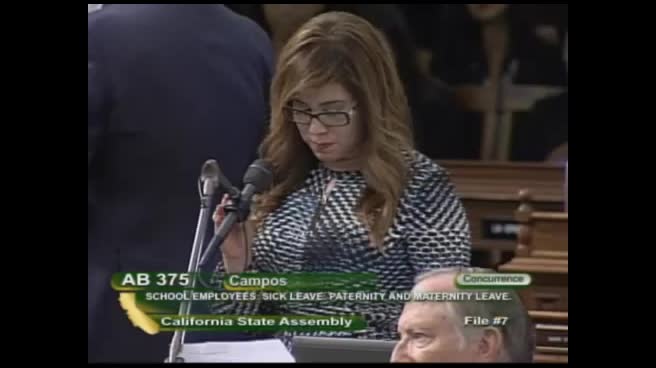 57SEC
Assembly Floor
 1MIN
Senate Floor
 4MIN
Assembly Floor
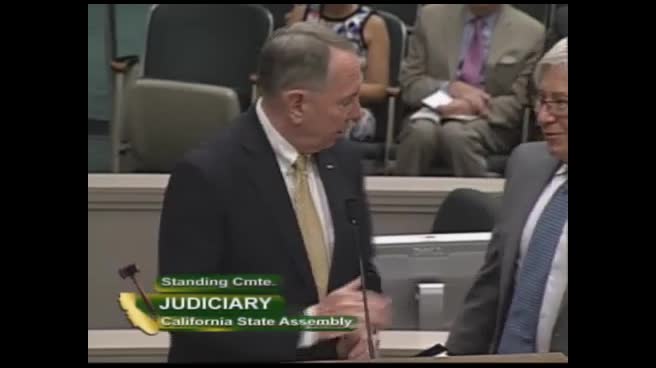 3MIN
Assembly Standing Committee on Judiciary
Bill Author