AJR 12: Head Start program.
- Session Year: 2025-2026
- House: Assembly
- Latest Version Date: 2025-09-10
Current Status:
Passed
(2025-09-10: Chaptered by Secretary of State - Res. Chapter 177, Statutes of 2025.)
Introduced
In Committee
Awaiting First Chamber Vote
Passed First Chamber
In Committee
Awaiting Second Chamber Vote
Passed Second Chamber
Enacted
This measure would recognize May 2025 as Head Start Month and call on the Congress and the President of the United States to protect and increase funding for Head Start.
This measure would recognize May 2025 as Head Start Month and call on the Congress and the President of the United States to protect and increase funding for Head Start.
This measure would recognize May 2025 as Head Start Month and call on the Congress and the President of the United States to protect and increase funding for Head Start.
WHEREAS, Since its May 18, 1965, founding by President Lyndon B. Johnson as part of his war on poverty, Head Start has helped over 40 million American children break the cycle of generational poverty; and
WHEREAS, May 18, 2025, marks the 60th anniversary of Head Start; and
WHEREAS, While the Head Start program is fully federally funded, its future is uncertain amid proposals to significantly reduce federal spending; and
WHEREAS, Head Start California is a nonprofit association dedicated to ensuring Californias children and families remain uplifted by the comprehensive services Head Start provides; and
WHEREAS, While Head Start programs are best known for providing high-quality, parent-driven early childhood education for children from birth to five years of age, inclusive, they also provide health, nutrition, social-emotional, behavioral, and dental services; and
WHEREAS, Children who attend Head Start are more likely to complete high school, more likely to enroll in and complete college, less likely to be involved in the justice system, less likely to be in foster care, and less likely to experience poor health; and
WHEREAS, Head Start programs uplift the entire family through apprenticeships, career technical assistance, family support services, and fatherhood engagement programs; and
WHEREAS, Parents of Head Start children are able to attain higher increases in educational attainment, improve their mental health, and deploy parenting practices that better support childrens cognitive development; and
WHEREAS, Investments in high-quality early childhood education programs like Head Start have been demonstrated to yield a 7- to 10-percent return on investment based on increased school and career achievements and reduced remedial costs; and
WHEREAS, In 2024, Head Start served 80,345 California children and their families, and directly employed 26,681 Californians with nearly $1.5 billion in Federal funding; and
WHEREAS, Californias Head Start programs have been challengednearly to the point of closing their doorsby the April 1, 2025, closure of the Federal Regional Office responsible for processing grant applications, distributing funds, and providing technical assistance; and
WHEREAS, Since January 2025, serious and unusual delays in the processing of federal payments to Head Start programs have repeatedly put programs at risk of closing; and
WHEREAS, Head Start is an investment in building the American dream; now, therefore, be it
Resolved by the Assembly and the Senate of the State of California, jointly, That the Legislature recognizes May 2025 as Head Start Month; and be it further
Resolved, That the Legislature calls on the Congress and the President of the United States to protect and increase funding for Head Start, a vital program; and be it further
Resolved, That the Chief Clerk of the Assembly transmit copies of this resolution to the President of the United States, the Vice President of the United States, the Speaker of the United States House of Representatives, the Majority Leader of the United States Senate, each Senator and Representative from California in the Congress of the United States, and to the author for appropriate distribution.
|
Date
|
Status
|
|---|---|
| Sep 10, 2025 | Chaptered by Secretary of State - Res. Chapter 177, Statutes of 2025. |
| Sep 10, 2025 | Enrolled and filed with the Secretary of State at 3 p.m. |
| Sep 3, 2025 | In Assembly. Ordered to Engrossing and Enrolling. |
| Sep 3, 2025 | Adopted and to Assembly. (Ayes 40. Noes 0. Page 2469.) |
| Aug 29, 2025 | Read second time. Ordered to Consent Calendar. |
| Aug 28, 2025 | From committee: Be adopted. To Consent Calendar. (Ayes 4. Noes 0.) (August 27). |
| Aug 20, 2025 | Referred to Com. on HUMAN S. |
| Jul 14, 2025 | In Senate. To Com. on RLS. |
| Jul 10, 2025 | Adopted and to Senate. (Ayes 74. Noes 0. Page 2505.) |
| Jul 10, 2025 | Coauthors revised. |
| Jul 2, 2025 | From committee: Be adopted. Ordered to Third Reading. (Ayes 7. Noes 0.) (July 1). |
| Jun 16, 2025 | Referred to Com. on HUM. S. |
| May 15, 2025 | From printer. |
| May 14, 2025 | Introduced. To print. |
|
Date
|
Description
|
Location
|
Votes
|
|
|---|---|---|---|---|
| Sep 3, 2025 | Consent Calendar 2nd AJR12 Ahrens et al. | Senate Floor |
Passed |
|
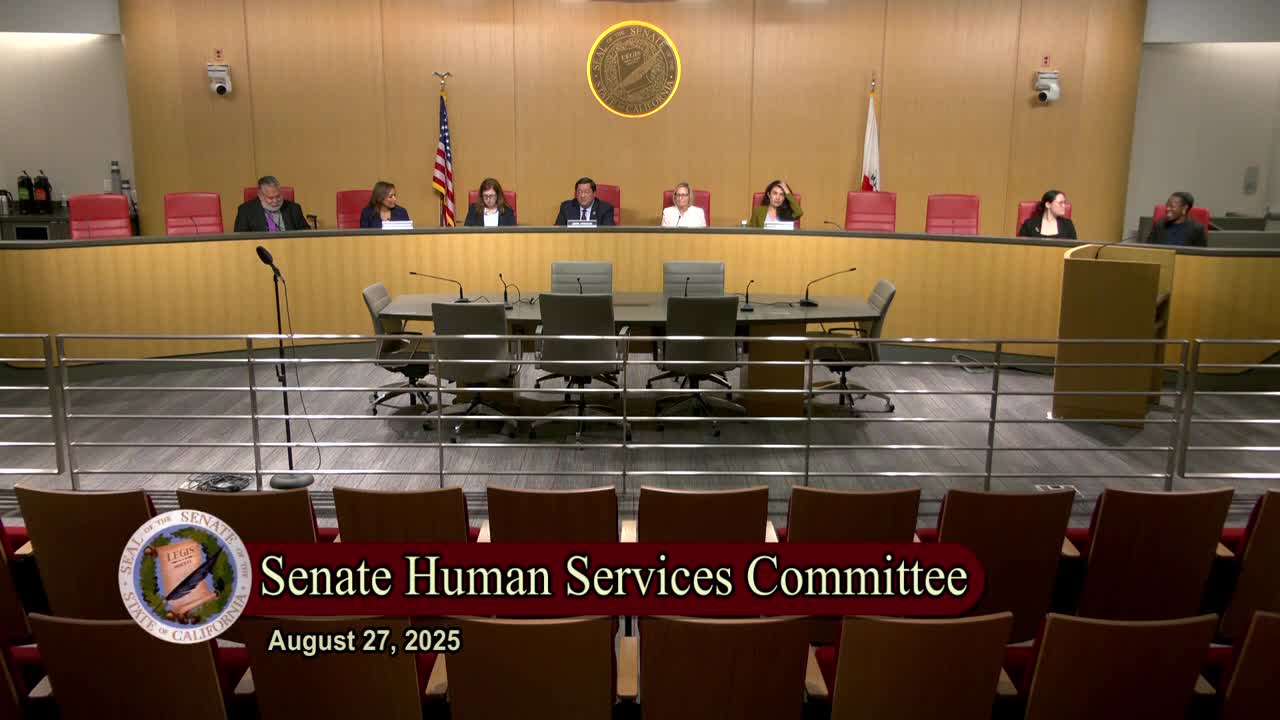
| Aug 27, 2025 | Be adopted and be ordered to the Consent Calendar | Senate Standing Committee on Human Services |
Passed |
|
| Jul 10, 2025 | AJR 12 Ahrens Assembly Third Reading By HADWICK | Assembly Floor |
Passed |
|
| Jul 1, 2025 | Be adopted. To third reading. | Assembly Standing Committee on Human Services |
Passed |
This list shows positions taken on this bill by organizations on the date displayed, which is linked to the original source.
Positions by individuals are not included.
|
Organization
|
Position
|
Date
|
|---|---|---|
| Children Now | ** Support | |
| Community Action Partnership of Kern | ** Support | |
| First 5 California | ** Support | |
| Grace Institute - End Child Poverty in Ca | ** Support | |
| Head Start California (Sponsor) | ** Support | |
| Kidango | ** Support | |
| Montebello Unified School District | ** Support | |
| North Coast Opportunities, INC. Head Start Child Development Program | ** Support | |
| SEIU California | ** Support | |
| Sierra Cascade Family Opportunities | ** Support |
SENATE RULES COMMITTEE Office of Senate Floor Analyses (916) 651-1520 Fax: (916) 327-4478 | AJR 12 |
CONSENT
Bill No: AJR 12
Author: Ahrens (D), Aguiar-Curry (D) and Hadwick (R), et al.
Introduced: 5/14/25
Vote: 21
SENATE HUMAN SERVICES COMMITTEE: 4-0, 8/27/25
AYES: Arreguín, Ochoa Bogh, Limón, Pérez
NO VOTE RECORDED: Becker
ASSEMBLY FLOOR: 74-0, 7/10/25 - See last page for vote
SUBJECT: Head Start program
SOURCE: Head Start California
DIGEST:
This resolution recognizes May 2025 as Head Start Month and urges Congress and the President of the United States to protect and increase funding for Head Start.
ANALYSIS:
Existing law:
- Establishes the Head Start Act to promote the school readiness of low-income children by enhancing their cognitive, social, and emotional development. (42 United States Code (United States Code (U.S.C.) 9831 et seq.)
- Requires the Secretary of the U.S. Department of Health and Human Services to award Head Start collaboration grants. (42 U.S.C. 9837b(a)(1))
- Requires the state director of Head Start Collaboration to develop a strategic plan to enhance collaboration and coordination of Head Start services, among other things; promote partnerships between Head Start agencies, state and local governments, relevant community-based organizations, and other organizations; consult with the chief state school officer, local educational agencies, and providers of early childhood education and development, at both the state and local levels; among other duties. (42 U.S.C. 9837b(a)(4))
- Defines “mixed-delivery system”, for purposes of the California Universal Preschool Planning Grant Program, as a system of early childhood education services that is delivered through a variety of providers, programs, and settings, including Head Start agencies, public, private, or propriety agencies, including community-based organizations, public schools, and local educational agencies that offer center-based childcare and preschool programs, tribal childcare and preschool, and family childcare through a family childcare home education network. (Education Code (EDC) 8320(b)(2))
- Requires school districts with early primary programs to provide educational continuity from preschool through kindergarten and grades 1 to 3, inclusive, by accomplishing the following:
- Establishing connections with public preschool programs, including state preschool, state child development, and federal Head Start programs.
- Promoting connections among early primary programs that provide before- and after-school services.
- Promoting joint activities for teachers and administrators of public preschool programs, including state preschool, state child development, and federal Head Start, and kindergarten and grades 1 to 3, inclusive. (EDC 8974)
This resolution:
- Makes the following findings:
- May 18, 2025 marks the 60th anniversary of Head Start. Since its founding by President Lyndon B. Johnson as part of his war on poverty, Head Start has helped over 40 million American children break the cycle of generational poverty.
- While the Head Start program is fully federally funded, its future is uncertain amid proposals to significantly reduce federal spending.
- Head Start California is a nonprofit association dedicated to ensuring California’s children and families remain uplifted by the comprehensive services Head Start provides.
- Head Start programs are best known for providing high-quality, parent-driven early childhood education for children from birth through five years of age. Head Start programs also provide health, nutrition, social-emotional, behavioral, and dental services.
- Head Start programs uplift the entire family. Children who attend Head Start are more likely to complete high school and enroll in and complete college, and less likely to be involved in the justice system, to be in foster care, and to experience poor health. Parents of Head Start children are able to attain higher increases in educational attainment, improve their mental health, and deploy parenting practices that better support their children’s cognitive development.
- Investments in high-quality early childhood education programs like Head Start have been demonstrated to yield a seven to 10% return on investment based on increased school and career achievements and reduced remedial costs.
- Head Start is an investment in building the American dream. In 2024, Head Start served 80,345 California children and their families, and directly employed 26,681 Californians with nearly $1.5 billion in federal funding.
- California’s Head Start programs have been challenged—nearly to the point of closing their doors—by the April 1, 2025, closure of the Federal Regional Office responsible for processing grant applications, distributing funds, and providing technical assistance. Since January 2025, serious and unusual delays in the processing of federal payments to Head Start programs have repeatedly put programs at risk of closing.
- Resolves that the Assembly and the Senate of the State of California, jointly, recognizes May 2025 as Head Start Month. Further resolves that the Chief Clerk of the Assembly transmit copies of this resolution to the President of the United States, the Vice President of the United States, the Speaker of the United States House of Representatives, the Majority Leader of the United States Senate, each Senator and Representative from California in the Congress of the United States, and to the author for appropriate distribution.
Background
Purpose of this bill. According to the author, “AJR-12 recognizes May 2025 as Head Start Month and calls on Congress and the President to protect and increase funding to the Head Start program to support the 85,000 least advantaged California families and kids served with high-quality, early childhood education.”
Head Start. The federal Head Start program first began as an eight-week project under the Office of Economic Opportunity, established in 1965 as a component of President Johnson’s War on Poverty. According to the U.S. Department of Health and Human Services, “Head Start was designed to help break the cycle of poverty, providing preschool children of low-income families with a comprehensive program to meet their emotional, social, health, nutritional and psychological needs.” In 1977, Head Start programs were launched in 21 states, and by 1984 the program’s grant budget was over $1 billion. Head Start was most recently reauthorized through the Improving Head Start for School Readiness Act of 2007 (P.L. 110-134).
Today, the Head Start program serves children from birth to age five and pregnant women in core areas including early learning and development, health and wellness, family well-being, and family engagement. Families are eligible if their income falls below the federal poverty guidelines; for example, a four-person family must have an income below $32,150 to qualify in 2025. Head Start services are provided in child care centers, family child care homes, or in the family’s own home. The U.S. Department of Health and Human Services, Administration for Children and Families, Office of Head Start awards grants directly to local public and private for-profit and nonprofit agencies. Grant funding is administered to agencies in all 50 states, plus the District of Columbia, Tribal nations, and several U.S. territories.
According to data from Federal Fiscal Year 2024, California received 116 Head Start grants amounting to $1.6 billion in total funding for 75,281 slots. Of those enrolled approximately 9% were less than one year old, 13% were one-year-olds, 20% were two-year-olds, 31% were three-year-olds, 25% were four-year-olds, and 1% were five-year-olds or older. Additionally, of those enrolled, 2,815 were children in foster care, 8,051 were children experiencing homelessness, and 53,173 were Dual Language Learners.
Recent Federal Actions. On January 27, 2025, the Office of Management and Budget issued a temporary freeze on funding for federal programs, which raised concerns among Head Start grantees. Head Start was later announced as exempt from the freeze, however, six programs in California reported having trouble accessing their payments. On April 1, the Trump Administration announced the immediate closure of five of 12 regional offices that oversee Head Start, including the Region 9 office, which oversees California. According to the Associated Press, an internal early draft of the President’s 2026 budget included a proposal to eliminate funding for Head Start. This proposal aligned with Project 2025, a conservative policy agenda by the Heritage Foundation. However, the budget proposal released by the President in May did not include any changes to Head Start funding.
In June, the U.S. Department of Health and Human Services issued a notice that revises the definition of “federal public benefits”, effectively adding programs to those restricted to individuals with a “qualified” immigration status. Head Start is affected by this policy change. The notice was issued with an immediate effective date, before the conclusion of the 30-day public comment period. On July 21, California Attorney General Bonta announced a lawsuit against the Trump Administration over the “abrupt decision to restrict access to more than a dozen public benefit programs based on immigration status.” This lawsuit was filed jointly with the attorneys general of 19 other states and the District of Columbia. It is unclear how this change may affect Head Start programs.
On July 31, the U.S. Senate Appropriations Committee approved the Departments of Labor, Health and Human Services, Education, and Related Agencies Appropriations Act (S. 2587) which proposes to fund Head Start at $12.4 billion. Additionally, the committee requested a report within 60 days of enactment that details the justification for the closures of regional offices. This represents the latest but not final budget decision, which must be negotiated between the U.S. House of Representatives and U.S. Senate and then sent to the President’s desk for signature. This resolution urges Congress and the President to protect and increase funding for Head Start.
Related/Prior Legislation
AJR 3 (Schiavo) urges the President of the United States and Congress not to cut Social Security, Medicare, or Medicaid benefits. AJR 3 is pending on the Senate Floor.
SJR 3 (Arreguín, Chapter 151, Statutes of 2025) urges the United States Congress to avoid any cuts to the SNAP program.
AJR 12 (Chan, Chapter 72, Statutes of 2003) requested the Congress of the United States to acknowledge the success and maintain the funding support of the Head Start program.
Comments
This resolution seeks to recognize the 60th anniversary of the federal Head Start program, which has served over 40 million children since its founding. Head Start serves low-income families by provided children with care and education and enabling parents to go to work. According to the California Budget and Policy Center, in 2023, only 14% of eligible children were enrolled in subsidized child care programs in the state. This translates to an estimated 286,000 children enrolled and 1.8 million children on waitlists or in informal care arrangements. When families cannot access child care, they often cannot attend school or work, which limits their family income and perpetuates the cycle of poverty. This not only harms families but also reduces workforce participation and economic stability. Head Start is fully funded by the federal government. Elimination or cuts to Head Start funding will both jeopardize low-income families’ livelihoods and threaten the capacity of California’s early care system.
FISCAL EFFECT: Appropriation: No Fiscal Com.: No Local: No
SUPPORT: (Verified 8/28/25)
Head Start California (Sponsor)
Community Action Partnership of Kern
North Coast Opportunities, INC. Head Start Child Development Program
Seiu California
Sierra Cascade Family Opportunities
OPPOSITION: (Verified 8/28/25)
None received
ASSEMBLY FLOOR: 74-0, 7/10/25
AYES: Addis, Aguiar-Curry, Ahrens, Alvarez, Arambula, Ávila Farías, Bains, Bennett, Berman, Boerner, Bonta, Bryan, Calderon, Caloza, Castillo, Chen, Connolly, Davies, DeMaio, Dixon, Elhawary, Ellis, Fong, Gabriel, Gallagher, Garcia, Gipson, Jeff Gonzalez, Mark González, Hadwick, Haney, Harabedian, Hart, Hoover, Irwin, Jackson, Kalra, Krell, Lackey, Lee, Lowenthal, Macedo, McKinnor, Muratsuchi, Nguyen, Ortega, Pacheco, Papan, Patel, Patterson, Pellerin, Petrie-Norris, Quirk-Silva, Ramos, Ransom, Celeste Rodriguez, Michelle Rodriguez, Rogers, Blanca Rubio, Sanchez, Schiavo, Schultz, Sharp-Collins, Solache, Soria, Stefani, Ta, Tangipa, Valencia, Wallis, Ward, Wicks, Wilson, Zbur
NO VOTE RECORDED: Alanis, Bauer-Kahan, Carrillo, Flora, Rivas
Prepared by: Diana Dominguez / HUMAN S. / (916) 651-1524
9/2/25 18:27:25
**** END ****
SENATE COMMITTEE ON HUMAN SERVICES
Senator Arreguín, Chair
2025 - 2026 Regular
Bill No: | AJR 12 | ||
Author: | Ahrens | ||
Version: | May 14, 2025 | Hearing Date: | August 27, 2025 |
Urgency: | No | Fiscal: | No |
Consultant: | Diana Dominguez | ||
Subject: Head Start program
SUMMARY
This resolution recognizes May 2025 as Head Start Month and urges the Congress and the President of the United States to protect and increase funding for Head Start.
ABSTRACT
Existing Law:
- Establishes the Head Start Act to promote the school readiness of low-income children by enhancing their cognitive, social, and emotional development. (42 United States Code (U.S.C. 9831 et seq.)
- Requires the Secretary of the U.S. Department of Health and Human Services to award Head Start collaboration grants. (42 U.S.C. 9837b(a)(1))
- Requires the state director of Head Start Collaboration to develop a strategic plan to enhance collaboration and coordination of Head Start services, among other things; promote partnerships between Head Start agencies, state and local governments, relevant community-based organizations, and other organizations; consult with the chief state school officer, local educational agencies, and providers of early childhood education and development, at both the state and local levels; among other duties. (42 U.S.C. 9837b(a)(4))
- Defines “mixed-delivery system”, for purposes of the California Universal Preschool Planning Grant Program, as a system of early childhood education services that is delivered through a variety of providers, programs, and settings, including Head Start agencies, public, private, or propriety agencies, including community-based organizations, public schools, and local educational agencies that offer center-based childcare and preschool programs, tribal childcare and preschool, and family childcare through a family childcare home education network. (Education Code (EDC) 8320(b)(2))
- Requires school districts with early primary programs to provide educational continuity from preschool through kindergarten and grades 1 to 3, inclusive, by accomplishing the following:
- Establishing connections with public preschool programs, including state preschool, state child development, and federal Head Start programs.
- Promoting connections among early primary programs that provide before- and after-school services.
- Promoting joint activities for teachers and administrators of public preschool programs, including state preschool, state child development, and federal Head Start, and kindergarten and grades 1 to 3, inclusive. (EDC 8974)
This Bill:
- Makes the following findings:
- May 18, 2025 marks the 60th anniversary of Head Start. Since its founding by President Lyndon B. Johnson as part of his war on poverty, Head Start has helped over 40 million American children break the cycle of generational poverty.
- While the Head Start program is fully federally funded, its future is uncertain amid proposals to significantly reduce federal spending.
- Head Start California is a nonprofit association dedicated to ensuring California’s children and families remain uplifted by the comprehensive services Head Start provides.
- Head Start programs are best known for providing high-quality, parent-driven early childhood education for children from birth through five years of age. Head Start programs also provide health, nutrition, social-emotional, behavioral, and dental services.
- Head Start programs uplift the entire family. Children who attend Head Start are more likely to complete high school and enroll in and complete college, and less likely to be involved in the justice system, to be in foster care, and to experience poor health. Parents of Head Start children are able to attain higher increases in educational attainment, improve their mental health, and deploy parenting practices that better support their children’s cognitive development.
- Investments in high-quality early childhood education programs like Head Start have been demonstrated to yield a seven to 10% return on investment based on increased school and career achievements and reduced remedial costs.
- Head Start is an investment in building the American dream. In 2024, Head Start served 80,345 California children and their families, and directly employed 26,681 Californians with nearly $1.5 billion in federal funding.
- California’s Head Start programs have been challenged—nearly to the point of closing their doors—by the April 1, 2025, closure of the Federal Regional Office responsible for processing grant applications, distributing funds, and providing technical assistance. Since January 2025, serious and unusual delays in the processing of federal payments to Head Start programs have repeatedly put programs at risk of closing.
- Resolves that the Assembly and the Senate of the State of California, jointly, recognizes May 2025 as Head Start Month. Further resolves that the Chief Clerk of the Assembly transmit copies of this resolution to the President of the United States, the Vice President of the United States, the Speaker of the United States House of Representatives, the Majority Leader of the United States Senate, each Senator and Representative from California in the Congress of the United States, and to the author for appropriate distribution.
FISCAL IMPACT
This resolution has been keyed non-fiscal.
BACKGROUND AND DISCUSSION
Purpose of the Bill:
According to the author, “AJR-12 recognizes May 2025 as Head Start Month and calls on Congress and the President to protect and increase funding to the Head Start program to support the 85,000 least advantaged California families and kids served with high-quality, early childhood education.”
Head Start
The federal Head Start program first began as an eight-week project under the Office of Economic Opportunity, established in 1965 as a component of President Johnson’s War on Poverty. According to the U.S. Department of Health and Human Services, “Head Start was designed to help break the cycle of poverty, providing preschool children of low-income families with a comprehensive program to meet their emotional, social, health, nutritional and psychological needs.”[1] In 1977, Head Start programs were launched in 21 states, and by 1984 the program’s grant budget was over $1 billion. Head Start was most recently reauthorized through the Improving Head Start for School Readiness Act of 2007 (P.L. 110-134).
Today, the Head Start program serves children from birth to age five and pregnant women in core areas including early learning and development, health and wellness, family well-being, and family engagement[2]. Families are eligible if their income falls below the federal poverty guidelines; for example, a four-person family must have an income below $32,150 to qualify in 2025.[3] Head Start services are provided in child care centers, family child care homes, or in the family’s own home. The U.S. Department of Health and Human Services, Administration for Children and Families, Office of Head Start awards grants directly to local public and private for-profit and nonprofit agencies. Grant funding is administered to agencies in all 50 states, plus the District of Columbia, Tribal nations, and several U.S. territories.
According to data from Federal Fiscal Year 2024, California received 116 Head Start grants amounting to $1.6 billion in total funding for 75,281 slots[4]. Of those enrolled approximately 9% were less than one year old, 13% were one-year-olds, 20% were two-year-olds, 31% were three-year-olds, 25% were four-year-olds, and 1% were five-year-olds or older. Additionally, of those enrolled, 2,815 were children in foster care, 8,051 were children experiencing homelessness, and 53,173 were Dual Language Learners.
Recent Federal Actions
On January 27, 2025, the Office of Management and Budget issued a temporary freeze on funding for federal programs, which raised concerns among Head Start grantees. Head Start was later announced as exempt from the freeze, however, six programs in California reported having trouble accessing their payments[5]. On April 1, the Trump Administration announced the immediate closure of five of 12 regional offices that oversee Head Start, including the Region 9 office, which oversees California. According to the Associated Press, an internal early draft of the President’s 2026 budget included a proposal to eliminate funding for Head Start[6]. This proposal aligned with Project 2025, a conservative policy agenda by the Heritage Foundation. However, the budget proposal released by the President in May did not include any changes to Head Start funding.
In June, the U.S. Department of Health and Human Services issued a notice[7] that revises the definition of “federal public benefits”, effectively adding programs to those restricted to individuals with a “qualified” immigration status. Head Start is affected by this policy change. The notice was issued with an immediate effective date, before the conclusion of the 30-day public comment period. On July 21, California Attorney General Bonta announced a lawsuit against the Trump Administration over the “abrupt decision to restrict access to more than a dozen public benefit programs based on immigration status.”[8] This lawsuit was filed jointly with the attorneys general of 19 other states and the District of Columbia. It is unclear how this change may affect Head Start programs.
On July 31, the U.S. Senate Appropriations Committee approved the Departments of Labor, Health and Human Services, Education, and Related Agencies Appropriations Act (S. 2587) which proposes to fund Head Start at $12.4 billion. Additionally, the committee requested a report within 60 days of enactment that details the justification for the closures of regional offices. This represents the latest but not final budget decision, which must be negotiated between the U.S. House of Representatives and U.S. Senate and then sent to the President’s desk for signature. This resolution urges Congress and the President to protect and increase funding for Head Start.
Related/Prior Legislation:
AJR 3 (Schiavo) urges the President of the United States and Congress not to cut Social Security, Medicare, or Medicaid benefits. AJR 3 is pending on the Senate Floor.
SJR 3 (Arreguín, Chapter 151, Statutes of 2025) urges the United States Congress to avoid any cuts to the SNAP program.
AJR 12 (Chan, Chapter 72, Statutes of 2003) requested the Congress of the United States to acknowledge the success and maintain the funding support of the Head Start program.
COMMENTS
This resolution seeks to recognize the 60th anniversary of the federal Head Start program, which has served over 40 million children since its founding. Head Start serves low-income families by provided children with care and education and enabling parents to go to work. According to the California Budget and Policy Center, in 2023, only 14% of eligible children were enrolled in subsidized child care programs in the state[9]. This translates to an estimated 286,000 children enrolled and 1.8 million children on waitlists or in informal care arrangements. When families cannot access child care, they often cannot attend school or work, which limits their family income and perpetuates the cycle of poverty. This not only harms families but also reduces workforce participation and economic stability. Head Start is fully funded by the federal government. Elimination or cuts to Head Start funding will both jeopardize low-income families’ livelihoods and threaten the capacity of California’s early care system.
PRIOR VOTES
Assembly Floor: | 74 - 0 |
Assembly Human Services Committee: | 7 - 0 |
POSITIONS
Support:
Head Start California (Sponsor)
Community Action Partnership of Kern
North Coast Opportunities, INC. Head Start Child Development Program
Seiu California
Sierra Cascade Family Opportunities
Oppose:
None Received
-- END --
https://headstart.gov/about-us/article/head-start-history ↑
https://headstart.gov/programs/article/head-start-approach ↑
https://aspe.hhs.gov/topics/poverty-economic-mobility/poverty-guidelines ↑
https://headstart.gov/program-data/article/head-start-investments-state ↑
https://www.latimes.com/california/story/2025-02-07/head-start-grants-trump-funding-freeze ↑
https://apnews.com/article/head-start-trump-funding-budget-cuts-education-204077e046329eb22c71445d57ba002b ↑
https://www.federalregister.gov/documents/2025/07/14/2025-13118/personal-responsibility-and-work-opportunity-reconciliation-act-of-1996-prwora-interpretation-of ↑
https://oag.ca.gov/news/press-releases/attorney-general-bonta-sues-trump-administration-over-cruel-directive-unlawfully ↑
https://calbudgetcenter.org/resources/the-unmet-need-for-child-care-remains-staggeringly-high/ ↑
Date of Hearing: July 1, 2025
ASSEMBLY COMMITTEE ON HUMAN SERVICES
Alex Lee, Chair
ABPCA Bill Id:AJR 12 (
Author:Ahrens) – As Introduced Ver:May 14, 2025
SUBJECT: Head Start program
SUMMARY: Recognizes May 2025 as Head Start Month and urges the President and United States (U.S.) Congress to protect and increase funding for Head Start. Specifically, this measure:
- Makes the following findings:
- Since its May 18, 1965, founding by President Lyndon B. Johnson as part of his war on poverty, Head Start has helped over 40 million American children break the cycle of generational poverty;
- May 18, 2025, marks the 60th anniversary of Head Start;
- While the Head Start program is fully federally funded, its future is uncertain amid proposals to significantly reduce federal spending;
- Head Start California is a nonprofit association dedicated to ensuring California’s children and families remain uplifted by the comprehensive services Head Start provides;
- While Head Start programs are best known for providing high-quality, parent-driven early childhood education for children from birth to five years of age, inclusive, they also provide health, nutrition, social-emotional, behavioral, and dental services;
- Children who attend Head Start are more likely to complete high school, more likely to enroll in and complete college, less likely to be involved in the justice system, less likely to be in foster care, and less likely to experience poor health;
- Head Start programs uplift the entire family through apprenticeships, career technical assistance, family support services, and fatherhood engagement programs;
- Parents of Head Start children are able to attain higher increases in educational attainment, improve their mental health, and deploy parenting practices that better support children’s cognitive development;
- Investments in high-quality early childhood education programs like Head Start have been demonstrated to yield a 7% to 10% return on investment based on increased school and career achievements and reduced remedial costs;
- In 2024, Head Start served 80,345 California children and their families, and directly employed 26,681 Californians with nearly $1.5 billion in federal funding;
- California’s Head Start programs have been challenged, nearly to the point of closing their doors, by the April 1, 2025, closure of the Federal Regional Office responsible for processing grant applications, distributing funds, and providing technical assistance;
- Since January 2025, serious and unusual delays in the processing of federal payments to Head Start programs have repeatedly put programs at risk of closing; and,
- Head Start is an investment in building the American dream.
- Resolves, on behalf of the Assembly and the Senate of the State of California, jointly, the following:
- That the Legislature recognizes May 2025 as Head Start Month;
- That the Legislature calls on the Congress and the President of the U.S. to protect and increase funding for Head Start, a vital program; and,
- That the Chief Clerk of the Assembly transmit copies of this resolution to the President of the U.S., the Vice President of the U.S., the Speaker of the U.S. House of Representatives, the Majority Leader of the U.S. Senate, each Senator and Representative from California in the Congress of the U.S., and to the author for appropriate distribution.
EXISTING LAW:
State law:
- Requires school districts with early primary programs to provide educational continuity from preschool through kindergarten and grades 1 to 3, inclusive, by establishing connections with public preschool programs, including state preschool, state child development, and federal Head Start programs to establish a more effective transition of children preschool to kindergarten. (Education Code § 8974)
- Requires, when the California State Preschool Program (CSPP) contractor is also a Head Start grantee or delegate agency or has a signed collaboration agreement with a Head Start grantee or delegate agency, and is providing collaborative full-day services using both Head Start and CSPP contract funds, the contractor to utilize the CSPP waiting list in conjunction with the Head Start program waiting list and enroll children in the following priority order:
- First priority shall be given to CSPP age eligible children that have been identified at risk of abuse, neglect, or exploitation or who are receiving child protective services in accordance with regulations;
- Second priority shall be given to children with disabilities beyond the required set aside pursuant to state law, whose families are income eligible for CSPP;
- Third priority shall be given to CSPP eligible three- and four-year-old children from families that meet Head Start income guidelines, and have the lowest income ranking based on the most recent income ranking schedule adopted by the State Superintendent of Public Instruction; and,
- Fourth priority shall be given to CSPP eligible three- and four-year-old children from families that meet applicable Head Start priorities as stipulated in the Eligibility, Recruitment, Selection, Enrollment, and Attendance requirements. (5 California Code of Regulations § 17748)
Federal law:
- Establishes the Head Start Act, which promotes the school readiness of low-income children. (42 United States Code [U.S.C.] § 9831 et seq.)
- Defines the following terms:
- “Migrant or Seasonal Head Start program” means, with respect to services for migrant farmworkers, a Head Start program that serves families who are engaged in agricultural labor and who have changed their residence from one geographic location to another in the preceding 2-year period; and, with respect to services for seasonal farmworkers, a Head Start program that serves families who are engaged primarily in seasonal agricultural labor and who have not changed their residence to another geographic location in the preceding 2-year period;
- “Mobile Head Start program” means the provision of Head Start services utilizing transportable equipment set up in various community-based locations on a routine, weekly schedule, operating in conjunction with home-based head Start programs, or as a Head Start classroom;
- “Head Start family day care” means Head Start services provided in a private residence other than the residence of the child receiving such services;
- “Home-based Head Start program” means a Head Start program that provides Head Start services in the private residence of the child receiving such services; and,
- “Delegate agency” means a public, private nonprofit (including a community-based organization), or for-profit organization or agency to which a grantee has delegated all or part of the responsibility of the grantee for operating a Head Start program. (42 U.S.C § 9832)
- Requires each Head Start agency to take steps to coordinate with the local educational agency serving the community involved and with schools in which children participating in Head Start program operated by such agency will enroll following such program to promote specified continuity services and effective transitions. (42 U.S.C. § 9837(a))
FISCAL EFFECT: This resolution was keyed non-fiscal by the Legislative Counsel.
COMMENTS:
Background: The State of Childcare. High-quality childcare and early learning remain unaffordable and inaccessible for many families across the U.S. in 2024, according to a report titled, “A 2024 Review of Child Care and Early Learning in the United States” by the Center for American Progress. Although the childcare sector has returned to pre-COVID-19 pandemic employment levels, growth has been uneven, with access and affordability varying significantly by geography. Federal stabilization funds from the 2021 American Rescue Plan Act (ARPA) helped keep hundreds of thousands of childcare providers open during the pandemic and protected access to care for as many as 10 million children, but these temporary investments was insufficient to address structural inequities and unsustainable funding models that existed long before the pandemic.
To address ongoing challenges in the childcare system, the federal government updated the Child Care and Development Fund (CCDF) rules in 2024 to improve affordability, access, and stability for low-income families. Administered by the U.S. Department of Health and Human Services (HHS) through the Office of Child Care, CCDF is a federal block grant to states, territories, and tribes that provide both discretionary and mandatory funding under the Child Care and Development Block Grant. The funds support childcare subsidies, family and provider services, quality improvement efforts, and program administration. The 2024 CCDF Final Rule, published on March 1, 2024, capped family co-payments at 7% of income and allowed states to waive fees for high-need populations such as infants, children with disabilities, and those experiencing homelessness. It also required states to pay providers based on enrollment rather than attendance and to issue payments prospectively. These changes, driven by a 2023 executive order, aimed to address longstanding structural issues. However, the expiration of ARPA funds on September 30, 2023, and the final $15 billion in supplemental CCDF funds on September 30, 2024, underscored the ongoing need for sustained public investment.
These policy reforms come at a critical time, as shifting workface dynamics and demographic trends continue to intensify the demand for affordable, accessible childcare across the nation. In 2023, there were over 22 million children under six years of age (6.6% of the population) in the U.S., with 53.9% identified as children of color, reflecting greater racial and ethnic diversity than the general population. That same year, 69% of young children had all available parents in the workforce, up from 65% in 2015, largely due to increased maternal labor force participation. In 2023, 2.2 million parents of children under six years of age reported having to quit, turn down, or significantly alter their jobs due to childcare challenges. Women were disproportionately affected, facing greater career disruptions and long-term income losses. The share of mothers reducing work hours or taking time off due to childcare continued to exceed that of fathers, and part-time work driven by childcare responsibilities rose more than 40% since 2019.
Families across the country continue to face steep childcare costs that strain household budgets and limit access to early learning opportunities. Between 2016 and 2023, inflation-adjusted annual childcare prices rose by $1,058 for two children in center-based care and by $2,739 for two children in family-based care. In 2023, the average national cost of childcare required 10% of income for two-parent households and 32% for single parents, which is well above the federal affordability benchmark of 7%. In California, a single parent with an infant and a school-age child will spend 61% of their income on childcare. Data show that average annual childcare payments increased by 13% between 2021 and 2024. These costs pushed an estimated 134,000 families into poverty and force 446,000 middle-income families into lower-income brackets each year.
While subsidies help some low-income families offset these expenses, they are insufficient to meet demand. In 2021, only 13.5% of eligible low-income children under six years of age received childcare subsidies nationwide. According to the California Budget & Policy Center, only 14% of California’s children eligible for childcare actually received childcare services in 2022 due to inadequate state and federal funding, with the number of new slots not keeping pace with the growing demand. While the 2024 updates to the CCDF aimed to reduce family costs, improve provider payments, and simplify enrollment, implementation depends on sustained funding. Additionally, high costs are compounded by limited supply. Many families live in “childcare deserts,” which are areas with at least 50 children under five years of age that contain either no childcare providers or so few options that there are more than three times as many children as licensed childcare slots. As of 2018, 51% of U.S. population lived in a childcare desert, disproportionately affecting low-income rural, and communities of color. These access gaps are especially severe for infants, toddlers, and children with disabilities, for whom care options are even more limited.
Head Start. Launched in 1965 as part of President Lyndon B. Johnson’s War on Poverty, Head Start is the nation’s longest-running federally funded early learning program, having served nearly 40 million children since its inception. Funded by the Economic Opportunity Act of 1964, the program provides early education, health services, and family support to promote child and family well-being, especially for low-income families. Eligibility includes children up to 130% of the federal poverty level ($34,645 for a family of three), those receiving public assistance like Temporary Assistance for Needy Families or Supplemental Security Income, children experiencing homelessness, and children in foster care. Programs are required to reserve at least 10% of slots for children with disabilities.
Head Start plays a critical role in rural areas, often serving as the only licensed early education option. However, limited funding and an outdated funding formula restrict its capacity to serve all eligible children. In 2022-23, Early Head Start reached 10.7% of infants and toddlers in poverty, while Head Start Preschool reached 35.4% of 3- and 4-year-olds. Service levels were even lower for children experiencing homelessness at 5.5%. In that same year, Migrant and Seasonal Head Start reached about 2.6% of children. Additionally, more than half of Head Start children attend center-based programs, while one-third of Early Head Start children receive care in home-based settings.
Head Start programs in tribal communities, like the Walatowa Head Start on the Jemez Pueblo in New Mexico, serve not only as early learning centers, but also as critical tools for preserving Indigenous language and culture. At Walatowa, children participate in daily rituals such as cornmeal ceremonies and learn entirely in Heist, the Pueblo’s oral language, which is sacred and nonwritten. These activities strengthen cultural identity and ensure intergenerational language transmission. Tribal Head Start programs face additional challenges including higher operating costs due to rural infrastructure needs and the requirement that local communities contribute 20% of funding. Despite local investments in early childhood education, Head Start remains heavily dependent on federal funding, covering 80% of the cost of each Head Start program. In 2023-24, American Indian and Alaska Native Head Start reached 17,760 children nationwide.
In 2023-24, Head Start programs served 764,424 children nationwide, an increase from the prior year but still below COVID-19 pandemic enrollment. During that same year in California, 140 Head Start and Early Head Start programs operated at 1,885 Head Start centers, employed 23,349 staff, and served 85,236 children. Of this total, Head Start California served 53,173 dual language learners, 8,051 children experiencing homelessness, and 2,814 children in foster care. Moreover, $1.65 billion in federal funding flowed into California’s early childhood infrastructure through Head Start, making California one of the largest recipients and implementers of Head Start services in the country.
Head Start has demonstrated significant long-term benefits. Research published by National Bureau of Economic Research in April 2025 looked at Head Start’s long-term impact by tracking participants’ educational attainment, employment and earnings and compared children born just months too early to enroll when Head Start began in the 1960s who shared similar environments, but lacked access to the program. Compared to their slightly older peers, Head Start participants were more likely to complete high school, attend and finish college, earn higher wages, and avoid public assistance. They also had lower rates of adult poverty and higher workforce participation. These outcomes suggest Head Start’s long-term benefits stem not only from early education, but also from health services and nutrition supports. The program’s gains extend across generations, with positive impacts seen in the children of original participants due to family supports like employment, housing, food assistance, healthcare, and early intervention. The study concludes that the program’s outcomes yield broad public benefits, including a larger tax base and reduced public spending. As such, Head Start represents a critical federal investment in the success and well-being of low-income children and their families.
Despite Head Start’s demonstrated success coupled with rising child poverty, funded enrollment continues to decline due to federal funding shortfalls, rising costs, and severe staffing shortages. Nearly two-thirds of grantees reported unusually high staff vacancies, largely due to low pay and poor working conditions. As a result, 14% of classrooms were closed, with most closures directly linked to staffing gaps.
Recent Federal Actions. The Trump administration took a series of actions that significantly disrupted the Head Start program, which was slated to receive $12 billion in funding for the current year. In January, a temporary pause on federal grant funding, including Head Start, was issued by the Office of Management and Budget, which although quickly blocked by the courts and later rescinded, still resulted in delayed disbursements that affected services in the early months of the year. Under the leadership of the current Secretary of HHS, sweeping staff reductions were enacted in February as part of a broader restructuring effort related to similar staff reductions under the direction of the U.S. Department of Government Efficiency. By the end of March, it was announced that more than 500 civil servants were to be fired across the Administration of Children and Families program offices, including the Office of Head Start, alongside tens of thousands of other HHS employees.
According to the Center for Law and Social Policy, the mass layoffs by HHS resulted in an overall reduction of 40% to 50% of staff in the Office of Head Start and Office of Child Care and the closure of five regional Head Start offices, which served 23 states and five territories, including California. This move left many grantees without critical federal oversight and technical support, delaying grant approvals and disrupting operations. Later in April, according to an internal preliminary budget proposal obtained by the Washington Post, the federal fiscal year 2026 budget proposed eliminating the Head Start program entirely, aligning with recommendations in the conservative Project 2025 agenda which argued that Head Start duplicates services and contributes to an inefficient federal bureaucracy.
Although the final discretionary budget proposal released in May preserved Head Start’s $12.27 billion funding, concerns remain due to the earlier elimination proposal, ongoing office closures, and continued delays in funding distribution. On May 14, the Secretary of HHS testified before Congress to reaffirm the administration’s commitment to the program, but the year’s events left lingering uncertainty for providers and families reliant on Head Start services.
According to a report titled “How Republican-Led Budget Cuts Could Impact Californians in Every Congressional District” released in May 2025 by the California Budget & Policy Center, without Head Start, thousands of California families would be on waiting lists, limiting their ability to work and meet basic needs. This not only harms families, but also reduces workforce participation and economic stability. Early care and education programs generate significant economic returns. Every $1 invested in Head Start results in at least $7 in benefits.
Author’s Statement: According to the Author, “[This resolution] recognizes May 2025 as Head Start Month and calls on Congress and the President to protect and increase funding to the Head Start program to support the 85,000 least advantaged California families and kids served with high-quality, early childhood education.”
Equity Implications: By recognizing May 2025 as Head Start Month and urging federal policymakers to protect and increase funding, this resolution reinforces the state’s commitment to addressing disparities in early childhood education, health, and family well-being.
Head Start primarily serves low-income families, children of color, children in foster care, children with disabilities, and those experiencing homelessness, which are all groups that face disproportionate barriers to opportunity. The program’s integrated services, which include healthcare, nutrition, behavioral supports, and family engagement, help reduce inequities in school readiness, long-term educational attainment, and economic stability. This resolution draws attention to the severe operational challenges caused by the April 2025 federal regional office closures and delayed federal payments, which have threatened program continuity, especially in high-need communities that lack alternative providers.
By calling for continued and increased investment, this resolution seeks to mitigate the deepening existing racial, economic, and geographic disparities in early childhood outcomes. In doing so, it may support the equitable distribution of early learning resources and safeguards a program shown to generate multigenerational benefits for marginalized families.
RELATED AND PRIOR LEGISLATION:
SJR 3 (Arreguín) of the current legislative session, urges the U.S. Congress to avoid any cuts to the Supplemental Nutrition Assistance Program. SJR 3 is pending on the Assembly Floor.
REGISTERED SUPPORT / OPPOSITION:
Support
Head Start California (Sponsor)
Children Now
First 5 California
Grace Institute - End Child Poverty in CA
Kidango
Montebello Unified School District
SEIU California
Opposition
None on file.
Analysis Prepared by: Bri-Ann Hernández-Mengual / HUM. S. / (916) 319-2089
Discussed in Hearing
 7MIN
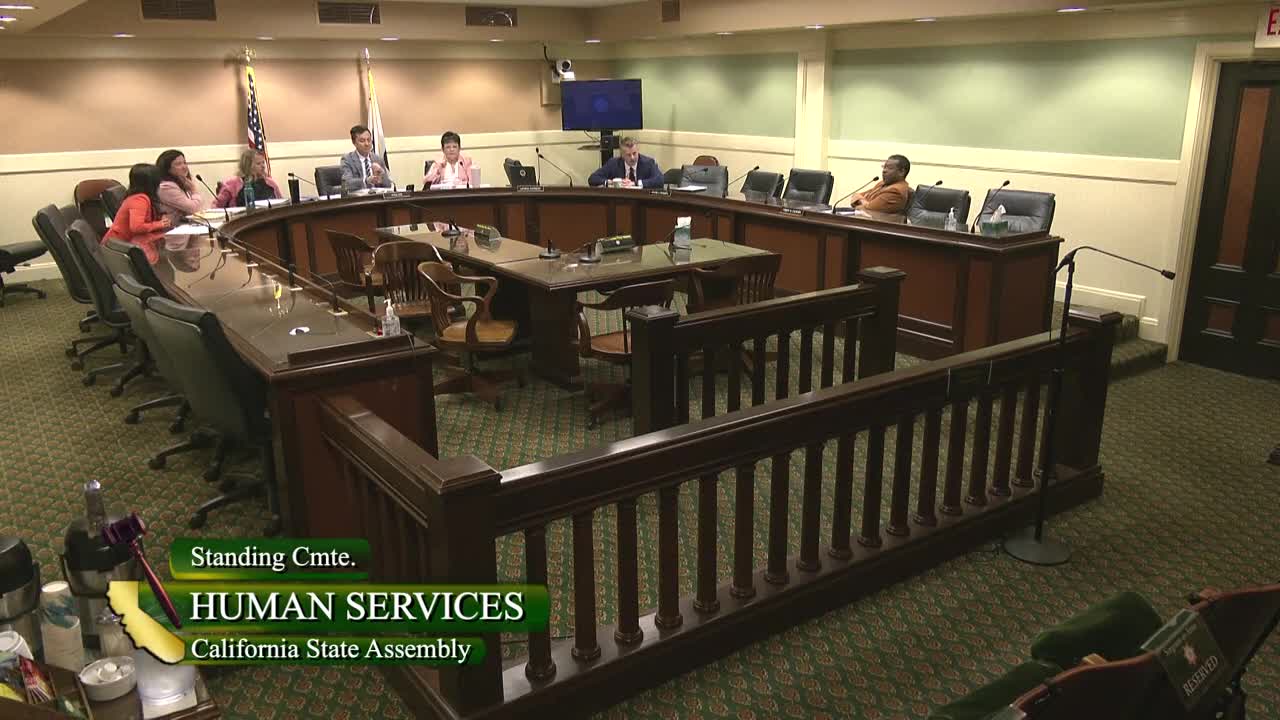
Senate Standing Committee on Human Services
 17MIN
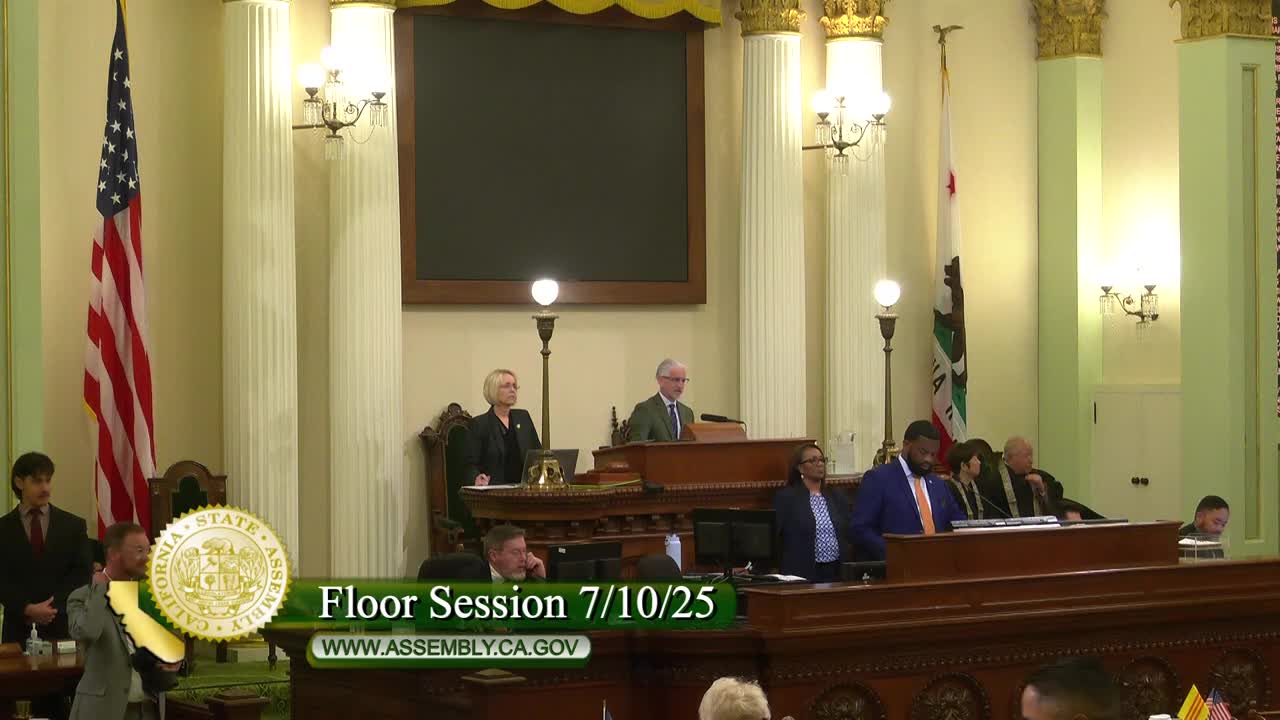
Assembly Floor
 8MIN
Assembly Standing Committee on Human Services


Bill Co-Author(s):