AJR 7: Veterans: first businesses.
- Session Year: 2015-2016
- House: Assembly
- Latest Version Date: 2015-07-21
This measure would request the Congress of the United States of America to further amend the GI Bill of Rights to make benefits available to veterans for use as startup capital in the establishment of first businesses.
This measure would request the Congress of the United States of America to further amend the GI Bill of Rights to make benefits available to veterans for use as startup capital in the establishment of first businesses.
This measure would request the Congress of the United States of America to further amend the GI Bill of Rights to make benefits available to veterans for use as startup capital in the establishment of first businesses.
This measure would request the Congress of the United States of America to further amend the GI Bill of Rights to make benefits available to veterans for use as startup capital in the establishment of first businesses.
This measure would request the Congress of the United States of America to further amend the GI Bill of Rights to make benefits available to disabled veterans for use as startup capital in the establishment of first businesses.
This measure would request the Congress of the United States of America to further amend the GI Bill of Rights to make benefits available to disabled veterans for use as startup capital in the establishment of first businesses.
WHEREAS, Men and women of the State of California volunteer to serve in the Armed Forces of the United States in greater numbers than those from any other state; and
WHEREAS, California is currently home to more than 1,800,000 veterans of our Armed Forces; and
WHEREAS, California veterans have been grateful recipients of the financial support of their fellow Americans through the Veterans Administration and the GI Bill; and
WHEREAS, The Congress of the United States passed, and President Franklin D. Roosevelt signed, the GI Bill of Rights in 1944 to support our veterans of World War II in their transition back to civilian life; and
WHEREAS, The Congress of the United States in 2008 added significant new benefits for those who enlisted to serve the nation in the wake of the attacks on the United States on September 11, 2001; and
WHEREAS, Up to 10 percent of veterans choose to start, run, and own their own businesses; and
WHEREAS, Over 30 percent of veterans of Operation Iraqi Freedom, Operation Enduring Freedom, and other fronts on the war against terrorism are receiving disability ratings from the federal Veterans Administration; and
WHEREAS, More than five million Americans, including over one-half million Californians, served in those conflicts; and
WHEREAS, The State of California is the recognized national leader in the establishment and success of veteran business owner procurement support programs; and
WHEREAS, Veteran businesses make a significant contribution to the states economy and serve as a source of employment for fellow veterans; and
WHEREAS, Finding enough capital to successfully launch a new business or buy an existing business is the largest challenge that new business owners face; now, therefore, be it
Resolved by the Assembly and the Senate of the State of California, jointly, That the Legislature requests that the Congress of the United States of America further amend the GI Bill of Rights to make benefits available, with all appropriate safeguards, to all veterans for use as startup capital in the establishment of first businesses; and be it further
Resolved, That the Chief Clerk of the Assembly transmit copies of this resolution to the President and Vice President of the United States, to the Speaker of the House of Representatives, to the Majority Leader of the Senate, and to each Senator and Representative from California in the Congress of the United States.
WHEREAS, Men and women of the State of California volunteer to serve in the Armed Forces of the United States in greater numbers than those from any other state; and
WHEREAS, California is currently home to more than 1,800,000 veterans of our Armed Forces; and
WHEREAS, California veterans have been grateful recipients of the financial support of their fellow Americans through the Veterans Administration and the GI Bill; and
WHEREAS, The Congress of the United States passed, and President Franklin D. Roosevelt signed, the GI Bill of Rights in 1944 to support our veterans of World War II in their transition back to civilian life; and
WHEREAS, The Congress of the United States in 2008 added significant new benefits for those who enlisted to serve the nation in the wake of the attacks on the United States on September 11, 2001; and
WHEREAS, Up to 10 percent of veterans choose to start, run, and own their own businesses; and
WHEREAS, Over 30 percent of veterans of Operation Iraqi Freedom, Operation Enduring Freedom, and other fronts on the war against terrorism are receiving disability ratings from the federal Veterans Administration; and
WHEREAS, More than five million Americans, including over one-half million Californians, served in these those conflicts; and
WHEREAS, The State of California is the recognized national leader in the establishment and success of disabled veteran business owner procurement support programs; and
WHEREAS, Disabled veteran Veteran businesses make a significant contribution to the states economy and serve as a source of employment for fellow veterans; and
WHEREAS, Finding enough capital to successfully launch a new business or buy an existing business is the largest challenge that new business owners face; now, therefore, be it
Resolved by the Assembly and the Senate of the State of California, jointly, That the Legislature requests that the Congress of the United States of America further amend the GI Bill of Rights to make benefits available, with all appropriate safeguards, to all veterans for use as startup capital in the establishment of first businesses; and be it further
Resolved, That the Chief Clerk of the Assembly transmit copies of this resolution to the President and Vice President of the United States, to the Speaker of the House of Representatives, to the Majority Leader of the Senate, and to each Senator and Representative from California in the Congress of the United States.
WHEREAS, Men and women of the State of California volunteer to serve in the Armed Forces of the United States in greater numbers than those from any other state; and
WHEREAS, California is currently home to more than 1,800,000 veterans of our Armed Forces; and
WHEREAS, California veterans have been grateful recipients of the financial support of their fellow Americans through the Veterans Administration and the GI Bill; and
WHEREAS, The Congress of the United States passed, and President Franklin D. Roosevelt signed, the GI Bill of Rights in 1944 to support our veterans of World War II in their transition back to civilian life; and
WHEREAS, The Congress of the United States in 2008 added significant new benefits for those who enlisted to serve the nation in the wake of the attacks on the United States on September 11, 2001; and
WHEREAS, Up to 10 percent of veterans choose to start, run, and own their own businesses; and
WHEREAS, Over 30 percent of veterans of Operation Iraqi Freedom, Operation Enduring Freedom, and other fronts on the war against terrorism are receiving disability ratings from the federal Veterans Administration; and
WHEREAS, More than five million Americans, including over one-half million Californians, served in these conflicts; and
WHEREAS, The State of California is the recognized national leader in the establishment and success of disabled veteran business owner procurement support programs; and
WHEREAS, The State of California established its Disabled Veteran Business Enterprise program not only to recognize the contributions of our veterans to our national well-being, but also as a rehabilitation measure to assist veteran entrepreneurs to catch up to their civilian business owner cohorts; and
WHEREAS, Disabled veteran businesses make a significant contribution to the states economy and serve as a source of employment for fellow veterans; and
WHEREAS, Finding enough capital to successfully launch a new business or buy an existing business is the largest challenge that new business owners face; now, therefore, be it
Resolved by the Assembly and the Senate of the State of California, jointly, That the Legislature requests that the Congress of the United States of America further amend the GI Bill of Rights to make benefits available, with all appropriate safeguards, to disabled all veterans for use as startup capital in the establishment of first businesses; and be it further
Resolved, That the Chief Clerk of the Assembly transmit copies of this resolution to the President and Vice President of the United States, to the Speaker of the House of Representatives, to the Majority Leader of the Senate, and to each Senator and Representative from California in the Congress of the United States.
WHEREAS, Men and women of the State of California volunteer to serve in the Armed Forces of the United States in greater numbers than those from any other state; and
WHEREAS, California is currently home to more than 1,800,000 veterans of our Armed Forces; and
WHEREAS, California veterans have been grateful recipients of the financial support of their fellow Americans through the Veterans Administration and the GI Bill; and
WHEREAS, The Congress of the United States passed, and President Franklin D. Roosevelt signed, the GI Bill of Rights in 1944 to support our veterans of World War II in their transition back to civilian life; and
WHEREAS, The Congress of the United States in 2008 added significant new benefits for those who enlisted to serve the nation in the wake of the attacks on the United States on September 11, 2001; and
WHEREAS, Up to 10 percent of veterans choose to start, run, and own their own businesses; and
WHEREAS, Over 30 percent of veterans of Operation Iraqi Freedom, Operation Enduring Freedom, and other fronts on the war against terrorism are receiving disability ratings from the federal Veterans Administration; and
WHEREAS, More than five million Americans, including over one-half million Californians, served in these conflicts; and
WHEREAS, The State of California is the recognized national leader in the establishment and success of disabled veteran business owner procurement support programs; and
WHEREAS, The State of California established its Disabled Veteran Business Enterprise program not only to recognize the contributions of our veterans to our national well-being, but also as a rehabilitation measure to assist veteran entrepreneurs to catch up to their civilian business owner cohorts; and
WHEREAS, Disabled veteran businesses make a significant contribution to the states economy and serve as a source of employment for fellow veterans; and
WHEREAS, Finding enough capital to successfully launch a new business or buy an existing business is the largest challenge that new business owners face; now, therefore, be it
Resolved by the Assembly and the Senate of the State of California, jointly, That the Legislature requests that the Congress of the United States of America further amend the GI Bill of Rights to make benefits available, with all appropriate safeguards, to disabled veterans for use as startup capital in the establishment of first businesses; and be it further
Resolved, That the Chief Clerk of the Assembly transmit copies of this resolution to the President and Vice President of the United States, to the Speaker of the House of Representatives, to the Majority Leader of the Senate, and to each Senator and Representative from California in the Congress of the United States.
|
Date
|
Status
|
|---|---|
| Jul 21, 2015 | Chaptered by Secretary of State - Res. Chapter 122, Statutes of 2015. |
| Jul 21, 2015 | Enrolled and filed with the Secretary of State at 2 p.m. |
| Jul 6, 2015 | In Assembly. Ordered to Engrossing and Enrolling. |
| Jul 6, 2015 | Adopted and to Assembly. (Ayes 39. Noes 0. Page 1793.) |
| Jul 6, 2015 | Adopted and to Assembly. |
| Jul 1, 2015 | Ordered to special consent calendar. |
| Jun 24, 2015 | From committee: Be adopted. Ordered to Third Reading. (Ayes 5. Noes 0.) (June 23). |
| Jun 4, 2015 | Re-referred to Com. on V.A. |
| May 26, 2015 | In Senate. To Com. on RLS. |
| May 22, 2015 | Amended, adopted, and to Senate. (Ayes 75. Noes 0. Page 1539.) |
| May 22, 2015 | Amended, adopted, and to Senate. |
| May 14, 2015 | (Page 1429.) |
| May 14, 2015 | Amended. Ordered to third reading. |
| May 14, 2015 | Read and amended. (Page 1429.) |
| May 14, 2015 | Amended. |
| Apr 29, 2015 | From committee: Be adopted. Ordered to Third Reading. (Ayes 9. Noes 0.) (April 28). |
| Apr 22, 2015 | Re-referred to Com. on V.A. |
| Apr 21, 2015 | From committee chair, with author's amendments: Amend, and re-refer to Com. on V.A. Amended. |
| Apr 6, 2015 | Referred to Com. on V.A. |
| Feb 26, 2015 | From printer. |
| Feb 25, 2015 | Introduced. To print. |
|
Date
|
Description
|
Location
|
Votes
|
|
|---|---|---|---|---|
| Jul 6, 2015 | Special Consent #4 AJR7 Mathis | Senate Floor |
Passed |
|
| Jun 23, 2015 | Be adopted. Ordered to third reading | Senate Standing Committee on Veterans Affairs |
Passed |
|
| May 22, 2015 | AJR 7 MATHIS Assembly Third Reading | Assembly Floor |
Passed |
|
| Apr 28, 2015 | Be adopted. To third reading. | Assembly Standing Committee on Veterans Affairs |
Passed |
This list shows positions taken on this bill by organizations on the date displayed, which is linked to the original source.
Positions by individuals are not included.
AJR 7
Page 3
|
Office of Senate Floor Analyses (916) 651-1520 Fax: (916) 327-4478 |
THIRD READING
Bill No: AJR 7
Amended: 5/22/15 in Assembly
SENATE VETERANS AFFAIRS COMMITTEE: 5-0, 6/23/15
AYES: Nielsen, Hueso, Allen, Nguyen, Roth
ASSEMBLY FLOOR: 75-0, 5/22/15 - See last page for vote
SUBJECT: Veterans: first businesses
DIGEST: This bill requests that the Congress of the United States of America further amend the GI Bill of Rights to make benefits available, with all appropriate safeguards, to all veterans for use as startup capital in the establishment of first businesses.
Existing federal law, the Post-9/11 Veterans Educational Assistance Act of 2008 (GI Bill), provides educational assistance to servicemembers, veterans, and their dependents.
This bill requests that the Congress of the United States of America further amend the GI Bill to make benefits available, with all appropriate safeguards, to all veterans for use as startup capital in the establishment of first businesses.
Background
GI Bill. Established originally in 1944 and modified several times over the years, the GI Bill program provides educational assistance to servicemembers, veterans, and their dependents. The Post-9/11 GI Bill, which gives veterans with active duty service on, or after, Sept. 11 2001, enhanced educational benefits that cover more educational expenses, provide a living allowance, money for books and the ability to transfer unused educational benefits to spouses or children.
Any veteran who served at least 90 days on active duty after September 11, 2001, is eligible for the Post-9/11 GI Bill. Those who served less than 36 months since 9/11/2001 receive reduced benefits. Those who retired prior to August 1, 2009, are not eligible to transfer benefits to their dependents. In most cases, veterans will need to use their benefits within 15 years of discharge.
Those who meet the time in-service requirements and apply for transfer of benefits while still on active duty can transfer Post-9/11 GI Bill benefits to spouses and dependents. However, dependents must be named and assigned at least one percent of the benefits available prior to discharge.
Veteran Entrepreneurship Programs. The federal Small Business Administration (SBA) manages entrepreneurship programs that assist veterans, in general, and veterans with service-connected disabilities. Areas supporting include starting a business, writing a business plan, registering a business, obtaining licenses and permits, understanding laws and regulations, preparing taxes, hiring employees, employee benefits and incentives, marketing, and business exporting.
The SBA also oversees the Service-Disabled Veteran-Owned Small Business Concern (SDVOSBC) Procurement Program. Veterans with service-connected disabilities may win federal procurement contracts characterized by veteran preferences, restricted competition, set-asides or sole-sourcing.
The California Department of General Services administers the Disabled Veteran Business Enterprise Program, which requires that state governmental entities that award contracts for goods and services (aka “awarding departments”) expend no less than 3 percent of the value of all their contracts on firms that are owned by disabled veterans. The business enterprises must meet certain eligibility criteria, such as at least 51 percent of the business must be owned by a veteran who has received a USDVA service-connected disability rating of at least 10 percent.
Comments
The author’s intent is to assist future entrepreneurs transitioning from military to civilian life in the same way that we currently assist future scholars. According to Forbes, 80 percent of new small businesses fail within their first 18 months, often due to insufficient capital to fund the post-startup growth phase. The bill appropriately includes a recommendation for strong safeguards to protect GI Bill entrepreneurship funds if Congress enacts this approach. This concern arises because some educational entities have targeted veterans’ GI bill benefits in a predatory manner, and the same could occur with GI Bill entrepreneurial moneys.
FISCAL EFFECT: Appropriation: No Fiscal Com.: No Local: No
American Legion - Department of California
AMVETS - Department of California
California Association of County Veterans Service Officers
California State Commanders Veteran Council
Military Officers Association of America - California Council of Chapters
MJ King Insurance Services
Veterans of Foreign Wars - Department of California
Vietnam Veterans of American - California State Council
OPPOSITION: (Verified 6/23/15)
None received
ASSEMBLY FLOOR: 75-0, 5/22/15
AYES: Achadjian, Travis Allen, Baker, Bigelow, Bloom, Bonilla, Bonta, Brough, Brown, Burke, Calderon, Campos, Chang, Chau, Chávez, Chiu, Chu, Cooley, Cooper, Dababneh, Dahle, Daly, Dodd, Eggman, Frazier, Beth Gaines, Gallagher, Cristina Garcia, Eduardo Garcia, Gatto, Gipson, Gomez, Gonzalez, Gordon, Gray, Grove, Hadley, Harper, Roger Hernández, Holden, Irwin, Jones, Jones-Sawyer, Kim, Lackey, Levine, Linder, Lopez, Low, Maienschein, Mathis, Mayes, McCarty, Medina, Melendez, Mullin, Nazarian, Obernolte, Patterson, Perea, Quirk, Rendon, Ridley-Thomas, Rodriguez, Salas, Santiago, Steinorth, Mark Stone, Thurmond, Ting, Wagner, Wilk, Williams, Wood, Atkins
NO VOTE RECORDED: Alejo, O'Donnell, Olsen, Waldron, Weber
Prepared by: Wade Cooper Teasdale / V.A. / (916) 651-1503
6/24/15 16:04:04
**** END ****
AJR 7 (Mathis) Page 4 of 4
SENATE COMMITTEE ON VETERANS AFFAIRS
Senator Jim Nielsen, Chair
2015 - 2016 Regular
Bill No: AJR 7 Hearing Date: 6/23/15
Author: |
Mathis |
||
Version: |
5/22/15 Amended |
||
Urgency: |
|
Fiscal: |
No |
Consultant: |
Wade Cooper Teasdale |
||
Subject: Veterans: first businesses.
DESCRIPTION
Summary:
Requests that the Congress of the United States of America further amend the GI Bill of Rights to make benefits available, with all appropriate safeguards, to disabled veterans for use as startup capital in the establishment of first businesses;
Existing law:
Federal law provides the GI Bill, which provides educational assistance to servicemembers, veterans, and their dependents (Title V of the Supplemental Appropriations Act of 2008, Public Law 110–252, H.R. 2642)
This bill:
Requests that the Congress of the United States of America further amend the GI Bill of Rights to make benefits available, with all appropriate safeguards, to disabled veterans for use as startup capital in the establishment of first businesses;
BACKGROUND
History
The GI Bill program provides educational assistance to servicemembers, veterans, and their dependents. The original GI Bill was established with the enactment of the Servicemen’s Readjustment Act of 1944.
According to the United States Department of Veterans Affairs (USDVA) website:
‘Before the war, college and homeownership were, for the most part, unreachable dreams for the average American. Thanks to the GI Bill, millions who would have flooded the job market instead opted for education. In the peak year of 1947, Veterans accounted for 49 percent of college admissions. By the time the original GI Bill ended on July 25, 1956, 7.8 million of 16 million World War II Veterans had participated in an education or training program.’
The program was extended and modified. Then, in 1984, the Congress more thoroughly revamped the program by creating the Montgomery GI Bill. In 2008, Congress created the Post-9/11 GI Bill, which gives veterans with active duty service on, or after, Sept. 11 2001, enhanced educational benefits that cover more educational expenses, provide a living allowance, money for books and the ability to transfer unused educational benefits to spouses or children.
Post-9/11 GI Bill
In most cases, servicemembers and veterans will need to use the benefits within 15 years of discharge from the military.
In addition to traditional higher education, veterans may use the Post-9/11 GI Bill for vocational training and certain types of flight training.
Any veteran who served at least 90 days on active duty after September 11, 2001, is eligible for the Post-9/11 GI Bill. Those who served less than 36 months since 9/11/2001 will receive a reduced benefit. Those who retired prior to August 1, 2009, are not eligible to transfer benefits to their dependents.
Those who meet the time in service requirements and apply for transfer of benefits while still on active duty can transfer Post-9/11 GI Bill benefits to spouses and dependents. However, dependents must be named and assigned at least one percent of the benefits available prior to discharge.
Veterans with a service-connected disability may also qualify for the VA's Vocational Rehabilitation and Employment program. The VOW to Hire Heroes Act also contains training benefits for unemployed veterans between the ages of 35 and 60.
Veteran Entrepreneurship Programs
The U.S. Small Business Administration (SBA) manages entrepreneurship programs that assist veterans, in general, and veteran with service-connected disabilities. Areas supporting include starting a business, writing a business plan, registering a business, obtaining licenses and permits, identifying and understanding laws and regulations, preparing business taxes, hiring employees, employee benefits, employee incentives, marketing, and business exporting.
The U.S. SBA also oversees the Service-Disabled Veteran-Owned Small Business Concern (SDVOSBC) Procurement Program. Veterans with service-connected disabilities may win federal procurement contracts characterized by veteran preferences, restricted competition, set-asides or sole-sourcing.
The California Department of General Services centrally administers the Disabled Veteran Business Enterprise (DVBE) program, which requires that, collectively, state governmental entities that award contracts for goods and services (aka “awarding departments”) expend no less than 3 percent of the value of all their contracts on firms that are owned by disabled veterans. The business enterprises must meet certain eligibility criteria, such as at least 51 percent of the business must be owned by a veteran who has received a USDVA service-connected disability rating of at least 10 percent.
COMMENT
Author’s statement:
“The Congress of the United States passed, and President Franklin D. Roosevelt signed, the GI Bill of Rights in 1944 to support our veterans of World War II in their transition back to civilian life.
“California is home to more than 1,800,000 veterans. Men and women of the State of California volunteer to serve in the Armed Forces of the United States in greater numbers than those from any other state. California veterans have been grateful recipients of the support of their fellow Americans through the GI Bill.
“Up to 10 percent of veterans choose to start, run, and own their own businesses. Veteran businesses make a significant contribution to the state’s economy and serve as a source of employment for fellow veterans.”
Committee staff comments:
The author’s intent is to assist future entrepreneurs transitioning from military to civilian life in the same way that we currently assist future scholars. The bill wisely includes the recommendation calling for strong safeguards to protect GI Bill entrepreneurship funds if Congress enacts this approach. This concern arises because a small but significant slice of the nation’s for-profit educational entities have targeted veterans’ GI bill benefits in a predatory manner, and the same type of business may do the same with GI Bill entrepreneurial moneys. (See, for example, “This Veterans Day, Help a Vet Avoid a GI Bill Scam “in US News and World Report, November 11, 2013)
POSITIONS
Sponsor: Author
Support:
American Legion - Department of California
AMVETS - Department of California
California Association of County Veterans Service Officers
California State Commanders Veteran Council
Military Officers Association of America - California Council of Chapters
MJ King Insurance Services
Veterans of Foreign Wars - Department of California
Vietnam Veterans of American - California State Council
Oppose: None received
-- END --
AJR 7
Page 2
ASSEMBLY THIRD READING
AJR 7
(Mathis)
As Amended May 14, 2015
Majority vote
Committee |
Votes |
Ayes |
Noes |
Veterans Affairs |
9-0 |
Irwin, Mathis, Alejo, Brough, Brown, Chávez, Daly, Frazier, Salas |
|
SUMMARY: Requests the Congress of the United States of America to further amend the GI Bill of Rights to make benefits available to veterans for use as startup capital in the establishment of first businesses.
EXISTING LAW: The Congress of the United States passed, and President Franklin D. Roosevelt signed, the GI Bill of Rights in 1944 to support our veterans of World War II in their transition back to civilian life. In 2008, the Congress of the United States added significant new benefits for those who enlisted to serve the nation in the wake of the attacks on the United States on September 11, 2001.
FISCAL EFFECT: Unknown. This measure is keyed non-fiscal by the Legislative Counsel.
COMMENTS:
According to the author:
California is currently home to more than 1,800,000 veterans of our Armed Forces. Men and women of the State of California volunteer to serve in the Armed Forces of the United States in greater numbers than those from any other state. California veterans have been grateful recipients of the financial support of their fellow Americans through the Veterans Administration and the GI Bill.
Up to 10 percent of veterans choose to start, run, and own their own businesses.
The Post 9/11 GI Bill is an extremely generous benefit; tuition is funded, there is an annual book allowance, and a housing stipend (in Sacramento approximately $1,700.00 a month).
A student attending the University of California, Davis will average approximately $34,000 per year for, assuming only four years of school, a total approximate cost of $136,000. A GI Bill student at the same school and on the same matriculation schedule would have paid zero dollars or a very minimal amount.
However, some servicemembers may elect to begin working right away, learning on the job, or starting their own businesses. Absent education in business or in the subject matter area of their business endeavor, such servicemembers who may choose not to go to school are not given the same generous support; there is no GI Bill for entrepreneurs.
The idea of an entrepreneurship track parallel to and/or complementary to traditional GI Bill academics is still a concept at this point, urging Congress to recognize that there are many paths to success and not all of them require extended periods of academic instruction. Any such programs would need, as the GI Bill has now, safeguards and appropriate regulations.
Analysis Prepared by: John Spangler / V.A. / (916) 319-3550 FN: 0000407
AJR 7
Page 2
ASSEMBLY THIRD READING
AJR 7
(Mathis)
As Amended April 21, 2015
Majority vote
Committee |
Votes |
Ayes |
Noes |
Veterans Affairs |
9-0 |
Irwin, Mathis, Alejo, Brough, Brown, Chávez, Daly, Frazier, Salas |
|
SUMMARY: Requests changes in the GI Bill, as specified. Specifically, this resolution:
Requests that the Congress of the United States of America further amend the GI Bill of Rights to make benefits available, with all appropriate safeguards, to veterans for use as startup capital in the establishment of first businesses;
Directs the Chief Clerk of the Assembly to transmit copies of the resolution to the President and Vice President of the United States, to the Speaker of the House of Representatives, to the Majority Leader of the Senate, and to each Senator and Representative from California in the Congress of the United States
EXISTING LAW: The Post-9/11 Veterans Educational Assistance Act of 2008 is Title V of the Supplemental Appropriations Act of 2008, Public Law 110–252, H.R. 2642, an Act of Congress which became law on June 30, 2008.
FISCAL EFFECT: None. This resolution is keyed non-fiscal by the Legislative Counsel.
COMMENTS: According to the author:
California is currently home to more than 1,800,000 veterans of our Armed Forces. Men and women of the State of California volunteer to serve in the Armed Forces of the United States in greater numbers than those from any other state. California veterans have been grateful recipients of the financial support of their fellow Americans through the Veterans Administration and the GI Bill.
The Congress of the United States passed, and President Franklin D. Roosevelt signed, the GI Bill of Rights in 1944 to support our veterans of World War II in their transition back to civilian life. Congress in 2008 added significant new benefits for those who enlisted to serve the nation in the wake of the attacks on the United States on September 11, 2001.
Up to 10 percent of veterans choose to start, run, and own their own businesses.
Some veterans transitioning to civilian life may elect to start their own businesses as a civilian career path instead of going to school. The armed services have the Transition GPS [Goals, Plans, Success] (formerly TAP [Transition Assistance Program]) program, which assists members leaving active service. TGPS recognizes that many servicemembers will elect to start businesses and features an entrepreneurship track.
The concept of this measure is to assist future entrepreneurs transitioning from military to civilian life in the same way that we currently assist future scholars. This is a strong overall concept. However, the details of creating a parallel or complementary Entrepreneurship GI Bill will be very important. The measure recognizes this and contains language pertaining to appropriate safeguards for use in the concept advanced. Careful consideration to the details including safeguards, protections, and support for veteran entrepreneurs will be important aspects for Congress and the President to consider.
Analysis Prepared by: John Spangler / V.A. / (916) 319-3550 FN: 0000225
AJR 7
Page 2
Date of Hearing: April 28, 2015
ASSEMBLY COMMITTEE ON VETERANS AFFAIRS
Jacqui Irwin, Chair
AJR 7
(Mathis) – As Introduced February 25, 2015
SUBJECT: Disabled veterans: first businesses
SUMMARY: Requests changes in the GI Bill, as specified. Specifically, this resolution: >
Requests that the Congress of the United States of America further amend the GI Bill of Rights to make benefits available, with all appropriate safeguards, to disabled veterans for use as startup capital in the establishment of first businesses;
Directs the Chief Clerk of the Assembly transmit copies of the resolution to the President and Vice President of the United States, to the Speaker of the House of Representatives, to the Majority Leader of the Senate, and to each Senator and Representative from California in the Congress of the United States
EXISTING LAW: The Post-9/11 Veterans Educational Assistance Act of 2008 is Title V of the Supplemental Appropriations Act of 2008, Pub.L. 110–252, H.R. 2642, an Act of Congress which became law on June 30, 2008.
FISCAL EFFECT: None, this measure is not keyed fiscal.
COMMENTS: According to the author:
California is currently home to more than 1,800,000 veterans of our Armed Forces. Men and women of the State of California volunteer to serve in the Armed Forces of the United States in greater numbers than those from any other state. California veterans have been grateful recipients of the financial support of their fellow Americans through the Veterans Administration and the GI Bill.
The Congress of the United States passed, and President Franklin D. Roosevelt signed, the GI Bill of Rights in 1944 to support our veterans of World War II in their transition back to civilian life. Congress in 2008 added significant new benefits for those who enlisted to serve the nation in the wake of the attacks on the United States on September 11, 2001.
Up to 10 percent of veterans choose to start, run, and own their own businesses.
Some veterans transitioning to civilian life may elect to start their own businesses as a civilian career path instead of going to school. The armed services have the Transition GPS (formerly TAP) program, which assists members leaving active service. TGPS recognizes that many servicemembers will elect to start businesses and features an entrepreneurship track.
The concept of this measure is to assist future entrepreneurs transitioning from military to civilian life in the same way that we currently assist future scholars. This is a strong overall concept. However, the details of creating a parallel or complementary Entrepreneurship GI Bill will be very important. The measure recognizes this and contains language pertaining to appropriate safeguards for use in the concept advanced. Careful consideration to the details including safeguards, protections, and support for veteran entrepreneurs will be important aspects for Congress and the President to consider.
REGISTERED SUPPORT / OPPOSITION:
Support
>
Opposition
>
Analysis Prepared by: John Spangler / V.A. / (916) 319-3550
Discussed in Hearing
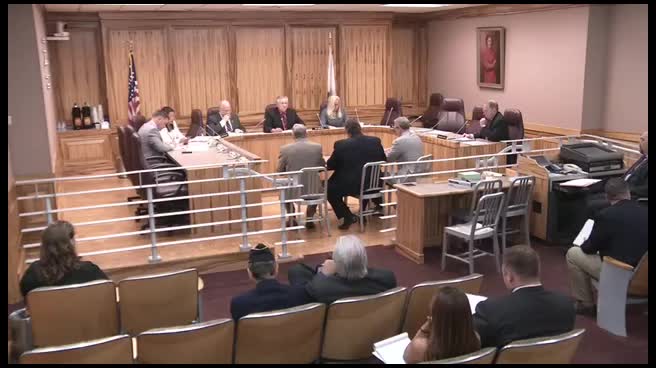 6MIN
Senate Standing Committee on Veterans Affairs
 1MIN
Assembly Floor
 52SEC
Assembly Floor
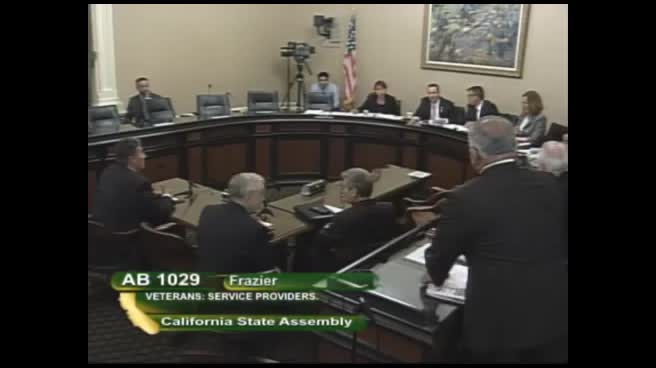 13MIN
Assembly Standing Committee on Veterans Affairs
Bill Author

Bill Co-Author(s):