SB 1038: The Public Employees’ Retirement System.
- Session Year: 2025-2026
- House: Senate
- Latest Version Date: 2026-08-27
Current Status:
Passed
(2026-08-27: Chaptered by Secretary of State. Chapter 152, Statutes of 2026.)
Introduced
In Committee
Awaiting First Chamber Vote
Passed First Chamber
In Committee
Awaiting Second Chamber Vote
Passed Second Chamber
Enacted
The Public Employees Retirement Law (PERL) creates the Public Employees Retirement System (PERS) for the purpose of providing pension benefits to specified public employees and prescribes the rights and duties of members and annuitants of the system. PERL vests management and control of PERS in the Board of Administration. PERL authorizes the board, during the course of an audit, to require each state employer, school employer, including each school district represented by a school employer, and contracting agency to provide information as deemed necessary by the board to determine eligibility for, and the correctness of, retirement benefits, reportable compensation, enrollment in, and reinstatement to this system. PERL requires the board, before initiating an audit, to notify the subject of the audit of the estimated time required to completion.
This bill would require the board, before initiating an audit, to list specific information about the audit on its internet website and provide written notice to the affected state employer, school employer, including each school district represented by a school employer, or contracting agency. The bill would specify the distribution of the notice, the final audit report, and a list of members affected by the final audit report, between the board, a state employer, school employer, or contracting agency, and any exclusive representative.
The Public Employees Retirement Law (PERL) creates the Public Employees Retirement System (PERS) for the purpose of providing pension benefits to specified public employees and prescribes the rights and duties of members and annuitants of the system. PERL vests management and control of PERS in the Board of Administration. PERL authorizes the board, during the course of an audit, to require each state employer, school employer, including each school district represented by a school employer, and contracting agency to provide information as deemed necessary by the board to determine eligibility for, and the correctness of, retirement benefits, reportable compensation, enrollment in, and reinstatement to this system. PERL requires the board, before initiating an audit, to notify the subject of the audit of the estimated time required to completion.
This bill would require the board, before initiating an audit, to list specific information about the audit on its internet website and provide written notice to the affected state employer, school employer, including each school district represented by a school employer, or contracting agency. The bill would require an affected employer to forward the written notice of the intended audit to the exclusive representative or representatives, if any, of members that may be affected by the audit, and provide the names of any members affected by the final audit, as specified, to the board and the exclusive representative or representatives, if any. The bill would specify the distribution and certification of the distribution of the final audit report between these entities. The bill would specify the distribution of the notice, the final audit report, and a list of members affected by the final audit report, between the board, a state employer, school employer, or contracting agency, and any exclusive representative.
The Public Employees Retirement Law (PERL) creates the Public Employees Retirement System (PERS) for the purpose of providing pension benefits to specified public employees and prescribes the rights and duties of members and annuitants of the system. PERL vests management and control of PERS in the Board of Administration. PERL authorizes the board, during the course of an audit, to require each state employer, school employer, including each school district represented by a school employer, and contracting agency to provide information as deemed necessary by the board to determine eligibility for, and the correctness of, retirement benefits, reportable compensation, enrollment in, and reinstatement to this system. PERL requires the board, before initiating an audit, to notify the subject of the audit of the estimated time required to completion.
This bill would require the board, before initiating an audit, to list specific information about the audit on its internet website and provide written notice to the affected state employer, school employer, including each school district represented by a school employer, or contracting agency. The bill would require an affected employer to forward the written notice of the intended audit to the exclusive representative or representatives, if any, of members that may be affected by the audit, and provide the names of any members affected by the final audit, as specified, to the board and the exclusive representative or representatives, if any. The bill would specify the distribution and certification of the distribution of the final audit report between these entities.
(a)The board may, during the course of an audit, require each state employer, school employer, including each school district represented by a school employer, and contracting agency, to provide information or make available for examination or copying at a specified time and place, or both, books, papers, any data, or any records, including, but not limited to, personnel and payroll records, as deemed necessary by the board to determine eligibility for, and the correctness of, retirement benefits, reportable compensation, enrollment in, and reinstatement to this system.
(b)Before initiating an audit, the board shall, in writing, notify the subject of the audit of the purpose, scope, and estimated time required to complete the audit. The estimate shall be based upon various factors, including, but not limited to, the following:
(1)The number of employees.
(2)Employment classifications.
(3)Benefits.
(4)Contract provisions.
(5)Geographical location.
(6)Time required for audits of comparable entities.
(7)Additional time factors raised by the subject of the audit.
(c)If an audit requires an excess of the time estimated, the board may assess a reasonable charge upon the employer to recover additional costs incurred for the excess time to complete the audit. A contracting agency shall not be assessed for delays during the course of an audit that are reasonably outside of the agencys control.
(d)The information obtained from an employer under this section shall remain confidential pursuant to Section 20230.
SEC. 2.Section 20222.6 is added to the Government Code, to read:20222.6.(a)After providing the subject of an audit notice pursuant to Section 20222.5, the board shall list on the systems internet website the state employer, school employer, including each school district represented by a school employer, or contracting agency subject to the audit and the purpose and scope of the intended audit.
(b)As soon as practicable, but no later than 10 working days after receiving notice of the intended audit pursuant to Section 20222.5, the affected state employer, school employer, or contracting agency shall forward written notice of the intended audit, including the purpose and scope of the intended audit, to the exclusive representative or representatives, if any, of members that may be affected by the audit. The state agency, school employer, or contracting agency shall communicate to the board that they have provided notice of the intended audit to the exclusive representative or representatives, if any, in compliance with this subdivision.
(c)Within 60 days of receiving the final audit report, the audited state agency, school employer, or contracting agency shall provide the board and the exclusive representative a list of the names of any members affected by the final audit report. The list of names provided to the exclusive representative shall only include the names of members in positions or classifications represented by the exclusive representative. Any information about members that would otherwise be confidential under Section 20222.5, Section 20230, or other state or federal law that is obtained from an employer under this subdivision shall be treated as confidential by the exclusive representative.
(d)The board shall, upon issuance of the final audit report, provide to the audited state agency, school employer, or contracting agency a copy of the final audit report. As soon as practicable, but no later than 10 working days after receiving a copy of the final audit report, the affected state employer, school employer, or contracting agency shall forward a copy of the final audit report to the exclusive representative or representatives, if any, of members that may be affected by the audit. The state agency, school employer, or contracting agency shall communicate to the board that they have provided the final audit report to the exclusive representative or representatives, if any, in compliance with this subdivision.
(e)Except as provided in this section, this section does not confer additional rights upon the exclusive representative, including, but not limited to, due process rights.
(a)The board may, during the course of an audit, require each state employer, school employer, including each school district represented by a school employer, and contracting agency, to provide information or make available for examination or copying at a specified time and place, or both, books, papers, any data, or any records, including, but not limited to, personnel and payroll records, as deemed necessary by the board to determine eligibility for, and the correctness of, retirement benefits, reportable compensation, enrollment in, and reinstatement to this system.
(b)Before initiating an audit, the board shall shall, in writing, notify the subject of the audit of the purpose, scope, and estimated time required to complete the audit. The estimate shall be based upon various factors, including, but not limited to, the following:
(1)The number of employees.
(2)Employment classifications.
(3)Benefits.
(4)Contract provisions.
(5)Geographical location.
(6)Time required for audits of comparable entities.
(7)Additional time factors raised by the subject of the audit.
(c)If an audit requires an excess of the time estimated, the board may assess a reasonable charge upon the employer to recover additional costs incurred for the excess time to complete the audit. A contracting agency shall not be assessed for delays during the course of an audit that are reasonably outside of the agencys control.
(d)The information obtained from an employer under this section shall remain confidential pursuant to Section 20230.
SECTION 1.SEC. 2.Section 20222.6 is added to the Government Code, to read:20222.6.(a)Before initiating an audit After providing the subject of an audit notice pursuant to Section 20222.5, the board shall list on the systems internet website the state employer, school employer, including each school district represented by a school employer, or contracting agency subject to the audit and the purpose and scope of the intended audit.
(b)Before initiating an audit pursuant to Section 20222.5, the board shall provide written notice of the intended audit to the affected state employer, school employer, including each school district represented by a school employer, or contracting agency, and this notice shall apprise the state agency, school employer, or contracting agency of the purpose and scope of the intended audit.(c)Within three working days of(b)As soon as practicable, but no later than 10 working days after receiving notice of the intended audit, audit pursuant to Section 20222.5, the affected state employer, school employer, or contracting agency shall forward written notice of the intended audit, including the purpose and scope of the intended audit, to the exclusive representative or representatives, if any, of members that may be affected by the audit. The state agency, school employer, or contracting agency shall certify communicate to the board that they have provided notice of the intended audit to the exclusive representative or representatives, if any, in compliance with this subdivision.
(d)(c)Within 60 days, the days of receiving the final audit report, the audited state agency, school employer, or contracting agency shall provide the board and the exclusive representative a list of the names of any members affected by the final audit report. The list of names provided to the exclusive representative shall only include the names of members in positions or classifications represented by the exclusive representative.
(e)(d)The board shall, upon issuance of the final audit report, provide to the audited state agency, school employer, or contracting agency a copy of the final audit report. Within three working days of As soon as practicable, but no later than 10 working days after receiving a copy of the final audit report, the affected state employer, school employer, or contracting agency shall forward a copy of the final audit report to the exclusive representative or representatives, if any, of members that may be affected by the audit. The state agency, school employer, or contracting agency shall certify communicate to the board that they have provided the final audit report to the exclusive representative or representatives, if any, in compliance with this subdivision. Certification under this subdivision shall not be subject to penalty of perjury.
(f)(e)Except as provided in this section, this section does not confer additional rights upon the exclusive representative, including, but not limited to, due process rights.
(a)Before initiating an audit pursuant to Section 20222.5, the board shall list on the systems internet website the state employer, school employer, including each school district represented by a school employer, or contracting agency subject to the audit and the purpose and scope of the intended audit.
(b)Before initiating an audit pursuant to Section 20222.5, the board shall provide written notice of the intended audit to the affected state employer, school employer, including each school district represented by a school employer, or contracting agency, and this notice shall apprise the state agency, school employer, or contracting agency of the purpose and scope of the intended audit.
(c)Within three working days of receiving notice of the intended audit, the affected state employer, school employer, or contracting agency shall forward written notice of the intended audit, including the purpose and scope of the intended audit, to the exclusive representative or representatives, if any, of members that may be affected by the audit. The state agency, school employer, or contracting agency shall certify to the board that they have provided notice of the intended audit to the exclusive representative or representatives, if any, in compliance with this subdivision.
(d)Within 60 days, the state agency, school employer, or contracting agency shall provide the board and the exclusive representative a list of the names of any members affected by the final audit report. The list of names provided to the exclusive representative shall only include the names of members in positions or classifications represented by the exclusive representative.
(e)The board shall, upon issuance of the final audit report, provide to the audited state agency, school employer, or contracting agency a copy of the final audit report. Within three working days of receiving a copy of the final audit report, the affected state employer, school employer, or contracting agency shall forward a copy of the final audit report to the exclusive representative or representatives, if any, of members that may be affected by the audit. The state agency, school employer, or contracting agency shall certify to the board that they have provided the final audit report to the exclusive representative or representatives, if any, in compliance with this subdivision. Certification under this subdivision shall not be subject to penalty of perjury.
(f)Except as provided in this section, this section does not confer additional rights upon the exclusive representative, including, but not limited to, due process rights.
|
Date
|
Status
|
|---|---|
| Aug 27, 2026 | Chaptered by Secretary of State. Chapter 152, Statutes of 2026. |
| Aug 27, 2026 | Approved by the Governor. |
| Aug 18, 2026 | Enrolled and presented to the Governor at 3 p.m. |
| Aug 13, 2026 | In Senate. Ordered to engrossing and enrolling. |
| Aug 13, 2026 | Read third time. Passed. (Ayes 73. Noes 0. Page 6146.) Ordered to the Senate. |
| Aug 13, 2026 | Read third time. Passed. Ordered to the Senate. |
| Jun 25, 2026 | Read second time. Ordered to third reading. |
| Jun 24, 2026 | From committee: Do pass. (Ayes 15. Noes 0.) (June 24). |
| Jun 10, 2026 | From committee: Do pass and re-refer to Com. on APPR. (Ayes 6. Noes 0.) (June 10). Re-referred to Com. on APPR. |
| May 18, 2026 | Referred to Com. on P. E. & R. |
| May 7, 2026 | In Assembly. Read first time. Held at Desk. |
| May 7, 2026 | Read third time. Passed. (Ayes 36. Noes 0. Page 4166.) Ordered to the Assembly. |
| May 7, 2026 | Read third time. Passed. (Ayes 36. Noes 0.) Ordered to the Assembly. |
| Apr 30, 2026 | Read second time. Ordered to third reading. |
| Apr 29, 2026 | Ordered to second reading. |
| Apr 29, 2026 | Read third time and amended. |
| Apr 14, 2026 | Read second time. Ordered to third reading. |
| Apr 13, 2026 | From committee: Be ordered to second reading pursuant to Senate Rule 28.8. |
| Mar 27, 2026 | Set for hearing April 13. |
| Mar 25, 2026 | From committee: Do pass and re-refer to Com. on APPR. (Ayes 4. Noes 0. Page 3690.) (March 25). Re-referred to Com. on APPR. |
| Mar 25, 2026 | From committee: Do pass and re-refer to Com. on APPR. (Ayes 4. Noes 0.) (March 25). Re-referred to Com. on APPR. |
| Mar 16, 2026 | From committee with author's amendments. Read second time and amended. Re-referred to Com. on L., P.E. & R. |
| Mar 16, 2026 | Set for hearing March 25. |
| Feb 18, 2026 | Referred to Com. on L., P.E. & R. |
| Feb 12, 2026 | From printer. May be acted upon on or after March 14. |
| Feb 11, 2026 | Introduced. Read first time. To Com. on RLS. for assignment. To print. |
|
Date
|
Description
|
Location
|
Votes
|
|
|---|---|---|---|---|
| Aug 13, 2026 | SB 1038 Laird Senate Third Reading By Caloza | Assembly Floor |
Passed |
|
| Jun 24, 2026 | Do pass. | Assembly Standing Committee on Appropriations |
Passed |
|
| Jun 10, 2026 | Do pass and be re-referred to the Committee on [Appropriations] | Assembly Standing Committee on Public Employment and Retirement |
Passed |
|
| May 7, 2026 | Senate 3rd Reading SB1038 Laird | Senate Floor |
Passed |
|
| Mar 25, 2026 | Do pass, but first be re-referred to the Committee on [Appropriations] | Senate Standing Committee on Labor, Public Employment and Retirement |
Passed |
This list shows positions taken on this bill by organizations on the date displayed, which is linked to the original source.
Positions by individuals are not included.
|
Organization
|
Position
|
Date
|
|---|---|---|
| AFL-CIO | ** Support | |
| American Federation of State, County and Municipal Employees | ** Support | |
| California Federation of Labor Unions | ** Support | |
| California Professional Firefighters | ** Support | |
| California School Employees Association | ** Support | |
| California State Council of Service Employees International Union | ** Support | |
| California Teachers Association | ** Support | |
| CalPERS | ** Support |
SENATE THIRD READING
STR Bill Id:SB 1038
Author:(Laird)
As Amended Ver:April 29, 2026
Majority vote
SUMMARY
Requires the California Public Employees' Retirement System (CalPERS) to provide written notice to the subject of an audit and prescribes the distribution of the notice and final audit report, among other provisions.
Major Provisions
- Amend existing law by adding a requirement that before initiating an audit, CalPERS to notify the subject of the audit in writing of the audit's scope and purpose.
- Require CalPERS, after providing written notice of the audit, to list on its internet website the state employer, school employer (including each school district represented by a school employer), and contracting agency that is subject to an audit.
- Require, as soon as practicable, but no later than 10 working days after receiving notice of the intended audit, as specified, the affected employer contracting agency to forward written notice of the intended audit, including its purpose and scope, to the exclusive representative(s), if any, of members affected by the audit, and to communicate to CalPERS that they have provided the notice.
- Require the audited employer or contracting agency to provide CalPERS and the exclusive representative a list of names of any members affected by the final audit report in which the names must only be those in positions or classifications represented by the exclusive representative in which confidential information obtained by the exclusive representative must be treated as such by the exclusive representative.
- Require: (i) CalPERS, upon issuance of the final audit report, to provide the audited employer or agency with a copy of the final audit report; (ii) the employer or agency to forward a copy of that report to the exclusive representative(s), if any, of members that may be affected by the audit as soon as practicable, but no later than 10 working days after receipt of the final audit report, and (iii) the affected employer or contracting agency to communicate to CalPERS that the report has been provided to the exclusive representative(s), if any.
- Expressly establish that these provisions, except as provided, do not confer additional rights upon the exclusive representative, including, but not limited to, due process rights.
COMMENTS
Currently, there is no mechanism for exclusive representatives to be notified when their members' employers are being audited by CalPERS, which causes challenges for unions and their members. If a CalPERS audit reveals payroll reporting errors by an employer, it can result in members being required to repay large lump sums to CalPERS and suffer benefit reductions, which is especially frustrating when the union was not aware that the audit was in process. These audits can take years, and during those years, further errors can occur, i.e., more members' benefits might be incorrectly calculated, leading to more members needing to repay CalPERS for excess benefits received, even in cases where the employer was at fault for the error. This was somewhat mitigated [SB 278 (Leyva) Chapter 331, Statutes of 2021], which compensates members when disallowed compensation had been collectively bargained, but it does not cover reporting errors.
Without awareness that an audit is happening, bargaining units cannot advocate for resolution of an audit, or assist and prepare employees for what those consequences may be. An audit can reveal a host of issues — it may reveal an issue that must be collectively bargained with a union, or it may reveal an administrative issue that can be fixed with better procedures and management oversight. By formalizing this notification process, we can ensure timely awareness of these audits and allow the exclusive representatives the opportunity to assist and advocate for their members.
This bill is similarly modeled after existing law applicable to the State Teachers' Retirement System.
Please see the policy committee analysis for a full discussion of this bill.
According to the Author
"This bill extends the notification process for audits conducted by CalPERS on various public employers to their associated bargaining units [and] facilitates transparency by requiring employers to forward notification of these audits to involved unions at various points in the audit process, empowering unions to better inform and advocate for their members who may be unaware of the potential impacts of an audit. CalPERS audits can lead to adjustments in monthly allowances for retirees and require repayment or benefits reduction if an audit reveals that an employer inadvertently made an error in pay rate reporting. This is detrimental for retirees who are planning their lives around this monthly allowance, and audit notification is imperative for protecting workers in these scenarios. This bill ensures we continue supporting workers even after they've left the workforce."
Arguments in Support
Among other things, the California School Employees Association, AFL-CIO, "CalPERS regularly audits employers to ensure that employee compensation is correctly reported. Accurate reporting of employee compensation is essential in calculating public employees' monthly pension benefits. The CalPERS Office of Audit Services typically conducts 100 employer audits each year to check for compliance on issues ranging from pay schedules and payrates to part-time employee membership in PERS and employment after retirement. The outcomes of these employer compliance audits can have important consequences for current public employees and retirees. For example, if an audit reveals that an employer inadvertently made an error in pay rate reporting, an employee or retiree may be required to reimburse CalPERS for the resulting overpayment and suffer a reduction in their monthly pension benefit. These mandatory repayments can amount to thousands of dollars depending on the length of time that the reporting error occurred. Timely audit notification allows public employee unions to properly advocate for our members and to proactively seek additional information regarding an audit and its effects. Public employees and their unions are important stakeholders in the audit process, and quick resolution benefits everyone — especially in cases where an ongoing payroll reporting error compounds over many months or years."
Others employee organizations and CalPERS offer similar statements in support of this bill.
Arguments in Opposition
None on file.
FISCAL COMMENTS
According to the Assembly Committee on Appropriations, this bill would result in minor and absorbable costs to CalPERS.
VOTES
SENATE FLOOR: 36-0-4
YES: Allen, Archuleta, Arreguín, Ashby, Becker, Blakespear, Cabaldon, Caballero, Cervantes, Choi, Cortese, Dahle, Durazo, Grayson, Hurtado, Jones, Laird, Limón, McGuire, McNerney, Menjivar, Ochoa Bogh, Padilla, Pérez, Reyes, Richardson, Rubio, Seyarto, Smallwood-Cuevas, Stern, Strickland, Umberg, Valladares, Wahab, Weber Pierson, Wiener
ABS, ABST OR NV: Alvarado-Gil, Gonzalez, Grove, Niello
ASM PUBLIC EMPLOYMENT AND RETIREMENT: 6-0-1
YES: McKinnor, Lackey, Alanis, Boerner, Nguyen, Michelle Rodriguez
ABS, ABST OR NV: Garcia
ASM APPROPRIATIONS: 15-0-0
YES: Wicks, Hoover, Aguiar-Curry, Calderon, Caloza, Dixon, Fong, Mark González, Krell, Pacheco, Pellerin, Sharp-Collins, Solache, Ta, Tangipa
UPDATED
VERSION: April 29, 2026
CONSULTANT: Michael Bolden / P. E. & R. / (916) 319-3957 FN: 0003203
Date of Hearing: June 24, 2026
ASSEMBLY COMMITTEE ON APPROPRIATIONS
Buffy Wicks, Chair
SBPCA Bill Id:SB 1038
Author:(Laird) – As Amended Ver:April 29, 2026
Policy Committee: | Public Employment and Retirement | Vote: | 6 - 0 |
|
| ||
|
|
Urgency: No State Mandated Local Program: No Reimbursable: No
SUMMARY:
This bill requires the California Public Employees’ Retirement System (CalPERS) to provide written notice regarding the purpose, scope, and estimated time of an audit and to list such information on its internet website. The bill also requires the affected state or school employer or contracting agency to forward notice of the audit to the relevant union representatives, if any, and provide a list of names of any affected members of the final audit report, among other requirements.
FISCAL EFFECT:
Minor and absorbable costs to CalPERS.
COMMENTS:
- Purpose. According to the author’s office:
CalPERS audits can lead to adjustments in monthly allowances for retirees and require repayment or benefits reduction if an audit reveals that an employer inadvertently made an error in pay rate reporting. This is detrimental for retirees who are planning their lives around this monthly allowance, and audit notification is imperative for protecting workers in these scenarios. [This bill] ensures we continue supporting workers even after they’ve left the workforce.
- Background. CalPERS requires employers to provide accurate and timely payroll information to correctly calculate their employees’ service credit and final compensation for retirement. Instances have occurred where employers incorrectly reported employees’ pensionable compensation to CalPERS, resulting in an amount of disallowed compensation that reduces a retiree’s benefit. Current law requires the employer to cover the cost of a reduction in a retiree’s pension post-retirement resulting from disallowed compensation. However, in the event of a pension reduction resulting from an audit, a retiree has no recourse for reclaiming that lost benefit amount and may not have advance notice of such a reduction.
According to the California School Employees’ Association, sponsors of this measure:
Timely audit notification allows public employee unions to properly advocate for our members and to proactively seek additional information regarding an audit and its effects. Public employees and their unions are important stakeholders in the audit process, and quick resolution benefits everyone — especially in cases where an ongoing payroll reporting error compounds over many months or years. Existing law already requires that unions representing certificated teachers participating in the California State Teachers’ Retirement System (CalSTRS) receive timely notice of employer audits by CalSTRS. SB 1038 would bring parity to public employees participating in CalPERS by ensuring their union representatives also receive proactive audit notification.
Analysis Prepared by: Aaron Heredia / APPR. / (916) 319-2081
Date of Hearing: June 10, 2026
ASSEMBLY COMMITTEE ON PUBLIC EMPLOYMENT AND RETIREMENT
Tina S. McKinnor, Chair
SBPCA Bill Id:SB 1038
Author:(Laird) – As Amended Ver:April 29, 2026
SENATE VOTE: 36-0
SUBJECT: The Public Employees’ Retirement System
SUMMARY: Requires the California Public Employees’ Retirement System (CalPERS) to provide written notice to the subject of an audit and prescribes the distribution of the notice and final audit report, among other provisions. Specifically, this bill:
- Amends existing law by adding a requirement that before initiating an audit, CalPERS to notify the subject of the audit in writing of the audit’s scope and purpose.
- Requires CalPERS, after providing written notice of the audit, to list on its internet website the state employer, school employer (including each school district represented by a school employer), and contracting agency that is subject to an audit.
- Requires, as soon as practicable, but no later than 10 working days after receiving notice of the intended audit, as specified, the affected employer contracting agency to forward written notice of the intended audit, including its purpose and scope, to the exclusive representative(s), if any, of members affected by the audit, and to communicate to CalPERS that they have provided the notice.
- Requires the audited employer or contracting agency to provide CalPERS and the exclusive representative a list of names of any members affected by the final audit report in which the names must only be those in positions or classifications represented by the exclusive representative in which confidential information obtained by the exclusive representative must be treated as such by the exclusive representative, as specified.
- Requires: (i) CalPERS, upon issuance of the final audit report, to provide the audited employer or agency with a copy of the final audit report; (ii) the employer or agency to forward a copy of that report to the exclusive representative(s), if any, of members that may be affected by the audit as soon as practicable, but no later than 10 working days after receipt of the final audit report, and (iii) the affected employer or contracting agency to communicate to CalPERS that the report has been provided to the exclusive representative(s), if any.
- Expressly establishes that these provisions, except as provided, do not confer additional rights upon the exclusive representative, including, but not limited to, due process rights.
EXISTING LAW:
- Establishes the Public Employees’ Retirement Law, administered by CalPERS, to effect economy and efficiency in the public service by providing a means whereby employees who become superannuated or otherwise incapacitated may, without hardship or prejudice, be replaced by more capable employees, and to that end provide a retirement system consisting
of retirement compensation and death benefits. (Sections 20000 et seq., Gov. Code.)
- Establishes that public pension or retirement boards have sole and exclusive fiduciary responsibility over the assets of the system; sole and exclusive responsibility to administer the system in a manner that will assure prompt delivery of benefits and related services to participants and their beneficiaries, and among other things, must discharge their duties with the respect to the system with care, skill, prudence, and diligence under the circumstances then prevailing that a prudent person acting in a like capacity and familiar with these matters would use in the conduct of an enterprise of a like character and like aims. (Section 17, art. XVI, Cal. Const.)
- Grants discretionary authority to CalPERS to, during the course of an audit, require each employer and contracting agency to provide specified information or make information, records, or documents available, as deemed necessary, to determine eligibility for, and the correctness of, retirement benefits, reportable compensation, enrollment in, and reinstatement to the system, but requires CalPERS, before initiating an audit, to notify the subject of an audit of the estimated time required for its completion based on various factors. Further, if the audit requires an excess of the estimated time, CalPERS is authorized to assess a reasonable charge upon the employer to recover additional costs incurred for the excess time to complete the audit, but it may not assess a contracting agency for delays during the course of an audit that are reasonably outside the agency’s control. (Section 20222.5, Gov. Code.)
- Prohibits the divulging of confidential data filed with CalPERS by or on behalf of any member, retired member, beneficiary, or annuitant by any official or employee who has access to it to any person, except to those specifically prescribed. (Section 20230, Gov. Code.)
- Requires the State Teachers’ Retirement System (CalSTRS) to provide written notice of an intended audit, including its purpose and scope, to the affected public agency and the affected members’ union. (Section 22206.1, Educ. Code.)
FISCAL EFFECT: This bill was passed by the Senate Committee on Appropriations pursuant to Senate Rule 28.8.
COMMENTS:
Information provided by the author states, “[c]urrently, there is no mechanism for exclusive representatives to be notified when their members’ employers are being audited by CalPERS, which causes challenges for unions and their members. If a CalPERS audit reveals payroll reporting errors by an employer, it can result in members being required to repay large lump sums to CalPERS and suffer benefit reductions, which is especially frustrating when the union was not aware that the audit was in process. These audits can take years, and during those years, further errors can occur, i.e., more members’ benefits might be incorrectly calculated, leading to more members needing to repay CalPERS for excess benefits received, even in cases where the employer was at fault for the error. This was somewhat mitigated [by Chapter 331, Statutes of 2021 (Senate Bill 278, Leyva ], which compensates members when disallowed compensation had been collectively bargained, but it does not cover reporting errors.
“Without awareness that an audit is happening, bargaining units cannot advocate for resolution of an audit, or assist and prepare employees for what those consequences may be. An audit can reveal a host of issues — it may reveal an issue that must be collectively bargained with a union, or it may reveal an administrative issue that can be fixed with better procedures and management oversight. By formalizing this notification process, we can ensure timely awareness of these audits and allow the exclusive representatives the opportunity to assist and advocate for their members.”
Author’s Statement
“[This bill] extends the notification process for audits conducted by [CalPERS] on various public employers to their associated bargaining units [and] facilitates transparency by requiring employers to forward notification of these audits to involved unions at various points in the audit process, empowering unions to better inform and advocate for their members who may be unaware of the potential impacts of an audit. CalPERS audits can lead to adjustments in monthly allowances for retirees and require repayment or benefits reduction if an audit reveals that an employer inadvertently made an error in pay rate reporting. This is detrimental for retirees who are planning their lives around this monthly allowance, and audit notification is imperative for protecting workers in these scenarios. [This bill] ensures we continue supporting workers even after they’ve left the workforce.”
Comments by Supporters
Among other things, the California School Employees Association, AFL-CIO, “CalPERS regularly audits employers to ensure that employee compensation is correctly reported. Accurate reporting of employee compensation is essential in calculating public employees’ monthly pension benefits. The CalPERS Office of Audit Services typically conducts 100 employer audits each year to check for compliance on issues ranging from pay schedules and payrates to part-time employee membership in PERS and employment after retirement. The outcomes of these employer compliance audits can have important consequences for current public employees and retirees. For example, if an audit reveals that an employer inadvertently made an error in pay rate reporting, an employee or retiree may be required to reimburse CalPERS for the resulting overpayment and suffer a reduction in their monthly pension benefit. These mandatory repayments can amount to thousands of dollars depending on the length of time that the reporting error occurred. Timely audit notification allows public employee unions to properly advocate for our members and to proactively seek additional information regarding an audit and its effects. Public employees and their unions are important stakeholders in the audit process, and quick resolution benefits everyone — especially in cases where an ongoing payroll reporting error compounds over many months or years.”
Others employee organizations offers similar statements in support of this bill.
Comments by Opponents
None on file.
Prior or Related Legislation
Chapter 754, Statutes of 2022 (Assembly Bill 1667, Cooper) requires CalSTRS to provide written notice, including the purpose and scope, of an intended audit to the affected public agency and its employees’ union, as specified, among other provisions.
Chapter 331, Statutes of 2021 (Senate Bill 278, Leyva) provides that when a retiree’s CalPERS pension is reduced post-retirement due to the inclusion of compensation agreed to under a collective bargaining agreement that is later determined to be nonpensionable, the public employer must cover the difference between the pension as originally calculated and as reduced by CalPERS.
REGISTERED SUPPORT / OPPOSITION:
Support
California School Employees Association, AFL-CIO (Sponsor)
California Professional Firefighters
California State Council of Service Employees International Union
Opposition
None on file.
Analysis Prepared by: Michael Bolden / P. E. & R. / (916) 319-3957
SENATE RULES COMMITTEE Office of Senate Floor Analyses (916) 651-4171 | SB 1038 |
THIRD READING
Bill No: SB 1038
Author: Laird (D)
Amended: 4/29/26
Vote: 21
SENATE LABOR, PUB. EMP. & RET. COMMITTEE: 4-0, 3/25/26
AYES: Smallwood-Cuevas, Strickland, Durazo, Laird
NO VOTE RECORDED: Cortese
SENATE APPROPRIATIONS COMMITTEE: Senate Rule 28.8
SUBJECT: The Public Employees’ Retirement System
SOURCE: California School Employees Association
DIGEST:
This bill requires the California Public Employees’ Retirement System (CalPERS) to provide notice to the subject of an audit and require audited employers to provide notice to affected members’ unions, as specified.
Senate Floor Amendments of 4/29/26 clarify that information provided by CalPERS for purposes of providing notice to employees and members, as specified, shall remain confidential pursuant to existing state and federal law.
ANALYSIS:
Existing law:
- Requires each state agency, school employer, and contracting agency to provide the following to the CalPERS board:
- Immediate notice of the change in status of any member resulting from transfer, promotion, leave of absence, resignation, reinstatement, dismissal, or death.
- Any additional information that CalPERS may require concerning any member of the retirement system.
- The services of its officer and departments that CalPERS may request in connection with claims by members against CalPERS. (Government Code § 20221)
- Requires every state agency, school employer, or contracting agency, upon CalPERS’ request, to provide information on its employees who are not enrolled as members of the system to assist CalPERS to carry out the system’s administration.
- The public employer shall submit the required information in the manner and under the conditions prescribed by CalPERS.
- These requirements do not supersede or diminish an employer’s responsibility to determine eligibility or to enroll its qualifying employees in membership.
- CalPERS shall treat any information obtained as confidential. (Government Code § 20221.5)
- Requires the California State University to furnish monthly reports to CalPERS showing changes in the status of all members employed by the university during the preceding month and any additional information concerning any members that the CalPERS may require in the administration of the retirement system. (Government Code § 20222)
- Authorizes CalPERS, during the course of an audit, to require each state employer, school employer, and contracting agency to provide information or make available for examination or copying at a specified time and place, or both, books, papers, any data, or any records, including, but not limited to, personnel and payroll records, as CalPERS deems necessary to determine eligibility for, and the correctness of, retirement benefits, reportable compensation, enrollment in, and reinstatement to this system. (Government Code § 20222.5 (a))
- Requires CalPERS, before initiating an audit, to notify the subject of the audit of the estimated time required to complete the audit. (Government Code § 20222.5 (b))
- Requires that CalPERS base the time estimate upon various factors, including, but not limited to, the number of employees; employment classifications; benefits; contract provisions; geographical location; time required for audits of comparable entities; and additional time factors raised by the subject of the audit. (Government Code § 20222.5 (b))
- Authorizes CalPERS to assess a reasonable charge upon the employer, if an audit requires an excess of the time estimated, to recover additional costs incurred for the excess time to complete the audit. However, CalPERS may not assess a contracting agency for delays during the course of an audit that are reasonably outside of the agency’s control. (Government Code § 20222.5 (c))
- Requires that information obtained from an employer remain confidential, as specified. (Government Code § 20222.5 (d))
- Requires the California State Teachers’ Retirement System (CalSTRS) to provide written notice of an intended audit, including its purpose and scope, to the affected public agency and affected members’ union. (Education Code § 22206.1)
This bill:
- Requires CalPERS, before initiating an audit, to provide written notice to the subject of the audit that includes the audit’s purpose and scope, as well as the estimated time required to complete the audit (already required under existing law).
- Requires CalPERS, after providing the required notice, to list on its website the state employer, school employer, including each school district represented by a school employer, or contracting agency subject to the audit and the purpose and scope of the intended audit.
- Requires the audited employer, as soon as practicable but no later than 10 working days after receiving notice from CalPERS, to forward the audit notice to its employees’ union, if any, of members that may be affected by the audit.
- Requires the audited employer to communicate to CalPERS that the employer has provided the audit notice to its employees’ union.
- Requires the audited employer, within 60 days of receiving CalPERS’ final audit report, to provide its employees’ union and CalPERS with a list of the names of any members affected by the final audit report and requires the union to maintain any information obtained from the employer or CalPERS that would otherwise be confidential under state and federal law to treat that information as confidential, as specified.
- Requires CalPERS to provide the audited employer with a copy of the final audit report upon issuance of CalPERS’ final audit report.
- Requires the audited employer, as soon as practicable but no later than 10 working days after receiving CalPERS’ final audit report, to forward the report to its employees’ union, if any, of the affected members that may be affected by the audit.
- Requires the audited employer to communicate to CalPERS that the employer has provided the final audit report to its employees’ union.
- Declares that this bill’s provisions do not confer any additional rights upon the union, including, but not limited to, due process rights.
Comments
Need for this bill? According to the author, “This audit notification provides employees’ exclusive representatives with advance warning of an audit so they can properly inform and advocate for their members or proactively seek additional information regarding the audit and its effects. Public employees and their unions are important stakeholders in the audit process, and a quick resolution benefits everyone—especially in cases where an ongoing payroll reporting error compounds over many months or years.”
FISCAL EFFECT: Appropriation: No Fiscal Com.: Yes Local: No
SUPPORT: (Verified 4/27/26)
California School Employees Association (source)
American Federation of State, County and Municipal Employees
California Federation of Labor Unions
California Professional Firefighters
California Teachers Association
Service Employees International Union, California
OPPOSITION: (Verified 4/27/26)
None received
ARGUMENTS IN SUPPORT: According to the California School Employees Association:
“CalPERS regularly audits employers to ensure that employee compensation is correctly reported. Accurate reporting of employee compensation is essential in calculating public employees’ monthly pension benefits. The CalPERS Office of Audit Services typically conducts 100 employer audits each year to check for compliance on issues ranging from pay schedules and payrates to part-time employee membership in PERS and employment after retirement.”
“The outcomes of these employer compliance audits can have important consequences for current public employees and retirees. For example, if an audit reveals that an employer inadvertently made an error in pay rate reporting, an employee or retiree may be required to reimburse CalPERS for the resulting overpayment and suffer a reduction in their monthly pension benefit. These mandatory repayments can amount to thousands of dollars depending on the length of time that the reporting error occurred…”
“When school employees receive notice of pension benefit reductions and required lump-sum repayments, they turn to their union for assistance and answers. It is critical that public employee unions be made aware of audits that could adversely impact the promised pension benefits of active members and retirees at the start of the audit process. Timely audit notification allows public employee unions to properly advocate for our members and to proactively seek additional information regarding an audit and its effects. Public employees and their unions are important stakeholders in the audit process, and quick resolution benefits everyone — especially in cases where an ongoing payroll reporting error compounds over many months or years.”
According to the Service Employees International Union, California:
“Existing law already requires that unions representing certificated teachers participating in the California State Teachers’ Retirement System (CalSTRS) receive timely notice of employer audits by CalSTRS. SB 1038 would bring parity to public employees participating in CalPERS by ensuring their union representatives also receive proactive audit notification.”
Prepared by: Glenn Miles / L., P.E. & R. / (916) 651-1556
5/4/26 8:40:09
SENATE RULES COMMITTEE Office of Senate Floor Analyses (916) 651-4171 | SB 1038 |
THIRD READING
Bill No: SB 1038
Author: Laird (D)
Amended: 4/29/26
Vote: 21
SENATE LABOR, PUB. EMP. & RET. COMMITTEE: 4-0, 3/25/26
AYES: Smallwood-Cuevas, Strickland, Durazo, Laird
NO VOTE RECORDED: Cortese
SENATE APPROPRIATIONS COMMITTEE: Senate Rule 28.8
SUBJECT: The Public Employees’ Retirement System
SOURCE: California School Employees Association
DIGEST:
This bill requires the California Public Employees’ Retirement System (CalPERS) to provide notice to the subject of an audit and require audited employers to provide notice to affected members’ unions, as specified.
Senate Floor Amendments of 4/29/26 clarify that information provided by CalPERS for purposes of providing notice to employees and members, as specified, shall remain confidential pursuant to existing state and federal law.
ANALYSIS:
Existing law:
- Requires each state agency, school employer, and contracting agency to provide the following to the CalPERS board:
- Immediate notice of the change in status of any member resulting from transfer, promotion, leave of absence, resignation, reinstatement, dismissal, or death.
- Any additional information that CalPERS may require concerning any member of the retirement system.
- The services of its officer and departments that CalPERS may request in connection with claims by members against CalPERS. (Government Code § 20221)
- Requires every state agency, school employer, or contracting agency, upon CalPERS’ request, to provide information on its employees who are not enrolled as members of the system to assist CalPERS to carry out the system’s administration.
- The public employer shall submit the required information in the manner and under the conditions prescribed by CalPERS.
- These requirements do not supersede or diminish an employer’s responsibility to determine eligibility or to enroll its qualifying employees in membership.
- CalPERS shall treat any information obtained as confidential. (Government Code § 20221.5)
- Requires the California State University to furnish monthly reports to CalPERS showing changes in the status of all members employed by the university during the preceding month and any additional information concerning any members that the CalPERS may require in the administration of the retirement system. (Government Code § 20222)
- Authorizes CalPERS, during the course of an audit, to require each state employer, school employer, and contracting agency to provide information or make available for examination or copying at a specified time and place, or both, books, papers, any data, or any records, including, but not limited to, personnel and payroll records, as CalPERS deems necessary to determine eligibility for, and the correctness of, retirement benefits, reportable compensation, enrollment in, and reinstatement to this system. (Government Code § 20222.5 (a))
- Requires CalPERS, before initiating an audit, to notify the subject of the audit of the estimated time required to complete the audit. (Government Code § 20222.5 (b))
- Requires that CalPERS base the time estimate upon various factors, including, but not limited to, the number of employees; employment classifications; benefits; contract provisions; geographical location; time required for audits of comparable entities; and additional time factors raised by the subject of the audit. (Government Code § 20222.5 (b))
- Authorizes CalPERS to assess a reasonable charge upon the employer, if an audit requires an excess of the time estimated, to recover additional costs incurred for the excess time to complete the audit. However, CalPERS may not assess a contracting agency for delays during the course of an audit that are reasonably outside of the agency’s control. (Government Code § 20222.5 (c))
- Requires that information obtained from an employer remain confidential, as specified. (Government Code § 20222.5 (d))
- Requires the California State Teachers’ Retirement System (CalSTRS) to provide written notice of an intended audit, including its purpose and scope, to the affected public agency and affected members’ union. (Education Code § 22206.1)
This bill:
- Requires CalPERS, before initiating an audit, to provide written notice to the subject of the audit that includes the audit’s purpose and scope, as well as the estimated time required to complete the audit (already required under existing law).
- Requires CalPERS, after providing the required notice, to list on its website the state employer, school employer, including each school district represented by a school employer, or contracting agency subject to the audit and the purpose and scope of the intended audit.
- Requires the audited employer, as soon as practicable but no later than 10 working days after receiving notice from CalPERS, to forward the audit notice to its employees’ union, if any, of members that may be affected by the audit.
- Requires the audited employer to communicate to CalPERS that the employer has provided the audit notice to its employees’ union.
- Requires the audited employer, within 60 days of receiving CalPERS’ final audit report, to provide its employees’ union and CalPERS with a list of the names of any members affected by the final audit report and requires the union to maintain any information obtained from the employer or CalPERS that would otherwise be confidential under state and federal law to treat that information as confidential, as specified.
- Requires CalPERS to provide the audited employer with a copy of the final audit report upon issuance of CalPERS’ final audit report.
- Requires the audited employer, as soon as practicable but no later than 10 working days after receiving CalPERS’ final audit report, to forward the report to its employees’ union, if any, of the affected members that may be affected by the audit.
- Requires the audited employer to communicate to CalPERS that the employer has provided the final audit report to its employees’ union.
- Declares that this bill’s provisions do not confer any additional rights upon the union, including, but not limited to, due process rights.
Comments
Need for this bill? According to the author, “This audit notification provides employees’ exclusive representatives with advance warning of an audit so they can properly inform and advocate for their members or proactively seek additional information regarding the audit and its effects. Public employees and their unions are important stakeholders in the audit process, and a quick resolution benefits everyone—especially in cases where an ongoing payroll reporting error compounds over many months or years.”
FISCAL EFFECT: Appropriation: No Fiscal Com.: Yes Local: No
SUPPORT: (Verified 4/27/26)
California School Employees Association (source)
American Federation of State, County and Municipal Employees
California Federation of Labor Unions
California Professional Firefighters
California Teachers Association
Service Employees International Union, California
OPPOSITION: (Verified 4/27/26)
None received
ARGUMENTS IN SUPPORT: According to the California School Employees Association:
“CalPERS regularly audits employers to ensure that employee compensation is correctly reported. Accurate reporting of employee compensation is essential in calculating public employees’ monthly pension benefits. The CalPERS Office of Audit Services typically conducts 100 employer audits each year to check for compliance on issues ranging from pay schedules and payrates to part-time employee membership in PERS and employment after retirement.”
“The outcomes of these employer compliance audits can have important consequences for current public employees and retirees. For example, if an audit reveals that an employer inadvertently made an error in pay rate reporting, an employee or retiree may be required to reimburse CalPERS for the resulting overpayment and suffer a reduction in their monthly pension benefit. These mandatory repayments can amount to thousands of dollars depending on the length of time that the reporting error occurred…”
“When school employees receive notice of pension benefit reductions and required lump-sum repayments, they turn to their union for assistance and answers. It is critical that public employee unions be made aware of audits that could adversely impact the promised pension benefits of active members and retirees at the start of the audit process. Timely audit notification allows public employee unions to properly advocate for our members and to proactively seek additional information regarding an audit and its effects. Public employees and their unions are important stakeholders in the audit process, and quick resolution benefits everyone — especially in cases where an ongoing payroll reporting error compounds over many months or years.”
According to the Service Employees International Union, California:
“Existing law already requires that unions representing certificated teachers participating in the California State Teachers’ Retirement System (CalSTRS) receive timely notice of employer audits by CalSTRS. SB 1038 would bring parity to public employees participating in CalPERS by ensuring their union representatives also receive proactive audit notification.”
Prepared by: Glenn Miles / L., P.E. & R. / (916) 651-1556
5/1/26 13:20:32
SENATE RULES COMMITTEE Office of Senate Floor Analyses (916) 651-4171 | SB 1038 |
THIRD READING
Bill No: SB 1038
Author: Laird (D)
Amended: 3/16/26
Vote: 21
SENATE LABOR, PUB. EMP. & RET. COMMITTEE: 4-0, 3/25/26
AYES: Smallwood-Cuevas, Strickland, Durazo, Laird
NO VOTE RECORDED: Cortese
SENATE APPROPRIATIONS COMMITTEE: Senate Rule 28.8
SUBJECT: The Public Employees’ Retirement System
SOURCE: California School Employees Association
DIGEST:
This bill requires the California Public Employees’ Retirement System (CalPERS) to provide notice to the subject of an audit and require audited employers to provide notice to affected members’ unions, as specified.
ANALYSIS:
Existing law:
- Requires each state agency, school employer, and contracting agency to provide the following to the CalPERS board:
- Immediate notice of the change in status of any member resulting from transfer, promotion, leave of absence, resignation, reinstatement, dismissal, or death.
- Any additional information that CalPERS may require concerning any member of the retirement system.
- The services of its officer and departments that CalPERS may request in connection with claims by members against CalPERS. (Government Code § 20221)
- Requires every state agency, school employer, or contracting agency, upon CalPERS’ request, to provide information on its employees who are not enrolled as members of the system to assist CalPERS to carry out the system’s administration.
- The public employer shall submit the required information in the manner and under the conditions prescribed by CalPERS.
- These requirements do not supersede or diminish an employer’s responsibility to determine eligibility or to enroll its qualifying employees in membership.
- CalPERS shall treat any information obtained as confidential. (Government Code § 20221.5)
- Requires the California State University to furnish monthly reports to CalPERS showing changes in the status of all members employed by the university during the preceding month and any additional information concerning any members that the CalPERS may require in the administration of the retirement system. (Government Code § 20222)
- Authorizes CalPERS, during the course of an audit, to require each state employer, school employer, and contracting agency to provide information or make available for examination or copying at a specified time and place, or both, books, papers, any data, or any records, including, but not limited to, personnel and payroll records, as CalPERS deems necessary to determine eligibility for, and the correctness of, retirement benefits, reportable compensation, enrollment in, and reinstatement to this system. (Government Code § 20222.5 (a))
- Requires CalPERS, before initiating an audit, to notify the subject of the audit of the estimated time required to complete the audit. (Government Code § 20222.5 (b))
- Requires that CalPERS base the time estimate upon various factors, including, but not limited to, the number of employees; employment classifications; benefits; contract provisions; geographical location; time required for audits of comparable entities; and additional time factors raised by the subject of the audit. (Government Code § 20222.5 (b))
- Authorizes CalPERS to assess a reasonable charge upon the employer, if an audit requires an excess of the time estimated, to recover additional costs incurred for the excess time to complete the audit. However, CalPERS may not assess a contracting agency for delays during the course of an audit that are reasonably outside of the agency’s control. (Government Code § 20222.5 (c))
- Requires that information obtained from an employer remain confidential, as specified. (Government Code § 20222.5 (d))
- Requires the California State Teachers’ Retirement System (CalSTRS) to provide written notice of an intended audit, including its purpose and scope, to the affected public agency and affected members’ union. (Education Code § 22206.1)
This bill:
- Requires CalPERS, before initiating an audit, to provide written notice to the subject of the audit that includes the audit’s purpose and scope, as well as the estimated time required to complete the audit (already required under existing law).
- Requires CalPERS, after providing the required notice, to list on its website the state employer, school employer, including each school district represented by a school employer, or contracting agency subject to the audit and the purpose and scope of the intended audit.
- Requires the audited employer, as soon as practicable but no later than 10 working days after receiving notice from CalPERS, to forward the audit notice to its employees’ union, if any, of members that may be affected by the audit.
- Requires the audited employer to communicate to CalPERS that the employer has provided the audit notice to its employees’ union.
- Requires the audited employer, within 60 days of receiving CalPERS’ final audit report, to provide its employees’ union and CalPERS with a list of the names of any members affected by the final audit report.
- Requires CalPERS to provide the audited employer with a copy of the final audit report upon issuance of CalPERS’ final audit report.
- Requires the audited employer, as soon as practicable but no later than 10 working days after receiving CalPERS’ final audit report, to forward the report to its employees’ union, if any, of the affected members that may be affected by the audit.
- Requires the audited employer to communicate to CalPERS that the employer has provided the final audit report to its employees’ union.
- Declares that this bill’s provisions do not confer any additional rights upon the union, including, but not limited to, due process rights.
Comments
Need for this bill? According to the author, “This audit notification provides employees’ exclusive representatives with advance warning of an audit so they can properly inform and advocate for their members or proactively seek additional information regarding the audit and its effects. Public employees and their unions are important stakeholders in the audit process, and a quick resolution benefits everyone—especially in cases where an ongoing payroll reporting error compounds over many months or years.”
FISCAL EFFECT: Appropriation: No Fiscal Com.: Yes Local: No
SUPPORT: (Verified 4/13/26)
California School Employees Association (source)
American Federation of State, County and Municipal Employees
California Federation of Labor Unions
California Professional Firefighters
California Teachers Association
Service Employees International Union, California
OPPOSITION: (Verified 4/13/26)
None received
ARGUMENTS IN SUPPORT: According to the California School Employees Association:
“CalPERS regularly audits employers to ensure that employee compensation is correctly reported. Accurate reporting of employee compensation is essential in calculating public employees’ monthly pension benefits. The CalPERS Office of Audit Services typically conducts 100 employer audits each year to check for compliance on issues ranging from pay schedules and payrates to part-time employee membership in PERS and employment after retirement.”
“The outcomes of these employer compliance audits can have important consequences for current public employees and retirees. For example, if an audit reveals that an employer inadvertently made an error in pay rate reporting, an employee or retiree may be required to reimburse CalPERS for the resulting overpayment and suffer a reduction in their monthly pension benefit. These mandatory repayments can amount to thousands of dollars depending on the length of time that the reporting error occurred…”
“When school employees receive notice of pension benefit reductions and required lump-sum repayments, they turn to their union for assistance and answers. It is critical that public employee unions be made aware of audits that could adversely impact the promised pension benefits of active members and retirees at the start of the audit process. Timely audit notification allows public employee unions to properly advocate for our members and to proactively seek additional information regarding an audit and its effects. Public employees and their unions are important stakeholders in the audit process, and quick resolution benefits everyone — especially in cases where an ongoing payroll reporting error compounds over many months or years.”
According to the Service Employees International Union, California:
“Existing law already requires that unions representing certificated teachers participating in the California State Teachers’ Retirement System (CalSTRS) receive timely notice of employer audits by CalSTRS. SB 1038 would bring parity to public employees participating in CalPERS by ensuring their union representatives also receive proactive audit notification.”
Prepared by: Glenn Miles / L., P.E. & R. / (916) 651-1556
4/14/26 16:16:11
SENATE COMMITTEE ON LABOR, PUBLIC EMPLOYMENT AND RETIREMENT
Senator Lola Smallwood-Cuevas, Chair
2025 - 2026 Regular
Bill No: SB 1038 Hearing Date: March 25, 2026
Author: | Laird | ||
Version: | March 16, 2026 | ||
Urgency: | No | Fiscal: | Yes |
Consultant: | Glenn Miles | ||
SUBJECT: The Public Employees’ Retirement System
KEY ISSUE
This bill requires the California Public Employees’ Retirement System (CalPERS) to provide notice to the subject of an audit and require audited employers to provide notice to affected members’ unions, as specified.
ANALYSIS
Existing law:
- Requires each state agency, school employer, and contracting agency to provide the following to the CalPERS board:
- Immediate notice of the change in status of any member resulting from transfer, promotion, leave of absence, resignation, reinstatement, dismissal, or death.
- Any additional information that CalPERS may require concerning any member of the retirement system.
- The services of its officer and departments that CalPERS may request in connection with claims by members against CalPERS. (Government Code § 20221)
- Requires every state agency, school employer, or contracting agency, upon CalPERS’ request, to provide information on its employees who are not enrolled as members of the system to assist CalPERS to carry out the system’s administration.
- The public employer shall submit the required information in the manner and under the conditions prescribed by CalPERS.
- These requirements do not supersede or diminish an employer’s responsibility to determine eligibility or to enroll its qualifying employees in membership.
- CalPERS shall treat any information obtained as confidential. (Government Code § 20221.5)
- Requires the California State University to furnish monthly reports to CalPERS showing changes in the status of all members employed by the university during the preceding month and any additional information concerning any members that the CalPERS may require in the administration of the retirement system. (Government Code § 20222)
- Authorizes CalPERS, during the course of an audit, to require each state employer, school employer, and contracting agency to provide information or make available for examination or copying at a specified time and place, or both, books, papers, any data, or any records, including, but not limited to, personnel and payroll records, as CalPERS deems necessary to determine eligibility for, and the correctness of, retirement benefits, reportable compensation, enrollment in, and reinstatement to this system. (Government Code § 20222.5 (a))
- Requires CalPERS, before initiating an audit, to notify the subject of the audit of the estimated time required to complete the audit. (Government Code § 20222.5 (b))
- Requires that CalPERS base the time estimate upon various factors, including, but not limited to, the number of employees; employment classifications; benefits; contract provisions; geographical location; time required for audits of comparable entities; and additional time factors raised by the subject of the audit. (Government Code § 20222.5 (b))
- Authorizes CalPERS to assess a reasonable charge upon the employer, if an audit requires an excess of the time estimated, to recover additional costs incurred for the excess time to complete the audit. However, CalPERS may not assess a contracting agency for delays during the course of an audit that are reasonably outside of the agency’s control. (Government Code § 20222.5 (c))
- Requires that information obtained from an employer remain confidential, as specified. (Government Code § 20222.5 (d))
- Requires the California State Teachers’ Retirement System (CalSTRS) to provide written notice of an intended audit, including its purpose and scope, to the affected public agency and affected members’ union. (Education Code § 22206.1)
This bill:
- Requires CalPERS, before initiating an audit, to provide written notice to the subject of the audit that includes the audit’s purpose and scope, as well as the estimated time required to complete the audit (already required under existing law).
- Requires CalPERS, after providing the required notice, to list on its website the state employer, school employer, including each school district represented by a school employer, or contracting agency subject to the audit and the purpose and scope of the intended audit.
- Requires the audited employer, as soon as practicable but no later than 10 working days after receiving notice from CalPERS, to forward the audit notice to its employees’ union, if any, of members that may be affected by the audit.
- Requires the audited employer to communicate to CalPERS that the employer has provided the audit notice to its employees’ union.
- Requires the audited employer, within 60 days of receiving CalPERS’ final audit report, to provide its employees’ union and CalPERS with a list of the names of any members affected by the final audit report.
- Requires CalPERS to provide the audited employer with a copy of the final audit report upon issuance of CalPERS’ final audit report.
- Requires the audited employer, as soon as practicable but no later than 10 working days after receiving CalPERS’ final audit report, to forward the report to its employees’ union, if any, of the affected members that may be affected by the audit.
- Requires the audited employer to communicate to CalPERS that the employer has provided the final audit report to its employees’ union.
- Declares that this bill’s provisions do not confer any additional rights upon the union, including, but not limited to, due process rights.
COMMENTS
1. Need for this bill?
According to the author:
“This audit notification provides employees’ exclusive representatives with advance warning of an audit so they can properly inform and advocate for their members or proactively seek additional information regarding the audit and its effects. Public employees and their unions are important stakeholders in the audit process, and a quick resolution benefits everyone—especially in cases where an ongoing payroll reporting error compounds over many months or years.
2. Proponent Arguments
According to the California School Employees Association:
“CalPERS regularly audits employers to ensure that employee compensation is correctly reported. Accurate reporting of employee compensation is essential in calculating public employees’ monthly pension benefits. The CalPERS Office of Audit Services typically conducts 100 employer audits each year to check for compliance on issues ranging from pay schedules and payrates to part-time employee membership in PERS and employment after retirement.”
“The outcomes of these employer compliance audits can have important consequences for current public employees and retirees. For example, if an audit reveals that an employer inadvertently made an error in pay rate reporting, an employee or retiree may be required to reimburse CalPERS for the resulting overpayment and suffer a reduction in their monthly pension benefit. These mandatory repayments can amount to thousands of dollars depending on the length of time that the reporting error occurred…”
“When school employees receive notice of pension benefit reductions and required lump-sum repayments, they turn to their union for assistance and answers. It is critical that public employee unions be made aware of audits that could adversely impact the promised pension benefits of active members and retirees at the start of the audit process. Timely audit notification allows public employee unions to properly advocate for our members and to proactively seek additional information regarding an audit and its effects. Public employees and their unions are important stakeholders in the audit process, and quick resolution benefits everyone — especially in cases where an ongoing payroll reporting error compounds over many months or years.”
According to the Service Employees International Union, California:
“Existing law already requires that unions representing certificated teachers participating in the California State Teachers’ Retirement System (CalSTRS) receive timely notice of employer audits by CalSTRS. SB 1038 would bring parity to public employees participating in CalPERS by ensuring their union representatives also receive proactive audit notification.”
3. Opponent Arguments:
None received.
4. Prior Legislation:
AB 1667 (Cooper, Chapter 754, Statutes of 2022), among many other provisions, required CalSTRS to provide written notice, including the purpose and scope, of an intended audit to the affected public agency and its employees’ union, as specified.
SUPPORT
California School Employees Association (Sponsor)
American Federation of State, County and Municipal Employees
California Federation of Labor Unions
Service Employees International Union, California
OPPOSITION
None received.
-- END --
Discussed in Hearing
 1MIN
Assembly Floor
 3MIN
Assembly Standing Committee on Public Employment and Retirement
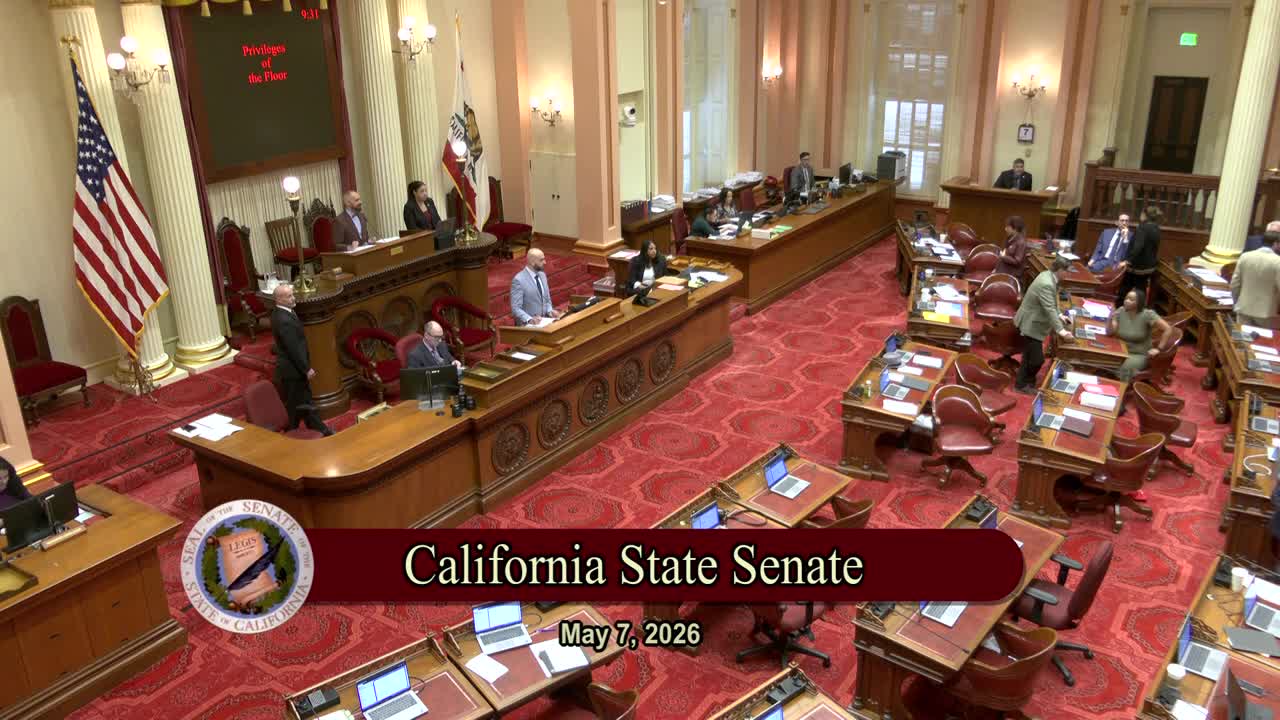 1MIN
Senate Floor
 14MIN
Senate Standing Committee on Labor, Public Employment and Retirement
Bill Author

Bill Co-Author(s):