SB 1044: Public contracts: Small Business Procurement and Contract Act.
- Session Year: 2025-2026
- House: Senate
- Latest Version Date: 2026-06-24
Current Status:
In Progress
(2026-08-13: August 13 hearing: Held in committee and under submission.)
Introduced
In Committee
Awaiting First Chamber Vote
Passed First Chamber
In Committee
Awaiting Second Chamber Vote
Passed Second Chamber
Enacted
The Small Business Procurement and Contract Act permits a state agency or the California State University to award a contract for goods, services, or information technology with an estimated value between $5,000 and $250,000 to a certified small business, including a microbusiness and a disabled veteran business enterprise, without complying with specified competitive bidding requirements.
This bill would increase the maximum estimated value of a contract for goods, services, services or information technology awarded pursuant to the act from $250,000 to $350,000. Commencing January 1, 2029, and biennially thereafter, the bill would require the Director of General Services to conduct a review of that maximum value, and would authorize the director to adjust that value to reflect changes in the California Consumer Price Index.
The Small Business Procurement and Contract Act permits a state agency or the California State University to award a contract for goods, services, or information technology with an estimated value between $5,000 and $250,000 to a certified small business, including a microbusiness and a disabled veteran business enterprise, without complying with specified competitive bidding requirements.
This bill would increase the maximum estimated value of a contract for goods, services, or information technology awarded pursuant to the act from $250,000 to $350,000. Commencing January 1, 2029, and biennially thereafter, the bill would require the Director of General Services to conduct a review of that maximum value, and would authorize the director to adjust that value to reflect changes in the California Consumer Price Index.
(a)(1)Notwithstanding the advertising, bidding, and protest provisions of Chapter 6 (commencing with Section 14825) of this part and Chapter 2 (commencing with Section 10290) and Chapter 3 (commencing with Section 12100) of Part 2 of Division 2 of the Public Contract Code, a state agency may award a contract for the acquisition of goods, services, or information technology that has an estimated value of greater than five thousand dollars ($5,000), but less than three hundred fifty thousand dollars ($350,000) specified in paragraph (2) to a certified small business, including a microbusiness, or to a disabled veteran business enterprise, as long as the agency obtains price quotations from two or more certified small businesses, including microbusinesses, or from two or more disabled veterans business enterprises.
(2)For purposes of paragraph (1), the following estimated values shall apply:
(A)For a contract for the acquisition of goods, an estimated value of greater than five thousand dollars ($5,000) but less than two hundred fifty thousand dollars ($250,000).
(B)For a contract for the acquisition of services or information technology, an estimated value of greater than five thousand dollars ($5,000) but less than three hundred fifty thousand dollars ($350,000).
(2)(3)Commencing January 1, 2029, and biennially thereafter, the Director of General Services shall conduct a review of the maximum estimated contract value specified in this subdivision subparagraph (B) of paragraph (2) and may adjust that value to reflect changes in the California Consumer Price Index.
(b)In carrying out subdivision (a), a state agency shall consider a responsive offer timely received from a responsible certified small business, including a microbusiness, or from a disabled veteran business enterprise.
(c)If the estimated cost to the state is less than five thousand dollars ($5,000) for the acquisition of goods, services, or information technology, or a greater amount as administratively established by the director, a state agency shall obtain at least two price quotations from responsible suppliers whenever there is reason to believe a response from a single source is not a fair and reasonable price.
SEC. 2.Section 14838.64 of the Government Code is amended to read:14838.64.(a)(1)Notwithstanding any other law, including, but not limited to, the advertising, bidding, and protest provisions of Chapter 6 (commencing with Section 14825) of this part and Chapter 2.5 (commencing with Section 10700) and Chapter 3 (commencing with Section 12100) of Part 2 of Division 2 of the Public Contract Code, the California State University may award a contract for the acquisition of goods, services, or information technology that has an estimated value of greater than five thousand dollars ($5,000), but less than three hundred fifty thousand dollars ($350,000) specified in paragraph (2) to a certified small business, including a microbusiness, or to a disabled veteran business enterprise, if the California State University obtains price quotations from two or more certified small businesses, including microbusinesses, or from two or more disabled veteran business enterprises.
(2)For purposes of paragraph (1), the following estimated values shall apply:
(A)For a contract for the acquisition of goods, an estimated value of greater than five thousand dollars ($5,000) but less than two hundred fifty thousand dollars ($250,000).
(B)For a contract for the acquisition of services or information technology, an estimated value of greater than five thousand dollars ($5,000) but less than three hundred fifty thousand dollars ($350,000).
(2)(3)Commencing January 1, 2029, and biennially thereafter, the Director of General Services shall conduct a review of the maximum estimated contract value specified in this subdivision subparagraph (B) of paragraph (2) and may adjust that value to reflect changes in the California Consumer Price Index.
(b)In carrying out subdivision (a), the California State University shall consider a responsive offer timely received from a responsible certified small business, including a microbusiness, or from a disabled veteran business enterprise.
(a)(1)Notwithstanding the advertising, bidding, and protest provisions of Chapter 6 (commencing with Section 14825) of this part and Chapter 2 (commencing with Section 10290) and Chapter 3 (commencing with Section 12100) of Part 2 of Division 2 of the Public Contract Code, a state agency may award a contract for the acquisition of goods, services, or information technology that has an estimated value of greater than five thousand dollars ($5,000), but less than two three hundred fifty thousand dollars ($250,000), ($350,000) to a certified small business, including a microbusiness, or to a disabled veteran business enterprise, as long as the agency obtains price quotations from two or more certified small businesses, including microbusinesses, or from two or more disabled veterans business enterprises.
(2)Commencing January 1, 2029, and biennially thereafter, the Director of General Services shall conduct a review of the maximum estimated contract value specified in this subdivision and may adjust that value to reflect changes in the California Consumer Price Index.
(b)In carrying out subdivision (a), a state agency shall consider a responsive offer timely received from a responsible certified small business, including a microbusiness, or from a disabled veteran business enterprise.
(c)If the estimated cost to the state is less than five thousand dollars ($5,000) for the acquisition of goods, services, or information technology, or a greater amount as administratively established by the director, a state agency shall obtain at least two price quotations from responsible suppliers whenever there is reason to believe a response from a single source is not a fair and reasonable price.
SEC. 2.Section 14838.64 of the Government Code is amended to read:14838.64.(a)(1)Notwithstanding any other law, including, but not limited to, the advertising, bidding, and protest provisions of Chapter 6 (commencing with Section 14825) of this part and Chapter 2.5 (commencing with Section 10700) and Chapter 3 (commencing with Section 12100) of Part 2 of Division 2 of the Public Contract Code, the California State University may award a contract for the acquisition of goods, services, or information technology that has an estimated value of greater than five thousand dollars ($5,000), but less than two three hundred fifty thousand dollars ($250,000), ($350,000) to a certified small business, including a microbusiness, or to a disabled veteran business enterprise, if the California State University obtains price quotations from two or more certified small businesses, including microbusinesses, or from two or more disabled veteran business enterprises.
(2)Commencing January 1, 2029, and biennially thereafter, the Director of General Services shall conduct a review of the maximum estimated contract value specified in this subdivision and may adjust that value to reflect changes in the California Consumer Price Index.
(b)In carrying out subdivision (a), the California State University shall consider a responsive offer timely received from a responsible certified small business, including a microbusiness, or from a disabled veteran business enterprise.
|
Date
|
Status
|
|---|---|
| Aug 13, 2026 | August 13 hearing: Held in committee and under submission. |
| Aug 5, 2026 | August 5 set for first hearing. Placed on suspense file. |
| Jun 24, 2026 | Read second time and amended. Re-referred to Com. on APPR. |
| Jun 23, 2026 | From committee: Do pass as amended and re-refer to Com. on APPR. (Ayes 7. Noes 0.) (June 23). |
| Jun 1, 2026 | Referred to Com. on E.D., G., & H.I. |
| May 22, 2026 | In Assembly. Read first time. Held at Desk. |
| May 22, 2026 | Read third time. Passed. (Ayes 33. Noes 0. Page 4418.) Ordered to the Assembly. |
| May 22, 2026 | Read third time. Passed. (Ayes 33. Noes 0.) Ordered to the Assembly. |
| May 20, 2026 | Ordered to special consent calendar. |
| May 14, 2026 | From committee: Do pass. (Ayes 7. Noes 0. Page 4262.) (May 14). |
| May 14, 2026 | Read second time. Ordered to third reading. |
| May 14, 2026 | From committee: Do pass. (Ayes 7. Noes 0.) (May 14). |
| May 8, 2026 | Set for hearing May 14. |
| Apr 13, 2026 | April 13 hearing: Placed on APPR. suspense file. |
| Mar 27, 2026 | Set for hearing April 13. |
| Mar 24, 2026 | From committee: Do pass and re-refer to Com. on APPR. (Ayes 14. Noes 0. Page 3657.) (March 24). Re-referred to Com. on APPR. |
| Mar 24, 2026 | From committee: Do pass and re-refer to Com. on APPR. (Ayes 14. Noes 0.) (March 24). Re-referred to Com. on APPR. |
| Mar 10, 2026 | Set for hearing March 24. |
| Feb 18, 2026 | Referred to Com. on G.O. |
| Feb 12, 2026 | From printer. May be acted upon on or after March 14. |
| Feb 11, 2026 | Introduced. Read first time. To Com. on RLS. for assignment. To print. |
|
Date
|
Description
|
Location
|
Votes
|
|
|---|---|---|---|---|
| May 22, 2026 | Special Consent SB1044 Reyes et al. | Senate Floor |
Passed |
|
| May 14, 2026 | Do pass | Senate Standing Committee on Appropriations |
Passed |
|
| Apr 13, 2026 | Placed on suspense file | Senate Standing Committee on Appropriations |
Passed |
|
| Mar 24, 2026 | Do pass, but first be re-referred to the Committee on [Appropriations] | Senate Standing Committee on Governmental Organization |
Passed |
This list shows positions taken on this bill by organizations on the date displayed, which is linked to the original source.
Positions by individuals are not included.
|
Organization
|
Position
|
Date
|
|---|---|---|
| Ca Black Chamber Of Commerce | ** Against | |
| California Asian Pacific Chamber Of Commerce | ** Support | |
| California Association of Veteran Service Agencies | ** Support | |
| California Hispanic Chambers Of Commerce | ** Support | |
| California LGBTQ Chamber of Commerce | ** Support | |
| California Metals Coalition | ** Against | |
| Coalition of Small and Disabled Veteran Businesses | ** Against | |
| Teamsters California | ** Against | |
| Veterans in Business Network | ** Support | |
| Veterans in Business Network (VIB) | ** Support |
Date of Hearing: August 5, 2026
ASSEMBLY COMMITTEE ON APPROPRIATIONS
Buffy Wicks, Chair
SBPCA Bill Id:SB 1044
Author:(Reyes) – As Amended Ver:June 24, 2026
Policy Committee: | Economic Development, Growth, and Household Impact | Vote: | 7 - 0 |
|
| ||
|
|
Urgency: No State Mandated Local Program: No Reimbursable: No
SUMMARY:
This bill increases the contract award cap amounts for services or information technology from $250,000 to $350,000, under which a state agency or the California State University (CSU) may award a contract to a certified small business (SB) or a disabled veteran business enterprise (DVBE) without a competitive bid process.
The bill also requires the director of the Department of General Services (DGS), commencing January 1, 2029, and every two years thereafter, to conduct a review of the maximum estimated contract value authorized under this cap and authorizes the department to adjust said value to reflect changes in the California Consumer Price Index (CPI).
FISCAL EFFECT:
- One-time General Fund cost between $87,000 and $174,000 for DGS to hire a limited term analyst position to oversee development of a process for changing the maximum contract dollar value as required by the bill and distributed associated resources and technical assistance to businesses.
- One-time General Fund costs to the CSU of an unknown amount, likely in the tens of thousand of dollars, to update contracting policies.
- Minor and absorbable costs to the California Department of Corrections and Rehabilitation (CDCR) to accommodate additional review of an expanded pool of vendors eligible for certain service and IT contracts.
COMMENTS:
- Purpose. According to the author:
Despite significant economic changes, the $250,000 contract cap has remained unchanged since 2009. This means qualified small businesses are being excluded from contracts they could have the capacity to complete were it not for the cap. This bill reflects an inflation accommodation of $350,000 to give small businesses and disabled veterans a fighting chance to thrive in such a competitive market. This bill also requires that the Director of General Services review this cap biennially and ensure these adjustments reflect the California Consumer Price Index (CPI). During a time of economic uncertainty, these measures will help modernize the procurement process, creating more opportunities for small businesses and DVBEs while ensuring the program remains aligned with ongoing inflation and market conditions.
- Background. The competitive bid process is both resource-intensive and involves a significant level of bureaucracy. For SBs and DVBEs, this reality reduces their ability to compete for government contracts. This bill increases the cap for a non-competitive bid process for services or information technology to $350,000, which makes it easier for state agencies to award contracts to SBs and DVBEs in furtherance of the state’s equity and veteran inclusion goals, 25% and 3% for SBs and DVBEs, respectively. Additionally, by generating increased business activity for DVBEs and SBs the bill may result in the ability for these entities to invest more resources into their local communities and provide additional career opportunities for underserved populations, such as veterans and their spouses.
- Related Legislation. SB 70 (Seyarto), of the current legislative session, is substantially similar to this bill and applies the increased cap to contracts for both goods and services and information technology. SB 70 was held in this committee.
Analysis Prepared by: Aaron Heredia / APPR. / (916) 319-2081
Date of Hearing: June 23, 2026
ASSEMBLY COMMITTEE ON ECONOMIC DEVELOPMENT, GROWTH, AND HOUSEHOLD IMPACT
José Luis Solache, Jr., Chair
SBPCA Bill Id:SB 1044
Author:(Reyes) – As Introduced Ver:February 11, 2026
SENATE VOTE: 33-0
SUBJECT: Public contracts: Small Business Procurement and Contract Act
SUMMARY: This bill increases the maximum value of contracts for goods, services, and information technology that may be awarded under the act from $250,000 to $350,000. Beginning January 1, 2029, and every two years thereafter, the Director of General Services would be required to review the contract threshold and may adjust it to reflect changes in the California Consumer Price Index.
Specifically, this bill:
- Increase the maximum estimated value of a contract for goods, services, or information technology awarded pursuant to the act from $250,000 to $350,000.
- Commencing January 1, 2029, and biennially thereafter, the bill would require the Director of General Services to conduct a review of that maximum value and would authorize the director to adjust that value to reflect changes in the California Consumer Price Index.
EXISTING LAW:
- Permits a state agency or the California State University to award a contract for goods, services, or information technology with an estimated value between $5,000 and $250,000 to a certified small business, including a microbusiness and a disabled veteran business enterprise, without complying with specified competitive bidding requirements.
FISCAL EFFECT: According to the Senate Appropriations committee, DGS reports approximately $85,000 for one limited-term staff member to develop the process to change the cap following the CA CPI, track biennial review dates, and update the State Contract Manual.
COMMENTS: California's Small Business Procurement and Contract Act allows state agencies and CSU to use streamlined procurement procedures for contracts awarded to certified small businesses, microbusinesses, and DVBEs. This bill seeks to modernize these thresholds to reflect increased costs and expand access to state contracting opportunities for eligible businesses.
The bill would increase the maximum contract value eligible for streamlined procurement from $250,000 to $350,000 and authorize future inflation adjustments. Supporters contend that the current threshold has not kept pace with rising costs and that a higher threshold could reduce administrative burdens and create additional contracting opportunities for small businesses and DVBEs.
The bill may provide additional opportunities for small businesses to compete for state contracts and could reduce procurement processing time for agencies. However, expanding the use of streamlined procurement procedures may also reduce the number of contracts subject to broader competitive solicitation requirements. The extent of these impacts is uncertain and would depend on agency utilization and market conditions.
Prior Legislation: Prior measures have consistently sought to expand contracting opportunities for certified small businesses and disabled veteran business enterprises by increasing the maximum contract threshold and streamlining procurement requirements. While several bills proposed raising the limit to $500,000, this bill instead increases the threshold to $350,000 and provides for future adjustments based on inflation.
SB 70 (Seyarto, 2025) (Held in Assembly Appropriations)
AB 2030 (Davies, 2024) (Held in Assembly Appropriations)
AB 3236 (Hoover, 2024) (Held in Assembly Appropriations)
SB 1478 (Archuleta, 2022) (Never Heard on the Assembly Floor)
AB 1809 (Cervantes, 2019) (Held in the Senate Appropriations Suspense File)
Opposition: Opponents contend that expanding the no-bid contracting threshold may reduce competition, limit opportunities for smaller certified businesses, and weaken procurement oversight. They support applying the higher threshold to services and IT contracts but not to goods procurements.
Proposed Committee Amendments:
The amendments narrow the bill's scope by limiting the increased small-business procurement threshold from $350,000 to contracts for services and information technology only, while retaining the existing $250,000 threshold for goods procurements. The amendments also maintain the bill's provision requiring the Department of General Services to review the threshold beginning in 2029 and periodically adjust it based on inflation. The amendments seek to expand contracting opportunities for certified small businesses, microbusinesses, and disabled veteran business enterprises in sectors where contract values have increased significantly over time, while preserving existing competitive procurement safeguards for goods purchases. This approach may help balance the goal of increasing small-business participation in state contracting with concerns about maintaining competition and oversight for higher-value procurements.
Author’s Comments: According to the author, “SB 1044 increases the maximum contract value for certified small businesses (SBs) and disabled Veteran business enterprises (DVBEs) from $250,000 to $350,000. Despite significant economic changes, the $250,000 contract cap has remained unchanged since 2009. This means qualified small businesses are being excluded from contracts they could have the capacity to complete were it not for the cap. This bill reflects an inflation accommodation of $350,000 to give small businesses and disabled veterans a fighting chance to thrive in such a competitive market. This bill also requires that the Director of General Services review this cap biennially and ensure these adjustments reflect the California Consumer Price Index (CPI). During a time of economic uncertainty, these measures will help modernize the procurement process, creating more opportunities for small businesses and DVBEs while ensuring the program remains aligned with ongoing inflation and market conditions. SB 1044 reflects California’s commitment to uplifting disabled veterans and small business owners by enabling them to remain competitive as vital contributors to our state.”
REGISTERED SUPPORT / OPPOSITION:
Support
California Asian Pacific Chamber of Commerce |
California Association of Veteran Service Agencies |
California Hispanic Chambers of Commerce |
California Lgbtq Chamber of Commerce |
Veterans in Business Network (VIB) |
Opposition
California Metals Coalition |
Coalition of Small and Disabled Veteran Businesses |
Teamsters California |
Oppose Unless Amended
CA Black Chamber of Commerce
Analysis Prepared by: Carla Castilla / E.D., G., & H.I. / (916) 319-2090
SENATE RULES COMMITTEE Office of Senate Floor Analyses (916) 651-4171 | SB 1044 |
THIRD READING
Bill No: SB 1044
Author: Reyes (D), et al.
Introduced: 2/11/26
Vote: 21
SENATE GOVERNMENTAL ORG. COMMITTEE: 14-0, 3/24/26
AYES: Rubio, Valladares, Alvarado-Gil, Archuleta, Blakespear, Cervantes, Dahle, Hurtado, Ochoa Bogh, Padilla, Richardson, Smallwood-Cuevas, Wahab, Weber Pierson
NO VOTE RECORDED: Ashby
SENATE APPROPRIATIONS COMMITTEE: 7-0, 5/14/26
AYES: Cervantes, Seyarto, Cabaldon, Dahle, Grayson, Richardson, Wahab
SUBJECT: Public contracts: Small Business Procurement and Contract Act
SOURCE: Author
DIGEST: This bill (1) increases, from $250,000 to $350,000, the maximum estimated value of a contract awarded pursuant to the Small Business Procurement and Contract Act (Act) which allows state agencies to award a contract to a certified small business (SB), or to a disabled veteran business enterprise (DVBE) without complying with competitive bidding requirements; (2) requires the Director of the Department of General Services (DGS) to biennially review the maximum contract value and authorize the director to adjust the value to reflect changes in the California Consumer Price Index (CPI).
ANALYSIS:
Existing law:
- Establishes the Act and provides that the purpose of the Act is to encourage SB and DVBE participation in state contracts.
- Authorizes, under the Act, a state agency to award a contract for the acquisition of goods, services, and information technology (IT) that has an estimated value of greater than $5,000, but less than $250,000, to a SB, including a microbusiness, or a DVBE, as long as the agency obtains price quotations from two or more SBs or DVBEs, without complying with specified competitive bidding requirements.
- Defines a “small business” to mean an independently owned and operated business that is not dominant in its field of operation, the principal office of which is located in California, the officers of which are domiciled in California, and which, together with affiliates, has 100 or fewer employees, and average annual gross receipts of $10 million or less over the previous three years, or is a manufacturer, as defined, and has 100 or fewer employees.
- Establishes the DVBE Program, which requires state agencies and all other state entities contracting for materials, supplies, equipment, alteration, repair, or improvement to have at least three percent participation goals for DVBEs, as defined.
- Defines a DVBE to mean a business certified by the administering agency that meets all of the following:
- It is a sole proprietorship at least 51% owned by one or more disabled veterans, or in the case of a publicly owned business, at least 51% of its stock is owned by one or more disabled veterans; a subsidiary that is wholly owned by a parent corporation, but only if at least 51% of the voting stock of the parent corporation is unconditionally owned by one or more disabled veterans; or a joint venture in which at least 51% of the joint venture’s management, control, and earnings are held by one or more disabled veterans.
- The management and control of the daily business operations are by one or more disabled veterans. The disabled veterans who exercise management and control are not required to be the same disabled veterans as the owner of the business.
- It is a sole proprietorship, corporation, or partnership with its home office located in the United States, which is not a branch or subsidiary of a foreign firm, or other foreign-based businesses.
This bill:
- Increases the maximum estimated value of a contract for goods, services, or IT awarded pursuant to the Act, from $250,000 to $350,000, by which state agencies are allowed to award a contract to a SB or DVBE without complying with competitive bidding requirements, as long as the agency obtains price quotations from two or more SBs or DVBEs.
- Requires the Director of DGS, commencing on January 1, 2028, and biennially thereafter, to conduct a review of the maximum estimated contract value and authorizes the Director to adjust the value to reflect changes in the CPI.
Background
Author Statement. According to the author’s office, “SB 1044 increases the maximum contract value for SBs and DVBEs from $250,000 to $350,000. Despite significant economic changes, the $250,000 contracts cap has remained unchanged since 2009. This means qualified SBs are being excluded from contracts they could have the capacity to complete were it not for the cap. This bill reflects an inflation accommodation of $350,000 to give SBs and DVBEs a fighting change to thrive in such a competitive market.”
Furthermore, the author’s office argues that, “this bill also requires the Director of DGS to review the cap biennially, and ensure these adjustments reflect the CPI. During a time of economic uncertainty, these measures will help modernize the procurement process, creating opportunities for SBs and DVBEs while ensuring the program remains aligned with ongoing inflation and market conditions. SB 1044 reflects California’s commitment to uplifting disabled veterans and SB owners by enabling them to remain competitive as vital contributors to our state.”
The Small Business Procurement Act. The Act, administered by DGS, was enacted approximately 45 years ago for the purpose of promoting the participation of small businesses in state contracts. In 1989, a DVBE component was added to the Act. Certification of SBs, including microbusinesses, and DVBEs is generally undertaken by DGS. The Act establishes a 25 percent participation goal for SBs and a three-percent goal for DVBEs. The Act further requires state agencies to identify a small business liaison to oversee outreach and support efforts to engage small businesses in the procurement process.
In order for a small business to be eligible for certification, the small business must be independently owned and operated; not dominant in field of operation; and, its principal office must be located in California. In addition, the business must be either a business with 100 or fewer employees and average annual gross receipts of $15 million or less, over the last three tax years; a manufacturer, as defined, with 100 or fewer employees; or, a microbusiness. A small business will automatically be designated as a microbusiness, if gross annual receipts are less than $3.5 million; or the small business is a manufacturer with 25 or fewer employees.
Upon meeting eligibility requirements, certified small businesses and microbusinesses are entitled, to among other things, a five percent bid preference. The goal of the preference is to help small and micro businesses to be more competitive in the biding process, thereby enhancing state contract awards directly or indirectly to these types of businesses. The preference is only used for computation purposes to determine the winning bidder, the contract is awarded at the actual bid amount.
In addition, certified small businesses are eligible for the State’s Business Participation Program, which sets a goal for the use of small businesses in at least 25 percent of the state’s overall annual contract dollars.
Specific to this bill, the Act authorizes a state agency to award a contract for the acquisition of goods, services, and IT that has an estimated value of greater than $5,000, but less than $250,000, to a certified SB, including a microbusiness, or a DVBE, as long as the agency obtains price quotations from two or more small SBs or DVBEs, without complying with specified competitive bidding requirements. This bill increases the maximum estimated amount to $350,000 and requires the Director of DGS to biennially review the maximum estimated value of the contract. Once the review is conducted, DGS is authorized but not required to adjust the value to reflect changes in the CPI.
It is unclear how many new businesses in California would be eligible from the proposed increased in this bill. While DGS does track data pertaining to awarded contracts, they do not track what contracts did not go to a small business and the reasons for why such a contract was not awarded to an SB. This is because some contracts might not be appropriate for a small business or a small business did not bid on that contract.
DVBE Program. The DVBE Program directs state governmental entities, such as state agencies and departments, to procure goods and services from DVBEs that DGS has certified as meeting the eligibility requirements of a DVBE. The legislative intent of the program is to target DVBEs and for those DVBEs to benefit financially from doing business with California.
In order for a business to be certified as a DVBE, the business must be at least 51% owned by one or more disabled veterans, have its daily operations managed by one or more disabled veterans, and have its home office located in the United States.
The DVBE Program requires state governmental entities that award contracts for goods or services, known as awarding departments, to meet or exceed the statewide participation goal of three percent. Awarding departments may meet the three percent goal either by contracting directly with a certified DVBE as a prime contractor or by requiring a prime contractor to use DVBEs as subcontractors for a portion of the work.
State departments that fail to meet the annual three percent goal can, in theory, have their delegated contracting authority removed, however DGS has never removed that authority based solely on a department’s failure to meet the three percent goal.
Previous Increase. The last time the maximum estimated contract value was increased was in 2010, with the signing of AB 31 (Price, Chapter 212, Statutes of 2009), which increased the maximum estimated value from $100,000 to $250,000. According to the Consumer Price Index Calculator provided by the CA Department of Industrial Relations, the change in the CPI since 2010 is approximately 52%. Applying a 52% increase to the current maximum of $250,000 would result in approximately $380,000.
Related/Prior Legislation
SB 70 (Seyarto, 2025) would have similarly increased, from $250,000 to $350,000, the maximum estimated value of a contract awarded pursuant to the Act which allows state agencies to award a contract to SB or DVBE without complying with competitive bidding requirements. The bill would have also required DGS to biennially review the maximum contract value and authorized the director to adjust the value to reflect changes in the CPI. (Held in the Assembly Appropriations Suspense File)
AB 2030 (Davies, 2024) would have expanded the current authorization that allows state agencies to grant contracts valued between $5,000 and $250,000 for goods, services, or IT to certified SBs, Micro SBs, and DVBEs to now include women business enterprise, LGBT business enterprise and minority business enterprises. (Held in the Assembly Appropriations Suspense File)
AB 3236 (Hoover, 2024) would have doubled, from $250,000 to $500,000, the current authorization that allows state agencies to grant contracts for goods, services, or IT to certified SBs, Micro SBs, and DVBEs, without complying with specified competitive bidding, as specified. (Held in the Assembly Appropriations Suspense File)
SB 1478 (Archuleta, 2022) would have authorized a state agency to award a contract for services or IT that has an estimated value between $5,000 and $500,000 to a certified SB or to a DVBE, as long as the agency obtains price quotations from two or more certified SBs or DVBEs, without complying with specified competitive bidding, as specified. (Never Heard on the Assembly Floor)
AB 1809 (Cervantes, 2019) would have authorized a state agency to award a contract for services or information technology that has an estimated value of between $5,000 and $500,000 to a SB or to a DVBE, as long as the agency obtains price quotations from two or more certified SBs or DVBEs. In addition, the bill would have made various changes to the DVBE Program, which were intended to address issues and findings from the 2014 and 2019 state audits of the targeted DVBE procurement participation program. (Held in the Senate Appropriations Suspense File)
AB 31 (Price, Chapter 212, Statutes of 2009) increased, from $100,000 to $250,000, the maximum estimated amount of a contract awarded pursuant to the Act, which currently allows state agencies to award a contract to a SB or to a DVBE without complying with competitive bidding requirements.
FISCAL EFFECT: Appropriation: No Fiscal Com.: Yes Local: No
According to the Senate Appropriations Committee, DGS repost costs of approximately $85,000 for one limited-term staff to develop a process for changing the cap based on the California CPI, track biennial review dates, and update the State Contracting Manual, purchasing authority documents, and other applicable training materials available to state agencies (General Fund).
SUPPORT: (Verified 5/14/26)
California Asian Pacific Chamber of Commerce
California Association of Veteran Service Agencies
California Hispanic Chamber of Commerce
California LGBTQ Chamber of Commerce
Veterans in Business Network
OPPOSITION: (Verified 5/14/26)
California Metals Coalition
Coalition of Small and Disabled Veteran Businesses
Teamsters California
ARGUMENTS IN SUPPORT: According to the California Hispanic Chamber of Commerce, “following an increase in expenses, changing market trends, and the exclusionary nature of industry, the actual value of these contracts has significantly diminished, leading to reduced opportunities for these small businesses and DVBEs. When accounting for inflation, this $250,000 value would equate to around $350,000 in today’s dollars. For industries that require substantial investments in materials, equipment, and staffing, the current maximum contract cap is unsustainable. As a result, qualified small businesses are effectively excluded from contracts they should be eligible for when the threshold was originally set.”
ARGUMENTS IN OPPOSITION: According to Teamsters California, “increasing the maximum contract size – particularly for goods and services contracts such as food, paper goods, and office supplies – places these businesses at an economic disadvantage when competing against larger businesses that can maintain $350, or more of product inventory at hand. Smaller businesses simply cannot match that capacity, and as a result, state agencies will continue directing contracts to a discrete set of larger vendors, further squeezing out small and microbusinesses from the process.”
Prepared by: Felipe Lopez / G.O. / (916) 651-1530
5/14/26 16:38:43
**** END ****
SENATE COMMITTEE ON
Senator Sabrina Cervantes, Chair
2025 - 2026 Regular Session
SB 1044 (Reyes) - Public contracts: Small Business Procurement and Contract Act
Version: | Policy Vote: |
Urgency: | Mandate: |
Hearing Date: | Consultant: |
Bill Summary:
SB 1044 increases the maximum contract cap for goods, services, or information technology (IT) under the Small Business Procurement Contract Act (Act) from $250,000 to $350,000. SB 1044 also requires the Director of the Department of General Services (DGS) to biennially review this limit beginning January 1, 2029, and authorizes adjustments to the cap based on the California Consumer Price Index (CPI).
Fiscal Impact:
DGS reports costs of approximately $85,000 for one limited-term staff to develop a process for changing the cap based on the California CPI, track biennial review dates, and update the State Contract Manual, purchasing authority documents, and other applicable training materials available to state agencies (General Fund).
Background:
The Act is administered by DGS and requires all departments to offer procurement opportunities to certified small businesses (SBs), disabled business enterprises (DVBEs), and microbusinesses whenever possible. The Act establishes a 25 percent participation goal for SBs and a three-percent goal for DVBEs. Departments unable to meet these required participation goals are required to submit an Improvement Plan to DGS each year.
In order for a small business to be eligible for certification under the Act, the small business must be independently owned and operated, not dominant in its field of operation, and its principal office must be located in California. In addition, the business must be either a business with 100 or fewer employees and average annual gross receipts of $15 million or less over the last three tax years, a manufacturer with 100 or fewer employees, or a microbusiness. A small business will automatically be designated as a microbusiness if gross annual receipts are less than $3.5 million or the small business is a manufacturer with 25 or fewer employees.
Upon meeting eligibility requirements, certified small businesses and microbusinesses are entitled, to among other things, a five percent bid preference. The goal of the preference is to help small and micro businesses to be more competitive in the bidding process, thereby enhancing state contract awards directly or indirectly to these types of businesses. The preference is only used for computation purposes to determine the winning bidder; the contract is awarded at the actual bid amount.
The Act authorizes a state agency to award a contract for the acquisition of goods, services, and IT that has an estimated value of greater than $5,000, but less than $250,000, to a certified SB, including a microbusiness, or a DVBE, as long as the agency obtains price quotations from two or more SBs or DVBEs, without complying with specified competitive bidding requirements.
Proposed Law:
- Increases the cap for the maximum estimated value of a contract for goods, services, or IT awarded pursuant to the Act from $250,000 to $350,000.
- Beginning January 1, 2029 and biennially thereafter, requires the Director of DGS to conduct a review of the maximum estimated contract value under the Act and authorizes the director to adjust this value to reflect changes in the California CPI.
Related Legislation:
SB 70 (Seyarto, 2025) would have similarly increased, from $250,000 to $350,000, the maximum estimated value of a contract awarded pursuant to the Act which allows state agencies to award a contract to SB or DVBE without complying with competitive bidding requirements. SB 70 would have also required DGS to biennially review the maximum contract value and authorized the director to adjust the value to reflect changes in the CPI. SB 70 was held on the Assembly Appropriations Suspense File.
-- END --
SENATE COMMITTEE ON GOVERNMENTAL ORGANIZATION
Senator Susan Rubio
Chair
2025 - 2026 Regular
Bill No: Hearing Date: 3/24/2026
Author: | , et al. | ||
Version: | Introduced | ||
Urgency: | Fiscal: | ||
Consultant: | |||
SUBJECT:
DIGEST: This bill increases, from $250,000 to $350,000, the maximum estimated value of a contract awarded pursuant to the Small Business Procurement and Contract Act (Act) which allows state agencies to award a contract to a certified small business (SB), or to a disabled veteran business enterprise (DVBE) without complying with competitive bidding requirements. The bill also requires the Director of the Department of General Services (DGS) to biennially review the maximum contract value and authorize the director to adjust the value to reflect changes in the California Consumer Price Index (CPI).
ANALYSIS:
Existing law:
- Establishes the Act and provides that the purpose of the Act is to encourage SB and DVBE participation in state contracts.
- Authorizes, under the Act, a state agency to award a contract for the acquisition of goods, services, and information technology (IT) that has an estimated value of greater than $5,000, but less than $250,000, to a SB, including a microbusiness, or a DVBE, as long as the agency obtains price quotations from two or more SBs or DVBEs, without complying with specified competitive bidding requirements.
- Defines a “small business” to mean an independently owned and operated business that is not dominant in its field of operation, the principal office of which is located in California, the officers of which are domiciled in California, and which, together with affiliates, has 100 or fewer employees, and average annual gross receipts of $10 million or less over the previous three years, or is a manufacturer, as defined, and has 100 or fewer employees.
- Establishes the DVBE Program, which requires state agencies and all other state entities contracting for materials, supplies, equipment, alteration, repair, or improvement to have at least three percent participation goals for DVBEs, as defined.
- Defines a DVBE to mean a business certified by the administering agency that meets all of the following:
- It is a sole proprietorship at least 51% owned by one or more disabled veterans, or in the case of a publicly owned business, at least 51% of its stock is owned by one or more disabled veterans; a subsidiary that is wholly owned by a parent corporation, but only if at least 51% of the voting stock of the parent corporation is unconditionally owned by one or more disabled veterans; or a joint venture in which at least 51% of the joint venture’s management, control, and earnings are held by one or more disabled veterans.
- The management and control of the daily business operations are by one or more disabled veterans. The disabled veterans who exercise management and control are not required to be the same disabled veterans as the owner of the business.
- It is a sole proprietorship, corporation, or partnership with its home office located in the United States, which is not a branch or subsidiary of a foreign firm, or other foreign-based businesses.
This bill:
- Increases the maximum estimated value of a contract for goods, services, or IT awarded pursuant to the Act, from $250,000 to $350,000, by which state agencies are allowed to award a contract to a SB or DVBE without complying with competitive bidding requirements, as long as the agency obtains price quotations from two or more SBs or DVBEs.
- Requires the Director of DGS, commencing on January 1, 2028, and biennially thereafter, to conduct a review of the maximum estimated contract value and authorizes the Director to adjust the value to reflect changes in the CPI.
Background
Author Statement. According to the author’s office, “SB 1044 increases the maximum contract value for SBs and DVBEs from $250,000 to $350,000. Despite significant economic changes, the $250,000 contracts cap has remained unchanged since 2009. This means qualified SBs are being excluded from contracts they could have the capacity to complete were it not for the cap. This bill reflects an inflation accommodation of $350,000 to give SBs and DVBEs a fighting change to thrive in such a competitive market.”
Furthermore, the author’s office argues that, “this bill also requires the Director of DGS to review the cap biennially, and ensure these adjustments reflect the CPI. During a time of economic uncertainty, these measures will help modernize the procurement process, creating opportunities for SBs and DVBEs while ensuring the program remains aligned with ongoing inflation and market conditions. SB 1044 reflects California’s commitment to uplifting disabled veterans and SB owners by enabling them to remain competitive as vital contributors to our state.”
The Small Business Procurement Act. The Act, administered by DGS, was enacted approximately 45 years ago for the purpose of promoting the participation of small businesses in state contracts. In 1989, a DVBE component was added to the Act. Certification of SBs, including microbusinesses, and DVBEs is generally undertaken by DGS. The Act establishes a 25 percent participation goal for SBs and a three-percent goal for DVBEs. The Act further requires state agencies to identify a small business liaison to oversee outreach and support efforts to engage small businesses in the procurement process.
In order for a small business to be eligible for certification, the small business must be independently owned and operated; not dominant in field of operation; and, its principal office must be located in California. In addition, the business must be either a business with 100 or fewer employees and average annual gross receipts of $15 million or less, over the last three tax years; a manufacturer, as defined, with 100 or fewer employees; or, a microbusiness. A small business will automatically be designated as a microbusiness, if gross annual receipts are less than $3.5 million; or the small business is a manufacturer with 25 or fewer employees.
Upon meeting eligibility requirements, certified small businesses and microbusinesses are entitled, to among other things, a five percent bid preference. The goal of the preference is to help small and micro businesses to be more competitive in the biding process, thereby enhancing state contract awards directly or indirectly to these types of businesses. The preference is only used for computation purposes to determine the winning bidder, the contract is awarded at the actual bid amount.
In addition, certified small businesses are eligible for the State’s Business Participation Program, which sets a goal for the use of small businesses in at least 25 percent of the state’s overall annual contract dollars.
Specific to this bill, the Act authorizes a state agency to award a contract for the acquisition of goods, services, and IT that has an estimated value of greater than $5,000, but less than $250,000, to a certified SB, including a microbusiness, or a DVBE, as long as the agency obtains price quotations from two or more small SBs or DVBEs, without complying with specified competitive bidding requirements. This bill increases the maximum estimated amount to $350,000 and requires the Director of DGS to biennially review the maximum estimated value of the contract. Once the review is conducted, DGS is authorized but not required to adjust the value to reflect changes in the CPI.
It is unclear how many new businesses in California would be eligible from the proposed increased in this bill. While DGS does track data pertaining to awarded contracts, they do not track what contracts did not go to a small business and the reasons for why such a contract was not awarded to an SB. This is because some contracts might not be appropriate for a small business or a small business did not bid on that contract.
DVBE Program. The DVBE Program directs state governmental entities, such as state agencies and departments, to procure goods and services from DVBEs that DGS has certified as meeting the eligibility requirements of a DVBE. The legislative intent of the program is to target DVBEs and for those DVBEs to benefit financially from doing business with California.
In order for a business to be certified as a DVBE, the business must be at least 51% owned by one or more disabled veterans, have its daily operations managed by one or more disabled veterans, and have its home office located in the United States.
The DVBE Program requires state governmental entities that award contracts for goods or services, known as awarding departments, to meet or exceed the statewide participation goal of three percent. Awarding departments may meet the three percent goal either by contracting directly with a certified DVBE as a prime contractor or by requiring a prime contractor to use DVBEs as subcontractors for a portion of the work.
State departments that fail to meet the annual three percent goal can, in theory, have their delegated contracting authority removed, however DGS has never removed that authority based solely on a department’s failure to meet the three percent goal.
Previous Increase. The last time the maximum estimated contract value was increased was in 2010, with the signing of AB 31 (Price, Chapter 212, Statutes of 2009), which increased the maximum estimated value from $100,000 to $250,000. According to the Consumer Price Index Calculator provided by the CA Department of Industrial Relations, the change in the CPI since 2010 is approximately 52%. Applying a 52% increase to the current maximum of $250,000 would result in approximately $380,000.
Prior/Related Legislation
SB 70 (Seyarto, 2025) would have similarly increased, from $250,000 to $350,000, the maximum estimated value of a contract awarded pursuant to the Act which allows state agencies to award a contract to SB or DVBE without complying with competitive bidding requirements. The bill would have also required DGS to biennially review the maximum contract value and authorized the director to adjust the value to reflect changes in the CPI. (Held in the Assembly Appropriations Suspense File)
AB 2030 (Davies, 2024) would have expanded the current authorization that allows state agencies to grant contracts valued between $5,000 and $250,000 for goods, services, or IT to certified SBs, Micro SBs, and DVBEs to now include women business enterprise, LGBT business enterprise and minority business enterprises. (Held in the Assembly Appropriations Suspense File)
AB 3236 (Hoover, 2024) would have doubled, from $250,000 to $500,000, the current authorization that allows state agencies to grant contracts for goods, services, or IT to certified SBs, Micro SBs, and DVBEs, without complying with specified competitive bidding, as specified. (Held in the Assembly Appropriations Suspense File)
SB 1478 (Archuleta, 2022) would have authorized a state agency to award a contract for services or IT that has an estimated value between $5,000 and $500,000 to a certified SB or to a DVBE, as long as the agency obtains price quotations from two or more certified SBs or DVBEs, without complying with specified competitive bidding, as specified. (Never Heard on the Assembly Floor)
SB 588 (Archuleta, Chapter 80, Statutes of 2020) requires an awarding department to give a prime contractor that fails to comply with specified DVBE certification requirements reasonable opportunity to comply with those requirements, and requires DGS to suspend a prime contractor that fails to comply from bidding on a state contract, as specified.
AB 1809 (Cervantes, 2019) would have authorized a state agency to award a contract for services or information technology that has an estimated value of between $5,000 and $500,000 to a SB or to a DVBE, as long as the agency obtains price quotations from two or more certified SBs or DVBEs. In addition, the bill would have made various changes to the DVBE Program, which were intended to address issues and findings from the 2014 and 2019 state audits of the targeted DVBE procurement participation program. (Held in the Senate Appropriations Suspense File)
AB 230 (Brough, Chapter 675, Chapter of 2019) made various changes to the statewide DVBE Program to increase monitoring and oversight of the program, as specified.
AB 1365 (Veterans Affairs, Chapter 689, Statues of 2019) requires a contract-awarding state department to maintain all records of the information provided by a prime contractor under the DVBE Program and to retain the records for a minimum of six years, as specified.
AB 31 (Price, Chapter 212, Statutes of 2009) increased, from $100,000 to $250,000, the maximum estimated amount of a contract awarded pursuant to the Act, which currently allows state agencies to award a contract to a SB or to a DVBE without complying with competitive bidding requirements.
FISCAL EFFECT: Appropriation: Fiscal Com.: Local:
SUPPORT:
None received
OPPOSITION:
None received
Discussed in Hearing
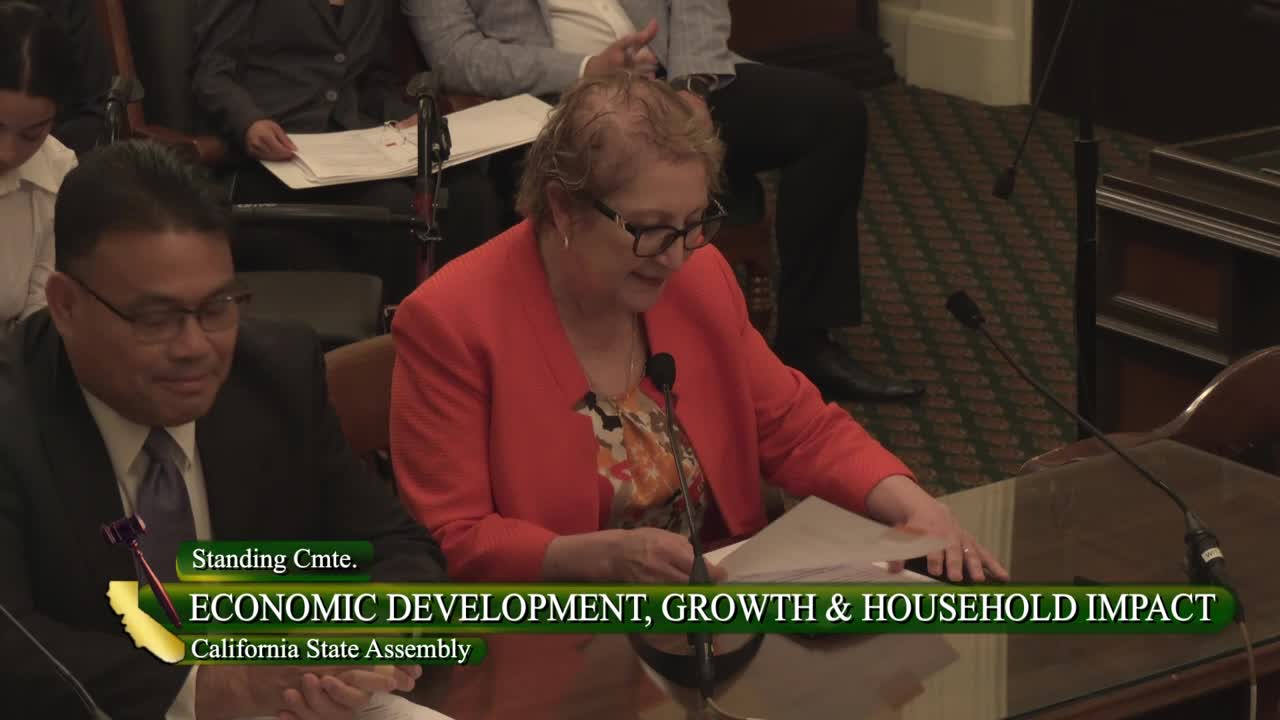 24MIN
Assembly Standing Committee on Economic Development, Growth, and Household Impact
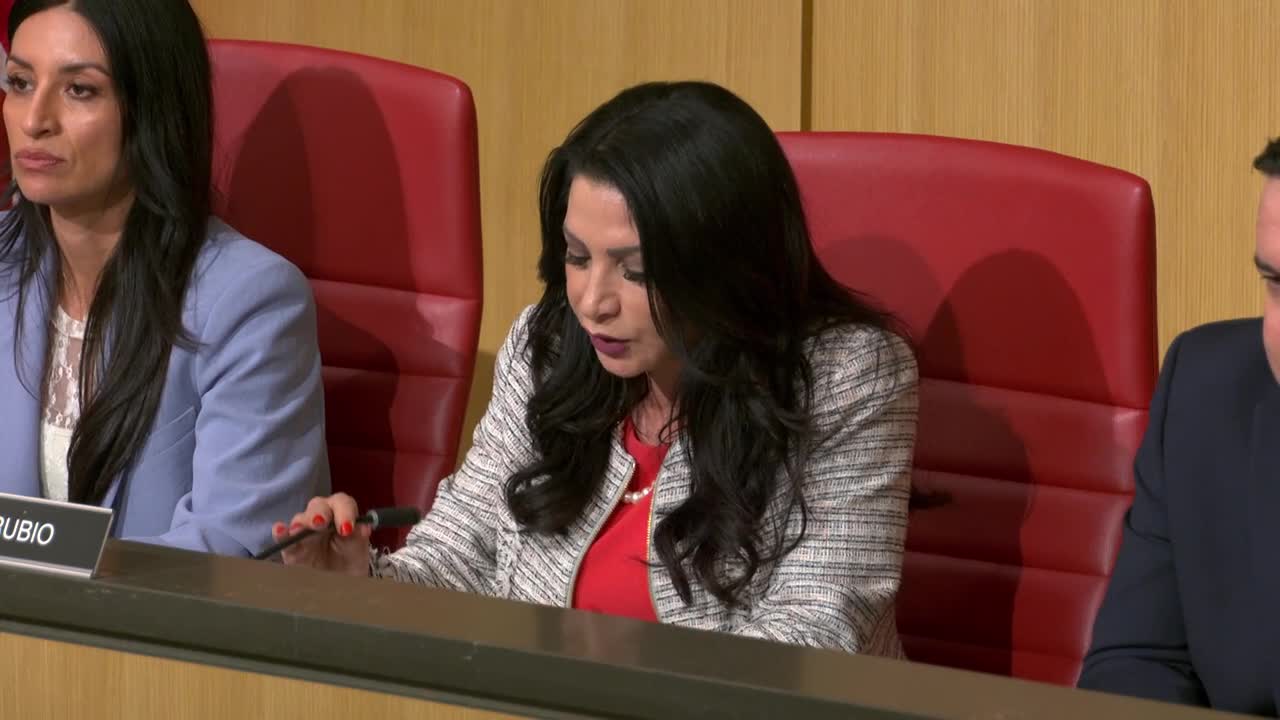 10MIN
Senate Standing Committee on Governmental Organization
Bill Author

Bill Co-Author(s):