SB 1077: CalFresh: federal government shutdowns.
- Session Year: 2025-2026
- House: Senate
- Latest Version Date: 2026-08-28
Current Status:
In Progress
(2026-09-18: In Senate. Consideration of Governor's veto pending.)
Introduced
In Committee
Awaiting First Chamber Vote
Passed First Chamber
In Committee
Awaiting Second Chamber Vote
Passed Second Chamber
Enacted
Existing federal law provides for the Supplemental Nutrition Assistance Program (SNAP), known in California as CalFresh, under which supplemental nutrition assistance benefits allocated to the state by the federal government are distributed to eligible individuals by each county. Existing federal law, through Disaster SNAP, provides for short-term food assistance benefits to eligible households who are victims of a disaster that disrupts commercial channels of food distribution.
This bill would, during a federal government shutdown that impacts the disbursement of CalFresh benefits, require the State Department of Social Services to maintain a clearly marked landing page on the departments internet website to provide the public with information on how their benefits will be impacted, including information on the status of the federal government shutdown and the availability of benefits. The bill would also require the department, in coordination with stakeholders, to establish a strategic communications plan for use during a federal government shutdown that impacts the disbursement of CalFresh benefits that includes updates to the landing page on the departments internet website, deployment of social media posts, and emergency response briefings for local and state officials, local government agencies, community organizations, and participating retailers, as specified.
The bill would require the department to develop a benefit issuance mechanism to allow the department flexibility to rapidly provide nutrition benefits on an emergency basis in response to a federal government shutdown that impacts the disbursement of CalFresh benefits, and would require the mechanism to be designed to issue nutrition benefits through the existing electronic benefits transfer system and in a manner that can target various populations depending on the purpose of the specific benefit. The bill would make this provision operative when the department notifies the Legislature that the Statewide Automated Welfare System can perform the necessary automation to implement this provision.
Existing federal law provides for the Supplemental Nutrition Assistance Program (SNAP), known in California as CalFresh, under which supplemental nutrition assistance benefits allocated to the state by the federal government are distributed to eligible individuals by each county. Existing federal law, through Disaster SNAP, provides for short-term food assistance benefits to eligible households who are victims of a disaster that disrupts commercial channels of food distribution.
This bill would, during a federal government shutdown that impacts the disbursement of CalFresh benefits, require the State Department of Social Services to maintain a clearly marked landing page on the departments internet website to provide the public with information on how their benefits will be impacted, including information on status of the federal government shutdown and the availability of benefits. The bill would also require the department, in coordination with stakeholders, to establish a strategic communications plan for use during a federal government shutdown that impacts the disbursement of CalFresh benefits that includes notifications for CalFresh participants and daily updates to the landing page on the departments internet website, deployment of social media posts, and emergency response briefings for local and state officials, local government agencies, community organizations, and participating retailers, as specified.
The bill would require the department to develop a benefit issuance mechanism to allow the department flexibility to rapidly provide nutrition benefits on an emergency basis in response to a federal government shutdown that impacts the disbursement of CalFresh benefits, and would require the mechanism to be designed to issue nutrition benefits through the existing electronic benefits transfer system and in a manner that can target various populations depending on the purpose of the specific benefit. The bill would make this provision operative when the department notifies the Legislature that the Statewide Automated Welfare System can perform the necessary automation to implement this provision.
Existing federal law provides for the Supplemental Nutrition Assistance Program (SNAP), known in California as CalFresh, under which supplemental nutrition assistance benefits allocated to the state by the federal government are distributed to eligible individuals by each county. Existing federal law, through Disaster SNAP, provides for short-term food assistance benefits to eligible households who are victims of a disaster that disrupts commercial channels of food distribution.
Existing state law requires the State Department of Social Services to identify the necessary elements of a county disaster plan, to issue guidance to county human services agencies, and to offer training on Disaster CalFresh, as specified. Existing law requires the department to maintain updated Disaster CalFresh materials, including, but not limited to, state and county disaster plans, Disaster CalFresh applications, the Disaster CalFresh internet website, and a Disaster CalFresh outreach flyer in all required languages. This bill would make a technical, nonsubstantive change to those provisions.This bill would, during a federal government shutdown that impacts the disbursement of CalFresh benefits, require the State Department of Social Services to maintain a clearly marked landing page on the departments internet website to provide the public with information on how their benefits will be impacted, including information on status of the federal government shutdown and the availability of benefits. The bill would also require the department, in coordination with stakeholders, to establish a strategic communications plan for use during a federal government shutdown that impacts the disbursement of CalFresh benefits that includes notifications for CalFresh participants and daily emergency response briefings for local and state officials, local government agencies, community organizations, and participating retailers, as specified.
The bill would require the department to develop a benefit issuance mechanism to allow the department flexibility to rapidly provide nutrition benefits on an emergency basis in response to a federal government shutdown that impacts the disbursement of CalFresh benefits, and would require the mechanism to be designed to issue nutrition benefits through the existing electronic benefits transfer system and in a manner that can target various populations depending on the purpose of the specific benefit.
Existing federal law provides for the Supplemental Nutrition Assistance Program (SNAP), known in California as CalFresh, under which supplemental nutrition assistance benefits allocated to the state by the federal government are distributed to eligible individuals by each county. Existing federal law, through Disaster SNAP, provides for short-term food assistance benefits to eligible households who are victims of a disaster that disrupts commercial channels of food distribution.
Existing state law requires the State Department of Social Services to identify the necessary elements of a county disaster plan, to issue guidance to county human services agencies, and to offer training on Disaster CalFresh, as specified. Existing law requires the department to maintain updated Disaster CalFresh materials, including, but not limited to, state and county disaster plans, Disaster CalFresh applications, the Disaster CalFresh internet website, and a Disaster CalFresh outreach flyer in all required languages.
This bill would make a technical, nonsubstantive change to those provisions.
The Legislature finds and declares all of the following:
(a)No person in California should experience hunger.
(b)Families across the country are struggling to afford healthy and adequate groceries. Nearly 3,000,000 California households struggle with food insecurity. Over 1,000,000 households with children struggle with food insecurity.
(c)The federal Supplemental Nutrition Assistance Program (SNAP) offers significant vital benefits that over 5,000,000 Californians rely on to afford basic food necessities.
(d)SNAP, known in California as CalFresh, is the states largest antihunger and antipoverty program. The financial assistance Californians receive from the program helps lower income Californians budget sufficient money to cover rent, utility costs, transportation costs, education costs, and other necessities. Furthermore, every dollar in SNAP benefits generates $1.54 or more in local economic activity, supporting jobs at neighborhood grocery stores and markets and bolstering the incomes of local farmers.
(e)California has led the nation in establishing food security programs that provide assistance well above and beyond SNAP.
(f)In October 2025, the federal government shut down for a record 43 days. California does not currently have the infrastructure or capacity necessary to issue state-funded benefits to SNAP recipients during a federal government shutdown, meaning the state did not have the ability to replace SNAP benefits before low-income individuals were directly affected.
(g)Until the federal government reopened, as part of the federal government shutdown, frequent changes in information coming from the federal government and updates from state officials pursuant to rapidly changing lawsuits resulted in confusion, fear, and uncertainty for the millions of Californians that rely on SNAP benefits.
SEC. 2.Section 18921 is added to the Welfare and Institutions Code, to read:18921.(a)(1)During a federal government shutdown that impacts the disbursement of CalFresh benefits, the department shall maintain a clearly marked landing page on the departments internet website to provide the public with information on how their benefits will be impacted, and that includes, but is not limited to, all of the following information:
(A)Status of the federal government shutdown and the availability of benefits.
(B)To the extent possible, a timeline with the most updated information possible, of when benefits will be disrupted and which beneficiaries will be affected, as well as when benefits will be disbursed.
(C)A Frequently Asked Questions section addressing questions and misinformation about the availability of benefits.
(D)Where impacted Californians can access emergency food assistance, including, but not limited to, information about how to find their local food banks.
(E)Any relevant litigation being pursued by the State of California or other entities related to CalFresh benefits and the federal government shutdown.
(2)In developing the information to include on the landing page, the department shall consider information from previous government shutdowns that remains current and consider information provided by state and county partners, community organizations, food banks, and participating retailers.
(3)The department shall include accommodations for accessibility and language services.
(4)The department shall review and update the landing page at least every 72 hours until the CalFresh benefits are being fully disbursed and the federal government has reopened.
(b)The department, in coordination with stakeholders, including, but not limited to, county human services agencies, the County Welfare Directors Association of California, the exclusive representatives of CalFresh eligibility workers, representatives of CalFresh authorized retailers, advocates for CalFresh participants, and the California Association of Food Banks, shall establish a strategic communications plan by January 1, 2028, for use thereafter during a federal government shutdown that impacts the disbursement of CalFresh benefits. The communications plan shall include, but is not limited to, both of the following:
(1)Updates to the landing page on the departments internet website and deployment of social media posts within 72 hours of the department being notified by the Food and Nutrition Service of the United States Department of Agriculture that there will be a disruption in CalFresh disbursement, and regular updates thereafter that include, but are not limited to, all of the following information:
(A)The current status of benefit disbursement.
(B)How to check their accessible CalFresh benefit balance.
(C)Whether the past months benefit balances are available for use.
(D)Where to find factual, updated information on the federal government shutdown and the impacts on the disbursement of CalFresh benefits.
(E)Emergency food resources.
(2)Emergency response briefings, as needed, for local and state officials, local government agencies, community organizations, and participating retailers during the time that a federal government shutdown impacts the disbursement of CalFresh benefits that includes information on all of the following:
(A)The current status of benefit disbursement.
(B)Whether the past months benefit balances are available for use.
(C)Pertinent updates on court filings and decisions regarding benefit availability.
(D)Where to find factual, updated information to share with the public on the federal government shutdown and the impacts on the disbursement of CalFresh benefits.
(E)Emergency actions the state is taking, including, but not limited to, additional funding and staffing for food banks.
(c)The department shall issue guidance to county human services agencies for use during a federal government shutdown that impacts the disbursement of CalFresh benefits.
SEC. 3.Section 18921.1 is added to the Welfare and Institutions Code, to read:18921.1.(a)The department shall develop a benefit issuance mechanism to allow the department flexibility to rapidly provide nutrition benefits on an emergency basis in response to a federal government shutdown that impacts the disbursement of CalFresh benefits. The benefit issuance mechanism shall comply with both of the following:
(1)The mechanism shall be designed to issue nutrition benefits through the electronic benefits transfer system created pursuant to Section 10072, and in a manner that can target various populations depending on the purpose of the specific benefit.
(2)The mechanism shall comply with all applicable state and federal law governing privacy and confidentiality.
(b)This section shall become operative on the date that the department notifies the Legislature that the Statewide Automated Welfare System can perform the necessary automation to implement this section.
The Legislature finds and declares all of the following:
(a)No person in California should experience hunger.
(b)Families across the country are struggling to afford healthy and adequate groceries. Nearly 3,000,000 California households struggle with food insecurity. Over 1,000,000 households with children struggle with food insecurity.
(c)The federal Supplemental Nutrition Assistance Program (SNAP) offers significant vital benefits that over 5,000,000 Californians rely on to afford basic food necessities.
(d)SNAP, known in California as CalFresh, is the states largest antihunger and antipoverty program. The financial assistance Californians receive from the program helps lower income Californians budget sufficient money to cover rent, utility costs, transportation costs, education costs, and other necessities. Furthermore, every dollar in SNAP benefits generates $1.54 or more in local economic activity, supporting jobs at neighborhood grocery stores and markets and bolstering the incomes of local farmers.
(e)California has led the nation in establishing food security programs that provide assistance well above and beyond SNAP.
(f)Despite SNAP being a mandatory payment program not subject to discretionary annual appropriations, the United States Department of Agriculture (USDA) has historically treated it as dependent on annual appropriations. As a result, failure to pass the USDA budget for the federal fiscal year places issuance of SNAP benefits at risk.(g)On October 1,(f)In October 2025, the federal government shut down for a record 43 days. On October 10, 2025, the Food and Nutrition Service of the USDA issued a memo stating there would not be enough funds to pay full SNAP benefits for November 2025. On October 24, 2025, the Food and Nutrition Service of the USDA issued a memo stating that SNAP benefits were suspended for November 2025, meaning over 5,000,000 Californians lost access to essential benefits. California does not currently have the infrastructure or capacity necessary to issue state-funded benefits to SNAP recipients during a federal government shutdown, meaning the state did not have the ability to replace SNAP benefits before low-income individuals were directly affected.
(h)On October 28, 2025, the California Attorney General and 26 states filed a lawsuit against the USDA for their unprecedented decision to not release contingency funds to pay SNAP benefits during a federal government shutdown. (i)(g)Until the federal government reopened on November 12, 2025, reopened, as part of the federal government shutdown, frequent changes in information coming from the federal government and updates from state officials pursuant to rapidly changing lawsuits resulted in confusion, fear, and uncertainty for the 5,000,000 millions of Californians that rely on SNAP benefits.
SEC. 2.Section 18921 is added to the Welfare and Institutions Code, to read:18921.(a)(1)During a federal government shutdown that impacts the disbursement of CalFresh benefits, the department shall maintain a clearly marked landing page on the departments internet website to provide the public with information on how their benefits will be impacted, and that includes, but is not limited to, all of the following information:
(A)Status of the federal government shutdown and the availability of benefits.
(B)To the extent possible, a timeline with the most updated information possible, of when benefits will be disrupted and which beneficiaries will be affected, as well as when benefits will be disbursed.
(C)A Frequently Asked Questions section addressing questions and misinformation about the availability of benefits.
(D)Where impacted Californians can access emergency food assistance, including, but not limited to, information about how to find their local food banks.
(E)Any relevant litigation being pursued by the State of California or other entities related to CalFresh benefits and the federal government shutdown.
(2)In developing the information to include on the landing page, the department shall consider information from previous government shutdowns that remains current and consider information provided by state and county partners, community organizations, food banks, and participating retailers.
(3)The department shall include accommodations for accessibility and language services.
(4)The department shall review and update the landing page at least every 24 72 hours until the CalFresh benefits are being fully disbursed and the federal government has reopened.
(b)The department, in coordination with stakeholders, including, but not limited to, county human services agencies, the County Welfare Directors Association of California, the exclusive representatives of CalFresh eligibility workers, representatives of CalFresh authorized retailers, advocates for CalFresh participants, and the California Association of Food Banks, shall establish a strategic communications plan by January 1, 2028, for use thereafter during a federal government shutdown that impacts the disbursement of CalFresh benefits. The communications plan shall include, but is not limited to, both of the following:
(1)Initial notification to all CalFresh participants within 24 Updates to the landing page on the departments internet website and deployment of social media posts within 72 hours of the department being notified by the Food and Nutrition Service of the United States Department of Agriculture that there will be a disruption in CalFresh disbursement, and regular notification to impacted CalFresh participants, thereafter, that includes, updates thereafter that include, but is are not limited to, all of the following information:
(A)The current status of benefit disbursement.
(B)How to check their accessible CalFresh benefit balance.
(C)Whether the past months benefit balances are available for use.
(D)Where to find factual, updated information on the federal government shutdown and the impacts on the disbursement of CalFresh benefits.
(E)Emergency food resources.
(2)Daily emergency response briefings Emergency response briefings, as needed, for local and state officials, local government agencies, community organizations, and participating retailers during the time that a federal government shutdown impacts the disbursement of CalFresh benefits that includes information on all of the following:
(A)The current status of benefit disbursement.
(B)Whether the past months benefit balances are available for use.
(C)Pertinent updates on court filings and decisions regarding benefit availability.
(D)Where to find factual, updated information to share with the public on the federal government shutdown and the impacts on the disbursement of CalFresh benefits.
(E)Emergency actions the state is taking, including, but not limited to, additional funding and staffing for food banks.
(c)The department shall issue guidance to county human services agencies for use during a federal government shutdown that impacts the disbursement of CalFresh benefits.
SEC. 3.Section 18921.1 is added to the Welfare and Institutions Code, to read:18921.1.(a)The department shall develop a benefit issuance mechanism to allow the department flexibility to rapidly provide nutrition benefits on an emergency basis in response to a federal government shutdown that impacts the disbursement of CalFresh benefits. The benefit issuance mechanism shall comply with both of the following:
(a)(1)The mechanism shall be designed to issue nutrition benefits through the electronic benefits transfer system created pursuant to Section 10072, and in a manner that can target various populations depending on the purpose of the specific benefit.
(b)(2)The mechanism shall comply with all applicable state and federal law governing privacy and confidentiality.
(b)This section shall become operative on the date that the department notifies the Legislature that the Statewide Automated Welfare System can perform the necessary automation to implement this section.
The Legislature finds and declares all of the following:
(a)No person in California should experience hunger.
(b)Families across the country are struggling to afford healthy and adequate groceries. Nearly 3,000,000 California households struggle with food insecurity. Over 1,000,000 households with children struggle with food insecurity.
(c)The federal Supplemental Nutrition Assistance Program (SNAP) offers significant vital benefits that over 5,000,000 Californians rely on to afford basic food necessities.
(d)SNAP, known in California as CalFresh, is the states largest antihunger and antipoverty program. The financial assistance Californians receive from the program helps lower income Californians budget sufficient money to cover rent, utility costs, transportation costs, education costs, and other necessities. Furthermore, every dollar in SNAP benefits generates $1.54 or more in local economic activity, supporting jobs at neighborhood grocery stores and markets and bolstering the incomes of local farmers.
(e)California has led the nation in establishing food security programs that provide assistance well above and beyond SNAP.
(f)Despite SNAP being a mandatory payment program not subject to discretionary annual appropriations, the United States Department of Agriculture (USDA) has historically treated it as dependent on annual appropriations. As a result, failure to pass the USDA budget for the federal fiscal year places issuance of SNAP benefits at risk.
(g)On October 1, 2025, the federal government shut down for a record 43 days. On October 10, 2025, the Food and Nutrition Service of the USDA issued a memo stating there would not be enough funds to pay full SNAP benefits for November 2025. On October 24, 2025, the Food and Nutrition Service of the USDA issued a memo stating that SNAP benefits were suspended for November 2025, meaning over 5,000,000 Californians lost access to essential benefits. California does not currently have the infrastructure or capacity necessary to issue state-funded benefits to SNAP recipients during a federal government shutdown, meaning the state did not have the ability to replace SNAP benefits before low-income individuals were directly affected.
(h)On October 28, 2025, the California Attorney General and 26 states filed a lawsuit against the USDA for their unprecedented decision to not release contingency funds to pay SNAP benefits during a federal government shutdown.
(i)Until the federal government reopened on November 12, 2025, frequent changes in information coming from the federal government and updates from state officials pursuant to rapidly changing lawsuits resulted in confusion, fear, and uncertainty for the 5,000,000 Californians that rely on SNAP benefits.
SEC. 2.Section 18921 is added to the Welfare and Institutions Code, to read:18921.(a)(1)During a federal government shutdown that impacts the disbursement of CalFresh benefits, the department shall maintain a clearly marked landing page on the departments internet website to provide the public with information on how their benefits will be impacted, and that includes, but is not limited to, all of the following information:
(A)Status of the federal government shutdown and the availability of benefits.
(B)To the extent possible, a timeline with the most updated information possible, of when benefits will be disrupted and which beneficiaries will be affected, as well as when benefits will be disbursed.
(C)A Frequently Asked Questions section addressing questions and misinformation about the availability of benefits.
(D)Where impacted Californians can access emergency food assistance, including, but not limited to, information about how to find their local food banks.
(E)Any relevant litigation being pursued by the State of California or other entities related to CalFresh benefits and the federal government shutdown.
(2)In developing the information to include on the landing page, the department shall consider information from previous government shutdowns that remains current and consider information provided by state and county partners, community organizations, food banks, and participating retailers.
(3)The department shall include accommodations for accessibility and language services.
(4)The department shall review and update the landing page at least every 24 hours until the CalFresh benefits are being fully disbursed and the federal government has reopened.
(b)The department, in coordination with stakeholders, including, but not limited to, county human services agencies, the County Welfare Directors Association of California, the exclusive representatives of CalFresh eligibility workers, representatives of CalFresh authorized retailers, advocates for CalFresh participants, and the California Association of Food Banks, shall establish a strategic communications plan for use during a federal government shutdown that impacts the disbursement of CalFresh benefits. The communications plan shall include, but is not limited to, both of the following:
(1)Initial notification to all CalFresh participants within 24 hours of the department being notified by the Food and Nutrition Service of the United States Department of Agriculture that there will be a disruption in CalFresh disbursement, and regular notification to impacted CalFresh participants, thereafter, that includes, but is not limited to, all of the following information:
(A)The current status of benefit disbursement.
(B)How to check their accessible CalFresh benefit balance.
(C)Whether the past months benefit balances are available for use.
(D)Where to find factual, updated information on the federal government shutdown and the impacts on the disbursement of CalFresh benefits.
(E)Emergency food resources.
(2)Daily emergency response briefings for local and state officials, local government agencies, community organizations, and participating retailers during the time that a federal government shutdown impacts the disbursement of CalFresh benefits that includes information on all of the following:
(A)The current status of benefit disbursement.
(B)Whether the past months benefit balances are available for use.
(C)Pertinent updates on court filings and decisions regarding benefit availability.
(D)Where to find factual, updated information to share with the public on the federal government shutdown and the impacts on the disbursement of CalFresh benefits.
(E)Emergency actions the state is taking, including, but not limited to, additional funding and staffing for food banks.
(c)The department shall issue guidance to county human services agencies for use during a federal government shutdown that impacts the disbursement of CalFresh benefits.
SEC. 3.Section 18921.1 is added to the Welfare and Institutions Code, to read:18921.1.The department shall develop a benefit issuance mechanism to allow the department flexibility to rapidly provide nutrition benefits on an emergency basis in response to a federal government shutdown that impacts the disbursement of CalFresh benefits. The benefit issuance mechanism shall comply with both of the following:
(a)The mechanism shall be designed to issue nutrition benefits through the electronic benefits transfer system created pursuant to Section 10072, and in a manner that can target various populations depending on the purpose of the specific benefit.
(b)The mechanism shall comply with all applicable state and federal law governing privacy and confidentiality.
SECTION 1.Section 18917 of the Welfare and Institutions Code is amended to read:18917.(a)(1)The department, in consultation with stakeholders, shall identify the necessary elements of a county disaster plan, and shall issue guidance to county human services agencies informing them of the obligations to submit a disaster plan pursuant to paragraph (2), and of the necessary elements that shall be included in the plan.(2)A county human services agency shall annually submit to the department a disaster plan that includes the creation of mutual aid regions consisting of two or more counties to ensure there are sufficient resources necessary to continue adequate access to benefits during a disaster. The disaster plan shall include elements specified in paragraph (1).(b)The department shall offer training on Disaster CalFresh to county human services agencies and organizations, institutions, and agencies receiving federal reimbursements pursuant to Section 18904.3.(c)The department shall maintain updated Disaster CalFresh materials, including, but not limited to, state and county disaster plans, Disaster CalFresh applications, the Disaster CalFresh internet website, and a Disaster CalFresh outreach flyer in all required languages.(d)If the President of the United States issues a major disaster declaration for individual assistance, the department and the county human services agency shall request to operate a federal Disaster Supplemental Nutrition Assistance Program (D-SNAP) for the regions affected by the major disaster. The request shall include a waiver request to provide automatic, mass replacement benefits to eligible households and a waiver request to allow households to purchase hot, prepared foods at authorized retailers with their benefits.(e)It is the intent of the Legislature that the department shall maximize the capacity of counties to maintain timely, adequate, and safe access to all applicable benefits during a disaster. In order to ensure that disaster victims are not required to travel through dangerous routes to apply for, and to receive their electronic benefit transfer (EBT) card to access, Disaster CalFresh or replacement benefits, the department shall do both of the following:(1)If requested by an affected county, provide to the county and its contracted county consortium staff support necessary for out-stationed application intake locations to support timely, adequate, and safe access to Disaster CalFresh during or following a disaster.(2)Maintain and make available to affected counties, free of charge, technology and equipment to support the mobile issuance of EBT cards to recipients of Disaster CalFresh or replacement benefits. REVISIONS: HeadingLine 2.(a)(1)The department, in consultation with stakeholders, shall identify the necessary elements of a county disaster plan, and shall issue guidance to county human services agencies informing them of the obligations to submit a disaster plan pursuant to paragraph (2), and of the necessary elements that shall be included in the plan.
(2)A county human services agency shall annually submit to the department a disaster plan that includes the creation of mutual aid regions consisting of two or more counties to ensure there are sufficient resources necessary to continue adequate access to benefits during a disaster. The disaster plan shall include elements specified in paragraph (1).
(b)The department shall offer training on Disaster CalFresh to county human services agencies and organizations, institutions, and agencies receiving federal reimbursements pursuant to Section 18904.3.
(c)The department shall maintain updated Disaster CalFresh materials, including, but not limited to, state and county disaster plans, Disaster CalFresh applications, the Disaster CalFresh Internet Web site, internet website, and a Disaster CalFresh outreach flyer in all required languages.
(d)If the President of the United States issues a major disaster declaration for individual assistance, the department and the county human services agency shall request to operate a federal Disaster Supplemental Nutrition Assistance Program (D-SNAP) for the regions affected by the major disaster. The request shall include a waiver request to provide automatic, mass replacement benefits to eligible households and a waiver request to allow households to purchase hot, prepared foods at authorized retailers with their benefits.
(e)It is the intent of the Legislature that the department shall maximize the capacity of counties to maintain timely, adequate, and safe access to all applicable benefits during a disaster. In order to ensure that disaster victims are not required to travel through dangerous routes to apply for, and to receive their electronic benefit transfer (EBT) card to access, Disaster CalFresh or replacement benefits, the department shall do both of the following:
(1)If requested by an affected county, provide to the county and its contracted county consortium staff support necessary for out-stationed application intake locations to support timely, adequate, and safe access to Disaster CalFresh during or following a disaster.
(2)Maintain and make available to affected counties, free of charge, technology and equipment to support the mobile issuance of EBT cards to recipients of Disaster CalFresh or replacement benefits.
|
Date
|
Status
|
|---|---|
| Sep 18, 2026 | In Senate. Consideration of Governor's veto pending. |
| Sep 18, 2026 | Vetoed by the Governor. |
| Aug 31, 2026 | Enrolled and presented to the Governor at 6 p.m. |
| Aug 26, 2026 | Assembly amendments concurred in. (Ayes 40. Noes 0. Page 5854.) Ordered to engrossing and enrolling. |
| Aug 26, 2026 | Assembly amendments concurred in. (Ayes 40. Noes 0.) Ordered to engrossing and enrolling. |
| Aug 25, 2026 | In Senate. Concurrence in Assembly amendments pending. |
| Aug 25, 2026 | Read third time. Passed. (Ayes 78. Noes 0. Page 6471.) Ordered to the Senate. |
| Aug 25, 2026 | Read third time. Passed. Ordered to the Senate. |
| Aug 17, 2026 | Read second time. Ordered to third reading. |
| Aug 13, 2026 | Read second time and amended. Ordered to second reading. |
| Aug 13, 2026 | From committee: Do pass as amended. (Ayes 11. Noes 0.) (August 13). |
| Aug 13, 2026 | Assembly Rule 63 suspended. |
| Jul 1, 2026 | July 1 set for first hearing. Placed on suspense file. |
| Jun 17, 2026 | From committee: Do pass and re-refer to Com. on APPR. (Ayes 7. Noes 0.) (June 16). Re-referred to Com. on APPR. |
| May 26, 2026 | Referred to Com. on HUM. S. |
| May 20, 2026 | In Assembly. Read first time. Held at Desk. |
| May 19, 2026 | Read third time. Passed. (Ayes 38. Noes 0. Page 4346.) Ordered to the Assembly. |
| May 19, 2026 | Read third time. Passed. (Ayes 38. Noes 0.) Ordered to the Assembly. |
| May 14, 2026 | From committee: Do pass. (Ayes 6. Noes 0. Page 4264.) (May 14). |
| May 14, 2026 | Read second time. Ordered to third reading. |
| May 14, 2026 | From committee: Do pass. (Ayes 6. Noes 0.) (May 14). |
| May 8, 2026 | Set for hearing May 14. |
| Apr 20, 2026 | April 20 hearing: Placed on APPR. suspense file. |
| Apr 10, 2026 | Set for hearing April 20. |
| Apr 7, 2026 | From committee: Do pass and re-refer to Com. on APPR. (Ayes 5. Noes 0. Page 3741.) (April 6). Re-referred to Com. on APPR. |
| Apr 7, 2026 | From committee: Do pass and re-refer to Com. on APPR. (Ayes 5. Noes 0.) (April 6). Re-referred to Com. on APPR. |
| Mar 26, 2026 | Set for hearing April 6. |
| Mar 25, 2026 | Re-referred to Com. on HUMAN S. |
| Mar 16, 2026 | From committee with author's amendments. Read second time and amended. Re-referred to Com. on RLS. |
| Feb 26, 2026 | Referred to Com. on RLS. |
| Feb 17, 2026 | From printer. May be acted upon on or after March 16. |
| Feb 13, 2026 | Introduced. Read first time. To Com. on RLS. for assignment. To print. |
|
Date
|
Description
|
Location
|
Votes
|
|
|---|---|---|---|---|
| Aug 26, 2026 | Unfinished Business SB1077 Gonzalez et al. Concurrence | Senate Floor |
Passed |
|
| Aug 25, 2026 | SB 1077 Gonzalez Senate Third Reading By Celeste Rodriguez | Assembly Floor |
Passed |
|
| Aug 13, 2026 | Do pass as amended. | Assembly Standing Committee on Appropriations |
Passed |
|
| Jun 16, 2026 | Do pass and be re-referred to the Committee on [Appropriations] | Assembly Standing Committee on Human Services |
Passed |
|
| May 19, 2026 | Senate 3rd Reading SB1077 Gonzalez | Senate Floor |
Passed |
|
| May 14, 2026 | Do pass | Senate Standing Committee on Appropriations |
Passed |
|
| Apr 20, 2026 | Placed on suspense file | Senate Standing Committee on Appropriations |
Passed |
|
| Apr 6, 2026 | Do pass, but first be re-referred to the Committee on [Appropriations] | Senate Standing Committee on Human Services |
Passed |
This list shows positions taken on this bill by organizations on the date displayed, which is linked to the original source.
Positions by individuals are not included.
|
Organization
|
Position
|
Date
|
|---|---|---|
| California Association Of Food Banks | ** Support | |
| California Grocers Association | ** Support | |
| County Welfare Directors Association of California | ** Support | |
| End Child Poverty California Powered by Grace | ** Support | |
| Grace Inc | ** Support | |
| League Of California Cities | ** Support | |
| western center on law & poverty | ** Support |
SENATE RULES COMMITTEE Office of Senate Floor Analyses (916) 651-4171 | SB 1077 |
VETO
Bill No: SB 1077
Author: Gonzalez (D), et al.
Enrolled: 8/28/26
Vote: 27
SENATE HUMAN SERVICES COMMITTEE: 5-0, 4/6/26
AYES: Becker, Ochoa Bogh, Laird, Pérez, Weber Pierson
SENATE APPROPRIATIONS COMMITTEE: 6-0, 5/14/26
AYES: Cervantes, Cabaldon, Dahle, Grayson, Richardson, Wahab
NO VOTE RECORDED: Seyarto
SENATE FLOOR: 38-0, 5/19/26
AYES: Allen, Alvarado-Gil, Archuleta, Arreguín, Ashby, Becker, Blakespear, Cabaldon, Caballero, Cervantes, Cortese, Dahle, Durazo, Gonzalez, Grayson, Grove, Hurtado, Jones, Laird, Limón, McGuire, McNerney, Menjivar, Ochoa Bogh, Padilla, Pérez, Reyes, Richardson, Rubio, Seyarto, Smallwood-Cuevas, Stern, Strickland, Umberg, Valladares, Wahab, Weber Pierson, Wiener
NO VOTE RECORDED: Choi, Niello
SENATE FLOOR: 40-0, 8/26/26
AYES: Allen, Alvarado-Gil, Archuleta, Arreguín, Ashby, Becker, Blakespear, Cabaldon, Caballero, Cervantes, Choi, Cortese, Dahle, Durazo, Gonzalez, Grayson, Grove, Hurtado, Jones, Laird, Limón, McGuire, McNerney, Menjivar, Niello, Ochoa Bogh, Padilla, Pérez, Reyes, Richardson, Rubio, Seyarto, Smallwood-Cuevas, Stern, Strickland, Umberg, Valladares, Wahab, Weber Pierson, Wiener
ASSEMBLY FLOOR: 78-0, 8/25/26 - See last page for vote
SUBJECT: CalFresh: federal government shutdowns
SOURCE: Author
DIGEST:
This bill (1) requires the California Department of Social Services (CDSS) to create a landing page on its website that informs the public about the status of CalFresh during a government shutdown that affects CalFresh benefits and requires CDSS to work with stakeholders to create a communications plan for CalFresh recipients and public officials during a government shutdown; and (2) requires CDSS to create a benefit issuance mechanism that allows the department to quickly issue CalFresh benefits during a federal government shutdown that affects CalFresh benefit disbursement.
ANALYSIS:
Existing law:
- Establishes CalFresh as California’s implementation of the federal Supplemental Nutrition Assistance Program (SNAP) program. (Welfare and Institutions Code (WIC) § 18900.)
- Declares that every human being has the right to access sufficient affordable and healthy food. (WIC § 18700(a)(1).)
- Establishes the State Emergency Food Assistance Program, administered by CDSS, to provide food and funding for the provision of emergency food to food banks established pursuant to the federal Emergency Food Assistance Program whose ongoing primary function is to facilitate the distribution of food to low-income households. (WIC § 18995.)
- Requires relevant state agencies to develop and implement a statewide electronic benefits transfer (EBT) system to allow recipients of federal or state financial and food assistance because of their economic circumstances or social condition to access their benefits through electronic systems like automated teller machines, point-of-sale devices, or other devices that accept EBT transactions. (WIC § 10065-10072.)
- Requires the Office of Technology and Solutions Integration to implement a statewide automated welfare system (SAWS) for CalWORKs, CalFresh, Medi-Cal, the foster care program, the refugee program, and county medical services programs. (WIC § 10823.)
- Requires the development of SAWS’s enrollment and eligibility functionality, case management systems, ancillary services, public portals, and mobile applications to include the goal of minimizing the burden of the overall eligibility process for enrollment and retention of benefits for low-income Californians and streamlining interactions for both clients and eligibility workers and facilitating applicant and client submission of feedback. (WIC § 10823.3.)
This bill:
- Makes findings and declarations regarding the impact of the 2025 federal government shutdown on CalFresh recipients.
- Requires CDSS to maintain a clearly marked landing page on the department’s website to provide public information about how CalFresh benefits will be impacted during a government shutdown that affects CalFresh. The website must include at least all of the following:
- The status of the federal government shutdown and the availability of benefits.
- To the extent possible, a timeline with the most updated information possible, including when benefits will be disrupted and which beneficiaries will be affected, as well as when benefits will be disbursed.
- A “Frequently Asked Questions” section addressing questions and misinformation about the availability of benefits.
- Information about where the public can find emergency food assistance including their local food banks.
- Any relevant litigation being pursued by the State of California or other entities related to CalFresh benefits and the federal government shutdown.
- Requires CDSS to consider information gathered from previous federal government shutdowns and information provided by local governments and stakeholders when developing the website landing page.
- Requires CDSS to make accommodations for accessibility and language services for the landing page.
- Requires CDSS to update the landing page at least every 72 hours until CalFresh benefits have been fully dispersed and the government has been restored.
- Requires CDSS to create a strategic communications plan for use during a federal government shutdown that impacts the disbursement of CalFresh benefits in coordination with stakeholders. The communications plan must include at least the following:
- Updates to the landing page on the department’s internet website and deployment of social media posts within 72 hours of the department being notified by the Food and Nutrition Service of the United States Department of Agriculture (USDA) that there will be a disruption in CalFresh disbursement.
- Regular updates that includes, but are not limited to:
- The current status of benefit disbursement.
- How to check their accessible CalFresh benefit balance.
- Whether the past month’s benefit balances are available for use.
- Where to find factual, updated information on the federal government shutdown and the impacts on the disbursement of CalFresh benefits.
- Where to find emergency food resources.
- Emergency response briefings as needed for local and state officials, local government agencies, community organizations, and participating retailers that include:
- The current status of benefit disbursement.
- Whether the past month’s benefit balances are available for use.
- Pertinent updates on court filings and decisions regarding benefit availability.
- Where to find factual, updated information to share with the public on the federal government shutdown and the impacts on the disbursement of CalFresh benefits.
- Emergency actions the state is taking, including, but not limited to, additional funding and staffing for food banks.
- Requires CDSS to issue guidance to county human services agencies for use during a federal government shutdown.
- Requires, after the date that the department notifies the Legislature that the Statewide Automated Welfare System can perform the necessary automation to implement this section, CDSS to develop a benefit issuance mechanism that allows the department to rapidly provide nutrition benefits on an emergency basis in response to a federal government shutdown that impacts the disbursement of CalFresh benefits.
- Requires the benefit issuance mechanism to issue nutrition benefits through the EBT system and in a manner that can target various populations depending on the purpose of the specific benefit.
- Requires the mechanism to comply with all applicable state and federal law governing privacy and confidentiality.
Comments
According to the author, “Over 5 million Californians rely on SNAP benefits, known as CalFresh in California. Frequent changes at the federal level, including last year’s government shutdown, have led to rapidly changing information and disruption in CalFresh benefit disbursement. Californians deserve quick and reliable information about essential benefits they rely on to meet their basic needs. SB 1077 will strengthen access to timely, accurate information by requiring CDSS to develop a strategic communications plan in response to federal shutdowns that disrupt the disbursement of CalFresh benefits. The lessons learned from last year’s events can serve as a starting point for building stronger communications systems with all impacted entities. Furthermore, the federal shutdown revealed that the state lacks the necessary infrastructure to issue state-funded benefits to CalFresh recipients on an emergency basis. SB 1077 will address this gap by requiring CDSS to create a mechanism for disbursing state benefits to CalFresh recipients during a future federal shutdown that impacts the disbursement of these benefits, if the Legislature appropriated funds for this purpose.”
CalFresh. CalFresh is California’s version of federal SNAP, an entitlement program that provides eligible households with federally funded monthly benefits to purchase food. Currently, CalFresh food benefits are 100% federally funded, but recent changes in federal law will require states to pay a portion of the benefit. CalFresh administration costs are funded with 50% federal funds, 35% General Fund, and 15% county funds, except for state-mandated program changes. Benefits are delivered through an EBT card which cardholders can use at point-of-sale terminals authorized by the USDA. Grocers and other retailers are paid directly by the federal government for the dollar value of purchases made with CalFresh food benefits. Monthly benefits per household vary based on household size, income, and deductible living expenses—with larger households generally receiving more benefits than smaller households and relatively higher-income households generally receiving fewer benefits than lower-income households. The average benefit in 2025–26 is approximately $333 a month for all households.
CalFresh is the state’s largest anti-hunger program. In a study on income instability, the Public Policy Institute of California found that CalFresh helped families get through times of economic instability by providing a stable resource that was most impactful for families if they apply as quickly as possible after their income first becomes unstable versus applying after they have used up all of their savings and still need help.
2025 Federal Government Shutdown. Starting on October 1, 2025, after a failure to pass a continuing resolution to fund the government’s operations, the federal government entered a shutdown. This meant many federal employees were furloughed and only essential government operations were allowed to continue. Later that month, the USDA sent a memo to state agencies saying that there was not enough money available to fund CalFresh benefits in November 2025. The USDA also ordered states not to take any action to prepare benefits to be delivered to EBT cards. Specifically, CalSAWS could not transmit the issuance file to the state’s EBT vendor as it usually would. However, the USDA did announce they could use contingency reserves, if needed, to fund the benefit. The contingency reserve was created to provide for beneficiaries in circumstances like a federal shutdown. Most recently, in 2024, Congress approved $3 billion in contingency funds to be available for two years to cover any lapse in SNAP payments. The USDA did not confirm funding for administrative activities, but CDSS did confirm that funding was available to counties. After a policy reversal, the USDA did not use the contingency fund and the federal government did not fund SNAP benefits at the beginning of the month for the first time in the program’s history. Several lawsuits were filed against the USDA including one co-led by California Attorney General Rob Bonta. A full discussion of the lawsuits is below.
In addition to filing lawsuits, states across the country, including California, responded to the lapse in federal funding on their own. California, which has approximately 5.2 million SNAP recipients, allocated $80 million to food banks and deployed the National Guard to distribute food. Actions were also taken locally by counties and school districts to provide emergency meals, provide gift cards, and other supports to CalFresh recipients.
2025 Federal Government Shutdown Timeline. In addition to the uncertainty created by the government shutdown, a significant amount of uncertainty was created by multiple memos from the USDA contradicting earlier advisories and in response to court actions. For CalFresh recipients, learning about the changes through the news led to additional distress and confusion causing them to seek information wherever they could. The benefit pause was also an unprecedented event for state agencies and officials that oversee the program that required a higher level of communication, strategy and nimbleness. This bill requires CDSS to create a communications plan that updates a government shutdown related webpage and brief officials and stakeholders daily during a government shutdown. It also requires CDSS to create a mechanism to distribute CalFresh benefits if a government shutdown delays the normal disbursement of benefits.
Related/Prior Legislation
AB 2072 (Solache, 2026) would create the CalFresh and Women, Infants, and Children Program Contingency Fund solely for the purpose of maintaining continuity of CalFresh or Women, Infants and Children Program benefits during a federal government shutdown or other federal appropriations lapse would require the departments to seek federal reimbursement for expenditures made from the fund or for loan repayments. The bill was held on the Assembly Appropriations Suspense file.
AB 2309 (Bains, 2026) would, in the event of a federal funding lapse that results in the withholding, suspension, or delay of federally funded CalFresh benefits, require the State Department of Social Services to utilize state funds to ensure that CalFresh benefits continue to be issued to existing recipients. The bill was held on the Assembly Appropriations Suspense file.
FISCAL EFFECT: Appropriation: No Fiscal Com.: Yes Local: No
According to the Assembly Appropriations Committee:
- “One-time General Fund (GF) automation costs of approximately $400,000 to $500,000 for changes to the California Statewide Automated Welfare System (CalSAWS) and the Electronic Benefit Transfer (EBT) system to create a benefits issuance mechanism. CDSS indicates the system changes will require 12 months to implement.
- Minor and absorbable costs to establish a strategic communication plan, issue guidance to counties, and maintain a landing page on the department’s website during a federal government shutdown.
- Future GF cost pressures during each federal government shutdown of an unknown amount but potentially in the low millions of dollars, to implement the initial notification components of the strategic communications plan, including costs for printing, mass mailers, and electronic communication charges.
SUPPORT: (Verified 9/25/26)
California Association of Food Banks
California Grocers Association
County Welfare Directors Association of California
Grace INC
League of California Cities
OPPOSITION: (Verified 9/25/26)
None received.
GOVERNOR'S VETO MESSAGE:
I am returning SB 1077 without my signature.
This bill would impose a number of requirements on the California Department of Social Services (CDSS) to respond to future federal government shutdowns that impact the disbursement of CalFresh benefits. This would include creating a webpage about the status of CalFresh benefits during a shutdown, developing a communications plan, and establishing a benefit issuance mechanism that would allow CDSS to issue nutrition benefits during a shutdown if CalFresh disbursements are impacted.
Last fall, America endured the longest federal government shutdown in the nation's history and - for the first time in the program's six-decade existence - federal food assistance benefits were not issued, despite the availability of $5 billion in federal contingency funds. In response to this cruelty, California took several actions to mitigate the harm to millions relying on food assistance. Under "Operation Feed California," we deployed California Service Corps members and the National Guard to food banks, fast-tracked roughly $80 million in emergency state funding, and called on residents to volunteer, donate, and support neighbors - California stepped up where Washington had failed.
I wholeheartedly share the author's goal of ensuring families maintain access to critical food benefits in the event of a future federal government shutdown. However, this bill imposes requirements that CDSS simply cannot implement, while also limiting the state's flexibility to stay nimble in response to rapidly changing circumstances. Much of the information CDSS would be required to disseminate was not available during the 43-day shutdown last fall, and would likely not be available in future ones. Further, the creation of a new state-funded benefit issuance mechanism would require significant automation planning and system development, the complexity of which depends on the type of benefit issued.
For these reasons, I cannot sign this bill.
ASSEMBLY FLOOR: 78-0, 8/25/26
AYES: Addis, Aguiar-Curry, Ahrens, Alanis, Alvarez, Arambula, Ávila Farías, Bains, Bauer-Kahan, Bennett, Berman, Boerner, Bonta, Bryan, Calderon, Caloza, Carrillo, Castillo, Chen, Connolly, Davies, DeMaio, Dixon, Elhawary, Ellis, Flora, Fong, Gabriel, Garcia, Gipson, Jeff Gonzalez, Mark González, Hadwick, Haney, Harabedian, Hart, Hoover, Irwin, Jackson, Johnson, Kalra, Krell, Lackey, Lee, Lowenthal, Macedo, Muratsuchi, Nguyen, Ortega, Pacheco, Papan, Patel, Patterson, Pellerin, Petrie-Norris, Quirk-Silva, Ramos, Ransom, Celeste Rodriguez, Michelle Rodriguez, Rogers, Blanca Rubio, Sanchez, Schiavo, Schultz, Sharp-Collins, Solache, Soria, Stefani, Ta, Tangipa, Valencia, Wallis, Ward, Wicks, Wilson, Zbur, Rivas
NO VOTE RECORDED: McKinnor
Prepared by: Naima Ford Antal / HUMAN S. / (916) 651-1524
10/2/26 16:03:25
**** END ****
SENATE RULES COMMITTEE Office of Senate Floor Analyses (916) 651-4171 | SB 1077 |
UNFINISHED BUSINESS
Bill No: SB 1077
Author: Gonzalez (D), et al.
Amended: 8/13/26
Vote: 21
SENATE HUMAN SERVICES COMMITTEE: 5-0, 4/6/26
AYES: Becker, Ochoa Bogh, Laird, Pérez, Weber Pierson
SENATE APPROPRIATIONS COMMITTEE: 6-0, 5/14/26
AYES: Cervantes, Cabaldon, Dahle, Grayson, Richardson, Wahab
NO VOTE RECORDED: Seyarto
SENATE FLOOR: 38-0, 5/19/26
AYES: Allen, Alvarado-Gil, Archuleta, Arreguín, Ashby, Becker, Blakespear, Cabaldon, Caballero, Cervantes, Cortese, Dahle, Durazo, Gonzalez, Grayson, Grove, Hurtado, Jones, Laird, Limón, McGuire, McNerney, Menjivar, Ochoa Bogh, Padilla, Pérez, Reyes, Richardson, Rubio, Seyarto, Smallwood-Cuevas, Stern, Strickland, Umberg, Valladares, Wahab, Weber Pierson, Wiener
NO VOTE RECORDED: Choi, Niello
ASSEMBLY FLOOR: 78-0, 8/25/26 - See last page for vote
SUBJECT: CalFresh: federal government shutdowns
SOURCE: Author
DIGEST:
This bill requires the California Department of Social Services (CDSS) to create a landing page on its website that informs the public about the status of CalFresh during a government shutdown that affects CalFresh benefits and requires CDSS to work with stakeholders to create a communications plan for CalFresh recipients and public officials during a government shutdown. This bill also requires CDSS to create a benefit issuance mechanism that allows the department to quickly issue CalFresh benefits during a federal government shutdown that affects CalFresh benefit disbursement.
Assembly Amendments
amend the findings and declarations, make the requirement to create a benefit issuance mechanism that allows CDSS to issue CalFresh benefits during a federal government shutdown operative upon appropriation by the Legislature, and increases the timeline for required updates from CDSS.
ANALYSIS:
Existing law:
- Establishes CalFresh as California’s implementation of the federal Supplemental Nutrition Assistance Program (SNAP) program. (Welfare and Institutions Code (WIC) § 18900.)
- Declares that every human being has the right to access sufficient affordable and healthy food. (WIC § 18700(a)(1).)
- Establishes the State Emergency Food Assistance Program, administered by CDSS, to provide food and funding for the provision of emergency food to food banks established pursuant to the federal Emergency Food Assistance Program whose ongoing primary function is to facilitate the distribution of food to low-income households. (WIC § 18995.)
- Requires relevant state agencies to develop and implement a statewide electronic benefits transfer (EBT) system to allow recipients of federal or state financial and food assistance because of their economic circumstances or social condition to access their benefits through electronic systems like automated teller machines, point-of-sale devices, or other devices that accept EBT transactions. (WIC § 10065-10072.)
- Requires the Office of Technology and Solutions Integration to implement a statewide automated welfare system (SAWS) for CalWORKs, CalFresh, Medi-Cal, the foster care program, the refugee program, and county medical services programs. (WIC § 10823.)
- Requires the development of SAWS’s enrollment and eligibility functionality, case management systems, ancillary services, public portals, and mobile applications to include the goal of minimizing the burden of the overall eligibility process for enrollment and retention of benefits for low-income Californians and streamlining interactions for both clients and eligibility workers and facilitating applicant and client submission of feedback. (WIC § 10823.3.)
This bill:
- Makes findings and declarations regarding the impact of the 2025 federal government shutdown on CalFresh recipients.
- Requires CDSS to maintain a clearly marked landing page on the department’s website to provide public information about how CalFresh benefits will be impacted during a government shutdown that affects CalFresh. The website must include at least all of the following:
- The status of the federal government shutdown and the availability of benefits.
- To the extent possible, a timeline with the most updated information possible, including when benefits will be disrupted and which beneficiaries will be affected, as well as when benefits will be disbursed.
- A “Frequently Asked Questions” section addressing questions and misinformation about the availability of benefits.
- Information about where the public can find emergency food assistance including their local food banks.
- Any relevant litigation being pursued by the State of California or other entities related to CalFresh benefits and the federal government shutdown.
- Requires CDSS to consider information gathered from previous federal government shutdowns and information provided by local governments and stakeholders when developing the website landing page.
- Requires CDSS to make accommodations for accessibility and language services for the landing page.
- Requires CDSS to update the landing page at least every 72 hours until CalFresh benefits have been fully dispersed and the government has been restored.
- Requires CDSS to create a strategic communications plan for use during a federal government shutdown that impacts the disbursement of CalFresh benefits in coordination with stakeholders. The communications plan must include at least the following:
- Updates to the landing page on the department’s internet website and deployment of social media posts within 72 hours of the department being notified by the Food and Nutrition Service of the United States Department of Agriculture (USDA) that there will be a disruption in CalFresh disbursement.
- Regular updates that includes, but are not limited to:
- The current status of benefit disbursement.
- How to check their accessible CalFresh benefit balance.
- Whether the past month’s benefit balances are available for use.
- Where to find factual, updated information on the federal government shutdown and the impacts on the disbursement of CalFresh benefits.
- Where to find emergency food resources.
- Emergency response briefings as needed for local and state officials, local government agencies, community organizations, and participating retailers that include:
- The current status of benefit disbursement.
- Whether the past month’s benefit balances are available for use.
- Pertinent updates on court filings and decisions regarding benefit availability.
- Where to find factual, updated information to share with the public on the federal government shutdown and the impacts on the disbursement of CalFresh benefits.
- Emergency actions the state is taking, including, but not limited to, additional funding and staffing for food banks.
- Requires CDSS to issue guidance to county human services agencies for use during a federal government shutdown.
- Requires, after the date that the department notifies the Legislature that the Statewide Automated Welfare System can perform the necessary automation to implement this section, CDSS to develop a benefit issuance mechanism that allows the department to rapidly provide nutrition benefits on an emergency basis in response to a federal government shutdown that impacts the disbursement of CalFresh benefits.
- Requires the benefit issuance mechanism to issue nutrition benefits through the EBT system and in a manner that can target various populations depending on the purpose of the specific benefit.
- Requires the mechanism to comply with all applicable state and federal law governing privacy and confidentiality.
Comments
According to the author, “Over 5 million Californians rely on SNAP benefits, known as CalFresh in California. Frequent changes at the federal level, including last year’s government shutdown, have led to rapidly changing information and disruption in CalFresh benefit disbursement. Californians deserve quick and reliable information about essential benefits they rely on to meet their basic needs. SB 1077 will strengthen access to timely, accurate information by requiring CDSS to develop a strategic communications plan in response to federal shutdowns that disrupt the disbursement of CalFresh benefits. The lessons learned from last year’s events can serve as a starting point for building stronger communications systems with all impacted entities. Furthermore, the federal shutdown revealed that the state lacks the necessary infrastructure to issue state-funded benefits to CalFresh recipients on an emergency basis. SB 1077 will address this gap by requiring CDSS to create a mechanism for disbursing state benefits to CalFresh recipients during a future federal shutdown that impacts the disbursement of these benefits, if the Legislature appropriated funds for this purpose.”
CalFresh. CalFresh is California’s version of federal SNAP, an entitlement program that provides eligible households with federally funded monthly benefits to purchase food. Currently, CalFresh food benefits are 100% federally funded, but recent changes in federal law will require states to pay a portion of the benefit. CalFresh administration costs are funded with 50% federal funds, 35% General Fund, and 15% county funds, except for state-mandated program changes. Benefits are delivered through an EBT card which cardholders can use at point-of-sale terminals authorized by the USDA. Grocers and other retailers are paid directly by the federal government for the dollar value of purchases made with CalFresh food benefits. Monthly benefits per household vary based on household size, income, and deductible living expenses—with larger households generally receiving more benefits than smaller households and relatively higher-income households generally receiving fewer benefits than lower-income households. The average benefit in 2025–26 is approximately $333 a month for all households.
CalFresh is the state’s largest anti-hunger program. In a study on income instability, the Public Policy Institute of California found that CalFresh helped families get through times of economic instability by providing a stable resource that was most impactful for families if they apply as quickly as possible after their income first becomes unstable versus applying after they have used up all of their savings and still need help.
2025 Federal Government Shutdown. Starting on October 1, 2025, after a failure to pass a continuing resolution to fund the government’s operations, the federal government entered a shutdown. This meant many federal employees were furloughed and only essential government operations were allowed to continue. Later that month, the USDA sent a memo to state agencies saying that there was not enough money available to fund CalFresh benefits in November 2025. The USDA also ordered states not to take any action to prepare benefits to be delivered to EBT cards. Specifically, CalSAWS could not transmit the issuance file to the state’s EBT vendor as it usually would. However, the USDA did announce they could use contingency reserves, if needed, to fund the benefit. The contingency reserve was created to provide for beneficiaries in circumstances like a federal shutdown. Most recently, in 2024, Congress approved $3 billion in contingency funds to be available for two years to cover any lapse in SNAP payments. The USDA did not confirm funding for administrative activities, but CDSS did confirm that funding was available to counties. After a policy reversal, the USDA did not use the contingency fund and the federal government did not fund SNAP benefits at the beginning of the month for the first time in the program’s history. Several lawsuits were filed against the USDA including one co-led by California Attorney General Rob Bonta. A full discussion of the lawsuits is below.
In addition to filing lawsuits, states across the country, including California, responded to the lapse in federal funding on their own. California, which has approximately 5.2 million SNAP recipients, allocated $80 million to food banks and deployed the National Guard to distribute food. Actions were also taken locally by counties and school districts to provide emergency meals, provide gift cards, and other supports to CalFresh recipients.
2025 Federal Government Shutdown Timeline. In addition to the uncertainty created by the government shutdown, a significant amount of uncertainty was created by multiple memos from the USDA contradicting earlier advisories and in response to court actions. For CalFresh recipients, learning about the changes through the news led to additional distress and confusion causing them to seek information wherever they could. The benefit pause was also an unprecedented event for state agencies and officials that oversee the program that required a higher level of communication, strategy and nimbleness. This bill requires CDSS to create a communications plan that updates a government shutdown related webpage and brief officials and stakeholders daily during a government shutdown. It also requires CDSS to create a mechanism to distribute CalFresh benefits if a government shutdown delays the normal disbursement of benefits.
Related/Prior Legislation
AB 2072 (Solache, 2026) would create the CalFresh and Women, Infants, and Children Program Contingency Fund solely for the purpose of maintaining continuity of CalFresh or Women, Infants and Children Program benefits during a federal government shutdown or other federal appropriations lapse would require the departments to seek federal reimbursement for expenditures made from the fund or for loan repayments. The bill was held on the Assembly Appropriations Suspense file.
AB 2309 (Bains, 2026) would, in the event of a federal funding lapse that results in the withholding, suspension, or delay of federally funded CalFresh benefits, require the State Department of Social Services to utilize state funds to ensure that CalFresh benefits continue to be issued to existing recipients. The bill was held on the Assembly Appropriations Suspense file.
FISCAL EFFECT: Appropriation: No Fiscal Com.: Yes Local: No
According to the Assembly Appropriations Committee:
- “One-time General Fund (GF) automation costs of approximately $400,000 to $500,000 for changes to the California Statewide Automated Welfare System (CalSAWS) and the Electronic Benefit Transfer (EBT) system to create a benefits issuance mechanism. CDSS indicates the system changes will require 12 months to implement.
- Minor and absorbable costs to establish a strategic communication plan, issue guidance to counties, and maintain a landing page on the department’s website during a federal government shutdown.
- Future GF cost pressures during each federal government shutdown of an unknown amount but potentially in the low millions of dollars, to implement the initial notification components of the strategic communications plan, including costs for printing, mass mailers, and electronic communication charges.
SUPPORT: (Verified 8/25/26)
California Association of Food Banks
California Grocers Association
County Welfare Directors Association of California
Grace INC
League of California Cities
OPPOSITION: (Verified 8/25/26)
ASSEMBLY FLOOR: 78-0 8/25/26
AYES: Addis, Aguiar-Curry, Ahrens, Alanis, Alvarez, Arambula, Ávila Farías, Bains, Bauer-Kahan, Bennett, Berman, Boerner, Bonta, Bryan, Calderon, Caloza, Carrillo, Castillo, Chen, Connolly, Davies, DeMaio, Dixon, Elhawary, Ellis, Flora, Fong, Gabriel, Garcia, Gipson, Jeff Gonzalez, Mark González, Hadwick, Haney, Harabedian, Hart, Hoover, Irwin, Jackson, Johnson, Kalra, Krell, Lackey, Lee, Lowenthal, Macedo, Muratsuchi, Nguyen, Ortega, Pacheco, Papan, Patel, Patterson, Pellerin, Petrie-Norris, Quirk-Silva, Ramos, Ransom, Celeste Rodriguez, Michelle Rodriguez, Rogers, Blanca Rubio, Sanchez, Schiavo, Schultz, Sharp-Collins, Solache, Soria, Stefani, Ta, Tangipa, Valencia, Wallis, Ward, Wicks, Wilson, Zbur, Rivas
NO VOTE RECORDED: McKinnor
Prepared by: Naima Ford Antal / HUMAN S. / (916) 651-1524
9/16/26 11:52:12
**** END ****
SENATE RULES COMMITTEE Office of Senate Floor Analyses (916) 651-4171 | SB 1077 |
UNFINISHED BUSINESS
Bill No: SB 1077
Author: Gonzalez (D), et al.
Amended: 8/13/26
Vote: 21
SENATE HUMAN SERVICES COMMITTEE: 5-0, 4/6/26
AYES: Becker, Ochoa Bogh, Laird, Pérez, Weber Pierson
SENATE APPROPRIATIONS COMMITTEE: 6-0, 5/14/26
AYES: Cervantes, Cabaldon, Dahle, Grayson, Richardson, Wahab
NO VOTE RECORDED: Seyarto
SENATE FLOOR: 38-0, 5/19/26
AYES: Allen, Alvarado-Gil, Archuleta, Arreguín, Ashby, Becker, Blakespear, Cabaldon, Caballero, Cervantes, Cortese, Dahle, Durazo, Gonzalez, Grayson, Grove, Hurtado, Jones, Laird, Limón, McGuire, McNerney, Menjivar, Ochoa Bogh, Padilla, Pérez, Reyes, Richardson, Rubio, Seyarto, Smallwood-Cuevas, Stern, Strickland, Umberg, Valladares, Wahab, Weber Pierson, Wiener
NO VOTE RECORDED: Choi, Niello
ASSEMBLY FLOOR: Passed, 8/25/26
SUBJECT: CalFresh: federal government shutdowns
SOURCE: Author
DIGEST:
This bill requires the California Department of Social Services (CDSS) to create a landing page on its website that informs the public about the status of CalFresh during a government shutdown that affects CalFresh benefits and requires CDSS to work with stakeholders to create a communications plan for CalFresh recipients and public officials during a government shutdown. This bill also requires CDSS to create a benefit issuance mechanism that allows the department to quickly issue CalFresh benefits during a federal government shutdown that affects CalFresh benefit disbursement.
Assembly Amendments
amend the findings and declarations, make the requirement to create a benefit issuance mechanism that allows CDSS to issue CalFresh benefits during a federal government shutdown operative upon appropriation by the Legislature, and increases the timeline for required updates from CDSS.
ANALYSIS:
Existing law:
- Establishes CalFresh as California’s implementation of the federal Supplemental Nutrition Assistance Program (SNAP) program. (Welfare and Institutions Code (WIC) § 18900.)
- Declares that every human being has the right to access sufficient affordable and healthy food. (WIC § 18700(a)(1).)
- Establishes the State Emergency Food Assistance Program, administered by CDSS, to provide food and funding for the provision of emergency food to food banks established pursuant to the federal Emergency Food Assistance Program whose ongoing primary function is to facilitate the distribution of food to low-income households. (WIC § 18995.)
- Requires relevant state agencies to develop and implement a statewide electronic benefits transfer (EBT) system to allow recipients of federal or state financial and food assistance because of their economic circumstances or social condition to access their benefits through electronic systems like automated teller machines, point-of-sale devices, or other devices that accept EBT transactions. (WIC § 10065-10072.)
- Requires the Office of Technology and Solutions Integration to implement a statewide automated welfare system (SAWS) for CalWORKs, CalFresh, Medi-Cal, the foster care program, the refugee program, and county medical services programs. (WIC § 10823.)
- Requires the development of SAWS’s enrollment and eligibility functionality, case management systems, ancillary services, public portals, and mobile applications to include the goal of minimizing the burden of the overall eligibility process for enrollment and retention of benefits for low-income Californians and streamlining interactions for both clients and eligibility workers and facilitating applicant and client submission of feedback. (WIC § 10823.3.)
This bill:
- Makes findings and declarations regarding the impact of the 2025 federal government shutdown on CalFresh recipients.
- Requires CDSS to maintain a clearly marked landing page on the department’s website to provide public information about how CalFresh benefits will be impacted during a government shutdown that affects CalFresh. The website must include at least all of the following:
- The status of the federal government shutdown and the availability of benefits.
- To the extent possible, a timeline with the most updated information possible, including when benefits will be disrupted and which beneficiaries will be affected, as well as when benefits will be disbursed.
- A “Frequently Asked Questions” section addressing questions and misinformation about the availability of benefits.
- Information about where the public can find emergency food assistance including their local food banks.
- Any relevant litigation being pursued by the State of California or other entities related to CalFresh benefits and the federal government shutdown.
- Requires CDSS to consider information gathered from previous federal government shutdowns and information provided by local governments and stakeholders when developing the website landing page.
- Requires CDSS to make accommodations for accessibility and language services for the landing page.
- Requires CDSS to update the landing page at least every 72 hours until CalFresh benefits have been fully dispersed and the government has been restored.
- Requires CDSS to create a strategic communications plan for use during a federal government shutdown that impacts the disbursement of CalFresh benefits in coordination with stakeholders. The communications plan must include at least the following:
- Updates to the landing page on the department’s internet website and deployment of social media posts within 72 hours of the department being notified by the Food and Nutrition Service of the United States Department of Agriculture (USDA) that there will be a disruption in CalFresh disbursement.
- Regular updates that includes, but are not limited to:
- The current status of benefit disbursement.
- How to check their accessible CalFresh benefit balance.
- Whether the past month’s benefit balances are available for use.
- Where to find factual, updated information on the federal government shutdown and the impacts on the disbursement of CalFresh benefits.
- Where to find emergency food resources.
- Emergency response briefings as needed for local and state officials, local government agencies, community organizations, and participating retailers that include:
- The current status of benefit disbursement.
- Whether the past month’s benefit balances are available for use.
- Pertinent updates on court filings and decisions regarding benefit availability.
- Where to find factual, updated information to share with the public on the federal government shutdown and the impacts on the disbursement of CalFresh benefits.
- Emergency actions the state is taking, including, but not limited to, additional funding and staffing for food banks.
- Requires CDSS to issue guidance to county human services agencies for use during a federal government shutdown.
- Requires, after the date that the department notifies the Legislature that the Statewide Automated Welfare System can perform the necessary automation to implement this section, CDSS to develop a benefit issuance mechanism that allows the department to rapidly provide nutrition benefits on an emergency basis in response to a federal government shutdown that impacts the disbursement of CalFresh benefits.
- Requires the benefit issuance mechanism to issue nutrition benefits through the EBT system and in a manner that can target various populations depending on the purpose of the specific benefit.
- Requires the mechanism to comply with all applicable state and federal law governing privacy and confidentiality.
Comments
According to the author, “Over 5 million Californians rely on SNAP benefits, known as CalFresh in California. Frequent changes at the federal level, including last year’s government shutdown, have led to rapidly changing information and disruption in CalFresh benefit disbursement. Californians deserve quick and reliable information about essential benefits they rely on to meet their basic needs. SB 1077 will strengthen access to timely, accurate information by requiring CDSS to develop a strategic communications plan in response to federal shutdowns that disrupt the disbursement of CalFresh benefits. The lessons learned from last year’s events can serve as a starting point for building stronger communications systems with all impacted entities. Furthermore, the federal shutdown revealed that the state lacks the necessary infrastructure to issue state-funded benefits to CalFresh recipients on an emergency basis. SB 1077 will address this gap by requiring CDSS to create a mechanism for disbursing state benefits to CalFresh recipients during a future federal shutdown that impacts the disbursement of these benefits, if the Legislature appropriated funds for this purpose.”
CalFresh. CalFresh is California’s version of federal SNAP, an entitlement program that provides eligible households with federally funded monthly benefits to purchase food. Currently, CalFresh food benefits are 100% federally funded, but recent changes in federal law will require states to pay a portion of the benefit. CalFresh administration costs are funded with 50% federal funds, 35% General Fund, and 15% county funds, except for state-mandated program changes. Benefits are delivered through an EBT card which cardholders can use at point-of-sale terminals authorized by the USDA. Grocers and other retailers are paid directly by the federal government for the dollar value of purchases made with CalFresh food benefits. Monthly benefits per household vary based on household size, income, and deductible living expenses—with larger households generally receiving more benefits than smaller households and relatively higher-income households generally receiving fewer benefits than lower-income households. The average benefit in 2025–26 is approximately $333 a month for all households.
CalFresh is the state’s largest anti-hunger program. In a study on income instability, the Public Policy Institute of California found that CalFresh helped families get through times of economic instability by providing a stable resource that was most impactful for families if they apply as quickly as possible after their income first becomes unstable versus applying after they have used up all of their savings and still need help.
2025 Federal Government Shutdown. Starting on October 1, 2025, after a failure to pass a continuing resolution to fund the government’s operations, the federal government entered a shutdown. This meant many federal employees were furloughed and only essential government operations were allowed to continue. Later that month, the USDA sent a memo to state agencies saying that there was not enough money available to fund CalFresh benefits in November 2025. The USDA also ordered states not to take any action to prepare benefits to be delivered to EBT cards. Specifically, CalSAWS could not transmit the issuance file to the state’s EBT vendor as it usually would. However, the USDA did announce they could use contingency reserves, if needed, to fund the benefit. The contingency reserve was created to provide for beneficiaries in circumstances like a federal shutdown. Most recently, in 2024, Congress approved $3 billion in contingency funds to be available for two years to cover any lapse in SNAP payments. The USDA did not confirm funding for administrative activities, but CDSS did confirm that funding was available to counties. After a policy reversal, the USDA did not use the contingency fund and the federal government did not fund SNAP benefits at the beginning of the month for the first time in the program’s history. Several lawsuits were filed against the USDA including one co-led by California Attorney General Rob Bonta. A full discussion of the lawsuits is below.
In addition to filing lawsuits, states across the country, including California, responded to the lapse in federal funding on their own. California, which has approximately 5.2 million SNAP recipients, allocated $80 million to food banks and deployed the National Guard to distribute food. Actions were also taken locally by counties and school districts to provide emergency meals, provide gift cards, and other supports to CalFresh recipients.
2025 Federal Government Shutdown Timeline. In addition to the uncertainty created by the government shutdown, a significant amount of uncertainty was created by multiple memos from the USDA contradicting earlier advisories and in response to court actions. For CalFresh recipients, learning about the changes through the news led to additional distress and confusion causing them to seek information wherever they could. The benefit pause was also an unprecedented event for state agencies and officials that oversee the program that required a higher level of communication, strategy and nimbleness. This bill requires CDSS to create a communications plan that updates a government shutdown related webpage and brief officials and stakeholders daily during a government shutdown. It also requires CDSS to create a mechanism to distribute CalFresh benefits if a government shutdown delays the normal disbursement of benefits.
Related/Prior Legislation
AB 2072 (Solache, 2026) would create the CalFresh and Women, Infants, and Children Program Contingency Fund solely for the purpose of maintaining continuity of CalFresh or Women, Infants and Children Program benefits during a federal government shutdown or other federal appropriations lapse would require the departments to seek federal reimbursement for expenditures made from the fund or for loan repayments. The bill was held on the Assembly Appropriations Suspense file.
AB 2309 (Bains, 2026) would, in the event of a federal funding lapse that results in the withholding, suspension, or delay of federally funded CalFresh benefits, require the State Department of Social Services to utilize state funds to ensure that CalFresh benefits continue to be issued to existing recipients. The bill was held on the Assembly Appropriations Suspense file.
FISCAL EFFECT: Appropriation: No Fiscal Com.: Yes Local: No
According to the Assembly Appropriations Committee:
- “One-time General Fund (GF) automation costs of approximately $400,000 to $500,000 for changes to the California Statewide Automated Welfare System (CalSAWS) and the Electronic Benefit Transfer (EBT) system to create a benefits issuance mechanism. CDSS indicates the system changes will require 12 months to implement.
- Minor and absorbable costs to establish a strategic communication plan, issue guidance to counties, and maintain a landing page on the department’s website during a federal government shutdown.
- Future GF cost pressures during each federal government shutdown of an unknown amount but potentially in the low millions of dollars, to implement the initial notification components of the strategic communications plan, including costs for printing, mass mailers, and electronic communication charges.
SUPPORT: (Verified 8/25/26)
California Association of Food Banks
California Grocers Association
County Welfare Directors Association of California
Grace INC
League of California Cities
OPPOSITION: (Verified 8/25/26)
Prepared by: Naima Ford Antal / HUMAN S. / (916) 651-1524
8/25/26 13:01:07
**** END ****
SENATE THIRD READING
STR Bill Id:SB 1077
Author:(Gonzalez)
As Amended Ver:August 13, 2026
Majority vote
SUMMARY
Requires the California Department of Social Services (CDSS) to create a landing page on its website that informs the public about the status of CalFresh during a government shutdown that affects CalFresh benefits; requires CDSS to work with stakeholders to create a communications plan for CalFresh recipients and public officials during a government shutdown; and, requires CDSS to create a benefit issuance mechanism that allows the department to quickly issue CalFresh benefits during a federal government shutdown that affects CalFresh benefit disbursement.
Major Provisions
- Requires CDSS to maintain a clearly marked landing page on the department's website to provide the public with information about how CalFresh benefits will be impacted during a government shutdown that affects CalFresh.
- Requires CDSS to consider information gathered from previous federal government shutdowns and information provided by local governments and stakeholders when developing the website landing page.
- Requires CDSS to make accommodations for accessibility and language services for the landing page.
- Requires CDSS to update the landing page at least every 72 hours until CalFresh benefits have been fully disbursed and the government has been restored.
- Requires CDSS to create a strategic communications plan by January 1, 2028, for use during a federal government shutdown that impacts the disbursement of CalFresh benefits in coordination with stakeholders. The communications plan must include at least the following:
- Updates to the landing page on the department's internet website and deployment of social media posts within 72 hours of the department being notified by the Food and Nutrition Service of the United States Department of Agriculture (USDA) that there will be a disruption in CalFresh disbursement.
- Regular updates thereafter that include, but are not limited to:
- The current status of benefit disbursement.
- How to check their accessible CalFresh benefit balance.
- Whether the past month's benefit balances are available for use.
- Where to find factual, updated information on the federal government shutdown and the impacts on the disbursement of CalFresh benefits.
- Where to find emergency food resources.
- Emergency response briefings, as needed, for local and state officials, local government agencies, community organizations, and participating retailers that include:
- The current status of benefit disbursement.
- Whether the past month's benefit balances are available for use.
- Pertinent updates on court filings and decisions regarding benefit availability.
- Where to find factual, updated information to share with the public on the federal government shutdown and the impacts on the disbursement of CalFresh benefits.
- Emergency actions the state is taking, including, but not limited to, additional funding and staffing for food banks.
- Requires CDSS to issue guidance to county human services agencies for use during a federal government shutdown.
- Requires CDSS to develop a benefit issuance mechanism that allows the department to rapidly provide nutrition benefits on an emergency basis in response to a federal government shutdown that impacts the disbursement of CalFresh benefits.
- Requires the benefit issuance mechanism to issue nutrition benefits through the electronic benefits transfer (EBT) system and in a manner that can target various populations depending on the purpose of the specific benefit.
- Requires the mechanism to comply with all applicable state and federal law governing privacy and confidentiality.
- Delays implementation until CDSS notifies the Legislature that the Statewide Automated Welfare System (CalSAWS) can perform the necessary automation to implement this bill.
COMMENTS
Background: 2025 Federal Government Shutdown Impacts on CalFresh. The nation recently faced the longest federal government shutdown in history, which began on October 1, 2025, after Congress failed to pass a budget or continuing resolution. On October 10, 2025, the USDA Food and Nutrition Service notified states that available federal funds would be insufficient to fully fund November 2025 Supplemental Nutrition Assistance Program (SNAP) benefits nationwide (see All County Letter No. 25-75). USDA directed states to pause submission of November benefit issuance files to EBT vendors. In response, CDSS instructed CalSAWS to delay sending these files to the state's EBT contractor, Fidelity Information Services. CDSS confirmed that it could continue covering administrative costs through December 2025. CDSS further warned that if the shutdown persisted beyond October 23, November benefits would be delayed. On November 1, 2025, SNAP benefits were not issued for the first time in the program's six-decade history, despite the existence of about $5 billion in contingency funds.
In addition to the uncertainty created by the government shutdown, a significant amount of uncertainty was created by multiple memos from the USDA contradicting earlier advisories and in response to court actions. For CalFresh recipients, learning about the changes through the news led to additional distress and confusion causing them to seek information wherever they could. The benefit pause was also an unprecedented event for state agencies and officials who oversee the program that required a higher level of communication, strategy, and nimbleness. The timeline below describes how quickly CalFresh policies and procedures changed over the final three weeks of the shutdown.
- October 10th: The USDA tells states not to send CalFresh issuance files to EBT vendors because there may be insufficient funds to pay benefits due to the government shutdown. States would not be reimbursed if they use their own funds to pay benefits.
- October 25th: The USDA stated it believes it can no longer use the contingency fund to fund SNAP benefits.
- October 28th: California and 24 other states and the District of Columbia filed a lawsuit in the Massachusetts federal district court arguing the USDA is legally obligated to use the contingency fund.
- October 30th: Nonprofits, churches, and households filed a lawsuit in the Rhode Island federal district court arguing that stopping SNAP benefits would cause immediate and irreparable harm to the families that rely on it.
- October 31st: The Massachusetts and Rhode Island federal district court required the federal government to pay the full SNAP benefit amounts by November 3rd or a partial amount with the contingency fund on November 5th.
- November 1st: No SNAP benefits were issued.
- November 3rd: The USDA told the Massachusetts federal court that it would use the contingency fund to provide all SNAP recipients with 50% of their November benefit.
- November 4th: In a social media post, the President announced that SNAP benefits would not be paid until the government shutdown ends.
- November 6th: Partially in response to the social media post, the Massachusetts and Rhode Island federal district court issued an oral order to the USDA requiring them to issue full November benefits by November 7th.
- November 7th: The USDA sent a memo to state agencies saying that they would comply with the court and benefits can be fully paid. Some states moved forward, sending the issuance files for SNAP benefits, including California through CalSAWS. Some states remitted partial payments, and others did not pay any.
- However, the USDA also appealed in the United States Court of Appeals for the First Circuit requesting an immediate stay of the rulings. The immediate stay was denied while the court considered a longer stay pending review of the Rhode Island ruling. The USDA then sought an immediate stay from the United States Supreme Court by 9:30 pm that night. That stay was granted for 48 hours.
- November 8th: The USDA sent a memo telling states to undo any actions to provide November SNAP benefits or face penalties for using federal funds without authorization.
- November 9th: The United States Court of Appeals for the First Circuit denied the second USDA request to stay the Rhode Island ruling and sent the issue to the United States Supreme Court again. The United States Supreme Court indicated it would not decide on the issue until November 13th.
- November 12th: A continuing resolution was passed by both houses of Congress and was signed into law, ending the government shutdown and funding SNAP through September 2026.
California's Response to the Federal Shutdown. In response to the panic of the possible impact to California's most vulnerable population, California took several actions to mitigate the harm to millions relying on food assistance. California launched "Operation Feed California" and fast-tracked the allocation of $80 million to food banks and deployed the National Guard to assist with food distribution. Counties and school districts also provided emergency meals, gift cards, and other forms of assistance to CalFresh recipients.
CDSS sent out statewide messaging and direct client communications to the entire ongoing CalFresh caseload via text and email, when an email address was provided by a household.
California also joined over 22 other states in a successful lawsuit against federal administration officials for the unlawful withholding of SNAP/CalFresh funding.
This bill requires CDSS to create a communications plan that updates a government shutdown related webpage and brief officials and stakeholders daily during a government shutdown. It also requires CDSS to create a mechanism to distribute CalFresh benefits if a government shutdown delays the normal disbursement of benefits.
According to the Author
"Over 5 million Californians rely on SNAP benefits, known as CalFresh in California. Frequent changes at the federal level, including last year's government shutdown, have led to rapidly changing information and disruption in CalFresh benefit disbursement. Californians deserve quick and reliable information about essential benefits they rely on to meet their basic needs. [This bill] will strengthen access to timely, accurate information by requiring CDSS to develop a strategic communications plan in response to federal shutdowns that disrupt the disbursement of CalFresh benefits. The lessons learned from last year's events can serve as a starting point for building stronger communications systems with all impacted entities. Furthermore, the federal shutdown revealed that the state lacks the necessary infrastructure to issue state-funded benefits to CalFresh recipients on an emergency basis. [This bill] will address this gap by requiring CDSS to create a mechanism for disbursing state benefits to CalFresh recipients during a future federal shutdown that impacts the disbursement of these benefits, if the Legislature appropriates funds for this purpose."
Arguments in Support
The sponsors of this bill, Western Center on Law & Poverty, contend that this bill "will prepare California for potential future shutdowns by requiring CDSS to create a strategic communications plan, including a public webpage with information and food resources, and regular communications to impacted recipients and briefings for public officials and stakeholders. It will also require CDSS to develop the capacity to disburse state-funded benefits to CalFresh recipients during future federal shutdowns if the Legislature appropriates funds for this purpose."
Arguments in Opposition
None on file.
FISCAL COMMENTS
According to the Assembly Appropriations Committee on June 28, 2026:
- CDSS estimates the following costs:
- 1) One-time General Fund (GF) automation costs of approximately $400,000 to $500,000 for changes to the California Statewide Automated Welfare System (CalSAWS) and the Electronic Benefit Transfer (EBT) system to create a benefits issuance mechanism. CDSS indicates the system changes will require 12 months to implement.
- 2) Minor and absorbable costs to establish a strategic communication plan, issue guidance to counties, and maintain a landing page on the department's website during a federal government shutdown.
- 3) Future GF cost pressures during each federal government shutdown of an unknown amount but potentially in the low millions of dollars, to implement the initial notification components of the strategic communications plan, including costs for printing, mass mailers, and electronic communication charges.
VOTES
SENATE FLOOR: 38-0-2
YES: Allen, Alvarado-Gil, Archuleta, Arreguín, Ashby, Becker, Blakespear, Cabaldon, Caballero, Cervantes, Cortese, Dahle, Durazo, Gonzalez, Grayson, Grove, Hurtado, Jones, Laird, Limón, McGuire, McNerney, Menjivar, Ochoa Bogh, Padilla, Pérez, Reyes, Richardson, Rubio, Seyarto, Smallwood-Cuevas, Stern, Strickland, Umberg, Valladares, Wahab, Weber Pierson, Wiener
ABS, ABST OR NV: Choi, Niello
ASM HUMAN SERVICES: 7-0-0
YES: Lee, Calderon, Alanis, Elhawary, Jackson, Celeste Rodriguez, Tangipa
ASM APPROPRIATIONS: 11-0-4
YES: Wicks, Arambula, Calderon, Caloza, Fong, Mark González, Krell, Pacheco, Pellerin, Sharp-Collins, Solache
ABS, ABST OR NV: Hoover, Dixon, Ta, Tangipa
UPDATED
VERSION: August 13, 2026
CONSULTANT: Alexandria Smith / HUM. S. / (916) 319-2089 FN: 0003604
1077
Date of Hearing: July 1, 2026
ASSEMBLY COMMITTEE ON APPROPRIATIONS
Buffy Wicks, Chair
SBPCA Bill Id:SB 1077
Author:(Gonzalez) – As Amended Ver:March 16, 2026
Policy Committee: | Human Services | Vote: | 7 - 0 |
|
| ||
|
|
Urgency: No State Mandated Local Program: No Reimbursable: No
SUMMARY:
This bill requires the California Department of Social Services (CDSS) to take various actions during a federal government shutdown that impacts the disbursement of CalFresh benefits.
Specifically, this bill:
- Requires CDSS, during a federal government shutdown that impacts the disbursement of CalFresh benefits, to maintain a clearly marked landing page on the department’s internet website to provide the public with information on how their benefits will be impacted, as specified.
- Requires CDSS, in coordination with stakeholders, to establish a strategic communications plan for use during a federal government shutdown that impacts the disbursement of CalFresh benefits, as specified.
- Requires CDSS to issue guidance to county human services agencies for use during a federal government shutdown that impacts the disbursement of CalFresh benefits.
- Requires CDSS to develop a benefit issuance mechanism to allow the department flexibility to rapidly provide nutrition benefits on an emergency basis in response to a federal government shutdown that impacts the disbursement of CalFresh benefits.
FISCAL EFFECT:
CDSS estimates the following costs:
- One-time General Fund (GF) automation costs of approximately $400,000 to $500,000 for changes to the California Statewide Automated Welfare System (CalSAWS) and the Electronic Benefit Transfer (EBT) system to create a benefits issuance mechanism. CDSS indicates the system changes will require 12 months to implement.
- Minor and absorbable costs to establish a strategic communication plan, issue guidance to counties, and maintain a landing page on the department’s website during a federal government shutdown.
- Future GF cost pressures during each federal government shutdown of an unknown amount but potentially in the low millions of dollars, to implement the initial notification components of the strategic communications plan, including costs for printing, mass mailers, and electronic communication charges.
COMMENTS:
- Purpose. According to the author:
Over 5 million Californians rely on SNAP benefits, known as CalFresh in California. Frequent changes at the federal level, including last year’s government shutdown, have led to rapidly changing information and disruption in CalFresh benefit disbursement. Californians deserve quick and reliable information about essential benefits they rely on to meet their basic needs. Furthermore, the federal shutdown revealed that the state lacks the necessary infrastructure to issue state-funded benefits to CalFresh recipients on an emergency basis.
- Background. CalFresh. The CalFresh program is California’s version of the federal Supplemental Nutrition Assistance Program (SNAP), an entitlement program that provides federally-funded monthly food assistance to qualifying low‑income households. Costs to administer the program are shared among the federal government, the state and counties. CDSS administers approximately $12.6 billion in federal SNAP funds annually through the CalFresh program, serving approximately 5.5 million CalFresh participants.
Federal Shutdown Impacts. During the federal government shutdown, which began October 1, 2025, after Congress failed to pass a federal budget, the United States Department of Agriculture Food and Nutrition Service notified states that available federal funds would be insufficient to fully fund November 2025 federal SNAP benefits nationwide. On November 1, 2025, the federal government withheld SNAP benefits for the first time in the program’s history. Following legal action by California and other states, food benefits were restored on November 6, 2025. However, many households experienced delays or temporary gaps in food assistance. Following the end of the shutdown, the federal government restored full SNAP funding.
The author and advocates assert this bill better prepares California for potential future shutdowns by requiring CDSS to create the infrastructure to issue state-funded benefits on an emergency basis as well as a strategic communications plan, including a public webpage, to communicate with impacted recipients, public officials, and stakeholders.
- Related Legislation. AB 1211 (Sharp-Collins), of the current legislative session, requires CDSS, if the federal government reduces SNAP benefits, to ensure CalFresh benefits remain at least at the level in effect on January 20, 2025, and to use state funds if federal funding is insufficient, among other things. AB 1211 was held on this committee’s suspense file.
AB 2072 (Solache), of the current legislative session, creates the CalFresh and WIC Contingency Fund to maintain CalFresh and California Special Supplemental Food Program for Women, Infants, and Children (WIC) benefits during a federal government shutdown or lapse in federal appropriations. AB 2072 was held on this committee’s suspense file.
AB 2309 (Bains), of the current legislative session, requires CDSS to use state funds to continue issuing CalFresh benefits to existing recipients during a federal funding lapse. AB 2309 was held on this committee’s suspense file.
Analysis Prepared by: Jennifer Swenson / APPR. / (916) 319-2081
Date of Hearing: June 16, 2026
ASSEMBLY COMMITTEE ON HUMAN SERVICES
Alex Lee, Chair
SBPCA Bill Id:SB 1077
Author:(Gonzalez) – As Amended Ver:March 16, 2026
SENATE VOTE: 38-0
SUBJECT: CalFresh: federal government shutdowns
SUMMARY: Requires the California Department of Social Services (CDSS) to create a landing page on its website that informs the public about the status of CalFresh during a government shutdown that affects CalFresh benefits; requires CDSS to work with stakeholders to create a communications plan for CalFresh recipients and public officials during a government shutdown; and requires CDSS to create a benefit issuance mechanism that allows the department to quickly issue CalFresh benefits during a federal government shutdown that affects CalFresh benefit disbursement. Specifically, this bill:
- Requires CDSS to maintain a clearly marked landing page on the department’s website to provide the public with information about how CalFresh benefits will be impacted during a government shutdown that affects CalFresh. The website must include at least all of the following:
- The status of the federal government shutdown and the availability of benefits.
- To the extent possible, a timeline with the most updated information possible, including when benefits will be disrupted and which beneficiaries will be affected, as well as when benefits will be disbursed.
- A “Frequently Asked Questions” section addressing questions and misinformation about the availability of benefits.
- Information about where the public can find emergency food assistance including their local food banks.
- Any relevant litigation being pursued by the State of California or other entities related to CalFresh benefits and the federal government shutdown.
- Requires CDSS to consider information gathered from previous federal government shutdowns and information provided by local governments and stakeholders when developing the website landing page.
- Requires CDSS to make accommodations for accessibility and language services for the landing page.
- Requires CDSS to update the landing page at least every 24 hours until CalFresh benefits have been fully dispersed and the government has been restored.
- Requires CDSS to create a strategic communications plan for use during a federal government shutdown that impacts the disbursement of CalFresh benefits in coordination with stakeholders. The communications plan must include at least the following:
- Initial notification to all CalFresh participants within 24 hours of the department being notified by the Food and Nutrition Service of the United States Department of Agriculture (USDA) that there will be a disruption in CalFresh disbursement.
- Regular notification to impacted CalFresh participants that includes:
- The current status of benefit disbursement.
- How to check their accessible CalFresh benefit balance.
- Whether the past month’s benefit balances are available for use.
- Where to find factual, updated information on the federal government shutdown and the impacts on the disbursement of CalFresh benefits.
- Where to find emergency food resources.
- Daily emergency response briefings for local and state officials, local government agencies, community organizations, and participating retailers that include:
- The current status of benefit disbursement.
- Whether the past month’s benefit balances are available for use.
- Pertinent updates on court filings and decisions regarding benefit availability.
- Where to find factual, updated information to share with the public on the federal government shutdown and the impacts on the disbursement of CalFresh benefits.
- Emergency actions the state is taking, including, but not limited to, additional funding and staffing for food banks.
- Requires CDSS to issue guidance to county human services agencies for use during a federal government shutdown.
- Requires CDSS to develop a benefit issuance mechanism that allows the department to rapidly provide nutrition benefits on an emergency basis in response to a federal government shutdown that impacts the disbursement of CalFresh benefits.
- Requires the benefit issuance mechanism to issue nutrition benefits through the electronic benefits transfer (EBT) system and in a manner that can target various populations depending on the purpose of the specific benefit.
- Requires the mechanism to comply with all applicable state and federal law governing privacy and confidentiality.
EXISTING LAW:
- Establishes CalFresh as California’s implementation of the federal Supplemental Nutrition Assistance Program (SNAP) program. (Welfare and Institutions Code [WIC] § 18900)
- Declares that every human being has the right to access sufficient, affordable, and healthy food. (WIC § 18700(a)(1))
- Establishes the State Emergency Food Assistance Program, administered by CDSS, to provide food and funding for the provision of emergency food to food banks established pursuant to the federal Emergency Food Assistance Program whose ongoing primary function is to facilitate the distribution of food to low-income households. (WIC § 18995)
- Requires relevant state agencies to develop and implement a statewide EBT system to allow recipients of federal or state financial and food assistance because of their economic circumstances or social condition to access their benefits through electronic systems like automated teller machines, point-of-sale devices, or other devices that accept EBT transactions. (WIC §§ 10065- 10072)
- Requires the Office of Technology and Solutions Integration to implement a statewide automated welfare system (CalSAWS) for California Work Opportunity and Responsibility to Kids, CalFresh, Medi-Cal, the foster care program, the refugee program, and county medical services programs. (WIC § 10823)
- Requires the development of SAWS’s enrollment and eligibility functionality, case management systems, ancillary services, public portals, and mobile applications to include the goal of minimizing the burden of the overall eligibility process for enrollment and retention of benefits for low-income Californians and streamlining interactions for both clients and eligibility workers and facilitating applicant and client submission of feedback. (WIC § 10823.3)
FISCAL EFFECT: According to the Senate Committee on Appropriations, “Unknown General Fund costs, potentially hundreds of thousands, for CDSS for state administration during a federal government shutdown.”
COMMENTS:
Background: Food Insecurity. The USDA defines food security as consistent access to enough food for an active, healthy life. Despite California declaring food as a human right through SB 628 (Hurtado), Chapter 879, Statutes of 2023, and producing nearly half of the nation’s fruits and vegetables, an estimated 1.75 million California households (12.5%) experienced food insecurity in 2024, according to the Current Population Survey. Contributing factors include income inequality, geographic barriers, and rising food prices.
Food insecurity has significant lifelong impacts. Households often must choose between food and other necessities such as rent or medication. Poor nutrition during pregnancy and early childhood is associated with adverse birth outcomes, developmental delays, and increased illness. Among older children and adolescents, food insecurity is linked to poorer academic performance, behavioral challenges, and higher-risk behaviors. Over time, it contributes to cycles of poverty and chronic diseases such as diabetes, obesity, and heart disease, as well as stress, anxiety, and depression.
CalFresh. CalFresh, California’s implementation of the federal SNAP, is the state’s largest food assistance program and the primary way of reducing food insecurity. Administered by CDSS and county human services agencies, the program serves low-income families, seniors, people with disabilities, and individuals facing barriers to employment. Recipients receive their monthly benefits via an EBT card to purchase eligible food such as fruits and vegetables, meat, dairy products, and seeds and plants that produce food at authorized retailers, including grocery stores, supermarkets, and farmers’ markets. In 2024-25, about 5.5 million Californians received over $12.5 billion in CalFresh benefits, all federally funded, with an average monthly benefit of about $192 per person. Eligibility extends up to 200% of the federal poverty level under broad-based categorical eligibility.
CalFresh significantly reduces food insecurity. Research shows SNAP lowers overall food insecurity by about 20% and by 33% among children. According to the Public Policy Institute of California, CalFresh kept approximately 856,000 Californians out of poverty in 2023, including 312,000 children,[1] making it the state’s largest poverty-reduction program.
2025 Federal Government Shutdown Impacts on CalFresh. The nation recently faced the longest federal government shutdown in history, which began on October 1, 2025, after Congress failed to pass a budget or continuing resolution. On October 10, 2025, the USDA Food and Nutrition Service notified states that available federal funds would be insufficient to fully fund November 2025 SNAP benefits nationwide (see All County Letter No. 25-75).[2] USDA directed states to pause submission of November benefit issuance files to EBT vendors. In response, CDSS instructed CalSAWS to delay sending these files to the state’s EBT contractor, Fidelity Information Services. CDSS confirmed that it could continue covering administrative costs through December 2025. CDSS further warned that if the shutdown persisted beyond October 23, November benefits would be delayed. On November 1, 2025, SNAP benefits were not issued for the first time in the program’s six-decade history, despite the existence of about $5 billion in contingency funds.
In addition to the uncertainty created by the government shutdown, a significant amount of uncertainty was created by multiple memos from the USDA contradicting earlier advisories and in response to court actions. For CalFresh recipients, learning about the changes through the news led to additional distress and confusion causing them to seek information wherever they could. The benefit pause was also an unprecedented event for state agencies and officials who oversee the program that required a higher level of communication, strategy, and nimbleness. The timeline below describes how quickly CalFresh policies and procedures changed over the final three weeks of the shutdown.
- October 10th: The USDA tells states not to send CalFresh issuance files to EBT vendors because there may be insufficient funds to pay benefits due to the government shutdown. States would not be reimbursed if they use their own funds to pay benefits.
- October 25th: The USDA stated it believes it can no longer use the contingency fund to fund SNAP benefits.
- October 28th: California and 24 other states and the District of Columbia filed a lawsuit in the Massachusetts federal district court arguing the USDA is legally obligated to use the contingency fund.
- October 30th: Nonprofits, churches, and households filed a lawsuit in the Rhode Island federal district court arguing that stopping SNAP benefits would cause immediate and irreparable harm to the families that rely on it.
- October 31st: The Massachusetts and Rhode Island federal district court required the federal government to pay the full SNAP benefit amounts by November 3rd or a partial amount with the contingency fund on November 5th.
- November 1st: No SNAP benefits were issued.
- November 3rd: The USDA told the Massachusetts federal court that it would use the contingency fund to provide all SNAP recipients with 50% of their November benefit.
- November 4th: In a social media post, the President announced that SNAP benefits would not be paid until the government shutdown ends.
- November 6th: Partially in response to the social media post, the Massachusetts and Rhode Island federal district court issued an oral order to the USDA requiring them to issue full November benefits by November 7th.
- November 7th: The USDA sent a memo to state agencies saying that they would comply with the court and benefits can be fully paid. Some states moved forward, sending the issuance files for SNAP benefits, including California through CalSAWS. Some states remitted partial payments, and others did not pay any.
- However, the USDA also appealed in the United States Court of Appeals for the First Circuit requesting an immediate stay of the rulings. The immediate stay was denied while the court considered a longer stay pending review of the Rhode Island ruling. The USDA then sought an immediate stay from the United States Supreme Court by 9:30 pm that night. That stay was granted for 48 hours.
- November 8th: The USDA sent a memo telling states to undo any actions to provide November SNAP benefits or face penalties for using federal funds without authorization.
- November 9th: The United States Court of Appeals for the First Circuit denied the second USDA request to stay the Rhode Island ruling and sent the issue to the United States Supreme Court again. The United States Supreme Court indicated it would not decide on the issue until November 13th.
- November 12th: A continuing resolution was passed by both houses of Congress and was signed into law, ending the government shutdown and funding SNAP through September 2026.
California’s Response to the Federal Shutdown. In response to the panic of the possible impact to California’s most vulnerable population, California took several actions to mitigate the harm to millions relying on food assistance. California launched “Operation Feed California” and fast-tracked the allocation of $80 million to food banks and deployed the National Guard to assist with food distribution. Counties and school districts also provided emergency meals, gift cards, and other forms of assistance to CalFresh recipients.
CDSS sent out statewide messaging and direct client communications to the entire ongoing CalFresh caseload via text and email, when an email address was provided by a household.
California also joined over 22 other states in a successful lawsuit against federal administration officials for the unlawful withholding of SNAP/CalFresh funding.
This bill requires CDSS to create a communications plan that updates a government shutdown related webpage and brief officials and stakeholders daily during a government shutdown. It also requires CDSS to create a mechanism to distribute CalFresh benefits if a government shutdown delays the normal disbursement of benefits.
Other States Responses to the Federal Shutdown. In response to the lapse in federal SNAP funding, states across the country implemented emergency measures to support affected households.
In New York, which serves approximately 2.9 million SNAP recipients, the Governor authorized $100 million in funding for food banks and directed the Empire State Service Corps and the SUNY Civic Engagement Corps to support food distribution efforts. Schools were also encouraged to provide free breakfast and lunch to all students.
In South Carolina, which has approximately 591,000 SNAP recipients, state officials partnered with the Central Carolina Community Foundation to establish the ONE SC Fund, which coordinated donations for food banks. The state also deployed the National Guard to assist with food distribution.
In Virginia, where approximately 850,000 residents receive SNAP benefits, the state created the Virginia Emergency Nutrition Assistance Program. Using state funds, the program provided SNAP recipients with weekly payments equal to 25% of their normal monthly SNAP benefit during the shutdown.
In Hawaii, which has approximately 161,000 SNAP recipients, the state launched the HI Relief Program. The initiative redirected $100 million in Temporary Assistance for Needy Families (TANF) funds to provide additional support to families enrolled in TANF who had lost SNAP benefits. Hawaii also allocated $2 million to food banks and $500,000 to a farm-to-table program.
In Louisiana, which serves approximately 792,000 SNAP recipients, the state committed to issuing partial weekly payments using state funds. However, these payments excluded able-bodied adults without dependents who did not live with children, older adults, or individuals with disabilities. According to the Louisiana Department of Health, this group represented approximately 6% of the state's SNAP population.
Author’s Statement: According to the Author, “Over 5 million Californians rely on SNAP benefits, known as CalFresh in California. Frequent changes at the federal level, including last year’s government shutdown, have led to rapidly changing information and disruption in CalFresh benefit disbursement. Californians deserve quick and reliable information about essential benefits they rely on to meet their basic needs. [This bill] will strengthen access to timely, accurate information by requiring CDSS to develop a strategic communications plan in response to federal shutdowns that disrupt the disbursement of CalFresh benefits. The lessons learned from last year’s events can serve as a starting point for building stronger communications systems with all impacted entities. Furthermore, the federal shutdown revealed that the state lacks the necessary infrastructure to issue state-funded benefits to CalFresh recipients on an emergency basis. [This bill] will address this gap by requiring CDSS to create a mechanism for disbursing state benefits to CalFresh recipients during a future federal shutdown that impacts the disbursement of these benefits, if the Legislature appropriates funds for this purpose.”
Equity Implications: California has approximately 5.2 million CalFresh recipients, 63.2% of whom are children or elderly. When benefit delays, reductions, or lapses are threatened, then this already vulnerable population needs to prepare so their families do not starve. During the 2025 shutdown, there were many news reports and constant conflicting messaging from the federal government which made preparation difficult for families. This bill requires CDSS to communicate daily as well post on their webpage updates during a federal shutdown which may help CalFresh recipients know their options and prepare should the federal government shutdown again. This bill also requires CDSS to create a mechanism to issue benefits when a federal shutdown occurs which would allow families to continue receiving some benefits.
RELATED AND PRIOR LEGISLATION:
AB 2072 (Solache) of 2026, would have created the CalFresh and Women, Infants, and Children Program Contingency Fund solely for the purpose of maintaining continuity of CalFresh or Women, Infants and Children Program benefits during a federal government shutdown or other federal appropriations lapse would require the departments to seek federal reimbursement for expenditures made from the fund or for loan repayments. AB 2072 was held on the Assembly Appropriations suspense file.
AB 2309 (Bains) of 2026, would have, in the event of a federal funding lapse that results in the withholding, suspension, or delay of federally funded CalFresh benefits, required CDSS to utilize state funds to ensure that CalFresh benefits continue to be issued to existing recipients. AB 2309 was held on the Assembly Appropriations suspense file.
AB 1211 (Sharp-Collins) of 2025, would have required CDSS, if the federal government reduced SNAP benefits, to ensure that CalFresh benefits remain at current levels, and to use state funds if federal funding was insufficient, among other things. AB 1211 was held on the Assembly Appropriations Committee suspense file.
Arguments in Support: The sponsors of this bill, Western Center on Law & Poverty, contend that this bill “will prepare California for potential future shutdowns by requiring CDSS to create a strategic communications plan, including a public webpage with information and food resources, and regular communications to impacted recipients and briefings for public officials and stakeholders. It will also require CDSS to develop the capacity to disburse state-funded benefits to CalFresh recipients during future federal shutdowns if the Legislature appropriates funds for this purpose.”
Arguments in Opposition: None on file.
REGISTERED SUPPORT / OPPOSITION:
Support
Western Center on Law & Poverty (Co-Sponsor)
California Association of Food Banks
California Grocers Association
County Welfare Directors Association of California
End Child Poverty California powered by GRACE
League of California Cities
Opposition
None on file.
Analysis Prepared by: Alexandria Smith / HUM. S. / (916) 319-2089
SENATE RULES COMMITTEE Office of Senate Floor Analyses (916) 651-4171 | SB 1077 |
THIRD READING
Bill No: SB 1077
Author: Gonzalez (D)
Amended: 3/16/26
Vote: 21
SENATE HUMAN SERVICES COMMITTEE: 5-0, 4/6/26
AYES: Becker, Ochoa Bogh, Laird, Pérez, Weber Pierson
SENATE APPROPRIATIONS COMMITTEE: 6-0, 5/14/26
AYES: Cervantes, Cabaldon, Dahle, Grayson, Richardson, Wahab
NO VOTE RECORDED: Seyarto
SUBJECT: CalFresh: federal government shutdowns
SOURCE: Author
DIGEST:
This bill requires the California Department of Social Services (CDSS) to create a landing page on its website that informs the public about the status of CalFresh during a government shutdown that affects CalFresh benefits and requires CDSS to work with stakeholders to create a communications plan for CalFresh recipients and public officials during a government shutdown. This bill also requires CDSS to create a benefit issuance mechanism that allows the department to quickly issue CalFresh benefits during a federal government shutdown that affects CalFresh benefit disbursement.
ANALYSIS:
Existing law:
- Establishes CalFresh as California’s implementation of the federal Supplemental Nutrition Assistance Program (SNAP) program. (Welfare and Institutions Code (WIC) § 18900.)
- Declares that every human being has the right to access sufficient affordable and healthy food. (WIC § 18700(a)(1).)
- Establishes the State Emergency Food Assistance Program, administered by CDSS, to provide food and funding for the provision of emergency food to food banks established pursuant to the federal Emergency Food Assistance Program whose ongoing primary function is to facilitate the distribution of food to low-income households. (WIC § 18995.)
- Requires relevant state agencies to develop and implement a statewide electronic benefits transfer (EBT) system to allow recipients of federal or state financial and food assistance because of their economic circumstances or social condition to access their benefits through electronic systems like automated teller machines, point-of-sale devices, or other devices that accept EBT transactions. (WIC § 10065-10072.)
- Requires the Office of Technology and Solutions Integration to implement a statewide automated welfare system (SAWS) for CalWORKs, CalFresh, Medi-Cal, the foster care program, the refugee program, and county medical services programs. (WIC § 10823.)
- Requires the development of SAWS’s enrollment and eligibility functionality, case management systems, ancillary services, public portals, and mobile applications to include the goal of minimizing the burden of the overall eligibility process for enrollment and retention of benefits for low-income Californians and streamlining interactions for both clients and eligibility workers and facilitating applicant and client submission of feedback. (WIC § 10823.3.)
This bill:
- Makes findings and declarations regarding the impact of the 2025 federal government shutdown on CalFresh recipients.
- Requires CDSS to maintain a clearly marked landing page on the department’s website to provide public information about how CalFresh benefits will be impacted during a government shutdown that affects CalFresh. The website must include at least all of the following:
- The status of the federal government shutdown and the availability of benefits.
- To the extent possible, a timeline with the most updated information possible, including when benefits will be disrupted and which beneficiaries will be affected, as well as when benefits will be disbursed.
- A “Frequently Asked Questions” section addressing questions and misinformation about the availability of benefits.
- Information about where the public can find emergency food assistance including their local food banks.
- Any relevant litigation being pursued by the State of California or other entities related to CalFresh benefits and the federal government shutdown.
- Requires CDSS to consider information gathered from previous federal government shutdowns and information provided by local governments and stakeholders when developing the website landing page.
- Requires CDSS to make accommodations for accessibility and language services for the landing page.
- Requires CDSS to update the landing page at least every 24 hours until CalFresh benefits have been fully dispersed and the government has been restored.
- Requires CDSS to create a strategic communications plan for use during a federal government shutdown that impacts the disbursement of CalFresh benefits in coordination with stakeholders. The communications plan must include at least the following:
- Initial notification to all CalFresh participants within 24 hours of the department being notified by the Food and Nutrition Service of the United States Department of Agriculture (USDA) that there will be a disruption in CalFresh disbursement.
- Regular notification to impacted CalFresh participants that includes:
- The current status of benefit disbursement.
- How to check their accessible CalFresh benefit balance.
- Whether the past month’s benefit balances are available for use.
- Where to find factual, updated information on the federal government shutdown and the impacts on the disbursement of CalFresh benefits.
- Where to find emergency food resources.
- Daily emergency response briefings for local and state officials, local government agencies, community organizations, and participating retailers that include:
- The current status of benefit disbursement.
- Whether the past month’s benefit balances are available for use.
- Pertinent updates on court filings and decisions regarding benefit availability.
- Where to find factual, updated information to share with the public on the federal government shutdown and the impacts on the disbursement of CalFresh benefits.
- Emergency actions the state is taking, including, but not limited to, additional funding and staffing for food banks.
- Requires CDSS to issue guidance to county human services agencies for use during a federal government shutdown.
- Requires CDSS to develop a benefit issuance mechanism that allows the department to rapidly provide nutrition benefits on an emergency basis in response to a federal government shutdown that impacts the disbursement of CalFresh benefits.
- Requires the benefit issuance mechanism to issue nutrition benefits through the EBT system and in a manner that can target various populations depending on the purpose of the specific benefit.
- Requires the mechanism to comply with all applicable state and federal law governing privacy and confidentiality.
Comments
According to the author, “Over 5 million Californians rely on SNAP benefits, known as CalFresh in California. Frequent changes at the federal level, including last year’s government shutdown, have led to rapidly changing information and disruption in CalFresh benefit disbursement. Californians deserve quick and reliable information about essential benefits they rely on to meet their basic needs. SB 1077 will strengthen access to timely, accurate information by requiring CDSS to develop a strategic communications plan in response to federal shutdowns that disrupt the disbursement of CalFresh benefits. The lessons learned from last year’s events can serve as a starting point for building stronger communications systems with all impacted entities. Furthermore, the federal shutdown revealed that the state lacks the necessary infrastructure to issue state-funded benefits to CalFresh recipients on an emergency basis. SB 1077 will address this gap by requiring CDSS to create a mechanism for disbursing state benefits to CalFresh recipients during a future federal shutdown that impacts the disbursement of these benefits, if the Legislature appropriated funds for this purpose.”
CalFresh. CalFresh is California’s version of federal SNAP, an entitlement program that provides eligible households with federally funded monthly benefits to purchase food. Currently, CalFresh food benefits are 100 percent federally funded, but recent changes in federal law will require states to pay a portion of the benefit. CalFresh administration costs are funded with 50 percent federal funds, 35 percent General Fund, and 15 percent county funds, except for state-mandated program changes. Benefits are delivered through an EBT card which cardholders can use at point-of-sale terminals authorized by the USDA. Grocers and other retailers are paid directly by the federal government for the dollar value of purchases made with CalFresh food benefits. Monthly benefits per household vary based on household size, income, and deductible living expenses—with larger households generally receiving more benefits than smaller households and relatively higher-income households generally receiving fewer benefits than lower-income households. The average benefit in 2025–26 is approximately $333 a month for all households.
CalFresh is the state’s largest anti-hunger program. In a study on income instability, the Public Policy Institute of California found that CalFresh helped families get through times of economic instability by providing a stable resource that was most impactful for families if they apply as quickly as possible after their income first becomes unstable versus applying after they have used up all of their savings and still need help.
California Statewide Automated Welfare System (CalSAWS). CalSAWS is a single statewide automated case management system for assisting in the administration of public benefits. These include CalFresh, CalWORKs, and Medi-Cal, and
county-funded general assistance programs. Previously, California had multiple local and regional automated case management systems that were maintained through county led consortiums. Due to federal requirements, California was required to create a statewide automated system by 2023. That system was CalSAWS. Counties were required to retire their local automated benefit systems and exclusively use CalSAWS for eligibility determinations, case and information management, and benefits computations and delivery. CalSAWS is governed by a joint powers authority of county agencies. CalSAWS is the state entity that ensures the correct CalFresh participants receive the correct amount of benefit delivered onto their EBT cards for CalWORKs and CalFresh.
For CalFresh, the system does this by sending an issuance file with the names of CalFresh beneficiaries and the aid amounts they should receive, to the state’s EBT vendor, Fidelity Information Services. This takes place weeks before families receive their benefits. The vendor then loads the EBT cards with the correct amounts on the correct issue dates, usually the beginning of the month.
EBT Cards. The EBT system automates the delivery, redemption and reconciliation of multiple types of public assistance benefits, including CalFresh, CalWORKs, and General Assistance/General Relief. These EBT cards are similar to ATM cards. EBT card holders can access their benefits at approved point-of-sale terminals and ATM machines. EBT cards may be used at more than 27,000 businesses and over 38,000 ATMs across California in all 58 counties, according to CDSS. One of the primary purposes of the EBT card is to provide benefit recipients with a more inclusive and convenient way to use their benefits at a variety of businesses.
2025 Federal Government Shutdown. Starting on October 1, 2025, after a failure to pass a continuing resolution to fund the government’s operations, the federal government entered a shutdown. This meant many federal employees were furloughed and only essential government operations were allowed to continue. Later that month, the USDA sent a memo to states saying that there was not enough money available to fund CalFresh benefits in November 2025. The USDA also ordered states not to take any action to prepare benefits to be delivered to EBT cards. Specifically, CalSAWS could not transmit the issuance file to the state’s EBT vendor as it usually would. However, the USDA did announce they could use contingency reserves, if needed, to fund the benefit. The contingency reserve was created to provide for beneficiaries in circumstances like a federal shutdown. Most recently, in 2024, Congress approved $3 billion in contingency funds to be available for two years to cover any lapse in SNAP payments. The USDA did not confirm funding for administrative activities, but CDSS did confirm that funding was available to counties. After a policy reversal, the USDA did not use the contingency fund and the federal government did not fund SNAP benefits at the beginning of the month for the first time in the program’s history. Several lawsuits were filed against the USDA including one co-led by California Attorney General Rob Bonta. A full discussion of the lawsuits is below.
In addition to filing lawsuits, states across the country, including California, responded to the lapse in federal funding on their own. California, which has approximately 5.2 million SNAP recipients, allocated $80 million to food banks and deployed the National Guard to distribute food. Actions were also taken locally by counties and school districts to provide emergency meals, provide gift cards, and other supports to CalFresh recipients.
2025 Federal Government Shutdown Timeline. In addition to the uncertainty created by the government shutdown, a significant amount of uncertainty was created by multiple memos from the USDA contradicting earlier advisories and in response to court actions. For CalFresh recipients, learning about the changes through the news led to additional distress and confusion causing them to seek information wherever they could. The benefit pause was also an unprecedented event for state agencies and officials that oversee the program that required a higher level of communication, strategy and nimbleness.
This bill requires CDSS to create a communications plan that updates a government shutdown related webpage and brief officials and stakeholders daily during a government shutdown. It also requires CDSS to create a mechanism to distribute CalFresh benefits if a government shutdown delays the normal disbursement of benefits.
Food banks and Emergency Food Assistance. Food banks are a significant part of California’s food security safety net. It is estimated that 10 percent of Californians are supplementing their food costs with free food from an organization that is supplied by a food bank. Food banks distribute food to food pantries, community and senior centers that serve hot food, student pantries on college campuses and other organizations that provide free food to those who need it. California food banks receive funding from the USDA but also have received funding from the state since 2011 through the CalFood program. The CalFood program allocates funding to California’s network of food banks to purchase food primarily sourced from California.
This bill requires CDSS to include information on its website about food banks and other emergency food sources. It also requires them to collaborate with the California Association of Food Banks on a communications strategy.
Related/Prior Legislation
AB 2072 (Solache, 2026) would create the CalFresh and Women, Infants, and Children Program Contingency Fund solely for the purpose of maintaining continuity of CalFresh or Women, Infants and Children Program benefits during a federal government shutdown or other federal appropriations lapse would require the departments to seek federal reimbursement for expenditures made from the fund or for loan repayments. The bill was held on the Assembly Appropriations Suspense file.
AB 2309 (Bains, 2026) would, in the event of a federal funding lapse that results in the withholding, suspension, or delay of federally funded CalFresh benefits, require the State Department of Social Services to utilize state funds to ensure that CalFresh benefits continue to be issued to existing recipients. The bill was held on the Assembly Appropriations Suspense file.
SB 739 (Arreguin, 2025) would require CDSS to inquire of the ability of each county facility that serves CalFresh participants in an impacted area during a federally declared state of emergency to provide timely and adequate service. The bill is on the Assembly Floor Inactive File.
FISCAL EFFECT: Appropriation: No Fiscal Com.: Yes Local: No
According to the Senate Appropriations Committee: “Unknown General Fund costs, potentially hundreds of thousands, for CDSS for state administration during a federal government shutdown.”
SUPPORT: (5/15/26)
California Association of Food Banks
California Grocers Association
County Welfare Directors Association of California
Grace INC
League of California Cities
OPPOSITION: (5/15/26)
None received
Prepared by: Naima Ford Antal / HUMAN S. / (916) 651-1524
5/16/26 10:19:41
**** END ****
SENATE COMMITTEE ON
Senator Sabrina Cervantes, Chair
2025 - 2026 Regular Session
SB 1077 (Gonzalez) - CalFresh: federal government shutdowns
Version: | Policy Vote: |
Urgency: | Mandate: |
Hearing Date: | Consultant: |
Bill Summary:
SB 1077 would require the California Department of Social Services (CDSS) to take various actions during a federal government shutdown that impacts the disbursement of CalFresh benefits.
Fiscal Impact:
Unknown General Fund costs, potentially hundreds of thousands, for CDSS for state administration during a federal government shutdown.
Background:
CalFresh is California’s version of the federal Supplemental Nutrition Assistance Program (SNAP), an entitlement program that provides eligible households with federally-funded monthly benefits to purchase food. Benefits are delivered through an electronic benefits transfer (EBT) card which cardholders can use at authorized point-of-sale terminals. Monthly benefits per household vary based on household size, income, and deductible living expenses.
Starting on October 1, 2025, after a failure to pass a continuing resolution to fund the government’s operations, the federal government entered a shutdown. Later that month, the U.S. Department of Agriculture (USDA) sent a memo to the state indicating there was not enough money available to fund CalFresh benefits in November 2025. The USDA also ordered states not to take any action to prepare benefits to be delivered to EBT cards. However, the USDA did announce that states could use contingency reserves, if needed, to fund the benefit. The contingency reserve was created to provide for beneficiaries in circumstances like a federal shutdown. Most recently, in 2024, Congress approved $3 billion in contingency funds to be available for two years to cover any lapse in SNAP payments. After a policy reversal, the USDA did not use the contingency fund and the federal government did not fund SNAP benefits at the beginning of the month for the first time in the program’s history.
Proposed Law:
Specific provisions of the bill would:
- Require CDSS, during a federal government shutdown that impacts the disbursement of CalFresh benefits, to maintain a clearly marked landing page on the department’s internet website to provide the public with information on how their benefits will be impacted, as specified.
- Require CDSS, in coordination with stakeholders, to establish a strategic communications plan for use during a federal government shutdown that impacts the disbursement of CalFresh benefits, as specified.
- Require CDSS to issue guidance to county human services agencies for use during a federal government shutdown that impacts the disbursement of CalFresh benefits.
- Require CDSS to develop a benefit issuance mechanism to allow the department flexibility to rapidly provide nutrition benefits on an emergency basis in response to a federal government shutdown that impacts the disbursement of CalFresh benefits, as specified.
Related Legislation:
AB 2072 (Solache) would create the CalFresh and Women, Infant and Children (WIC) Contingency Fund for the purpose of maintaining continuity of CalFresh or WIC benefits during a federal government shutdown or other federal appropriations lapse. The bill is currently in the Assembly Appropriations Committee.
AB 2309 (Bains) would, in the event of a federal funding lapse, require CDSS to utilize state funds to ensure that CalFresh benefits continue to be issued to existing recipients. The bill is currently in the Assembly Human Services Committee.
-- END --
SENATE COMMITTEE ON HUMAN SERVICES
Senator Becker, Chair
2025 - 2026 Regular
Bill No: | SB 1077 | ||
Author: | Gonzalez | ||
Version: | March 16, 2026 | Hearing Date: | April 6, 2026 |
Urgency: | No | Fiscal: | Yes |
Consultant: | Naima Ford Antal | ||
Subject: CalFresh: federal government shutdowns
SUMMARY
This bill requires the California Department of Social Services (CDSS) to create a landing page on its website that informs the public about the status of CalFresh during a government shutdown that affects CalFresh benefits. It also requires CDSS to work with stakeholders to create a communications plan for CalFresh recipients and public officials during a government shutdown. This bill also requires CDSS to create a benefit issuance mechanism that allows the department to quickly issue CalFresh benefits during a federal government shutdown that affects CalFresh benefit disbursement.
ABSTRACT
Existing Law:
- Establishes under federal law the Supplemental Nutrition Assistance Program (SNAP) to promote the general welfare and to safeguard the health and wellbeing of the nation’s population by raising the levels of nutrition among low-income households. (7 USC 2011 et seq.)
- Establishes CalFresh as California’s implementation of the federal SNAP program. (Welfare and Institutions Code [WIC] 18900)
- Declares that every human being has the right to access sufficient affordable and healthy food. (WIC 18700(a)(1))
- Establishes the State Emergency Food Assistance Program, administered by CDSS, to provide food and funding for the provision of emergency food to food banks established pursuant to the federal Emergency Food Assistance Program whose ongoing primary function is to facilitate the distribution of food to low-income households. (WIC 18995)
- Requires relevant state agencies to develop and implement a statewide electronic benefits transfer (EBT) system to allow recipients of federal or state financial and food assistance because of their economic circumstances or social condition to access their benefits through electronic systems like automated teller machines, point-of-sale devices, or other devices that accept EBT transactions. (WIC 10065- 10072)
- Requires the Office of Technology and Solutions Integration to implement a statewide automated welfare system (SAWS) for CalWORKs, CalFresh, Medi-Cal, the foster care program, the refugee program, and county medical services programs. (WIC 10823)
- Requires the development of SAWS’s enrollment and eligibility functionality, case management systems, ancillary services, public portals, and mobile applications to include the goal of minimizing the burden of the overall eligibility process for enrollment and retention of benefits for low-income Californians and streamlining interactions for both clients and eligibility workers and facilitating applicant and client submission of feedback. (WIC 10823.3)
This Bill:
- Makes findings and declarations regarding the impact of the 2025 federal government shutdown on CalFresh recipients.
- Requires CDSS to maintain a clearly marked landing page on the department’s website to provide the public information about how CalFresh benefits will be impacted during a government shutdown that affects CalFresh. The website must include at least all of the following:
- The status of the federal government shutdown and the availability of benefits.
- To the extent possible, a timeline with the most updated information possible, including when benefits will be disrupted and which beneficiaries will be affected, as well as when benefits will be disbursed.
- A “Frequently Asked Questions” section addressing questions and misinformation about the availability of benefits.
- Information about where the public can find emergency food assistance including their local food banks.
- Any relevant litigation being pursued by the State of California or other entities related to CalFresh benefits and the federal government shutdown.
- Requires CDSS to consider information gathered from previous federal government shutdowns and information provided by local governments and stakeholders when developing the website landing page.
- Requires CDSS to make accommodations for accessibility and language services for the landing page.
- Requires CDSS to update the landing page at least every 24 hours until CalFresh benefits have been fully dispersed and the government has been restored.
- Requires CDSS to create a strategic communications plan for use during a federal government shutdown that impacts the disbursement of CalFresh benefits in coordination with stakeholders. The communications plan must include at least the following:
- Initial notification to all CalFresh participants within 24 hours of the department being notified by the Food and Nutrition Service of the United States Department of Agriculture (USDA) that there will be a disruption in CalFresh disbursement.
- Regular notification to impacted CalFresh participants that includes:
- The current status of benefit disbursement.
- How to check their accessible CalFresh benefit balance.
- Whether the past month’s benefit balances are available for use.
- Where to find factual, updated information on the federal government shutdown and the impacts on the disbursement of CalFresh benefits.
- Where to find emergency food resources.
- Daily emergency response briefings for local and state officials, local government agencies, community organizations, and participating retailers that include:
- The current status of benefit disbursement.
- Whether the past month’s benefit balances are available for use.
- Pertinent updates on court filings and decisions regarding benefit availability.
- Where to find factual, updated information to share with the public on the federal government shutdown and the impacts on the disbursement of CalFresh benefits.
- Emergency actions the state is taking, including, but not limited to, additional funding and staffing for food banks.
- Requires CDSS to issue guidance to county human services agencies for use during a federal government shutdown.
- Requires CDSS to develop a benefit issuance mechanism that allows the department to rapidly provide nutrition benefits on an emergency basis in response to a federal government shutdown that impacts the disbursement of CalFresh benefits.
- Requires the benefit issuance mechanism to issue nutrition benefits through the EBT system and in a manner that can target various populations depending on the purpose of the specific benefit.
- Requires the mechanism to comply with all applicable state and federal law governing privacy and confidentiality.
FISCAL IMPACT
This bill has not yet been analyzed by a fiscal committee.
BACKGROUND AND DISCUSSION
Purpose of the Bill:
According to the author, “Over 5 million Californians rely on SNAP benefits, known as CalFresh in California. Frequent changes at the federal level, including last year’s government shutdown, have led to rapidly changing information and disruption in CalFresh benefit disbursement. Californians deserve quick and reliable information about essential benefits they rely on to meet their basic needs. SB 1077 will strengthen access to timely, accurate information by requiring CDSS to develop a strategic communications plan in response to federal shutdowns that disrupt the disbursement of CalFresh benefits. The lessons learned from last year’s events can serve as a starting point for building stronger communications systems with all impacted entities. Furthermore, the federal shutdown revealed that the state lacks the necessary infrastructure to issue state-funded benefits to CalFresh recipients on an emergency basis. SB 1077 will address this gap by requiring CDSS to create a mechanism for disbursing state benefits to CalFresh recipients during a future federal shutdown that impacts the disbursement of these benefits, if the Legislature appropriated funds for this purpose.”
CalFresh
CalFresh is California’s version of federal SNAP, an entitlement program that provides eligible households with federally funded monthly benefits to purchase food. Currently, CalFresh food benefits are 100 percent federally funded, but recent changes in federal law will require states to pay a portion of the benefit. CalFresh administration costs are funded with 50 percent federal funds, 35 percent General Fund, and 15 percent county funds, except for state-mandated program changes. Benefits are delivered through an EBT card which cardholders can use at point-of-sale terminals authorized by the USDA. Grocers and other retailers are paid directly by the federal government for the dollar value of purchases made with CalFresh food benefits. Monthly benefits per household vary based on household size, income, and deductible living expenses—with larger households generally receiving more benefits than smaller households and relatively higher-income households generally receiving fewer benefits than lower-income households. The average benefit in 2025-2026 is approximately $333 a month for all households.
CalFresh is the state’s largest anti- hunger program. In a study on income instability, the Public Policy Institute of California found that CalFresh helped families get through times of economic instability by providing a stable resource that was most impactful for families if they apply as quickly as possible after their income first becomes unstable versus applying after they have used up all of their savings and still need help.
California Statewide Automated Welfare System (CalSAWS)
CalSAWS is a single statewide automated case management system for assisting in the administration of public benefits. These include CalFresh, CalWORKs, and Medi-Cal, and county-funded general assistance programs. Previously, California had multiple local and regional automated case management systems that were maintained through county led consortiums. Due to federal requirements, California was required to create a statewide automated system by 2023. That system was CalSAWS. Counties were required to retire their local automated benefit systems and exclusively use CalSAWS for eligibility determinations, case and information management, and benefits computations and delivery. CalSAWS is governed by a joint powers authority of county agencies. CalSAWS is the state entity that ensures the correct CalFresh participants receive the correct amount of benefit delivered onto their EBT cards for CalWORKs and CalFresh.
For CalFresh, the system does this by sending an issuance file with the names of CalFresh beneficiaries and the aid amounts they should receive, to the state’s EBT vendor, Fidelity Information Services. This takes place weeks before families receive their benefits. The vendor then loads the EBT cards with the correct amounts on the correct issue dates, usually the beginning of the month.
EBT Cards
The EBT system automates the delivery, redemption and reconciliation of multiple types of public assistance benefits, including CalFresh, CalWORKs, and General Assistance/General Relief. These EBT cards are similar to ATM cards. EBT card holders can access their benefits at approved point-of-sale terminals and ATM machines. EBT cards may be used at more than 27,000 businesses and over 38,000 ATMs across California in all 58 counties, according to CDSS. One of the primary purposes of the EBT card is to provide benefit recipients with a more inclusive and convenient way to use their benefits at a variety of businesses.
2025 Federal Government Shutdown
Starting on October 1, 2025, after a failure to pass a continuing resolution to fund the government’s operations, the federal government entered a shutdown. This meant many federal employees were furloughed and only essential government operations were allowed to continue. Later that month, the USDA sent a memo to states saying that there was not enough money available to fund CalFresh benefits in November 2025. The USDA also ordered states not to take any action to prepare benefits to be delivered to EBT cards. Specifically, CalSAWS could not transmit the issuance file to the state’s EBT vendor as it usually would. However, the USDA did announce they could use contingency reserves, if needed, to fund the benefit. The contingency reserve was created to provide for beneficiaries in circumstances like a federal shutdown. Most recently, in 2024, Congress approved $3 billion in contingency funds to be available for two years to cover any lapse in SNAP payments. The USDA did not confirm funding for administrative activities, but CDSS did confirm that funding was available to counties. After a policy reversal, the USDA did not use the contingency fund and the federal government did not fund SNAP benefits at the beginning of the month for the first time in the program’s history. Several lawsuits were filed against the USDA including one co-led by California Attorney General Rob Bonta. A full discussion of the lawsuits is below.
In addition to filing lawsuits, states across the country, including California, responded to the lapse in federal funding on their own. California, which has approximately 5.2 million SNAP recipients, allocated $80 million to food banks and deployed the National Guard to distribute food. Actions were also taken locally by counties and school districts to provide emergency meals, provide gift cards, and other supports to CalFresh recipients.
In New York, which has approximately 2.9 million SNAP recipients, the Governor authorized $100 million to be distributed to food banks and required the Empire State Service Corps and the SUNY Civic Engagement Corps to support food distribution. The Governor also encouraged schools to provide free breakfast and lunch to all students.
In South Carolina, which has approximately 591,000 SNAP recipients, the government worked with the Central Carolina Community Foundation to create the ONE SC Fund which coordinated donations for food banks and directed the National Guard to help distribute food.
In Virginia, which has approximately 850,000 SNAP recipients, the state government created the Virginia Emergency Nutrition Assistance program which used state funds to give SNAP recipients 25% of their normal SNAP allocation each week during the government shutdown.
In Hawaii, which has approximately 161,000 SNAP recipients, the state government created the HI Relief Program, using $100 million of the state’s Temporary Assistance for Needy Families (known in California as CalWORKs) funds to provide extra assistance to families that are in the Temporary Assistance for Needy Families program but would lose SNAP aid. They also allocated $2 million for food banks and $500,000 for a farm to table program.
In Louisiana, which has approximately 792,000 SNAP recipients, the state government committed to providing partial payments on a weekly basis to SNAP beneficiaries using state funds. The partial payments would not go to SNAP recipients that were able- bodied adults that did not live with children, elderly or disabled adults, which according to the Louisiana Department of Health, is 6% of the SNAP population.[1]
2025 Federal Government Shutdown Timeline
In addition to the uncertainty created by the government shutdown, a significant amount of uncertainty was created by multiple memos from the USDA contradicting earlier advisories and in response to court actions. For CalFresh recipients, learning about the changes through the news led to additional distress and confusion causing them to seek information wherever they could. The benefit pause was also an unprecedented event for state agencies and officials that oversee the program that required a higher level of communication, strategy and nimbleness. The timeline below describes how quickly CalFresh policies and procedures changed over the final three weeks of the shutdown.
- October 10th: The USDA tells states not to send CalFresh issuance files to EBT vendors because there may be insufficient funds to pay benefits due to the government shut down. States would not be reimbursed if they use their own funds to pay benefits.
- October 25th: The USDA stated it believes it can no longer use the contingency fund to fund SNAP benefits.
- October 28th: California and 24 other states and the District of Columbia filed a lawsuit in the Massachusetts federal district court arguing the USDA is legally obligated to use the contingency fund.
- October 30th: Nonprofits, churches and households filed a lawsuit in the Rhode Island federal district court arguing that stopping SNAP benefits would cause immediate and irreparable harm to the families that rely on it.
- October 31st: The Massachusetts and Rhode Island federal district court required the federal government to pay the full SNAP benefit amounts by November 3rd or partial amount with the contingency fund on November 5th.
- November 1st: No SNAP benefits were issued.
- November 3rd: The USDA told the Massachusetts federal court that it would use the contingency fund to provide all SNAP recipients with 50% of their November benefit.
- November 4th: In a social media post, the President announced that SNAP benefits would not be paid until the government shutdown ends.
- November 6th: Partially in response to the social media post, the Massachusetts and Rhode Island federal district court issued an oral order to the USDA requiring them to issue full November benefits by November 7th.
- November 7th: The USDA sent a memo to state agencies saying that they would comply with the court and benefits can be fully paid. Some states moved forward sending the issuance files for SNAP benefits, including California through CalSAWS. Some states remitted partial payments and others did not pay any.
- However, the USDA also appealed in the United States Court of Appeals for the First Circuit requesting an immediate stay of the rulings. The immediate stay was denied while the court was considering a longer stay of the Rhode Island ruling. The USDA then sought an immediate stay from the United States Supreme Court by 9:30pm that night. That stay was granted for 48 hours.
- November 8th: The USDA sent a memo telling states to undo any actions to provide November SNAP benefits or face penalties for using federal funds without authorization.
- November 9th: The United States Court of Appeals for the First Circuit denied the second USDA request to stay the Rhode Island ruling and sent the issue to the United States Supreme Court again. The United States Supreme Court indicated it would not decide on the issue until November 13th.
- November 12th: A continuing resolution passed both houses of Congress and was signed into law causing the government shutdown to end and fund SNAP through September 2026.
This bill requires CDSS to create a communications plan that updates a government shutdown related webpage and brief officials and stakeholders daily during a government shutdown. It also requires CDSS to create a mechanism to distribute CalFresh benefits if a government shutdown delays the normal disbursement of benefits. The author may want to consider specifying that the mechanism will not use federal funds in order to avoid potential penalties.
Food banks and Emergency Food Assistance
Food banks are a significant part of California’s food security safety net. It is estimated that 10 percent of Californians are supplementing their food costs with free food from an organization that is supplied by a food bank. Food banks distribute food to food pantries, community and senior centers that serve hot food, student pantries on college campuses and other organizations that provide free food to those who need it. California food banks receive funding from the USDA but also have received funding from the state since 2011 through the CalFood program. The CalFood program allocates funding to California’s network of food banks to purchase food primarily sourced from California. Originally funding was $8 million per year but when the COVID- 19 pandemic disrupted the economy, the state significantly increased CalFood funding to an average of $62.7 million per year. In October 2025, the Governor allocated an additional $80 million to food banks to mitigate impacts of the government shutdown.
In 2024, the Legislature created the State Emergency Food Bank Reserve Program which requires CDSS to create a food distribution program solely for low-income families after a natural or man-made disaster. According to the think tank, Focus First on Children, “children’s needs are too often sidelined in disaster recovery planning… Natural disasters also exacerbate existing inequities. Families of color, who are disproportionately low-income, are more likely to live in high-risk areas and face greater barriers to recovery.”[2]
This bill requires CDSS to include information on its website about food banks and other emergency food sources. It also requires them to collaborate with the California Association of Food Banks on a communications strategy.
Related/Prior Legislation:
AB 2072 (Solache, 2026) would create the CalFresh and Women, Infant and Children program Contingency Fund solely for the purpose of maintaining continuity of CalFresh or Women, Infant and Children program benefits during a federal government shutdown or other federal appropriations lapse. would require the departments to seek federal reimbursement for expenditures made from the fund or for loan repayments. AB 2072 is pending in the Assembly Appropriations Committee.
AB 2309 (Bains, 2026) would, in the event of a federal funding lapse that results in the withholding, suspension, or delay of federally funded CalFresh benefits, require the State Department of Social Services to utilize state funds to ensure that CalFresh benefits continue to be issued to existing recipients. AB 2309 is pending in the Assembly Human Services Committee.
SB 739 (Arreguin, 2025) would require CDSS to inquire of the ability of each county facility that serves CalFresh participants in an impacted area during a federally declared state of emergency to provide timely and adequate service. AB 739 is on the Assembly Floor Inactive File.
COMMENTS
SB 1077 would require CDSS to implement a number of new protocols during a government shutdown that affects the disbursement of CalFresh benefits. These protocols include communicating regularly with the public and public officials about the state of CalFresh benefits, creating a dedicated landing page on its website with relevant information and creating a mechanism that could quickly disburse CalFresh benefits to recipients. The actions taken by the federal government in 2025 during the government shutdown were unprecedented. It was the first time CalFresh benefits were not paid on time and contingency funds were not used. Over five million Californians faced uncertainty as to whether they would receive their food benefits. A number of policy reversals by the federal administration and court actions added more uncertainty and stress. This bill would standardize how CDSS should inform the public about the status of benefits and where they can find food assistance. It also requires the department to be prepared with a mechanism to load EBT cards with state-funded food assistance benefits if delay of CalFresh benefits happens again.
POSITIONS
Support:
None received
Oppose:
None received
-- END --
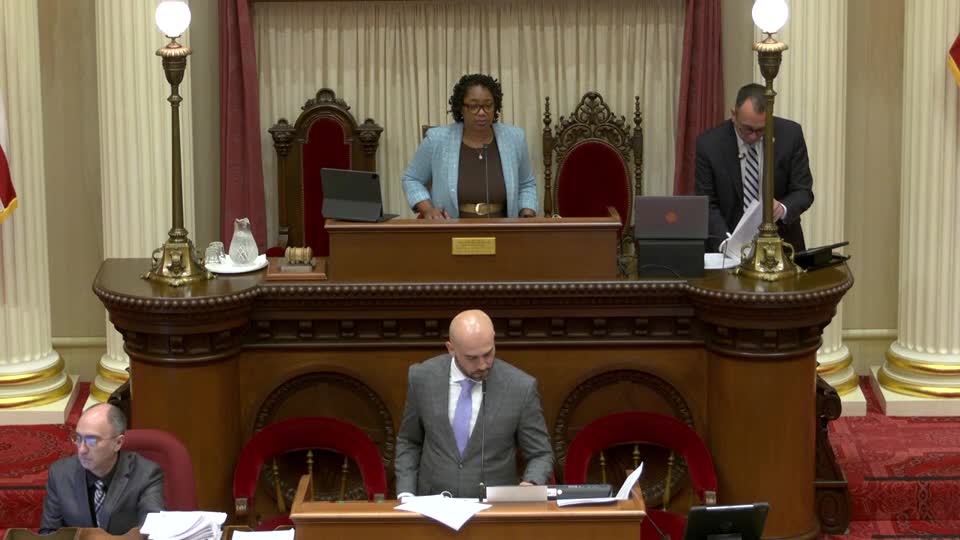
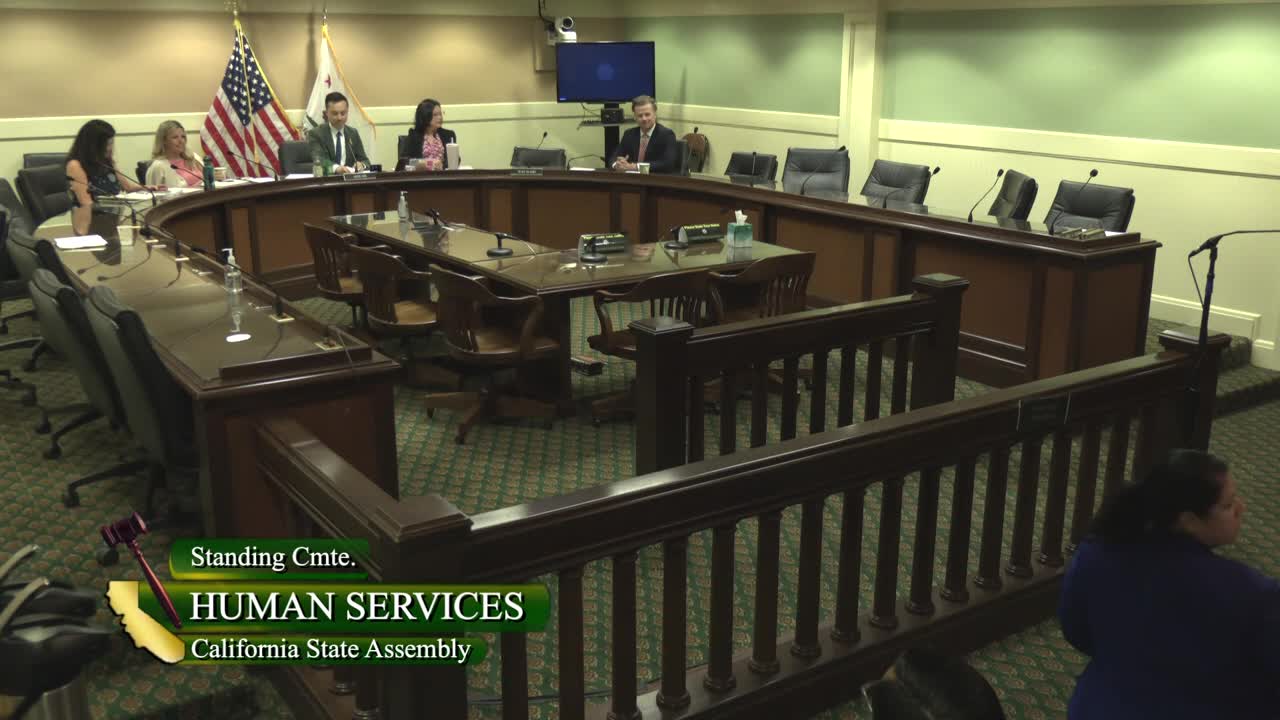
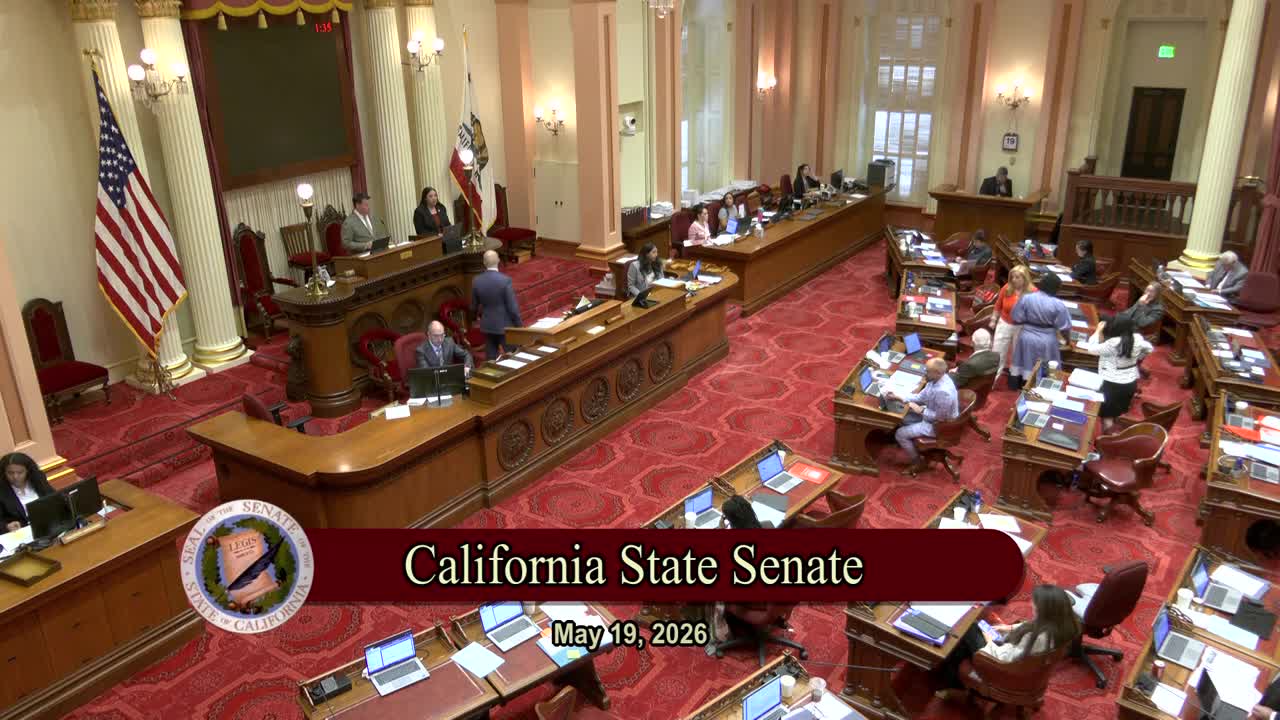
Bill Author