SB 1080: County clerks: certification of records: signature.
- Session Year: 2025-2026
- House: Senate
- Latest Version Date: 2026-06-17
Current Status:
Passed
(2026-06-17: Chaptered by Secretary of State. Chapter 12, Statutes of 2026.)
Introduced
In Committee
Awaiting First Chamber Vote
Passed First Chamber
In Committee
Awaiting Second Chamber Vote
Passed Second Chamber
Enacted
Existing law requires the county clerk to act as the clerk of the board of supervisors in the county and to perform specified duties, including, among other things, to take charge of, safely keep, or dispose of pursuant to law all books, papers, and records that are filed or deposited in their office pursuant to law. Existing law requires the county clerk to keep an official seal of their office for use when performing official duties.
This bill would authorize the county clerk to use a printed, stamped, photographically reproduced facsimile, electronic, or otherwise digitally created signature in certifying to a record in the county clerks office, provided that the certification includes the official seal of the county clerks office affixed thereto. The bill would make nonsubstantive changes, including eliminating gendered pronouns.
(a)The county clerk shall keep an official seal of their office for use when performing official duties other than ex officio duties which shall, when embossed, stamped, impressed or affixed to a certification, show legibly. The seal shall: (a) be circular in shape; (b) be not less than 11/4 inches in diameter; (c) have in the center any words or design adopted by the county clerk; (d) have inscribed around the central words or design, County Clerk, ____ County, California, inserting therein the name of the county.
(b)Nothing contained herein shall prohibit a county clerk from continuing to use a seal of a design different than that specified herein if the seal has customarily been used prior to the effective date of Section 1 of Chapter 564 of the Statutes of 1968.
SEC. 2.Section 26807.5 is added to the Government Code, to read:26807.5.The county clerk may use a printed, stamped, photographically reproduced facsimile, electronic, or otherwise digitally created signature in certifying to a record in the county clerks office, provided that the certification includes the official seal of the county clerks office affixed thereto.
(a)The county clerk shall keep an official seal of his their office for use when performing official duties other than ex officio duties which shall, when embossed, stamped, impressed or affixed to a certification, show legibly. Such The seal shall: (a) be circular in shape; (b) be not less than 11/4 inches in diameter; (c) have in the center any words or design adopted by the county clerk; (d) have inscribed around the central words or design, County Clerk, ____ County, California, inserting therein the name of the county.
Nothing
(b)Nothing contained herein shall prohibit a county clerk from continuing to use a seal of a design different than that specified herein if such the seal has customarily been used prior to the effective date of this section. Section 1 of Chapter 564 of the Statutes of 1968.
SEC. 2.Section 26807.5 is added to the Government Code, to read:26807.5.The county clerk may use a printed, stamped, photographically reproduced facsimile, electronic, or otherwise digitally created signature in certifying to a record in the county clerks office, provided that the certification includes the official seal of the county clerks office affixed thereto.
|
Date
|
Status
|
|---|---|
| Jun 17, 2026 | Chaptered by Secretary of State. Chapter 12, Statutes of 2026. |
| Jun 17, 2026 | Approved by the Governor. |
| Jun 16, 2026 | Enrolled and presented to the Governor at 3 p.m. |
| Jun 11, 2026 | In Senate. Ordered to engrossing and enrolling. |
| Jun 11, 2026 | Read third time. Passed. (Ayes 74. Noes 0. Page 5672.) Ordered to the Senate. |
| Jun 11, 2026 | Read third time. Passed. Ordered to the Senate. |
| Jun 4, 2026 | Read second time. Ordered to consent calendar. |
| Jun 3, 2026 | From committee: Do pass. Ordered to consent calendar. (Ayes 10. Noes 0.) (June 3). |
| May 4, 2026 | Referred to Com. on L. GOV. |
| Mar 26, 2026 | In Assembly. Read first time. Held at Desk. |
| Mar 26, 2026 | Read third time. Passed. (Ayes 37. Noes 0. Page 3699.) Ordered to the Assembly. |
| Mar 26, 2026 | Read third time. Passed. (Ayes 37. Noes 0.) Ordered to the Assembly. |
| Mar 19, 2026 | Read second time. Ordered to consent calendar. |
| Mar 18, 2026 | From committee: Do pass. Ordered to consent calendar. (Ayes 7. Noes 0. Page 3601.) (March 18). |
| Mar 18, 2026 | From committee: Do pass. Ordered to consent calendar. (Ayes 7. Noes 0.) (March 18). |
| Mar 5, 2026 | Set for hearing March 18. |
| Feb 26, 2026 | Referred to Com. on L. GOV. |
| Feb 17, 2026 | From printer. May be acted upon on or after March 16. |
| Feb 13, 2026 | Introduced. Read first time. To Com. on RLS. for assignment. To print. |
|
Date
|
Description
|
Location
|
Votes
|
|
|---|---|---|---|---|
| Jun 3, 2026 | Do pass. To Consent Calendar. | Assembly Standing Committee on Local Government |
Passed |
|
| Mar 26, 2026 | Consent Calendar 2nd SB1080 Valladares | Senate Floor |
Passed |
|
| Mar 18, 2026 | Do pass and be ordered to the Consent Calendar | Senate Standing Committee on Local Government |
Passed |
This list shows positions taken on this bill by organizations on the date displayed, which is linked to the original source.
Positions by individuals are not included.
|
Organization
|
Position
|
Date
|
|---|---|---|
| California Association of Clerks and Election Officials | ** Support |
Date of Hearing: June 3, 2026
ASSEMBLY COMMITTEE ON LOCAL GOVERNMENT
Juan Carrillo, Chair
SBPCA Bill Id:SB 1080
Author:(Valladares) – As Introduced Ver:February 13, 2026
SENATE VOTE: 37-0
SUBJECT: County clerks: certification of records: signature
SUMMARY: Authorizes county clerks to use a printed, stamped, or digital signature in certifying to a record. Specifically, this bill:
- Authorizes the county clerk to use a printed, stamped, photographically reproduced facsimile, electronic, or otherwise digitally created signature in certifying to a record in the county clerk’s office, provided that the certification includes the official seal of the county clerk’s office affixed thereto.
- Makes clarifying and technical changes.
EXISTING LAW:
- Provides that there are 24 county officers, including the county clerk and the county recorder. [Government Code (GOV) 24000]
- Requires the county clerk to act as the clerk of the board of supervisors, except as otherwise provided. (GOV 26801)
- Requires a county clerk to keep an official seal with specified characteristics for use when performing their official duties. (GOV 26807)
- Allows county boards of supervisors to consolidate offices in specified combinations, including combining the offices of county clerk and county recorder into a clerk-recorder. (GOV 24300-24308)
- Allows the county recorder to use a printed, stamped, photographically reproduced facsimile, electronic, or otherwise digitally created signature in certifying to a record in the recorder’s office provided that the certification has the seal of the recorder’s office affixed thereto. (GOV 27210)
- Allows a clerk of the board of supervisors to use digital signatures on records, books, minutes, and ordinances of the board of supervisors. (GOV 25103)
FISCAL EFFECT: None
COMMENTS:
- Bill Summary and Author’s Statement. This bill allows county clerks to use a printed, stamped, photographically reproduced facsimile, electronic, or otherwise digitally created signature in certifying to a record in the county clerk’s office, provided that the certification includes the official seal of the county clerk’s office.
This bill is sponsored by the California Association of Clerks and Election Officials.
According to the author, “Senate Bill 1080 will explicitly authorize county clerks to use electronic, digital, or facsimile signatures and seals when certifying records, similar to the authority already granted to county recorders. This proposal will provide statutory clarity and consistency across departments while enhancing public access to certified filed documents without compromising authenticity or legal validity. SB 1080 will also enable more efficient, secure, and accessible delivery of County Clerk services throughout California, allowing many procedures and interactions between the public and counties to be conducted entirely online.”
- Background. Existing law lists 24 county officers, including the county clerk. The responsibilities of the county clerk include:
- Issuing public and confidential marriage licenses;
- Performing civil ceremonies;
- Filing Fictitious Business Name Statements;
- Administering loyalty oaths of office to county employees and elected officials;
- Filing powers of attorney for surety companies;
- Filing and posting public notices and environmental impact reports under the California Environmental Quality Act;
- Filing oaths of office for county officials and notaries within the county; and
- Filing conflict of interest statements for county officials.
In addition to these duties, county clerks act as the ex-officio clerk of the board of supervisors, unless the board appoints a separate clerk. In the role of clerk of the board, county clerks operate as the chief administrator of legislation for the county, fulfilling a variety of responsibilities that ensure that local ordinances and other actions by the county comply with applicable federal, state, and local laws. These laws include the Ralph M. Brown Act, the Public Records Act, and other laws that mandate transparency and public access for county actions and disseminate information on those actions. In all, California law mandates more than 30 specific duties for the clerk of the board. County clerks also act ex-officio as the registrar of voters, unless a separate registrar is appointed by the board of supervisors, as many have done.
County boards of supervisors can adopt ordinances to consolidate certain other offices with the county clerk in various combinations, some of which are only available to medium and small counties. 53 of the 58 counties consolidate the office of the county clerk with the office of the recorder into a clerk-recorder. County recorders are responsible for examining and recording all documents dealing with the ownership of land in counties. State law also allows the clerk to be combined with the auditor, the public administrator, or, in smaller counties, the tax collector, assessor, or treasurer.
- Digital Signatures. A county clerk must sign and affix a seal to documents when performing their official duties. State law allows a clerk of the board of supervisors to use digital signatures on record, books, minutes, and ordinances of the board of supervisors (SB 858, Committee on Local Government, 2025). County recorders may also use a printed, stamped, photographically reproduced facsimile, electronic, or otherwise digitally created signature in certifying to a record, as long as it has the recorders seal affixed to it (SB 882, Committee on Governance and Finance, 2023). However, state law doesn’t explicitly authorize the use of digital signatures for county clerks. As a result, county clerks have been reluctant to adopt digital signatures in the course of their duties, even though the same official who holds a consolidated office (such as a clerk-recorder) may use them when carrying out other responsibilities.
- Arguments in Support. The California Association of Clerks and Election Officials (CACEO), sponsor of this bill, writes, “Current law-- GC Section 26807--outlines the physical specifications and use of a County Clerk’s seal but lacks explicit authorization for electronic certification methods. In contrast, Government Code section 27210 grants this authority to County Recorders, allowing them to electronically or digitally certify recorded documents as long as the official seal is affixed.
“Authorizing electronic certification by County Clerks is a necessary and timely modernization that reflects both technological advancements and the evolving public service expectations, saving the time-consuming and laborious steps of creating physical copies to house wet signatures and physical seals currently required by law.
“This proposal will ensure statutory clarity and consistency across departments while enhancing public access to certified filed documents without compromising authenticity or legal validity by providing an electronic, digital or facsimile option for utilization by county clerks, and will enable more efficient, secure, and accessible delivery of County Clerk services across California and allow these interactions between the public and counties to remain entirely online.”
- Arguments in Opposition. None on file.
REGISTERED SUPPORT / OPPOSITION:
Support
California Association of Clerks and Election Officials [SPONSOR]
Opposition
None on file
Analysis Prepared by: Angela Mapp / L. GOV. / (916) 319-3958
SENATE RULES COMMITTEE Office of Senate Floor Analyses (916) 651-4171 | SB 1080 |
CONSENT
Bill No: SB 1080
Author: Valladares (R)
Introduced: 2/13/26
Vote: 21
SENATE LOCAL GOVERNMENT COMMITTEE: 7-0, 3/18/26
AYES: Durazo, Choi, Arreguín, Ashby, Cervantes, Laird, Seyarto
SUBJECT: County clerks: certification of records: signature
SOURCE: California Association of Clerks & Election Officials
DIGEST:
This bill allows a county clerk to use a printed, stamped, or digital signature in certifying to a record.
ANALYSIS:
Existing law:
- Requires counties to have 24 county officers, including the county clerk and the county recorder.
- Provides that the county clerk serves ex officio as the clerk of the board of supervisors and provides various other duties for the county clerk.
- Requires a county clerk to sign and affix a seal to documents when performing their official duties.
- Allows for county boards of supervisors to consolidate offices in specified combinations, including combining the offices of county clerk and county recorder into a clerk-recorder.
- Allows the county recorder to use a printed, stamped, photographically reproduced facsimile, electronic, or otherwise digitally created signature in certifying to a record in the recorder’s office provided that the certification has the seal of the recorder’s office affixed thereto.
- Allows a clerk of the board of supervisors to use digital signatures on records, books, minutes, and ordinances of the board of supervisors.
This bill:
- Allows a county clerk to use a printed, stamped, photographically reproduced facsimile, electronic, or otherwise digitally created signature in certifying to a record in the county clerk’s office, provided that the certification includes the official seal of the county clerk’s office.
- Makes nonsubstantive changes to a separate section of law affecting county clerks, including eliminating gendered pronouns.
Background
Clerks have held an important role in government for centuries. References to a grammateus responsible for keeping records of laws, decrees, and other documents date to the mid-sixth century before the common era in Athens. More recently, the original California Constitution adopted in 1849 named five county offices, one of which was the county clerk. Although the Constitution no longer specifically requires the office of county clerk, state law lists 24 different county officers, including the county clerk. The responsibilities of the county clerk include:
- Issuing public and confidential marriage licenses;
- Performing civil ceremonies;
- Filing Fictitious Business Name Statements;
- Administering loyalty oaths of office to county employees and elected officials;
- Filing powers of attorney for surety companies;
- Filing and posting public notices and environmental impact reports under the California Environmental Quality Act;
- Filing oaths of office for county officials and notaries within the county; and
- Filing conflict of interest statements for county officials.
In addition to these duties, county clerks act as the ex-officio clerk of the board of supervisors, unless the board appoints a separate clerk. In the role of clerk of the board, county clerks operate as the chief administrator of legislation for the county, fulfilling a variety of responsibilities that ensure that local ordinances and other actions by the county comply with applicable federal, state, and local laws. These laws include the Ralph M. Brown Act, the Public Records Act, and other laws that mandate transparency and public access for county actions and disseminate information on those actions. In all, California law mandates more than 30 specific duties for the clerk of the board. County clerks also act ex-officio as the registrar of voters, unless a separate registrar is appointed by the board of supervisors, as many have done.
County boards of supervisors can adopt ordinances to consolidate certain other offices with the county clerk in various combinations, some of which are only available to medium and small counties. Fifty-three of the 58 counties consolidate the office of the county clerk with the office of the recorder into a clerk-recorder. County recorders are responsible for examining and recording all documents dealing with the ownership of land in counties. State law also allows the clerk to be combined with the auditor, the public administrator, or, in smaller counties, the tax collector, assessor, or treasurer.
Digital signatures. A county clerk must sign and affix a seal to documents when performing their official duties. State law allows a clerk of the board of supervisors to use digital signatures on record, books, minutes, and ordinances of the board of supervisors (SB 858 (Committee on Local Government, Chapter 242, Statutes of 2025). County recorders may also use a printed, stamped, photographically reproduced facsimile, electronic, or otherwise digitally created signature in certifying to a record, as long as it has the recorders seal affixed to it (SB 882 (Committee on Governance and Finance, Chapter 187, Statutes of 2023). However, state law doesn’t explicitly authorize the use of digital signatures for county clerks. As a result, county clerks have been reluctant to adopt digital signatures in the course of their duties, even though the same official who holds a consolidated office (such as a clerk-recorder) may use them when carrying out other responsibilities. The California Association of Clerks and Election Officials wants the Legislature to allow county clerks to use digital signatures.
Comments
Purpose of this bill. According to the author, “Senate Bill 1080 will explicitly authorize county clerks to use electronic, digital, or facsimile signatures and seals when certifying records, similar to the authority already granted to county recorders. This proposal will provide statutory clarity and consistency across departments while enhancing public access to certified filed documents without compromising authenticity or legal validity. SB 1080 will also enable more efficient, secure, and accessible delivery of County Clerk services throughout California, allowing many procedures and interactions between the public and counties to be conducted entirely online.”
Related/Prior Legislation
SB 1439 (Committee on Local Government) contains various minor provisions affecting local agencies, including to make references to the county clerk gender-neutral. SB 1439 is currently pending referral in the Senate Rules Committee.
FISCAL EFFECT: Appropriation: No Fiscal Com.: No Local: No
SUPPORT: (Verified 3/19/26)
California Association of Clerks & Election Officials (source)
OPPOSITION: (Verified 3/19/26)
None received
Prepared by: Anton Favorini-Csorba / L. GOV. / (916) 651-4119
3/19/26 16:14:50
**** END ****
SENATE COMMITTEE ON LOCAL GOVERNMENT
Senator María Elena Durazo, Chair
2025 - 2026 Regular
Bill No: | SB 1080 | Hearing Date: | 3/18/26 |
Author: | Valladares | Fiscal: | No |
Version: | 2/13/26 | Consultant: | Favorini-Csorba |
County clerks: certification of records: signature
Allows a county clerk to use a printed, stamped, or digital signature in certifying to a record.
Background
Clerks have held an important role in government for centuries. References to a grammateus responsible for keeping records of laws, decrees, and other documents date to the mid-sixth century before the common era in Athens. More recently, the original California Constitution adopted in 1849 named five county offices, one of which was the county clerk. Although the Constitution no longer specifically requires the office of county clerk, state law lists 24 different county officers, including the county clerk. The responsibilities of the county clerk include:
- Issuing public and confidential marriage licenses;
- Performing civil ceremonies;
- Filing Fictitious Business Name Statements;
- Administering loyalty oaths of office to county employees and elected officials;
- Filing powers of attorney for surety companies;
- Filing and posting public notices and environmental impact reports under the California Environmental Quality Act;
- Filing oaths of office for county officials and notaries within the county; and
- Filing conflict of interest statements for county officials.
In addition to these duties, county clerks act as the ex-officio clerk of the board of supervisors, unless the board appoints a separate clerk. In the role of clerk of the board, county clerks operate as the chief administrator of legislation for the county, fulfilling a variety of responsibilities that ensure that local ordinances and other actions by the county comply with applicable federal, state, and local laws. These laws include the Ralph M. Brown Act, the Public Records Act, and other laws that mandate transparency and public access for county actions and disseminate information on those actions. In all, California law mandates more than 30 specific duties for the clerk of the board. County clerks also act ex-officio as the registrar of voters, unless a separate registrar is appointed by the board of supervisors, as many have done.
County boards of supervisors can adopt ordinances to consolidate certain other offices with the county clerk in various combinations, some of which are only available to medium and small counties. 53 of the 58 counties consolidate the office of the county clerk with the office of the recorder into a clerk-recorder. County recorders are responsible for examining and recording all documents dealing with the ownership of land in counties. State law also allows the clerk to be combined with the auditor, the public administrator, or, in smaller counties, the tax collector, assessor, or treasurer.
Digital signatures. A county clerk must sign and affix a seal to documents when performing their official duties. State law allows a clerk of the board of supervisors to use digital signatures on record, books, minutes, and ordinances of the board of supervisors (SB 858, Committee on Local Government, 2025). County recorders may also use a printed, stamped, photographically reproduced facsimile, electronic, or otherwise digitally created signature in certifying to a record, as long as it has the recorders seal affixed to it (SB 882, Committee on Governance and Finance, 2023). However, state law doesn’t explicitly authorize the use of digital signatures for county clerks. As a result, county clerks have been reluctant to adopt digital signatures in the course of their duties, even though the same official who holds a consolidated office (such as a clerk-recorder) may use them when carrying out other responsibilities. The California Association of Clerks and Election Officials wants the Legislature to allow county clerks to use digital signatures.
Proposed Law
Senate Bill 1080 allows a county clerk to use a printed, stamped, photographically reproduced facsimile, electronic, or otherwise digitally created signature in certifying to a record in the county clerk’s office, provided that the certification includes the official seal of the county clerk’s office. The bill also makes nonsubstantive changes to a separate section of law affecting county clerks, including eliminating gendered pronouns.
Comments
1. Purpose of the bill. According to the author, “Senate Bill 1080 will explicitly authorize county clerks to use electronic, digital, or facsimile signatures and seals when certifying records, similar to the authority already granted to county recorders. This proposal will provide statutory clarity and consistency across departments while enhancing public access to certified filed documents without compromising authenticity or legal validity. SB 1080 will also enable more efficient, secure, and accessible delivery of County Clerk services throughout California, allowing many procedures and interactions between the public and counties to be conducted entirely online.”
2. Related legislation. SB 1439 (Committee on Local Government) contains various minor provisions affecting local agencies, including to make references to the county clerk gender-neutral. SB 1439 is currently pending referral in the Senate Rules Committee.
Support and Opposition
(3/13/2026)
Support: California Association of Clerks & Election Officials (Sponsor)
Opposition: None Submitted
-- END --
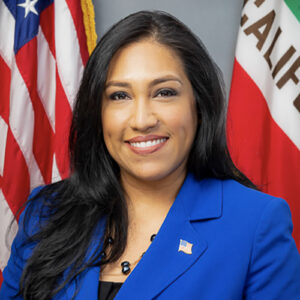
Bill Author
Bill Co-Author(s):