SB 1160: Judicial Council: eviction data reporting.
- Session Year: 2025-2026
- House: Senate
- Latest Version Date: 2026-09-27
Current Status:
Passed
(2026-09-27: Chaptered by Secretary of State. Chapter 681, Statutes of 2026.)
Introduced
In Committee
Awaiting First Chamber Vote
Passed First Chamber
In Committee
Awaiting Second Chamber Vote
Passed Second Chamber
Enacted
The California Constitution establishes the Judicial Council, and requires the Judicial Council to adopt rules for court administration, practice, and procedure, and to undertake certain responsibilities with regard to court facilities.
Existing law regulates the terms and conditions of residential tenancies. Existing law, after a tenant has continuously and lawfully occupied a residential real property for 12 months, prohibits the owner of the residential real property from terminating the tenancy without just cause and requires that just cause to be stated in the written notice to terminate tenancy. Under existing law, a tenant is guilty of unlawful detainer if the tenant continues to possess the property without permission of the landlord after the tenant defaults on rent, among other reasons.
This bill would, by July 1, 2032, require the Judicial Council to assess the timeline by which each county court system has the ability to submit specified data points regarding unlawful detainer cases to the Judicial Council utilizing an automated data collection system. The bill would, beginning January 1, 2033, require each county court system identified by the Judicial Council as able to report to the Judicial Council utilizing the automated data collection system to submit the specified data points to the Judicial Council on a quarterly basis, aggregated by ZIP Code. The bill would require, on or before January 1, 2034, all county court systems to report the identified data points to the Judicial Council utilizing the automated data collection system on a quarterly basis, aggregated by ZIP Code of the premises that is the subject of the action. The bill would require, beginning January 1, 2034, and annually thereafter, the Judicial Council to format the information received pursuant to the provisions above in an electronic spreadsheet, as specified, and to publicly post the spreadsheet on its internet website. The bill would make implementation of its provisions contingent upon appropriation by the Legislature, as specified.
The California Constitution establishes the Judicial Council, and requires the Judicial Council to adopt rules for court administration, practice, and procedure, and to undertake certain responsibilities with regard to court facilities.
Existing law regulates the terms and conditions of residential tenancies. Existing law, after a tenant has continuously and lawfully occupied a residential real property for 12 months, prohibits the owner of the residential real property from terminating the tenancy without just cause and requires that just cause to be stated in the written notice to terminate tenancy. Under existing law, a tenant is guilty of unlawful detainer if the tenant continues to possess the property without permission of the landlord after the tenant defaults on rent, among other reasons.
This bill would, by July 1, 2027, 2032, require the Judicial Council to assess the timeline by which each county court system has the ability to submit specified data points regarding unlawful detainer cases to the Judicial Council utilizing the Judicial Branch Statistical Information System (JBSIS). an automated data collection system. The bill would, beginning January 1, 2028, 2033, require each county court system identified by the Judicial Council as able to report to the Judicial Council utilizing JBSIS the automated data collection system to submit the specified data points to the Judicial Council on a quarterly basis, aggregated by ZIP Code. The bill would require, on or before January 1, 2029, 2034, all county court systems to report the identified data points to the Judicial Council utilizing JBSIS the automated data collection system on a quarterly basis, aggregated by ZIP Code of the premises that is the subject of the action. The bill would require, beginning January 1, 2029, 2034, and annually thereafter, the Judicial Council to format the information received pursuant to the provisions above in an electronic spreadsheet, as specified, and to publicly post the spreadsheet on its internet website. The bill would make implementation of its provisions contingent upon appropriation by the Legislature, as specified.
The California Constitution establishes the Judicial Council, and requires the Judicial Council to adopt rules for court administration, practice, and procedure, and to undertake certain responsibilities with regard to court facilities.
Existing law regulates the terms and conditions of residential tenancies. Existing law, after a tenant has continuously and lawfully occupied a residential real property for 12 months, prohibits the owner of the residential real property from terminating the tenancy without just cause and requires that just cause to be stated in the written notice to terminate tenancy. Under existing law, a tenant is guilty of unlawful detainer if the tenant continues to possess the property without permission of the landlord after the tenant defaults on rent, among other reasons.
This bill would, by July 1, 2027, require the Judicial Council to assess the timeline by which each county court system has the ability to submit specified data points regarding unlawful detainer cases to the Judicial Council utilizing the Judicial Branch Statistical Information System (JBSIS). The bill would, beginning January 1, 2028, require each county court system identified by the Judicial Council as able to report to the Judicial Council utilizing JBSIS to submit the specified data points to the Judicial Council on a quarterly basis, aggregated by ZIP Code. The bill would require, on or before January 1, 2029, all county court systems to report the identified data points to the Judicial Council utilizing JBSIS on a quarterly basis, aggregated by ZIP Code of the premises that is the subject of the action. The bill would require, beginning January 1, 2029, and annually thereafter, the Judicial Council to format the information received pursuant to the provisions above in an electronic spreadsheet, as specified, and to publicly post the spreadsheet on its internet website.
Existing law, the Sargent Shriver Civil Counsel Act, requires legal counsel to be appointed to represent low-income parties in civil matters involving critical issues affecting basic human needs in courts selected by the Judicial Council. The act requires the Judicial Council to develop one or more programs to provide competitive grants to provide legal counsel to low-income persons who require legal services in specific types of civil matters, including, among others, housing-related matters, probate conservatorships, guardianships, and domestic violence and civil harassment restraining orders. Existing law requires the Judicial Council to consider various factors, including, among others, the unmet need for legal services in the geographic area to be served, in selecting and renewing participating programs. Existing law requires program applicants to, among other things, describe how the program would be administered and the means by which the program would serve the particular needs of the community, such as by providing representation to limited-English-speaking clients.This bill would require courts to provide the Judicial Council, every month, with information regarding unlawful detainer cases, as specified, aggregated by ZIP Code. The bill would require the Judicial Council to format the information every 4 months into an electronic spreadsheet and post the spreadsheet on its internet website.Existing law, the Sargent Shriver Civil Counsel Act, requires legal counsel to be appointed to represent low-income parties in civil matters involving critical issues affecting basic human needs in courts selected by the Judicial Council. The act requires the Judicial Council to develop one or more programs to provide competitive grants to provide legal counsel to low-income persons who require legal services in specific types of civil matters, including, among others, housing-related matters, probate conservatorships, guardianships, and domestic violence and civil harassment restraining orders. Existing law requires the Judicial Council to consider various factors, including, among others, the unmet need for legal services in the geographic area to be served, in selecting and renewing participating programs. Existing law requires program applicants to, among other things, describe how the program would be administered and the means by which the program would serve the particular needs of the community, such as by providing representation to limited-English-speaking clients.
This bill would require the Judicial Council to collect data on evictions, as specified, make that data publicly available online, and report that data to the Legislature. The bill would also require courts to provide the Judicial Council, every month, with information regarding unlawful detainer cases, as specified, aggregated by ZIP Code. The bill would require the Judicial Council to make that information available through a spreadsheet that may be requested through a California Public Records Act request. format the information every 4 months into an electronic spreadsheet and post the spreadsheet on its internet website.
Existing law, the Sargent Shriver Civil Counsel Act, requires legal counsel to be appointed to represent low-income parties in civil matters involving critical issues affecting basic human needs in courts selected by the Judicial Council. The act requires the Judicial Council to develop one or more programs to provide competitive grants to provide legal counsel to low-income persons who require legal services in specific types of civil matters, including, among others, housing-related matters, probate conservatorships, guardianships, and domestic violence and civil harassment restraining orders. Existing law requires the Judicial Council to consider various factors, including, among others, the unmet need for legal services in the geographic area to be served, in selecting and renewing participating programs. Existing law requires program applicants to, among other things, describe how the program would be administered and the means by which the program would serve the particular needs of the community, such as by providing representation to limited-English-speaking clients.
This bill would require the Judicial Council to collect data on evictions, as specified, make that data publicly available online, and report that data to the Legislature. The bill would also require courts to provide the Judicial Council, every month, with information regarding unlawful detainer cases, as specified, aggregated by ZIP Code. The bill would require the Judicial Council to make that information available through a spreadsheet that may be requested through a California Public Records Act request.
(a)By July 1, 2032, the Judicial Council shall assess the timeline by which each county court system shall have the ability to submit the following data points to the Judicial Council for unlawful detainer cases utilizing an automated data collection system:
(1)Cases filed each month.
(2)Cases that were subject to default, stipulated, and other types of pretrial and posttrial judgments.
(3)Cases that were dismissed at the plaintiffs request or by order of the court.
(b)(1)Beginning January 1, 2033, county court systems identified by the Judicial Council as able to report to the Judicial Council utilizing the automated data collection system shall submit the data points specified in subdivision (a) on a quarterly basis, aggregated by ZIP Code of the premises that is the subject of the action.
(2)On or before January 1, 2034, all county court systems shall report the data points specified in subdivision (a) to the Judicial Council utilizing the automated data collection system on a quarterly basis, aggregated by ZIP Code of the premises that is the subject of the action.
(c)Beginning January 1, 2034, and annually thereafter, the Judicial Council shall format the information received pursuant to subdivision (b) in an electronic spreadsheet and shall publicly post the spreadsheet on its internet website. The data shall be formatted as follows:
(1)The data in the electronic spreadsheet shall be aggregated by ZIP Code.
(2)Notwithstanding paragraph (1), if any county had an average of 100 or fewer unlawful detainer case filings during the previous five fiscal years, that countys data shall only be provided in the electronic spreadsheet at the county level.
68653.Implementation of this chapter shall be contingent upon appropriation of sufficient funding by the Legislature in the annual Budget Act or other statute for that purpose.
(a)By July 1, 2027, 2032, the Judicial Council shall assess the timeline by which each county court system shall have the ability to submit the following data points to the Judicial Council for unlawful detainer cases utilizing the Judicial Branch Statistical Information System (JBSIS): an automated data collection system:
(1)Cases filed each month.
(2)Cases that were subject to default, stipulated, and other types of pretrial and posttrial judgments.
(3)Cases that were dismissed at the plaintiffs request or by order of the court.
(b)(1)Beginning January 1, 2028, 2033, county court systems identified by the Judicial Council as able to report to the Judicial Council utilizing JBSIS the automated data collection system shall submit the data points specified in subdivision (a) on a quarterly basis, aggregated by ZIP Code of the premises that is the subject of the action.
(2)On or before January 1, 2029, 2034, all county court systems shall report the data points specified in subdivision (a) to the Judicial Council utilizing JBSIS the automated data collection system on a quarterly basis, aggregated by ZIP Code of the premises that is the subject of the action.
(c)Beginning January 1, 2029, 2034, and annually thereafter, the Judicial Council shall format the information received pursuant to subdivision (b) in an electronic spreadsheet and shall publicly post the spreadsheet on its internet website. The data shall be formatted as follows:
(1)The data in the electronic spreadsheet shall be aggregated by ZIP Code.
(2)Notwithstanding paragraph (1), if any county had an average of 100 or fewer unlawful detainer case filings during the previous five fiscal years, that countys data shall only be provided in the electronic spreadsheet at the county level.
68653.Implementation of this chapter shall be contingent upon appropriation of sufficient funding by the Legislature in the annual Budget Act or other statute for that purpose.
(a)By July 1, 2027, the Judicial Council shall assess the timeline by which each county court system shall have the ability to submit the following data points to the Judicial Council for unlawful detainer cases utilizing the Judicial Branch Statistical Information System (JBSIS):
(1)Cases filed each month.
(2)Cases that were subject to default, stipulated, and other types of pretrial and posttrial judgments.
(3)Cases that were dismissed at the plaintiffs request or by order of the court.
(b)(1)Beginning January 1, 2028, county court systems identified by the Judicial Council as able to report to the Judicial Council utilizing JBSIS shall submit the data points specified in subdivision (a) on a quarterly basis, aggregated by ZIP Code of the premises that is the subject of the action.
(2)On or before January 1, 2029, all county court systems shall report the data points specified in subdivision (a) to the Judicial Council utilizing JBSIS on a quarterly basis, aggregated by ZIP Code of the premises that is the subject of the action.
(c)Beginning January 1, 2029, and annually thereafter, the Judicial Council shall format the information received pursuant to subdivision (b) in an electronic spreadsheet and shall publicly post the spreadsheet on its internet website. The data shall be formatted as follows:
(1)The data in the electronic spreadsheet shall be aggregated by ZIP Code.
(2)Notwithstanding paragraph (1), if any county had an average of 100 or fewer unlawful detainer case filings during the previous five fiscal years, that countys data shall only be provided in the electronic spreadsheet at the county level.
SECTION 1.Chapter 2.15 (commencing with Section 68652) is added to Title 8 of the Government Code, immediately following Chapter 2.1, to read:2.15.Eviction Proceedings68652.(a)Each court shall report to the Judicial Council every month the total number of each of the following data points for unlawful detainer cases, aggregated by the ZIP Code of the premises in the lawsuit:(1)Cases filed each month.(2)Cases that were subject to default, stipulated, or other types of pretrial judgments already being tracked by the Judicial Council.(3)Cases that went to trial and, of those cases that went to trial, how many were a bench trial and how many were a jury trial.(4)Cases that were dismissed before trial at the plaintiffs request.(b)The data points provided to the Judicial Council pursuant to subdivision (a) shall only pertain to unlawful detainer cases filed on or after January 1, 2027.(c)Every four months, the Judicial Council shall format all information received pursuant to subdivision (a) in an electronic spreadsheet and publicly post the spreadsheet on its internet website.(a)Each court shall report to the Judicial Council every month the total number of each of the following data points for unlawful detainer cases, aggregated by the ZIP Code of the premises in the lawsuit:
(1)Cases filed each month.
(2)Cases that were subject to default, stipulated, or other types of pretrial judgments already being tracked by the Judicial Council.
(3)Cases that went to trial and, of those cases that went to trial, how many were a bench trial and how many were a jury trial.
(4)Cases that were dismissed before trial at the plaintiffs request.
(b)The data points provided to the Judicial Council pursuant to subdivision (a) shall only pertain to unlawful detainer cases filed on or after January 1, 2027.
(c)Every three four months, the Judicial Council shall format all information received pursuant to subdivision (a) in a publicly available electronic spreadsheet that may be requested pursuant to the California Public Records Act (Division 10 (commencing with Section 7920.000) of Title 1 of the Government Code). an electronic spreadsheet and publicly post the spreadsheet on its internet website.
(a)The Judicial Council shall collect information from the trial courts on the number of eviction proceedings initiated, the number of tenants represented by counsel, and the number of landlords represented by counsel. The Judicial Council shall make this data publicly available online yearly, and shall ensure that it can be viewed by geographic region. The Judicial Council shall annually report this data to the Legislature commencing July 1, 2027.
(b)A report to be submitted pursuant to this section shall be submitted in compliance with Section 9795 of the Government Code.
SEC. 2.Chapter 2.15 (commencing with Section 68652) is added to Title 8 of the Government Code, immediately following Chapter 2.1, to read:2.15.Eviction Proceedings68652.(a)Each court shall report to the Judicial Council every month the total number of each of the following data points for unlawful detainer cases, aggregated by the ZIP Code of the premises in the lawsuit:
(1)Cases filed each month.
(2)Cases that were subject to default, stipulated, or other types of pretrial judgments already being tracked by the Judicial Council.
(3)Cases that went to trial and, of those cases that went to trial, how many were a bench trial and how many were a jury trial.
(4)Cases that were dismissed before trial at the plaintiffs request.
(b)The data points provided to the Judicial Council pursuant to subdivision (a) shall only pertain to unlawful detainer cases filed on or after January 1, 2027.
(c)Every three months, the Judicial Council shall format all information received pursuant to subdivision (a) in a publicly available electronic spreadsheet that may be requested pursuant to the California Public Records Act (Division 10 (commencing with Section 7920.000) of Title 1 of the Government Code).
|
Date
|
Status
|
|---|---|
| Sep 27, 2026 | Chaptered by Secretary of State. Chapter 681, Statutes of 2026. |
| Sep 27, 2026 | Approved by the Governor. |
| Sep 9, 2026 | Enrolled and presented to the Governor at 2 p.m. |
| Aug 31, 2026 | Assembly amendments concurred in. (Ayes 34. Noes 0.) Ordered to engrossing and enrolling. |
| Aug 31, 2026 | In Senate. Concurrence in Assembly amendments pending. |
| Aug 31, 2026 | Read third time. Passed. (Ayes 59. Noes 19. Page 6992.) Ordered to the Senate. |
| Aug 31, 2026 | Read third time. Passed. Ordered to the Senate. |
| Aug 17, 2026 | Read second time. Ordered to third reading. |
| Aug 13, 2026 | Read second time and amended. Ordered to second reading. |
| Aug 13, 2026 | From committee: Do pass as amended. (Ayes 11. Noes 4.) (August 13). |
| Aug 13, 2026 | Assembly Rule 63 suspended. |
| Aug 5, 2026 | August 5 set for first hearing. Placed on suspense file. |
| Jun 23, 2026 | From committee: Do pass and re-refer to Com. on APPR. (Ayes 9. Noes 2.) (June 23). Re-referred to Com. on APPR. |
| Jun 18, 2026 | From committee with author's amendments. Read second time and amended. Re-referred to Com. on JUD. |
| Jun 4, 2026 | Referred to Com. on JUD. |
| May 27, 2026 | In Assembly. Read first time. Held at Desk. |
| May 27, 2026 | Read third time. Passed. (Ayes 39. Noes 0. Page 4491.) Ordered to the Assembly. |
| May 27, 2026 | Read third time. Passed. (Ayes 39. Noes 0.) Ordered to the Assembly. |
| May 27, 2026 | Read third time. Passed. (Ayes 38. Noes 0.) Ordered to the Assembly. |
| May 14, 2026 | From committee: Do pass. (Ayes 7. Noes 0. Page 4267.) (May 14). |
| May 14, 2026 | Read second time. Ordered to third reading. |
| May 14, 2026 | From committee: Do pass. (Ayes 7. Noes 0.) (May 14). |
| May 8, 2026 | Set for hearing May 14. |
| Apr 20, 2026 | April 20 hearing: Placed on APPR. suspense file. |
| Apr 10, 2026 | Set for hearing April 20. |
| Apr 8, 2026 | From committee: Do pass and re-refer to Com. on APPR. (Ayes 12. Noes 0. Page 3757.) (April 7). Re-referred to Com. on APPR. |
| Apr 8, 2026 | From committee: Do pass and re-refer to Com. on APPR. (Ayes 12. Noes 0.) (April 7). Re-referred to Com. on APPR. |
| Mar 23, 2026 | From committee with author's amendments. Read second time and amended. Re-referred to Com. on JUD. |
| Mar 18, 2026 | Set for hearing April 7. |
| Feb 26, 2026 | Referred to Com. on JUD. |
| Feb 19, 2026 | From printer. May be acted upon on or after March 21. |
| Feb 18, 2026 | Introduced. Read first time. To Com. on RLS. for assignment. To print. |
|
Date
|
Description
|
Location
|
Votes
|
|
|---|---|---|---|---|
| Aug 31, 2026 | Unfinished Business SB1160 Durazo Concurrence | Senate Floor |
Passed |
|
| Aug 31, 2026 | SB 1160 Durazo Senate Third Reading By Gabriel | Assembly Floor |
Passed |
|
| Aug 13, 2026 | Do pass as amended. | Assembly Standing Committee on Appropriations |
Passed |
|
| Jun 23, 2026 | Do pass and be re-referred to the Committee on [Appropriations] | Assembly Standing Committee on Judiciary |
Passed |
|
| May 27, 2026 | Senate 3rd Reading SB1160 Durazo | Senate Floor |
Passed |
|
| May 14, 2026 | Do pass | Senate Standing Committee on Appropriations |
Passed |
|
| Apr 20, 2026 | Placed on suspense file | Senate Standing Committee on Appropriations |
Passed |
|
| Apr 7, 2026 | Do pass, but first be re-referred to the Committee on [Appropriations] | Senate Standing Committee on Judiciary |
Passed |
This list shows positions taken on this bill by organizations on the date displayed, which is linked to the original source.
Positions by individuals are not included.
|
Organization
|
Position
|
Date
|
|---|---|---|
| Abundant Housing LA | ** Support | |
| Access Reproductive Justice | ** Support | |
| All Home | ** Support | |
| Alliance Of Californians For Community Empowerment | ** Support | |
| Apartment Association of Greater Los Angeles | ** Against | |
| Apartment Association Of Orange County | ** Against | |
| Berkeley Property Owner's Association | ** Against | |
| Berkeley Rent Stabilization Board | ** Support | |
| Bet Tzedek Legal Services | ** Support | |
| California Association Of Realtors | ** Against | |
| California Coalition For Rural Housing | ** Support | |
| California Rental Housing Alliance | ** Against | |
| California Rental Housing Association | ** Against | |
| California Rural Legal Assistance Foundation, Inc. | ** Support | |
| California Women’s Law Center | ** Support | |
| Canal Alliance | ** Support | |
| Center for Community Action and Environmental Justice | ** Support | |
| Centro Legal de la Raza | ** Support | |
| City of Berkeley, Rent Stabilization Board | ** Support | |
| City of Santa Monica | ** Support | |
| Coalition for Economic Survival | ** Support | |
| Coalition for Humane Immigrant Rights | ** Support | |
| Communities for a Better Environment | ** Support | |
| Community Action Marin | ** Support | |
| Congregations Organized for Prophetic Engagement | ** Support | |
| Council Of Mexican Federations In North America | ** Support | |
| Courage California | ** Support | |
| Debt Collective | ** Support | |
| Democratic Socialists of America | ** Support | |
| Democratic Socialists of America, Los Angeles | ** Support | |
| Disability Rights California | ** Support | |
| East Bay Community Law Center | ** Support | |
| East Bay Housing Organizations | ** Support | |
| East Bay Rental Housing Association | ** Against | |
| East Yard Communities for Environmental Justice | ** Support | |
| El Centro Cultural de Mexico | ** Support | |
| Eviction Research Network at the University of California, Berkeley | ** Support | |
| Eviction Research Network at U.C. Berkeley | ** Support | |
| Ground Game LA | ** Support | |
| Health in Partnership | ** Support | |
| Homelessness Hub at U.C. San Diego | ** Support | |
| Homelessness Hub At UC San Diego | ** Support | |
| Housing CA | ** Support | |
| Housing California | ** Support | |
| Housing Now! | ** Support | |
| Housing Rights Center | ** Support | |
| Imperial Valley Equity and Justice | ** Support | |
| Inland Southern California United Way | ** Support | |
| Inner City Law Center | ** Support | |
| Inquilinos Unidos | ** Support | |
| Inquilinos Unidos (united Tenants) | ** Support | |
| Judicial Council of California | ** Against | |
| Justice in Aging | ** Support | |
| Keep LA Housed Coalition | ** Support | |
| la forward | ** Support | |
| latino equality alliance | ** Support | |
| LA Voice | ** Support | |
| Legal Aid Association Of California | ** Support | |
| Legal Aid Foundation of Los Angeles | ** Support | |
| Legal Aid of Marin | ** Support | |
| Legal Aid of Sonoma County | ** Support | |
| Legal Services of Northern California | ** Support | |
| Long Beach Residents Empowered | ** Support | |
| Los Angeles Center For Community Law And Action | ** Support | |
| Los Angeles County | ** Support | |
| Los Angeles Right to Counsel Coalition | ** Support | |
| Michelson Center For Public Policy | ** Support | |
| Michelson Philanthropies | ** Support | |
| Monterey County Renters United | ** Support | |
| Monterrey County Renters United | ** Support | |
| Movement Legal | ** Support | |
| National Coalition for a Civil Right to Counsel | ** Support | |
| Nor Cal Rental Property Association | ** Against | |
| North Bay Organizing Project | ** Support | |
| North Valley Rental Property Association | ** Against | |
| People Organized for Westside Renewal | ** Support | |
| Public Advocates | ** Support | |
| Public Counsel | ** Support | |
| Public Interest Law Project | ** Support | |
| Public Justice Center | ** Support | |
| Rental Housing Association | ** Against | |
| Resilience Orange County | ** Support | |
| Responsive Gov Action | ** Support | |
| Rise Economy | ** Support | |
| Santa Barbara Rental Property Association | ** Against | |
| Small Property Owners of San Francisco Institute | ** Against | |
| Southern California Rental Housing Association | ** Against | |
| Starting Over Inc. | ** Support | |
| Starting Over Strong | ** Support | |
| Strategic Actions for a Just Economy | ** Support | |
| Strategic Actions for a Just Economy (SAJE) | ** Support | |
| Tech Equity | ** Support | |
| Tenants Together | ** Support | |
| Tenants United Anaheim | ** Support | |
| Tenants United Santa Ana | ** Support | |
| Thai Community Development Center | ** Support | |
| Thai Community Development Center (Thai CDC) | ** Support | |
| The Eviction Research Network | ** Support | |
| United Ways Of California | ** Support | |
| Urban Habitat | ** Support | |
| western center on law & poverty | ** Support | |
| What We All Deserve | ** Support |
SENATE RULES COMMITTEE Office of Senate Floor Analyses (916) 651-4171 | SB 1160 |
UNFINISHED BUSINESS
Bill No: SB 1160
Author: Durazo (D)
Amended: 8/13/26
Vote: 21
SENATE JUDICIARY COMMITTEE: 12-0, 4/7/26
AYES: Umberg, Niello, Allen, Ashby, Caballero, Durazo, Reyes, Stern, Valladares, Wahab, Weber Pierson, Wiener
NO VOTE RECORDED: Laird
SENATE APPROPRIATIONS COMMITTEE: 7-0, 5/14/26
AYES: Cervantes, Seyarto, Cabaldon, Dahle, Grayson, Richardson, Wahab
SENATE FLOOR: 39-0, 5/27/26
AYES: Allen, Alvarado-Gil, Archuleta, Arreguín, Ashby, Becker, Blakespear, Cabaldon, Caballero, Cervantes, Choi, Cortese, Durazo, Gonzalez, Grayson, Grove, Hurtado, Jones, Laird, Limón, McGuire, McNerney, Menjivar, Niello, Ochoa Bogh, Padilla, Pérez, Reyes, Richardson, Rubio, Seyarto, Smallwood-Cuevas, Stern, Strickland, Umberg, Valladares, Wahab, Weber Pierson, Wiener
NO VOTE RECORDED: Dahle
ASSEMBLY FLOOR: Passed, 8/31/26
SUBJECT: Judicial Council: eviction data reporting
SOURCE: Strategic Actions for a Just Economy
Western Center on Law & Poverty
What We All Deserve
DIGEST:
This bill requires the Judicial Council, by July 1, 2032, to assess the timeline by which each county court will have the ability to submit specified data points to the Judicial Council for unlawful detainer cases utilizing an automated data collection system, requires the data to be reported by identified county court systems beginning on January 1, 2033, and by all county court systems beginning on January 1, 2034, as specified, and makes implementation contingent upon appropriation of sufficient funding by the Legislature in the annual Budget Act or other statute for that purpose
Assembly Amendments
deleted the contents of the bill and instead require the Judicial Council, by July 1, 2032, to assess the timeline by which each county court will have the ability to submit specified data points to the Judicial Council for unlawful detainer cases utilizing an automated data collection system, require the data to be reported by identified county court systems beginning on January 1, 2033, and by all county court systems beginning on January 1, 2034, as specified, and make implementation contingent upon appropriation of sufficient funding by the Legislature in the annual Budget Act or other statute for that purpose
ANALYSIS:
Existing law establishes summary civil proceedings by which landlords may seek a court order for the eviction of tenants from their rental property, generally referred to as unlawful detainer. (Code of Civil (Civ.) Procedure (Proc.) § 1159 et seq.)
This bill:
- Requires the Judicial Council, by July 1, 2032, to assess the timeline by which each county court will have the ability to submit the below data points to the Judicial Council for unlawful detainer cases utilizing an automated data collection system:
- cases filed each month;
- cases that were subject to default, stipulated, and other types of pretrial and posttrial judgments; and
- cases that were dismissed at the plaintiff’s request or by order of the court.
2) Requires, beginning January 1, 2033, county court systems identified by the Judicial Council as able to report to the Judicial Council utilizing the automated data collection system to submit the data points specified in 1) on a quarterly basis, aggregated by ZIP Code of the premises that is the subject of the action. Requires all county court systems to report this data on and after January 1, 2034.
3) Requires, on and after January 1, 2024 and annually thereafter, the Judicial Council to format the information received pursuant to subdivision 2) in an electronic spreadsheet and to publicly post the spreadsheet on its internet website, as provided.
4) Provides implementation is contingent upon appropriation of sufficient funding by the Legislature in the annual Budget Act or other statute for that purpose.
Comments
California is facing a housing crisis that has led to an increase in homelessness and housing instability for many renters. In June 2022, the statewide moratorium on evictions for nonpayment of rent, which was enacted during the COVID-19 pandemic, expired. As a result, evictions in the state increased in the ensuing years. Eviction filings have continued to rise since pre-pandemic levels. The author and sponsors of this bill argue that easily accessible data regarding evictions is essential to tracking and understanding eviction patterns and trends, and that this data will allow policy makers and advocates to construct targeted solutions to address the housing crisis in this state.
In California, almost all involuntary residential evictions must take place through the judicial process. Landlords may not simply kick a tenant out on their own. (Civil (Civ.) Code § 789.3.) Instead, landlords must request an order from a judge. If, after giving the tenant an opportunity to respond, the judge agrees that the landlord is entitled to reclaim the rental property, the judge will issue a writ of possession in the landlord’s favor. Sheriff’s deputies then execute the writ of possession. First, they post a notice giving the tenants five days’ advance warning of the impending lockout. Then, on the appointed day, the sheriff deputies will physically remove the tenants from the property if they have not left already, and stand by while the locks are changed. These judicial proceedings are known as unlawful detainers and they are governed by their own special statutes, Code of Civil Procedure Sections 1159 to 1179(a).
The author and sponsor note that housing instability is one of California’s most enduring social problems as evidenced by the lack of affordable housing in the state and large population of homeless persons. The homeless population in California has reached record highs; according to a report from the Stanford Institute for Economic Policy Research, in 2024 California had the largest homeless population in the nation in at 187,000. The report found that California has a high rate of unsheltered homelessness, with two out of three homeless persons in the state being unsheltered, which accounts for 45% of the nation’s total unsheltered population. Evictions have been linked to the risk of homelessness. A 2023 report by the National Low Income Housing Coalition found that for “every one percentage point increase in the eviction filing rate, there was an associated 0.205 person increase in the following year in the rate of sheltered homelessness per 10,000 people.”
The author and supporters of this bill report that “86 [percent] of counties currently contribute aggregate data on eviction filings and outcomes to the statewide Judicial Council. These counties, however, only contain 45.9 [percent] of California’s tenancies and reflect just 42.5 [percent] of its eviction filings. Thus, data on outcomes is not available for 57.5 [percent] of eviction filings statewide.” They argue that more data is needed to allow policymakers to better understand how they can target the limited resources available towards the populations and communities where it is most needed and most likely to provide positive outcomes.
FISCAL EFFECT: Appropriation: No Fiscal Com.: Yes Local: No
Strategic Actions for a Just Economy (SAJE) (source)
What We All Deserve (source)
Western Center on Law & Poverty (source)
Abundant Housing LA
Access Reproductive Justice
All Home
Bet Tzedek Legal Services
Alliance of Californians for Community
Empowerment
California Rural Legal Assistance Foundation, Inc.
California Women’s Law Center
Canal Alliance
Center for Community Action and Environmental Justice
Centro Legal De La Raza
Coalition for Economic Survival
Coalition for Humane Immigrant Rights
Community Action Marin
City of Berkeley, Rent Stabilization Board
Communities for a Better Environment
City of Santa Monica
Congregations Organized for Prophetic Engagement
Courage California
Council of Mexican Federations in North America
Debt Collective
Democratic Socialists of America
Disability Rights California
East Bay Community Law Center
East Bay Housing Organizations
East Yard Communities for Environmental Justice
El Centro Cultural de Mexico
Eviction Research Network at the University of California, Berkeley
Ground Game LA
Health in Partnership
Homelessness Hub at UC San Diego
Housing CA
Housing Rights Center
Housing Now!
Imperial Valley Equity and Justice
Inland Southern California United Way
Inquilinos Unidos
Inner City Law Center
Justice in Aging
Keep LA Housed Coalition
LA Forward
LA Voice
Legal Aid Association of California
Legal Aid Foundation of Los Angeles
Legal Aid of Marin
Legal Aid of Sonoma County
Legal Services of Northern California
Long Beach Residents Empowered
Los Angeles Center for Community Law and Action
Los Angeles County
Los Angeles Right to Counsel Coalition
Latino Equality Alliance
Michelson Philanthropies
Monterey County Renters United
Movement Legal
National Coalition for a Civil Right to Counsel
North Bay Organizing Project
Public Advocates
Public Counsel
Public Interest Law Project
Public Justice Center
Resilience Orange County
Responsive Gov Action
Rise Economy
Starting Over Strong
Starting Over Inc.
Tenants Together
Tenants United Anaheim
Tenants United Santa Ana
Tech Equity
Thai Community Development Center (Thai CDC)
United Ways of California
Urban Habitat
2 individuals
OPPOSITION: (Verified 8/25/26)
Apartment Association of Greater Los Angeles
Apartment Association of Orange County
Berkeley Property Owner's Association
California Association of Realtors
California Rental Housing Alliance
East Bay Rental Housing Association
Nor Cal Rental Property Association
North Valley Rental Property Association
Santa Barbara Rental Property Association
Small Property Owners of San Francisco Institute
Southern California Rental Housing Association
ARGUMENTS IN SUPPORT: The author writes:
I am proud to author Senate Bill 1160, which sheds light on California’s eviction process by addressing the lack of comprehensive residential eviction data in California. The bill brings transparency by requiring the Judicial Council to collect and publish key eviction statistics, including the number of eviction proceedings initiated, the number of tenants and landlords represented by counsel, and the geographical distribution of these cases.
California's housing crisis has reached alarming levels. As of 2022, nearly one-third of renters in the state faced housing cost burdens, and by 2023 the homeless population had increased by 53% over the past decade. Eviction plays a significant role in the path to homelessness, and understanding eviction patterns is critical to developing strategies to mitigate housing instability. However, eviction data is currently not publicly available and often requires individual requests to access. This lack of transparency hampers efforts to track eviction trends and make data-driven decisions that can alleviate homelessness.
Access to this data will help policymakers tackle the deepening housing crisis across the state. With Senate Bill 1160, the state and local jurisdictions can implement targeted solutions to prevent homelessness. We have the opportunity and the responsibility to act now by ensuring that accurate, official data is collected and made accessible to guide our own decisions.
Strategic Actions for a Just Economy and What We All Deserve, the sponsors of the bill, write in support stating:
Since California does not publish thorough residential eviction data, trends and patterns in housing remain inaccessible to the general public. Reports from the Little Hoover Commission showed in 2022, nearly one-third of California owners were cost-burdened, and by 2023, our state's homeless population had grown by 53% compared to a decade prior. Tenants are far more likely to end up in homelessness following an eviction, and understanding eviction trends is key to local and statewide efforts to mitigate homelessness. However, ascertaining precise data regarding trends in eviction filings and geographic variation in evictions is very difficult. Furthermore, the eviction data that Judicial Council does collect is currently available by request only, not through the state's judicial branch website.
Without precise data to know the number of evictions during a period of time, where the evictions are happening and how those numbers are changing, policy makers and service providers cannot develop and implement the best solutions to these problems. To better develop, implement, and evaluate solutions to address this eviction crisis, Californians need eviction court filing data. While reforms to eviction laws to prevent the disclosure of individual case information are critical to the protection of low-income renters and their ability to obtain housing following an eviction, there is also a need for anonymized, aggregated data regarding evictions to better inform state and local policy solutions in this arena.
By publicizing eviction data, SB 1160 seeks to increase transparency and understanding of housing instability across California. This data will enable the State and local jurisdictions to craft targeted, responsive policies and services to reduce homelessness, stabilize communities, and prevent displacement.
ARGUMENTS IN OPPOSITION: The California Association of Realtors and the California Rental Housing Alliance write in opposition stating:
[…] the bill still raises significant concerns regarding privacy, administrative burden, data security, and the potential misuse or misinterpretation of eviction data. […]
Eviction filings are often influenced by a wide range of factors—including economic conditions, local, regulations, and tenant protections—and raw data, without proper context, risks being misinterpreted leading to poor policy decision making. […]
while increased data collection may have value, SB 1160 does not adequately address data standardization, security, accuracy, or the significant implementation challenges across California’s diverse court systems. Without clear and consistent methodologies, the resulting data may not achieve the bill’s intended purpose of information for effective housing policy.
Prepared by: Amanda Mattson / JUD. / (916) 651-4113
8/31/26 14:56:39
**** END ****
SENATE THIRD READING
STR Bill Id:SB 1160
Author:(Durazo)
As Amended Ver:August 13, 2026
Majority vote
SUMMARY
Establishes a timeline, based on a Judicial Council assessment, by which county courts will report to the Judicial Council specified data and requires the Judicial Council to post this information in an electronic spreadsheet on its website by January 1, 2034.
Major Provisions
- Requires the Judicial Council, by July 1, 2032, to assess the timeline by which each county court has the ability to submit data on unlawful detainer cases to the Judicial Council, utilizing an automated data collection system. Requires submissions to contain the following data points:
- Cases filed each month.
- Cases that were subject to default, stipulated, or other types of pretrial and posttrial judgements.
- Cases that were dismissed at the plaintiff's request or by order of the court.
- Requires, beginning January 1, 2033, the county courts identified by the Judicial Council as able to report to the Judicial Council using an automated data collection system to submit the data points specified in 1) above, on a quarterly basis and aggregated by the ZIP Code of the premises subject to action.
- Requires, on or before January 1, 2034, all county courts to report the data points specified in 1) above to the Judicial Council utilizing an automated data collection system on a quarterly basis, aggregated by ZIP Code of the premises subject of the action.
- Requires the Judicial Council, beginning January 1, 2034, and annually thereafter, to format the information submitted by the county courts into an electronic spreadsheet and publicly post the spreadsheet on its internet website. Specifies that the data shall be aggregated by ZIP Code; however, if any county has an average of 100 or fewer unlawful detainer case filings during the previous five fiscal years, that county's data shall only be provided in the electronic spreadsheet at the county level.
- Specifies that implementation of the above is contingent upon funding, as specified.
COMMENTS
Eviction Rates and the Unlawful Detainer Process in California. According to a recent report by the Public Policy Institute of California (PPIC), landlords submitted nearly 136,000 tenant eviction filings in the fiscal year ending in 2024, most of which were based on failure to pay rent. A PPIC survey found that 4% of all Californians and 13% of low-income households reported that they faced the threat of eviction in 2024. Overall, PPIC found that evictions rates had leveled off in 2024, though efforts to track evictions over recent years are skewed by the fact that evictions declined sharply when the COVID crisis resulted in limitations on evictions, then rose sharply when those restrictions were lifted. PPIC found that eviction rates varied widely across counties, from a high of 38 filings per 1,000 renter households (San Bernardino County) to a low of 8 per 1,000 renter households (Santa Cruz County).
Eviction of a tenant for failure to pay rent typically begins when the landlord serves the tenant with a three-day notice to "pay or quit" (that is, pay the amount of rent due or vacate the premises). If the tenant fails to pay or move out within the three days, the landlord may file an unlawful detainer (UD) complaint with the court for recovery of the property. The landlord must simultaneously serve a copy of the complaint and a summons on the tenant. Because the UD action is considered a "summary" proceeding, timelines are accelerated. The tenant has only 10 days to file an answer to the UD complaint. If the tenant does not respond within 10 days, the court may grant a default judgment to the landlord. If the tenant responds on time, however, then the court must hear the matter within 20 days (subject to certain delays). If, after trial, the judge decides in the landlord's favor, the landlord is provided with a "writ of possession" that authorizes a sheriff's deputy to remove the tenant and their property from the premises. The deputy will post a notice on the property, warning the tenant that they have five days to vacate the premises or be physically removed.
Of course, not all three-day notices to "pay or quit" result in the landlord filing an unlawful detainer action in court, and not all unlawful detainer filings result in a hearing or trial, much less a physical eviction. As the brief summary of the process above suggests, there are many points throughout the process where the issue can be resolved. Having more accurate data about how this process typically unfolds on the ground might allow lawmakers and local officials to fashion more thoughtfully timed and targeted policy interventions. As the author and supporters of this measure point out, finding ways to resolve issues in ways that avoid evictions is especially critical at a time when California is facing high rents, scare housing, and unconscionable levels of homelessness.
This bill seeks to arm policymakers and legal service providers with information that will help them target limited resources toward those places, and at those points in the process, where intervention will be most helpful. The bill does not change any aspect of existing landlord-tenant law or tilt the balance in favor of one side or the other. Rather, the bill seeks data so that future legislative and policy proposals will proceed in a more informed manner. The bill, as recently amended, develops a staggered timeline that requires county courts to begin providing the Judicial Council with specific data points regarding the eviction process on a quarterly basis.
The bill requires the county courts to submit the following data points: (1) the UD cases filed each month; (2) the cases subject to default, stipulated, and other types of pretrial or posttrial judgments; (3) the cases that were dismissed at the plaintiff's request or by order of the court. Most significantly – and perhaps most difficult – the bill requires the county court to report these data points by the ZIP Code of the premises that is the subject to the UD action. The bill similarly requires the spreadsheet based on this information and posted by the Judicial Council to aggregate the data by ZIP Code. The bill would require the Judicial Council, by July 1, 2032, to assess the timeline by which each county court has the ability to submit data using an automated data collection system. The bill would require the counties identified by the Judicial Council as having the capacity to begin submitting data by January 1, 2033. All other counties would begin submitting the data by January 1, 2034.
According to the Author
According to the author, SB 1160 "sheds light on California's eviction process by addressing the lack of comprehensive residential eviction data in California." The author explains further:
Specifically, SB 1160 brings data transparency and access to key eviction statistics including the number of eviction proceedings initiated, the number of tenants and landlords represented by counsel, and the geographical distribution of these cases.
California's housing crisis has reached alarming levels. As of 2022, nearly one-third of renters in the state faced housing cost burdens, and by 2023 the homeless population had increased by 53% over the past decade. Eviction plays a significant role in the path to homelessness, and understanding eviction patterns is critical to developing strategies to mitigate housing instability. However, eviction data is currently not publicly available and often requires individual requests to access. This lack of transparency hampers efforts to track eviction trends and make data-driven decisions that can alleviate homelessness. . . Access to this data will help policymakers tackle the deepening housing crisis across the state.
Arguments in Support
The Legal Aid Association of California (LAAC), whose member organizations provide legal services to low income communities, supports this bill for the following reasons:
As a membership organization for legal service providers specializing in eviction defense, we are familiar with the lack of comprehensive data and the struggles our members face when protecting their clients from becoming unhoused. The organizations we proudly represent are experts on the housing crisis and the hardships that come with being a renter in California. Since California does not publish thorough residential eviction data, trends and patterns in housing remain inaccessible to the public. Reports from the Little Hoover Commission showed that in 2022, nearly one-third of California owners were cost-burdened, and by 2023, our state's homeless population had grown by 53% compared to a decade prior.
Individuals are far more likely to end up in homelessness following an eviction, and understanding eviction trends is key to local and statewide efforts to mitigate homelessness. However, ascertaining precise data regarding trends in eviction filings and geographic variation in evictions is very difficult. California's eviction data is currently available by request only, not through the state's judicial branch website. Without precise data to know the number of evictions during a period, where the evictions are happening and how those numbers are changing, policy makers and service providers cannot develop and implement the best solutions to these problems.
Arguments in Opposition
The Rental Housing Association, the California Association of Realtors, and several regional apartment owner associations oppose this bill. Writing of the March 23 version of the bill, they contend:
Requiring reporting at the ZIP Code level still presents meaningful privacy concerns for both tenants and housing providers. In smaller or less densely populated communities, this level of granularity may allow for the identification of individual cases or properties, exposing sensitive legal and financial information and increasing the risk of stigma or harassment. Moreover, no database is foolproof, and today data breaches are a critical, high-risk concern and can expose significant amounts of sensitive and confidential data, such as eviction records.
Moreover, SB 1160 continues to impose substantial ongoing and costly administrative burdens on already strained court systems by requiring receipt and processing of reported unlawful detainer data by the Judicial Council. Courts across California continue to face resource constraints and case backlogs, and this mandate diverts already limited court resources away from core judicial functions without providing dedicated funding or staffing to support implementation.
Third, the bill requires the Judicial Council to compile and publish eviction data in a publicly accessible format, which, while intended to support policymaking, may lead to misleading or incomplete conclusions. Eviction filings are often influenced by a wide range of factors—including economic conditions, local regulations, and tenant protections—and raw data, without proper context, risks being misinterpreted leading to poor policy decision making. Additionally, the bill creates a framework where publicly accessible eviction data could be used in ways that discourage housing providers from utilizing lawful eviction processes when necessary. This may result in unintended consequences, including reduced willingness to rent to higher-risk applicants, ultimately limiting housing access for those most in need.
Finally, while increased data collection may have value, SB 1160 does not adequately address data standardization, security, accuracy, or the significant implementation challenges across California's diverse court systems. Without clear and consistent methodologies, the resulting data may not achieve the bill's intended purpose of informing for effective housing policy.
FISCAL COMMENTS
According to the Assembly Appropriations Committee, one-time costs of $6.1 million to create the system and onboard all 58 courts, and ongoing costs of $5.4 million annually to regularly validate, host, and securely post the data on the website (General Fund, Trial Court Trust Fund). According to the Judicial Council, these costs include staffing at the courts, and likely a systems analyst to verify the information prior to submission to the Judicial Council, with larger staffing needs at the Judicial Council to verify and combine data from all 58 courts. Funding would largely be from the General Fund, with smaller amounts of funding for staffing time being allocated to the Trial Court Trust Fund.
The Judicial Council points out that some courts, including Los Angeles County, have the capacity to submit the data by ZIP Code as required, but that most county court systems do not currently capture the ZIP code of the premises in a form that can be extracted for reporting, and case management system modification would be required across the majority of the 58 superior courts, followed by ongoing costs to gather, validate, and post the data. According to the Judicial Council, until system updates are implemented, court clerks would manually track each unlawful detainer case and update the tracking method at each change in case status, requiring multiple touch points throughout each case, diverting clerk time from other case processing.
Costs may be reduced by delayed implementation and flexibility in automated data collection system.
VOTES
SENATE FLOOR: 39-0-1
YES: Allen, Alvarado-Gil, Archuleta, Arreguín, Ashby, Becker, Blakespear, Cabaldon, Caballero, Cervantes, Choi, Cortese, Durazo, Gonzalez, Grayson, Grove, Hurtado, Jones, Laird, Limón, McGuire, McNerney, Menjivar, Niello, Ochoa Bogh, Padilla, Pérez, Reyes, Richardson, Rubio, Seyarto, Smallwood-Cuevas, Stern, Strickland, Umberg, Valladares, Wahab, Weber Pierson, Wiener
ABS, ABST OR NV: Dahle
ASM JUDICIARY: 9-2-1
YES: Kalra, Bauer-Kahan, Bryan, Connolly, Harabedian, Pacheco, Papan, Stefani, Zbur
NO: Macedo, Sanchez
ABS, ABST OR NV: Dixon
ASM APPROPRIATIONS: 11-4-0
YES: Wicks, Arambula, Calderon, Caloza, Fong, Mark González, Krell, Pacheco, Pellerin, Sharp-Collins, Solache
NO: Hoover, Dixon, Ta, Tangipa
UPDATED
VERSION: August 13, 2026
CONSULTANT: Tom Clark / JUD. / (916) 319-2334 FN: 0003532
SENATE THIRD READING
STR Bill Id:SB 1160
Author:(Durazo)
As Amended Ver:August 13, 2026
Majority vote
SUMMARY
Establishes a timeline, based on a Judicial Council assessment, by which county courts will report to the Judicial Council specified data and requires the Judicial Council to post this information in an electronic spreadsheet on its website by January 1, 2034.
Major Provisions
- Requires the Judicial Council, by July 1, 2032, to assess the timeline by which each county court has the ability to submit data on unlawful detainer cases to the Judicial Council, utilizing an automated data collection system. Requires submissions to contain the following data points:
- Cases filed each month.
- Cases that were subject to default, stipulated, or other types of pretrial and posttrial judgements.
- Cases that were dismissed at the plaintiff's request or by order of the court.
- Requires, beginning January 1, 2033, the county courts identified by the Judicial Council as able to report to the Judicial Council using an automated data collection system to submit the data points specified in 1) above, on a quarterly basis and aggregated by the ZIP Code of the premises subject to action.
- Requires, on or before January 1, 2034, all county courts to report the data points specified in 1) above to the Judicial Council utilizing an automated data collection system on a quarterly basis, aggregated by ZIP Code of the premises subject of the action.
- Requires the Judicial Council, beginning January 1, 2034, and annually thereafter, to format the information submitted by the county courts into an electronic spreadsheet and publicly post the spreadsheet on its internet website. Specifies that the data shall be aggregated by ZIP Code; however, if any county has an average of 100 or fewer unlawful detainer case filings during the previous five fiscal years, that county's data shall only be provided in the electronic spreadsheet at the county level.
- Specifies that implementation of the above is contingent upon funding, as specified.
COMMENTS
Eviction Rates and the Unlawful Detainer Process in California. According to a recent report by the Public Policy Institute of California (PPIC), landlords submitted nearly 136,000 tenant eviction filings in the fiscal year ending in 2024, most of which were based on failure to pay rent. A PPIC survey found that 4% of all Californians and 13% of low-income households reported that they faced the threat of eviction in 2024. Overall, PPIC found that evictions rates had leveled off in 2024, though efforts to track evictions over recent years are skewed by the fact that evictions declined sharply when the COVID crisis resulted in limitations on evictions, then rose sharply when those restrictions were lifted. PPIC found that eviction rates varied widely across counties, from a high of 38 filings per 1,000 renter households (San Bernardino County) to a low of 8 per 1,000 renter households (Santa Cruz County).
Eviction of a tenant for failure to pay rent typically begins when the landlord serves the tenant with a three-day notice to "pay or quit" (that is, pay the amount of rent due or vacate the premises). If the tenant fails to pay or move out within the three days, the landlord may file an unlawful detainer (UD) complaint with the court for recovery of the property. The landlord must simultaneously serve a copy of the complaint and a summons on the tenant. Because the UD action is considered a "summary" proceeding, timelines are accelerated. The tenant has only 10 days to file an answer to the UD complaint. If the tenant does not respond within 10 days, the court may grant a default judgment to the landlord. If the tenant responds on time, however, then the court must hear the matter within 20 days (subject to certain delays). If, after trial, the judge decides in the landlord's favor, the landlord is provided with a "writ of possession" that authorizes a sheriff's deputy to remove the tenant and their property from the premises. The deputy will post a notice on the property, warning the tenant that they have five days to vacate the premises or be physically removed.
Of course, not all three-day notices to "pay or quit" result in the landlord filing an unlawful detainer action in court, and not all unlawful detainer filings result in a hearing or trial, much less a physical eviction. As the brief summary of the process above suggests, there are many points throughout the process where the issue can be resolved. Having more accurate data about how this process typically unfolds on the ground might allow lawmakers and local officials to fashion more thoughtfully timed and targeted policy interventions. As the author and supporters of this measure point out, finding ways to resolve issues in ways that avoid evictions is especially critical at a time when California is facing high rents, scare housing, and unconscionable levels of homelessness.
This bill seeks to arm policymakers and legal service providers with information that will help them target limited resources toward those places, and at those points in the process, where intervention will be most helpful. The bill does not change any aspect of existing landlord-tenant law or tilt the balance in favor of one side or the other. Rather, the bill seeks data so that future legislative and policy proposals will proceed in a more informed manner. The bill, as recently amended, develops a staggered timeline that requires county courts to begin providing the Judicial Council with specific data points regarding the eviction process on a quarterly basis.
The bill requires the county courts to submit the following data points: (1) the UD cases filed each month; (2) the cases subject to default, stipulated, and other types of pretrial or posttrial judgments; (3) the cases that were dismissed at the plaintiff's request or by order of the court. Most significantly – and perhaps most difficult – the bill requires the county court to report these data points by the ZIP Code of the premises that is the subject to the UD action. The bill similarly requires the spreadsheet based on this information and posted by the Judicial Council to aggregate the data by ZIP Code. The bill would require the Judicial Council, by July 1, 2032, to assess the timeline by which each county court has the ability to submit data using an automated data collection system. The bill would require the counties identified by the Judicial Council as having the capacity to begin submitting data by January 1, 2033. All other counties would begin submitting the data by January 1, 2034.
According to the Author
According to the author, SB 1160 "sheds light on California's eviction process by addressing the lack of comprehensive residential eviction data in California." The author explains further:
Specifically, SB 1160 brings data transparency and access to key eviction statistics including the number of eviction proceedings initiated, the number of tenants and landlords represented by counsel, and the geographical distribution of these cases.
California's housing crisis has reached alarming levels. As of 2022, nearly one-third of renters in the state faced housing cost burdens, and by 2023 the homeless population had increased by 53% over the past decade. Eviction plays a significant role in the path to homelessness, and understanding eviction patterns is critical to developing strategies to mitigate housing instability. However, eviction data is currently not publicly available and often requires individual requests to access. This lack of transparency hampers efforts to track eviction trends and make data-driven decisions that can alleviate homelessness. . . Access to this data will help policymakers tackle the deepening housing crisis across the state.
Arguments in Support
The Legal Aid Association of California (LAAC), whose member organizations provide legal services to low income communities, supports this bill for the following reasons:
As a membership organization for legal service providers specializing in eviction defense, we are familiar with the lack of comprehensive data and the struggles our members face when protecting their clients from becoming unhoused. The organizations we proudly represent are experts on the housing crisis and the hardships that come with being a renter in California. Since California does not publish thorough residential eviction data, trends and patterns in housing remain inaccessible to the public. Reports from the Little Hoover Commission showed that in 2022, nearly one-third of California owners were cost-burdened, and by 2023, our state's homeless population had grown by 53% compared to a decade prior.
Individuals are far more likely to end up in homelessness following an eviction, and understanding eviction trends is key to local and statewide efforts to mitigate homelessness. However, ascertaining precise data regarding trends in eviction filings and geographic variation in evictions is very difficult. California's eviction data is currently available by request only, not through the state's judicial branch website. Without precise data to know the number of evictions during a period, where the evictions are happening and how those numbers are changing, policy makers and service providers cannot develop and implement the best solutions to these problems.
Arguments in Opposition
The Rental Housing Association, the California Association of Realtors, and several regional apartment owner associations oppose this bill. Writing of the March 23 version of the bill, they contend:
Requiring reporting at the ZIP Code level still presents meaningful privacy concerns for both tenants and housing providers. In smaller or less densely populated communities, this level of granularity may allow for the identification of individual cases or properties, exposing sensitive legal and financial information and increasing the risk of stigma or harassment. Moreover, no database is foolproof, and today data breaches are a critical, high-risk concern and can expose significant amounts of sensitive and confidential data, such as eviction records.
Moreover, SB 1160 continues to impose substantial ongoing and costly administrative burdens on already strained court systems by requiring receipt and processing of reported unlawful detainer data by the Judicial Council. Courts across California continue to face resource constraints and case backlogs, and this mandate diverts already limited court resources away from core judicial functions without providing dedicated funding or staffing to support implementation.
Third, the bill requires the Judicial Council to compile and publish eviction data in a publicly accessible format, which, while intended to support policymaking, may lead to misleading or incomplete conclusions. Eviction filings are often influenced by a wide range of factors—including economic conditions, local regulations, and tenant protections—and raw data, without proper context, risks being misinterpreted leading to poor policy decision making. Additionally, the bill creates a framework where publicly accessible eviction data could be used in ways that discourage housing providers from utilizing lawful eviction processes when necessary. This may result in unintended consequences, including reduced willingness to rent to higher-risk applicants, ultimately limiting housing access for those most in need.
Finally, while increased data collection may have value, SB 1160 does not adequately address data standardization, security, accuracy, or the significant implementation challenges across California's diverse court systems. Without clear and consistent methodologies, the resulting data may not achieve the bill's intended purpose of informing for effective housing policy.
The Judicial Council of California also opposes this bill, not because they do not see the value of the data, but rather because requiring county courts to collect and report ZIP Code level data will be costly in terms of both money and staff time. The Judicial Council points out that while the Los Angeles County system has the ability to extract ZIP Code-level information, most other counties do not. The Judicial Council writes:
[Until] costly system updates could be implemented statewide, court clerks would be required to manually track each unlawful detainer case and keep updating the tracking method each time a change in the case occurs—requiring multiple touch points throughout each case. Valuable court clerk time spent tracking this information takes clerk time away from processing other important cases.
[Note: The recent amendments establishing a delayed timeline for courts to submit data appears to address the Judicial Council's concerns somewhat, but it is not clear if the recent amendments are enough to remove their opposition entirely.]
FISCAL COMMENTS
According to the Assembly Appropriations Committee, one-time costs of $6.1 million to create the system and onboard all 58 courts, and ongoing costs of $5.4 million annually to regularly validate, host, and securely post the data on the website (General Fund, Trial Court Trust Fund). According to the Judicial Council, these costs include staffing at the courts, and likely a systems analyst to verify the information prior to submission to the Judicial Council, with larger staffing needs at the Judicial Council to verify and combine data from all 58 courts. Funding would largely be from the General Fund, with smaller amounts of funding for staffing time being allocated to the Trial Court Trust Fund.
The Judicial Council points out that some courts, including Los Angeles County, have the capacity to submit the data by ZIP Code as required, but that most county court systems do not currently capture the ZIP code of the premises in a form that can be extracted for reporting, and case management system modification would be required across the majority of the 58 superior courts, followed by ongoing costs to gather, validate, and post the data. According to the Judicial Council, until system updates are implemented, court clerks would manually track each unlawful detainer case and update the tracking method at each change in case status, requiring multiple touch points throughout each case, diverting clerk time from other case processing.
Costs may be reduced by delayed implementation and flexibility in automated data collection system.
VOTES
SENATE FLOOR: 39-0-1
YES: Allen, Alvarado-Gil, Archuleta, Arreguín, Ashby, Becker, Blakespear, Cabaldon, Caballero, Cervantes, Choi, Cortese, Durazo, Gonzalez, Grayson, Grove, Hurtado, Jones, Laird, Limón, McGuire, McNerney, Menjivar, Niello, Ochoa Bogh, Padilla, Pérez, Reyes, Richardson, Rubio, Seyarto, Smallwood-Cuevas, Stern, Strickland, Umberg, Valladares, Wahab, Weber Pierson, Wiener
ABS, ABST OR NV: Dahle
ASM JUDICIARY: 9-2-1
YES: Kalra, Bauer-Kahan, Bryan, Connolly, Harabedian, Pacheco, Papan, Stefani, Zbur
NO: Macedo, Sanchez
ABS, ABST OR NV: Dixon
ASM APPROPRIATIONS: 11-4-0
YES: Wicks, Arambula, Calderon, Caloza, Fong, Mark González, Krell, Pacheco, Pellerin, Sharp-Collins, Solache
NO: Hoover, Dixon, Ta, Tangipa
UPDATED
VERSION: August 13, 2026
CONSULTANT: Tom Clark / JUD. / (916) 319-2334 FN: 0003532
Date of Hearing: August 5, 2026
ASSEMBLY COMMITTEE ON APPROPRIATIONS
Buffy Wicks, Chair
SBPCA Bill Id:SB 1160
Author:(Durazo) – As Amended Ver:June 18, 2026
Policy Committee: | Judiciary | Vote: | 9 - 2 |
|
| ||
|
|
Urgency: No State Mandated Local Program: No Reimbursable: No
SUMMARY:
This bill establishes a staggered timeline by which each county court system reports specified unlawful detainer case data to the Judicial Council, aggregated by ZIP Code, and requires the Judicial Council to publicly post that data beginning January 1, 2029.
More specifically, this bill:
- Requires the Judicial Council, by July 1, 2027, to assess the timeline by which each county court system will have the ability to submit specified unlawful detainer data points to the Judicial Council utilizing the Judicial Branch Statistical Information System (JBSIS).
- Specifies the data points as cases filed each month; cases subject to default, stipulated, and other types of pretrial and posttrial judgments; and cases dismissed at the plaintiff’s request or by order of the court.
- Requires, beginning January 1, 2028, county court systems identified by the Judicial Council as able to report through JBSIS to submit the specified data points quarterly, aggregated by ZIP Code of the premises that is the subject of the action.
- Requires, on or before January 1, 2029, all county court systems to report the specified data points through JBSIS quarterly, aggregated by ZIP Code of the premises that is the subject of the action.
- Requires the Judicial Council, beginning January 1, 2029, and annually thereafter, to format the reported information in an electronic spreadsheet and publicly post the spreadsheet on the Judicial Council's internet website, aggregated by ZIP Code, except that a county averaging 100 or fewer unlawful detainer filings over the previous five fiscal years is reported only at the county level.
FISCAL EFFECT:
One-time costs of $6.1 million to create the system and onboard all 58 courts, and ongoing costs of $5.4 million annually to regularly validate, host, and securely post the data on the website (General Fund, Trial Court Trust Fund). According to the Judicial Council, these costs include staffing at the courts, and likely a systems analyst to verify the information prior to submission to the Judicial Council, with larger staffing needs at the Judicial Council to verify and combine data from all 58 courts. Funding would largely be from the General Fund, with smaller amounts of funding for staffing time being allocated to the Trial Court Trust Fund.
The Judicial Council points out that some courts, including Los Angeles County, have the capacity to submit the data by ZIP Code as required, but that most county court systems do not currently capture the ZIP code of the premises in a form that can be extracted for reporting, and case management system modification would be required across the majority of the 58 superior courts, followed by ongoing costs to gather, validate, and post the data. According to the Judicial Council, until system updates are implemented, court clerks would manually track each unlawful detainer case and update the tracking method at each change in case status, requiring multiple touch points throughout each case, diverting clerk time from other case processing.
COMMENTS:
- Purpose. According to the author, SB 1160 “sheds light on California’s eviction process by addressing the lack of comprehensive residential eviction data in California.” The author states that eviction data is currently available by request only rather than through the judicial branch website, and that without precise data on the number, location, and trend of evictions, policymakers and service providers cannot develop the best solutions.
- Background. An unlawful detainer action is the summary civil proceeding by which a landlord recovers possession of rental property. The Judicial Council maintains public caseload data through the Court Statistics Report, which includes unlawful detainer filings, dispositions, clearance rates, and time to disposition, but reports at the county rather than the ZIP Code level. According to the Assembly Judiciary Committee analysis, the Public Policy Institute of California reported nearly 136,000 tenant eviction filings in the fiscal year ending in 2024, with eviction rates varying widely across counties, from 38 filings per 1,000 renter households in San Bernardino County to eight per 1,000 in Santa Cruz County. Reporting under this bill occurs through JBSIS, the existing system through which trial courts report caseload information to the Judicial Council. Under the California Rules of Court, each trial court collects and reports information to the Judicial Council according to its capability and level of automation.
- Support and Opposition. This bill is supported by a broad coalition of affordable housing, legal services, and tenant advocacy organizations, including the Legal Aid Association of California, Housing California, Western Center on Law & Poverty, Tenants Together, and the County of Los Angeles, who state that granular eviction data is necessary to target limited legal services and policy interventions. The Judicial Council opposes on cost and feasibility grounds. The property owner associations raise privacy concerns regarding identifiability in less densely populated ZIP Codes, the administrative burden on courts absent dedicated funding, and the risk that data published without context may be misinterpreted.
- Related Legislation. SB 768 (Durazo), of the 2025-26 Legislative Session, was substantially similar to this bill and additionally required reporting on party representation by counsel. SB 768 was held on the Senate Appropriations suspense file.
- Prior Legislation. AB 875 (Gabriel), of the 2023-24 Legislative Session, was substantially similar to this bill and was vetoed. In his veto message, the Governor stated that the bill could cost the state millions of dollars and must be considered as part of the annual budget process.
Analysis Prepared by: Shiran Zohar / APPR. / (916) 319-2081
Date of Hearing: June 23, 2026
ASSEMBLY COMMITTEE ON JUDICIARY
Ash Kalra, Chair
SBPCA Bill Id:SB 1160
Author:(Durazo) – As Amended Ver:June 18, 2026
SENATE VOTE: 39-0
SUBJECT: Judicial Council: eviction data reporting
SYNOPSIS
According to the Public Policy Institute of California (PPIC), landlords submitted nearly 136,000 tenant eviction filings in the fiscal year ending in 2024, with most evictions based on failure to pay rent. A PPIC survey found that 4% of all Californians and 13% of low-income households reported that they faced the threat of eviction in 2024. Overall, PPIC found that evictions rates had leveled off in 2024, though efforts to track evictions over recent years are skewed by the fact that evictions declined sharply when the COVID crisis resulted in limitations on evictions, then rose sharply when those restrictions were lifted. PPIC found that eviction rates varied widely across counties, from a high of 38 filings per 1,000 renter households (San Bernardino County) to a low of 8 per 1,000 renter households (Santa Cruz County). However, such aggregate county-level numbers do not always tell as much as policy makers might like to know about outcomes or how trends vary within a county.
According to the author and supporters of this bill, more granular data on evictions will provide legislators, local policymakers, and service providers with information that would help develop more targeted measures to address problems of housing stability. Specifically, the bill establishes a timeline for county courts to begin submitting data to the Judicial Council of California, aggregated by the ZIP Code of the premises subject to unlawful detainer (eviction) filings. The required data points are (1) cases filed each month; (2) cases that were subject to default, stipulated, and other types of pretrial and posttrial judgments; and (3) cases that were dismissed at the plaintiff’s (landlord’s) request or by order of the court. Beginning July 1, 2027, the Judicial Council will assess which county courts will have the capacity to submit the data points required by the bill through the existing Judicial Branch Statistical Information System (JBSIS). Beginning January 1, 2028, county courts identified by the Judicial Council as able to submit the information will begin to do so on a quarterly basis. On or before January 1, 2029, all county courts will use JBSIS to submit the data on a quarterly basis, aggregated by ZIP Code. Finally, beginning January 1, 2029, the bill requires the Judicial Council to format the information received in an electronic spreadsheet and to make the spreadsheet available on its internet website.
The bill is supported by a broad coalition of affordable housing and tenant advocacy groups. It is opposed by several regional organizations representing landlords, who claim that the bill raises privacy concerns, and that aggregated data could be “misinterpreted” without proper context. The bill is also opposed by the Judicial Council of California for cost and feasibility reasons, though it is not entirely clear if the recent amendments establishing additional time for county courts to comply will alter the Judicial Council’s position.
SUMMARY: Establishes a timeline, based on a Judicial Council assessment, by which each county court will report to the Judicial Council specified data on unlawful detainer actions, and requires the Judicial Council to post this information in an electronic spreadsheet on its website by January 1, 2029. Specifically, this bill:
- Requires the Judicial Council, by July 1, 2027, to assess the timeline by which each county court has the ability to submit data on unlawful detainer cases to the Judicial Council, utilizing the Judicial Branch Statistical Information (JBSIS). Requires submissions to contain the following data points:
- Cases filed each month.
- Cases that were subject to default, stipulated, or other types of pretrial and posttrial judgements.
- Cases that were dismissed at the plaintiff’s request or by order of the court.
- Requires, beginning January 1, 2028, the county courts identified by the Judicial Council as able to report to the Judicial Council using JBSIS to submit the data points specified in 1) above, on a quarterly basis and aggregated by the ZIP Code of the premises subject to action.
- Requires, on or before January 1, 2029, all county courts to report the data points specified in 1) above to the Judicial Council utilizing JBSIS on a quarterly basis, aggregated by ZIP Code of the premises subject of the action.
- Requires the Judicial Council, beginning January 1, 2029, and annually thereafter, to format the information submitted by the county courts into an electronic spreadsheet and publicly post the spreadsheet on its internet website. Specifies that the data shall be aggregated by ZIP Code; however, if any county has an average of 100 or fewer unlawful detainer case filings during the previous five fiscal years, that county’s data shall only be provided in the electronic spreadsheet at the county level.
EXISTING LAW:
- Establishes procedures for obtaining possession of real property, including an unlawful detainer action against a tenant who unlawfully remains in possession of rental property, and sets timelines regarding the filing of a complaint and the defendant’s response, including a demurrer or motion to strike, as specified. (Code of Civil Procedure Section 1159 et seq.)
- Establishes the Judicial Council and requires the adoption of rules for court administration, practice, and procedures. Requires county clerks and the clerks of courts of record to keep such records and make such reports to the Judicial Council, in the manner and at such times, as the Chair of the Judicial Council requires, respecting the condition and manner of disposal of judicial business in their respective courts. (California Constitution Article VI, Section 6; Government Code Section 68505.)
- Establishes the Judicial Branch Statistical Information System (JBSIS), consistent with the constitutional and statutory provisions in 2) above. Declares that the purpose of JBSIS is to provide accurate, consistent, and timely information for the Judicial Branch, the Legislature, and other state agencies that require information from the courts to fulfill their mandates. Provides further that each trial court must collect and report information to the Judicial Council according to its capability and level of automation as prescribed by the JBSIS Manual adopted by the Judicial Council. (California Rule of Court 10.400.)
FISCAL EFFECT: As currently in print this bill is keyed fiscal.
COMMENTS: According to the author, SB 1160 “sheds light on California’s eviction process by addressing the lack of comprehensive residential eviction data in California.” The author explains further:
Specifically, SB 1160 brings data transparency and access to key eviction statistics including the number of eviction proceedings initiated, the number of tenants and landlords represented by counsel, and the geographical distribution of these cases.
California's housing crisis has reached alarming levels. As of 2022, nearly one-third of renters in the state faced housing cost burdens, and by 2023 the homeless population had increased by 53% over the past decade. Eviction plays a significant role in the path to homelessness, and understanding eviction patterns is critical to developing strategies to mitigate housing instability. However, eviction data is currently not publicly available and often requires individual requests to access. This lack of transparency hampers efforts to track eviction trends and make data-driven decisions that can alleviate homelessness.
Access to this data will help policymakers tackle the deepening housing crisis across the state. With Senate Bill 1160, the state and local jurisdictions can implement targeted solutions to prevent homelessness. We have the opportunity and the responsibility to act now by ensuring that accurate, official data is collected and made accessible to guide our own decisions.
Eviction Rates and the Unlawful Detainer Process in California. According to a recent report by the Public Policy Institute of California (PPIC), landlords submitted nearly 136,000 tenant eviction filings in the fiscal year ending in 2024, most of which were based on failure to pay rent. A PPIC survey found that 4% of all Californians and 13% of low-income households reported that they faced the threat of eviction in 2024. Overall, PPIC found that evictions rates had leveled off in 2024, though efforts to track evictions over recent years are skewed by the fact that evictions declined sharply when the COVID crisis resulted in limitations on evictions, then rose sharply when those restrictions were lifted. PPIC found that eviction rates varied widely across counties, from a high of 38 filings per 1,000 renter households (San Bernardino County) to a low of 8 per 1,000 renter households (Santa Cruz County).
Eviction of a tenant for failure to pay rent typically begins when the landlord serves the tenant with a three-day notice to “pay or quit” (that is, pay the amount of rent due or vacate the premises). If the tenant fails to pay or move out within the three days, the landlord may file an unlawful detainer (UD) complaint with the court for recovery of the property. The landlord must simultaneously serve a copy of the complaint and a summons on the tenant. Because the UD action is considered a “summary” proceeding, timelines are accelerated. The tenant has only 10 days to file an answer to the UD complaint. If the tenant does not respond within 10 days, the court may grant a default judgment to the landlord. If the tenant responds on time, however, then the court must hear the matter within 20 days (subject to certain delays). If, after trial, the judge decides in the landlord’s favor, the landlord is provided with a “writ of possession” that authorizes a sheriff’s deputy to remove the tenant and their property from the premises. The deputy will post a notice on the property, warning the tenant that they have five days to vacate the premises or be physically removed.
Of course, not all three-day notices to “pay or quit” result in the landlord filing an unlawful detainer action in court, and not all unlawful detainer filings result in a hearing or trial, much less a physical eviction. As the brief summary of the process above suggests, there are many points throughout the process where the issue can be resolved. Having more accurate data about how this process typically unfolds on the ground might allow lawmakers and local officials to fashion more thoughtfully timed and targeted policy interventions. As the author and supporters of this measure point out, finding ways to resolve issues in ways that avoid evictions is especially critical at a time when California is facing high rents, scare housing, and unconscionable levels of homelessness.
This bill seeks to arm policymakers and legal service providers with information that will help them target limited resources toward those places, and at those points in the process, where intervention will be most helpful. The bill does not change any aspect of existing landlord-tenant law or tilt the balance in favor of one side or the other. Rather, the bill seeks data so that future legislative and policy proposals will proceed in a more informed manner. The bill, as recently amended, develops a staggered timeline that requires county courts to begin providing the Judicial Council with specific data points regarding the eviction process on a quarterly basis.
An earlier version of the bill would have required all county courts to provide information on the outcome of unlawful detainer actions, on a monthly basis and by broken down by the ZIP Code of the premises subject to the unlawful detainer. However, addressing concerns raised by the Judicial Council, the author recently amended the bill to require only quarterly (instead of monthly) reports and to establish a timeline that allows county courts to begin reporting as they develop the capacity to do so. Specifically, the bill in print now requires the Judicial Council, by July 1, 2027, to assess the timeline by which each county court will have the ability to submit the required data points utilizing the Judicial Branch Statistical Information System (JBSIS), the existing system through which county clerks and clerks of the court submit to the Judicial Council information on the operation of the courts and the administration of justice. Beginning on January 1, 2028, the bill would require each county that has been identified by the Judicial Council as capable of doing so to begin reporting data. The bill would require the Judicial Council, beginning January 1, 2029, and annually thereafter, to format the information received in an electronic spreadsheet and publicly post the spreadsheet on its internet website.
The bill requires the county courts to submit the following data points: (1) the UD cases filed each month; (2) the cases subject to default, stipulated, and other types of pretrial or posttrial judgments; (3) the cases that were dismissed at the plaintiff’s request or by order of the court. Most significantly – and perhaps most difficult – the bill requires the county court to report these data points by the ZIP Code of the premises that is the subject to the UD action. The bill similarly requires the spreadsheet based on this information and posted by the Judicial Council to aggregate the data by ZIP Code.
Judicial Council concerns. The Judicial Council opposed the earlier version of this bill that would have required all county courts to submit this data on a monthly basis beginning on January 1, 2027. The Judicial Council points out that some courts, including Los Angeles County, had the capacity to submit the data by ZIP Code as required, but most others do not. In consideration of these concerns, as noted above, the author amended the bill to require only quarterly reporting and established the timeline that would require courts that had the capacity to do so to begin reporting by January 1, 2028, and to require all others to begin reporting by January 1, 2029. However, the Judicial Council remains concerned about the potential costs and staff time that will be needed to change the way that the courts collect and categorize case information. Clearly, it is possible for the courts to categorize and report the information by ZIP Code, given that Los Angeles County already does so. However, while it is certainly possible for other counties to do so, the Judicial Council raises a valid question: Will the benefit derived from the granularity of ZIP Code-level data be worth the costs and staff time that will be needed to develop a new method of identifying and tracking cases. While the author and supporters make the quite sound argument that accurate data on UD outcomes will allow legislators to make better informed and targeted policies, it is not entirely clear how having the data broken down by ZIP Code would result in crafting different policies or procedures. The data may end up simply affirming what we already know or suspect: that evictions are highest in low income neighborhoods where people struggle to make the rent. Having said that, more granular data is always more helpful than less granular data.
“Privacy” and “Misinterpretation” concerns appear to be overstated. The bill is opposed by several regional apartment and property owners’ associations. In addition to sharing the Judicial Council concerns about the burden on the courts, these associations raise two additional points. First, they claim that collecting and posting this data will create significant privacy concerns, for both tenants and landlords. Privacy is indeed a concern for tenants, which is why existing law masks court records in unlawful detainer cases for limited periods of time, and in some cases permanently depending upon the outcome of the case. In general, if the landlord prevails, the records become public after 60 days. If the tenant prevails, the records may be masked permanently. (Code of Civil Procedure Section 1162.1.) Nothing in this bill changes that. Moreover, privacy risks to either tenant or landlord seems minimal given that the county courts will only provide “data points” (essentially outcomes) aggregated by ZIP Code. The spreadsheet posted by the Judicial Council will, presumably, not contain personal identifying information, but merely aggregate statistics. Second, the opponents argue that data could be “misinterpreted” without proper context. While this is certainly true, one could argue more persuasively that the less granular, county-level data collected now is even more subject to misinterpretation.
ARGUMENTS IN SUPPORT: The Legal Aid Association of California (LAAC), whose member organizations provide legal services to low income communities, supports this bill for the following reasons:
As a membership organization for legal service providers specializing in eviction defense, we are familiar with the lack of comprehensive data and the struggles our members face when protecting their clients from becoming unhoused. The organizations we proudly represent are experts on the housing crisis and the hardships that come with being a renter in California. Since California does not publish thorough residential eviction data, trends and patterns in housing remain inaccessible to the public. Reports from the Little Hoover Commission showed that in 2022, nearly one-third of California owners were cost-burdened, and by 2023, our state’s homeless population had grown by 53% compared to a decade prior.
Individuals are far more likely to end up in homelessness following an eviction, and understanding eviction trends is key to local and statewide efforts to mitigate homelessness. However, ascertaining precise data regarding trends in eviction filings and geographic variation in evictions is very difficult. California’s eviction data is currently available by request only, not through the state’s judicial branch website. Without precise data to know the number of evictions during a period, where the evictions are happening and how those numbers are changing, policy makers and service providers cannot develop and implement the best solutions to these problems.
ARGUMENTS IN OPPOSITION: The Rental Housing Association, the California Association of Realtors, and several regional apartment owner associations oppose this bill. Writing of the March 23 version of the bill, they contend:
Requiring reporting at the ZIP Code level still presents meaningful privacy concerns for both tenants and housing providers. In smaller or less densely populated communities, this level of granularity may allow for the identification of individual cases or properties, exposing sensitive legal and financial information and increasing the risk of stigma or harassment. Moreover, no database is foolproof, and today data breaches are a critical, high-risk concern and can expose significant amounts of sensitive and confidential data, such as eviction records.
Moreover, SB 1160 continues to impose substantial ongoing and costly administrative burdens on already strained court systems by requiring receipt and processing of reported unlawful detainer data by the Judicial Council. Courts across California continue to face resource constraints and case backlogs, and this mandate diverts already limited court resources away from core judicial functions without providing dedicated funding or staffing to support implementation.
Third, the bill requires the Judicial Council to compile and publish eviction data in a publicly accessible format, which, while intended to support policymaking, may lead to misleading or incomplete conclusions. Eviction filings are often influenced by a wide range of factors—including economic conditions, local regulations, and tenant protections—and raw data, without proper context, risks being misinterpreted leading to poor policy decision making. Additionally, the bill creates a framework where publicly accessible eviction data could be used in ways that discourage housing providers from utilizing lawful eviction processes when necessary. This may result in unintended consequences, including reduced willingness to rent to higher-risk applicants, ultimately limiting housing access for those most in need.
Finally, while increased data collection may have value, SB 1160 does not adequately address data standardization, security, accuracy, or the significant implementation challenges across California’s diverse court systems. Without clear and consistent methodologies, the resulting data may not achieve the bill’s intended purpose of informing for effective housing policy.
The Judicial Council of California also opposes this bill, not because they do not see the value of the data, but rather because requiring county courts to collect and report ZIP Code level data will be costly in terms of both money and staff time. The Judicial Council points out that while the Los Angeles County system has the ability to extract ZIP Code-level information, most other counties do not. The Judicial Council writes:
[Until] costly system updates could be implemented statewide, court clerks would be required to manually track each unlawful detainer case and keep updating the tracking method each time a change in the case occurs—requiring multiple touch points throughout each case. Valuable court clerk time spent tracking this information takes clerk time away from processing other important cases.
[Note: The recent amendments establishing a timeline for courts to submit data appears to address the Judicial Council’s concerns somewhat, but it is not clear if the recent amendments are enough to remove their opposition entirely.]
REGISTERED SUPPORT / OPPOSITION:
Support
Abundant Housing LA
ACCE Action
Access Reproductive Justice
All Home
Alliance of Californians for Community Empowerment
Berkeley Rent Stabilization Board
Bet Tzedek Legal Services
California Coalition for Rural Housing
California Rural Legal Assistance Foundation
California Women's Law Center
Canal Alliance
Center for Community Action and Environmental Justice
Centro Cultural De México
Centro Legal De LA Raza
Coalition for Economic Survival
Coalition for Humane Immigrant Rights
Communities for a Better Environment
Community Action Marin
Congregations Organized for Prophetic Engagement
Council of Mexican Federations in North America
Courage California
Debt Collective
Democratic Socialists of America, Los Angeles
Disability Rights California
East Bay Community Law Center
East Bay Housing Organizations
East Yard Communities for Environmental Justice
Ground Game LA
Health in Partnership
Homelessness Hub At UC San Diego
Housing California
Housing Now!
Housing Rights Center
Imperial Valley Equity & Justice Coalition
Inland Southern California United Way
Inner City Law Center
Inquilinos Unidos (United Tenants)
Justice in Aging
Keep LA Housed Coalition
LA Forward
LA Voice
Latino Equality Alliance
Legal Aid Association of California
Legal Aid Foundation of Los Angeles
Legal Aid of Marin
Legal Aid of Sonoma County
Legal Services of Northern California
Long Beach Residents Empowered
Los Angeles County
Los Angeles Right to Counsel Coalition
Michelson Center for Public Policy
Monterey County Renters United
Monterrey County Renters United
Movement Legal
National Coalition for a Civil Right to Counsel
North Bay Organizing Project
People Organized for Westside Renewal
Public Interest Law Project
Public Advocates
Public Counsel
Public Justice Center
Resilience Orange County
Rise Economy
Starting Over
Starting Over Strong
Strategic Actions for a Just Economy
Tech Equity
Techequity Collaborative
Tenants Together
Tenants United Anaheim
Thai Community Development Center
The Eviction Research Network
The Public Interest Law Project
United Ways of California
Urban Habitat
Western Center on Law & Poverty
What We All Deserve
Opposition
Apartment Association of Greater Los Angeles
Apartment Association of Orange County
Berkeley Property Owner's Association
California Rental Housing Association
East Bay Rental Housing Association
Judicial Council of California
Nor Cal Rental Property Association
North Valley Rental Property Association
Santa Barbara Rental Property Association
Small Property Owners of San Francisco Institute
Southern California Rental Housing Association
Analysis Prepared by: Tom Clark / JUD. / (916) 319-2334
SENATE RULES COMMITTEE Office of Senate Floor Analyses (916) 651-4171 | SB 1160 |
THIRD READING
Bill No: SB 1160
Author: Durazo (D)
Amended: 3/23/26
Vote: 21
SENATE JUDICIARY COMMITTEE: 12-0, 4/7/26
AYES: Umberg, Niello, Allen, Ashby, Caballero, Durazo, Reyes, Stern, Valladares, Wahab, Weber Pierson, Wiener
NO VOTE RECORDED: Laird
SENATE APPROPRIATIONS COMMITTEE: 7-0, 5/14/26
AYES: Cervantes, Seyarto, Cabaldon, Dahle, Grayson, Richardson, Wahab
SUBJECT: Judicial Council: eviction data reporting
SOURCE: Strategic Actions for a Just Economy (co-sponsor)
What We All Deserve (co-sponsor)
DIGEST:
This bill (1) requires individual county courts to report to the Judicial Council specified data on unlawful detainer cases filed on and after January 1, 2027, including the number of unlawful detainer cases filed each month, cases that were subject to trial or pretrial judgment, and cases that were dismissed before trial at the plaintiff’s request; (2) requires the Judicial Council to post this information in an electronic spreadsheet on its website.
ANALYSIS:
Existing law establishes summary civil proceedings by which landlords may seek a court order for the eviction of tenants from their rental property, generally referred to as unlawful detainer. (Code of Civil (Civ.) Procedure (Proc.) § 1159 et seq.)
This bill:
- Requires each court to report to the Judicial Council every month the total number of each of the following data points for unlawful detainer cases filed on and after January 1, 2027, aggregated by the ZIP Code of the premises in the lawsuit:
- cases filed each month;
- cases that were subject to default, stipulated, or other types of pretrial judgments already being tracked by Judicial Council;
- cases that went to trial, and of those that went to trial, how many were a bench trial and how many were a jury trial; and
- cases that were dismissed before trial at the plaintiff’s request.
- Requires the Judicial Council, every four months, to post the information gathered pursuant to 1), above, on its internet website in the format of an electronic spreadsheet.
Comments
California is facing a housing crisis that has led to an increase in homelessness and housing instability for many renters. In June 2022, the statewide moratorium on evictions for nonpayment of rent, which was enacted during the COVID-19 pandemic, expired. As a result, evictions in the state increased in the ensuing years. Eviction filings have continued to rise since pre-pandemic levels. The author and sponsors of this bill argue that easily accessible data regarding evictions is essential to tracking and understanding eviction patterns and trends, and that this data will allow policy makers and advocates to construct targeted solutions to address the housing crisis in this state.
In California, almost all involuntary residential evictions must take place through the judicial process. Landlords may not simply kick a tenant out on their own. (Civil (Civ.) Code § 789.3.) Instead, landlords must request an order from a judge. If, after giving the tenant an opportunity to respond, the judge agrees that the landlord is entitled to reclaim the rental property, the judge will issue a writ of possession in the landlord’s favor. Sheriff’s deputies then execute the writ of possession. First, they post a notice giving the tenants five days’ advance warning of the impending lockout. Then, on the appointed day, the sheriff deputies will physically remove the tenants from the property if they have not left already, and stand by while the locks are changed. These judicial proceedings are known as unlawful detainers and they are governed by their own special statutes, Code of Civil Procedure Sections 1159 to 1179(a).
The author and sponsor note that housing instability is one of California’s most enduring social problems as evidenced by the lack of affordable housing in the state and large population of homeless persons. The homeless population in California has reached record highs; according to a report from the Stanford Institute for Economic Policy Research, in 2024 California had the largest homeless population in the nation in at 187,000.[1] The report found that California has a high rate of unsheltered homelessness, with two out of three homeless persons in the state being unsheltered, which accounts for 45% of the nation’s total unsheltered population.[2] Evictions have been linked to the risk of homelessness. A 2023 report by the National Low Income Housing Coalition found that for “every one percentage point increase in the eviction filing rate, there was an associated 0.205 person increase in the following year in the rate of sheltered homelessness per 10,000 people.”[3]
The author and supporters of this bill report that “86 [percent] of counties currently contribute aggregate data on eviction filings and outcomes to the statewide Judicial Council. These counties, however, only contain 45.9 [percent] of California’s tenancies and reflect just 42.5 [percent] of its eviction filings. Thus, data on outcomes is not available for 57.5 [percent] of eviction filings statewide.” They argue that more data is needed to allow policymakers to better understand how they can target the limited resources available towards the populations and communities where it is most needed and most likely to provide positive outcomes.
FISCAL EFFECT: Appropriation: No Fiscal Com.: Yes Local: No
Strategic Actions for a Just Economy (co-sponsor)
What We All Deserve (co-sponsor)
Abundant Housing LA
Access Reproductive Justice
All Home
Alliance of Californians for Community Empowerment
Berkeley Rent Stabilization Board
California Coalition for Rural Housing
California Rural Legal Assistance Foundation
Coalition for Economic Survival
Communities for a Better Environment
Community Action Marin
County of Los Angeles
Council of Mexican Federations in North America
Debt Collective
Disability Rights California
East Bay Community Law Center
East Bay Housing Organizations
Eviction Research Network at U.C. Berkeley
Ground Game LA
Health in Partnership
Homelessness Hub at U.C. San Diego
Housing California
Housing Now!
Housing Rights Center
Inner City Law Center
Inquilinos Unidos (united Tenants)
Keep LA Housed Coalition
LA Forward
Legal Aid Foundation of Los Angeles
Legal Aid of Sonoma County
Legal Services of Northern California
Long Beach Residents Empowered
Michelson Center for Public Policy
Monterey County Renters United
National Coalition for a Civil Right to Counsel
People Organized for Westside Renewal
Public Advocates
Public Counsel
Public Justice Center
Resilience Orange County
Rise Economy
Starting Over Strong
TechEquity Collaborative
Tenants Together
Tenants United Anaheim
Tenants United Santa Ana
Thai Community Development Center
The Public Interest Law Project
Urban Habitat
Western Center on Law & Poverty
1 individual
OPPOSITION: (Verified 5/14/26)
Apartment Association of Greater Los Angeles
Apartment Association of Orange County
Berkeley Property Owner's Association
California Association of Realtors
California Rental Housing Alliance
East Bay Rental Housing Association
Nor Cal Rental Property Association
North Valley Rental Property Association
Santa Barbara Rental Property Association
Small Property Owners of San Francisco Institute
Southern California Rental Housing Association
ARGUMENTS IN SUPPORT: The author writes:
I am proud to author Senate Bill 1160, which sheds light on California’s eviction process by addressing the lack of comprehensive residential eviction data in California. The bill brings transparency by requiring the Judicial Council to collect and publish key eviction statistics, including the number of eviction proceedings initiated, the number of tenants and landlords represented by counsel, and the geographical distribution of these cases.
California's housing crisis has reached alarming levels. As of 2022, nearly one-third of renters in the state faced housing cost burdens, and by 2023 the homeless population had increased by 53% over the past decade. Eviction plays a significant role in the path to homelessness, and understanding eviction patterns is critical to developing strategies to mitigate housing instability. However, eviction data is currently not publicly available and often requires individual requests to access. This lack of transparency hampers efforts to track eviction trends and make data-driven decisions that can alleviate homelessness.
Access to this data will help policymakers tackle the deepening housing crisis across the state. With Senate Bill 1160, the state and local jurisdictions can implement targeted solutions to prevent homelessness. We have the opportunity and the responsibility to act now by ensuring that accurate, official data is collected and made accessible to guide our own decisions.
Strategic Actions for a Just Economy and What We All Deserve, the sponsors of the bill, write in support stating:
Since California does not publish thorough residential eviction data, trends and patterns in housing remain inaccessible to the general public. Reports from the Little Hoover Commission showed in 2022, nearly one-third of California owners were cost-burdened, and by 2023, our state's homeless population had grown by 53% compared to a decade prior. Tenants are far more likely to end up in homelessness following an eviction, and understanding eviction trends is key to local and statewide efforts to mitigate homelessness. However, ascertaining precise data regarding trends in eviction filings and geographic variation in evictions is very difficult. Furthermore, the eviction data that Judicial Council does collect is currently available by request only, not through the state's judicial branch website.
Without precise data to know the number of evictions during a period of time, where the evictions are happening and how those numbers are changing, policy makers and service providers cannot develop and implement the best solutions to these problems. To better develop, implement, and evaluate solutions to address this eviction crisis, Californians need eviction court filing data. While reforms to eviction laws to prevent the disclosure of individual case information are critical to the protection of low-income renters and their ability to obtain housing following an eviction, there is also a need for anonymized, aggregated data regarding evictions to better inform state and local policy solutions in this arena.
By publicizing eviction data, SB 1160 seeks to increase transparency and understanding of housing instability across California. This data will enable the State and local jurisdictions to craft targeted, responsive policies and services to reduce homelessness, stabilize communities, and prevent displacement.
ARGUMENTS IN OPPOSITION: The California Association of Realtors and the California Rental Housing Alliance write in opposition stating:
[…] the bill still raises significant concerns regarding privacy, administrative burden, data security, and the potential misuse or misinterpretation of eviction data. […]
Eviction filings are often influenced by a wide range of factors—including economic conditions, local, regulations, and tenant protections—and raw data, without proper context, risks being misinterpreted leading to poor policy decision making. […]
while increased data collection may have value, SB 1160 does not adequately address data standardization, security, accuracy, or the significant implementation challenges across California’s diverse court systems. Without clear and consistent methodologies, the resulting data may not achieve the bill’s intended purpose of information for effective housing policy.
Prepared by: Amanda Mattson / JUD. / (916) 651-4113
5/14/26 16:50:30
**** END ****
Bethany Carter & Jialu L. Streeter, Homelessness in California: Recent challenges and new horizons, Stanford Institute or Economic Policy Research, (June 2025), available at https://siepr.stanford.edu/publications/policy-brief/homelessness-california-recent-challenges-and-new-horizons. ↑
Ibid. ↑
Eviction Filings Associated with Increases in Homelessness, National Low Income Housing Coalition (Apr. 10, 2023), available at https://nlihc.org/resource/eviction-filings-associated-increases-homelessness#:~:text=For%20every%20one%20percentage%20point,sheltered%20homelessness%20per%2010%2C000%20people. ↑
SENATE COMMITTEE ON
Senator Sabrina Cervantes, Chair
2025 - 2026 Regular Session
SB 1160 (Durazo) - Judicial Council: eviction data reporting
Version: | Policy Vote: |
Urgency: | Mandate: |
Hearing Date: | Consultant: |
Bill Summary:
SB 1160 would require county courts to report to the Judicial Council specified data on unlawful detainer cases filed on and after January 1, 2027, including the number of unlawful detainer cases filed each month, cases that were subject to trial or pretrial judgment, and cases that were dismissed before trial at the plaintiff’s request.
Fiscal Impact:
This bill would place major workload requirements on all superior courts and Judicial Council. Judicial Council estimates a one-time cost of $6.1 million to gather the data and create and deploy the system updates and an ongoing, annual cost of $5.4 million to regularly gather, validate, and securely post the data specified in the bill. As there is no delayed implementation in the bill, the court’s case management systems would not be able to capture this information for at least two years while the updates are deployed statewide
Preliminary information from the Los Angeles Superior Court, which does collect this information and posts some of the data on its website, indicates costs of approximately $150,000 annually. Where counties do not have in-house data collection expertise, costs would likely be incurred on a contract basis.
Background:
An unlawful detainer action is a civil court action involving the possession of real property by a commercial or residential tenant whose original entry was lawful but whose right to the possession has terminated.
Judicial Council maintains public data on the annual caseload of the courts, with a particular emphasis on the number and types of cases that are filed and disposed of in the courts. The Court Statistics Report is published annually and available on the Judicial Council Website and includes information on unlawful detainers, including statistics on civil filings and dispositions, caseload clearance rates, time to disposition, and the stage of the case at disposition. Based on information in the report, in 2025, statewide, there were:
- 128,894 unlawful detainer filings;
- 104,140 total dispositions of unlawful detainers (44 percent were disposed of in less than 45 days)
- 94,380 were disposed of before trial;
- 9,760 were disposed by court trial; 268 by jury trial.
Proposed Law:
- This bill would require courts to additionally report to the Judicial Council every month the total number of each of the following data points for unlawful detainer cases filed on and after January 1, 2027, aggregated by the ZIP Code of the premises in the lawsuit:
- cases filed each month;
- cases that were subject to default, stipulated, or other types of pretrial judgments already being tracked by Judicial Council;
- cases that went to trial, and of those that went to trial, how many were a bench trial and how many were a jury trial; and
- cases that were dismissed before trial at the plaintiff’s request.
Related Legislation: This bill is substantially similar to SB 768 (Durazo), 2025. That bill additionally required the reporting of:
- cases in which defendants were represented by counsel at case resolution, including, but not limited to, at the point of settlement or when a decision was made at trial;
- cases in which landlords were represented by counsel at case resolution, including but not limited to, at the point of settlement or when a decision was made at trial.
It is difficult to determine if the deletion of these provisions can be identified as reducing the fiscal impact of this bill in comparison to SB 768. As that data is not captured in the Judicial Council system, the cost savings to forego its collection is unknown because the overall data extraction is made difficult by not having information available by zip code. SB 768 was held on the Senate Appropriations Committee Suspense File.
AB 875 (Gabriel), 2023, was substantially similar to SB 768 and this bill. AB 875 was vetoed. In his veto message, Governor Newsom stated:
…this bill could cost the state millions of dollars and must be considered as part of the annual budget process. In partnership with the Legislature, we enacted a budget that closed a shortfall of more than $30 billion through balanced solutions that avoided deep program cuts and protected education, health care, climate, public safety, and social service programs that are relied on by millions of Californians. This year, however, the Legislature sent me bills outside of this budget process that, if all enacted, would add nearly $19 billion of unaccounted costs in the budget, of which $11 billion would be ongoing.
With our state facing continuing economic risk and revenue uncertainty, it is important to remain disciplined considering bills with significant fiscal implications, such as this measure.
Senator Thomas Umberg, Chair
2025-2026 Regular Session
Bill No: SB 1160 (Author:Durazo)
Version: March 23, 2026
Hearing Date: April 7, 2025
Fiscal: Yes
Urgency: No
Consultant: AM
SUBJECT
Judicial Council: eviction data reporting
DIGEST
This bill requires individual county courts to report to the Judicial Council specified data on unlawful detainer cases filed on and after January 1, 2027, including the number of unlawful detainer cases filed each month, cases that were subject to trial or pretrial judgment, and cases that were dismissed before trial at the plaintiff’s request. The bill requires the Judicial Council to post this information in an electronic spreadsheet on its website.
EXECUTIVE SUMMARY
California is facing a housing crisis that has led to an increase in homelessness and housing instability for many renters. In June 2022, the statewide moratorium on evictions for nonpayment of rent, which was enacted during the COVID-19 pandemic, expired. As a result, evictions in the state increased in the ensuing years.[1] Eviction filings have continued to rise since pre-pandemic levels. The author and sponsors of this bill argue that easily accessible data regarding evictions is essential to tracking and understanding eviction patterns and trends, and that this data will allow policy makers and advocates to construct targeted solutions to address the housing crisis in this state.
This bill is substantially similar to AB 875 (Gabriel, 2023), which passed this Committee on a vote of 11 to 0, but was ultimately vetoed by the Governor; and SB 768 (Durazo, 2025), which passed this Committee on a vote of 13 to 0 but was ultimately held in the Senate Appropriations Committee. The bill is sponsored by Strategic Actions for a Just Economy and What We All Deserve. The bill is supported by a coalition of tenants’ rights and civil justice organizations. The bill is opposed by the California Association of Realtors and the California Rental Housing Alliance.
PROPOSED CHANGES TO THE LAW
Existing law establishes summary civil proceedings by which landlords may seek a court order for the eviction of tenants from their rental property, generally referred to as unlawful detainer. (Code Civ. Proc. § 1159 et seq.)
This bill:
- Requires each court to report to the Judicial Council every month the total number of each of the following data points for unlawful detainer cases filed on and after January 1, 2027, aggregated by the ZIP Code of the premises in the lawsuit:
- cases filed each month;
- cases that were subject to default, stipulated, or other types of pretrial judgments already being tracked by Judicial Council;
- cases that went to trial, and of those that went to trial, how many were a bench trial and how many were a jury trial; and
- cases that were dismissed before trial at the plaintiff’s request.
- Requires the Judicial Council, every four months, to post the information gathered pursuant to 1), above, on its internet website in the format of an electronic spreadsheet.
COMMENTS
- Stated need for the bill
The author writes:
I am proud to author Senate Bill 1160, which sheds light on California’s eviction process by addressing the lack of comprehensive residential eviction data in California. The bill brings transparency by requiring the Judicial Council to collect and publish key eviction statistics, including the number of eviction proceedings initiated, the number of tenants and landlords represented by counsel, and the geographical distribution of these cases.
California's housing crisis has reached alarming levels. As of 2022, nearly one-third of renters in the state faced housing cost burdens, and by 2023 the homeless population had increased by 53% over the past decade. Eviction plays a significant role in the path to homelessness, and understanding eviction patterns is critical to developing strategies to mitigate housing instability. However, eviction data is currently not publicly available and often requires individual requests to access. This lack of transparency hampers efforts to track eviction trends and make data-driven decisions that can alleviate homelessness.
Access to this data will help policymakers tackle the deepening housing crisis across the state. With Senate Bill 1160, the state and local jurisdictions can implement targeted solutions to prevent homelessness. We have the opportunity and the responsibility to act now by ensuring that accurate, official data is collected and made accessible to guide our own decisions.
- Background
- Unlawful detainer cases
In California, almost all involuntary residential evictions must take place through the judicial process. Landlords may not simply kick a tenant out on their own. (Civ. Code § 789.3.) Instead, landlords must request an order from a judge. If, after giving the tenant an opportunity to respond, the judge agrees that the landlord is entitled to reclaim the rental property, the judge will issue a writ of possession in the landlord’s favor. Sheriff’s deputies then execute the writ of possession. First, they post a notice giving the tenants five days’ advance warning of the impending lockout. Then, on the appointed day, the sheriff deputies will physically remove the tenants from the property if they have not left already, and stand by while the locks are changed. These judicial proceedings are known as unlawful detainers and they are governed by their own special statutes, Code of Civil Procedure Sections 1159 to 1179(a).
- Housing instability and eviction data
The author and sponsor note that housing instability is one of California’s most enduring social problems as evidenced by the lack of affordable housing in the state and large population of homeless persons. The homeless population in California has reached record highs; according to a report from the Stanford Institute for Economic Policy Research, in 2024 California had the largest homeless population in the nation in at 187,000.[2] The report found that California has a high rate of unsheltered homelessness, with two out of three homeless persons in the state being unsheltered, which accounts for 45 percent of the nation’s total unsheltered population.[3] Evictions have been linked to the risk of homelessness. A 2023 report by the National Low Income Housing Coalition found that for “every one percentage point increase in the eviction filing rate, there was an associated 0.205 person increase in the following year in the rate of sheltered homelessness per 10,000 people.”[4]
The author and supporters of the bill report that “86 [percent] of counties currently contribute aggregate data on eviction filings and outcomes to the statewide Judicial Council. These counties, however, only contain 45.9 [percent] of California’s tenancies and reflect just 42.5 [percent] of its eviction filings. Thus, data on outcomes is not available for 57.5 [percent] of eviction filings statewide.” They argue that more data is needed to allow policymakers to better understand how they can target the limited resources available towards the populations and communities where it is most needed and most likely to provide positive outcomes.
- Expiration of COVID-19 rental protections and rise in evictions
As part of its response to the financial fallout from the COVID-19 pandemic, California enacted the COVID-19 Tenant Relief Act (Act), which proposed a set of temporary measures designed to prevent widespread loss of housing through evictions and foreclosures resulting from the economic impacts of the COVID-19 pandemic. (AB 3088 (Chiu, Ch. 37, Stats. 2020.) At its core, the Act consisted of two components: (1) legal protections against eviction for nonpayment of rent; and (2) an emergency rental assistance program (ERAP) to compensate landlords for that unpaid rent. Since October 2021, these two components have been linked: landlords may proceed to evict tenants who have failed to pay rent, but only after properly demonstrating to the court that they unsuccessfully attempted to obtain emergency rental assistance to cover the debt owed to them. The statewide moratorium barring evictions for unpaid rent expired in June 2022.
According to several reports, eviction filings skyrocketed after the expiration of the moratorium.
Bay Area Eviction Filings by County 2019-2022[5]

Los Angeles County Eviction Filings 2000-2022[6]

Eviction filings 2012-2024[7]

- This bill requires reporting to the Judicial Council on information regarding unlawful detainer cases
This bill seeks to obtain data regarding unlawful detainer cases around the state with the hope that it can assist in the development of targeted interventions to address the root causes of housing instability and displacement. The bill requires individual county courts to transmit to the Judicial Council the following data for unlawful detainer cases filed on and after January 1, 2027, aggregated by the ZIP Code of the premises in the lawsuit:
- cases filed each month;
- cases that were subject to default, stipulated, or other types of pretrial judgments already being tracked by Judicial Council;
- cases that went to trial, and of those that went to trial, how many were a bench trial and how many were a jury trial; and
- cases that were dismissed before trial at the plaintiff’s request.
The bill requires Judicial Council to post the data above on its website in an electronic spreadsheet.
This bill is substantially similar to AB 875 (Gabriel, 2023), which passed this Committee on a vote of 11 to 0. AB 875 was vetoed by Governor Newsom stating:
I appreciate the author's long-standing commitment to increasing access and transparency in the justice system. That said, this bill could cost the state millions of dollars and must be considered as part of the annual budget process. In partnership with the Legislature, we enacted a budget that closed a shortfall of more than $30 billion through balanced solutions that avoided deep program cuts and protected education, health care, climate, public safety, and social service programs that are relied on by millions of Californians. This year, however, the Legislature sent me bills outside of this budget process that, if all enacted, would add nearly $19 billion of unaccounted costs in the budget, of which $11 billion would be ongoing. With our state facing continuing economic risk and revenue uncertainty, it is important to remain disciplined when considering bills with significant fiscal implications, such as this measure.
This bill is also similar to SB 768 (Durazo, 2025), which passed this Committee on a vote of 13 to 0, but was ultimately held in the Senate Appropriations Committee. Neither bill had any opposition when they were heard in this Committee.
- Statements in support
Strategic Actions for a Just Economy and What We All Deserve, the sponsors of the bill, write in support stating:
Since California does not publish thorough residential eviction data, trends and patterns in housing remain inaccessible to the general public. Reports from the Little Hoover Commission showed in 2022, nearly one-third of California owners were cost-burdened, and by 2023, our state's homeless population had grown by 53% compared to a decade prior. Tenants are far more likely to end up in homelessness following an eviction, and understanding eviction trends is key to local and statewide efforts to mitigate homelessness. However, ascertaining precise data regarding trends in eviction filings and geographic variation in evictions is very difficult. Furthermore, the eviction data that Judicial Council does collect is currently available by request only, not through the state's judicial branch website.
Without precise data to know the number of evictions during a period of time, where the evictions are happening and how those numbers are changing, policy makers and service providers cannot develop and implement the best solutions to these problems. To better develop, implement, and evaluate solutions to address this eviction crisis, Californians need eviction court filing data. While reforms to eviction laws to prevent the disclosure of individual case information are critical to the protection of low-income renters and their ability to obtain housing following an eviction, there is also a need for anonymized, aggregated data regarding evictions to better inform state and local policy solutions in this arena.
By publicizing eviction data, SB 1160 seeks to increase transparency and understanding of housing instability across California. This data will enable the State and local jurisdictions to craft targeted, responsive policies and services to reduce homelessness, stabilize communities, and prevent displacement.
- Statements in opposition
The California Association of Realtors and the California Rental Housing Alliance write in opposition with several concerns including:
- privacy concerns with reporting at the zip code level;
- concerns that the data could lead to identification of a property or litigants;
- the costly administrative on the court system;
- assertions that the data could be misleading or incomplete; and
- concerns that the bill could discourage housing providers from using the eviction process, which could lead to an unwillingness to rent to higher-risk rental applicants.
The opposition writes that:
[…] the bill still raises significant concerns regarding privacy, administrative burden, data security, and the potential misuse or misinterpretation of eviction data. […]
Eviction filings are often influenced by a wide range of factors—including economic conditions, local, regulations, and tenant protections—and raw data, without proper context, risks being misinterpreted leading to poor policy decision making. […]
while increased data collection may have value, SB 1160 does not adequately address data standardization, security, accuracy, or the significant implementation challenges across California’s diverse court systems. Without clear and consistent methodologies, the resulting data may not achieve the bill’s intended purpose of information for effective housing policy.
SUPPORT
Strategic Actions for a Just Economy (sponsor)
What We All Deserve (sponsor)
California Rural Legal Assistance Foundation
Coalition for Economic Survival
Communities for a Better Environment
Debt Collective
East Bay Community Law Center
East Bay Housing Organizations
Eviction Research Network at U.C. Berkeley
Ground Game LA
Health in Partnership
Homelessness Hub at U.C. San Diego
Housing California
Inner City Law Center
Keep LA Housed Coalition
LA Forward
National Coalition for a Civil Right to Counsel
Public Justice Center
Rise Economy
TechEquity Collaborative
Tenants Together
Tenants United Anaheim
1 individual
OPPOSITION
California Association of Realtors
California Rental Housing Alliance
RELATED LEGISLATION
Pending Legislation: None known.
Prior Legislation:
SB 768 (Durazo, 2025) was substantially similar to this bill. SB 768 was held in the Senate Appropriations Committee.
AB 875 (Gabriel, 2023) was substantially similar to this bill. AB 875 was vetoed by Governor Newsom. (See Comment 3 for the Governor’s veto message.)
**************
Jeanne Kuang, Across California, eviction cases have returned to — or surpassed — pre-pandemic levels, CalMatters (Nov. 20, 2023), available at https://calmatters.org/housing/homelessness/2023/11/california-evictions-post-pandemic/. ↑
Bethany Carter & Jialu L. Streeter, Homelessness in California: Recent challenges and new horizons, Stanford Institute or Economic Policy Research, (June 2025), available at https://siepr.stanford.edu/publications/policy-brief/homelessness-california-recent-challenges-and-new-horizons. ↑
Ibid. ↑
Eviction Filings Associated with Increases in Homelessness, National Low Income Housing Coalition (Apr. 10, 2023), available at https://nlihc.org/resource/eviction-filings-associated-increases-homelessness#:~:text=For%20every%20one%20percentage%20point,sheltered%20homelessness%20per%2010%2C000%20people. ↑
Ethan Varian, Evictions eclipsed pre-pandemic levels in these Bay Area counties as tenant protections expired, (Nov. 22, 2023), available at https://www.mercurynews.com/2023/02/12/evictions-eclipsed-pre-pandemic-levels-in-these-bay-area-counties-as-tenant-protections-expired/. ↑
Alejandra Reyes-Velarde, Evictions rise, tenants scramble for help as LA County protections expire, (Mar. 23, 2023), available at https://calmatters.org/california-divide/2023/03/eviction-protection-la/. ↑
Vanessa Rodrigues, et al, Evictions in California Have Leveled Off, with Upticks in Some Counties, PPIC (Oct. 1, 2025), available at https://www.ppic.org/blog/evictions-in-california-have-leveled-off-with-upticks-in-some-counties/. ↑
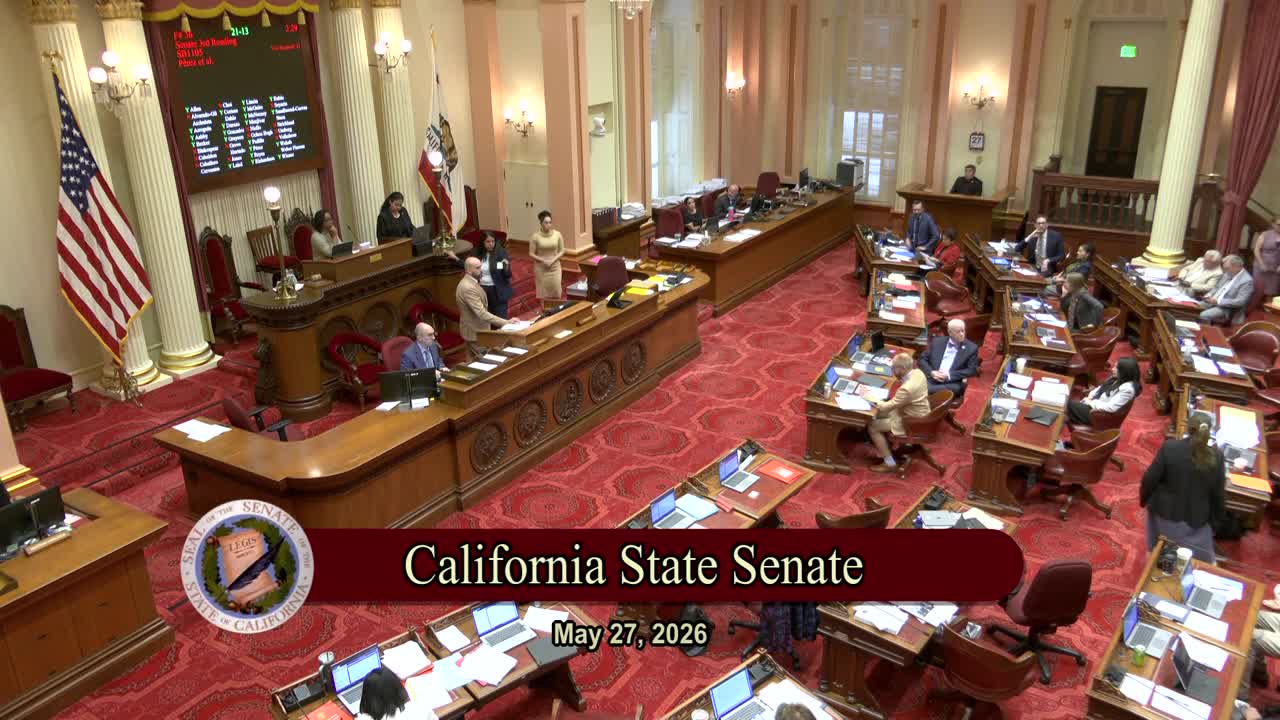
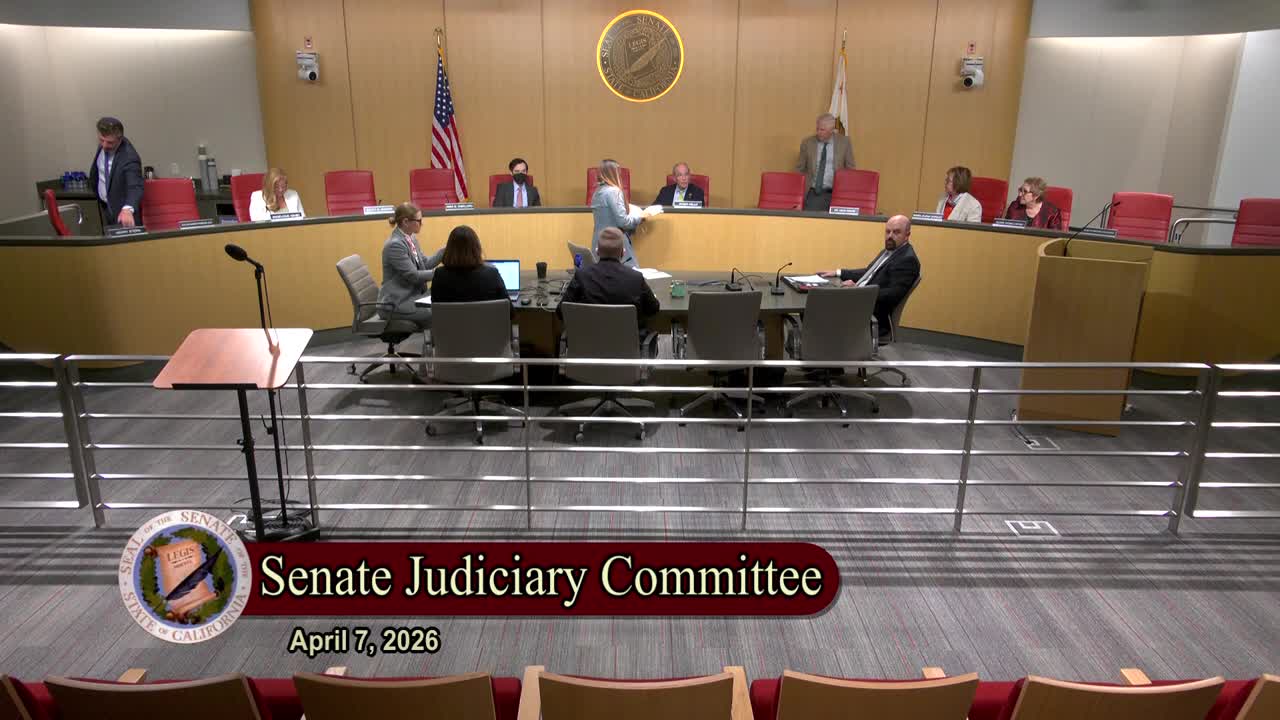
Bill Author

Bill Co-Author(s):