SB 1180: Plastic Pollution Prevention and Packaging Producer Responsibility Act: California Plastic Pollution Mitigation Fund.
- Session Year: 2025-2026
- House: Senate
- Latest Version Date: 2026-09-04
Current Status:
In Progress
(2026-09-20: In Senate. Consideration of Governor's veto pending.)
Introduced
In Committee
Awaiting First Chamber Vote
Passed First Chamber
In Committee
Awaiting Second Chamber Vote
Passed Second Chamber
Enacted
Existing law, the Plastic Pollution Prevention and Packaging Producer Responsibility Act (act), regulates certain single-use packaging and plastic single-use food service ware, as provided. As part of its comprehensive statutory scheme, the act requires producers of covered materials to reduce and recycle covered plastic material and to ensure that covered materials that are offered for sale, distributed, or imported in or into the state on or after January 1, 2032, are recyclable or compostable, as provided.
The act establishes, until January 1, 2037, the California Plastic Pollution Mitigation Fund, which consists of all environmental mitigation surcharges, interest, penalties, and other amounts collected pursuant to the act, as provided. The act requires, upon appropriation by the Legislature, that 60% of the moneys in the fund be expended to monitor and reduce the historical and current environmental justice and public health impacts of plastics, and that 40% of the moneys in the fund be expended to monitor and reduce the environmental impacts of plastics on terrestrial, aquatic, and marine life and human health.
This bill would, among other things, require each expenditure made upon appropriation from the fund to comply with specified requirements, including, among others, prioritizing programs, projects, and initiatives that benefit communities most burdened by the impacts of plastic pollution or demonstrate meaningful and durable partnership with California Native American tribes and that provide multiple benefits. The bill would require each of those expenditures to achieve one or more of specified purposes, including, among others, sustained mitigation of the potential adverse health impacts of plastics, supporting a reduction in plastic production, use, and disposal, and supporting research, data collection, and monitoring activities, as specified. The bill would require each department, agency, or entity implementing a grant program funded by the fund to take specified actions, such as providing technical assistance and providing a simplified preapplication and application. The bill would require reimbursement of a grantees or subgrantees indirect costs by applying one of 4 enumerated rates, not to exceed 35% of the total grant award. The bill would authorize moneys from the fund to be expended on implementing the bill and would prohibit moneys from the fund from being expended on specified purposes. The bill would expand the entities eligible to receive grants from the fund, as specified.
This bill would require the Secretary for Environmental Protection to annually publish a list of all program, project, and initiative expenditures made pursuant to the fund, as specified. The bill would authorize the secretary to request information from grant recipients, as provided.
Existing law, the Plastic Pollution Prevention and Packaging Producer Responsibility Act (act), regulates certain single-use packaging and plastic single-use food service ware, as provided. As part of its comprehensive statutory scheme, the act requires producers of covered materials to reduce and recycle covered plastic material and to ensure that covered materials that are offered for sale, distributed, or imported in or into the state on or after January 1, 2032, are recyclable or compostable, as provided.
The act establishes, until January 1, 2037, the California Plastic Pollution Mitigation Fund, which consists of all environmental mitigation surcharges, interest, penalties, and other amounts collected pursuant to the act, as provided. The act requires, upon appropriation by the Legislature, that 60% of the moneys in the fund be expended to monitor and reduce the historical and current environmental justice and public health impacts of plastics, and that 40% of the moneys in the fund be expended to monitor and reduce the environmental impacts of plastics on terrestrial, aquatic, and marine life and human health.
This bill would, among other things, require each expenditure made upon appropriation from the fund to comply with specified requirements, including, among others, prioritizing programs, projects, and initiatives that benefit communities most burdened by the impacts of plastic pollution or demonstrate meaningful and durable partnership with California Native American tribes and that provide multiple benefits. The bill would require each of those expenditures to achieve one or more of specified purposes, including, among others, sustained mitigation of the potential adverse health impacts of plastics, supporting a reduction in plastic production, use, and disposal, and supporting research, data collection, and monitoring activities, as specified. The bill would require each department, agency, or entity implementing a grant program funded by the fund to take specified actions, such as providing technical assistance and using a single standardized, providing a simplified application across all of those entities. preapplication and application. The bill would require reimbursement of a grantees or subgrantees indirect costs by applying one of 4 enumerated rates. rates, not to exceed 35% of the total grant award. The bill would authorize moneys from the fund to be expended on implementing the bill and would prohibit moneys from the fund from being expended on specified purposes. The bill would expand the entities eligible to receive grants from the fund, as specified.
This bill would require the Secretary for Environmental Protection to annually publish a list of all program, project, and initiative expenditures made pursuant to the fund, as specified. The bill would authorize the secretary to request information from grant recipients, as provided.
Existing law, the Plastic Pollution Prevention and Packaging Producer Responsibility Act (act), regulates certain single-use packaging and plastic single-use food service ware, as provided. As part of its comprehensive statutory scheme, the act requires producers of covered materials to reduce and recycle covered plastic material and to ensure that covered materials that are offered for sale, distributed, or imported in or into the state on or after January 1, 2032, are recyclable or compostable, as provided.
The act establishes, until January 1, 2037, the California Plastic Pollution Mitigation Fund, which consists of all environmental mitigation surcharges, interest, penalties, and other amounts collected pursuant to the act, as provided. The act requires, upon appropriation by the Legislature, that 60% of the moneys in the fund be expended to monitor and reduce the historical and current environmental justice and public health impacts of plastics, and that 40% of the moneys in the fund be expended to monitor and reduce the environmental impacts of plastics on terrestrial, aquatic, and marine life and human health.
This bill would, among other things, require each expenditure made upon appropriation from the fund to comply with specified requirements, including, among others, prioritizing programs, projects, and initiatives that benefit communities most burdened by the impacts of plastic pollution and that provide multiple benefits. The bill would require each of those expenditures to achieve one or more of specified purposes, including, among others, sustained mitigation of the potential adverse health impacts of plastics, supporting a reduction in plastic production, use, and disposal, and supporting research, data collection, and monitoring activities, as specified. The bill would require each department, agency, or entity implementing a grant program funded by the fund to take specified actions, such as providing technical assistance and using a single standardized, simplified application across all of those entities. The bill would require reimbursement of a grantees or subgrantees indirect costs by applying one of 4 enumerated rates. The bill would authorize moneys from the fund to be expended on implementing the bill and would prohibit moneys from the fund from being expended on specified purposes. The bill would expand the entities eligible to receive grants from the fund, as specified.
This bill would require the Secretary for Environmental Protection to annually publish a list of all program, project, and initiative expenditures made pursuant to the fund, as specified.
Existing law, the Plastic Pollution Prevention and Packaging Producer Responsibility Act (act), regulates certain single-use packaging and plastic single-use food service ware, as provided. As part of its comprehensive statutory scheme, the act requires producers of covered materials to reduce and recycle covered plastic material and to ensure that covered materials that are offered for sale, distributed, or imported in or into the state on or after January 1, 2032, are recyclable or compostable, as provided.
The act establishes, until January 1, 2037, the California Plastic Pollution Mitigation Fund, which consists of all environmental mitigation surcharges, interest, penalties, and other amounts collected pursuant to the act, as provided. The act requires, upon appropriation by the Legislature, that 60% of the moneys in the fund be expended to monitor and reduce the historical and current environmental justice and public health impacts of plastics, and that 40% of the moneys in the fund be expended to monitor and reduce the environmental impacts of plastics on terrestrial, aquatic, and marine life and human health.
This bill would, among other things, require each expenditure made upon appropriation from the fund to comply with specified requirements, including, among others, prioritizing programs and projects programs, projects, and initiatives that benefit communities most burdened by the impacts of plastic pollution and that provide multiple benefits. The bill would require each of those expenditures to achieve one or more of specified purposes, including, among others, catalyzing sustained mitigation of the adverse health impacts of plastics, creating or accelerating a transformative shift away from supporting a reduction in plastic production, use, and disposal, and supporting research, data collection, and monitoring activities, as specified. The bill would require each department, agency, or entity implementing a grant program funded by the fund to take specified actions, such as providing technical assistance and using a single standardized, simplified application across all of those entities. The bill would require reimbursement of a grantees or subgrantees indirect costs by applying one of 4 enumerated rates. The bill would authorize moneys from the fund to be expended on implementing the bill and would prohibit moneys from the fund from being expended on specified purposes. The bill would expand the entities eligible to receive grants from the fund, as specified.
TheThis bill would require the Secretary for Environmental Protection to annually publish a list of all program and project program, project, and initiative expenditures made pursuant to the fund, as specified.
Existing law, the Plastic Pollution Prevention and Packaging Producer Responsibility Act (act), regulates certain single-use packaging and plastic single-use food service ware, as provided. As part of its comprehensive statutory scheme, the act requires producers of covered materials to reduce and recycle covered plastic material and to ensure that covered materials that are offered for sale, distributed, or imported in or into the state on or after January 1, 2032, are recyclable or compostable, as provided.
The act establishes, until January 1, 2037, the California Plastic Pollution Mitigation Fund, which consists of all environmental mitigation surcharges, interest, penalties, and other amounts collected pursuant to the act, as provided. The act requires, upon appropriation by the Legislature, that 60% of the moneys in the fund be expended to monitor and reduce the historical and current environmental justice and public health impacts of plastics, and that 40% of the moneys in the fund be expended to monitor and reduce the environmental impacts of plastics on terrestrial, aquatic, and marine life and human health.
This bill would, among other things, require each expenditure made upon appropriation from the fund to comply with specified requirements, including, among others, prioritizing programs and projects that benefit communities most burdened by the impacts of plastic pollution and that provide multiple benefits. The bill would require each of those expenditures to achieve one or more of specified purposes, including, among others, catalyzing mitigation of the adverse health impacts of plastics, creating or accelerating a transformative shift away from plastic production, use, and disposal, and supporting research, data collection, and monitoring activities, as specified. The bill would require each department, agency, or entity implementing a grant program funded by the fund to take specified actions, such as providing technical assistance and using a single standardized, simplified application across all of those entities. The bill would require reimbursement of a grantees or subgrantees indirect costs by applying one of 4 enumerated rates. The bill would authorize moneys from the fund to be expended on implementing the bill and would prohibit moneys from the fund from being expended on specified purposes. The bill would expand the entities eligible to receive grants from the fund, as specified.
The bill would require the Secretary for Environmental Protection to annually publish a list of all program and project expenditures made pursuant to the fund, as specified.
Existing law, the Plastic Pollution Prevention and Packaging Producer Responsibility Act (act), regulates certain single-use packaging and plastic single-use food service ware, as provided. As part of its comprehensive statutory scheme, the act requires producers of covered materials to reduce and recycle covered plastic material and to ensure that covered materials that are offered for sale, distributed, or imported in or into the state on or after January 1, 2032, are recyclable or compostable, as provided.
The act establishes, until January 1, 2037, the California Plastic Pollution Mitigation Fund, which consists of all environmental mitigation surcharges, interest, penalties, and other amounts collected pursuant to the act, as provided. The act requires, upon appropriation by the Legislature, that 60% of the moneys in the fund be expended to monitor and reduce the historical and current environmental justice and public health impacts of plastics, and that 40% of the moneys in the fund be expended to monitor and reduce the environmental impacts of plastics on terrestrial, aquatic, and marine life and human health.
This bill would, among other things, require each expenditure made upon appropriation from the fund to achieve one or more of specified purposes, including, among others, catalyzing mitigation of the adverse health impacts of plastics and creating or accelerating a transformative shift away from plastic production, use, and tendency to be disposed of after limited use. The bill would require each of those expenditures to comply with specified requirements, including, among others, prioritizing programs and projects that benefit communities most burdened by the impacts of plastic pollution and that provide multiple benefits. The bill would require each of those expenditures to achieve one or more of specified purposes, including, among others, catalyzing mitigation of the adverse health impacts of plastics, creating or accelerating a transformative shift away from plastic production, use, and disposal, and supporting research, data collection, and monitoring activities, as specified. The bill would require each department, agency, or entity implementing a grant program funded by the fund to take specified actions, such as providing technical assistance and using a single standardized, simplified application across all of those entities. The bill would require reimbursement of a grantees or subgrantees indirect costs by applying one of four 4 enumerated rates. The bill would authorize moneys from the fund to be expended on implementing the bill and would prohibit moneys from the fund from being expended on specified purposes. The bill would expand the entities eligible to receive grants from the fund, as specified.
The bill would require the Secretary for Environmental Protection to annually publish a list of all program and project expenditures made pursuant to the fund, as specified.
Existing law, the Plastic Pollution Prevention and Packaging Producer Responsibility Act (act), regulates certain single-use packaging and plastic single-use food service ware, as provided. As part of its comprehensive statutory scheme, the act requires producers of covered materials to reduce and recycle covered plastic material and to ensure that covered materials that are offered for sale, distributed, or imported in or into the state on or after January 1, 2032, are recyclable or compostable, as provided.
The act establishes, until January 1, 2037, the California Plastic Pollution Mitigation Fund, which consists of all environmental mitigation surcharges, interest, penalties, and other amounts collected pursuant to the act, as provided. The act requires, upon appropriation by the Legislature, that 60% of the moneys in the fund be expended to monitor and reduce the historical and current environmental justice and public health impacts of plastics, and that 40% of the moneys in the fund be expended to monitor and reduce the environmental impacts of plastics on terrestrial, aquatic, and marine life and human health.
This bill would, among other things, require each expenditure made upon appropriation from the fund to achieve one or more of specified purposes, including, among others, catalyzing mitigation of the adverse health impacts of plastics and creating or accelerating a transformative shift away from plastic production, use, and tendency to be disposed of after limited use. The bill would require each of those expenditures to comply with specified requirements, including, among others, prioritizing programs and projects that benefit communities most burdened by the impacts of plastic pollution and that provide multiple benefits. The bill would require each department, agency, or entity implementing a grant program funded by the fund to take specified actions, such as providing technical assistance and using a single standardized, simplified application across all of those entities. The bill would require reimbursement of a grantees or subgrantees indirect costs by applying one of four enumerated rates. The bill would authorize moneys from the fund to be expended on implementing the bill and would prohibit moneys from the fund from being expended on specified purposes.
The bill would require the Secretary for Environmental Protection to annually publish a list of all program and project expenditures made pursuant to the fund, as specified.
The Legislature finds and declares all of the following:
(a)Plastics, including microplastics and chemical additives used in plastic production, are increasingly present in drinking water, food systems, and the environment, and emerging scientific evidence indicates likely risks to public health, including reproductive, cardiovascular, and respiratory health, among others.
(b)Plastic pollution, including single-use packaging and plastic products, continues to pose significant and long-lasting harm to Californias natural environment, including waterways, coastal and marine ecosystems, wildlife, and land resources.
(c)Section 42064 establishes the California Plastic Pollution Mitigation Fund, a fund intended to augment the states efforts to prevent and reduce plastic pollution, mitigate environmental and public health impacts of plastic and plastic pollution, and advance the states waste reduction and recycling goals beyond the requirements that this chapter places on producers.
(d)Directing funding pursuant to Section 42064 toward pollution prevention, environmental restoration, public health protection, and related activities is necessary to address the statewide and disproportionate impacts of plastic pollution; to ensure that producer responsibility requirements result in measurable, durable, and transformative environmental and public health benefits; and to support equitable, community-driven approaches that benefit the communities, workers, and tribes most burdened by plastic pollution.
SEC. 2.Section 42064.5 is added to the Public Resources Code, to read:42064.5.(a)Each expenditure from the California Plastic Pollution Mitigation Fund, upon appropriation by the Legislature pursuant to subdivision (j) or (k) of Section 42064, shall do all of the following:
(1)Improve public or environmental health.
(2)Incorporate outreach efforts that inform the public of the purpose and scope of the funded program, project, or initiative. Where practicable, the outreach shall be tied to the funded mitigation activity, including outreach to communities most burdened by plastic pollution and California Native American tribes, as appropriate.
(3)Incorporate meaningful consultation with California Native American tribes, where applicable, for programs, projects, or initiatives that may impact tribal resources. Consultation shall be initiated sufficiently early to provide potentially affected tribes meaningful opportunity to inform the planning, development, and implementation of the program, project, or initiative.
(4)Prioritize programs, projects, and initiatives that do all of the following:
(A)Benefit communities most burdened by the impacts of plastic pollution or demonstrate meaningful and durable partnership with California Native American tribes.
(B)Align with or implement community-driven solutions.
(C)Provide multiple benefits.
(D)Demonstrate engagement with communities and California Native American tribes impacted by the program, project, or initiatives in planning, development, and implementation.
(E)Where consultation is applicable pursuant to paragraph (3), consider potential impacts to tribal resources, including, but not limited to, all of the following:
(i)Tribal cultural resources, as described in Section 21074.
(ii)Tribal land and waterways, including Indian land, as defined in paragraph (2) of Section 3501 of Title 25 of the United States Code.
(iii)Land and waterways involving tribal customary usage, aboriginal title, or sacred sites, whether on- or off-reservation.
(iv)Tribal graves or remains.
(b)Each expenditure from the California Plastic Pollution Mitigation Fund, upon appropriation by the Legislature pursuant to subdivision (j) or (k) of Section 42064, shall achieve one or more of the following:
(1)Sustained mitigation of the potential adverse health impacts of plastics.
(2)Support a durable and significant reduction in plastic production, use, and disposal by supporting programs, projects, and initiatives that are tied to reduction of plastic waste, exposure, or pollution.
(3)Durably reduce the amount of plastic waste entering the environment, either as litter or microplastic pollution, including by advancing state strategies on microplastics and plastics in marine environments.
(4)Clean up or restore lands or waterways that have been negatively impacted by plastic pollution, including microplastics.
(5)Protect natural lands and waterways from plastic waste and pollution, including microplastics.
(6)(A)Support research, data collection, and monitoring activities that do any of the following:
(i)Identify and assess communities and regions disproportionately burdened by plastic pollution to inform the equitable targeting of expenditures from the California Plastic Pollution Mitigation Fund.
(ii)Establish baseline conditions of plastic pollution and impacts on lands, waterways, or communities to enable measurement of outcomes and evaluate ongoing environmental and community conditions over time.
(iii)Evaluate the effectiveness of programs, projects, or initiatives funded pursuant to this section in achieving one or more of the purposes described in paragraphs (1) to (5), inclusive.
(B)(i)Notwithstanding any other law, the aggregate amount allocated or expended for projects, programs, or initiatives for the sole purpose of research, data collection, and monitoring activities pursuant to this section shall not exceed 20 percent of the total amount appropriated from the California Plastic Pollution Mitigation Fund in any fiscal year.
(ii)Clause (i) does not apply to research, monitoring, and data collection activities conducted by state agencies.
(c)Each department, agency, or entity implementing a grant program funded in whole or in part by the California Plastic Pollution Mitigation Fund shall do all of the following in implementing the grant program:
(1)Provide technical assistance to eligible grant applicants.
(2)Provide a simplified preapplication that may be used for the purpose of providing technical assistance, determining the appropriateness of the project for the grant program or other sources of funding, or determining eligibility before an applicant prepares a full proposal.
(3)To the extent practicable, provide a simplified application that may be used by an applicant.
(4)Consider the use of discretionary awards, block grants, and categorical grant opportunities in addition to competitive grants.
(5)Provide advanced payments in accordance with Section 11019.3 of the Government Code to initiate programs, projects, or initiatives in a timely manner.
(6)(A)When awarding a grant, reimburse the grantees and any subgrantees indirect costs, as defined by Section 200.1 of Title 2 of the Code of Federal Regulations, by applying one of the following rates as requested by the grantee and any subgrantee:
(i)The grantees or subgrantees negotiated indirect cost rate pursuant to its negotiated indirect cost rate agreement.
(ii)The de minimis indirect cost rate specified in Part 200 of Title 2 of the Code of Federal Regulations.
(iii)A rate negotiated by the grantee or subgrantee with another state agency or department within the last five years.
(iv)A rate proposed by the grantee in the grantees program application with the administering state agency or department if the grantee does not have an existing state rate.
(B)Notwithstanding the indirect cost rates described in subparagraph (A), the total reimbursable indirect costs shall not exceed 35 percent of the total grant award.
(7)Establish clear, objective criteria for evaluating and awarding grants, including, where applicable, the extent to which proposed programs, projects, and initiatives demonstrate reductions in plastic waste or pollution.
(8)Require grant applicants to demonstrate a nexus between the proposed programs, projects, and initiatives and the mitigation of environmental or potential public health impacts associated with plastic.
(d)State administrative and program support costs, exclusive of technical assistance, shall not exceed 10 percent of funds allocated pursuant to this section in any fiscal year.
(e)(1)Consistent with subdivision (g) of Section 42064, moneys from the California Plastic Pollution Mitigation Fund shall not be expended on either of the following:
(A)Any obligations of a producer responsibility organization.
(B)To fulfill any environmental mitigation requirements or compliance obligations imposed by any law other than this section or Section 42064.
(2)Notwithstanding subdivision (g) of Section 42064, moneys from the California Plastic Pollution Mitigation Fund may be expended, upon appropriation by the Legislature pursuant to subdivision (j) or (k) of Section 42064, to implement this section.
(f)(1)In addition to the entities listed in paragraph (3) of subdivision (j) of, and paragraph (3) of subdivision (k) of, Section 42064, the following entities are eligible for grants under this section and Section 42064:
(A)Public agencies.
(B)Nonprofit organizations.
(C)Special districts.
(D)Joint powers authorities.
(E)Public utilities.
(F)Local publicly owned utilities.
(G)Mutual water companies.
(H)Public or private universities, school districts, and community colleges.
(2)An entity listed in paragraph (1) shall be eligible to receive funds pursuant to this section only for programs, projects, or initiatives with the primary and direct purpose of mitigation, prevention, or remediation of plastic pollution consistent with the purposes enumerated in subdivisions (a) and (b). Entities listed in paragraph (1) that demonstrate collaboration with one or more of the entities eligible for funds identified in paragraph (3) of subdivision (j) of, or paragraph (3) of subdivision (k) of, Section 42064 shall be prioritized for funding. Incidental benefits to other environmental objectives shall not disqualify an expenditure, but no funds shall be used to finance new or existing infrastructure, operations, or maintenance serving purposes unrelated to plastic pollution mitigation.
(g)(1)The Secretary for Environmental Protection shall publish a list of all program, project, and initiative expenditures pursuant to this section and Section 42064 not less than annually, in written form, and shall post that list on the California Environmental Protection Agencys internet website in a downloadable format.
(2)The Secretary of Environmental Protection may request information from grant recipients in a manner and format determined by the secretary. To the extent feasible, a standardized and simplified reporting format shall be used for grant recipients. For each program, project, and initiative that has received moneys from the California Plastic Pollution Mitigation Fund, the secretary shall publish information on the internet, including, but not limited to, all of the following:
(A)The location and geographic scope of the program, project, or initiative.
(B)The objectives and anticipated outcomes of the program, project, or initiative.
(C)The status of the program, project, or initiative.
(D)A description of the outreach and engagement performed by the fund recipient to develop the program, project, or initiative.
(E)The public benefits to be derived from the program, project, or initiative, including whether the program, project, or initiative delivers meaningful and direct benefits to populations described in paragraph (3) of subdivision (j) of, or paragraph (3) of subdivision (k) of, Section 42064, or populations otherwise demonstrated to be impacted by plastic pollution.
(F)The total cost of the program, project, or initiative, if known.
(G)The amount of funding provided from the California Plastic Pollution Mitigation Fund to the program, project, or initiative.
(H)Any matching funds provided by any grant recipient or other partners to the program, project, or initiative.
(I)Evaluation of measurable reductions in plastic pollution accomplished by the program, project, or initiative, as applicable.
(J)A description of the nexus between the program, project, or initiative and the mitigation of environmental or potential public health impacts associated with plastic.
The Legislature finds and declares all of the following:
(a)Plastics, including microplastics and chemical additives used in plastic production, are increasingly present in drinking water, food systems, and the environment, and emerging scientific evidence indicates likely risks to public health, including reproductive, cardiovascular, and respiratory health, among others.
(b)Plastic pollution, including single-use packaging and plastic products, continues to pose significant and long-lasting harm to Californias natural environment, including waterways, coastal and marine ecosystems, wildlife, and land resources.
(c)Section 42064 establishes the California Plastic Pollution Mitigation Fund, a fund intended to augment the states efforts to prevent and reduce plastic pollution, mitigate environmental and public health impacts of plastic and plastic pollution, and advance the states waste reduction and recycling goals beyond the requirements that this chapter places on producers.
(d)Directing funding pursuant to Section 42064 toward pollution prevention, environmental restoration, public health protection, and related activities is necessary to address the statewide and disproportionate impacts of plastic pollution and pollution; to ensure that producer responsibility requirements result in measurable, durable, and transformative environmental and public health benefits. benefits; and to support equitable, community-driven approaches that benefit the communities, workers, and tribes most burdened by plastic pollution.
SEC. 2.Section 42064.5 is added to the Public Resources Code, to read:42064.5.(a)Each expenditure from the California Plastic Pollution Mitigation Fund, upon appropriation by the Legislature pursuant to subdivision (j) or (k) of Section 42064, shall do all of the following:
(1)Improve public or environmental health.
(2)Incorporate outreach efforts that inform the public of the purpose and scope of the funded program, project, or initiative. Where practicable, the outreach shall be tied to the funded mitigation activity. activity, including outreach to communities most burdened by plastic pollution and California Native American tribes, as appropriate.
(3)Incorporate meaningful consultation with California Native American tribes, where applicable, for programs, projects, or initiatives that may impact tribal resources. Consultation shall be initiated sufficiently early to provide potentially affected tribes meaningful opportunity to inform the planning, development, and implementation of the program, project, or initiative.
(3)(4)Prioritize programs, projects, and initiatives that do all of the following:
(A)Benefit communities most burdened by the impacts of plastic pollution. pollution or demonstrate meaningful and durable partnership with California Native American tribes.
(B)Align with or implement community-driven solutions.
(C)Provide multiple benefits.
(D)Demonstrate engagement with communities and California Native American tribes impacted by the program, project, or initiatives in planning, development, and implementation.
(E)Where consultation is applicable pursuant to paragraph (3), consider potential impacts to tribal resources, including, but not limited to, all of the following:
(i)Tribal cultural resources, as described in Section 21074.
(ii)Tribal land and waterways, including Indian land, as defined in paragraph (2) of Section 3501 of Title 25 of the United States Code.
(iii)Land and waterways involving tribal customary usage, aboriginal title, or sacred sites, whether on- or off-reservation.
(iv)Tribal graves or remains.
(b)Each expenditure from the California Plastic Pollution Mitigation Fund, upon appropriation by the Legislature pursuant to subdivision (j) or (k) of Section 42064, shall achieve one or more of the following:
(1)Sustained mitigation of the potential adverse health impacts of plastics.
(2)Support a durable and significant reduction in plastic production, use, and disposal by supporting programs, projects, and initiatives that are tied to reduction of plastic waste, exposure, or pollution.
(3)Durably reduce the amount of plastic waste entering the environment, either as litter or microplastic pollution, including by advancing state strategies on microplastics and plastics in marine environments.
(4)Clean up or restore lands or waterways that have been negatively impacted by plastic pollution, including microplastics.
(5)Protect natural lands and waterways from plastic waste and pollution, including microplastics.
(6)(A)Support research, data collection, and monitoring activities that do any of the following:
(i)Identify and assess communities and regions disproportionately burdened by plastic pollution to inform the equitable targeting of expenditures from the California Plastic Pollution Mitigation Fund.
(ii)Establish baseline conditions of plastic pollution and impacts on lands, waterways, or communities to enable measurement of outcomes and evaluate ongoing environmental and community conditions over time.
(iii)Evaluate the effectiveness of programs, projects, or initiatives funded pursuant to this section in achieving one or more of the purposes described in paragraphs (1) to (5), inclusive.
(B)(i)Notwithstanding any other law, the aggregate amount allocated or expended for projects, programs, or initiatives for the sole purpose of research, data collection, and monitoring activities pursuant to this section shall not exceed 20 percent of the total amount appropriated from the California Plastic Pollution Mitigation Fund in any fiscal year.
(ii)Research, data collection, and monitoring activities conducted by a state agency or associated with an individual awarded project, program, or initiative shall not exceed 20 percent of the award, excluding those awarded for the sole purpose of research, data collection, or monitoring.(ii)Clause (i) does not apply to research, monitoring, and data collection activities conducted by state agencies.
(c)Each department, agency, or entity implementing a grant program funded in whole or in part by the California Plastic Pollution Mitigation Fund shall do all of the following in implementing the grant program:
(1)Provide technical assistance to eligible grant applicants.
(2)Use Provide a single standardized, simplified preapplication to be used by all implementing departments, agencies, and entities to provide that may be used for the purpose of providing technical assistance, determine determining the appropriateness of the project for the grant program or other sources of funding, or determine determining eligibility before an applicant prepares a full proposal.
(3)To the extent practicable, use provide a single standardized, simplified application to that may be used by all implementing departments, agencies, and entities. an applicant.
(4)Consider the use of discretionary awards, block grants, and categorical grant opportunities in addition to competitive grants.
(5)Provide advanced payments in accordance with Section 11019.3 of the Government Code to initiate programs, projects, or initiatives in a timely manner.
(6)(A)When awarding a grant, reimburse the grantees and any subgrantees indirect costs, as defined by Section 200.1 of Title 2 of the Code of Federal Regulations, by applying one of the following rates as requested by the grantee and any subgrantee:
(A)(i)The grantees or subgrantees negotiated indirect cost rate pursuant to its negotiated indirect cost rate agreement.
(B)(ii)The de minimis indirect cost rate specified in Part 200 of Title 2 of the Code of Federal Regulations.
(C)(iii)A rate negotiated by the grantee or subgrantee with another state agency or department within the last five years.
(D)(iv)A rate proposed by the grantee in the grantees program application with the administering state agency or department if the grantee does not have an existing state rate.
(B)Notwithstanding the indirect cost rates described in subparagraph (A), the total reimbursable indirect costs shall not exceed 35 percent of the total grant award.
(7)Establish clear, objective criteria for evaluating and awarding grants, including, where applicable, the extent to which proposed programs, projects, and initiatives demonstrate reductions in plastic waste or pollution.
(8)Require grant applicants to demonstrate a nexus between the proposed programs, projects, and initiatives and the mitigation of environmental or potential public health impacts associated with plastic.
(d)State administrative and program support costs, exclusive of technical assistance, shall not exceed 10 percent of funds allocated pursuant to this section in any fiscal year.
(e)(1)Consistent with subdivision (g) of Section 42064, moneys from the California Plastic Pollution Mitigation Fund shall not be expended on either of the following:
(A)Any obligations of a producer responsibility organization.
(B)To fulfill any environmental mitigation requirements or compliance obligations imposed by any law other than this section or Section 42064.
(2)Notwithstanding subdivision (g) of Section 42064, moneys from the California Plastic Pollution Mitigation Fund may be expended, upon appropriation by the Legislature pursuant to subdivision (j) or (k) of Section 42064, to implement this section.
(f)(1)In addition to the entities listed in paragraph (3) of subdivision (j) of, and paragraph (3) of subdivision (k) of, Section 42064, the following entities are eligible for grants under this section and Section 42064:
(A)Public agencies.
(B)Nonprofit organizations.
(C)Special districts.
(D)Joint powers authorities.
(E)Public utilities.
(F)Local publicly owned utilities.
(G)Mutual water companies.
(H)Public or private universities, school districts, and community colleges.
(2)An entity listed in paragraph (1) shall be eligible to receive funds pursuant to this section only for programs, projects, or initiatives with the primary and direct purpose of mitigation, prevention, or remediation of plastic pollution consistent with the purposes enumerated in subdivisions (a) and (b). Entities listed in paragraph (1) that demonstrate collaboration with one or more of the entities eligible for funds identified in paragraph (3) of subdivision (j) of, or paragraph (3) of subdivision (k) of, Section 42064 shall be prioritized for funding. Incidental benefits to other environmental objectives shall not disqualify an expenditure, but no funds shall be used to finance new or existing infrastructure, operations, or maintenance serving purposes unrelated to plastic pollution mitigation.
(g)(1)The Secretary for Environmental Protection shall publish a list of all program, project, and initiative expenditures pursuant to this section and Section 42064 not less than annually, in written form, and shall post that list on the California Environmental Protection Agencys internet website in a downloadable format.
(2)The Secretary of Environmental Protection may request information from grant recipients in a manner and format determined by the Secretary of Environmental Protection. secretary. To the extent feasible, a standardized and simplified reporting template or format shall be used for grant recipients. For each program, project, and initiative that has received moneys from the California Plastic Pollution Mitigation Fund, the Secretary of Environmental Protection secretary shall publish information on the internet, including, but not limited to, all of the following:
(A)The location and geographic scope of the program, project, or initiative.
(B)The objectives and anticipated outcomes of the program, project, or initiative.
(C)The status of the program, project, or initiative.
(D)A description of the outreach and engagement performed by the fund recipient to develop the program, project, or initiative.
(E)The public benefits to be derived from the program, project, or initiative, including whether the program, project, or initiative delivers meaningful and direct benefits to populations described in paragraph (3) of subdivision (j) of, or paragraph (3) of subdivision (k) of, Section 42064, or populations otherwise demonstrated to be impacted by plastic pollution.
(F)The total cost of the program, project, or initiative, if known.
(G)The amount of funding provided from the California Plastic Pollution Mitigation Fund to the program, project, or initiative.
(H)Any matching funds provided by any grant recipient or other partners to the program, project, or initiative.
(I)Evaluation of measurable reductions in plastic pollution accomplished by the program, project, or initiative, as applicable.
(J)A description of the nexus between the program, project, or initiative and the mitigation of environmental or potential public health impacts associated with plastic.
The Legislature finds and declares all of the following:
(a)Plastics, including microplastics and chemical additives used in plastic production, are increasingly present in drinking water, food systems, and the environment, and emerging scientific evidence indicates likely risks to public health, including reproductive, cardiovascular, and respiratory health, among others.
(b)Plastic pollution, including single-use packaging and plastic products, continues to pose significant and long-lasting harm to Californias natural environment, including waterways, coastal and marine ecosystems, wildlife, and land resources.
(c)Section 42064 establishes the California Plastic Pollution Mitigation Fund, a fund intended to augment the states efforts to prevent and reduce plastic pollution, mitigate environmental and public health impacts of plastic and plastic pollution, and advance the states waste reduction and recycling goals beyond the requirements that this chapter places on producers.
(d)Directing funding pursuant to Section 42064 toward pollution prevention, environmental restoration, public health protection, and related activities is necessary to address the statewide and disproportionate impacts of plastic pollution and to ensure that producer responsibility requirements result in measurable, durable, and transformative environmental and public health benefits.
SEC. 2.Section 42064.5 is added to the Public Resources Code, to read:42064.5.(a)Each expenditure from the California Plastic Pollution Mitigation Fund, upon appropriation by the Legislature pursuant to subdivision (j) or (k) of Section 42064, shall do all of the following:
(1)Improve public or environmental health.
(2)Incorporate outreach efforts that inform the public of the purpose and scope of the funded program, project, or initiative. Where practicable, the outreach shall be tied to the funded mitigation activity.
(3)Prioritize programs, projects, and initiatives that do all of the following:
(A)Benefit communities most burdened by the impacts of plastic pollution.
(B)Are aligned Align with or implement community-driven solutions.
(C)Provide multiple benefits.
(D)Demonstrate engagement with communities and tribes impacted by the program, project, or initiatives in planning, development, and implementation.
(b)Each expenditure from the California Plastic Pollution Mitigation Fund, upon appropriation by the Legislature pursuant to subdivision (j) or (k) of Section 42064, shall achieve one or more of the following:
(1)Sustained mitigation of the potential adverse health impacts of plastics.
(2)Support a durable and significant reduction in plastic production, use, and disposal by supporting programs, projects, and initiatives that are tied to reduction of plastic waste, exposure, or pollution.
(3)Durably reduce the amount of plastic waste entering the environment, either as litter or microplastic pollution, including by advancing state strategies on microplastics and plastics in marine environments.
(4)Clean up or restore lands or waterways that have been negatively impacted by plastic pollution, including microplastics.
(5)Protect natural lands and waterways from plastic waste and pollution, including microplastics.
(6)(A)Support research, data collection, and monitoring activities that do any of the following:
(i)Identify and assess communities and regions disproportionately burdened by plastic pollution to inform the equitable targeting of expenditures from the California Plastic Pollution Mitigation Fund.
(ii)Establish baseline conditions in of plastic pollution and impacts on lands, waterways, or communities prior to program, project, or initiative implementation to enable measurement of outcomes. outcomes and evaluate ongoing environmental and community conditions over time.
(iii)Evaluate the effectiveness of programs, projects, or initiatives funded pursuant to this section in achieving one or more of the purposes described in paragraphs (1) to (5), inclusive.
(B)(i)Notwithstanding any other law, the aggregate amount allocated or expended for research, data collection, and monitoring activities pursuant to this section shall not exceed 15 20 percent of the total amount appropriated from the California Plastic Pollution Mitigation Fund in any fiscal year.
(ii)Research, data collection, and monitoring activities conducted by a state agency or associated with an individual awarded project, program, or initiative shall not exceed 20 percent of the award, excluding those awarded for the sole purpose of research, data collection, or monitoring.
(c)Each department, agency, or entity implementing a grant program funded in whole or in part by the California Plastic Pollution Mitigation Fund shall do all of the following in implementing the grant program:
(1)Provide technical assistance to eligible grant applicants.
(2)Use a single standardized, simplified preapplication to be used by all implementing departments, agencies, and entities to provide technical assistance, determine the appropriateness of the project for the grant program or other sources of funding, or determine eligibility before an applicant prepares a full proposal.
(2)Use(3)To the extent practicable, use a single standardized, simplified application to be used by all implementing departments, agencies, and entities.
(3)(4)Consider the use of awards discretionary awards, block grants, and categorical grant opportunities in addition to competitive grants.
(4)(5)Provide advanced payments in accordance with Section 11019.3 of the Government Code to initiate programs, projects, or initiatives in a timely manner.
(5)(6)When awarding a grant, reimburse the grantees and any subgrantees indirect costs, as defined by Section 200.1 of Title 2 of the Code of Federal Regulations, by applying one of the following rates as requested by the grantee and any subgrantee:
(A)The grantees or subgrantees negotiated indirect cost rate pursuant to its negotiated indirect cost rate agreement.
(B)The de minimis indirect cost rate specified in Part 200 of Title 2 of the Code of Federal Regulations.
(C)A rate negotiated by the grantee or subgrantee with another state agency or department within the last five years.
(D)A rate proposed by the grantee in the grantees program application with the administering state agency or department if the grantee does not have an existing state rate.
(6)(7)Establish clear, objective criteria for evaluating and awarding grants, including, where applicable, the extent to which proposed programs, projects, and initiatives demonstrate reductions in plastic waste or pollution.
(7)(8)Require grant applicants to demonstrate a nexus between the proposed programs, projects, and initiatives and the mitigation of environmental or potential public health impacts associated with plastic.
(d)State administrative and program support costs, exclusive of technical assistance, shall not exceed 10 percent of funds allocated pursuant to this section in any fiscal year.
(e)(1)Consistent with subdivision (g) of Section 42064, moneys from the California Plastic Pollution Mitigation Fund shall not be expended on either of the following:
(A)Any obligations of a producer responsibility organization.
(B)To fulfill any environmental mitigation requirements or compliance obligations imposed by any law other than this section or Section 42064.
(2)Notwithstanding subdivision (g) of Section 42064, moneys from the California Plastic Pollution Mitigation Fund may be expended, upon appropriation by the Legislature pursuant to subdivision (j) or (k) of Section 42064, to implement this section.
(f)(1)In addition to the entities listed in paragraph (3) of subdivision (j) of, and paragraph (3) of subdivision (k) of, Section 42064, the following entities are eligible for grants under this section and Section 42064:
(A)Public agencies.
(B)Nonprofit organizations.
(C)Special districts.
(D)Joint powers authorities.
(E)Public utilities.
(F)Local publicly owned utilities.
(G)Mutual water companies.
(H)Public or private universities, school districts, and community colleges.
(2)An entity listed in paragraph (1) shall be eligible to receive funds pursuant to this section only for programs, projects, or initiatives with the primary and direct purpose of mitigation, prevention, or remediation of plastic pollution consistent with the purposes enumerated in subdivisions (a) and (b) and if the entity (b). Entities listed in paragraph (1) demonstrates that demonstrate collaboration with one or more of the entities eligible for funds identified in paragraph (3) of subdivision (j) of, or paragraph (3) of subdivision (k) of, Section 42064. 42064 shall be prioritized for funding. Incidental benefits to other environmental objectives shall not disqualify an expenditure, but no funds shall be used to finance new or existing infrastructure, operations, or maintenance serving purposes unrelated to plastic pollution mitigation.
(g)(1)The Secretary for Environmental Protection shall publish a list of all program, project, and initiative expenditures pursuant to this section and Section 42064 not less than annually, in written form, and shall post that list on the California Environmental Protection Agencys internet website in a downloadable spreadsheet format. To
(2)The Secretary of Environmental Protection may request information from grant recipients in a manner and format determined by the Secretary of Environmental Protection. To the extent feasible, a standardized and simplified reporting template or format shall be used for grant recipients. The spreadsheet shall include all of the following information for For each program, project, and initiative that has received moneys from the California Plastic Pollution Mitigation Fund: Fund, the Secretary of Environmental Protection shall publish information including, but not limited to, all of the following:
(1)(A)The location and footprint geographic scope of the program, project, or initiative.
(2)(B)The objectives and anticipated outcomes of the program, project, or initiative.
(3)(C)The status of the program, project, or initiative.
(4)(D)A description of the outreach and engagement performed by the fund recipient to develop the program, project, or initiative.
(5)(E)The public benefits to be derived from the program, project, or initiative, including whether the program, project, or initiative delivers meaningful and direct benefits to vulnerable populations, disadvantaged communities, or severely disadvantaged communities. to populations described in paragraph (3) of subdivision (j) of, or paragraph (3) of subdivision (k) of, Section 42064, or populations otherwise demonstrated to be impacted by plastic pollution.
(6)(F)The total cost of the program, project, or initiative, if known.
(7)(G)The amount of funding provided from the California Plastic Pollution Mitigation Fund to the program, project, or initiative.
(8)(H)Any matching funds provided by any grant recipient or other partners to the program, project, or initiative.
(9)Evidence(I)Evaluation of measurable reductions in plastic pollution accomplished by the program, project, or initiative, as applicable.
(10)(J)A description of the nexus between the program, project, or initiative and the mitigation of environmental or potential public health impacts associated with plastic.
The Legislature finds and declares all of the following:
(a)Plastics, including microplastics and chemical additives used in plastic production, are increasingly present in drinking water, food systems, and the environment, and emerging scientific evidence indicates likely risks to public health, including reproductive, cardiovascular, and respiratory health, among others.
(b)Plastic pollution, including single-use packaging and plastic products, continues to pose significant and long-lasting harm to Californias natural environment, including waterways, coastal and marine ecosystems, wildlife, and land resources.
(c)Section 42064 establishes the California Plastic Pollution Mitigation Fund, a fund intended to augment the states efforts to prevent and reduce plastic pollution, mitigate environmental and public health impacts of plastic and plastic pollution, and advance the states waste reduction and recycling goals beyond the requirements that this chapter places on producers.
(d)Directing funding pursuant to Section 42064 toward pollution prevention, environmental restoration, public health protection, and related activities is necessary to address the statewide and disproportionate impacts of plastic pollution and to ensure that producer responsibility requirements result in measurable, durable, and transformative environmental and public health benefits.
SEC. 2.Section 42064.5 is added to the Public Resources Code, to read:42064.5.(a)Each expenditure from the California Plastic Pollution Mitigation Fund, upon appropriation by the Legislature pursuant to subdivision (j) or (k) of Section 42064, shall do all of the following:
(1)Improve public or environmental health.
(2)Incorporate outreach efforts that inform the public of the purpose and scope of the funded program, project, or initiative. Where practicable, the outreach shall be tied to the funded mitigation activity.
(3)Prioritize programs, projects, and initiatives that do all of the following:
(A)Benefit communities most burdened by the impacts of plastic pollution.
(B)Are aligned with or implement community-driven solutions.
(C)Provide multiple benefits.
(D)Demonstrate engagement with communities and tribes in planning, development, and implementation.
(b)Each expenditure from the California Plastic Pollution Mitigation Fund, upon appropriation by the Legislature pursuant to subdivision (j) or (k) of Section 42064, shall achieve one or more of the following:
(1)Sustained mitigation of the potential adverse health impacts of plastics.
(2)Support a durable and significant reduction in plastic production, use, and disposal by supporting programs, projects, and initiatives that are tied to reduction of plastic waste, exposure, or pollution.
(3)Durably reduce the amount of plastic waste entering the environment, either as litter or microplastic pollution, including by advancing state strategies on microplastics and plastics in marine environments.
(4)Restore Clean up or restore lands and or waterways that have been negatively impacted by plastic pollution, including microplastics.
(5)Protect natural lands and waterways from plastic waste and pollution, including microplastics.
(6)(A)Support research, data collection, and monitoring activities that do any of the following:
(i)Identify and assess communities and regions disproportionately burdened by plastic pollution to inform the equitable targeting of expenditures from the California Plastic Pollution Mitigation Fund.
(ii)Establish baseline conditions in lands, waterways, or communities prior to program, project, or initiative implementation to enable measurement of outcomes.
(iii)Evaluate the effectiveness of programs, projects, or initiatives funded pursuant to this section in achieving one or more of the purposes described in paragraphs (1) to (5), inclusive.
(B)Notwithstanding any other law, the aggregate amount allocated or expended for research, data collection, and monitoring activities pursuant to this section shall not exceed 15 percent of the total amount appropriated from the California Plastic Pollution Mitigation Fund in any fiscal year.
(c)Each department, agency, or entity implementing a grant program funded in whole or in part by the California Plastic Pollution Mitigation Fund shall do all of the following in implementing the grant program:
(1)Provide technical assistance to eligible grant applicants.
(2)Use a single standardized, simplified application to be used by all implementing departments, agencies, and entities.
(3)Consider the use of awards and categorical grant opportunities in addition to competitive grants.
(4)Provide advanced payments in accordance with Section 11019.3 of the Government Code to initiate programs, projects, or initiatives in a timely manner.
(5)When awarding a grant, reimburse the grantees and any subgrantees indirect costs, as defined by Section 200.1 of Title 2 of the Code of Federal Regulations, by applying one of the following rates as requested by the grantee and any subgrantee:
(A)The grantees or subgrantees negotiated indirect cost rate pursuant to its negotiated indirect cost rate agreement.
(B)The de minimis indirect cost rate specified in Part 200 of Title 2 of the Code of Federal Regulations.
(C)A rate negotiated by the grantee or subgrantee with another state agency or department within the last five years.
(D)A rate proposed by the grantee in the grantees program application with the administering state agency or department if the grantee does not have an existing state rate.
(6)Establish clear, objective criteria for evaluating and awarding grants, including, where applicable, the extent to which proposed programs, projects, and initiatives demonstrate reductions in plastic waste or pollution.
(7)Require grant applicants to demonstrate a nexus between the proposed programs, projects, and initiatives and the mitigation of environmental or potential public health impacts associated with plastic.
(d)State administrative and program support costs, exclusive of technical assistance, shall not exceed 10 percent of funds allocated pursuant to this section in any fiscal year.
(e)(1)Consistent with subdivision (g) of Section 42064, moneys from the California Plastic Pollution Mitigation Fund shall not be expended on either of the following:
(A)Any obligations of a producer responsibility organization.
(B)To fulfill any environmental mitigation requirements or compliance obligations imposed by any law other than this section or Section 42064.
(2)Notwithstanding subdivision (g) of Section 42064, moneys from the California Plastic Pollution Mitigation Fund may be expended, upon appropriation by the Legislature pursuant to subdivision (j) or (k) of Section 42064, to implement this section.
(f)(1)In addition to the entities listed in paragraph (3) of subdivision (j) of, and paragraph (3) of subdivision (k) of, Section 42064, the following entities are eligible for grants under this section and Section 42064:
(A)Public agencies.
(B)Nonprofit organizations.
(C)Special districts.
(D)Joint powers authorities.
(E)Public utilities.
(F)Local publicly owned utilities.
(G)Mutual water companies.
(2)An entity listed in paragraph (1) shall be eligible to receive funds pursuant to this section only for programs, projects, or initiatives with the primary and direct purpose of mitigation, prevention, or remediation of plastic pollution consistent with the purposes enumerated in subdivisions (a) and (b) and if the entity listed in paragraph (1) demonstrates collaboration with one or more of the entities eligible for funds identified in paragraph (3) of subdivision (j) of, or paragraph (3) of subdivision (k) of, Section 42064. Incidental benefits to other environmental objectives shall not disqualify an expenditure, but no funds shall be used to finance new or existing infrastructure, operations, or maintenance serving purposes unrelated to plastic pollution mitigation.
(g)The Secretary for Environmental Protection shall publish a list of all program, project, and initiative expenditures pursuant to this section and Section 42064 not less than annually, in written form, and shall post that list on the California Environmental Protection Agencys internet website in a downloadable spreadsheet format. To the extent feasible, a standardized and simplified reporting template or format shall be used for grant recipients. The spreadsheet shall include all of the following information for each program, project, and initiative that has received moneys from the California Plastic Pollution Mitigation Fund:
(1)The location and footprint of the program, project, or initiative.
(2)The objectives and anticipated outcomes of the program, project, or initiative.
(3)The status of the program, project, or initiative.
(4)A description of the outreach and engagement performed to develop the program, project, or initiative.
(5)The public benefits to be derived from the program, project, or initiative, including whether the program, project, or initiative delivers meaningful and direct benefits to vulnerable populations, disadvantaged communities, or severely disadvantaged communities.
(6)The total cost of the program, project, or initiative, if known.
(7)The amount of funding provided from the California Plastic Pollution Mitigation Fund to the program, project, or initiative.
(8)Any matching funds provided by any grant recipient or other partners to the program, project, or initiative.
(9)Evidence of measurable reductions in plastic pollution accomplished by the program, project, or initiative, as applicable.
(10)A description of the nexus between the program, project, or initiative and the mitigation of environmental or potential public health impacts associated with plastic.
The Legislature finds and declares all of the following:
(a)Plastics, including microplastics and chemical additives used in plastic production, are increasingly present in drinking water, food systems, and the environment, and emerging scientific evidence indicates likely risks to public health. health, including reproductive, cardiovascular, and respiratory health, among others.
(b)Plastic pollution, including single-use packaging and plastic products, continues to pose significant and long-lasting harm to Californias natural environment, including waterways, coastal and marine ecosystems, wildlife, and land resources.
(c)Section 42064 establishes the California Plastic Pollution Mitigation Fund, a fund intended to augment the states efforts to prevent and reduce plastic pollution, mitigate environmental and public health impacts of plastic and plastic pollution, and advance the states waste reduction and recycling goals beyond the requirements that this chapter places on producers.
(d)Directing funding pursuant to Section 42064 toward pollution prevention, environmental restoration, public health protection, and related activities is necessary to address the statewide and disproportionate impacts of plastic pollution and to ensure that producer responsibility requirements result in measurable, durable, and transformative environmental and public health benefits.
SEC. 2.Section 42064.5 is added to the Public Resources Code, to read:42064.5.(a)Each expenditure from the California Plastic Pollution Mitigation Fund, upon appropriation by the Legislature pursuant to subdivision (j) or (k) of Section 42064, shall do all of the following:
(1)Improve public or environmental health.
(2)Incorporate efforts to inform the public of the investment and to improve understanding of the health impacts of the life cycle of plastics.(2)Incorporate outreach efforts that inform the public of the purpose and scope of the funded program, project, or initiative. Where practicable, the outreach shall be tied to the funded mitigation activity.
(3)Prioritize programs and projects programs, projects, and initiatives that do all of the following:
(A)Benefit communities most burdened by the impacts of plastic pollution.
(B)Are aligned with or implement community-driven solutions.
(C)Provide multiple benefits.
(D)Demonstrate engagement with communities and tribes in planning, development, and implementation.
(b)Each expenditure from the California Plastic Pollution Mitigation Fund, upon appropriation by the Legislature pursuant to subdivision (j) or (k) of Section 42064, shall achieve one or more of the following:
(1)Catalyze Sustained mitigation of the adverse health impacts of plastics.
(2)Create or accelerate a transformative shift away from Support a durable and significant reduction in plastic production, use, and disposal. disposal by supporting programs, projects, and initiatives that are tied to reduction of plastic waste, exposure, or pollution.
(3)Durably reduce the amount of plastic waste entering the environment, either as litter or microplastic pollution, including by advancing state strategies on microplastics and plastics in marine environments.
(4)Restore lands and waterways that have been negatively impacted by plastic pollution, including microplastics.
(5)Protect natural lands and waterways from plastic waste and pollution, including microplastics.
(6)(A)Support research, data collection, and monitoring activities that do any of the following:
(i)Identify and assess communities and regions disproportionately burdened by plastic pollution to inform the equitable targeting of expenditures from the California Plastic Pollution Mitigation Fund.
(ii)Establish baseline conditions in lands, waterways, or communities prior to project program, project, or initiative implementation to enable measurement of project outcomes.
(iii)Evaluate the effectiveness of projects programs, projects, or initiatives funded pursuant to this section in achieving one or more of the purposes described in paragraphs (1) to (5), inclusive.
(B)Notwithstanding any other law, the aggregate amount allocated or expended for research, data collection, and monitoring activities pursuant to this section shall not exceed 15 percent of the total amount appropriated from the California Plastic Pollution Mitigation Fund in any fiscal year.
(c)Each department, agency, or entity implementing a grant program funded in whole or in part by the California Plastic Pollution Mitigation Fund shall do all of the following in implementing the grant program:
(1)Provide technical assistance to eligible grant applicants.
(2)Use a single standardized, simplified application to be used by all implementing departments, agencies, and entities.
(3)Consider the use of awards and categorical grant opportunities in addition to competitive grants.
(4)Provide advanced payments in accordance with Section 11019.3 of the Government Code to initiate projects programs, projects, or initiatives in a timely manner.
(5)When awarding a grant, reimburse the grantees and any subgrantees indirect costs, as defined by Section 200.1 of Title 2 of the Code of Federal Regulations, by applying one of the following rates as requested by the grantee and any subgrantee:
(A)The grantees or subgrantees negotiated indirect cost rate pursuant to its negotiated indirect cost rate agreement.
(B)The de minimis indirect cost rate specified in Part 200 of Title 2 of the Code of Federal Regulations.
(C)A rate negotiated by the grantee or subgrantee with another state agency or department within the last five years.
(D)A rate proposed by the grantee in the grantees program application with the administering state agency or department if the grantee does not have an existing state rate.
(6)Establish clear, objective criteria for evaluating and awarding grants, including, where applicable, the extent to which proposed programs, projects, and initiatives demonstrate reductions in plastic waste or pollution.
(7)Require grant applicants to demonstrate a nexus between the proposed programs, projects, and initiatives and the mitigation of environmental or public health impacts associated with plastic.
(d)State administrative and program support costs, exclusive of technical assistance, shall not exceed 10 percent of funds allocated pursuant to this section in any fiscal year.
(d)(e)(1)Consistent with subdivision (g) of Section 42064, moneys from the California Plastic Pollution Mitigation Fund shall not be expended on either of the following:
(A)Any obligations of a producer responsibility organization.
(B)To fulfill any environmental mitigation requirements or compliance obligations imposed by any law other than this section or Section 42064.
(2)Notwithstanding subdivision (g) of Section 42064, moneys from the California Plastic Pollution Mitigation Fund may be expended, upon appropriation by the Legislature pursuant to subdivision (j) or (k) of Section 42064, to implement this section.
(e)(f)(1)In addition to the entities listed in paragraph (3) of subdivision (j) of, and paragraph (3) of subdivision (k) of, Section 42064, the following entities are eligible for grants under this section and Section 42064:
(A)Public agencies.
(B)Nonprofit organizations.
(C)Special districts.
(D)Joint powers authorities.
(E)Public utilities.
(F)Local publicly owned utilities.
(G)Mutual water companies.
(2)An entity listed in paragraph (1) shall be eligible to receive funds pursuant to this section only for projects or programs programs, projects, or initiatives with the primary and direct purpose of mitigation, prevention, or remediation of plastic pollution consistent with the purposes enumerated in subdivisions (a) and (b) and if the entity listed in paragraph (1) demonstrates collaboration with one or more of the entities eligible for funds identified in paragraph (3) of subdivision (j) of, or paragraph (3) of subdivision (k) of, Section 42064. Incidental benefits to other environmental objectives shall not disqualify an expenditure, but no funds shall be used to finance new or existing infrastructure, operations, or maintenance serving purposes unrelated to plastic pollution mitigation.
(f)(g)The Secretary for Environmental Protection shall publish a list of all program and project program, project, and initiative expenditures pursuant to this section and Section 42064 not less than annually, in written form, and shall post that list on the California Environmental Protection Agencys internet website in a downloadable spreadsheet format. The spreadsheet shall include all of the following information for each program and project program, project, and initiative that has received moneys from the California Plastic Pollution Mitigation Fund:
(1)The location and footprint of the program or project. program, project, or initiative.
(2)The objectives and anticipated outcomes of the program or project. program, project, or initiative.
(3)The status of the program or project. program, project, or initiative.
(4)A description of the outreach and engagement performed to develop the program or project. program, project, or initiative.
(5)The public benefits to be derived from the program or program, project, or initiative, including whether the program or project program, project, or initiative delivers meaningful and direct benefits to vulnerable populations, disadvantaged communities, or severely disadvantaged communities.
(6)The total cost of the program or program, project, or initiative, if known.
(7)The amount of funding provided from the California Plastic Pollution Mitigation Fund to the program or project. program, project, or initiative.
(8)Any matching funds provided by any grant recipient or other partners to the program or project. program, project, or initiative.
(9)Evidence of measurable reductions in plastic pollution accomplished by the program or project. program, project, or initiative, as applicable.
(10)A description of the nexus between the program, project, or initiative and the mitigation of environmental or public health impacts associated with plastic.
The Legislature finds and declares all of the following:
(a)Plastics, including microplastics and chemical additives used in plastic production, are increasingly present in drinking water, food systems, and the environment, and emerging scientific evidence indicates likely risks to public health.
(b)Plastic pollution, including single-use packaging and plastic products, continues to pose significant and long-lasting harm to Californias natural environment, including waterways, coastal and marine ecosystems, wildlife, and land resources.
(c)Section 42064 establishes the California Plastic Pollution Mitigation Fund, a fund intended to augment the states efforts to prevent and reduce plastic pollution, mitigate environmental and public health impacts of plastic and plastic pollution, and advance the states waste reduction and recycling goals beyond the requirements that this chapter places on producers.
(d)Directing funding pursuant to Section 42064 toward pollution prevention, environmental restoration, public health protection, and related activities is necessary to address the statewide and disproportionate impacts of plastic pollution and to ensure that producer responsibility requirements result in measurable, durable, and transformative environmental and public health benefits.
SEC. 2.Section 42064.5 is added to the Public Resources Code, to read:42064.5.(a)Each expenditure from the California Plastic Pollution Mitigation Fund, upon appropriation by the Legislature pursuant to subdivision (j) or (k) of Section 42064, shall do all of the following:
(1)Improve public or environmental health.
(2)Incorporate efforts to inform the public of the investment and to improve understanding of the health impacts of the life cycle of plastics.
(3)Prioritize programs and projects that do all of the following:
(A)Benefit communities most burdened by the impacts of plastic pollution.
(B)Are aligned with or implement community-driven solutions.
(C)Provide multiple benefits.
(D)Demonstrate engagement with communities and tribes in planning, development, and implementation.
(b)Each expenditure from the California Plastic Pollution Mitigation Fund, upon appropriation by the Legislature pursuant to subdivision (j) or (k) of Section 42064, shall achieve one or more of the following:
(1)Catalyze mitigation of the adverse health impacts of plastics.
(2)Create or accelerate a transformative shift away from plastic production, use, and disposal.
(3)Durably reduce the amount of plastic waste entering the environment, either as litter or microplastic pollution, including by advancing state strategies on microplastics and plastics in marine environments.
(4)Restore lands and waterways that have been negatively impacted by plastic pollution, including microplastics.
(5)Protect natural lands and waterways from plastic waste and pollution, including microplastics.
(6)(A)Support research, data collection, and monitoring activities that do any of the following:
(i)Identify and assess communities and regions disproportionately burdened by plastic pollution to inform the equitable targeting of expenditures from the California Plastic Pollution Mitigation Fund.
(ii)Establish baseline conditions in lands, waterways, or communities prior to project implementation to enable measurement of project outcomes.
(iii)Evaluate the effectiveness of projects funded pursuant to this section in achieving one or more of the purposes described in paragraphs (1) to (5), inclusive.
(B)Notwithstanding any other law, the aggregate amount allocated or expended for research, data collection, and monitoring activities pursuant to this section shall not exceed 15 percent of the total amount appropriated from the California Plastic Pollution Mitigation Fund in any fiscal year.
(c)Each department, agency, or entity implementing a grant program funded in whole or in part by the California Plastic Pollution Mitigation Fund shall do all of the following in implementing the grant program:
(1)Provide technical assistance to eligible grant applicants.
(2)Use a single standardized, simplified application to be used by all implementing departments, agencies, and entities.
(3)Consider the use of awards and categorical grant opportunities in addition to competitive grants.
(4)Provide advanced payments in accordance with Section 11019.3 of the Government Code to initiate projects in a timely manner.
(5)When awarding a grant, reimburse the grantees and any subgrantees indirect costs, as defined by Section 200.1 of Title 2 of the Code of Federal Regulations, by applying one of the following rates as requested by the grantee and any subgrantee:
(A)The grantees or subgrantees negotiated indirect cost rate pursuant to its negotiated indirect cost rate agreement.
(B)The de minimis indirect cost rate specified in Part 200 of Title 2 of the Code of Federal Regulations.
(C)A rate negotiated by the grantee or subgrantee with another state agency or department within the last five years.
(D)A rate proposed by the grantee in the grantees program application with the administering state agency or department if the grantee does not have an existing state rate.
(d)(1)Consistent with subdivision (g) of Section 42064, moneys from the California Plastic Pollution Mitigation Fund shall not be expended on either of the following:
(A)Any obligations of a producer responsibility organization.
(B)To fulfill any environmental mitigation requirements or compliance obligations imposed by any law other than this section or Section 42064.
(2)Notwithstanding subdivision (g) of Section 42064, moneys from the California Plastic Pollution Mitigation Fund may be expended, upon appropriation by the Legislature pursuant to subdivision (j) or (k) of Section 42064, to implement this section.
(e)(1)In addition to the entities listed in paragraph (3) of subdivision (j) of, and paragraph (3) of subdivision (k) of, Section 42064, the following entities are eligible for grants under this section and Section 42064:
(A)Public agencies.
(B)Nonprofit organizations.
(C)Special districts.
(D)Joint powers authorities.
(E)Public utilities.
(F)Local publicly owned utilities.
(G)Mutual water companies.
(2)Entities An entity listed in paragraph (1) shall be eligible to receive funds pursuant to this section only for projects or programs with the primary and direct purpose of mitigation, prevention, or remediation of plastic pollution consistent with the purposes enumerated in subdivisions (a) and (b). (b) and if the entity listed in paragraph (1) demonstrates collaboration with one or more of the entities eligible for funds identified in paragraph (3) of subdivision (j) of, or paragraph (3) of subdivision (k) of, Section 42064. Incidental benefits to other environmental objectives shall not disqualify an expenditure, but no funds shall be used to finance new or existing infrastructure, operations, or maintenance serving purposes unrelated to plastic pollution mitigation.
(f)The Secretary for Environmental Protection shall publish a list of all program and project expenditures pursuant to this section and Section 42064 not less than annually, in written form, and shall post that list on the California Environmental Protection Agencys internet website in a downloadable spreadsheet format. The spreadsheet shall include all of the following information for each program and project that has received moneys from the California Plastic Pollution Mitigation Fund:
(1)The location and footprint of the program or project.
(2)The objectives and anticipated outcomes of the program or project.
(3)The status of the program or project.
(4)A description of the outreach and engagement performed to develop the program or project.
(5)The public benefits to be derived from the program or project, including whether the program or project delivers meaningful and direct benefits to vulnerable populations, disadvantaged communities, or severely disadvantaged communities.
(6)The total cost of the program or project, if known.
(7)The amount of funding provided from the California Plastic Pollution Mitigation Fund to the program or project.
(8)Any matching funds provided by any grant recipient or other partners to the program or project.
(9)Evidence of measurable reductions in plastic pollution accomplished by the program or project.
The Legislature finds and declares all of the following:
(a)Plastics, including microplastics and chemical additives used in plastic production, are increasingly present in drinking water, food systems, and the environment, and emerging scientific evidence indicates likely risks to public health.
(b)Plastic pollution, including single-use packaging and plastic products, continues to pose significant and long-lasting harm to Californias natural environment, including waterways, coastal and marine ecosystems, wildlife, and land resources.
(c)Section 42064 establishes the California Plastic Pollution Mitigation Fund, a fund intended to augment the states efforts to prevent and reduce plastic pollution, mitigate environmental and public health impacts of plastic and plastic pollution, and advance the states waste reduction and recycling goals beyond the requirements that this chapter places on producers.
(d)Directing funding pursuant to Section 42064 toward pollution prevention, environmental restoration, public health protection, and related activities is necessary to address the statewide and disproportionate impacts of plastic pollution and to ensure that producer responsibility requirements result in measurable, durable, and transformative environmental and public health benefits.
SEC. 2.Section 42064.5 is added to the Public Resources Code, to read:42064.5.(a)Each expenditure from the California Plastic Pollution Mitigation Fund, upon appropriation by the Legislature pursuant to subdivision (j) or (k) of Section 42064, shall achieve one or more of the following:(1)Catalyze mitigation of the adverse health impacts of plastics and create or accelerate a transformative shift away from plastic production, use, and tendency to be disposed of after limited use.(2)Durably reduce the amount of plastic waste entering the environment, either as litter or microplastic pollution, including by advancing state strategies on microplastics and plastics in marine environments.(3)Restore lands and waterways that have been negatively impacted by plastic pollution, including microplastics.(4)Protect natural lands and waterways from plastic waste and pollution, including microplastics.(b)42064.5.(a)Each expenditure from the California Plastic Pollution Mitigation Fund, upon appropriation by the Legislature pursuant to subdivision (j) or (k) of Section 42064, shall do all of the following:
(1)Improve public or environmental health.
(2)Incorporate efforts to inform the public of the investment and to improve understanding of the health impacts of the life cycle of plastics.
(3)Prioritize programs and projects that do all of the following:
(A)Benefit communities most burdened by the impacts of plastic pollution.
(B)Are aligned with or implement community-driven solutions.
(C)Provide multiple benefits.
(D)Demonstrate engagement with communities and tribes in planning, development, and implementation.
(b)Each expenditure from the California Plastic Pollution Mitigation Fund, upon appropriation by the Legislature pursuant to subdivision (j) or (k) of Section 42064, shall achieve one or more of the following:
(1)Catalyze mitigation of the adverse health impacts of plastics.
(2)Create or accelerate a transformative shift away from plastic production, use, and disposal.
(3)Durably reduce the amount of plastic waste entering the environment, either as litter or microplastic pollution, including by advancing state strategies on microplastics and plastics in marine environments.
(4)Restore lands and waterways that have been negatively impacted by plastic pollution, including microplastics.
(5)Protect natural lands and waterways from plastic waste and pollution, including microplastics.
(6)(A)Support research, data collection, and monitoring activities that do any of the following:
(i)Identify and assess communities and regions disproportionately burdened by plastic pollution to inform the equitable targeting of expenditures from the California Plastic Pollution Mitigation Fund.
(ii)Establish baseline conditions in lands, waterways, or communities prior to project implementation to enable measurement of project outcomes.
(iii)Evaluate the effectiveness of projects funded pursuant to this section in achieving one or more of the purposes described in paragraphs (1) to (5), inclusive.
(B)Notwithstanding any other law, the aggregate amount allocated or expended for research, data collection, and monitoring activities pursuant to this section shall not exceed 15 percent of the total amount appropriated from the California Plastic Pollution Mitigation Fund in any fiscal year.
(c)Each department, agency, or entity implementing a grant program funded in whole or in part by the California Plastic Pollution Mitigation Fund shall do all of the following in implementing the grant program:
(1)Provide technical assistance to eligible grant applicants.
(2)Use a single standardized, simplified application to be used by all implementing departments, agencies, and entities.
(3)Consider the use of awards and categorical grant opportunities in addition to competitive grants.
(4)Provide advanced payments in accordance with Section 11019.3 of the Government Code to initiate projects in a timely manner.
(5)When awarding a grant, reimburse the grantees and any subgrantees indirect costs, as defined by Section 200.1 of Title 2 of the Code of Federal Regulations, by applying one of the following rates as requested by the grantee and any subgrantee:
(A)The grantees or subgrantees negotiated indirect cost rate pursuant to its negotiated indirect cost rate agreement.
(B)The de minimis indirect cost rate specified in Part 200 of Title 2 of the Code of Federal Regulations.
(C)A rate negotiated by the grantee or subgrantee with another state agency or department within the last five years.
(D)A rate proposed by the grantee in the grantees program application with the administering state agency or department if the grantee does not have an existing state rate.
(d)(1)Consistent with subdivision (g) of Section 42064, moneys from the California Plastic Pollution Mitigation Fund shall not be expended on either of the following:
(A)Any obligations of a producer responsibility organization.
(B)To fulfill any environmental mitigation requirements or compliance obligations imposed by any law other than this section or Section 42064.
(2)Notwithstanding subdivision (g) of Section 42064, moneys from the California Plastic Pollution Mitigation Fund may be expended, upon appropriation by the Legislature pursuant to subdivision (j) or (k) of Section 42064, to implement this section.
(e)(1)In addition to the entities listed in paragraph (3) of subdivision (j) of, and paragraph (3) of subdivision (k) of, Section 42064, the following entities are eligible for grants under this section and Section 42064:
(1)(A)Public agencies.
(2)(B)Nonprofit organizations.
(3)(C)Special districts.
(4)(D)Joint powers authorities.
(5)(E)Public utilities.
(6)(F)Local publicly owned utilities.
(7)(G)Mutual water companies.
(2)Entities listed in paragraph (1) shall be eligible to receive funds pursuant to this section only for projects or programs with the primary and direct purpose of mitigation, prevention, or remediation of plastic pollution consistent with the purposes enumerated in subdivisions (a) and (b). Incidental benefits to other environmental objectives shall not disqualify an expenditure, but no funds shall be used to finance new or existing infrastructure, operations, or maintenance serving purposes unrelated to plastic pollution mitigation.
(f)The Secretary for Environmental Protection shall publish a list of all program and project expenditures pursuant to this section and Section 42064 not less than annually, in written form, and shall post that list on the California Environmental Protection Agencys internet website in a downloadable spreadsheet format. The spreadsheet shall include all of the following information for each program and project that has received moneys from the California Plastic Pollution Mitigation Fund:
(1)The location and footprint of the program or project.
(2)The objectives and anticipated outcomes of the program or project.
(3)The status of the program or project.
(4)A description of the outreach and engagement performed to develop the program or project.
(5)The public benefits to be derived from the program or project, including whether the program or project delivers meaningful and direct benefits to vulnerable populations, disadvantaged communities, or severely disadvantaged communities.
(6)The total cost of the program or project, if known.
(7)The amount of funding provided from the California Plastic Pollution Mitigation Fund to the program or project.
(8)Any matching funds provided by any grant recipient or other partners to the program or project.
(9)Evidence of measurable reductions in plastic pollution accomplished by the program or project.
The Legislature finds and declares all of the following:
(a)Plastics, including microplastics and chemical additives used in plastic production, are increasingly present in drinking water, food systems, and the environment, and emerging scientific evidence indicates likely risks to public health.
(b)Plastic pollution, including single-use packaging and plastic products, continues to pose significant and long-lasting harm to Californias natural environment, including waterways, coastal and marine ecosystems, wildlife, and land resources.
(c)Section 42064 establishes the California Plastic Pollution Mitigation Fund, a fund intended to augment the states efforts to prevent and reduce plastic pollution, mitigate environmental and public health impacts of plastic and plastic pollution, and advance the states waste reduction and recycling goals beyond the requirements that this chapter places on producers.
(d)Directing funding pursuant to Section 42064 toward pollution prevention, environmental restoration, public health protection, and related activities is necessary to address the statewide and disproportionate impacts of plastic pollution and to ensure that producer responsibility requirements result in measurable, durable, and transformative environmental and public health benefits.
SEC. 2.Section 42064.5 is added to the Public Resources Code, to read:42064.5.(a)Each expenditure from the California Plastic Pollution Mitigation Fund, upon appropriation by the Legislature pursuant to subdivision (j) or (k) of Section 42064, shall achieve one or more of the following:
(1)Catalyze mitigation of the adverse health impacts of plastics and create or accelerate a transformative shift away from plastic production, use, and tendency to be disposed of after limited use.
(2)Durably reduce the amount of plastic waste entering the environment, either as litter or microplastic pollution, including by advancing state strategies on microplastics and plastics in marine environments.
(3)Restore lands and waterways that have been negatively impacted by plastic pollution, including microplastics.
(4)Protect natural lands and waterways from plastic waste and pollution, including microplastics.
(b)Each expenditure from the California Plastic Pollution Mitigation Fund, upon appropriation by the Legislature pursuant to subdivision (j) or (k) of Section 42064, shall do all of the following:
(1)Improve public or environmental health.
(2)Incorporate efforts to inform the public of the investment and to improve understanding of the health impacts of the life cycle of plastics.
(3)Prioritize programs and projects that do all of the following:
(A)Benefit communities most burdened by the impacts of plastic pollution.
(B)Are aligned with or implement community-driven solutions.
(C)Provide multiple benefits.
(D)Demonstrate engagement with communities and tribes in planning, development, and implementation.
(c)Each department, agency, or entity implementing a grant program funded in whole or in part by the California Plastic Pollution Mitigation Fund shall do all of the following in implementing the grant program:
(1)Provide technical assistance to eligible grant applicants.
(2)Use a single standardized, simplified application to be used by all implementing departments, agencies, and entities.
(3)Consider the use of awards and categorical grant opportunities in addition to competitive grants.
(4)Provide advanced payments in accordance with Section 11019.3 of the Government Code to initiate projects in a timely manner.
(5)When awarding a grant, reimburse the grantees and any subgrantees indirect costs, as defined by Section 200.1 of Title 2 of the Code of Federal Regulations, by applying one of the following rates as requested by the grantee and any subgrantee:
(A)The grantees or subgrantees negotiated indirect cost rate pursuant to its negotiated indirect cost rate agreement.
(B)The de minimis indirect cost rate specified in Part 200 of Title 2 of the Code of Federal Regulations.
(C)A rate negotiated by the grantee or subgrantee with another state agency or department within the last five years.
(D)A rate proposed by the grantee in the grantees program application with the administering state agency or department if the grantee does not have an existing state rate.
(d)(1)Consistent with subdivision (g) of Section 42064, moneys from the California Plastic Pollution Mitigation Fund shall not be expended on either of the following:
(A)Any obligations of a producer responsibility organization.
(B)To fulfill any environmental mitigation requirements or compliance obligations imposed by any law other than this section or Section 42064.
(2)Notwithstanding subdivision (g) of Section 42064, moneys from the California Plastic Pollution Mitigation Fund may be expended, upon appropriation by the Legislature pursuant to subdivision (j) or (k) of Section 42064, to implement this section.
(e)In addition to the entities listed in paragraph (3) of subdivision (j) of, and paragraph (3) of subdivision (k) of, Section 42064, the following entities are eligible for grants under this section and Section 42064:
(1)Public agencies.
(2)Nonprofit organizations.
(3)Special districts.
(4)Joint powers authorities.
(5)Public utilities.
(6)Local publicly owned utilities.
(7)Mutual water companies.
(f)The Secretary for Environmental Protection shall publish a list of all program and project expenditures pursuant to this section and Section 42064 not less than annually, in written form, and shall post that list on the California Environmental Protection Agencys internet website in a downloadable spreadsheet format. The spreadsheet shall include all of the following information for each program and project that has received moneys from the California Plastic Pollution Mitigation Fund:
(1)The location and footprint of the program or project.
(2)The objectives and anticipated outcomes of the program or project.
(3)The status of the program or project.
(4)A description of the outreach and engagement performed to develop the program or project.
(5)The public benefits to be derived from the program or project, including whether the program or project delivers meaningful and direct benefits to vulnerable populations, disadvantaged communities, or severely disadvantaged communities.
(6)The total cost of the program or project, if known.
(7)The amount of funding provided from the California Plastic Pollution Mitigation Fund to the program or project.
(8)Any matching funds provided by any grant recipient or other partners to the program or project.
(9)Evidence of measurable reductions in plastic pollution accomplished by the program or project.
|
Date
|
Status
|
|---|---|
| Sep 20, 2026 | In Senate. Consideration of Governor's veto pending. |
| Sep 20, 2026 | Vetoed by the Governor. |
| Sep 9, 2026 | Enrolled and presented to the Governor at 2 p.m. |
| Aug 31, 2026 | Assembly amendments concurred in. (Ayes 27. Noes 10.) Ordered to engrossing and enrolling. |
| Aug 30, 2026 | In Senate. Concurrence in Assembly amendments pending. |
| Aug 30, 2026 | Read third time. Passed. (Ayes 41. Noes 24. Page 6946.) Ordered to the Senate. |
| Aug 30, 2026 | Read third time. Passed. Ordered to the Senate. |
| Aug 20, 2026 | Ordered to third reading. |
| Aug 20, 2026 | Read third time and amended. |
| Aug 17, 2026 | Read second time. Ordered to third reading. |
| Aug 13, 2026 | Read second time and amended. Ordered to second reading. |
| Aug 13, 2026 | From committee: Do pass as amended. (Ayes 11. Noes 4.) (August 13). |
| Aug 13, 2026 | Assembly Rule 63 suspended. |
| Aug 5, 2026 | August 5 set for first hearing. Placed on suspense file. |
| Jun 23, 2026 | From committee: Do pass and re-refer to Com. on APPR. (Ayes 10. Noes 4.) (June 22). Re-referred to Com. on APPR. |
| Jun 15, 2026 | From committee with author's amendments. Read second time and amended. Re-referred to Com. on NAT. RES. |
| May 26, 2026 | Referred to Com. on NAT. RES. |
| May 20, 2026 | In Assembly. Read first time. Held at Desk. |
| May 19, 2026 | Read third time. Passed. (Ayes 29. Noes 5. Page 4359.) Ordered to the Assembly. |
| May 19, 2026 | Read third time. Passed. (Ayes 29. Noes 5.) Ordered to the Assembly. |
| May 18, 2026 | Read second time. Ordered to third reading. |
| May 14, 2026 | From committee: Do pass as amended. (Ayes 5. Noes 0. Page 4267.) (May 14). |
| May 14, 2026 | Read second time and amended. Ordered to second reading. |
| May 14, 2026 | From committee: Do pass as amended. (Ayes 5. Noes 0.) (May 14). |
| May 8, 2026 | Set for hearing May 14. |
| May 4, 2026 | May 4 hearing: Placed on APPR. suspense file. |
| Apr 24, 2026 | Set for hearing May 4. |
| Apr 21, 2026 | Read second time and amended. Re-referred to Com. on APPR. |
| Apr 20, 2026 | From committee: Do pass as amended and re-refer to Com. on APPR. (Ayes 5. Noes 0. Page 3792.) (April 8). |
| Apr 20, 2026 | From committee: Do pass as amended and re-refer to Com. on APPR. (Ayes 5. Noes 0.) (April 8). |
| Mar 26, 2026 | From committee with author's amendments. Read second time and amended. Re-referred to Com. on E.Q. |
| Mar 10, 2026 | Set for hearing April 8. |
| Feb 26, 2026 | Referred to Com. on E.Q. |
| Feb 19, 2026 | From printer. May be acted upon on or after March 21. |
| Feb 18, 2026 | Introduced. Read first time. To Com. on RLS. for assignment. To print. |
|
Date
|
Description
|
Location
|
Votes
|
|
|---|---|---|---|---|
| Aug 31, 2026 | Unfinished Business SB1180 Allen Concurrence | Senate Floor |
Passed |
|
| Aug 30, 2026 | SB 1180 Allen Senate Third Reading By Bryan | Assembly Floor |
Passed |
|
| Aug 13, 2026 | Do pass as amended. | Assembly Standing Committee on Appropriations |
Passed |
|
| Jun 22, 2026 | Do pass and be re-referred to the Committee on [Appropriations] | Assembly Standing Committee on Natural Resources |
Passed |
|
| May 19, 2026 | Senate 3rd Reading SB1180 Allen | Senate Floor |
Passed |
|
| May 14, 2026 | Do pass as amended | Senate Standing Committee on Appropriations |
Passed |
|
| May 4, 2026 | Placed on suspense file | Senate Standing Committee on Appropriations |
Passed |
|
| Apr 8, 2026 | Do pass as amended, but first amend, and re-refer to the Committee on [Appropriations] | Senate Standing Committee on Environmental Quality |
Passed |
This list shows positions taken on this bill by organizations on the date displayed, which is linked to the original source.
Positions by individuals are not included.
|
Organization
|
Position
|
Date
|
|---|---|---|
| 1000 Grandmothers for Future Generation | ** Support | |
| Access to Thrive, INC | ** Support | |
| American Chemistry Council | ** Against | |
| A Voice for Choice Advocacy | ** Support | |
| Azul | ** Support | |
| Beyond Plastics | ** Support | |
| Black Fiber & Textile Network | ** Support | |
| black women for wellness | ** Support | |
| Cal Chamber | ** Against | |
| California Environmental Justice Alliance (CEJA) | ** Support | |
| California Environmental Justice Coalition | ** Support | |
| California Environmental Voters | ** Support | |
| California Manufacturers & Technology Association | ** Against | |
| Californians Against Waste | ** Support | |
| California Nurses for Environmental Health & Justice | ** Support | |
| California Retailers Associaiton | ** Against | |
| California State Association of Counties (CSAC) | ** Support | |
| California Stormwater Quality Association | ** Support | |
| CALPIRG | ** Support | |
| CEJA | ** Support | |
| Center For Biological Diversity | ** Support | |
| Center for Coalfield Justice | ** Support | |
| Central California Environmental Justice Network (CCEJN) | ** Support | |
| Central California Environmental Justic Network | ** Support | |
| Central California Environmental Justic Network (CCEJN) | ** Support | |
| Cherokee Concerned Citizens | ** Support | |
| City of Sacramento Department of Utilities | ** Support | |
| City of Thousand Oaks | ** Support | |
| Clean Water Action | ** Support | |
| Climate Health Now Action Fund | ** Support | |
| Communities for a Better Environment | ** Support | |
| Consumer Brands Association | ** Against | |
| Contra Costa County | ** Support | |
| Dairy Institute Of California | ** Against | |
| East Yard Communities for Environmental Justice | ** Support | |
| Ecology Center | ** Support | |
| Environmental Justice Communities Against Plastics | ** Support | |
| Environmental Justice Ministry of Emerson Uu Church | ** Support | |
| Esperanza Community Housing | ** Support | |
| Extinction Rebellion Los Angeles | ** Support | |
| Flexible Packaging Association | ** Against | |
| Food and Water Watch | ** Support | |
| Foodservice Packaging Institute | ** Against | |
| Fresnans Against Fracking | ** Support | |
| Gaia (global Alliance for Incinerator Alternatives) | ** Support | |
| Global Alliance for Incinerator Alternatives (GAIA) | ** Support | |
| Greenaction for Health and Environmental Justice | ** Support | |
| GreenLatinos | ** Support | |
| Greenpeace Usa | ** Support | |
| Heal The Bay | ** Support | |
| Household and Commercial Products Association | ** Against | |
| Just Transition Alliance | ** Support | |
| League Of California Cities | ** Support | |
| Los Angeles Neighborhood Land Trust | ** Support | |
| Monterey Bay Aquarium | ** Support | |
| Oceana | ** Support | |
| Ocean Conservancy | ** Support | |
| Pacific Environment | ** Support | |
| Pacoima Beautiful | ** Support | |
| Parents Against Santa Susana Field Lab | ** Support | |
| Physicians for Social Responsibility - Los Angeles | ** Support | |
| Physicians for Social Responsibility - San Francisco Bay | ** Support | |
| Plastic Free Future | ** Support | |
| Plastics Industry Association | ** Against | |
| Port Arthur Community Action Network | ** Support | |
| Port Arthur Community Action Network (PACAN) | ** Support | |
| Protect Playa Now | ** Support | |
| Redeemer Community Partnership | ** Support | |
| Rethinkwaste | ** Support | |
| Richmond Shoreline Alliance | ** Support | |
| Rural County Representatives of California | ** Against | |
| Sacramento Environmental Justice Coalition | ** Support | |
| San Antonio Bay Waterkeeper | ** Support | |
| Sierra Club of California | ** Support | |
| SoCal 350 Climate Action | ** Support | |
| South Bayside Waste Management Authority (sbwma ) Dba Rethinkwaste | ** Support | |
| Stand-LA | ** Support | |
| StopWaste | ** Support | |
| Sunflower Alliance | ** Support | |
| Surfrider Foundation | ** Support | |
| The 5 Gyres Institute | ** Support | |
| The Climate Reality Project, California State Coalition | ** Support | |
| The Climate Reality Project, Los Angeles Chapter | ** Support | |
| The Climate Reality Project Orange County Chapter | ** Support | |
| The Climate Reality Project San Diego Chapter | ** Support | |
| The Climate Reality Project, San Diego Chapter | ** Support | |
| The Climate Reality Project, San Fernando Valley CA Chapter | ** Support | |
| The Nature Conservancy | ** Support | |
| The Watershed Project | ** Support | |
| Valley Improvement Projects (VIP) | ** Support | |
| West Berkeley Alliance for Clean Air and Safe Jobs | ** Support | |
| Western Growers Association | ** Against | |
| Western Plant Health Association | ** Against | |
| Western Plastics Association | ** Against | |
| West Oakland Environmental Indicators Project | ** Support | |
| Zero Waste USA | ** Support |
SENATE RULES COMMITTEE Office of Senate Floor Analyses (916) 651-4171 | SB 1180 |
VETO
Bill No: SB 1180
Author: Allen (D)
Enrolled: 9/4/26
Vote: 27
SENATE ENVIRONMENTAL QUALITY COMMITTEE: 5-0, 4/8/26
AYES: Blakespear, Allen, Gonzalez, Hurtado, Menjivar
NO VOTE RECORDED: Valladares, Dahle
SENATE APPROPRIATIONS COMMITTEE: 5-0, 5/14/26
AYES: Cervantes, Cabaldon, Grayson, Richardson, Wahab
NO VOTE RECORDED: Seyarto, Dahle
SENATE FLOOR: 29-5, 5/19/26
AYES: Allen, Archuleta, Arreguín, Ashby, Becker, Blakespear, Cabaldon, Cervantes, Cortese, Durazo, Gonzalez, Grayson, Hurtado, Laird, Limón, McGuire, McNerney, Menjivar, Padilla, Pérez, Reyes, Richardson, Rubio, Smallwood-Cuevas, Stern, Umberg, Wahab, Weber Pierson, Wiener
NOES: Alvarado-Gil, Grove, Ochoa Bogh, Strickland, Valladares
NO VOTE RECORDED: Caballero, Choi, Dahle, Jones, Niello, Seyarto
SENATE FLOOR: 28-10, 8/31/26
AYES: Allen, Archuleta, Arreguín, Ashby, Becker, Blakespear, Cabaldon, Cervantes, Cortese, Durazo, Gonzalez, Grayson, Laird, Limón, McGuire, McNerney, Menjivar, Padilla, Pérez, Reyes, Richardson, Rubio, Smallwood-Cuevas, Stern, Umberg, Wahab, Weber Pierson, Wiener
NOES: Alvarado-Gil, Choi, Dahle, Grove, Jones, Niello, Ochoa Bogh, Seyarto, Strickland, Valladares
NO VOTE RECORDED: Caballero, Hurtado
ASSEMBLY FLOOR: 41-24, 8/30/26 - See last page for vote
SUBJECT: Plastic Pollution Prevention and Packaging Producer Responsibility Act: California Plastic Pollution Mitigation Fund
SOURCE: Author
DIGEST:
This bill establishes new spending requirements and guidelines for the California Plastic Pollution Mitigation Fund (PPMF) and expands the list of entities that are eligible for those funds.
Assembly Amendments
enhance the inclusion of California Native American tribes in a number of ways, cap reimbursable indirect costs, and make other technical and conforming changes.
ANALYSIS:
Existing law:
- Establishes the Plastic Pollution Prevention and Packaging Producer Responsibility Act SB 54 (Allen, Chapter 75, Statutes of 2022), which imposes minimum recycled content requirements and source reduction requirements for single-use packaging and plastic food serviceware, to be achieved through an extended producer responsibility (EPR) program. (Public Resources Code (PRC) § § 42070 et seq).
- Stipulates, pursuant to SB 54 that:
- Producers of covered material form and join a producer responsibility organization (PRO). The PRO, with approval from Department of Resources Recycling and Recovery (CalRecycle), shall carry out the requirements of SB 54 by January 1, 2024.
- All covered material offered for sale, distributed, or imported into the state on and after January 1, 2032, is recyclable or “compostable” as specified.
- All plastic covered material offered for sale, distributed, or imported into the state shall meet the following recycling rates:
- 30% by January 1, 2028;
- 40% by January 1, 2030; and,
- 65% by January 1, 2032.
- The PRO will develop and implement a plan to achieve 25% reduction by weight and 25% reduction by plastic component for covered material sold, offered for sale, or distributed in the state, as prescribed by Jan 1, 2032, including interim targets of 10% by January 1, 2027, and 20% by January 1, 2030.
- , Establishes, through SB 54, the PPMF which consists of all environmental mitigation surcharges, interest, penalties, and other amounts collected under SB 54. This includes an annual (beginning in 2027) environmental mitigation surcharge paid by the PRO of five hundred million dollars ($500,000,000) each year.
- Specifies how funds from the PPMF will be expended by state agencies after being appropriated by the Legislature.
This bill:
- Subjects each expenditure from the PPMF, upon appropriation, to numerous specified requirements, including improving public or environmental health; incorporating outreach efforts that inform the public of the purpose and scope of the funded program, project, or initiative; and, prioritizing programs, projects, and initiatives that, among other things, benefit communities most burdened by the impacts of plastic pollution and California Native American tribes.
- Requires each expenditure from the PPMF, upon appropriation, to achieve one or more of specified objectives, such as sustained mitigation of the potential adverse health impacts of plastics and the cleanup or restoration of lands or waterways negatively impacted by plastic pollution.
- Requires each department, agency, or entity implementing a grant program funded in whole or in part by the PPMF to undertake specified actions when implementing the grant program, including providing technical assistance to eligible applicants; using a single standardized, simplified application, as specified; providing advanced payments; reimbursing the grantee's and any subgrantee's indirect costs, as specified; and requiring applicants to demonstrate a nexus between the proposed programs, projects, and initiatives and the mitigation of environmental or public health impacts associated with plastic.
- Limits state administrative and program support costs, exclusive of technical assistance, to 10% of the funds allocated in any fiscal year.
- Prohibits PPMF funds from being used for any obligations of a producer responsibility organization (PRO) or to fulfill any environmental mitigation requirements or compliance obligations imposed by any law, except as specified, and allows moneys from the PPMF to be expended, upon appropriation, to implement the bill, as specified.
- In addition to the entities listed in the Plastic Pollution Prevention and Packaging Producer Responsibility Act (Act), makes the following entities eligible for PPMF grants if the programs, projects, or initiatives have the primary and direct purpose of mitigation, prevention, or remediation of plastic pollution: public agencies, nonprofit organizations, special districts, joint powers authorities, public utilities, local publicly owned utilities, mutual water companies, and public or private universities, school districts, and community colleges.
- Requires the Secretary for Environmental Protection (CalEPA) to publish, not less than annually, a list of all programs, projects, and initiative expenditures pursuant to both this bill and the Act and to post the list as a downloadable spreadsheet on CalEPA's website and specifies various requirements for what information must be included in the spreadsheet.
Background
- The Problem with Plastic. In 2021, global plastics production was estimated at 390.7 million metric tons. Only 9% of all plastic ever made has been recycled, according to a United Nations Environment Programme report. Plastics production and pollution have the potential to negatively impact human health, the environment, and ecosystems.
- Plastics burdened communities. A 2025 report by the UCLA Luskin Center focuses on creating a framework to evaluate which communities are overly burdened by plastic, considering plastic extraction, manufacturing, and pollution and waste. The report finds that plastic manufacturing emits air pollutants, including volatile organic compounds and polycyclic aromatic hydrocarbons (PAH) emissions. Both air pollutants are linked to health risks including increased cancer risk. The report further notes that plastic can also adversely impact communities when crude oil is extracted to make plastic, when plastic substrate leaches from landfills, and when humans are exposed to microplastics that occur during the useable life of the plastic or when the plastic becomes litter in the environment.
- Plastics as a climate pollutant. Plastic is also a potent contributor to climate change. Ninety-nine percent of plastic is made from fossil fuels. The plastic industry is the fastest-growing source of industrial greenhouse gases in the world: plastic generates 4% of total global greenhouse emissions but could be responsible for as much as 19% of global greenhouse emissions by 2040, under a business-as-usual scenario (according to the United Nations Development Programme) The plastic industry’s greenhouse gas emissions are expected to surpass those of coal-fired power in the United States by 2030.
- Plastics as litter. Each year, roughly 11 million tons of plastic enter the ocean, which has diverse and serious impacts on marine wildlife. If the litter is small, it may be ingested by animals, leading to plasticosis—where the rough edges of plastic cause internal injuries and scarring that reduces the ability of animals to break down nutrients. Seabirds are especially vulnerable to plastic pollution; a recent study found plastic in 90 percent of seabirds. Animals can also become entangled in plastic such as plastic bags or rings: marine mammals, birds, and turtles are commonly affected by entanglement, but terrestrial animals also can suffer entanglement or suffocate from ingesting plastic.
- Microplastics. Microplastics are defined as small plastic particles with a diameter of less than 5 mm. Because microplastics are so small, they can travel in water, air, and the bodies of living organisms. As a result, microplastics are ubiquitous in the environment and are found in some of the most remote areas on earth, including arctic sea ice, the deep ocean, mountain peaks in national parks, and human embryos. Microplastic’s small size allows them to bioaccumulate up the food chain. Microplastics can also act as vectors for pollutants such as pesticides and heavy metals, effectively “piggybacking” these harmful pollutants wherever the microplastics go, including into the living tissues of plants, animals, and humans. Current studies have found microplastics in human lungs, brains, and placentas. A recent study suggests that human brains may contain an amount of microplastics equivalent to a plastic spoon. The study also indicated that microplastic levels in the brain have increased by 50% since 2016[1].
There are few studies on the impacts of microplastics on human health. However, a study from 2024 by the prestigious New England Journal of Medicine provided the first evidence of a potential link between microplastics and human reporting: “A study of more than 200 people undergoing surgery found that nearly 60% had microplastics or even smaller nanoplastics in a main artery. Those who did were 4.5 times more likely to experience a heart attack, a stroke or death in the approximately 34 months after the surgery than were those whose arteries were plastic-free…The team tracked 257 people undergoing a surgical procedure that reduces stroke risk by removing plaque from an artery in the neck.[2]”
- SB 54. One strategy to reduce waste generation is to put responsibility on producers to oversee the safe end-of-life of their products through an EPR program. EPR programs rely on industry, formalized in a PRO, to develop and implement approaches to create a circular economy that makes business sense, with oversight and enforcement provided by the government. EPR programs require producers to factor in costs associated with disposal. In doing so, EPR programs incentivize industry to design products with waste minimization in mind. In 2022, the Legislature passed SB 54 (Allen, Chapter 75, Statutes of 2022). SB 54 uses an EPR approach to reach ambitious targets to reduce single-use serviceware and packaging through source reduction and postconsumer recycled content. These goals include:
- Requiring all covered material sold in the state to be recyclable or compostable by January 1, 2032;
- Requiring that all plastic-covered material sold in the state meet a recycling rate of 65% by Jan 1, 2032, with interim goals beginning in 2028; and
- Prohibiting producers of expanded polystyrene (EPS) from selling EPS food serviceware unless they meet a 65% recycling rate by January 1, 2032.
SB 54 also requires the PRO to pay $500 million per year from January 1, 2027, through January 1, 2037 to fund the program, and authorizes the PRO to collect up to $150 million from plastic manufacturers.
- The PPMF. SB 54 establishes the PPMF and provides some structure for how the Legislature will appropriate funding. In broad strokes, the money is awarded by state agencies to grant projects that (1) reduce environmental impacts of plastics pollution, and (2) reduce the public health impacts of plastics and disadvantaged communities. The funding will be allocated into two main buckets:
- 40% of the money in the PPMF will be allocated by agencies that oversee natural resources to reduce environmental impacts of plastic on the environment. 50% of the money shall provide benefits to residents living in a disadvantaged or low-income community or rural area.
- 60% of the money in the PPMF will be spent to reduce the public health impacts of plastics and mitigate the disproportional impacts of plastics on low-income communities or rural areas. 75% of this money will directly and primarily benefit residents living in disadvantaged or low-income communities.
Eligible grant awardees include tribes, nongovernmental organizations, community-based organizations, local jurisdictions, and in the case of grants for natural resource protections, land trusts.
Comments
- Purpose of Bill. According to the author, “SB 54 (Allen, 2022) was landmark legislation to require producers of single use packaging and food service ware to address the growing waste crisis and plastic pollution through a producer funded and implemented program to source reduce and recycle material, and ensure material on the market was truly recyclable or compostable. As part of this legislation, the California Plastic Pollution Mitigation Fund (PPMF) was created to address environmental and public health impacts of plastic pollution. The fund consists of at least $5 billion over the next 10 years, funded by producers. However, while existing statute establishes general goals for the PPMF, additional operational specificity is crucial for successful implementation. SB 1180 provides the detailed framework necessary to effectively administer the PPMF, including defining the required purposes achieved by expenditures, providing guidelines for implementing agencies, and establishing reporting and transparency measures for fund operations.”
- Guiding principles for allocating the PPMF. SB 1180 provides more guidance for agencies on how to award PPMF money to grantees. These include naming big-picture policy goals such as shifting the impacts of plastic on human health, to get plastics out of the environment for the long haul, and to restore and protect natural lands from plastics pollution. It also includes some good best-principals for how to expend the money, requiring agencies to prioritize programs and projects that implement community solutions, engage with communities and tribes, and fund grants that provide multiple benefits, among other criteria.
Overall, these new requirements for spending PPMF money will prioritize communities’ input and help address historic inequities facing plastics burdened communities in ways that will have far reaching or long-term impacts. - More seats at the table, same sized pie. This bill expands the list of entities that are eligible for the half a million dollars a year from the PPMF to include special districts, joint power authorities, public utilities, and mutual water companies. Opening up PPMF money to these large-scale entities can open up large-scale opportunities (for example, engaging mutual water companies could be essential to getting microplastics out of water systems). However, these large scale entities could also be more prepared to apply for grant funding than smaller organizations, and could be eligible for larger grants proportional to larger projects. As such, it is worth contemplating how the addition of these new entities may affect funding to the existing eligible grantees: tribes, NGO’s, community-based organizations, local jurisdictions, and in some cases, land trusts.
To address this concern, this bill specifies that newly added agencies (utilities, JPAs, etc.) are eligible for PPMF grants only if they collaborate with tribes, NGO, CBO, local jurisdiction, or land trust, and the newly added agencies (utilities, JPAs, etc.).
FISCAL EFFECT: Appropriation: No Fiscal Com.: Yes Local: No
According to the Assembly Appropriations Committee:
- Likely ongoing costs of an unknown amount (PPMF, other funds) to SGC, DOJ, and several boards, departments, conservancies, and commissions under CalEPA and NRA to comply with the requirements of this bill in their expenditure of funds from the PPMF. The bill limits state administrative and program support costs, exclusive of technical assistance, to 10% of the PPMF funds allocated in any fiscal year.
- Unknown, potentially significant ongoing cost pressures (PPMF) due to expanded eligibility for entities able to receive PPMF funds as a result of this bill.
- Ongoing costs to CalEPA of an unknown amount to implement the additional guidance and grand expenditure parameters for the PPMF, including workload associated with the expansion of eligible entities, technical assistance, execution of agreements, and ensuring compliance with administration of funds.
- The Department of Resources Recycling and Recovery, OPC, DOJ, and SGC anticipate minor and absorbable costs.
SUPPORT: (Verified 9/24/26)
1000 Grandmothers for Future Generation
A Voice for Choice Advocacy
Access to Thrive, INC
Azul
Beyond Plastics
Black Fiber & Textile Network
Black Women for Wellness
California Environmental Justice Alliance (CEJA)
California Environmental Justice Coalition
California Nurses for Environmental Health & Justice
California State Association of Counties (CSAC)
Californians Against Waste
Ceja
Center for Coalfield Justice
Central California Environmental Justic Network (CCEJN)
Cherokee Concerned Citizens
City of Sacramento Department of Utilities
City of Thousand Oaks
Clean Water Action
Climate Health Now Action Fund
Communities for a Better Environment
Contra Costa County
Ecology Center
Environmental Justice Communities Against Plastics
Environmental Justice Ministry of Emerson Uu Church
Esperanza Community Housing
Extinction Rebellion Los Angeles
Food and Water Watch
Gaia (global Alliance for Incinerator Alternatives)
Greenaction for Health and Environmental Justice
Greenlatinos
Greenpeace USA
Heal the Bay
Just Transition Alliance
League of California Cities
Los Angeles Neighborhood Land Trust
Monterey Bay Aquarium
Ocean Conservancy
Oceana
Pacoima Beautiful
Parents Against Santa Susana Field Lab
Physicians for Social Responsibility - Los Angeles
Physicians for Social Responsibility - San Francisco Bay
Plastic Free Future
Port Arthur Community Action Network (PACAN)
Protect Playa Now
Richmond Shoreline Alliance
Sacramento Environmental Justice Coalition
San Antonio Bay Waterkeeper
Sierra Club of California
Socal 350 Climate Action
South Bayside Waste Management Authority (sbwma ) Dba Rethinkwaste
Stopwaste
Sunflower Alliance
Surfrider Foundation
The 5 Gyres Institute
The Nature Conservancy
The Watershed Project
Valley Improvement Projects (VIP)
West Berkeley Alliance for Clean Air and Safe Jobs
West Oakland Environmental Indicators Project
Zero Waste USA
OPPOSITION: (Verified 9/24/26)
American Chemistry Council
Cal Chamber
California Manufacturers & Technology Association
California Retailers Associaiton
Consumer Brands Association
Dairy Institute of California
Flexible Packaging Association
Foodservice Packaging Institute
Household and Commercial Products Association
Plastics Industry Association
Rural County Representatives of California
Western Growers Association
Western Plastics Association
GOVERNOR'S VETO MESSAGE:
To the Members of the California State Senate:
I am returning Senate Bill 1180 without my signature.
This bill would specify the criteria for programs, projects, and initiatives to be funded by the California Plastic Pollution Mitigation Fund (Fund) established under the Plastic Pollution Prevention and Packaging Producer Responsibility Act (Act), clarify entities eligible for funding, and impose certain requirements on agencies administering the Fund.
I commend the author's commitment to the creation of a circular economy and his desire to ensure that the Fund's resources reach the communities most burdened by plastic pollution.
However, my administration is working through the complex, foundational work of implementing the Act, including its core producer responsibility requirements and ensuring compliance clarity for the regulated community.
Much of the work to ensure the funding reaches the most appropriate entities is already underway, and this bill risks complicating implementation of both the Act and the Fund.
For these reasons, I cannot sign this bill.
Sincerely,
Gavin Newsom
ASSEMBLY FLOOR: 41-24, 8/30/26
AYES: Addis, Aguiar-Curry, Ahrens, Arambula, Bauer-Kahan, Bennett, Berman, Boerner, Bonta, Bryan, Caloza, Connolly, Elhawary, Fong, Gabriel, Garcia, Mark González, Haney, Harabedian, Hart, Irwin, Jackson, Kalra, Lee, Lowenthal, Muratsuchi, Ortega, Papan, Pellerin, Quirk-Silva, Ramos, Celeste Rodriguez, Rogers, Schiavo, Schultz, Sharp-Collins, Stefani, Ward, Wicks, Zbur, Rivas
NOES: Alanis, Alvarez, Ávila Farías, Castillo, Chen, Davies, DeMaio, Dixon, Ellis, Flora, Jeff Gonzalez, Hadwick, Hoover, Johnson, Lackey, Macedo, Pacheco, Patterson, Michelle Rodriguez, Sanchez, Soria, Ta, Tangipa, Wallis
NO VOTE RECORDED: Bains, Calderon, Carrillo, Gipson, Krell, McKinnor, Nguyen, Patel, Petrie-Norris, Ransom, Blanca Rubio, Solache, Valencia, Wilson
Prepared by: Brynn Cook / E.Q. / (916) 651-4108
10/2/26 12:36:10
**** END ****
Bioaccumulation of microplastics in decedent human brains | Nature Medicine ↑
Marfella, R., Prattichizzo, F., Sardu, C., Fulgenzi, G., Graciotti, L., Spadoni, T., ... & Paolisso, G. (2024). Microplastics and nanoplastics in atheromas and cardiovascular events. New England Journal of Medicine, 390(10), 900-910. ↑
SENATE RULES COMMITTEE Office of Senate Floor Analyses (916) 651-4171 | SB 1180 |
UNFINISHED BUSINESS
Bill No: SB 1180
Author: Allen (D)
Amended: 8/20/26
Vote: 21
SENATE ENVIRONMENTAL QUALITY COMMITTEE: 5-0, 4/8/26
AYES: Blakespear, Allen, Gonzalez, Hurtado, Menjivar
NO VOTE RECORDED: Valladares, Dahle
SENATE APPROPRIATIONS COMMITTEE: 5-0, 5/14/26
AYES: Cervantes, Cabaldon, Grayson, Richardson, Wahab
NO VOTE RECORDED: Seyarto, Dahle
SENATE FLOOR: 29-5, 5/19/26
AYES: Allen, Archuleta, Arreguín, Ashby, Becker, Blakespear, Cabaldon, Cervantes, Cortese, Durazo, Gonzalez, Grayson, Hurtado, Laird, Limón, McGuire, McNerney, Menjivar, Padilla, Pérez, Reyes, Richardson, Rubio, Smallwood-Cuevas, Stern, Umberg, Wahab, Weber Pierson, Wiener
NOES: Alvarado-Gil, Grove, Ochoa Bogh, Strickland, Valladares
NO VOTE RECORDED: Caballero, Choi, Dahle, Jones, Niello, Seyarto
ASSEMBLY FLOOR: 41-24, 8/30/26 - See last page for vote
SUBJECT: Plastic Pollution Prevention and Packaging Producer Responsibility Act: California Plastic Pollution Mitigation Fund
SOURCE: Author
DIGEST:
This bill establishes new spending requirements and guidelines for the California Plastic Pollution Mitigation Fund (PPMF) and expands the list of entities that are eligible for those funds.
Assembly Amendments
enhance the inclusion of California Native American tribes in a number of ways, cap reimbursable indirect costs, and make other technical and conforming changes.
ANALYSIS:
Existing law:
- Establishes the Plastic Pollution Prevention and Packaging Producer Responsibility Act SB 54 (Allen, Chapter 75, Statutes of 2022), which imposes minimum recycled content requirements and source reduction requirements for single-use packaging and plastic food serviceware, to be achieved through an extended producer responsibility (EPR) program. (Public Resources Code (PRC) § § 42070 et seq).
- Stipulates, pursuant to SB 54 that:
- Producers of covered material form and join a producer responsibility organization (PRO). The PRO, with approval from Department of Resources Recycling and Recovery (CalRecycle), shall carry out the requirements of SB 54 by January 1, 2024.
- All covered material offered for sale, distributed, or imported into the state on and after January 1, 2032, is recyclable or “compostable” as specified.
- All plastic covered material offered for sale, distributed, or imported into the state shall meet the following recycling rates:
- 30% by January 1, 2028;
- 40% by January 1, 2030; and,
- iii) 65% by January 1, 2032.
- The PRO will develop and implement a plan to achieve 25% reduction by weight and 25% reduction by plastic component for covered material sold, offered for sale, or distributed in the state, as prescribed by Jan 1, 2032, including interim targets of 10% by January 1, 2027, and 20% by January 1, 2030.
- Through SB 54, Establishes the PPMF which consists of all environmental mitigation surcharges, interest, penalties, and other amounts collected under SB 54. This includes an annual (beginning in 2027) environmental mitigation surcharge paid by the PRO of five hundred million dollars ($500,000,000) each year.
- Specifies how funds from the PPMF will be expended by state agencies after being appropriated by the Legislature.
This bill:
- Subjects each expenditure from the PPMF, upon appropriation, to numerous specified requirements, including improving public or environmental health; incorporating outreach efforts that inform the public of the purpose and scope of the funded program, project, or initiative; and, prioritizing programs, projects, and initiatives that, among other things, benefit communities most burdened by the impacts of plastic pollution and California Native American tribes.
- Requires each expenditure from the PPMF, upon appropriation, to achieve one or more of specified objectives, such as sustained mitigation of the potential adverse health impacts of plastics and the cleanup or restoration of lands or waterways negatively impacted by plastic pollution.
- Requires each department, agency, or entity implementing a grant program funded in whole or in part by the PPMF to undertake specified actions when implementing the grant program, including providing technical assistance to eligible applicants; using a single standardized, simplified application, as specified; providing advanced payments; reimbursing the grantee's and any subgrantee's indirect costs, as specified; and requiring applicants to demonstrate a nexus between the proposed programs, projects, and initiatives and the mitigation of environmental or public health impacts associated with plastic.
- Limits state administrative and program support costs, exclusive of technical assistance, to 10% of the funds allocated in any fiscal year.
- Prohibits PPMF funds from being used for any obligations of a PRO or to fulfill any environmental mitigation requirements or compliance obligations imposed by any law, except as specified, and allows moneys from the PPMF to be expended, upon appropriation, to implement the bill, as specified.
- In addition to the entities listed in the Plastic Pollution Prevention and Packaging Producer Responsibility Act (Act), makes the following entities eligible for PPMF grants if the programs, projects, or initiatives have the primary and direct purpose of mitigation, prevention, or remediation of plastic pollution: public agencies, nonprofit organizations, special districts, joint powers authorities, public utilities, local publicly owned utilities, mutual water companies, and public or private universities, school districts, and community colleges.
- Requires the Secretary for Environmental Protection (CalEPA) to publish, not less than annually, a list of all programs, projects, and initiative expenditures pursuant to both this bill and the Act and to post the list as a downloadable spreadsheet on CalEPA's website and specifies various requirements for what information must be included in the spreadsheet.
Background
The Problem with Plastic. In 2021, global plastics production was estimated at 390.7 million metric tons. Only 9% of all plastic ever made has been recycled, according to a United Nations Environment Programme report. Plastics production and pollution have the potential to negatively impact human health, the environment, and ecosystems.
- Plastics burdened communities. A 2025 report by the UCLA Luskin Center focuses on creating a framework to evaluate which communities are overly burdened by plastic, considering plastic extraction, manufacturing, and pollution and waste. The report finds that plastic manufacturing emits air pollutants, including volatile organic compounds and polycyclic aromatic hydrocarbons (PAH) emissions. Both air pollutants are linked to health risks including increased cancer risk. The report further notes that plastic can also adversely impact communities when crude oil is extracted to make plastic, when plastic substrate leaches from landfills, and when humans are exposed to microplastics that occur during the useable life of the plastic or when the plastic becomes litter in the environment.
- Plastics as a climate pollutant. Plastic is also a potent contributor to climate change. Ninety-nine percent of plastic is made from fossil fuels. The plastic industry is the fastest-growing source of industrial greenhouse gases in the world: plastic generates 4% of total global greenhouse emissions but could be responsible for as much as 19% of global greenhouse emissions by 2040, under a business-as-usual scenario (according to the United Nations Development Programme) The plastic industry’s greenhouse gas emissions are expected to surpass those of coal-fired power in the United States by 2030.
- Plastics as litter. Each year, roughly 11 million tons of plastic enter the ocean, which has diverse and serious impacts on marine wildlife. If the litter is small, it may be ingested by animals, leading to plasticosis—where the rough edges of plastic cause internal injuries and scarring that reduces the ability of animals to break down nutrients. Seabirds are especially vulnerable to plastic pollution; a recent study found plastic in 90 percent of seabirds. Animals can also become entangled in plastic such as plastic bags or rings: marine mammals, birds, and turtles are commonly affected by entanglement, but terrestrial animals also can suffer entanglement or suffocate from ingesting plastic.
- Microplastics. Microplastics are defined as small plastic particles with a diameter of less than 5 mm. Because microplastics are so small, they can travel in water, air, and the bodies of living organisms. As a result, microplastics are ubiquitous in the environment and are found in some of the most remote areas on earth, including arctic sea ice, the deep ocean, mountain peaks in national parks, and human embryos. Microplastic’s small size allows them to bioaccumulate up the food chain. Microplastics can also act as vectors for pollutants such as pesticides and heavy metals, effectively “piggybacking” these harmful pollutants wherever the microplastics go, including into the living tissues of plants, animals, and humans. Current studies have found microplastics in human lungs, brains, and placentas. A recent study suggests that human brains may contain an amount of microplastics equivalent to a plastic spoon. The study also indicated that microplastic levels in the brain have increased by 50% since 2016[1].
There are few studies on the impacts of microplastics on human health. However, a study from 2024 by the prestigious New England Journal of Medicine provided the first evidence of a potential link between microplastics and human reporting: “A study of more than 200 people undergoing surgery found that nearly 60% had microplastics or even smaller nanoplastics in a main artery. Those who did were 4.5 times more likely to experience a heart attack, a stroke or death in the approximately 34 months after the surgery than were those whose arteries were plastic-free…The team tracked 257 people undergoing a surgical procedure that reduces stroke risk by removing plaque from an artery in the neck.[2]”
SB 54. One strategy to reduce waste generation is to put responsibility on producers to oversee the safe end-of-life of their products through an EPR program. EPR programs rely on industry, formalized in a PRO, to develop and implement approaches to create a circular economy that makes business sense, with oversight and enforcement provided by the government. EPR programs require producers to factor in costs associated with disposal. In doing so, EPR programs incentivize industry to design products with waste minimization in mind. In 2022, the Legislature passed SB 54 (Allen, Chapter 75, Statutes of 2022). SB 54 uses an EPR approach to reach ambitious targets to reduce single-use serviceware and packaging through source reduction and postconsumer recycled content. These goals include:
- Requiring all covered material sold in the state to be recyclable or compostable by January 1, 2032;
- Requiring that all plastic-covered material sold in the state meet a recycling rate of 65% by Jan 1, 2032, with interim goals beginning in 2028; and
- Prohibiting producers of expanded polystyrene (EPS) from selling EPS food serviceware unless they meet a 65% recycling rate by January 1, 2032.
SB 54 also requires the PRO to pay $500 million per year from January 1, 2027, through January 1, 2037 to fund the program, and authorizes the PRO to collect up to $150 million from plastic manufacturers.
The PPMF. SB 54 establishes the PPMF and provides some structure for how the Legislature will appropriate funding. In broad strokes, the money is awarded by state agencies to grant projects that (1) reduce environmental impacts of plastics pollution, and (2) reduce the public health impacts of plastics and disadvantaged communities. The funding will be allocated into two main buckets:
- 40% of the money in the PPMF will be allocated by agencies that oversee natural resources to reduce environmental impacts of plastic on the environment. 50% of the money shall provide benefits to residents living in a disadvantaged or low-income community or rural area.
- 60% of the money in the PPMF will be spent to reduce the public health impacts of plastics and mitigate the disproportional impacts of plastics on low-income communities or rural areas. 75% of this money will directly and primarily benefit residents living in disadvantaged or low-income communities.
Eligible grant awardees include tribes, nongovernmental organizations, community-based organizations, local jurisdictions, and in the case of grants for natural resource protections, land trusts.
Comments
Purpose of Bill. According to the author, “SB 54 (Allen, 2022) was landmark legislation to require producers of single use packaging and food service ware to address the growing waste crisis and plastic pollution through a producer funded and implemented program to source reduce and recycle material, and ensure material on the market was truly recyclable or compostable. As part of this legislation, the California Plastic Pollution Mitigation Fund (PPMF) was created to address environmental and public health impacts of plastic pollution. The fund consists of at least $5 billion over the next 10 years, funded by producers. However, while existing statute establishes general goals for the PPMF, additional operational specificity is crucial for successful implementation. SB 1180 provides the detailed framework necessary to effectively administer the PPMF, including defining the required purposes achieved by expenditures, providing guidelines for implementing agencies, and establishing reporting and transparency measures for fund operations.”
Guiding principles for allocating the PPMF. SB 1180 provides more guidance for agencies on how to award PPMF money to grantees. These include naming big-picture policy goals such as shifting the impacts of plastic on human health, to get plastics out of the environment for the long haul, and to restore and protect natural lands from plastics pollution. It also includes some good best-principals for how to expend the money, requiring agencies to prioritize programs and projects that implement community solutions, engage with communities and tribes, and fund grants that provide multiple benefits, among other criteria.
Overall, these new requirements for spending PPMF money will prioritize communities’ input and help address historic inequities facing plastics burdened communities in ways that will have far reaching or long-term impacts.
More seats at the table, same sized pie. This bill expands the list of entities that are eligible for the half a million dollars a year from the PPMF to include special districts, joint power authorities, public utilities, and mutual water companies. Opening up PPMF money to these large-scale entities can open up large-scale opportunities (for example, engaging mutual water companies could be essential to getting microplastics out of water systems). However, these large scale entities could also be more prepared to apply for grant funding than smaller organizations, and could be eligible for larger grants proportional to larger projects. As such, it is worth contemplating how the addition of these new entities may affect funding to the existing eligible grantees: tribes, NGO’s, community-based organizations, local jurisdictions, and in some cases, land trusts.
To address this concern, this bill specifies that newly added agencies (utilities, JPAs, etc.) are eligible for PPMF grants only if they collaborate with tribes, NGO, CBO, local jurisdiction, or land trust, and the newly added agencies (utilities, JPAs, etc.).
FISCAL EFFECT: Appropriation: No Fiscal Com.: Yes Local: No
According to the Assembly Appropriations Committee:
- Likely ongoing costs of an unknown amount (PPMF, other funds) to SGC, DOJ, and several boards, departments, conservancies, and commissions under CalEPA and NRA to comply with the requirements of this bill in their expenditure of funds from the PPMF. The bill limits state administrative and program support costs, exclusive of technical assistance, to 10% of the PPMF funds allocated in any fiscal year.
- Unknown, potentially significant ongoing cost pressures (PPMF) due to expanded eligibility for entities able to receive PPMF funds as a result of this bill.
- Ongoing costs to CalEPA of an unknown amount to implement the additional guidance and grand expenditure parameters for the PPMF, including workload associated with the expansion of eligible entities, technical assistance, execution of agreements, and ensuring compliance with administration of funds.
- The Department of Resources Recycling and Recovery, OPC, DOJ, and SGC anticipate minor and absorbable costs.
SUPPORT: (Verified 8/30/26)
1000 Grandmothers for Future Generation
A Voice for Choice Advocacy
Access to Thrive, INC
Azul
Beyond Plastics
Black Fiber & Textile Network
Black Women for Wellness
California Environmental Justice Alliance
California Environmental Justice Coalition
California Nurses for Environmental Health & Justice
California State Association of Counties
Californians Against Waste
Ceja
Center for Coalfield Justice
Central California Environmental Justic Network
Cherokee Concerned Citizens
City of Sacramento Department of Utilities
City of Thousand Oaks
Clean Water Action
Climate Health Now Action Fund
Communities for a Better Environment
Contra Costa County
Ecology Center
Environmental Justice Communities Against Plastics
Environmental Justice Ministry of Emerson Uu Church
Esperanza Community Housing
Extinction Rebellion Los Angeles
Food and Water Watch
Gaia (global Alliance for Incinerator Alternatives)
Greenaction for Health and Environmental Justice
Greenlatinos
Greenpeace USA
Heal the Bay
Just Transition Alliance
League of California Cities
Los Angeles Neighborhood Land Trust
Monterey Bay Aquarium
Ocean Conservancy
Oceana
Pacoima Beautiful
Parents Against Santa Susana Field Lab
Physicians for Social Responsibility - Los Angeles
Physicians for Social Responsibility - San Francisco Bay
Plastic Free Future
Port Arthur Community Action Network
Protect Playa Now
Richmond Shoreline Alliance
Sacramento Environmental Justice Coalition
San Antonio Bay Waterkeeper
Sierra Club of California
Socal 350 Climate Action
South Bayside Waste Management Authority (sbwma ) Dba Rethinkwaste
Stopwaste
Sunflower Alliance
Surfrider Foundation
The 5 Gyres Institute
The Nature Conservancy
The Watershed Project
Valley Improvement Projects
West Berkeley Alliance for Clean Air and Safe Jobs
West Oakland Environmental Indicators Project
Zero Waste USA
OPPOSITION: (Verified 8/30/26)
American Chemistry Council
Cal Chamber
California Manufacturers & Technology Association
California Retailers Associaiton
Consumer Brands Association
Dairy Institute of California
Flexible Packaging Association
Foodservice Packaging Institute
Household and Commercial Products Association
Plastics Industry Association
Rural County Representatives of California
Western Growers Association
Western Plastics Association
ASSEMBLY FLOOR: 41-24, 8/30/26
Ayes: Addis, Aguiar-Curry, Ahrens, Arambula, Bauer-Kahan, Bennett, Berman, Boerner, Bonta, Bryan, Caloza, Connolly, Elhawary, Fong, Gabriel, Garcia, Mark González, Haney, Harabedian, Hart, Irwin, Jackson, Kalra, Lee, Lowenthal, Muratsuchi, Ortega, Papan, Pellerin, Quirk-Silva, Ramos, Celeste Rodriguez, Rogers, Schiavo, Schultz, Sharp-Collins, Stefani, Ward, Wicks, Zbur, Rivas
Noes: Alanis, Alvarez, Ávila Farías, Castillo, Chen, Davies, DeMaio, Dixon, Ellis, Flora, Jeff Gonzalez, Hadwick, Hoover, Johnson, Lackey, Macedo, Pacheco, Patterson, Michelle Rodriguez, Sanchez, Soria, Ta, Tangipa, Wallis
No Vote Recorded: Bains, Calderon, Carrillo, Gipson, Krell, McKinnor, Nguyen, Patel, Petrie-Norris, Ransom, Blanca Rubio, Solache, Valencia, Wilson
Prepared by: Brynn Cook / E.Q. / (916) 651-4108
8/31/26 0:06:02
**** END ****
Bioaccumulation of microplastics in decedent human brains | Nature Medicine ↑
Marfella, R., Prattichizzo, F., Sardu, C., Fulgenzi, G., Graciotti, L., Spadoni, T., ... & Paolisso, G. (2024). Microplastics and nanoplastics in atheromas and cardiovascular events. New England Journal of Medicine, 390(10), 900-910. ↑
SENATE THIRD READING
STR Bill Id:SB 1180
Author:(Allen)
As Amended Ver:August 13, 2026
Majority vote
SUMMARY
Establishes new spending requirements and guidelines for the California Plastic Pollution Mitigation Fund (PPMF) and expands the list of entities that are eligible for those funds.
Major Provisions
- Subjects each expenditure from the PPMF, upon appropriation, to numerous specified requirements, including improving public or environmental health; incorporating outreach efforts that inform the public of the purpose and scope of the funded program, project, or initiative; and, prioritizing programs, projects, and initiatives that, among other things, benefit communities most burdened by the impacts of plastic pollution and California Native American tribes.
- Requires each expenditure from the PPMF, upon appropriation, to achieve one or more of specified objectives, such as sustained mitigation of the potential adverse health impacts of plastics and the cleanup or restoration of lands or waterways negatively impacted by plastic pollution.
- Requires each department, agency, or entity implementing a grant program funded in whole or in part by the PPMF to undertake specified actions when implementing the grant program, including providing technical assistance to eligible applicants; using a single standardized, simplified application, as specified; providing advanced payments; reimbursing the grantee's and any subgrantee's indirect costs, as specified; and requiring applicants to demonstrate a nexus between the proposed programs, projects, and initiatives and the mitigation of environmental or public health impacts associated with plastic.
- Limits state administrative and program support costs, exclusive of technical assistance, to 10% of the funds allocated in any fiscal year.
- Prohibits PPMF funds from being used for any obligations of a producer responsibility organization (PRO) or to fulfill any environmental mitigation requirements or compliance obligations imposed by any law, except as specified, and allows moneys from the PPMF to be expended, upon appropriation, to implement the bill, as specified.
- In addition to the entities listed in the Plastic Pollution Prevention and Packaging Producer Responsibility Act (Act), makes the following entities eligible for PPMF grants if the programs, projects, or initiatives have the primary and direct purpose of mitigation, prevention, or remediation of plastic pollution: public agencies, nonprofit organizations, special districts, joint powers authorities, public utilities, local publicly owned utilities, mutual water companies, and public or private universities, school districts, and community colleges.
- Requires the Secretary for Environmental Protection (CalEPA) to publish, not less than annually, a list of all programs, projects, and initiative expenditures pursuant to both this bill and the Act and to post the list as a downloadable spreadsheet on CalEPA's website and specifies various requirements for what information must be included in the spreadsheet.
COMMENTS
Plastic pollution. In 2021, global plastics production was estimated at 390.7 million metric tons. Only 9% of all plastic ever made has been recycled, according to a United Nations Environment Programme report. Plastics production and pollution have the potential to negatively impact human health, the environment, and ecosystems.
A 2025 report by the University of California Los Angeles Luskin Center focuses on creating a framework to evaluate which communities are overly burdened by plastic, considering plastic extraction, manufacturing, pollution, and waste. The report finds that plastic manufacturing emits air pollutants, including volatile organic compounds and polycyclic aromatic hydrocarbons emissions. Both air pollutants are linked to health risks, including increased cancer risk. The report further notes that plastic can also adversely impact communities when crude oil is extracted to make plastic, when plastic substrate leaches from landfills, and when humans are exposed to microplastics that occur during the useable life of the plastic or when the plastic becomes litter in the environment.
Plastic is also a potent contributor to climate change. Nearly all plastic is made from fossil fuels; the plastic industry is the fastest-growing source of industrial greenhouse gases in the world. According to the United Nations Development Programme, plastic generates 4% of total global greenhouse gas (GHG) emissions, but will be responsible for as much as 19% of global greenhouse emissions by 2040 if production trends continue. The plastic industry's GHG emissions are expected to surpass those of coal-fired power in the United States by 2030.
Each year, approximately 11 million tons of plastic enter the ocean, which has diverse and serious impacts on marine wildlife. Smaller plastic particles are ingested by animals, leading to plasticosis-where the rough edges of plastic cause internal injuries and scarring that reduces the ability of animals to break down nutrients. Seabirds are especially vulnerable to plastic pollution; a recent study found plastic in 90% of seabirds. Animals can also become entangled in plastics, such as plastic bags, plastic rings, and plastic fishing equipment. Marine mammals, birds, and turtles are commonly affected by entanglement, but terrestrial animals also can suffer entanglement or suffocate or starve from ingesting plastic.
Microplastics, due to their small size, can travel in water, air, and the bodies of living organisms. As a result, microplastics are ubiquitous in the environment and are found in some of the most remote areas on earth, including arctic sea ice, the deep ocean, mountain peaks in national parks, and human embryos. Microplastic's small size allows them to bioaccumulate up the food chain. Microplastics can also act as vectors for pollutants like pesticides and heavy metals, effectively transporting these harmful pollutants wherever the microplastics go, including into the living tissues of plants, animals, and humans. Current studies have found microplastics in human lungs, brains, and placentas. A recent study suggests that human brains may contain an amount of microplastics equivalent to a plastic spoon. The study also indicated that microplastic levels in the brain have increased by 50% since 2016.
Shockingly few studies exist examining the impacts of microplastics on human health. However, a study from 2024 by the New England Journal of Medicine provided the first evidence of a potential link between microplastics and human health. The study states that "a study of more than 200 people undergoing surgery found that nearly 60% had microplastics or even smaller nanoplastics in a main artery. Those who did were 4.5 times more likely to experience a heart attack, a stroke or death in the approximately 34 months after the surgery than were those whose arteries were plastic-free."
SB 54. The Act was established by SB 54 (Allen), Chapter 75, Statutes of 2022, which created a sweeping new expanded producer responsibility (EPR) program for single-use packaging and food ware. The Act requires producers of covered products to join a producer responsibility organization (PRO) that is tasked with ensuring that covered material is recyclable or compostable (as specified) and meet specified goals, including:
- Ensuring that all covered material sold in the state to be recyclable or compostable by January 1, 2032;
- Ensuring that all plastic-covered material sold in the state meet a recycling rate of 65% by Jan 1, 2032, with interim goals beginning in 2028; and,
- Prohibiting producers of expanded polystyrene (EPS) from selling EPS food ware unless they meet specified recycling rates.
The Act requires producers, via the PRO, to pay $500 million annually for 10 years (of which the PRO may recoup up to $150 million per year from resin manufacturers), for a total of $5 billion, which, upon appropriation by the Legislature, will be available to monitor and reduce the impact of plastics in the environment, restoring the natural environment, and monitoring and reducing the historical and current environmental justice and public health impacts of plastics. Under SB 54, 40% of the money in the PPMF will be allocated by agencies that oversee natural resources in order to reduce environmental impacts of plastic on the environment. Agencies include the Department of Fish and Wildlife, the Wildlife Conservation Board, the State Coastal Conservancy, the California Coastal Commission, the Ocean Protection Council (OPC), the Department of Parks and Recreation, Natural Resources Agency (NRA), and CalEPA. Of this amount, 50% of the funds must provide benefits to residents living in a disadvantaged or low-income community or rural area. The other 60% of the PPMF will be allocated to reduce the public health impacts of plastics and mitigate the disproportional impacts of plastics on low-income communities or rural areas. This money will be awarded by the Strategic Growth Council (SGC), CalEPA, NRA, and Department of Justice (DOJ). Of this amount, 75% must directly and primarily benefit residents living in disadvantaged or low-income communities.
This bill. While SB 54 created the PPMF and provided general guidance on how it should be used, it did not provide a solid framework or specific criteria for the use of the fund. SB 1180 is intended to provide specific guidance to the agencies that administer PPMF expenditures.
According to the Author
SB 54 (Allen, 2022) was landmark legislation to require producers of single use packaging and food service ware to address the growing waste crisis and plastic pollution through a producer-funded and implemented program to source-reduce and recycle material, and ensure material on the market is truly recyclable or compostable. As part of this legislation, the California Plastic Pollution Mitigation Fund (PPMF) was created to address environmental and public health impacts of plastic pollution. The fund consists of at least $5 billion over the next 10 years, funded by producers. However, while existing statute establishes general goals for the PPMF, additional operational specificity is crucial for successful implementation. SB 1180 provides the detailed framework necessary to effectively administer the PPMF, including defining the required purposes achieved by expenditures, providing guidelines for implementing agencies, and establishing reporting and transparency measures for fund operations.
Arguments in Support
A coalition of supporters state:
SB 1180 is a significant, far-reaching opportunity to ensure that California's EPR framework results in measurable and lasting benefits for communities, tribes, and workers. Without the proposed safeguards, there is a risk that mitigation funding could instead support projects that fail to effectively and equitably reduce plastic pollution or protect public health.
Arguments in Opposition
A coalition of opponents state:
SB 1180 would allow mitigation dollars to be used for pollution sources outside SB 54's product management framework, including tires, textiles, and other noncovered streams. Producers who are in scope of SB 54 of their product packaging and food service ware should not be financially responsible for mitigating the impacts of other projects outside of SB 54's scope.
FISCAL COMMENTS
- Likely ongoing costs of an unknown amount (PPMF, other funds) to SGC, DOJ, and several boards, departments, conservancies, and commissions under CalEPA and NRA to comply with the requirements of this bill in their expenditure of funds from the PPMF. The bill limits state administrative and program support costs, exclusive of technical assistance, to 10% of the PPMF funds allocated in any fiscal year.
- Unknown, potentially significant ongoing cost pressures (PPMF) due to expanded eligibility for entities able to receive PPMF funds as a result of this bill.
- Ongoing costs to CalEPA of an unknown amount to implement the additional guidance and grand expenditure parameters for the PPMF, including workload associated with the expansion of eligible entities, technical assistance, execution of agreements, and ensuring compliance with administration of funds.
As discussed in the background, SB 54 (Allen), Chapter 75, Statutes of 2022 – which established the Act and the PPMF – requires the PRO, commencing in the 2027 calendar year, and annually thereafter until 2037, to pay an environmental mitigation surcharge of $500 million each year (to be deposited in the PPMF), for a total of $5 billion over ten years. It is likely CalEPA and the other agencies charged with managing and granting PPMF dollars would incur costs and additional workload related to SB 54 and PPMF implementation. Therefore, it is likely that at least a portion of CalEPA's resource needs outlined above would exist regardless of this bill. According to CalEPA, due to a lack of dedicated staffing and budget to fund PPMF-related outreach and engagement, it and its sister agencies have largely relied on community non-profit partnerships and tribal co-hosts to undertake outreach and engagement events to date (discussed more below).
- The Department of Resources Recycling and Recovery, OPC, DOJ, and SGC anticipate minor and absorbable costs.
VOTES
SENATE FLOOR: 29-5-6
YES: Allen, Archuleta, Arreguín, Ashby, Becker, Blakespear, Cabaldon, Cervantes, Cortese, Durazo, Gonzalez, Grayson, Hurtado, Laird, Limón, McGuire, McNerney, Menjivar, Padilla, Pérez, Reyes, Richardson, Rubio, Smallwood-Cuevas, Stern, Umberg, Wahab, Weber Pierson, Wiener
NO: Alvarado-Gil, Grove, Ochoa Bogh, Strickland, Valladares
ABS, ABST OR NV: Caballero, Choi, Dahle, Jones, Niello, Seyarto
ASM NATURAL RESOURCES: 10-4-0
YES: Bryan, Connolly, Garcia, Haney, Kalra, Muratsuchi, Pellerin, Schultz, Wicks, Zbur
NO: Ellis, Alanis, Hoover, Macedo
ASM APPROPRIATIONS: 11-4-0
YES: Wicks, Arambula, Calderon, Caloza, Fong, Mark González, Krell, Pacheco, Pellerin, Sharp-Collins, Solache
NO: Hoover, Dixon, Ta, Tangipa
UPDATED
VERSION: August 13, 2026
CONSULTANT: Elizabeth MacMillan / NAT. RES. / (916) 319-2092 FN: 0003900
SENATE THIRD READING
STR Bill Id:SB 1180
Author:(Allen)
As Amended Ver:August 13, 2026
Majority vote
SUMMARY
Establishes new spending requirements and guidelines for the California Plastic Pollution Mitigation Fund (PPMF) and expands the list of entities that are eligible for those funds.
Major Provisions
- Subjects each expenditure from the PPMF, upon appropriation, to numerous specified requirements, including improving public or environmental health; incorporating outreach efforts that inform the public of the purpose and scope of the funded program, project, or initiative; and, prioritizing programs, projects, and initiatives that, among other things, benefit communities most burdened by the impacts of plastic pollution.
- Requires each expenditure from the PPMF, upon appropriation, to achieve one or more of specified objectives, such as sustained mitigation of the potential adverse health impacts of plastics and the cleanup or restoration of lands or waterways negatively impacted by plastic pollution.
- Requires each department, agency, or entity implementing a grant program funded in whole or in part by the PPMF to undertake specified actions when implementing the grant program, including providing technical assistance to eligible applicants; using a single standardized, simplified application, as specified; providing advanced payments; reimbursing the grantee's and any subgrantee's indirect costs, as specified; and requiring applicants to demonstrate a nexus between the proposed programs, projects, and initiatives and the mitigation of environmental or public health impacts associated with plastic.
- Limits state administrative and program support costs, exclusive of technical assistance, to 10% of the funds allocated in any fiscal year.
- Prohibits PPMF funds from being used for any obligations of a producer responsibility organization (PRO) or to fulfill any environmental mitigation requirements or compliance obligations imposed by any law, except as specified, and allows moneys from the PPMF to be expended, upon appropriation, to implement the bill, as specified.
- In addition to the entities listed in the Plastic Pollution Prevention and Packaging Producer Responsibility Act (Act), makes the following entities eligible for PPMF grants if the programs, projects, or initiatives have the primary and direct purpose of mitigation, prevention, or remediation of plastic pollution: public agencies, nonprofit organizations, special districts, joint powers authorities, public utilities, local publicly owned utilities, mutual water companies, and public or private universities, school districts, and community colleges.
- Requires the Secretary for Environmental Protection (CalEPA) to publish, not less than annually, a list of all program, project, and initiative expenditures pursuant to both this bill and the Act and to post the list as a downloadable spreadsheet on CalEPA's website and specifies various requirements for what information must be included in the spreadsheet.
COMMENTS
Plastic pollution. In 2021, global plastics production was estimated at 390.7 million metric tons. Only 9% of all plastic ever made has been recycled, according to a United Nations Environment Programme report. Plastics production and pollution have the potential to negatively impact human health, the environment, and ecosystems.
A 2025 report by the University of California Los Angeles Luskin Center focuses on creating a framework to evaluate which communities are overly burdened by plastic, considering plastic extraction, manufacturing, pollution, and waste. The report finds that plastic manufacturing emits air pollutants, including volatile organic compounds and polycyclic aromatic hydrocarbons emissions. Both air pollutants are linked to health risks, including increased cancer risk. The report further notes that plastic can also adversely impact communities when crude oil is extracted to make plastic, when plastic substrate leaches from landfills, and when humans are exposed to microplastics that occur during the useable life of the plastic or when the plastic becomes litter in the environment.
Plastic is also a potent contributor to climate change. Nearly all plastic is made from fossil fuels; the plastic industry is the fastest-growing source of industrial greenhouse gases in the world. According to the United Nations Development Programme, plastic generates 4% of total global greenhouse gas (GHG) emissions, but will be responsible for as much as 19% of global greenhouse emissions by 2040 if production trends continue. The plastic industry's GHG emissions are expected to surpass those of coal-fired power in the United States by 2030.
Each year, approximately 11 million tons of plastic enter the ocean, which has diverse and serious impacts on marine wildlife. Smaller plastic particles are ingested by animals, leading to plasticosis-where the rough edges of plastic cause internal injuries and scarring that reduces the ability of animals to break down nutrients. Seabirds are especially vulnerable to plastic pollution; a recent study found plastic in 90% of seabirds. Animals can also become entangled in plastics, such as plastic bags, plastic rings, and plastic fishing equipment. Marine mammals, birds, and turtles are commonly affected by entanglement, but terrestrial animals also can suffer entanglement or suffocate or starve from ingesting plastic.
Microplastics, due to their small size, can travel in water, air, and the bodies of living organisms. As a result, microplastics are ubiquitous in the environment and are found in some of the most remote areas on earth, including arctic sea ice, the deep ocean, mountain peaks in national parks, and human embryos. Microplastic's small size allows them to bioaccumulate up the food chain. Microplastics can also act as vectors for pollutants like pesticides and heavy metals, effectively transporting these harmful pollutants wherever the microplastics go, including into the living tissues of plants, animals, and humans. Current studies have found microplastics in human lungs, brains, and placentas. A recent study suggests that human brains may contain an amount of microplastics equivalent to a plastic spoon. The study also indicated that microplastic levels in the brain have increased by 50% since 2016.
Shockingly few studies exist examining the impacts of microplastics on human health. However, a study from 2024 by the New England Journal of Medicine provided the first evidence of a potential link between microplastics and human health. The study states that "a study of more than 200 people undergoing surgery found that nearly 60% had microplastics or even smaller nanoplastics in a main artery. Those who did were 4.5 times more likely to experience a heart attack, a stroke or death in the approximately 34 months after the surgery than were those whose arteries were plastic-free."
SB 54. The Act was established by SB 54 (Allen), Chapter 75, Statutes of 2022, which created a sweeping new expanded producer responsibility (EPR) program for single-use packaging and food ware. The Act requires producers of covered products to join a producer responsibility organization (PRO) that is tasked with ensuring that covered material is recyclable or compostable (as specified) and meet specified goals, including:
- Ensuring that all covered material sold in the state to be recyclable or compostable by January 1, 2032;
- Ensuring that all plastic-covered material sold in the state meet a recycling rate of 65% by Jan 1, 2032, with interim goals beginning in 2028; and,
- Prohibiting producers of expanded polystyrene (EPS) from selling EPS food ware unless they meet specified recycling rates.
The Act requires producers, via the PRO, to pay $500 million annually for 10 years (of which the PRO may recoup up to $150 million per year from resin manufacturers), for a total of $5 billion, which, upon appropriation by the Legislature, will be available to monitor and reduce the impact of plastics in the environment, restoring the natural environment, and monitoring and reducing the historical and current environmental justice and public health impacts of plastics. Under SB 54, 40% of the money in the PPMF will be allocated by agencies that oversee natural resources in order to reduce environmental impacts of plastic on the environment. Agencies include the Department of Fish and Wildlife, the Wildlife Conservation Board, the State Coastal Conservancy, the California Coastal Commission, the Ocean Protection Council (OPC), the Department of Parks and Recreation, Natural Resources Agency (NRA), and CalEPA. Of this amount, 50% of the funds must provide benefits to residents living in a disadvantaged or low-income community or rural area. The other 60% of the PPMF will be allocated to reduce the public health impacts of plastics and mitigate the disproportional impacts of plastics on low-income communities or rural areas. This money will be awarded by the Strategic Growth Council (SGC), CalEPA, NRA, and Department of Justice (DOJ). Of this amount, 75% must directly and primarily benefit residents living in disadvantaged or low-income communities.
This bill. While SB 54 created the PPMF and provided general guidance on how it should be used, it did not provide a solid framework or specific criteria for the use of the fund. SB 1180 is intended to provide specific guidance to the agencies that administer PPMF expenditures.
According to the Author
SB 54 (Allen, 2022) was landmark legislation to require producers of single use packaging and food service ware to address the growing waste crisis and plastic pollution through a producer-funded and implemented program to source-reduce and recycle material, and ensure material on the market is truly recyclable or compostable. As part of this legislation, the California Plastic Pollution Mitigation Fund (PPMF) was created to address environmental and public health impacts of plastic pollution. The fund consists of at least $5 billion over the next 10 years, funded by producers. However, while existing statute establishes general goals for the PPMF, additional operational specificity is crucial for successful implementation. SB 1180 provides the detailed framework necessary to effectively administer the PPMF, including defining the required purposes achieved by expenditures, providing guidelines for implementing agencies, and establishing reporting and transparency measures for fund operations.
Arguments in Support
A coalition of supporters state:
SB 1180 is a significant, far-reaching opportunity to ensure that California's EPR framework results in measurable and lasting benefits for communities, tribes, and workers. Without the proposed safeguards, there is a risk that mitigation funding could instead support projects that fail to effectively and equitably reduce plastic pollution or protect public health.
Arguments in Opposition
A coalition of opponents state:
SB 1180 would allow mitigation dollars to be used for pollution sources outside SB 54's product management framework, including tires, textiles, and other noncovered streams. Producers who are in scope of SB 54 of their product packaging and food service ware should not be financially responsible for mitigating the impacts of other projects outside of SB 54's scope.
FISCAL COMMENTS
- Likely ongoing costs of an unknown amount (PPMF, other funds) to SGC, DOJ, and several boards, departments, conservancies, and commissions under CalEPA and NRA to comply with the requirements of this bill in their expenditure of funds from the PPMF. The bill limits state administrative and program support costs, exclusive of technical assistance, to 10% of the PPMF funds allocated in any fiscal year.
- Unknown, potentially significant ongoing cost pressures (PPMF) due to expanded eligibility for entities able to receive PPMF funds as a result of this bill.
- Ongoing costs to CalEPA of an unknown amount to implement the additional guidance and grand expenditure parameters for the PPMF, including workload associated with the expansion of eligible entities, technical assistance, execution of agreements, and ensuring compliance with administration of funds.
As discussed in the background, SB 54 (Allen), Chapter 75, Statutes of 2022 – which established the Act and the PPMF – requires the PRO, commencing in the 2027 calendar year, and annually thereafter until 2037, to pay an environmental mitigation surcharge of $500 million each year (to be deposited in the PPMF), for a total of $5 billion over ten years. It is likely CalEPA and the other agencies charged with managing and granting PPMF dollars would incur costs and additional workload related to SB 54 and PPMF implementation. Therefore, it is likely that at least a portion of CalEPA's resource needs outlined above would exist regardless of this bill. According to CalEPA, due to a lack of dedicated staffing and budget to fund PPMF-related outreach and engagement, it and its sister agencies have largely relied on community non-profit partnerships and tribal co-hosts to undertake outreach and engagement events to date (discussed more below).
- The Department of Resources Recycling and Recovery, OPC, DOJ, and SGC anticipate minor and absorbable costs.
VOTES
SENATE FLOOR: 29-5-6
YES: Allen, Archuleta, Arreguín, Ashby, Becker, Blakespear, Cabaldon, Cervantes, Cortese, Durazo, Gonzalez, Grayson, Hurtado, Laird, Limón, McGuire, McNerney, Menjivar, Padilla, Pérez, Reyes, Richardson, Rubio, Smallwood-Cuevas, Stern, Umberg, Wahab, Weber Pierson, Wiener
NO: Alvarado-Gil, Grove, Ochoa Bogh, Strickland, Valladares
ABS, ABST OR NV: Caballero, Choi, Dahle, Jones, Niello, Seyarto
ASM NATURAL RESOURCES: 10-4-0
YES: Bryan, Connolly, Garcia, Haney, Kalra, Muratsuchi, Pellerin, Schultz, Wicks, Zbur
NO: Ellis, Alanis, Hoover, Macedo
ASM APPROPRIATIONS: 11-4-0
YES: Wicks, Arambula, Calderon, Caloza, Fong, Mark González, Krell, Pacheco, Pellerin, Sharp-Collins, Solache
NO: Hoover, Dixon, Ta, Tangipa
UPDATED
VERSION: August 13, 2026
CONSULTANT: Elizabeth MacMillan / NAT. RES. / (916)319-2092 FN: 0003676
Date of Hearing: August 5, 2026
ASSEMBLY COMMITTEE ON APPROPRIATIONS
Buffy Wicks, Chair
SBPCA Bill Id:SB 1180
Author:(Allen) – As Amended Ver:June 15, 2026
Policy Committee: | Natural Resources | Vote: | 10 - 4 |
|
| ||
|
|
Urgency: No State Mandated Local Program: No Reimbursable: No
SUMMARY:
This bill establishes new spending requirements and guidelines for the California Plastic Pollution Mitigation Fund (PPMF) and expands the list of entities that are eligible for those funds.
Specifically, this bill, among other things:
- Subjects each expenditure from the PPMF, upon appropriation, to numerous specified requirements, including improving public or environmental health; incorporating outreach efforts that inform the public of the purpose and scope of the funded program, project, or initiative; and prioritizing programs, projects, and initiatives that, among other things, benefit communities most burdened by the impacts of plastic pollution.
- Requires each expenditure from the PPMF, upon appropriation, to achieve one or more of numerous specified objectives, such as sustained mitigation of the potential adverse health impacts of plastics and the cleanup or restoration of lands or waterways negatively impacted by plastic pollution.
- Requires each department, agency, or entity implementing a grant program funded in whole or in part by the PPMF to undertake numerous specified actions in implementing the grant program, including providing technical assistance to eligible applicants; using a single standardized, simplified application; providing advanced payments; reimbursing the grantee’s and any subgrantee’s indirect costs, as specified; and requiring applicants to demonstrate a nexus between the proposed programs, projects, and initiatives and the mitigation of environmental or public health impacts associated with plastic.
- Limits state administrative and program support costs, exclusive of technical assistance, to 10% of the funds allocated in any fiscal year.
- Prohibits PPMF funds from being used for any obligations of a producer responsibility organization (PRO) or to fulfill any environmental mitigation requirements or compliance obligations imposed by any law, except as specified and allows moneys from the PPMF to be expended, upon appropriation, to implement this section, as specified.
- In addition to the entities listed in the Plastic Pollution Prevention and Packaging Producer Responsibility Act (Act), makes the following entities eligible for PPMF grants if the programs, projects, or initiatives have the primary and direct purpose of mitigation, prevention, or remediation of plastic pollution: public agencies, nonprofit organizations, special districts, joint powers authorities, public utilities, local publicly owned utilities, and mutual water companies.
- Requires the Secretary for Environmental Protection (CalEPA) to publish, not less than annually, a list of all program, project, and initiative expenditures pursuant to both this bill and the Act and to post the list as a downloadable spreadsheet on CalEPA’s website and specifies various requirements for what information must be included in the spreadsheet.
FISCAL EFFECT:
- Likely ongoing costs of an unknown amount (PPMF, other funds) to the Strategic Growth Council (SGC), Department of Justice (DOJ), and several boards, departments, conservancies, and commissions under CalEPA and the California Natural Resources Agency (CNRA) to comply with the requirements of this bill in their expenditure of funds from the PPMF. The bill limits state administrative and program support costs, exclusive of technical assistance, to 10% of the PPMF funds allocated in any fiscal year.
- Unknown, potentially significant ongoing cost pressures (PPMF) due to expanded eligibility for entities able to receive PPMF funds as a result of this bill.
- For its part, CalEPA estimates ongoing annual General Fund costs of about $2.3 million for nine positions to implement the additional guidance and grant expenditure parameters for the PPMF, including workload associated with the expansion of eligible entities, technical assistance, execution of agreements, and ensuring compliance with administration of funds. CalEPA additionally estimates a one-time contracting cost of $700,000, a one-time cost of $600,000 to build a mapping tool, and ongoing annual information technology costs of an unknown amount to maintain the tool and associated software to annually publish information related to PPMF expenditures, as required by the bill.
As discussed in the background, SB 54 (Allen), Chapter 75, Statutes of 2022 – which established the Act and the PPMF – requires the PRO, commencing in the 2027 calendar year, and annually thereafter until 2037, to pay an environmental mitigation surcharge of $500 million each year (to be deposited in the PPMF), for a total of $5 billion over ten years. It is likely CalEPA and the other agencies charged with managing and granting PPMF dollars would incur costs and additional workload related to SB 54 and PPMF implementation. Therefore, it is likely that at least a portion of CalEPA’s resource needs outlined above would exist regardless of this bill. According to CalEPA, due to a lack of dedicated staffing and budget to fund PPMF-related outreach and engagement, it and its sister agencies have largely relied on community non-profit partnerships and tribal co-hosts to undertake outreach and engagement events to date (discussed more below).
- The Department of Resources Recycling and Recovery, OPC, DOJ, and SGC anticipate minor and absorbable costs.
COMMENTS:
1) Purpose. According to the author:
SB 1180 provides the detailed framework necessary to effectively administer the PPMF, including defining the required purposes achieved by expenditures, providing guidelines for implementing agencies, and establishing reporting and transparency measures for fund operations.
2) Background. SB 54 imposes minimum content requirements for single-use packaging and single-use plastic food service ware, to be achieved through an extended producer responsibility program. The Act requires producers to ensure that by 2032, 100% of single-use packaging and single-use plastic food service ware sold in the state are recyclable or compostable; 65% of single-use plastic packaging and single-use food service ware are recycled; and a 25% reduction, compared to 2023, in the sale or distribution of single-use plastic packaging and single-use food service ware. The SB 54 regulations became effective on May 1, 2026. Numerous states, environmental organizations, and industry groups have filed lawsuits challenging the regulations.
The Act also requires producers, via the PRO, to pay $500 million annually for 10 years, for a total of $5 billion, which, upon appropriation by the Legislature, will be available to address the environmental impacts of plastic pollution and aid affected environmental justice communities most impacted by the damaging effects of single-use plastic waste.
Under SB 54, 40% of the moneys in the PPMF, upon appropriation, are to be expended by the Department of Fish and Wildlife, the Wildlife Conservation Board, the State Coastal Conservancy, the California Coastal Commission, OPC, the Department of Parks and Recreation, CNRA, and CalEPA to monitor and reduce the environmental impacts of plastics on terrestrial, aquatic, and marine life and human health. And 60% of the moneys, upon appropriation, are to be expended by SGC, DOJ, CNRA, and CalEPA to monitor and reduce the historical and current environmental justice and public health impacts of plastics.
CalEPA reports it has, in coordination with other agencies charged by SB 54 to administer the PPMF, hosted or co-hosted two regional tribal roundtables and one Northern California community roundtable as part of its outreach and engagement efforts to solicit public feedback to inform program design. Prior to the publication of a draft investment plan, CalEPA, CNRA, SGC, and DOJ are planning to co-host at least two more roundtables with tribes and at least one more community roundtable in Southern California. In addition, since the start of 2026, the interagency team has attended more than a dozen community-led or tribal events to participate in discussions about the PPMF.
Writing in support, a broad coalition of environmental, environmental justice, public health, and other organizations argues this bill ensures the PPMF fulfills its intended purpose by clarifying how funds should be used and by establishing guardrails for expenditures and directing funds toward projects “that mitigate the adverse public health and environmental impacts of plastics while accelerating a broader transition away from unnecessary plastic production and single-use plastic systems.”
Analysis Prepared by: Nikita Koraddi / APPR. / (916) 319-2081
Date of Hearing: June 22, 2026
ASSEMBLY COMMITTEE ON NATURAL RESOURCES
Isaac G. Bryan, Chair
SBPCA Bill Id:SB 1180
Author:(Allen) – As Amended Ver:June 15, 2026
SENATE VOTE: 29-5
SUBJECT: Plastic Pollution Prevention and Packaging Producer Responsibility Act: California Plastic Pollution Mitigation Fund
SUMMARY: Establishes new spending requirements and guidelines for the California Plastic Pollution Mitigation Fund (PPMF).
EXISTING LAW:
- Establishes the Plastic Pollution Prevention and Packaging Producer Responsibility Act (Act) (Public Resources Code (PRC) 42040 et seq.), which:
- Requires, by January 1, 2024, producers of covered material to form and join a producer responsibility organization (PRO), subject to specified requirements and Department of Resources Recycling and Recovery (CalRecycle) approval, to carry out the requirements of the Act. Prohibits a producer of covered material from selling, offering for sale, importing, or distributing covered materials in the state unless the producer is approved to participate in the PRO.
- Requires that all covered material offered for sale, distributed, or imported into the state on and after January 1, 2032, is recyclable in the state or eligible to be labeled "compostable," as specified.
- Requires that all plastic covered material offered for sale, distributed, or imported into the state to meet the following recycling rates:
- Not less than 30% of covered material on and after January 1, 2028;
- Not less than 40% of covered material on and after January 1, 2030; and,
- Not less than 65% of covered material on and after January 1, 2032.
- By January 1, 2032, requires the PRO to develop and implement a plan to achieve 25% reduction by weight and 25% reduction by plastic component for covered material sold, offered for sale, or distributed in the state, as prescribed, including interim targets of 10% by January 1, 2027, and 20% by January 1, 2030.
- Establishes the PPMF, which consists of all environmental mitigation surcharges, interest, penalties, and other amounts collected under SB 54. This includes an annual (beginning in 2027) environmental mitigation surcharge paid by the PRO of five hundred million dollars ($500,000,000) annually for ten years.
- Specifies how funds from the PPMF will be expended by state agencies after being appropriated by the Legislature, specifically:
- 40% of the PPMF to be expended by the Department of Fish and Wildlife, the Wildlife Conservation Board, the State Coastal Conservancy, the California Coastal Commission, the Ocean Protection Council, the Department of Parks and Recreation, the Natural Resources Agency, and the California Environmental Protection Agency to monitor and reduce the environmental impacts of plastics on terrestrial, aquatic, and marine life and human health, including to restore, recover, and protect the natural environment.
- Of this 40%, at least 50% must benefit residents living in a disadvantaged or low-income community or rural areas, and the money can be used to support grants for tribes, nongovernmental organizations (NGOs), community-based organizations, land trusts, and local jurisdictions.
- Of this 40%, at least 50% must benefit residents living in a disadvantaged or low-income community or rural areas, and the money can be used to support grants for tribes, nongovernmental organizations (NGOs), community-based organizations, land trusts, and local jurisdictions.
- 60% of the PPMF to be expended by the Strategic Growth Council (SGC), the California Environmental Protection Agency (CalEPA), the Natural Resources Agency (NRA), and the Department of Justice (DOJ) to monitor and reduce the historical and current environmental justice and public health impacts of plastics, including to mitigate the historical and current impact of plastics on disadvantaged or low-income communities or rural areas.
- Of this 60%, 75% must directly and primarily benefit residents living in disadvantaged or low-income communities and the money may be used to support grants to local jurisdictions, tribes, NGOs, and community-based organizations.
- 40% of the PPMF to be expended by the Department of Fish and Wildlife, the Wildlife Conservation Board, the State Coastal Conservancy, the California Coastal Commission, the Ocean Protection Council, the Department of Parks and Recreation, the Natural Resources Agency, and the California Environmental Protection Agency to monitor and reduce the environmental impacts of plastics on terrestrial, aquatic, and marine life and human health, including to restore, recover, and protect the natural environment.
- Requires, by January 1, 2024, producers of covered material to form and join a producer responsibility organization (PRO), subject to specified requirements and Department of Resources Recycling and Recovery (CalRecycle) approval, to carry out the requirements of the Act. Prohibits a producer of covered material from selling, offering for sale, importing, or distributing covered materials in the state unless the producer is approved to participate in the PRO.
THIS BILL:
- Specifies that every expenditure from the PPMF shall:
- Improve public or environmental health.
- Incorporate outreach efforts that inform the public of the purpose and scope of the funded program, project, or initiative.
- Prioritize programs, projects, and initiatives that:
- Benefit communities most burdened by the impacts of plastic pollution;
- Are aligned with or implement community-driven solutions;
- Provide multiple benefits; and,
- Demonstrate engagement with communities and tribes in planning, development, and implementation.
- Require each expenditure from th PPMF to achieve one or more of the following:
- Sustained mitigation of the potential adverse health impacts of plastics;
- Support a durable and significant reduction in plastic production, use, and disposal by supporting programs, projects, and initiatives that are tied to reduction of plastic waste, exposure, or pollution;
- Durably reduce the amount of plastic waste entering the environment, either as litter or microplastics pollution, including by advancing state strategies on microplastics and plastics in marine environments;
- Clean up or restore lands or waterways that have been negatively impacted by plastic pollution, including microplastics; and,
- Support research, data collection, and monitoring activities, as specified. Limits the amount allocated or expended for research, data collection, and monitoring activities to not more than 15% of the total amount appropriated from the PPMF in any fiscal year.
- Requires each department, agency, or entity implementing a grant program funded in whole or in part by the PPMF to:
- Provide technical assistance to eligible applicants;
- Use a single standardized, simplified application;
- Consider the use of awards and categorical grant opportunities in addition to competitive grants;
- Provide advanced payments, as specified;
- Reimburse the grantee’s and any subgrantee’s indirect costs, as specified;
- Establish clear, objective criteria for evaluating and awarding grants; and,
- Require applicants to demonstrate a nexus between the proposed programs, projects, and initiatives and the mitigation of environmental or public health impacts associated with plastic.
- Limits state administrative and program support costs, exclusive of technical assistance, to 10% of the funds allocated in any fiscal year.
- Prohibits PPMF funds from being used for:
- Any obligations of a producer responsibility organization; or,
- To fulfill any environmental mitigation requirements or compliance obligations imposed by any law other than the bill or PRC 42064.
- Specifies that public agencies, nonprofit organizations, special districts, joint powers authorities, public utilities, local publicly owned utilities, and mutual water companies are eligible for grants if the programs, projects, or initiatives have the primary and direct purpose of mitigation, prevention, or remediation of plastic pollution.
- Requires the Secretary for Environmental Protection to publish a list of all program, project, and initiative expenditures pursuant to this bill and PRC 42064 not less than annually and to post the list as a spreadsheet on CalEPA’s website. To the extent feasible, requires a standardized and simplified reporting template or form to be used for grant recipients. Requires the spreadsheet to include:
- The location and footprint of the program, project, or initiative;
- The objectives and anticipated outcomes of the program, project, or initiative;
- The status of the program, project, or initiative;
- A description of the outreach and engagement performed to develop the program, project, or initiative;
- The public benefits to be derived from the program, project, or initiative, including whether it delivers meaningful and direct benefits for vulnerable populations, disadvantaged communities, or severely disadvantaged communities;
- The total cost of the program, project, or initiative;
- The amount of funding provided from the PPMF for the program, project, or initiative;
- Any matching funds provided by any grant recipient or other partners to the program, project, or initiative;
- Evidence of measurable reductions in plastic pollution; and,
- A description of the nexus between the program, project, or initiative and the mitigation of environmental or potential public health impacts associated with plastic.
- Makes related legislative findings and declarations.
FISCAL EFFECT: According to the Senate Appropriations Committee, this bill has unknown, likely significant ongoing costs (PPMF) to SGC, CalEPA, NRA, DOJ, and other state entities required to expend PPMF monies to implement the requirements of this bill, and unknown, potentially significant ongoing cost pressures (PPMF) due to expanded eligibility for entities able to receive PPMF funds as a result of this bill.
COMMENTS:
- Plastic pollution. In 2021, global plastics production was estimated at 390.7 million metric tons. Only 9% of all plastic ever made has been recycled, according to a United Nations Environment Programme report. Plastics production and pollution have the potential to negatively impact human health, the environment, and ecosystems.
A 2025 report by the University of California Los Angeles Luskin Center focuses on creating a framework to evaluate which communities are overly burdened by plastic, considering plastic extraction, manufacturing, pollution, and waste. The report finds that plastic manufacturing emits air pollutants, including volatile organic compounds and polycyclic aromatic hydrocarbons emissions. Both air pollutants are linked to health risks, including increased cancer risk. The report further notes that plastic can also adversely impact communities when crude oil is extracted to make plastic, when plastic substrate leaches from landfills, and when humans are exposed to microplastics that occur during the useable life of the plastic or when the plastic becomes litter in the environment.
Plastic is also a potent contributor to climate change. Nearly all plastic is made from fossil fuels; the plastic industry is the fastest-growing source of industrial greenhouse gases in the world. According to the United Nations Development Programme, plastic generates 4% of total global greenhouse gas (GHG) emissions, but will be responsible for as much as 19% of global greenhouse emissions by 2040 if production trends continue. The plastic industry's GHG emissions are expected to surpass those of coal-fired power in the United States by 2030.
Each year, approximately 11 million tons of plastic enter the ocean, which has diverse and serious impacts on marine wildlife. Smaller plastic particles are ingested by animals, leading to plasticosis-where the rough edges of plastic cause internal injuries and scarring that reduces the ability of animals to break down nutrients. Seabirds are especially vulnerable to plastic pollution; a recent study found plastic in 90% of seabirds. Animals can also become entangled in plastics, such as plastic bags, plastic rings, and plastic fishing equipment. Marine mammals, birds, and turtles are commonly affected by entanglement, but terrestrial animals also can suffer entanglement or suffocate or starve from ingesting plastic.
Microplastics, due to their small size, can travel in water, air, and the bodies of living organisms. As a result, microplastics are ubiquitous in the environment and are found in some of the most remote areas on earth, including arctic sea ice, the deep ocean, mountain peaks in national parks, and human embryos. Microplastic's small size allows them to bioaccumulate up the food chain. Microplastics can also act as vectors for pollutants like pesticides and heavy metals, effectively transporting these harmful pollutants wherever the microplastics go, including into the living tissues of plants, animals, and humans. Current studies have found microplastics in human lungs, brains, and placentas. A recent study suggests that human brains may contain an amount of microplastics equivalent to a plastic spoon. The study also indicated that microplastic levels in the brain have increased by 50% since 2016.
Shockingly few studies exist examining the impacts of microplastics on human health. However, a study from 2024 by the New England Journal of Medicine provided the first evidence of a potential link between microplastics and human health. The study states that “a study of more than 200 people undergoing surgery found that nearly 60% had microplastics or even smaller nanoplastics in a main artery. Those who did were 4.5 times more likely to experience a heart attack, a stroke or death in the approximately 34 months after the surgery than were those whose arteries were plastic-free."
- SB 54. The Act was established by SB 54 (Allen), Chapter 75, Statutes of 2022, which created a sweeping new expanded producer responsibility (EPR) program for single-use packaging and food ware. The Act requires producers of covered products to join a producer responsibility organization (PRO) that is tasked with ensuring that covered material is recyclable or compostable (as specified) and meet specified goals, including:
- Ensuring that all covered material sold in the state to be recyclable or compostable by January 1, 2032;
- Ensuring that all plastic-covered material sold in the state meet a recycling rate of 65% by Jan 1, 2032, with interim goals beginning in 2028; and,
- Prohibiting producers of expanded polystyrene (EPS) from selling EPS food ware unless they meet specified recycling rates.
The Act requires producers, via the PRO, to pay $500 million annually for 10 years (of which the PRO may recoup up to $150 million per year from resin manufacturers), for a total of $5 billion, which, upon appropriation by the Legislature, will be available to monitor and reduce the impact of plastics in the environment, restoring the natural environment, and monitoring and reducing the historical and current environmental justice and public health impacts of plastics. Under SB 54, 40% of the money in the PPMF will be allocated by agencies that oversee natural resources in order to reduce environmental impacts of plastic on the environment. Agencies include the Department of Fish and Wildlife, the Wildlife Conservation Board, the State Coastal Conservancy, the California Coastal Commission, the Ocean Protection Council, the Department of Parks and Recreation, NRA, and CalEPA. Of this amount, 50% of the funds must provide benefits to residents living in a disadvantaged or low-income community or rural area. The other 60% of the PPMF will be allocated to reduce the public health impacts of plastics and mitigate the disproportional impacts of plastics on low-income communities or rural areas. This money will be awarded by the SGC, CalEPA, NRA, and DOJ. Of this amount, 75% must directly and primarily benefit residents living in disadvantaged or low-income communities.
- This bill. While SB 54 created the PPMF and provided general guidance on how it should be used, it did not provide a solid framework or specific criteria for the use of the fund. SB 1180 is intended to provide specific guidance to the agencies that administer PPMF expenditures.
- Author’s statement:
SB 54 (Allen, 2022) was landmark legislation to require producers of single use packaging and food service ware to address the growing waste crisis and plastic pollution through a producer-funded and implemented program to source-reduce and recycle material, and ensure material on the market is truly recyclable or compostable. As part of this legislation, the California Plastic Pollution Mitigation Fund (PPMF) was created to address environmental and public health impacts of plastic pollution. The fund consists of at least $5 billion over the next 10 years, funded by producers. However, while existing statute establishes general goals for the PPMF, additional operational specificity is crucial for successful implementation. SB 1180 provides the detailed framework necessary to effectively administer the PPMF, including defining the required purposes achieved by expenditures, providing guidelines for implementing agencies, and establishing reporting and transparency measures for fund operations.
REGISTERED SUPPORT / OPPOSITION:
Support
1000 Grandmothers for Future Generations
5 Gyres Institute
A Voice for Choice Advocacy
Access to Thrive, INC
Azul
Beyond Plastics
Black Fiber & Textile Network
California Environmental Justice Alliance
California Environmental Justice Coalition
California Environmental Voters
California State Association of Counties
California Stormwater Quality Association
Californians Against Waste
CALPIRG
Center for Biological Diversity
Center for Coalfield Justice
Central California Environmental Justic Network
Cherokee Concerned Citizens
City of Sacramento Department of Utilities
City of Thousand Oaks
Clean Water Action
Climate Health Now Action Fund
Communities for a Better Environment
Contra Costa County
East Yard Communities for Environmental Justice
Ecology Center
Environmental Justice Communities Against Plastics
Environmental Justice Ministry of Emerson UU Church
Esperanza Community Housing
Extinction Rebellion Los Angeles
Food & Water Watch
Fresnans Against Fracking
Global Alliance for Incinerator Alternatives (GAIA)
Greenaction for Health and Environmental Justice
Greenlatinos
Greenpeace USA
Heal the Bay
Just Transition Alliance
Los Angeles Neighborhood Land Trust
Monterey Bay Aquarium
Ocean Conservancy
Oceana
Pacific Environment
Pacoima Beautiful
Parents Against Santa Susana Field Lab
Physicians for Social Responsibility - Los Angeles
Physicians for Social Responsibility - San Francisco Bay
Plastic Free Future
Port Arthur Community Action Network (PACAN)
Protect Playa Now
Redeemer Community Partnership
Rethinkwaste
Richmond Shoreline Alliance
Sacramento Environmental Justice Coalition
San Antonio Bay Waterkeeper
Sierra Club California
SoCal 350 Climate Action
Stand-LA
Stopwaste
Sunflower Alliance
Surfrider Foundation
The Climate Reality Project Orange County Chapter
The Climate Reality Project San Diego Chapter
The Climate Reality Project, California State Coalition
The Climate Reality Project, Los Angeles Chapter
The Climate Reality Project, San Diego Chapter
The Climate Reality Project, San Fernando Valley CA Chapter
The Nature Conservancy
The Watershed Project
Valley Improvement Projects
West Berkeley Alliance for Clean Air and Safe Jobs
West Oakland Environmental Indicators Project
Zero Waste USA
Opposition
American Chemistry Council
Cal Chamber
California Manufacturers & Technology Association
California Retailers Association
Consumer Brands Association
Dairy Institute of California
Flexible Packaging Association
Foodservice Packaging Institute
Household and Commercial Products Association
Plastics Industry Association
Western Growers Association
Western Plant Health Association
Western Plastics Association
Analysis Prepared by: Elizabeth MacMillan / NAT. RES. /
Office of Senate Floor Analyses (916) 651-4171 | SB 1180 |
THIRD READING
Bill No: SB 1180
Author: Allen (D)
Amended: 5/14/26
Vote: 21
SENATE ENVIRONMENTAL QUALITY COMMITTEE: 5-0, 4/8/26
AYES: Blakespear, Allen, Gonzalez, Hurtado, Menjivar
NO VOTE RECORDED: Valladares, Dahle
SENATE APPROPRIATIONS COMMITTEE: 5-0, 5/14/26
AYES: Cervantes, Cabaldon, Grayson, Richardson, Wahab
NO VOTE RECORDED: Seyarto, Dahle
SUBJECT: Plastic Pollution Prevention and Packaging Producer Responsibility Act: California Plastic Pollution Mitigation Fund
SOURCE: Author
DIGEST:
This bill adds further guidance to state agencies in allocating money from the California Plastic Pollution Mitigation Fund (PPMF) and expands the list of entities that are eligible for those funds.
ANALYSIS:
Existing law:
- Establishes the Plastic Pollution Prevention and Packaging Producer Responsibility Act SB 54 (Allen, Chapter 75, Statutes of 2022), which imposes minimum recycled content requirements and source reduction requirements for single-use packaging and plastic food serviceware, to be achieved through an extended producer responsibility (EPR) program. (Public Resources Code (PRC) § § 42070 et seq).
- Stipulates, pursuant to SB 54 that:
- Producers of covered material form and join a producer responsibility organization (PRO). The PRO, with approval from Department of Resources Recycling and Recovery (CalRecycle), shall carry out the requirements of SB 54 by January 1, 2024.
- All covered material offered for sale, distributed, or imported into the state on and after January 1, 2032, is recyclable or “compostable” as specified.
- All plastic covered material offered for sale, distributed, or imported into the state shall meet the following recycling rates:
- 30% by January 1, 2028;
ii) 40% by January 1, 2030; and,
iii) 65% by January 1, 2032.
- The PRO will develop and implement a plan to achieve 25% reduction by weight and 25% reduction by plastic component for covered material sold, offered for sale, or distributed in the state, as prescribed by Jan 1, 2032, including interim targets of 10% by January 1, 2027, and 20% by January 1, 2030.
- Through SB 54, Establishes the PPMF which consists of all environmental mitigation surcharges, interest, penalties, and other amounts collected under SB 54. This includes an annual (beginning in 2027) environmental mitigation surcharge paid by the PRO of five hundred million dollars ($500,000,000) each year.
- Specifies how funds from the PPMF will be expended by state agencies after being appropriated by the Legislature, specifically:
- 40% of the PPMF shall be expended by the Department of Fish and Wildlife, the Wildlife Conservation Board, the State Coastal Conservancy, the California Coastal Commission, the Ocean Protection Council, the Department of Parks and Recreation, the Natural Resources Agency, and the California Environmental Protection Agency to protect the natural environment.
- Of this 40%, at least 50% must benefit residents living in a disadvantaged or low-income community or rural areas, and the money can be used to support grants for tribes, nongovernmental organizations (NGO’s), community-based organizations, land trusts, and local jurisdictions.
- 60% of the money in the PPMF shall be expended by the Strategic Growth Council, the California Environmental Protection Agency, the Natural Resources Agency, and the Department of Justice to monitor and reduce the historical and current environmental justice and public health impacts of plastics.
- Of this 60%, 75% must directly and primarily benefit residents living in disadvantaged or low-income communities and the money may be used to support grants to local jurisdictions, tribes, NGOs, and community-based organizations.
This bill:
- Adds further guidance for all state agencies allocating the PPMF, specifying that grant expenditures shall achieve at least one of the following:
- Support a reduction in plastic production ;
- Durably reduce plastic in the environment; or
- Restore lands impacted by plastic pollution and protect natural lands from future pollution.
- Specifies that all expenditures of the PPMF shall do all of the following:
- Improve public or environmental health;
- Include an education component that also addresses the health impacts of plastics; and
- Prioritize projects that benefit communities most burdened by plastic pollution, align or implement community solutions, provide multiple benefits and demonstrate engagement with communities and tribes.
- Requires that agencies implementing a grant program funded (even in part) by the PPMF do all of the following:
- Provide technical assistance to grant applicants;
- Use a standard simple application across agencies;
- Consider creating grant categories;
- Provide advanced payments for grants; and
- Reimburse the grantee’s and any subgrantee’s indirect costs using one of the following rates as requested by the grantee and any subgrantee:
- The indirect cost rate of the grantee is pursuant to its negotiated indirect cost rate agreement;
- The de minimis indirect cost rate specified in Part 200 of Title 2 of the Code of Federal Regulations;
- A rate negotiated by the grantee or subgrantee with another state agency or department within the last five years; or
- A rate proposed by the grantee in the grantee’s program application with the administering state agency or department if the grantee does not have an existing state rate.
- Specifies that the PPMF shall not be used for any obligations of a PRO or to fulfill any environmental mitigation requirements or compliance obligations imposed by any other laws.
- Expands the list of entities that are eligible or pollution mitigation fund grants to include
- Tasks the Secretary for Environmental Protection with publishing information on the grant program at least annually, including information such as the money received for each program or project, its footprint, its goals and status, its outreach efforts, the public benefits derived, and evidence of measurable reductions in plastic pollution accomplished by the program or project, a description of the Nexus between the program project or initiative and the mitigation of environmental or public health impacts a plastic, among other criteria.
Background
- The Problem with Plastic. In 2021, global plastics production was estimated at 390.7 million metric tons. Only 9% of all plastic ever made has been recycled, according to a United Nations Environment Programme report. Plastics production and pollution have the potential to negatively impact human health, the environment, and ecosystems.
- Plastics burdened communities. A 2025 report by the UCLA Luskin Center focuses on creating a framework to evaluate which communities are overly burdened by plastic, considering plastic extraction, manufacturing, and pollution and waste. The report finds that plastic manufacturing emits air pollutants, including volatile organic compounds and polycyclic aromatic hydrocarbons (PAH) emissions. Both air pollutants are linked to health risks including increased cancer risk. The report further notes that plastic can also adversely impact communities when crude oil is extracted to make plastic, when plastic substrate leaches from landfills, and when humans are exposed to microplastics that occur during the useable life of the plastic or when the plastic becomes litter in the environment.
- Plastics as a climate pollutant. Plastic is also a potent contributor to climate change. Ninety-nine percent of plastic is made from fossil fuels. The plastic industry is the fastest-growing source of industrial greenhouse gases in the world: plastic generates 4% of total global greenhouse emissions but could be responsible for as much as 19% of global greenhouse emissions by 2040, under a business-as-usual scenario (according to the United Nations Development Programme) The plastic industry’s greenhouse gas emissions are expected to surpass those of coal-fired power in the United States by 2030.
- Plastics as litter. Each year, roughly 11 million tons of plastic enter the ocean, which has diverse and serious impacts on marine wildlife. If the litter is small, it may be ingested by animals, leading to plasticosis—where the rough edges of plastic cause internal injuries and scarring that reduces the ability of animals to break down nutrients. Seabirds are especially vulnerable to plastic pollution; a recent study found plastic in 90 percent of seabirds. Animals can also become entangled in plastic such as plastic bags or rings: marine mammals, birds, and turtles are commonly affected by entanglement, but terrestrial animals also can suffer entanglement or suffocate from ingesting plastic.
- Microplastics. Microplastics are defined as small plastic particles with a diameter of less than 5 mm. Because microplastics are so small, they can travel in water, air, and the bodies of living organisms. As a result, microplastics are ubiquitous in the environment and are found in some of the most remote areas on earth, including arctic sea ice, the deep ocean, mountain peaks in national parks, and human embryos. Microplastic’s small size allows them to bioaccumulate up the food chain. Microplastics can also act as vectors for pollutants such as pesticides and heavy metals, effectively “piggybacking” these harmful pollutants wherever the microplastics go, including into the living tissues of plants, animals, and humans. Current studies have found microplastics in human lungs, brains, and placentas. A recent study suggests that human brains may contain an amount of microplastics equivalent to a plastic spoon. The study also indicated that microplastic levels in the brain have increased by 50% since 2016[1].
There are few studies on the impacts of microplastics on human health. However, a study from 2024 by the prestigious New England Journal of Medicine provided the first evidence of a potential link between microplastics and human reporting: “A study of more than 200 people undergoing surgery found that nearly 60% had microplastics or even smaller nanoplastics in a main artery. Those who did were 4.5 times more likely to experience a heart attack, a stroke or death in the approximately 34 months after the surgery than were those whose arteries were plastic-free…The team tracked 257 people undergoing a surgical procedure that reduces stroke risk by removing plaque from an artery in the neck.[2]”
- SB 54. One strategy to reduce waste generation is to put responsibility on producers to oversee the safe end-of-life of their products through an EPR program. EPR programs rely on industry, formalized in a PRO, to develop and implement approaches to create a circular economy that makes business sense, with oversight and enforcement provided by the government. EPR programs require producers to factor in costs associated with disposal. In doing so, EPR programs incentivize industry to design products with waste minimization in mind. In 2022, the Legislature passed SB 54 (Allen, Chapter 75, Statutes of 2022). SB 54 uses an EPR approach to reach ambitious targets to reduce single-use serviceware and packaging through source reduction and postconsumer recycled content. These goals include:
- Requiring all covered material sold in the state to be recyclable or compostable by January 1, 2032;
- Requiring that all plastic-covered material sold in the state meet a recycling rate of 65% by Jan 1, 2032, with interim goals beginning in 2028; and
- Prohibiting producers of expanded polystyrene (EPS) from selling EPS food serviceware unless they meet a 65% recycling rate by January 1, 2032.
SB 54 also requires the PRO to pay $500 million per year from January 1, 2027, through January 1, 2037 to fund the program, and authorizes the PRO to collect up to $150 million from plastic manufacturers.
- The PPMF. SB 54 establishes the PPMF and provides some structure for how the Legislature will appropriate funding. In broad strokes, the money is awarded by state agencies to grant projects that (1) reduce environmental impacts of plastics pollution, and (2) reduce the public health impacts of plastics and disadvantaged communities. The funding will be allocated into two main buckets:
- 40% of the money in the PPMF will be allocated by agencies that oversee natural resources to reduce environmental impacts of plastic on the environment. 50% of the money shall provide benefits to residents living in a disadvantaged or low-income community or rural area.
- 60% of the money in the PPMF will be spent to reduce the public health impacts of plastics and mitigate the disproportional impacts of plastics on low-income communities or rural areas. 75% of this money will directly and primarily benefit residents living in disadvantaged or low-income communities.
Eligible grant awardees include tribes, nongovernmental organizations, community-based organizations, local jurisdictions, and in the case of grants for natural resource protections, land trusts.
Comments
- Purpose of Bill. According to the author, “SB 54 (Allen, 2022) was landmark legislation to require producers of single use packaging and food service ware to address the growing waste crisis and plastic pollution through a producer funded and implemented program to source reduce and recycle material, and ensure material on the market was truly recyclable or compostable. As part of this legislation, the California Plastic Pollution Mitigation Fund (PPMF) was created to address environmental and public health impacts of plastic pollution. The fund consists of at least $5 billion over the next 10 years, funded by producers. However, while existing statute establishes general goals for the PPMF, additional operational specificity is crucial for successful implementation. SB 1180 provides the detailed framework necessary to effectively administer the PPMF, including defining the required purposes achieved by expenditures, providing guidelines for implementing agencies, and establishing reporting and transparency measures for fund operations.”
- Guiding principles for allocating the PPMF. SB 1180 provides more guidance for agencies on how to award PPMF money to grantees. These include naming big-picture policy goals such as shifting the impacts of plastic on human health, to get plastics out of the environment for the long haul, and to restore and protect natural lands from plastics pollution. It also includes some good best-principals for how to expend the money, requiring agencies to prioritize programs and projects that implement community solutions, engage with communities and tribes, and fund grants that provide multiple benefits, among other criteria.
Overall, these new requirements for spending PPMF money will prioritize communities’ input and help address historic inequities facing plastics burdened communities in ways that will have far reaching or long-term impacts.
- More seats at the table, same sized pie. This bill expands the list of entities that are eligible for the half a million dollars a year from the PPMF to include special districts, joint power authorities, public utilities, and mutual water companies. Opening up PPMF money to these large-scale entities can open up large-scale opportunities (for example, engaging mutual water companies could be essential to getting microplastics out of water systems). However, these large scale entities could also be more prepared to apply for grant funding than smaller organizations, and could be eligible for larger grants proportional to larger projects. As such, it is worth contemplating how the addition of these new entities may affect funding to the existing eligible grantees: tribes, NGO’s, community-based organizations, local jurisdictions, and in some cases, land trusts.
To address this concern, this bill specifies that newly added agencies (utilities, JPAs, etc.) are eligible for PPMF grants only if they collaborate with tribes, NGO, CBO, local jurisdiction, or land trust, and the newly added agencies (utilities, JPAs, etc.) Other alternative approaches to achieve this goal would include developing a tiered grant system or a categorical grant system, where specific funding is set aside for the smaller agencies to compete for grants
FISCAL EFFECT: Appropriation: No Fiscal Com.: Yes Local: No
According to the Senate Appropriations Committee:
- Unknown, likely significant ongoing costs (PPMF) to the Strategic Growth Council (SGC), California Environmental Protection Agency, the Natural Resources Agency, the Department of Justice, and other state entities required to expend PPMF monies to implement the requirements of this bill, and unknown, potentially significant ongoing cost pressures (PPMF) due to expanded eligibility for entities able to receive PPMF funds as a result of this bill.
SUPPORT: (Verified 5/14/26)
1000 Grandmothers for Future Generation
A Voice for Choice Advocacy
Access to Thrive, INC
Azul
Beyond Plastics
Black Fiber & Textile Network
Black Women for Wellness
California Environmental Justice Alliance
California Environmental Justice Coalition
California Nurses for Environmental Health & Justice
California State Association of Counties
Californians Against Waste
Ceja
Center for Coalfield Justice
Central California Environmental Justic Network
Cherokee Concerned Citizens
City of Sacramento Department of Utilities
City of Thousand Oaks
Clean Water Action
Climate Health Now Action Fund
Communities for a Better Environment
Contra Costa County
Ecology Center
Environmental Justice Communities Against Plastics
Environmental Justice Ministry of Emerson Uu Church
Esperanza Community Housing
Extinction Rebellion Los Angeles
Food and Water Watch
Gaia (global Alliance for Incinerator Alternatives)
Greenaction for Health and Environmental Justice
Greenlatinos
Greenpeace USA
Heal the Bay
Just Transition Alliance
League of California Cities
Los Angeles Neighborhood Land Trust
Monterey Bay Aquarium
Ocean Conservancy
Oceana
Pacoima Beautiful
Parents Against Santa Susana Field Lab
Physicians for Social Responsibility - Los Angeles
Physicians for Social Responsibility - San Francisco Bay
Plastic Free Future
Port Arthur Community Action Network
Protect Playa Now
Richmond Shoreline Alliance
Sacramento Environmental Justice Coalition
San Antonio Bay Waterkeeper
Sierra Club of California
Socal 350 Climate Action
South Bayside Waste Management Authority (sbwma ) Dba Rethinkwaste
Stopwaste
Sunflower Alliance
Surfrider Foundation
The 5 Gyres Institute
The Nature Conservancy
The Watershed Project
Valley Improvement Projects
West Berkeley Alliance for Clean Air and Safe Jobs
West Oakland Environmental Indicators Project
Zero Waste USA
OPPOSITION: (Verified 5/14/26)
American Chemistry Council
Cal Chamber
California Manufacturers & Technology Association
California Retailers Association
Consumer Brands Association
Flexible Packaging Association
Foodservice Packaging Institute
Household and Commercial Products Association
Plastics Industry Association
Western Growers Association
Western Plastics Association
Prepared by: Brynn Cook / E.Q. / (916) 651-4108
5/18/26 15:21:13
**** END ****
Bioaccumulation of microplastics in decedent human brains | Nature Medicine ↑
Marfella, R., Prattichizzo, F., Sardu, C., Fulgenzi, G., Graciotti, L., Spadoni, T., ... & Paolisso, G. (2024). Microplastics and nanoplastics in atheromas and cardiovascular events. New England Journal of Medicine, 390(10), 900-910. ↑
SENATE COMMITTEE ON
Senator Sabrina Cervantes, Chair
2025 - 2026 Regular Session
SB 1180 (Allen) - Plastic Pollution Prevention and Packaging Producer Responsibility Act: California Plastic Pollution Mitigation Fund
Version: | Policy Vote: |
Urgency: | Mandate: |
Hearing Date: | Consultant: |
Bill Summary:
This bill would add further guidance to state agencies in allocating money from the California Plastic Pollution Mitigation Fund (PPMF) and expand the list of entities that are eligible for those funds.
*********** ANALYSIS ADDENDUM – SUSPENSE FILE ***********
The following information is revised to reflect amendments
adopted by the committee on May 14, 2026
Fiscal Impact:
- Unknown, likely significant ongoing costs (PPMF) to the Strategic Growth Council (SGC), California Environmental Protection Agency, the Natural Resources Agency, the Department of Justice, and other state entities required to expend PPMF monies to implement the requirements of this bill.
- Unknown, potentially significant ongoing cost pressures (PPMF) due to expanded eligibility for entities able to receive PPMF funds as a result of this bill.
Author Amendments:
Author amendments would clarify the scope and purpose of certain PPMF expenditure requirements
-- END --
SENATE COMMITTEE ON
Senator Sabrina Cervantes, Chair
2025 - 2026 Regular Session
SB 1180 (Allen) - Plastic Pollution Prevention and Packaging Producer Responsibility Act: California Plastic Pollution Mitigation Fund
Version: | Policy Vote: |
Urgency: | Mandate: |
Hearing Date: | Consultant: |
Bill Summary:
This bill would add further guidance to state agencies in allocating money from the California Plastic Pollution Mitigation Fund (PPMF) and expand the list of entities that are eligible for those funds.
Fiscal Impact:
- Unknown, likely significant ongoing costs (PPMF) to the Strategic Growth Council (SGC), California Environmental Protection Agency, the Natural Resources Agency, the Department of Justice, and other state entities required to expend PPMF monies to implement the requirements of this bill.
- Unknown, potentially significant ongoing cost pressures (PPMF) due to expanded eligibility for entities able to receive PPMF funds as a result of this bill.
Background:
In 2022, the Legislature passed SB 54 (Allen, Chapter 75, Statutes of 2022). SB 54 uses an EPR approach to reach ambitious targets to reduce single-use serviceware and packaging through source reduction and postconsumer recycled content. These goals include:
- Requiring all covered material sold in the state to be recyclable or compostable by January 1, 2032;
- Requiring that all plastic-covered material sold in the state meet a recycling rate of 65% by Jan 1, 2032, with interim goals beginning in 2028; and
- Prohibiting producers of expanded polystyrene (EPS) from selling EPS food serviceware unless they meet a 65% recycling rate by January 1, 2032.
SB 54 also requires the PRO to pay $500 million per year from January 1, 2027, through January 1, 2037 to fund the program, and authorizes the PRO to collect up to $150 million from plastic manufacturers.
The PPMF. SB 54 establishes the PPMF and provides some structure for how the Legislature will appropriate funding. In broad strokes, the money is awarded by state agencies to grant projects that (1) reduce environmental impacts of plastics pollution, and (2) reduce the public health impacts of plastics and disadvantaged communities. The funding will be allocated into two main buckets:
- 40% of the money in the PPMF will be allocated by agencies that oversee natural resources in order to reduce environmental impacts of plastic on the environment. Agencies include the Department of Fish and Wildlife, the Wildlife Conservation Board, the State Coastal Conservancy, the California Coastal Commission, the Ocean Protection Council, the Department of Parks and Recreation, the Natural Resources Agency, and the California Environmental Protection Agency. 50% of the money shall provide benefits to residents living in a disadvantaged or low-income community or rural area.
- 60% of the money in the PPMF will be spent to reduce the public health impacts of plastics and mitigate the disproportional impacts of plastics on low-income communities or rural areas. This money will be awarded by the Strategic Growth Council, the California Environmental Protection Agency, the Natural Resources Agency, and the Department of Justic. 75% of this money will directly and primarily benefit residents living in disadvantaged or low-income communities.
Eligible grant awardees include tribes, nongovernmental organizations, community-based organizations, local jurisdictions, and, in the case of grants for natural resource protections, land trusts.
Proposed Law:
This bill would:
- Add further guidance for all state agencies allocating the PPMF, specifying that grant expenditures shall do all of the following:
- Improve public or environmental health
- Incorporate efforts to inform the public of the investment and to improve understanding of the health impacts of the life cycle of plastics.
- Prioritize programs and projects that do all of the following:
- Benefit communities most burdened by the impacts of plastic pollution.
- Are aligned with or implement community-driven solutions.
- Provide multiple benefits.
- Demonstrate engagement with communities and tribes in planning, development, and implementation.
- Each expenditure from the California Plastic Pollution Mitigation Fund, upon appropriation by the Legislature, as provided, shall achieve one or more of the following:
- Catalyze mitigation of the adverse health impacts of plastics.
- Create or accelerate a transformative shift away from plastic production, use, and disposal.
- Durably reduce plastic in the environment.
- Restore lands and waterways impacted by plastic pollution and protect natural and waterways lands from future pollution.
- Support research, data collection, and monitoring activities, as specified.
- Require that agencies implementing a grant program funded (even in part) by the PPMF do all of the following:
- Provide technical assistance to grant applicants;
- Use a standard simple application across agencies;
- Consider creating grant categories;
- Provide advanced payments for grants; and
- Reimburse the grantee’s and any subgrantee’s indirect costs using one of the following rates as requested by the grantee and any subgrantee:
- The indirect cost rate of the grantee is pursuant to its negotiated indirect cost rate agreement;
- The de minimis indirect cost rate specified in Part 200 of Title 2 of the Code of Federal Regulations;
- A rate negotiated by the grantee or subgrantee with another state agency or department within the last five years; or
- A rate proposed by the grantee in the grantee’s program application with the administering state agency or department if the grantee does not have an existing state rate.
- Specify that the PPMF shall not be used for any obligations of a PRO or to fulfill any environmental mitigation requirements or compliance obligations imposed by any other laws.
- Expand the list of entities that are eligible or pollution mitigation fund grants to include:
- Task the Secretary for Environmental Protection with publishing information on the grant program at least annually, including information such as the money received for each program or project, its footprint, its goals and status, its outreach efforts, the public benefits derived, and evidence of measurable reductions in plastic pollution accomplished by the program or project, among other criteria.
- Make other changes.
Related Legislation:
SB 54 (Allen Chapter 75, Statutes of 2022) establishes the Plastic Pollution Prevention and Packaging Producer Responsibility Act, which imposes minimum content and source reduction requirements for plastic single-use packaging and food service ware through an EPR program.
-- END --
SENATE COMMITTEE ON ENVIRONMENTAL QUALITY
Senator Blakespear, Chair
2025 - 2026 Regular
Bill No: SB 1180
Author: | Allen | ||
Version: | 2/18/2026 | Hearing Date: | 4/8/2026 |
Urgency: | No | Fiscal: | Yes |
Consultant: | Brynn Cook | ||
SUBJECT: Plastic Pollution Prevention and Packaging Producer Responsibility Act: California Plastic Pollution Mitigation Fund
DIGEST: This bill adds further guidance to state agencies in allocating money from the California Plastic Pollution Mitigation Fund (PPMF) and expands the list of entities that are eligible for those funds.
ANALYSIS:
Existing law:
- Establishes the Plastic Pollution Prevention and Packaging Producer Responsibility Act (SB 54), which imposes minimum recycled content requirements and source reduction requirements for single-use packaging and plastic food serviceware, to be achieved through an extended producer responsibility (EPR) program. (Public Resources Code (PRC) § § 42070 et seq).
- Stipulates, pursuant to SB 54 that:
- Producers of covered material form and join a producer responsibility organization (PRO). The PRO, with approval from Department of Resources Recycling and Recovery (CalRecycle), shall carry out the requirements of SB 54 by January 1, 2024.
- All covered material offered for sale, distributed, or imported into the state on and after January 1, 2032, is recyclable or “compostable” as specified.
- All plastic covered material offered for sale, distributed, or imported into the state shall meet the following recycling rates:
- 30% by January 1, 2028;
ii) 40% by January 1, 2030; and,
iii) 65% by January 1, 2032.
- The PRO will develop and implement a plan to achieve 25% reduction by weight and 25% reduction by plastic component for covered material sold, offered for sale, or distributed in the state, as prescribed by Jan 1, 2032, including interim targets of 10% by January 1, 2027, and 20% by January 1, 2030.
- Through SB 54, Establishes the PPMF which consists of all environmental mitigation surcharges, interest, penalties, and other amounts collected under SB 54. This includes an annual (beginning in 2027) environmental mitigation surcharge paid by the PRO of five hundred million dollars ($500,000,000) each year.
- Specifies how funds from the PPMF will be expended by state agencies after being appropriated by the Legislature, specifically:
- 40% of the PPMF shall be expended by the Department of Fish and Wildlife, the Wildlife Conservation Board, the State Coastal Conservancy, the California Coastal Commission, the Ocean Protection Council, the Department of Parks and Recreation, the Natural Resources Agency, and the California Environmental Protection Agency to monitor and reduce the environmental impacts of plastics on terrestrial, aquatic, and marine life and human health, including to restore, recover, and protect the natural environment.
- Of this 40%, at least 50% must benefit residents living in a disadvantaged or low-income community or rural areas, and the money can be used to support grants for tribes, nongovernmental organizations (NGO’s), community-based organizations, land trusts, and local jurisdictions.
- 60% of the money in the PPMF shall be expended by the Strategic Growth Council, the California Environmental Protection Agency, the Natural Resources Agency, and the Department of Justice to monitor and reduce the historical and current environmental justice and public health impacts of plastics, including to mitigate the historical and current impact of plastics on disadvantaged or low-income communities or rural areas.
- Of this 60%, 75% must directly and primarily benefit residents living in disadvantaged or low-income communities and the money may be used to support grants to local jurisdictions, tribes, NGOs, and community-based organizations.
This bill:
- Adds further guidance for all state agencies allocating the PPMF, specifying that grant expenditures shall achieve at least one of the following:
- Catalyze mitigation of the adverse health impacts of plastics and create or accelerate a transformative shift away from plastic;
- Durably reduce plastic in the environment; or
- Restore lands impacted by plastic pollution and protect natural lands from future pollution.
- Specifies that all expenditures of the PPMF shall do all of the following:
- Improve public or environmental health;
- Include an education component that also addresses the health impacts of plastics; and
- Prioritize programs and projects that benefit communities most burdened by plastic pollution, align or implement community solutions, provide multiple benefits and demonstrate engagement with communities and tribes.
- Requires that agencies implementing a grant program funded (even in part) by the PPMF do all of the following:
- Provide technical assistance to grant applicants;
- Use a standard simple application across agencies;
- Consider creating grant categories;
- Provide advanced payments for grants; and
- Reimburse the grantee’s and any subgrantee’s indirect costs using one of the following rates as requested by the grantee and any subgrantee:
- The indirect cost rate of the grantee is pursuant to its negotiated indirect cost rate agreement;
- The de minimis indirect cost rate specified in Part 200 of Title 2 of the Code of Federal Regulations;
- A rate negotiated by the grantee or subgrantee with another state agency or department within the last five years; or
- A rate proposed by the grantee in the grantee’s program application with the administering state agency or department if the grantee does not have an existing state rate.
- Specifies that the PPMF shall not be used for any obligations of a PRO or to fulfill any environmental mitigation requirements or compliance obligations imposed by any other laws.
- Expands the list of entities that are eligible or pollution mitigation fund grants to include
- Tasks the Secretary for Environmental Protection with publishing information on the grant program at least annually, including information such as the money received for each program or project, its footprint, its goals and status, its outreach efforts, the public benefits derived, and evidence of measurable reductions in plastic pollution accomplished by the program or project, among other criteria.
Background
- The Problem with Plastic. In 2021, global plastics production was estimated at 390.7 million metric tons. Only 9% of all plastic ever made has been recycled, according to a United Nations Environment Programme report. Plastics production and pollution have the potential to negatively impact human health, the environment, and ecosystems.
- Plastics burdened communities. A 2025 report by the UCLA Luskin Center focuses on creating a framework to evaluate which communities are overly burdened by plastic, considering plastic extraction, manufacturing, and pollution and waste. The report finds that plastic manufacturing emits air pollutants, including volatile organic compounds and polycyclic aromatic hydrocarbons (PAH) emissions. Both air pollutants are linked to health risks including increased cancer risk. The report further notes that plastic can also adversely impact communities when crude oil is extracted to make plastic, when plastic substrate leaches from landfills, and when humans are exposed to microplastics that occur during the useable life of the plastic or when the plastic becomes litter in the environment.
- Plastics as a climate pollutant. Plastic is also a potent contributor to climate change. Ninety-nine percent of plastic is made from fossil fuels. The plastic industry is the fastest-growing source of industrial greenhouse gases in the world: plastic generates 4% of total global greenhouse emissions but could be responsible for as much as 19% of global greenhouse emissions by 2040, under a business-as-usual scenario (according to the United Nations Development Programme) The plastic industry’s greenhouse gas emissions are expected to surpass those of coal-fired power in the United States by 2030.
- Plastics as litter. Each year, roughly 11 million tons of plastic enter the ocean, which has diverse and serious impacts on marine wildlife. If the litter is small, it may be ingested by animals, leading to plasticosis—where the rough edges of plastic cause internal injuries and scarring that reduces the ability of animals to break down nutrients. Seabirds are especially vulnerable to plastic pollution; a recent study found plastic in 90 percent of seabirds. Animals can also become entangled in plastic such as plastic bags or rings: marine mammals, birds, and turtles are commonly affected by entanglement, but terrestrial animals also can suffer entanglement or suffocate from ingesting plastic.
- Microplastics. Plastics also have concerning impacts on the environment and human health when they degrade into microplastics. Microplastics are defined as small plastic particles with a diameter of less than 5 mm. Because microplastics are so small, they can travel in water, air, and the bodies of living organisms. As a result, microplastics are ubiquitous in the environment and are found in some of the most remote areas on earth, including arctic sea ice, the deep ocean, mountain peaks in national parks, and human embryos. Of particular concern for living organisms, microplastic’s small size allows them to bioaccumulate up the food chain. Plastics in water, for instance, can be consumed by fish and shellfish and become part of their tissue. The fish and shellfish can in turn be eaten by humans or other animals: with each step up the food web, the concentration of microplastics accumulates.
Microplastics can also act as vectors for pollutants such as pesticides and heavy metals, effectively “piggybacking” these harmful pollutants wherever the microplastics go, including into the living tissues of plants, animals, and humans. Current studies have found microplastics in human lungs, brains, and placentas. A recent study suggests that human brains may contain an amount of microplastics equivalent to a plastic spoon. The study also indicated that microplastic levels in the brain have increased by 50% since 2016[1].
There are few studies on the impacts of microplastics on human health. However, a study from 2024 by the prestigious New England Journal of Medicine provided the first evidence of a potential link between microplastics and human reporting: “A study of more than 200 people undergoing surgery found that nearly 60% had microplastics or even smaller nanoplastics in a main artery. Those who did were 4.5 times more likely to experience a heart attack, a stroke or death in the approximately 34 months after the surgery than were those whose arteries were plastic-free…The team tracked 257 people undergoing a surgical procedure that reduces stroke risk by removing plaque from an artery in the neck.[2]”
While studies on the impacts of microplastics on human health are still emerging, numerous studies have shown that microplastics increase risk of cancer and disrupt hormone pathways in lab rats.
- The basics of EPR programs. One strategy to reduce waste generation is to put responsibility on producers to oversee the safe end-of-life of their products through an EPR program. EPR programs rely on industry, formalized in a PRO, to develop and implement approaches to create a circular economy that makes business sense, with oversight and enforcement provided by the government. EPR programs require producers to factor in costs associated with disposal. In doing so, EPR programs incentivize industry to design products with waste minimization in mind. Currently, there are six statewide EPR programs: paint, carpet, mattresses, pharmaceutical and sharps waste, batteries, and, following the passage of SB 54 (Allen, 2022), packaging and single-use plastic serviceware items.
- SB 54. In 2022, the Legislature passed SB 54 (Allen, Chapter 75, Statutes of 2022). SB 54 uses an EPR approach to reach ambitious targets to reduce single-use serviceware and packaging through source reduction and postconsumer recycled content. These goals include:
- Requiring all covered material sold in the state to be recyclable or compostable by January 1, 2032;
- Requiring that all plastic-covered material sold in the state meet a recycling rate of 65% by Jan 1, 2032, with interim goals beginning in 2028; and
- Prohibiting producers of expanded polystyrene (EPS) from selling EPS food serviceware unless they meet a 65% recycling rate by January 1, 2032.
SB 54 also requires the PRO to pay $500 million per year from January 1, 2027, through January 1, 2037 to fund the program, and authorizes the PRO to collect up to $150 million from plastic manufacturers.
- The PPMF. SB 54 establishes the PPMF and provides some structure for how the Legislature will appropriate funding. In broad strokes, the money is awarded by state agencies to grant projects that (1) reduce environmental impacts of plastics pollution, and (2) reduce the public health impacts of plastics and disadvantaged communities. The funding will be allocated into two main buckets:
- 40% of the money in the PPMF will be allocated by agencies that oversee natural resources in order to reduce environmental impacts of plastic on the environment. Agencies include the Department of Fish and Wildlife, the Wildlife Conservation Board, the State Coastal Conservancy, the California Coastal Commission, the Ocean Protection Council, the Department of Parks and Recreation, the Natural Resources Agency, and the California Environmental Protection Agency. 50% of the money shall provide benefits to residents living in a disadvantaged or low-income community or rural area.
- 60% of the money in the PPMF will be spent to reduce the public health impacts of plastics and mitigate the disproportional impacts of plastics on low-income communities or rural areas. This money will be awarded by the Strategic Growth Council, the California Environmental Protection Agency, the Natural Resources Agency, and the Department of Justic. 75% of this money will directly and primarily benefit residents living in disadvantaged or low-income communities.
Eligible grant awardees include tribes, nongovernmental organizations, community-based organizations, local jurisdictions, and in the case of grants for natural resource protections, land trusts.
Comments
- Purpose of Bill. According to the author, “SB 54 (Allen, 2022) was landmark legislation to require producers of single use packaging and food service ware to address the growing waste crisis and plastic pollution through a producer funded and implemented program to source reduce and recycle material, and ensure material on the market was truly recyclable or compostable. As part of this legislation, the California Plastic Pollution Mitigation Fund (PPMF) was created to address environmental and public health impacts of plastic pollution. The fund consists of at least $5 billion over the next 10 years, funded by producers. However, while existing statute establishes general goals for the PPMF, additional operational specificity is crucial for successful implementation. SB 1180 provides the detailed framework necessary to effectively administer the PPMF, including defining the required purposes achieved by expenditures, providing guidelines for implementing agencies, and establishing reporting and transparency measures for fund operations.”
- Guiding principles for allocating the PPMF. SB 1180 provides more guidance for agencies on how to award PPMF money to grantees. These include naming big-picture policy goals such as requiring that the money be spent to create transformative shifts away from plastics, to reduce the impacts of plastic on human health, to get plastics out of the environment for the long haul, and to restore and protect natural lands from plastics pollution. It also includes some good best-principals for how to expend the money, requiring agencies to prioritize programs and projects that implement community solutions, engage with communities and tribes, and fund grants that provide multiple benefits, among other criteria.
Overall, these new requirements for spending PPMF money will prioritize communities’ input and help address historic inequities facing plastics burdened communities in ways that will have far reaching or long-term impacts.
- More seats at the table, same sized pie. SB 1180 expands the list of entities that are eligible for the half a million dollars a year from the PPMF to include special districts, joint power authorities, public utilities, and mutual water companies. Opening up PPMF money to these large-scale entities can open up large-scale opportunities (for example, engaging mutual water companies could be essential to getting microplastics out of water systems). However, these large scale entities could also be more prepared to apply for grant funding than smaller organizations, and could be eligible for larger grants proportional to larger projects. As such, it is worth contemplating how the addition of these new entities may affect funding to the existing eligible grantees: tribes, NGO’s, community-based organizations, local jurisdictions, and in some cases, land trusts.
To ensure that CBOs NGOs, and other already-eligible entities are still competitive for PPMF grants, the author and committee may wish to specify that newly added agencies (utilities, JPAs, etc.) are eligible for PPMF grants only if they collaborate with a tribes, NGO, CBO, local jurisdiction, or land trust, and the newly added agencies (utilities, JPAs, etc.)
- What exactly is a transformative shift away from plastic? SB 1180 adds the guiding principle that PPMF money be spent to drive ‘transformative shift away from plastic shift away from plastic production, use, and tendency to be disposed of after limited use”. That north star seems to align well with the goals of SB 54, and lays out the clear intent that PPMF funding is not restricted merely to plastic cleanups, but to more innovative approaches to reduce the burdens of plastic on communities and the environment before they become burdens. A simple example of this may be projects that promote reuse and refill, like water bottle filling stations. Alternatively, promoting a transformative shift away from plastic could create an avenue where PPMF money is funneled into anti-plastics education campaigns, which could be seen as going beyond the scope of SB 54’s focus on single use plastic packaging and foodware.
As the bill continues to move through the process, the author may wish to further clarify what is meant by a transformative shift away from plastics.
- Committee amendments. Staff recommends the committee adopt the bolded amendments contained in comments 3 above.
Related/Prior Legislation
SB 54 (Allen Chapter 75, Statutes of 2022) establishes the Plastic Pollution Prevention and Packaging Producer Responsibility Act, which imposes minimum content and source reduction requirements for plastic single-use packaging and food service ware through an EPR program
SOURCE:
Author
SUPPORT:
1000 Grandmothers for Future Generation
A Voice for Choice Advocacy
Access to Thrive, INC
Azul
Beyond Plastics
Black Fiber & Textile Network
Black Women for Wellness
California Environmental Justice Alliance (CEJA)
California Environmental Justice Coalition
California Nurses for Environmental Health & Justice
California State Association of Counties (CSAC)
Californians Against Waste
Ceja
Center for Coalfield Justice
Central California Environmental Justic Network (CCEJN)
Cherokee Concerned Citizens
Clean Water Action
Climate Health Now Action Fund
Communities for a Better Environment
Contra Costa County
Ecology Center
Environmental Justice Communities Against Plastics
Environmental Justice Ministry of Emerson Uu Church
Esperanza Community Housing
Extinction Rebellion Los Angeles
Food and Water Watch
Gaia (global Alliance for Incinerator Alternatives)
Greenaction for Health and Environmental Justice
Greenlatinos
Greenpeace USA
Heal the Bay
Just Transition Alliance
League of California Cities
Los Angeles Neighborhood Land Trust
Monterey Bay Aquarium
Ocean Conservancy
Oceana
Pacoima Beautiful
Parents Against Santa Susana Field Lab
Physicians for Social Responsibility - Los Angeles
Physicians for Social Responsibility - San Francisco Bay
Plastic Free Future
Port Arthur Community Action Network (PACAN)
Protect Playa Now
Richmond Shoreline Alliance
Sacramento Environmental Justice Coalition
San Antonio Bay Waterkeeper
Sierra Club of California
Socal 350 Climate Action
Sunflower Alliance
Surfrider Foundation
The 5 Gyres Institute
The Nature Conservancy
The Watershed Project
Valley Improvement Projects (VIP)
West Berkeley Alliance for Clean Air and Safe Jobs
West Oakland Environmental Indicators Project
Zero Waste USA
OPPOSITION:
American Chemistry Council
Cal Chamber
California Manufacturers & Technology Association
California Retailers Associaiton
Consumer Brands Association
Flexible Packaging Association
Foodservice Packaging Institute
Household and Commercial Products Association
Plastics Industry Association
Western Growers Association
Western Plastics Association
-- END --
Bioaccumulation of microplastics in decedent human brains | Nature Medicine ↑
Marfella, R., Prattichizzo, F., Sardu, C., Fulgenzi, G., Graciotti, L., Spadoni, T., ... & Paolisso, G. (2024). Microplastics and nanoplastics in atheromas and cardiovascular events. New England Journal of Medicine, 390(10), 900-910. ↑
SENATE COMMITTEE ON ENVIRONMENTAL QUALITY
Senator Blakespear, Chair
2025 - 2026 Regular
Bill No: SB 1180
Author: | Allen | ||
Version: | 2/18/2026 | Hearing Date: | 4/8/2026 |
Urgency: | No | Fiscal: | Yes |
Consultant: | Brynn Cook | ||
SUBJECT: Plastic Pollution Prevention and Packaging Producer Responsibility Act: California Plastic Pollution Mitigation Fund
DIGEST: This bill adds further guidance to state agencies in allocating money from the California Plastic Pollution Mitigation Fund (PPMF) and expands the list of entities that are eligible for those funds.
ANALYSIS:
Existing law:
- Establishes the Plastic Pollution Prevention and Packaging Producer Responsibility Act (SB 54), which imposes minimum recycled content requirements and source reduction requirements for single-use packaging and plastic food serviceware, to be achieved through an extended producer responsibility (EPR) program. (Public Resources Code (PRC) § § 42070 et seq).
- Stipulates, pursuant to SB 54 that:
- Producers of covered material form and join a producer responsibility organization (PRO). The PRO, with approval from Department of Resources Recycling and Recovery (CalRecycle), shall carry out the requirements of SB 54 by January 1, 2024.
- All covered material offered for sale, distributed, or imported into the state on and after January 1, 2032, is recyclable or “compostable” as specified.
- All plastic covered material offered for sale, distributed, or imported into the state shall meet the following recycling rates:
- 30% by January 1, 2028;
ii) 40% by January 1, 2030; and,
iii) 65% by January 1, 2032.
- The PRO will develop and implement a plan to achieve 25% reduction by weight and 25% reduction by plastic component for covered material sold, offered for sale, or distributed in the state, as prescribed by Jan 1, 2032, including interim targets of 10% by January 1, 2027, and 20% by January 1, 2030.
- Through SB 54, Establishes the PPMF which consists of all environmental mitigation surcharges, interest, penalties, and other amounts collected under SB 54. This includes an annual (beginning in 2027) environmental mitigation surcharge paid by the PRO of five hundred million dollars ($500,000,000) each year.
- Specifies how funds from the PPMF will be expended by state agencies after being appropriated by the Legislature, specifically:
- 40% of the PPMF shall be expended by the Department of Fish and Wildlife, the Wildlife Conservation Board, the State Coastal Conservancy, the California Coastal Commission, the Ocean Protection Council, the Department of Parks and Recreation, the Natural Resources Agency, and the California Environmental Protection Agency to monitor and reduce the environmental impacts of plastics on terrestrial, aquatic, and marine life and human health, including to restore, recover, and protect the natural environment.
- Of this 40%, at least 50% must benefit residents living in a disadvantaged or low-income community or rural areas, and the money can be used to support grants for tribes, nongovernmental organizations (NGO’s), community-based organizations, land trusts, and local jurisdictions.
- 60% of the money in the PPMF shall be expended by the Strategic Growth Council, the California Environmental Protection Agency, the Natural Resources Agency, and the Department of Justice to monitor and reduce the historical and current environmental justice and public health impacts of plastics, including to mitigate the historical and current impact of plastics on disadvantaged or low-income communities or rural areas.
- Of this 60%, 75% must directly and primarily benefit residents living in disadvantaged or low-income communities and the money may be used to support grants to local jurisdictions, tribes, NGOs, and community-based organizations.
This bill:
- Adds further guidance for all state agencies allocating the PPMF, specifying that grant expenditures shall achieve at least one of the following:
- Catalyze mitigation of the adverse health impacts of plastics and create or accelerate a transformative shift away from plastic;
- Durably reduce plastic in the environment; or
- Restore lands impacted by plastic pollution and protect natural lands from future pollution.
- Specifies that all expenditures of the PPMF shall do all of the following:
- Improve public or environmental health;
- Include an education component that also addresses the health impacts of plastics; and
- Prioritize programs and projects that benefit communities most burdened by plastic pollution, align or implement community solutions, provide multiple benefits and demonstrate engagement with communities and tribes.
- Requires that agencies implementing a grant program funded (even in part) by the PPMF do all of the following:
- Provide technical assistance to grant applicants;
- Use a standard simple application across agencies;
- Consider creating grant categories;
- Provide advanced payments for grants; and
- Reimburse the grantee’s and any subgrantee’s indirect costs using one of the following rates as requested by the grantee and any subgrantee:
- The indirect cost rate of the grantee is pursuant to its negotiated indirect cost rate agreement;
- The de minimis indirect cost rate specified in Part 200 of Title 2 of the Code of Federal Regulations;
- A rate negotiated by the grantee or subgrantee with another state agency or department within the last five years; or
- A rate proposed by the grantee in the grantee’s program application with the administering state agency or department if the grantee does not have an existing state rate.
- Specifies that the PPMF shall not be used for any obligations of a PRO or to fulfill any environmental mitigation requirements or compliance obligations imposed by any other laws.
- Expands the list of entities that are eligible or pollution mitigation fund grants to include
- Tasks the Secretary for Environmental Protection with publishing information on the grant program at least annually, including information such as the money received for each program or project, its footprint, its goals and status, its outreach efforts, the public benefits derived, and evidence of measurable reductions in plastic pollution accomplished by the program or project, among other criteria.
Background
- The Problem with Plastic. In 2021, global plastics production was estimated at 390.7 million metric tons. Only 9% of all plastic ever made has been recycled, according to a United Nations Environment Programme report. Plastics production and pollution have the potential to negatively impact human health, the environment, and ecosystems.
- Plastics burdened communities. A 2025 report by the UCLA Luskin Center focuses on creating a framework to evaluate which communities are overly burdened by plastic, considering plastic extraction, manufacturing, and pollution and waste. The report finds that plastic manufacturing emits air pollutants, including volatile organic compounds and polycyclic aromatic hydrocarbons (PAH) emissions. Both air pollutants are linked to health risks including increased cancer risk. The report further notes that plastic can also adversely impact communities when crude oil is extracted to make plastic, when plastic substrate leaches from landfills, and when humans are exposed to microplastics that occur during the useable life of the plastic or when the plastic becomes litter in the environment.
- Plastics as a climate pollutant. Plastic is also a potent contributor to climate change. Ninety-nine percent of plastic is made from fossil fuels. The plastic industry is the fastest-growing source of industrial greenhouse gases in the world: plastic generates 4% of total global greenhouse emissions but could be responsible for as much as 19% of global greenhouse emissions by 2040, under a business-as-usual scenario (according to the United Nations Development Programme) The plastic industry’s greenhouse gas emissions are expected to surpass those of coal-fired power in the United States by 2030.
- Plastics as litter. Each year, roughly 11 million tons of plastic enter the ocean, which has diverse and serious impacts on marine wildlife. If the litter is small, it may be ingested by animals, leading to plasticosis—where the rough edges of plastic cause internal injuries and scarring that reduces the ability of animals to break down nutrients. Seabirds are especially vulnerable to plastic pollution; a recent study found plastic in 90 percent of seabirds. Animals can also become entangled in plastic such as plastic bags or rings: marine mammals, birds, and turtles are commonly affected by entanglement, but terrestrial animals also can suffer entanglement or suffocate from ingesting plastic.
- Microplastics. Plastics also have concerning impacts on the environment and human health when they degrade into microplastics. Microplastics are defined as small plastic particles with a diameter of less than 5 mm. Because microplastics are so small, they can travel in water, air, and the bodies of living organisms. As a result, microplastics are ubiquitous in the environment and are found in some of the most remote areas on earth, including arctic sea ice, the deep ocean, mountain peaks in national parks, and human embryos. Of particular concern for living organisms, microplastic’s small size allows them to bioaccumulate up the food chain. Plastics in water, for instance, can be consumed by fish and shellfish and become part of their tissue. The fish and shellfish can in turn be eaten by humans or other animals: with each step up the food web, the concentration of microplastics accumulates.
Microplastics can also act as vectors for pollutants such as pesticides and heavy metals, effectively “piggybacking” these harmful pollutants wherever the microplastics go, including into the living tissues of plants, animals, and humans. Current studies have found microplastics in human lungs, brains, and placentas. A recent study suggests that human brains may contain an amount of microplastics equivalent to a plastic spoon. The study also indicated that microplastic levels in the brain have increased by 50% since 2016[1].
There are few studies on the impacts of microplastics on human health. However, a study from 2024 by the prestigious New England Journal of Medicine provided the first evidence of a potential link between microplastics and human reporting: “A study of more than 200 people undergoing surgery found that nearly 60% had microplastics or even smaller nanoplastics in a main artery. Those who did were 4.5 times more likely to experience a heart attack, a stroke or death in the approximately 34 months after the surgery than were those whose arteries were plastic-free…The team tracked 257 people undergoing a surgical procedure that reduces stroke risk by removing plaque from an artery in the neck.[2]”
While studies on the impacts of microplastics on human health are still emerging, numerous studies have shown that microplastics increase risk of cancer and disrupt hormone pathways in lab rats.
- The basics of EPR programs. One strategy to reduce waste generation is to put responsibility on producers to oversee the safe end-of-life of their products through an EPR program. EPR programs rely on industry, formalized in a PRO, to develop and implement approaches to create a circular economy that makes business sense, with oversight and enforcement provided by the government. EPR programs require producers to factor in costs associated with disposal. In doing so, EPR programs incentivize industry to design products with waste minimization in mind. Currently, there are six statewide EPR programs: paint, carpet, mattresses, pharmaceutical and sharps waste, batteries, and, following the passage of SB 54 (Allen, 2022), packaging and single-use plastic serviceware items.
- SB 54. In 2022, the Legislature passed SB 54 (Allen, Chapter 75, Statutes of 2022). SB 54 uses an EPR approach to reach ambitious targets to reduce single-use serviceware and packaging through source reduction and postconsumer recycled content. These goals include:
- Requiring all covered material sold in the state to be recyclable or compostable by January 1, 2032;
- Requiring that all plastic-covered material sold in the state meet a recycling rate of 65% by Jan 1, 2032, with interim goals beginning in 2028; and
- Prohibiting producers of expanded polystyrene (EPS) from selling EPS food serviceware unless they meet a 65% recycling rate by January 1, 2032.
SB 54 also requires the PRO to pay $500 million per year from January 1, 2027, through January 1, 2037 to fund the program, and authorizes the PRO to collect up to $150 million from plastic manufacturers.
- The PPMF. SB 54 establishes the PPMF and provides some structure for how the Legislature will appropriate funding. In broad strokes, the money is awarded by state agencies to grant projects that (1) reduce environmental impacts of plastics pollution, and (2) reduce the public health impacts of plastics and disadvantaged communities. The funding will be allocated into two main buckets:
- 40% of the money in the PPMF will be allocated by agencies that oversee natural resources in order to reduce environmental impacts of plastic on the environment. Agencies include the Department of Fish and Wildlife, the Wildlife Conservation Board, the State Coastal Conservancy, the California Coastal Commission, the Ocean Protection Council, the Department of Parks and Recreation, the Natural Resources Agency, and the California Environmental Protection Agency. 50% of the money shall provide benefits to residents living in a disadvantaged or low-income community or rural area.
- 60% of the money in the PPMF will be spent to reduce the public health impacts of plastics and mitigate the disproportional impacts of plastics on low-income communities or rural areas. This money will be awarded by the Strategic Growth Council, the California Environmental Protection Agency, the Natural Resources Agency, and the Department of Justic. 75% of this money will directly and primarily benefit residents living in disadvantaged or low-income communities.
Eligible grant awardees include tribes, nongovernmental organizations, community-based organizations, local jurisdictions, and in the case of grants for natural resource protections, land trusts.
Comments
- Purpose of Bill. According to the author, “SB 54 (Allen, 2022) was landmark legislation to require producers of single use packaging and food service ware to address the growing waste crisis and plastic pollution through a producer funded and implemented program to source reduce and recycle material, and ensure material on the market was truly recyclable or compostable. As part of this legislation, the California Plastic Pollution Mitigation Fund (PPMF) was created to address environmental and public health impacts of plastic pollution. The fund consists of at least $5 billion over the next 10 years, funded by producers. However, while existing statute establishes general goals for the PPMF, additional operational specificity is crucial for successful implementation. SB 1180 provides the detailed framework necessary to effectively administer the PPMF, including defining the required purposes achieved by expenditures, providing guidelines for implementing agencies, and establishing reporting and transparency measures for fund operations.”
- Guiding principles for allocating the PPMF. SB 1180 provides more guidance for agencies on how to award PPMF money to grantees. These include naming big-picture policy goals such as requiring that the money be spent to create transformative shifts away from plastics, to reduce the impacts of plastic on human health, to get plastics out of the environment for the long haul, and to restore and protect natural lands from plastics pollution. It also includes some good best-principals for how to expend the money, requiring agencies to prioritize programs and projects that implement community solutions, engage with communities and tribes, and fund grants that provide multiple benefits, among other criteria.
Overall, these new requirements for spending PPMF money will prioritize communities’ input and help address historic inequities facing plastics burdened communities in ways that will have far reaching or long-term impacts.
- More seats at the table, same sized pie. SB 1180 expands the list of entities that are eligible for the half a million dollars a year from the PPMF to include special districts, joint power authorities, public utilities, and mutual water companies. Opening up PPMF money to these large-scale entities can open up large-scale opportunities (for example, engaging mutual water companies could be essential to getting microplastics out of water systems). However, these large scale entities could also be more prepared to apply for grant funding than smaller organizations, and could be eligible for larger grants proportional to larger projects. As such, it is worth contemplating how the addition of these new entities may affect funding to the existing eligible grantees: tribes, NGO’s, community-based organizations, local jurisdictions, and in some cases, land trusts.
To ensure that CBOs NGOs, and other already-eligible entities are still competitive for PPMF grants, the author and committee may wish to specify that newly added agencies (utilities, JPAs, etc.) are eligible for PPMF grants only if they collaborate with a tribes, NGO, CBO, local jurisdiction, or land trust, and the newly added agencies (utilities, JPAs, etc.)
- What exactly is a transformative shift away from plastic? SB 1180 adds the guiding principle that PPMF money be spent to drive ‘transformative shift away from plastic shift away from plastic production, use, and tendency to be disposed of after limited use”. That north star seems to align well with the goals of SB 54, and lays out the clear intent that PPMF funding is not restricted merely to plastic cleanups, but to more innovative approaches to reduce the burdens of plastic on communities and the environment before they become burdens. A simple example of this may be projects that promote reuse and refill, like water bottle filling stations. Alternatively, promoting a transformative shift away from plastic could create an avenue where PPMF money is funneled into anti-plastics education campaigns, which could be seen as going beyond the scope of SB 54’s focus on single use plastic packaging and foodware.
As the bill continues to move through the process, the author may wish to further clarify what is meant by a transformative shift away from plastics.
- Committee amendments. Staff recommends the committee adopt the bolded amendments contained in comments 3 above.
Related/Prior Legislation
SB 54 (Allen Chapter 75, Statutes of 2022) establishes the Plastic Pollution Prevention and Packaging Producer Responsibility Act, which imposes minimum content and source reduction requirements for plastic single-use packaging and food service ware through an EPR program
SOURCE:
Author
SUPPORT:
1000 Grandmothers for Future Generation
A Voice for Choice Advocacy
Access to Thrive, INC
Azul
Beyond Plastics
Black Fiber & Textile Network
Black Women for Wellness
California Environmental Justice Alliance (CEJA)
California Environmental Justice Coalition
California Nurses for Environmental Health & Justice
California State Association of Counties (CSAC)
Californians Against Waste
Ceja
Center for Coalfield Justice
Central California Environmental Justic Network (CCEJN)
Cherokee Concerned Citizens
Clean Water Action
Climate Health Now Action Fund
Communities for a Better Environment
Contra Costa County
Ecology Center
Environmental Justice Communities Against Plastics
Environmental Justice Ministry of Emerson Uu Church
Esperanza Community Housing
Extinction Rebellion Los Angeles
Food and Water Watch
Gaia (global Alliance for Incinerator Alternatives)
Greenaction for Health and Environmental Justice
Greenlatinos
Greenpeace USA
Heal the Bay
Just Transition Alliance
League of California Cities
Los Angeles Neighborhood Land Trust
Monterey Bay Aquarium
Ocean Conservancy
Oceana
Pacoima Beautiful
Parents Against Santa Susana Field Lab
Physicians for Social Responsibility - Los Angeles
Physicians for Social Responsibility - San Francisco Bay
Plastic Free Future
Port Arthur Community Action Network (PACAN)
Protect Playa Now
Richmond Shoreline Alliance
Sacramento Environmental Justice Coalition
San Antonio Bay Waterkeeper
Sierra Club of California
Socal 350 Climate Action
Sunflower Alliance
Surfrider Foundation
The 5 Gyres Institute
The Nature Conservancy
The Watershed Project
Valley Improvement Projects (VIP)
West Berkeley Alliance for Clean Air and Safe Jobs
West Oakland Environmental Indicators Project
Zero Waste USA
OPPOSITION:
None received
-- END --
Bioaccumulation of microplastics in decedent human brains | Nature Medicine ↑
Marfella, R., Prattichizzo, F., Sardu, C., Fulgenzi, G., Graciotti, L., Spadoni, T., ... & Paolisso, G. (2024). Microplastics and nanoplastics in atheromas and cardiovascular events. New England Journal of Medicine, 390(10), 900-910. ↑
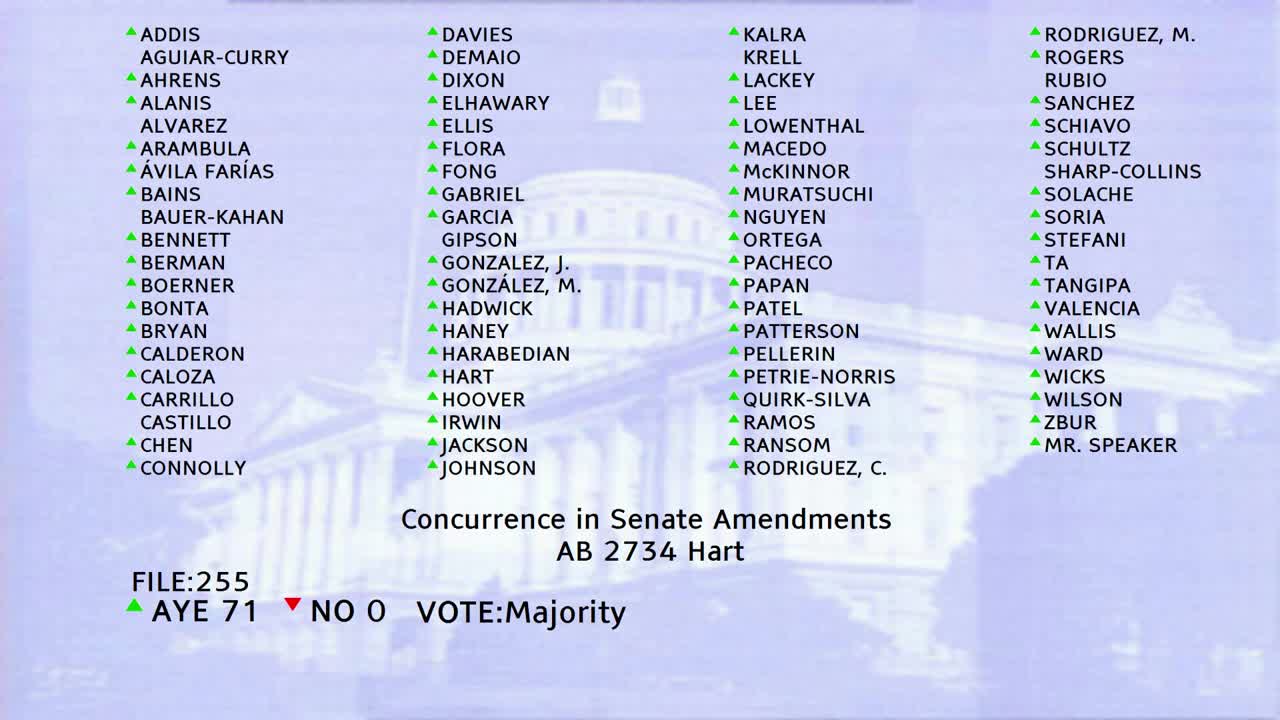
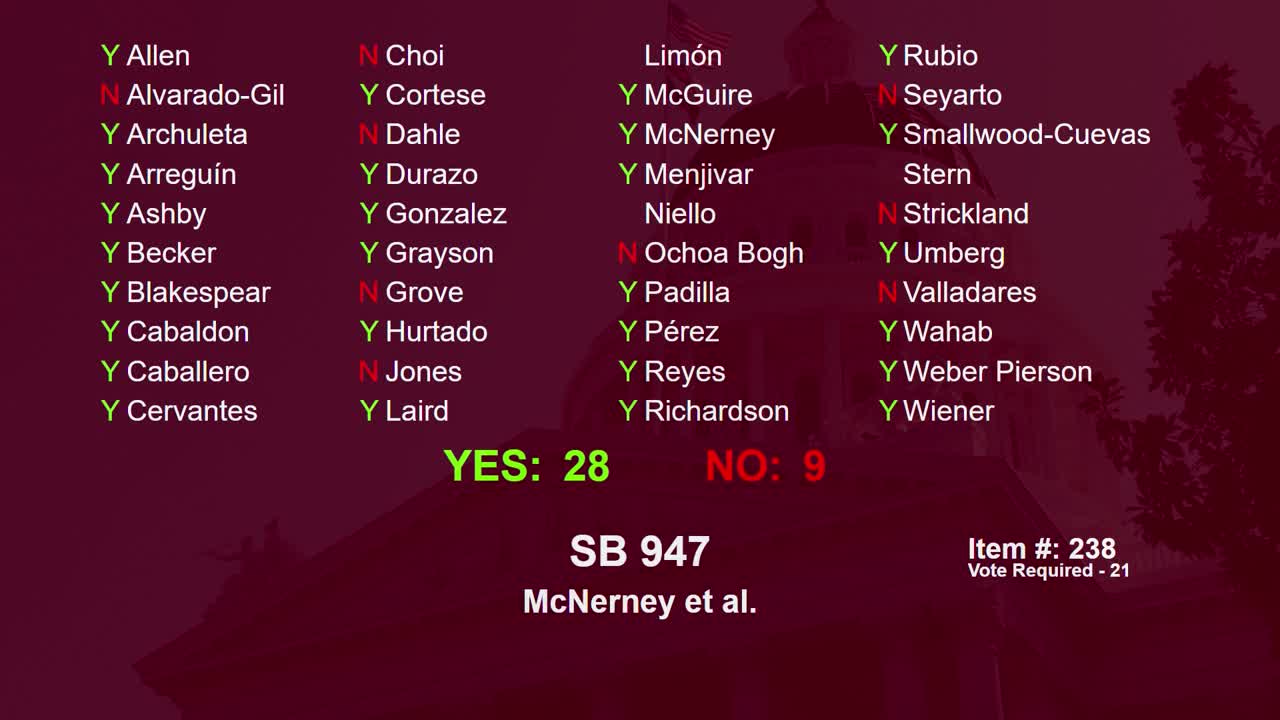
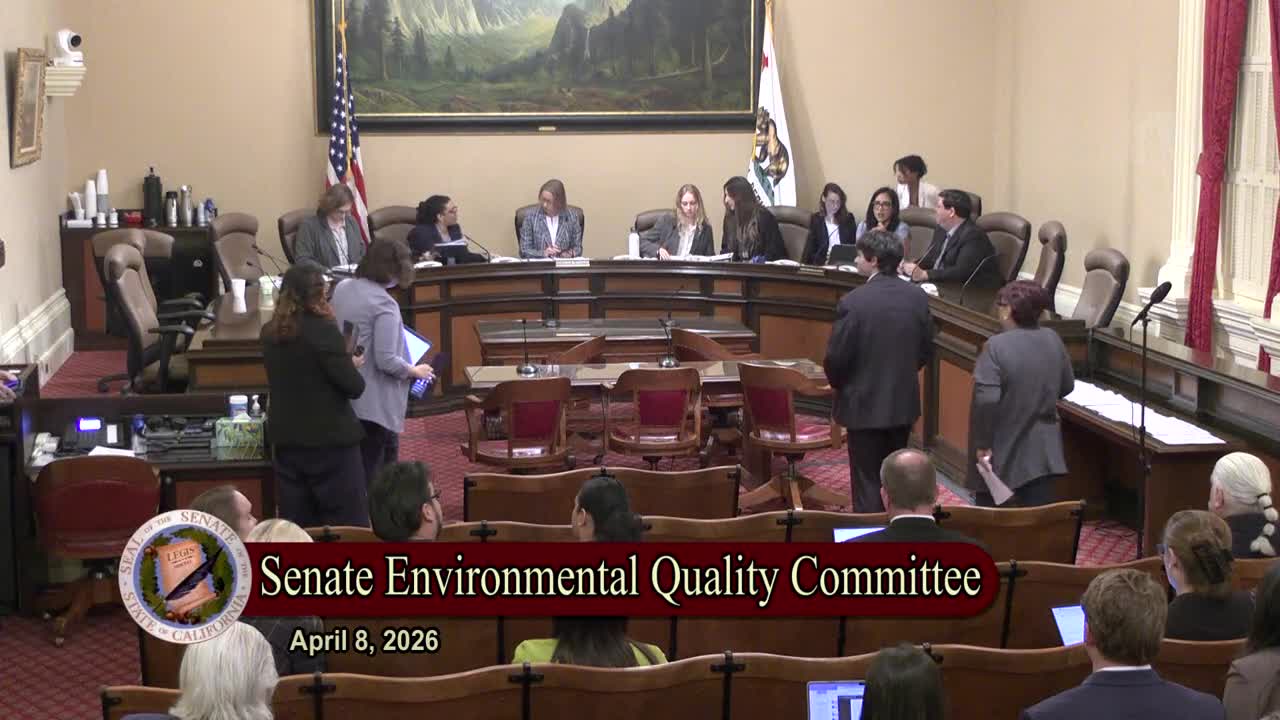
Bill Author

Bill Co-Author(s):