SB 1181: Violence Prevention, Pupil Wellness, and School Safety Grant Program.
- Session Year: 2025-2026
- House: Senate
- Latest Version Date: 2026-07-02
Current Status:
In Progress
(2026-08-13: August 13 hearing: Held in committee and under submission.)
Introduced
In Committee
Awaiting First Chamber Vote
Passed First Chamber
In Committee
Awaiting Second Chamber Vote
Passed Second Chamber
Enacted
Existing law establishes the State Department of Education in state government, and vests the department with specified powers and duties relating to the states public school system. Existing law declares the policy of the state to ensure that all local educational agencies work to reduce violence, improve pupil safety at schools, and improve the connections between pupils and supportive adults, schools, and communities.
This bill would require the State Department of Education, department, in consultation with the Office of Emergency Services, to establish and administer the Central Valley Violence Prevention, Student Pupil Wellness, and School Safety Grant Pilot Program to, upon appropriation by the Legislature, award grants to eligible entities located in certain counties, school districts, county offices of education, or charter schools for evidence-based violence prevention, student pupil wellness, and public safety initiatives, as specified. The bill would require the department to consult with representatives of the office, local educational agencies, county behavioral health departments, community-based organizations, and law enforcement public safety agencies when it develops guidelines for the program. The bill would also require each grant recipient to submit findings to the department on the effectiveness of its activities funded by the grant which shall be used by and would require the department in to use those findings to prepare and submit a report to the Legislature on or before January 1, 2029, evaluating the effectiveness of the grant program and providing recommendations regarding violence prevention, student pupil wellness, school safety, and behavioral health investments in the central valley, on or before January 1, 2029. investments.
This bill would make legislative findings and declarations as to the necessity of a special statute for the Counties of Fresno, Kern, Kings, Tulare, Madera, Merced, San Joaquin, and Stanislaus.Existing law establishes the State Department of Education in state government, and vests the department with specified powers and duties relating to the states public school system. Existing law declares the policy of the state to ensure that all local educational agencies work to reduce violence, improve pupil safety at schools, and improve the connections between pupils and supportive adults, schools, and communities.
This bill would require OES, in consultation with the State Department of Education, in consultation with the Office of Emergency Services, to establish and administer the Central Valley Violence Prevention, Student Wellness, and School Safety Coordination Grant Pilot Program for the purpose of studying and evaluating improved communication pathways between local educational agencies, as defined, state law enforcement agencies, and local law enforcement agencies regarding credible safety threats affecting school communities. The bill would also require the pilot program to be implemented to, upon appropriation by the Legislature, award grants to eligible entities located in certain counties, including, but not limited to, the Counties of Fresno, Kern, Kings, Tulare, Madera, Merced, San Joaquin, and Stanislaus, for evidence-based violence prevention, student wellness, and public safety initiatives, as provided. The bill would authorize the pilot program to, among other things, develop voluntary coordination protocols between participating local educational agencies, state law enforcement agencies, and local law enforcement agencies regarding credible school safety threats. The bill would require the pilot program to comply with all applicable state and federal privacy laws and would prohibit the bulk monitoring of students or the collection of student information unrelated to a credible safety threat. specified. The bill would require the department to consult with representatives of the office, local educational agencies, county behavioral health departments, community-based organizations, and law enforcement agencies when it develops guidelines for the program. The bill would also require each grant recipient to submit findings to the department on the effectiveness of its activities funded by the grant which shall be used by the Office of Emergency Services, in consultation with the State Department of Education, to submit department in a report to the Legislature evaluating the pilot program the effectiveness of the grant program and providing recommendations regarding violence prevention, student wellness, school safety, and behavioral health investments in the central valley, on or before January 1, 2029. The bill would repeal these provisions on January 1, 2030.
By requiring local officials to take certain actions, this bill would impose a state-mandated local program.This bill would make legislative findings and declarations as to the necessity of a special statute for the Counties of Fresno, Kern, Kings, Tulare, Madera, Merced, San Joaquin, and Stanislaus.
The California Constitution requires the state to reimburse local agencies and school districts for certain costs mandated by the state. Statutory provisions establish procedures for making that reimbursement.This bill would provide that, if the Commission on State Mandates determines that the bill contains costs mandated by the state, reimbursement for those costs shall be made pursuant to the statutory provisions noted above.Existing law, the California Emergency Services Act, establishes the Office of Emergency Services (OES) within the office of the Governor, and sets forth its powers and duties, including responsibility for addressing natural, technological, or manmade disasters and emergencies, including activities necessary to prevent, respond to, recover from, and mitigate the effects of emergencies and disasters to people and property.
This bill would require OES, in consultation with the State Department of Education, to establish the Central Valley School Safety Coordination Pilot Program for the purpose of studying and evaluating improved communication pathways between local educational agencies, as defined, and regional fusion centers state law enforcement agencies, and local law enforcement agencies regarding credible safety threats affecting school communities. The bill would also require the pilot program to be implemented in certain counties, including, but not limited to, the Counties of Fresno, Kern, Kings, Tulare, Madera, Merced, San Joaquin, and Stanislaus, as provided. The bill would authorize the pilot program to, among other things, develop voluntary coordination protocols between participating local educational agencies and regional fusion centers agencies, state law enforcement agencies, and local law enforcement agencies regarding credible school safety threats. The bill would require the pilot program to comply with all applicable state and federal privacy laws and would prohibit the bulk monitoring of students or the collection of student information unrelated to a credible safety threat. The bill would also require the Office of Emergency Services, in consultation with the State Department of Education, to submit a report to the Legislature evaluating the pilot program on or before January 1, 2029. The bill would repeal these provisions on January 1, 2030.
By requiring local officials to take certain actions, this bill would impose a state-mandated local program.
This bill would make legislative findings and declarations as to the necessity of a special statute for the Counties of Fresno, Kern, Kings, Tulare, Madera, Merced, San Joaquin, and Stanislaus.
The California Constitution requires the state to reimburse local agencies and school districts for certain costs mandated by the state. Statutory provisions establish procedures for making that reimbursement.
This bill would provide that, if the Commission on State Mandates determines that the bill contains costs mandated by the state, reimbursement for those costs shall be made pursuant to the statutory provisions noted above.
Existing law, the California Emergency Services Act, establishes the Office of Emergency Services (OES) within the office of the Governor, and sets forth its powers and duties, including responsibility for addressing natural, technological, or manmade disasters and emergencies, including activities necessary to prevent, respond to, recover from, and mitigate the effects of emergencies and disasters to people and property.
This bill would require OES, in consultation with the State Department of Education, to establish the Central Valley School Safety Coordination Pilot Program for the purpose of studying and evaluating improved communication pathways between local educational agencies, as defined, and regional fusion centers regarding credible safety threats affecting school communities. The bill would also require the pilot program to be implemented in certain counties, including, but not limited to, the Counties of Fresno, Kern, Kings, Tulare, Madera, Merced, San Joaquin, and Stanislaus, as provided. The bill would authorize the pilot program to, among other things, develop voluntary coordination protocols between participating local educational agencies and regional fusion centers regarding credible school safety threats. The bill would require the pilot program to comply with all applicable state and federal privacy laws and would prohibit the bulk monitoring of students or the collection of student information unrelated to a credible safety threat. The bill would also require the Office of Emergency Services, in consultation with the State Department of Education, to submit a report to the Legislature evaluating the pilot program on or before January 1, 2029. The bill would repeal these provisions on January 1, 2030.
This bill would make legislative findings and declarations as to the necessity of a special statute for the Counties of Fresno, Kern, Kings, Tulare, Madera, Merced, San Joaquin, and Stanislaus.
The California Constitution requires the state to reimburse local agencies and school districts for certain costs mandated by the state. Statutory provisions establish procedures for making that reimbursement.
This bill would provide that, if the Commission on State Mandates determines that the bill contains costs mandated by the state, reimbursement for those costs shall be made pursuant to the statutory provisions noted above.
Existing law, the California Emergency Services Act, establishes the Office of Emergency Services (OES) within the office of the Governor, and sets forth its powers and duties, including responsibility for addressing natural, technological, or manmade disasters and emergencies, including activities necessary to prevent, respond to, recover from, and mitigate the effects of emergencies and disasters to people and property.
This bill would require OES, in consultation with the State Department of Education, to establish the Central Valley School Safety Coordination Pilot Program for the purpose of studying and evaluating improved communication pathways between local educational agencies, as defined, and regional fusion centers regarding credible safety threats affecting school communities. The bill would also require the pilot program to be implemented in certain counties, including, but not limited to, the Counties of Fresno, Kern, Kings, Tulare, Madera, Merced, San Joaquin, and Stanislaus, as provided. The bill would authorize the pilot program to, among other things, develop voluntary coordination protocols between participating local educational agencies and regional fusion centers regarding credible school safety threats. The bill would require the pilot program to comply with all applicable state and federal privacy laws and would prohibit the bulk monitoring of students or the collection of student information unrelated to a credible safety threat. The bill would also require the Office of Emergency Services, in consultation with the State Department of Education, to submit a report to the Legislature evaluating the pilot program by on or before January 1, 2029. The bill would repeal these provisions on January 1, 2030.
This bill would make legislative findings and declarations as to the necessity of a special statute for the Counties of Fresno, Kern, Kings, Tulare, Madera, Merced, San Joaquin, and Stanislaus.
The California Constitution requires the state to reimburse local agencies and school districts for certain costs mandated by the state. Statutory provisions establish procedures for making that reimbursement.
This bill would provide that, if the Commission on State Mandates determines that the bill contains costs mandated by the state, reimbursement for those costs shall be made pursuant to the statutory provisions noted above.
Existing law, the California Emergency Services Act, establishes the Office of Emergency Services (OES) within the office of the Governor, and sets forth its powers and duties, including responsibility for addressing natural, technological, or manmade disasters and emergencies, including activities necessary to prevent, respond to, recover from, and mitigate the effects of emergencies and disasters to people and property.
This bill would require OES, in consultation with the State Department of Education, to establish the Central Valley School Safety Coordination Pilot Program for the purpose of studying and evaluating improved communication pathways between local educational agencies, as defined, and regional fusion centers regarding credible safety threats affecting school communities. The bill would also require the pilot program to be implemented in certain counties, including, but not limited to, the Counties of Fresno, Kern, Kings, Tulare, Madera, Merced, San Joaquin, and Stanislaus, as provided. The bill would authorize the pilot program to, among other things, develop voluntary coordination protocols between participating local educational agencies and regional fusion centers regarding credible school safety threats. The bill would require the pilot program to comply with all applicable state and federal privacy laws and would prohibit the bulk monitoring of students or the collection of student information unrelated to a credible safety threat. The bill would also require the Office of Emergency Services, in consultation with the State Department of Education, to submit a report to the Legislature evaluating the pilot program by January 1, 2029.
This bill would make legislative findings and declarations as to the necessity of a special statute for the Counties of Fresno, Kern, Kings, Tulare, Madera, Merced, San Joaquin, and Stanislaus.
The California Constitution requires the state to reimburse local agencies and school districts for certain costs mandated by the state. Statutory provisions establish procedures for making that reimbursement.
This bill would provide that, if the Commission on State Mandates determines that the bill contains costs mandated by the state, reimbursement for those costs shall be made pursuant to the statutory provisions noted above.
Existing law requires the State Department of Health Care Services to establish a program designed to prevent mental illnesses from becoming severe and disabling, which includes mental health services and emphasizes strategies to reduce suicide, incarcerations, school failure or dropout, and prolonged suffering, among others.This bill would state the intent of the Legislature to enact legislation to protect the mental health, safety, and well-being of children and adolescents in California by addressing the growing impact artificial intelligence and digital technologies have on youths mental health development.Existing law requires the State Department of Health Care Services to establish a program designed to prevent mental illnesses from becoming severe and disabling, which includes mental health services and emphasizes strategies to reduce suicide, incarcerations, school failure or dropout, and prolonged suffering, among others.
This bill would state the intent of the Legislature to enact legislation to protect the mental health, safety, and well-being of children and adolescents in California by addressing the growing impact artificial intelligence and digital technologies have on youths mental health development.
(a)The Legislature finds and declares all of the following:
(1)Safe schools and communities are essential to pupil success, academic achievement, workforce development, and economic prosperity.
(2)Communities throughout California continue to experience challenges related to youth violence, chronic absenteeism, behavioral health needs, substance abuse, gang involvement, and emerging digital threats affecting youth and families.
(3)School safety, violence prevention, and pupil well-being are interconnected and require coordinated efforts among educators, families, behavioral health professionals, community organizations, emergency management professionals, and law enforcement agencies.
(4)Evidence-based violence prevention, early intervention, mentoring, counseling, and behavioral health services have been shown to improve educational outcomes, reduce violence, and increase community safety.
(5)Community-based organizations and local governments play a critical role in preventing violence before it occurs and connecting youth and families with needed support services.
(6)Some community-based organizations providing violence prevention and behavioral health services have experienced reductions or uncertainty in available funding, creating challenges in maintaining prevention-focused programs.
(b)It is the intent of the Legislature to support a comprehensive public safety strategy that addresses both the root causes of violence and the need for safe school and community environments.
SEC. 2.Article 5.1 (commencing with Section 233.9) is added to Chapter 2 of Part 1 of Division 1 of Title 1 of the Education Code, to read:5.1.Central Valley Violence Prevention, Student Pupil Wellness, and School Safety Grant Pilot Program233.9.The Legislature finds and declares all of the following:(a)Safe schools and communities are essential to student success, academic achievement, workforce development, and economic prosperity.(b)Communities throughout Californias central valley continue to experience challenges related to youth violence, chronic absenteeism, behavioral health needs, substance abuse, gang involvement, and emerging digital threats affecting youth and families.(c)School safety, violence prevention, and student well-being are interconnected and require coordinated efforts among educators, families, behavioral health professionals, community organizations, emergency management professionals, and law enforcement agencies.(d)Evidence-based violence prevention, early intervention, mentoring, counseling, and behavioral health services have been shown to improve educational outcomes, reduce violence, and increase community safety.(e)Community-based organizations and local governments play a critical role in preventing violence before it occurs and connecting youth and families with needed support services.(f)Some community-based organizations providing violence prevention and behavioral health services have experienced reductions or uncertainty in available funding, creating challenges in maintaining prevention-focused programs.(g)It is the intent of the Legislature to support a comprehensive public safety strategy that addresses both the root causes of violence and the need for safe school and community environments.233.9.1.233.9.(a)The State Department of Education, department, in consultation with the Office of Emergency Services, shall establish and administer the Central Valley Violence Prevention, Student Pupil Wellness, and School Safety Grant Pilot Program.
(b)Upon appropriation by the Legislature, the program shall award grants to eligible entities located within the Counties of Fresno, Kern, Kings, Madera, Merced, San Joaquin, Stanislaus, and Tulare. local educational agencies.
(c)Eligible applicants shall include all of the following:(1)Local educational agencies.(2)County offices of education.(3)Community-based organizations.(4)Local governments.(5)Tribal governments.(6)Partnerships consisting of one or more of the entities identified in this subdivision.(c)Eligible applicants are encouraged to collaborate with community-based organizations, local governmental agencies, and tribal governments when applying for a grant under the program.
(d)Grant funds may be used for evidence-based violence prevention, student pupil wellness, and public safety initiatives, including, but not limited to, any of the following:
(1)School-based mental health services. services provided by school counselors, school psychologists, and school social workers.
(2)School counselors, school psychologists, and school social workers.(3)(2)Youth mentoring and positive youth development programs.
(4)(3)Violence interruption and violence intervention programs.
(5)(4)Behavioral health outreach and support services.
(6)(5)Restorative justice and conflict resolution programs.
(7)(6)Programs designed to improve school attendance and student pupil engagement.
(8)(7)Suicide prevention and crisis intervention services.
(9)Training for(8)Behavioral health training for educators, behavioral health professionals, and youth-serving personnel.
(10)Gang prevention and youth diversion programs.(11)Community violence reduction initiatives.(12)School safety planning and emergency preparedness activities.(13)Development of multidisciplinary threat assessment and violence prevention teams.(14)Programs that strengthen collaboration between schools, community organizations, behavioral health providers, and local law enforcement agencies.(15)Youth engagement, mentorship, and prevention-focused partnerships involving local law enforcement agencies.(e)In awarding grants, the department shall prioritize programs that do all of the following:
(1)Serve communities with demonstrated needs related to youth violence, chronic absenteeism, behavioral health challenges, or public safety concerns.
(2)Utilize Use evidence-based or promising practices.
(3)Demonstrate collaboration among schools, community organizations, behavioral health providers, and public safety partners.
(4)Address the needs of underserved or rural communities.
(f)The department shall consult with representatives of the Office of Emergency Services, local educational agencies, county behavioral health departments, community-based organizations, and law enforcement public safety agencies when it the department develops guidelines for the program.
(g)(1)On or before January 1, 2029, the department shall submit a report to the Legislature evaluating the effectiveness of the grant program and providing recommendations regarding violence prevention, student pupil wellness, school safety, and behavioral health investments in the central valley. investments. Each grant recipient shall submit findings to the department on the effectiveness of its activities funded by the grant which shall be used by the department to prepare the report. To the extent that it is feasible, the report shall also include all of the following:
(A)The number and type of grants awarded.
(B)The populations served by the program.
(C)The outcomes achieved by the program.
(D)Best practices identified via the program.
(E)Recommendations for future investments in violence prevention, public safety, and student pupil wellness programs.
(2)(A)The requirement for submitting a report imposed under paragraph (1) is inoperative on January 1, 2033, pursuant to Section 10231.5 of the Government Code.
(B)A report to be submitted pursuant to paragraph (1) shall be submitted in compliance with Section 9795 of the Government Code.
(h)For purposes of this section, local educational agency means a school district, county office of education, or charter school.
SEC. 3.The Legislature finds and declares that a special statute is necessary and that a general statute cannot be made applicable within the meaning of Section 16 of Article IV of the California Constitution because of unique challenges related to youth safety, chronic absenteeism, and emerging digital threats that face the central valley, including the Counties of Fresno, Kern, Kings, Tulare, Madera, Merced, San Joaquin, and Stanislaus.The Legislature finds and declares all of the following:
(l)(a)Tragic incidents of teenage shooting deaths in the Central Valley, including Senate District 16 areas, demonstrate broader trends of escalating gun violence and youth involvement in firearm-related threats. For example, in Hanford in the County of Kings, 17-year-old Ayden Anthony Wyatt was fatally shot at the Casa del Sol Apartments in January 2026, leading to arrests and underscoring risks from gun violence in school-adjacent communities.
(m)(b)Similar violence has affected nearby regions, including in Clovis in the County of Fresno portion of Senate District 16, where 18-year-old Caleb Quick was killed outside a McDonalds in April 2025 by two 16-year-old suspects, and a 15-year-old boy died in a December 2025 accidental shooting, exemplifying trends of youth access to firearms contributing to preventable fatalities and school safety concerns.
(n)(c)In the County of Kern, multiple teenage fatalities from shootings illustrate pervasive trends of gun violence impacting youth mental health and community stability in rural areas, including all of the following:
(1)Fifteen-year-old Prince Michael Banner was killed at The Marketplace in November 2024, with a 16-year-old arrested.
(2)Fifteen-year-old Jacob Jesus Hernandez was shot in September 2025. (3)(2)A 12-year-old boy was murdered in Lamont in October 2024, with a juvenile admitting to the crime.
(o)(d)The proliferation of untraceable ghost guns exacerbates these trends, as seen in incidents like the February 2026 discovery of an 18-year-old in nearby San Jose manufacturing 27 ghost guns using 3D printers, highlighting how easily accessible technology enables youth involvement in firearm-related threats within the broader Central Valley region.
(p)(e)Social medias role in perpetuating harm demonstrates trends of online hate impacting youth futures and school environments. For example, in February 2026 at Redwood High School in Visalia in the County of Tulare, students arranged shirts to spell a homophobic slur in a viral photo, leading to investigations, community backlash, and long-term online stigma that could hinder the futures of involved students while making LGBTQ+ youth feel unsafe and unwelcome in schools.
(q)(f)It is the intent of the Legislature to enact legislation to protect the mental health, safety, and well-being of children and adolescents in California, particularly in underserved areas like Senate District 16, by addressing the growing impact of AI, digital technologies, and emerging threats on youths mental health development through improved coordination and privacy-protected information sharing.
SEC. 2.Article 5.11 (commencing with Section 8590.30) is added to Chapter 7 of Division 1 of Title 2 of the Government Code, to read:SEC. 2.Article 5.1 (commencing with Section 233.9) is added to Chapter 2 of Part 1 of Division 1 of Title 1 of the Education Code, to read:5.11.5.1.Central Valley Violence Prevention, Student Wellness, and School Safety Coordination Grant Pilot Program8590.30.For purposes of this article, local educational agency means a school district, a county office of education, or a charter school.233.9.The Legislature finds and declares all of the following:
(a)Safe schools and communities are essential to student success, academic achievement, workforce development, and economic prosperity.
(b)Communities throughout Californias central valley continue to experience challenges related to youth violence, chronic absenteeism, behavioral health needs, substance abuse, gang involvement, and emerging digital threats affecting youth and families.
(c)School safety, violence prevention, and student well-being are interconnected and require coordinated efforts among educators, families, behavioral health professionals, community organizations, emergency management professionals, and law enforcement agencies.
(d)Evidence-based violence prevention, early intervention, mentoring, counseling, and behavioral health services have been shown to improve educational outcomes, reduce violence, and increase community safety.
(e)Community-based organizations and local governments play a critical role in preventing violence before it occurs and connecting youth and families with needed support services.
(f)Some community-based organizations providing violence prevention and behavioral health services have experienced reductions or uncertainty in available funding, creating challenges in maintaining prevention-focused programs.
(g)It is the intent of the Legislature to support a comprehensive public safety strategy that addresses both the root causes of violence and the need for safe school and community environments.
8590.31.233.9.1.(a)The Office of Emergency Services, in consultation with the State Department of Education, in consultation with the Office of Emergency Services, shall establish and administer the Central Valley Violence Prevention, Student Wellness, and School Safety Coordination Grant Pilot Program.
(b)The purpose of the pilot program is to study and evaluate improved communication pathways between local educational agencies, state law enforcement agencies, and local law enforcement agencies regarding credible safety threats affecting school communities, with a focus on addressing chronic absenteeism, youth mental health, and emerging digital or hybrid threats in Senate District 16 and similar regions.(c)The pilot program shall be implemented in selected counties within the Central Valley, including, but not limited to, the Counties of Fresno, Kern, Kings, Tulare, Madera, Merced, San Joaquin, and Stanislaus, prioritizing areas with high chronic absenteeism and mental health challenges as identified in district-specific data.(d)The pilot program may include, but is not limited to, all of the following:(1)Designation of school safety liaisons within participating county offices of education, in coordination with existing school resource officers where applicable.(2)Development of voluntary coordination protocols between participating local educational agencies, state law enforcement agencies, and local law enforcement agencies regarding credible school safety threats, including online radicalization and cyber threats, while leveraging Peace Officer Standards and Training (POST)-certified programs for school resource officers and school personnel.(3)Training opportunities for school personnel related to threat awareness, responsible reporting practices, and emerging digital safety trends affecting youth, including AI-driven disinformation and its links to mental health issues, aligned with POST standards and existing school resource officer frameworks.(4)Development of information sharing practices between participating local educational agencies, state law enforcement agencies, and local law enforcement agencies, emphasizing support for chronic absenteeism reduction through mental health resources.(5)Identification and analysis of emerging threat trends affecting school communities, including digital and hybrid threats, such as disinformation campaigns targeting youth mental health, family stability, or resource-related tensions in rural areas, in coordination with school resource officer, state law enforcement agency, and local law enforcement agency protocols.(b)Upon appropriation by the Legislature, the program shall award grants to eligible entities located within the Counties of Fresno, Kern, Kings, Madera, Merced, San Joaquin, Stanislaus, and Tulare.
(c)Eligible applicants shall include all of the following:
(1)Local educational agencies.
(2)County offices of education.
(3)Community-based organizations.
(4)Local governments.
(5)Tribal governments.
(6)Partnerships consisting of one or more of the entities identified in this subdivision.
(d)Grant funds may be used for evidence-based violence prevention, student wellness, and public safety initiatives, including, but not limited to, any of the following:
(1)School-based mental health services.
(2)School counselors, school psychologists, and school social workers.
(3)Youth mentoring and positive youth development programs.
(4)Violence interruption and violence intervention programs.
(5)Behavioral health outreach and support services.
(6)Restorative justice and conflict resolution programs.
(7)Programs designed to improve school attendance and student engagement.
(8)Suicide prevention and crisis intervention services.
(9)Training for educators, behavioral health professionals, and youth-serving personnel.
(10)Gang prevention and youth diversion programs.
(11)Community violence reduction initiatives.
(12)School safety planning and emergency preparedness activities.
(13)Development of multidisciplinary threat assessment and violence prevention teams.
(14)Programs that strengthen collaboration between schools, community organizations, behavioral health providers, and local law enforcement agencies.
(15)Youth engagement, mentorship, and prevention-focused partnerships involving local law enforcement agencies.
(e)In awarding grants, the department shall prioritize programs that do all of the following:
(1)Serve communities with demonstrated needs related to youth violence, chronic absenteeism, behavioral health challenges, or public safety concerns.
(2)Utilize evidence-based or promising practices.
(3)Demonstrate collaboration among schools, community organizations, behavioral health providers, and public safety partners.
(4)Address the needs of underserved or rural communities.
(f)The department shall consult with representatives of the Office of Emergency Services, local educational agencies, county behavioral health departments, community-based organizations, and law enforcement agencies when it develops guidelines for the program.
(g)(1)On or before January 1, 2029, the department shall submit a report to the Legislature evaluating the effectiveness of the grant program and providing recommendations regarding violence prevention, student wellness, school safety, and behavioral health investments in the central valley. Each grant recipient shall submit findings to the department on the effectiveness of its activities funded by the grant which shall be used by the department to prepare the report. To the extent that it is feasible, the report shall also include all of the following:
(A)The number and type of grants awarded.
(B)The populations served by the program.
(C)The outcomes achieved by the program.
(D)Best practices identified via the program.
(E)Recommendations for future investments in violence prevention, public safety, and student wellness programs.
(2)(A)The requirement for submitting a report imposed under paragraph (1) is inoperative on January 1, 2033, pursuant to Section 10231.5 of the Government Code.
(B)A report to be submitted pursuant to paragraph (1) shall be submitted in compliance with Section 9795 of the Government Code.
8590.32.(a)The pilot program established pursuant to this article shall comply with all applicable state and federal privacy laws, including the federal Family Educational Rights and Privacy Act (20 U.S.C. Sec. 1232g).(b)The pilot program shall not authorize bulk monitoring of students or the collection of student information unrelated to a credible safety threat.(c)Any information sharing conducted pursuant to this article shall be limited to information permitted to be disclosed under existing law.8590.33.(a)On or before January 1, 2029, the Office of Emergency Services, in consultation with the State Department of Education, shall submit a report to the Legislature evaluating the pilot program established pursuant to this article.(b)The report shall include, but not be limited to, all of the following:(1)The number of participating local educational agencies.(2)A description of communication and information sharing practices developed through the pilot.(3)A description of the types of information shared between participating local educational agencies, state law enforcement agencies, local law enforcement agencies, and the Office of Emergency Services when a credible safety threat has been identified.(4)Information on how state and local law enforcement agencies identify threats and determine what constitutes a credible safety threat.(5)Emerging threat trends affecting schools identified through the pilot program, with specific data on Senate District 16 challenges, including chronic absenteeism reductions via threat mitigation, youth mental health improvements, and impacts from digital or hybrid threats.(6)Information on the supportive resources provided to participating schools or their students in response to emerging threat trends. These may include, but are not limited to, resources for mental health, restorative justice, and hate and bullying prevention. (7)A description of specific privacy and civil liberties safeguards implemented by the Office of Emergency Services, state law enforcement agencies, local law enforcement agencies, and participating local educational agencies.(8)Recommendations regarding whether the pilot program should be expanded statewide.(9)Recommendations for pursuing state grants to support program expansion and address identified threats.(c)A report submitted pursuant to this section shall be submitted in compliance with Section 9795.(d)Pursuant to Section 10231.5, this section shall become inoperative on January 1, 2030.8590.34.This article shall remain in effect only until January 1, 2030, and as of that date is repealed.SEC. 3.The Legislature finds and declares that a special statute is necessary and that a general statute cannot be made applicable within the meaning of Section 16 of Article IV of the California Constitution because of unique challenges related to youth safety, chronic absenteeism, and emerging digital threats that face the Central Valley, central valley, including the Counties of Fresno, Kern, Kings, Tulare, Madera, Merced, San Joaquin, and Stanislaus.
SEC. 4.If the Commission on State Mandates determines that this act contains costs mandated by the state, reimbursement to local agencies and school districts for those costs shall be made pursuant to Part 7 (commencing with Section 17500) of Division 4 of Title 2 of the Government Code.(a)Schools across California are increasingly confronted with emerging safety threats, including threats that originate or spread through online platforms and may cross jurisdictional boundaries.
(b)Local educational agencies are often the first institutions to observe warning signs related to potential threats affecting students and school communities.
(c)The State Threat Assessment Center within the Office of Emergency Services, along with regional fusion centers, state and local law enforcement agencies, plays a critical role in identifying threat patterns and coordinating information sharing across federal, state, and local agencies.
(d)Improved coordination between local educational agencies and regional threat assessment entities agencies, state law enforcement agencies, and local law enforcement agencies may enhance prevention efforts and allow for earlier identification of credible threats while maintaining strong protections for student privacy and civil liberties.
(e)The Central Valley faces unique challenges related to youth safety, chronic absenteeism, and emerging digital threats that warrant targeted study and coordination strategies.
(f)California Senate District 16, encompassing the Counties of Kern, Kings, and Tulare, and portions of the County of Fresno, exemplifies these challenges, with chronic absenteeism rates in local schools remaining elevated at approximately 20 to 25 percent in the 202324 school year, higher than statewide averages in socioeconomically disadvantaged areas, due to factors including mental health crises, bullying, and community barriers, such as limited access to health care, unreliable transportation, housing instability, and food insecurity.
(g)In Senate District 16, youth mental health issues have intensified post-COVID-19, with reports linking excessive smartphone use and online threats (e.g., cyberbullying and disinformation) to increased anxiety, depression, and suicidal ideation, which contribute to chronic absenteeism and school safety concerns, as highlighted in legislative efforts like the Phone-Free Schools Act (Chapter 500 of the Statutes of 2024).
(h)Emerging threats in the district include digital radicalization via social media, amplified by resource scarcity from droughts and floods, which exacerbate family instability and demographic pressures. For instance, immigration fears have deterred school attendance among vulnerable populations, as noted in analyses of the More Help Not Less Act of 2025 (Chapter 154 of the Statutes of 2025), which repealed parental criminal penalties for truancy to focus on supportive services like mental health resources.
(i)Poverty-driven disparities in Senate District 16 schools, where 67 percent of high-poverty institutions face extreme chronic absenteeism, affect foster youth, homeless students, and ethnic minorities (e.g., Native American, Black, and Pacific Islander students), underscoring the need for integrated threat awareness and family engagement strategies.
(j)Positive trends, such as the County of Merceds reduction in chronic absenteeism to 14.2 percent through expanded counseling services in 2024, demonstrate the potential for pilot programs to address these issues, aligning with statewide goals to halve chronic absenteeism by 2030 via investments in tutoring, mental health, and family support.
(k)Artificial intelligence (AI)-driven platforms and algorithmic systems are increasingly shaping youths online experiences in Senate District 16, which can negatively affect their mental health, including causing anxiety and depression, leading to addictive behaviors, suicidal ideation, and heightened vulnerability to hybrid threats like disinformation targeting family structures and community resilience.
(l)Tragic incidents of teenage shooting deaths in the Central Valley, including Senate District 16 areas, demonstrate broader trends of escalating gun violence and youth involvement in firearm-related threats. For example, in Hanford in the County of Kings, 17-year-old Ayden Anthony Wyatt was fatally shot at the Casa del Sol Apartments in January 2026, leading to arrests and underscoring risks from gun violence in school-adjacent communities.
(m)Similar violence has affected nearby regions, including in Clovis in the County of Fresno portion of Senate District 16, where 18-year-old Caleb Quick was killed outside a McDonalds in April 2025 by two 16-year-old suspects, and a 15-year-old boy died in a December 2025 accidental shooting, exemplifying trends of youth access to firearms contributing to preventable fatalities and school safety concerns.
(n)In the County of Kern, multiple teenage fatalities from shootings illustrate pervasive trends of gun violence impacting youth mental health and community stability in rural areas, including all of the following:
(1)Fifteen-year-old Prince Michael Banner was killed at The Marketplace in November 2024, with a 16-year-old arrested.
(2)Fifteen-year-old Jacob Jesus Hernandez was shot in September 2025.
(3)A 12-year-old boy was murdered in Lamont in October 2024, with a juvenile admitting to the crime.
(o)The proliferation of untraceable ghost guns exacerbates these trends, as seen in incidents like the February 2026 discovery of an 18-year-old in nearby San Jose manufacturing 27 ghost guns using 3D printers, highlighting how easily accessible technology enables youth involvement in firearm-related threats within the broader Central Valley region.
(p)Social medias role in perpetuating harm demonstrates trends of online hate impacting youth futures and school environments. For example, in February 2026 at Redwood High School in Visalia in the County of Tulare, students arranged shirts to spell a homophobic slur in a viral photo, leading to investigations, community backlash, and long-term online stigma that could hinder the futures of involved students while making LGBTQ+ youth feel unsafe and unwelcome in schools.
(q)It is the intent of the Legislature to enact legislation to protect the mental health, safety, and well-being of children and adolescents in California, particularly in underserved areas like Senate District 16, by addressing the growing impact of AI, digital technologies, and emerging threats on youths mental health development through improved coordination and privacy-protected information sharing.
SEC. 2.Article 5.11 (commencing with Section 8590.30) is added to Chapter 7 of Division 1 of Title 2 of the Government Code, to read:5.11.Central Valley School Safety Coordination Pilot Program8590.30.For purposes of this article, local educational agency means a school district, a county office of education, or a charter school.
8590.31.(a)The Office of Emergency Services, in consultation with the State Department of Education, shall establish the Central Valley School Safety Coordination Pilot Program.
(b)The purpose of the pilot program is to study and evaluate improved communication pathways between local educational agencies and regional fusion centers agencies, state law enforcement agencies, and local law enforcement agencies regarding credible safety threats affecting school communities, with a focus on addressing chronic absenteeism, youth mental health, and emerging digital or hybrid threats in Senate District 16 and similar regions.
(c)The pilot program shall be implemented in selected counties within the Central Valley, including, but not limited to, the Counties of Fresno, Kern, Kings, Tulare, Madera, Merced, San Joaquin, and Stanislaus, prioritizing areas with high chronic absenteeism and mental health challenges as identified in district-specific data.
(d)The pilot program may include, but is not limited to, all of the following:
(1)Designation of school safety liaisons within participating county offices of education, in coordination with existing school resource officers where applicable.
(2)Development of voluntary coordination protocols between participating local educational agencies and regional fusion centers agencies, state law enforcement agencies, and local law enforcement agencies regarding credible school safety threats, including online radicalization and cyber threats, while leveraging Peace Officer Standards and Training (POST)-certified programs for school resource officers and school personnel.
(3)Training opportunities for school personnel related to threat awareness, responsible reporting practices, and emerging digital safety trends affecting youth, including AI-driven disinformation and its links to mental health issues, aligned with POST standards and existing school resource officer frameworks.
(4)Development of information sharing practices between participating local educational agencies and regional fusion centers, agencies, state law enforcement agencies, and local law enforcement agencies, emphasizing support for chronic absenteeism reduction through mental health resources.
(5)Identification and analysis of emerging threat trends affecting school communities, including digital and hybrid threats, such as disinformation campaigns targeting youth mental health, family stability, or resource-related tensions in rural areas, in coordination with school resource officer and fusion center officer, state law enforcement agency, and local law enforcement agency protocols.
8590.32.(a)The pilot program established pursuant to this article shall comply with all applicable state and federal privacy laws, including the federal Family Educational Rights and Privacy Act (20 U.S.C. Sec. 1232g).
(b)The pilot program shall not authorize bulk monitoring of students or the collection of student information unrelated to a credible safety threat.
(c)Any information sharing conducted pursuant to this article shall be limited to information permitted to be disclosed under existing law.
8590.33.(a)On or before January 1, 2029, the Office of Emergency Services, in consultation with the State Department of Education, shall submit a report to the Legislature evaluating the pilot program established pursuant to this article.
(b)The report shall include, but not be limited to, all of the following:
(1)The number of participating local educational agencies.
(2)A description of communication and information sharing practices developed through the pilot.
(3)A description of the types of information shared between participating local educational agencies, regional fusion centers, state law enforcement agencies, local law enforcement agencies, and the Office of Emergency Services when a credible safety threat has been identified.
(4)Information on how the regional fusion centers state and local law enforcement agencies identify threats and determine what constitutes a credible safety threat.
(5)Emerging threat trends affecting schools identified through the pilot program, with specific data on Senate District 16 challenges, including chronic absenteeism reductions via threat mitigation, youth mental health improvements, and impacts from digital or hybrid threats.
(6)Information on the supportive resources provided to participating schools or their students in response to emerging threat trends. These may include, but are not limited to, resources for mental health, restorative justice, and hate and bullying prevention.
(7)A description of specific privacy and civil liberties safeguards implemented by the Office of Emergency Services, regional fusion centers, state law enforcement agencies, local law enforcement agencies, and participating local educational agencies.
(8)Recommendations regarding whether the pilot program should be expanded statewide.
(9)Recommendations for pursuing federal grants, including those from the Homeland Security Grant Program or Targeted Violence and Terrorism Prevention grants, state grants to support program expansion and address identified threats.
(c)A report submitted pursuant to this section shall be submitted in compliance with Section 9795.
(d)Pursuant to Section 10231.5, this section shall become inoperative on January 1, 2030.
8590.34.This article shall remain in effect only until January 1, 2030, and as of that date is repealed.
SEC. 3.The Legislature finds and declares that a special statute is necessary and that a general statute cannot be made applicable within the meaning of Section 16 of Article IV of the California Constitution because of unique challenges related to youth safety, chronic absenteeism, and emerging digital threats that face the Central Valley, including the Counties of Fresno, Kern, Kings, Tulare, Madera, Merced, San Joaquin, and Stanislaus.
SEC. 4.If the Commission on State Mandates determines that this act contains costs mandated by the state, reimbursement to local agencies and school districts for those costs shall be made pursuant to Part 7 (commencing with Section 17500) of Division 4 of Title 2 of the Government Code.
(a)Schools across California are increasingly confronted with emerging safety threats, including threats that originate or spread through online platforms and may cross jurisdictional boundaries.
(b)Local educational agencies are often the first institutions to observe warning signs related to potential threats affecting students and school communities.
(c)The State Threat Assessment Center within the Office of Emergency Services, along with regional fusion centers, plays a critical role in identifying threat patterns and coordinating information sharing across federal, state, and local agencies.
(d)Improved coordination between local educational agencies and regional threat assessment entities may enhance prevention efforts and allow for earlier identification of credible threats while maintaining strong protections for student privacy and civil liberties.
(e)The Central Valley faces unique challenges related to youth safety, chronic absenteeism, and emerging digital threats that warrant targeted study and coordination strategies.
(f)California Senate District 16, encompassing the Counties of Kern, Kings, and Tulare, and portions of the County of Fresno, exemplifies these challenges, with chronic absenteeism rates in local schools remaining elevated at approximately 20 to 25 percent in the 202324 school year, higher than statewide averages in socioeconomically disadvantaged areas, due to factors including mental health crises, bullying, and community barriers, such as limited access to health care, unreliable transportation, housing instability, and food insecurity.
(g)In Senate District 16, youth mental health issues have intensified post-COVID-19, with reports linking excessive smartphone use and online threats (e.g., cyberbullying and disinformation) to increased anxiety, depression, and suicidal ideation, contributing which contribute to chronic absenteeism and school safety concerns, as highlighted in legislative efforts like the Phone-Free Schools Act (Chapter 500 of the Statutes of 2024).
(h)Emerging threats in the district include digital radicalization via social media, amplified by resource scarcity from droughts and floods, which exacerbate family instability and demographic pressures. For instance, immigration fears have deterred school attendance among vulnerable populations, as noted in analyses of the More Help Not Less Act of 2025 (Chapter 154 of the Statutes of 2025), which repealed parental criminal penalties for truancy to focus on supportive services like mental health resources.
(i)Poverty-driven disparities in Senate District 16 schools, where 67 percent of high-poverty institutions face extreme chronic absenteeism, affect foster youth, homeless students, and ethnic minorities (e.g., Native American, Black, and Pacific Islander students), underscoring the need for integrated threat awareness and family engagement strategies.
(j)Positive trends, such as the County of Merceds reduction in chronic absenteeism to 14.2 percent through expanded counseling services in 2024, demonstrate the potential for pilot programs to address these issues, aligning with statewide goals to halve chronic absenteeism by 2030 via investments in tutoring, mental health, and family support.
(k)Artificial intelligence (AI)-driven platforms and algorithmic systems are increasingly shaping youths online experiences in Senate District 16, which can negatively affect their mental health, including causing anxiety and depression, leading to addictive behaviors, suicidal ideation, and heightened vulnerability to hybrid threats like disinformation targeting family structures and community resilience.
(l)Tragic incidents of teenage shooting deaths in the Central Valley, including Senate District 16 areas, demonstrate broader trends of escalating gun violence and youth involvement in firearm-related threats. For example, in Hanford in the County of Kings, 17-year-old Ayden Anthony Wyatt was fatally shot at the Casa del Sol Apartments in January 2026, leading to arrests and underscoring risks from gun violence in school-adjacent communities.
(m)Similar violence has affected nearby regions, including in Clovis in the County of Fresno portion of Senate District 16, where 18-year-old Caleb Quick was killed outside a McDonalds in April 2025 by two 16-year-old suspects, and a 15-year-old boy died in a December 2025 accidental shooting, exemplifying trends of youth access to firearms contributing to preventable fatalities and school safety concerns.
(n)In the County of Kern, multiple teenage fatalities from shootings illustrate pervasive trends of gun violence impacting youth mental health and community stability in rural areas, including all of the following:
(1)Fifteen-year-old Prince Michael Banner was killed at The Marketplace in November 2024, with a 16-year-old arrested.
(2)Fifteen-year-old Jacob Jesus Hernandez was shot in September 2025.
(3)A 12-year-old boy was murdered in Lamont in October 2024, with a juvenile admitting to the crime.
(o)The proliferation of untraceable ghost guns exacerbates these trends, as seen in incidents like the February 2026 discovery of an 18-year-old in nearby San Jose manufacturing 27 ghost guns using 3D printers, highlighting how easily accessible technology enables youth involvement in firearm-related threats within the broader Central Valley region.
(p)Social medias role in perpetuating harm demonstrates trends of online hate impacting youth futures and school environments. For example, in February 2026 at Redwood High School in Visalia in the County of Tulare, students arranged shirts to spell a homophobic slur in a viral photo, leading to investigations, community backlash, and long-term online stigma that could hinder the futures of involved students while making LGBTQ+ youth feel unsafe and unwelcome in schools.
(q)It is the intent of the Legislature to enact legislation to protect the mental health, safety, and well-being of children and adolescents in California, particularly in underserved areas like Senate District 16, by addressing the growing impact of AI, digital technologies, and emerging threats on youths mental health development through improved coordination and privacy-protected information sharing.
SEC. 2.Article 5.11 (commencing with Section 8590.30) is added to Chapter 7 of Division 1 of Title 2 of the Government Code, to read:5.11.Central Valley School Safety Coordination Pilot Program8590.30.For purposes of this article, local educational agency means a school district, a county office of education, or a charter school.
8590.31.(a)The Office of Emergency Services, in consultation with the State Department of Education, shall establish the Central Valley School Safety Coordination Pilot Program.
(b)The purpose of the pilot program is to study and evaluate improved communication pathways between local educational agencies and regional fusion centers regarding credible safety threats affecting school communities, with a focus on addressing chronic absenteeism, youth mental health, and emerging digital or hybrid threats in Senate District 16 and similar regions.
(c)The pilot program shall be implemented in selected counties within the Central Valley, including, but not limited to, the Counties of Fresno, Kern, Kings, Tulare, Madera, Merced, San Joaquin, and Stanislaus, prioritizing areas with high chronic absenteeism and mental health challenges as identified in district-specific data.
(d)The pilot program may include, but is not limited to, all of the following:
(1)Designation of school safety liaisons within participating county offices of education, in coordination with existing school resource officers where applicable.
(2)Development of voluntary coordination protocols between participating local educational agencies and regional fusion centers regarding credible school safety threats, including online radicalization and cyber threats, while leveraging Peace Officer Standards and Training (POST)-certified programs for school resource officers and school personnel.
(3)Training opportunities for school personnel related to threat awareness, responsible reporting practices, and emerging digital safety trends affecting youth, including AI-driven disinformation and its links to mental health issues, aligned with POST standards and existing school resource officer frameworks.
(4)Development of information sharing practices between participating local educational agencies and regional fusion centers, emphasizing support for chronic absenteeism reduction through mental health resources.
(5)Identification and analysis of emerging threat trends affecting school communities, including digital and hybrid threats, such as disinformation campaigns targeting youth mental health, family stability, or resource-related tensions in rural areas, in coordination with school resource officer and fusion center protocols.
8590.32.(a)The pilot program established pursuant to this article shall comply with all applicable state and federal privacy laws, including the federal Family Educational Rights and Privacy Act (20 U.S.C. Sec. 1232g).
(b)The pilot program shall not authorize bulk monitoring of students or the collection of student information unrelated to a credible safety threat.
(c)Any information sharing conducted pursuant to this article shall be limited to information permitted to be disclosed under existing law.
8590.33.(a)On or before January 1, 2029, the Office of Emergency Services, in consultation with the State Department of Education, shall submit a report to the Legislature evaluating the pilot program established pursuant to this article.
(b)The report shall include, but not be limited to, all of the following:
(1)The number of participating local educational agencies.
(2)A description of communication and information sharing practices developed through the pilot.
(3)A description of the types of information shared between participating local educational agencies, regional fusion centers, and the Office of Emergency Services when a credible safety threat has been identified.
(4)Information on how the regional fusion centers identify threats and determine what constitutes a credible safety threat.
(5)Emerging threat trends affecting schools identified through the pilot program, with specific data on Senate District 16 challenges, including chronic absenteeism reductions via threat mitigation, youth mental health improvements, and impacts from digital or hybrid threats.
(6)Information on the supportive resources provided to participating schools or their students in response to emerging threat trends. These may include, but are not limited to, resources for mental health, restorative justice, and hate and bullying prevention.
(7)A description of specific privacy and civil liberties safeguards implemented by the Office of Emergency Services, regional fusion centers, and participating local educational agencies.
(8)Recommendations regarding whether the pilot program should be expanded statewide.
(9)Recommendations for pursuing federal grants, including those from the Homeland Security Grant Program or Targeted Violence and Terrorism Prevention grants, to support program expansion and address identified threats.
(c)A report submitted pursuant to this section shall be submitted in compliance with Section 9795.
(d)Pursuant to Section 10231.5, this section shall become inoperative on January 1, 2030.
8590.34.This article shall remain in effect only until January 1, 2030, and as of that date is repealed.
SEC. 3.The Legislature finds and declares that a special statute is necessary and that a general statute cannot be made applicable within the meaning of Section 16 of Article IV of the California Constitution because of unique challenges related to youth safety, chronic absenteeism, and emerging digital threats that face the Central Valley, including the Counties of Fresno, Kern, Kings, Tulare, Madera, Merced, San Joaquin, and Stanislaus.
SEC. 4.If the Commission on State Mandates determines that this act contains costs mandated by the state, reimbursement to local agencies and school districts for those costs shall be made pursuant to Part 7 (commencing with Section 17500) of Division 4 of Title 2 of the Government Code.
(a)Schools across California are increasingly confronted with emerging safety threats, including threats that originate or spread through online platforms and may cross jurisdictional boundaries.
(b)Local educational agencies are often the first institutions to observe warning signs related to potential threats affecting students and school communities.
(c)The State Threat Assessment Center within the Office of Emergency Services, along with regional fusion centers, plays a critical role in identifying threat patterns and coordinating information sharing across federal, state, and local agencies.
(d)Improved coordination between local educational agencies and regional threat assessment entities may enhance prevention efforts and allow for earlier identification of credible threats while maintaining strong protections for student privacy and civil liberties.
(e)The Central Valley faces unique challenges related to youth safety, chronic absenteeism, and emerging digital threats that warrant targeted study and coordination strategies.
(f)California Senate District 16, encompassing the Counties of Kern, Kings, and Tulare, and portions of the County of Fresno, exemplifies these challenges, with chronic absenteeism rates in local schools remaining elevated at approximately 20 to 25 percent in the 202324 school year, higher than statewide averages in socioeconomically disadvantaged areas, due to factors including mental health crises, bullying, and community barriers, such as limited access to health care, unreliable transportation, housing instability, and food insecurity.
(g)In Senate District 16, youth mental health issues have intensified post-COVID-19, with reports linking excessive smartphone use and online threats (e.g., cyberbullying and disinformation) to increased anxiety, depression, and suicidal ideation, contributing to chronic absenteeism and school safety concerns, as highlighted in legislative efforts like the Phone-Free Schools Act (Chapter 500 of the Statutes of 2024).
(h)Emerging threats in the district include digital radicalization via social media, amplified by resource scarcity from droughts and floods, which exacerbate family instability and demographic pressures. For instance, immigration fears have deterred school attendance among vulnerable populations, as noted in analyses of the More Help Not Less Act of 2025 (Chapter 154 of the Statutes of 2025), which repealed parental criminal penalties for truancy to focus on supportive services like mental health resources.
(i)Poverty-driven disparities in Senate District 16 schools, where 67 percent of high-poverty institutions face extreme chronic absenteeism, affect foster youth, homeless students, and ethnic minorities (e.g., Native American, Black, and Pacific Islander students), underscoring the need for integrated threat awareness and family engagement strategies.
(j)Positive trends, such as the County of Merceds reduction in chronic absenteeism to 14.2 percent through expanded counseling services in 2024, demonstrate the potential for pilot programs to address these issues, aligning with statewide goals to halve chronic absenteeism by 2030 via investments in tutoring, mental health, and family support.
(k)Artificial intelligence (AI)-driven platforms and algorithmic systems are increasingly shaping youths online experiences in Senate District 16, which can negatively affect their mental health, including causing anxiety and depression, leading to addictive behaviors, suicidal ideation, and heightened vulnerability to hybrid threats like disinformation targeting family structures and community resilience.
(l)Tragic incidents of teenage shooting deaths in the Central Valley, including Senate District 16 areas, demonstrate broader trends of escalating gun violence and youth involvement in firearm-related threats. For example, in Hanford in the County of Kings, 17-year-old Ayden Anthony Wyatt was fatally shot at the Casa del Sol Apartments in January 2026, leading to arrests and underscoring risks from gun violence in school-adjacent communities.
(m)Similar violence has affected nearby regions, including in Clovis in the County of Fresno portion of Senate District 16, where 18-year-old Caleb Quick was killed outside a McDonalds in April 2025 by two 16-year-old suspects, and a 15-year-old boy died in a December 2025 accidental shooting, exemplifying trends of youth access to firearms contributing to preventable fatalities and school safety concerns.
(n)In the County of Kern, multiple teenage fatalities from shootings illustrate pervasive trends of gun violence impacting youth mental health and community stability in rural areas, including all of the following:
(1)Fifteen-year-old Prince Michael Banner was killed at The Marketplace in November 2024, with a 16-year-old arrested.
(2)Fifteen-year-old Jacob Jesus Hernandez was shot in September 2025.
(3)A 12-year-old boy was murdered in Lamont in October 2024, with a juvenile admitting to the crime.
(o)The proliferation of untraceable ghost guns exacerbates these trends, as seen in incidents like the February 2026 discovery of an 18-year-old in nearby San Jose manufacturing 27 ghost guns using 3D printers, highlighting how easily accessible technology enables youth involvement in firearm-related threats within the broader Central Valley region.
(p)Social medias role in perpetuating harm demonstrates trends of online hate impacting youth futures and school environments. For example, in February 2026 at Redwood High School in Visalia in the County of Tulare, students arranged shirts to spell a homophobic slur in a viral photo, leading to investigations, community backlash, and long-term online stigma that could hinder the futures of involved students while making LGBTQ+ youth feel unsafe and unwelcome in schools.
(q)It is the intent of the Legislature to enact legislation to protect the mental health, safety, and well-being of children and adolescents in California, particularly in underserved areas like Senate District 16, by addressing the growing impact of AI, digital technologies, and emerging threats on youths mental health development through improved coordination and privacy-protected information sharing.
SEC. 2.Article 5.11 (commencing with Section 8590.30) is added to Chapter 7 of Division 1 of Title 2 of the Government Code, to read:5.11.Central Valley School Safety Coordination Pilot Program8590.30.For purposes of this article, local educational agency means a school district, a county office of education, a nonprofit charter school participating as a member of a special education local plan area, or a special education local plan area. or a charter school.
8590.31.(a)The Office of Emergency Services, in consultation with the State Department of Education, shall establish the Central Valley School Safety Coordination Pilot Program.
(b)The purpose of the pilot program is to study and evaluate improved communication pathways between local educational agencies and regional fusion centers regarding credible safety threats affecting school communities, with a focus on addressing chronic absenteeism, youth mental health, and emerging digital or hybrid threats in Senate District 16 and similar regions.
(c)The pilot program shall be implemented in selected counties within the Central Valley, including, but not limited to, the Counties of Fresno, Kern, Kings, Tulare, Madera, Merced, San Joaquin, and Stanislaus, prioritizing areas with high chronic absenteeism and mental health challenges as identified in district-specific data.
(d)The pilot program may include, but is not limited to, all of the following:
(1)Designation of school safety liaisons within participating county offices of education, in coordination with existing school resource officers where applicable.
(2)Development of voluntary coordination protocols between participating local educational agencies and regional fusion centers regarding credible school safety threats, including online radicalization and cyber threats, while leveraging Peace Officer Standards and Training (POST)-certified programs for school resource officers and school personnel.
(3)Training opportunities for school personnel related to threat awareness, responsible reporting practices, and emerging digital safety trends affecting youth, including AI-driven disinformation and its links to mental health issues, aligned with POST standards and existing school resource officer frameworks.
(4)Development of information sharing practices between participating educational entities local educational agencies and regional threat assessment centers, regional fusion centers, emphasizing support for chronic absenteeism reduction through mental health resources.
(5)Identification and analysis of emerging threat trends affecting school communities, including digital and hybrid threats, such as disinformation campaigns targeting youth mental health, family stability, or resource-related tensions in rural areas, in coordination with school resource officer and fusion center protocols.
8590.32.(a)The pilot program established pursuant to this article shall comply with all applicable state and federal privacy laws, including the federal Family Educational Rights and Privacy Act (20 U.S.C. Sec. 1232g).
(b)The pilot program shall not authorize bulk monitoring of students or the collection of student information unrelated to a credible safety threat.
(c)Any information sharing conducted pursuant to this article shall be limited to information permitted to be disclosed under existing law.
8590.33.(a)By On or before January 1, 2029, the Office of Emergency Services, in consultation with the State Department of Education, shall submit a report to the Legislature evaluating the pilot program established pursuant to this article.
(b)The report shall include, but not be limited to, all of the following:
(1)The number of participating local educational agencies.
(2)A description of communication and information sharing practices developed through the pilot.
(3)A description of the types of information shared between participating local educational agencies, regional fusion centers, and the Office of Emergency Services when a credible safety threat has been identified.
(4)Information on how the regional fusion centers identify threats and determine what constitutes a credible safety threat.
(3)(5)Emerging threat trends affecting schools identified through the pilot program, with specific data on Senate District 16 challenges, including chronic absenteeism reductions via threat mitigation, youth mental health improvements, and impacts from digital or hybrid threats.
(6)Information on the supportive resources provided to participating schools or their students in response to emerging threat trends. These may include, but are not limited to, resources for mental health, restorative justice, and hate and bullying prevention.
(4)Privacy and(7)A description of specific privacy and civil liberties safeguards implemented. implemented by the Office of Emergency Services, regional fusion centers, and participating local educational agencies.
(5)(8)Recommendations regarding whether the pilot program should be expanded statewide.
(6)(9)Recommendations for pursuing federal grants, including those from the Homeland Security Grant Program or Targeted Violence and Terrorism Prevention grants, to support program expansion and address identified threats.
(c)A report submitted pursuant to this section shall be submitted in compliance with Section 9795.
(d)Pursuant to Section 10231.5, this section shall become inoperative on January 1, 2033. 2030.
8590.34.This article shall remain in effect only until January 1, 2030, and as of that date is repealed.
SEC. 3.The Legislature finds and declares that a special statute is necessary and that a general statute cannot be made applicable within the meaning of Section 16 of Article IV of the California Constitution because of unique challenges related to youth safety, chronic absenteeism, and emerging digital threats that face the Central Valley, including the Counties of Fresno, Kern, Kings, Tulare, Madera, Merced, San Joaquin, and Stanislaus.
SEC. 4.If the Commission on State Mandates determines that this act contains costs mandated by the state, reimbursement to local agencies and school districts for those costs shall be made pursuant to Part 7 (commencing with Section 17500) of Division 4 of Title 2 of the Government Code.
(a)Schools across California are increasingly confronted with emerging safety threats, including threats that originate or spread through online platforms and may cross jurisdictional boundaries.
(b)Local educational agencies are often the first institutions to observe warning signs related to potential threats affecting students and school communities.
(c)The State Threat Assessment Center within the Office of Emergency Services, along with regional fusion centers, plays a critical role in identifying threat patterns and coordinating information sharing across federal, state, and local agencies.
(d)Improved coordination between local educational agencies and regional threat assessment entities may enhance prevention efforts and allow for earlier identification of credible threats while maintaining strong protections for student privacy and civil liberties.
(e)The Central Valley faces unique challenges related to youth safety, chronic absenteeism, and emerging digital threats that warrant targeted study and coordination strategies.
(f)California Senate District 16, encompassing the Counties of Kern, Kings, and Tulare, and portions of the County of Fresno, exemplifies these challenges, with chronic absenteeism rates in local schools remaining elevated at approximately 20 to 25 percent in the 202324 school year, higher than statewide averages in socioeconomically disadvantaged areas, due to factors including mental health crises, bullying, and community barriers, such as limited access to health care, unreliable transportation, housing instability, and food insecurity.
(g)In Senate District 16, youth mental health issues have intensified post-COVID-19, with reports linking excessive smartphone use and online threats (e.g., cyberbullying and disinformation) to increased anxiety, depression, and suicidal ideation, contributing to chronic absenteeism and school safety concerns, as highlighted in legislative efforts like the Phone-Free Schools Act (Chapter 500 of the Statutes of 2024).
(h)Emerging threats in the district include digital radicalization via social media, amplified by resource scarcity from droughts and floods, which exacerbate family instability and demographic pressures. For instance, immigration fears have deterred school attendance among vulnerable populations, as noted in analyses of the More Help Not Less Act of 2025 (Chapter 154 of the Statutes of 2025), which repealed parental criminal penalties for truancy to focus on supportive services like mental health resources.
(i)Poverty-driven disparities in Senate District 16 schools, where 67 percent of high-poverty institutions face extreme chronic absenteeism, affect foster youth, homeless students, and ethnic minorities (e.g., Native American, Black, and Pacific Islander students), underscoring the need for integrated threat awareness and family engagement strategies.
(j)Positive trends, such as the County of Merceds reduction in chronic absenteeism to 14.2 percent through expanded counseling services in 2024, demonstrate the potential for pilot programs to address these issues, aligning with statewide goals to halve chronic absenteeism by 2030 via investments in tutoring, mental health, and family support.
(k)Artificial intelligence (AI)-driven platforms and algorithmic systems are increasingly shaping youths online experiences in Senate District 16, which can negatively affect their mental health, including causing anxiety and depression, leading to addictive behaviors, suicidal ideation, and heightened vulnerability to hybrid threats like disinformation targeting family structures and community resilience.
(l)Tragic incidents of teenage shooting deaths in the Central Valley, including Senate District 16 areas, demonstrate broader trends of escalating gun violence and youth involvement in firearm-related threats. For example, in Hanford in the County of Kings, 17-year-old Ayden Anthony Wyatt was fatally shot at the Casa del Sol Apartments in January 2026, leading to arrests and underscoring risks from gun violence in school-adjacent communities.
(m)Similar violence has affected nearby regions, including in Clovis in the County of Fresno portion of Senate District 16, where 18-year-old Caleb Quick was killed outside a McDonalds in April 2025 by two 16-year-old suspects, and a 15-year-old boy died in a December 2025 accidental shooting, exemplifying trends of youth access to firearms contributing to preventable fatalities and school safety concerns.
(n)In the County of Kern, multiple teenage fatalities from shootings illustrate pervasive trends of gun violence impacting youth mental health and community stability in rural areas, including all of the following:
(1)Fifteen-year-old Prince Michael Banner was killed at The Marketplace in November 2024, with a 16-year-old arrested.
(2)Fifteen-year-old Jacob Jesus Hernandez was shot in September 2025.
(3)A 12-year-old boy was murdered in Lamont in October 2024, with a juvenile admitting to the crime.
(o)The proliferation of untraceable ghost guns exacerbates these trends, as seen in incidents like the February 2026 discovery of an 18-year-old in nearby San Jose manufacturing 27 ghost guns using 3D printers, highlighting how easily accessible technology enables youth involvement in firearm-related threats within the broader Central Valley region.
(p)Social medias role in perpetuating harm demonstrates trends of online hate impacting youth futures and school environments. For example, in February 2026 at Redwood High School in Visalia in the County of Tulare, students arranged shirts to spell a homophobic slur in a viral photo, leading to investigations, community backlash, and long-term online stigma that could hinder the futures of involved students while making LGBTQ+ youth feel unsafe and unwelcome in schools.
(q)It is the intent of the Legislature to enact legislation to protect the mental health, safety, and well-being of children and adolescents in California, particularly in underserved areas like Senate District 16, by addressing the growing impact of AI, digital technologies, and emerging threats on youths mental health development through improved coordination and privacy-protected information sharing.
SEC. 2.Article 5.11 (commencing with Section 8590.30) is added to Chapter 7 of Division 1 of Title 2 of the Government Code, to read:5.11.Central Valley School Safety Coordination Pilot Program8590.30.For purposes of this article, local educational agency means a school district, a county office of education, a nonprofit charter school participating as a member of a special education local plan area, or a special education local plan area.
8590.31.(a)The Office of Emergency Services, in consultation with the State Department of Education, shall establish the Central Valley School Safety Coordination Pilot Program.
(b)The purpose of the pilot program is to study and evaluate improved communication pathways between local educational agencies and regional fusion centers regarding credible safety threats affecting school communities, with a focus on addressing chronic absenteeism, youth mental health, and emerging digital or hybrid threats in Senate District 16 and similar regions.
(c)The pilot program shall be implemented in selected counties within the Central Valley, including, but not limited to, the Counties of Fresno, Kern, Kings, Tulare, Madera, Merced, San Joaquin, and Stanislaus, prioritizing areas with high chronic absenteeism and mental health challenges as identified in district-specific data.
(d)The pilot program may include, but is not limited to, all of the following:
(1)Designation of school safety liaisons within participating county offices of education, in coordination with existing school resource officers where applicable.
(2)Development of voluntary coordination protocols between participating local educational agencies and regional fusion centers regarding credible school safety threats, including online radicalization and cyber threats, while leveraging Peace Officer Standards and Training (POST)-certified programs for school resource officers and school personnel.
(3)Training opportunities for school personnel related to threat awareness, responsible reporting practices, and emerging digital safety trends affecting youth, including AI-driven disinformation and its links to mental health issues, aligned with POST standards and existing school resource officer frameworks.
(4)Development of information sharing practices between participating educational entities and regional threat assessment centers, emphasizing support for chronic absenteeism reduction through mental health resources.
(5)Identification and analysis of emerging threat trends affecting school communities, including digital and hybrid threats, such as disinformation campaigns targeting youth mental health, family stability, or resource-related tensions in rural areas, in coordination with school resource officer and fusion center protocols.
8590.32.(a)The pilot program established pursuant to this article shall comply with all applicable state and federal privacy laws, including the federal Family Educational Rights and Privacy Act (20 U.S.C. Sec. 1232g).
(b)The pilot program shall not authorize bulk monitoring of students or the collection of student information unrelated to a credible safety threat.
(c)Any information sharing conducted pursuant to this article shall be limited to information permitted to be disclosed under existing law.
8590.33.(a)By January 1, 2029, the Office of Emergency Services, in consultation with the State Department of Education, shall submit a report to the Legislature evaluating the pilot program established pursuant to this article.
(b)The report shall include, but not be limited to, all of the following:
(1)The number of participating local educational agencies.
(2)A description of communication practices developed through the pilot.
(3)Emerging threat trends affecting schools identified through the pilot program, with specific data on Senate District 16 challenges, including chronic absenteeism reductions via threat mitigation, youth mental health improvements, and impacts from digital or hybrid threats.
(4)Privacy and civil liberties safeguards implemented.
(5)Recommendations regarding whether the pilot program should be expanded statewide.
(6)Recommendations for pursuing federal grants, including those from the Homeland Security Grant Program or Targeted Violence and Terrorism Prevention grants, to support program expansion and address identified threats.
(c)A report submitted pursuant to this section shall be submitted in compliance with Section 9795.
(d)Pursuant to Section 10231.5, this section shall become inoperative on January 1, 2033.
SEC. 3.The Legislature finds and declares that a special statute is necessary and that a general statute cannot be made applicable within the meaning of Section 16 of Article IV of the California Constitution because of unique challenges related to youth safety, chronic absenteeism, and emerging digital threats that face the Central Valley, including the Counties of Fresno, Kern, Kings, Tulare, Madera, Merced, San Joaquin, and Stanislaus.
SEC. 4.If the Commission on State Mandates determines that this act contains costs mandated by the state, reimbursement to local agencies and school districts for those costs shall be made pursuant to Part 7 (commencing with Section 17500) of Division 4 of Title 2 of the Government Code.
SECTION 1.(a)The Legislature recognizes that artificial intelligence- (AI) driven platforms and algorithmic systems are increasingly shaping youths online experience, which can negatively affect their mental health, including causing anxiety and depression, which can lead to addictive behaviors and suicidal ideation. This act seeks to balance the innovation of these systems with responsibility, ensuring that technological advancements do not come at the expense of the development and safety of Californias youth.(b)It is the intent of the Legislature to enact legislation to protect the mental health, safety, and well-being of children and adolescents in California by addressing the growing impact AI and digital technologies have on youths mental health development.(a)The Legislature recognizes that artificial intelligence- (AI) driven platforms and algorithmic systems are increasingly shaping youths online experience, which can negatively affect their mental health, including causing anxiety and depression, which can lead to addictive behaviors and suicidal ideation. This act seeks to balance the innovation of these systems with responsibility, ensuring that technological advancements do not come at the expense of the development and safety of Californias youth.
(b)It is the intent of the Legislature to enact legislation to protect the mental health, safety, and well-being of children and adolescents in California by addressing the growing impact AI and digital technologies have on youths mental health development.
|
Date
|
Status
|
|---|---|
| Aug 13, 2026 | August 13 hearing: Held in committee and under submission. |
| Aug 5, 2026 | August 5 set for first hearing. Placed on suspense file. |
| Jul 2, 2026 | Read second time and amended. Re-referred to Com. on APPR. |
| Jul 2, 2026 | From committee: Do pass as amended and re-refer to Com. on APPR. (Ayes 7. Noes 0.) (July 1). |
| Jun 25, 2026 | Re-referred to Com. on ED. pursuant to Assembly Rule 96. |
| Jun 23, 2026 | From committee with author's amendments. Read second time and amended. Re-referred to Com. on E.M. |
| Jun 10, 2026 | From committee with author's amendments. Read second time and amended. Re-referred to Com. on E.M. |
| Jun 4, 2026 | Referred to Coms. on E.M and ED. |
| May 28, 2026 | In Assembly. Read first time. Held at Desk. |
| May 28, 2026 | Read third time. Passed. (Ayes 33. Noes 0. Page 4524.) Ordered to the Assembly. |
| May 28, 2026 | Read third time. Passed. (Ayes 33. Noes 0.) Ordered to the Assembly. |
| May 26, 2026 | Read second time. Ordered to third reading. |
| May 22, 2026 | Ordered to second reading. |
| May 22, 2026 | Read third time and amended. |
| May 14, 2026 | From committee: Do pass. (Ayes 7. Noes 0. Page 4267.) (May 14). |
| May 14, 2026 | Read second time. Ordered to third reading. |
| May 14, 2026 | From committee: Do pass. (Ayes 7. Noes 0.) (May 14). |
| May 12, 2026 | Set for hearing May 14. |
| May 11, 2026 | May 11 hearing: Placed on APPR. suspense file. |
| May 4, 2026 | Set for hearing May 11. |
| Apr 28, 2026 | Read second time and amended. Re-referred to Com. on APPR. |
| Apr 27, 2026 | From committee: Do pass as amended and re-refer to Com. on APPR. (Ayes 7. Noes 0. Page 4007.) (April 22). |
| Apr 27, 2026 | From committee: Do pass as amended and re-refer to Com. on APPR. (Ayes 7. Noes 0.) (April 22). |
| Apr 16, 2026 | Set for hearing April 22. |
| Apr 15, 2026 | From committee: Do pass and re-refer to Com. on ED. (Ayes 9. Noes 0. Page 3864.) (April 14). Re-referred to Com. on ED. |
| Apr 15, 2026 | From committee: Do pass and re-refer to Com. on ED. (Ayes 9. Noes 0.) (April 14). Re-referred to Com. on ED. |
| Apr 9, 2026 | Set for hearing April 14. |
| Apr 8, 2026 | Re-referred to Coms. on E.M. and ED. |
| Mar 25, 2026 | From committee with author's amendments. Read second time and amended. Re-referred to Com. on RLS. |
| Feb 26, 2026 | Referred to Com. on RLS. |
| Feb 19, 2026 | From printer. May be acted upon on or after March 21. |
| Feb 18, 2026 | Introduced. Read first time. To Com. on RLS. for assignment. To print. |
|
Date
|
Description
|
Location
|
Votes
|
|
|---|---|---|---|---|
| Jul 1, 2026 | Do pass as amended and be re-referred to the Committee on [Appropriations] | Assembly Standing Committee on Education |
Passed |
|
| May 28, 2026 | Senate 3rd Reading SB1181 Hurtado | Senate Floor |
Passed |
|
| May 14, 2026 | Do pass | Senate Standing Committee on Appropriations |
Passed |
|
| May 11, 2026 | Placed on suspense file | Senate Standing Committee on Appropriations |
Passed |
|
| Apr 22, 2026 | Do pass as amended, but first amend, and re-refer to the Committee on [Appropriations] | Senate Standing Committee on Education |
Passed |
|
| Apr 14, 2026 | Do pass, but first be re-referred to the Committee on [Education] | Senate Standing Committee on Emergency Management |
Passed |
This list shows positions taken on this bill by organizations on the date displayed, which is linked to the original source.
Positions by individuals are not included.
|
Organization
|
Position
|
Date
|
|---|---|---|
| AAPIs for Civic Empowerment | ** Against | |
| Aclu California Action | ** Against | |
| Alliance for Boys and Men of Color | ** Against | |
| All of Us or None | ** Against | |
| Buen Vecino | ** Against | |
| CA Healthy Nail Salon Collaborative | ** Against | |
| California Immigrant Policy Center | ** Against | |
| Californians for Justice | ** Against | |
| Californians United for a Responsible Budget | ** Against | |
| Cancel the Contract Antelope Valley | ** Against | |
| Central Valley Immigrant Integration Collaborative | ** Against | |
| Council on American-Islamic Relations, California | ** Against | |
| Education and Leadership Foundation | ** Against | |
| Electronic Frontier Foundation | ** Against | |
| Empowering Marginalized Asian Communities | ** Against | |
| Freedom for Immigrants | ** Against | |
| Immigrant Legal Resource Center | ** Against | |
| Imperial Valley Equity and Justice | ** Against | |
| Inland Coalition for Immigrant Justice | ** Against | |
| Legal Services for Prisoners with Children | ** Against | |
| New Light Wellness | ** Against | |
| Norcal Resist | ** Against | |
| Oakland Privacy | ** Against | |
| Oasis Legal Services | ** Against | |
| Orange County Equality Coalition | ** Against | |
| Public Counsel | ** Against | |
| san francisco public defender's office | ** Against | |
| Services, Immigrant Rights and Education Network | ** Against | |
| Southeast Asia Resource Action Center | ** Against | |
| Youth Justice Education Clinic, Loyola Law School | ** Against | |
| Youth Leadership Institute | ** Against |
Date of Hearing: August 5, 2026
ASSEMBLY COMMITTEE ON APPROPRIATIONS
Buffy Wicks, Chair
SBPCA Bill Id:SB 1181
Author:(Hurtado) – As Amended Ver:July 2, 2026
Policy Committee: | Education | Vote: | 7 - 0 |
|
| ||
|
|
Urgency: No State Mandated Local Program: No Reimbursable: No
SUMMARY:
This bill requires the California Department of Education (CDE), in consultation with the Office of Emergency Services (OES), to establish and administer the Violence Prevention, Pupil Wellness, and School Safety Grant Program, which, upon an appropriation, would award grants to eligible local educational agencies (LEAs) to fund evidence-based violence prevention, pupil wellness, and pupil safety initiatives.
The bill also requires CDE, by January 1, 2029, to submit a report to the Legislature evaluating the effectiveness of the grant program and making recommendations for additional investments. Further, a grant recipient must submit findings to CDE regarding the effectiveness of its activities, which CDE shall use to prepare the report.
FISCAL EFFECT:
- One-time cost pressures likely in the millions to tens of millions of dollars, possibly either Proposition 98 General Fund or Federal Funds, for the Legislature to appropriate funding to implement the grant program. To the extent the program’s implementation leads to the appropriation of additional resources to support multi-year grant funding, cost pressures would be ongoing annually.
- Ongoing costs of an unknown amount, likely in the low-to-mid hundreds of thousands of dollars, for CDE to administer the grant program.
- Ongoing General Fund costs of $498,000 for Cal OES to hire two additional staff to help oversee grant administration with CDE.
COMMENTS:
- Purpose. According to the author:
Central Valley schools serve large numbers of socioeconomically disadvantaged students who face persistent barriers to accessing prevention resources. According to the California School Dashboard, chronic absenteeism rates in many Central Valley districts remain above statewide averages, and schools continue to report growing concerns related to student mental health, bullying, social media facilitated conflicts, and violence prevention.
Research consistently shows that students who feel connected to their school are more likely to attend class, achieve academically, and avoid risky behaviors. Yet many schools lack the dedicated resources necessary to implement evidence-based violence prevention and school climate programs tailored to the needs of their communities
SB 1181 helps address this gap by providing schools with resources to implement locally driven, evidence-based violence prevention strategies that strengthen school climate, improve student engagement, and support safer learning environments. By investing in prevention before a crisis occurs, California can help ensure that students throughout the Central Valley have the opportunity to learn, grow, and succeed in safe and supportive schools.
- Background. The Legislature has made several significant financial investments and policy changes to support pupil behavioral health in recent years. For example, the Community Schools Partnership Program, first established in 2021, provided $4 billion in one-time funds to support schools’ efforts to partner with community agencies and local government to align community resources towards improving student outcomes, which may include mental health supports, violence prevention and intervention, and youth mentoring programs. The 2026 budget act also appropriates an additional $1 billion in ongoing funding to support existing and new community schools partnerships. Current law also requires an LEA, by July 1, 2029, to certify to the CDE that 100% of its certificated employees and 40% of its classified employees having direct contact with students in any of grades seven through 12, have received youth behavioral health training at least one time.
This bill establishes a grant program, subject to an appropriation by the Legislature, to award grants to eligible LEAs for supporting evidence-based violence prevention, pupil wellness, and public safety initiatives, which the bill prescribes include, but are not limited to, school-based mental health services, youth mentoring and positive youth development programs, and violence interruption and intervention programs, among others.
Analysis Prepared by: Aaron Heredia / APPR. / (916) 319-2081
Date of Hearing: July 1, 2026
ASSEMBLY COMMITTEE ON EDUCATION
Darshana R. Patel, Chair
SBPCA Bill Id:SB 1181
Author:(Hurtado) – As Amended Ver:June 23, 2026
SENATE VOTE: 33-0
SUBJECT: Central Valley Violence Prevention, Student Wellness, and School Safety Grant Pilot Program
SUMMARY: Requires the California Department of Education (CDE) to establish a grant program, subject to an appropriation, to provide grants to schools, community-based organizations, and local agencies within the Central Valley to address issues of violence prevention, student wellness, chronic absenteeism, and school and community safety. Specifically, this bill:
- Requires the CDE, in consultation with the Office of Emergency Services (CalOES), to establish and administer the Central Valley Violence Prevention, Student Wellness, and School Safety Grant Pilot Program, subject to an appropriation by the Legislature.
- Requires the CDE to award grants to eligible entities located within the Counties of Fresno, Kern, Kings, Madera, Merced, San Joaquin, Stanislaus, and Tulare. Defines eligible applicants as including all of the following:
- Local education agencies (LEAs);
- County offices of education (COEs);
- Community-based organizations;
- Local governments;
- Tribal governments; and
- Partnerships consisting of one or more of the entities identified above.
- Authorizes grant funds to be used for evidence-based violence prevention, student wellness, and public safety initiatives, including but not limited to the following:
- School-based mental health services;
- School counselors, school psychologists, and school social workers;
- Youth mentoring and positive youth development programs;
- Violence interruption and violence intervention programs;
- Behavioral health outreach and support services;
- Restorative justice and conflict resolution programs;
- Programs designed to improve school attendance and student engagement;
- Suicide prevention and crisis intervention services;
- Training for educators, behavioral health professionals, and youth-serving personnel;
- Gang prevention and youth diversion programs;
- Community violence reduction initiatives;
- School safety planning and emergency preparedness activities;
- Development of multidisciplinary threat assessment and violence prevention teams;
- Programs that strengthen collaboration between schools, community organizations, behavioral health providers, and local law enforcement agencies; and
- Youth engagement, mentorship, and prevention-focused partnerships involving local law enforcement agencies.
- Requires the CDE, in awarding grants, to prioritize programs that do the following:
- Serve communities with demonstrated needs related to youth violence, chronic absenteeism, behavioral health challenges, or public safety concerns;
- Use evidence-based or promising practices;
- Demonstrate collaboration among schools, community organizations, behavioral health providers, and public safety partners; and
- Address the needs of underserved or rural communities.
- Requires the CDE to consult with CalOES, LEAs, county behavioral health departments, community-based organizations, and law enforcement agencies in developing guidelines for the program.
- Requires grant recipients to submit findings to the CDE on the effectiveness of its activities funded by the grant.
- Requires the CDE to submit a report to the Legislature by January 1, 2029, evaluating the effectiveness of the grant program and providing recommendations regarding violence prevention, student wellness, student safety, and behavioral health investments in the Central Valley, including the following:
- The number and type of grants awarded;
- The populations served;
- The outcomes achieved;
- Best practices identified; and
- Recommendations for future investments in violence prevention, public safety, and student wellness programs.
- Requires the report to be submitted by the CDE to comply with specified requirements and makes the reporting requirement inoperative as of January 1, 2033.
- Expresses findings and declarations that a special statute is necessary because of unique challenges related to youth safety, chronic absenteeism, and emerging digital threats that face the Central Valley, including the Counties of Fresno, Kern, Kings, Tulare, Madera, Merced, San Joaquin, and Stanislaus.
EXISTING LAW:
- Requires each school district or COE to be responsible for the overall development of all comprehensive school safety plans for its schools operating kindergarten or any of grades 1 through 12. (Education Code (EC) 32281)
- Requires the schoolsite council or a school safety planning committee to be responsible for developing the comprehensive school safety plan in consultation with representatives from law enforcement agencies, fire departments, and other first responder entities, and requires that the comprehensive school safety plan be shared with law enforcement, the fire department, and other first responder entities. (EC 32281)
- Specifies that the comprehensive school safety plan must include:
- An assessment of the current status of school crime committed on school campuses and at school-related functions;
- Identification of appropriate strategies and programs to provide or maintain a high level of school safety;
- Child abuse reporting procedures;
- Disaster procedures, including adaptations for pupils with disabilities;
- An earthquake emergency procedure system;
- Accommodations related to relevant federal disability laws; a requirement that the annual evaluation of plans ensure appropriate adaptations; and allow parents and others to bring a concern about a student's safety to the principal;
- Policies regarding pupils who commit specified acts that would lead to suspension or expulsion;
- Procedures to notify teachers of dangerous pupils;
- A discrimination and harassment policy;
- Any schoolwide dress code;
- Procedures for safe ingress and egress of pupils, parents, and school employees to and from school;
- A safe and orderly environment conducive to learning;
- Rules and procedures on school discipline;
- Procedures for conducting tactical responses to criminal incidents, including procedures related to individuals with guns on school campuses and at school-related functions;
- Procedures to assess and respond to reports of any dangerous, violent, or unlawful activity that is being conducted or threatened to be conducted at the school, at an activity sponsored by the school, or on a school bus serving the school;
- Accommodations for students with special needs in case of emergency;
- Procedures related to severe fires, including a communication, refuge, and evacuation plan;
- Procedures to respond to incidents involving an individual experiencing a sudden cardiac arrest or a similar life-threatening medical emergency while on school grounds; and
- A protocol for responding to a student suffering from an opioid overdose. (EC 32282)
- Encourages that, as school safety plans are reviewed, plans be updated to include clear guidelines for the roles and responsibilities of mental health professionals, community intervention professionals, school counselors, school resource officers, and police officers on school campuses if the school district uses these people. (EC 32282.1)
- Requires the CDE, by June 1, 2024, to develop evidence-based best practices for restorative justice practice implementation on a school campus and make these available on the department website for use by LEAs to implement restorative justice practices as part of efforts to improve campus culture and climate. Requires the CDE to consult with school-based restorative justice practitioners, public school educators, students, community partners, and nonprofit and public entities in developing the best practices, and to the extent feasible take into account other programs and resources, including, but not limited to, the Scaling Up Multi-Tiered System of Support (MTSS) Statewide SUMS Initiative, the California Community Schools Partnership Program, and resources developed by the department in support of social-emotional learning (SEL). (EC 49055)
- Expresses the intent of the Legislature to support LEAs in conducting evidence-based activities to address chronic absenteeism and loss of attendance due to emergency events, including but not limited to:
- Establishing a community school model;
- Implementing activities or programs to improve attendance and reduce chronic absenteeism, including, but not limited to, early warning systems or early intervention programs;
- Implementing restorative practices, restorative justice models, or other programs to improve retention rates, reduce suspensions and other school removals, and reduce the referral of pupils to law enforcement agencies;
- Implementing activities that advance SEL, positive behavioral interventions and supports (PBIS), culturally responsive practices, and trauma-informed strategies;
- Establishing partnerships with community-based organizations or other relevant entities to support the implementation of evidence-based, nonpunitive approaches to further the goals of the program; and
- Adding or increasing staff within an LEA whose primary purpose is to address ongoing chronic attendance problems, including, but not necessarily limited to, conducting outreach to families and children currently, or at risk of becoming, chronically truant. (EC 46210)
- Establishes the California Community Schools Partnership Act, to provide integrated pupil supports, community partnerships, and expanded learning opportunities to help address the trauma and loss of learning that have resulted from the COVID-19 pandemic. Statewide investment in community schools, supported by local networks designed to coordinate services and resources, is critical to realize whole-child education. (EC 8900 et seq.)
- Requires the CDE to develop model referral protocols for addressing student mental health concerns, in consultation with specified agencies and stakeholders, and authorizes these protocols to be used on a voluntary basis by schools. (EC 49428.1)
- Requires the governing boards or bodies of LEAs, by January 31, 2026, to adopt at a regularly scheduled meeting, a policy on referral protocols for addressing student behavioral health concerns of students in grades 7 to 12. (EC 49428.2)
- Requires the CDE, by January 1, 2023, to recommend best practices and identify evidence-based and evidence-informed training programs for schools to address youth behavioral health, including staff and student training, contingent upon an appropriation for this purpose. (EC 49428.15)
- Requires LEAs to certify to the CDE by July 1, 2029, that 100% of certificated employees and 40% of classified employees who have direct contact with students in grades 7 to 12 have received youth behavioral health training at least once, as specified. (EC 49428.2)
- Requires governing boards or bodies of LEAs, in consultation with school and community stakeholders, the county mental health plan, school-employed mental health professionals, and suicide prevention experts, to adopt a policy on pupil suicide prevention for pupils in grades K-12. (EC 215)
- Establishes the Children and Youth Behavioral Health Initiative (CYBHI) and requires the Department of Health Care Services (DHCS) to develop and maintain a school-linked statewide fee schedule for outpatient mental health or substance use disorder treatment provided to a student 25 years or younger at a school site, beginning January 1, 2024. (Welfare and Institutions Code (WIC) 5961.4)
- Requires the DHCS to award competitive grants for school-linked behavioral health partnership grants to eligible entities, including counties, city mental health, tribal entities, LEAs, higher education institutions, publicly funded early childhood education providers, health care service plans, community-based organizations, and behavioral health providers. (WIC 5961.2)
- Establishes, through the passage of Proposition 1 at the March 5, 2024, election, the Behavioral Health Services Fund in the State Treasury to provide mental health and substance use disorder treatment services, including to fund the programs, services, and related activities of the No Place Like Home Program. Funds are distributed to counties with the requirement that 20% be used for prevention and early intervention, 5% for innovative programs, and the balance for services to persons with severe mental illnesses, for the children’s system of care, and for the adult and older adult system of care. (WIC 5890)
FISCAL EFFECT: Unknown
COMMENTS:
Need for the bill. According to the author, “The Central Valley experiences some of the highest rates of poverty, violence, chronic absenteeism, and unmet behavioral health needs in California. Students cannot succeed academically if they do not feel safe, connected, and supported at school. While California has made historic investments in youth behavioral health and violence prevention, many schools in the Central Valley continue to face significant challenges related to chronic absenteeism, student disengagement, mental health, and school safety.
Central Valley schools serve large numbers of socioeconomically disadvantaged students who face persistent barriers to accessing prevention resources. According to the California School Dashboard, chronic absenteeism rates in many Central Valley districts remain above statewide averages, and schools continue to report growing concerns related to student mental health, bullying, social media facilitated conflicts, and violence prevention.
Research consistently shows that students who feel connected to their school are more likely to attend class, achieve academically, and avoid risky behaviors. Yet many schools lack the dedicated resources necessary to implement evidence-based violence prevention and school climate programs tailored to the needs of their communities
SB 1181 helps address this gap by providing schools with resources to implement locally driven, evidence-based violence prevention strategies that strengthen school climate, improve student engagement, and support safer learning environments. By investing in prevention before a crisis occurs, California can help ensure that students throughout the Central Valley have the opportunity to learn, grow, and succeed in safe and supportive schools.”
Multiple current state initiatives are aimed at whole child support. This bill proposes to create a grant program to address issues of violence prevention, student wellness, chronic absenteeism, and student safety. In recent years, California has enacted numerous initiatives, including significant investments, to address these issues including but not limited to:
- Community schools. The state has invested over $4 Billion in the establishment and expansion of community schools. A community school is a public school that serves prekindergarten through grade twelve and has community partnerships that support improved academic outcomes, whole-child engagement, and family development. Community school partnership strategies include integrated support services, extended learning time, and collaborative leadership and practices for educators and administrators. Community schools can increase equitable student learning outcomes by addressing the conditions for teaching and learning. Community schools support the needs of the whole child by strengthening family and community foundations through approaches that sustain mental and behavioral health including healing-centered practices, SEL, and restorative justice. The Governor’s 2026 May Revise proposes an additional $1 billion in annual investments to further expand and sustain community schools.
- Multi-Tiered Systems of Support (MTSS). California’s MTSS focuses on aligning initiatives and resources within an educational organization to address the needs of all students. It is an integrated, comprehensive framework for LEAs that aligns academic, behavioral, and SEL in a fully integrated system of support for the benefit of all students. MTSS offers the potential to create systematic change through intentional integration of services and supports to quickly identify and meet the needs of all students.
The Orange County Department of Education and the Butte COE partnered with the University of California, Los Angeles (UCLA) Center for the Transformation of Schools to expand the state's MTSS framework. They developed evidence-based tools and training for educators and school systems. Their work expands restorative justice, bullying prevention, and positive behavior interventions and minimizes the use of emergency interventions. Their joint effort also established a pilot program to help LEAs to promote positive school climates by improving student-teacher relationships, increasing student engagement, and promoting alternative discipline practices.
- Positive behavior interventions and support (PBIS). Schoolwide strategies employed by school districts to improve school climate and reduce exclusionary discipline include PBIS, a schoolwide approach to discipline intended to create safe, predictable, and positive school environments. When PBIS is implemented with fidelity, schools see fewer students with serious behavior problems and an overall improvement in school climate. Implementation of PBIS follows a multi-tiered response to intervention model.
- Restorative practices. The use of restorative practices in schools offers a respectful and equitable approach to discipline, as well as a proactive strategy to create a connected, inclusive school culture. Inspired by indigenous values, restorative justice is a philosophy and a theory of justice that emphasizes bringing together everyone affected by wrongdoing to address needs and responsibilities and to heal the harm to relationships as much as possible. These practices are an alternative to zero-tolerance policies that mandate suspension or expulsion of students from school for a wide variety of misbehaviors that are not necessarily violent or dangerous. AB 2598 (Akilah Weber), Chapter 914, Statutes of 2022 requires the CDE, by June 1, 2024, to develop evidence-based practices for restorative justice practice implementation on a school campus as part of efforts to improve campus culture and climate.
- California Youth Behavioral Health Initiative (CYBHI) designed to support mental health services in schools. The CYBHI, a $4.6 billion investment, is one component of the transformation of California's mental health system to meet the mental health needs of children and youth. As part of the CYBHI, the Department of Health Care Services (DHCS), in collaboration with the Department of Managed Health Care, developed and maintains a multi-payer, school-linked statewide fee schedule for outpatient mental health or substance use disorder services provided to a student 25 years of age or younger at or near a school site. As of March 2026, approximately 700 LEAs and public institutions of higher education (IHEs) have enrolled in the CYBHI fee schedule program, representing over 3.6 million students.
- Youth behavioral health training and support. Current law requires LEAs, by July 1, 2029, to certify to the CDE that 100% of its certificated employees and 40% of its classified employees, who have direct contact with students in any of grades 7 to 12, have received youth behavioral health training at least one-time.
Central Valley needs versus other areas of the state. This bill asserts that the Central Valley faces unique challenges related to youth safety, chronic absenteeism, and emerging digital threats and thus should be prioritized for a grant program to address these issues. The author provided limited evidence to support this claim, including the following:
- The San Joaquin Valley experienced the highest violent crime rate in 2024, with 603 incidents per 100,000 residents, versus the counties with the lowest rate of 331 incidents per 100,000 residents in Imperial, Orange, San Diego, and Ventura Counties (Public Policy Institute of California (PPIC), February 2026); and
- A study of the Sierra San Joaquin Jobs Initiative by the Urban Institute noted that the Central San Joaquin region (defined as Fresno, Kings, Madera, and Tulare counties) experiences deep inequities and disinvestment. (Urban Institute, 2024)
Information provided by the author points to continuing high rates of school violence, suspension and expulsion rates for violent incidents, and chronic absenteeism, statewide and nationally; however, no data was provided to suggest that these issues are more acute in the schools in the Central Valley. The Committee may wish to consider whether there is sufficient justification to limit the proposed grant program to the Central Valley.
Lack of focus in the proposed grant program. The proposed grant program to be established in this bill are intended to fund a very wide array of initiatives, including but not limited to, school-based mental health services, employment of mental health professionals in schools, youth mentoring, violence intervention programs, behavioral health outreach and support, restorative justice programs, school attendance improvement, student engagement, suicide prevention, crisis response, gang prevention, community violence reduction, school safety, emergency preparedness, multi-disciplinary threat assessment teams, and collaboration with law enforcement agencies.
As noted above, numerous initiatives have been funded and are underway to address many of these issues. The Committee may wish to consider whether the proposed goals are so broad as to minimize the potential impact of any funding provided for the program.
Recommended Committee Amendments. Staff recommend that the bill be amended as follows:
- Remove Section 1 of the bill.
- Shift findings and declarations in Section 2 to an uncodified section.
- Remove references to Senate District 16 and shift to a competitive grant program.
- Limit eligible applicants to LEAs and encourage LEAs to partner with CBOs, local governments, and tribal governments.
- Narrow the focus of the allowable uses of the funds to school-based initiatives and remove references to other uses.
- Remove language on the need to limit the provisions to the Central Valley.
Arguments in opposition. ACLU California Action writes, “While we appreciate the general purpose of the bill and the author’s recent amendments, SB 1181 continues to raise concerns by potentially diverting additional resources and funding to law enforcement, which will harm our state’s most marginalized youth.
The lack of guardrails around who is eligible for this funding has the potential to substantially increase law enforcement presence and entanglement in schools, which does not make students feel safer and creates a more hostile school climate. This hostile environment impacts the most marginalized, as students of color and students with disabilities are nationally two times more likely to be referred to police and arrested in schools than other students. Law enforcement does not make schools safer; in fact, it does the opposite. Thus, programs that involve them should not be considered as solutions to improving student well-being.
Additionally, ACLU California Action is concerned that SB 1181 would provide a stream of funding to develop threat assessment teams. Threat assessment teams in schools are a group of people, often composed of educators, mental health professionals, and law enforcement, who assess if students or staff pose a threat to the community. The goal of these teams is identifying and monitoring which individuals pose a threat to the school and provide “early” intervention to mitigate harm to themselves or others. However, there is lack of evidence to support that these teams can accurately predict or prevent school violence, and the increased interactions between students and law enforcement raise the same concerns described above. Further, threat assessment teams can have negative impacts on the student population which include social stigmatization, perpetuating harmful biases, and contribute to significant civil rights and liberties violations such as a lack of due process or infringement on a student’s privacy rights. Supporting the development of threat assessment teams is incompatible with creating a safer and healthier environment for students.
California should be investing in solutions that have already been proven to address school safety, absenteeism, and student mental health such as increasing access to counselors. We hope that SB 1181 will focus on these supportive and evidence-based resources and exclude any potential funding to law enforcement.”
Related legislation. AB 1851 (Gipson) of the 2025-26 Session, requires the CDE, by July 1, 2027, to enter into a contract with one or more LEAs with the capacity and established expertise in providing resources, technical assistance, and training to LEAs, to serve as lead entities in providing support for the implementation of integrated, universal SEL, behavioral health, and restorative practices for pupils in kindergarten and grades 1 to 12.
SB 671 (Portantino) Chapter 626, Statutes of 2023, requires an LEA, COE, and charter school safety plans to include procedures to assess and respond to reports of any dangerous, violent, or unlawful activity that is being conducted or threatened to be conducted at the school, at an activity sponsored by the school, or on a school bus serving the school.
SB 1241 (Padilla) of the 2023-24 Session, would have required the CDE to develop and post resources related to suicide awareness and prevention, safety training, violence prevention, and social inclusion on its website. It would also have required LEAs to contract with an anonymous reporting system, as specified. This bill was held in the Senate Appropriations Committee.
AB 1919 (Weber) of the 2023-24 Session, would have required school districts to document any alternative means of correction used prior to the suspension of a student and, upon appropriation, an LEA, beginning July 1, 2026, to adopt at least one of the best practices for restorative justice practice implementation as identified by the CDE. This bill was vetoed by the Governor, who stated:
I respect the author's commitment to expanding restorative justice practices in our schools. Providing students with alternative conflict resolution methods is an important strategy for improving the academic achievement and school environment for all students. Unfortunately, while contingent upon budget appropriation, this bill adds tens of millions in ongoing cost pressures to future budgets.
In partnership with the Legislature this year, my Administration has enacted a balanced budget that avoids deep program cuts to vital services and protected investments in education, health care, climate, public safety, housing, and social service programs that millions of Californians rely on. It is important to remain disciplined when considering bills with significant fiscal implications that are not included in the budget, such as this measure.
AB 1479 (Garcia) of the 2023-24 Session would have established the Pupil Social-Emotional, Behavioral, and Mental Health Program, to be administered by the CDE, to make available grants to LEAs to provide Tier 1 mental health supports to pupils and families, subject to an appropriation for this purpose. This bill was vetoed by the Governor, who stated:
Unfortunately, this specific proposal creates additional significant ongoing Proposition 98 General Fund cost pressures up to tens of millions of dollars that are not accounted for in the state budget plan and may be duplicative of other investments made in prior budgets. The 2021 Budget Act provided $50 million to support the Scale Up Multi-Tiered System of Support (MTSS) Statewide Initiative, which provides grants to support schools in implementing services or practices aligned to the MTSS framework. Additionally, the Children and Youth Behavioral Health Initiative is a $4.7 billion investment towards ensuring that every Californian aged 0-25 has increased access to behavioral health supports.
AB 1165 (McCarty), Chapter 22, Statutes of 2023, encourages LEAs to refer both the victim and perpetrator of an incident of racist bullying, harassment, or intimidation to a restorative justice program that suits the needs of both the victim and the perpetrator.
AB 2598 (Weber), Chapter 914, Statutes of 2022, requires the CDE to develop and post on its website by June 1, 2024, evidence-based best practices for restorative justice practices for LEAs to implement to improve campus culture and climate.
AB 130 (Committee on Budget) Chapter 44, Statutes of 2021, establishes the California Community Schools Partnership Act to provide grants to LEAs with 50% or more unduplicated pupils, a higher than state average dropout rate, rate of suspension or expulsion, rate of child homelessness, foster youth, or justice-involved youth. Defines “community school” as a public school serving Pre-K to 12th grade with strong and intentional community partnerships ensuring pupil learning and whole child and family development, and specifically includes the following: (1) Integrated supports services, including the coordination of trauma-informed health, mental health, and social services that ensure coordination and support with county and LEA resources and nongovernmental organizations, and early screening and intervention for learning and other needs; (2) Family and community engagement, which may include home visits, home-school collaboration, culturally responsive community partnerships to strengthen family well-being and stability, and school climate surveys; (3) Collaborative leadership and practices for educators and administrators, including professional development to transform school culture and climate, that centers on pupil learning and supports mental and behavioral health, trauma-informed care, social-emotional learning, restorative justice, and other key areas relating to pupil learning and whole child and family development; and (4) Extended learning time and opportunities, including before and after school care and summer programs.
SB 98 (Committee on Budget and Fiscal Review) Chapter 24, Statutes of 2020, establishes the California Community Schools Partnership Program to provide grants on a competitive basis to LEAs to support and expand existing community schools.
AB 99 (Irwin) of the 2021-22 Session, would have required the governing board of a school district, on or before August 1, 2023, to adopt policies for the establishment of a crisis intervention and targeted violence prevention program that assists in the identification and assessment of individuals who may be experiencing a crisis or whose behavior may indicate a threat to the health and safety of themselves, pupils, school staff, or other community members, and that provides referrals to appropriate services. This bill was held on the Senate floor.
SB 1396 (Hancock) of the 2013-14 Session would have apportioned funds, contingent upon available funding, to a designated COE to establish a multi-tiered intervention and support program that includes, but is not limited to, the Schoolwide PBIS program and restorative practices. This bill was held in the Assembly Appropriations Committee.
AB 1271 (Bonta) Chapter 794, Statutes of 2014, encourages the guidelines in a school safety plan for the roles and responsibilities of mental health professionals, community intervention professionals, school counselors, school resource officers, and police officers on school campuses to include protocols to address the mental health care of pupils who have witnessed a violent act at any time, including, but not limited to, any of the following: while on school grounds; while going to or coming from school; during a lunch period whether on or off campus; and, during, or while going to or coming from, a school-sponsored activity.
AB 549 (Jones-Sawyer) Chapter 422, Statutes of 2013, encourages all school safety plans, to the extent that resources are available, to include clear guidelines for the roles and responsibilities of mental health professionals, community intervention professionals, school counselors, school resource officers, and police officers on school campus, if the school district uses these people.
REGISTERED SUPPORT / OPPOSITION:
Support
None on file
Opposition
AAPIs For Civic Empowerment |
ACLU California Action |
CA Healthy Nail Salon Collaborative |
Analysis Prepared by: Debbie Look / ED. / (916) 319-2087
SENATE RULES COMMITTEE Office of Senate Floor Analyses (916) 651-4171 | SB 1181 |
THIRD READING
Bill No: SB 1181
Author: Hurtado (D)
Amended: 5/22/26
Vote: 21
SENATE EMERGENCY MGT. COMMITTEE: 9-0, 4/14/26
AYES: Stern, Seyarto, Allen, Ashby, Blakespear, Dahle, Grayson, Pérez, Rubio
SENATE EDUCATION COMMITTEE: 7-0, 4/22/26
AYES: Pérez, Ochoa Bogh, Cabaldon, Choi, Cortese, Gonzalez, Reyes
SENATE APPROPRIATIONS COMMITTEE: 7-0, 5/14/26
AYES: Cervantes, Seyarto, Cabaldon, Dahle, Grayson, Richardson, Wahab
SUBJECT: Central Valley School Safety Coordination Pilot Program
SOURCE: Author
DIGEST:
This bill requires the California Office of Emergency Services (Cal OES), in consultation with the State Department of Education (SDE), to establish the Central Valley School Safety Coordination Pilot Program between local educational agencies (LEAs) and regional fusion centers regarding credible school safety threats, as specified.
Senate Floor Amendments of 5/22/26 remove a coauthor and make other non-substantive changes.
ANALYSIS:
Existing federal law:
- Establishes the Homeland Security Act of 2002, which grants the Department of Homeland Security (DHS) responsibility for integrating law enforcement and intelligence information relating to terrorist threats to the homeland.
- Establishes, in the Intelligence Reform and Terrorist Prevention Act of 2004, the National Counterterrorism Center as the coordinator at the federal level for terrorism information and assessment.
Existing state law:
- Designates Cal OES as the lead agency responsible for the state’s emergency and disaster response services for natural, technological, or man-made disasters and emergencies, including responsibility for activities necessary to prevent, respond to, recover from, and mitigate the effects of emergencies and disasters to people and property.
- Provides that Cal OES and the Director of Cal OES shall succeed to, and are vested, with all the duties, powers, purposes, responsibilities, and jurisdiction vested in the Office of Homeland Security and the Director of Homeland Security, respectively.
- Specifies that Cal OES shall be considered a law enforcement organization as required for receipt of criminal intelligence information.
- Requires Cal OES to establish and lead the California Cybersecurity Integration Center (CCIC) and specifies that the CCIC’s primary mission is to reduce the likelihood and severity of cyber incidents that could damage California’s economy, its critical infrastructure, or public and private sector computer networks in the state.
- Provides that the CCIC shall serve as the central organizing hub of state government’s cybersecurity activities and coordinate information sharing with local, state, and federal agencies, tribal governments, utilities and other service providers, academic institutions, including school districts, county offices of education, and charter schools, and nongovernmental organizations.
- Requires CCIC to operate in close coordination with the California State Threat Assessment System (STAC), which functions as a statewide fusion center, and DHS.
This bill:
- Makes various findings and declarations for purposes of this bill, including the following:
- Schools across California are increasingly confronted with emerging safety threats, including threats that originate or spread through online platforms and may cross jurisdictional boundaries.
- Local educational agencies are often the first institutions to observe warning signs related to potential threats affecting students and school communities.
- The STAC, along with regional fusion centers, plays a critical role in identifying threat patterns and coordinating information sharing across federal, state, and local agencies.
- Improved coordination between local educational agencies and regional threat assessment entities may enhance prevention efforts and allow for earlier identification of credible threats while maintaining strong protections for student privacy and civil liberties.
- The Central Valley faces unique challenges related to youth safety, chronic absenteeism, and emerging digital threats that warrant targeted study and coordination strategies.
- Directs Cal OES, in consultation with the SDE, to establish the Central Valley School Safety Coordination Pilot Program for the purpose of studying and evaluating improved communication pathways between LEAs and regional fusion centers regarding credible safety threats affecting school communities.
- Requires the pilot program to be implemented in selected counties within the Central Valley, including, but not limited to, the Counties of Fresno, Kern, Kings, Tulare, Madera, Merced, San Joaquin, and Stanislaus, as specified.
- Authorizes the pilot program to include, but not be limited to, all of the following:
- Designation of school safety liaisons within participating county offices of education as specified.
- Development of voluntary coordination protocols between participating LEAs and regional fusion centers regarding credible school safety threats while leveraging Peace Officer Standards and Training (POST)-certified programs as specified.
- Training opportunities for school personnel related to threat awareness, responsible reporting practices, and emerging digital safety trends aligned with POST standards and existing school resource officer frameworks as specified.
- Development of information sharing practices between participating LEAs and regional fusion centers as specified.
- Identification and analysis of emerging threat trends affecting school communities in coordination with existing school resource officer frameworks and fusion center protocols as specified.
- Requires the pilot program to comply with all applicable state and federal privacy laws and prohibits the pilot program from authorizing bulk monitoring of students or the collection of student information unrelated to a credible safety threat.
- Provides that any information-sharing conducted pursuant to this bill shall be limited to information permitted to be disclosed under existing law.
- Directs Cal OES, in consultation with the SDE, to submit an evaluation of the pilot program with specified information to the Legislature on or before January 1, 2029.
- Sunsets the pilot program on January 1, 2030.
Background
Author’s statement. According to the author, “California’s schools are increasingly confronted with safety threats that are more complex, interconnected, and often originate outside of school campuses. From online threats that escalate quickly to real-world emergencies, our educators are being asked to act as first responders, but they are not always equipped with the communication systems and partnerships needed to respond effectively. This challenge is especially pronounced in the Central Valley, where rural school districts face persistent gaps in infrastructure, staffing, and access to coordinated emergency response systems…SB 1181 builds upon existing state-operated Fusion Centers to establish the Central Valley School Safety Coordination Pilot Program to help bridge this gap. By strengthening collaboration between local educational agencies, regional intelligence-sharing partners, and the Governor’s Office of Emergency Services, this bill ensures that schools are not operating in isolation when responding to credible threats.”
Fusion centers. According to DHS, “fusion centers are state-owned and locally operated entities that serve as focal points in states and major urban areas for the receipt, analysis, gathering and sharing of threat-related information between state, local, tribal, other federal, and private sector partners as it relates to law enforcement, homeland security, public safety, and terrorism. DHS states that each fusion center is a vital resource for integrating information from national and local sources to prevent and respond to all threats and hazards and National Network of Fusion Centers brings critical context and value to homeland security and law enforcement by providing partners with a unique perspective on threats to their state or locality and being the primary contact between frontline personnel, state and local leadership and DHS.”
Cal OES’ role in fusion centers. The STAC was established in the wake of the September 11, 2001, terrorist attack, and now serves as the state’s primary fusion center that is statewide in scope. According to Cal OES, the STAC is the state’s information sharing clearinghouse of strategic threat analysis and situational awareness reporting to statewide leadership and the public safety community in support of efforts to prevent, prepare for, mitigate and respond to all crimes and all hazards impacting California citizens and critical infrastructure, while preserving civil liberties, individual privacy, and constitutional rights.
The STAC is operated by Cal OES, the California Highway Patrol, and the California Department of Justice which, like Cal OES, have statewide jurisdiction. The STAC serves as a partner to five other regional fusion centers throughout California that are in the major urban areas of Sacramento, Los Angeles, Orange County, San Francisco, and San Diego. Collectively, the STAC and the other five fusion centers in California are known as the State Threat Assessment System.
In addition, the Critical Infrastructure Protection (CIP) Unit within Cal OES coordinates with the regional fusion centers to enhance the availability of training related to school security. The program is supported through the U.S. Department of Justice and is designed to provide students and teachers with the tools to recognize, respond quickly to, and prevent acts of violence. The CIP Unit provides guidance for the adoption of security-related measures, informs schools of identified threat trends, and facilitates engagement with the regional fusion centers. This bill seeks to solidify such engagement in the Central Valley by establishing a pilot program between relevant LEAs and fusion centers that involves the sharing of credible school safety threat information.
Pending state audit. Fusion centers process information from across many government agencies. Due partly to the ability of fusion centers to collect and share information about individuals, including with the federal government, concerns have been raised about whether these centers pose a risk to civil liberties.
In response to these concerns, the Joint Legislative Audit Committee approved a state audit request on March 24, 2026, to investigate the operations and status of fusion centers in California. As directed by the audit, the California State Auditor will provide independently developed and verified information relating to compliance with laws, rules, and regulations governing the fusion centers, and access to, and use of, sensitive personally identifiable information by participating agencies. The audit will review the STAC and two other selected fusion centers.
FISCAL EFFECT: Appropriation: No Fiscal Com.: Yes Local: Yes
According to the Senate Appropriations Committee:
- Cal OES estimates annual General Fund costs of $1.25 million over a five-year period to implement the pilot program across eight Central Valley counties. Cal OES notes a five-year period would be the most effective timeframe to operate and evaluate the program. Should the program become permanent, Cal OES’s annual General Fund costs are projected to be $1.05 million.
- Unknown, potentially significant Proposition 98 General Fund cost pressures, contingent upon the program elements determined by Cal OES. Because the bill provides Cal OES broad discretion to establish the pilot’s focus and parameters, the ultimate fiscal impact will scale according to the scope of the program’s activities.
SUPPORT: (Verified 5/22/26)
None received
OPPOSITION: (Verified 5/22/26)
All of Us or None
Alliance for Boys and Men of Color
American Civil Liberties Union California Action
Buen Vecino
California Immigrant Policy Center
Californians for Justice
Californians United for a Responsible Budget
Cancel the Contract Antelope Valley
Central Valley Immigrant Integration Collaborative
Council on American-Islamic Relations, California
Education and Leadership Foundation
Electronic Frontier Foundation
Empowering Marginalized Asian Communities
Freedom for Immigrants
Immigrant Legal Resource Center
Imperial Valley Equity and Justice
Inland Coalition for Immigrant Justice
Legal Services for Prisoners With Children
New Light Wellness
NorCal Resist
Oakland Privacy
Oasis Legal Services
Orange County Equality Coalition
Public Counsel
San Francisco Public Defender's Office
Services, Immigrant Rights and Education Network
Southeast Asia Resource Action Center
Youth Justice Education Clinic, Loyola Law School
Youth Leadership Institute
ARGUMENTS IN OPPOSITION: In opposition to this bill, the Electronic Frontier Foundation writes that this bill, “seeks to address complex social issues including mental health, chronic absenteeism, and gun violence through a misguided pilot program that integrates regional fusion centers into the increased surveillance of California’s students. SB 1181 is built upon the unproven and reductive notion that social media and AI-driven disinformation are the primary catalysts for chronic absenteeism and campus safety threats. In an attempt to find a "silver bullet" for these multifaceted challenges, the bill proposes a massive expansion of monitoring directed at young people. By involving regional fusioncenters—entities traditionally associated with counter-terrorism and law enforcement—to address school attendance and "emerging threats," the bill essentially treats the digital lives of students as a breeding ground for criminality rather than a space for expression and development.”
Prepared by: Cassie Royce / E.M. /
5/26/26 17:18:16
**** END ****
SENATE RULES COMMITTEE Office of Senate Floor Analyses (916) 651-4171 | SB 1181 |
THIRD READING
Bill No: SB 1181
Author: Hurtado (D), et al.
Amended: 4/28/26
Vote: 21
SENATE EMERGENCY MGT. COMMITTEE: 9-0, 4/14/26
AYES: Stern, Seyarto, Allen, Ashby, Blakespear, Dahle, Grayson, Pérez, Rubio
SENATE EDUCATION COMMITTEE: 7-0, 4/22/26
AYES: Pérez, Ochoa Bogh, Cabaldon, Choi, Cortese, Gonzalez, Reyes
SENATE APPROPRIATIONS COMMITTEE: 7-0, 5/14/26
AYES: Cervantes, Seyarto, Cabaldon, Dahle, Grayson, Richardson, Wahab
SUBJECT: Central Valley School Safety Coordination Pilot Program
SOURCE: Author
DIGEST:
This bill requires the California Office of Emergency Services (Cal OES), in consultation with the State Department of Education (SDE), to establish the Central Valley School Safety Coordination Pilot Program between local educational agencies (LEAs) and regional fusion centers regarding credible school safety threats, as specified.
ANALYSIS:
Existing federal law:
- Establishes the Homeland Security Act of 2002, which grants the Department of Homeland Security (DHS) responsibility for integrating law enforcement and intelligence information relating to terrorist threats to the homeland.
- Establishes, in the Intelligence Reform and Terrorist Prevention Act of 2004, the National Counterterrorism Center as the coordinator at the federal level for terrorism information and assessment.
Existing state law:
- Designates Cal OES as the lead agency responsible for the state’s emergency and disaster response services for natural, technological, or man-made disasters and emergencies, including responsibility for activities necessary to prevent, respond to, recover from, and mitigate the effects of emergencies and disasters to people and property.
- Provides that Cal OES and the Director of Cal OES shall succeed to, and are vested, with all the duties, powers, purposes, responsibilities, and jurisdiction vested in the Office of Homeland Security and the Director of Homeland Security, respectively.
- Specifies that Cal OES shall be considered a law enforcement organization as required for receipt of criminal intelligence information.
- Requires Cal OES to establish and lead the California Cybersecurity Integration Center (CCIC) and specifies that the CCIC’s primary mission is to reduce the likelihood and severity of cyber incidents that could damage California’s economy, its critical infrastructure, or public and private sector computer networks in the state.
- Provides that the CCIC shall serve as the central organizing hub of state government’s cybersecurity activities and coordinate information sharing with local, state, and federal agencies, tribal governments, utilities and other service providers, academic institutions, including school districts, county offices of education, and charter schools, and nongovernmental organizations.
- Requires CCIC to operate in close coordination with the California State Threat Assessment System (STAC), which functions as a statewide fusion center, and DHS.
This bill:
- Makes various findings and declarations for purposes of this bill, including the following:
- Schools across California are increasingly confronted with emerging safety threats, including threats that originate or spread through online platforms and may cross jurisdictional boundaries.
- Local educational agencies are often the first institutions to observe warning signs related to potential threats affecting students and school communities.
- The STAC, along with regional fusion centers, plays a critical role in identifying threat patterns and coordinating information sharing across federal, state, and local agencies.
- Improved coordination between local educational agencies and regional threat assessment entities may enhance prevention efforts and allow for earlier identification of credible threats while maintaining strong protections for student privacy and civil liberties.
- The Central Valley faces unique challenges related to youth safety, chronic absenteeism, and emerging digital threats that warrant targeted study and coordination strategies.
- Directs Cal OES, in consultation with the SDE, to establish the Central Valley School Safety Coordination Pilot Program for the purpose of studying and evaluating improved communication pathways between LEAs and regional fusion centers regarding credible safety threats affecting school communities.
- Requires the pilot program to be implemented in selected counties within the Central Valley, including, but not limited to, the Counties of Fresno, Kern, Kings, Tulare, Madera, Merced, San Joaquin, and Stanislaus, as specified.
- Authorizes the pilot program to include, but not be limited to, all of the following:
- Designation of school safety liaisons within participating county offices of education as specified.
- Development of voluntary coordination protocols between participating LEAs and regional fusion centers regarding credible school safety threats while leveraging Peace Officer Standards and Training (POST)-certified programs as specified.
- Training opportunities for school personnel related to threat awareness, responsible reporting practices, and emerging digital safety trends aligned with POST standards and existing school resource officer frameworks as specified.
- Development of information sharing practices between participating LEAs and regional fusion centers as specified.
- Identification and analysis of emerging threat trends affecting school communities in coordination with existing school resource officer frameworks and fusion center protocols as specified.
- Requires the pilot program to comply with all applicable state and federal privacy laws and prohibits the pilot program from authorizing bulk monitoring of students or the collection of student information unrelated to a credible safety threat.
- Provides that any information-sharing conducted pursuant to this bill shall be limited to information permitted to be disclosed under existing law.
- Directs Cal OES, in consultation with the SDE, to submit an evaluation of the pilot program with specified information to the Legislature on or before January 1, 2029.
- Sunsets the pilot program on January 1, 2030.
Background
Author’s statement. According to the author, “California’s schools are increasingly confronted with safety threats that are more complex, interconnected, and often originate outside of school campuses. From online threats that escalate quickly to real-world emergencies, our educators are being asked to act as first responders, but they are not always equipped with the communication systems and partnerships needed to respond effectively. This challenge is especially pronounced in the Central Valley, where rural school districts face persistent gaps in infrastructure, staffing, and access to coordinated emergency response systems…SB 1181 builds upon existing state-operated Fusion Centers to establish the Central Valley School Safety Coordination Pilot Program to help bridge this gap. By strengthening collaboration between local educational agencies, regional intelligence-sharing partners, and the Governor’s Office of Emergency Services, this bill ensures that schools are not operating in isolation when responding to credible threats.”
Fusion centers. According to DHS, fusion centers are state-owned and locally operated entities that serve as focal points in states and major urban areas for the receipt, analysis, gathering and sharing of threat-related information between state, local, tribal, other federal, and private sector partners as it relates to law enforcement, homeland security, public safety, and terrorism. DHS states that each fusion center is a vital resource for integrating information from national and local sources to prevent and respond to all threats and hazards and National Network of Fusion Centers brings critical context and value to homeland security and law enforcement by providing partners with a unique perspective on threats to their state or locality and being the primary contact between frontline personnel, state and local leadership and DHS.
Cal OES’ role in fusion centers. The STAC was established in the wake of the September 11, 2001, terrorist attack, and now serves as the state’s primary fusion center that is statewide in scope. According to Cal OES, the STAC is the state’s information sharing clearinghouse of strategic threat analysis and situational awareness reporting to statewide leadership and the public safety community in support of efforts to prevent, prepare for, mitigate and respond to all crimes and all hazards impacting California citizens and critical infrastructure, while preserving civil liberties, individual privacy, and constitutional rights.
The STAC is operated by Cal OES, the California Highway Patrol, and the California Department of Justice which, like Cal OES, have statewide jurisdiction. The STAC serves as a partner to five other regional fusion centers throughout California that are in the major urban areas of Sacramento, Los Angeles, Orange County, San Francisco, and San Diego. Collectively, the STAC and the other five fusion centers in California are known as the State Threat Assessment System.
In addition, the Critical Infrastructure Protection (CIP) Unit within Cal OES coordinates with the regional fusion centers to enhance the availability of training related to school security. The program is supported through the U.S. Department of Justice and is designed to provide students and teachers with the tools to recognize, respond quickly to, and prevent acts of violence. The CIP Unit provides guidance for the adoption of security-related measures, informs schools of identified threat trends, and facilitates engagement with the regional fusion centers. This bill seeks to solidify such engagement in the Central Valley by establishing a pilot program between relevant LEAs and fusion centers that involves the sharing of credible school safety threat information.
Pending state audit. Fusion centers process information from across many government agencies. Due partly to the ability of fusion centers to collect and share information about individuals, including with the federal government, concerns have been raised about whether these centers pose a risk to civil liberties.
In response to these concerns, the Joint Legislative Audit Committee approved a state audit request on March 24, 2026, to investigate the operations and status of fusion centers in California. As directed by the audit, the California State Auditor will provide independently developed and verified information relating to compliance with laws, rules, and regulations governing the fusion centers, and access to, and use of, sensitive personally identifiable information by participating agencies. The audit will review the STAC and two other selected fusion centers.
FISCAL EFFECT: Appropriation: No Fiscal Com.: Yes Local: Yes
According to the Senate Appropriations Committee:
- Cal OES estimates annual General Fund costs of $1.25 million over a five-year period to implement the pilot program across eight Central Valley counties. Cal OES notes a five-year period would be the most effective timeframe to operate and evaluate the program. Should the program become permanent, Cal OES’s annual General Fund costs are projected to be $1.05 million.
- Unknown, potentially significant Proposition 98 General Fund cost pressures, contingent upon the program elements determined by Cal OES. Because the bill provides Cal OES broad discretion to establish the pilot’s focus and parameters, the ultimate fiscal impact will scale according to the scope of the program’s activities.
SUPPORT: (Verified 5/14/26)
None received
OPPOSITION: (Verified 5/14/26)
American Civil Liberties Union California Action
Californians United for a Responsible Budget
Electronic Frontier Foundation
NorCal Resist
Oakland Privacy
ARGUMENTS IN OPPOSITION: In opposition to this bill, the Electronic Frontier Foundation writes that this bill, “seeks to address complex social
issues including mental health, chronic absenteeism, and gun violence through a misguided pilot program that integrates regional fusion centers into the increased surveillance of California’s students. SB 1181 is built upon the unproven and reductive notion that social media and AI-driven disinformation are the primary catalysts for chronic absenteeism and campus safety threats. In an attempt to find a "silver bullet" for these multifaceted challenges, the bill proposes a massive expansion of monitoring directed at young people. By involving regional fusion
centers—entities traditionally associated with counter-terrorism and law enforcement—to address school attendance and "emerging threats," the bill essentially treats the digital lives of students as a breeding ground for criminality rather than a space for expression and development.”
Prepared by: Cassie Royce / E.M. /
5/16/26 10:40:11
**** END ****
SENATE COMMITTEE ON
Senator Sabrina Cervantes, Chair
2025 - 2026 Regular Session
SB 1181 (Hurtado) - Central Valley School Safety Coordination Pilot Program
Version: | Policy Vote: |
Urgency: | Mandate: |
Hearing Date: | Consultant: |
Bill Summary:
SB 1181 requires the Office of Emergency Services (OES) to establish a pilot program in select Central Valley counties to evaluate communication pathways between local educational agencies (LEAs) and regional fusion centers regarding credible school safety threats.
Fiscal Impact:
- OES estimates annual General Fund costs of $1.25 million over a five-year period to implement the pilot program across eight Central Valley counties. OES notes a five-year period would be the most effective timeframe to operate and evaluate the program. Should the program become permanent, OES’s annual General Fund costs are projected to be $1.05 million.
- Unknown, potentially significant Proposition 98 General Fund cost pressures, contingent upon the program elements determined by OES. Because the bill provides OES broad discretion to establish the pilot’s focus and parameters, the ultimate fiscal impact will scale according to the scope of the program’s activities.
Background:
According to the Department of Homeland Security, fusion centers are state-owned and locally operated entities that serve as focal points for the receipt, analysis, and sharing of threat-related information among government agencies and private sector partners. In California, the State Threat Assessment Center (STAC) serves as the state’s primary fusion center, partnering with five regional fusion centers in other major urban areas of the state. These regions include Sacramento, Los Angeles, Orange County, San Francisco, and San Diego. Collectively, the STAC and the other five fusion centers are known as the State Threat Assessment System (STAS). According to its website, the STAS is designed to detect, deter, and prevent homeland security threats to citizens and critical infrastructure in California. To accomplish this goal, STAS uses public safety and private sector partnerships in information sharing, analysis, and investigative support.
OES indicates there are 18 positions dedicated to the STAC. These personnel work to facilitate effective coordination and information sharing across partner agencies. For example, OES states that it may have an operational support role for planned events such as the Superbowl by positioning staff at local Emergency Operations Centers or providing mutual aid through the Fire and Rescue system. OES notes this type of support benefits from and is informed by threat and security information managed by the STAC. OES adds that it also has a role in managing federal grants from the Homeland Security Grant Program and the Urban Area Security Initiative to local agencies and fusion centers in California.
In addition, the Critical Infrastructure Protection (CIP) Unit within Cal OES coordinates with the regional fusion centers to enhance the availability of training related to school security. The program is supported through the U.S. Department of Justice and is designed to provide students and teachers with the tools to recognize, respond quickly to, and prevent acts of violence. The CIP Unit works to educate state, county, and local entities about the STAS, provide guidance for the adoption of security-related measures, inform schools of identified threats trends, and facilitate engagement with the regional fusion centers.
Proposed Law:
- Requires OES, in consultation with the State Department of Education, to establish a Central Valley School Safety Coordination Pilot Program for the purpose of studying and evaluating improved communication pathways between LEAs and regional fusion centers regarding credible safety threats affecting school communities. Specifies the programs focus shall be on addressing chronic absenteeism, youth mental health, and emerging digital or hybrid threats in Senate District 16 and similar regions.
- Requires the program to be implemented in selected counties within the Central Valley, prioritizing areas with high chronic absenteeism and mental health challenges identified in district-specific data. Specifies this includes the Counties of Fresno, Kern, Kings, Tulare, Madera, Merced, San Joaquin, and Stanislaus
- Provides that the pilot may include:
- Designation of school safety liaisons within participating county offices of education, in coordination with existing school resource officers where applicable.
- Development of voluntary coordination protocols between participating LEAs and regional fusion centers regarding credible school safety threats, including online radicalization and cyber threats, while leveraging Peace Officer Standards and Training (POST)-certified programs for school resource officers and school personnel.
- Training opportunities for school personnel related to threat awareness, responsible reporting practices, and emerging digital safety trends affecting youth, including AI-driven disinformation and its links to mental health issues, aligned with POST standards and existing school resource officer frameworks.
- Development of information sharing practices between participating LEAs and regional fusion centers, emphasizing support for chronic absenteeism reduction through mental health resources.
- Identification and analysis of emerging threat trends affecting school communities, including digital and hybrid threats, such as disinformation campaigns targeting youth mental health, family stability, or resource-related tensions in rural areas, in coordination with school resource officer and fusion center protocols
- Requires the program to comply with all applicable state and federal lows.
- Prohibits the program from authorizing bulk monitoring of students or the collection of student information unrelated to a credible safety threat.
- By January 1, 2029, requires OES to submit a report to the Legislature evaluating the program. Requires the report to include:
- The number of participating LEAs.
- A description of communication and information sharing practiced developed through the pilot.
- A description of the types of information shared between participating local educational agencies, regional fusion centers, and the Office of Emergency Services when a credible safety threat has been identified.
- Information on how the regional fusion centers identify threats and determine what constitutes a credible safety threat.
- Emerging threat trends affecting schools identified through the pilot program, with specific data on Senate District 16 challenges, including chronic absenteeism reductions via threat mitigation, youth mental health improvements, and impacts from digital or hybrid threats.
- Information on the supportive resources provided to participating schools or their students in response to emerging threat trends. These may include, but are not limited to, resources for mental health, restorative justice, and hate and bullying prevention.
- A description of specific privacy and civil liberties safeguards implemented by OES, regional fusion centers, and participating LEAs.
- Recommendations regarding whether the pilot program should be expanded statewide.
- Recommendations for pursuing federal grants, including those from the Homeland Security Grant Program or Targeted Violence and Terrorism Prevention grants, to support program expansion and address identified threats.
- Sunsets the pilot program on January 1, 2030.
- Makes statements regarding legislative intent.
-- END --
SENATE COMMITTEE ON EDUCATION
Senator Sasha Renée Pérez, Chair
2025 - 2026 Regular
Bill No: Hearing Date: April 22, 2026
Author: | |||
Version: |
| ||
Urgency: | Fiscal: | ||
Consultant: | |||
Subject:
SUMMARY
This bill requires California Office of Emergency Services (Cal OES), in consultation with the Department of Education (CDE), to establish the Central Valley School Safety Coordination Pilot Program, for the purposes of studying and evaluating improved communication pathways between local educational agencies and regional fusion centers regarding credible safety threats affecting school communities, as specified.
BACKGROUND
Existing law:
- Authorizes the governing board of a school district to establish a school police department under the supervision of a school chief of police, and employ peace officers to ensure the safety of school district personnel and pupils, and the security of the real and personal property of the school district. (Education Code (EC) § 38001)
- Requires a school official who is alerted to or observes any threat or perceived threat to immediately report the threat or perceived threat to law enforcement. Requires the report to include copies of any documentary or other evidence associated with the threat or perceived threat. Requires law enforcement to keep a record of any report received pursuant to this section. (EC § 49393)
- Requires the local law enforcement agency or the schoolsite police, upon notification of a report referenced in #2 above, to immediately conduct an investigation and assessment of any threat or perceived threat, with the support of the respective local educational agency (LEA). (EC § 49394)
- Defines “threat or perceived threat” to mean any writing or action of a pupil that creates a reasonable suspicion that the pupil is preparing to commit a homicidal act related to school or a school activity. This may include possession, use, or depictions of firearms, ammunition, shootings, or targets in association with infliction of physical harm, destruction, or death in a social media post, journal, class note, or other media associated with the pupil. It may also include a warning by a parent, pupil, or other individual. (EC § 49390)
- Defines “reasonable suspicion” to mean articulable facts, together with rational inferences from those facts, warranting an objective suspicion. (EC § 49390)
- Requires each school district or COE to be responsible for the overall development of all CSSPs for its schools operating kindergarten or any of grades 1 through 12. (EC § 32281)
- Requires the schoolsite council or a school safety planning committee to be responsible for developing the CSSP in consultation with representatives from law enforcement agencies, fire departments, and other first responder entities, and requires that the CSSP be shared with law enforcement, the fire department, and other first responder entities. (EC § 32281)
- Requires each school to adopt its school safety plan by March 1 and review and update its plan annually by March 1. Requires each school to annually report, in July, on the status of its school safety plan, including a description of key elements of the plan, in the annual school accountability report card (SARC). (EC § 32286)
- Specifies that the CSSP must include:
- An assessment of the current status of school crime committed on school campuses and at school-related functions;
- Identification of appropriate strategies and programs to provide or maintain a high level of school safety;
- Child abuse reporting procedures;
- Disaster procedures, including adaptations for pupils with disabilities;
- An earthquake emergency procedure system;
- Accommodations related to relevant federal disability laws; a requirement that the annual evaluation of plans ensure appropriate adaptations; and allow parents and others to bring a concern about a student’s safety to the principal;
- Policies regarding pupils who commit specified acts that would lead to suspension or expulsion;
- Procedures to notify teachers of dangerous pupils;
- A discrimination and harassment policy;
- Any schoolwide dress code;
- Procedures for safe ingress and egress of pupils, parents, and school employees to and from school;
- A safe and orderly environment conducive to learning;
- Rules and procedures on school discipline;
- Procedures for conducting tactical responses to criminal incidents, including procedures related to individuals with guns on school campuses and at school-related functions;
- Procedures to assess and respond to reports of any dangerous, violent, or unlawful activity that is being conducted or threatened to be conducted at the school, at an activity sponsored by the school, or on a school bus serving the school;
- Accommodations for students with special needs in case of emergency;
- Procedures related to severe fires, including a communication, refuge, and evacuation plan;
- Procedures to respond to incidents involving an individual experiencing a sudden cardiac arrest or a similar life-threatening medical emergency while on school grounds;
- A protocol for responding to a student suffering from an opioid overdose;
- An instructional continuity plan to establish communication with pupils and their families and provide instruction to pupils when in-person instruction is disrupted due to an emergency, including procedures for pupil engagement and a plan to provide access to in-person instruction or remote instruction, as soon as practicable; and
- Commencing with the 2026–27 fiscal year, a procedure to identify appropriate refuge shelter for all pupils and staff to be used in the event of an evacuation order in the event of a fire. Also requires each public school serving more than 50 pupils that is in a high or very high fire hazard severity zone to coordinate the procedure with the operational area having jurisdiction within the school’s boundaries. (EC § 32282)
ANALYSIS
This bill:
- Requires the Cal OES, in consultation with the CDE to establish the Central Valley School Safety Coordination Pilot Program (pilot program), with the stated purpose of studying and evaluating improved communication pathways between LEAs and regional fusion centers regarding credible safety threats affecting school communities, with a focus on addressing chronic absenteeism, youth mental health, and emerging digital or hybrid threats in Senate District 16 and similar regions.
- Requires that the pilot program be implemented in selected counties within the Central Valley, including, but not limited to, the Counties of Fresno, Kern, Kings, Tulare, Madera, Merced, San Joaquin, and Stanislaus, prioritizing areas with high chronic absenteeism and mental health challenges as identified in district-specific data.
- Authorizes the pilot program to include, but not be limited to, the following:
- Designation of school safety liaisons within participating county offices of education, in coordination with existing school resource officers where applicable.
- Development of voluntary coordination protocols between participating local educational agencies and regional fusion centers regarding credible school safety threats, including online radicalization and cyber threats, while leveraging Peace Officer Standards and Training (POST)-certified programs for school resource officers and school personnel.
- Training opportunities for school personnel related to threat awareness, responsible reporting practices, and emerging digital safety trends affecting youth, including AI-driven disinformation and its links to mental health issues, aligned with POST standards and existing school resource officer frameworks.
- Development of information sharing practices between participating educational entities and regional threat assessment centers, emphasizing support for chronic absenteeism reduction through mental health resources.
- Identification and analysis of emerging threat trends affecting school communities, including digital and hybrid threats, such as disinformation campaigns targeting youth mental health, family stability, or resource-related tensions in rural areas, in coordination with school resource officer and fusion center protocols.
- Prohibits the pilot program from authorizing bulk monitoring of students or the collection of student information unrelated to a credible safety threat.
- Limits the information sharing conducted pursuant to this bill to information permitted to be disclosed under existing law.
- Requires Cal OES, by January 1, 2029, in consultation with the CDE, to submit a report to the Legislature evaluating the pilot program. The report shall include, but not be limited to, the following:
- The number of participating local educational agencies.
- A description of communication practices developed through the pilot.
- Emerging threat trends affecting schools identified through the pilot program, with specific data on Senate District 16 challenges, including chronic absenteeism reductions via threat mitigation, youth mental health improvements, and impacts from digital or hybrid threats.
- Privacy and civil liberties safeguards implemented.
- Recommendations regarding whether the pilot program should be expanded statewide.
- Recommendations for pursuing federal grants, including those from the Homeland Security Grant Program or Targeted Violence and Terrorism Prevention grants, to support program expansion and address identified threats.
- Defines “local educational agencies” as a school district, a county office of education, a nonprofit charter school participating as a member of a special education local plan area, or a special education local plan area.
- Makes a series of findings and declarations related to the Central Valley’s unique challenges with youth safety, mental health, chronic absenteeism, and digital threats, and the need for improved coordination and privacy-protected information sharing to address those challenges.
STAFF COMMENTS
- Need for the bill. According to the author, “California’s schools are increasingly confronted with safety threats that are more complex, interconnected, and often originate outside of school campuses. From online threats that escalate quickly to real-world emergencies, our educators are being asked to act as first responders, but they are not always equipped with the communication systems and partnerships needed to respond effectively.
“This challenge is especially pronounced in the Central Valley, where rural school districts face persistent gaps in infrastructure, staffing, and access to coordinated emergency response systems. At the same time, schools are uniquely positioned to identify early warning signs. This may be in the form of chronic absenteeism, behavioral health concerns, or digital indicators of potential harm. Without a clear and coordinated framework to share information responsibly, these warning signs can be missed.
“SB 1181 builds upon existing state-operated Fusion Centers to establish the Central Valley School Safety Coordination Pilot Program to help bridge this gap. By strengthening collaboration between local educational agencies, regional intelligence-sharing partners, and the Governor’s Office of Emergency Services, this bill ensures that schools are not operating in isolation when responding to credible threats.”
- What is a fusion center? The Senate Emergency Management Committee’s analysis of this bill notes the following:
“According to the Department of Homeland Security (DHS), fusion centers are state-owned and locally operated entities that serve as focal points in states and major urban areas for the receipt, analysis, gathering and sharing of threat-related information between state, local, tribal, other federal, and private sector partners as it relates to law enforcement, homeland security, public safety, and terrorism. DHS states that each fusion center is a vital resource for integrating information from national and local sources to prevent and respond to all threats and hazards and National Network of Fusion Centers brings critical context and value to homeland security and law enforcement by providing partners with a unique perspective on threats to their state or locality and being the primary contact between frontline personnel, state and local leadership and DHS.”
The State Threat Assessment System (STAS) is California’s network of fusion centers. According to its website:
“At the state level, CalOES, in partnership with the California Highway Patrol (CHP) provide[s] daily strategic analysis and tactical support, while state agency partners such as California’s Department of Corrections and Rehabilitation (CDCR), Department of Motor Vehicles (DMV), Department of Justice (CalDOJ), and Department of Public Health (CDPH) also contribute personnel or resources to advance the anti-terrorism objectives of the STAS. At the local level, County Sheriff's Offices as well as City Police, Fire and Emergency Management Departments contribute personnel and resources to the STAS.”
The network of the STAS consists of the State Threat Assessment Center (STAC); four regional threat assessment centers (RTACs)—the Central California Intelligence Center; the Joint Regional Intelligence Center, serving the counties of Los Angeles, Riverside, San Bernardino, San Luis Obispo, Santa Barbara, and Ventura; the Northern California Regional Intelligence Center; the Orange County Intelligence Assessment Center; and the San Diego Law Enforcement Coordination Center, an RTAC subordinate major urban area fusion center. Cal OES indicates that the STAC serves as “California’s information sharing clearinghouse of strategic threat analysis and situational awareness reporting to statewide leadership and the public safety community in support of efforts to prevent, prepare for, mitigate and respond to all crimes and all hazards impacting California citizens and critical infrastructure, while preserving civil liberties, individual privacy, and constitutional rights.”
- Currently known interactions between fusion centers and California schools. According to the Senate Emergency Management Committee, the Critical Infrastructure Protection (CIP) Unit within Cal OES coordinates with the regional fusion centers to enhance the availability of POST certified training related to school security. The program is supported through the U.S. Department of Justice and is designed to provide students and teachers with the tools to recognize, respond quickly to, and prevent acts of violence. The CIP Unit works to educate state, county, and local entities about the STAS, provide guidance for the adoption of security-related measures, inform schools of identified threats trends, and facilitate engagement with the regional fusion centers. Examples of these trainings course titles include School Threat - Active Assailant investigations, Basic Vulnerability Assessments for School Facilities, and Advanced Threat Assessment: K-12 School Safety.
Regional fusion centers also maintain Suspicious Activity Report (SAR) systems on their respective websites, with some additionally providing specific reporting systems for school related threats.
This bill would require Cal OES to study and evaluate improved communication pathways between local educational agencies and regional fusion centers regarding credible safety threats affecting school communities, with a focus on addressing chronic absenteeism, youth mental health, and emerging digital or hybrid threats in Senate District 16 and similar regions. The bill provides significant discretion to Cal OES, in consultation with the CDE, to determine the pilot program elements, listing examples elements such as the following:
- Training opportunities for school personnel related to threat awareness, responsible reporting practices, and emerging digital safety trends affecting youth, including AI-driven disinformation and its links to mental health issues, aligned with POST standards and existing school resource officer frameworks.
- Development of information sharing practices between participating LEAs and regional threat assessment centers, emphasizing support for chronic absenteeism reduction through mental health resources.
- Identification and analysis of emerging threat trends affecting school communities, including digital and hybrid threats, such as disinformation campaigns targeting youth mental health, family stability, or resource-related tensions in rural areas, in coordination with school resource officer and fusion center protocols.
Importantly, the bill language indicates that the pilot program may include these elements, but does not limit the scope of the pilot program to what is listed. Thus, it is plausible that the pilot program may ultimately take the form of an approach entirely outside of the example set provided. Further, the bill, as currently in print, does not specify a sunset date by which the pilot program will come to an end. Each of the potential outcomes of the examples provided in the bill have varying levels of privacy and security implications.
In their letter submitted to this committee in opposition to this bill, the American Civil Liberties Union (ACLU) California Action argues the following:
“Explicitly increasing coordination between schools and fusion centers will lead to sensitive student information entering systems frequently used by federal law enforcement and immigration authorities. While SB 1181 contains certain limits on information sharing, the black-box nature of fusion centers makes it difficult to know which laws they comply with and which laws the constantly violate. The students most likely to be harmed by this approach are the very students the bill seeks to support: students of color, immigrant students, and LGBTQ students. Embedding school safety within fusion centers is likely to exacerbate distrust and disengagement rather than improve attendance or wellbeing of students.
Should this bill move forward, the author may wish to consider ways to more specifically tailor the scope of the pilot program to ensure that the practices resulting from the program can be meaningfully evaluated.
- Existing school-based initiatives to support campus climate and student mental health. California has made significant efforts to develop the best practices and strategies for addressing student mental health, behavior, and school climate. These include:
- Restorative justice practices contribute to the development of a positive school climate and discipline policies that are humanistic and inclusive, while increasing student voice and engagement.
- Multi-Tiered System of Supports (MTSS) encourages local educational agencies (LEAs) to establish and align school-wide, data-driven systems of academic and behavioral supports to more effectively meet the needs of California’s diverse learners in the most inclusive environment.
- Positive Behavior Interventions and Support (PBIS) is a school-wide approach to discipline that is intended to create safe, predictable, and positive school environments.
The state has also made coordinated investments through the Children and Youth Behavioral Health Initiative (CYBHI), which seeks to overhaul California’s mental health system and enhance the pathways connecting families with the needed services. Specific school-based workstreams include the following:
- Safe Spaces Trauma Informed Training – A free, online training designed to help individuals working with children and youth recognize and respond to signs of trauma and stress.
- CalHOPE Mindfulness, Resilience, and Well-being Supports – Providing no-cost mental health and wellness resources to schools across the state. The website contains resources that focus on creating trusted spaces, building resilience, and recognizing the signs of mental stress and duress in colleagues, students, and family members.
- Student Behavioral Health Incentive Program – Addressing behavioral health access barriers for Medi-Cal students through targeted interventions that increase access to preventive, early intervention, or other behavioral health services provided by school-affiliated behavioral health providers for TK-12 children in public schools.
- School-Linked Partnership and Capacity Grants - Providing COEs and LEAs, as well as institutions of higher education (IHEs), with critical resources to build infrastructure and partnerships and achieve a long-term and sustainable funding model for student behavioral health services. These one-time grants aim to increase operational readiness to engage in the CYBHI Fee Schedule program through supporting Medi-Cal enrollment, building service delivery and billing infrastructure, establishing data collection and documentation processes, and supporting collective impact efforts.
- CYBHI Fee Schedule Program - Increases access to school-linked behavioral health services. The program establishes a sustainable reimbursement source from Managed Care Plans, commercial health insurance, and disability insurers. Covered services include outpatient mental health or substance use disorder services for students under 26 years of age. The Fee Schedule creates a more approachable billing model for LEAs and public IHEs, easing burdens related to contracting, rate negotiation, and navigation across delivery systems, and reducing uncertainty around students’ health insurance coverage.
- Transforming Together - Supported by the San Bernardino County Superintendent of Schools, Transforming Together (T2) brings together a cross-sector Collaborative Leadership Working Group to align and integrate systems efforts for a re-imagined, youth-centered behavioral health ecosystem. Work is conducted in close partnership with CDE’s California Community Schools Partnership Program and piloted in four demonstration counties.
- Forthcoming audit. In March of this year, the Joint Legislative Audit Committee (JLAC) approved an audit of the STAC and two selected local fusion centers focusing on compliance with laws, rules, and regulations governing the fusion centers and access to and use of sensitive personally identifiable information by participating agencies. The listed objectives of the audit include the following:
- Identifying policies related to who determines which agencies (local, state, or federal) are allowed to participate in fusion center activities.
- Identifying the policies for how other states and local law enforcement agencies obtain intelligence, data, or assistance from the fusion center.
- Identifying local, state, and federal entities that have staff assigned to the STAC and local fusion centers, including national guard members, and the processes for determining which entities and staff are assigned, under what authority and supervision, and who is responsible for ensuring their compliance with restrictions on accessing law enforcement information.
- Determining whether the law authorizes STAC’s and local fusion centers’ information collection and sharing practices and whether such collection and sharing practices comply with applicable requirements. To the extent possible, evaluate data sharing practices specifically related to state and local agencies sharing information with the federal government, including for purposes of immigration enforcement, and whether those practices comply with all applicable laws, regulations, and policies.
- To the extent possible, determining whether STAC and the local fusion centers have defined missions and have established metrics that they use to assess their performance. If so, assess the validity of these metrics. Review the performance of the STAC and local fusion centers against these or other applicable measures of performance to determine whether they are effective in their mission and purpose. Identifying performance trends based on any internal evaluation reports over the past 10 years.
In the petition letter submitted to JLAC requesting the audit, the requestor, Senator Sabrina Cervantes, noted the following:
“No single piece of federal or state legislation established this national network of fusion centers, defined its mission, or authorized it to operate as a decentralized domestic intelligence collection mechanism feeding the federal intelligence community with information gathered from every part of American life. The network operates in secret and under ambiguous lines of authority. It includes not only federal, state, and local law enforcement, but also other public and private entities that have no legal or statutory authority to collect or disseminate intelligence about Americans. The public has little access to information regarding what their local fusion centers do in their communities or even the individuals who work there. Fusion centers were originally created with the laudable goal of preventing terrorism. However, over the nearly three decades since their establishment and with limited formal oversight, these centers have seen a significant expansion in their surveillance and targeting activities to include broad domestic activities. The infrastructure established at fusion centers is designed to gather considerable information about individuals’ identities, movements, activities, and relationships from various aspects of their lives, and to collect and collate this data to multiple levels of government and private entities for analysis and decision-making.”
An expected completion date for the audit has not yet been released.
- Pilot program reporting. This bill would require Cal OES, in consultation with CDE, to submit a report to the Legislature that evaluates the pilot program. The report shall include, but not be limited to, the following information:
- The number of participating LEAs.
- A description of communication practices developed through the pilot.
- Emerging threat trends affecting schools identified through the pilot program, with specific data on Senate District 16 challenges, including chronic absenteeism reductions via threat mitigation, youth mental health improvements, and impacts from digital or hybrid threats.
- Privacy and civil liberties safeguards implemented.
- Recommendations regarding whether the pilot program should be expanded statewide.
- Recommendations for pursuing federal grants, including those from the Homeland Security Grant Program or Targeted Violence and Terrorism Prevention grants, to support program expansion and address identified threats.
As noted in Comment 3, regional fusion centers already have some level of existing interaction with LEAs. However, information on the scope of interactions beyond those noted publicly is limited— at very least until the forthcoming audit (see Comment 5) is completed. This bill encourages further partnership between regional fusion centers and LEAs who serve students in some of California’s most vulnerable communities.
In the effort to balance the interest in coordinated partnerships to protect schools from safety threats, with the need for increased scrutiny when involving student privacy and civil liberties, the committee recommends the following amendments:
- Require the evaluation report to additionally include the following:
- Information on the supportive resources provided to participating schools or students in response to emerging threat trends. These may include, but are not limited to, resources for mental health, restorative justice, and hate and bullying prevention
- Information on how the regional fusion centers identify threats and determine what constitutes a credible safety threat in the school environment.
- A description of the types of information shared between participating LEAs, regional fusion centers, and Cal OES when a credible safety threat has been identified.
- A description of specific privacy and civil liberties safeguards implemented by Cal OES, regional fusion centers, and participating LEAs.
- Specify a sunset date for the pilot program consistent with the required evaluation report.
- Amend the definition of local educational agencies to maintain continuity with existing definitions.
- Ensure continuity in the use of the term, “regional fusion centers” by replacing a reference to a “regional threat assessment center.”
- Require the evaluation report to additionally include the following:
- Prior and related legislation.
SB 1095 (Perez, 2026) regulates the information sharing activities of California-based fusion centers and imposes related reporting requirements. SB 1095 is pending a hearing in the Senate Public Safety Committee.
AB 474 (Rodriguez, 2023) would have required the STAC and Cal OES to prioritize, to the greatest extent possible, cooperation with state and local efforts to disrupt and dismantle criminal drug trafficking networks that pose a threat to California. AB 474 was vetoed by the Governor.
SUPPORT
None received
OPPOSITION
ACLU California Action
All of US or None
Legal Services for Prisoners with Children
Oakland Privacy
-- END –
SENATE COMMITTEE ON EMERGENCY MANAGEMENT
Senator Henry Stern
Chair
2025 - 2026 Regular
Bill No: Hearing Date: 4/14/2026
Author: | |||
Version: | Amended | ||
Urgency: | Fiscal: | ||
Consultant: | |||
SUBJECT:
SUMMARY: Requires the California Office of Emergency Services (Cal OES), in consultation with the State Department of Education (SDE), to establish the Central Valley School Safety Coordination Pilot Program between local educational agencies (LEAs) and regional fusion centers regarding credible school safety threats, as specified.
ANALYSIS:
Existing federal law:
- Establishes the Homeland Security Act of 2002, which grants the Department of Homeland Security (DHS) responsibility for integrating law enforcement and intelligence information relating to terrorist threats to the homeland.
- Establishes, in the Intelligence Reform and Terrorist Prevention Act of 2004, the National Counterterrorism Center as the coordinator at the federal level for terrorism information and assessment.
Existing state law:
- Designates Cal OES as the lead agency responsible for the state’s emergency and disaster response services for natural, technological, or man-made disasters and emergencies, including responsibility for activities necessary to prevent, respond to, recover from, and mitigate the effects of emergencies and disasters to people and property.
- Provides that Cal OES and the Director of Cal OES shall succeed to, and are vested, with all the duties, powers, purposes, responsibilities, and jurisdiction vested in the Office of Homeland Security and the Director of Homeland Security, respectively.
- Specifies that Cal OES shall be considered a law enforcement organization as required for receipt of criminal intelligence information.
- Requires Cal OES to establish and lead the California Cybersecurity Integration Center (CCIC) and specifies that the CCIC’s primary mission is to reduce the likelihood and severity of cyber incidents that could damage California’s economy, its critical infrastructure, or public and private sector computer networks in the state.
- Provides that the CCIC shall serve as the central organizing hub of state government’s cybersecurity activities and coordinate information sharing with local, state, and federal agencies, tribal governments, utilities and other service providers, academic institutions, including school districts, county offices of education, and charter schools, and nongovernmental organizations.
- Requires CCIC to operate in close coordination with the California State Threat Assessment System (STAC), which functions as a statewide fusion center, and DHS.
This bill:
- Makes various findings and declarations for purposes of this bill, including the following:
- Schools across California are increasingly confronted with emerging safety threats, including threats that originate or spread through online platforms and may cross jurisdictional boundaries.
- Local educational agencies are often the first institutions to observe warning signs related to potential threats affecting students and school communities.
- The STAC, along with regional fusion centers, plays a critical role in identifying threat patterns and coordinating information sharing across federal, state, and local agencies.
- Improved coordination between local educational agencies and regional threat assessment entities may enhance prevention efforts and allow for earlier identification of credible threats while maintaining strong protections for student privacy and civil liberties.
- The Central Valley faces unique challenges related to youth safety, chronic absenteeism, and emerging digital threats that warrant targeted study and coordination strategies.
- Directs Cal OES, in consultation with the SDE, to establish the Central Valley School Safety Coordination Pilot Program for the purpose of studying and evaluating improved communication pathways between LEAs and regional fusion centers regarding credible safety threats affecting school communities.
- Requires the pilot program to be implemented in selected counties within the Central Valley, including, but not limited to, the Counties of Fresno, Kern, Kings, Tulare, Madera, Merced, San Joaquin, and Stanislaus, as specified.
- Authorizes the pilot program to include, but not be limited to, all of the following:
- Designation of school safety liaisons within participating county offices of education as specified.
- Development of voluntary coordination protocols between participating LEAs and regional fusion centers regarding credible school safety threats while leveraging Peace Officer Standards and Training (POST)-certified programs as specified.
- Training opportunities for school personnel related to threat awareness, responsible reporting practices, and emerging digital safety trends aligned with POST standards and existing school resource officer frameworks as specified.
- Development of information sharing practices between participating educational entities and regional threat assessment centers as specified.
- Identification and analysis of emerging threat trends affecting school communities in coordination with existing school resource officer frameworks and fusion center protocols as specified.
- Requires the pilot program to comply with all applicable state and federal privacy laws and prohibits the pilot program from authorizing bulk monitoring of students or the collection of student information unrelated to a credible safety threat.
- Provides that any information-sharing conducted pursuant to this bill shall be limited to information permitted to be disclosed under existing law.
- Directs Cal OES, in consultation with the SDE, to submit a report with specified information to the Legislature evaluating the pilot program by January 1, 2029.
Background
Author’s statement. According to the author, “California’s schools are increasingly confronted with safety threats that are more complex, interconnected, and often originate outside of school campuses. From online threats that escalate quickly to real-world emergencies, our educators are being asked to act as first responders, but they are not always equipped with the communication systems and partnerships needed to respond effectively. This challenge is especially pronounced in the Central Valley, where rural school districts face persistent gaps in infrastructure, staffing, and access to coordinated emergency response systems…SB 1181 builds upon existing state-operated Fusion Centers to establish the Central Valley School Safety Coordination Pilot Program to help bridge this gap. By strengthening collaboration between local educational agencies, regional intelligence-sharing partners, and the Governor’s Office of Emergency Services, this bill ensures that schools are not operating in isolation when responding to credible threats.”
Fusion centers. According to DHS, fusion centers are state-owned and locally operated entities that serve as focal points in states and major urban areas for the receipt, analysis, gathering and sharing of threat-related information between state, local, tribal, other federal, and private sector partners as it relates to law enforcement, homeland security, public safety, and terrorism. DHS states that each fusion center is a vital resource for integrating information from national and local sources to prevent and respond to all threats and hazards and National Network of Fusion Centers brings critical context and value to homeland security and law enforcement by providing partners with a unique perspective on threats to their state or locality and being the primary contact between frontline personnel, state and local leadership and DHS.
Cal OES’ role in fusion centers. The STAC was established in the wake of the September 11, 2001, terrorist attack, and now serves as the state’s primary fusion center that is statewide in scope. According to Cal OES, the STAC is the state’s information sharing clearinghouse of strategic threat analysis and situational awareness reporting to statewide leadership and the public safety community in support of efforts to prevent, prepare for, mitigate and respond to all crimes and all hazards impacting California citizens and critical infrastructure, while preserving civil liberties, individual privacy, and constitutional rights.
The STAC is operated by Cal OES, the California Highway Patrol, and the California Department of Justice which, like Cal OES, have statewide jurisdiction. The STAC serves as a partner to five other regional fusion centers throughout California that are in the major urban areas of Sacramento, Los Angeles, Orange County, San Francisco, and San Diego. Collectively, the STAC and the other five fusion centers in California are known as the State Threat Assessment System (STAS). According to its website, the STAS is designed to detect, deter, and prevent homeland security threats to citizens and critical infrastructure in California. To accomplish this goal, STAS uses public safety and private sector partnerships in information sharing, analysis, and investigative support.
Cal OES indicates there are 18 positions dedicated to the STAC. These personnel work to facilitate effective coordination and information sharing across partner agencies. For example, Cal OES states that it may have an operational support role for planned events such as the Superbowl by positioning staff at local Emergency Operations Centers or providing mutual aid through the Fire and Rescue system. Cal OES notes this type of support benefits from and is informed by threat and security information managed by the STAC. Cal OES adds that it also has a role in managing federal grants from the Homeland Security Grant Program and the Urban Area Security Initiative to local agencies and fusion centers in California.
In addition, the Critical Infrastructure Protection (CIP) Unit within Cal OES coordinates with the regional fusion centers to enhance the availability of training related to school security. The program is supported through the U.S. Department of Justice and is designed to provide students and teachers with the tools to recognize, respond quickly to, and prevent acts of violence. The CIP Unit works to educate state, county, and local entities about the STAS, provide guidance for the adoption of security-related measures, inform schools of identified threats trends, and facilitate engagement with the regional fusion centers. This bill seeks to solidify such engagement in the Central Valley, in particular, by establishing a pilot program between relevant LEAs and fusion centers that involves the sharing of credible school safety threat information.
Pending state audit. Fusion centers process information from across many government agencies. For example, the STAS coordinates with the Department of Corrections and Rehabilitation, the Department of Motor Vehicles, the Department of Public Health, county sheriffs’ offices, city police, and fire and emergency
management departments. Due partly to the ability of fusion centers to collect and share information about individuals, including with the federal government, concerns have been raised about whether these centers pose a risk to civil liberties.
In response to these concerns, the Joint Legislative Audit Committee approved a state audit request on March 24, 2026, to investigate the operations and status of fusion centers in California. As directed by the audit, the California State Auditor will provide independently developed and verified information relating to compliance with laws, rules, and regulations governing the fusion centers, and access to, and use of, sensitive personally identifiable information by participating agencies. The audit will review the STAC and two other selected fusion centers.
Prior/Related Legislation
SB 1095 (Perez) of this session regulates the information sharing activities of California-based fusion centers and imposes related reporting requirements. (Pending in the Senate Privacy, Digital Technologies, and Consumer Protection Committee)
AB 474 (Rodriguez) of 2023 would have required the STAC and Cal OES to prioritize, to the greatest extent possible, cooperation with state and local efforts to disrupt and dismantle criminal drug trafficking networks that pose a threat to California. (Vetoed)
FISCAL EFFECT: Appropriation: Fiscal Com.: Local:
SUPPORT:
None on file
OPPOSITION:
None on file
DUAL REFERRAL: Senate Emergency Management Committee and Senate Education Commitee
Discussed in Hearing
 13MIN
Assembly Standing Committee on Education
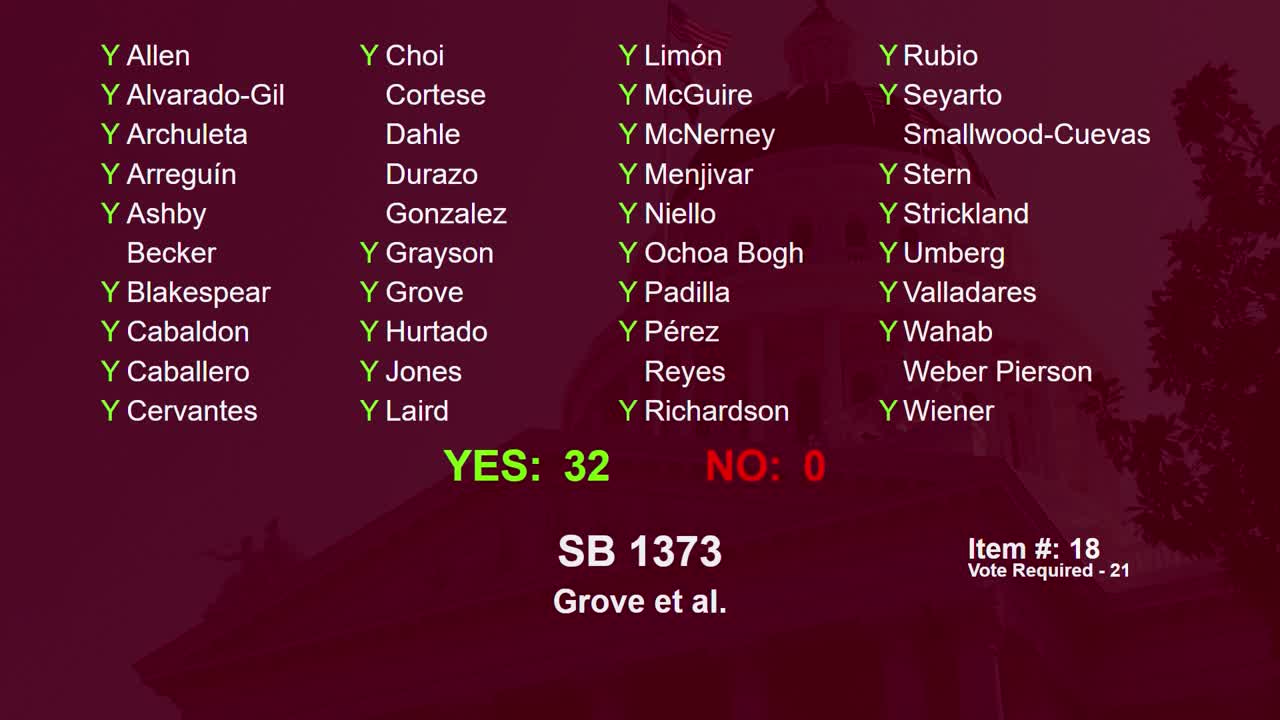 16MIN
Senate Floor
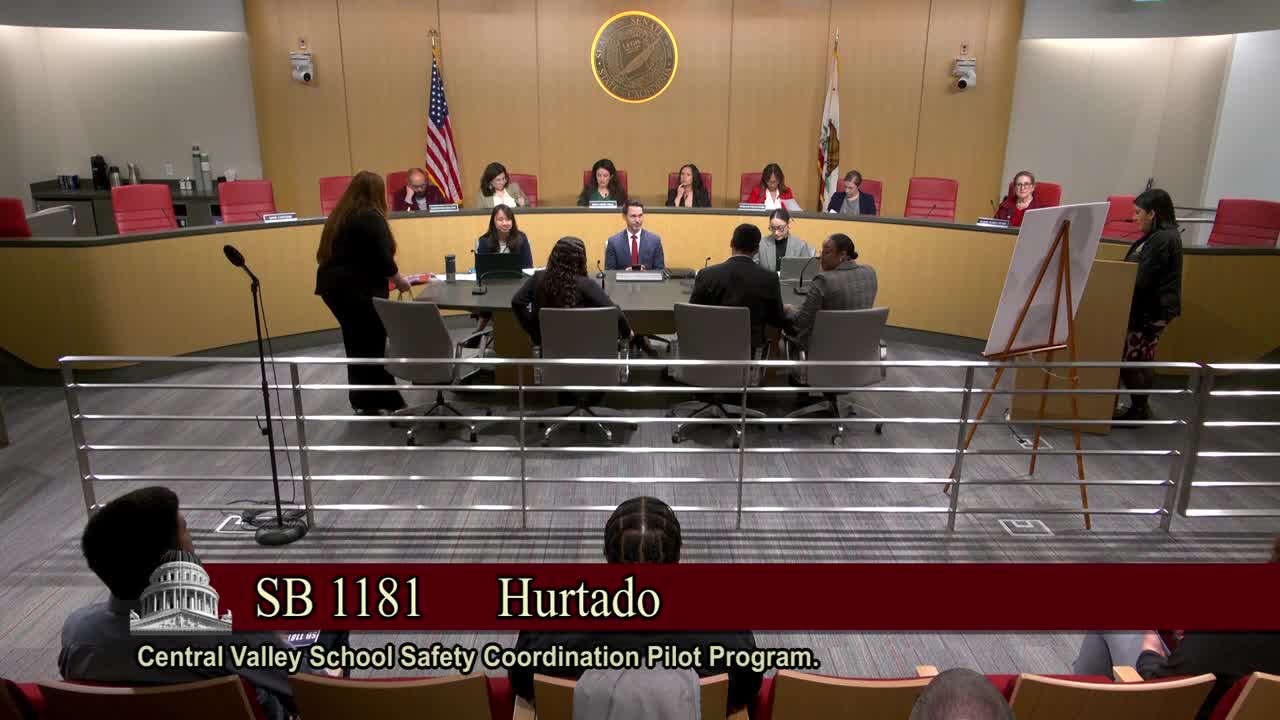 32MIN
Senate Standing Committee on Education
 12MIN
Senate Standing Committee on Emergency Management
Bill Author

Bill Co-Author(s):
