SB 1307: False or forged instruments.
- Session Year: 2025-2026
- House: Senate
- Latest Version Date: 2026-09-27
Current Status:
Passed
(2026-09-27: Chaptered by Secretary of State. Chapter 695, Statutes of 2026.)
Introduced
In Committee
Awaiting First Chamber Vote
Passed First Chamber
In Committee
Awaiting Second Chamber Vote
Passed Second Chamber
Enacted
Existing law makes it a felony to knowingly procure or offer a false or forged instrument to be filed, registered, or recorded in a public office in this state, which, if genuine, might be filed, registered, or recorded under any law of this state or the United States. After a person is convicted of that crime or a specified waiver is obtained, and upon written motion of the prosecuting agency, existing law requires the court to issue a written order that the false or forged instrument be adjudged void ab initio. Existing law prescribes procedures for a prosecuting agency to file that motion. The California Constitution provides for the right to truth in evidence, which requires a 2/3 vote of the Legislature to exclude any relevant evidence from any criminal proceeding, as specified.
This bill would authorize a defendant who is granted diversion to stipulate to the voiding of the false or forged instrument. The bill would authorize a court in those circumstances, upon a motion by the prosecution, to issue a written order that the false or forged instrument be adjudged void ab initio. The bill would, if the defendant withdraws from diversion or fails to complete the terms of diversion and criminal proceedings are reinstated, prohibit the stipulation from being used in connection with any civil or criminal proceeding without the defendants consent. Because that prohibition would affect the admissibility of relevant evidence in criminal proceedings, the bill would require a 2/3 vote of the Legislature.
Existing law makes it a felony to knowingly procure or offer a false or forged instrument to be filed, registered, or recorded in a public office in this state, which, if genuine, might be filed, registered, or recorded under any law of this state or the United States. After a person is convicted of that crime or a specified waiver is obtained, and upon written motion of the prosecuting agency, existing law requires the court to issue a written order that the false or forged instrument be adjudged void ab initio. Existing law prescribes procedures for a prosecuting agency to file that motion.
This bill would authorize the defendant to alternatively a defendant who is granted diversion to stipulate to the voiding of the false or forged instrument for purposes of the motion. The bill would require the court to, after the prosecution has established by clear and convincing evidence that the instrument is false or forged and that there are no interested parties that would be adversely affected by voiding the instrument, issue the written order, as provided. instrument. The bill would authorize a court in those circumstances, upon a motion by the prosecution, to issue a written order that the false or forged instrument be adjudged void ab initio.
Existing law makes it a felony to knowingly procure or offer a false or forged instrument to be filed, registered, or recorded in a public office in this state, which, if genuine, might be filed, registered, or recorded under any law of this state or the United States. After a person is convicted of that crime or a specified waiver is obtained, and upon written motion of the prosecuting agency, existing law requires the court to issue a written order that the false or forged instrument be adjudged void ab initio. Existing law prescribes procedures for a prosecuting agency to file that motion. Existing law requires the court to set a hearing for that motion no earlier than 90 calendar days from the date the motion is made and the prosecuting agency to provide a copy of the written motion and notice of hearing to all interested parties no later than 90 days before the hearing date.
This bill would instead, if a person is charged with a violation of an above-described crime, require the court, after a hearing on the matter, to issue the above-described order, as specified. The bill additionally would authorize the defendant to alternatively stipulate to the voiding of the false or forged instrument for purposes of the motion. The bill would require the court to, after the prosecution has established by clear and convincing evidence that the instrument is false or forged and that there are no interested parties that would be adversely affected by voiding the instrument, issue the written order, as provided. The bill would instead require the court to set the hearing for the motion no earlier than 30 calendar days from the date the motion is made and the prosecuting agency to provide notice no later than 30 days before the hearing.
Existing law prohibits a person from being tried or adjudged to punishment while that person is mentally incompetent. Existing law establishes a process by which a defendants mental competency is evaluated and, if the defendant is found incompetent to stand trial, the criminal proceedings are suspended while the defendant receives treatment, with the goal of restoring the defendant to competency.If a defendant enters into the above-described process, this bill would authorize the court to conduct the hearing on the motion to adjudge the false or forged instrument void at any time before or after the defendant is determined incompetent to stand trial.Existing law makes it a felony to knowingly procure or offer a false or forged instrument to be filed, registered, or recorded in a public office in this state, which, if genuine, might be filed, registered, or recorded under any law of this state or the United States. After a person is convicted of that crime or a specified waiver is obtained, and upon written motion of the prosecuting agency, existing law requires the court to issue a written order that the false or forged instrument be adjudged void ab initio. Existing law prescribes procedures for a prosecuting agency to file that motion. Existing law requires the court to set a hearing for that motion no earlier than 90 calendar days from the date the motion is made and the prosecuting agency to provide a copy of the written motion and notice of hearing to all interested parties no later than 90 days before the hearing date.
This bill would instead, if a person is charged with a violation of an above-described crime, require the court, after a hearing on the matter, to issue the above-described order, as specified. The bill additionally would authorize the defendant to alternatively stipulate to the voiding of the false or forged instrument for purposes of the motion. The bill would require the court to, after the prosecution has established by clear and convincing evidence that the instrument is false or forged and that there are no interested parties that would be adversely affected by voiding the instrument, issue the written order, as provided. The bill would instead require the court to set the hearing for the motion no earlier than 30 calendar days from the date the motion is made and the prosecuting agency to provide notice no later than 30 days before the hearing.
Existing law prohibits a person from being tried or adjudged to punishment while that person is mentally incompetent. Existing law establishes a process by which a defendants mental competency is evaluated and, if the defendant is found incompetent to stand trial, the criminal proceedings are suspended while the defendant receives treatment, with the goal of restoring the defendant to competency.
If a defendant enters into the above-described process, this bill would authorize the court to conduct the hearing on the motion to adjudge the false or forged instrument void at any time before or after the defendant is determined incompetent to stand trial.
(a)Every person who knowingly procures or offers any false or forged instrument to be filed, registered, or recorded in any public office within this state, which instrument, if genuine, might be filed, registered, or recorded under any law of this state or of the United States, is guilty of a felony.
(b)Each instrument which is procured or offered to be filed, registered, or recorded in violation of subdivision (a) shall constitute a separate violation of this section.
(c)Except in unusual cases where the interests of justice would best be served if probation is granted, probation shall not be granted to, nor shall the execution or imposition of sentence be suspended for, any of the following persons:
(1)Any person with a prior conviction under this section who is again convicted of a violation of this section in a separate proceeding.
(2)Any person who is convicted of more than one violation of this section in a single proceeding, with intent to defraud another, and where the violations resulted in a cumulative financial loss exceeding one hundred thousand dollars ($100,000).
(d)For purposes of prosecution under this section, each act of procurement or of offering a false or forged instrument to be filed, registered, or recorded shall be considered a separately punishable offense.
(e)(1)(A)After a person is convicted of a violation of this section, or a plea is entered whereby a charge alleging a violation of this section is dismissed and waiver is obtained pursuant to People v. Harvey (1979) 25 Cal.3d 754, upon written motion of the prosecuting agency, the court, after a hearing described in subdivision (f), shall issue a written order that the false or forged instrument be adjudged void ab initio if the court determines that an order is appropriate under applicable law. The order shall state whether the instrument is false or forged, or both false and forged, and describe the nature of the falsity or forgery. A copy of the instrument shall be attached to the order at the time it is issued by the court and a certified copy of the order shall be filed, registered, or recorded at the appropriate public office by the prosecuting agency.
(B)Notwithstanding subparagraph (A), a defendant charged with a violation of this section who is granted diversion under any applicable section, including, but not limited to, Section 1001.36, may stipulate to the voiding of the false or forged instrument. The court, upon written motion by the prosecution, after a hearing described in subdivision (f), shall issue a written order that the false or forged instrument be adjudged void ab initio if the court determines that an order is appropriate under applicable law. The order shall state whether the instrument is false or forged, or both false and forged, and describe the nature of the falsity or forgery. A copy of the instrument shall be attached to the order at the time it is issued by the court, and a certified copy of the order shall be filed, registered, or recorded at the appropriate public office by the prosecuting agency. If the defendant withdraws from diversion or fails to complete the terms of diversion and criminal proceedings are reinstated, the stipulation to void the false or forged instrument shall not be used in connection with any civil or criminal proceeding without the defendants consent. A defendants failure to stipulate to the voiding of the false or forged instrument shall not be grounds for denial of diversion or a finding that the defendant has failed to comply with the terms of diversion.
(2)(A)If the order pertains to a false or forged instrument that has been recorded with a county recorder, an order made pursuant to this section shall be recorded in the county where the affected real property is located. The order shall also reference the county recorders document recording number of any notice of pendency of action recorded pursuant to paragraph (2) of subdivision (f).
(B)As to any order, notice of pendency of action, or withdrawal of notice of pendency of action recorded pursuant to this section, recording fees shall be waived pursuant to Section 27383 of the Government Code.
(f)A prosecuting agency shall use the following procedures in filing a motion under subdivision (e):
(1)Within 10 calendar days of filing a criminal complaint or indictment alleging a violation of this section, the prosecuting agency shall provide written notice by certified mail to all parties who have an interest in the property affected by the false or forged instrument, or in the instrument itself, including those described in paragraph (5).
(2)(A)Within 10 calendar days of filing a criminal complaint or indictment alleging a violation of this section, the prosecuting agency shall record a notice of pendency of action in the county in which the affected real property is located.
(B)Within 10 calendar days of the case being adjudicated or dismissed without obtaining an order pursuant to subdivision (e), the prosecuting agency shall record a withdrawal of the notice of pendency of action in the county where the affected real property is located.
(3)The written notice and notice of pendency of action described in paragraphs (1) and (2) shall inform the interested parties that a criminal action has commenced that may result in adjudications against the false or forged instrument or the property affected by the false or forged instrument, and shall notify the interested parties of their right to be heard if a motion is brought under subdivision (e) to void the false or forged instrument. The notice shall state the street address, if available, and the legal description of the affected real property.
(4)Failure of the prosecuting agency to provide written notice or record a pendency of action as required under paragraphs (1) and (2) within 10 calendar days shall not prevent the prosecuting agency from later making a motion under subdivision (e), but the court shall take the failure to provide notice or record a pendency of action as required under paragraphs (1) and (2) as reason to provide any interested parties additional time to respond to the motion. Failure of the prosecuting agency to so notify interested parties under this subdivision or record a pendency of action as required under paragraphs (1) and (2) within 10 calendar days shall create a presumption that a finding as described in paragraph (9) is necessary to protect the property rights of the interested party or parties.
(5)If the instrument sought to be declared void involves real property, interested parties include, but are not limited to, all parties who have recorded with the county recorder in the county where the affected property is located any of the following: a deed, lien, mortgage, deed of trust, security interest, lease, or other instrument declaring an interest in, or requesting notice relating to, the property affected by the false or forged instrument as of the date of the filing of the criminal complaint or indictment.
(6)Any party not required to be noticed under paragraph (1) or (5) who nonetheless notifies the prosecuting agency in writing of the partys desire to be notified if a motion is brought under subdivision (e) to void the false or forged instrument shall be treated as an interested party as defined in paragraph (1) or (5).
(7)The court shall set a hearing for the motion brought by the prosecuting agency under subdivision (e) no earlier than 90 calendar days from the date the motion is made. The prosecuting agency shall provide a copy by certified mail of the written motion and a notice of hearing to all interested parties described in paragraph (1), (5), or (6), and all other persons who obtain an interest in the property prior to recordation of notice of pendency of action no later than 90 days before the hearing date set by the court. The notice shall state the street address, if available, and the legal description of the affected real property.
(8)At a hearing on a motion brought by the prosecuting agency under subdivision (e), the defendant, prosecuting agency, and interested parties described in paragraph (1), (5), or (6), shall have a right to be heard and present information to the court. No party shall be denied a right to present information due to a lack of notice by the prosecuting agency or failure to contact the prosecuting agency or the court prior to the hearing.
(9)(A)At a hearing on a motion brought by a prosecuting agency under subdivision (e), if the court determines that the interests of justice or the need to protect the property rights of any person or party so requires, including, but not limited to, a finding that the matter may be more appropriately determined in a civil proceeding, the court may decline to make a determination under subdivision (e).
(B)If, prior to the hearing on the motion, any person or party files a quiet title action that seeks a judicial determination of the validity of the same false or forged instrument that is the subject of the motion, or the status of an interested party as a bona fide purchaser of, or bona fide holder of an encumbrance on, the property affected by the false or forged instrument, the court may consider that as an additional but not dispositive factor in making its determination under subdivision (e); provided, however, that a final judgment previously entered in that quiet title action shall be followed to the extent otherwise required by law.
(g)As used in this section, prosecuting agency means a city attorney, a district attorney, the Attorney General, or other state or local agency actively prosecuting a case under this section.
(h)An order made pursuant to subdivision (e) shall be considered a judgment, and subject to appeal in accordance with, paragraph (1) of subdivision (a) of Section 904.1 of the Code of Civil Procedure.
(a)Every person who knowingly procures or offers any false or forged instrument to be filed, registered, or recorded in any public office within this state, which instrument, if genuine, might be filed, registered, or recorded under any law of this state or of the United States, is guilty of a felony.
(b)Each instrument which is procured or offered to be filed, registered, or recorded in violation of subdivision (a) shall constitute a separate violation of this section.
(c)Except in unusual cases where the interests of justice would best be served if probation is granted, probation shall not be granted to, nor shall the execution or imposition of sentence be suspended for, any of the following persons:
(1)Any person with a prior conviction under this section who is again convicted of a violation of this section in a separate proceeding.
(2)Any person who is convicted of more than one violation of this section in a single proceeding, with intent to defraud another, and where the violations resulted in a cumulative financial loss exceeding one hundred thousand dollars ($100,000).
(d)For purposes of prosecution under this section, each act of procurement or of offering a false or forged instrument to be filed, registered, or recorded shall be considered a separately punishable offense.
(e)(1)(A)After a person is convicted of a violation of this section, or a plea is entered whereby a charge alleging a violation of this section is dismissed and waiver is obtained pursuant to People v. Harvey (1979) 25 Cal.3d 754, upon written motion of the prosecuting agency, the court, after a hearing described in subdivision (f), shall issue a written order that the false or forged instrument be adjudged void ab initio if the court determines that an order is appropriate under applicable law. The order shall state whether the instrument is false or forged, or both false and forged, and describe the nature of the falsity or forgery. A copy of the instrument shall be attached to the order at the time it is issued by the court and a certified copy of the order shall be filed, registered, or recorded at the appropriate public office by the prosecuting agency.
(B)Notwithstanding subparagraph (A), a defendant charged with a violation of this section who submits a motion for is granted diversion under any applicable section, including, but not limited to, Section 1001.36, may stipulate to the voiding of the false or forged instrument. The court, upon written motion by the prosecution, after a hearing described in subdivision (f), shall issue a written order that the false or forged instrument be adjudged void ab initio if the court determines that an order is appropriate under applicable law. The order shall state whether the instrument is false or forged, or both false and forged, and describe the nature of the falsity or forgery. A copy of the instrument shall be attached to the order at the time it is issued by the court, and a certified copy of the order shall be filed, registered, or recorded at the appropriate public office by the prosecuting agency. If the defendant withdraws from diversion or fails to complete the terms of diversion and criminal proceedings are reinstated, the stipulation to void the false or forged instrument shall not be used in connection with any civil or criminal proceeding without the defendants consent. A defendants failure to stipulate to the voiding of the false or forged instrument shall not be grounds for denial of diversion or a finding that the defendant has failed to comply with the terms of diversion.
(2)(A)If the order pertains to a false or forged instrument that has been recorded with a county recorder, an order made pursuant to this section shall be recorded in the county where the affected real property is located. The order shall also reference the county recorders document recording number of any notice of pendency of action recorded pursuant to paragraph (2) of subdivision (f).
(B)As to any order, notice of pendency of action, or withdrawal of notice of pendency of action recorded pursuant to this section, recording fees shall be waived pursuant to Section 27383 of the Government Code.
(f)A prosecuting agency shall use the following procedures in filing a motion under subdivision (e):
(1)Within 10 calendar days of filing a criminal complaint or indictment alleging a violation of this section, the prosecuting agency shall provide written notice by certified mail to all parties who have an interest in the property affected by the false or forged instrument, or in the instrument itself, including those described in paragraph (5).
(2)(A)Within 10 calendar days of filing a criminal complaint or indictment alleging a violation of this section, the prosecuting agency shall record a notice of pendency of action in the county in which the affected real property is located.
(B)Within 10 calendar days of the case being adjudicated or dismissed without obtaining an order pursuant to subdivision (e), the prosecuting agency shall record a withdrawal of the notice of pendency of action in the county where the affected real property is located.
(3)The written notice and notice of pendency of action described in paragraphs (1) and (2) shall inform the interested parties that a criminal action has commenced that may result in adjudications against the false or forged instrument or the property affected by the false or forged instrument, and shall notify the interested parties of their right to be heard if a motion is brought under subdivision (e) to void the false or forged instrument. The notice shall state the street address, if available, and the legal description of the affected real property.
(4)Failure of the prosecuting agency to provide written notice or record a pendency of action as required under paragraphs (1) and (2) within 10 calendar days shall not prevent the prosecuting agency from later making a motion under subdivision (e), but the court shall take the failure to provide notice or record a pendency of action as required under paragraphs (1) and (2) as reason to provide any interested parties additional time to respond to the motion. Failure of the prosecuting agency to so notify interested parties under this subdivision or record a pendency of action as required under paragraphs (1) and (2) within 10 calendar days shall create a presumption that a finding as described in paragraph (9) is necessary to protect the property rights of the interested party or parties.
(5)If the instrument sought to be declared void involves real property, interested parties include, but are not limited to, all parties who have recorded with the county recorder in the county where the affected property is located any of the following: a deed, lien, mortgage, deed of trust, security interest, lease, or other instrument declaring an interest in, or requesting notice relating to, the property affected by the false or forged instrument as of the date of the filing of the criminal complaint or indictment.
(6)Any party not required to be noticed under paragraph (1) or (5) who nonetheless notifies the prosecuting agency in writing of the partys desire to be notified if a motion is brought under subdivision (e) to void the false or forged instrument shall be treated as an interested party as defined in paragraph (1) or (5).
(7)The court shall set a hearing for the motion brought by the prosecuting agency under subdivision (e) no earlier than 90 calendar days from the date the motion is made. The prosecuting agency shall provide a copy by certified mail of the written motion and a notice of hearing to all interested parties described in paragraph (1), (5), or (6), and all other persons who obtain an interest in the property prior to recordation of notice of pendency of action no later than 90 days before the hearing date set by the court. The notice shall state the street address, if available, and the legal description of the affected real property.
(8)At a hearing on a motion brought by the prosecuting agency under subdivision (e), the defendant, prosecuting agency, and interested parties described in paragraph (1), (5), or (6), shall have a right to be heard and present information to the court. No party shall be denied a right to present information due to a lack of notice by the prosecuting agency or failure to contact the prosecuting agency or the court prior to the hearing.
(9)(A)At a hearing on a motion brought by a prosecuting agency under subdivision (e), if the court determines that the interests of justice or the need to protect the property rights of any person or party so requires, including, but not limited to, a finding that the matter may be more appropriately determined in a civil proceeding, the court may decline to make a determination under subdivision (e).
(B)If, prior to the hearing on the motion, any person or party files a quiet title action that seeks a judicial determination of the validity of the same false or forged instrument that is the subject of the motion, or the status of an interested party as a bona fide purchaser of, or bona fide holder of an encumbrance on, the property affected by the false or forged instrument, the court may consider that as an additional but not dispositive factor in making its determination under subdivision (e); provided, however, that a final judgment previously entered in that quiet title action shall be followed to the extent otherwise required by law.
(g)As used in this section, prosecuting agency means a city attorney, a district attorney, the Attorney General, or other state or local agency actively prosecuting a case under this section.
(h)An order made pursuant to subdivision (e) shall be considered a judgment, and subject to appeal in accordance with, paragraph (1) of subdivision (a) of Section 904.1 of the Code of Civil Procedure.
(a)Every person who knowingly procures or offers any false or forged instrument to be filed, registered, or recorded in any public office within this state, which instrument, if genuine, might be filed, registered, or recorded under any law of this state or of the United States, is guilty of a felony.
(b)Each instrument which is procured or offered to be filed, registered, or recorded in violation of subdivision (a) shall constitute a separate violation of this section.
(c)Except in unusual cases where the interests of justice would best be served if probation is granted, probation shall not be granted to, nor shall the execution or imposition of sentence be suspended for, any of the following persons:
(1)Any person with a prior conviction under this section who is again convicted of a violation of this section in a separate proceeding.
(2)Any person who is convicted of more than one violation of this section in a single proceeding, with intent to defraud another, and where the violations resulted in a cumulative financial loss exceeding one hundred thousand dollars ($100,000).
(d)For purposes of prosecution under this section, each act of procurement or of offering a false or forged instrument to be filed, registered, or recorded shall be considered a separately punishable offense.
(e)(1)(A)After a person is convicted of a violation of this section, or a plea is entered whereby a charge alleging a violation of this section is dismissed and waiver is obtained pursuant to People v. Harvey (1979) 25 Cal.3d 754, upon written motion of the prosecuting agency, the court, after a hearing described in subdivision (f), shall issue a written order that the false or forged instrument be adjudged void ab initio if the court determines that an order is appropriate under applicable law. The order shall state whether the instrument is false or forged, or both false and forged, and describe the nature of the falsity or forgery. A copy of the instrument shall be attached to the order at the time it is issued by the court and a certified copy of the order shall be filed, registered, or recorded at the appropriate public office by the prosecuting agency.
(B)Alternatively, a defendant convicted of a violation of this section may stipulate to the voiding of the false or forged instrument. The court, after the prosecution has established by clear and convincing evidence that there are no interested parties that would be adversely affected by voiding the instrument, shall issue a written order that the false or forged instrument be adjudged void ab initio if the court determines that an order is appropriate under applicable law. The order shall state whether the instrument is false or forged, or both false and forged, and describe the nature of the falsity or forgery. A copy of the instrument shall be attached to the order at the time it is issued by the court and a certified copy of the order shall be filed, registered, or recorded at the appropriate public office by the prosecuting agency.(B)Notwithstanding subparagraph (A), a defendant charged with a violation of this section who submits a motion for diversion under any applicable section, including, but not limited to, Section 1001.36, may stipulate to the voiding of the false or forged instrument. The court, upon written motion by the prosecution, after a hearing described in subdivision (f), shall issue a written order that the false or forged instrument be adjudged void ab initio if the court determines that an order is appropriate under applicable law. The order shall state whether the instrument is false or forged, or both false and forged, and describe the nature of the falsity or forgery. A copy of the instrument shall be attached to the order at the time it is issued by the court, and a certified copy of the order shall be filed, registered, or recorded at the appropriate public office by the prosecuting agency.
(2)(A)If the order pertains to a false or forged instrument that has been recorded with a county recorder, an order made pursuant to this section shall be recorded in the county where the affected real property is located. The order shall also reference the county recorders document recording number of any notice of pendency of action recorded pursuant to paragraph (2) of subdivision (f).
(B)As to any order, notice of pendency of action, or withdrawal of notice of pendency of action recorded pursuant to this section, recording fees shall be waived pursuant to Section 27383 of the Government Code.
(f)A prosecuting agency shall use the following procedures in filing a motion under subdivision (e):
(1)Within 10 calendar days of filing a criminal complaint or indictment alleging a violation of this section, the prosecuting agency shall provide written notice by certified mail to all parties who have an interest in the property affected by the false or forged instrument, or in the instrument itself, including those described in paragraph (5).
(2)(A)Within 10 calendar days of filing a criminal complaint or indictment alleging a violation of this section, the prosecuting agency shall record a notice of pendency of action in the county in which the affected real property is located.
(B)Within 10 calendar days of the case being adjudicated or dismissed without obtaining an order pursuant to subdivision (e), the prosecuting agency shall record a withdrawal of the notice of pendency of action in the county where the affected real property is located.
(3)The written notice and notice of pendency of action described in paragraphs (1) and (2) shall inform the interested parties that a criminal action has commenced that may result in adjudications against the false or forged instrument or the property affected by the false or forged instrument, and shall notify the interested parties of their right to be heard if a motion is brought under subdivision (e) to void the false or forged instrument. The notice shall state the street address, if available, and the legal description of the affected real property.
(4)Failure of the prosecuting agency to provide written notice or record a pendency of action as required under paragraphs (1) and (2) within 10 calendar days shall not prevent the prosecuting agency from later making a motion under subdivision (e), but the court shall take the failure to provide notice or record a pendency of action as required under paragraphs (1) and (2) as reason to provide any interested parties additional time to respond to the motion. Failure of the prosecuting agency to so notify interested parties under this subdivision or record a pendency of action as required under paragraphs (1) and (2) within 10 calendar days shall create a presumption that a finding as described in paragraph (9) is necessary to protect the property rights of the interested party or parties.
(5)If the instrument sought to be declared void involves real property, interested parties include, but are not limited to, all parties who have recorded with the county recorder in the county where the affected property is located any of the following: a deed, lien, mortgage, deed of trust, security interest, lease, or other instrument declaring an interest in, or requesting notice relating to, the property affected by the false or forged instrument as of the date of the filing of the criminal complaint or indictment.
(6)Any party not required to be noticed under paragraph (1) or (5) who nonetheless notifies the prosecuting agency in writing of the partys desire to be notified if a motion is brought under subdivision (e) to void the false or forged instrument shall be treated as an interested party as defined in paragraph (1) or (5).
(7)The court shall set a hearing for the motion brought by the prosecuting agency under subdivision (e) no earlier than 90 calendar days from the date the motion is made. The prosecuting agency shall provide a copy by certified mail of the written motion and a notice of hearing to all interested parties described in paragraph (1), (5), or (6), and all other persons who obtain an interest in the property prior to recordation of notice of pendency of action no later than 90 days before the hearing date set by the court. The notice shall state the street address, if available, and the legal description of the affected real property.
(8)At a hearing on a motion brought by the prosecuting agency under subdivision (e), the defendant, prosecuting agency, and interested parties described in paragraph (1), (5), or (6), shall have a right to be heard and present information to the court. No party shall be denied a right to present information due to a lack of notice by the prosecuting agency or failure to contact the prosecuting agency or the court prior to the hearing.
(9)(A)At a hearing on a motion brought by a prosecuting agency under subdivision (e), if the court determines that the interests of justice or the need to protect the property rights of any person or party so requires, including, but not limited to, a finding that the matter may be more appropriately determined in a civil proceeding, the court may decline to make a determination under subdivision (e).
(B)If, prior to the hearing on the motion, any person or party files a quiet title action that seeks a judicial determination of the validity of the same false or forged instrument that is the subject of the motion, or the status of an interested party as a bona fide purchaser of, or bona fide holder of an encumbrance on, the property affected by the false or forged instrument, the court may consider that as an additional but not dispositive factor in making its determination under subdivision (e); provided, however, that a final judgment previously entered in that quiet title action shall be followed to the extent otherwise required by law.
(g)As used in this section, prosecuting agency means a city attorney, a district attorney, the Attorney General, or other state or local agency actively prosecuting a case under this section.
(h)An order made pursuant to subdivision (e) shall be considered a judgment, and subject to appeal in accordance with, paragraph (1) of subdivision (a) of Section 904.1 of the Code of Civil Procedure.
(a)Every person who knowingly procures or offers any false or forged instrument to be filed, registered, or recorded in any public office within this state, which instrument, if genuine, might be filed, registered, or recorded under any law of this state or of the United States, is guilty of a felony.
(b)Each instrument which is procured or offered to be filed, registered, or recorded in violation of subdivision (a) shall constitute a separate violation of this section.
(c)Except in unusual cases where the interests of justice would best be served if probation is granted, probation shall not be granted to, nor shall the execution or imposition of sentence be suspended for, any of the following persons:
(1)Any person with a prior conviction under this section who is again convicted of a violation of this section in a separate proceeding.
(2)Any person who is convicted of more than one violation of this section in a single proceeding, with intent to defraud another, and where the violations resulted in a cumulative financial loss exceeding one hundred thousand dollars ($100,000).
(d)For purposes of prosecution under this section, each act of procurement or of offering a false or forged instrument to be filed, registered, or recorded shall be considered a separately punishable offense.
(e)(1)(A)After a person is charged with convicted of a violation of this section, or a plea is entered whereby a charge alleging a violation of this section is dismissed and waiver is obtained pursuant to People v. Harvey (1979) 25 Cal.3d 754, upon written motion of the prosecuting agency, the court, after a hearing described in subdivision (f), shall issue a written order that the false or forged instrument be adjudged void ab initio if the court determines that an order is appropriate under applicable law. The order shall state whether the instrument is false or forged, or both false and forged, and describe the nature of the falsity or forgery. A copy of the instrument shall be attached to the order at the time it is issued by the court and a certified copy of the order shall be filed, registered, or recorded at the appropriate public office by the prosecuting agency.
(B)Alternatively, a defendant charged with convicted of a violation of this section may stipulate to the voiding of the false or forged instrument. The court, after the prosecution has established by clear and convincing evidence that there are no interested parties that would be adversely affected by voiding the instrument, shall issue a written order that the false or forged instrument be adjudged void ab initio if the court determines that an order is appropriate under applicable law. The order shall state whether the instrument is false or forged, or both false and forged, and describe the nature of the falsity or forgery. A copy of the instrument shall be attached to the order at the time it is issued by the court and a certified copy of the order shall be filed, registered, or recorded at the appropriate public office by the prosecuting agency.
(2)(A)If the order pertains to a false or forged instrument that has been recorded with a county recorder, an order made pursuant to this section shall be recorded in the county where the affected real property is located. The order shall also reference the county recorders document recording number of any notice of pendency of action recorded pursuant to paragraph (2) of subdivision (f).
(B)As to any order, notice of pendency of action, or withdrawal of notice of pendency of action recorded pursuant to this section, recording fees shall be waived pursuant to Section 27383 of the Government Code.
(f)A prosecuting agency shall use the following procedures in filing a motion under subdivision (e):
(1)Within 10 calendar days of filing a criminal complaint or indictment alleging a violation of this section, the prosecuting agency shall provide written notice by certified mail to all parties who have an interest in the property affected by the false or forged instrument, or in the instrument itself, including those described in paragraph (5).
(2)(A)Within 10 calendar days of filing a criminal complaint or indictment alleging a violation of this section, the prosecuting agency shall record a notice of pendency of action in the county in which the affected real property is located.
(B)Within 10 calendar days of the case being adjudicated or dismissed without obtaining an order pursuant to subdivision (e), the prosecuting agency shall record a withdrawal of the notice of pendency of action in the county where the affected real property is located.
(3)The written notice and notice of pendency of action described in paragraphs (1) and (2) shall inform the interested parties that a criminal action has commenced that may result in adjudications against the false or forged instrument or the property affected by the false or forged instrument, and shall notify the interested parties of their right to be heard if a motion is brought under subdivision (e) to void the false or forged instrument. The notice shall state the street address, if available, and the legal description of the affected real property.
(4)Failure of the prosecuting agency to provide written notice or record a pendency of action as required under paragraphs (1) and (2) within 10 calendar days shall not prevent the prosecuting agency from later making a motion under subdivision (e), but the court shall take the failure to provide notice or record a pendency of action as required under paragraphs (1) and (2) as reason to provide any interested parties additional time to respond to the motion. Failure of the prosecuting agency to so notify interested parties under this subdivision or record a pendency of action as required under paragraphs (1) and (2) within 10 calendar days shall create a presumption that a finding as described in paragraph (9) is necessary to protect the property rights of the interested party or parties.
(5)If the instrument sought to be declared void involves real property, interested parties include, but are not limited to, all parties who have recorded with the county recorder in the county where the affected property is located any of the following: a deed, lien, mortgage, deed of trust, security interest, lease, or other instrument declaring an interest in, or requesting notice relating to, the property affected by the false or forged instrument as of the date of the filing of the criminal complaint or indictment.
(6)Any party not required to be noticed under paragraph (1) or (5) who nonetheless notifies the prosecuting agency in writing of the partys desire to be notified if a motion is brought under subdivision (e) to void the false or forged instrument shall be treated as an interested party as defined in paragraph (1) or (5).
(7)The court shall set a hearing for the motion brought by the prosecuting agency under subdivision (e) no earlier than 30 90 calendar days from the date the motion is made. The prosecuting agency shall provide a copy by certified mail of the written motion and a notice of hearing to all interested parties described in paragraphs paragraph (1), (5), or (6), and all other persons who obtain an interest in the property prior to recordation of notice of pendency of action no later than 30 90 days before the hearing date set by the court. The notice shall state the street address, if available, and the legal description of the affected real property.
(8)If a defendant enters proceedings pursuant to Section 1368, the court may conduct the hearing on a motion brought by a prosecuting agency pursuant to subdivision (e) at any time before or after the defendant is determined incompetent to stand trial. The court may hear the motion without personal participation of the defendant.(9)At a hearing on a motion brought by a prosecuting agency pursuant to subdivision (e), if the court determines by clear and convincing evidence that the instrument is false or forged, the court may issue a written order described in subdivision (e).(10)The hearing on a motion brought by a prosecuting agency pursuant to subdivision (e) may be held concurrently with the preliminary examination of the defendant pursuant to Section 859b.(11)(8)At a hearing on a motion brought by the prosecuting agency under subdivision (e), the defendant, prosecuting agency, and interested parties described in paragraphs paragraph (1), (5), or (6), shall have a right to be heard and present information to the court. No party shall be denied a right to present information due to a lack of notice by the prosecuting agency or failure to contact the prosecuting agency or the court prior to the hearing.
(12)(9)(A)At a hearing on a motion brought by a prosecuting agency under subdivision (e), if the court determines that the interests of justice or the need to protect the property rights of any person or party so requires, including, but not limited to, a finding that the matter may be more appropriately determined in a civil proceeding, the court may decline to make a determination under subdivision (e).
(B)If, prior to the hearing on the motion, any person or party files a quiet title action that seeks a judicial determination of the validity of the same false or forged instrument that is the subject of the motion, or the status of an interested party as a bona fide purchaser of, or bona fide holder of an encumbrance on, the property affected by the false or forged instrument, the court may consider that as an additional but not dispositive factor in making its determination under subdivision (e); provided, however, that a final judgment previously entered in that quiet title action shall be followed to the extent otherwise required by law.
(g)As used in this section, prosecuting agency means a city attorney, a district attorney, the Attorney General, or other state or local agency actively prosecuting a case under this section.
(h)An order made pursuant to subdivision (e) shall be considered a judgment, and subject to appeal in accordance with, paragraph (1) of subdivision (a) of Section 904.1 of the Code of Civil Procedure.
(a)Every person who knowingly procures or offers any false or forged instrument to be filed, registered, or recorded in any public office within this state, which instrument, if genuine, might be filed, registered, or recorded under any law of this state or of the United States, is guilty of a felony.
(b)Each instrument which is procured or offered to be filed, registered, or recorded in violation of subdivision (a) shall constitute a separate violation of this section.
(c)Except in unusual cases where the interests of justice would best be served if probation is granted, probation shall not be granted to, nor shall the execution or imposition of sentence be suspended for, any of the following persons:
(1)Any person with a prior conviction under this section who is again convicted of a violation of this section in a separate proceeding.
(2)Any person who is convicted of more than one violation of this section in a single proceeding, with intent to defraud another, and where the violations resulted in a cumulative financial loss exceeding one hundred thousand dollars ($100,000).
(d)For purposes of prosecution under this section, each act of procurement or of offering a false or forged instrument to be filed, registered, or recorded shall be considered a separately punishable offense.
(e)(1)(A)After a person is convicted of charged with a violation of this section, or a plea is entered whereby a charge alleging a violation of this section is dismissed and waiver is obtained pursuant to People v. Harvey (1979) 25 Cal.3d 754, upon written motion of the prosecuting agency, the court, after a hearing described in subdivision (f), shall issue a written order that the false or forged instrument be adjudged void ab initio if the court determines that an order is appropriate under applicable law. The order shall state whether the instrument is false or forged, or both false and forged, and describe the nature of the falsity or forgery. A copy of the instrument shall be attached to the order at the time it is issued by the court and a certified copy of the order shall be filed, registered, or recorded at the appropriate public office by the prosecuting agency.
(B)Alternatively, a defendant charged with a violation of this section may stipulate to the voiding of the false or forged instrument. The court, after the prosecution has established by clear and convincing evidence that there are no interested parties that would be adversely affected by voiding the instrument, shall issue a written order that the false or forged instrument be adjudged void ab initio if the court determines that an order is appropriate under applicable law. The order shall state whether the instrument is false or forged, or both false and forged, and describe the nature of the falsity or forgery. A copy of the instrument shall be attached to the order at the time it is issued by the court and a certified copy of the order shall be filed, registered, or recorded at the appropriate public office by the prosecuting agency.
(2)(A)If the order pertains to a false or forged instrument that has been recorded with a county recorder, an order made pursuant to this section shall be recorded in the county where the affected real property is located. The order shall also reference the county recorders document recording number of any notice of pendency of action recorded pursuant to paragraph (2) of subdivision (f).
(B)As to any order, notice of pendency of action, or withdrawal of notice of pendency of action recorded pursuant to this section, recording fees shall be waived pursuant to Section 27383 of the Government Code.
(f)A prosecuting agency shall use the following procedures in filing a motion under subdivision (e):
(1)Within 10 calendar days of filing a criminal complaint or indictment alleging a violation of this section, the prosecuting agency shall provide written notice by certified mail to all parties who have an interest in the property affected by the false or forged instrument, or in the instrument itself, including those described in paragraph (5).
(2)(A)Within 10 calendar days of filing a criminal complaint or indictment alleging a violation of this section, the prosecuting agency shall record a notice of pendency of action in the county in which the affected real property is located.
(B)Within 10 calendar days of the case being adjudicated or dismissed without obtaining an order pursuant to subdivision (e), the prosecuting agency shall record a withdrawal of the notice of pendency of action in the county where the affected real property is located.
(3)The written notice and notice of pendency of action described in paragraphs (1) and (2) shall inform the interested parties that a criminal action has commenced that may result in adjudications against the false or forged instrument or the property affected by the false or forged instrument, and shall notify the interested parties of their right to be heard if a motion is brought under subdivision (e) to void the false or forged instrument. The notice shall state the street address, if available, and the legal description of the affected real property.
(4)Failure of the prosecuting agency to provide written notice or record a pendency of action as required under paragraphs (1) and (2) within 10 calendar days shall not prevent the prosecuting agency from later making a motion under subdivision (e), but the court shall take the failure to provide notice or record a pendency of action as required under paragraphs (1) and (2) as reason to provide any interested parties additional time to respond to the motion. Failure of the prosecuting agency to so notify interested parties under this subdivision or record a pendency of action as required under paragraphs (1) and (2) within 10 calendar days shall create a presumption that a finding as described in paragraph (9) is necessary to protect the property rights of the interested party or parties.
(5)If the instrument sought to be declared void involves real property, interested parties include, but are not limited to, all parties who have recorded with the county recorder in the county where the affected property is located any of the following: a deed, lien, mortgage, deed of trust, security interest, lease, or other instrument declaring an interest in, or requesting notice relating to, the property affected by the false or forged instrument as of the date of the filing of the criminal complaint or indictment.
(6)Any party not required to be noticed under paragraph (1) or (5) who nonetheless notifies the prosecuting agency in writing of the partys desire to be notified if a motion is brought under subdivision (e) to void the false or forged instrument shall be treated as an interested party as defined in paragraph (1) or (5).
(7)The court shall set a hearing for the motion brought by the prosecuting agency under subdivision (e) no earlier than 90 30 calendar days from the date the motion is made. The prosecuting agency shall provide a copy by certified mail of the written motion and a notice of hearing to all interested parties described in paragraphs (1), (5), or (6), and all other persons who obtain an interest in the property prior to recordation of notice of pendency of action no later than 90 30 days before the hearing date set by the court. The notice shall state the street address, if available, and the legal description of the affected real property.
(8)If a defendant enters proceedings pursuant to Section 1368, the court may conduct the hearing on a motion brought by a prosecuting agency pursuant to subdivision (e) at any time before or after the defendant is determined incompetent to stand trial. The court may hear the motion without personal participation of the defendant.
(9)At a hearing on a motion brought by a prosecuting agency pursuant to subdivision (e), if the court determines by clear and convincing evidence that the instrument is false or forged, the court may issue a written order described in subdivision (e).
(10)The hearing on a motion brought by a prosecuting agency pursuant to subdivision (e) may be held concurrently with the preliminary examination of the defendant pursuant to Section 859b.
(8)
(11)At a hearing on a motion brought by the prosecuting agency under subdivision (e), the defendant, prosecuting agency, and interested parties described in paragraphs (1), (5), or (6), shall have a right to be heard and present information to the court. No party shall be denied a right to present information due to a lack of notice by the prosecuting agency or failure to contact the prosecuting agency or the court prior to the hearing.
(9)(12)(A)At a hearing on a motion brought by a prosecuting agency under subdivision (e), if the court determines that the interests of justice or the need to protect the property rights of any person or party so requires, including, but not limited to, a finding that the matter may be more appropriately determined in a civil proceeding, the court may decline to make a determination under subdivision (e).
(B)If, prior to the hearing on the motion, any person or party files a quiet title action that seeks a judicial determination of the validity of the same false or forged instrument that is the subject of the motion, or the status of an interested party as a bona fide purchaser of, or bona fide holder of an encumbrance on, the property affected by the false or forged instrument, the court may consider that as an additional but not dispositive factor in making its determination under subdivision (e); provided, however, that a final judgment previously entered in that quiet title action shall be followed to the extent otherwise required by law.
(g)As used in this section, prosecuting agency means a city attorney, a district attorney, the Attorney General, or other state or local agency actively prosecuting a case under this section.
(h)An order made pursuant to subdivision (e) shall be considered a judgment, and subject to appeal in accordance with, paragraph (1) of subdivision (a) of Section 904.1 of the Code of Civil Procedure.
|
Date
|
Status
|
|---|---|
| Sep 27, 2026 | Chaptered by Secretary of State. Chapter 695, Statutes of 2026. |
| Sep 27, 2026 | Approved by the Governor. |
| Aug 21, 2026 | Enrolled and presented to the Governor at 3 p.m. |
| Aug 18, 2026 | Assembly amendments concurred in. (Ayes 40. Noes 0. Page 5518.) Ordered to engrossing and enrolling. |
| Aug 18, 2026 | Assembly amendments concurred in. (Ayes 40. Noes 0.) Ordered to engrossing and enrolling. |
| Aug 18, 2026 | Assembly amendments concurred in. (Ayes 39. Noes 0.) Ordered to engrossing and enrolling. |
| Aug 18, 2026 | In Senate. Concurrence in Assembly amendments pending. |
| Aug 17, 2026 | Read third time. Passed. (Ayes 71. Noes 0. Page 6210.) Ordered to the Senate. |
| Aug 17, 2026 | Read third time. Passed. Ordered to the Senate. |
| Jun 25, 2026 | Read second time. Ordered to third reading. |
| Jun 24, 2026 | From committee: Do pass. (Ayes 9. Noes 0.) (June 23). |
| Jun 17, 2026 | From committee with author's amendments. Read second time and amended. Re-referred to Com. on PUB. S. |
| Jun 15, 2026 | From committee with author's amendments. Read second time and amended. Re-referred to Com. on PUB. S. |
| Jun 3, 2026 | June 9 hearing postponed by committee. |
| May 26, 2026 | Referred to Com. on PUB. S. |
| May 19, 2026 | In Assembly. Read first time. Held at Desk. |
| May 18, 2026 | Read third time. Passed. (Ayes 38. Noes 0. Page 4304.) Ordered to the Assembly. |
| May 18, 2026 | Read third time. Passed. (Ayes 38. Noes 0.) Ordered to the Assembly. |
| Apr 20, 2026 | Read second time and amended. Ordered to third reading. |
| Apr 16, 2026 | From committee: Do pass as amended. (Ayes 6. Noes 0. Page 3872.) (April 14). |
| Apr 16, 2026 | From committee: Do pass as amended. (Ayes 6. Noes 0.) (April 14). |
| Mar 27, 2026 | Set for hearing April 14. |
| Mar 4, 2026 | Referred to Com. on PUB. S. |
| Feb 23, 2026 | Read first time. |
| Feb 23, 2026 | From printer. May be acted upon on or after March 23. |
| Feb 20, 2026 | Introduced. To Com. on RLS. for assignment. To print. |
|
Date
|
Description
|
Location
|
Votes
|
|
|---|---|---|---|---|
| Aug 18, 2026 | Unfinished Business SB1307 Jones Concurrence | Senate Floor |
Passed |
|
| Aug 17, 2026 | SB 1307 Jones Senate Third Reading By Boerner | Assembly Floor |
Passed |
|
| Jun 23, 2026 | Do pass. | Assembly Standing Committee on Public Safety |
Passed |
|
| May 18, 2026 | Senate 3rd Reading SB1307 Jones | Senate Floor |
Passed |
|
| Apr 14, 2026 | Do pass as amended | Senate Standing Committee on Public Safety |
Passed |
This list shows positions taken on this bill by organizations on the date displayed, which is linked to the original source.
Positions by individuals are not included.
|
Organization
|
Position
|
Date
|
|---|---|---|
| California Attorneys For Criminal Justice | ** Against | |
| California District Attorneys Association | ** Support | |
| California Public Defenders Association | ** Against | |
| District Attorney of Orange County | ** Support | |
| Fidelity National Title Company | ** Support | |
| Office of the District Attorney of Orange County | ** Support | |
| Orange County District Attorney’s Office | ** Support | |
| Riverside County District Attorney | ** Support | |
| Riverside County District Attorney’s Office | ** Support | |
| San Bernardino County District Attorney’s Office | ** Support | |
| San Diego County District Attorney’s Office | ** Support | |
| San Diego District Attorney’s Office | ** Support |
SENATE RULES COMMITTEE Office of Senate Floor Analyses (916) 651-4171 | SB 1307 |
UNFINISHED BUSINESS
Bill No: SB 1307
Author: Jones (R)
Amended: 6/17/26
Vote: 27
SENATE PUBLIC SAFETY COMMITTEE: 6-0, 4/14/26
AYES: Arreguín, Seyarto, Caballero, Cortese, Pérez, Wiener
SENATE FLOOR: 38-0, 5/18/26
AYES: Allen, Alvarado-Gil, Archuleta, Arreguín, Ashby, Becker, Blakespear, Cabaldon, Caballero, Cervantes, Choi, Cortese, Dahle, Durazo, Gonzalez, Grayson, Grove, Hurtado, Jones, Laird, Limón, McGuire, McNerney, Menjivar, Ochoa Bogh, Pérez, Reyes, Richardson, Rubio, Seyarto, Smallwood-Cuevas, Stern, Strickland, Umberg, Valladares, Wahab, Weber Pierson, Wiener
NO VOTE RECORDED: Niello, Padilla
ASSEMBLY FLOOR: 71-0, 8/17/26 - See last page for vote
SUBJECT: False or forged instruments
SOURCE: San Diego County District Attorney’s Office
DIGEST:
This bill authorizes a defendant who was convicted of knowingly filing, registering, or recording a false or forged instrument to stipulate to the voiding of the false or forged instrument in lieu of a hearing on a motion to void the false or forged instrument.
Assembly Amendments of 6/17/26 instead authorize a defendant who was charged with knowingly filing a false or forged instrument, and who is granted diversion, to stipulate to the voiding of the false or forged instrument in lieu of a hearing on a motion to void the false or forged instrument.
ANALYSIS:
Existing law:
- Provides that every person who knowingly procures or offers any false or forged instrument to be filed, registered, or recorded in any public office within this state, which instrument, if genuine, might be filed, registered, or recorded under any law of this state or of the United States, is guilty of a felony. (Penal (Pen.) Code, § 115, subd. (a).)
- Provides that each instrument which is procured or offered to be filed, registered, or recorded constitutes a separate violation. (Pen. Code, § 115, subd. (b).)
- Prohibits, generally, probation from being granted probation or suspending the execution or imposition of sentence, for any of the following persons:
- Any person with a prior conviction for knowingly filing a false or forged instrument who is again convicted of a violation in a separate proceeding.
- Any person who is convicted of more than one violation of knowingly filing a false or forged instrument in a single proceeding, with intent to defraud another, and where the violations resulted in a cumulative financial loss exceeding $100,000. (Pen. Code, § 115, subd. (c).)
- Provides that each act of procurement or of offering a false or forged instrument to be filed, registered, or recorded is considered a separately punishable offense. (Pen. Code, § 115, subd. (d).)
- Requires the court, after a person is convicted of a violation, or a plea is entered whereby a charge alleging a violation is dismissed and waiver is obtained pursuant to People v. Harvey (1979) 25 Cal.3d 754, upon written motion of the prosecuting agency, to issue a written order, after a hearing, that the false or forged instrument be adjudged void ab initio if the court determines that an order is appropriate under applicable law. Requires the order to state whether the instrument is false or forged, or both, and describe the nature of the falsity or forgery. (Pen. Code, § 115, subd. (e)(1).)
- Provides that if the order pertains to a false or forged instrument that has been recorded with a county recorder, an order must be recorded in the county where the affected real property is located. Requires the order to also reference the county recorder’s document recording number of any notice of pendency of action recorded. (Pen. Code, § 115, subd. (e)(2)(A).)
- Specifies the procedures a prosecuting agency must follow in filing a motion to void the false or forged instrument. (Pen. Code, § 115, subd. (f).)
This bill:
- Provides that instead of holding the hearing to void the false or forged instrument, a defendant charged with knowingly filing a false or forged instrument, and who is granted diversion, may stipulate to the voiding of the false or forged instrument.
- Requires the court, upon written motion by the prosecution and after a hearing, to issue a written order that the false or forged instrument be adjudged void ab initio if the court determines that an order is appropriate under applicable law. Requires the order to state whether the instrument is false or forged, or both false and forged, and describe the nature of the falsity or forgery. Requires a copy of the instrument to be attached to the order at the time it is issued by the court, and a certified copy of the order to be filed, registered, or recorded at the appropriate public office by the prosecuting agency.
- Provides that if the defendant withdraws from diversion or fails to complete the terms of diversion and criminal proceedings are reinstated, the stipulation to void the false or forged instrument shall not be used in connection with any civil or criminal proceeding without the defendant’s consent. Prohibits a defendant’s failure to stipulate to the voiding of the false or forged instrument from being grounds for denial of diversion or a finding that the defendant has failed to comply with the terms of diversion.
Background
Penal Code section 115 makes it a felony to knowingly procure or offer any false or forged instrument to be filed, registered, or recorded in any public office within this state. The purpose of Section 115 is to preserve the integrity of public documents. (People v. Denman (2013) 218 Cal.App.4th 800, 808.) The statute differentiates between false and forged documents but clearly proscribes either kind of instrument. (Generes v. Justice Court (1980) 106 Cal.App.3d 678, 682.)
A forgery is a “‘writing which falsely purports to be the writing of another, . . .’” made with the “intent to defraud.” (Wutzke v. Bill Reid Painting Service, Inc. (1984) 151 Cal.App.3d 36, 41-42.) A false instrument is one that has “‘the effect of defrauding one who acts on the instrument as genuine.’” (Generes, supra, at p. 682.) In the context of a deed, the court explained the notion of a false deed:
Here the lack of an ownership interest in the land goes to the deception itself. If Generes did not own the interest she purported to convey, the instrument she filed was clearly false. Having no right to grant or convey an easement, her recording of a deed transferring an easement would establish a cloud on the title of those persons who lawfully owned interests in the land. A title searcher encountering the spurious document who acted upon it as genuine would of course be materially deceived. (Ibid.)
Penal Code section 115 outlines a process for a false or forged instrument to be declared void after a person is convicted of knowingly filing, registering, or recording a false or forged instrument. Section 115 requires the prosecutor to file a motion within 10 calendar days of filing a criminal complaint or indictment for a violation of Section 115, alleging an instrument is false, forged, or both. The prosecutor must send written notice by certified mail to all those who may have an interest in the property. If the instrument sought to be declared void is real property, interested parties include, but are not limited to, all parties who have recorded with the county recorder in the county where the affected property is located: a deed, lien, mortgage, deed of trust, security interest, lease, or other instrument declaring an interest in the property affected by the false or forged instrument.
The notice must inform the parties of their right to be heard when the motion is brought and give a description of the property. The prosecutor is also required to file a notice in the county where the real property is located. If the case is adjudicated or dismissed without obtaining an order to void the false or forged instrument, the prosecution must withdraw the notice to the county within 10 calendar days. Failure to provide notice does not prevent the prosecution from seeking the motion but is grounds for the court to grant additional time to interested parties.
The court must set a hearing for the notion no earlier than 90 calendar days from the date the motion is made. At the hearing, the prosecutor, defendant, and interested parties have a right to be heard and present information to the court. If the court determines that in the interest of justice, the matter should be more appropriately settled in a civil proceeding, the court may decline to make a determination on the motion. The court may also consider any quiet title action filed prior to the hearing as an additional but not dispositive factor in making its determination. However, a final judgment previously entered in that quiet title action must be followed to the extent required by law.
This bill authorizes a defendant who was charged with knowingly filing a false or forged instrument, and who is granted diversion, to stipulate to the voiding of the false or forged instrument in lieu of a hearing on a motion to void the false or forged instrument.
FISCAL EFFECT: Appropriation: No Fiscal Com.: No Local: No
SUPPORT: (Verified 8/17/26)
San Diego County District Attorney’s Office (source)
California District Attorneys Association
Fidelity National Title Company
Orange County District Attorney’s Office
Riverside County District Attorney’s Office
San Bernardino County District Attorney’s Office
OPPOSITION: (Verified 8/17/26)
California Attorneys for Criminal Justice
ASSEMBLY FLOOR: 71-0, 8/17/26
AYES: Addis, Aguiar-Curry, Ahrens, Alanis, Arambula, Ávila Farías, Bains, Bauer-Kahan, Bennett, Berman, Boerner, Calderon, Caloza, Carrillo, Castillo, Chen, Connolly, Davies, DeMaio, Dixon, Elhawary, Ellis, Flora, Fong, Gabriel, Garcia, Gipson, Jeff Gonzalez, Mark González, Hadwick, Haney, Harabedian, Hoover, Irwin, Johnson, Kalra, Krell, Lackey, Lowenthal, Macedo, McKinnor, Muratsuchi, Nguyen, Ortega, Pacheco, Papan, Patel, Patterson, Pellerin, Petrie-Norris, Ramos, Ransom, Celeste Rodriguez, Michelle Rodriguez, Rogers, Blanca Rubio, Sanchez, Schiavo, Schultz, Sharp-Collins, Solache, Soria, Stefani, Ta, Tangipa, Valencia, Wallis, Ward, Wilson, Zbur, Rivas
NO VOTE RECORDED: Alvarez, Bonta, Bryan, Hart, Jackson, Lee, Quirk-Silva, Wicks
Prepared by: Stephanie Jordan / PUB. S. /
8/17/26 16:18:35
**** END ****
SENATE THIRD READING
STR Bill Id:SB 1307
Author:(Jones)
As Amended Ver:June 17, 2026
2/3 vote
SUMMARY
Authorizes a defendant who was charged with knowingly filing, registering, or recording a false or forged instrument and receives diversion, as specified, to stipulate to the voiding of the false or forged instrument.
Major Provisions
- Requires the court, upon written motion by the prosecution, after a hearing, as specified, to issue a written order that the false or forged instrument be adjudged void ab initio[1] if the court determines that an order is appropriate.
- Mandates the order state whether the instrument is false or forged, or both false and forged, and describe the nature of the falsity or forgery.
- States a copy of the instrument shall be attached to the order at the time it is issued by the court, and a certified copy of the order shall be filed, registered, or recorded at the appropriate public office by the prosecuting agency.
- States if the defendant withdraws from diversion or fails to complete the terms of diversion and criminal proceedings are reinstated, the stipulation to void the false or forged instrument shall not be used in connection with any civil or criminal proceeding without the defendant's consent.
- Prohibits a defendant's failure to stipulate to the voiding of the false or forged instrument from being used as grounds for denial of diversion or a finding that the defendant has failed to comply with the terms of diversion.
- States that if the defendant withdraws from diversion or fails to complete the terms of diversion and criminal proceedings are reinstated, the stipulation to void the false or forged instrument shall not be used in connection with any civil or criminal proceeding without the defendant's consent.
COMMENTS
According to the Author
"Real estate fraud can leave victims with a cloud on their title for years while a criminal case works its way through the courts. Under current law, a judge generally cannot void a false deed until a defendant is convicted. Because these cases are often complex, courts face heavy caseloads, causing victims to wait years before their title is cleared. In some instances, such as when a court grants a defendant's diversion motion, a conviction may never occur. During this time, victims may be unable to sell, refinance, or otherwise make use of their property. Without a conviction, the victim's only recourse is often to file a civil lawsuit to determine rightful ownership of the property. These proceedings can be costly, time-consuming, and require hiring a private attorney, which many victims simply cannot afford, leaving them without meaningful relief."
Arguments in Support
According to the California District Attorneys Association, "SB 1307 would provide an important tool for making victims whole without negative impact on the procedural rights of a defendant charged with a crime.
"Victims of real estate fraud have long faced a daunting challenge in quieting title in the wake of the filing of a forged or fraudulent instrument. Victims who cannot afford complex civil litigation are often sidelined while their property is wrongly encumbered. Moreover, the increase of diversion programs within the criminal law in recent years puts relief further out of reach for many, and in some cases could frustrate them indefinitely.
"SB 1307 would expand the ability for the criminal courts to clear title for victims of fraud by allowing the criminal court to issue an order that will clear title without requiring a cumbersome evidentiary hearing. By allowing the court to issue a written order that the false or forged instrument be adjudged void ab initio upon stipulation of the parties, SB 1307 would give prosecutors the much-needed ability to quickly address the wrong visited upon victim of criminal fraud."
Arguments in Opposition
Prior opposition no longer relevant.
FISCAL COMMENTS
Unknown. This bill is keyed non-fiscal by the legislative counsel.
VOTES
SENATE FLOOR: 38-0-2
YES: Allen, Alvarado-Gil, Archuleta, Arreguín, Ashby, Becker, Blakespear, Cabaldon, Caballero, Cervantes, Choi, Cortese, Dahle, Durazo, Gonzalez, Grayson, Grove, Hurtado, Jones, Laird, Limón, McGuire, McNerney, Menjivar, Ochoa Bogh, Pérez, Reyes, Richardson, Rubio, Seyarto, Smallwood-Cuevas, Stern, Strickland, Umberg, Valladares, Wahab, Weber Pierson, Wiener
ABS, ABST OR NV: Niello, Padilla
ASM PUBLIC SAFETY: 9-0-0
YES: Schultz, Alanis, Mark González, Haney, Harabedian, Lackey, Nguyen, Ramos, Sharp-Collins
UPDATED
VERSION: June 17, 2026
CONSULTANT: Kimberly Horiuchi / PUB. S. / (916) 319-3744 FN: 0003206
Ab initio is a Latin term that means "from the beginning" or "from inception." Ab initio is used to indicate that some fact existed from the start of a relevant time period. It is often used as part of the phrase "void ab initio," meaning something (like a contract) was void from the beginning. ↑
Date of Hearing: June 23, 2026
Counsel: Kimberly Horiuchi
ASSEMBLY COMMITTEE ON PUBLIC SAFETY
Nick Schultz, Chair
SBPCA Bill Id:SB 1307
Author:(Jones) – As Amended Ver:June 17, 2026
SUMMARY: Authorizes a defendant who was charged with knowingly filing, registering, or recording a false or forged instrument and receives diversion, as specified, to stipulate to the voiding of the false or forged instrument. Specifically, this bill:
- Requires the court, upon written motion by the prosecution, after a hearing, as specified, to issue a written order that the false or forged instrument be adjudged void ab initio[1] if the court determines that an order is appropriate.
- Mandates the order state whether the instrument is false or forged, or both false and forged, and describe the nature of the falsity or forgery.
- States a copy of the instrument shall be attached to the order at the time it is issued by the court, and a certified copy of the order shall be filed, registered, or recorded at the appropriate public office by the prosecuting agency.
- States if the defendant withdraws from diversion or fails to complete the terms of diversion and criminal proceedings are reinstated, the stipulation to void the false or forged instrument shall not be used in connection with any civil or criminal proceeding without the defendant’s consent.
- Prohibits a defendant’s failure to stipulate to the voiding of the false or forged instrument from being used as grounds for denial of diversion or a finding that the defendant has failed to comply with the terms of diversion.
- States that if the defendant withdraws from diversion or fails to complete the terms of diversion and criminal proceedings are reinstated, the stipulation to void the false or forged instrument shall not be used in connection with any civil or criminal proceeding without the defendant’s consent.
EXISTING LAW:
- Provides that every person who knowingly procures or offers any false or forged instrument to be filed, registered, or recorded in any public office within this state, which instrument, if genuine, might be filed, registered, or recorded under any law of this state or of the United States, is guilty of a felony. (Pen. Code, § 115, subd. (a).)
- Provides that each instrument which is procured or offered to be filed, registered, or recorded constitutes a separate violation. (Pen. Code, § 115, subd. (b).)
- Prohibits probation from being granted or the suspension of the execution or imposition of sentence, for any of the following persons:
- Any person with a prior conviction for knowingly filing a false or forged instrument who is again convicted of a violation in a separate proceeding.
- Any person who is convicted of more than one violation of knowingly filing a false or forged instrument in a single proceeding, with intent to defraud another, and where the violations resulted in a cumulative financial loss exceeding $100,000. (Pen. Code, § 115, subd. (c).)
- Provides that each act of procurement or of offering a false or forged instrument to be filed, registered, or recorded is considered a separately punishable offense. (Pen. Code, § 115, subd. (d).)
- Requires the court, after a person is convicted of a violation, or a plea is entered whereby a charge alleging a violation is dismissed and waiver is obtained pursuant to People v. Harvey (1979) 25 Cal.3d 754, upon written motion of the prosecuting agency, to issue a written order, after a hearing, that the false or forged instrument be adjudged void ab initio if the court determines that an order is appropriate under applicable law. Requires the order to state whether the instrument is false or forged, or both, and describe the nature of the falsity or forgery. (Pen. Code, § 115, subd. (e)(1).)
- Provides that if the order pertains to a false or forged instrument that has been recorded with a county recorder, an order must be recorded in the county where the affected real property is located. Requires the order to also reference the county recorder’s document recording number of any notice of pendency of action recorded. (Pen. Code, § 115, subd. (e)(2)(A).)
- Specifies the procedures a prosecuting agency must follow in filing a motion to void the false or forged instrument. (Pen. Code, § 115, subd. (f).)
FISCAL EFFECT: Unknown.
COMMENTS:
- Sponsor: San Diego District Attorney’s Office
- Author's Statement: According to the author, “Real estate fraud can leave victims with a cloud on their title for years while a criminal case works its way through the courts. Under current law, a judge generally cannot void a false deed until a defendant is convicted. Because these cases are often complex, courts face heavy caseloads, causing victims to wait years before their title is cleared. In some instances, such as when a court grants a defendant’s diversion motion, a conviction may never occur. During this time, victims may be unable to sell, refinance, or otherwise make use of their property. Without a conviction, the victim’s only recourse is often to file a civil lawsuit to determine rightful ownership of the property. These proceedings can be costly, time-consuming, and require hiring a private attorney, which many victims simply cannot afford, leaving them without meaningful relief.”
- False or Forged Instruments: Penal Code section 115 makes it a felony to knowingly procure or offer any false or forged instrument to be filed, registered, or recorded in any public office within this state. The purpose of Section 115 is to preserve the integrity of public documents. (People v. Denman (2013) 218 Cal.App.4th 800, 808.) The statute differentiates between false and forged documents but clearly proscribes either kind of instrument. (Generes v. Justice Court (1980) 106 Cal.App.3d 678, 682.)
Penal Code section 115 applies to any “instrument” that, “if genuine, might be filed, registered, or recorded under any law of this state or of the United States ….” (Pen. Code, § 115, subd. (a).) Existing law defines “instrument” broadly, including any type of document that is filed or recorded with a public agency that, if acted on as genuine, would have the effect of deceiving someone. (See People v. Parks (1992) 7 Cal.App.4th 883, 886–887; Generes v. Justice Court (1980) 106 Cal.App.3d 678, 682–684.) Therefore, the courts have held that “instrument” includes a modified restraining order. (People v. Parks, supra, 7 Cal.App.4th at p. 886), false bail bonds (People v. Garcia (1990) 224 Cal.App.3d 297, 306–307), and falsified probation work referrals (People v. Tate (1997) 55 Cal.App.4th 663, 667).
In People v. Parks, the defendant assaulted the new boyfriend of his former girlfriend. Defendant, not the victim, filed for a temporary restraining order prohibiting his ex-girlfriend and the new boyfriend from contacting defendant. However, when he sought to have the local Marshal serve the restraining order, the defendant added language to the restraining order that appeared to require the ex-girlfriend and the new boyfriend to vacate their home. The Marshal realized the scam and charged the defendant with filing a false document pursuant to Penal Code section 115. The court rejected the defendant’s argument on appeal that the restraining order was not an “instrument.” (Parks, supra, 7 Cal.App.4th at p. 887.) In its holding, the court stated:
As enacted in 1872, section 115 was one of five sections (§ 113, 114, 115, 116, and 117) which formed chapter 4 of the Penal Code. Chapter 4 was and is entitled "Forging, Stealing, Mutilating, and Falsifying Judicial and Public Records and Documents." The "ostensible objects to be achieved" were the integrity of "judicial and public records." The "evils to be remedied" clearly included "forging, stealing, mutilating, and falsifying" such records. Whatever else may be meant by the word "instrument," on these facts we find that protection of judicial and public records such as the documents in this case was clearly within the legislative intent of section 115.
(Parks, supra, 7 Cal.App.4th at 887.)
Several years later, in People v. Powers (2004, 117 Cal.App.4th 291, 297), the court held that fishing records were “instruments” under Penal Code section 115. However, the court stated that “California courts have shown reluctance to interpret section 115 so broadly that it encompasses any writing that may be filed in a public office.” (Id. at p. 295.)
The court adopted the following analysis for whether a document is an “instrument,” quoting the Washington Supreme Court:
“(1) the claimed falsity relates to a material fact represented in the instrument; and (2a) the information contained in the document is of such a nature that the government is required or permitted by law, statute or valid regulation to act in reliance thereon; or (2b) the information contained in the document materially affects significant rights or duties of third persons, when this effect is reasonably contemplated by the express or implied intent of the statute or valid regulation which requires the filing, registration, or recording of the document.”
(Id. at p. 297 quoting State v. Price (1980) 94 Wash.2d 810, 819.)
Penal Code section 115 most often arises in cases where a false or fraudulent deed is recorded with the county. False or forged deeds were filed at record numbers during the years leading up to the Great Recession. In the context of a deed, the court explained the notion of a false deed:
Here the lack of an ownership interest in the land goes to the deception itself. If Generes did not own the interest she purported to convey, the instrument she filed was clearly false. Having no right to grant or convey an easement, her recording of a deed transferring an easement would establish a cloud on the title of those persons who lawfully owned interests in the land. A title searcher encountering the spurious document who acted upon it as genuine would of course be materially deceived. (Generes v. Justice Court, supra, 106 Cal.App.3d at 682.)
- Voiding a False or Forged Document: Penal Code Section 115 outlines a process for a false or forged instrument to be declared void after a person is convicted of knowingly filing, registering, or recording a false or forged instrument. Section 115 requires the prosecutor to file a motion within 10 calendar days of filing a criminal complaint or indictment for a violation of Section 115, alleging an instrument is false, forged, or both.
The prosecutor must send written notice by certified mail to all those who may have an interest in the property. If the instrument sought to be declared void is on real property, interested parties include, but are not limited to, all parties who have recorded with the county recorder in the county where the affected property is located: a deed, lien, mortgage, deed of trust, security interest, lease, or other instrument declaring an interest in the property affected by the false or forged instrument.
The notice must inform the parties of their right to be heard when the motion is brought and give a description of the property. The prosecutor is also required to file a notice in the county where the real property is located. If the case is adjudicated or dismissed without obtaining an order to void the false or forged instrument, the prosecution must withdraw the notice to the county within 10 calendar days. Failure to provide notice does not prevent the prosecution from seeking the motion but is grounds for the court to grant additional time to interested parties.
The court must set a hearing for the motion no earlier than 90 calendar days from the date the motion is made. At the hearing, the prosecutor, defendant, and interested parties have a right to be heard and present information to the court. If the court determines that in the interest of justice the matter should be more appropriately settled in a civil proceeding, the court may decline to make a determination on the motion. The court may also consider any quiet title action filed prior to the hearing as an additional but not dispositive factor in making its determination. However, a final judgment previously entered in that quiet title action must be followed to the extent required by law.
This bill states that if the defendant is granted diversion, they may stipulate that the instrument was, in fact, forged or false, at the time it was filed. The district attorney, thereafter, must undertake an effort to notify any interested third parties that may be affected by the voiding of the instrument and grant them the right to be heard at a hearing. If, for whatever reason, the defendant fails to complete diversion, the agreement to void the instrument may not be used against the defendant during the subsequent criminal proceeding.
As an example, Mr. Packer purchases two acres of a four acre plot of land. But, because Mr. Packer does not want any neighbors, he records a forged deed claiming he owns all four acres of land. A few years later, however, Mr. Dunder, the actual owner of the other two acres, passes away after spending several years in a nursing home. He bequeaths all of his assets to his favorite granddaughter, Pam.
Pam wants to develop the property and takes steps to quiet title and file an updated deed reflecting her ownership in her grandfather’s land. During the process, Pam’s attorney, Ms. Levinson, finds Mr. Packer’s deed and realizes he has recorded a forged deed for all four acres. Pam’s attorney immediately reports Mr. Packer to the police, and Mr. Packer is arrested for, among other things, recording a forged document. Mr. Packer is granted diversion and is required to pay a fine and attend a class on ethical business dealings. He also agrees to stipulate the deed was forged and was never valid.
A hearing is set to determine any third party interests. Ms. Levinson notifies the district attorney of Pam’s interest in the property and, after researching the parcel, the prosecutor determines Pam is the only person who has any legal claim to the property. The court agrees, and Pam may now record a deed demonstrating her ownership in the two acres. Mr. Packer pays the fine, but refuses to participate in the ethics class. He is kicked out of diversion, is later convicted of filing a false deed, and sentenced to sixteen months in state prison.
- Argument in Support: According to the California District Attorneys Association, “SB 1307 would provide an important tool for making victims whole without negative impact on the procedural rights of a defendant charged with a crime.
“Victims of real estate fraud have long faced a daunting challenge in quieting title in the wake of the filing of a forged or fraudulent instrument. Victims who cannot afford complex civil litigation are often sidelined while their property is wrongly encumbered. Moreover, the increase of diversion programs within the criminal law in recent years puts relief further out of reach for many, and in some cases could frustrate them indefinitely.
“SB 1307 would expand the ability for the criminal courts to clear title for victims of fraud by allowing the criminal court to issue an order that will clear title without requiring a cumbersome evidentiary hearing. By allowing the court to issue a written order that the false or forged instrument be adjudged void ab initio upon stipulation of the parties, SB 1307 would give prosecutors the much-needed ability to quickly address the wrong visited upon victim of criminal fraud.”
- Argument in Opposition: Prior opposition no longer relevant.
- Related Legislation: AB 2553 (Petri-Norris) would provide that for a person who is granted probation for certain convictions relating to crimes involving real property, probation may be extended for one additional year under specified circumstances. AB 2553 has been referred to the Senate Public Safety Committee.
- Prior Legislation: AB 1698 (Wagner), Chapter 455, Statutes of 2014, provided a process to allow a judge to declare an instrument void when there is a criminal action finding that instrument forged or false.
REGISTERED SUPPORT / OPPOSITION:
Support
San Diego County District Attorney's Office (Sponsor)
California District Attorneys Association
Fidelity National Title Company
Office of the District Attorney of Orange County
Riverside County District Attorney
San Bernardino County District Attorney's Office
Opposition
California Attorneys for Criminal Justice
Analysis Prepared by: Kimberly Horiuchi / PUB. S. / (916) 319-3744
Ab initio is a Latin term that means "from the beginning” or “from inception.” Ab initio is used to indicate that some fact existed from the start of a relevant time period. It is often used as part of the phrase “void ab initio,” meaning something (like a contract) was void from the beginning. ↑
SENATE RULES COMMITTEE Office of Senate Floor Analyses (916) 651-4171 | SB 1307 |
THIRD READING
Bill No: SB 1307
Author: Jones (R)
Amended: 4/20/26
Vote: 21
SENATE PUBLIC SAFETY COMMITTEE: 6-0, 4/14/26
AYES: Arreguín, Seyarto, Caballero, Cortese, Pérez, Wiener
SUBJECT: False or forged instruments
SOURCE: San Diego County District Attorney’s Office
DIGEST:
This bill authorizes a defendant who was convicted of knowingly filing, registering, or recording a false or forged instrument to stipulate to the voiding of the false or forged instrument in lieu of a hearing on a motion to void the false or forged instrument.
ANALYSIS:
Existing law:
- Provides that every person who knowingly procures or offers any false or forged instrument to be filed, registered, or recorded in any public office within this state, which instrument, if genuine, might be filed, registered, or recorded under any law of this state or of the United States, is guilty of a felony. (Penal (Pen.) Code, § 115, subd. (a).)
- Provides that each instrument which is procured or offered to be filed, registered, or recorded constitutes a separate violation. (Pen. Code, § 115, subd. (b).)
- Generally prohibits probation from being granted probation or suspending the execution or imposition of sentence, for any of the following persons:
- Any person with a prior conviction for knowingly filing a false or forged instrument who is again convicted of a violation in a separate proceeding.
- Any person who is convicted of more than one violation of knowingly filing a false or forged instrument in a single proceeding, with intent to defraud another, and where the violations resulted in a cumulative financial loss exceeding $100,000. (Pen. Code, § 115, subd. (c).)
- Provides that each act of procurement or of offering a false or forged instrument to be filed, registered, or recorded is considered a separately punishable offense. (Pen. Code, § 115, subd. (d).)
- Requires the court, after a person is convicted of a violation, or a plea is entered whereby a charge alleging a violation is dismissed and waiver is obtained pursuant to People v. Harvey (1979) 25 Cal.3d 754, upon written motion of the prosecuting agency, to issue a written order, after a hearing, that the false or forged instrument be adjudged void ab initio if the court determines that an order is appropriate under applicable law. Requires the order to state whether the instrument is false or forged, or both, and describe the nature of the falsity or forgery. (Pen. Code, § 115, subd. (e)(1).)
- Provides that if the order pertains to a false or forged instrument that has been recorded with a county recorder, an order must be recorded in the county where the affected real property is located. Requires the order to also reference the county recorder’s document recording number of any notice of pendency of action recorded. (Pen. Code, § 115, subd. (e)(2)(A).)
- Specifies the procedures a prosecuting agency must follow in filing a motion to void the false or forged instrument. (Pen. Code, § 115, subd. (f).)
This bill:
- Provides that instead of holding the hearing to void the false or forged instrument, a defendant charged with knowingly filing a false or forged instrument may stipulate to the voiding of the false or forged instrument.
- Requires the court, after the prosecution has established by clear and convincing evidence that there are no interested parties that would be adversely affected by voiding the instrument, to issue a written order that the false or forged instrument be adjudged void ab initio if the court determines that an order is appropriate under applicable law.
Background
Penal Code section 115 makes it a felony to knowingly procure or offer any false or forged instrument to be filed, registered, or recorded in any public office within this state. The purpose of Section 115 is to preserve the integrity of public documents. (People v. Denman (2013) 218 Cal.App.4th 800, 808.) The statute differentiates between false and forged documents but clearly proscribes either kind of instrument. (Generes v. Justice Court (1980) 106 Cal.App.3d 678, 682.)
A forgery is a “‘writing which falsely purports to be the writing of another, . . .’” made with the “intent to defraud.” (Wutzke v. Bill Reid Painting Service, Inc. (1984) 151 Cal.App.3d 36, 41-42.) A false instrument is one that has “‘the effect of defrauding one who acts on the instrument as genuine.’” (Generes, supra, at p. 682.) In the context of a deed, the court explained the notion of a false deed:
Here the lack of an ownership interest in the land goes to the deception itself. If Generes did not own the interest she purported to convey, the instrument she filed was clearly false. Having no right to grant or convey an easement, her recording of a deed transferring an easement would establish a cloud on the title of those persons who lawfully owned interests in the land. A title searcher encountering the spurious document who acted upon it as genuine would of course be materially deceived. (Ibid.)
Penal Code Section 115 outlines a process for a false or forged instrument to be declared void after a person is convicted of knowingly filing, registering, or recording a false or forged instrument. Section 115 requires the prosecutor to file a motion within 10 calendar days of filing a criminal complaint or indictment for a violation of Section 115, alleging an instrument is false, forged, or both. The prosecutor must send written notice by certified mail to all those who may have an interest in the property. If the instrument sought to be declared void is real property, interested parties include, but are not limited to, all parties who have recorded with the county recorder in the county where the affected property is located: a deed, lien, mortgage, deed of trust, security interest, lease, or other instrument declaring an interest in the property affected by the false or forged instrument.
The notice must inform the parties of their right to be heard when the motion is brought and give a description of the property. The prosecutor is also required to file a notice in the county where the real property is located. If the case is adjudicated or dismissed without obtaining an order to void the false or forged instrument, the prosecution must withdraw the notice to the county within 10 calendar days. Failure to provide notice does not prevent the prosecution from seeking the motion but is grounds for the court to grant additional time to interested parties.
The court must set a hearing for the notion no earlier than 90 calendar days from the date the motion is made. At the hearing, the prosecutor, defendant, and interested parties have a right to be heard and present information to the court. If the court determines that in the interest of justice, the matter should be more appropriately settled in a civil proceeding, the court may decline to make a determination on the motion. The court may also consider any quiet title action filed prior to the hearing as an additional but not dispositive factor in making its determination. However, a final judgment previously entered in that quiet title action must be followed to the extent required by law.
This bill authorizes a defendant who was convicted of knowingly filing, registering, or recording a false or forged instrument to stipulate to the voiding of the false or forged instrument in lieu of a hearing on a motion to void the false or forged instrument.
FISCAL EFFECT: Appropriation: No Fiscal Com.: No Local: No
SUPPORT: (Verified 4/20/26)
San Diego County District Attorney’s Office (source)
California District Attorneys Association
District Attorney of Orange County
Fidelity National Title Company
Riverside County District Attorney
San Bernardino County District Attorney’s Office
OPPOSITION: (Verified 4/20/26)
California Attorneys for Criminal Justice
Prepared by: Stephanie Jordan / PUB. S. /
4/21/26 16:19:41
COMMITTEE ON PUBLIC SAFETY
Senator Jesse Arreguín, Chair
2025 - 2026 Regular
Bill No: SB 1307 Hearing Date: April 14, 2026
Author: | Jones | ||
Version: | February 20, 2026 | ||
Urgency: | No | Fiscal: | No |
Consultant: | SJ | ||
Subject: False or forged instruments
HISTORY
Source: San Diego County District Attorney’s Office
Prior Legislation: AB 1698 (Wagner), Ch. 455, Stats. of 2014
Support: California District Attorneys Association; Fidelity National Title Company; Riverside County District Attorney; San Bernardino County District Attorney’s Office
Opposition: California Public Defenders Association
PURPOSE
The purpose of this bill is to expedite the process for a court to declare a false or forged instrument void when a defendant has been charged with knowingly filing, registering, or recording a false or forged instrument.
Existing law provides that every person who knowingly procures or offers any false or forged instrument to be filed, registered, or recorded in any public office within this state, which instrument, if genuine, might be filed, registered, or recorded under any law of this state or of the United States, is guilty of a felony. (Pen. Code, § 115, subd. (a).)
Existing law provides that each instrument which is procured or offered to be filed, registered, or recorded constitutes a separate violation. (Pen. Code, § 115, subd. (b).)
Existing law generally prohibits probation from being granted probation or suspending the execution or imposition of sentence, for any of the following persons:
- Any person with a prior conviction for knowingly filing a false or forged instrument who is again convicted of a violation in a separate proceeding.
- Any person who is convicted of more than one violation of knowingly filing a false or forged instrument in a single proceeding, with intent to defraud another, and where the violations resulted in a cumulative financial loss exceeding $100,000.
(Pen. Code, § 115, subd. (c).)
Existing law provides that each act of procurement or of offering a false or forged instrument to be filed, registered, or recorded is considered a separately punishable offense. (Pen. Code, § 115, subd. (d).)
Existing law requires the court, after a person is convicted of a violation, or a plea is entered whereby a charge alleging a violation is dismissed and waiver is obtained pursuant to People v. Harvey (1979) 25 Cal.3d 754, upon written motion of the prosecuting agency, to issue a written order, after a hearing, that the false or forged instrument be adjudged void ab initio if the court determines that an order is appropriate under applicable law. Requires the order to state whether the instrument is false or forged, or both, and describe the nature of the falsity or forgery. (Pen. Code, § 115, subd. (e)(1).)
Existing law provides that if the order pertains to a false or forged instrument that has been recorded with a county recorder, an order must be recorded in the county where the affected real property is located. Requires the order to also reference the county recorder’s document recording number of any notice of pendency of action recorded. (Pen. Code, § 115, subd. (e)(2)(A).)
Existing law requires a prosecuting agency to use the following procedures in filing a motion to void the false or forged instrument:
- Within 10 calendar days of filing a criminal complaint or indictment alleging a violation, the prosecuting agency must provide written notice by certified mail to all parties who have an interest in the property affected by the false or forged instrument, or in the instrument itself.
- If the instrument sought to be declared void involves real property, “interested parties” include, but are not limited to, all parties who have recorded with the county recorder in the county where the affected property is located any of the following: a deed, lien, mortgage, deed of trust, security interest, lease, or other instrument declaring an interest in, or requesting notice relating to, the property affected by the false or forged instrument as of the date of the filing of the criminal complaint or indictment.
- Within 10 calendar days of filing a criminal complaint or indictment alleging a violation, the prosecuting agency must record a notice of pendency of action in the county in which the affected real property is located.
- Within 10 calendar days of the case being adjudicated or dismissed without obtaining an order voiding the false or forged instrument, the prosecuting agency must record a withdrawal of the notice of pendency of action in the county where the affected real property is located.
- The written notice and notice of pendency of action must inform the interested parties that a criminal action has commenced that may result in adjudications against the false or forged instrument or the property affected by the false or forged instrument, and must notify the interested parties of their right to be heard if a motion is brought to void the false or forged instrument. Requires the notice to state the street address, if available, and the legal description of the affected real property.
- Failure of the prosecuting agency to provide written notice or record a pendency of action as required within 10 calendar days does not prevent the prosecuting agency from later making a motion, but the court must take the failure to provide notice or record a pendency of action as required as reason to provide any interested parties additional time to respond to the motion. Provides that failure of the prosecuting agency to notify interested parties or record a pendency of action as required within 10 calendar days creates a presumption that a finding that the interest of justice or need to protect the property rights of any person or party is necessary to protect the property rights of the interested party or parties.
- Any party not required to be noticed who nonetheless notifies the prosecuting agency in writing of the party’s desire to be notified if a motion is brought to void the false or forged instrument must be treated as an interested party.
- The court must set a hearing for the motion brought by the prosecuting agency no earlier than 90 calendar days from the date the motion is made. Requires the prosecuting agency to provide a copy by certified mail of the written motion and a notice of hearing to all interested parties, and all other persons who obtain an interest in the property prior to recordation of notice of pendency of action no later than 90 days before the hearing date set by the court. Requires the notice to state the street address, if available, and the legal description of the affected real property.
- At a hearing on a motion brought by the prosecuting agency, the defendant, prosecuting agency, and interested parties, have a right to be heard and present information to the court.
- At a hearing on a motion to void the false or forged instrument brought by a prosecuting agency, if the court determines that the interests of justice or the need to protect the property rights of any person or party so requires, including, but not limited to, a finding that the matter may be more appropriately determined in a civil proceeding, the court may decline to make a determination.
- If, prior to the hearing on the motion, any person or party files a quiet title action that seeks a judicial determination of the validity of the same false or forged instrument that is the subject of the motion, or the status of an interested party as a bona fide purchaser of, or bona fide holder of an encumbrance on, the property affected by the false or forged instrument, the court may consider that as an additional but not dispositive factor in making its determination; provided, however, that a final judgment previously entered in that quiet title action is followed to the extent otherwise required by law.
(Pen. Code, § 115, subd. (f).)
Existing law defines “prosecuting agency” as a city attorney, a district attorney, the Attorney General, or other state or local agency actively prosecuting a case for knowingly filing a false or forged instrument. (Pen. Code, § 115, subd. (g).)
Existing law requires an order to void the false or forged instrument to be considered a judgment, and subject to appeal, as provided. (Pen. Code, § 115, subd. (h).)
Existing law permits a party to file a civil action, commonly known as a “quiet title action,” to establish title against adverse claims to real or personal property or any interest therein. (Code Civ. Proc., § 760.020, subd. (a).)
Existing law requires, if during the pendency of an action and prior to judgment, a doubt arises in the mind of the judge as to the mental competence of the defendant, the judge to state that doubt in the record and inquire of the attorney for the defendant whether, in the opinion of the attorney, the defendant is mentally competent. Requires the court, at the request of the defendant or defendant’s counsel or upon its own motion, to recess the proceedings for as long as may be reasonably necessary to permit counsel to confer with the defendant and to form an opinion as to the mental competence of the defendant at that point in time. (Pen. Code, § 1368, subd. (a).)
Existing law requires the court, if counsel informs the court that they believe the defendant is or may be mentally incompetent, to order that the question of the defendant’s mental competence is to be determined. Authorizes the court, if counsel informs the court that they believe the defendant is mentally competent, to order a determination by the court of the defendant’s mental competence. (Pen. Code, § 1368, subd. (b).)
Existing law requires all proceedings in the criminal prosecution to be suspended when an inquiry into the present mental competence of the defendant has been commenced by the court until the question of the present mental competence of the defendant has been determined, except as provided. (Pen. Code, § 1368, subd. (c).)
This bill provides that the hearing to void the false or forged document occurs after the defendant is charged with knowingly procuring or offering any false or forged instrument to be filed, registered, or recorded, rather than after the defendant is convicted.
This bill provides that instead of holding the hearing to void the false or forged instrument, a defendant charged with knowingly filing a false or forged instrument may stipulate to the voiding of the false or forged instrument. Requires the court, after the prosecution has established by clear and convincing evidence that there are no interested parties that would be adversely affected by voiding the instrument, to issue a written order that the false or forged instrument be adjudged void ab initio if the court determines that an order is appropriate under applicable law.
This bill requires the order to state whether the instrument is false or forged, or both false and forged, and describe the nature of the falsity or forgery. Requires a copy of the instrument to be attached to the order at the time it is issued by the court and a certified copy of the order to be filed, registered, or recorded at the appropriate public office by the prosecuting agency.
This bill shortens the timeframe for hearing the motion to void the false or forged instrument to no earlier than 30 days from the date the motion is made instead of no earlier than 90 days from the date the motion is made.
This bill authorizes the court, if a defendant enters competency proceedings, to conduct the hearing to void the false or forged instrument on a motion brought by a prosecuting agency at any time before or after the defendant is determined incompetent to stand trial. Authorizes the court to hear the motion without personal participation of the defendant.
This bill authorizes the court, if it determines by clear and convincing evidence that the instrument is false or forged, to issue a written order at a hearing on a motion brought by a prosecuting agency.
This bill authorizes the hearing on a motion to be brought by a prosecuting agency to be held concurrently with the preliminary examination of the defendant.
COMMENTS
- Need For This Bill
According to the author:
Real estate fraud can leave victims with a cloud on their title for years while a criminal case works its way through the courts. Under current law, a judge cannot void a false deed until a defendant is convicted. Because these cases are often complex, courts face heavy caseloads, causing victims to wait years before their title is cleared. In some instances, such as when a court grants a defendant’s diversion motion or a defendant is found incompetent pursuant to Penal Code Section 1368, a conviction may never occur. During this time, the victim may be unable to sell, refinance, or otherwise make use of their property. Without a conviction, the victim’s only recourse is to file a lawsuit to determine rightful ownership of real property. This requires hiring a private attorney, which many victims simply cannot afford and are left without meaningful relief.
SB 1307 addresses this problem by allowing prosecutors to seek a court order to void a false or forged recorded real estate document once charges are filed, allowing the public record to be corrected earlier and reducing the time a fraudulent document remains recorded. At the same time, SB 1307 provides substantial due process rights to the defendant.
- False or Forged Instruments
Penal Code section 115 makes it a felony to knowingly procure or offer any false or forged instrument to be filed, registered, or recorded in any public office within this state. The purpose of Section 115 is to preserve the integrity of public documents. (People v. Denman (2013) 218 Cal.App.4th 800, 808.) The statute differentiates between false and forged documents but clearly proscribes either kind of instrument. (Generes v. Justice Court (1980) 106 Cal.App.3d 678, 682.)
A forgery is a “‘writing which falsely purports to be the writing of another, . . .’” made with the “intent to defraud.” (Wutzke v. Bill Reid Painting Service, Inc. (1984) 151 Cal.App.3d 36, 41-42.) A false instrument is one that has “‘the effect of defrauding one who acts on the instrument as genuine.’” (Generes, supra, at p. 682.) In the context of a deed, the court explained the notion of a false deed:
Here the lack of an ownership interest in the land goes to the deception itself. If Generes did not own the interest she purported to convey, the instrument she filed was clearly false. Having no right to grant or convey an easement, her recording of a deed transferring an easement would establish a cloud on the title of those persons who lawfully owned interests in the land. A title searcher encountering the spurious document who acted upon it as genuine would of course be materially deceived. (Ibid.)
Penal Code section 115 outlines a process for a false or forged instrument to be declared void after a person is convicted of knowingly filing, registering, or recording a false or forged instrument. Section 115 requires the prosecutor to file a motion within 10 calendar days of filing a criminal complaint or indictment for a violation of Section 115, alleging an instrument is false, forged, or both. The prosecutor must send written notice by certified mail to all those who may have an interest in the property. If the instrument sought to be declared void is real property, interested parties include, but are not limited to, all parties who have recorded with the county recorder in the county where the affected property is located: a deed, lien, mortgage, deed od trust, security interest, lease, or other instrument declaring an interest in the property affected by the false or forged instrument.
The notice must inform the parties of their right to be heard when the motion is brought and give a description of the property. The prosecutor is also required to file a notice in the county where the real property is located. If the case is adjudicated or dismissed without obtaining an order to void the false or forged instrument, the prosecution must withdraw the notice to the county within 10 calendar days. Failure to provide notice does not prevent the prosecution from seeking the motion but is grounds for the court to grant additional time to interested parties.
The court must set a hearing for the notion no earlier than 90 calendar days from the date the motion is made. At the hearing, the prosecutor, defendant, and interested parties have a right to be heard and present information to the court. If the court determines that in the interest of justice, the matter should be more appropriately settled in a civil proceeding, the court may decline to make a determination on the motion. The court may also consider any quiet title action filed prior to the hearing as an additional but not dispositive factor in making its determination. However, a final judgment previously entered in that quiet title action must be followed to the extent required by law.
- Mental Competency in Criminal Proceedings
The Due Process Clause of the U.S. Constitution prohibits the criminal prosecution of a defendant who is not mentally competent to stand trial. Existing law provides that if a person has been charged with a crime and is not able to understand the nature of the criminal proceedings or is to assist counsel in his or her defense, the court may determine that the offender is incompetent to stand trial (IST). (Pen. Code § 1367.) When the court issues an order for a hearing into the present mental competence of the defendant, all proceedings in the criminal prosecution are suspended until the question of present mental competence has been determined. (Pen. Code, §1368, subd. (c).)
In order to determine mental competence, the court must appoint a psychiatrist or licensed psychologist to examine the defendant. If defense counsel opposes a finding on incompetence, the court must appoint two experts: one chosen by the defense, one by the prosecution. (Pen. Code, § 1369, subd. (a).) The examining expert(s) must evaluate the defendant’s alleged mental disorder and the defendant’s ability to understand the proceedings and assist counsel, as well as address whether antipsychotic medication is medically appropriate. (Pen. Code, § 1369, subd. (b).)
A determination of the defendant’s competency to stand trial is generally decided by a jury. (Pen. Code, § 1369.) A formal trial is not required when jury trial has been waived. (People v. Harris (1993) 14 Cal.App.4th 984.) The burden of proof is on the party seeking a finding of incompetence. (People v. Skeirik (1991) 229 Cal.App.3d 444, 459-460.) Because a defendant is initially presumed competent to stand trial (Medina v. California (1992) 505 U.S. 437; Pen. Code, § 1369, subd. (c)(3)), this usually means that the defense bears the burden of proof to establish incompetence. As a result, the defense counsel must first present evidence to support a finding of mental incompetence. The defendant’s mental incompetence must be proven by a preponderance of the evidence. (Pen. Code, § 1369, subd. (c)(3).)
If after an examination and hearing the defendant is found IST, the criminal proceedings are suspended and the court must order the defendant to be referred to the Department of State Hospitals (DSH), or to any other available public or private treatment facility, including a community-based residential treatment system if the facility has a secured perimeter or a locked and controlled treatment facility, approved by the community program director that will promote the defendant’s speedy restoration to mental competence, or placed on outpatient status, except as specified. (Pen. Code §§ 1368, subd. (c), 1370, subd. (a)(1)(B).) The court may also make a determination as to whether the defendant is an appropriate candidate for mental health diversion pursuant to Penal Code section 1001.36. (Pen. Code, § 1370, subd. (a)(1)(B).)
At the end of two years from the date of commitment or a period of commitment equal to the maximum term of imprisonment provided by law for the most serious offense charged, whichever is shorter, but no later than 90 days prior to the expiration of the defendant’s term of commitment, a defendant who has not recovered mental competence must be returned to the committing court, and custody of the defendant is transferred without delay to the committing county and remains with the county until further order of the court. (Pen. Code, § 1370, subd. (c)(1).) The court is prohibited from ordering the defendant returned to the custody of DSH under the same commitment. (Ibid.)
Over the last decade, the number of people in California charged with a felony offense and found IST has increased significantly, far outpacing the state’s ability to provide timely services in response. The problem is described in an analysis of a mental health budget proposal from 2023:
The state treats the majority of felony ISTs in state hospitals; however, many individuals wait in county jails for many months given the limited number of DSH beds, which has resulted in a waitlist of felony ISTs who have not been admitted to DSH. The treatment provided to felony ISTs—known as ‘competency restoration treatment’—differs from general mental health treatment. The objective of competency restoration treatment is to treat a felony IST until they are competent enough to face their criminal charge, rather than provide comprehensive treatment for an underlying mental health condition.[1]
- Effect of This Bill
This bill was introduced to address cases in which a defendant is being prosecuted for a violation of Section 115 but the defendant is either not technically convicted (e.g., in the case of diversion) or the criminal proceedings are delayed (e.g., due to competency proceedings). As noted above, Penal Code section 1368 requires all proceedings in a criminal prosecution to be suspended when an inquiry into the mental competence of the defendant has been commenced by the court until the question has been determined. Criminal defendants generally have two years to undergo remediation services to restore competency. Because all proceedings are suspended, the hearing on whether the instrument is void is delayed while the issue of competency is resolved. The proponents of the bill argue that delay (and the possibility of no conviction if competency is not restored) creates real harm to property owners who are the victims of false or forged deeds.
This bill seeks to address this problem by allowing the court to issue an order declaring a document false or forged after the defendant is charged with knowingly procuring or offering any false or forged instrument to be filed rather than after the defendant is convicted. This bill also provides for an alternative: the court can issue an order declaring a document false or forged if the defendant stipulates to the voiding of the false or forged instrument. This situation requires the prosecution to establish by clear and convincing evidence that there are no interested parties that would be adversely affected by voiding the instrument and requires the court to issue a written order that the false or forged instrument be adjudged void ab initio if it determines that an order is appropriate. As is the case under existing law, the court’s order would have to state whether the instrument is false or forged, or both, and describe the nature of the falsity or forgery.
This bill shortens the timeframe for hearing on the motion to void the false or forged instrument to no earlier than 30 days from the date the motion is made instead of no earlier than 90 days from the date the motion is made.
In the event that a defendant enters competency proceedings, the court would be allowed to conduct the hearing on a motion brought by a prosecuting agency at any time before or after the defendant is determined incompetent to stand trial. The bill also authorizes the court to hear the motion without personal participation of the defendant.
This bill authorizes the court, if it determines by clear and convincing evidence that the instrument is false or forged, to issue a written order at a hearing on a motion brought by a prosecuting agency. Finally, this bill authorizes the hearing on a motion to be brought by a prosecuting agency to be held concurrently with the preliminary examination of the defendant.
This bill raises several questions. First, is it appropriate to allow the hearing on the motion to occur once the defendant has been charged with filing a false or forged document rather than upon conviction? While there may be straightforward cases, arguably, there will be many complicated cases with several interested parties. Given that there is an entire civil court process to adjudicate quiet title claims (which are not predicated on a criminal conviction), is this change necessary at all? Second, this bill decreases the amount of time between the date the motion is made for a hearing to void the false or forged instrument and the earliest date the court can schedule a hearing. Does 30 days provide sufficient time for all interested parties to be noticed and prepare for the hearing?
Should the court be permitted to conduct the hearing to void the false or forged instrument once a defendant enters competency proceedings? While this may be done in other contexts, is it appropriate to do so in this one?
- Argument in Support
The San Diego District Attorney’s Office, the bill’s sponsor, writes:
Under existing law, it is a felony to knowingly procure or offer a false or forged instrument to be recorded in a California public office. A prime example of this crime would be submitting a fake deed to the county recorder to falsely claim ownership of a property. If the property is already owned, the true owner faces a cloud on the title, meaning there is uncertainty about the property’s legal owner. This legislation will significantly reduce the time required to void a false document thereby removing the cloud on title to a victim’s property.
In its current form, Penal Code section 115 requires a conviction before the prosecution can move the criminal court to void a false document that has been recorded. The problem posed by this requirement is that obtaining a conviction in these cases can frequently take an inordinate amount of time. In some instances, such as when a court grants a defendant’s diversion motion or a defendant is found incompetent pursuant to PC 1368, a conviction may never occur. Meanwhile, the cloud on title to a victim’s property remains, and the owner cannot sell, mortgage, or otherwise transfer/encumber their property resulting in substantial financial and emotional hardship for the victim.
By requiring a conviction before permitting the court to void a false document, Penal Code section 115 in its current form can lead to results that are unfair and needlessly delay returning title to the victim. Among numerous examples, below are brief summaries of two cases recently prosecuted by our office that would have greatly benefited from this legislation:
1. Defendant forged the victim/true owner’s name on a deed transferring the property to herself to avoid eviction. She recorded the forged deed thereby making it appear on public records that Defendant owned the property and clouding the title for the true owner. After the case was filed, she delayed trial for three years. She fired three attorneys before representing herself. She then filed numerous frivolous motions, and she faked multiple medical emergencies including one on the day of trial. In the meantime, the property remained in Defendant’s name. Defendant remained in physical possession of the property and a cloud remained on title meaning the victim could not sell or mortgage his property. Three years after the case was filed, the prosecution tried the case in front of a jury. The jury found Defendant guilty on all charges after deliberating for less than two hours. At sentencing one month later, the Court, pursuant to the prosecution’s previously filed motion, voided the false deed finally removing the cloud on title.
2. Defendant recorded a deed transferring a property that she had no legal interest in to herself. As in the previous example, this made it appear on public records that Defendant owned the property and clouded the title for the true owner. Approximately four months after the case was filed, Defendant entered competency proceedings pursuant to Penal Code section 1368. Approximately 15 months after the case was filed, Defendant was found incompetent to stand trial and entered treatment to restore competency. Almost two years after the case was filed, Defendant filed and the Court granted a mental health diversion motion. Because there was no conviction, the prosecution could not file and the Court could not grant a motion to void the false deed. The property still remains in Defendant’s name, and the victim continues to await a resolution in this long and emotional ordeal.
SB 1307 modifies Penal Code section 115 to address these injustices by allowing prosecutors to seek a court order to void a false or forged recorded document once charges are filed, allowing the public record to be corrected earlier and reducing the time a fraudulent document remains recorded clouding the true owner’s title. The modification also permits a defendant to stipulate to the voiding of a false deed in appropriate circumstances. Additionally, SB 1307 permits the prosecution to file and the Court to grant a motion to void a false deed when a defendant has entered PC 1368 proceedings. Finally, the bill reduces the minimum time to conduct the hearing after the prosecution files a motion from 90 to 30 days.
At the same time, SB 1307 protects a defendant’s right to due process by requiring the prosecution to prove by clear and convincing evidence that the document is false. Defendants are further protected because the Court maintains the discretion to deny the motion should circumstances dictate.
- Argument in Opposition
The California Public Defenders Association writes:
It is already the law that after a noticed hearing any false or forged instrument may be judged to be void ab initio. The key, though, is that this hearing may only occur after a conviction or a plea. Currently, the law allows this hearing to occur even if the specific charge was dismissed as long as a “instrument is false or forged, the person would have to put on a defense that might require the defendant to testify or would expose the defense prior to the trial and outside the bounds of criminal discovery. Forcing a defendant to testify would be unconstitutional as a violation of the Fifth Amendment.
SB 1307 also allows the falsity hearing to occur even though a defendant might be incompetent to stand trial. It is clear that a person who is incompetent to stand trial cannot be adjudicated to guilt or punishment. Penal Code section 1368 states that “[e]xcept as provided in Section 1368.1, when an inquiry into the present mental competence of the defendant has been commenced by the court all proceedings in the criminal prosecution shall be suspended until the question of the present mental competence of the defendant has been determined.” It is the law that the only proceedings which can occur are those capable of fair determination without the defendant's personal participation may be heard when proceedings are suspended due to suspected or determined incompetency. (Penal Code § 1368.1, subd. (d).) The proposed amendments allow a hearing to proceed even if the matter is incapable of fair determination without the defendant’s personal participation. Again, the proposed amendments appear to violate equal protection and due process of laws and would thus be unconstitutional.
SB 1307 also allows the falsity hearing to occur even though a defendant might be incompetent to stand trial. It is clear that a person who is incompetent to stand trial cannot be adjudicated to guilt or punishment. Penal Code section 1368 states that “[e]xcept as provided in Section 1368.1, when an inquiry into the present mental competence of the defendant has been commenced by the court all proceedings in the criminal prosecution shall be suspended until the question of the present mental competence of the defendant has been determined.” It is the law that the only proceedings which can occur are those capable of fair determination without the defendant’s personal participation may be heard when proceedings are suspended due to suspected or determined incompetency. (Penal Code § 1368.1, subd. (d).) The proposed amendments allow a hearing to proceed even if the matter is incapable of fair determination without the defendant’s personal participation. Again, the proposed amendments appear to violate equal protection and due process of laws and would thus be unconstitutional.
SB 1307 also allows the hearing to be held concurrent with a preliminary hearing. Defendants rarely testify at a preliminary hearing. As mentioned above, should a defendant wish to contest the finding that an instrument is forged or false, the person could be forced to testify. Also, when a preliminary hearing is held and a defendant is incompetent, upon a motion pursuant to Penal Code section 995 the defendant is entitled to a new preliminary hearing. (See People v. Duncan, (2000) 78 Cal.App.4th 765.) The amendments are silent about what would happen if the hearing pursuant to this section is held at preliminary hearing with an incompetent defendant.
This bill must be amended to delete the changes to Penal Code section 115, subdivision (e)(1)(A). The falsity hearing must not occur until after a conviction or a plea.
We do not, however object to subdivision (e)(1)(B). The proposal in this section is to allow a defendant to stipulate that instruments are false or forged. That is a sensible proposition.
-- END --
Legislative Analyst’s Office, The 2022-23 Budget: Analysis of the Governor’s Major Behavioral Health Proposals (Feb. 16, 2023), p. 11 <https://lao.ca.gov/reports/2022/4569/Bahavioral-Health-Proposals-030322.pdf>. ↑
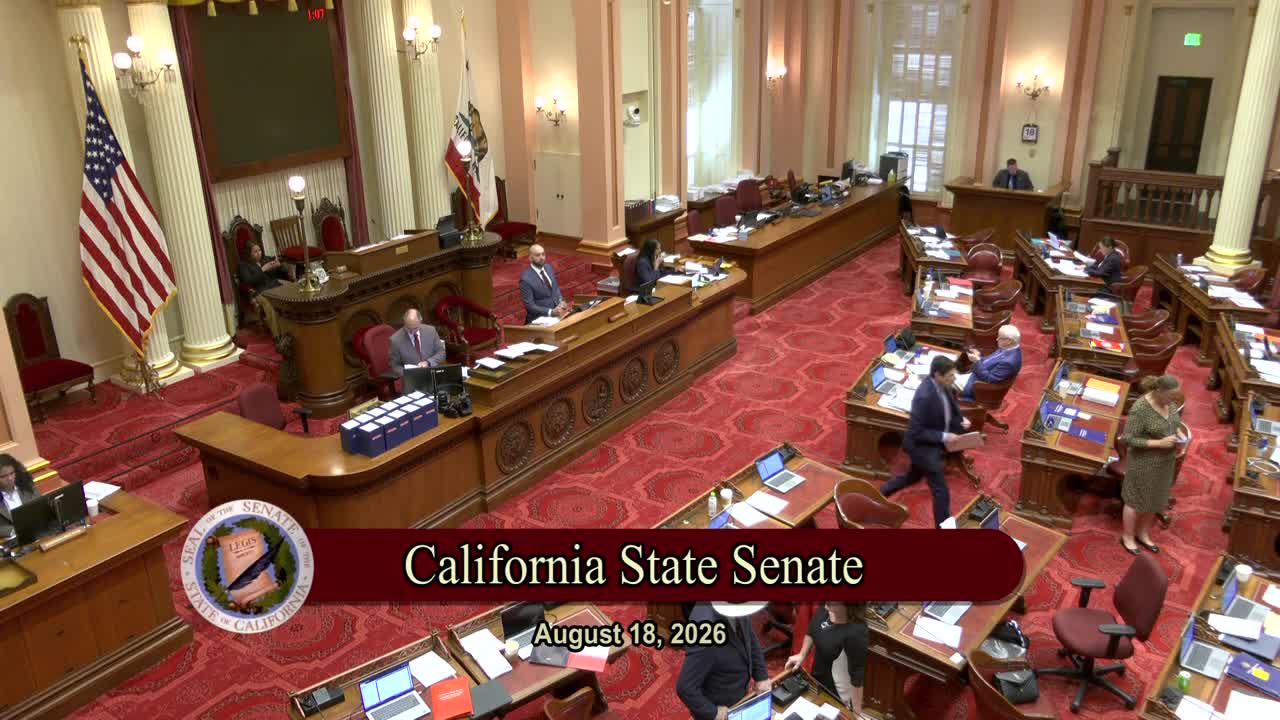
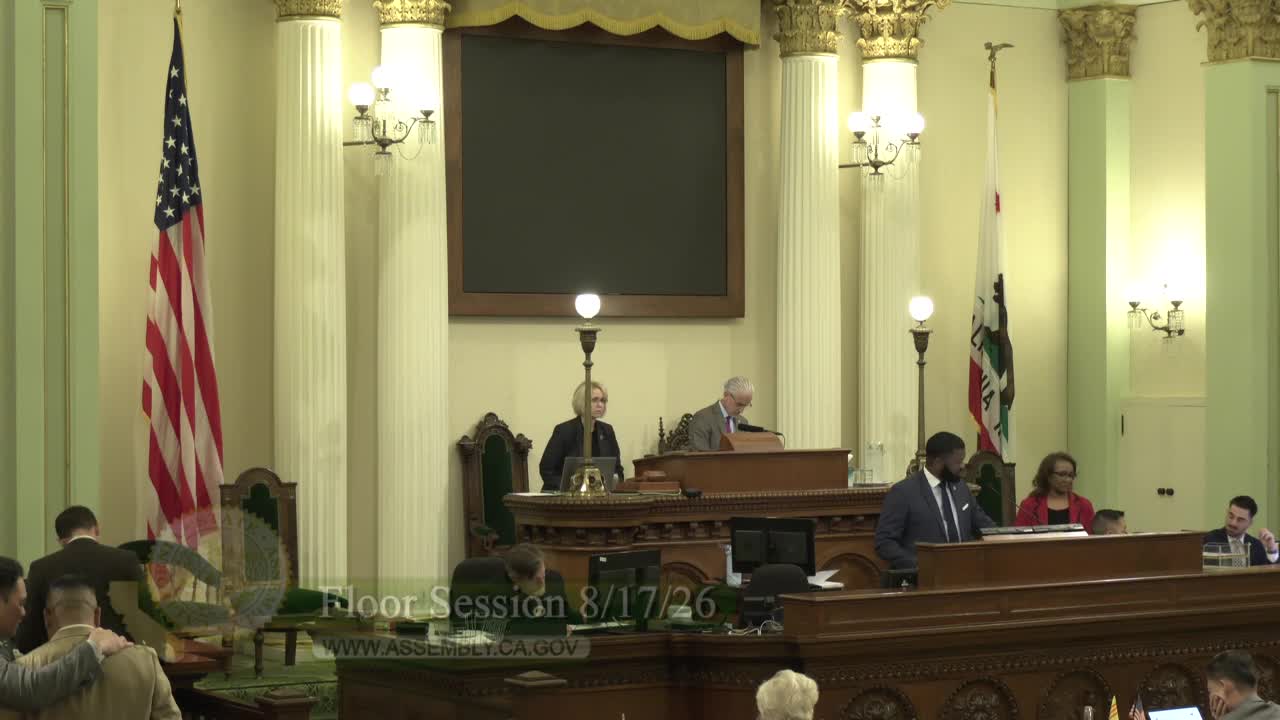
Bill Author

Bill Co-Author(s):