SB 1422: Medi-Cal: eligibility: immigration status.
- Session Year: 2025-2026
- House: Senate
- Latest Version Date: 2026-05-14
Current Status:
In Progress
(2026-06-08: Ordered to inactive file.)
Introduced
In Committee
Awaiting First Chamber Vote
Passed First Chamber
In Committee
Awaiting Second Chamber Vote
Passed Second Chamber
Enacted
Existing law establishes the Medi-Cal program, which is administered by the State Department of Health Care Services and under which qualified low-income individuals receive health care services. The Medi-Cal program is, in part, governed and funded by federal Medicaid program provisions. Existing law sets a schedule of benefits that are covered by the Medi-Cal program.
The federal Medicaid program prohibits payment to a state for medical assistance furnished to an alien who is not lawfully admitted for permanent residence or otherwise permanently residing in the United States under color of law. Existing state law extends Medi-Cal eligibility for the full scope of Medi-Cal benefits to individuals who do not have satisfactory immigration status if they are otherwise eligible for those benefits, with the exception of specified dental benefits for individuals who are 19 years of age or older. Existing law makes an individual who is 19 years of age or older, who does not have satisfactory immigration status, and who applies for Medi-Cal on or after January 1, 2026, or loses eligibility for eligibility for full-scope Medi-Cal on or after January 1, 2026, eligible only for pregnancy-related services and emergency medical treatment. Existing law, beginning no sooner than July 1, 2027, as specified, requires individuals who do not have satisfactory immigration status, who are not pregnant, and who are 19 to 59 years of age, inclusive, to pay a monthly premium of $30, subject to certain exceptions.
This bill would instead make require the Director of the Department of Finance to determine and report to the Legislature and the Governor the cost of implementing eligibility for the full scope of Medi-Cal benefits for individuals who do not have satisfactory immigration status if they are otherwise eligible, and whether including those costs the General Fund would be in a deficit, as defined. The bill would then, on January 1 of the year following such a determination, end the above-described limitations on services for those who apply for Medi-Cal after January 1, 2026, or who lose eligibility for the full-scope of Medi-Cal benefits on or after January 1, 2026, thereby making an individual who is 19 years of age or older, who does not have satisfactory immigration status, eligible for the full scope of Medi-Cal benefits subject to certain limitations, such as the payment of premiums and certain dental benefits. The bill would require that the implementation of eligibility for the full-scope of Medi-Cal benefits be done by groups categorized by age, beginning with individuals over 49 years of age.
Because counties are required to make Medi-Cal eligibility determinations and this bill would alter Medi-Cal eligibility, the bill would impose a state-mandated local program.
The California Constitution requires the state to reimburse local agencies and school districts for certain costs mandated by the state. Statutory provisions establish procedures for making that reimbursement.
This bill would provide that, if the Commission on State Mandates determines that the bill contains costs mandated by the state, reimbursement for those costs shall be made pursuant to the statutory provisions noted above.
Existing law establishes the Medi-Cal program, which is administered by the State Department of Health Care Services and under which qualified low-income individuals receive health care services. The Medi-Cal program is, in part, governed and funded by federal Medicaid program provisions. Existing law sets a schedule of benefits that are covered by the Medi-Cal program.
The federal Medicaid program prohibits payment to a state for medical assistance furnished to an alien who is not lawfully admitted for permanent residence or otherwise permanently residing in the United States under color of law. Existing state law extends Medi-Cal eligibility for the full scope of Medi-Cal benefits to individuals who do not have satisfactory immigration status if they are otherwise eligible for those benefits, with the exception of specified dental benefits for individuals who are 19 years of age or older. Existing law makes an individual who is 19 years of age or older, who does not have satisfactory immigration status, and who applies for Medi-Cal on or after January 1, 2026, or loses eligibility for eligibility for full-scope Medi-Cal on or after January 1, 2026, eligible only for pregnancy-related services and emergency medical treatment. Existing law, beginning no sooner than July 1, 2027, as specified, requires individuals who do not have satisfactory immigration status, who are not pregnant, and who are 19 to 59 years of age, inclusive, to pay a monthly premium of $30, subject to certain exceptions.
This bill would instead make an individual who is 19 years of age or older, who does not have satisfactory immigration status, eligible for the full scope of Medi-Cal benefits subject to certain limitations, such as the payment of premiums and certain dental benefits.
Because counties are required to make Medi-Cal eligibility determinations and this bill would alter Medi-Cal eligibility, the bill would impose a state-mandated local program.
The California Constitution requires the state to reimburse local agencies and school districts for certain costs mandated by the state. Statutory provisions establish procedures for making that reimbursement.
This bill would provide that, if the Commission on State Mandates determines that the bill contains costs mandated by the state, reimbursement for those costs shall be made pursuant to the statutory provisions noted above.
(a)(1)An individual who is 25 years of age or younger, and who does not have satisfactory immigration status or is unable to establish satisfactory immigration status as required by Section 14011.2, shall be eligible for the full scope of Medi-Cal benefits, subject to the service limitations described in subdivision (i), subdivisions (b), (c), and (k), if they are otherwise eligible for benefits under this chapter.
(2)(A)After the director determines, and communicates that determination in writing to the Department of Finance, that systems have been programmed for implementation of this subparagraph, but no sooner than May 1, 2022, an individual who is 50 years of age or older, and who does not have satisfactory immigration status or is unable to establish satisfactory immigration status as required by Section 14011.2, shall be eligible for the full scope of Medi-Cal benefits, subject to the service limitations described in subdivision (i), subdivisions (b), (c), and (k), if they are otherwise eligible for benefits under this chapter.
(B)After the director determines, and communicates that determination in writing to the Department of Finance, that systems have been programmed for implementation of this subparagraph, but no later than January 1, 2024, an individual who is 26 to 49 years of age, inclusive, and who does not have satisfactory immigration status as required by Section 14011.2, shall be eligible for the full scope of Medi-Cal benefits, subject to the service limitations described in subdivision (i), subdivisions (b), (c), and (k), if they are otherwise eligible for benefits under this chapter.
(b)(1)No sooner than January 1, 2026, an individual who is 19 years of age or older, who does not have satisfactory immigration status as required by Section 14011.2, who is otherwise eligible for Medi-Cal services pursuant to subdivision (d) of Section 14007.5, and who applies for Medi-Cal on or after January 1, 2026, shall only be eligible for medically necessary pregnancy-related services, and care and services necessary for the treatment of an emergency medical condition and medical care directly related to the emergency, as defined in federal law.
(2)Notwithstanding paragraph (1), an individual who is 19 years of age or older, who does not have satisfactory immigration status as required by Section 14011.2, who was enrolled in full-scope Medi-Cal and was not pregnant, but loses coverage for full-scope Medi-Cal, shall be eligible to reenroll in full-scope Medi-Cal within three months from the date of disenrollment for full-scope Medi-Cal, pregnancy-only Medi-Cal, or postpartum Medi-Cal. Payment of outstanding premium balances prior to the initiation of the three-month cure period shall be a condition of reenrollment under this subdivision for individuals disenrolled from Medi-Cal due to nonpayment of premiums. For purposes of this paragraph, full-scope Medi-Cal means the full scope of Medi-Cal benefits, subject to the service limitations described in subdivision (k).
(3)Paragraphs (1) and (2) shall not apply to nonminor dependents, as defined in Section 11400, and individuals who but for their immigration status are eligible for Medi-Cal pursuant to Section 14005.28. These individuals shall remain eligible for the full scope of Medi-Cal benefits until their 26th birthday.
(4)Subdivision (b) shall be inoperative in whole or in part as follows:
(A)(i)On or before August 1, 2027, and each year thereafter until all individuals described in subdivision (a) are no longer subject to the service limitations described in this subdivision, the Director of Finance shall annually report to the Governor and the Legislature both of the following:
(I)The annual General Fund cost of implementing eligibility for the full scope of Medi-Cal benefits for each age group described in subdivision (a) without service limitations described in this subdivision on the following January 1.
(II)Whether, including the General Fund costs described in subclause (I), the General Fund would be in deficit in the current fiscal year, or any of the following two fiscal years.
(ii)A report submitted pursuant to this subparagraph shall be submitted in compliance with Section 9795 of the Government Code.
(B)Notwithstanding paragraphs (1) through (3), inclusive, of this subdivision, or subdivisions (a) or (l), on January 1 of the year following a determination that the General Fund would not be in deficit in the current fiscal year, or any of the following two fiscal years, pursuant to subclause (II) of clause (i) of subparagraph (A), the service limitations described in this subdivision shall end for the next group of individuals described in subdivision (a). The individuals described in subdivision (a) shall be grouped by age and the removal of the service limitations described in this subdivision shall proceed in the following order:
(i)Individuals over 49 years of age.
(ii)Individuals between 19 and 25 years of age, inclusive.
(iii)Individuals between 26 and 49 years of age, inclusive.
(C)No later than 60 days prior to any age group listed in subparagraph (B) no longer being subject to the services limitations described in this subdivision, the department shall post on its internet website which age groups are or are not eligible to enroll in the full scope of Medi-Cal benefits and the relevant time periods.
(D)For the purposes of this subdivision, deficit is defined as a negative balance in the Special Fund for Economic Uncertainties, as provided for in Section 16418 of the Government Code, based on the most recent Department of Finance estimates required by Section 12.5 of Article IV of the California Constitution.
(c)(1)No sooner than January 1, 2026, if an individual described in subdivision (a) who is 19 years of age or older loses eligibility for full-scope Medi-Cal on or after January 1, 2026, the individual shall only be eligible for medically necessary pregnancy-related services, and care and services necessary for the treatment of an emergency medical condition and medical care directly related to the emergency, as defined in federal law.
(2)No sooner than January 1, 2026, notwithstanding paragraph (1), if an individual described in subdivision (a) who is 19 years of age or older loses eligibility for full-scope Medi-Cal while pregnant, the individual shall remain eligible for the full scope of Medi-Cal benefits, subject to the service limitations described in subdivision (k), throughout the pregnancy and for 12 months after the pregnancy ends.
(3)Paragraphs (1) and (2) shall not apply to nonminor dependents, as defined in Section 11400, and individuals who but for their immigration status are eligible for Medi-Cal pursuant to Section 14005.28. These individuals shall remain eligible for the full scope of Medi-Cal benefits until their 26th birthday.
(4)Subdivision (c) shall be inoperative in whole or in part as follows:
(A)(i)On or before August 1, 2027, and each year thereafter until all individuals described in subdivisions (a) are no longer subject to the service limitations described in this subdivision, the Director of Finance shall annually report to the Governor and the Legislature both of the following:
(I)The annual General Fund cost of implementing eligibility for the full scope of Medi-Cal benefits for each age group described in subdivision (a) without service limitations described in this subdivision on the following January 1.
(II)Whether, including the General Fund costs described in subclause (I), the General Fund would be in deficit in the current fiscal year, or any of the following two fiscal years.
(ii)A report submitted pursuant to this subparagraph shall be submitted in compliance with Section 9795 of the Government Code.
(B)Notwithstanding paragraphs (1) through (3), inclusive, of this subdivision, or subdivisions (a) or (l), on January 1 of the year following a determination that the General Fund would not be in deficit in the current fiscal year, or any of the following two fiscal years, pursuant to subclause (II) of clause (i) of subparagraph (A), the service limitations described in this subdivision shall end for the next group of individuals described in subdivision (a). The individuals described in subdivision (a) shall be grouped by age and the removal of the service limitations described in this subdivision shall proceed in the following order:
(i)Individuals over 49 years of age.
(ii)Individuals between 19 and 25 years of age, inclusive.
(iii)Individuals between 26 and 49 years of age, inclusive.
(C)No later than 60 days prior to any age group listed in subparagraph (B) no longer being subject to the services limitations described in this subdivision, the department shall post on its internet website which age groups are or are not eligible to enroll in the full scope of Medi-Cal benefits and the relevant time periods.
(D)For the purposes of this subdivision, deficit is defined as a negative balance in the Special Fund for Economic Uncertainties, as provided for in Section 16418 of the Government Code, based on the most recent Department of Finance estimates required by Section 12.5 of Article IV of the California Constitution.
(b)(d)The department shall provide monthly updates to the appropriate policy and fiscal committees of the Legislature on the status of the implementation of this section.
(c)(e)To the extent permitted by state and federal law, an individual eligible for full-scope Medi-Cal pursuant to subdivision (a) shall be required to enroll in a Medi-Cal managed care health plan. Enrollment in a Medi-Cal managed care health plan shall not preclude a beneficiary from being enrolled in any other childrens Medi-Cal specialty program that they would otherwise be eligible for.
(d)(f)(1)The department shall maximize federal financial participation in implementing this section to the extent allowable. For purposes of implementing this section, the department shall claim federal financial participation to the extent that the department determines it is available.
(2)To the extent that federal financial participation is unavailable, the department shall implement this section using state funds appropriated for this purpose.
(e)(g)This section shall be implemented only to the extent it is in compliance with Section 1621(d) of Title 8 of the United States Code.
(f)(h)(1)Notwithstanding Chapter 3.5 (commencing with Section 11340) of Part 1 of Division 3 of Title 2 of the Government Code, the department, without taking any further regulatory action, shall implement, interpret, or make specific this section by means of all-county letters, plan letters, plan or provider bulletins, or similar instructions until the time any necessary regulations are adopted. Thereafter, the department shall adopt regulations in accordance with the requirements of Chapter 3.5 (commencing with Section 11340) of Part 1 of Division 3 of Title 2 of the Government Code.
(2)Notwithstanding Section 10231.5 of the Government Code, the department shall provide a status report to the Legislature on a semiannual basis, in compliance with Section 9795 of the Government Code, until regulations have been adopted.
(g)(i)In implementing this section, the department may contract, as necessary, on a bid or nonbid basis. This subdivision establishes an accelerated process for issuing contracts pursuant to this section. Those contracts, and any other contracts entered into pursuant to this subdivision, may be on a noncompetitive bid basis and shall be exempt from both of the following:
(1)Part 2 (commencing with Section 10100) of Division 2 of the Public Contract Code and any policies, procedures, or regulations authorized by that part.
(2)Review or approval of contracts by the Department of General Services.
(h)(j)(1)(A)No sooner than July 1, 2027, all individuals described in subdivision (a), except for those individuals described in subparagraph (B), shall be required to pay a monthly premium as a condition of eligibility for Medi-Cal benefits, if they are otherwise eligible for benefits under this chapter.
(B)The following individuals are not subject to the monthly premium requirements described in subparagraph (A):
(i)Individuals under 19 years of age.
(ii)Individuals over 59 years of age.
(iii)Individuals who are pregnant.
(2)Monthly premiums imposed under this section shall be thirty dollars ($30) per beneficiary.
(3)An individual described in paragraph (1), after no more than 90 days of nonpayment of the monthly premium, will only be eligible for medically necessary pregnancy-related services, and care and services necessary for the treatment of an emergency medical condition and medical care directly related to the emergency, as defined in federal law. All outstanding premium balances shall be paid in full as a condition of continued eligibility for full-scope Medi-Cal coverage, subject to the service limitations described in subdivision (i).
(4)The monthly premium requirements and service limitations described in paragraphs (1), (2), and (3) shall not apply to nonminor dependents, as defined in Section 11400, and individuals who but for their immigration status are eligible for Medi-Cal pursuant to Section 14005.28. These individuals shall remain eligible for the full scope of Medi-Cal benefits until their 26th birthday.
(i)(k)(1)No sooner than July 1, 2026, an individual who is 19 years of age or older, who is eligible for Medi-Cal benefits pursuant to subdivision (a), shall not be eligible for dental services set forth in this chapter, except for the treatment of an emergency medical condition and medical care directly related to the emergency, as defined in federal law.
(2)Paragraph (1) shall not apply to nonminor dependents, as defined in Section 11400, and individuals who but for their immigration status are eligible for Medi-Cal pursuant to Section 14005.28. These individuals shall remain eligible for the full scope of Medi-Cal benefits until their 26th birthday.
(l)Subdivisions (b), (c), (j), and (k) shall be implemented only after the director determines, and communicates in writing to the Department of Finance, that systems have been programmed for implementation.
SEC. 2.If the Commission on State Mandates determines that this act contains costs mandated by the state, reimbursement to local agencies and school districts for those costs shall be made pursuant to Part 7 (commencing with Section 17500) of Division 4 of Title 2 of the Government Code.
(a)(1)An individual who is 25 years of age or younger, and who does not have satisfactory immigration status or is unable to establish satisfactory immigration status as required by Section 14011.2, shall be eligible for the full scope of Medi-Cal benefits, subject to the service limitations described in subdivisions (b), (c), and (k), subdivision (i), if they are otherwise eligible for benefits under this chapter.
(2)(A)After the director determines, and communicates that determination in writing to the Department of Finance, that systems have been programmed for implementation of this subparagraph, but no sooner than May 1, 2022, an individual who is 50 years of age or older, and who does not have satisfactory immigration status or is unable to establish satisfactory immigration status as required by Section 14011.2, shall be eligible for the full scope of Medi-Cal benefits, subject to the service limitations described in subdivisions (b), (c), and (k), subdivision (i), if they are otherwise eligible for benefits under this chapter.
(B)After the director determines, and communicates that determination in writing to the Department of Finance, that systems have been programmed for implementation of this subparagraph, but no later than January 1, 2024, an individual who is 26 to 49 years of age, inclusive, and who does not have satisfactory immigration status as required by Section 14011.2, shall be eligible for the full scope of Medi-Cal benefits, subject to the service limitations described in subdivisions (b), (c), and (k), subdivision (i), if they are otherwise eligible for benefits under this chapter.
(b)(1)No sooner than January 1, 2026, an individual who is 19 years of age or older, who does not have satisfactory immigration status as required by Section 14011.2, who is otherwise eligible for Medi-Cal services pursuant to subdivision (d) of Section 14007.5, and who applies for Medi-Cal on or after January 1, 2026, shall only be eligible for medically necessary pregnancy-related services, and care and services necessary for the treatment of an emergency medical condition and medical care directly related to the emergency, as defined in federal law.(2)Notwithstanding paragraph (1), an individual who is 19 years of age or older, who does not have satisfactory immigration status as required by Section 14011.2, who was enrolled in full-scope Medi-Cal and was not pregnant, but loses coverage for full-scope Medi-Cal, shall be eligible to reenroll in full-scope Medi-Cal within three months from the date of disenrollment for full-scope Medi-Cal, pregnancy-only Medi-Cal, or postpartum Medi-Cal. Payment of outstanding premium balances prior to the initiation of the three-month cure period shall be a condition of reenrollment under this subdivision for individuals disenrolled from Medi-Cal due to nonpayment of premiums. For purposes of this paragraph, full-scope Medi-Cal means the full scope of Medi-Cal benefits, subject to the service limitations described in subdivision (k).(3)Paragraphs (1) and (2) shall not apply to nonminor dependents, as defined in Section 11400, and individuals who but for their immigration status are eligible for Medi-Cal pursuant to Section 14005.28. These individuals shall remain eligible for the full scope of Medi-Cal benefits until their 26th birthday.(c)(1)No sooner than January 1, 2026, if an individual described in subdivision (a) who is 19 years of age or older loses eligibility for full-scope Medi-Cal on or after January 1, 2026, the individual shall only be eligible for medically necessary pregnancy-related services, and care and services necessary for the treatment of an emergency medical condition and medical care directly related to the emergency, as defined in federal law.(2)No sooner than January 1, 2026, notwithstanding paragraph (1), if an individual described in subdivision (a) who is 19 years of age or older loses eligibility for full-scope Medi-Cal while pregnant, the individual shall remain eligible for the full scope of Medi-Cal benefits, subject to the service limitations described in subdivision (k), throughout the pregnancy and for 12 months after the pregnancy ends.(3)Paragraphs (1) and (2) shall not apply to nonminor dependents, as defined in Section 11400, and individuals who but for their immigration status are eligible for Medi-Cal pursuant to Section 14005.28. These individuals shall remain eligible for the full scope of Medi-Cal benefits until their 26th birthday.(d)(b)The department shall provide monthly updates to the appropriate policy and fiscal committees of the Legislature on the status of the implementation of this section.
(e)(c)To the extent permitted by state and federal law, an individual eligible for full-scope Medi-Cal pursuant to subdivision (a) shall be required to enroll in a Medi-Cal managed care health plan. Enrollment in a Medi-Cal managed care health plan shall not preclude a beneficiary from being enrolled in any other childrens Medi-Cal specialty program that they would otherwise be eligible for.
(f)(d)(1)The department shall maximize federal financial participation in implementing this section to the extent allowable. For purposes of implementing this section, the department shall claim federal financial participation to the extent that the department determines it is available.
(2)To the extent that federal financial participation is unavailable, the department shall implement this section using state funds appropriated for this purpose.
(g)(e)This section shall be implemented only to the extent it is in compliance with Section 1621(d) of Title 8 of the United States Code.
(h)(f)(1)Notwithstanding Chapter 3.5 (commencing with Section 11340) of Part 1 of Division 3 of Title 2 of the Government Code, the department, without taking any further regulatory action, shall implement, interpret, or make specific this section by means of all-county letters, plan letters, plan or provider bulletins, or similar instructions until the time any necessary regulations are adopted. Thereafter, the department shall adopt regulations in accordance with the requirements of Chapter 3.5 (commencing with Section 11340) of Part 1 of Division 3 of Title 2 of the Government Code.
(2)Notwithstanding Section 10231.5 of the Government Code, the department shall provide a status report to the Legislature on a semiannual basis, in compliance with Section 9795 of the Government Code, until regulations have been adopted.
(i)(g)In implementing this section, the department may contract, as necessary, on a bid or nonbid basis. This subdivision establishes an accelerated process for issuing contracts pursuant to this section. Those contracts, and any other contracts entered into pursuant to this subdivision, may be on a noncompetitive bid basis and shall be exempt from both of the following:
(1)Part 2 (commencing with Section 10100) of Division 2 of the Public Contract Code and any policies, procedures, or regulations authorized by that part.
(2)Review or approval of contracts by the Department of General Services.
(j)(h)(1)(A)No sooner than July 1, 2027, all individuals described in subdivision (a), except for those individuals described in subparagraph (B), shall be required to pay a monthly premium as a condition of eligibility for Medi-Cal benefits, if they are otherwise eligible for benefits under this chapter.
(B)The following individuals are not subject to the monthly premium requirements described in subparagraph (A):
(i)Individuals under 19 years of age.
(ii)Individuals over 59 years of age.
(iii)Individuals who are pregnant.
(2)Monthly premiums imposed under this section shall be thirty dollars ($30) per beneficiary.
(3)An individual described in paragraph (1), after no more than 90 days of nonpayment of the monthly premium, will only be eligible for medically necessary pregnancy-related services, and care and services necessary for the treatment of an emergency medical condition and medical care directly related to the emergency, as defined in federal law. All outstanding premium balances shall be paid in full as a condition of continued eligibility for full-scope Medi-Cal coverage, subject to the service limitations described in subdivision (k). (i).
(4)The monthly premium requirements and service limitations described in paragraphs (1), (2), and (3) shall not apply to nonminor dependents, as defined in Section 11400, and individuals who but for their immigration status are eligible for Medi-Cal pursuant to Section 14005.28. These individuals shall remain eligible for the full scope of Medi-Cal benefits until their 26th birthday.
(k)(i)(1)No sooner than July 1, 2026, an individual who is 19 years of age or older, who is eligible for Medi-Cal benefits pursuant to subdivision (a), shall not be eligible for dental services set forth in this chapter, except for the treatment of an emergency medical condition and medical care directly related to the emergency, as defined in federal law.
(2)Paragraph (1) shall not apply to nonminor dependents, as defined in Section 11400, and individuals who but for their immigration status are eligible for Medi-Cal pursuant to Section 14005.28. These individuals shall remain eligible for the full scope of Medi-Cal benefits until their 26th birthday.
(l)Subdivisions (b), (c), (j), and (k) shall be implemented only after the director determines, and communicates in writing to the Department of Finance, that systems have been programmed for implementation.SEC. 2.If the Commission on State Mandates determines that this act contains costs mandated by the state, reimbursement to local agencies and school districts for those costs shall be made pursuant to Part 7 (commencing with Section 17500) of Division 4 of Title 2 of the Government Code.
|
Date
|
Status
|
|---|---|
| Jun 8, 2026 | Ordered to inactive file. |
| May 18, 2026 | Read second time. Ordered to third reading. |
| May 14, 2026 | From committee: Do pass as amended. (Ayes 5. Noes 2. Page 4276.) (May 14). |
| May 14, 2026 | Read second time and amended. Ordered to second reading. |
| May 14, 2026 | From committee: Do pass as amended. (Ayes 5. Noes 2.) (May 14). |
| May 8, 2026 | Set for hearing May 14. |
| Apr 20, 2026 | April 20 hearing: Placed on APPR. suspense file. |
| Apr 10, 2026 | Set for hearing April 20. |
| Apr 9, 2026 | From committee: Do pass and re-refer to Com. on APPR. (Ayes 9. Noes 2. Page 3793.) (April 8). Re-referred to Com. on APPR. |
| Apr 9, 2026 | From committee: Do pass and re-refer to Com. on APPR. (Ayes 9. Noes 2.) (April 8). Re-referred to Com. on APPR. |
| Mar 19, 2026 | Set for hearing April 8. |
| Mar 4, 2026 | Referred to Com. on HEALTH. |
| Feb 23, 2026 | Read first time. |
| Feb 23, 2026 | From printer. May be acted upon on or after March 23. |
| Feb 20, 2026 | Introduced. To Com. on RLS. for assignment. To print. |
|
Date
|
Description
|
Location
|
Votes
|
|
|---|---|---|---|---|
| May 14, 2026 | Do pass as amended | Senate Standing Committee on Appropriations |
Passed |
|
| Apr 20, 2026 | Placed on suspense file | Senate Standing Committee on Appropriations |
Passed |
|
| Apr 8, 2026 | Do pass, but first be re-referred to the Committee on [Appropriations] | Senate Standing Committee on Health |
Passed |
This list shows positions taken on this bill by organizations on the date displayed, which is linked to the original source.
Positions by individuals are not included.
|
Organization
|
Position
|
Date
|
|---|---|---|
| AAPIs for Civic Empowerment | ** Support | |
| Access Reproductive Justice | ** Support | |
| Adventist Health | ** Support | |
| Alliance for A Better Community | ** Support | |
| ALLIANCE OF CATHOLIC HEALTH CARE, INC. | ** Support | |
| Alma Family Services | ** Support | |
| AltaMed Health Services | ** Support | |
| American Civil Liberties Union California Action | ** Support | |
| Asian Americans Advancing Justice - Southern California | ** Support | |
| Asian Americans for Community Involvement | ** Support | |
| Asian Law Alliance | ** Support | |
| Asian Resources, Inc. | ** Support | |
| Asociacion De Migrantes Guatemaltecos Los Angeles | ** Support | |
| AVANCE DEMOCRATIC CLUB | ** Support | |
| Barrio Action Youth And Family Center | ** Support | |
| Bet Tzedek Legal Services | ** Support | |
| Bienstar Human Services | ** Support | |
| Buen Vecino | ** Support | |
| California Academy Of Family Physicians | ** Support | |
| California Alliance For Retired Americans | ** Support | |
| California Alliance Of Child And Family Services | ** Support | |
| California Association of Alcohol and Drug Program Executives | ** Support | |
| California Association Of Health Plans | ** Support | |
| California Association Of Public Hospitals And Health Systems | ** Support | |
| California Chapter of the American College of Emergency Physicians | ** Support | |
| California Community Foundation | ** Support | |
| California Coverage & Health Initiatives | ** Support | |
| California Federation of Labor Unions | ** Support | |
| California Human Development | ** Support | |
| California Immigrant Policy Center (co-source) | ** Support | |
| California LGBTQ Health and Human Services Network | ** Support | |
| California PACE Association | ** Support | |
| California Pan-Ethnic Health Network | ** Support | |
| California Physicians Alliance | ** Support | |
| California Primary Care Association | ** Support | |
| California Rural Legal Assistance Foundation, Inc. | ** Support | |
| California School-Based Health Alliance | ** Support | |
| California State Council of Service Employees International Union | ** Support | |
| California Undocumented Higher Education Coalition | ** Support | |
| Celestria Health | ** Support | |
| Center for Employment Training | ** Support | |
| Central American Resource Center of California | ** Support | |
| Central City Neighborhood Partners | ** Support | |
| Central Valley Opportunity Center | ** Support | |
| centro binacional para el desarrollo indigena oaxaqueno | ** Support | |
| Children'S Hospital Los Angeles | ** Support | |
| Chinatown Service Center | ** Support | |
| Clinica Monsenor Oscar A. Romero | ** Support | |
| Coalition for Economic Survival | ** Support | |
| Coalition of Orange County Community Health Centers | ** Support | |
| Communities United for Restorative Youth Justice | ** Support | |
| Community Clinic Association of Los Angeles County | ** Support | |
| Community Health Partnership | ** Support | |
| County of Contra Costa | ** Support | |
| County Of Los Angeles | ** Support | |
| County of San Mateo | ** Support | |
| County of Santa Clara | ** Support | |
| County Welfare Directors Association of California | ** Support | |
| Courage California | ** Support | |
| CRI-HELP, Inc. | ** Support | |
| Disability Rights And Education Defense Fund | ** Support | |
| Disability Rights California | ** Support | |
| Disability Voices United | ** Support | |
| East Bay Community Law Center | ** Support | |
| Eastmont Community Center | ** Support | |
| El Centro del Pueblo | ** Support | |
| Equality California | ** Support | |
| Farms2People | ** Support | |
| First Day Foundation | ** Support | |
| Friends Committee On Legislation Of California | ** Support | |
| Gardner Health Services, Inc. | ** Support | |
| Gateways Hospital and Mental Health Center | ** Support | |
| Gender Affirming Professionals | ** Support | |
| Glide | ** Support | |
| Grantmakers Concerned With Immigrants and Refugees | ** Support | |
| Healing Urban Barrios | ** Support | |
| Health4Kern | ** Support | |
| Health Access California (co-source) | ** Support | |
| Homeboy Industries | ** Support | |
| Immigrant Defenders Law Center | ** Support | |
| Inclusive Action for the City | ** Support | |
| Indivisible Ca: Statestrong | ** Support | |
| Inland Coalition for Immigrant Justice | ** Support | |
| Inland Empire Immigrant Youth Collective | ** Support | |
| InnerCity Struggle | ** Support | |
| Justice in Aging | ** Support | |
| Kedren Health | ** Support | |
| Kheir Clinic | ** Support | |
| Koreatown Youth and Community Center | ** Support | |
| la Cooperativa Campesina de California | ** Support | |
| La Raza Roundtable de California | ** Support | |
| Latino Coalition for a Healthy California (co-source) | ** Support | |
| Latino Equity Alliance | ** Support | |
| Legacy Los Angeles Youth Development Corporation | ** Support | |
| Lideres Campesinas | ** Support | |
| Lifelong Medical Care | ** Support | |
| Local Health Plans Of California | ** Support | |
| Los Amigos De LA Comunidad, INC. | ** Support | |
| Los Angeles Care Health Plan | ** Support | |
| Los Angeles County Federation of Labor | ** Support | |
| Miguel Contreras Foundation | ** Support | |
| Mixteco/Indígena Community Organizing Project | ** Support | |
| Multi-faith Action Coalition | ** Support | |
| National Health Law Program | ** Support | |
| Northeast Valley Health Corporation | ** Support | |
| Oasis Legal Services | ** Support | |
| Occupational Therapy Association Of California | ** Support | |
| Organización de Líderes Campesinas en California, Inc. | ** Support | |
| Organizing Rooted in Abolition Liberation and Empowerment | ** Support | |
| Oxford Health Group | ** Support | |
| PICO California | ** Support | |
| Planned Parenthood Affiliates Of California | ** Support | |
| Private Essential Access Community Hospitals | ** Support | |
| Proteus, Inc. | ** Support | |
| Proyecto Pastoral | ** Support | |
| Rotacare San Rafael | ** Support | |
| San Diego Immigrant Rights Consortium | ** Support | |
| Santa Cruz Community Health | ** Support | |
| Social Equity California | ** Support | |
| Social Equity Los Angeles | ** Support | |
| Social Justice Collaborative | ** Support | |
| South Asian Network | ** Support | |
| Southeast Asia Resource Action Center | ** Support | |
| St. John's Community Health | ** Support | |
| St. Vincent Behavioral Health Campus | ** Support | |
| St. Vincent Meals on Wheels | ** Support | |
| Teamsters California | ** Support | |
| Thai Community Development Center | ** Support | |
| The Children's Partnership | ** Support | |
| The Los Angeles Trust for Children’s Health | ** Support | |
| the san diego lgbt community center | ** Support | |
| The Translatin@ Coalition | ** Support | |
| TODEC Legal Center | ** Support | |
| United Farm Workers | ** Support | |
| United Latino Voices of Contra Costa County | ** Support | |
| United Ways Of California | ** Support | |
| UNITE HERE International Union | ** Support | |
| Urban Counties of California | ** Support | |
| Urban Semilias | ** Support | |
| Venice Family Clinic | ** Support | |
| Vision y Compromiso | ** Support | |
| Weingart East Los Angeles YMCA | ** Support | |
| Wesley Health Centers JWCH Institute | ** Support | |
| western center on law & poverty | ** Support | |
| Women’s Foundation California | ** Support | |
| Young Invincibles | ** Support |
SENATE RULES COMMITTEE Office of Senate Floor Analyses (916) 651-4171 | SB 1422 |
THIRD READING
Bill No: SB 1422
Author: Durazo (D), et al.
Amended: 5/14/26
Vote: 21
SENATE HEALTH COMMITTEE: 9-2, 4/8/26
AYES: Weber Pierson, Caballero, Durazo, Gonzalez, Menjivar, Padilla, Pérez, Rubio, Smallwood-Cuevas
NOES: Valladares, Grove
SENATE APPROPRIATIONS COMMITTEE: 5-2, 5/14/26
AYES: Cervantes, Cabaldon, Grayson, Richardson, Wahab
NOES: Seyarto, Dahle
SUBJECT: Medi-Cal: eligibility: immigration status
SOURCE: California Immigrant Policy Center
Health Access California
Latino Coalition for a Healthy California
DIGEST:
This bill phases out the freeze on program enrollment in full-scope Medi-Cal for undocumented immigrants no sooner than January 1, 2028, dependent on the condition of the state General Fund, prioritized by age group.
ANALYSIS:
Existing federal law:
- Establishes the Medicaid program to enable each state to furnish medical assistance on behalf of individuals whose income and resources are insufficient to meet the costs of necessary medical services. [Title 42 United States Code (USC) §1396, et seq.]
- Authorizes lawfully present immigrants with satisfactory immigration status to receive federal public benefits, including lawful permanent residents who have resided in the U.S. for more than five years, asylees, refugees, parolees, Cuban and Haitian entrants, individuals lawfully residing in the U.S. in accordance with a Compact of Free Association, and immigrants who have been battered or subject to extreme cruelty. [8 USC §1613 and §1641]
- Limits, starting October 1, 2026, as enacted by H.R. 1 (Public Law No. 119-21), federal payments to states for individuals who are not citizens or nationals of the U.S., lawful permanent residents, Cuban or Haitian entrants, or individuals lawfully residing in the U.S. in accordance with a Compact of Free Association. [42 USC §1396b]
- Prohibits, under the Personal Responsibility and Work Opportunity Reconciliation Act of 1996 (PRWORA), individuals without satisfactory immigration status from being eligible for any state or local public benefits, except for assistance for health care items and services that are necessary for the treatment of an emergency medical condition, short-term, non-cash, in-kind emergency disaster relief, public health assistance for immunizations, public health assistance for testing and treatment of symptoms of communicable disease, and other community in-kind services specified by the Attorney General. [8 USC §1621]
- Authorizes states to provide eligibility for state and local public benefits to immigrants without satisfactory immigration status by enacting of a statute after August 22, 1996, affirmatively providing for such eligibility. [8 USC §1621]
Existing state law:
- Establishes the Medi-Cal program, administered by the California Department of Health Care Services (DHCS), under which qualified low-income individuals receive health care services. [Welfare and Institutions Code (WIC) §14000, et seq.]
- Establishes eligibility for full-scope Medi-Cal benefits to individuals over age 19 without satisfactory immigration status who are lawful permanent residents for less than five years or are permanently residing under color or law. [WIC §14007.5]
- Establishes Medi-Cal eligibility for individuals without satisfactory immigration status or those individuals included in 2) (collectively, “undocumented immigrants”) using state funds, and directs DHCS to maximize federal financial participation to the extent allowable under federal law. Starting January 1, 2026, freezes program enrollment for individuals over age 19, except for nonminor dependents and former foster youth until their 26th birthday. [WIC §14007.8]
- Specifies that individuals who apply for or lose coverage after January 1, 2026 are only eligible for medically necessary pregnancy-related services or services necessary for the treatment of an emergency medical condition. Requires individuals who are pregnant when they lose coverage to remain eligible for full-scope Medi-Cal throughout the pregnancy and for 12 months after the pregnancy ends. [WIC §14007.8]
- Requires nonpregnant individuals between the ages of 19 and 59 without satisfactory immigration status to pay a $30 monthly premium to keep coverage, starting July 1, 2027. Exempts nonminor dependents and former foster youth until their 26th birthday. [WIC §14007.8]
- Specifies that individuals who fail to pay the monthly premium for no more than 90 days are only eligible for medically necessary pregnancy-related services or services necessary for the treatment of an emergency medical condition. Requires outstanding premium balances to be paid in full as a condition of continued eligibility for full-scope Medi-Cal coverage. [WIC §14007.8]
- Eliminates, starting July 1, 2026, nonemergency dental services conditions from full-scope coverage for immigrants without satisfactory immigration status. [WIC §14007.8]
This bill:
- Requires the Director of Finance to annually certify via a report to the Governor and the Legislature, starting August 1, 2027, the following information;
- The annual General Fund cost of implementing full scope Medi-Cal benefits for each successive age group in the order specified starting the following January 1; and,
- A determination of whether the General Fund would be in deficit in the current fiscal year or any of the following two fiscal years.
- Ends the freeze on full scope Medi-Cal enrollment for individuals who are undocumented on January 1 of the following year for individuals in an age group for whom the report described in 1) certifies that the General Fund would not be in deficit, as specified.
- Defines deficit as a negative balance in the Special Fund for Economic Uncertainties based on the most recent Department of Finance estimates.
- Specifies that the age groups and order of priority is as follows:
- Individuals over 49 years of age;
- Individuals between the ages of 19 and 25; and,
- Individuals between the ages of 26 and 49.
- Requires DHCS to post on its internet website no later than 60 days prior to any age group no longer being subject to the freeze on full scope Medi-Cal benefits, which age groups are or are not eligible to enroll in the full scope of Medi-Cal benefits, and the relevant time periods.
- Conditions the implementation of the phasing out of the freeze on enrollment in full-scope Medi-Cal and the implementation of premiums and additional service limitations in existing law that have yet to be implemented upon written communication by the director of DHCS to the Department of Finance that systems have been programmed for implementation.
Comments
According to the author of this bill:
California has made significant progress expanding health coverage, helping the state achieve its lowest uninsured rate in history. As Medi-Cal expanded, counties were able to scale down indigent care programs, reducing local fiscal burdens and stabilizing safety-net hospitals and clinics. The 2025–26 State Budget froze new enrollment in full-scope Medi-Cal for undocumented adults ages 19 and older, reversing course and making more people uninsured. Individuals who relied on Medi-Cal for care are now attempting to enroll and being told they no longer qualify, while otherwise eligible adults are receiving denial notices. The enrollment freeze does not eliminate health needs; it shifts responsibility from the state back to beleaguered county indigent care programs, strained hospitals, and overcrowded emergency departments. When people lose coverage, detecting early diabetes at a doctor’s visit becomes arriving at the emergency room in a diabetic coma, and untreated high blood pressure becomes a stroke. Emergency departments must treat everyone and can cost up to 12 times more than a physician visit, leaving counties to absorb the uncompensated care. California already spends approximately $3.5 billion each year on preventable emergency care and about $13 billion treating conditions later rather than earlier. This comes as counties and hospitals face devastating federal H.R. 1 cuts estimated at $6.0–$9.5 billion annually. While state legislators cannot fully shield our districts from the federal cuts, we can avoid compounding the damage by restoring Medi-Cal enrollment access.
The simplest explanation for the reason that the cost of care for individuals who are undocumented was higher than estimated is that their health care needs were higher than estimated, and more people needed care than estimated. Two years after the implementation of Medi-Cal coverage for all, regardless of immigration status, is too soon to tell if this is just due to previous unmet health needs that will be resolved in the out years or if undocumented individuals are actually less healthy than presumed, and thus have more urgent need for health care. Considering the living and working conditions of many of these individuals, and longstanding research on the social drivers of health, higher health needs may in fact be the reality. Additionally, while it is true that covering primary care is cheaper than covering emergency care, or that we all pay when hospitals have more or sicker people coming through the emergency room, it is also true that not providing comprehensive coverage is cheaper for the state General Fund. Whether California is able to continue to provide Medi-Cal regardless of immigration status will require long term budgetary commitment.
Background
The availability of Medi-Cal for immigrants. As a federal-state partnership, the Medi-Cal program must abide by federal rules in order to receive federal financial participation for the services it provides. If the Medi-Cal program provides services to individuals who do not have “satisfactory immigration status” under the federal rules, California must pay for the entirety of the cost of care, with the exception of services to pregnant individuals and services provided in a medical emergency. Prior to 1996, immigrants who were lawful permanent residents or were otherwise “permanently residing under color of law” (e.g. were residing in the U.S. with the knowledge and permission of the federal government) were able to access federal benefits. PRWORA limited which immigrants were eligible for federal programs to a list of qualified statuses (known as “satisfactory immigration status”) and in many cases, to immigrants who had lawfully resided in the U.S. for at least five years. Emergency services and services to pregnant individuals were still allowed in the Medicaid program. PRWORA did allow states to extend benefits to immigrants who did not have satisfactory immigration status or who had not resided here long enough, but these benefits were paid for entirely by the state. The Medi-Cal program continued to provide full-scope benefits to many immigrants who were lawfully present out of state-only funds.
Expansions of Medi-Cal through #Health4All. After the expansion of Medicaid to previously ineligible adults aged 19-64 without dependents under the Affordable Care Act, a coalition of immigrant and health care rights organizations began sponsoring a campaign to expand full-scope Medi-Cal to undocumented immigrants. SB 1005 (Lara of 2014) was the first attempt, and a number of bills in both the Senate and Assembly were run from 2014 through 2021. Ultimately, the program was expanded incrementally through health budget trailer bills each time the Senate, Assembly, and Governor agreed that funding was sufficient, starting with children, then young adults, then adults over age 50, and finally all adults (see Prior Legislation in the Senate Health Committee analysis). The last budget trailer bill was passed in 2022 and the expansion was fully implemented on January 1, 2024, making California the first state in the nation to cover all income-eligible individuals, regardless of immigration status, in its Medicaid program.
Recent reductions in immigrant eligibility. After years of program expansion in relatively good budget years, in early 2025, despite a decline in Medi-Cal caseload, an overall increase in Medi-Cal spending was projected. According to DHCS’s published highlights from the Governor’s 2025-26 proposed budget, the major drivers in these increased costs were an approximately $2.7 billion increase in costs for individuals with unsatisfactory immigration status due to higher than anticipated enrollment and increased pharmacy costs for this population. The other drivers are increased pharmacy costs for the rest of the Medi-Cal population, higher caseload retention rates than predicted, and a reduction in a provider tax due to the passage of ballot Proposition 35 (which redirected how proceeds from the tax could be spent). By May 2025, DHCS’s published highlights stated that the increase in costs for individuals with unsatisfactory immigration status had grown to $5 billion over the previous year’s projection because enrollment had not declined as predicted, and the average costs of care were still higher than predicted. The Governor’s May budget revision thus proposed a number of cuts to this population including an enrollment freeze, monthly premiums, service cuts, and reducing provider payments to clinics serving this population. The Legislature agreed to and enacted a modified version of these proposals, including an enrollment freeze for otherwise eligible undocumented immigrants, $30 monthly premiums for most nonpregnant adults between the ages of 19 and 59 with unsatisfactory immigration status, the elimination of dental benefits for nonpregnant adults over age 19, and the proposed provider rate cuts to clinics.
H.R. 1 increases pressures to the Medi-Cal program. In addition to the recent increases in Medi-Cal spending, the federal budget reconciliation bill, H.R. 1 (passed in July 2025), included reductions in federal Medicaid spending of over $125 billion a year in the out years, according to the Congressional Budget Office. These program changes include defunding Medicaid payments to family planning providers that provide abortions, prohibiting new or increased provider taxes to fund Medicaid and requiring a gradual reduction of existing provider taxes, capping the rate the state may set for specified services, reducing the federal share of payment for emergency services to adults with unqualified immigration status, and changes in allowable payments under federal waiver programs. As a result, California’s Medi-Cal program now has significantly less federal support coming in, and DHCS and providers (including hospitals and clinics) are trying to figure out how to replace federal Medicaid dollars.
FISCAL EFFECT: Appropriation: No Fiscal Com.: Yes Local: Yes
According to the Senate Appropriations Committee this bill would have the following fiscal effect:
- Unknown significant ongoing costs (high hundreds of millions General Fund) to eliminate the existing enrollment freeze for full-scope Medi-Cal coverage for individuals who do not have satisfactory immigration status. Actual costs would depend on the phase-in and timing of implementation of the bill’s provisions.
- Costs to counties for administration would be potentially reimbursable by the state, subject to a determination by the Commission on State Mandates.
California Immigrant Policy Center (co-source)
Health Access California (co-source)
Latino Coalition for a Healthy California (co-source)
AAPIs for Civic Empowerment
Access Reproductive Justice
Adventist Health
Alliance for a Better Community
Alliance of Catholic Health Care, Inc.
Alma Family Services
AltaMed Health Services
Asian Americans Advancing Justice - Southern California
Asian Americans for Community Involvement
American Civil Liberties Union California Action
Asian Law Alliance
Asian Resources, Inc.
Asociacion de Migrantes Guatemaltecos Los Angeles
Avance Democratic Club
Barrio Action Youth and Family Center
Bet Tzedek Legal Services
Bienstar Human Services
Buen Vecino
California Academy of Family Physicians
California Alliance for Retired Americans
California Alliance of Child and Family Services
California Association of Alcohol and Drug Program Executives
California Association of Health Plans
California Association of Public Hospitals and Health Systems
California Chapter of the American College of Emergency Physicians
California Community Foundation
California Coverage & Health Initiatives
California Federation of Labor Unions
California Human Development
California LGBTQ Health and Human Services Network
California PACE Association
California Pan-Ethnic Health Network
California Physicians Alliance
California Primary Care Association
California Rural Legal Assistance Foundation, Inc.
California School-Based Health Alliance
California State Council of Service Employees International Union
California Undocumented Higher Education Coalition
Celestria Health
Center for Employment Training
Central American Resource Center of California
Central City Neighborhood Partners
Central Valley Opportunity Center
Centro Binacional Para El Desarrollo Indigena Oaxaqueño
Children's Hospital Los Angeles
Chinatown Service Center
Clínica Monseñor Oscar A. Romero
Coalition for Economic Survival
Coalition of Orange County Community Health Centers
Communities United for Restorative Youth Justice
Community Clinic Association of Los Angeles County
Community Health Partnership
County of Contra Costa
County of Los Angeles
County of San Mateo
County of Santa Clara
County Welfare Directors Association of California
Courage California
CRI-HELP, Inc.
Disability Rights and Education Defense Fund
Disability Rights California
Disability Voices United
East Bay Community Law Center
Eastmont Community Center
El Centro del Pueblo
Equality California
Farms2People
First Day Foundation
Friends Committee on Legislation of California
Gateways Hospital and Mental Health Center
Gardner Health Services, Inc.
Gender Affirming Professionals
GLIDE
Grantmakers Concerned with Immigrants and Refugees
Healing Urban Barrios
Health4Kern
Homeboy Industries
Immigrant Defenders Law Center
Inclusive Action for the City
Indivisible CA: StateStrong
Inland Coalition for Immigrant Justice
Inland Empire Immigrant Youth Collective
InnerCity Struggle
Justice in Aging
Kedren Health
Kheir Clinic
Koreatown Youth and Community Center
La Cooperativa Campesina de California
La Raza Roundtable de California
Latino Equity Alliance
Legacy Los Angeles Youth Development Corporation
Lideres Campesinas
LifeLong Medical Care
Local Health Plans of California
Los Amigos de la Comunidad, Inc.
Los Angeles Care Health Plan
Los Angeles County Federation of Labor
Miguel Contreras Foundation
Mixteco/Indigena Community Organizing Project
Multi-Faith ACTION Coalition
National Health Law Program
Northeast Valley Health Corporation
Oasis Legal Services
Occupational Therapy Association of California
Organización de Líderes Campesinas en California, Inc.
Organizing Rooted in Abolition Liberation and Empowerment
Oxford Health Group
PICO California
Planned Parenthood Affiliates of California
Private Essential Access Community Hospitals
Proteus, Inc.
Proyecto Pastoral
RotaCare San Rafael
San Diego Immigrant Rights Consortium
Santa Cruz Community Health
Social Equity California
Social Equity Los Angeles
Social Justice Collaborative
South Asian Network
Southeast Asia Resource Action Center
St. John's Community Health
St. Vincent Behavioral Health Campus
St. Vincent Meals on Wheels
Teamsters California
Thai Community Development Center
The Children's Partnership
The Los Angeles Trust for Children’s Health
The San Diego LGBT Community Center
The Translatin@ Coalition
TODEC Legal Center
UNITE HERE International Union
United Farm Workers
United Latino Voices of Contra Costa County
United Ways of California
Urban Counties of California
Urban Semilias
Venice Family Clinic
Visión y Compromiso
Weingart East Los Angeles YMCA
Wesley Health Centers JWCH Institute
Western Center on Law & Poverty
Women’s Foundation California
Young Invincibles
OPPOSITION: (Verified 5/15/2026)
5 individuals
ARGUMENTS IN SUPPORT: This bill is supported by a number of immigrants’ rights, health care rights, labor, and provider organizations. Co-sponsors Health Access California and the California Immigrant Policy Center write that California’s expansion of Medi-Cal regardless of immigration status strengthens public health and economic stability resulting in the lowest uninsurance rate in California history and improved health outcomes for children. They write that the recent enrollment freeze does not eliminate health needs but just shifts those costs to counties, hospitals and emergency departments. Co-sponsor Latino Coalition for a Healthy California writes that undocumented immigrant households in California pay nearly $8.5 billion in state and local taxes thus denying them coverage blocks them from services they help pay for.
The County of Santa Clara writes that their county’s Latino Health Assessment found that Latinos face higher rates of preventable diseases like obesity, diabetes, and heart disease than other groups. On September 16, 2025, the County Board of Supervisors declared a public health crisis for Latino residents based on these findings and committed to addressing the disparities, but their ability to do so is limited if the current Medi-Cal enrollment freeze continues to block otherwise eligible members of the community from the care they need. Adventist Health writes that when coverage is disrupted, patients often delay care until conditions worsen, resulting in increased reliance on emergency departments—the most expensive and least efficient setting for treatment. For safety-net providers like them, this leads to increased uncompensated care and further strains already limited resources, particularly in rural and underserved communities where margins are thin and access points are limited.
ARGUMENTS IN OPPOSITION: Five individuals write in opposition stating the Medi-Cal should not be for undocumented individuals, or for citizens only, and that the state of California cannot afford to pay for these individuals.
Prepared by: Jen Flory / HEALTH / (916) 651-4111
5/18/26 15:28:58
**** END ****
SENATE COMMITTEE ON
Senator Sabrina Cervantes, Chair
2025 - 2026 Regular Session
SB 1422 (Durazo) - Medi-Cal: eligibility: immigration status
Version: | Policy Vote: |
Urgency: | Mandate: |
Hearing Date: | Consultant: |
Bill Summary:
SB 1422 would delete provisions of existing state law that freeze program enrollment in full-scope Medi-Cal coverage for individuals who do not have satisfactory immigration status.
*********** ANALYSIS ADDENDUM – SUSPENSE FILE ***********
The following information is revised to reflect amendments
adopted by the committee on May 14, 2026
Fiscal Impact:
- Unknown significant ongoing costs (high hundreds of millions General Fund) to eliminate the existing enrollment freeze for full-scope Medi-Cal coverage for individuals who do not have satisfactory immigration status. Actual costs would depend on the phase-in and timing of implementation of the bill’s provisions.
- Costs to counties for administration would be potentially reimbursable by the state, subject to a determination by the Commission on State Mandates.
Committee Amendments:
Phase-out enrollment freeze as long as there is no budget deficit, as specified, and in the order of the following age groups: individuals over 49 years of age, individuals between the ages of 19 and 25, and individuals between the ages of 26 and 49.
-- END --
SENATE COMMITTEE ON
Senator Sabrina Cervantes, Chair
2025 - 2026 Regular Session
SB 1422 (Durazo) - Medi-Cal: eligibility: immigration status
Version: | Policy Vote: |
Urgency: | Mandate: |
Hearing Date: | Consultant: |
Bill Summary:
SB 1422 would delete provisions of existing state law that freeze program enrollment in full-scope Medi-Cal coverage for individuals who do not have satisfactory immigration status.
Fiscal Impact:
- Unknown significant ongoing costs (high hundreds of millions General Fund) to eliminate the existing enrollment freeze for full-scope Medi-Cal coverage for individuals who do not have satisfactory immigration status.
- Costs to counties for administration would be potentially reimbursable by the state, subject to a determination by the Commission on State Mandates.
Background:
The Medi-Cal program, administered by the Department of Health Care Services (DHCS), provides health care services to qualified low-income individuals. For individuals who do not have “satisfactory immigration status” under federal Medicaid rules, federal Medicaid funding is available only for pregnancy care services and emergency care services for this population. On January 1, 2024, California became the first state in the nation to provide Medi-Cal coverage to all income-eligible individuals, regardless of immigration status. Subsequently, AB 116 (Committee on Budget, Chapter 21, Statutes of 2025) made changes to Medi-Cal eligibility for full-scope coverage for individuals who do not have satisfactory immigration status. As a result, for individuals who do not have satisfactory immigration status (with limited exceptions), current state law freezes the enrollment into full-scope Medi-Cal coverage of individuals 19 years of age or older starting January 1, 2026, implements $30 monthly premiums for individuals 19 to 59 years of age starting July 1, 2027, and eliminates dental benefits from full-scope Medi-Cal coverage for individuals 19 years of age or older starting July 1, 2026.
Proposed Law:
SB 1422 would delete provisions of existing state law that freeze program enrollment in full-scope Medi-Cal coverage for individuals who do not have satisfactory immigration status.
Related Legislation:
SB 987 (Weber Pierson) would create the California Health Access Fund and require that moneys in the fund be used to ensure that California residents losing health care coverage due to the impacts of H.R. 1 can continue to receive health care services. The bill is currently on the suspense file in this committee.
SB 1202 (Weber Pierson) would require DHCS to establish a dashboard to track enrollment data related to the implementation of H.R. 1. The bill scheduled to be heard April 20, 2026 in this committee.
SB 1252 (Durazo) would require DHCS to take all necessary actions to prevent abrupt loss of health care coverage for individuals, as described, due to federal policy changes, state enrollment freezes, the imposition of premiums, work requirements, or administrative barriers. The bill is currently in the Senate Health Committee.
AB 2161 (Bonta) would include provisions related to H.R. 1’s work requirements and eligibility redetermination requirements. The bill is currently in the Assembly Appropriations Committee.
AB 2201 (Boerner) would include provisions related to H.R. 1’s eligibility redetermination requirements. The bill is currently in the Assembly Appropriations Committee.
AB 2208 (Stefani) would include provisions related to eligibility and cost-sharing in response to H.R. 1. The bill is currently in the Assembly Appropriations Committee.
AB 2729 (Bonta) would create the Employer Responsibility for Medi-Cal Trust Fund to fund the costs of administering the Medi-Cal program in a manner necessary to prevent loss of or to restore health care coverage, benefits, or access to care following the passage of H.R. 1 and subsequent state budget actions. The bill is currently in the Assembly Health Committee.
Staff Comments:
The Governor’s budget assumes savings of $94.7 million ($83.4 million General Fund and $11.3 million federal funds) in 2025-26 and $865.5 million ($742.5 million General Fund and $123 million federal funds) in 2026-27 due to freezing new enrollment in Medi-Cal for individuals ages 19 and over who do not have satisfactory immigration status, beginning January 1, 2026.
-- END --
SENATE COMMITTEE ON HEALTH
Senator Dr. Akilah Weber Pierson, Chair
BILL NO: SB 1422
AUTHOR: | Durazo | ||
VERSION: | February 20, 2026 | ||
HEARING DATE: | April 8, 2026 | ||
CONSULTANT: | Jen Flory | ||
SUBJECT: Medi-Cal: eligibility: immigration status
SUMMARY:
- Deletes provisions of existing state law that freezes program enrollment in full-scope Medi-Cal for undocumented immigrants.
Existing federal law:
- Establishes the Medicaid program to enable each state to furnish medical assistance on behalf of individuals whose income and resources are insufficient to meet the costs of necessary medical services. [42 USC §1396, et seq.]
- Authorizes lawfully present immigrants with satisfactory immigration status to receive federal public benefits, including lawful permanent residents who have resided in the U.S. for more than five years, asylees, refugees, parolees, Cuban and Haitian entrants, individuals lawfully residing in the U.S. in accordance with a Compact of Free Association, and immigrants who have been battered or subject to extreme cruelty. [8 USC §1613 and 8 USC §1641]
- Starting October 1, 2026, as enacted by H.R. 1 (Public Law No. 119-21), limits federal payments to states for individuals who are not citizens or nationals of the U.S., lawful permanent residents, Cuban or Haitian entrants, or individuals lawfully residing in the U.S. in accordance with a Compact of Free Association. [42 USC §1396b]
- Prohibits, under the Personal Responsibility and Work Opportunity Reconciliation Act of 1996 (PRWORA), individuals without satisfactory immigration status from being eligible for any state or local public benefits, except for assistance for health care items and services that are necessary for the treatment of an emergency medical condition, short-term, non-cash, in-kind emergency disaster relief, public health assistance for immunizations, public health assistance for testing and treatment of symptoms of communicable disease, and other community in-kind services specified by the Attorney General. [8 USC §1621]
- Authorizes states to provide eligibility for state and local public benefits to immigrants without satisfactory immigration status by enacting of a statute after August 22, 1996, affirmatively providing for such eligibility. [8 USC §1621]
Existing state law:
- Establishes the Medi-Cal program, administered by the California Department of Health Care Services (DHCS), under which qualified low-income individuals receive health care services. [WIC §14000, et seq.]
- Establishes eligibility for full-scope Medi-Cal benefits to individuals over age 19 without satisfactory immigration status who are lawful permanent residents for less than five years or are permanently residing under color or law. [WIC §14007.5]
- Establishes Medi-Cal eligibility for individuals without satisfactory immigration status or those individuals included in 2) (collectively, “undocumented immigrants”) using state funds, and directs DHCS to maximize federal financial participation to the extent allowable under federal law. Starting January 1, 2026, freezes program enrollment for individuals over age 19, except for nonminor dependents and former foster youth until their 26th birthday. [WIC §14007.8]
- Specifies that individuals who apply for or lose coverage after January 1, 2026 are only eligible for medically necessary pregnancy-related services or services necessary for the treatment of an emergency medical condition. Requires individuals who are pregnant when they lose coverage to remain eligible for full-scope Medi-Cal throughout the pregnancy and for 12 months after the pregnancy ends. [WIC §14007.8]
- Requires nonpregnant individuals between the ages of 19 and 59 without satisfactory immigration status to pay a $30 monthly premium to keep coverage, starting July 1, 2027. Exempts nonminor dependents and former foster youth until their 26th birthday. [WIC §14007.8]
- Specifies that individuals who fail to pay the monthly premium for no more than 90 days are only eligible for medically necessary pregnancy-related services or services necessary for the treatment of an emergency medical condition. Requires outstanding premium balances to be paid in full as a condition of continued eligibility for full-scope Medi-Cal coverage. [WIC §14007.8]
- Starting July 1, 2026, eliminates nonemergency dental services conditions from full-scope coverage for immigrants without satisfactory immigration status. [WIC §14007.8]
This bill: Deletes the provisions of existing state law that freezes program enrollment in full-scope Medi-Cal for undocumented immigrants.
FISCAL EFFECT:
This bill has not been analyzed by a fiscal committee.
COMMENTS:
- Author’s statement. According to the author, California has made significant progress expanding health coverage, helping the state achieve its lowest uninsured rate in history. As Medi-Cal expanded, counties were able to scale down indigent care programs, reducing local fiscal burdens and stabilizing safety-net hospitals and clinics. The 2025–26 State Budget froze new enrollment in full-scope Medi-Cal for undocumented adults ages 19 and older, reversing course and making more people uninsured. Individuals who relied on Medi-Cal for care are now attempting to enroll and being told they no longer qualify, while otherwise eligible adults are receiving denial notices. The enrollment freeze does not eliminate health needs; it shifts responsibility from the state back to beleaguered county indigent care programs, strained hospitals, and overcrowded emergency departments. When people lose coverage, detecting early diabetes at a doctor’s visit becomes arriving at the emergency room in a diabetic coma, and untreated high blood pressure becomes a stroke. Emergency departments must treat everyone and can cost up to 12 times more than a physician visit, leaving counties to absorb the uncompensated care. California already spends approximately $3.5 billion each year on preventable emergency care and about $13 billion treating conditions later rather than earlier. This comes as counties and hospitals face devastating federal H.R. 1 cuts estimated at $6.0–$9.5 billion annually. While state legislators cannot fully shield our districts from the federal cuts, we can avoid compounding the damage by restoring Medi-Cal enrollment access.
- The availability of Medi-Cal for immigrants. As a federal-state partnership, the Medi-Cal program must abide by federal rules in order to receive federal financial participation for the services it provides. If the Medi-Cal program provides services to individuals who do not have “satisfactory immigration status” under the federal rules, California must pay for the entirety of the cost of care, with the exception of services to pregnant individuals and services provided in a medical emergency. Prior to 1996, immigrants who were lawful permanent residents or were otherwise “permanently residing under color of law” (e.g. were residing in the U.S. with the knowledge and permission of the federal government) were able to access federal benefits. PRWORA limited which immigrants were eligible for federal programs to a list of qualified statuses (known as “satisfactory immigration status”) and in many cases, to immigrants who had lawfully resided in the U.S. for at least five years. Emergency services and services to pregnant individuals were still allowed in the Medicaid program. PRWORA did allow states to extend benefits to immigrants who did not have satisfactory immigration status or who had not resided here long enough, but these benefits were paid for entirely by the state. The Medi-Cal program continued to provide full-scope benefits to many immigrants who were lawfully present out of state-only funds.
- Expansions of Medi-Cal through #Health4All. After the expansion of Medicaid to previously ineligible adults aged 19-64 without dependents under the Affordable Care Act, a coalition of immigrant and health care rights organizations began sponsoring a campaign to expand full-scope Medi-Cal to undocumented immigrants. SB 1005 (Lara of 2014) was the first attempt, and a number of bills in both the Senate and Assembly were run from 2014 through 2021. Ultimately, the program was expanded incrementally through health budget trailer bills each time the Senate, Assembly, and Governor agreed that funding was sufficient, starting with children, then young adults, then adults over age 50, and finally all adults (see Prior Legislation section below). The last budget trailer bill was passed in 2022 and the expansion was fully implemented on January 1, 2024, making California the first state in the nation to cover all income-eligible individuals, regardless of immigration status, in its Medicaid program.
- Recent reductions in immigrant eligibility. After years of program expansion in relatively good budget years, in early 2025, despite a decline in Medi-Cal caseload, an overall increase in Medi-Cal spending was projected. According to DHCS’s published highlights from the Governor’s 2025-26 proposed budget, the major drivers in these increased costs were an approximately $2.7 billion increase in costs for individuals with unsatisfactory immigration status due to higher than anticipated enrollment and increased pharmacy costs for this population. The other drivers are increased pharmacy costs for the rest of the Medi-Cal population, higher caseload retention rates than predicted, and a reduction in a provider tax due to the passage of ballot Proposition 35 (which redirected how proceeds from the tax could be spent). By May 2025, DHCS’s published highlights stated that the increase in costs for individuals with unsatisfactory immigration status had grown to $5 billion over the previous year’s projection because enrollment had not declined as predicted, and the average costs of care were still higher than predicted. The Governor’s May budget revision thus proposed a number of cuts to this population including an enrollment freeze, monthly premiums, service cuts, and reducing provider payments to clinics serving this population. The Legislature agreed to and enacted a modified version of these proposals, including an enrollment freeze for otherwise eligible undocumented immigrants, $30 monthly premiums for most nonpregnant adults between the ages of 19 and 59 with unsatisfactory immigration status, the elimination of dental benefits for nonpregnant adults over age 19, and the proposed provider rate cuts to clinics.
- H.R. 1 increases pressures to the Medi-Cal program. In addition to the recent increases in Medi-Cal spending, the federal budget reconciliation bill, H.R. 1 (passed in July 2025), included reductions in federal Medicaid spending of over $125 billion a year in the out years, according to the Congressional Budget Office. These program changes include defunding Medicaid payments to family planning providers that provide abortions, prohibiting new or increased provider taxes to fund Medicaid and requiring a gradual reduction of existing provider taxes, capping the rate the state may set for specified services, reducing the federal share of payment for emergency services to adults with unqualified immigration status, and changes in allowable payments under federal waiver programs. As a result, California’s Medi-Cal program now has significantly less federal support coming in, and DHCS and providers (including hospitals and clinics) are trying to figure out how to replace federal Medicaid dollars.
- Related legislation. SB 1252 (Durazo) states that every person who is a resident subject to a tax and whose income is at or below 138% of the federal poverty level, as specified, is entitled to access to the public health care coverage their tax dollars support, and would require DHCS to ensure that these individuals have access to public health care coverage through programs it administers, including Medi-Cal. SB 1252 is pending in the Senate Rules Committee.
- Prior legislation. AB 116 (Committee on Budget, Chapter 21, Statutes of 2025) froze the enrollment into full-scope Medi-Cal of nonpregnant undocumented individuals 19 years of age or older starting January 1, 2026, implemented $30 monthly premiums for nonpregnant individuals 19 to 59 years of age starting July 1, 2026, eliminated dental benefits from full-scope Medi-Cal for nonpregnant individuals 19 years of age or older starting January 1, 2027.
SB 184 (Committee on Budget and Fiscal Review, Chapter 47, Statutes of 2022) expanded full-scope Medi-Cal eligibility to income-eligible undocumented individuals between 26 and 49 years of age, regardless of immigration status, starting January 1, 2024.
AB 133 (Committee on Budget, Chapter 143, Statutes of 2021) expanded full-scope Medi-Cal eligibility to income-eligible undocumented individuals 50 years of age or older, regardless of immigration status.
SB 56 (Durazo of 2021) would have extended eligibility for full-scope Medi-Cal benefits to undocumented adults age 65 and above who are otherwise eligible for those benefits but for their immigration status. SB 56 was not heard in the Assembly Appropriations Committee.
AB 4 (Arambula of 2021) would have extended eligibility for full scope Medi-Cal benefits to anyone regardless of age, and who is otherwise eligible for those benefits but for their immigration status. AB 4 was held on the Senate Appropriations suspense file.
SB 104 (Committee on Budget and Fiscal Review, Chapter 67, Statutes of 2019) expanded full-scope Medi-Cal eligibility income-eligible undocumented adults ages 19 to 25, regardless of immigration status.
SB 29 (Durazo of 2019) was substantially similar to SB 56. SB 29 died on the Assembly floor.
AB 4 (Arambula of 2019) was substantially similar to AB 4 of 2021. AB 4 was not heard in the Senate Health Committee.
SB 974 (Lara of 2018) would have required full scope Medi-Cal eligibility, subject to an appropriation, to be expanded to individuals 65 years of or older, regardless of immigration status. SB 974 was held on the Assembly Appropriations suspense file.
AB 2965 (Arambula of 2018) would have required full scope Medi-Cal eligibility to be extended to individuals under 26 years of age, regardless of immigration status. AB 2965 was held on the Senate Appropriations suspense file.
SB 75 (Committee on Budget and Fiscal Review, Chapter 18, Statutes of 2015) requires full-scope Medi-Cal eligibility to be extended to income eligible undocumented children under the age of 19, regardless of immigration status.
SB 1005 (Lara of 2014) would have required full scope Medi-Cal eligibility to be extended to individuals who would otherwise be eligible, except for their immigration status, and would have created a new health benefit exchange, to provide subsidized health care coverage to individuals who cannot purchase health care coverage through CC due to their immigration status. SB 1005 was held on the Senate Appropriations suspense file.
- Support. This bill is supported by a number of immigrants’ rights, health care rights, labor, and provider organizations. Co-sponsors Health Access California and the California Immigrant Policy Center write that California’s expansion of Medi-Cal regardless of immigration status strengthens public health and economic stability resulting in the lowest uninsurance rate in California history and improved health outcomes for children. They write that the recent enrollment freeze does not eliminate health needs but just shifts those costs to counties, hospitals and emergency departments. Co-sponsor Latino Coalition for a Healthy California writes that undocumented immigrant households in California pay nearly $8.5 billion in state and local taxes thus denying them coverage blocks them from services they help pay for.
The County of Santa Clara writes that their county’s Latino Health Assessment found that Latinos face higher rates of preventable diseases like obesity, diabetes, and heart disease than other groups. On September 16, 2025, the County Board of Supervisors declared a public health crisis for Latino residents based on these findings and committed to addressing the disparities, but their ability to do so is limited if the current Medi-Cal enrollment freeze continues to block otherwise eligible members of the community from the care they need. Adventist Health writes that when coverage is disrupted, patients often delay care until conditions worsen, resulting in increased reliance on emergency departments—the most expensive and least efficient setting for treatment. For safety-net providers like them, this leads to increased uncompensated care and further strains already limited resources, particularly in rural and underserved communities where margins are thin and access points are limited.
- Opposition. Five individuals write in opposition stating the Medi-Cal should not be for undocumented individuals, or for citizens only, and that the state of California cannot afford to pay for these individuals.
- Policy comment. The simplest explanation for the reason that the cost of care for individuals who are undocumented was higher than estimated is that their health care needs were higher than estimated, and more people needed care than estimated. Two years after the implementation of Medi-Cal coverage for all, regardless of immigration status, is too soon to tell if this is just due to previous unmet health needs that will be resolved in the out years or if undocumented individuals are actually less healthy than presumed, and thus have more urgent need for health care. Considering the living and working conditions of many of these individuals, and longstanding research on the social drivers of health, higher health needs may in fact be the reality. Additionally, while it is true that covering primary care is cheaper than covering emergency care, or that we all pay when hospitals have more or sicker people coming through the emergency room, it is also true that not providing comprehensive coverage is cheaper for the state General Fund. Whether California is able to continue to provide Medi-Cal regardless of immigration status will require long term budgetary commitment.
SUPPORT AND OPPOSITION:
Support: California Immigrant Policy Center (co-sponsor)
Health Access California (co-sponsor)
Latino Coalition for a Healthy California (co-sponsor)
AAPIs for Civic Empowerment
Access Reproductive Justice
Adventist Health
Alliance for a Better Community
Alliance of Catholic Health Care, Inc.
Alma Family Services
Asian Americans for Community Involvement
American Civil Liberties Union California Action
Asian Law Alliance
Asian Resources, Inc.
Asociacion de Migrantes Guatemaltecos Los Angeles
Avance Democratic Club
Barrio Action Youth and Family Center
Bet Tzedek Legal Services
Buen Vecino
California Academy of Family Physicians
California Alliance of Child and Family Services
California Association of Alcohol and Drug Program Executives
California Association of Health Plans
California Association of Public Hospitals and Health Systems
California Chapter of the American College of Emergency Physicians
California Community Foundation
California Coverage & Health Initiatives
California Federation of Labor Unions
California Human Development
California LGBTQ Health and Human Services Network
California Pan-Ethnic Health Network
California Physicians Alliance
California Primary Care Association
California Rural Legal Assistance Foundation, Inc.
California School-Based Health Alliance
California State Council of Service Employees International Union
Center for Employment Training
Central American Resource Center of California
Central City Neighborhood Partners
Central Valley Opportunity Center
Centro Binacional Para El Desarrollo Indigena Oaxaqueño
Children's Hospital Los Angeles
Chinatown Service Center
Clínica Monseñor Oscar A. Romero
Coalition for Economic Survival
Coalition of Orange County Community Health Centers
Communities United for Restorative Youth Justice
Community Clinic Association of Los Angeles County
Community Health Partnership
County of Contra Costa
County of Santa Clara
County Welfare Directors Association of California
Courage California
CRI-HELP, Inc.
Disability Rights California
Disability Voices United
East Bay Community Law Center
Eastmont Community Center
El Centro del Pueblo
Equality California
Farms2People
First Day Foundation
Friends Committee on Legislation of California
Gateways Hospital and Mental Health Center
Gardner Health Services, Inc.
Gender Affirming Professionals
Grantmakers Concerned with Immigrants and Refugees
Health4Kern
Homeboy Industries
Immigrant Defenders Law Center
Inclusive Action for the City
Indivisible CA: StateStrong
Inland Coalition for Immigrant Justice
Inland Empire Immigrant Youth Collective
InnerCity Struggle
Justice in Aging
Kedren Health
Kheir Clinic
Koreatown Youth and Community Center
La Cooperativa Campesina de California
Legacy Los Angeles Youth Development Corporation
LifeLong Medical Care
Los Amigos de la Comunidad, Inc.
Los Angeles County Federation of Labor
Miguel Contreras Foundation
Mixteco/Indigena Community Organizing Project
Multi-Faith ACTION Coalition
National Health Law Program
Northeast Valley Health Corporation
Organización de Líderes Campesinas en California, Inc.
Organizing Rooted in Abolition Liberation and Empowerment
Oxford Health Group
PICO California
Planned Parenthood Affiliates of California
Proteus, Inc.
Proyecto Pastoral
San Diego Immigrant Rights Consortium
Santa Cruz Community Health
Social Equity California
Social Equity Los Angeles
Social Justice Collaborative
South Asian Network
Southeast Asia Resource Action Center
St. Vincent Behavioral Health Campus
St. Vincent Meals on Wheels
Teamsters California
Thai Community Development Center
The Children's Partnership
The Los Angeles Trust for Children’s Health
The San Diego LGBT Community Center
The Translatin@ Coalition
TODEC Legal Center
UNITE HERE International Union
United Latino Voices of Contra Costa County
United Ways of California
Urban Counties of California
Venice Family Clinic
Visión y Compromiso
Wesley Health Centers JWCH Institute
Western Center on Law & Poverty
Women’s Foundation California
Young Invincibles
Oppose: Five individuals
-- END --
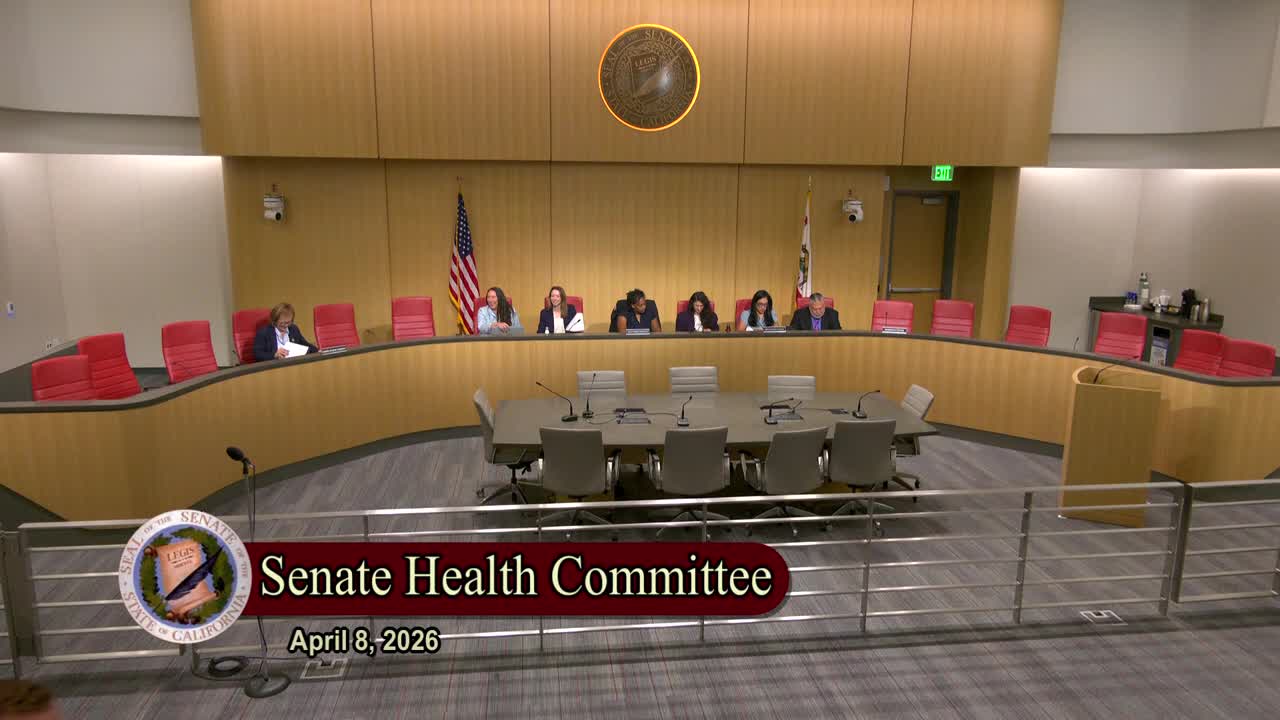
Bill Author