SB 305: Seymour-Campbell Student Success Act of 2012: Free Application for Federal Student Aid and California Dream Act application.
- Session Year: 2025-2026
- House: Senate
- Latest Version Date: 2025-04-10
Current Status:
Failed
(2026-02-02: Returned to Secretary of Senate pursuant to Joint Rule 56.)
Introduced
In Committee
Awaiting First Chamber Vote
Passed First Chamber
In Committee
Awaiting Second Chamber Vote
Passed Second Chamber
Enacted
Existing law, known as the Seymour-Campbell Student Success Act of 2012, provides that the acts purpose is to increase California community college student access and success by providing effective core matriculation services, including orientation, assessment and placement, counseling, and other education planning services, and academic interventions.
This bill would require, as part of the act, community colleges to provide, commencing with the 202627 academic year, students with specified information related to completing and submitting the Free Application for Federal Student Aid and the California Dream Act application, and to confirm, commencing with the 202728 academic year, that students who have not opted out have completed and submitted the Free Application for Federal Student Aid or the California Dream Act application, as specified. The bill would require community college districts to ensure that students are directed to services to assist students in complying with the bills requirements, and that the information shared by students is handled in compliance with state and federal privacy laws. The bill would require the Student Aid Commission to adopt regulations that include model opt-out forms and acceptable use policies, as specified. By imposing new duties on community college districts, the bill would impose a state-mandated local program.
The California Constitution requires the state to reimburse local agencies and school districts for certain costs mandated by the state. Statutory provisions establish procedures for making that reimbursement.
This bill would provide that, if the Commission on State Mandates determines that the bill contains costs mandated by the state, reimbursement for those costs shall be made pursuant to the statutory provisions noted above.
Existing law, known as the Seymour-Campbell Student Success Act of 2012, provides that the acts purpose is to increase California community college student access and success by providing effective core matriculation services, including orientation, assessment and placement, counseling, and other education planning services, and academic interventions.
This bill would make nonsubstantive changes to the provision establishing the title of the act.This bill would require, as part of the act, community colleges to provide, commencing with the 202627 academic year, students with specified information related to completing and submitting the Free Application for Federal Student Aid and the California Dream Act application, and to confirm, commencing with the 202728 academic year, that students who have not opted out have completed and submitted the Free Application for Federal Student Aid or the California Dream Act application, as specified. The bill would require community college districts to ensure that students are directed to services to assist students in complying with the bills requirements, and that the information shared by students is handled in compliance with state and federal privacy laws. The bill would require the Student Aid Commission to adopt regulations that include model opt-out forms and acceptable use policies, as specified. By imposing new duties on community college districts, the bill would impose a state-mandated local program.
The California Constitution requires the state to reimburse local agencies and school districts for certain costs mandated by the state. Statutory provisions establish procedures for making that reimbursement.
This bill would provide that, if the Commission on State Mandates determines that the bill contains costs mandated by the state, reimbursement for those costs shall be made pursuant to the statutory provisions noted above.
Existing law, known as the Seymour-Campbell Student Success Act of 2012, provides that the acts purpose is to increase California community college student access and success by providing effective core matriculation services, including orientation, assessment and placement, counseling, and other education planning services, and academic interventions.
This bill would make nonsubstantive changes to the provision establishing the title of the act.
(a)For purposes of this section, the following definitions apply:
(1)Opt-out form means a form developed by the Student Aid Commission that enables a student, or a community college on a students behalf, to opt out of completing the Free Application for Federal Student Aid or California Dream Act application.
(2)Outreach program means a nonprofit entity that is exempt from taxation pursuant to Section 501(c)(3) of the United States Internal Revenue Code or a public entity with experience in either or both of the following:
(A)Assisting students with completing a financial aid application.
(B)Serving students who are eligible to submit a California Dream Act application.
(3)Student means a student who is enrolled in a community college and has declared their educational goal to obtain a degree, certificate, or transfer to another institution.
(b)(1)Commencing with the 202627 academic year, each community college shall provide continuing students with information, as required by subparagraph (A) of paragraph (2) of subdivision (d).
(2)Commencing with the 202627 academic year, each community college shall provide during orientation newly enrolled students with information, as required by subparagraph (A) of paragraph (2) of subdivision (d).
(3)Commencing with the 202728 academic year, except for a student who has opted out pursuant to subdivision (c) or been exempted pursuant to subdivision (d), each community college shall confirm that each student complies with either or both of the following:
(A)The student completes and submits to the United States Department of Education a Free Application for Federal Student Aid.
(B)If the student is exempt from paying nonresident tuition pursuant to Section 68130.5, the student completes and submits to the Student Aid Commission a form established pursuant to Section 69508.5 for purposes of the California Dream Act.
(c)A student may opt out of the requirements of this section by completing and submitting an opt-out form to their community college. The Student Aid Commission shall make the opt-out form available to all community colleges pursuant to subdivision (f).
(d)(1)If a community college determines that a student is unable to complete a requirement of this section, the community college shall exempt the student from completing and submitting a Free Application for Federal Student Aid, a form established pursuant to Section 69508.5 for purposes of the California Dream Act, or an opt-out form pursuant to subdivision (c).
(2)(A)Before exempting a student pursuant to paragraph (1), a community college shall comply with both of the following:
(i)Provide the information described in subparagraph (B) to the student through a meeting between a community college financial aid officer adviser, counselor, other campus staff, or a campus-based organization and the student or, if no financial aid officer is employed at the community college, between the student and other community college staff, student, through written material, or by other means of communication.
(ii)Provide the student with the information described in subparagraph (B) and notify the student of the date by which the student will be opted out by the community college if no action is taken. This notice shall be provided with sufficient time for the student to act before the community college opts out the student.
(B)The information required to be provided pursuant to subparagraph (A) shall include all of the following:
(i)The purposes and benefits of the Free Application for Federal Student Aid or a form established pursuant to Section 69508.5, which includes include consideration for financial aid.
(ii)The consequences of not completing and submitting a Free Application for Federal Student Aid or a form established pursuant to Section 69508.5.
(iii)The option to complete a Free Application for Federal Student Aid or a form established pursuant to Section 69508.5 after an opt-out form has been submitted.
(3)If the community college college, after complying with the requirements of paragraph (2), exempts a student from having to complete the requirements of this section, the community college shall complete and submit the opt-out form described in subdivision (c) on the students behalf.
(e)Each community college district shall ensure that both of the following occur:
(1)Each student is directed by their community college to any support or assistance services necessary to comply with the requirements of this section that may be available through outreach programs, including, but not limited to, those programs operated by the Student Aid Commission, postsecondary immigration resource centers, college readiness organizations, community-based organizations, and legal resource organizations.
(2)Information shared by students pursuant to this section is handled in compliance with the federal Family Educational Rights and Privacy Act (20 U.S.C. Sec. 1232g) and applicable state laws, including Chapters 493 and 495 of the Statutes of 2017, regardless of any persons immigration status or other personal information, in order to protect all student data to the fullest extent possible so that schools and all personal data remain safe.
(f)(1)On or before July 1, 2026, the Student Aid Commission shall adopt regulations that include, but are not limited to, model opt-out forms and acceptable use policies for the purpose of providing guidance on complying with the requirements of paragraph (2) of subdivision (e).
(2)The Student Aid Commission shall post any model opt-out forms and acceptable use policies adopted pursuant to paragraph (1) on the commissions internet website.
(g)A student who does not fulfill the requirements of this section shall not be penalized or punished and this section shall not affect a students ability to enroll.
SEC. 2.If the Commission on State Mandates determines that this act contains costs mandated by the state, reimbursement to local agencies and school districts for those costs shall be made pursuant to Part 7 (commencing with Section 17500) of Division 4 of Title 2 of the Government Code.
(a)For purposes of this section, the following definitions apply:
(1)Opt-out form means a form developed by the Student Aid Commission that enables a student, or a community college on a students behalf, to opt out of completing the Free Application for Federal Student Aid or California Dream Act application.
(2)Outreach program means a nonprofit entity that is exempt from taxation pursuant to Section 501(c)(3) of the United States Internal Revenue Code or a public entity with experience in either or both of the following:
(A)Assisting students with completing a financial aid application.
(B)Serving students who are eligible to submit a California Dream Act application.
(3)Student means a student who is enrolled in a community college and has declared their educational goal to obtain a degree, certificate, or transfer to another institution.
(b)(1)Commencing with the 202627 academic year, each community college shall provide continuing students with information, as required by subparagraph (A) of paragraph (2) of subdivision (d).
(2)Commencing with the 202627 academic year, each community college shall provide during orientation newly enrolled students with information, as required by subparagraph (A) of paragraph (2) of subdivision (d).
(3)Commencing with the 202728 academic year, except for a student who has opted out pursuant to subdivision (c) or been exempted pursuant to subdivision (d), each community college shall confirm that each student complies with either or both of the following:
(A)The student completes and submits to the United States Department of Education a Free Application for Federal Student Aid.
(B)If the student is exempt from paying nonresident tuition pursuant to Section 68130.5, the student completes and submits to the Student Aid Commission a form established pursuant to Section 69508.5 for purposes of the California Dream Act.
(c)A student may opt out of the requirements of this section by completing and submitting an opt-out form to their community college. The Student Aid Commission shall make the opt-out form available to all community colleges pursuant to subdivision (f).
(d)(1)If a community college determines that a student is unable to complete a requirement of this section, the community college shall exempt the student from completing and submitting a Free Application for Federal Student Aid, a form established pursuant to Section 69508.5 for purposes of the California Dream Act, or an opt-out form pursuant to subdivision (c).
(2)(A)Before exempting a student pursuant to paragraph (1), a community college shall comply with both of the following:
(i)Provide the information described in subparagraph (B) to the student through a meeting between a community college financial aid officer and the student or, if no financial aid officer is employed at the community college, between the student and other community college staff, through written material, or by other means of communication.
(ii)Provide the student with the information described in subparagraph (B) and notify the student of the date by which the student will be opted out by the community college if no action is taken. This notice shall be provided with sufficient time for the student to act before the community college opts out the student.
(B)The information required to be provided pursuant to subparagraph (A) shall include all of the following:
(i)The purposes and benefits of the Free Application for Federal Student Aid or a form established pursuant to Section 69508.5, which includes consideration for financial aid.
(ii)The consequences of not completing and submitting a Free Application for Federal Student Aid or a form established pursuant to Section 69508.5.
(iii)The option to complete a Free Application for Federal Student Aid or a form established pursuant to Section 69508.5 after an opt-out form has been submitted.
(3)If the community college exempts a student from having to complete the requirements of this section, the community college shall complete and submit the opt-out form on the students behalf.
(e)Each community college district shall ensure that both of the following occur:
(1)Each student is directed by their community college to any support or assistance services necessary to comply with the requirements of this section that may be available through outreach programs, including, but not limited to, those programs operated by the Student Aid Commission, postsecondary immigration resource centers, college readiness organizations, community-based organizations, and legal resource organizations.
(2)Information shared by students pursuant to this section is handled in compliance with the federal Family Educational Rights and Privacy Act (20 U.S.C. Sec. 1232g) and applicable state laws, including Chapters 493 and 495 of the Statutes of 2017, regardless of any persons immigration status or other personal information, in order to protect all student data to the fullest extent possible so that schools and all personal data remain safe.
(f)(1)On or before July 1, 2026, the Student Aid Commission shall adopt regulations that include, but are not limited to, model opt-out forms and acceptable use policies for the purpose of providing guidance on complying with the requirements of paragraph (2) of subdivision (e).
(2)The Student Aid Commission shall post any model opt-out forms and acceptable use policies adopted pursuant to paragraph (1) on the commissions internet website.
(g)A student who does not fulfill the requirements of this section shall not be penalized or punished and this section shall not affect a students ability to enroll.
SEC. 2.If the Commission on State Mandates determines that this act contains costs mandated by the state, reimbursement to local agencies and school districts for those costs shall be made pursuant to Part 7 (commencing with Section 17500) of Division 4 of Title 2 of the Government Code.
SECTION 1.Section 78210 of the Education Code is amended to read:78210.This article shall be known, and may be cited, as the Seymour-Campbell Student Success Act of 2012.This article shall be known known, and may be cited cited, as the Seymour-Campbell Student Success Act of 2012.
|
Date
|
Status
|
|---|---|
| Feb 2, 2026 | Returned to Secretary of Senate pursuant to Joint Rule 56. |
| May 23, 2025 | May 23 hearing: Held in committee and under submission. |
| May 16, 2025 | Set for hearing May 23. |
| May 5, 2025 | May 5 hearing: Placed on APPR. suspense file. |
| Apr 25, 2025 | Set for hearing May 5. |
| Apr 23, 2025 | From committee: Do pass and re-refer to Com. on APPR. (Ayes 7. Noes 0. Page 865.) (April 23). Re-referred to Com. on APPR. |
| Apr 10, 2025 | From committee with author's amendments. Read second time and amended. Re-referred to Com. on ED. |
| Apr 4, 2025 | Set for hearing April 23. |
| Apr 2, 2025 | Re-referred to Com. on ED. |
| Mar 24, 2025 | From committee with author's amendments. Read second time and amended. Re-referred to Com. on RLS. |
| Feb 19, 2025 | Referred to Com. on RLS. |
| Feb 11, 2025 | From printer. May be acted upon on or after March 13. |
| Feb 10, 2025 | Introduced. Read first time. To Com. on RLS. for assignment. To print. |
|
Date
|
Description
|
Location
|
Votes
|
|
|---|---|---|---|---|
| May 5, 2025 | Placed on suspense file | Senate Standing Committee on Appropriations |
Passed |
|
| Apr 23, 2025 | Do pass, but first be re-referred to the Committee on [Appropriations] | Senate Standing Committee on Education |
Passed |
This list shows positions taken on this bill by organizations on the date displayed, which is linked to the original source.
Positions by individuals are not included.
|
Organization
|
Position
|
Date
|
|---|---|---|
| African American Male Education Network & Development | ** Support | |
| Alliance for A Better Community | ** Support | |
| California Student Aid Commission | ** Support | |
| EdTrust-West | ** Support | |
| Faculty Association Of California Community Colleges | ** Support | |
| Financial Aid for All Coalition | ** Support | |
| Immigrants Rising | ** Support | |
| Institutional Solutions | ** Support | |
| NextGen California | ** Support | |
| Parent Institute for Quality Education | ** Support | |
| Student Senate for California Community Colleges | ** Support | |
| The Institute for College Access & Success | ** Support | |
| uAspire | ** Support |
SENATE COMMITTEE ON APPROPRIATIONS
Senator Anna Caballero, Chair
2025 - 2026 Regular Session
SB 305 (Reyes) - Seymour-Campbell Student Success Act of 2012: Free Application for Federal Student Aid and California Dream Act application
Version: April 10, 2025 | Policy Vote: ED. 7 - 0 |
Urgency: No | Mandate: Yes |
Hearing Date: May 5, 2025 | Consultant: Lenin Del Castillo |
Bill Summary:
This bill requires California Community Colleges (CCCs) to provide students with specified information related to completing and submitting the Free Application for Federal Student Aid (FAFSA) and the California Dream Act application (CADAA), or to opt out of completing these applications.
Fiscal Impact:
- This bill would likely result in a reimbursable state mandate for community colleges to ensure that students complete and submit the FAFSA or California Dream Act application, as specified. The Chancellor’s Office estimates one-time costs of between $1.9 million and $7.7 million, and ongoing costs of between $6.5 million and $11.2 million for various activities stemming from the bill’s requirements. This estimate includes up to $4.2 million in one-time costs to develop training modules on financial aid and the bill’s new procedures to existing faculty, staff, administrators, and students. The ongoing costs would be used to conduct personalized outreach to students for promotion of services such as emails, events, and marketing materials. The bill’s costs could be lower to the extent community colleges have already developed training modules and procedures. (Proposition 98 General Fund)
- This bill could result in additional, unknown General Fund costs for students becoming eligible for financial aid by completing a FAFSA. A precise amount would depend on the number of students that are identified as eligible for financial aid and which college they attend. The California Student Aid Commission (CSAC) estimates $2.65 million for every five percent increase in the number of FAFSAs and CADAAs submitted from community college students that are not currently applying. Further, the CSAC indicates with the potential increase in Cal Grant awards, there would also be an increase in the amount of Pell Grant funds coming to students in the state.
- The CSAC estimates one-time General Fund costs of approximately $113,000 for additional outreach, training, marketing, and legal review and ongoing General Fund costs of $95,000 each year for student support services with increased applications.
Background:
Existing law requires a school district, county office of education, or charter school to ensure that a student in grade 12 who has not opted out, as specified, completes and submits a FAFSA or, if the student is exempt from paying nonresident tuition under existing law, completes and submits a form for purposes of the California Dream Act. It also requires CSAC, on or before July 1, 2022, to adopt regulations that include, but are not limited to, model opt-out forms and acceptable use policies for the purpose of providing guidance with applicable state laws.
Existing law requires the school district, county office of education, or charter school to exempt a pupil or the pupil’s parent or legal guardian from completing a form if the local educational agency (LEA) determines the pupil is unable to complete the form, and prohibits a pupil’s ability to graduate from being affected by a pupil’s failure to fill out a form.
The FAFSA is the core document used to determine eligibility for all major federal and state financial aid programs, including Cal Grant, Pell Grant, institutional aid at the University of California (UC) and the California State University (CSU), work-study awards, scholarships, and federal student loans. Because financial aid for college considers the cost of attendance and a family’s ability to pay in determining eligibility for financial aid, the FAFSA completion requires personal information such as income and tax information and social security number. Although steps have been taken to simplify the application, it can be a cumbersome process for many families and may rely on knowledgeable education staff for assistance in its completion. However, not all students qualify for federal aid programs and, therefore cannot access student aid through the FAFSA. State law authorizes CSAC to create an alternative standardized form for students not eligible for federal aid to apply for state and institutional aid programs or scholarships made available under the terms of the California Dream Act of 2011. The CADAA is used to determine their eligibility.
Proposed Law:
This bill requires, commencing with the 2026-27 academic year, each community college to provide continuing students with information related to completing and submitting the FAFSA and the CADAA, including the purposes and benefits of the FAFSA or CADAA, the consequences of not completing them, and the option to complete a FAFSA or CADAA after opting out of submitting either form.
This bill requires, commencing with the 2027-28 academic year, except for a student who has opted out from completing a FAFSA or CADAA or has been exempted as specified, each community college to confirm that each student complies with either or both of the following: the student completes and submits to the United States Department of Education a FAFSA or if the student is exempt from paying nonresident tuition under the provisions established by AB 540, the student completes and submits to CSAC a form established for purposes of the California Dream Act.
This bill allows a student to opt out of completing and submitting the FAFSA and CADAA by completing and submitting an opt-out form to their community college that is made available by CSAC to all community colleges.
This bill requires a community college to exempt a student if it determines that the student is unable to complete and submit either the FAFSA or CADAA, or an opt-out form. The bill requires, before exempting a student, a community college to comply with both of the following:
- Provide the information related to completing and submitting the FAFSA or
CADAA to the student through a meeting between a community college financial aid advisor, counselor, other campus staff, or a campus-based organization and the student, either through written material or by other means of communication.
- Provide the information related to completing and submitting the FAFSA or
CADAA and notify the student of the date by which the student will be opted out by the community college if no action is taken. The notice is to be provided with sufficient time for the student to act before the community college opts out the student.
This bill requires a community college to complete and submit the opt-out form on the student’s behalf if the community college exempts a student from having to complete the requirements of the bill.
This bill requires each community college district to ensure that both of the following occur: each student is directed by their community college to any support or assistance services necessary to comply with the requirements of the bill that may be available through the specified outreach programs; and information shared by students is handled in compliance with federal privacy law related to student records and applicable state laws regardless of any person’s immigration status or other personal information, to protect all student data to the fullest extent possible so that schools and all personal data remain safe.
This bill requires the CSAC, by July 1, 2026, to adopt regulations that include, but are not limited to, model opt-out forms and acceptable use policies for the purposes of providing guidance on complying with the federal and state privacy requirements. It also requires CSAC to post any model opt-out forms and the adopted acceptable use policies on its website.
This bill prohibits a student from being penalized or punished for not fulfilling the requirements of the bill or from affecting their ability to enroll.
Related Legislation:
SB 323 (Perez, 2025) requires the CSAC to amend the California Dream Act application and any of its grant processing systems to clarify and ensure that it can be used by any student eligible for state financial aid programs, regardless of their eligibility for federal financial aid. SB 323 is pending in this Committee.
Staff Comments:
AB 132 (Committee on Budget, Chapter 144, Statutes of 2021) and AB 469 (Reyes, Chapter 560, Statutes of 2021) enacted provisions requiring high schools to ensure that students complete a FAFSA or CADAA, or a formal opt-out form. The CSAC indicates that after just one year of implementation of these provisions, California led the nation in overall growth of financial aid completion rates with 74 percent of high school seniors completing a FAFSA or CADAA compared to 68 percent in the previous year. This bill seeks to expand upon these requirements and establish similar provisions for the community colleges. Specifically, this bill would require each CCC to confirm that every student, except for a community college student who has opted out from completing a FAFSA or CADAA or has been exempted, completes and submits either a FAFSA or CADAA.
-- END --
SENATE COMMITTEE ON EDUCATION
Senator Sasha Renée Pérez, Chair
2025 - 2026 Regular
Bill No: Hearing Date: April 23, 2025
Author: | Reyes | ||
Version: |
| ||
Urgency: | Fiscal: | ||
Consultant: | |||
Subject: .
SUMMARY
This bill requires the California Community Colleges (CCC), under the Student Success Act, to provide, commencing with the 2026–27 academic year, students with specified information related to completing and submitting the Free Application for Federal Student Aid (FAFSA) and the California Dream Act application (CADAA), and to confirm, commencing with the 2027–28 academic year, that students who have not opted out have completed and submitted the FAFSA or the CADAA, as specified. It also requires community college districts to ensure that students are directed to services to assist students in complying with the bill’s requirement, and that the information shared by students is handled in compliance with state and federal privacy laws. Lastly, the bill requires the California Student Aid Commission (CSAC) to adopt regulations that include model opt-out forms and acceptable use policies, as specified.
BACKGROUND
Existing law:
- Establishes CSAC as the state agency charged with administering state financial aid programs to qualifying students enrolled in qualifying institutions of higher education throughout the state. (Education Code (EC) § 69510 et seq.)
- Requires CSAC to prescribe the use of standardized student financial aid
applications for California. (EC § 69433)
- Expands the eligibility of student financial aid programs offered by California to
students who meet the requirement of Section 68130.5 (AB 540 student) or who meet the equivalent requirements adopted by the University of California (UC), notwithstanding any other law. It requires CSAC to create an application for students to apply for aid, as specified, and provides that it is the intent of the legislature that all forms of state-based aid in California be made equally available to all students, as specified. (EC § 69508.5)
- Requires a school district, county office of education, or charter school to ensure that a grade 12 pupil who has not opted out, as specified, completes and submits a FAFSA or, if the student is exempt from paying nonresident tuition under existing law, completes and submits a form for purposes of the CA Dream Act.
- Requires CSAC, on or before July 1, 2022, to adopt regulations that include, but are not limited to, model opt-out forms and acceptable use policies for the purpose of providing guidance with applicable state laws.
- Provides that information shared by parents, legal guardians, and pupils under application completion provisions be handled in compliance with the federal Family Educational Rights and Privacy Act of 2001 (20 U.S.C. Sec. 1232g) and applicable state laws, regardless of any person’s immigration status or other personal information, to protect all pupil and parent data to the fullest extent possible so that schools and all personal data remain safe.
- Requires the school district, county office of education, or charter school to exempt a pupil or the pupil’s parent or legal guardian from completing a form if the local educational agency (LEA) determines the pupil is unable to complete the form, and prohibits a pupil’s ability to graduate from being affected by a pupil’s failure to fill out a form. (EC § 51225.7.)
ANALYSIS
This bill:
- Requires, commencing with the 2026-27 academic year, each community college to provide, as specified, continuing students with information related to completing and submitting the FAFSA and the CADAA, including all of the following:
- The purposes and benefits of the FAFSA or CADAA, which includes
consideration for financial aid.
- The consequences of not completing and submitting a FAFSA or CADAA.
- The option to complete a FAFSA or CADAA after opting out of submitting
either form.
- Requires, commencing with the 2027-28 academic year, except for a student who has opted out from completing a FAFSA or CADAA or has been exempted as specified, each community college to confirm that each student complies with either or both of the following:
- The student completes and submits to the United States Department of
Education a FAFSA.
- If the student is exempt from paying nonresident tuition under the
provisions established by AB 540, the student completes and submits to CSAC a form established for purposes of the California Dream Act.
- Allows a student to opt out of completing and submitting the FAFSA and CADAA by completing and submitting an opt-out form to their community college that is made available by CSAC to all community colleges.
- Requires a community college to exempt a student if it determines that the student is unable to complete and submit either the FAFSA or CADAA, or an opt-out form. The bill requires, before exempting a student, a community college to comply with both of the following:
- Provide the information related to completing and submitting the FAFSA or
CADAA to the student through a meeting between a community college financial aid advisor, counselor, other campus staff, or a campus-based organization and the student, either through written material or by other means of communication.
- Provide the information related to completing and submitting the FAFSA or
CADAA and notify the student of the date by which the student will be opted out by the community college if no action is taken. The notice is to be provided with sufficient time for the student to act before the community college opts out the student.
- Requires if the community college, after complying with requirements, exempts a student from having to complete the requirements of the bill, the community college to complete and submit the opt-out form on the student’s behalf.
- Requires that each community college district ensure that both of the following occur:
- Each student is directed by their community college to any support or
assistance services necessary to comply with the requirements of the bill that may be available through the specified outreach programs.
- Information shared by students is handled in compliance with federal
privacy law related to student records and applicable state laws regardless of any person’s immigration status or other personal information, to protect all student data to the fullest extent possible so that schools and all personal data remain safe.
- Requires CSAC, by July 1, 2026, to adopt regulations that include, but are not limited to, model opt-out forms and acceptable use policies for the purposes of providing guidance on complying with the federal and state privacy requirements.
- Requires CSAC to post any model opt-out forms and the adopted acceptable use policies on its website.
- Prohibits a student from being penalized or punished for not fulfilling the requirements of the bill or from affecting their ability to enroll.
- Defines all of the following terms for purposes of the bill:
- Opt-out form to mean a form developed by CSAC that enables a
student, or a community college on a student’s behalf, to opt out of completing the FAFSA or CADAA.
- Outreach program to mean a nonprofit or a public entity
with experience in either or both of the following:
- Assisting students with completing a financial aid application.
- Serving students who are eligible to submit a CADAA.
- Student to mean a student who is enrolled in a community college and has
declared their educational goal to obtain a degree, certificate, or transfer to another institution.
STAFF COMMENTS
- Need for the bill. According to the author, “Building on the success of AB 469 (Reyes, 2021), which made financial aid completion a priority for high school seniors, SB 305 takes the next step by ensuring that all community college students, whether first-time enrollees or continuing learners, are provided with clear guidance and support to apply for federal and state financial aid. SB 305 will ensure that every student with a declared educational goal receives information about the importance of completing a FAFSA or CADAA, and will require students to either submit a financial aid application or opt out formally.
“In the 2023-2024 academic year, only 900,000 community college students submitted a FAFSA or CADAA despite the Community College Chancellor’s Office (CCCCO) reporting that more than 1.4 million students were enrolled in the segment. This showcases that many students are unable to fully cover the expenses of pursuing their education, including Pell Grants and Cal Grants, which could help them cover essential costs like housing, food, transportation, and other necessities.
“By taking this approach, SB 305 will foster an equitable and inclusive method to help students maximize their financial aid opportunities.”
- FAFSA. The FAFSA is the core document used to determine eligibility for all major federal and state financial aid programs, including Cal Grant, Pell Grant, institutional aid at the UC and the California State University (CSU), work-study awards, scholarships, and federal student loans. Because financial aid for college considers the cost of attendance and a family’s ability to pay in determining eligibility for financial aid, the FAFSA completion requires personal information such as income and tax information and social security number. Although steps have been taken to simplify the application, it can be a cumbersome process for many families and may rely on knowledgeable education staff for assistance in its completion.
- CADAA applicants. Not all students qualify for federal aid programs and, therefore cannot access student aid through the FAFSA. State law authorizes CSAC to create an alternative standardized form for students not eligible for federal aid to apply for state and institutional aid programs or scholarships made available under the terms of the California Dream Act of 2011. The CADAA is used to determine their eligibility.
- Choosing the right form. A student should only complete one application according to their citizenship status. The CADAA caters to a unique population of California students. However, the vast majority of high school and college students qualify for FAFSA application completion and can access both federal and state financial aid programs. Completion of the FAFSA/CADAA makes college attendance possible for many students pursuing a degree or certificate or on a transfer pathway, but it can be a complex process, and errors can have a significant impact on aid eligibility. Receiving accurate advice is essential.
- Community college FAFSA/CADAA submission. In 2023-2024 academic year, 900,000 community college students submitted a FAFSA or CADAA, even though the CCC Chancellor’s Office reported that more than 1.4 million students were enrolled in the segment, according to information provided by the author’s office. The Institute for College Access and Success notes in their 2020 report on The Prices Paid for Insufficient Aid reports that in 2019-2020, just over half (51 percent) of community college students applied for federal financial aid, and 49 percent did not apply.
- Related K-12 activity. This bill seeks to expand upon requirements related to FAFSA or CADAA completion for high school seniors. State statute requires a LEA to ensure a student in grade 12 completes and submits a FAFSA or CADAA, unless a determination is made that the student is unable to complete the form. It further prohibits a student’s failure to complete a form from affecting their ability to graduate. This bill similarly requires each CCC to confirm that every student, except for a community college student who has opted out from completing a FAFSA or CADAA or has been exempted, completes and submits either a FAFSA or CADAA. It also prohibits penalizing or punishing a student for not meeting the bill’s requirements, nor does it interfere with their enrollment.
- Related legislation.
SB 323 (Perez, 2025) requires CSAC, commencing with the 2026–27 financial aid cycle, to amend the CADAA and any of its grant processing systems to clarify and ensure that the CADAA can be used by any student eligible for state financial aid programs, regardless of their eligibility for federal financial aid. It also requires CSAC to consult with the segments of postsecondary education in promoting the CADAA in a manner that maximizes the amount of federal aid that students may access while apprising students of the choices available regarding which application they and their families may use. SB 323 is scheduled to be heard by this committee on April 23.
SUPPORT
California Student Aid Commission (co-sponsor)
EdTrust-West (co-sponsor)
Student Senate for California Community Colleges (co-sponsor)
African American Male Education Network & Development
Alliance for a Better Community
Faculty Association of California Community Colleges
Financial Aid for All Coalition
Immigrants Rising
Institutional Solutions
NextGen California
Parent Institute for Quality Education
The Institute for College Access & Success
uAspire
OPPOSITION
None received
-- END --
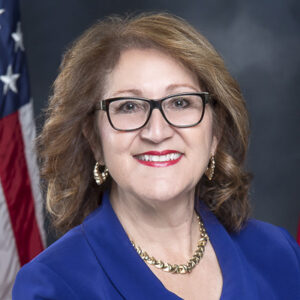
Bill Author
Bill Co-Author(s):