SB 800: State bridges and overpasses: suicide prevention.
- Session Year: 2025-2026
- House: Senate
- Latest Version Date: 2025-10-06
Current Status:
Passed
(2025-10-06: Chaptered by Secretary of State. Chapter 427, Statutes of 2025.)
Introduced
In Committee
Awaiting First Chamber Vote
Passed First Chamber
In Committee
Awaiting Second Chamber Vote
Passed Second Chamber
Enacted
Existing law requires the Department of Transportation to install screening on state freeway overpasses to prevent objects from being dropped or thrown upon vehicles passing underneath, as provided..
This bill would require, beginning on or before July 1, 2028, the Department of Transportation, in consultation with the State Department of Public Health and in collaboration with impacted local governments, to incorporate suicide deterrent considerations in the updates of applicable guidance documents, as provided.
Existing law requires the Department of Transportation to install screening on state freeway overpasses to prevent objects from being dropped or thrown upon vehicles passing underneath, as provided. Existing law authorizes the establishment of the Office of Suicide Prevention to, among other things, convene experts and stakeholders to encourage collaboration and coordination of resources for suicide prevention.
This bill would require the department, in consultation with affected local governments, to assess and determine appropriate mitigation measures to help prevent suicides on locally owned overpasses that cross over state highways, as specified. The bill would require the department to consult with the Office of Suicide Prevention on how to prioritize implementation of the mitigation measures. The bill would require the department to submit a report to the Legislature regarding its findings, as specified.This bill would require, beginning on or before July 1, 2028, the Department of Transportation, in consultation with the State Department of Public Health and in collaboration with impacted local governments, to incorporate suicide deterrent considerations in the updates of applicable guidance documents, as provided.
Existing law requires the Department of Transportation to install screening on state freeway overpasses to prevent objects from being dropped or thrown upon vehicles passing underneath, as provided. Existing law authorizes the establishment of the Office of Suicide Prevention to, among other things, convene experts and stakeholders to encourage collaboration and coordination of resources for suicide prevention.
This bill would require the department to establish and administer a pilot program to install suicide deterrents on 5 freeway overpasses in the County of San Bernardino. The bill would require the suicide deterrents installed under the pilot program to include, but not be limited to, suicide prevention signage and a physical barrier designed to prevent a person from falling or intentionally jumping from the overpass in a manner likely to cause death. The bill would require the department, in administering the pilot program, to prioritize the placement of suicide deterrents on freeway overpasses with the highest rates of documented suicides over the last 20 years.This bill would require the department, in consultation with affected local governments, to assess and determine appropriate mitigation measures to help prevent suicides on locally owned overpasses that cross over state highways, as specified. The bill would require the department to consult with the Office of Suicide Prevention on how to prioritize implementation of the mitigation measures. The bill would require the department to submit a report to the Legislature regarding its findings, as specified.
Existing law requires the Department of Transportation to install screening on state freeway overpasses to prevent objects from being dropped or thrown upon vehicles passing underneath, as provided.
This bill would require the department to establish and administer a pilot program to install suicide deterrents on 10 5 freeway overpasses in the County of San Bernardino. The bill would require the suicide deterrents installed under the pilot program to include, but not be limited to, suicide prevention signage and a physical barrier designed to prevent a person from falling or intentionally jumping from the overpass in a manner likely to cause death. The bill would require the department, in administering the pilot program, to prioritize the placement of suicide deterrents on freeway overpasses with the highest rates of documented suicides over the last 20 years.
Existing law requires the Department of Transportation to install screening on state freeway overpasses to prevent objects from being dropped or thrown upon vehicles passing underneath, as provided.
This bill would require the department to establish and administer a pilot program to install suicide deterrents on 10 freeway overpasses in the County of San Bernardino. The bill would require the suicide deterrents installed under the pilot program to include, but not be limited to, suicide prevention signage and a physical barrier designed to prevent a person from falling or intentionally jumping from the overpass in a manner likely to cause death. The bill would require the department, in administering the pilot program, to prioritize the placement of suicide deterrents on freeway overpasses with the highest rates of documented suicides over the last 20 years.
Existing law requires the Department of Transportation to install screening on state freeway overpasses to prevent objects from being dropped or thrown upon vehicles passing underneath, as provided.
This bill would require the department to establish and administer a pilot program to install suicide deterrents on 10 freeway overpasses in the County of San Bernardino. The bill would require the suicide deterrents installed under the pilot program to include, but not be limited to, suicide prevention signage and a physical barrier designed to prevent a person from falling or intentionally jumping from the overpass in manner likely to cause death. The bill would require the department, in administering the pilot program, to prioritize the placement of suicide deterrents on freeway overpasses with the highest rates of documented suicides over the last 20 years.
(a)(1)Beginning on or before July 1, 2028, the department shall, in consultation with the State Department of Public Health and in collaboration with impacted local governments, incorporate suicide deterrent considerations in the updates of applicable guidance documents.
(2)Suicide deterrent considerations shall include, but not be limited to, the evaluation and adoption of guidance for countermeasures that may deter suicide attempts on bridges and overpasses on the state highway system, including the design, placement, and modification of barriers, fencing, and other infrastructure.
(3)A suicide deterrent consideration incorporated into guidance documents pursuant to this subdivision shall be as determined by the department to be appropriate.
(b)This section does not impose a mandatory duty pursuant to Section 815.6 of the Government Code.
SECTION 1.Section 92.9 is added to the Streets and Highways Code, to read:92.9.The department shall, in consultation with affected local governments, do all of the following: (a)(1)Assess and determine appropriate mitigation measures to help prevent suicides on locally owned overpasses that have a history of suicide-related deaths, cross over state highways, and are in the states right-of-way. Mitigation measures shall include, but not be limited to, signage and infrastructure, such as barriers.(2)In determining the appropriate mitigation measures, the department shall consider the technological feasibility, cost, design, and effectiveness of mitigation measures and infrastructure.(b)Consult with the Office of Suicide Prevention on how to prioritize implementation of the mitigation measures identified in subdivision (a).(c)(1)On or before December 1, 2026, submit a report to the Legislature of its findings related to the assessment of appropriate mitigation measures and prioritization of implementation of the mitigation measures described in subdivisions (a) and (b).(2)The requirement for submitting a report imposed under paragraph (1) is inoperative on January 1, 2030, pursuant to Section 10231.5 of the Government Code.(3)A report to be submitted pursuant to paragraph (1) shall be submitted in compliance with Section 9795 of the Government Code.The department shall, in consultation with affected local governments, do all of the following:
(a)(1)Assess and determine appropriate mitigation measures to help prevent suicides on locally owned overpasses that have a history of suicide-related deaths, cross over state highways, and are in the states right-of-way. Mitigation measures shall include, but not be limited to, signage and infrastructure, such as barriers.
(2)In determining the appropriate mitigation measures, the department shall consider the technological feasibility, cost, design, and effectiveness of mitigation measures and infrastructure.
(b)Consult with the Office of Suicide Prevention on how to prioritize implementation of the mitigation measures identified in subdivision (a).
(c)(1)On or before December 1, 2026, submit a report to the Legislature of its findings related to the assessment of appropriate mitigation measures and prioritization of implementation of the mitigation measures described in subdivisions (a) and (b).
(2)The requirement for submitting a report imposed under paragraph (1) is inoperative on January 1, 2030, pursuant to Section 10231.5 of the Government Code.
(3)A report to be submitted pursuant to paragraph (1) shall be submitted in compliance with Section 9795 of the Government Code.
SECTION 1.Section 92.9 is added to the Streets and Highways Code, to read:92.9.(a)The department shall establish and administer a pilot program to install suicide deterrents on five freeway overpasses in the County of San Bernardino.(b)A suicide deterrent installed under the pilot program shall include, but not be limited to, suicide prevention signage and a physical barrier designed to prevent a person from falling or intentionally jumping from the overpass in a manner likely to cause death, including, but not limited to, onto vehicles passing underneath the overpass.(c)The department, in administering the pilot program, shall prioritize the placement of suicide deterrents on freeway overpasses with the highest rates of documented suicides over the last 20 years. REVISIONS: HeadingLine 3.(a)The department shall establish and administer a pilot program to install suicide deterrents on 10 five freeway overpasses in the County of San Bernardino.
(b)A suicide deterrent installed under the pilot program shall include, but not be limited to, suicide prevention signage and a physical barrier designed to prevent a person from falling or intentionally jumping from the overpass in a manner likely to cause death, including, but not limited to, onto vehicles passing underneath the overpass.
(c)The department, in administering the pilot program, shall prioritize the placement of suicide deterrents on freeway overpasses with the highest rates of documented suicides over the last 20 years.
(a)The department shall establish and administer a pilot program to install suicide deterrents on 10 freeway overpasses in the County of San Bernardino.
(b)Suicide deterrents A suicide deterrent installed under the pilot program shall include, but not be limited to, suicide prevention signage and a physical barrier designed to prevent a person from falling or intentionally jumping from the overpass in a manner likely to cause death, including, but not limited to, onto vehicles passing underneath the overpass.
(c)The department department, in administering the pilot program program, shall prioritize the placement of suicide deterrents on freeway overpasses with the highest rates of documented suicides over the last 20 years.
(a)The department shall establish and administer a pilot program to install suicide deterrents on 10 freeway overpasses in the County of San Bernardino.
(b)Suicide deterrents installed under the pilot program shall include, but not be limited to, suicide prevention signage and a physical barrier designed to prevent a person from falling or intentionally jumping from the overpass in a manner likely to cause death, including, but not limited to, onto vehicles passing underneath the overpass.
(c)The department in administering the pilot program shall prioritize the placement of suicide deterrents on freeway overpasses with the highest rates of documented suicides over the last 20 years.
|
Date
|
Status
|
|---|---|
| Oct 6, 2025 | Chaptered by Secretary of State. Chapter 427, Statutes of 2025. |
| Oct 6, 2025 | Approved by the Governor. |
| Sep 22, 2025 | Enrolled and presented to the Governor at 11 a.m. |
| Sep 10, 2025 | Assembly amendments concurred in. (Ayes 40. Noes 0. Page 2834.) Ordered to engrossing and enrolling. |
| Sep 8, 2025 | In Senate. Concurrence in Assembly amendments pending. |
| Sep 8, 2025 | Read third time. Passed. (Ayes 79. Noes 0. Page 3011.) Ordered to the Senate. |
| Sep 3, 2025 | Read second time. Ordered to third reading. |
| Sep 2, 2025 | Read second time and amended. Ordered to second reading. |
| Aug 29, 2025 | From committee: Do pass as amended. (Ayes 11. Noes 0.) (August 29). |
| Aug 20, 2025 | August 20 set for first hearing. Placed on APPR. suspense file. |
| Jul 15, 2025 | From committee: Do pass and re-refer to Com. on APPR. (Ayes 16. Noes 0.) (July 14). Re-referred to Com. on APPR. |
| Jul 15, 2025 | Coauthors revised. |
| Jul 9, 2025 | From committee with author's amendments. Read second time and amended. Re-referred to Com. on TRANS. |
| Jun 16, 2025 | Referred to Com. on TRANS. |
| Jun 5, 2025 | In Assembly. Read first time. Held at Desk. |
| Jun 4, 2025 | Read third time. Passed. (Ayes 39. Noes 0. Page 1523.) Ordered to the Assembly. |
| Jun 2, 2025 | Ordered to special consent calendar. |
| May 27, 2025 | Read second time. Ordered to third reading. |
| May 23, 2025 | Read second time and amended. Ordered to second reading. |
| May 23, 2025 | From committee: Do pass as amended. (Ayes 6. Noes 0. Page 1214.) (May 23). |
| May 16, 2025 | Set for hearing May 23. |
| May 12, 2025 | May 12 hearing: Placed on APPR. suspense file. |
| May 6, 2025 | From committee with author's amendments. Read second time and amended. Re-referred to Com. on APPR. |
| May 2, 2025 | Set for hearing May 12. |
| Apr 29, 2025 | From committee: Do pass and re-refer to Com. on APPR. (Ayes 15. Noes 0. Page 920.) (April 28). Re-referred to Com. on APPR. |
| Apr 10, 2025 | Set for hearing April 28. |
| Mar 12, 2025 | Referred to Com. on TRANS. |
| Feb 24, 2025 | Read first time. |
| Feb 24, 2025 | From printer. May be acted upon on or after March 24. |
| Feb 21, 2025 | Introduced. To Com. on RLS. for assignment. To print. |
|
Date
|
Description
|
Location
|
Votes
|
|
|---|---|---|---|---|
| Sep 10, 2025 | Unfinished Business SB800 Reyes et al. Concurrence | Senate Floor |
Passed |
|
| Sep 8, 2025 | SB 800 Reyes Senate Third Reading By Garcia | Assembly Floor |
Passed |
|
| Aug 29, 2025 | Do pass as amended. | Assembly Standing Committee on Appropriations |
Passed |
|
| Jul 14, 2025 | Do pass and be re-referred to the Committee on [Appropriations] | Assembly Standing Committee on Transportation |
Passed |
|
| Jun 4, 2025 | Special Consent SB800 Reyes et al. | Senate Floor |
Passed |
|
| May 23, 2025 | Do pass as amended | Senate Standing Committee on Appropriations |
Passed |
|
| May 12, 2025 | Placed on suspense file | Senate Standing Committee on Appropriations |
Passed |
|
| Apr 28, 2025 | Do pass, but first be re-referred to the Committee on [Appropriations] | Senate Standing Committee on Transportation |
Passed |
This list shows positions taken on this bill by organizations on the date displayed, which is linked to the original source.
Positions by individuals are not included.
|
Organization
|
Position
|
Date
|
|---|---|---|
| Bridge Rail Foundation | ** Support | |
| California Association Of Psychiatric Technicians | ** Support | |
| California Hospital Association | ** Support | |
| Children Now | ** Support | |
| City of Rancho Cucamonga | ** Support | |
| Omid and Krista Furutan | ** Support | |
| San Bernardino County Transportation Authority | ** Support | |
| Union Of American Physicians And Dentists | ** Support | |
| Wellness Ranch Equine Assisted Therapy | ** Support |
SENATE RULES COMMITTEE Office of Senate Floor Analyses (916) 651-1520 Fax: (916) 327-4478 | SB 800 |
UNFINISHED BUSINESS
Bill No: SB 800
Author: Reyes (D), et al.
Amended: 9/2/25 in Assembly
Vote: 21
SENATE TRANSPORTATION COMMITTEE: 15-0, 4/28/25
AYES: Cortese, Strickland, Archuleta, Arreguín, Blakespear, Cervantes, Dahle, Gonzalez, Grayson, Limón, Menjivar, Richardson, Seyarto, Umberg, Valladares
SENATE APPROPRIATIONS COMMITTEE: 6-0, 5/23/25
AYES: Caballero, Seyarto, Cabaldon, Grayson, Richardson, Wahab
NO VOTE RECORDED: Dahle
SENATE FLOOR: 39-0, 6/4/25
AYES: Allen, Alvarado-Gil, Archuleta, Arreguín, Ashby, Becker, Blakespear, Cabaldon, Caballero, Cervantes, Choi, Cortese, Dahle, Durazo, Gonzalez, Grayson, Grove, Hurtado, Jones, Laird, Limón, McGuire, McNerney, Menjivar, Niello, Ochoa Bogh, Padilla, Pérez, Richardson, Rubio, Seyarto, Smallwood-Cuevas, Stern, Strickland, Umberg, Valladares, Wahab, Weber Pierson, Wiener
NO VOTE RECORDED: Reyes
ASSEMBLY FLOOR: 79-0, 9/8/25 - See last page for vote
SUBJECT: State bridges and overpasses: suicide prevention
SOURCE: City of Rancho Cucamonga
DIGEST:
This bill requires the California Department of Transportation (Caltrans), in consultation with the California Department of Public Health (CDPH), and in collaboration with impacted local governments, by July 1, 2028, to incorporate suicide deterrent considerations in the updates of applicable guidance documents. Requires Caltrans to evaluate and adopt guidance for countermeasures, including the design, placement, or modification of barriers, fencing and other infrastructure.
Assembly Amendments
of 9/2/25 eliminate the suicide deterrent pilot program in San Bernardino County; recast the provisions to instead require Caltrans and CDPH to incorporate suicide deterrent considerations into the updates of applicable guidance documents; require Caltrans to evaluate and adopt guidance for countermeasures, including the design, placement, or modification of barriers, fencing, and other infrastructure.
ANALYSIS:
Existing law:
- Grants Caltrans the full possession and control of all state highways and all property and rights in property acquired for state highway purposes.
- Requires Caltrans to install screening on state freeway overpasses to prevent objects from being dropped or thrown upon vehicles passing underneath, as provided.
- Establishes CDPH to be vested with all the duties, powers, purposes, functions, responsibilities, and jurisdiction as they relate to public health, as specified.
This bill:
- Requires Caltrans, on or before July 1, 2028, in consultation with CDPH, and in collaboration with impacted local governments, to incorporate suicide deterrent considerations in the updates of applicable guidance documents.
- Requires suicide deterrent considerations to include, but not be limited to, the evaluation and adoption of guidance for countermeasures that may deter suicide attempts on bridges and overpasses on the state highway system. The countermeasures include the design, placement, or modification of barriers, fencing, and other infrastructure.
- Declares that a suicide deterrent consideration incorporated into guidance documents pursuant to this bill will be as determined by Caltrans to be appropriate.
- Declares that provisions of this bill do not impose a mandatory duty pursuant to current public entity liability law.
Comments
- Purpose of this bill. According to the author, “Last year, in my district, there were two subsequent suicides that occurred on the Haven Avenue overpass onto the 210 Freeway. While this tragedy in the City of Rancho Cucamonga has shaken the community there are steps we can take to ensure we have infrastructure to support our community and make it a safer place. This is why I originally introduced SB 800 and I am proud to say that we have worked with Caltrans to have the bill require Caltrans to incorporate suicide deterrent considerations in the updates of applicable guidance documents. This will give Caltrans the relevant guidance to incorporate the appropriate suicide deterrent considerations when applicable. The evaluation and adoption of guidance for countermeasures that may deter suicide attempts on bridges and overpasses on the state highway system, may include the design, placement, and modification of barriers, fencing, and other infrastructure. Preventative measures like SB 800 are critical to ensuring similar situations will not occur in the future.”
- Suicide and Self-Harm in California. According to a January 2025 data brief from CDPH, suicide is the leading cause of violent death, and self-harm is the third leading cause of injury-related emergency department (ED) visits. Men consistently have higher rates of suicide than women, and in 2022 men account for more than three-fourths of suicides. Use of firearms was the most common mechanism for suicide in 2021 and 2022. Youth under the age of 10 had a statistically significant increase in self-harm ED visit rates from 1.9 per 100,000 Californians in this age group in 2021 to 2.7 in 2022. Self-harm by poisoning was the most common mechanism of self-harm injury leading to ED visits, followed by cutting/piercing and, when combined, both accounted for approximately 85% of self-harm ED visits. Other mechanisms of self-harm combined, including fall, firearm, and hanging/suffocation, made up 2% of self-harm ED visits.
The brief also highlights opportunities for prevention, such as advancing protective factors as a part of prevention programming to build resilience and foster support at the individual, relationship, and community level to help decrease suicide risk. While the brief notes that prevention efforts should focus on the most common and lethal means of suicide (firearms and intentional drug overdoses), it also highlights the 2024 National Strategy for Suicide Prevention, which contains several goals, such as integrating suicide prevention into the culture of the workplace and into other community settings, and implementing research-informed suicide prevention communication activities in diverse populations, using best practices from communication science.
- Suicide and self-harm on roadways. Road–related methods of suicide include jumping off or on to road infrastructure, stepping into the path of a moving vehicle, or driving off or into road infrastructure or into another vehicle. A 2023 study entitled Factors Prompting and Deterring Suicides on the Roads, by researchers from Middlesex University in London investigated the factors prompting and deterring the decision to attempt suicide on the roads. They conducted interviews with people who had lived experience of suicidal ideation or behavior at a bridge or road location. They found that people perceived a road-related suicide to be quick, lethal, easy and accessible and to have the potential to appear accidental. The proportion of people who described their thoughts and attempts as impulsive appeared to be higher than had been observed with other method choices. The potential impact on other people was a strongly dissuasive factor.
The researchers concluded that “measures designed to prevent access to potentially lethal sites may be particularly important, given that many participants described their thoughts and behavior as impulsive. In addition, fostering a culture of care and consideration for other road users may help to dissuade people from taking action on the roads.”
- Tragedy in San Bernardino County. As noted by the author, over a few weeks last fall, two high-school students took their own lives on the Haven Avenue overpass on State Route (SR) 210, in the City of Rancho Cucamonga. The city is sponsoring SB 800 and states, “The rising number of suicide incidents from freeway overpasses is not only a profound tragedy for individuals and families but also a serious public safety concern for motorists, first responders, and the broader community. In the past six months alone, multiple suicides and attempts have occurred along the 210 Freeway overpasses, including the heartbreaking loss of two high school students at the same location – 1.5 weeks apart from one another. In December, another individual from outside the area also died by suicide at a Rancho Cucamonga overpass. While some attempts
have been prevented, each represents a crisis that could have ended in another devastating loss. These incidents underscore the urgent need for intervention. No family, school, or community should have to endure such unimaginable grief. It is imperative that we take immediate action to implement preventive measures that provide hope, support, and protection for those in distress.”
- Statewide prevention efforts – 988. As of July 16, 2022, the National Suicide Prevention Lifeline number transitioned to 988, providing an easy to remember number that anyone can call, text, or chat to receive support when experiencing a suicidal, mental health and/or substance use related crisis. When Californians dial 988, they are directed to one of twelve Lifeline crisis call centers. California’s call centers are part of the broader 988 Lifeline crisis center network. If a local crisis center is unable to take the call, the caller is automatically routed to a national backup crisis center. According to the 988 California Crisis Center Consortium, 988 routed 342,394 calls with an average answer speed of 34 seconds, answer rate of 85%, and call length of 12 minutes in 2023.
- Rancho Cucamonga is also working on prevention. The City of Rancho Cucamonga has been committed to mental health services and suicide prevention for many years. In 2008, the City Council launched the Healthy RC initiative, which connects “planning, program, policy, and partnership efforts that work across sectors and priority areas to promote community health and wellness.”
Mental health is a major part of the initiative with the city noting its high priority in the community. Since the start of Healthy RC, suicide and self-inflicted injury hospitalization rates have decreased by 19%.
Additionally, last year the city launched Community Outreach and Support Team (COAST), which is a multi-disciplinary mobile mental health crisis response team. The team consists of a social worker from the Department of Behavioral Health, a law enforcement officer, and a fire safety employee with a service dog trained in crisis response. The purpose of the team is to engage with those experiencing a mental health crisis in order to provide alternative services including the ability to follow-up with individuals for continuum of care, provide a better treatment option for those in crisis, provide community outreach and education, and prevent further crises through follow-up. COAST can respond in lieu of, or relieve, police and fire resources to keep those units available for emergency response.
The city has also been working directly with Caltrans to help prevent future deaths at the SR 210 location and others throughout the area. According to Caltrans, they are working with the city to assess the bridge overpass area and work on erecting fencing to block access. Currently, the overpass in question has fencing on the bridge deck but people have still been able to climb up the side to access the bridge. The city would like to add four additional fences to close off the access points. Additionally, for added prevention, Caltrans and the city have erected signage at the overpass location that state, “there is hope, we can help,” and lists the 988 lifeline number.
- SB 800 focuses on prevention efforts on state highways. Currently, Caltrans is required to install screening on state freeway overpasses where pedestrians are allowed to prevent objects from being dropped or thrown upon vehicles passing underneath. The locations are up to Caltrans’ discretion, but first consideration must be given to overpasses in urban areas. The Caltrans Highway Design Manual contains requirements for bridge barriers and railings. The railings are spirited into four classes based on their preventative function, vehicle barrier railings, combination vehicle barrier and pedestrian railings, pedestrian railings, and bicycle railings. According to Caltrans, overpasses with pedestrian access include fencing. As noted above, the overpass on the SR 210 does have pedestrian fencing on the bridge deck.
To focus on infrastructure improvements and help prevent future tragedies, SB 800 requires Caltrans, in consultation with CDPH, by July 1, 2028, to incorporate suicide deterrent considerations into subsequent updates of applicable guidance documents, such as the Highway Design Manual. Additionally, Caltrans must collaborate with affected local governments throughout the process. The bill also requires Caltrans to evaluate and adopt guidance for countermeasures, including the design, placement, or modification of barriers, fencing and other infrastructure. Recent amendments recast provisions of SB 800 to work in conjunction with AB 440 (Ramos, 2025), which requires Caltrans and CDPH to work with behavioral health experts and other stakeholders to develop best practices for the consideration of suicide countermeasures on bridges and overpasses, including evaluating appropriate physical infrastructure and design features.
FISCAL EFFECT: Appropriation: No Fiscal Com.: Yes Local: No
SUPPORT: (Verified 9/8/25)
City of Rancho Cucamonga (source)
Bridge Rail Foundation
California Association of Psychiatric Technicians
California Hospital Association
Children Now
Omid and Krista Furutan
San Bernardino County Transportation Authority
Union of American Physicians and Dentists
Wellness Ranch Equine Assisted Therapy
OPPOSITION: (Verified 9/8/25)
None received
ARGUMENTS IN SUPPORT: Writing is support of the bill, the parents of one of the high-school students who lost her life by suicide on the SR 210 overpass state, “The bill’s focus on placing both physical barriers and suicide prevention signage on high-risk overpasses is a crucial step in saving lives. Research has shown that suicide deterrents work—when barriers are in place, lives are preserved, and those in crisis are given more time to seek help.”
ASSEMBLY FLOOR: 79-0, 9/8/25
AYES: Addis, Aguiar-Curry, Ahrens, Alanis, Alvarez, Arambula, Ávila Farías, Bains, Bauer-Kahan, Bennett, Berman, Boerner, Bonta, Bryan, Calderon, Caloza, Carrillo, Castillo, Chen, Connolly, Davies, DeMaio, Dixon, Elhawary, Ellis, Flora, Fong, Gabriel, Gallagher, Garcia, Gipson, Jeff Gonzalez, Mark González, Hadwick, Haney, Harabedian, Hart, Hoover, Irwin, Jackson, Johnson, Kalra, Krell, Lackey, Lee, Lowenthal, Macedo, McKinnor, Muratsuchi, Ortega, Pacheco, Papan, Patel, Patterson, Pellerin, Petrie-Norris, Quirk-Silva, Ramos, Ransom, Celeste Rodriguez, Michelle Rodriguez, Rogers, Blanca Rubio, Sanchez, Schiavo, Schultz, Sharp-Collins, Solache, Soria, Stefani, Ta, Tangipa, Valencia, Wallis, Ward, Wicks, Wilson, Zbur, Rivas
NO VOTE RECORDED: Nguyen
Prepared by: Melissa White / TRANS. / (916) 651-4121
9/8/25 19:53:03
**** END ****
SENATE THIRD READING
STR Bill Id:SB 800
Author:(Reyes)
As Amended Ver:September 02, 2025
Majority vote
SUMMARY
Requires the California Department of Transportation (Caltrans) in consultation with the Department of Public Health and in collaboration with impacted local governments to incorporate suicide deterrent considerations in the updates of applicable guidance documents on or before July 1, 2028.
Major Provisions
1) Suicide deterrent considerations shall include, but not be limited to, the evaluation and adoption of guidance for countermeasures, that may deter suicide attempts on bridges and overpasses on the state highway system, including design, placement, and modification of barriers, fencing, and other infrastructure.
2) A suicide deterrent consideration incorporated into guidance documents shall be determined by Caltrans to be appropriate.
COMMENTS
Suicide is the leading cause of violent death, and self-harm is the third leading cause of injury-related emergency department visits in California, according to State Department of Public Health (DPH's) 2025 data brief. Men consistently have higher rates of suicide compared to women. In 2022, men accounted for more than three-fourths of deaths by self-harm. CDPH reports that 5% of the recorded suicide deaths in 2022, or approximately 213 individuals, committed suicide from falling. In 2021, data that DPH acquired from 31 participating counties identified 170 individuals who committed suicide by falling. With 21% or approximately 35 individuals committing suicide from bridges.
The Mental Health Services Oversight & Accountability Commission (MHSOAC) prepared the Striving for Zero report which is California's strategic plan for suicide prevention. MHSOAC states that the best practices for suicide prevention strategies include reducing access to lethal means, connecting people to social networks, building resiliency, safe reporting by the media following a suicide death, and increasing access to care.
MHSOAC's report shows the effectiveness of restricting access to lethal means in multiple countries over a wide range of interventions. The United Kingdom saw a reduction of suicides following the replacement of coal gas with natural gas. Israel adopted a policy requiring soldiers to lock their weapons in storage when on leave, reducing suicide deaths by 40%. In the US, suicide deaths associated with carbon monoxide decreased with the implementation of stricter controls on motor vehicle exhaust gas emissions. Lastly, policies that regulated the amount of certain types of prescription medication resulted in fewer suicides involving medication in several countries.
Suicide barriers can be effective. A review published in 2024 in the Journal of Preventive Medicine Reports titled, Effectiveness of physical barriers to prevent suicide from high-risk bridges identified that physical barriers work and are effective at reducing suicides by jumping from high-risk areas. The review also found that physical deterrent generally did not result in the substitution of a place or method. Over a longitudinal period, some areas even reduced their suicide rates to zero. Suicide barriers deter individuals who are at risk from jumping and buy additional time for intervention from bystanders and law enforcement.
Suicide deterrent infrastructure in California. In January 2024, a continuous physical suicide barrier was installed on the full length of the 1.7-mile span of the Golden Gate Bridge. Since its installation, the Golden Gate Bridge has seen a reduction of suicides by 73% and suicide attempts by 34%. The total project cost was approximately $224 million and was funded through federal and state grants, bridge tolls, Proposition 63 monies, and individual and foundation donations.
Caltrans is currently developing a suicide deterrent system (estimated at $124 million) for the San Diego-Coronado Bay Bridge (SDCBB). Although official figures have not been maintained, it is widely believed that approximately 400 deaths by suicide have occurred since opening in 1969. After the Golden Gate Bridge, SDCBB is recognized as the second most frequently used bridge for suicide in the state. The standard operating procedure for responding to suicide attempts is bridge closure. In response, interim measures to address suicide incidents was implemented by installing four inch spikes on top of the bridge rail in 2019. Multiple suicides and suicide attempts have occurred since, resulting in bridge closures that have heavily affected travel time for residents of San Diego County.
In addition to the San Diego-Coronado Bay Bridge, Caltrans is also working on installing a suicide deterrent system across the Arroyo Simi Overhead Bridge on State Route 118. More than 20 documented attempts and suicides have occurred since 1994, with a majority of incidents occurring since 2009. The project is anticipated to be completed in December 2025. The total project cost is approximately $10 million, according to the proposed State Highway Operation and Protection Program Fiscal Year 2024-25.
Incidents and response in San Bernardino County. Since September 2024, the City of Rancho Cucamonga has experienced numerous suicides at different overpasses. There have been seven documented suicides and six attempts where law enforcement was able to intervene. In response, the City has begun to evaluate and implement suicide prevention strategies on freeway overpasses. The City initiated the permitting process with Caltrans in September 2024 to build and install signage, access fencing, and barriers on the New Haven Avenue overpass. The City is the lead sponsor of SB 800. Caltrans has approved the permits for signage and access fencing. The barrier permit is still being processed. According to the City, the barriers would add curved fencing across the full length of the bridge and would cost approximately $175,000.
Funding for suicide deterrent infrastructure. Federal funds are available for suicide deterrents. In addition, Caltrans recommends that local agencies work with their Regional Transportation Planning Agency, County Transportation Commission, or MPOs to nominate projects for inclusion in the State Transportation Improvement Program.
According to the Author
"Last year, in my district, there were two subsequent suicides that occurred on the Haven Avenue overpass onto the 210 Freeway. While this tragedy in the City of Rancho Cucamonga has shaken the community there are steps we can take to ensure we have infrastructure to support our community and make it a safer place. This is why I have introduced SB 800 which would require Caltrans to install suicide deterrents on 10 freeway overpasses in San Bernardino County. These deterrents may include, but are not limited to, suicide prevention signage and physical barriers to prevent falls or intentional jumps that could result in death. In order to address the biggest losses, the bill prioritizes locations with the highest documented suicide rates over the past 20 years. Preventative measures like SB 800 are critical to ensuring similar situations will not occur in the future."
Arguments in Support
The City of Rancho Cucamonga writes, "The rising number of suicide incidents from freeway overpasses is not only a profound tragedy for individuals and families but also a serious public safety concern for motorists, first responders, and the broader community. In the past six months alone, multiple suicides and attempts have occurred along the 210 Freeway overpasses, including the heartbreaking loss of two high school students at the same location – 1.5 weeks apart from one another. In December, another individual from outside the area also died by suicide at a Rancho Cucamonga overpass. While some attempts have been prevented, each represents a crisis that could have ended in another devastating loss. These incidents underscore the urgent need for intervention. No family, school, or community should have to endure such unimaginable grief. It is imperative that we take immediate action to implement preventive measures that provide hope, support, and protection for those in distress."
Arguments in Opposition
No opposition on file
FISCAL COMMENTS
Costs of an unknown, but potentially significant amount, Caltrans and, to a lesser extent, to the Department of Public Health, to incorporate suicide deterrent considerations in updates of guidance documents (special funds).
VOTES
SENATE FLOOR: 39-0-1
YES: Allen, Alvarado-Gil, Archuleta, Arreguín, Ashby, Becker, Blakespear, Cabaldon, Caballero, Cervantes, Choi, Cortese, Dahle, Durazo, Gonzalez, Grayson, Grove, Hurtado, Jones, Laird, Limón, McGuire, McNerney, Menjivar, Niello, Ochoa Bogh, Padilla, Pérez, Richardson, Rubio, Seyarto, Smallwood-Cuevas, Stern, Strickland, Umberg, Valladares, Wahab, Weber Pierson, Wiener
ABS, ABST OR NV: Reyes
ASM TRANSPORTATION: 16-0-0
YES: Wilson, Davies, Aguiar-Curry, Ahrens, Carrillo, Harabedian, Hart, Hoover, Jackson, Lackey, Lowenthal, Macedo, Papan, Ransom, Rogers, Ward
ASM APPROPRIATIONS: 11-0-4
YES: Wicks, Arambula, Calderon, Caloza, Elhawary, Fong, Mark González, Ahrens, Pacheco, Pellerin, Solache
ABS, ABST OR NV: Sanchez, Dixon, Ta, Tangipa
UPDATED
VERSION: September 02, 2025
CONSULTANT: AJ Mendiola / TRANS. / (916) 319-2093 FN: 0001430
SENATE THIRD READING
STR Bill Id:SB 800
Author:(Reyes)
As Amended Ver:August 29, 2025
Majority vote
SUMMARY
Requires the California Department of Transportation (Caltrans) in consultation with the Department of Public Health and in collaboration with impacted local governments to incorporate suicide deterrent considerations in the updates of applicable guidance documents on or before July 1, 2028.
Major Provisions
1) Suicide deterrent considerations shall include, but not be limited to, the evaluation and adoption of guidance for countermeasures, that may deter suicide attempts on bridges and overpasses on the state highway system, including design, placement, and modification of barriers, fencing, and other infrastructure.
2) A suicide deterrent consideration incorporated into guidance documents shall be determined by Caltrans to be appropriate.
COMMENTS
Suicide is the leading cause of violent death, and self-harm is the third leading cause of injury-related emergency department visits in California, according to State Department of Public Health (DPH's) 2025 data brief. Men consistently have higher rates of suicide compared to women. In 2022, men accounted for more than three-fourths of deaths by self-harm. CDPH reports that 5% of the recorded suicide deaths in 2022, or approximately 213 individuals, committed suicide from falling. In 2021, data that DPH acquired from 31 participating counties identified 170 individuals who committed suicide by falling. With 21% or approximately 35 individuals committing suicide from bridges.
The Mental Health Services Oversight & Accountability Commission (MHSOAC) prepared the Striving for Zero report which is California's strategic plan for suicide prevention. MHSOAC states that the best practices for suicide prevention strategies include reducing access to lethal means, connecting people to social networks, building resiliency, safe reporting by the media following a suicide death, and increasing access to care.
MHSOAC's report shows the effectiveness of restricting access to lethal means in multiple countries over a wide range of interventions. The United Kingdom saw a reduction of suicides following the replacement of coal gas with natural gas. Israel adopted a policy requiring soldiers to lock their weapons in storage when on leave, reducing suicide deaths by 40%. In the US, suicide deaths associated with carbon monoxide decreased with the implementation of stricter controls on motor vehicle exhaust gas emissions. Lastly, policies that regulated the amount of certain types of prescription medication resulted in fewer suicides involving medication in several countries.
Suicide barriers can be effective. A review published in 2024 in the Journal of Preventive Medicine Reports titled, Effectiveness of physical barriers to prevent suicide from high-risk bridges identified that physical barriers work and are effective at reducing suicides by jumping from high-risk areas. The review also found that physical deterrent generally did not result in the substitution of a place or method. Over a longitudinal period, some areas even reduced their suicide rates to zero. Suicide barriers deter individuals who are at risk from jumping and buy additional time for intervention from bystanders and law enforcement.
Suicide deterrent infrastructure in California. In January 2024, a continuous physical suicide barrier was installed on the full length of the 1.7-mile span of the Golden Gate Bridge. Since its installation, the Golden Gate Bridge has seen a reduction of suicides by 73% and suicide attempts by 34%. The total project cost was approximately $224 million and was funded through federal and state grants, bridge tolls, Proposition 63 monies, and individual and foundation donations.
Caltrans is currently developing a suicide deterrent system (estimated at $124 million) for the San Diego-Coronado Bay Bridge (SDCBB). Although official figures have not been maintained, it is widely believed that approximately 400 deaths by suicide have occurred since opening in 1969. After the Golden Gate Bridge, SDCBB is recognized as the second most frequently used bridge for suicide in the state. The standard operating procedure for responding to suicide attempts is bridge closure. In response, interim measures to address suicide incidents was implemented by installing four inch spikes on top of the bridge rail in 2019. Multiple suicides and suicide attempts have occurred since, resulting in bridge closures that have heavily affected travel time for residents of San Diego County.
In addition to the San Diego-Coronado Bay Bridge, Caltrans is also working on installing a suicide deterrent system across the Arroyo Simi Overhead Bridge on State Route 118. More than 20 documented attempts and suicides have occurred since 1994, with a majority of incidents occurring since 2009. The project is anticipated to be completed in December 2025. The total project cost is approximately $10 million, according to the proposed State Highway Operation and Protection Program Fiscal Year 2024-25.
Incidents and response in San Bernardino County. Since September 2024, the City of Rancho Cucamonga has experienced numerous suicides at different overpasses. There have been seven documented suicides and six attempts where law enforcement was able to intervene. In response, the City has begun to evaluate and implement suicide prevention strategies on freeway overpasses. The City initiated the permitting process with Caltrans in September 2024 to build and install signage, access fencing, and barriers on the New Haven Avenue overpass. The City is the lead sponsor of SB 800. Caltrans has approved the permits for signage and access fencing. The barrier permit is still being processed. According to the City, the barriers would add curved fencing across the full length of the bridge and would cost approximately $175,000.
Funding for suicide deterrent infrastructure. Federal funds are available for suicide deterrents. In addition, Caltrans recommends that local agencies work with their Regional Transportation Planning Agency, County Transportation Commission, or MPOs to nominate projects for inclusion in the State Transportation Improvement Program.
According to the Author
"Last year, in my district, there were two subsequent suicides that occurred on the Haven Avenue overpass onto the 210 Freeway. While this tragedy in the City of Rancho Cucamonga has shaken the community there are steps we can take to ensure we have infrastructure to support our community and make it a safer place. This is why I have introduced SB 800 which would require Caltrans to install suicide deterrents on 10 freeway overpasses in San Bernardino County. These deterrents may include, but are not limited to, suicide prevention signage and physical barriers to prevent falls or intentional jumps that could result in death. In order to address the biggest losses, the bill prioritizes locations with the highest documented suicide rates over the past 20 years. Preventative measures like SB 800 are critical to ensuring similar situations will not occur in the future."
Arguments in Support
The City of Rancho Cucamonga writes, "The rising number of suicide incidents from freeway overpasses is not only a profound tragedy for individuals and families but also a serious public safety concern for motorists, first responders, and the broader community. In the past six months alone, multiple suicides and attempts have occurred along the 210 Freeway overpasses, including the heartbreaking loss of two high school students at the same location – 1.5 weeks apart from one another. In December, another individual from outside the area also died by suicide at a Rancho Cucamonga overpass. While some attempts have been prevented, each represents a crisis that could have ended in another devastating loss. These incidents underscore the urgent need for intervention. No family, school, or community should have to endure such unimaginable grief. It is imperative that we take immediate action to implement preventive measures that provide hope, support, and protection for those in distress."
Arguments in Opposition
No opposition on file
FISCAL COMMENTS
Costs of an unknown, but potentially significant amount, Caltrans and, to a lesser extent, to the Department of Public Health, to incorporate suicide deterrent considerations in updates of guidance documents (special funds).
VOTES
SENATE FLOOR: 39-0-1
YES: Allen, Alvarado-Gil, Archuleta, Arreguín, Ashby, Becker, Blakespear, Cabaldon, Caballero, Cervantes, Choi, Cortese, Dahle, Durazo, Gonzalez, Grayson, Grove, Hurtado, Jones, Laird, Limón, McGuire, McNerney, Menjivar, Niello, Ochoa Bogh, Padilla, Pérez, Richardson, Rubio, Seyarto, Smallwood-Cuevas, Stern, Strickland, Umberg, Valladares, Wahab, Weber Pierson, Wiener
ABS, ABST OR NV: Reyes
ASM TRANSPORTATION: 16-0-0
YES: Wilson, Davies, Aguiar-Curry, Ahrens, Carrillo, Harabedian, Hart, Hoover, Jackson, Lackey, Lowenthal, Macedo, Papan, Ransom, Rogers, Ward
ASM APPROPRIATIONS: 11-0-4
YES: Wicks, Arambula, Calderon, Caloza, Elhawary, Fong, Mark González, Ahrens, Pacheco, Pellerin, Solache
ABS, ABST OR NV: Sanchez, Dixon, Ta, Tangipa
UPDATED
VERSION: August 29, 2025
CONSULTANT: AJ Mendiola / TRANS. / (916) 319-2093 FN: 0001430
Date of Hearing: August 20, 2025
ASSEMBLY COMMITTEE ON APPROPRIATIONS
Buffy Wicks, Chair
SBPCA Bill Id:SB 800
Author:(Reyes) – As Amended Ver:July 9, 2025
Policy Committee: | Transportation | Vote: | 16 - 0 |
|
| ||
|
|
Urgency: No State Mandated Local Program: No Reimbursable: No
SUMMARY:
This bill requires the Department of Transportation (Caltrans), in consultation with affected local governments, to assess and determine appropriate mitigation measures—at a minimum, signage and infrastructure, such as barriers—to help prevent suicides on locally owned overpasses that have a history of suicide-related deaths, cross over state highways and are in the state’s right-of-way. The bill also directs Caltrans to consult with the Office of Suicide Prevention on how to prioritize implementation of the mitigation measures.
In addition, the bill requires Caltrans to submit a report to the Legislature of its findings related to the assessment of appropriate mitigation measures and prioritization of implementation of the mitigation measures.
FISCAL EFFECT:
This bill will result in significant administrative and analytical workload to Caltrans to assess and determine appropriate mitigation measures to help prevent suicides on locally owned overpasses that have a history of suicide-related deaths, cross over state highways and are in the state’s right-of-way, and to prepare the related report. This work may entail one-time costs in the hundreds of thousands to millions of dollars (special fund). Costs to the Office of Suicide Prevention should be minor and absorbable.
Caltrans contends this work will cost in the low millions of dollars. In support of this cost estimate, Caltrans notes there are over 13,000 locally owned bridges in California, and Caltrans does not maintain an inventory of which of them cross over state highways and are in the state’s right-of-way, let alone which locally owned bridges have a history of suicide-related deaths. Caltrans asserts that surveying just 10% of these bridges would require significant resources for personnel, travel, local outreach and coordination, and analysis.
Caltrans also asserts—reasonably—that the report it produces in response to this bill would create significant cost pressure on Caltrans to address those bridges the report identifies as having a history of suicide-related deaths. As an illustration of possible costs to address such bridges, Caltrans points to costs to install a suicide barrier on the Coronado Bridge in San Diego, another too-frequent location of suicides and attempted suicides. Caltrans cites those costs as being $125 million, though it acknowledges most other spans will be shorter, lower and simpler to address than is the Coronado Bridge.
COMMENTS:
For a variety of reasons, certain bridges and overpasses are frequently the sites of suicides. The Golden Gate Bridge, in particular, has long been a common spot for suicides, and attempted suicides, so much so that a suicide barrier now spans the entire length of the bridge. And the barrier seems effective at preventing or deterring suicide attempts, at least at that location: the Assembly Committee on Transportation reports that, since the barrier was installed, suicides and attempted suicides from the bridge have decreased by 73% and 34%, respectively.
Sadly, many of the state’s other bridges and overpass, too, attract those contemplating suicide. As described by the author:
Last year, in my district, there were two subsequent suicides that occurred on the Haven Avenue overpass onto the 210 Freeway. While this tragedy in the City of Rancho Cucamonga has shaken the community there are steps we can take to ensure we have infrastructure to support our community and make it a safer place. This is why I have introduced SB 800 which would require Caltrans to install suicide deterrents on 10 freeway overpasses in San Bernardino County. These deterrents may include, but are not limited to, suicide prevention signage and physical barriers to prevent falls or intentional jumps that could result in death. In order to address the biggest losses, the bill prioritizes locations with the highest documented suicide rates over the past 20 years. Preventative measures like SB 800 are critical to ensuring similar situations will not occur in the future.
This bill is supported by the City of Rancho Cucamonga, among others. There is no opposition registered against this bill.
Analysis Prepared by: Jay Dickenson / APPR. / (916) 319-2081
Date of Hearing: July 14, 2025
ASSEMBLY COMMITTEE ON TRANSPORTATION
Lori D. Wilson, Chair
SBPCA Bill Id:SB 800
Author:(Reyes) – As Amended Ver:July 9, 2025
SENATE VOTE: 39-0
SUBJECT: State overpasses: suicide prevention
SUMMARY: Requires the California Department of Transportation (Caltrans), in consultation with affected local governments to determine appropriate mitigation measures for suicide deterrent infrastructure on locally owned overpasses with a history of suicide-related deaths, cross over state highways, and are in the state’s right-of-way. Specifically, this bill:
- Mitigation measures shall include, but not be limited to, signage and barriers.
- Requires Caltrans to consider technological feasibility, cost, design, and effectiveness of mitigation measures and infrastructure.
- Requires Caltrans to consult with the Office of Suicide Prevention on how to prioritize implementation of mitigation measures.
- Requires Caltrans to submit a report to the Legislature on findings related to assessment of appropriate mitigation measures and prioritization of implementation on or before December 1, 2026.
EXISTING LAW:
- Establishes Caltrans and provides that it has full possession and control of all state highways and property and rights in property acquired for state highway purposes, construct all state highways. (Streets and Highways Code Section (SHC) 90)
- Establishes a duty of Caltrans to plan, design, construct, operate, and maintain transportation systems that the Legislature has made, or may make, the responsibility of the department. (Government Code Section 14030)
- Requires Caltrans to install and maintain screening on state freeway overpasses to prevent objects from being dropped or thrown on vehicles passing underneath. (SHC 92.6)
- Authorizes the State Department of Public Health (DPH) to establish the Office of Suicide Prevention and authorizes the office to perform certain functions including the following:
- Providing information and technical assistance to statewide and regional partners regarding best practices on suicide prevention policies and programs;
- Conducting state-level assessment regional and statewide suicide prevention policies and practices;
- Monitoring and disseminating data to inform prevention efforts at the state and local levels;
- Convening experts and stakeholders, including, but not limited to, stakeholders representing populations with high rates of suicide, to encourage collaboration and coordination of resources for suicide prevention; and,
- Reporting on progress to reduce rates of suicide. (Health and Safety Code (HSC) Section 131300)
FISCAL EFFECT: According to the Senate Appropriations Committee, unknown, likely significant one-time costs for Caltrans to design, install, and maintain suicide deterrents on five freeway overpasses. Actual overall costs could range from the low hundreds of thousands to potentially over $1 million, depending on the specific features that would be appropriate for each identified location. (State Highway Account)
Additional minor to moderate one-time administrative costs for Caltrans staff to coordinate with the California Highway Patrol, local law enforcement, and the San Bernardino County Office of Suicide Prevention to identify locations for installation of suicide deterrents, and to determine the design features at each location. (State Highway Account)
COMMENTS: Suicide is the leading cause of violent death, and self-harm is the third leading cause of injury-related emergency department visits in California, according to DPH’s 2025 data brief. Men consistently have higher rates of suicide compared to women. In 2022, men accounted for more than three-fourths of deaths by self-harm. CDPH reports that 5% of the recorded suicide deaths in 2022, or approximately 213 individuals, committed suicide from falling. In 2021, data that DPH acquired from 31 participating counties identified 170 individuals who committed suicide by falling. With 21% or approximately 35 individuals committing suicide from bridges.
The Mental Health Services Oversight & Accountability Commission (MHSOAC) prepared the Striving for Zero report which is California’s strategic plan for suicide prevention. MHSOAC states that the best practices for suicide prevention strategies include reducing access to lethal means, connecting people to social networks, building resiliency, safe reporting by the media following a suicide death, and increasing access to care.
MHSOAC’s report shows the effectiveness of restricting access to lethal means in multiple countries over a wide range of interventions. The United Kingdom saw a reduction of suicides following the replacement of coal gas with natural gas. Israel adopted a policy requiring soldiers to lock their weapons in storage when on leave, reducing suicide deaths by 40%. In the US, suicide deaths associated with carbon monoxide decreased with the implementation of stricter controls on motor vehicle exhaust gas emissions. Lastly, policies that regulated the amount of certain types of prescription medication resulted in fewer suicides involving medication in several countries.
Suicide barriers can be effective. A review published in 2024 in the Journal of Preventive Medicine Reports titled, Effectiveness of physical barriers to prevent suicide from high-risk bridges identified that physical barriers work and are effective at reducing suicides by jumping from high-risk areas. The review also found that physical deterrent generally did not result in the substitution of a place or method. Over a longitudinal period, some areas even reduced their suicide rates to zero. Suicide barriers deter individuals who are at risk from jumping and buy additional time for intervention from bystanders and law enforcement.
Suicide deterrent infrastructure in California. In January 2024, a continuous physical suicide barrier was installed on the full length of the 1.7-mile span of the Golden Gate Bridge. Since its installation, the Golden Gate Bridge has seen a reduction of suicides by 73% and suicide attempts by 34%. The total project cost was approximately $224 million and was funded through federal and state grants, bridge tolls, Proposition 63 monies, and individual and foundation donations.
Caltrans is currently developing a suicide deterrent system (estimated at $124 million) for the San Diego-Coronado Bay Bridge (SDCBB). Although official figures have not been maintained, it is widely believed that approximately 400 deaths by suicide have occurred since opening in 1969. After the Golden Gate Bridge, SDCBB is recognized as the second most frequently used bridge for suicide in the state. The standard operating procedure for responding to suicide attempts is bridge closure. In response, interim measures to address suicide incidents was implemented by installing 4-inch spikes on top of the bridge rail in 2019. Multiple suicides and suicide attempts have occurred since, resulting in bridge closures that have heavily affected travel time for residents of San Diego County.
In addition to the San Diego-Coronado Bay Bridge, Caltrans is also working on installing a suicide deterrent system across the Arroyo Simi Overhead Bridge on State Route 118. More than 20 documented attempts and suicides have occurred since 1994, with a majority of incidents occurring since 2009. The project is anticipated to be completed in December 2025. The total project cost is approximately $10 million, according to the proposed State Highway Operation and Protection Program Fiscal Year 2024-25.
Incidents and response in San Bernardino County. Since September 2024, the City of Rancho Cucamonga has experienced numerous suicides at different overpasses. There have been seven documented suicides and six attempts where law enforcement was able to intervene. In response, the City has begun to evaluate and implement suicide prevention strategies on freeway overpasses. The City initiated the permitting process with Caltrans in September 2024 to build and install signage, access fencing, and barriers on the New Haven Avenue overpass. The City is the lead sponsor of SB 800. Caltrans has approved the permits for signage and access fencing. The barrier permit is still being processed. According to the City, the barriers would add curved fencing across the full length of the bridge and would cost approximately $175,000.
Funding for suicide deterrent infrastructure. Federal funds are available for suicide deterrents. In addition, Caltrans recommends that local agencies work with their Regional Transportation Planning Agency, County Transportation Commission, or MPOs to nominate projects for inclusion in the State Transportation Improvement Program.
According to the author. “Last year, in my district, there were two subsequent suicides that occurred on the Haven Avenue overpass onto the 210 Freeway. While this tragedy in the City of Rancho Cucamonga has shaken the community there are steps we can take to ensure we have infrastructure to support our community and make it a safer place. This is why I have introduced SB 800 which would require Caltrans to install suicide deterrents on 10 freeway overpasses in San Bernardino County. These deterrents may include, but are not limited to, suicide prevention signage and physical barriers to prevent falls or intentional jumps that could result in death. In order to address the biggest losses, the bill prioritizes locations with the highest documented suicide rates over the past 20 years. Preventative measures like SB 800 are critical to ensuring similar situations will not occur in the future.”
Arguments in Support. The City of Rancho Cucamonga writes, “The rising number of suicide incidents from freeway overpasses is not only a profound tragedy for individuals and families but also a serious public safety concern for motorists, first responders, and the broader community. In the past six months alone, multiple suicides and attempts have occurred along the 210 Freeway overpasses, including the heartbreaking loss of two high school students at the same location – 1.5 weeks apart from one another. In December, another individual from outside the area also died by suicide at a Rancho Cucamonga overpass. While some attempts have been prevented, each represents a crisis that could have ended in another devastating loss. These incidents underscore the urgent need for intervention. No family, school, or community should have to endure such unimaginable grief. It is imperative that we take immediate action to implement preventive measures that provide hope, support, and protection for those in distress.”
Related legislation. AB 440 (Ramos of 2025) requires the State Department of Public Health, Office of Suicide Prevention, by December 31, 2027, to work with Caltrans to identify cost-effective strategies to reduce suicides and prevent suicide attempts on the state’s bridges and roadways. This bill is pending in the Assembly Appropriations Committee.
Previous legislation. AB 2112 (Ramos), Chapter 142, Statutes of 2020, authorizes DPH to establish OSP to, among other functions, provide information and technical assistance to statewide and regional partners regarding best practices on suicide prevention policies and programs and conduct and convene experts and stakeholders to encourage collaboration and coordination of resources for suicide prevention.
SB 656 (Hueso), Chapter 651, Statutes of 2019 requires Caltrans to establish an advisory committee to provide public input on the installation of physical suicide deterrent systems on the San Diego-Coronado Bridge.
SB 480 (Hueso of 2017) would have required that 1% of the Department of Transportation’s (Caltrans) miscellaneous revenue be expended to fund feasibility, environmental, and engineering studies pertaining to bridge safety on the Coronado Bridge. This bill was held in Assembly Transportation Committee.
AB 755 (Ammiano), Chapter 593, Statutes of 2013 requires the planning process for the construction of a new bridge, or a bridge with a documented history of suicides, that is included in a regional transportation improvement program, interregional transportation improvement program or the state highway operation and protection program to include a document demonstrating that a suicide barrier was considered as part of the planning process.
REGISTERED SUPPORT / OPPOSITION:
Support
City of Rancho Cucamonga (sponsor)
California Association of Psychiatric Technicians
California Hospital Association
Union of American Physicians and Dentists
Opposition
None on file
Analysis Prepared by: AJ Mendiola / TRANS. / (916) 319-2093
SENATE RULES COMMITTEE Office of Senate Floor Analyses (916) 651-1520 Fax: (916) 327-4478 | SB 800 |
THIRD READING
Bill No: SB 800
Author: Reyes (D), et al.
Amended: 5/23/25
Vote: 21
SENATE TRANSPORTATION COMMITTEE: 15-0, 4/28/25
AYES: Cortese, Strickland, Archuleta, Arreguín, Blakespear, Cervantes, Dahle, Gonzalez, Grayson, Limón, Menjivar, Richardson, Seyarto, Umberg, Valladares
SENATE APPROPRIATIONS COMMITTEE: 6-0, 5/23/25
AYES: Caballero, Seyarto, Cabaldon, Grayson, Richardson, Wahab
NO VOTE RECORDED: Dahle
SUBJECT: State highways: overpasses: pilot program: suicide prevention
SOURCE: City of Rancho Cucamonga
DIGEST:
This bill requires the California Department of Transportation (Caltrans) to establish a pilot program to install suicide deterrents on five freeway overpasses in the County of San Bernardino, as specified.
ANALYSIS:
Existing law:
- Grants Caltrans the full possession and control of all state highways and all property and rights in property acquired for state highway purposes.
- Requires Caltrans to install screening on state freeway overpasses to prevent objects from being dropped or thrown upon vehicles passing underneath, as provided.
This bill:
- Requires Caltrans to establish and administer a pilot program to install suicide deterrents on five freeway overpasses in the County of San Bernardino.
- Requires the suicide deterrents installed under the pilot program to include, but not be limited to, suicide prevention signage and a physical barrier designed to prevent a person from falling or intentionally jumping from the overpass in a manner likely to cause death, including, but not limited to, onto vehicles passing underneath the overpass.
- Requires Caltrans to prioritize the placement of suicide deterrents on freeway overpasses with the highest rates of documented suicides over the last 20 years.
Comments
- Purpose of this bill. According to the author, “Last year, in my district, there were two subsequent suicides that occurred on the Haven Avenue overpass onto the 210 Freeway. While this tragedy in the City of Rancho Cucamonga has shaken the community there are steps we can take to ensure we have infrastructure to support our community and make it a safer place. This is why I have introduced SB 800 which would require Caltrans to install suicide deterrents on 10 freeway overpasses in San Bernardino County. These deterrents may include, but are not limited to, suicide prevention signage and physical barriers to prevent falls or intentional jumps that could result in death. In order to address the biggest losses, this bill prioritizes locations with the highest documented suicide rates over the past 20 years. Preventative measures like SB 800 are critical to ensuring similar situations will not occur in the future.”
- Suicide and Self-Harm in California. According to a January 2025 data brief from the California Department of Public Health, suicide is the leading cause of violent death, and self-harm is the third leading cause of injury-related emergency department (ED) visits. Men consistently have higher rates of suicide than women, and in 2022 men account for more than three-fourths of suicides. Use of firearms was the most common mechanism for suicide in 2021 and 2022. Youth under the age of 10 had a statistically significant increase in self-harm ED visit rates from 1.9 per 100,000 Californians in this age group in 2021 to 2.7 in 2022. Self-harm by poisoning was the most common mechanism of self-harm injury leading to ED visits, followed by cutting/piercing and, when combined, both accounted for approximately 85% of self-harm ED visits. Other mechanisms of self-harm combined, including fall, firearm, and hanging/suffocation, made up 2% of self-harm ED visits.
The brief also highlights opportunities for prevention, such as advancing protective factors as a part of prevention programming to build resilience and foster support at the individual, relationship, and community level to help decrease suicide risk. While the brief notes that prevention efforts should focus on the most common and lethal means of suicide (firearms and intentional drug overdoses), it also highlights the 2024 National Strategy for Suicide Prevention, which contains several goals, such as integrating suicide prevention into the culture of the workplace and into other community settings, and implementing research-informed suicide prevention communication activities in diverse populations, using best practices from communication science.
- Suicide and self-harm on roadways. Road–related methods of suicide include jumping off or on to road infrastructure, stepping into the path of a moving vehicle, or driving off or into road infrastructure or into another vehicle. A 2023 study entitled Factors Prompting and Deterring Suicides on the Roads, by researchers from Middlesex University in London investigated the factors prompting and deterring the decision to attempt suicide on the roads. They conducted interviews with people who had lived experience of suicidal ideation or behavior at a bridge or road location. They found that people perceived a road-related suicide to be quick, lethal, easy and accessible and to have the potential to appear accidental. The proportion of people who described their thoughts and attempts as impulsive appeared to be higher than had been observed with other method choices. The potential impact on other people was a strongly dissuasive factor.
The researchers concluded that “measures designed to prevent access to potentially lethal sites may be particularly important, given that many participants described their thoughts and behavior as impulsive. In addition, fostering a culture of care and consideration for other road users may help to dissuade people from taking action on the roads.”
- Tragedy in San Bernardino County. As noted by the author, over a few weeks last fall, two high-school students took their own lives on the Haven Avenue overpass on State Route (SR) 210, in the City of Rancho Cucamonga. The city is sponsoring SB 800 and states, “The rising number of suicide incidents from freeway overpasses is not only a profound tragedy for individuals and families but also a serious public safety concern for motorists, first responders, and the broader community. In the past six months alone, multiple suicides and attempts have occurred along the 210 Freeway overpasses, including the heartbreaking loss of two high school students at the same location – 1.5 weeks apart from one another. In December, another individual from outside the area also died by suicide at a Rancho Cucamonga overpass. While some attempts
have been prevented, each represents a crisis that could have ended in another devastating loss. These incidents underscore the urgent need for intervention. No family, school, or community should have to endure such unimaginable grief. It is imperative that we take immediate action to implement preventive measures that provide hope, support, and protection for those in distress.”
- Statewide prevention efforts – 988. As of July 16, 2022, the National Suicide Prevention Lifeline number transitioned to 988, providing an easy to remember number that anyone can call, text, or chat to receive support when experiencing a suicidal, mental health and/or substance use related crisis. When Californians dial 988, they are directed to one of twelve Lifeline crisis call centers. California’s call centers are part of the broader 988 Lifeline crisis center network. If a local crisis center is unable to take the call, the caller is automatically routed to a national backup crisis center. According to the 988 California Crisis Center Consortium, 988 routed 342,394 calls with an average answer speed of 34 seconds, answer rate of 85%, and call length of 12 minutes in 2023.
- Rancho Cucamonga is also working on prevention. The City of Rancho Cucamonga has been committed to mental health services and suicide prevention for many years. In 2008, the City Council launched the Healthy RC initiative, which connects “planning, program, policy, and partnership efforts that work across sectors and priority areas to promote community health and wellness.”
Mental health is a major part of the initiative with the city noting its high priority in the community. Since the start of Healthy RC, suicide and self-inflicted injury hospitalization rates have decreased by 19%.
Additionally, last year the city launched Community Outreach and Support Team (COAST), which is a multi-disciplinary mobile mental health crisis response team. The team consists of a social worker from the Department of Behavioral Health, a law enforcement officer, and a fire safety employee with a service dog trained in crisis response. The purpose of the team is to engage with those experiencing a mental health crisis in order to provide alternative services including the ability to follow-up with individuals for continuum of care, provide a better treatment option for those in crisis, provide community outreach and education, and prevent further crises through follow-up. COAST can respond in lieu of, or relieve, police and fire resources to keep those units available for emergency response.
The city has also been working directly with Caltrans to help prevent future deaths at the SR 210 location and others throughout the area. According to Caltrans, they are working with the city to assess the bridge overpass area and work on erecting fencing to block access. Currently, the overpass in question has fencing on the bridge deck but people have still been able to climb up the side to access the bridge. The city would like to add four additional fences to close off the access points. Additionally, for added prevention, Caltrans and the city have erected signage at the overpass location that state, “there is hope, we can help,” and lists the 988 lifeline number.
- SB 800 focuses on prevention efforts on state highways. Currently, Caltrans is required to install screening on state freeway overpasses where pedestrians are allowed to prevent objects from being dropped or thrown upon vehicles passing underneath. The locations are up to Caltrans’ discretion, but first consideration must be given to overpasses in urban areas. The Caltrans Highway Design Manual contains requirements for bridge barriers and railings. The railings are spirited into four classes based on their preventative function, vehicle barrier railings, combination vehicle barrier and pedestrian railings, pedestrian railings, and bicycle railings. According to Caltrans, overpasses with pedestrian access include fencing. As noted above, the overpass on the SR 210 does have pedestrian fencing on the bridge deck.
To focus on infrastructure improvements and help prevent future tragedies, SB 800 directs Caltrans to establish and administer a pilot program for the installation of suicide deterrents on five freeway overpasses within San Bernardino County. The program would include the placement of both suicide prevention signage and physical barriers designed to prevent individuals from intentionally or accidentally falling onto the roadways below. This bill also prioritizes overpasses with the highest documented suicide rates over the past 20 years.
FISCAL EFFECT: Appropriation: No Fiscal Com.: Yes Local: No
According to the Senate Appropriations Committee:
- Unknown, likely significant one-time costs for Caltrans to design, install, and maintain suicide deterrents on 5 freeway overpasses. Actual overall costs could range from the low hundreds of thousands to potentially over $1 million, depending on the specific features that would be appropriate for each identified location. (State Highway Account)
- Additional minor to moderate one-time administrative costs for Caltrans staff to coordinate with the California Highway Patrol, local law enforcement, and the San Bernardino County Office of Suicide Prevention to identify locations for installation of suicide deterrents, and to determine the design features at each location. (State Highway Account)
SUPPORT: (Verified 5/23/25)
Bridge Rail Foundation
Children Now
City of Rancho Cucamonga
Omid and Krista Furutan
San Bernardino County Transportation Authority
Wellness Ranch Equine Assisted Therapy
OPPOSITION: (Verified 5/23/25)
None received
ARGUMENTS IN SUPPORT: Writing is support of the bill, the parents of one of the high-school students who lost her life by suicide on the SR 210 overpass state, “The bill’s focus on placing both physical barriers and suicide prevention signage on high-risk overpasses is a crucial step in saving lives. Research has shown that suicide deterrents work—when barriers are in place, lives are preserved, and those in crisis are given more time to seek help.”
Prepared by: Melissa White / TRANS. / (916) 651-4121
5/27/25 14:40:19
**** END ****
SENATE COMMITTEE ON
Senator Anna Caballero, Chair
2025 - 2026 Regular Session
SB 800 (Reyes) - State highways: overpasses: pilot program: suicide prevention
Version: | Policy Vote: |
Urgency: | Mandate: |
Hearing Date: | Consultant: |
Bill Summary:
SB 800 would require the Department of Transportation (Caltrans) to implement a pilot program to install suicide deterrents on 10 freeway overpasses in San Bernardino County, including suicide prevention signage and physical barriers, as specified.
*********** ANALYSIS ADDENDUM – SUSPENSE FILE ***********
The following information is revised to reflect amendments
adopted by the committee on May 23, 2025
Fiscal Impact:
- Unknown, likely significant one-time costs for Caltrans to design, install, and maintain suicide deterrents on 5 freeway overpasses. Actual overall costs could range from the low hundreds of thousands to potentially over $1 million, depending on the specific features that would be appropriate for each identified location. (State Highway Account)
- Additional minor to moderate one-time administrative costs for Caltrans staff to coordinate with the California Highway Patrol, local law enforcement, and the San Bernardino County Office of Suicide Prevention to identify locations for installation of suicide deterrents, and to determine the design features at each location. (State Highway Account)
Committee Amendments:
Reduce the scope of the pilot program to five freeway overpasses.
-- END --
SENATE COMMITTEE ON
Senator Anna Caballero, Chair
2025 - 2026 Regular Session
SB 800 (Reyes) - State highways: overpasses: pilot program: suicide prevention
Version: | Policy Vote: |
Urgency: | Mandate: |
Hearing Date: | Consultant: |
Bill Summary:
SB 800 would require the Department of Transportation (Caltrans) to implement a pilot program to install suicide deterrents on 10 freeway overpasses in San Bernardino County, including suicide prevention signage and physical barriers, as specified.
Fiscal Impact:
- Unknown, likely significant one-time costs for Caltrans to design, install, and maintain suicide deterrents on 10 freeway overpasses. Actual costs would depend upon the specific features that would be appropriate for each identified location. See staff comments. (State Highway Account)
- Additional minor to moderate one-time administrative costs for Caltrans staff to coordinate with the California Highway Patrol, local law enforcement, and the San Bernardino County Office of Suicide Prevention to identify locations for installation of suicide deterrents, and to determine the design features at each location. (State Highway Account)
Background:
Existing law vests Caltrans with the full possession and control of all state highways and all property acquired for state highway purposes. Existing law requires Caltrans to install and maintain screening on state highway overpasses where pedestrians are allowed, in order to prevent objects from being dropped or thrown upon vehicles passing underneath. First consideration must be given to freeway overpasses in urban areas.
The author and sponsors of this bill note that there have been multiple suicides and suicide attempts over the past six months at several overpasses that cross state highway route (SR) 210 in San Bernardino County, including the tragic deaths of two high school students at the same location in the City of Rancho Cucamonga just 1.5 weeks apart. Since then, another individual died by suicide at a nearby location, and five additional attempts at the original site, all of which were fortunately intercepted. These events have deeply impacted the community and underscored the urgent need for intervention.
The City has been working directly with Caltrans to help prevent future deaths at the SR 210 location and others throughout the area. According to Caltrans, they are working with the city officials to assess the bridge overpass area and work on erecting fencing to block access. Currently, the overpass in question has fencing on the bridge deck but people have still been able to climb up the side to access the bridge. The City would like to add four additional fence barriers to close off the access points. For added prevention, Caltrans and the City have erected signage at the overpass location that state, “there is hope, we can help,” and lists the 988 National Suicide Prevention Lifeline number.
Proposed Law:
SB 800 would require Caltrans to establish and administer a pilot program to install suicide deterrents on 10 freeway overpasses in San Bernardino County. Suicide deterrents installed under the pilot program must include suicide prevention signage and a physical barrier designed to prevent a person from falling or intentionally jumping from an overpass in a manner likely to cause death. The bill would require Caltrans to prioritize the placement of suicide deterrents on overpasses with the highest rates of documented suicides over the last 20 years.
Related Legislation:
AB 440 (Ramos), which is currently pending on the Assembly Appropriations Committee’s Suspense File, would require the Office of Suicide Prevention at the Department of Public Health to work with Caltrans to identify cost-effective strategies to reduce suicides and prevent suicide attempts on state bridges and roadways, and report findings to the Legislature.
Staff Comments:
The installation of suicide prevention signage and physical barriers at 10 freeway overpasses could result in significant, primarily one-time Caltrans costs. As noted above, these costs are currently unknown and would depend upon the specific deterrent features that would be necessary at each identified location, which may consist of signage, netting, fencing, or other physical barriers that would prevent a person from falling or intentionally jumping from an overpass. Design features that would have an impact on costs could range from relatively simple additions to existing fencing to replacement of structural bridge rail that would support new fencing or other deterrents. Caltrans could also incur future ongoing costs to maintain deterrence features installed under the pilot program and to conduct future bridge inspections.
-- END --
SENATE COMMITTEE ON TRANSPORTATION
Senator Dave Cortese, Chair
2025 - 2026 Regular
Bill No: SB 800 Hearing Date: 4/28/2025
Author: | Reyes | ||
Version: | 2/21/2025 Introduced | ||
Urgency: | No | Fiscal: | Yes |
Consultant: | Melissa White | ||
SUBJECT: State highways: overpasses: pilot program: suicide prevention
DIGEST: This bill requires the California Department of Transportation (Caltrans) to establish a pilot program to install suicide deterrents on 10 freeway overpasses in the County of San Bernardino, as specified.
ANALYSIS:
Existing law:
- Grants Caltrans the have full possession and control of all state highways and all property and rights in property acquired for state highway purposes.
- Requires Caltrans to install screening on state freeway overpasses to prevent objects from being dropped or thrown upon vehicles passing underneath, as provided.
This bill:
- Requires Caltrans to establish and administer a pilot program to install suicide deterrents on 10 freeway overpasses in the County of San Bernardino.
- Requires the suicide deterrents installed under the pilot program to include, but not be limited to, suicide prevention signage and a physical barrier designed to prevent a person from falling or intentionally jumping from the overpass in a manner likely to cause death, including, but not limited to, onto vehicles passing underneath the overpass.
- Requires Caltrans to prioritize the placement of suicide deterrents on freeway overpasses with the highest rates of documented suicides over the last 20 years.
COMMENTS:
- Purpose of the bill. According to the author, “Last year, in my district, there were two subsequent suicides that occurred on the Haven Avenue overpass onto the 210 Freeway. While this tragedy in the City of Rancho Cucamonga has shaken the community there are steps we can take to ensure we have infrastructure to support our community and make it a safer place. This is why I have introduced SB 800 which would require Caltrans to install suicide deterrents on 10 freeway overpasses in San Bernardino County. These deterrents may include, but are not limited to, suicide prevention signage and physical barriers to prevent falls or intentional jumps that could result in death. In order to address the biggest losses, the bill prioritizes locations with the highest documented suicide rates over the past 20 years. Preventative measures like SB 800 are critical to ensuring similar situations will not occur in the future.”
- Suicide and Self-Harm in California. According to a January 2025 data brief from the California Department of Public Health, suicide is the leading cause of violent death, and self-harm is the third leading cause of injury-related emergency department (ED) visits. Men consistently have higher rates of suicide than women, and in 2022 men account for more than three-fourths of suicides. Use of firearms was the most common mechanism for suicide in 2021 and 2022. Youth under the age of 10 had a statistically significant increase in self-harm ED visit rates from 1.9 per 100,000 Californians in this age group in 2021 to 2.7 in 2022. Self-harm by poisoning was the most common mechanism of self-harm injury leading to ED visits, followed by cutting/piercing and, when combined, both accounted for approximately 85% of self-harm ED visits. Other mechanisms of self-harm combined, including fall, firearm, and hanging/suffocation, made up 2% of self-harm ED visits.
The brief also highlights opportunities for prevention, such as advancing protective factors as a part of prevention programming to build resilience and foster support at the individual, relationship, and community level to help decrease suicide risk. While the brief notes that prevention efforts should focus on the most common and lethal means of suicide (firearms and intentional drug overdoses), it also highlights the 2024 National Strategy for Suicide Prevention, which contains several goals, such as integrating suicide prevention into the culture of the workplace and into other community settings, and implementing research-informed suicide prevention communication activities in diverse populations, using best practices from communication science.
- Suicide and self-harm on roadways. Road–related methods of suicide include jumping off or on to road infrastructure, stepping into the path of a moving vehicle, or driving off or into road infrastructure or into another vehicle. A 2023 study entitled Factors Prompting and Deterring Suicides on the Roads, by researchers from Middlesex University in London investigated the factors prompting and deterring the decision to attempt suicide on the roads. They conducted interviews with people who had lived experience of suicidal ideation or behavior at a bridge or road location. They found that people perceived a road-related suicide to be quick, lethal, easy and accessible and to have the potential to appear accidental. The proportion of people who described their thoughts and attempts as impulsive appeared to be higher than had been observed with other method choices. The potential impact on other people was a strongly dissuasive factor.
The researchers concluded that “measures designed to prevent access to potentially lethal sites may be particularly important, given that many participants described their thoughts and behavior as impulsive. In addition, fostering a culture of care and consideration for other road users may help to dissuade people from taking action on the roads.”
- Tragedy in San Bernardino County. As noted by the author, over a few weeks last fall two high-school students took their own lives on the Haven Avenue overpass on State Route (SR) 210, in the City of Rancho Cucamonga. The city is sponsoring SB 800 and states, “The rising number of suicide incidents from freeway overpasses is not only a profound tragedy for individuals and families but also a serious public safety concern for motorists, first responders, and the broader community. In the past six months alone, multiple suicides and attempts have occurred along the 210 Freeway overpasses, including the heartbreaking loss of two high school students at the same location – 1.5 weeks apart from one another. In December, another individual from outside the area also died by suicide at a Rancho Cucamonga overpass. While some attempts
have been prevented, each represents a crisis that could have ended in another devastating loss. These incidents underscore the urgent need for intervention. No family, school, or community should have to endure such unimaginable grief. It is imperative that we take immediate action to implement preventive measures that provide hope, support, and protection for those in distress.”
- Statewide prevention efforts -- 988. As of July 16, 2022, the National Suicide Prevention Lifeline number transitioned to 988, providing an easy to remember number that anyone can call, text, or chat to receive support when experiencing a suicidal, mental health and/or substance use related crisis. When Californians dial 988, they are directed to one of twelve Lifeline crisis call centers. California’s call centers are part of the broader 988 Lifeline crisis center network. If a local crisis center is unable to take the call, the caller is automatically routed to a national backup crisis center. According to the 988 California Crisis Center Consortium, 988 routed 342,394 calls with an average answer speed of 34 seconds, answer rate of 85%, and call length of 12 minutes in 2023.
- Rancho Cucamonga is also working on prevention. The City of Rancho Cucamonga has been committed to mental health services and suicide prevention for many years. In 2008, the City Council launched the Healthy RC initiative, which connects “planning, program, policy, and partnership efforts that work across sectors and priority areas to promote community health and wellness.”
Mental health is a major part of the initiative with the city noting its high priority in the community. Since the start of Healthy RC, suicide and self-inflicted injury hospitalization rates have decreased by 19%.
Additionally, last year the city launched Community Outreach and Support Team (COAST), which is a multi-disciplinary mobile mental health crisis response team. The team consists of a social worker from the Department of Behavioral Health, a law enforcement officer, and a fire safety employee with a service dog trained in crisis response. The purpose of the team is to engage with those experiencing a mental health crisis in order to provide alternative services including the ability to follow-up with individuals for continuum of care, provide a better treatment option for those in crisis, provide community outreach and education, and prevent further crises through follow-up. COAST can respond in lieu of, or relieve, police and fire resources to keep those units available for emergency response.
The city has also been working directly with Caltrans to help prevent future deaths at the SR 210 location and others throughout the area. According to Caltrans, they are working with the city to assess the bridge overpass area and work on erecting fencing to block access. Currently, the overpass in question has fencing on the bridge deck but people have still been able to climb up the side to access the bridge. The city would like to add four additional fences to close off the access points. Additionally, for added prevention, Caltrans and the city have erected signage at the overpass location that state, “there is hope, we can help,” and lists the 988 lifeline number.
- SB 800 focuses on prevention efforts on state highways. Currently, Caltrans is required to install screening on state freeway overpasses where pedestrians are allowed to prevent objects from being dropped or thrown upon vehicles passing underneath. The locations are up to Caltrans’ discretion but first consideration must be given to overpasses in urban areas. The Caltrans Highway Design Manual contains requirements for bridge barriers and railings. The railings are spirited into four classes based on their preventative function, vehicle barrier railings, combination vehicle barrier and pedestrian railings, pedestrian railings, and bicycle railings. According to Caltrans, overpasses with pedestrian access include fencing. As noted above, the overpass on the SR 210 does have pedestrian fencing on the bridge deck.
To focus on infrastructure improvements and help prevent future tragedies, SB 800 directs the Caltrans to establish and administer a pilot program for the installation of suicide deterrents on ten freeway overpasses within San Bernardino County. The program would include the placement of both suicide prevention signage and physical barriers designed to prevent individuals from intentionally or accidentally falling onto the roadways below. The bill also prioritizes overpasses with the highest documented suicide rates over the past 20 years.
Writing is support of the bill, the parents of one of the high-school students who lost her life by suicide on the SR 210 overpass state, “The bill’s focus on placing both physical barriers and suicide prevention signage on high-risk overpasses is a crucial step in saving lives. Research has shown that suicide deterrents work—when barriers are in place, lives are preserved, and those in crisis are given more time to seek help.”
- Lack of data may be a problem. In California, the California Highway Patrol (CHP) monitors California roadways and manages most traffic crashes and hazards on the state highway system. CHP also manages the Statewide Integrated Traffic Records System (SWITRS), which is the official record of traffic injuries and fatalities is. SWITRS is a statewide database and incorporates data from CHP and all local law enforcement agencies. However, SWITRS does not have any tracking data for suicide deaths and attempts on the roadways.
According to Caltrans, they rely on SWITRS for data on traffic related injuries and deaths and do not keep specific data regarding suicide deaths on the state highway system. It may be difficult for Caltrans to prioritize the placement of suicide deterrents on freeway overpasses with the highest rates of documented suicides over the past 20 years as called for in SB 800.
Related/previous Legislation:
AB 440 (Ramos, 2025) -- Would require the State Department of Public Health, Office of Suicide Prevention, by December 31, 2027, to work with Caltrans to identify cost-effective strategies to reduce suicides and prevent suicide attempts on the state’s bridges and roadways. This bill is pending in the Assembly Appropriations Committee.
SB 656 (Hueso, Chapter 651, Statutes of 2019) – Required Caltrans to establish an advisory committee to provide public input on the installation of physical suicide deterrent systems on the San Diego-Coronado Bridge.
SB 480 (Hueso, 2017) -- Would have required that 1% of the Department of Transportation’s (Caltrans) miscellaneous revenue be expended to fund feasibility, environmental, and engineering studies pertaining to bridge safety on the Coronado Bridge. This bill was held in Assembly Transportation Committee.
AB 755 (Ammiano, Chapter 593, Statutes of 2013) -- Required the planning process for the construction of a new bridge, or a bridge with a documented history of suicides, that is included in a regional transportation improvement program, interregional transportation improvement program or the state highway operation and protection program to include a document demonstrating that a suicide barrier was considered as part of the planning process.
FISCAL EFFECT: Appropriation: Fiscal Com.: Local:
POSITIONS: (Communicated to the committee before noon on Wednesday,
April 23, 2025.)
SUPPORT:
Children Now
City of Rancho Cucamonga
Omid and Krista Furutan
Wellness Ranch Equine Assisted Therapy
OPPOSITION:
None received
-- END --
Discussed in Hearing
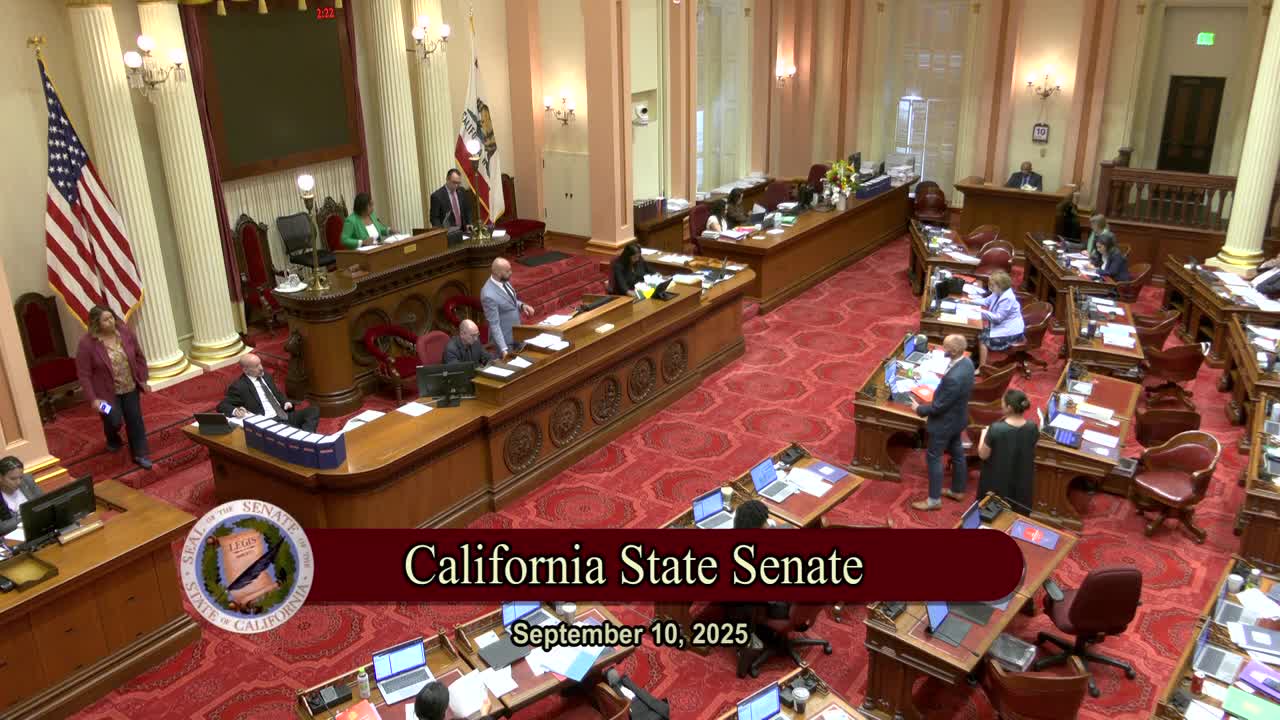 2MIN
Senate Floor
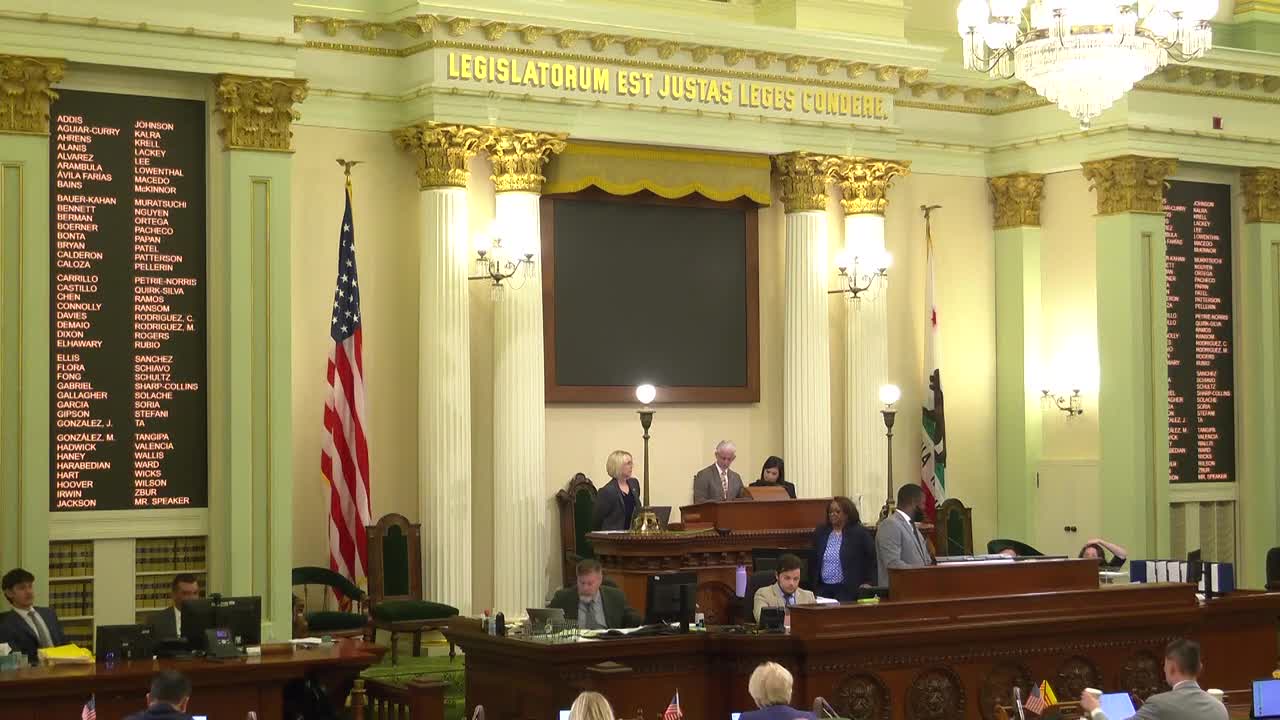 1MIN
Assembly Floor
 10MIN
Assembly Standing Committee on Transportation
 3MIN
Senate Standing Committee on Appropriations
Bill Author

Bill Co-Author(s):