SB 837: Disaster and emergency preparedness.
- Session Year: 2025-2026
- House: Senate
- Latest Version Date: 2026-09-30
Current Status:
Passed
(2026-09-30: Chaptered by Secretary of State. Chapter 984, Statutes of 2026.)
Introduced
In Committee
Awaiting First Chamber Vote
Passed First Chamber
In Committee
Awaiting Second Chamber Vote
Passed Second Chamber
Enacted
Existing law establishes an Aging and Disability Resource Connection (ADRC) program, administered by the California Department of Aging, to provide information to consumers and their families on available long-term services and supports (LTSS) programs and to assist older adults, caregivers, and persons with disabilities in accessing LTSS programs at the local level. Existing law requires ADRC programs to provide specified services, including, among other things, enhanced information and referral services and other assistance at hours that are convenient for the public.
This bill would further require ADRC programs to provide disaster and emergency preparedness community education specifically designed with the goals of informing older adults and people with disabilities about emergency preparedness and promoting their safety before, during, and after natural disasters and other emergency events, as specified.
Existing law establishes an Aging and Disability Resource Connection (ADRC) program, administered by the California Department of Aging, to provide information to consumers and their families on available long-term services and supports (LTSS) programs and to assist older adults, caregivers, and persons with disabilities in accessing LTSS programs at the local level. Existing law requires ADRC programs to provide specified services, including, among other things, enhanced information and referral services and other assistance at hours that are convenient for the public.
This bill would further require ADRC programs to provide disaster and emergency preparedness training community education specifically designed to help with the goals of informing older adults and people with disabilities prepare for emergencies and ensure about emergency preparedness and promoting their safety before, during, and after natural disasters and other emergency events, as specified.
Existing law establishes an Aging and Disability Resource Connection (ADRC) program, administered by the California Department of Aging, to provide information to consumers and their families on available long-term services and supports (LTSS) programs and to assist older adults, caregivers, and persons with disabilities in accessing LTSS programs at the local level. Existing law requires ADRC programs to provide specified services, including, among other things, enhanced information and referral services and other assistance at hours that are convenient for the public.
This bill would further require ADRC programs to provide disaster and emergency preparedness training specifically designed to help older adults and people with disabilities prepare for emergencies and ensure their safety before, during, and after natural disasters and other emergency events, as specified.
Existing law requires each campus of the University of California, the California State University, and the California Community Colleges, each independent institution of higher education, and certain private postsecondary educational institutions to provide students with the Financial Aid Shopping Sheet as developed by the United States Department of Education to inform students or individuals who have been offered admission about financial aid award packages, as specified.Existing law establishes the Student Aid Commission as the primary state agency for the administration of state-authorized student financial aid programs available to students attending all segments of postsecondary education. Existing law authorizes the commission to, among other things, expend funds for purposes of disseminating information about all institutional, state, and federal student aid programs to potential applicants, and requires that distribution of information to primarily focus on potential applicants with the greatest financial need. Existing law requires the commission, in the event that the Financial Aid Shopping Sheet developed by the United States Department of Education is no longer available, to develop, in consultation with the Bureau for Private Postsecondary Education, a similar form that the above-described postsecondary educational institutions would be required to use instead. Existing law requires the form to provide students and their families with information including, but not limited to, grant and scholarship opportunities and net costs associated with attendance at an institution.Existing law, the Community College Student Financial Aid Outreach Program, requires the commission, in consultation with the office of the Chancellor of the California Community Colleges, to develop and administer the program for the purpose of providing financial aid training to high school and community college counselors and advisers who work with students planning to attend or attending a community college, as specified. Existing law requires the training to also address the specific needs of community college students intending to transfer to a four-year institution of higher education, foster youth and former foster youth, homeless youth and former homeless youth, and students with disabilities.This bill would require the commission, on or before July 1, 2027, to develop guidance for school districts, county offices of education, charter schools, and public libraries on how to use online technology platforms to assist low-income pupils, foster youth, and undocumented families in accessing student financial aid. The bill would require the guidance to include information on how to use online technology platforms that do certain things, including, among other things, providing clear, accurate, and comprehensive information about the cost of colleges and universities and the availability of financial aid that is specifically tailored to the students unique educational and financial circumstances. The bill would require the commission, on or before July 1, 2027, to offer a training program for school counselors and administrators and community-based organizations on the guidance, and to implement a multilingual media campaign targeting underserved communities to raise awareness of available online technology platforms relating to the guidance.Existing law requires each campus of the University of California, the California State University, and the California Community Colleges, each independent institution of higher education, and certain private postsecondary educational institutions to provide students with the Financial Aid Shopping Sheet as developed by the United States Department of Education to inform students or individuals who have been offered admission about financial aid award packages, as specified.
Existing law establishes the Student Aid Commission as the primary state agency for the administration of state-authorized student financial aid programs available to students attending all segments of postsecondary education. Existing law authorizes the commission to, among other things, expend funds for purposes of disseminating information about all institutional, state, and federal student aid programs to potential applicants, and requires that distribution of information to primarily focus on potential applicants with the greatest financial need. Existing law requires the commission, in the event that the Financial Aid Shopping Sheet developed by the United States Department of Education is no longer available, to develop, in consultation with the Bureau for Private Postsecondary Education, a similar form that the above-described postsecondary educational institutions would be required to use instead. Existing law requires the form to provide students and their families with information including, but not limited to, grant and scholarship opportunities and net costs associated with attendance at an institution.
Existing law, the Community College Student Financial Aid Outreach Program, requires the commission, in consultation with the office of the Chancellor of the California Community Colleges, to develop and administer the program for the purpose of providing financial aid training to high school and community college counselors and advisers who work with students planning to attend or attending a community college, as specified. Existing law requires the training to also address the specific needs of community college students intending to transfer to a four-year institution of higher education, foster youth and former foster youth, homeless youth and former homeless youth, and students with disabilities.
This bill would require the commission, on or before July 1, 2027, to develop guidance for school districts, county offices of education, charter schools, and public libraries on how to use online technology platforms to assist low-income pupils, foster youth, and undocumented families in accessing student financial aid. The bill would require the guidance to include information on how to use online technology platforms that do certain things, including, among other things, providing clear, accurate, and comprehensive information about the cost of colleges and universities and the availability of financial aid that is specifically tailored to the students unique educational and financial circumstances. The bill would require the commission, on or before July 1, 2027, to offer a training program for school counselors and administrators and community-based organizations on the guidance, and to implement a multilingual media campaign targeting underserved communities to raise awareness of available online technology platforms relating to the guidance.
Existing law establishes the California Community Colleges, the California State University, the University of California, independent institutions of higher education, and private postsecondary educational institutions as the segments of postsecondary education in the state. The missions and functions of these segments are set forth in the Donahoe Higher Education Act.This bill would make nonsubstantive changes in a provision that, for purposes of the Donahoe Higher Education Act, designates the segments of public postsecondary education as the California Community Colleges, the California State University, and the University of California, as specified, and defines independent institutions of higher education for these purposes.Existing law establishes the California Community Colleges, the California State University, the University of California, independent institutions of higher education, and private postsecondary educational institutions as the segments of postsecondary education in the state. The missions and functions of these segments are set forth in the Donahoe Higher Education Act.
This bill would make nonsubstantive changes in a provision that, for purposes of the Donahoe Higher Education Act, designates the segments of public postsecondary education as the California Community Colleges, the California State University, and the University of California, as specified, and defines independent institutions of higher education for these purposes.
The Legislature finds and declares all of the following:
(a)When a natural disaster or other emergency event occurs, certain individuals may have needs that cannot be effectively addressed through traditional emergency response and recovery methods. These needs, referred to as access and functional needs within the emergency management community, arise from a variety of factors, including, but not limited to, developmental or intellectual disabilities, physical disabilities, chronic health conditions, injuries, limited English proficiency, age, including older adults and children, institutional living, low income, homelessness, transportation challenges, including reliance on public transportation, and pregnancy. Emergencies impact individuals in distinct ways depending on their specific needs.
(b)While all individuals are vulnerable during a natural disaster or other emergency event, those with access and functional needs face heightened vulnerabilities due to their unique circumstances. Historical evidence demonstrates that these individuals are disproportionately affected by natural disasters and other emergency events. According to a 2019 report conducted by the California State Auditor, people with certain access and functional needs are two to four times more likely to perish in a natural disaster compared to the general population. These individuals can constitute a significant portion of the affected population, underscoring the importance of incorporating strategies into emergency plans that specifically address the protection and assistance of these vulnerable groups.
(c)Despite the critical importance of this issue, emergency agencies have often faced challenges in adequately supporting individuals with access and functional needs during natural disasters and other emergency events. Notably, alerting and warning, evacuation, and sheltering have historically posed significant obstacles in meeting the needs of these individuals.
SEC. 2.Section 9120 of the Welfare and Institutions Code is amended to read:9120.(a)There is hereby established an Aging and Disability Resource Connection (ADRC) program to provide information to consumers and their families on available long-term services and supports (LTSS) programs and to assist older adults, caregivers, and persons with disabilities in accessing LTSS programs at the local level through ADRC programs operated jointly by area agencies on aging and independent living centers.
(b)This article shall be administered and implemented by the California Department of Aging, in collaboration with the Department of Rehabilitation and the State Department of Health Care Services.
(c)Area agencies on aging and independent living centers shall be the core local partners in developing ADRC programs. The California Department of Aging shall assist interested and qualified area agencies on aging and independent living centers in completing an application to be designated as an ADRC program.
(d)An ADRC program operated by an area agency on aging and an independent living center shall provide all of the following:
(1)Enhanced information and referral services and other assistance at hours that are convenient for the public.
(2)Options counseling concerning available LTSS programs and public and private benefits programs.
(3)Short-term service coordination.
(4)Transition services from hospitals to home and from skilled nursing facilities to the community.
(5)Disaster and emergency preparedness community education specifically designed with the goals of informing older adults and people with disabilities about emergency preparedness and promoting their safety before, during, and after natural disasters and other emergency events.
(A)The community education may utilize existing emergency preparedness and response tools developed by the Office of Emergency Services, the California Department of Aging, the Department of Rehabilitation, the State Department of Developmental Services, or other relevant community partners.
(B)The community education shall raise awareness of existing available resources and guidance, including, but not limited to, local alert systems, local emergency plans, information from the local fire department, information on emergency transportation and evacuation resources, and information related to utility services during emergencies and natural disasters.
(e)An ADRC program operated by an area agency on aging and an independent living center shall do both of the following:
(1)Provide services within the geographic area served.
(2)Provide information to the public about the services provided by the program.
(f)(1)The California Department of Aging, in consultation with the Aging and Disability Resource Connection Advisory Committee within the California Department of Aging, shall develop a core model of ADRC best practices. These best practices shall be implemented by July 1, 2022, by all ADRC programs operated by area agencies on aging and independent living centers. To the extent feasible, the best practices shall be considered in the development and continued updating of the master plan on aging. In the development of these best practices, the department and advisory committee shall consider, at a minimum, all of the following practices:
(A)A person-centered counseling process.
(B)Public outreach and coordination with key referral sources, including, but not limited to, caregiver resource centers, the medical centers of the United States Department of Veterans Affairs, acute care systems, local 211 programs, local multipurpose senior service programs, Programs of All-Inclusive Care for the Elderly (PACE), adult day care services, and LTSS providers.
(C)A formal followup procedure to ensure that services for which a person received a referral were received and methods for correcting service provision if needed.
(D)A model for the best ways for area agencies on aging and independent living centers to share necessary data and client information.
(E)A model for the collection and reporting of data to the California Department of Aging, which shall include, but not be limited to, the demographic information for each individual counseled, the number of consumers served by category of service, and the number of caregivers served.
(2)The California Department of Aging shall review implementation of the ADRC Infrastructure Grants Program described in Section 9121 for consideration in developing and updating the best practices model.
(g)The implementation of this section is contingent on an appropriation in the annual Budget Act, or another act, for that express purpose.
The Legislature finds and declares all of the following:
(a)When a natural disaster or other emergency event occurs, certain individuals may have needs that cannot be effectively addressed through traditional emergency response and recovery methods. These needs, referred to as access and functional needs within the emergency management community, arise from a variety of factors, including, but not limited to, developmental or intellectual disabilities, physical disabilities, chronic health conditions, injuries, limited English proficiency, age, including older adults and children, institutional living, low income, homelessness, transportation challenges, including reliance on public transportation, and pregnancy. Emergencies impact individuals in distinct ways depending on their specific needs.
(b)While all individuals are vulnerable during a natural disaster or other emergency event, those with access and functional needs face heightened vulnerabilities due to their unique circumstances. Historical evidence demonstrates that these individuals are disproportionately affected by natural disasters and other emergency events. According to a 2019 report conducted by the California State Auditor, people with certain access and functional needs are two to four times more likely to perish in a natural disaster compared to the general population. These individuals can constitute a significant portion of the affected population, underscoring the importance of incorporating strategies into emergency plans that specifically address the protection and assistance of these vulnerable groups.
(c)Despite the critical importance of this issue, emergency agencies have often faced challenges in adequately supporting individuals with access and functional needs during natural disasters and other emergency events. Notably, alerting and warning, evacuation, and sheltering have historically posed significant obstacles in meeting the needs of these individuals.
SEC. 2.Section 9120 of the Welfare and Institutions Code is amended to read:9120.(a)There is hereby established an Aging and Disability Resource Connection (ADRC) program to provide information to consumers and their families on available long-term services and supports (LTSS) programs and to assist older adults, caregivers, and persons with disabilities in accessing LTSS programs at the local level through ADRC programs operated jointly by area agencies on aging and independent living centers.
(b)This article shall be administered and implemented by the California Department of Aging, in collaboration with the Department of Rehabilitation and the State Department of Health Care Services.
(c)Area agencies on aging and independent living centers shall be the core local partners in developing ADRC programs. The California Department of Aging shall assist interested and qualified area agencies on aging and independent living centers in completing an application to be designated as an ADRC program.
(d)An ADRC program operated by an area agency on aging and an independent living center shall provide all of the following:
(1)Enhanced information and referral services and other assistance at hours that are convenient for the public.
(2)Options counseling concerning available LTSS programs and public and private benefits programs.
(3)Short-term service coordination.
(4)Transition services from hospitals to home and from skilled nursing facilities to the community.
(5)Disaster and emergency preparedness training community education specifically designed to help with the goals of informing older adults and people with disabilities prepare for emergencies and ensure about emergency preparedness and promoting their safety before, during, and after natural disasters and other emergency events.
(A)The training shall community education may utilize existing emergency preparedness and response tools developed by the Office of Emergency Services, the California Department of Aging, the Department of Rehabilitation, and the State Department of Developmental Services, or other relevant community partners.
(B)The training community education shall raise awareness of existing available resources and guidance, including, but not limited to, local alert systems, local emergency plans, information from the local fire department, information on emergency transportation and evacuation resources, and information related to utility services during emergencies and natural disasters.
(e)An ADRC program operated by an area agency on aging and an independent living center shall do both of the following:
(1)Provide services within the geographic area served.
(2)Provide information to the public about the services provided by the program.
(f)(1)The California Department of Aging, in consultation with the Aging and Disability Resource Connection Advisory Committee within the California Department of Aging, shall develop a core model of ADRC best practices. These best practices shall be implemented by July 1, 2022, by all ADRC programs operated by area agencies on aging and independent living centers. To the extent feasible, the best practices shall be considered in the development and continued updating of the master plan on aging. In the development of these best practices, the department and advisory committee shall consider, at a minimum, all of the following practices:
(A)A person-centered counseling process.
(B)Public outreach and coordination with key referral sources, including, but not limited to, caregiver resource centers, the medical centers of the United States Department of Veterans Affairs, acute care systems, local 211 programs, local multipurpose senior service programs, Programs of All-Inclusive Care for the Elderly (PACE), adult day care services, and LTSS providers.
(C)A formal followup procedure to ensure that services for which a person received a referral were received and methods for correcting service provision if needed.
(D)A model for the best ways for area agencies on aging and independent living centers to share necessary data and client information.
(E)A model for the collection and reporting of data to the California Department of Aging, which shall include, but not be limited to, the demographic information for each individual counseled, the number of consumers served by category of service, and the number of caregivers served.
(2)The California Department of Aging shall review implementation of the ADRC Infrastructure Grants Program described in Section 9121 for consideration in developing and updating the best practices model.
(g)The implementation of this section is contingent on an appropriation in the annual Budget Act, or another act, for that express purpose.
The Legislature finds and declares all of the following:
(a)When a natural disaster or other emergency event occurs, certain individuals may have needs that cannot be effectively addressed through traditional emergency response and recovery methods. These needs, referred to as access and functional needs within the emergency management community, arise from a variety of factors, including, but not limited to, developmental or intellectual disabilities, physical disabilities, chronic health conditions, injuries, limited English proficiency, age, including older adults and children, institutional living, low income, homelessness, transportation challenges, including reliance on public transportation, and pregnancy. Emergencies impact individuals in distinct ways depending on their specific needs.
(b)While all individuals are vulnerable during a natural disaster or other emergency event, those with access and functional needs face heightened vulnerabilities due to their unique circumstances. Historical evidence demonstrates that these individuals are disproportionately affected by natural disasters and other emergency events. According to a 2019 report conducted by the California State Auditor, people with certain access and functional needs are two to four times more likely to perish in a natural disaster compared to the general population. These individuals can constitute a significant portion of the affected population, underscoring the importance of incorporating strategies into emergency plans that specifically address the protection and assistance of these vulnerable groups.
(c)Despite the critical importance of this issue, emergency agencies have often faced challenges in adequately supporting individuals with access and functional needs during natural disasters and other emergency events. Notably, alerting and warning, evacuation, and sheltering have historically posed significant obstacles in meeting the needs of these individuals.
SEC. 2.Section 9120 of the Welfare and Institutions Code is amended to read:9120.(a)There is hereby established an Aging and Disability Resource Connection (ADRC) program to provide information to consumers and their families on available long-term services and supports (LTSS) programs and to assist older adults, caregivers, and persons with disabilities in accessing LTSS programs at the local level through ADRC programs operated jointly by area agencies on aging and independent living centers.
(b)This article shall be administered and implemented by the California Department of Aging, in collaboration with the Department of Rehabilitation and the State Department of Health Care Services.
(c)Area agencies on aging and independent living centers shall be the core local partners in developing ADRC programs. The California Department of Aging shall assist interested and qualified area agencies on aging and independent living centers in completing an application to be designated as an ADRC program.
(d)An ADRC program operated by an area agency on aging and an independent living center shall provide all of the following:
(1)Enhanced information and referral services and other assistance at hours that are convenient for the public.
(2)Options counseling concerning available LTSS programs and public and private benefits programs.
(3)Short-term service coordination.
(4)Transition services from hospitals to home and from skilled nursing facilities to the community.
(5)Disaster and emergency preparedness training specifically designed to help older adults and people with disabilities prepare for emergencies and ensure their safety before, during, and after natural disasters and other emergency events.
(A)The training shall utilize existing emergency preparedness and response tools developed by the Office of Emergency Services, the California Department of Aging, the Department of Rehabilitation, and other relevant community partners.
(B)The training shall raise awareness of existing available resources and guidance, including, but not limited to, local alert systems, local emergency plans, information from the local fire department, information on emergency transportation and evacuation resources, and information related to utility services during emergencies and natural disasters.
(e)An ADRC program operated by an area agency on aging and an independent living center shall do both of the following:
(1)Provide services within the geographic area served.
(2)Provide information to the public about the services provided by the program.
(f)(1)The California Department of Aging, in consultation with the Aging and Disability Resource Connection Advisory Committee within the California Department of Aging, shall develop a core model of ADRC best practices. These best practices shall be implemented by July 1, 2022, by all ADRC programs operated by area agencies on aging and independent living centers. To the extent feasible, the best practices shall be considered in the development and continued updating of the master plan on aging. In the development of these best practices, the department and advisory committee shall consider, at a minimum, all of the following practices:
(A)A person-centered counseling process.
(B)Public outreach and coordination with key referral sources, including, but not limited to, caregiver resource centers, the medical centers of the United States Department of Veteran Veterans Affairs, acute care systems, local 211 programs, local multipurpose senior service programs, Programs of All-Inclusive Care for the Elderly (PACE), adult day care services, and LTSS providers.
(C)A formal followup procedure to ensure that services for which a person received a referral were received and methods for correcting service provision if needed.
(D)A model for the best ways for area agencies on aging and independent living centers to share necessary data and client information.
(E)A model for the collection and reporting of data to the California Department of Aging, which shall include, but not be limited to, the demographic information for each individual counseled, the number of consumers served by category of service, and the number of caregivers served.
(2)The California Department of Aging shall review implementation of the ADRC Infrastructure Grants Program described in Section 9121 for consideration in developing and updating the best practices model.
(g)The implementation of this section is contingent on an appropriation in the annual Budget Act, or another act, for that express purpose.
SECTION 1.Section 69514.7 is added to the Education Code, to read:69514.7.(a)On or before July 1, 2027, the commission shall develop guidance for local educational agencies and public libraries on how to use online technology platforms to assist low-income pupils, foster youth, and undocumented families in accessing student financial aid. The guidance shall include, but not be limited to, information on how to use online technology platforms that do all of the following:(1)Provide clear, accurate, and comprehensive information about the cost of colleges and universities and the availability of financial aid that is specifically tailored to the students unique educational and financial circumstances.(2)Highlight colleges and universities that meet 100 percent of the demonstrated financial need for qualifying students.(3)Compare costs for living on-campus versus off-campus and grants versus loans.(4)Include specific tools for foster youth and undocumented students to ensure equitable access, with a required display of specific results for foster youth and students eligible for Deferred Action for Childhood Arrivals.(5)Provide information in multiple languages and include financial counseling, videos, and guidance resources to faculty, parents, and students.(6)Track their progress toward meeting the minimum course requirements for admission to the California State University and the University of California.(7)Include direct links to the Free Application for Federal Student Aid, the CSS Profile, and the California Dream Act application.(b)On or before July 1, 2027, the commission shall do both of the following: (1)Offer a training program for school counselors and administrators and community-based organizations on the guidance developed pursuant to subdivision (a).(2)Implement a multilingual media campaign targeting underserved communities to raise awareness of available online technology platforms relating to the guidance developed pursuant to subdivision (a).(c)For purposes of this section, local educational agency means a school district, county office of education, or charter school.(a)On or before July 1, 2027, the commission shall develop guidance for local educational agencies and public libraries on how to use online technology platforms to assist low-income pupils, foster youth, and undocumented families in accessing student financial aid. The guidance shall include, but not be limited to, information on how to use online technology platforms that do all of the following:
(1)Provide clear, accurate, and comprehensive information about the cost of colleges and universities and the availability of financial aid that is specifically tailored to the students unique educational and financial circumstances.
(2)Highlight colleges and universities that meet 100 percent of the demonstrated financial need for qualifying students.
(3)Compare costs for living on-campus versus off-campus and grants versus loans.
(4)Include specific tools for foster youth and undocumented students to ensure equitable access, with a required display of specific results for foster youth and students eligible for Deferred Action for Childhood Arrivals.
(5)Provide information in multiple languages and include financial counseling, videos, and guidance resources to faculty, parents, and students.
(6)Track their progress toward meeting the minimum course requirements for admission to the California State University and the University of California.
(7)Include direct links to the Free Application for Federal Student Aid, the CSS Profile, and the California Dream Act application.
(b)On or before July 1, 2027, the commission shall do both of the following:
(1)Offer a training program for school counselors and administrators and community-based organizations on the guidance developed pursuant to subdivision (a).
(2)Implement a multilingual media campaign targeting underserved communities to raise awareness of available online technology platforms relating to the guidance developed pursuant to subdivision (a).
(c)For purposes of this section, local educational agency means a school district, county office of education, or charter school.
SECTION 1.Section 66010 of the Education Code is amended to read:66010.(a)Public higher education consists of all of the following: (1) the California Community Colleges; (2) the California State University, and each campus, branch, and function thereof; and (3) each campus, branch, and function of the University of California.(b)As used in this part, independent institutions of higher education are those nonpublic higher education institutions that grant undergraduate degrees, graduate degrees, or both, and that are formed as nonprofit corporations in this state and are accredited by an agency recognized by the United States Department of Education.(c)This part is not intended to regulate, subsidize, or intrude upon private education, including, but not limited to, independent educational institutions and religious schools, nor to vary existing state law or state constitutional provisions relating to private education.(a)Public higher education consists of all of the following: (1) the California Community Colleges, Colleges; (2) the California State University, and each campus, branch, and function thereof, thereof; and (3) each campus, branch, and function of the University of California.
(b)As used in this part, independent institutions of higher education are those nonpublic higher education institutions that grant undergraduate degrees, graduate degrees, or both, and that are formed as nonprofit corporations in this state and are accredited by an agency recognized by the United States Department of Education.
(c)No provision of this This part is not intended to regulate, subsidize, or intrude upon private education, including, but not limited to, independent educational institutions and religious schools, nor to vary existing state law or state constitutional provisions relating to private education.
|
Date
|
Status
|
|---|---|
| Sep 30, 2026 | Chaptered by Secretary of State. Chapter 984, Statutes of 2026. |
| Sep 30, 2026 | Approved by the Governor. |
| Sep 2, 2026 | Enrolled and presented to the Governor at 3 p.m. |
| Aug 27, 2026 | Assembly amendments concurred in. (Ayes 40. Noes 0. Page 5985.) Ordered to engrossing and enrolling. |
| Aug 27, 2026 | Assembly amendments concurred in. (Ayes 39. Noes 0.) Ordered to engrossing and enrolling. |
| Aug 26, 2026 | Ordered to special consent calendar. |
| Aug 24, 2026 | In Senate. Concurrence in Assembly amendments pending. |
| Aug 24, 2026 | Read third time. Passed. (Ayes 77. Noes 0. Page 6428.) Ordered to the Senate. |
| Aug 24, 2026 | Read third time. Passed. Ordered to the Senate. |
| Aug 17, 2026 | Read second time. Ordered to third reading. |
| Aug 13, 2026 | Read second time and amended. Ordered to second reading. |
| Aug 13, 2026 | From committee: Do pass as amended. (Ayes 11. Noes 0.) (August 13). |
| Aug 13, 2026 | Assembly Rule 63 suspended. |
| Aug 5, 2026 | August 5 set for first hearing. Placed on suspense file. |
| Jun 30, 2026 | From committee: Do pass and re-refer to Com. on APPR. with recommendation: To consent calendar. (Ayes 6. Noes 0.) (June 29). Re-referred to Com. on APPR. |
| Jun 24, 2026 | From committee: Do pass and re-refer to Com. on E.M. (Ayes 7. Noes 0.) (June 23). Re-referred to Com. on E.M. |
| May 4, 2026 | Referred to Coms. on AGING & L.T.C and E.M. |
| Jan 29, 2026 | In Assembly. Read first time. Held at Desk. |
| Jan 29, 2026 | Read third time. Passed. (Ayes 39. Noes 0. Page 3324.) Ordered to the Assembly. |
| Jan 26, 2026 | Ordered to special consent calendar. |
| Jan 22, 2026 | Read second time. Ordered to third reading. |
| Jan 22, 2026 | From committee: Do pass. (Ayes 7. Noes 0. Page 3270.) (January 22). |
| Jan 21, 2026 | Set for hearing January 22. |
| Jan 20, 2026 | January 20 hearing: Placed on APPR. suspense file. |
| Jan 14, 2026 | Set for hearing January 20. |
| Jan 13, 2026 | From committee: Do pass and re-refer to Com. on APPR. (Ayes 5. Noes 0. Page 3204.) (January 12). Re-referred to Com. on APPR. |
| Jan 7, 2026 | Set for hearing January 12. |
| Jan 5, 2026 | Re-referred to Com. on HUMAN S. |
| Jan 5, 2026 | Re-referred to Com. on RLS. |
| Jan 5, 2026 | Withdrawn from committee. |
| Jan 5, 2026 | From committee with author's amendments. Read second time and amended. Re-referred to Com. on ED. |
| May 1, 2025 | April 30 set for first hearing canceled at the request of author. |
| Apr 9, 2025 | Set for hearing April 30. |
| Apr 2, 2025 | Re-referred to Com. on ED. |
| Mar 26, 2025 | From committee with author's amendments. Read second time and amended. Re-referred to Com. on RLS. |
| Mar 12, 2025 | Referred to Com. on RLS. |
| Feb 24, 2025 | Read first time. |
| Feb 24, 2025 | From printer. May be acted upon on or after March 24. |
| Feb 21, 2025 | Introduced. To Com. on RLS. for assignment. To print. |
|
Date
|
Description
|
Location
|
Votes
|
|
|---|---|---|---|---|
| Aug 27, 2026 | Special Consent SB837 Reyes | Senate Floor |
Passed |
|
| Aug 24, 2026 | SB 837 Reyes Senate Third Reading By Ransom | Assembly Floor |
Passed |
|
| Aug 13, 2026 | Do pass as amended. | Assembly Standing Committee on Appropriations |
Passed |
|
| Jun 29, 2026 | Do pass and be re-referred to the Committee on [Appropriations] with recommendation: To Consent Calendar | Assembly Standing Committee on Emergency Management |
Passed |
|
| Jun 23, 2026 | Do pass and be re-referred to the Committee on [Emergency Management] | Assembly Standing Committee on Aging and Long-Term Care |
Passed |
|
| Jan 29, 2026 | Special Consent SB837 Reyes | Senate Floor |
Passed |
|
| Jan 22, 2026 | Do pass | Senate Standing Committee on Appropriations |
Passed |
|
| Jan 20, 2026 | Placed on suspense file | Senate Standing Committee on Appropriations |
Passed |
|
| Jan 12, 2026 | Do pass, but first be re-referred to the Committee on [Appropriations] | Senate Standing Committee on Human Services |
Passed |
This list shows positions taken on this bill by organizations on the date displayed, which is linked to the original source.
Positions by individuals are not included.
|
Organization
|
Position
|
Date
|
|---|---|---|
| California Chamber Of Commerce | ** Support | |
| California Foundation For Independent Living Centers | ** Support | |
| California Human Development | ** Support | |
| California State Council on Developmental Disabilities | ** Support | |
| California State Council on Developmental Disabilities (SCDD) | ** Support | |
| Central Valley Opportunity Center | ** Support | |
| Disability Rights California | ** Support | |
| First Day Foundation | ** Support | |
| Inland Coalition for Immigrant Justice | ** Support | |
| Kathryn Barger, Supervisor, Los Angeles County Board of Supervisors | ** Support | |
| la Cooperativa Campesina de California | ** Support | |
| LeadingAge California | ** Support | |
| Los Amigos de la Comunidad | ** Support | |
| Los Angeles County | ** Support | |
| Orange County Fire Authority | ** Support | |
| Proteus, Inc. | ** Support | |
| Stars | ** Support | |
| Victor M. Gordo, Mayor, City of Pasadena | ** Support |
SENATE RULES COMMITTEE Office of Senate Floor Analyses (916) 651-4171 | SB 837 |
UNFINISHED BUSINESS
Bill No: SB 837
Author: Reyes (D)
Amended: 8/13/26
Vote: 21
SENATE HUMAN SERVICES COMMITTEE: 5-0, 1/12/26
AYES: Arreguín, Ochoa Bogh, Becker, Menjivar, Pérez
SENATE APPROPRIATIONS COMMITTEE: 7-0, 1/22/26
AYES: Caballero, Seyarto, Cabaldon, Dahle, Grayson, Richardson, Wahab
SENATE FLOOR: 39-0, 1/29/26
AYES: Allen, Alvarado-Gil, Archuleta, Arreguín, Ashby, Becker, Blakespear, Cabaldon, Caballero, Cervantes, Choi, Cortese, Dahle, Durazo, Gonzalez, Grayson, Grove, Hurtado, Jones, Laird, Limón, McGuire, McNerney, Menjivar, Niello, Ochoa Bogh, Padilla, Pérez, Richardson, Rubio, Seyarto, Smallwood-Cuevas, Stern, Strickland, Umberg, Valladares, Wahab, Weber Pierson, Wiener
NO VOTE RECORDED: Reyes
ASSEMBLY FLOOR: 77-0, 8/24/26 - See last page for vote
SUBJECT: Disaster and emergency preparedness
SOURCE: Author
DIGEST:
This bill requires Aging and Disability Resource Connections (ADRC) programs to provide disaster and emergency preparedness community education specifically designed with the goals of informing older adults and people with disabilities about emergency preparedness and promoting their safety before, during, and after natural disasters and other emergency events.
Assembly Amendments
make technical and clarifying changes.
ANALYSIS:
Existing law:
- Establishes an Aging and Disability Resource Connection program to provide information to consumers and their families on available long-term services and supports programs and to assist older adults, caregivers, and persons with disabilities in accessing long-term services and supports programs at the local level through Aging and Disability Resource Connection programs operated jointly by area agencies on aging and independent living centers. (Welfare and Institutions Code Section (WIC) 9120)
- Provides that area agencies on aging and independent living centers shall be the core local partners in developing Aging and Disability Resource Connection programs. Requires the California Department of Aging to assist interested and qualified area agencies on aging and independent living centers in completing an application to be designated as an Aging and Disability Resource Connection program. (WIC 9120)
- Provides that an Aging and Disability Resource Connection program operated by an area agency on aging and an independent living center shall provide all of the following:
- Enhanced information and referral services and other assistance at hours that are convenient for the public.
- Options counseling concerning available long-term services and supports programs and public and private benefits programs.
- Short-term service coordination.
- Transition services from hospitals to home and from skilled nursing facilities to the community. (WIC 9120)
- Provides that an Aging and Disability Resource Connection program operated by an area agency on aging and an independent living center shall do both of the following:
- Provide services within the geographic area served.
- Provide information to the public about the services provided by the program. (WIC 9120)
- Provides that the California Department of Aging, in consultation with the Aging and Disability Resource Connection Advisory Committee within the California Department of Aging, shall develop a core model of Aging and Disability Resource Connection best practices. These best practices shall be implemented by July 1, 2022, by all Aging and Disability Resource Connection programs operated by area agencies on aging and independent living centers. To the extent feasible, the best practices shall be considered in the development and continued updating of the master plan on aging. In the development of these best practices, the department and advisory committee shall consider, at a minimum, the following practices:
- A person-centered counseling process.
- Public outreach and coordination with key referral sources, including, but not limited to, caregiver resource centers, the medical centers of the United States Department of Veteran Affairs, acute care systems, local 211 programs, local multipurpose senior service programs, Programs of All-Inclusive Care for the Elderly (PACE), adult day care services, and long-term services and supports providers.
- A formal follow-up procedure to ensure that services for which a person received a referral were received and methods for correcting service provision if needed.
- A model for the best ways for area agencies on aging and independent living centers to share necessary data and client information.
- A model for the collection and reporting of data to the California Department of Aging, which shall include, but not be limited to, the demographic information for each individual counseled, the number of consumers served by category of service, and the number of caregivers served. (WIC 9120)
- Provides that the California Department of Aging shall review implementation of the Aging and Disability Resource Connection Infrastructure Grants Program described in WIC 9121 for consideration in developing and updating the best practices model. (WIC 9120)
This bill:
- Makes legislative findings and declarations regarding individuals who are especially vulnerable during a disaster and the challenges in adequately supporting this population during national disasters.
- Requires ADRCs to provide disaster and emergency preparedness community education specifically designed to help older adults and people with disabilities prepare for emergencies and ensure their safety before, during, and after natural disasters and other emergency events.
- Allows the community education to utilize existing emergency preparedness and response tools developed by the California Office of Emergency Services (Cal OES), the California Department of Aging (CDA), the Department of Rehabilitation (DOR), the State Department of Developmental Services and other relevant community partners.
- Provides Community education to raise awareness of existing available resources and guidance, including, but not limited to local alert systems; local emergency plans; information from the local fire department; information on emergency transportation and evacuation resources; and, information related to utility services during emergencies and natural disasters.
Background
Author’s Statement. According to the author, “The state has long been aware that individuals with disabilities and older adults face a disproportionate risk of death during natural disasters. A 2019 audit by the California State Auditor highlighted the critical gap in emergency management agencies' ability to support these vulnerable populations, revealing a lack of guidelines for assisting these individual in cases of emergency. Recently, wildfires in Southern California claimed the lives of several individuals with disabilities, many of whom were over the age of 70. Despite the longstanding dangers faced by this community, the state has repeatedly failed to take meaningful action.
“SB 837 (Reyes) aims to address this urgent issue and ensure that we prevent further tragedies. This bill will require Aging and Disability Resource Connection programs to provide disaster and emergency preparedness training tailored to the needs of older adults and people with disabilities, equipping them with the knowledge and resources necessary to stay safe before, during, and after an emergency. Additionally, it will prioritize funding for area agencies on aging and independent living centers that provide critical transportation and evacuation services during emergencies under the California Disaster Assistance Act.”
Aging and Disability Resource Connections. In 2003, the federal Administration for Community Living and the federal Centers for Medicare and Medicaid Services established a joint funding opportunity through the Aging and Disability Resource Connection initiative. This initiative was designed to provide visible and trusted sources of information, one-on-one counseling, and streamlined access to long-term services and supports.
In 2015, the California Department of Aging established the Aging and Disability Resource Connection and an advisory committee to engage stakeholders in identifying and implementing strategies to strengthen, sustain, and expand Aging and Disability Resource Connection services throughout the state. The committee is the primary advisor to the California Department of Aging in the ongoing development and implementation of the state’s Aging and Disability Resource Connections. Committee members include representatives from the California Departments of Aging, Health Care Services, Rehabilitation, and Veterans Affairs, as well as representatives of providers and advocates in the long-term services and supports community. California’s Aging and Disability Resource Connection program was codified by AB 1200 (Cervantes, Chapter 618, Statutes of 2017).
The California Department of Aging contracts with local area agencies on aging and independent living centers, which coordinate a variety of supportive services to seniors and adults with disabilities. Not all area agencies on aging provide Aging and Disability Resource Connection services. Anyone, regardless of age, income, or disability, may receive Aging and Disability Resource Connection services.
Natural Disasters and Emergencies. Natural disasters include earthquakes, floods, extreme heat and all types of severe weather. The Environmental Protection Agency classifies wildfires as natural disasters, though not all wildfires are the result of natural events. California has experienced several devastating fires in recent years, including the Palisades Fire in 2025 and the Camp Fire in 2018. Natural disasters can occur anywhere, but they do not impact all populations equally. Research shows that “the oldest adults seem more likely to be displaced due to multiple disasters, and many older adults who are displaced face health hazards and disability: such as food and water shortages, loss of electricity, and unsanitary conditions, isolation and mental health impacts, and both cognitive and physical disabilities.”[1] United States Census Bureau data shows that once displaced, 21% of people with disabilities never return home. This is four times the rate for persons without disabilities. These disproportionate impacts highlight the need for increased focus on these populations in training and resources to ensure they are protected during natural disasters and emergencies.
Prior/Related Legislation
AB 1069 (Bains, Chapter 445, Statutes of 2025) requires as part of disaster planning and response, an area agency on aging, independent living center, or an Aging and Disability Resource Connection program have access to an emergency shelter in order to ensure older adults and persons with disabilities receive continuous services and necessary support.
SB 352 (Reyes, Chapter 120, Statutes of 2025), as heard by this Committee, was almost identical to this bill prior to it being amended out of this committee’s jurisdiction.
FISCAL EFFECT: Appropriation: No Fiscal Com.: Yes Local: No
According to the Assembly Appropriations Committee:
- OES estimates General Fund costs of $372,000 in the first year and $247,000 ongoing thereafter to support implementation. This includes contract costs of $125,000 per year for the Office of Access and Functional Needs (OAFN) to include individuals with lived disability experience to review and develop new trainings, guidance, and other documents; and one position to collaborate with the ADRCs and OAFN, develop curriculum and online modules, and provide on-demand contract instruction for ADRCs.
- CDA anticipates minor and absorbable costs to provide information to ADRCs on existing emergency preparedness and response tools but notes the potential creation of new tools may impose GF cost pressures on the department.
CDA also indicates GF costs of an unknown amount for ADRC programs to provide the disaster and emergency preparedness training required by the bill. The state provides an annual $10 million GF appropriation, administered by CDA, to the nearly two dozen designated ADRCs throughout the state. This bill adds additional training requirements to the ADRCs but does not provide additional funding likely necessary to develop and provide the training.
- DOR anticipates minor and absorbable costs, to the extent that existing emergency preparedness and response tools are utilized (GF and federal funds).
SUPPORT: (Verified 8/24/26)
California Foundation for Independent Living Centers
Disability Rights California
Orange County Fire Authority
OPPOSITION: (Verified 8/24/26)
None received
ASSEMBLY FLOOR: 77-0, 8/24/26
AYES: Addis, Aguiar-Curry, Ahrens, Alanis, Alvarez, Arambula, Ávila Farías, Bains, Bauer-Kahan, Bennett, Berman, Boerner, Bonta, Bryan, Calderon, Caloza, Carrillo, Castillo, Connolly, Davies, DeMaio, Dixon, Elhawary, Ellis, Flora, Fong, Gabriel, Garcia, Gipson, Jeff Gonzalez, Mark González, Hadwick, Haney, Harabedian, Hart, Hoover, Irwin, Jackson, Johnson, Kalra, Krell, Lackey, Lee, Lowenthal, Macedo, Muratsuchi, Nguyen, Ortega, Pacheco, Papan, Patel, Patterson, Pellerin, Petrie-Norris, Quirk-Silva, Ramos, Ransom, Celeste Rodriguez, Michelle Rodriguez, Rogers, Blanca Rubio, Sanchez, Schiavo, Schultz, Sharp-Collins, Solache, Soria, Stefani, Ta, Tangipa, Valencia, Wallis, Ward, Wicks, Wilson, Zbur, Rivas
NO VOTE RECORDED: Chen, McKinnor
Prepared by: Heather Hopkins / HUMAN S. / (916) 651-1524
9/22/26 10:04:49
**** END ****
https://pmc.ncbi.nlm.nih.gov/articles/PMC12762612/ ↑
SENATE RULES COMMITTEE Office of Senate Floor Analyses (916) 651-4171 | SB 837 |
UNFINISHED BUSINESS
Bill No: SB 837
Author: Reyes (D)
Amended: 8/13/26
Vote: 21
SENATE HUMAN SERVICES COMMITTEE: 5-0, 1/12/26
AYES: Arreguín, Ochoa Bogh, Becker, Menjivar, Pérez
SENATE APPROPRIATIONS COMMITTEE: 7-0, 1/22/26
AYES: Caballero, Seyarto, Cabaldon, Dahle, Grayson, Richardson, Wahab
SENATE FLOOR: 39-0, 1/29/26
AYES: Allen, Alvarado-Gil, Archuleta, Arreguín, Ashby, Becker, Blakespear, Cabaldon, Caballero, Cervantes, Choi, Cortese, Dahle, Durazo, Gonzalez, Grayson, Grove, Hurtado, Jones, Laird, Limón, McGuire, McNerney, Menjivar, Niello, Ochoa Bogh, Padilla, Pérez, Richardson, Rubio, Seyarto, Smallwood-Cuevas, Stern, Strickland, Umberg, Valladares, Wahab, Weber Pierson, Wiener
NO VOTE RECORDED: Reyes
ASSEMBLY FLOOR: Passed, 8/24/26
SUBJECT: Disaster and emergency preparedness
SOURCE: Author
DIGEST:
This bill requires Aging and Disability Resource Connections (ADRC) programs to provide disaster and emergency preparedness community education specifically designed with the goals of informing older adults and people with disabilities about emergency preparedness and promoting their safety before, during, and after natural disasters and other emergency events.
Assembly Amendments
make technical and clarifying changes.
ANALYSIS:
Existing law:
- Establishes an Aging and Disability Resource Connection program to provide information to consumers and their families on available long-term services and supports programs and to assist older adults, caregivers, and persons with disabilities in accessing long-term services and supports programs at the local level through Aging and Disability Resource Connection programs operated jointly by area agencies on aging and independent living centers. (Welfare and Institutions Code Section (WIC) 9120)
- Provides that area agencies on aging and independent living centers shall be the core local partners in developing Aging and Disability Resource Connection programs. Requires the California Department of Aging to assist interested and qualified area agencies on aging and independent living centers in completing an application to be designated as an Aging and Disability Resource Connection program. (WIC 9120)
- Provides that an Aging and Disability Resource Connection program operated by an area agency on aging and an independent living center shall provide all of the following:
- Enhanced information and referral services and other assistance at hours that are convenient for the public.
- Options counseling concerning available long-term services and supports programs and public and private benefits programs.
- Short-term service coordination.
- Transition services from hospitals to home and from skilled nursing facilities to the community. (WIC 9120)
- Provides that an Aging and Disability Resource Connection program operated by an area agency on aging and an independent living center shall do both of the following:
- Provide services within the geographic area served.
- Provide information to the public about the services provided by the program. (WIC 9120)
- Provides that the California Department of Aging, in consultation with the Aging and Disability Resource Connection Advisory Committee within the California Department of Aging, shall develop a core model of Aging and Disability Resource Connection best practices. These best practices shall be implemented by July 1, 2022, by all Aging and Disability Resource Connection programs operated by area agencies on aging and independent living centers. To the extent feasible, the best practices shall be considered in the development and continued updating of the master plan on aging. In the development of these best practices, the department and advisory committee shall consider, at a minimum, the following practices:
- A person-centered counseling process.
- Public outreach and coordination with key referral sources, including, but not limited to, caregiver resource centers, the medical centers of the United States Department of Veteran Affairs, acute care systems, local 211 programs, local multipurpose senior service programs, Programs of All-Inclusive Care for the Elderly (PACE), adult day care services, and long-term services and supports providers.
- A formal follow-up procedure to ensure that services for which a person received a referral were received and methods for correcting service provision if needed.
- A model for the best ways for area agencies on aging and independent living centers to share necessary data and client information.
- A model for the collection and reporting of data to the California Department of Aging, which shall include, but not be limited to, the demographic information for each individual counseled, the number of consumers served by category of service, and the number of caregivers served. (WIC 9120)
- Provides that the California Department of Aging shall review implementation of the Aging and Disability Resource Connection Infrastructure Grants Program described in WIC 9121 for consideration in developing and updating the best practices model. (WIC 9120)
This bill:
- Makes legislative findings and declarations regarding individuals who are especially vulnerable during a disaster and the challenges in adequately supporting this population during national disasters.
- Requires ADRCs to provide disaster and emergency preparedness community education specifically designed to help older adults and people with disabilities prepare for emergencies and ensure their safety before, during, and after natural disasters and other emergency events.
- Allows the community education to utilize existing emergency preparedness and response tools developed by the California Office of Emergency Services (Cal OES), the California Department of Aging (CDA), the Department of Rehabilitation (DOR), the State Department of Developmental Services and other relevant community partners.
- Provides Community education to raise awareness of existing available resources and guidance, including, but not limited to local alert systems; local emergency plans; information from the local fire department; information on emergency transportation and evacuation resources; and, information related to utility services during emergencies and natural disasters.
Background
Author’s Statement. According to the author, “The state has long been aware that individuals with disabilities and older adults face a disproportionate risk of death during natural disasters. A 2019 audit by the California State Auditor highlighted the critical gap in emergency management agencies' ability to support these vulnerable populations, revealing a lack of guidelines for assisting these individual in cases of emergency. Recently, wildfires in Southern California claimed the lives of several individuals with disabilities, many of whom were over the age of 70. Despite the longstanding dangers faced by this community, the state has repeatedly failed to take meaningful action.
“SB 837 (Reyes) aims to address this urgent issue and ensure that we prevent further tragedies. This bill will require Aging and Disability Resource Connection programs to provide disaster and emergency preparedness training tailored to the needs of older adults and people with disabilities, equipping them with the knowledge and resources necessary to stay safe before, during, and after an emergency. Additionally, it will prioritize funding for area agencies on aging and independent living centers that provide critical transportation and evacuation services during emergencies under the California Disaster Assistance Act.”
Aging and Disability Resource Connections. In 2003, the federal Administration for Community Living and the federal Centers for Medicare and Medicaid Services established a joint funding opportunity through the Aging and Disability Resource Connection initiative. This initiative was designed to provide visible and trusted sources of information, one-on-one counseling, and streamlined access to long-term services and supports.
In 2015, the California Department of Aging established the Aging and Disability Resource Connection and an advisory committee to engage stakeholders in identifying and implementing strategies to strengthen, sustain, and expand Aging and Disability Resource Connection services throughout the state. The committee is the primary advisor to the California Department of Aging in the ongoing development and implementation of the state’s Aging and Disability Resource Connections. Committee members include representatives from the California Departments of Aging, Health Care Services, Rehabilitation, and Veterans Affairs, as well as representatives of providers and advocates in the long-term services and supports community. California’s Aging and Disability Resource Connection program was codified by AB 1200 (Cervantes, Chapter 618, Statutes of 2017).
The California Department of Aging contracts with local area agencies on aging and independent living centers, which coordinate a variety of supportive services to seniors and adults with disabilities. Not all area agencies on aging provide Aging and Disability Resource Connection services. Anyone, regardless of age, income, or disability, may receive Aging and Disability Resource Connection services.
Natural Disasters and Emergencies. Natural disasters include earthquakes, floods, extreme heat and all types of severe weather. The Environmental Protection Agency classifies wildfires as natural disasters, though not all wildfires are the result of natural events. California has experienced several devastating fires in recent years, including the Palisades Fire in 2025 and the Camp Fire in 2018. Natural disasters can occur anywhere, but they do not impact all populations equally. Research shows that “the oldest adults seem more likely to be displaced due to multiple disasters, and many older adults who are displaced face health hazards and disability: such as food and water shortages, loss of electricity, and unsanitary conditions, isolation and mental health impacts, and both cognitive and physical disabilities.”[1] United States Census Bureau data shows that once displaced, 21% of people with disabilities never return home. This is four times the rate for persons without disabilities. These disproportionate impacts highlight the need for increased focus on these populations in training and resources to ensure they are protected during natural disasters and emergencies.
Prior/Related Legislation
AB 1069 (Bains, Chapter 445, Statutes of 2025) requires as part of disaster planning and response, an area agency on aging, independent living center, or an Aging and Disability Resource Connection program have access to an emergency shelter in order to ensure older adults and persons with disabilities receive continuous services and necessary support.
SB 352 (Reyes, Chapter 120, Statutes of 2025), as heard by this Committee, was almost identical to this bill prior to it being amended out of this committee’s jurisdiction.
FISCAL EFFECT: Appropriation: No Fiscal Com.: Yes Local: No
According to the Assembly Appropriations Committee:
- OES estimates General Fund costs of $372,000 in the first year and $247,000 ongoing thereafter to support implementation. This includes contract costs of $125,000 per year for the Office of Access and Functional Needs (OAFN) to include individuals with lived disability experience to review and develop new trainings, guidance, and other documents; and one position to collaborate with the ADRCs and OAFN, develop curriculum and online modules, and provide on-demand contract instruction for ADRCs.
- CDA anticipates minor and absorbable costs to provide information to ADRCs on existing emergency preparedness and response tools but notes the potential creation of new tools may impose GF cost pressures on the department.
CDA also indicates GF costs of an unknown amount for ADRC programs to provide the disaster and emergency preparedness training required by the bill. The state provides an annual $10 million GF appropriation, administered by CDA, to the nearly two dozen designated ADRCs throughout the state. This bill adds additional training requirements to the ADRCs but does not provide additional funding likely necessary to develop and provide the training.
- DOR anticipates minor and absorbable costs, to the extent that existing emergency preparedness and response tools are utilized (GF and federal funds).
SUPPORT: (Verified 8/24/26)
California Foundation for Independent Living Centers
Disability Rights California
Orange County Fire Authority
OPPOSITION: (Verified 8/24/26)
None received
Prepared by: Heather Hopkins / HUMAN S. / (916) 651-1524
8/24/26 16:48:07
**** END ****
https://pmc.ncbi.nlm.nih.gov/articles/PMC12762612/ ↑
SENATE THIRD READING
STR Bill Id:SB 837
Author:(Reyes)
As Amended Ver:August 13, 2026
Majority vote
SUMMARY
Requires Aging and Disability Resource Connections (ADRC) programs to provide disaster and emergency preparedness community education specifically designed with the goals of informing older adults and people with disabilities about emergency preparedness and promoting their safety before, during, and after natural disasters and other emergency events.
Major Provisions
- Requires ADRCs to provide disaster and emergency preparedness community education specifically designed to help older adults and people with disabilities prepare for emergencies and ensure their safety before, during, and after natural disasters and other emergency events.
- Allows the community education to utilize existing emergency preparedness and response tools developed by the California Office of Emergency Services (Cal OES), the California Department of Aging (CDA), the Department of Rehabilitation (DOR), the State Department of Developmental Services and other relevant community partners.
- Further provides Community education to raise awareness of existing available resources and guidance, including, but not limited to local alert systems; local emergency plans; information from the local fire department; information on emergency transportation and evacuation resources; and, information related to utility services during emergencies and natural disasters.
- Makes legislative findings and declarations relating to vulnerable populations during a disaster.
COMMENTS
A report the State Auditor from 2019, "California Is Not Adequately Prepared to Protect Its Most Vulnerable Residents From Natural Disasters"[1] cites the three counties audited had not met the needs of vulnerable populations in their emergency planning. As California recovers from the most devastating fires in our history, we know the data shows older adults and people with disabilities perish in higher numbers during disasters.[2]
As floods, earthquakes and wildfires, as well as other natural disasters continue to plague California from coasts to deserts and north to south, we continue to identify how well we provide services to older adults.
In recent years, California has experienced an increase in the frequency and severity of wildfires, and experts project that these events will continue to occur more frequently.[3] Consequently, the state will likely need to protect its residents more often and from more dangerous natural disasters in the future than it has in the past.
A scholarly article from the National Institute of Health (NIH) reports on the social vulnerability of the people exposed to wildfires in U.S. West Coast states[4] The report used an index from the U.S. Centers for Disease Control and Prevention to assess the social vulnerability of populations exposed to wildfire from 2000–2021 in California, Oregon, and Washington, which accounted for 90% of exposures in the western United States. The results emphasize the importance of integrating the vulnerability of at-risk populations in wildfire mitigation and adaptation plans.
Aging and Disability Resource Connections: ADRCs serve as single points of entry into the long-term services and supports (LTSS) system for older adults, people with disabilities, caregivers, veterans and families. ADRCs are the access point model of California's "no wrong door" system.
The vision behind ADRCs is to establish, in every community, highly visible and trusted sources of information where people of all incomes and ages can turn for the full range of long-term support options and smooth access to public long-term support programs and benefits. Rather than new entities or bricks-and-mortar locations, ADRCs build on the state and community's existing resources on aging and disability. On the aging side, locally this means area agencies on aging and on the disability side, independent living centers.
ADRCs provide unbiased, reliable information and counseling to individuals with all levels of income. They assist a wide range of individuals, including family caregivers, in accessing LTSS in the most desirable and appropriate setting. Since ADRCs do not limit their services to low-income individuals, they can help families of all income levels get the help they need as well as to utilize their resources more wisely, which may delay or prevent unnecessary institutionalization.[5]
A variety of supportive services are available through ADRCs. Anyone regardless of age, income and disability may receive services. These services may include:
- Enhanced Information and Referral Services: Comprehensive resource information, follow-ups, and referrals via "warm hand-offs."
- Options Counseling: Assist in identifying goals and needs through person-centered counseling and coordinating access to public and privately funded LTSS in the community.
- Short-Term Service Coordination: Expedited access to services and support for individuals at risk of institutionalization, generally for 90 days or less, until a longer-term plan is in place.
- Transition Services: For people who are currently in a hospital, nursing facility, or other institution and wishes to receive LTSS at home or in a community-based setting.[6]
Emergency Preparedness for Vulnerable Populations:
The Federal Emergency Management Agency (FEMA), in both their 2022-2026 Strategic Plan and their emergency planning guidelines (Comprehensive Preparedness Guide 101, Version 2.0) articulate the need to build a culture of preparedness by ensuring representation, equity, and services for under-represented diverse populations that may be more impacted by disasters including children, seniors, individuals with disabilities or access and functional needs, individuals with diverse culture and language use, individuals with lower economic capacity, LGBTQ+ communities, and other underserved populations.
In 2008, Cal OES established the Office of Access and Functional Needs (OAFN). The office identifies the needs of persons with AFN, defined as those with developmental, intellectual, or physical disabilities; chronic conditions or injuries; limited English proficiency or non-English speaking; older adults; children, or pregnant women; those living in institutional settings; who are low-income; homeless; and from diverse cultures. Cal OES offers AFN-related training, guidance, and technical assistance to emergency managers, disability advocates, and other service providers. If requested, Cal OES will review each county's emergency plans, in consultation with individuals with various AFNs, to determine whether the plans are consistent with best practices and guidance issued by FEMA.
According to the Author
"The state has long been aware that individuals with disabilities and older adults face a disproportionate risk of death during natural disasters. A 2019 audit by the California State Auditor highlighted the critical gap in emergency management agencies' ability to support these vulnerable populations, revealing a lack of guidelines for assisting these individual in cases of emergency. Recently, wildfires in Southern California claimed the lives of several individuals with disabilities, many of whom were over the age of 70. Despite the longstanding dangers faced by this community, the state has repeatedly failed to take meaningful action.
This bill aims to address this urgent issue and ensure that we prevent further tragedies. This bill will require Aging and Disability Resource Connection programs to provide disaster and emergency preparedness training tailored to the needs of older adults and people with disabilities, equipping them with the knowledge and resources necessary to stay safe before, during, and after an emergency."
Arguments in Support
California Foundation for Independent Living Centers (CFILC),writes in support of the bill "SB 837 reflects our mission at CFILC, which is to support Independent Living Centers through various programs that assist individuals with disabilities to maintain their lives in their homes and communities. One such program is Disability Disaster Access and Resources, which enables individuals with electricity-dependent medical devices to receive life-saving aid in the event of Public Safety Power Shutoffs, as well as during hazardous events such as fires and earthquakes."
Arguments in Opposition
None.
FISCAL COMMENTS
According to the Assembly Committee on Appropriations, fiscal impact is as follows:
- Ongoing General Fund costs to Cal OES in the low hundreds of thousands of dollars annually to support implementation. This includes contract costs of $125,000 per year for the Office of Access and Functional Needs (OAFN) to include individuals with lived disability experience to review and develop community education materials, and other documents; and one position to collaborate with the ADRCs and OAFN, develop curriculum and online modules, and provide on-demand contract instruction for ADRCs.
- CDA anticipates minor and absorbable costs to provide information to ADRCs on existing emergency preparedness and response tools but notes the potential creation of new tools may impose General Fund (GF) cost pressures on the department.
CDA also indicates GF costs of an unknown amount for ADRC programs to provide the disaster and emergency preparedness community education required by the bill. The state provides an annual $10 million GF appropriation, administered by CDA, to the nearly two dozen designated ADRCs throughout the state. This bill adds additional requirements to the ADRCs but does not provide additional funding.
- DOR anticipates minor and absorbable costs, to the extent that existing emergency preparedness and response tools are utilized (GF and federal funds).
VOTES
SENATE FLOOR: 39-0-1
YES: Allen, Alvarado-Gil, Archuleta, Arreguín, Ashby, Becker, Blakespear, Cabaldon, Caballero, Cervantes, Choi, Cortese, Dahle, Durazo, Gonzalez, Grayson, Grove, Hurtado, Jones, Laird, Limón, McGuire, McNerney, Menjivar, Niello, Ochoa Bogh, Padilla, Pérez, Richardson, Rubio, Seyarto, Smallwood-Cuevas, Stern, Strickland, Umberg, Valladares, Wahab, Weber Pierson, Wiener
ABS, ABST OR NV: Reyes
ASM AGING AND LONG-TERM CARE: 7-0-0
YES: Ahrens, Ellis, Arambula, Ávila Farías, Jeff Gonzalez, Blanca Rubio, Sharp-Collins
ASM EMERGENCY MANAGEMENT: 6-0-1
YES: Ransom, Hadwick, Arambula, Bennett, Calderon, DeMaio
ABS, ABST OR NV: Bains
ASM APPROPRIATIONS: 11-0-4
YES: Wicks, Arambula, Calderon, Caloza, Fong, Mark González, Krell, Pacheco, Pellerin, Sharp-Collins, Solache
ABS, ABST OR NV: Hoover, Dixon, Ta, Tangipa
UPDATED
VERSION: August 13, 2026
CONSULTANT: Elizabeth Fuller / AGING & L.T.C. / (916) 319-3990 FN: 0003558
https://information.auditor.ca.gov/pdfs/reports/2019-103.pdf ↑
https://www.usfa.fema.gov/statistics/deaths-injuries/older-adults.html ↑
https://wildfiretaskforce.org/wp-content/uploads/2022/04/californiawildfireandforestresilienceactionplan.pdf ↑
https://pmc.ncbi.nlm.nih.gov/articles/PMC10511185/pdf/sciadv.adh4615.pdf?utm_source=consensus ↑
https://acl.gov/programs/connecting-people-services/aging-and-disability-resource-centers-programno-wrong-door ↑
https://aging.ca.gov/Programs_and_Services/Aging_and_Disability_Resource_Connection/ ↑
Date of Hearing: August 5, 2026
ASSEMBLY COMMITTEE ON APPROPRIATIONS
Buffy Wicks, Chair
SBPCA Bill Id:SB 837
Author:(Reyes) – As Amended Ver:January 5, 2026
Policy Committee: | Aging and Long Term Care | Vote: | 7 - 0 |
Emergency Management | 6 - 0 | ||
|
|
Urgency: No State Mandated Local Program: No Reimbursable: No
SUMMARY:
This bill requires an Aging and Disability Resource Connections (ADRC) program to provide disaster and emergency preparedness training designed to help older adults and people with disabilities prepare for emergencies.
Specifically, this bill:
- Requires an ADRC program additionally provide disaster and emergency preparedness training specifically designed to help older adults and people with disabilities prepare for emergencies and ensure their safety before, during, and after natural disasters and other emergency events.
- Requires the training:
- Utilize existing emergency preparedness and response tools developed by the Office of Emergency Services (OES), the California Department of Aging (CDA), the Department of Rehabilitation (DOR), and relevant community partners.
- Raise awareness of existing available resources and guidance, including, but not limited to, local alert systems, local emergency plans, information from the local fire department, information on emergency transportation and evacuation resources, and information related to utility services during emergencies and natural disasters.
FISCAL EFFECT:
- OES estimates General Fund costs of $372,000 in the first year and $247,000 ongoing thereafter to support implementation. This includes contract costs of $125,000 per year for the Office of Access and Functional Needs (OAFN) to include individuals with lived disability experience to review and develop new trainings, guidance, and other documents; and one position to collaborate with the ADRCs and OAFN, develop curriculum and online modules, and provide on-demand contract instruction for ADRCs.
- CDA anticipates minor and absorbable costs to provide information to ADRCs on existing emergency preparedness and response tools but notes the potential creation of new tools may impose GF cost pressures on the department.
CDA also indicates GF costs of an unknown amount for ADRC programs to provide the disaster and emergency preparedness training required by the bill. The state provides an annual $10 million GF appropriation, administered by CDA, to the nearly two dozen designated ADRCs throughout the state. This bill adds additional training requirements to the ADRCs but does not provide additional funding likely necessary to develop and provide the training.
- DOR anticipates minor and absorbable costs, to the extent that existing emergency preparedness and response tools are utilized (GF and federal funds).
COMMENTS:
- Purpose. According to the author:
The state has long been aware that individuals with disabilities and older adults face a disproportionate risk of death during natural disasters. A 2019 audit by the California State Auditor highlighted the critical gap in emergency management agencies' ability to support these vulnerable populations, revealing a lack of guidelines for assisting these individual in cases of emergency. Recently, wildfires in Southern California claimed the lives of several individuals with disabilities, many of whom were over the age of 70. Despite the longstanding dangers faced by this community, the state has repeatedly failed to take meaningful action. This bill aims to address this urgent issue and ensure that we prevent further tragedies.
This bill is supported by groups advocating for older adults and individuals with disabilities, as well as by Los Angeles County and the Orange County Fire authority. There is no registered opposition to the bill.
- Background. In December 2019, the California State Auditor released an audit highlighting deficiencies in state and local emergency preparations for addressing the needs of people with “access and functional needs.” This population includes those with developmental, intellectual, or physical disabilities, chronic conditions or injuries, limited English proficiency, older adults, those living in institutional settings, and those who are low income or homeless, among others.
Emergency and Disaster Response. OES is responsible for overseeing the state’s response during all major emergencies and disasters. OES also supports local jurisdictions and communities through planning and preparedness activities, training, and facilitating the immediate response to an emergency through the longer‐term recovery phase. OAFN within OES identifies the needs of individuals with disabilities and others with access or functional needs before, during, and after disasters and integrates them into the state’s emergency management systems. OAFN offers training and guidance to emergency managers and planners, disability advocates and other service providers responsible for planning for, responding to and helping communities recover from disasters.
ARDCs. CDA contracts with and provides leadership and direction to 33 area agencies on aging (AAAs), most of them nonprofits, that coordinate a wide array of services to seniors and adults with disabilities at the community level and serve as the focal point for local aging concerns. Overseen by DOR, independent living centers (ILCs) are nonresidential nonprofit entities created and run by individuals with disabilities to help individuals with disabilities lead independent lives within a local community.
Existing law establishes the ADRC program, administered by CDA. ADRCs act as a "no wrong door" system to provide a single coordinated system for people seeking reliable information and access to long-term services and supports. California’s ADRCs are led by a core partnership between ILCs and AAAs and include extended partner organizations.
Advocates assert that when a disaster occurs, traditional emergency response and recovery methods may not effectively meet the needs of individuals with access and functional needs. By requiring ADRC programs to provide disaster and emergency preparedness training for older adults and individuals with disabilities, advocates contend this bill will help address the gap between local emergency management teams and organizations that work with and on behalf of community members.
Master Plan for Aging (MPA). California’s senior population is growing faster than any other age group. By 2030, over 25% of the population in California will be 60 and older. In January of 2021, the Governor released his MPA, which prioritizes the health and well-being of older Californians and the need for policies that promote healthy aging. This bill advances the goals of the MPA regarding the needs and wellbeing of older Californians.
- Related Legislation. The September 5, 2025, version of SB 352 (Reyes) included the contents of this bill. SB 352 was subsequently amended on the Assembly Floor for a different purpose.
Analysis Prepared by: Jennifer Swenson / APPR. / (916) 319-2081
Date of Hearing: June 29, 2026
ASSEMBLY COMMITTEE ON EMERGENCY MANAGEMENT
Rhodesia Ransom, Chair
SBPCA Bill Id:SB 837
Author:(Reyes) – As Amended Ver:January 5, 2026
SENATE VOTE: 39-0
SUBJECT: Disaster and emergency preparedness
SUMMARY: Requires Aging and Disability Resource Connections (ADRC) programs to provide disaster and emergency preparedness training specifically designed to help older adults and people with disabilities prepare for emergencies and ensure their safety before, during, and after natural disasters and other emergency events. Specifically, this bill:
- Requires ADRC programs to provide disaster and emergency preparedness training specifically designed to help older adults and people with disabilities prepare for emergencies and ensure their safety before, during, and after natural disasters and other emergency events.
- Requires the training to use existing emergency preparedness and response tools developed by the Office of Emergency Services, the California Department of Aging, the Department of Rehabilitation, and other relevant community partners.
- Specifies training will raise awareness of existing available resources and guidance, including, but not limited to, local alert systems, local emergency plans, information from the local fire department, information on emergency transportation and evacuation resources, and information related to utility services during emergencies and natural disasters.
- Makes various declarations and findings for purposes of this bill.
EXISTING LAW:
- Establishes Cal OES within the office of the Governor and makes Cal OES responsible for the state’s emergency and disaster response services for natural, technological, or manmade disasters and emergencies, including responsibility for activities necessary to prevent, respond to, recover from, and mitigate the effects of emergencies and disasters to people and property. (Government Code § 8550)
- Requires Cal OES to coordinate with representantives, as specified, from the access and functional needs (AFN) population to integrate the AFN population into the SEP (Government Code § 8570.4).
- Requires a county, upon the next update to its emergency plan, to integrate access and functional needs into its emergency plan, as specified (Government Code § 8593.3)
- Establishes the Aging and Disability Resource Connection (ADRC) program to provide information to consumers and their families on available long-term services and supports (LTSS) programs and to assist older adults, caregivers, and persons with disabilities in accessing LTSS programs at the local level through ADRC programs operated jointly by area agencies on aging (AAAs) and independent living centers (ILCs). (Welfare and Institutions Code § 9120)
- Requires AAAs and ILCs to be the core local partners in developing ADRC programs. (Welfare and Institutions Code § 9120)
- Requires ADRC programs to provide all of the following:
- Enhanced information and referral services and other assistance at hours convenient to the public;
- Options counseling concerning LTSS programs and public and private benefits programs;
- Short–term service coordination; and,
- Transition services from hospitals to home and from skilled nursing facilities to the community. (Welfare and Institutions Code § 9120)
- Requires the ADRC to provide services within the geographic are serviced and provide information to the public about services provided by the programs. (Welfare and Institutions Code § 9120)
- Requires the ADRC program to be administered by CDA, in collaboration with California Department of Rehabilitation (DOR) and Department of Health Care Services (DHCS), and further provides provisions related to ADRCs only become operative contingent upon appropriation of funds for that purpose by the Legislature. (Welfare and Institutions Code § 9120)
- Develops a core model of ADRC best practices by CDA and the ADRC Advisory Committee to include person-centered practices; public outreach and coordination with key referral sources; formal follow up and data sharing. (Welfare and Institutions Code § 9120)
- Vests in DOR the responsibility and authority to encourage the planning, development, and funding of ILCs, which are private, nonprofit organizations that provide specified services to individuals with disabilities, in order to assist those individuals in their attempts to live fuller and freer lives outside institutions. (WIC § 19000 et seq.)
FISCAL EFFECT:
According to the Senate Appropriations Committee:
The Office of Emergency Services (Cal OES) estimates General Fund costs of $372,000 in the first year and $247,000 ongoing thereafter to support implementation. This includes contract costs of $125,000 per year for the Office of Access and Functional Needs (OAFN) to include individuals with lived disability experience to review and/or develop new trainings, guidance, and other documents; and state staffing resources to collaborate with the ADRCs and OAFN, develop curriculum and online modules, and provide on-demand contract instruction for ADRCs.
The California Department of Aging (CDA) indicates no immediate fiscal impact to the department, but notes that providing information on existing emergency preparedness and response tools and resources could result in minor and absorbable costs and the potential creation of new tools could result in additional cost pressures on the department (General Fund). The CDA also indicates unknown likely costs to ADRCs to provide the disaster and emergency preparedness training (General Fund).
The Department of Rehabilitation (DOR) anticipates minor and absorbable costs, to the extent that existing emergency preparedness and response tools would be utilized.
COMMENTS:
Author’s Statement: “The state has long been aware that individuals with disabilities and older adults face a disproportionate risk of death during natural disasters. A 2019 audit by the California State Auditor highlighted the critical gap in emergency management agencies' ability to support these vulnerable populations, revealing a lack of guidelines for assisting these individual in cases of emergency. Recently, wildfires in Southern California claimed the lives of several individuals with disabilities, many of whom were over the age of 70. Despite the longstanding dangers faced by this community, the state has repeatedly failed to take meaningful action. SB 837 (Reyes) aims to address this urgent issue and ensure that we prevent further tragedies. This bill will require Aging and Disability Resource Connection programs to provide disaster and emergency preparedness training tailored to the needs of older adults and people with disabilities, equipping them with the knowledge and resources necessary to stay safe before, during, and after an emergency.”
Equity Statement: “This bill promotes equity and maximizes benefits for underserved and marginalized communities by directly addressing the disproportionate impacts that natural disasters have on people with access and functional needs. These include older adults and people with disabilities, low-income individuals, as well as individuals with chronic health conditions or other vulnerabilities. This bill advances equity by ensuring that that Aging and Disability Resource Connection (ADRC) programs provide training specifically designed for older adults and people with disabilities, who are often underserved in emergency planning. The training will incorporate materials developed in partnership with state and community-based organizations to ensure culturally competent, accessible, and effective outreach. The bill prioritizes state assistance for agencies that serve vulnerable populations.”
Office of Access and Functional Needs (OAFN): California Office of Emergency Services (Cal OES) serves as the state’s leadership hub during all major emergencies and disasters. This includes responding, directing, and coordinating state and federal resources and mutual aid assets across all regions to support the diverse communities across the state. According to Cal OES, although no two disasters are the same, every disaster disproportionately impacts individuals with access and functional needs (AFN) – people with disabilities, older adults, children, limited English proficiency, and transportation disadvantaged. In response to this unfortunate reality, the State of California established the Office of Access and Functional Needs (OAFN) within the Governor’s Office of Emergency Services.
OAFN identifies the needs of individuals with disabilities and others with access or functional needs before, during, and after disasters and to integrate them into the State’s emergency management systems. OAFN utilizes a “whole community approach” by offering training and guidance to emergency managers and planners, disability advocates and other service providers responsible for planning for, responding to and helping communities recover from disasters. In short, OAFN plans for the realities of disasters by integrating access and functional needs into everything Cal OES does including partnership development, outreach, training, guidance and providing technical assistance.
Access and Functional Needs in Emergency Planning: FEMA’s Mass Care and Emergency Assistance coordinates with and supports state, local, tribal, and territorial governments to provide services and resources to people with access and functional needs. FEMA asserts that developing resources and support to individuals with access and functional needs should be part of the planning process, to include services and support such as durable medical equipment, consumable medical supplies, evacuee transportation, and effective communication access. [1] California Specialized Training Institute (CSTI) offers training that brings together local emergency managers, members of the disability community, and AFN-related stakeholders to discuss integration of emergency management plans. [2]Additionally, in conjunction with CSTI and our whole community partners, Cal OES recently developed three AFN-specific online courses. Each course provides information, guidance, and best practices for integrating access and functional needs within emergency operation plans.
Prior to 2015, there was a lack of guidance regarding AFN considerations. In response to the active shooter attack on December 2, 2015 at the Inland Regional Center in San Bernardino, where initial reports mistakenly indicated the motive was to assault disabled individuals, Cal OES brought together a workgroup consisting of representatives from law enforcement, the California State Council on Developmental Disabilities, emergency managers, the CSTI and other disability stakeholders to update its Active Shooter Awareness Guidance.
Aging and Disability Resource Connections (ADRCs): The California Department of Aging (CDA) administers programs that serve older adults, adults with disabilities, family caregivers, and residents in long-term care facilities throughout the State. These services are provided locally by contracted agencies.[3] ADRC networks focus on four main services to help individuals maintain their independence: (i) information and referral, (ii) options counseling, (iii) short-term service coordination, and (iv) transition services. As noted by the Assembly on Aging and Long Term Care:
ADRCs serve as single points of entry into the LTSS system for older adults, people with disabilities, caregivers, veterans and families. ADRCs are the access point model of California’s “no wrong door” system.
The vision behind ADRCs is to establish, in every community, highly visible and trusted sources of information where people of all incomes and ages can turn for the full range of long-term support options and smooth access to public long-term support programs and benefits. Rather than new entities or bricks-and-mortar locations, ADRCs build on the state and community’s existing resources on aging and disability. On the aging side, locally this means AAAs and on the disability side, ILCs (independent living centers).
Arguments in Support: LeadingAge California writes in support, “California continues to face devastating and unprecedented natural disasters. Unfortunately, older adults are often overlooked in emergency planning and response, leaving them disproportionately vulnerable. Older adults living independently often face heightened risks during emergencies due to mobility limitations, chronic health conditions, or social isolation. By leveraging the existing ADRC network, SB 837 builds on a trusted, community-based infrastructure to include emergency preparedness training. SB 837 is a positive step toward ensuring older adults receive accessible, culturally competent, and locally relevant disaster preparedness training. Additionally, this bill encourages the use of existing state and local emergency preparedness tools and promotes coordination with agencies such as the California Department of Aging and the Office of Emergency Services.”
Related Legislation:
AB 1068 (Bains, 2020) would require the CDA to prepare and submit a report, as specified, detailing the emergency services available to older Californians and people with disabilities during a natural disaster. Held in Senate Committee on Appropriations.
AB 1069 (Bains), Chapter 445, Statutes of 2025. This bill requires, as part of disaster planning and response, an AAA or an ADRC program have access to an emergency shelter, as defined, established for evacuation purposes during an active event, in order to ensure that older adults and persons with disabilities receive continuous services and necessary support.
AB 3267 (Smith), Chapter 260, Statutes of 2020. This bill requires Cal OES to coordinate with representatives of the AFN population when it updates the state plan. Cal OES is also required to complete an after-action report within 180 days after each declared disaster instead of 120 days after a declared disaster.
AB 2064 (Patterson, 2020). This bill would require Cal OES to review the emergency plans of all local governments to determine if they are consistent with the proposed best practices provisions and, upon request by a local government, provide necessary technical assistance to that local government. Held in Assembly Committee on Appropriations.
AB 2428 (Fong, 2020). This bill would require Cal OES to work with representatives from the AFN population when updating the State Emergency Plan. The bill would also require Cal OES to develop and post on or before July 1, 2021, on its website a guidance document regarding best practices for, and the lessons learned regarding, emergency and natural preparedness, for use by local governments. The bill would require Cal OES to update and post this guidance document by July 1 of each year, commencing with the year 2022. Held in Assembly Governmental Organization.
Double Referral: This bill is double referred. The Assembly Committee on Aging and Long-term Care approved this bill on June 23, 2026, on a 7-0-0 vote.
REGISTERED SUPPORT / OPPOSITION:
Support
California Foundation for Independent Living Centers
LeadingAge California
Orange County Fire Authority
California State Council on Developmental Disabilities (SCDD)
Opposition
None on file.
Analysis Prepared by: Ugbad Farah / E.M. / (916) 319-3802
FEMA Fact Sheet: Access and Functional Needs Support, https://www.fema.gov/sites/default/files/documents/fema_access-and-functional-needs-support_fact-sheet.pdf ↑
Integrating Access & Functional Needs Into Emergency Management (G197), https://www.caloes.ca.gov/wp-content/uploads/AFN/Documents/General/G197-Course-Flyer-2024.pdf ↑
https://aging.ca.gov/Providers_and_Partners/Aging_and_Disability_Resource_Connection/ ↑
Date of Hearing: June 23, 2026
ASSEMBLY COMMITTEE ON AGING AND LONG-TERM CARE
Patrick Ahrens, Chair
SBPCA Bill Id:SB 837
Author:(Reyes) – As Amended Ver:January 5, 2026
SENATE VOTE: 39-0
SUBJECT: Disaster and emergency preparedness
SUMMARY: Requires Aging and Disability Resource Connections (ADRC) programs to provide disaster and emergency preparedness training specifically designed to help older adults and people with disabilities prepare for emergencies and ensure their safety before, during, and after natural disasters and other emergency events. Specifically, this bill:
- Requires ADRCs to provide disaster and emergency preparedness training specifically designed to help older adults and people with disabilities prepare for emergencies and ensure their safety before, during, and after natural disasters and other emergency events.
- Requires training to utilize existing emergency preparedness and response tools developed by the California Office of Emergency Services (Cal OES), the California Department of Aging (CDA), the Department of Rehabilitation (DOR), and other relevant community partners.
- Further provides training to raise awareness of existing available resources and guidance, including, but not limited to: local alert systems; local emergency plans; information from the local fire department; information on emergency transportation and evacuation resources; and, information related to utility services during emergencies and natural disasters.
- Makes legislative findings and declarations relating to vulnerable populations during a disasters.
EXISTING LAW:
- Establishes, in federal law, the Older Americans Act (OAA), which promotes the well-being of Americans 60 years old and above through services and programs designed to meet their needs. (42 United States Code (USC.) § 3001, et seq.)
- Establishes the Mello-Granlund Older Californians Act (OCA), which establishes CDA, and sets forth its duties and powers, including, among other things, entering into a contract for the development of information and materials to educate Californians on the concept of “aging in place.” (WIC § 9100 et seq.)
- Requires the Secretary of California Health and Human Services (CalHHS), in coordination with the Director of CDA, to lead the development and implementation of the Master Plan for Aging (MPA) established pursuant to Executive Order N-14-19. (WIC § 9850)
- Establishes the Aging and Disability Resource Connection (ADRC) program to provide information to consumers and their families on available long-term services and supports (LTSS) programs and to assist older adults, caregivers, and persons with disabilities in accessing LTSS programs at the local level through ADRC programs operated jointly by area agencies on aging (AAAs) and independent living centers (ILCs). (WIC § 9120(a))
- Requires AAAs and ILCs to be the core local partners in developing ADRC programs. (WIC § 9120 (c))
- Requires ADRC programs to provide all of the following:
- Enhanced information and referral services and other assistance at hours convenient to the public;
- Options counseling concerning LTSS programs and public and private benefits programs;
- Short–term service coordination; and,
- Transition services from hospitals to home and from skilled nursing facilities to the community. (WIC § 9120 (d))
- Requires the ADRC to provide services within the geographic are serviced and provide information to the public about services provided by the programs. (WIC § 9120 (e))
- Requires the ADRC program to be administered by CDA, in collaboration with California Department of Rehabilitation (DOR) and Department of Health Care Services (DHCS), and further provides provisions related to ADRCs only become operative contingent upon appropriation of funds for that purpose by the Legislature. (WIC § 9120 (b) and (g))
- Develops a core model of ADRC best practices by CDA and the ADRC Advisory Committee to include person-centered practices; public outreach and coordination with key referral sources; formal follow up and data sharing. (WIC § 9120 (f))
- Vests in DOR the responsibility and authority to encourage the planning, development, and funding of ILCs, which are private, nonprofit organizations that provide specified services to individuals with disabilities, in order to assist those individuals in their attempts to live fuller and freer lives outside institutions. (WIC § 19000 et seq.)
- Establishes Cal OES within the office of the Governor and makes Cal OES responsible for the state’s emergency and disaster response services for natural, technological, or manmade disasters and emergencies, including responsibility for activities necessary to prevent, respond to, recover from, and mitigate the effects of emergencies and disasters to people and property. (Government Code § 8550)
- Requires Cal OES to coordinate with representantives, as specified, from the access and functional needs (AFN) population to integrate the AFN population into the SEP (Government Code § 8570.4).
- Requires a county, upon the next update to its emergency plan, to integrate access and functional needs into its emergency plan, as specified (Government Code 8593.3)
FISCAL EFFECT: According to the Senate Committee on Appropriations:
Cal OES estimates General Fund costs of $372,000 in the first year and $247,000 ongoing thereafter to support implementation. This includes contract costs of $125,000 per year for the Office of Access and Functional Needs (OAFN) to include individuals with lived disability experience to review and/or develop new trainings, guidance, and other documents; and state staffing resources to collaborate with the ADRCs and OAFN, develop curriculum and online modules, and provide on-demand contract instruction for ADRCs.
CDA indicates no immediate fiscal impact to the department, but notes that providing information on existing emergency preparedness and response tools and resources could result in minor and absorbable costs and the potential creation of new tools could result in additional cost pressures on the department (General Fund). CDA also indicates unknown likely costs to ADRCs to provide the disaster and emergency preparedness training (General Fund).
DOR anticipates minor and absorbable costs, to the extent that existing emergency preparedness and response tools would be utilized.
COMMENTS:
According to the Author: “The state has long been aware that individuals with disabilities and older adults face a disproportionate risk of death during natural disasters. A 2019 audit by the California State Auditor highlighted the critical gap in emergency management agencies' ability to support these vulnerable populations, revealing a lack of guidelines for assisting these individual in cases of emergency. Recently, wildfires in Southern California claimed the lives of several individuals with disabilities, many of whom were over the age of 70. Despite the longstanding dangers faced by this community, the state has repeatedly failed to take meaningful action.
This bill aims to address this urgent issue and ensure that we prevent further tragedies. This bill will require Aging and Disability Resource Connection programs to provide disaster and emergency preparedness training tailored to the needs of older adults and people with disabilities, equipping them with the knowledge and resources necessary to stay safe before, during, and after an emergency.”
Background: Aging in California: A recent compiled data report by the Public Policy Institute of California titled “California’s Aging Population” states:
By 2040, California’s older adult population (aged 65 and over) is projected to increase by a remarkable 59 percent, from 5.7 million to just over 9 million. This growth stands in stark contrast to the projected changes in other age groups. The working-age population (20–64 years old) is expected to increase only 3 percent, while the population under age 20 is anticipated to decrease by 23 percent. California is projected to have 3.4 million more older adults aged 65 and over, and 1.7 million fewer residents less than 65 years old.
This disproportionate growth in the older population will lead to a significant shift in the state’s age structure. Almost one-quarter of Californians (22%) will be age 65 or older by 2040, a substantial increase from 14 percent in 2020. The old-age dependency ratio (the number of older adults per 100 adults of working ages) is projected to grow from 24 to 38. In other words, there will be 38 older adults for every 100 working adults in the state.
The most dramatic growth is projected among the oldest age groups—or the oldest old. The population aged 80 and over is expected to more than double, increasing by nearly 1.8 million in 2040. This rapid growth in the oldest age groups, driven by both the aging of the baby boomers and increases in longevity, is especially significant because of this group’s relatively high personal care and health care needs.[1]
Life expectancy continues to rise,[2] however during 2019-2021 overall life expectancy for Californians fell from 81.4 years to 78.4 years. For Hispanics, life expectancy declined by nearly 6 years, a difference three times greater than their white counterparts. And the difference between those in California’s highest and lowest income brackets increased by three-and-a-half years to greater than 15 years (11.5 years before the pandemic to more than 15 years in 2021).[3]
It is important to note that the COVID-19 pandemic caused a brief (and traumatic) deviation from the long-term pattern of increases in life expectancy. The latest estimates suggest that life expectancy has resumed its pre-pandemic trend of gradually increasing longevity. The Department of Finance projects moderate increases in life expectancies through 2060. [4]
A report the State Auditor from 2019, “California Is Not Adequately Prepared to Protect Its Most Vulnerable Residents From Natural Disasters”[5] cites the three counties audited had not met the needs of vulnerable populations in their emergency planning. As California recovers from the most devastating fires in our history, we know the data shows older adults and people with disabilities perish in higher numbers during disasters.[6]
As floods, earthquakes and wildfires, as well as other natural disasters continue to plague California from coasts to deserts and north to south, we continue to identify how well we provide services to older adults.
In recent years, California has experienced an increase in the frequency and severity of wildfires, and experts project that these events will continue to occur more frequently.[7] Consequently, the state will likely need to protect its residents more often and from more dangerous natural disasters in the future than it has in the past.
A scholarly article from the National Institute of Health (NIH) reports on the social vulnerability of the people exposed to wildfires in U.S. West Coast states[8] The report used an index from the U.S. Centers for Disease Control and Prevention to assess the social vulnerability of populations exposed to wildfire from 2000–2021 in California, Oregon, and Washington, which accounted for 90% of exposures in the western United States. The results emphasize the importance of integrating the vulnerability of at-risk populations in wildfire mitigation and adaptation plans.
Area Agencies on Aging: CDA administers programs serving older adults through contracts with local agencies in 33 locations across the state which provide a wide array of services on a community level to seniors and adults with disabilities. AAAs are designated to address the needs and concerns of older adults at the regional and local level. Each county is required to have an AAA to ensure all communities have access to local aging programs and provide information and services for older adults. While California is home to 58 counties, not all counties have a stand-alone AAA. Some AAAs represent multiple counties to serve the region. Not all AAAs provide ADRC services.
Independent Living Centers (ILCs): ILCs serve people with any kind of disability in a local community who can benefit from services and are designed and operated by a majority of people with disabilities. The independent living movement uses people first language, such as "people with disabilities" instead of "disabled people". This shows that the person is most important, not the disability. If a person with a disability wants to ask for help, they can. But the kind of help they ask for and who they ask is up to them. This way of thinking is often described as "self-determination". There are eight core services provided by ILCs:
- Information and Referral (I&R)
- Advocacy
- Independent Living Skills
- Peer Counseling
- Transition and Diversion
- Personal Assistance Services
- Housing
- Assistive Technology
There are 28 Independent Living Centers in California.[9] Not all ILCs provide ADRC services.
Aging and Disability Resource Connections: ADRCs serve as single points of entry into the LTSS system for older adults, people with disabilities, caregivers, veterans and families. ADRCs are the access point model of California’s “no wrong door” system.
The vision behind ADRCs is to establish, in every community, highly visible and trusted sources of information where people of all incomes and ages can turn for the full range of long-term support options and smooth access to public long-term support programs and benefits. Rather than new entities or bricks-and-mortar locations, ADRCs build on the state and community’s existing resources on aging and disability. On the aging side, locally this means AAAs and on the disability side, ILCs.
ADRCs provide unbiased, reliable information and counseling to individuals with all levels of income. They assist a wide range of individuals, including family caregivers, in accessing LTSS in the most desirable and appropriate setting. Since ADRCs do not limit their services to low-income individuals, they can help families of all income levels get the help they need as well as to utilize their resources more wisely, which may delay or prevent unnecessary institutionalization.[10]
A variety of supportive services are available through ADRCs. Anyone regardless of age, income and disability may receive services. These services may include:
- Enhanced Information and Referral Services: Comprehensive resource information, follow-ups, and referrals via "warm hand-offs."
- Options Counseling: Assist in identifying goals and needs through person-centered counseling and coordinating access to public and private-funded LTSS in the community.
- Short-Term Service Coordination: Expedited access to services and supports for individuals at risk of institutionalization, generally for 90 days or less, until a longer-term plan is in place.
- Transition Services: For people who are currently in a hospital, nursing facility, or other institution and wishes to receive LTSS at home or in a community-based setting.[11]
Emergency Preparedness for Vulnerable Populations:
FEMA, in both their 2022-2026 Strategic Plan and their emergency planning guidelines (Comprehensive Preparedness Guide 101, Version 2.0) articulate the need to build a culture of preparedness by ensuring representation, equity, and services for under-represented diverse populations that may be more impacted by disasters including children, seniors, individuals with disabilities or access and functional needs, individuals with diverse culture and language use, individuals with lower economic capacity, LGBTQ+ communities, and other underserved populations.
In 2008, Cal OES established OAFN. The office identifies the needs of persons with AFN, defined as those with developmental, intellectual, or physical disabilities; chronic conditions or injuries; limited English proficiency or non-English speaking; older adults; children, or pregnant women; those living in institutional settings; who are low-income; homeless; and from diverse cultures. Cal OES offers AFN-related training, guidance, and technical assistance to emergency managers, disability advocates, and other service providers. If requested, Cal OES will review each county’s emergency plans, in consultation with individuals with various AFNs, to determine whether the plans are consistent with best practices and guidance issued by FEMA.
Master Plan for Aging: In January of 2021, the Governor released his Master Plan for Aging (MPA). The MPA prioritizes the health and well-being of older Californians and the need for policies that promote healthy aging. The MPA serves as a blueprint for state government, local government, the private sector, and philanthropy to prepare the state for the coming demographic changes and continue California’s leadership in aging, disability, and equity.
The work plan laid out in the MPA mid-way through its ten year timeline continues to highlight the urgent needs facing California’s older adults, people with disabilities, their families, caregivers, advocates and the workforce supporting these populations.
The MPA for 2025-26 outlines five bold goals and currently seeks to advance 81 initiatives to build a California for All Ages by 2030. Each initiative features a designated area of focus; to deliver, to analyze and to communicate. It also includes a Data Dashboard on Aging to measure progress.[12]
- Goal One: Housing for All Ages and Stages
- Goal Two: Health Reimagined
- Goal Three: Inclusion and Equity, Not Isolation
- Goal Four: Caregiving That Works
- Goal Five: Affording Aging
Related legislation:
AB 1068 (Bains, held in Senate Committee on Appropriations, 2020) would require the CDA to prepare and submit a report, as specified, detailing the emergency services available to older Californians and people with disabilities during a natural disaster.
AB 1069 (Bains, Chapter 445, Statutes of 2025) This bill required, as part of disaster planning and response, an AAA or an ADRC program have access to an emergency shelter, as defined, established for evacuation purposes during an active event, in order to ensure that older adults and persons with disabilities receive continuous services and necessary support.
AB 3267 (Smith, Chapter 260, Statutes of 2020) required Cal OES to coordinate with representatives of the AFN population when it updates the state plan. Cal OES is also required to complete an after-action report within 180 days after each declared disaster instead of 120 days after a declared disaster.
AB 2064 (Patterson, held in Assembly Committee on Appropriations,2020) would require Cal OES to review the emergency plans of all local governments to determine if they are consistent with the proposed best practices provisions and, upon request by a local government, provide necessary technical assistance to that local government. This bill would require Cal OES to develop and update annually, in coordination with organizations representing the access and functional needs population, a guidance document for local governments based, in part, on a review of recent emergency and natural disaster incidents and what did or did not go well in the response efforts. The bill would require Cal OES to post the guidance document, and its annual update, on its website.
AB 2428 (Fong, held in Assembly Governmental Organization, 2020) would require Cal OES to work with representatives from the AFN population when updating the State Emergency Plan. The bill would also require Cal OES to develop and post, on or before July 1, 2021, on its website a guidance document regarding best practices for, and the lessons learned regarding, emergency and natural preparedness, for use by local governments. The bill would require Cal OES to update and post this guidance document by July 1 of each year, commencing with the year 2022.
Arguments in Support
California Foundation for Independent Living Centers, writes in support of the bill “SB 837 reflects our mission at CFILC, which is to support Independent Living Centers through various programs that assist individuals with disabilities to maintain their lives in their homes and communities. One such program is Disability Disaster Access and Resources, which enables individuals with electricity-dependent medical devices to receive life-saving aid in the event of Public Safety Power Shutoffs, as well as during hazardous events such as fires and earthquakes.”
Arguments in Opposition
None.
Dual referral: With passage out of the Committee on Aging and Long-Term Care, SB 837 will be rereferred to the Committee on Emergency Management.
REGISTERED SUPPORT / OPPOSITION:
Support
California Foundation for Independent Living Centers
LeadingAge California
California State Council on Developmental Disabilities
Orange County Fire Authority
Opposition
None.
Analysis Prepared by: Elizabeth Fuller / AGING & L.T.C. / (916) 319-3990
https://www.ppic.org/publication/californias-aging-population/ ↑
https://longevity.stanford.edu/the-new-map-of-life-initiative/ ↑
https://newsroom.ucla.edu/releases/covid-life-expectancy-drops-by-race-and-income ↑
www.cdc.gov/nchs/data/databriefs/db492.pdf ↑
https://information.auditor.ca.gov/pdfs/reports/2019-103.pdf ↑
https://www.usfa.fema.gov/statistics/deaths-injuries/older-adults.html ↑
https://wildfiretaskforce.org/wp-content/uploads/2022/04/californiawildfireandforestresilienceactionplan.pdf ↑
https://pmc.ncbi.nlm.nih.gov/articles/PMC10511185/pdf/sciadv.adh4615.pdf?utm_source=consensus ↑
https://www.dor.ca.gov/Home/IndependentLiving ↑
https://acl.gov/programs/connecting-people-services/aging-and-disability-resource-centers-programno-wrong-door ↑
https://aging.ca.gov/Programs_and_Services/Aging_and_Disability_Resource_Connection/ ↑
https://mpa.aging.ca.gov/DashBoard/ ↑
SENATE RULES COMMITTEE Office of Senate Floor Analyses (916) 651-4171 | SB 837 |
THIRD READING
Bill No: SB 837
Author: Reyes (D)
Amended: 1/5/26
Vote: 21
SENATE HUMAN SERVICES COMMITTEE: 5-0, 1/12/26
AYES: Arreguín, Ochoa Bogh, Becker, Menjivar, Pérez
SENATE APPROPRIATIONS COMMITTEE: 7-0, 1/22/26
AYES: Caballero, Seyarto, Cabaldon, Dahle, Grayson, Richardson, Wahab
SUBJECT: Disaster and emergency preparedness
SOURCE: Author
DIGEST:
This bill requires Aging and Disability Resource Connection programs to provide disaster and emergency preparedness training specifically designed to help older adults and people with disabilities prepare for emergencies and ensure their safety before, during, and after natural disasters and other emergency events. This bill requires that the training utilize existing emergency preparedness and response tools developed by the Office of Emergency Services, the California Department of Aging, the Department of Rehabilitation, and other relevant community partners. This bill requires that the training raise awareness of existing resources and guidance.
ANALYSIS:
Existing law:
- Establishes an Aging and Disability Resource Connection program to provide information to consumers and their families on available long-term services and supports programs and to assist older adults, caregivers, and persons with disabilities in accessing long-term services and supports programs at the local level through Aging and Disability Resource Connection programs operated jointly by area agencies on aging and independent living centers. (Welfare and Institutions Code (WIC) Section 9120)
- Provides that area agencies on aging and independent living centers shall be the core local partners in developing Aging and Disability Resource Connection programs. Requires the California Department of Aging to assist interested and qualified area agencies on aging and independent living centers in completing an application to be designated as an Aging and Disability Resource Connection program. (WIC Section 9120)
- Provides that an Aging and Disability Resource Connection program operated by an area agency on aging and an independent living center shall provide all of the following:
- Enhanced information and referral services and other assistance at hours that are convenient for the public.
- Options counseling concerning available long-term services and supports programs and public and private benefits programs.
- Short-term service coordination.
- Transition services from hospitals to home and from skilled nursing facilities to the community. (WIC Section 9120)
- Provides that an Aging and Disability Resource Connection program operated by an area agency on aging and an independent living center shall do both of the following:
- Provide services within the geographic area served.
- Provide information to the public about the services provided by the program. (WIC Section 9120)
- Provides that the California Department of Aging, in consultation with the Aging and Disability Resource Connection Advisory Committee within the California Department of Aging, shall develop a core model of Aging and Disability Resource Connection best practices. These best practices shall be implemented by July 1, 2022, by all Aging and Disability Resource Connection programs operated by area agencies on aging and independent living centers. To the extent feasible, the best practices shall be considered in the development and continued updating of the master plan on aging. In the development of these best practices, the department and advisory committee shall consider, at a minimum, the following practices:
- A person-centered counseling process.
- Public outreach and coordination with key referral sources, including, but not limited to, caregiver resource centers, the medical centers of the United States Department of Veteran Affairs, acute care systems, local 211 programs, local multipurpose senior service programs, Programs of All-Inclusive Care for the Elderly (PACE), adult day care services, and long-term services and supports providers.
- A formal follow-up procedure to ensure that services for which a person received a referral were received and methods for correcting service provision if needed.
- A model for the best ways for area agencies on aging and independent living centers to share necessary data and client information.
- A model for the collection and reporting of data to the California Department of Aging, which shall include, but not be limited to, the demographic information for each individual counseled, the number of consumers served by category of service, and the number of caregivers served. (WIC Section 9120)
- Provides that the California Department of Aging shall review implementation of the Aging and Disability Resource Connection Infrastructure Grants Program described in WIC Section 9121 for consideration in developing and updating the best practices model. (WIC Section 9120)
This bill:
- Makes legislative findings and declarations regarding individuals who are especially vulnerable during a disaster and the challenges in adequately supporting this population during national disasters.
- Provides that Aging and Disability Resource Connection programs operated by an area agency on aging and independent living centers shall provide disaster and emergency preparedness training specifically designed to help older adults and people with disabilities prepare for emergencies and ensure their safety before, during, and after natural disasters and other emergency events.
- Provides that this training shall utilize emergency preparedness and response tools developed by the Office of Emergency Services, the California Department of Aging, the Department of Rehabilitation, and other relevant community partners.
- Provides that training shall raise awareness of existing available resources and guidance, including, but not limited to: local alert systems; local emergency plans; information from the local fire department; information on emergency transportation and evacuation resources; and information related to utility services during emergencies and natural disasters.
Comments
According to the author. “The state has long been aware that individuals with disabilities and older adults face a disproportionate risk of death during natural disasters. A 2019 audit by the California State Auditor highlighted the critical gap in emergency management agencies' ability to support these vulnerable populations, revealing a lack of guidelines for assisting these individual in cases of emergency. Recently, wildfires in Southern California claimed the lives of several individuals with disabilities, many of whom were over the age of 70. Despite the longstanding dangers faced by this community, the state has repeatedly failed to take meaningful action.
“SB 837 (Reyes) aims to address this urgent issue and ensure that we prevent further tragedies. This bill will require Aging and Disability Resource Connection programs to provide disaster and emergency preparedness training tailored to the needs of older adults and people with disabilities, equipping them with the knowledge and resources necessary to stay safe before, during, and after an emergency. Additionally, it will prioritize funding for area agencies on aging and independent living centers that provide critical transportation and evacuation services during emergencies under the California Disaster Assistance Act.”
Aging and Disability Resource Connections. In 2003, the federal Administration for Community Living and the federal Centers for Medicare and Medicaid Services established a joint funding opportunity through the Aging and Disability Resource Connection initiative. This initiative was designed to provide visible and trusted sources of information, one-on-one counseling, and streamlined access to long-term services and supports.
In 2015, the California Department of Aging established the Aging and Disability Resource Connection and an advisory committee to engage stakeholders in identifying and implementing strategies to strengthen, sustain, and expand Aging and Disability Resource Connection services throughout the state. The committee is the primary advisor to the California Department of Aging in the ongoing development and implementation of the state’s Aging and Disability Resource Connections. Committee members include representatives from the California Departments of Aging, Health Care Services, Rehabilitation, and Veterans Affairs, as well as representatives of providers and advocates in the long-term services and supports community. California’s Aging and Disability Resource Connection program was codified by AB 1200 (Cervantes, Chapter 618, Statutes of 2017).
The California Department of Aging contracts with local area agencies on aging and independent living centers, which coordinate a variety of supportive services to seniors and adults with disabilities. Not all area agencies on aging provide Aging and Disability Resource Connection services. Anyone, regardless of age, income, or disability, may receive Aging and Disability Resource Connection services.
Aging and Disability Resource Connection services may include:
- Enhanced information and referral services, such as comprehensive resource information, follow-ups, and “warm hand-off” referrals.
- Options counseling, such as assisting in identifying goals and needs through person-centered counseling and coordinating access to public and private-funded long-term services and supports in the community.
- Short-term service coordination, including expedited access to services and supports for individuals at risk of institutionalization, generally for 90 days or less, until a longer-term plan is in place.
- Transition services for people who are currently in a hospital, nursing facility, or other institution and wishes to receive long-term services and supports at home or in a community-based setting.
Natural Disasters and Emergencies. Natural disasters include earthquakes, floods, extreme heat and all types of severe weather. The Environmental Protection Agency classifies wildfires as natural disasters, though not all wildfires are the result of natural events. California has experienced several devastating fires in recent years, including the Palisades Fire in 2025 and the Camp Fire in 2018. Natural disasters can occur anywhere, but they do not impact all populations equally. Research shows that “the oldest adults seem more likely to be displaced due to multiple disasters, and many older adults who are displaced face health hazards and disability: such as food and water shortages, loss of electricity, and unsanitary conditions, isolation and mental health impacts, and both cognitive and physical disabilities.”[1] United States Census Bureau data shows that once displaced, 21% of people with disabilities never return home. This is four times the rate for persons without disabilities. These disproportionate impacts highlight the need for increased focus on these populations in training and resources to ensure they are protected during natural disasters and emergencies.
Related/Prior Legislation
AB 1069 (Bains, Chapter 445, Statutes of 2025) requires as part of disaster planning and response, an area agency on aging, independent living center, or an Aging and Disability Resource Connection program have access to an emergency shelter in order to ensure older adults and persons with disabilities receive continuous services and necessary support.
SB 352 (Reyes, Chapter 120, Statutes of 2025), as heard by this Committee, was almost identical to this bill prior to it being amended out of this committee’s jurisdiction.
FISCAL EFFECT: Appropriation: No Fiscal Com.: Yes Local: No
According to the Senate Appropriations Committee Analysis:
- The Office of Emergency Services (Cal OES) estimates General Fund costs of $372,000 in the first year and $247,000 ongoing thereafter to support implementation. This includes contract costs of $125,000 per year for the Office of Access and Functional Needs (OAFN) to include individuals with lived disability experience to review and/or develop new trainings, guidance, and other documents; and state staffing resources to collaborate with the ADRCs and OAFN, develop curriculum and online modules, and provide on-demand contract instruction for ADRCs.
- The California Department of Aging (CDA) indicates no immediate fiscal impact to the department, but notes that providing information on existing emergency preparedness and response tools and resources could result in minor and absorbable costs and the potential creation of new tools could result in additional cost pressures on the department (General Fund). The CDA also indicates unknown likely costs to ADRCs to provide the disaster and emergency preparedness training (General Fund).
- The Department of Rehabilitation (DOR) anticipates minor and absorbable costs, to the extent that existing emergency preparedness and response tools would be utilized.
SUPPORT: (Verified 1/22/26)
Disability Rights California
OPPOSITION: (Verified 1/22/26)
None received
Prepared by: Heather Hopkins / HUMAN S. / (916) 651-1524
1/23/26 15:39:17
**** END ****
https://pmc.ncbi.nlm.nih.gov/articles/PMC12762612/ ↑
SENATE COMMITTEE ON
Senator Anna Caballero, Chair
2025 - 2026 Regular Session
SB 837 (Reyes) - Disaster and emergency preparedness
Version: | Policy Vote: |
Urgency: | Mandate: |
Hearing Date: | Consultant: |
Bill Summary:
SB 837 would require that Aging and Disability Resource Connection (ADRC) programs provide disaster and emergency preparedness training, as specified.
Fiscal Impact:
- The Office of Emergency Services (Cal OES) estimates General Fund costs of $372,000 in the first year and $247,000 ongoing thereafter to support implementation. This includes contract costs of $125,000 per year for the Office of Access and Functional Needs (OAFN) to include individuals with lived disability experience to review and/or develop new trainings, guidance, and other documents; and state staffing resources to collaborate with the ADRCs and OAFN, develop curriculum and online modules, and provide on-demand contract instruction for ADRCs.
- The California Department of Aging (CDA) indicates no immediate fiscal impact to the department, but notes that providing information on existing emergency preparedness and response tools and resources could result in minor and absorbable costs and the potential creation of new tools could result in additional cost pressures on the department (General Fund). The CDA also indicates unknown likely costs to ADRCs to provide the disaster and emergency preparedness training (General Fund).
- The Department of Rehabilitation (DOR) anticipates minor and absorbable costs, to the extent that existing emergency preparedness and response tools would be utilized.
Background:
Office of Emergency Services (Cal OES). Cal OES is responsible for overseeing the state’s response during all major emergencies and disasters. This includes responding, directing, and coordinating state and federal resources and mutual aid assets across all regions. Cal OES also supports local jurisdictions and communities through planning and preparedness activities, training, and facilitating the immediate response to an emergency through the longer‐term recovery phase.
Independent Living Centers (ILCs). The DOR oversees ILCs, which are consumer-controlled, community-based, nonresidential private nonprofit agencies that are designed and operated within a local community by individuals with a range of disabilities. ILC services include:
• Information and Referral
• Independent Living Skills
• Transition and Diversion
• Housing
• Advocacy
• Peer Counseling
• Personal Assistance Services
• Assistive Technology
Area Agencies on Aging. The CDA administers programs serving older adults through contracts with local area agencies on aging in 33 locations across the state which provide a wide array of services on a community level to seniors and adults with disabilities. Each county is required to have an area agency on aging to ensure all communities have access to local aging programs and provide information and services for older adults. There are fewer area agencies on aging than counties in California, so some area agencies on aging serve multiple counties.
Aging and Disability Resource Connection (ADRC) Program. Current law establishes the ADRC program to provide information to consumers and their families on available long-term services and supports (LTSS) programs and to assist older adults, caregivers, and persons with disabilities in accessing LTSS programs at the local level through ADRC programs operated jointly by area agencies on aging and ILCs. An ADRC program operated by an area agency on aging and an ILC must provide all of the following:
- Enhanced information and referral services and other assistance at hours that are convenient for the public.
- Options counseling concerning available LTSS programs and public and private benefits programs.
- Short-term service coordination.
- Transition services from hospitals to home and from skilled nursing facilities to the community.
Proposed Law:
SB 837 would require that an ADRC additionally provide disaster and emergency preparedness training specifically designed to help older adults and people with disabilities prepare for emergencies and ensure their safety before, during, and after natural disasters and other emergency events; and require that the training:
- Utilize existing emergency preparedness and response tools developed by Cal OES, CDA, DOR, and other relevant community partners.
- Raise awareness of existing available resources and guidance, including, but not limited to, local alert systems, local emergency plans, information from the local fire department, information on emergency transportation and evacuation resources, and information related to utility services during emergencies and natural disasters.
Related Legislation:
SB 352 (Reyes, 2025) was similar to this bill (September 5, 2025 version). The bill was subsequently amended for a different purpose.
-- END --
SENATE COMMITTEE ON HUMAN SERVICES
Senator Arreguín, Chair
2025 - 2026 Regular
Bill No: | SB 837 | ||
Author: | Reyes | ||
Version: | January 5, 2026 | Hearing Date: | January 12, 2026 |
Urgency: | No | Fiscal: | Yes |
Consultant: | Heather Hopkins | ||
Subject: Disaster and emergency preparedness
SUMMARY
This bill requires Aging and Disability Resource Connection programs to provide disaster and emergency preparedness training specifically designed to help older adults and people with disabilities prepare for emergencies and ensure their safety before, during, and after natural disasters and other emergency events. This bill requires that the training utilize existing emergency preparedness and response tools developed by the Office of Emergency Services, the California Department of Aging, the Department of Rehabilitation, and other relevant community partners. This bill requires that the training raise awareness of existing resources and guidance.
ABSTRACT
Existing Law:
- Establishes an Aging and Disability Resource Connection program to provide information to consumers and their families on available long-term services and supports programs and to assist older adults, caregivers, and persons with disabilities in accessing long-term services and supports programs at the local level through Aging and Disability Resource Connection programs operated jointly by area agencies on aging and independent living centers. (WIC 9120)
- Provides that area agencies on aging and independent living centers shall be the core local partners in developing Aging and Disability Resource Connection programs. Requires the California Department of Aging to assist interested and qualified area agencies on aging and independent living centers in completing an application to be designated as an Aging and Disability Resource Connection program. (WIC 9120)
- Provides that an Aging and Disability Resource Connection program operated by an area agency on aging and an independent living center shall provide all of the following:
- Enhanced information and referral services and other assistance at hours that are convenient for the public.
- Options counseling concerning available long-term services and supports programs and public and private benefits programs.
- Short-term service coordination.
- Transition services from hospitals to home and from skilled nursing facilities to the community. (WIC 9120)
- Provides that an Aging and Disability Resource Connection program operated by an area agency on aging and an independent living center shall do both of the following:
- Provide services within the geographic area served.
- Provide information to the public about the services provided by the program. (WIC 9120)
- Provides that the California Department of Aging, in consultation with the Aging and Disability Resource Connection Advisory Committee within the California Department of Aging, shall develop a core model of Aging and Disability Resource Connection best practices. These best practices shall be implemented by July 1, 2022, by all Aging and Disability Resource Connection programs operated by area agencies on aging and independent living centers. To the extent feasible, the best practices shall be considered in the development and continued updating of the master plan on aging. In the development of these best practices, the department and advisory committee shall consider, at a minimum, the following practices:
- A person-centered counseling process.
- Public outreach and coordination with key referral sources, including, but not limited to, caregiver resource centers, the medical centers of the United States Department of Veteran Affairs, acute care systems, local 211 programs, local multipurpose senior service programs, Programs of All-Inclusive Care for the Elderly (PACE), adult day care services, and long-term services and supports providers.
- A formal follow-up procedure to ensure that services for which a person received a referral were received and methods for correcting service provision if needed.
- A model for the best ways for area agencies on aging and independent living centers to share necessary data and client information.
- A model for the collection and reporting of data to the California Department of Aging, which shall include, but not be limited to, the demographic information for each individual counseled, the number of consumers served by category of service, and the number of caregivers served. (WIC 9120)
- Provides that the California Department of Aging shall review implementation of the Aging and Disability Resource Connection Infrastructure Grants Program described in WIC 9121 for consideration in developing and updating the best practices model. (WIC 9120)
This Bill:
- Makes legislative findings and declarations regarding individuals who are especially vulnerable during a disaster and the challenges in adequately supporting this population during national disasters.
- Provides that Aging and Disability Resource Connection programs operated by an area agency on aging and independent living centers shall provide disaster and emergency preparedness training specifically designed to help older adults and people with disabilities prepare for emergencies and ensure their safety before, during, and after natural disasters and other emergency events.
- Provides that this training shall utilize emergency preparedness and response tools developed by the Office of Emergency Services, the California Department of Aging, the Department of Rehabilitation, and other relevant community partners.
- Provides that training shall raise awareness of existing available resources and guidance, including, but not limited to: local alert systems; local emergency plans; information from the local fire department; information on emergency transportation and evacuation resources; and information related to utility services during emergencies and natural disasters.
FISCAL IMPACT
This bill has not yet been analyzed by a fiscal committee.
BACKGROUND AND DISCUSSION
Purpose of the Bill:
According to the author, “The state has long been aware that individuals with disabilities and older adults face a disproportionate risk of death during natural disasters. A 2019 audit by the California State Auditor highlighted the critical gap in emergency management agencies' ability to support these vulnerable populations, revealing a lack of guidelines for assisting these individual in cases of emergency. Recently, wildfires in Southern California claimed the lives of several individuals with disabilities, many of whom were over the age of 70. Despite the longstanding dangers faced by this community, the state has repeatedly failed to take meaningful action.
“SB 837 (Reyes) aims to address this urgent issue and ensure that we prevent further tragedies. This bill will require Aging and Disability Resource Connection programs to provide disaster and emergency preparedness training tailored to the needs of older adults and people with disabilities, equipping them with the knowledge and resources necessary to stay safe before, during, and after an emergency. Additionally, it will prioritize funding for area agencies on aging and independent living centers that provide critical transportation and evacuation services during emergencies under the California Disaster Assistance Act.”
Aging and Disability Resource Connections
In 2003, the federal Administration for Community Living and the federal Centers for Medicare and Medicaid Services established a joint funding opportunity through the Aging and Disability Resource Connection initiative. This initiative was designed to provide visible and trusted sources of information, one-on-one counseling, and streamlined access to long-term services and supports.
In 2015, the California Department of Aging established the Aging and Disability Resource Connection and an advisory committee to engage stakeholders in identifying and implementing strategies to strengthen, sustain, and expand Aging and Disability Resource Connection services throughout the state. The committee is the primary advisor to the California Department of Aging in the ongoing development and implementation of the state’s Aging and Disability Resource Connections. Committee members include representatives from the California Departments of Aging, Health Care Services, Rehabilitation, and Veterans Affairs, as well as representatives of providers and advocates in the long-term services and supports community. California’s Aging and Disability Resource Connection program was codified by AB 1200 (Cervantes, Chapter 618, Statutes of 2017).
The California Department of Aging contracts with local area agencies on aging and independent living centers, which coordinate a variety of supportive services to seniors and adults with disabilities. Not all area agencies on aging provide Aging and Disability Resource Connection services. Anyone, regardless of age, income, or disability, may receive Aging and Disability Resource Connection services.
Aging and Disability Resource Connection services may include:
- Enhanced information and referral services, such as comprehensive resource information, follow-ups, and “warm hand-off” referrals.
- Options counseling, such as assisting in identifying goals and needs through person-centered counseling and coordinating access to public and private-funded long-term services and supports in the community.
- Short-term service coordination, including expedited access to services and supports for individuals at risk of institutionalization, generally for 90 days or less, until a longer-term plan is in place.
- Transition services for people who are currently in a hospital, nursing facility, or other institution and wishes to receive long-term services and supports at home or in a community-based setting.
Natural Disasters and Emergencies
Natural disasters include earthquakes, floods, extreme heat and all types of severe weather. The Environmental Protection Agency classifies wildfires as natural disasters, though not all wildfires are the result of natural events. California has experienced several devastating fires in recent years, including the Palisades Fire in 2025 and the Camp Fire in 2018. Natural disasters can occur anywhere, but they do not impact all populations equally. Research shows that “the oldest adults seem more likely to be displaced due to multiple disasters, and many older adults who are displaced face health hazards and disability: such as food and water shortages, loss of electricity, and unsanitary conditions, isolation and mental health impacts, and both cognitive and physical disabilities.”[1] United States Census Bureau data shows that once displaced, 21% of people with disabilities never return home. This is four times the rate for persons without disabilities. These disproportionate impacts highlight the need for increased focus on these populations in training and resources to ensure they are protected during natural disasters and emergencies.
Prior/Related Legislation:
AB 1069 (Bains, Chapter 445, Statutes of 2025) requires as part of disaster planning and response, an area agency on aging, independent living center, or an Aging and Disability Resource Connection program have access to an emergency shelter in order to ensure older adults and persons with disabilities receive continuous services and necessary support.
SB 352 (Reyes, Chapter 120, Statutes of 2025), as heard by this Committee, was almost identical to this bill prior to it being amended out of this committee’s jurisdiction.
COMMENTS
The recent fires in Los Angeles highlighted the need to improve disaster and emergency response and evacuation plans for the elderly and persons with disabilities. The median age of those killed in the fires was 77 and at least one-third had mobility impairments. The average age of those who died in the 2018 Camp Fire was 72. This bill seeks to address the disproportionate impact natural disasters and emergencies have on older adults and disabled persons by increasing disaster and emergency training to support these vulnerable communities.
POSITIONS
Support:
None Received
Oppose:
None Received
-- END --
https://pmc.ncbi.nlm.nih.gov/articles/PMC12762612/ ↑
SENATE COMMITTEE ON EDUCATION
Senator Sasha Renée Pérez, Chair
2025 - 2026 Regular
Bill No: SB 837 Hearing Date: April 30, 2025
Author: | |||
Version: | March 26, 2025 | ||
Urgency: | No | Fiscal: | Yes |
Consultant: | Olgalilia Ramirez | ||
Subject: Student financial aid: online technology platforms: guidance: training: media campaign.
SUMMARY
This bill requires the California Student Aid Commission (CSAC), by July 1, 2027, to develop guidance as specified for local educational agencies (LEA) and public libraries on how to use online technology platforms to assist low-income, foster youth, and undocumented families in accessing student financial aid. It also requires CSAC to offer a training program on the developed guidance and implement a multimedia campaign to raise awareness of available online technology platforms relating to that guidance.
BACKGROUND
Existing law:
1) Establishes CSAC as the state agency charged with administering state
financial aid programs to qualifying students enrolled in qualifying institutions of higher education throughout the state. It requires CSAC to prescribe the use of standardized student financial aid applications for California. (Education Code (EC) § 69510 et seq. and EC § 69433)
2) Requires each University of California (UC), California State University (CSU), California Community College (CCC) campus, each independent institution of higher education, and each private postsecondary education subject to the California Private Postsecondary Education Act of 2009 (Act) that participates in federal financial aid or veterans financial aid programs to provide students with the Financial Aid Shopping Sheet (Shopping Sheet) developed by the United States Department of Education (USDE) to inform admitted or potential students about financial aid award packages. (EC § 66021.3, § 69514 and § 94912.5)
3) Authorizes the California College Guidance Initiative (CCGI) to provide its services to all LEAs and requires LEAs to submit students’ grade point average and transcript information to the CCGI. It further requires LEAs to ensure that 11th graders complete financial aid lessons on CaliforniaColleges.edu platform. (EC § 60900.5, EC § 51225.8 (b) and EC § 60900 (f))
4) Establishes California Student Opportunity and Access Program (Cal-SOAP) to be administered by CSAC to improve access to postsecondary education and financial aid for low-income and first-generations students in underserved regions including pupils who are from mixed immigration status households or who themselves are immigrants and pupils who are current or former foster youth. It further states that the Cal-SOAP projects are to primarily do various things including increasing the availability of information for these pupils on the existence of postsecondary education, the total cost of attending postsecondary educational institutions, and financing options, including grants, scholarships, student loans and work opportunities. (EC § 69561)
ANALYSIS
This bill:
- Requires CSAC, by July 1, 2027, to develop guidance for LEAs and public libraries on how to use online technology platforms to assist low-income students, foster youth, and undocumented families in accessing student financial aid and requires that the guidance include, but not be limited to, information on how to use online technology platforms that do all of the following:
- Provide clear, accurate, and comprehensive information about the cost of
colleges and universities and the availability of financial aid that is specifically tailored to the student’s unique educational and financial circumstances.
- Highlight colleges and universities that meet 100 percent of the
demonstrated financial need for qualifying students.
- Compare costs for living on-campus versus off-campus and grants versus
loans.
- Include specific tools for foster youth and undocumented students to
ensure equitable access, with required display of specific results for foster
youth and students eligible for Deferred Action for Childhood Arrivals.
- Provide information in multiple languages and include financial counseling,
videos, and guidance resources to faculty, parents, and students.
- Track their progress toward meeting the minimum course requirements for
admission to the CSU and UC.
- Include direct links to the Free Application for Federal Student Aid
(FAFSA), the CSS Profile, and the California Dream Act application (CADAA).
- Requires CSAC, by July 1, 2027, to do both of the following:
- Offer a training program for school counselors, administrators, and
community-based organizations based on the guidance developed pursuant to the bill.
- Implement a multilingual media campaign targeting underserved
communities to raise awareness of available online technology platforms relating to the guidance developed pursuant to the bill.
- Defines for purposes of the bill “local educational agency” to mean a school district, county office of education, or charter school.
STAFF COMMENTS
- Need for the bill. According to the author, “California is home to a diverse and vibrant population of students, many of whom face systemic barriers to accessing higher education. Among these students are undocumented youth, low-income students, foster youth, and those experiencing homelessness. Despite being eligible for tuition-free college, many of these students remain unaware of or unable to utilize available financial aid opportunities due to financial misconceptions, complicated processes, and a lack of targeted resources. SB 837, the Equitable College Access and Financial Aid Awareness Act, seeks to remove these barriers by expanding access to financial aid and providing clear, accessible information about college costs and resources.
“This bill requires the California Student Aid Commission to create guidelines for school districts to use technology platforms that offer accurate financial aid information, highlight colleges that meet 100% of financial need, and support foster youth and undocumented students. By improving access to financial aid, SB 837 will help more students pursue higher education without the burden of debt.”
- Duplicative of existing efforts. The California Department of Education partners with the CCGI to ensure students have an account on CaliforniaColleges.edu. This platform provides students with access to planning tools and content related to career exploration, college planning, and financial aid. CCGI reports that, currently 2.2 million of the total 3.1 million students are enrolled in LEAs that partner with CCGI to provide transcript-informed partner accounts. Those students additionally have access to tools on CaliforniaColleges.edu that enable them to track progress towards CSU and UC eligibility and import their A-G courses into CSU and UC applications. Existing law requires all LEAs serving 9-12th grade students to enter into partnership with the CCGI by January 2026, which will make those transcript-informed accounts available to all public high school students. It charges CCGI with the following:
- Ensuring California’s 6 – 12 grade public school students have accounts on CaliforniaColleges.edu.
- Developing college, career, and financial aid lessons and tools that facilitate college and career planning for students, families, and the educators serving them.
- Pre-populating applications to the CCC, CSU, and UC systems with students’ courses, grades, and demographic information.
- Providing final transcripts to the public higher education systems and transcript-level data to the CSAC.
- Supporting LEAs to plan for and monitor the use of planning tools and curriculum.
This bill mandates that CSAC create guidance on an unspecified online technology platform that helps students with accessing student financial aid. This requirement seems to duplicate the efforts of CCGI.
- CSAC’s related work. The bill further calls on CSAC, among other things, to offer training programs for counselors, administrators, and community-based organizations using the guidance that it developed. It also requires the agency to implement a multilingual media campaign. CSAC already administers a training program and offers its resources in multiple languages. In addition to these efforts, both CSAC’s Cash for College and Cal-SOAP outreach programs are designed to provide personalized guidance on financial aid and college admissions to families, including undocumented students and foster youth. Imposing requirements on CSAC for tasks it is already undertaking, regardless of the existence of any online platform, may not be necessary. CSAC has additionally raised implementation concerns with many of the bill’s provisions.
- Amendments. Given the investment in CCGI as the state’s online college planning and financial aid advising tool and for purposes of ensuring the bill’s provisions are implementable, committee staff recommends, and the author agrees, that the bill be amended as follows:
- Insert “On or before July 1, 2027, the commission shall develop guidance for local educational agencies on how to assist low-income pupils, foster youth, and undocumented families in accessing student financial aid.”
- Delete remaining provisions.
- Related legislation.
SB 305 (Reyes, 2025) requires the CCC, under the Student Success Act, to provide, commencing with the 2026–27 academic year, students with specified information related to completing and submitting the FAFSA and CADAA, and to confirm, commencing with the 2027–28 academic year, that students who have not opted out have completed and submitted the FAFSA or the CADAA, as specified. SB 305 is set for hearing in Senate Appropriations May 5, 2025.
SB 323 (Perez, 2025) requires the CSAC, commencing with the 2026–27 financial aid cycle, to amend the CADAA and any of its grant processing systems to clarify and ensure that the CADAA can be used by any student eligible for state financial aid programs, regardless of their eligibility for federal financial aid. It also requires CSAC to consult the segments of postsecondary education in promoting the CADAA in a manner that maximizes the amount of federal aid that students may access while apprising students of the choices available regarding which application they and their families may use. SB 323 is pending in the Senate Appropriations Committee.
SB 416 (Perez, 2025) requires the CSAC to convene a working group to standardize and create a template for financial aid offer letters sent by postsecondary educational institutions to students. It further requires, as a condition of being a qualifying Cal Grant user, the financial aid offer letter template created by the work group. SB 416 is pending in the Senate Appropriations Committee.
SUPPORT
LA Cooperativa Campesina De California (Co-Sponsor)
Los Amigos De LA Comunidad (Co-Sponsor)
California Chamber of Commerce
California Human Development
Central Valley Opportunity Center
First Day Foundation
Inland Coalition for Immigrant Justice
Kathryn Barger, Supervisor, Los Angeles County Board of Supervisors
Proteus, Inc.
Stars
Victor M. Gordo, Mayor, City of Pasadena
OPPOSITION
None received
-- END --
Discussed in Hearing
 2MIN
Assembly Floor
 10MIN
Assembly Standing Committee on Aging and Long-Term Care
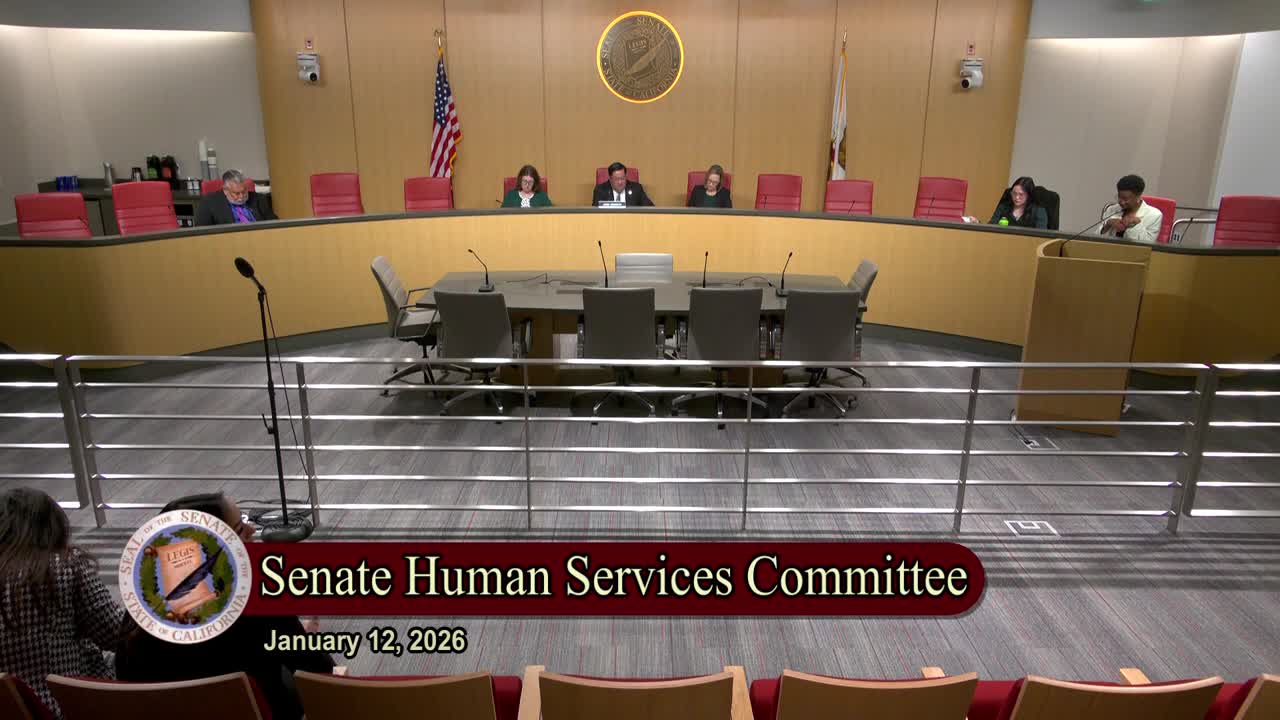 8MIN
Senate Standing Committee on Human Services
Bill Author

Bill Co-Author(s):