SB 868: Electricity: portable solar generation devices.
- Session Year: 2025-2026
- House: Senate
- Latest Version Date: 2026-09-30
Current Status:
Passed
(2026-09-30: Chaptered by Secretary of State. Chapter 985, Statutes of 2026.)
Introduced
In Committee
Awaiting First Chamber Vote
Passed First Chamber
In Committee
Awaiting Second Chamber Vote
Passed Second Chamber
Enacted
Existing law vests the Public Utilities Commission with regulatory authority over public utilities, including electrical corporations, while local publicly owned electric utilities are under the direction of their governing boards.
This bill would, until January 1, 2030, exempt a portable solar generation device, as defined, from all interconnection requirements imposed by state law, the commission, electrical corporation rules, or local publicly owned electric utility rules, as specified. The bill would, until January 1, 2030, prohibit an electrical corporation or a local publicly owned electric utility from requiring a customer using a portable solar generation device to take specified actions, including, among other things, paying any fee or charge related to the device or the electricity the device feeds into a buildings electrical system. The bill would, until January 1, 2030, authorize an electrical corporation or a local publicly owned electric utility to require a customer using a portable solar generation device to notify the electrical corporation or local publicly owned electric utility, using a simple online registration form, of the address, make, model, and size of the portable solar generation device, as provided. Beginning January 1, 2030, the bill would prohibit the sale of a portable photovoltaic energy generation device that is designed to be connected to and disconnected from a buildings electrical system through a receptacle and does not meet the definition of a portable solar generation device, as specified.
Under existing law, a violation of any order, decision, rule, direction, demand, or requirement of the commission is a crime.
Because a violation of a commission action implementing the bills requirements would be a crime, the bill would impose a state-mandated local program.
Additionally, by imposing new duties on local publicly owned electric utilities, the bill would impose a state-mandated local program.
The California Constitution requires the state to reimburse local agencies and school districts for certain costs mandated by the state. Statutory provisions establish procedures for making that reimbursement.
This bill would provide that no reimbursement is required by this act for specified reasons.
Existing law vests the Public Utilities Commission with regulatory authority over public utilities, including electrical corporations, while local publicly owned electric utilities are under the direction of their governing boards.
This bill would, until January 1, 2030, exempt a portable solar generation device, as defined, from all interconnection requirements imposed by state law, the commission, electrical corporation rules, or local publicly owned electric utility rules, as specified. The bill would, until January 1, 2030, prohibit an electrical corporation or a local publicly owned electric utility from requiring a customer using a portable solar generation device to take specified actions, including, among other things, paying any fee or charge related to the device or the electricity the device feeds into a buildings electrical system. The bill would, until January 1, 2030, authorize an electrical corporation or a local publicly owned electric utility to require a customer using a portable solar generation device to notify the electrical corporation or local publicly owned electric utility, using a simple online registration form, of the address, make, model, and size of the portable solar generation device, as provided. Beginning January 1, 2030, the bill would prohibit the sale of a portable photovoltaic energy generation device that is designed to be connected to and disconnected from a buildings electrical system through a receptacle, but receptacle and does not otherwise meet the definition of a portable solar generation device. device, as specified.
Under existing law, a violation of any order, decision, rule, direction, demand, or requirement of the commission is a crime.
Because a violation of a commission action implementing the bills requirements would be a crime, the bill would impose a state-mandated local program.
Additionally, by imposing new duties on local publicly owned electric utilities, the bill would impose a state-mandated local program.
The California Constitution requires the state to reimburse local agencies and school districts for certain costs mandated by the state. Statutory provisions establish procedures for making that reimbursement.
This bill would provide that no reimbursement is required by this act for specified reasons.
Existing law vests the Public Utilities Commission with regulatory authority over public utilities, including electrical corporations, while local publicly owned electric utilities are under the direction of their governing boards.
This bill would would, until January 1, 2030, exempt a portable solar generation device, as defined, from all interconnection requirements imposed by state law, the commission, electrical corporation rules, or local publicly owned electric utility rules, as specified. The bill would would, until January 1, 2030, prohibit an electrical corporation or a local publicly owned electric utility from requiring a customer using a portable solar generation device to take specified actions, including, among other things, paying any fee or charge related to the device or the electricity the device feeds into a buildings electrical system. The bill would would, until January 1, 2030, authorize an electrical corporation or a local publicly owned electric utility to require a customer using a portable solar generation device to notify the electrical corporation or local publicly owned electric utility, using a simple online registration form, of the address, make, model, and size of the portable solar generation device, as provided. Beginning January 1, 2030, the bill would prohibit the sale of a photovoltaic energy generation device that is designed to be connected to and disconnected from a buildings electrical system through a receptacle, but does not otherwise meet the definition of a portable solar generation device.
Under existing law, a violation of any order, decision, rule, direction, demand, or requirement of the commission is a crime.
Because a violation of a commission action implementing the bills requirements would be a crime, the bill would impose a state-mandated local program.
Additionally, by imposing new duties on local publicly owned electric utilities, the bill would impose a state-mandated local program.
The California Constitution requires the state to reimburse local agencies and school districts for certain costs mandated by the state. Statutory provisions establish procedures for making that reimbursement.
This bill would provide that no reimbursement is required by this act for specified reasons.
Existing law vests the Public Utilities Commission with regulatory authority over public utilities, including electrical corporations, while local publicly owned electric utilities are under the direction of their governing boards.
This bill would exempt a portable solar generation device, as defined, from all interconnection requirements imposed by state law, the commission, electrical corporation rules, or local publicly owned electric utility rules, as specified. The bill would prohibit an electrical corporation or a local publicly owned electric utility from requiring a customer using a portable solar generation device to take specified actions, including, among other things, paying any fee or charge related to the device or the electricity the device feeds into a buildings electrical system. The bill would authorize an electrical corporation or a local publicly owned electric utility to require a customer using a portable solar generation device to notify the electrical corporation or local publicly owned electric utility, using a simple online registration form, of the address address, make, model, and size of the portable solar generation device, as provided.
Under existing law, a violation of any order, decision, rule, direction, demand, or requirement of the commission is a crime.
Because a violation of a commission action implementing the bills requirements would be a crime, the bill would impose a state-mandated local program.
Additionally, by imposing new duties on local publicly owned electric utilities, the bill would impose a state-mandated local program.
The California Constitution requires the state to reimburse local agencies and school districts for certain costs mandated by the state. Statutory provisions establish procedures for making that reimbursement.
This bill would provide that no reimbursement is required by this act for specified reasons.
Existing law vests the Public Utilities Commission with regulatory authority over public utilities, including electrical corporations, while local publicly owned electric utilities are under the direction of their governing boards.
This bill would exempt a portable solar generation device, as defined, from all interconnection requirements imposed by state law, the commission, electrical corporation rules, or local publicly owned electric utility rules, as specified. The bill would prohibit an electrical corporation or a local publicly owned electric utility from requiring a customer using a portable solar generation device to take specified actions, including, among other things, paying any fee or charge related to the device or the electricity the device feeds into a buildings electrical system. The bill would authorize an electrical corporation or a local publicly owned electric utility to require a customer using a portable solar generation device to notify the electrical corporation or local publicly owned electric utility, using a simple online registration form, of the address and size of the portable solar generation device, as provided.
Under existing law, a violation of any order, decision, rule, direction, demand, or requirement of the commission is a crime.
Because a violation of a commission action implementing the bills requirements would be a crime, the bill would impose a state-mandated local program.
Additionally, by imposing new duties on local publicly owned electric utilities, the bill would impose a state-mandated local program.
The California Constitution requires the state to reimburse local agencies and school districts for certain costs mandated by the state. Statutory provisions establish procedures for making that reimbursement.
This bill would provide that no reimbursement is required by this act for specified reasons.
Existing law vests the Public Utilities Commission with regulatory authority over public utilities, including electrical corporations, while local publicly owned electric utilities are under the direction of their governing boards.
This bill would exempt a portable solar generation device, as defined, from all interconnection requirements imposed by state law, the commission, electrical corporation rules, or local publicly owned electric utility rules, as specified. The bill would prohibit an electrical corporation or a local publicly owned electric utility from requiring a customer using a portable solar generation device to take specified actions, including, among other things, paying any fee or charge related to the device or the electricity the device feeds into a buildings electrical system. The bill would provide that an electrical corporation or a local publicly owned electric utility is not liable for any damage or injury caused by a portable solar generation device.
Under existing law, a violation of any order, decision, rule, direction, demand, or requirement of the commission is a crime.
Because a violation of a commission action implementing the bills requirements would be a crime, the bill would impose a state-mandated local program.
Additionally, by imposing new duties on local publicly owned electric utilities, the bill would impose a state-mandated local program.
The California Constitution requires the state to reimburse local agencies and school districts for certain costs mandated by the state. Statutory provisions establish procedures for making that reimbursement.
This bill would provide that no reimbursement is required by this act for specified reasons.
(a)The Legislature finds and declares all of the following:
(1)Electricity is an essential resource, especially on hot summer days.
(2)The rising cost of electricity is a barrier to basic necessities.
(3)Interconnection fees and processes can add substantial costs and time to the adoption of customer-sited solar and energy storage projects.
(4)It is the policy of the state to promote and encourage the use of solar energy systems and to limit obstacles to their use.
(b)It is the intent of the Legislature to encourage the installation of solar energy systems by removing obstacles to, and minimizing the costs of, those systems.
SEC. 2.Chapter 13 (commencing with Section 8530) is added to Division 4.1 of the Public Utilities Code, to read:13.Portable Solar Generation Devices8530.For purposes of this chapter, all of the following definitions apply:
(a)Electrical corporation has the same meaning as defined in Section 218.
(b)Local publicly owned electric utility has the same meaning as defined in Section 224.3.
(c)Portable solar generation device means a photovoltaic energy generation device, or combination of devices, that meets all of the following conditions:
(1)Has a maximum aggregated AC output of no more than 1,200 watts per dwelling.
(2)Is designed to be connected to and disconnected from a buildings electrical system through a receptacle.
(3)Is intended to offset the customers onsite electricity consumption.
(4)Meets the standards of the most recent version of the National Electrical Code and the California Electrical Code (Part 3 of Title 24 of the California Code of Regulations).
(5)Is certified as a plug-in photovoltaic system by Underwriters Laboratories, or an equivalent nationally recognized testing laboratory.
(6)Includes a feature, certified by Underwriters Laboratories or an equivalent nationally recognized testing laboratory, that isolates the portable solar generation device from the buildings electrical system to prevent the portable solar generation device from backfeeding electricity to the electrical grid during a power outage.
8531.(a)A portable solar generation device is exempt from all interconnection requirements imposed by state law, the commission, electrical corporation rules, or local publicly owned electric utility rules, including, but not limited to, any requirement to enter into an interconnection agreement.
(b)An electrical corporation or a local publicly owned electric utility shall not require a customer using a portable solar generation device to do any of the following:
(1)Obtain the electrical corporations or local publicly owned electric utilitys approval before installing or using the portable solar generation device.
(2)Pay any fee or charge related to the portable solar generation device or the electricity the portable solar generation device feeds into a buildings electrical system.
(3)Install any additional controls or equipment beyond what is integrated into the portable solar generation device.
(c)An electrical corporation or a local publicly owned electric utility may require a customer using a portable solar generation device to notify the electrical corporation or local publicly owned electric utility, using a simple online registration form, of the address, make, model, and size of the portable solar generation device. The notification shall not require approval of the customers use of the portable solar generation device by the electrical corporation or local publicly owned electric utility.
(d)Any device that does not meet all of the conditions listed in subdivision (c) of Section 8530 does not qualify as a portable solar generation device under this chapter and therefore does not qualify for the exemptions established pursuant to this section.
(e)This section shall remain in effect only until January 1, 2030, and as of that date is repealed.
8532.Beginning January 1, 2030, a portable photovoltaic energy generation device that is designed to be connected to and disconnected from a buildings electrical system through a receptacle, and does not meet the conditions listed in paragraphs (4) to (6), inclusive, of subdivision (c) of Section 8530, shall not be sold or offered for sale in the state.
SEC. 3.No reimbursement is required by this act pursuant to Section 6 of Article XIIIB of the California Constitution because a local agency or school district has the authority to levy service charges, fees, or assessments sufficient to pay for the program or level of service mandated by this act or because costs that may be incurred by a local agency or school district will be incurred because this act creates a new crime or infraction, eliminates a crime or infraction, or changes the penalty for a crime or infraction, within the meaning of Section 17556 of the Government Code, or changes the definition of a crime within the meaning of Section 6 of Article XIIIB of the California Constitution.
(a)The Legislature finds and declares all of the following:
(1)Electricity is an essential resource, especially on hot summer days.
(2)The rising cost of electricity is a barrier to basic necessities.
(3)Interconnection fees and processes can add substantial costs and time to the adoption of customer-sited solar and energy storage projects.
(4)It is the policy of the state to promote and encourage the use of solar energy systems and to limit obstacles to their use.
(b)It is the intent of the Legislature to encourage the installation of solar energy systems by removing obstacles to, and minimizing the costs of, those systems.
SEC. 2.Chapter 13 (commencing with Section 8530) is added to Division 4.1 of the Public Utilities Code, to read:13.Portable Solar Generation Devices8530.For purposes of this chapter, all of the following definitions apply:
(a)Electrical corporation has the same meaning as defined in Section 218.
(b)Local publicly owned electric utility has the same meaning as defined in Section 224.3.
(c)Portable solar generation device means a photovoltaic energy generation device, or combination of devices, that meets all of the following conditions:
(1)Has a maximum aggregated AC output of no more than 1,200 watts per dwelling.
(2)Is designed to be connected to and disconnected from a buildings electrical system through a receptacle.
(3)Is intended to offset the customers onsite electricity consumption.
(4)Meets the standards of the most recent version of the National Electrical Code and the California Electrical Code (Part 3 of Title 24 of the California Code of Regulations).
(5)Is certified as a plug-in photovoltaic system by Underwriters Laboratories, or an equivalent nationally recognized testing laboratory, in a standards process subject to public comment. laboratory.
(6)Includes a feature, certified by Underwriters Laboratories or an equivalent nationally recognized testing laboratory, that isolates the portable solar generation device from the buildings electrical system to prevent the portable solar generation device from backfeeding electricity to the electrical grid during a power outage.
8531.(a)A portable solar generation device is exempt from all interconnection requirements imposed by state law, the commission, electrical corporation rules, or local publicly owned electric utility rules, including, but not limited to, any requirement to enter into an interconnection agreement.
(b)An electrical corporation or a local publicly owned electric utility shall not require a customer using a portable solar generation device to do any of the following:
(1)Obtain the electrical corporations or local publicly owned electric utilitys approval before installing or using the portable solar generation device.
(2)Pay any fee or charge related to the portable solar generation device or the electricity the portable solar generation device feeds into a buildings electrical system.
(3)Install any additional controls or equipment beyond what is integrated into the portable solar generation device.
(c)An electrical corporation or a local publicly owned electric utility may require a customer using a portable solar generation device to notify the electrical corporation or local publicly owned electric utility, using a simple online registration form, of the address, make, model, and size of the portable solar generation device. The notification shall not require approval of the customers use of the portable solar generation device by the electrical corporation or local publicly owned electric utility.
(d)Any device that does not meet all of the conditions listed in subdivision (c) of Section 8530 does not qualify as a portable solar generation device under this chapter and therefore does not qualify for the exemptions established pursuant to this section.
(e)This section shall remain in effect only until January 1, 2030, and as of that date is repealed.
8532.Beginning January 1, 2030, a portable photovoltaic energy generation device that is designed to be connected to and disconnected from a buildings electrical system through a receptacle, but and does not otherwise meet all of the conditions listed in paragraphs (4) to (6), inclusive, of subdivision (c) of Section 8530, shall not be sold or offered for sale in the state.
SEC. 3.No reimbursement is required by this act pursuant to Section 6 of Article XIIIB of the California Constitution because a local agency or school district has the authority to levy service charges, fees, or assessments sufficient to pay for the program or level of service mandated by this act or because costs that may be incurred by a local agency or school district will be incurred because this act creates a new crime or infraction, eliminates a crime or infraction, or changes the penalty for a crime or infraction, within the meaning of Section 17556 of the Government Code, or changes the definition of a crime within the meaning of Section 6 of Article XIIIB of the California Constitution.
(a)The Legislature finds and declares all of the following:
(1)Electricity is an essential resource, especially on hot summer days.
(2)The rising cost of electricity is a barrier to basic necessities.
(3)Interconnection fees and processes can add substantial costs and time to the adoption of customer-sited solar and energy storage projects.
(4)It is the policy of the state to promote and encourage the use of solar energy systems and to limit obstacles to their use.
(b)It is the intent of the Legislature to encourage the installation of solar energy systems by removing obstacles to, and minimizing the costs of, those systems.
SEC. 2.Chapter 13 (commencing with Section 8530) is added to Division 4.1 of the Public Utilities Code, to read:13.Portable Solar Generation Devices8530.For purposes of this chapter, all of the following definitions apply:
(a)Electrical corporation has the same meaning as defined in Section 218.
(b)Local publicly owned electric utility has the same meaning as defined in Section 224.3.
(c)Portable solar generation device means a photovoltaic energy generation device device, or combination of devices, that meets all of the following conditions:
(1)Has a maximum aggregated AC output of no more than 1,200 watts per dwelling.
(2)Is designed to be connected to and disconnected from a buildings electrical system through a receptacle.
(3)Is intended to offset the customers onsite electricity consumption.
(4)Meets the standards of the most recent version of the National Electrical Code and the California Electrical Code (Part 3 of Title 24 of the California Code of Regulations).
(5)Is certified as a plug-in photovoltaic system by Underwriters Laboratories Laboratories, or an equivalent nationally recognized testing laboratory. laboratory, in a standards process subject to public comment.
(6)Includes a feature, certified by Underwriters Laboratories or an equivalent nationally recognized testing laboratory, that isolates the portable solar generation device from the buildings electrical system to prevent the portable solar generation device from backfeeding electricity to the electrical grid during a power outage.
8531.(a)A portable solar generation device is exempt from all interconnection requirements imposed by state law, the commission, electrical corporation rules, or local publicly owned electric utility rules, including, but not limited to, any requirement to enter into an interconnection agreement.
(b)An electrical corporation or a local publicly owned electric utility shall not require a customer using a portable solar generation device to do any of the following:
(1)Obtain the electrical corporations or local publicly owned electric utilitys approval before installing or using the portable solar generation device.
(2)Pay any fee or charge related to the portable solar generation device or the electricity the portable solar generation device feeds into a buildings electrical system.
(3)Install any additional controls or equipment beyond what is integrated into the portable solar generation device.
(c)An electrical corporation or a local publicly owned electric utility may require a customer using a portable solar generation device to notify the electrical corporation or local publicly owned electric utility, using a simple online registration form, of the address, make, model, and size of the portable solar generation device. The notification shall not require approval of the customers use of the portable solar generation device by the electrical corporation or local publicly owned electric utility.
(d)Any device that does not meet all of the conditions listed in subdivision (c) of Section 8530 does not qualify as a portable solar generation device under this chapter and therefore does not qualify for the exemptions established pursuant to this section.
(e)This section shall remain in effect only until January 1, 2030, and as of that date is repealed.
8532.Beginning January 1, 2030, a photovoltaic energy generation device that is designed to be connected to and disconnected from a buildings electrical system through a receptacle, but does not otherwise meet all of the conditions listed in subdivision (c) of Section 8530, shall not be sold or offered for sale in the state.
SEC. 3.No reimbursement is required by this act pursuant to Section 6 of Article XIIIB of the California Constitution because a local agency or school district has the authority to levy service charges, fees, or assessments sufficient to pay for the program or level of service mandated by this act or because costs that may be incurred by a local agency or school district will be incurred because this act creates a new crime or infraction, eliminates a crime or infraction, or changes the penalty for a crime or infraction, within the meaning of Section 17556 of the Government Code, or changes the definition of a crime within the meaning of Section 6 of Article XIIIB of the California Constitution.
(a)The Legislature finds and declares all of the following:
(1)Electricity is an essential resource, especially on hot summer days.
(2)The rising cost of electricity is a barrier to basic necessities, such as air conditioning. necessities.
(3)Interconnection fees and processes can add substantial costs and time to the adoption of customer-sited solar and energy storage projects.
(4)It is the policy of the state to promote and encourage the use of solar energy systems and to limit obstacles to their use.
(b)It is the intent of the Legislature to encourage the installation of solar energy systems by removing obstacles to, and minimizing the costs of, those systems.
SEC. 2.Chapter 13 (commencing with Section 8530) is added to Division 4.1 of the Public Utilities Code, to read:13.Portable Solar Generation Devices8530.For purposes of this chapter, all of the following definitions apply:
(a)Electrical corporation has the same meaning as defined in Section 218.
(b)Local publicly owned electric utility has the same meaning as defined in Section 224.3.
(c)Portable solar generation device means a moveable photovoltaic energy generation device that meets all of the following conditions:
(1)Has a maximum aggregated AC output of no more than 1,200 watts per dwelling.
(2)Is designed to be connected to and disconnected from a buildings electrical system through a single standard electrical outlet. receptacle.
(3)Is intended to offset the customers onsite electricity consumption.
(4)Meets the standards of the most recent version of the National Electrical Code and the California Electrical Code (Part 3 of Title 24 of the California Code of Regulations).
(5)Is certified as a plug-in photovoltaic system by Underwriters Laboratories or an equivalent nationally recognized testing laboratory.
(6)Includes a feature, certified by Underwriters Laboratories or an equivalent nationally recognized testing laboratory, that isolates the portable solar generation device from the buildings electrical system to prevent the portable solar generation device from backfeeding electricity to the electrical grid during a power outage.
8531.(a)A portable solar generation device is exempt from all interconnection requirements imposed by state law, the commission, electrical corporation rules, or local publicly owned electric utility rules, including, but not limited to, any requirement to enter into an interconnection agreement.
(b)An electrical corporation or a local publicly owned electric utility shall not require a customer using a portable solar generation device to do any of the following:
(1)Obtain the electrical corporations or local publicly owned electric utilitys approval before installing or using the portable solar generation device.
(2)Pay any fee or charge related to the portable solar generation device or the electricity the portable solar generation device feeds into a buildings electrical system.
(3)Install any additional controls or equipment beyond what is integrated into the portable solar generation device.
(c)An electrical corporation or a local publicly owned electric utility may require a customer using a portable solar generation device to notify the electrical corporation or local publicly owned electric utility, using a simple online registration form, of the address address, make, model, and size of the portable solar generation device. The notification shall not require approval of the customers use of the portable solar generation device by the electrical corporation or local publicly owned electric utility.
(d)Any device that does not meet all of the conditions listed in subdivision (c) of Section 8530 does not qualify as a portable solar generation device under this chapter and therefore does not qualify for the exemptions established pursuant to this section.
SEC. 3.No reimbursement is required by this act pursuant to Section 6 of Article XIIIB of the California Constitution because a local agency or school district has the authority to levy service charges, fees, or assessments sufficient to pay for the program or level of service mandated by this act or because costs that may be incurred by a local agency or school district will be incurred because this act creates a new crime or infraction, eliminates a crime or infraction, or changes the penalty for a crime or infraction, within the meaning of Section 17556 of the Government Code, or changes the definition of a crime within the meaning of Section 6 of Article XIIIB of the California Constitution.
(a)The Legislature finds and declares all of the following:
(1)Electricity is an essential resource, especially on hot summer days.
(2)The rising cost of electricity is a barrier to basic necessities, such as air conditioning.
(3)Interconnection fees and processes can add substantial costs and time to the adoption of customer-sited solar and energy storage projects.
(4)It is the policy of the state to promote and encourage the use of solar energy systems and to limit obstacles to their use.
(b)It is the intent of the Legislature to encourage the installation of solar energy systems by removing obstacles to, and minimizing the costs of, those systems.
SEC. 2.Chapter 13 (commencing with Section 8530) is added to Division 4.1 of the Public Utilities Code, to read:13.Portable Solar Generation Devices8530.For purposes of this chapter, all of the following definitions apply:
(a)Electrical corporation has the same meaning as defined in Section 218.
(b)Local publicly owned electric utility has the same meaning as defined in Section 224.3.
(c)Portable solar generation device means a moveable photovoltaic energy generation device that meets all of the following conditions:
(1)Has a maximum aggregated AC output of 1,200 watts per dwelling.
(2)Is designed to be connected to a buildings electrical system through a single standard electrical outlet.
(3)Is intended to offset the customers onsite electricity consumption.
(4)Meets the standards of the most recent version of the National Electrical Code. Code and the California Electrical Code (Part 3 of Title 24 of the California Code of Regulations).
(5)Is certified as a plug-in photovoltaic system by Underwriters Laboratories or an equivalent nationally recognized testing laboratory.
(6)Includes a feature, certified by Underwriters Laboratories or an equivalent nationally recognized testing laboratory, that isolates the portable solar generation device from the buildings electrical system to prevent the portable solar generation device from backfeeding electricity to the electrical grid during a power outage.
8531.(a)A portable solar generation device is exempt from all interconnection requirements imposed by state law, the commission, electrical corporation rules, or local publicly owned electric utility rules, including, but not limited to, any requirement to enter into an interconnection agreement.
(b)An electrical corporation or a local publicly owned electric utility shall not require a customer using a portable solar generation device to do any of the following:
(1)Obtain the electrical corporations or local publicly owned electric utilitys approval before installing or using the portable solar generation device.
(2)Pay any fee or charge related to the portable solar generation device or the electricity the portable solar generation device feeds into a buildings electrical system.
(3)Install any additional controls or equipment beyond what is integrated into the portable solar generation device.
(c)An electrical corporation or a local publicly owned electric utility may require a customer using a portable solar generation device to notify the electrical corporation or local publicly owned electric utility, using a simple online registration form, of the address and size of the portable solar generation device. The notification shall not require approval of the customers use of the portable solar generation device by the electrical corporation or local publicly owned electric utility.
SEC. 3.No reimbursement is required by this act pursuant to Section 6 of Article XIIIB of the California Constitution because a local agency or school district has the authority to levy service charges, fees, or assessments sufficient to pay for the program or level of service mandated by this act or because costs that may be incurred by a local agency or school district will be incurred because this act creates a new crime or infraction, eliminates a crime or infraction, or changes the penalty for a crime or infraction, within the meaning of Section 17556 of the Government Code, or changes the definition of a crime within the meaning of Section 6 of Article XIIIB of the California Constitution.
(a)The Legislature finds and declares all of the following:
(1)Electricity is an essential resource, especially on hot summer days.
(2)The rising cost of electricity is a barrier to basic necessities, such as air conditioning.
(3)Interconnection fees and processes can add substantial costs and time to the adoption of customer-sited solar and energy storage projects.
(4)It is the policy of the state to promote and encourage the use of solar energy systems and to limit obstacles to their use.
(b)It is the intent of the Legislature to encourage the installation of solar energy systems by removing obstacles to, and minimizing the costs of, those systems.
SEC. 2.Chapter 13 (commencing with Section 8530) is added to Division 4.1 of the Public Utilities Code, to read:13.Portable Solar Generation Devices8530.For purposes of this chapter, all of the following definitions apply:
(a)Electrical corporation has the same meaning as defined in Section 218.
(b)Local publicly owned electric utility has the same meaning as defined in Section 224.3.
(c)Portable solar generation device means a moveable photovoltaic energy generation device that meets all of the following conditions:
(1)Has a maximum aggregated AC output of 1,200 watts to a buildings electrical system. per dwelling.
(2)Is designed to be connected to a buildings electrical system through a single standard electrical outlet.
(3)Is intended to offset the customers onsite electricity consumption.
(4)Meets the standards of the most recent version of the National Electrical Code.
(4)(5)Is certified as a plug-in photovoltaic system by Underwriters Laboratories or an equivalent nationally recognized testing laboratory.
(5)(6)Includes a feature, certified by Underwriters Laboratories or an equivalent nationally recognized testing laboratory, that isolates the portable solar generation device from the buildings electrical system to prevent the portable solar generation device from backfeeding electricity to the electrical grid during a power outage.
8531.(a)A portable solar generation device is exempt from all interconnection requirements imposed by state law, the commission, electrical corporation rules, or local publicly owned electric utility rules, including, but not limited to, any requirement to enter into an interconnection agreement.
(b)An electrical corporation or a local publicly owned electric utility shall not require a customer using a portable solar generation device to do any of the following:
(1)Obtain the electrical corporations or local publicly owned electric utilitys approval before installing or using the portable solar generation device.
(2)Provide notification or registration for the use of a portable solar generation device.(3)(2)Pay any fee or charge related to the portable solar generation device or the electricity the portable solar generation device feeds into a buildings electrical system.
(4)(3)Install any additional controls or equipment beyond what is integrated into the portable solar generation device.
(c)An electrical corporation or a local publicly owned electric utility may require a customer using a portable solar generation device to notify the electrical corporation or local publicly owned electric utility, using a simple online registration form, of the address and size of the portable solar generation device. The notification shall not require approval of the customers use of the portable solar generation device by the electrical corporation or local publicly owned electric utility.
SEC. 3.No reimbursement is required by this act pursuant to Section 6 of Article XIIIB of the California Constitution because a local agency or school district has the authority to levy service charges, fees, or assessments sufficient to pay for the program or level of service mandated by this act or because costs that may be incurred by a local agency or school district will be incurred because this act creates a new crime or infraction, eliminates a crime or infraction, or changes the penalty for a crime or infraction, within the meaning of Section 17556 of the Government Code, or changes the definition of a crime within the meaning of Section 6 of Article XIIIB of the California Constitution.
(a)The Legislature finds and declares all of the following:
(1)Electricity is an essential resource, especially on hot summer days.
(2)The rising cost of electricity is a barrier to basic necessities, such as air conditioning.
(3)Interconnection fees and processes can add substantial costs and time to the adoption of customer-sited solar and energy storage projects.
(4)It is the policy of the state to promote and encourage the use of solar energy systems and to limit obstacles to their use.
(b)It is the intent of the Legislature to encourage the installation of solar energy systems by removing obstacles to, and minimizing the costs of, those systems.
SEC. 2.Chapter 11 (commencing with Section 8520) is added to Division 4.1 of the Public Utilities Code, to read:SEC. 2.Chapter 13 (commencing with Section 8530) is added to Division 4.1 of the Public Utilities Code, to read:11.13.Portable Solar Generation Devices8520.8530.For purposes of this chapter, all of the following definitions apply:
(a)Electrical corporation has the same meaning as defined in Section 218.
(b)Local publicly owned electric utility has the same meaning as defined in Section 224.3.
(c)Portable solar generation device means a moveable photovoltaic energy generation device that meets all of the following conditions:
(1)Has a maximum aggregated AC output of 1,200 watts to a buildings electrical system.
(2)Is designed to be connected to a buildings electrical system through a single standard electrical outlet.
(3)Is intended to offset the customers onsite electricity consumption.
(4)Is certified as a plug-in photovoltaic system by Underwriters Laboratories or an equivalent nationally recognized testing laboratory.
(5)Includes a feature, certified by Underwriters Laboratories or an equivalent nationally recognized testing laboratory, that isolates the portable solar generation device from the buildings electrical system to prevent the portable solar generation device from backfeeding electricity to the electrical grid during a power outage.
8521.8531.(a)A portable solar generation device is exempt from all interconnection requirements imposed by state law, the commission, electrical corporation rules, or local publicly owned electric utility rules, including, but not limited to, any requirement to enter into an interconnection agreement.
(b)An electrical corporation or a local publicly owned electric utility shall not require a customer using a portable solar generation device to do any of the following:
(1)Obtain the electrical corporations or local publicly owned electric utilitys approval before installing or using the portable solar generation device.
(2)Provide notification or registration for the use of a portable solar generation device.
(3)Pay any fee or charge related to the portable solar generation device or the electricity the portable solar generation device feeds into a buildings electrical system.
(4)Install any additional controls or equipment beyond what is integrated into the portable solar generation device.
(c)An electrical corporation or local publicly owned electric utility shall not be liable for any damage or injury caused by a portable solar generation device.SEC. 3.No reimbursement is required by this act pursuant to Section 6 of Article XIIIB of the California Constitution because a local agency or school district has the authority to levy service charges, fees, or assessments sufficient to pay for the program or level of service mandated by this act or because costs that may be incurred by a local agency or school district will be incurred because this act creates a new crime or infraction, eliminates a crime or infraction, or changes the penalty for a crime or infraction, within the meaning of Section 17556 of the Government Code, or changes the definition of a crime within the meaning of Section 6 of Article XIIIB of the California Constitution.
(a)The Legislature finds and declares all of the following:
(1)Electricity is an essential resource, especially on hot summer days.
(2)The rising cost of electricity is a barrier to basic necessities, such as air conditioning.
(3)Interconnection fees and processes can add substantial costs and time to the adoption of customer-sited solar and energy storage projects.
(4)It is the policy of the state to promote and encourage the use of solar energy systems and to limit obstacles to their use.
(b)It is the intent of the Legislature to encourage the installation of solar energy systems by removing obstacles to, and minimizing the costs of, those systems.
SEC. 2.Chapter 11 (commencing with Section 8520) is added to Division 4.1 of the Public Utilities Code, to read:11.Portable Solar Generation Devices8520.For purposes of this chapter, all of the following definitions apply:
(a)Electrical corporation has the same meaning as defined in Section 218.
(b)Local publicly owned electric utility has the same meaning as defined in Section 224.3.
(c)Portable solar generation device means a moveable photovoltaic energy generation device that meets all of the following conditions:
(1)Has a maximum aggregated AC output of 1,200 watts to a buildings electrical system.
(2)Is designed to be connected to a buildings electrical system through a single standard electrical outlet.
(3)Is intended to offset the customers onsite electricity consumption.
(4)Is certified as a plug-in photovoltaic system by Underwriters Laboratories or an equivalent nationally recognized testing laboratory.
(5)Includes a feature, certified by Underwriters Laboratories or an equivalent nationally recognized testing laboratory, that isolates the portable solar generation device from the buildings electrical system to prevent the portable solar generation device from backfeeding electricity to the electrical grid during a power outage.
8521.(a)A portable solar generation device is exempt from all interconnection requirements imposed by state law, the commission, electrical corporation rules, or local publicly owned electric utility rules, including, but not limited to, any requirement to enter into an interconnection agreement.
(b)An electrical corporation or a local publicly owned electric utility shall not require a customer using a portable solar generation device to do any of the following:
(1)Obtain the electrical corporations or local publicly owned electric utilitys approval before installing or using the portable solar generation device.
(2)Provide notification or registration for the use of a portable solar generation device.
(3)Pay any fee or charge related to the portable solar generation device or the electricity the portable solar generation device feeds into a buildings electrical system.
(4)Install any additional controls or equipment beyond what is integrated into the portable solar generation device.
(c)An electrical corporation or local publicly owned electric utility shall not be liable for any damage or injury caused by a portable solar generation device.
SEC. 3.No reimbursement is required by this act pursuant to Section 6 of Article XIIIB of the California Constitution because a local agency or school district has the authority to levy service charges, fees, or assessments sufficient to pay for the program or level of service mandated by this act or because costs that may be incurred by a local agency or school district will be incurred because this act creates a new crime or infraction, eliminates a crime or infraction, or changes the penalty for a crime or infraction, within the meaning of Section 17556 of the Government Code, or changes the definition of a crime within the meaning of Section 6 of Article XIIIB of the California Constitution.
|
Date
|
Status
|
|---|---|
| Sep 30, 2026 | Chaptered by Secretary of State. Chapter 985, Statutes of 2026. |
| Sep 30, 2026 | Approved by the Governor. |
| Aug 31, 2026 | Enrolled and presented to the Governor at 6 p.m. |
| Aug 26, 2026 | Assembly amendments concurred in. (Ayes 36. Noes 4. Page 5917.) Ordered to engrossing and enrolling. |
| Aug 26, 2026 | Assembly amendments concurred in. (Ayes 36. Noes 4.) Ordered to engrossing and enrolling. |
| Aug 25, 2026 | In Senate. Concurrence in Assembly amendments pending. |
| Aug 25, 2026 | Read third time. Passed. (Ayes 73. Noes 0. Page 6499.) Ordered to the Senate. |
| Aug 25, 2026 | Read third time. Passed. Ordered to the Senate. |
| Aug 20, 2026 | Ordered to third reading. |
| Aug 20, 2026 | Read third time and amended. |
| Aug 18, 2026 | Read second time. Ordered to third reading. |
| Aug 17, 2026 | Read second time and amended. Ordered to second reading. |
| Aug 17, 2026 | From committee: Do pass as amended. (Ayes 11. Noes 0.) (August 13). |
| Aug 17, 2026 | Assembly Rule 63 suspended. |
| Aug 5, 2026 | August 5 set for first hearing. Placed on suspense file. |
| Jun 29, 2026 | July 1 hearing postponed by committee. |
| Jun 15, 2026 | Read second time and amended. Re-referred to Com. on APPR. |
| Jun 11, 2026 | From committee: Do pass as amended and re-refer to Com. on APPR. (Ayes 18. Noes 0.) (June 10). |
| May 26, 2026 | Referred to Com. on U. & E. |
| May 20, 2026 | In Assembly. Read first time. Held at Desk. |
| May 19, 2026 | Read third time. Passed. (Ayes 35. Noes 1. Page 4340.) Ordered to the Assembly. |
| May 19, 2026 | Read third time. Passed. (Ayes 35. Noes 1.) Ordered to the Assembly. |
| May 14, 2026 | From committee: Do pass. (Ayes 7. Noes 0. Page 4255.) (May 14). |
| May 14, 2026 | Read second time. Ordered to third reading. |
| May 14, 2026 | From committee: Do pass. (Ayes 7. Noes 0.) (May 14). |
| May 8, 2026 | Set for hearing May 14. |
| Apr 20, 2026 | April 20 hearing: Placed on APPR. suspense file. |
| Apr 10, 2026 | Set for hearing April 20. |
| Apr 9, 2026 | April 13 hearing postponed by committee. |
| Apr 7, 2026 | From committee with author's amendments. Read second time and amended. Re-referred to Com. on APPR. |
| Mar 27, 2026 | Set for hearing April 13. |
| Mar 24, 2026 | Re-referred to Com. on APPR. |
| Mar 24, 2026 | Withdrawn from committee. |
| Mar 23, 2026 | Read second time and amended. Re-referred to Com. on JUD. |
| Mar 19, 2026 | From committee: Do pass as amended and re-refer to Com. on JUD. (Ayes 14. Noes 0. Page 3588.) (March 17). |
| Mar 19, 2026 | From committee: Do pass as amended and re-refer to Com. on JUD. (Ayes 14. Noes 0.) (March 17). |
| Mar 9, 2026 | Set for hearing March 17. |
| Mar 5, 2026 | From committee with author's amendments. Read second time and amended. Re-referred to Com. on E., U & C. |
| Feb 11, 2026 | Referred to Coms. on E., U & C. and JUD. |
| Jan 6, 2026 | From printer. May be acted upon on or after February 5. |
| Jan 5, 2026 | Introduced. Read first time. To Com. on RLS. for assignment. To print. |
|
Date
|
Description
|
Location
|
Votes
|
|
|---|---|---|---|---|
| Aug 26, 2026 | Unfinished Business SB868 Wiener et al. Concurrence | Senate Floor |
Passed |
|
| Aug 25, 2026 | SB 868 Wiener Senate Third Reading By Schultz | Assembly Floor |
Passed |
|
| Aug 13, 2026 | Do pass as amended. | Assembly Standing Committee on Appropriations |
Passed |
|
| Jun 10, 2026 | Do pass as amended and be re-referred to the Committee on [Appropriations] | Assembly Standing Committee on Utilities and Energy |
Passed |
|
| May 19, 2026 | Senate 3rd Reading SB868 Wiener et al. | Senate Floor |
Passed |
|
| May 14, 2026 | Do pass | Senate Standing Committee on Appropriations |
Passed |
|
| Apr 20, 2026 | Placed on suspense file | Senate Standing Committee on Appropriations |
Passed |
|
| Mar 17, 2026 | Do pass as amended, but first amend, and re-refer to the Committee on [Judiciary] | Senate Standing Committee on Energy, Utilities and Communications |
Passed |
This list shows positions taken on this bill by organizations on the date displayed, which is linked to the original source.
Positions by individuals are not included.
|
Organization
|
Position
|
Date
|
|---|---|---|
| 350: Bay Area Action, Berkeley Hub, Conejo/San Fernando Valley, Humboldt, San Deigo, and Santa Barbara | ** Support | |
| Abundance Network | ** Support | |
| Acterra: Action for A Healthy Planet | ** Support | |
| Active San Gabriel Valley | ** Support | |
| Albany Climate Action Coalition | ** Support | |
| Ava Community Energy | ** Support | |
| Bay Area Clean Air Coalition | ** Support | |
| Berkeley Hub | ** Support | |
| Berkeley Rent Stabilization Board | ** Support | |
| Beverly Hills Synagogue | ** Support | |
| Bright Saver | ** Support | |
| Bright Savers | ** Support | |
| California Alliance for Community Energy | ** Support | |
| California Apartment Association | ** Support | |
| California Building Officials | ** Against | |
| California Climate Voters | ** Support | |
| California Environmental Voters | ** Support | |
| California Interfaith Power & Light | ** Support | |
| California Municipal Utilities Association | ** Against | |
| California Professional Firefighters | ** Against | |
| California Solar and Storage Association | ** Support | |
| California Solar & Storage Asociation | ** Support | |
| California State Association Of Electrical Workers | ** Against | |
| CALPIRG | ** Support | |
| Caroline Torosis, City of Santa Monica Mayor | ** Support | |
| Center For Biological Diversity | ** Support | |
| Center for Community Energy | ** Support | |
| Ceres, Inc. | ** Support | |
| Citizens’ Climate Lobby: Long Beach, Monterey County, and Santa Clarita | ** Support | |
| City of Berkeley | ** Support | |
| Clean Coalition | ** Support | |
| Clean Coaliton | ** Support | |
| cleanearth4kids.org | ** Support | |
| Climate Action: California, Campaign, and Mendocino | ** Support | |
| Climate Action California (UNREG) | ** Support | |
| Climate Action California (UNREG) | ** Support | |
| Climate Action Mendocino | ** Support | |
| Climate Crisis Workgroup of Grassroots Institute | ** Support | |
| Climate Future California | ** Support | |
| Climate Health Now Action Fund | ** Support | |
| Coalition For Clean Air | ** Support | |
| Coalition of California Utility Employees | ** Against | |
| Community Action to Fight Asthma | ** Support | |
| Community Environmental Council | ** Support | |
| Community Renewable Solutions | ** Support | |
| Community Renewables Solutions | ** Support | |
| Conejo/San Fernando Valley | ** Support | |
| Cool the Earth | ** Support | |
| Courageous Resistance of the Desert/Indivisible | ** Support | |
| Dayenu: A Jewish Call to Climate Action | ** Support | |
| Dayenu Circle of Jewish Silicon Valley | ** Support | |
| DEMOCRATIC CLUB OF WEST ORANGE COUNTY | ** Support | |
| Democrats for Israel – Los Angeles | ** Support | |
| Democrats for Israel Los Angeles | ** Support | |
| Democrats for Israel Los Angeles | ** Support | |
| Ecology Center | ** Support | |
| Elders Climate Action: NoCal and SoCal Chapters | ** Support | |
| Elders Climate Action, Norcal and Socal Chapters | ** Support | |
| Endangered Habitats League | ** Support | |
| Environmental Justice | ** Support | |
| Environmental Working Group | ** Support | |
| Environment California | ** Support | |
| Feather River Action! | ** Support | |
| Five individuals | ** Support | |
| Fossil Free California | ** Support | |
| Glendale Environmental Coalition | ** Support | |
| GrassRoots Institute Pro-Democracy Workgroup | ** Support | |
| Greenbank Associates | ** Support | |
| Greenpeace Usa | ** Support | |
| Greensekeep? | ** Support | |
| Grid Alternatives | ** Support | |
| Hadassah, the Women's Zionist of America, INC. | ** Support | |
| Hadassah, the Women's Zionist of America, INC. | ** Support | |
| Hadassah, The Women’s Zionist Organization of America | ** Support | |
| Healing and Justice Center | ** Support | |
| Hillel of San Diego | ** Support | |
| Humboldt | ** Support | |
| Humboldt Progressive Democrats | ** Support | |
| Imperial Irrigation District | ** Against | |
| Imperial Irrigation District | ** Against | |
| Indivisible Santa Cruz County | ** Support | |
| Interfaith Coalition for Earth Justice | ** Support | |
| International Brotherhood of Electrical Workers Locals: 6, 11, 100, 180, 302, 332, 340, 428, 441, 595, 617, 684, and 1245 | ** Against | |
| JCC-Federation of San Lis Obispo | ** Support | |
| JCC/Federation of San Luis Obispo | ** Support | |
| JCC/Federation of San Luis Obispo | ** Support | |
| JCRC Bay Area | ** Support | |
| JCRC Bay Area | ** Support | |
| JCRC: Bay Area, Jewish Long Beach, and Santa Barbara County | ** Support | |
| JCRC, Jewish Long Beach | ** Support | |
| JCRC, Jewish Long Beach | ** Support | |
| JCRC Santa Barbara County | ** Support | |
| JCRC Santa Barbara County | ** Support | |
| Jewish California | ** Support | |
| Jewish Center for Justice | ** Support | |
| Jewish Council for Public Affairs | ** Support | |
| Jewish Democratic Club of Marin | ** Support | |
| Jewish Family Service of San Diego | ** Support | |
| Jewish Family Service of San Diego | ** Support | |
| Jewish Family Service of the Desert | ** Support | |
| Jewish Family Service of the Desert | ** Support | |
| Jewish Family Service: San Deigo, the Desert, and Silicon Valley | ** Support | |
| Jewish Family Services of Silicon Valley | ** Support | |
| Jewish Family Services of Silicon Valley | ** Support | |
| Jewish Federation Bay Area | ** Support | |
| Jewish Federation Bay Area | ** Support | |
| Jewish Federation: Bay Area, Greater Santa Barbara, Orange County, the Desert, and the Greater San Gabriel and Pomona Valley | ** Support | |
| Jewish Federation of Greater Santa Barbara | ** Support | |
| Jewish Federation of Greater Santa Barbara | ** Support | |
| Jewish Federation of Orange County | ** Support | |
| Jewish Federation of Orange County | ** Support | |
| Jewish Federation of the Desert | ** Support | |
| Jewish Federation of the Desert | ** Support | |
| Jewish Federation of The Greater San Gabriel and Pomona Valleys | ** Support | |
| Jewish Federation of The Greater San Gabriel and Pomona Valleys | ** Support | |
| Jewish Partisan Educational Foundation | ** Support | |
| Jewish Silicon Valley | ** Support | |
| JFCS Long Beach and Orange County | ** Support | |
| LAFAYETTE; CITY OF | ** Support | |
| LAFAYETTE; CITY OF | ** Support | |
| Laudate Deum Prayer Network for Climate Healing | ** Support | |
| Local Clean Energy Alliance | ** Support | |
| Local Government Sustainable Energy Coalition | ** Support | |
| Long Beach Alliance for Clean Energy | ** Support | |
| Marin City Climate Resilience | ** Support | |
| Mayor Caroline Torosis, City of Santa Monica | ** Support | |
| Mayor Todd Gloria, City of San Diego | ** Support | |
| Mayor Todd Gloria, City of San Diego | ** Support | |
| morongo basin conservation association | ** Support | |
| Mothers Out Front Marin | ** Support | |
| National Council Of Jewish Women San Francisco | ** Support | |
| National Council of Jewish Women -sf | ** Support | |
| National Council of Jewish Women -sf | ** Support | |
| National Electrical Contractors Association | ** Against | |
| Natural Resources Defense Council | ** Support | |
| Neighbors for Progressive Action | ** Support | |
| NextGen California | ** Support | |
| NRDC | ** Support | |
| Orange County Environmental Justice | ** Support | |
| Our Green Challenge | ** Support | |
| Pacifica Climate Committee | ** Support | |
| Pacifica Housing 4 All | ** Support | |
| Pacific Gas & Electric | ** Against | |
| Pasadena-Foothills Chapter of Citizens Climate Lobby | ** Support | |
| Peace Action | ** Support | |
| peninsula interfaith climate action | ** Support | |
| Project Green Home | ** Support | |
| Quantum Energy Systems | ** Support | |
| Quitcarbon | ** Support | |
| Reclaim Our Power: Utility Justice Campaign | ** Support | |
| recolte energy | ** Support | |
| Saddles That Fit | ** Support | |
| Safe Alternatives For Our Forest Environment | ** Support | |
| Samuel Lawrence Foundation | ** Support | |
| San Deigo | ** Support | |
| San Diego Community Power | ** Support | |
| San Diego Gas and Electric Company | ** Against | |
| San Luis Obispo Mothers for Peace | ** Support | |
| San Ramon Valley Climate Coalition | ** Support | |
| Santa Barbara | ** Support | |
| Santa Cruz Climate Action Network | ** Support | |
| Santa Monica Democratic Club | ** Support | |
| Santa Monica Democratic Club | ** Support | |
| SCV Eco Alliance | ** Support | |
| Sierra Club California | ** Support | |
| SLO Climate Coalition | ** Support | |
| Social Action Committee of the Unitarian Universalist Fellowship of Redwood City | ** Support | |
| Social Action Committee the Unitarian Universalist Fellowship of Redwood City | ** Support | |
| Socioenergetics Foundation | ** Support | |
| Solano County Democratic Central Committee | ** Support | |
| Solano County Democratic Central Committee | ** Support | |
| Solar Rights Alliance | ** Support | |
| Southern California Edison | ** Against | |
| Southern California Public Power Authority | ** Against | |
| Southern California Rental Housing Association | ** Against | |
| St. Joseph Justice Center | ** Support | |
| Sustainable: Mill Valley, Rossmoor, and San Mateo County | ** Support | |
| Sustainable Systems Research Foundation | ** Support | |
| The Climate Center | ** Support | |
| The Climate Reality Project: Orange County and Silicon Valley Chapters | ** Support | |
| The Energy Coalition | ** Support | |
| The Phoenix Group | ** Support | |
| Third Act Sacramento | ** Support | |
| Third ACT: San Francisco Bay Area, Sacramento, and SoCal | ** Support | |
| Tri Valley Air Quality Climate Alliance | ** Support | |
| Tri-Valley Air Quality Climate Alliance | ** Support | |
| Union Of Concerned Scientists | ** Support | |
| U.S. Green Building Council | ** Support | |
| Vote Solar | ** Support | |
| West Berkeley Alliance for Clean Air and Safe Jobs | ** Support | |
| western center on law & poverty | ** Support |
SENATE RULES COMMITTEE Office of Senate Floor Analyses (916) 651-4171 | SB 868 |
UNFINISHED BUSINESS
Bill No: SB 868
Author: Wiener (D), et al.
Amended: 8/20/26
Vote: 21
SENATE ENERGY, U. & C. COMMITTEE: 14-0, 3/17/26
AYES: Allen, Ochoa Bogh, Arreguín, Becker, Dahle, Grove, Hurtado, McNerney, Reyes, Richardson, Rubio, Stern, Strickland, Wahab
NO VOTE RECORDED: Archuleta, Caballero, Gonzalez
SENATE APPROPRIATIONS COMMITTEE: 7-0, 5/14/26
AYES: Cervantes, Seyarto, Cabaldon, Dahle, Grayson, Richardson, Wahab
SENATE FLOOR: 35-1, 5/19/26
AYES: Allen, Alvarado-Gil, Arreguín, Ashby, Becker, Blakespear, Cabaldon, Caballero, Cervantes, Dahle, Durazo, Gonzalez, Grayson, Grove, Hurtado, Laird, Limón, McGuire, McNerney, Menjivar, Ochoa Bogh, Padilla, Pérez, Reyes, Richardson, Rubio, Seyarto, Smallwood-Cuevas, Stern, Strickland, Umberg, Valladares, Wahab, Weber Pierson, Wiener
NOES: Jones
NO VOTE RECORDED: Archuleta, Choi, Cortese, Niello
ASSEMBLY FLOOR: 73-0, 8/25/26 - See last page for vote
SUBJECT: Electricity: portable solar generation devices
SOURCE: Environmental Working Group
DIGEST:
This bill exempts, until January 1, 2030, portable solar devices, as defined, from requirements in state law and electric utility rules regarding connecting to the electrical distribution system, known as interconnection. This bill prohibits, beginning January 1, 2030, the sale of devices that do not meet the safety and certification requirements of this bill.
Assembly Amendments
explicitly states that a device that does not meet this bill’s requirements does not qualify for the exemptions on interconnection rules and adds a sunset to these provisions; and prohibits, beginning January 1, 2030, the sale of devices that do not meet the safety and certifications requirements of this bill.
ANALYSIS:
Existing law:
- Defines “electrical corporation” to be every corporation or person owning, controlling, operating, or managing any electric plant for compensation within this state, except where electricity is generated on or distributed by the producer through private property solely for its own use or the use of its tenants and not for sale or transmission to others. (Public Utilities Code §218)
- Defines “local publicly owned electric utility” to mean specified entities furnishing electric service. (Public Utilities Code §224.3)
- Requires every public utility to keep accurate records of transactions with a private energy producer, and of the use of the public utility’s facilities by the private energy producer, pursuant to an interconnection ordered or approved by the California Public Utilities Commission (CPUC). (Public Utilities Code §2816)
- Requires each electrical utility, including each electrical corporation, local publicly owned electric utility (POU), electrical cooperative, or other entity that offers electrical service, except as specified, to develop a standard contract or tariff that provides for net energy metering (NEM), which compensates each eligible customer-generator for the electricity it generated during a preceding 12-month period that exceeds the electricity supplied by the electrical utility to the eligible customer-generator during that same period. This contract or tariff is commonly known as NEM 1.0. (Public Utilities Code §2827)
- Requires the CPUC to develop an additional standard contract or tariff, which may include NEM, for eligible customer-generators that are customers of large electrical corporations, as defined. This contract or tariff is commonly known as NEM 2.0. Authorizes the CPUC to revise the standard contract or tariff as appropriate to achieve specified objectives. (Public Utilities Code §2827.1)
- Requires the State Energy Resources Conservation and Development Commission (CEC), to set ratings standards for solar energy equipment, components, and systems to ensure reasonable performance and requires the CEC to develop standards that provide compliance for minimum ratings. (Public Resource Code §25782)
This bill:
- Makes several findings about the rising cost of electricity and the costs of interconnection fees and processes for the installation of customer-sited solar and energy storage projects.
- Declares it is the policy of the state to promote and encourage the use of solar energy systems and to limit the obstacles to their use, including minimizing the costs of those systems.
- Defines a “portable solar generation device” to be a moveable photovoltaic (PV) energy generation device that:
- Has a maximum aggregated alternating current (AC) output of 1,200 watts to a building’s electrical system.
- Is designed to be connected to a building’s electrical system through a single standard electrical outlet.
- Is intended to offset the customer’s onsite electricity consumption.
- Meets the standards of the most recent version of the National Electrical Code and the California Electrical Code (Part 3 of Title 24 of the California Code of Regulations).
- Is certified as a plug-in photovoltaic (PIPV) system by Underwriters Laboratories (UL) or an equivalent nationally recognized testing laboratory.
- Includes a feature, certified by UL or an equivalent nationally recognized testing laboratory, that isolates the portable solar generation device from the building’s electrical system to prevent the portable solar generation device from back feeding electricity to the electrical grid during a power outage.
- Exempts, until January 1, 2030, a portable solar generation device from all interconnection requirements imposed by state law, the CPUC, electrical corporation rules, or local POU rules, as specified.
- Prohibits, until January 1, 2030, an electrical corporation or an electric POU from requiring a customer using a portable solar generation device to take specified actions, including, among other things, paying any fee or charge related to the device or the electricity the device feeds into a building’s electrical system.
- Authorizes, until January 1, 2030, an electrical corporation or an electric POU to require a customer using a portable solar generation device to notify the utility using a simple online registration form, of the address and size of the portable solar generation device.
- Prohibits, beginning January 1, 2030, the sale of a portable photovoltaic energy generation device that is designed to be connected to and disconnected from a building’s electrical system through a receptacle and does not meet the definition of a portable solar generation device, as specified.
Background
What is plug-in solar? Plug-in solar, also called “balcony solar” or “portable solar”, refers to a solar power system that is generally not permanently mounted to a customer roof or the ground, and can be plugged into a power outlet rather than being permanently wired to the electrical system of the building. Plug-in solar systems consist of two or more PV solar panels equipped with a microinverter, a cord that can plug into a standard electrical outlet (110/120V), and a tripod or mounting hardware (such as to place on a balcony). Some systems may also come with an energy storage battery. The microinverter converts the direct current electricity generated by the solar panels into AC electricity and feeds those electrons into the home’s existing branch circuit. That electricity is then used by appliances on the same circuit or elsewhere in the home, reducing the amount of electricity drawn from the electric distribution grid. These systems can be daisy chained together to make a larger solar system. A single solar panel at peak output could generate enough electricity to power a standard refrigerator, computer, and some lights. With more panels, the systems can also operate a window-unit air conditioner. The unit’s small size and portability make them ideal for smaller homes and apartments. These units are sometimes referred to as “balcony solar” given their use by residents living in high-rise multi-housing units in some countries in Europe, particularly popular in Germany.
Interconnection requirements. Distributed energy resources, including solar energy systems, require connections to the electrical distribution grid. Electric Tariff Rule 21 (Rule 21) is an electric IOU tariff that describes the interconnection, operating, metering, and telemetry requirements for generation facilities to be connected to an electric IOU’s distribution system and transmission system over which the CPUC has jurisdiction. Rule 21 provides customers who wish to install generating or storage facilities on their premises with access to the electrical grid while protecting the safety and reliability of the distribution and transmission systems. Each electric IOU is responsible for administration of Rule 21 in its service territory and maintains its own version of the rule. A series of regulatory directives, issued through CPUC formalized proceedings, have taken shape since Rule 21 was established in 1982. Local POUs, generally, also require specific interconnection rules when customers wish to install generating and storage energy resources. This collection of decisions, guidelines, and requirements allows customers to access the electrical grid and receive benefits from renewable generation while utilities safely and reliably operate electrical assets. The CPUC is in the very early stages of considering changes to Rule 21 for plug-in solar systems. A recent scoping memo within the proceeding suggests a future phase of the proceeding to address these devices.
Efforts in other states. Utah was the first state to adopt legislation authorizing the use of plug-in solar without utility approval, House Bill 340 which was signed into law a year ago and took effect in May 2025. Proponents for plug-in solar have also been actively pushing efforts in other states. Roughly half of the states in the country had or have pending legislation modeled after Utah’s law. In some states, the efforts for similar legislation have been stymied due to safety concerns, including Washington and Arizona.
Comments
Need for this bill. According to the author:
SB 868, the Plug and Play Solar Act, will give renters and homeowners a simple, low-cost tool to reduce their energy bills and reduce pollution. Because plug-in systems are small and portable, they expand the solar market to renters, condo owners, and people with balconies, small backyards, or patios. California has roughly 14 million rental units – around 40% of households in the state – making this an especially powerful tool for expanding access to clean energy. As Californians struggle to pay their energy bills due to rising electricity rates and greenhouse gas emissions, SB 868 is the solution the state needs.
Potential savings for customers. Proponents for plug-in solar systems contend that these systems can be purchased by a resident and plugged into a standard electrical outlet without involvement from the utility, an electrician, or local building code officials. This is counter to the treatment of rooftop and ground-mounted solar energy systems which are installed with code compliance, hard-wired to the building’s electrical system, and checked for safety. California homes average about 6,000-8,000 kilowatt-hours of electricity usage in a year, with many apartments averaging on the lower amount. Given the growing cost of electricity, proponents suggest plug-in solar can help residents reduce their electric utility bill, potentially meeting 14-20% of a home’s electricity needs and result in electricity bill savings of $400-$500 annually for a small apartment. Although often referenced as balcony solar and mentioned for renters, plug-in solar systems are also targeted to customers with existing rooftop or ground-mounted solar systems subject to NEM tariffs that are attached to single-family homes. For these customers, the additional energy from the plug-in solar system can maximize the capacity of the NEM tariff, thereby increasing the compensation for energy sold back to the grid. Such a use may fall into a gray area, as the utility’s interconnection agreement required for NEM systems may not allow such use.
Safety risks. The electric utilities and the National Electrical Contractors Association opposed to this bill raise many concerns about the safety risks associated with plug-in solar systems as proposed by this bill. Due to the design of the plug-in solar systems to feed electricity back into the building’s circuits via a wall outlet, those opposed to this bill raise concerns about the potential risks for overcurrent, fire hazards, electric shock, and failure of existing safety devices, including jeopardizing ground-fault circuit interrupters (GFCIs). The IOUs add that unreported distributed energy resources can complicate and delay outage restoration because clearance procedures become more complex and time consuming. Many of the safety concerns raised by the opposition are echoed in a White Paper, “Interactions of Plug-in Photovoltaic with Protection of Existing Power Systems”[1], published by UL Solutions in late 2025. The paper noted the risks for overload current that can pose a risk of fire or shock through damaged conductors, insulation, and/or equipment connected to the circuit. The white paper contemplated various solutions to address the overcurrent risk, including a dedicated circuit with unique PIPV receptacle (therefore, not a standard electrical wall outlet). The white paper also raises concerns about touch safety of grid-interactive inverters.
UL Solutions debuts testing and certification framework that requires a nonstandard electrical plug and professional installation. In December and January, UL Solutions debuted a “Testing and Certification Framework for Safer Plug-In Solar Across the United States.” The framework provides a pathway for manufacturers to certify and test their plug-in solar systems using the UL 3700 “outline of investigation.” The UL certification addresses safety concerns by requiring a qualified professional, generally an electrician, to do some additional work to protect buildings’ wiring systems from potential shock, as well as, a unique circuit and outlet (not a standard electrical outlet). Some proponents of plug-in solar are not pleased with the UL safety certification framework. As noted in a February New York Times article, some of UL Solutions’ certification criteria could slow growth of the nascent industry if they are echoed in the final standards.
The article quotes UL Solutions Vice President Ken Boyce stating, “We want to keep people safe. That’s the first and foremost in our minds at all times.”
A separate company, UL Standards and Engagement may ultimately develop the final standards based on a consensus-based process with stakeholders, a process that can take 18 months or a few years. The policy committee is not aware of any manufacturer who has been certified.
This bill does not align with UL certification standard. Given the current UL safety certification framework requires a unique plug (not the standard electrical outlet) and dedicated circuit, any product certified through the current safety certification framework would require a professional (in California that is an electrician) to install the system. The requirement is intended to address many of the safety concerns raised in the UL White Paper, concerning touch safety, protection from over current, and breaker masking. Necessarily, these safety requirements would likely limit the ability of renters to utilize these systems, given their limited ability to make changes to their apartment or other rental building’s electrical systems. However, proponents of this bill desire that UL or another national testing facility will someday have a safety certification that authorizes a plug-and-play solar system to connect to a standard electrical outlet. They desire a similar customer experience to the purchase of an appliance – buy it and plug it in. It is difficult to know at this juncture whether such a certification will develop given these systems send electrons back to the electrical circuits, unlike a typical appliance. Germany which is often cited as a model for the use of plug-and-play solar has different electrical system and policies, including different electrical receptacle outlets than the U.S. Germany’s receptacle outlets are recessed which can provide more protection to handling of the plug as prongs can remain energized while partially exposed, posing a shock hazard. Germany also initially authorized a 600W limit, which was subsequently raised to 800W to align with the lower limit of regulation under the European Network Code.[2]
Related/Prior Legislation
AB 2612 (Schultz, 2026) would have required the Building Standards Commission, commencing with the next triennial edition of the Building Standards Code, to adopt, approve, codify, and publish mandatory standards for building electrical circuit features to enable qualified PIPV systems to function as an energy source within a residential dwellings or nonresidential development’s electrical circuit, as specified. The bill was held by the Senate Appropriations Committee.
AB 2861 (Ting, Chapter 672, Statutes of 2016) authorized the CPUC to establish an expedited distribution grid interconnection dispute resolution process to resolve disputes within 60 days, unless it determines more time is needed.
FISCAL EFFECT: Appropriation: No Fiscal Com.: Yes Local: Yes
According to the Assembly Appropriations Committee:
This bill creates no explicit state costs. Nonetheless, the CPUC contends it will face costs—$200,000 to $500,000 annually, which is roughly equivalent to one to two positions (Public Utilities Commission Utilities Reimbursement Account)—to determine whether a device qualifies for the bill’s interconnection exemption, respond to related complaints and disputes, and resolve whether an electrical utility acted properly in regard to generation devices.
SUPPORT: (Verified 8/25/26)
Environmental Working Group (Source)
Caroline Torosis, City of Santa Monica Mayor
350: Bay Area Action, Berkeley Hub, Conejo/San Fernando Valley, Humboldt,
San Deigo, and Santa Barbara
Abundance Network
Acterra: Action for a Healthy Planet
Active San Gabriel Valley
Albany Climate Action Coalition
Ava Community Energy
Bay Area Clean Air Coalition
Berkeley Rent Stabilization Board
Beverly Hills Synagogue
Bright Saver
California Alliance for Community Energy
California Climate Voters
California Environmental Voters
California Interfaith Power & Light
California Solar and Storage Association
CalPIRG
Center for Biological Diversity
Center for Community Energy
Ceres, Inc.
Citizens’ Climate Lobby: Long Beach, Monterey County, and Santa Clarita
City of Berkeley
Clean Coalition
CleanEarth4Kids.org
Climate Action: California, Campaign, and Mendocino
Climate Crisis Workgroup of Grassroots Institute
Climate Future California
Climate Health Now Action Fund
Coalition for Clean Air
Community Environmental Council
Community Renewable Solutions
Cool the Earth
Courageous Resistance of the Desert/Indivisible
Dayenu: A Jewish Call to Climate Action
Dayenu Circle of Jewish Silicon Valley
Democratic Club of West Orange County
Democrats for Israel – Los Angeles
Ecology Center
Elders Climate Action: NoCal and SoCal Chapters
Endangered Habitats League
Environment California
Environmental Justice
Feather River Action!
Fossil Free California
Glendale Environmental Coalition
GrassRoots Institute Pro-Democracy Workgroup
Greenbank Associates
Greenpeace USA
GRID Alternatives
Hadassah, The Women’s Zionist Organization of America
Healing and Justice Center
Hillel of San Diego
Humboldt Progressive Democrats
Indivisible Santa Cruz County
Interfaith Coalition for Earth Justice
JCC-Federation of San Lis Obispo
JCRC: Bay Area, Jewish Long Beach, and Santa Barbara County
Jewish California
Jewish Center for Justice
Jewish Council for Public Affairs
Jewish Democratic Club of Marin
Jewish Family Service: San Deigo, the Desert, and Silicon Valley
Jewish Federation: Bay Area, Greater Santa Barbara, Orange County, the Desert,
and the Greater San Gabriel and Pomona Valley
Jewish Partisan Educational Foundation
Jewish Silicon Valley
JFCS Long Beach and Orange County
Laudate Deum Prayer Network for Climate Healing
Local Clean Energy Alliance
Local Government Sustainable Energy Coalition
Long Beach Alliance for Clean Energy
Marin City Climate Resilience
Morongo Basin Conservation Association
Mothers Out Front Marin
National Council of Jewish Women San Francisco
Natural Resources Defense Council
Neighbors for Progressive Action
Orange County Environmental Justice
Our Green Challenge
Pacifica Climate Committee
Pacifica Housing 4 All
Pasadena-Foothills Chapter of Citizens Climate Lobby
Peace Action
Peninsula Interfaith Climate Action
Project Green Home
Quantum Energy Systems
QuitCarbon
Reclaim Our Power: Utility Justice Campaign
Recolte Energy
Saddles That Fit
Safe Alternatives for Our Forest Environment
Samuel Lawrence Foundation
San Diego Community Power
San Luis Obispo Mothers for Peace
San Ramon Valley Climate Coalition
Santa Cruz Climate Action Network
SCV Eco Alliance
Sierra Club California
SLO Climate Coalition
SocioEnergetics Foundation
Solar Rights Alliance
St. Joseph Justice Center
Sustainable: Mill Valley, Rossmoor, and San Mateo County
Sustainable Systems Research Foundation
The Climate Center
The Climate Reality Project: Orange County and Silicon Valley Chapters
The Energy Coalition
The Phoenix Group
Third ACT: San Francisco Bay Area, Sacramento, and SoCal
Tri Valley Air Quality Climate Alliance
U.S. Green Building Council
Union of Concerned Scientists
Social Action Committee the Unitarian Universalist Fellowship of Redwood City
Vote Solar
West Berkeley Alliance for Clean Air and Safe Jobs
Western Center on Law & Poverty
Five Individuals
OPPOSITION: (Verified 8/25/26)
California Municipal Utilities Association
National Electrical Contractors Association
Pacific Gas & Electric
San Diego Gas and Electric Company
Southern California Public Power Authority
Southern California Rental Housing Association
ARGUMENTS IN SUPPORT: According to the Environmental Working Group and a coalition of dozens of supporters:
Californians need greater access to affordable and reliable electricity. …Fortunately, California is not without solutions to help our state move forward. One of the most effective solutions is also the most obvious and the most politically popular: reduce red tape and expand access to the sun through “Balcony Solar”. This new technology, aka “plug-in solar,” involves small, portable solar panels that require nothing more than a patch of sunlight and a standard electrical outlet to immediately provide power for a home. Because the devices are small, affordable and portable they are especially promising for California renters, giving them increased access to the sun. Through SB 868, California can bring immediate utility bill relief to millions of households while contributing to the state’s clean energy goals. …Yet, California utilities are already threatening to require, for even the smallest portable solar devices, interconnection agreements designed for larger, hard‑wired systems. Utility interconnection will make Balcony Solar more expensive and time-consuming and put it out of reach for many California consumers before the technology reaches the market. …Growing consumer access to solar energy via modernizing and reducing red tape for Balcony Solar will lower energy bills, especially for renters, diversify energy resources, reduce strain on the electric grid, and help cut air pollution. For these and many other reasons, we enthusiastically support SB 868.
ARGUMENTS IN OPPOSITION: According to the California Municipal Utilities Association:
Interconnection standards exist for a reason: they ensure that generation devices are properly configured and installed so that they do not create safety risks for utility workers, customers, or the electric grid. Without appropriate oversight, devices that feed electricity into a building’s electrical system may inadvertently back feed into the distribution grid. This creates potential hazards for line workers performing maintenance or responding to outages, who rely on established interconnection standards to ensure circuits are properly isolated and safe to work on. These standards also help ensure that electrical equipment operates safely and that voltage and power quality are maintained across the system. …SB 868 would remove the ability of utilities to verify that equipment meets basic safety and operational standards. …At a minimum, SB 868 should be amended to ensure that utilities retain the authority to implement reasonable safety and interconnection standards for devices that connect to a building’s electrical system. Without such protections, the bill could jeopardize the safe operation of local electric infrastructure.
ASSEMBLY FLOOR: 73-0, 8/25/26
AYES: Addis, Aguiar-Curry, Ahrens, Alanis, Alvarez, Arambula, Ávila Farías, Bains, Bauer-Kahan, Bennett, Berman, Boerner, Bonta, Bryan, Calderon, Caloza, Carrillo, Chen, Connolly, Davies, DeMaio, Dixon, Elhawary, Ellis, Fong, Gabriel, Garcia, Gipson, Jeff Gonzalez, Mark González, Hadwick, Haney, Harabedian, Hart, Hoover, Irwin, Jackson, Kalra, Krell, Lee, Lowenthal, Macedo, Muratsuchi, Nguyen, Ortega, Pacheco, Papan, Patel, Patterson, Pellerin, Petrie-Norris, Quirk-Silva, Ramos, Ransom, Celeste Rodriguez, Michelle Rodriguez, Rogers, Blanca Rubio, Sanchez, Schiavo, Schultz, Sharp-Collins, Solache, Soria, Stefani, Ta, Valencia, Wallis, Ward, Wicks, Wilson, Zbur, Rivas
NO VOTE RECORDED: Castillo, Flora, Johnson, Lackey, McKinnor, Tangipa
Prepared by: Nidia Bautista / E., U. & C. / (916) 651-4107
9/22/26 10:24:47
**** END ****
UL Solutions, White Paper: “Interactions of Plug-in PV with Protection of Existing Power Systems,” 2025. https://www.ul.com/insights/safety-considerations-plug-photovoltaic-pipv-systems ↑
Gerber, Daniel L., Achim Ginsberg-Klemmt, Lyn Stoler, Jordan Shackelford, and Alan Meier. 2025. "Barriers to Balcony Solar and Plug-In Distributed Energy Resources in the United States" Energies 18, no. 8: 2132. https://doi.org/10.3390/en18082132 ↑
SENATE RULES COMMITTEE Office of Senate Floor Analyses (916) 651-4171 | SB 868 |
UNFINISHED BUSINESS
Bill No: SB 868
Author: Wiener (D), et al.
Amended: 8/20/26
Vote: 21
SENATE ENERGY, U. & C. COMMITTEE: 14-0, 3/17/26
AYES: Allen, Ochoa Bogh, Arreguín, Becker, Dahle, Grove, Hurtado, McNerney, Reyes, Richardson, Rubio, Stern, Strickland, Wahab
NO VOTE RECORDED: Archuleta, Caballero, Gonzalez
SENATE APPROPRIATIONS COMMITTEE: 7-0, 5/14/26
AYES: Cervantes, Seyarto, Cabaldon, Dahle, Grayson, Richardson, Wahab
SENATE FLOOR: 35-1, 5/19/26
AYES: Allen, Alvarado-Gil, Arreguín, Ashby, Becker, Blakespear, Cabaldon, Caballero, Cervantes, Dahle, Durazo, Gonzalez, Grayson, Grove, Hurtado, Laird, Limón, McGuire, McNerney, Menjivar, Ochoa Bogh, Padilla, Pérez, Reyes, Richardson, Rubio, Seyarto, Smallwood-Cuevas, Stern, Strickland, Umberg, Valladares, Wahab, Weber Pierson, Wiener
NOES: Jones
NO VOTE RECORDED: Archuleta, Choi, Cortese, Niello
ASSEMBLY FLOOR: Passed, 8/25/26
SUBJECT: Electricity: portable solar generation devices
SOURCE: Environmental Working Group
DIGEST:
This bill exempts, until January 1, 2030, portable solar devices, as defined, from requirements in state law and electric utility rules regarding connecting to the electrical distribution system, known as interconnection. This bill prohibits, beginning January 1, 2030, the sale of devices that do not meet the safety and certification requirements of this bill.
Assembly Amendments
explicitly states that a device that does not meet this bill’s requirements does not qualify for the exemptions on interconnection rules and adds a sunset to these provisions; and prohibits, beginning January 1, 2030, the sale of devices that do not meet the safety and certifications requirements of this bill.
ANALYSIS:
Existing law:
- Defines “electrical corporation” to be every corporation or person owning, controlling, operating, or managing any electric plant for compensation within this state, except where electricity is generated on or distributed by the producer through private property solely for its own use or the use of its tenants and not for sale or transmission to others. (Public Utilities Code §218)
- Defines “local publicly owned electric utility” to mean specified entities furnishing electric service. (Public Utilities Code §224.3)
- Requires every public utility to keep accurate records of transactions with a private energy producer, and of the use of the public utility’s facilities by the private energy producer, pursuant to an interconnection ordered or approved by the California Public Utilities Commission (CPUC). (Public Utilities Code §2816)
- Requires each electrical utility, including each electrical corporation, local publicly owned electric utility (POU), electrical cooperative, or other entity that offers electrical service, except as specified, to develop a standard contract or tariff that provides for net energy metering (NEM), which compensates each eligible customer-generator for the electricity it generated during a preceding 12-month period that exceeds the electricity supplied by the electrical utility to the eligible customer-generator during that same period. This contract or tariff is commonly known as NEM 1.0. (Public Utilities Code §2827)
- Requires the CPUC to develop an additional standard contract or tariff, which may include NEM, for eligible customer-generators that are customers of large electrical corporations, as defined. This contract or tariff is commonly known as NEM 2.0. Authorizes the CPUC to revise the standard contract or tariff as appropriate to achieve specified objectives. (Public Utilities Code §2827.1)
- Requires the State Energy Resources Conservation and Development Commission (CEC), to set ratings standards for solar energy equipment, components, and systems to ensure reasonable performance and requires the CEC to develop standards that provide compliance for minimum ratings. (Public Resource Code §25782)
This bill:
- Makes several findings about the rising cost of electricity and the costs of interconnection fees and processes for the installation of customer-sited solar and energy storage projects.
- Declares it is the policy of the state to promote and encourage the use of solar energy systems and to limit the obstacles to their use, including minimizing the costs of those systems.
- Defines a “portable solar generation device” to be a moveable photovoltaic (PV) energy generation device that:
- Has a maximum aggregated alternating current (AC) output of 1,200 watts to a building’s electrical system.
- Is designed to be connected to a building’s electrical system through a single standard electrical outlet.
- Is intended to offset the customer’s onsite electricity consumption.
- Meets the standards of the most recent version of the National Electrical Code and the California Electrical Code (Part 3 of Title 24 of the California Code of Regulations).
- Is certified as a plug-in photovoltaic (PIPV) system by Underwriters Laboratories (UL) or an equivalent nationally recognized testing laboratory.
- Includes a feature, certified by UL or an equivalent nationally recognized testing laboratory, that isolates the portable solar generation device from the building’s electrical system to prevent the portable solar generation device from back feeding electricity to the electrical grid during a power outage.
- Exempts, until January 1, 2030, a portable solar generation device from all interconnection requirements imposed by state law, the CPUC, electrical corporation rules, or local POU rules, as specified.
- Prohibits, until January 1, 2030, an electrical corporation or an electric POU from requiring a customer using a portable solar generation device to take specified actions, including, among other things, paying any fee or charge related to the device or the electricity the device feeds into a building’s electrical system.
- Authorizes, until January 1, 2030, an electrical corporation or an electric POU to require a customer using a portable solar generation device to notify the utility using a simple online registration form, of the address and size of the portable solar generation device.
- Prohibits, beginning January 1, 2030, the sale of a portable photovoltaic energy generation device that is designed to be connected to and disconnected from a building’s electrical system through a receptacle and does not meet the definition of a portable solar generation device, as specified.
Background
What is plug-in solar? Plug-in solar, also called “balcony solar” or “portable solar”, refers to a solar power system that is generally not permanently mounted to a customer roof or the ground, and can be plugged into a power outlet rather than being permanently wired to the electrical system of the building. Plug-in solar systems consist of two or more PV solar panels equipped with a microinverter, a cord that can plug into a standard electrical outlet (110/120V), and a tripod or mounting hardware (such as to place on a balcony). Some systems may also come with an energy storage battery. The microinverter converts the direct current electricity generated by the solar panels into AC electricity and feeds those electrons into the home’s existing branch circuit. That electricity is then used by appliances on the same circuit or elsewhere in the home, reducing the amount of electricity drawn from the electric distribution grid. These systems can be daisy chained together to make a larger solar system. A single solar panel at peak output could generate enough electricity to power a standard refrigerator, computer, and some lights. With more panels, the systems can also operate a window-unit air conditioner. The unit’s small size and portability make them ideal for smaller homes and apartments. These units are sometimes referred to as “balcony solar” given their use by residents living in high-rise multi-housing units in some countries in Europe, particularly popular in Germany.
Interconnection requirements. Distributed energy resources, including solar energy systems, require connections to the electrical distribution grid. Electric Tariff Rule 21 (Rule 21) is an electric IOU tariff that describes the interconnection, operating, metering, and telemetry requirements for generation facilities to be connected to an electric IOU’s distribution system and transmission system over which the CPUC has jurisdiction. Rule 21 provides customers who wish to install generating or storage facilities on their premises with access to the electrical grid while protecting the safety and reliability of the distribution and transmission systems. Each electric IOU is responsible for administration of Rule 21 in its service territory and maintains its own version of the rule. A series of regulatory directives, issued through CPUC formalized proceedings, have taken shape since Rule 21 was established in 1982. Local POUs, generally, also require specific interconnection rules when customers wish to install generating and storage energy resources. This collection of decisions, guidelines, and requirements allows customers to access the electrical grid and receive benefits from renewable generation while utilities safely and reliably operate electrical assets. The CPUC is in the very early stages of considering changes to Rule 21 for plug-in solar systems. A recent scoping memo within the proceeding suggests a future phase of the proceeding to address these devices.
Efforts in other states. Utah was the first state to adopt legislation authorizing the use of plug-in solar without utility approval, House Bill 340 which was signed into law a year ago and took effect in May 2025. Proponents for plug-in solar have also been actively pushing efforts in other states. Roughly half of the states in the country had or have pending legislation modeled after Utah’s law. In some states, the efforts for similar legislation have been stymied due to safety concerns, including Washington and Arizona.
Comments
Need for this bill. According to the author:
SB 868, the Plug and Play Solar Act, will give renters and homeowners a simple, low-cost tool to reduce their energy bills and reduce pollution. Because plug-in systems are small and portable, they expand the solar market to renters, condo owners, and people with balconies, small backyards, or patios. California has roughly 14 million rental units – around 40% of households in the state – making this an especially powerful tool for expanding access to clean energy. As Californians struggle to pay their energy bills due to rising electricity rates and greenhouse gas emissions, SB 868 is the solution the state needs.
Potential savings for customers. Proponents for plug-in solar systems contend that these systems can be purchased by a resident and plugged into a standard electrical outlet without involvement from the utility, an electrician, or local building code officials. This is counter to the treatment of rooftop and ground-mounted solar energy systems which are installed with code compliance, hard-wired to the building’s electrical system, and checked for safety. California homes average about 6,000-8,000 kilowatt-hours of electricity usage in a year, with many apartments averaging on the lower amount. Given the growing cost of electricity, proponents suggest plug-in solar can help residents reduce their electric utility bill, potentially meeting 14-20% of a home’s electricity needs and result in electricity bill savings of $400-$500 annually for a small apartment. Although often referenced as balcony solar and mentioned for renters, plug-in solar systems are also targeted to customers with existing rooftop or ground-mounted solar systems subject to NEM tariffs that are attached to single-family homes. For these customers, the additional energy from the plug-in solar system can maximize the capacity of the NEM tariff, thereby increasing the compensation for energy sold back to the grid. Such a use may fall into a gray area, as the utility’s interconnection agreement required for NEM systems may not allow such use.
Safety risks. The electric utilities and the National Electrical Contractors Association opposed to this bill raise many concerns about the safety risks associated with plug-in solar systems as proposed by this bill. Due to the design of the plug-in solar systems to feed electricity back into the building’s circuits via a wall outlet, those opposed to this bill raise concerns about the potential risks for overcurrent, fire hazards, electric shock, and failure of existing safety devices, including jeopardizing ground-fault circuit interrupters (GFCIs). The IOUs add that unreported distributed energy resources can complicate and delay outage restoration because clearance procedures become more complex and time consuming. Many of the safety concerns raised by the opposition are echoed in a White Paper, “Interactions of Plug-in Photovoltaic with Protection of Existing Power Systems”[1], published by UL Solutions in late 2025. The paper noted the risks for overload current that can pose a risk of fire or shock through damaged conductors, insulation, and/or equipment connected to the circuit. The white paper contemplated various solutions to address the overcurrent risk, including a dedicated circuit with unique PIPV receptacle (therefore, not a standard electrical wall outlet). The white paper also raises concerns about touch safety of grid-interactive inverters.
UL Solutions debuts testing and certification framework that requires a nonstandard electrical plug and professional installation. In December and January, UL Solutions debuted a “Testing and Certification Framework for Safer Plug-In Solar Across the United States.” The framework provides a pathway for manufacturers to certify and test their plug-in solar systems using the UL 3700 “outline of investigation.” The UL certification addresses safety concerns by requiring a qualified professional, generally an electrician, to do some additional work to protect buildings’ wiring systems from potential shock, as well as, a unique circuit and outlet (not a standard electrical outlet). Some proponents of plug-in solar are not pleased with the UL safety certification framework. As noted in a February New York Times article, some of UL Solutions’ certification criteria could slow growth of the nascent industry if they are echoed in the final standards.
The article quotes UL Solutions Vice President Ken Boyce stating, “We want to keep people safe. That’s the first and foremost in our minds at all times.”
A separate company, UL Standards and Engagement may ultimately develop the final standards based on a consensus-based process with stakeholders, a process that can take 18 months or a few years. The policy committee is not aware of any manufacturer who has been certified.
This bill does not align with UL certification standard. Given the current UL safety certification framework requires a unique plug (not the standard electrical outlet) and dedicated circuit, any product certified through the current safety certification framework would require a professional (in California that is an electrician) to install the system. The requirement is intended to address many of the safety concerns raised in the UL White Paper, concerning touch safety, protection from over current, and breaker masking. Necessarily, these safety requirements would likely limit the ability of renters to utilize these systems, given their limited ability to make changes to their apartment or other rental building’s electrical systems. However, proponents of this bill desire that UL or another national testing facility will someday have a safety certification that authorizes a plug-and-play solar system to connect to a standard electrical outlet. They desire a similar customer experience to the purchase of an appliance – buy it and plug it in. It is difficult to know at this juncture whether such a certification will develop given these systems send electrons back to the electrical circuits, unlike a typical appliance. Germany which is often cited as a model for the use of plug-and-play solar has different electrical system and policies, including different electrical receptacle outlets than the U.S. Germany’s receptacle outlets are recessed which can provide more protection to handling of the plug as prongs can remain energized while partially exposed, posing a shock hazard. Germany also initially authorized a 600W limit, which was subsequently raised to 800W to align with the lower limit of regulation under the European Network Code.[2]
Related/Prior Legislation
AB 2612 (Schultz, 2026) would have required the Building Standards Commission, commencing with the next triennial edition of the Building Standards Code, to adopt, approve, codify, and publish mandatory standards for building electrical circuit features to enable qualified PIPV systems to function as an energy source within a residential dwellings or nonresidential development’s electrical circuit, as specified. The bill was held by the Senate Appropriations Committee.
AB 2861 (Ting, Chapter 672, Statutes of 2016) authorized the CPUC to establish an expedited distribution grid interconnection dispute resolution process to resolve disputes within 60 days, unless it determines more time is needed.
FISCAL EFFECT: Appropriation: No Fiscal Com.: Yes Local: Yes
According to the Assembly Appropriations Committee:
This bill creates no explicit state costs. Nonetheless, the CPUC contends it will face costs—$200,000 to $500,000 annually, which is roughly equivalent to one to two positions (Public Utilities Commission Utilities Reimbursement Account)—to determine whether a device qualifies for the bill’s interconnection exemption, respond to related complaints and disputes, and resolve whether an electrical utility acted properly in regard to generation devices.
SUPPORT: (Verified 8/25/26)
Environmental Working Group (Source)
Caroline Torosis, City of Santa Monica Mayor
350: Bay Area Action, Berkeley Hub, Conejo/San Fernando Valley, Humboldt,
San Deigo, and Santa Barbara
Abundance Network
Acterra: Action for a Healthy Planet
Active San Gabriel Valley
Albany Climate Action Coalition
Ava Community Energy
Bay Area Clean Air Coalition
Berkeley Rent Stabilization Board
Beverly Hills Synagogue
Bright Saver
California Alliance for Community Energy
California Climate Voters
California Environmental Voters
California Interfaith Power & Light
California Solar and Storage Association
CalPIRG
Center for Biological Diversity
Center for Community Energy
Ceres, Inc.
Citizens’ Climate Lobby: Long Beach, Monterey County, and Santa Clarita
City of Berkeley
Clean Coalition
CleanEarth4Kids.org
Climate Action: California, Campaign, and Mendocino
Climate Crisis Workgroup of Grassroots Institute
Climate Future California
Climate Health Now Action Fund
Coalition for Clean Air
Community Environmental Council
Community Renewable Solutions
Cool the Earth
Courageous Resistance of the Desert/Indivisible
Dayenu: A Jewish Call to Climate Action
Dayenu Circle of Jewish Silicon Valley
Democratic Club of West Orange County
Democrats for Israel – Los Angeles
Ecology Center
Elders Climate Action: NoCal and SoCal Chapters
Endangered Habitats League
Environment California
Environmental Justice
Feather River Action!
Fossil Free California
Glendale Environmental Coalition
GrassRoots Institute Pro-Democracy Workgroup
Greenbank Associates
Greenpeace USA
GRID Alternatives
Hadassah, The Women’s Zionist Organization of America
Healing and Justice Center
Hillel of San Diego
Humboldt Progressive Democrats
Indivisible Santa Cruz County
Interfaith Coalition for Earth Justice
JCC-Federation of San Lis Obispo
JCRC: Bay Area, Jewish Long Beach, and Santa Barbara County
Jewish California
Jewish Center for Justice
Jewish Council for Public Affairs
Jewish Democratic Club of Marin
Jewish Family Service: San Deigo, the Desert, and Silicon Valley
Jewish Federation: Bay Area, Greater Santa Barbara, Orange County, the Desert,
and the Greater San Gabriel and Pomona Valley
Jewish Partisan Educational Foundation
Jewish Silicon Valley
JFCS Long Beach and Orange County
Laudate Deum Prayer Network for Climate Healing
Local Clean Energy Alliance
Local Government Sustainable Energy Coalition
Long Beach Alliance for Clean Energy
Marin City Climate Resilience
Morongo Basin Conservation Association
Mothers Out Front Marin
National Council of Jewish Women San Francisco
Natural Resources Defense Council
Neighbors for Progressive Action
Orange County Environmental Justice
Our Green Challenge
Pacifica Climate Committee
Pacifica Housing 4 All
Pasadena-Foothills Chapter of Citizens Climate Lobby
Peace Action
Peninsula Interfaith Climate Action
Project Green Home
Quantum Energy Systems
QuitCarbon
Reclaim Our Power: Utility Justice Campaign
Recolte Energy
Saddles That Fit
Safe Alternatives for Our Forest Environment
Samuel Lawrence Foundation
San Diego Community Power
San Luis Obispo Mothers for Peace
San Ramon Valley Climate Coalition
Santa Cruz Climate Action Network
SCV Eco Alliance
Sierra Club California
SLO Climate Coalition
SocioEnergetics Foundation
Solar Rights Alliance
St. Joseph Justice Center
Sustainable: Mill Valley, Rossmoor, and San Mateo County
Sustainable Systems Research Foundation
The Climate Center
The Climate Reality Project: Orange County and Silicon Valley Chapters
The Energy Coalition
The Phoenix Group
Third ACT: San Francisco Bay Area, Sacramento, and SoCal
Tri Valley Air Quality Climate Alliance
U.S. Green Building Council
Union of Concerned Scientists
Social Action Committee the Unitarian Universalist Fellowship of Redwood City
Vote Solar
West Berkeley Alliance for Clean Air and Safe Jobs
Western Center on Law & Poverty
Five Individuals
OPPOSITION: (Verified 8/25/26)
California Municipal Utilities Association
National Electrical Contractors Association
Pacific Gas & Electric
San Diego Gas and Electric Company
Southern California Public Power Authority
Southern California Rental Housing Association
ARGUMENTS IN SUPPORT: According to the Environmental Working Group and a coalition of dozens of supporters:
Californians need greater access to affordable and reliable electricity. …Fortunately, California is not without solutions to help our state move forward. One of the most effective solutions is also the most obvious and the most politically popular: reduce red tape and expand access to the sun through “Balcony Solar”. This new technology, aka “plug-in solar,” involves small, portable solar panels that require nothing more than a patch of sunlight and a standard electrical outlet to immediately provide power for a home. Because the devices are small, affordable and portable they are especially promising for California renters, giving them increased access to the sun. Through SB 868, California can bring immediate utility bill relief to millions of households while contributing to the state’s clean energy goals. …Yet, California utilities are already threatening to require, for even the smallest portable solar devices, interconnection agreements designed for larger, hard‑wired systems. Utility interconnection will make Balcony Solar more expensive and time-consuming and put it out of reach for many California consumers before the technology reaches the market. …Growing consumer access to solar energy via modernizing and reducing red tape for Balcony Solar will lower energy bills, especially for renters, diversify energy resources, reduce strain on the electric grid, and help cut air pollution. For these and many other reasons, we enthusiastically support SB 868.
ARGUMENTS IN OPPOSITION: According to the California Municipal Utilities Association:
Interconnection standards exist for a reason: they ensure that generation devices are properly configured and installed so that they do not create safety risks for utility workers, customers, or the electric grid. Without appropriate oversight, devices that feed electricity into a building’s electrical system may inadvertently back feed into the distribution grid. This creates potential hazards for line workers performing maintenance or responding to outages, who rely on established interconnection standards to ensure circuits are properly isolated and safe to work on. These standards also help ensure that electrical equipment operates safely and that voltage and power quality are maintained across the system. …SB 868 would remove the ability of utilities to verify that equipment meets basic safety and operational standards. …At a minimum, SB 868 should be amended to ensure that utilities retain the authority to implement reasonable safety and interconnection standards for devices that connect to a building’s electrical system. Without such protections, the bill could jeopardize the safe operation of local electric infrastructure.
Prepared by: Nidia Bautista / E., U. & C. / (916) 651-4107
8/25/26 15:37:43
**** END ****
UL Solutions, White Paper: “Interactions of Plug-in PV with Protection of Existing Power Systems,” 2025. https://www.ul.com/insights/safety-considerations-plug-photovoltaic-pipv-systems ↑
Gerber, Daniel L., Achim Ginsberg-Klemmt, Lyn Stoler, Jordan Shackelford, and Alan Meier. 2025. "Barriers to Balcony Solar and Plug-In Distributed Energy Resources in the United States" Energies 18, no. 8: 2132. https://doi.org/10.3390/en18082132 ↑
SENATE THIRD READING
STR Bill Id:SB 868
Author:(Wiener)
As Amended Ver:August 20, 2026
Majority vote
SUMMARY
This bill exempts specified portable solar generation devices from state law and electric utility rules regarding requirements to connect to the electrical distribution system, known as interconnection, until January 1, 2030. Beginning on January 1, 2030, this bill bans the sale of portable solar generation devices in the State that fail to meet the safety qualifications and definition outlined in the bill.
Major Provisions
- Defines a ″portable solar generation device″ as a photovoltaic energy generation device, or combination of devices, that meets the following conditions:
- Has a maximum aggregated AC output of no more than 1,200 watts per dwelling.
- Is designed to be connected and disconnected to a building′s electrical system through a receptable.
- Is intended to offset the customer′s onsite electricity consumption.
- Meets the standards of the most recent version of the National Electrical Code and the California Electrical Code (Part 3 of Title 24 of the California Code of Regulations).
- Is certified as a plug-in photovoltaic system by Underwriters Laboratories or an equivalent nationally recognized testing laboratory.
- Includes a feature, certified by Underwriters Laboratories or an equivalent nationally recognized testing laboratory, that isolates the portable solar generation device from the building′s electrical system to prevent the portable solar generation device from backfeeding electricity to the electrical grid during a power outage.
- Exempts portable solar generation devices, as defined, from all interconnection requirements imposed by state law, the California Public Utilities Commission (CPUC), electrical corporation rules, or local publicly owned electric utility (POU) rules, including any requirement to enter into an interconnection agreement.
- Prevents an electrical corporation or POU from requiring the user of a portable solar generation device from doing the following:
- Obtaining the electrical corporation′s or POU′s approval before installing or using the portable solar generation device.
- Paying any fee or charge related to the portable solar generation device or the electricity the portable solar generation device feeds into a building′s electrical system.
- Installing any additional controls or equipment beyond what is integrated into the portable solar generation device.
- Allows an electrical corporation or POU to require a customer using a portable solar generation device to register the device, providing the address, make, model, and size via a simple online registration form.
- Sunsets the exemption from interconnection requirements on January 1, 2030, and starting that date, prohibits the sale or offering of devices in the State that do not meet the qualifications outlined in (1)(d-f).
COMMENTS
Plug-in solar, also called balcony solar or portable solar, refers to a solar power system that is not permanently mounted to a customer′s roof or the ground, and can be plugged into a conventional power outlet rather than being permanently wired to the electrical system of the building. Plug-in solar energy systems are currently available for retail sale in some markets, including via Amazon and from Bright Savers, a nonprofit focused on making plug-in solar more accessible. These units are referred to as ″balcony solar″ due to their use by residents living in high-rise multi-housing units throughout Europe, especially in Germany, where the residents often drape the systems over their balconies.
In a late 2025 white paper, ″Interactions of Plug-in Photovoltaic with Protection of Existing Power Systems,″ Underwriters Laboratories (UL) Solutions outlined safety concerns regarding plug-in solar. UL notes the risks of overload current produced from these balcony systems that can pose a risk of fire or shock through damaged conductors, insulation, and/or equipment connected to the circuit. The white paper contemplated various solutions to address the overcurrent risk, including a dedicated circuit with a unique plug-in solar receptacle (therefore, not a standard electrical wall outlet). In January 2026, UL Solutions debuted a ″Testing and Certification Framework for Safer Plug-In Solar Across the United States.″ The framework provides a pathway for manufacturers to certify and test their plug-in solar systems using the UL 3700, which defines construction, performance, and labeling criteria tailored to plug-in solar systems. These include considerations such as requiring a qualified professional, generally an electrician, to do some additional work to protect buildings′ wiring systems from potential shock.
In the U.S., there has yet to be widespread adoption of plug-in solar systems. Utah was the first state to adopt legislation authorizing the use of plug-in solar without utility approval. Roughly half of the states in the country had or have pending legislation modeled after Utah′s law. In some states, the efforts for similar legislation have faltered due to safety concerns, including in Washington and Arizona. However, other states such as New York and Virginia have recently passed legislation that is largely similar to Utah′s. And while Utah′s effort is seeking to enable the adoption of plug-in solar equipment, the law does require devices to meet full system-level certification from a nationally recognized testing organization (like UL). No commercially available plug-in solar system has achieved that certification to date.
This bill allows plug-in solar devices that meet the specified safety qualifications to be exempt from any interconnection rules imposed by state law, the CPUC, electrical corporations, or POUs until January 1, 2030. Interconnection agreements are a requirement of other PV systems such as rooftop solar and governed, at least for investor-owned utilities (IOUs), by the CPUC under Electric Rule 21. According to the CPUC, the goal of Rule 21 is to provide ″a generating facility (i.e., customers wishing to install generating or storage facilities on their premises) with access to the electric grid while protecting the safety and reliability of the distribution and transmission systems.″ This legislation seeks to circumvent this process, in part because these devices are intended to offset on-site consumption.
However, as noted above, the product safety standards and regulations are still underway in the U.S. The UL currently certifies many of the components to a plug-in solar device, but no commercially available product is available with UL, or any other nationally recognized testing laboratory, certification. Therefore, this bill seeks to address two issues at once – set the safety standards for devices that currently do not exist and exempt those non-existent devices from any utility oversight.
According to the Author
According to the author, ″SB 868, the Plug and Play Solar Act, will give renters and homeowners a simple, low-cost tool to reduce their energy bills and reduce pollution. Because plug-in systems are small and portable, they expand the solar market, especially to renters, condo owners, and people with balconies, small backyards, or patios. California has roughly 14 million rental units – around 40 percent of households in the state – making this an especially powerful tool for expanding access to clean energy. As Californians struggle to pay their energy bills due to rising electricity rates and greenhouse gas emissions, SB 868 is the solution the state needs. By setting clear safety standards and clearing away unnecessary utility hurdles, SB 868 opens a new, low-cost path for families to take control of their energy use. In a state where high bills and climate risks fall hardest on those with the fewest options, plug and play solar offers something rare: a realistic, hands-on tool that lets Californians save money while reducing greenhouse gas emissions.″
Arguments in Support
The California Apartment Association, along with a number of other community groups including San Diego Community Power, write that this bill will help individuals offset high electricity bills and promote adoption of renewable technology at a more accessible cost. Specifically, the California Apartment Association writes that this bill ″will help California bring this much needed technology to offset rising energy costs to households and housing providers.″ Nextgen California echoes this sentiment by sharing that this bill will ″advance solar generation accessibility and affordability by reducing barriers for customers to install portable solar generation without having to go through costly and time-consuming state and local interconnection requirements.″
Arguments in Opposition
The Southern California Rental Housing Association writes in opposition that this bill ″could facilitate the addition of electricity-generating equipment to those [building] systems without ensuring that the owner is notified, that the existing electrical system can safely accommodate the equipment, or that the installation complies with reasonable building and lease requirements.″
Additionally, Pacific Gas and Electric Company (PG&E) and San Diego Gas and Electric Company (SDG&E) states that this bill should ensure there is no export back to the electrical grid from these devices and clarify that these devices are not eligible for net energy metering (NEM) or net billing tariffs (NBT). Moreover, PG&E and SDG&E share that existing NEM and NBT customers should be prohibited from using these devices to prevent circumvention of existing interconnection agreements.
FISCAL COMMENTS
According to the Assembly Committee on Appropriations, the CPUC estimates annual costs of $200,000 to $500,000 to determine whether a device qualifies for the bill′s interconnection exemption, respond to related complaints and disputes, and resolve whether an electrical utility acted properly in regard to generation devices.
VOTES
SENATE FLOOR: 35-1-4
YES: Allen, Alvarado-Gil, Arreguín, Ashby, Becker, Blakespear, Cabaldon, Caballero, Cervantes, Dahle, Durazo, Gonzalez, Grayson, Grove, Hurtado, Laird, Limón, McGuire, McNerney, Menjivar, Ochoa Bogh, Padilla, Pérez, Reyes, Richardson, Rubio, Seyarto, Smallwood-Cuevas, Stern, Strickland, Umberg, Valladares, Wahab, Weber Pierson, Wiener
NO: Jones
ABS, ABST OR NV: Archuleta, Choi, Cortese, Niello
ASM UTILITIES AND ENERGY: 18-0-0
YES: Petrie-Norris, Patterson, Boerner, Calderon, Chen, Davies, Mark González, Harabedian, Hart, Irwin, Kalra, Papan, Rogers, Schiavo, Schultz, Ta, Wallis, Zbur
ASM APPROPRIATIONS: 11-0-4
YES: Wicks, Arambula, Calderon, Caloza, Fong, Mark González, Krell, Pacheco, Pellerin, Sharp-Collins, Solache
ABS, ABST OR NV: Hoover, Dixon, Ta, Tangipa
UPDATED
VERSION: August 20, 2026
CONSULTANT: Alexa Cohill-Milanick / U. & E. / (916) 319-2083 FN: 0003941
SENATE THIRD READING
STR Bill Id:SB 868
Author:(Wiener)
As Amended Ver:August 17, 2026
Majority vote
SUMMARY
This bill exempts specified portable solar generation devices from state law and electric utility rules regarding requirements to connect to the electrical distribution system, known as interconnection, until January 1, 2030. Beginning on January 1, 2030, this bill bans the sale of portable solar generation devices that fail to meet the safety qualifications and definition outlined in the bill in the State.
Major Provisions
- Defines a "portable solar generation device" as a photovoltaic energy generation device, or combination of devices, that meets the following conditions:
- Has a maximum aggregated AC output of no more than 1,200 watts per dwelling.
- Is designed to be connected and disconnected to a building's electrical system through a receptable.
- Is intended to offset the customer's onsite electricity consumption.
- Meets the standards of the most recent version of the National Electrical Code and the California Electrical Code (Part 3 of Title 24 of the California Code of Regulations).
- Is certified as a plug-in photovoltaic system by Underwriters Laboratories or an equivalent nationally recognized testing laboratory, through a standards process subject to public comment.
- Includes a feature, certified by Underwriters Laboratories or an equivalent nationally recognized testing laboratory, that isolates the portable solar generation device from the building's electrical system to prevent the portable solar generation device from backfeeding electricity to the electrical grid during a power outage.
- Exempts portable solar generation devices, as defined, from all interconnection requirements imposed by state law, the California Public Utilities Commission (CPUC), electrical corporation rules, or local publicly owned electric utility (POU) rules, including any requirement to enter into an interconnection agreement.
- Prevents an electrical corporation or POU from requiring the user of a portable solar generation device from doing the following:
- Obtaining the electrical corporation's or POU's approval before installing or using the portable solar generation device.
- Paying any fee or charge related to the portable solar generation device or the electricity the portable solar generation device feeds into a building's electrical system.
- Installing any additional controls or equipment beyond what is integrated into the portable solar generation device.
- Allows an electrical corporation or POU to require a customer using a portable solar generation device to register the device, providing the address, make, model, and size via a simple online registration form.
- Sunsets the exemption from interconnection requirements on January 1, 2030, and starting that date, prohibits the sale devices in the State that do not meet the definition outlined in (1).
COMMENTS
Plug-in solar, also called balcony solar or portable solar, refers to a solar power system that is not permanently mounted to a customer's roof or the ground, and can be plugged into a conventional power outlet rather than being permanently wired to the electrical system of the building. Plug-in solar energy systems are currently available for retail sale in some markets, including via Amazon and from Bright Savers, a nonprofit focused on making plug-in solar more accessible. These units are referred to as "balcony solar" due to their use by residents living in high-rise multi-housing units throughout Europe, especially in Germany, where the residents often drape the systems over their balconies.
In a late 2025 white paper, "Interactions of Plug-in Photovoltaic with Protection of Existing Power Systems," Underwriters Laboratories (UL) Solutions outlined safety concerns regarding plug-in solar. UL notes the risks of overload current produced from these balcony systems that can pose a risk of fire or shock through damaged conductors, insulation, and/or equipment connected to the circuit. The white paper contemplated various solutions to address the overcurrent risk, including a dedicated circuit with a unique plug-in solar receptacle (therefore, not a standard electrical wall outlet). In January 2026, UL Solutions debuted a "Testing and Certification Framework for Safer Plug-In Solar Across the United States." The framework provides a pathway for manufacturers to certify and test their plug-in solar systems using the UL 3700, which defines construction, performance, and labeling criteria tailored to plug-in solar systems. These include considerations such as requiring a qualified professional, generally an electrician, to do some additional work to protect buildings' wiring systems from potential shock.
In the U.S., there has yet to be widespread adoption of plug-in solar systems. Utah was the first state to adopt legislation authorizing the use of plug-in solar without utility approval. Roughly half of the states in the country had or have pending legislation modeled after Utah's law. In some states, the efforts for similar legislation have faltered due to safety concerns, including in Washington and Arizona. However, other states such as New York and Virginia have recently passed legislation that is largely similar to Utah's. And while Utah's effort is seeking to enable the adoption of plug-in solar equipment, the law does require devices to meet full system-level certification from a nationally recognized testing organization (like UL). No commercially available plug-in solar system has achieved that certification to date.
This bill allows plug-in solar devices that meet the specified safety qualifications to be exempt from any interconnection rules imposed by state law, the CPUC, electrical corporations, or POUs until January 1, 2030. Interconnection agreements are a requirement of other PV systems such as rooftop solar and governed, at least for investor-owned utilities (IOUs), by the CPUC under Electric Rule 21. According to the CPUC, the goal of Rule 21 is to provide "a generating facility (i.e., customers wishing to install generating or storage facilities on their premises) with access to the electric grid while protecting the safety and reliability of the distribution and transmission systems." This legislation seeks to circumvent this process, in part because these devices are intended to offset on-site consumption.
However, as noted above, the product safety standards and regulations are still underway in the U.S. The UL currently certifies many of the components to a plug-in solar device, but no commercially available product is available with UL, or any other nationally recognized testing laboratory, certification. Therefore, this bill seeks to address two issues at once – set the safety standards for devices that currently do not exist and exempt those non-existent devices from any utility oversight.
According to the Author
According to the author, "SB 868, the Plug and Play Solar Act, will give renters and homeowners a simple, low-cost tool to reduce their energy bills and reduce pollution. Because plug-in systems are small and portable, they expand the solar market, especially to renters, condo owners, and people with balconies, small backyards, or patios. California has roughly 14 million rental units – around 40 percent of households in the state – making this an especially powerful tool for expanding access to clean energy. As Californians struggle to pay their energy bills due to rising electricity rates and greenhouse gas emissions, SB 868 is the solution the state needs. By setting clear safety standards and clearing away unnecessary utility hurdles, SB 868 opens a new, low-cost path for families to take control of their energy use. In a state where high bills and climate risks fall hardest on those with the fewest options, plug and play solar offers something rare: a realistic, hands-on tool that lets Californians save money while reducing greenhouse gas emissions."
Arguments in Support
The California Apartment Association, along with a number of other community groups including San Diego Community Power, write that this bill will help individuals offset high electricity bills and promote adoption of renewable technology at a more accessible cost. Specifically, the California Apartment Association writes that this bill "will help California bring this much needed technology to offset rising energy costs to households and housing providers." Nextgen California echoes this sentiment by sharing that this bill will "advance solar generation accessibility and affordability by reducing barriers for customers to install portable solar generation without having to go through costly and time-consuming state and local interconnection requirements."
Arguments in Opposition
The Southern California Rental Housing Association writes in opposition that this bill "could facilitate the addition of electricity-generating equipment to those [building] systems without ensuring that the owner is notified, that the existing electrical system can safely accommodate the equipment, or that the installation complies with reasonable building and lease requirements."
Additionally, Pacific Gas and Electric Company (PG&E), in an oppose unless amended position, states that this bill should ensure there is no export back to the electrical grid from these devices and clarify that these devices are not eligible for net energy metering (NEM) or net billing tariffs (NBT). Moreover, PG&E requests that existing NEM and NBT customers should be prohibited from using these devices to increase the size of their eligible generator.
FISCAL COMMENTS
According to the Assembly Committee on Appropriations, the CPUC estimates annual costs of $200,000 to $500,000 to determine whether a device qualifies for the bill's interconnection exemption, respond to related complaints and disputes, and resolve whether an electrical utility acted properly in regard to generation devices.
VOTES
SENATE FLOOR: 35-1-4
YES: Allen, Alvarado-Gil, Arreguín, Ashby, Becker, Blakespear, Cabaldon, Caballero, Cervantes, Dahle, Durazo, Gonzalez, Grayson, Grove, Hurtado, Laird, Limón, McGuire, McNerney, Menjivar, Ochoa Bogh, Padilla, Pérez, Reyes, Richardson, Rubio, Seyarto, Smallwood-Cuevas, Stern, Strickland, Umberg, Valladares, Wahab, Weber Pierson, Wiener
NO: Jones
ABS, ABST OR NV: Archuleta, Choi, Cortese, Niello
ASM UTILITIES AND ENERGY: 18-0-0
YES: Petrie-Norris, Patterson, Boerner, Calderon, Chen, Davies, Mark González, Harabedian, Hart, Irwin, Kalra, Papan, Rogers, Schiavo, Schultz, Ta, Wallis, Zbur
ASM APPROPRIATIONS: 11-0-4
YES: Wicks, Arambula, Calderon, Caloza, Fong, Mark González, Krell, Pacheco, Pellerin, Sharp-Collins, Solache
ABS, ABST OR NV: Hoover, Dixon, Ta, Tangipa
UPDATED
VERSION: August 17, 2026
CONSULTANT: Alexa Cohill-Milanick / U. & E. / (916) 319-2083 FN: 0003670
Date of Hearing: August 5, 2026
ASSEMBLY COMMITTEE ON APPROPRIATIONS
Buffy Wicks, Chair
SBPCA Bill Id:SB 868
Author:(Wiener) – As Amended Ver:June 15, 2026
Policy Committee: | Utilities and Energy | Vote: | 18 - 0 |
|
| ||
|
|
Urgency: No State Mandated Local Program: Yes Reimbursable: No
SUMMARY:
This bill exempts a portable solar generation (PSG) device from all interconnection requirements.
More specifically, this bill:
- Defines a PSG device as one that (a) has a maximum aggregated alternating current (AC) output of 1,200 watts per dwelling, (b) is designed to be connected to and disconnected from a building’s electrical system through a receptacle, (c) is intended to offset the customer’s onsite electricity consumption, (d) meets the standards of the most recent version of the National Electrical Code and the California Electrical Code, as specified, (e) is certified as a plug-in photovoltaic system by Underwriters Laboratories (UL) or an equivalent nationally recognized testing laboratory and (f) includes a feature, certified by UL or an equivalent nationally recognized testing laboratory, that isolates the device from the building’s electrical system to prevent the device from backfeeding electricity to the electrical grid during a power outage.
- Exempts a PSG device from all interconnection requirements imposed by statute, the California Public Utilities Commission (CPUC), electrical corporation rules or local publicly owned electric utility rules, including any requirement to enter into an interconnection agreement, and provides that any device that does not meet all of the conditions listed in the preceding item does not qualify as a PSG device and therefore does not qualify for the bill’s exemptions.
- Prohibits an electrical corporation (also known as an investor-owned utility (IOU)) or a local publicly owned electric utility (POU) from requiring a customer using a PSG device to do any of the following: (a) obtain approval before installing or using the device, (b) pay any fee or charge related to the device or the electricity the device feeds into a building’s electrical system or (c) install any additional controls or equipment beyond what is integrated into the device.
- Allows an IOU or a POU to require a customer using a PSG device to notify the IOU or the POU, using a simple online registration form.
FISCAL EFFECT:
This bill creates no explicit state costs.
Nonetheless, the CPUC contends it will face costs—$200,000 to $500,000 annually, which is roughly equivalent to one to two positions (Public Utilities Commission Utilities Reimbursement Account)—to determine whether a device qualifies for the bill’s interconnection exemption, respond to related complaints and disputes, and resolve whether an electrical utility acted properly in regard to generation devices.
COMMENTS:
A PSG device, sometimes referred to as “balcony solar,” is a portable solar panel that plugs into a standard electrical receptacle to provide electricity to a home’s electrical network. The cost to install a PSG device is typically much less than the cost to install a rooftop solar array, mainly because there is little or no labor costs associated with installation of a PSG device; rather, the user of a PSG device positions the device and plugs it directly into a wall receptacle, just as the user would with other common household appliances. And unlike many rooftop solar arrays, a PSG device is low powered, designed both to meet only a portion of on-site electrical demand and not to feed electricity back to the electrical utility’s distribution network.
PSG devices are widely used in several countries, especially Germany, and have received a great deal of popular attention in the United States. Until recently, no state explicitly authorized use of a PSG device, and using such a device typically requires an interconnection agreement with the incumbent electrical utility. This changed in 2025, when Utah enacted legislation to allow the installation of a PSG device without approval of the electrical utility. Many other states have followed suit, or are attempting to do so.
One objection to exempting PSG device installation from utility oversight has been concerns over safety—of individuals who come into contact with a building’s electrical system and of utilities’ electrical distribution networks. For this reason, the bill had been opposed by entities such as the California Professional Firefighters and electrical laborer organizations. However, the bill author amended the bill to address the safety concerns raised by those entities and none remain opposed to the bill.
Several electrical utilities have been, and continue to be, opposed to the bill. For example, the California Municipal Utilities Association (CMUA) describes the current version of the bill as raising concerns related to “safety, system reliability and utility operations.” CMUA notes the bill now requires a PSG device meet electrical codes and standards; nonetheless, CMUA objects:
those requirements do not eliminate the need for utilities to maintain reasonable oversight of devices that connect to a building’s electrical system. Interconnection requirements exist not only to evaluate equipment, but also to ensure that devices are safely integrated into local electric systems and operating conditions.
CMUA’s objections are echoed by several IOUs, such as Southern California Edison, which asserts “For the safety of our workforce and communities, utilities must have visibility into customers’ ability to back-feed energy onto the grid.”
In contrast, the bill is supported by a long list of supporters who describe the bill, and its benefits, in terms similar to those expressed by the bill’s author, who states:
By treating qualifying plug‑in solar systems as simple, household appliances rather than full‑scale power plants, the bill will unlock a new market for affordable, DIY solar among renters and apartment dwellers who are otherwise stuck with the high costs charged by their utilities.
Allowing access to these cost-saving clean energy devices will reduce peak demand especially on hot summer days when air‑conditioning loads are high while also supporting California’s efforts to cut greenhouse gas emissions and protect public health.
Meanwhile, by establishing statewide safety standards, the bill will ensure consumers have access to safe, high-quality plug-in solar systems.
In sum, SB 868 lowers consumer energy bills, diversifies energy resources, reduces strain on the electric grid, and helps cut air pollution.
It is important to note that there is no PSG device available for sale in California today that satisfies the bill’s requirements and that, therefore, is not subject to an electric utility interconnection agreement. Rather, the author intends this bill to spur development of low-powered plug-in products that, as required by bill, are certified as safe.
Several parties—municipal utilities, IOUs and the CPUC—have expressed concern that nothing in this bill prevents or dissuades a customer from stringing together several devices and that doing so would allow a customer to generate beyond the 1,200-watt limit. Similarly, these parties have expressed concern about the continued availability and use of devices that do not meet the bill’s standards, and the consequent effects.
Analysis Prepared by: Jay Dickenson / APPR. / (916) 319-2081
Date of Hearing: June 10, 2026
ASSEMBLY COMMITTEE ON UTILITIES AND ENERGY
Cottie Petrie-Norris, Chair
SBPCA Bill Id:SB 868
Author:(Wiener) – As Amended Ver:April 7, 2026
SENATE VOTE: 35-1
SUBJECT: Electricity: portable solar generation devices
SUMMARY: Exempts specified portable solar generation devices from state law and electric utility rules regarding requirements to connect to the electrical distribution system, known as interconnection. Specifically, this bill:
- Defines a “portable solar generation device” as a movable photovoltaic energy generation device that meets the following conditions:
- Has a maximum aggregated AC output of 1,200 watts per dwelling.
- Is designed to be connected to a building’s electrical system through a single standard electrical outlet.
- Is intended to offset the customer’s onsite electricity consumption.
- Meets the standards of the most recent version of the National Electrical Code and the California Electrical Code (Part 3 of Title 24 of the California Code of Regulations).
- Is certified as a plug-in photovoltaic system by Underwriters Laboratories or an equivalent nationally recognized testing laboratory.
- Includes a feature, certified by Underwriters Laboratories or an equivalent nationally recognized testing laboratory, that isolates the portable solar generation device from the building’s electrical system to prevent the portable solar generation device from backfeeding electricity to the electrical grid during a power outage.
- Exempts portable solar generation devices, as defined, from all interconnection requirements imposed by state law, the California Public Utilities Commission (CPUC), electrical corporation rules, or local publicly owned electric utility (POU) rules, including any requirement to enter into an interconnection agreement.
- Prevents an electrical corporation or POU from requiring the customer of a portable solar generation device from doing the following:
- Obtaining the electrical corporation’s or POU’s approval before installing or using the portable solar generation device.
- Paying any fee or charge related to the portable solar generation device or the electricity the portable solar generation device feeds into a building’s electrical system.
- Installing any additional controls or equipment beyond what is integrated into the portable solar generation device.
- Allows an electrical corporation or POU to require a customer using a portable solar generation device to register the device, providing the address and size via a simple online registration form.
EXISTING LAW:
- Defines “electrical corporation” to be every corporation or person owning, controlling, operating, or managing any electric plant for compensation within this state, except where electricity is generated on or distributed by the producer through private property solely for its own use or the use of its tenants and not for sale or transmission to others. (Public Utilities Code § 218)
- Defines “local publicly owned electric utility” as a municipality or municipal corporation operating as a “public utility” furnishing electric service as provided in Section 10001, a municipal utility district furnishing electric service formed pursuant to Division 6 (commencing with Section 11501), a public utility district furnishing electric services formed pursuant to the Public Utility District Act outlined in Division 7 (commencing with Section 15501), an irrigation district furnishing electric services formed pursuant to the Irrigation District Law outlined in Division 11 (commencing with Section 20500) of the Water Code, or a joint powers authority that includes one or more of these agencies and that owns generation or transmission facilities, or furnishes electric services over its own or its member’s electric distribution system. (Public Utilities Code § 224.3)
- Requires every public utility to keep accurate records of transactions with a private energy producer, and of the use of the public utility’s facilities by the private energy producer, pursuant to an interconnection ordered or approved by the CPUC. (Public Utilities Code § 2816)
- Authorizes the CPUC to establish an expedited distribution grid dispute resolution interconnection process to resolve disputes over interconnection applications that are within the jurisdiction of the CPUC in no more than 60 days from the time the dispute is formally brought to the CPUC. (Public Utilities Code § 769.5)
- Requires the State Energy Resources Conservation and Development Commission (CEC) to set rating standards for solar energy equipment, components, and systems to ensure reasonable performance and requires the CEC to develop standards that provide compliance for minimum ratings. (Public Resource Code § 25782)
FISCAL EFFECT: According to the Senate Committee on Appropriations, the CPUC estimates approximately $200,000 – $500,000 in annual ongoing costs for implementation of the bill.
What is plug-in solar? Plug-in solar, also called balcony solar or portable solar, refers to a solar power system that is not permanently mounted to a customer's roof or the ground, and can be plugged into a conventional power outlet rather than being permanently wired to the electrical system of the building.[1] Plug-in solar energy systems are currently available for retail sale in some markets, including via Amazon and from Bright Savers, a nonprofit focused on making plug-in solar more accessible.[2] These units are referred to as “balcony solar” due to their use by residents living in high-rise multi-housing units throughout Europe, especially in Germany, where the residents often drape the systems over their balconies.[3]
Proponents for plug-in solar systems contend that these systems can be purchased by a resident and plugged into a standard electrical receptacle without involvement from the utility, an electrician, or local building code officials. In other words, with the same level of ease and carefree behavior as one would plug in a lamp or toaster. This is counter to the treatment of rooftop and ground-mounted solar energy systems, which are installed with code compliance, hard-wired to the building’s electrical system, and checked for safety. Instead, plug-in solar systems consist of a photovoltaic (PV; i.e., solar) panel (or more), equipped with a microinverter, a cord to connect to an electrical outlet (110/120V), and a tripod or mounting hardware (to place on a balcony, for example). Some systems may also come with a battery. The microinverter converts the direct current (DC) electricity generated by the solar panels into alternating current (AC) electricity and feeds that generated AC back into the home’s existing branch circuit. That electricity is then used by appliances on the same circuit or elsewhere in the home, reducing the amount of power drawn from the electric distribution grid. A single solar panel at peak output may generate enough electricity to power a standard refrigerator, computer, and/or some lights.
Plug-in solar safety risks – In a late 2025 white paper, “Interactions of Plug-in Photovoltaic with Protection of Existing Power Systems,”[4] Underwriters Laboratories (UL) Solutions outlined safety concerns regarding plug-in solar. UL notes the risks of overload current produced from these balcony systems that can pose a risk of fire or shock through damaged conductors, insulation, and/or equipment connected to the circuit. The white paper contemplated various solutions to address the overcurrent risk, including a dedicated circuit with unique plug-in solar receptacle (therefore, not a standard electrical wall outlet). In January 2026, UL Solutions debuted a “Testing and Certification Framework for Safer Plug-In Solar Across the United States.”[5] The framework provides a pathway for manufacturers to certify and test their plug-in solar systems using the UL 3700, which defines construction, performance, and labeling criteria tailored to plug-in solar systems. These include considerations such as requiring a qualified professional, generally an electrician, to do some additional work to protect buildings’ wiring systems from potential shock. While the considerations from UL are rooted in safety, they run counter to a central selling-point of plug-in solar – namely, it being a turnkey, out-of-the-box system, not needing special equipment nor qualified professionals to install.
Adoption of plug-in solar systems – Plug-in solar has been successful in some European markets, particularly in Germany, despite these safety concerns. Indeed, Germany is often cited as a model for the use of plug-in solar, but there are different electrical systems and policies that make this comparison incomplete. For starters, Germany approached the adoption of these devices differently than is currently being pursued in the U.S. Before adopting regulatory exemptions and rules, Germany first set product standards, releasing testing standards in 2017[6] and technical requirements in 2018[7] through the German certification body – Verband der Elektrotechnick (VDE). In 2019, Germany adopted a universal online registration form for plug-in solar devices, requiring the date the device was first commissioned, the number of modules (panels), the total power of the modules, inverter power, and customer identification information.[8] This registration form was a meaningful step towards utility acceptance of the technology. Additional awareness of these devices and advocacy from media and politicians started spreading adoption of these devices. However, widespread adoption did not take off in Germany until 2022, following rising prices as a consequence of the Russian-Ukrainian War.[9] Importantly, this approach reflects a process by which technology was adopted following the establishment of appropriate device standards and regulations. Other European countries have also started adopting plug-in solar devices; however, some countries like France allow the devices but prohibit any export of electricity back to the grid, and others such as Denmark, Sweden, and Hungary have regulatory rules in place, like prohibiting the devices from being used in standard electrical receptacles[10] that have effectively prohibited the products.
In addition to the different regulatory approaches, the German electrical system has fundamental differences from the one in the U.S. For example, German outlets are recessed into the wall. This helps protect users from accidental contact with plug prongs that may still be energized while being inserted or removed, mitigating a potential shock hazard. Germany also initially authorized a 600 watt (W) limit for plug-in solar devices, based on the safe limit for overloading a circuit (2.6 A for a 230 V receptacle). This limit was subsequently raised to 800 W to align with the lower limit of regulation under the European Network Code.[11]
In the U.S., there has yet to be widespread adoption of plug-in solar systems. Utah was the first state to adopt legislation authorizing the use of plug-in solar without utility approval.[12] Roughly half of the states in the country had or have pending legislation modeled after Utah’s law. In some states, the efforts for similar legislation have faltered due to safety concerns, including in Washington[13] and Arizona.[14] However, other states such as New York[15] and Virginia[16] have recently passed legislation that is largely similar to Utah’s. Virginia’s bill recently received Governor Spanberger’s signature and the New York bill is headed to Governor Hochul’s desk. And while Utah’s effort is seeking to enable the adoption of plug-in solar equipment, the law does require devices to meet full system-level certification from a nationally recognized testing organization (like UL). To the committee’s knowledge, no commercially available balcony solar system has achieved that certification to date;[17] meaning, the law effectively freezes adoption of these kits until manufacturers respond to the newly created market and achieve UL safety certification.[18]
COMMENTS:
- Author’s statement. According to the author, “SB 868, the Plug and Play Solar Act, will give renters and homeowners a simple, low-cost tool to reduce their energy bills and reduce pollution. Because plug-in systems are small and portable, they expand the solar market, especially to renters, condo owners, and people with balconies, small backyards, or patios. California has roughly 14 million rental units – around 40 percent of households in the state – making this an especially powerful tool for expanding access to clean energy. As Californians struggle to pay their energy bills due to rising electricity rates and greenhouse gas emissions, SB 868 is the solution the state needs. By setting clear safety standards and clearing away unnecessary utility hurdles, SB 868 opens a new, low-cost path for families to take control of their energy use. In a state where high bills and climate risks fall hardest on those with the fewest options, plug and play solar offers something rare: a realistic, hands-on tool that lets Californians save money while reducing greenhouse gas emissions.”
- Purpose of the bill. This bill allows plug-in solar devices that meet the specified safety qualifications to be exempt from any interconnection rules imposed by state law, the CPUC, electrical corporations, or POUs. Interconnection agreements are a requirement of other PV systems such as rooftop solar and governed, at least for investor-owned utilities (IOUs), by the CPUC under Electric Rule 21.[19] According to the CPUC, the goal of Rule 21 is to provide “a generating facility (i.e., customers wishing to install generating or storage facilities on their premises) with access to the electric grid while protecting the safety and reliability of the distribution and transmission systems.” This legislation seeks to circumvent this process, in part because these devices are intended to offset on-site consumption. Furthermore, supporters of this bill would see the process of needing utility approval as contrary to the vision of these devices as “plug and play,” a.k.a. turnkey devices that need to be simply purchased from the store and connected to an outlet.
However, as noted above, this bill and others similar to it in the U.S. are taking a different approach to the regulation of these devices compared to places where plug-in solar devices have taken off, such as Germany. The product safety standards and regulations are still underway in the U.S. The UL currently certifies many of the components to a plug-in solar device, but no commercially available product is available with UL certification. Therefore, this bill seeks to address two issues at once – set the safety standards for devices that currently do not exist and exempt those non-existent devices from any utility oversight.
- Device exemptions. As mentioned, this bill takes a 2-for-1 approach. First, setting the safety requirements of these devices and then, exempting devices meeting those requirements from any oversight rules from a customer’s utility or oversight body (CPUC). Both IOUs and POUs raise a number of concerns with this approach, largely based on safety and visibility concerns. The IOUs have indicated a preference for these devices to be considered under the CPUC’s Rule 21 process and have pointed to a recent scoping memo where the CPUC raised the question of whether these devices should be considered under Rule 21.[20] Their argument, in part, is that while not the primary function, there is nothing that physically prevents these devices from exporting to the electric grid. Therefore, both IOUs and POUs have expressed concern regarding the integrity and safety of the grid if a situation occurs where these devices do export back to the grid (discussed more below).
Although a device that meets all of the safety standards in the bill does not currently exist, the goal is that once a device does meet these standards, it will pose little risk to the customer or the broader electrical system. Ensuring that devices not meeting these safety standards have proper rules, requirements, or even prohibitions remains an open question. For example, it is possible that the CPUC could decide, as posed in the recent scoping memo, to develop regulations for devices not meeting the bill’s requirement and apply Rule 21. As the exemption set forth in the bill is specific to devices meeting defined safety requirements, the committee recommends explicitly stating that devices that do not meet the standards outlined in the bill are not exempt from rules or interconnection requirements as decided by state law, the commission, electrical corporation rules, or POU rules.
- Device size. One of the safety requirements of the bill caps the maximum AC output of plug-in solar devices at 1200 W. As these devices are intended to offset onsite consumption, it is possible that a customer may not need the maximum capacity. Depending on the energy demand of the customer, 1200 W capacity might be in excess of their needs. Although not a perfect calculation for a variety of reasons, such as the wide variety of climates in California, the average daily electricity use is estimated to be about 17 kWh.[21] This means demand of about 700 W, well under the 1200 W maximum set in the bill. However, in reality, coastal customers or those in smaller units may need less, and those inland or in larger homes may use more. Therefore, the committee recommends clarifying that the qualified plug-in solar devices should have no more than 1200 W per dwelling of maximum aggregated AC output.
- “Portable” device. One of the key features of plug-in solar devices is that they are not permanently affixed to a unit, unlike rooftop solar. They are meant to be a tool for offsetting electrical needs for customers who, for whatever reason – unideal rooftop conditions, cost, renting, etc. – cannot install these more permanent systems. As noted in the bill language, these devices should be “portable.” As such, the committee recommends clarifying language that these devices are meant to be easily connected and disconnected to a building’s electrical system.
- Electrical receptacle. Related to the portability of plug-in solar devices, the goal with these devices is that they can connect to a dwelling via a “single standard electrical outlet,” according to the bill. Two notes on this language. One, outlet is the location on the wiring system where electricity is available; a receptacle is the device installed at that outlet to allow you to plug in appliances or devices.[22] Second is related to safety, the standard receptacle[23] found in households in the U.S. are not fully touch-safe, meaning that there is a potential to accidentally contact an energized part (the plug blades) and receive an electrical shock. In Germany, for example, the standard receptacle is recessed into the wall, making it considerably safer. It is possible that a standard receptacle could be modified in the U.S. for increased safety with a screw-on adapter faceplate, for example. This was a safety consideration discussed in the UL white paper on these devices[24] - the need to develop appropriate safety standards as it related to the ability to “plug-in” these devices. To update the language to a more appropriate term and better align the intention of setting a UL certification standard, the committee recommends the bill be amended to use “receptacle” and delete “single standard electrical outlet.”
- Registration enforcement. The bill allows for IOUs and POUs to require customers to register plug-in solar devices using a simple, online form. This registration does not give the utilities any approval or oversight capabilities into the devices but makes a significant stride towards addressing visibility concerns. Device registration will yield insight into which customers have these devices and where they are located; but such registration processes are dependent on both the utility creating a simple and accessible registration system and the customer actually utilizing it. This bill provides no assurance that customers comply with this registration, if required by the utility, leaving utilities with little to no knowledge[25] to whether a customer has or has not registered. There are processes in place for enforcement if an IOU, for example, discovers a customer not following established rules. But the outcome of enforcement is often extreme, with the customer being disconnected from service until the issue is resolved, such as with Electric Rule 11.C at Edison. Under this rule, Edison may refuse or discontinue service to a customer without further notice if a customer is found to be using unsafe equipment. Under this bill, it is unclear what the consequence would be for customers not registering their device, but seems likely that it could result in service disconnection. Without an issue occurring, it remains even more unclear how an IOU or POU would know a customer was using an unregistered device.
There is also nothing in the language that allows utilities to collect information on the device that would allow them to check the safety requirements, beyond size. While still not granting any approval process, it seems prudent that the utilities would be able to check that the devices being used by customers are safe and in compliance with the requirements of the bill. Therefore, the committee recommends specifying that IOUs and POUs can also request information about the make and model of the plug-in solar device in the registration process, if desired.
- Zero export? As noted, it is the intention of the bill that these devices are used to offset the electricity consumption of a customer. Additionally, explicit language was added to the bill to ensure that qualified devices have a feature that isolates the device from the building’s electrical system during a power outage. This will ensure the device is not backfeeding any electricity when there is not expected to be grid electricity present (i.e., “anti-islanding”), an important safety consideration.
However, the bill does permit these devices to export power to the grid during normal grid conditions. Proponents of the bill argue that the size limit of these systems is so small that the likelihood of export happening is insignificant and unlikely. Opponents, in particular the IOUs and POUs, raise concerns about aggregate effects that could be exacerbated by unexpected grid conditions, phase imbalances, and circuit overloads. In particular, the IOUs point to Rule 21, which requires all behind-the-meter systems to be screened for their ability to export. However, this bill exempts qualifying devices from Rule 21's interconnection screening process, but does not require those devices to be incapable of exporting power as a condition of qualification.
It is possible that plug-in solar device systems could incorporate a zero-export model. However, such technology would require additional panel upgrades and cost, defeating the purpose of these theoretical, turnkey, low-cost devices. As previously noted, even in Europe, the stance on zero-export has been mixed. The most common approach to date has been to use a low power capacity, like 800 W in Germany. This largely ensures the device will be focused on meeting onsite demands, and if there is export back to the grid, it is likely minimal. However, France, as mentioned, banned any export from these devices. The legislation currently being considered across the U.S., and applied in this legislation, follows the former approach, and accepting with it, the uncertain but perhaps minimal impact to the electric grid.
- Related Legislation.
AB 2612 (Schultz) permits the California Building Standards Commission to adopt, approve, codify, and publish building energy standards for building electrical circuit features to enable a qualified plug-in solar system to function as an energy source within the electrical circuit of newly developed single-family residential dwelling, multiunit residential dwelling, or nonresidential development. Status: pending referral in the Senate.
- Prior Legislation.
AB 2861 (Ting) authorized the CPUC to establish an expedited distribution grid interconnection dispute resolution process to resolve disputes within 60 days, unless it determines more time is needed. Status: Chapter 672, Statutes of 2016.
REGISTERED SUPPORT / OPPOSITION:
Support
Abundance Network
Berkeley; City of
Beverly Hills Synagogue
California Apartment Association
Ceres, INC.
Climate Action California (UNREG)
Dayenu Circle of Jewish Silicon Valley
Democrats for Israel Los Angeles
Hadassah, the Women's Zionist of America, INC.
Hillel of San Diego
Jcc/federation of San Luis Obispo
Jcrc Bay Area
Jcrc Santa Barbara County
Jcrc, Jewish Long Beach
Jewish California (formerly Jpac)
Jewish Center for Justice
Jewish Council for Public Affairs
Jewish Democratic Club of Marin
Jewish Family Service of San Diego
Jewish Family Service of the Desert
Jewish Family Services of Silicon Valley
Jewish Federation Bay Area
Jewish Federation of Greater Santa Barbara
Jewish Federation of Orange County
Jewish Federation of the Desert
Jewish Federation of the Greater San Gabriel and Pomona Valleys
Jewish Partisan Educational Foundation
Jewish Silicon Valley
Jfcs Long Beach and Orange County
Lafayette; City of
Mayor Todd Gloria, City of San Diego
National Council of Jewish Women -sf
San Diego Community Power
Santa Monica Democratic Club
Solano County Democratic Central Committee
The Climate Reality Project Orange County Chapter
The Climate Reality Project, California State Coalition
The Climate Reality Project, Los Angeles Chapter
The Climate Reality Project, Sacramento Chapter
The Climate Reality Project, San Diego Chapter
The Climate Reality Project, San Fernando Valley CA Chapter
Support If Amended
Ava Community Energy
Pacific Gas and Electric Company and its Affiliated Entities
Oppose
Imperial Irrigation District
Southern California Public Power Authority (SCPPA)
Oppose Unless Amended
Edison International and Affiliates, Including Southern California Edison
San Diego Gas and Electric Company
Southern California Rental Housing Association
Other
California Professional Firefighters
California State Association of Electrical Workers
Coalition of California Utility Employees
IBEW Local 11
IBEW Local 428
IBEW Local 6
IBEW Local 617
IBEW Local 684
IBEW Local Union 100
IBEW Local Union 332
IBEW Local Union 340
International Brotherhood of Electrical Workers Local 180
International Brotherhood of Electrical Workers Local Union 302
International Brotherhood of Electrical Workers, Local 1245
International Brotherhood of Electrical Workers, Local 595
International Brotherhood of Electrical Workers, Local Union 441
Analysis Prepared by: Alexa Cohill-Milanick / U. & E. / (916) 319-2083
https://permitpower.org/wp-content/uploads/sites/35/2026/01/Safety-of-Plug-in-Solar-fact-sheet.pdf ↑
https://www.brightsaver.org/about ↑
https://grist.org/buildings/how-germany-outfitted-half-a-million-balconies-with-solar-panels/ ↑
UL Solutions, White Paper: “Interactions of Plug-in PV with Protection of Existing Power Systems,” 2025. https://www.ul.com/insights/safety-considerations-plug-photovoltaic-pipv-systems ↑
https://www.ul.com/news/ul-solutions-debuts-testing-and-certification-framework-safer-plug-solar-across-united-states ↑
VDE V 0100-551-1; Low-Voltage Electrical Installations—Part 5-51: Selection and Erection of Electrical Equipment—Common Rules. VDE Verlag: Berlin, Germany, 2023. ↑
VDE-AR-N 4105:2018-11; Technical Requirements for the Connection and Operation of Customer Installations to the Low Voltage Network. VDE–Verband der Elektrotechnik Elektronik Informationstechnik e.V.: Berlin, Germany, 2018. ↑
https://www.marktstammdatenregister.de/MaStR/Einheit/Erfassen/VereinfachteEinheitenRegistrierung ↑
Gerber et al., Barriers to Balcony Solar and Plug-In Distributed Energy Resources in the United States. Energies. 2025; 18(8):2132. https://doi.org/10.3390/en18082132 ↑
https://ing.dk/artikel/balcony-power-plants-are-booming-germany-illegal-denmark ↑
Ibid, Gerber et al., 2025. ↑
House Bill 340: https://le.utah.gov/~2025/bills/static/HB0340.html ↑
SB 6050: https://app.leg.wa.gov/billsummary/?BillNumber=6050&Chamber=Senate&Year=2025 ↑
SB 2843: https://legiscan.com/AZ/bill/HB2843/2026 ↑
S8512A, https://www.nysenate.gov/legislation/bills/2025/S8512/amendment/A ↑
HB 395 and SB 250, https://www.utilitydive.com/news/virginia-legislature-passes-balcony-solar-bill/814582/ ↑
Individual components have, but not the full kit as the law requires; https://www.ul.com/news/ul-solutions-debuts-testing-and-certification-framework-safer-plug-solar-across-united-states ↑
UL 3700 – Outline of Investigation for Interactive Plug-In PV Equipment and Systems ↑
https://www.cpuc.ca.gov/rule21/ ↑
R.25-08-004, https://docs.cpuc.ca.gov/PublishedDocs/Efile/G000/M601/K158/601158095.PDF ↑
https://nrgcleanpower.com/learning-center/how-many-kwh-per-day-is-normal/ ↑
https://www.electricaltechnology.org/2023/02/difference-between-socket-outlet-receptacle.html#google_vignette ↑
NEMA 5-15 ↑
Ibid, UL Solutions ↑
the most likely outcome allowing for this discovery will be some kind of irregularity or issues such as a dramatic decrease in electricity consumption, or worse case scenario, a safety issue resulting from device usage. ↑
Date of Hearing: June 10, 2026
ASSEMBLY COMMITTEE ON UTILITIES AND ENERGY
Cottie Petrie-Norris, Chair
SBPCA Bill Id:SB 868
Author:(Wiener) – As Amended Ver:April 7, 2026
SENATE VOTE: 35-1
SUBJECT: Electricity: portable solar generation devices
SUMMARY: Exempts specified portable solar generation devices from state law and electric utility rules regarding requirements to connect to the electrical distribution system, known as interconnection. Specifically, this bill:
- Defines a “portable solar generation device” as a movable photovoltaic energy generation device that meets the following conditions:
- Has a maximum aggregated AC output of 1,200 watts per dwelling.
- Is designed to be connected to a building’s electrical system through a single standard electrical outlet.
- Is intended to offset the customer’s onsite electricity consumption.
- Meets the standards of the most recent version of the National Electrical Code and the California Electrical Code (Part 3 of Title 24 of the California Code of Regulations).
- Is certified as a plug-in photovoltaic system by Underwriters Laboratories or an equivalent nationally recognized testing laboratory.
- Includes a feature, certified by Underwriters Laboratories or an equivalent nationally recognized testing laboratory, that isolates the portable solar generation device from the building’s electrical system to prevent the portable solar generation device from backfeeding electricity to the electrical grid during a power outage.
- Exempts portable solar generation devices, as defined, from all interconnection requirements imposed by state law, the California Public Utilities Commission (CPUC), electrical corporation rules, or local publicly owned electric utility (POU) rules, including any requirement to enter into an interconnection agreement.
- Prevents an electrical corporation or POU from requiring the customer of a portable solar generation device from doing the following:
- Obtaining the electrical corporation’s or POU’s approval before installing or using the portable solar generation device.
- Paying any fee or charge related to the portable solar generation device or the electricity the portable solar generation device feeds into a building’s electrical system.
- Installing any additional controls or equipment beyond what is integrated into the portable solar generation device.
- Allows an electrical corporation or POU to require a customer using a portable solar generation device to register the device, providing the address and size via a simple online registration form.
EXISTING LAW:
- Defines “electrical corporation” to be every corporation or person owning, controlling, operating, or managing any electric plant for compensation within this state, except where electricity is generated on or distributed by the producer through private property solely for its own use or the use of its tenants and not for sale or transmission to others. (Public Utilities Code § 218)
- Defines “local publicly owned electric utility” as a municipality or municipal corporation operating as a “public utility” furnishing electric service as provided in Section 10001, a municipal utility district furnishing electric service formed pursuant to Division 6 (commencing with Section 11501), a public utility district furnishing electric services formed pursuant to the Public Utility District Act outlined in Division 7 (commencing with Section 15501), an irrigation district furnishing electric services formed pursuant to the Irrigation District Law outlined in Division 11 (commencing with Section 20500) of the Water Code, or a joint powers authority that includes one or more of these agencies and that owns generation or transmission facilities, or furnishes electric services over its own or its member’s electric distribution system. (Public Utilities Code § 224.3)
- Requires every public utility to keep accurate records of transactions with a private energy producer, and of the use of the public utility’s facilities by the private energy producer, pursuant to an interconnection ordered or approved by the CPUC. (Public Utilities Code § 2816)
- Authorizes the CPUC to establish an expedited distribution grid dispute resolution interconnection process to resolve disputes over interconnection applications that are within the jurisdiction of the CPUC in no more than 60 days from the time the dispute is formally brought to the CPUC. (Public Utilities Code § 769.5)
- Requires the State Energy Resources Conservation and Development Commission (CEC) to set rating standards for solar energy equipment, components, and systems to ensure reasonable performance and requires the CEC to develop standards that provide compliance for minimum ratings. (Public Resource Code § 25782)
FISCAL EFFECT: According to the Senate Committee on Appropriations, the CPUC estimates approximately $200,000 – $500,000 in annual ongoing costs for implementation of the bill.
What is plug-in solar? Plug-in solar, also called balcony solar or portable solar, refers to a solar power system that is not permanently mounted to a customer's roof or the ground, and can be plugged into a conventional power outlet rather than being permanently wired to the electrical system of the building.[1] Plug-in solar energy systems are currently available for retail sale in some markets, including via Amazon and from Bright Savers, a nonprofit focused on making plug-in solar more accessible.[2] These units are referred to as “balcony solar” due to their use by residents living in high-rise multi-housing units throughout Europe, especially in Germany, where the residents often drape the systems over their balconies.[3]
Proponents for plug-in solar systems contend that these systems can be purchased by a resident and plugged into a standard electrical receptacle without involvement from the utility, an electrician, or local building code officials. In other words, with the same level of ease and carefree behavior as one would plug in a lamp or toaster. This is counter to the treatment of rooftop and ground-mounted solar energy systems, which are installed with code compliance, hard-wired to the building’s electrical system, and checked for safety. Instead, plug-in solar systems consist of a photovoltaic (PV; i.e., solar) panel (or more), equipped with a microinverter, a cord to connect to an electrical outlet (110/120V), and a tripod or mounting hardware (to place on a balcony, for example). Some systems may also come with a battery. The microinverter converts the direct current (DC) electricity generated by the solar panels into alternating current (AC) electricity and feeds that generated AC back into the home’s existing branch circuit. That electricity is then used by appliances on the same circuit or elsewhere in the home, reducing the amount of power drawn from the electric distribution grid. A single solar panel at peak output may generate enough electricity to power a standard refrigerator, computer, and/or some lights.
Plug-in solar safety risks – In a late 2025 white paper, “Interactions of Plug-in Photovoltaic with Protection of Existing Power Systems,”[4] Underwriters Laboratories (UL) Solutions outlined safety concerns regarding plug-in solar. UL notes the risks of overload current produced from these balcony systems that can pose a risk of fire or shock through damaged conductors, insulation, and/or equipment connected to the circuit. The white paper contemplated various solutions to address the overcurrent risk, including a dedicated circuit with unique plug-in solar receptacle (therefore, not a standard electrical wall outlet). In January 2026, UL Solutions debuted a “Testing and Certification Framework for Safer Plug-In Solar Across the United States.”[5] The framework provides a pathway for manufacturers to certify and test their plug-in solar systems using the UL 3700, which defines construction, performance, and labeling criteria tailored to plug-in solar systems. These include considerations such as requiring a qualified professional, generally an electrician, to do some additional work to protect buildings’ wiring systems from potential shock. While the considerations from UL are rooted in safety, they run counter to a central selling-point of plug-in solar – namely, it being a turnkey, out-of-the-box system, not needing special equipment nor qualified professionals to install.
Adoption of plug-in solar systems – Plug-in solar has been successful in some European markets, particularly in Germany, despite these safety concerns. Indeed, Germany is often cited as a model for the use of plug-in solar, but there are different electrical systems and policies that make this comparison incomplete. For starters, Germany approached the adoption of these devices differently than is currently being pursued in the U.S. Before adopting regulatory exemptions and rules, Germany first set product standards, releasing testing standards in 2017[6] and technical requirements in 2018[7] through the German certification body – Verband der Elektrotechnick (VDE). In 2019, Germany adopted a universal online registration form for plug-in solar devices, requiring the date the device was first commissioned, the number of modules (panels), the total power of the modules, inverter power, and customer identification information.[8] This registration form was a meaningful step towards utility acceptance of the technology. Additional awareness of these devices and advocacy from media and politicians started spreading adoption of these devices. However, widespread adoption did not take off in Germany until 2022, following rising prices as a consequence of the Russian-Ukrainian War.[9] Importantly, this approach reflects a process by which technology was adopted following the establishment of appropriate device standards and regulations. Other European countries have also started adopting plug-in solar devices; however, some countries like France allow the devices but prohibit any export of electricity back to the grid, and others such as Denmark, Sweden, and Hungary have regulatory rules in place, like prohibiting the devices from being used in standard electrical receptacles[10] that have effectively prohibited the products.
In addition to the different regulatory approaches, the German electrical system has fundamental differences from the one in the U.S. For example, German outlets are recessed into the wall. This helps protect users from accidental contact with plug prongs that may still be energized while being inserted or removed, mitigating a potential shock hazard. Germany also initially authorized a 600 watt (W) limit for plug-in solar devices, based on the safe limit for overloading a circuit (2.6 A for a 230 V receptacle). This limit was subsequently raised to 800 W to align with the lower limit of regulation under the European Network Code.[11]
In the U.S., there has yet to be widespread adoption of plug-in solar systems. Utah was the first state to adopt legislation authorizing the use of plug-in solar without utility approval.[12] Roughly half of the states in the country had or have pending legislation modeled after Utah’s law. In some states, the efforts for similar legislation have faltered due to safety concerns, including in Washington[13] and Arizona.[14] However, other states such as New York[15] and Virginia[16] have recently passed legislation that is largely similar to Utah’s. Virginia’s bill recently received Governor Spanberger’s signature and the New York bill is headed to Governor Hochul’s desk. And while Utah’s effort is seeking to enable the adoption of plug-in solar equipment, the law does require devices to meet full system-level certification from a nationally recognized testing organization (like UL). To the committee’s knowledge, no commercially available balcony solar system has achieved that certification to date;[17] meaning, the law effectively freezes adoption of these kits until manufacturers respond to the newly created market and achieve UL safety certification.[18]
COMMENTS:
- Author’s statement. According to the author, “SB 868, the Plug and Play Solar Act, will give renters and homeowners a simple, low-cost tool to reduce their energy bills and reduce pollution. Because plug-in systems are small and portable, they expand the solar market, especially to renters, condo owners, and people with balconies, small backyards, or patios. California has roughly 14 million rental units – around 40 percent of households in the state – making this an especially powerful tool for expanding access to clean energy. As Californians struggle to pay their energy bills due to rising electricity rates and greenhouse gas emissions, SB 868 is the solution the state needs. By setting clear safety standards and clearing away unnecessary utility hurdles, SB 868 opens a new, low-cost path for families to take control of their energy use. In a state where high bills and climate risks fall hardest on those with the fewest options, plug and play solar offers something rare: a realistic, hands-on tool that lets Californians save money while reducing greenhouse gas emissions.”
- Purpose of the bill. This bill allows plug-in solar devices that meet the specified safety qualifications to be exempt from any interconnection rules imposed by state law, the CPUC, electrical corporations, or POUs. Interconnection agreements are a requirement of other PV systems such as rooftop solar and governed, at least for investor-owned utilities (IOUs), by the CPUC under Electric Rule 21.[19] According to the CPUC, the goal of Rule 21 is to provide “a generating facility (i.e., customers wishing to install generating or storage facilities on their premises) with access to the electric grid while protecting the safety and reliability of the distribution and transmission systems.” This legislation seeks to circumvent this process, in part because these devices are intended to offset on-site consumption. Furthermore, supporters of this bill would see the process of needing utility approval as contrary to the vision of these devices as “plug and play,” a.k.a. turnkey devices that need to be simply purchased from the store and connected to an outlet.
However, as noted above, this bill and others similar to it in the U.S. are taking a different approach to the regulation of these devices compared to places where plug-in solar devices have taken off, such as Germany. The product safety standards and regulations are still underway in the U.S. The UL currently certifies many of the components to a plug-in solar device, but no commercially available product is available with UL certification. Therefore, this bill seeks to address two issues at once – set the safety standards for devices that currently do not exist and exempt those non-existent devices from any utility oversight.
- Device exemptions. As mentioned, this bill takes a 2-for-1 approach. First, setting the safety requirements of these devices and then, exempting devices meeting those requirements from any oversight rules from a customer’s utility or oversight body (CPUC). Both IOUs and POUs raise a number of concerns with this approach, largely based on safety and visibility concerns. The IOUs have indicated a preference for these devices to be considered under the CPUC’s Rule 21 process and have pointed to a recent scoping memo where the CPUC raised the question of whether these devices should be considered under Rule 21.[20] Their argument, in part, is that while not the primary function, there is nothing that physically prevents these devices from exporting to the electric grid. Therefore, both IOUs and POUs have expressed concern regarding the integrity and safety of the grid if a situation occurs where these devices do export back to the grid (discussed more below).
Although a device that meets all of the safety standards in the bill does not currently exist, the goal is that once a device does meet these standards, it will pose little risk to the customer or the broader electrical system. Ensuring that devices not meeting these safety standards have proper rules, requirements, or even prohibitions remains an open question. For example, it is possible that the CPUC could decide, as posed in the recent scoping memo, to develop regulations for devices not meeting the bill’s requirement and apply Rule 21. As the exemption set forth in the bill is specific to devices meeting defined safety requirements, the committee recommends explicitly stating that devices that do not meet the standards outlined in the bill are not exempt from rules or interconnection requirements as decided by state law, the commission, electrical corporation rules, or POU rules.
- Device size. One of the safety requirements of the bill caps the maximum AC output of plug-in solar devices at 1200 W. As these devices are intended to offset onsite consumption, it is possible that a customer may not need the maximum capacity. Depending on the energy demand of the customer, 1200 W capacity might be in excess of their needs. Although not a perfect calculation for a variety of reasons, such as the wide variety of climates in California, the average daily electricity use is estimated to be about 17 kWh.[21] This means demand of about 700 W, well under the 1200 W maximum set in the bill. However, in reality, coastal customers or those in smaller units may need less, and those inland or in larger homes may use more. Therefore, the committee recommends clarifying that the qualified plug-in solar devices should have no more than 1200 W per dwelling of maximum aggregated AC output.
- “Portable” device. One of the key features of plug-in solar devices is that they are not permanently affixed to a unit, unlike rooftop solar. They are meant to be a tool for offsetting electrical needs for customers who, for whatever reason – unideal rooftop conditions, cost, renting, etc. – cannot install these more permanent systems. As noted in the bill language, these devices should be “portable.” As such, the committee recommends clarifying language that these devices are meant to be easily connected and disconnected to a building’s electrical system.
- Electrical receptacle. Related to the portability of plug-in solar devices, the goal with these devices is that they can connect to a dwelling via a “single standard electrical outlet,” according to the bill. Two notes on this language. One, outlet is the location on the wiring system where electricity is available; a receptacle is the device installed at that outlet to allow you to plug in appliances or devices.[22] Second is related to safety, the standard receptacle[23] found in households in the U.S. are not fully touch-safe, meaning that there is a potential to accidentally contact an energized part (the plug blades) and receive an electrical shock. In Germany, for example, the standard receptacle is recessed into the wall, making it considerably safer. It is possible that a standard receptacle could be modified in the U.S. for increased safety with a screw-on adapter faceplate, for example. This was a safety consideration discussed in the UL white paper on these devices[24] - the need to develop appropriate safety standards as it related to the ability to “plug-in” these devices. To update the language to a more appropriate term and better align the intention of setting a UL certification standard, the committee recommends the bill be amended to use “receptacle” and delete “single standard electrical outlet.”
- Registration enforcement. The bill allows for IOUs and POUs to require customers to register plug-in solar devices using a simple, online form. This registration does not give the utilities any approval or oversight capabilities into the devices but makes a significant stride towards addressing visibility concerns. Device registration will yield insight into which customers have these devices and where they are located; but such registration processes are dependent on both the utility creating a simple and accessible registration system and the customer actually utilizing it. This bill provides no assurance that customers comply with this registration, if required by the utility, leaving utilities with little to no knowledge[25] to whether a customer has or has not registered. There are processes in place for enforcement if an IOU, for example, discovers a customer not following established rules. But the outcome of enforcement is often extreme, with the customer being disconnected from service until the issue is resolved, such as with Electric Rule 11.C at Edison. Under this rule, Edison may refuse or discontinue service to a customer without further notice if a customer is found to be using unsafe equipment. Under this bill, it is unclear what the consequence would be for customers not registering their device, but seems likely that it could result in service disconnection. Without an issue occurring, it remains even more unclear how an IOU or POU would know a customer was using an unregistered device.
There is also nothing in the language that allows utilities to collect information on the device that would allow them to check the safety requirements, beyond size. While still not granting any approval process, it seems prudent that the utilities would be able to check that the devices being used by customers are safe and in compliance with the requirements of the bill. Therefore, the committee recommends specifying that IOUs and POUs can also request information about the make and model of the plug-in solar device in the registration process, if desired.
- Zero export? As noted, it is the intention of the bill that these devices are used to offset the electricity consumption of a customer. Additionally, explicit language was added to the bill to ensure that qualified devices have a feature that isolates the device from the building’s electrical system during a power outage. This will ensure the device is not backfeeding any electricity when there is not expected to be grid electricity present (i.e., “anti-islanding”), an important safety consideration.
However, the bill does permit these devices to export power to the grid during normal grid conditions. Proponents of the bill argue that the size limit of these systems is so small that the likelihood of export happening is insignificant and unlikely. Opponents, in particular the IOUs and POUs, raise concerns about aggregate effects that could be exacerbated by unexpected grid conditions, phase imbalances, and circuit overloads. In particular, the IOUs point to Rule 21, which requires all behind-the-meter systems to be screened for their ability to export. However, this bill exempts qualifying devices from Rule 21's interconnection screening process, but does not require those devices to be incapable of exporting power as a condition of qualification.
It is possible that plug-in solar device systems could incorporate a zero-export model. However, such technology would require additional panel upgrades and cost, defeating the purpose of these theoretical, turnkey, low-cost devices. As previously noted, even in Europe, the stance on zero-export has been mixed. The most common approach to date has been to use a low power capacity, like 800 W in Germany. This largely ensures the device will be focused on meeting onsite demands, and if there is export back to the grid, it is likely minimal. However, France, as mentioned, banned any export from these devices. The legislation currently being considered across the U.S., and applied in this legislation, follows the former approach, and accepting with it, the uncertain but perhaps minimal impact to the electric grid.
- Related Legislation.
AB 2612 (Schultz) permits the California Building Standards Commission to adopt, approve, codify, and publish building energy standards for building electrical circuit features to enable a qualified plug-in solar system to function as an energy source within the electrical circuit of newly developed single-family residential dwelling, multiunit residential dwelling, or nonresidential development. Status: pending referral in the Senate.
- Prior Legislation.
AB 2861 (Ting) authorized the CPUC to establish an expedited distribution grid interconnection dispute resolution process to resolve disputes within 60 days, unless it determines more time is needed. Status: Chapter 672, Statutes of 2016.
REGISTERED SUPPORT / OPPOSITION:
Support |
350 Bay Area |
350 Conejo |
350 Humboldt |
Abundance Network |
Albany Climate Action Coalition |
Berkeley; City of |
Beverly Hills Synagogue |
California Apartment Association |
California Environmental Voters |
California Solar & Storage Asociation |
Calpirg |
Center for Biological Diversity |
Center for Community Energy |
Ceres, INC. |
Clean Coaliton |
Climate Action California (UNREG) |
Climate Action Mendocino |
Climate Crisis Workgroup of Grassroots Institute |
Community Action to Fight Asthma |
Community Renewable Solutions |
Dayenu Circle of Jewish Silicon Valley |
Democratic Club of West Orange County |
Democrats for Israel Los Angeles |
Environment California |
Environmental Working Group |
Glendale Environmental Coalition |
Hadassah, the Women's Zionist of America, INC. |
Hillel of San Diego |
Indivisible Santa Cruz County |
Jcc/federation of San Luis Obispo |
Jcrc Bay Area |
Jcrc Santa Barbara County |
Jcrc, Jewish Long Beach |
Jewish California (formerly Jpac) |
Jewish Center for Justice |
Jewish Council for Public Affairs |
Jewish Democratic Club of Marin |
Jewish Family Service of San Diego |
Jewish Family Service of the Desert |
Jewish Family Services of Silicon Valley |
Jewish Federation Bay Area |
Jewish Federation of Greater Santa Barbara |
Jewish Federation of Orange County |
Jewish Federation of the Desert |
Jewish Federation of the Greater San Gabriel and Pomona Valleys |
Jewish Partisan Educational Foundation |
Jewish Silicon Valley |
Jfcs Long Beach and Orange County |
Lafayette; City of |
Local Clean Energy Alliance |
Mayor Caroline Torosis, City of Santa Monica |
Mayor Todd Gloria, City of San Diego |
National Council of Jewish Women -sf |
Neighbors for Progressive Action |
Nrdc |
Our Green Challenge |
Quantum Energy Systems |
Quitcarbon |
Reclaim Our Power Utility Justice Campaign |
Recolte Energy |
Saddles That Fit |
Samuel Lawrence Foundation |
San Diego Community Power |
Santa Monica Democratic Club |
Sierra Club California |
Socioenergetics Foundation |
Solano County Democratic Central Committee |
Solar Rights Alliance |
Sustainable Systems Research Foundation |
The Climate Center |
The Climate Reality Project Orange County Chapter |
The Climate Reality Project, California State Coalition |
The Climate Reality Project, Los Angeles Chapter |
The Climate Reality Project, Sacramento Chapter |
The Climate Reality Project, San Diego Chapter |
The Climate Reality Project, San Fernando Valley CA Chapter |
Third ACT Sacramento |
Union of Concerned Scientists |
Usgbc California |
Vote Solar |
Western Center on Law & Poverty |
Support If Amended |
Ava Community Energy |
Pacific Gas and Electric Company and its Affiliated Entities |
Opposition |
Imperial Irrigation District |
Southern California Public Power Authority (SCPPA) |
Oppose Unless Amended |
Edison International and Affiliates, Including Southern California Edison |
San Diego Gas and Electric Company |
Southern California Rental Housing Association |
Other |
California Professional Firefighters |
California State Association of Electrical Workers |
Coalition of California Utility Employees |
IBEW Local 11 |
IBEW Local 428 |
IBEW Local 6 |
IBEW Local 617 |
IBEW Local 684 |
IBEW Local Union 100 |
IBEW Local Union 332 |
IBEW Local Union 340 |
International Brotherhood of Electrical Workers Local 180 |
International Brotherhood of Electrical Workers Local Union 302 |
International Brotherhood of Electrical Workers, Local 1245 |
International Brotherhood of Electrical Workers, Local 595 |
International Brotherhood of Electrical Workers, Local Union 441 |
Analysis Prepared by: Alexa Cohill-Milanick / U. & E. / (916) 319-2083
https://permitpower.org/wp-content/uploads/sites/35/2026/01/Safety-of-Plug-in-Solar-fact-sheet.pdf ↑
https://www.brightsaver.org/about ↑
https://grist.org/buildings/how-germany-outfitted-half-a-million-balconies-with-solar-panels/ ↑
UL Solutions, White Paper: “Interactions of Plug-in PV with Protection of Existing Power Systems,” 2025. https://www.ul.com/insights/safety-considerations-plug-photovoltaic-pipv-systems ↑
https://www.ul.com/news/ul-solutions-debuts-testing-and-certification-framework-safer-plug-solar-across-united-states ↑
VDE V 0100-551-1; Low-Voltage Electrical Installations—Part 5-51: Selection and Erection of Electrical Equipment—Common Rules. VDE Verlag: Berlin, Germany, 2023. ↑
VDE-AR-N 4105:2018-11; Technical Requirements for the Connection and Operation of Customer Installations to the Low Voltage Network. VDE–Verband der Elektrotechnik Elektronik Informationstechnik e.V.: Berlin, Germany, 2018. ↑
https://www.marktstammdatenregister.de/MaStR/Einheit/Erfassen/VereinfachteEinheitenRegistrierung ↑
Gerber et al., Barriers to Balcony Solar and Plug-In Distributed Energy Resources in the United States. Energies. 2025; 18(8):2132. https://doi.org/10.3390/en18082132 ↑
https://ing.dk/artikel/balcony-power-plants-are-booming-germany-illegal-denmark ↑
Ibid, Gerber et al., 2025. ↑
House Bill 340: https://le.utah.gov/~2025/bills/static/HB0340.html ↑
SB 6050: https://app.leg.wa.gov/billsummary/?BillNumber=6050&Chamber=Senate&Year=2025 ↑
SB 2843: https://legiscan.com/AZ/bill/HB2843/2026 ↑
S8512A, https://www.nysenate.gov/legislation/bills/2025/S8512/amendment/A ↑
HB 395 and SB 250, https://www.utilitydive.com/news/virginia-legislature-passes-balcony-solar-bill/814582/ ↑
Individual components have, but not the full kit as the law requires; https://www.ul.com/news/ul-solutions-debuts-testing-and-certification-framework-safer-plug-solar-across-united-states ↑
UL 3700 – Outline of Investigation for Interactive Plug-In PV Equipment and Systems ↑
https://www.cpuc.ca.gov/rule21/ ↑
R.25-08-004, https://docs.cpuc.ca.gov/PublishedDocs/Efile/G000/M601/K158/601158095.PDF ↑
https://nrgcleanpower.com/learning-center/how-many-kwh-per-day-is-normal/ ↑
https://www.electricaltechnology.org/2023/02/difference-between-socket-outlet-receptacle.html#google_vignette ↑
NEMA 5-15 ↑
Ibid, UL Solutions ↑
the most likely outcome allowing for this discovery will be some kind of irregularity or issues such as a dramatic decrease in electricity consumption, or worse case scenario, a safety issue resulting from device usage. ↑
SENATE RULES COMMITTEE Office of Senate Floor Analyses (916) 651-4171 | SB 868 |
THIRD READING
Bill No: SB 868
Author: Wiener (D), et al.
Amended: 4/7/26
Vote: 21
SENATE ENERGY, U. & C. COMMITTEE: 14-0, 3/17/26
AYES: Allen, Ochoa Bogh, Arreguín, Becker, Dahle, Grove, Hurtado, McNerney, Reyes, Richardson, Rubio, Stern, Strickland, Wahab
NO VOTE RECORDED: Archuleta, Caballero, Gonzalez
SENATE APPROPRIATIONS COMMITTEE: 7-0, 5/14/26
AYES: Cervantes, Seyarto, Cabaldon, Dahle, Grayson, Richardson, Wahab
SUBJECT: Electricity: portable solar generation devices
SOURCE: Environmental Working Group
DIGEST:
This bill exempts portable solar devices, as defined, from requirements in state law and electric utility rules regarding connecting to the electrical distribution system, known as interconnection.
ANALYSIS:
Existing law:
- Defines “electrical corporation” to be every corporation or person owning, controlling, operating, or managing any electric plant for compensation within this state, except where electricity is generated on or distributed by the producer through private property solely for its own use or the use of its tenants and not for sale or transmission to others. (Public Utilities Code §218)
- Defines “local publicly owned electric utility” to mean specified entities furnishing electric service. (Public Utilities Code §224.3)
- Requires every public utility to keep accurate records of transactions with a private energy producer, and of the use of the public utility’s facilities by the private energy producer, pursuant to an interconnection ordered or approved by the California Public Utilities Commission (CPUC). (Public Utilities Code §2816)
- Requires each electrical utility, including each electrical corporation, local publicly owned electric utility (POU), electrical cooperative, or other entity that offers electrical service, except as specified, to develop a standard contract or tariff that provides for net energy metering (NEM), which compensates each eligible customer-generator for the electricity it generated during a preceding 12-month period that exceeds the electricity supplied by the electrical utility to the eligible customer-generator during that same period. This contract or tariff is commonly known as NEM 1.0. (Public Utilities Code §2827)
- Requires the CPUC to develop an additional standard contract or tariff, which may include NEM, for eligible customer-generators that are customers of large electrical corporations, as defined. This contract or tariff is commonly known as NEM 2.0. Authorizes the CPUC to revise the standard contract or tariff as appropriate to achieve specified objectives. (Public Utilities Code §2827.1)
- Requires the State Energy Resources Conservation and Development Commission (CEC), to set ratings standards for solar energy equipment, components, and systems to ensure reasonable performance and requires the CEC to develop standards that provide compliance for minimum ratings. (Public Resource Code §25782)
This bill:
- Makes several findings about the rising cost of electricity and the costs of interconnection fees and processes for the installation of customer-sited solar and energy storage projects.
- Declares it is the policy of the state to promote and encourage the use of solar energy systems and to limit the obstacles to their use, including minimizing the costs of those systems.
- Defines a “portable solar generation device” to be a moveable photovoltaic (PV) energy generation device that:
- Has a maximum aggregated alternating current (AC) output of 1,200 watts to a building’s electrical system.
- Is designed to be connected to a building’s electrical system through a single standard electrical outlet.
- Is intended to offset the customer’s onsite electricity consumption.
- Meets the standards of the most recent version of the National Electrical Code and the California Electrical Code (Part 3 of Title 24 of the California Code of Regulations).
- Is certified as a plug-in photovoltaic (PIPV) system by Underwriters Laboratories (UL) or an equivalent nationally recognized testing laboratory.
- Includes a feature, certified by UL or an equivalent nationally recognized testing laboratory, that isolates the portable solar generation device from the building’s electrical system to prevent the portable solar generation device from back feeding electricity to the electrical grid during a power outage.
- Exempts a portable solar generation device from all interconnection requirements imposed by state law, the CPUC, electrical corporation rules, or local POU rules, as specified.
- Prohibits an electrical corporation or an electric POU from requiring a customer using a portable solar generation device to take specified actions, including, among other things, paying any fee or charge related to the device or the electricity the device feeds into a building’s electrical system.
- Authorizes an electrical corporation or an electric POU to require a customer using a portable solar generation device to notify the utility using a simple online registration form, of the address and size of the portable solar generation device.
Background
What is plug-in solar? Plug-in solar, also called “balcony solar” or “portable solar”, refers to a solar power system that is generally not permanently mounted to a customer roof or the ground, and can be plugged into a power outlet rather than being permanently wired to the electrical system of the building. Plug-in solar systems consist of two or more PV solar panels equipped with a microinverter, a cord that can plug into a standard electrical outlet (110/120V), and a tripod or mounting hardware (such as to place on a balcony). Some systems may also come with an energy storage battery. The microinverter converts the direct current electricity generated by the solar panels into AC electricity and feeds those electrons into the home’s existing branch circuit. That electricity is then used by appliances on the same circuit or elsewhere in the home, reducing the amount of electricity drawn from the electric distribution grid. These systems can be daisy chained together to make a larger solar system. A single solar panel at peak output could generate enough electricity to power a standard refrigerator, computer, and some lights. With more panels, the systems can also operate a window-unit air conditioner. The unit’s small size and portability make them ideal for smaller homes and apartments. These units are sometimes referred to as “balcony solar” given their use by residents living in high-rise multi-housing units in some countries in Europe, particularly popular in Germany.
Interconnection requirements. Distributed energy resources, including solar energy systems, require connections to the electrical distribution grid. Electric Tariff Rule 21 (Rule 21) is an electric IOU tariff that describes the interconnection, operating, metering, and telemetry requirements for generation facilities to be connected to an electric IOU’s distribution system and transmission system over which the CPUC has jurisdiction. Rule 21 provides customers who wish to install generating or storage facilities on their premises with access to the electrical grid while protecting the safety and reliability of the distribution and transmission systems. Each electric IOU is responsible for administration of Rule 21 in its service territory and maintains its own version of the rule. A series of regulatory directives, issued through CPUC formalized proceedings, have taken shape since Rule 21 was established in 1982. Local POUs, generally, also require specific interconnection rules when customers wish to install generating and storage energy resources. This collection of decisions, guidelines, and requirements allows customers to access the electrical grid and receive benefits from renewable generation while utilities safely and reliably operate electrical assets. The CPUC is in the very early stages of considering changes to Rule 21 for plug-in solar systems. A recent scoping memo within the proceeding suggests a future phase of the proceeding to address these devices.
Efforts in other states. Utah was the first state to adopt legislation authorizing the use of plug-in solar without utility approval, House Bill 340 which was signed into law a year ago and took effect in May 2025. Proponents for plug-in solar have also been actively pushing efforts in other states. Roughly half of the states in the country had or have pending legislation modeled after Utah’s law. In some states, the efforts for similar legislation have been stymied due to safety concerns, including Washington and Arizona.
Comments
Need for this bill. According to the author:
SB 868, the Plug and Play Solar Act, will give renters and homeowners a simple, low-cost tool to reduce their energy bills and reduce pollution. Because plug-in systems are small and portable, they expand the solar market to renters, condo owners, and people with balconies, small backyards, or patios. California has roughly 14 million rental units – around 40% of households in the state – making this an especially powerful tool for expanding access to clean energy. As Californians struggle to pay their energy bills due to rising electricity rates and greenhouse gas emissions, SB 868 is the solution the state needs.
Potential savings for customers. Proponents for plug-in solar systems contend that these systems can be purchased by a resident and plugged into a standard electrical outlet without involvement from the utility, an electrician, or local building code officials. This is counter to the treatment of rooftop and ground-mounted solar energy systems which are installed with code compliance, hard-wired to the building’s electrical system, and checked for safety. California homes average about 6,000-8,000 kilowatt-hours of electricity usage in a year, with many apartments averaging on the lower amount. Given the growing cost of electricity, proponents suggest plug-in solar can help residents reduce their electric utility bill, potentially meeting 14-20% of a home’s electricity needs and result in electricity bill savings of $400-$500 annually for a small apartment. Although often referenced as balcony solar and mentioned for renters, plug-in solar systems are also targeted to customers with existing rooftop or ground-mounted solar systems subject to NEM tariffs that are attached to single-family homes. For these customers, the additional energy from the plug-in solar system can maximize the capacity of the NEM tariff, thereby increasing the compensation for energy sold back to the grid. Such a use may fall into a gray area, as the utility’s interconnection agreement required for NEM systems may not allow such use.
Safety risks. The electric utilities and the National Electrical Contractors Association opposed to this bill raise many concerns about the safety risks associated with plug-in solar systems as proposed by this bill. Due to the design of the plug-in solar systems to feed electricity back into the building’s circuits via a wall outlet, those opposed to this bill raise concerns about the potential risks for overcurrent, fire hazards, electric shock, and failure of existing safety devices, including jeopardizing ground-fault circuit interrupters (GFCIs). The IOUs add that unreported distributed energy resources can complicate and delay outage restoration because clearance procedures become more complex and time consuming. Many of the safety concerns raised by the opposition are echoed in a White Paper, “Interactions of Plug-in Photovoltaic with Protection of Existing Power Systems”[1], published by UL Solutions in late 2025. The paper noted the risks for overload current that can pose a risk of fire or shock through damaged conductors, insulation, and/or equipment connected to the circuit. The white paper contemplated various solutions to address the overcurrent risk, including a dedicated circuit with unique PIPV receptacle (therefore, not a standard electrical wall outlet). The white paper also raises concerns about touch safety of grid-interactive inverters.
UL Solutions debuts testing and certification framework that requires a nonstandard electrical plug and professional installation. In December and January, UL Solutions debuted a “Testing and Certification Framework for Safer Plug-In Solar Across the United States.” The framework provides a pathway for manufacturers to certify and test their plug-in solar systems using the UL 3700 “outline of investigation.” The UL certification addresses safety concerns by requiring a qualified professional, generally an electrician, to do some additional work to protect buildings’ wiring systems from potential shock, as well as, a unique circuit and outlet (not a standard electrical outlet). Some proponents of plug-in solar are not pleased with the UL safety certification framework. As noted in a February New York Times article, some of UL Solutions’ certification criteria could slow growth of the nascent industry if they are echoed in the final standards.
The article quotes UL Solutions Vice President Ken Boyce stating, “We want to keep people safe. That’s the first and foremost in our minds at all times.”
A separate company, UL Standards and Engagement may ultimately develop the final standards based on a consensus-based process with stakeholders, a process that can take 18 months or a few years. The policy committee is not aware of any manufacturer who has been certified.
This bill does not align with UL certification standard. Given the current UL safety certification framework requires a unique plug (not the standard electrical outlet) and dedicated circuit, any product certified through the current safety certification framework would require a professional (in California that is an electrician) to install the system. The requirement is intended to address many of the safety concerns raised in the UL White Paper, concerning touch safety, protection from over current, and breaker masking. Necessarily, these safety requirements would likely limit the ability of renters to utilize these systems, given their limited ability to make changes to their apartment or other rental building’s electrical systems. However, proponents of this bill desire that UL or another national testing facility will someday have a safety certification that authorizes a plug-and-play solar system to connect to a standard electrical outlet. They desire a similar customer experience to the purchase of an appliance – buy it and plug it in. It is difficult to know at this juncture whether such a certification will develop given these systems send electrons back to the electrical circuits, unlike a typical appliance. Germany which is often cited as a model for the use of plug-and-play solar has different electrical system and policies, including different electrical receptacle outlets than the U.S. Germany’s receptacle outlets are recessed which can provide more protection to handling of the plug as prongs can remain energized while partially exposed, posing a shock hazard. Germany also initially authorized a 600W limit, which was subsequently raised to 800W to align with the lower limit of regulation under the European Network Code.[2]
Related/Prior Legislation
AB 2612 (Schultz) of 2026 requires the Building Standards Commission, commencing with the next triennial edition of the Building Standards Code, to adopt, approve, codify, and publish mandatory standards for building electrical circuit features to enable qualified PIPV systems to function as an energy source within a residential dwellings or nonresidential development’s electrical circuit, as specified. The bill is pending in the Assembly.
AB 2861 (Ting, Chapter 672, Statutes of 2016) authorized the CPUC to establish an expedited distribution grid interconnection dispute resolution process to resolve disputes within 60 days, unless it determines more time is needed.
FISCAL EFFECT: Appropriation: No Fiscal Com.: Yes Local: Yes
According to the Senate Appropriations Committee, ongoing costs of approximately $200,000 to $500,000 annually (ratepayer funds) for the California Public Utilities Commission (CPUC) to establish any necessary implementation guidance, administer the customer notification system, handle complaints, provide compliance oversight, and potentially promulgate rulemaking for the interconnection exemption framework.
SUPPORT: (Verified 5/14/26)
Environmental Working Group (Source)
Caroline Torosis, City of Santa Monica Mayor
350: Bay Area Action, Berkeley Hub, Conejo/San Fernando Valley, Humboldt,
San Deigo, and Santa Barbara
Abundance Network
Acterra: Action for a Healthy Planet
Active San Gabriel Valley
Albany Climate Action Coalition
Ava Community Energy
Bay Area Clean Air Coalition
Berkeley Rent Stabilization Board
Bright Saver
California Alliance for Community Energy
California Climate Voters
California Environmental Voters
California Interfaith Power & Light
California Solar and Storage Association
CalPIRG
Center for Biological Diversity
Center for Community Energy
Ceres, Inc.
Citizens’ Climate Lobby: Long Beach, Monterey County, and Santa Clarita
City of Berkeley
Clean Coalition
Climate Action: California, Campaign, and Mendocino
Climate Crisis Workgroup of Grassroots Institute
Climate Future California
Climate Health Now Action Fund
Coalition for Clean Air
Community Environmental Council
Community Renewable Solutions
Cool the Earth
Courageous Resistance of the Desert/Indivisible
Dayenu: A Jewish Call to Climate Action
Democratic Club of West Orange County
Ecology Center
Elders Climate Action: NoCal and SoCal Chapters
Endangered Habitats League
Environment California
Environmental Justice
Feather River Action!
Fossil Free California
Glendale Environmental Coalition
GrassRoots Institute Pro-Democracy Workgroup
Greenbank Associates
Greenpeace USA
GRID Alternatives
Healing and Justice Center
Humboldt Progressive Democrats
Indivisible Santa Cruz County
Interfaith Coalition for Earth Justice
Laudate Deum Prayer Network for Climate Healing
Local Clean Energy Alliance
Local Government Sustainable Energy Coalition
Long Beach Alliance for Clean Energy
Marin City Climate Resilience
Morongo Basin Conservation Association
Mothers Out Front Marin
Natural Resources Defense Council
Neighbors for Progressive Action
Orange County Environmental Justice
Our Green Challenge
Pacific Gas & Electric
Pacifica Climate Committee
Pacifica Housing 4 All
Pasadena-Foothills Chapter of Citizens Climate Lobby
Peace Action
Peninsula Interfaith Climate Action
Project Green Home
Quantum Energy Systems
QuitCarbon
Reclaim Our Power: Utility Justice Campaign
Recolte Energy
Saddles That Fit
Safe Alternatives for Our Forest Environment
Samuel Lawrence Foundation
San Diego Community Power
San Luis Obispo Mothers for Peace
San Ramon Valley Climate Coalition
Santa Cruz Climate Action Network
SCV Eco Alliance
Sierra Club California
SLO Climate Coalition
SocioEnergetics Foundation
Solano County Democratic Central Committee
Solar Rights Alliance
St. Joseph Justice Center
Sustainable: Mill Valley, Rossmoor, and San Mateo County
Sustainable Systems Research Foundation
The Climate Center
The Climate Reality Project: Orange County and Silicon Valley Chapters
The Energy Coalition
The Phoenix Group
Third ACT: San Francisco Bay Area, Sacramento, and SoCal
Tri Valley Air Quality Climate Alliance
U.S. Green Building Council
Union of Concerned Scientists
Social Action Committee of the Unitarian Universalist Fellowship of Redwood City
Vote Solar
West Berkeley Alliance for Clean Air and Safe Jobs
Western Center on Law & Poverty
Five Individuals
OPPOSITION: (Verified 5/14/26)
California Building Officials
California Municipal Utilities Association
National Electrical Contractors Association
San Diego Gas and Electric Company
Southern California Edison
Southern California Public Power Authority
Southern California Rental Housing Association
ARGUMENTS IN SUPPORT: According to the Environmental Working Group and a coalition of dozens of supporters:
Californians need greater access to affordable and reliable electricity. …Fortunately, California is not without solutions to help our state move forward. One of the most effective solutions is also the most obvious and the most politically popular: reduce red tape and expand access to the sun through “Balcony Solar”. This new technology, aka “plug-in solar,” involves small, portable solar panels that require nothing more than a patch of sunlight and a standard electrical outlet to immediately provide power for a home. Because the devices are small, affordable and portable they are especially promising for California renters, giving them increased access to the sun. Through SB 868, California can bring immediate utility bill relief to millions of households while contributing to the state’s clean energy goals. …Yet, California utilities are already threatening to require, for even the smallest portable solar devices, interconnection agreements designed for larger, hard‑wired systems. Utility interconnection will make Balcony Solar more expensive and time-consuming and put it out of reach for many California consumers before the technology reaches the market. …Growing consumer access to solar energy via modernizing and reducing red tape for Balcony Solar will lower energy bills, especially for renters, diversify energy resources, reduce strain on the electric grid, and help cut air pollution. For these and many other reasons, we enthusiastically support SB 868.
ARGUMENTS IN OPPOSITION: According to the California Municipal Utilities Association:
Interconnection standards exist for a reason: they ensure that generation devices are properly configured and installed so that they do not create safety risks for utility workers, customers, or the electric grid. Without appropriate oversight, devices that feed electricity into a building’s electrical system may inadvertently back feed into the distribution grid. This creates potential hazards for line workers performing maintenance or responding to outages, who rely on established interconnection standards to ensure circuits are properly isolated and safe to work on. These standards also help ensure that electrical equipment operates safely and that voltage and power quality are maintained across the system. …SB 868 would remove the ability of utilities to verify that equipment meets basic safety and operational standards. …At a minimum, SB 868 should be amended to ensure that utilities retain the authority to implement reasonable
safety and interconnection standards for devices that connect to a building’s electrical system. Without such protections, the bill could jeopardize the safe operation of local electric infrastructure.
Prepared by: Nidia Bautista / E., U. & C. / (916) 651-4107
5/26/26 12:58:07
**** END ****
UL Solutions, White Paper: “Interactions of Plug-in PV with Protection of Existing Power Systems,” 2025. https://www.ul.com/insights/safety-considerations-plug-photovoltaic-pipv-systems ↑
Gerber, Daniel L., Achim Ginsberg-Klemmt, Lyn Stoler, Jordan Shackelford, and Alan Meier. 2025. "Barriers to Balcony Solar and Plug-In Distributed Energy Resources in the United States" Energies 18, no. 8: 2132. https://doi.org/10.3390/en18082132 ↑
SENATE RULES COMMITTEE Office of Senate Floor Analyses (916) 651-4171 | SB 868 |
THIRD READING
Bill No: SB 868
Author: Wiener (D), et al.
Amended: 4/7/26
Vote: 21
SENATE ENERGY, U. & C. COMMITTEE: 14-0, 3/17/26
AYES: Allen, Ochoa Bogh, Arreguín, Becker, Dahle, Grove, Hurtado, McNerney, Reyes, Richardson, Rubio, Stern, Strickland, Wahab
NO VOTE RECORDED: Archuleta, Caballero, Gonzalez
SENATE APPROPRIATIONS COMMITTEE: 7-0, 5/14/26
AYES: Cervantes, Seyarto, Cabaldon, Dahle, Grayson, Richardson, Wahab
SUBJECT: Electricity: portable solar generation devices
SOURCE: Environmental Working Group
DIGEST:
This bill exempts portable solar devices, as defined, from requirements in state law and electric utility rules regarding connecting to the electrical distribution system, known as interconnection.
ANALYSIS:
Existing law:
- Defines “electrical corporation” to be every corporation or person owning, controlling, operating, or managing any electric plant for compensation within this state, except where electricity is generated on or distributed by the producer through private property solely for its own use or the use of its tenants and not for sale or transmission to others. (Public Utilities Code §218)
- Defines “local publicly owned electric utility” to mean specified entities furnishing electric service. (Public Utilities Code §224.3)
- Requires every public utility to keep accurate records of transactions with a private energy producer, and of the use of the public utility’s facilities by the private energy producer, pursuant to an interconnection ordered or approved by the California Public Utilities Commission (CPUC). (Public Utilities Code §2816)
- Requires each electrical utility, including each electrical corporation, local publicly owned electric utility (POU), electrical cooperative, or other entity that offers electrical service, except as specified, to develop a standard contract or tariff that provides for net energy metering (NEM), which compensates each eligible customer-generator for the electricity it generated during a preceding 12-month period that exceeds the electricity supplied by the electrical utility to the eligible customer-generator during that same period. This contract or tariff is commonly known as NEM 1.0. (Public Utilities Code §2827)
- Requires the CPUC to develop an additional standard contract or tariff, which may include NEM, for eligible customer-generators that are customers of large electrical corporations, as defined. This contract or tariff is commonly known as NEM 2.0. Authorizes the CPUC to revise the standard contract or tariff as appropriate to achieve specified objectives. (Public Utilities Code §2827.1)
- Requires the State Energy Resources Conservation and Development Commission (CEC), to set ratings standards for solar energy equipment, components, and systems to ensure reasonable performance and requires the CEC to develop standards that provide compliance for minimum ratings. (Public Resource Code §25782)
This bill:
- Makes several findings about the rising cost of electricity and the costs of interconnection fees and processes for the installation of customer-sited solar and energy storage projects.
- Declares it is the policy of the state to promote and encourage the use of solar energy systems and to limit the obstacles to their use, including minimizing the costs of those systems.
- Defines a “portable solar generation device” to be a moveable photovoltaic (PV) energy generation device that:
- Has a maximum aggregated alternating current (AC) output of 1,200 watts to a building’s electrical system.
- Is designed to be connected to a building’s electrical system through a single standard electrical outlet.
- Is intended to offset the customer’s onsite electricity consumption.
- Meets the standards of the most recent version of the National Electrical Code and the California Electrical Code (Part 3 of Title 24 of the California Code of Regulations).
- Is certified as a plug-in photovoltaic (PIPV) system by Underwriters Laboratories (UL) or an equivalent nationally recognized testing laboratory.
- Includes a feature, certified by UL or an equivalent nationally recognized testing laboratory, that isolates the portable solar generation device from the building’s electrical system to prevent the portable solar generation device from back feeding electricity to the electrical grid during a power outage.
- Exempts a portable solar generation device from all interconnection requirements imposed by state law, the CPUC, electrical corporation rules, or local POU rules, as specified.
- Prohibits an electrical corporation or an electric POU from requiring a customer using a portable solar generation device to take specified actions, including, among other things, paying any fee or charge related to the device or the electricity the device feeds into a building’s electrical system.
- Authorizes an electrical corporation or an electric POU to require a customer using a portable solar generation device to notify the utility using a simple online registration form, of the address and size of the portable solar generation device.
Background
What is plug-in solar? Plug-in solar, also called “balcony solar” or “portable solar”, refers to a solar power system that is generally not permanently mounted to a customer roof or the ground, and can be plugged into a power outlet rather than being permanently wired to the electrical system of the building. Plug-in solar systems consist of two or more PV solar panels equipped with a microinverter, a cord that can plug into a standard electrical outlet (110/120V), and a tripod or mounting hardware (such as to place on a balcony). Some systems may also come with an energy storage battery. The microinverter converts the direct current electricity generated by the solar panels into AC electricity and feeds those electrons into the home’s existing branch circuit. That electricity is then used by appliances on the same circuit or elsewhere in the home, reducing the amount of electricity drawn from the electric distribution grid. These systems can be daisy chained together to make a larger solar system. A single solar panel at peak output could generate enough electricity to power a standard refrigerator, computer, and some lights. With more panels, the systems can also operate a window-unit air conditioner. The unit’s small size and portability make them ideal for smaller homes and apartments. These units are sometimes referred to as “balcony solar” given their use by residents living in high-rise multi-housing units in some countries in Europe, particularly popular in Germany.
Interconnection requirements. Distributed energy resources, including solar energy systems, require connections to the electrical distribution grid. Electric Tariff Rule 21 (Rule 21) is an electric IOU tariff that describes the interconnection, operating, metering, and telemetry requirements for generation facilities to be connected to an electric IOU’s distribution system and transmission system over which the CPUC has jurisdiction. Rule 21 provides customers who wish to install generating or storage facilities on their premises with access to the electrical grid while protecting the safety and reliability of the distribution and transmission systems. Each electric IOU is responsible for administration of Rule 21 in its service territory and maintains its own version of the rule. A series of regulatory directives, issued through CPUC formalized proceedings, have taken shape since Rule 21 was established in 1982. Local POUs, generally, also require specific interconnection rules when customers wish to install generating and storage energy resources. This collection of decisions, guidelines, and requirements allows customers to access the electrical grid and receive benefits from renewable generation while utilities safely and reliably operate electrical assets. The CPUC is in the very early stages of considering changes to Rule 21 for plug-in solar systems. A recent scoping memo within the proceeding suggests a future phase of the proceeding to address these devices.
Efforts in other states. Utah was the first state to adopt legislation authorizing the use of plug-in solar without utility approval, House Bill 340 which was signed into law a year ago and took effect in May 2025. Proponents for plug-in solar have also been actively pushing efforts in other states. Roughly half of the states in the country had or have pending legislation modeled after Utah’s law. In some states, the efforts for similar legislation have been stymied due to safety concerns, including Washington and Arizona.
Comments
Need for this bill. According to the author:
SB 868, the Plug and Play Solar Act, will give renters and homeowners a simple, low-cost tool to reduce their energy bills and reduce pollution. Because plug-in systems are small and portable, they expand the solar market to renters, condo owners, and people with balconies, small backyards, or patios. California has roughly 14 million rental units – around 40% of households in the state – making this an especially powerful tool for expanding access to clean energy. As Californians struggle to pay their energy bills due to rising electricity rates and greenhouse gas emissions, SB 868 is the solution the state needs.
Potential savings for customers. Proponents for plug-in solar systems contend that these systems can be purchased by a resident and plugged into a standard electrical outlet without involvement from the utility, an electrician, or local building code officials. This is counter to the treatment of rooftop and ground-mounted solar energy systems which are installed with code compliance, hard-wired to the building’s electrical system, and checked for safety. California homes average about 6,000-8,000 kilowatt-hours of electricity usage in a year, with many apartments averaging on the lower amount. Given the growing cost of electricity, proponents suggest plug-in solar can help residents reduce their electric utility bill, potentially meeting 14-20% of a home’s electricity needs and result in electricity bill savings of $400-$500 annually for a small apartment. Although often referenced as balcony solar and mentioned for renters, plug-in solar systems are also targeted to customers with existing rooftop or ground-mounted solar systems subject to NEM tariffs that are attached to single-family homes. For these customers, the additional energy from the plug-in solar system can maximize the capacity of the NEM tariff, thereby increasing the compensation for energy sold back to the grid. Such a use may fall into a gray area, as the utility’s interconnection agreement required for NEM systems may not allow such use.
Safety risks. The electric utilities and the National Electrical Contractors Association opposed to this bill raise many concerns about the safety risks associated with plug-in solar systems as proposed by this bill. Due to the design of the plug-in solar systems to feed electricity back into the building’s circuits via a wall outlet, those opposed to this bill raise concerns about the potential risks for overcurrent, fire hazards, electric shock, and failure of existing safety devices, including jeopardizing ground-fault circuit interrupters (GFCIs). The IOUs add that unreported distributed energy resources can complicate and delay outage restoration because clearance procedures become more complex and time consuming. Many of the safety concerns raised by the opposition are echoed in a White Paper, “Interactions of Plug-in Photovoltaic with Protection of Existing Power Systems”[1], published by UL Solutions in late 2025. The paper noted the risks for overload current that can pose a risk of fire or shock through damaged conductors, insulation, and/or equipment connected to the circuit. The white paper contemplated various solutions to address the overcurrent risk, including a dedicated circuit with unique PIPV receptacle (therefore, not a standard electrical wall outlet). The white paper also raises concerns about touch safety of grid-interactive inverters.
UL Solutions debuts testing and certification framework that requires a nonstandard electrical plug and professional installation. In December and January, UL Solutions debuted a “Testing and Certification Framework for Safer Plug-In Solar Across the United States.” The framework provides a pathway for manufacturers to certify and test their plug-in solar systems using the UL 3700 “outline of investigation.” The UL certification addresses safety concerns by requiring a qualified professional, generally an electrician, to do some additional work to protect buildings’ wiring systems from potential shock, as well as, a unique circuit and outlet (not a standard electrical outlet). Some proponents of plug-in solar are not pleased with the UL safety certification framework. As noted in a February New York Times article, some of UL Solutions’ certification criteria could slow growth of the nascent industry if they are echoed in the final standards.
The article quotes UL Solutions Vice President Ken Boyce stating, “We want to keep people safe. That’s the first and foremost in our minds at all times.”
A separate company, UL Standards and Engagement may ultimately develop the final standards based on a consensus-based process with stakeholders, a process that can take 18 months or a few years. The policy committee is not aware of any manufacturer who has been certified.
This bill does not align with UL certification standard. Given the current UL safety certification framework requires a unique plug (not the standard electrical outlet) and dedicated circuit, any product certified through the current safety certification framework would require a professional (in California that is an electrician) to install the system. The requirement is intended to address many of the safety concerns raised in the UL White Paper, concerning touch safety, protection from over current, and breaker masking. Necessarily, these safety requirements would likely limit the ability of renters to utilize these systems, given their limited ability to make changes to their apartment or other rental building’s electrical systems. However, proponents of this bill desire that UL or another national testing facility will someday have a safety certification that authorizes a plug-and-play solar system to connect to a standard electrical outlet. They desire a similar customer experience to the purchase of an appliance – buy it and plug it in. It is difficult to know at this juncture whether such a certification will develop given these systems send electrons back to the electrical circuits, unlike a typical appliance. Germany which is often cited as a model for the use of plug-and-play solar has different electrical system and policies, including different electrical receptacle outlets than the U.S. Germany’s receptacle outlets are recessed which can provide more protection to handling of the plug as prongs can remain energized while partially exposed, posing a shock hazard. Germany also initially authorized a 600W limit, which was subsequently raised to 800W to align with the lower limit of regulation under the European Network Code.[2]
Related/Prior Legislation
AB 2612 (Schultz) of 2026 requires the Building Standards Commission, commencing with the next triennial edition of the Building Standards Code, to adopt, approve, codify, and publish mandatory standards for building electrical circuit features to enable qualified PIPV systems to function as an energy source within a residential dwellings or nonresidential development’s electrical circuit, as specified. The bill is pending in the Assembly.
AB 2861 (Ting, Chapter 672, Statutes of 2016) authorized the CPUC to establish an expedited distribution grid interconnection dispute resolution process to resolve disputes within 60 days, unless it determines more time is needed.
FISCAL EFFECT: Appropriation: No Fiscal Com.: Yes Local: Yes
According to the Senate Appropriations Committee, ongoing costs of approximately $200,000 to $500,000 annually (ratepayer funds) for the California Public Utilities Commission (CPUC) to establish any necessary implementation guidance, administer the customer notification system, handle complaints, provide compliance oversight, and potentially promulgate rulemaking for the interconnection exemption framework.
SUPPORT: (Verified 5/14/26)
Environmental Working Group (Source)
Caroline Torosis, City of Santa Monica Mayor
350: Bay Area Action, Berkeley Hub, Conejo/San Fernando Valley, Humboldt,
San Deigo, and Santa Barbara
Abundance Network
Acterra: Action for a Healthy Planet
Active San Gabriel Valley
Albany Climate Action Coalition
Ava Community Energy
Bay Area Clean Air Coalition
Berkeley Rent Stabilization Board
Bright Saver
California Alliance for Community Energy
California Climate Voters
California Environmental Voters
California Interfaith Power & Light
California Solar and Storage Association
CalPIRG
Center for Biological Diversity
Center for Community Energy
Ceres, Inc.
Citizens’ Climate Lobby: Long Beach, Monterey County, and Santa Clarita
City of Berkeley
Clean Coalition
Climate Action: California, Campaign, and Mendocino
Climate Crisis Workgroup of Grassroots Institute
Climate Future California
Climate Health Now Action Fund
Coalition for Clean Air
Community Environmental Council
Community Renewable Solutions
Cool the Earth
Courageous Resistance of the Desert/Indivisible
Dayenu: A Jewish Call to Climate Action
Democratic Club of West Orange County
Ecology Center
Elders Climate Action: NoCal and SoCal Chapters
Endangered Habitats League
Environment California
Environmental Justice
Feather River Action!
Fossil Free California
Glendale Environmental Coalition
GrassRoots Institute Pro-Democracy Workgroup
Greenbank Associates
Greenpeace USA
GRID Alternatives
Healing and Justice Center
Humboldt Progressive Democrats
Indivisible Santa Cruz County
Interfaith Coalition for Earth Justice
Laudate Deum Prayer Network for Climate Healing
Local Clean Energy Alliance
Local Government Sustainable Energy Coalition
Long Beach Alliance for Clean Energy
Marin City Climate Resilience
Morongo Basin Conservation Association
Mothers Out Front Marin
Natural Resources Defense Council
Neighbors for Progressive Action
Orange County Environmental Justice
Our Green Challenge
Pacific Gas & Electric
Pacifica Climate Committee
Pacifica Housing 4 All
Pasadena-Foothills Chapter of Citizens Climate Lobby
Peace Action
Peninsula Interfaith Climate Action
Project Green Home
Quantum Energy Systems
QuitCarbon
Reclaim Our Power: Utility Justice Campaign
Recolte Energy
Saddles That Fit
Safe Alternatives for Our Forest Environment
Samuel Lawrence Foundation
San Diego Community Power
San Luis Obispo Mothers for Peace
San Ramon Valley Climate Coalition
Santa Cruz Climate Action Network
SCV Eco Alliance
Sierra Club California
SLO Climate Coalition
SocioEnergetics Foundation
Solar Rights Alliance
St. Joseph Justice Center
Sustainable: Mill Valley, Rossmoor, and San Mateo County
Sustainable Systems Research Foundation
The Climate Center
The Climate Reality Project: Orange County and Silicon Valley Chapters
The Energy Coalition
The Phoenix Group
Third ACT: San Francisco Bay Area, Sacramento, and SoCal
Tri Valley Air Quality Climate Alliance
U.S. Green Building Council
Union of Concerned Scientists
Social Action Committee of the Unitarian Universalist Fellowship of Redwood City
Vote Solar
West Berkeley Alliance for Clean Air and Safe Jobs
Western Center on Law & Poverty
Five Individuals
OPPOSITION: (Verified 5/14/26)
California Building Officials
California Municipal Utilities Association
National Electrical Contractors Association
San Diego Gas and Electric Company
Southern California Edison
Southern California Public Power Authority
Southern California Rental Housing Association
ARGUMENTS IN SUPPORT: According to the Environmental Working Group and a coalition of dozens of supporters:
Californians need greater access to affordable and reliable electricity. …Fortunately, California is not without solutions to help our state move forward. One of the most effective solutions is also the most obvious and the most politically popular: reduce red tape and expand access to the sun through “Balcony Solar”. This new technology, aka “plug-in solar,” involves small, portable solar panels that require nothing more than a patch of sunlight and a standard electrical outlet to immediately provide power for a home. Because the devices are small, affordable and portable they are especially promising for California renters, giving them increased access to the sun. Through SB 868, California can bring immediate utility bill relief to millions of households while contributing to the state’s clean energy goals. …Yet, California utilities are already threatening to require, for even the smallest portable solar devices, interconnection agreements designed for larger, hard‑wired systems. Utility interconnection will make Balcony Solar more expensive and time-consuming and put it out of reach for many California consumers before the technology reaches the market. …Growing consumer access to solar energy via modernizing and reducing red tape for Balcony Solar will lower energy bills, especially for renters, diversify energy resources, reduce strain on the electric grid, and help cut air pollution. For these and many other reasons, we enthusiastically support SB 868.
ARGUMENTS IN OPPOSITION: According to the California Municipal Utilities Association:
Interconnection standards exist for a reason: they ensure that generation devices are properly configured and installed so that they do not create safety risks for utility workers, customers, or the electric grid. Without appropriate oversight, devices that feed electricity into a building’s electrical system may inadvertently back feed into the distribution grid. This creates potential hazards for line workers performing maintenance or responding to outages, who rely on established interconnection standards to ensure circuits are properly isolated and safe to work on. These standards also help ensure that electrical equipment operates safely and that voltage and power quality are maintained across the system. …SB 868 would remove the ability of utilities to verify that equipment meets basic safety and operational standards. …At a minimum, SB 868 should be amended to ensure that utilities retain the authority to implement reasonable
safety and interconnection standards for devices that connect to a building’s electrical system. Without such protections, the bill could jeopardize the safe operation of local electric infrastructure.
Prepared by: Nidia Bautista / E., U. & C. / (916) 651-4107
5/16/26 9:37:31
**** END ****
UL Solutions, White Paper: “Interactions of Plug-in PV with Protection of Existing Power Systems,” 2025. https://www.ul.com/insights/safety-considerations-plug-photovoltaic-pipv-systems ↑
Gerber, Daniel L., Achim Ginsberg-Klemmt, Lyn Stoler, Jordan Shackelford, and Alan Meier. 2025. "Barriers to Balcony Solar and Plug-In Distributed Energy Resources in the United States" Energies 18, no. 8: 2132. https://doi.org/10.3390/en18082132 ↑
SENATE COMMITTEE ON
Senator Sabrina Cervantes, Chair
2025 - 2026 Regular Session
SB 868 (Wiener) - Electricity: portable solar generation devices
Version: | Policy Vote: |
Urgency: | Mandate: |
Hearing Date: | Consultant: |
Bill Summary:
This bill would exempt portable solar devices, as defined, from state law and electric utility rules regarding requirements to connect to the electrical distribution system, known as interconnection.
Fiscal Impact:
- Ongoing costs of approximately $200,000 to $500,000 annually (ratepayer funds) for the California Public Utilities Commission (CPUC) to establish any necessary implementation guidance, administer the customer notification system, handle complaints, provide compliance oversight, and potentially promulgate rulemaking for the interconnection exemption framework.
Background:
Plug-in solar, also called balcony solar or portable solar, refers to a solar power system that is generally not permanently mounted to a customer roof or the ground, and can be plugged into a conventional power outlet rather than being permanently wired to the electrical system of the building. Plug-in solar energy systems are currently available for retail sale in some markets [including via Amazon and from Bright Savers, a supporter of this bill]. These units are referred to as “balcony solar” given their use by residents living in high rise multi-housing units in some countries in Europe, particularly popular in Germany. Proponents for plug-in solar systems contend that these systems can be purchased by a resident and plugged in to a standard electrical outlet without involvement from the utility, an electrician, or local building code officials. This is counter to the treatment of rooftop and ground-mounted solar energy systems which are installed with code compliance, hard-wired to the building’s electrical system, and checked for safety.
Instead, plug-in solar systems consist of two or more PV (solar) panels equipped with a microinverter, a cord that can plug into a standard electrical outlet (110/120V), and a tripod or mounting hardware (such as to place on a balcony). Some systems may also come with an energy storage battery. The microinverter converts the direct current (DC) electricity generated by the solar panels into alternating current (AC) electricity and feeds it back into the home’s existing branch circuit. That electricity is then used by appliances on the same circuit or elsewhere in the home, reducing the amount of power drawn from the electric distribution grid. These systems can be daisy chained together to make a larger solar system. A single solar panel at peak output could generate enough electricity to power a standard refrigerator, computer, and some lights. With more panels, the systems can also operate a window-unit air conditioner. The unit’s small size and portability makes them ideal for smaller homes and apartments.
Proposed Law:
This bill would:
- Make several findings about the rising cost of electricity and the costs of interconnection fees and processes for the installation of customer-sited solar and energy storage projects.
- Declare it is the policy of the state to promote and encourage the use of solar energy systems and to limit the obstacles to their use, including minimizing the costs of those systems.
- Define a “portable solar generation device” to be a moveable photovoltaic (PV) energy generation device as specified.
- Exempt a portable solar generation device from all interconnection requirements imposed by state law, the CPUC, electrical corporation rules, or local POU rules, as specified.
- Prohibit an electrical corporation or a local POU from requiring a customer using a portable solar generation device to take specified actions, including, among other things, paying any fee or charge related to the device or the electricity the device feeds into a building’s electrical system.
Related Legislation:
AB 2612 (Schultz, 2026) would require the Building Standards Commission, commencing with the next triennial edition of the Building Standards Code, to adopt, approve, codify, and publish mandatory standards for building electrical circuit features to enable qualified PIPV systems to function as an energy source within a residential dwellings or nonresidential development’s electrical circuit, as specified.
AB 2861 (Ting, Chapter 672, Statutes of 2016) authorized the CPUC to establish an expedited distribution grid interconnection dispute resolution process to resolve disputes within 60 days, unless it determines more time is needed.
-- END --
SENATE COMMITTEE ON ENERGY, UTILITIES AND COMMUNICATIONS
Senator Benjamin Allen, Chair
2025 - 2026 Regular
Bill No: Hearing Date: 3/17/2026
Author: | |||
Version: | Amended | ||
Urgency: | Fiscal: | ||
Consultant: | |||
SUBJECT:
DIGEST: This bill exempts portable solar devices, as defined, from state law and electric utility rules regarding requirements to connect to the electrical distribution system, known as interconnection.
ANALYSIS:
Existing law:
- Establishes the California Public Utilities Commission (CPUC) has regulatory authority over public utilities, including electrical corporations. (Article XII of the California Constitution)
- Establishes the State Energy Resources Conservation and Development Commission (CEC) and prescribes the authorities, duties, and responsibilities of the CEC pertaining to energy matters. (Public Resources Code §25200 et seq.)
- Defines “electrical corporation” to be every corporation or person owning, controlling, operating, or managing any electric plant for compensation within this state, except where electricity is generated on or distributed by the producer through private property solely for its own use or the use of its tenants and not for sale or transmission to others. (Public Utilities Code §218)
- Defines “local publicly owned electric utility” to mean a municipality or municipal corporation operating as a “public utility” furnishing electric service as provided in Section 10001, a municipal utility district furnishing electric service formed pursuant to Division 6 (commencing with Section 11501), a public utility district furnishing electric services formed pursuant to the Public Utility District Act set forth in Division 7 (commencing with Section 15501), an irrigation district furnishing electric services formed pursuant to the Irrigation District Law set forth in Division 11 (commencing with Section 20500) of the Water Code, or a joint powers authority that includes one or more of these agencies and that owns generation or transmission facilities, or furnishes electric services over its own or its member’s electric distribution system. (Public Utilities Code §224.3)
- Authorizes the CPUC to establish an expedited distribution grid dispute resolution interconnection process with the goal of resolving disputes over interconnection applications that are within the jurisdiction of the CPUC in no more than 60 days from the time the dispute is formally brought to the CPUC. (Public Utilities Code §769.5)
- Defines “interconnection” to mean the facilities necessary to physically connect the energy source of and the point of use by a private energy producer with the existing transmission facilities of a public utility, and shall include any necessary transformation, compression or other facilities necessary to make such interconnection effective. (Public Utilities Code §2803)
- Requires a private energy producer to provide and to pay the total cost of the interconnection as well as any costs associated with providing a transmission capacity sufficient to handle that portion of the energy generated by the private energy producer that is over and above the capacity otherwise required by the public utility to service its utility customers and meet other authorized commitments. (Public Utilities Code §2813)
- Requires every public utility to keep accurate records of transactions with a private energy producer, and of the use of the public utility’s facilities by the private energy producer, pursuant to an interconnection ordered or approved by the CPUC and renders such reports thereon to the CPUC as the CPUC may from time to time require. (Public Utilities Code §2816)
- Requires each electrical utility, including each electrical corporation, local publicly owned electric utility (POU), electrical cooperative, or other entity that offers electrical service, except as specified, to develop a standard contract or tariff that provides for net energy metering (NEM), which, among other things, compensates each eligible customer-generator, as defined, for the electricity it generated during a preceding 12-month period that exceeds the electricity supplied by the electrical utility through the electrical grid to the eligible customer-generator during that same period, as provided. Requires each electrical utility to make the contract or tariff available to eligible customer-generators, upon request, on a first-come-first-served basis until the time that the total rated generating capacity used by those eligible customer-generators exceeds five percent of the electrical utility’s aggregate customer peak demand, except as specified. This contract or tariff is commonly known as NEM 1.0. (Public Utilities Code §2827)
- Requires the CPUC to develop an additional standard contract or tariff, which may include NEM, for eligible customer-generators that are customers of large electrical corporations, as defined. Requires each large electrical corporation to offer this standard contract or tariff to its eligible customer-generators beginning July 1, 2017, or before that date if ordered to do so by the CPUC because it has reached the above-mentioned five percent NEM 1.0 program limit, and prohibits limiting the amount of generating capacity or the number of new eligible customer-generators entitled to receive service pursuant to this standard contract or tariff, as specified. This contract or tariff is commonly known as NEM 2.0. Authorizes the CPUC to revise the standard contract or tariff as appropriate to achieve specified objectives. (Public Utilities Code §2827.1)
- Requires the CEC, in consultation with the CPUC, local POUs, and interested members of the public to establish criteria for solar energy systems receiving ratepayer funded incentives that include specified requirements, including: a warranty of not less than 10 years, the solar energy system has meters or other devices to monitor and measure the system’s performance and quality of electricity generated; and the solar system is installed in conformance with the manufacturer’s specification and in compliance with all applicable electrical and building code standards. Requires the CEC to set ratings standards for solar energy equipment, components, and systems to assure reasonable performance and requires the CEC to develop standards that provide for compliance for minimum ratings. (Public Resource Code §25782)
This bill:
- Makes several findings about the rising cost of electricity and the costs of interconnection fees and processes for the installation of customer-sited solar and energy storage projects.
- Declares it is the policy of the state to promote and encourage the use of solar energy systems and to limit the obstacles to their use, including minimizing the costs of those systems.
- Defines a “portable solar generation device” to be a moveable photovoltaic (PV) energy generation device that:
- Has a maximum aggregated alternating current (AC) output of 1,200 watts to a building’s electrical system.
- Is designed to be connected to a building’s electrical system through a single standard electrical outlet.
- Is intended to offset the customer’s onsite electricity consumption.
- Is certified as a plug-in photovoltaic (PIPV) system by Underwriters Laboratories (UL) or an equivalent nationally recognized testing laboratory.
- Includes a feature, certified by UL or an equivalent nationally recognized testing laboratory, that isolates the portable solar generation device from the building’s electrical system to prevent the portable solar generation device from backfeeding electricity to the electrical grid during a power outage.
- Exempts a portable solar generation device from all interconnection requirements imposed by state law, the CPUC, electrical corporation rules, or local POU rules, as specified.
- Prohibits an electrical corporation or a local POU from requiring a customer using a portable solar generation device to take specified actions, including, among other things, paying any fee or charge related to the device or the electricity the device feeds into a building’s electrical system.
Background
What is plug-in solar? Plug-in solar, also called balcony solar or portable solar, refers to a solar power system that is generally not permanently mounted to a customer roof or the ground, and can be plugged into a conventional power outlet rather than being permanently wired to the electrical system of the building. Plug-in solar energy systems are currently available for retail sale in some markets [including via Amazon and from Bright Savers, a supporter of this bill]. These units are referred to as “balcony solar” given their use by residents living in high rise multi-housing units in some countries in Europe, particularly popular in Germany. Proponents for plug-in solar systems contend that these systems can be purchased by a resident and plugged in to a standard electrical outlet without involvement from the utility, an electrician, or local building code officials. This is counter to the treatment of rooftop and ground-mounted solar energy systems which are installed with code compliance, hard-wired to the building’s electrical system, and checked for safety.
Instead, plug-in solar systems consist of two or more PV (solar) panels equipped with a microinverter, a cord that can plug into a standard electrical outlet (110/120V), and a tripod or mounting hardware (such as to place on a balcony). Some systems may also come with an energy storage battery. The microinverter converts the direct current (DC) electricity generated by the solar panels into alternating current (AC) electricity and feeds it back into the home’s existing branch circuit. That electricity is then used by appliances on the same circuit or elsewhere in the home, reducing the amount of power drawn from the electric distribution grid. These systems can be daisy chained together to make a larger solar system. A single solar panel at peak output could generate enough electricity to power a standard refrigerator, computer, and some lights. With more panels, the systems can also operate a window-unit air conditioner. The unit’s small size and portability makes them ideal for smaller homes and apartments.
Potential savings for customers. California homes average about 6,000-8,000 kilowatt-hours of electricity usage in a year, with many apartments averaging on the lower amount. Given the growing cost of electricity, proponents suggest plug-in solar can help residents reduce their electric bill, potentially meeting 14-20% of a home’s electricity needs and result in electricity bill savings of $400-$500 annually for a small apartment. Although often referenced as balcony solar and mentioned for renters, plug-in solar systems are also targeted to customers with existing rooftop or ground-mounted solar systems subject to NEM tariffs. For these customers, the additional energy from the plug-in solar system can maximize the capacity of the NEM tariff, thereby increasing the compensation for energy sold back to the grid. Such a use may be a gray area, as the utility’s interconnection agreement required for NEM systems may not allow such a use.
Interconnection requirements. Distributed energy resources, including solar energy systems, require connections to the electrical distribution grid. Electric Rule 21 (Rule 21) is a tariff that describes the interconnection, operating, metering, and telemetry requirements for generation facilities to be connected to an electrical corporation’s distribution system and transmission system over which the CPUC has jurisdiction. Rule 21 provides customers wishing to install generating or storage facilities on their premises with access to the electrical grid while protecting the safety and reliability of the distribution and transmission systems. Each electrical corporation is responsible for administration of Rule 21 in its service territory and maintains its own version of the rule. A series of regulatory directives, issued through CPUC formalized proceedings, have taken shape since Rule 21 was established in 1982. Local POUs, generally, also require specific interconnection rules when customers wish to install generating and storage energy resources. This collection of decisions, guidelines, and requirements allows customers to access the electrical grid and receive benefits from renewable generation while utilities safely and reliably operate electrical assets. The CPUC is in the very early stages of considering Rule 21 for plug-in solar systems. A recent scoping memo within the proceeding suggests a future phase of the proceeding to address these devices.
Efforts in other states. Utah is the only state to adopt legislation authorizing the use of plug-in solar without utility approval, House Bill 340 which was signed into law nearly a year ago and took effect in May. Proponents for plug-in solar have also been actively pushing efforts in other states. Roughly half of the states in the country had or have pending legislation modeled after Utah’s law. In some states, the efforts for similar legislation have been stymied due to safety concerns, including Washington and Arizona.
Comments
Need for this bill. According to the author:
SB 868, the Plug and Play Solar Act, will give renters and homeowners a simple, low-cost tool to reduce their energy bills and reduce pollution. Because plug-in systems are small and portable, they expand the solar market to renters, condo owners, and people with balconies, small backyards, or patios. California has roughly 14 million rental units – around 40% of households in the state – making this an especially powerful tool for expanding access to clean energy. As Californians struggle to pay their energy bills due to rising electricity rates and greenhouse gas emissions, SB 868 is the solution the state needs.
By setting clear safety standards and clearing away unnecessary utility hurdles, SB 868 opens a new, low-cost path for families to take control of their energy use. In a state where high bills and climate risks fall hardest on those with the fewest options, plug and play solar offers something rare: a realistic, hands-on tool that lets Californians save money while reducing greenhouse gas emissions.
Safety risks. The electric utilities, electrical worker labor unions, and the National Electrical Contractors Association opposed to this bill raise many concerns about the safety risks associated with plug-in solar systems as proposed by this bill. Due to the design of the plug-in solar systems to feed electricity back into the building’s circuits via a wall outlet, those opposed to this bill raise concerns about the potential risks for overcurrent, fire hazards, electric shock, and failure of existing safety devices, including jeopardizing ground-fault circuit interrupters (GFCIs). The investor-owned utilities (IOUs) add that unreported distributed energy resources can complicate and delay outage restoration because clearance procedures become more complex and time consuming.
Safety risks echoed in UL Solutions White Paper. Many of the safety concerns are echoed in a White Paper, “Interactions of Plug-in Photovoltaic with Protection of Existing Power Systems”[1], published by UL Solutions in late 2025. The paper noted the risks for overload current that can pose a risk of fire or shock through damaged conductors, insulation, and/or equipment connected to the circuit. The white paper contemplated various solutions to address the overcurrent risk, including a dedicated circuit with unique PIPV receptacle (therefore, not a standard electrical wall outlet). The white paper also raises concerns about touch safety of grid-interactive inverters. The paper notes that grid-interactive inverters are evaluated to limit and sometimes cease output, but they are required to be protected from general public access, enclosed appropriately and insulated from human contact. As a result, there could be a critical safety issue of these components being accessible to the general public, including electric shock and fire hazards. UL Solutions’ white paper states: “There are potential engineered solutions that can be applied and will be necessary to promote safe use of PIPV [plug-in solar] products. These can include both inherent product features and special installation practices that allow the public to choose electricity sources while also remaining safe.”
UL Solutions debuts testing and certification framework. In December and January, UL Solutions debuted a “Testing and Certification Framework for Safer Plug-In Solar Across the United States.” The framework provides a pathway for manufacturers to certify and test their plug-in solar systems using the UL 3700 “outline of investigation.” However, UL Solutions, a division of UL, a separate division, UL Standards and Engagement may ultimately develop the final standards based on a consensus-based process with stakeholders, a process that can take 18 months or a few years. This committee is not aware of any manufacturer who has been certified. UL Solutions has scheduled a webinar on March 18 where they intend to provide more information about the current certification framework. Importantly, some proponents of plug-in solar are not pleased with the UL safety certification framework. As noted in a February New York Times article, some of UL Solutions’ certification criteria could slow growth of the nascent industry if they are echoed in the final standards. For example, the UL requires a qualified professional, generally an electrician, do some additional work to protect buildings’ wiring systems from potential shock. The article quotes UL Solutions Vice President Ken Boyce stating, “We want to keep people safe. That’s the first and foremost in our minds at all times.”
Proponents desire to evolve UL certification standard to authorize plug-and-play with standard electrical outlet. Given the current UL safety certification framework requires a unique plug (not the standard electrical outlet) and dedicated circuit, any product certified through the current safety certification framework would require a professional (in California that is an electrician) to install the system. The requirement is intended to address many of the safety concerns raised in their White Paper, concerning touch safety, protection from over current, and breaker masking. Necessarily, these safety requirements would likely limit the ability of renters to utilize these systems, given their limited ability to make changes to their apartment or other rental building’s electrical systems. However, proponents of this bill desire that UL or another national testing facility will someday have a safety certification that authorizes a plug-and-play to a standard electrical outlet. They desire a similar customer experience to the purchase of an appliance – buy it and plug it in. It is difficult to know at this juncture whether such a certification will develop given these systems send electrons back to the electrical circuits, unlike a typical appliance. Germany which is often cited as a model for the use of plug-and-play solar has different electrical system and policies, including different electrical receptacle outlets than the U.S. Germany’s receptacle outlets are recessed which can provide more protection to handling of the plug as prongs can remain energized while partially exposed, posing a shock hazard. Germany also initially authorized a 600W limit, which was subsequently raised to 800W to align with the lower limit of regulation under the European Network Code.[2]
National Electrical Code (NEC) safety processes. Based on an April 2025 article by Daniel L. Gerber, and others, including Lawrence Berkeley National Laboratory, while solar plug-in has been successful in some European markets, there are technical challenges to the U.S. market, in particular: touch-safe plugs, breaker masking, and bidirectional GFCIs. This is consistent with the issues raised in the UL White Paper. The Utah bill for which this bill is modeled references the NEC. Proponents suggest such a reference is not necessary as UL already considers the NEC. The NEC is updated on a three-year cycle and includes a process where an appointed code-making panel accepts or rejects public input. The electrical code is intended to play a critical role in fire and shock safety. The NEC does not currently have codes specific to plug-in solar, though the various devices used are governed by NEC requirements, including inverters, solar PV, receptacles, cord connectors and others. Although UL also considers NEC and does not contradict those codes, a UL product certification could very likely still require NEC rules and standards to prevent fires, shocks, other safety concerns from the use of a solar plug-in. Additionally, the NEC is used by building code standards and compliance by local permitting agencies. Additionally, the UL product safety certification does not negate the potential need for building standards and authorities having jurisdiction to address code requirements. However, this bill would likely prevent additional permitting actions. Importantly, a related bill, AB 2612 (Schultz, 2026) seeks to address updates to the state’s building codes by the Building Standard Commission. However, the author and committee may wish to amend this bill to align with the Utah bill and include a requirement that the device meets the most recent update of the National Electrical Code.
Registration of plug-in solar is often a requirement. Additionally, as noted in an April 2025 article by Daniel L. Gerber, and others, including Lawrence Berkeley National Laboratory, “the creation in 2019 of a universal online registration form for plug-in solar was a key turning point in these discussions and played a crucial role in gaining utility acceptance of the technology.”[3] While not all customers register their systems, the majority do register them. As noted in the article, Germany offers a simple online form, allowing users to register devices to a specific address. “This process limits legal balcony PV to 800W, preventing the breaker masking issues… and providing valuable locational data for utility confidence in plug-in DERs, but in return, registration should guarantee customers a free and expedited interconnection agreement.” Such a registration requirement exists in other European countries that have authorized the use of these devices, including the Netherlands, Belgium, Spain, Portugal, Switzerland, Austria, Italy, Slovenia, Slovakia, Poland, and Lithuania.[4] Many of the opponents to the bill express concerns that the lack of visibility of these systems will cause safety issues for electric lineman working on electrical circuits, utilities to plan their systems, and firefighters to respond to fires. To address these concerns and mimicking the requirements in other jurisdictions, the author and committee may wish to authorize utilities to require a simple notification of the use of the solar plug-in systems by the customer.
Recent author amendments remove reference to liability. Recent author amendments, dated March 5, 2026, remove language that explicitly stated electric utilities (both electric IOUs and POUs) are not liable for any damage or injury caused by a portable solar generation device. According to the author:
The author’s amendments removed superfluous utility liability language, as existing California law already establishes utility liability. Plug-and-play solar devices are owned and installed by the customer and as such, they are subject to the same liability provisions of other consumer appliances where the manufacturer of the device is, generally speaking, liable for malfunctions, as determined by the courts. The intent of SB 868 is to clear the way for greater adoption of small portable solar devices while ensuring that these technologies are safe for consumers to use. The intent of the bill is to neither to expand nor reduce utility liability beyond what current law already provides.
Dual Referral. Should this bill be approved by this committee, it will be re-referred to the Senate Judiciary Committee.
Prior/Related Legislation
AB 2612 (Schultz, 2026) requires the Building Standards Commission, commencing with the next triennial edition of the Building Standards Code, to adopt, approve, codify, and publish mandatory standards for building electrical circuit features to enable qualified PIPV systems to function as an energy source within a residential dwellings or nonresidential development’s electrical circuit, as specified. The bill is pending referral in the Assembly.
AB 2861 (Ting, Chapter 672, Statutes of 2016) authorized the CPUC to establish an expedited distribution grid interconnection dispute resolution process to resolve disputes within 60 days, unless it determines more time is needed.
FISCAL EFFECT: Appropriation: Fiscal Com.: Local:
SUPPORT:
Environmental Working Group (Sponsor)
Caroline Torosis, City of Santa Monica Mayor
350: Bay Area Action, Berkeley Hub, Conejo/San Fernando Valley, Humboldt,
San Deigo, and Santa Barbara
Abundance Network
Acterra: Action for a Healthy Planet
Active San Gabriel Valley
Albany Climate Action Coalition
Bay Area Clean Air Coalition
Bright Saver
California Alliance for Community Energy
California Climate Voters
California Environmental Voters
California Interfaith Power & Light
California Solar and Storage Association
CalPIRG
Center for Biological Diversity
Center for Community Energy
Ceres, Inc.
Citizens’ Climate Lobby: Long Beach, Monterey County, and Santa Clarita
Clean Coalition
Climate Action: California, Campaign, and Mendocino
Climate Crisis Workgroup of Grassroots Institute
Climate Future California
Climate Health Now Action Fund
Coalition for Clean Air
Community Environmental Council
Community Renewable Solutions
Cool the Earth
Courageous Resistance of the Desert/Indivisible
Dayenu: A Jewish Call to Climate Action
Democratic Club of West Orange County
Ecology Center
Elders Climate Action: NoCal and SoCal Chapters
Endangered Habitats League
Environment California
Environmental Justice
Feather River Action!
Fossil Free California
Glendale Environmental Coalition
Greenbank Associates
Greenpeace USA
GRID Alternatives
Healing and Justice Center
Humboldt Progressive Democrats
Indivisible Santa Cruz County
Interfaith Coalition for Earth Justice
Laudate Deum Prayer Network for Climate Healing
Local Clean Energy Alliance
Local Government Sustainable Energy Coalition
Long Beach Alliance for Clean Energy
Marin City Climate Resilience
Morongo Basin Conservation Association
Mothers Out Front Marin
Natural Resources Defense Council
Neighbors for Progressive Action
Orange County Environmental Justice
Our Green Challenge
Pacifica Climate Committee
Pacifica Housing 4 All
Pasadena-Foothills Chapter of Citizens Climate Lobby
Peace Action
Peninsula Interfaith Climate Action
Project Green Home
Quantum Energy Systems
QuitCarbon
Reclaim Our Power: Utility Justice Campaign
Recolte Energy
Saddles That Fit
Safe Alternatives for Our Forest Environment
Samuel Lawrence Foundation
San Diego Community Power
San Luis Obispo Mothers for Peace
San Ramon Valley Climate Coalition
Santa Cruz Climate Action Network
SCV Eco Alliance
Sierra Club California
SLO Climate Coalition
SocioEnergetics Foundation
Solar Rights Alliance
Sustainable: Mill Valley, Rossmoor, and San Mateo County
Sustainable Systems Research Foundation
The Climate Center
The Climate Reality Project: Orange County and Silicon Valley Chapters
The Energy Coalition
The Phoenix Group
Third ACT: San Francisco Bay Area, Sacramento, and SoCal
Tri Valley Air Quality Climate Alliance
U.S. Green Building Council
Social Action Committee of the Unitarian Universalist Fellowship of Redwood City
Vote Solar
West Berkeley Alliance for Clean Air and Safe Jobs
Western Center on Law & Poverty
Five Individuals
OPPOSITION:
California Municipal Utilities Association
California Professional Firefighters, unless amended
California State Association of Electrical Workers
Coalition of California Utility Employees
International Brotherhood of Electrical Workers Locals: 6, 11, 100, 180, 302, 332,
340, 428, 441, 595, 617, 684, and 1245
National Electrical Contractors Association
Pacific Gas and Electric Company
San Diego Gas and Electric Company
Southern California Edison, unless amended
Southern California Public Power Authority
ARGUMENTS IN SUPPORT: According to the Environmental Working Group and a coalition of dozens of supporters:
Californians need greater access to affordable and reliable electricity. …Fortunately, California is not without solutions to help our state move forward. One of the most effective solutions is also the most obvious and the most politically popular: reduce red tape and expand access to the sun through “Balcony Solar”. This new technology, aka “plug-in solar,” involves small, portable solar panels that require nothing more than a patch of sunlight and a standard electrical outlet to immediately provide power for a home. Because the devices are small, affordable and portable they are especially promising for California renters, giving them increased access to the sun. Through SB 868, California can bring immediate utility bill relief to millions of households while contributing to the state’s clean energy goals. …Yet, California utilities are already threatening to require, for even the smallest portable solar devices, interconnection agreements designed for larger, hard‑wired systems. Utility interconnection will make Balcony Solar more expensive and time-consuming and put it out of reach for many California consumers before the technology reaches the market. …Growing consumer access to solar energy via modernizing and reducing red tape for Balcony Solar will lower energy bills, especially for renters, diversify energy resources, reduce strain on the electric grid, and help cut air pollution. For these and many other reasons, we enthusiastically support SB 868.
ARGUMENTS IN OPPOSITION: Several union locals of the International Brotherhood of Electrical Workers (IBEW) express multiple concerns about the safety risks of the plug-in solar devices and the prohibition on interconnection and other requirements as proposed by the bill, including potential for electric shock, fires, circuits overloading, and other safety hazards. IBEW Local Union 6 states:
It is also important to note that this policy approach remains largely untested nationwide. To date, only one state, Utah, has enacted legislation recognizing plug in solar devices in statute, and even there implementation concerns have emerged. Similar bills are pending in other states, where electrical professionals, fire safety experts, contractors, and code officials have raised serious concerns regarding fire risk, shock hazards, breaker masking, anti-islanding reliability, and the lack of clear installation and inspection standards. California should not move forward ahead of fully developed national safety standards or bypass its established regulatory processes based on limited and unsettled experiments elsewhere.
-- END --
UL Solutions, White Paper: “Interactions of Plug-in PV with Protection of Existing Power Systems,” 2025. https://www.ul.com/insights/safety-considerations-plug-photovoltaic-pipv-systems ↑
Gerber, Daniel L., Achim Ginsberg-Klemmt, Lyn Stoler, Jordan Shackelford, and Alan Meier. 2025. "Barriers to Balcony Solar and Plug-In Distributed Energy Resources in the United States" Energies 18, no. 8: 2132. https://doi.org/10.3390/en18082132 ↑
Ibid. ↑
Ibid. ↑
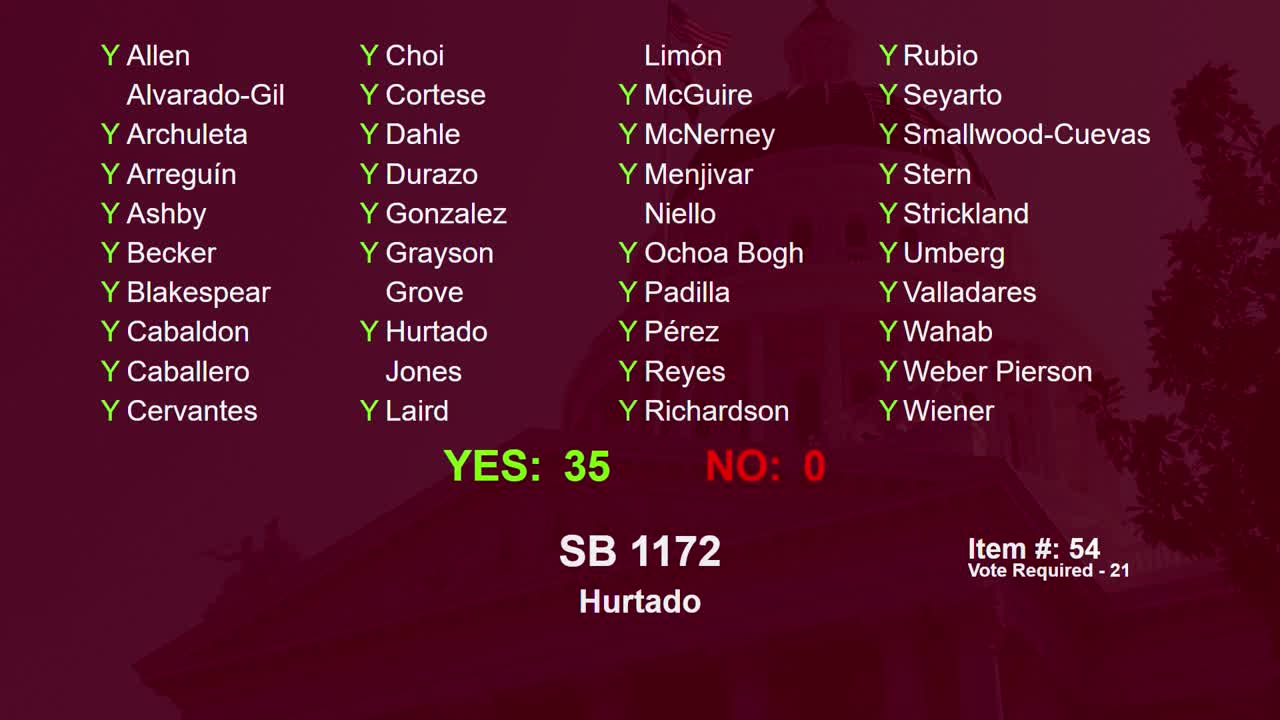
Bill Author