SB 922: Vehicles: local agency charges: use of streets or highways.
- Session Year: 2025-2026
- House: Senate
- Latest Version Date: 2026-08-27
Current Status:
Passed
(2026-08-27: Chaptered by Secretary of State. Chapter 148, Statutes of 2026.)
Introduced
In Committee
Awaiting First Chamber Vote
Passed First Chamber
In Committee
Awaiting Second Chamber Vote
Passed Second Chamber
Enacted
Existing law prohibits a local agency from imposing a tax, permit fee, or other charge for the privilege of using its streets or highways, other than a permit fee for an extralegal load unless the local agency had imposed the fee prior to June 1, 1989.
This bill would explicitly state that a fee, charge, surcharge, or component thereof imposed upon the provider of, or ratepayer for, public services by or for a local agency to recover the cost of street maintenance and repair and other costs associated with the use of its streets, roads, or highways to provide those public services is not a tax, permit fee, or other charge that is prohibited by the provision described above. The bill would provide that nothing in the Vehicle Code prohibits a local agency from imposing or collecting this fee, charge, or surcharge. The bill would delete obsolete references and make other technical changes. The bill would make various findings and declarations.
Existing law prohibits a local agency from imposing a tax, permit fee, or other charge for the privilege of using its streets or highways, other than a permit fee for an extralegal load unless the local agency had imposed the fee prior to June 1, 1989.
This bill would expressly limit this prohibition to charges based on weight. The bill would also explicitly state that a fee, charge, surcharge, or component thereof imposed upon the provider of, or ratepayer for, public services by or for a local agency to recover the cost of street maintenance and repair and other costs associated with the use of its streets, roads, or highways to provide those public services is not a tax, permit fee, or other charge that is prohibited by the provision described above. The bill would provide that nothing in the Vehicle Code prohibits a local agency from imposing or collecting this fee, charge, or surcharge. The bill would delete obsolete references and make other technical changes. The bill would make various findings and declarations.
Existing law prohibits a local agency from imposing a tax, permit fee, or other charge for the privilege of using its streets or highways, other than a permit fee for an extralegal load unless the local agency had imposed the fee prior to June 1, 1989.
This bill would expressly limit this prohibition to charges based on weight. The bill would also explicitly state that a fee, charge, or surcharge surcharge, or component thereof imposed upon the provider of, or ratepayer for, public services by or for a local agency to recover the cost of street maintenance and repair and other costs associated with the use of its streets, roads, or highways to provide those public services or public works is not a tax, permit fee, or other charge that is prohibited by the provision described above. The bill would provide that nothing in the Vehicle Code prohibits a local agency from imposing or collecting this fee, charge, or surcharge. The bill would delete obsolete references and make other technical changes. The bill would make various findings and declarations.
Existing law prohibits a local agency from imposing a tax, permit fee, or other charge for the privilege of using its streets or highways, other than a permit fee for an extralegal load unless the local agency had imposed the fee prior to June 1, 1989.
This bill would expressly limit this prohibition to charges based on weight. The bill would also explicitly state that a fee, charge, or surcharge imposed by or for a local agency to recover the cost of street maintenance and repair and other costs associated with the use of its streets, roads, or highways to provide public services or public works is not a tax, permit fee, or other charge that is prohibited by the provision above. The bill would provide that nothing in the Vehicle Code prohibits a local agency from imposing or collecting this fee, charge, or surcharge. The bill would delete obsolete references and make other technical changes.
(a)The Legislature hereby finds and declares all of the following:
(1)Weight fees are collected on commercial vehicles by the State of California, deposited into the State Highway Account, and used for the purposes specified in Section 9400.4 of the Vehicle Code. Weight fees for vehicles operated under 10,001 pounds gross vehicle weight (GVW) and for pickups are determined by the number of axles and unladen weight. Weight fees for vehicles operated over 10,001 pounds GVW are determined by the declared GVW or combined GVW.
(2)In June 1990, the California electorate adopted Proposition 111, which increased weight fees on commercial vehicles by 40 percent on August 1, 1990, and by an additional 10 percent on January 1, 1995. Section 9400.8 of the Vehicle Code, which is amended by this act, provides that if the voters approved Senate Constitutional Amendment 1, then no local agency may impose a tax, permit fee, or other charge for the privilege of using its streets or highways other than a permit fee for extralegal loads.
(3)Local governments have broad authority to provide and operate public services, including refuse collection, water, power, heat, transportation, means of communication, and other services and works, and to impose and collect rates, fees, and other charges that defray the cost of providing those services and works, under existing laws, including, without limitation, Sections 7 and 9 of Article XI of the California Constitution.
(b)(1)It is the intent of the Legislature to respect the existing authority of local governments to impose rates, fees, and other charges for public services pursuant to the aforementioned laws, which includes recovery of street repair and other costs associated with the use of public roads to provide those services.
(2)It is the further intent of the Legislature to state clearly that a local governments charge imposed upon the provider of, or ratepayer for, public services by, or for, a local agency to recover the cost of street maintenance and repair or other costs associated with the use of streets, roads, or highways to provide those public services is not a charge for the privilege of using its streets within the meaning of Section 9400.8 of the Vehicle Code and to reject the interpretation given to the law in Rogers v. City of Redlands (2025) 112 Cal.App.5th 667.
SEC. 2.Section 9400.8 of the Vehicle Code is amended to read:9400.8.(a)Notwithstanding any other law, a local agency shall not impose a tax, permit fee, or other charge for the privilege of using its streets or highways, other than a permit fee for extralegal loads unless the local agency had imposed the fee prior to June 1, 1989.
(b)(1)A fee, charge, surcharge, or a component thereof, imposed upon the provider of, or ratepayer for, public services by, or for, a local agency to recover the cost of street maintenance and repair and other costs associated with the use of its streets, roads, or highways to provide public services is not a tax, permit fee, or other charge for the privilege of using streets or highways that is prohibited under subdivision (a).
(2)Nothing in this code prohibits a local agency from imposing or collecting a fee, charge, or surcharge described in paragraph (1).
(a)The Legislature hereby finds and declares all of the following:
(1)Weight fees are collected on commercial vehicles by the State of California, deposited into the State Highway Account, and used for the purposes specified in Section 9400.4 of the Vehicle Code. Weight fees for vehicles operated under 10,001 pounds gross vehicle weight (GVW) and for pickups are determined by the number of axles and unladen weight. Weight fees for vehicles operated over 10,001 pounds GVW are determined by the declared GVW or combined GVW.
(2)In June 1990, the California electorate adopted Proposition 111, which increased weight fees on commercial vehicles by 40 percent on August 1, 1990, and by an additional 10 percent on January 1, 1995. Section 9400.8 of the Vehicle Code, which is amended by this act, provides that if the voters approved Senate Constitutional Amendment 1, then no local agency may impose a tax, permit fee, or other charge for the privilege of using its streets or highways other than a permit fee for extralegal loads.
(3)Local governments have broad authority to provide and operate public services, including refuse collection, water, power, heat, transportation, means of communication, and other services and works, and to impose and collect rates, fees, and other charges that defray the cost of providing those services and works, under existing laws, including, without limitation, Sections 7 and 9 of Article XI of the California Constitution.
(b)(1)It is the intent of the Legislature to respect the existing authority of local governments to impose rates, fees, and other charges for public services pursuant to the aforementioned laws, which includes recovery of street repair and other costs associated with the use of public roads to provide those services.
(2)It is the further intent of the Legislature to state clearly that a local governments charge imposed upon the provider of, or ratepayer for, public services by, or for, a local agency to recover the cost of street maintenance and repair or other costs associated with the use of streets, roads, or highways to provide those public services is not a charge for the privilege of using its streets within the meaning of Section 9400.8 of the Vehicle Code and to reject the interpretation given to the law in Rogers v. City of Redlands (2025) 112 Cal.App.5th 667.
SEC. 2.Section 9400.8 of the Vehicle Code is amended to read:9400.8.(a)Notwithstanding any other law, a local agency shall not impose a tax, permit fee, or other charge based on weight for the privilege of using its streets or highways, other than a permit fee for extralegal loads unless the local agency had imposed the fee prior to June 1, 1989.
(b)(1)A fee, charge, surcharge, or a component thereof, imposed upon the provider of, or ratepayer for, public services by, or for, a local agency to recover the cost of street maintenance and repair and other costs associated with the use of its streets, roads, or highways to provide public services is not a tax, permit fee, or other charge for the privilege of using streets or highways that is prohibited under subdivision (a).
(2)Nothing in this code prohibits a local agency from imposing or collecting a fee, charge, or surcharge described in paragraph (1).
(a)The Legislature hereby finds and declares all of the following:
(1)Weight fees are collected on commercial vehicles by the State of California, deposited into the State Highway Account, and used for the purposes specified in Section 9400.4 of the Vehicle Code. Weight fees for vehicles operated under 10,001 pounds gross vehicle weight (GVW) and for pickups are determined by the number of axles and unladen weight. Weight fees for vehicles operated over 10,001 pounds GVW are determined by the declared GVW or combined GVW.
(2)In June 1990, the California electorate adopted Proposition 111, which increased weight fees on commercial vehicles by 40 percent on August 1, 1990, and by an additional 10 percent on January 1, 1995. Section 9400.8 of the Vehicle Code, which is amended by this act, provides that if the voters approved Senate Constitutional Amendment 1, then no local agency may impose a tax, permit fee, or other charge for the privilege of using its streets or highways other than a permit fee for extralegal loads.
(3)Local governments have broad authority to provide and operate public services and operate public works, such as services, including refuse collection, water, power, heat, transportation, means of communication, and refuse collection, other services and works, and to impose and collect rates, fees, and other charges that defray the cost of providing those services and works, under existing laws, including, without limitation, Sections 7 and 9 of Article XI of the California Constitution.
(b)(1)It is the intent of the Legislature to respect the existing authority of local governments to impose rates, fees, and other charges for public services and public works pursuant to the aforementioned laws, which includes recovery of street repair and other costs associated with the use of public roads to provide those services and works. services.
(2)It is the further intent of the Legislature to state clearly that a local governments charge imposed upon the provider of, or ratepayer for, public services by, or for, a local agency to recover the cost of street maintenance and repair or other costs associated with the use of public roads streets, roads, or highways to provide those public services or public works is not a charge for the privilege of using its streets within the meaning of Section 9400.8 of the Vehicle Code and to reject the interpretation given to the law in Rogers v. City of Redlands (2025) 112 Cal.App.5th 667.
SEC. 2.Section 9400.8 of the Vehicle Code is amended to read:9400.8.(a)Notwithstanding any other law, a local agency shall not impose a tax, permit fee, or other charge based on weight for the privilege of using its streets or highways, other than a permit fee for extralegal loads unless the local agency had imposed the fee prior to June 1, 1989.
(b)(1)A fee, charge, or surcharge surcharge, or a component thereof, imposed upon the provider of, or ratepayer for, public services by, or for, a local agency to recover the cost of street maintenance and repair and other costs associated with the use of its streets, roads, or highways to provide public services or public works is not a tax, permit fee, or other charge for the privilege of using streets or highways that is prohibited under subdivision (a).
(2)Nothing in this code prohibits a local agency from imposing or collecting a fee, charge, or surcharge described in paragraph (1).
(a)The Legislature hereby finds and declares all of the following:
(1)Weight fees are collected on commercial vehicles by the State of California, deposited into the State Highway Account, and used for the purposes specified in Section 9400.4 of the Vehicle Code. Weight fees for vehicles operated under 10,001 pounds gross vehicle weight (GVW) and for pickups are determined by the number of axles and unladen weight. Weight fees for vehicles operated over 10,001 pounds GVW are determined by the declared GVW or combined GVW.
(2)In June 1990, the California electorate adopted Proposition 111, which increased weight fees on commercial vehicles by 40 percent on August 1, 1990, and by an additional 10 percent on January 1, 1995. Section 9400.8 of the Vehicle Code, which is amended by this act, provides that if the voters approved Senate Constitutional Amendment 1, then no local agency may impose a tax, permit fee, or other charge for the privilege of using its streets or highways other than a permit fee for extra legal extralegal loads.
(3)Local governments have broad authority to provide public services and operate public works, such as water, power, heat, transportation, means of communication, and refuse collection, and to impose and collect rates, fees, and other charges that defray the cost of providing those services and works, under existing laws, including, without limitation, Sections 7 and 9 of Article XI of the California Constitution.
(b)(1)It is the intent of the Legislature to respect the existing authority of local governments to impose rates, fees, and other charges for public services and public works pursuant to the aforementioned laws, which includes recovery of street repair and other costs associated with the use of public roads to provide those services and works.
(2)It is the further intent of the Legislature to state clearly that a local governments charge imposed to recover the cost of street maintenance and repair or other costs associated with the use of public roads to provide public services or public works is not a charge for the privilege of using its streets within the meaning of Section 9400.8 of the Vehicle Code and to reject the interpretation given to the law in Rogers v. City of Redlands (2025) 112 Cal.App.5th 667.
SEC. 2.Section 9400.8 of the Vehicle Code is amended to read:9400.8.(a)Notwithstanding any other law, a local agency shall not impose a tax, permit fee, or other charge based on weight for the privilege of using its streets or highways, other than a permit fee for extralegal loads unless the local agency had imposed the fee prior to June 1, 1989.
(b)(1)A fee, charge, or surcharge imposed by or for by, or for, a local agency to recover the cost of street maintenance and repair and other costs associated with the use of its streets, roads, or highways to provide public services or public works is not a tax, permit fee, or other charge for the privilege of using streets or highways that is prohibited under subdivision (a).
(2)Nothing in this code prohibits a local agency from imposing or collecting a fee, charge, or surcharge described in paragraph (1).
(a)The Legislature hereby finds and declares all of the following:
(1)Weight fees are collected on commercial vehicles by the State of California, deposited into the State Highway Account, and used for the purposes specified in Section 9400.4 of the Vehicle Code. Weight fees for vehicles operated under 10,001 pounds gross vehicle weight (GVW) and for pickups are determined by the number of axles and unladen weight. Weight fees for vehicles operated over 10,001 pounds GVW are determined by the declared GVW or combined GVW.
(2)In June 1990, the California electorate adopted Proposition 111, which increased weight fees on commercial vehicles by 40 percent on August 1, 1990, and by an additional 10 percent on January 1, 1995. Section 9400.8 of the Vehicle Code, which is amended by this act, provides that if the voters approved Senate Constitutional Amendment 1, then no local agency may impose a tax, permit fee, or other charge for the privilege of using its streets or highways other than a permit fee for extra legal loads.
(3)Local governments have broad authority to provide public services and operate public works, such as water, power, heat, transportation, means of communication, and refuse collection, and to impose and collect rates, fees, and other charges that defray the cost of providing those services and works, under existing laws, including, without limitation, Sections 7 and 9 of Article XI of the California Constitution.
(b)(1)It is the intent of the Legislature to respect the existing authority of local governments to impose rates, fees, and other charges for public services and public works pursuant to the aforementioned laws, which includes recovery of street repair and other costs associated with the use of public roads to provide those services and works.
(2)It is the further intent of the Legislature to state clearly that a local governments charge imposed to recover the cost of street maintenance and repair or other costs associated with the use of public roads to provide public services or public works is not a charge for the privilege of using its streets within the meaning of Section 9400.8 of the Vehicle Code and to reject the interpretation given to the law in Rogers v. City of Redlands (2025) 112 Cal.App.5th 667.
SEC. 2.Section 9400.8 of the Vehicle Code is amended to read:9400.8.(a)Notwithstanding any other provision of law, if the voters approve Senate Constitutional Amendment 1 of the 198990 Regular Session, no law, a local agency may shall not impose a tax, permit fee, or other charge based on weight for the privilege of using its streets or highways, other than a permit fee for extra legal loads, after December 31, 1990, extralegal loads unless the local agency had imposed the fee prior to June 1, 1989.
(b)(1)A fee, charge, or surcharge imposed by or for a local agency to recover the cost of street maintenance and repair and other costs associated with the use of its streets, roads, or highways to provide public services or public works is not a tax, permit fee, or other charge for the privilege of using streets or highways that is prohibited under subdivision (a).
(2)Nothing in this code prohibits a local agency from imposing or collecting a fee, charge, or surcharge described in paragraph (1).
|
Date
|
Status
|
|---|---|
| Aug 27, 2026 | Chaptered by Secretary of State. Chapter 148, Statutes of 2026. |
| Aug 27, 2026 | Approved by the Governor. |
| Aug 18, 2026 | Enrolled and presented to the Governor at 3 p.m. |
| Aug 10, 2026 | Assembly amendments concurred in. (Ayes 31. Noes 1. Page 5316.) Ordered to engrossing and enrolling. |
| Aug 10, 2026 | Assembly amendments concurred in. (Ayes 31. Noes 1.) Ordered to engrossing and enrolling. |
| Aug 10, 2026 | Assembly amendments concurred in. (Ayes 30. Noes 1.) Ordered to engrossing and enrolling. |
| Aug 6, 2026 | In Senate. Concurrence in Assembly amendments pending. |
| Aug 6, 2026 | Read third time. Passed. (Ayes 51. Noes 12. Page 6081.) Ordered to the Senate. |
| Aug 6, 2026 | Read third time. Passed. Ordered to the Senate. |
| Aug 3, 2026 | Read second time. Ordered to third reading. |
| Jul 2, 2026 | Read second time and amended. Ordered to second reading. |
| Jul 2, 2026 | From committee: Do pass as amended. (Ayes 8. Noes 2.) (July 1). |
| Jun 17, 2026 | From committee with author's amendments. Read second time and amended. Re-referred to Com. on L. GOV. |
| May 26, 2026 | Referred to Com. on L. GOV. |
| May 19, 2026 | In Assembly. Read first time. Held at Desk. |
| May 18, 2026 | Read third time. Passed. (Ayes 33. Noes 2. Page 4314.) Ordered to the Assembly. |
| May 18, 2026 | Read third time. Passed. (Ayes 33. Noes 2.) Ordered to the Assembly. |
| Mar 19, 2026 | Read second time. Ordered to third reading. |
| Mar 18, 2026 | From committee: Do pass. (Ayes 7. Noes 0. Page 3601.) (March 18). |
| Mar 18, 2026 | From committee: Do pass. (Ayes 7. Noes 0.) (March 18). |
| Mar 11, 2026 | From committee with author's amendments. Read second time and amended. Re-referred to Com. on L. GOV. |
| Mar 5, 2026 | Set for hearing March 18. |
| Feb 11, 2026 | Referred to Com. on L. GOV. |
| Jan 29, 2026 | From printer. May be acted upon on or after February 28. |
| Jan 28, 2026 | Introduced. Read first time. To Com. on RLS. for assignment. To print. |
|
Date
|
Description
|
Location
|
Votes
|
|
|---|---|---|---|---|
| Aug 10, 2026 | Unfinished Business SB922 Laird et al. Concurrence | Senate Floor |
Passed |
|
| Aug 6, 2026 | SB 922 Laird Senate Third Reading By Bennett | Assembly Floor |
Passed |
|
| Jul 1, 2026 | Do pass as amended. | Assembly Standing Committee on Local Government |
Passed |
|
| May 18, 2026 | Senate 3rd Reading SB922 Laird et al. | Senate Floor |
Passed |
|
| Mar 18, 2026 | Do pass | Senate Standing Committee on Local Government |
Passed |
This list shows positions taken on this bill by organizations on the date displayed, which is linked to the original source.
Positions by individuals are not included.
|
Organization
|
Position
|
Date
|
|---|---|---|
| Alameda County Taxpayers’ Association | ** Against | |
| American Federation Of State, County And Municipal Employees, Afl-Cio | ** Support | |
| American Society of Civil Engineers, Region 9 | ** Support | |
| California Building Industry Association | ** Against | |
| California Chapters of the American Public Works Association | ** Support | |
| California Contract Cities Association | ** Support | |
| Californians Against Waste | ** Support | |
| California Police Chiefs Association | ** Support | |
| California Special Districts Association | ** Support | |
| California State Association Of Counties | ** Support | |
| California State Council of Service Employees International Union (seiu California) | ** Support | |
| California Taxpayers Association | ** Against | |
| City and County of San Francisco | ** Support | |
| City of Belmont | ** Support | |
| City Of Beverly Hills | ** Support | |
| City of Burbank/Burbank Redevelopment Agency | ** Support | |
| City of Camarillo | ** Support | |
| City of Campbell | ** Support | |
| City of Capitola | ** Support | |
| City of Chino Hills | ** Support | |
| City of Concord | ** Support | |
| City of El Cerrito | ** Support | |
| City of Fairfield | ** Support | |
| City of Foster City | ** Support | |
| City Of Fullerton | ** Support | |
| City Of Garden Grove | ** Support | |
| City of Glendale | ** Support | |
| City of Goleta | ** Support | |
| City of Gonzales | ** Support | |
| City of Grover Beach | ** Support | |
| City of Hollister | ** Support | |
| City of Hueneme | ** Support | |
| City of Lafayette | ** Support | |
| City of Lakewood CA | ** Support | |
| City of Marina | ** Support | |
| City of Milpitas | ** Support | |
| City of Moorpark | ** Support | |
| City of Moreno Valley | ** Support | |
| City of Murrieta | ** Support | |
| City of Norwalk | ** Support | |
| City of Oceanside | ** Support | |
| City of Orinda | ** Support | |
| City of Oxnard | ** Support | |
| City of Oxnard Public Works | ** Support | |
| City of Pacific Grove | ** Support | |
| city of paramount | ** Support | |
| City of Paso Robles | ** Support | |
| City of Pico Rivera | ** Support | |
| City of Port Hueneme | ** Support | |
| City of Rancho Cucamonga | ** Support | |
| City of Redondo Beach | ** Support | |
| City of Redwood City | ** Support | |
| City of Rocklin | ** Support | |
| City Of Salinas | ** Support | |
| City Of San Bernardino | ** Support | |
| City Of San Diego | ** Support | |
| City of San Luis Obispo | ** Support | |
| City Of San Mateo | ** Support | |
| City of Santa Barbara | ** Support | |
| City of Santa Paula | ** Support | |
| City of Scotts Valley | ** Support | |
| City of Soledad | ** Support | |
| City of Stanton | ** Support | |
| City of Thousand Oaks | ** Support | |
| City of Torrance | ** Support | |
| City of Tulare | ** Support | |
| City of Union City | ** Support | |
| City Of Upland | ** Support | |
| City of Vacaville | ** Support | |
| city of ventura | ** Support | |
| City Of Vernon | ** Support | |
| City of Walnut Creek | ** Support | |
| City Of Westminster | ** Support | |
| Coalition of Sensible Taxpayers | ** Against | |
| Contra Costa Taxpayers Association | ** Against | |
| County of Contra Costa | ** Support | |
| County Of Madera | ** Support | |
| County of Monterey | ** Support | |
| County of Santa Cruz | ** Support | |
| Cr&R, Inc. | ** Support | |
| Lamorinda Legislative Coalition | ** Support | |
| League Of California Cities | ** Support | |
| Long Beach Reform Coalition | ** Against | |
| Marin County | ** Support | |
| Marin County Council of Mayors and Councilmembers | ** Support | |
| Mayor Todd Gloria, City of San Diego | ** Support | |
| Monterey Peninsula Taxpayers Association | ** Against | |
| National Motorists Association (unless amended) | ** Against | |
| Recology | ** Support | |
| Recyclesmart | ** Support | |
| Republic Services | ** Support | |
| Rural County Representatives of California | ** Support | |
| Shasta County | ** Support | |
| Sonoma County Mayor’s and Councilmembers’ Association | ** Support | |
| Sonoma County Mayors' and Councilmembers' Association | ** Support | |
| StopWaste | ** Support | |
| Town of Apple Valley | ** Support | |
| Town of Truckee | ** Support | |
| West Valley Solid Waste Management Authority | ** Support | |
| West Valley Solid Wate Management Authority | ** Support |
SENATE RULES COMMITTEE Office of Senate Floor Analyses (916) 651-4171 | SB 922 |
UNFINISHED BUSINESS
Bill No: SB 922
Author: Laird (D), et al.
Amended: 7/2/26
Vote: 21
SENATE LOCAL GOVERNMENT COMMITTEE: 7-0, 3/18/26
AYES: Durazo, Choi, Arreguín, Ashby, Cervantes, Laird, Seyarto
SENATE FLOOR: 33-2, 5/18/26
AYES: Allen, Archuleta, Arreguín, Ashby, Becker, Blakespear, Cabaldon, Caballero, Cervantes, Choi, Cortese, Dahle, Durazo, Gonzalez, Grayson, Grove, Hurtado, Laird, Limón, McGuire, McNerney, Menjivar, Pérez, Reyes, Richardson, Rubio, Seyarto, Smallwood-Cuevas, Stern, Umberg, Wahab, Weber Pierson, Wiener
NOES: Ochoa Bogh, Strickland
NO VOTE RECORDED: Alvarado-Gil, Jones, Niello, Padilla, Valladares
ASSEMBLY FLOOR: 51-12, 8/6/26 - See last page for vote
SUBJECT: Vehicles: local agency charges: use of streets or highways
SOURCE: Author
DIGEST:
This bill allows local agencies to impose taxes, permit fees, or other charges for the privilege of using its streets or highways to recover costs for street repair and public services.
Assembly Amendments
- of 7/2/26 remove the authority for local agencies to impose taxes, permit fees, or other charges for the privilege of using its streets or highways for reasons other than to recover costs for street repair and public services.
ANALYSIS:
Existing law:
- Grants local agencies the authority to impose various fees, charges, and taxes to pay for public services.
- Prohibits local agencies from imposing taxes, permit fees, or other charges for the privilege of using its streets or highways, other than a permit fee for particularly large loads, after December 31, 1990, unless the local agency had imposed the fee prior to June 1, 1989.
This bill:
- States that fees, charges, or surcharges for local agencies to recover costs of street maintenance, repair, and other costs to provide public services do not count as a tax, permit fee, or other charge for the privilege of using its streets or highways.
- Allows local agencies to impose a fee, charge, or surcharge described above.
Background
Local taxes, fees, and charges. Prior to 1978, local agencies could enact taxes by ordinance. Proposition 13 (1978) amended the Constitution to require a 2/3 vote of the electorate to enact a local special tax. Proposition 62 (1986) prohibited local agencies from imposing general taxes without majority approval of local voters, and clarified the 2/3 vote necessary to impose special taxes. Proposition 218 (1996) extended those vote thresholds to charter cities and required local agencies to obtain voter approval to levy new assessments, fees, and taxes, which was subsequently limited by Proposition 26 (2010). Local agencies impose taxes, fees, and charges to finance a variety of public services. For example, state law requires local agencies to provide solid waste handling services, or contract with another local agency or solid waste enterprise. If the local agency provides the service, they charge customers directly. Most jurisdictions in the state operate with some form of “franchise,” or contract, that limits solid waste hauling within the jurisdiction to one or more specified companies. Under these agreements, the local agency charges the franchisee for the benefit of operating within the public right-of-way. The franchisee then charges customers for providing waste hauling services. Many local agencies include the costs to cover the wear and tear on the roads from the heavy waste hauling trucks in their fees. A typical car weighs roughly 4,400 pounds, while a loaded garbage truck can weigh as much as 60,000 pounds.
Weight fees. California collects fees based on weight from commercial vehicles to finance transportation projects, which generates over $1 billion annually. In 1989, the Legislature passed Senate Constitutional Amendment 1, which became Proposition 111 on the June 1990 ballot. Proposition 111, along with its implementing legislation (AB 471, Katz, Chapter 1337, Statutes of 1989) increased weight fees. Along with these measures, the Legislature passed SB 286 (Campbell), which, when Proposition 111 passed, prohibited local agencies from imposing taxes, permit fees, or other charges for the privilege of using its streets or highways, other than a permit fee for particularly large loads, after December 31, 1990, unless the local agency had imposed the fee prior to June 1, 1989. The Legislature intended for this measure to assuage concerns that local agencies would follow suit and increase local fees, charges, or taxes for the privilege of using their roads.
Rogers v. Redlands. In 2025, a resident of Redlands, a city of over 70,000 residents in San Bernardino County, sued the city alleging that the portion of their waste hauling fees used to repair road damage from garbage trucks constituted a charge for the privilege of using the city’s roads, violating SB 286’s prohibition on these charges. In Rogers v. Redlands 112 Cal. App. 5th 667, the California Court of Appeals affirmed the Superior Court of San Bernardino’s decision that agreed with the resident and required Redlands to stop factoring road repair into their waste hauling fees. The California Supreme Court denied the opportunity to review the case.
Comments
Purpose of this bill. According to the author, “Senate Bill 922 affirms the local agency authority to collect service-related fees from public service operations, such as waste hauling, to recover street maintenance and repair costs. While local agencies have historically integrated these infrastructure costs into utility rates or franchise agreements, a 2025 court interpretation of existing law challenged this practice. SB 922 clarifies the statute to restore regulatory certainty, ensuring local agencies will continue to have funding for the repair of pavement deterioration caused by heavy-duty service vehicles.”
FISCAL EFFECT: Appropriation: No Fiscal Com.: No Local: No
SUPPORT: (Verified 8/6/26)
Mayor Todd Gloria, City of San Diego
American Federation of State, County and Municipal Employees, Afl-cio
California Chapters of the American Public Works Association
California Police Chiefs Association
California Special Districts Association
California State Association of Counties
California State Council of Service Employees International Union (seiu California)
Californians Against Waste
City and County of San Francisco
City of Belmont
City of Beverly Hills
City of Burbank/Burbank Redevelopment Agency
City of Campbell
City of Capitola
City of Chino Hills
City of Concord
City of Fairfield
City of Foster City
City of Fullerton
City of Garden Grove
City of Glendale
City of Goleta
City of Gonzales
City of Grover Beach
City of Hollister
City of Lakewood CA
City of Marina
City of Milpitas
City of Moorpark
City of Moreno Valley
City of Murrieta
City of Norwalk
City of Oxnard
City of Oxnard Public Works
City of Pacific Grove
City of Paramount
City of Paso Robles
City of Pico Rivera
City of Port Hueneme
City of Rancho Cucamonga
City of Redondo Beach
City of Redwood City
City of Rocklin
City of Salinas
City of San Bernardino
City of San Mateo
City of Santa Barbara
City of Santa Paula
City of Scotts Valley
City of Soledad
City of Stanton
City of Thousand Oaks
City of Torrance
City of Tulare
City of Union City
City of Upland
City of Vacaville
City of Vernon
City of Walnut Creek
City of Westminster
County of Contra Costa
County of Madera
County of Monterey
County of Santa Cruz
Lamorinda Legislative Coalition
League of California Cities
Marin County Council of Mayors and Councilmembers
Recology
Recyclesmart
Republic Services
Rural County Representatives of California
Sonoma County Mayors' and Councilmembers' Association
Town of Apple Valley
Town of Truckee
West Valley Solid Waste Management Authority
OPPOSITION: (Verified 8/6/26)
California Taxpayers Association
Coalition of Sensible Taxpayers
Contra Costa Taxpayers Association
ASSEMBLY FLOOR: 51-12, 8/6/26
AYES: Addis, Aguiar-Curry, Ahrens, Alvarez, Arambula, Ávila Farías, Bennett, Berman, Bonta, Bryan, Calderon, Caloza, Connolly, Gabriel, Garcia, Gipson, Mark González, Haney, Harabedian, Hart, Irwin, Jackson, Kalra, Krell, Lee, Lowenthal, McKinnor, Muratsuchi, Nguyen, Ortega, Pacheco, Papan, Pellerin, Petrie-Norris, Quirk-Silva, Ramos, Ransom, Celeste Rodriguez, Michelle Rodriguez, Rogers, Blanca Rubio, Schultz, Sharp-Collins, Solache, Stefani, Valencia, Ward, Wicks, Wilson, Zbur, Rivas
NOES: Alanis, Davies, DeMaio, Dixon, Ellis, Hadwick, Hoover, Johnson, Lackey, Macedo, Ta, Tangipa
NO VOTE RECORDED: Bains, Bauer-Kahan, Boerner, Carrillo, Castillo, Chen, Elhawary, Flora, Fong, Jeff Gonzalez, Patel, Patterson, Sanchez, Schiavo, Soria, Wallis
Prepared by: Jonathan Peterson / L. GOV. / (916) 651-4119
8/7/26 13:37:14
**** END ****
SENATE THIRD READING
STR Bill Id:SB 922
Author:(Laird)
As Amended Ver:July 2, 2026
Majority vote
SUMMARY
Allows local agencies to impose taxes, fees, or other charges for the privilege of using their streets or highways to recover costs for street repair associated with providing public services.
Major Provisions
- States that a fee, charge, surcharge, or a component thereof, imposed upon the provider of, or ratepayers for, public services by, or for, a local agency to recover the cost of street maintenance and repair and other costs associated with the use of its streets, roads or highways to provide public services is not a tax, permit fee, or other charge for the privilege of using streets or highways, as specified.
- Allows local agencies to impose a fee, charge, or surcharge described in 1), above.
COMMENTS
- Local Taxes, Fees, and Charges. The California Constitution and various statutes grant local agencies the authority to impose various fees, charges, and taxes to pay for public services. Prior to 1978, local agencies could enact taxes by ordinance. Proposition 13 (1978) amended the Constitution to require a 2/3 vote of the electorate to enact a local special tax. Proposition 62 (1986) prohibited local agencies from imposing general taxes without majority approval of local voters and clarified the 2/3 vote necessary to impose special taxes. Proposition 218 (1996) extended those vote thresholds to charter cities and required local agencies to obtain voter approval to levy new assessments, fees, and taxes, which was subsequently limited by Proposition 26 (2010). Under Proposition 26, any levy, charge, or exaction of any kind imposed by a local government is a tax, requiring voter approval, except for:
- A charge for a benefit or privilege conveyed directly to the payor and not conveyed to those not charged.
- A charge for a service or product provided directly to the payor and not provided to those not charged.
- A fee to cover certain costs of regulation.
- Entrance fees for state or local property.
- Fines imposed by a court or a local government.
- A charge imposed as a condition of property development.
- Assessments and property related fees governed by Proposition 218.
Local agencies impose taxes, fees, and charges to finance a variety of public services. For example, state law requires local agencies to provide solid waste handling services, or contract with another local agency or solid waste enterprise. If the local agency provides the service, they charge customers directly. Many jurisdictions in the state operate with some form of "franchise" or contract, that limits solid waste hauling within the jurisdiction to one or more specified companies. Under these agreements, the local agency charges the franchisee for the benefit of operating within the public right-of-way. The franchisee then charges customers for providing waste hauling services. Some local agencies include the costs to cover the wear and tear on the roads from the heavy waste hauling trucks in their fees. A typical car weighs roughly 4,400 pounds, while a loaded garbage truck can weigh as much as 60,000 pounds.
- Weight Fees. California collects fees based on weight from commercial vehicles to finance transportation projects, which generates over $1 billion annually. In 1989, the Legislature passed Senate Constitutional Amendment 1, which became Proposition 111 on the June 1990 ballot. Proposition 111, along with its implementing legislation [AB 471 (Katz), Chapter 106, Statutes of 1989] increased weight fees. Along with these measures, the Legislature passed SB 286 (Campbell), Chapter 1337, Statutes of 1989, which, when Proposition 111 passed, prohibited local agencies from imposing taxes, permit fees, or other charges for the privilege of using its streets or highways, other than a permit fee for extra legal loads, after December 31, 1990, unless the local agency had imposed the fee prior to June 1, 1989.
- Rogers v. Redlands. In 2025, a resident of Redlands, a city of over 70,000 residents in San Bernardino County, sued the city alleging that the portion of their waste hauling fees used to repair road damage from garbage trucks constituted a charge for the privilege of using the city's roads, violating SB 286's prohibition on these charges. In Rogers v. Redlands 112 Cal. App. 5th 667, the California Court of Appeals affirmed the Superior Court of San Bernardino's decision that agreed with the resident and required Redlands to stop factoring road repair into their waste hauling fees. The California Supreme Court denied the opportunity to review the case.
According to the Author
"Senate Bill 922 clarifies that the charge a local agency collects for public services, such as trash collection, may include the costs of repairing and maintaining public streets without violating Vehicle Code 9400.8"
"While local agencies have historically integrated these infrastructure costs into utility rates or franchise agreements, a 2025 court interpretation of existing law challenged this practice. SB 922 clarifies the statute to restore regulatory certainty, ensuring local agencies will continue to have funding for the repair of pavement deterioration caused by heavy-duty service vehicles."
Arguments in Support
According to the League of California Cities, the Rural County Representatives of California, and a coalition of supporters, "Local streets and roads are critical infrastructure that support daily community needs across California. Essential public services, including garbage, recycling, and green waste collection, rely on the regular and frequent use of local streets by heavy service vehicles. These vehicles are vital to protecting public health and environmental quality, and their routine operation necessarily contributes to pavement wear and roadway deterioration over time.
"For decades, local governments and service providers, including waste haulers, have worked collaboratively under established rates, fees, and franchise agreements to account for these impacts as part of delivering essential services. These arrangements are familiar, transparent, and predictable, and they allow service providers to operate efficiently while ensuring that local streets remain safe and functional for the communities they serve"
"Recently, a court decision created uncertainty around these long-standing practices. As a result, existing service-related cost recovery mechanisms are being challenged, placing street maintenance funding at risk and creating uncertainty for both local governments and the service providers that rely on well-maintained roads to deliver essential services"
"SB 922 would address this uncertainty by clarifying that restrictions on local road charges apply only to weight-based charges imposed for the privilege of using streets or highways. The bill further makes clear that fees associated with providing public services may continue to include recovery of street maintenance and repair costs related to those services. By reaffirming existing practices, SB 922 would restore clarity, reduce unnecessary litigation, and provide greater certainty for local agencies and service providers alike."
Arguments in Opposition
According to the California Taxpayers Association. "…SB 922 expands the authority of local governments to charge for public road use. Local agencies would be authorized to shift road-repair costs into specialized charges embedded within other service fees, setting a precedent for cost-shifting to ratepayers under the guise of "service-related fees." Such practices reduce visibility in public-facing programs, such as the source of funding for roadway maintenance or the cost of building infrastructure. Reduced transparency leads to weakened accountability in the administration of these programs, diminishing the public's trust in local government."
"…Proposition 26 (2010) broadened the definition of 'tax' to prevent governments from imposing revenue-generating charges disguised as fees. Under Proposition 26, any levy or charge imposed by a local government is presumed to be a tax unless it meets a narrow set of exemptions, such as providing a direct and proportionate benefit to the payer. By reclassifying certain roadway-related fees as categorically 'not taxes,' SB 922 attempts to sidestep the voter-approval requirements that Proposition 26 guarantees. Proposition 26 was enacted precisely to prevent government entities from avoiding the ballot box by renaming taxes as fees. SB 922 undermines this constitutional safeguard by carving out a broad category of charges that would be insulated from voter oversight."
"…SB 922 is positioned as a legislative fix to litigation outcomes, including Rogers v. City of Redlands, which found certain road-repair cost recovery practices impermissible under existing law. Rather than addressing the underlying statutory and fiscal issues within the framework that voters created, SB 922 attempts to redefine these fees in a way that diminishes taxpayer protections and invites future overreach. SB 922 could generate new legal ambiguities as taxpayers face a patchwork of new assessments that vary across jurisdictions."
FISCAL COMMENTS
None.
VOTES
SENATE FLOOR: 33-2-5
YES: Allen, Archuleta, Arreguín, Ashby, Becker, Blakespear, Cabaldon, Caballero, Cervantes, Choi, Cortese, Dahle, Durazo, Gonzalez, Grayson, Grove, Hurtado, Laird, Limón, McGuire, McNerney, Menjivar, Pérez, Reyes, Richardson, Rubio, Seyarto, Smallwood-Cuevas, Stern, Umberg, Wahab, Weber Pierson, Wiener
NO: Ochoa Bogh, Strickland
ABS, ABST OR NV: Alvarado-Gil, Jones, Niello, Padilla, Valladares
ASM LOCAL GOVERNMENT: 8-2-0
YES: Carrillo, Pacheco, Ramos, Ransom, Blanca Rubio, Stefani, Ward, Wilson
NO: Ta, Johnson
UPDATED
VERSION: July 2, 2026
CONSULTANT: Jimmy MacDonald / L. GOV. / (916) 319-3958 FN: 0003300
Date of Hearing: July 1, 2026
ASSEMBLY COMMITTEE ON LOCAL GOVERNMENT
Juan Carrillo, Chair
SBPCA Bill Id:SB 922
Author:(Laird) – As Amended Ver:June 17, 2026
SENATE VOTE: 33-2
SUBJECT: Vehicles: local agency charges: use of streets or highways.
SUMMARY: Allows local agencies to impose taxes, permit fees, or other charges for the privilege of using their streets or highways provided they are not based on weight to recover costs for street repair associated with providing public services. Specifically, this bill:
- States that a fee, charge, surcharge, or a component thereof, imposed upon the provider, or ratepayers for, public services by, or for, a local agency to recover the cost of street maintenance and repair and other costs associated with the use of its streets, roads or highways to provide public services is not a tax, permit fee, or other charge for the privilege of using streets or highways.
- Allows local agencies to impose a fee, charge, or surcharge described in 1), above.
- Allows local agencies to impose taxes, permit fees, or other charges for the privilege of using their streets or highways, provided they are not based on weight.
- Contains findings and declarations to support its purposes.
EXISTING LAW: Prohibits local agencies from imposing taxes, permit fees, or other charges for the privilege of using their streets or highways, other than a permit fee for extra legal loads, after December 31, 1990, unless the local agency had imposed the fee prior to June 1, 1989 (Vehicle Code § 9400.8).
FISCAL EFFECT: None.
COMMENTS:
- Bill Summary and Author’s Statement. This bill authorizes local agencies to impose taxes, permit fees, or other charges for the privilege of using their streets or highways provided they are not based on weight to recover costs for street repair associated with providing public services. The League of California Cities and the Rural County Representatives of California are the sponsors of this bill.
According to the Author, “Senate Bill 922 clarifies that the charge a local agency collects for public services, such as trash collection, may include the costs of repairing and maintaining public streets without violating Vehicle Code 9400.8.
“While local agencies have historically integrated these infrastructure costs into utility rates or franchise agreements, a 2025 court interpretation of existing law challenged this practice. SB 922 clarifies the statute to restore regulatory certainty, ensuring local agencies will continue to have funding for the repair of pavement deterioration caused by heavy-duty service vehicles.” - Local Taxes, Fees, and Charges. The California Constitution and various statutes grant local agencies the authority to impose various fees, charges, and taxes to pay for public services. Prior to 1978, local agencies could enact taxes by ordinance. Proposition 13 (1978) amended the Constitution to require a 2/3 vote of the electorate to enact a local special tax. Proposition 62 (1986) prohibited local agencies from imposing general taxes without majority approval of local voters and clarified the 2/3 vote necessary to impose special taxes. Proposition 218 (1996) extended those vote thresholds to charter cities and required local agencies to obtain voter approval to levy new assessments, fees, and taxes, which was subsequently limited by Proposition 26 (2010). Under Proposition 26, any levy, charge, or exaction of any kind imposed by a local government is a tax, requiring voter approval, except for:
- A charge for a benefit or privilege conveyed directly to the payor and not conveyed to those not charged.
- A charge for a service or product provided directly to the payor and not provided to those not charged.
- A fee to cover certain costs of regulation.
- Entrance fees for state or local property.
- Fines imposed by a court or a local government.
- A charge imposed as a condition of property development.
- Assessments and property related fees governed by Proposition 218.
- A charge for a benefit or privilege conveyed directly to the payor and not conveyed to those not charged.
Local agencies impose taxes, fees, and charges to finance a variety of public services. For example, state law requires local agencies to provide solid waste handling services, or contract with another local agency or solid waste enterprise. If the local agency provides the service, they charge customers directly. Many jurisdictions in the state operate with some form of “franchise” or contract, that limits solid waste hauling within the jurisdiction to one or more specified companies. Under these agreements, the local agency charges the franchisee for the benefit of operating within the public right-of-way. The franchisee then charges customers for providing waste hauling services. Some local agencies include the costs to cover the wear and tear on the roads from the heavy waste hauling trucks in their fees. A typical car weighs roughly 4,400 pounds, while a loaded garbage truck can weigh as much as 60,000 pounds.
- Weight Fees. California collects fees based on weight from commercial vehicles to finance transportation projects, which generates over $1 billion annually. In 1989, the Legislature passed Senate Constitutional Amendment 1, which became Proposition 111 on the June 1990 ballot. Proposition 111, along with its implementing legislation [AB 471 (Katz), Chapter 106, Statutes of 1989] increased weight fees. Along with these measures, the Legislature passed SB 286 (Campbell), Chapter 1337, Statutes of 1989, which, when Proposition 111 passed, prohibited local agencies from imposing taxes, permit fees, or other charges for the privilege of using its streets or highways, other than a permit fee for extra legal loads, after December 31, 1990, unless the local agency had imposed the fee prior to June 1, 1989.
- Rogers v. Redlands. In 2025, a resident of Redlands, a city of over 70,000 residents in San Bernardino County, sued the city alleging that the portion of their waste hauling fees used to repair road damage from garbage trucks constituted a charge for the privilege of using the city’s roads, violating SB 286’s prohibition on these charges. In Rogers v. Redlands 112 Cal. App. 5th 667, the California Court of Appeals affirmed the Superior Court of San Bernardino’s decision that agreed with the resident and required Redlands to stop factoring road repair into their waste hauling fees. The California Supreme Court denied the opportunity to review the case.
- Policy Consideration. This bill seeks to restore local agencies’ ability to include road repair costs in their waste hauling fees and for other public services, which the Rogers decision prohibited. However, this bill also limits the prohibition on fees for the privilege of using roads to weight fees. Consequently, as currently drafted, this bill could lead some local agencies to impose fees unrelated to the cost of street maintenance due to the use of streets to provide public services as long as those fees are not based on weight.
For example, concerns have been raised by the California Building Industry Association that, “Current law provides important guardrails that were carefully crafted to ensure that housing projects are not subjected to unpredictable or layered fee structures that can dramatically increase the cost of delivering new housing for California’s working families. As currently drafted, SB 922 proposes changes to Vehicle Code Section 9400.8, which could have the unintended consequence of weakening these protections by inadvertently allowing local jurisdictions to impose additional or expanded construction-related fees beyond those currently authorized.”
Additionally, in 2019, AB 1605 (Ting) would have allowed San Francisco to establish a reservation and pricing pilot program for vehicles that use Lombard Street aka the "Crooked Street." Governor Newsom vetoed this bill saying, “This bill would authorize the San Francisco Board of Supervisors to develop a reservation and pricing pilot program for a section of Lombard Street, creating an exemption from existing law, which prohibits local agencies from imposing new charges for the use of its streets and roads. As the former county supervisor representing this neighborhood, I am acutely aware of the need to address congestion and safety around Lombard Street. However, the pricing program proposed in this bill creates social equity issues. Access to this iconic attraction should be available to all, regardless of their ability to pay.”
Ultimately, if SB 922 becomes law, local agencies could decide to impose similar fees without legislation so long as the fee is not based on weight. Given the concerns raised, the Committee may wish to consider if an expansion of the types of fees that can be charged beyond those for street maintenance associated with providing public services should be clarified to avoid this potential outcome.
- Committee Amendment. To respond to the policy consideration above, the Committee may wish to consider if the bill should be amended as follows:
9400.8. (a) Notwithstanding any other law, a local agency shall not impose a tax, permit fee, or other chargebased on weightfor the privilege of using its streets or highways, other than a permit fee for extralegal loads unless the local agency had imposed the fee prior to June 1, 1989. - Arguments in Support. According to the League of California Cities, the Rural County Representatives of California, and a coalition of supporters, “Local streets and roads are critical infrastructure that support daily community needs across California. Essential public services, including garbage, recycling, and green waste collection, rely on the regular and frequent use of local streets by heavy service vehicles. These vehicles are vital to protecting public health and environmental quality, and their routine operation necessarily contributes to pavement wear and roadway deterioration over time.
“For decades, local governments and service providers, including waste haulers, have worked collaboratively under established rates, fees, and franchise agreements to account for these impacts as part of delivering essential services. These arrangements are familiar, transparent, and predictable, and they allow service providers to operate efficiently while ensuring that local streets remain safe and functional for the communities they serve.
“Recently, a court decision created uncertainty around these long-standing practices. As a result, existing service-related cost recovery mechanisms are being challenged, placing street maintenance funding at risk and creating uncertainty for both local governments and the service providers that rely on well-maintained roads to deliver essential services.
“SB 922 would address this uncertainty by clarifying that restrictions on local road charges apply only to weight-based charges imposed for the privilege of using streets or highways. The bill further makes clear that fees associated with providing public services may continue to include recovery of street maintenance and repair costs related to those services. By reaffirming existing practices, SB 922 would restore clarity, reduce unnecessary litigation, and provide greater certainty for local agencies and service providers alike.”
- Arguments in Opposition. According to the California Taxpayers Association. “…SB 922 expands the authority of local governments to charge for public road use. Local agencies would be authorized to shift road-repair costs into specialized charges embedded within other service fees, setting a precedent for cost-shifting to ratepayers under the guise of “service-related fees.” Such practices reduce visibility in public-facing programs, such as the source of funding for roadway maintenance or the cost of building infrastructure. Reduced transparency leads to weakened accountability in the administration of these programs, diminishing the public’s trust in local government.
“…Proposition 26 (2010) broadened the definition of ‘tax’ to prevent governments from imposing revenue-generating charges disguised as fees. Under Proposition 26, any levy or charge imposed by a local government is presumed to be a tax unless it meets a narrow set of exemptions, such as providing a direct and proportionate benefit to the payer. By reclassifying certain roadway-related fees as categorically ‘not taxes,’ SB 922 attempts to sidestep the voter-approval requirements that Proposition 26 guarantees. Proposition 26 was enacted precisely to prevent government entities from avoiding the ballot box by renaming taxes as fees. SB 922 undermines this constitutional safeguard by carving out a broad category of charges that would be insulated from voter oversight.
“…SB 922 is positioned as a legislative fix to litigation outcomes, including Rogers v. City of Redlands, which found certain road-repair cost recovery practices impermissible under existing law. Rather than addressing the underlying statutory and fiscal issues within the framework that voters created, SB 922 attempts to redefine these fees in a way that diminishes taxpayer protections and invites future overreach. SB 922 could generate new legal ambiguities as taxpayers face a patchwork of new assessments that vary across jurisdictions.”
REGISTERED SUPPORT / OPPOSITION:
Support
League of California Cities [SPONSOR]
Rural County Representatives of California [SPONSOR]
American Federation of State, County, and Municipal Employees, AFL-CIO
American Society of Civil Engineers, Region 9
California Chapters of the American Public Works Association
California Contract Cities Association
California Police Chiefs Association
California Special Districts Association
California State Association of Counties
Californians Against Waste
City and County of San Francisco
City of Belmont
City of Beverly Hills
City of Camarillo
City of Campbell
City of Capitola
City of Chino Hills
City of Concord
City of El Cerrito
City of Fairfield
City of Foster City
City of Fullerton
City of Garden Grove
City of Glendale
City of Goleta
City of Gonzales
City of Grover Beach
City of Hollister
City of Hueneme
City of Lafayette
City of Lakewood
City of Marina
City of Moorpark
City of Moreno Valley
City of Murrieta
City of Norwalk
City of Oceanside
City of Orinda
City of Oxnard
City of Pacific Grove
City of Paramount
City of Paso Robles
City of Pico Rivera
City of Rancho Cucamonga
City of Redondo Beach
City of Redwood City
City of Rocklin
City of Salinas
City of San Bernardino
City of San Diego
City of San Luis Obispo
City of San Mateo
City of Santa Barbara
City of Santa Paula
City of Scotts Valley
City of Soledad
City of Stanton
City of Thousand Oaks
City of Torrance
City of Tulare
City of Union City
City of Upland
City of Vacaville
City of Ventura
City of Vernon
City of Walnut Creek
City of Westminster
CR&R, Inc.
Contra Costa County
Lamorinda Legislative Coalition
Madera County
Marin County
Monterey County
Recology
RecycleSmart
Republic Services
Santa Cruz County
Service Employees Union International, California
Shasta County
Sonoma County Mayor’s and Councilmembers’ Association
StopWaste
Town of Apple Valley
Town of Truckee
West Valley Solid Wate Management Authority
Opposition
Alameda County Taxpayers’ Association
California Building Industry Association
California Taxpayers Association
Coalition of Sensible Taxpayers
Contra Costa Taxpayers Association
Long Beach Reform Coalition
Monterey Peninsula Taxpayers Association
National Motorists Association (unless amended)
Analysis Prepared by: Jimmy MacDonald / L. GOV. / (916) 319-3958
SENATE RULES COMMITTEE Office of Senate Floor Analyses (916) 651-4171 | SB 922 |
THIRD READING
Bill No: SB 922
Author: Laird (D), et al.
Amended: 3/11/26
Vote: 21
SENATE LOCAL GOVERNMENT COMMITTEE: 7-0, 3/18/26
AYES: Durazo, Choi, Arreguín, Ashby, Cervantes, Laird, Seyarto
SUBJECT: Vehicles: local agency charges: use of streets or highways
SOURCE: Author
DIGEST:
This bill allows local agencies to impose taxes, permit fees, or other charges for the privilege of using its streets or highways provided they are not based on weight to recover costs for street repair and public services.
ANALYSIS:
Existing law:
- Grants local agencies the authority to impose various fees, charges, and taxes to pay for public services.
- Prohibits local agencies from imposing taxes, permit fees, or other charges for the privilege of using its streets or highways, other than a permit fee for particularly large loads, after December 31, 1990, unless the local agency had imposed the fee prior to June 1, 1989.
This bill:
- States that fees, charges, or surcharges for local agencies to recover costs of street maintenance, repair, and other costs to provide public services do not count as a tax, permit fee, or other charge for the privilege of using its streets or highways.
- Allows local agencies to impose a fee, charge, or surcharge described above.
- Allows local agencies to impose taxes, permit fees, or other charges for the privilege of using its streets or highways, provided they are not based on weight.
Background
Local taxes, fees, and charges. Prior to 1978, local agencies could enact taxes by ordinance. Proposition 13 (1978) amended the Constitution to require a 2/3 vote of the electorate to enact a local special tax. Proposition 62 (1986) prohibited local agencies from imposing general taxes without majority approval of local voters, and clarified the 2/3 vote necessary to impose special taxes. Proposition 218 (1996) extended those vote thresholds to charter cities and required local agencies to obtain voter approval to levy new assessments, fees, and taxes, which was subsequently limited by Proposition 26 (2010). Local agencies impose taxes, fees, and charges to finance a variety of public services. For example, state law requires local agencies to provide solid waste handling services, or contract with another local agency or solid waste enterprise. If the local agency provides the service, they charge customers directly. Most jurisdictions in the state operate with some form of “franchise,” or contract, that limits solid waste hauling within the jurisdiction to one or more specified companies. Under these agreements, the local agency charges the franchisee for the benefit of operating within the public right-of-way. The franchisee then charges customers for providing waste hauling services. Many local agencies include the costs to cover the wear and tear on the roads from the heavy waste hauling trucks in their fees. A typical car weighs roughly 4,400 pounds, while a loaded garbage truck can weigh as much as 60,000 pounds.
Weight fees. California collects fees based on weight from commercial vehicles to finance transportation projects, which generates over $1 billion annually. In 1989, the Legislature passed Senate Constitutional Amendment 1, which became Proposition 111 on the June 1990 ballot. Proposition 111, along with its implementing legislation (AB 471, Katz, Chapter 1337, Statutes of 1989) increased weight fees. Along with these measures, the Legislature passed SB 286 (Campbell), which, when Proposition 111 passed, prohibited local agencies from imposing taxes, permit fees, or other charges for the privilege of using its streets or highways, other than a permit fee for particularly large loads, after December 31, 1990, unless the local agency had imposed the fee prior to June 1, 1989. The Legislature intended for this measure to assuage concerns that local agencies would follow suit and increase local fees, charges, or taxes for the privilege of using their roads.
Rogers v. Redlands. In 2025, a resident of Redlands, a city of over 70,000 residents in San Bernardino County, sued the city alleging that the portion of their waste hauling fees used to repair road damage from garbage trucks constituted a charge for the privilege of using the city’s roads, violating SB 286’s prohibition on these charges. In Rogers v. Redlands 112 Cal. App. 5th 667, the California Court of Appeals affirmed the Superior Court of San Bernardino’s decision that agreed with the resident and required Redlands to stop factoring road repair into their waste hauling fees. The California Supreme Court denied the opportunity to review the case.
Comments
Purpose of this bill. According to the author, “Senate Bill 922 affirms the local agency authority to collect service-related fees from public service operations, such as waste hauling, to recover street maintenance and repair costs. While local agencies have historically integrated these infrastructure costs into utility rates or franchise agreements, a 2025 court interpretation of existing law challenged this practice. SB 922 clarifies the statute to restore regulatory certainty, ensuring local agencies will continue to have funding for the repair of pavement deterioration caused by heavy-duty service vehicles.”
Getting it right. SB 922 seeks to address two issues. First, it seeks to restore local agencies’ ability to include road repair costs in their waste hauling fees, which the Rogers decision prohibited. Second, it seeks to limit the prohibition on fees for the privilege of using roads to weight fees so that other charges do not face similar legal challenges to those in Rogers. However, making these two changes could lead some local agencies to seek to impose fees, charges, and taxes for the privilege of using their roads—contrary to what may have been the intent of SB 286—merely by avoiding basing those fees on weight. For example, in 2019, the Legislature passed AB 1605 (Ting), which sought to impose a fee to mitigate congestion on and around the 1000 block of Lombard Street in the City and County of San Francisco (known as the “Crooked Street”). However, Governor Newsom vetoed the measure in part because it violated SB 286’s prohibition. If SB 922 becomes law, San Francisco could decide to revisit this fee without legislation so long as the fee is not based on weight. The Committee may wish to consider narrowing the types of fees, charges, and taxes that local agencies can impose for the privilege of using its roads.
FISCAL EFFECT: Appropriation: No Fiscal Com.: No Local: No
SUPPORT: (Verified 3/18/26)
Mayor Todd Gloria, City of San Diego
American Federation of State, County and Municipal Employees, Afl-cio
California Police Chiefs Association
California Special Districts Association
California State Association of Counties
California State Council of Service Employees International Union
Californians Against Waste
City and County of San Francisco
City of Beverly Hills
City of Capitola
City of Fullerton
City of Glendale
City of Goleta
City of Gonzales
City of Grover Beach
City of Hollister
City of Lakewood CA
City of Marina
City of Moreno Valley
City of Oxnard
City of Oxnard Public Works
City of Port Hueneme
City of Rancho Cucamonga
City of Redondo Beach
City of Salinas
City of San Bernardino
City of Santa Paula
City of Scotts Valley
City of Stanton
City of Tulare
City of Upland
County of Madera
County of Monterey
League of California Cities
Recology
Recyclesmart
Republic Services
Rural County Representatives of California
Town of Apple Valley
Town of Truckee
West Valley Solid Waste Management Authority
OPPOSITION: (Verified 3/18/26)
California Building Industry Association
California Taxpayers Association
Prepared by: Jonathan Peterson / L. GOV. / (916) 651-4119
3/19/26 16:14:52
**** END ****
SENATE COMMITTEE ON LOCAL GOVERNMENT
Senator María Elena Durazo, Chair
2025 - 2026 Regular
Bill No: | SB 922 | Hearing Date: | 3/18/26 |
Author: | Laird | Fiscal: | No |
Version: | 3/11/26 | Consultant: | Peterson |
Vehicles: local agency charges: use of streets or highways
Allows local agencies to impose taxes, permit fees, or other charges for the privilege of using its streets or highways provided they are not based on weight to recover costs for street repair and public services.
Background
Local taxes, fees, and charges. The California Constitution and various statutes grant local agencies the authority to impose various fees, charges, and taxes to pay for public services. Prior to 1978, local agencies could enact taxes by ordinance. Proposition 13 (1978) amended the Constitution to require a 2/3 vote of the electorate to enact a local special tax. Proposition 62 (1986) prohibited local agencies from imposing general taxes without majority approval of local voters, and clarified the 2/3 vote necessary to impose special taxes. Proposition 218 (1996) extended those vote thresholds to charter cities and required local agencies’ to obtain voter approval to levy new assessments, fees, and taxes, which was subsequently limited by Proposition 26 (2010). Under Proposition 26, any levy, charge, or exaction of any kind imposed by a local government is a tax, requiring voter approval, except for:
- A charge for a benefit or privilege conveyed directly to the payor and not conveyed to those not charged;
- A charge for a service or product provided directly to the payor and not provided to those not charged;
- A fee to cover certain costs of regulation;
- Entrance fees for state or local property;
- Fines imposed by a court or a local government;
- A charge imposed as a condition of property development; and
- Assessments and property related fees governed by Proposition 218.
Local agencies impose taxes, fees, and charges to finance a variety of public services. For example, state law requires local agencies to provide solid waste handling services, or contract with another local agency or solid waste enterprise. If the local agency provides the service, they charge customers directly. Most jurisdictions in the state operate with some form of “franchise,” or contract, that limits solid waste hauling within the jurisdiction to one or more specified companies. Under these agreements, the local agency charges the franchisee for the benefit of operating within the public right-of-way. The franchisee then charges customers for providing waste hauling services. Many local agencies include the costs to cover the wear and tear on the roads from the heavy waste hauling trucks in their fees. A typical car weighs roughly 4,400 pounds, while a loaded garbage truck can weigh as much as 60,000 pounds.
Weight fees. California collects fees based on weight from commercial vehicles to finance transportation projects, which generates over $1 billion annually. In 1989, the Legislature passed Senate Constitutional Amendment 1, which became Proposition 111 on the June 1990 ballot. Proposition 111, along with its implementing legislation (AB 471, Katz, 1989) increased weight fees. Along with these measures, the Legislature passed SB 286 (Campbell), which, when Proposition 111 passed, prohibited local agencies from imposing taxes, permit fees, or other charges for the privilege of using its streets or highways, other than a permit fee for particularly large loads, after December 31, 1990, unless the local agency had imposed the fee prior to June 1, 1989. The Legislature intended for this measure to assuage concerns that local agencies would follow suit and increase local fees, charges, or taxes for the privilege of using their roads.
Rogers v. Redlands. In 2025, a resident of Redlands, a city of over 70,000 residents in San Bernardino County, sued the city alleging that the portion of their waste hauling fees used to repair road damage from garbage trucks constituted a charge for the privilege of using the city’s roads, violating SB 286’s prohibition on these charges. In Rogers v. Redlands 112 Cal. App. 5th 667, the California Court of Appeals affirmed the Superior Court of San Bernardino’s decision that agreed with the resident and required Redlands to stop factoring road repair into their waste hauling fees. The California Supreme Court denied the opportunity to review the case.
Local agencies want to restore local agencies’ authority to include road repair costs in certain fees, charges, and taxes.
Proposed Law
Senate Bill 922 states that fees, charges, or surcharges for local agencies to recover costs of street maintenance, repair, and other costs to provide public services do not count as a tax, permit fee, or other charge for the privilege of using its streets or highways. SB 922 explicitly allows local agencies to impose such a fee, charge, or surcharge. The measure also allows local agencies to impose taxes, permit fees, or other charges for the privilege of using its streets or highways, provided they are not based on weight.
SB 922 also makes findings and declarations to further its intent.
Comments
1. Purpose of the bill. According to the author, “Senate Bill 922 affirms the local agency authority to collect service-related fees from public service operations, such as waste hauling, to recover street maintenance and repair costs. While local agencies have historically integrated these infrastructure costs into utility rates or franchise agreements, a 2025 court interpretation of existing law challenged this practice. SB 922 clarifies the statute to restore regulatory certainty, ensuring local agencies will continue to have funding for the repair of pavement deterioration caused by heavy-duty service vehicles.”
2. Getting it right. SB 922 seeks to address two issues. First, it seeks to restore local agencies’ ability to include road repair costs in their waste hauling fees, which the Rogers decision prohibited. Second, it seeks to limit the prohibition on fees for the privilege of using roads to weight fees so that other charges do not face similar legal challenges to those in Rogers. However, making these two changes could lead some local agencies to seek to impose fees, charges, and taxes for the privilege of using their roads—contrary to what may have been the intent of SB 286—merely by avoiding basing those fees on weight. For example, in 2019, the Legislature passed AB 1605 (Ting), which sought to impose a fee to mitigate congestion on and around the 1000 block of Lombard Street in the City and County of San Francisco (known as the “Crooked Street”). However, Governor Newsom vetoed the measure in part because it violated SB 286’s prohibition. If SB 922 becomes law, San Francisco could decide to revisit this fee without legislation so long as the fee is not based on weight. The Committee may wish to consider narrowing the types of fees, charges, and taxes that local agencies can impose for the privilege of using its roads.
Support and Opposition
(3/13/2026)
Support: American Federation of State, County and Municipal Employees, Afl-cio
California Police Chiefs Association
California Special Districts Association
California State Association of Counties (CSAC)
California State Council of Service Employees International Union (seiu California)
Californians Against Waste
City and County of San Francisco
City of Beverly Hills
City of Capitola
City of Fullerton
City of Glendale
City of Goleta
City of Gonzales
City of Grover Beach
City of Hollister
City of Lakewood CA
City of Marina
City of Moreno Valley
City of Oxnard
City of Oxnard Public Works
City of Port Hueneme
City of Rancho Cucamonga
City of Redondo Beach
City of Salinas
City of San Bernardino
City of Santa Paula
City of Scotts Valley
City of Stanton
City of Tulare
City of Upland
League of California Cities
Recology
Recyclesmart
Republic Services
Rural County Representatives of California (RCRC)
Town of Apple Valley
Town of Truckee
West Valley Solid Waste Management Authority
Opposition: California Building Industry Association
California Taxpayers Association
-- END --
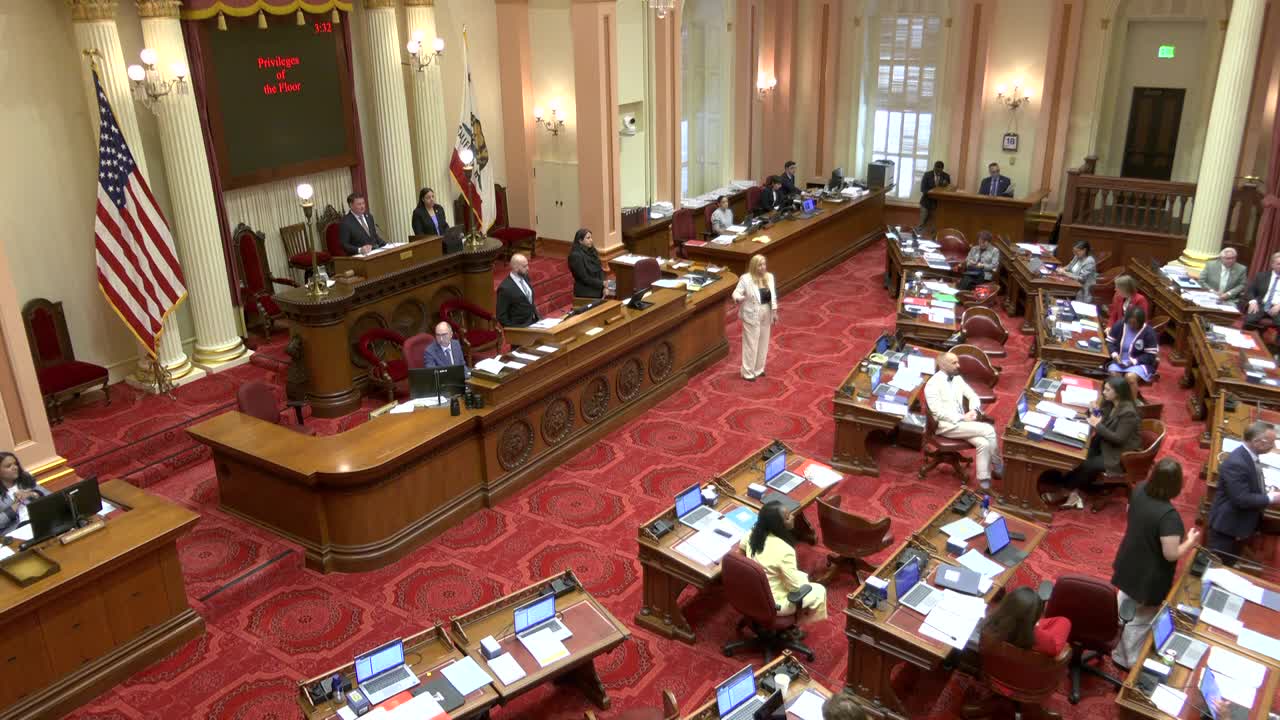
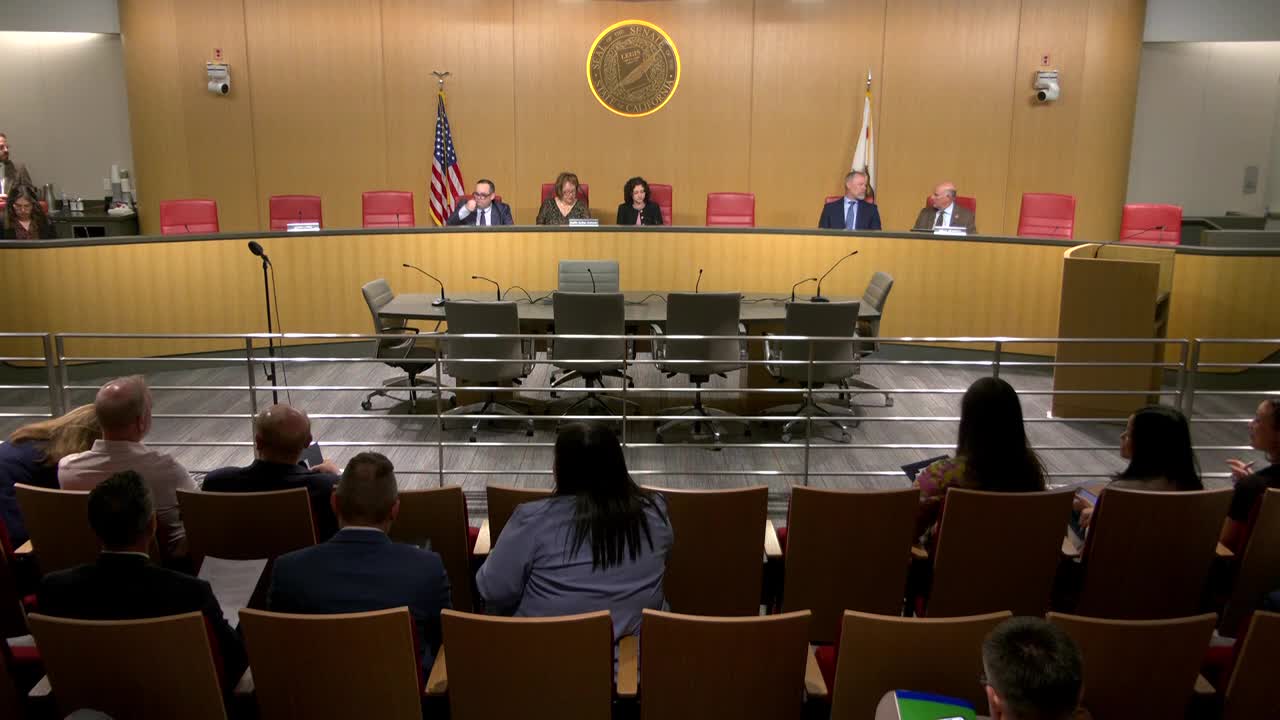
Bill Author