SB 926: Public safety: Funding of Proposition 36 Act.
- Session Year: 2025-2026
- House: Senate
- Latest Version Date: 2026-04-23
Current Status:
In Progress
(2026-05-14: May 14 hearing: Held in committee and under submission.)
Introduced
In Committee
Awaiting First Chamber Vote
Passed First Chamber
In Committee
Awaiting Second Chamber Vote
Passed Second Chamber
Enacted
Existing law generally provides financial support for cities and counties to provide public safety services, including, among other funding, moneys allocated through the Local Revenue Fund 2011 and its accounts. Existing law, enacted by the voters as the Homelessness, Drug Addiction, and Theft Reduction Act (Proposition 36) at the November 5, 2024, statewide general election, authorizes the Board of State and Community Corrections to allocate appropriate funds to counties and local governments for programs under the Treatment-Mandated Felony Act, as specified.
This bill, the Funding of Proposition 36 Act, would create the California Public Safety Services Support Fund to be used, upon appropriation by the Legislature, to implement Proposition 36. The bill would transfer moneys from the General Fund to the California Public Safety Services Support Fund and make an would, upon appropriation by the Legislature for the 202627 fiscal year, as specified. require the funds to be administered by the Board of State and Community Corrections, as specified. The bill would also require, beginning in the 202728 fiscal year, the Governor to annually include a proposed transfer from the General Fund to the California Public Safety Services Support Fund of an amount sufficient to fully fund the continued implementation ongoing administration of Proposition 36 as part of the Governors proposed budget to the Legislature.
This bill would declare that it is to take effect immediately as an urgency statute.
Existing law generally provides financial support for cities and counties to provide public safety services, including, among other funding, moneys allocated through the Local Revenue Fund 2011 and its accounts. Existing law, enacted by the voters as the Homelessness, Drug Addiction, and Theft Reduction Act (Proposition 36) at the November 5, 2024, statewide general election, authorizes the Board of State and Community Corrections to allocate appropriate funds to counties and local governments for programs under the Treatment-Mandated Felony Act, as specified.
This bill, the Funding of Proposition 36 Act, would create the California Public Safety Services Support Fund to be used, upon appropriation by the Legislature, to implement Proposition 36. The bill would transfer moneys from the General Fund to the California Public Safety Services Support Fund and make an appropriation for the 202627 fiscal year, as specified. The bill would also require, beginning in the 202728 fiscal year, the Governor to annually include a proposed transfer from the General Fund to the California Public Safety Services Support Fund of an amount sufficient to fully fund the continued implementation of Proposition 36 as part of the Governors proposed budget to the Legislature.
This bill would declare that it is to take effect immediately as an urgency statute.
This bill would state the intent of the Legislature to enact legislation to provide cities and counties funding to support public safety services and pay public safety services costs.Existing law generally provides financial support for cities and counties to provide public safety services, including, among other funding, moneys allocated through the Local Revenue Fund 2011 and its accounts.
This bill would state the intent of the Legislature to enact legislation to provide cities and counties funding to support public safety services and pay public safety services costs.
This act shall be known as the Funding of Proposition 36 Act.
SEC. 2.The Legislature finds and declares all of the following:
(a)The people of the State of California, by a statewide vote of over 68 percent, including a majority of the votes cast in all of the 58 counties, approved the Homelessness, Drug Addiction, and Theft Reduction Act (Proposition 36) at the November 2024 general election.
(b)Proposition 36 establishes a program of justice system reforms focused on rehabilitation, treatment, and recidivism reduction while promoting accountability focused significantly on the provision of mental health and drug-related treatment.
(c)Notwithstanding the passage of Proposition 36, the state has not yet provided adequate funding to fully implement the prescribed programs.
(d)The continued lack of funding and implementation of Proposition 36 is contrary to the decision of the voters in adopting the measure and undermines its effectiveness.
(e)It is therefore the intent of the Legislature to fully fund the implementation of Proposition 36, and to this end, this act provides a transfer of funds for the 20262027 fiscal year to fund core services and functions key to the success of the initiative which are heretofore unfunded. 36.
(f)This act further requires future Governors to include full funding for the implementation of Proposition 36 in future annual budget proposals.
SEC. 3.Section 7599.205 is added to the Government Code, to read:7599.205.(a)The California Public Safety Services Support Fund is hereby created in the State Treasury. The California Public Safety Services Support Fund, upon appropriation by the Legislature, shall be used to implement the Homelessness, Drug Addition, and Theft Reduction Act.
(b)For the 202627 fiscal year, the Controller shall transfer from the General Fund to the California Public Safety Services Support Fund the amount of four hundred million dollars ($400,000,000). (c)The moneys transferred to(b)Any moneys appropriated by the Legislature to the California Public Safety Services Support Fund for the 202627 fiscal year are hereby appropriated shall be for the purpose of implementing the Homelessness, Drug Addiction, and Theft Reduction Act. The funds shall be administered by the Board of State and Community Corrections and allocated on a statewide equitable basis, taking into account population and caseload, but providing a base minimum, with the funds to be dispersed as follows:
(1)To county behavioral health departments to provide treatment services pursuant to Section 11395 of the Health and Safety Code.
(2)To support interventions in the community and to offset incarceration costs of offenders sentenced to county jail for longer terms as a result of the Homelessness, Drug Addiction, and Theft Reduction Act.
(3)To county probation departments to support the courts, provide individualized assessment to identify treatment options, oversee accountability measures, and supervise an expanded caseload resulting from the Homelessness, Drug Addiction, and Theft Reduction Act.
(4)To counties for administrative costs, county coordination, and best practice implementation.
(5)To district attorneys to offset the additional costs of prosecuting more complex cases pursuant to the Homelessness, Drug Addiction, and Theft Reduction Act.(6)To city police departments to support retail theft reduction programs and other interventions in the community consistent with the Homelessness, Drug Addiction, and Theft Reduction Act. (d)(c)Beginning in the 202728 fiscal year, and annually thereafter, the Governor shall include a proposed transfer from the General Fund to the California Public Safety Services Support Fund of an amount sufficient to fully fund the continued implementation ongoing administration of the Homelessness, Drug Addiction, and Theft Reduction Act as part of the Governors proposed budget to the Legislature.
SEC. 4.This act is an urgency statute necessary for the immediate preservation of the public peace, health, or safety within the meaning of Article IV of the California Constitution and shall go into immediate effect. The facts constituting the necessity are:
In order to fund and implement the essential public safety and treatment programs approved by voters in 2024 as quickly as possible, it is necessary for this act to take effect immediately.
This act shall be known as the Funding of Proposition 36 Act.
SEC. 2.The Legislature finds and declares all of the following:
(a)The people of the State of California, by a statewide vote of over 68 percent, including a majority of the votes cast in all of the 58 counties, approved the Homelessness, Drug Addiction, and Theft Reduction Act (Proposition 36) at the November 2024 general election.
(b)Proposition 36 establishes a program of justice system reforms focused on rehabilitation, treatment, and recidivism reduction while promoting accountability focused significantly on the provision of mental health and drug-related treatment.
(c)Notwithstanding the passage of Proposition 36, the state has not yet provided adequate funding to fully implement the prescribed programs.
(d)The continued lack of funding and implementation of Proposition 36 is contrary to the decision of the voters in adopting the measure and undermines its effectiveness.
(e)It is therefore the intent of the Legislature to fully fund the implementation of Proposition 36, and to this end, this act provides a transfer of funds for the 20262027 fiscal year to fund core services and functions key to the success of the initiative which are heretofore unfunded.
(f)This act further requires future Governors to include full funding for the implementation of Proposition 36 in future annual budget proposals.
SEC. 3.Section 7599.205 is added to the Government Code, to read:7599.205.(a)The California Public Safety Services Support Fund is hereby created in the State Treasury. The California Public Safety Services Support Fund, upon appropriation by the Legislature, shall be used to implement the Homelessness, Drug Addition, and Theft Reduction Act.
(b)For the 202627 fiscal year, the Controller shall transfer from the General Fund to the California Public Safety Services Support Fund the greater of the following: amount of four hundred million dollars ($400,000,000).
(1)Two hundred eighty million dollars ($280,000,000).(2)Six and twenty-two hundredths (6.22) percent of the 202526 transfer from the General Fund to the Special Fund for Economic Uncertainties pursuant to subdivision (e) of Section 16418 of the Government Code.(c)The moneys transferred to the California Public Safety Services Support Fund for the 202627 fiscal year are hereby appropriated for the purpose of implementing the Homelessness, Drug Addiction, and Theft Reduction Act. The funds shall be allocated as follows: administered by the Board of State and Community Corrections and allocated on a statewide equitable basis, taking into account population and caseload, but providing a base minimum, with the funds to be dispersed as follows:
(1)Thirty-five and seventy-one hundredths (35.71) percent to To county behavioral health departments to provide treatment services pursuant to Section 11395 of the Health and Safety Code.
(2)Thirty and thirty-six hundredths (30.36) percent to county sheriffs to To support interventions in the community or and to offset incarceration costs of offenders sentenced to county jail for longer terms as a result of the Homelessness, Drug Addiction, and Theft Reduction Act.
(3)Sixteen and seven hundredths (16.07) percent to To county probation departments to support the courts and courts, provide individualized assessment to identify treatment options and to options, oversee accountability measures measures, and supervise an expanded caseload resulting from the Homelessness, Drug Addiction, and Theft Reduction Act.
(4)Seventeen and eighty-six hundredths (17.86) percent to To counties for administrative costs, county coordination, and best practice implementation.
(5)To district attorneys to offset the additional costs of prosecuting more complex cases pursuant to the Homelessness, Drug Addiction, and Theft Reduction Act.
(6)To city police departments to support retail theft reduction programs and other interventions in the community consistent with the Homelessness, Drug Addiction, and Theft Reduction Act.
(d)Beginning in the 202728 fiscal year, and annually thereafter, the Governor shall include a proposed transfer from the General Fund to the California Public Safety Services Support Fund of an amount sufficient to fully fund the continued implementation of the Homelessness, Drug Addiction, and Theft Reduction Act as part of the Governors proposed budget to the Legislature.
SEC. 4.This act is an urgency statute necessary for the immediate preservation of the public peace, health, or safety within the meaning of Article IV of the California Constitution and shall go into immediate effect. The facts constituting the necessity are:
In order to fund and implement the essential public safety and treatment programs approved by voters in 2024 as quickly as possible, it is necessary for this act to take effect immediately.
This act shall be known as the Funding of Proposition 36 Act.
SEC. 2.The Legislature finds and declares all of the following:
(a)The people of the State of California, by a statewide vote of over 68 percent, including a majority of the votes cast in all of the 58 counties, approved the Homelessness, Drug Addiction, and Theft Reduction Act (Proposition 36) at the November 2024 general election.
(b)Proposition 36 establishes a program of justice system reforms focused on rehabilitation, treatment, and recidivism reduction while promoting accountability focused significantly on the provision of mental health and drug-related treatment.
(c)Notwithstanding the passage of Proposition 36, the state has not yet provided adequate funding to fully implement the prescribed programs.
(d)The continued lack of funding and implementation of Proposition 36 is contrary to the decision of the voters in adopting the measure and undermines its effectiveness.
(e)It is therefore the intent of the Legislature to fully fund the implementation of Proposition 36, and to this end, this act provides a transfer of funds for the 20262027 fiscal year to fund core services and functions key to the success of the initiative which are heretofore unfunded.
(f)This act further requires future Governors to include full funding for the implementation of Proposition 36 in future annual budget proposals.
SEC. 3.Section 7599.205 is added to the Government Code, to read:7599.205.(a)The California Public Safety Services Support Fund is hereby created in the State Treasury. The California Public Safety Services Support Fund, upon appropriation by the Legislature, shall be used to implement the Homelessness, Drug Addition, and Theft Reduction Act.
(b)For the 202627 fiscal year, the Controller shall transfer from the General Fund to the California Public Safety Services Support Fund the greater of the following:
(1)Two hundred eighty million dollars ($280,000,000).
(2)Six and twenty-two hundredths (6.22) percent of the 202526 transfer from the General Fund to the Special Fund for Economic Uncertainties pursuant to subdivision (e) of Section 16418 of the Government Code.
(c)The moneys transferred to the California Public Safety Services Support Fund for the 202627 fiscal year are hereby appropriated for the purpose of implementing the Homelessness, Drug Addiction, and Theft Reduction Act. The funds shall be allocated as follows:
(1)Thirty-five and seventy-one hundredths (35.71) percent to county behavioral health departments to provide treatment services pursuant to Section 11395 of the Health and Safety Code.
(2)Thirty and thirty-six hundredths (30.36) percent to county sheriffs to support interventions in the community or to offset incarceration costs of offenders sentenced to county jail for longer terms as a result of the Homelessness, Drug Addiction, and Theft Reduction Act.
(3)Sixteen and seven hundredths (16.07) percent to county probation departments to support the courts and provide individualized assessment to identify treatment options and to oversee accountability measures and supervise an expanded caseload resulting from the Homelessness, Drug Addiction, and Theft Reduction Act.
(4)Seventeen and eighty-six hundredths (17.86) percent to counties for administrative costs, county coordination, and best practice implementation.
(d)Beginning in the 202728 fiscal year, and annually thereafter, the Governor shall include a proposed transfer from the General Fund to the California Public Safety Services Support Fund of an amount sufficient to fully fund the continued implementation of the Homelessness, Drug Addiction, and Theft Reduction Act as part of the Governors proposed budget to the Legislature.
SEC. 4.This act is an urgency statute necessary for the immediate preservation of the public peace, health, or safety within the meaning of Article IV of the California Constitution and shall go into immediate effect. The facts constituting the necessity are:
In order to fund and implement the essential public safety and treatment programs approved by voters in 2024 as quickly as possible, it is necessary for this act to take effect immediately.
SECTION 1.It is the intent of the Legislature to enact legislation to provide cities and counties funding to support public safety services and pay public safety services costs.It is the intent of the Legislature to enact legislation to provide cities and counties funding to support public safety services and pay public safety services costs.
|
Date
|
Status
|
|---|---|
| May 14, 2026 | May 14 hearing: Held in committee and under submission. |
| May 12, 2026 | Set for hearing May 14. |
| May 11, 2026 | May 11 hearing: Placed on APPR. suspense file. |
| May 4, 2026 | Set for hearing May 11. |
| Apr 23, 2026 | Read second time and amended. Re-referred to Com. on APPR. |
| Apr 22, 2026 | From committee: Do pass as amended and re-refer to Com. on APPR. (Ayes 6. Noes 0. Page 3982.) (April 21). |
| Apr 22, 2026 | From committee: Do pass as amended and re-refer to Com. on APPR. (Ayes 6. Noes 0.) (April 21). |
| Apr 8, 2026 | Set for hearing April 21. |
| Apr 6, 2026 | April 14 set for first hearing canceled at the request of author. |
| Apr 6, 2026 | From committee with author's amendments. Read second time and amended. Re-referred to Com. on PUB. S. |
| Mar 27, 2026 | Set for hearing April 14. |
| Mar 25, 2026 | Re-referred to Com. on PUB. S. |
| Mar 12, 2026 | From committee with author's amendments. Read second time and amended. Re-referred to Com. on RLS. |
| Feb 11, 2026 | Referred to Com. on RLS. |
| Jan 30, 2026 | From printer. May be acted upon on or after March 1. |
| Jan 29, 2026 | Introduced. Read first time. To Com. on RLS. for assignment. To print. |
|
Date
|
Description
|
Location
|
Votes
|
|
|---|---|---|---|---|
| May 11, 2026 | Placed on suspense file | Senate Standing Committee on Appropriations |
Passed |
|
| Apr 21, 2026 | Do pass as amended, but first amend, and re-refer to the Committee on [Appropriations] | Senate Standing Committee on Public Safety |
Passed |
This list shows positions taken on this bill by organizations on the date displayed, which is linked to the original source.
Positions by individuals are not included.
|
Organization
|
Position
|
Date
|
|---|---|---|
| 4 individuals | ** Support | |
| Aclu California Action | ** Against | |
| Arcadia Police Officers’ Association | ** Support | |
| Brea Police Association | ** Support | |
| Burbank Police Officers’ Association | ** Support | |
| California Association of School Police Chiefs | ** Support | |
| California Coalition of School Safety Professionals | ** Support | |
| California Narcotic Officers’ Association | ** Support | |
| Californians for Safety and Justice | ** Against | |
| California Public Defenders Association | ** Against | |
| California Reserve Peace Officers Association | ** Support | |
| California State Association Of Counties | ** Support | |
| Center on Juvenile and Criminal Justice | ** Against | |
| CLAREMONT POLICE OFFICERS ASSOCIATION | ** Support | |
| Contra Costa Public Defenders | ** Against | |
| Corona Police Officers Association | ** Support | |
| Courage California | ** Against | |
| Culver City Police Officers’ Association | ** Support | |
| Disability Rights California | ** Against | |
| Drug Policy Alliance | ** Against | |
| Ella Baker Center For Human Rights | ** Against | |
| Fullerton Police Officers’ Association | ** Support | |
| Justice2jobs Coalition | ** Against | |
| LA Defensa | ** Against | |
| Local 148 Los Angeles County Public Defender’s Union | ** Against | |
| Los Angeles School Police Management Association | ** Support | |
| los angeles school police officers association | ** Support | |
| Murrieta Police Officers’ Association | ** Support | |
| Newport Beach Police Association | ** Support | |
| Orange County Sheriff’s Department | ** Support | |
| Palos Verdes Police Officers Association | ** Support | |
| Peace Officers Research Association Of California | ** Support | |
| Placer County Deputy Sheriffs’ Association | ** Support | |
| Pomona Police Officers’ Association | ** Support | |
| Riverside County District Attorney | ** Support | |
| RIVERSIDE POLICE OFFICERS ASSOCIATION | ** Support | |
| Riverside Sheriffs’ Association | ** Support | |
| San Diego County Sheriff’s Office | ** Support | |
| Smart Justice California | ** Against | |
| The California Baptist Ministry | ** Support | |
| Vera Institute Of Justice | ** Against |
SENATE COMMITTEE ON
Senator Sabrina Cervantes, Chair
2025 - 2026 Regular Session
SB 926 (Strickland) - Public safety: Funding of Proposition 36 Act
Version: | Policy Vote: |
Urgency: | Mandate: |
Hearing Date: | Consultant: |
Bill Summary:
SB 926, the Funding of Proposition 36 Act, would create the California Public Safety Services Support Fund.
Fiscal Impact:
Very major annual cost pressure to fund Proposition 36 related activities (General Fund).
Background:
The Homeless, Drug Addition, and Theft Reduction Act (2024) established by Proposition 36, increased criminal penalties for certain offenses, such as petty theft, property damage and drug possession.
The Treatment-Mandated Felony Act, established by Proposition 36, provides that a person who possesses a hard drug, as specified, with two or more convictions of specified drug crimes is guilty of a wobbler punishable by imprisonment in a county jail for up to a year or as a realigned felony. The act provides that a person who commits a second violation with two or more prior offenses is guilty of a wobbler punishable by up to one year in county jail or by imprisonment in state prison.
Existing law defines grand theft as theft of money, labor, real property, or personal property of a value exceeding $950. Existing law defines grand theft as a wobbler, punishable by imprisonment in a county jail not exceeding one year, or as a felony by imprisonment in the county jail for 16 months, two years, or three years.
Proposed Law:
This bill, the Funding of Proposition 36 Act, would create the California Public Safety Services Support Fund to be used, upon appropriation by the Legislature, to implement Proposition 36. The bill would upon appropriation by the Legislature for the 2026–27 fiscal year require the funds to be administered by the Board of State and Community Corrections, as specified. The bill would also require, beginning in the 2027–28 fiscal year, the Governor to annually include a proposed transfer from the General Fund to the California Public Safety Services Support Fund of an amount sufficient to fund the ongoing administration of Proposition 36 as part of the Governor’s proposed budget to the Legislature.
Staff Comments:
This bill does not contain an appropriation.
SENATE COMMITTEE ON PUBLIC SAFETY
Senator Jesse Arreguín, Chair
2025 - 2026 Regular
Bill No: SB 926 Hearing Date: April 21, 2026
Author: | Strickland | ||
Version: | April 6, 2026 | ||
Urgency: | Yes | Fiscal: | Yes |
Consultant: | ML | ||
Subject: Public safety: Funding of Proposition 36 Act
HISTORY
Source: Author
Prior Legislation: Proposition 36, as approved by the voters on November 5, 2024
Support: Arcadia Police Officers’ Association; Brea Police Association; Burbank Police Officers’ Association; California Association of School Police Chiefs; California Coalition of School Safety Professionals; California Narcotic Officers’ Association; California Reserve Peace Officers Association; California State Association of Counties; Claremont Police Officers Association; Corona Police Officers Association; Culver City Police Officers’ Association; Fullerton Police Officers’ Association; Los Angeles School Police Management Association; Los Angeles School Police Officers Association; Murrieta Police Officers’ Association; Newport Beach Police Association; Orange County Sheriff’s Department; Palos Verdes Police Officers Association; Peace Officers Research Association of California; Placer County Deputy Sheriffs’ Association; Pomona Police Officers’ Association; Riverside County District Attorney; Riverside Police Officers Association; Riverside Sheriffs’ Association; San Diego County Sheriff’s Office; The California Baptist Ministry; 4 Individuals
Opposition: ACLU California Action; California Public Defenders Association; Californians for Safety and Justice; Center on Juvenile and Criminal Justice; Contra Costa Public Defenders; Courage California; Disability Rights California; Drug Policy Alliance; Ella Baker Center for Human Rights; Justice2Jobs Coalition; La Defensa; Local 148 Los Angeles County Public Defender’s Union; Smart Justice California; Vera Institute of Justice
PURPOSE
The purpose of this bill is to establish the California Public Safety Services Support Fund for the purpose of implementing the Homelessness, Drug Addiction, and Theft Reduction Act; to transfer $400 million from the General Fund to the California Public Safety Services Support Fund; and to designate the Board of State and Community Corrections (BSCC) to allocate the California Public Safety Services Support Fund to different county entities on a statewide equitable basis, taking into account population and caseload.
Existing law, the Homelessness, Drug Addiction, and Theft Reduction Act, established by Proposition 36, increased criminal penalties for certain offenses, such as petty theft, property damage, and drug possession. (Pen. Code, §§ 666.1, 12022.6; Health & Saf. Code, §§ 11370.1, 11370.4, 11395.)
Existing law, the Treatment-Mandated Felony Act, established by Proposition 36, provides that a person who possesses a hard drug, as specified, with two or more convictions of specified drug crimes is guilty of a wobbler punishable by imprisonment in a county jail for up to a year or as a realigned felony. Provides that a person who commits a second violation with two or more prior offenses is guilty of a wobbler punishable by up to one year in county jail or by imprisonment in state prison. (Health & Saf. Code, § 11395, subd. (b)(1).)
Existing law requires that a person may not be sentenced to jail or prison for the above drug offense unless a court determines that the person is not eligible or suitable for treatment. (Health & Saf. Code, § 11395, subd. (b)(2).)
Existing law provides that a person charged with the above wobbler offense may, in lieu of a jail or prison sentence, elect treatment by pleading guilty or no contest and admitting alleged prior convictions. Requires the person to complete a detailed treatment program developed by a drug addiction expert and approved by the court. (Health & Saf. Code, § 11395, subd. (d)(1).)
Existing law allows the court to dismiss the charge against the defendant upon the defendant’s successful completion of the treatment program, the positive recommendation of the treatment program, and the motion of the defendant, prosecuting attorney, the court, or the probation department. (Health & Saf. Code, § 11395, subd. (d)(3).)
Existing law allows that if the court finds that the defendant is performing unsatisfactorily in the program, is not benefiting from treatment, is not amenable to treatment, has refused treatment, or has been convicted of a crime that was committed since starting treatment, the prosecuting attorney, the court on its own, or the probation department may make a motion for entry of judgment and sentencing. However, except when the defendant has been found to have been convicted of a crime that was committed since starting treatment, the court may rerefer the defendant to treatment if the court finds that it is in the interest of justice to do so, that the defendant is currently amenable to treatment, and that the defendant agrees to participate and complete the program. (Health & Saf. Code, § 11395, subd. (d)(4).)
Existing law defines “hard drug” to include a substance containing fentanyl, heroin, cocaine, cocaine base, methamphetamine, or phencyclidine, and the analogs of any of these substances, as specified. (Health & Saf. Code, § 11395, subd. (e)(1).)
Existing law makes it a crime to commit the crime of petty theft while having two or more prior convictions for specified theft-related crimes. Makes a first offense a wobbler punishable by up to one year in county jail or as a realigned felony. Makes a second offense a wobbler punishable by up to a year in county jail or state prison. (Pen. Code, § 666.1)
Existing law defines grand theft as theft of money, labor, real property, or personal property of a value exceeding $950. Defines grand theft as a wobbler, punishable by imprisonment in a county jail not exceeding one year, or as a felony by imprisonment in the county jail for 16 months, two years, or three years. (Pen. Code, §§ 487, 489.)
Existing law allows that in any case involving one or more acts of theft the value of property stolen may be aggregated into a single count or charge, with the sum of the value of all property being the value considered in determining the degree of theft. (Pen. Code, § 490.3.)
Existing law allows a sentencing enhancement of one, two, or three years to be applied when an offender acts in concert with two or more persons to take, attempt to take, damage, or destroy property, in the commission or attempted commission of a felony. (Pen. Code, § 12022.65.)
Existing law allows sentencing enhancements when a person takes, damages, or destroys property of at least $50,000 in the commission of a felony. (Pen. Code, § 12022.6.)
Existing law provides a range of sentencing enhancements, ranging from three to 25 years, for possession of 28.35 grams or more, as specified, of fentanyl. (Health & Saf., Code § 11370.4, subd. (c).)
Existing law requires that firearm enhancements for people convicted of specified drug offenses must be served in state prison rather than county jail, regardless of whether the underlying offense is a realigned felony. (Pen. Code, § 12022.)
Existing law, the Funding for the Homelessness, Drug Addiction, and Theft Reduction Act, established by Proposition 36, authorizes the Board of State and Community Corrections (BSCC) to allocate appropriate funds to counties and local governments for programs utilized for Proposition 36’s treatment-mandated felony from moneys disbursed to it via Proposition 47 and the Second Chance Program. Specifies that the ability to use these funding sources does not preclude funding from any other source, including, but not limited to, the Local Revenue Fund 2011 and other funds designated for substance abuse and mental health treatment. (Gov. Code, § 7599.200, subd. (b).)
This bill establishes the California Public Safety Services Support Fund for the purpose of implementing the Homelessness, Drug Addiction, and Theft Reduction Act.
This bill requires the Controller to transfer $400 million from the General Fund to the California Public Safety Services Support Fund.
This bill designates the BSCC to allocate the California Public Safety Services Support Fund to different county entities on a statewide equitable basis, taking into account population and caseload.
This bill requires that the funds be disbursed to: county behavioral health departments to provide treatment services under the Treatment-Mandated Felony Act; to offset incarceration costs; to county probation departments to support courts, provide individualized assessments, oversee accountability measures, and supervise an expanded caseload; to counties for administrative costs; to district attorneys to offset the additional costs of prosecuting more complex cases; and to police departments to support retail theft reduction programs and other interventions in the community.
COMMENTS
- The Need For This Bill
The author writes:
Proposition 36, which was passed by the voters in the November 2024 General Election by over 68% of the statewide vote and by a majority of the votes in all 58 counties, represented a clear message from everyday Californians. They were tired of unchecked theft and wanted to address the addiction and mental health issues that they see around them. To ensure the full, fair and uniform implementation of this law statewide requires that the state commit dedicated, ongoing funding for the treatment programs, pretrial services, and criminal justice requirements specified by Proposition 36. The current one-time allocations and repurposed grants spread over multiple years do not allow for the implementation of the law. This current mismatch of funding not only derails the treatment-focused outcomes that voters strongly support but also increases long-term costs from untreated addiction and risks lost opportunity and momentum.
- Proposition 36
- Treatment-Mandated Felony
Proposition 36 was approved by the voters on November 5, 2024. Among its many provisions, Proposition 36 established the treatment-mandated felony, which can be charged when a person is arrested for possession of specified controlled substances and who has two or more prior convictions for specified drug offenses. (Health & Saf. Code, § 11395, subds. (b) & (c).) This offense can be charged as a misdemeanor or a felony, and it allows a person charged under its provisions to complete a treatment program in lieu of serving time in jail or prison. (Health & Saf. Code, § 11395, subds. (b) & (c).) A “treatment program may include, but is not limited to, drug treatment, mental health treatment, job training, and any other conditions related to treatment or a successful outcome for the defendant that the court finds appropriate.” (Health & Saf. Code, § 11395, subd. (d)(2).) Although it did not provide a funding mechanism, Proposition 36 authorizes BSCC to allocate appropriate funds to counties and local governments for programs specified in its treatment-mandated felony provision from Proposition 47 and the Second Chance Program funds. (Gov. Code, § 7599.200, subd. (b).)
- Petty Theft Felony
Proposition 36 also makes a new offense for committing the crime of petty theft while having two or more prior convictions for specified theft-related crimes. A first offense is a wobbler punishable by up to one year in county jail or as a realigned felony. A second offense is a wobbler punishable by up to a year in county jail or by imprisonment in state prison. (Pen. Code, § 666.1)
- Theft Enhancements
Under existing law, grand theft is theft of money, labor, real property, or personal property of a value exceeding $950. Grand theft is a wobbler, punishable by imprisonment in a county jail not exceeding one year, or as a felony by imprisonment in the county jail for 16 months, two years, or three years. (Pen. Code, §§ 487, 489.)
Proposition 36 now allows that in any case involving one or more acts of theft, the value of property stolen may be aggregated into a single count or charge, with the sum of the value of all property being the value considered in determining the degree of theft. (Pen. Code, § 490.3.) Proposition 36 further enacts sentencing enhancements when a person takes, damages, or destroys property of at least $50,000 in the commission of a felony. (Pen. Code, § 12022.6.)
Proposition 36 also allows a sentencing enhancement of one, two, or three years to be applied when an offender acts in concert with two or more persons to take, attempt to take, damage, or destroy property, in the commission or attempted commission of a felony. (Pen. Code, § 12022.65.)
- Controlled Substance Weight Enhancement
Proposition 36 provides a range of sentencing enhancements, ranging from three to 25 years, for possession of 28.35 grams or more of fentanyl. (Health & Saf., Code § 11370.4, subd. (c).)
- Firearm Enhancement
Proposition 36 alters a certain firearm enhancement for people convicted of specified drug offenses so that their sentences must be served in state prison rather than county jail. (Pen. Code, § 12022.)
- Proposition 36 Implementation
During 2025, the first full year of Proposition 36’s implementation, the courts received 19,104 felony drug cases and 15,508 felony theft cases (Pen. Code, § 666.1), totaling 34,612 felony Prop. 36 cases. (Judicial Council of California, Annual Proposition 36 Court Implementation Report (January 2025 to December 2025), (Mar. 6, 2026) <https://abgt.assembly.ca.gov/system/files/2026-03/annual-proposition-36-court-data-report-handout.pdf> [access April 12, 2026].) So far, nearly 900 Californians have already been sent to state prison on Proposition 36 charges. (Center on Juvenile & Criminal Justice, Prop 36 Promised Treatment. It’s Delivering Incarceration, (Mar. 18, 2026) <https://www.cjcj.org/reports-publications/report/prop-36-promised-treatment-its-delivering-incarceration> [accessed April 12, 2026].) Jail populations have grown by nearly 3,000 since Proposition 36’s passage, driven by a surge in unsentenced felony bookings. (Ibid.) Fewer than one in five people arrested on Proposition 36 drug charges have been ordered to treatment, and fewer than one in one hundred have completed a program. Ibid. Long wait times for treatment beds, high costs, and the inherent limitations of court-mandated treatment, are contributing to this gap. Charging rates vary by county, with Orange County, or example, accounting for nearly 20% of Proposition 36 charges and 40% of theft convictions. (Ibid.)
- Prior Funding for Proposition 36 Implementation
Proposition 36 authorized the BSCC to allocate appropriate funds to counties and local governments for programs utilized for Proposition 36’s treatment-mandated felony from moneys disbursed to it via Proposition 47 and the Second Chance Program.
The author notes that the 2025-26 California State Budget provided one-time funding for Proposition 36 implementation—$100M spread over 3 years and $127M in repurposed grants. (AB 102, Ch. 5, Stats of 2025.) Specifically, the budget allocated $20 million to the Judicial Council, $50 million to the Department of Health Care Services, $15 million for county public defenders, and $15 million for county probation departments. Notably, these budget allocations contained extensive and specific reporting requirements.
- The Effect of This Bill
This bill establishes the California Public Safety Services Support Fund for the purpose of implementing Proposition 36 and requires the Controller to transfer $400 million from the General Fund to the California Public Safety Services Support Fund.
The bill further designates the BSCC to allocate the California Public Safety Services Support Fund to different county entities on a statewide equitable basis, taking into account population and caseload.
The funds would be dispersed for the following purposes:
- To county behavioral health departments to provide treatment services.
- To support interventions in the community and to offset incarceration costs of offenders sentenced to county jail for longer terms as a result of Prop. 36.
- To county probation departments to support the courts, provide individualized assessment to identify treatment options, oversee accountability measures, and supervise an expanded caseload
- To counties for administrative costs, county coordination, and best practice implementation.
- To district attorneys to offset the additional costs of prosecuting more complex cases pursuant to Prop. 36.
- To city police departments to support retail theft reduction programs and other interventions in the community.
- Issues for the Committee to Consider
- Budget Process
Typically, appropriations such as these are pursued through the state’s budget process and reviewed by the legislative budget committees. Due to their expertise and focus, budget committees have greater ability to assess the overall funding landscape when considering budget requests such as this one. Generally, for these reasons, this Committee does not appropriate funds and recommends such requests be pursued through the budget process.
Notably, the author submitted a request for $400 million for Proposition 36 funding to the Senate Budget Committee, which is being advanced simultaneously with this bill.
- Funding Guidelines
This bill creates a grant program, administered by the BSCC, but provides minimal guidelines by which the funds must be disbursed. The bill says funds must be disbursed “on an equitable basis, considering population and caseload.” This lack of specific guidelines is notable for such a large appropriation of $400 million.
By contrast, the budget allocation to the Department of Health Care Services (DHCS) for Proposition 36 implementation in last year’s State Budget required that “[c]ounties shall spend at least 50 percent of the funds allocated pursuant to this provision to support planning and capacity building activities to expand and accelerate services, including, but not limited to, capital for housing and treatment, including recovery housing; hiring, training, and development of policies and procedures; support for information technology infrastructure costs, including, but not limited to, changes needed to electronic medical record systems; and changes needed for reporting data, and case tracking. No matching funds are required for any portion of a county’s allocation that is expended solely on planning and capacity building activities.”
The Committee may consider requiring more specific guidelines as to how the $400 million in this bill will be allocated among the designated uses.
- Data Reporting and Accountability Measures
This bill’s grant program contains no reporting requirements. By contrast, the State Budget allocations last year for Proposition 36 implementation required courts, DHCS, probation departments, and public defenders, to track and report data concerning Proposition 36 charges, incarceration, costs, and outcomes. The Committee may consider including similar reporting requirements in this bill.
- Behavioral Health Needs
The author and advocates note that there is limited enrollment in Proposition 36-related treatment, but that “a significant number of offenders are interested and eligible for treatment if there were available resources and capacity.” Given the need for treatment and the lack of available treatment beds, the Committee may consider striking the provisions of this bill that provide funding to law enforcement, district attorneys, sheriffs, and probation departments, and concentrate funding on behavioral health treatment expansion instead.
- Argument in Support
The San Diego County Sheriff’s Office writes:
Local detention facilities have increasingly become the first point of contact for individuals struggling with substance use disorders and co-occurring medical and mental health conditions. For many, a jail stay represents the first real opportunity for intervention, stabilization, and connection to treatment services. However, without adequate funding, these facilities are limited in their ability to provide the level of care necessary to truly change outcomes.
SB 926 is critical because it recognizes that Proposition 36 cannot succeed without meaningful investment for the local level—particularly within local detention systems. With these resources, local agencies can expand access to in-custody treatment programs, enhance medical and behavioral health services, and build stronger reentry connections that ensure continuity of care upon release. This approach not only addresses the immediate needs of individuals in custody but also reduces recidivism and improves long-term public safety.
Investing in treatment within detention facilities is both a public health and public safety imperative. By elevating the standard of care in our jails, SB 926 allows us to move beyond a cycle of arrest and release toward a system that prioritizes recovery, accountability, and stability.
- Argument in Opposition
Californians for Safety and Justice write:
SB 926 proposes that for the 2026-27 fiscal year, $400 million from the General Fund is allocated to implementing Proposition 36. This includes money to city police departments, to district attorneys, to county probation departments, to fund incarceration in local jails, to county governments for administrative costs, and to county behavioral health departments. With the most recent set of amendments, SB 926 falls short of transparency and fails to include robust guidance on how the funds would be divided amongst the receiving entities.
The 2025-26 budget act included a one-time $100 million General Fund allocation to provide non-competitive grants to counties for Proposition 36 implementation over three years. After a series of informational hearings and conversations amongst stakeholders, the Governor and the Legislature found that the highest funding priorities were the Department of Health Care Services, the Courts, Pretrial Services, and Indigent Defense, as reflected in the enacted budget. SB 926 represents a significant departure from these funding priorities and notably excludes funding for public defenders and the courts.
SB 926 proposes substantial new funding for prosecutors, law enforcement, and probation as the state is facing a significant budget shortfall and ongoing cuts to federal funding. AB 109 funding under Public Safety Realignment, already directs $2 billion annually (more than 1% of California’s entire state budget) to these stakeholders. This substantial annual funding allocation was put in place for precisely this purpose - to support county efforts to manage, supervise, and rehabilitate non-serious, non-violent and non-sex offenders formerly handled by state prisons.
While we fully believe that investing more resources into treatment and behavioral health is essential, SB 926 is not the right pathway to do so.
-- END --
Discussed in Hearing
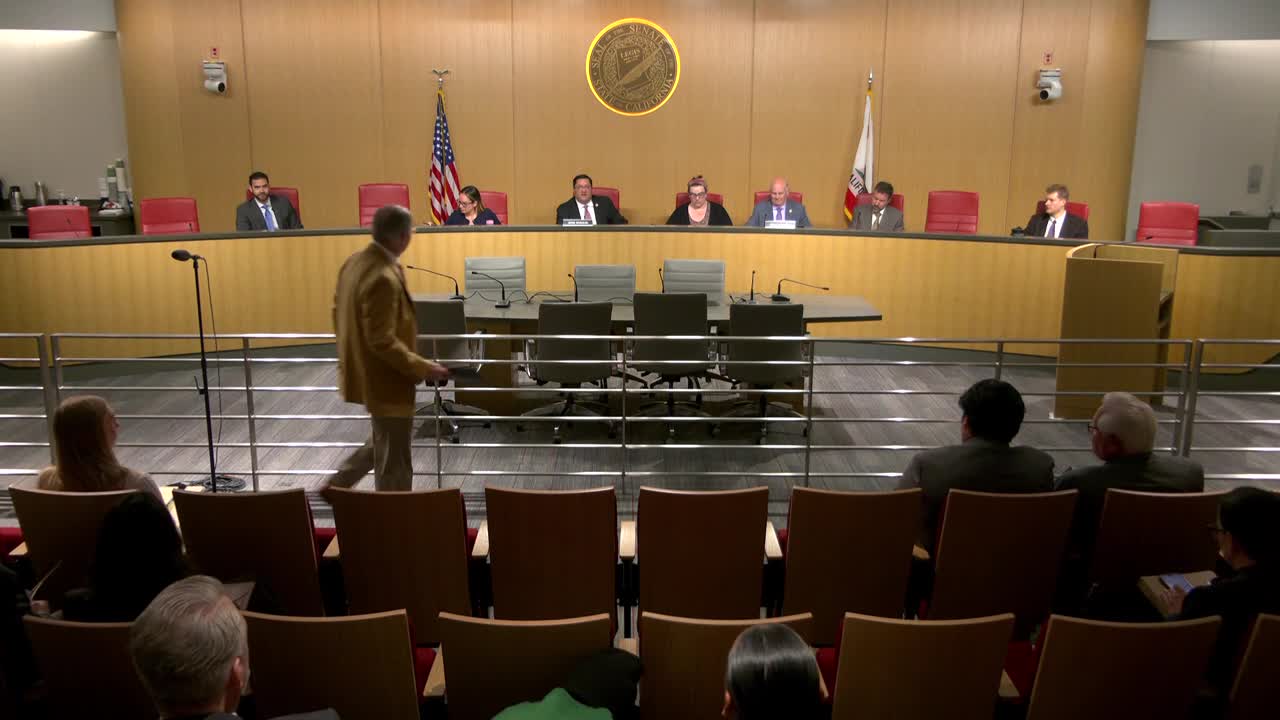 23MIN
Senate Standing Committee on Public Safety
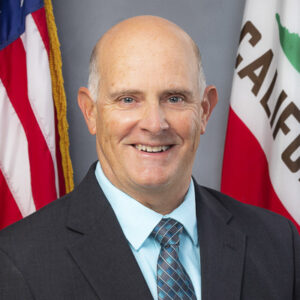
Bill Author