SB 95: Sellers of travel: travel consolidators: fraud.
- Session Year: 2025-2026
- House: Senate
- Latest Version Date: 2025-04-10
Current Status:
Failed
(2026-02-02: Returned to Secretary of Senate pursuant to Joint Rule 56.)
Introduced
In Committee
Awaiting First Chamber Vote
Passed First Chamber
In Committee
Awaiting Second Chamber Vote
Passed Second Chamber
Enacted
Existing law regulates sellers of travel, as defined, and requires a seller of travel to annually register with the Attorney General. Existing law, unless an exception applies, requires a seller of travel to establish a trust fund to deposit money received from persons for travel services and prohibits the seller of travel from withdrawing money from the trust account except for specified purposes, including to make refunds to the passenger. Existing law exempts a seller of travel from the requirement to establish a trust account under specified circumstances, including if the seller of travel is a participant in a Consumer Protection Deposit Plan or uses a Consumer Protection Escrow Plan and meets specified requirements. Existing law imposes an obligation on a seller of travel either to provide the air or sea transportation or travel service purchased by the passenger or to make a refund within a certain period of time, except as specified. Existing law establishes the Travel Consumer Restitution Corporation to provide restitution to a person aggrieved, as defined, and provides for payment of claims from the Travel Consumer Restitution Fund established by the Travel Consumer Restitution Corporation.
This bill would specify the term seller of travel includes a travel consolidator, as defined. The bill would require an air carrier to refund a person who purchased air travel a ticket or voucher for air transportation from a seller of travel if the person is a victim of fraud committed by the seller of travel, the air carrier had actual knowledge of the fraud, seller of travels fraudulent business practice, and the person was unable to procure a refund from the seller of travel within a reasonable time. If the seller of travel is not registered, the bill would specify that the sale is voidable by the purchaser. Because a violation of the provisions regulating sellers of travel is a misdemeanor or a felony, depending on the circumstances, this bill would expand the scope of a crime and would therefore impose a state-mandated local crime.
The California Constitution requires the state to reimburse local agencies and school districts for certain costs mandated by the state. Statutory provisions establish procedures for making that reimbursement.
This bill would provide that no reimbursement is required by this act for a specified reason.
Existing law regulates sellers of travel, as defined, and requires a seller of travel to annually register with the Attorney General. Existing law, unless an exception applies, requires a seller of travel to establish a trust fund to deposit money received from persons for travel services and prohibits the seller of travel from withdrawing money from the trust account except for specified purposes, including to make refunds to the passenger. Existing law exempts a seller of travel from the requirement to establish a trust account under specified circumstances, including if the seller of travel is a participant in a Consumer Protection Deposit Plan or uses a Consumer Protection Escrow Plan and meets specified requirements. Existing law imposes an obligation on a seller of travel either to provide the air or sea transportation or travel service purchased by the passenger or to make a refund within a certain period of time, except as specified. Existing law establishes the Travel Consumer Restitution Corporation to provide restitution to a person aggrieved, as defined, and provides for payment of claims from the Travel Consumer Restitution Fund established by the Travel Consumer Restitution Corporation.
This bill would specify the term seller of travel includes a travel consolidator, as defined. The bill would require an air carrier to refund a person who purchased air travel from a seller of travel if the person is a victim of fraud committed by the seller of travel, the air carrier had actual knowledge of the fraud, and the person was unable to procure a refund from the seller of travel within a reasonable time. If the seller of travel is not registered, the bill would specify that the sale is voidable by the purchaser. Because a violation of the provisions regulating sellers of travel is a misdemeanor or a felony, depending on the circumstances, this bill would expand the scope of a crime and would therefore impose a state-mandated local crime.
The California Constitution requires the state to reimburse local agencies and school districts for certain costs mandated by the state. Statutory provisions establish procedures for making that reimbursement.
This bill would provide that no reimbursement is required by this act for a specified reason.
Existing law specifies that every person is liable to punishment by the laws of this State for a public offense committed by them therein, except where the public offense is, by law, cognizable exclusively in the courts of the United States. Existing law also specifies that, except as otherwise provided by law, the jurisdiction of every public offense is in any competent court within the jurisdictional territory in which it is committed.This bill would make technical, nonsubstantive changes to those provisions.Existing law specifies that every person is liable to punishment by the laws of this State for a public offense committed by them therein, except where the public offense is, by law, cognizable exclusively in the courts of the United States. Existing law also specifies that, except as otherwise provided by law, the jurisdiction of every public offense is in any competent court within the jurisdictional territory in which it is committed.
This bill would make technical, nonsubstantive changes to those provisions.
(a)Seller of travel means a person who sells, provides, furnishes, contracts for, arranges, or advertises that they can or may arrange, or has arranged, wholesale or retail, either of the following:
(1)Air or sea transportation either separately or in conjunction with other travel services.
(2)Land or water vessel transportation, other than sea carriage, either separately or in conjunction with other travel services if the total charge to the passenger exceeds three hundred dollars ($300).
(b)Seller of travel includes a travel consolidator. Travel consolidator means an entity that purchases airline tickets in bulk from an airline and resells the tickets to travel agencies or directly to consumers tickets or vouchers for air transportation from an air carrier and resells the tickets or vouchers to travel agencies or directly to passengers at a discount.
(c)Seller of travel does not include any of the following:
(1)An air carrier.
(2)An ocean carrier.
(3)A hotel, motel, or similar lodging establishment where in the course of selling, providing, furnishing, contracting for, or arranging transient lodging accommodations and related services for its registered guests, it also arranges for transportation and does not directly or indirectly receive any money or other valuable consideration for arranging or providing that transportation.
(4)A person or organization certified under Part 5 (commencing with Section 12140) of Division 2 of the Insurance Code, except such a person or organization shall comply with the registration and fee provisions of Sections 17550.20 and 17550.21 for each location at which air or sea transportation is sold either separately or in conjunction with other travel services.
(5)A motor or rail carrier or water vessel operator holding the required permit, license, or other authority to operate from a state, federal, or other governmental entity.
(d)Notwithstanding any other provision of law, a reference in this article or Article 2.7 (commencing with Section 17550.35) to air or sea transportation or to an air or sea carrier, includes land or water vessel transportation, as described in subdivision (a), and a motor carrier or water vessel operator.
SEC. 2.Section 17550.31 is added to the Business and Professions Code, to read:17550.31.(a)Notwithstanding any other law, if a person who purchases air travel a ticket or voucher for air transportation is a victim of fraud committed by the seller of travel, the air carrier has actual knowledge of the fraud, seller of travels fraudulent business practice, and the person is unable to procure a refund from the seller of travel within a reasonable time, the air carrier shall refund the person. If the seller of travel is not registered pursuant to this article, the sale is voidable by the purchaser.
(b)For purposes of this section:
(1)Fraud means an act of deceit under Section 1710 of the Civil Code or an act proscribed under Section 1770 of the Civil Code.
(2)Actual knowledge of the seller of travels fraudulent business practice means actual knowledge that the seller of travel is engaged in a course of conduct that violates Section 1710 or 1770 of the Civil Code.
(c)If the plaintiff prevails in an action to enforce their rights under this section, the court shall award the plaintiff reasonable attorneys fees and costs.
SEC. 3.No reimbursement is required by this act pursuant to Section 6 of Article XIIIB of the California Constitution because the only costs that may be incurred by a local agency or school district will be incurred because this act creates a new crime or infraction, eliminates a crime or infraction, or changes the penalty for a crime or infraction, within the meaning of Section 17556 of the Government Code, or changes the definition of a crime within the meaning of Section 6 of Article XIIIB of the California Constitution.
(a)Seller of travel means a person who sells, provides, furnishes, contracts for, arranges, or advertises that he or she they can or may arrange, or has arranged, wholesale or retail, either of the following:
(1)Air or sea transportation either separately or in conjunction with other travel services.
(2)Land or water vessel transportation, other than sea carriage, either separately or in conjunction with other travel services if the total charge to the passenger exceeds three hundred dollars ($300).
(b)Seller of travel includes a travel consolidator. Travel consolidator means an entity that purchases airline tickets in bulk from an airline and resells the tickets to travel agencies or directly to consumers at a discount.
(b)(c)Seller of travel does not include any of the following:
(1)An air carrier.
(2)An ocean carrier.
(3)A hotel, motel, or similar lodging establishment where in the course of selling, providing, furnishing, contracting for, or arranging transient lodging accommodations and related services for its registered guests, it also arranges for transportation and does not directly or indirectly receive any money or other valuable consideration for arranging or providing that transportation.
(4)A person or organization certified under Part 5 (commencing with Section 12140) of Division 2 of the Insurance Code, except such a person or organization shall comply with the registration and fee provisions of Sections 17550.20 and 17550.21 for each location at which air or sea transportation is sold either separately or in conjunction with other travel services.
(5)A motor or rail carrier or water vessel operator holding the required permit, license, or other authority to operate from a state, federal, or other governmental entity.
(c)(d)Notwithstanding any other provision of law, a reference in this article or Article 2.7 (commencing with Section 17550.35) to air or sea transportation or to an air or sea carrier, includes land or water vessel transportation, as described in subdivision (a), and a motor carrier or water vessel operator.
SEC. 2.Section 17550.31 is added to the Business and Professions Code, to read:17550.31.Notwithstanding any other law, if a person who purchases air travel is a victim of fraud committed by the seller of travel, the air carrier has actual knowledge of the fraud, and the person is unable to procure a refund from the seller of travel within a reasonable time, the air carrier shall refund the person. If the seller of travel is not registered pursuant to this article, the sale is voidable by the purchaser.
SEC. 3.No reimbursement is required by this act pursuant to Section 6 of Article XIIIB of the California Constitution because the only costs that may be incurred by a local agency or school district will be incurred because this act creates a new crime or infraction, eliminates a crime or infraction, or changes the penalty for a crime or infraction, within the meaning of Section 17556 of the Government Code, or changes the definition of a crime within the meaning of Section 6 of Article XIIIB of the California Constitution.
SECTION 1.Section 777 of the Penal Code is amended to read:777.Every person is liable to punishment by the laws of this State for a public offense committed by them therein, except where it is, by law, cognizable exclusively in the courts of the United States. Except as otherwise provided by law, the jurisdiction of every public offense is in any competent court within the jurisdictional territory in which it is committed.Every person is liable to punishment by the laws of this State, State for a public offense committed by him them therein, except where it is by law is, by law, cognizable exclusively in the courts of the United States; and except States. Except as otherwise provided by law law, the jurisdiction of every public offense is in any competent court within the jurisdictional territory of in which it is committed.
|
Date
|
Status
|
|---|---|
| Feb 2, 2026 | Returned to Secretary of Senate pursuant to Joint Rule 56. |
| May 23, 2025 | May 23 hearing: Held in committee and under submission. |
| May 16, 2025 | Set for hearing May 23. |
| May 5, 2025 | May 5 hearing: Placed on APPR. suspense file. |
| Apr 25, 2025 | Set for hearing May 5. |
| Apr 23, 2025 | From committee: Do pass and re-refer to Com. on APPR. (Ayes 13. Noes 0. Page 833.) (April 22). Re-referred to Com. on APPR. |
| Apr 10, 2025 | From committee with author's amendments. Read second time and amended. Re-referred to Com. on JUD. |
| Apr 7, 2025 | From committee: Do pass and re-refer to Com. on JUD. (Ayes 10. Noes 0. Page 679.) (April 7). Re-referred to Com. on JUD. |
| Apr 1, 2025 | Set for hearing April 22 in JUD. pending receipt. |
| Mar 26, 2025 | Set for hearing April 7. |
| Mar 19, 2025 | Re-referred to Coms. on B. P. & E.D. and JUD. |
| Mar 12, 2025 | From committee with author's amendments. Read second time and amended. Re-referred to Com. on RLS. |
| Feb 5, 2025 | Referred to Com. on RLS. |
| Jan 24, 2025 | From printer. May be acted upon on or after February 23. |
| Jan 23, 2025 | Introduced. Read first time. To Com. on RLS. for assignment. To print. |
|
Date
|
Description
|
Location
|
Votes
|
|
|---|---|---|---|---|
| May 5, 2025 | Placed on suspense file | Senate Standing Committee on Appropriations |
Passed |
|
| Apr 22, 2025 | Do pass, but first be re-referred to the Committee on [Appropriations] | Senate Standing Committee on Judiciary |
Passed |
|
| Apr 7, 2025 | Do pass, but first be re-referred to the Committee on [Judiciary] | Senate Standing Committee on Business, Professions and Economic Development |
Passed |
This list shows positions taken on this bill by organizations on the date displayed, which is linked to the original source.
Positions by individuals are not included.
SENATE COMMITTEE ON
Senator Anna Caballero, Chair
2025 - 2026 Regular Session
SB 95 (Umberg) - Sellers of travel: travel consolidators: fraud
Version: | Policy Vote: |
Urgency: | Mandate: |
Hearing Date: | Consultant: |
Bill Summary:
SB 95 specifies that a travel consolidator is a seller of travel (SOT) for purposes of the Sellers of Travel Law, and requires an air carrier to refund a person who purchases a ticket or voucher for air transportation if certain conditions are met.
Fiscal Impact:
Unknown, potentially significant workload cost pressures to the courts to adjudicate alleged violations of this measure (Trial Court Trust Fund, General Fund).
Background:
SB 918 (Speier, Chapter 1123, Statutes of 1994), established the Sellers of Travel Law. The law requires all sellers of travel to register with the Attorney General’s (AG) office, pay an annual fee to fund the program, and pay annual assessments into the self-sustaining Travel Consumer Restitution Fund (TCRF). This SOT Law provides specific protections to consumers who purchase sea or air transportation singly or in conjunction with other travel services, such as lodging and car rentals. The SOT Law applies to all sellers located in California, as well as those who sell or offer to sell from locations outside the state to persons located in California. The SOT Law applies to both retail and wholesale transactions, and covers sales by tour operators, consolidators, and wholesalers. The SOT Law does not cover a seller who only offers lodging or bus or train tours without also offering air or sea transportation. Lodging establishments that book travel for their guests and accept no money for doing so, along with airlines, and cruise lines are also not covered by this law.
The SOT Law provides several layers of protections for consumers, including:
- Disclosure and identification of the seller. Among other things, SOTs must disclose business addresses, fictitious business names, identifying information of principals and owners, any relationship with airlines, and the location of a trust account or information about a surety bond. The registration number, displayed in all advertising and offers to sell, is a means of identifying the businesses in the event of claims or complaints and does not indicate any review or approval of the business by the AG’s office. Therefore, so long as the seller discloses the necessary information in its application and pays the appropriate fees, the registration will be approved and a registration number issued.
- Financial protections. Some SOTs must deposit payments into a trust account or obtain a surety bond on behalf of their customers. In addition, sellers receiving payment from a passenger may not use that money for any other purpose (i.e., to buy travel on behalf of another passenger, pay rent or business overhead, or any personal use) until it has delivered the purchased goods and services.
- Restitution fund. The Travel Consumer Restitution Corporation (TCRC) is a private non-profit corporation which administers the TCRF. If the purchaser is located in California and the purchase is from a registered SOT whose principal place of business is also in California, and the purchaser does not receive what he or she contracted to purchase, the purchaser can file a claim with the TCRC. Registered California sellers and out-of-state sellers whose stock is nationally traded are required to pay annual assessments to the TCRC.
- Written disclosures., A SOT must provide the purchaser with various written disclosures prior to or at the time of receiving any payment.
In addition to those primary purposes highlighted above, the SOT Law also provides for a number of guarantees. In the event that there is a cancellation, the purchaser is entitled to receive a prompt and automatic refund. If there is a material misrepresentation by the SOT, the SOT Law likewise requires a refund. Finally, the SOT Law provides that once the SOT has received the purchaser’s full payment, the purchased tickets must be promptly delivered.
Proposed Law:
- Provides that a “seller of travel” includes a travel consolidator. Defines a “travel consolidator” as an entity that purchases tickets or vouchers for air transportation from an air carrier and resells the tickets or vouchers to travel agencies or directly to passengers at a discount.
- Requires an air carrier to refund a person who purchases a ticket or voucher for air transportation if the person is a victim of fraud committed by the SOT, the air carrier has actual knowledge of the SOT’s fraudulent business practice, and the person is unable to procure a refund from the SOT within a reasonable time. Provides that if the SOT is not registered under the SOT Law, then the sale is voidable by the purchaser.
Staff Comments:
The fiscal impact of this bill to the courts will depend on many unknown factors, including the numbers of violations alleged to have occurred, if parties are able to settle the matter before the filing of an action, and the factors unique to each case. It generally costs about $1,000 to operate a courtroom for one hour. Therefore, if actions are filed as a result of this bill that take 50 or more hours of court involvement, the cost pressures of this measure to the courts would surpass this committee’s Suspense File threshold. Although courts are not funded on the basis of workload, increased staff time and resources may create a need for increased funding for courts from the General Fund to perform existing duties. Numerous trial court operations are funded through the imposition and collection of criminal fines and fees. However, the Legislature has reduced and eliminated criminal fines and fees over the past decade.
-- END --
Senator Thomas Umberg, Chair
2025-2026 Regular Session
Bill No: SB 95 (Author:Umberg)
Version: April 10, 2025
Hearing Date: April 22, 2025
Fiscal: Yes
Urgency: No
Consultant: AWM
SUBJECT
Sellers of travel: travel consolidators: fraud
DIGEST
This bill requires a travel consolidator, as defined, to register as a seller of travel for purposes of the Sellers of Travel Law, and requires an air carrier to refund the airfare of a consumer who was defrauded by a seller of travel when certain conditions are met.
EXECUTIVE SUMMARY
Under current law, sellers of travel—persons who provide, furnish, contract for, or advertise that they can make travel arrangements for consumers—are regulated under the Sellers of Travel Law and are required to register with the Attorney General. Travel consolidators—entities that purchase airline tickets from an airline in bulk and resell them to travel agencies or directly to consumers at a discount—are not currently required to register. According to the author, this loophole has allowed unscrupulous travel consolidators to operate scams wherein they pose as an airline and sell consumers airfare under significantly worse terms than if the consumer had purchased the airfare from the airline or a legitimate travel booking site.
This bill is intended to protect consumers from such scams in two ways. First, the bill adds “travel consolidator” to the definition of “seller of travel,” thereby requiring them to register with the Attorney General and otherwise conform to the Sellers of Travel Law. Second, this bill requires an airline to refund a person’s airfare when (1) the person was defrauded by a seller of travel (including a travel consolidator), (2) the person was unable to get a refund from the seller of travel within a reasonable time, and (3) the airline had actual notice that the seller of travel was engaging in a fraudulent course of conduct. Additionally, in such circumstances, if the seller of travel failed to register under the Sellers of Travel Law, the ticket purchase is voidable by the purchaser.
This bill is sponsored by the author. The Committee has not received timely opposition to this bill. The Senate Business, Professions and Economic Development Committee passed this bill with a vote of 10-1.
PROPOSED CHANGES TO THE LAW
Existing law:
- Makes Legislative findings and declarations related to the importance of eliminating unfair advertising, sales, and business practices by sellers of travel, and the need to establish standards that will safeguard the people against financial hardship arising from unethical practices in the travel businesses. (Bus. & Prof. Code, § 17550.)
- Defines “seller of travel” as follows:
- “Seller of travel” means a person who sells, provides, furnishes, contracts for, arranges, or advertises that they can or may arrange, or has arranged, wholesale or retail, either (1) air or sea transportation, either separately or in conjunction with other travel services; or (2) land or water vessel transportation, other than sea carriage, either separately or in conjunction with other travel services, if the total charge to the passenger is over $300.
- “Seller of travel” does not include (1) an air carrier; (2) an ocean carrier; (3) a hotel, motel, or similar lodging establishment where in the course of selling, providing, furnishing, contracting for, or arranging transient lodging accommodations and related services for its registered guests, it also arranges for transportation that does not directly or indirectly receive any money or valuable consideration for arranging or providing the transportation; (4) a person or organization organized as a motor club under the Insurance Code, except as specified; (5) a motor or rail carrier or water vessel operator holding the required permit, license, or other authority to operate from a state, federal, or other governmental entity. (Bus. & Prof. Code, § 17550.1.)
- Defines “passenger” as a person on whose behalf money or other consideration has been given or is given to another, including another member of the same partnership, corporation, joint venture, association, organization, group, or other entity, for air or sea transportation, other travel services, or both, to that person. (Bus. & Prof. Code, § 17550.3.)
- Defines “air carrier” as a transporter by air of persons that operates under a certificate of convenience and necessity issued by the United States Department of Transportation or under the certification of a foreign government that is recognized by the United States Department of Transportation. (Bus. & Prof. Code, § 17550.4.)
- Defines “ticket or voucher” as a writing that is itself good and sufficient to obtain the entire air or ocean transportation, or travel services, which the passenger has purchased. (Bus. & Prof. Code, § 17550.5.)
- Defines “officially appointed agent” as agent expressly appointed as such, without reservation, for a specified time period, in a written instrument executed by the principal or an authorized representative of the principal, as specified. (Bus. & Prof. Code, § 17550.6.)
- Establishes requirements for sellers of travel within the Sellers of Travel Law, including:
- Establishing requirements for written materials that must be provided to a passenger.
- Establishing requirements for when and how refunds must be provided.
- Establishing that a seller of travel has a fiduciary duty with respect to all sums received for transportation or travel services, and requiring that a seller of travel either hold passenger funds in trust, as provided, or maintain an adequate bond, as specified. (Bus. & Prof. Code, §§ 17550.13-17550.17)
- Requires a seller of travel to apply for registration with the Attorney General before doing business in this state, as provided; every seller of travel whose registration is accepted shall be given a registration number by the Attorney General, and the seller of travel shall clearly and conspicuously display its registration number on all advertising materials offering for sale or soliciting the purchase of any air or sea transportation or travel services, as specified. (Bus. & Prof. Code, §§ 17550.20-17550.24.)
- Provides that a violation of the requirements for sellers of travel is punishable as follows:
- As a misdemeanor by a fine of not more than $10,000, by imprisonment in a county jail for not more than one year, or both, for each violation.
- For a violation of the provisions relating to refunds and holding passenger moneys, where money or real or personal property received or obtained by a seller of travel from any and all persons aggregates $2,350 or more in any consecutive 12-month period, or the payment of any one passenger exceeds in the aggregate $950 in any 12-month period, is punishable either as a misdemeanor or as a felony, as specified, by a fine of not more than $25,000, or both, for each violation.
- Intentional use of a false seller of travel registration number, with intent to defraud, by an unregistered seller of travel is punishable as a misdemeanor or felony. (Bus. & Prof. Code, § 17550.19(a)-(d).)
- Requires sellers of travel to comply with specified additional provisions addressing unlawful advertising relating to incentives for visiting locations or attending sales presentations, conditional offers of prizes or gifts, and general deceptive and unfair trade practices. (Bus. & Prof. Code, § 17550.19(d); see also id., §§ 17537-17537.2.)
- Provides for civil penalties and injunctive relief by a seller of travel who violates the requirements set forth in 2)-9), which may be sought in an action brought by an individual harmed by the violation or by the Attorney General, a district attorney, a county counsel, a city attorney, or a city prosecutor in the name of the people of the State of California. (Bus. & Prof. Code, §§ 17535-17536.)
- Defines “deceit” as any of:
- The suggestion, as a fact, of that which is not true, by one who does not believe it to be true.
- The assertion, as a fact, of that which is not true, by one who has no reasonable ground for believing it to be true.
- The suppression of a fact, by one who is bound to disclose it, or who gives information of other facts which are likely to mislead for want of communication of that fact.
- A promise, made without any intention of performing it. (Civ. Code, § 1710.)
- Establishes the Consumer Legal Remedies Act (CLRA), which is intended to protect consumers against unfair and deceptive business practices and to provide efficient and economical procedures to secure such protection. (Civ. Code, div. 3, pt. 4, tit. 1.5, §§ 1750 et seq.)
- Sets forth the 28 unfair methods of competition and unfair or deceptive acts or practices prohibited under the CLRA, which include:
- Passing off goods or services as those of another.
- Misrepresenting the source, sponsorship, approval, or certification of goods or services.
- Misrepresenting the affiliation, connection, or association with, or certification by, another.
- Representing that goods or services have sponsorship, approval, characteristics, ingredients, uses, benefits, or quantities that they do not have or that a person has a sponsorship, approval, status, affiliation, or connection that the person does not have.
- Representing that a transaction confers or involves rights, remedies, or obligations that it does not have or involve, or that are prohibited by law. (Civ. Code, § 1770(a).)
This bill:
- Defines “travel consolidator” as an entity that purchases tickets or vouchers for air transportation from an air carrier and resells the tickets or vouchers to travel agencies or directly to passengers at a discount.
- Includes travel consolidators within the definition of “sellers of travel” who must register with the Attorney General before doing business in this state and comply with other statutory requirements.
- Provides that, notwithstanding any other law, if a person who purchases a ticket or voucher for air transportation is a victim of fraud by a seller of travel, the air carrier has actual knowledge of the seller of travel’s fraudulent business practice, and the person is unable to procure a refund from the seller of travel within a reasonable time, the air carrier shall refund the person; additionally, if the seller of travel is not registered under 2), the sale is voidable by the purchaser.
- Defines the following for purposes of 3):
- “Fraud” means an act of deceit under Civil Code section 1710 or an act proscribed under Civil Code section 1770.
- “Actual knowledge of the seller of travel’s fraudulent business practice” means actual knowledge that the seller is engaged in a course of conduct that violates Civil Code section 1710 or Civil Code section 1770.
COMMENTS
- Author’s comment
According to the author:
SB 95 is a necessary step in strengthening consumer protections against fraudulent practices in the travel industry. By requiring travel consolidators to register as sellers of travel, this bill ensures greater oversight and accountability. Additionally, it provides a crucial safety net for consumers by mandating that airlines reimburse victims of fraud when they have actual knowledge of the misconduct and the travel consolidator fails to issue a refund.
Under the current system, victims of fraudulent travel consolidators often have no recourse, losing hundreds or even thousands of dollars on tickets that were never properly booked. This bill closes that loophole by ensuring that both travel consolidators and airlines uphold their responsibilities to consumers. SB 95 not only deters fraudulent practices but also restores trust in the travel booking process.
By enacting SB 95, we take an important step toward protecting travelers from deceptive practices and ensuring that consumers are not left stranded without the refunds they rightfully deserve.
2. Travel consolidators, and travel consolidator scams
As explained by the author, legitimate travel consolidators are businesses that purchase airline tickets in bulk from an airline and resell the tickets to travel agencies or directly to consumers. The travel consolidator gets a discount on the bulk ticket purchase and passes some of the savings onto the travel agent or consumer, keeping the difference as profit.
Unfortunately, the air travel industry is also rife with scammers. One common con involves businesses that pose online as an airline or a legitimate booking site.[1] The scammer will often pay to be listed at the top of a Google search for the airline or booking company, and their website will include a phone number that is allegedly the airline or booking site’s help number.[2] A caller, believing they are speaking to the actual airline or booking site, will provide their personal information and credit card number.[3] In some cases, the scammer’s goal is identity theft; having obtained the caller’s private information, they will issue the caller fake ticketing documents, and the caller does not realize they have been scammed until they try to use the “ticket.”[4] In other cases, the scammer is an unscrupulous travel consolidator who sells actual tickets to the caller, but under substantially less favorable terms than the caller could have obtained from the airline or a legitimate booking site.
3. This bill requires travel consolidators to register under the Sellers of Travel law and requires air carriers to refund a traveler’s ticket price when they are defrauded by a seller of travel under specified circumstances
This bill is intended to protect consumers from unscrupulous travel consolidators, and sellers of travel generally, in two ways.
First, this bill requires travel consolidators to register with the Attorney General under the Sellers of Travel law, giving the Attorney General oversight of travel consolidators’ businesses and providing penalties for unregistered travel consolidators. The Senate Business, Professions and Economic Development Committee, which passed this bill with a vote of 10-0, analyzed this provision of the bill.
Second, this bill requires an airline to refund the cost of airfare purchased by a person from a seller of travel if certain conditions are met: (1) the person must be a victim of fraud committed by the seller of travel; (2) the person must have attempted to procure a refund from the seller of travel, and have been unable to do so within a reasonable time; and (3) the airline must have actual knowledge of the seller of travel’s fraudulent business practice. The bill also provides that, if the seller of travel is unregistered, the ticket sale is voidable by the purchaser.
The bill defines “fraud” to mean either deceit, as defined in the Civil Code,[5] or one of the deceptive practices prohibited under the CLRA.[6] The bill defines “actual knowledge of the seller’s fraudulent business practice” to mean that the airline has actual knowledge that the seller of travel is engaged in a course of conduct that involves deceit or an act prohibited under the CLRA. These definitions are intended to clarify that the airline will not be liable unless it is on actual notice that a seller of travel is committing fraud in its name. As a practical matter, this may result in the scammer getting “one free scam”: if the airline first learns of a seller of travel’s fraud from a customer who was defrauded, the airline will not be required to refund that customer, because it did not have prior awareness of the scam. If, however, the airline does not act on that knowledge—e.g., if it does not take action to prevent the seller of travel from continuing to defraud its customers—then the airline can be required to provide refunds to any subsequent consumers defrauded by the same scam.
While the law generally does not require a business to reimburse a consumer for fraud committed by a third party, there are precedents in scenarios where the business is in a significantly better position to detect and prevent the fraud. The Electronic Fund Transfer Act (EFTA), for example, limits or eliminates a consumer’s liability for unauthorized electronic transfers (e.g., when a credit card number is stolen), placing the responsibility to resolve the fraud or cover the losses on the financial institution.[7] Under the EFTA, a consumer is not liable for the costs of any unauthorized transfer that occurs after they report the loss or theft of a credit card; if an unauthorized transfer occurs before the consumer learns of the loss or theft, the consumer’s liability is capped at $50 or $500, depending on when the consumer notifies their financial institution.[8] The EFTA also puts the burden of proof on the financial institution to establish that a challenged transaction was authorized by the consumer or that the consumer allowed the person who made the transaction to use their card or account number.[9] The EFTA thus represents a policy decision that financial institutions, not consumers, are in the better position to monitor for, and absorb the losses of, third-party fraud.
4. Airline industry concerns
Although the Committee has not received any formal opposition to this bill, Airlines for America, a trade association representing several American airlines has expressed concerns about the bill’s requirement to provide refunds to victims of fraud committed by sellers of travel. Airlines for America acknowledges the problem of scammers posing as airlines online and notes that its member airlines have taken legal action against scammers in the past. They state that their anti-fraud efforts are ongoing, but argue that search engines and other online platforms should bear more responsibility for enabling the conditions in which online scammers are able to flourish. The author is continuing to work with Airlines for America on possible amendments.
SUPPORT
None received
OPPOSITION
None received
RELATED LEGISLATION
Pending legislation: None known.
Prior legislation: None known.
PRIOR VOTES:
Senate Business, Professions and Economic Development Committee (Ayes 10, Noes 1)
**************
E.g., Couch-Friedman, This Airline Scam Is All Over Google Right Now. Here’s How to Protect Yourself (Jul. 16, 2024) Fodor’s Travel, https://www.fodors.com/news/travel-tips/fake-airline-customer-service-centers-are-everywhere-heres-how-to-avoid-this-scam. Link current as of April 17, 2025. ↑
Ibid. ↑
Ibid. ↑
Ibid. ↑
See Civ. Code, § 1710. Civil Code section 1710 is California’s blanket civil fraud statute. ↑
See Civ. Code, § 1770(a). ↑
16 U.S.C. §§ 1693g, 1693h. A consumer must notify their financial institution of the unauthorized transfer in a timely manner in order to be relieved of liability. (Id., § 1693g.) ↑
Id., § 1693g. ↑
Ibid.. ↑
SENATE COMMITTEE ON
BUSINESS, PROFESSIONS AND ECONOMIC DEVELOPMENT
Senator Angelique Ashby, Chair
2025 - 2026 Regular
Bill No: SB 95 Hearing Date: April 7, 2025
Author: | Umberg | ||
Version: |
| ||
Urgency: | Fiscal: | ||
Consultant: | |||
Subject: Sellers of travel: travel consolidators: fraud
SUMMARY:
Specifies that a travel consolidator is a seller of travel (SOT), for purposes of the Sellers of Travel Law (Law) and requires an air carrier to refund a person who purchases air travel if certain conditions are met.
NOTE: This measure is double-referred to the Senate Committee on Judiciary, second.
Existing law:
- Establishes the Sellers of Travel law (Law) which provides a comprehensive scheme for the regulation of SOTs, as defined, and requires a SOT, unless exempted, to register with the Attorney General (AG) and to comply with various requirements. (Business and Professions Code (BPC) § 17550 et. seq.)
- Defines a SOT as a person who sells, provides, furnishes, contracts for, arranges, or advertises that they can or may arrange, or has arranged, at wholesale or retail either of the following: air or sea transportation either separately or in conjunction with other travel services, or land or water vessel transportation, other than sea carriage, either separately or in conjunction with other travel services if the total charge to the passenger exceeds three hundred dollars ($300). (BPC § 17550.1(a))
- Excludes the following from the definition of a SOT: an air carrier; an ocean carrier; a hotel, motel, or similar lodging establishment that arranges for transportation for its registered guests; a motor club; or a motor or rail carrier or water vessel operator operating from a state, federal, or other governmental entity. (BPC § 17550.1(b))
- Requires a SOT to register with the AG and file certain information as part of registration, including the name and contact information of individuals a SOT contracts with. Requires the AG to suspend a SOT’s registration for failure to make payment to the Travel Consumer Restitution Fund (TCRF) or write a registration fee check that is not honored. Authorizes the AG to contract for the processing of SOT registrations. Exempts individuals that conduct their activities in accordance with specified procedures and disclosures. (BPC §§ 17550.20, 17550.21)
- Establishes the Travel Consumer Restitution Corporation (TCRC) which creates the TCRF as a mechanism for an aggrieved passenger to be reimbursed when a SOT fails to provide for travel or in the event that a SOT becomes insolvent. Specifies that a participant in the Travel Consumer Restitution Fund” is a registered seller of travel with its principal place of business in California, who does business with persons located in California, or is a registered seller of travel that does business in California, from one or more locations in California. (BPC §§ 17550.7 and 17550.38)
- Provides that a SOT is obliged to either provide the air or sea transportation or travel services purchased by the passenger or to make a refund, specifically the SOT must return all moneys paid for air or sea transportation or travel services not actually provided to the passenger according to specified timeframes (BPC § 17550.14)
- Provides various penalties for violating the Law, including a misdemeanor by a fine of not more than $10,000, by imprisonment in a county jail for not more than one year, or by both that fine and imprisonment for each violation, in addition to any civil penalties authorized. For violations where the SOT received or obtained money or real or personal property for transportation or travel services from any and all persons aggregates $2,350 or more in any consecutive 12-month period, or the payment or payments by or on behalf of any one passenger exceeds in the aggregate $950 in any 12-month period, the penalty is either a misdemeanor or a felony by imprisonment, or two or three years, and a fine of up to $25,000, or by both that fine and imprisonment for each violation. (BPC § 17550.19)
This bill:
- Specifies that a travel consolidator, defined as an entity that purchases airline tickets in bulk from an airline and resells the tickets to travel agencies or direct to consumers at a discount, is an SOT.
- Requires an air carrier to refund a person if they purchase air travel and are a victim of fraud committed by a SOT, if the air carrier has actual knowledge of the fraud, and if the person is unable to procure a refund from the SOT within a reasonable time. Specifies that if a SOT is not registered, the sale is voidable by the purchaser.
FISCAL EFFECT:
Unknown. This bill is keyed fiscal by Legislative Counsel.
COMMENTS:
- Purpose. The Author is the Sponsor of this bill. According to the Author, “SB 95 is a necessary step in strengthening consumer protections against fraudulent practices in the travel industry. By requiring travel consolidators to register as sellers of travel, this bill ensures greater oversight and accountability. Additionally, it provides a crucial safety net for consumers by mandating that airlines reimburse victims of fraud when they have actual knowledge of the misconduct and the travel consolidator fails to issue a refund.
Under the current system, victims of fraudulent travel consolidators often have no recourse, losing hundreds or even thousands of dollars on tickets that were never properly booked. This bill closes that loophole by ensuring that both travel consolidators and airlines uphold their responsibilities to consumers. SB 95 not only deters fraudulent practices but also restores trust in the travel booking process.
By enacting SB 95, we take an important step toward protecting travelers from deceptive practices and ensuring that consumers are not left stranded without the refunds they rightfully deserve.”
- Background.
The Law. The Sellers of Travel Law was enacted by SB 918 (Chapter 1123, Statutes of 1994), authored by then-Assemblymember Jackie Speier and sponsored by the California Coalition of Travel Organizations working in cooperation with the AG’s office. The law requires all sellers of travel to register with the AG’s office, pay an annual fee to fund the program and pay annual assessments into a self-sustaining restitution fund (the TCRF). This law provides specific protections to consumers who purchase sea or air transportation either singly or in conjunction with other travel services, such as lodging and car rentals. The Law applies to all sellers located in California, as well as those who sell or offer to sell from locations outside the state to persons located in California. The law applies to both retail and wholesale transactions, and covers sales by tour operators, consolidators, and wholesalers. A seller who only offers lodging, bus, or train tours without also offering air or sea transportation is not covered by the Law. Lodging establishments that book travel for their guests and accept no money for doing so, along with airlines, and cruise lines are also not covered by this law.
The Law provides several layers of protections for consumers, including:
- Disclosure and identification of the seller. Among other things, sellers of travel must disclose business addresses, fictitious business names, identifying information of principals and owners, any relationship with airlines, and the location of a trust account or information about a surety bond. The registration number, displayed in all advertising and offers to sell, is a means of identifying the businesses in the event of claims or complaints and does not indicate any review or approval of the business by the AG’s office. Therefore, so long as the seller discloses the necessary information in its application and pays the appropriate fees, the registration will be approved and a registration number issued.
- Financial protections. Some sellers of travel must deposit payments into a trust account or obtain a surety bond on behalf of their customers. In addition, sellers receiving payment from a passenger may not use that money for any other purpose (i.e., to buy travel on behalf of another passenger, pay rent or business overhead, or any personal use) until it has delivered the purchased goods and services.
- Restitution fund. The law provides for a private non-profit corporation, the TCRC, which administers the TCRF. If the purchaser is located in California and the purchase is from a registered seller of travel whose principal place of business is also in California, and the purchaser does not receive what he or she contracted to purchase, the purchaser can file a claim with the TCRC. Registered California sellers and out-of-state sellers whose stock is nationally traded are required to pay annual assessments to the TCRC.
- Written disclosures. Prior to or at the time of receiving any payment, a seller of travel must provide the purchaser with various written disclosures including its name, business address and telephone number, an itinerary, a statement about its cancellation policy, the total amount to be paid, the amount paid to date, the date of any future payment, the purpose of the payment made, an itemized statement of any balance due, whether it has a trust account or surety bond, whether the payment is protected by the TCRF, and how to make a claim of the TCRC.
In addition to those primary purposes highlighted above, the Law also provides for a number of guarantees. In the event that there is a cancellation, the purchaser is entitled to receive a prompt and automatic refund. If there is a material misrepresentation by the SOT, the Law likewise requires a refund. Finally, the Law provides that once the SOT has received the purchaser’s full payment, the purchased tickets must be promptly delivered.
Federal regulations. Air carriers are regulated at the federal level, through economic authority to operate issued by the U.S. Department of Transportation (DOT) and safety authority granted by the Federal Aviation Administration (FAA). In 2024, DOT finalized a rule (49 U.S.C. § 42305) defining circumstances under which air carriers must provide refunds. According to DOT, under the rule, passengers are entitled to a refund for:
- Canceled or significantly changed flights: Passengers will be entitled to a refund if their flight is canceled or significantly changed, and they do not accept alternative transportation or travel credits offered.
- Significantly delayed baggage return: Passengers who file a mishandled baggage report will be entitled to a refund of their checked bag fee if it is not delivered within 12 hours of their domestic flight arriving at the gate, or 15-30 hours of their international flight arriving at the gate, depending on the length of the flight.
- Extra services not provided: Passengers will be entitled to a refund for the fee they paid for an extra service — such as Wi-Fi, seat selection, or inflight entertainment — if an air carrier fails to provide this service.
Air carriers must automatically issue refunds without passengers having to explicitly request them and ticket agents must issue refunds within seven business days of refunds becoming due for credit card purchases, and 20 calendar days for other payment methods. Refunds must be provided in cash or whatever original payment method the individual used to make the purchase, such as credit card or airline miles and air carriers must provide full refunds of the ticket purchase price, minus the value of any portion of transportation already used.
- Concerns. Airlines for America (A4A) opposes the requirement in the bill that an air carrier provide a refund if an individual is a victim of fraud, the air carrier has knowledge of the fraud and the person is unable to procure a refund from the seller of travel within a reasonable period of time, writing “We remain very concerned about pervasive fraudulent activity via search engines and other platforms that is creating increased consumer harm to airline customers, airline brands and other industries and their customers. A4A members are also victims of this fraud by entities posing as airlines and, as such, should not be held financially liable for a refund when a service is fraudulently sold to a person.”
According to A4A, “members have received customer complaints indicating that fraudsters will target ad purchases for display in particular geographies, browsers and/or operating systems to enhance the effectiveness of their fraudulent efforts. Fraudsters often use the targeting options during and around severe weather events and other operational disruptions (flight delays and cancellations) to prey on consumers when an increased number of customers are seeking assistance through a search engine. Fraudsters may similarly use other targeting criteria to prey upon consumers and conceal their activity from the airline’s monitoring efforts. A4A member airlines have taken measures through litigation, cease-and-desist letters and other actions against the fraudsters to stop their deceptive fraud scheme.
While these efforts remain ongoing, A4A airlines believe that search engines and other platforms could, and should, take the appropriate actions as they have successfully done in the technology support space to end this unfair and deceptive practice that is negatively impacting our mutual customers.”
- Policy Comments. Generally, consolidators, or wholesalers, purchase tickets from air carriers at a discounted price resell those tickets at lower prices to SOTs and consumers alike. There are many travel or ticket consolidators located in California, as well as in other states, that are currently registered SOTs. Since an entity that meets the requirements of this bill, including that the entity sells tickets to consumers, would be considered a SOT and would have to register as a SOT, and the law already specifies that selling tickets to consumers triggers registration as a SOT, existing law appears to achieve the purpose of requiring these companies to register as SOTs.
Additionally, federal law establishes numerous requirements for air carriers, including mandates related to refunds, which this bill attempts to establish. Air carriers are not registered SOTs and SOTs are already required to register and comply with provisions of the Law, including protections established through refund requirements. Moving forward, the Author should continue refining the definition of travel consolidator to ensure that actors not already subject to the Law are captured and should continue working to ensure that the bill is not preempted by federal requirements, as well as determining the practicality of and enforcement for requiring air carriers to provide refunds for tickets they do not sell.
SUPPORT AND OPPOSITION:
Support:
None received
Opposition:
None received
-- END --
Discussed in Hearing
 2MIN
Senate Standing Committee on Judiciary
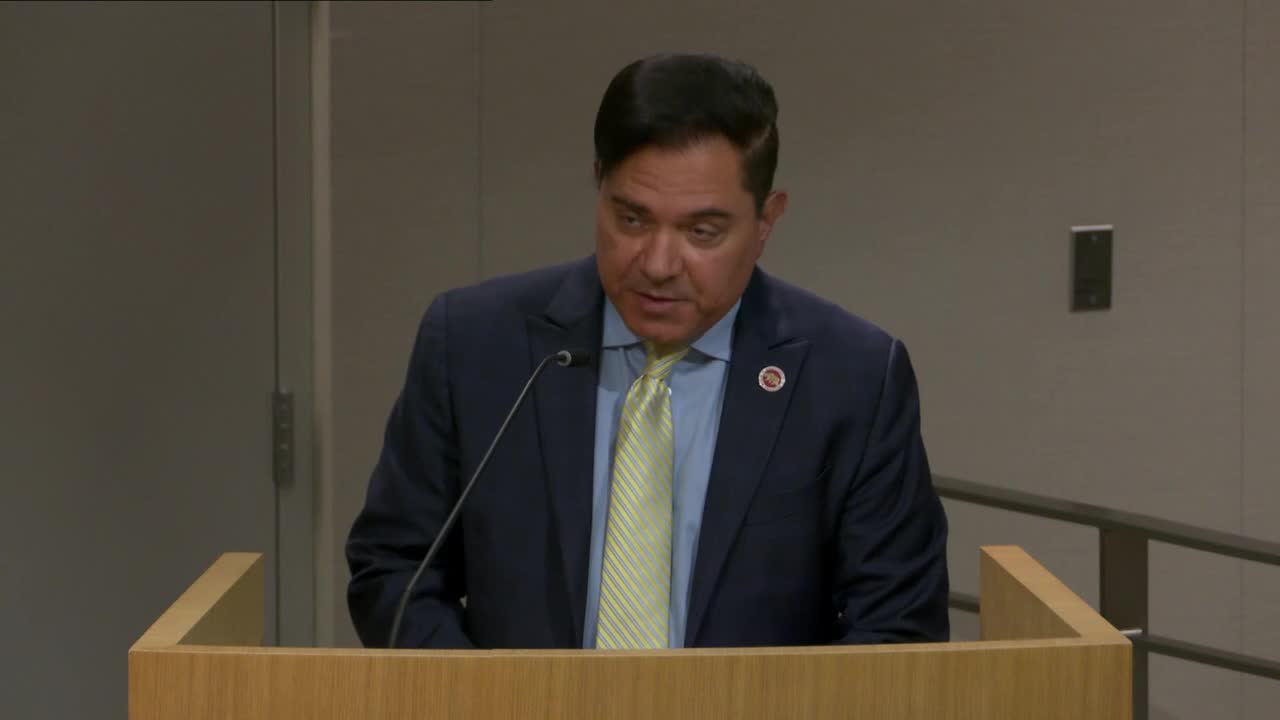 11MIN
Senate Standing Committee on Business, Professions and Economic Development
Bill Author

Bill Co-Author(s):