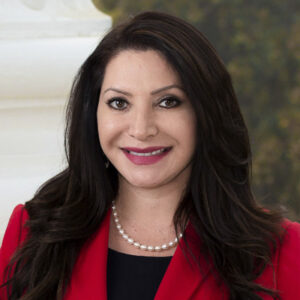
SB 965: Public libraries: library cards.
- Session Year: 2025-2026
- House: Senate
- Latest Version Date: 2026-09-28
Current Status:
Passed
(2026-09-28: Chaptered by Secretary of State. Chapter 737, Statutes of 2026.)
Introduced
In Committee
Awaiting First Chamber Vote
Passed First Chamber
In Committee
Awaiting Second Chamber Vote
Passed Second Chamber
Enacted
Existing law declares that it is in the interest of the people and of the state to ensure that all people have free and convenient access to all library resources and services that might enrich their lives regardless of where they live or of the tax base of their local government.
This bill would, beginning January 1, 2028, prohibit a public library from requiring the presence of a parent or guardian for the issuance of a library card to a California resident who is 16 or 17 years of age. The bill would authorize a public library to require a parents or guardians consent or signature for the issuance of a library card to a California resident who is 16 or 17 years of age unless the minor is emancipated. To the extent this bill would add to the duties of public libraries, the bill would impose a state-mandated local program.
The California Constitution requires the state to reimburse local agencies and school districts for certain costs mandated by the state. Statutory provisions establish procedures for making that reimbursement.
This bill would provide that, if the Commission on State Mandates determines that the bill contains costs mandated by the state, reimbursement for those costs shall be made pursuant to the statutory provisions noted above.
Existing law declares that it is in the interest of the people and of the state to ensure that all people have free and convenient access to all library resources and services that might enrich their lives regardless of where they live or of the tax base of their local government.
This bill would, beginning January 1, 2028, prohibit a public library from requiring the presence of a parent or guardian for the issuance of a library card to a California resident who is 16 or 17 years of age. The bill would authorize a public library to require a parents or guardians consent or signature for the issuance of a library card to a California resident who is 16 or 17 years of age. age unless the minor is emancipated. To the extent this bill would add to the duties of public libraries, the bill would impose a state-mandated local program.
The California Constitution requires the state to reimburse local agencies and school districts for certain costs mandated by the state. Statutory provisions establish procedures for making that reimbursement.
This bill would provide that, if the Commission on State Mandates determines that the bill contains costs mandated by the state, reimbursement for those costs shall be made pursuant to the statutory provisions noted above.
Existing law declares that it is in the interest of the people and of the state to ensure that all people have free and convenient access to all library resources and services that might enrich their lives regardless of where they live or of the tax base of their local government.
This bill would would, beginning January 1, 2028, prohibit a public library from requiring the presence of a parent or guardian for the issuance of a library card to a California resident who is 16 or 17 years of age. The bill would authorize a public library to require a parents or guardians consent or signature for the issuance of a library card to a California resident who is 16 or 17 years of age. To the extent this bill would add to the duties of public libraries, the bill would impose a state-mandated local program.
The California Constitution requires the state to reimburse local agencies and school districts for certain costs mandated by the state. Statutory provisions establish procedures for making that reimbursement.
This bill would provide that, if the Commission on State Mandates determines that the bill contains costs mandated by the state, reimbursement for those costs shall be made pursuant to the statutory provisions noted above.
Existing law declares that it is in the interest of the people and of the state to ensure that all people have free and convenient access to all library resources and services that might enrich their lives regardless of where they live or of the tax base of their local government.
This bill would prohibit a public library from requiring the presence of a parent or guardian for the issuance of a library card to a California resident who is 16 or 17 years of age. To the extent this bill would add to the duties of public libraries, the bill would impose a state-mandated local program.
The California Constitution requires the state to reimburse local agencies and school districts for certain costs mandated by the state. Statutory provisions establish procedures for making that reimbursement.
This bill would provide that, if the Commission on State Mandates determines that the bill contains costs mandated by the state, reimbursement for those costs shall be made pursuant to the statutory provisions noted above.
Existing law declares that it is in the interest of the people and of the state that there be a general diffusion of knowledge and intelligence through the establishment and operation of public libraries. to ensure that all people have free and convenient access to all library resources and services that might enrich their lives regardless of where they live or of the tax base of their local government.
This bill would state the intent of the Legislature to enact legislation to expand access to public library cards. prohibit a public library from requiring the presence of a parent or guardian for the issuance of a library card to a California resident who is 16 or 17 years of age. To the extent this bill would add to the duties of public libraries, the bill would impose a state-mandated local program.
The California Constitution requires the state to reimburse local agencies and school districts for certain costs mandated by the state. Statutory provisions establish procedures for making that reimbursement.
This bill would provide that, if the Commission on State Mandates determines that the bill contains costs mandated by the state, reimbursement for those costs shall be made pursuant to the statutory provisions noted above.
Existing law declares that it is in the interest of the people and of the state that there be a general diffusion of knowledge and intelligence through the establishment and operation of public libraries.
This bill would state the intent of the Legislature to enact legislation to expand access to public library cards.
Beginning January 1, 2028, a public library shall not require the presence of a parent or guardian for the issuance of a library card to a California resident who is 16 or 17 years of age, however, a public library may require a parents or guardians consent or signature for the issuance of a library card to a California resident who is 16 or 17 years of age unless the minor is emancipated.
SEC. 2.If the Commission on State Mandates determines that this act contains costs mandated by the state, reimbursement to local agencies and school districts for those costs shall be made pursuant to Part 7 (commencing with Section 17500) of Division 4 of Title 2 of the Government Code.
Beginning January 1, 2028, a public library shall not require the presence of a parent or guardian for the issuance of a library card to a California resident who is 16 or 17 years of age, however, a public library may require a parents or guardians consent or signature for the issuance of a library card to a California resident who is 16 or 17 years of age. age unless the minor is emancipated.
SEC. 2.If the Commission on State Mandates determines that this act contains costs mandated by the state, reimbursement to local agencies and school districts for those costs shall be made pursuant to Part 7 (commencing with Section 17500) of Division 4 of Title 2 of the Government Code.
REVISIONS: HeadingLine 2.A Beginning January 1, 2028, a public library shall not require the presence of a parent or guardian for the issuance of a library card to a California resident who is 16 or 17 years of age. age, however, a public library may require a parents or guardians consent or signature for the issuance of a library card to a California resident who is 16 or 17 years of age.
SEC. 2.If the Commission on State Mandates determines that this act contains costs mandated by the state, reimbursement to local agencies and school districts for those costs shall be made pursuant to Part 7 (commencing with Section 17500) of Division 4 of Title 2 of the Government Code.
(a)A public library shall not require the presence of a parent or guardian for the issuance of a library card to a California resident who is 16 or 17 years of age.
(b)It is the intent of the Legislature to resolve issues related to liability in the case of lost, stolen, or missing books.SEC. 2.If the Commission on State Mandates determines that this act contains costs mandated by the state, reimbursement to local agencies and school districts for those costs shall be made pursuant to Part 7 (commencing with Section 17500) of Division 4 of Title 2 of the Government Code.
(a)A public library shall not require the presence of a parent or guardian for the issuance of a library card to a California resident who is 16 or 17 years of age.
(b)It is the intent of the Legislature to resolve issues related to liability in the case of lost, stolen, or missing books.
SEC. 2.If the Commission on State Mandates determines that this act contains costs mandated by the state, reimbursement to local agencies and school districts for those costs shall be made pursuant to Part 7 (commencing with Section 17500) of Division 4 of Title 2 of the Government Code.
SECTION 1.It is the intent of the Legislature to enact legislation to expand access to public library cards.It is the intent of the Legislature to enact legislation to expand access to public library cards.
|
Date
|
Status
|
|---|---|
| Sep 28, 2026 | Chaptered by Secretary of State. Chapter 737, Statutes of 2026. |
| Sep 28, 2026 | Approved by the Governor. |
| Sep 2, 2026 | Enrolled and presented to the Governor at 3 p.m. |
| Aug 27, 2026 | Assembly amendments concurred in. (Ayes 40. Noes 0. Page 5981.) Ordered to engrossing and enrolling. |
| Aug 27, 2026 | Assembly amendments concurred in. (Ayes 39. Noes 0.) Ordered to engrossing and enrolling. |
| Aug 25, 2026 | Ordered to special consent calendar. |
| Aug 13, 2026 | In Senate. Concurrence in Assembly amendments pending. |
| Aug 13, 2026 | Read third time. Passed. (Ayes 68. Noes 2. Page 6150.) Ordered to the Senate. |
| Aug 13, 2026 | Read third time. Passed. Ordered to the Senate. |
| Aug 6, 2026 | Read second time. Ordered to third reading. |
| Aug 5, 2026 | From committee: Do pass. (Ayes 15. Noes 0.) (August 5). |
| Aug 5, 2026 | Coauthors revised. |
| Jun 22, 2026 | Read second time and amended. Re-referred to Com. on APPR. |
| Jun 18, 2026 | From committee: Do pass as amended and re-refer to Com. on APPR. (Ayes 8. Noes 0.) (June 17). |
| May 26, 2026 | From committee with author's amendments. Read second time and amended. Re-referred to Com. on ED. |
| May 18, 2026 | Referred to Com. on ED. |
| May 7, 2026 | In Assembly. Read first time. Held at Desk. |
| May 7, 2026 | Read third time. Passed. (Ayes 35. Noes 0. Page 4163.) Ordered to the Assembly. |
| May 7, 2026 | Read third time. Passed. (Ayes 35. Noes 0.) Ordered to the Assembly. |
| May 5, 2026 | Read second time. Ordered to third reading. |
| May 4, 2026 | From committee: Be ordered to second reading pursuant to Senate Rule 28.8. |
| Apr 24, 2026 | Set for hearing May 4. |
| Apr 22, 2026 | Read second time and amended. Re-referred to Com. on APPR. |
| Apr 21, 2026 | From committee: Do pass as amended and re-refer to Com. on APPR. (Ayes 7. Noes 0. Page 3898.) (April 15). |
| Apr 21, 2026 | From committee: Do pass as amended and re-refer to Com. on APPR. (Ayes 7. Noes 0.) (April 15). |
| Apr 9, 2026 | Set for hearing April 15. |
| Apr 8, 2026 | Re-referred to Com. on ED. |
| Mar 25, 2026 | From committee with author's amendments. Read second time and amended. Re-referred to Com. on RLS. |
| Feb 11, 2026 | Referred to Com. on RLS. |
| Feb 4, 2026 | From printer. May be acted upon on or after March 6. |
| Feb 3, 2026 | Introduced. Read first time. To Com. on RLS. for assignment. To print. |
|
Date
|
Description
|
Location
|
Votes
|
|
|---|---|---|---|---|
| Aug 27, 2026 | Special Consent SB965 Blakespear et al. | Senate Floor |
Passed |
|
| Aug 13, 2026 | SB 965 Blakespear Senate Third Reading By Patel | Assembly Floor |
Passed |
|
| Aug 5, 2026 | Do pass. | Assembly Standing Committee on Appropriations |
Passed |
|
| Jun 17, 2026 | Do pass as amended and be re-referred to the Committee on [Appropriations] | Assembly Standing Committee on Education |
Passed |
|
| May 7, 2026 | Senate 3rd Reading SB965 Blakespear | Senate Floor |
Passed |
|
| Apr 15, 2026 | Do pass as amended, but first amend, and re-refer to the Committee on [Appropriations] | Senate Standing Committee on Education |
Passed |
This list shows positions taken on this bill by organizations on the date displayed, which is linked to the original source.
Positions by individuals are not included.
|
Organization
|
Position
|
Date
|
|---|---|---|
| Alliance for Children’s Rights | ** Support | |
| Association of California County Boards of Education | ** Support | |
| Big Brothers Big Sister San Diego | ** Support | |
| Big Brothers Big Sisters of San Diego County | ** Support | |
| California Library Association | ** Against | |
| CFT – a Union of Educators & Classified Professionals, AFT, AFL-CIO | ** Support | |
| Children Now | ** Support | |
| End Child Poverty California | ** Support | |
| Human Rights Watch | ** Support | |
| MAAC | ** Support | |
| MAAC Project | ** Support | |
| Placer County Board of Education | ** Support | |
| The Grauer School | ** Support |
9SENATE RULES COMMITTEE Office of Senate Floor Analyses (916) 651-4171 | SB 965 |
UNFINISHED BUSINESS
Bill No: SB 965
Author: Blakespear (D), et al.
Amended: 6/22/26
Vote: 21
SENATE EDUCATION COMMITTEE: 7-0, 4/15/26
AYES: Pérez, Ochoa Bogh, Cabaldon, Choi, Cortese, Gonzalez, Reyes
SENATE APPROPRIATIONS COMMITTEE: Senate Rule 28.8
SENATE FLOOR: 35-0, 5/7/26
AYES: Allen, Archuleta, Arreguín, Ashby, Becker, Blakespear, Cabaldon, Caballero, Cervantes, Choi, Cortese, Dahle, Durazo, Grayson, Hurtado, Jones, Laird, Limón, McGuire, McNerney, Menjivar, Ochoa Bogh, Padilla, Pérez, Reyes, Richardson, Rubio, Seyarto, Smallwood-Cuevas, Stern, Strickland, Umberg, Wahab, Weber Pierson, Wiener
NO VOTE RECORDED: Alvarado-Gil, Gonzalez, Grove, Niello, Valladares
ASSEMBLY FLOOR: 68-2, 8/13/26 - See last page for vote
SUBJECT: Public libraries: library cards
SOURCE: Author
DIGEST:
This bill, beginning January 1, 2028, (1) prohibits a public library from requiring that a parent or guardian be present for the issuance of a public library card to a California resident who is 16 or 17 years old and (2) permits a public library to require a parent’s or guardian’s consent or signature for the issuance of a library card to a California resident who is 16 or 17 years of age unless the minor is emancipated.
Assembly Amendments
(1) add an implementation date of January 1, 2028 for the provisions of the bill and (2) permit a public library to require a parent’s or guardian’s consent or signature for the issuance of a library card to a California resident who is 16 or 17 years old unless the minor is emancipated.
ANALYSIS:
Existing law:
- Establishes the California Library Services Act for the purpose of ensuring that all people have free and convenient access to all library resources and services, regardless of where they live or of the tax base of their local government. (Education Code (EC) § 18700 and 18701)
- Defines a jurisdiction as a county, city and county, city, or any district that is authorized by law to provide public library services and that operates a public library. (EC § 18710)
- Defines a public library as a library, or two or more libraries, that serves its residents free of charge and that is operated by a single public jurisdiction. (EC § 18710)
- Defines a school library as an organized collection of printed and audiovisual materials that makes these materials as well as necessary equipment and services of a staff accessible to elementary and secondary school pupils and teachers. (EC § 18710)
- Defines a cooperative library system means a public library system that consists of two or more jurisdictions entering into a written agreement to implement a regional program under the Public Library Services Act and was designated a library system under the Public Library Services Act of 1963 or a successor to that library system. (EC § 18710)
Comments
Need for the bill. According to the author, “there are nearly 1 million residents who are 16 and 17 years old who may be subject to in-person parental consent requirements to get a library card. … Library card policies for minors vary widely by jurisdiction across the state. … These different requirements, particularly those requiring a parent or guardian to be physically present, create inconsistent access to a public resource for older teens across the state. … Parental consent in-person requirements create practical barriers for teens whose parents or guardians may not have the time, availability, or flexibility to accompany them to a library. As a result, an otherwise responsible teenager may be prevented from accessing books, study materials, and employment resources.”
The author continues, “This bill would establish a clear statewide standard in California allowing 16- and 17-year-olds to independently obtain and use a public library card. … [This bill] clarifies eligibility under existing systems while preserving local control over library operations and accountability for materials. Policies regarding lost or damaged items can be addressed through existing library policies. The bill maintains the requirement for a parent or guardian signature on the application while removing the need for in-person presence to get a library card.”
Public libraries are run and funded primarily by local governments. As defined in statute, a public library (also known as a local public library or a local library) is a library, or two or more libraries, that serves its residents free of charge and that is operated by a single public jurisdiction, such as a county, city, special district, or a joint powers authority. Typically, the jurisdiction of the public library designates a central library to coordinate activities among all the library branches within a jurisdiction. Preliminary 2023-24 data from the Public Libraries Survey show that 187 jurisdictions, with 1,127 sites (including central libraries and their branches), are operating in California. With regard to funding, around 94% of local library funding comes from local governments, and the remaining 6% comes from the state and federal governments.
Other initiatives provided library cards for students, but they had limited statewide impact. Multiple national, regional, and local initiatives have sought to provide library cards for students. One notable prior initiative was called the Student Success Initiative, which was developed by the Pacific Library Partnership and NorthNet Library System in 2016 to create collaborative partnerships between public libraries and schools that provided library cards for students in California. By 2018-19, this project included 70 public libraries with partnerships with schools. Some of these partnerships focused on elementary school students, and others focused on high schools. Though library card policies vary based on the memorandum of understanding between the school district and the library, most of the partnerships included provisions where library cards would be automatically provided to students without the parents’ signature, but an opt-out provision would be available for parents who did not want their child to participate. This program has since been folded into the Local Public Library Partnership Program created by SB 321 (Ashby, Chapter 598, Statutes of 2023).
Age-old debate on statewide uniformity and consistency vs. reducing local flexibility. Current law is silent on how 16- and 17-year-olds obtain public library cards, which provides flexibility and discretion for public libraries to determine what is needed for youths under 18 to obtain a library card. Though some public libraries require that parents or guardians be present in person for a child’s library card application, some public libraries simply require a signature from a parent or guardian, and some do not require a signature at all, so long as the applicant has proof of identification and residency. Public libraries also do not have a uniform requirement for the age threshold for which an in-person parent is needed, or if a signature is needed. These decisions are currently made locally.
For example, the Los Angeles County Library requires that children under 18 must have a parent or guardian sign their library card application, but doesn’t need them to be in person; however, the Los Angeles County Library does require a parent or guardian to be present to fill out a form for a child under 18 to access the internet at the library. Within the same county is the South Pasadena Public Library, which requires a parent or legal guardian to be in person to sign a library card application for children under 18, with the adult needing to show valid identification with verification of current address.
Though this bill prohibits public libraries from requiring that parents or guardians be present for the issuance of a public library card to a California resident who is 16- or 17-years old, this bill includes language permitting a public library to require consent or signature from a parent or guardian for a library card for a California resident who is 16- or 17- years old unless the minor is emancipated. Opponents of this bill may object to removing the ability for public libraries to make local decisions on a parent’s or guardian’s in-person presence for the issuance of a library card.
Related/Prior Legislation
SB 321 (Ashby, Chapter 598, Statutes of 2024) established the Local Public Library Partnership Program, under the administration of the State Librarian, to promote collaboration between public libraries and local educational agencies (LEAs) and to ensure that all pupils have access to a local public library by third grade. The bill reflects legislative intent to expand equitable access to library resources for students statewide and reduce barriers to library use through school-library partnerships.
SB 34 (Umberg, Chapter 297, Statutes of 2022) requires the California Department of Education—in an earlier version of this legislation—to administer a competitive grant program to award one-time grant funding to LEAs, library districts, and public libraries for the purpose of providing every public school student with a student success card. SB 34 was subsequently amended to relate to public contracts.
FISCAL EFFECT: Appropriation: No Fiscal Com.: Yes Local: Yes
SUPPORT: (Verified 8/13/26)
Alliance for Children’s Rights
Association of California County Boards of Education
Big Brothers Big Sisters of San Diego County
CFT – A Union of Educators & Classified Professionals, AFT, AFL-CIO
Children Now
End Child Poverty California
Human Rights Watch
MAAC
Placer County Board of Education
The Grauer School
OPPOSITION: (Verified 8/13/26)
California Library Association
ASSEMBLY FLOOR: 68-2, 8/13/26
AYES: Addis, Aguiar-Curry, Ahrens, Alanis, Ávila Farías, Bains, Bauer-Kahan, Bennett, Boerner, Bryan, Calderon, Caloza, Carrillo, Castillo, Connolly, Davies, Dixon, Elhawary, Flora, Fong, Gabriel, Garcia, Gipson, Jeff Gonzalez, Mark González, Hadwick, Haney, Harabedian, Hart, Hoover, Irwin, Jackson, Johnson, Kalra, Krell, Lackey, Lee, Lowenthal, McKinnor, Muratsuchi, Nguyen, Ortega, Pacheco, Papan, Patel, Patterson, Pellerin, Quirk-Silva, Ramos, Ransom, Celeste Rodriguez, Michelle Rodriguez, Rogers, Blanca Rubio, Schiavo, Sharp-Collins, Solache, Soria, Stefani, Ta, Tangipa, Valencia, Wallis, Ward, Wicks, Wilson, Zbur, Rivas
NOES: DeMaio, Sanchez
NO VOTE RECORDED: Alvarez, Arambula, Berman, Bonta, Chen, Ellis, Macedo, Petrie-Norris, Schultz
Prepared by: Michelle Nguyen / ED. / (916) 651-4105
8/20/26 13:58:57
**** END ****
9SENATE RULES COMMITTEE Office of Senate Floor Analyses (916) 651-4171 | SB 965 |
UNFINISHED BUSINESS
Bill No: SB 965
Author: Blakespear (D), et al.
Amended: 6/22/26
Vote: 21
SENATE EDUCATION COMMITTEE: 7-0, 4/15/26
AYES: Pérez, Ochoa Bogh, Cabaldon, Choi, Cortese, Gonzalez, Reyes
SENATE APPROPRIATIONS COMMITTEE: Senate Rule 28.8
SENATE FLOOR: 35-0, 5/7/26
AYES: Allen, Archuleta, Arreguín, Ashby, Becker, Blakespear, Cabaldon, Caballero, Cervantes, Choi, Cortese, Dahle, Durazo, Grayson, Hurtado, Jones, Laird, Limón, McGuire, McNerney, Menjivar, Ochoa Bogh, Padilla, Pérez, Reyes, Richardson, Rubio, Seyarto, Smallwood-Cuevas, Stern, Strickland, Umberg, Wahab, Weber Pierson, Wiener
NO VOTE RECORDED: Alvarado-Gil, Gonzalez, Grove, Niello, Valladares
ASSEMBLY FLOOR: 68-2, 8/13/26 - See last page for vote
SUBJECT: Public libraries: library cards
SOURCE: Author
DIGEST:
This bill, beginning January 1, 2028, (1) prohibits a public library from requiring that a parent or guardian be present for the issuance of a public library card to a California resident who is 16 or 17 years old and (2) permits a public library to require a parent’s or guardian’s consent or signature for the issuance of a library card to a California resident who is 16 or 17 years of age unless the minor is emancipated.
Assembly Amendments
prohibit a public library from requiring a parent’s or guardian’s consent or signature for the issuance of a library card to a California resident who is 16 or 17 years of age if the minor is emancipated.
ANALYSIS:
Existing law:
- Establishes the California Library Services Act for the purpose of ensuring that all people have free and convenient access to all library resources and services, regardless of where they live or of the tax base of their local government. (Education Code (EC) § 18700 and 18701)
- Defines a jurisdiction as a county, city and county, city, or any district that is authorized by law to provide public library services and that operates a public library. (EC § 18710)
- Defines a public library as a library, or two or more libraries, that serves its residents free of charge and that is operated by a single public jurisdiction. (EC § 18710)
- Defines a school library as an organized collection of printed and audiovisual materials that makes these materials as well as necessary equipment and services of a staff accessible to elementary and secondary school pupils and teachers. (EC § 18710)
- Defines a cooperative library system means a public library system that consists of two or more jurisdictions entering into a written agreement to implement a regional program under the Public Library Services Act and was designated a library system under the Public Library Services Act of 1963 or a successor to that library system. (EC § 18710)
Comments
Need for the bill. According to the author, “there are nearly 1 million residents who are 16 and 17 years old who may be subject to in-person parental consent requirements to get a library card. … Library card policies for minors vary widely by jurisdiction across the state. … These different requirements, particularly those requiring a parent or guardian to be physically present, create inconsistent access to a public resource for older teens across the state. … Parental consent in-person requirements create practical barriers for teens whose parents or guardians may not have the time, availability, or flexibility to accompany them to a library. As a result, an otherwise responsible teenager may be prevented from accessing books, study materials, and employment resources.”
The author continues, “This bill would establish a clear statewide standard in California allowing 16- and 17-year-olds to independently obtain and use a public library card. … [This bill] clarifies eligibility under existing systems while preserving local control over library operations and accountability for materials. Policies regarding lost or damaged items can be addressed through existing library policies. The bill maintains the requirement for a parent or guardian signature on the application while removing the need for in-person presence to get a library card.”
Public libraries are run and funded primarily by local governments. As defined in statute, a public library (also known as a local public library or a local library) is a library, or two or more libraries, that serves its residents free of charge and that is operated by a single public jurisdiction, such as a county, city, special district, or a joint powers authority. Typically, the jurisdiction of the public library designates a central library to coordinate activities among all the library branches within a jurisdiction. Preliminary 2023-24 data from the Public Libraries Survey show that 187 jurisdictions, with 1,127 sites (including central libraries and their branches), are operating in California. With regard to funding, around 94% of local library funding comes from local governments, and the remaining 6% comes from the state and federal governments.
Other initiatives provided library cards for students, but they had limited statewide impact. Multiple national, regional, and local initiatives have sought to provide library cards for students. One notable prior initiative was called the Student Success Initiative, which was developed by the Pacific Library Partnership and NorthNet Library System in 2016 to create collaborative partnerships between public libraries and schools that provided library cards for students in California. By 2018-19, this project included 70 public libraries with partnerships with schools. Some of these partnerships focused on elementary school students, and others focused on high schools. Though library card policies vary based on the memorandum of understanding between the school district and the library, most of the partnerships included provisions where library cards would be automatically provided to students without the parents’ signature, but an opt-out provision would be available for parents who did not want their child to participate. This program has since been folded into the Local Public Library Partnership Program created by SB 321 (Ashby, Chapter 598, Statutes of 2023).
Age-old debate on statewide uniformity and consistency vs. reducing local flexibility. Current law is silent on how 16- and 17-year-olds obtain public library cards, which provides flexibility and discretion for public libraries to determine what is needed for youths under 18 to obtain a library card. Though some public libraries require that parents or guardians be present in person for a child’s library card application, some public libraries simply require a signature from a parent or guardian, and some do not require a signature at all, so long as the applicant has proof of identification and residency. Public libraries also do not have a uniform requirement for the age threshold for which an in-person parent is needed, or if a signature is needed. These decisions are currently made locally.
For example, the Los Angeles County Library requires that children under 18 must have a parent or guardian sign their library card application, but doesn’t need them to be in person; however, the Los Angeles County Library does require a parent or guardian to be present to fill out a form for a child under 18 to access the internet at the library. Within the same county is the South Pasadena Public Library, which requires a parent or legal guardian to be in person to sign a library card application for children under 18, with the adult needing to show valid identification with verification of current address.
Though this bill prohibits public libraries from requiring that parents or guardians be present for the issuance of a public library card to a California resident who is 16- or 17-years old, this bill includes language permitting a public library to require consent or signature from a parent or guardian for a library card for a California resident who is 16- or 17- years old unless the minor is emancipated. Opponents of this bill may object to removing the ability for public libraries to make local decisions on a parent’s or guardian’s in-person presence for the issuance of a library card.
Related/Prior Legislation
SB 321 (Ashby, Chapter 598, Statutes of 2024) established the Local Public Library Partnership Program, under the administration of the State Librarian, to promote collaboration between public libraries and local educational agencies (LEAs) and to ensure that all pupils have access to a local public library by third grade. The bill reflects legislative intent to expand equitable access to library resources for students statewide and reduce barriers to library use through school-library partnerships.
SB 34 (Umberg, Chapter 297, Statutes of 2022) requires the California Department of Education—in an earlier version of this legislation—to administer a competitive grant program to award one-time grant funding to LEAs, library districts, and public libraries for the purpose of providing every public school student with a student success card. SB 34 was subsequently amended to relate to public contracts.
FISCAL EFFECT: Appropriation: No Fiscal Com.: Yes Local: Yes
SUPPORT: (Verified 8/13/26)
Alliance for Children’s Rights
Association of California County Boards of Education
Big Brothers Big Sisters of San Diego County
CFT – A Union of Educators & Classified Professionals, AFT, AFL-CIO
Children Now
End Child Poverty California
Human Rights Watch
MAAC
Placer County Board of Education
The Grauer School
OPPOSITION: (Verified 8/13/26)
California Library Association
ASSEMBLY FLOOR: 68-2, 8/13/26
AYES: Addis, Aguiar-Curry, Ahrens, Alanis, Ávila Farías, Bains, Bauer-Kahan, Bennett, Boerner, Bryan, Calderon, Caloza, Carrillo, Castillo, Connolly, Davies, Dixon, Elhawary, Flora, Fong, Gabriel, Garcia, Gipson, Jeff Gonzalez, Mark González, Hadwick, Haney, Harabedian, Hart, Hoover, Irwin, Jackson, Johnson, Kalra, Krell, Lackey, Lee, Lowenthal, McKinnor, Muratsuchi, Nguyen, Ortega, Pacheco, Papan, Patel, Patterson, Pellerin, Quirk-Silva, Ramos, Ransom, Celeste Rodriguez, Michelle Rodriguez, Rogers, Blanca Rubio, Schiavo, Sharp-Collins, Solache, Soria, Stefani, Ta, Tangipa, Valencia, Wallis, Ward, Wicks, Wilson, Zbur, Rivas
NOES: DeMaio, Sanchez
NO VOTE RECORDED: Alvarez, Arambula, Berman, Bonta, Chen, Ellis, Macedo, Petrie-Norris, Schultz
Prepared by: Michelle Nguyen / ED. / (916) 651-4105
8/14/26 17:04:33
**** END ****
SENATE THIRD READING
STR Bill Id:SB 965
Author:(Blakespear)
As Amended Ver:June 22, 2026
Majority vote
SUMMARY
Prohibits, beginning January 1, 2028, a public library from requiring the presence of a parent or guardian for the issuance of a library card to a California resident who is 16 or 17 years of age.
Major Provisions
- Authorizes a public library to require a parent's or guardian's consent or signature for the issuance of a library card to a California resident who is 16 or 17 years of age.
- States that a public library shall not require a parent or guardian's consent or signature for the issuance of a library card to a California resident who is 16 or 17 years of age and an emancipated youth.
COMMENTS
Key provisions of the bill. This bill prohibits a public library from requiring that a parent or guardian be present for the issuance of a public library card to a California resident who is 16 or 17 years old, unless the minor is emancipated. This bill also authorizes a public library to require a parent's or guardian's consent or signature for the issuance of a library card to a California resident who is 16 or 17 years of age.
Current law allows for local decision-making, but variance in local policies leads to uneven library materials access for older youth. Current law does not specify how 16- and 17-year-olds obtain public library cards, which provides flexibility and discretion for public libraries to determine what is needed for youths under 18 to obtain a library card. Some public libraries require parents or guardians to be present for a child's library card application, some public libraries simply require a signature from a parent or guardian, and some do not require a signature at all, so long as the applicant has proof of identification and residency. Public libraries also do not have a uniform requirement for the age threshold for which an in-person parent is needed, or if a signature is needed. These decisions are currently made locally.
For example, the Los Angeles County Library requires that children under 18 must have a parent or guardian sign their library card application but does not require them to be in person; however, the Los Angeles County Library does require a parent or guardian to be present to fill out a form for a child under 18 to access the internet at the library.
The City of South Pasadena Public Library (Los Angeles County) requires for children (ages 0 to 12) and teens (ages 13-17) a parent or legal guardian must be present to sign their child or teen's library card application when applying in person. The parent or legal guardian must provide identification or proof of address, and are responsible for all materials borrowed on cards belonging to their children who are under the age of 18.
The Sacramento Public Library requires a parent to sign for anyone under age 18 because they are held financially responsible for anything the minor borrows. The parent (or guardian or caregiver) is authorized to access the account for their minor online. If a minor is under age 12, library staff can give the adult the minor's borrowing information. For ages 13-17, the responsible adult can only be given this information for items that are overdue. The Sacramento Public Library also offers a second option of a limited card for youth ages 14-17 with a borrow limit of two items without any adult involvement. The rationale is limiting the number of items that can be lost.
For children under 18 years of age, the Colusa County Free Library will provide a library card if the minor is accompanied by a parent or guardian who also provides specified identification.
When developing local policies related to granting access to youth, individual public libraries may discuss and strive to balance materials access, youth privacy, and financial responsibility.
This bill proposes to prohibit public libraries from requiring that parents or guardians be present for the issuance of a public library card to a California resident who is 16- or 17-years old, which would provide for a uniform law on this policy. This bill does not make other changes to how a 16- or 17-year-old would obtain a public library card.
Public libraries are funded and operated primarily by local governments. As defined in statute, a public library (also known as a local public library or a local library) is a library, or two or more libraries, that serves its residents free of charge and that is operated by a single public jurisdiction, such as a county, city, special district, or joint powers authority. Typically, the jurisdiction of the public library designates a central library to coordinate activities among all the library branches within a jurisdiction. Preliminary 2023-24 data from the Public Libraries Survey show that 187 jurisdictions, with 1,127 sites (including central libraries and their branches), are operating in California. Regarding funding, around 94% of local library funding comes from local governments, and the remaining 6% comes from the state and federal governments.
According to the Author
"SB 965 expands access to public libraries for 16- and 17-year olds by prohibiting the requirement for a parent or guardian to be physically present when they apply for a library card. Public libraries provide important access to information, technology, educational resources and safe study places. Many older teens already manage significant responsibilities, and in-person requirements can create unnecessary barriers for families with busy work schedules or transportation limitations. SB 965 does not impact libraries' ability to require a parent or guardian signature or set policies regarding liability. SB 965 simply removes a procedural hurdle so more teens can access library services."
Arguments in Support
End Child Poverty California writes, "Despite being trusted to work, drive, and make important decisions about their lives and future, in many communities, 16- and 17-year olds are unable to independently obtain a library card. In-person parental-consent requirements can prevent access for those whose parents or guardians are unable to accompany them, limiting access to books, study materials, and employment resources. These barriers are impractical, inequitable, and out of step with the independence already expected of older youth.
SB 965 establishes a clear and consistent statewide standard allowing 16- and 17-year-olds to independently obtain and use a public library card. The bill removes unnecessary procedural hurdles for older teens without creating more work for public libraries. It preserves local control over library operations and allows each library to decide whether a parent or guardian signature is required for an older teen to obtain a library card."
Arguments in Opposition
None on file
FISCAL COMMENTS
According to the Assembly Appropriations Committee, no new state costs.
VOTES
SENATE FLOOR: 35-0-5
YES: Allen, Archuleta, Arreguín, Ashby, Becker, Blakespear, Cabaldon, Caballero, Cervantes, Choi, Cortese, Dahle, Durazo, Grayson, Hurtado, Jones, Laird, Limón, McGuire, McNerney, Menjivar, Ochoa Bogh, Padilla, Pérez, Reyes, Richardson, Rubio, Seyarto, Smallwood-Cuevas, Stern, Strickland, Umberg, Wahab, Weber Pierson, Wiener
ABS, ABST OR NV: Alvarado-Gil, Gonzalez, Grove, Niello, Valladares
ASM EDUCATION: 8-0-1
YES: Patel, Hoover, Ahrens, Bonta, Castillo, Garcia, Lowenthal, Pellerin
ABS, ABST OR NV: Zbur
ASM APPROPRIATIONS: 15-0-0
YES: Wicks, Hoover, Arambula, Calderon, Caloza, Dixon, Fong, Mark González, Krell, Pacheco, Pellerin, Sharp-Collins, Solache, Ta, Tangipa
UPDATED
VERSION: June 22, 2026
CONSULTANT: Marguerite Ries / ED. / (916) 319-2087 FN: 0003391
Date of Hearing: August 5, 2026
ASSEMBLY COMMITTEE ON APPROPRIATIONS
Buffy Wicks, Chair
SBPCA Bill Id:SB 965
Author:(Blakespear) – As Amended Ver:June 22, 2026
Policy Committee: | Education | Vote: | 8 - 0 |
|
| ||
|
|
Urgency: No State Mandated Local Program: Yes Reimbursable: Yes
SUMMARY:
This bill prohibits a public library, beginning January 1, 2028, from requiring the presence of a parent or guardian to issue a library card to a California resident of 16 or 17 years of age. The bill does allow a public library to require a parent or guardian’s consent or signature to issue the library card.
FISCAL EFFECT:
No new state costs.
COMMENTS:
- Purpose. According to the author:
SB 965 expands access to public libraries for 16- and 17-year olds by prohibiting the requirement for a parent or guardian to be physically present when they apply for a library card. Public libraries provide important access to information, technology, educational resources and safe study places. Many older teens already manage significant responsibilities, and in-person requirements can create unnecessary barriers for families with busy work schedules or transportation limitations. SB 965 does not impact libraries’ ability to require a parent or guardian signature or set policies regarding liability. SB 965 simply removes a procedural hurdle so more teens can access library services.
- Background. Current law provides discretion to local libraries to determine minimum requirements for issuing a library card to individuals under 18 years old. While this discretion generally allows each local library to choose what approach best meets the needs of their local community, it has also led to a lack of uniformity throughout the state for youths attempting to obtain a library card. As noted in the Assembly Committee on Education policy analysis, even within the same region libraries may have different issuance requirements. For example, the Los Angeles County Library allows a child under 18 to obtain a library card if the child provides an application with their parent or guardians signature whereas the South Pasadena Public Library requires the parent or guardian to be in person to sign the application, show valid identification and verify residence. This bill prescribes a uniform statewide prohibition on public libraries requiring the presence of a parent or guardian when issuing a library card to a 16- or 17-year-old.
Analysis Prepared by: Aaron Heredia / APPR. / (916) 319-2081
Date of Hearing: June 17, 2026
ASSEMBLY COMMITTEE ON EDUCATION
Darshana R. Patel, Chair
SBPCA Bill Id:SB 965
Author:(Blakespear) – As Amended Ver:May 26, 2026
SENATE VOTE: 35-0
SUBJECT: Public libraries: library cards
SUMMARY: Prohibits, beginning January 1, 2028, a public library from requiring the presence of a parent or guardian for the issuance of a library card to a California resident who is 16 or 17 years of age. Specifically, this bill:
- Prohibits, beginning January 1, 2028, a public library from requiring the presence of a parent or guardian for the issuance of a library card to a California resident who is 16 or 17 years of age.
- Authorizes a public library to require a parent’s or guardian’s consent or signature for the issuance of a library card to a California resident who is 16 or 17 years of age.
EXISTING LAW:
- Establishes the California Library Services Act for the purpose of ensuring that all people have free and convenient access to all library resources and services, regardless of where they live or of the tax base of their local government. (Education Code (EC) 18700 and 18701)
- Defines a jurisdiction as a county, city and county, city, or any district that is authorized by law to provide public library services and that operates a public library. (EC 18710)
- Defines a public library as a library, or two or more libraries, that serves its residents free of charge and that is operated by a single public jurisdiction. (EC 18710)
- Defines a school library as an organized collection of printed and audiovisual materials that makes these materials, as well as necessary equipment and services of staff, accessible to elementary and secondary school pupils and teachers. (EC 18710)
- Defines a cooperative library system means a public library system that consists of two or more jurisdictions entering into a written agreement to implement a regional program under the Public Library Services Act and was designated a library system under the Public Library Services Act of 1963 or a successor to that library system. (EC 18710)
- Authorizes a California public library to participate in universal borrowing. Prohibits a public library participating in universal borrowing from excluding the residents of any jurisdiction maintaining a public library. (EC 18731)
FISCAL EFFECT: According to the Senate Appropriations Committee, pursuant to Senate Rule 28.8, negligible state costs.
COMMENTS:
Need for the bill. According to the author, “SB 965 expands access to public libraries for 16- and 17-year olds by prohibiting the requirement for a parent or guardian to be physically present when they apply for a library card. Public libraries provide important access to information, technology, educational resources and safe study places. Many older teens already manage significant responsibilities, and in-person requirements can create unnecessary barriers for families with busy work schedules or transportation limitations. SB 965 does not impact libraries’ ability to require a parent or guardian signature or set policies regarding liability. SB 965 simply removes a procedural hurdle so more teens can access library services.”
Key provisions of the bill. This bill prohibits a public library from requiring that a parent or guardian be present for the issuance of a public library card to a California resident who is 16 or 17 years old. This bill also authorizes a public library to require a parent’s or guardian’s consent or signature for the issuance of a library card to a California resident who is 16 or 17 years of age.
Current law allows for local decision-making, but variance in local policies leads to uneven library materials access for older youth. Current law does not specify how 16- and 17-year-olds obtain public library cards, which provides flexibility and discretion for public libraries to determine what is needed for youths under 18 to obtain a library card. Some public libraries require parents or guardians to be present for a child’s library card application, some public libraries simply require a signature from a parent or guardian, and some do not require a signature at all, so long as the applicant has proof of identification and residency. Public libraries also do not have a uniform requirement for the age threshold for which an in-person parent is needed, or if a signature is needed. These decisions are currently made locally.
For example, the Los Angeles County Library requires that children under 18 must have a parent or guardian sign their library card application but does not require them to be in person; however, the Los Angeles County Library does require a parent or guardian to be present to fill out a form for a child under 18 to access the internet at the library. Within the same county is the South Pasadena Public Library, which requires a parent or legal guardian to be in person to sign a library card application for children under 18, with the adult needing to show valid identification with verification of current address.
The City of South Pasadena Public Library (Los Angeles County) requires for children (ages 0 to 12) and teens (ages 13-17) a parent or legal guardian must be present to sign their child or teen’s library card application when applying in person. The parent or legal guardian must provide identification or proof of address, and are responsible for all materials borrowed on cards belonging to their children who are under the age of 18.
The Sacramento Public Library requires a parent to sign for anyone under age 18 because they are held financially responsible for anything the minor borrows. The parent (or guardian or caregiver) is authorized to access the account for their minor online. If a minor is under age 12, library staff can give the adult the minor’s borrowing information. For ages 13-17, the responsible adult can only be given this information for items that are overdue. The Sacramento Public Library also offers a second option of a limited card for youth ages 14-17 with a borrow limit of two items without any adult involvement. The rationale is limiting the number of items that can be lost.
For children under 18 years of age, the Colusa County Free Library will provide a library card if the minor is accompanied by a parent or guardian who also provides specified identification.
When developing local policies related to granting access to youth, individual public libraries may discuss and strive to balance materials access, youth privacy, and financial responsibility.
This bill proposes to prohibit public libraries from requiring that parents or guardians be present for the issuance of a public library card to a California resident who is 16- or 17-years old, which would provide for a uniform law on this policy. Opponents of the bill object to removing the ability for public libraries to make local decisions on a parent’s or guardian’s in-person presence for the issuance of a library card. This bill does not make other changes to how a 16- or 17-year-old would obtain a public library card.
Public libraries are funded and operated primarily by local governments. As defined in statute, a public library (also known as a local public library or a local library) is a library, or two or more libraries, that serves its residents free of charge and that is operated by a single public jurisdiction, such as a county, city, special district, or joint powers authority. Typically, the jurisdiction of the public library designates a central library to coordinate activities among all the library branches within a jurisdiction. Preliminary 2023-24 data from the Public Libraries Survey show that 187 jurisdictions, with 1,127 sites (including central libraries and their branches), are operating in California. Regarding funding, around 94% of local library funding comes from local governments, and the remaining 6% comes from the state and federal governments.
Other initiatives to provide library cards for students. Multiple national, regional, and local initiatives have sought to provide library cards for students. One notable prior initiative was called the Student Success Initiative, which was developed by the Pacific Library Partnership and NorthNet Library System in 2016 to create collaborative partnerships between public libraries and schools that provided library cards for students in California. By 2018-19, this project included 70 public libraries with partnerships with schools. Some of these partnerships focused on elementary school students, and others focused on high schools. Library card policies vary based on the memorandum of understanding between the school district and the library, however most of the partnerships include provisions where library cards would be automatically provided to students without the parents’ signature, but an opt-out provision would be available for parents who did not want their child to participate. This program has since been folded into the Local Public Library Partnership Program created by SB 321 (Ashby), Chapter 598, Statutes of 2023.
Arguments in support. End Child Poverty California writes, “Despite being trusted to work, drive, and make important decisions about their lives and future, in many communities, 16- and 17-year olds are unable to independently obtain a library card. In-person parental-consent requirements can prevent access for those whose parents or guardians are unable to accompany them, limiting access to books, study materials, and employment resources. These barriers are impractical, inequitable, and out of step with the independence already expected of older youth.
SB 965 establishes a clear and consistent statewide standard allowing 16- and 17-year-olds to independently obtain and use a public library card. The bill removes unnecessary procedural hurdles for older teens without creating more work for public libraries. It preserves local control over library operations and allows each library to decide whether a parent or guardian signature is required for an older teen to obtain a library card.”
Recommended Committee Amendments. Staff recommends that the bill be amended as follows:
- Clarify that a public library shall not require a parent or guardian’s consent or signature for the issuance of a library card to a California resident who is 16 or 17 years of age and an emancipated youth.
Related legislation. SB 321 (Ashby) Chapter 598, Statutes of 2024, establishes the Local Public Library Partnership Program, under the administration of the State Librarian, to promote collaboration between public libraries and local educational agencies (LEAs) and to ensure that all pupils have access to a local public library by third grade. The bill reflects legislative intent to expand equitable access to library resources for students statewide and reduce barriers to library use through school-library partnerships.
SB 34 (Umberg) Chapter 297, Statutes of 2022, would have required the California Department of Education, in an earlier version of this legislation, to administer a competitive grant program to award one-time grant funding to LEAs, library districts, and public libraries for the purpose of providing every public school student with a student success card. This bill was subsequently amended into a different jurisdiction.
REGISTERED SUPPORT / OPPOSITION:
Support
Alliance for Children's Rights
Association of California County Boards of Education
Big Brothers Big Sister San Diego
CFT – a Union of Educators & Classified Professionals, AFT, AFL-CIO
Children Now
Grace Institute - End Child Poverty in CA
Human Rights Watch
MAAC Project
The Grauer School
Opposition
None on file
Analysis Prepared by: Marguerite Ries / ED. / (916) 319-2087
SENATE RULES COMMITTEE Office of Senate Floor Analyses (916) 651-4171 | SB 965 |
THIRD READING
Bill No: SB 965
Author: Blakespear (D)
Amended: 4/22/26
Vote: 21
SENATE EDUCATION COMMITTEE: 7-0, 4/15/26
AYES: Pérez, Ochoa Bogh, Cabaldon, Choi, Cortese, Gonzalez, Reyes
SENATE APPROPRIATIONS COMMITTEE: Senate Rule 28.8
SUBJECT: Public libraries: library cards
SOURCE: Author
DIGEST:
This bill prohibits a public library from requiring that a parent or guardian be present for the issuance of a public library card to a California resident who is 16 or 17 years old. This bill also includes intent language to resolve issues related to liability in the case of lost, stolen, or missing books.
ANALYSIS:
Existing law:
- Establishes the California Library Services Act for the purpose of ensuring that all people have free and convenient access to all library resources and services, regardless of where they live or of the tax base of their local government. (Education Code (EC) § 18700 and 18701)
- Defines a jurisdiction as a county, city and county, city, or any district that is authorized by law to provide public library services and that operates a public library. (EC § 18710)
- Defines a public library as a library, or two or more libraries, that serves its residents free of charge and that is operated by a single public jurisdiction. (EC § 18710)
- Defines a school library as an organized collection of printed and audiovisual materials that makes these materials as well as necessary equipment and services of a staff accessible to elementary and secondary school pupils and teachers. (EC § 18710)
- Defines a cooperative library system means a public library system that consists of two or more jurisdictions entering into a written agreement to implement a regional program under the Public Library Services Act and was designated a library system under the Public Library Services Act of 1963 or a successor to that library system. (EC § 18710)
Comments
- Need for the bill. According to the author, “there are nearly 1 million residents who are 16 and 17 years old who may be subject to in-person parental consent requirements to get a library card. … Library card policies for minors vary widely by jurisdiction across the state. … These different requirements, particularly those requiring a parent or guardian to be physically present, create inconsistent access to a public resource for older teens across the state. … Parental consent in-person requirements create practical barriers for teens whose parents or guardians may not have the time, availability, or flexibility to accompany them to a library. As a result, an otherwise responsible teenager may be prevented from accessing books, study materials, and employment resources.
This bill would establish a clear statewide standard in California allowing 16- and 17-year-olds to independently obtain and use a public library card. … [This bill] clarifies eligibility under existing systems while preserving local control over library operations and accountability for materials. Policies regarding lost or damaged items can be addressed through existing library policies. The bill maintains the requirement for a parent or guardian signature on the application while removing the need for in-person presence to get a library card.”
- Public libraries are run and funded primarily by local governments. As defined in statute, a public library (also known as a local public library or a local library) is a library, or two or more libraries, that serves its residents free of charge and that is operated by a single public jurisdiction, such as a county, city, special district, or a joint powers authority. Typically, the jurisdiction of the public library designates a central library to coordinate activities among all the library branches within a jurisdiction. Preliminary 2023-24 data from the Public Libraries Survey show that 187 jurisdictions, with 1,127 sites (including central libraries and their branches), are operating in California. With regard to funding, around 94% of local library funding comes from local governments, and the remaining 6% comes from the state and federal governments.
- Other initiatives provided library cards for students, but they had limited statewide impact. Multiple national, regional, and local initiatives have sought to provide library cards for students. One notable prior initiative was called the Student Success Initiative, which was developed by the Pacific Library Partnership and NorthNet Library System in 2016 to create collaborative partnerships between public libraries and schools that provided library cards for students in California. By 2018-19, this project included 70 public libraries with partnerships with schools. Some of these partnerships focused on elementary school students, and others focused on high schools. Though library card policies vary based on the memorandum of understanding between the school district and the library, most of the partnerships included provisions where library cards would be automatically provided to students without the parents’ signature, but an opt-out provision would be available for parents who did not want their child to participate. This program has since been folded into the Local Public Library Partnership Program created by SB 321 (Ashby, Chapter 598, Statutes of 2023).
- Age-old debate on statewide uniformity and consistency vs. reducing local flexibility. Current law is silent on how 16- and 17-year-olds obtain public library cards, which provides flexibility and discretion for public libraries to determine what is needed for youths under 18 to obtain a library card. Though some public libraries require that parents or guardians be present in person for a child’s library card application, some public libraries simply require a signature from a parent or guardian, and some do not require a signature at all, so long as the applicant has proof of identification and residency. Public libraries also do not have a uniform requirement for the age threshold for which an in-person parent is needed, or if a signature is needed. These decisions are currently made locally.
For example, the Los Angeles County Library requires that children under 18 must have a parent or guardian sign their library card application, but doesn’t need them to be in person; however, the Los Angeles County Library does require a parent or guardian to be present to fill out a form for a child under 18 to access the internet at the library. Within the same county is the South Pasadena Public Library, which requires a parent or legal guardian to be in person to sign a library card application for children under 18, with the adult needing to show valid identification with verification of current address.
This bill prohibits public libraries from requiring that parents or guardians be present for the issuance of a public library card to a California resident who is 16- or 17-years old, which would provide for a uniform law on this policy. Opponents of this bill may object to removing the ability for public libraries to make local decisions on a parent’s or guardian’s in-person presence for the issuance of a library card. This bill does not make other changes to how a 16- or 17-year-old would obtain a public library card.
Related/Prior Legislation
SB 321 (Ashby, Chapter 598, Statutes of 2024) established the Local Public Library Partnership Program, under the administration of the State Librarian, to promote collaboration between public libraries and local educational agencies (LEAs) and to ensure that all pupils have access to a local public library by third grade. The bill reflects legislative intent to expand equitable access to library resources for students statewide and reduce barriers to library use through school-library partnerships.
SB 34 (Umberg, Chapter 297, Statutes of 2022) requires the California Department of Education—in an earlier version of this legislation—to administer a competitive grant program to award one-time grant funding to LEAs, library districts, and public libraries for the purpose of providing every public school student with a student success card. SB 34 was subsequently amended to relate to public contracts.
FISCAL EFFECT: Appropriation: No Fiscal Com.: Yes Local: Yes
SUPPORT: (Verified 5/4/26)
Alliance for Children’s Rights
Association of California County Boards of Education
Big Brothers Big Sisters of San Diego County
CFT – A Union of Educators & Classified Professionals, AFT, AFL-CIO
Children Now
End Child Poverty California
Human Rights Watch
MAAC
The Grauer School
OPPOSITION: (Verified 5/4/26)
California Library Association
Prepared by: Michelle Nguyen / ED. / (916) 651-4105
5/5/26 15:55:39
**** END ****
SENATE COMMITTEE ON EDUCATION
Senator Sasha Renée Pérez, Chair
2025 - 2026 Regular
Bill No: Hearing Date: April 15, 2026
Author: | |||
Version: |
| ||
Urgency: | Fiscal: | ||
Consultant: | |||
Subject: .
SUMMARY
This bill prohibits a public library from requiring that a parent or guardian be present for the issuance of a public library card to a California resident who is 16 or 17 years old.
BACKGROUND
Existing law:
- Establishes the California Library Services Act for the purpose of ensuring that all people have free and convenient access to all library resources and services, regardless of where they live or of the tax base of their local government. (Education Code (EC) § 18700 and 18701)
- Defines a jurisdiction as a county, city and county, city, or any district that is authorized by law to provide public library services and that operates a public library. (EC § 18710)
- Defines a public library as a library, or two or more libraries, that serves its residents free of charge and that is operated by a single public jurisdiction. (EC § 18710)
- Defines a school library as an organized collection of printed and audiovisual materials that makes these materials as well as necessary equipment and services of a staff accessible to elementary and secondary school pupils and teachers. (EC § 18710)
- Defines a cooperative library system means a public library system that consists of two or more jurisdictions entering into a written agreement to implement a regional program under the Public Library Services Act and was designated a library system under the Public Library Services Act of 1963 or a successor to that library system. (EC § 18710)
ANALYSIS
This bill prohibits a public library from requiring that a parent or guardian be present for the issuance of a public library card to a California resident who is 16 or 17 years old. This bill also includes intent language to resolve issues related to liability in the case of lost, stolen, or missing books.
STAFF COMMENTS
- Need for the bill. According to the author, “there are nearly 1 million residents who are 16 and 17 years old who may be subject to in-person parental consent requirements to get a library card. … Library card policies for minors vary widely by jurisdiction across the state. … These different requirements, particularly those requiring a parent or guardian to be physically present, create inconsistent access to a public resource for older teens across the state. … Parental consent in-person requirements create practical barriers for teens whose parents or guardians may not have the time, availability, or flexibility to accompany them to a library. As a result, an otherwise responsible teenager may be prevented from accessing books, study materials, and employment resources.
This bill would establish a clear statewide standard in California allowing 16- and 17-year-olds to independently obtain and use a public library card. … [This bill] clarifies eligibility under existing systems while preserving local control over library operations and accountability for materials. Policies regarding lost or damaged items can be addressed through existing library policies. The bill maintains the requirement for a parent or guardian signature on the application while removing the need for in-person presence to get a library card.”
- Public libraries are run and funded primarily by local governments. As defined in statute, a public library (also known as a local public library or a local library) is a library, or two or more libraries, that serves its residents free of charge and that is operated by a single public jurisdiction, such as a county, city, special district, or a joint powers authority. Typically, the jurisdiction of the public library designates a central library to coordinate activities among all the library branches within a jurisdiction. Preliminary 2023-24 data from the Public Libraries Survey show that 187 jurisdictions, with 1,127 sites (including central libraries and their branches), are operating in California. With regard to funding, around 94% of local library funding comes from local governments, and the remaining 6% comes from the state and federal governments.
- Other initiatives provided library cards for students, but they had limited statewide impact. Multiple national, regional, and local initiatives have sought to provide library cards for students. One notable prior initiative was called the Student Success Initiative, which was developed by the Pacific Library Partnership and NorthNet Library System in 2016 to create collaborative partnerships between public libraries and schools that provided library cards for students in California. By 2018-19, this project included 70 public libraries with partnerships with schools. Some of these partnerships focused on elementary school students, and others focused on high schools. Though library card policies vary based on the memorandum of understanding between the school district and the library, most of the partnerships included provisions where library cards would be automatically provided to students without the parents’ signature, but an opt-out provision would be available for parents who did not want their child to participate. This program has since been folded into the Local Public Library Partnership Program created by SB 321 (Ashby, Chapter 598, Statutes of 2023).
- Age-old debate on statewide uniformity and consistency vs. reducing local flexibility. Current law is silent on how 16- and 17-year-olds obtain public library cards, which provides flexibility and discretion for public libraries to determine what is needed for youths under 18 to obtain a library card. Though some public libraries require that parents or guardians be present in person for a child’s library card application, some public libraries simply require a signature from a parent or guardian, and some do not require a signature at all, so long as the applicant has proof of identification and residency. Public libraries also do not have a uniform requirement for the age threshold for which an in-person parent is needed, or if a signature is needed. These decisions are currently made locally.
For example, the Los Angeles County Library requires that children under 18 must have a parent or guardian sign their library card application, but doesn’t need them to be in person; however, the Los Angeles County Library does require a parent or guardian to be present to fill out a form for a child under 18 to access the internet at the library. Within the same county is the South Pasadena Public Library, which requires a parent or legal guardian to be in person to sign a library card application for children under 18, with the adult needing to show valid identification with verification of current address.
This bill prohibits public libraries from requiring that parents or guardians be present for the issuance of a public library card to a California resident who is 16- or 17-years old, which would provide for a uniform law on this policy. Opponents of this bill may object to removing the ability for public libraries to make local decisions on a parent’s or guardian’s in-person presence for the issuance of a library card. This bill does not make other changes to how a 16- or 17-year-old would obtain a public library card.
- Author’s amendments to be taken as committee amendments. This bill includes intent language to resolve issues related to liability in the case of lost, stolen, or missing books, which may arise from prohibiting public libraries from requiring that parents or guardians be in-person for a 16- or 17-year-old California resident to obtain a public library card. However, as mentioned in comments above, because this bill does not make changes to parent or guardian signature policies at the local level, the author suggests amending the bill, and committee staff concurs, to strike intent language to resolve issues related to liability in the case of lost, stolen, or missing books.
- Prior and Related Legislation.
SB 321 (Ashby, Chapter 598, Statutes of 2024) established the Local Public Library Partnership Program, under the administration of the State Librarian, to promote collaboration between public libraries and local educational agencies (LEAs) and to ensure that all pupils have access to a local public library by third grade. The bill reflects legislative intent to expand equitable access to library resources for students statewide and reduce barriers to library use through school-library partnerships.
SB 34 (Umberg, Chapter 297, Statutes of 2022) requires the California Department of Education—in an earlier version of this legislation—to administer a competitive grant program to award one-time grant funding to LEAs, library districts, and public libraries for the purpose of providing every public school student with a student success card. SB 34 was subsequently amended to relate to public contracts.
SUPPORT
Alliance for Children’s Rights
CFT – A Union of Educators & Classified Professionals, AFT, AFL-CIO
Children Now
End Child Poverty California
The Grauer School
OPPOSITION
California Library Association
-- END --
Discussed in Hearing
 3MIN
Assembly Floor
 9MIN
Assembly Standing Committee on Education
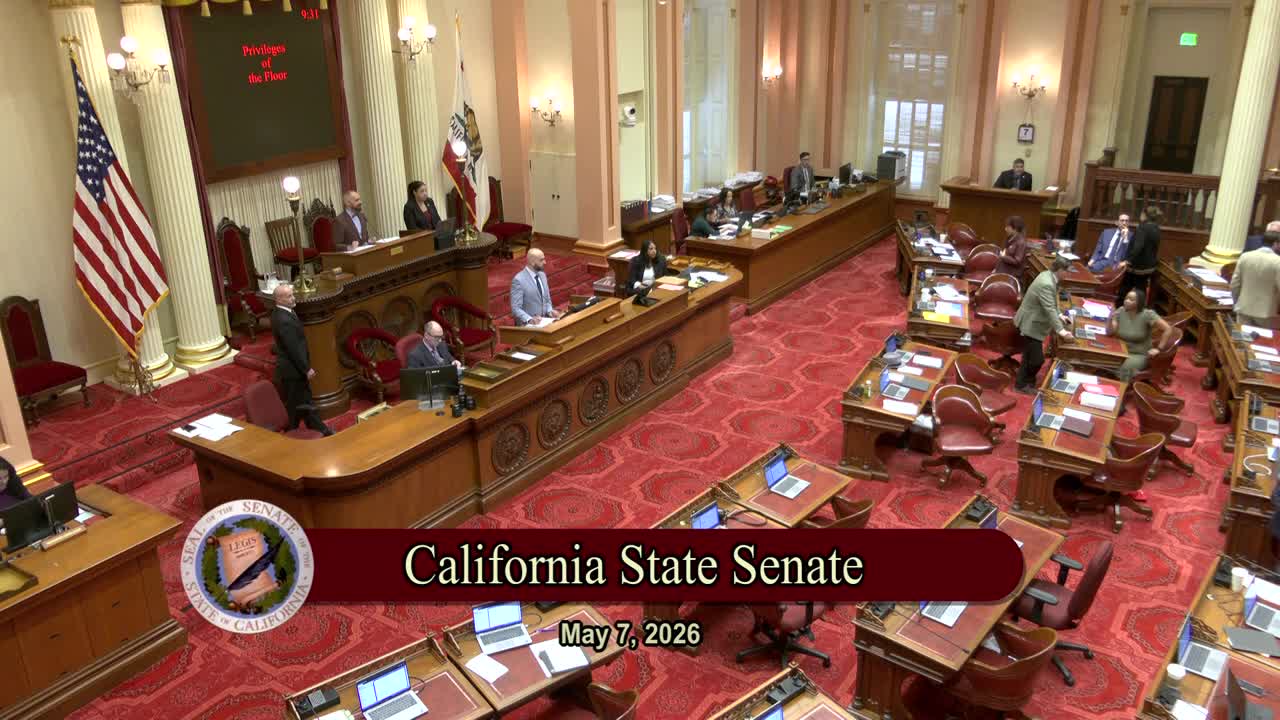 3MIN
Senate Floor
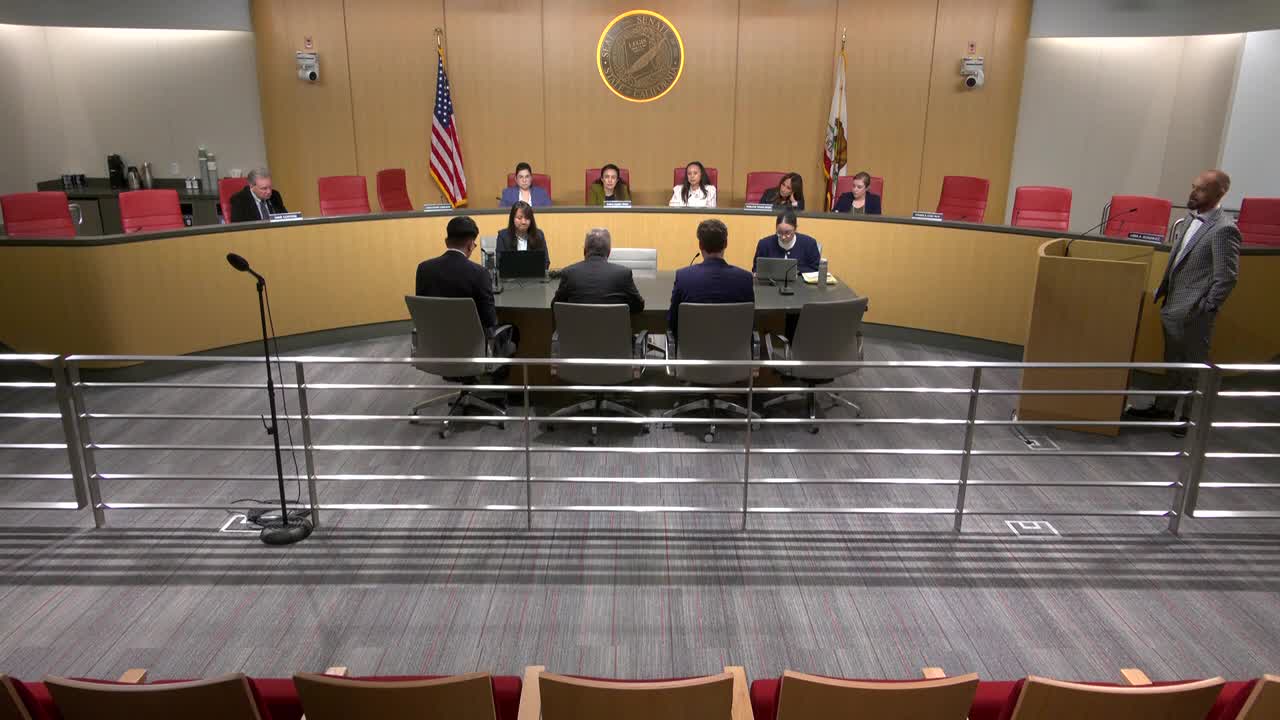 28MIN
Senate Standing Committee on Education
Bill Author