SJR 3: Supplemental Nutrition Assistance Program (SNAP).
- Session Year: 2025-2026
- House: Senate
- Latest Version Date: 2025-07-18
Current Status:
Passed
(2025-07-18: Chaptered by Secretary of State. Res. Chapter 151, Statutes of 2025.)
Introduced
In Committee
Awaiting First Chamber Vote
Passed First Chamber
In Committee
Awaiting Second Chamber Vote
Passed Second Chamber
Enacted
This measure would urge the United States Congress to avoid any cuts to the Supplemental Nutrition Assistance Program (SNAP), which could harm the states children, older adults, and families, and impact the states economic well-being.
This measure would urge the United States Congress to avoid any cuts to the Supplemental Nutrition Assistance Program (SNAP), which could harm the states children, older adults, and families, and impact the states economic well-being.
This measure would urge the United States Congress to avoid any cuts to the Supplemental Nutrition Assistance Program (SNAP), which could harm the states children, older adults, and families, and impact the states economic well-being.
WHEREAS, California produces nearly one-half of the nations fruits and vegetables, yet more than one in five Californians, which is about 8,800,000 individuals, currently struggle with food insecurity. One in six families with children experience food insecurity according to the Public Policy Institute of California. Two-thirds of Californias 24,000 college students are experiencing food insecurity, according to the California Student Aid Commission, which sounded an alarm after its 2023 survey of students; and
WHEREAS, CalFresh is the largest antihunger program in California, alleviating hunger for 5,400,000 people, including nearly 2,000,000 older adults, in this state. Hunger is on the rise, as evidenced both by increased applications for CalFresh and increasing demand on the states food banks; and
WHEREAS, The CalFresh benefit is fully funded by the federal Supplemental Nutrition Assistance Program (SNAP), the federal governments antihunger program run by the United States Department of Agriculture, while the federal government shares with the state and counties the cost to administer the program and support outreach efforts; and
WHEREAS, The federal government provides more than $1,000,000,000 per month in food benefits to needy Californians, or nearly $12,500,000,000 in 2024; and
WHEREAS, The United States Department of Agriculture estimates that every $1 of SNAP funding generates $1.54 to $1.80 in local economic activity, so the actual benefit of SNAP to California is as much as $22,500,000,000 annually. Furthermore, SNAP funding sustains 173,000 jobs across Californias food and farming economy; and
WHEREAS, CalFresh benefits additionally supplement bottled drinking water for families in the County of Kern, whose water systems do not provide drinkable water, and provide nutritional food to 200,000 college students in California, allowing those students to remain in school; and
WHEREAS, Researchers have improved documented health and economic well-being outcomes for SNAP beneficiaries, including improved birth weight, decreased rates of diabetes, obesity, hypertension, childrens developmental disabilities and depression, and, for children who receive CalFresh, a decreased reliance on public benefits as adults; and
WHEREAS, The United States Department of Agriculture has cancelled up to $500,000,000 worth of produce, poultry and other items bound for the nations food banks, including more than 300 truckloads destined for California; and
WHEREAS, The United States Congress is debating deep cuts to the SNAP program that could have profound impacts on Californias neediest families and the states farmers and grocers. At the same time, the federal government is proposing deep, ongoing cuts to the nations food bank network, which serves many of the same hungry families. One in three families receiving the CalFresh benefit also relies on food banks to supplement their dietary needs; now, therefore, be it
Resolved by the Senate and the Assembly of the State of California, jointly, That the Legislature of the State of California urges the United States Congress to avoid any cuts to the SNAP program, which could harm the states children, older adults, and families, and impact the states economic well-being; and be it further
Resolved, That the Secretary of the Senate transmit copies of this resolution to the President and Vice President of the United States, to the Speaker of the United States House of Representatives, to the Majority Leader of the United States Senate, to each Senator and Representative from California in the Congress of the United States, to the Governor, to the Attorney General, and to the author for appropriate distribution.
|
Date
|
Status
|
|---|---|
| Jul 18, 2025 | Chaptered by Secretary of State. Res. Chapter 151, Statutes of 2025. |
| Jul 18, 2025 | Enrolled and filed with the Secretary of State at 1 p.m. |
| Jul 15, 2025 | In Senate. Ordered to engrossing and enrolling. |
| Jul 14, 2025 | Read. Adopted. (Ayes 72. Noes 0. Page 2537.) Ordered to the Senate. |
| Jul 14, 2025 | Coauthors revised. |
| Jun 17, 2025 | From committee: Be adopted. Ordered to third reading. (Ayes 7. Noes 0.) (June 17). |
| Jun 17, 2025 | Coauthors revised. |
| May 12, 2025 | Referred to Com. on HUM. S. |
| May 5, 2025 | In Assembly. Held at Desk. |
| May 5, 2025 | Read. Adopted. (Ayes 38. Noes 0. Page 1010.) Ordered to the Assembly. |
| Apr 24, 2025 | Ordered to third reading. |
| Apr 24, 2025 | From consent calendar on motion of Senator Arreguín. |
| Apr 23, 2025 | Read second time. Ordered to consent calendar. |
| Apr 22, 2025 | From committee: Be adopted. Ordered to consent calendar. (Ayes 5. Noes 0. Page 812.) (April 21). |
| Apr 4, 2025 | Set for hearing April 21. |
| Apr 2, 2025 | Re-referred to Com. on HUMAN S. |
| Mar 27, 2025 | Introduced. Referred to Com. on RLS. |
|
Date
|
Description
|
Location
|
Votes
|
|
|---|---|---|---|---|
| Jul 14, 2025 | SJR 3 Arreguín Senate Third Reading By Calderon | Assembly Floor |
Passed |
|
| Jun 17, 2025 | Be adopted. To third reading. | Assembly Standing Committee on Human Services |
Passed |
|
| May 5, 2025 | Senate 3rd Reading SJR3 Arreguín et al. | Senate Floor |
Passed |
|
| Apr 21, 2025 | Be adopted and be ordered to the Consent Calendar | Senate Standing Committee on Human Services |
Passed |
This list shows positions taken on this bill by organizations on the date displayed, which is linked to the original source.
Positions by individuals are not included.
|
Organization
|
Position
|
Date
|
|---|---|---|
| Alameda County Community Food Bank | ** Support | |
| Alchemist CDC | ** Support | |
| California Association Of Food Banks | ** Support | |
| California Council Of The Blind | ** Support | |
| Californians for SSI | ** Support | |
| Ceres Community Project | ** Support | |
| Coalition for Humane Immigrant Rights | ** Support | |
| Feeding San Diego | ** Support | |
| Food Access LA | ** Support | |
| Food Bank of Contra Costa and Solano | ** Support | |
| Food for People, the Food Bank for Humboldt County | ** Support | |
| Glide | ** Support | |
| GRACE - End Child Poverty CA | ** Support | |
| Jacobs & Cushman San Diego Food Bank | ** Support | |
| Latino Coalition for a Healthy California | ** Support | |
| Los Angeles Food Policy Council | ** Support | |
| Los Angeles Regional Food Bank | ** Support | |
| San Francisco-Marin Food Bank | ** Support | |
| Second Harvest Food Bank of Orange County | ** Support | |
| second harvest food bank of santa cruz county | ** Support | |
| Southern California College Attainment Network | ** Support |
SENATE THIRD READING
STR Bill Id:SJR 3
Author:(Arreguín and Weber Pierson)
As Introduced Ver:March 27, 2025
Majority vote
SUMMARY
Urges the United States (U.S.) Congress to avoid any cuts to the Supplemental Nutrition Assistance Program (SNAP).
Major Provisions
COMMENTS
Background: CalFresh. SNAP (formerly known as the Food Stamp Program) is the largest federal food safety-net program that serves as the first line of defense against hunger and food insecurity for low-income households. In California, $12.6 billion of federal SNAP funds are administered through the CalFresh program, serving approximately 5.4 million CalFresh participants and covering 100% of the program's benefit costs.
Overseen by CDSS and administered locally by county human services departments, CalFresh serves a large and diverse caseload, with substantial shares comprising low-income working families with children, elderly and disabled people, and very low-income individuals with significant barriers to employment. Participants use EBT cards to purchase eligible food items such as fruits and vegetables, meat, dairy products, and seeds and plants that produce food at authorized retailers, including grocery stores, supermarkets, and farmers' markets.
The United States Department of Agriculture (USDA) establishes the gross and net income requirements for CalFresh eligibility, limiting California's flexibility in setting its own criteria. Currently, the maximum allowable gross income is 200% of the federal poverty level, although households with elderly members or members with disabilities are not subject to gross income criteria. Effective October 1, 2024, through September 30, 2025, these gross income limits for a household of three in the U.S. are currently $2,798 per month, or $33,576 annually.
Under federal rules, adults between 18 and 49 years of age without dependents can only receive CalFresh benefits for three months within a 36-month period unless they meet work requirements for at least 20 hours per week. However, California requested and received a statewide Able-Bodied Adults Without Dependents (ABAWD) waiver of this time limit, allowing ABAWDs to continue receiving CalFresh without work requirements. This waiver was originally set to expire on January 31, 2027; however, on May 21, 2025, the USDA, Food and Nutrition Service informed California that they reevaluated its policy surrounding two-year waiver approvals and have rescinded all two-year waivers and reissued them as one-year waivers. As a result, California's two-year statewide ABAWD time limit waiver has been reissued as a one-year waiver, effective February 1, 2025, and is set to expire on January 31, 2026, which means work requirements will be reinstated.
CalFresh plays a critical role in reducing poverty and food insecurity in California. In early 2023, participation in CalFresh helped keep approximately 1.1 million Californians out of poverty. Research also shows that SNAP reduces overall food insecurity by about 20% and reduces food insecurity among children by approximately 33%. In addition to reducing poverty and food insecurity, access to CalFresh benefits has been shown to improve long-term health, economic, and social outcomes for individuals and families across different stages of life.
CalFresh Benefit Levels. As of September 2024, the minimum CalFresh benefit in California was $23 per month for households of one or two. The USDA's Thrifty Food Plan (Thrifty), which estimates the cost of purchasing a nutritious diet at a minimal cost, determines the maximum monthly SNAP benefit. The Thrifty annually adjusts the benefit amount to reflect changes in food prices. The most recent major update occurred in 2021, resulting in a 21% increase in benefit amounts, the first major revision since 2006. Effective October 1, 2024, to September 30, 2025, the maximum CalFresh benefit for a household of one is $292 per month, while a household of three could receive up to $768 per month. However, most households do not receive the maximum benefit. In 2024, the average monthly benefit in California was $189 per person. While CalFresh provides critical support, research has shown that the purchasing power of SNAP benefits is often inadequate to fully meet household food needs throughout the entire month. Any reductions in SNAP benefits would lower SNAP food spending, increasing the amount of cash spending required to meet food needs.
Economic Impact of CalFresh. According to the USDA, every $1 in federally funded CalFresh benefits generates approximately $1.50 in economic activity. Furthermore, every $1 billion in CalFresh benefits generates over 10,000 jobs across sectors such as agriculture, transportation, and retail. Conversely, lower CalFresh benefits may impose significant economic costs. Food insecurity has been linked to higher healthcare costs, particularly due to increased rates of chronic illnesses, hospitalizations, and nursing home stays. According to research, hunger costs the U.S. economy at least $77.5 billion annually in healthcare costs alone. However, expanding CalFresh access could reduce healthcare costs by an estimated $1,400 per low-income adult per year and produce substantial savings for state Medicaid programs by preventing avoidable hospitalizations and chronic health conditions.
Potential SNAP Benefit Cuts. In May 2025, the House Agriculture Committee approved an unprecedented $300 billion in cuts to SNAP over the next decade as part of a broader budget reconciliation bill, which extends or makes permanent provisions from the Tax Cuts and Jobs Act of 2017 that were scheduled to expire at the end of 2025. According to an analysis by Penn Wharton, University of Pennsylvania:
The possible economic gains during the first decade are driven by increases in savings and labor supply, as households face a weaker social safety net associated with reductions in spending. On a conventional basis, households in the first income quintile lose about $860 in 2026, reflecting net reductions in taxes and transfer, including cuts to Medicaid and SNAP. The top 10% of the income distribution receives about 70% of the total value of the legislation…On a dynamic lifetime basis, lower-income households and some in the middle class are worse off, despite positive economic effects. All future generations are worse off.
With that in mind, any cuts to SNAP would result in a loss of essential food assistance for low-income households, exacerbating food insecurity and hardship across the nation and generations. According to the Congressional Budget Office, proposed cuts include:
- Limiting cost adjustments to the Thrifty from annually to every five years, reducing benefit value ($37 billion in "savings");
- Reducing the federal contribution to SNAP administrative costs from 50% to 25%, shifting 75% of the burden to states ($27 billion);
- Restricting internet utility cost deductions for shelter expenses to only elderly or disabled households ($17 billion). The Standard Utility Allowance helps determine SNAP eligibility by covering costs like rent, utilities, and taxes. The excess shelter deduction is capped at $712 for households without an elderly or disabled member;
- Requiring state agencies to use SNAP overpayment data to prevent overpayments of other benefits ($7 billion);
- Eliminating the National Education and Obesity Prevention Program for SNAP participants, which provides nutrition education ($5 billion);
- Imposing a zero-tolerance policy for SNAP error payments, which includes both overpayments and underpayments to SNAP participants, reducing the acceptable error rate from $37 to $0 ($80 million). States with high payment error rates for two consecutive years face penalties. The 2023 national payment error rate was 11.68%, with California at 13.4%;
- Requiring states to contribute between 5% and 25% toward SNAP benefits by 2028 based on their payment error rates ($128 billion). According to the U.S. House Committee on Agriculture, between 2010-19, the hypothetical state cost-share for California was 5%. Based on the 2023 error rate, California would contribute 25%, along with 25 other states; and,
- Raising the work requirement age limit from 54 to 64, limiting exemptions to caregivers of children under 7 years of age, and requiring proof of 20 hours of work per week or loss of benefits (92 million), which could result in millions losing access to SNAP. As mentioned earlier, California has an ABAWD work requirement waiver until January 31, 2026, which means work requirements will be reinstated upon waiver expiration.
Such proposals would abandon the national commitment to provide low-income individuals, including 1 in 5 children, a SNAP benefit that is sufficient to afford an adequate diet. If the $300 billion reduction occurs, California could lose $30 billion or more in federal SNAP funding between 2026 and 2034. These cuts would harm millions of Californians and force state policymakers to make difficult decisions on how to mitigate the funding gaps to prevent further erosion of essential public services that help promote economic security. Federal lawmakers are working under a self-imposed deadline to finalize the bill by July 4, 2025, but the exact timing could shift depending on negotiations and amendments.
According to the Author
"Many low income families rely on Cal Fresh benefits to make ends meet. Without such benefits, thousands of families will go hungry, and have no way to provide for their families. For most households, the monthly gross income must be at or below 200% of the Federal Poverty Level for the household size.
"One in six families with children experience food insecurity according to the Public Policy Institute of California. Two-thirds of California's 24,000 college students are experiencing food insecurity, according to the California Student Aid Commission, which sounded an alarm after its 2023 survey of students. Cal Fresh is delivered to beneficiaries on Electronic Benefit Transfer (EBT) cards, so families can buy locally grown produce, eggs, meats and other goods at local grocery stores.
"Congress is proposing cutting one-fifth of the program's funding, or $230 billion. Such deep cuts are projected to mean significant increases in food insecurity and hunger. In California, where the average SNAP benefit was about $6 per person per day, food insecurity is already an established concern.
"Given the importance of SNAP benefits to alleviate hunger and the impact to grocers, especially in rural areas, the California Legislature asks Congress to support the SNAP program at its existing level."
Arguments in Support
According to the California Association of Food Banks and GRACE/End Child Poverty CA, "Cutting SNAP benefits will force more families deeper into poverty, increasing demand on food banks and local charities that are already stretched thin. When CAFB asked their network of food banks at the California Association of Food Banks what they've been experiencing, 75% said they have had to adjust their operations to cope with increased demand with fewer resources, 60% limited or reduced the variety of food distributed, and 25% scaled back programs, with several reporting the closing of food distribution sites, reducing their paid workforce, or turning away new partners or clients. For every nine meals that SNAP provides, food charities supply just one — our network cannot absorb the loss of SNAP benefits."
Arguments in Opposition
None on file.
FISCAL COMMENTS
This resolution has been keyed non-fiscal by the Legislative Counsel.
VOTES
SENATE FLOOR: 38-0-2
YES: Allen, Alvarado-Gil, Archuleta, Arreguín, Ashby, Becker, Blakespear, Cabaldon, Caballero, Cervantes, Choi, Cortese, Dahle, Durazo, Gonzalez, Grayson, Grove, Hurtado, Jones, Laird, Limón, McGuire, McNerney, Menjivar, Niello, Ochoa Bogh, Pérez, Richardson, Rubio, Seyarto, Smallwood-Cuevas, Stern, Strickland, Umberg, Valladares, Wahab, Weber Pierson, Wiener
ABS, ABST OR NV: Padilla, Reyes
ASM HUMAN SERVICES: 7-0-0
YES: Lee, Castillo, Calderon, Elhawary, Jackson, Celeste Rodriguez, Tangipa
UPDATED
VERSION: March 27, 2025
CONSULTANT: Bri-Ann Hernández-Mengual / HUM. S. / (916) 319-2089 FN: 0000984
Date of Hearing: June 17, 2025
ASSEMBLY COMMITTEE ON HUMAN SERVICES
Alex Lee, Chair
SBPCA Bill Id:SJR 3
Author:(Arreguín) – As Introduced Ver:March 27, 2025
SENATE VOTE: 38-0
SUBJECT: Supplemental Nutrition Assistance Program (SNAP)
SUMMARY: Urges the United States (U.S.) Congress to avoid any cuts to the Supplemental Nutrition Assistance Program (SNAP).
EXISTING LAW:
State law:
- Acknowledges access to sufficient affordable and healthy food as a human right and requires relevant state agencies and departments to consider this state policy. (Welfare and Institutions Code [WIC] § 18700)
- Establishes the CalFresh program to administer the provision of federal SNAP benefits to families and individuals meeting certain criteria, as specified. (WIC § 18900 et seq.)
- Establishes, in the Electronic Benefits Transfer (EBT) Act, a system for the distribution and use of public assistance benefits, such as California Work Opportunity and Responsibility to Kids (CalWORKs) and CalFresh, and requires EBT access to be provided through automated teller machines, point-of-sale devices and other devices that accept EBT transactions. (WIC § 10065 et seq.)
- Requires the California Department of Social Services (CDSS) to use state funds appropriated for the Supplemental Security Income/State Supplementary Payment (SSI/SSP) Cash-In Supplemental Nutrition Benefit Program to provide nutrition benefits to continuing CalFresh households that were eligible for and receiving CalFresh benefits as of June 1, 2019, but for whom the household’s monthly CalFresh benefit was reduced when a previously excluded individual was added to the household. (WIC § 18900.6 et seq.)
- Creates the Safe Drinking Water Supplemental Benefit Pilot Program until September 30, 2025, as a state-funded program to provide additional CalFresh nutrition benefits for interim assistance to purchase safe drinking water in areas where it is necessary. (WIC § 18901.25)
- Requires CDSS, subject to an appropriation by the Legislature in the annual Budget Act or another statute for this purpose, to administer the CalFresh Minimum Nutrition Benefit Pilot Program to provide 12 months of additional state-funded nutrition benefits to ensure eligible households receive a supplement that, when added together with the federal allotment, totals no less than $50. (WIC § 18901.26(a))
- Creates the California Fruit and Vegetable EBT Pilot Project, which provides eligible CalFresh participants with additional benefits to purchase fresh fruits and vegetables. (WIC § 10072.3)
- States legislative intent to maximize food access for all CalFresh recipients. (WIC § 18919.1(a))
- Defines “food bank” to mean a surplus food collection and distribution system operated and established to assist in bringing donated food to nonprofit charitable organizations and individuals for the purposes of reducing hunger and supplying nutritional needs. (Health and Safety Code § 113783)
Federal law:
- Establishes SNAP pursuant to the Food Stamp Act of 1964. (7 United States Code § 2011 et seq.)
FISCAL EFFECT: This resolution was keyed non-fiscal by the Legislative Counsel.
COMMENTS:
Background: Food Insecurity. The U.S. Department of Agriculture (USDA), which monitors food insecurity and oversees the nation’s largest food aid programs, defines food security as “access by all people at all times to enough food for an active, healthy life.” It categorizes food security into four levels:

While California declared food as a human right in 2023 [SB 628 (Hurtado), Chapter 879, Statutes of 2023], and produces nearly half of the nation’s fruits and vegetables, data from the U.S. Census Household Pulse Survey shows that as of September 2024, 22% of California households are food insecure and 27% of households with children are food insecure, with deep disparities for Black, Latino, and Native households. Factors contributing to food insecurity include socioeconomic disparities and geographic barriers, among other causes. For individuals facing food insecurity, the choice is often between nurturing their physical health and maintaining other aspects of their lives, such as purchasing necessary medications or paying rent to maintain housing.
A lack of adequate food can have long-term physical health consequences across the lifespan. During pregnancy, it can lead to poor birth outcomes, impacting a child’s physical and cognitive development. Young children with inadequate or interrupted food intake are at a higher risk of iron deficiency, respiratory illnesses, infections, and developmental delays. In school-aged children, food insecurity is associated with poor academic performance, attention difficulties, and behavioral issues. In adolescence, food insecurity is associated with having many sexual partners, drug and alcohol abuse, greater exposure to violence, high-risk pregnancy, and suicide ideation. Long-term, these disadvantages contribute to intergenerational cycles of poverty and food insecurity. In adulthood, food insecurity increases the risk of chronic, diet-related diseases such as diabetes, obesity, hypertension, cardiovascular disease, and certain cancers due to poor nutrition and limited access to healthcare. Beyond physical health, the emotional and psychological stress of uncertain food access causes anxiety, depression, and social isolation.
CalFresh. SNAP (formerly known as the Food Stamp Program) is the largest federal food safety-net program that serves as the first line of defense against hunger and food insecurity for low-income households. In California, $12.6 billion of federal SNAP funds are administered through the CalFresh program, serving approximately 5.4 million CalFresh participants and covering 100% of the program’s benefit costs.
Overseen by CDSS and administered locally by county human services departments, CalFresh serves a large and diverse caseload, with substantial shares comprising low-income working families with children, elderly and disabled people, and very low-income individuals with significant barriers to employment. Participants use EBT cards to purchase eligible food items such as fruits and vegetables, meat, dairy products, and seeds and plants that produce food at authorized retailers, including grocery stores, supermarkets, and farmers’ markets.
The USDA establishes the gross and net income requirements for CalFresh eligibility, limiting California’s flexibility in setting its own criteria. Currently, the maximum allowable gross income is 200% of the federal poverty level, although households with elderly members or members with disabilities are not subject to gross income criteria. Effective October 1, 2024, through September 30, 2025, these gross income limits for a household of three in the U.S. are currently $2,798 per month, or $33,576 annually.
Under federal rules, adults between 18 and 49 years of age without dependents can only receive CalFresh benefits for three months within a 36-month period unless they meet work requirements for at least 20 hours per week. However, California requested and received a statewide Able-Bodied Adults Without Dependents (ABAWD) waiver of this time limit, allowing ABAWDs to continue receiving CalFresh without work requirements. This waiver was originally set to expire on January 31, 2027; however, on May 21, 2025, the USDA, Food and Nutrition Service informed California that they reevaluated its policy surrounding two-year waiver approvals and have rescinded all two-year waivers and reissued them as one-year waivers. As a result, California’s two-year statewide ABAWD time limit waiver has been reissued as a one-year waiver, effective February 1, 2025, and is set to expire on January 31, 2026, which means work requirements will be reinstated.
CalFresh plays a critical role in reducing poverty and food insecurity in California. In early 2023, participation in CalFresh helped keep approximately 1.1 million Californians out of poverty. Research also shows that SNAP reduces overall food insecurity by about 20% and reduces food insecurity among children by approximately 33%. In addition to reducing poverty and food insecurity, access to CalFresh benefits has been shown to improve long-term health, economic, and social outcomes for individuals and families across different stages of life.
CalFresh Benefit Levels. As of September 2024, the minimum CalFresh benefit in California was $23 per month for households of one or two. The USDA’s Thrifty Food Plan (Thrifty), which estimates the cost of purchasing a nutritious diet at a minimal cost, determines the maximum monthly SNAP benefit. The Thrifty annually adjusts the benefit amount to reflect changes in food prices. The most recent major update occurred in 2021, resulting in a 21% increase in benefit amounts, the first major revision since 2006. Effective October 1, 2024, to September 30, 2025, the maximum CalFresh benefit for a household of one is $292 per month, while a household of three could receive up to $768 per month. However, most households do not receive the maximum benefit. In 2024, the average monthly benefit in California was $189 per person.
The figure below shows the relationship between a family’s income, SNAP benefits, and food spending. The horizontal axis represents a family’s income, while the vertical axis shows both SNAP benefits and total food spending. Families with no income receive the maximum SNAP benefit for their household size. However, as income increases, SNAP benefits gradually decrease due to a 30% benefit reduction rate. This means that for every $1 increase in net income, SNAP benefits decrease by $0.30. For example, in 2022, a three-person household with no income would receive approximately $658 per month in SNAP benefits. If the same household had $1,000 in income, their monthly SNAP benefit would decrease to around $358.
The graph also shows that as a household’s income increases, total food spending, including both SNAP benefits and out-of-pocket expenses, tends to increase. Most families spend more on food than their SNAP benefits alone, supplementing their grocery budget with personal funds. While some families fully utilize their SNAP benefits each month, others report spending less than the maximum benefit amount. As income grows, SNAP benefits account for a smaller proportion of a family’s total food spending because benefits decline while food spending increases. This reflects the program’s design to provide greater assistance to families with the greatest financial need while gradually reducing support as household income rises.

However, while CalFresh provides critical support, research has shown that the purchasing power of SNAP benefits is often inadequate to fully meet household food needs throughout the entire month. Any reductions in SNAP benefits would lower SNAP food spending, increasing the amount of cash spending required to meet food needs.
Economic Impact of CalFresh. In addition to addressing food insecurity, CalFresh significantly boosts California’s economy. According to the USDA, every $1 in federally funded CalFresh benefits generates approximately $1.50 in economic activity. Furthermore, every $1 billion in CalFresh benefits generates over 10,000 jobs across sectors such as agriculture, transportation, and retail.
Conversely, lower CalFresh benefits may impose significant economic costs. Food insecurity has been linked to higher healthcare costs, particularly due to increased rates of chronic illnesses, hospitalizations, and nursing home stays. According to research, hunger costs the U.S. economy at least $77.5 billion annually in healthcare costs alone. However, expanding CalFresh access could reduce healthcare costs by an estimated $1,400 per low-income adult per year and produce substantial savings for state Medicaid programs by preventing avoidable hospitalizations and chronic health conditions.
Potential SNAP Benefit Cuts. In May 2025, the House Agriculture Committee approved an unprecedented $300 billion in cuts to SNAP over the next decade as part of a broader budget reconciliation bill, which extends or makes permanent provisions from the Tax Cuts and Jobs Act of 2017 that were scheduled to expire at the end of 2025. According to an analysis by Penn Wharton, University of Pennsylvania:
The possible economic gains during the first decade are driven by increases in savings and labor supply, as households face a weaker social safety net associated with reductions in spending. On a conventional basis, households in the first income quintile lose about $860 in 2026, reflecting net reductions in taxes and transfer, including cuts to Medicaid and SNAP. The top 10% of the income distribution receives about 70% of the total value of the legislation…On a dynamic lifetime basis, lower-income households and some in the middle class are worse off, despite positive economic effects. All future generations are worse off.
With that in mind, any cuts to SNAP would result in a loss of essential food assistance for low-income households, exacerbating food insecurity and hardship across the nation and generations. According to the Congressional Budget Office, proposed cuts include:
- Limiting cost adjustments to the Thrifty from annually to every five years, reducing benefit value ($37 billion in “savings”);
- Reducing the federal contribution to SNAP administrative costs from 50% to 25%, shifting 75% of the burden to states ($27 billion);
- Restricting internet utility cost deductions for shelter expenses to only elderly or disabled households ($17 billion). The Standard Utility Allowance helps determine SNAP eligibility by covering costs like rent, utilities, and taxes. The excess shelter deduction is capped at $712 for households without an elderly or disabled member;
- Requiring state agencies to use SNAP overpayment data to prevent overpayments of other benefits ($7 billion);
- Eliminating the National Education and Obesity Prevention Program for SNAP participants, which provides nutrition education ($5 billion);
- Imposing a zero-tolerance policy for SNAP error payments, which includes both overpayments and underpayments to SNAP participants, reducing the acceptable error rate from $37 to $0 ($80 million). States with high payment error rates for two consecutive years face penalties. The 2023 national payment error rate was 11.68%, with California at 13.4%;
- Requiring states to contribute between 5% and 25% toward SNAP benefits by 2028 based on their payment error rates ($128 billion). According to the U.S. House Committee on Agriculture, between 2010-19, the hypothetical state cost-share for California was 5%. Based on the 2023 error rate, California would contribute 25%, along with 25 other states; and,
- Raising the work requirement age limit from 54 to 64, limiting exemptions to caregivers of children under 7 years of age, and requiring proof of 20 hours of work per week or loss of benefits (92 million), which could result in millions losing access to SNAP. As mentioned earlier, California has an ABAWD work requirement waiver until January 31, 2026, which means work requirements will be reinstated upon waiver expiration.
Such proposals would abandon the national commitment to provide low-income individuals, including 1 in 5 children, a SNAP benefit that is sufficient to afford an adequate diet. If the $300 billion reduction occurs, California could lose $30 billion or more in federal SNAP funding between 2026 and 2034. These cuts would harm millions of Californians and force state policymakers to make difficult decisions on how to mitigate the funding gaps to prevent further erosion of essential public services that help promote economic security. Lawmakers are working under a self-imposed deadline to finalize the bill by July 4, 2025, but the exact timing could shift depending on negotiations and amendments.
Author’s Statement: According to the Author, “Many low income families rely on Cal Fresh benefits to make ends meet. Without such benefits, thousands of families will go hungry, and have no way to provide for their families. For most households, the monthly gross income must be at or below 200% of the Federal Poverty Level for the household size.
“One in six families with children experience food insecurity according to the Public Policy Institute of California. Two-thirds of California’s 24,000 college students are experiencing food insecurity, according to the California Student Aid Commission, which sounded an alarm after its 2023 survey of students. Cal Fresh is delivered to beneficiaries on Electronic Benefit Transfer (EBT) cards, so families can buy locally grown produce, eggs, meats and other goods at local grocery stores.
“Congress is proposing cutting one-fifth of the program’s funding, or $230 billion. Such deep cuts are projected to mean significant increases in food insecurity and hunger. In California, where the average SNAP benefit was about $6 per person per day, food insecurity is already an established concern.
“Given the importance of SNAP benefits to alleviate hunger and the impact to grocers, especially in rural areas, the California Legislature asks Congress to support the SNAP program at its existing level."
Equity Implications: This resolution urges Congress to maintain SNAP funding and prevent harmful cuts, which would disproportionately harm low-income families and individuals who rely heavily on CalFresh to purchase food. Vulnerable populations, including seniors, college students, disabled individuals, single-parent households, and unemployed persons, would experience heightened food insecurity if benefits are cut. Reduced benefits can lead to detrimental health impacts, particularly for children, who may experience developmental issues due to inadequate nutrition. Moreover, financial stress on low-income individuals, particularly among Black and Latino communities, could intensify, potentially leading to higher incidences of homelessness, malnutrition, and reliance on other social services. Maintaining SNAP funding at current levels would provide a safety net that helps prevent these negative outcomes.
RELATED AND PRIOR LEGISLATION:
AB 936 (Lee) of 2025, would have made the California Fruit and Vegetable Pilot permanent and rename it the CalFresh Fruit and Vegetable Supplemental Benefits Program. AB 936 was held on the Assembly Committee on Appropriations suspense file.
AB 1211 (Sharp-Collins) of 2025, would have required CDSS, if the federal government reduces SNAP benefits, to ensure that CalFresh benefits remain at current levels, and to use state funds if federal funding is insufficient. Would have required CDSS to conduct a feasibility study on increasing eligibility and benefits of the CalFresh program. AB 1211 was held on the Assembly Committee on Appropriations suspense file.
REGISTERED SUPPORT / OPPOSITION:
Support
California Association of Food Banks
Californians for SSI
Grace - End Child Poverty CA
Latino Coalition for a Healthy California
Second Harvest Food Bank of Orange County
Opposition
None on file.
Analysis Prepared by: Bri-Ann Hernández-Mengual / HUM. S. / (916) 319-2089
SENATE RULES COMMITTEE Office of Senate Floor Analyses (916) 651-1520 Fax: (916) 327-4478 | SJR 3 |
THIRD READING
Bill No: SJR 3
Author: Arreguín (D) and Weber Pierson (D)
Introduced: 3/27/25
Vote: 21
SENATE HUMAN SERVICES COMMITTEE: 5-0, 4/21/25
AYES: Arreguín, Ochoa Bogh, Becker, Limón, Pérez
SUBJECT: Supplemental Nutrition Assistance Program (SNAP)
SOURCE: Author
DIGEST:
This resolution urges the United States Congress to avoid any cuts to the SNAP program.
ANALYSIS:
Existing Law:
- Establishes under federal law SNAP to promote the general welfare and to safeguard the health and wellbeing of the nation’s population by raising the levels of nutrition among low-income households. (7 United States Code (USC) Section 2011 et seq.)
- Establishes, in the Electronic Benefits Transfer (EBT) Act, a system for the distribution and use of public assistance benefits, such as California Work Opportunity and Responsibility to Kids (CalWORKs) and CalFresh, and requires EBT access to be provided through automated teller machines, point-of-sale devices and other devices that accept EBT transactions. (WIC § 10065 et seq.)
- Acknowledges access to sufficient affordable and healthy food as human right and requires state agencies and departments to consider this state policy. (WIC § 18700)
- Establishes CalFresh as California’s implementation of the federal SNAP program. (WIC § 18900)
- Allows recipients of Supplemental Security Income/State Supplementary Payment Program benefits to receive CalFresh benefits, if otherwise eligible. (WIC § 18900.5)
- Creates the Safe Drinking Water Supplemental Benefit Pilot Program, a state-funded program to provide additional CalFresh nutrition benefits for interim assistance to purchase safe drinking water in areas where it is necessary. (WIC § 18901.25)
- Creates the CalFresh Minimum Nutrition Benefit Pilot Program to provide 12 months of additional state-funded nutrition benefits to ensure eligible households receive a supplement that, when added together with the federal allotment, totals no less than $50. (WIC § 18901.26)
- Creates the California Fruit and Vegetable EBT Pilot Project. (WIC § 10072.3)
- Defines “food bank” to mean a surplus food collection and distribution system operated and established to assist in bringing donated food to nonprofit charitable organizations and individuals for the purposes of reducing hunger and supplying nutritional needs. (Health and Safety Code § 113783)
This Resolution:
- Makes various findings and declarations relative to food insecurity and the economic and health impacts of CalFresh on California.
- Makes various findings and declarations relative to recent acts by the United States Department of Agriculture and debates in the United States Congress to decrease SNAP benefits and supplies to food banks.
- Urges the United States Congress to avoid any cuts to the SNAP program, which could harm the state’s children, older adults, and families, and impact the state’s economic well-being.
Comments
According to the author, “Many low income families rely on CalFresh benefits to make ends meet. Without such benefits, thousands of families will go hungry, and have no way to provide for their families. For most households, the monthly gross income must be at or below 200% of the Federal Poverty Level for the household size.
“One in six families with children experience food insecurity according to the Public Policy Institute of California. Two-thirds of California’s 24,000 college students are experiencing food insecurity, according to the California Student Aid Commission, which sounded an alarm after its 2023 survey of students. CalFresh is delivered to beneficiaries on Electronic Benefit Transfer (EBT) cards, so families can buy locally grown produce, eggs, meats and other goods at local grocery stores.
“Congress is proposing cutting one-fifth of the program’s funding, or $230 billion. Such deep cuts are projected to mean significant increases in food insecurity and hunger. In California, where the average SNAP benefit was about $6 per person per day, food insecurity is already an established concern. Given the importance of SNAP benefits to alleviate hunger and the impact to grocers, especially in rural areas, the California Legislature asks Congress to support the SNAP program at its existing level.”
Food Insecurity. Food insecurity, defined as a household-level economic and social condition of limited or uncertain access to adequate food, can lead to chronic health conditions such as diabetes, high blood pressure and heart disease. It can also have long term effects on children including delays in child development, hampered school performance, and increased likelihood of conditions like asthma or behavioral problems.
Hunger, defined as an individual level physiological condition that may result from food insecurity, creates physical and mental health disorders, especially in children. One study found that hunger is a significant predictor of future chronic illness for school age children, even when controlling for other factors like housing and low birth weight. Severe hunger in young children was also highly correlated with behavioral problems and episodes of depression and anxiety. Mothers of young children with severe hunger were more likely to be diagnosed with posttraumatic stress disorder. Any health conditions resulting from food insecurity can be an added cost burden to families as well.
Since many people who are food insecure are also in poverty or dealing with economic challenges, food insecurity and poverty go hand in hand. According to the California Health Interview Survey, in 2023, 45% of California adults with incomes under 200% of the federal poverty level were food insecure. Food insecurity disproportionally affects certain communities. According to the study, food insecurity is “higher for families with children (25.8%), Black households (28.9%) and Latinx households (29.7%).” In addition, the cost of food has risen for a number of reasons including severe weather, viruses affecting livestock, and geo-political issues and it is not clear when costs will start going down. For beneficiaries of state aid and customers of food banks, food pantries, and other emergency food sources, these costs have an outsized impact and deepen their levels of food insecurity. This resolution highlights those impacts.
Federal and State Nutrition Program Administration. The federal government funds all the benefit costs and some of the administration costs for a number of nutrition programs that the state oversees and the county administers. The federal government, through the United States Department of Agriculture (USDA) Food and Nutrition Service (FNS), sets basic eligibility requirements and other regulations for how the benefits are provided but provides funding largely through block grants. The some of the programs are:
- SNAP - Known as CalFresh in California, provides cash assistance for groceries for low income individuals and families.
- Emergency Food Assistance Program - Provides food to food banks and other emergency food organizations.
- Commodity Supplemental Food Program - Provides food to low income seniors through food banks or programs like Meals on Wheels
- National School Lunch Program - Funds lunches for children while at school
- SUN Bucks- Provides additional funds on EBT cards to families with school age children during the summer.
- Women, Infants, and Children - Vouchers for certain foods for low income pregnant women or women with children under five years old.
While the largest anti- hunger programs, like CalFresh, are funded and regulated by the federal government, the state adds specificity to laws about eligibility determination, the application process, data collection and other actions through the California Department of Social Services. California also partially funds the administration of these programs, sharing the cost with the federal and county governments, and creates supplemental and pilot programs that uniquely serve California’s population.
CalFresh. As stated above, CalFresh is California’s version of federal SNAP, an entitlement program that provides eligible households with federally funded monthly benefits to purchase food. CalFresh is one of the programs where the food benefits are 100% federally funded. CalFresh administration costs are funded with 50% federal funds, 35% General Fund, and 15% county funds, except for state-mandated program changes. CalFresh food benefits are issued through an EBT card which cardholders can use at point-of-sale terminals authorized by the USDA FNS. Grocers and other retailers are paid directly by the federal government for the dollar value of purchases made with CalFresh food benefits. Monthly benefits per household vary based on household size, income, and deductible living expenses—with larger households generally receiving more benefits than smaller households and relatively higher-income households generally receiving fewer benefits than lower-income households. The average benefits in 2024 was $279 a month for all households, $496 for households with children, and $166 for households with older adults.
CalFresh is the state’s largest anti-hunger program. According to a study by the Public Policy Institute of California (PPIC), approximately 4.8 million Californians are on CalFresh. In their study on income instability, PPIC found that CalFresh helped families get through times of economic instability by providing a stable resource that was most impactful for families when their income first becomes unstable versus when they access CalFresh after a time of longer unemployment and used up other resources.
Recent efforts to increase CalFresh access and enrollment among specific subgroups include a 2019 law that allows people that receive income through Social Security Insurance (SSI) to enroll in CalFresh. This was one of the biggest expansions to CalFresh and happened right before another large boost in enrollment due to the COVID-19 pandemic. There have also been a number of laws passed to strengthen outreach to college students and increase data transparency about college student enrollment.
Food Banks. It is estimated that 10% of Californians are supplementing their food costs with free food from an organization that is supplied by a food bank. Food banks distribute food to food pantries, community and senior centers that serve hot food, student pantries on college campuses and other organizations that provide free food to those who need it. California food banks receive funding from the USDA but also have received funding from the state since 2011 through the CalFood program. The CalFood program allocates funding to California’s network of food banks to purchase food primarily sourced from California. Originally funding was $8 million per year but when the COVID- 19 pandemic disrupted the economy, the state significantly increased CalFood funding to an average of $62.7 million per year.
The Growing Need. The state and federally sponsored nutrition programs are critical to the food insecure population. In 2024, approximately 5.4 million people received assistance purchasing food through CalFresh and that number is expected to increase. According to the LAO, CalFresh enrollment has increased 60% since the 2019-2020 fiscal year due to a number of factors like the addition of SSI recipients and the COVID-19 pandemic’s effect on the economy.
Related/Prior Legislation:
AB 553 (Caloza, 2025) would require CDSS to maximize all available food choices for CalFresh recipients, including, but not limited to, hot foods or hot food products ready for immediate consumption, pursuant to federal law, as specified. This bill is pending on the Assembly Floor.
AB 936 (Lee, 2025) would make the California Fruit and Vegetable Pilot permanent and rename it the CalFresh Fruit and Vegetable Supplemental Benefits Program. This bill is pending in the Assembly Appropriations Committee.
SB 739 (Arreguín, 2025) would require CDSS to inquire of the ability of each county facility that serves CalFresh participants in the disaster impacted areas to provide timely and adequate service to recipients of Disaster CalFresh. This bill is pending in the Senate Appropriations Committee and will be heard on April 21, 2025.
AB 1211 (Sharp- Collins, 2025) would require CDSS to conduct a feasibility study on increasing the eligibility and benefits of the CalFresh program, and to prepare a one-time report containing findings from the study. This bill is pending in the Assembly Appropriations Committee.
SB 761 (Ashby, 2025) would allow students to give permission to share their contact information with CDSS to receive direct outreach about their eligibility for CalFresh. The bill also makes all programs in two and four year institutions of higher learning a state-approved local educational program that increases employability. This bill is pending in the Senate Appropriations Committee.
FISCAL EFFECT: Appropriation: Fiscal Com.: No Local:
SUPPORT: (Verified 4/22/25)
Alameda County Community Food Bank
Alchemist CDC
California Association of Food Banks
California Council of the Blind
Californians for SSI
Ceres Community Project
Coalition for Humane Immigrant Rights
Feeding San Diego
Food Access LA
Food Bank of Contra Costa and Solano
Food for People, the Food Bank for Humboldt County
Glide
Grace Institute - End Child Poverty in CA
Jacobs & Cushman San Diego Food Bank
Latino Coalition for a Healthy California
Los Angeles Food Policy Council
Los Angeles Regional Food Bank
San Francisco-Marin Food Bank
Second Harvest Food Bank of Orange County
Second Harvest Food Bank of Santa Cruz County
Southern California College Attainment Network
OPPOSITION: (Verified 4/22/25)
Prepared by: Naima Ford Antal / HUMAN S. / (916) 651-1524
4/23/25 16:30:35
**** END ****
SENATE COMMITTEE ON HUMAN SERVICES
Senator Arreguín, Chair
2025 - 2026 Regular
Bill No: | SJR 3 | ||
Author: | Arreguín | ||
Version: | March 27, 2025 | Hearing Date: | April 21, 2025 |
Urgency: | No | Fiscal: | No |
Consultant: | Naima FordAntal | ||
Subject: Supplemental Nutrition Assistance Program (SNAP)
SUMMARY
This resolution urges the United States Congress to avoid any cuts to the SNAP program.
ABSTRACT
Existing Law:
- Establishes under federal law the Supplemental Nutrition Assistance Program (SNAP) to promote the general welfare and to safeguard the health and wellbeing of the nation’s population by raising the levels of nutrition among low-income households. (7 USC Section 2011 et seq.)
- Establishes, in the Electronic Benefits Transfer (EBT) Act, a system for the distribution and use of public assistance benefits, such as CalWORKs and CalFresh, and requires EBT access to be provided through automated teller machines (ATMs), point-of-sale devices and other devices that accept EBT transactions. (WIC 10065, et seq.)
- Acknowledges access to sufficient affordable and healthy food as human right and requires state agencies and departments to consider this state policy. (WWIC 18700)
- Establishes CalFresh as California’s implementation of the federal SNAP program. (WIC 18900)
- Allows recipients of Supplemental Security Income/State Supplementary Payment Program benefits to receive CalFresh benefits, if otherwise eligible. (WIC 18900.5)
- Creates the Safe Drinking Water Supplemental Benefit Pilot Program, a state-funded program to provide additional CalFresh nutrition benefits for interim assistance to purchase safe drinking water in areas where it is necessary. (WIC 18901.25)
- Creates the CalFresh Minimum Nutrition Benefit Pilot Program to provide 12 months of additional state-funded nutrition benefits to ensure eligible households receive a supplement that, when added together with the federal allotment, totals no less than fifty dollars. (WIC 18901.26)
- Creates the California Fruit and Vegetable EBT Pilot Project. (WIC 10072.3)
- Defines “food bank” to mean a surplus food collection and distribution system operated and established to assist in bringing donated food to nonprofit charitable organizations and individuals for the purposes of reducing hunger and supplying nutritional needs. (Health and Safety Code 113783)
This Resolution:
- Makes various findings and declarations relative to food insecurity and the economic and health impacts of CalFresh on California.
- Makes various findings and declarations relative to recent acts by the United States Department of Agriculture and debates in the United States Congress to decrease SNAP benefits and supplies to food banks.
- Urges the United States Congress to avoid any cuts to the SNAP program, which could harm the state’s children, older adults, and families, and impact the state’s economic well-being.
FISCAL IMPACT
This resolution is non- fiscal.
BACKGROUND AND DISCUSSION
Purpose of the Resolution:
According to the author, "Many low income families rely on CalFresh benefits to make ends meet. Without such benefits, thousands of families will go hungry, and have no way to provide for their families. For most households, the monthly gross income must be at or below 200% of the Federal Poverty Level for the household size.
“One in six families with children experience food insecurity according to the Public Policy Institute of California. Two-thirds of California’s 24,000 college students are experiencing food insecurity, according to the California Student Aid Commission, which sounded an alarm after its 2023 survey of students. CalFresh is delivered to beneficiaries on Electronic Benefit Transfer (EBT) cards, so families can buy locally grown produce, eggs, meats and other goods at local grocery stores.
“Congress is proposing cutting one-fifth of the program’s funding, or $230 billion. Such deep cuts are projected to mean significant increases in food insecurity and hunger. In California, where the average SNAP benefit was about $6 per person per day, food insecurity is already an established concern. Given the importance of SNAP benefits to alleviate hunger and the impact to grocers, especially in rural areas, the California Legislature asks Congress to support the SNAP program at its existing level."
Food Insecurity
Food insecurity, defined as a household-level economic and social condition of limited or uncertain access to adequate food, can lead to chronic health conditions such as diabetes, high blood pressure and heart disease. It can also have long term effects on children including delays in child development, hampered school performance, and increased likelihood of conditions like asthma or behavioral problems.
Hunger, defined as an individual level physiological condition that may result from food insecurity, creates physical and mental health disorders, especially in children. One study found that hunger is a significant predictor of future chronic illness for school age children, even when controlling for other factors like housing and low birth weight. Severe hunger in young children was also highly correlated with behavioral problems and episodes of depression and anxiety. Mothers of young children with severe hunger were more likely to be diagnosed with posttraumatic stress disorder. Any health conditions resulting from food insecurity can be an added cost burden to families as well.
Since many people who are food insecure are also in poverty or dealing with economic challenges, food insecurity and poverty go hand in hand. According to the California Health Interview Survey, in 2023, 45% of California adults with incomes under 200% of the federal poverty level were food insecure. Food insecurity disproportionally affects certain communities. According to the study, food insecurity is “higher for families with children (25.8 percent), Black households (28.9 percent) and Latinx households (29.7 percent).” In addition, the cost of food has risen for a number of reasons including severe weather, viruses affecting livestock, and geo- political issues and it is not clear when costs will start going down. For beneficiaries of state aid and customers of food banks, food pantries, and other emergency food sources, these costs have an outsized impact and deepen their levels of food insecurity. This resolution highlights those impacts.
Federal and State Nutrition Program Administration
The federal government funds all the benefit costs and some of the administration costs for a number of nutrition programs that the state oversees and the county administers. The federal government, through the USDA Food and Nutrition Service (FNS), sets basic eligibility requirements and other regulations for how the benefits are provided but provides funding largely through block grants. The some of the programs are:
- Supplemental Nutrition Assistance Program (SNAP) - Known as CalFresh in California, provides cash assistance for groceries for low income individuals and families.
- Emergency Food Assistance Program (TEFAP) - Provides food to food banks and other emergency food organizations.
- Commodity Supplemental Food Program (CSFP)- Provides food to low income seniors through food banks or programs like Meals on Wheels
- National School Lunch Program (NSLP)- Funds lunches for children while at school
- SUNBucks- Provides additional funds on EBT cards to families with school age children during the summer.
- Women, Infants, and Children (WIC) - Vouchers for certain foods for low income pregnant women or women with children under five years old.
While the largest anti- hunger programs, like CalFresh, are funded and regulated by the federal government, the state adds specificity to laws about eligibility determination, the application process, data collection and other actions through the California Department of Social Services. California also partially funds the administration of these programs, sharing the cost with the federal and county governments, and creates supplemental and pilot programs that uniquely serve California’s population.
CalFresh
As stated above, CalFresh is California’s version of federal SNAP, an entitlement program that provides eligible households with federally funded monthly benefits to purchase food. CalFresh is one of the programs where the food benefits are 100 percent federally funded. CalFresh administration costs are funded with 50 percent federal funds, 35 percent General Fund, and 15 percent county funds, except for state-mandated program changes. CalFresh food benefits are issued through an EBT card which cardholders can use at point-of-sale terminals authorized by the USDA FNS. Grocers and other retailers are paid directly by the federal government for the dollar value of purchases made with CalFresh food benefits. Monthly benefits per household vary based on household size, income, and deductible living expenses—with larger households generally receiving more benefits than smaller households and relatively higher-income households generally receiving fewer benefits than lower-income households. The average benefits in 2024 was $279 a month for all households, $496 for households with children, and $166 for households with older adults.
CalFresh is the state’s largest anti- hunger program. According to a study by the Public Policy Institute of California (PPIC), approximately 4.8 million Californians are on CalFresh. In their study on income instability, PPIC found that CalFresh helped families get through times of economic instability by providing a stable resource that was most impactful for families when their income first becomes unstable versus when they access CalFresh after a time of longer unemployment and used up other resources.
Recent efforts to increase CalFresh access and enrollment among specific subgroups include a 2019 law that allows people that receive income through Social Security Insurance (SSI) to enroll in CalFresh. This was one of the biggest expansions to CalFresh and happened right before another large boost in enrollment due to the COVID-19 pandemic. There have also been a number of laws passed to strengthen outreach to college students and increase data transparency about college student enrollment.
CalFresh Pilots
California has three CalFresh pilot programs that leverage the federal funding to address the unique needs of California’s diverse populations. The programs are:
- California Minimum Nutrition Benefit Pilot Program: The program will provide some CalFresh households with a state supplement to raise their current minimum benefit from $23 to $50.
- CalFresh Fruit and Vegetable Pilot Program: This program provides a dollar‑for‑dollar match, up to $60 per month, when a recipient buys fruits or vegetables at participating retailers. That match can be used to purchase other CalFresh eligible foods anywhere allowing recipients benefits to stretch further. It has proven to be more successful and popular than anticipated as funds allocated to the program have run out twice before they were expected to.
- CalFresh Safe Drinking Water Pilot Program: Gives CalFresh recipients that live in areas with failing water systems an additional $50 benefit to purchase clean water.
Food Banks
It is estimated that 10 percent of Californians are supplementing their food costs with free food from an organization that is supplied by a food bank. Food banks distribute food to food pantries, community and senior centers that serve hot food, student pantries on college campuses and other organizations that provide free food to those who need it. California food banks receive funding from the USDA but also have received funding from the state since 2011 through the CalFood program. The CalFood program allocates funding to California’s network of food banks to purchase food primarily sourced from California. Originally funding was $8 million per year but when the COVID- 19 pandemic disrupted the economy, the state significantly increased CalFood funding to an average of $62.7 million per year.
The Growing Need
The state and federally sponsored nutrition programs are critical to the food insecure population. In 2024, approximately 5.4 million people received assistance purchasing food through CalFresh and that number is expected to increase. According to the LAO, CalFresh enrollment has increased 60 percent since the 2019-2020 fiscal year due to a number of factors like the addition of SSI recipients and the COVID-19 pandemic’s effect on the economy.
Related/Prior Legislation:
AB 553 (Caloza, 2025) would require CDSS to maximize all available food choices for CalFresh recipients, including, but not limited to, hot foods or hot food products ready for immediate consumption, pursuant to federal law, as specified. This bill is pending on the Assembly Floor.
AB 936 (Lee, 2025) would make the California Fruit and Vegetable Pilot permanent and rename it the CalFresh Fruit and Vegetable Supplemental Benefits Program. This bill is pending in the Assembly Appropriations Committee.
SB 739 (Arreguin) would require CDSS to inquire of the ability of each county facility that serves CalFresh participants in the disaster impacted areas to provide timely and adequate service to recipients of Disaster CalFresh. This bill is pending in the Senate Appropriations Committee and will be heard on April 21, 2025.
AB 1211 (Sharp- Collins, 2025) would require CDSS to conduct a feasibility study on increasing the eligibility and benefits of the CalFresh program, and to prepare a one-time report containing findings from the study. This bill is pending in the Assembly Appropriations Committee.
SB 761 (Ashby, 2025) would allow students to give permission to share their contact information with CDSS to receive direct outreach about their eligibility for CalFresh. The bill also makes all programs in two and four year institutions of higher learning a state-approved local educational program that increases employability. This bill is pending in the Senate Human Services Committee and will be heard on April 21, 2025.
COMMENTS
This resolution urges the United States Congress to not make cuts to SNAP or food bank funding. As more and more Californian’s deal with economic uncertainty and the rising costs of living, reducing the resources that go to the most vulnerable would push more people into hunger and illness. According to the United States Department of Agriculture, every $1 of SNAP funding generates $1.54 to $1.80 in local economic activity. Meaning that rather than fuel the economy and help families by supporting SNAP, Congress could hinder the stability and economic mobility of millions of people while also increasing the strain on our healthcare system as more people go without nutritious food by cutting it. This resolution highlights the reasons why Congress should not make those cuts.
POSITIONS
Support:
Alameda County Community Food Bank
Alchemist CDC
California Association of Food Banks
California Council of the Blind
Californians for SSI
Ceres Community Project (UNREG)
Coalition for Humane Immigrant Rights (CHIRLA)
Feeding San Diego
Food Access LA
Food Bank of Contra Costa and Solano
Food for People, the Food Bank for Humboldt County
Glide
Grace Institute - End Child Poverty in CA
Jacobs & Cushman San Diego Food Bank
Latino Coalition for a Healthy California
Los Angeles Food Policy Council
Los Angeles Regional Food Bank
San Francisco-marin Food Bank
Second Harvest Food Bank of Orange County
Second Harvest Food Bank of Santa Cruz County
Southern California College Attainment Network
Oppose:
None
-- END --
Discussed in Hearing
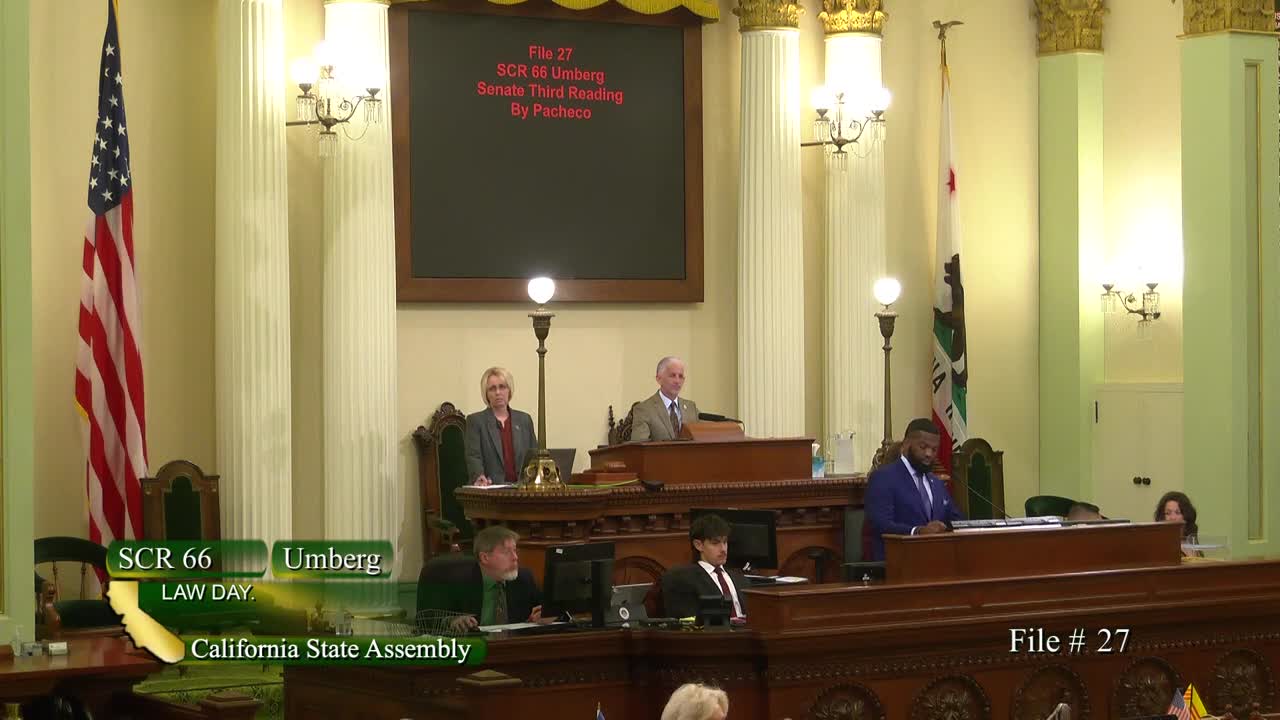 16MIN
Assembly Floor
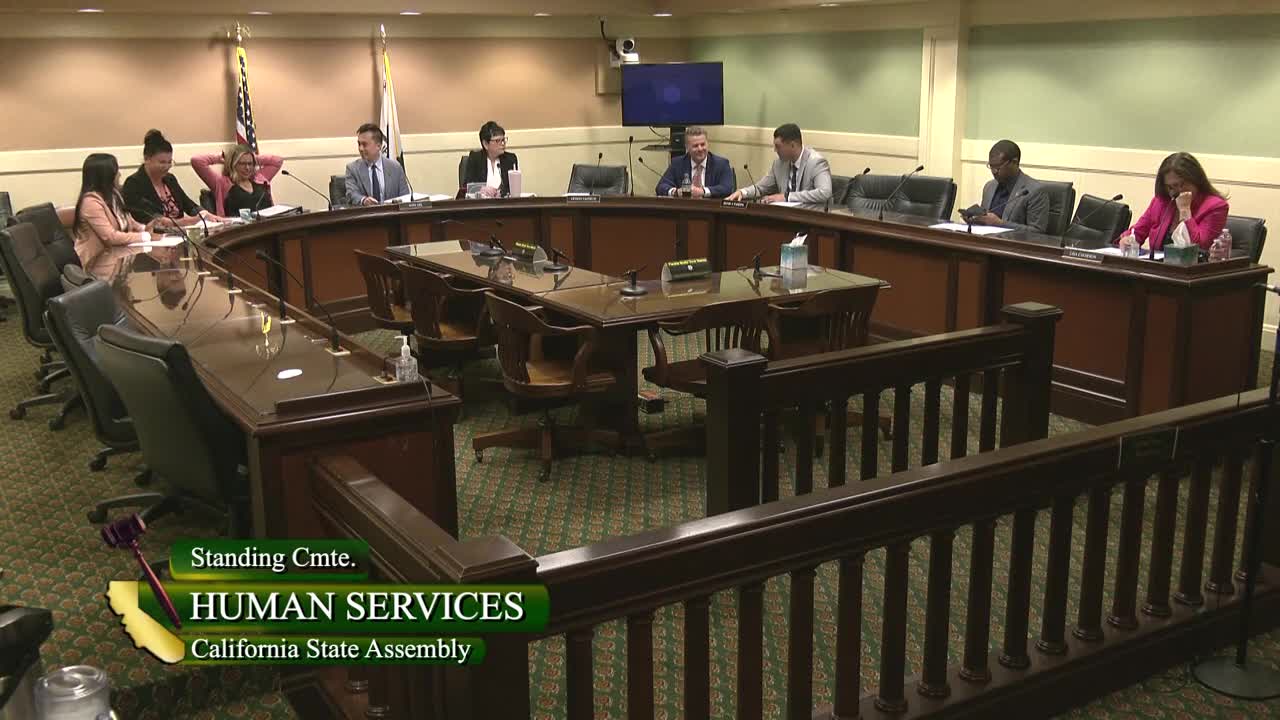 15MIN
Assembly Standing Committee on Human Services
 12MIN
Senate Floor


Bill Co-Author(s):