SB 1102: Transient occupancy taxes: hosting platforms.
- Session Year: 2015-2016
- House: Senate
- Latest Version Date: 2016-04-06
(1)Existing law authorizes a city, county, or city and county to impose a tax on the privilege of occupying a room or other living space in a hotel, inn, tourist home or house, motel, or other lodging unless the occupancy is for a period of more than 30 days.
This bill, on and after July 1, 2017, would require every platform, as defined, that elects to assume the responsibility of collecting and remitting transient occupancy taxes on behalf of an operator to collect and remit the amount of the tax levied on a rental transaction facilitated by the platform for a unit that is offered for tourist or transient use and is located within a city, county, or city and county that has not elected to retain the responsibility for directly collecting the tax from operators, as specified. The bill would authorize a platform to make its election to assume responsibility, and a city, county, or city and county to make its election to retain responsibility, by notifying the Controller of the election on or before April 30, 2017. The bill would authorize a platform that does not make its election by April 30, 2017, to elect to assume responsibility by notifying the Controller on or after July 1, 2017, and would make this election effective 6 months after the Controllers receipt of the notification or on the date specified in the notice, whichever is later. The bill would authorize a platform to discontinue an election, and a city, county, or city and county to make or discontinue an election, by notifying the Controller on or before June 30, 2019, or June 30 of any odd-numbered year thereafter, and would make this discontinuance or election effective on July 1, 2020, or July 1 of the first even-numbered year after notification.
This bill, commencing on January 1, 2017, and by December 31 of each year thereafter, would require the Controller to review or audit a platforms collection and remittance of tax revenue pursuant to the bill and would prohibit the Controller or any person who obtains access to information contained in, or derived from, the review or audit to disclose information pertaining to any platform or other person required to provide information subject to audit or review, as specified. The bill would provide that a platform and a city, county, or city and county that, on or before June 1, 2016, have entered into a binding legal agreement relating to the collection of transient occupancy taxes are bound by the agreement and are required to notify the Controller of the agreement, that any election made to the Controller by the platform or the city, county, or city and county is not effective as to any other party to the agreement, and that the platforms collection and remittance of transient occupancy taxes pursuant to the agreement are not subject to audit or review by the Controller pursuant to the bill, unless the platform and the city, county, and city and county mutually agree to terminate the agreement.
(2)The California Constitution authorizes a city or county to make and enforce within its limits all local, police, sanitary, and other ordinances and regulations not in conflict with general laws.
This bill would find and declare that providing short-term rental online platforms with uniform transient occupancy tax administration requirements is a matter of statewide concern, and that the bill therefore applies to charter cities, charter counties, and charter cities and counties.
(3)Existing constitutional provisions require that a statute that limits the right of access to the meetings of public bodies or the writings of public officials and agencies be adopted with findings demonstrating the interest protected by the limitation and the need for protecting that interest.
This bill would make legislative findings to that effect.
(4)The California Constitution requires local agencies, for the purpose of ensuring public access to the meetings of public bodies and the writings of public officials and agencies, to comply with a statutory enactment that amends or enacts laws relating to public records or open meetings and contains findings demonstrating that the enactment furthers the constitutional requirements relating to this purpose.
This bill would make legislative findings to that effect.
Existing law requires the governing body of each public agency, as defined, within 70 days after the commencement of its legal existence, to file, with the Secretary of State and the county clerk of each county in which the public agency maintains an office, a statement containing specified information about the public agency and its governing board and officers. Existing law requires, within 10 days after any change in that information, an amended statement to be filed.
This bill instead would require the statement to be filed within 50 working days after the date of commencement of an agency legal existence and would require an amended statement to be filed within 10 working days after any change in the information.
Existing law requires the governing body of each public agency, as defined, within 70 days after the commencement of its legal existence, to file, with the Secretary of State and the county clerk of each county in which the public agency maintains an office, a statement containing specified information about the public agency and its governing board and officers. Existing law requires, within 10 days after any change in that information, an amended statement to be filed.
This bill instead would require the statement to be filed within 50 working days after the date of commencement of an agency legal existence and would require an amended statement to be filed within 10 working days after any change in the information.
(a)For purposes of this section, the following terms have the following meanings:
(1)Collecting platform means a platform that elects to assume the responsibility for collecting and remitting to a city, county, or city and county on behalf of an operator, the amount of any tax levied pursuant to an ordinance adopted pursuant to this chapter on a rental transaction that is facilitated by the platform for a unit that is offered for occupancy for tourist or transient use for compensation to the operator.
(2)Collecting jurisdiction means a city, county, or city and county that elects to retain the responsibility for collecting a tax levied pursuant to an ordinance adopted pursuant to this chapter directly from operators, rather than having a collecting platform collect and remit the tax on an operators behalf pursuant to subdivision (b).
(3)Operator means a person offering, through a platform, to make a unit available for tourist or transient use.
(4)Platform means a marketplace that is created for the primary purpose of facilitating the rental of a unit offered for occupancy for tourist or transient use for compensation to the operator of that unit, and the owner of the marketplace derives revenues, including booking fees or advertising revenues, from providing or maintaining that marketplace. Facilitating includes, but is not limited to, the act of allowing the operator of the unit to offer or advertise the unit on the Internet Web site provided or maintained by the owner of the platform.
(b)On and after July 1, 2017, every collecting platform shall collect on behalf of an operator the amount of any tax levied pursuant to an ordinance adopted pursuant to this chapter on every rental transaction that is facilitated by the collecting platform for a unit that is offered for occupancy for tourist or transient use for compensation to the operator and is not located within a collecting jurisdiction. The collecting platform shall remit the amount to the city, county, or city and county that levied the tax pursuant to applicable requirements of local ordinances governing the tax.
(c)(1)On or before March 1, 2017, the Controller shall develop and publicly notice both of the following:
(A)Procedures that a platform shall use to notify the Controller if the platform elects to become a collecting platform.
(B)Procedures that a city, county, or city and county shall use to notify the Controller if the city, county, or city and county elects to become a collecting jurisdiction.
(2)The Controller shall also develop and publicly notice both of the following:
(A)Procedures that a collecting platform shall use to notify the Controller if the collecting platform discontinues its election to become a collecting platform.
(B)Procedures that a collecting jurisdiction shall use to notify the Controller if the collecting jurisdiction discontinues its election to become a collecting jurisdiction.
(d)(1)On or before April 30, 2017, a platform may elect to become a collecting platform by using the procedures developed pursuant to paragraph (1) of subdivision (c) to notify the Controller of the platforms election.
(2)On or before April 30, 2017, a city, county, or city and county may elect to become a collecting jurisdiction by using the procedures developed pursuant to paragraph (1) of subdivision (c) to notify the Controller of the citys, countys, or city and countys election. The legislative body of the city, county, or city and county shall approve the notice in a public hearing before submitting the notice to the Controller.
(3)An election made pursuant to this subdivision is effective upon receipt by the Controller and until discontinued by the platform or city, county, or city and county pursuant to subdivision (f).
(4)The Controller shall publicly identify, by posting on the Controllers Internet Web site, each platform and each city, county, or city and county that has provided a notice to the Controller pursuant to this subdivision as soon as possible upon receipt, but in no event later than May 31, 2017.
(e)On or after July 1, 2017, a platform that did not elect to become a collecting platform pursuant to subdivision (d) may elect to become a collecting platform by using the procedures developed pursuant to paragraph (1) of subdivision (c) to notify the Controller of the platforms election. An election made pursuant to this subdivision is effective six months after receipt by the Controller or the date specified in the notice, whichever is later, and until discontinued by the platform pursuant to subdivision (f). The Controller shall publicly identify, by posting on the Controllers Internet Web site, each platform that has provided a notice to the Controller pursuant to this subdivision as soon as possible upon receipt.
(f)(1)On or before June 30, 2019, or June 30 of any odd-numbered year thereafter, a collecting platform may elect to discontinue its status as a collecting platform by using the procedures developed pursuant to paragraph (2) of subdivision (c) to notify the Controller of the collecting platforms election.
(2)On or before June 30, 2019, or June 30 of any odd-numbered year thereafter, a collecting jurisdiction may elect to discontinue its status as a collecting jurisdiction, or a city, county, or city and county may elect to become a collecting jurisdiction, by using the procedures developed pursuant to subdivision (c) to notify the Controller of the collecting jurisdictions or citys, countys, or city and countys election.
(3)An election made pursuant to this subdivision is effective on July 1, 2020 or, if the election is submitted on or before June 30 of an odd-numbered year thereafter, July 1 of the first even-numbered year after the election, whichever is later.
(g)(1)Commencing on January 1, 2017, and by December 31 of each year thereafter, the Controller shall review or audit a collecting platforms collection and remittance of tax revenue pursuant to subdivision (b). For each collecting platform reviewed or audited, the Controller shall submit a report to each city, county, or city and county in which the collecting platform collected and remitted taxes. The report shall contain a description of the review or audit findings and identify any errors in the collection and remittance of tax revenues within each city, county, or city and county that were determined as a result of the review or audit. The audit or review shall not reveal any personally identifiable taxpayer or operator information, including, but not limited, to a taxpayers or operators name and property address.
(2)It is unlawful for the Controller, any person having an administrative duty under this section, or any person who obtains access to information contained in, or derived from, any audit or review, report, or other records of the Controller pursuant to this section, to make known in any manner whatever the business affairs, operations, or any other information pertaining to any platform or any other person required to provide information subject to audit or review to the Controller or the amount or source of income, profits, losses, expenditures, or any particular thereof, set forth or disclosed in any such information provided to the Controller, or to permit any audit or review or copy thereof or any book containing any abstract or particulars thereof to be seen or examined by any person.
(3)When requested by a city, county, or city and county that is not a collecting jurisdiction, the Controller shall permit any duly authorized officer or employee of that city, county, or city and county to examine the records of the Controller pertaining to the audit or review of collections by a platform within that city, county, or city and county. Except as otherwise provided herein, this paragraph shall not be construed to allow any officer or employee of that city, county, or city and county to examine any records of any platform. Information obtained by examination of Controller records as permitted in this paragraph shall be used only for purposes related to the collection of local transient occupancy tax.
(4)If the Controller believes that any information obtained pursuant to paragraph (3) has been disclosed to any person or has been used for purposes not permitted by paragraph (3), then notwithstanding paragraph (3), the Controller may impose conditions on access to the Controllers records that the Controller considers reasonable in order to protect the confidentiality of those records.
(5)A platform, city, county, or city and county may appeal any findings identified in a review or audit report submitted pursuant to paragraph (1) by providing a notice of appeal to the Controllers General Counsel. The notice of appeal shall be filed within 60 days from the date of the final review or audit report and shall identify the issues being appealed and the basis and reason for the appeal. The Controllers General Counsel shall review the issued appealed and may hold an informal appeal conference for purposes of taking additional information and shall issue a determination within 90 days of receipt of the appeal.
(6)The Controller may recover the reasonable costs, measured by the Controllers standard rate, of an audit or review conducted pursuant to paragraph (1) from the collecting platform that was audited or reviewed.
(h)Unless the platform and the city, county, or city and county mutually agree to terminate the agreement, all of the following shall apply to a platform and a city, county, or city and county that, on or before June 1, 2016, have entered into a binding legal agreement relating to the collection of any tax levied pursuant to this chapter:
(1)The platform and the city, county, or city and county shall continue to be bound by the agreement and any election made by the platform or the city, county, or city and county pursuant to this section shall not be effective as to any other party to the agreement.
(2)The platform and the city, county, or city and county shall notify the Controller of the agreement.
(3)The platforms collection or remittance of taxes levied pursuant to this chapter pursuant to the agreement shall not be subject to review or audit by the Controller pursuant to subdivision (g).
(i)A collecting platform that complies with review or audit parameters established by the Controller pursuant to this section shall not be required to provide to any local jurisdiction, including a collecting jurisdiction, personally identifiable information relating to operators using the collecting platform, or concerning transactions facilitated in the local jurisdiction by the collecting platform.
(j)This section does not limit the existing authority of a local jurisdiction to regulate operators, including any local regulation that requires operators to provide information concerning transactions conducted in the jurisdiction, provided that the requirements do not discriminate against transactions facilitated through a platform.
SEC. 2.The Legislature finds and declares that providing short-term rental online platforms with uniform transient occupancy tax administration requirements will establish a level playing field among all providers and decrease the cost of complying with statutory collection and remittance requirements, and is therefore a matter of statewide concern and shall apply to charter cities, charter counties, and charter cities and counties.
SEC. 3.The Legislature finds and declares that Section 1 of this act, which adds Section 7282.5 to the Revenue and Taxation Code, imposes a limitation on the publics right of access to the meetings of public bodies or the writings of public officials and agencies within the meaning of Section 3 of Article I of the California Constitution. Pursuant to that constitutional provision, the Legislature makes the following findings to demonstrate the interest protected by this limitation and the need for protecting that interest:
Limiting disclosure of records obtained or generated by the Controller or a city, county, or city and county pertaining to audits or reviews of a platforms collection and remittance of transient occupancy taxes furthers the purposes of Section 3 of Article I of the California Constitution by appropriately balancing the interest in public disclosure with the interest in preserving the confidentiality of taxpayer information and ensuring that this information is not used for improper purposes.
SEC. 4.The Legislature finds and declares that Section 1 of this act, which adds Section 7282.5 to the Revenue and Taxation Code, furthers, within the meaning of paragraph (7) of subdivision (b) of Section 3 of Article I of the California Constitution, the purposes of that constitutional section as it relates to the right of public access to the meetings of local public bodies or the writings of local public officials and local agencies. Pursuant to paragraph (7) of subdivision (b) of Section 3 of Article I of the California Constitution, the Legislature makes the following findings:
The preservation of the confidentiality of taxpayer information is furthered by ensuring that cities, counties, and cities and counties do not disclose information contained in, or derived from, any audit or review conducted by the Controller of a platforms collection and remittance of transient occupancy taxes.
SECTION 1.Section 53051 of the Government Code is amended to read:53051.(a)Within 50 working days after the date of commencement of its legal existence, the governing body of each public agency shall file with the Secretary of State on a form prescribed by the Secretary of State and also with the county clerk of each county in which the public agency maintains an office, a statement of the following facts:
(1)The full, legal name of the public agency.
(2)The official mailing address of the governing body of the public agency.
(3)The name and residence or business address of each member of the governing body of the public agency.
(4)The name, title, and residence or business address of the chairman, president, or other presiding officer, and clerk or secretary of the governing body of such public agency.
(b)Within 10 working days after any change in the facts required to be stated pursuant to subdivision (a), an amended statement containing the information required by subdivision (a) shall be filed as provided therein. The information submitted to the Secretary of State shall be on a form prescribed by the Secretary of State.
(c)It shall be the duty of the Secretary of State and of the county clerk of each county to establish and maintain an indexed Roster of Public Agencies, to be so designated, which shall contain all information filed as required in subdivisions (a) and (b), which roster is hereby declared to be a public record.
(a)Within seventy (70) 50 working days after the date of commencement of its legal existence, the governing body of each public agency shall file with the Secretary of State on a form prescribed by the Secretary of State and also with the county clerk of each county in which the public agency maintains an office, a statement of the following facts:
1.
(1)The full, legal name of the public agency.
2.
(2)The official mailing address of the governing body of the public agency.
3.
(3)The name and residence or business address of each member of the governing body of the public agency.
4.
(4)The name, title, and residence or business address of the chairman, president, or other presiding officer, and clerk or secretary of the governing body of such public agency.
(b)Within 10 working days after any change in the facts required to be stated pursuant to subdivision (a), an amended statement containing the information required by subdivision (a) shall be filed as provided therein. The information submitted to the Secretary of State shall be on a form prescribed by the Secretary of State.
(c)It shall be the duty of the Secretary of State and of the county clerk of each county to establish and maintain an indexed Roster of Public Agencies, to be so designated, which shall contain all information filed as required in subdivisions (a) and (b), which roster is hereby declared to be a public record.
|
Date
|
Status
|
|---|---|
| May 27, 2016 | May 27 hearing: Held in committee and under submission. |
| May 20, 2016 | Set for hearing May 27. |
| May 9, 2016 | May 9 hearing: Placed on APPR. suspense file. |
| May 3, 2016 | Set for hearing May 9. |
| Apr 25, 2016 | April 25 set for first hearing canceled at the request of author. |
| Apr 15, 2016 | Set for hearing April 25. |
| Apr 13, 2016 | From committee: Do pass and re-refer to Com. on APPR. (Ayes 5. Noes 0. Page 3517.) (April 13). Re-referred to Com. on APPR. |
| Apr 13, 2016 | From committee: Do pass and re-refer to Com. on APPR. (Ayes 5. Noes 0.) (April 13). Re-referred to Com. on APPR. |
| Apr 6, 2016 | From committee with author's amendments. Read second time and amended. Re-referred to Com. on GOV. & F. |
| Apr 5, 2016 | Set for hearing April 13. |
| Mar 3, 2016 | Referred to Com. on GOV. & F. |
| Feb 18, 2016 | From printer. May be acted upon on or after March 19. |
| Feb 17, 2016 | Introduced. Read first time. To Com. on RLS. for assignment. To print. |
|
Date
|
Description
|
Location
|
Votes
|
|
|---|---|---|---|---|
| May 9, 2016 | Placed on suspense file | Senate Standing Committee on Appropriations |
Passed |
|
| Apr 13, 2016 | Do pass, but first be re-referred to the Committee on [Appropriations] | Senate Standing Committee on Governance and Finance |
Passed |
This list shows positions taken on this bill by organizations on the date displayed, which is linked to the original source.
Positions by individuals are not included.
SENATE COMMITTEE ON APPROPRIATIONS
Senator Ricardo Lara, Chair
2015 - 2016 Regular Session
SB 1102 (McGuire) - Transient occupancy taxes: hosting platforms
Version: April 6, 2016 | Policy Vote: GOV. & F. 5 - 0 |
Urgency: No | Mandate: No |
Hearing Date: May 9, 2016 | Consultant: Robert Ingenito |
This bill meets the criteria for referral to the Suspense File.
Bill Summary:
SB 1102 would create an alternative method for collecting transient occupancy taxes on certain rental transactions for residential units that are offered for short-term rental through an online platform.
Fiscal Impact:
The State Controller’s Office (SCO) indicates that it could incur ongoing costs of roughly $800,000 to implement the provisions of the bill. The bill would authorize SCO to ultimately recover those costs directly from the online platforms.
Background:
Current law allows a city or county to levy a tax on the privilege of occupying a room or rooms, or other living space, in a hotel, inn, tourist home, motel or other lodging unless the occupancy is for a period of more than 30 days. The tax is typically collected from consumers by lodging providers. Revenues raised through such local transient occupancy taxes (TOTs) are typically available for general use. Of California’s 482 cities and 58 counties, 411 cities and 55 counties levy a TOT. According to SCO data, TOTs generated more than $1.9 billion in local government revenues in 2013-14. As of March 1, 2015, the City of Anaheim had the largest TOT (15 percent), while the lowest was in the City of Bell (3.5 percent). The median TOT was 10 percent.
In recent years, Internet-based hosting platforms have facilitated increasing numbers of short-term rentals of both homes and rooms within residences. Although business models vary, a platform generally facilitates rental transactions in which an “operator,” who owns, holds a lease for, or manages property, makes the property available for short-term occupancy in exchange for compensation by a “guest.” The rapid growth in short-term rentals of residential properties has generated concerns that these short-term residential rentals may (1) increase housing costs, (2) negatively affect surrounding residential neighborhoods, and (3) increase demand for public services while generating insufficient local tax revenue to offset the increased costs. Under the online short-term rental platforms’ business model, individual operators, who cannot be easily identified by a local tax collector, must remit the appropriate amount of TOT revenues due on their rental transactions to a city or county. Many city and county officials suspect that some operators’ failure to comply with local TOT laws results in a substantial tax gap.
To improve their ability to enforce the collection of taxes levied pursuant to local TOT ordinances on transaction facilitated by platforms, some large charter cities have individually negotiated tax collection agreements with companies that operate the platforms. These agreements establish terms under which the platforms, on behalf of the operator who makes a unit available for rent through the platform, collect and remit to local governments taxes due. However, negotiating individual agreements in each California jurisdiction that imposes a TOT generates increased administrative costs for both public agencies and private companies. Individual agreements also may result in a patchwork of inconsistent TOT collection practices throughout the State.
Proposed Law:
This bill would establish a program in which a platform that elects to participate (a “collecting platform”) collects and remits TOT revenues that are due on specified rental transactions that the platform facilitates in any city or county except for a city or county that elects not to participate in the program (referred to as a “collecting jurisdiction”). Specifically, the bill would do, among other things, the following:
- Establish statutory requirements for a collecting platform to collect and remit TOT revenues to cities and counties under specified conditions. The bill would require, by July 1, 2017, that every collecting platform must collect, on behalf of an operator, the amount of any tax levied pursuant to state laws authorizing local TOTs on every rental transaction that is facilitated by a collecting platform for a residential unit that is offered for occupancy for tourist or transient use for compensation to the operator. A collecting platform would not be required to collect tax if a unit is located within a collecting jurisdiction. Finally, the bill would require a collecting platform to remit the amount to the city, county, or city and county that levied the tax pursuant to applicable requirements of local ordinances governing the tax.
- Establish the process by which platforms can elect to participate and local governments can elect not to participate in the program. Specifically the bill would require SCO, by March 1, 2017, to develop and notice specified information, including the following:
- Procedures that a platform must use to notify SCO if the platform elects to become a collecting platform.
- Procedures that a city, county, or city and county must use to notify SCO if the city, county, or city and county elects to become a collecting jurisdiction.
- Direct the following:
- A platform may elect to become a collecting platform by using the procedures developed by SCO to notify it of the platform’s election no later than April 30, 2017.
- A city, county, or city and county may elect to become a collecting jurisdiction by using the procedures developed by SCO to notify the it of the city’s, county’s, or city and county’s election no later than April 30, 2017. The city council or board of supervisors of the city, county, or city and county must approve the notice in a public hearing before submitting the notice to SCO.
- Require SCO, no later than May 31, 2017, to publicly identify (using its internet site) each platform and each city, county, or city and county that has provided it a notice.
- Require that a platform that elects to become a collecting platform, or a local government that elects to become a collecting jurisdiction, may discontinue being a collecting platform or collecting jurisdiction effective July 1, 2020 if it provides notice to SCO one year in advance, pursuant to procedures that SCO must develop and publicly notice.
- Allow a platform that did not elect to become a collecting platform on July 1, 2017 to elect to become a collecting platform by using the procedures developed by SCO to notify it of the platform’s election, subject to specified conditions.
- Require, beginning on January 1, 2017, and by December 31 of each year thereafter, SCO to review or audit a collecting platform’s collection and remittance of tax revenue. For each collecting platform reviewed or audited, SCO must submit a report, as specified, to each city, county, or city and county in which the collecting platform collected and remitted taxes.
- Require SCO, when requested by a city, county, or city and county that is not a collecting jurisdiction, to permit any duly authorized officer or employee of that city, county, or city and county to examine the records of SCO pertaining to the audit or review of collections by a platform within that city, county, or city and county, as specified.
- Allow a platform, city, county, or city and county to appeal any audit findings identified in a review or audit reported by providing a notice of appeal to the Controller’s General Counsel and specifies the manner in which the appeal process must be conducted.
- Permit SCO to recover the reasonable costs, measured by the Controller’s standard rate, of an audit from the audited or reviewed collecting platform.
Staff Comments:
SCO estimates that conducting the audits and distributing the results to cities would cost $800,000, assuming four platforms opt-in. As previously noted, the bill permits SCO to recover those costs directly from the platforms. However, the initial audit will be performed in 2017-18. The cost recovery would likely begin the following fiscal year.
-- END --
SENATE COMMITTEE ON GOVERNANCE AND FINANCE
Senator Robert M. Hertzberg, Chair
2015 - 2016 Regular
Bill No: | SB 1102 | Hearing Date: | 4/13/16 |
Author: | McGuire | Tax Levy: | No |
Version: | 4/6/16 | Fiscal: | Yes |
Consultant: | Weinberger | ||
Local government: cities, counties, and other agencies
Creates an alternative method for collecting transient occupancy taxes on some rental transactions for residential units that are offered for short-term rental through an online platform.
Background
State law allows the legislative body of a city or county to levy a tax on the privilege of occupying a room or rooms, or other living space, in a hotel, inn, tourist home, motel or other lodging unless the occupancy is for a period of more than 30 days. The tax is typically collected from consumers by lodging providers. Revenues raised through local transient occupancy taxes (TOTs) are most commonly deposited in local general funds for general use. More than 400 cities and 55 counties levy a TOT. According to data from the State Controller’s Office, in the 2011-12 fiscal year, TOTs generated more than $1.5 billion in local government revenues, of which more than $1.2 billion was for general use.
In recent years, Internet-based hosting platforms, like Airbnb, HomeAway and FlipKey have facilitated increasing numbers of short-term rentals of homes and rooms within residences. Although platforms use various business models, in general, a platform facilitates a rental transactions in which an “operator,” who owns, holds a lease for, or manages property, makes the property available for short-term occupancy in exchange for compensation by a “guest.” The rapid growth in short-term rentals of residential properties has generated concerns that these short-term residential rentals may increase housing costs, negatively affect surrounding residential neighborhoods, and increase demands on public services while generating insufficient local tax revenue to offset the costs of those services. Under the online short-term rental platforms’ business model, individual operators, who cannot be easily identified by a local tax collector, must remit the appropriate amount of TOT revenues due on their rental transactions to a city or county. Many city and county officials suspect that some operators’ failure to comply with local TOT laws results in substantial revenues losses due to under-collection of the tax.
To improve their ability to enforce the collection of taxes levied pursuant to local TOT ordinances on transaction facilitated by platforms, some large charter cities have individually negotiated tax collection agreements with companies that operate the platforms. These agreements establish terms under which the platforms, on behalf of the operator who makes a unit available for rent through the platform, collect and remit to local governments taxes that are due on those rental transactions. However, negotiating individual agreements in each California jurisdiction that imposes a TOT generates unnecessary administrative costs for both public agencies and private companies. Individual agreements also may result in a patchwork of inconsistent TOT collection practices throughout the state. To reduce administrative costs and bring greater uniformity to the collection of taxes on transactions that are facilitated through online platforms, some stakeholders want the Legislature to establish an alternative, statewide framework under which platforms can choose to collect and remit transient occupancy tax revenues levied by local governments.
Proposed Law
Senate Bill 1102 establishes a program in which a platform that elects to participate (referred to as a “collecting platform”) collects and remits TOT revenues that are due on specified rental transactions that the platform facilitates in any city or county exception for a city or county that elects not to participate in the program (referred to as a “collecting jurisdiction”). Specifically, SB 1102’s provisions:
I. Establish statutory requirements for a collecting platform to collect and remit TOT revenues to cities and counties under specified conditions.
II. Establish the process by which platforms can elect to participate and local governments can elect not to participate in the program.
III. Require collecting platforms to be subject to an annual audit or review conducted by the State Controller.
IV. Provide for the continued implementation and enforcement of some existing tax collection agreements between platforms and cities.
V. Declare that its provisions do not limit existing local regulatory authority.
VI. Define several key terms used throughout the bill.
I. Transient occupancy tax collection. Senate Bill 1102 requires that every collecting platform must collect, on behalf of an operator, the amount of any tax levied pursuant to state laws authorizing local transient occupancy taxes on every rental transaction that is facilitated by a collecting platform for a residential unit that is offered for occupancy for tourist or transient use for compensation to the operator. This collection obligation begins on July 1, 2017. A collecting platform is not required to collect tax if a unit is located within a collecting jurisdiction. SB 1102 requires a collecting platform to remit the amount to the city, county, or city and county that levied the tax pursuant to applicable requirements of local ordinances governing the tax.
II. Platform and local government participation. Senate Bill 1102 requires that the State Controller, on or before March 1, 2017, must develop and publicly notice:
- Procedures that a platform must use to notify the Controller if the platform elects to become a collecting platform.
- Procedures that a city, county, or city and county must use to notify the Controller if the city, county, or city and county elects to become a collecting jurisdiction.
SB 1102 directs that:
- A platform may elect to become a collecting platform by using the procedures developed by the Controller to notify the Controller of the platform’s election no later than April 30, 2017.
- A city, county, or city and county may elect to become a collecting jurisdiction by using the procedures developed by the Controller to notify the Controller of the city’s, county’s, or city and county’s election no later than April 30, 2017. The city council or board of supervisors of the city, county, or city and county must approve the notice in a public hearing before submitting the notice to the Controller.
SB 1102 requires the Controller, no later than May 31, 2017, to publicly identify, by posting on the Controller’s Internet Web site, each platform and each city, county, or city and county that has provided a notice to the Controller.
SB 1102 requires that a platform that elects to become a collecting platform, or a local government that elects to become a collecting jurisdiction, may discontinue being a collecting platform or collecting jurisdiction effective July 1, 2020 if it provides notice to the State Controller one year in advance, pursuant to procedures that the Controller must develop and publicly notice.
SB 1102 allows a platform that did not elect to become a collecting platform on July 1, 2017 to elect to become a collecting platform by using the procedures developed by the State Controller to notify the Controller of the platform’s election, subject to specified conditions.
SB 1102 establishes an ongoing series of deadlines by which a platform or local government may either become a collecting platform or jurisdiction or discontinue being a collecting platform or jurisdiction.
III. Controller’s audits or reviews. Senate Bill 1102 requires, commencing on January 1, 2017, and by December 31 of each year thereafter, the Controller to review or audit a collecting platform’s collection and remittance of tax revenue. For each collecting platform reviewed or audited, the Controller must submit a report to each city, county, or city and county in which the collecting platform collected and remitted taxes. The report must contain a description of the review or audit finding and identify any errors in the collection and remittance of tax revenues within each city, county, or city and county that were determined as a result of the review or audit. The audit or review must not reveal any personally identifiable taxpayer information, including a taxpayer’s name and property address.
SB 1102 makes it unlawful for the Controller or other person who obtains access to information contained in, or derived from, any audit or review, report, or other records of the Controller, to make known in any manner the business affairs, operations, or any other information pertaining to any platform or any other person required to provide information subject to audit or review to the Controller or the amount or source of income, profits, losses, expenditures, or any particular thereof, set forth or disclosed in any such information provided to the Controller, or to permit any audit or review or copy thereof or any book containing any abstract or particulars thereof to be seen or examined by any person.
SB 1102 requires the Controller, when requested by a city, county, or city and county that is not a collecting jurisdiction, to permit any duly authorized officer or employee of that city, county, or city and county to examine the records of the Controller pertaining to the audit or review of collections by a platform within that city, county, or city and county. The bill specifies that it must not be construed to allow any officer or employee of that city, county, or city and county to examine any records of any platform. Information obtained by examination of Controller records must be used only for purposes related to the collection of local transient occupancy tax.
SB 1102 directs that, if the Controller believes that any information obtained pursuant to specified provisions has been disclosed to any person or has been used for purposes not permitted by the bill, the Controller may impose conditions on access to the Controller’s records that the Controller considers reasonable in order to protect the confidentiality of those records.
SB 1102 allows a platform, city, county, or city and county to appeal any audit findings identified in a review or audit reported by providing a notice of appeal to the Controller’s General Counsel and specifies the manner in which the appeal process must be conducted.
SB 1102 allows the Controller to recover the reasonable costs, measured by the Controller’s standard rate, of an audit from the audited or reviewed collecting platform.
The bill declares that a collecting platform that complies with review or audit parameters established by the Controller must not be required to provide to any local jurisdiction, including a collecting jurisdiction, personally identifiable information relating to operators using the collecting platform, or concerning transactions facilitated in the local jurisdiction by the collecting platform.
IV. Existing agreements. Unless a platform and a city, county, or city and county mutually agree to terminate the agreement, all of the following shall apply to a platform and a city, county, or city and county that, on or before June 1, 2016, have entered into a binding legal agreement relating to the collection of any tax levied pursuant to this chapter:
- The platform and the city, county, or city and county will continue to be bound by the agreement and any election made by the platform or the city, county, or city and county pursuant to this section will not be effective as to any other party to the agreement.
- The platform and the city, county, or city and county must notify the Controller of the agreement.
- The platforms’ collection or remitting of taxes levied pursuant to this chapter pursuant to the agreement will not be subject to review or audit by the Controller.
V. Local regulation. The bill declares that it provisions do not limit the existing authority of a local jurisdiction to regulate operators, including any local regulation that requires operators to provide information concerning transactions conducted in the jurisdiction, provided that the requirements do not discriminate against transactions facilitated through a platform.
VI. Definitions. Senate Bill 1102 defines the following terms:
- “Collecting platform” means a platform that elects to assume the responsibility for collecting and remitting to a city, county, or city and county on behalf of an operator, the amount of any tax levied pursuant to an ordinance adopted pursuant to state laws governing transient occupancy taxes on a rental transaction that is facilitated by the platform for a unit that is offered for occupancy for tourist or transient use for compensation to the operator.
- “Collecting jurisdiction” means a city, county, or city and county that elects to retain the responsibility for collecting a tax levied pursuant to an ordinance adopted pursuant to state laws governing transient occupancy taxes directly from operators, rather than having a collecting platform collect and remit the tax on an operator’s behalf.
- “Operator” means a person offering, through a platform, to make a unit available for tourist or transient use.
- “Platform” means a marketplace that is created for the primary purpose of facilitating the rental of a unit offered for occupancy for tourist or transient use for compensation to the operator of that unit, and the owner of the marketplace derives revenues, including booking fees or advertising revenues, from providing or maintaining that marketplace.
- “Facilitating” includes, but is not limited to, the act of allowing the operator of the unit to offer or advertise the unit on the Internet Web site provided or maintained by the owner of the platform.
State Revenue Impact
No estimate.
Comments
1. Purpose of the bill. Recent growth in short-term rentals of residential units, which has been made possible by online hosting platforms, is having powerful effects in communities throughout California. Increased and undisclosed tourist traffic alters neighborhood character, creating additional demands on local public service providers. The increase in short-term vacation rentals reduces the availability of already scarce affordable housing in many communities. In many communities, neither the operators who make residences available for occupancy for fewer than 30 days nor the platforms collect and remit applicable transient occupancy taxes. SB 1102 will help some local governments collect transient occupancy taxes. The additional revenues recovered pursuant to the bill’s provisions will be vital for local governments’ efforts to respond to and mitigate short-term vacation rentals’ local impacts. Additionally, by increasing TOT compliance, SB 1102 will help enforce a level playing field in the vacation rental marketplace, ensuring that platforms don’t gain unfair pricing advantages as a result of operators’ nonpayment of taxes.
2. Which transactions? SB 1102 requires a collecting platform to collect and remit applicable TOT revenues on every transaction that the platform facilitates. It is unclear how this requirement should apply in the context of some platforms’ business models. For example, in the case of a platform that facilitates the rental of rooms in a hotel or inn that also rents rooms to customers who contact it directly, it may make sense for the hotel or inn to collect and remit TOT revenues instead of the platform. Unlike single family homeowners or apartment leaseholders who make rooms available through platforms, hotel or inn operators are already in the practice or collecting and remitting TOT revenues and are easily subject to local governments’ collection and audit procedures. The Committee may wish to consider amending SB 1102 to apply the alternative TOT collection process to those operators who make units available only through online platforms. Alternatively, the bill could provide for platforms to disclose some additional information to local governments to identify transactions that are facilitated by a platform involving an operator who also remits TOT directly to local governments.
3. Local discretion. If a platform elects to become “electing platform,” SB 1102 requires a local government to take an action, approved by a vote of its governing board, if it simply wants to maintain its existing authority under state law to seek payment of TOT revenues directly from the responsible taxpayers. Some local officials may object to this requirement, which appears to make a local government’s ability to continue collecting taxes in the same manner that it does under current law conditional on a private company’s decision about whether or not it wishes to assume tax collection on behalf of operators who make units available through a platform. The Committee may wish to preserve local governments’ existing tax collection authority by amending SB 1236 to allow local governments to opt-in to the bills’ alternative tax collection program, rather than requiring them to opt-out.
4. Charter cities. The California Constitution allows cities that adopt charters to control their own “municipal affairs.” In all other matters, charter cities must follow the general, statewide laws. Because the Constitution doesn’t define “municipal affairs,” the courts determine whether a topic is a municipal affair or whether it’s an issue of statewide concern. SB 1102 says that it applies to all cities, including charter cities. To support this assertion, the bill includes a legislative finding and declaration that the bill's provisions are a matter of statewide concern because, by providing short-term rental online platforms with uniform transient occupancy tax administration requirements, the bill will establish a level playing field among all providers and decrease the cost of complying with statutory collection and remittance requirements.
5. Mandate. The California Constitution requires the state to reimburse local governments for the costs of new or expanded state mandated local programs. Because SB 1102 imposes new duties on local government officials, Legislative Counsel says that it imposes a new state mandate. SB 1102 requires the state to reimburse local agencies if the Commission on State Mandates determines that the bill imposes a reimbursable mandate.
Support and Opposition
(4/7/16)
Support: Unknown.
Opposition: California Hotel and Lodging Association.
-- END --
Discussed in Hearing
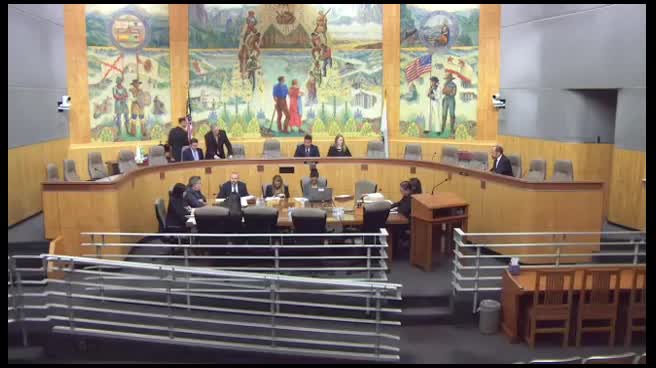 14MIN
Senate Standing Committee on Appropriations
Bill Author

Bill Co-Author(s):