SB 115: Valley fever.
- Session Year: 2015-2016
- House: Senate
- Latest Version Date: 2015-04-20
Existing law establishes the Valley Fever Vaccine Project, administered by the State Department of Public Health and provides for state support and funding of efforts by the project to conduct valley fever vaccine research.
This bill would appropriate $1,000,000 from the General Fund to the department for the 201516 fiscal year, for purposes of extending the project. The bill would allocate $100,000 to the department for administrative costs, as specified.
Existing law establishes the Valley Fever Vaccine Project, administered by the State Department of Public Health and provides for state support and funding of efforts by the project to conduct valley fever vaccine research.
This bill would appropriate $1,000,000 from the General Fund to the department for the 201516 fiscal year, for purposes of extending the project.
The sum of one million dollars ($1,000,000) is hereby appropriated from the General Fund to the State Department of Public Health for the 201516 fiscal year, for purposes of valley fever vaccine research pursuant to Section 120480 of the Health and Safety Code. One hundred thousand dollars ($100,000) shall be allocated to the department in for the 201516 fiscal year for purposes of costs associated with the administration of Section 120480 of the Health and Safety Code.
The sum of one million dollars ($1,000,000) is hereby appropriated from the General Fund to the State Department of Public Health for the 201516 fiscal year, for purposes of valley fever vaccine research pursuant to Section 120480 of the Health and Safety Code. One hundred thousand dollars ($100,000) shall be allocated to the department in the 201516 fiscal year for purposes of costs associated with the administration of Section 120480 of the Health and Safety Code.
|
Date
|
Status
|
|---|---|
| Aug 27, 2015 | August 27 hearing: Held in committee and under submission. |
| Jul 8, 2015 | July 8 set for first hearing. Placed on APPR. suspense file. |
| Jul 8, 2015 | July 8 set for first hearing. Placed on suspense file. |
| Jun 24, 2015 | From committee: Do pass and re-refer to Com. on APPR. (Ayes 19. Noes 0.) (June 23). Re-referred to Com. on APPR. |
| Jun 11, 2015 | Referred to Com. on HEALTH. |
| Jun 2, 2015 | In Assembly. Read first time. Held at Desk. |
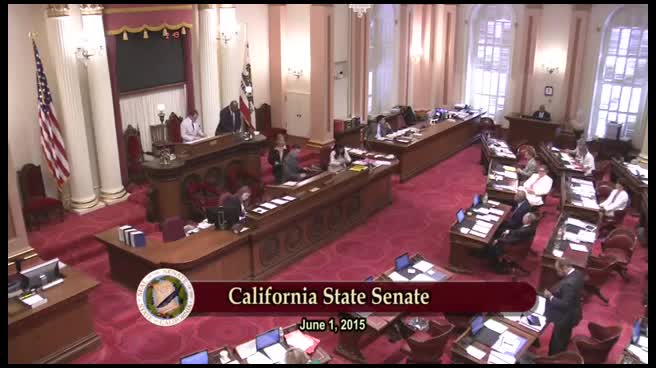
| Jun 1, 2015 | Read third time. Passed. (Ayes 39. Noes 0. Page 1195.) Ordered to the Assembly. |
| Jun 1, 2015 | Read third time. Passed. (Ayes 39. Noes 0.) Ordered to the Assembly. |
| May 28, 2015 | Read second time. Ordered to third reading. |
| May 28, 2015 | From committee: Do pass. (Ayes 7. Noes 0. Page 1147.) (May 28). |
| May 28, 2015 | From committee: Do pass. (Ayes 7. Noes 0.) (May 28). |
| May 23, 2015 | Set for hearing May 28. |
| May 11, 2015 | May 11 hearing: Placed on APPR. suspense file. |
| May 1, 2015 | Set for hearing May 11. |
| Apr 30, 2015 | From committee: Do pass and re-refer to Com. on APPR. (Ayes 9. Noes 0. Page 860.) (April 29). Re-referred to Com. on APPR. |
| Apr 30, 2015 | From committee: Do pass and re-refer to Com. on APPR. (Ayes 9. Noes 0.) (April 29). Re-referred to Com. on APPR. |
| Apr 20, 2015 | From committee with author's amendments. Read second time and amended. Re-referred to Com. on HEALTH. |
| Apr 17, 2015 | Set for hearing April 29. |
| Apr 16, 2015 | Re-referred to Com. on HEALTH. |
| Apr 13, 2015 | Re-referred to Com. on RLS. |
| Apr 13, 2015 | Withdrawn from committee. |
| Feb 5, 2015 | Referred to Com. on B. & F.R. |
| Jan 14, 2015 | From printer. May be acted upon on or after February 13. |
| Jan 13, 2015 | Introduced. Read first time. To Com. on RLS. for assignment. To print. |
|
Date
|
Description
|
Location
|
Votes
|
|
|---|---|---|---|---|
| Jun 23, 2015 | Do pass and be re-referred to the Committee on [Appropriations] | Assembly Standing Committee on Health |
Passed |
|
| Jun 1, 2015 | Senate 3rd Reading SB115 Fuller | Senate Floor |
Passed |
|
| May 28, 2015 | Do pass | Senate Standing Committee on Appropriations |
Passed |
|
| May 11, 2015 | Placed on suspense file | Senate Standing Committee on Appropriations |
Passed |
|
| Apr 29, 2015 | Do pass, but first be re-referred to the Committee on [Appropriations] | Senate Standing Committee on Health |
Passed |
This list shows positions taken on this bill by organizations on the date displayed, which is linked to the original source.
Positions by individuals are not included.
Date of Hearing: July 8, 2015
ASSEMBLY COMMITTEE ON APPROPRIATIONS
Jimmy Gomez, Chair
SB 115
(Fuller) – As Amended April 20, 2015
Policy Committee: |
Health |
Vote: |
19 - 0 |
|
|
|
|
|
|
|
|
Urgency: No State Mandated Local Program: No Reimbursable: No
SUMMARY:
This bill appropriates $1 million from the GF to the California Department of Public Health (CDPH) for the 2015-16 fiscal year (FY), for purposes of valley fever vaccine research in accordance with current law describing the vaccine research program, and requires $100,000 to be allocated to DPH in the 2015-16 FY for administrative costs.
FISCAL EFFECT:
$1 million from the GF to CDPH for the specified purposes, $100,000 of which would be used for CDPH administrative cost. The balance would be used to contract for distribution of research grants.
Current law specifies that funding is provided on the condition that, if a valley fever vaccine is developed and successfully marketed, the state shall be reimbursed for the research grants made, in proportion to the state’s contribution to the research and development effort. Although it does not seem likely that a vaccine will be developed soon, if this occurred, the state could benefit financially based on this statute in proportion to its overall investment of approximately $10 million over the last two decades.
COMMENTS:
Purpose. This bill aims to provide state funding to renew interest in finding a valley fever vaccine; previous research efforts stalled due to lack of funding.
Background. Research on treatment and a possible vaccine for valley fever, a respiratory disease caused by inhaling dust containing certain disease-causing fungal spores, is floundering. Valley fever is considered an orphan disease, meaning it affects fewer than 200,000 people worldwide. The spores are endemic to the southwest United States and California's southern Central Valley is particularly affected. The Valley Fever Vaccine Project (VFVP) was funded by the state from 1997 through 2003, and received two more years of funding state funding in 2006-07 and 2009-10. Through a combination of funds from the state, the California HealthCare Foundation (CHCF), and other donors, the VFVP funded research projects for developing and conducting trials on potential valley fever vaccines. Total funding reached about $16 million. The program has not been funded since 2009-10.
Prior legislation.
AB 1955 (Ashburn) of 2002, SB 1027 (Ashburn) of 2003 and SB 492 (Ashburn) of 2005 were substantially similar to this bill. AB 1955, SB 1027 and SB 492 were held on the Assembly Appropriations Committee suspense file.
SB 1044 (Fuller) of 2014 appropriated $1 million from the GF for FY 2014 15, for purposes of extending the VFVP. SB 1044 was referred to the Budget and Fiscal Review Committee but never acted upon.
Staff Comments.
Past efforts to develop a valley fever vaccine have run into significant hurdles. Drug development is inherently risky, and it seems safe to assume vaccine development would be at least a multi-year, multimillion dollar effort. Thus, it is unclear to what extent this proposed appropriation would further the development of a vaccine in practical terms. The committee may wish to consider how this funding fits in to an overall plan to further the development of a vaccine for valley fever. At the least, the committee may wish to consider whether any funding offered by the state could require matching non-state public or private funds in order to gain the maximum benefit from the appropriation.
As noted above, existing law requires if a vaccine is developed, the state to be reimbursed for the cost of grants made, in proportion to the state’s contribution to the research and development effort. Given the funding has not been allocated since 2010, this requirement may be outdated and may have the potential to discourage investment in vaccine by posing a risk that the vaccine developer would have to reimburse the state, threatening any already meager profits that may be gained by producing a vaccine. In addition, it is unclear how this provision would be operationalized. The committee may wish to consider whether this provision is still appropriate given the challenging financial incentives that apply to vaccine development.
Analysis Prepared by: Lisa Murawski / APPR. / (916) 319-2081
SB 115
Page 5
Date of Hearing: June 23, 2015
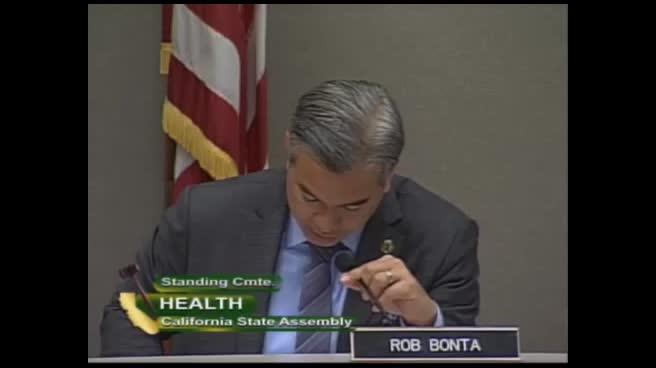
ASSEMBLY COMMITTEE ON HEALTH
Rob Bonta, Chair
SB 115
(Fuller) – As Amended April 20, 2015
SENATE VOTE: 39-0
SUBJECT: Valley fever.
SUMMARY: Appropriates $1 million from the General Fund (GF) to the California Department of Public Health (DPH) for the 2015-16 fiscal year (FY), for purposes of valley fever vaccine research. Requires $100,000 to be allocated to DPH in the 2015-16 FY for purposes of costs associated with the administration of existing law above.
EXISTING LAW:
Requires funds appropriated to DPH for the purpose of valley fever (coccidioidomycosis) vaccine research to be used to continue and expand the current research effort being conducted by the Valley Fever Vaccine Project (VFVP).
Permits DPH to contract on a sole source basis with a nonprofit organization that has provided funding for vaccine research on valley fever. Requires the contract to require the organization to distribute research grants to support research efforts that are likely to advance the effort to develop a vaccine.
Requires the contractor in 2) above to establish an advisory group consisting of persons with relevant expertise in the fields of mycology and vaccine development and a representative from DPH. Requires the advisory group to approve grants for those whose research is likely to advance the effort to develop a safe and effective vaccine and to seek advice from the appropriate agencies in the National Institutes of Health (NIH) and other federal agencies with experience in supporting vaccine research when reviewing the research of those receiving funds.
Requires the contractor in 2) above to provide DPH with periodic status reports on the progress of the researchers receiving funds. Requires DPH to review progress reports from the contractor describing the research progress and plans for future funding.
Requires the contract to require that funding is provided on the condition that, if a valley fever vaccine is developed and successfully marketed, the state be reimbursed for the cost of grants made in proportion to the state's contribution to the research and development effort.
FISCAL EFFECT: According to the Senate Appropriations Committee, $1 million from the GF for the 2015-16 FY.
COMMENTS:
PURPOSE OF THIS BILL. According to the author, California has seen an increase of valley fever case counts from 719 to 5,697 over the last 13-year period. Valley fever is caused by air or soil disturbance of the Coccidioides fungus, which lives and breeds in the soil. When the dust containing the Coccidioides spores is inhaled, the fungus attacks the respiratory system, causing infection that can lead to symptoms that resemble a cold, influenza, or pneumonia. Within California, cases of valley fever have been reported from most counties.
Over 75% of cases have been reported in portions of the Sacramento Valley, all of the San Joaquin Valley, desert regions, and portions of Southern California. Valley fever can be costly and debilitating, with nearly 75% of patients missing work or school because of their illness, and more than 40% requiring hospitalization. There is also an influx of cases among prison inmates and employees. Anyone can get valley fever, even young and healthy people. The author states that although there is currently no cure for valley fever, researchers are close to developing a vaccine that will help combat this devastating disease. Experts say the lack of funding and serious attention to valley fever has stalled efforts to combat the disease.BACKGROUND. According to the Centers for Disease Control and Prevention (CDC), Coccidioides lives in soil in the southwestern U.S. and parts of Mexico, Central America, and South America. Inhaling the airborne fungal spores can cause infection, but is not spread from person to person. Most people who are exposed to the fungus do not get sick, but some people develop flu-like symptoms that may last for weeks to months. In a very small proportion of people who get valley fever, the infection can spread from the lungs to the rest of the body and cause more severe conditions, such as meningitis or even death.
A March 2013 CDC report notes that more than 20,000 cases of valley fever are reported each year in the U.S., but many more cases likely go undiagnosed. Some researchers estimate that each year the fungus infects more than 150,000 people, many of whom are sick without knowing the cause or have cases so mild they are not detected. It is difficult to avoid exposure to the fungus that causes valley fever, and there is no vaccine to prevent the infection.INCIDENCE IN CALIFORNIA. In California, providers and labs are required to report valley fever to DPH. According to an article in the Spring 2013 Medical Board of California Newsletter written by DPH Infectious Diseases Branch staff, there has been a substantial increase in the numbers of reported cases and hospitalizations of valley fever. From 2000 to 2011, the annual number of reported cases increased greater than six-fold, from 816 to 5,366 cases per year. These increases represent a substantial and growing burden to California residents, providers, and the government, but the reason for the increase is unclear. Researchers believe that contributing factors may include changes in climate and rainfall patterns, soil-disturbing construction activities, an increase in susceptible persons moving to disease-endemic areas, and heightened awareness and diagnosis.
While anyone in an endemic area is at risk, those working in occupations involving dirt and dust exposure may be at increased risk of infection. Several groups of people are at higher risk for developing the severe forms of valley fever, including African Americans, Asians, women in their 3rd trimester of pregnancy, people with weak immune systems, including those with an organ transplant or who have HIV/AIDS. In California, highly endemic counties (more than 20 cases per 100,000 population per year), are Kern, Kings, Fresno, Merced, Madera, Tulare, and San Luis Obispo.
According to an article published in The Atlantic in August 2014, a valley fever epidemic hit the southern San Joaquin Valley in 2001 and is continuing. It led to the deaths of more than three dozen inmates since 2006 at two nearby state prisons, Avenal and Pleasant Valley. Because the prisons house high concentrations of black and Filipino inmates, valley fever infection rates are higher than the state average: 1,000 times higher at Pleasant Valley, where more than 1,000 inmates have contracted valley fever over the past five years, and 189 times higher at Avenal. Following a federal mandate to transfer more than 2,500 at-risk inmates out of Kern County in 2013, the NIH and the CDC announced plans to start a clinical trial in Bakersfield.
ORPHAN DISEASES. An orphan disease is defined as a condition that affects fewer than 200,000 people nationwide. Some diseases have patient populations of fewer than a hundred. Collectively, however, they affect as many as 25 million Americans, according to NIH. Historically, pharmaceutical companies and research institutions have not focused on research for orphan product development due to inability to recoup research and development costs with a large enough market. The Orphan Drug Act of 1983 created financial incentives for drug and biologics manufacturers, including tax credits for costs of clinical research, government grant funding, assistance for clinical research, and a seven-year period of exclusive marketing given to the first sponsor of an orphan-designated product who obtains market approval from the Food and Drug Administration (FDA) for the same indication. At the same time, federal programs at the FDA and the NIH began encouraging product development, as well as clinical research for products targeting rare diseases.
EFFORTS TO DEVELOP A VACCINE. Valley fever research has been going on since the 1930s and 40s, with not much progress towards a vaccine. According to a 2012 published report by the Reporting On Health collaborative, when a valley fever vaccine was evaluated in the late 1970s and early 1980s, and proved to be effective in mice and monkeys, hundreds of people signed up for the human clinical (Phase III) trials. However, patients complained of very sore arms and swelling at the injection site even at low doses. The shot was so painful people dropped out of the trial and ultimately the vaccine did not show conclusive protection.
Valley Fever Vaccine Project. The Valley Fever Vaccine Project (VFVP) is an inter-institutional cooperative which seeks to discover a vaccine for valley fever. The California State University, Bakersfield Foundation is the primary contractor and has overseen the distribution of grants to researchers at the University of California (UC) San Francisco, UC Davis, UC San Diego Veterans Medical Center, the University of Arizona, and the Medical College of Ohio. Through a combination of funds from the State of California, the California HealthCare Foundation (CHCF), and other donors, the VFVP funded research projects for developing and conducting trials on potential valley fever vaccines. The project was launched with a $1.5 million grant from CHCF, $700,000 in state GF, and a contribution of more than $100,000 from rotary clubs.
With further contributions over the next decade from CHCF, the federal government, the state, the County of Kern, and nonprofit groups, total funding reached about $16 million. In 2009, the Budget Act included an ongoing appropriation of $1 million to continue research activities earmarked toward the development of a vaccine.
State Funding for VFVP. State funding for the VFVP began with a budget augmentation request by then-Assemblymember Ashburn for $700,000 in FY 1997-98. GF monies allocated to the VFVP by fiscal year are as follows:
-
-
Fiscal Year
Amount
1997-98
$0.7 million
1998-99
$1.7 million
1999-00
$1.7 million
2000-01
$1.7 million
2001-02
$1.2 million
2002-03
$0.7 million
2006-07
$1 million
2009-10
$1 million
-
In 2009, the Budget Act included an ongoing appropriation of $1 million to continue research activities earmarked toward the development of a vaccine. Funding was subsequently discontinued in 2010. Since that time, funding dried up and the research stalled.
In June of 2014, the FDA also announced plans to include cocci on its
Generating Antibiotic Incentives Now program, a federal system
intended to encourage the development of new antibacterial or
antifungal drugs to treat what the government deems serious or
life-threatening infections.
Adding cocci to the list
extends the period that valley fever antibiotics or vaccines can be
sold without any generic-brand competition on the market by five
years, which is expected to act as an incentive for a pharmaceutical
company to jump on board and manufacture a vaccine. According to an
August 2014 announcement from UC Merced, the university's Health
Sciences Research Institute received approval and funding to conduct
patient studies at Children's Hospital Central California in Madera.
Researchers will study the blood of 30 pediatric patients with valley
fever to understand the immune system's response to the disease, with
a long-term goal of developing a vaccine.
SUPPORT. Valley Fever Solutions, a small biotech company working to develop a new antifungal treatment for valley fever, writes that drug development is frightfully expensive, and vaccine development is even more expensive. Valley fever is considered an orphan disease, which means it is devilishly hard to find investors until drug development is significantly advanced, to the point scientists can demonstrate the drug is going to work. Valley Fever Solutions states that government support for combating this rare disease is important and precious and is often the make or break component without which motivated researchers simply have to turn away and work on other projects that have better support.
PREVIOUS LEGISLATION. SB 1044 (Fuller) of 2014 would have appropriated $1 million from the GF for FY 2014 15, for purposes of extending the VFVP. SB 1044 was referred to Banking and Finance but never acted upon.
POLICY COMMENTS.
Vaccine development is a multi-year, multi-million dollar effort. News reports state that CHCF stopped supporting the vaccine project because the foundation is not set up to thoroughly evaluate such scientific research. Significant state, federal, and private money was previously invested in this project; yet there is no way of knowing how much more would be needed to bring this important vaccine to market. Without commitments from outside groups for matching funds or a long-term funding commitment from the state, it is unclear how much of a meaningful impact on the effort the one-time appropriation contained in this bill would accomplish.
DPH notes that state funding for the vaccine ended about six years ago and DPH does not currently have expertise or experience with Valley Fever vaccine development. The project was not under the jurisdiction of DPH other than as a function of pass through of funds. This project was conducted by California State University, Bakersfield Foundation with whom CDPH does not have a current relationship. Committee staff has been unable to confirm whether the VFVP public-private cooperative is still in operation. The committee may wish to ask the author about the status of the VFVP cooperative and their capability and timing for using the funds appropriated in this bill.
REGISTERED SUPPORT / OPPOSITION:
Support
American Federation of State, County, and Municipal Employees, AFL-CIO
California Life Science Association
California Prison Moratorium Project
Center on Race, Poverty & the Environment
Central California Environmental Justice Network
Coalition for Clean Air
Comité Si Se Puede
Committee for a Better Arvin
Committee for a Better Shafter
Global Community Monitor
Greenfield Walking Group
Leadership Council for Justice and Accountability
Padres Socios de Lamont
Physicians for Social Responsibility – Los Angeles
Residentes Organizados al Servicio de un Ambiente Sano (ROSAS)
Tri-Valley CARES
Valley Fever Solutions
Opposition
None of file.
Analysis Prepared by: Dharia McGrew / HEALTH / (916) 319-2097
SB 115
Page 6
|
Office of Senate Floor Analyses (916) 651-1520 Fax: (916) 327-4478 |
THIRD READING
Bill No: SB 115
Amended: 4/20/15
SENATE HEALTH COMMITTEE: 9-0, 4/29/15
AYES: Hernandez, Nguyen, Hall, Mitchell, Monning, Nielsen, Pan, Roth, Wolk
SENATE APPROPRIATIONS COMMITTEE: 7-0, 5/28/15
AYES: Lara, Bates, Beall, Hill, Leyva, Mendoza, Nielsen
DIGEST: This bill appropriates $1 million from the General Fund to the Department of Public Health for the 2015–16 fiscal year, for purposes of valley fever vaccine research, as specified.
Existing law:
Requires funds appropriated to the Department of Public Health (DPH) for the purpose of valley fever (coccidioidomycosis) vaccine research to be used to continue and expand the current research effort being conducted by the Valley Fever Vaccine Project.
Permits DPH to contract on a sole source basis with a nonprofit organization that has provided funding for vaccine research on valley fever. Requires the contract to require the organization to distribute research grants to support research efforts that are likely to advance the effort to develop a vaccine.
Requires the contractor to establish an advisory group consisting of persons with relevant expertise in the fields of mycology and vaccine development and a representative from DPH. Requires the advisory group to approve grants for those whose research is likely to advance the effort to develop a safe and effective vaccine and to seek advice from the appropriate agencies in the National Institutes of Health and other federal agencies with experience in supporting vaccine research when reviewing the research of those receiving funds.
Requires the contractor to provide DPH with periodic status reports on the progress of the researchers receiving funds. Requires DPH to review progress reports from the contractor describing the research progress and plans for future funding.
Requires the contract to require that funding is provided on the condition that, if a valley fever vaccine is developed and successfully marketed, the state be reimbursed for the cost of grants made in proportion to the state’s contribution to the research and development effort.
This bill appropriates $1 million from the General Fund to DPH for the 2015–16 fiscal year, for purposes of valley fever vaccine research. This bill requires $100,000 to be allocated to DPH in the 2015–16 fiscal year for purposes of costs associated with the administration of existing law above.
Background
According to the Centers for Disease Control and Prevention (CDC), valley fever is caused by Coccidioides, a fungus that lives in soil in the southwestern United States and parts of Mexico, Central America, and South America. Inhaling the airborne fungal spores can cause infection, but is not spread from person to person. Most people who are exposed to the fungus do not get sick, but some people develop flu-like symptoms that may last for weeks to months. In a very small proportion of people who get valley fever, the infection can spread from the lungs to the rest of the body and cause more severe conditions, such as meningitis or even death. A March 2013 CDC report notes that more than 20,000 cases of valley fever are reported each year in the United States, but many more cases likely go undiagnosed. Some researchers estimate that each year the fungus infects more than 150,000 people, many of whom are sick without knowing the cause or have cases so mild they are not detected. It is difficult to avoid exposure to the fungus that causes valley fever, and there is no vaccine to prevent the infection.
Endemic areas. Most cases of valley fever in the United States occur in people who live in or have traveled to the southwestern United States, especially Arizona and California. However, according to the CDC, the full extent of the current endemic areas is unknown and is a subject for further study.
Incidence. In California, providers and labs are required to report valley fever to DPH. According to an article in the Spring 2013 Medical Board of California Newsletter written by DPH Infectious Diseases Branch staff, there has been a substantial increase in the numbers of reported cases and hospitalizations of valley fever. From 2000 to 2011, the annual number of reported cases increased greater than six-fold, from 816 to 5,366 cases. These increases represent a substantial and growing burden to California residents, providers, and the government, but the reason for the increase is unclear. Researchers believe that contributing factors may include changes in climate and rainfall patterns, soil-disturbing construction activities, an increase in susceptible persons moving to disease-endemic areas, and heighten awareness and diagnosis. While anyone in an endemic area is at risk, those working in occupations involving dirt and dust exposure may be at increased risk of infection. Several groups of people are at higher risk for developing the severe forms of valley fever, including African Americans, Asians, women in their 3rd trimester of pregnancy, and people with weak immune systems, including those with an organ transplant or who have HIV/AIDS. In California, highly endemic counties (more than 20 cases per 100,000 population per year), are Kern, Kings, Fresno, Merced, Madera, Tulare, and San Luis Obispo.
Vaccine. Valley fever research has been going on since the 1930s and 40s, with not much progress towards a vaccine. According to a report published in October 2012 by the Reporting on Health Collaborative (an initiative of The California Endowment Health Journalism Fellowships at the University of Southern California’s Annenberg School for Communication and Journalism), when a valley fever vaccine was evaluated in the late 1970s and early 1980s, and proved to be effective in mice and monkeys, hundreds of people signed up for the human clinical (Phase III) trials. However, patients complained of very sore arms and swelling at the injection site even at low doses. The shot was so painful people dropped out of the trial, and ultimately the vaccine did not show conclusive protection. In 1997, a Bakersfield-based committee worked with California State University, Bakersfield to select five U.S. scientists to develop a new vaccine with funding from the California HealthCare Foundation (CHCF) and the State of California. The project was launched with a $1.5 million grant from CHCF, $700,000 in state general funds, and a contribution of more than $100,000 from rotary clubs. With further contributions over the next decade from CHCF, the federal government, the state, the County of Kern and nonprofit groups, total funding reached about $16 million. However, funding dried up and the research stalled.
According to an article published in The Atlantic in August 2014, a valley fever epidemic hit Kern County in 2001 and remains ongoing. It led to the deaths of more than three dozen inmates since 2006 at two nearby state prisons, Avenal and Pleasant Valley. Because the prisons house high concentrations of black and Filipino inmates, valley fever infection rates are higher than the state average: 1,000 times higher at Pleasant Valley, where more than 1,000 inmates have contracted valley fever over the past five years, and 189 times higher at Avenal. Following a federal mandate to transfer more than 2,500 at-risk inmates out of Kern County in 2013, the National Institutes of Health and the CDC announced plans to start a clinical trial in Bakersfield. In June of 2014, the FDA also announced plans to include cocci on its Generating Antibiotic Incentives Now program, a federal system intended to encourage the development of new antibacterial or antifungal drugs to treat what the government deems serious or life-threatening infections. Adding cocci to the list extends the period that valley fever antibiotics or vaccines can be sold without any generic-brand competition on the market by five years, which is expected to act as an incentive for a pharmaceutical company to jump on board and manufacture a vaccine. According to an August 2014 announcement from UC Merced, the university’s Health Sciences Research Institute received approval and funding to conduct patient studies at Children’s Hospital Central California in Madera. Researchers will study the blood of 30 pediatric patients with valley fever to understand the immune system’s response to the disease, with a long-term goal of developing a vaccine.
Comments
Author’s statement. According to the author, California has seen an increase of valley fever case counts from 719 to 5,697 over the last 13-year period. Valley fever is caused by air or soil disturbance of Coccidioides fungi, which live and breed within the soil. When the dust containing the Coccidioides spores is breathed in the fungus attacks the respiratory system, causing infection that can lead to symptoms that resemble a cold, influenza, or pneumonia. Within California, cases of valley fever have been reported from most counties. Over 75% of cases have been reported in portions of Sacramento Valley, all of the San Joaquin Valley, desert regions, and portions of Southern California. Valley fever can be costly and debilitating, with nearly 75% of patients missing work or school because of their illness, and more than 40% requiring hospitalization. There is also an influx of cases among prison inmates and employees. Anyone can get valley fever, even young and healthy people. Although there is currently not a known cure for valley fever, researchers are closer to developing a vaccine that will help combat this devastating disease. Experts say the lack of funding and serious attention to valley fever has stalled efforts to combat the disease.
Prior Legislation
AB 1955 (Ashburn, 2002), SB 1027 (Ashburn, 2003) and SB 492 (Ashburn, 2005) were substantially similar to this bill. AB 1955, SB 1027 and SB 492 were held on the Assembly Appropriations Committee suspense file.
FISCAL EFFECT: Appropriation: Yes Fiscal Com.: Yes Local: No
According to the Senate Appropriations Committee, $1 million appropriation from the General Fund.
California Prison Moratorium Project
Center on Race, Poverty and the Environment
Central California Environmental Justice Network
Coalition for Clean Air
Comite Si Se Puede
Committee for a Better Arvin
Committee for a Better Shafter
Global Community Monitor
Greenfield Walking Group
Leadership Council for Justice and Accountability
Padres Socios de Lamont
Physicians for Social Responsibility – Los Angeles
Residentes Organizados al Servicio de un Ambiente Sano
Tri-Valley CARES
Valley Fever Solutions
OPPOSITION: (Verified 5/28/15)
None received
ARGUMENTS IN SUPPORT: Valley Fever Solutions writes that drug development is frightfully expensive, and vaccine development is even worse. Valley fever is considered an orphan disease, which means it is devilishly hard to find investors until drug development is significantly advanced, to the point scientists can demonstrate the drugs is going to work. Government support for combating this rare disease is important and precious and is often the make or break component without which motivated researchers simply have to turn away and work on other projects that have better support.
Prepared by: Melanie Moreno / HEALTH /
5/31/15 12:39:13
**** END ****
SB 115 (Fuller) Page 2 of 2
SENATE COMMITTEE ON APPROPRIATIONS
Senator Ricardo Lara, Chair
2015 - 2016 Regular Session
SB 115 (Fuller) - Valley fever
|
|
Version: April 20, 2015 |
Policy Vote: HEALTH 9 - 0 |
Urgency: No |
Mandate: No |
Hearing Date: May 11, 2015 |
Consultant: Brendan McCarthy |
This bill meets the criteria for referral to the Suspense File.
Bill Summary:
SB 115 would appropriate $1 million from the General Fund to the Department of Public Health to support research into a vaccine for Valley Fever.
Fiscal Impact:
$1 million appropriation from the General Fund.
Background:
Valley Fever is an infection that is caused when a person inhales certain fungal spores. In California, Valley Fever is most common in central valley counties. While most individuals who are exposed to the fungal spores that cause Valley Fever experience no symptoms or mild symptoms, in some cases serious medical complications occur.
Current law authorizes the Department of Public Health to support research into potential vaccines for Valley Fever with any funds appropriated for that specific purpose. Current law also requires that if state-supported research is successful in developing an effective vaccine, the state shall be reimbursed for its contribution to the research in proportion to the state’s contribution to the total cost of that research.
Beginning in 1997, an effort to compile funding for Valley Fever research generated $700,000 from the General Fund and $1.5 million from the California HealthCare Foundation. Over the next decade a combination of federal, state, and private funds raised over $16 million. To date, no effective vaccine has been developed.
Proposed Law:
SB 115 would appropriate $1 million from the General Fund to the Department of Public Health to support research into a vaccine for Valley Fever. The bill would authorize $100,000 of that amount for administrative costs by the Department of Public Health.
Related Legislation:
AB 1955 (Ashburn, 2002), SB 1027 (Ashburn, 2003), and SB 492 (Ashburn, 2005) were all substantially similar to this bill. AB 1955 was held on this committee’s Suspense File. SB 1027 and SB 492 were held in the Assembly Appropriations Committee.
-- END --
SB 115 (Fuller) Page 4 of 4
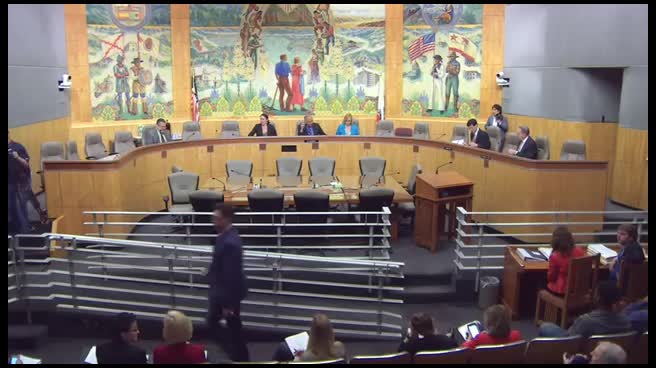
SENATE COMMITTEE ON HEALTH
Senator Ed Hernandez, O.D., Chair
BILL NO: SB 115
AUTHOR: |
Fuller |
||
VERSION: |
April 20, 2015 |
||
HEARING DATE: |
April 29, 2015 |
|
|
CONSULTANT: |
Melanie Moreno |
||
SUBJECT: Valley fever.
SUMMARY:
Appropriates $1 million from the General Fund to the Department of Public Health for the 2015–16 fiscal year, for purposes of valley fever vaccine research, as specified.
Existing law:
Requires funds appropriated to the State Department of Public Health (DPH) for the purpose of valley fever (coccidioidomycosis) vaccine research to be used to continue and expand the current research effort being conducted by the Valley Fever Vaccine Project.
Permits DPH to contract on a sole source basis with a nonprofit organization that has provided funding for vaccine research on valley fever. Requires the contract to require the organization to distribute research grants to support research efforts that are likely to advance the effort to develop a vaccine.
Requires the contractor to establish an advisory group consisting of persons with relevant expertise in the fields of mycology and vaccine development and a representative from DPH. Requires the advisory group to approve grants for those whose research is likely to advance the effort to develop a safe and effective vaccine and to seek advice from the appropriate agencies in the National Institutes of Health and other federal agencies with experience in supporting vaccine research when reviewing the research of those receiving funds.
Requires the contractor to provide DPH with periodic status reports on the progress of the researchers receiving funds. Requires DPH to review progress reports from the contractor describing the research progress and plans for future funding.
Requires the contract to require that funding is provided on the condition that, if a valley fever vaccine is developed and successfully marketed, the state be reimbursed for the cost of grants made in proportion to the state’s contribution to the research and development effort.
This bill: Appropriates $1 million from the General Fund to DPH for the 2015–16 fiscal year, for purposes of valley fever vaccine research. Requires $100,000 to be allocated to DPH in the 2015–16 fiscal year for purposes of costs associated with the administration of existing law above.
FISCAL EFFECT:
This bill has not been analyzed by a fiscal committee.
COMMENTS:
Author’s statement. According to the author, California has seen an increase of valley fever case counts from 719 to 5,697 over the last 13-year period. Valley fever is caused by air or soil disturbance of Coccidioides fungi, which live and breed within the soil. When the dust containing the Coccidioides spores is breathed in the fungus attacks the respiratory system, causing infection that can lead to symptoms that resemble a cold, influenza, or pneumonia. Within California, cases of valley fever have been reported from most counties. Over 75 percent of cases have been reported in portions of Sacramento Valley, all of the San Joaquin Valley, desert regions, and portions of Southern California. Valley fever can be costly and debilitating, with nearly 75 percent of patients missing work or school because of their illness, and more than 40 percent requiring hospitalization. There is also an influx of cases among prison inmates and employees. Anyone can get valley fever, even young and healthy people. Although there is currently not a known cure for valley fever, researchers are closer to developing a vaccine that will help combat this devastating disease. Experts say the lack of funding and serious attention to valley fever has stalled efforts to combat the disease.
Background. According to the Centers for Disease Control and Prevention (CDC), valley fever is caused by Coccidioides, a fungus that lives in soil in the southwestern United States and parts of Mexico, Central America, and South America. Inhaling the airborne fungal spores can cause infection, but is not spread from person to person. Most people who are exposed to the fungus do not get sick, but some people develop flu-like symptoms that may last for weeks to months. In a very small proportion of people who get valley fever, the infection can spread from the lungs to the rest of the body and cause more severe conditions, such as meningitis or even death. A March 2013 CDC report notes that more than 20,000 cases of valley fever are reported each year in the United States, but many more cases likely go undiagnosed. Some researchers estimate that each year the fungus infects more than 150,000 people, many of whom are sick without knowing the cause or have cases so mild they are not detected. It is difficult to avoid exposure to the fungus that causes valley fever, and there is no vaccine to prevent the infection.
Endemic areas. Most cases of valley fever in the US occur in people who live in or have traveled to the southwestern United States, especially Arizona and California. The map below, “Areas where valley fever is endemic,” was generated from studies in the 1950s, and shows the areas where the fungus that causes valley fever is thought to be endemic, or native and common in the environment. According to the CDC, the full extent of the current endemic areas is unknown and is a subject for further study.

Incidence. In California, providers and labs are required to report valley fever to DPH. According to an article in the Spring 2013 Medical Board of California Newsletter written by DPH Infectious Diseases Branch staff, there has been a substantial increase in the numbers of reported cases and hospitalizations of valley fever. From 2000 to 2011, the annual number of reported cases increased greater than six-fold, from 816 to 5,366 cases. These increases represent a substantial and growing burden to California residents, providers, and the government, but the reason for the increase is unclear. Researchers believe that contributing factors may include changes in climate and rainfall patterns, soil-disturbing construction activities, an increase in susceptible persons moving to disease-endemic areas, and heighten awareness and diagnosis. While anyone in an endemic area is at risk, those working in occupations involving dirt and dust exposure may be at increased risk of infection. Several groups of people are at higher risk for developing the severe forms of valley fever, including African Americans, Asians, women in their 3rd trimester of pregnancy, and people with weak immune systems, including those with an organ transplant or who have HIV/AIDS. In California, highly endemic counties (more than 20 cases per 100,000 population per year), are Kern, Kings, Fresno, Merced, Madera, Tulare, and San Luis Obispo.
Vaccine. Valley fever research has been going on since the 1930s and 40s, with not much progress towards a vaccine. According to a report published in October 2012 by the Reporting On Health collaborative (an initiative of The California Endowment Health Journalism Fellowships at the University of Southern California’s Annenberg School for Communication and Journalism), when a valley fever vaccine was evaluated in the late 1970s and early 1980s, and proved to be effective in mice and monkeys, hundreds of people signed up for the human clinical (Phase III) trials. However, patients complained of very sore arms and swelling at the injection site even at low doses. The shot was so painful people dropped out of the trial, and ultimately the vaccine did not show conclusive protection. In 1997, a Bakersfield-based committee worked with California State University, Bakersfield to select five U.S. scientists to develop a new vaccine with funding from the California HealthCare Foundation (CHCF) and the State of California. The project was launched with a $1.5 million grant from CHCF, $700,000 in state general funds, and a contribution of more than $100,000 from rotary clubs. With further contributions over the next decade from CHCF, the federal government, the state, the county of Kern and nonprofit groups, total funding reached about $16 million. However, funding dried up and the research stalled.
According to an article published in The Atlantic in August 2014, a valley fever epidemic hit Kern County in 2001 and remains ongoing. It led to the deaths of more than three dozen inmates since 2006 at two nearby state prisons, Avenal and Pleasant Valley. Because the prisons house high concentrations of black and Filipino inmates, valley fever infection rates are higher than the state average: 1,000 times higher at Pleasant Valley, where more than 1,000 inmates have contracted valley fever over the past five years, and 189 times higher at Avenal. Following a federal mandate to transfer more than 2,500 at-risk inmates out of Kern County in 2013, the National Institutes of Health and the Centers for Disease Control and Prevention announced plans to start a clinical trial in Bakersfield. In June of 2014, the FDA also announced plans to include cocci on its Generating Antibiotic Incentives Now (GAIN) program, a federal system intended to encourage the development of new antibacterial or antifungal drugs to treat what the government deems serious or life-threatening infections. Adding cocci to the list extends the period that valley fever antibiotics or vaccines can be sold without any generic-brand competition on the market by five years, which is expected to act as an incentive for a pharmaceutical company to jump on board and manufacture a vaccine. According to an August 2014 announcement from UC Merced, the university’s Health Sciences Research Institute received approval and funding to conduct patient studies at Children’s Hospital Central California in Madera. Researchers will study the blood of 30 pediatric patients with valley fever to understand the immune system’s response to the disease, with a long-term goal of developing a vaccine.
Prior legislation. AB 1955 (Ashburn) of 2002, SB 1027 (Ashburn) of 2003 and SB 492 (Ashburn) of 2005 were substantially similar to this bill. AB 1955, SB 1027 and SB 492 were held on the Assembly Appropriations Committee suspense file.
Support. Valley Fever Solutions writes that drug development is frightfully expensive, and vaccine development is even worse. Valley fever is considered an orphan disease, which means it is devilishly hard to find investors until drug development is significantly advanced, to the point scientists can demonstrate the drugs is going to work. Government support for combating this rare disease is important and precious and is often the make or break component without which motivated researchers simply have to turn away and work on other projects that have better support.
Policy comment. Previous efforts to develop a vaccine were multi-year, multi-million dollar efforts. It is unclear how the one-time appropriation contained in this bill will make a meaningful impact on efforts toward developing a vaccine. The author may wish to work through the budget process and/or develop a matching fund program to draw down additional federal or private monies so that the effort has sufficient funding towards its goal.
SUPPORT AND OPPOSITION:
Support: Valley Fever Solutions
One individual
Oppose: None received.
-- END --
Discussed in Hearing
 7MIN
Assembly Standing Committee on Health
 1MIN
Senate Floor
 4MIN
Senate Standing Committee on Health
Bill Author

Bill Co-Author(s):