SB 1413: School districts: employee housing.
- Session Year: 2015-2016
- House: Senate
- Latest Version Date: 2016-09-27
Existing law establishes various housing and home loan programs throughout the state to help low-income families and other specified groups. Existing law authorizes the governing board of any school district, when leasing a building for housing of school district employees, to lease the building for any period they deem necessary.
This bill would authorize a school district to establish and implement programs, as provided, that address the housing needs of teachers and school district employees who face challenges in securing affordable housing.
Existing law authorizes the governing board of any school district to sell or lease any real property, together with any personal property located on the real property, belonging to the school district which is not or will not be needed by the school district for school classroom buildings at the time of delivery of title or possession.
This bill would authorize a school district to lease property owned by the school district for purposes of developing and providing housing to employees of the school district.
(a)The Legislature finds and declares that the changes made by this act are necessary in order to provide affordable housing opportunities to teachers and other school district employees.
(b)California places a high value on our public education system, and the stability of housing for school employees is critical to the overall success and stability of each school in California.
(c)The supply of new preschool through grade 12 teachers in California has hit a 12-year low, and enrollment in educator preparation programs has dropped by more than 70 percent over the last decade, and this shortage most impacts schools serving more low-income and minority students.
(d)Demand for teachers and staff is projected to grow further as school districts continue to recover from the recession and seek to replace previously eliminated programs and positions. Districts are also coping with attrition, which averages about 8 percent of all teachers annually. This attrition includes inevitable retirements, as fully one-third of California teachers are over 50 years of age and 10 percent are over 60 years of age, but most attrition is due to younger teachers leaving.
(e)A growing trend driving teacher turnover is the steadily increasing cost of housing in certain markets. In addition to the negative emotional and developmental impacts teacher turnover has on students, the costs borne by school districts to recruit, hire, and train new teachers each summer is immense. In San Francisco alone, during the summer of 2015, the school district had to recruit, hire, and train 700 new teachers. Many cited housing costs as the reason why the teacher was leaving the school district.
(f)Students and the community at large are benefited by teachers living in the community in which they practice their profession. It ensures stability, community involvement, and stronger ties between teachers, their students, and their families.
(g)By creating affordable housing options for teachers near or on schoolsites, it also reduces vehicle miles traveled and time away from teachers homes, thereby reducing or eliminating commute time.
SEC. 2.Part 14 (commencing with Section 53570) is added to Division 31 of the Health and Safety Code, to read:14.Teacher Housing Act of 201653570.This part may be cited as the Teacher Housing Act of 2016.
53571.(a)The purpose of this part is to facilitate the acquisition, construction, rehabilitation, and preservation of affordable rental housing for teachers and school district employees to allow teachers or school district employees to access and maintain housing stability.
(b)A program established under this part shall be restricted to teacher or school district employees.
53572.As used in this part:
(a)Affordable rental housing means a rental housing development, as defined in subdivision (d) of Section 50675.2, with a majority of its rents restricted to levels that are affordable to persons and families of low or moderate income, as defined in Section 50093, but neither definition is restrictive to only projects with five or more units.
(b)Teacher or school district employee means any person employed by a unified school district maintaining prekindergarten, transitional kindergarten, and grades 1 to 12, inclusive, an elementary school district maintaining prekindergarten, transitional kindergarten, and grades 1 to 8, inclusive, or a high school district maintaining grades 9 to 12, inclusive, including, but not limited to, certificated and classified staff.
53573.A school district may establish and implement programs that address the housing needs of teachers and school district employees who face challenges in securing affordable housing. To the extent feasible, the school district may establish and implement programs that, among other things, do the following:
(a)Leverage federal, state, and local public, private, and nonprofit programs and fiscal resources available to housing developers.
(b)Promote public and private partnerships.
(c)Foster innovative financing opportunities.
53574.This part specifically creates a state policy supporting housing for teachers and school district employees, as described in Section 42(g)(9) of the Internal Revenue Code, and, further, permits school districts and developers in receipt of local or state funds or tax credits designated for affordable rental housing to restrict occupancy to teachers and school district employees on land owned by school districts, so long as that housing does not violate any other applicable laws.
(a)The Legislature finds and declares that the changes made by this act are necessary in order to provide affordable housing opportunities to teachers and other school district employees.
(b)California places a high value on our public education system, and the stability of housing for school employees is critical to the overall success and stability of each school in California.
(c)The supply of new preschool through grade 12 teachers in California has hit a 12-year low, and enrollment in educator preparation programs has dropped by more than 70 percent over the last decade, and this shortage most impacts schools serving more low-income and minority students.
(d)Demand for teachers and staff is projected to grow further as school districts continue to recover from the recession and seek to replace previously eliminated programs and positions. Districts are also coping with attrition, which averages about 8 percent of all teachers annually. This attrition includes inevitable retirements, as fully one-third of California teachers are over 50 years of age and 10 percent are over 60 years of age, but most attrition is due to younger teachers leaving.
(e)A growing trend driving teacher turnover is the steadily increasing cost of housing in certain markets. In addition to the negative emotional and developmental impacts teacher turnover has on students, the costs borne by school districts to recruit, hire, and train new teachers each summer is immense. In San Francisco alone, during the summer of 2015, the school district had to recruit, hire, and train 700 new teachers. Many cited housing costs as the reason why the teacher was leaving the school district.
(f)Students and the community at large are benefited by teachers living in the community in which they practice their profession. It ensures stability, community involvement, and stronger ties between teachers, their students, and their families.
(g)By creating affordable housing options for teachers near or on schoolsites, it also reduces vehicle miles traveled and time away from teachers homes, thereby reducing or eliminating commute time.
SEC. 2.Part 14 (commencing with Section 53570) is added to Division 31 of the Health and Safety Code, to read:14.Teacher Housing Act of 201653570.This part may be cited as the Teacher Housing Act of 2016.
53571.(a)The purpose of this part is to facilitate the acquisition, construction, rehabilitation, and preservation of affordable rental housing, housing for teachers and school district employees to allow teachers or school district employees to access and maintain housing stability.
(b)A program established under this part shall be restricted to teacher or school district employees.
53572.As used in this part:
(a)Affordable rental housing means a rental housing development, as defined in subdivision (d) of Section 50675.2, with a majority of its rents restricted to levels that are affordable to persons and families of low or moderate income, as defined in Section 50093, but neither definition is restrictive to only projects with five or more units.
(b)Teacher or school district employee means any person employed by a unified school district maintaining prekindergarten, transitional kindergarten, and grades 1 to 12, inclusive, an elementary school district maintaining prekindergarten, transitional kindergarten, and grades 1 to 8, inclusive, or a high school district maintaining grades 9 to 12, inclusive, including, but not limited to, certificated and classified staff.
53573.A school district may establish and implement programs that address the housing needs of teachers and school district employees who face challenges in securing affordable housing. To the extent feasible, the school district may establish and implement programs that, among other things, do the following:
(a)Leverage federal, state, and local public, private, and nonprofit programs and fiscal resources available to housing developers.
(b)Promote public and private partnerships.
(c)Foster innovative financing opportunities.
53574.This part specifically creates a state policy supporting housing for teachers and school district employees, as described in Section 42(g)(9)(B) 42(g)(9) of the Internal Revenue Code, and, further, permits school districts and developers in receipt of local or state funds or tax credits designated for affordable rental housing to restrict occupancy to teachers and school district employees on land owned by school districts, so long as that housing does not violate any other applicable laws.
(a)The Legislature finds and declares that the changes made by this act are necessary in order to provide affordable housing opportunities to teachers and other school district employees.
(b)California places a high value on our public education system, and the stability of housing for school employees is critical to the overall success and stability of each school in California.
(c)The supply of new preschool through grade 12 teachers in California has hit a 12-year low, and enrollment in educator preparation programs has dropped by more than 70 percent over the last decade, and this shortage most impacts schools serving more low-income and minority students.
(d)Demand for teachers and staff is projected to grow further as school districts continue to recover from the recession and seek to replace previously eliminated programs and positions. Districts are also coping with attrition, which averages about 8 percent of all teachers annually. This attrition includes inevitable retirements, as fully one-third of California teachers are over 50 years of age and 10 percent are over 60 years of age, but most attrition is due to younger teachers leaving.
(e)A growing trend driving teacher turnover is the steadily increasing cost of housing in certain markets. In addition to the negative emotional and developmental impacts teacher turnover has on students, the costs borne by school districts to recruit, hire, and train new teachers each summer is immense. In San Francisco alone, during the summer of 2015, the school district had to recruit, hire, and train 700 new teachers. Many cited housing costs as the reason why the teacher was leaving the school district.
(f)Students and the community at large are benefited by teachers living in the community in which they practice their profession. It ensures stability, community involvement, and stronger ties between teachers, their students, and their families.
(g)By creating affordable housing options for teachers near or on schoolsites, it also reduces vehicle miles traveled and time away from teachers homes, thereby reducing or eliminating commute time.
SEC. 2.Part 14 (commencing with Section 53570) is added to Division 31 of the Health and Safety Code, to read:14.Teacher Housing Act of 201653570.This part may be cited as the Teacher Housing Act of 2016.
53571.(a)The purpose of this part is to facilitate the acquisition, construction, rehabilitation, and preservation of affordable rental housing, for teachers and school district employees to allow teachers or school district employees to access and maintain housing stability.
(b)A program established under this part shall be restricted to teacher or school district employees.
53572.As used in this part:
(a)Affordable rental housing means a rental housing development, as defined in subdivision (d) of Section 50675.2, with a majority of its rents restricted to levels that are affordable to persons and families of low or moderate income, as defined in Section 50093, but neither definition is restrictive to only projects with five or more units.
(b)Teacher or school district employee means any person employed by a unified school district maintaining prekindergarten, transitional kindergarten, and grades 1 to 12, inclusive, an elementary school district maintaining prekindergarten, transitional kindergarten, and grades 1 to 8, inclusive, or a high school district maintaining grades 9 to 12, inclusive, including, but not limited to, certificated and classified staff.
53573.A school district may establish and implement programs that address the housing needs of teachers and school district employees who face challenges in securing affordable housing. To the extent feasible, the school district may establish and implement programs that, among other things, do the following:
(a)Leverage federal, state, and local public, private, and nonprofit programs and fiscal resources. resources available to housing developers.
(b)Promote public and private partnerships.
(c)Foster innovative financing opportunities.
53574.This part specifically creates a state policy supporting housing for teachers and school district employees, as described in Section 42(g)(9)(B) of the Internal Revenue Code, and, further, permits school districts and developers in receipt of local or state funds or tax credits designated for affordable rental housing to restrict occupancy to teachers and school district employees on land owned by school districts, so long as that housing does not violate any other applicable laws.
(a)The Legislature finds and declares that the changes made by this act are necessary in order to provide affordable housing opportunities to teachers and other school district employees.
(b)California places a high value on our public education system, and the stability of housing for school employees is critical to the overall success and stability of each school in California.
(c)The supply of new preschool through grade 12 teachers in California has hit a 12-year low, and enrollment in educator preparation programs has dropped by more than 70 percent over the last decade, and this shortage most impacts schools serving more low-income and minority students.
(d)Demand for teachers and staff is projected to grow further as school districts continue to recover from the recession and seek to replace previously eliminated programs and positions. Districts are also coping with attrition, which averages about 8 percent of all teachers annually. This attrition includes inevitable retirements, as fully one-third of California teachers are over 50 years of age and 10 percent are over 60 years of age, but most attrition is due to younger teachers leaving.
(e)A growing trend driving teacher turnover is the steadily increasing cost of housing in certain markets. In addition to the negative emotional and developmental impacts teacher turnover has on students, the costs borne by school districts to recruit, hire, and train new teachers each summer is immense. In San Francisco alone, during the summer of 2015, the school district had to recruit, hire, and train 700 new teachers. Many cited housing costs as the reason why the teacher was leaving the school district.
(f)Students and the community at large are benefited by teachers living in the community in which they practice their profession. It ensures stability, community involvement, and stronger ties between teachers, their students, and their families.
(g)By creating affordable housing options for teachers near or on schoolsites, it also reduces vehicle miles traveled and time away from teachers homes, thereby reducing or eliminating commute time.
SEC. 2.Part 14 (commencing with Section 53570) is added to Division 31 of the Health and Safety Code, to read:14.Teacher Housing Act of 201653570.This part may be cited as the Teacher Housing Act of 2016.
53571.(a)The purpose of this article part is to facilitate the acquisition, construction, rehabilitation, and preservation of affordable rental housing, for teachers and school district employees to allow teachers or school district employees to access and maintain housing stability.
(b)A program established under this part shall be restricted to teacher or school district employees.
53572.As used in this part:
(a)Affordable rental housing means a rental housing development, as defined in subdivision (d) of Section 50675.2, with rents restricted to levels that are affordable to persons and families of low or moderate income, as defined in Section 50093, but neither definition is restrictive to only projects with five or more units.
(b)Teacher or school district employee means any person employed by a unified school district maintaining prekindergarten, transitional kindergarten, and grades 1 to 12, inclusive, an elementary school district maintaining prekindergarten, transitional kindergarten, and grades 1 to 8, inclusive, or a high school district maintaining grades 9 to 12, inclusive, including, but not limited to, certificated and classified staff.
53573.A school district may establish and implement programs that address the housing needs of teachers and school district employees who face challenges in securing affordable housing. To the extent feasible, the school district may establish and implement programs that, among other things, do the following:
(a)Leverage federal, state, and local public, private, and nonprofit programs and fiscal resources.
(b)Promote public and private partnerships.
(c)Foster innovative financing opportunities.
(d)Dedicate school district-owned land to the development of affordable rental housing and restrict occupancy to teachers and school district employees.
53574.This part specifically creates a state policy supporting housing for teachers and school district employees, as described in Section 42(g)(9)(B) of the Internal Revenue Code, and, further, permits school districts and developers in receipt of local or state funds designated for affordable rental housing to restrict occupancy to teachers and school district employees on land owned by school districts, so long as that housing does not violate any other applicable laws.
(a)The Legislature finds and declares that the changes made by this act are necessary in order to provide affordable housing opportunities to teachers and other school district employees.
(b)California places a high value on our public education system, and the stability of housing for school employees is critical to the overall success and stability of each school in California.
(c)The supply of new preschool through grade 12 teachers in California has hit a 12-year low, and enrollment in educator preparation programs has dropped by more than 70 percent over the last decade, and this shortage most impacts schools serving more low-income and minority students.
(d)Demand for teachers and staff is projected to grow further as school districts continue to recover from the recession and seek to replace previously eliminated programs and positions. Districts are also coping with attrition, which averages about 8 percent of all teachers annually. This attrition includes inevitable retirements, as fully one-third of California teachers are over 50 years of age and 10 percent are over 60 years of age, but most attrition is due to younger teachers leaving.
(e)A growing trend driving teacher turnover is the steadily increasing cost of housing in certain markets. In addition to the negative emotional and developmental impacts teacher turnover has on students, the costs borne by school districts to recruit, hire, and train new teachers each summer is immense. In San Francisco alone, during the summer of 2015, the school district had to recruit, hire, and train 700 new teachers. Many cited housing costs as the reason why the teacher was leaving the school district.
(f)Students and the community at large are benefited by teachers living in the community in which they practice their profession. It ensures stability, community involvement, and stronger ties between teachers, their students, and their families.
(g)By creating affordable housing options for teachers near or on schoolsites, it also reduces vehicle miles traveled and time away from teachers homes, thereby reducing or eliminating commute time.
SECTION 1.SEC. 2.Part 14 (commencing with Section 53570) is added to Division 31 of the Health and Safety Code, to read:14.Teacher Housing Act of 201653570.This part may be cited as the Teacher Housing Act of 2016.
53571.(a)The purpose of this article is to facilitate the acquisition, construction, rehabilitation, and preservation of affordable rental housing, for teachers, school district employees, and their families teachers and school district employees to allow teachers or school district employees to access and maintain housing stability.
(b)A program established under this part shall be restricted to teacher or school district employees and their families. employees.
53572.As used in this part:
(a)Affordable rental housing means a rental housing development, as defined in subdivision (d) of Section 50675.2, with affordable rent, as defined in subdivision (a) of Section 50675.2, rents restricted to levels that are affordable to persons and families of low or moderate income, as defined in Section 50093, but neither definition is restrictive to only projects with five or more units.
(b)Teacher or school district employee means any person employed by an elementary school district or unified school district, maintaining a kindergarten or grades 1 to 8, inclusive, or a high school district or unified school district, a unified school district maintaining prekindergarten, transitional kindergarten, and grades 1 to 12, inclusive, an elementary school district maintaining prekindergarten, transitional kindergarten, and grades 1 to 8, inclusive, or a high school district maintaining grades 9 to 12, inclusive. inclusive, including, but not limited to, certificated and classified staff.
53573.A school district may establish and implement programs that address the housing needs of teachers and school district employees who face challenges in securing affordable housing. To the extent feasible, the school district may establish and implement programs that, among other things, do the following:
(a)Leverage federal, state, and local public, private, and nonprofit programs and fiscal resources.
(b)Promote public and private partnerships.
(c)Foster innovative financing opportunities.
(d)Dedicate school district-owned land to the development of affordable rental housing and restrict occupancy to teachers and school district employees.
53574.This part specifically creates a state policy supporting housing for teachers and school district employees, as described in Section 42(g)(9)(B) of the Internal Revenue Code, and, further, permits school districts and developers in receipt of local or state funds designated for affordable rental housing to restrict occupancy to teachers and school district employees on land owned by school districts, so long as that housing does not violate any other applicable laws.
This part may be cited as the Teacher Housing Act of 2016.
53571.(a)The purpose of this article is to facilitate the acquisition, construction, rehabilitation, and preservation of affordable rental housing, for teachers, school district employees, and their families to allow teachers or school district employees to access and maintain housing stability.
(b)A program established under this part shall be restricted to teacher or school district employees and their families.
53572.As used in this part:
(a)Affordable rental housing means a rental housing development, as defined in subdivision (d) of Section 50675.2, with affordable rent, as defined in subdivision (a) of Section 50675.2, but neither definition is restrictive to only projects with five or more units.
(b)Teacher or school district employee means any person employed by an elementary school district or unified school district, maintaining a kindergarten or grades 1 to 8, inclusive, or a high school district or unified school district, maintaining grades 9 to 12, inclusive.
53573.A school district may establish and implement programs that address the housing needs of teachers and school district employees who face challenges in securing affordable housing. To the extent feasible, the school district may establish and implement programs that, among other things, do the following:
(a)Leverage federal, state, and local public, private, and nonprofit programs and fiscal resources.
(b)Promote public and private partnerships.
(c)Foster innovative financing opportunities.
SECTION 1.Section 17479.5 is added to the Education Code, to read:17479.5.Notwithstanding any other law, a school district may lease property owned by the school district for purposes of developing and providing housing to employees of the school district.
Notwithstanding any other law, a school district may lease property owned by the school district for purposes of developing and providing housing to employees of the school district.
|
Date
|
Status
|
|---|---|
| Sep 8, 2016 | Enrolled and presented to the Governor at 5 p.m. |
| Aug 29, 2016 | Assembly amendments concurred in. (Ayes 30. Noes 8. Page 5491.) Ordered to engrossing and enrolling. |
| Aug 29, 2016 | Assembly amendments concurred in. (Ayes 30. Noes 8.) Ordered to engrossing and enrolling. |
| Aug 25, 2016 | In Senate. Concurrence in Assembly amendments pending. |
| Aug 24, 2016 | Read third time. Passed. Ordered to the Senate. |
| Jun 27, 2016 | Read second time. Ordered to third reading. |
| Jun 23, 2016 | From committee: Do pass. (Ayes 6. Noes 0.) (June 22). |
| Jun 16, 2016 | From committee with author's amendments. Read second time and amended. Re-referred to Com. on ED. |
| Jun 15, 2016 | From committee: Do pass and re-refer to Com. on ED. (Ayes 6. Noes 1.) (June 15). Re-referred to Com. on ED. |
| Jun 9, 2016 | Referred to Coms. on H. & C.D. and ED. |
| Jun 1, 2016 | In Assembly. Read first time. Held at Desk. |
| May 31, 2016 | Read third time. Passed. (Ayes 29. Noes 7. Page 4034.) Ordered to the Assembly. |
| May 31, 2016 | Read third time. Passed. (Ayes 29. Noes 7.) Ordered to the Assembly. |
| May 27, 2016 | From committee: Do pass. (Ayes 5. Noes 2. Page 4010.) (May 27). |
| May 27, 2016 | Read second time. Ordered to third reading. |
| May 27, 2016 | From committee: Do pass. (Ayes 5. Noes 2.) (May 27). |
| May 20, 2016 | Set for hearing May 27. |
| May 16, 2016 | May 16 hearing: Placed on APPR. suspense file. (Ayes 7. Noes 0.) |
| May 10, 2016 | From committee with author's amendments. Read second time and amended. Re-referred to Com. on APPR. |
| May 6, 2016 | Set for hearing May 16. |
| May 4, 2016 | Re-referred to Com. on APPR. |
| Apr 27, 2016 | From committee with author's amendments. Read second time and amended. Re-referred to Com. on RLS. |
| Apr 26, 2016 | From committee: Do pass and re-refer to Com. on RLS. (Ayes 9. Noes 0. Page 3689.) (April 26). Re-referred to Com. on RLS. |
| Apr 26, 2016 | From committee: Do pass and re-refer to Com. on RLS. (Ayes 9. Noes 0.) (April 26). Re-referred to Com. on RLS. |
| Apr 19, 2016 | From committee with author's amendments. Read second time and amended. Re-referred to Com. on T. & H. |
| Apr 12, 2016 | Set for hearing April 26. |
| Apr 4, 2016 | Re-referred to Com. on T. & H. |
| Mar 31, 2016 | Re-referred to Com. on RLS. |
| Mar 31, 2016 | Withdrawn from committee. |
| Mar 30, 2016 | From committee with author's amendments. Read second time and amended. Re-referred to Com. on ED. |
| Mar 28, 2016 | March 30 set for first hearing canceled at the request of author. |
| Mar 11, 2016 | Set for hearing March 30. |
| Mar 10, 2016 | Referred to Com. on ED. |
| Feb 22, 2016 | Read first time. |
| Feb 22, 2016 | From printer. May be acted upon on or after March 23. |
| Feb 19, 2016 | Introduced. To Com. on RLS. for assignment. To print. |
|
Date
|
Description
|
Location
|
Votes
|
|
|---|---|---|---|---|
| Aug 29, 2016 | Unfinished Business SB1413 Leno Concurrence | Senate Floor |
Passed |
|
| Aug 24, 2016 | SB 1413 Leno Senate Third Reading By TING | Assembly Floor |
Passed |
|
| Jun 22, 2016 | Do pass. | Assembly Standing Committee on Education |
Passed |
|
| Jun 15, 2016 | Do pass and be re-referred to the Committee on [Education] | Assembly Standing Committee on Housing and Community Development |
Passed |
|
| May 31, 2016 | Senate 3rd Reading SB1413 Leno | Senate Floor |
Passed |
|
| May 27, 2016 | Do pass | Senate Standing Committee on Appropriations |
Passed |
|
| May 16, 2016 | Placed on suspense file | Senate Standing Committee on Appropriations |
Passed |
|
| Apr 26, 2016 | Do pass, but first be re-referred to the Committee on [Rules] | Senate Standing Committee on Transportation and Housing |
Passed |
This list shows positions taken on this bill by organizations on the date displayed, which is linked to the original source.
Positions by individuals are not included.
Office of Senate Floor Analyses (916) 651-1520 Fax: (916) 327-4478 | SB |
UNFINISHED BUSINESS
Bill No: SB 1413
:
SENATE TRANS. & HOUSING COMMITTEE: 9-0, 4/26/16
AYES: Beall, Allen, Gaines, Galgiani, Leyva, McGuire, Mendoza, Roth, Wieckowski
NO VOTE RECORDED: Cannella, Bates
SENATE APPROPRIATIONS COMMITTEE: 5-2, 5/27/16
AYES: Lara, Beall, Hill, McGuire, Mendoza
NOES: Bates, Nielsen
SENATE FLOOR: 29-7, 5/31/16
AYES: Allen, Beall, Block, Cannella, De León, Gaines, Galgiani, Glazer, Hall, Hancock, Hernandez, Hertzberg, Hill, Hueso, Jackson, Lara, Leno, Leyva, Liu, McGuire, Mendoza, Mitchell, Monning, Nguyen, Pan, Pavley, Roth, Wieckowski, Wolk
NOES: Anderson, Bates, Berryhill, Huff, Morrell, Stone, Vidak
NO VOTE RECORDED: Fuller, Moorlach, Nielsen, Runner
ASSEMBLY FLOOR: 62-18, 8/24/16 - See last page for vote
SOURCE: Mayor Ed Lee, City and County of San Francisco
DIGEST: This bill establishes the Teacher Housing Act of 2016 and provides that a school district may establish and implement programs that address the housing needs of teachers and school district employees who face challenges in securing affordable housing.
Assembly Amendments make technical changes, including a code reference correction.
ANALYSIS: Existing federal law requires low-income housing tax credits (LIHTCs) to be utilized for residential units that are for use by the “general public.” If a residential unit is provided only for a member of a social organization or provided by an employer for its employees, the unit is not for use by the general public and not eligible for federal LIHTCs, and by extension, state LIHTCs. A qualified low-income project does not fail to meet the general-public use requirement solely because of occupancy restrictions or preferences that favor, among other things, members of a specified group under a federal program or state program or policy that supports housing for a specified group.
Existing state law:
1) Establishes various housing programs, such as the Multifamily Housing Program and Joe Serna Jr. Farmworker Housing Grant Program administered by the Department of Housing and Community Development and the LIHTC Program administered by the Tax Credit Allocation Committee within the State Treasurer’s Office, to help low-income families and other specified groups.
2) Defines “rental housing development” as a structure or set of structures with common financing, ownership, and management, and which collectively contain five or more dwelling units, including efficiency units. No more than one of the dwelling units may be occupied as a primary residence by a person or household who is the owner of the structure or structures.
This bill:
1) Establishes the Teacher Housing Act of 2016 to facilitate the acquisition, construction, rehabilitation, and preservation of affordable rental housing for teachers and school district employees to allow teachers or school district employees to access and maintain housing stability.
2) Defines “affordable rental housing” as a rental housing development with a majority of its rents restricted to levels that are affordable to persons and families of low or moderate income, but neither definition is restrictive to only projects with five or more units as required under existing law.
3) Defines “teacher or school district employee” as any person employed by:
- A unified school district maintaining pre-kindergarten, transitional kindergarten, and grades 1 to 12
- An elementary school district maintaining pre-kindergarten, transitional kindergarten, and grades 1 to 8
- A high school district maintaining grades 9 to 12, inclusive of, but not limited to, certificated and classified staff
4) Provides that a school district may establish and implement programs that address the housing needs of teachers and school district employees who face challenges in securing affordable housing. To the extent feasible, the school district may establish and implement programs that, among other things, do the following:
- Leverage federal, state, and local public, private, and nonprofit programs and fiscal resources.
- Promote public and private partnerships.
- Foster innovative financing opportunities.
- Dedicate school district-owned land to the development of affordable rental housing and restrict occupancy to teachers and school district employees.
5) Creates, specifically, a state policy supporting housing for teachers and school district employees, pursuant to the IRS code, and permits school districts and developers in receipt of local or state funds designated for affordable rental housing to restrict occupancy to teachers and school district employees on land owned by school districts, so long as that housing does not violate any other applicable laws.
Comments
- Purpose. According to the author, California places a high value on its public education system, and the stability of housing for school employees is critical to the overall success and stability of each school in California. Students and the community at large are benefitted by teachers living in the community in which they practice their profession. It ensures stability, community involvement, and stronger ties between teachers and their students and families. Lack of affordable housing creates barriers to effective teaching and teacher retention, and the combination of teacher and housing shortages demands innovative solutions. Twenty-five percent of teachers nationwide point to housing incentives as an important factor in their decision to return to teaching.
While there are programs in many communities to help people find and attain affordable housing, middle-class earners like teachers do not always qualify for them. This bill underscores the critical role that teachers and other education professionals play in the long-term success of our state by allowing for the development of specific housing to keep these hard-working professionals in our communities and our schools. This bill provides clear authorization to school districts to develop housing on district-owned property, which will enable the districts facing the most acute teacher shortages to directly address the lack of affordable housing that is forcing teachers out of our communities and out of a vital profession. Investors require clear state law before getting on board with new and innovative projects, especially in an area as expensive as San Francisco. Unlike the higher education code, which covers faculty housing in detail, K-12’s silence on this issue is a cause for great concern for financial markets when facing a decision of whether to embark upon multi-billion dollar housing projects.
- Necessary state authority. According to the source, Mayor Ed Lee of the City and County of San Francisco, express state statutory authority is necessary to permit school districts to construct teacher-only housing on their property. Developers are not permitted to use federal LIHTCs for these projects because these projects are not available to the general public. Because state credits can only be awarded to projects that receive federal credits, state LIHTCs also cannot be used to fund teacher-only housing.
By declaring a state policy supporting housing for teachers/school district employees, these housing projects could qualify under federal law as general public housing and therefore be eligible for both federal and state LIHTCs.
FISCAL EFFECT: Appropriation: Fiscal Com.: Local:
According to the Senate Appropriations Committee, to the extent this bill results in additional affordable housing projects targeting teachers and school personnel, greater demand would be placed on limited existing housing resources leading to greater competition for receiving certain financial benefits such as state low-income housing tax credits. According to the State Treasurer’s Office, state credits are oversubscribed by roughly a 2 to 1 ratio
Mayor Ed Lee, City and County of San Francisco (source)
American Federation of State, County and Municipal Employees
California Apartment Association
California Federation of Teachers
California Teachers Association
Non-Profit Housing Association of Northern California
San Francisco Unified School District
OPPOSITION: (Verified 8/24/16)
None received
ASSEMBLY FLOOR: 62-18, 8/24/16
AYES: Achadjian, Alejo, Arambula, Atkins, Baker, Bloom, Bonilla, Bonta, Brown, Burke, Calderon, Campos, Chang, Chau, Chiu, Chu, Cooley, Cooper, Dababneh, Daly, Dodd, Eggman, Frazier, Cristina Garcia, Eduardo Garcia, Gatto, Gipson, Gomez, Gonzalez, Gordon, Gray, Hadley, Roger Hernández, Holden, Irwin, Jones-Sawyer, Lackey, Levine, Linder, Lopez, Low, Maienschein, McCarty, Medina, Mullin, Nazarian, O'Donnell, Olsen, Patterson, Quirk, Ridley-Thomas, Rodriguez, Salas, Santiago, Steinorth, Mark Stone, Thurmond, Ting, Weber, Williams, Wood, Rendon
NOES: Travis Allen, Bigelow, Brough, Chávez, Dahle, Beth Gaines, Gallagher, Grove, Harper, Jones, Kim, Mathis, Mayes, Melendez, Obernolte, Wagner, Waldron, Wilk
8/25/16 17:37:23
**** END ****
SENATE THIRD READING
STR Bill Id:SB 1413
Author:(Leno)
As Amended Ver:June 16, 2016
Majority vote
SENATE VOTE: 29-7
Committee | Votes | Ayes | Noes |
Housing | 6-1 | Chiu, Steinorth, Burke, Chau, Lopez, Mullin | Beth Gaines |
Education | 6-0 | O'Donnell, Olsen, McCarty, Santiago, Thurmond, Weber |
SUMMARY: Establishes the Teacher Housing Act of 2016 to facilitate the acquisition, constriction, rehabilitation, and preservation of affordable housing restricted to teachers or school district employees. Specifically, this bill:
- Includes the following legislative findings:
California places a high value on our public education system, and the stability of housing for school employees is critical to the overall success and stability of each school in California.
The supply of new preschool through grade 12 teachers in California has hit a 12-year low, and enrollment in educator preparation programs has dropped by more than 70% over the last decade, and this shortage most impacts schools serving more low-income and minority students.
Demand for teachers and staff is projected to grow further as school districts continue to recover from the recession and seek to replace previously eliminated programs and positions. Districts are also coping with attrition, which averages about 8% of all teachers annually. This attrition includes inevitable retirements, as fully one-third of California teachers are over 50 years of age and 10% are over 60 years of age, but most attrition is due to younger teachers leaving.
A growing trend driving teacher turnover is the steadily increasing cost of housing in certain markets. In addition to the negative emotional and developmental impacts teacher turnover has on students, the costs borne by school districts to recruit, hire, and train new teachers each summer is immense. In San Francisco alone, during the summer of 2015, the school district had to recruit, hire, and train 700 new teachers. Many cited housing costs as the reason why the teacher was leaving the school district.
Students and the community at large are benefited by teachers living in the community in which they practice their profession. It ensures stability, community involvement, and stronger ties between teachers, their students, and their families.
By creating affordable housing options for teachers near or on school sites, it also reduces vehicle miles traveled and time away from teachers' homes, thereby reducing or eliminating commute time.
- Defines "affordable rental housing" to mean a rental housing development where a majority of the rents are restricted to levels affordable to low- and moderate income residents, no more than 120% of area median income (AMI), and are not limited to projects with five or more units.
- Defines "teacher or school district employee" to mean any person employed by a unified school district maintaining prekindergarten, transitional kindergarten, and grades one to 12, elementary school district maintaining prekindergarten, transitional kindergarten, and grades one to eight or a high school district maintaining grades nine to 12 but not limited to certified and classified staff.
- Authorizes a school district to establish and implement programs that address the housing needs of teachers and school district employees who face challenges in securing affordable housing.
- Allows a school district, to the extent feasible, to establish and implement programs that among other things, do the following:
- Leverage federal, state, and local public, private, nonprofit and fiscal resources available to housing developers;
- Promote public and private partnerships; and
- Foster innovated financing opportunities.
- Creates a specific state policy supporting housing for teachers and school district employees, as described in Internal Revenue Code Section 42(g)(9)(B), and further permits school districts and developers in receipt of local or state funds or tax credits designated for affordable rental housing to restrict occupancy to teachers and school district employees on land owned by school districts so loans as the housing does not violate any other applicable laws.
FISCAL EFFECT: According to the Senate Appropriations Committee, to the extent this bill results in additional affordable housing projects targeting teachers and school personnel, greater demand would be placed on limited existing housing resources leading to greater competition for receiving certain financial benefits such as state low-income housing tax credits. According to the State Treasurer's Office, state credits are oversubscribed by roughly a two to one ratio.
COMMENTS:
Background: According to the author, at least two school districts have successfully built affordable rental housing on district owned property to house teachers employed in the district. However, the districts only provide an occupancy preference to teachers and cannot limit the housing to teachers only. This bill would allow school districts to establish and implement programs to address the housing needs of teachers and school district employees. In addition the bill creates a state policy supporting housing for teachers and school employees, and permits school districts and developers who receive local or state funds or tax credits to support the construction of affordable rental housing, to restrict the occupancy to teachers and school district employees on land owned by school districts.
Generally under federal Internal Revenue Service (IRS) rules, if a residential unit is provided only for a member of a social organization or provided by an employer for its employees, the unit is not for use by the general public and is not eligible for federal Low-Income Housing Tax Credit (LIHTC). However, federal IRS law also states that a qualified LIHTC project does not fail to meet the general public use requirement solely because of occupancy restrictions or preferences that favor tenants 1) with special needs, 2) who are members of a specified group under a federal program or state program or policy that supports housing for such a specified group, or 3) who are involved in artistic or literary activities. This bill creates a specific state policy that supports housing for teachers and school district employees with the intent of making it clear that those projects can receive LIHTC.
Purpose of this bill: According to the author, California places a high value on its public education system, and the stability of housing for school employees is critical to the overall success and stability of each school in California. Students and the community at large are benefitted by teachers living in the community in which they practice their profession. It ensures stability, community involvement, and stronger ties between teachers, and their students and families. Lack of affordable housing creates barriers to effective teaching and teacher retention and the combination of teacher and housing shortages demands innovative solutions. Twenty-five percent of teachers nationwide point to housing incentives as an important factor in their decision to return to teaching.
While there are programs in many communities to help people find and attain affordable housing, middle-class earners like teachers do not always qualify for them. This bill underscores the critical role that teachers and other education professionals play in the long-term success of our state by allowing for the development of specific housing to keep these hard-working professionals in our communities and our schools. This bill provides clear authorization to school districts to develop housing on district-owned property, which will enable the districts facing the most acute teacher shortages to directly address the lack of affordable housing that is forcing teachers out of our communities and out of a vital profession. Investors require clear state law before getting on board with new and innovative projects, especially in an area as expensive as San Francisco. Unlike the higher education code, which covers faculty housing in detail, K-12's silence on this issue is a cause for great concern for financial markets when facing a decision of whether to embark upon multi-billion dollar housing projects."
Analysis Prepared by: Lisa Engel / H. & C.D. / (916) 319-2085 FN: 0003556
Date of Hearing: June 22, 2016
ASSEMBLY COMMITTEE ON EDUCATION
Patrick O'Donnell, Chair
SBPCA Bill Id:SB 1413
Author:(Leno) – As Amended Ver:June 16, 2016
[Note: This bill was double-referred to the Assembly Committee on Housing and Community Development and was heard by that committee as it relates to issues under its jurisdiction.]
SENATE VOTE: 29-7
SUBJECT: School districts: employee housing
SUMMARY: Establishes the Teacher Housing Act of 2016 to facilitate the acquisition, constriction, rehabilitation, and preservation of affordable housing restricted to teachers or school district employees. Specifically, this bill:
- Makes findings and declarations regarding the importance of providing affordable housing for teachers and other school employees to help address staffing shortages.
- Defines "affordable rental housing" to mean a rental housing development where a majority of the rents are restricted to levels affordable to low- and moderate income residents, no more than 120% of area median income (AMI), and are not limited to projects with five or more units.
- Defines "teacher or school district employee" to mean any person employed by a unified school district maintaining prekindergarten, transitional kindergarten, and grades 1 to 12, elementary school district maintaining prekindergarten, transitional kindergarten, and grades 1 to 8 or a high school district maintaining grants 9 to 12 but not limited to certified and classified staff.
- Authorizes a school district to establish and implement programs that address the housing needs of teachers and school district employees who face challenges in securing affordable housing.
- Allows a school district, to the extent feasible, to establish and implement programs that among other things, do the following:
- Leverage federal, state, and local public, private, nonprofit and fiscal resources available to housing developers;
- Promote public and private partnerships; and
- Foster innovated financing opportunities.
- Creates a specific state policy supporting housing for teachers and school district employees, as described in Section 42(g) (9) (B) of the Internal Revenue Code, and further permits school districts and developers in receipt of local or state funds or tax credits designated for affordable rental housing to restrict occupancy to teachers and school district employees on land owned by school districts so loans as the housing does not violate any other applicable laws.
EXISTING LAW:
- Federal law requires low-income housing tax credits (LIHTCs) to be utilized for residential units that are for use by the “general public.” If a residential unit is provided only for a member of a social organization or provided by an employer for its employees, the unit is not for use by the general public and not eligible for federal LIHTCs, and by extension, state LIHTCs. A qualified low-income project does not fail to meet the general-public use requirement solely because of occupancy restrictions or preferences that favor, among other things: members of a specified group under a federal program or state program or policy that supports housing for a specified group.
- Defines “rental housing development” as a structure or set of structures with common financing, ownership, and management, and which collectively contain five or more dwelling units, including efficiency units. No more than one of the dwelling units may be occupied as a primary residence by a person or household who is the owner of the structure or structures.
- Establishes various housing programs, such as the Multifamily Housing Program and Joe Serna Jr. Farmworker Housing Grant Program administered by the Department of Housing and Community Development (HCD) and the Low-Income Housing Tax Credit (LIHTC) Program administered by the Tax Credit Allocation Committee (TCAC) within the State Treasurer’s Office, to help low-income families and other specified groups.
- Declares it unlawful, pursuant to Fair Employment and Housing Act, for any housing accommodation owner to inquire about; make known any preference or limitation as to; discriminate; or harass a person based on the person’s race, color, religion, sex, gender, gender identity, gender expression, sexual orientation, marital status, national origin, ancestry, familial status, source of income, disability, or genetic information (Government Code Section 12955).
- Prohibits, under the Unruh Civil Rights Act, business establishments from discriminating on the basis of sex (including gender), race, color, religion, ancestry, national origin, disability, medical condition, genetic information, marital status, or sexual orientation, and provides civil remedies for violations of its provisions (Civil Code Section 51 et seq.).
FISCAL EFFECT: According to the Senate Appropriations Committee, to the extent this bill results in additional affordable housing projects targeting teachers and school personnel, greater demand would be placed on limited existing housing resources leading to greater competition for receiving certain financial benefits such as state low-income housing tax credits. According to the State Treasurer’s Office, state credits are oversubscribed by roughly a 2 to 1 ratio.
COMMENTS:
Background: According to the author, at least two school districts have successfully built affordable rental housing on district owned property to house teachers employed in the district. However, the districts only provide an occupancy preference to teachers and cannot limit the housing to teachers only. This bill would allow school districts to establish and implement programs to address the housing needs of teachers and school district employees. In addition the bill creates a state policy supporting housing for teachers and school employees, and permits school districts and developers who receive local or state funds or tax credits to support the construction of affordable rental housing, to restrict the occupancy to teachers and school district employees on land owned by school districts.
Generally under federal IRS rules, if a residential unit is provided only for a member of a social organization or provided by an employer for its employees, the unit is not for use by the general public and is not eligible for federal LIHTC. However, federal IRS law also states that a qualified LIHTC project does not fail to meet the general public use requirement solely because of occupancy restrictions or preferences that favor tenants (1) with special needs, (2) who are members of a specified group under a federal program or state program or policy that supports housing for such a specified group, or (3) who are involved in artistic or literary activities. This bill creates a specific state policy that supports housing for teachers and school district employees with the intent of making it clear that those projects can receive LIHTC.
Purpose of this bill: According to the author, California places a high value on its public education system, and the stability of housing for school employees is critical to the overall success and stability of each school in California. Students and the community at large are benefitted by teachers living in the community in which they practice their profession. It ensures stability, community involvement, and stronger ties between teachers, and their students and families. Lack of affordable housing creates barriers to effective teaching and teacher retention and the combination of teacher and housing shortages demands innovative solutions. Twenty-five percent of teachers nationwide point to housing incentives as an important factor in their decision to return to teaching.
While there are programs in many communities to help people find and attain affordable housing, middle-class earners like teachers do not always qualify for them. This bill underscores the critical role that teachers and other education professionals play in the long-term success of our state by allowing for the development of specific housing to keep these hard-working professionals in our communities and our schools. This bill provides clear authorization to school districts to develop housing on district-owned property, which will enable the districts facing the most acute teacher shortages to directly address the lack of affordable housing that is forcing teachers out of our communities and out of a vital profession. Investors require clear state law before getting on board with new and innovative projects, especially in an area as expensive as San Francisco. Unlike the higher education code, which covers faculty housing in detail, K-12’s silence on this issue is a cause for great concern for financial markets when facing a decision of whether to embark upon multi-billion dollar housing projects."
REGISTERED SUPPORT / OPPOSITION:
Support
City and County of San Francisco
Opposition
None received.
Analysis Prepared by: Rick Pratt / ED. / (916) 319-2087
Date of Hearing: June 15, 2016
ASSEMBLY COMMITTEE ON HOUSING AND COMMUNITY DEVELOPMENT
David Chiu, Chair
SBPCA Bill Id:SB 1413
Author:(Leno) – As Amended Ver:May 10, 2016
SENATE VOTE: 29-7
SUBJECT: School districts: employee housing
SUMMARY: Establishes the Teacher Housing Act of 2016 to facilitate the acquisition, constriction, rehabilitation, and preservation of affordable housing restricted to teachers or school district employees. Specifically, this bill:
- Includes the following legislative findings:
California places a high value on our public education system, and the stability of housing for school employees is critical to the overall success and stability of each school in California.
The supply of new preschool through grade 12 teachers in California has hit a 12-year low, and enrollment in educator preparation programs has dropped by more than 70 percent over the last decade, and this shortage most impacts schools serving more low-income and minority students.
Demand for teachers and staff is projected to grow further as school districts continue to recover from the recession and seek to replace previously eliminated programs and positions. Districts are also coping with attrition, which averages about 8 percent of all teachers annually. This attrition includes inevitable retirements, as fully one-third of California teachers are over 50 years of age and 10 percent are over 60 years of age, but most attrition is due to younger teachers leaving.
A growing trend driving teacher turnover is the steadily increasing cost of housing in certain markets. In addition to the negative emotional and developmental impacts teacher turnover has on students, the costs borne by school districts to recruit, hire, and train new teachers each summer is immense. In San Francisco alone, during the summer of 2015, the school district had to recruit, hire, and train 700 new teachers. Many cited housing costs as the reason why the teacher was leaving the school district.
Students and the community at large are benefited by teachers living in the community in which they practice their profession. It ensures stability, community involvement, and stronger ties between teachers, their students, and their families.
By creating affordable housing options for teachers near or on school sites, it also reduces vehicle miles traveled and time away from teachers’ homes, thereby reducing or eliminating commute time.
- Defines "affordable rental housing" to mean a rental housing development where a majority of the rents are restricted to levels affordable to low- and moderate income residents, no more than 120% of area median income (AMI), and are not limited to projects with five or more units.
- Defines "teacher or school district employee" to mean any person employed by a unified school district maintaining prekindergarten, transitional kindergarten, and grades 1 to 12, elementary school district maintaining prekindergarten, transitional kindergarten, and grades 1 to 8 or a high school district maintaining grants 9 to 12 but not limited to certified and classified staff.
- Authorizes a school district to establish and implement programs that address the housing needs of teachers and school district employees who face challenges in securing affordable housing.
- Allows a school district, to the extent feasible, to establish and implement programs that among other things, do the following:
- Leverage federal, state, and local public, private, nonprofit and fiscal resources available to housing developers;
- Promote public and private partnerships; and
- Foster innovated financing opportunities.
- Creates a specific state policy supporting housing for teachers and school district employees, as described in Section 42(g) (9) (B) of the Internal Revenue Code, and further permits school districts and developers in receipt of local or state funds or tax credits designated for affordable rental housing to restrict occupancy to teachers and school district employees on land owned by school districts so loans as the housing does not violate any other applicable laws.
EXISTING LAW:
- Federal law requires low-income housing tax credits (LIHTCs) to be utilized for residential units that are for use by the “general public.” If a residential unit is provided only for a member of a social organization or provided by an employer for its employees, the unit is not for use by the general public and not eligible for federal LIHTCs, and by extension, state LIHTCs. A qualified low-income project does not fail to meet the general-public use requirement solely because of occupancy restrictions or preferences that favor, among other things: members of a specified group under a federal program or state program or policy that supports housing for a specified group.
- Defines “rental housing development” as a structure or set of structures with common financing, ownership, and management, and which collectively contain five or more dwelling units, including efficiency units. No more than one of the dwelling units may be occupied as a primary residence by a person or household who is the owner of the structure or structures.
- Establishes various housing programs, such as the Multifamily Housing Program and Joe Serna Jr. Farmworker Housing Grant Program administered by the Department of Housing and Community Development (HCD) and the Low-Income Housing Tax Credit (LIHTC) Program administered by the Tax Credit Allocation Committee (TCAC) within the State Treasurer’s Office, to help low-income families and other specified groups.
- Declares it unlawful, pursuant to Fair Employment and Housing Act, for any housing accommodation owner to inquire about; make known any preference or limitation as to; discriminate; or harass a person based on the person’s race, color, religion, sex, gender, gender identity, gender expression, sexual orientation, marital status, national origin, ancestry, familial status, source of income, disability, or genetic information (Government Code Section 12955).
- Prohibits, under the Unruh Civil Rights Act, business establishments from discriminating on the basis of sex (including gender), race, color, religion, ancestry, national origin, disability, medical condition, genetic information, marital status, or sexual orientation, and provides civil remedies for violations of its provisions (Civil Code Section 51 et seq.).
FISCAL EFFECT: According to the Senate Appropriations Committee, to the extent this bill results in additional affordable housing projects targeting teachers and school personnel, greater demand would be placed on limited existing housing resources leading to greater competition for receiving certain financial benefits such as state low-income housing tax credits. According to the State Treasurer’s Office, state credits are oversubscribed by roughly a 2 to 1 ratio.
COMMENTS:
Background: According to the author, at least two school districts have successfully built affordable rental housing on district owned property to house teachers employed in the district. However, the districts only provide an occupancy preference to teachers and cannot limit the housing to teachers only. This bill would allow school districts to establish and implement programs to address the housing needs of teachers and school district employees. In addition the bill creates a state policy supporting housing for teachers and school employees, and permits school districts and developers who receive local or state funds or tax credits to support the construction of affordable rental housing, to restrict the occupancy to teachers and school district employees on land owned by school districts.
Generally under federal IRS rules, if a residential unit is provided only for a member of a social organization or provided by an employer for its employees, the unit is not for use by the general public and is not eligible for federal LIHTC. However, federal IRS law also states that a qualified LIHTC project does not fail to meet the general public use requirement solely because of occupancy restrictions or preferences that favor tenants (1) with special needs, (2) who are members of a specified group under a federal program or state program or policy that supports housing for such a specified group, or (3) who are involved in artistic or literary activities. This bill creates a specific state policy that supports housing for teachers and school district employees with the intent of making it clear that those projects can receive LIHTC.
Purpose of this bill: According to the author, California places a high value on its public education system, and the stability of housing for school employees is critical to the overall success and stability of each school in California. Students and the community at large are benefitted by teachers living in the community in which they practice their profession. It ensures stability, community involvement, and stronger ties between teachers, and their students and families. Lack of affordable housing creates barriers to effective teaching and teacher retention and the combination of teacher and housing shortages demands innovative solutions. Twenty-five percent of teachers nationwide point to housing incentives as an important factor in their decision to return to teaching.
While there are programs in many communities to help people find and attain affordable housing, middle-class earners like teachers do not always qualify for them. This bill underscores the critical role that teachers and other education professionals play in the long-term success of our state by allowing for the development of specific housing to keep these hard-working professionals in our communities and our schools. This bill provides clear authorization to school districts to develop housing on district-owned property, which will enable the districts facing the most acute teacher shortages to directly address the lack of affordable housing that is forcing teachers out of our communities and out of a vital profession. Investors require clear state law before getting on board with new and innovative projects, especially in an area as expensive as San Francisco. Unlike the higher education code, which covers faculty housing in detail, K-12’s silence on this issue is a cause for great concern for financial markets when facing a decision of whether to embark upon multi-billion dollar housing projects."
Double-referred: SB 1413 was also referred to the Committee on Education, where it will be heard should it pass out of this committee.
Technical amendment:
On page 3, line 38, delete "42(g)(9)(B)" and replace it with "42(g)(9)"
REGISTERED SUPPORT / OPPOSITION:
Support
City of San Francisco (Sponsor)
Aim High
Brightline Defense
California Apartment Association
California Association of Realtors
California Federation of Teachers
California School Employees Association
California Teachers Association
City of Los Angeles
Contra Costa County Superintendent's Coalition
June Jordan School for Equity
Metro College Success Program
Mission High School
Non-Profit Housing of Northern California
Peer Resources
San Francisco Teachers Residency
San Francisco Unified School District
Sunset Neighborhood Beacon Center
The Jamestown Community Center
University of San Francisco
Opposition
None on File
Analysis Prepared by: Lisa Engel / H. & C.D. / (961) 319-2085
Office of Senate Floor Analyses (916) 651-1520 Fax: (916) 327-4478 | SB |
THIRD READING
Bill No: SB 1413
:
SENATE TRANS. & HOUSING COMMITTEE: 9-0, 4/26/16
AYES: Beall, Allen, Gaines, Galgiani, Leyva, McGuire, Mendoza, Roth, Wieckowski
NO VOTE RECORDED: Cannella, Bates
SENATE APPROPRIATIONS COMMITTE: 5-2, 5/27/16
AYES: Lara, Beall, Hill, McGuire, Mendoza
NOES: Bates, Nielsen
SOURCE: Ed Lee, Mayor, City and County of San Francisco
DIGEST: This bill establishes the Teacher Housing Act of 2016 and provides that a school district may establish and implement programs that address the housing needs of teachers and school district employees who face challenges in securing affordable housing.
ANALYSIS: Existing federal law requires low-income housing tax credits (LIHTCs) to be utilized for residential units that are for use by the “general public.” If a residential unit is provided only for a member of a social organization or provided by an employer for its employees, the unit is not for use by the general public and not eligible for federal LIHTCs, and by extension, state LIHTCs. A qualified low-income project does not fail to meet the general-public use requirement solely because of occupancy restrictions or preferences that favor, among other things: members of a specified group under a federal program or state program or policy that supports housing for a specified group.
Existing state law:
1) Establishes various housing programs, such as the Multifamily Housing Program and Joe Serna Jr. Farmworker Housing Grant Program administered by the Department of Housing and Community Development and the Low-Income Housing Tax Credit Program administered by the Tax Credit Allocation Committee within the State Treasurer’s Office, to help low-income families and other specified groups.
2) Defines “rental housing development” as a structure or set of structures with common financing, ownership, and management, and which collectively contain five or more dwelling units, including efficiency units. No more than one of the dwelling units may be occupied as a primary residence by a person or household who is the owner of the structure or structures.
This bill:
1) Establishes the Teacher Housing Act of 2016 to facilitate the acquisition, construction, rehabilitation, and preservation of affordable rental housing for teachers, school district employees, and their families to allow teachers or school district employees to access and maintain housing stability.
2) Defines “affordable rental housing” as a rental housing development with rents restricted to levels that are affordable to persons and families of low or moderate income, but neither definition is restrictive to only projects with five or more units as required under existing law.
3) Defines “teacher or school district employee” as any person employed by:
- A unified school district maintaining pre-kindergarten, transitional kindergarten, and grades 1 to 12;
- An elementary school district maintaining pre-kindergarten, transitional kindergarten, and grades 1 to 8; or
- A high school district maintaining grades 9 to 12, inclusive, but not limited to, certificated and classified staff.
4) Provides that a school district may establish and implement programs that address the housing needs of teachers and school district employees who face challenges in securing affordable housing. To the extent feasible, the school district may establish and implement programs that, among other things, do the following:
- Leverage federal, state, and local public, private, and nonprofit programs and fiscal resources.
- Promote public and private partnerships.
- Foster innovative financing opportunities.
- Dedicate school district-owned land to the development of affordable rental housing and restrict occupancy to teachers and school district employees.
5) Creates, specifically, a state policy supporting housing for teachers and school district employees, pursuant to the IRS code, and permits school districts and developers in receipt of local or state funds designated for affordable rental housing to restrict occupancy to teachers and school district employees on land owned by school districts, so long as that housing does not violate any other applicable laws.
Comments
Purpose. According to the author, California places a high value on its public education system, and the stability of housing for school employees is critical to the overall success and stability of each school in California. Students and the community at large are benefitted by teachers living in the community in which they practice their profession. It ensures stability, community involvement, and stronger ties between teachers and their students and families. Lack of affordable housing creates barriers to effective teaching and teacher retention and the combination of teacher and housing shortages demands innovative solutions. Twenty-five percent of teachers nationwide point to housing incentives as an important factor in their decision to return to teaching.
While there are programs in many communities to help people find and attain affordable housing, middle-class earners like teachers do not always qualify for them. This bill underscores the critical role that teachers and other education professionals play in the long-term success of our state by allowing for the development of specific housing to keep these hard-working professionals in our communities and our schools. This bill provides clear authorization to school districts to develop housing on district-owned property, which will enable the districts facing the most acute teacher shortages to directly address the lack of affordable housing that is forcing teachers out of our communities and out of a vital profession. Investors require clear state law before getting on board with new and innovative projects, especially in an area as expensive as San Francisco. Unlike the higher education code, which covers faculty housing in detail, K-12’s silence on this issue is a cause for great concern for financial markets when facing a decision of whether to embark upon multi-billion dollar housing projects.
Necessary state authority. According to the source, Mayor Ed Lee of the City and County of San Francisco, express state statutory authority is necessary to permit school districts to construct teacher-only housing on their property. Developers are not permitted to use federal LIHTCs for these projects because these projects are not available to the general public. Because state credits can only be awarded to projects that receive federal credits, state LIHTCs also cannot be used to fund teacher-only housing.
By declaring a state policy supporting housing for teachers/school district employees, these housing projects could qualify under federal law as general public housing and therefore be eligible for both federal and state LIHTCs.
FISCAL EFFECT: Appropriation: Fiscal Com.: No Local:
According to the Senate Appropriations Committee:
- Cost pressure: To the extent this bill results in additional affordable housing projects targeting teachers and school personnel, greater demand would be placed on limited existing housing resources leading to greater competition for receiving certain financial benefits such as state low-income housing tax credits. According to the State Treasurer’s Office, state credits are oversubscribed by roughly a 2 to 1 ratio.
Ed Lee, Mayor, City and County of San Francisco (source)
American Federation of State, County and Municipal Employees
California Apartment Association
California Federation of Teachers
California Teachers Association
Non-Profit Housing Association of Northern California
San Francisco Unified School District
OPPOSITION: (Verified 5/27/16)
None received
5/28/16 16:46:11
**** END ****
SENATE COMMITTEE ON APPROPRIATIONS
Senator Ricardo Lara, Chair
2015 - 2016 Regular Session
SB 1413 (Leno) - School districts: employee housing
Version: May 10, 2016 | Policy Vote: T. & H. 9 - 0 |
Urgency: No | Mandate: No |
Hearing Date: May 16, 2016 | Consultant: Jillian Kissee |
This bill meets the criteria for referral to the Suspense File.
Bill Summary:
This bill authorizes a school district to establish and implement programs that address the housing needs of teachers and school district employees who face challenges in securing affordable housing.
Fiscal Impact:
- Cost pressure: To the extent this bill results in additional affordable housing projects targeting teachers and school personnel, greater demand would be placed on limited existing housing resources leading to greater competition for receiving certain financial benefits such as state low-income housing tax credits. According to the State Treasurer’s Office, state credits are oversubscribed by roughly a 2 to 1 ratio.
Background:
Existing federal law:
- Requires low-income housing tax credits (LIHTCs) to be utilized for residential units that are for use by the “general public.” If a residential unit is provided only for a member of a social organization or provided by an employer for its employees, the unit is not for use by the general public and not eligible for federal LIHTCs, and by extension, state LIHTCs. A qualified low-income project does not fail to meet the general-public use requirement solely because of occupancy restrictions or preferences that favor, among other things: members of a specified group under a federal program or state program or policy that supports housing for a specified group.
Existing state law:
- Establishes various housing programs, such as the Multifamily Housing Program and Joe Serna Jr. Farmworker Housing Grant Program administered by the Department of Housing and Community Development (HCD) and the Low-Income Housing Tax Credit (LIHTC) Program administered by the Tax Credit Allocation Committee (TCAC) within the State Treasurer’s Office, to help low-income families and other specified groups.
- Defines “rental housing development” as a structure or set of structures with common financing, ownership, and management, and which collectively contain five or more dwelling units, including efficiency units. No more than one of the dwelling units may be occupied as a primary residence by a person or household who is the owner of the structure or structures.
Proposed Law:
This bill authorizes a school district to establish and implement programs that address the housing needs of teachers and school district employees who face challenges in securing affordable housing. It provides that, to the extent feasible, the school district may establish and implement programs that, among other things, do the following:
- Leverage federal, state, and local public, private, and nonprofit programs and fiscal resources available to housing developers.
- Promote public and private partnerships.
- Foster innovative financing opportunities.
This bill also specifically creates a state policy supporting housing for teachers and school district employees, pursuant to federal law, and permits school districts and developers in receipt of local or state funds or tax credits designated for affordable rental housing to restrict occupancy to teachers and school district employees on land owned by school districts, so long as that housing does not violate any other applicable laws.
Related Legislation: AB 2200 (Thurmond) requires the California Housing Finance Agency to administer a grant program to provide development financing assistance to qualified school districts for the creation of affordable rental housing for school district employees, including teachers. AB 2200 includes a $100 million appropriation for this purpose.
Staff Comments:
The bill’s declaration of a state policy supporting housing for teachers and school district employees is intended to satisfy a federal requirement that a project does not fail to meet the general public use requirement to qualify for federal low-income housing tax credit solely because of, among other things, preferences that favor tenants who are members of a state policy that supports housing for such a specified group. A violation of this requirement also makes the housing project ineligible for state-level tax credits, since state credits can only be awarded to projects that receive federal credits. By declaring a state policy supporting housing for teachers and school district employees, these housing projects could qualify under federal law as general public housing and therefore be eligible for both federal and state tax credits.
According to the Senate Committee on Transportation and Housing, investors require clear state law before getting on board with new innovative projects and that the Education Code’s silence on K-12 housing is a cause for great concern for financial markets when facing a decision of whether to embark upon multi-billion dollar housing projects. By providing a clear authorization in law, it would likely reduce the barriers for additional teacher and school personnel housing projects to seek funding, such as San Francisco Unified School District. Though this may create a state-level cost pressure, school districts and developers would also likely leverage additional funding sources at the local level. To the extent these housing projects are developed and are able to fill occupancy with teachers, it could contribute to increasing the teacher supply in the local area.
-- END --
SENATE COMMITTEE ON TRANSPORTATION AND HOUSING
Senator Jim Beall, Chair
2015 - 2016 Regular
Bill No: SB 1413 Hearing Date: 4/26/2016
Author: | Leno | ||
Version: | 4/19/2016 | ||
Urgency: | No | Fiscal: | No |
Consultant: | Alison Dinmore | ||
SUBJECT: Teacher housing
DIGEST: This bill establishes the Teacher Housing Act of 2016 and provides that a school district may establish and implement programs that address the housing needs of teachers and school district employees who face challenges in securing affordable housing.
ANALYSIS:
Existing federal law:
- Requires low-income housing tax credits (LIHTCs) to be utilized for residential units that are for use by the “general public.” If a residential unit is provided only for a member of a social organization or provided by an employer for its employees, the unit is not for use by the general public and not eligible for federal LIHTCs, and by extension, state LIHTCs. A qualified low-income project does not fail to meet the general-public use requirement solely because of occupancy restrictions or preferences that favor, among other things: members of a specified group under a federal program or state program or policy that supports housing for a specified group.
Existing state law:
1) Establishes various housing programs, such as the Multifamily Housing Program and Joe Serna Jr. Farmworker Housing Grant Program administered by the Department of Housing and Community Development (HCD) and the Low-Income Housing Tax Credit (LIHTC) Program administered by the Tax Credit Allocation Committee (TCAC) within the State Treasurer’s Office, to help low-income families and other specified groups.
2) Defines “rental housing development” as a structure or set of structures with common financing, ownership, and management, and which collectively contain five or more dwelling units, including efficiency units. No more than one of the dwelling units may be occupied as a primary residence by a person or household who is the owner of the structure or structures.
This bill:
1) Establishes the Teacher Housing Act of 2016 to facilitate the acquisition, construction, rehabilitation, and preservation of affordable rental housing for teachers, school district employees, and their families to allow teachers or school district employees to access and maintain housing stability.
2) Defines “affordable rental housing” as a rental housing development with rents restricted to levels that are affordable to persons and families of low or moderate income, but neither definition is restrictive to only projects with five or more units as required under existing law.
3) Defines “teacher or school district employee” as any person employed by:
- A unified school district maintaining pre-kindergarten, transitional kindergarten, and grades 1 to 12;
- A elementary school district maintaining pre-kindergarten, transitional kindergarten, and grades 1 to 8; or
- A high school district maintaining grades 9 to 12, inclusive, but not limited to, certificated and classified staff.
4) Provides that a school district may establish and implement programs that address the housing needs of teachers and school district employees who face challenges in securing affordable housing. To the extent feasible, the school district may establish and implement programs that, among other things, do the following:
- Leverage federal, state, and local public, private, and nonprofit programs and fiscal resources
- Promote public and private partnerships
- Foster innovative financing opportunities
- Dedicate school district-owned land to the development of affordable rental housing and restrict occupancy to teachers and school district employees
5) Specifically creates a state policy supporting housing for teachers and school district employees, pursuant to the IRS code, andpermits school districts and developers in receipt of local or state funds designated for affordable rental housing to restrict occupancy to teachers and school district employees on land owned by school districts, so long as that housing does not violate any other applicable laws.
COMMENTS:
1) Purpose. According to the author, California places a high value on its public education system, and the stability of housing for school employees is critical to the overall success and stability of each school in California. Students and the community at large are benefitted by teachers living in the community in which they practice their profession. It ensures stability, community involvement, and stronger ties between teachers, and their students and families. Lack of affordable housing creates barriers to effective teaching and teacher retention and the combination of teacher and housing shortages demands innovative solutions. Twenty-five percent of teachers nationwide point to housing incentives as an important factor in their decision to return to teaching.
While there are programs in many communities to help people find and attain affordable housing, middle-class earners like teachers do not always qualify for them. This bill underscores the critical role that teachers and other education professionals play in the long-term success of our state by allowing for the development of specific housing to keep these hard-working professionals in our communities and our schools. This bill provides clear authorization to school districts to develop housing on district-owned property, which will enable the districts facing the most acute teacher shortages to directly address the lack of affordable housing that is forcing teachers out of our communities and out of a vital profession. Investors require clear state law before getting on board with new and innovative projects, especially in an area as expensive as San Francisco. Unlike the higher education code, which covers faculty housing in detail, K-12’s silence on this issue is a cause for great concern for financial markets when facing a decision of whether to embark upon multi-billion dollar housing projects.
2) Necessary state authority. According to the sponsor, Mayor Ed Lee of the City and County of San Francisco, express state statutory authority is necessary to permit school districts to construct teacher-only housing on their property. Developers are not permitted to use federal LIHTCs for these projects because these projects are not available to the general public. Because state credits can only be awarded to projects that receive federal credits, state LIHTCs also cannot be used to fund teacher-only housing.
By declaring a state policy supporting housing for teachers/school district employees, these housing projects could qualify under federal law as general public housing and therefore be eligible for both federal and state LIHTCs.
Related Legislation:
AB 2200 (Thurmond) — Requires California Housing Finance Agency to administer a grant program to provide development financing assistance to qualified school districts for the creation of affordable rental housing for school district employees, including teachers. This bill passed out of the Assembly Housing and Community Development Committee with a 5-1 vote and is currently pending in the Assembly Education Committee.
FISCAL EFFECT: Appropriation: Fiscal Com.: Local:
POSITIONS: (Communicated to the committee before noon on Wednesday,
April 20, 2016.)
SUPPORT:
Ed Lee, Mayor, City and County of San Francisco (sponsor)
California Apartment Association
California Federation of Teachers
California Teachers Association
Non-Profit Housing Association of Northern California
OPPOSITION:
None received.
-- END --
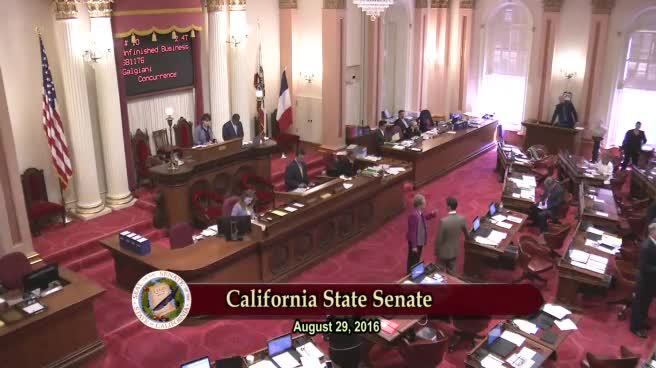
Bill Author


