SB 167: Fires: interference: unmanned aircraft.
- Session Year: 2015-2016
- House: Senate
- Latest Version Date: 2015-08-17
Existing law prohibits specified behavior at forest fire sites, including disobeying the lawful orders of a public officer or firefighter or interfering with the lawful efforts of a firefighter to extinguish the fire, and makes this proscribed activity a misdemeanor, punishable by imprisonment in a county jail for not more than 6 months, or by a fine not exceeding $1,000, or by both that fine and imprisonment.
This bill would make it a misdemeanor to violate any of these provisions through the use or operation of an unmanned aircraft or unmanned aircraft system, punishable by a fine of not less than $200 or not more than $2,000, or to knowingly, intentionally, or recklessly violate any of these provisions through the use or operation of an unmanned aircraft or unmanned aircraft system, punishable by imprisonment in a county jail for not more than 6 months, or by a fine of $5,000, or by both that fine and imprisonment. By creating new crimes, the bill would impose a state-mandated local program.
Existing law makes it a misdemeanor to engage in disorderly conduct that delays or prevents a fire from being timely extinguished or to resist or interfere with the lawful efforts of a firefighter in the discharge of an official duty. Existing law makes it a misdemeanor to impede police officers, firefighters, emergency personnel, or military personnel, in the performance of their duties in coping with an emergency.
This bill would make it unlawful to knowingly, intentionally, or recklessly operate an unmanned aircraft or unmanned aircraft system, as defined, in a manner that prevents or delays the extinguishment of a fire, or in any way interferes with the efforts of firefighters to control, contain, or extinguish a fire. The bill would make a violation of this prohibition punishable by imprisonment in a county jail not to exceed 6 months, by a fine not to exceed $5,000, or by both that fine and imprisonment. By creating a new crime, this bill would impose a state-mandated local program.
The California Constitution requires the state to reimburse local agencies and school districts for certain costs mandated by the state. Statutory provisions establish procedures for making that reimbursement.
This bill would provide that no reimbursement is required by this act for a specified reason.
This bill would declare that it is to take effect immediately as an urgency statute.
Existing law prohibits specified behavior at forest fire sites, including disobeying the lawful orders of a public officer or firefighter or interfering with the lawful efforts of a firefighter to extinguish the fire, and makes this proscribed activity a misdemeanor, punishable by imprisonment in a county jail for not more than 6 months, or by a fine not exceeding $1,000, or by both that fine and imprisonment.
This bill would make it a misdemeanor to violate any of these provisions through the use or operation of an unmanned aircraft or unmanned aircraft system, punishable by a fine of not less than $200 or not more than $2,000, or to knowingly, intentionally, or recklessly violate any of these provisions through the use or operation of an unmanned aircraft or unmanned aircraft system, punishable by imprisonment in a county jail for not more than 6 months, or by a fine of $5,000, or by both that fine and imprisonment. By creating new crimes, the bill would impose a state-mandated local program.
The California Constitution requires the state to reimburse local agencies and school districts for certain costs mandated by the state. Statutory provisions establish procedures for making that reimbursement.
This bill would provide that no reimbursement is required by this act for a specified reason.
This bill would declare that it is to take effect immediately as an urgency statute.
The California Global Warming Solutions Act of 2006 designates the State Air Resources Board as the state agency charged with monitoring and regulating sources of emissions of greenhouse gases. The state board is required to adopt a statewide greenhouse gas emissions limit equivalent to the statewide greenhouse gas emissions level in 1990 to be achieved by 2020, and to adopt rules and regulations in an open public process to achieve the maximum technologically feasible and cost-effective greenhouse gas emission reductions.
Existing law requires the state board to consult with other states, the federal government, and other nations to identify the most effective strategies and methods to reduce greenhouse gases, manage greenhouse gas control programs, and facilitate the development of integrated and cost-effective regional, national, and international greenhouse gas reduction programs.
This bill would make nonsubstantive changes to these provisions.
(a)Except as provided in subdivision (b), a person who violates this article through the use or operation of an unmanned aircraft or unmanned aircraft system is guilty of a misdemeanor, punishable by a fine of not less than two hundred dollars ($200) or not more than two thousand dollars (2,000).
(b)A person who knowingly, intentionally, or recklessly violates this article through the use or operation of an unmanned aircraft or unmanned aircraft system is guilty of a misdemeanor, punishable by imprisonment in a county jail for not more than six months, or by a fine of five thousand dollars ($5,000), or by both that fine and imprisonment.
(c)For purposes of this section, unmanned aircraft means an aircraft that is operated without the possibility of direct human intervention from within or on the aircraft.
(d)For purposes of this section, unmanned aircraft system means an unmanned aircraft and associated elements, including, but not limited to, communication links and the components that control the unmanned aircraft that are required for the pilot in command to operate safely and efficiently in the national airspace system.
SECTION 1.Section 402.5 is added to the Penal Code, to read:402.5.(a)It is unlawful to knowingly, intentionally, or recklessly operate an unmanned aircraft or unmanned aircraft system in a manner that prevents or delays the extinguishment of a fire, or in any way interferes with the efforts of firefighters to control, contain, or extinguish a fire, including, but not limited to, efforts to control, contain, or extinguish the fire from the air. A violation of this section is punishable by imprisonment in a county jail not to exceed six months, by a fine not to exceed five thousand dollars ($5,000), or by both that fine and imprisonment.
(b)(1)For purposes of this section, unmanned aircraft means an aircraft that is operated without the possibility of direct human intervention from within or on the aircraft.
(2)For purposes of this section, unmanned aircraft system means an unmanned aircraft and associated elements, including, but not limited to, communication links and the components that control the unmanned aircraft that are required for the individual in command to operate safely and efficiently in the national airspace system.
SEC. 2.No reimbursement is required by this act pursuant to Section 6 of Article XIIIB of the California Constitution because the only costs that may be incurred by a local agency or school district will be incurred because this act creates a new crime or infraction, eliminates a crime or infraction, or changes the penalty for a crime or infraction, within the meaning of Section 17556 of the Government Code, or changes the definition of a crime within the meaning of Section 6 of Article XIIIB of the California Constitution.
SEC. 3.This act is an urgency statute necessary for the immediate preservation of the public peace, health, or safety within the meaning of Article IV of the Constitution and shall go into immediate effect. The facts constituting the necessity are:
To address the interference of unmanned aircraft with efforts to fight forest fires and to keep fires from raging out of control during the current fire season, this historic drought, it is necessary that this act take effect immediately.
(a)Except as provided in subdivision (b), a person who violates this article through the use or operation of an unmanned aircraft or unmanned aircraft system is guilty of a misdemeanor, punishable by a fine of not less than two hundred dollars ($200) or not more than two thousand dollars (2,000).
(b)A person who knowingly, intentionally, or recklessly violates this article through the use or operation of an unmanned aircraft or unmanned aircraft system is guilty of a misdemeanor, punishable by imprisonment in a county jail for not more than six months, or by a fine of five thousand dollars ($5,000), or by both that fine and imprisonment.
(c)For purposes of this section, unmanned aircraft means an aircraft that is operated without the possibility of direct human intervention from within or on the aircraft.
(d)For purposes of this section, unmanned aircraft system means an unmanned aircraft and associated elements, including, but not limited to, communication links and the components that control the unmanned aircraft that are required for the pilot in command to operate safely and efficiently in the national airspace system.
SEC. 2.No reimbursement is required by this act pursuant to Section 6 of Article XIIIB of the California Constitution because the only costs that may be incurred by a local agency or school district will be incurred because this act creates a new crime or infraction, eliminates a crime or infraction, or changes the penalty for a crime or infraction, within the meaning of Section 17556 of the Government Code, or changes the definition of a crime within the meaning of Section 6 of Article XIIIB of the California Constitution.
SEC. 3.This act is an urgency statute necessary for the immediate preservation of the public peace, health, or safety within the meaning of Article IV of the Constitution and shall go into immediate effect. The facts constituting the necessity are:
To address the interference of unmanned aircraft with efforts to fight forest fires during the current fire season, it is necessary that this act take effect immediately.
SECTION 1.Section 38564 of the Health and Safety Code is amended to read:38564.The state board shall consult with other states, the federal government, and other nations to identify the most effective strategies and methods to reduce greenhouse gases, manage greenhouse gas control programs, and facilitate the development of integrated and cost-effective regional, national, and international greenhouse gas reduction programs.
The state board shall consult with other states, and the federal government, and other nations to identify the most effective strategies and methods to reduce greenhouse gases, manage greenhouse gas control programs, and to facilitate the development of integrated and cost-effective regional, national, and international greenhouse gas reduction programs.
|
Date
|
Status
|
|---|---|
| Feb 1, 2016 | Returned to Secretary of Senate pursuant to Joint Rule 56. |
| Aug 17, 2015 | Re-referred to Com. on PUB. S. |
| Aug 17, 2015 | From committee with author's amendments. Read second time and amended. Re-referred to Com. on RLS. |
| Jul 14, 2015 | From committee with author's amendments. Read second time and amended. Re-referred to Com. on RLS. |
| Feb 19, 2015 | Referred to Com. on RLS. |
| Feb 6, 2015 | From printer. May be acted upon on or after March 8. |
| Feb 5, 2015 | Introduced. Read first time. To Com. on RLS. for assignment. To print. |
This list shows positions taken on this bill by organizations on the date displayed, which is linked to the original source.
Positions by individuals are not included.
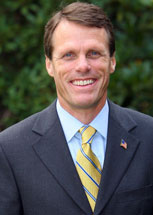

Bill Co-Author(s):