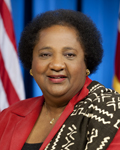
SB 208: Integrated regional water management plans: grants: advanced payment.
- Session Year: 2015-2016
- House: Senate
- Latest Version Date: 2015-10-09
Existing law, the Integrated Regional Water Management Planning Act, authorizes a regional water management group to prepare and adopt an integrated regional water management plan with specified components relating to water supply and water quality. Existing law provides that an integrated regional water management plan is eligible for funding allocated specifically for implementation of integrated regional water management.
Existing law, the Water Quality, Supply, and Infrastructure Improvement Act of 2014, approved by the voters as Proposition 1 at the November 4, 2014, statewide general election, authorizes the issuance of general obligation bonds in the amount of $7,545,000,000 to finance a water quality, supply, and infrastructure improvement program. The act provides that the sum of $810,000,000 is to be available, upon appropriation by the Legislature, for expenditures on, and competitive grants and loans to, projects that are included in and implemented in an adopted integrated regional water management plan and respond to climate change and contribute to regional water security.
This bill would require a regional water management group, within 90 days of notice that a grant has been awarded, to provide the Department of Water Resources with a list of projects to be funded by the grant funds where the project proponent is a nonprofit organization, as defined, or a disadvantaged community, as defined, or the project benefits a disadvantaged community. This bill would require the department, within 60 days of receiving the project information, to provide advanced payment of 50% of the grant award for those projects that satisfy specified criteria and would require the advanced funds to be handled, as prescribed. This bill would authorize the department to adopt additional requirements for the recipient regarding the use of the advanced payment to ensure that the funds are used properly. This bill would repeal these provisions on January 1, 2025.
Existing law, the Integrated Regional Water Management Planning Act, authorizes a regional water management group to prepare and adopt an integrated regional water management plan with specified components relating to water supply and water quality. Existing law provides that an integrated regional water management plan is eligible for funding allocated specifically for implementation of integrated regional water management.
Existing law, the Water Quality, Supply, and Infrastructure Improvement Act of 2014, approved by the voters as Proposition 1 at the November 4, 2014, statewide general election, authorizes the issuance of general obligation bonds in the amount of $7,545,000,000 to finance a water quality, supply, and infrastructure improvement program. The act provides that the sum of $810,000,000 is to be available, upon appropriation by the Legislature, for expenditures on, and competitive grants and loans to, projects that are included in and implemented in an adopted integrated regional water management plan and respond to climate change and contribute to regional water security.
This bill would require a regional water management group, within 90 days of notice that a grant has been awarded, to provide the state entity administering the grant Department of Water Resources with a list of projects to be funded by the grant funds where the project proponent is a nonprofit organization, as defined, or a disadvantaged community, as defined, or the project benefits a disadvantaged community. This bill would require the state entity administering the grant, department, within 60 days of receiving the project information, to provide advanced payment of 50% of the grant award for those projects that satisfy specified criteria and would require the advanced funds to be handled, as prescribed. This bill would authorize the department to adopt additional requirements for the recipient regarding the use of the advanced payment to ensure that the funds are used properly. This bill would repeal these provisions on January 1, 2025.
Existing law, the Integrated Regional Water Management Planning Act, authorizes a regional water management group to prepare and adopt an integrated regional water management plan with specified components relating to water supply and water quality. Existing law provides that an integrated regional water management plan is eligible for funding allocated specifically for implementation of integrated regional water management.
Existing law, the Water Quality, Supply, and Infrastructure Improvement Act of 2014, approved by the voters as Proposition 1 at the November 4, 2014, statewide general election, authorizes the issuance of general obligation bonds in the amount of $7,545,000,000 to finance a water quality, supply, and infrastructure improvement program. The act provides that the sum of $810,000,000 is to be available, upon appropriation by the Legislature, for expenditures on, and competitive grants and loans to, projects that are included in and implemented in an adopted integrated regional water management plan and respond to climate change and contribute to regional water security.
This bill would require a regional water management group, within 90 days of notice that a grant has been awarded, to provide the state entity administering the grant with a list of projects to be funded by the grant funds where the project proponent is a nonprofit organization, as defined, or a disadvantaged community, as defined, or the project benefits a disadvantaged community. This bill would require the state entity administering the grant, within 60 days of receiving the project information, to provide advanced payment of 50% of the grant award for those projects that satisfy specified criteria and would require the advanced funds to be handled, as prescribed. This bill would repeal these provisions on January 1, 2025.
(a)Within 90 days of notice that a grant for projects included and implemented in an integrated regional water management plan has been awarded, the regional water management group shall provide the department with a list of projects to be funded by the grant funds where the project proponent is a nonprofit organization or a disadvantaged community, or the project benefits a disadvantaged community. The list shall specify how the projects are consistent with the adopted integrated regional water management plan and shall include all of the following information:
(1)Descriptive information concerning each project identified.
(2)The names of the entities that will receive the funding for each project, including, but not limited to, an identification as to whether the project proponent or proponents are nonprofit organizations or a disadvantaged community.
(3)The budget of each project.
(4)The anticipated schedule for each project.
(b)Within 60 days of receiving the project information pursuant to subdivision (a), the department shall provide advanced payment of 50 percent of the grant award for those projects that satisfy both of the following criteria:
(1)The project proponent is a nonprofit organization or a disadvantaged community, or the project benefits a disadvantaged community.
(2)The grant award for the project is less than one million dollars ($1,000,000).
(c)Funds advanced pursuant to subdivision (b) shall be handled as follows:
(1)The recipient shall place the funds in a noninterest-bearing account until expended.
(2)The funds shall be spent within six months of the date of receipt, unless the department waives this requirement.
(3)The recipient shall, on a quarterly basis, provide an accountability report to the department regarding the expenditure and use of any advanced grant funds that provides, at a minimum, the following information:
(A)An itemization as to how advanced payment funds provided under this section have been expended.
(B)A project itemization as to how any remaining advanced payment funds provided under this section will be expended over the period specified in paragraph (2).
(C)Whether the funds are placed in a noninterest-bearing account, and if so, the date that occurred and the dates of withdrawals of funds from that account, if applicable.
(4)If funds are not expended, the unused portion of the grant shall be returned to the department within 60 days after project completion or the end of the grant performance period, whichever is earlier.
(5)The department may adopt additional requirements for the recipient regarding the use of the advanced payment to ensure that the funds are used properly.
(d)As used in this section:
(1)Disadvantaged community has the same meaning as defined in subdivision (j) of Section 79702.
(2)Nonprofit organization has the same meaning as defined in subdivision (p) of Section 79702.
10552.This chapter shall remain in effect only until January 1, 2025, and as of that date is repealed, unless a later enacted statute, that is enacted before January 1, 2025, deletes or extends that date.
(a)Within 90 days of notice that a grant for projects included and implemented in an integrated regional water management plan has been awarded, the regional water management group shall provide the state entity administering the grant department with a list of projects to be funded by the grant funds where the project proponent is a nonprofit organization or a disadvantaged community, or the project benefits a disadvantaged community. The list shall specify how the projects are consistent with the adopted integrated regional water management plan and shall include all of the following information:
(1)Descriptive information concerning each project identified.
(2)The names of the entities that will receive the funding for each project, including, but not limited to, an identification as to whether the project proponent or proponents are nonprofit organizations or a disadvantaged community.
(3)The budget of each project.
(4)The anticipated schedule for each project.
(b)Within 60 days of receiving the project information pursuant to subdivision (a), the state entity administering the grant department shall provide advanced payment of 50 percent of the grant award for those projects that satisfy both of the following criteria:
(1)The project proponent is a nonprofit organization or a disadvantaged community, or the project benefits a disadvantaged community.
(2)The grant award for the project is less than one million dollars ($1,000,000).
(c)Funds advanced pursuant to subdivision (b) shall be handled as follows:
(1)The recipient shall place the funds in a noninterest-bearing account until expended.
(2)The funds shall be spent within six months of the date of receipt, unless the state entity administering the grant department waives this requirement.
(3)The recipient shall periodically, but not more frequently than quarterly, shall, on a quarterly basis, provide an accountability report to the state entity administering the grant department regarding the expenditure and use of any advanced grant funds in a format as determined by that state entity. that provides, at a minimum, the following information:
(A)An itemization as to how advanced payment funds provided under this section have been expended.
(B)A project itemization as to how any remaining advanced payment funds provided under this section will be expended over the period specified in paragraph (2).
(C)Whether the funds are placed in a noninterest-bearing account, and if so, the date that occurred and the dates of withdrawals of funds from that account, if applicable.
(4)If funds are not expended, the unused portion of the grant shall be returned to the state entity administering the grant department within 60 days after project completion or the end of the grant performance period, whichever is earlier.
(5)The department may adopt additional requirements for the recipient regarding the use of the advanced payment to ensure that the funds are used properly.
(d)As used in this section:
(1)Disadvantaged community has the same meaning as defined in subdivision (j) of Section 79702.
(2)Nonprofit organization has the same meaning as defined in subdivision (p) of Section 79702.
10552.This chapter shall remain in effect only until January 1, 2025, and as of that date is repealed, unless a later enacted statute, that is enacted before January 1, 2025, deletes or extends that date.
(a)Within 90 days of notice that a grant for projects included and implemented in an integrated regional water management plan has been awarded, the regional water management group shall provide the state entity administering the grant with a list of projects to be funded by the grant funds where the project proponent is a nonprofit organization or a disadvantaged community, or the project benefits a disadvantaged community. The list shall specify how the projects are consistent with the adopted integrated regional water management plan and shall include all of the following information:
(1)Descriptive information concerning each project identified.
(2)The names of the entities that will receive the funding for each project, including, but not limited to, an identification as to whether the project proponent or proponents are nonprofit organizations or a disadvantaged community.
(3)The budget of each project.
(4)The anticipated schedule for each project.
(b)Within 60 days of receiving the project information pursuant to subdivision (a), the state entity administering the grant shall provide advanced payment of 50 percent of the grant award for those projects that satisfy both of the following criteria:
(1)The project proponent is a nonprofit organization or a disadvantaged community, or the project benefits a disadvantaged community.
(2)The grant award for the project is less than one million dollars ($1,000,000).
(c)Funds advanced pursuant to subdivision (b) shall be handled as follows:
(1)The recipient shall place the funds in a noninterest-bearing account until expended.
(2)The funds shall be spent within six months of the date of receipt, unless the state entity administering the grant waives this requirement.
(3)The recipient shall periodically, but not more frequently than quarterly, provide an accountability report to the state entity administering the grant regarding the expenditure and use of any advanced grant funds in a format as determined by that state entity.
(4)If funds are not expended, the unused portion of the grant shall be returned to the state entity administering the grant within 60 days after project completion or the end of the grant performance period, whichever is earlier.
(d)As used in this section:
(1)Disadvantaged community has the same meaning as defined in subdivision (j) of Section 79702.
(2)Nonprofit organization has the same meaning as defined in subdivision (p) of Section 79702.
10552.This chapter shall remain in effect only until January 1, 2025, and as of that date is repealed, unless a later enacted statute, that is enacted before January 1, 2025, deletes or extends that date.
|
Date
|
Status
|
|---|---|
| Oct 9, 2015 | Chaptered by Secretary of State. Chapter 675, Statutes of 2015. |
| Oct 9, 2015 | Approved by the Governor. |
| Sep 3, 2015 | Enrolled and presented to the Governor at 5:45 p.m. |
| Sep 1, 2015 | Read third time. Passed. (Ayes 79. Noes 0. Page 2720.) Ordered to the Senate. |
| Sep 1, 2015 | In Senate. Ordered to engrossing and enrolling. |
| Sep 1, 2015 | Read third time. Passed. Ordered to the Senate. |
| Aug 28, 2015 | Read second time. Ordered to third reading. |
| Aug 28, 2015 | From committee: Do pass. (Ayes 17. Noes 0.) (August 27). |
| Jul 15, 2015 | July 15 set for first hearing. Placed on APPR. suspense file. |
| Jun 30, 2015 | From committee: Do pass and re-refer to Com. on APPR. (Ayes 15. Noes 0.) (June 30). Re-referred to Com. on APPR. |
| Jun 11, 2015 | Referred to Com. on W., P., & W. |
| Jun 2, 2015 | In Assembly. Read first time. Held at Desk. |
| Jun 2, 2015 | Read third time. Passed. (Ayes 31. Noes 5. Page 1248.) Ordered to the Assembly. |
| Jun 2, 2015 | Read third time. Passed. (Ayes 31. Noes 5.) Ordered to the Assembly. |
| Jun 1, 2015 | Read second time and amended. Ordered to third reading. |
| May 28, 2015 | From committee: Do pass as amended. (Ayes 5. Noes 0. Page 1149.) (May 28). |
| May 28, 2015 | From committee: Do pass as amended. (Ayes 5. Noes 0.) (May 28). |
| May 23, 2015 | Set for hearing May 28. |
| Apr 27, 2015 | April 27 hearing: Placed on APPR. suspense file. |
| Apr 17, 2015 | Set for hearing April 27. |
| Apr 16, 2015 | From committee: Do pass and re-refer to Com. on APPR. (Ayes 5. Noes 0. Page 649.) (April 15). Re-referred to Com. on APPR. |
| Mar 27, 2015 | Set for hearing April 15. |
| Mar 24, 2015 | From committee: Do pass and re-refer to Com. on E.Q. (Ayes 7. Noes 2. Page 406.) (March 24). Re-referred to Com. on E.Q. |
| Mar 17, 2015 | Set for hearing March 24. |
| Feb 19, 2015 | Referred to Coms. on N.R. & W. and E.Q. |
| Feb 12, 2015 | From printer. May be acted upon on or after March 14. |
| Feb 11, 2015 | Introduced. Read first time. To Com. on RLS. for assignment. To print. |
|
Date
|
Description
|
Location
|
Votes
|
|
|---|---|---|---|---|
| Sep 1, 2015 | SB 208 Lara Senate Third Reading By RENDON | Assembly Floor |
Passed |
|
| Aug 27, 2015 | Do pass. | Assembly Standing Committee on Appropriations |
Passed |
|
| Jun 30, 2015 | Do pass and be re-referred to the Committee on [Appropriations] | Assembly Standing Committee on Water, Parks, and Wildlife |
Passed |
|
| Jun 2, 2015 | Senate 3rd Reading SB208 Lara | Senate Floor |
Passed |
|
| May 28, 2015 | Do pass as amended | Senate Standing Committee on Appropriations |
Passed |
|
| Apr 27, 2015 | Placed on suspense file | Senate Standing Committee on Appropriations |
Passed |
|
| Apr 15, 2015 | Do pass, but first be re-referred to the Committee on [Appropriations] | Senate Standing Committee on Environmental Quality |
Passed |
|
| Mar 24, 2015 | Do pass, but first be re-referred to the Committee on [Environmental Quality] | Senate Standing Committee on Natural Resources and Water |
Passed |
This list shows positions taken on this bill by organizations on the date displayed, which is linked to the original source.
Positions by individuals are not included.
SB 208
Page 3
SENATE THIRD READING
SB 208
(Lara)
As Amended June 1, 2015
Majority vote
SENATE VOTE: 31-5
Committee |
Votes |
Ayes |
Noes |
Water |
15-0 |
Levine, Bigelow, Dababneh, Dahle, Dodd, Beth Gaines, Cristina Garcia, Gomez, Harper, Lopez, Mathis, Medina, Rendon, Salas, Williams |
|
Appropriations |
17-0 |
Gomez, Bigelow, Bloom, Bonta, Calderon, Chang, Nazarian, Eggman, Gallagher, Eduardo Garcia, Holden, Jones, Quirk, Rendon, Wagner, Weber, Wood |
|
SUMMARY: Allows the Department of Water Resources (DWR), under specified conditions, to provide advance funding of Integrated Regional Water Management Plan (IRWMP) grants where the project proponent is a nonprofit organization or a disadvantaged community, or the project benefits a disadvantaged community. Specifically, this bill:
Requires a regional water management group (RWMG), within 90 days of receiving notice that it is awarded an IRWMP grant, to provide DWR with a list of projects to be funded by the grant funds where the project proponent is a nonprofit organization or a disadvantaged community, or the project benefits a disadvantaged community. Requires the list to provide specific information for each project, including how the project is consistent with the adopted IRWMP.
Requires DWR, within 60 days of receiving the project information from the RWMG, to provide advanced payment of 50% of the grant award for those projects that satisfy both of the following criteria:
The project proponent is a nonprofit organization or a disadvantaged community, or the project benefits a disadvantaged community.
The grant award for the project is less than $1 million.
Requires that the recipient of the advanced payment place the funds in a noninterest-bearing account until expended.
Mandates that the funds be expended within six months of the date of receipt, unless DWR waives this requirement.
Requires the advanced funding recipient to provide, on a quarterly basis, an accountability report to DWR regarding the expenditure and use of any advanced grant funds that provides, at a minimum, the following:
An itemization of how the advanced payment funds were expended.
A project itemization as to how any remaining advanced payment funds will be expended over time.
Whether the funds are placed in a noninterest-bearing account, and if so, the date that occurred and the dates of withdrawals of funds from that account.
Specifies that if funds are not expended, the unused portion of the grant shall be returned to DWR within 60 days after project completion or the end of the grant performance period, whichever is earlier.
Allows DWR to adopt additional requirements for the recipient regarding the use of advanced payment to ensure that the funds are used properly.
Sunsets on January 1, 2025.
EXISTING LAW:
Provides $810 million in Chapter 7 of Proposition 1, the Water Quality, Supply, and Infrastructure Improvement Act of 2014 (Prop. 1), for projects that are included in and implemented in an adopted IRWM plan.
Requires that not less than 10% of Proposition 1 IRWM funds are allocated to projects that directly benefit disadvantaged communities.
Allocates $510 million of Prop. 1 IRWM funds by hydrologic region.
FISCAL EFFECT: According to the Assembly Appropriations Committee:
Unknown potential losses, potentially in the hundreds of thousands of dollars (bond/General Fund) for misspent advanced funds that are unrecoverable.
Absorbable costs for DWR to update guidelines and administer the program.
COMMENTS: This bill would establish a process whereby DWR could provide advance funding of IRWMP grants where the project proponent is a nonprofit organization or a disadvantaged community, or the project benefits a disadvantaged community, under specified circumstances.
Numerous water bonds, including most recently Proposition 1, provide funding for projects and programs through IRWMP grants. Typically, the Legislature appropriates bond funds to DWR for a competitive grant solicitation. DWR then issues guidelines for a round of IRWMP funding, and RWMGs submit their list of local projects. DWR ranks the projects and makes the awards within each IRWMP funding region.
In many cases, RWMGs contract with local entities to carry out projects. The typical reimbursement process is that the local entity submits invoices to its RWMG, who then submits the invoices to DWR. Upon review of the invoices, DWR then reimburses the RWMG who then reimburses the local entity. Depending on the specific details of the funding agreement and the administrative processes of the RWMG, a number of months may pass between the time the local entity incurs the expense and the time they receive reimbursement from the management group. It can be a hardship for some nonprofit organizations or disadvantaged communities to bear the up-front cost of the project until reimbursed.
The author states that this bill is needed as, currently, IRWM funding represents a pay-as-you-go system where groups with approved plans provide funding for water projects up front and are reimbursed later. The author adds that while this mechanism is intended to save state general funds it instead threatens the success of regional programs and the continued participation of stakeholders because smaller communities and nonprofit organizations are disproportionately impacted when pre-financing a water project requires a lager budget than these stakeholders are often able to fund. The author concludes that this bill will improve equity by advancing grant funds to nonprofit organizations and disadvantaged communities under limited circumstances.
Other supporters state that administration of the state’s IRWMP, which is funded through state general obligation bond proceeds, has created challenges for implementation at the regional level that threaten the success of regional programs and continued participation of all interested stakeholders, including smaller nonprofit organizations, watershed groups, and disadvantaged communities. Supporters advise that, on occasion, it has taken anywhere from 60 days to 330 days to process regional invoices for payment and that such delays disenfranchise smaller nonprofit organizations and disadvantaged communities, which could become less willing to meaningfully participate in the IRWM process. Supporters maintain that this bill will remove administrative challenges and allow for the continued meaningful participation of all regional interests in the IRWM process.
There is no known opposition to this bill.
Prior legislative efforts have also attempted to address IRWMP funding reimbursement delays, particularly for nonprofit organizations and disadvantaged communities. AB 1874 (Gonzalez) of 2014 would have required DWR to pass IRWMP funding appropriated by the Legislature directly through to a regional group if that group was eligible for, and had completed, a streamlined application process and requested the funding. AB 1874 was held in the Assembly Appropriations Committee.
Analysis Prepared by: Tina Leahy / W., P., & W. / (916) 319-2096 FN: 0001675
Date of Hearing: July 15, 2015
ASSEMBLY COMMITTEE ON APPROPRIATIONS
Jimmy Gomez, Chair
SB 208
(Lara) – As Amended June 1, 2015
Policy Committee: |
Water, Parks and Wildlife |
Vote: |
15 - 0 |
|
|
|
|
|
|
|
|
Urgency: No State Mandated Local Program: No Reimbursable: No
SUMMARY:
This bill allows the Department of Water Resources (DWR) to advance Integrated Regional Water Management Program (IRWMP) grants payments of up to 50% of the grant award. Specifically, this bill applies to:
Projects undertaken by nonprofit organizations or disadvantaged communities; and
Projects that benefit disadvantaged communities.
FISCAL EFFECT:
Unknown potential losses, potentially in the hundreds of thousands of dollars (bond/GF) for misspent advanced funds that are unrecoverable.
Absorbable costs for DWR to update guidelines and administer the program.
COMMENTS:
Purpose. According to the author, IRWMP funding represents a pay-as-you-go system where groups with approved plans provide funding for water projects up front and are reimbursed later. This mechanism is intended to safeguard state funds, but instead disadvantages smaller communities and nonprofit organizations who are impacted when pre-financing a water project requires a lager budget than they are able to fund upfront. This bill will improve equity by advancing grant funds to nonprofit organizations and disadvantaged communities under limited circumstances.
Background. Numerous water bonds, including most recently Proposition 1, provide funding for projects and programs through IRWMP grants. Typically, the Legislature appropriates bond funds to DWR for a competitive grant solicitation. DWR then issues guidelines for a round of IRWMP funding, and regional water management groups (RWMGs) submit their list of local projects. DWR ranks the projects and makes the awards within each IRWMP funding region.
In many cases, RWMGs contract with local entities to carry out
projects. In the typical reimbursement process, the local entity
submits invoices to its RWMG, who then submits invoices to DWR. Upon
review of the invoices, DWR reimburses the RWMG who then reimburses
the local entity. Depending on the specific details of the funding
agreement and the administrative processes of the RWMG, a number of
months may pass between the time the local entity incurs the expense
and the time they receive reimbursement from the management group.
This creates a hardship for nonprofit organizations or disadvantaged
communities unable to bear the up-front cost of the project.
Analysis Prepared by: Jennifer Galehouse / APPR. / (916) 319-2081
SB 208
Page 4
Date of Hearing: June 30, 2015
ASSEMBLY COMMITTEE ON WATER, PARKS, AND WILDLIFE
Marc Levine, Chair
SB 208
(Lara) – As Amended June 1, 2015
SENATE VOTE: 30-5
SUBJECT: Integrated regional water management plans: grants: advanced payment.
SUMMARY: Allows the Department of Water Resources (DWR), under specified conditions, to provide advance funding of Integrated Regional Water Management Plan (IRWMP) grants where the project proponent is a nonprofit organization or a disadvantaged community, or the project benefits a disadvantaged community. Specifically, this bill:
Requires a regional water management group (RWMG), within 90 days of receiving notice that it is awarded an IRWMP grant, to provide DWR with a list of projects to be funded by the grant funds where the project proponent is a nonprofit organization or a disadvantaged community, or the project benefits a disadvantaged community. Requires the list to provide specific information for each project, including how the project is consistent with the adopted IRWMP.
Requires DWR, within 60 days of receiving the project information from the RWMG, to provide advanced payment of 50 percent of the grant award for those projects that satisfy both of the following criteria:
The project proponent is a nonprofit organization or a disadvantaged community, or the project benefits a disadvantaged community.
The grant award for the project is less than $1 million.
Requires that the recipient of the advanced payment place the funds in a noninterest-bearing account until expended.
Mandates that the funds be expended within six months of the date of receipt, unless DWR waives this requirement.
Requires the advanced funding recipient to provide, on a quarterly basis, an accountability report to DWR regarding the expenditure and use of any advanced grant funds that provides, at a minimum, the following:
An itemization of how the advanced payment funds were expended.
A project itemization as to how any remaining advanced payment funds will be expended over time.
Whether the funds are placed in a noninterest-bearing account, and if so, the date that occurred and the dates of withdrawals of funds from that account.
Specifies that if funds are not expended, the unused portion of the grant shall be returned to DWR within 60 days after project completion or the end of the grant performance period, whichever is earlier.
Allows DWR to adopt additional requirements for the recipient regarding the use of advanced payment to ensure that the funds are used properly.
Sunsets on January 1, 2025.
EXISTING LAW:
Provides $810 million in Chapter 7 of Proposition 1, the Water Quality, Supply, and Infrastructure Improvement Act of 2014 (Prop. 1), for projects that are included in and implemented in an adopted IRWM plan.
Requires that not less than 10% of Proposition 1 IRWM funds are allocated to projects that directly benefit disadvantaged communities.
Allocates $510 million of Prop. 1 IRWM funds by hydrologic region.
FISCAL EFFECT: According to the Senate Appropriations Committee:
Unknown potential losses, potentially in the hundreds of thousands of dollars, of bond/General Fund (GF) monies for advanced funds that are spent on ineligible uses and are unrecoverable.
Unknown costs, but potentially in the tens of thousands of dollars, from the GF for increased administrative costs to DWR for the administration and oversight of advanced funds.
COMMENTS: This bill would establish a process whereby DWR could provide advance funding of IRWMP grants where the project proponent is a nonprofit organization or a disadvantaged community, or the project benefits a disadvantaged community, under specified circumstances.
Author's statement: The author states that this bill is needed as, currently, IRWM funding represents a pay-as-you-go system where groups with approved plans provide funding for water projects up front and are reimbursed later. The author adds that while this mechanism is intended to save state general funds it instead threatens the success of regional programs and the continued participation of stakeholders because smaller communities and nonprofit organizations are disproportionately impacted when pre-financing a water project requires a lager budget than these stakeholders are often able to fund. The author concludes that this bill will improve equity by advancing grant funds to nonprofit organizations and disadvantaged communities under limited circumstances.
Background: Numerous water bonds, including most recently Proposition 1, provide funding for projects and programs through IRWMP grants. Typically, the Legislature appropriates bond funds to DWR for a competitive grant solicitation. DWR then issues guidelines for a round of IRWMP funding, and RWMGs submit their list of local projects. DWR ranks the projects and makes the awards within each IRWMP funding region.
In many cases, RWMGs contract with local entities to carry out
projects. The typical reimbursement process is that the local entity
submits invoices to its RWMG, who then submits the invoices to DWR.
Upon review of the invoices, DWR then reimburses the RWMG who then
reimburses the local entity. Depending on the specific details of
the funding agreement and the administrative processes of the RWMG, a
number of months may pass between the time the local entity incurs
the expense and the time they receive reimbursement from the
management group. It can be a hardship for some nonprofit
organizations or disadvantaged communities to bear the up-front cost
of the project until reimbursed.
Prior and related legislation: AB 1874 (Gonzalez) of 2014 would have required DWR to pass IRWMP funding appropriated by the Legislature directly through to a regional group if that group was eligible for, and had completed, a streamlined application process and requested the funding. Like this bill, AB 1874 was introduced in order to address IRWMP project reimbursement delays, particularly for nonprofit organizations and disadvantaged communities. AB 1874 was held in the Assembly Appropriations Committee.
Supporting arguments: Supporters state that "Administration of the state’s [IRWMP], which is funded through state general obligation bond proceeds, has created challenges for implementation at the regional level that threaten the success of regional programs and continued participation of all interested stakeholders, including smaller nonprofit organizations, watershed groups, and disadvantaged communities. Supporters add that IRWMP issues and concerns relate to delayed or untimely processing of IRWM project invoice reimbursements, resulting in significantly delayed reimbursement payment to those smaller nonprofit organizations and disadvantaged communities that can least afford it. Supporters advise that, on occasion, it has taken anywhere from 60 to 330 days to process regional invoices for payment and that such delays disenfranchise "smaller nonprofit organizations and disadvantaged communities, which could become less willing to meaningfully participate in the IRWM process.” Supporters maintain that they strongly support this bill because it "would focus on removing these administrative challenges and allow for the continued meaningful participation of all regional interests in the IRWM process.”
Opposing arguments: None on file.
REGISTERED SUPPORT / OPPOSITION:
Support
San Diego Water Authority (sponsor)
California Municipal Utilities Association
Central Basin Municipal Water District
City of Pasadena
City of San Diego
Support –
continued
City of Signal Hill
Clean Water Action
Coachella Valley Regional Water Management Group
Coachella Valley Water District
Community Water Center
Council for Watershed Health
County Sanitation District of Los Angeles
Desert Water Agency
East Bay Municipal Utility District
Environmental Justice Coalition for Water
Lakeside Water District
Leadership Counsel for Justice and Accountability
Los Angeles County Board of Supervisors
Pueblo Unido Community Development Corporation
Roots of Change
Rural Community Assistance Corporation
Rural County Representatives of California
San Jerardo Cooperative
Sierra Club California
The Nature Conservancy
Valley Ag Water Coalition
Valley Center Municipal Water District of San Diego County
Opposition
None on file
Analysis Prepared by: Tina Leahy / W., P., & W. / (916) 319-2096
SB 208
Page 5
|
Office of Senate Floor Analyses (916) 651-1520 Fax: (916) 327-4478 |
THIRD READING
Bill No: SB 208
Amended: 6/1/15
SENATE NATURAL RES. & WATER COMMITTEE: 7-2, 3/24/15
AYES: Pavley, Allen, Hertzberg, Hueso, Jackson, Monning, Wolk
NOES: Stone, Fuller
SENATE ENVIRONMENTAL QUALITY COMMITTEE: 5-0, 4/15/15
AYES: Wieckowski, Hill, Jackson, Leno, Pavley
NO VOTE RECORDED: Gaines, Bates
SENATE APPROPRIATIONS COMMITTEE: 5-0, 5/28/15
AYES: Lara, Beall, Hill, Leyva, Mendoza
NO VOTE RECORDED: Bates, Nielsen
SUBJECT: Integrated regional water management plans: grants: advanced payment
DIGEST: This bill allows a project proponent that is awarded a grant under the Integrated Regional Water Management Planning (IRWMP) Program, to receive an advance payment of up to 50% of the grant award provided that specific conditions are met.
ANALYSIS: Existing law provides that the typical reimbursement process for a bond funded IRWMP project is that the local entity submits invoices to its regional water management group, who then submits the invoices to the Department of Water Resources (DWR). Upon review of the invoices, DWR then reimburses the management group who then reimburses the local entity.
This bill:
Establishes a process whereby DWR could provide advance funding of IRWMP grants where the project proponent is a nonprofit organization or a disadvantaged community, or the project benefits a disadvantaged community. The process is as follows:
Within 90 days of receiving notice of that it has been awarded in IRWMP grant, the regional water management group is required to provide DWR with a list of projects to be funded by the grant funds where the project proponent is a nonprofit organization or a disadvantaged community, or the project benefits a disadvantaged community. The list shall specify how the projects are consistent with the adopted integrated regional water management plan and shall include specific information each project.
Within 60 days of receiving the project information from the regional water management group, DWR will provide advanced payment of 50 percent of the grant award for those projects that satisfy both of the following criteria:
The project proponent is a nonprofit organization or a disadvantaged community, or the project benefits a disadvantaged community.
The grant award for the project is less than $1 million.
The recipients are required to place the funds in a noninterest-bearing account until expended.
The funds are required to be spent within six months of the date of receipt, unless DWR waives this requirement.
The recipient shall, on a quarterly basis, provide an accountability report to DWR regarding the expenditure and use of any advanced grant funds that provides, at a minimum, the following:
An itemization of how the advanced payment funds have been expended.
A project itemization as to how any remaining advanced payment funds will be expended over time.
Whether the funds are placed in a noninterest-bearing account, and if so, the date that occurred and the dates of withdrawals of funds from that account.
If funds are not expended, the unused portion of the grant shall be returned to DWR within 60 days after project completion or the end of the grant performance period, whichever is earlier.
DWR may adopt additional requirements for the recipient regarding the use of advanced payment to ensure that the funds are used properly.
Sunsets the provisions of this bill on January 1, 2025.
Background
Numerous water bonds, including most recently Proposition 1, provide funding for projects and programs through the IRWMP. Typically, the Legislature appropriates bond funds to DWR for a competitive grant solicitation. DWR then issues guidelines for a round of IRWMP funding, and regional water management groups submit their list of local projects. DWR ranks the projects and makes the awards within each IRWMP funding region.
In many cases, regional water management groups contract with their local entities to carry out the projects. Depending on the specific details of the funding agreement and the administrative processes of the management group, a number of months may pass between the time the local entity incurs the expense and the time they receive reimbursement from the management group.
Comments
Addresses a real problem. The reimbursement process has been a real problem for some nonprofit organizations. While water agencies can usually carry the invoice billing as a receivable for a few months, many nonprofit organizations, which often have meager reserves, cannot.
What about accountability? One advantage of the current reimbursement process is that the state can ensure that it does not pay for any non-eligible expenses. Providing funding in advance reduces the state’s ability to ensure bond funds are only expended on eligible expenses. The amendments taken in the Senate Appropriations Committee were designed to increase the accountability and oversight of the advanced funds.
Why a 10-year sunset? According to the author, “we originally included a sunset with a longer period of time to allow for a meaningful evaluation and assessment process to ensure the advanced payment model is successful and working properly.”
FISCAL EFFECT: Appropriation: No Fiscal Com.: Yes Local: No
According to the Senate Appropriations Committee:
Unknown potential losses, potentially in the hundreds of thousands of dollars, of bond/General Fund monies for advanced funds that are spent on ineligible uses and are unrecoverable.
Unknown costs, but potentially in the tens of thousands of dollars, from the General Fund for increased administrative costs to DWR for the administration and oversight of advanced funds.
Association of California Water Agencies
California Municipal Utilities Association
City of Pasadena
City of San Diego
Clean Water Action
Coachella Valley Water District
Coachella Water Authority
Community Water Center
County Sanitation Districts of Los Angeles County
Desert Water Agency
East Bay Municipal Utility District
Environmental Justice Coalition for Water
Gateway Water Management Authority
Indio Water Authority
Lakeside Water District
Leadership Counsel for Justice and Accountability
Mission Springs Water District
Pueblo Unido Community Development Corporation
Rural Community Assistance Corporation
San Diego County Water Authority
San Jeardo Cooperative, Inc.
The Nature Conservancy
Valley Sanitary District
OPPOSITION: (Verified 5/28/15)
None received
ARGUMENTS IN SUPPORT: According to the San Diego County Water Authority, “Administration of the state’s Integrated Regional Water Management program (IRWMP), which is funded through state general obligation bond proceeds, has created challenges for implementation at the regional level that threaten the success of regional programs and continued participation of all interested stakeholders, including smaller nonprofit organizations, watershed groups, and disadvantaged communities. Specifically, issues and concerns related to the IRWMP relate to delayed or untimely processing if IRWMP project invoice reimbursements, resulting in significantly delayed reimbursement payment to those smaller nonprofit organizations and disadvantaged communities that can least afford it. On occasion, it has taken anywhere from 60 to 330 days to process regional invoices for payment. This invoice payment delay disenfranchises smaller nonprofit organizations and disadvantaged communities, which could become less willing to meaningfully participate in the IRWMP process due to reimbursement delays.”
“SB 208 would focus on removing these administrative challenges and allow for the continued meaningful participation of all regional interests in the IRWMP process. For these reasons, we strongly support SB 208.”
Prepared by: Dennis O'Connor / N.R. & W. / (916) 651-4116
6/1/15 12:58:57
**** END ****
SB 208 (Lara) Page 3 of 3
SENATE COMMITTEE ON APPROPRIATIONS
Senator Ricardo Lara, Chair
2015 - 2016 Regular
SB 208 (Lara) - Integrated regional water management plans: grants: advanced payment
|
|
Version: February 11, 2015 |
Policy Vote: N.R. & W. 7 - 2, E.Q. 5 - 0 |
Urgency: No |
Mandate: No |
Hearing Date: May 28, 2015 |
Consultant: Marie Liu |
SUSPENSE FILE. AS AMENDED.
Bill Summary:
SB 208 would allow a project proponent that is awarded a grant under the Integrated Regional Water Management Planning (IRWMP) Program, to receive an advance payment of up to 50% of the grant award provided that specific conditions are met.
Fiscal Impact (as approved on May 28, 2015):
Unknown potential losses, potentially in the hundreds of thousands of dollars, of bond/General Fund monies for advanced funds that are spent on ineligible uses and are unrecoverable.
Unknown costs, but potentially in the tens of thousands of dollars, from the General Fund for increased administrative costs to DWR for the administration and oversight of advanced funds.
Background:
Numerous water bonds, including most recently Proposition 1, provide funding for projects and programs through the IRWMP program. Typically, the Legislature appropriates bond funds to DWR for a competitive grant solicitation. DWR then issues guidelines for a round of IRWMP funding, and regional water management groups submit their list of local projects. DWR ranks the projects and makes the awards within each IRWMP funding region.
In many cases, regional water management groups contract with their local entities to carry out the projects. These entities are reimbursed for their work by submitting invoices to its regional water management group, who then submits the invoices to DWR. Depending on the specific details of the funding agreement and the administrative processes of the management group, a number of months may pass between the time the local entity incurs the expense and the time they receive reimbursement from the management group.
Proposed Law:
This bill would establish a process whereby the state agency administering an IRWMP grant could provide advance funding of an IRWMP grant award if the project proponent is a nonprofit organization or a disadvantaged community, or the project benefits a disadvantaged community. The process would be as follows:
Within 90 days of receiving notice of that it has been awarded in IRWMP grant, the regional water management group would be required to provide DWR with a list of projects to be funded by the grant funds where the project proponent is a nonprofit organization or a disadvantaged community, or the project benefits a disadvantaged community. The list shall specify how the projects are consistent with the adopted integrated regional water management plan and shall include specific information each project.
Within 60 days of receiving the project information from the regional water management group, DWR would provide advanced payment of 50 percent of the grant award for those projects that satisfy both of the following criteria:
The project proponent is a nonprofit organization or a disadvantaged community, or the project benefits a disadvantaged community.
The grant award for the project is less than one million dollars.
Recipients of advanced funds would be required to do the following:
Deposit the funds in a noninterest-bearing account until expended.
Expend the funds within six months of receipt, unless DWR waives this requirement.
Periodically, but not more frequently than quarterly, provide an accountability report to the administering agency regarding the expenditure and use of any advanced grant funds in a format as determined by that state entity.
Return any funds to the administering agency that are not expended within 60 days after project completion or the end of the grant performance period, whichever is earlier.
The provisions of this bill sunset on January 1, 2025.
Staff Comments:
According to the sponsor of the bill, under the existing reimbursement process, it can sometimes take up to 12 months to receive reimbursement for projects. This wait period for reimbursement is especially difficult for nonprofits or disadvantaged communities who may not have the cash flow to shoulder project debt for such a long period. This bill would try to alleviate this difficultly by advancing up to half of the project funds for small awards (less than $1 million).
While advanced funds can assist project proponents, especially those with limited budgets, advanced funds pose a financial risk to the state is if the award is spent not in accordance with grant guidelines. Ensuring monies are only spent on eligible purposes is straightforward in a reimbursement process as payments can simply be denied for ineligible expenses. But when funds are advanced, the administering agency, in this case DWR, would need to take corrective action to recover monies that are spent on ineligible expenditures. Recovering funds is more difficult than simply denying reimbursement and may not be successful, especially if the grantee has a small budget, which are the entities most likely to utilized advanced funds.
This bill provides several assurances to reduce the odds of any funds being spent on ineligible expenses or becoming unrecoverable. Specifically, the requirements that the monies be spent in a set period of time and the reporting requirements will assist DWR’s oversight in verifying expenditures. Also, limiting advanced funds to only half the award grant may help ease the recovery of any funds spent on ineligible expenses as DWR could recover the funds by reducing reimbursements for later project expenditures rather than requesting payment from the project proponent. The author and committee may wish to consider additional assurances, such as explicitly allowing DWR to make advance payments in several installments with each installment being contingent on completing specific benchmarks and requiring that all or a portion of the advanced funds be spent before reimbursements begin.
To give an estimate on the magnitude of funds that potentially could be advanced, in the last three IRWMP grant rounds, the state awarded $577 million in grants for 462 projects. Of this amount, $57.6 million and 140 projects would have fit the eligibility criteria under this bill, which translates to a maximum of $29 million in advanced funds. It is unknown what portion of these funds might be spent on ineligible expenditures but if one assumes that less than one percent of project spending is questionable, state costs could potentially be in the low hundreds of thousands of dollars, some of which may be recoverable from the project proponent.
Staff notes that allowing advance payments would increase DWR’s workload to administer the IWRMP grants, with part of this increase being offset by the reduction in reimbursement claims. The increased workload would be dependent on the number of requests for advances and therefore is an unknown cost. Staff estimates that this cost is potentially in the tens of thousands of dollars. However, staff further notes that most bonds, including the most recent water bond, cap the amount of bond dollars that can be used for administration. As such, any workload increases as a result of this bill must be absorbed, or be paid for from another funding source, presumably General Fund dollars.
Author amendments (as adopted on May 28, 2015): Amend to allow DWR to adopt additional requirements for advanced funds.
-- END --
SB 208 (Lara) Page 3 of 3
SENATE COMMITTEE ON APPROPRIATIONS
Senator Ricardo Lara, Chair
2015 - 2016 Regular
SB 208 (Lara) - Integrated regional water management plans: grants: advanced payment
|
|
Version: February 11, 2015 |
Policy Vote: N.R. & W. 7 - 2, E.Q. 5 - 0 |
Urgency: No |
Mandate: No |
Hearing Date: April 27, 2015 |
Consultant: Marie Liu |
This bill meets the criteria for referral to the Suspense File.
Bill Summary:
SB 208 would allow a project proponent that is awarded a grant under the Integrated Regional Water Management Planning (IRWMP) Program, to receive an advance payment of up to 50% of the grant award provided that specific conditions are met.
Fiscal Impact:
Unknown potential losses, potentially in the hundreds of thousands of dollars, of bond/General Fund monies for advanced funds that are spent on ineligible uses and are unrecoverable.
Unknown costs, but potentially in the tens of thousands of dollars, from the General Fund for increased administrative costs to DWR for the administration and oversight of advanced funds.
Background:
Numerous water bonds, including most recently Proposition 1, provide funding for projects and programs through the IRWMP program. Typically, the Legislature appropriates bond funds to DWR for a competitive grant solicitation. DWR then issues guidelines for a round of IRWMP funding, and regional water management groups submit their list of local projects. DWR ranks the projects and makes the awards within each IRWMP funding region.
In many cases, regional water management groups contract with their local entities to carry out the projects. These entities are reimbursed for their work by submitting invoices to its regional water management group, who then submits the invoices to DWR. Depending on the specific details of the funding agreement and the administrative processes of the management group, a number of months may pass between the time the local entity incurs the expense and the time they receive reimbursement from the management group.
Proposed Law:
This bill would establish a process whereby the state agency administering an IRWMP grant could provide advance funding of an IRWMP grant award if the project proponent is a nonprofit organization or a disadvantaged community, or the project benefits a disadvantaged community. The process would be as follows:
Within 90 days of receiving notice of that it has been awarded in IRWMP grant, the regional water management group would be required to provide DWR with a list of projects to be funded by the grant funds where the project proponent is a nonprofit organization or a disadvantaged community, or the project benefits a disadvantaged community. The list shall specify how the projects are consistent with the adopted integrated regional water management plan and shall include specific information each project.
Within 60 days of receiving the project information from the regional water management group, DWR would provide advanced payment of 50 percent of the grant award for those projects that satisfy both of the following criteria:
The project proponent is a nonprofit organization or a disadvantaged community, or the project benefits a disadvantaged community.
The grant award for the project is less than one million dollars.
Recipients of advanced funds would be required to do the following:
Deposit the funds in a noninterest-bearing account until expended.
Expend the funds within six months of receipt, unless DWR waives this requirement.
Periodically, but not more frequently than quarterly, provide an accountability report to the administering agency regarding the expenditure and use of any advanced grant funds in a format as determined by that state entity.
Return any funds to the administering agency that are not expended within 60 days after project completion or the end of the grant performance period, whichever is earlier.
The provisions of this bill sunset on January 1, 2025.
Staff Comments:
According to the sponsor of the bill, under the existing reimbursement process, it can sometimes take up to 12 months to receive reimbursement for projects. This wait period for reimbursement is especially difficult for nonprofits or disadvantaged communities who may not have the cash flow to shoulder project debt for such a long period. This bill would try to alleviate this difficultly by advancing up to half of the project funds for small awards (less than $1 million).
While advanced funds can assist project proponents, especially those with limited budgets, advanced funds pose a financial risk to the state is if the award is spent not in accordance with grant guidelines. Ensuring monies are only spent on eligible purposes is straightforward in a reimbursement process as payments can simply be denied for ineligible expenses. But when funds are advanced, the administering agency, in this case DWR, would need to take corrective action to recover monies that are spent on ineligible expenditures. Recovering funds is more difficult than simply denying reimbursement and may not be successful, especially if the grantee has a small budget, which are the entities most likely to utilized advanced funds.
This bill provides several assurances to reduce the odds of any funds being spent on ineligible expenses or becoming unrecoverable. Specifically, the requirements that the monies be spent in a set period of time and the reporting requirements will assist DWR’s oversight in verifying expenditures. Also, limiting advanced funds to only half the award grant may help ease the recovery of any funds spent on ineligible expenses as DWR could recover the funds by reducing reimbursements for later project expenditures rather than requesting payment from the project proponent. The author and committee may wish to consider additional assurances, such as explicitly allowing DWR to make advance payments in several installments with each installment being contingent on completing specific benchmarks and requiring that all or a portion of the advanced funds be spent before reimbursements begin.
To give an estimate on the magnitude of funds that potentially could be advanced, in the last three IRWMP grant rounds, the state awarded $577 million in grants for 462 projects. Of this amount, $57.6 million and 140 projects would have fit the eligibility criteria under this bill, which translates to a maximum of $29 million in advanced funds. It is unknown what portion of these funds might be spent on ineligible expenditures but if one assumes that less than one percent of project spending is questionable, state costs could potentially be in the low hundreds of thousands of dollars, some of which may be recoverable from the project proponent.
Staff notes that allowing advance payments would increase DWR’s workload to administer the IWRMP grants, with part of this increase being offset by the reduction in reimbursement claims. The increased workload would be dependent on the number of requests for advances and therefore is an unknown cost. Staff estimates that this cost is potentially in the tens of thousands of dollars. However, staff further notes that most bonds, including the most recent water bond, cap the amount of bond dollars that can be used for administration. As such, any workload increases as a result of this bill must be absorbed, or be paid for from another funding source, presumably General Fund dollars.
-- END --
SB 208 (Lara) Page 7 of 7
SENATE COMMITTEE ON ENVIRONMENTAL QUALITY
Senator Bob Wieckowski, Chair
2015 - 2016 Regular
Bill No: SB 208 Hearing Date: 4/15/2015
Author: |
Lara |
||
Version: |
2/11/2015 |
||
Urgency: |
No |
Fiscal: |
Yes |
Consultant: |
Rachel Machi Wagoner |
||
Subject: Integrated regional water management plans: grants: advanced payment
ANALYSIS:
Existing law:
Under the Regional Water Management Planning Act,
Authorizes a regional water management group, as defined, to prepare and adopt a regional plan, in accordance with certain procedures, that addresses programs, projects, reports, or studies relating to water supply, water quality, flood protection, or related matters, over which any local public agency, as defined, that is a participant in that group has authority to undertake.
Establishes the Integrated Regional Water Management Program (IRWMP), which encourages the development of integrated regional strategies for management of water resources by providing funding, through competitive grants.
Requires that not less than 10% of IRWMP funds be allocated to address the critical water supply needs of disadvantaged communities and to facilitate the participation of those communities in integrated regional water management planning.
The Water Quality, Supply, and Infrastructure Improvement Act of 2014 (Proposition 1) authorizes $7.12 billion in general obligation bonds for state water supply infrastructure projects, such as public water system improvements, surface and groundwater storage, drinking water protection, water recycling and advanced water treatment technology, water supply management and conveyance, wastewater treatment, drought relief, emergency water supplies, and ecosystem and watershed protection and restoration.
This bill: Establishes a process whereby the state agency administering an IRWMP grant could provide advance funding of IRWMP grants where the project proponent is a nonprofit organization or a disadvantaged community, or the project benefits a disadvantaged community. The process would be as follows:
Within 90 days of receiving notice that it has been awarded an IRWMP grant, the regional water management group would be required to provide the administering agency with a list of projects to be funded by the grant funds where the project proponent is a nonprofit organization or a disadvantaged community, or the project benefits a disadvantaged community. The list shall specify how the projects are consistent with the adopted integrated regional water management plan and shall include specific information about each project.
Within 60 days of receiving the project information from the regional water management group, the administering agency would provide advanced payment of 50 percent of the grant award for those projects that satisfy both of the following criteria:
The project proponent is a nonprofit organization or a disadvantaged community, or the project benefits a disadvantaged community.
The grant award for the project is less than one million dollars.
The recipients would be required to place the funds in a noninterest-bearing account until expended.
The funds would be required to be spent within six months of the date of receipt, unless the administering agency waives this requirement.
The recipient shall periodically, but not more frequently than quarterly, provide an accountability report to the administering agency regarding the expenditure and use of any advanced grant funds in a format as determined by that state entity.
If funds are not expended, the unused portion of the grant shall be returned to the administering agency within 60 days after project completion or the end of the grant performance period, whichever is earlier.
The provisions of this bill sunset on January 1, 2025.
Background
Numerous water bonds, including most recently Proposition 1, provide funding for projects and programs through the Integrated Regional Water Management Program (IRWMP). The Legislature has appropriated bond funds to the Department of Water Resources (DWR) to be distributed by DWR or DWR and the State Water Resources Control Board for a competitive grant solicitation. DWR then issues guidelines for a round of IRWMP funding, and regional water management groups submit their list of local projects. DWR ranks the projects and makes the awards within each IRWMP funding region.
In many cases, regional water management groups contract with their local entities to carry out the projects. The typical reimbursement process is that the local entity submits invoices to its regional water management group, who then submits the invoices to DWR. Upon review of the invoices, DWR then reimburses the management group who then reimburses the local entity. Depending on the specific details of the funding agreement and the administrative processes of the management group, a number of months may pass between the time the local entity incurs the expense and the time they receive reimbursement from the management group.
Comments
Purpose of the bill.
According to the author, the current IRWM funding mechanism created through past water bond measures reflects a pay-as-you-go system where groups with approved plans provide funding for water projects up front and are reimbursed later. This mechanism is intended to save state general funds, but instead threatens the success of regional programs and continued participation of interested stakeholders. Smaller communities and non-profit organizations are disproportionately impacted by the pay-as-you-go system as pre-financing water projects requires a larger budget than these stakeholders are often able to fund.
The author further states that delays in reimbursement payments burdens and threatens the successful participation of smaller non-profits and disadvantaged communities. Whenever the processing of an IRWM project invoice reimbursement is untimely, as is sometimes the case, the delay disenfranchises the groups that can least afford it. These challenges further impact the credibility of the IRWM process as smaller non-profit organizations and disadvantaged communities who have viable project plans become less willing and able to apply for funding for projects, creating an inequity in the funding process.
The author believes that current policy disadvantages certain integrated water management groups from providing the water security voters intended to establish through Proposition 1. SB 208, the Water Equity and Access bill, will improve equity by advancing grant funds to non-profit organizations and disadvantaged communities under limited circumstances. The author believes that as California is heading into its fourth drought year and in need of 11 trillion gallons of water, the state must support smart water initiatives that can improve our current drought situation as well as water quality.
Addresses a real problem.
As noted by the Senate Committee on Natural Resources and Water, the reimbursement process has been a real problem for some nonprofit organizations. While water agencies can usually carry the invoice billing as a receivable for a few months, many nonprofit organizations, which often have meager reserves, cannot.
The IRWMP process is notoriously difficult and costly for non-profit organizations and disadvantaged communities. Despite statutory requirements that not less than 10% IRWMP funds be granted for the benefit of disadvantaged communities, the program application process and approval process is not designed to accommodate those communities or organizations that do not hire a costly consultant to apply for funding and negotiate the process for them. Additionally, challenges like that identified by this bill of not receiving funds to pay contractors for many months have added to the difficulty of pursuing projects even if the community or organization successfully navigates the IRWMP application process.
In hearings on Proposition 1 legislation, it was discussed as to whether the IRWMP was the appropriate program for distribution of bond grants to disadvantaged communities because of the historic difficulties for these communities and the organizations that represent them to access funds through this program. In the end, it was decided to continue to fund projects through this program.
What about accountability?
The Senate Committee on Natural Resources and Water analysis notes that one advantage of the current reimbursement process is that the state can ensure that it does not pay for any non-eligible expenses. Providing funding in advance reduces the state’s ability to ensure bond funds are only expended on eligible expenses.
The Senate Committee on Natural Resources and Water analysis stated that should this bill move forward, the committee may wish to encourage the author to work with the DWR to ensure DWR has effective remedies in the event of improper expenses.
Could the process be streamlined?
The bill provides the regional water management group 90 days to provide a list of projects to be funded by the grant funds where the project proponent is a nonprofit organization or a disadvantaged community, or the project benefits a disadvantaged community. DWR would then have an additional 60 days to approve and provide the advanced funding. This means the funds may not be available until 150 days (or nearly 5 months) after the grant was awarded.
The Senate Committee on Natural Resources and Water analysis stated that should this bill move forward, the committee may wish to encourage the author to work the DWR to determine if a more expedient process might be possible.
Related/Prior Legislation
The Safe Drinking Water, Water Quality and Supply, Flood Control, River and Coastal Protection Act of 2006 (PROPOSITION 84) included funding for the IRWM Grant Program administered by DWR.
The Water Security, Clean Drinking Water, Coastal and Beach Protection Act of 2002 (PROPOSITION 50), passed by California voters in November 2002. Implementation of Proposition 50 Chapter 8 included IRWMP funding, jointly administered by the Department of Water Resources (DWR) and the State Water Resources Control Board (State Water Board).
SOURCE:
San Diego County Water Agency
SUPPORT:
Association of California Water Agencies
California Association of Resource Conservation Districts
California Municipal Utilities Association
Clean Water Action
Coachella Valley Regional Water Management Group
Coachella Valley Water District
Community Water Center
Environmental Justice Coalition for Water
Lakeside Water District
Leadership Counsel for Justice and Accountability
Pueblo Unido Community Development Corporation
Rural County Representatives of California
San Diego County Water Authority
San Jerado Cooperative, Inc.
Sierra Club California
The Nature Conservancy
Valley Ag Water Coalition
OPPOSITION:
None on file
ARGUMENTS IN SUPPORT:
According to the San Diego County Water Agency, “Administration of the state’s Integrated Regional Water Management program (IRWMP), which is funded through state general obligation bond proceeds, has created challenges for implementation at the regional level that threaten the success of regional programs and continued participation of all interested stakeholders, including smaller nonprofit organizations, watershed groups, and disadvantaged communities. Specifically, issues and concerns related to the IRWMP relate to delayed or untimely processing if IRWMP project invoice reimbursements, resulting in significantly delayed reimbursement payment to those smaller nonprofit organizations and disadvantaged communities that can least afford it. On occasion, it has taken anywhere from 60 to 330 days to process regional invoices for payment. This invoice payment delay disenfranchises smaller nonprofit organizations and disadvantaged communities, which could become less willing to meaningfully participate in the IRWMP process due to reimbursement delays.”
“SB 208 would focus on removing these administrative challenges and allow for the continued meaningful participation of all regional interests in the IRWMP process. For these reasons, we strongly support SB 208.”
ARGUMENTS IN OPPOSITION: None received.
SB 208 (Lara) Page 3 of 3
SENATE COMMITTEE ON NATURAL RESOURCES AND WATER
Senator Fran Pavley, Chair
2015 - 2016 Regular
Bill No: SB 208 Hearing Date: March 24, 2015
Author: |
Lara |
|
|
Version: |
February 11, 2015 |
||
Urgency: |
No |
Fiscal: |
Yes |
Consultant: |
Dennis O'Connor |
||
Subject: Integrated regional water management plans: grants: advanced payment
BACKGROUND AND EXISTING LAW
Numerous water bonds, including most recently Proposition 1, provide funding for projects and programs through the Integrated Regional Water Management Program (IRWMP). Typically, the Legislature appropriates bond funds to DWR for a competitive grant solicitation. DWR then issues guidelines for a round of IRWMP funding, and regional water management groups submit their list of local projects. DWR ranks the projects and makes the awards within each IRWMP funding region.
In many cases, regional water management groups contract with their local entities to carry out the projects. The typical reimbursement process is that the local entity submits invoices to its regional water management group, who then submits the invoices to DWR. Upon review of the invoices, DWR then reimbursed the management group who then reimburses the local entity. Depending on the specific details of the funding agreement and the administrative processes of the management group, a number of months may pass between the time the local entity incurs the expense and the time they receive reimbursement from the management group.
PROPOSED LAW
This bill would establish a process whereby the state agency administering the grant (typically DWR) could provide advance funding of IRWMP grants where the project proponent is a nonprofit organization or a disadvantaged community, or the project benefits a disadvantaged community. The process would be as follows:
Within 90 days of receiving notice of that it has been awarded in IRWMP grant, the regional water management group would be required to provide the administering agency with a list of projects to be funded by the grant funds where the project proponent is a nonprofit organization or a disadvantaged community, or the project benefits a disadvantaged community. The list shall specify how the projects are consistent with the adopted integrated regional water management plan and shall include specific information each project.
Within 60 days of receiving the project information from the regional water management group, the administering agency would provide advanced payment of 50 percent of the grant award for those projects that satisfy both of the following criteria:
The project proponent is a nonprofit organization or a disadvantaged community, or the project benefits a disadvantaged community.
The grant award for the project is less than one million dollars.
The recipients would be required to place the funds in a noninterest-bearing account until expended.
The funds would be required to be spent within six months of the date of receipt, unless the administering agency waives this requirement.
The recipient shall periodically, but not more frequently than quarterly, provide an accountability report to the administering agency regarding the expenditure and use of any advanced grant funds in a format as determined by that state entity.
If funds are not expended, the unused portion of the grant shall be returned to the administering agency within 60 days after project completion or the end of the grant performance period, whichever is earlier.
The provisions of this bill sunset on January 1 2025.
ARGUMENTS IN SUPPORT
According to the San Diego County Water Agency, “Administration of the state’s Integrated Regional Water Management (IRWM) Program, which is funded through state general obligation bond proceeds, has created challenges for implementation at the regional level that threaten the success of regional programs and continued participation of all interested stakeholders, including smaller nonprofit organizations, watershed groups, and disadvantaged communities. Specifically, issues and concerns related to the IRWM Program relate to delayed or untimely processing if IRWM project invoice reimbursements, resulting in significantly delayed reimbursement payment to those smaller nonprofit organizations and disadvantaged communities that can least afford it. On occasion, it has taken anywhere from 60 to 330 days to process regional invoices for payment. This invoice payment delay disenfranchises smaller nonprofit organizations and disadvantaged communities, which could become less willing to meaningfully participate in the IRWM process due to reimbursement delays.”
“SB 208 would focus on removing these administrative challenges and allow for the continued meaningful participation of all regional interests in the IRWM process. For these reasons, we strongly support SB 208.”
ARGUMENTS IN OPPOSITION: None received.
COMMENTS
Addresses a real problem. The reimbursement process has been a real problem for some nonprofit organizations. While water agencies can usually carry the invoice billing as a receivable for a few months, many nonprofit organizations, which often have meager reserves, cannot.
What about accountability? One advantage of the current reimbursement process is that the state can ensure that it does not pay for any non-eligible expenses. Providing funding in advance reduces the state’s ability to ensure bond funds are only expended on eligible expenses.
Should this bill move forward, the committee may wish to encourage the author to work the DWR to ensure DWR has effective remedies in the event of improper expenses.
Could the process be streamlined? The bill provides the regional water management group 90 days to provide a list of projects to be funded by the grant funds where the project proponent is a nonprofit organization or a disadvantaged community, or the project benefits a disadvantaged community. DWR would then have an additional 60 days to approve and provide the advanced funding. This means the funds may not be available until 150 days (or nearly 5 months) after the grant was awarded.
Should this bill move forward, the committee may wish to encourage the author to work the DWR to determine if a more expedient process might be possible.
Why a 10 year sunset? According to the author, “we originally included a sunset with a longer period of time to allow for a meaningful evaluation and assessment process to ensure the advanced payment model is successful and working properly.”
Double-referral The Rules Committee referred this bill to both the Committee on Natural Resources and Water and to the Committee on Environmental Quality. Therefore, if this bill passes this committee, it will be referred to the Committee on Environmental Quality, which will consider the issues within their jurisdiction.
SUGGESTED AMENDMENTS: None
SUPPORT
California Municipal Utilities Association
Clean Water Action
Coachella Valley Regional Water Management Group
Coachella Valley Water District
Community Water Center
Environmental Justice Coalition for Water
Leadership Counsel for Justice and Accountability
Pueblo Unido Community Development Corporation
San Diego County Water Authority
San Jeardo Cooperative, Inc.
OPPOSITION
None Received
-- END --
Discussed in Hearing
 1MIN
Assembly Floor
 2MIN
Senate Floor
 11MIN
Senate Standing Committee on Environmental Quality
 16MIN
Senate Standing Committee on Natural Resources and Water
Bill Author