SB 253: Juveniles: psychotropic medication.
- Session Year: 2015-2016
- House: Senate
- Latest Version Date: 2016-08-26
Existing law establishes the jurisdiction of the juvenile court, which may adjudge children to be dependents or wards of the court under certain circumstances. Existing law authorizes only a juvenile court judicial officer to make orders regarding the administration of psychotropic medications for a dependent or delinquent child who has been removed from the physical custody of his or her parent. Existing law requires that court authorization for the administration of psychotropic medication to a child be based on a request from a physician, indicating the reasons for the request, a description of the childs diagnosis and behavior, the expected results of the medication, and a description of any side effects of the medication. Existing law requires the Judicial Council to adopt rules of court and develop appropriate forms for the implementation of these provisions, as specified.
This bill, commencing January 1, 2018, would require that an order authorizing the administration of psychotropic medications to a dependent child or a delinquent child in foster care be granted only upon the courts determination that the administration of the medication is in the best interest of the child and that specified requirements have been met, including a requirement that the prescribing physician confirms that all appropriate laboratory screenings or tests have been performed or ordered for the child, as specified. Under specified circumstances, the bill would prohibit the court from authorizing the administration of psychotropic medications to a child under those provisions, unless a preauthorization review is obtained from a child psychiatrist or behavioral pediatrician, as specified. The bill would impose additional requirements on the court to implement these provisions and to conduct review hearings, as specified. The bill would require the childs social worker to submit a report to the court prior to any review hearing, to include information from the child, the childs caregiver, the public health nurse, and the court-appointed special advocate. By increasing the duties of county social workers, the bill would impose a state-mandated local program. The bill would authorize psychotropic medication to be administered in an emergency without court authorization. The bill would require court authorization to be sought as soon as practical thereafter, but in no case more than 2 court days after emergency administration of the psychotropic medication. The bill would require the Judicial Council to adopt rules of court and develop appropriate forms to implement these provisions by January 1, 2018.
This bill would also require the State Department of Health Care Services, in collaboration with the Judicial Council, to identify resources to assist courts in securing preauthorization reviews in those counties in which there are fewer than 10 practicing child and adolescent psychiatrists in order to avoid undue delays in the authorization of psychotropic medications.
This bill would incorporate changes to Section 4064.5 of the Business and Professions Code proposed by both this bill and SB 999, which would become operative only if both bills are enacted and become effective on or before January 1, 2017, and this bill is chaptered last.
The California Constitution requires the state to reimburse local agencies and school districts for certain costs mandated by the state. Statutory provisions establish procedures for making that reimbursement.
This bill would provide that no reimbursement is required by this act for a specified reason.
Existing law establishes the jurisdiction of the juvenile court, which may adjudge children to be dependents or wards of the court under certain circumstances. Existing law authorizes only a juvenile court judicial officer to make orders regarding the administration of psychotropic medications for a dependent or delinquent child who has been removed from the physical custody of his or her parent. Existing law requires that court authorization for the administration of psychotropic medication to a child be based on a request from a physician, indicating the reasons for the request, a description of the childs diagnosis and behavior, the expected results of the medication, and a description of any side effects of the medication. Existing law requires the Judicial Council to adopt rules of court and develop appropriate forms for the implementation of these provisions, as specified.
This bill, commencing July 1, 2016, January 1, 2018, would require that an order authorizing the administration of psychotropic medications to a dependent child or a delinquent child in foster care be granted only upon the courts determination that the administration of the medication is in the best interest of the child and that specified requirements have been met, including a requirement that the prescribing physician confirms that he or she has conducted a comprehensive evaluation of all appropriate laboratory screenings or tests have been performed or ordered for the child, as specified. The Under specified circumstances, the bill would prohibit the court from authorizing the administration of psychotropic medications to a child under other specified circumstances, those provisions, unless a 2nd medical opinion preauthorization review is obtained from an appropriately qualified health care professional. The bill would prohibit the court from authorizing the administration of a psychotropic medication unless the court is provided documentation that appropriate laboratory screenings and tests for the child have been completed no more than 45 days prior to submission of the request to the court. a child psychiatrist or behavioral pediatrician, as specified. The bill would impose additional requirements on the court to implement these provisions and to conduct review hearings, as specified. The bill would require the childs social worker to submit a report to the court prior to the any review hearing, to include information from the child, the childs caregiver, the public health nurse, and the court appointed court-appointed special advocate. By increasing the duties of county social workers, this the bill would create impose a state-mandated local program. The bill would authorize psychotropic medication to be administered in an emergency without court authorization. The bill would require court authorization to be sought as soon as practical, practical thereafter, but in no case more than 2 court days after emergency administration of the psychotropic medication. The bill would require the Judicial Council to adopt rules of court and develop appropriate forms to implement these provisions. provisions by January 1, 2018.
This bill would also require the State Department of Health Care Services, in collaboration with the Judicial Council, to identify resources to assist courts in securing 2nd opinions preauthorization reviews in those counties in which there are fewer than 10 practicing child and adolescent psychiatrists in order to avoid undue delays in the authorization of psychotropic medications.
The California Constitution requires the state to reimburse local agencies and school districts for certain costs mandated by the state. Statutory provisions establish procedures for making that reimbursement.
This bill would provide that, if the Commission on State Mandates determines that the bill contains costs mandated by the state, reimbursement for those costs shall be made pursuant to these statutory provisions.
This bill would incorporate changes to Section 4064.5 of the Business and Professions Code proposed by both this bill and SB 999, which would become operative only if both bills are enacted and become effective on or before January 1, 2017, and this bill is chaptered last.
The California Constitution requires the state to reimburse local agencies and school districts for certain costs mandated by the state. Statutory provisions establish procedures for making that reimbursement.
This bill would provide that no reimbursement is required by this act for a specified reason.
Existing law establishes the jurisdiction of the juvenile court, which may adjudge children to be dependents or wards of the court under certain circumstances, including when the child suffered or there is a substantial risk that the child will suffer serious physical harm, or a parent fails to provide the child with adequate food, clothing, shelter, or medical treatment. circumstances. Existing law authorizes only a juvenile court judicial officer to make orders regarding the administration of psychotropic medications for a dependent or delinquent child who has been removed from the physical custody of his or her parent. Existing law requires the that court authorization for the administration of psychotropic medication to a child be based on a request from a physician, indicating the reasons for the request, a description of the childs diagnosis and behavior, the expected results of the medication, and a description of any side effects of the medication.
This bill, commencing July 1, 2016, would require that an order authorizing the administration of psychotropic medications to a dependent child or a delinquent child in foster care be granted only upon the courts determination that there is clear and convincing evidence that the administration of the medication is in the best interest of the child and that specified requirements have been met, including a requirement that the prescribing physician confirms that he or she has conducted a comprehensive evaluation of the child, as specified. The bill would prohibit the court from authorizing the administration of psychotropic medications to a child under other specified circumstances, unless a 2nd independent medical opinion is obtained from a child psychiatrist or a behavioral pediatrician. an appropriately qualified health care professional. The bill would prohibit the court from authorizing the administration of a psychotropic medication unless the court is provided documentation that appropriate laboratory screenings and tests for the child have been completed no more than 45 days prior to submission of the request to the court. The bill would impose additional requirements on the court to implement these provisions and to conduct review hearings, as specified. The bill would require the childs social worker to submit a report to the court prior to the review hearing, to include information from the child, the childs caregiver, the public health nurse, and the court appointed special advocate. By increasing the duties of county social workers, this bill would create a state-mandated local program. The bill would authorize psychotropic medication to be administered in an emergency without court authorization. The bill would require court authorization to be sought as soon as practical, but in no case more than 2 court days after emergency administration of the psychotropic medication. The bill would require the Judicial Council to adopt rules to implement these provisions.
This bill would require the State Department of Health Care Services, in collaboration with the Judicial Council, to identify resources to assist courts in securing 2nd review and 2nd opinions in those counties in which there are fewer than 10 practicing child and adolescent psychiatrists in order to avoid undue delays in the authorization of psychotropic medications.
The California Constitution requires the state to reimburse local agencies and school districts for certain costs mandated by the state. Statutory provisions establish procedures for making that reimbursement.
This bill would provide that, if the Commission on State Mandates determines that the bill contains costs mandated by the state, reimbursement for those costs shall be made pursuant to these statutory provisions.
Existing law establishes the jurisdiction of the juvenile court, which may adjudge children to be dependents of the court under certain circumstances, including when the child suffered or there is a substantial risk that the child will suffer serious physical harm, or a parent fails to provide the child with adequate food, clothing, shelter, or medical treatment. Existing law authorizes only a juvenile court judicial officer to make orders regarding the administration of psychotropic medications for a dependent child who has been removed from the physical custody of his or her parent. Existing law requires the court authorization for the administration of psychotropic medication to a child be based on a request from a physician, indicating the reasons for the request, a description of the childs diagnosis and behavior, the expected results of the medication, and a description of any side effects of the medication.
This bill, commencing July 1, 2016, would require that an order authorizing the administration of psychotropic medications to a dependent child be granted only upon the courts determination that there is clear and convincing evidence that administration of the medication is in the best interest of the child and that specified requirements have been met, including a requirement that the prescribing physician confirms that he or she has conducted a comprehensive evaluation of the child, as specified. The bill would prohibit the court from authorizing the administration of psychotropic medications to a child under other specified circumstances, unless a 2nd independent medical opinion is obtained from a child psychiatrist or a behavioral pediatrician. The bill would prohibit the court from authorizing the administration of a psychotropic medication unless the court is provided documentation that appropriate laboratory screenings and tests for the child have been completed no more than 30 45 days prior to submission of the request to the court. The bill would impose additional requirements on the court to implement these provisions and to conduct review hearings, as specified. The bill would require the childs social worker to submit a report to the court prior to the review hearing, to include information from the child, the childs caregiver, the public health nurse, and the court appointed special advocate. By increasing the duties of county social workers, this bill would create a state-mandated local program. The bill would authorize psychotropic medication to be administered in an emergency without court authorization. The bill would require court authorization to be sought as soon as practical, but in no case more than 2 court days after emergency administration of the psychotropic medication. The bill would require the Judicial Council to adopt rules to implement these provisions.
This bill would require the State Department of Health Care Services, in collaboration with the Judicial Council, to identify resources to assist courts in securing 2nd review and 2nd opinions in order to avoid undue delays in the authorization of psychotropic medications.
The California Constitution requires the state to reimburse local agencies and school districts for certain costs mandated by the state. Statutory provisions establish procedures for making that reimbursement.
This bill would provide that, if the Commission on State Mandates determines that the bill contains costs mandated by the state, reimbursement for those costs shall be made pursuant to these statutory provisions.
Existing law establishes the jurisdiction of the juvenile court, which may adjudge children to be dependents of the court under certain circumstances, including when the child suffered or there is a substantial risk that the child will suffer serious physical harm, or a parent fails to provide the child with adequate food, clothing, shelter, or medical treatment. Existing law authorizes only a juvenile court judicial officer to make orders regarding the administration of psychotropic medications for a dependent child who has been removed from the physical custody of his or her parent. Existing law requires the court authorization for the administration of psychotropic medication to a child be based on a request from a physician, indicating the reasons for the request, a description of the childs diagnosis and behavior, the expected results of the medication, and a description of any side effects of the medication.
This bill, commencing July 1, 2016, would require that an order authorizing the administration of psychotropic medications to a dependent child be granted only upon the courts determination that there is clear and convincing evidence that administration of the medication is in the best interest of the child and that specified requirements have been met, including a requirement that the prescribing physician confirms that he or she has conducted a comprehensive evaluation of the child, as specified. The bill would prohibit the court from authorizing the administration of psychotropic medications to a child under other specified circumstances, unless a 2nd independent medical opinion is obtained from a child psychiatrist or a behavioral pediatrician. The bill would prohibit the court from authorizing the administration of a psychotropic medication unless the court is provided documentation that appropriate laboratory screenings and tests for the child have been completed no more than 30 days prior to submission of the request to the court. The bill would impose additional requirements on the court to implement these provisions and to conduct review hearings, as specified. The bill would require the childs social worker to submit a report to the court prior to the review hearing, to include information from the child, the childs caregiver, the public health nurse, and the court appointed special advocate. By increasing the duties of county social workers, this bill would create a state-mandated local program. The bill would authorize psychotropic medication to be administered in an emergency without court authorization. The bill would require court authorization to be sought as soon as practical, but in no case more than 2 court days after emergency administration of the psychotropic medication. The bill would require the Judicial Council to adopt rules to implement these provisions.
This bill would require the State Department of Health Care Services, in collaboration with the Judicial Council, to identify resources to assist courts in securing 2nd review and 2nd opinions in order to avoid undue delays in the authorization of psychotropic medications.
The California Constitution requires the state to reimburse local agencies and school districts for certain costs mandated by the state. Statutory provisions establish procedures for making that reimbursement.
This bill would provide that, if the Commission on State Mandates determines that the bill contains costs mandated by the state, reimbursement for those costs shall be made pursuant to these statutory provisions.
Existing law establishes the jurisdiction of the juvenile court, which may adjudge children to be dependents of the court under certain circumstances, including when the child suffered or there is a substantial risk that the child will suffer serious physical harm, or a parent fails to provide the child with adequate food, clothing, shelter, or medical treatment. Existing law authorizes only a juvenile court judicial officer to make orders regarding the administration of psychotropic medications for a dependent child who has been removed from the physical custody of his or her parent. Existing law requires the court authorization for the administration of psychotropic medication to a child be based on a request from a physician, indicating the reasons for the request, a description of the childs diagnosis and behavior, the expected results of the medication, and a description of any side effects of the medication.
This bill would, commencing July 1, 2016, would require that an order authorizing the administration of psychotropic medications to a dependent child be granted only upon the demonstration of the courts determination that there is clear and convincing evidence that administration of the medication is in the best interest of the child and the court determines that specified requirements have been met, including a requirement that the prescribing physician confirms that he or she has conducted a comprehensive evaluation of the child, as specified. The bill would prohibit the court from authorizing the administration of psychotropic medications to a child under other specified circumstances, unless a 2nd independent medical opinion is obtained from a child psychiatrist or a psychopharmacologist behavioral pediatrician. The bill would prohibit the court from authorizing the administration of a psychotropic medication unless the court is provided documentation that appropriate laboratory screenings and tests for the child have been completed no more than 30 days prior to submission of the request to the court. The bill would impose additional requirements on the court to implement these provisions and to conduct review hearings, as specified. The bill would require the childs social worker to submit a report to the court prior to the review hearing, to include information from the child, the childs caregiver, the public health nurse, and the court appointed special advocate. By increasing the duties of county social workers, this bill would create a state-mandated local program. The bill would authorize psychotropic medication to be administered in an emergency without court authorization. The bill would require court authorization to be sought as soon as practical, but in no case more than 2 court days after emergency administration of the psychotropic medication. The bill would require the Judicial Council to adopt rules to implement these provisions.
This bill would require the State Department of Health Care Services, in collaboration with the Judicial Council, to identify resources to assist courts in securing 2nd review and 2nd opinions in order to avoid undue delays in the authorization of psychotropic medications.
The California Constitution requires the state to reimburse local agencies and school districts for certain costs mandated by the state. Statutory provisions establish procedures for making that reimbursement.
This bill would provide that, if the Commission on State Mandates determines that the bill contains costs mandated by the state, reimbursement for those costs shall be made pursuant to these statutory provisions.
Existing law establishes the jurisdiction of the juvenile court, which may adjudge children to be dependents of the court under certain circumstances, including when the child suffered or there is a substantial risk that the child will suffer serious physical harm, or a parent fails to provide the child with adequate food, clothing, shelter, or medical treatment. Existing law authorizes only a juvenile court judicial officer to make orders regarding the administration of psychotropic medications for a dependent child who has been removed from the physical custody of his or her parent. Existing law requires the court authorization for the administration of psychotropic medication to a child be based on a request from a physician, indicating the reasons for the request, a description of the childs diagnosis and behavior, the expected results of the medication, and a description of any side effects of the medication.
This bill would require that an order authorizing the administration of psychotropic medications to a dependent child be granted only upon the demonstration of clear and convincing evidence that administration of the medication is in the best interest of the child and the court determines that specified requirements have been met, including a requirement that the prescribing physician confirms that he or she has conducted a comprehensive evaluation of the child, as specified. The bill would prohibit the court from authorizing the administration of psychotropic medications to a child under other specified circumstances, unless a 2nd independent medical opinion is obtained from a child psychiatrist or a psychopharmacologist. The bill would prohibit the court from authorizing the administration of a psychotropic medication unless the court is provided documentation that appropriate screenings and tests for the child have been completed no more than 30 days prior to submission of the request to the court. The bill would impose additional requirements on the court to implement these provisions and to conduct review hearings, as specified. The bill would authorize psychotropic medication to be administered in an emergency without court authorization. The bill would require court authorization to be sought as soon as practical, but in no case more than 2 court days after emergency administration of the psychotropic medication. The bill would require the Judicial Council to adopt rules to implement these provisions.
Existing law establishes the jurisdiction of the juvenile court, which may adjudge children to be dependents of the court under certain circumstances, including when the child suffered or there is a substantial risk that the child will suffer serious physical harm, or a parent fails to provide the child with adequate food, clothing, shelter, or medical treatment. Existing law authorizes only a juvenile court judicial officer to make orders regarding the administration of psychotropic medications for a dependent child who has been removed from the physical custody of his or her parent. Existing law requires the court authorization for the administration of psychotropic medication to a child be based on a request from a physician, indicating the reasons for the request, a description of the childs diagnosis and behavior, the expected results of the medication, and a description of any side effects of the medication.
This bill would require that an order authorizing the administration of psychotropic medications to a dependent child be granted only upon the demonstration of clear and convincing evidence that specified criteria are met, including administration of the medication is in the best interest of the child and the court determines that specified requirements have been met, including a requirement that the prescribing physician attest under penalty of perjury confirms that he or she has conducted a comprehensive evaluation of the child, as specified. The bill would prohibit the court from authorizing the administration of psychotropic medications to a child under other specified circumstances, unless a 2nd independent medical opinion is obtained from a child psychiatrist or a psychopharmacologist. The bill would prohibit the court from authorizing the administration of a psychotropic medication unless the court is provided documentation that appropriate screenings and tests for the child have been completed no more than 30 days prior to submission of the request to the court. The bill would impose additional requirements on the court to implement these provisions and to conduct review hearings, as specified. The bill would require the Judicial Council to adopt rules to implement these provisions.
By requiring the attestation of the prescribing physician under penalty of perjury, as described above, this bill would create a crime and impose a state-mandated local program.
The California Constitution requires the state to reimburse local agencies and school districts for certain costs mandated by the state. Statutory provisions establish procedures for making that reimbursement.
This bill would provide that no reimbursement is required by this act for a specified reason.
Existing law establishes the jurisdiction of the juvenile court, which may adjudge children to be dependents of the court under certain circumstances, including when the child suffered or there is a substantial risk that the child will suffer serious physical harm, or a parent fails to provide the child with adequate food, clothing, shelter, or medical treatment. Existing law authorizes only a juvenile court judicial officer to make orders regarding the administration of psychotropic medications for a dependent child who has been removed from the physical custody of his or her parent. Existing law requires the court authorization for the administration of psychotropic medication to a child be based on a request from a physician, indicating the reasons for the request, a description of the childs diagnosis and behavior, the expected results of the medication, and a description of any side effects of the medication.
This bill would require that an order authorizing the administration of psychotropic medications to only a dependent child be granted on only upon the demonstration of clear and convincing evidence of that specified matters, and criteria are met, including a requirement that the prescribing physician attest under penalty of perjury that he or she has conducted a comprehensive evaluation of the child, as specified. The bill would prohibit the court from authorizing the administration of psychotropic medications for to a child under other specified circumstances, unless a 2nd independent medical opinion is obtained from a child psychiatrist or a psychopharmacologist if one or more specified circumstances exist, including if the request is for any class of psychotropic medication for a child who is 5 years of age or younger. psychopharmacologist. The bill would prohibit the court from authorizing the administration of a psychotropic medication unless the court is provided documentation that appropriate screenings and tests for the child have been completed no more than 30 days prior to submission of the request to the court. The bill would impose additional requirements on the court to implement these provisions and to conduct review hearings, as specified. The bill would require the Judicial Council to adopt rules to implement these provisions.
By requiring the attestation of the prescribing physician under penalty of perjury, as described above, this bill would create a crime and impose a state-mandated local program.
The California Constitution requires the state to reimburse local agencies and school districts for certain costs mandated by the state. Statutory provisions establish procedures for making that reimbursement.
This bill would provide that no reimbursement is required by this act for a specified reason.
Existing law establishes the jurisdiction of the juvenile court, which may adjudge children to be dependents of the court under certain circumstances, including when the child suffered or there is a substantial risk that the child will suffer serious physical harm, or a parent fails to provide the child with adequate food, clothing, shelter, or medical treatment. Existing law authorizes only a juvenile court judicial officer to make orders regarding the administration of psychotropic medications for a dependent child who has been removed from the physical custody of his or her parent. Existing law requires the court authorization for the administration of psychotropic medication to be based on a request from a physician, indicating the reasons for the request, a description of the childs diagnosis and behavior, the expected results of the medication, and a description of any side effects of the medication.
This bill would require an order authorizing administration of psychotropic medications to only be granted on clear and convincing evidence of specified matters, and would prohibit the court from authorizing the administration of psychotropic medications for a child unless a 2nd independent medical opinion is obtained from a child psychiatrist or a psychopharmacologist if one or more specified circumstances exist, including if the request is for any class of psychotropic medication for a child who is 5 years of age or younger. The bill would prohibit the court from authorizing the administration of a psychotropic medication unless the court is provided documentation that appropriate screenings and tests for the child have been completed no more than 30 days prior to submission of the request to the court.
(a)A pharmacist may dispense not more than a 90-day supply of a dangerous drug other than a controlled substance pursuant to a valid prescription that specifies an initial quantity of less than a 90-day supply followed by periodic refills of that amount if all of the following requirements are satisfied:
(1)The patient has completed an initial 30-day supply of the dangerous drug.
(2)The total quantity of dosage units dispensed does not exceed the total quantity of dosage units authorized by the prescriber on the prescription, including refills.
(3)The prescriber has not specified on the prescription that dispensing the prescription in an initial amount followed by periodic refills is medically necessary.
(4)The pharmacist is exercising his or her professional judgment.
(b)For purposes of this section, if the prescription continues the same medication as previously dispensed in a 90-day supply, the initial 30-day supply under paragraph (1) of subdivision (a) is not required.
(c)A pharmacist dispensing an increased supply of a dangerous drug pursuant to this section shall notify the prescriber of the increase in the quantity of dosage units dispensed.
(d)In no case shall a pharmacist dispense a greater supply of a dangerous drug pursuant to this section if the prescriber personally indicates, either orally or in his or her own handwriting, No change to quantity, or words of similar meaning. Nothing in this subdivision shall prohibit a prescriber from checking a box on a prescription marked No change to quantity, provided that the prescriber personally initials the box or checkmark. To indicate that an increased supply shall not be dispensed pursuant to this section for an electronic data transmission prescription as defined in subdivision (c) of Section 4040, a prescriber may indicate No change to quantity, or words of similar meaning, in the prescription as transmitted by electronic data, or may check a box marked on the prescription No change to quantity. In either instance, it shall not be required that the prohibition on an increased supply be manually initialed by the prescriber.
(e)This section does not apply to psychotropic medication or psychotropic drugs as described in Sections 369.5 and 739.5 of the Welfare and Institutions Code.
(f)Nothing in this section shall be construed to require a health care service plan, health insurer, workers compensation insurance plan, pharmacy benefits manager, or any other person or entity, including, but not limited to, a state program or state employer, to provide coverage for a dangerous drug in a manner inconsistent with a beneficiarys plan benefit.
SEC. 1.5.Section 4064.5 of the Business and Professions Code is amended to read:4064.5.(a)A pharmacist may dispense not more than a 90-day supply of a dangerous drug other than a controlled substance pursuant to a valid prescription that specifies an initial quantity of less than a 90-day supply followed by periodic refills of that amount if all of the following requirements are satisfied:
(1)The patient has completed an initial 30-day supply of the dangerous drug.
(2)The total quantity of dosage units dispensed does not exceed the total quantity of dosage units authorized by the prescriber on the prescription, including refills.
(3)The prescriber has not specified on the prescription that dispensing the prescription in an initial amount followed by periodic refills is medically necessary.
(4)The pharmacist is exercising his or her professional judgment.
(b)For purposes of this section, if the prescription continues the same medication as previously dispensed in a 90-day supply, the initial 30-day supply under paragraph (1) of subdivision (a) is not required.
(c)A pharmacist dispensing an increased supply of a dangerous drug pursuant to this section shall notify the prescriber of the increase in the quantity of dosage units dispensed.
(d)In no case shall a pharmacist dispense a greater supply of a dangerous drug pursuant to this section if the prescriber personally indicates, either orally or in his or her own handwriting, No change to quantity, or words of similar meaning. Nothing in this subdivision shall prohibit a prescriber from checking a box on a prescription marked No change to quantity, provided that the prescriber personally initials the box or checkmark. To indicate that an increased supply shall not be dispensed pursuant to this section for an electronic data transmission prescription as defined in subdivision (c) of Section 4040, a prescriber may indicate No change to quantity, or words of similar meaning, in the prescription as transmitted by electronic data, or may check a box marked on the prescription No change to quantity. In either instance, it shall not be required that the prohibition on an increased supply be manually initialed by the prescriber.
(e)This section does not apply to psychotropic medication or psychotropic drugs as described in Sections 369.5 and 739.5 of the Welfare and Institutions Code.
(f)Except for the provisions of subdivision (d), this section does not apply to FDA-approved, self-administered hormonal contraceptives.
(1)A pharmacist shall dispense, at a patients request, up to a 12-month supply of an FDA-approved, self-administered hormonal contraceptive pursuant to a valid prescription that specifies an initial quantity followed by periodic refills.
(2)A pharmacist furnishing an FDA-approved self-administered hormonal contraceptive pursuant to Section 4052.3 under protocols developed by the Board of Pharmacy may furnish, at the patients request, up to a 12-month supply at one time.
(3)Nothing in this subdivision shall be construed to require a pharmacist to dispense or furnish a drug if it would result in a violation of Section 733.
(g)Nothing in this section shall be construed to require a health care service plan, health insurer, workers compensation insurance plan, pharmacy benefits manager, or any other person or entity, including, but not limited to, a state program or state employer, to provide coverage for a dangerous drug in a manner inconsistent with a beneficiarys plan benefit.
SEC. 2.Section 369.4 is added to the Welfare and Institutions Code, to read:369.4.The State Department of Health Care Services, in collaboration with the Judicial Council, shall identify resources, which may include, but need not be limited to, university-based consultation services, to assist the courts in securing preauthorization reviews in those counties in which there are fewer than 10 practicing child and adolescent psychiatrists in order to avoid undue delays in the authorization of medications pursuant to Sections 369.5 and 739.5.
SEC. 3.Section 369.5 of the Welfare and Institutions Code is amended to read:369.5.(a)(1)If a child is adjudged a dependent child of the court under Section 300 and has been removed from the physical custody of the parent under Section 361, only a juvenile court judicial officer shall have authority to make orders regarding the administration of psychotropic medications for that child. The juvenile court may issue a specific order delegating this authority to a parent upon making findings on the record that the parent poses no danger to the child and has the capacity to authorize psychotropic medications. Court authorization for the administration of psychotropic medication shall be based on a request from a physician, indicating the reasons for the request, a description of the childs diagnosis and behavior, the expected results of the medication, and a description of any side effects of the medication.
(2)(A)On or before July 1, 2016, the Judicial Council shall amend and adopt rules of court and develop appropriate forms for the implementation of this section, in consultation with the State Department of Social Services, the State Department of Health Care Services, and stakeholders, including, but not limited to, the County Welfare Directors Association of California, the County Behavioral Health Directors Association of California, the Chief Probation Officers of California, associations representing current and former foster children, caregivers, and childrens attorneys. This effort shall be undertaken in coordination with the updates required under paragraph (2) of subdivision (a) of Section 739.5.
(B)The rules of court and forms developed pursuant to subparagraph (A) shall address all of the following:
(i)The child and his or her caregiver and court-appointed special advocate, if any, have an opportunity to provide input on the medications being prescribed.
(ii)Information regarding the childs overall mental health assessment and treatment plan is provided to the court.
(iii)Information regarding the rationale for the proposed medication, provided in the context of past and current treatment efforts, is provided to the court. This information shall include, but not be limited to, information on other pharmacological and nonpharmacological treatments that have been utilized and the childs response to those treatments, a discussion of symptoms not alleviated or ameliorated by other current or past treatment efforts, and an explanation of how the psychotropic medication being prescribed is expected to improve the childs symptoms.
(iv)Guidance is provided to the court on how to evaluate the request for authorization, including how to proceed if information, otherwise required to be included in a request for authorization under this section, is not included in a request for authorization submitted to the court.
(C)The rules of court and forms developed pursuant to subparagraph (A) shall include a process for periodic oversight by the court of orders regarding the administration of psychotropic medications that includes the caregivers and childs observations regarding the effectiveness of the medication and side effects, information on medication management appointments and other followup appointments with medical practitioners, and information on the delivery of other mental health treatments that are a part of the childs overall treatment plan. The periodic oversight shall be facilitated by the county social worker, public health nurse, or other appropriate county staff. This oversight process shall be conducted in conjunction with other regularly scheduled court hearings and reports provided to the court by the county child welfare agency.
(b)(1)In counties in which the county child welfare agency completes the request for authorization for the administration of psychotropic medication, the agency is encouraged to complete the request within three business days of receipt from the physician of the information necessary to fully complete the request.
(2)Nothing in this subdivision is intended to change current local practice or local court rules with respect to the preparation and submission of requests for authorization for the administration of psychotropic medication.
(c)(1)Within seven court days from receipt by the court of a completed request, the juvenile court judicial officer shall either approve or deny in writing a request for authorization for the administration of psychotropic medication to the child, or shall, upon a request by the parent, the legal guardian, or the childs attorney, or upon its own motion, set the matter for hearing.
(2)Notwithstanding Section 827 or any other law, upon the approval or denial by the juvenile court judicial officer of a request for authorization for the administration of psychotropic medication, the county child welfare agency or other person or entity who submitted the request shall provide a copy of the court order approving or denying the request to the childs caregiver.
(d)Psychotropic medication or psychotropic drugs are those medications administered for the purpose of affecting the central nervous system to treat psychiatric disorders or illnesses. These medications include, but are not limited to, anxiolytic agents, antidepressants, mood stabilizers, antipsychotic medications, anti-Parkinson agents, hypnotics, medications for dementia, and psychostimulants.
(e)Nothing in this section is intended to supersede local court rules regarding a minors right to participate in mental health decisions.
(f)This section does not apply to nonminor dependents, as defined in subdivision (v) of Section 11400.
(g)This section shall remain in effect only until January 1, 2018, and as of that date is repealed, unless a later enacted statute, that is enacted before January 1, 2018, deletes or extends that date.
SEC. 4.Section 369.5 is added to the Welfare and Institutions Code, to read:369.5.(a)If a child is adjudged a dependent child of the court under Section 300 and has been removed from the physical custody of the parent under Section 361, only a juvenile court judicial officer shall have authority to make orders regarding the administration of psychotropic medications for that child. The juvenile court may issue a specific order delegating this authority to a parent, upon making findings on the record that the parent poses no danger to the child and has the capacity to authorize psychotropic medications. Court authorization for the administration of psychotropic medication shall be based on a request from a physician, indicating the reasons for the request, a description of the childs diagnosis and behavior, the expected results of the medication, and a description of any side effects of the medication. If the court authorizes the administration of a psychotropic medication, it shall verify that the administration of the psychotropic medication is only one part of a comprehensive treatment plan for the child that shall include and specify the psychosocial, behavioral, and alternative services, if any, the child will receive in addition to any authorized medication.
(b)(1)An order authorizing the administration of psychotropic medications pursuant to this section shall be granted only upon the courts determination that the administration of the medication is in the best interest of the child based on a determination that the anticipated benefits of the psychotropic medication outweigh the short- and long-term risks associated with the medications. An order authorizing the administration of psychotropic medication pursuant to this section shall not be granted if the court determines that the medication is being used as punishment, for purposes other than the treatment of a diagnosed mental health condition, as a substitute for other less invasive treatments, or in quantities or dosages that interfere with the childs treatment program.
(2)An order authorizing the administration of psychotropic medications pursuant to this section shall be granted only if the court determines all of the following:
(A)The court is provided documentation confirming the childs caregiver has been informed, and the child has been informed in an age and developmentally appropriate manner in the primary language of the child, about the recommended medications, the anticipated benefits, the nature, degree, duration, and probability of side effects and significant risks commonly known by the medical profession, and of psychosocial treatments and interventions specific to the identified disorder and symptoms to be considered concurrently with or as an alternative to the medication.
(i)The documentation shall state that the child and the childs caregiver have been asked whether either have concerns regarding the medication, and, if so, shall describe the nature of those concerns.
(ii)The documentation shall confirm that the child has been informed of the right to object to the authorization of psychotropic medication and to request a hearing pursuant to paragraph (1) of subdivision (g).
(iii)The documentation shall include the written consent or refusal to consent of a child who is 12 years of age or older.
(B)The prescribing physician submitting the request for psychotropic medication was provided a copy of the childs health and education summary or passport as described in Section 16010.
(C)The prescribing physician also confirms all of the following:
(i)There are no less invasive treatment options available to meet the needs of the child.
(ii)The dosage or dosage range requested is appropriate for the child.
(iii)The short- and long-term risks associated with the use of psychotropic medications by the child do not outweigh the reported benefits to the child.
(iv)All appropriate measurements have been completed and all appropriate laboratory screenings or tests have been performed or ordered for the child in accordance with accepted medical guidelines.
(D)A plan is in place for regular monitoring of the childs medication and psychosocial treatment plan, the effectiveness of the medication and psychosocial treatment, and any potential side effects of the medication, by the physician in consultation with the caregiver, mental health care provider, and others who have contact with the child, as appropriate.
(3)The person or entity submitting the request for authorization of the administration of psychotropic medication is responsible for providing the necessary documentation of the clinical appropriateness of the proposed psychotropic medication and shall bear the burden of proof.
(c)(1)A court shall not issue an order authorizing the administration of psychotropic medications for a child described in subdivision (a) unless a preauthorization review is obtained from a child psychiatrist or behavioral pediatrician, if one or more of the following circumstances exist:
(A)The request is for any class of psychotropic medication for a child who is five years of age or younger.
(B)The request would result in the child being administered three or more psychotropic medications concurrently.
(C)The request is for the concurrent administration of two antipsychotic medications unless the request is for medication tapering and replacement that is limited to no more than 45 days.
(2)Preauthorization review under this subdivision does not require a face-to-face assessment of the child for whom the psychotropic medications are prescribed. The court, on its own motion or upon the request of the childs attorney or the parent or parents attorney, may order that assessment to be completed before deciding whether or not to approve the request to authorize the medication. The health care professional providing the preauthorization review shall review all the information submitted to the court, including, but not limited to, the prescribing physicians statement and the childs health and education summary or passport, and, if deemed necessary, conduct a telephone consultation with the prescriber or the public health nurse responsible for the child pursuant to Section 16501.3.
(d)The court shall not authorize the administration of the psychotropic medication for a child described in subdivision (a) unless the court is provided with documentation that appropriate laboratory screenings, measurements, or tests for the child have been completed no more than 45 days prior to submission of the request to the court in accordance with accepted medical guidelines.
(e)(1)No later than 60 days after the authorization of a new psychotropic medication is granted or at the next review hearing scheduled for a child described in subdivision (a), if scheduled no earlier than 45 days after the authorization of a new psychotropic medication, the court shall conduct a review hearing to determine all of the following:
(A)Whether the child is taking the medication or medications.
(B)Whether psychosocial services and other aspects of the childs treatment plan have been provided to the child.
(C)To what extent the symptoms for which the medication or medications were authorized have been alleviated.
(D)Whether more time is needed to evaluate the effectiveness of the medication or medications.
(E)What, if any, adverse effects the child has suffered.
(F)Any steps taken to address those effects.
(G)The date or dates of followup visits with the prescribing physician since the medication or medications were authorized.
(H)Whether the appropriate followup laboratory screenings have been performed and their findings.
(2)Prior to the review, the childs social worker shall submit a report to the court and to counsel for the parties, which shall include information from the child, the childs caregiver, the public health nurse, and the court-appointed special advocate, if any.
(3)If, based upon this review, the court determines that the proffered benefits of the medication have not been demonstrated or that the risks of the medication outweigh the benefits, the court shall reconsider, modify, or revoke its authorization for the administration of medication.
(f)(1)In counties in which the county child welfare agency completes the request for authorization for the administration of psychotropic medication, the agency is encouraged to complete the request within three business days of receipt from the physician of the information necessary to fully complete the request.
(2)Nothing in this subdivision is intended to change current local practice or local court rules with respect to the preparation and submission of requests for authorization for the administration of psychotropic medication.
(g)(1)Within seven court days from receipt by the court of a completed request, the juvenile court judicial officer shall either approve or deny in writing a request for authorization for the administration of psychotropic medication to the child, refer the request for a preauthorization review as required by subdivision (c), or shall, upon a request by the parent, the legal guardian, or the childs attorney, or upon its own motion, set the matter for hearing.
(2)Notwithstanding Section 827 or any other law, upon the approval or denial by the juvenile court judicial officer of a request for authorization for the administration of psychotropic medication, the county child welfare agency or other person or entity who submitted the request shall provide a copy of the court order approving or denying the request to the childs caregiver.
(h)If the court grants the request, or modifies and grants the request, the order for authorization is effective until terminated or modified by court order or until 180 days following the date of the order, whichever event occurs earlier.
(i)Psychotropic medication or psychotropic drugs are those medications administered for the purpose of affecting the central nervous system to treat psychiatric disorders or illnesses. These medications include, but are not limited to, anxiolytic agents, antidepressants, mood stabilizers, antipsychotic medications, anti-Parkinson agents, hypnotics, medications for dementia, and psychostimulants.
(j)(1)Psychotropic medications may be administered without court authorization to a child described in subdivision (a) in an emergency. An emergency exists if all of the following conditions are met:
(A)A physician finds that the child requires psychotropic medication to treat a psychiatric disorder or illness.
(B)The medication is immediately necessary for the preservation of life or the prevention of serious bodily harm to the child or others. It is not necessary for the harm to take place or become unavoidable prior to treatment.
(C)It is impractical to obtain authorization from the court before administering the psychotropic medication to the child.
(2)Court authorization shall be sought as soon as practical, but in no case more than two court days after the emergency administration of psychotropic medication.
(k)This section is not intended to supersede local court rules regarding a minors right to participate in mental health decisions.
(l)This section does not grant any person the authority to administer psychotropic medication to a child who indicates a refusal of treatment with the authorized medication. A person shall not threaten, coerce, withhold privileges, or otherwise penalize a child for refusing to take a psychotropic medication. A child described in subdivision (a) shall not be involuntarily administered a psychotropic medication unless otherwise specifically permitted by law.
(m)This section does not apply to nonminor dependents, as defined in subdivision (v) of Section 11400.
(n)(1)On or before January 1, 2018, the Judicial Council shall amend and adopt rules of court and develop appropriate forms for the implementation of this section, in consultation with the State Department of Social Services, the State Department of Health Care Services, and stakeholders, including, but not limited to, the County Welfare Directors Association of California, the County Behavioral Health Directors Association of California, the Chief Probation Officers of California, associations representing current and former foster children, caregivers, and childrens attorneys. This effort shall be undertaken in coordination with the updates required under paragraph (1) of subdivision (n) of Section 739.5.
(2)The rules of court and forms developed pursuant to paragraph (1) shall address all of the following:
(A)The child and his or her caregiver and court-appointed special advocate, if any, have an opportunity to provide input on the medications being prescribed.
(B)Information regarding the childs overall mental health assessment and treatment plan is provided to the court.
(C)Information regarding the rationale for the proposed medication, provided in the context of past and current treatment efforts, is provided to the court. This information shall include, but not be limited to, information on other pharmacological and nonpharmacological treatments that have been utilized and the childs response to those treatments, a discussion of symptoms not alleviated or ameliorated by other current or past treatment efforts, and an explanation of how the psychotropic medication being prescribed is expected to improve the childs symptoms.
(D)Guidance is provided to the court on how to evaluate the request for authorization, including how to proceed if information, otherwise required to be included in a request for authorization under this section, is not included in a request for authorization submitted to the court.
(3)The rules of court and forms developed pursuant to paragraph (1) shall include a process for periodic oversight by the court of orders regarding the administration of psychotropic medications that includes the caregivers and childs observations regarding the effectiveness of the medication and side effects, information on medication management appointments and other followup appointments with medical practitioners, and information on the delivery of other mental health treatments that are a part of the childs overall treatment plan. The periodic oversight shall be facilitated by the county social worker, public health nurse, or other appropriate county staff. This oversight process shall be conducted in conjunction with other regularly scheduled court hearings and reports provided to the court by the county child welfare agency.
(o)This section shall become operative on January 1, 2018.
SEC. 5.Section 739.5 of the Welfare and Institutions Code is amended to read:739.5.(a)(1)If a minor who has been adjudged a ward of the court under Section 601 or 602 is removed from the physical custody of the parent under Section 726 and placed into foster care, as defined in Section 727.4, only a juvenile court judicial officer shall have authority to make orders regarding the administration of psychotropic medications for that minor. The juvenile court may issue a specific order delegating this authority to a parent upon making findings on the record that the parent poses no danger to the minor and has the capacity to authorize psychotropic medications. Court authorization for the administration of psychotropic medication shall be based on a request from a physician, indicating the reasons for the request, a description of the minors diagnosis and behavior, the expected results of the medication, and a description of any side effects of the medication.
(2)(A)On or before July 1, 2016, the Judicial Council shall amend and adopt rules of court and develop appropriate forms for the implementation of this section, in consultation with the State Department of Social Services, the State Department of Health Care Services, and stakeholders, including, but not limited to, the County Welfare Directors Association of California, the County Behavioral Health Directors Association of California, the Chief Probation Officers of California, associations representing current and former foster children, caregivers, and minors attorneys. This effort shall be undertaken in coordination with the updates required under paragraph (2) of subdivision (a) of Section 369.5.
(B)The rules of court and forms developed pursuant to subparagraph (A) shall address all of the following:
(i)The minor and his or her caregiver and court-appointed special advocate, if any, have an opportunity to provide input on the medications being prescribed.
(ii)Information regarding the minors overall mental health assessment and treatment plan is provided to the court.
(iii)Information regarding the rationale for the proposed medication, provided in the context of past and current treatment efforts, is provided to the court. This information shall include, but not be limited to, information on other pharmacological and nonpharmacological treatments that have been utilized and the minors response to those treatments, a discussion of symptoms not alleviated or ameliorated by other current or past treatment efforts, and an explanation of how the psychotropic medication being prescribed is expected to improve the minors symptoms.
(iv)Guidance is provided to the court on how to evaluate the request for authorization, including how to proceed if information, otherwise required to be included in a request for authorization under this section, is not included in a request for authorization submitted to the court.
(C)The rules of court and forms developed pursuant to subparagraph (A) shall include a process for periodic oversight by the court of orders regarding the administration of psychotropic medications that includes the caregivers and minors observations regarding the effectiveness of the medication and side effects, information on medication management appointments and other followup appointments with medical practitioners, and information on the delivery of other mental health treatments that are a part of the minors overall treatment plan. This oversight process shall be conducted in conjunction with other regularly scheduled court hearings and reports provided to the court by the county probation agency.
(b)(1)The agency that completes the request for authorization for the administration of psychotropic medication is encouraged to complete the request within three business days of receipt from the physician of the information necessary to fully complete the request.
(2)Nothing in this subdivision is intended to change current local practice or local court rules with respect to the preparation and submission of requests for authorization for the administration of psychotropic medication.
(c)(1)Within seven court days from receipt by the court of a completed request, the juvenile court judicial officer shall either approve or deny in writing a request for authorization for the administration of psychotropic medication to the minor, or shall, upon a request by the parent, the legal guardian, or the minors attorney, or upon its own motion, set the matter for hearing.
(2)Notwithstanding Section 827 or any other law, upon the approval or denial by the juvenile court judicial officer of a request for authorization for the administration of psychotropic medication, the county probation agency or other person or entity who submitted the request shall provide a copy of the court order approving or denying the request to the minors caregiver.
(d)Psychotropic medication or psychotropic drugs are those medications administered for the purpose of affecting the central nervous system to treat psychiatric disorders or illnesses. These medications include, but are not limited to, anxiolytic agents, antidepressants, mood stabilizers, antipsychotic medications, anti-Parkinson agents, hypnotics, medications for dementia, and psychostimulants.
(e)Nothing in this section is intended to supersede local court rules regarding a minors right to participate in mental health decisions.
(f)This section does not apply to nonminor dependents, as defined in subdivision (v) of Section 11400.
(g)This section shall remain in effect only until January 1, 2018, and as of that date is repealed, unless a later enacted statute, that is enacted before January 1, 2018, deletes or extends that date.
SEC. 6.Section 739.5 is added to the Welfare and Institutions Code, to read:739.5.(a)If a minor who has been adjudged a ward of the court under Section 601 or 602 is removed from the physical custody of the parent under Section 726 and placed into foster care, as defined in Section 727.4, only a juvenile court judicial officer shall have authority to make orders regarding the administration of psychotropic medications for that minor. The juvenile court may issue a specific order delegating this authority to a parent, upon making findings on the record that the parent poses no danger to the minor and has the capacity to authorize psychotropic medications. Court authorization for the administration of psychotropic medication shall be based on a request from a physician, indicating the reasons for the request, a description of the minors diagnosis and behavior, the expected results of the medication, and a description of any side effects of the medication. If the court authorizes the administration of a psychotropic medication, it shall verify that the administration of the psychotropic medication is only one part of a comprehensive treatment plan for the minor that shall include and specify the psychosocial, behavioral, and alternative services, if any, the minor will receive in addition to any authorized medication.
(b)(1)An order authorizing the administration of psychotropic medications pursuant to this section shall be granted only upon the courts determination that the administration of the medication is in the best interest of the minor based on a determination that the anticipated benefits of the psychotropic medication outweigh the short- and long-term risks associated with the medications. An order authorizing the administration of psychotropic medication pursuant to this section shall not be granted if the court determines that the medication is being used as punishment, for purposes other than the treatment of a diagnosed mental health condition, as a substitute for other less invasive treatments, or in quantities or dosages that interfere with the minors treatment program.
(2)An order authorizing the administration of psychotropic medications pursuant to this section shall be granted only if the court determines all of the following:
(A)The court is provided documentation confirming the minors caregiver has been informed, and the minor has been informed in an age and developmentally appropriate manner in the primary language of the minor, about the recommended medications, the anticipated benefits, the nature, degree, duration, and probability of side effects and significant risks commonly known by the medical profession, and of psychosocial treatments and interventions specific to the identified disorder and symptoms to be considered concurrently with, or as an alternative to, the medication.
(i)The documentation shall state that the minor and the minors caregiver have been asked whether either have concerns regarding the medication, and, if so, shall describe the nature of those concerns.
(ii)The documentation shall confirm that the minor has been informed of the right to object to the authorization of psychotropic medication and to request a hearing pursuant to paragraph (1) of subdivision (g).
(iii)The documentation shall include the written consent or refusal to consent of a minor who is 12 years of age or older.
(B)The prescribing physician submitting the request for psychotropic medication was provided a copy of the childs health and education summary or passport as described in Section 16010.
(C)The prescribing physician also confirms all of the following:
(i)There are no less invasive treatment options available to meet the needs of the minor.
(ii)The dosage or dosage range requested is appropriate for the minor.
(iii)The short- and long-term risks associated with the use of psychotropic medications by the minor do not outweigh the reported benefits to the minor.
(iv)All appropriate measurements have been completed and all appropriate laboratory screenings or tests have been performed or ordered for the child in accordance with accepted medical guidelines.
(D)A plan is in place for regular monitoring of the minors medication and psychosocial treatment plan, the effectiveness of the medication and psychosocial treatment, and any potential side effects of the medication by the physician in consultation with the caregiver, mental health care provider, and others who have contact with the minor, as appropriate.
(3)The person or entity submitting the request for authorization of the administration of psychotropic medication is responsible for providing the necessary documentation of the clinical appropriateness of the proposed psychotropic medication and shall bear the burden of proof.
(c)(1)A court shall not issue an order authorizing the administration of psychotropic medications for a minor described in subdivision (a) unless a preauthorization review is obtained from a child psychiatrist or behavioral pediatrician, if one or more of the following circumstances exist:
(A)The request is for any class of psychotropic medication for a minor who is five years of age or younger.
(B)The request would result in the minor being administered three or more psychotropic medications concurrently.
(C)The request is for the concurrent administration of two antipsychotic medications unless the request is for medication tapering and replacement that is limited to no more than 45 days.
(2)Preauthorization review under this subdivision does not require a face-to-face assessment of the child for whom the psychotropic medications are prescribed. The court, on its own motion or upon the request of the childs attorney or the parent or parents attorney, may order that assessment to be completed before deciding whether or not to approve the request to authorize the medication. The health care professional providing the preauthorization review shall review all the information submitted to the court, including, but not limited to, the prescribing physicians statement and the childs health and education summary or passport, and, if deemed necessary, conduct a telephone consultation with the prescriber or the public health nurse responsible for the child pursuant to Section 16501.3.
(d)The court shall not authorize the administration of the psychotropic medication for a minor described in subdivision (a) unless the court is provided with documentation that appropriate laboratory screenings, measurements, or tests for the minor have been completed no more than 45 days prior to submission of the request to the court in accordance with accepted medical guidelines.
(e)(1)No later than 60 days after the authorization of a new psychotropic medication is granted or at the next review hearing scheduled for a minor described in subdivision (a), if scheduled no earlier than 45 days after the authorization of a new psychotropic medication, the court shall conduct a review hearing to determine all of the following:
(A)Whether the minor is taking the medication or medications.
(B)Whether psychosocial services and other aspects of the minors treatment plan have been provided to the minor.
(C)To what extent the symptoms for which the medication or medications were authorized have been alleviated.
(D)Whether more time is needed to evaluate the effectiveness of the medication or medications.
(E)What, if any, adverse effects the minor has suffered.
(F)Any steps taken to address those effects.
(G)The date or dates of followup visits with the prescribing physician since the medication or medications were authorized.
(H)Whether the appropriate followup laboratory screenings have been performed and their findings.
(2)Prior to the review, the minors probation officer shall submit a report to the court and to counsel for the parties, which shall include information from the minor, the minors caregiver, the public health nurse, and the court-appointed special advocate, if any.
(3)If, based upon this review, the court determines that the proffered benefits of the medication have not been demonstrated or that the risks of the medication outweigh the benefits, the court shall reconsider, modify, or revoke its authorization for the administration of medication.
(f)(1)The agency that completes the request for authorization for the administration of psychotropic medication is encouraged to complete the request within three business days of receipt from the physician of the information necessary to fully complete the request.
(2)Nothing in this subdivision is intended to change current local practice or local court rules with respect to the preparation and submission of requests for authorization for the administration of psychotropic medication.
(g)(1)Within seven court days from receipt by the court of a completed request, the juvenile court judicial officer shall either approve or deny in writing a request for authorization for the administration of psychotropic medication to the minor, refer the request for a preauthorization review as required by subdivision (c), or shall, upon a request by the parent, the legal guardian, or the minors attorney, or upon its own motion, set the matter for hearing.
(2)Notwithstanding Section 827 or any other law, upon the approval or denial by the juvenile court judicial officer of a request for authorization for the administration of psychotropic medication, the county probation agency or other person or entity who submitted the request shall provide a copy of the court order approving or denying the request to the minors caregiver.
(h)If the court grants the request, or modifies and grants the request, the order for authorization is effective until terminated or modified by court order or until 180 days following the date of the order, whichever event occurs earlier.
(i)Psychotropic medication or psychotropic drugs are those medications administered for the purpose of affecting the central nervous system to treat psychiatric disorders or illnesses. These medications include, but are not limited to, anxiolytic agents, antidepressants, mood stabilizers, antipsychotic medications, anti-Parkinson agents, hypnotics, medications for dementia, and psychostimulants.
(j)(1)Psychotropic medications may be administered without court authorization to a minor described in subdivision (a) in an emergency. An emergency exists if all of the following conditions are met:
(A)A physician finds that the minor requires psychotropic medication to treat a psychiatric disorder or illness.
(B)The medication is immediately necessary for the preservation of life or the prevention of serious bodily harm to the minor or others. It is not necessary for the harm to take place or become unavoidable prior to treatment.
(C)It is impractical to obtain authorization from the court before administering the psychotropic medication to the minor.
(2)Court authorization shall be sought as soon as practical, but in no case more than two court days after the emergency administration of psychotropic medication.
(k)This section is not intended to supersede local court rules regarding a minors right to participate in mental health decisions.
(l)This section does not grant any person the authority to administer psychotropic medication to a minor who indicates a refusal of treatment with the authorized medication. A person shall not threaten, coerce, withhold privileges, or otherwise penalize a minor for refusing to take a psychotropic medication. A minor described in subdivision (a) shall not be involuntarily administered a psychotropic medication unless otherwise specifically permitted by law.
(m)This section does not apply to nonminor dependents, as defined in subdivision (v) of Section 11400.
(n)(1)On or before January 1, 2018, the Judicial Council shall amend and adopt rules of court and develop appropriate forms for the implementation of this section, in consultation with the State Department of Social Services, the State Department of Health Care Services, and stakeholders, including, but not limited to, the County Welfare Directors Association of California, the County Behavioral Health Directors Association of California, the Chief Probation Officers of California, associations representing current and former foster children, caregivers, and minors attorneys. This effort shall be undertaken in coordination with the updates required under paragraph (1) of subdivision (n) of Section 369.5.
(2)The rules of court and forms developed pursuant to paragraph (1) shall address all of the following:
(A)The minor and his or her caregiver and court-appointed special advocate, if any, have an opportunity to provide input on the medications being prescribed.
(B)Information regarding the minors overall mental health assessment and treatment plan is provided to the court.
(C)Information regarding the rationale for the proposed medication, provided in the context of past and current treatment efforts, is provided to the court. This information shall include, but not be limited to, information on other pharmacological and nonpharmacological treatments that have been utilized and the minors response to those treatments, a discussion of symptoms not alleviated or ameliorated by other current or past treatment efforts, and an explanation of how the psychotropic medication being prescribed is expected to improve the minors symptoms.
(D)Guidance is provided to the court on how to evaluate the request for authorization, including how to proceed if information, otherwise required to be included in a request for authorization under this section, is not included in a request for authorization submitted to the court.
(3)The rules of court and forms developed pursuant to paragraph (1) shall include a process for periodic oversight by the court of orders regarding the administration of psychotropic medications that includes the caregivers and minors observations regarding the effectiveness of the medication and side effects, information on medication management appointments and other followup appointments with medical practitioners, and information on the delivery of other mental health treatments that are a part of the minors overall treatment plan. This oversight process shall be conducted in conjunction with other regularly scheduled court hearings and reports provided to the court by the county probation agency.
(o)This section shall become operative on January 1, 2018.
SEC. 7.Section 1.5 of this bill incorporates amendments to Section 4064.5 of the Business and Professions Code proposed by both this bill and Senate Bill 999. It shall only become operative if (1) both bills are enacted and become effective on or before January 1, 2017, (2) each bill amends Section 4064.5 of the Business and Professions Code, and (3) this bill is enacted after Senate Bill 999, in which case Section 1 of this bill shall not become operative.
SEC. 8.To the extent that this act has an overall effect of increasing the costs already borne by a local agency for programs or levels of service mandated by the 2011 Realignment Legislation within the meaning of Section 36 of Article XIII of the California Constitution, it shall apply to local agencies only to the extent that the state provides annual funding for the cost increase. Any new program or higher level of service provided by a local agency pursuant to this act above the level for which funding has been provided shall not require a subvention of funds by the state or otherwise be subject to Section 6 of Article XIII B of the California Constitution.
(a)A pharmacist may dispense not more than a 90-day supply of a dangerous drug other than a controlled substance pursuant to a valid prescription that specifies an initial quantity of less than a 90-day supply followed by periodic refills of that amount if all of the following requirements are satisfied:
(1)The patient has completed an initial 30-day supply of the dangerous drug.
(2)The total quantity of dosage units dispensed does not exceed the total quantity of dosage units authorized by the prescriber on the prescription, including refills.
(3)The prescriber has not specified on the prescription that dispensing the prescription in an initial amount followed by periodic refills is medically necessary.
(4)The pharmacist is exercising his or her professional judgment.
(b)For purposes of this section, if the prescription continues the same medication as previously dispensed in a 90-day supply, the initial 30-day supply under paragraph (1) of subdivision (a) is not required.
(c)A pharmacist dispensing an increased supply of a dangerous drug pursuant to this section shall notify the prescriber of the increase in the quantity of dosage units dispensed.
(d)In no case shall a pharmacist dispense a greater supply of a dangerous drug pursuant to this section if the prescriber personally indicates, either orally or in his or her own handwriting, No change to quantity, or words of similar meaning. Nothing in this subdivision shall prohibit a prescriber from checking a box on a prescription marked No change to quantity, provided that the prescriber personally initials the box or checkmark. To indicate that an increased supply shall not be dispensed pursuant to this section for an electronic data transmission prescription as defined in subdivision (c) of Section 4040, a prescriber may indicate No change to quantity, or words of similar meaning, in the prescription as transmitted by electronic data, or may check a box marked on the prescription No change to quantity. In either instance, it shall not be required that the prohibition on an increased supply be manually initialed by the prescriber.
(e)This section does not apply to psychotropic medication or psychotropic drugs as described in Sections 369.5 and 739.5 of the Welfare and Institutions Code.
(f)Nothing in this section shall be construed to require a health care service plan, health insurer, workers compensation insurance plan, pharmacy benefits manager, or any other person or entity, including, but not limited to, a state program or state employer, to provide coverage for a dangerous drug in a manner inconsistent with a beneficiarys plan benefit.
SEC. 1.5.Section 4064.5 of the Business and Professions Code is amended to read:4064.5.(a)A pharmacist may dispense not more than a 90-day supply of a dangerous drug other than a controlled substance pursuant to a valid prescription that specifies an initial quantity of less than a 90-day supply followed by periodic refills of that amount if all of the following requirements are satisfied:
(1)The patient has completed an initial 30-day supply of the dangerous drug.
(2)The total quantity of dosage units dispensed does not exceed the total quantity of dosage units authorized by the prescriber on the prescription, including refills.
(3)The prescriber has not specified on the prescription that dispensing the prescription in an initial amount followed by periodic refills is medically necessary.
(4)The pharmacist is exercising his or her professional judgment.
(b)For purposes of this section, if the prescription continues the same medication as previously dispensed in a 90-day supply, the initial 30-day supply under paragraph (1) of subdivision (a) is not required.
(c)A pharmacist dispensing an increased supply of a dangerous drug pursuant to this section shall notify the prescriber of the increase in the quantity of dosage units dispensed.
(d)In no case shall a pharmacist dispense a greater supply of a dangerous drug pursuant to this section if the prescriber personally indicates, either orally or in his or her own handwriting, No change to quantity, or words of similar meaning. Nothing in this subdivision shall prohibit a prescriber from checking a box on a prescription marked No change to quantity, provided that the prescriber personally initials the box or checkmark. To indicate that an increased supply shall not be dispensed pursuant to this section for an electronic data transmission prescription as defined in subdivision (c) of Section 4040, a prescriber may indicate No change to quantity, or words of similar meaning, in the prescription as transmitted by electronic data, or may check a box marked on the prescription No change to quantity. In either instance, it shall not be required that the prohibition on an increased supply be manually initialed by the prescriber.
(e)This section shall does not apply to psychotropic medication or psychotropic drugs as described in subdivision (d) of Section 369.5 Sections 369.5 and 739.5 of the Welfare and Institutions Code.
(f)Except for the provisions of subdivision (d), this section does not apply to FDA-approved, self-administered hormonal contraceptives.
(1)A pharmacist shall dispense, at a patients request, up to a 12-month supply of an FDA-approved, self-administered hormonal contraceptive pursuant to a valid prescription that specifies an initial quantity followed by periodic refills.
(2)A pharmacist furnishing an FDA-approved self-administered hormonal contraceptive pursuant to Section 4052.3 under protocols developed by the Board of Pharmacy may furnish, at the patients request, up to a 12-month supply at one time.
(3)Nothing in this subdivision shall be construed to require a pharmacist to dispense or furnish a drug if it would result in a violation of Section 733.
(f)
(g)Nothing in this section shall be construed to require a health care service plan, health insurer, workers compensation insurance plan, pharmacy benefits manager, or any other person or entity, including, but not limited to, a state program or state employer, to provide coverage for a dangerous drug in a manner inconsistent with a beneficiarys plan benefit.
SEC. 2.Section 369.4 is added to the Welfare and Institutions Code, to read:369.4.The State Department of Health Care Services, in collaboration with the Judicial Council, shall identify resources, which may include, but need not be limited to, university-based consultation services, to assist the courts in securing second opinions preauthorization reviews in those counties in which there are fewer than 10 practicing child and adolescent psychiatrists in order to avoid undue delays in the authorization of medications pursuant to Sections 369.5 and 739.5 of the Welfare and Institutions Code. 739.5.
SEC. 3.Section 369.5 of the Welfare and Institutions Code is amended to read:369.5.(a)If a child is adjudged a dependent child of the court under Section 300 and the child has been removed from the physical custody of the parent under Section 361, only a juvenile court judicial officer shall have authority to make orders regarding the administration of psychotropic medications for that child. The juvenile court may issue a specific order delegating this authority to a parent upon making findings on the record that the parent poses no danger to the child and has the capacity to authorize psychotropic medications. Court authorization for the administration of psychotropic medication shall be based on a request from a physician, indicating the reasons for the request, a description of the childs diagnosis and behavior, the expected results of the medication, and a description of any side effects of the medication. On or before July 1, 2000, the Judicial Council shall adopt rules of court and develop appropriate forms for implementation of this section.
(b)(1)In counties in which the county child welfare agency completes the request for authorization for the administration of psychotropic medication, the agency is encouraged to complete the request within three business days of receipt from the physician of the information necessary to fully complete the request.
(2)Nothing in this subdivision is intended to change current local practice or local court rules with respect to the preparation and submission of requests for authorization for the administration of psychotropic medication.
(c)Within seven court days from receipt by the court of a completed request, the juvenile court judicial officer shall either approve or deny in writing a request for authorization for the administration of psychotropic medication to the child, or shall, upon a request by the parent, the legal guardian, or the childs attorney, or upon its own motion, set the matter for hearing.
(d)Psychotropic medication or psychotropic drugs are those medications administered for the purpose of affecting the central nervous system to treat psychiatric disorders or illnesses. These medications include, but are not limited to, anxiolytic agents, antidepressants, mood stabilizers, antipsychotic medications, anti-Parkinson agents, hypnotics, medications for dementia, and psychostimulants.
(e)Nothing in this section is intended to supersede local court rules regarding a minors right to participate in mental health decisions.
(f)This section shall not apply to nonminor dependents, as defined in subdivision (v) of Section 11400.
(g)This section shall become inoperative on July 1, 2016, and as of January 1, 2017, is repealed, unless a later enacted statute, that is enacted before January 1, 2017, deletes or extends that date.
SEC. 4.Section 369.5 is added to the Welfare and Institutions Code, to read:369.5.(a)If a child is adjudged a dependent child of the court under Section 300 and the child has been removed from the physical custody of the parent under Section 361, only a juvenile court judicial officer shall have authority to make orders regarding the administration of psychotropic medications for that child. The juvenile court may issue a specific order delegating this authority to a parent, upon making findings on the record that the parent poses no danger to the child and has the capacity to authorize psychotropic medications. Court authorization for the administration of psychotropic medication shall be based on a request from a physician, indicating the reasons for the request, a description of the childs diagnosis and behavior, the expected results of the medication, and a description of any side effects of the medication. On or before July 1, 2016, the Judicial Council shall adopt rules of court and develop appropriate forms for implementation of this section. If the court authorizes the administration of a psychotropic medication, it shall verify that the administration of the psychotropic medication is only one part of a comprehensive treatment plan for the child that shall include and specify the psychosocial, behavioral, and alternative services, if any, the child will receive in addition to any authorized medication.
(b)(1)An order authorizing the administration of psychotropic medications pursuant to this section shall be granted only upon the courts determination that the administration of the medication is in the best interest of the child based on a determination that the anticipated benefits of the psychotropic medication outweigh the short- and long-term risks associated with the medications. An order authorizing the administration of psychotropic medication pursuant to this section shall not be granted if the court determines that the medication is being used as punishment, for purposes other than the treatment of a diagnosed mental health condition, as a substitute for other less invasive treatments, or in quantities or dosages that interfere with the childs treatment program.
(2)An order authorizing the administration of psychotropic medications pursuant to this section shall be granted only if the court determines all of the following:
(A)The court is provided documentation confirming the childs caregiver has been informed, and the child has been informed in an age and developmentally appropriate manner in the primary language of the child, about the recommended medications, the anticipated benefits, the nature, degree, duration, and probability of side effects and significant risks commonly known by the medical profession, and of psychosocial treatments and interventions specific to the identified disorder and symptoms to be considered concurrently with or as an alternative to the medication.
(i)The documentation shall state that the child and the childs caregiver have been asked whether either have concerns regarding the medication, and if so, shall describe the nature of those concerns.
(ii)The documentation shall confirm that the child has been informed of the right to object to the authorization of psychotropic medication and to request a hearing pursuant to subdivision (g).
(iii)The documentation shall include the written assent or refusal to assent of a child who is 12 years of age or older.
(B)The prescribing physician submitting the request for psychotropic medication has conducted a comprehensive examination of the child that complies with Section 2242 of the Business and Professions Code and that takes into account all of the following:
(i)The childs trauma history.
(ii)The childs health care history, including medication history.
(iii)Information from multiple sources that should include, but are not limited to, the child, the childs parents, relatives, teacher, caregiver or caregivers, past prescribers of psychotropic medication, or other health care providers.
(C)The prescribing physician also confirms all of the following:
(i)There are no less invasive treatment options available to meet the needs of the child.
(ii)The dosage or dosage range requested is appropriate for the child.
(iii)The short- and long-term risks associated with the use of psychotropic medications by the child does not outweigh the reported benefits to the child.
(iv)All appropriate laboratory screenings, measurements, or tests for the child have been completed in accordance with accepted medical guidelines.
(D)A plan is in place for regular monitoring of the childs medication and psychosocial treatment plan, the effectiveness of the medication and psychosocial treatment, and any potential side effects of the medication, by the physician in consultation with the caregiver, mental health care provider, and others who have contact with the child, as appropriate.
(3)The person or entity submitting the request for authorization of the administration of psychotropic medication is responsible for providing the necessary documentation of the clinical appropriateness of the proposed psychotropic medication and shall bear the burden of proof.
(c)A court shall not issue an order authorizing the administration of psychotropic medications for a child described in subdivision (a) unless a second medical opinion is obtained from an appropriately qualified health care professional, as defined in subdivision (b) of Section 1383.15 of the Health and Safety Code, if one or more of the following circumstances exist:
(1)The request is for any class of psychotropic medication for a child who is five years of age or younger.
(2)The request would result in the child being administered three or more psychotropic medications concurrently.
(3)The request is for the concurrent administration of two antipsychotic medications unless the request is for medication tapering and replacement that is limited to no more than 45 days.
(d)The court shall not authorize the administration of the psychotropic medication for a child described in subdivision (a) unless the court is provided with documentation that appropriate laboratory screenings, measurements, or tests for the child have been completed no more than 45 days prior to submission of the request to the court in accordance with accepted medical guidelines.
(e)(1)No later than 60 days after the authorization of a new psychotropic medication is granted or at the next review hearing scheduled for a child described in subdivision (a), if scheduled no earlier than 45 days after the authorization of a new psychotropic medication, the court shall conduct a review hearing to determine all of the following:
(A)Whether the child is taking the medication or medications.
(B)Whether psychosocial services and other aspects of the childs treatment plan have been provided to the child.
(C)To what extent the symptoms for which the medication or medications were authorized have been alleviated.
(D)Whether more time is needed to evaluate the effectiveness of the medication or medications.
(E)What, if any, adverse effects the child has suffered.
(F)Any steps taken to address those effects.
(G)The date or dates of followup visits with the prescribing physician since the medication or medications were authorized.
(H)Whether the appropriate followup laboratory screenings have been performed and their findings.
(2)Prior to the review, the childs social worker shall submit a report to the court and to counsel for the parties, which shall include information from the child, the childs caregiver, the public health nurse, and the court appointed special advocate, if any.
(3)If based upon this review, the court determines that the proffered benefits of the medication have not been demonstrated or that the risks of the medication outweigh the benefits, the court shall reconsider, modify, or revoke its authorization for the administration of medication.
(f)(1)In counties in which the county child welfare agency completes the request for authorization for the administration of psychotropic medication, the agency is encouraged to complete the request within three business days of receipt from the physician of the information necessary to fully complete the request.
(2)This subdivision is not intended to change current local practice or local court rules with respect to the preparation and submission of requests for authorization for the administration of psychotropic medication.
(g)Within seven court days from receipt by the court of a completed request, the juvenile court judicial officer shall either approve or deny in writing a request for authorization for the administration of psychotropic medication to the child, refer the request for a second opinion as required by subdivision (c), or shall, upon a request by the parent, the legal guardian, or the childs attorney, or upon its own motion, set the matter for hearing.
(h)If the court grants the request, or modifies and grants the request, the order for authorization is effective until terminated or modified by court order or until 180 days following the date of the order, whichever date occurs earlier.
(i)Psychotropic medication or psychotropic drugs are those medications administered for the purpose of affecting the central nervous system to treat psychiatric disorders or illnesses. These medications include, but are not limited to, anxiolytic agents, antidepressants, mood stabilizers, antipsychotic medications, anti-Parkinson agents, hypnotics, medications for dementia, and psychostimulants.
(j)(1)Psychotropic medications may be administered without court authorization to a child described in subdivision (a) in an emergency. An emergency exists if all of the following conditions are met:
(A)A physician finds that the child requires psychotropic medication to treat a psychiatric disorder or illness.
(B)The medication is immediately necessary for the preservation of life or the prevention of serious bodily harm to the child or others. It is not necessary for the harm to take place or become unavoidable prior to treatment.
(C)It is impractical to obtain authorization from the court before administering the psychotropic medication to the child.
(2)Court authorization shall be sought as soon as practical, but in no case more than two court days after the emergency administration of psychotropic medication.
(k)This section is not intended to supersede local court rules regarding a minors right to participate in mental health decisions.
(l)This section does not grant any person the authority to administer psychotropic medication to a child who indicates a refusal of treatment with the authorized medication. A person shall not threaten, coerce, withhold privileges, or otherwise penalize a child for refusing to take a psychotropic medication. A child described in subdivision (a) shall not be involuntarily administered a psychotropic medication unless otherwise specifically permitted by statute.
(m)This section shall not apply to nonminor dependents, as defined in subdivision (v) of Section 11400.
(n)This section shall become operative on July 1, 2016.
SEC. 5.Section 739.5 of the Welfare and Institutions Code is amended to read:739.5.(a)If a minor who has been adjudged a ward of the court under Section 601 or 602 is removed from the physical custody of the parent under Section 726 and placed into foster care, as defined in Section 727.4, only a juvenile court judicial officer shall have authority to make orders regarding the administration of psychotropic medications for that minor. The juvenile court may issue a specific order delegating this authority to a parent upon making findings on the record that the parent poses no danger to the minor and has the capacity to authorize psychotropic medications. Court authorization for the administration of psychotropic medication shall be based on a request from a physician, indicating the reasons for the request, a description of the minors diagnosis and behavior, the expected results of the medication, and a description of any side effects of the medication. On or before July 1, 2008, the Judicial Council shall adopt rules of court and develop appropriate forms for implementation of this section.
(b)(1)The agency that completes the request for authorization for the administration of psychotropic medication is encouraged to complete the request within three business days of receipt from the physician of the information necessary to fully complete the request.
(2)Nothing in this subdivision is intended to change current local practice or local court rules with respect to the preparation and submission of requests for authorization for the administration of psychotropic medication.
(c)Within seven court days from receipt by the court of a completed request, the juvenile court judicial officer shall either approve or deny in writing a request for authorization for the administration of psychotropic medication to the minor, or shall, upon a request by the parent, the legal guardian, or the minors attorney, or upon its own motion, set the matter for hearing.
(d)Psychotropic medication or psychotropic drugs are those medications administered for the purpose of affecting the central nervous system to treat psychiatric disorders or illnesses. These medications include, but are not limited to, anxiolytic agents, antidepressants, mood stabilizers, antipsychotic medications, anti-Parkinson agents, hypnotics, medications for dementia, and psychostimulants.
(e)Nothing in this section is intended to supersede local court rules regarding a minors right to participate in mental health decisions.
(f)This section shall become inoperative on July 1, 2016, and as of January 1, 2017, is repealed, unless a later enacted statute, that is enacted before January 1, 2017, deletes or extends that date.
SEC. 6.Section 739.5 is added to the Welfare and Institutions Code, to read:739.5.(a)If a minor who has been adjudged a ward of the court under Section 601 or 602 is removed from the physical custody of the parent under Section 726 and placed into foster care, as defined in Section 727.4, only a juvenile court judicial officer shall have authority to make orders regarding the administration of psychotropic medications for that minor. The juvenile court may issue a specific order delegating this authority to a parent, upon making findings on the record that the parent poses no danger to the minor and has the capacity to authorize psychotropic medications. Court authorization for the administration of psychotropic medication shall be based on a request from a physician, indicating the reasons for the request, a description of the minors diagnosis and behavior, the expected results of the medication, and a description of any side effects of the medication. On or before July 1, 2016, the Judicial Council shall adopt rules of court and develop appropriate forms for implementation of this section. If the court authorizes the administration of a psychotropic medication, it shall verify that the administration of the psychotropic medication is only one part of a comprehensive treatment plan for the minor that shall include and specify the psychosocial, behavioral, and alternative services, if any, the minor will receive in addition to any authorized medication.
(b)(1)An order authorizing the administration of psychotropic medications pursuant to this section shall be granted only upon the courts determination that the administration of the medication is in the best interest of the minor based on a determination that the anticipated benefits of the psychotropic medication outweigh the short- and long-term risks associated with the medications. An order authorizing the administration of psychotropic medication pursuant to this section shall not be granted if the court determines that the medication is being used as punishment, for purposes other than the treatment of a diagnosed mental health condition, as a substitute for other less invasive treatments, or in quantities or dosages that interfere with the minors treatment program.
(2)An order authorizing the administration of psychotropic medications pursuant to this section shall be granted only if the court determines all of the following:
(A)The court is provided documentation confirming the minors caregiver has been informed, and the minor has been informed in an age and developmentally appropriate manner in the primary language of the minor, about the recommended medications, the anticipated benefits, the nature, degree, duration, and probability of side effects and significant risks commonly known by the medical profession, and of psychosocial treatments and interventions specific to the identified disorder and symptoms to be considered concurrently with, or as an alternative to, the medication.
(i)The documentation shall state that the minor and the minors caregiver have been asked whether either have concerns regarding the medication, and if so, shall describe the nature of those concerns.
(ii)The documentation shall confirm that the minor has been informed of the right to object to the authorization of psychotropic medication and to request a hearing pursuant to subdivision (g).
(iii)The documentation shall include the written assent or refusal to assent of a minor who is 12 years of age or older.
(B)The prescribing physician submitting the request for psychotropic medication has conducted a comprehensive examination of the minor that complies with Section 2242 of the Business and Professions Code and that takes into account all of the following:
(i)The minors trauma history.
(ii)The minors health care history, including medication history.
(iii)Information from multiple sources that should include, but are not limited to, the minor, the minors parents, relatives, teacher, caregiver or caregivers, past prescribers of psychotropic medication, or other health care providers.
(C)The prescribing physician also confirms all of the following:
(i)There are no less invasive treatment options available to meet the needs of the minor.
(ii)The dosage or dosage range requested is appropriate for the minor.
(iii)The short- and long-term risks associated with the use of psychotropic medications by the minor does not outweigh the reported benefits to the minor.
(iv)All appropriate laboratory screenings, measurements, or tests for the minor have been completed in accordance with accepted medical guidelines.
(D)A plan is in place for regular monitoring of the minors medication and psychosocial treatment plan, the effectiveness of the medication and psychosocial treatment, and any potential side effects of the medication by the physician in consultation with the caregiver, mental health care provider, and others who have contact with the minor, as appropriate.
(3)The person or entity submitting the request for authorization of the administration of psychotropic medication is responsible for providing the necessary documentation of the clinical appropriateness of the proposed psychotropic medication and shall bear the burden of proof.
(c)A court shall not issue an order authorizing the administration of psychotropic medications for a minor described in subdivision (a) unless a second medical opinion is obtained from an appropriately qualified health care professional, as defined in subdivision (b) of Section 1383.15 of the Health and Safety Code, if one or more of the following circumstances exist:
(1)The request is for any class of psychotropic medication for a minor who is five years of age or younger.
(2)The request would result in the minor being administered three or more psychotropic medications concurrently.
(3)The request is for the concurrent administration of two antipsychotic medications unless the request is for medication tapering and replacement that is limited to no more than 45 days.
(d)The court shall not authorize the administration of the psychotropic medication for a minor described in subdivision (a) unless the court is provided with documentation that appropriate laboratory screenings, measurements, or tests for the minor have been completed no more than 45 days prior to submission of the request to the court in accordance with accepted medical guidelines.
(e)(1)No later than 60 days after the authorization of a new psychotropic medication is granted or at the next review hearing scheduled for a minor described in subdivision (a), if scheduled no earlier than 45 days after the authorization of a new psychotropic medication, the court shall conduct a review hearing to determine all of the following:
(A)Whether the minor is taking the medication or medications.
(B)Whether psychosocial services and other aspects of the minors treatment plan have been provided to the minor.
(C)To what extent the symptoms for which the medication or medications were authorized have been alleviated.
(D)Whether more time is needed to evaluate the effectiveness of the medication or medications.
(E)What, if any, adverse effects the minor has suffered.
(F)Any steps taken to address those effects.
(G)The date or dates of followup visits with the prescribing physician since the medication or medications were authorized.
(H)Whether the appropriate followup laboratory screenings have been performed and their findings.
(2)Prior to the review, the minors probation officer shall submit a report to the court and to counsel for the parties, which shall include information from the minor, the minors caregiver, the public health nurse, and the court appointed special advocate, if any.
(3)If based upon this review, the court determines that the proffered benefits of the medication have not been demonstrated or that the risks of the medication outweigh the benefits, the court shall reconsider, modify, or revoke its authorization for the administration of medication.
(f)(1)The agency that completes the request for authorization for the administration of psychotropic medication is encouraged to complete the request within three business days of receipt from the physician of the information necessary to fully complete the request.
(2)Nothing in this section is intended to change current local practice or local court rules with respect to the preparation and submission of requests for authorization for the administration of psychotropic medication.
(g)Within seven court days from receipt by the court of a completed request, the juvenile court judicial officer shall either approve or deny in writing a request for authorization for the administration of psychotropic medication to the minor, refer the request for a second opinion as required by subdivision (c), or shall, upon a request by the parent, the legal guardian, or the minors attorney, or upon its own motion, set the matter for hearing.
(h)If the court grants the request, or modifies and grants the request, the order for authorization is effective until terminated or modified by court order or until 180 days following the date of the order, whichever is earlier.
(i)Psychotropic medication or psychotropic drugs are those medications administered for the purpose of affecting the central nervous system to treat psychiatric disorders or illnesses. These medications include, but are not limited to, anxiolytic agents, antidepressants, mood stabilizers, antipsychotic medications, anti-Parkinson agents, hypnotics, medications for dementia, and psychostimulants.
(j)(1)Psychotropic medications may be administered without court authorization to a minor described in subdivision (a) in an emergency. An emergency exists if all of the following conditions are met:
(A)A physician finds that the minor requires psychotropic medication to treat a psychiatric disorder or illness.
(B)The medication is immediately necessary for the preservation of life or the prevention of serious bodily harm to the minor or others. It is not necessary for the harm to take place or become unavoidable prior to treatment.
(C)It is impractical to obtain authorization from the court before administering the psychotropic medication to the minor.
(2)Court authorization shall be sought as soon as practical, but in no case more than two court days after the emergency administration of psychotropic medication.
(k)This section is not intended to supersede local court rules regarding a minors right to participate in mental health decisions.
(l)This section does not grant any person the authority to administer psychotropic medication to a minor who indicates a refusal of treatment with the authorized medication. A person shall not threaten, coerce, withhold privileges, or otherwise penalize a minor for refusing to take a psychotropic medication. A minor described in subdivision (a) shall not be involuntarily administered a psychotropic medication unless otherwise specifically permitted by statute.
(m)This section shall become operative on July 1, 2016.
SEC. 7.If the Commission on State Mandates determines that this act contains costs mandated by the state, reimbursement to local agencies and school districts for those costs shall be made pursuant to Part 7 (commencing with Section 17500) of Division 4 of Title 2 of the Government Code.
SEC. 3.Section 369.5 of the Welfare and Institutions Code is amended to read:369.5.(a)(1)If a child is adjudged a dependent child of the court under Section 300 and the child has been removed from the physical custody of the parent under Section 361, only a juvenile court judicial officer shall have authority to make orders regarding the administration of psychotropic medications for that child. The juvenile court may issue a specific order delegating this authority to a parent upon making findings on the record that the parent poses no danger to the child and has the capacity to authorize psychotropic medications. Court authorization for the administration of psychotropic medication shall be based on a request from a physician, indicating the reasons for the request, a description of the childs diagnosis and behavior, the expected results of the medication, and a description of any side effects of the medication.
(2)(A)On or before July 1, 2016, the Judicial Council shall amend and adopt rules of court and develop appropriate forms for the implementation of this section, in consultation with the State Department of Social Services, the State Department of Health Care Services, and stakeholders, including, but not limited to, the County Welfare Directors Association of California, the County Behavioral Health Directors Association of California, the Chief Probation Officers of California, associations representing current and former foster children, caregivers, and childrens attorneys. This effort shall be undertaken in coordination with the updates required under paragraph (2) of subdivision (a) of Section 739.5.
(B)The rules of court and forms developed pursuant to subparagraph (A) shall address all of the following:
(i)The child and his or her caregiver and court-appointed special advocate, if any, have an opportunity to provide input on the medications being prescribed.
(ii)Information regarding the childs overall mental health assessment and treatment plan is provided to the court.
(iii)Information regarding the rationale for the proposed medication, provided in the context of past and current treatment efforts, is provided to the court. This information shall include, but not be limited to, information on other pharmacological and nonpharmacological treatments that have been utilized and the childs response to those treatments, a discussion of symptoms not alleviated or ameliorated by other current or past treatment efforts, and an explanation of how the psychotropic medication being prescribed is expected to improve the childs symptoms.
(iv)Guidance is provided to the court on how to evaluate the request for authorization, including how to proceed if information, otherwise required to be included in a request for authorization under this section, is not included in a request for authorization submitted to the court.
(C)The rules of court and forms developed pursuant to subparagraph (A) shall include a process for periodic oversight by the court of orders regarding the administration of psychotropic medications that includes the caregivers and childs observations regarding the effectiveness of the medication and side effects, information on medication management appointments and other followup appointments with medical practitioners, and information on the delivery of other mental health treatments that are a part of the childs overall treatment plan. The periodic oversight shall be facilitated by the county social worker, public health nurse, or other appropriate county staff. This oversight process shall be conducted in conjunction with other regularly scheduled court hearings and reports provided to the court by the county child welfare agency.
(b)(1)In counties in which the county child welfare agency completes the request for authorization for the administration of psychotropic medication, the agency is encouraged to complete the request within three business days of receipt from the physician of the information necessary to fully complete the request.
(2)Nothing in this subdivision is intended to change current local practice or local court rules with respect to the preparation and submission of requests for authorization for the administration of psychotropic medication.
(c)(1)Within seven court days from receipt by the court of a completed request, the juvenile court judicial officer shall either approve or deny in writing a request for authorization for the administration of psychotropic medication to the child, or shall, upon a request by the parent, the legal guardian, or the childs attorney, or upon its own motion, set the matter for hearing.
(2)Notwithstanding Section 827 or any other law, upon the approval or denial by the juvenile court judicial officer of a request for authorization for the administration of psychotropic medication, the county child welfare agency or other person or entity who submitted the request shall provide a copy of the court order approving or denying the request to the childs caregiver.
(d)Psychotropic medication or psychotropic drugs are those medications administered for the purpose of affecting the central nervous system to treat psychiatric disorders or illnesses. These medications include, but are not limited to, anxiolytic agents, antidepressants, mood stabilizers, antipsychotic medications, anti-Parkinson agents, hypnotics, medications for dementia, and psychostimulants.
(e)Nothing in this section is intended to supersede local court rules regarding a minors right to participate in mental health decisions.
(f)This section does not apply to nonminor dependents, as defined in subdivision (v) of Section 11400.
(g)This section shall remain in effect only until January 1, 2018, and as of that date is repealed, unless a later enacted statute, that is enacted before January 1, 2018, deletes or extends that date.
SEC. 4.Section 369.5 is added to the Welfare and Institutions Code, to read:369.5.(a)If a child is adjudged a dependent child of the court under Section 300 and has been removed from the physical custody of the parent under Section 361, only a juvenile court judicial officer shall have authority to make orders regarding the administration of psychotropic medications for that child. The juvenile court may issue a specific order delegating this authority to a parent, upon making findings on the record that the parent poses no danger to the child and has the capacity to authorize psychotropic medications. Court authorization for the administration of psychotropic medication shall be based on a request from a physician, indicating the reasons for the request, a description of the childs diagnosis and behavior, the expected results of the medication, and a description of any side effects of the medication. If the court authorizes the administration of a psychotropic medication, it shall verify that the administration of the psychotropic medication is only one part of a comprehensive treatment plan for the child that shall include and specify the psychosocial, behavioral, and alternative services, if any, the child will receive in addition to any authorized medication.
(b)(1)An order authorizing the administration of psychotropic medications pursuant to this section shall be granted only upon the courts determination that the administration of the medication is in the best interest of the child based on a determination that the anticipated benefits of the psychotropic medication outweigh the short- and long-term risks associated with the medications. An order authorizing the administration of psychotropic medication pursuant to this section shall not be granted if the court determines that the medication is being used as punishment, for purposes other than the treatment of a diagnosed mental health condition, as a substitute for other less invasive treatments, or in quantities or dosages that interfere with the childs treatment program.
(2)An order authorizing the administration of psychotropic medications pursuant to this section shall be granted only if the court determines all of the following:
(A)The court is provided documentation confirming the childs caregiver has been informed, and the child has been informed in an age and developmentally appropriate manner in the primary language of the child, about the recommended medications, the anticipated benefits, the nature, degree, duration, and probability of side effects and significant risks commonly known by the medical profession, and of psychosocial treatments and interventions specific to the identified disorder and symptoms to be considered concurrently with or as an alternative to the medication.
(i)The documentation shall state that the child and the childs caregiver have been asked whether either have concerns regarding the medication, and, if so, shall describe the nature of those concerns.
(ii)The documentation shall confirm that the child has been informed of the right to object to the authorization of psychotropic medication and to request a hearing pursuant to paragraph (1) of subdivision (g).
(iii)The documentation shall include the written consent or refusal to consent of a child who is 12 years of age or older.
(B)The prescribing physician submitting the request for psychotropic medication was provided a copy of the childs health and education summary or passport as described in Section 16010.
(C)The prescribing physician also confirms all of the following:
(i)There are no less invasive treatment options available to meet the needs of the child.
(ii)The dosage or dosage range requested is appropriate for the child.
(iii)The short- and long-term risks associated with the use of psychotropic medications by the child do not outweigh the reported benefits to the child.
(iv)All appropriate measurements have been completed and all appropriate laboratory screenings or tests have been performed or ordered for the child in accordance with accepted medical guidelines.
(D)A plan is in place for regular monitoring of the childs medication and psychosocial treatment plan, the effectiveness of the medication and psychosocial treatment, and any potential side effects of the medication, by the physician in consultation with the caregiver, mental health care provider, and others who have contact with the child, as appropriate.
(3)The person or entity submitting the request for authorization of the administration of psychotropic medication is responsible for providing the necessary documentation of the clinical appropriateness of the proposed psychotropic medication and shall bear the burden of proof.
(c)(1)A court shall not issue an order authorizing the administration of psychotropic medications for a child described in subdivision (a) unless a preauthorization review is obtained from a child psychiatrist or behavioral pediatrician, if one or more of the following circumstances exist:
(A)The request is for any class of psychotropic medication for a child who is five years of age or younger.
(B)The request would result in the child being administered three or more psychotropic medications concurrently.
(C)The request is for the concurrent administration of two antipsychotic medications unless the request is for medication tapering and replacement that is limited to no more than 45 days.
(2)Preauthorization review under this subdivision does not require a face-to-face assessment of the child for whom the psychotropic medications are prescribed. The court, on its own motion or upon the request of the childs attorney or the parent or parents attorney, may order that assessment to be completed before deciding whether or not to approve the request to authorize the medication. The health care professional providing the preauthorization review shall review all the information submitted to the court, including, but not limited to, the prescribing physicians statement and the childs health and education summary or passport, and, if deemed necessary, conduct a telephone consultation with the prescriber or the public health nurse responsible for the child pursuant to Section 16501.3.
(d)The court shall not authorize the administration of the psychotropic medication for a child described in subdivision (a) unless the court is provided with documentation that appropriate laboratory screenings, measurements, or tests for the child have been completed no more than 45 days prior to submission of the request to the court in accordance with accepted medical guidelines.
(e)(1)No later than 60 days after the authorization of a new psychotropic medication is granted or at the next review hearing scheduled for a child described in subdivision (a), if scheduled no earlier than 45 days after the authorization of a new psychotropic medication, the court shall conduct a review hearing to determine all of the following:
(A)Whether the child is taking the medication or medications.
(B)Whether psychosocial services and other aspects of the childs treatment plan have been provided to the child.
(C)To what extent the symptoms for which the medication or medications were authorized have been alleviated.
(D)Whether more time is needed to evaluate the effectiveness of the medication or medications.
(E)What, if any, adverse effects the child has suffered.
(F)Any steps taken to address those effects.
(G)The date or dates of followup visits with the prescribing physician since the medication or medications were authorized.
(H)Whether the appropriate followup laboratory screenings have been performed and their findings.
(2)Prior to the review, the childs social worker shall submit a report to the court and to counsel for the parties, which shall include information from the child, the childs caregiver, the public health nurse, and the court-appointed special advocate, if any.
(3)If, based upon this review, the court determines that the proffered benefits of the medication have not been demonstrated or that the risks of the medication outweigh the benefits, the court shall reconsider, modify, or revoke its authorization for the administration of medication.
(f)(1)In counties in which the county child welfare agency completes the request for authorization for the administration of psychotropic medication, the agency is encouraged to complete the request within three business days of receipt from the physician of the information necessary to fully complete the request.
(2)Nothing in this subdivision is intended to change current local practice or local court rules with respect to the preparation and submission of requests for authorization for the administration of psychotropic medication.
(g)(1)Within seven court days from receipt by the court of a completed request, the juvenile court judicial officer shall either approve or deny in writing a request for authorization for the administration of psychotropic medication to the child, refer the request for a preauthorization review as required by subdivision (c), or shall, upon a request by the parent, the legal guardian, or the childs attorney, or upon its own motion, set the matter for hearing.
(2)Notwithstanding Section 827 or any other law, upon the approval or denial by the juvenile court judicial officer of a request for authorization for the administration of psychotropic medication, the county child welfare agency or other person or entity who submitted the request shall provide a copy of the court order approving or denying the request to the childs caregiver.
(h)If the court grants the request, or modifies and grants the request, the order for authorization is effective until terminated or modified by court order or until 180 days following the date of the order, whichever event occurs earlier.
(i)Psychotropic medication or psychotropic drugs are those medications administered for the purpose of affecting the central nervous system to treat psychiatric disorders or illnesses. These medications include, but are not limited to, anxiolytic agents, antidepressants, mood stabilizers, antipsychotic medications, anti-Parkinson agents, hypnotics, medications for dementia, and psychostimulants.
(j)(1)Psychotropic medications may be administered without court authorization to a child described in subdivision (a) in an emergency. An emergency exists if all of the following conditions are met:
(A)A physician finds that the child requires psychotropic medication to treat a psychiatric disorder or illness.
(B)The medication is immediately necessary for the preservation of life or the prevention of serious bodily harm to the child or others. It is not necessary for the harm to take place or become unavoidable prior to treatment.
(C)It is impractical to obtain authorization from the court before administering the psychotropic medication to the child.
(2)Court authorization shall be sought as soon as practical, but in no case more than two court days after the emergency administration of psychotropic medication.
(k)This section is not intended to supersede local court rules regarding a minors right to participate in mental health decisions.
(l)This section does not grant any person the authority to administer psychotropic medication to a child who indicates a refusal of treatment with the authorized medication. A person shall not threaten, coerce, withhold privileges, or otherwise penalize a child for refusing to take a psychotropic medication. A child described in subdivision (a) shall not be involuntarily administered a psychotropic medication unless otherwise specifically permitted by law.
(m)This section does not apply to nonminor dependents, as defined in subdivision (v) of Section 11400.
(n)(1)On or before January 1, 2018, the Judicial Council shall amend and adopt rules of court and develop appropriate forms for the implementation of this section, in consultation with the State Department of Social Services, the State Department of Health Care Services, and stakeholders, including, but not limited to, the County Welfare Directors Association of California, the County Behavioral Health Directors Association of California, the Chief Probation Officers of California, associations representing current and former foster children, caregivers, and childrens attorneys. This effort shall be undertaken in coordination with the updates required under paragraph (1) of subdivision (n) of Section 739.5.
(2)The rules of court and forms developed pursuant to paragraph (1) shall address all of the following:
(A)The child and his or her caregiver and court-appointed special advocate, if any, have an opportunity to provide input on the medications being prescribed.
(B)Information regarding the childs overall mental health assessment and treatment plan is provided to the court.
(C)Information regarding the rationale for the proposed medication, provided in the context of past and current treatment efforts, is provided to the court. This information shall include, but not be limited to, information on other pharmacological and nonpharmacological treatments that have been utilized and the childs response to those treatments, a discussion of symptoms not alleviated or ameliorated by other current or past treatment efforts, and an explanation of how the psychotropic medication being prescribed is expected to improve the childs symptoms.
(D)Guidance is provided to the court on how to evaluate the request for authorization, including how to proceed if information, otherwise required to be included in a request for authorization under this section, is not included in a request for authorization submitted to the court.
(3)The rules of court and forms developed pursuant to paragraph (1) shall include a process for periodic oversight by the court of orders regarding the administration of psychotropic medications that includes the caregivers and childs observations regarding the effectiveness of the medication and side effects, information on medication management appointments and other followup appointments with medical practitioners, and information on the delivery of other mental health treatments that are a part of the childs overall treatment plan. The periodic oversight shall be facilitated by the county social worker, public health nurse, or other appropriate county staff. This oversight process shall be conducted in conjunction with other regularly scheduled court hearings and reports provided to the court by the county child welfare agency.
(o)This section shall become operative on January 1, 2018.
SEC. 5.Section 739.5 of the Welfare and Institutions Code is amended to read:739.5.(a)(1)If a minor who has been adjudged a ward of the court under Section 601 or 602 is removed from the physical custody of the parent under Section 726 and placed into foster care, as defined in Section 727.4, only a juvenile court judicial officer shall have authority to make orders regarding the administration of psychotropic medications for that minor. The juvenile court may issue a specific order delegating this authority to a parent upon making findings on the record that the parent poses no danger to the minor and has the capacity to authorize psychotropic medications. Court authorization for the administration of psychotropic medication shall be based on a request from a physician, indicating the reasons for the request, a description of the minors diagnosis and behavior, the expected results of the medication, and a description of any side effects of the medication.
(2)(A)On or before July 1, 2016, the Judicial Council shall amend and adopt rules of court and develop appropriate forms for the implementation of this section, in consultation with the State Department of Social Services, the State Department of Health Care Services, and stakeholders, including, but not limited to, the County Welfare Directors Association of California, the County Behavioral Health Directors Association of California, the Chief Probation Officers of California, associations representing current and former foster children, caregivers, and minors minors attorneys. This effort shall be undertaken in coordination with the updates required under paragraph (2) of subdivision (a) of Section 369.5.
(B)The rules of court and forms developed pursuant to subparagraph (A) shall address all of the following:
(i)The minor and his or her caregiver and court-appointed special advocate, if any, have an opportunity to provide input on the medications being prescribed.
(ii)Information regarding the minors overall mental health assessment and treatment plan is provided to the court.
(iii)Information regarding the rationale for the proposed medication, provided in the context of past and current treatment efforts, is provided to the court. This information shall include, but not be limited to, information on other pharmacological and nonpharmacological treatments that have been utilized and the minors response to those treatments, a discussion of symptoms not alleviated or ameliorated by other current or past treatment efforts, and an explanation of how the psychotropic medication being prescribed is expected to improve the minors symptoms.
(iv)Guidance is provided to the court on how to evaluate the request for authorization, including how to proceed if information, otherwise required to be included in a request for authorization under this section, is not included in a request for authorization submitted to the court.
(C)The rules of court and forms developed pursuant to subparagraph (A) shall include a process for periodic oversight by the court of orders regarding the administration of psychotropic medications that includes the caregivers and minors observations regarding the effectiveness of the medication and side effects, information on medication management appointments and other followup appointments with medical practitioners, and information on the delivery of other mental health treatments that are a part of the minors overall treatment plan. This oversight process shall be conducted in conjunction with other regularly scheduled court hearings and reports provided to the court by the county probation agency.
(b)(1)The agency that completes the request for authorization for the administration of psychotropic medication is encouraged to complete the request within three business days of receipt from the physician of the information necessary to fully complete the request.
(2)Nothing in this subdivision is intended to change current local practice or local court rules with respect to the preparation and submission of requests for authorization for the administration of psychotropic medication.
(c)(1)Within seven court days from receipt by the court of a completed request, the juvenile court judicial officer shall either approve or deny in writing a request for authorization for the administration of psychotropic medication to the minor, or shall, upon a request by the parent, the legal guardian, or the minors attorney, or upon its own motion, set the matter for hearing.
(2)Notwithstanding Section 827 or any other law, upon the approval or denial by the juvenile court judicial officer of a request for authorization for the administration of psychotropic medication, the county probation agency or other person or entity who submitted the request shall provide a copy of the court order approving or denying the request to the minors caregiver.
(d)Psychotropic medication or psychotropic drugs are those medications administered for the purpose of affecting the central nervous system to treat psychiatric disorders or illnesses. These medications include, but are not limited to, anxiolytic agents, antidepressants, mood stabilizers, antipsychotic medications, anti-Parkinson agents, hypnotics, medications for dementia, and psychostimulants.
(e)Nothing in this section is intended to supersede local court rules regarding a minors right to participate in mental health decisions.
(f)This section does not apply to nonminor dependents, as defined in subdivision (v) of Section 11400.
(g)This section shall remain in effect only until January 1, 2018, and as of that date is repealed, unless a later enacted statute, that is enacted before January 1, 2018, deletes or extends that date.
SEC. 6.Section 739.5 is added to the Welfare and Institutions Code, to read:739.5.(a)If a minor who has been adjudged a ward of the court under Section 601 or 602 is removed from the physical custody of the parent under Section 726 and placed into foster care, as defined in Section 727.4, only a juvenile court judicial officer shall have authority to make orders regarding the administration of psychotropic medications for that minor. The juvenile court may issue a specific order delegating this authority to a parent, upon making findings on the record that the parent poses no danger to the minor and has the capacity to authorize psychotropic medications. Court authorization for the administration of psychotropic medication shall be based on a request from a physician, indicating the reasons for the request, a description of the minors diagnosis and behavior, the expected results of the medication, and a description of any side effects of the medication. If the court authorizes the administration of a psychotropic medication, it shall verify that the administration of the psychotropic medication is only one part of a comprehensive treatment plan for the minor that shall include and specify the psychosocial, behavioral, and alternative services, if any, the minor will receive in addition to any authorized medication.
(b)(1)An order authorizing the administration of psychotropic medications pursuant to this section shall be granted only upon the courts determination that the administration of the medication is in the best interest of the minor based on a determination that the anticipated benefits of the psychotropic medication outweigh the short- and long-term risks associated with the medications. An order authorizing the administration of psychotropic medication pursuant to this section shall not be granted if the court determines that the medication is being used as punishment, for purposes other than the treatment of a diagnosed mental health condition, as a substitute for other less invasive treatments, or in quantities or dosages that interfere with the minors treatment program.
(2)An order authorizing the administration of psychotropic medications pursuant to this section shall be granted only if the court determines all of the following:
(A)The court is provided documentation confirming the minors caregiver has been informed, and the minor has been informed in an age and developmentally appropriate manner in the primary language of the minor, about the recommended medications, the anticipated benefits, the nature, degree, duration, and probability of side effects and significant risks commonly known by the medical profession, and of psychosocial treatments and interventions specific to the identified disorder and symptoms to be considered concurrently with, or as an alternative to, the medication.
(i)The documentation shall state that the minor and the minors caregiver have been asked whether either have concerns regarding the medication, and, if so, shall describe the nature of those concerns.
(ii)The documentation shall confirm that the minor has been informed of the right to object to the authorization of psychotropic medication and to request a hearing pursuant to paragraph (1) of subdivision (g).
(iii)The documentation shall include the written consent or refusal to consent of a minor who is 12 years of age or older.
(B)The prescribing physician submitting the request for psychotropic medication was provided a copy of the childs health and education summary or passport as described in Section 16010.
(C)The prescribing physician also confirms all of the following:
(i)There are no less invasive treatment options available to meet the needs of the minor.
(ii)The dosage or dosage range requested is appropriate for the minor.
(iii)The short- and long-term risks associated with the use of psychotropic medications by the minor do not outweigh the reported benefits to the minor.
(iv)All appropriate measurements have been completed and all appropriate laboratory screenings or tests have been performed or ordered for the child in accordance with accepted medical guidelines.
(D)A plan is in place for regular monitoring of the minors medication and psychosocial treatment plan, the effectiveness of the medication and psychosocial treatment, and any potential side effects of the medication by the physician in consultation with the caregiver, mental health care provider, and others who have contact with the minor, as appropriate.
(3)The person or entity submitting the request for authorization of the administration of psychotropic medication is responsible for providing the necessary documentation of the clinical appropriateness of the proposed psychotropic medication and shall bear the burden of proof.
(c)(1)A court shall not issue an order authorizing the administration of psychotropic medications for a minor described in subdivision (a) unless a preauthorization review is obtained from a child psychiatrist or behavioral pediatrician, if one or more of the following circumstances exist:
(A)The request is for any class of psychotropic medication for a minor who is five years of age or younger.
(B)The request would result in the minor being administered three or more psychotropic medications concurrently.
(C)The request is for the concurrent administration of two antipsychotic medications unless the request is for medication tapering and replacement that is limited to no more than 45 days.
(2)Preauthorization review under this subdivision does not require a face-to-face assessment of the child for whom the psychotropic medications are prescribed. The court, on its own motion or upon the request of the childs attorney or the parent or parents attorney, may order that assessment to be completed before deciding whether or not to approve the request to authorize the medication. The health care professional providing the preauthorization review shall review all the information submitted to the court, including, but not limited to, the prescribing physicians statement and the childs health and education summary or passport, and, if deemed necessary, conduct a telephone consultation with the prescriber or the public health nurse responsible for the child pursuant to Section 16501.3.
(d)The court shall not authorize the administration of the psychotropic medication for a minor described in subdivision (a) unless the court is provided with documentation that appropriate laboratory screenings, measurements, or tests for the minor have been completed no more than 45 days prior to submission of the request to the court in accordance with accepted medical guidelines.
(e)(1)No later than 60 days after the authorization of a new psychotropic medication is granted or at the next review hearing scheduled for a minor described in subdivision (a), if scheduled no earlier than 45 days after the authorization of a new psychotropic medication, the court shall conduct a review hearing to determine all of the following:
(A)Whether the minor is taking the medication or medications.
(B)Whether psychosocial services and other aspects of the minors treatment plan have been provided to the minor.
(C)To what extent the symptoms for which the medication or medications were authorized have been alleviated.
(D)Whether more time is needed to evaluate the effectiveness of the medication or medications.
(E)What, if any, adverse effects the minor has suffered.
(F)Any steps taken to address those effects.
(G)The date or dates of followup visits with the prescribing physician since the medication or medications were authorized.
(H)Whether the appropriate followup laboratory screenings have been performed and their findings.
(2)Prior to the review, the minors probation officer shall submit a report to the court and to counsel for the parties, which shall include information from the minor, the minors caregiver, the public health nurse, and the court-appointed special advocate, if any.
(3)If, based upon this review, the court determines that the proffered benefits of the medication have not been demonstrated or that the risks of the medication outweigh the benefits, the court shall reconsider, modify, or revoke its authorization for the administration of medication.
(f)(1)The agency that completes the request for authorization for the administration of psychotropic medication is encouraged to complete the request within three business days of receipt from the physician of the information necessary to fully complete the request.
(2)Nothing in this subdivision is intended to change current local practice or local court rules with respect to the preparation and submission of requests for authorization for the administration of psychotropic medication.
(g)(1)Within seven court days from receipt by the court of a completed request, the juvenile court judicial officer shall either approve or deny in writing a request for authorization for the administration of psychotropic medication to the minor, refer the request for a preauthorization review as required by subdivision (c), or shall, upon a request by the parent, the legal guardian, or the minors attorney, or upon its own motion, set the matter for hearing.
(2)Notwithstanding Section 827 or any other law, upon the approval or denial by the juvenile court judicial officer of a request for authorization for the administration of psychotropic medication, the county probation agency or other person or entity who submitted the request shall provide a copy of the court order approving or denying the request to the minors caregiver.
(h)If the court grants the request, or modifies and grants the request, the order for authorization is effective until terminated or modified by court order or until 180 days following the date of the order, whichever event occurs earlier.
(i)Psychotropic medication or psychotropic drugs are those medications administered for the purpose of affecting the central nervous system to treat psychiatric disorders or illnesses. These medications include, but are not limited to, anxiolytic agents, antidepressants, mood stabilizers, antipsychotic medications, anti-Parkinson agents, hypnotics, medications for dementia, and psychostimulants.
(j)(1)Psychotropic medications may be administered without court authorization to a minor described in subdivision (a) in an emergency. An emergency exists if all of the following conditions are met:
(A)A physician finds that the minor requires psychotropic medication to treat a psychiatric disorder or illness.
(B)The medication is immediately necessary for the preservation of life or the prevention of serious bodily harm to the minor or others. It is not necessary for the harm to take place or become unavoidable prior to treatment.
(C)It is impractical to obtain authorization from the court before administering the psychotropic medication to the minor.
(2)Court authorization shall be sought as soon as practical, but in no case more than two court days after the emergency administration of psychotropic medication.
(k)This section is not intended to supersede local court rules regarding a minors right to participate in mental health decisions.
(l)This section does not grant any person the authority to administer psychotropic medication to a minor who indicates a refusal of treatment with the authorized medication. A person shall not threaten, coerce, withhold privileges, or otherwise penalize a minor for refusing to take a psychotropic medication. A minor described in subdivision (a) shall not be involuntarily administered a psychotropic medication unless otherwise specifically permitted by law.
(m)This section does not apply to nonminor dependents, as defined in subdivision (v) of Section 11400.
(n)(1)On or before January 1, 2018, the Judicial Council shall amend and adopt rules of court and develop appropriate forms for the implementation of this section, in consultation with the State Department of Social Services, the State Department of Health Care Services, and stakeholders, including, but not limited to, the County Welfare Directors Association of California, the County Behavioral Health Directors Association of California, the Chief Probation Officers of California, associations representing current and former foster children, caregivers, and minors attorneys. This effort shall be undertaken in coordination with the updates required under paragraph (1) of subdivision (n) of Section 369.5.
(2)The rules of court and forms developed pursuant to paragraph (1) shall address all of the following:
(A)The minor and his or her caregiver and court-appointed special advocate, if any, have an opportunity to provide input on the medications being prescribed.
(B)Information regarding the minors overall mental health assessment and treatment plan is provided to the court.
(C)Information regarding the rationale for the proposed medication, provided in the context of past and current treatment efforts, is provided to the court. This information shall include, but not be limited to, information on other pharmacological and nonpharmacological treatments that have been utilized and the minors response to those treatments, a discussion of symptoms not alleviated or ameliorated by other current or past treatment efforts, and an explanation of how the psychotropic medication being prescribed is expected to improve the minors symptoms.
(D)Guidance is provided to the court on how to evaluate the request for authorization, including how to proceed if information, otherwise required to be included in a request for authorization under this section, is not included in a request for authorization submitted to the court.
(3)The rules of court and forms developed pursuant to paragraph (1) shall include a process for periodic oversight by the court of orders regarding the administration of psychotropic medications that includes the caregivers and minors observations regarding the effectiveness of the medication and side effects, information on medication management appointments and other followup appointments with medical practitioners, and information on the delivery of other mental health treatments that are a part of the minors overall treatment plan. This oversight process shall be conducted in conjunction with other regularly scheduled court hearings and reports provided to the court by the county probation agency.
(o)This section shall become operative on January 1, 2018.
SEC. 7.Section 1.5 of this bill incorporates amendments to Section 4064.5 of the Business and Professions Code proposed by both this bill and Senate Bill 999. It shall only become operative if (1) both bills are enacted and become effective on or before January 1, 2017, (2) each bill amends Section 4064.5 of the Business and Professions Code, and (3) this bill is enacted after Senate Bill 999, in which case Section 1 of this bill shall not become operative.
SEC. 8.To the extent that this act has an overall effect of increasing the costs already borne by a local agency for programs or levels of service mandated by the 2011 Realignment Legislation within the meaning of Section 36 of Article XIII of the California Constitution, it shall apply to local agencies only to the extent that the state provides annual funding for the cost increase. Any new program or higher level of service provided by a local agency pursuant to this act above the level for which funding has been provided shall not require a subvention of funds by the state or otherwise be subject to Section 6 of Article XIII B of the California Constitution.
(a)A pharmacist may dispense not more than a 90-day supply of a dangerous drug other than a controlled substance pursuant to a valid prescription that specifies an initial quantity of less than a 90-day supply followed by periodic refills of that amount if all of the following requirements are satisfied:
(1)The patient has completed an initial 30-day supply of the dangerous drug.
(2)The total quantity of dosage units dispensed does not exceed the total quantity of dosage units authorized by the prescriber on the prescription, including refills.
(3)The prescriber has not specified on the prescription that dispensing the prescription in an initial amount followed by periodic refills is medically necessary.
(4)The pharmacist is exercising his or her professional judgment.
(b)For purposes of this section, if the prescription continues the same medication as previously dispensed in a 90-day supply, the initial 30-day supply under paragraph (1) of subdivision (a) is not required.
(c)A pharmacist dispensing an increased supply of a dangerous drug pursuant to this section shall notify the prescriber of the increase in the quantity of dosage units dispensed.
(d)In no case shall a pharmacist dispense a greater supply of a dangerous drug pursuant to this section if the prescriber personally indicates, either orally or in his or her own handwriting, No change to quantity, or words of similar meaning. Nothing in this subdivision shall prohibit a prescriber from checking a box on a prescription marked No change to quantity, provided that the prescriber personally initials the box or checkmark. To indicate that an increased supply shall not be dispensed pursuant to this section for an electronic data transmission prescription as defined in subdivision (c) of Section 4040, a prescriber may indicate No change to quantity, or words of similar meaning, in the prescription as transmitted by electronic data, or may check a box marked on the prescription No change to quantity. In either instance, it shall not be required that the prohibition on an increased supply be manually initialed by the prescriber.
(e)This section does not apply to psychotropic medication or psychotropic drugs as described in Section Sections 369.5 and 739.5 of the Welfare and Institutions Code.
(f)Nothing in this section shall be construed to require a health care service plan, health insurer, workers compensation insurance plan, pharmacy benefits manager, or any other person or entity, including, but not limited to, a state program or state employer, to provide coverage for a dangerous drug in a manner inconsistent with a beneficiarys plan benefit.
SEC. 2.Section 369.4 is added to the Welfare and Institutions Code, to read:369.4.The State Department of Health Care Services, in collaboration with the Judicial Council, shall identify resources, which may include, but need not be limited to, university-based consultation services, to assist the courts in securing second review and second opinions in those counties in which there are fewer than 10 practicing child and adolescent psychiatrists in order to avoid undue delays in the authorization of medications pursuant to Section Sections 369.5 and 739.5 of the Welfare and Institutions Code.
SEC. 3.Section 369.5 of the Welfare and Institutions Code is amended to read:369.5.(a)If a child is adjudged a dependent child of the court under Section 300 and the child has been removed from the physical custody of the parent under Section 361, only a juvenile court judicial officer shall have authority to make orders regarding the administration of psychotropic medications for that child. The juvenile court may issue a specific order delegating this authority to a parent upon making findings on the record that the parent poses no danger to the child and has the capacity to authorize psychotropic medications. Court authorization for the administration of psychotropic medication shall be based on a request from a physician, indicating the reasons for the request, a description of the childs diagnosis and behavior, the expected results of the medication, and a description of any side effects of the medication. On or before July 1, 2000, the Judicial Council shall adopt rules of court and develop appropriate forms for implementation of this section.
(b)(1)In counties in which the county child welfare agency completes the request for authorization for the administration of psychotropic medication, the agency is encouraged to complete the request within three business days of receipt from the physician of the information necessary to fully complete the request.
(2)Nothing in this subdivision is intended to change current local practice or local court rules with respect to the preparation and submission of requests for authorization for the administration of psychotropic medication.
(c)Within seven court days from receipt by the court of a completed request, the juvenile court judicial officer shall either approve or deny in writing a request for authorization for the administration of psychotropic medication to the child, or shall, upon a request by the parent, the legal guardian, or the childs attorney, or upon its own motion, set the matter for hearing.
(d)Psychotropic medication or psychotropic drugs are those medications administered for the purpose of affecting the central nervous system to treat psychiatric disorders or illnesses. These medications include, but are not limited to, anxiolytic agents, antidepressants, mood stabilizers, antipsychotic medications, anti-Parkinson agents, hypnotics, medications for dementia, and psychostimulants.
(e)Nothing in this section is intended to supersede local court rules regarding a minors right to participate in mental health decisions.
(f)This section shall not apply to nonminor dependents, as defined in subdivision (v) of Section 11400.
(g)This section shall remain in effect only until become inoperative on July 1, 2016, and as of January 1, 2017, is repealed, unless a later enacted statute, that is enacted before January 1, 2017, deletes or extends that date.
SEC. 4.Section 369.5 is added to the Welfare and Institutions Code, to read:369.5.(a)If a child is adjudged a dependent child of the court under Section 300 and the child has been removed from the physical custody of the parent under Section 361, only a juvenile court judicial officer shall have authority to make orders regarding the administration of psychotropic medications for that child. The juvenile court may issue a specific order delegating this authority to a parent, upon making findings on the record that the parent poses no danger to the child and has the capacity to authorize psychotropic medications. Court authorization for the administration of psychotropic medication shall be based on a request from a physician, indicating the reasons for the request, a description of the childs diagnosis and behavior, the expected results of the medication, and a description of any side effects of the medication. On or before July 1, 2016, the Judicial Council shall adopt rules of court and develop appropriate forms for implementation of this section. Whenever If the court authorizes the administration of a psychotropic medication, it shall ensure verify that the administration of the psychotropic medication is only one part of a comprehensive treatment plan for the child that shall include and specify the psychosocial, behavioral, and alternative services, if any, the child will receive in addition to any authorized medication.
(b)(1)An order authorizing the administration of psychotropic medications pursuant to this section shall be granted only upon the courts determination that there is clear and convincing evidence that the administration of the medication is in the best interest of the child based on a determination that the anticipated benefits of the psychotropic medication outweigh the short- and long-term risks associated with the medications. An order authorizing the administration of psychotropic medication pursuant to this section shall not be granted if the court determines that the medication is being used as punishment, for the convenience of staff, for purposes other than the treatment of a diagnosed mental health condition, as a substitute for other less invasive treatments, or in quantities or dosages that interfere with the childs treatment program.
(2)An order authorizing the administration of psychotropic medications pursuant to this section shall be granted only if the court determines all of the following:
(A)The court is provided documentation confirming the childs caregiver has been informed, and the child has been informed in an age and developmentally appropriate manner in the primary language of the child, about the recommended medications, the anticipated benefits, the nature, degree, duration, and probability of side effects and significant risks commonly known by the medical profession, and of psychosocial treatments and interventions specific to the identified disorder and symptoms to be considered concurrently with or as an alternative to the medication.
(i)The documentation shall state that the child and the childs caregiver have been asked whether either have concerns regarding the medication, and if so, shall describe the nature of those concerns.
(ii)The documentation shall confirm that the child has been informed of the right to object to the authorization of psychotropic medication and to request a hearing pursuant to subdivision (g).
(iii)The documentation shall include the written assent or refusal to assent of a child who is 12 years of age or older.
(B)The prescribing physician submitting the request for psychotropic medication has conducted a comprehensive examination of the child in compliance that complies with Section 2242 of the Business and Professions Code and consistent with the Psychiatric Evaluation and Diagnosis provisions included in the Guidelines for the Use of Psychotropic Medication with Children and Youth in Foster Care issued by the state, which that takes into account all of the following:
(i)The childs trauma history.
(ii)The childs health care history, including medication history.
(iii)Multiple sources of information, Information from multiple sources that should include, but are not limited to, the child, the childs parents, relatives, teacher, caregiver or caregivers, past prescribers of psychotropic medication, or other health care providers.
(C)The prescribing physician also confirms all of the following:
(i)There are no less invasive treatment options available to meet the needs of the child.
(ii)The dosage or dosage range requested is appropriate for the child.
(iii)The short- and long-term risks associated with the use of psychotropic medications by the child does not outweigh the reported benefits to the child.
(iv)All appropriate laboratory screenings, measurements, or tests for the child have been completed in accordance with accepted medical guidelines.
(D)A plan is in place for regular monitoring of the childs medication and psychosocial treatment plan, the effectiveness of the medication and psychosocial treatment, and any potential side effects of the medication, by the physician in consultation with the caregiver, mental health care provider, and others who have contact with the child, as appropriate.
(3)The person or entity submitting the request for authorization of the administration of psychotropic medication is responsible for providing the necessary documentation of the clinical appropriateness of the proposed psychotropic medication and shall bear the burden of proof established in this section. proof.
(c)A court shall not issue an order authorizing the administration of psychotropic medications for a child described in subdivision (a) unless a second independent medical opinion is obtained from a child psychiatrist or a behavioral pediatrician an appropriately qualified health care professional, as defined in subdivision (b) of Section 1383.15 of the Health and Safety Code, if one or more of the following circumstances exist:
(1)The request is for any class of psychotropic medication for a child who is five years of age or younger.
(2)The request would result in the child being administered three or more psychotropic medications concurrently.
(3)The request is for the concurrent administration of any two drugs from the same class two antipsychotic medications unless the request is for medication tapering and replacement that is limited to no more than 45 days.
(4)The request is for a dosage that exceeds the amount recommended for children.
(d)The court shall not authorize the administration of the psychotropic medication for a child described in subdivision (a) unless the court is provided with documentation that all of the appropriate laboratory screenings, measurements, or tests for the child have been completed no more than 45 days prior to submission of the request to the court in accordance with accepted medical guidelines.
(e)(1)No later than 60 days after the authorization of a new psychotropic medication is granted or at the next review hearing scheduled for the child, a child described in subdivision (a), if scheduled no earlier than 45 days after the authorization of a new psychotropic medication, the court shall conduct a review hearing to determine all of the following:
(A)Whether the child is taking the medication or medications.
(B)Whether psychosocial services and other aspects of the childs treatment plan have been provided to the child.
(C)To what extent the symptoms for which the medication or medications were authorized have been alleviated.
(D)Whether more time is needed to evaluate the effectiveness of the medication or medications.
(E)What, if any, adverse effects the child has suffered.
(F)Any steps taken to address those effects.
(G)The date or dates of followup visits with the prescribing physician since the medication or medications were authorized.
(H)Whether the appropriate followup laboratory screenings have been performed and their findings.
(2)Prior to the review, the childs social worker shall submit a report to the court and to counsel for the parties, which shall include information from the child, the childs caregiver, the public health nurse, and the court appointed special advocate, if any.
(3)If based upon this review, the court determines that the proffered benefits of the medication have not been demonstrated or that the risks of the medication outweigh the benefits, the court shall reconsider, modify, or revoke its authorization for the administration of medication.
(f)(1)In counties in which the county child welfare agency completes the request for authorization for the administration of psychotropic medication, the agency is encouraged to complete the request within three business days of receipt from the physician of the information necessary to fully complete the request.
(2)This subdivision is not intended to change current local practice or local court rules with respect to the preparation and submission of requests for authorization for the administration of psychotropic medication.
(g)Within seven court days from receipt by the court of a completed request, the juvenile court judicial officer shall either approve or deny in writing a request for authorization for the administration of psychotropic medication to the child, refer the request for a second opinion as required by subdivision (c), or shall, upon a request by the parent, the legal guardian, or the childs attorney, or upon its own motion, set the matter for hearing.
(h)If the court grants the request, or modifies and then grants the request, the order for authorization is effective until terminated or modified by court order or until 180 days following the date of the order, whichever is date occurs earlier.
(i)Psychotropic medication or psychotropic drugs are those medications administered for the purpose of affecting the central nervous system to treat psychiatric disorders or illnesses. These medications include, but are not limited to, anxiolytic agents, antidepressants, mood stabilizers, antipsychotic medications, anti-Parkinson agents, hypnotics, medications for dementia, and psychostimulants.
(j)(1)Psychotropic medications may be administered without court authorization to a child described in subdivision (a) in an emergency. An emergency exists if all of the following conditions are met:
(A)A physician finds that the child requires psychotropic medication to treat a psychiatric disorder or illness.
(B)The medication is immediately necessary for the preservation of life or the prevention of serious bodily harm to the child or others. It is not necessary for the harm to take place or become unavoidable prior to treatment.
(C)It is impractical to obtain authorization from the court before administering the psychotropic medication to the child.
(2)Court authorization shall be sought as soon as practical, but in no case more than two court days after the emergency administration of psychotropic medication.
(k)This section is not intended to supersede local court rules regarding a minors right to participate in mental health decisions.
(l)Nothing in this section grants This section does not grant any person the authority to administer psychotropic medication to a child who orally refused or otherwise indicates a refusal of treatment with the authorized medication. A childs objection to or noncompliance with, the authorized psychotropic medication is a treatment issue to be resolved by the physician prescribing the medication. No A person shall not threaten, coerce, withhold privileges, or otherwise penalize a child for refusing to take a psychotropic medication. A child cannot be forced to take described in subdivision (a) shall not be involuntarily administered a psychotropic medication unless otherwise specifically permitted by statute.
(m)This section shall not apply to nonminor dependents, as defined in subdivision (v) of Section 11400.
(n)This section shall become operative on July 1, 2016.
SEC. 5.Section 739.5 of the Welfare and Institutions Code is amended to read:739.5.(a)If a minor who has been adjudged a ward of the court under Section 601 or 602 is removed from the physical custody of the parent under Section 726 and placed into foster care, as defined in Section 727.4, only a juvenile court judicial officer shall have authority to make orders regarding the administration of psychotropic medications for that minor. The juvenile court may issue a specific order delegating this authority to a parent upon making findings on the record that the parent poses no danger to the minor and has the capacity to authorize psychotropic medications. Court authorization for the administration of psychotropic medication shall be based on a request from a physician, indicating the reasons for the request, a description of the minors diagnosis and behavior, the expected results of the medication, and a description of any side effects of the medication. On or before July 1, 2008, the Judicial Council shall adopt rules of court and develop appropriate forms for implementation of this section.
(b)(1)The agency that completes the request for authorization for the administration of psychotropic medication is encouraged to complete the request within three business days of receipt from the physician of the information necessary to fully complete the request.
(2)Nothing in this subdivision is intended to change current local practice or local court rules with respect to the preparation and submission of requests for authorization for the administration of psychotropic medication.
(c)Within seven court days from receipt by the court of a completed request, the juvenile court judicial officer shall either approve or deny in writing a request for authorization for the administration of psychotropic medication to the minor, or shall, upon a request by the parent, the legal guardian, or the minors attorney, or upon its own motion, set the matter for hearing.
(d)Psychotropic medication or psychotropic drugs are those medications administered for the purpose of affecting the central nervous system to treat psychiatric disorders or illnesses. These medications include, but are not limited to, anxiolytic agents, antidepressants, mood stabilizers, antipsychotic medications, anti-Parkinson agents, hypnotics, medications for dementia, and psychostimulants.
(e)Nothing in this section is intended to supersede local court rules regarding a minors right to participate in mental health decisions.
(f)This section shall become inoperative on July 1, 2016, and as of January 1, 2017, is repealed, unless a later enacted statute, that is enacted before January 1, 2017, deletes or extends that date.
SEC. 6.Section 739.5 is added to the Welfare and Institutions Code, to read:739.5.(a)If a minor who has been adjudged a ward of the court under Section 601 or 602 is removed from the physical custody of the parent under Section 726 and placed into foster care, as defined in Section 727.4, only a juvenile court judicial officer shall have authority to make orders regarding the administration of psychotropic medications for that minor. The juvenile court may issue a specific order delegating this authority to a parent, upon making findings on the record that the parent poses no danger to the minor and has the capacity to authorize psychotropic medications. Court authorization for the administration of psychotropic medication shall be based on a request from a physician, indicating the reasons for the request, a description of the minors diagnosis and behavior, the expected results of the medication, and a description of any side effects of the medication. On or before July 1, 2016, the Judicial Council shall adopt rules of court and develop appropriate forms for implementation of this section. If the court authorizes the administration of a psychotropic medication, it shall verify that the administration of the psychotropic medication is only one part of a comprehensive treatment plan for the minor that shall include and specify the psychosocial, behavioral, and alternative services, if any, the minor will receive in addition to any authorized medication.
(b)(1)An order authorizing the administration of psychotropic medications pursuant to this section shall be granted only upon the courts determination that the administration of the medication is in the best interest of the minor based on a determination that the anticipated benefits of the psychotropic medication outweigh the short- and long-term risks associated with the medications. An order authorizing the administration of psychotropic medication pursuant to this section shall not be granted if the court determines that the medication is being used as punishment, for purposes other than the treatment of a diagnosed mental health condition, as a substitute for other less invasive treatments, or in quantities or dosages that interfere with the minors treatment program.
(2)An order authorizing the administration of psychotropic medications pursuant to this section shall be granted only if the court determines all of the following:
(A)The court is provided documentation confirming the minors caregiver has been informed, and the minor has been informed in an age and developmentally appropriate manner in the primary language of the minor, about the recommended medications, the anticipated benefits, the nature, degree, duration, and probability of side effects and significant risks commonly known by the medical profession, and of psychosocial treatments and interventions specific to the identified disorder and symptoms to be considered concurrently with, or as an alternative to, the medication.
(i)The documentation shall state that the minor and the minors caregiver have been asked whether either have concerns regarding the medication, and if so, shall describe the nature of those concerns.
(ii)The documentation shall confirm that the minor has been informed of the right to object to the authorization of psychotropic medication and to request a hearing pursuant to subdivision (g).
(iii)The documentation shall include the written assent or refusal to assent of a minor who is 12 years of age or older.
(B)The prescribing physician submitting the request for psychotropic medication has conducted a comprehensive examination of the minor that complies with Section 2242 of the Business and Professions Code and that takes into account all of the following:
(i)The minors trauma history.
(ii)The minors health care history, including medication history.
(iii)Information from multiple sources that should include, but are not limited to, the minor, the minors parents, relatives, teacher, caregiver or caregivers, past prescribers of psychotropic medication, or other health care providers.
(C)The prescribing physician also confirms all of the following:
(i)There are no less invasive treatment options available to meet the needs of the minor.
(ii)The dosage or dosage range requested is appropriate for the minor.
(iii)The short- and long-term risks associated with the use of psychotropic medications by the minor does not outweigh the reported benefits to the minor.
(iv)All appropriate laboratory screenings, measurements, or tests for the minor have been completed in accordance with accepted medical guidelines.
(D)A plan is in place for regular monitoring of the minors medication and psychosocial treatment plan, the effectiveness of the medication and psychosocial treatment, and any potential side effects of the medication by the physician in consultation with the caregiver, mental health care provider, and others who have contact with the minor, as appropriate.
(3)The person or entity submitting the request for authorization of the administration of psychotropic medication is responsible for providing the necessary documentation of the clinical appropriateness of the proposed psychotropic medication and shall bear the burden of proof.
(c)A court shall not issue an order authorizing the administration of psychotropic medications for a minor described in subdivision (a) unless a second medical opinion is obtained from an appropriately qualified health care professional, as defined in subdivision (b) of Section 1383.15 of the Health and Safety Code, if one or more of the following circumstances exist:
(1)The request is for any class of psychotropic medication for a minor who is five years of age or younger.
(2)The request would result in the minor being administered three or more psychotropic medications concurrently.
(3)The request is for the concurrent administration of two antipsychotic medications unless the request is for medication tapering and replacement that is limited to no more than 45 days.
(d)The court shall not authorize the administration of the psychotropic medication for a minor described in subdivision (a) unless the court is provided with documentation that appropriate laboratory screenings, measurements, or tests for the minor have been completed no more than 45 days prior to submission of the request to the court in accordance with accepted medical guidelines.
(e)(1)No later than 60 days after the authorization of a new psychotropic medication is granted or at the next review hearing scheduled for a minor described in subdivision (a), if scheduled no earlier than 45 days after the authorization of a new psychotropic medication, the court shall conduct a review hearing to determine all of the following:
(A)Whether the minor is taking the medication or medications.
(B)Whether psychosocial services and other aspects of the minors treatment plan have been provided to the minor.
(C)To what extent the symptoms for which the medication or medications were authorized have been alleviated.
(D)Whether more time is needed to evaluate the effectiveness of the medication or medications.
(E)What, if any, adverse effects the minor has suffered.
(F)Any steps taken to address those effects.
(G)The date or dates of followup visits with the prescribing physician since the medication or medications were authorized.
(H)Whether the appropriate followup laboratory screenings have been performed and their findings.
(2)Prior to the review, the minors probation officer shall submit a report to the court and to counsel for the parties, which shall include information from the minor, the minors caregiver, the public health nurse, and the court appointed special advocate, if any.
(3)If based upon this review, the court determines that the proffered benefits of the medication have not been demonstrated or that the risks of the medication outweigh the benefits, the court shall reconsider, modify, or revoke its authorization for the administration of medication.
(f)(1)The agency that completes the request for authorization for the administration of psychotropic medication is encouraged to complete the request within three business days of receipt from the physician of the information necessary to fully complete the request.
(2)Nothing in this section is intended to change current local practice or local court rules with respect to the preparation and submission of requests for authorization for the administration of psychotropic medication.
(g)Within seven court days from receipt by the court of a completed request, the juvenile court judicial officer shall either approve or deny in writing a request for authorization for the administration of psychotropic medication to the minor, refer the request for a second opinion as required by subdivision (c), or shall, upon a request by the parent, the legal guardian, or the minors attorney, or upon its own motion, set the matter for hearing.
(h)If the court grants the request, or modifies and grants the request, the order for authorization is effective until terminated or modified by court order or until 180 days following the date of the order, whichever is earlier.
(i)Psychotropic medication or psychotropic drugs are those medications administered for the purpose of affecting the central nervous system to treat psychiatric disorders or illnesses. These medications include, but are not limited to, anxiolytic agents, antidepressants, mood stabilizers, antipsychotic medications, anti-Parkinson agents, hypnotics, medications for dementia, and psychostimulants.
(j)(1)Psychotropic medications may be administered without court authorization to a minor described in subdivision (a) in an emergency. An emergency exists if all of the following conditions are met:
(A)A physician finds that the minor requires psychotropic medication to treat a psychiatric disorder or illness.
(B)The medication is immediately necessary for the preservation of life or the prevention of serious bodily harm to the minor or others. It is not necessary for the harm to take place or become unavoidable prior to treatment.
(C)It is impractical to obtain authorization from the court before administering the psychotropic medication to the minor.
(2)Court authorization shall be sought as soon as practical, but in no case more than two court days after the emergency administration of psychotropic medication.
(k)This section is not intended to supersede local court rules regarding a minors right to participate in mental health decisions.
(l)This section does not grant any person the authority to administer psychotropic medication to a minor who indicates a refusal of treatment with the authorized medication. A person shall not threaten, coerce, withhold privileges, or otherwise penalize a minor for refusing to take a psychotropic medication. A minor described in subdivision (a) shall not be involuntarily administered a psychotropic medication unless otherwise specifically permitted by statute.
(m)This section shall become operative on July 1, 2016.
SEC. 5.SEC. 7.If the Commission on State Mandates determines that this act contains costs mandated by the state, reimbursement to local agencies and school districts for those costs shall be made pursuant to Part 7 (commencing with Section 17500) of Division 4 of Title 2 of the Government Code.
(a)A pharmacist may dispense not more than a 90-day supply of a dangerous drug other than a controlled substance pursuant to a valid prescription that specifies an initial quantity of less than a 90-day supply followed by periodic refills of that amount if all of the following requirements are satisfied:
(1)The patient has completed an initial 30-day supply of the dangerous drug.
(2)The total quantity of dosage units dispensed does not exceed the total quantity of dosage units authorized by the prescriber on the prescription, including refills.
(3)The prescriber has not specified on the prescription that dispensing the prescription in an initial amount followed by periodic refills is medically necessary.
(4)The pharmacist is exercising his or her professional judgment.
(b)For purposes of this section, if the prescription continues the same medication as previously dispensed in a 90-day supply, the initial 30-day supply under paragraph (1) of subdivision (a) is not required.
(c)A pharmacist dispensing an increased supply of a dangerous drug pursuant to this section shall notify the prescriber of the increase in the quantity of dosage units dispensed.
(d)In no case shall a pharmacist dispense a greater supply of a dangerous drug pursuant to this section if the prescriber personally indicates, either orally or in his or her own handwriting, No change to quantity, or words of similar meaning. Nothing in this subdivision shall prohibit a prescriber from checking a box on a prescription marked No change to quantity, provided that the prescriber personally initials the box or checkmark. To indicate that an increased supply shall not be dispensed pursuant to this section for an electronic data transmission prescription as defined in subdivision (c) of Section 4040, a prescriber may indicate No change to quantity, or words of similar meaning, in the prescription as transmitted by electronic data, or may check a box marked on the prescription No change to quantity. In either instance, it shall not be required that the prohibition on an increased supply be manually initialed by the prescriber.
(e)This section does not apply to psychotropic medication or psychotropic drugs as described in Section 369.5 of the Welfare and Institutions Code.
(f)Nothing in this section shall be construed to require a health care service plan, health insurer, workers compensation insurance plan, pharmacy benefits manager, or any other person or entity, including, but not limited to, a state program or state employer, to provide coverage for a dangerous drug in a manner inconsistent with a beneficiarys plan benefit.
SEC. 2.Section 369.4 is added to the Welfare and Institutions Code, to read:369.4.The State Department of Health Care Services, in collaboration with the Judicial Council, shall identify resources, which may include, but need not be limited to, university-based consultation services, to assist the courts in securing second review and second opinions in order to avoid undue delays in the authorization of medications pursuant to Section 369.5.
SEC. 3.Section 369.5 of the Welfare and Institutions Code is amended to read:369.5.(a)If a child is adjudged a dependent child of the court under Section 300 and the child has been removed from the physical custody of the parent under Section 361, only a juvenile court judicial officer shall have authority to make orders regarding the administration of psychotropic medications for that child. The juvenile court may issue a specific order delegating this authority to a parent upon making findings on the record that the parent poses no danger to the child and has the capacity to authorize psychotropic medications. Court authorization for the administration of psychotropic medication shall be based on a request from a physician, indicating the reasons for the request, a description of the childs diagnosis and behavior, the expected results of the medication, and a description of any side effects of the medication. On or before July 1, 2000, the Judicial Council shall adopt rules of court and develop appropriate forms for implementation of this section.
(b)(1)In counties in which the county child welfare agency completes the request for authorization for the administration of psychotropic medication, the agency is encouraged to complete the request within three business days of receipt from the physician of the information necessary to fully complete the request.
(2)Nothing in this subdivision is intended to change current local practice or local court rules with respect to the preparation and submission of requests for authorization for the administration of psychotropic medication.
(c)Within seven court days from receipt by the court of a completed request, the juvenile court judicial officer shall either approve or deny in writing a request for authorization for the administration of psychotropic medication to the child, or shall, upon a request by the parent, the legal guardian, or the childs attorney, or upon its own motion, set the matter for hearing.
(d)Psychotropic medication or psychotropic drugs are those medications administered for the purpose of affecting the central nervous system to treat psychiatric disorders or illnesses. These medications include, but are not limited to, anxiolytic agents, antidepressants, mood stabilizers, antipsychotic medications, anti-Parkinson agents, hypnotics, medications for dementia, and psychostimulants.
(e)Nothing in this section is intended to supersede local court rules regarding a minors right to participate in mental health decisions.
(f)This section shall not apply to nonminor dependents, as defined in subdivision (v) of Section 11400.
(g)This section shall remain in effect only until July 1, 2016, and as of January 1, 2017, is repealed, unless a later enacted statute, that is enacted before January 1, 2017, deletes or extends that date.
SEC. 4.Section 369.5 is added to the Welfare and Institutions Code, to read:369.5.(a)If a child is adjudged a dependent child of the court under Section 300 and the child has been removed from the physical custody of the parent under Section 361, only a juvenile court judicial officer shall have authority to make orders regarding the administration of psychotropic medications for that child. The juvenile court may issue a specific order delegating this authority to a parent, upon making findings on the record that the parent poses no danger to the child and has the capacity to authorize psychotropic medications. Court authorization for the administration of psychotropic medication shall be based on a request from a physician, indicating the reasons for the request, a description of the childs diagnosis and behavior, the expected results of the medication, and a description of any side effects of the medication. On or before July 1, 2016, the Judicial Council shall adopt rules of court and develop appropriate forms for implementation of this section. Whenever the court authorizes the administration of a psychotropic medication, it shall ensure that the administration of the psychotropic medication is only one part of a comprehensive treatment plan for the child that shall include and specify the psychosocial, behavioral, and alternative services, if any, the child will receive in addition to any authorized medication.
(b)(1)An order authorizing the administration of psychotropic medications pursuant to this section shall be granted only upon the courts determination that there is clear and convincing evidence that administration of the medication is in the best interest of the child based on a determination that the anticipated benefits of the psychotropic medication outweigh the short- and long-term risks associated with the medications. An order authorizing the administration of psychotropic medication pursuant to this section shall not be granted if the court determines that the medication is being used as punishment, for the convenience of staff, as a substitute for other less invasive treatments, or in quantities or dosages that interfere with the childs treatment program.
(2)An order authorizing the administration of psychotropic medications pursuant to this section shall be granted only if the court determines all of the following:
(A)The court is provided documentation confirming the childs caregiver has been informed, and the child has been informed in an age and developmentally appropriate manner in the primary language of the child, about the recommended medications, the anticipated benefits, the nature, degree, duration, and probability of side effects and significant risks commonly known by the medical profession, and of psychosocial treatments and interventions specific to the identified disorder and symptoms to be considered concurrently with or as an alternative to the medication.
(i)The documentation shall state that the child and the childs caregiver have been asked whether either have concerns regarding the medication, and if so, shall describe the nature of those concerns.
(ii)The documentation shall confirm that the child has been informed of the right to object to the authorization of psychotropic medication and to request a hearing pursuant to subdivision (g).
(iii)The documentation shall include the written assent or refusal to assent of a child who is 12 years of age or older.
(B)The prescribing physician submitting the request for psychotropic medication has conducted a comprehensive examination of the child in compliance with Section 2242 of the Business and Professions Code and consistent with the Psychiatric Evaluation and Diagnosis provisions included in the Guidelines for the Use of Psychotropic Medication with Children and Youth in Foster Care issued by the state, which takes into account all of the following:
(i)The childs trauma history.
(ii)The childs health care history, including medication history.
(iii)Multiple sources of information, that should include, but are not limited to, the child, the childs parents, relatives, teacher, caregiver or caregivers, past prescribers of psychotropic medication, or other health care providers.
(C)The prescribing physician also confirms all of the following:
(i)There are no less invasive treatment options available to meet the needs of the child.
(ii)The dosage or dosage range requested is appropriate for the child.
(iii)The short- and long-term risks associated with the use of psychotropic medications by the child does not outweigh the reported benefits to the child.
(iv)All appropriate laboratory screenings, measurements, or tests for the child have been completed in accordance with accepted medical guidelines.
(D)A plan is in place for regular monitoring of the childs medication and psychosocial treatment plan, the effectiveness of the medication and psychosocial treatment, and any potential side effects of the medication, by the physician in consultation with the caregiver, mental health care provider, and others who have contact with the child, as appropriate.
(3)The person or entity submitting the request for authorization of the administration of psychotropic medication is responsible for providing the necessary documentation of the clinical appropriateness of the proposed psychotropic medication and shall bear the burden of proof established in this section.
(c)A court shall not issue an order authorizing the administration of psychotropic medications for a child unless a second independent medical opinion is obtained from a child psychiatrist or a behavioral pediatrician if one or more of the following circumstances exist:
(1)The request is for any class of psychotropic medication for a child who is five years of age or younger.
(2)The request would result in the child being administered three or more psychotropic medications concurrently.
(3)The request is for the concurrent administration of any two drugs from the same class unless the request is for medication tapering and replacement that is limited to no more than 30 45 days.
(4)The request is for a dosage that exceeds the amount recommended for children.
(d)The court shall not authorize the administration of the psychotropic medication unless the court is provided with documentation that all of the appropriate laboratory screenings, measurements, or tests for the child have been completed no more than 30 45 days prior to submission of the request to the court in accordance with accepted medical guidelines.
(e)(1)No later than 60 days after the authorization of a new psychotropic medication is granted or at the next review hearing scheduled for the child, if scheduled no earlier than 45 days after the authorization of a new psychotropic medication, the court shall conduct a review hearing to determine all of the following:
(A)Whether the child is taking the medication or medications.
(B)Whether psychosocial services and other aspects of the childs treatment plan have been provided to the child.
(C)To what extent the symptoms for which the medication or medications were authorized have been alleviated.
(D)Whether more time is needed to evaluate the effectiveness of the medication or medications.
(E)What, if any, adverse effects the child has suffered.
(F)Any steps taken to address those effects.
(G)The date or dates of followup visits with the prescribing physician since the medication or medications were authorized.
(H)Whether the appropriate followup laboratory screenings have been performed and their findings.
(2)Prior to the review, the childs social worker shall submit a report to the court and to counsel for the parties, which shall include information from the child, the childs caregiver, the public health nurse, and the court appointed special advocate, if any.
(3)If based upon this review, the court determines that the proffered benefits of the medication have not been demonstrated or that the risks of the medication outweigh the benefits, the court shall reconsider, modify, or revoke its authorization for the administration of medication.
(f)(1)In counties in which the county child welfare agency completes the request for authorization for the administration of psychotropic medication, the agency is encouraged to complete the request within three business days of receipt from the physician of the information necessary to fully complete the request.
(2)This subdivision is not intended to change current local practice or local court rules with respect to the preparation and submission of requests for authorization for the administration of psychotropic medication.
(g)Within seven court days from receipt by the court of a completed request, the juvenile court judicial officer shall either approve or deny in writing a request for authorization for the administration of psychotropic medication to the child, refer the request for a second opinion as required by subdivision (c), or shall, upon a request by the parent, the legal guardian, or the childs attorney, or upon its own motion, set the matter for hearing.
(h)If the court grants the request, or modifies and then grants the request, the order for authorization is effective until terminated or modified by court order or until 180 days following the date of the order, whichever is earlier.
(i)Psychotropic medication or psychotropic drugs are those medications administered for the purpose of affecting the central nervous system to treat psychiatric disorders or illnesses. These medications include, but are not limited to, anxiolytic agents, antidepressants, mood stabilizers, antipsychotic medications, anti-Parkinson agents, hypnotics, medications for dementia, and psychostimulants.
(j)(1)Psychotropic medications may be administered without court authorization in an emergency. An emergency exists if all of the following conditions are met:
(A)A physician finds that the child requires psychotropic medication to treat a psychiatric disorder or illness.
(B)The medication is immediately necessary for the preservation of life or the prevention of serious bodily harm to the child or others. It is not necessary for the harm to take place or become unavoidable prior to treatment.
(C)It is impractical to obtain authorization from the court before administering the psychotropic medication to the child.
(2)Court authorization shall be sought as soon as practical, but in no case more than two court days after the emergency administration of psychotropic medication.
(k)This section is not intended to supersede local court rules regarding a minors right to participate in mental health decisions.
(l)Nothing in this section grants any person the authority to administer psychotropic medication to a child who orally refused or otherwise indicates a refusal of treatment with the authorized medication. A childs objection to or noncompliance with, the authorized psychotropic medication is a treatment issue to be resolved by the physician prescribing the medication. No person shall threaten, coerce, withhold privileges, or otherwise penalize a child for refusing to take a psychotropic medication. A child cannot be forced to take psychotropic medication unless otherwise specifically permitted by statute.
(m)This section shall not apply to nonminor dependents, as defined in subdivision (v) of Section 11400.
(n)This section shall become operative on July 1, 2016.
SEC. 5.If the Commission on State Mandates determines that this act contains costs mandated by the state, reimbursement to local agencies and school districts for those costs shall be made pursuant to Part 7 (commencing with Section 17500) of Division 4 of Title 2 of the Government Code.
(a)A pharmacist may dispense not more than a 90-day supply of a dangerous drug other than a controlled substance pursuant to a valid prescription that specifies an initial quantity of less than a 90-day supply followed by periodic refills of that amount if all of the following requirements are satisfied:
(1)The patient has completed an initial 30-day supply of the dangerous drug.
(2)The total quantity of dosage units dispensed does not exceed the total quantity of dosage units authorized by the prescriber on the prescription, including refills.
(3)The prescriber has not specified on the prescription that dispensing the prescription in an initial amount followed by periodic refills is medically necessary.
(4)The pharmacist is exercising his or her professional judgment.
(b)For purposes of this section, if the prescription continues the same medication as previously dispensed in a 90-day supply, the initial 30-day supply under paragraph (1) of subdivision (a) is not required.
(c)A pharmacist dispensing an increased supply of a dangerous drug pursuant to this section shall notify the prescriber of the increase in the quantity of dosage units dispensed.
(d)In no case shall a pharmacist dispense a greater supply of a dangerous drug pursuant to this section if the prescriber personally indicates, either orally or in his or her own handwriting, No change to quantity, or words of similar meaning. Nothing in this subdivision shall prohibit a prescriber from checking a box on a prescription marked No change to quantity, provided that the prescriber personally initials the box or checkmark. To indicate that an increased supply shall not be dispensed pursuant to this section for an electronic data transmission prescription as defined in subdivision (c) of Section 4040, a prescriber may indicate No change to quantity, or words of similar meaning, in the prescription as transmitted by electronic data, or may check a box marked on the prescription No change to quantity. In either instance, it shall not be required that the prohibition on an increased supply be manually initialed by the prescriber.
(e)This section does not apply to psychotropic medication or psychotropic drugs as described in Section 369.5 of the Welfare and Institutions Code.
(f)Nothing in this section shall be construed to require a health care service plan, health insurer, workers compensation insurance plan, pharmacy benefits manager, or any other person or entity, including, but not limited to, a state program or state employer, to provide coverage for a dangerous drug in a manner inconsistent with a beneficiarys plan benefit.
SEC. 2.Section 369.4 is added to the Welfare and Institutions Code, to read:369.4.The State Department of Health Care Services, in collaboration with the Judicial Council, shall identify resources, which may include, but need not be limited to, university-based consultation services, to assist the courts in securing second review and second opinions in order to avoid undue delays in the authorization of medications pursuant to Section 369.5.
SEC. 3.Section 369.5 of the Welfare and Institutions Code is amended to read:369.5.(a)If a child is adjudged a dependent child of the court under Section 300 and the child has been removed from the physical custody of the parent under Section 361, only a juvenile court judicial officer shall have authority to make orders regarding the administration of psychotropic medications for that child. The juvenile court may issue a specific order delegating this authority to a parent upon making findings on the record that the parent poses no danger to the child and has the capacity to authorize psychotropic medications. Court authorization for the administration of psychotropic medication shall be based on a request from a physician, indicating the reasons for the request, a description of the childs diagnosis and behavior, the expected results of the medication, and a description of any side effects of the medication. On or before July 1, 2000, the Judicial Council shall adopt rules of court and develop appropriate forms for implementation of this section.
(b)(1)In counties in which the county child welfare agency completes the request for authorization for the administration of psychotropic medication, the agency is encouraged to complete the request within three business days of receipt from the physician of the information necessary to fully complete the request.
(2)Nothing in this subdivision is intended to change current local practice or local court rules with respect to the preparation and submission of requests for authorization for the administration of psychotropic medication.
(c)Within seven court days from receipt by the court of a completed request, the juvenile court judicial officer shall either approve or deny in writing a request for authorization for the administration of psychotropic medication to the child, or shall, upon a request by the parent, the legal guardian, or the childs attorney, or upon its own motion, set the matter for hearing.
(d)Psychotropic medication or psychotropic drugs are those medications administered for the purpose of affecting the central nervous system to treat psychiatric disorders or illnesses. These medications include, but are not limited to, anxiolytic agents, antidepressants, mood stabilizers, antipsychotic medications, anti-Parkinson agents, hypnotics, medications for dementia, and psychostimulants.
(e)Nothing in this section is intended to supersede local court rules regarding a minors right to participate in mental health decisions.
(f)This section shall not apply to nonminor dependents, as defined in subdivision (v) of Section 11400.
(g)This section shall remain in effect only until July 1, 2016, and as of January 1, 2017, is repealed, unless a later enacted statute, that is enacted before January 1, 2017, deletes or extends that date.
SEC. 4.Section 369.5 is added to the Welfare and Institutions Code, to read:369.5.(a)If a child is adjudged a dependent child of the court under Section 300 and the child has been removed from the physical custody of the parent under Section 361, only a juvenile court judicial officer shall have authority to make orders regarding the administration of psychotropic medications for that child. The juvenile court may issue a specific order delegating this authority to a parent, upon making findings on the record that the parent poses no danger to the child and has the capacity to authorize psychotropic medications. Court authorization for the administration of psychotropic medication shall be based on a request from a physician, indicating the reasons for the request, a description of the childs diagnosis and behavior, the expected results of the medication, and a description of any side effects of the medication. On or before July 1, 2016, the Judicial Council shall adopt rules of court and develop appropriate forms for implementation of this section. Whenever the court authorizes the administration of a psychotropic medication, it shall ensure that the administration of the psychotropic medication is only one part of a comprehensive treatment plan for the child that shall include and specify the psychosocial, behavioral, and alternative services, if any, the child will receive in addition to any authorized medication.
(b)(1)An order authorizing the administration of psychotropic medications pursuant to this section shall be granted only upon the courts determination that there is clear and convincing evidence that administration of the medication is in the best interest of the child based on a determination that the anticipated benefits of the psychotropic medication outweigh the short- and long-term risks associated with the medications. An order authorizing the administration of psychotropic medication pursuant to this section shall not be granted if the court determines that the medication is being used as punishment, for the convenience of staff, as a substitute for other less invasive treatments, or in quantities or dosages that interfere with the childs treatment program.
(2)An order authorizing the administration of psychotropic medications pursuant to this section shall be granted only if the court determines all of the following:
(A)The court is provided documentation confirming the childs caregiver has been informed, and the child has been informed in an age and developmentally appropriate manner in the primary language of the child, about the recommended medications, the anticipated benefits, the nature, degree, duration, and probability of side effects and significant risks commonly known by the medical profession, and of psychosocial treatments and interventions specific to the identified disorder and symptoms to be considered concurrently with or as an alternative to the medication.
(i)The documentation shall state that the child and the childs caregiver have been asked whether either have concerns regarding the medication, and if so, shall describe the nature of those concerns. The documentation shall confirm that the child has been informed of the right to request a hearing pursuant to subdivision (g).
(ii)The documentation shall confirm that the child has been informed of the right to object to the authorization of psychotropic medication and to request a hearing pursuant to subdivision (g).
(ii)
(iii)The documentation shall include the written informed consent of a child who is 14 years of age or older, after being advised pursuant to this subparagraph. assent or refusal to assent of a child who is 12 years of age or older.
(B)The prescribing physician submitting the request for psychotropic medication confirms that he or she has conducted a comprehensive examination of the child in compliance with Section 2242 of the Business and Professions Code and consistent with the Psychiatric Evaluation and Diagnosis provisions included in the Guidelines for the Use of Psychotropic Medication with Children and Youth in Foster Care issued by the state, which takes into account all of the following:
(i)The childs trauma history.
(ii)The childs medical records, health care history, including medication history.
(iii)Multiple sources of information, including, that should include, but are not limited to, the child, the childs parents, relatives, teacher, caregiver or caregivers, past prescribers of psychotropic medication, or other health care providers.
(C)The prescribing physician also confirms all of the following:
(i)There are no less invasive treatment options available to meet the needs of the child.
(ii)The dosage or dosage range requested is appropriate for the child.
(iii)The short- and long-term risks associated with the use of psychotropic medications by the child does not outweigh the reported benefits to the child.
(iv)All appropriate laboratory screenings, measurements, or tests for the child have been completed in accordance with accepted medical guidelines.
(D)A plan is in place for regular monitoring of the childs medication and psychosocial treatment plan, the effectiveness of the medication and psychosocial treatment, and any potential side effects of the medication, by the physician in consultation with the caregiver, mental health care provider, and others who have contact with the child, as appropriate.
(3)The person or entity submitting the request for authorization of the administration of psychotropic medication is responsible for providing the necessary documentation of the clinical appropriateness of the proposed psychotropic medication and shall bear the burden of proof established in this section.
(c)A court shall not issue an order authorizing the administration of psychotropic medications for a child unless a second independent medical opinion is obtained from a child psychiatrist or a behavioral pediatrician if one or more of the following circumstances exist:
(1)The request is for any class of psychotropic medication for a child who is five years of age or younger.
(2)The request would result in the child being administered three or more psychotropic medications concurrently.
(3)The request is for the concurrent administration of any two drugs from the same class unless the request is for medication tapering and replacement that is limited to no more than 30 days.
(4)The request is for a dosage that exceeds the amount recommended for children.
(d)The court shall not authorize the administration of the psychotropic medication unless the court is provided with documentation that all of the appropriate laboratory screenings, measurements, or tests for the child have been completed no more than 30 days prior to submission of the request to the court in accordance with accepted medical guidelines no more than 30 days prior to submission of the request to the court. guidelines.
(e)(1)No later than 60 days after the authorization of a new psychotropic medication is granted or at the next review hearing scheduled for the child pursuant to Section 366, 366.21, 366.22, or 366.31, child, if scheduled no earlier than 45 days after the authorization of a new psychotropic medication, the court shall conduct a review hearing to determine all of the following:
(A)Whether the child is taking the medication or medications.
(B)Whether psychosocial services and other aspects of the childs treatment plan have been provided to the child.
(C)To what extent the symptoms for which the medication or medications were authorized have been alleviated.
(D)Whether more time is needed to evaluate the effectiveness of the medication or medications.
(E)What, if any, adverse effects the child has suffered.
(F)Any steps taken to address those effects.
(G)The date or dates of followup visits with the prescribing physician since the medication or medications were authorized.
(H)Whether the appropriate followup laboratory screenings have been performed and their findings.
(2)Prior to the review, the childs social worker shall submit a report to the court and to counsel for the parties, which shall include information from the child, the childs caregiver, the public health nurse, and the court appointed special advocate, if any.
(3)If based upon this review, the court determines that the proffered benefits of the medication have not been demonstrated or that the risks of the medication outweigh the benefits, the court shall reconsider, modify, or revoke its authorization for the administration of medication.
(f)(1)In counties in which the county child welfare agency completes the request for authorization for the administration of psychotropic medication, the agency is encouraged to complete the request within three business days of receipt from the physician of the information necessary to fully complete the request.
(2)This subdivision is not intended to change current local practice or local court rules with respect to the preparation and submission of requests for authorization for the administration of psychotropic medication.
(g)Within seven court days from receipt by the court of a completed request, the juvenile court judicial officer shall either approve or deny in writing a request for authorization for the administration of psychotropic medication to the child, refer the request for a second opinion as required by subdivision (c), or shall, upon a request by the parent, the legal guardian, or the childs attorney, or upon its own motion, set the matter for hearing.
(h)If the court grants the request, or modifies and then grants the request, the order for authorization is effective until terminated or modified by court order or until 180 days following the date of the order, whichever is earlier.
(i)Psychotropic medication or psychotropic drugs are those medications administered for the purpose of affecting the central nervous system to treat psychiatric disorders or illnesses. These medications include, but are not limited to, anxiolytic agents, antidepressants, mood stabilizers, antipsychotic medications, anti-Parkinson agents, hypnotics, medications for dementia, and psychostimulants.
(j)(1)Psychotropic medications may be administered without court authorization in an emergency. An emergency exists if all of the following conditions are met:
(A)A physician finds that the child requires psychotropic medication to treat a psychiatric disorder or illness.
(B)The medication is immediately necessary for the preservation of life or the prevention of serious bodily harm to the child or others. It is not necessary for the harm to take place or become unavoidable prior to treatment.
(C)It is impractical to obtain authorization from the court before administering the psychotropic medication to the child.
(2)Court authorization shall be sought as soon as practical, but in no case more than two court days after the emergency administration of psychotropic medication.
(k)This section is not intended to supersede local court rules regarding a minors right to participate in mental health decisions.
(l)Nothing in this section grants any person the authority to administer psychotropic medication to a child who orally refused or otherwise indicates a refusal of treatment with the authorized medication. A childs objection to or noncompliance with, the authorized psychotropic medication is a treatment issue to be resolved by the physician prescribing the medication. No person shall threaten, coerce, withhold privileges, or otherwise penalize a child for refusing to take a psychotropic medication. A child cannot be forced to take psychotropic medication unless otherwise specifically permitted by statute.
(l)
(m)This section shall not apply to nonminor dependents, as defined in subdivision (v) of Section 11400.
(m)
(n)This section shall become operative on July 1, 2016.
SEC. 5.If the Commission on State Mandates determines that this act contains costs mandated by the state, reimbursement to local agencies and school districts for those costs shall be made pursuant to Part 7 (commencing with Section 17500) of Division 4 of Title 2 of the Government Code.
(a)A pharmacist may dispense not more than a 90-day supply of a dangerous drug other than a controlled substance pursuant to a valid prescription that specifies an initial quantity of less than a 90-day supply followed by periodic refills of that amount if all of the following requirements are satisfied:
(1)The patient has completed an initial 30-day supply of the dangerous drug.
(2)The total quantity of dosage units dispensed does not exceed the total quantity of dosage units authorized by the prescriber on the prescription, including refills.
(3)The prescriber has not specified on the prescription that dispensing the prescription in an initial amount followed by periodic refills is medically necessary.
(4)The pharmacist is exercising his or her professional judgment.
(b)For purposes of this section, if the prescription continues the same medication as previously dispensed in a 90-day supply, the initial 30-day supply under paragraph (1) of subdivision (a) is not required.
(c)A pharmacist dispensing an increased supply of a dangerous drug pursuant to this section shall notify the prescriber of the increase in the quantity of dosage units dispensed.
(d)In no case shall a pharmacist dispense a greater supply of a dangerous drug pursuant to this section if the prescriber personally indicates, either orally or in his or her own handwriting, No change to quantity, or words of similar meaning. Nothing in this subdivision shall prohibit a prescriber from checking a box on a prescription marked No change to quantity, provided that the prescriber personally initials the box or checkmark. To indicate that an increased supply shall not be dispensed pursuant to this section for an electronic data transmission prescription as defined in subdivision (c) of Section 4040, a prescriber may indicate No change to quantity, or words of similar meaning, in the prescription as transmitted by electronic data, or may check a box marked on the prescription No change to quantity. In either instance, it shall not be required that the prohibition on an increased supply be manually initialed by the prescriber.
(e)This section does not apply to psychotropic medication or psychotropic drugs as described in Section 369.5 of the Welfare and Institutions Code.
(f)Nothing in this section shall be construed to require a health care service plan, health insurer, workers compensation insurance plan, pharmacy benefits manager, or any other person or entity, including, but not limited to, a state program or state employer, to provide coverage for a dangerous drug in a manner inconsistent with a beneficiarys plan benefit.
SEC. 2.Section 369.5 of the Welfare and Institutions Code is amended to read:369.5.(a)If a child is adjudged a dependent child of the court under Section 300 and the child has been removed from the physical custody of the parent under Section 361, only a juvenile court judicial officer shall have authority to make orders regarding the administration of psychotropic medications for that child. The juvenile court may issue a specific order delegating this authority to a parent upon making findings on the record that the parent poses no danger to the child and has the capacity to authorize psychotropic medications. Court authorization for the administration of psychotropic medication shall be based on a request from a physician, indicating the reasons for the request, a description of the childs diagnosis and behavior, the expected results of the medication, and a description of any side effects of the medication. On or before July 1, 2016, the Judicial Council shall adopt rules of court and develop appropriate forms for implementation of this section. Whenever the court authorizes the administration of a psychotropic medication, it shall ensure that the administration of the psychotropic medication is only one part of a comprehensive treatment plan for the child that shall include and specify the psychosocial services the child will receive in addition to any authorized medication.
(b)(1)An order authorizing the administration of psychotropic medications pursuant to this section shall only be granted on clear and convincing evidence that administration of the medication is in the best interest of the child based on a determination that the anticipated benefits of the psychotropic medication outweigh the short- and long-term risks associated with the medications. An order authorizing the administration of psychotropic medication pursuant to this section shall not be granted if the court determines that the medication is being used as punishment, for the convenience of staff, as a substitute for other less invasive treatments, or in quantities or dosages that interfere with the childs treatment program.
(2)An order authorizing the administration of psychotropic medications pursuant to this section shall only be granted if the court determines all of the following:
(A)The court is provided documentation confirming the childs caregiver has been informed, and the child has been informed in an age and developmentally appropriate manner, about the recommended medications, the anticipated benefits, the nature, degree, duration, and probability of side effects and significant risks commonly known by the medical profession, and of psychosocial treatments to be considered concurrently with or as an alternative to the medication.
(i)The documentation shall state that the child and the childs caregiver have been asked whether either have concerns regarding the medication, and if so, shall describe the nature of those concerns. The documentation shall confirm that the child has been informed of the right to request a hearing pursuant to subdivision (g).
(ii)The documentation shall include the written informed consent of a child who is 14 years of age or older, after being advised pursuant to this subparagraph.
(B)The prescribing physician submitting the request for psychotropic medication confirms that he or she conducted a comprehensive examination of the child in compliance with Section 2242 of the Business and Professions Code and consistent with the Psychiatric Evaluation and Diagnosis provisions included in the Guidelines for the Use of Psychotropic Medication with Children and Youth in Foster Care issued by the state, which takes into account all of the following:
(i)The childs trauma history.
(ii)The childs medical records, including medication history.
(iii)Multiple sources of information, including, but not limited to, the child, the childs parents, relatives, teacher, caregiver or caregivers, past prescribers of psychotropic medication, or other health care providers.
(C)The prescribing physician shall also confirm all of the following:
(i)There are no less invasive and effective treatment options available to meet the needs of the child.
(ii)The dosage or dosage range requested is appropriate for the child.
(iii)The short- and long-term risks associated with the use of psychotropic medications by the child does not outweigh the reported benefits to the child.
(iv)All appropriate lab screenings, measurements, or tests for the child have been completed in accordance with accepted medical guidelines.
(D)A plan is in place for regular monitoring of the childs medication and psychosocial treatment plan, the effectiveness of the medication and psychosocial treatment, and any potential side effects of the medication, by the physician in consultation with the caregiver, mental health care provider, and others who have contact with the child, as appropriate.
(3)The person or entity submitting the request for authorization of the administration of psychotropic medication shall bear the burden of proof established in this section.
(c)A court shall not issue an order authorizing the administration of psychotropic medications for a child unless a second independent medical opinion is obtained from a child psychiatrist or a psychopharmacologist if one or more of the following circumstances exist:
(1)The request is for any class of psychotropic medication for a child who is five years of age or younger.
(2)The request would result in the child being administered three or more psychotropic medications concurrently.
(3)The request is for the concurrent administration of any two drugs from the same class unless the request is for medication tapering and replacement that is limited to no more than 30 days.
(4)The request is for a dosage that exceeds the amount recommended for children.
(5)The request is for the administration of a psychotropic medication that is subject to a federal Food and Drug Administration black box warning requirement or is for the administration of an antipsychotropoic medication for a use that is not approved by the federal Food and Drug Administration for children or adolescents.
(d)The court shall not authorize the administration of the psychotropic medication unless the court is provided documentation that all of the appropriate lab screenings, measurements, or tests for the child have been completed in accordance with accepted medical guidelines no more than 30 days prior to submission of the request to the court.
(e)(1)No later than 60 days after the authorization of a new psychotropic medication is granted or at the next review hearing scheduled for the child pursuant to Section 366, 366.21, 366.22, or 366.31, if scheduled no earlier than 45 days after the authorization of a new psychotropic medication, the court shall conduct a review hearing to determine all of the following:
(A)Whether the child is taking the medication or medications.
(B)Whether psychosocial services and other aspects of the childs treatment plan have been provided to the child.
(C)To what extent the symptoms for which the medication or medications were authorized have been alleviated.
(D)Whether more time is needed to evaluate the effectiveness of the medication or medications.
(E)What, if any, adverse effects the child has suffered.
(F)Any steps taken to address those effects.
(G)The date or dates of followup visits with the prescribing physician since the medication or medications were authorized.
(H)Whether the appropriate followup laboratory screenings have been performed and their findings.
(2)If based upon this review, the court determines that the proffered benefits of the medication have not been demonstrated or that the risks of the medication outweigh the benefits, the court shall reconsider, modify, or revoke its authorization for the administration of medication.
(f)(1)In counties in which the county child welfare agency completes the request for authorization for the administration of psychotropic medication, the agency is encouraged to complete the request within three business days of receipt from the physician of the information necessary to fully complete the request.
(2)Nothing in this subdivision is intended to change current local practice or local court rules with respect to the preparation and submission of requests for authorization for the administration of psychotropic medication.
(g)Within seven court days from receipt by the court of a completed request, the juvenile court judicial officer shall either approve or deny in writing a request for authorization for the administration of psychotropic medication to the child, or shall, upon a request by the parent, the legal guardian, or the childs attorney, or upon its own motion, set the matter for hearing.
(h)Psychotropic medication or psychotropic drugs are those medications administered for the purpose of affecting the central nervous system to treat psychiatric disorders or illnesses. These medications include, but are not limited to, anxiolytic agents, antidepressants, mood stabilizers, antipsychotic medications, anti-Parkinson agents, hypnotics, medications for dementia, and psychostimulants.
(i)(1)Psychotropic medications may be administered without court authorization in an emergency. An emergency exists if all of the following conditions are met:
(A)A physician finds that the child requires psychotropic medication to treat a psychiatric disorder or illness.
(B)The medication is immediately necessary for the preservation of life or the prevention of serious bodily harm to the child or others. It is not necessary for the harm to take place or become unavoidable prior to treatment.
(C)It is impractical to obtain authorization from the court before administering the psychotropic medication to the child.
(2)Court authorization shall be sought as soon as practical, but in no case more than two court days after the emergency administration of psychotropic medication.
(j)Nothing in this section is intended to supersede local court rules regarding a minors right to participate in mental health decisions.
(k)This section shall not apply to nonminor dependents, as defined in subdivision (v) of Section 11400.
SEC. 2.Section 369.4 is added to the Welfare and Institutions Code, to read:369.4.The State Department of Health Care Services, in collaboration with the Judicial Council, shall identify resources, which may include, but need not be limited to, university-based consultation services, to assist the courts in securing second review and second opinions in order to avoid undue delays in the authorization of medications pursuant to Section 369.5.
SEC. 3.Section 369.5 of the Welfare and Institutions Code is amended to read:369.5.(a)If a child is adjudged a dependent child of the court under Section 300 and the child has been removed from the physical custody of the parent under Section 361, only a juvenile court judicial officer shall have authority to make orders regarding the administration of psychotropic medications for that child. The juvenile court may issue a specific order delegating this authority to a parent upon making findings on the record that the parent poses no danger to the child and has the capacity to authorize psychotropic medications. Court authorization for the administration of psychotropic medication shall be based on a request from a physician, indicating the reasons for the request, a description of the childs diagnosis and behavior, the expected results of the medication, and a description of any side effects of the medication. On or before July 1, 2000, the Judicial Council shall adopt rules of court and develop appropriate forms for implementation of this section.
(b)(1)In counties in which the county child welfare agency completes the request for authorization for the administration of psychotropic medication, the agency is encouraged to complete the request within three business days of receipt from the physician of the information necessary to fully complete the request.
(2)Nothing in this subdivision is intended to change current local practice or local court rules with respect to the preparation and submission of requests for authorization for the administration of psychotropic medication.
(c)Within seven court days from receipt by the court of a completed request, the juvenile court judicial officer shall either approve or deny in writing a request for authorization for the administration of psychotropic medication to the child, or shall, upon a request by the parent, the legal guardian, or the childs attorney, or upon its own motion, set the matter for hearing.
(d)Psychotropic medication or psychotropic drugs are those medications administered for the purpose of affecting the central nervous system to treat psychiatric disorders or illnesses. These medications include, but are not limited to, anxiolytic agents, antidepressants, mood stabilizers, antipsychotic medications, anti-Parkinson agents, hypnotics, medications for dementia, and psychostimulants.
(e)Nothing in this section is intended to supersede local court rules regarding a minors right to participate in mental health decisions.
(f)This section shall not apply to nonminor dependents, as defined in subdivision (v) of Section 11400.
(g)This section shall remain in effect only until July 1, 2016, and as of January 1, 2017, is repealed, unless a later enacted statute, that is enacted before January 1, 2017, deletes or extends that date.
SEC. 4.Section 369.5 is added to the Welfare and Institutions Code, to read:369.5.(a)If a child is adjudged a dependent child of the court under Section 300 and the child has been removed from the physical custody of the parent under Section 361, only a juvenile court judicial officer shall have authority to make orders regarding the administration of psychotropic medications for that child. The juvenile court may issue a specific order delegating this authority to a parent, upon making findings on the record that the parent poses no danger to the child and has the capacity to authorize psychotropic medications. Court authorization for the administration of psychotropic medication shall be based on a request from a physician, indicating the reasons for the request, a description of the childs diagnosis and behavior, the expected results of the medication, and a description of any side effects of the medication. On or before July 1, 2016, the Judicial Council shall adopt rules of court and develop appropriate forms for implementation of this section. Whenever the court authorizes the administration of a psychotropic medication, it shall ensure that the administration of the psychotropic medication is only one part of a comprehensive treatment plan for the child that shall include and specify the psychosocial, behavioral, and alternative services, if any, the child will receive in addition to any authorized medication.
(b)(1)An order authorizing the administration of psychotropic medications pursuant to this section shall be granted only upon the courts determination that there is clear and convincing evidence that administration of the medication is in the best interest of the child based on a determination that the anticipated benefits of the psychotropic medication outweigh the short- and long-term risks associated with the medications. An order authorizing the administration of psychotropic medication pursuant to this section shall not be granted if the court determines that the medication is being used as punishment, for the convenience of staff, as a substitute for other less invasive treatments, or in quantities or dosages that interfere with the childs treatment program.
(2)An order authorizing the administration of psychotropic medications pursuant to this section shall be granted only if the court determines all of the following:
(A)The court is provided documentation confirming the childs caregiver has been informed, and the child has been informed in an age and developmentally appropriate manner in the primary language of the child, about the recommended medications, the anticipated benefits, the nature, degree, duration, and probability of side effects and significant risks commonly known by the medical profession, and of psychosocial treatments and interventions specific to the identified disorder and symptoms to be considered concurrently with or as an alternative to the medication.
(i)The documentation shall state that the child and the childs caregiver have been asked whether either have concerns regarding the medication, and if so, shall describe the nature of those concerns. The documentation shall confirm that the child has been informed of the right to request a hearing pursuant to subdivision (g).
(ii)The documentation shall include the written informed consent of a child who is 14 years of age or older, after being advised pursuant to this subparagraph.
(B)The prescribing physician submitting the request for psychotropic medication confirms that he or she conducted a comprehensive examination of the child in compliance with Section 2242 of the Business and Professions Code and consistent with the Psychiatric Evaluation and Diagnosis provisions included in the Guidelines for the Use of Psychotropic Medication with Children and Youth in Foster Care issued by the state, which takes into account all of the following:
(i)The childs trauma history.
(ii)The childs medical records, including medication history.
(iii)Multiple sources of information, including, but not limited to, the child, the childs parents, relatives, teacher, caregiver or caregivers, past prescribers of psychotropic medication, or other health care providers.
(C)The prescribing physician also confirms all of the following:
(i)There are no less invasive treatment options available to meet the needs of the child.
(ii)The dosage or dosage range requested is appropriate for the child.
(iii)The short- and long-term risks associated with the use of psychotropic medications by the child does not outweigh the reported benefits to the child.
(iv)All appropriate laboratory screenings, measurements, or tests for the child have been completed in accordance with accepted medical guidelines.
(D)A plan is in place for regular monitoring of the childs medication and psychosocial treatment plan, the effectiveness of the medication and psychosocial treatment, and any potential side effects of the medication, by the physician in consultation with the caregiver, mental health care provider, and others who have contact with the child, as appropriate.
(3)The person or entity submitting the request for authorization of the administration of psychotropic medication is responsible for providing the necessary documentation of the clinical appropriateness of the proposed psychotropic medication and shall bear the burden of proof established in this section.
(c)A court shall not issue an order authorizing the administration of psychotropic medications for a child unless a second independent medical opinion is obtained from a child psychiatrist or a behavioral pediatrician if one or more of the following circumstances exist:
(1)The request is for any class of psychotropic medication for a child who is five years of age or younger.
(2)The request would result in the child being administered three or more psychotropic medications concurrently.
(3)The request is for the concurrent administration of any two drugs from the same class unless the request is for medication tapering and replacement that is limited to no more than 30 days.
(4)The request is for a dosage that exceeds the amount recommended for children.
(d)The court shall not authorize the administration of the psychotropic medication unless the court is provided with documentation that all of the appropriate laboratory screenings, measurements, or tests for the child have been completed in accordance with accepted medical guidelines no more than 30 days prior to submission of the request to the court.
(e)(1)No later than 60 days after the authorization of a new psychotropic medication is granted or at the next review hearing scheduled for the child pursuant to Section 366, 366.21, 366.22, or 366.31, if scheduled no earlier than 45 days after the authorization of a new psychotropic medication, the court shall conduct a review hearing to determine all of the following:
(A)Whether the child is taking the medication or medications.
(B)Whether psychosocial services and other aspects of the childs treatment plan have been provided to the child.
(C)To what extent the symptoms for which the medication or medications were authorized have been alleviated.
(D)Whether more time is needed to evaluate the effectiveness of the medication or medications.
(E)What, if any, adverse effects the child has suffered.
(F)Any steps taken to address those effects.
(G)The date or dates of followup visits with the prescribing physician since the medication or medications were authorized.
(H)Whether the appropriate followup laboratory screenings have been performed and their findings.
(2)Prior to the review, the childs social worker shall submit a report to the court and to counsel for the parties, which shall include information from the child, the childs caregiver, the public health nurse, and the court appointed special advocate, if any.
(3)If based upon this review, the court determines that the proffered benefits of the medication have not been demonstrated or that the risks of the medication outweigh the benefits, the court shall reconsider, modify, or revoke its authorization for the administration of medication.
(f)(1)In counties in which the county child welfare agency completes the request for authorization for the administration of psychotropic medication, the agency is encouraged to complete the request within three business days of receipt from the physician of the information necessary to fully complete the request.
(2)This subdivision is not intended to change current local practice or local court rules with respect to the preparation and submission of requests for authorization for the administration of psychotropic medication.
(g)Within seven court days from receipt by the court of a completed request, the juvenile court judicial officer shall either approve or deny in writing a request for authorization for the administration of psychotropic medication to the child, refer the request for a second opinion as required by subdivision (c), or shall, upon a request by the parent, the legal guardian, or the childs attorney, or upon its own motion, set the matter for hearing.
(h)If the court grants the request, or modifies and then grants the request, the order for authorization is effective until terminated or modified by court order or until 180 days following the date of the order, whichever is earlier.
(i)Psychotropic medication or psychotropic drugs are those medications administered for the purpose of affecting the central nervous system to treat psychiatric disorders or illnesses. These medications include, but are not limited to, anxiolytic agents, antidepressants, mood stabilizers, antipsychotic medications, anti-Parkinson agents, hypnotics, medications for dementia, and psychostimulants.
(j)(1)Psychotropic medications may be administered without court authorization in an emergency. An emergency exists if all of the following conditions are met:
(A)A physician finds that the child requires psychotropic medication to treat a psychiatric disorder or illness.
(B)The medication is immediately necessary for the preservation of life or the prevention of serious bodily harm to the child or others. It is not necessary for the harm to take place or become unavoidable prior to treatment.
(C)It is impractical to obtain authorization from the court before administering the psychotropic medication to the child.
(2)Court authorization shall be sought as soon as practical, but in no case more than two court days after the emergency administration of psychotropic medication.
(k)This section is not intended to supersede local court rules regarding a minors right to participate in mental health decisions.
(l)This section shall not apply to nonminor dependents, as defined in subdivision (v) of Section 11400.
(m)This section shall become operative on July 1, 2016.
SEC. 5.If the Commission on State Mandates determines that this act contains costs mandated by the state, reimbursement to local agencies and school districts for those costs shall be made pursuant to Part 7 (commencing with Section 17500) of Division 4 of Title 2 of the Government Code.
(a)A pharmacist may dispense not more than a 90-day supply of a dangerous drug other than a controlled substance pursuant to a valid prescription that specifies an initial quantity of less than a 90-day supply followed by periodic refills of that amount if all of the following requirements are satisfied:
(1)The patient has completed an initial 30-day supply of the dangerous drug.
(2)The total quantity of dosage units dispensed does not exceed the total quantity of dosage units authorized by the prescriber on the prescription, including refills.
(3)The prescriber has not specified on the prescription that dispensing the prescription in an initial amount followed by periodic refills is medically necessary.
(4)The pharmacist is exercising his or her professional judgment.
(b)For purposes of this section, if the prescription continues the same medication as previously dispensed in a 90-day supply, the initial 30-day supply under paragraph (1) of subdivision (a) is not required.
(c)A pharmacist dispensing an increased supply of a dangerous drug pursuant to this section shall notify the prescriber of the increase in the quantity of dosage units dispensed.
(d)In no case shall a pharmacist dispense a greater supply of a dangerous drug pursuant to this section if the prescriber personally indicates, either orally or in his or her own handwriting, No change to quantity, or words of similar meaning. Nothing in this subdivision shall prohibit a prescriber from checking a box on a prescription marked No change to quantity, provided that the prescriber personally initials the box or checkmark. To indicate that an increased supply shall not be dispensed pursuant to this section for an electronic data transmission prescription as defined in subdivision (c) of Section 4040, a prescriber may indicate No change to quantity, or words of similar meaning, in the prescription as transmitted by electronic data, or may check a box marked on the prescription No change to quantity. In either instance, it shall not be required that the prohibition on an increased supply be manually initialed by the prescriber.
(e)This section shall does not apply to psychotropic medication or psychotropic drugs as described in subdivision (d) of Section 369.5 of the Welfare and Institutions Code.
(f)Nothing in this section shall be construed to require a health care service plan, health insurer, workers compensation insurance plan, pharmacy benefits manager, or any other person or entity, including, but not limited to, a state program or state employer, to provide coverage for a dangerous drug in a manner inconsistent with a beneficiarys plan benefit.
SECTION 1.SEC. 2.Section 369.5 of the Welfare and Institutions Code is amended to read:369.5.(a)If a child is adjudged a dependent child of the court under Section 300 and the child has been removed from the physical custody of the parent under Section 361, only a juvenile court judicial officer shall have authority to make orders regarding the administration of psychotropic medications for that child. The juvenile court may issue a specific order delegating this authority to a parent upon making findings on the record that the parent poses no danger to the child and has the capacity to authorize psychotropic medications. Court authorization for the administration of psychotropic medication shall be based on a request from a physician, indicating the reasons for the request, a description of the childs diagnosis and behavior, the expected results of the medication, and a description of any side effects of the medication. On or before July 1, 2016, the Judicial Council shall adopt rules of court and develop appropriate forms for implementation of this section. Whenever the court authorizes the administration of a psychotropic medication, it shall ensure that the administration of the psychotropic medication is only one part of a comprehensive treatment plan for the child that shall include and specify the psychosocial services the child will receive in addition to any authorized medication.
(b)(1)An order authorizing the administration of psychotropic medications pursuant to this section shall only be granted on clear and convincing evidence that administration of the medication is in the best interest of the child based on a determination that the anticipated benefits of the psychotropic medication outweigh the short- and long-term risks associated with the medications. An order authorizing the administration of psychotropic medication pursuant to this section shall not be granted if the court determines that the medication is being used as punishment, for the convenience of staff, as a substitute for other less invasive treatments, or in quantities or dosages that interfere with the childs treatment program.
(2)An order authorizing the administration of psychotropic medications pursuant to this section shall only be granted if the court determines all of the following:
(A)The medication is not being used as punishment, for the convenience of staff, as a substitute for other, less invasive treatments, or in quantities or dosages that interfere with the childs treatment program.
(B)
(A)The court is provided documentation confirming the childs caregiver has been informed, and the child has been informed in an age and developmentally appropriate manner, about the recommended medications, the anticipated benefits, the nature, degree, duration, and probability of side effects and significant risks commonly known by the medical profession, and of psychosocial treatments to be considered concurrently with or as an alternative to the medication.
(i)The documentation shall state that the child and the childs caregiver have been asked whether either have concerns regarding the medication, and if so, shall describe the nature of those concerns. The documentation shall confirm that the child has been informed of the right to request a hearing pursuant to subdivision (g).
(ii)The documentation shall include the written informed consent of a child who is 14 years of age or older, after being advised pursuant to this subparagraph.
(C)
(B)The prescribing physician submitting the request for psychotropic medication confirms that he or she conducted a comprehensive examination of the child in compliance with Section 2242 of the Business and Professions Code and consistent with the Psychiatric Evaluation and Diagnosis provisions included in the Guidelines for the Use of Psychotropic Medication with Children and Youth in Foster Care issued by the state, which takes into account all of the following:
(i)The childs trauma history.
(ii)The childs medical records, including medication history.
(iii)Multiple sources of information, including, but not limited to, the child, the childs parents, relatives, teacher, caregiver or caregivers, past prescribers of psychotropic medication, or other health care providers.
(D)
(C)The prescribing physician shall also confirm all of the following:
(i)There are no less invasive and effective treatment options available to meet the needs of the child.
(ii)The dosage or dosage range requested is appropriate for the child.
(iii)The short- and long-term risks associated with the use of psychotropic medications by the child does not outweigh the reported benefits to the child.
(iv)All appropriate lab screenings, measurements, or tests for the child have been completed in accordance with accepted medical guidelines.
(E)
(D)A plan is in place for regular monitoring of the childs medication and psychosocial treatment plan, the effectiveness of the medication and psychosocial treatment, and any potential side effects of the medication, by the physician in consultation with the caregiver, mental health care provider, and others who have contact with the child, as appropriate.
(2)
(3)The person or entity submitting the request for authorization of the administration of psychotropic medication shall bear the burden of proof established in this section.
(c)A court shall not issue an order authorizing the administration of psychotropic medications for a child unless a second independent medical opinion is obtained from a child psychiatrist or a psychopharmacologist if one or more of the following circumstances exist:
(1)The request is for any class of psychotropic medication for a child who is five years of age or younger.
(2)The request would result in the child being administered three or more psychotropic medications concurrently.
(3)The request is for the concurrent administration of any two drugs from the same class unless the request is for medication tapering and replacement that is limited to no more than 30 days.
(4)The request is for a dosage that exceeds the amount recommended for children.
(5)The request is for the administration of a psychotropic medication that is subject to a federal Food and Drug Administration black box warning requirement or is for the administration of an antipsychotropoic medication for a use that is not approved by the federal Food and Drug Administration for children or adolescents.
(d)The court shall not authorize the administration of the psychotropic medication unless the court is provided documentation that all of the appropriate lab screenings, measurements, or tests for the child have been completed in accordance with accepted medical guidelines no more than 30 days prior to submission of the request to the court.
(e)(1)No later than 60 days after the authorization of a new psychotropic medication is granted or at the next review hearing scheduled for the child pursuant to Section 366, 366.21, 366.22, or 366.31, if scheduled no earlier than 45 days after the authorization of a new psychotropic medication, the court shall conduct a review hearing to determine all of the following:
(A)Whether the child is taking the medication or medications.
(B)Whether psychosocial services and other aspects of the childs treatment plan have been provided to the child.
(C)To what extent the symptoms for which the medication or medications were authorized have been alleviated.
(D)Whether more time is needed to evaluate the effectiveness of the medication or medications.
(D)
(E)What, if any, adverse effects the child has suffered.
(E)
(F)Any steps taken to address those effects.
(F)
(G)The date or dates of followup visits with the prescribing physician since the medication or medications were authorized.
(G)
(H)Whether the appropriate followup laboratory screenings have been performed and their findings.
(2)If based upon this review, the court determines that the proffered benefits of the medication have not been demonstrated or that the risks of the medication outweigh the benefits, the court shall reconsider, modify, or revoke its authorization for the administration of medication.
(f)(1)In counties in which the county child welfare agency completes the request for authorization for the administration of psychotropic medication, the agency is encouraged to complete the request within three business days of receipt from the physician of the information necessary to fully complete the request.
(2)Nothing in this subdivision is intended to change current local practice or local court rules with respect to the preparation and submission of requests for authorization for the administration of psychotropic medication.
(g)Within seven court days from receipt by the court of a completed request, the juvenile court judicial officer shall either approve or deny in writing a request for authorization for the administration of psychotropic medication to the child, or shall, upon a request by the parent, the legal guardian, or the childs attorney, or upon its own motion, set the matter for hearing.
(h)Psychotropic medication or psychotropic drugs are those medications administered for the purpose of affecting the central nervous system to treat psychiatric disorders or illnesses. These medications include, but are not limited to, anxiolytic agents, antidepressants, mood stabilizers, antipsychotic medications, anti-Parkinson agents, hypnotics, medications for dementia, and psychostimulants.
(i)(1)Psychotropic medications may be administered without court authorization in an emergency. An emergency exists if all of the following conditions are met:
(A)A physician finds that the child requires psychotropic medication to treat a psychiatric disorder or illness.
(B)The medication is immediately necessary for the preservation of life or the prevention of serious bodily harm to the child or others. It is not necessary for the harm to take place or become unavoidable prior to treatment.
(C)It is impractical to obtain authorization from the court before administering the psychotropic medication to the child.
(2)Court authorization shall be sought as soon as practical, but in no case more than two court days after the emergency administration of psychotropic medication.
(i)
(j)Nothing in this section is intended to supersede local court rules regarding a minors right to participate in mental health decisions.
(j)
(k)This section shall not apply to nonminor dependents, as defined in subdivision (v) of Section 11400.
(a)If a child is adjudged a dependent child of the court under Section 300 and the child has been removed from the physical custody of the parent under Section 361, only a juvenile court judicial officer shall have authority to make orders regarding the administration of psychotropic medications for that child. The juvenile court may issue a specific order delegating this authority to a parent upon making findings on the record that the parent poses no danger to the child and has the capacity to authorize psychotropic medications. Court authorization for the administration of psychotropic medication shall be based on a request from a physician, indicating the reasons for the request, a description of the childs diagnosis and behavior, the expected results of the medication, and a description of any side effects of the medication. On or before July 1, 2016, the Judicial Council shall adopt rules of court and develop appropriate forms for implementation of this section. Whenever the court authorizes the administration of a psychotropic medication, it shall ensure that the administration of the psychotropic medication is only one part of a comprehensive treatment plan for the child that shall include and specify the psychosocial services the child will receive in addition to any authorized medication.
(b)(1)An order authorizing the administration of psychotropic medications pursuant to this section shall only be granted on clear and convincing evidence of all of the following: that administration of the medication is in the best interest of the child based on a determination that the anticipated benefits of the psychotropic medication outweigh the short- and long-term risks associated with the medications.
(2)An order authorizing the administration of psychotropic medications pursuant to this section shall only be granted if the court determines all of the following:
(A)The medication is not being used as punishment, for the convenience of staff, as a substitute for other, less invasive treatments, or in quantities or dosages that interfere with the childs treatment program.
(B)If the child is 12 years of age or older, the child, after being advised of alternative treatments and informed of the benefits and risks of the medication, understands his or her right to refuse the medication, and has given his or her written informed consent.
(B)The court is provided documentation confirming the childs caregiver has been informed, and the child has been informed in an age and developmentally appropriate manner, about the recommended medications, the anticipated benefits, the nature, degree, duration, and probability of side effects and significant risks commonly known by the medical profession, and of psychosocial treatments to be considered concurrently with or as an alternative to the medication.
(i)The documentation shall state that the child and the childs caregiver have been asked whether either have concerns regarding the medication, and if so, shall describe the nature of those concerns. The documentation shall confirm that the child has been informed of the right to request a hearing pursuant to subdivision (g).
(ii)The documentation shall include the written informed consent of a child who is 14 years of age or older, after being advised pursuant to this subparagraph.
(C)The prescribing physician submitting the request for psychotropic medication attests under penalty of perjury confirms that he or she conducted a comprehensive examination of the child in compliance with Section 2242 of the Business and Professions Code that takes into account the childs trauma and medication history and is based upon multiple sources, including, among others, the childs medical records, the child, the childs parents, relatives, teacher, caregiver or caregivers, past prescribers of psychotropic medication, or other health care providers. The prescribing physician shall also attest that the dosage or dosage range requested is appropriate for the child. and consistent with the Psychiatric Evaluation and Diagnosis provisions included in the Guidelines for the Use of Psychotropic Medication with Children and Youth in Foster Care issued by the state, which takes into account all of the following:
(i)The childs trauma history.
(ii)The childs medical records, including medication history.
(iii)Multiple sources of information, including, but not limited to, the child, the childs parents, relatives, teacher, caregiver or caregivers, past prescribers of psychotropic medication, or other health care providers.
(D)The short- and long-term risks associated with the use of psychotropic medications by the child does not outweigh the reported benefits to the child.
(E)There are no less invasive and effective treatment options available to meet the needs of the child.
(D)The prescribing physician shall also confirm all of the following:
(i)There are no less invasive and effective treatment options available to meet the needs of the child.
(ii)The dosage or dosage range requested is appropriate for the child.
(iii)The short- and long-term risks associated with the use of psychotropic medications by the child does not outweigh the reported benefits to the child.
(iv)All appropriate lab screenings, measurements, or tests for the child have been completed in accordance with accepted medical guidelines.
(E)A plan is in place for regular monitoring of the childs medication and psychosocial treatment plan, the effectiveness of the medication and psychosocial treatment, and any potential side effects of the medication, by the physician in consultation with the caregiver, mental health care provider, and others who have contact with the child, as appropriate.
(2)The person or entity submitting the request for authorization of the administration of psychotropic medication shall bear the burden of proof established in this section.
(c)A court shall not issue an order authorizing the administration of psychotropic medications for a child unless a second independent medical opinion is obtained from a child psychiatrist or a psychopharmacologist if one or more of the following circumstances exist:
(1)The request is for any class of psychotropic medication for a child who is five years of age or younger.
(2)The request would result in the child being administered three or more psychotropic medications concurrently.
(3)The request is for the concurrent administration of any two drugs from the same class unless the request is for medication tapering and replacement that is limited to no more than 30 days.
(4)The request is for a dosage that exceeds the amount recommended for children.
(5)The request is for the administration of a psychotropic medication that is subject to a federal Food and Drug Administration black box warning requirement or is for the administration of an antipsychotropoic medication for a use that is not approved by the federal Food and Drug Administration for children or adolescents.
(d)The court shall not authorize the administration of the psychotropic medication unless the court is provided documentation that all of the appropriate lab screenings, measurements, or tests for the child have been completed in accordance with accepted medical guidelines no more than 30 days prior to submission of the request to the court.
(e)(1)No later than 45 60 days after the authorization of a new psychotropic medication is granted or at the next review hearing scheduled for the child pursuant to Section 366, 366.21, 366.22, or 366.31, whichever is earlier, if scheduled no earlier than 45 days after the authorization of a new psychotropic medication, the court shall conduct a review hearing to determine all of the following:
(A)Whether the child is taking the medication or medications.
(B)Whether psychosocial services and other aspects of the childs treatment plan have been provided to the child.
(B)
(C)To what extent the symptoms for which the medication or medications were authorized have been alleviated.
(C)
(D)What, if any, adverse effects the child has suffered.
(D)
(E)Any steps taken to address those effects.
(E)
(F)The date or dates of followup visits with the prescribing physician since the medication or medications were authorized.
(G)Whether the appropriate followup laboratory screenings have been performed and their findings.
(2)If based upon this review, the court determines that the proffered benefits of the medication have not been demonstrated or that the risks of the medication outweigh the benefits, the court shall reconsider, modify, or revoke its authorization for the administration of medication.
(f)(1)In counties in which the county child welfare agency completes the request for authorization for the administration of psychotropic medication, the agency is encouraged to complete the request within three business days of receipt from the physician of the information necessary to fully complete the request.
(2)Nothing in this subdivision is intended to change current local practice or local court rules with respect to the preparation and submission of requests for authorization for the administration of psychotropic medication.
(g)Within seven court days from receipt by the court of a completed request, the juvenile court judicial officer shall either approve or deny in writing a request for authorization for the administration of psychotropic medication to the child, or shall, upon a request by the parent, the legal guardian, or the childs attorney, or upon its own motion, set the matter for hearing.
(h)Psychotropic medication or psychotropic drugs are those medications administered for the purpose of affecting the central nervous system to treat psychiatric disorders or illnesses. These medications include, but are not limited to, anxiolytic agents, antidepressants, mood stabilizers, antipsychotic medications, anti-Parkinson agents, hypnotics, medications for dementia, and psychostimulants.
(i)Nothing in this section is intended to supersede local court rules regarding a minors right to participate in mental health decisions.
(j)This section shall not apply to nonminor dependents, as defined in subdivision (v) of Section 11400.
SEC. 2.No reimbursement is required by this act pursuant to Section 6 of Article XIIIB of the California Constitution because the only costs that may be incurred by a local agency or school district will be incurred because this act creates a new crime or infraction, eliminates a crime or infraction, or changes the penalty for a crime or infraction, within the meaning of Section 17556 of the Government Code, or changes the definition of a crime within the meaning of Section 6 of Article XIIIB of the California Constitution.
(a)If a child is adjudged a dependent child of the court under Section 300 and the child has been removed from the physical custody of the parent under Section 361, only a juvenile court judicial officer shall have authority to make orders regarding the administration of psychotropic medications for that child. The juvenile court may issue a specific order delegating this authority to a parent upon making findings on the record that the parent poses no danger to the child and has the capacity to authorize psychotropic medications. Court authorization for the administration of psychotropic medication shall be based on a request from a physician, indicating the reasons for the request, a description of the childs diagnosis and behavior, the expected results of the medication, and a description of any side effects of the medication. On or before July 1, 2000, 2016, the Judicial Council shall adopt rules of court and develop appropriate forms for implementation of this section. Whenever the court authorizes the administration of a psychotropic medication, it shall ensure that the administration of the psychotropic medication is only one part of a comprehensive treatment plan for the child that shall include and specify the psychosocial services the child will receive in addition to any authorized medication.
(b)(1)An order authorizing the administration of psychotropic medications pursuant to this section shall only be granted on clear and convincing evidence of all of the following:
(1)
(A)The medication is not being used as a chemical restraint. punishment, for the convenience of staff, as a substitute for other, less invasive treatments, or in quantities or dosages that interfere with the childs treatment program.
(2)
(B)If the child is 12 years of age or older, the child, after being advised of alternative treatments and informed of the benefits and risks of the medication, understands his or her right to refuse the medication, and has given his or her written informed consent.
(3)
(C)The prescribing physician submitting the request for psychotropic medication attests under penalty of perjury that he or she conducted a comprehensive examination of the child in compliance with Section 2242 of the Business and Professions Code that takes into account the childs trauma history. and medication history and is based upon multiple sources, including, among others, the childs medical records, the child, the childs parents, relatives, teacher, caregiver or caregivers, past prescribers of psychotropic medication, or other health care providers. The prescribing physician shall also attest that the dosage or dosage range requested is appropriate for the child.
(4)The prescribed dosage is appropriate for the childs age.
(5)
(D)The short- and long-term risks associated with the use of psychotropic medications by the child does not outweigh the reported benefits to the child.
(6)
(E)There are no less invasive and effective treatment options available other than the administration of psychotropic medications. to meet the needs of the child.
(2)The person or entity submitting the request for authorization of the administration of psychotropic medication shall bear the burden of proof established in this section.
(c)A court shall not issue an order authorizing the administration of psychotropic medications for a child unless a second independent medical opinion is obtained from a child psychiatrist or a psychopharmacologist if one or more of the following circumstances exist:
(1)The request is for any class of psychotropic medication for a child who is five years of age or younger.
(2)The request would result in the child being administered multiple three or more psychotropic medications concurrently.
(3)The request is for the concurrent administration of any two drugs from the same class unless the request is for medication tapering and replacement that is limited to no more than 30 days.
(4)The request is for a dosage that exceeds the amount recommended for children.
(5)The request is for the administration of a psychotropic medication for a use that is not approved by the federal Food and Drug Administration for children or adolescents.
(d)The court shall not authorize the administration of the psychotropic medication unless the court is provided documentation that all of the appropriate lab screenings, measurements, or tests for the child have been completed in accordance with the accepted medical guidelines no more than 30 days prior to submission of the request to the court.
(e)(1)No later than 45 days after the authorization of a new psychotropic medication is granted or at the next review hearing scheduled for the child pursuant to Section 366, 366.21, 366.22, or 366.31, whichever is earlier, the court shall conduct a review hearing to determine all of the following:
(A)Whether the child is taking the medication or medications.
(B)To what extent the symptoms for which the medication or medications were authorized have been alleviated.
(C)What, if any, adverse effects the child has suffered.
(D)Any steps taken to address those effects.
(E)The date or dates of follow-up visits with the prescribing physician since the medication or medications were authorized.
(2)If based upon this review, the court determines that the proffered benefits of the medication have not been demonstrated or that the risks of the medication outweigh the benefits, the court shall reconsider, modify, or revoke its authorization for the administration of medication.
(e)
(f)(1)In counties in which the county child welfare agency completes the request for authorization for the administration of psychotropic medication, the agency is encouraged to complete the request within three business days of receipt from the physician of the information necessary to fully complete the request.
(2)Nothing in this subdivision is intended to change current local practice or local court rules with respect to the preparation and submission of requests for authorization for the administration of psychotropic medication.
(f)
(g)Within seven court days from receipt by the court of a completed request, the juvenile court judicial officer shall either approve or deny in writing a request for authorization for the administration of psychotropic medication to the child, or shall, upon a request by the parent, the legal guardian, or the childs attorney, or upon its own motion, set the matter for hearing.
(g)
(h)Psychotropic medication or psychotropic drugs are those medications administered for the purpose of affecting the central nervous system to treat psychiatric disorders or illnesses. These medications include, but are not limited to, anxiolytic agents, antidepressants, mood stabilizers, antipsychotic medications, anti-Parkinson agents, hypnotics, medications for dementia, and psychostimulants.
(h)
(i)Nothing in this section is intended to supersede local court rules regarding a minors right to participate in mental health decisions.
(i)
(j)This section shall not apply to nonminor dependents, as defined in subdivision (v) of Section 11400.
SEC. 2.No reimbursement is required by this act pursuant to Section 6 of Article XIIIB of the California Constitution because the only costs that may be incurred by a local agency or school district will be incurred because this act creates a new crime or infraction, eliminates a crime or infraction, or changes the penalty for a crime or infraction, within the meaning of Section 17556 of the Government Code, or changes the definition of a crime within the meaning of Section 6 of Article XIIIB of the California Constitution.
(a)If a child is adjudged a dependent child of the court under Section 300 and the child has been removed from the physical custody of the parent under Section 361, only a juvenile court judicial officer shall have authority to make orders regarding the administration of psychotropic medications for that child. The juvenile court may issue a specific order delegating this authority to a parent upon making findings on the record that the parent poses no danger to the child and has the capacity to authorize psychotropic medications. Court authorization for the administration of psychotropic medication shall be based on a request from a physician, indicating the reasons for the request, a description of the childs diagnosis and behavior, the expected results of the medication, and a description of any side effects of the medication. On or before July 1, 2000, the Judicial Council shall adopt rules of court and develop appropriate forms for implementation of this section.
(b)An order authorizing the administration of psychotropic medications pursuant to this section shall only be granted on clear and convincing evidence of all of the following:
(1)The medication is not being used as a chemical restraint.
(2)If the child is 12 years of age or older, the child, after being advised of alternative treatments and informed of the benefits and risks of the medication, has given his or her informed consent.
(3)The prescribing physician submitting the request for psychotropic medication conducted a comprehensive examination of the child in compliance with Section 2242 of the Business and Professions Code that takes into account the childs trauma history.
(4)The prescribed dosage is appropriate for the childs age.
(5)The short- and long-term risks associated with the use of psychotropic medications by the child does not outweigh the reported benefits to the child.
(6)There are no less invasive treatment options available other than the administration of psychotropic medications.
(c)A court shall not issue an order authorizing the administration of psychotropic medications for a child unless a second independent medical opinion is obtained from a child psychiatrist or a psychopharmacologist if one or more of the following circumstances exist:
(1)The request is for any class of psychotropic medication for a child who is five years of age or younger.
(2)The request would result in the child being administered multiple psychotropic medications concurrently.
(3)The request is for the concurrent administration of any two drugs from the same class unless the request is for medication tapering and replacement that is limited to no more than 30 days.
(4)The request is for a dosage that exceeds the amount recommended for children.
(d)The court shall not authorize the administration of the psychotropic medication unless the court is provided documentation all the appropriate lab screenings, measurements, or tests for the child have been completed in accordance with the accepted medical guidelines no more than 30 days prior to submission of the request to the court.
(b)
(e)(1)In counties in which the county child welfare agency completes the request for authorization for the administration of psychotropic medication, the agency is encouraged to complete the request within three business days of receipt from the physician of the information necessary to fully complete the request.
(2)Nothing in this subdivision is intended to change current local practice or local court rules with respect to the preparation and submission of requests for authorization for the administration of psychotropic medication.
(c)
(f)Within seven court days from receipt by the court of a completed request, the juvenile court judicial officer shall either approve or deny in writing a request for authorization for the administration of psychotropic medication to the child, or shall, upon a request by the parent, the legal guardian, or the childs attorney, or upon its own motion, set the matter for hearing.
(d)
(g)Psychotropic medication or psychotropic drugs are those medications administered for the purpose of affecting the central nervous system to treat psychiatric disorders or illnesses. These medications include, but are not limited to, anxiolytic agents, antidepressants, mood stabilizers, antipsychotic medications, anti-Parkinson agents, hypnotics, medications for dementia, and psychostimulants.
(e)
(h)Nothing in this section is intended to supersede local court rules regarding a minors right to participate in mental health decisions.
(f)
(i)This section shall not apply to nonminor dependents, as defined in subdivision (v) of Section 11400.
|
Date
|
Status
|
|---|---|
| Aug 30, 2016 | Enrolled and presented to the Governor at 1:30 p.m. |
| Aug 24, 2016 | Assembly amendments concurred in. (Ayes 33. Noes 5.) Ordered to engrossing and enrolling. |
| Aug 19, 2016 | In Senate. Concurrence in Assembly amendments pending. |
| Aug 18, 2016 | Read third time. Passed. (Ayes 75. Noes 0. Page 5885.) Ordered to the Senate. |
| Aug 18, 2016 | Read third time. Passed. Ordered to the Senate. |
| Aug 4, 2016 | Ordered to third reading. |
| Aug 4, 2016 | Read third time and amended. |
| Aug 2, 2016 | Ordered to third reading. |
| Aug 2, 2016 | From inactive file. |
| Aug 1, 2016 | Notice of intention to remove from inactive file given by Assembly Member Calderon. |
| Sep 2, 2015 | Ordered to inactive file on request of Assembly Member Holden. |
| Sep 1, 2015 | Read second time. Ordered to third reading. |
| Aug 31, 2015 | Read second time and amended. Ordered to second reading. |
| Aug 28, 2015 | From committee: Do pass as amended. (Ayes 12. Noes 0.) (August 27). |
| Aug 19, 2015 | August 19 set for first hearing. Placed on APPR. suspense file. |
| Jul 15, 2015 | From committee: Do pass and re-refer to Com. on APPR. (Ayes 7. Noes 0.) (July 14). Re-referred to Com. on APPR. |
| Jul 8, 2015 | From committee with author's amendments. Read second time and amended. Re-referred to Com. on HUM. S. |
| Jul 1, 2015 | Read second time and amended. Re-referred to Com. on HUM. S. |
| Jun 30, 2015 | From committee: Do pass as amended and re-refer to Com. on HUM. S. (Ayes 10. Noes 0.) (June 30). |
| Jun 15, 2015 | Referred to Coms. on JUD. and HUM. S. |
| Jun 4, 2015 | In Assembly. Read first time. Held at Desk. |
| Jun 3, 2015 | Read third time. Passed. (Ayes 40. Noes 0. Page 1295.) Ordered to the Assembly. |
| Jun 3, 2015 | Read third time. Passed. (Ayes 40. Noes 0.) Ordered to the Assembly. |
| Jun 2, 2015 | Read second time and amended. Ordered to third reading. |
| Jun 1, 2015 | From committee: Do pass as amended. (Ayes 7. Noes 0. Page 1150.) (May 28). |
| Jun 1, 2015 | From committee: Do pass as amended. (Ayes 7. Noes 0.) (May 28). |
| May 23, 2015 | Set for hearing May 28. |
| May 18, 2015 | May 18 hearing: Placed on APPR. suspense file. |
| May 8, 2015 | Set for hearing May 18. |
| May 5, 2015 | Read second time and amended. Re-referred to Com. on APPR. |
| May 4, 2015 | From committee: Do pass as amended and re-refer to Com. on APPR. (Ayes 6. Noes 0. Page 818.) (April 28). |
| Apr 23, 2015 | Set for hearing April 28. |
| Apr 22, 2015 | From committee: Do pass and re-refer to Com. on JUD. (Ayes 5. Noes 0. Page 726.) (April 21). Re-referred to Com. on JUD. |
| Apr 22, 2015 | From committee with author's amendments. Read second time and amended. Re-referred to Com. on JUD. |
| Apr 15, 2015 | Set for hearing April 21. |
| Apr 14, 2015 | April 14 hearing postponed by committee. |
| Mar 23, 2015 | From committee with author's amendments. Read second time and amended. Re-referred to Com. on HUMAN S. |
| Mar 6, 2015 | Set for hearing April 14. |
| Feb 26, 2015 | Referred to Coms. on HUMAN S. and JUD. |
| Feb 19, 2015 | From printer. May be acted upon on or after March 21. |
| Feb 18, 2015 | Introduced. Read first time. To Com. on RLS. for assignment. To print. |
|
Date
|
Description
|
Location
|
Votes
|
|
|---|---|---|---|---|
| Aug 24, 2016 | Unfinished Business SB253 Monning Concurrence | Senate Floor |
Passed |
|
| Aug 18, 2016 | SB 253 Monning Senate Third Reading By CHIU | Assembly Floor |
Passed |
|
| Aug 27, 2015 | Do pass as amended. | Assembly Standing Committee on Appropriations |
Passed |
|
| Jul 14, 2015 | Do pass and be re-referred to the Committee on [Appropriations] | Assembly Standing Committee on Human Services |
Passed |
|
| Jun 30, 2015 | Do pass as amended and be re-referred to the Committee on [Human Services] | Assembly Standing Committee on Judiciary |
Passed |
|
| Jun 3, 2015 | Senate 3rd Reading SB253 Monning | Senate Floor |
Passed |
|
| May 28, 2015 | Do pass as amended | Senate Standing Committee on Appropriations |
Passed |
|
| May 18, 2015 | Placed on suspense file | Senate Standing Committee on Appropriations |
Passed |
|
| Apr 28, 2015 | Do pass as amended, but first amend, and re-refer to the Committee on [Appropriations] | Senate Standing Committee on Judiciary |
Passed |
|
| Apr 21, 2015 | Do pass, but first be re-referred to the Committee on [Judiciary] | Senate Standing Committee on Human Services |
Passed |
This list shows positions taken on this bill by organizations on the date displayed, which is linked to the original source.
Positions by individuals are not included.
Office of Senate Floor Analyses (916) 651-1520 Fax: (916) 327-4478 | SB |
VETO
Bill No: SB 253
:
SENATE HUMAN SERVICES COMMITTEE: 5-0, 4/21/15
AYES: McGuire, Berryhill, Hancock, Liu, Nguyen
SENATE JUDICIARY COMMITTEE: 6-0, 4/28/15
AYES: Jackson, Anderson, Hertzberg, Leno, Monning, Wieckowski
NO VOTE RECORDED: Moorlach
SENATE APPROPRIATIONS COMMITTEE: 7-0, 5/28/15
AYES: Lara, Bates, Beall, Hill, Leyva, Mendoza, Nielsen
SENATE FLOOR: 40-0, 6/3/15
AYES: Allen, Anderson, Bates, Beall, Berryhill, Block, Cannella, De León, Fuller, Gaines, Galgiani, Glazer, Hall, Hancock, Hernandez, Hertzberg, Hill, Hueso, Huff, Jackson, Lara, Leno, Leyva, Liu, McGuire, Mendoza, Mitchell, Monning, Moorlach, Morrell, Nguyen, Nielsen, Pan, Pavley, Roth, Runner, Stone, Vidak, Wieckowski, Wolk
SENATE FLOOR: 34-5, 8/24/16
AYES: Allen, Beall, Berryhill, Block, Cannella, De León, Galgiani, Glazer, Hall, Hancock, Hernandez, Hertzberg, Hill, Hueso, Huff, Jackson, Lara, Leno, Leyva, Liu, McGuire, Mendoza, Mitchell, Monning, Moorlach, Morrell, Nguyen, Pan, Pavley, Roth, Stone, Vidak, Wieckowski, Wolk
NOES: Anderson, Bates, Fuller, Gaines, Nielsen
ASSEMBLY FLOOR: 75-0, 8/18/16 - See last page for vote
SOURCE: National Center for Youth Law
DIGEST: This bill requires that, beginning January 1, 2018, an order authorizing the administration of psychotropic medications to a dependent child or a delinquent child in foster care be granted only upon the court’s determination that the administration of the medication is in the best interest of the child and that specified requirements have been met, including laboratory screenings, as specified. This bill also requires that under specified conditions the court be prohibited from authorizing psychotropic medications until a pre-authorization review has been conducted by a child psychiatrist or behavioral pediatrician, as specified. This bill imposes additional court oversight requirements, as specified, and includes chaptering amendments to resolve conflicts with SB 999 (Pavley).
ANALYSIS:
Existing law:
- Establishes a system of juvenile dependency for children who are or are at risk of being physically, sexually or emotionally abused, being neglected or being exploited to ensure their safety, protection and physical and emotional well-being, and further establishes a juvenile court’s jurisdiction over a child when that child has committed acts that trigger delinquency jurisdiction.
- Authorizes the court to make any and all reasonable orders for the care, supervision, custody, conduct, maintenance and support of a dependent child, including medical treatment.
- Authorizes the court to allow a social worker or probation officer to authorize medical, surgical, dental or other remedial care for a ward or dependent child who has been placed by the court under the custody or supervision of a social worker or probation officer, if it appears there is no parent or guardian capable of authorizing or willing to authorize medical, surgical, dental or other care.
- Authorizes a minor who is 12 years of age or older to consent to mental health treatment or counseling services if, in the opinion of the attending professional person, the minor is mature enough to participate intelligently in the mental health treatment or counseling services.
- Establishes that only a juvenile court judicial officer has authority to make orders about the administration of psychotropic medications for a minor who has been adjudged a dependent or ward of the court and removed from the physical custody of his or her parent. Defines "psychotropic medicine" as medicines used to treat psychiatric disorders or illnesses, as specified.
- Requires court authorization for the administration of psychotropic medication to be based on a request from a physician, indicating the reasons for the request, a description of the minor's diagnosis and behavior, the expected results of the medication and a description of any side effects of the medication. Requires, within seven court days, the juvenile court to either approve or deny in writing a request for authorization for the administration of psychotropic medication, or to set the matter for hearing.
- Requires the Judicial Council to adopt rules of court and develop appropriate forms to ensure the child and caregiver have an opportunity to provide input on the medications being prescribed, that information about the child’s overall mental health assessment and treatment plan is provided to the court, including the rationale for the proposed medication and guidance about how to evaluate the request for authorization and oversight mechanisms.
This bill:
- Requires the court to verify when authorizing administration of a psychotropic medication that the medication is only one part of a comprehensive treatment plan for the child, which must include and specify the psychosocial, behavioral and alternative services the child will receive in addition to any medication.
- Prohibits the juvenile court from authorizing psychotropic medication to a ward or dependent unless it determines that administration of the medication is in the best interest of the child based on a determination that the anticipated benefits of the psychotropic medication outweigh the short- and long-term risks associated with the medications.
- Prohibits authorizing the administration of psychotropic medication if the court determines it is being used as a punishment, for purposes other than treatment of a diagnosed mental health condition, as a substitute for less invasive treatments, or in quantities that interfere with the child's treatment program.
- Permits an order authorizing psychotropic medication to be granted only if:
- The court is provided documentation confirming the child's caregiver and the child have been informed, in an age and developmentally appropriate manner, about the recommended medications and side-effects and asked about their concerns, and the child has been informed of his or her right to object to the authorization and request a hearing.
- The court is provided with the written consent or refusal to assent from a child who is 12 years of age or older.
- The court determines that the prescribing physician was provided a copy of the child's health and education summary or passport, and confirms that there are no less invasive and effective treatment options available to meet the child's needs; the dosage is appropriate for the child; the short- and long-term risks do not outweigh the benefits of the medication; and all appropriate lab screenings for the child have been performed or ordered.
- The court determines that a plan is in place for regular monitoring of the child's medication and psychosocial treatment plan, the effectiveness of the medication and treatment, and any potential side effects of the medication.
- Prohibits the authorization of psychotropic medications without a preauthorization review, as defined, from a child psychiatrist or behavioral pediatrician if the child is five years old or less, or the request would result in the child receiving three or more psychotropic medications concurrently, or the request is for concurrent medication of two antipsychotic medications, unless the request is for medication tapering, as specified.
- Establishes that preauthorization review, as specified, does not require a face-to-face assessment of the child for whom the psychotropic medications are prescribed, but permits the court to order that assessment to be completed before deciding whether or not to approve the request to authorize the medication, as specified.
- Prohibits the court from authorizing the administration of psychotropic medications unless it is provided documentation that the appropriate lab tests have been completed, as specified.
- Requires the court, no later than 60 days following an authorization for a new psychotropic medication, or at the next review hearing scheduled no earlier than 45 days after the authorization, to conduct a review hearing to determine:
- Whether the child is taking the medication or medications.
- Whether psychosocial services and other aspects of the child’s treatment plan have been provided to the child.
- To what extent the symptoms for which the medication or medications were authorized have been alleviated and what, if any, adverse effects the child has suffered and any steps to address those effects.
- Whether more time is needed to evaluate the effectiveness of the medication or medications.
- The date or dates of follow-up visits with the prescribing physician since the medication or medications were authorized and whether appropriate follow-up laboratory screenings have been performed, and their findings.
- Requires the social worker to submit a report prior to the review hearing. Requires the court to reconsider, modify or revoke its authorization if it determines that the proffered benefits of the medication have not been demonstrated or that the risks of the medication outweigh the benefits.
- Allows a psychotropic medication to be administrated without court authorization in an emergency, provided that court authorization is sought as soon as practical, as specified, and all of the following are true:
- The physician finds that the child requires the medication to treat a psychiatric disorder or illness;
- The medication is immediately necessary for the preservation of life or prevention of serious bodily harm for the child or others; and
- It is impractical to obtain court approval prior to administering the medication.
- Establishes that nothing in the bill grants anyone the authority to administer psychotropic medication to a child who refuses to take the medication. Provides that no person may threaten, coerce, withhold privileges or otherwise penalize a child for refusing to take psychotropic medication, and specifies that a child cannot be involuntarily administered a psychotropic medication unless otherwise specifically permitted by law.
- Establishes various timelines for reports, adoption of rules, updates to appropriate forms, as specified, and other implementation efforts.
Background
Concern over the use of psychotropic medications among children has been well-documented in research journals and the mainstream media for more than a decade. The category of psychotropic medication is broad, intending to treat symptoms of conditions ranging from attention deficit hyperactivity disorder (ADHD) to childhood schizophrenia. Some of the drugs used to treat these conditions are U.S. Food and Drug Administration (FDA)-approved, including stimulants like Ritalin for ADHD, however only about 31 percent of psychotropic medications have been approved by the FDA for use in children or adolescents. Anti-psychotic medications, used to treat more severe mental health conditions, have very limited approval by the FDA for pediatric use. However, the off-label use of anti-psychotics is high, particularly among foster children.
According to a study published in 2011, children who took antipsychotic medications were likely to suffer ill health effects including “cardio metabolic and endocrine side-effects” as well as significant weight gain. Compounding the potential for unintended side effects is the use of combinations of psychotropic medications, which foster youth are particularly likely to be prescribed. Protecting the health and well-being of children who are taking one or more psychotropic medications requires ongoing health and metabolic screenings to identify potential adverse effects quickly, however in practice many children fail to receive ongoing screenings and effects may go undetected, causing permanent injury or death.
Newspaper articles over the past two years have identified concerns that psychotropic medications have been used as a means of controlling, instead of treating, foster youth who suffer from trauma-related behavioral health challenges. A series of articles in the San Jose Mercury News identified prescribing rates, dosages and regimens that concerning to child welfare system experts. A package of bills in 2015 and this year have sought to increase oversight of prescribing to foster youth and ensure the use of other therapies to address behavioral issues.
Court oversight mechanisms. Once a child has been adjudged a dependent of the state, only the court may authorize psychotropic medications for the child, based on a request from a physician that includes a description of the child’s diagnosis and behavior, the expected results of the medication and a description of any medication side effects. The Administrative Office of the Courts established a series of court documents generally referred to as “the” JV-220, which includes a statement completed and signed by the prescribing physician that includes the child’s diagnosis, relevant medical history, other therapeutic services, the medication to be administered, and the basis for the recommendation.
Oversight concerns. A broad range of stakeholders have expressed concerns with the efficacy of current oversight mechanisms citing the limited scope of information that is available on the JV-220 and a lack of access to medical experts able to assist in evaluating medical information. Frequent placement changes of dependent youth may mean that important medical history does not accompany the youth and that some medication regimens, may not be disclosed to a judge, prescribing physician, social worker or caregiver.
FISCAL EFFECT: Appropriation: Fiscal Com.: Local:
According to the Assembly Appropriations Committee, this bill will result in a potentially major increase in Medi-Cal program costs up to the low millions of dollars (Federal Funds/General Fund (GF)) annually to the extent the provisions of this bill result in additional medical examinations for second opinions, as well as an increase in lab screenings, measurements, and tests completed that otherwise would not occur under existing law. Additionally, the Committee identified annual costs of about $1 million (Federal Fund/GF) for social workers to identify cases that require a second opinion, make arrangements for the youth to be examined by the second medical practitioner, ensure the child's screenings, lab tests, and measurements have occurred no more than 45 days from the date of the request to the court, and attend the additional review hearings.
This bill also will result in costs of $1 million to $2 million (GF) annually, for review hearings for approximately 10,000 requests for psychotropic medication authorizations each year, and annual costs of around $1 million (GF) for document management related to approximately 10,000 requests for psychotropic medication authorizations per year. This bill also will result in one-time costs of $77,000 (GF) for the Judicial Council to develop or revise forms and rules.
The Committee also identified potentially significant off-setting decrease in Medi-Cal program costs (Federal Funds/GF) to the extent the enhanced oversight and monitoring process results in reduced utilization of psychotropic medications for this population of youth. To the extent the reduced utilization of these medications are replaced with alternative treatment options/psychosocial services could result in additional offsetting costs.
National Center for Youth Law (source)
Advokids
AFSCME
Alameda County Board of Supervisors
Alameda County Foster Youth Alliance
California Court Appointed Special Advocates Association
California State Department of Justice
California Youth Connection
Children’s Advocacy Institute
Children’s Partnership
Consumer Watchdog
County Welfare Directors Association of California
Court Appointed Special Advocates of Santa Cruz County
Dependency Legal Group of San Diego
Disability Rights California
East Bay Children’s Law Offices
East Bay Community Law Center
First Focus Campaign for Children
Humboldt County Transition Age You Collaboration
John Burton Foundation for Children Without Homes
Judicial Council of California
Kidsave
Legal Advocates for Children and Youth
National Association of Social Workers
Peers Envisioning and Engaging in Recovery Services
San Luis Obispo County Department of Social Services
Sunny Hills Services
United Advocates for Children and Families
Youth Law Center
10 individuals
OPPOSITION: (Verified 10/11/16)
California Academy of Child and Adolescent Psychiatry
California Alliance
California Medical Association
California Psychiatric Association
County Behavioral Health Directors Association
ARGUMENTS IN SUPPORT: The National Center for Youth Law writes that while courts have been gatekeepers to authorize psychotropic medications for foster children, the courts have not had adequate standards to guide decision making. “When more than 25 percent of older children and adolescents in foster care are given one or more psychotropic medications and thousands of children are taking multiple drugs at the same time … it is clear that the current system is failing our children.”
ARGUMENTS IN OPPOSITION: A joint letter from the California Medical Association, County Behavioral Health Directors Association, California Psychiatric Association, California Academy of Child and Adolescent Psychiatry and the California Alliance cite a number of concerns. Specifically, they argue the bill does not provide resources for preauthorization reviews and changes or adds to existing processes for courts to review requests, among other concerns.
GOVERNOR'S VETO MESSAGE:
I am returning Senate Bill 253 without my signature.
This bill adds more requirements for juvenile court authorization and oversight of psychotropic medications for children in the child welfare and probation systems.
Last year, I signed a bill that required the Judicial Council, working with stakeholders, to amend and adopt rules of court and forms to help judges determine whether to authorize the use of psychotropic medications. These new rules and forms took effect July 1, 2016, and require significantly more information to be submitted to the court. Until we know the impact of these changes, it is premature to legislate additional measures.
ASSEMBLY FLOOR: 75-0, 8/18/16
AYES: Achadjian, Alejo, Travis Allen, Arambula, Atkins, Baker, Bloom, Bonilla, Bonta, Brough, Brown, Burke, Calderon, Campos, Chang, Chau, Chávez, Chiu, Chu, Cooley, Cooper, Dababneh, Dahle, Daly, Dodd, Eggman, Frazier, Beth Gaines, Gallagher, Cristina Garcia, Eduardo Garcia, Gatto, Gipson, Gomez, Gonzalez, Gray, Grove, Hadley, Harper, Holden, Irwin, Jones, Jones-Sawyer, Kim, Lackey, Levine, Linder, Lopez, Low, Maienschein, Mathis, Mayes, McCarty, Medina, Melendez, Mullin, Nazarian, Obernolte, O'Donnell, Olsen, Quirk, Ridley-Thomas, Rodriguez, Salas, Santiago, Steinorth, Mark Stone, Thurmond, Ting, Wagner, Waldron, Weber, Wilk, Wood, Rendon
NO VOTE RECORDED: Bigelow, Gordon, Roger Hernández, Patterson, Williams
10/18/16 12:15:32
**** END ****
Office of Senate Floor Analyses (916) 651-1520 Fax: (916) 327-4478 | SB |
UNFINISHED BUSINESS
Bill No: SB 253
:
SENATE HUMAN SERVICES COMMITTEE: 5-0, 4/21/15
AYES: McGuire, Berryhill, Hancock, Liu, Nguyen
SENATE JUDICIARY COMMITTEE: 6-0, 4/28/15
AYES: Jackson, Anderson, Hertzberg, Leno, Monning, Wieckowski
NO VOTE RECORDED: Moorlach
SENATE APPROPRIATIONS COMMITTEE: 7-0, 5/28/15
AYES: Lara, Bates, Beall, Hill, Leyva, Mendoza, Nielsen
SENATE FLOOR: 40-0, 6/3/15
AYES: Allen, Anderson, Bates, Beall, Berryhill, Block, Cannella, De León, Fuller, Gaines, Galgiani, Glazer, Hall, Hancock, Hernandez, Hertzberg, Hill, Hueso, Huff, Jackson, Lara, Leno, Leyva, Liu, McGuire, Mendoza, Mitchell, Monning, Moorlach, Morrell, Nguyen, Nielsen, Pan, Pavley, Roth, Runner, Stone, Vidak, Wieckowski, Wolk
ASSEMBLY FLOOR: 75-0, 8/18/16 - See last page for vote
SOURCE: National Center for Youth Law
DIGEST: This bill requires that, beginning January 1, 2018, an order authorizing the administration of psychotropic medications to a dependent child or a delinquent child in foster care be granted only upon the court’s determination that the administration of the medication is in the best interest of the child and that specified requirements have been met, including laboratory screenings, as specified. This bill also requires that under specified conditions the court be prohibited from authorizing psychotropic medications until a pre-authorization review has been conducted by a child psychiatrist or behavioral pediatrician, as specified. This bill imposes additional court oversight requirements, as specified, and includes chaptering amendments to resolve conflicts with SB 999 (Pavley).
Assembly Amendments replace the requirement for a second opinion with a preauthorization review and narrow the criteria triggering such a review. Amendments revise the requirement that physicians collect specified information on a child being prescribed psychotropic medications and replaces it with language that requires the physician be provided that information. They add the requirement that the Judicial Council adopt rules and create forms to implement this bill in consultation with the state and various stakeholders, and that the rules include a process for periodic court oversight, as specified. Amendments additionally extend the implementation date and include chaptering out language with SB 999.
Existing law:
- Establishes a system of juvenile dependency for children who are or are at risk of being physically, sexually or emotionally abused, being neglected or being exploited to ensure their safety, protection and physical and emotional well-being, and further establishes a juvenile court’s jurisdiction over a child when that child has committed acts that trigger delinquency jurisdiction.
- Authorizes the court to make any and all reasonable orders for the care, supervision, custody, conduct, maintenance and support of a dependent child, including medical treatment.
- Authorizes the court to allow a social worker or probation officer to authorize medical, surgical, dental or other remedial care for a ward or dependent child who has been placed by the court under the custody or supervision of a social worker or probation officer, if it appears there is no parent or guardian capable of authorizing or willing to authorize medical, surgical, dental or other care.
- Authorizes a minor who is 12 years of age or older to consent to mental health treatment or counseling services if, in the opinion of the attending professional person, the minor is mature enough to participate intelligently in the mental health treatment or counseling services.
- Establishes that only a juvenile court judicial officer has authority to make orders about the administration of psychotropic medications for a minor who has been adjudged a dependent or ward of the court and removed from the physical custody of his or her parent. Defines "psychotropic medicine" as medicines used to treat psychiatric disorders or illnesses, as specified.
- Requires court authorization for the administration of psychotropic medication to be based on a request from a physician, indicating the reasons for the request, a description of the minor's diagnosis and behavior, the expected results of the medication and a description of any side effects of the medication. Requires, within seven court days, the juvenile court to either approve or deny in writing a request for authorization for the administration of psychotropic medication, or to set the matter for hearing.
- Requires the Judicial Council to adopt rules of court and develop appropriate forms to ensure the child and caregiver have an opportunity to provide input on the medications being prescribed, that information about the child’s overall mental health assessment and treatment plan is provided to the court, including the rationale for the proposed medication and guidance about how to evaluate the request for authorization and oversight mechanisms.
This bill:
- Requires the court to verify when authorizing administration of a psychotropic medication that the medication is only one part of a comprehensive treatment plan for the child, which must include and specify the psychosocial, behavioral and alternative services the child will receive in addition to any medication.
- Prohibits the juvenile court from authorizing psychotropic medication to a ward or dependent unless it determines that administration of the medication is in the best interest of the child based on a determination that the anticipated benefits of the psychotropic medication outweigh the short- and long-term risks associated with the medications.
- Prohibits authorizing the administration of psychotropic medication if the court determines it is being used as a punishment, for purposes other than treatment of a diagnosed mental health condition, as a substitute for less invasive treatments, or in quantities that interfere with the child's treatment program.
- Permits an order authorizing psychotropic medication to be granted only if:
- The court is provided documentation confirming the child's caregiver and the child have been informed, in an age and developmentally appropriate manner, about the recommended medications and side-effects and asked about their concerns, and the child has been informed of his or her right to object to the authorization and request a hearing.
- The court is provided with the written consent or refusal to assent from a child who is 12 years of age or older.
- The court determines that the prescribing physician was provided a copy of the child's health and education summary or passport, and confirms that there are no less invasive and effective treatment options available to meet the child's needs; the dosage is appropriate for the child; the short- and long-term risks do not outweigh the benefits of the medication; and all appropriate lab screenings for the child have been performed or ordered.
- The court determines that a plan is in place for regular monitoring of the child's medication and psychosocial treatment plan, the effectiveness of the medication and treatment, and any potential side effects of the medication.
- Prohibits the authorization of psychotropic medications without a preauthorization review, as defined, from a child psychiatrist or behavioral pediatrician if the child is five years old or less, or the request would result in the child receiving three or more psychotropic medications concurrently, or the request is for concurrent medication of two antipsychotic medications, unless the request is for medication tapering, as specified.
- Establishes that preauthorization review, as specified, does not require a face-to-face assessment of the child for whom the psychotropic medications are prescribed, but permits the court to order that assessment to be completed before deciding whether or not to approve the request to authorize the medication, as specified.
- Prohibits the court from authorizing the administration of psychotropic medications unless it is provided documentation that the appropriate lab tests have been completed, as specified.
- Requires the court, no later than 60 days following an authorization for a new psychotropic medication, or at the next review hearing scheduled no earlier than 45 days after the authorization, to conduct a review hearing to determine:
- Whether the child is taking the medication or medications.
- Whether psychosocial services and other aspects of the child’s treatment plan have been provided to the child.
- To what extent the symptoms for which the medication or medications were authorized have been alleviated and what, if any, adverse effects the child has suffered and any steps to address those effects.
- Whether more time is needed to evaluate the effectiveness of the medication or medications.
- The date or dates of follow-up visits with the prescribing physician since the medication or medications were authorized and whether appropriate follow-up laboratory screenings have been performed, and their findings.
- Requires the social worker to submit a report prior to the review hearing. Requires the court to reconsider, modify or revoke its authorization if it determines that the proffered benefits of the medication have not been demonstrated or that the risks of the medication outweigh the benefits.
- Allows a psychotropic medication to be administrated without court authorization in an emergency, provided that court authorization is sought as soon as practical, as specified, and all of the following are true:
- The physician finds that the child requires the medication to treat a psychiatric disorder or illness;
- The medication is immediately necessary for the preservation of life or prevention of serious bodily harm for the child or others; and
- It is impractical to obtain court approval prior to administering the medication.
- Establishes that nothing in the bill grants anyone the authority to administer psychotropic medication to a child who refuses to take the medication. Provides that no person may threaten, coerce, withhold privileges or otherwise penalize a child for refusing to take psychotropic medication, and specifies that a child cannot be involuntarily administered a psychotropic medication unless otherwise specifically permitted by law.
- Establishes various timelines for reports, adoption of rules, updates to appropriate forms, as specified, and other implementation efforts.
Background
Concern over the use of psychotropic medications among children has been well-documented in research journals and the mainstream media for more than a decade. The category of psychotropic medication is broad, intending to treat symptoms of conditions ranging from attention deficit hyperactivity disorder (ADHD) to childhood schizophrenia. Some of the drugs used to treat these conditions are U.S. Food and Drug Administration (FDA)-approved, including stimulants like Ritalin for ADHD, however only about 31 percent of psychotropic medications have been approved by the FDA for use in children or adolescents. Anti-psychotic medications, used to treat more severe mental health conditions, have very limited approval by the FDA for pediatric use. However, the off-label use of anti-psychotics is high, particularly among foster children.
According to a study published in 2011, children who took antipsychotic medications were likely to suffer ill health effects including “cardiometabolic and endocrine side-effects” as well as significant weight gain. Compounding the potential for unintended side effects is the use of combinations of psychotropic medications, which foster youth are particularly likely to be prescribed. Protecting the health and well-being of children who are taking one or more psychotropic medications requires ongoing health and metabolic screenings to identify potential adverse effects quickly, however in practice many children fail to receive ongoing screenings and effects may go undetected, causing permanent injury or death.
Newspaper articles over the past two years have identified concerns that psychotropic medications have been used as a means of controlling, instead of treating, foster youth who suffer from trauma-related behavioral health challenges. A series of articles in the San Jose Mercury News identified prescribing rates, dosages and regimens that concerning to child welfare system experts. A package of bills in 2015 and this year have sought to increase oversight of prescribing to foster youth and ensure the use of other therapies to address behavioral issues.
Court oversight mechanisms. Once a child has been adjudged a dependent of the state, only the court may authorize psychotropic medications for the child, based on a request from a physician that includes a description of the child’s diagnosis and behavior, the expected results of the medication and a description of any medication side effects. The Administrative Office of the Courts established a series of court documents generally referred to as “the” JV-220, which includes a statement completed and signed by the prescribing physician that includes the child’s diagnosis, relevant medical history, other therapeutic services, the medication to be administered, and the basis for the recommendation.
Oversight concerns. A broad range of stakeholders have expressed concerns with the efficacy of current oversight mechanisms citing the limited scope of information that is available on the JV-220 and a lack of access to medical experts able to assist in evaluating medical information. Frequent placement changes of dependent youth may mean that important medical history does not accompany the youth and that some medication regimens, may not be disclosed to a judge, prescribing physician, social worker or caregiver.
FISCAL EFFECT: Appropriation: Fiscal Com.: Local:
According to the Assembly Appropriations Committee, this bill will result in a potentially major increase in Medi-Cal program costs up to the low millions of dollars (Federal Funds/General Fund (GF)) annually to the extent the provisions of this bill result in additional medical examinations for second opinions, as well as an increase in lab screenings, measurements, and tests completed that otherwise would not occur under existing law. Additionally, the Committee identified annual costs of about $1 million (Federal Fund/GF) for social workers to identify cases that require a second opinion, make arrangements for the youth to be examined by the second medical practitioner, ensure the child's screenings, lab tests, and measurements have occurred no more than 45 days from the date of the request to the court, and attend the additional review hearings.
This bill also will result in costs of $1 million to $2 million (GF) annually, for review hearings for approximately 10,000 requests for psychotropic medication authorizations each year, and annual costs of around $1 million (GF) for document management related to approximately 10,000 requests for psychotropic medication authorizations per year. This bill also will result in one-time costs of $77,000 (GF) for the Judicial Council to develop or revise forms and rules.
The Committee also identified potentially significant off-setting decrease in Medi-Cal program costs (Federal Funds/GF) to the extent the enhanced oversight and monitoring process results in reduced utilization of psychotropic medications for this population of youth. To the extent the reduced utilization of these medications are replaced with alternative treatment options/psychosocial services could result in additional offsetting costs.
National Center for Youth Law (source)
Advokids
AFSCME
Alameda County Board of Supervisors
Alameda County Foster Youth Alliance
California Court Appointed Special Advocates Association
California State Department of Justice
California Youth Connection
Children’s Advocacy Institute
Children’s Partnership
Consumer Watchdog
County Welfare Directors Association of California
Court Appointed Special Advocates of Santa Cruz County
Dependency Legal Group of San Diego
Disability Rights California
East Bay Children’s Law Offices
East Bay Community Law Center
First Focus Campaign for Children
Humboldt County Transition Age You Collaboration
John Burton Foundation for Children Without Homes
Judicial Council of California
Kidsave
Legal Advocates for Children and Youth
National Association of Social Workers
Peers Envisioning and Engaging in Recovery Services
San Luis Obispo County Department of Social Services
Sunny Hills Services
United Advocates for Children and Families
Youth Law Center
10 individuals
OPPOSITION: (Verified 8/19/16)
California Academy of Child & Adolescent Psychiatry
California Alliance
California Medical Association
California Psychiatric Association
County Behavioral Health Directors Association
ARGUMENTS IN SUPPORT: The National Center for Youth Law writes that while courts have been gatekeepers to authorize psychotropic medications for foster children, the courts have not had adequate standards to guide decision making. “When more than 25 percent of older children and adolescents in foster care are given one or more psychotropic medications and thousands of children are taking multiple drugs at the same time … it is clear that the current system is failing our children.”
ARGUMENTS IN OPPOSITION: A joint letter from the California Medical Association, County Behavioral Health Directors Association, California Psychiatric Association, California Academy of Child and Adolescent Psychiatry and the California Alliance cite a number of concerns. Specifically, they argue the bill does not provide resources for preauthorization reviews and changes or adds to existing processes for courts to review requests, among other concerns.
ASSEMBLY FLOOR: 75-0, 8/18/16
AYES: Achadjian, Alejo, Travis Allen, Arambula, Atkins, Baker, Bloom, Bonilla, Bonta, Brough, Brown, Burke, Calderon, Campos, Chang, Chau, Chávez, Chiu, Chu, Cooley, Cooper, Dababneh, Dahle, Daly, Dodd, Eggman, Frazier, Beth Gaines, Gallagher, Cristina Garcia, Eduardo Garcia, Gatto, Gipson, Gomez, Gonzalez, Gray, Grove, Hadley, Harper, Holden, Irwin, Jones, Jones-Sawyer, Kim, Lackey, Levine, Linder, Lopez, Low, Maienschein, Mathis, Mayes, McCarty, Medina, Melendez, Mullin, Nazarian, Obernolte, O'Donnell, Olsen, Quirk, Ridley-Thomas, Rodriguez, Salas, Santiago, Steinorth, Mark Stone, Thurmond, Ting, Wagner, Waldron, Weber, Wilk, Wood, Rendon
NO VOTE RECORDED: Bigelow, Gordon, Roger Hernández, Patterson, Williams
8/31/16 17:09:50
**** END ****
SENATE THIRD READING
STR Bill Id:SB 253
Author:(Monning)
As Amended Ver:August 4, 2016
Majority vote
SENATE VOTE: 40-0
Committee | Votes | Ayes | Noes |
Judiciary | 10-0 | Mark Stone, Wagner, Alejo, Chau, Chiu, Gallagher, Cristina Garcia, Holden, Maienschein, O'Donnell | |
Human Services | 7-0 | Chu, Mayes, Calderon, Lopez, Maienschein, Mark Stone, Thurmond | |
Appropriations | 12-0 | Gomez, Bloom, Bonta, Calderon, Nazarian, Eggman, Eduardo Garcia, Holden, Quirk, Rendon, Weber, Wood |
SUMMARY: Revises and strengthens, as of January 1, 2018, juvenile court oversight requirements for administration of psychotropic medications to wards and dependents. Specifically, this bill:
- Requires the court to verify, when authorizing administration of a psychotropic medication, that the medication is only one part of a comprehensive treatment plan for the child, which must include and specify the psychosocial, behavioral and alternative services the child will receive in addition to any authorized medication.
- Allows the juvenile court to authorize psychotropic medication to a ward or dependent only if the court determines that administration of the medication is in the best interest of the child based on a determination that the anticipated benefits of the psychotropic medication outweigh the short- and long-term risks associated with it. Provides that the medication cannot be ordered if it is being used as a punishment, for purposes other than treatment of a diagnosed mental health condition, as a substitute for less invasive treatments, or in quantities that interfere with the child's treatment program. Provides that the authorization is effective for no more than 180 days.
- Provides that an order authorizing psychotropic medication shall only be granted if the court:
- Is provided documentation confirming the child's caregiver and the child have been informed, in an age and developmentally appropriate manner, about the recommended medications and asked about their concerns, and the child has been informed of his or her right to object to the authorization and request a hearing.
- Is provided with the written consent or refusal to assent from a child who is 12 years of age or older.
- Determines that the prescribing physician was provided a copy of the child's health and education summary or passport, and confirms that there are no less invasive and effective treatment options available to meet the child's needs; the dosage is appropriate for the child; the short- and long-term risks do not outweigh the benefits of the medication; and all appropriate lab screenings for the child have been performed or ordered, as provided.
- Determines that a plan is in place for regular monitoring of the child's medication and psychosocial treatment plan, the effectiveness of the medication and psychosocial treatment, and any potential side effects of the medication.
- Prohibits the authorization of psychotropic medications without a preauthorization review, as defined, from a child psychiatrist or behavioral pediatrician in any of the following circumstances:
- The child is five years old or less;
- The request would result in the child receiving three or more psychotropic medications concurrently; or
- The request is for concurrent medication of two antipsychotic medications.
- Prohibits the court from authorizing the administration of psychotropic medications unless it is provided documentation that the appropriate lab tests, done no more than 45 days prior to the submission of the request, have been completed.
- Requires the court, no later than 60 days following an authorization for a new psychotropic medication, or at the next review hearing scheduled no earlier than 45 days after the authorization, to conduct a review hearing. Requires the social worker to submit a report prior to the review hearing. Requires the court to reconsider, modify or revoke its authorization if it determines that the proffered benefits of the medication have not been demonstrated or that the risks of the medication outweigh the benefits.
- Allows a psychotropic medication to be administrated without court authorization in an emergency, provided that court authorization is sought as soon as practical, but no more than two court days after administering the medication and all of the following are true:
- The physician finds that the child requires the medication to treat a psychiatric disorder or illness;
- The medication is immediately necessary for the preservation of life or prevention of serious bodily harm for the child or others; and
- It is impractical to obtain court approval prior to administering the medication.
- Provides that nothing in the bill grants anyone the authority to administer psychotropic medication to a child who refuses to take the medication. Provides that no person may threaten, coerce, withhold privileges or otherwise penalize a child for refusing to take psychotropic medication. A child cannot be involuntarily administered a psychotropic medication unless otherwise specifically permitted.
- Requires, by January 1, 2018, that the Judicial Council amend and adopt rules of court and appropriate forms for implementation of this legislation, as provided.
- Exempts Food and Drug Administration (FDA) -approved, self-administered hormonal contraceptives from the limitation that a pharmacist may only dispense a 90-day supply of dangerous drugs, and instead requires a pharmacist to dispense, at a patient's request, up to a 12-month supply, as provided.
EXISTING LAW:
- Provides that a minor may be removed from the physical custody of his or her parents and become a dependent of the juvenile court as the result of abuse or neglect.
- Provides that a juvenile court has jurisdiction over a child when that child has committed acts that trigger delinquency jurisdiction rendering the child a ward.
- Authorizes the court to make any and all reasonable orders for the care, supervision, custody, conduct, maintenance and support of a dependent child, including medical treatment.
- Authorizes the court to allow a social worker or probation officer to authorize the medical, surgical, dental or other remedial care for a ward or dependent child who has been placed by the court under the custody or supervision of a social worker or probation officer, if it appears there is no parent or guardian capable of authorizing or willing to authorize medical, surgical, dental or other care.
- Authorizes a minor who is 12 years of age or older to consent to mental health treatment or counseling services if, in the opinion of the attending professional person, the minor is mature enough to participate intelligently in the mental health treatment or counseling services.
- Provides that only a juvenile court judicial officer shall have authority to make orders regarding the administration of psychotropic medications for a minor who has been adjudged a dependent or ward of the court and removed from the physical custody of his or her parent. Defines "psychotropic medicine" as those medicines administered to treat psychiatric disorders or illnesses and includes anxiolytic agents, antidepressants, mood stabilizers, antipsychotic medications, anti-Parkinson agents, hypnotics, medications for dementia and psychostimulants.
- Requires court authorization for the administration of psychotropic medication to be based on a request from a physician, indicating the reasons for the request, a description of the minor's diagnosis and behavior, the expected results of the medication and a description of any side effects of the medication. Requires, within seven court days, the juvenile court to either approve or deny in writing a request for authorization for the administration of psychotropic medication, or to set the matter for hearing. Requires the Judicial Council to adopt rules of court and develop appropriate forms.
- Requires trainings of specified individuals to include information about the authorization, uses, risks, benefits, assistance with self-administration, oversight and monitoring of psychotropic medication, and substance use disorder and mental health treatments, including how to access those treatments.
- Requires the Judicial Council, on or before July 1, 2016, in consultation with specified stakeholders, to amend and adopt rules of court and develop appropriate forms regarding new requirements for authorization of psychotropic medication to wards or dependent children. Requires the rules and forms to ensure:
- The child and his or her caregiver and court-appointed special advocate, if any, have an opportunity to provide input on the medications being prescribed.
- Information regarding the child's overall mental health assessment and treatment plan is provided to the court.
- Information regarding the rationale for the proposed medication, including information about other pharmacological and nonpharmacological treatments and the child's response to those treatments, and an explanation how the psychotropic medication being prescribed is expected to improve the symptoms.
- Guidance on how to evaluate the request for authorization, including how to proceed if required information is not included in a request.
- Requires the rules and forms in 9) above, to include a process for periodic oversight by the court, facilitated by the county social worker, public health nurse, or other appropriate county staff, of orders regarding the administration of psychotropic medication that includes specified information. Provides that oversight be conducted in conjunction with other regularly scheduled court hearings and reports provided to the court.
- Provides that a pharmacist may not dispense more than a 90-day supply of a dangerous drug, as provided.
FISCAL EFFECT: According to the Assembly Appropriations Committee:
- Potentially major increase in Medi-Cal program costs up to the low millions of dollars (Federal Funds/General Fund (GF)) annually to the extent the provisions of this measure result in additional medical examinations for second opinions, as well as an increase in lab screenings, measurements, and tests completed that otherwise would not occur under existing law.
- Annual costs of about $1.0 million (Federal Fund/GF) for social workers to identify cases that require a second opinion, make arrangements for the youth to be examined by the second medical practitioner, ensure the child's screenings, lab tests, and measurements have occurred no more than 45 days from the date of the request to the court, and attend the additional review hearings.
- Annual costs, ranging from $1 million to $2 million (GF), for review hearings for approximately 10,000 requests for psychotropic medication authorizations each year.
- Annual costs of around $1 million (GF) for document management related to approximately 10,000 requests for psychotropic medication authorizations per year.
- One-time costs of $77,000 (GF) to the Judicial Council to develop/revise forms and rules.
- Potentially significant off-setting decrease in Medi-Cal program costs (Federal Funds/GF) to the extent the enhanced oversight and monitoring process results in reduced utilization of psychotropic medications for this population of youth. To the extent the reduced utilization of these medications are replaced with alternative treatment options/psychosocial services could result in additional offsetting costs.
COMMENTS: This bill is the last part of a package of bills introduced in 2015 in response to very troubling, recent reports on the overmedicating of children in the juvenile court system with psychotropic drugs. Psychotropic medication alters chemical levels in the brain which impact mood and behavior and includes antipsychotics, antidepressants and psychostimulants. The category of psychotropic medication is fairly broad, intending to treat symptoms of conditions ranging from Attention Deficit Hyperactivity Disorder (ADHD) to childhood schizophrenia. Much of the use of psychotropic drugs in children is considered "off label," meaning the use has not been approved by the FDA for the prescribed use, though the practice is legal and common across all manner of pharmaceuticals.
This comprehensive bill seeks to improve ongoing juvenile court oversight by providing a detailed framework the court must use when determining whether to approve the administration of psychotropic medication to wards and foster children, and requires judicial oversight of any ongoing treatment to help ensure that these powerful drugs are only used when medically necessary and appropriate for the particular child and that such usage is very carefully monitored to ensure any benefits of the medication are not outweighed by its short- and long-term risks.
Analysis Prepared by: Leora Gershenzon / JUD. / (916) 319-2334 FN: 0003711
SB 253
Page 4
SENATE THIRD READING
SB 253
(Monning)
As Amended August 31, 2015
Majority vote
SENATE VOTE: 40-0
Committee |
Votes |
Ayes |
Noes |
Judiciary |
10-0 |
Mark Stone, Wagner, Alejo, Chau, Chiu, Gallagher, Cristina Garcia, Holden, Maienschein, O'Donnell |
|
Human Services |
7-0 |
Chu, Mayes, Calderon, Lopez, Maienschein, Mark Stone, Thurmond |
|
Appropriations |
12-0 |
Gomez, Bloom, Bonta, Calderon, Nazarian, Eggman, Eduardo Garcia, Holden, Quirk, Rendon, Weber, Wood |
|
SUMMARY: Revises and strengthens, as of July 1, 2016, juvenile court oversight requirements for administration of psychotropic medications to wards and dependents. Specifically, this bill:
Requires the court to verify, when authorizing administration of a psychotropic medication, that the medication is only one part of a comprehensive treatment plan for the child, which must specify the psychosocial services the child will receive in addition to any authorized medication.
Allows the juvenile court to authorize psychotropic medication to a ward or dependent only if the court determines that administration of the medication is in the best interest of the child based on a determination that the anticipated benefits of the psychotropic medication outweigh the short- and long-term risks associated with it. Provides that the medication cannot be ordered if it is being used as a punishment, for purposes other than treatment of a diagnosed mental health condition, as a substitute for less invasive treatments, or in quantities that interfere with the child's treatment program. Provides that the authorization is effective for no more than 180 days.
Provides that an order authorizing psychotropic medication shall only be granted if the court:
Is provided documentation confirming the child's caregiver and the child have been informed, in an age and developmentally appropriate manner, about the recommended medications and asked about their concerns, and the child has been informed of his or her right to object to the authorization and request a hearing.
Is provided with the written assent or refusal to assent from a child who is 12 years of age or older.
Determines that the medication is not being used as punishment, for purposes other than treatment of a diagnosed mental health condition, as a substitute for less invasive treatments, or in quantities or dosages that interfere with the child's treatment program.
Determines that the prescribing physician has conducted a comprehensive examination of the child, as defined, and confirm that there are no less invasive and effective treatment options available to meet the child's needs; the dosage is appropriate for the child; the short- and long-term risks do not outweigh the benefits of the medication; and all appropriate lab screenings for the child have been completed.
Determines that a plan is in place for regular monitoring of the child's medication and psychosocial treatment plan, the effectiveness of the medication and psychosocial treatment, and any potential side effects of the medication.
Prohibits the authorization of psychotropic medications without a second medical opinion by a specified health care professional in any of the following circumstances:
The child is five years old or less;
The request would result in the child receiving three or more psychotropic medications concurrently; or
The request is for concurrent medication of two antipsychotic medications.
Requires the Department of Health Care Services, in collaboration with the Judicial Council, to assist courts in securing second opinions in those counties with fewer than ten practicing child and adolescent psychiatrists in order to avoid undue delays in authorization of medication.
Prohibits the court from authorizing the administration of psychotropic medications unless it is provided documentation that the appropriate lab tests, done no more than 45 days prior to the submission of the request, have been completed.
Requires the court, no later than 60 days following an authorization for a new psychotropic medication, or at the next review hearing scheduled no earlier than 45 days after the authorization, to conduct a review hearing. Requires the social worker to submit a report prior to the review hearing. Requires the court to reconsider, modify or revoke its authorization if it determines that the proffered benefits of the medication have not been demonstrated or that the risks of the medication outweigh the benefits.
Allows a psychotropic medication to be administrated without court authorization in an emergency, provided that court authorization is sought as soon as practical, but no more than two court days after administering the medication and all of the following are true:
The physician finds that the child requires the medication to treat a psychiatric disorder or illness;
The medication is immediately necessary for the preservation of life or prevention of serious bodily harm for the child or others; and
It is impractical to obtain court approval prior to administering the medication.
Provides that nothing in the bill grants anyone the authority to administer psychotropic medication to a child who refuses to take the medication. Provides that no person may threaten, coerce, withhold privileges or otherwise penalize a child for refusing to take psychotropic medication. A child cannot be involuntarily administered a psychotropic medication unless otherwise specifically permitted.
EXISTING LAW:
Provides that a minor may be removed from the physical custody of his or her parents and become a dependent of the juvenile court as the result of abuse or neglect.
Provides that a juvenile court has jurisdiction over a child when that child has committed acts that trigger delinquency jurisdiction rendering the child a ward.
Authorizes the court to make any and all reasonable orders for the care, supervision, custody, conduct, maintenance and support of a dependent child, including medical treatment.
Authorizes the court to allow a social worker or probation officer to authorize the medical, surgical, dental or other remedial care for a ward or dependent child who has been placed by the court under the custody or supervision of a social worker or probation officer, if it appears there is no parent or guardian capable of authorizing or willing to authorize medical, surgical, dental or other care.
Authorizes a minor who is 12 years of age or older to consent to mental health treatment or counseling services if, in the opinion of the attending professional person, the minor is mature enough to participate intelligently in the mental health treatment or counseling services.
Provides that only a juvenile court judicial officer shall have authority to make orders regarding the administration of psychotropic medications for a minor who has been adjudged a dependent or ward of the court and removed from the physical custody of his or her parent. Defines "psychotropic medicine" as those medicines administered to treat psychiatric disorders or illnesses and includes anxiolytic agents, antidepressants, mood stabilizers, antipsychotic medications, anti-Parkinson agents, hypnotics, medications for dementia and psychostimulants.
Requires court authorization for the administration of psychotropic medication to be based on a request from a physician, indicating the reasons for the request, a description of the minor's diagnosis and behavior, the expected results of the medication and a description of any side effects of the medication. Requires, within seven court days, the juvenile court to either approve or deny in writing a request for authorization for the administration of psychotropic medication, or to set the matter for hearing. Requires the Judicial Council to adopt rules of court and develop appropriate forms.
FISCAL EFFECT: According to the Assembly Appropriations Committee:
Potentially major increase in Medi-Cal program costs up to the low millions of dollars (Federal Funds/General Fund (GF)) annually to the extent the provisions of this measure result in additional medical examinations for second opinions, as well as an increase in lab screenings, measurements, and tests completed that otherwise would not occur under existing law.
Annual costs of about $1.0 million (Federal Fund/GF) for social workers to identify cases that require a second opinion, make arrangements for the youth to be examined by the second medical practitioner, ensure the child's screenings, lab tests, and measurements have occurred no more than 45 days from the date of the request to the court, and attend the additional review hearings.
Annual costs, ranging from $1 million to $2 million (GF), for review hearings for approximately 10,000 requests for psychotropic medication authorizations each year.
Annual costs of around $1 million (GF) for document management related to approximately 10,000 requests for psychotropic medication authorizations per year.
One-time costs of $77,000 (GF) to the Judicial Council to develop/revise forms and rules.
Potentially significant off-setting decrease in Medi-Cal program costs (Federal Funds/GF) to the extent the enhanced oversight and monitoring process results in reduced utilization of psychotropic medications for this population of youth. To the extent the reduced utilization of these medications are replaced with alternative treatment options/psychosocial services could result in additional offsetting costs.
COMMENTS: This bill is part of a package of bills introduced in response to very troubling, recent reports on the overmedicating of children in the juvenile court system with psychotropic drugs. Psychotropic medication alters chemical levels in the brain which impact mood and behavior and includes antipsychotics, antidepressants and psychostimulants. The category of psychotropic medication is fairly broad, intending to treat symptoms of conditions ranging from ADHD to childhood schizophrenia. Much of the use of psychotropic drugs in children is considered "off label," meaning the use has not been approved by the Food and Drug Administration (FDA) for the prescribed use, though the practice is legal and common across all manner of pharmaceuticals.
This comprehensive bill seeks to improve ongoing juvenile court oversight by providing a detailed framework the court must use when determining whether to approve the administration of psychotropic medication to wards and foster children, and requires judicial oversight of any ongoing treatment to help ensure that these powerful drugs are only used when medically necessary and appropriate for the particular child and that such usage is very carefully monitored to ensure any benefits of the medication are not outweighed by its short- and long-term risks.
Analysis Prepared by: Leora Gershenzon / JUD. / (916) 319-2334 FN: 0001622
Date of Hearing: August 19, 2015
ASSEMBLY COMMITTEE ON APPROPRIATIONS
Jimmy Gomez, Chair
SB 253
(Monning) – As Amended July 8, 2015
Policy Committee: |
Judiciary |
Vote: |
10 - 0 |
|
Human Services |
|
7 - 0 |
|
|
|
|
Urgency: No State Mandated Local Program: Yes Reimbursable: Yes
SUMMARY: This bill modifies juvenile court practices and requirements, as of July 1, 2016, regarding the authorization of psychotropic medications for foster youth. Specifically, this bill:
Requires the court, whenever it authorizes the administration of a psychotropic medication, to ensure that such administration is only one part of a comprehensive treatment plan for the child, as specified, there is clear and convincing evidence that such administration is in the best interest of the child, as specified, and court has made specified determinations regarding, among other items, consent, treatment options, dosage appropriateness, risks and benefits, completion of laboratory screenings and tests, and the existence of a follow up plan to monitor the child's treatment.
Prohibits a court from issuing an order authorizing the administration of psychotropic medications without a second independent medical opinion under certain conditions.
Prohibits the court from authorizing the administration of psychotropic medication unless the court receives documentation indicating that all appropriate laboratory screenings, measurements, or tests have been completed no more than 45 days prior to the submission of the request to the court, as specified.
Requires the child’s social worker to submit a report to the court and to counsel for the parties prior to the review hearing that includes information from the child, the child’s caregiver, the public health nurse, and any court appointed special advocate.
Requires the Judicial Council to adopt rules and develop appropriate forms by July 1, 2016.
FISCAL EFFECT:
Potentially major increase in Medi-Cal program costs up to the low millions of dollars (Federal Funds/GF) annually to the extent the provisions of this measure result in additional medical examinations for second opinions, as well as an increase in lab screenings, measurements, and tests completed that otherwise would not occur under existing law.
Annual costs of about $1.3 million (Federal Fund/GF) for social workers to identify cases that require a second opinion, make arrangements for the youth to be examined by the second medical practitioner, ensure the child’s screenings, lab tests, and measurements have occurred no more than 45 days from the date of the request to the court, and attend the additional review hearings.
Annual costs, ranging from $0.9 million to $1.8 million (GF), for review hearings for approximately 9,000 requests for psychotropic medication authorizations each year.
Annual costs of around $1 million (GF) for document management related to approximately 9,000 requests for psychotropic medication authorizations per year.
One-time costs of $77,000 (GF) to the Judicial Council to develop/revise forms and rules.
Potentially significant off-setting decrease in Medi-Cal program costs (Federal Funds/GF) to the extent the enhanced oversight and monitoring process results in reduced utilization of psychotropic medications for this population of youth. To the extent the reduced utilization of these medications are replaced with alternative treatment options/psychosocial services could result in additional offsetting costs.
COMMENTS:
Purpose. This is one of four bills proposing a set of reforms aimed at curbing excessive and inappropriate authorization and administration of psychotropic medications among foster youth. The author states, "Since 1999, juvenile courts have been the decision-makers and the gatekeepers for authorizing psychotropic medications for children in foster care. But we have not given the courts standards by which to guide their decision-making and the support necessary to make an informed decision. This bill ensures our juvenile court judges are given the information they need to make informed decisions before authorizing these medications, provides criteria to guide the decision-making, and safeguards our foster children’s health and safety by overseeing the effects of these medications.”
Background. Existing law provides that only a juvenile court judicial officer has the authority to make orders regarding the administration of psychotropic medications for a minor who is a dependent of the court and has been removed from the physical custody of his or her parent. Existing law also requires the Judicial Council to adopt rules and develop appropriate forms.
Pursuant to Rule of Court 5.640, the prescribing physician is required to complete and submit an application to the court, known as the “JV-220” form. The JV-220 requires the inclusion of specific information, including: (1) the child’s diagnosis; (2) the specific medication with the recommended maximum daily dosage and length of time this course of treatment will continue; (3) the anticipated benefits to the child from the use of the medication; (4) a list of any other medications, prescription or otherwise, that the child is currently taking, and a description of any effect these medications may produce in combination with the psychotropic medication; and (5) a statement that the child has been informed in an age-appropriate manner of the recommended course of treatment, the basis for it, and its possible results. The court is required, upon review of the JV-220, to deny, grant, or modify the application for authorization of psychotropic medication within seven days, or to set the matter for hearing. The court may also set a date for review of the child’s progress and condition.
Research has repeatedly indicated that children and youth in foster care face higher levels of inappropriate or excessive medication use, and that those foster youth placed in group home settings are particularly vulnerable to over-prescription and misuse of psychotropic medications. Data provided by the Department of Health Care Services (DHCS) indicate that, in fiscal year 2013-14, almost 15% of all foster youth in California ages 0 to 20 years old were prescribed at least one psychotropic medication; for foster youth ages 12 through 20, this rate was almost 25% and for youth placed in group homes, it was 50%.
Arguments in Support. The National Center for Youth Law, states that, “When more than twenty-five percent of older children and adolescents in foster care are given one or more psychotropic medications, and thousands of children are taking multiple drugs at the same time, when fifty percent of those foster children receiving a psychotropic medication are administered an antipsychotic, it is clear that the current system is failing our children. A more rigorous process is needed to protect the health and welfare of our foster children. We believe [this bill] will improve decision-making for our children and provide the protections they are entitled to before being given medications that have profound effects upon their well-being.”
Concerns. Various parties, some representing health care providers, have registered concerns claiming the bill's provisions may actually restrict timely access to medically necessary medications for children. For example, they point to unrealistic requirements of a prescribing physician that involve data and information they must access or provide that may not be available, thus making confirmation of medical record review and least invasive modality of treatment difficult. They also are concerned that second opinion requirements will result in delays in treatment due to the lack of qualified physicians, especially in rural counties, as well as the feasibility of receiving completed labs under the required timeframes.
Related Legislation. The following bills are part of a four-bill package (including this bill) regarding the use of psychotropic medication for children in foster care. All are before this Committee today.
SB 238 (Mitchell) requires DSS to develop expanded training for foster parents, social workers, group home administrators, and others involved in the care and oversight of dependent children on issues related to psychotropic medications.
SB 319 (Beall) adds to the duties of foster care public health nurses, including monitoring each child in foster care who is administered one or more psychotropic medications.
SB 484 (Beall) requires DSS to compile and post on its Internet Web site specified information regarding the administration of psychotropic medications to children placed in group homes and to establish a methodology for identifying group homes with high levels of psychotropic drug use. Further establishes certain requirements for those group homes.
Analysis Prepared by: Jennifer Swenson / APPR. / (916) 319-2081
SB 253
Page 7
Date of Hearing: July 14, 2015
ASSEMBLY COMMITTEE ON HUMAN SERVICES
Kansen Chu, Chair
SB 253
(Monning) – As Amended July 8, 2015
SENATE VOTE: 40-0
SUBJECT: Dependent children: psychotropic medication.
SUMMARY: Modifies juvenile court practices and requirements regarding the authorization of psychotropic medications for foster youth.
Specifically, this bill:
Requires the court, as of July 1, 2016, whenever it authorizes the administration of a psychotropic medication, to ensure that such administration is only one part of a comprehensive treatment plan for the child, as specified.
Requires, as of July 1, 2016, an order authorizing the administration of a psychotropic medication to be granted only upon the court’s determination that there is clear and convincing evidence that such administration is in the best interest of the child, as specified. Further prohibits authorization of administration of a psychotropic medication if it is determined to be for purposes of punishment or staff convenience, or in lieu of less invasive treatments or in quantities or dosages that interfere with a child’s treatment plan.
Requires, as of July 1, 2016, an order authorizing the administration of a psychotropic medication to be granted only if the court determines all of the following:
The court is provided documentation including the written assent or refusal of any child age 12 or older and reflecting that, as specified: the child’s caregiver and the child have been informed about the recommended medications and alternative treatments, the child and caregiver have been given the opportunity to express concerns, and the child has been informed of his or her right to object to the authorization of psychotropic medications;
The prescribing physician submitting the request for psychotropic medication has conducted a comprehensive examination of the child, as specified;
The prescribing physician confirms that there are no less invasive treatments available, the dosage is appropriate, the short-and long-term risks do not outweigh the reported benefits to the child, and all appropriate laboratory screenings, measurements, or tests for the child have been completed in accordance with accepted medical guidelines; and
A plan is in place for regular monitoring, as specified, of the child’s medication and psychosocial treatment plan, the effectiveness of such treatments, and potential side effects.
States that, as of July 1, 2016, the person or entity submitting the request for authorization of the administration of psychotropic medication is responsible, and shall bear the burden of proof, for providing the necessary documentation of the clinical appropriateness of the proposed medication.
Prohibits, as of July 1, 2016, a court from issuing an order authorizing the administration of psychotropic medications for a child without a second independent medical opinion if the request for a psychotropic medication: is for a child under the age of 6, would result in a child being administered three or more psychotropic medications concurrently, is for the concurrent administration of any two drugs from the same class, as specified, or is for a dosage exceeding that recommended for children.
Requires the Department of Health Care Services (DHCS), in collaboration with Judicial Council, to identify resources to assist the courts in securing a second review and second opinions, as specified.
Prohibits, as of July 1, 2016, the court from authorizing the administration of psychotropic medication unless the court is provided with documentation indicating that all appropriate laboratory screenings, measurements, or tests have been completed no more than 45 days prior to the submission of the request to the court, as specified.
Requires the court, as of July 1, 2016, to conduct a review hearing regarding the authorization of a new psychotropic medication, as specified, to determine whether the child is taking the medication(s), whether components of a child’s treatment plan have been provided, the extent to which symptoms have been alleviated, whether more time is needed to evaluate the effectiveness of medication(s), any adverse effects the child has suffered and what steps have been taken to address those effects, the date(s) of follow-up visits with the prescribing physician, and whether the appropriate follow-up laboratory screenings have been performed and their findings. Further, requires the court, if the benefits of the medication have not been demonstrated or the risks outweigh the benefits, to reconsider, modify, or revoke its authorization for administration of the medication.
Requires, as of July 1, 2016, the child’s social worker to submit a report to the court and to counsel for the parties prior to the review hearing that includes information from the child, the child’s caregiver, the public health nurse, and any court appointed special advocate.
States that, as of July 1, 2016, the order for authorization is effective until terminated or modified by the court or until 180 days following the date of the order, whichever is earlier.
Provides for, as of July 1, 2016, the administration of psychotropic medications without court authorization in an emergency, as specified, and requires court authorization to be sought as soon as practical but no more than two court days after the emergency administration of medication.
States that, as of July 1, 2016, no person has the authority to administer psychotropic medication to a child who has refused and that a child cannot be forced to take such medication unless otherwise explicitly permitted by statute.
Requires the Judicial Council to adopt rules of court and develop appropriate forms for the implementation of the changes contained in this bill by July 1, 2016.
EXISTING LAW:
Establishes a state and local system of child welfare services, including foster care, for children who have been adjudged by the court to be at risk or have been abused or neglected, as specified. (WIC 202 et seq.)
Allows a juvenile court to adjudge a child a ward or a dependent of the court for specified reasons, including but not limited to if the child has been left without any provision for support, as specified. (WIC 300)
Defines “psychotropic medication” or “psychotropic drugs” as those medications administered for the purpose of affecting the central nervous system to treat psychiatric disorders or illnesses. Further states that these medications include, but are not limited to, anxiolytic agents, antidepressants, mood stabilizers, antipsychotic medications, anti-Parkinson agents, hypnotics, medications for dementia, and psychostimulants.
(WIC 369.5 (d))
States that only a juvenile court judicial officer has the authority to make orders for the administration of psychotropic medications for a minor who has been adjudged a dependent of the court. (WIC 369.5)
FISCAL EFFECT: According to the May 28, 2015, Senate Appropriations Committee analysis, this bill may result in the following costs:
One-time costs of $77,000 (General Fund) related to developing/revising Judicial Council forms and rules of court. (Proposition 30 exempts the State from mandate reimbursement for realigned programs, however, legislation that has an overall effect of increasing the costs already borne by a local agency for realigned programs, including child welfare services, apply to local agencies only to the extent that the State provides annual funding for the cost increase.)
Annual costs ranging from $0.9 million to $1.8 million (General Fund) for review hearings for approximately 9,000 requests for psychotropic medication authorizations each year.
Annual costs of around $1 million (General Fund) for document management related to approximately 9,000 requests for psychotropic medication authorizations per year.
Annual costs of about $1.3 million (Federal Fund/General Fund) for social workers to identify cases that require a second opinion, make arrangements for the youth to be examined by the second medical practitioner, ensure the child’s screenings, lab tests, and measurements have occurred no more than 30 days from the date of the request to the court, and attend the additional review hearings.
Potentially major increase in Medi-Cal program costs in the low millions of dollars (Federal Funds/General Fund) annually to the extent the provisions of this measure result in additional medical examinations for second opinions, as well as an increase in lab screenings, measurements, and tests completed that otherwise would not occur under existing law. While the estimated costs for second medical opinions may be less than $1 million annually as it will not impact the entire caseload, the requirement to have all appropriate lab screenings and tests within 30 days prior to submission of the request to the court will be required for each authorization.
Potentially significant off-setting decrease in Medi-Cal program costs (Federal Funds/General Fund) to the extent the enhanced oversight and monitoring process results in reduced utilization of psychotropic medications for this population of youth. To the extent the reduced utilization of these medications are replaced with alternative treatment options/psychosocial services could result in additional offsetting costs.
COMMENTS:
Psychotropic medications and foster youth: Psychotropic medications include drugs prescribed to manage psychiatric and mental health disorders or issues including depression, obsessive-compulsive disorder, attention deficit hyperactivity disorder, bipolar disorder, schizophrenia, and others. These medications include antipsychotics such as Seroquel, antidepressants like Prozac, mood stabilizers including Lithium, and stimulants like Ritalin.
There continues to be significant concern over the use of psychotropic medications for children, due to a vast array of side effects (which can include aggressive behavior, hostility, seizures, significant weight gain, and more) and due to the fact that the long-term effects for children using these drugs are largely unknown. Additionally, many psychotropic medications are prescribed to children “off label” – that is, they are used to treat symptoms other than those for which the Federal Drug Administration originally approved each drug. While off-label use is not illegal, there are concerns about how well-understood these medications and their uses are by prescribers and patients. Over 75% of psychotropic drug use among children and adolescents is believed to be off-label. One class of psychotropic medications, antipsychotics, raises particular concern; these are potent drugs with a high potential for side-effects, and there is little known about their impact on growth, development, and children’s neurological systems.
Research has repeatedly indicated that children and youth in foster care face higher levels of inappropriate or excessive medication use, and that those foster youth placed in group home settings are particularly vulnerable to over-prescription and misuse of psychotropic medications. Data provided by the DHCS indicate that, in fiscal year 2013-14, almost 15% of all foster youth in California ages 0 to 20 years old were prescribed at least one psychotropic medication; looking specifically at all foster youth ages 12 through 20, this rate was almost 25% and for youth placed in group homes, it was 50%.
In late 2011, the U.S. Department of Health and Human Services issued a letter to states encouraging them to coordinate with partners who worked with foster youth to address enhanced efforts to appropriately prescribe and monitor psychotropic medication among children placed in out-of-home care. As a result, DHCS and the Department of Social Services (DSS) developed the Quality Improvement Project to strengthen the state’s Medicaid and child welfare services system by, among other things, improving safe and appropriate prescribing and monitoring of psychotropic drugs; this project has enabled the state to access the knowledge and perspectives of various experts, and has continued to hold various workgroup meetings and set and accomplish objectives related to its mission. Additionally, this Spring, DHCS and DSS released state guidelines for the use of psychotropic medication with children and youth in foster care.
Need for this bill: This is one of four bills proposing a set of reforms aimed at curbing excessive and inappropriate authorization and administration of psychotropic medications among foster youth.
According to the author:
“Since 1999, juvenile courts have been the decision-makers, the gatekeepers for authorizing psychotropic medications for children in foster care. But we have not given the courts standards by which to guide their decision-making and the support necessary to make an informed decision.
California law upholds the rights of convicted felons confined to our state prisons and county jails, sexually violent predators, and those adjudicated not guilty by reason of insanity to refuse the administration of antipsychotic medications unless specific circumstances exist and due process is afforded them. Among other protections, they are entitled to counsel, to be present at the hearing and to have decisions made on clear and convincing evidence. Certainly we can and must afford our foster children even greater protections against the misuses of these medications.
[This bill] ensures our juvenile court judges are given the information they need to make informed decisions before authorizing these medications, provides criteria to guide the decision-making, and safeguards our foster children’s health and safety by overseeing the effects of these medications.”
The sponsor of this bill, the National Center for Youth Law, states that, “When more than twenty-five percent of older children and adolescents in foster care are given one or more psychotropic medications, and thousands of children are taking multiple drugs at the same time, when fifty percent of those foster children receiving a psychotropic medication are administered an antipsychotic, it is clear that the current system is failing our children. A more rigorous process is needed to protect the health and welfare of our foster children. We believe [this bill] will improve decision-making for our children and provide the protections they are entitled to before being given medications that have profound effects upon their well-being.”
Concerns raised: Various parties, some representing health care providers, have registered concerns with this bill, claiming that some of its provisions may actually have the impact of restricting timely access to medically necessary medications for children. Specifically, one chief concern they have raised is the requirement that a prescribing physician confirm that he or she has conducted a comprehensive examination, taking into account a number of factors, including the child’s trauma and health care history and medical records as well as multiple sources of information including, but not limited to, the child, the child’s parents, relatives, teachers, caregiver(s), past prescriber of psychotropic medication, or other health care providers. The parties registering concern claim that these requirements represent an ideal standard of care that may in actuality be difficult to achieve.
Another concern raised is that the requirement that physicians confirm that there are no less invasive or effective treatment interventions available is difficult to operationalize, that physicians may often prescribe a combination of both medications and psycho-social interventions, and that the availability of psycho-social interventions are not under the control of the prescribing physician.
Staff comments: While structures and practices may not currently be in place in the state’s child welfare system to always ensure the ready availability of a youth’s entire medical history and useful supplementary information, this is arguably not a reason for the state to simply permit the prescription of potentially dangerous drugs to children based on imperfect and incomplete information. The excessive and inappropriate prescription of psychotropic medication to foster youth in California, and the negative impacts this can have on their lives both in the short- and long-term, is a serious problem that has triggered a number of approaches to reforming the system of psychotropic drug authorization and administration. As various pieces of this reform are adopted and implemented, the hope is that improved collection and sharing of medical and related data will be one result. In the interim, this bill’s allowance for emergency administration of psychotropic medications can facilitate immediate access to such medications when warranted and medically necessary.
This bill, in seeking to reform the way psychotropic medications are authorized in California, arguably has at its core at least three of the guiding principles of DSS’s and DHCS’s recently released “California Guidelines for the Use of Psychotropic Medication with Children and Youth in Foster Care”:
“Integration: These inclusive health care needs [inclusive of physical, emotional/behavioral, and dental health] of a child/youth are expected to be integrated into a health care services plan that provides integrated, coordinated services that are individualized and tailored to the strengths and needs of each child and their family.
Collaboration: The State and its counties recognize the importance of collaboration with treatment providers, particularly prescribing providers, to ensure the success of these Guidelines and psychotropic medication management reform for children and youth in out of home care served by child welfare and/or probation.
Limitations: Psychotropic medication is never the sole intervention but should be part of an overall treatment strategy. Medication also carries the risk of adverse (side) effects, so careful monitoring by the prescriber is essential.”
RELATED LEGISLATION:
SB 238 (Mitchell), 2015, requires DSS to develop expanded training for foster parents, social workers, group home administrators, and others involved in the care and oversight of dependent children on issues related to psychotropic medications. Further requires Judicial Council to, in consultation with other entities, update court forms related to the authorization of psychotropic medications, and requires DSS to establish an individualized monthly report and other tools for use by county welfare agencies to monitor the administration of psychotropic medications to foster youth.
SB 319 (Beall), 2015, adds to the duties of foster care public health nurses, including monitoring each child in foster care who is administered one or more psychotropic medications.
SB 484 (Beall), 2015, requires DSS to compile and post on its Internet Web site specified information regarding the administration of psychotropic medications to children placed in group homes and to establish a methodology for identifying group homes with high levels of psychotropic drug use. Further establishes certain requirements for those group homes.
SECOND COMMITTEE OF REFERENCE. This bill was previously heard in the Assembly Judiciary Committee on June 30, 2015 and was approved on a 10-0 vote.
REGISTERED SUPPORT / OPPOSITION:
Support
Abode Services
Advokids
Alameda County Board of Supervisors
Alameda County Foster Youth Alliance (FYA)
American Federation of State, County and Municipal Employees (AFSCME), AFL-CIO
California CASA Association
California Department of Justice
California Youth Connection
Children’s Advocacy Institute
Children’s Defense Fund – California (CDF-CA)
Children’s Law Center of California
Children’s Partnership
Consumer Watchdog
County Welfare Directors Association of California (CWDA)
Dependency Legal Group of San Diego
First Focus Campaign for Children
Humboldt County Transition Age Youth Collaboration
John Burton Foundation for Children without Homes
National Association of Social Workers, CA Chapter (NASW-CA)
National Center for Youth Law, sponsor
Peers Envisioning and Engaging in Recovery Services (PEERS)
The Children’s Partnership
The Jamestown Community Center
9 individuals
Opposition
None on file.
Analysis Prepared by: Daphne Hunt / HUM. S. / (916) 319-2089
SB 253
Page 10
Date of Hearing: June 30, 2015
ASSEMBLY COMMITTEE ON JUDICIARY
Mark Stone, Chair
SB 253
(Monning) – As Amended June 2, 2015
As Proposed to be Amended
SENATE VOTE: 40-0
SUBJECT: foster children: COURT OVERSIGHT OF psychotropic medication
KEY ISSUE: IN ORDER TO BETTER PROTECT FOSTER CHILDREN FROM INAPPROPRIATELY BEING PRESCRIBED POTENT PSYCHOTROPIC DRUGS WITH POTENTIALLY SIGNIFICANT SHORT- AND lONG-TERM HEALTH CONSEQUENCES, SHOULD THE LIMITED COURT OVERSIGHT DONE TODAY BE SUBSTANTIALLY IMPROVED?
SYNOPSIS
This bill is part of a package of bills introduced in response to very troubling, recent reports on the overmedicating of children in the foster care system with psychotropic drugs. Psychotropic medication alters chemical levels in the brain which impact mood and behavior and includes antipsychotics, antidepressants and psychostimulants. This bill, sponsored by the National Center for Youth Law, seeks to improve ongoing court oversight to help ensure that these powerful drugs are only used when medically necessary and appropriate for the particular child and that such usage is carefully monitored to ensure any benefits of the medication are not outweighed by its short- and long-term risks.
In particular, the strengthened oversight in this bill requires that a court determine, by clear and convincing evidence, that administration of the medication is based on the best interest of the child and must include specified documentation and confirmations from the prescribing physician. This bill also prohibits the authorization of psychotropic medications without a second independent medical opinion under specified circumstances.
This bill is supported by a long list of organizations, including the Department of Justice, the Alameda County Board of Supervisors, the county welfare directors and numerous children's organizations. It has no reported opposition, although several organizations have raised joint concerns about the bill and have been working with the author to address them. The amendments proposed to be taken in this Committee address some, but not all, of their concerns. Assuming it passes this Committee, this bill will be referred to the Human Services Committee.
SUMMARY: Revises and strengthens, as of July 1, 2016, juvenile court oversight requirements for administration of psychotropic medications to dependents who have been removed from their parents. Specifically, this bill:
Requires the court to ensure, when authorizing administration of a psychotropic medication, that the medication is only one part of a comprehensive treatment plan for the child, which must specify the psychosocial services the child will receive in addition to any authorized medication.
Allows the juvenile court to authorize psychotropic medication to a dependent only if the court determines, by clear and convincing evidence, that administration of the medication is in the best interest of the child based on a determination that the anticipated benefits of the psychotropic medication outweigh the short- and long-term risks associated with it. Provides that the medication cannot be ordered if it is being used as a punishment, for staff convenience, as a substitute for less invasive treatments, or in quantities that interfere with the child's treatment program. Provides that the authorization is effective for no more than 180 days.
Provides that an order authorizing psychotropic medication shall only be granted if the court:
Is provided documentation confirming the child’s caregiver and the child have been informed, in an age and developmentally appropriate manner, about the recommended medications and asked about their concerns, and the child has been informed of his or her right to object to the authorization and request a hearing.
Is provided with the written assent or refusal to assent from a child who is 12 years of age or older.
Determines that the medication is not being used as punishment, for the convenience of staff, as a substitute for less invasive treatments, or in quantities or dosages that interfere with the child’s treatment program.
Determines that the prescribing physician has conducted a comprehensive examination of the child, as defined, and confirm that there are no less invasive and effective treatment options available to meet the child's needs; the dosage is appropriate for the child; the short- and long-term risks do not outweigh the benefits of the medication; and all appropriate lab screenings for the child have been completed.
Determines that a plan is in place for regular monitoring of the child’s medication and psychosocial treatment plan, the effectiveness of the medication and psychosocial treatment, and any potential side effects of the medication.
Prohibits the authorization of psychotropic medications without a second independent medical opinion by a child psychiatrist or a behavioral pediatrician in any of the following circumstances:
The child is five years old or less;
The request would result in the child receiving three or more psychotropic medications concurrently;
The request is for concurrent medication of two or more drugs; or
The request is for a dosage amount that exceeds the amount recommended for children.
Requires the Department of Health Care Services, in collaboration with the Judicial Council, to assist courts in securing second opinions in order to avoid undue delays in authorization of medication.
Prohibits the court from authorizing the administration of psychotropic medications unless it is provided documentation that all of the appropriate lab tests, done no more than 30 days prior to the submission of the request, have been completed.
Requires the court, no later than 60 days following an authorization for a new psychotropic medication, or at the next review hearing scheduled no earlier than 45 days after the authorization, to conduct a review hearing. Requires the social worker to submit a report prior to the review hearing. Requires the court to reconsider, modify or revoke its authorization if it determines that the proffered benefits of the medication have not been demonstrated or that the risks of the medication outweigh the benefits.
Allows a psychotropic medication to be administrated without court authorization in an emergency, provided that court authorization is sought as soon as practical, but no more than two court days after administering the medication and all of the following are true:
The physician finds that the child requires the medication to treat a psychiatric disorder or illness;
The medication is immediately necessary for the preservation of life or prevention of serious bodily harm for the child or others; and
It is impractical to obtain court approval prior to administering the medication.
Provides that nothing in the bill grants anyone the authority to administer psychotropic medication to a child who refuses to take the medication. A child's refusal to take medication is a treatment issue to be resolved by the prescribing physician, and the child cannot be forced to take the medication, unless otherwise permitted by statute. Provides that no person may threaten, coerce, withhold privileges or otherwise penalize a child for refusing to take psychotropic medication.
EXISTING LAW:
Provides that a minor may be removed from the physical custody of his or her parents and become a dependent of the juvenile court as the result of abuse or neglect. (Welfare & Institutions Code Section 300. Unless stated otherwise, all further statutory references are to that code.)
Authorizes the court to make any and all reasonable orders for the care, supervision, custody, conduct, maintenance and support of a dependent child, including medical treatment. (Section 362.)
Authorizes the court to allow a social worker to authorize the medical, surgical, dental or other remedial care for a dependent child who has been placed by the court under the custody or supervision of a social worker, if it appears there is no parent or guardian capable of authorizing or willing to authorize medical, surgical, dental or other care. (Section 369(c).)
Authorizes a minor who is 12 years of age or older to consent to mental health treatment or counseling services if, in the opinion of the attending professional person, the minor is mature enough to participate intelligently in the mental health treatment or counseling services. (Health & Safety Code Section 124260(b).)
Provides that only a juvenile court judicial officer shall have authority to make orders regarding the administration of psychotropic medications for a minor who has been adjudged a dependent of the court and removed from the physical custody of his or her parent. Defines "psychotropic medicine" as those medicines administered to treat psychiatric disorders or illnesses and includes anxiolytic agents, antidepressants, mood stabilizers, antipsychotic medications, anti-Parkinson agents, hypnotics, medications for dementia and psychostimulants. (Section 369.5.)
Requires court authorization for the administration of psychotropic medication to be based on a request from a physician, indicating the reasons for the request, a description of the minor’s diagnosis and behavior, the expected results of the medication and a description of any side effects of the medication. Requires, within seven court days, the juvenile court to either approve or deny in writing a request for authorization for the administration of psychotropic medication, or to set the matter for hearing. Requires the Judicial Council to adopt rules of court and develop appropriate forms. (Id.; California Rules of Court, Rule 5.640.)
FISCAL EFFECT: As currently in print this bill is keyed fiscal.
COMMENTS: This bill is part of a package of bills introduced in response to very troubling, recent reports on the overmedicating of children in the foster care system with psychotropic drugs. Psychotropic medication alters chemical levels in the brain which impact mood and behavior and includes antipsychotics, antidepressants and psychostimulants. The category of psychotropic medication is fairly broad, intending to treat symptoms of conditions ranging from ADHD to childhood schizophrenia. Much of the use of psychotropic drugs in children is considered "off label," meaning the use has not been approved by the Food and Drug Administration (FDA) for the prescribed use, though the practice is legal and common across all manner of pharmaceuticals.
This bill seeks to improve ongoing court oversight to help ensure that these powerful drugs are only used when medically necessary and appropriate for the particular child and that such usage is very carefully monitored to ensure any benefits of the medication are not outweighed by its short- and long-term risks.
Background on Use and Misuse of Psychotropic Medication in Foster Children. Concern over the use of psychotropic medications among children has been growing for years. According to a recent report by the Government Accounting Office (GAO), 18 percent of foster children are taking psychotropic medication, a "rate 2.7 to 4.5 times higher than were nonfoster children in the Medicaid system." (GAO, Foster Children: HHS Could Provide Additional Guidance to States Regarding Psychotropic Medications 5, 7 (May 2014), citing data from the Administration for Children and Families' National Survey of Child and Adolescent Well-Being II (NSCAW II).) The rate for foster children living in group homes is significantly higher than for other foster children – 48 percent, as compared with 14 percent who live in non-relative foster homes and 12 percent who live with a relative. (Id.)
Not only are more foster children taking psychotropic medication, but many of them take multiple medications. The GAO found that of those foster children taking psychotropic medication, 13 percent took three or more such drugs concurrently, even though research is lacking on the efficacy of taking multiple psychotropics concurrently. (Id. at p. 6.) The GAO found that increasing "the number of drugs used concurrently increases the likelihood of adverse reactions and long-term side effects, such as high cholesterol or diabetes, and limits the ability to assess which of multiple drugs are related to a particular treatment goal." (Id. at p. 7 (footnote omitted).) Additionally, the GAO found that children in the Medicaid system, including foster children, were prescribed doses higher than the maximum recommended for children, noting that: "Our experts said that this increases the risk of adverse side effects and does not typically increase the efficacy of the drugs to any significant extent." (Id. at p. 8.)
Another recent investigation, this one by the Inspector General of the Department of Health and Human Services, uncovered significant misuse of the most powerful psychotropic medication – antipsychotics – in children receiving these drugs through the Medicaid system, including children in the foster care system. While the second generation antipsychotics (SGAs) reviewed in the report are used to treat serious mental health conditions, they can also "have serious side effects and little clinical research has been conducted on the safety of treating children with these drugs." (Inspector General, Department of Health and Human Services, Second-Generation Antipsychotic Drug Use Among Medicaid-Enrolled Children: Quality of Care Concerns 1 (March 2015).)
More disturbingly, the Inspector General examined records for five states, including California, and found that there were quality of care concerns in fully two-thirds of the cases reviewed, including poor monitoring (53 percent of the time), wrong treatment (41 percent), too many drugs (37 percent), taken too long (34 percent), wrong dose (23 percent), taken too young (17 percent), and side effects (7 percent). (Id. at p. 9.) As a result, the Inspector General recommended that "children’s treatment with SGAs needs careful management and monitoring." (Id. at p. 1.)
Recent in-Depth Media Coverage Confirms Significant Concerns With Use of Psychotropic Medication in California's Foster Children. A recent in-depth series of stories published in the San Jose Mercury News (Karen de Sá, Drugging our kids, San Jose Mercury News (Aug. – Dec. 2014)) and a more recent article in the Los Angeles Times (Garrett Therolf, Rampant medication use found among L.A. County foster, delinquent kids, Los Angeles Times (Feb. 16, 2015)), highlighted growing concerns that psychotropic medications have been relied on by California’s child welfare and children’s mental health systems as a means of controlling, instead of treating, youth who suffer from trauma-related behavioral health challenges. The Mercury News series detailed significant challenges in accessing pharmacy benefits claims data held by the California Department of Health Care Services, eventually overcome through a Public Records Act request and lengthy negotiations, and found that prescribing rates for foster children were far higher than children in the overall population:
Abandoned and alone, [foster children] are among California’s most powerless children. But instead of providing a stable home and caring family, the state’s foster care system gives them a pill.
With alarming frequency, foster and health care providers are turning to a risky but convenient remedy to control the behavior of thousands of troubled kids: numbing them with psychiatric drugs that are untested on and often not approved for children.
An investigation by this newspaper found that nearly 1 out of every 4 adolescents in California’s foster care system is receiving these drugs — 3 1/2 times the rate for all adolescents nationwide. Over the last decade, almost 15 percent of the state’s foster children of all ages were prescribed the medications, known as psychotropics, part of a national treatment trend that is only beginning to receive broad scrutiny. (Karen de Sá, Drugging our kids: Children in California's foster care system are prescribed unproven, risky medications at alarming rates, San Jose Mercury News (Aug. 24, 2014).)
The Mercury News series went on to state that while psychotropic medication is necessary for some children, side-effects, both short- and long-term, are not fully understood and not always fully considered:
No one doubts that foster children generally have greater mental health needs because of the trauma they have suffered, and the temptation for caregivers to fulfill those needs with drugs can be strong. In the short term, psychotropics can calm volatile moods and make aggressive children more docile.
But there is substantial evidence of many of the drugs’ dramatic side effects: rapid-onset obesity, diabetes and a lethargy so profound that foster kids describe dozing through school and much of their young lives. Long-term effects, particularly on children, have received little study, but for some psychotropics there is evidence of persistent tics, increased risk of suicide, even brain shrinkage. (Id.)
Despite Requirement for Limited Court Oversight, Protections in Current Law may be Inadequate. In 1999, the Legislature passed SB 543 (Bowen), Chap. 552, Stats. 1999, which provided that only a juvenile court judicial officer can make orders regarding the administration of psychotropic medications for foster youth. SB 543 also provided that the juvenile court may issue a specific order delegating this authority to a parent if the parent poses no danger to the child and has the capacity to authorize psychotropic medications. This legislation was passed in response to concerns that foster children were being subjected to excessive use of psychotropic medication, and that judicial oversight was needed to reduce the risk of unnecessary medication. The Judicial Council was required to adopt rules of court to implement the new requirement. Accordingly, Rule of Court 5.640 specifies the process for juvenile courts to follow in authorizing the administration of psychotropic medications and permits courts to adopt local rules to further refine the approval process.
In 2004, AB 2502 (Keene), Chap. 329, sponsored by a coalition of group homes, actually sped up the process for approving psychotropic medication in foster children by requiring a judicial officer to approve or deny, in writing, a request for authorization to administer psychotropic medication, or set the matter for hearing, within seven days.
Despite these measures, concerns remain that psychotropic medication in the child welfare system is overused and underreported, and statutory and regulatory oversight requirements are not always complied with. The Los Angeles Times discovered, through information obtained from a Public Records Act request, that Los Angeles county failed to report on almost one in three dependent or delinquent children in the county receiving psychotropic medication. (Garrett Therolf, Rampant medication use found among L.A. County foster, delinquent kids, supra.) The Mercury News series noted that while the court must approve any authorization to take psychotropics, "forms the courts use often lack critical details and a doctor's expertise is rarely questioned" by the court. (Karen de Sá, Drugging our kids, supra.)
A Package of Bills Introduced to Address The Significant Concerns That Foster Children May Be Overmedicated With Strong Psychotropic Medication Without Sufficient Oversight. In response to the significant and well-placed concerns about the overuse of psychotropic drugs to treat foster children and the need for increased oversight, four bills, including this one, have been introduced in the Legislature this year. The other three bills in the package are:
SB 238 (Mitchell and Beall) requires certification and training programs for foster parents, child welfare social workers, group home administrators, dependency court judges and court appointed council to include training on psychotropic medication, trauma, and behavioral health. This bill also requires the Judicial Council to update forms and rules, and DSS to develop forms and an alert system. SB 238 is also being heard in this Committee today.
SB 319 (Beall) expands the duties of the foster care public health nurse to include monitoring and oversight of the administration of psychotropic medication to foster children. This bill was referred to the Assembly Human Services and Health Committees.
SB 484 (Beall) requires DSS to identify group homes in the foster care system that may be inappropriately administering psychotropic medications to foster youth and to require the submissions of plans from those facilities to reduce inappropriate use of psychotropic medications. This bill was referred just to the Assembly Human Services Committee.
This Bill Provides the Critical Court Oversight Piece of the Package. This comprehensive bill seeks to address the issues related to psychotropic drugs in the foster system by providing a detailed framework the court must use when determining whether to approve the administration of such medication, and requires judicial oversight of the child’s ongoing treatment. Writes the author:
Since 1999, juvenile courts have been the decision-makes, the gatekeepers for authorizing psychotropic medications for children in foster care. But we have not given the courts standards by which to guide their decision-making and the support necessary to make an informed decision.
California law upholds the rights of convicted felons confined to our state prisons and county jails, sexually violent predators, and those adjudicated not guilty by reason of insanity to refuse the administration of antipsychotic medications unless specific circumstances exist and due process is afforded them. Among other protections, they are entitled to counsel, to be present at the hearing and to have decisions made on clear and convincing evidence. Certainly we can and must afford our foster children even greater protections against the misuses of these medications.
SB 253 ensures out juvenile court judges are given the information they need to make informed decisions before authorizing these medications, provides criteria to guide the decision-making, and safeguards our foster children’s health and safety by overseeing the affects of these medications.
Bill Provides the Court With Better Tools for Evaluating the Administration of Psychotropic Medication for Each Particular Child. Under existing law, only the court may authorize the use of psychotropic medication for any child in the dependency system. Rules of court require the prescribing physician to complete and submit an application to the court, known as the “JV-220” form. The JV-220 requires the inclusion of specific information, including: (1) the child’s diagnosis; (2) the specific medication with the recommended maximum daily dosage and length of time this course of treatment will continue; (3) the anticipated benefits to the child of the use of the medication; (4) a list of any other medications, prescription or otherwise, that the child is currently taking, and a description of any effect these medications may produce in combination with the psychotropic medication; and (5) a statement that the child has been informed in an age-appropriate manner of the recommended course of treatment, the basis for it, and its possible results. The court is required, upon review of the JV-220, to deny, grant, or modify the application for authorization of psychotropic medication within seven days, or to set the matter for hearing. The court may also set a date for review of the child’s progress and condition. (See Rules of Court, Rule 5.640.)
Supporters of this bill argue that courts are often not being provided with the full story. Upon reviewing a JV-220, a judge may have no indication that the child is already on psychotropic medication, what a proper dosage for a child is, or what less invasive alternatives are available. Supporters further assert that the existing rule, which sets arguably loose parameters and includes no considerations that the court must take into account when evaluating a JV-220, is too broad for judges and courts that may lack the tools to properly evaluate medical recommendations and are overburdened with unmanageable caseloads. In addition, the current process does not offer any meaningful way for other adults, caretakers, or those who interact with a foster child on a regular basis, to contribute information to a physician’s recommendation.
Accordingly, this bill ensures that a child and his or her caregiver are informed of the risks and benefits of the prescribed medication, and have had an opportunity to share any concerns with the court. This bill further requires that the court is provided with the tools to properly analyze the authorization request, including receiving appropriate laboratory reports and tests. Finally, by requiring the prescribing physician to confirm that he or she has reviewed the child’s medical history in detail, and to provide that information to the court, this bill will help ensure that foster children are not unknowingly being prescribed multiple, and incompatible, psychotropics.
In support, the Children’s Partnership writes:
[A]lmost half of the children in foster care are prescribed psychotropic medications, often without any supportive services or appropriate follow-up care. The trauma that led these children into foster care is often exacerbated by poorly managed mental health care and the overuse of mind-altering medications. So, while psychotropic medication is sometimes the right way to help these children and youth, the real world experience with such medications calls for better oversight and management of its use. . . . We believe that this bill takes an important step forward in addressing the serious problems that are currently being experienced by children and youth in foster care through inappropriate, poorly managed, and often over-use of psychotropic medications.
This Bill Provides for a Second Opinion in the Most Disconcerting Cases, But Also Allows for Emergency Authorization, When Necessary. This bill requires a second opinion from a child psychologist or psychopharmacologist, prior to the authorization to administer psychotropic medication, in situations where prescribing psychotropics can be most questionable: (1) the medication is for a child five years of age or less; (2) the request would result in the child being administered three or more psychotropic medications concurrently; (3) the request is for a dosage that exceeds the amount recommended for children; or (4) the request is for the administration of a medication subject to a FDA black box warning. To ensure that even with the second opinion requirement, children who need psychotropic medication immediately will not be harmed, the bill provides an emergency procedure for the authorization of psychotropic medication if the child is a danger to himself or others and there is not adequate time to provide the court with all the required information prior to the necessary administration of the medication, with a required court petition filed afterwards.
Judicial Oversight Continues After Psychotropic Medication Has Been Authorized. Under existing law, the court is given a few parameters when approving the administration of psychotropic drugs. However, with regards to oversight and monitoring of the progress of the child once he or she begins taking psychotropic medication, existing law is largely silent. This bill gives more guidance to the court prior to the administration of the medication, and also creates parameters for the court in exercising oversight after the administration of the medication has begun.
Accordingly, this bill requires that the court determine, prior to authorizing a request to administer psychotropic medication to a foster child, that a plan is in place for regular monitoring of the child’s medication and psychosocial treatment. This plan must also monitor the effectiveness and the side effects of the medication, and include input from the child’s caregiver, mental health care provider, and others who have contact with the child. Further, this bill requires the court, no later than 60 days following an authorization for a new psychotropic medication, or at the next review hearing scheduled no earlier than 45 days after the authorization, to review how the child is responding to the medication. The court is required to look at a number of factors, including whether the child is taking the medication, the adverse effects of that medication, any follow-up visits with the prescribing physician, and whether the appropriate follow-up laboratory screenings have been performed. If, based upon this review, the court determines that the goals in administering the medication are not being met, or the risks of the medication outweigh the benefits, the court is required to reconsider, modify, or revoke its authorization for the administration of the medication.
Concerns Raised That the Bill, With All its Requirements, Could Keep Children Who Need Psychotropic Medication From Receiving it in a Timely Manner, and the Author Proposes Amendments to Address Many of These Concerns. Concern has been raised by a group of medical associations and group homes, consisting of the California Academy of Child and Adolescent Psychiatry, the California Psychiatric Association, the California Behavioral Health Directors Association, the California Alliance of Child and Family Services and the California Medical Association, that the bill, while attempting to fix a system that needs fixing, could restrict timely access to necessary medications by some foster children. In response to their concerns, the author proposes to amend the bill in several key ways.
First, the bill will no longer give foster youth 14 years of age and older the unilateral right to prevent the court from authorizing a psychotropic medication. Instead, the judge will be informed whether a youth 12 or older assents or refuses to assent to taking the proposed medication and will be able to consider the youth’s assent when deciding whether to authorize the medication. Second, as discussed above, the bill will allow a psychotropic medication to be administrated without court authorization in an emergency, provided that court authorization is sought right afterwards. This procedure should help ensure that children who need the medication can quickly get it, but is not so broad that it creates a huge loophole in the law. Finally, the amendments reduce the burden on physicians in terms of what they must consider before prescribing psychotropic medication.
The concerned groups are appreciative of the changes, but believe that additional amendments are still required in order to ensure that children who need psychotropic medication can still receive it when appropriate. In particular, they remain concerned with the requirement for a second opinion of a child psychologist or behavioral pediatrician, because such a psychologist or pediatrician may not be available in the area. However, the emergency exception discussed above should help reduce concerns with getting a second opinion in a timely manner. The groups are also concerned that doctors may not be provided with all the information they are supposed to review, which these groups acknowledge is the standard of care, and request that perhaps there should be a single point of contact to help them access the required information. The author is continuing to work with these groups to see if these additional concerns can be addressed.
REGISTERED SUPPORT / OPPOSITION:
Support
National Center for Youth Law (sponsor)
Accessing Health Services for California's Children in Foster Care Task Force
Advokids
Alameda County Board of Supervisors
Alameda County Foster Youth Alliance
American Federation of State, County and Municipal Employees (AFSCME), AFL-CIO
California Alliance of Child and Family Services (if amended)
California CASA Association
California Department of Justice
California Youth Connection
Children’s Advocacy Institute
Children's Law Center of California
Children’s Partnership
Citizens Commission on Human Rights
Consumer Watchdog
County Welfare Directors of California
Dependency Legal Group of San Diego
Disability Rights California
Family Voices of California
First Place for Youth
Humboldt County Transition Age Youth Collaboration
John Burton Foundation
National Association of Social Workers – California Chapter
North American Council on Adoptable Children
Peers Envisioning and Engaging in Recovery Services
Youth Law Center
Some individuals
Opposition
None on file
Analysis Prepared by: Leora Gershenzon / JUD. / (916) 319-2334
SB 253
Page 7
|
Office of Senate Floor Analyses (916) 651-1520 Fax: (916) 327-4478 |
THIRD READING
Bill No: SB 253
Amended: 6/2/15
SENATE HUMAN SERVICES COMMITTEE: 5-0, 4/21/15
AYES: McGuire, Berryhill, Hancock, Liu, Nguyen
SENATE JUDICIARY COMMITTEE: 6-0, 4/28/15
AYES: Jackson, Anderson, Hertzberg, Leno, Monning, Wieckowski
NO VOTE RECORDED: Moorlach
SENATE APPROPRIATIONS COMMITTEE: 7-0, 5/28/15
AYES: Lara, Bates, Beall, Hill, Leyva, Mendoza, Nielsen
SUBJECT: Dependent children: psychotropic medication
SOURCE: National Center for Youth Law
DIGEST: This bill provides that an order of the juvenile court authorizing psychotropic medication shall require clear and convincing evidence that administration of the medication is based on the best interest of the child and a determination of the court of specified documentation and confirmations from the prescribing physician. This bill also prohibits the authorization of psychotropic medications without a second independent medical opinion under specified circumstances. Additionally, this bill requires the court to conduct a review to determine specified information regarding the efficacy of the child’s treatment plan, no later than 60 days after authorization for psychotropic medication, or at the next review hearing, as specified.
Existing law:
Provides that only a juvenile court judicial officer shall have authority to make orders regarding the administration of psychotropic medications for a minor who has been adjudged a dependent of the court and removed from the physical custody of his or her parent. (WIC 369.5)
Requires court authorization for the administration of psychotropic medication to be based on a request from a physician, indicating the reasons for the request, a description of the minor’s diagnosis and behavior, the expected results of the medication, and a description of any side effects of the medication. Requires the Judicial Council to adopt rules of court and develop appropriate forms. (WIC 369.5)
Requires, within seven court days from receipt, the juvenile court judicial officer to either approve or deny in writing a request for authorization for the administration of psychotropic medication, or to set the matter for hearing. (WIC 369.5)
This bill:
Repeals existing law pertaining to the court authorization of psychotropic medications under WIC 369.5 as of July 1, 2016, and enacts the following changes to existing law as of July 1, 2016.
Requires the court to ensure, when authorizing administration of a psychotropic medication, that the medication is only one part of a comprehensive treatment plan for the child, which shall specify the psychosocial services the child will receive in addition to any authorized medication.
Provides that an order of the juvenile court authorizing psychotropic medication shall require clear and convincing evidence that administration of the medication is in the best interest of the child based on a determination that the anticipated benefits of the psychotropic medication outweigh the short- and long-term risks associated with the medications.
Provides that an order authorizing psychotropic medication shall only be granted if the court determines all of the following:
Documentation has been provided confirming the child’s caregiver and the child have been informed, in an age and developmentally appropriate manner, about the recommended medications, as specified, and asked whether either have concerns, and the nature of those concerns, as specified.
Written consent for a child that is over the age of 14 has been obtained, as specified.
The medication is not being used as punishment, for the convenience of staff, as a substitute for less invasive treatments, or in quantities or dosages that interfere with the child’s treatment program.
The prescribing physician confirms specified information including that a comprehensive examination has been conducted, as defined; there are no less invasive and effective treatment options available; the dosage or is appropriate for the child; the short and long-term risks associated with the medications do not outweigh the benefits; and all appropriate lab screenings, measurements, or tests for the child have been completed in accordance with accepted medical guidelines.
A plan is in place for regular monitoring of the child’s medication and psychosocial treatment plan, the effectiveness of the medication and psychosocial treatment, and any potential side effects of the medication.
Prohibits the authorization of psychotropic medications without a second independent medical opinion under specified circumstances.
Requires the California Department of Health Care Services (DHCS), in collaboration with the Judicial Council to identify resources, including but not limited to university-based consultation services, to assist the courts in securing second medical opinions.
Prohibits the authorization of psychotropic medications unless the court is provided documentation that all of the appropriate lab screenings, measurements, or tests have been completed, no more than 30 days prior to the submission of the request.
Requires the court, no later than 45 days following an authorization for a new psychotropic medication, or at the next review hearing scheduled, whichever is earlier, to conduct a review to determine specified information related to the efficacy and safety of the medication.
Requires the court to reconsider, modify, or revoke its authorization if it determines that the proffered benefits of the medication have not been demonstrated or that the risks of the medication outweigh the benefits.
Specifies the conditions by which a psychotropic medication may be administrated without court authorization in an emergency.
Background
Psychotropic medication use in children. Concern over the use of psychotropic medications among children has been well-documented in research journals and the mainstream media for more than a decade. The category of psychotropic medication is broad, intending to treat symptoms of conditions ranging from ADHD to childhood schizophrenia. Some of the drugs used to treat these conditions are U.S. Food and Drug Administration (FDA)-approved, including stimulants like Ritalin for ADHD, however only about 31% of psychotropic medications have been approved by the FDA for use in children or adolescents. It is estimated that more than 75% of the prescriptions written for psychiatric illness in this population are “off label” in usage, meaning they have not been approved by the FDA for the prescribed use, though the practice is legal and common across all manner of pharmaceuticals.
Anti-psychotic medications, used to treat more severe mental health conditions, have very limited approval by the FDA for pediatric use beyond rare and severe conduct problems that are resistant to other forms of treatment, such as Tourette’s syndrome, behavioral symptoms associated with autistic disorder, childhood schizophrenia, and bipolar disorder. However, the off-label use of these anti-psychotics among children is high, particularly among foster children.
According to a study published in 2011, children who took antipsychotic medications were likely to suffer ill health effects including “cardiometabolic and endocrine side-effects” as well as significant weight gain. The authors recommended that collaboration between child and adolescent psychiatrists, general practitioners and pediatricians is essential to “reduce the likelihood of premature cardiovascular morbidity and mortality.” Compounding the potential for unintended side effects is the use of combinations of psychotropic medications, which foster youth are particularly likely to be prescribed, despite limited evidence of clinical efficacy. Protecting the health and well-being of children who are taking one or more psychotropic medications requires extensive and ongoing health and metabolic screenings to identify potential adverse effects quickly, however in practice many children many fail to receive ongoing screenings and adverse effects may go undetected, causing permanent injury or death.
Recent media highlighted growing concerns that psychotropic medications have been relied on by California’s child welfare and children’s mental health systems as a means of controlling, instead of treating, youth who suffer from trauma-related behavioral health challenges. A series published in the San Jose Mercury News detailed significant challenges in accessing pharmacy benefits claims data held by DHCS, eventually overcome through a Public Records Act request and lengthy negotiations, and it demonstrated that prescribing rates, dosages and regimens were far higher and more concerning than had been anticipated by child welfare system experts.
Court oversight mechanisms. SB 543 (Bowen, Chapter 552, Statutes of 1999) mandated that, once a child has been adjudged a dependent of the state, only the court may authorize psychotropic medications for the child, based on a request from a physician that includes the following:
The reasons for the request;
A description of the child’s diagnosis and behavior;
The expected results of the medication; and
A description of any side effects of the medication.
In accordance with this statute, the Administrative Office of the Courts established a series of court documents generally referred to as “the” JV-220, which includes a statement completed and signed by the prescribing physician that includes the child’s diagnosis, relevant medical history, other therapeutic services, the medication to be administered, and the basis for the recommendation.
Oversight concerns. A broad range of stakeholders have expressed concerns with the efficacy of current oversight mechanisms citing the limited scope of information that is available on the JV-220 and a lack of access to medical experts able to assist in evaluating medical information. Further, due to frequent placement changes of dependent youth, important medical history may not accompany the youth such that prior, or current medication regimens, may not be disclosed to a judge, prescribing physician, social worker or caregiver. Additionally important information related to alternative non-pharmacological treatments that may have been tried may not be available and this important information is often left blank on the JV-220. The JV-220 form has been criticized for offering little opportunity for input from the community of representatives and caregivers involved with the youth, except to offer a short window of opportunity to formally object. Furthermore, the form does not include information related to medically important metabolic screenings.
FISCAL EFFECT: Appropriation: No Fiscal Com.: Yes Local: Yes
According to the Senate Appropriations Committee:
One-time costs of $77,000 (GF - Trial Court Trust Fund) associated with Judicial Council’s updating of forms and rules of court.
Annual costs ranging from $0.9 million to $1.8 million (GF - Trial Court Trust Fund) for review hearings for approximately 9,000 requests for psychotropic medication authorizations each year (based on match of CWS/CMS data with DHCS pharmacy claims from FFY 2013).
Annual costs of about $1 million (GF - Trial Court Trust Fund) for approximately 9,000 requests for psychotropic medication authorizations per year associated with managing documents.
Annual costs of about $1.3 million (Federal Funds/General Fund) for social workers to identify cases that require a second opinion, make arrangements for the youth to be examined by the second medical practitioner, ensure the child’s screenings, lab tests, and measurements have occurred no more than 30 days from the date of the request to the court, and attend the additional review hearings.
Potentially major increase in Medi-Cal program costs in the low millions of dollars (FF/GF) annually to the extent the provisions of this bill result in additional medical examinations for second opinions, as well as an increase in lab screenings, measurements, and tests completed that otherwise would not occur under existing law.
Potentially significant offsetting decrease in Medi-Cal program costs (FF/GF) to the extent the enhanced oversight and monitoring results in reduced use of psychotropic medications for these youth. To the extent the reduced utilization of these medications is replaced with alternative treatment options/psychosocial services, this bill could result in additional offsetting costs.
National Center for Youth Law (source)
Advokids
Alameda County Board of Supervisors
Alameda County Foster Youth Alliance
Attorney General Kamala Harris
American Federation of State, County and Municipal Employees
California Alliance of Child and Family Services
California CASA Association
California CASA Association, Santa Cruz County
California Youth Connection
Children’s Advocacy Institute
Children’s Law Center of California
Children’s Partnership
Dependency Legal Group of San Diego
East Bay Children’s Law Offices
East Bay Community Law Center
First Focus Campaign for Children
Humboldt County Transition Age Youth Collaboration
John Burton Foundation
Legal Advocates for Children and Youth
Peers Envisioning and Engaging in Recovery Services
Youth Law Center
11 individuals
None received
ARGUMENTS IN SUPPORT: According to the author, nearly one in four children placed in foster care receive powerful psychotropic drugs, and that of these children, 52% are given antipsychotics, drugs that include risk factors that can lead to life-long disabilities such as tremors, obesity, and diabetes. Additionally, the author states that 48% of foster children are given antidepressants that include an FDA black box warning for use by children.
The author states that frequent monitoring of children given psychotropic medications is required as part of the health care guidelines of the American Psychiatric Association, the American Diabetes Association and the American Association of Child and Adolescent Psychiatrists. However, the required baseline lab and blood tests were completed for fewer than four in ten children administered a psychotropic drug. The author states that this bill will provide courts with key factors to consider when making these potentially life-changing medical decisions.
Prepared by: Sara Rogers / HUMAN S. / (916) 651-1524
6/2/15 20:20:31
**** END ****
SB 253 (Monning) Page 5 of 5
SENATE COMMITTEE ON APPROPRIATIONS
Senator Ricardo Lara, Chair
2015 - 2016 Regular Session
SB 253 (Monning) - Dependent children: psychotropic medication
|
|
Version: May 5, 2015 |
Policy Vote: HUMAN S. 5 - 0, JUD. 6 - 0 |
Urgency: No |
Mandate: No |
Hearing Date: May 28, 2015 |
Consultant: Jolie Onodera |
SUSPENSE FILE. AS AMENDED.
Bill Summary:
SB 253 would provide that an order of the juvenile court authorizing psychotropic medication shall require clear and convincing evidence of specified conditions. This bill prohibits the authorization of psychotropic medications without a second independent medical opinion under specified circumstances. It also prohibits the authorization of psychotropic medications unless the court is provided documentation that appropriate lab screenings, measurements, or tests have been completed, as specified.
Fiscal Impact (as approved May 28, 2015):
Judicial Council Forms/Rules of court: One-time costs of $77,000 (General Fund*).
Additional review hearings: Annual costs ranging from $0.9 million to $1.8 million (General Fund*) for review hearings for approximately 9,000 requests for psychotropic medication authorizations each year (based on match of CWS/CMS data with DHCS pharmacy claims from FFY 2013).
Document management: Annual costs of about $1 million (General Fund*) for approximately 9,000 requests for psychotropic medication authorizations per year.
Child welfare services: Annual costs of about $1.3 million (Federal Fund/General Fund**) for social workers to identify cases that require a second opinion, make arrangements for the youth to be examined by the second medical practitioner, ensure the child’s screenings, lab tests, and measurements have occurred no more than 30 days from the date of the request to the court, and attend the additional review hearings.
Medical examinations, lab screenings, tests: Potentially major increase in Medi-Cal program costs in the low millions of dollars (Federal Funds/General Fund) annually to the extent the provisions of this measure result in additional medical examinations for second opinions, as well as an increase in lab screenings, measurements, and tests completed that otherwise would not occur under existing law. While the estimated costs for second medical opinions may be less than $1 million annually as it will not impact the entire caseload, the requirement to have all appropriate lab screenings and tests within 30 days prior to submission of the request to the court will be required for each authorization.
Psychotropic medication authorizations: Potentially significant off-setting decrease in Medi-Cal program costs (Federal Funds/General Fund) to the extent the enhanced oversight and monitoring process results in reduced utilization of psychotropic medications for this population of youth. To the extent the reduced utilization of these medications are replaced with alternative treatment options/psychosocial services could result in additional offsetting costs.
Proposition 30**: Exempts the State from mandate reimbursement for realigned programs, however, legislation that has an overall effect of increasing the costs already borne by a local agency for realigned programs, including child welfare services, apply to local agencies only to the extent that the State provides annual funding for the cost increase.
*Trial Court Trust Fund
Background:
Existing law provides that only a juvenile court judicial officer shall have authority to make orders regarding the administration of psychotropic medications for a minor who has been adjudged a dependent of the court and removed from the physical custody of his or her parent. Existing law also requires the Judicial Council to adopt rules of court and develop appropriate forms. (Welfare and Institutions Code § 369.5.)
Pursuant to Rule of Court 5.640, the prescribing physician is required to complete and submit an application to the court, known as the “JV-220” form. The JV-220 requires the inclusion of specific information, including: (1) the child’s diagnosis; (2) the specific medication with the recommended maximum daily dosage and length of time this course of treatment will continue; (3) the anticipated benefits to the child from the use of the medication; (4) a list of any other medications, prescription or otherwise, that the child is currently taking, and a description of any effect these medications may produce in combination with the psychotropic medication; and (5) a statement that the child has been informed in an age-appropriate manner of the recommended course of treatment, the basis for it, and its possible results. The court is required, upon review of the JV-220, to deny, grant, or modify the application for authorization of psychotropic medication within seven days, or to set the matter for hearing. The court may also set a date for review of the child’s progress and condition.
As noted in the recent analysis of this measure by the Senate Committee on Judiciary (April 28, 2015):
Governing magazine recently noted that children in the United States are on drugs for longer and more often than kids in any other country. (Chris Kardish, Bad Medicine: How states are overmedicating low-income kids, Governing, March 2015.) Much of the concern stems from the fact that the long-term effects of psychotropic drugs on children are unknown, and the short term effects, including obesity, diabetes, and tremors, can be debilitating. Yet, many medical and child welfare professionals agree that some foster youth may benefit from these medications at some point in their lives. These children, who have suffered abuse and neglect at the hands of family, often have clinically significant emotional or behavioral problems. However, when psychotropic medications are prescribed to a foster child whose parent has been found, at least temporarily, unfit to approve the administration of the drugs, the question arises as to whether the court is capable of making the important inquiries that a parent should make before administering any medication to his or her child. (p.2)
Proposed Law:
This bill requires the Judicial Council to adopt rules of court and develop appropriate forms for implementation on or before July 1, 2016, of the following:
Provides that whenever the court authorizes the administration of a psychotropic medication, it shall ensure that the administration of the psychotropic medication is only one part of a comprehensive treatment plan for the child that shall include and specify the psychosocial services the child will receive in addition to any authorized medication.
Requires an order authorizing the administration of psychotropic medications to only be granted on clear and convincing evidence that administration of the medication is in the best interest of the child, as specified.
Provides that an order authorizing the administration of psychotropic medications shall only be granted if the court determines all of the following:
The court is provided documentation confirming the child’s caregiver has been informed, and the child has been informed in an age and developmentally appropriate manner, about the recommended medications, the anticipated benefits, the nature, degree, duration, and probability of side effects and significant risks commonly known by the medical profession, and of psychosocial treatments to be considered concurrently with or as an alternative to the medication.
The prescribing physician submitting the request for psychotropic medication confirms that he or she conducted a comprehensive examination of the child.
Requires the prescribing physician to also confirm there are no less invasive and effective treatment options available to meet the needs of the child.
A plan is in place for regular monitoring of the child’s medication and psychosocial treatment plan, the effectiveness of the medication and psychosocial treatment, and any potential side effects of the medication, by the physician in consultation with the caregiver, mental health care provider, and others who have contact with the child, as appropriate.
Prohibits a court from issuing an order authorizing the administration of psychotropic medications for a child unless a second independent medical opinion is obtained from a child psychiatrist or a psychopharmacologist if one or more of specified circumstances exist.
Prohibits a court from authorizing the administration of the psychotropic medication unless the court is provided documentation that all of the appropriate lab screenings, measurements, or tests for the child have been completed in accordance with accepted medical guidelines no more than 30 days prior to submission of the request to the court.
Requires a review hearing no later than 60 days after the authorization of a new psychotropic medication is granted or at the next review hearing scheduled for the child, as specified, if scheduled no earlier than 45 days after the authorization of a new psychotropic medication to determine:
Whether the child is taking the medication or medications.
Whether psychosocial services and other aspects of the child’s treatment plan have been provided to the child.
To what extent the symptoms for which the medication or medications were authorized have been alleviated.
Whether more time is needed to evaluate the effectiveness of the medication or medications.
What, if any, adverse effects the child has suffered.
The date or dates of follow-up visits with the prescribing physician since the medication or medications were authorized.
Provides that if based upon this review, the court determines that the proffered benefits of the medication have not been demonstrated or that the risks of the medication outweigh the benefits, the court shall reconsider, modify, or revoke its authorization for the administration of medication.
Provides that psychotropic medications may be administered without court authorization in an emergency, as specified.
Related Legislation:
SB 238 (Mitchell) 2015 would require additional training, oversight, and data collection and reporting by specified entities involved in the process of the administration of psychotropic medication in the foster care system. This bill would require the Judicial Council, on or before July 1, 2016, in consultation with various stakeholders, to develop updates to the forms required to implement the bill’s provisions, as specified. This bill is pending on the Suspense File of this Committee.
SB 319 (Beall) 2015 would expand the duties of the foster care public health nurse (PHN) to include monitoring and oversight of the administration of psychotropic medication to foster children, as specified. It also requires counties to provide child welfare PHN services by contracting with the community child health and disability prevention program established by the county. This bill is scheduled to be heard today in this Committee.
SB 484 (Beall) 2015 would require DSS to publish and make available to interested persons specified information regarding the administration of psychotropic medication in residential facilities serving dependent children. Additionally, it requires DSS to inspect facilities at least once per year if the facility is determined to have a higher than average rate of psychotropic medication authorization for children residing in the facility and to monitor corrective action plans, as specified. This bill is scheduled to be heard today in this Committee.
Staff Comments:
This bill strengthens the oversight and monitoring process of the administration of psychotropic medications to foster care youth. This bill imposes new activities on the courts and social workers that will increase workload costs on an ongoing basis as reflected in the Fiscal Impact section of this analysis. This bill is also estimated to result in both increases and decreases in Medi-Cal program costs: cost increases for additional medical examinations, lab screenings, and tests prior to medication authorization, and cost decreases to the extent the enhanced oversight and monitoring results in the reduced utilization of these medications.
Proposition 30, passed by the voters in November 2012, among other provisions, eliminated any potential mandate funding liability for any new program or higher level of service provided by counties related to realigned programs. Although the provisions increasing social worker activities are a mandate on local agencies, any increased costs would not be subject to reimbursement by the state. Rather, Proposition 30 specifies that for legislation enacted after September 30, 2012, that has an overall effect of increasing the costs already borne by a local agency for realigned programs such as child welfare services, the provisions shall apply to local agencies only to the extent that the state provides annual funding for the cost increase.
While the potential costs of this measure are substantial, the provision of increased monitoring and oversight over the process of the authorization of psychotropic medications would promote further protection of the health and well-being of youth in the child welfare system, and ultimately result in more positive long-term outcomes for these youth.
Author amendments (as adopted May 28, 2015):
Delay implementation to July 1, 2016.
Make various technical changes.
Committee amendments (as adopted May 28, 2015): Delete paragraph (5) of subdivision (c) of WIC § 369.5.
-- END --
SB 253 (Monning) Page 5 of 5
SENATE COMMITTEE ON APPROPRIATIONS
Senator Ricardo Lara, Chair
2015 - 2016 Regular Session
SB 253 (Monning) - Dependent children: psychotropic medication
|
|
Version: May 5, 2015 |
Policy Vote: HUMAN S. 5 - 0, JUD. 6 - 0 |
Urgency: No |
Mandate: No |
Hearing Date: May 18, 2015 |
Consultant: Jolie Onodera |
This bill meets the criteria for referral to the Suspense File.
Bill Summary:
SB 253 would provide that an order of the juvenile court authorizing psychotropic medication shall require clear and convincing evidence of specified conditions. This bill prohibits the authorization of psychotropic medications without a second independent medical opinion under specified circumstances. It also prohibits the authorization of psychotropic medications unless the court is provided documentation that appropriate lab screenings, measurements, or tests have been completed, as specified.
Fiscal Impact:
Judicial Council Forms/Rules of court: One-time costs of $77,000 (General Fund*).
Additional review hearings: Annual costs ranging from $0.9 million to $1.8 million (General Fund*) for review hearings for approximately 9,000 requests for psychotropic medication authorizations each year (based on match of CWS/CMS data with DHCS pharmacy claims from FFY 2013).
Document management: Annual costs of about $1 million (General Fund*) for approximately 9,000 requests for psychotropic medication authorizations per year.
Child welfare services: Annual costs of about $1.3 million (Federal Fund/General Fund**) for social workers to identify cases that require a second opinion, make arrangements for the youth to be examined by the second medical practitioner, ensure the child’s screenings, lab tests, and measurements have occurred no more than 30 days from the date of the request to the court, and attend the additional review hearings.
Medical examinations, lab screenings, tests: Potentially major increase in Medi-Cal program costs in the low millions of dollars (Federal Funds/General Fund) annually to the extent the provisions of this measure result in additional medical examinations for second opinions, as well as an increase in lab screenings, measurements, and tests completed that otherwise would not occur under existing law. While the estimated costs for second medical opinions may be less than $1 million annually as it will not impact the entire caseload, the requirement to have all appropriate lab screenings and tests within 30 days prior to submission of the request to the court will be required for each authorization.
Psychotropic medication authorizations: Potentially significant off-setting decrease in Medi-Cal program costs (Federal Funds/General Fund) to the extent the enhanced oversight and monitoring process results in reduced utilization of psychotropic medications for this population of youth. To the extent the reduced utilization of these medications are replaced with alternative treatment options/psychosocial services could result in additional offsetting costs.
Proposition 30**: Exempts the State from mandate reimbursement for realigned programs, however, legislation that has an overall effect of increasing the costs already borne by a local agency for realigned programs, including child welfare services, apply to local agencies only to the extent that the State provides annual funding for the cost increase.
*Trial Court Trust Fund
Background:
Existing law provides that only a juvenile court judicial officer shall have authority to make orders regarding the administration of psychotropic medications for a minor who has been adjudged a dependent of the court and removed from the physical custody of his or her parent. Existing law also requires the Judicial Council to adopt rules of court and develop appropriate forms. (Welfare and Institutions Code § 369.5.)
Pursuant to Rule of Court 5.640, the prescribing physician is required to complete and submit an application to the court, known as the “JV-220” form. The JV-220 requires the inclusion of specific information, including: (1) the child’s diagnosis; (2) the specific medication with the recommended maximum daily dosage and length of time this course of treatment will continue; (3) the anticipated benefits to the child from the use of the medication; (4) a list of any other medications, prescription or otherwise, that the child is currently taking, and a description of any effect these medications may produce in combination with the psychotropic medication; and (5) a statement that the child has been informed in an age-appropriate manner of the recommended course of treatment, the basis for it, and its possible results. The court is required, upon review of the JV-220, to deny, grant, or modify the application for authorization of psychotropic medication within seven days, or to set the matter for hearing. The court may also set a date for review of the child’s progress and condition.
As noted in the recent analysis of this measure by the Senate Committee on Judiciary (April 28, 2015):
Governing magazine recently noted that children in the United States are on drugs for longer and more often than kids in any other country. (Chris Kardish, Bad Medicine: How states are overmedicating low-income kids, Governing, March 2015.) Much of the concern stems from the fact that the long-term effects of psychotropic drugs on children are unknown, and the short term effects, including obesity, diabetes, and tremors, can be debilitating. Yet, many medical and child welfare professionals agree that some foster youth may benefit from these medications at some point in their lives. These children, who have suffered abuse and neglect at the hands of family, often have clinically significant emotional or behavioral problems. However, when psychotropic medications are prescribed to a foster child whose parent has been found, at least temporarily, unfit to approve the administration of the drugs, the question arises as to whether the court is capable of making the important inquiries that a parent should make before administering any medication to his or her child. (p.2)
Proposed Law:
This bill requires the Judicial Council to adopt rules of court and develop appropriate forms for implementation on or before July 1, 2016, of the following:
Provides that whenever the court authorizes the administration of a psychotropic medication, it shall ensure that the administration of the psychotropic medication is only one part of a comprehensive treatment plan for the child that shall include and specify the psychosocial services the child will receive in addition to any authorized medication.
Requires an order authorizing the administration of psychotropic medications to only be granted on clear and convincing evidence that administration of the medication is in the best interest of the child, as specified.
Provides that an order authorizing the administration of psychotropic medications shall only be granted if the court determines all of the following:
The court is provided documentation confirming the child’s caregiver has been informed, and the child has been informed in an age and developmentally appropriate manner, about the recommended medications, the anticipated benefits, the nature, degree, duration, and probability of side effects and significant risks commonly known by the medical profession, and of psychosocial treatments to be considered concurrently with or as an alternative to the medication.
The prescribing physician submitting the request for psychotropic medication confirms that he or she conducted a comprehensive examination of the child.
Requires the prescribing physician to also confirm there are no less invasive and effective treatment options available to meet the needs of the child.
A plan is in place for regular monitoring of the child’s medication and psychosocial treatment plan, the effectiveness of the medication and psychosocial treatment, and any potential side effects of the medication, by the physician in consultation with the caregiver, mental health care provider, and others who have contact with the child, as appropriate.
Prohibits a court from issuing an order authorizing the administration of psychotropic medications for a child unless a second independent medical opinion is obtained from a child psychiatrist or a psychopharmacologist if one or more of specified circumstances exist.
Prohibits a court from authorizing the administration of the psychotropic medication unless the court is provided documentation that all of the appropriate lab screenings, measurements, or tests for the child have been completed in accordance with accepted medical guidelines no more than 30 days prior to submission of the request to the court.
Requires a review hearing no later than 60 days after the authorization of a new psychotropic medication is granted or at the next review hearing scheduled for the child, as specified, if scheduled no earlier than 45 days after the authorization of a new psychotropic medication to determine:
Whether the child is taking the medication or medications.
Whether psychosocial services and other aspects of the child’s treatment plan have been provided to the child.
To what extent the symptoms for which the medication or medications were authorized have been alleviated.
Whether more time is needed to evaluate the effectiveness of the medication or medications.
What, if any, adverse effects the child has suffered.
The date or dates of follow-up visits with the prescribing physician since the medication or medications were authorized.
Provides that if based upon this review, the court determines that the proffered benefits of the medication have not been demonstrated or that the risks of the medication outweigh the benefits, the court shall reconsider, modify, or revoke its authorization for the administration of medication.
Provides that psychotropic medications may be administered without court authorization in an emergency, as specified.
Related Legislation:
SB 238 (Mitchell) 2015 would require additional training, oversight, and data collection and reporting by specified entities involved in the process of the administration of psychotropic medication in the foster care system. This bill would require the Judicial Council, on or before July 1, 2016, in consultation with various stakeholders, to develop updates to the forms required to implement the bill’s provisions, as specified. This bill is pending on the Suspense File of this Committee.
SB 319 (Beall) 2015 would expand the duties of the foster care public health nurse (PHN) to include monitoring and oversight of the administration of psychotropic medication to foster children, as specified. It also requires counties to provide child welfare PHN services by contracting with the community child health and disability prevention program established by the county. This bill is scheduled to be heard today in this Committee.
SB 484 (Beall) 2015 would require DSS to publish and make available to interested persons specified information regarding the administration of psychotropic medication in residential facilities serving dependent children. Additionally, it requires DSS to inspect facilities at least once per year if the facility is determined to have a higher than average rate of psychotropic medication authorization for children residing in the facility and to monitor corrective action plans, as specified. This bill is scheduled to be heard today in this Committee.
Staff Comments:
This bill strengthens the oversight and monitoring process of the administration of psychotropic medications to foster care youth. This bill imposes new activities on the courts and social workers that will increase workload costs on an ongoing basis as reflected in the Fiscal Impact section of this analysis. This bill is also estimated to result in both increases and decreases in Medi-Cal program costs: cost increases for additional medical examinations, lab screenings, and tests prior to medication authorization, and cost decreases to the extent the enhanced oversight and monitoring results in the reduced utilization of these medications.
Proposition 30, passed by the voters in November 2012, among other provisions, eliminated any potential mandate funding liability for any new program or higher level of service provided by counties related to realigned programs. Although the provisions increasing social worker activities are a mandate on local agencies, any increased costs would not be subject to reimbursement by the state. Rather, Proposition 30 specifies that for legislation enacted after September 30, 2012, that has an overall effect of increasing the costs already borne by a local agency for realigned programs such as child welfare services, the provisions shall apply to local agencies only to the extent that the state provides annual funding for the cost increase.
While the potential costs of this measure are substantial, the provision of increased monitoring and oversight over the process of the authorization of psychotropic medications would promote further protection of the health and well-being of youth in the child welfare system, and ultimately result in more positive long-term outcomes for these youth.
-- END --
SB 253 (Monning)
Page 12 of 12
Senator Hannah-Beth Jackson, Chair
2015 - 2016 Regular Session
SB 253 (Monning)
Version: April 22, 2015
Hearing Date: April 28, 2015
Fiscal: Yes
Urgency: No
NR
SUBJECT
Dependent children: psychotropic medication
DESCRIPTION
This bill would require that an order of the juvenile court authorizing psychotropic medication shall require clear and convincing evidence that the administration of the drug is in the best interest of the child, as specified, and granted only if the court makes certain findings. This bill would also prohibit the authorizing of psychotropic medication without a second opinion under specified circumstances, including for a child who is under five years of age or where the request would result in the administration of three or more psychotropic medications concurrently.
This bill would also prohibit the authorization of psychotropic medications unless the court is provided documentation that appropriate lab screenings, measurements, or tests have been completed no more than 30 days prior to submission of the request to the court. This bill would require the court, no later than 45 days following an authorization for psychotropic medication, to conduct a review to determine specified information regarding the efficacy of the child’s treatment plan, and would make other conforming changes.
BACKGROUND
In 1999, the Legislature passed SB 543 (Bowen, Ch. 552, Stats. 1999), which provided that only a juvenile court judicial officer has the authority to make orders regarding the administration of psychotropic medications for foster youth. SB 543 also provided that the juvenile court may issue a specific order delegating this authority to a parent if the parent poses no danger to the child and has the capacity to authorize psychotropic medications. This legislation was passed in response to concerns that foster children were being subjected to excessive use of psychotropic medication, and that judicial oversight was needed to reduce the risk of unnecessary medication. The Judicial Council was required to adopt rules of court to implement the new requirement. Accordingly, Rule of Court 5.640 specifies the process for juvenile courts to follow in authorizing the administration of psychotropic medications and permits courts to adopt local rules to further refine the approval process.
In 2004, the provisions of SB 543 were amended by AB 2502 (Keene, Ch. 329, Stats. 2004), which required a judicial officer to approve or deny, in writing, a request for authorization to administer psychotropic medication, or set the matter for hearing, within seven days. This amendment was intended to ensure timely consideration of requests for authorization to administer psychotropic medication to dependent children.
Despite these measures, concerns remain that psychotropic medication is overused and underreported in the child welfare system. A recent Los Angeles Times article reported that “Los Angeles County’s 2013 accounting failed to report almost one in three cases of children on the drugs while in foster care or the custody of the delinquency system. The data show that along with the 2,300 previously acknowledged cases, an additional 540 foster children and 516 children in the delinquency system were given the drugs. There are 18,000 foster children and 1,000 youth in the juvenile delinquency system altogether. … State data analysts discovered the additional cases of medicated children by comparing case notes of social workers and probation officers with billing records for the state’s Medi-Cal system. The billing records for those additional children did not appear to have corresponding case notes, leaving child advocates concerned that the drugs may have been prescribed without appropriate approval.”
The high rate of psychotropic usage is not limited to Los Angeles County – it is a national issue. Governing magazine recently noted that children in the United States are on drugs for longer and more often than kids in any other country. (Chris Kardish, Bad Medicine: How states are overmedicating low-income kids, Governing, March 2015.) Much of the concern stems from the fact that the long-term effects of psychotropic drugs on children are unknown, and the short term effects, including obesity, diabetes, and tremors, can be debilitating. Yet, many medical and child welfare professionals agree that some foster youth may benefit from these medications at some point in their lives. These children, who have suffered abuse and neglect at the hands of family, often have clinically significant emotional or behavioral problems. However, when psychotropic medications are prescribed to a foster child whose parent has been found, at least temporarily, unfit to approve the administration of the drugs, the question arises as to whether the court is capable of making the important inquiries that a parent should make before administering any medication to his or her child.
This comprehensive bill seeks to address the issues related to psychotropic drugs in the foster system by providing a detailed framework the court must use when determining whether to approve the administration of such medication, and requires judicial oversight of the child’s treatment. This bill was heard in the Senate Human Services Committee on April 21, 2014, where the author accepted substantial amendments.
CHANGES TO EXISTING LAW
Existing law provides that a minor may be removed from the physical custody of his or her parents and become a dependent of the juvenile court for abuse or neglect, or risk of abuse or neglect. (Welf. & Inst. Code Sec. 300.)
Existing law authorizes the court to make any and all reasonable orders for the care, supervision, custody, conduct, maintenance, and support of a dependent child, including medical treatment, subject to further order of the court. (Welf. & Inst. Code Sec. 362.)
Existing law authorizes the court to allow a social worker to authorize the medical, surgical, dental or other remedial care for a dependent child that has been placed by the court under the custody or supervision of a social worker, if it appears there is no parent or guardian capable of authorizing or willing to authorize medical, surgical, dental or other remedial care. (Welf. & Inst. Code Sec. 369(c).)
Existing law authorizes a minor who is 12 years of age or older to consent to mental health treatment or counseling services if, in the opinion of the attending professional person, the minor is mature enough to participate intelligently in the mental health treatment or counseling services. (Health & Saf. Code Sec. 124260(b).)
Existing law provides that only a juvenile court judicial officer shall have authority to make orders regarding the administration of psychotropic medications for a minor who has been adjudged a dependent of the court and removed from the physical custody of his or her parent. (Welf. & Inst. Code Sec. 369.5.)
Existing law requires court authorization for the administration of psychotropic medication to be based on a request from a physician, indicating the reasons for the request, a description of the minor’s diagnosis and behavior, the expected results of the medication, and a description of any side effects of the medication. (Welf. & Inst. Code Sec. 369.5.)
Existing law requires the Judicial Council to adopt rules of court and develop appropriate forms for the requirement above. (Welf. & Inst. Code Sec. 369.5.)
Existing law requires, within seven court days, the juvenile court to either approve or deny in writing a request for authorization for the administration of psychotropic medication, or to set the matter for hearing. (Welf. & Inst. Code Sec. 369.5.)
This bill would provide that an order of the juvenile court authorizing psychotropic medication shall require clear and convincing evidence that the administration of the medication is in the best interest of the child based on a determination of whether the risks associated with use of the medication outweigh the reported benefits to the child.
This bill would permit the court to issue an order authorizing the administration of psychotropic medication for a dependent child only if the court determines the following:
the medication is not being used as punishment, for the convenience of staff, as a substitute for less invasive treatments, or in quantities or dosages that interfere with the child’s treatment program;
the court has been provided documentation confirming that the child’s caregiver has been informed, and the child has been informed in an age and developmentally appropriate manner, about the recommended medications, including the anticipated benefits, probability of side effects, and risks;
the above documentation shall also include a description of the child and/or caregiver’s concerns, if any, and shall confirm that the child has been informed of the right to request a hearing, as specified;
the prescribing physician confirms that he or she conducted a comprehensive examination of the child, which takes into account the child’s trauma history, medical records, and that he or she has consulted multiple sources of information, as specified;
the prescribing physician confirms that there are no less invasive and effective treatment options, that the dosage is appropriate for the child, that the risks do not outweigh the reported benefits to the child, and that all appropriate lab screenings, measurements, and tests have been completed in accordance with accepted medical guidelines; and
a plan, as specified, is in place for the regular monitoring of the child’s medication and psychosocial treatment plan.
This bill would require a second, independent medical opinion, prior to authorizing the administration of psychotropic medication, if one or more of the following conditions exist:
the child is five years of age or younger;
the request would result in the child being administered three or more psychotropic medications concurrently;
the request is for the concurrent administration of any two drugs from the same class, as specified;
the request is for dosage that exceeds the amount recommended for children; or
the request is for the administration of a psychotropic medication that is subject to a federal black box warning, or is for the administration of an antipsychotic medication for a use that is not approved by the Food and Drug Administration for children or adolescents.
This bill would prohibit the court from authorizing the administration of psychotropic medication to a child unless all the appropriate lab screenings, measurements, or tests for the child have been completed in accordance with accepted medical guidelines no more than 30 days prior to submission of the request to the court.
This bill would require the court to conduct a review hearing within 45 days, as specified, after the authorization of a psychotropic medication to determine the following:
whether the child is taking the medication;
whether psychosocial services and other aspects of the child’s treatment plan have been provided;
the symptoms for which the medication was prescribed and any adverse effects the child has suffered;
the date(s) of follow-up visits with the prescribing physician; and
whether the appropriate follow-up laboratory screenings have been performed and their findings.
This bill would require the court to reconsider, modify, or revoke its authorization for the psychotropic medication if, based on its review of the factors above, the court determines that the risks of the medication outweigh the benefits or the proffered benefits of the medication have not been demonstrated.
COMMENT
Stated need for the bill
According to the author:
Nearly one in four children placed in foster care receive powerful psychotropic drugs. Of all children taking psychotropic medications in California, 52 percent are given antipsychotics, which have risk factors that can lead to life-long disabilities, such as tremors, obesity, and diabetes. Forty-eight percent of foster children are given antidepressants that have an Food and Drug Administration (FDA) black box label warning for use by children.
In 1999, in response to concerns about the overmedication of foster children, the Legislature made juvenile court judges the gatekeepers for deciding if a child in foster care should be administered a psychotropic drug. California is one of a very few states in which the authority to make this decision is removed from the parents of a dependent child and given to the courts. In the 15 years since its enactment, the hope for reduction in the percent of foster children and youth given powerful psychotropic medications has not been realized. Current law provides no guidance to the courts, no standards or criteria for deciding to grant or deny an application for the use of psychotropic medication by foster children.
SB 253 will provide the courts with key factors to consider when making these potentially life-changing medical decisions, and create a more rigorous process in line with the serious risks associated with the administration of these powerful drugs.
Better tools for evaluating the administration of psychotropic medication
Under existing law, only the court may authorize the use of psychotropic medication for any child in the dependency system. Rules of Court require the prescribing physician to complete and submit an application to the court, known as the “JV-220” form. The JV-220 requires the inclusion of specific information, including: (1) the child’s diagnosis; (2) the specific medication with the recommended maximum daily dosage and length of time this course of treatment will continue; (3) the anticipated benefits to the child of the use of the medication; (4) a list of any other medications, prescription or otherwise, that the child is currently taking, and a description of any effect these medications may produce in combination with the psychotropic medication; and (5) a statement that the child has been informed in an age-appropriate manner of the recommended course of treatment, the basis for it, and its possible results. The court is required, upon review of the JV-220, to deny, grant, or modify the application for authorization of psychotropic medication within seven days, or to set the matter for hearing. The court may also set a date for review of the child’s progress and condition. (See Cal. Rule Ct. Sec. 5.640; Welf. & Inst. Code Sec. 369.5.)
Supporters of this bill argue that courts are often not being provided with the full story. Upon reviewing a JV-220, a judge may have no indication that the child is already on psychotropic medication, what a proper dosage for a child is, or what less invasive alternatives are available. Supporters further assert that the existing rule, which sets arguably loose parameters and includes no considerations that the court must take into account when evaluating a JV-220, is too broad for judges and courts that may lack the tools to properly evaluate medical recommendations and are overburdened with unmanageable caseloads. In addition, the current process does not offer any meaningful way for other adults, caretakers, or those who interact with a foster child on a regular basis, to contribute information to a physician’s recommendation.
The Children’s Law Center, in support of the bill, states that “children in foster care frequently exhibit emotional and behavioral problems as a result of the serious trauma they have faced in their young lives. To address these issues, a huge percentage of our clients are being prescribed psychotropic medications, often times without appropriate information and oversight. In California, more than 25 percent of older children and adolescents in foster care are given one or more psychotropic medications. 50 percent of those foster children are administered an antipsychotic. Thousands of children are taking more than one drug at the same time. This is unacceptable. It is clear that a more rigorous process is needed to protect the health and welfare of our foster children.”
Accordingly, this bill would ensure that a child and his or her caregiver are informed of the risks and benefits of the prescribed medication, and have had an opportunity to share any concerns with the court. This bill would further require that the court is provided with the tools to properly analyze the authorization request, including receiving appropriate laboratory reports and tests, and requiring a second opinion when psychotropic medications are prescribed to a child under five, or an authorization would result in more than three psychotropic medications being administered concurrently. Finally, by requiring the prescribing physician to confirm that he or she has reviewed the child’s medical history in detail, and provide that information to the court, this bill will help ensure that foster children are not subject to multiple, and incompatible, psychotropic prescriptions.
Additional considerations in the oversight of psychotropic medication in foster care
Under existing law, the court is given a few parameters when approving the administration of psychotropic drugs. However, with regards to oversight and monitoring of the progress of the child once he or she begins taking psychotropic medication, existing law is largely silent. This bill would create more considerations for the court prior to the administration of the medication, and would also create parameters for the court in exercising oversight after the administration of the medication has begun. In support, the Children’s Partnership writes:
[A]lmost half of the children in foster care are prescribed psychotropic medications, often without any supportive services or appropriate follow-up care. The trauma that led these children into foster care is often exacerbated by poorly managed mental health care and the overuse of mind-altering medications. So, while psychotropic medication is sometimes the right way to help these children and youth, the real world experience with such medications calls for better oversight and management of its use. … We believe that this bill takes an important step forward in addressing the serious problems that are currently being experienced by children and youth in foster care through inappropriate, poorly managed, and often over-use of psychotropic medications.
Accordingly, this bill would require that the court determine, prior to authorizing a request to administer psychotropic medication to a foster child that a plan is in place for regular monitoring of the child’s medication and psychosocial treatment. This plan would need to also monitor the effectiveness and the side effects of the medication, and include input from the child’s caregiver, mental health care provider, and others who have contact with the child. Further, this bill would require the court, no later than 45 days after the authorization of a new psychotropic medication, as specified, to review how the child is responding to the medication. The court would be required to look at a number of factors, including whether the child is taking the medication, the adverse effects of that medication, any follow-up visits with the prescribing physician, and whether the appropriate follow-up laboratory screenings have been performed. If, based upon this review the court determines that the goals in administering the medication are not being met, or the risks of the medication outweigh the benefits, the court is required to reconsider, modify, or revoke its authorization for the administration of medication.
Author addressing the need for emergency authorization and timeliness of second opinions
This bill would require a second opinion from a child psychologist or psychopharmacologist, prior to the authorization to administer psychotropic medication, in a number of situations including: (1) the medication is for a child under the age of five; (2) the request would result in the child being administered three or more psychotropic medications concurrently; (3) the request, if, for a dosage that exceeds the amount recommended for children; or (4) the request is for the administration of a medication subject to a federal Food and Drug Administration (FDA) black box warning.
The California Welfare Directors Association (CWDA) and the Children’s Law Center of California (CLC) both support this bill, if amended in a number of ways. Most of the concerns these groups raise were addressed in amendments accepted by the author in the Senate Human Services Committee on April 21, 2015. Their one outstanding concern deals with the ability of a court to approve psychotropic medication in a timely manner. Regarding this bill’s requirement for a second opinion, CLC recommends implementing a time limit by which the second opinion must be sought, and CWDA writes, “given the shortage of medical professionals available to serve our children, this new requirement must not result in prescription requests being set aside for great periods of time while a second opinion is sought. We request the bill be amended to require the development of a statewide resource that can be used to obtain a second opinion in a timely manner. We note that California’s university system may be able to serve as a resource. For example, the State of Washington utilizes the services of Seattle Children’s Hospital, connected to the University of Washington, to obtain opinions in certain cases, a model California may wish to emulate.”
CWDA further emphasizes the need for the bill to provide for the emergency authorization of medication under certain circumstances, which is currently addressed in the Rules of Court issued by Judicial Council. To address these concerns, the author offers the following amendments which would create an emergency procedure for the authorization of psychotropic medication if the child is a danger to himself or others and there is not adequate time to provide the court with all the required information prior to the necessary administration of the medication.
Author’s amendments:
Welf. & Inst. Code Sec. 369.5 is amended to read:
(k) Emergency treatment
(1) Psychotropic medications may be administered without court authorization in an emergency situation. An emergency situation occurs when:
(A) A physician finds that the child requires psychotropic medication to treat a psychiatric disorder or illness;
(B) The medication is immediately necessary for the preservation of life or the prevention of serious bodily harm to the child or others. It is not necessary for harm to take place or become unavoidable prior to treatment; and
(C) It is impractical to obtain authorization from the court before administering the psychotropic medication to the child.
(2) Court authorization must be sought as soon as practical but in no case more than two court days after the emergency administration of the psychotropic medication.
Additional concerns expressed by stakeholders
This bill would require the physician prescribing the requested medication to confirm to the court that there are “no other less invasive and effective treatment options available” to meet the needs of the child. CWDA argues that this language may have a chilling effect on the willingness of physicians to prescribe medication in situations when it is truly needed. CWDA writes, “we question whether doctors would be willing to tell the court that a particular medication will be ‘less invasive and more effective’ than any other possible treatment, especially when the recommended medication involves a patient’s mental health, and how the patient might react to a particular medication is not fully known at the time it is prescribed.”
The California Judges Association, who has not taken a position on this bill, additionally expressed concern with the requirement that, prior to approving the administration of a psychotropic medication, the court is required to find that the medication is “not being used as punishment, for the convenience of the staff, as a substitute for other, less invasive treatments, or in quantities or dosages that interfere with the child’s treatment program” would be difficult for a judge to assess based on the information he or she is provided with.
In response to these and other concerns that an unintended consequence of this bill could be that children who truly need psychotropic medications may not be able to receive them, the author offers the following amendments which would prohibit a court from approving the administration of a psychotropic if the court finds it is being used for an impermissible purpose, and would allow a court to consider whether a child might need more time on a particular medication in order to evaluate the effectiveness of the treatment.
Author’s amendments
On page 3, strike lines 24-27.
On page 3, after line 20, insert “An order authorizing the administration of psychotropic medications pursuant to this section shall not be granted if the court determines that the medication is being used as punishment, for the convenience of staff, as a substitute for other, less invasive treatments, or in quantities or dosages that interfere with the child’s treatment program.”
On page 6, after line 16, insert “Whether more time is needed to evaluate the effectiveness of the medication.”
Support: Advokids; Alameda County Board of Supervisors; Alameda County Foster Youth Alliance; California Court Appointed Special Advocates (CASA); California Youth Connection; Children’s Advocacy Institute; Children’s Partnership; Dependency Legal Group of San Diego; East Bay Children’s Law Offices; East Bay Community Law Center; First Focus Campaign for Children; Humboldt County Transition Age You Collaboration; John Burton Foundation; Legal Advocates for Children and Youth; Peers Envisioning and Engaging in Recovery Services; 9 individuals
Opposition: None Known
HISTORY
Source: The National Center for Youth Law
Related Pending Legislation:
SB 238 (Mitchell) would require specified certification and training programs for group home administrators, foster parents, child welfare social workers, dependency court judges and court appointed council to include training on psychotropic medication, trauma, and behavioral health, as specified, for children receiving child welfare services, and require the Judicial Council to update court forms pertaining to the authorization of psychotropic medication.
SB 484 (Beall) would require the CDSS to publish and make available to interested persons specified information regarding the administration of psychotropic medication in residential facilities serving dependent children, and would require CDSS to inspect facilities at least once per year if the facility is determined to have a higher than average rate of psychotropic medication authorization rate for children.
SB 319 (Beall) would expand the duties of the foster care public health nurse to include monitoring and oversight of the administration of psychotropic medication to foster children, and require counties to provide child welfare public health nursing services by contracting with the community child health and disability prevention program established by the county.
Prior Legislation:
AB 82 (Evans, 2009) would have established a pilot project that would create additional requirements and safeguards in the court approval process for requests to administer psychotropic medications to children in foster care. This bill was vetoed by Governor Schwarzenegger.
AB 2117 (Evans, 2008) would have created new safeguards before and after juvenile court judicial officers authorize the administration of psychotropic medications to foster youth including a requirement that the county child welfare agency or county probation department include or attach specified information to all reports provided to the juvenile court following court authorization for the administration of psychotropic medication to a child. This bill was held in the Senate Appropriations Committee.
AB 1330 (Evans, 2007) would have required the Department of Social Services to collect and maintain specified information regarding foster youth who are prescribed psychotropic medication. This bill was held in the Assembly Appropriations Committee.
AB 1573 (Niello, 2007) would have extended a juvenile court judicial officer’s authority to make orders administering psychotropic medication to wards of the court who had been removed from the custody of a parent or guardian. This bill died at the Assembly Desk.
AB 2502 (Keene, Chapter 329, Statutes of 2004) See Background.
SB 543 (Bowen, Chapter 552, Statutes of 1999) See Background.
Prior Vote: Senate Human Services Committee (Ayes 5, Noes 0)
**************
SB 253 (Monning) Page 12 of 12
SENATE COMMITTEE ON HUMAN SERVICES
Senator McGuire, Chair
2015 - 2016 Regular
Bill No: SB 253
Author: |
Monning |
||
Version: |
March 23, 2015 |
Hearing Date: |
April 21, 2015 |
Urgency: |
No |
Fiscal: |
Yes |
Consultant: |
Sara Rogers |
||
Subject: Dependent children: psychotropic medication
SUMMARY
This bill provides that an order of the juvenile court authorizing psychotropic medication shall require clear and convincing evidence of specified conditions, including a requirement that the prescribing physician attest under penalty of perjury that he or she has conducted a comprehensive evaluation of the child, as specified. It also prohibits the authorization of psychotropic medications without a second independent medical opinion under specified circumstances. Furthermore, this bill prohibits the authorization of psychotropic medications unless the court is provided documentation that appropriate lab screenings, measurements, or tests have been completed, as specified. Finally, this bill requires the court, no later than 45 days following an authorization for psychotropic medication, to conduct a review to determine specified information regarding the efficacy of the child’s treatment plan.
ABSTRACT
Existing law:
Establishes the criteria by which a child who has suffered, or is at risk of suffering, significant abuse or harm shall be within the jurisdiction of the juvenile court which may adjudge that person to be a dependent child of the court. (WIC 300)
Permits the court to make any and all reasonable orders for the care, supervision, custody, conduct, maintenance, and support of an adjudged dependent child, including medical treatment, subject to further order of the court. (WIC 362)
Permits the court to order that a social worker may authorize the medical, surgical, dental or other remedial care for a dependent child that has been placed by the court under the custody or supervision of a social worker if it appears there is no parent or guardian capable of authorizing or willing to authorize medical, surgical, dental or other remedial care. (WIC 369 (c))
Permits a minor who is 12 years of age or older to consent to mental health treatment or counseling services if, in the opinion of the attending professional person, the minor is mature enough to participate intelligently in the mental health treatment or counseling services. (HSC 124260)
Provides that only a juvenile court judicial officer shall have authority to make orders regarding the administration of psychotropic medications for a minor who has been adjudged a dependent of the court and removed from the physical custody of his or her parent. (WIC 369.5)
Requires court authorization for the administration of psychotropic medication to be based on a request from a physician, indicating the reasons for the request, a description of the minor’s diagnosis and behavior, the expected results of the medication, and a description of any side effects of the medication. Requires the Judicial Council to adopt rules of court and develop appropriate forms. (WIC 369.5)
Requires, within seven court days from receipt, the juvenile court judicial officer to either approve or deny in writing a request for authorization for the administration of psychotropic medication, or to set the matter for hearing. (WIC 369.5)
This bill:
Provides that an order of the juvenile court authorizing psychotropic medication shall require clear and convincing evidence of the following, and requires the requesting agency to bear the burden of proof of the following:
The medication is not being used as punishment, for the convenience of staff, as a substitute for less invasive treatments, or in quantities or dosages that interfere with the child’s treatment program.
Written consent for a child that is over the age of 12 has been obtained, after being advised of alternative treatments, informed of the benefits and risks of the medication, and understanding of his or her right to refuse the medication.
The prescribing physician has testified under penalty of perjury that a comprehensive examination has been conducted, that takes into account the child’s history of trauma and medication use and is based on multiple sources, as specified. Additionally requires the physician to attest that the dosage is appropriate for the child.
The short and long-term risks associated with the use of psychotropic medications by the child do not outweigh the reported benefits.
There are no less invasive and effective treatment options available to meet the needs of the child.
Prohibits the authorization of psychotropic medications without a second independent medical opinion under the following circumstances.
The request is for a child five years of age or younger.
The request would result in the child being administered three or more psychotropic medications concurrently.
The request is for the concurrent administration of any two drugs from the same class, unless the request is for medication tapering and replacement, and is limited to 30 days.
The request is for a dosage that exceeds the amount recommended for children.
The request is for the administration of a psychotropic medication for a use not FDA-approved for children or adolescents.
Prohibits the authorization of psychotropic medications unless the court is provided documentation that all of the appropriate lab screenings, measurements, or tests have been completed, no more than 30 days prior to the submission of the request.
Requires the court, no later than 45 days following an authorization for a new psychotropic medication, or at the next review hearing scheduled, whichever is earlier, to conduct a review to determine the following:
Whether the child is taking the medication or medications.
To what extent the symptoms warranting the authorization have been alleviated.
What, if any adverse effects the child has suffered.
Any steps taken to address those effects.
The date or dates of follow-up visits with the prescribing physician since the authorization.
Requires the court to reconsider, modify, or revoke its authorization if it determines that the proffered benefits of the medication have not been demonstrated or that the risks of the medication outweigh the benefits.
FISCAL IMPACT
This bill has not been analyzed by a fiscal committee.
BACKGROUND AND DISCUSSION
Purpose of the bill:
According to the author, nearly one in four children placed in foster care receive powerful psychotropic drugs, and that of these children, 52 percent are given antipsychotics, drugs that include risk factors that can lead to life-long disabilities such as tremors, obesity, and diabetes. Additionally the author states that 48 percent of foster children are given antidepressants that include an FDA black box warning for use by children.
The author states that frequent monitoring of children given psychotropic medications is required as part of the health care guidelines of the American Psychiatric Association, the American Diabetes Association and the American Association of Child and Adolescent Psychiatrists. However, the author cites findings from the California Drug Use Review Board indicating that the required baseline lab and blood tests were completed for fewer than four in ten children administered the psychotropic drug.
California Child Welfare System
The California Department of Social Services (CDSS) supervises the 58 county-administered Child Welfare Services systems that investigate approximately 32,000 reports of abuse and neglect of children annually. According to CDSS, as of January 2015, there were nearly 63,000 children in foster care placement, with nearly one in three residing in Los Angeles County. Following a court order to remove a child from parental custody, existing law requires the court to order the care, custody, control and conduct of the child to be under the supervision of the social worker.1 Existing law also provides that only a juvenile court judicial officer has authority to make orders for the administration of psychotropic medications for a dependent child.
Psychotropic Medication Use in Children
Concern over the use of psychotropic medications among children has been well-documented in research journals and the mainstream media for more than a decade. The category of psychotropic medication is fairly broad, intending to treat symptoms of conditions ranging from ADHD to childhood schizophrenia. Some of the drugs used to treat these conditions are FDA-approved, including stimulants like Ritalin for ADHD, however only about 31 percent of psychotropic medications have been approved by the U.S. Food and Drug Administration (FDA) for use in children or adolescents. It is estimated that more than 75 percent of the prescriptions written for psychiatric illness in this population are “off label” in usage, meaning they have not been approved by the FDA for the prescribed use, though the practice is legal and common across all manner of pharmaceuticals.2
Anti-psychotic medications, used to treat more severe mental health conditions, include powerful brand-name drugs such as Haldol, Risperdal, Abilify, Seroquel and Zyprexa. They have very limited approval by the FDA for pediatric use beyond rare and severe conduct problems that are resistant to other forms of treatment, such as Tourette’s syndrome, behavioral symptoms associated with autistic disorder, childhood schizophrenia, and bipolar disorder.3 However, the off-label use of these anti-psychotics among children is high, particularly among foster children. According to a study published in 2011, children who took antipsychotic medications were likely to suffer ill health effects including “cardiometabolic and endocrine side-effects” as well as significant weight gain.4 The authors recommended that collaboration between child and adolescent psychiatrists, general practitioners and pediatricians is essential to “reduce the likelihood of premature cardiovascular morbidity and mortality.”
Compounding the potential for unintended side effects is the use of combinations of psychotropic medications, which foster youth are particularly likely to be prescribed, despite limited evidence of clinical efficacy.5 Protecting the health and well-being of children who are taking one or more psychotropic medication requires extensive and ongoing health and metabolic screenings to identify potential adverse effects quickly, however in practice many children many fail to receive ongoing screenings and adverse effects may go undetected causing permanent injury or death.
Drugging our Children Media Series
A recent series of stories published in the San Jose Mercury News6 and most recently in the Los Angeles Times, highlighted growing concerns that psychotropic medications have been relied on by California’s child welfare and children’s mental health systems as a means of controlling, instead of treating, youth who suffer from trauma-related behavioral health challenges. The series detailed significant challenges in accessing pharmacy benefits claims data held by the California Department of Health Care Services (DHCS), eventually overcome through a Public Records Act request and lengthy negotiations, and it demonstrated that prescribing rates were far higher than had been anticipated by child welfare system experts.
Court oversight mechanisms
SB 543 (Bowen, Chapter 552, Statutes of 1999) mandated that, once a child has been adjudged a dependent of the state, only the court may authorize psychotropic medications for the child, based on a request from a physician that includes the following:7
The reasons for the request;
A description of the child’s diagnosis and behavior;
The expected results of the medication;
A description of any side effects of the medication.
Under the statute, psychotropic medications are defined as those “administered for the purpose of affecting the central nervous system to treat psychiatric disorders or illnesses. These medications include, but are not limited to, anxiolytic agents, antidepressants, mood stabilizers, antipsychotic medications, anti-Parkinson agents, hypnotics, medications for dementia, and psychostimulants.”
In accordance with this statute, the Administrative Office of the Courts established a series of court documents generally referred to as “the” JV 220, which includes a statement completed and signed by the prescribing physician that includes the child’s diagnosis, relevant medical history, other therapeutic services, the medication to be administered, and the basis for the recommendation.
In addition, a form must be included indicating notice has been provided to the parents or legal guardians, their attorneys of record, the child's attorney of record, the child's guardian ad litem, the child's current caregiver, the child's Court Appointed Special Advocate, if any, and if a child has been determined to be an Indian child, the Indian child's tribe.8 The procedure for notification varies by county – the responsibility may fall primarily to the child welfare agency, or it may be shared with the juvenile court clerk’s office that may be responsible for notifying the attorney and the Court Appointed Special Advocate.
Within four court days after notification, a parent or guardian, the child, the attorney for either, the guardian ad litem, or the Indian child’s tribe may file an objection to the application. Following this period, the court files a final order.
Oversight Concerns
Stakeholders have expressed widespread concerns about the efficacy of the current oversight mechanisms, given that in many counties the court lacks access to medical experts to assist in evaluating medical information. Child welfare advocates and clinicians report that in many instances a prescribing physician who fills out the JV 220 form may not have a history of treating the child, and thus may not be aware of prior medications or alternative treatments that have (or have not) been tried. Such information is frequently left blank on the JV 220. Additionally, as noted by the author, the California Drug Use Review recently found that fewer than four in ten children had received the required baseline laboratory screenings prior to being administered a psychotropic medication. In theory, a health and education passport – a paper file of the youth’s medical history – is supposed to be provided to a new caregiver – who might provide important information to a prescribing physician; however it is common for a child to move between placements without the requisite records, leaving the foster parent also unaware of the child’s medical history.
DHCS and CDSS have drafted, but not finalized, a report Guidelines for the Use of Psychotropic Medication with Children and Youth in Foster Care, which states that “the use of psychotropic medication for children and youth is considered a non-routine intervention, used under specified circumstances and as only one strategy within a larger, more comprehensive treatment plan to provide for that child’s safety and well-being.”
The JV 220 form offers little opportunity for input from the community of representatives and caregivers involved with the youth except to offer a short window of opportunity to formally object. Furthermore, the form does not include information related to baseline or ongoing screening, it does not require consideration of alternative treatments (though it provides a field inquiring about them), nor does it offer substantive opportunities for relevant parties to weigh in with important information that may be worthy of consideration by the court.
Currently, CDSS and DHCS, are collaborating on the Quality Improvement Project: Improving the Use of Psychotropic Medication among Children and Youth in Foster Care which is intended to improve oversight and monitoring of psychotropic medication use and to develop data tools to identify “quality concerns” described as overutilization of medication, inappropriate prescribing, gaps of service including insufficient monitoring or not basing decisions on evidence based care. Together, DHCS and CDSS hold quarterly and monthly meetings with various stakeholders to negotiate the parameters of the data for use in agreed-upon indicators. For this purpose, foster care data from the Child Welfare System/Case Management System is matched with a dataset containing fee-for-service and Medi-Cal managed care pharmacy paid claim records for psychotropic medication for children in foster care to identify prescribing patterns.
Related legislation:
SB 238 (Mitchell, 2015) requires specified certification and training programs for group home administrators, foster parents, child welfare social workers, dependency court judges and court appointed council to include training on psychotropic medication, trauma, and behavioral health, as specified, for children receiving child welfare services. This bill requires the Judicial Council to update court forms pertaining to the authorization of psychotropic medication, and requires CDSS to develop an individualized monthly report, a form to share information and an alert system, used by county child welfare agencies, regarding the administration of psychotropic medication for a foster youth.
SB 484 (Beall, 2015) requires the CDSS to publish and make available to interested persons specified information regarding the administration of psychotropic medication in residential facilities serving dependent children. Additionally, it requires CDSS to inspect facilities at least once per year, as specified, if the facility is determined to have a higher than average rate of psychotropic medication authorization rate for children residing in the facility and to monitor corrective action plans, as specified.
SB 319 (Beall, 2015) expands the duties of the foster care public health nurse to include monitoring and oversight of the administration of psychotropic medication to foster children, as specified. It also requires counties to provide child welfare public health nursing services by contracting with the community child health and disability prevention program established by the county.
COMMENTS
This bill has considerable overlap with SB 238 (Mitchell) which would enact specified changes to the court authorization process also referenced in this bill. Staff notes that this bill provides more specificity regarding changes to the court authorization process while the direction of SB 238 is to provide general direction to the Judicial Council. Should both bills pass this committee, staff recommends the authors and sponsors of the two bills work to eliminate apparent conflicts between the two bills.
Staff notes that, as currently drafted, this bill applies a “clear and convincing” evidentiary standard to numerous court findings that may have the practical effect of preventing the court from authorizing psychotropic medications, regardless of the needs of the child. Staff recommends the following amendments.
POSITIONS
Support:
Advokids
AFSCME
Alameda County Board of Supervisors
Alameda County Foster Youth Alliance
California Court Appointed Special Advocates (CASA)
California Youth Connection
Children’s Advocacy Institute
Children’s Partnership
County Welfare Directors Association of California
Dependency Legal Group of San Diego
East Bay Children’s Law Offices
East Bay Community Law Center
First Focus Campaign for Children
Humboldt County Transition Age You Collaboration
Legal Advocates for Children and Youth
Peers Envisioning and Engaging in Recovery Services
Youth Law Center
10 individuals
Oppose:
None.
Amendments Mock-up for 2015-2016 SB-253 (Monning (S))
*********Amendments are in BOLD*********
Mock-up based on Version Number 98 - Amended Senate 3/23/15
The people of the State of California do enact as follows:
SECTION 1. Section 369.5 of the Welfare and Institutions Code is amended to read:
369.5. (a) If a child is adjudged a dependent child of the court under Section 300 and the child has been removed from the physical custody of the parent under Section 361, only a juvenile court judicial officer shall have authority to make orders regarding the administration of psychotropic medications for that child. The juvenile court may issue a specific order delegating this authority to a parent upon making findings on the record that the parent poses no danger to the child and has the capacity to authorize psychotropic medications. Court authorization for the administration of psychotropic medication shall be based on a request from a physician, indicating the reasons for the request, a description of the child’s diagnosis and behavior, the expected results of the medication, and a description of any side effects of the medication. On or before July 1, 2016, the Judicial Council shall adopt rules of court and develop appropriate forms for implementation of this section. Whenever the court authorizes the administration of a psychotropic medication, it shall ensure that the administration of the psychotropic medication is only one part of a comprehensive treatment plan for the child that shall include and specify the psychosocial services the child will receive in addition to any authorized medication.
(b) (1) An order authorizing the administration of psychotropic medications pursuant to this section shall only be granted on clear and convincing evidence that administration of the medication is in the best interest of the child based on a determination that the anticipated benefits of the psychotropic medication outweigh the short- and long-term risks associated with the medications.
(2) An order authorizing the administration of psychotropic medications pursuant to this section shall only be granted if the court determines the following:
(A) The medication is not being used as punishment, for the convenience of staff, as a substitute for other, less invasive treatments, or in quantities or dosages that interfere with the child’s treatment program.
(B) If the child is 12 years of age
or older, the child, after being advised of alternative treatments
and informed of the benefits and risks of the medication, understands
his or her right to refuse the medication, and has given his or her
written informed consent.
The court is provided documentation confirming the child’s caregiver has been informed, and the child has been informed in an age and developmentally appropriate manner, about the recommended medications, the anticipated benefits, the nature, degree, duration, and probability of side effects and significant risks commonly known by the medical profession, of psychosocial treatments to be considered concurrently with or as an alternative to the medication.
(1) The documentation shall state that the child and the child’s caregiver have been asked whether either have concerns regarding the medication, and if so, shall describe the nature of those concerns. The documentation shall confirm that the child has been informed of the right to request a hearing pursuant to (g).
(2) The documentation shall include the written informed consent of a child who is 14 years of age or older, after being advised pursuant to (B).
(C) The prescribing physician submitting
the request for psychotropic medication attests
under penalty of perjury confirms
that he or she conducted a comprehensive examination of the child
based on the practice guidelines in compliance with Section 2242 of
the Business and Professions Code and
which is consistent with the Psychiatric
Evaluation and Diagnosis provisions included in the Guidelines for
the Use of Psychotropic Medication with Children and Youth in Foster
Care issued by the state and which takes into account all of the
following:
(1) The child’s trauma history.
(2) The child’s medical records, including medication history.
(3) Multiple sources of information including, but not limited to, the child, the child’s parents, relatives, teacher, caregiver or caregivers, past prescribers of psychotropic medication, or other health care providers.
(D) The prescribing physician shall also confirm the following:
(1) There are no less invasive and effective treatment options available to meet the needs of the child.
(2) That the dosage or dosage range requested is appropriate for the child.
(3) The short- and long-term risks associated with the use of psychotropic medications by the child does not outweigh the reported benefits to the child.
(4) All appropriate lab screenings, measurements, or tests for the child have been completed in accordance with accepted medical guidelines.
(E) A plan is in place for regular monitoring of the child’s medication and psychosocial treatment plan, the effectiveness of the medication and psychosocial treatment, and any potential side effects of the medication, by the physician in consultation with the child’s caregiver, mental health care provider, and others who have contact with the child, as appropriate.
(2) The person or entity submitting the request for authorization of the administration of psychotropic medication shall bear the burden of proof established in this section.
(c) A court shall not issue an order authorizing the administration of psychotropic medications for a child unless a second independent medical opinion is obtained from a child psychiatrist or a psychopharmacologist if one or more of the following circumstances exist:
(1) The request is for any class of psychotropic medication for a child who is five years of age or younger.
(2) The request would result in the child being administered three or more psychotropic medications concurrently.
(3) The request is for the concurrent administration of any two drugs from the same class unless the request is for medication tapering and replacement that is limited to no more than 30 days.
(4) The request is for a dosage that exceeds the amount recommended for children.
(5) The request is for the administration of a psychotropic medication that is subject to a federal Food and Drug Administration black box warning requirement or is for the administration of an antipsychotic medication for a use that is not approved by the federal Food and Drug Administration for children or adolescents.
(d) The court shall not authorize the administration of the psychotropic medication unless the court is provided documentation that all of the appropriate lab screenings, measurements, or tests for the child have been completed in accordance with accepted medical guidelines no more than 30 days prior to submission of the request to the court.
(e) (1) No later than 45 60
days after the authorization of a new psychotropic medication is
granted or at the next review hearing scheduled for the child
pursuant to Section 366, 366.21, 366.22, or 366.31, if
scheduled no earlier than 45 days after the authorization of a new
psychotropic medication, whichever is
earlier, the court shall conduct a review hearing to
determine all of the following:
(A) Whether the child is taking the medication or medications.
(B) Whether psychosocial services and other aspects of the child’s treatment plan have been provided to the child.
(C) To what extent the symptoms for which the medication or medications were authorized have been alleviated.
(D) What, if any, adverse effects the child has suffered.
(E) Any steps taken to address those effects.
(F) The date or dates of follow-up visits with the prescribing physician since the medication or medications were authorized.
(G) Whether the appropriate follow-up laboratory screenings have been performed and their findings.
(2) If based upon this review, the court determines that the proffered benefits of the medication have not been demonstrated or that the risks of the medication outweigh the benefits, the court shall reconsider, modify, or revoke its authorization for the administration of medication.
(f) (1) In counties in which the county child welfare agency completes the request for authorization for the administration of psychotropic medication, the agency is encouraged to complete the request within three business days of receipt from the physician of the information necessary to fully complete the request.
(2) Nothing in this subdivision is intended to change current local practice or local court rules with respect to the preparation and submission of requests for authorization for the administration of psychotropic medication.
(g) Within seven court days from receipt by the court of a completed request, the juvenile court judicial officer shall either approve or deny in writing a request for authorization for the administration of psychotropic medication to the child, or shall, upon a request by the parent, the legal guardian, or the child’s attorney, or upon its own motion, set the matter for hearing.
(h) Psychotropic medication or psychotropic drugs are those medications administered for the purpose of affecting the central nervous system to treat psychiatric disorders or illnesses. These medications include, but are not limited to, anxiolytic agents, antidepressants, mood stabilizers, antipsychotic medications, anti-Parkinson agents, hypnotics, medications for dementia, and psychostimulants.
(i) Nothing in this section is intended to supersede local court rules regarding a minor’s right to participate in mental health decisions.
(j) This section shall not apply to nonminor dependents, as defined in subdivision (v) of Section 11400.
SEC. 2. No reimbursement is required by this act pursuant to Section 6 of Article XIII B of the California Constitution because the only costs that may be incurred by a local agency or school district will be incurred because this act creates a new crime or infraction, eliminates a crime or infraction, or changes the penalty for a crime or infraction, within the meaning of Section 17556 of the Government Code, or changes the definition of a crime within the meaning of Section 6 of Article XIII B of the California Constitution.
-- END –
1 WIC 361.2
2https://www.magellanprovider.com/mhs/mgl/providing_care/clinical_guidelines/clin_monographs/psychotropicdrugsinkids.pdf
3 Harrison, et al, “Antipsychotic Medication Prescribing Trends in Children and Adolescents,” Journal of Pediatric Health care, March 2012.
4 DeHert, Dobbelaere, Sheridan, et al “Metabolic and endocrine adverse effects of second-generation antipsychotics in children and adolescents: A systematic review of randomized, placebo controlled trials and guidelines for clinical practice,” European Psychiatry, April 2011, pgs 144-58.
6 Drugging our Kids. Karen De Sa. San Jose Mercury News.
7 WIC 369.5
8 See also 25 U.S.C. § 1903(4)-(5); Welf. and Inst. Code, §§ 224.1(a) and (e) and 224.3.
Discussed in Hearing
 2MIN
Senate Floor
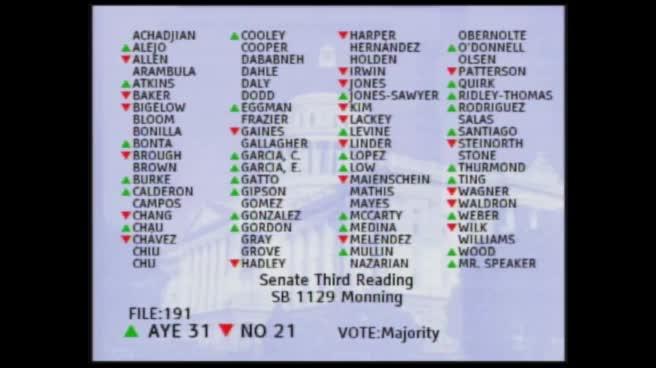 1MIN
Assembly Floor
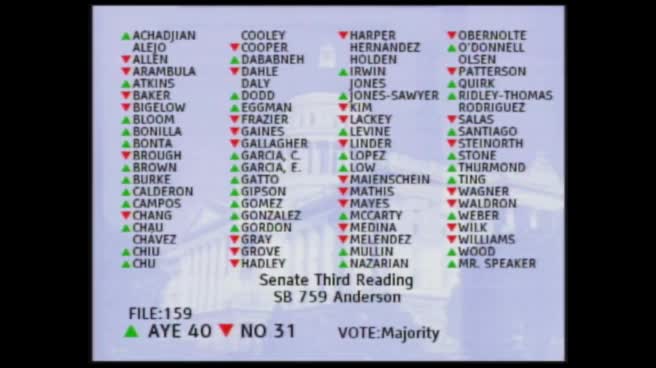 1MIN
Assembly Floor
 5MIN
Assembly Standing Committee on Appropriations
 25MIN
Assembly Standing Committee on Human Services
 20MIN
Assembly Standing Committee on Judiciary
 1MIN
Senate Floor
 4MIN
Senate Standing Committee on Appropriations
Bill Author