SB 282: Health care coverage: prescription drugs.
- Session Year: 2015-2016
- House: Senate
- Latest Version Date: 2015-10-08
Existing law, the Knox-Keene Health Care Service Plan Act of 1975, provides for the regulation of health care service plans by the Department of Managed Health Care and makes a willful violation of the act a crime. Existing law provides for the regulation of health insurers by the Department of Insurance. Commonly referred to as utilization review, existing law governs the procedures that apply to every health care service plan and health insurer that prospectively, retrospectively, or concurrently reviews and approves, modifies, delays, or denies, based on medical necessity, requests by providers prior to, retrospectively, or concurrent with, the provision of health care services to enrollees or insureds, as specified.
Existing law requires the Department of Managed Health Care and the Department of Insurance to jointly develop a uniform prior authorization form for prescription drug benefits on or before July 1, 2012, and requires, 6 months after the form is developed, every prescribing provider, when requesting prior authorization for prescription drug benefits, to submit the request to the health care service plan or health insurer using the uniform form, and requires those plans and insurers to accept only the uniform form. Existing law authorizes a prescribing provider to submit the prior authorization form electronically to the plan or insurer, and, if the plan or insurer fails to respond to a request within 2 business days, the request is deemed granted. Existing law also requires health care service plans to maintain a process by which prescribing providers may obtain authorization for a medically necessary nonformulary prescription drug.
This bill would authorize the prescribing provider to additionally use an electronic process developed specifically for transmitting prior authorization information that meets the National Council for Prescription Drug Programs SCRIPT standard for electronic prior authorization transactions. The bill would require the departments to develop the uniform prior authorization form on or before January 1, 2017, and would require prescribing providers to use, and health care service plans and health insurers to accept, only those forms or electronic process on and after July 1, 2017, or 6 months after the form is developed, whichever is later. This bill would deem a prior authorization request to be granted if the plan or insurer fails to respond within 72 hours for nonurgent requests, and within 24 hours when exigent circumstances exist.
This bill would specify that the provisions described above relating to prior authorization for prescription drugs do not apply if a contracted physician group is delegated the financial risk for the prescription drugs by a health care service plan or health insurer, if a contracted physician group uses its own internal prior authorization process rather than the health care service plans or the health insurers prior authorization process for its enrollees or insureds, or if a contracted physician group is delegated a utilization management function by the health care service plan or the health insurer concerning any prescription drug, regardless of the delegation of financial risk.
Existing law requires health care service plans to establish a grievance process approved by the Department of Managed Health Care.
This bill would require, subject to exceptions, the grievance process established by a health care service plan or a health insurer to comply with specified federal regulations.
Because a willful violation of the bills requirements relative to health care service plans would be a crime, this bill would impose a state-mandated local program.
The California Constitution requires the state to reimburse local agencies and school districts for certain costs mandated by the state. Statutory provisions establish procedures for making that reimbursement.
This bill would provide that no reimbursement is required by this act for a specified reason.
Existing law, the Knox-Keene Health Care Service Plan Act of 1975, provides for the regulation of health care service plans by the Department of Managed Health Care and makes a willful violation of the act a crime. Existing law provides for the regulation of health insurers by the Department of Insurance. Commonly referred to as utilization review, existing law governs the procedures that apply to every health care service plan and health insurer that prospectively, retrospectively, or concurrently reviews and approves, modifies, delays, or denies, based on medical necessity, requests by providers prior to, retrospectively, or concurrent with, the provision of health care services to enrollees or insureds, as specified.
Existing law requires the Department of Managed Health Care and the Department of Insurance to jointly develop a uniform prior authorization form for prescription drug benefits on or before July 1, 2012, and requires, 6 months after the form is developed, every prescribing provider, when requesting prior authorization for prescription drug benefits, to submit the request to the health care service plan or health insurer using the uniform form, and requires those plans and insurers to accept only the uniform form. Existing law authorizes a prescribing provider to submit the prior authorization form electronically to the plan or insurer, and, if the plan or insurer fails to respond to a request within 2 business days, the request is deemed granted. Existing law also requires health care service plans to maintain a process by which prescribing providers may obtain authorization for a medically necessary nonformulary prescription drug.
This bill would authorize the prescribing provider to additionally use an electronic process developed specifically for transmitting prior authorization information that meets the National Council for Prescription Drug Programs SCRIPT standard for electronic prior authorization transactions. The bill would require the departments to develop the uniform prior authorization form on or before January 1, 2017, and would require prescribing providers to use, and health care service plans and health insurers to accept, only those forms or electronic process on and after July 1, 2017, or 6 months after the form is developed, whichever is later. This bill would deem a prior authorization request to be granted if the plan or insurer fails to respond within 72 hours for nonurgent requests, and within 24 hours when exigent circumstances exist.
This bill would specify that the provisions described above relating to prior authorization for prescription drugs do not apply if a contracted physician group is delegated the financial risk for the prescription drugs by a health care service plan or health insurer, if a contracted physician group uses its own internal prior authorization process rather than the health care service plans or the health insurers prior authorization process for its enrollees or insureds, or if a contracted physician group is delegated a utilization management function by the health care service plan or the health insurer concerning any prescription drug, regardless of the delegation of financial risk.
Existing law requires health care service plans to establish a grievance process approved by the Department of Managed Health Care.
This bill would require, subject to exceptions, the grievance process established by a health care service plan or a health insurer to comply with specified federal regulations.
Because a willful violation of the bills requirements relative to health care service plans would be a crime, this bill would impose a state-mandated local program.
The California Constitution requires the state to reimburse local agencies and school districts for certain costs mandated by the state. Statutory provisions establish procedures for making that reimbursement.
This bill would provide that no reimbursement is required by this act for a specified reason.
Existing law, the Knox-Keene Health Care Service Plan Act of 1975, provides for the regulation of health care service plans by the Department of Managed Health Care and makes a willful violation of the act a crime. Existing law provides for the regulation of health insurers by the Department of Insurance. Commonly referred to as utilization review, existing law governs the procedures that apply to every health care service plan and health insurer that prospectively, retrospectively, or concurrently reviews and approves, modifies, delays, or denies, based on medical necessity, requests by providers prior to, retrospectively, or concurrent with, the provision of health care services to enrollees or insureds, as specified.
Existing law requires the Department of Managed Health Care and the Department of Insurance to jointly develop a uniform prior authorization form for prescription drug benefits on or before July 1, 2012, and requires, 6 months after the form is developed, every prescribing provider, when requesting prior authorization for prescription drug benefits, to submit the request to the health care service plan or health insurer using the uniform form, and requires those plans and insurers to accept only the uniform form. Existing law authorizes a prescribing provider to submit the prior authorization form electronically to the plan or insurer, and, if the plan or insurer fails to respond to a request within 2 business days, the request is deemed granted. Existing law also requires health care service plans to maintain a process by which prescribing providers may obtain authorization for a medically necessary nonformulary prescription drug.
This bill would authorize the prescribing provider to additionally use an electronic process developed specifically for transmitting prior authorization information that meets the National Council for Prescription Drug Programs SCRIPT standard for electronic prior authorization transactions. The bill would require the departments to develop the uniform prior authorization form on or before January 1, 2017, and would require prescribing providers to use, and health care service plans and health insurers to accept, only those forms or electronic process on and after July 1, 2017, or 6 months after the form is developed, whichever is later. This bill would deem a prior authorization request to be granted if the plan or insurer fails to respond within 72 hours for nonurgent requests, and within 24 hours when exigent circumstances exist.
This bill would specify that the provisions described above relating to prior authorization for prescription drugs do not apply if a contracted network physician group is delegated the financial risk for the prescription drugs by a health care service plan or health insurer, if a contracted network physician group uses its own internal prior authorization process rather than the health care service plans or the health insurers prior authorization process for its enrollees or insureds, or if a contracted network physician group is delegated a utilization management function by the health care service plan or the health insurer concerning any prescription drug, regardless of the delegation of financial risk.
Existing law requires health care service plans to establish a grievance process approved by the Department of Managed Health Care.
This bill would require require, subject to exceptions, the grievance process established by a health care service plan or a health insurer to comply with specified federal regulations.
Because a willful violation of the bills requirements relative to health care service plans would be a crime, this bill would impose a state-mandated local program.
The California Constitution requires the state to reimburse local agencies and school districts for certain costs mandated by the state. Statutory provisions establish procedures for making that reimbursement.
This bill would provide that no reimbursement is required by this act for a specified reason.
Existing law, the Knox-Keene Health Care Service Plan Act of 1975, provides for the regulation of health care service plans by the Department of Managed Health Care and makes a willful violation of the act a crime. Existing law provides for the regulation of health insurers by the Department of Insurance. Commonly referred to as utilization review, existing law governs the procedures that apply to every health care service plan and health insurer that prospectively, retrospectively, or concurrently reviews and approves, modifies, delays, or denies, based on medical necessity, requests by providers prior to, retrospectively, or concurrent with, the provision of health care services to enrollees or insureds, as specified. Existing law requires every prescribing provider, as defined, when requesting prior authorization for prescription drug benefits, to submit a prior authorization form developed jointly by the Department of Managed Health Care and the Department of Insurance to the health care service plan or health insurer, and requires those plans and insurers to accept only those prior authorization forms for prescription drug benefits. Existing law authorizes a prescribing provider to submit the form electronically to the plan or insurer.
Existing law requires the Department of Managed Health Care and the Department of Insurance to jointly develop a uniform prior authorization form for prescription drug benefits on or before July 1, 2012, and requires, 6 months after the form is developed, every prescribing provider, when requesting prior authorization for prescription drug benefits, to submit the request to the health care service plan or health insurer using the uniform form, and requires those plans and insurers to accept only the uniform form. Existing law authorizes a prescribing provider to submit the prior authorization form electronically to the plan or insurer, and, if the plan or insurer fails to respond to a request within 2 business days, the request is deemed granted. Existing law also requires health care service plans to maintain a process by which prescribing providers may obtain authorization for a medically necessary nonformulary prescription drug.
This bill would authorize the prescribing provider to additionally use an electronic process developed specifically for transmitting prior authorization information that meets the National Council for Prescription Drug Programs SCRIPT standard for electronic prior authorization transactions. To the extent that the bill would thereby require plans to accept that form of submission, the bill would expand the scope of a crime and would impose a state-mandated local program. The The bill would require the departments to develop the uniform prior authorization form on or before January 1, 2017, and would require prescribing providers to use, and health care service plans and health insurers to accept, only those forms on and after July 1, 2017, or 6 months after the form is developed, whichever is later. This bill would deem a prior authorization request to be granted if the plan or insurer fails to respond within 72 hours for nonurgent requests, and within 24 hours when exigent circumstances exist.
This bill would specify that the provisions described above relating to prior authorization for prescription drug benefits drugs do not apply if a contracted network physician group is delegated the financial risk for the pharmacy or medical drug benefit prescription drugs by a health care service plan or health insurer, if a contracted network physician group uses its own internal prior authorization process rather than the health care service plans or the health insurers prior authorization process for its enrollees or insureds, or if a contracted network physician group is delegated a utilization management function by the health care service plan or the health insurer concerning any pharmacy or medical drug benefit, prescription drug, regardless of the delegation of financial risk.
Existing law requires health care service plans to establish a grievance process approved by the Department of Managed Health Care.
This bill would require the grievance process established by a health care service plan to comply with specified federal regulations.
Because a willful violation of the bills requirements relative to health care service plans would be a crime, this bill would impose a state-mandated local program.
The California Constitution requires the state to reimburse local agencies and school districts for certain costs mandated by the state. Statutory provisions establish procedures for making that reimbursement.
This bill would provide that no reimbursement is required by this act for a specified reason.
Existing law, the Knox-Keene Health Care Service Plan Act of 1975, provides for the regulation of health care service plans by the Department of Managed Health Care and makes a willful violation of the act a crime. Existing law provides for the regulation of health insurers by the Department of Insurance. Commonly referred to as utilization review, existing law governs the procedures that apply to every health care service plan and health insurer that prospectively, retrospectively, or concurrently reviews and approves, modifies, delays, or denies, based on medical necessity, requests by providers prior to, retrospectively, or concurrent with, the provision of health care services to enrollees or insureds, as specified. Existing law requires every prescribing provider, as defined, when requesting prior authorization for prescription drug benefits, to submit a prior authorization form developed jointly by the Department of Managed Health Care and the Department of Insurance to the health care service plan or health insurer, and requires those plans and insurers to accept only those prior authorization forms for prescription drug benefits. Existing law authorizes a prescribing provider to submit the form electronically to the plan or insurer.
This bill would authorize the prescribing provider to additionally use an electronic process developed specifically for transmitting prior authorization information that is consistent with the standardized form described above and that meets the National Council for Prescription Drug Programs SCRIPT standard for electronic prior authorization transactions. To the extent that the bill would thereby require plans and insurers to accept that form of submission, the bill would expand the scope of a crime and would impose a state-mandated local program. The bill would specify that the provisions described above relating to prior authorization for prescription drug benefits do not apply if a contracted network physician group is delegated the financial risk for the pharmacy or medical drug benefit by a health care service plan or health insurer, if a contracted network physician group uses its own internal prior authorization process rather than the health care service plans or the health insurers prior authorization process for its enrollees or insureds, or if a contracted network physician group is delegated a utilization management function by the health care service plan or the health insurer concerning any pharmacy or medical drug benefit, regardless of the delegation of financial risk.
The California Constitution requires the state to reimburse local agencies and school districts for certain costs mandated by the state. Statutory provisions establish procedures for making that reimbursement.
This bill would provide that no reimbursement is required by this act for a specified reason.
Existing law, the Knox-Keene Health Care Service Plan Act of 1975, provides for the regulation of health care service plans by the Department of Managed Health Care and makes a willful violation of the act a crime. Existing law provides for the regulation of health insurers by the Department of Insurance. Commonly referred to as utilization review, existing law governs the procedures that apply to every health care service plan and health insurer that prospectively, retrospectively, or concurrently reviews and approves, modifies, delays, or denies, based on medical necessity, requests by providers prior to, retrospectively, or concurrent with, the provision of health care services to enrollees or insureds, as specified. Existing law requires every prescribing provider, as defined, when requesting prior authorization for prescription drug benefits, to submit a prior authorization form developed jointly by the Department of Managed Health Care and the Department of Insurance to the health care service plan or health insurer, and requires those plans and insurers to accept only those prior authorization forms for prescription drug benefits. Existing law authorizes a prescribing provider to submit the form electronically to the plan or insurer.
This bill would authorize the prescribing provider to additionally use an electronic process developed specifically for transmitting prior authorization information that is consistent with the standardized form described above and that meets the National Council for Prescription Drug Programs SCRIPT standard for electronic prior authorization standards. transactions. To the extent that the bill would thereby require plans and insurers to accept that form of submission, the bill would expand the scope of a crime and would impose a state-mandated local program. The bill would specify that the provisions described above relating to prior authorization for prescription drug benefits do not apply if a contracted network physician group is delegated the financial risk for the pharmacy or medical drug benefit by a health care service plan or health insurer, if a contracted network physician group uses its own internal prior authorization process rather than the health care service plans or the health insurers prior authorization process for its enrollees or insureds, or if a contracted network physician group is delegated a utilization management function by the health care service plan or the health insurer concerning any pharmacy or medical drug benefit, regardless of the delegation of financial risk.
The California Constitution requires the state to reimburse local agencies and school districts for certain costs mandated by the state. Statutory provisions establish procedures for making that reimbursement.
This bill would provide that no reimbursement is required by this act for a specified reason.
Existing law, the Knox-Keene Health Care Service Plan Act of 1975, provides for the regulation of health care service plans by the Department of Managed Health Care and makes a willful violation of the act a crime. Existing law provides for the regulation of health insurers by the Department of Insurance. Commonly referred to as utilization review, existing law governs the procedures that apply to every health care service plan and health insurer that prospectively, retrospectively, or concurrently reviews and approves, modifies, delays, or denies, based on medical necessity, requests by providers prior to, retrospectively, or concurrent with, the provision of health care services to enrollees or insureds, as specified. Existing law requires every prescribing provider, as defined, when requesting prior authorization for prescription drug benefits, to submit a prior authorization form developed jointly by the Department of Managed Health Care and the Department of Insurance to the health care service plan or health insurer, and requires those plans and insurers to accept only those prior authorization forms for prescription drug benefits. Existing law authorizes a prescribing provider to submit the form electronically to the plan or insurer.
This bill would authorize the prescribing provider to additionally use an electronic process developed specifically for transmitting prior authorization information that is consistent with the standardized form described above and that meets the National Council for Prescription Drug Programs SCRIPT electronic prior authorization standards. To the extent that the bill would thereby require plans and insurers to accept that form of submission, the bill would expand the scope of a crime and would impose a state-mandated local program.
The California Constitution requires the state to reimburse local agencies and school districts for certain costs mandated by the state. Statutory provisions establish procedures for making that reimbursement.
This bill would provide that no reimbursement is required by this act for a specified reason.
(a)Every health care service plan that provides prescription drug benefits shall maintain an expeditious process by which prescribing providers may obtain authorization for a medically necessary nonformulary prescription drug. On or before July 1, 1999, every health care service plan that provides prescription drug benefits shall file with the department a description of its process, including timelines, for responding to authorization requests for nonformulary drugs. Any changes to this process shall be filed with the department pursuant to Section 1352. Each plan shall provide a written description of its most current process, including timelines, to its prescribing providers. For purposes of this section, a prescribing provider shall include a provider authorized to write a prescription, pursuant to subdivision (a) of Section 4040 of the Business and Professions Code, to treat a medical condition of an enrollee.
(b)Any plan that disapproves a request made pursuant to subdivision (a) by a prescribing provider to obtain authorization for a nonformulary drug shall provide the reasons for the disapproval in a notice provided to the enrollee. The notice shall indicate that the enrollee may file a grievance with the plan if the enrollee objects to the disapproval, including any alternative drug or treatment offered by the plan. The notice shall comply with subdivision (b) of Section 1368.02. Any health plan that is required to maintain an external exception request review process pursuant to subdivision (k) shall indicate in the notice required under this subdivision that the enrollee may file a grievance seeking an external exception request review.
(c)The process described in subdivision (a) by which prescribing providers may obtain authorization for medically necessary nonformulary drugs shall not apply to a nonformulary drug that has been prescribed for an enrollee in conformance with the provisions of Section 1367.22.
(d)The process described in subdivision (a) by which enrollees may obtain medically necessary nonformulary drugs, including specified timelines for responding to prescribing provider authorization requests, shall be described in evidence of coverage and disclosure forms, as required by subdivision (a) of Section 1363, issued on or after July 1, 1999.
(e)Every health care service plan that provides prescription drug benefits shall maintain, as part of its books and records under Section 1381, all of the following information, which shall be made available to the director upon request:
(1)The complete drug formulary or formularies of the plan, if the plan maintains a formulary, including a list of the prescription drugs on the formulary of the plan by major therapeutic category with an indication of whether any drugs are preferred over other drugs.
(2)Records developed by the pharmacy and therapeutic committee of the plan, or by others responsible for developing, modifying, and overseeing formularies, including medical groups, individual practice associations, and contracting pharmaceutical benefit management companies, used to guide the drugs prescribed for the enrollees of the plan, that fully describe the reasoning behind formulary decisions.
(3)Any plan arrangements with prescribing providers, medical groups, individual practice associations, pharmacists, contracting pharmaceutical benefit management companies, or other entities that are associated with activities of the plan to encourage formulary compliance or otherwise manage prescription drug benefits.
(f)If a plan provides prescription drug benefits, the department shall, as part of its periodic onsite medical survey of each plan undertaken pursuant to Section 1380, review the performance of the plan in providing those benefits, including, but not limited to, a review of the procedures and information maintained pursuant to this section, and describe the performance of the plan as part of its report issued pursuant to Section 1380.
(g)The director shall not publicly disclose any information reviewed pursuant to this section that is determined by the director to be confidential pursuant to state law.
(h)For purposes of this section, authorization means approval by the health care service plan to provide payment for the prescription drug.
(i)Nonformulary prescription drugs shall include any drug for which an enrollees copayment or out-of-pocket costs are different than the copayment for a formulary prescription drug, except as otherwise provided by law or regulation or in cases in which the drug has been excluded in the plan contract pursuant to Section 1342.7.
(j)Nothing in this section shall be construed to restrict or impair the application of any other provision of this chapter, including, but not limited to, Section 1367, which includes among its requirements that a health care service plan furnish services in a manner providing continuity of care and demonstrate that medical decisions are rendered by qualified medical providers unhindered by fiscal and administrative management.
(k)For any individual, small group, or large health plan contracts, a health care service plans process described in subdivision (a) shall comply with the request for exception and external exception request review processes described in subdivision (c) of Section 156.122 of Title 45 of the Code of Federal Regulations. This subdivision shall not apply to Medi-Cal managed care health care service plan contracts as described in subdivision (l).
(l)Medi-Cal managed care health care service plan contract means any entity that enters into a contract with the State Department of Health Care Services pursuant to Chapter 7 (commencing with Section 14000), Chapter 8 (commencing with Section 14200), or Chapter 8.75 (commencing with Section 14591) of Part 3 of Division 9 of the Welfare and Institutions Code.
(m)Nothing in this section shall be construed to affect an enrollees or subscribers eligibility to submit a grievance to the department for review under Section 1368 or to apply to the department for an independent medical review under Section 1370.4, or Article 5.55 (commencing with Section 1374.30) of this chapter.
SEC. 2.Section 1367.241 of the Health and Safety Code is amended to read:1367.241.(a)Notwithstanding any other law, on and after January 1, 2013, a health care service plan that provides coverage for prescription drugs shall accept only the prior authorization form developed pursuant to subdivision (c), or an electronic prior authorization process described in subdivision (e), when requiring prior authorization for prescription drugs. This section does not apply in the event that a physician or physician group has been delegated the financial risk for prescription drugs by a health care service plan and does not use a prior authorization process. This section does not apply to a health care service plan, or to its affiliated providers, if the health care service plan owns and operates its pharmacies and does not use a prior authorization process for prescription drugs.
(b)If a health care service plan or a contracted physician group fails to respond within 72 hours for nonurgent requests, and within 24 hours if exigent circumstances exist, upon receipt of a completed prior authorization request from a prescribing provider, the prior authorization request shall be deemed to have been granted. The requirements of this subdivision shall not apply to contracts entered into pursuant to Chapter 7 (commencing with Section 14000), Chapter 8 (commencing with Section 14200), or Chapter 8.75 (commencing with Section 14591) of Part 3 of Division 9 of the Welfare and Institutions Code. Medi-Cal managed care health care service plans that contract under those chapters shall not be required to maintain an external exception request review as provided in Section 156.122 of Title 45 of the Code of Federal Regulations.
(c)On or before January 1, 2017, the department and the Department of Insurance shall jointly develop a uniform prior authorization form. Notwithstanding any other law, on and after July 1, 2017, or six months after the form is completed pursuant to this section, whichever is later, every prescribing provider shall use that uniform prior authorization form, or an electronic prior authorization process described in subdivision (e), to request prior authorization for coverage of prescription drugs and every health care service plan shall accept that form or electronic process as sufficient to request prior authorization for prescription drugs.
(d)The prior authorization form developed pursuant to subdivision (c) shall meet the following criteria:
(1)The form shall not exceed two pages.
(2)The form shall be made electronically available by the department and the health care service plan.
(3)The completed form may also be electronically submitted from the prescribing provider to the health care service plan.
(4)The department and the Department of Insurance shall develop the form with input from interested parties from at least one public meeting.
(5)The department and the Department of Insurance, in development of the standardized form, shall take into consideration the following:
(A)Existing prior authorization forms established by the federal Centers for Medicare and Medicaid Services and the State Department of Health Care Services.
(B)National standards pertaining to electronic prior authorization.
(e)A prescribing provider may use an electronic prior authorization system utilizing the standardized form described in subdivision (c) or an electronic process developed specifically for transmitting prior authorization information that meets the National Council for Prescription Drug Programs SCRIPT standard for electronic prior authorization transactions.
(f)Subdivision (a) does not apply if any of the following occurs:
(1)A contracted physician group is delegated the financial risk for prescription drugs by a health care service plan.
(2)A contracted physician group uses its own internal prior authorization process rather than the health care service plans prior authorization process for plan enrollees.
(3)A contracted physician group is delegated a utilization management function by the health care service plan concerning any prescription drug, regardless of the delegation of financial risk.
(g)For prescription drugs, prior authorization requirements described in subdivisions (c) and (e) apply regardless of how that benefit is classified under the terms of the health plans group or individual contract.
(h)For purposes of this section:
(1)Prescribing provider shall include a provider authorized to write a prescription, pursuant to subdivision (a) of Section 4040 of the Business and Professions Code, to treat a medical condition of an enrollee.
(2)Exigent circumstances exist when an enrollee is suffering from a health condition that may seriously jeopardize the enrollees life, health, or ability to regain maximum function or when an enrollee is undergoing a current course of treatment using a nonformulary drug.
(3)Completed prior authorization request means a completed uniform prior authorization form developed pursuant to subdivision (c), or a completed request submitted using an electronic prior authorization system described in subdivision (e), or, for contracted physician groups described in subdivision (f), the process used by the contracted physician group.
SEC. 3.Section 1368 of the Health and Safety Code is amended to read:1368.(a)Every plan shall do all of the following:
(1)Establish and maintain a grievance system approved by the department under which enrollees may submit their grievances to the plan. Each system shall provide reasonable procedures in accordance with department regulations that shall ensure adequate consideration of enrollee grievances and rectification when appropriate.
(2)Inform its subscribers and enrollees upon enrollment in the plan and annually thereafter of the procedure for processing and resolving grievances. The information shall include the location and telephone number where grievances may be submitted.
(3)Provide forms for grievances to be given to subscribers and enrollees who wish to register written grievances. The forms used by plans licensed pursuant to Section 1353 shall be approved by the director in advance as to format.
(4)(A)Provide for a written acknowledgment within five calendar days of the receipt of a grievance, except as noted in subparagraph (B). The acknowledgment shall advise the complainant of the following:
(i)That the grievance has been received.
(ii)The date of receipt.
(iii)The name of the plan representative and the telephone number and address of the plan representative who may be contacted about the grievance.
(B)(i)Grievances received by telephone, by facsimile, by email, or online through the plans Internet Web site pursuant to Section 1368.015, that are not coverage disputes, disputed health care services involving medical necessity, or experimental or investigational treatment and that are resolved by the next business day following receipt are exempt from the requirements of subparagraph (A) and paragraph (5). The plan shall maintain a log of all these grievances. The log shall be periodically reviewed by the plan and shall include the following information for each complaint:
(I)The date of the call.
(II)The name of the complainant.
(III)The complainants member identification number.
(IV)The nature of the grievance.
(V)The nature of the resolution.
(VI)The name of the plan representative who took the call and resolved the grievance.
(ii)For health plan contracts in the individual, small group, or large group markets, a health care service plans response to grievances subject to Section 1367.24 shall also comply with subdivision (c) of Section 156.122 of Title 45 of the Code of Federal Regulations. This paragraph shall not apply to Medi-Cal managed care health care service plan contracts or any entity that enters into a contract with the State Department of Health Care Services pursuant to Chapter 7 (commencing with Section 14000), Chapter 8 (commencing with Section 14200), or Chapter 8.75 (commencing with Section 14591) of Part 3 of Division 9 of the Welfare and Institutions Code.
(5)Provide subscribers and enrollees with written responses to grievances, with a clear and concise explanation of the reasons for the plans response. For grievances involving the delay, denial, or modification of health care services, the plan response shall describe the criteria used and the clinical reasons for its decision, including all criteria and clinical reasons related to medical necessity. If a plan, or one of its contracting providers, issues a decision delaying, denying, or modifying health care services based in whole or in part on a finding that the proposed health care services are not a covered benefit under the contract that applies to the enrollee, the decision shall clearly specify the provisions in the contract that exclude that coverage.
(6)For grievances involving the cancellation, rescission, or nonrenewal of a health care service plan contract, the health care service plan shall continue to provide coverage to the enrollee or subscriber under the terms of the health care service plan contract until a final determination of the enrollees or subscribers request for review has been made by the health care service plan or the director pursuant to Section 1365 and this section. This paragraph shall not apply if the health care service plan cancels or fails to renew the enrollees or subscribers health care service plan contract for nonpayment of premiums pursuant to paragraph (1) of subdivision (a) of Section 1365.
(7)Keep in its files all copies of grievances, and the responses thereto, for a period of five years.
(b)(1)(A)After either completing the grievance process described in subdivision (a), or participating in the process for at least 30 days, a subscriber or enrollee may submit the grievance to the department for review. In any case determined by the department to be a case involving an imminent and serious threat to the health of the patient, including, but not limited to, severe pain, the potential loss of life, limb, or major bodily function, cancellations, rescissions, or the nonrenewal of a health care service plan contract, or in any other case where the department determines that an earlier review is warranted, a subscriber or enrollee shall not be required to complete the grievance process or to participate in the process for at least 30 days before submitting a grievance to the department for review.
(B)A grievance may be submitted to the department for review and resolution prior to any arbitration.
(C)Notwithstanding subparagraphs (A) and (B), the department may refer any grievance that does not pertain to compliance with this chapter to the State Department of Public Health, the California Department of Aging, the federal Health Care Financing Administration, or any other appropriate governmental entity for investigation and resolution.
(2)If the subscriber or enrollee is a minor, or is incompetent or incapacitated, the parent, guardian, conservator, relative, or other designee of the subscriber or enrollee, as appropriate, may submit the grievance to the department as the agent of the subscriber or enrollee. Further, a provider may join with, or otherwise assist, a subscriber or enrollee, or the agent, to submit the grievance to the department. In addition, following submission of the grievance to the department, the subscriber or enrollee, or the agent, may authorize the provider to assist, including advocating on behalf of the subscriber or enrollee. For purposes of this section, a relative includes the parent, stepparent, spouse, adult son or daughter, grandparent, brother, sister, uncle, or aunt of the subscriber or enrollee.
(3)The department shall review the written documents submitted with the subscribers or the enrollees request for review, or submitted by the agent on behalf of the subscriber or enrollee. The department may ask for additional information, and may hold an informal meeting with the involved parties, including providers who have joined in submitting the grievance or who are otherwise assisting or advocating on behalf of the subscriber or enrollee. If after reviewing the record, the department concludes that the grievance, in whole or in part, is eligible for review under the independent medical review system established pursuant to Article 5.55 (commencing with Section 1374.30), the department shall immediately notify the subscriber or enrollee, or agent, of that option and shall, if requested orally or in writing, assist the subscriber or enrollee in participating in the independent medical review system.
(4)If after reviewing the record of a grievance, the department concludes that a health care service eligible for coverage and payment under a health care service plan contract has been delayed, denied, or modified by a plan, or by one of its contracting providers, in whole or in part due to a determination that the service is not medically necessary, and that determination was not communicated to the enrollee in writing along with a notice of the enrollees potential right to participate in the independent medical review system, as required by this chapter, the director shall, by order, assess administrative penalties. A proceeding for the issuance of an order assessing administrative penalties shall be subject to appropriate notice of, and the opportunity for, a hearing with regard to the person affected in accordance with Section 1397. The administrative penalties shall not be deemed an exclusive remedy available to the director. These penalties shall be paid to the Managed Care Administrative Fines and Penalties Fund and shall be used for the purposes specified in Section 1341.45.
(5)The department shall send a written notice of the final disposition of the grievance, and the reasons therefor, to the subscriber or enrollee, the agent, to any provider that has joined with or is otherwise assisting the subscriber or enrollee, and to the plan, within 30 calendar days of receipt of the request for review unless the director, in his or her discretion, determines that additional time is reasonably necessary to fully and fairly evaluate the relevant grievance. In any case not eligible for the independent medical review system established pursuant to Article 5.55 (commencing with Section 1374.30), the departments written notice shall include, at a minimum, the following:
(A)A summary of its findings and the reasons why the department found the plan to be, or not to be, in compliance with any applicable laws, regulations, or orders of the director.
(B)A discussion of the departments contact with any medical provider, or any other independent expert relied on by the department, along with a summary of the views and qualifications of that provider or expert.
(C)If the enrollees grievance is sustained in whole or in part, information about any corrective action taken.
(6)In any department review of a grievance involving a disputed health care service, as defined in subdivision (b) of Section 1374.30, that is not eligible for the independent medical review system established pursuant to Article 5.55 (commencing with Section 1374.30), in which the department finds that the plan has delayed, denied, or modified health care services that are medically necessary, based on the specific medical circumstances of the enrollee, and those services are a covered benefit under the terms and conditions of the health care service plan contract, the departments written notice shall do either of the following:
(A)Order the plan to promptly offer and provide those health care services to the enrollee.
(B)Order the plan to promptly reimburse the enrollee for any reasonable costs associated with urgent care or emergency services, or other extraordinary and compelling health care services, when the department finds that the enrollees decision to secure those services outside of the plan network was reasonable under the circumstances.
The departments order shall be binding on the plan.
(7)Distribution of the written notice shall not be deemed a waiver of any exemption or privilege under existing law, including, but not limited to, Section 6254.5 of the Government Code, for any information in connection with and including the written notice, nor shall any person employed or in any way retained by the department be required to testify as to that information or notice.
(8)The director shall establish and maintain a system of aging of grievances that are pending and unresolved for 30 days or more that shall include a brief explanation of the reasons each grievance is pending and unresolved for 30 days or more.
(9)A subscriber or enrollee, or the agent acting on behalf of a subscriber or enrollee, may also request voluntary mediation with the plan prior to exercising the right to submit a grievance to the department. The use of mediation services shall not preclude the right to submit a grievance to the department upon completion of mediation. In order to initiate mediation, the subscriber or enrollee, or the agent acting on behalf of the subscriber or enrollee, and the plan shall voluntarily agree to mediation. Expenses for mediation shall be borne equally by both sides. The department shall have no administrative or enforcement responsibilities in connection with the voluntary mediation process authorized by this paragraph.
(c)The plans grievance system shall include a system of aging of grievances that are pending and unresolved for 30 days or more. The plan shall provide a quarterly report to the director of grievances pending and unresolved for 30 or more days with separate categories of grievances for Medicare enrollees and Medi-Cal enrollees. The plan shall include with the report a brief explanation of the reasons each grievance is pending and unresolved for 30 days or more. The plan may include the following statement in the quarterly report that is made available to the public by the director:
Under Medicare and Medi-Cal law, Medicare enrollees and Medi-Cal enrollees each have separate avenues of appeal that are not available to other enrollees. Therefore, grievances pending and unresolved may reflect enrollees pursuing their Medicare or Medi-Cal appeal rights.
If requested by a plan, the director shall include this statement in a written report made available to the public and prepared by the director that describes or compares grievances that are pending and unresolved with the plan for 30 days or more. Additionally, the director shall, if requested by a plan, append to that written report a brief explanation, provided in writing by the plan, of the reasons why grievances described in that written report are pending and unresolved for 30 days or more. The director shall not be required to include a statement or append a brief explanation to a written report that the director is required to prepare under this chapter, including Sections 1380 and 1397.5.
(d)Subject to subparagraph (C) of paragraph (1) of subdivision (b), the grievance or resolution procedures authorized by this section shall be in addition to any other procedures that may be available to any person, and failure to pursue, exhaust, or engage in the procedures described in this section shall not preclude the use of any other remedy provided by law.
(e)Nothing in this section shall be construed to allow the submission to the department of any provider grievance under this section. However, as part of a providers duty to advocate for medically appropriate health care for his or her patients pursuant to Sections 510 and 2056 of the Business and Professions Code, nothing in this subdivision shall be construed to prohibit a provider from contacting and informing the department about any concerns he or she has regarding compliance with or enforcement of this chapter.
(f)To the extent required by Section 2719 of the federal Public Health Service Act (42 U.S.C. Sec. 300gg-19) and any subsequent rules or regulations, there shall be an independent external review pursuant to the standards required by the United States Secretary of Health and Human Services of a health care service plans cancellation, rescission, or nonrenewal of an enrollees or subscribers coverage.
SEC. 4.Section 1368.01 of the Health and Safety Code is amended to read:1368.01.(a) The grievance system shall require the plan to resolve grievances within 30 days, except as provided in subdivision (c).
(b) The grievance system shall include a requirement for expedited plan review of grievances for cases involving an imminent and serious threat to the health of the patient, including, but not limited to, severe pain, potential loss of life, limb, or major bodily function. When the plan has notice of a case requiring expedited review, the grievance system shall require the plan to immediately inform enrollees and subscribers in writing of their right to notify the department of the grievance. The grievance system shall also require the plan to provide enrollees, subscribers, and the department with a written statement on the disposition or pending status of the grievance no later than three days from receipt of the grievance, except as provided in subdivision (c). Paragraph (4) of subdivision (a) of Section 1368 shall not apply to grievances handled pursuant to this section.
(c)A health care service plan contract in the individual, small group, or large group markets that provides coverage for outpatient prescription drugs shall comply with subdivision (c) of Section 156.122 of Title 45 of the Code of Federal Regulations. This subdivision shall not apply to Medi-Cal managed care health care service plan contracts or any entity that enters into a contract with the State Department of Health Care Services pursuant to Chapter 7 (commencing with Section 14000), Chapter 8 (commencing with Section 14200), or Chapter 8.75 (commencing with Section 14591) of Part 3 of Division 9 of the Welfare and Institutions Code.
SEC. 5.Section 10123.191 of the Insurance Code is amended to read:10123.191.(a)Notwithstanding any other law, on and after January 1, 2013, a health insurer that provides coverage for prescription drugs shall utilize and accept only the prior authorization form developed pursuant to subdivision (c), or an electronic prior authorization process described in subdivision (e), when requiring prior authorization for prescription drugs.
(b)If a health insurer or a contracted physician group fails to respond within 72 hours for nonurgent requests, and within 24 hours if exigent circumstances exist, upon receipt of a completed prior authorization request from a prescribing provider, the prior authorization request shall be deemed to have been granted.
(c)On or before January 1, 2017, the department and the Department of Managed Health Care shall jointly develop a uniform prior authorization form. Notwithstanding any other law, on and after July 1, 2017, or six months after the form is completed pursuant to this section, whichever is later, every prescribing provider shall use that uniform prior authorization form, or an electronic prior authorization process described in subdivision (e), to request prior authorization for coverage of prescription drugs and every health insurer shall accept that form or electronic process as sufficient to request prior authorization for prescription drugs.
(d)The prior authorization form developed pursuant to subdivision (c) shall meet the following criteria:
(1)The form shall not exceed two pages.
(2)The form shall be made electronically available by the department and the health insurer.
(3)The completed form may also be electronically submitted from the prescribing provider to the health insurer.
(4)The department and the Department of Managed Health Care shall develop the form with input from interested parties from at least one public meeting.
(5)The department and the Department of Managed Health Care, in development of the standardized form, shall take into consideration the following:
(A)Existing prior authorization forms established by the federal Centers for Medicare and Medicaid Services and the State Department of Health Care Services.
(B)National standards pertaining to electronic prior authorization.
(e)A prescribing provider may use an electronic prior authorization system utilizing the standardized form described in subdivision (c) or an electronic process developed specifically for transmitting prior authorization information that meets the National Council for Prescription Drug Programs SCRIPT standard for electronic prior authorization transactions.
(f)Subdivision (a) does not apply if any of the following occurs:
(1)A contracted physician group is delegated the financial risk for the pharmacy or medical drug benefit by a health insurer.
(2)A contracted physician group uses its own internal prior authorization process rather than the health insurers prior authorization process for the health insurers insureds.
(3)A contracted physician group is delegated a utilization management function by the health insurer concerning any prescription drug, regardless of the delegation of financial risk.
(g)For prescription drugs, prior authorization requirements described in subdivisions (c) and (e) apply regardless of how that benefit is classified under the terms of the health insurers group or individual policy.
(h)A health insurer shall maintain a process for an external exception request review that complies with subdivision (c) of Section 156.122 of Title 45 of the Code of Federal Regulations.
(i)For an individual, small group, or large group health insurance policy, a health insurer that provides coverage for outpatient prescription drugs shall comply with subdivision (c) of Section 156.122 of Title 45 of the Code of Federal Regulations.
(j)For purposes of this section:
(1)Prescribing provider shall include a provider authorized to write a prescription, pursuant to subdivision (a) of Section 4040 of the Business and Professions Code, to treat a medical condition of an insured.
(2)Exigent circumstances exist when an insured is suffering from a health condition that may seriously jeopardize the insureds life, health, or ability to regain maximum function or when an insured is undergoing a current course of treatment using a nonformulary drug.
(3)Completed prior authorization request means a completed uniform prior authorization form developed pursuant to subdivision (c), or a completed request submitted using an electronic prior authorization system described in subdivision (e), or, for contracted physician groups described in subdivision (f), the process used by the contracted physician group.
SEC. 6.No reimbursement is required by this act pursuant to Section 6 of Article XIIIB of the California Constitution because the only costs that may be incurred by a local agency or school district will be incurred because this act creates a new crime or infraction, eliminates a crime or infraction, or changes the penalty for a crime or infraction, within the meaning of Section 17556 of the Government Code, or changes the definition of a crime within the meaning of Section 6 of Article XIIIB of the California Constitution.
(a)Every health care service plan that provides prescription drug benefits shall maintain an expeditious process by which prescribing providers may obtain authorization for a medically necessary nonformulary prescription drug. On or before July 1, 1999, every health care service plan that provides prescription drug benefits shall file with the department a description of its process, including timelines, for responding to authorization requests for nonformulary drugs. Any changes to this process shall be filed with the department pursuant to Section 1352. Each plan shall provide a written description of its most current process, including timelines, to its prescribing providers. For purposes of this section, a prescribing provider shall include a provider authorized to write a prescription, pursuant to subdivision (a) of Section 4040 of the Business and Professions Code, to treat a medical condition of an enrollee.
(b)Any plan that disapproves a request made pursuant to subdivision (a) by a prescribing provider to obtain authorization for a nonformulary drug shall provide the reasons for the disapproval in a notice provided to the enrollee. The notice shall indicate that the enrollee may file a grievance with the plan if the enrollee objects to the disapproval, including any alternative drug or treatment offered by the plan. The notice shall comply with subdivision (b) of Section 1368.02. Any health plan that is required to maintain an external exception request review process pursuant to subdivision (k) shall indicate in the notice required under this subdivision that the enrollee may file a grievance seeking an external exception request review.
(c)The process described in subdivision (a) by which prescribing providers may obtain authorization for medically necessary nonformulary drugs shall not apply to a nonformulary drug that has been prescribed for an enrollee in conformance with the provisions of Section 1367.22.
(d)The process described in subdivision (a) by which enrollees may obtain medically necessary nonformulary drugs, including specified timelines for responding to prescribing provider authorization requests, shall be described in evidence of coverage and disclosure forms, as required by subdivision (a) of Section 1363, issued on or after July 1, 1999.
(e)Every health care service plan that provides prescription drug benefits shall maintain, as part of its books and records under Section 1381, all of the following information, which shall be made available to the director upon request:
(1)The complete drug formulary or formularies of the plan, if the plan maintains a formulary, including a list of the prescription drugs on the formulary of the plan by major therapeutic category with an indication of whether any drugs are preferred over other drugs.
(2)Records developed by the pharmacy and therapeutic committee of the plan, or by others responsible for developing, modifying, and overseeing formularies, including medical groups, individual practice associations, and contracting pharmaceutical benefit management companies, used to guide the drugs prescribed for the enrollees of the plan, that fully describe the reasoning behind formulary decisions.
(3)Any plan arrangements with prescribing providers, medical groups, individual practice associations, pharmacists, contracting pharmaceutical benefit management companies, or other entities that are associated with activities of the plan to encourage formulary compliance or otherwise manage prescription drug benefits.
(f)If a plan provides prescription drug benefits, the department shall, as part of its periodic onsite medical survey of each plan undertaken pursuant to Section 1380, review the performance of the plan in providing those benefits, including, but not limited to, a review of the procedures and information maintained pursuant to this section, and describe the performance of the plan as part of its report issued pursuant to Section 1380.
(g)The director shall not publicly disclose any information reviewed pursuant to this section that is determined by the director to be confidential pursuant to state law.
(h)For purposes of this section, authorization means approval by the health care service plan to provide payment for the prescription drug.
(i)Nonformulary prescription drugs shall include any drug for which an enrollees copayment or out-of-pocket costs are different than the copayment for a formulary prescription drug, except as otherwise provided by law or regulation or in cases in which the drug has been excluded in the plan contract pursuant to Section 1342.7.
(j)Nothing in this section shall be construed to restrict or impair the application of any other provision of this chapter, including, but not limited to, Section 1367, which includes among its requirements that a health care service plan furnish services in a manner providing continuity of care and demonstrate that medical decisions are rendered by qualified medical providers unhindered by fiscal and administrative management.
(k)For any individual, small group, or large health plan contracts, a health care service plans process described in subdivision (a) shall comply with the request for exception and external exception request review processes described in subdivision (c) of Section 156.122 of Title 45 of the Code of Federal Regulations. This subdivision shall not apply to Medi-Cal managed care health care service plan contracts as described in subdivision (l).
(l)Medi-Cal managed care health care service plan contract means any entity that enters into a contract with the State Department of Health Care Services pursuant to Chapter 7 (commencing with Section 14000), Chapter 8 (commencing with Section 14200), or Chapter 8.75 (commencing with Section 14591) of Part 3 of Division 9 of the Welfare and Institutions Code.
(m)Nothing in this section shall be construed to affect an enrollees or subscribers eligibility to submit a grievance to the department for review under Section 1368 or to apply to the department for an independent medical review under Section 1370.4, or Article 5.55 (commencing with Section 1374.30) of this chapter.
SEC. 2.Section 1367.241 of the Health and Safety Code is amended to read:1367.241.(a)Notwithstanding any other law, on and after January 1, 2013, a health care service plan that provides coverage for prescription drugs shall accept only the prior authorization form developed pursuant to subdivision (c), or an electronic prior authorization process described in subdivision (e), when requiring prior authorization for prescription drugs. This section does not apply in the event that a physician or physician group has been delegated the financial risk for prescription drugs by a health care service plan and does not use a prior authorization process. This section does not apply to a health care service plan, or to its affiliated providers, if the health care service plan owns and operates its pharmacies and does not use a prior authorization process for prescription drugs.
(b)If a health care service plan or a contracted physician group fails to respond within 72 hours for nonurgent requests, and within 24 hours if exigent circumstances exist, upon receipt of a completed prior authorization request from a prescribing provider, the prior authorization request shall be deemed to have been granted. The requirements of this subdivision shall not apply to contracts entered into pursuant to Chapter 7 (commencing with Section 14000), Chapter 8 (commencing with Section 14200), or Chapter 8.75 (commencing with Section 14591) of Part 3 of Division 9 of the Welfare and Institutions Code. Medi-Cal managed care health care service plans that contract under those chapters shall not be required to maintain an external exception request review as provided in Section 156.122 of Title 45 of the Code of Federal Regulations.
(c)On or before January 1, 2017, the department and the Department of Insurance shall jointly develop a uniform prior authorization form. Notwithstanding any other law, on and after July 1, 2017, or six months after the form is completed pursuant to this section, whichever is later, every prescribing provider shall use that uniform prior authorization form, or an electronic prior authorization process described in subdivision (e), to request prior authorization for coverage of prescription drugs and every health care service plan shall accept that form or electronic process as sufficient to request prior authorization for prescription drugs.
(d)The prior authorization form developed pursuant to subdivision (c) shall meet the following criteria:
(1)The form shall not exceed two pages.
(2)The form shall be made electronically available by the department and the health care service plan.
(3)The completed form may also be electronically submitted from the prescribing provider to the health care service plan.
(4)The department and the Department of Insurance shall develop the form with input from interested parties from at least one public meeting.
(5)The department and the Department of Insurance, in development of the standardized form, shall take into consideration the following:
(A)Existing prior authorization forms established by the federal Centers for Medicare and Medicaid Services and the State Department of Health Care Services.
(B)National standards pertaining to electronic prior authorization.
(e)A prescribing provider may use an electronic prior authorization system utilizing the standardized form described in subdivision (c) or an electronic process developed specifically for transmitting prior authorization information that meets the National Council for Prescription Drug Programs SCRIPT standard for electronic prior authorization transactions.
(f)Subdivision (a) does not apply if any of the following occurs:
(1)A contracted physician group is delegated the financial risk for prescription drugs by a health care service plan.
(2)A contracted physician group uses its own internal prior authorization process rather than the health care service plans prior authorization process for plan enrollees.
(3)A contracted physician group is delegated a utilization management function by the health care service plan concerning any prescription drug, regardless of the delegation of financial risk.
(g)For prescription drugs, prior authorization requirements described in subdivisions (c) and (e) apply regardless of how that benefit is classified under the terms of the health plans group or individual contract.
(h)For purposes of this section:
(1)Prescribing provider shall include a provider authorized to write a prescription, pursuant to subdivision (a) of Section 4040 of the Business and Professions Code, to treat a medical condition of an enrollee.
(2)Exigent circumstances exist when an enrollee is suffering from a health condition that may seriously jeopardize the enrollees life, health, or ability to regain maximum function or when an enrollee is undergoing a current course of treatment using a nonformulary drug.
(3)Completed prior authorization request means a completed uniform prior authorization form developed pursuant to subdivision (c), or a completed request submitted using an electronic prior authorization system described in subdivision (e), or, for contracted physician groups described in subdivision (f), the process used by the contracted physician group.
SEC. 3.Section 1368 of the Health and Safety Code is amended to read:1368.(a)Every plan shall do all of the following:
(1)Establish and maintain a grievance system approved by the department under which enrollees may submit their grievances to the plan. Each system shall provide reasonable procedures in accordance with department regulations that shall ensure adequate consideration of enrollee grievances and rectification when appropriate.
(2)Inform its subscribers and enrollees upon enrollment in the plan and annually thereafter of the procedure for processing and resolving grievances. The information shall include the location and telephone number where grievances may be submitted.
(3)Provide forms for grievances to be given to subscribers and enrollees who wish to register written grievances. The forms used by plans licensed pursuant to Section 1353 shall be approved by the director in advance as to format.
(4)(A)Provide for a written acknowledgment within five calendar days of the receipt of a grievance, except as noted in subparagraph (B). The acknowledgment shall advise the complainant of the following:
(i)That the grievance has been received.
(ii)The date of receipt.
(iii)The name of the plan representative and the telephone number and address of the plan representative who may be contacted about the grievance.
(B)(i)Grievances received by telephone, by facsimile, by email, or online through the plans Internet Web site pursuant to Section 1368.015, that are not coverage disputes, disputed health care services involving medical necessity, or experimental or investigational treatment and that are resolved by the next business day following receipt are exempt from the requirements of subparagraph (A) and paragraph (5). The plan shall maintain a log of all these grievances. The log shall be periodically reviewed by the plan and shall include the following information for each complaint:
(I)The date of the call.
(II)The name of the complainant.
(III)The complainants member identification number.
(IV)The nature of the grievance.
(V)The nature of the resolution.
(VI)The name of the plan representative who took the call and resolved the grievance.
(ii)For health plan contracts in the individual, small group, or large group markets, a health care service plans response to grievances subject to Section 1367.24 shall also comply with subdivision (c) of Section 156.122 of Title 45 of the Code of Federal Regulations. This paragraph shall not apply to Medi-Cal managed care health care service plan contracts or any entity that enters into a contract with the State Department of Health Care Services pursuant to Chapter 7 (commencing with Section 14000), Chapter 8 (commencing with Section 14200), or Chapter 8.75 (commencing with Section 14591) of Part 3 of Division 9 of the Welfare and Institutions Code.
(5)Provide subscribers and enrollees with written responses to grievances, with a clear and concise explanation of the reasons for the plans response. For grievances involving the delay, denial, or modification of health care services, the plan response shall describe the criteria used and the clinical reasons for its decision, including all criteria and clinical reasons related to medical necessity. If a plan, or one of its contracting providers, issues a decision delaying, denying, or modifying health care services based in whole or in part on a finding that the proposed health care services are not a covered benefit under the contract that applies to the enrollee, the decision shall clearly specify the provisions in the contract that exclude that coverage.
(6)For grievances involving the cancellation, rescission, or nonrenewal of a health care service plan contract, the health care service plan shall continue to provide coverage to the enrollee or subscriber under the terms of the health care service plan contract until a final determination of the enrollees or subscribers request for review has been made by the health care service plan or the director pursuant to Section 1365 and this section. This paragraph shall not apply if the health care service plan cancels or fails to renew the enrollees or subscribers health care service plan contract for nonpayment of premiums pursuant to paragraph (1) of subdivision (a) of Section 1365.
(7)Keep in its files all copies of grievances, and the responses thereto, for a period of five years.
(b)(1)(A)After either completing the grievance process described in subdivision (a), or participating in the process for at least 30 days, a subscriber or enrollee may submit the grievance to the department for review. In any case determined by the department to be a case involving an imminent and serious threat to the health of the patient, including, but not limited to, severe pain, the potential loss of life, limb, or major bodily function, cancellations, rescissions, or the nonrenewal of a health care service plan contract, or in any other case where the department determines that an earlier review is warranted, a subscriber or enrollee shall not be required to complete the grievance process or to participate in the process for at least 30 days before submitting a grievance to the department for review.
(B)A grievance may be submitted to the department for review and resolution prior to any arbitration.
(C)Notwithstanding subparagraphs (A) and (B), the department may refer any grievance that does not pertain to compliance with this chapter to the State Department of Public Health, the California Department of Aging, the federal Health Care Financing Administration, or any other appropriate governmental entity for investigation and resolution.
(2)If the subscriber or enrollee is a minor, or is incompetent or incapacitated, the parent, guardian, conservator, relative, or other designee of the subscriber or enrollee, as appropriate, may submit the grievance to the department as the agent of the subscriber or enrollee. Further, a provider may join with, or otherwise assist, a subscriber or enrollee, or the agent, to submit the grievance to the department. In addition, following submission of the grievance to the department, the subscriber or enrollee, or the agent, may authorize the provider to assist, including advocating on behalf of the subscriber or enrollee. For purposes of this section, a relative includes the parent, stepparent, spouse, adult son or daughter, grandparent, brother, sister, uncle, or aunt of the subscriber or enrollee.
(3)The department shall review the written documents submitted with the subscribers or the enrollees request for review, or submitted by the agent on behalf of the subscriber or enrollee. The department may ask for additional information, and may hold an informal meeting with the involved parties, including providers who have joined in submitting the grievance or who are otherwise assisting or advocating on behalf of the subscriber or enrollee. If after reviewing the record, the department concludes that the grievance, in whole or in part, is eligible for review under the independent medical review system established pursuant to Article 5.55 (commencing with Section 1374.30), the department shall immediately notify the subscriber or enrollee, or agent, of that option and shall, if requested orally or in writing, assist the subscriber or enrollee in participating in the independent medical review system.
(4)If after reviewing the record of a grievance, the department concludes that a health care service eligible for coverage and payment under a health care service plan contract has been delayed, denied, or modified by a plan, or by one of its contracting providers, in whole or in part due to a determination that the service is not medically necessary, and that determination was not communicated to the enrollee in writing along with a notice of the enrollees potential right to participate in the independent medical review system, as required by this chapter, the director shall, by order, assess administrative penalties. A proceeding for the issuance of an order assessing administrative penalties shall be subject to appropriate notice of, and the opportunity for, a hearing with regard to the person affected in accordance with Section 1397. The administrative penalties shall not be deemed an exclusive remedy available to the director. These penalties shall be paid to the Managed Care Administrative Fines and Penalties Fund and shall be used for the purposes specified in Section 1341.45.
(5)The department shall send a written notice of the final disposition of the grievance, and the reasons therefor, to the subscriber or enrollee, the agent, to any provider that has joined with or is otherwise assisting the subscriber or enrollee, and to the plan, within 30 calendar days of receipt of the request for review unless the director, in his or her discretion, determines that additional time is reasonably necessary to fully and fairly evaluate the relevant grievance. In any case not eligible for the independent medical review system established pursuant to Article 5.55 (commencing with Section 1374.30), the departments written notice shall include, at a minimum, the following:
(A)A summary of its findings and the reasons why the department found the plan to be, or not to be, in compliance with any applicable laws, regulations, or orders of the director.
(B)A discussion of the departments contact with any medical provider, or any other independent expert relied on by the department, along with a summary of the views and qualifications of that provider or expert.
(C)If the enrollees grievance is sustained in whole or in part, information about any corrective action taken.
(6)In any department review of a grievance involving a disputed health care service, as defined in subdivision (b) of Section 1374.30, that is not eligible for the independent medical review system established pursuant to Article 5.55 (commencing with Section 1374.30), in which the department finds that the plan has delayed, denied, or modified health care services that are medically necessary, based on the specific medical circumstances of the enrollee, and those services are a covered benefit under the terms and conditions of the health care service plan contract, the departments written notice shall do either of the following:
(A)Order the plan to promptly offer and provide those health care services to the enrollee.
(B)Order the plan to promptly reimburse the enrollee for any reasonable costs associated with urgent care or emergency services, or other extraordinary and compelling health care services, when the department finds that the enrollees decision to secure those services outside of the plan network was reasonable under the circumstances.
The departments order shall be binding on the plan.
(7)Distribution of the written notice shall not be deemed a waiver of any exemption or privilege under existing law, including, but not limited to, Section 6254.5 of the Government Code, for any information in connection with and including the written notice, nor shall any person employed or in any way retained by the department be required to testify as to that information or notice.
(8)The director shall establish and maintain a system of aging of grievances that are pending and unresolved for 30 days or more that shall include a brief explanation of the reasons each grievance is pending and unresolved for 30 days or more.
(9)A subscriber or enrollee, or the agent acting on behalf of a subscriber or enrollee, may also request voluntary mediation with the plan prior to exercising the right to submit a grievance to the department. The use of mediation services shall not preclude the right to submit a grievance to the department upon completion of mediation. In order to initiate mediation, the subscriber or enrollee, or the agent acting on behalf of the subscriber or enrollee, and the plan shall voluntarily agree to mediation. Expenses for mediation shall be borne equally by both sides. The department shall have no administrative or enforcement responsibilities in connection with the voluntary mediation process authorized by this paragraph.
(c)The plans grievance system shall include a system of aging of grievances that are pending and unresolved for 30 days or more. The plan shall provide a quarterly report to the director of grievances pending and unresolved for 30 or more days with separate categories of grievances for Medicare enrollees and Medi-Cal enrollees. The plan shall include with the report a brief explanation of the reasons each grievance is pending and unresolved for 30 days or more. The plan may include the following statement in the quarterly report that is made available to the public by the director:
Under Medicare and Medi-Cal law, Medicare enrollees and Medi-Cal enrollees each have separate avenues of appeal that are not available to other enrollees. Therefore, grievances pending and unresolved may reflect enrollees pursuing their Medicare or Medi-Cal appeal rights.
If requested by a plan, the director shall include this statement in a written report made available to the public and prepared by the director that describes or compares grievances that are pending and unresolved with the plan for 30 days or more. Additionally, the director shall, if requested by a plan, append to that written report a brief explanation, provided in writing by the plan, of the reasons why grievances described in that written report are pending and unresolved for 30 days or more. The director shall not be required to include a statement or append a brief explanation to a written report that the director is required to prepare under this chapter, including Sections 1380 and 1397.5.
(d)Subject to subparagraph (C) of paragraph (1) of subdivision (b), the grievance or resolution procedures authorized by this section shall be in addition to any other procedures that may be available to any person, and failure to pursue, exhaust, or engage in the procedures described in this section shall not preclude the use of any other remedy provided by law.
(e)Nothing in this section shall be construed to allow the submission to the department of any provider grievance under this section. However, as part of a providers duty to advocate for medically appropriate health care for his or her patients pursuant to Sections 510 and 2056 of the Business and Professions Code, nothing in this subdivision shall be construed to prohibit a provider from contacting and informing the department about any concerns he or she has regarding compliance with or enforcement of this chapter.
(f)To the extent required by Section 2719 of the federal Public Health Service Act (42 U.S.C. Sec. 300gg-19) and any subsequent rules or regulations, there shall be an independent external review pursuant to the standards required by the United States Secretary of Health and Human Services of a health care service plans cancellation, rescission, or nonrenewal of an enrollees or subscribers coverage.
SEC. 4.Section 1368.01 of the Health and Safety Code is amended to read:1368.01.(a) The grievance system shall require the plan to resolve grievances within 30 days, except as provided in subdivision (c).
(b) The grievance system shall include a requirement for expedited plan review of grievances for cases involving an imminent and serious threat to the health of the patient, including, but not limited to, severe pain, potential loss of life, limb, or major bodily function. When the plan has notice of a case requiring expedited review, the grievance system shall require the plan to immediately inform enrollees and subscribers in writing of their right to notify the department of the grievance. The grievance system shall also require the plan to provide enrollees, subscribers, and the department with a written statement on the disposition or pending status of the grievance no later than three days from receipt of the grievance, except as provided in subdivision (c). Paragraph (4) of subdivision (a) of Section 1368 shall not apply to grievances handled pursuant to this section.
(c)A health care service plan contract in the individual, small group, or large group markets that provides coverage for outpatient prescription drugs shall comply with subdivision (c) of Section 156.122 of Title 45 of the Code of Federal Regulations. This subdivision shall not apply to Medi-Cal managed care health care service plan contracts or any entity that enters into a contract with the State Department of Health Care Services pursuant to Chapter 7 (commencing with Section 14000), Chapter 8 (commencing with Section 14200), or Chapter 8.75 (commencing with Section 14591) of Part 3 of Division 9 of the Welfare and Institutions Code.
SEC. 5.Section 10123.191 of the Insurance Code is amended to read:10123.191.(a)Notwithstanding any other law, on and after January 1, 2013, a health insurer that provides coverage for prescription drugs shall utilize and accept only the prior authorization form developed pursuant to subdivision (c), or an electronic prior authorization process described in subdivision (e), when requiring prior authorization for prescription drugs.
(b)If a health insurer or a contracted physician group fails to respond within 72 hours for nonurgent requests, and within 24 hours if exigent circumstances exist, upon receipt of a completed prior authorization request from a prescribing provider, the prior authorization request shall be deemed to have been granted.
(c)On or before January 1, 2017, the department and the Department of Managed Health Care shall jointly develop a uniform prior authorization form. Notwithstanding any other law, on and after July 1, 2017, or six months after the form is completed pursuant to this section, whichever is later, every prescribing provider shall use that uniform prior authorization form, or an electronic prior authorization process described in subdivision (e), to request prior authorization for coverage of prescription drugs and every health insurer shall accept that form or electronic process as sufficient to request prior authorization for prescription drugs.
(d)The prior authorization form developed pursuant to subdivision (c) shall meet the following criteria:
(1)The form shall not exceed two pages.
(2)The form shall be made electronically available by the department and the health insurer.
(3)The completed form may also be electronically submitted from the prescribing provider to the health insurer.
(4)The department and the Department of Managed Health Care shall develop the form with input from interested parties from at least one public meeting.
(5)The department and the Department of Managed Health Care, in development of the standardized form, shall take into consideration the following:
(A)Existing prior authorization forms established by the federal Centers for Medicare and Medicaid Services and the State Department of Health Care Services.
(B)National standards pertaining to electronic prior authorization.
(e)A prescribing provider may use an electronic prior authorization system utilizing the standardized form described in subdivision (c) or an electronic process developed specifically for transmitting prior authorization information that meets the National Council for Prescription Drug Programs SCRIPT standard for electronic prior authorization transactions.
(f)Subdivision (a) does not apply if any of the following occurs:
(1)A contracted physician group is delegated the financial risk for the pharmacy or medical drug benefit by a health insurer.
(2)A contracted physician group uses its own internal prior authorization process rather than the health insurers prior authorization process for the health insurers insureds.
(3)A contracted physician group is delegated a utilization management function by the health insurer concerning any prescription drug, regardless of the delegation of financial risk.
(g)For prescription drugs, prior authorization requirements described in subdivisions (c) and (e) apply regardless of how that benefit is classified under the terms of the health insurers group or individual policy.
(h)A health insurer shall maintain a process for an external exception request review that complies with subdivision (c) of Section 156.122 of Title 45 of the Code of Federal Regulations.
(i)For an individual, small group, or large group health insurance policy, a health insurer that provides coverage for outpatient prescription drugs shall comply with subdivision (c) of Section 156.122 of Title 45 of the Code of Federal Regulations.
(j)For purposes of this section:
(1)Prescribing provider shall include a provider authorized to write a prescription, pursuant to subdivision (a) of Section 4040 of the Business and Professions Code, to treat a medical condition of an insured.
(2)Exigent circumstances exist when an insured is suffering from a health condition that may seriously jeopardize the insureds life, health, or ability to regain maximum function or when an insured is undergoing a current course of treatment using a nonformulary drug.
(3)Completed prior authorization request means a completed uniform prior authorization form developed pursuant to subdivision (c), or a completed request submitted using an electronic prior authorization system described in subdivision (e), or, for contracted physician groups described in subdivision (f), the process used by the contracted physician group.
SEC. 6.No reimbursement is required by this act pursuant to Section 6 of Article XIIIB of the California Constitution because the only costs that may be incurred by a local agency or school district will be incurred because this act creates a new crime or infraction, eliminates a crime or infraction, or changes the penalty for a crime or infraction, within the meaning of Section 17556 of the Government Code, or changes the definition of a crime within the meaning of Section 6 of Article XIIIB of the California Constitution.
(a)Every health care service plan that provides prescription drug benefits shall maintain an expeditious process by which prescribing providers may obtain authorization for a medically necessary nonformulary prescription drug. On or before July 1, 1999, every health care service plan that provides prescription drug benefits shall file with the department a description of its process, including timelines, for responding to authorization requests for nonformulary drugs. Any changes to this process shall be filed with the department pursuant to Section 1352. Each plan shall provide a written description of its most current process, including timelines, to its prescribing providers. For purposes of this section, a prescribing provider shall include a provider authorized to write a prescription, pursuant to subdivision (a) of Section 4040 of the Business and Professions Code, to treat a medical condition of an enrollee.
(b)Any plan that disapproves a request made pursuant to subdivision (a) by a prescribing provider to obtain authorization for a nonformulary drug shall provide the reasons for the disapproval in a notice provided to the enrollee. The notice shall indicate that the enrollee may file a grievance seeking an external exception request review with the plan if the enrollee objects to the disapproval, including any alternative drug or treatment offered by the plan. The notice shall comply with subdivision (b) of Section 1368.02, and the health care service plan shall comply with subdivision (l) of this section. 1368.02. Any health plan that is required to maintain an external exception request review process pursuant to subdivision (k) shall indicate in the notice required under this subdivision that the enrollee may file a grievance seeking an external exception request review.
(c)The process described in subdivision (a) by which prescribing providers may obtain authorization for medically necessary nonformulary drugs shall not apply to a nonformulary drug that has been prescribed for an enrollee in conformance with the provisions of Section 1367.22.
(d)The process described in subdivision (a) by which enrollees may obtain medically necessary nonformulary drugs, including specified timelines for responding to prescribing provider authorization requests, shall be described in evidence of coverage and disclosure forms, as required by subdivision (a) of Section 1363, issued on or after July 1, 1999.
(e)Every health care service plan that provides prescription drug benefits shall maintain, as part of its books and records under Section 1381, all of the following information, which shall be made available to the director upon request:
(1)The complete drug formulary or formularies of the plan, if the plan maintains a formulary, including a list of the prescription drugs on the formulary of the plan by major therapeutic category with an indication of whether any drugs are preferred over other drugs.
(2)Records developed by the pharmacy and therapeutic committee of the plan, or by others responsible for developing, modifying, and overseeing formularies, including medical groups, individual practice associations, and contracting pharmaceutical benefit management companies, used to guide the drugs prescribed for the enrollees of the plan, that fully describe the reasoning behind formulary decisions.
(3)Any plan arrangements with prescribing providers, medical groups, individual practice associations, pharmacists, contracting pharmaceutical benefit management companies, or other entities that are associated with activities of the plan to encourage formulary compliance or otherwise manage prescription drug benefits.
(f)If a plan provides prescription drug benefits, the department shall, as part of its periodic onsite medical survey of each plan undertaken pursuant to Section 1380, review the performance of the plan in providing those benefits, including, but not limited to, a review of the procedures and information maintained pursuant to this section, and describe the performance of the plan as part of its report issued pursuant to Section 1380.
(g)The director shall not publicly disclose any information reviewed pursuant to this section that is determined by the director to be confidential pursuant to state law.
(h)For purposes of this section, authorization means approval by the health care service plan to provide payment for the prescription drug.
(i)Nonformulary prescription drugs shall include any drug for which an enrollees copayment or out-of-pocket costs are different than the copayment for a formulary prescription drug, except as otherwise provided by law or regulation or in cases in which the drug has been excluded in the plan contract pursuant to Section 1342.7.
(j)Nothing in this section shall be construed to restrict or impair the application of any other provision of this chapter, including, but not limited to, Section 1367, which includes among its requirements that a health care service plan furnish services in a manner providing continuity of care and demonstrate that medical decisions are rendered by qualified medical providers unhindered by fiscal and administrative management.
(k)A For any individual, small group, or large health plan contracts, a health care service plans process described in subdivision (a) shall comply with the request for exception and external exception request review processes described in subdivision (c) of Section 156.122 of Title 45 of the Code of Federal Regulations. This subdivision shall not apply to Medi-Cal managed care health care service plan contracts as described in subdivision (l).
(l)A health care service plan shall maintain a process for an external exception request review that complies with subdivision (c) of Section 156.122 of Title 45 of the Code of Federal Regulations.
(l)Medi-Cal managed care health care service plan contract means any entity that enters into a contract with the State Department of Health Care Services pursuant to Chapter 7 (commencing with Section 14000), Chapter 8 (commencing with Section 14200), or Chapter 8.75 (commencing with Section 14591) of Part 3 of Division 9 of the Welfare and Institutions Code.
(m)Nothing in this section shall be construed to affect an enrollees or subscribers eligibility to submit a grievance to the department for review under Section 1368 or to apply to the department for an independent medical review under Section 1370.4, or Article 5.55 (commencing with Section 1374.30) of this chapter.
SEC. 2.Section 1367.241 of the Health and Safety Code is amended to read:1367.241.(a)Notwithstanding any other law, on and after January 1, 2013, a health care service plan that provides coverage for prescription drugs shall accept only the prior authorization form developed pursuant to subdivision (c), or an electronic prior authorization process described in subdivision (e), when requiring prior authorization for prescription drugs. This section does not apply in the event that a physician or physician group has been delegated the financial risk for prescription drugs by a health care service plan and does not use a prior authorization process. This section does not apply to a health care service plan, or to its affiliated providers, if the health care service plan owns and operates its pharmacies and does not use a prior authorization process for prescription drugs.
(b)If a health care service plan or a contracted physician group fails to utilize or accept the prior authorization form, or fails to respond within 72 hours for nonurgent requests, and within 24 hours if exigent circumstances exist, upon receipt of a completed prior authorization request from a prescribing provider, pursuant to the submission of the prior authorization form developed as described in subdivision (c), or an electronic prior authorization process described in subdivision (e), the prior authorization request shall be deemed to have been granted. The requirements of this subdivision shall not apply to contracts entered into pursuant to Article 2.7 (commencing with Section 14087.3), Article 2.8 (commencing with Section 14087.5), Article 2.81 (commencing with Section 14087.96), or Article 2.91 (commencing with Section 14089) of Chapter 7 of, or Chapter 7 (commencing with Section 14000), Chapter 8 (commencing with Section 14200) of, 14200), or Chapter 8.75 (commencing with Section 14591) of Part 3 of Division 9 of the Welfare and Institutions Code. Medi-Cal managed care health care service plans that contract under those chapters shall not be required to maintain an external exception request review as provided in Section 156.122 of Title 45 of the Code of Federal Regulations.
(c)On or before January 1, 2017, the department and the Department of Insurance shall jointly develop a uniform prior authorization form. Notwithstanding any other law, on and after July 1, 2017, or six months after the form is completed pursuant to this section, whichever is later, every prescribing provider shall use that uniform prior authorization form, or an electronic prior authorization process described in subdivision (e), to request prior authorization for coverage of prescription drugs and every health care service plan shall accept that form or electronic process as sufficient to request prior authorization for prescription drugs.
(d)The prior authorization form developed pursuant to subdivision (c) shall meet the following criteria:
(1)The form shall not exceed two pages.
(2)The form shall be made electronically available by the department and the health care service plan.
(3)The completed form may also be electronically submitted from the prescribing provider to the health care service plan.
(4)The department and the Department of Insurance shall develop the form with input from interested parties from at least one public meeting.
(5)The department and the Department of Insurance, in development of the standardized form, shall take into consideration the following:
(A)Existing prior authorization forms established by the federal Centers for Medicare and Medicaid Services and the State Department of Health Care Services.
(B)National standards pertaining to electronic prior authorization.
(e)A prescribing provider may use an electronic prior authorization system utilizing the standardized form described in subdivision (c) or an electronic process developed specifically for transmitting prior authorization information that meets the National Council for Prescription Drug Programs SCRIPT standard for electronic prior authorization transactions.
(f)Subdivision (a) does not apply if any of the following occurs:
(1)A contracted network physician group is delegated the financial risk for prescription drugs by a health care service plan.
(2)A contracted network physician group uses its own internal prior authorization process rather than the health care service plans prior authorization process for plan enrollees.
(3)A contracted network physician group is delegated a utilization management function by the health care service plan concerning any prescription drug, regardless of the delegation of financial risk.
(g)Prior For prescription drugs, prior authorization requirements for prescription drugs under this section described in subdivisions (c) and (e) apply regardless of how that benefit is classified under the terms of the health plans subscriber group or provider individual contract.
(h)For purposes of this section:
(1)Prescribing provider shall include a provider authorized to write a prescription, pursuant to subdivision (a) of Section 4040 of the Business and Professions Code, to treat a medical condition of an enrollee.
(2)Exigent circumstances exist when an enrollee is suffering from a health condition that may seriously jeopardize the enrollees life, health, or ability to regain maximum function or when an enrollee is undergoing a current course of treatment using a nonformulary drug.
(3)Completed prior authorization request means a completed uniform prior authorization form developed pursuant to subdivision (c), or a completed request submitted using an electronic prior authorization system described in subdivision (e), or, for contracted physician groups described in subdivision (f), the process used by the contracted physician group.
SEC. 3.Section 1368 of the Health and Safety Code is amended to read:1368.(a)Every plan shall do all of the following:
(1)Establish and maintain a grievance system approved by the department under which enrollees may submit their grievances to the plan. Each system shall provide reasonable procedures in accordance with department regulations that shall ensure adequate consideration of enrollee grievances and rectification when appropriate.
(2)Inform its subscribers and enrollees upon enrollment in the plan and annually thereafter of the procedure for processing and resolving grievances. The information shall include the location and telephone number where grievances may be submitted.
(3)Provide forms for grievances to be given to subscribers and enrollees who wish to register written grievances. The forms used by plans licensed pursuant to Section 1353 shall be approved by the director in advance as to format.
(4)(A)Provide for a written acknowledgment within five calendar days of the receipt of a grievance, except as noted in subparagraph (B). The acknowledgment shall advise the complainant of the following:
(i)That the grievance has been received.
(ii)The date of receipt.
(iii)The name of the plan representative and the telephone number and address of the plan representative who may be contacted about the grievance.
(B)(i)Grievances received by telephone, by facsimile, by email, or online through the plans Internet Web site pursuant to Section 1368.015, that are not coverage disputes, disputed health care services involving medical necessity, or experimental or investigational treatment and that are resolved by the next business day following receipt are exempt from the requirements of subparagraph (A) and paragraph (5). The plan shall maintain a log of all these grievances. The log shall be periodically reviewed by the plan and shall include the following information for each complaint:
(I)The date of the call.
(II)The name of the complainant.
(III)The complainants member identification number.
(IV)The nature of the grievance.
(V)The nature of the resolution.
(VI)The name of the plan representative who took the call and resolved the grievance.
(ii)A For health plan contracts in the individual, small group, or large group markets, a health care service plans response to grievances subject to Section 1367.24 shall also comply with subdivision (c) of Section 156.122 of Title 45 of the Code of Federal Regulations. This paragraph shall not apply to Medi-Cal managed care health care service plan contracts or any entity that enters into a contract with the State Department of Health Care Services pursuant to Chapter 7 (commencing with Section 14000), Chapter 8 (commencing with Section 14200), or Chapter 8.75 (commencing with Section 14591) of Part 3 of Division 9 of the Welfare and Institutions Code.
(5)Provide subscribers and enrollees with written responses to grievances, with a clear and concise explanation of the reasons for the plans response. For grievances involving the delay, denial, or modification of health care services, the plan response shall describe the criteria used and the clinical reasons for its decision, including all criteria and clinical reasons related to medical necessity. If a plan, or one of its contracting providers, issues a decision delaying, denying, or modifying health care services based in whole or in part on a finding that the proposed health care services are not a covered benefit under the contract that applies to the enrollee, the decision shall clearly specify the provisions in the contract that exclude that coverage.
(6)For grievances involving the cancellation, rescission, or nonrenewal of a health care service plan contract, the health care service plan shall continue to provide coverage to the enrollee or subscriber under the terms of the health care service plan contract until a final determination of the enrollees or subscribers request for review has been made by the health care service plan or the director pursuant to Section 1365 and this section. This paragraph shall not apply if the health care service plan cancels or fails to renew the enrollees or subscribers health care service plan contract for nonpayment of premiums pursuant to paragraph (1) of subdivision (a) of Section 1365.
(7)Keep in its files all copies of grievances, and the responses thereto, for a period of five years.
(b)(1)(A)After either completing the grievance process described in subdivision (a), or participating in the process for at least 30 days, a subscriber or enrollee may submit the grievance to the department for review. In any case determined by the department to be a case involving an imminent and serious threat to the health of the patient, including, but not limited to, severe pain, the potential loss of life, limb, or major bodily function, cancellations, rescissions, or the nonrenewal of a health care service plan contract, or in any other case where the department determines that an earlier review is warranted, a subscriber or enrollee shall not be required to complete the grievance process or to participate in the process for at least 30 days before submitting a grievance to the department for review.
(B)A grievance may be submitted to the department for review and resolution prior to any arbitration.
(C)Notwithstanding subparagraphs (A) and (B), the department may refer any grievance that does not pertain to compliance with this chapter to the State Department of Public Health, the California Department of Aging, the federal Health Care Financing Administration, or any other appropriate governmental entity for investigation and resolution.
(2)If the subscriber or enrollee is a minor, or is incompetent or incapacitated, the parent, guardian, conservator, relative, or other designee of the subscriber or enrollee, as appropriate, may submit the grievance to the department as the agent of the subscriber or enrollee. Further, a provider may join with, or otherwise assist, a subscriber or enrollee, or the agent, to submit the grievance to the department. In addition, following submission of the grievance to the department, the subscriber or enrollee, or the agent, may authorize the provider to assist, including advocating on behalf of the subscriber or enrollee. For purposes of this section, a relative includes the parent, stepparent, spouse, adult son or daughter, grandparent, brother, sister, uncle, or aunt of the subscriber or enrollee.
(3)The department shall review the written documents submitted with the subscribers or the enrollees request for review, or submitted by the agent on behalf of the subscriber or enrollee. The department may ask for additional information, and may hold an informal meeting with the involved parties, including providers who have joined in submitting the grievance or who are otherwise assisting or advocating on behalf of the subscriber or enrollee. If after reviewing the record, the department concludes that the grievance, in whole or in part, is eligible for review under the independent medical review system established pursuant to Article 5.55 (commencing with Section 1374.30), the department shall immediately notify the subscriber or enrollee, or agent, of that option and shall, if requested orally or in writing, assist the subscriber or enrollee in participating in the independent medical review system.
(4)If after reviewing the record of a grievance, the department concludes that a health care service eligible for coverage and payment under a health care service plan contract has been delayed, denied, or modified by a plan, or by one of its contracting providers, in whole or in part due to a determination that the service is not medically necessary, and that determination was not communicated to the enrollee in writing along with a notice of the enrollees potential right to participate in the independent medical review system, as required by this chapter, the director shall, by order, assess administrative penalties. A proceeding for the issuance of an order assessing administrative penalties shall be subject to appropriate notice of, and the opportunity for, a hearing with regard to the person affected in accordance with Section 1397. The administrative penalties shall not be deemed an exclusive remedy available to the director. These penalties shall be paid to the Managed Care Administrative Fines and Penalties Fund and shall be used for the purposes specified in Section 1341.45.
(5)The department shall send a written notice of the final disposition of the grievance, and the reasons therefor, to the subscriber or enrollee, the agent, to any provider that has joined with or is otherwise assisting the subscriber or enrollee, and to the plan, within 30 calendar days of receipt of the request for review unless the director, in his or her discretion, determines that additional time is reasonably necessary to fully and fairly evaluate the relevant grievance. In any case not eligible for the independent medical review system established pursuant to Article 5.55 (commencing with Section 1374.30), the departments written notice shall include, at a minimum, the following:
(A)A summary of its findings and the reasons why the department found the plan to be, or not to be, in compliance with any applicable laws, regulations, or orders of the director.
(B)A discussion of the departments contact with any medical provider, or any other independent expert relied on by the department, along with a summary of the views and qualifications of that provider or expert.
(C)If the enrollees grievance is sustained in whole or in part, information about any corrective action taken.
(6)In any department review of a grievance involving a disputed health care service, as defined in subdivision (b) of Section 1374.30, that is not eligible for the independent medical review system established pursuant to Article 5.55 (commencing with Section 1374.30), in which the department finds that the plan has delayed, denied, or modified health care services that are medically necessary, based on the specific medical circumstances of the enrollee, and those services are a covered benefit under the terms and conditions of the health care service plan contract, the departments written notice shall do either of the following:
(A)Order the plan to promptly offer and provide those health care services to the enrollee.
(B)Order the plan to promptly reimburse the enrollee for any reasonable costs associated with urgent care or emergency services, or other extraordinary and compelling health care services, when the department finds that the enrollees decision to secure those services outside of the plan network was reasonable under the circumstances.
The departments order shall be binding on the plan.
(7)Distribution of the written notice shall not be deemed a waiver of any exemption or privilege under existing law, including, but not limited to, Section 6254.5 of the Government Code, for any information in connection with and including the written notice, nor shall any person employed or in any way retained by the department be required to testify as to that information or notice.
(8)The director shall establish and maintain a system of aging of grievances that are pending and unresolved for 30 days or more that shall include a brief explanation of the reasons each grievance is pending and unresolved for 30 days or more.
(9)A subscriber or enrollee, or the agent acting on behalf of a subscriber or enrollee, may also request voluntary mediation with the plan prior to exercising the right to submit a grievance to the department. The use of mediation services shall not preclude the right to submit a grievance to the department upon completion of mediation. In order to initiate mediation, the subscriber or enrollee, or the agent acting on behalf of the subscriber or enrollee, and the plan shall voluntarily agree to mediation. Expenses for mediation shall be borne equally by both sides. The department shall have no administrative or enforcement responsibilities in connection with the voluntary mediation process authorized by this paragraph.
(c)The plans grievance system shall include a system of aging of grievances that are pending and unresolved for 30 days or more. The plan shall provide a quarterly report to the director of grievances pending and unresolved for 30 or more days with separate categories of grievances for Medicare enrollees and Medi-Cal enrollees. The plan shall include with the report a brief explanation of the reasons each grievance is pending and unresolved for 30 days or more. The plan may include the following statement in the quarterly report that is made available to the public by the director:
Under Medicare and Medi-Cal law, Medicare enrollees and Medi-Cal enrollees each have separate avenues of appeal that are not available to other enrollees. Therefore, grievances pending and unresolved may reflect enrollees pursuing their Medicare or Medi-Cal appeal rights.
If requested by a plan, the director shall include this statement in a written report made available to the public and prepared by the director that describes or compares grievances that are pending and unresolved with the plan for 30 days or more. Additionally, the director shall, if requested by a plan, append to that written report a brief explanation, provided in writing by the plan, of the reasons why grievances described in that written report are pending and unresolved for 30 days or more. The director shall not be required to include a statement or append a brief explanation to a written report that the director is required to prepare under this chapter, including Sections 1380 and 1397.5.
(d)Subject to subparagraph (C) of paragraph (1) of subdivision (b), the grievance or resolution procedures authorized by this section shall be in addition to any other procedures that may be available to any person, and failure to pursue, exhaust, or engage in the procedures described in this section shall not preclude the use of any other remedy provided by law.
(e)Nothing in this section shall be construed to allow the submission to the department of any provider grievance under this section. However, as part of a providers duty to advocate for medically appropriate health care for his or her patients pursuant to Sections 510 and 2056 of the Business and Professions Code, nothing in this subdivision shall be construed to prohibit a provider from contacting and informing the department about any concerns he or she has regarding compliance with or enforcement of this chapter.
(f)To the extent required by Section 2719 of the federal Public Health Service Act (42 U.S.C. Sec. 300gg-19) and any subsequent rules or regulations, there shall be an independent external review pursuant to the standards required by the United States Secretary of Health and Human Services of a health care service plans cancellation, rescission, or nonrenewal of an enrollees or subscribers coverage.
SEC. 4.Section 1368.01 of the Health and Safety Code is amended to read:1368.01.(a) The grievance system shall require the plan to resolve grievances within 30 days, except as provided in subdivision (c).
(b) The grievance system shall include a requirement for expedited plan review of grievances for cases involving an imminent and serious threat to the health of the patient, including, but not limited to, severe pain, potential loss of life, limb, or major bodily function. When the plan has notice of a case requiring expedited review, the grievance system shall require the plan to immediately inform enrollees and subscribers in writing of their right to notify the department of the grievance. The grievance system shall also require the plan to provide enrollees, subscribers, and the department with a written statement on the disposition or pending status of the grievance no later than three days from receipt of the grievance, except as provided in subdivision (c). Paragraph (4) of subdivision (a) of Section 1368 shall not apply to grievances handled pursuant to this section.
(c)A health care service plan contract in the individual, small group, or large group markets that provides coverage for outpatient prescription drugs shall comply with subdivision (c) of Section 156.122 of Title 45 of the Code of Federal Regulations. This subdivision shall not apply to Medi-Cal managed care health care service plan contracts or any entity that enters into a contract with the State Department of Health Care Services pursuant to Chapter 7 (commencing with Section 14000), Chapter 8 (commencing with Section 14200), or Chapter 8.75 (commencing with Section 14591) of Part 3 of Division 9 of the Welfare and Institutions Code.
SEC. 5.Section 10123.191 of the Insurance Code is amended to read:10123.191.(a)Notwithstanding any other law, on and after January 1, 2013, a health insurer that provides coverage for prescription drugs shall utilize and accept only the prior authorization form developed pursuant to subdivision (c), or an electronic prior authorization process described in subdivision (e), when requiring prior authorization for prescription drugs.
(b)If a health insurer or a contracted physician group fails to utilize or accept the prior authorization form, or fails to respond within 72 hours for nonurgent requests, and within 24 hours if exigent circumstances exist, upon receipt of a completed prior authorization request from a prescribing provider, pursuant to the submission of the prior authorization form developed as described in subdivision (c), or an electronic prior authorization process described in subdivision (e), the prior authorization request shall be deemed to have been granted. The requirements of this subdivision shall not apply to contracts entered into pursuant to Article 2.7 (commencing with Section 14087.3), Article 2.8 (commencing with Section 14087.5), Article 2.81 (commencing with Section 14087.96), or Article 2.91 (commencing with Section 14089) of Chapter 7 of, or Chapter 8 (commencing with Section 14200) of, Part 3 of Division 9 of the Welfare and Institutions Code.
(c)On or before January 1, 2017, the department and the Department of Managed Health Care shall jointly develop a uniform prior authorization form. Notwithstanding any other law, on and after July 1, 2017, or six months after the form is completed pursuant to this section, whichever is later, every prescribing provider shall use that uniform prior authorization form, or an electronic prior authorization process described in subdivision (e), to request prior authorization for coverage of prescription drugs and every health insurer shall accept that form or electronic process as sufficient to request prior authorization for prescription drugs.
(d)The prior authorization form developed pursuant to subdivision (c) shall meet the following criteria:
(1)The form shall not exceed two pages.
(2)The form shall be made electronically available by the department and the health insurer.
(3)The completed form may also be electronically submitted from the prescribing provider to the health insurer.
(4)The department and the Department of Managed Health Care shall develop the form with input from interested parties from at least one public meeting.
(5)The department and the Department of Managed Health Care, in development of the standardized form, shall take into consideration the following:
(A)Existing prior authorization forms established by the federal Centers for Medicare and Medicaid Services and the State Department of Health Care Services.
(B)National standards pertaining to electronic prior authorization.
(e)A prescribing provider may use an electronic prior authorization system utilizing the standardized form described in subdivision (c) or an electronic process developed specifically for transmitting prior authorization information that meets the National Council for Prescription Drug Programs SCRIPT standard for electronic prior authorization transactions.
(f)Subdivision (a) does not apply if any of the following occurs:
(1)A contracted network physician group is delegated the financial risk for the pharmacy or medical drug benefit by a health insurer.
(2)A contracted network physician group uses its own internal prior authorization process rather than the health insurers prior authorization process for the health insurers insureds.
(3)A contracted network physician group is delegated a utilization management function by the health insurer concerning any prescription drug, regardless of the delegation of financial risk.
(g)Prior For prescription drugs, prior authorization requirements for prescription drugs under this section described in subdivisions (c) and (e) apply regardless of how that benefit is classified under the terms of the health insurers policyholder or provider contract. group or individual policy.
(h)A health insurer shall maintain a process for an external exception request review that complies with subdivision (c) of Section 156.122 of Title 45 of the Code of Federal Regulations.
(i)For an individual, small group, or large group health insurance policy, a health insurer that provides coverage for outpatient prescription drugs shall comply with subdivision (c) of Section 156.122 of Title 45 of the Code of Federal Regulations.
(h)
(j)For purposes of this section:
(1)Prescribing provider shall include a provider authorized to write a prescription, pursuant to subdivision (a) of Section 4040 of the Business and Professions Code, to treat a medical condition of an insured.
(2)Exigent circumstances exist when an insured is suffering from a health condition that may seriously jeopardize the insureds life, health, or ability to regain maximum function or when an insured is undergoing a current course of treatment using a nonformulary drug.
(3)Completed prior authorization request means a completed uniform prior authorization form developed pursuant to subdivision (c), or a completed request submitted using an electronic prior authorization system described in subdivision (e), or, for contracted physician groups described in subdivision (f), the process used by the contracted physician group.
SEC. 6.No reimbursement is required by this act pursuant to Section 6 of Article XIIIB of the California Constitution because the only costs that may be incurred by a local agency or school district will be incurred because this act creates a new crime or infraction, eliminates a crime or infraction, or changes the penalty for a crime or infraction, within the meaning of Section 17556 of the Government Code, or changes the definition of a crime within the meaning of Section 6 of Article XIIIB of the California Constitution.
(a)Every health care service plan that provides prescription drug benefits shall maintain an expeditious process by which prescribing providers may obtain authorization for a medically necessary nonformulary prescription drug. On or before July 1, 1999, every health care service plan that provides prescription drug benefits shall file with the department a description of its process, including timelines, for responding to authorization requests for nonformulary drugs. Any changes to this process shall be filed with the department pursuant to Section 1352. Each plan shall provide a written description of its most current process, including timelines, to its prescribing providers. For purposes of this section, a prescribing provider shall include a provider authorized to write a prescription, pursuant to subdivision (a) of Section 4040 of the Business and Professions Code, to treat a medical condition of an enrollee.
(b)Any plan that disapproves a request made pursuant to subdivision (a) by a prescribing provider to obtain authorization for a nonformulary drug shall provide the reasons for the disapproval in a notice provided to the enrollee. The notice shall indicate that the enrollee may file a grievance seeking an external exception request review with the plan if the enrollee objects to the disapproval, including any alternative drug or treatment offered by the plan. The notice shall comply with subdivision (b) of Section 1368.02. 1368.02, and the health care service plan shall comply with subdivision (l) of this section.
(c)The process described in subdivision (a) by which prescribing providers may obtain authorization for medically necessary nonformulary drugs shall not apply to a nonformulary drug that has been prescribed for an enrollee in conformance with the provisions of Section 1367.22.
(d)The process described in subdivision (a) by which enrollees may obtain medically necessary nonformulary drugs, including specified timelines for responding to prescribing provider authorization requests, shall be described in evidence of coverage and disclosure forms, as required by subdivision (a) of Section 1363, issued on or after July 1, 1999.
(e)Every health care service plan that provides prescription drug benefits shall maintain, as part of its books and records under Section 1381, all of the following information, which shall be made available to the director upon request:
(1)The complete drug formulary or formularies of the plan, if the plan maintains a formulary, including a list of the prescription drugs on the formulary of the plan by major therapeutic category with an indication of whether any drugs are preferred over other drugs.
(2)Records developed by the pharmacy and therapeutic committee of the plan, or by others responsible for developing, modifying, and overseeing formularies, including medical groups, individual practice associations, and contracting pharmaceutical benefit management companies, used to guide the drugs prescribed for the enrollees of the plan, that fully describe the reasoning behind formulary decisions.
(3)Any plan arrangements with prescribing providers, medical groups, individual practice associations, pharmacists, contracting pharmaceutical benefit management companies, or other entities that are associated with activities of the plan to encourage formulary compliance or otherwise manage prescription drug benefits.
(f)If a plan provides prescription drug benefits, the department shall, as part of its periodic onsite medical survey of each plan undertaken pursuant to Section 1380, review the performance of the plan in providing those benefits, including, but not limited to, a review of the procedures and information maintained pursuant to this section, and describe the performance of the plan as part of its report issued pursuant to Section 1380.
(g)The director shall not publicly disclose any information reviewed pursuant to this section that is determined by the director to be confidential pursuant to state law.
(h)For purposes of this section, authorization means approval by the health care service plan to provide payment for the prescription drug.
(i)Nonformulary prescription drugs shall include any drug for which an enrollees copayment or out-of-pocket costs are different than the copayment for a formulary prescription drug, except as otherwise provided by law or regulation or in cases in which the drug has been excluded in the plan contract pursuant to Section 1342.7.
(j)Nothing in this section shall be construed to restrict or impair the application of any other provision of this chapter, including, but not limited to, Section 1367, which includes among its requirements that a health care service plan furnish services in a manner providing continuity of care and demonstrate that medical decisions are rendered by qualified medical providers unhindered by fiscal and administrative management.
(k)A health care service plans process described in subdivision (a) shall comply with subdivision (c) of Section 156.122 of Title 45 of the Code of Federal Regulations.
(l)A health care service plan shall maintain a process for an external exception request review that complies with subdivision (c) of Section 156.122 of Title 45 of the Code of Federal Regulations.
(m)Nothing in this section shall be construed to affect an enrollees or subscribers eligibility to submit a grievance to the department for review under Section 1368 or to apply to the department for an independent medical review under Section 1370.4, or Article 5.55 (commencing with Section 1374.30) of this chapter.
SECTION 1.SEC. 2.Section 1367.241 of the Health and Safety Code is amended to read:1367.241.(a)Notwithstanding any other law, on and after January 1, 2013, a health care service plan that provides coverage for prescription drug benefits drugs shall accept only the prior authorization form developed pursuant to subdivision (c), or an electronic prior authorization process described in subdivision (e), when requiring prior authorization for prescription drug benefits. drugs. This section does not apply in the event that a physician or physician group has been delegated the financial risk for prescription drugs by a health care service plan and does not use a prior authorization process. This section does not apply to a health care service plan, or to its affiliated providers, if the health care service plan owns and operates its pharmacies and does not use a prior authorization process for prescription drugs.
(b)If a health care service plan fails to utilize or accept the prior authorization form, or fails to respond within two business days 72 hours for nonurgent requests, and within 24 hours if exigent circumstances exist, upon receipt of a completed prior authorization request from a prescribing provider, pursuant to the submission of the prior authorization form developed as described in subdivision (c), or an electronic prior authorization process described in subdivision (e), the prior authorization request shall be deemed to have been granted. The requirements of this subdivision shall not apply to contracts entered into pursuant to Article 2.7 (commencing with Section 14087.3), Article 2.8 (commencing with Section 14087.5), Article 2.81 (commencing with Section 14087.96), or Article 2.91 (commencing with Section 14089) of Chapter 7 of, or Chapter 8 (commencing with Section 14200) of, Part 3 of Division 9 of the Welfare and Institutions Code.
(c)On or before July 1, 2012, January 1, 2017, the department and the Department of Insurance shall jointly develop a uniform prior authorization form. Notwithstanding any other provision of law, on and after January 1, 2013, July 1, 2017, or six months after the form is developed, completed pursuant to this section, whichever is later, every prescribing provider shall use that uniform prior authorization form, or an electronic prior authorization process described in subdivision (e), to request prior authorization for coverage of prescription drug benefits drugs and every health care service plan shall accept that form as sufficient to request prior authorization for prescription drug benefits. drugs.
(d)The prior authorization form developed pursuant to subdivision (c) shall meet the following criteria:
(1)The form shall not exceed two pages.
(2)The form shall be made electronically available by the department and the health care service plan.
(3)The completed form may also be electronically submitted from the prescribing provider to the health care service plan.
(4)The department and the Department of Insurance shall develop the form with input from interested parties from at least one public meeting.
(5)The department and the Department of Insurance, in development of the standardized form, shall take into consideration the following:
(A)Existing prior authorization forms established by the federal Centers for Medicare and Medicaid Services and the State Department of Health Care Services.
(B)National standards pertaining to electronic prior authorization.
(e)A prescribing provider may use an electronic prior authorization system utilizing the standardized form described in subdivision (c) or an electronic process developed specifically for transmitting prior authorization information that meets the National Council for Prescription Drug Programs SCRIPT standard for electronic prior authorization transactions.
(f)This section Subdivision (a) does not apply if any of the following occurs:
(1)A contracted network physician group is delegated the financial risk for the pharmacy or medical drug benefit prescription drugs by a health care service plan.
(2)A contracted network physician group uses its own internal prior authorization process rather than the health care service plans prior authorization process for plan enrollees.
(3)A contracted network physician group is delegated a utilization management function by the health care service plan concerning any pharmacy or medical drug benefit, prescription drug, regardless of the delegation of financial risk.
(g)Prior authorization requirements for prescription drugs under this section apply regardless of how that benefit is classified under the terms of the health plans subscriber or provider contract.
(g)
(h)For purposes of this section, a prescribing section:
(1)Prescribing provider shall include a provider authorized to write a prescription, pursuant to subdivision (a) of Section 4040 of the Business and Professions Code, to treat a medical condition of an enrollee.
(2)Exigent circumstances exist when an enrollee is suffering from a health condition that may seriously jeopardize the enrollees life, health, or ability to regain maximum function or when an enrollee is undergoing a current course of treatment using a nonformulary drug.
SEC. 3.Section 1368 of the Health and Safety Code is amended to read:1368.(a)Every plan shall do all of the following:
(1)Establish and maintain a grievance system approved by the department under which enrollees may submit their grievances to the plan. Each system shall provide reasonable procedures in accordance with department regulations that shall ensure adequate consideration of enrollee grievances and rectification when appropriate.
(2)Inform its subscribers and enrollees upon enrollment in the plan and annually thereafter of the procedure for processing and resolving grievances. The information shall include the location and telephone number where grievances may be submitted.
(3)Provide forms for grievances to be given to subscribers and enrollees who wish to register written grievances. The forms used by plans licensed pursuant to Section 1353 shall be approved by the director in advance as to format.
(4)(A)Provide for a written acknowledgment within five calendar days of the receipt of a grievance, except as noted in subparagraph (B). The acknowledgment shall advise the complainant of the following:
(i)That the grievance has been received.
(ii)The date of receipt.
(iii)The name of the plan representative and the telephone number and address of the plan representative who may be contacted about the grievance.
(B)(i)Grievances received by telephone, by facsimile, by e-mail, or online through the plans Internet Web site pursuant to Section 1368.015, that are not coverage disputes, disputed health care services involving medical necessity, or experimental or investigational treatment and that are resolved by the next business day following receipt are exempt from the requirements of subparagraph (A) and paragraph (5). The plan shall maintain a log of all these grievances. The log shall be periodically reviewed by the plan and shall include the following information for each complaint:
(i)
(I)The date of the call.
(ii)
(II)The name of the complainant.
(iii)
(III)The complainants member identification number.
(iv)
(IV)The nature of the grievance.
(v)
(V)The nature of the resolution.
(vi)
(VI)The name of the plan representative who took the call and resolved the grievance.
(ii)A health care service plans response to grievances subject to Section 1367.24 shall also comply with subdivision (c) of Section 156.122 of Title 45 of the Code of Federal Regulations.
(5)Provide subscribers and enrollees with written responses to grievances, with a clear and concise explanation of the reasons for the plans response. For grievances involving the delay, denial, or modification of health care services, the plan response shall describe the criteria used and the clinical reasons for its decision, including all criteria and clinical reasons related to medical necessity. If a plan, or one of its contracting providers, issues a decision delaying, denying, or modifying health care services based in whole or in part on a finding that the proposed health care services are not a covered benefit under the contract that applies to the enrollee, the decision shall clearly specify the provisions in the contract that exclude that coverage.
(6)For grievances involving the cancellation, rescission, or nonrenewal of a health care service plan contract, the health care service plan shall continue to provide coverage to the enrollee or subscriber under the terms of the health care service plan contract until a final determination of the enrollees or subscribers request for review has been made by the health care service plan or the director pursuant to Section 1365 and this section. This paragraph shall not apply if the health care service plan cancels or fails to renew the enrollees or subscribers health care service plan contract for nonpayment of premiums pursuant to paragraph (1) of subdivision (a) of Section 1365.
(7)Keep in its files all copies of grievances, and the responses thereto, for a period of five years.
(b)(1)(A)After either completing the grievance process described in subdivision (a), or participating in the process for at least 30 days, a subscriber or enrollee may submit the grievance to the department for review. In any case determined by the department to be a case involving an imminent and serious threat to the health of the patient, including, but not limited to, severe pain, the potential loss of life, limb, or major bodily function, cancellations, rescissions, or the nonrenewal of a health care service plan contract, or in any other case where the department determines that an earlier review is warranted, a subscriber or enrollee shall not be required to complete the grievance process or to participate in the process for at least 30 days before submitting a grievance to the department for review.
(B)A grievance may be submitted to the department for review and resolution prior to any arbitration.
(C)Notwithstanding subparagraphs (A) and (B), the department may refer any grievance that does not pertain to compliance with this chapter to the State Department of Public Health, the California Department of Aging, the federal Health Care Financing Administration, or any other appropriate governmental entity for investigation and resolution.
(2)If the subscriber or enrollee is a minor, or is incompetent or incapacitated, the parent, guardian, conservator, relative, or other designee of the subscriber or enrollee, as appropriate, may submit the grievance to the department as the agent of the subscriber or enrollee. Further, a provider may join with, or otherwise assist, a subscriber or enrollee, or the agent, to submit the grievance to the department. In addition, following submission of the grievance to the department, the subscriber or enrollee, or the agent, may authorize the provider to assist, including advocating on behalf of the subscriber or enrollee. For purposes of this section, a relative includes the parent, stepparent, spouse, adult son or daughter, grandparent, brother, sister, uncle, or aunt of the subscriber or enrollee.
(3)The department shall review the written documents submitted with the subscribers or the enrollees request for review, or submitted by the agent on behalf of the subscriber or enrollee. The department may ask for additional information, and may hold an informal meeting with the involved parties, including providers who have joined in submitting the grievance or who are otherwise assisting or advocating on behalf of the subscriber or enrollee. If after reviewing the record, the department concludes that the grievance, in whole or in part, is eligible for review under the independent medical review system established pursuant to Article 5.55 (commencing with Section 1374.30), the department shall immediately notify the subscriber or enrollee, or agent, of that option and shall, if requested orally or in writing, assist the subscriber or enrollee in participating in the independent medical review system.
(4)If after reviewing the record of a grievance, the department concludes that a health care service eligible for coverage and payment under a health care service plan contract has been delayed, denied, or modified by a plan, or by one of its contracting providers, in whole or in part due to a determination that the service is not medically necessary, and that determination was not communicated to the enrollee in writing along with a notice of the enrollees potential right to participate in the independent medical review system, as required by this chapter, the director shall, by order, assess administrative penalties. A proceeding for the issuance of an order assessing administrative penalties shall be subject to appropriate notice of, and the opportunity for, a hearing with regard to the person affected in accordance with Section 1397. The administrative penalties shall not be deemed an exclusive remedy available to the director. These penalties shall be paid to the Managed Care Administrative Fines and Penalties Fund and shall be used for the purposes specified in Section 1341.45.
(5)The department shall send a written notice of the final disposition of the grievance, and the reasons therefor, to the subscriber or enrollee, the agent, to any provider that has joined with or is otherwise assisting the subscriber or enrollee, and to the plan, within 30 calendar days of receipt of the request for review unless the director, in his or her discretion, determines that additional time is reasonably necessary to fully and fairly evaluate the relevant grievance. In any case not eligible for the independent medical review system established pursuant to Article 5.55 (commencing with Section 1374.30), the departments written notice shall include, at a minimum, the following:
(A)A summary of its findings and the reasons why the department found the plan to be, or not to be, in compliance with any applicable laws, regulations, or orders of the director.
(B)A discussion of the departments contact with any medical provider, or any other independent expert relied on by the department, along with a summary of the views and qualifications of that provider or expert.
(C)If the enrollees grievance is sustained in whole or in part, information about any corrective action taken.
(6)In any department review of a grievance involving a disputed health care service, as defined in subdivision (b) of Section 1374.30, that is not eligible for the independent medical review system established pursuant to Article 5.55 (commencing with Section 1374.30), in which the department finds that the plan has delayed, denied, or modified health care services that are medically necessary, based on the specific medical circumstances of the enrollee, and those services are a covered benefit under the terms and conditions of the health care service plan contract, the departments written notice shall do either of the following:
(A)Order the plan to promptly offer and provide those health care services to the enrollee.
(B)Order the plan to promptly reimburse the enrollee for any reasonable costs associated with urgent care or emergency services, or other extraordinary and compelling health care services, when the department finds that the enrollees decision to secure those services outside of the plan network was reasonable under the circumstances.
The departments order shall be binding on the plan.
(7)Distribution of the written notice shall not be deemed a waiver of any exemption or privilege under existing law, including, but not limited to, Section 6254.5 of the Government Code, for any information in connection with and including the written notice, nor shall any person employed or in any way retained by the department be required to testify as to that information or notice.
(8)The director shall establish and maintain a system of aging of grievances that are pending and unresolved for 30 days or more that shall include a brief explanation of the reasons each grievance is pending and unresolved for 30 days or more.
(9)A subscriber or enrollee, or the agent acting on behalf of a subscriber or enrollee, may also request voluntary mediation with the plan prior to exercising the right to submit a grievance to the department. The use of mediation services shall not preclude the right to submit a grievance to the department upon completion of mediation. In order to initiate mediation, the subscriber or enrollee, or the agent acting on behalf of the subscriber or enrollee, and the plan shall voluntarily agree to mediation. Expenses for mediation shall be borne equally by both sides. The department shall have no administrative or enforcement responsibilities in connection with the voluntary mediation process authorized by this paragraph.
(c)The plans grievance system shall include a system of aging of grievances that are pending and unresolved for 30 days or more. The plan shall provide a quarterly report to the director of grievances pending and unresolved for 30 or more days with separate categories of grievances for Medicare enrollees and Medi-Cal enrollees. The plan shall include with the report a brief explanation of the reasons each grievance is pending and unresolved for 30 days or more. The plan may include the following statement in the quarterly report that is made available to the public by the director:
Under Medicare and Medi-Cal law, Medicare enrollees and Medi-Cal enrollees each have separate avenues of appeal that are not available to other enrollees. Therefore, grievances pending and unresolved may reflect enrollees pursuing their Medicare or Medi-Cal appeal rights.
If requested by a plan, the director shall include this statement in a written report made available to the public and prepared by the director that describes or compares grievances that are pending and unresolved with the plan for 30 days or more. Additionally, the director shall, if requested by a plan, append to that written report a brief explanation, provided in writing by the plan, of the reasons why grievances described in that written report are pending and unresolved for 30 days or more. The director shall not be required to include a statement or append a brief explanation to a written report that the director is required to prepare under this chapter, including Sections 1380 and 1397.5.
(d)Subject to subparagraph (C) of paragraph (1) of subdivision (b), the grievance or resolution procedures authorized by this section shall be in addition to any other procedures that may be available to any person, and failure to pursue, exhaust, or engage in the procedures described in this section shall not preclude the use of any other remedy provided by law.
(e)Nothing in this section shall be construed to allow the submission to the department of any provider grievance under this section. However, as part of a providers duty to advocate for medically appropriate health care for his or her patients pursuant to Sections 510 and 2056 of the Business and Professions Code, nothing in this subdivision shall be construed to prohibit a provider from contacting and informing the department about any concerns he or she has regarding compliance with or enforcement of this chapter.
(f)To the extent required by Section 2719 of the federal Public Health Service Act (42 U.S.C. Sec. 300gg-19) and any subsequent rules or regulations, there shall be an independent external review pursuant to the standards required by the United States Secretary of Health and Human Services of a health care service plans cancellation, rescission, or nonrenewal of an enrollees or subscribers coverage.
SEC. 4.Section 1368.01 of the Health and Safety Code is amended to read:1368.01.(a) The grievance system shall require the plan to resolve grievances within 30 days. days, except as provided in subdivision (c).
(b) The grievance system shall include a requirement for expedited plan review of grievances for cases involving an imminent and serious threat to the health of the patient, including, but not limited to, severe pain, potential loss of life, limb, or major bodily function. When the plan has notice of a case requiring expedited review, the grievance system shall require the plan to immediately inform enrollees and subscribers in writing of their right to notify the department of the grievance. The grievance system shall also require the plan to provide enrollees, subscribers, and the department with a written statement on the disposition or pending status of the grievance no later than three days from receipt of the grievance. grievance, except as provided in subdivision (c). Paragraph (4) of subdivision (a) of Section 1368 shall not apply to grievances handled pursuant to this section.
(c)A health care service plan that provides coverage for outpatient prescription drugs shall comply with subdivision (c) of Section 156.122 of Title 45 of the Code of Federal Regulations.
SEC. 2.SEC. 5.Section 10123.191 of the Insurance Code is amended to read:10123.191.(a)Notwithstanding any other law, on and after January 1, 2013, a health insurer that provides coverage for prescription drug benefits drugs shall utilize and accept only the prior authorization form developed pursuant to subdivision (c), or an electronic prior authorization process described in subdivision (e), when requiring prior authorization for prescription drug benefits. drugs.
(b)If a health insurer fails to utilize or accept the prior authorization form, or fails to respond within two business days 72 hours for nonurgent requests, and within 24 hours if exigent circumstances exist, upon receipt of a completed prior authorization request from a prescribing provider, pursuant to the submission of the prior authorization form developed as described in subdivision (c), or an electronic prior authorization process described in subdivision (e), the prior authorization request shall be deemed to have been granted. The requirements of this subdivision shall not apply to contracts entered into pursuant to Article 2.7 (commencing with Section 14087.3), Article 2.8 (commencing with Section 14087.5), Article 2.81 (commencing with Section 14087.96), or Article 2.91 (commencing with Section 14089) of Chapter 7 of, or Chapter 8 (commencing with Section 14200) of, Part 3 of Division 9 of the Welfare and Institutions Code.
(c)On or before July 1, 2012, January 1, 2017, the department and the Department of Managed Health Care shall jointly develop a uniform prior authorization form. Notwithstanding any other provision of law, on and after January 1, 2013, July 1, 2017, or six months after the form is developed, completed pursuant to this section, whichever is later, every prescribing provider shall use that uniform prior authorization form, or an electronic prior authorization process described in subdivision (e), to request prior authorization for coverage of prescription drug benefits drugs and every health insurer shall accept that form as sufficient to request prior authorization for prescription drug benefits. drugs.
(d)The prior authorization form developed pursuant to subdivision (c) shall meet the following criteria:
(1)The form shall not exceed two pages.
(2)The form shall be made electronically available by the department and the health insurer.
(3)The completed form may also be electronically submitted from the prescribing provider to the health insurer.
(4)The department and the Department of Managed Health Care shall develop the form with input from interested parties from at least one public meeting.
(5)The department and the Department of Managed Health Care, in development of the standardized form, shall take into consideration the following:
(A)Existing prior authorization forms established by the federal Centers for Medicare and Medicaid Services and the State Department of Health Care Services.
(B)National standards pertaining to electronic prior authorization.
(e)A prescribing provider may use an electronic prior authorization system utilizing the standardized form described in subdivision (c) or an electronic process developed specifically for transmitting prior authorization information that meets the National Council for Prescription Drug Programs SCRIPT standard for electronic prior authorization transactions.
(f)This section Subdivision (a) does not apply if any of the following occurs:
(1)A contracted network physician group is delegated the financial risk for the pharmacy or medical drug benefit by a health insurer.
(2)A contracted network physician group uses its own internal prior authorization process rather than the health insurers prior authorization process for the health insurers insureds.
(3)A contracted network physician group is delegated a utilization management function by the health insurer concerning any pharmacy or medical drug benefit, prescription drug, regardless of the delegation of financial risk.
(g)Prior authorization requirements for prescription drugs under this section apply regardless of how that benefit is classified under the terms of the health insurers policyholder or provider contract.
(g)
(h)For purposes of this section, a prescribing section:
(1)Prescribing provider shall include a provider authorized to write a prescription, pursuant to subdivision (a) of Section 4040 of the Business and Professions Code, to treat a medical condition of an insured.
(2)Exigent circumstances exist when an insured is suffering from a health condition that may seriously jeopardize the insureds life, health, or ability to regain maximum function or when an insured is undergoing a current course of treatment using a nonformulary drug.
SEC. 3.SEC. 6.No reimbursement is required by this act pursuant to Section 6 of Article XIIIB of the California Constitution because the only costs that may be incurred by a local agency or school district will be incurred because this act creates a new crime or infraction, eliminates a crime or infraction, or changes the penalty for a crime or infraction, within the meaning of Section 17556 of the Government Code, or changes the definition of a crime within the meaning of Section 6 of Article XIIIB of the California Constitution.
(a)Notwithstanding any other provision of law, on and after January 1, 2013, a health care service plan that provides prescription drug benefits shall accept only the prior authorization form developed pursuant to subdivision (c), or an electronic prior authorization process described in subdivision (e), when requiring prior authorization for prescription drug benefits. This section does not apply in the event that a physician or physician group has been delegated the financial risk for prescription drugs by a health care service plan and does not use a prior authorization process. This section does not apply to a health care service plan, or to its affiliated providers, if the health care service plan owns and operates its pharmacies and does not use a prior authorization process for prescription drugs.
(b)If a health care service plan fails to utilize or accept the prior authorization form, or fails to respond within two business days upon receipt of a completed prior authorization request from a prescribing provider, pursuant to the submission of the prior authorization form developed as described in subdivision (c), or an electronic prior authorization process described in subdivision (e), the prior authorization request shall be deemed to have been granted. The requirements of this subdivision shall not apply to contracts entered into pursuant to Article 2.7 (commencing with Section 14087.3), Article 2.8 (commencing with Section 14087.5), Article 2.81 (commencing with Section 14087.96), or Article 2.91 (commencing with Section 14089) of Chapter 7 of, or Chapter 8 (commencing with Section 14200) of, Part 3 of Division 9 of the Welfare and Institutions Code.
(c)On or before July 1, 2012, the department and the Department of Insurance shall jointly develop a uniform prior authorization form. Notwithstanding any other provision of law, on and after January 1, 2013, or six months after the form is developed, whichever is later, every prescribing provider shall use that uniform prior authorization form, or an electronic prior authorization process described in subdivision (e), to request prior authorization for coverage of prescription drug benefits and every health care service plan shall accept that form as sufficient to request prior authorization for prescription drug benefits.
(d)The prior authorization form developed pursuant to subdivision (c) shall meet the following criteria:
(1)The form shall not exceed two pages.
(2)The form shall be made electronically available by the department and the health care service plan.
(3)The completed form may also be electronically submitted from the prescribing provider to the health care service plan.
(4)The department and the Department of Insurance shall develop the form with input from interested parties from at least one public meeting.
(5)The department and the Department of Insurance, in development of the standardized form, shall take into consideration the following:
(A)Existing prior authorization forms established by the federal Centers for Medicare and Medicaid Services and the State Department of Health Care Services.
(B)National standards pertaining to electronic prior authorization.
(e)A prescribing provider may use an electronic prior authorization system utilizing the standardized form described in subdivision (c) or an electronic process developed specifically for transmitting prior authorization information that is consistent with the standardized form described in subdivision (c) and that meets the National Council for Prescription Drug Programs SCRIPT standard for electronic prior authorization transactions.
(f)This section does not apply if any of the following occurs:
(1)A contracted network physician group is delegated the financial risk for the pharmacy or medical drug benefit by a health care service plan.
(2)A contracted network physician group uses its own internal prior authorization process rather than the health care service plans prior authorization process for plan enrollees.
(3)A contracted network physician group is delegated a utilization management function by the health care service plan concerning any pharmacy or medical drug benefit, regardless of the delegation of financial risk.
(g)For purposes of this section, a prescribing provider shall include a provider authorized to write a prescription, pursuant to subdivision (a) of Section 4040 of the Business and Professions Code, to treat a medical condition of an enrollee.
SEC. 2.Section 10123.191 of the Insurance Code is amended to read:10123.191.(a)Notwithstanding any other provision of law, on and after January 1, 2013, a health insurer that provides prescription drug benefits shall utilize and accept only the prior authorization form developed pursuant to subdivision (c), or an electronic prior authorization process described in subdivision (e), when requiring prior authorization for prescription drug benefits.
(b)If a health insurer fails to utilize or accept the prior authorization form, or fails to respond within two business days upon receipt of a completed prior authorization request from a prescribing provider, pursuant to the submission of the prior authorization form developed as described in subdivision (c), or an electronic prior authorization process described in subdivision (e), the prior authorization request shall be deemed to have been granted. The requirements of this subdivision shall not apply to contracts entered into pursuant to Article 2.7 (commencing with Section 14087.3), Article 2.8 (commencing with Section 14087.5), Article 2.81 (commencing with Section 14087.96), or Article 2.91 (commencing with Section 14089) of Chapter 7 of, or Chapter 8 (commencing with Section 14200) of, Part 3 of Division 9 of the Welfare and Institutions Code.
(c)On or before July 1, 2012, the department and the Department of Managed Health Care shall jointly develop a uniform prior authorization form. Notwithstanding any other provision of law, on and after January 1, 2013, or six months after the form is developed, whichever is later, every prescribing provider shall use that uniform prior authorization form, or an electronic prior authorization process described in subdivision (e), to request prior authorization for coverage of prescription drug benefits and every health insurer shall accept that form as sufficient to request prior authorization for prescription drug benefits.
(d)The prior authorization form developed pursuant to subdivision (c) shall meet the following criteria:
(1)The form shall not exceed two pages.
(2)The form shall be made electronically available by the department and the health insurer.
(3)The completed form may also be electronically submitted from the prescribing provider to the health insurer.
(4)The department and the Department of Managed Health Care shall develop the form with input from interested parties from at least one public meeting.
(5)The department and the Department of Managed Health Care, in development of the standardized form, shall take into consideration the following:
(A)Existing prior authorization forms established by the federal Centers for Medicare and Medicaid Services and the State Department of Health Care Services.
(B)National standards pertaining to electronic prior authorization.
(e)A prescribing provider may use an electronic prior authorization system utilizing the standardized form described in subdivision (c) or an electronic process developed specifically for transmitting prior authorization information that is consistent with the standardized form described in subdivision (c) and that meets the National Council for Prescription Drug Programs SCRIPT standard for electronic prior authorization transactions.
(f)This section does not apply if any of the following occurs:
(1)A contracted network physician group is delegated the financial risk for the pharmacy or medical drug benefit by a health insurer.
(2)A contracted network physician group uses its own internal prior authorization process rather than the health insurers prior authorization process for the health insurers insureds.
(3)A contracted network physician group is delegated a utilization management function by the health insurer concerning any pharmacy or medical drug benefit, regardless of the delegation of financial risk.
(g)For purposes of this section, a prescribing provider shall include a provider authorized to write a prescription, pursuant to subdivision (a) of Section 4040 of the Business and Professions Code, to treat a medical condition of an insured.
SEC. 3.No reimbursement is required by this act pursuant to Section 6 of Article XIIIB of the California Constitution because the only costs that may be incurred by a local agency or school district will be incurred because this act creates a new crime or infraction, eliminates a crime or infraction, or changes the penalty for a crime or infraction, within the meaning of Section 17556 of the Government Code, or changes the definition of a crime within the meaning of Section 6 of Article XIIIB of the California Constitution.
(a)Notwithstanding any other provision of law, on and after January 1, 2013, a health care service plan that provides prescription drug benefits shall accept only the prior authorization form developed pursuant to subdivision (c), or an electronic prior authorization process described in subdivision (e), when requiring prior authorization for prescription drug benefits. This section does not apply in the event that a physician or physician group has been delegated the financial risk for prescription drugs by a health care service plan and does not use a prior authorization process. This section does not apply to a health care service plan, or to its affiliated providers, if the health care service plan owns and operates its pharmacies and does not use a prior authorization process for prescription drugs.
(b)If a health care service plan fails to utilize or accept the prior authorization form, or fails to respond within two business days upon receipt of a completed prior authorization request from a prescribing provider, pursuant to the submission of the prior authorization form developed as described in subdivision (c), or an electronic prior authorization process described in subdivision (e), the prior authorization request shall be deemed to have been granted. The requirements of this subdivision shall not apply to contracts entered into pursuant to Article 2.7 (commencing with Section 14087.3), Article 2.8 (commencing with Section 14087.5), Article 2.81 (commencing with Section 14087.96), or Article 2.91 (commencing with Section 14089) of Chapter 7 of, or Chapter 8 (commencing with Section 14200) of, Part 3 of Division 9 of the Welfare and Institutions Code.
(c)On or before July 1, 2012, the department and the Department of Insurance shall jointly develop a uniform prior authorization form. Notwithstanding any other provision of law, on and after January 1, 2013, or six months after the form is developed, whichever is later, every prescribing provider shall use that uniform prior authorization form, or an electronic prior authorization process described in subdivision (e), to request prior authorization for coverage of prescription drug benefits and every health care service plan shall accept that form as sufficient to request prior authorization for prescription drug benefits.
(d)The prior authorization form developed pursuant to subdivision (c) shall meet the following criteria:
(1)The form shall not exceed two pages.
(2)The form shall be made electronically available by the department and the health care service plan.
(3)The completed form may also be electronically submitted from the prescribing provider to the health care service plan.
(4)The department and the Department of Insurance shall develop the form with input from interested parties from at least one public meeting.
(5)The department and the Department of Insurance, in development of the standardized form, shall take into consideration the following:
(A)Existing prior authorization forms established by the federal Centers for Medicare and Medicaid Services and the State Department of Health Care Services.
(B)National standards pertaining to electronic prior authorization.
(e)A prescribing provider may use an electronic prior authorization system utilizing the standardized form described in subdivision (c) or an electronic process developed specifically for transmitting prior authorization information that is consistent with the standardized form described in subdivision (c) and that meets the National Council for Prescription Drug Programs SCRIPT standard for electronic prior authorization standards. transactions.
(f)This section does not apply if any of the following occurs:
(1)A contracted network physician group is delegated the financial risk for the pharmacy or medical drug benefit by a health care service plan.
(2)A contracted network physician group uses its own internal prior authorization process rather than the health care service plans prior authorization process for plan enrollees.
(3)A contracted network physician group is delegated a utilization management function by the health care service plan concerning any pharmacy or medical drug benefit, regardless of the delegation of financial risk.
(f)
(g)For purposes of this section, a prescribing provider shall include a provider authorized to write a prescription, pursuant to subdivision (a) of Section 4040 of the Business and Professions Code, to treat a medical condition of an enrollee.
SEC. 2.Section 10123.191 of the Insurance Code is amended to read:10123.191.(a)Notwithstanding any other provision of law, on and after January 1, 2013, a health insurer that provides prescription drug benefits shall utilize and accept only the prior authorization form developed pursuant to subdivision (c), or an electronic prior authorization process described in subdivision (e), when requiring prior authorization for prescription drug benefits.
(b)If a health insurer fails to utilize or accept the prior authorization form, or fails to respond within two business days upon receipt of a completed prior authorization request from a prescribing provider, pursuant to the submission of the prior authorization form developed as described in subdivision (c), or an electronic prior authorization process described in subdivision (e), the prior authorization request shall be deemed to have been granted. The requirements of this subdivision shall not apply to contracts entered into pursuant to Article 2.7 (commencing with Section 14087.3), Article 2.8 (commencing with Section 14087.5), Article 2.81 (commencing with Section 14087.96), or Article 2.91 (commencing with Section 14089) of Chapter 7 of, or Chapter 8 (commencing with Section 14200) of, Part 3 of Division 9 of the Welfare and Institutions Code.
(c)On or before July 1, 2012, the department and the Department of Managed Health Care shall jointly develop a uniform prior authorization form. Notwithstanding any other provision of law, on and after January 1, 2013, or six months after the form is developed, whichever is later, every prescribing provider shall use that uniform prior authorization form, or an electronic prior authorization process described in subdivision (e), to request prior authorization for coverage of prescription drug benefits and every health insurer shall accept that form as sufficient to request prior authorization for prescription drug benefits.
(d)The prior authorization form developed pursuant to subdivision (c) shall meet the following criteria:
(1)The form shall not exceed two pages.
(2)The form shall be made electronically available by the department and the health insurer.
(3)The completed form may also be electronically submitted from the prescribing provider to the health insurer.
(4)The department and the Department of Managed Health Care shall develop the form with input from interested parties from at least one public meeting.
(5)The department and the Department of Managed Health Care, in development of the standardized form, shall take into consideration the following:
(A)Existing prior authorization forms established by the federal Centers for Medicare and Medicaid Services and the State Department of Health Care Services.
(B)National standards pertaining to electronic prior authorization.
(e)A prescribing provider may use an electronic prior authorization system utilizing the standardized form described in subdivision (c) or an electronic process developed specifically for transmitting prior authorization information that is consistent with the standardized form described in subdivision (c) and that meets the National Council for Prescription Drug Programs SCRIPT standard for electronic prior authorization standards. transactions.
(f)This section does not apply if any of the following occurs:
(1)A contracted network physician group is delegated the financial risk for the pharmacy or medical drug benefit by a health insurer.
(2)A contracted network physician group uses its own internal prior authorization process rather than the health insurers prior authorization process for the health insurers insureds.
(3)A contracted network physician group is delegated a utilization management function by the health insurer concerning any pharmacy or medical drug benefit, regardless of the delegation of financial risk.
(f)
(g)For purposes of this section, a prescribing provider shall include a provider authorized to write a prescription, pursuant to subdivision (a) of Section 4040 of the Business and Professions Code, to treat a medical condition of an insured.
SEC. 3.No reimbursement is required by this act pursuant to Section 6 of Article XIIIB of the California Constitution because the only costs that may be incurred by a local agency or school district will be incurred because this act creates a new crime or infraction, eliminates a crime or infraction, or changes the penalty for a crime or infraction, within the meaning of Section 17556 of the Government Code, or changes the definition of a crime within the meaning of Section 6 of Article XIIIB of the California Constitution.
(a)Notwithstanding any other provision of law, on and after January 1, 2013, a health care service plan that provides prescription drug benefits shall accept only the prior authorization form developed pursuant to subdivision (c) (c), or an electronic prior authorization process described in subdivision (e), when requiring prior authorization for prescription drug benefits. This section does not apply in the event that a physician or physician group has been delegated the financial risk for prescription drugs by a health care service plan and does not use a prior authorization process. This section does not apply to a health care service plan, or to its affiliated providers, if the health care service plan owns and operates its pharmacies and does not use a prior authorization process for prescription drugs.
(b)If a health care service plan fails to utilize or accept the prior authorization form, or fails to respond within two business days upon receipt of a completed prior authorization request from a prescribing provider, pursuant to the submission of the prior authorization form developed as described in subdivision (c), or an electronic prior authorization process described in subdivision (e), the prior authorization request shall be deemed to have been granted. The requirements of this subdivision shall not apply to contracts entered into pursuant to Article 2.7 (commencing with Section 14087.3), Article 2.8 (commencing with Section 14087.5), Article 2.81 (commencing with Section 14087.96), or Article 2.91 (commencing with Section 14089) of Chapter 7 of, or Chapter 8 (commencing with Section 14200) of, Part 3 of Division 9 of the Welfare and Institutions Code.
(c)On or before July 1, 2012, the department and the Department of Insurance shall jointly develop a uniform prior authorization form. Notwithstanding any other provision of law, on and after January 1, 2013, or six months after the form is developed, whichever is later, every prescribing provider shall use that uniform prior authorization form form, or an electronic prior authorization process described in subdivision (e), to request prior authorization for coverage of prescription drug benefits and every health care service plan shall accept that form as sufficient to request prior authorization for prescription drug benefits.
(d)The prior authorization form developed pursuant to subdivision (c) shall meet the following criteria:
(1)The form shall not exceed two pages.
(2)The form shall be made electronically available by the department and the health care service plan.
(3)The completed form may also be electronically submitted from the prescribing provider to the health care service plan.
(4)The department and the Department of Insurance shall develop the form with input from interested parties from at least one public meeting.
(5)The department and the Department of Insurance, in development of the standardized form, shall take into consideration the following:
(A)Existing prior authorization forms established by the federal Centers for Medicare and Medicaid Services and the State Department of Health Care Services.
(B)National standards pertaining to electronic prior authorization.
(e)A prescribing provider may use an electronic prior authorization system utilizing the standardized form described in subdivision (c) or an electronic process developed specifically for transmitting prior authorization information that is consistent with the standardized form described in subdivision (c) and that meets National Council for Prescription Drug Programs SCRIPT electronic prior authorization standards.
(e)
(f)For purposes of this section, a prescribing provider shall include a provider authorized to write a prescription, pursuant to subdivision (a) of Section 4040 of the Business and Professions Code, to treat a medical condition of an enrollee.
SEC. 2.Section 10123.191 of the Insurance Code is amended to read:10123.191.(a)Notwithstanding any other provision of law, on and after January 1, 2013, a health insurer that provides prescription drug benefits shall utilize and accept only the prior authorization form developed pursuant to subdivision (c) (c), or an electronic prior authorization process described in subdivision (e), when requiring prior authorization for prescription drug benefits.
(b)If a health insurer fails to utilize or accept the prior authorization form, or fails to respond within two business days upon receipt of a completed prior authorization request from a prescribing provider, pursuant to the submission of the prior authorization form developed as described in subdivision (c), or an electronic prior authorization process described in subdivision (e), the prior authorization request shall be deemed to have been granted. The requirements of this subdivision shall not apply to contracts entered into pursuant to Article 2.7 (commencing with Section 14087.3), Article 2.8 (commencing with Section 14087.5), Article 2.81 (commencing with Section 14087.96), or Article 2.91 (commencing with Section 14089) of Chapter 7 of, or Chapter 8 (commencing with Section 14200) of, Part 3 of Division 9 of the Welfare and Institutions Code.
(c)On or before July 1, 2012, the department and the Department of Managed Health Care shall jointly develop a uniform prior authorization form. Notwithstanding any other provision of law, on and after January 1, 2013, or six months after the form is developed, whichever is later, every prescribing provider shall use that uniform prior authorization form form, or an electronic prior authorization process described in subdivision (e), to request prior authorization for coverage of prescription drug benefits and every health insurer shall accept that form as sufficient to request prior authorization for prescription drug benefits.
(d)The prior authorization form developed pursuant to subdivision (c) shall meet the following criteria:
(1)The form shall not exceed two pages.
(2)The form shall be made electronically available by the department and the health insurer.
(3)The completed form may also be electronically submitted from the prescribing provider to the health insurer.
(4)The department and the Department of Managed Health Care shall develop the form with input from interested parties from at least one public meeting.
(5)The department and the Department of Managed Health Care, in development of the standardized form, shall take into consideration the following:
(A)Existing prior authorization forms established by the federal Centers for Medicare and Medicaid Services and the State Department of Health Care Services.
(B)National standards pertaining to electronic prior authorization.
(e)A prescribing provider may use an electronic prior authorization system utilizing the standardized form described in subdivision (c) or an electronic process developed specifically for transmitting prior authorization information that is consistent with the standardized form described in subdivision (c) and that meets National Council for Prescription Drug Programs SCRIPT electronic prior authorization standards.
(e)
(f)For purposes of this section, a prescribing provider shall include a provider authorized to write a prescription, pursuant to subdivision (a) of Section 4040 of the Business and Professions Code, to treat a medical condition of an insured.
SEC. 3.No reimbursement is required by this act pursuant to Section 6 of Article XIIIB of the California Constitution because the only costs that may be incurred by a local agency or school district will be incurred because this act creates a new crime or infraction, eliminates a crime or infraction, or changes the penalty for a crime or infraction, within the meaning of Section 17556 of the Government Code, or changes the definition of a crime within the meaning of Section 6 of Article XIIIB of the California Constitution.
|
Date
|
Status
|
|---|---|
| Oct 8, 2015 | Chaptered by Secretary of State. Chapter 654, Statutes of 2015. |
| Oct 8, 2015 | Approved by the Governor. |
| Sep 11, 2015 | Enrolled and presented to the Governor at 5 p.m. |
| Sep 8, 2015 | Assembly amendments concurred in. (Ayes 40. Noes 0. Page 2564.) Ordered to engrossing and enrolling. |
| Sep 8, 2015 | Assembly amendments concurred in. (Ayes 40. Noes 0.) Ordered to engrossing and enrolling. |
| Sep 4, 2015 | Read third time. Passed. (Ayes 78. Noes 0. Page 2924.) Ordered to the Senate. |
| Sep 4, 2015 | In Senate. Concurrence in Assembly amendments pending. |
| Sep 4, 2015 | Read third time. Passed. Ordered to the Senate. |
| Sep 2, 2015 | Ordered to third reading. |
| Sep 2, 2015 | Read third time and amended. |
| Aug 28, 2015 | Read second time. Ordered to third reading. |
| Aug 28, 2015 | From committee: Do pass. (Ayes 17. Noes 0.) (August 27). |
| Aug 19, 2015 | August 19 set for first hearing. Placed on APPR. suspense file. |
| Jul 15, 2015 | From committee: Do pass and re-refer to Com. on APPR. with recommendation: To consent calendar. (Ayes 19. Noes 0.) (July 14). Re-referred to Com. on APPR. |
| Jul 8, 2015 | From committee with author's amendments. Read second time and amended. Re-referred to Com. on HEALTH. |
| Jul 7, 2015 | July 7 hearing postponed by committee. |
| Jun 30, 2015 | June 30 set for second hearing canceled at the request of author. |
| Jun 23, 2015 | June 23 set for first hearing canceled at the request of author. |
| Jun 18, 2015 | From committee with author's amendments. Read second time and amended. Re-referred to Com. on HEALTH. |
| Jun 15, 2015 | Referred to Com. on HEALTH. |
| Jun 2, 2015 | In Assembly. Read first time. Held at Desk. |
| Jun 1, 2015 | Read third time. Passed. (Ayes 40. Noes 0. Page 1199.) Ordered to the Assembly. |
| Jun 1, 2015 | Read third time. Passed. (Ayes 40. Noes 0.) Ordered to the Assembly. |
| May 28, 2015 | Read second time. Ordered to third reading. |
| May 28, 2015 | From committee: Do pass. (Ayes 7. Noes 0. Page 1150.) (May 28). |
| May 28, 2015 | From committee: Do pass. (Ayes 7. Noes 0.) (May 28). |
| May 23, 2015 | Set for hearing May 28. |
| May 4, 2015 | May 4 hearing: Placed on APPR. suspense file. |
| Apr 24, 2015 | Set for hearing May 4. |
| Apr 23, 2015 | From committee: Do pass and re-refer to Com. on APPR. (Ayes 8. Noes 0. Page 758.) (April 22). Re-referred to Com. on APPR. |
| Apr 10, 2015 | Set for hearing April 22. |
| Apr 9, 2015 | From committee with author's amendments. Read second time and amended. Re-referred to Com. on HEALTH. |
| Mar 5, 2015 | Referred to Com. on HEALTH. |
| Feb 20, 2015 | From printer. May be acted upon on or after March 22. |
| Feb 19, 2015 | Introduced. Read first time. To Com. on RLS. for assignment. To print. |
|
Date
|
Description
|
Location
|
Votes
|
|
|---|---|---|---|---|
| Sep 8, 2015 | Unfinished Business SB282 Hernandez Concurrence | Senate Floor |
Passed |
|
| Sep 4, 2015 | SB 282 Hernandez Senate Third Reading By SANTIAGO | Assembly Floor |
Passed |
|
| Aug 27, 2015 | Do pass. | Assembly Standing Committee on Appropriations |
Passed |
|
| Jul 14, 2015 | Do pass and be re-referred to the Committee on [Appropriations] with recommendation: To Consent Calendar | Assembly Standing Committee on Health |
Passed |
|
| Jun 1, 2015 | Senate 3rd Reading SB282 Hernandez | Senate Floor |
Passed |
|
| May 28, 2015 | Do pass | Senate Standing Committee on Appropriations |
Passed |
|
| May 4, 2015 | Placed on suspense file | Senate Standing Committee on Appropriations |
Passed |
|
| Apr 22, 2015 | Do pass, but first be re-referred to the Committee on [Appropriations] | Senate Standing Committee on Health |
Passed |
This list shows positions taken on this bill by organizations on the date displayed, which is linked to the original source.
Positions by individuals are not included.
SB 282
Page 7
|
Office of Senate Floor Analyses (916) 651-1520 Fax: (916) 327-4478 |
UNFINISHED BUSINESS
Bill No: SB 282
Amended: 9/2/15
SENATE HEALTH COMMITTEE: 8-0, 4/22/15
AYES: Hernandez, Nguyen, Mitchell, Monning, Nielsen, Pan, Roth, Wolk
NO VOTE RECORDED: Hall
SENATE APPROPRIATIONS COMMITTEE: 7-0, 5/28/15
AYES: Lara, Bates, Beall, Hill, Leyva, Mendoza, Nielsen
SENATE FLOOR: 40-0, 6/1/15
AYES: Allen, Anderson, Bates, Beall, Berryhill, Block, Cannella, De León, Fuller, Gaines, Galgiani, Glazer, Hall, Hancock, Hernandez, Hertzberg, Hill, Hueso, Huff, Jackson, Lara, Leno, Leyva, Liu, McGuire, Mendoza, Mitchell, Monning, Moorlach, Morrell, Nguyen, Nielsen, Pan, Pavley, Roth, Runner, Stone, Vidak, Wieckowski, Wolk
ASSEMBLY FLOOR: 78-0, 9/4/15 - See last page for vote
SUBJECT: Health care coverage: prescription drugs
DIGEST: This bill permits the use of alternative methods of electronic prior authorization of prescription drugs other than the required standardized form, and exempts physician groups with delegated financial risk from the standardized prior authorization process.
Assembly Amendments align the prior authorization grievance process with federal code.
Existing law:
Regulates health plans under the Knox-Keene Health Care Service Plan Act of 1975 through the Department of Managed Health Care (DMHC) and regulates health insurers under the Insurance Code through the California Department of Insurance (CDI).
Requires DMHC and CDI to jointly develop a uniform prior authorization form that health plans and insurers must accept when prescribing providers seek authorization for prescription drug benefits.
Prohibits the standardized prior authorization form from exceeding two pages. Requires the standardized prior authorization form to be made electronically available by the DMHC, CDI, and health insurers. Requires the standardized prior authorization form, through regulation, to be accepted by any reasonable means of transmission, including, but not limited to, paper, electronic transmission, telephone, web portal, or another mutually agreeable method of transmission. Prohibits, through regulation, standardized prior authorization forms accepted telephonically or through a web portal from requiring more information than is on the two-page form. Requires the standardized prior authorization form to request only the minimum amount of information DMHC and CDI deemed necessary for an insurer to approve or disapprove the prior authorization request.
Requires prescribers to use the standardized prior authorization form to request prior authorization for coverage of prescription drug benefits.
Requires health plans and health insurers to accept only the standardized form when requiring prior authorization for prescription drug benefits.
Exempts from the standardized prior authorization process a physician or physician group that has been delegated the financial risk for prescription drugs by a health care service plan and does not use a prior authorization process.
Deems authorization granted if a health plan or health insurer fails to utilize or accept the standardized prior authorization form, or fails to respond within two business days upon receipt of a request from a prescribing provider. Exempts health plan contracts and insurance policies for enrolled Medi-Cal beneficiaries from the standardized prior authorization process.
Requires health care service plans to establish a grievance process approved by DMHC.
This bill:
Authorizes a prescribing provider to use an electronic prior authorization system that utilizes the standardized form or an electronic process developed specifically for transmuting prior authorization information that is consistent with the standardized form and that meets the National Council for Prescription Drug Programs’ (NCPDP) SCRIPT standard for electronic prior authorization transactions.
Redefines the groups that are exempt from the requirement to use the standardized prior authorization process to any contracted network physician group that:
Is delegated the financial risk for the pharmacy or medical drug benefit by a health plan;
Uses its own internal prior authorization process, rather than the health plan’s prior authorization process for plan enrollees; or
Is delegated a utilization management function by the health plan concerning any pharmacy or medical drug benefit, regardless of the delegation of financial risk.
Aligns the electronic prior authorization grievance process with federal code, and requires large group plans to comply.
Comments
Author’s statement. According to the author, advances in health information technology have increased health care efficiency and lowered costs, and innovation promises to make health care delivery faster and cheaper. This bill increases efficiency by removing roadblocks to electronic prior authorization - a utilization review method used to curb abuse of controlled substances and control prescription drug costs by requiring prescribers to obtain permission from an insurer before prescribing certain drugs.
Until the passage of SB 866 (Hernandez, Chapter 648, Statues of 2011), each insurer had their own prior authorization form, and some had multiple forms, depending on the type of drug requested. The complexity of the process made it confusing and costly for many prescribers. SB 866 streamlined the process and improved timely access to prescription drugs by creating a standardized electronic form. This bill further increases efficiency by permitting additional methods of electronic prior authorization, including, innovative software programs and user-friendly computer portals.
Prior authorization. According to the Consumer Health Information Corporation, prior authorization is a utilization review method used by health plans, insurers, and some public coverage programs, and requires prescribers to obtain permission from the health plan or insurer before prescribing certain medications. Prior authorization is used by insurance companies like Blue Cross Blue Shield of Massachusetts to curb abuse and diversion of controlled substances. Medications that commonly require prior authorization include:
Brand name medications that have an available generic;
Expensive medications;
Drugs not usually covered by the insurance company, but said to be medically necessary by the doctor;
Drugs usually covered but prescribed at a higher dosage;
Drugs used for cosmetic reasons; and
Drugs prescribed to treat a non-life threatening medical condition.
Emerging technologies. A 2012 study by the California HealthCare Foundation showed that the health care industry is increasingly moving toward electronic health information systems that manage patients’ prescriptions and medication history. Electronic prior authorization systems can be integrated with electronic prescriptions and electronic health records, potentially reducing errors and enabling better coordination of care. Beginning in 1997, NCPDP began publishing technical standards for electronic prescribing, and later developed the SCRIPT standard for transmitting prescription information electronically between prescribers, pharmacies, and payers. Included in the SCRIPT standards are standards for prior authorization. NCPDP is a not-for-profit, multi-stakeholder forum for developing and promoting industry electronic transmission standards.
Prior Legislation
SB 866 (Hernandez, Chapter 648, Statutes of 2011) requires DMHC and CDI to jointly develop a uniform prior authorization form that health plans and insurers must accept when prescribing providers seek authorization for prescription drug benefits.
FISCAL EFFECT: Appropriation: No Fiscal Com.: Yes Local: Yes
According to the Assembly Appropriations Committee:
One-time costs in the range of $200,000 over two years to the CDI (Insurance Fund) to update regulations.
One-time costs in the range of $100,000 to DMHC (Managed Care Fund) to update regulations.
AARP
Alamitos Independent Physicians Association
AllCare Independent Physician Association
Biocom
Brookshire Independent Physicians Association
Brown and Toland Physicians
California Academy of Family Physicians
California Association of Physician Groups
California Council of Community Mental Health Agencies
California Healthcare Institute
California Society of Health-System Pharmacists
Coachella Valley Physicians
CoverMyMeds
Facey Medical Group
Fountain Valley Independent Physicians Association
Greater Tri-Cities Independent Physicians Association
HealthCare Partners Medical Group and Affiliated Physicians
MedPOINT Management
Memorial Care Medical Foundation
Mental Health America of California
Mercy Medical Group
Mercy Physicians Medical Group, Inc.
Lakewood Independent Physicians Association
Noble AMA Independent Practice Association
Primary Care Associates
Prime Care of Chino
Prime Care of Citrus Valley
Prime Care of Hemet Valley
Prime Care of Inland Valley
Prime Care of Moreno Valley
Prime Care of Redlands
Prime Care of Riverside
Prime Care of San Bernadino
Prime Care of Sun City
Prime Care of Temecula
Sansum Clinic
Scripps Health Plan Services
Sharp Community Medical Group
St. Mary Independent Physicians Association
SynerMed
Valley Physicians Network
Ventegra
None received
ARGUMENTS IN SUPPORT: CoverMyMeds states that this bill will allow innovative companies to automate prior authorization, saving valuable time and money while ensuring patients receive the medication they need faster. The California Council of Community Mental Health Agencies and Mental Health America of California state that eliminating roadblocks to timely filling of prescriptions can improve outcomes. AARP states that by providing for the use of electronic transmission of prior authorization information for prescription drugs, health information technology can reduce prescription errors and duplication, as well as contain costs. The California Society of Health-System Pharmacists states that allowing prior authorization to be handled via electronic means would expedite the delivery of healthcare services and reduce undue stress or delays for patients and providers.
ASSEMBLY FLOOR: 78-0, 9/4/15
AYES: Achadjian, Alejo, Travis Allen, Baker, Bigelow, Bloom, Bonilla, Bonta, Brough, Brown, Burke, Calderon, Campos, Chang, Chau, Chávez, Chiu, Chu, Cooley, Cooper, Dababneh, Dahle, Daly, Dodd, Eggman, Frazier, Beth Gaines, Gallagher, Cristina Garcia, Eduardo Garcia, Gatto, Gipson, Gomez, Gonzalez, Gordon, Gray, Grove, Hadley, Harper, Roger Hernández, Holden, Irwin, Jones, Kim, Lackey, Levine, Linder, Lopez, Low, Maienschein, Mathis, Mayes, McCarty, Medina, Melendez, Mullin, Nazarian, Obernolte, O'Donnell, Olsen, Patterson, Perea, Quirk, Rendon, Rodriguez, Salas, Santiago, Steinorth, Mark Stone, Thurmond, Ting, Wagner, Waldron, Weber, Wilk, Williams, Wood, Atkins
NO VOTE RECORDED: Jones-Sawyer, Ridley-Thomas
Prepared by: Shannon Muir / HEALTH /
9/4/15 18:16:29
**** END ****
SB 282
Page 3
SENATE THIRD READING
SB 282
(Hernandez)
As Amended September 2, 2015
Majority vote
SENATE VOTE: 40-0
Committee |
Votes |
Ayes |
Noes |
Health |
19-0 |
Bonta, Maienschein, Bonilla, Burke, Chávez, Chiu, Gomez, Gonzalez, Roger Hernández, Lackey, Nazarian, Patterson, Ridley-Thomas, Rodriguez, Santiago, Steinorth, Thurmond, Waldron, Wood |
|
Appropriations |
17-0 |
Gomez, Bigelow, Bloom, Bonta, Calderon, Chang, Nazarian, Eggman, Gallagher, Eduardo Garcia, Holden, Jones, Quirk, Rendon, Wagner, Weber, Wood |
|
SUMMARY: Authorizes a prescribing provider to use an electronic process to transmit prior authorization (PA) requests for prescription drugs, and modifies timeframes by which health plans and insurers (collectively referred to as "carriers") must respond to such PA requests. Specifically, this bill:
Authorizes a prescribing provider to use an electronic PA system utilizing an established uniform PA form, or an electronic process developed specifically for transmitting PA information that meets the National Council for Prescription Drug Programs' (NCPDP) SCRIPT standard for electronic PA.
Requires the Department of Managed Health Care (DMHC) and the California Department of Insurance (CDI) to, on or before January 1, 2017, jointly develop a uniform PA form, and requires every prescribing provider to, on and after July 1, 2017, or six months after the form is completed, use the PA form, or the electronic PA process.
Exempts contracted network physician groups from requirements to use the uniform PA form if the contracted network physician group is delegated financial risk or utilization management, or uses its own internal PA process, as specified.
Modifies the timeframe by which a PA request would be deemed granted by a carrier from two business days to 72 hours for non-urgent PA requests and 24 hours if exigent circumstances, as defined, exist. Specifies that a completed PA request submitted to a contracted network physician group is deemed granted under these same timeframes.
Requires the grievance process established by a health care service plan to comply with specified federal regulations.
Exempts Medi-Cal managed care health care service plans from the provisions of this bill.
FISCAL EFFECT: According to the Assembly Appropriations Committee, this bill will result in:
One-time costs in the range of $200,000 over two years to the CDI (Insurance Fund) to update regulations.
One-time costs in the range of $100,000 to DMHC (Managed Care Fund) to update regulations.
COMMENTS: According to the author, until the passage of SB 866, (Ed Hernandez), Chapter 648, Statutes of 2011, each insurer had their own PA form, and some had multiple forms, depending on the type of drug requested. The complexity of the process made it confusing and costly for many prescribers. SB 866 streamlined the process and improved timely access to prescription drugs by creating a standardized electronic form. This bill further increases efficiency by permitting additional methods of electronic PA, including, innovative software programs and user-friendly computer portals.
PA is a common cost-containment and utilization review method used by health plans, insurers, and some public coverage programs. The practice of PA, also called prior approval or preauthorization, requires a prescriber to obtain permission from the health plan or insurer to prescribe a medication before prescribing it. Health plans and insurers routinely require physicians to fill out PA forms when the provider prescribes a medicine or treatment not covered by the plan or insurer’s formulary. PA is intended to curb abuse and diversion of controlled substances, and has been shown to be effective in controlling prescription drug costs.
Pursuant to SB 866, DMHC and CDI jointly developed the "Prescription Drug Prior Authorization Request Form" which requires prescribing providers to include specified information, including patient information, insurance information, prescriber information, medication and dispensing information, patient diagnoses, relevant clinical information to support the PA, and other information. Through the use of this form, prescribing provider face fewer issues regarding variation among PA forms and processes used by carriers.
In February 2015, final regulations from the federal Health and Human Services Agency became effective requiring carriers to establish certain exceptions processes that allow enrollees, or their prescribing provider, to request and gain access to clinically appropriate drugs not covered by the carrier. Specifically, the regulations require, for plan years beginning on or after January 1, 2016, carriers to make determinations on a standard exception request, and to notify the enrollee and the prescribing provider of its coverage determination, no later than 72 hours following receipt of the request, or 24 hours based on exigent circumstances under which an enrollee suffers from a health condition that may jeopardize the enrollee's life, health, or ability to regain maximum function, or when an enrollee is undergoing a current course of treatment using a non-formulary drug. Finally, the regulations require carriers that deny a standard or expedited exception request for a non-formulary drug to have a process for the enrollee or the enrollee's prescribing provider to request a review of the denial by an independent review organization. The same timing applied to the carrier's initial review of the exception request apply.
Under this bill, consistent with the federal regulations, carriers and physician groups using the PA process, either through the uniform form or the electronic process, would be required to make determinations within these same timeframes.
Supporters state that this bill modernizes the PA process by allowing for the use of alternative programs and software to electronically transmit PA information. In doing so, this bill eliminates road blocks to the expeditious filing of prescription drugs and can achieve improved outcomes. The California Association of Physician Groups supports this bill, and states that their members have implemented their own internal processes for PA, and this bill will allow physician groups to utilize a broader range of electronic systems than are currently allowed. Other supporters include CoverMyMeds which states that current law does not allow for deviation from the uniform PA form, and this bill will streamline the process and reduce the time it takes to secure drug approval; and Blue Shield of California which states that electronic PA systems can be integrated with electronic prescriptions and health records, and this bill will increase efficiency in health care delivery by permitting additional methods of electronic PA.
There is no known opposition.
Analysis Prepared by: An-Chi Tsou and Kelly Green / HEALTH / (916) 319-2097 FN: 0002009
SB 282
Page 3
SENATE THIRD READING
SB 282
(Hernandez)
As Amended July 8, 2015
Majority vote
SENATE VOTE: 40-0
Committee |
Votes |
Ayes |
Noes |
Health |
19-0 |
Bonta, Maienschein, Bonilla, Burke, Chávez, Chiu, Gomez, Gonzalez, Roger Hernández, Lackey, Nazarian, Patterson, Ridley-Thomas, Rodriguez, Santiago, Steinorth, Thurmond, Waldron, Wood |
|
Appropriations |
17-0 |
Gomez, Bigelow, Bloom, Bonta, Calderon, Chang, Nazarian, Eggman, Gallagher, Eduardo Garcia, Holden, Jones, Quirk, Rendon, Wagner, Weber, Wood |
|
SUMMARY: Authorizes a prescribing provider to use an electronic process to transmit prior authorization (PA) requests for prescription drugs, and modifies timeframes by which health plans and insurers (collectively referred to as "carriers") must respond to such PA requests. Specifically, this bill:
Authorizes a prescribing provider to use an electronic PA system utilizing an established uniform PA form, or an electronic process developed specifically for transmitting PA information that meets the National Council for Prescription Drug Programs' (NCPDP) SCRIPT standard for electronic PA.
Requires the Department of Managed Health Care (DMHC) and the California Department of Insurance (CDI) to, on or before January 1, 2017, jointly develop a uniform PA form, and requires every prescribing provider to, on and after July 1, 2017, or six months after the form is completed, use the PA form, or the electronic PA process.
Exempts contracted network physician groups from requirements to use the uniform PA form if the contracted network physician group is delegated financial risk or utilization management, or uses its own internal PA process, as specified.
Modifies the timeframe by which a PA request would be deemed granted by a carrier from two business days to 72 hours for non-urgent PA requests and 24 hours if exigent circumstances, as defined, exist. Specifies that a completed PA request submitted to a contracted network physician group is deemed granted under these same timeframes.
Requires the grievance process established by a health care service plan to comply with specified federal regulations.
FISCAL EFFECT: According to the Assembly Appropriations Committee, this bill will result in:
One-time costs in the range of $200,000 over two years to the CDI (Insurance Fund) to update regulations.
One-time costs in the range of $100,000 to DMHC (Managed Care Fund) to update regulations.
COMMENTS: According to the author, until the passage of SB 866, (Ed Hernandez), Chapter 648, Statutes of 2011, each insurer had their own PA form, and some had multiple forms, depending on the type of drug requested. The complexity of the process made it confusing and costly for many prescribers. SB 866 streamlined the process and improved timely access to prescription drugs by creating a standardized electronic form. This bill further increases efficiency by permitting additional methods of electronic PA, including, innovative software programs and user-friendly computer portals.
PA is a common cost-containment and utilization review method used by health plans, insurers, and some public coverage programs. The practice of PA, also called prior approval or preauthorization, requires a prescriber to obtain permission from the health plan or insurer to prescribe a medication before prescribing it. Health plans and insurers routinely require physicians to fill out PA forms when the provider prescribes a medicine or treatment not covered by the plan or insurer’s formulary. PA is intended to curb abuse and diversion of controlled substances, and has been shown to be effective in controlling prescription drug costs.
Pursuant to SB 866, DMHC and CDI jointly developed the "Prescription Drug Prior Authorization Request Form" which requires prescribing providers to include specified information, including patient information, insurance information, prescriber information, medication and dispensing information, patient diagnoses, relevant clinical information to support the PA, and other information. Through the use of this form, prescribing provider face fewer issues regarding variation among PA forms and processes used by carriers.
In February 2015, final regulations from the federal Health and Human Services Agency became effective requiring carriers to establish certain exceptions processes that allow enrollees, or their prescribing provider, to request and gain access to clinically appropriate drugs not covered by the carrier. Specifically, the regulations require, for plan years beginning on or after January 1, 2016, carriers to make determinations on a standard exception request, and to notify the enrollee and the prescribing provider of its coverage determination, no later than 72 hours following receipt of the request, or 24 hours based on exigent circumstances under which an enrollee suffers from a health condition that may jeopardize the enrollee's life, health, or ability to regain maximum function, or when an enrollee is undergoing a current course of treatment using a non-formulary drug. Finally, the regulations require carriers that deny a standard or expedited exception request for a non-formulary drug to have a process for the enrollee or the enrollee's prescribing provider to request a review of the denial by an independent review organization. The same timing applied to the carrier's initial review of the exception request apply.
Under this bill, consistent with the federal regulations, carriers and physician groups using the PA process, either through the uniform form or the electronic process, would be required to make determinations within these same timeframes.
Supporters state that this bill modernizes the PA process by allowing for the use of alternative programs and software to electronically transmit PA information. In doing so, the bill eliminates road blocks to the expeditious filing of prescription drugs and can achieve improved outcomes. The California Association of Physician Groups supports this bill, and states that their members have implemented their own internal processes for PA, and this bill will allow physician groups to utilize a broader range of electronic systems than are currently allowed. Other supporters include CoverMyMeds which states that current law does not allow for deviation from the uniform PA form, and this bill will streamline the process and reduce the time it takes to secure drug approval; and Blue Shield of California which states that electronic PA systems can be integrated with electronic prescriptions and health records, and this bill will increase efficiency in health care delivery by permitting additional methods of electronic PA.
There is no known opposition.
Analysis Prepared by: Kelly Green / HEALTH / (916) 319-2097 FN: 0001661
Date of Hearing: August 19, 2015
ASSEMBLY COMMITTEE ON APPROPRIATIONS
Jimmy Gomez, Chair
SB 282
(Hernandez) – As Amended July 8, 2015
Policy Committee: |
Health |
Vote: |
19 - 0 |
|
|
|
|
|
|
|
|
Urgency: No State Mandated Local Program: Yes Reimbursable: No
SUMMARY:
This bill updates the codes governing standard prior authorization request forms, to conform to federal regulation and modernize the allowable processes for standard prior authorization (PA). Specifically, this bill:
Allows providers to use newer, electronic processes that meet certain data standards, in addition to the standard form in current law.
Conforms to timelines in recent federal regulations, related to reviews of exceptions to a plan's drug coverage guidelines which must be conducted in order to ensure access medically appropriate drugs.
Exempts contracted physician groups that manage their own drug benefits from compliance with the existing standard PA law.
FISCAL EFFECT:
One-time costs in the range of $200,000 over two years to the California Department of Insurance (Insurance Fund) to update regulations.
One-time costs in the range of $100,000 to the Department of Managed Health Care (Managed Care Fund) to update regulations.
COMMENTS:
Purpose. The main purpose of this bill is to remove statutory roadblocks to electronic PA, which are specially designed systems that interface with health plan coverage data to provide quicker or real-time answers to PA queries, and also populate the electronic PA request with data from a patient's health record, saving time and expense. It also conforms to recent federal regulation and exempts certain physician groups from compliance, many of whom use their own PA systems.
Prior Authorization (PA). Health plans and pharmaceutical benefit managers attempt to balance the medical needs of the patient and prescriber preferences with the provision of affordable benefits that meet clinical standards of appropriate care. In so doing, utilization review controls such as PA are employed. PA is health plan approval for coverage of a drug. It is not only employed to contain costs, but to allow a clinical review to ensure medication is prescribed appropriately and to allow consideration of safer alternatives. In some instances, inappropriate prescribing can be identified.
Related Legislation. AB 374 (Nazarian), pending in the Senate Appropriations Committee, prohibits a carrier from applying a step therapy protocol when a patient has made a "step therapy override determination request," if the patient's physician determines that step therapy would not be medically appropriate, and requires a carrier to expeditiously review a request made by a patient, if specific criteria are met and adequate supporting rationale and documentation is provided by the prescribing physician.
AB 339 (Gordon) pending in the Senate Appropriations Committee, applies to covered outpatients prescription drugs, restricts cost-sharing amounts for a 30-day supply to one-twenty-fourth of the annual out-of-pocket limit, requires coverage for specified drugs under a variety of specified circumstances, standardizes tiers for prescription drug formularies, and restricts the ability of health plans and insurers to institute cost-sharing and place drugs on certain cost-sharing tiers, unless specified conditions are met.
Prior Legislation. SB 866, (Ed Hernandez) Chapter 648, Statutes of 2011, created a standardized electronic PA form.
Analysis Prepared by: Lisa Murawski / APPR. / (916) 319-2081
SB 282
Page 7
Date of Hearing: July 14, 2015
ASSEMBLY COMMITTEE ON HEALTH
Rob Bonta, Chair
SB 282
(Ed Hernandez) – As Amended July 8, 2015
SENATE VOTE: 40-0
SUBJECT: Health care coverage: prescription drugs.
SUMMARY: Authorizes a prescribing provider to use an electronic process to transmit prior authorization (PA) requests for prescription drugs, and modifies timeframes by which health plans and insurers (collectively referred to as "carriers") must respond to such PA requests. Specifically, this bill:
Authorizes a prescribing provider to use an electronic PA system utilizing an established uniform PA form, or an electronic process developed specifically for transmitting PA information that meets the National Council for Prescription Drug Programs' (NCPDP) SCRIPT standard for electronic PA.
Requires the Department of Managed Health Care (DMHC) and the California Department of Insurance (CDI) to, on or before January 1, 2017, jointly develop a uniform PA form, and requires every prescribing provider to, on and after July 1, 2017, or six months after the form is completed, use the PA form, or the electronic PA process referenced in 1) above.
Exempts contracted network physician groups from requirements to use the uniform PA form if the contracted network physician group:
Is delegated financial risk for prescription drugs by a carrier;
Uses its own internal PA process rather than the carrier's PA process; or,
Is delegated a utilization management function by the carrier concerning any prescription drug, regardless of the delegation of financial risk.
Modifies the timeframe by which a PA request would be deemed granted by a carrier from two business days to 72 hours for non-urgent PA requests and 24 hours if exigent circumstances exist. Specifies that a completed PA request submitted to a contracted network physician group is deemed granted under these same timeframes, and makes conforming changes requiring compliance with the timeframes in existing statutes regarding PA and grievances.
Provides that "exigent circumstances" exist when an enrollee is suffering from a health condition that may seriously jeopardize the enrollee's life, health, or ability to regain maximum function or when an enrollee is undergoing a current course of treatment using a non-formulary drug.
Specifies that PA requirements for prescription drugs apply regardless of how that benefit is classified under the terms of the carrier's subscriber or provider contract.
EXISTING LAW:
Establishes the Knox-Keene Health Care Service Plan Act of 1975, the body of law governing health plans in the state, and provides for the licensure and regulation of health plans by DMHC.
Provides for the regulation of health insurers by CDI.
Establishes a standardized PA process through a uniform PA form jointly developed by DMHC and CDI that prescribing providers must use when requesting PA, and carriers must accept when requiring PA for, prescription drug benefits.
Exempts the following from requirements to use and accept the uniform PA form:
Physicians or physician groups that are delegated the financial risk for prescription drugs by a carrier and that do not use a PA process; and,
A carrier, or its affilated providers, that owns and operates its own pharmacies and does not use a PA process for prescription drugs.
Deems a PA request granted if a carrier fails to utilize or accept the uniform PA form, or fails to respond within two business days upon receipt of a completed PA request from a prescribing provider submitting the form. Exempts Medi-Cal managed care plans from these provisions.
Requires DMHC and CDI to develop the uniform PA form with input from interested parties, and to take into consideration existing PA forms established by the federal Centers for Medicare and Medicaid Services and the Department of Health Care Services, as well as national standards pertaining to electronic PA.
Requires the uniform PA form to meet specified criteria, including that the form shall not exceed two pages and shall be made available electronically by the carriers and DMHC and CDI. Authorizes completed forms to be submitted electronically by the prescribing provider to a carrier.
FISCAL EFFECT: According to the Senate Appropriations Committee, this bill, as amended April 9, 2015, will result in:
One-time costs of $134,000 in 2015-16 and $169,000 in 2016-17 to revise existing regulations by CDI (Insurance Fund).
One-time costs of about $90,000 to amend regulations by DMHC (Managed Care Fund).
COMMENTS:
PURPOSE OF THIS BILL. According to the author, advances in health information technology have increased health care efficiency and lowered costs, and innovation promises to make health care delivery faster and cheaper. This bill increases efficiency by removing roadblocks to electronic PA - a utilization review method used to curb abuse of controlled substances and control prescription drug costs by requiring prescribers to obtain permission from an insurer before prescribing certain drugs.
The author states that, until the passage of SB 866, (Ed Hernandez) Chapter 648, Statutes of 2011, each insurer had their own PA form, and some had multiple forms, depending on the type of drug requested. The complexity of the process made it confusing and costly for many prescribers. SB 866 streamlined the process and improved timely access to prescription drugs by creating a standardized electronic form. This bill further increases efficiency by permitting additional methods of electronic PA, including, innovative software programs and user-friendly computer portals.
BACKGROUND.
PA. PA is a common cost-containment and utilization review method used by health plans, insurers, and some public coverage programs. The practice of PA, also called prior approval or preauthorization, requires a prescriber to obtain permission from the health plan or insurer to prescribe a medication before prescribing it.
Health plans and insurers routinely require physicians to fill out PA forms when the provider prescribes a medicine or treatment not covered by the plan or insurer’s formulary. PA is intended to curb abuse and diversion of controlled substances, and has been shown to be effective in controlling prescription drug costs. Medications that commonly require PA include:
Brand name medications that have a generic available;
Expensive medications;
Drugs not usually covered by the insurance company, but said to be medically necessary by the doctor;
Drugs usually covered but prescribed at a higher dosage;
Drugs used for cosmetic reasons; and
Drugs prescribed to treat a non-life threatening medical condition.
Uniform PA form and process. Pursuant to SB 866, DMHC and CDI jointly developed the "Prescription Drug Prior Authorization Request Form" which was approved and became effective through regulations which took effect on July 1, 2014. The form requires prescribing providers to include specified information, including patient information, insurance information, prescriber information, medication and dispensing information, patient diagnoses, relevant clinical information to support the PA, and other information. Through the use of this form, prescribing provider face fewer issues regarding variation among PA forms and processes used by carriers.
Pursuant to state regulations, carriers are required to make the form available electronically on their websites; accept the form through any reasonable means of transmission including paper, electronic transmission, telephone, or web portal; and, request only the minimum amount of material information necessary to approve or disapprove the prescription drug PA request.
Carriers are also required to notify the prescribing provider within two business days of receipt of a prescription PA request that either:
The request is approved;
The request is disapproved as not medically necessary or not a covered benefit;
The request is disapproved as missing material information necessary to approve or disapprove the request;
The patient is no longer eligible for coverage; or,
The request was not submitted on the required form and must be resubmitted on the required uniform PA form.
Federal regulations. In February 2015, final regulations from the federal Health and Human Services Agency became effective requiring carriers to establish certain exceptions processes that allow enrollees, or their prescribing provider, to request and gain access to clinically appropriate drugs not covered by the carrier. Specifically, the regulations require, for plan years beginning on or after January 1, 2016, carriers to make determinations on a standard exception request, and to notify the enrollee and the prescribing provider of its coverage determination, no later than 72 hours following receipt of the request.
The regulations also require a carrier to have a process for an enrollee, or the enrollee's prescribing provider, to request an expedited exception request based on exigent circumstances under which an enrollee is suffering from a health condition that may seriously jeopardize the enrollee's life, health, or ability to regain maximum function or when an enrollee is undergoing a current course of treatment using a non-formulary drug. In these cases, the carrier must notify the enrollee and the prescribing provider of its coverage determination no later than 24 hours following receipt of the request.
Finally, the regulations require carriers that deny a standard or expedited exception request for a non-formulary drug to have a process for the enrollee or the enrollee's prescribing provider to request a review of the denial by an independent review organization. The same timing applied to the carrier's initial review of the exception request apply. Thus, if the enrollee submitted a standard exception request, the independent review organization would have to make its determination, and the carrier would have to notify the enrollee and prescribing provider of the decision within 72 hours. Similarly, the independent review organization and carrier would have 24 hours to make determinations on denials of expedited exception requests.
Under this bill, consistent with the federal regulations, carriers and physician groups using the PA process, either through the uniform form or the electronic process, would be required to make determinations within these same timeframes.
NCPDP SCRIPT. The NCPDP is a non-profit organization which develops and promotes pharmacy industry standards, including standards on the electronic exchange of information. According to the NCPDP, it maintains a primary focus on information exchange for prescribing, dispensing, monitoring, managing, and paying for medications and pharmacy services. Beginning in 1997, the NCPDP began publishing technical standards for electronic prescribing, and later developed the SCRIPT standard for transmitting prescription information electronically between prescribers, pharmacies, and payers. According to the NCPDP, its SCRIPT standards were developed for transmitting prescription information electronically between prescribers, pharmacies, payers, and other entities for new prescriptions, changes of prescriptions, prescription refill requests, prescription fill status notifications, cancellation notifications, relaying of medication history, and transactions for long-term care, and electronic PA. SCRIPT standards are implemented in various federal guidelines governing electronic prescription capabilities. The SCRIPT standards are also used by the California Division of Workers Compensation for the purposes of electronic billing.
SUPPORT. Supporters state that this bill modernizes the PA process by allowing for the use of alternative programs and software to electronically transmit PA information. In doing so, the bill eliminates road blocks to the expeditious filing of prescription drugs and can achieve improved outcomes. The California Association of Physician Groups states that their members have implemented their own internal processes for PA, and this bill will allow physician groups to utilize a broader range of electronic systems than are currently allowed. CoverMyMeds states that current law does not allow for deviation from the uniform PA form, and this bill will streamline the process and reduce the time it takes to secure drug approval. Blue Shield of California state that electronic PA systems can be integrated with electronic prescriptions and health records, potentially reducing errors and enabling better coordination of care; this bill will increase efficiency in health care delivery by permitting additional methods of electronic PA.
RELATED LEGISLATION.
AB 339 (Gordon) applies to covered outpatients prescription drugs, restricts cost-sharing amounts for a 30-day supply to one-twenty-fourth of the annual out-of-pocket limit, requires coverage for specified drugs under a variety of specified circumstances, standardizes tiers for prescription drug formularies, and restricts the ability of health plans and insurers to institute cost-sharing and place drugs on certain cost-sharing tiers, unless specified conditions are met. This bill is pending in the Senate Health Committee.
AB 374 (Nazarian) prohibits a carrier from applying a step therapy protocol when a patient has made a "step therapy override determination request," if the patient's physician determines that step therapy would not be medically appropriate, and requires a carrier to expeditiously review a request made by a patient, if specific criteria are met and adequate supporting rationale and documentation is provided by the prescribing physician. This bill is pending in the Senate Health Committee.
PREVIOUS LEGISLATION.
AB 889 (Frazier) of 2013 would have prohibited carriers from requiring a patient to try and fail on two medications before allowing the patient access to the medication originally prescribed by the patient's medical provider. AB 889 was held on the Suspense File in Senate Appropriations Committee.
AB 369 (Huffman) of 2012 would have prohibited carriers that restrict medications for the treatment of pain from requiring a patient to try and fail on more than two pain medications before allowing the patient access to the pain medication, or generically equivalent drug, prescribed by the provider. The Governor vetoed AB 369 because it did not strike “the right balance between physician discretion and health plan or insurer oversight. A doctor's judgment and a health plan's clinical protocols both have a role in ensuring the prudent prescribing of pain medications. Independent medical reviews are available to resolve differences in clinical judgment when they occur, even on an expedited basis. If current law does not suffice - and I am not certain that it doesn't, any limitations on the practice of “step therapy” should better reflect a health plan or insurer's legitimate role in determining the allowable steps.”
SB 866 requires DMHC and CDI to jointly develop a uniform PA form that health plans and insurers must accept when prescribing providers seek authorization for prescription drug benefits.
AB 1826 (Huffman) of 2010 would have required plans and health insurers that cover outpatient prescription drug benefits to provide coverage for a drug that has been prescribed for the treatment of pain. AB 1826 would have prohibited health plans and insurers from requiring the subscriber or enrollee to first use an alternative prescription drug or an over-the-counter drug, as specified. AB 1826 was held by the Senate Appropriations Committee.
AB 1144 (Price) of 2009 would have required plans and health insurers that provide prescription drug benefits to submit written reports about step therapy each year to DMHC and CDI. AB 1144 was held by the Assembly Appropriations Committee.
REGISTERED SUPPORT / OPPOSITION:
Support
AARP
AllCare Independent Physician Association
AltaMed
Arthritis Foundation
Association of Northern California Oncologists
Biocom
Blue Shield of California
Brown and Toland Physicians
California Academy of Family Physicians
California Association of Physician Groups
California Council of Community Mental Health Agencies
California Healthcare Institute
California Life Sciences Association
California Primary Care Association
California Society of Health-System Pharmacists
Coachella Valley Physicians
CoverMyMeds
Empire Physicians Medical Group
Express Scripts
Facey Medical Group
Greater Tri-Cities Independent Physicians Association
HealthCare Partners Medical Group and Affiliated Physicians
John Muir Physician Network
Medical Oncology Association of Southern California
MedPOINT Management
Memorial Care Medical Foundation
Mental Health America of California
Mercy Medical Group
Mercy Physicians Medical Group, Inc.
Monarch Healthcare
Noble AMA Independent Practice Association
Premier Health Plan Services
Primary Care Associates
Prime Care of Chino
Prime Care of Citrus Valley
Prime Care of Hemet Valley
Prime Care of Inland Valley
Prime Care of Moreno Valley
Prime Care of Redlands
Prime Care of Riverside
Prime Care of San Bernardino
Prime Care of Sun City
Prime Care of Temecula
Sansum Clinic
Scripps Health Plan Services
Sharp Community Medical Group
SynerMed
Valley Physicians Network
Ventegra
Opposition
None on file.
Analysis Prepared by: Kelly Green / HEALTH / (916) 319-2097
SB 282
Page 6
|
Office of Senate Floor Analyses (916) 651-1520 Fax: (916) 327-4478 |
THIRD READING
Bill No: SB 282
Amended: 4/9/15
SENATE HEALTH COMMITTEE: 8-0, 4/22/15
AYES: Hernandez, Nguyen, Mitchell, Monning, Nielsen, Pan, Roth, Wolk
NO VOTE RECORDED: Hall
SENATE APPROPRIATIONS COMMITTEE: 7-0, 5/28/15
AYES: Lara, Bates, Beall, Hill, Leyva, Mendoza, Nielsen
SUBJECT: Health care coverage: prescription drugs
DIGEST: This bill permits the use of alternative methods of electronic prior authorization of prescription drugs other than the required standardized form, and exempts physician groups with delegated financial risk from the standardized prior authorization process.
Existing law:
Regulates health plans under the Knox-Keene Health Care Service Plan Act of 1975 through the Department of Managed Health Care (DMHC) and regulates health insurers under the Insurance Code through the California Department of Insurance (CDI).
Requires DMHC and CDI to jointly develop a uniform prior authorization form that health plans and insurers must accept when prescribing providers seek authorization for prescription drug benefits.
Prohibits the standardized prior authorization form from exceeding two pages. Requires the standardized prior authorization form to be made electronically available by the DMHC, CDI, and health insurers. Requires the standardized prior authorization form, through regulation, to be accepted by any reasonable means of transmission, including, but not limited to, paper, electronic transmission, telephone, web portal, or another mutually agreeable method of transmission. Prohibits, through regulation, standardized prior authorization forms accepted telephonically or through a web portal from requiring more information than is on the two-page form. Requires the standardized prior authorization form to request only the minimum amount of information DMHC and CDI deemed necessary for an insurer to approve or disapprove the prior authorization request.
Requires prescribers to use the standardized prior authorization form to request prior authorization for coverage of prescription drug benefits.
Requires health plans and health insurers to accept only the standardized form when requiring prior authorization for prescription drug benefits.
Exempts from the standardized prior authorization process a physician or physician group that has been delegated the financial risk for prescription drugs by a health care service plan and does not use a prior authorization process.
Deems authorization granted if a health plan or health insurer fails to utilize or accept the standardized prior authorization form, or fails to respond within two business days upon receipt of a request from a prescribing provider. Exempts health plan contracts and insurance policies for enrolled Medi-Cal beneficiaries from the standardized prior authorization process.
This bill:
Authorizes a prescribing provider to use an electronic prior authorization system that utilizes the standardized form or an electronic process developed specifically for transmuting prior authorization information that is consistent with the standardized form and that meets the National Council for Prescription Drug Programs’ (NCPDP) SCRIPT standard for electronic prior authorization transactions.
Redefines the groups that are exempt from the requirement to use the standardized prior authorization process to any contracted network physician group that:
Is delegated the financial risk for the pharmacy or medical drug benefit by a health plan;
Uses its own internal prior authorization process, rather than the health plan’s prior authorization process for plan enrollees; or
Is delegated a utilization management function by the health plan concerning any pharmacy or medical drug benefit, regardless of the delegation of financial risk.
Comments
Author’s statement. According to the author, advances in health information technology have increased health care efficiency and lowered costs, and innovation promises to make health care delivery faster and cheaper. This bill increases efficiency by removing roadblocks to electronic prior authorization - a utilization review method used to curb abuse of controlled substances and control prescription drug costs by requiring prescribers to obtain permission from an insurer before prescribing certain drugs.
Until the passage of SB 866 (Hernandez, Chapter 648, Statues of 2011), each insurer had their own prior authorization form, and some had multiple forms, depending on the type of drug requested. The complexity of the process made it confusing and costly for many prescribers. SB 866 streamlined the process and improved timely access to prescription drugs by creating a standardized electronic form. This bill further increases efficiency by permitting additional methods of electronic prior authorization, including, innovative software programs and user-friendly computer portals.
Prior authorization. According to the Consumer Health Information Corporation, prior authorization is a utilization review method used by health plans, insurers, and some public coverage programs, and requires prescribers to obtain permission from the health plan or insurer before prescribing certain medications. Prior authorization is used by insurance companies like Blue Cross Blue Shield of Massachusetts to curb abuse and diversion of controlled substances. Medications that commonly require prior authorization include:
Brand name medications that have an available generic;
Expensive medications;
Drugs not usually covered by the insurance company, but said to be medically necessary by the doctor;
Drugs usually covered but prescribed at a higher dosage;
Drugs used for cosmetic reasons; and
Drugs prescribed to treat a non-life threatening medical condition.
Emerging technologies. A 2012 study by the California HealthCare Foundation showed that the health care industry is increasingly moving toward electronic health information systems that manage patients’ prescriptions and medication history. Electronic prior authorization systems can be integrated with electronic prescriptions and electronic health records, potentially reducing errors and enabling better coordination of care. Beginning in 1997, NCPDP began publishing technical standards for electronic prescribing, and later developed the SCRIPT standard for transmitting prescription information electronically between prescribers, pharmacies, and payers. Included in the SCRIPT standards are standards for prior authorization. NCPDP is a not-for-profit, multi-stakeholder forum for developing and promoting industry electronic transmission standards.
Prior Legislation
SB 866 (Hernandez, Chapter 648, Statutes of 2011) requires DMHC and CDI to jointly develop a uniform prior authorization form that health plans and insurers must accept when prescribing providers seek authorization for prescription drug benefits.
FISCAL EFFECT: Appropriation: No Fiscal Com.: Yes Local: Yes
According to the Senate Appropriations Committee:
One-time costs of $134,000 in 2015-16 and $169,000 in 2016-17 to revise existing regulations by CDI (Insurance Fund).
One-time costs of about $90,000 to amend regulations by DMHC (Managed Care Fund).
AARP
Alamitos Independent Physicians Association
AllCare Independent Physician Association
Biocom
Brookshire Independent Physicians Association
Brown and Toland Physicians
California Academy of Family Physicians
California Association of Physician Groups
California Council of Community Mental Health Agencies
California Healthcare Institute
California Society of Health-System Pharmacists
Coachella Valley Physicians
CoverMyMeds
Facey Medical Group
Fountain Valley Independent Physicians Association
Greater Tri-Cities Independent Physicians Association
HealthCare Partners Medical Group and Affiliated Physicians
MedPOINT Management
Memorial Care Medical Foundation
Mental Health America of California
Mercy Medical Group
Mercy Physicians Medical Group, Inc.
Lakewood Independent Physicians Association
Noble AMA Independent Practice Association
Primary Care Associates
Prime Care of Chino
Prime Care of Citrus Valley
Prime Care of Hemet Valley
Prime Care of Inland Valley
Prime Care of Moreno Valley
Prime Care of Redlands
Prime Care of Riverside
Prime Care of San Bernadino
Prime Care of Sun City
Prime Care of Temecula
Sansum Clinic
Scripps Health Plan Services
Sharp Community Medical Group
St. Mary Independent Physicians Association
SynerMed
Valley Physicians Network
Ventegra
OPPOSITION: (Verified 5/28/15)
None received
ARGUMENTS IN SUPPORT: CoverMyMeds states that this bill will allow innovative companies to automate prior authorization, saving valuable time and money while ensuring patients receive the medication they need faster. The California Council of Community Mental Health Agencies and Mental Health America of California state that eliminating roadblocks to timely filling of prescriptions can improve outcomes. AARP states that by providing for the use of electronic transmission of prior authorization information for prescription drugs, health information technology can reduce prescription errors and duplication, as well as contain costs. The California Society of Health-System Pharmacists states that allowing prior authorization to be handled via electronic means would expedite the delivery of healthcare services and reduce undue stress or delays for patients and providers.
Prepared by: Shannon Muir / HEALTH /
5/31/15 13:12:12
**** END ****
SB 282 (Hernandez) Page 2 of 2
SENATE COMMITTEE ON APPROPRIATIONS
Senator Ricardo Lara, Chair
2015 - 2016 Regular Session
SB 282 (Hernandez) - Health care coverage: prescription drugs
|
|
Version: April 9, 2015 |
Policy Vote: HEALTH 8 - 0 |
Urgency: No |
Mandate: Yes |
Hearing Date: May 4, 2015 |
Consultant: Brendan McCarthy |
This bill meets the criteria for referral to the Suspense File.
Bill Summary:
SB 282 would authorize prescribing providers to use an electronic process for transmitting prior authorization information.
Fiscal Impact:
One-time costs of $134,000 in 2015-16 and $169,000 in 2016-17 to revise existing regulations by the Department of Insurance (Insurance Fund).
One-time costs of about $90,000 to amend regulations by the Department of Managed Health Care (Managed Care Fund).
Background:
Under current law, the Department of Insurance and the Department of Managed Health Care have developed a uniform prior authorization form that health plans and health insurers (collectively referred to as “carriers”) must accept from prescribing providers when the carrier requires prior authorization before certain prescription drugs are authorized for coverage. The standard form is two pages and by regulation carriers must accept the standard form in paper form, by telephone, web portal, or other means of transmission. Under current law, if a carrier fails to accept the standardized prior authorization form or fails to respond within two business days, the request is deemed authorized. (Medi-Cal managed care plans are required to accept the standardized form but are exempt from the two business day response requirement and are instead governed by the requirements of the Medi-Cal program.)
Proposed Law:
SB 282 would authorize prescribing providers to use an electronic process for transmitting prior authorization information.
The authority to use an electronic prior authorization process would be in addition to the existing requirement to use the standardized prior authorization form.
The electronic prior authorization form must be consistent with the requirements of the existing standardized form and meet specified national standards.
The bill exempts contracted network physician groups that have accepted financial risk for pharmacy benefits, a contracted network physician group that uses its own internal prior authorization process, or a contracted physician network that has been delegated utilization management responsibility by a carrier.
Staff Comments:
The only costs that may be incurred by a local agency relate to crimes and infractions. Under the California Constitution, such costs are not reimbursable by the state.
-- END --
SB 282 (Hernandez) Page 4 of 4
SENATE COMMITTEE ON HEALTH
Senator Ed Hernandez, O.D., Chair
BILL NO: SB 282
AUTHOR: |
Hernandez |
||
VERSION: |
April 9, 2015 |
||
HEARING DATE: |
April 22, 2015 |
|
|
CONSULTANT: |
Shannon Muir |
||
SUBJECT: Health care coverage: prescription drugs
SUMMARY:
Permits the use of alternative methods of electronic prior authorization of prescription drugs other than the required standardized form, and exempts physician groups with delegated financial risk from the standardized prior authorization process.
Existing law:
Regulates health plans under the Knox-Keene Health Care Service Plan Act of 1975 through the Department of Managed Health Care (DMHC) and regulates health insurers under the Insurance Code through the California Department of Insurance (CDI).
Requires DMHC and CDI to jointly develop a uniform prior authorization form that health plans and insurers must accept when prescribing providers seek authorization for prescription drug benefits.
Prohibits the standardized prior authorization form from exceeding two pages. Requires the standardized prior authorization form to be made electronically available by the DMHC, CDI, and health insurers. Requires the standardized prior authorization form, through regulation, to be accepted by any reasonable means of transmission, including, but not limited to, paper, electronic transmission, telephone, web portal, or another mutually agreeable method of transmission. Prohibits, through regulation, standardized prior authorization forms accepted telephonically or through a web portal from requiring more information than is on the two-page form. Requires the standardized prior authorization form to request only the minimum amount of information DMHC and CDI deemed necessary for an insurer to approve or disapprove the prior authorization request.
Requires prescribers to use the standardized prior authorization form to request prior authorization for coverage of prescription drug benefits.
Requires health plans and health insurers to accept only the standardized form when requiring prior authorization for prescription drug benefits.
Exempts from the standardized prior authorization process a physician or physician group that has been delegated the financial risk for prescription drugs by a health care service plan and does not use a prior authorization process.
Deems authorization granted if a health plan or health insurer fails to utilize or accept the standardized prior authorization form, or fails to respond within two business days upon receipt of a request from a prescribing provider. Exempts health plan contracts and insurance policies for enrolled Medi-Cal beneficiaries from the standardized prior authorization process.
This bill:
Authorizes a prescribing provider to use an electronic prior authorization system that utilizes the standardized form or an electronic process developed specifically for transmuting prior authorization information that is consistent with the standardized form and that meets the National Council for Prescription Drug Programs’ SCRIPT standard for electronic prior authorization transactions.
Redefines the groups that are exempt from the requirement to use the standardized prior authorization process to any contracted network physician group that:
Is delegated the financial risk for the pharmacy or medical drug benefit by a health plan;
Uses its own internal prior authorization process, rather than the health plan’s prior authorization process for plan enrollees; or,
Is delegated a utilization management function by the health plan concerning any pharmacy or medical drug benefit, regardless of the delegation of financial risk.
FISCAL EFFECT:
This bill has not yet been analyzed by a fiscal committee
COMMENTS:
Author’s statement. According to the author, advances in health information technology have increased health care efficiency and lowered costs, and innovation promises to make health care delivery faster and cheaper. This bill increases efficiency by removing roadblocks to electronic prior authorization - a utilization review method used to curb abuse of controlled substances and control prescription drug costs by requiring prescribers to obtain permission from an insurer before prescribing certain drugs.
Until the passage of SB 866, (Hernandez) Chapter 648, Statues of 2011, each insurer had their own prior authorization form, and some had multiple forms, depending on the type of drug requested. The complexity of the process made it confusing and costly for many prescribers. SB 866 streamlined the process and improved timely access to prescription drugs by creating a standardized electronic form. This bill further increases efficiency by permitting additional methods of electronic prior authorization, including, innovative software programs and user-friendly computer portals.
Prior authorization. According to the Consumer Health Information Corporation, prior authorization is a utilization review method used by health plans, insurers, and some public coverage programs, and requires prescribers to obtain permission from the health plan or insurer before prescribing certain medications. Prior authorization is used by insurance companies like Blue Cross Blue Shield of Massachusetts to curb abuse and diversion of controlled substances. Medications that commonly require prior authorization include:
Brand name medications that have an available generic;
Expensive medications;
Drugs not usually covered by the insurance company, but said to be medically necessary by the doctor;
Drugs usually covered but prescribed at a higher dosage;
Drugs used for cosmetic reasons; and,
Drugs prescribed to treat a non-life threatening medical condition.
Emerging technologies. A 2012 study by the California HealthCare Foundation showed that the health care industry is increasingly moving toward electronic health information systems that manage patients’ prescriptions and medication history. Electronic prior authorization systems can be integrated with electronic prescriptions and electronic health records, potentially reducing errors and enabling better coordination of care. Beginning in 1997, the National Council for Prescription Drug Programs (NCPDP) began publishing technical standards for electronic prescribing, and later developed the SCRIPT standard for transmitting prescription information electronically between prescribers, pharmacies, and payers. Included in the SCRIPT standards are standards for prior authorization. NCPDP is a not-for-profit, multi-stakeholder forum for developing and promoting industry electronic transmission standards.
4. Prior legislation. SB 866 (Hernandez), Chapter 648, Statutes of 2011, requires DMHC and CDI to jointly develop a uniform prior authorization form that health plans and insurers must accept when prescribing providers seek authorization for prescription drug benefits.
5. Support. CoverMyMeds states that this bill will allow innovative companies to automate prior authorization, saving valuable time and money while ensuring patients receive the medication they need faster. The California Council of Community Mental Health Agencies and Mental Health America of California state that eliminating roadblocks to timely filling of prescriptions can improve outcomes. AARP states that by providing for the use of electronic transmission of prior authorization information for prescription drugs, [health information technology] can reduce prescription errors and duplication, as well as contain costs.” The California Society of Health-System Pharmacists states that allowing prior authorization to be handled via electronic means would expedite the delivery of healthcare services and reduce undue stress or delays for patients and providers
SUPPORT AND OPPOSITION:
Support: AARP
Alamitos Independent Physicians Association
AllCare Independent Physician Association
Biocom
Brookshire Independent Physicians Association
Brown and Toland Physicians
California Academy of Family Physicians
California Association of Physician Groups
California Council of Community Mental Health Agencies
California Healthcare Institute
California Society of Health-System Pharmacists
Coachella Valley Physicians
CoverMyMeds
Facey Medical Group
Fountain Valley Independent Physicians Association
Greater Tri-Cities Independent Physicians Association
HealthCare Partners Medical Group and Affiliated Physicians
MedPOINT Management
Memorial Care Medical Foundation
Mental Health America of California
Mercy Medical Group
Mercy Physicians Medical Group, Inc.
Lakewood Independent Physicians Association
Noble AMA Independent Practice Association
Primary Care Associates
Prime Care of Chino
Prime Care of Citrus Valley
Prime Care of Hemet Valley
Prime Care of Inland Valley
Prime Care of Moreno Valley
Prime Care of Redlands
Prime Care of Riverside
Prime Care of San Bernadino
Prime Care of Sun City
Prime Care of Temecula
Sansum Clinic
Scripps Health Plan Services
Sharp Community Medical Group
St. Mary Independent Physicians Association
SynerMed
Valley Physicians Network
Ventegra
Oppose: None received.
-- END --
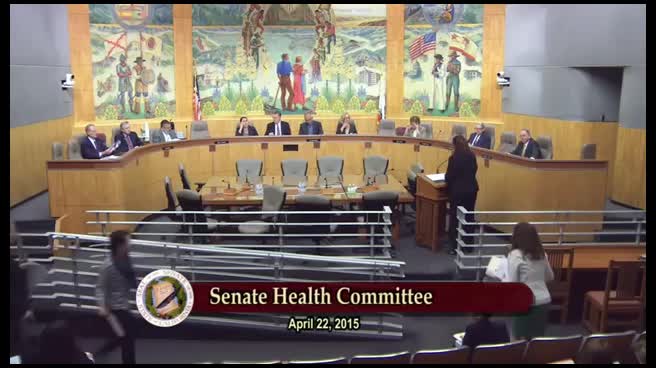
Bill Author

Bill Co-Author(s):