SB 320: Pupil fees: complaint of noncompliance: appeal procedures.
- Session Year: 2015-2016
- House: Senate
- Latest Version Date: 2015-09-10
Existing law prohibits a pupil enrolled in a public school from being required to pay a pupil fee for participation in an educational activity. Existing law authorizes a complaint of noncompliance to be filed with the principal of a school for violation of that prohibition, as specified, and required public schools to establish local policies and procedures to implement the complaint provisions.
This bill would prohibit a public school from establishing a local policy or procedure that authorizes the public school to resolve a complaint by providing a remedy to the complainant without also providing a remedy to all affected pupils, parents, and guardians, as provided. The bill would authorize the Superintendent of Public Instruction to ensure that an appeal that the State Department of Education finds merit in is resolved in a timely manner, as specified. The bill would establish procedures for appeals, including, among others, requiring a public school to provide to the department, within 60 days of the departments written decision, evidence documenting that the public school has complied with any corrective action specified in the written decision. By imposing additional duties on public schools and local educational agencies, the bill would impose a state-mandated local program.
The California Constitution requires the state to reimburse local agencies and school districts for certain costs mandated by the state. Statutory provisions establish procedures for making that reimbursement.
This bill would provide that, if the Commission on State Mandates determines that the bill contains costs mandated by the state, reimbursement for those costs shall be made pursuant to these statutory provisions.
Existing law prohibits a pupil enrolled in a public school from being required to pay a pupil fee for participation in an educational activity. Existing law authorizes a complaint of noncompliance to be filed with the principal of a school for violation of that prohibition, as specified, and required public schools to establish local policies and procedures to implement the complaint provisions.
This bill would prohibit a public school from establishing a local policy or procedure that authorizes the public school to resolve a complaint by providing a remedy to the complainant without also providing a remedy to all affected pupils, parents, and guardians, as provided. The bill would authorize the Superintendent of Public Instruction to ensure that an appeal that the State Department of Education finds merit in is resolved in a timely manner and would require the Superintendent, on or before June 30, 2016, to adopt regulations to govern the use of that authority, manner, as specified. The bill would establish procedures for appeals, including, among others, requiring a public school to provide to the department, within 60 days of the departments written decision, evidence documenting that the public school has complied with any corrective action specified in the written decision. By imposing additional duties on local educational agencies, the bill would impose a state-mandated local program.
The California Constitution requires the state to reimburse local agencies and school districts for certain costs mandated by the state. Statutory provisions establish procedures for making that reimbursement.
This bill would provide that, if the Commission on State Mandates determines that the bill contains costs mandated by the state, reimbursement for those costs shall be made pursuant to these statutory provisions.
Existing law prohibits a pupil enrolled in a public school from being required to pay a pupil fee for participation in an educational activity. Existing law authorizes a complaint of noncompliance to be filed with the principal of a school for violation of that prohibition, as specified, and required public schools to establish local policies and procedures to implement the complaint provisions.
This bill would prohibit a public school from establishing a local policy or procedure that authorizes the public school to resolve a complaint by providing a remedy to the complainant without also providing a remedy to all affected pupils, parents, and guardians, as provided. The bill would authorize the Superintendent of Public Instruction to ensure that an appeal that the State Department of Education finds merit in is resolved in a timely manner and would require the Superintendent, on or before June 30, 2016, to adopt regulations to govern the use of that authority, as specified.
Existing law prohibits a pupil enrolled in a public school from being required to pay a pupil fee for participation in an educational activity. Existing law authorizes a complaint of noncompliance to be filed with the principal of a school for violation of that prohibition, as specified, and required public schools to establish local policies and procedures to implement the complaint provisions.
This bill would make nonsubstantive changes to that provision. prohibit a public school from establishing a local policy or procedure that authorizes the public school to resolve a complaint by providing a remedy to the complainant without also providing a remedy to all affected pupils, parents, and guardians, as provided. The bill would authorize the Superintendent of Public Instruction to ensure that an appeal that the State Department of Education finds merit in is resolved in a timely manner and would require the Superintendent, on or before June 30, 2016, to adopt regulations to govern the use of that authority, as specified.
Existing law prohibits a pupil enrolled in a public school from being required to pay a pupil fee for participation in an educational activity.
This bill would make nonsubstantive changes to that provision.
(a)A complaint of noncompliance with the requirements of this article may be filed with the principal of a school under the Uniform Complaint Procedures set forth in Chapter 5.1 (commencing with Section 4600) of Division 1 of Title 5 of the California Code of Regulations.
(b)A complaint may be filed anonymously if the complaint provides evidence or information leading to evidence to support an allegation of noncompliance with the requirements of this article.
(c)A complainant not satisfied with the decision of a public school may appeal the decision to the department and shall receive a written appeal decision within 60 days of the departments receipt of the appeal.
(d)If a public school finds merit in a complaint, or the department finds merit in an appeal, the public school shall provide a remedy to all affected pupils, parents, and guardians that, where applicable, includes reasonable efforts by the public school to ensure full reimbursement to all affected pupils, parents, and guardians, subject to procedures established through regulations adopted by the state board.
(e)Information regarding the requirements of this article shall be included in the annual notification distributed to pupils, parents and guardians, employees, and other interested parties pursuant to Section 4622 of Title 5 of the California Code of Regulations.
(f)Public schools shall establish local policies and procedures to implement the provisions of this section on or before March 1, 2013. A public school shall not establish a local policy or procedure pursuant to this subdivision that authorizes the public school to resolve a complaint filed pursuant to this section, whether formally or informally, by providing a remedy to the complainant without also providing a remedy to all affected pupils, parents, and guardians, as required by subdivision (d).
(g)The Superintendent shall have all power and authority necessary to ensure that, when the department finds merit in an appeal filed pursuant to this section, the complaint is resolved pursuant to subdivision (d) in a timely manner.
(h)If the department finds merit in an appeal filed pursuant to this section, the departments written decision shall identify with specificity the corrective action that the public school shall take to confirm that it has provided a remedy to all affected pupils, including, if applicable, specific direction regarding the reasonable efforts the public school shall take to ensure full reimbursement to all affected pupils.
(i)If the public school failed to address an issue raised in the complaint filed pursuant to this section in the public schools decision about that complaint, the department shall require the public school to respond to the issue within 10 business days and, after providing this opportunity to respond, the department shall make findings on the merit of the appeal without remanding the complaint to the public school for further consideration, regardless of whether the public school provided the required response.
(j)If the complainant submits evidence in conjunction with the appeal that is related to an issue raised in the underlying complaint and that is presented for the first time on appeal, the department shall determine whether there is merit in the appeal regardless of the newly submitted evidence. If the department determines there is merit in the appeal, the department shall resolve the underlying complaint. If the department determines there is not merit in the appeal, the department shall send the underlying complaint and new evidence back to the public school for further consideration.
(k)If the complainant raises one or more issues on appeal that were not presented in the underlying complaint, the department shall remand any new issue to the public school to treat as a newly filed complaint as provided in this section, but shall resolve the remainder of the appeal as provided in this section.
(l)A public school shall provide to the department, within 60 days of the departments written decision, evidence documenting that the public school has complied with any corrective action specified in the written decision and the requirements of subdivision (d).
(m)If the public school has not satisfied the requirement in subdivision (l), the superintendent of the school district or the county office of education or the principal of the charter school, as appropriate based on the public school involved in the underlying complaint, shall appear at the next regularly scheduled meeting of the governing board or body of the public school to explain the public schools failure to satisfy that requirement.
SEC. 2.If the Commission on State Mandates determines that this act contains costs mandated by the state, reimbursement to local agencies and school districts for those costs shall be made pursuant to Part 7 (commencing with Section 17500) of Division 4 of Title 2 of the Government Code.
(a)A complaint of noncompliance with the requirements of this article may be filed with the principal of a school under the Uniform Complaint Procedures set forth in Chapter 5.1 (commencing with Section 4600) of Division 1 of Title 5 of the California Code of Regulations.
(b)A complaint may be filed anonymously if the complaint provides evidence or information leading to evidence to support an allegation of noncompliance with the requirements of this article.
(c)A complainant not satisfied with the decision of a public school may appeal the decision to the department and shall receive a written appeal decision within 60 days of the departments receipt of the appeal.
(d)If a public school finds merit in a complaint, or the department finds merit in an appeal, the public school shall provide a remedy to all affected pupils, parents, and guardians that, where applicable, includes reasonable efforts by the public school to ensure full reimbursement to all affected pupils, parents, and guardians, subject to procedures established through regulations adopted by the state board.
(e)Information regarding the requirements of this article shall be included in the annual notification distributed to pupils, parents and guardians, employees, and other interested parties pursuant to Section 4622 of Title 5 of the California Code of Regulations.
(f)Public schools shall establish local policies and procedures to implement the provisions of this section on or before March 1, 2013. A public school shall not establish a local policy or procedure pursuant to this subdivision that authorizes the public school to resolve a complaint filed pursuant to this section, whether formally or informally, by providing a remedy to the complainant without also providing a remedy to all affected pupils, parents, and guardians, as required by subdivision (d).
(g)The Superintendent shall have all power and authority necessary to ensure that, when the department finds merit in an appeal filed pursuant to this section, the complaint is resolved pursuant to subdivision (d) in a timely manner. On or before June 30, 2016, the Superintendent shall adopt regulations to govern the use of this authority. The regulations shall include, but are not limited to, provisions that do all of the following:
(1)Specify that, if
(h)If the department finds merit in an appeal filed pursuant to this section, the departments written decision shall identify with specificity the corrective action that the public school shall take to confirm that it has provided a remedy to all affected pupils, including, if applicable, specific direction regarding the reasonable efforts the public school shall take to ensure full reimbursement to all affected pupils.
(2)Specify that, if
(i)If the public school failed to address an issue raised in the complaint filed pursuant to this section in the public schools decision about that complaint, the department shall require the public school to respond to the issue within 10 business days and, after providing this opportunity to respond, the department shall make findings on the merit of the appeal without remanding the complaint to the public school for further consideration, regardless of whether the public school provided the required response.
(3)Specify that, if
(j)If the complainant submits evidence in conjunction with the appeal that is related to an issue raised in the underlying complaint and that is presented for the first time on appeal, the department shall notify the public school of the new evidence and provide the public school with 10 business days to respond to the new evidence, and, after providing this opportunity to respond, the department shall make findings on the merit of the appeal without remanding the complaint to the public school for further consideration, regardless of whether the public school provided the required response. determine whether there is merit in the appeal regardless of the newly submitted evidence. If the department determines there is merit in the appeal, the department shall resolve the underlying complaint. If the department determines there is not merit in the appeal, the department shall send the underlying complaint and new evidence back to the public school for further consideration.
(4)Specify that, if
(k)If the complainant raises one or more issues on appeal that were not presented in the underlying complaint, the department shall remand any new issue to the public school to treat as a newly filed complaint as provided in this section, but shall resolve the remainder of the appeal as provided in this section.
(5)Require the
(l)A public school to shall provide to the department, within 60 days of the departments written decision, evidence documenting that the public school has complied with any corrective action specified in the written decision and the requirements of subdivision (d).
(6)
(m)If the public school has not satisfied the requirement in paragraph (5), require subdivision (l), the superintendent of the school district or the county office of education or the principal of the charter school, as appropriate based on the public school involved in the underlying complaint, to shall appear at the next regularly scheduled meeting of the state governing board or body of the public school to explain the public schools failure to satisfy that requirement.
SEC. 2.If the Commission on State Mandates determines that this act contains costs mandated by the state, reimbursement to local agencies and school districts for those costs shall be made pursuant to Part 7 (commencing with Section 17500) of Division 4 of Title 2 of the Government Code.
(a)A complaint of noncompliance with the requirements of this article may be filed with the principal of a school under the Uniform Complaint Procedures set forth in Chapter 5.1 (commencing with Section 4600) of Division 1 of Title 5 of the California Code of Regulations.
(b)A complaint may be filed anonymously if the complaint provides evidence or information leading to evidence to support an allegation of noncompliance with the requirements of this article.
(c)A complainant not satisfied with the decision of a public school may appeal the decision to the department and shall receive a written appeal decision within 60 days of the departments receipt of the appeal.
(d)If a public school finds merit in a complaint, or the department finds merit in an appeal, the public school shall provide a remedy to all affected pupils, parents, and guardians that, where applicable, includes reasonable efforts by the public school to ensure full reimbursement to all affected pupils, parents, and guardians, subject to procedures established through regulations adopted by the state board.
(e)Information regarding the requirements of this article shall be included in the annual notification distributed to pupils, parents and guardians, employees, and other interested parties pursuant to Section 4622 of Title 5 of the California Code of Regulations.
(f)Public schools shall establish local policies and procedures to implement the provisions of this section on or before March 1, 2013. A public school shall not establish a local policy or procedure pursuant to this subdivision that authorizes the public school to resolve a complaint filed pursuant to this section, whether formally or informally, by providing a remedy to the complainant without also providing a remedy to all affected pupils, parents, and guardians, as required by subdivision (d).
(g)The Superintendent shall have all power and authority necessary to ensure that, when the department finds merit in an appeal filed pursuant to this section, the complaint is resolved pursuant to subdivision (d) in a timely manner. On or before June 30, 2016, the Superintendent shall adopt regulations to govern the use of this authority. The regulations shall include, but are not limited to, provisions that do all of the following:
(1)Specify that, if the department finds merit in an appeal filed pursuant to this section, the departments written decision shall identify with specificity the corrective action that the public school must shall take to confirm that it has provided a remedy to all affected pupils, including, if applicable, specific direction regarding the reasonable efforts the public school shall take to ensure full reimbursement to all affected pupils.
(2)Specify that the department may that, if the public school failed to address an issue raised in the complaint filed pursuant to this section in the public schools decision about that complaint, the department shall require the public school to respond to the issue within 10 business days and, after providing this opportunity to respond, the department shall make findings on the merit of the appeal without remanding the complaint to the public school for further consideration, regardless of whether the public school addressed an issue in its decision about the underlying complaint, and may rely on evidence presented for the first time on appeal, if the department concludes such evidence is reliable. provided the required response.
(3)Specify that, if the complainant submits evidence in conjunction with the appeal that is related to an issue raised in the underlying complaint and that is presented for the first time on appeal, the department shall notify the public school of the new evidence and provide the public school with 10 business days to respond to the new evidence, and, after providing this opportunity to respond, the department shall make findings on the merit of the appeal without remanding the complaint to the public school for further consideration, regardless of whether the public school provided the required response.
(4)Specify that, if the complainant raises one or more issues on appeal that were not presented in the underlying complaint, the department shall remand any new issue to the public school to treat as a newly filed complaint as provided in this section, but shall resolve the remainder of the appeal as provided in this section.
(3)
(5)Require the public school to provide to the department, within 60 days of the departments written decision, evidence documenting that the public school has complied with any corrective action specified in the written decision and the requirements of subdivision (d).
(4)
(6)If the public school has not satisfied the requirement in paragraph (3), (5), require the superintendent of the school district or the county office of education or the principal of the charter school, as appropriate based on the public school involved in the underlying complaint, to appear at the next regularly scheduled meeting of the state board to explain the public schools failure to satisfy that requirement.
(a)A complaint of noncompliance with the requirements of this article may be filed with the principal of a school under the Uniform Complaint Procedures set forth in Chapter 5.1 (commencing with Section 4600) of Division 1 of Title 5 of the California Code of Regulations.
(b)A complaint may be filed anonymously if the complaint provides evidence or information leading to evidence to support an allegation of noncompliance with the requirements of this article.
(c)A complainant not satisfied with the decision of a public school may appeal the decision to the department and shall receive a written appeal decision within 60 days of the departments receipt of the appeal.
(d)If a public school finds merit in a complaint, or the department finds merit in an appeal, the public school shall provide a remedy to all affected pupils, parents, and guardians that, where applicable, includes reasonable efforts by the public school to ensure full reimbursement to all affected pupils, parents, and guardians, subject to procedures established through regulations adopted by the state board.
(e)Information regarding the requirements of this article shall be included in the annual notification distributed to pupils, parents and guardians, employees, and other interested parties pursuant to Section 4622 of Title 5 of the California Code of Regulations.
(f)Public schools shall establish local policies and procedures to implement the provisions of this section on or before March 1, 2013. A public school shall not establish a local policy or procedure pursuant to this subdivision that authorizes the public school to resolve a complaint filed pursuant to this section, whether formally or informally, by providing a remedy to the complainant without also providing a remedy to all affected pupils, parents, and guardians, as required by subdivision (d).
(g)The Superintendent shall have all power and authority necessary to ensure that, when the department finds merit in an appeal filed pursuant to this section, the complaint is resolved pursuant to subdivision (d) in a timely manner. On or before June 30, 2016, the Superintendent shall adopt regulations to govern the use of this authority. The regulations shall include, but are not limited to, provisions that do all of the following:
(1)Specify that, if the department finds merit in an appeal filed pursuant to this section, the departments written decision shall identify with specificity the corrective action that the public school must take to confirm that it has provided a remedy to all affected pupils, including, if applicable, specific direction regarding the reasonable efforts the public school shall take to ensure full reimbursement to all affected pupils.
(2)Specify that the department may make findings on the merit of the appeal without remanding the complaint to the public school for further consideration, regardless of whether the public school addressed an issue in its decision about the underlying complaint, and may rely on evidence presented for the first time on appeal, if the department concludes such evidence is reliable.
(3)Require the public school to provide to the department, within 60 days of the departments written decision, evidence documenting that the public school has complied with any corrective action specified in the written decision and the requirements of subdivision (d).
(4)If the public school has not satisfied the requirement in paragraph (3), require the superintendent of the school district or the county office of education or the principal of the charter school, as appropriate based on the public school involved in the underlying complaint, to appear at the next regularly scheduled meeting of the state board to explain the public schools failure to satisfy that requirement.
SECTION 1.Section 49011 of the Education Code is amended to read:49011.(a)A pupil enrolled in a public school shall not be required to pay a pupil fee for participation in an educational activity.
(b)All of the following requirements apply to the prohibition specified in subdivision (a):
(1)All supplies, materials, and equipment needed to participate in educational activities shall be provided to pupils free of charge.
(2)A fee waiver policy shall not make a pupil fee permissible.
(3)School districts and schools shall not establish a two-tier educational system by requiring a minimal educational standard and also offering a second, higher educational standard that pupils may only obtain through the payment of a fee or purchase of additional supplies that the school district or school does not provide.
(4)A school district or school shall not offer course credit or privileges related to educational activities in exchange for money or donations of goods or services from a pupil or a pupils parents or guardians, and a school district or school shall not remove course credit or privileges related to educational activities, or otherwise discriminate against a pupil, because the pupil or the pupils parents or guardians did not or will not provide money or donations of goods or services to the school district or school.
(c)This article shall not be interpreted to prohibit the solicitation of voluntary donations of funds or property, voluntary participation in fundraising activities, or school districts, schools, or other entities from providing pupils prizes or other recognition for voluntarily participating in fundraising activities.
(d)This article applies to all public schools, including, but not limited to, charter schools and alternative schools.
(e)This article is declarative of existing law and shall not be interpreted to prohibit the imposition of a fee, deposit, or other charge otherwise authorized by law.
(a)A pupil enrolled in a public school shall not be required to pay a pupil fee for participation in an educational activity.
(b)All of the following requirements apply to the prohibition identified specified in subdivision (a):
(1)All supplies, materials, and equipment needed to participate in educational activities shall be provided to pupils free of charge.
(2)A fee waiver policy shall not make a pupil fee permissible.
(3)School districts and schools shall not establish a two-tier educational system by requiring a minimal educational standard and also offering a second, higher educational standard that pupils may only obtain through the payment of a fee or purchase of additional supplies that the school district or school does not provide.
(4)A school district or school shall not offer course credit or privileges related to educational activities in exchange for money or donations of goods or services from a pupil or a pupils parents or guardians, and a school district or school shall not remove course credit or privileges related to educational activities, or otherwise discriminate against a pupil, because the pupil or the pupils parents or guardians did not or will not provide money or donations of goods or services to the school district or school.
(c)This article shall not be interpreted to prohibit the solicitation of voluntary donations of funds or property, voluntary participation in fundraising activities, or school districts, schools, and or other entities from providing pupils prizes or other recognition for voluntarily participating in fundraising activities.
(d)This article applies to all public schools, including, but not limited to, charter schools and alternative schools.
(e)This article is declarative of existing law and shall not be interpreted to prohibit the imposition of a fee, deposit, or other charge otherwise allowed authorized by law.
|
Date
|
Status
|
|---|---|
| Apr 25, 2016 | Last day to consider Governors veto pursuant to Joint Rule 58.5. |
| Apr 25, 2016 | Last day to consider Governor’s veto pursuant to Joint Rule 58.5. |
| Oct 9, 2015 | In Senate. Consideration of Governor's veto pending. |
| Oct 9, 2015 | Vetoed by the Governor. |
| Sep 11, 2015 | Enrolled and presented to the Governor at 10:45 p.m. |
| Sep 10, 2015 | Assembly amendments concurred in. (Ayes 40. Noes 0. Page 2664.) Ordered to engrossing and enrolling. |
| Sep 10, 2015 | Assembly amendments concurred in. (Ayes 40. Noes 0.) Ordered to engrossing and enrolling. |
| Sep 10, 2015 | Assembly amendments concurred in. (Ayes 39. Noes 0.) Ordered to engrossing and enrolling. |
| Sep 8, 2015 | Read third time. Passed. (Ayes 78. Noes 0. Page 2952.) Ordered to the Senate. |
| Sep 8, 2015 | In Senate. Concurrence in Assembly amendments pending. |
| Sep 8, 2015 | Read third time. Passed. Ordered to the Senate. |
| Sep 4, 2015 | Ordered to third reading. |
| Sep 4, 2015 | Read third time and amended. |
| Aug 28, 2015 | Read second time. Ordered to third reading. |
| Aug 28, 2015 | From committee: Do pass. (Ayes 17. Noes 0.) (August 27). |
| Aug 19, 2015 | August 19 set for first hearing. Placed on APPR. suspense file. |
| Jul 16, 2015 | From committee: Do pass and re-refer to Com. on APPR. with recommendation: To consent calendar. (Ayes 7. Noes 0.) (July 15). Re-referred to Com. on APPR. |
| Jun 30, 2015 | From committee with author's amendments. Read second time and amended. Re-referred to Com. on ED. |
| Jun 15, 2015 | Referred to Com. on ED. |
| Jun 2, 2015 | In Assembly. Read first time. Held at Desk. |
| Jun 1, 2015 | Read third time. Passed. (Ayes 39. Noes 0. Page 1190.) Ordered to the Assembly. |
| Jun 1, 2015 | Read third time. Passed. (Ayes 39. Noes 0.) Ordered to the Assembly. |
| May 28, 2015 | Read second time. Ordered to third reading. |
| May 28, 2015 | From committee: Do pass. (Ayes 6. Noes 1. Page 1151.) (May 28). |
| May 28, 2015 | From committee: Do pass. (Ayes 6. Noes 1.) (May 28). |
| May 23, 2015 | Set for hearing May 28. |
| May 11, 2015 | May 11 hearing: Placed on APPR. suspense file. |
| May 1, 2015 | Set for hearing May 11. |
| Apr 22, 2015 | From committee: Do pass and re-refer to Com. on APPR. (Ayes 9. Noes 0. Page 722.) (April 22). Re-referred to Com. on APPR. |
| Apr 10, 2015 | Set for hearing April 22. |
| Apr 7, 2015 | Re-referred to Com. on ED. |
| Mar 26, 2015 | From committee with author's amendments. Read second time and amended. Re-referred to Com. on RLS. |
| Mar 5, 2015 | Referred to Com. on RLS. |
| Feb 24, 2015 | From printer. May be acted upon on or after March 26. |
| Feb 23, 2015 | Introduced. Read first time. To Com. on RLS. for assignment. To print. |
|
Date
|
Description
|
Location
|
Votes
|
|
|---|---|---|---|---|
| Sep 10, 2015 | Unfinished Business SB320 Lara Concurrence | Senate Floor |
Passed |
|
| Sep 8, 2015 | SB 320 Lara Senate Third Reading By THURMOND | Assembly Floor |
Passed |
|
| Aug 27, 2015 | Do pass. | Assembly Standing Committee on Appropriations |
Passed |
|
| Jul 15, 2015 | Do pass and be re-referred to the Committee on [Appropriations] with recommendation: To Consent Calendar | Assembly Standing Committee on Education |
Passed |
|
| Jun 1, 2015 | Senate 3rd Reading SB320 Lara | Senate Floor |
Passed |
|
| May 28, 2015 | Do pass | Senate Standing Committee on Appropriations |
Passed |
|
| May 11, 2015 | Placed on suspense file | Senate Standing Committee on Appropriations |
Passed |
|
| Apr 22, 2015 | Do pass, but first be re-referred to the Committee on [Appropriations] | Senate Standing Committee on Education |
Passed |
This list shows positions taken on this bill by organizations on the date displayed, which is linked to the original source.
Positions by individuals are not included.
SB 320
Page 5
|
Office of Senate Floor Analyses (916) 651-1520 Fax: (916) 327-4478 |
SB 320 |
VETO
Bill No: SB 320
Amended: 9/4/15
SENATE EDUCATION COMMITTEE: 9-0, 4/22/15
AYES: Liu, Runner, Block, Hancock, Leyva, Mendoza, Monning, Pan, Vidak
SENATE APPROPRIATIONS COMMITTEE: 6-1, 5/28/15
AYES: Lara, Bates, Beall, Hill, Leyva, Mendoza
NOES: Nielsen
SENATE FLOOR: 39-0, 6/1/15
AYES: Anderson, Bates, Beall, Berryhill, Block, Cannella, De León, Fuller, Gaines, Galgiani, Glazer, Hall, Hancock, Hernandez, Hertzberg, Hill, Hueso, Huff, Jackson, Lara, Leno, Leyva, Liu, McGuire, Mendoza, Mitchell, Monning, Moorlach, Morrell, Nguyen, Nielsen, Pan, Pavley, Roth, Runner, Stone, Vidak, Wieckowski, Wolk
NO VOTE RECORDED: Allen
SENATE FLOOR: 40-0, 9/10/15
AYES: Allen, Anderson, Bates, Beall, Berryhill, Block, Cannella, De León, Fuller, Gaines, Galgiani, Glazer, Hall, Hancock, Hernandez, Hertzberg, Hill, Hueso, Huff, Jackson, Lara, Leno, Leyva, Liu, McGuire, Mendoza, Mitchell, Monning, Moorlach, Morrell, Nguyen, Nielsen, Pan, Pavley, Roth, Runner, Stone, Vidak, Wieckowski, Wolk
ASSEMBLY FLOOR: 78-0, 9/8/15 - See last page for vote
SUBJECT: Pupil fees: complaint of noncompliance: appeal procedures
DIGEST: This bill authorizes the Superintendent of Public Instruction (SPI) to ensure appeals regarding pupil fees are resolved in a timely manner and prohibits a school from establishing a local policy that authorizes resolution of a complaint by only providing a remedy to the complainant without also providing a remedy to all affected students, parents, and guardians.
Existing law:
Establishes that state-supported educational opportunities have a right to be enjoyed without regard to economic status and prohibits school officials from requiring any pupil, except for pupils in classes for adults, to purchase any instructional material for the pupils’ use in the school. (Education Code § 51004 and § 60070)
Specifies that a pupil enrolled in a school shall not be required to pay a pupil fee, deposit or other charge imposed for participation in any educational activity offered by a school, school district, charter school, or county office of education that constitutes an integral fundamental part of elementary and secondary education including curricular and extracurricular activities. (EC § 49011 and § 49010)
Provides that a complaint regarding pupil fees may be filed with the principal of a school under the Uniform Complaint Procedures (UCP). The complaint may be filed anonymously. If a public school finds merit in the complaint, then the public school is required to provide a remedy to all affected pupils, parents and guardians that, where applicable, includes reasonable efforts to ensure full reimbursement. A complainant who is dissatisfied with a local educational agency’s (LEA’s) decision may appeal the decision to the California Department of Education (CDE). The complainant shall receive a written appeal decision within 60 days of CDE’s receipt of the appeal. (EC § 49013)
This bill:
Prohibits a school from establishing a local policy that authorizes resolution of a complaint by only providing a remedy to the complainant without also providing a remedy to all affected students, parents, and guardians.
Delegates all power and authority necessary to the SPI to ensure timely resolution of any compliant found by CDE to have merit.
Requires CDE to take the following action:
If CDE finds merit in an appeal, the Department’s written decision must identify with specificity the corrective action that the school must take to remedy all affect students.
CDE may make findings on the merit of the appeal without remanding the compliant to the public school for further consideration.
If the complainant submits new evidence in conjunction with the appeal, as specified and the CDE determines there is merit in the appeal, the CDE shall resolve the underlying complaint. If the CDE determines there is not merit in the appeal, it shall send the underlying complaint and new evidence back to the public school for further consideration.
Require the school to provide evidence documenting that the school has complied with any corrective action, within 60 days of the Department’s written decision.
If the school fails to provide corrective action, require the appropriate representative of a school district, county office of education, or charter school, as specified, to appear before the local governing board or body to explain the school’s failure to fulfill that requirement.
Comments
Need for the bill. According to the author, despite existing law, some schools continue to charge unlawful school fees, and the complaint process does not always function in the manner intended. Subsequently, parents have reported that schools continue to resolve complaints by reimbursing only the family that filed the complaint and have experienced long delays in the process due to appeals going back and forth from CDE and the school. This bill seeks to strengthen the local pupil fee complaint process and CDE’s authority over appeals in order to improve the process for parents while establishing clear guidelines for schools.
What is a pupil fees complaint? According to CDE, an unlawful pupil fees complaint is a written statement alleging violation of a federal or state law or regulation related to noncompliance with laws relating to pupil fees. A complaint alleging a violation must be filed with the school through UCPs outlined in regulations (CCR, Title 5, §§ 4600-4687 and EC §§ 4910-49013).
These procedures include among other things:
Upon filing the school has 60 days to complete the investigation and prepare a final report.
If there is disagreement with the school’s decision, the complainant can submit an appeal to CDE within 15 days of receiving the final decision.
If CDE finds merit in the complaint, the school is required to provide a remedy to all affected students, parents, and guardians where applicable.
This bill statutorily clarifies the specific procedure which must be followed by a school district in order to remedy a complaint. It also clearly delegates power and authority to the SPI to ensure timely resolution of any complaints found by CDE to have merit.
FISCAL EFFECT: Appropriation: No Fiscal Com.: Yes Local: Yes
According to the Senate Appropriations Committee:
This bill results in unknown, but potentially significant, costs for schools to comply with the additional requirements related to student fee complaints.
CDE indicates the need for 1.5 additional positions and $192,000 General Fund to implement the requirements of this bill. However, it appears that the majority of the workload imposed by this bill may be temporary in nature.
American Civil Liberties Union
California Association for Bilingual Education
California Teachers Association
Californians Together
OPPOSITION: (Verified 10/29/15)
None received
GOVERNOR'S VETO MESSAGE:
I am returning Senate Bill 320 without my signature.
This bill would modify the Uniform Complaint Procedures for pupil fee complaints by creating unique timelines for these types of appeals.
Creating unique timelines for certain types of complaints makes the "Uniform Complaint Procedures" decidedly less uniform. I do not think we should pursue such a piecemeal approach.
ASSEMBLY FLOOR: 78-0, 9/8/15
AYES: Achadjian, Alejo, Travis Allen, Baker, Bigelow, Bloom, Bonilla, Bonta, Brough, Brown, Burke, Calderon, Campos, Chang, Chau, Chiu, Chu, Cooley, Cooper, Dababneh, Dahle, Daly, Dodd, Eggman, Frazier, Beth Gaines, Gallagher, Cristina Garcia, Eduardo Garcia, Gatto, Gipson, Gomez, Gonzalez, Gordon, Gray, Grove, Hadley, Harper, Roger Hernández, Holden, Irwin, Jones, Jones-Sawyer, Kim, Lackey, Levine, Linder, Lopez, Low, Maienschein, Mathis, Mayes, McCarty, Medina, Melendez, Mullin, Nazarian, Obernolte, O'Donnell, Olsen, Patterson, Perea, Quirk, Rendon, Ridley-Thomas, Rodriguez, Salas, Santiago, Steinorth, Mark Stone, Thurmond, Ting, Wagner, Weber, Wilk, Williams, Wood, Atkins
NO VOTE RECORDED: Chávez, Waldron
Prepared by: Olgalilia Ramirez / ED. / (916) 651-4105
11/4/15 13:34:17
**** END ****
SB 320
Page 5
|
Office of Senate Floor Analyses (916) 651-1520 Fax: (916) 327-4478 |
UNFINISHED BUSINESS
Bill No: SB 320
Amended: 9/4/15
SENATE EDUCATION COMMITTEE: 9-0, 4/22/15
AYES: Liu, Runner, Block, Hancock, Leyva, Mendoza, Monning, Pan, Vidak
SENATE APPROPRIATIONS COMMITTEE: 6-1, 5/28/15
AYES: Lara, Bates, Beall, Hill, Leyva, Mendoza
NOES: Nielsen
SENATE FLOOR: 39-0, 6/1/15
AYES: Anderson, Bates, Beall, Berryhill, Block, Cannella, De León, Fuller, Gaines, Galgiani, Glazer, Hall, Hancock, Hernandez, Hertzberg, Hill, Hueso, Huff, Jackson, Lara, Leno, Leyva, Liu, McGuire, Mendoza, Mitchell, Monning, Moorlach, Morrell, Nguyen, Nielsen, Pan, Pavley, Roth, Runner, Stone, Vidak, Wieckowski, Wolk
NO VOTE RECORDED: Allen
ASSEMBLY FLOOR: 78-0, 9/8/15 - See last page for vote
SUBJECT: Pupil fees: complaint of noncompliance: appeal procedures
DIGEST: This bill authorizes the Superintendent of Public Instruction (SPI) to ensure appeals regarding pupil fees are resolved in a timely manner and prohibits a school from establishing a local policy that authorizes resolution of a complaint by only providing a remedy to the complainant without also providing a remedy to all affected students, parents, and guardians.
Assembly Amendments:
Codify provisions authorizing the SPI to ensure complaints are resolved in a timely manner rather than require the California Department of Education (CDE) to develop regulations.
Delete requirements to notify and provide a public school with time to respond to new evidence submitted in conjunction with an appeal before its considered by CDE and instead CDE is authorized to determine the merit of an appeal regardless of the newly submitted evidence and resolve the underlying compliant, as specified.
Require the specified public school representative to appear before the governing board or body of the involved public school rather than the State Board of Education.
ANALYSIS:
Existing law:
Establishes that state-supported educational opportunities have a right to be enjoyed without regard to economic status and prohibits school officials from requiring any pupil, except for pupils in classes for adults, to purchase any instructional material for the pupils’ use in the school. (Education Code § 51004 and § 60070)
Specifies that a pupil enrolled in a school shall not be required to pay a pupil fee, deposit or other charge imposed for participation in any educational activity offered by a school, school district, charter school, or county office of education that constitutes an integral fundamental part of elementary and secondary education including curricular and extracurricular activities. (EC § 49011 and § 49010)
Provides that a complaint regarding pupil fees may be filed with the principal of a school under the Uniform Complaint Procedures (UCP). The complaint may be filed anonymously. If a public school finds merit in the complaint, then the public school is required to provide a remedy to all affected pupils, parents and guardians that, where applicable, includes reasonable efforts to ensure full reimbursement. A complainant who is dissatisfied with a local educational agency’s (LEA’s) decision may appeal the decision to CDE. The complainant shall receive a written appeal decision within 60 days of CDE’s receipt of the appeal. (EC § 49013)
This bill:
Prohibits a school from establishing a local policy that authorizes resolution of a complaint by only providing a remedy to the complainant without also providing a remedy to all affected students, parents, and guardians.
Delegates all power and authority necessary to the SPI to ensure timely resolution of any compliant found by CDE to have merit.
Requires CDE to take the following action:
If CDE finds merit in an appeal, the Department’s written decision must identify with specificity the corrective action that the school must take to remedy all affect students.
CDE may make findings on the merit of the appeal without remanding the compliant to the public school for further consideration.
If the complainant submits new evidence in conjunction with the appeal, as specified and the CDE determines there is merit in the appeal, the CDE shall resolve the underlying complaint. If the CDE determines there is not merit in the appeal, it shall send the underlying complaint and new evidence back to the public school for further consideration.
Require the school to provide evidence documenting that the school has complied with any corrective action, within 60 days of the Department’s written decision.
If the school fails to provide corrective action, require the appropriate representative of a school district, county office of education, or charter school, as specified, to appear before the local governing board or body to explain the school’s failure to fulfill that requirement.
Comments
Need for the bill. According to the author, despite existing law, some schools continue to charge unlawful school fees, and the complaint process does not always function in the manner intended. Subsequently, parents have reported that schools continue to resolve complaints by reimbursing only the family that filed the complaint and have experienced long delays in the process due to appeals going back and forth from CDE and the school. This bill seeks to strengthen the local pupil fee complaint process and CDE’s authority over appeals in order to improve the process for parents while establishing clear guidelines for schools.
What is a pupil fees complaint? According to CDE, an unlawful pupil fees complaint is a written statement alleging violation of a federal or state law or regulation related to noncompliance with laws relating to pupil fees. A complaint alleging a violation must be filed with the school through UCPs outlined in regulations (CCR, Title 5, §§ 4600-4687 and EC §§ 4910-49013).
These procedures include among other things:
Upon filing the school has 60 days to complete the investigation and prepare a final report.
If there is disagreement with the school’s decision, the complainant can submit an appeal to CDE within 15 days of receiving the final decision.
If CDE finds merit in the complaint, the school is required to provide a remedy to all affected students, parents, and guardians where applicable.
This bill statutorily clarifies the specific procedure which must be followed by a school district in order to remedy a complaint. It also clearly delegates power and authority to the SPI to ensure timely resolution of any complaints found by CDE to have merit.
FISCAL EFFECT: Appropriation: No Fiscal Com.: Yes Local: Yes
According to the Senate Appropriations Committee:
This bill results in unknown, but potentially significant, costs for schools to comply with the additional requirements related to student fee complaints.
CDE indicates the need for 1.5 additional positions and $192,000 General Fund to implement the requirements of this bill. However, it appears that the majority of the workload imposed by this bill may be temporary in nature.
American Civil Liberties Union
California Association for Bilingual Education
California Teachers Association
Californians Together
None received
ASSEMBLY FLOOR: 78-0, 9/8/15
AYES: Achadjian, Alejo, Travis Allen, Baker, Bigelow, Bloom, Bonilla, Bonta, Brough, Brown, Burke, Calderon, Campos, Chang, Chau, Chiu, Chu, Cooley, Cooper, Dababneh, Dahle, Daly, Dodd, Eggman, Frazier, Beth Gaines, Gallagher, Cristina Garcia, Eduardo Garcia, Gatto, Gipson, Gomez, Gonzalez, Gordon, Gray, Grove, Hadley, Harper, Roger Hernández, Holden, Irwin, Jones, Jones-Sawyer, Kim, Lackey, Levine, Linder, Lopez, Low, Maienschein, Mathis, Mayes, McCarty, Medina, Melendez, Mullin, Nazarian, Obernolte, O'Donnell, Olsen, Patterson, Perea, Quirk, Rendon, Ridley-Thomas, Rodriguez, Salas, Santiago, Steinorth, Mark Stone, Thurmond, Ting, Wagner, Weber, Wilk, Williams, Wood, Atkins
NO VOTE RECORDED: Chávez, Waldron
Prepared by: Olgalilia Ramirez / ED. / (916) 651-4105
9/8/15 21:51:49
**** END ****
SB 320
Page 3
SENATE THIRD READING
SB 320
(Lara)
As Amended September 4, 2015
Majority vote
SENATE VOTE: 39-0
Committee |
Votes |
Ayes |
Noes |
Education |
7-0 |
O'Donnell, Chávez, Kim, McCarty, Santiago, Thurmond, Weber |
|
Appropriations |
17-0 |
Gomez, Bigelow, Bloom, Bonta, Calderon, Chang, Nazarian, Eggman, Gallagher, Eduardo Garcia, Holden, Jones, Quirk, Rendon, Wagner, Weber, Wood |
|
SUMMARY: Prohibits a public school from establishing a local policy or procedure that authorizes the public school to resolve a complaint regarding assessment of pupil fees, whether formally or informally, by providing a remedy to the complainant without also providing a remedy to all affected pupils, parents, and guardians. Specifically, this bill:
Provides the Superintendent of Public Instruction (SPI) all power and authority necessary to ensure that, when the California Department of Education (CDE) finds merit in an appeal filed relative to pupil fee complaints, the complaint is resolved in a timely manner.
Requires the CDE to take the following actions:
If the CDE finds merit in an appeal, its written decision shall identify the corrective action that the public school shall take to confirm that it has provided a remedy to all affected pupils, including, if applicable, specific direction regarding the reasonable efforts the public school shall take to ensure full reimbursement to all affected pupils.
If the public school failed to address an issue raised in the complaint of the public school’s decision about that complaint, the CDE shall require the public school to respond to the issue within 10 business days and, after providing this opportunity to respond, the CDE is required to make findings on the merit of the appeal without remanding the complaint to the public school for further consideration, regardless of whether the public school provided the required response.
If the complainant submits evidence in conjunction with the appeal that is related to an issue raised in the underlying complaint and that is presented for the first time on appeal and the CDE determines there is merit in the appeal, the CDE shall resolve the underlying complaint. If the CDE determines there is not merit in the appeal, it shall send the underlying complaint and new evidence back to the public school for further consideration.
If the complainant raises one or more issues on appeal that were not presented in the underlying complaint, the CDE shall remand any new issue to the public school to treat as a newly filed complaint, but is required to resolve the remainder of the appeal.
Requires a public school to provide to the CDE, within 60 days of CDE's written decision, evidence documenting that the public school has complied with any corrective action specified in the written decision as specified. If the public school has not satisfied this requirement, the superintendent of the school district or the county office of education or the principal of the charter school, as appropriate based on the public school involved in the underlying complaint, will be required to appear at the next regularly scheduled meeting of the governing board to explain the public school's failure to satisfy that requirement.
FISCAL EFFECT: According to the Assembly Appropriations Committee:
General Fund costs to the California Department of Education of approximately $315,000 for increased administrative and legal workload. Increased workload includes: regulatory review, updating existing Uniform Complaint Procedures (UCP), revision of compliance monitoring processes, review of identified fees-related deficiencies, and provision of on-site direct investigations where new evidence is presented or an LEA fails to address an issue on appeal. Legal counsel will also be needed to consult and train staff on the appellate review process and to review appeal decisions and the increased number of direct investigation reports.
Unknown Proposition 98 (1988)/General Fund costs, potentially in the low thousands, for schools and school districts to address issues of noncompliance. For example, schools could incur costs to refute new evidence of noncompliance presented on appeal. Further, this bill requires the superintendent of the school district or county office of education, as applicable, to appear before the State Board of Education (SBE) if the public school that they oversee fails to provide evidence that they have complied with CDE's recommended corrective action within 60 days. School level and district level resources will be needed to gather documentation to prove compliance and travel to the SBE meeting, if necessary.
COMMENTS:
Background. In September 2010 the American Civil Liberties Union (ACLU) filed a class action lawsuit alleging the unconstitutional assessment of pupil fees by school districts [Jane Doe, et al. v. State of California]. The lawsuit followed an August 2010 report from the ACLU that documented more than 50 public school districts that required pupils to pay fees for textbooks, workbooks, science labs, physical education uniforms, classroom materials, and extracurricular activities.
In December 2010, Governor Schwarzenegger and the ACLU announced a tentative settlement that would have established a monitoring and enforcement system, but the court did not finalize the settlement. The following April, the ACLU filed an amended complaint that dropped the Governor as a defendant and added the SPI, the California Department of Education, and the State Board of Education (the "State Education Defendants"). In May 2011, the State Education Defendants and the ACLU agreed to a stay of court proceedings to allow for a legislative solution. The State of California did not agree to the stay and instead suggested that the case be dismissed pending the outcome of the legislative process.
The legislative solution, which was supported by the ACLU, was AB 165 (Lara) of 2012. AB 165 was vetoed by the Governor and the court case was reactivated. On January 26, 2012, the court overruled demurrers filed by the State of California and the State Education Defendants, allowing the case to move forward. Subsequently, however, the Governor signed AB 1575 (Lara, Chapter 799, Statutes of 2012), which codified the prohibition against pupil fees and provided for the resolution of noncompliance through the UCP.
Purpose. Even after the enactment of AB 1575, supporters of this bill state that some districts continue to charge unlawful fees. The author notes, for example, that some districts have reimbursed the family filing the complaint, but not all of the families that were charged prohibited fees. Some districts have simply refused to comply with the CDE's ruling or refund the fees. The ACLU and other supporters of the bill are seeking to further clarify and strengthen existing law to ensure compliance with AB 1575. There is no opposition on file.
Analysis Prepared by: Rick Pratt / ED. / (916) 319-2087 FN: 0002096
SB 320
Page 3
SENATE THIRD READING
SB 320
(Lara)
As Amended June 30, 2015
Majority vote
SENATE VOTE: 39-0
Committee |
Votes |
Ayes |
Noes |
Education |
7-0 |
O'Donnell, Chávez, Kim, McCarty, Santiago, Thurmond, Weber |
|
Appropriations |
17-0 |
Gomez, Bigelow, Bloom, Bonta, Calderon, Chang, Nazarian, Eggman, Gallagher, Eduardo Garcia, Holden, Jones, Quirk, Rendon, Wagner, Weber, Wood |
|
SUMMARY: Prohibits a public school from establishing a local policy or procedure that authorizes the public school to resolve a complaint regarding assessment of pupil fees, whether formally or informally, by providing a remedy to the complainant without also providing a remedy to all affected pupils, parents, and guardians. Specifically, this bill:
Provides the Superintendent of Public Instruction (SPI) all power and authority necessary to ensure that, when the California Department of Education (CDE) finds merit in an appeal filed relative to pupil fee complaints, the complaint is resolved in a timely manner. Requires the SPI, on or before June 30, 2016, to adopt regulations to govern the use of this authority.
Requires the regulations to include, but not necessarily be limited to, all of the following:
A specification that, if the CDE finds merit in an appeal, CDE’s written decision shall identify the corrective action that the public school shall take to confirm that it has provided a remedy to all affected pupils, including, if applicable, specific direction regarding the reasonable efforts the public school shall take to ensure full reimbursement to all affected pupils.
A specification that, if the public school failed to address an issue raised in the complaint of the public school’s decision about that complaint, the CDE will require the public school to respond to the issue within 10 business days and, after providing this opportunity to respond, the CDE is required to make findings on the merit of the appeal without remanding the complaint to the public school for further consideration, regardless of whether the public school provided the required response.
A specification that, if the complainant submits evidence in conjunction with the appeal that is related to an issue raised in the underlying complaint and that is presented for the first time on appeal, the CDE is required to notify the public school of the new evidence and provide the public school with 10 business days to respond to the new evidence, and, after providing this opportunity to respond, the CDE is required to make findings on the merit of the appeal without remanding the complaint to the public school for further consideration, regardless of whether the public school provided the required response.
A specification that, if the complainant raises one or more issues on appeal that were not presented in the underlying complaint, the CDE is required to remand any new issue to the public school to treat as a newly filed complaint, but is required to resolve the remainder of the appeal.
Requires the public school to provide to the CDE, within 60 days of CDE's written decision, evidence documenting that the public school has complied with any corrective action specified in the written decision as specified. If the public school has not satisfied this requirement, the superintendent of the school district or the county office of education or the principal of the charter school, as appropriate based on the public school involved in the underlying complaint, will be required to appear at the next regularly scheduled meeting of the state board to explain the public school’s failure to satisfy that requirement.
FISCAL EFFECT: According to the Assembly Appropriations Committee:
General Fund costs to the California Department of Education of approximately $315,000 for increased administrative and legal workload. Increased workload includes: regulatory review, updating existing Uniform Complaint Procedures (UCP), revision of compliance monitoring processes, review of identified fees-related deficiencies, and provision of on-site direct investigations where new evidence is presented or an LEA fails to address an issue on appeal. Legal counsel will also be needed to consult and train staff on the appellate review process and to review appeal decisions and the increased number of direct investigation reports.
Unknown Proposition 98 (1988)/General Fund costs, potentially in the low thousands, for schools and school districts to address issues of noncompliance. For example, schools could incur costs to refute new evidence of noncompliance presented on appeal. Further, this bill requires the superintendent of the school district or county office of education, as applicable, to appear before the State Board of Education (SBE) if the public school that they oversee fails to provide evidence that they have complied with CDE's recommended corrective action within 60 days. School level and district level resources will be needed to gather documentation to prove compliance and travel to the SBE meeting, if necessary.
COMMENTS:
Background. In September 2010, the American Civil Liberties Union (ACLU) filed a class action lawsuit alleging the unconstitutional assessment of pupil fees by school districts [Jane Doe, et al. v. State of California]. The lawsuit followed an August 2010 report from the ACLU that documented more than 50 public school districts that required pupils to pay fees for textbooks, workbooks, science labs, physical education uniforms, classroom materials, and extracurricular activities.
In December 2010 Governor Schwarzenegger and the ACLU announced a tentative settlement that would have established a monitoring and enforcement system, but the court did not finalize the settlement. The following April, the ACLU filed an amended complaint that dropped the Governor as a defendant and added the SPI, the California Department of Education, and the State Board of Education (the "State Education Defendants"). In May 2011, the State Education Defendants and the ACLU agreed to a stay of court proceedings to allow for a legislative solution. The State of California did not agree to the stay and instead suggested that the case be dismissed pending the outcome of the legislative process.
The legislative solution, which was supported by the ACLU, was AB 165 (Lara) of 2011. AB 165 was vetoed by the Governor and the court case was reactivated. On January 26, 2012, the court overruled demurrers filed by the State of California and the State Education Defendants, allowing the case to move forward. Subsequently, however, the Governor signed AB 1575 (Lara, Chapter 799, Statutes of 2012), which codified the prohibition against pupil fees and provided for the resolution of noncompliance through the UCP.
Purpose. Even after the enactment of AB 1575, supporters of this bill state that some districts continue to charge unlawful fees. The author notes, for example, that some districts have reimbursed the family filing the complaint, but not all of the families that were charged prohibited fees. Some districts have simply refused to comply with the CDE's ruling or refund the fees. The ACLU and other supporters of this bill are seeking to further clarify and strengthen existing law to ensure compliance with AB 1575. There is no known opposition on file.
Analysis Prepared by: Rick Pratt / ED. / (916) 319-2087 FN: 0001626
Date of Hearing: August 19, 2015
ASSEMBLY COMMITTEE ON APPROPRIATIONS
Jimmy Gomez, Chair
SB 320
(Lara) – As Amended June 30, 2015
Policy Committee: |
Education |
Vote: |
7 - 0 |
|
|
|
|
|
|
|
|
Urgency: No State Mandated Local Program: No Reimbursable: No
SUMMARY:
This bill prohibits a public school from establishing a local policy or procedure that authorizes the public school to resolve a complaint regarding assessment of pupil fees, whether formally or informally, by providing a remedy to the complainant without also providing a remedy to all affected pupils, parents, and guardians. Specifically, this bill:
Provides the Superintendent of Public Instruction (SPI) all power and authority necessary to ensure that, when the California Department of Education (CDE) finds merit in an appeal filed relative to pupil fee complaints, the complaint is resolved in a timely manner. Requires the SPI, on or before June 30, 2016, to adopt regulations to govern the use of this authority.
Requires the regulations to include, but not necessarily be limited to, all of the following:
A specification that, if the CDE finds merit in an appeal, CDE’s written decision shall identify the corrective action that the public school shall take to confirm that it has provided a remedy to all affected pupils, including, if applicable, specific direction regarding the reasonable efforts the public school shall take to ensure full reimbursement to all affected pupils.
A specification that, if the public school failed to address an issue raised in the complaint of the public school’s decision about that complaint, the CDE will require the public school to respond to the issue within 10 business days and, after providing this opportunity to respond, the CDE is required to make findings on the merit of the appeal without remanding the complaint to the public school for further consideration, regardless of whether the public school provided the required response.
A specification that, if the complainant submits evidence in conjunction with the appeal that is related to an issue raised in the underlying complaint and that is presented for the first time on appeal, the CDE is required to notify the public school of the new evidence and provide the public school with 10 business days to respond to the new evidence, and, after providing this opportunity to respond, the CDE is required to make findings on the merit of the appeal without remanding the complaint to the public school for further consideration, regardless of whether the public school provided the required response.
A specification that, if the complainant raises one or more issues on appeal that were not presented in the underlying complaint, the CDE is required to remand any new issue to the public school to treat as a newly filed complaint, but is required to resolve the remainder of the appeal.
Requires the public school to provide to the CDE, within 60 days of CDE's written decision, evidence documenting that the public school has complied with any corrective action specified in the written decision as specified. If the public school has not satisfied this requirement, the superintendent of the school district or the county office of education or the principal of the charter school, as appropriate based on the public school involved in the underlying complaint, will be required to appear at the next regularly scheduled meeting of the state board to explain the public school’s failure to satisfy that requirement.
FISCAL EFFECT:
General Fund costs to the California Department of Education of approximately $315,000 for increased administrative and legal workload. Increased workload includes: regulatory review, updating existing Uniform Complaint Procedures (UCP), revision of compliance monitoring processes, review of identified fees-related deficiencies, and provision of on-site direct investigations where new evidence is presented or an LEA fails to address an issue on appeal. Legal counsel will also be needed to consult and train staff on the appellate review process and to review appeal decisions and the increased number of direct investigation reports.
Unknown Proposition 98/GF costs, potentially in the low thousands, for schools and school districts to address issues of noncompliance. For example, schools could incur costs to refute new evidence of noncompliance presented on appeal. Further, the bill requires the superintendent of the school district or county office of education, as applicable, to appear before the State Board of Education (SBE) if the public school that they oversee fails to provide evidence that they have complied with CDE's recommended corrective action within 60 days. School level and district level resources will be needed to gather documentation to prove compliance and travel to the SBE meeting, if necessary.
COMMENTS:
Background. In September 2010 the American Civil Liberties Union (ACLU) filed a class action lawsuit alleging the unconstitutional assessment of pupil fees by school districts [Jane Doe, et al. v. State of California]. The lawsuit followed an August 2010 report from the ACLU that documented more than 50 public school districts that required pupils to pay fees for textbooks, workbooks, science labs, physical education uniforms, classroom materials, and extracurricular activities.
In December 2010 Governor Schwarzenegger and the ACLU announced a tentative settlement that would have established a monitoring and enforcement system, but the court did not finalize the settlement. The following April, the ACLU filed an amended complaint that dropped the Governor as a defendant and added the SPI, the California Department of Education, and the State Board of Education (the "State Education Defendants"). In May 2011the State Education Defendants and the ACLU agreed to a stay of court proceedings to allow for a legislative solution. The State of California did not agree to the stay and instead suggested that the case be dismissed pending the outcome of the legislative process.
The legislative solution, which was supported by the ACLU, was AB 165 (Lara). AB 165 was vetoed by the Governor and the court case was reactivated. On January 26, 2012, the court overruled demurrers filed by the State of California and the State Education Defendants, allowing the case to move forward. Subsequently, however, the Governor signed AB 1575 (Lara, Chapter 799, Statutes of 2012), which codified the prohibition against pupil fees and provided for the resolution of noncompliance through the UCP.
Purpose. Even after the enactment of AB 1575, supporters of the bill state that some districts continue to charge unlawful fees. The author notes, for example, that some districts have reimbursed the family filing the complaint, but not all of the families that were charged prohibited fees. Some districts have simply refused to comply with the CDE's ruling or refund the fees. The ACLU and other supporters of the bill are seeking to further clarify and strengthen existing law to ensure compliance with AB 1575.
Analysis Prepared by: Misty Feusahrens / APPR. / (916) 319-2081
SB 320
Page 4
Date of Hearing: July 15, 2015
ASSEMBLY COMMITTEE ON EDUCATION
Patrick O'Donnell, Chair
SB 320
(Lara) – As Amended March 26, 2015
SENATE VOTE: 39-0
SUBJECT: Pupil fees: complaint of noncompliance: regulations
SUMMARY: Authorizes the Superintendent of Public Instruction (SPI) to ensure appeals regarding the assessment of pupil fees are resolved in a timely manner and prohibits a school from establishing a local policy that authorizes resolution of a complaint by providing a remedy only to the complainant without also providing a remedy to all affected students, parents, and guardians. Specifically, this bill:
Prohibits a public school from establishing a local policy or procedure to resolve a complaint filed regarding the assessment of pupil fees, whether formally or informally, by providing a remedy to the complainant without also providing a remedy to all affected pupils, parents, and guardians.
Provides that the SPI shall have all power and authority necessary to ensure that, when the California Department of Education (CDE) finds merit in an appeal, the complaint is resolved in a timely manner.
Requires the SPI, on or before June 30, 2016, to adopt regulations to govern the use of this authority.
Requires the regulations to include, but not necessarily be limited to, all of the following:
A specification that, if the CDE finds merit in an appeal, the CDE's written decision shall identify with specificity the corrective action that the public school must take to confirm that it has provided a remedy to all affected pupils, including, if applicable, specific direction regarding the reasonable efforts the public school shall take to ensure full reimbursement to all affected pupils;
A specification that, if the public school failed to address an issue raised in the complaint in the public school’s decision about that complaint, the CDE shall require the public school to respond to the issue within 10 business days and, after providing this opportunity to respond, the CDE shall make findings on the merit of the appeal without remanding the complaint to the public school for further consideration, regardless of whether the public school provided the required response.
A specification that, if the complainant submits evidence in conjunction with the appeal that is related to an issue raised in the underlying complaint and that is presented for the first time on appeal, the CDE shall notify the public school of the new evidence and provide the public school with 10 business days to respond to the new evidence, and, after providing this opportunity to respond, the CDE shall make findings on the merit of the appeal without remanding the complaint to the public school for further consideration, regardless of whether the public school provided the required response.
A specification that, if the complainant raises one or more issues on appeal that were not presented in the underlying complaint, the CDE shall remand any new issue to the public school to treat as a newly filed complaint, but shall resolve the remainder of the appeal.
A requirement that the public school provide to the CDE, within 60 days of the CDE's written decision, evidence documenting that it has complied with any corrective action specified in the written decision; and
A specification that, if the public school has not satisfied the requirement to take corrective action within 60 days, the superintendent of the school district or the county office of education or the principal of the charter school, as appropriate based on the public school involved in the underlying complaint, shall be required to appear at the next regularly scheduled meeting of the State Board of Education (SBE) to explain the public school’s failure to satisfy that requirement.
EXISTING LAW:
Prohibits the assessment of pupil fees for participation in an educational activity in public K-12 schools.
Permits complaints of noncompliance with the prohibition against pupils fees to be filed anonymously with a school principal if the complaint provides evidence or information leading to evidence of noncompliance.
Provides that, if a complainant is not satisfied with the decision of the school, he or she may appeal the decision to the CDE and shall receive a written appeal decision with 60 days of the CDE's receipt of the appeal.
Requires that, if the public school finds merit in a complaint, or the CDE finds merit in an appeal, the school shall provide a remedy to all affected pupils, parents, and guardians including, where applicable, reasonable by the school to ensure full reimbursement to all affected parties.
FISCAL EFFECT: According to the Senate Appropriations Committee:
This bill results in unknown, but potentially significant, costs for schools to comply with the additional requirements related to student fee complaints.
The California Department of Education (CDE) indicates the need for 1.5 additional positions and $192,000 General Fund to implement the requirements of this bill. However, it appears that the majority of the workload imposed by this bill may be temporary in nature.
COMMENTS:
Background. The California Supreme Court ruled in Hartzell v. Connell (1984; 35 Cal.3d 899, 201) that pupil fees violate the constitutional right to a free education. Moreover, the court ruled that extracurricular activities also must be free, because they are an integral component of public education and a part of the educational program. The issue of pupil fees has been litigated many times since Hartzell, and in nearly all cases the outcome has been a settlement or court decision favorable to the plaintiffs.
In September 2010 the American Civil Liberties Union (ACLU) filed a class action lawsuit alleging the unconstitutional assessment of pupil fees by school districts [Jane Doe, et al. v. State of California, et al., (Super. Ct. Los Angeles County, 2010, BC445151)]. The lawsuit followed an August 2010 report from the ACLU that documented more than 50 public school districts that required pupils to pay fees for textbooks, workbooks, science labs, physical education uniforms, classroom materials, and extracurricular activities.
In December 2010 Governor Schwarzenegger and the ACLU announced a tentative settlement that would have established a monitoring and enforcement system, but the court did not finalize the settlement. The following April the ACLU filed an amended complaint that dropped the Governor as a defendant and added the SPI, the California Department of Education, and the State Board of Education (the "State Education Defendants"). In May 2011the State Education Defendants and the ACLU agreed to a stay of court proceedings to allow for a legislative solution. The State of California did not agree to the stay and instead suggested that the case be dismissed pending the outcome of the legislative process.
The legislative solution, which was supported by the ACLU, was AB 165 (Lara). After AB 165 was vetoed by the Governor, the court case was reactivated. On January 26, 2012 the court overruled demurrers filed by the State of California and the State Education Defendants, allowing the legal case to move forward. Subsequently, however, the Governor signed AB 1575 (Lara, Chapter 799, Statutes of 2012), which codified the prohibition against pupil fees and provided for the resolution of noncompliance through the UCP.
Reason for this bill. According to the author's office, some districts continue to charge fees that are prohibited. Attempts to resolve the complaints through the UCP have not always been successful for a variety of reasons. For example, some districts have reimbursed the family filing the complaint, but not all of the families that were charged prohibited fees. Some districts have simply refused to comply with the CDE's ruling or refund the fees. This bill addresses these problems by (1) prohibiting a public school from establishing a policy of resolving a complaint by providing a remedy to the complainant without also providing a remedy to all other affected parties; (2) granting the SPI the power and authority to resolve the complaint in a timely manner, as specified; (3) requiring the school to provide documentation to the CDE of the corrective action taken; and (4) requiring a school administrator to appear before the SBE to explain the reasons for noncompliance with a CDE decision if compliance does not occur within a specified time period.
REGISTERED SUPPORT / OPPOSITION:
Support
American Civil Liberties Union of California
California Association of School Business Officials
California Association of Suburban Schools
California School Boards Association
California State PTA
California Teachers Association
Lawyers' Committee for Civil Rights of the San Francisco Bay Area
Orange County Department of Education
Public Advocates
Riverside County Superintendent of Schools
Opposition
None received
Analysis Prepared by: Rick Pratt / ED. / (916) 319-2087
SB 320
Page 4
|
Office of Senate Floor Analyses (916) 651-1520 Fax: (916) 327-4478 |
THIRD READING
Bill No: SB 320
Amended: 3/26/15
SENATE EDUCATION COMMITTEE: 9-0, 4/22/15
AYES: Liu, Runner, Block, Hancock, Leyva, Mendoza, Monning, Pan, Vidak
SENATE APPROPRIATIONS COMMITTEE: 6-1, 5/28/15
AYES: Lara, Bates, Beall, Hill, Leyva, Mendoza
NOES: Nielsen
SUBJECT: Pupil fees: complaint of noncompliance: regulations
DIGEST: This bill authorizes the Superintendent of Public Instruction (SPI) to ensure appeals regarding pupil fees are resolved in a timely manner and prohibits a school from establishing a local policy that authorizes resolution of a complaint by only providing a remedy to the complainant without also providing a remedy to all affected students, parents, and guardians.
Existing law:
Establishes that state-supported educational opportunities have a right to be enjoyed without regard to economic status and prohibits school officials from requiring any pupil, except for pupils in classes for adults, to purchase any instructional material for the pupils’ use in the school. (Education Code § 51004 and § 60070)
Specifies that a pupil enrolled in a school shall not be required to pay a pupil fee, deposit or other charge imposed for participation in any educational activity offered by a school, school district, charter school, or county office of education that constitutes an integral fundamental part of elementary and secondary education including curricular and extracurricular activities. (EC § 49011 and § 49010)
Provides that a complaint regarding pupil fees may be filed with the principal of a school under the Uniform Complaint Procedures (UCP). The complaint may be filed anonymously. If a public school finds merit in the complaint, then the public school is required to provide a remedy to all affected pupils, parents and guardians that, where applicable, includes reasonable efforts to ensure full reimbursement. A complainant who is dissatisfied with a local educational agency’s (LEA’s) decision may appeal the decision to the California Department of Education (CDE). The complainant shall receive a written appeal decision within 60 days of CDE’s receipt of the appeal. (EC § 49013)
This bill:
Prohibits a school from establishing a local policy that authorizes resolution of a complaint by only providing a remedy to the complainant without also providing a remedy to all affected students, parents, and guardians.
Delegates all power and authority necessary to the SPI to ensure timely resolution of any compliant found to have merit.
Requires the SPI to adopt regulations by June 30, 2016, that include but are not limited to the following provisions:
Upon finding merit in an appeal, require CDE to specify the remedy a school must take to resolve the complaint.
Authorize CDE, as appropriate, to resolve an appeal based on newly presented evidence without sending the case back to the school.
Require the school to provide evidence to CDE of the corrective action taken within 60 days of the decision.
If the school fails to provide corrective action, require the appropriate school or district administrator as specified to appear before the state board and explain the school’s failure to fulfill the requirement.
Comments
Need for the bill. According to the author, despite existing law, some schools continue to charge unlawful school fees, and the complaint process does not always function in the manner intended. Subsequently, parents have reported that schools continue to resolve complaints by reimbursing only the family that filed the complaint and have experienced long delays in the process due to appeals going back and forth from CDE and the school. This bill seeks to strengthen the local pupil fee complaint process and CDE’s authority over appeals in order to improve the process for parents while establishing clear guidelines for schools.
What is a pupil fees complaint? According to CDE, an unlawful pupil fees complaint is a written statement alleging violation of a federal or state law or regulation related to noncompliance with laws relating to pupil fees. A complaint alleging a violation must be filed with the school through UCPs outlined in regulations (CCR, Title 5, §§ 4600-4687 and EC §§ 4910-49013).
These procedures include among other things:
Upon filing the school has 60 days to complete the investigation and prepare a final report.
If there is disagreement with the school’s decision, the complainant can submit an appeal to CDE within 15 days of receiving the final decision.
If CDE finds merit in the complaint, the school is required to provide a remedy to all affected students, parents, and guardians where applicable.
This bill statutorily clarifies the specific procedure which must be followed by a school district in order to remedy a complaint. It also clearly delegates power and authority to the SPI to ensure timely resolution of any complaints found by the SPI to have merit.
Appearing before the State Board of Education (SBE). SBE is the K-12 policy-making body for academic standards, curriculum, instructional materials, assessments and accountability. The SBE adopts instructional materials for use in grades K-8. The SBE also adopts regulations (Title 5) to implement a wide variety of programs created by the Legislature, such as charter schools, and special education. In addition, the SBE has the authority to grant LEA requests for waivers of certain provisions of the state Education Code.
FISCAL EFFECT: Appropriation: No Fiscal Com.: Yes Local: No
According to the Senate Appropriations Committee:
This bill results in unknown, but potentially significant, costs for schools to comply with the additional requirements related to student fee complaints.
CDE indicates the need for 1.5 additional positions and $192,000 General Fund to implement the requirements of this bill. However, it appears that the majority of the workload imposed by this bill may be temporary in nature.
American Civil Liberties Union
California Association for Bilingual Education
California Teachers Association
Californians Together
OPPOSITION: (Verified 5/27/15)
None received
Prepared by: Olgalilia Ramirez / ED. / (916) 651-4105
5/29/15 10:59:33
**** END ****
SB 320 (Lara) Page 3 of 3
SENATE COMMITTEE ON APPROPRIATIONS
Senator Ricardo Lara, Chair
2015 - 2016 Regular Session
SB 320 (Lara) - Pupil fees: complaint of noncompliance: regulations.
|
|
Version: March 26, 2015 |
Policy Vote: ED. 9 - 0 |
Urgency: No |
Mandate: No |
Hearing Date: May 11, 2015 |
Consultant: Jillian Kissee |
This bill meets the criteria for referral to the Suspense File.
Bill Summary:
This bill prohibits a school from establishing a local policy or procedure that allows that school to resolve a complaint regarding student fees by providing a remedy to the complainant without also providing a remedy to all affected students, parents, and guardians. This bill also authorizes the Superintendent of Public Instruction (Superintendent) to ensure appeals are resolved to all that are affected in a timely manner by requiring the adoption of regulations governing this process, as specified.
Fiscal Impact:
This bill results in unknown, but potentially significant, costs for schools to comply with the additional requirements related to student fee complaints.
The California Department of Education (CDE) indicates the need for 1.5 additional positions and $192,000 General Fund to implement the requirements of this bill. However, it appears that the majority of the workload imposed by this bill may be temporary in nature.
Background:
Existing law specifies that a student enrolled in a school must not be required to pay a student fee for participation in any educational activity offered by a school, school district, charter school, or county office of education that constitutes an integral fundamental part of elementary and secondary education including curricular and extracurricular activities. (Education Code § 49011 and 49010)
Existing
law provides that a complaint regarding pupil fees may be filed with
the principal of a school under the Uniform Complaint Procedures
(UCP). The complaint may be filed anonymously. If a public school
finds merit in the complaint, then the public school is required to
provide a remedy to all affected pupils, parents and guardians that,
where applicable, includes reasonable efforts to ensure full
reimbursement. A complainant who is dissatisfied with a local
educational agency's decision may appeal the decision to the CDE.
The complainant must receive a written appeal decision within 60 days
of the CDE's receipt of the appeal. (EC § 49013)
According to CDE, an unlawful pupil fees complaint is a written statement alleging violation of a federal or state law or regulation related to noncompliance with laws relating to pupil fees. A complaint alleging a violation must be filed with the school through uniform complaint procedures outlined in regulations (CCR, Title 5, sections 4600-4687 and EC sections 4910-49013).
Proposed Law:
This bill prohibits a school from establishing a local policy or
procedure that allows a school to resolve a complaint regarding
student fees by providing a remedy to the complainant without also
providing a remedy to all affected students, parents, and guardians.
This bill also authorizes the Superintendent to ensure appeals are
resolved to all that are affected in a timely manner by requiring the
adoption of regulations governing this process.
By June 30, 2016, CDE must adopt regulations including the following provisions:
If CDE finds merit in an appeal, the department’s written decision must identify with specificity the corrective action that the school must take to remedy all affected students;
CDE may make findings on the merit of the appeal without remanding the complaint to the public school for further consideration;
Require the public school to provide to the department, within 60 days of the department’s written decision, evidence documenting that the school has complied with any corrective action;
If the public school has not satisfied the requirement above, a specified representative of the school district, county office of education, or charter school, as applicable, is required to appear at the next regularly scheduled meeting of the State Board of Education (SBE) to explain the public school’s failure to satisfy that requirement.
Related Legislation:
AB 1575 (Lara, Ch. 776, 2012) required the CDE to publish guidelines on pupil fees, incorporate pupil fees into the uniform complaint process so students and parents can challenge unlawful fees at their local school, and enabled parents to appeal a decision through the CDE’s uniform complaint process.
AB
165 (Lara, 2011) would have reinforced the constitutional prohibition
on the imposition of pupil fees and establishes policies to ensure
compliance with the prohibition. That bill was vetoed by the
Governor.
Staff Comments:
This bill requires a school to provide CDE with evidence documenting that the school has complied with prescribed corrective action within 60 days and if this requirement is not satisfied, a specified school representative is required to appear at the next SBE public meeting to provide an explanation. Since the school is already required to take corrective action if the CDE has determined the school has violated pupil fee compliance, the additional costs imposed by this bill would be for the school to provide evidence of compliance. In addition, schools are not currently required to appear before the SBE to address failure to comply, which would drive additional costs.
In addition, this bill results in administrative costs to the CDE to develop or amend existing regulations; update Uniform Complaint Procedure documents; and provide technical assistance on changes to the procedures. It is unknown whether the provisions in this bill would have an effect on the number of complaints received which would impact ongoing workload.
-- END --
SB 320 (Lara) Page 4 of 4
SENATE COMMITTEE ON EDUCATION
Senator Carol Liu, Chair
2015 - 2016 Regular
Bill No: SB 320
Author: |
Lara |
||
Version: |
March 26, 2015 Hearing Date: April 22, 2015 |
||
Urgency: |
No |
Fiscal: |
Yes |
Consultant: |
Olgalilia Ramirez |
||
Subject: Pupil fees: complaint of noncompliance: regulations
SUMMARY
This bill authorizes the Superintendent (SPI) to ensure appeals regarding pupil fees are resolved in a timely manner and prohibits a school from establishing a local policy that authorizes resolution of a complaint by only providing a remedy to the complainant without also providing a remedy to all affected students, parents, and guardians.
BACKGROUND
Existing law establishes that state-supported educational opportunities have a right to be enjoyed without regard to economic status and prohibits school officials from requiring any pupil, except for pupils in classes for adults, to purchase any instructional material for the pupils’ use in the school. (Education Code § 51004 and § 60070)
Existing law specifies that a pupil enrolled in a school shall not be required to pay a pupil fee, deposit or other charge imposed for participation in any educational activity offered by a school, school district, charter school, or county office of education that constitutes an integral fundamental part of elementary and secondary education including curricular and extracurricular activities. (EC § 49011 and 49010)
Existing law provides that a complaint regarding pupil fees may be filed with the principal of a school under the Uniform Complaint Procedures (UCP). The complaint may be filed anonymously. If a public school finds merit in the complaint, then the public school is required to provide a remedy to all affected pupils, parents and guardians that, where applicable, includes reasonable efforts to ensure full reimbursement. A complainant who is dissatisfied with a local educational agency's (LEA's) Decision may appeal the decision to the California Department of Education (CDE). The complainant shall receive a written appeal decision within 60 days of the CDE's receipt of the appeal. (EC § 49013)
ANALYSIS
This bill:
Prohibits a school from establishing a local policy that authorizes resolution of a complaint by only providing a remedy to the complainant without also providing a remedy to all affected students, parents, and guardians.
Delegates all power and authority necessary to the SPI to ensure timely resolution of any compliant found to have merit.
Requires the superintendent to adopt regulations by June 30, 2016 that include but are not limited to the following provisions:
Upon finding merit in an appeal, require the department to specify the remedy a school must take to resolve the complaint.
Authorize the CDE, as appropriate, to resolve an appeal based on newly presented evidence without sending the case back to the school.
Require the school to provide evidence to the CDE of the corrective action taken within 60 days of the decision.
If the school fails to provide corrective action, require the appropriate school or district administrator as specified to appear before the state board and explain the school’s failure to fulfill the requirement.
STAFF
COMMENTS
Need for the bill. According to the author, despite current law, some schools continue to charge unlawful school fees, and the complaint process does not always function in the manner intended. Subsequently, parents have reported that schools continue to resolve complaints by reimbursing only the family that filed the complaint and have experienced long delays in the process due to appeals going back and forth from the department and the school. This bill seeks to strengthen the local pupil fee complaint process and CDE’s authority over appeals in order to improve the process for parents while establishing clear guidelines for schools.
What is a pupil fees complaint? According to CDE, an unlawful pupil fees complaint is a written statement alleging violation of a federal or state law or regulation related to noncompliance with laws relating to pupil fees. A complaint alleging a violation must be filed with the school through uniform complaint procedures outlined in regulations (CCR, Title 5, sections 4600-4687 and EC sections 4910-49013).
These procedures include among other things:
Upon filing the school has 60 days to complete the investigation and prepare a final report.
If there is disagreement with the school’s decision, the complainant can submit an appeal to CDE within 15 days of receiving the final decision.
If CDE finds merit in the complaint, the school is required to provide a remedy to all affected students, parents, and guardians where applicable.
This bill statutorily clarifies the specific procedure which must be followed by a school district in order to remedy a complaint. It also clearly delegates power and authority to the SPI to ensure timely resolution of any complaints found by the SPI to have merit.
Appearing before the State Board of Education (SBE). SBE is the K-12 policy-making body for academic standards, curriculum, instructional materials, assessments and accountability. The SBE adopts instructional materials for use in grades K-8. The SBE also adopts regulations (Title 5) to implement a wide variety of programs created by the Legislature, such as charter schools, and special education. In addition, the SBE has the authority to grant local education agency requests for waivers of certain provisions of the state Education Code.
This bill would require the superintendent of the school district or the county office of education or the principal of the charter school to appear at the next regularly scheduled meeting of the state board to explain why the school failed to take corrective action and meet timeline requirements. It’s unclear if the board possesses the enforcement authority to address a school’s failure to comply with state law or if appearing before the state board would motivate a resolution for the complainant.
A more effective approach could be to require the school district to notify all parents of the department’s ruling on an appeal and the requirement to remedy the issue.
In addition, the committee may wish to direct school districts and school boards to offer a more effective enforcement mechanism should a school fail to comply with existing law.
Related and prior legislation.
AB 1575 (Lara, CH. 776, 2012) required the CDE to publish guidelines on pupil fees, incorporate pupil fees into the uniform complaint process so students and parents can challenge unlawful fees at their local school, and enable parents to appeal a decision through the CDE’s uniform complaint process. AB 1575 was introduced in response to a 2001 report from the University of California Los Angeles that found multiple instances where schools charged students and families for instructional materials despite existing law.
AB 165 (Lara, 2011) would have reinforce the constitutional prohibition on the imposition of pupil fees and establishes policies to ensure compliance with the prohibition. AB 165 was ultimately vetoed by the Governor, whose message read:
This bill responds to a lawsuit filed by the ACLU against the state, alleging that some local school districts are denying students their right to a free public education by charging improper fees for classes and extracurricular activities. Local district compliance with this right is essential, and those who fail should be held accountable. But this bill takes the wrong approach to getting there.
This bill would mandate that every single classroom in California post a detailed notice and that all 1,045 school districts and over 1,200 charter schools follow specific compliant, hearing and audit procedures, even where there have been no complaints, let alone evidence of any violation. This goes too far.
SUPPORT
ACLU
California Association for Bilingual Education
Californians Together
CTA
OPPOSITION
None received.
-- END --
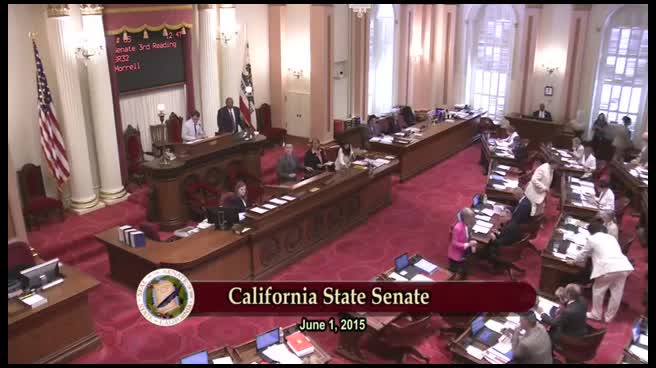
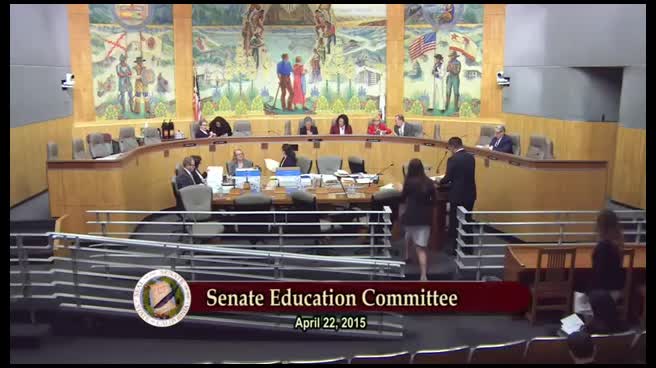
Bill Author

Bill Co-Author(s):