SB 323: Nurse practitioners: scope of practice.
- Session Year: 2015-2016
- House: Senate
- Latest Version Date: 2015-07-09
The Nursing Practice Act provides for the licensure and regulation of nurse practitioners by the Board of Registered Nursing. The act authorizes the implementation of standardized procedures that authorize a nurse practitioner to perform certain acts, including ordering durable medical equipment in accordance with standardized procedures, certifying disability for purposes of unemployment insurance after physical examination and collaboration with a physician and surgeon, and, for an individual receiving home health services or personal care services, approving, signing, modifying, or adding to a plan of treatment or plan of care after consultation with a physician and surgeon. A violation of those provisions is a crime.
This bill would authorize a nurse practitioner who holds a national certification from a national certifying body recognized by the board to practice without the supervision of a physician and surgeon, if the nurse practitioner meets existing requirements for nurse practitioners and practices in one of certain specified settings. The bill would prohibit entities described in those specified settings from interfering with, controlling, or otherwise directing the professional judgment of such a nurse practitioner, as specified, and would authorize such a nurse practitioner, in addition to any other practice authorized in statute or regulation, to perform specified acts, including the acts described above, without reference to standardized procedures or the specific need for the supervision of a physician and surgeon. The bill, instead, would require a nurse practitioner to refer a patient to a physician and surgeon or other licensed health care provider if a situation or condition of the patient is beyond the scope of the nurse practitioners education and training. The bill would require a nurse practitioner practicing under these provisions to maintain professional liability insurance appropriate for the practice setting. By imposing new requirements on nurse practitioners, the violation of which would be a crime, this bill would impose a state-mandated local program.
Existing law prohibits a licensee, as defined, from referring a person for laboratory, diagnostic, nuclear medicine, radiation oncology, physical therapy, physical rehabilitation, psychometric testing, home infusion therapy, or diagnostic imaging goods or services if the licensee or his or her immediate family has a financial interest with the person or entity that receives the referral, and makes a violation of that prohibition punishable as a misdemeanor. Under existing law, the Medical Board of California is required to review the facts and circumstances of any conviction for violating the prohibition, and to take appropriate disciplinary action if the licensee has committed unprofessional conduct.
This bill would include a nurse practitioner, as specified, under the definition of a licensee, which would expand the scope of an existing crime and therefore impose a state-mandated local program. The bill would also require the Board of Registered Nursing to review the facts and circumstances of any conviction of a nurse practitioner, as specified, for violating that prohibition, and would require the board to take appropriate disciplinary action if the nurse practitioner has committed unprofessional conduct.
Existing law provides for the professional review of specified healing arts licentiates through a peer review process. Existing law defines the term licentiate for those purposes to include, among others, a physician and surgeon.
This bill would include a nurse practitioner, as specified, under the definition of licentiate, and would require the Board of Registered Nursing to disclose reports, as specified.
The California Constitution requires the state to reimburse local agencies and school districts for certain costs mandated by the state. Statutory provisions establish procedures for making that reimbursement.
This bill would provide that no reimbursement is required by this act for a specified reason.
The Nursing Practice Act provides for the licensure and regulation of nurse practitioners by the Board of Registered Nursing. The act authorizes the implementation of standardized procedures that authorize a nurse practitioner to perform certain acts, including ordering durable medical equipment in accordance with standardized procedures, certifying disability for purposes of unemployment insurance after physical examination and collaboration with a physician and surgeon, and, for an individual receiving home health services or personal care services, approving, signing, modifying, or adding to a plan of treatment or plan of care after consultation with a physician and surgeon. A violation of those provisions is a crime.
This bill would authorize a nurse practitioner who holds a national certification from a national certifying body recognized by the board to practice without the supervision of a physician and surgeon, if the nurse practitioner meets existing requirements for nurse practitioners and practices in one of certain specified settings. The bill would prohibit entities described in those specified settings from interfering with, controlling, or otherwise directing the professional judgment of such a nurse practitioner, as specified, and would authorize such a nurse practitioner, in addition to any other practice authorized in statute or regulation, to perform specified acts, including the acts described above, without reference to standardized procedures or the specific need for the supervision of a physician and surgeon. The bill, instead, would require a nurse practitioner to refer a patient to a physician and surgeon or other licensed health care provider if a situation or condition of the patient is beyond the scope of the nurse practitioners education and training. The bill would require a nurse practitioner practicing under these provisions to maintain professional liability insurance appropriate for the practice setting. By imposing new requirements on nurse practitioners, the violation of which would be a crime, this bill would impose a state-mandated local program.
Existing law prohibits a licensee, as defined, from referring a person for laboratory, diagnostic, nuclear medicine, radiation oncology, physical therapy, physical rehabilitation, psychometric testing, home infusion therapy, or diagnostic imaging goods or services if the licensee or his or her immediate family has a financial interest with the person or entity that receives the referral, and makes a violation of that prohibition punishable as a misdemeanor. Under existing law, the Medical Board of California is required to review the facts and circumstances of any conviction for violating the prohibition, and to take appropriate disciplinary action if the licensee has committed unprofessional conduct.
This bill would include a nurse practitioner, as specified, under the definition of a licensee, which would expand the scope of an existing crime and therefore impose a state-mandated local program. The bill would also require the Board of Registered Nursing to review the facts and circumstances of any conviction of a nurse practitioner, as specified, for violating that prohibition, and would require the board to take appropriate disciplinary action if the nurse practitioner has committed unprofessional conduct.
Existing law provides for the professional review of specified healing arts licentiates through a peer review process. Existing law defines the term licentiate for those purposes to include, among others, a physician and surgeon.
This bill would include a nurse practitioner, as specified, under the definition of licentiate, and would require the Board of Registered Nursing to disclose reports, as specified.
The California Constitution requires the state to reimburse local agencies and school districts for certain costs mandated by the state. Statutory provisions establish procedures for making that reimbursement.
This bill would provide that no reimbursement is required by this act for a specified reason.
The Nursing Practice Act provides for the licensure and regulation of nurse practitioners by the Board of Registered Nursing. The act authorizes the implementation of standardized procedures that authorize a nurse practitioner to perform certain acts, including ordering durable medical equipment in accordance with standardized procedures, certifying disability for purposes of unemployment insurance after physical examination and collaboration with a physician and surgeon, and, for an individual receiving home health services or personal care services, approving, signing, modifying, or adding to a plan of treatment or plan of care after consultation with a physician and surgeon. A violation of those provisions is a crime.
This bill would authorize a nurse practitioner who holds a national certification from a national certifying body recognized by the board to practice without the supervision of a physician and surgeon, if the nurse practitioner meets existing requirements for nurse practitioners and practices in one of certain specified settings. The bill would authorize such a nurse practitioner, in addition to any other practice authorized in statute or regulation, to perform specified acts, including the acts described above, without reference to standardized procedures or the specific need for the supervision of a physician and surgeon. The bill, instead, would require a nurse practitioner to refer a patient to a physician and surgeon or other licensed health care provider if a situation or condition of the patient is beyond the scope of the nurse practitioners education and training. The bill would require a nurse practitioner practicing under these provisions to maintain professional liability insurance appropriate for the practice setting. By imposing new requirements on nurse practitioners, the violation of which would be a crime, this bill would impose a state-mandated local program.
Existing law prohibits a licensee, as defined, from referring a person for laboratory, diagnostic, nuclear medicine, radiation oncology, physical therapy, physical rehabilitation, psychometric testing, home infusion therapy, or diagnostic imaging goods or services if the licensee or his or her immediate family has a financial interest with the person or entity that receives the referral, and makes a violation of that prohibition punishable as a misdemeanor. Under existing law, the Medical Board of California is required to review the facts and circumstances of any conviction for violating the prohibition, and to take appropriate disciplinary action if the licensee has committed unprofessional conduct.
This bill would include a nurse practitioner, as specified, under the definition of a licensee, which would expand the scope of an existing crime and therefore impose a state-mandated local program. The bill would also require the Board of Registered Nursing to review the facts and circumstances of any conviction of a nurse practitioner, as specified, for violating that prohibition, and would require the board to take appropriate disciplinary action if the nurse practitioner has committed unprofessional conduct.
Existing law provides for the professional review of specified healing arts licentiates through a peer review process. Existing law defines the term licentiate for those purposes to include, among others, a physician and surgeon.
This bill would include a nurse practitioner, as specified, under the definition of licentiate, and would require the Board of Registered Nursing to disclose reports, as specified.
The California Constitution requires the state to reimburse local agencies and school districts for certain costs mandated by the state. Statutory provisions establish procedures for making that reimbursement.
This bill would provide that no reimbursement is required by this act for a specified reason.
The Nursing Practice Act provides for the licensure and regulation of nurse practitioners by the Board of Registered Nursing. The act authorizes the implementation of standardized procedures that authorize a nurse practitioner to perform certain acts, including ordering durable medical equipment in accordance with standardized procedures, certifying disability for purposes of unemployment insurance after physical examination and collaboration with a physician and surgeon, and, for an individual receiving home health services or personal care services, approving, signing, modifying, or adding to a plan of treatment or plan of care after consultation with a physician and surgeon. A violation of those provisions is a crime.
This bill would authorize a nurse practitioner who holds a national certification from a national certifying body recognized by the board to practice without the supervision of a physician and surgeon, if the nurse practitioner meets existing requirements for nurse practitioners and practices in one of certain specified settings. The bill would authorize such a nurse practitioner, in addition to any other practice authorized in statute or regulation, to perform specified acts, including the acts described above, without reference to standardized procedures or the specific need for the supervision of a physician and surgeon. The bill, instead, would require a nurse practitioner to refer a patient to a physician and surgeon or other licensed health care provider if a situation or condition of the patient is beyond the scope of the nurse practitioners education and training. The bill would require a nurse practitioner practicing under these provisions to maintain professional liability insurance appropriate for the practice setting. By imposing new requirements on nurse practitioners, the violation of which would be a crime, this bill would impose a state-mandated local program.
The California Constitution requires the state to reimburse local agencies and school districts for certain costs mandated by the state. Statutory provisions establish procedures for making that reimbursement.
This bill would provide that no reimbursement is required by this act for a specified reason.
The Nursing Practice Act provides for the licensure and regulation of nurse practitioners by the Board of Registered Nursing. The act authorizes the implementation of standardized procedures that authorize a nurse practitioner to perform certain acts, including ordering durable medical equipment in accordance with standardized procedures, certifying disability for purposes of unemployment insurance after physical examination and collaboration with a physician and surgeon, and, for an individual receiving home health services or personal care services, approving, signing, modifying, or adding to a plan of treatment or plan of care after consultation with a physician and surgeon. A violation of those provisions is a crime.
This bill would make legislative findings and declarations with respect to the importance of care provided by nurse practitioners.
This bill would authorize a nurse practitioner who holds a national certification from a national certifying body recognized by the board to practice without the supervision of a physician and surgeon, if the nurse practitioner meets existing requirements for nurse practitioners and practices in one of certain specified settings. The bill would authorize a nurse practitioner, in addition to any other practice authorized in statute or regulation, to perform specified acts, including the acts described above, without reference to standardized procedures or the specific need for the supervision of a physician and surgeon. The bill, instead, would require a nurse practitioner to refer a patient to a physician and surgeon or other licensed health care provider if a situation or condition of the patient is beyond the scope of the nurse practitioners education and training. The bill would require a nurse practitioner practicing under these provisions to maintain professional liability insurance appropriate for the practice setting. By imposing new requirements on nurse practitioners, the violation of which would be a crime, this bill would impose a state-mandated local program.
The California Constitution requires the state to reimburse local agencies and school districts for certain costs mandated by the state. Statutory provisions establish procedures for making that reimbursement.
This bill would provide that no reimbursement is required by this act for a specified reason.
The Nursing Practice Act provides for the licensure and regulation of nurse practitioners by the Board of Registered Nursing.
This bill would make legislative findings and declarations with respect to the importance of care provided by nurse practitioners.
The Legislature finds and declares all of the following:
(a)Nurse practitioners are a longstanding, vital, safe, effective, and important part of the states health care delivery system. They are especially important given Californias shortage of physicians, with just 16 of 58 counties having the federally recommended ratio of physicians to residents.
(b)Nurse practitioners will play an especially important part in the implementation of the federal Patient Protection and Affordable Care Act (Public Law 111-148), which will bring an estimated five million more Californians into the health care delivery system, because they will provide for greater access to primary care services in all areas of the state. This is particularly true for patients in medically underserved urban and rural communities.
(c)In the interest of providing patients with comprehensive care and consistent with the spirit of the federal Patient Protection and Affordable Care Act, this measure is supportive of the national health care movement towards integrated and team-based health care models.
(c)
(d)Due to the excellent safety and efficacy record that nurse practitioners have earned, the Institute of Medicine of the National Academies has recommended full practice authority for nurse practitioners. Currently, 20 states allow nurse practitioners to practice to the full extent of their training and education.
(d)
(e)Furthermore, nurse practitioners will assist in addressing the primary care provider shortage by removing delays in the provision of care that are created when dated regulations require a physicians signature or protocol before a patient can initiate treatment or obtain diagnostic tests that are ordered by a nurse practitioner.
SEC. 2.Section 650.01 of the Business and Professions Code is amended to read:650.01.(a)Notwithstanding Section 650, or any other provision of law, it is unlawful for a licensee to refer a person for laboratory, diagnostic nuclear medicine, radiation oncology, physical therapy, physical rehabilitation, psychometric testing, home infusion therapy, or diagnostic imaging goods or services if the licensee or his or her immediate family has a financial interest with the person or in the entity that receives the referral.
(b)For purposes of this section and Section 650.02, the following shall apply:
(1)Diagnostic imaging includes, but is not limited to, all X-ray, computed axial tomography, magnetic resonance imaging nuclear medicine, positron emission tomography, mammography, and ultrasound goods and services.
(2)A financial interest includes, but is not limited to, any type of ownership interest, debt, loan, lease, compensation, remuneration, discount, rebate, refund, dividend, distribution, subsidy, or other form of direct or indirect payment, whether in money or otherwise, between a licensee and a person or entity to whom the licensee refers a person for a good or service specified in subdivision (a). A financial interest also exists if there is an indirect financial relationship between a licensee and the referral recipient including, but not limited to, an arrangement whereby a licensee has an ownership interest in an entity that leases property to the referral recipient. Any financial interest transferred by a licensee to any person or entity or otherwise established in any person or entity for the purpose of avoiding the prohibition of this section shall be deemed a financial interest of the licensee. For purposes of this paragraph, direct or indirect payment shall not include a royalty or consulting fee received by a physician and surgeon who has completed a recognized residency training program in orthopedics from a manufacturer or distributor as a result of his or her research and development of medical devices and techniques for that manufacturer or distributor. For purposes of this paragraph, consulting fees means those fees paid by the manufacturer or distributor to a physician and surgeon who has completed a recognized residency training program in orthopedics only for his or her ongoing services in making refinements to his or her medical devices or techniques marketed or distributed by the manufacturer or distributor, if the manufacturer or distributor does not own or control the facility to which the physician is referring the patient. A financial interest shall not include the receipt of capitation payments or other fixed amounts that are prepaid in exchange for a promise of a licensee to provide specified health care services to specified beneficiaries. A financial interest shall not include the receipt of remuneration by a medical director of a hospice, as defined in Section 1746 of the Health and Safety Code, for specified services if the arrangement is set out in writing, and specifies all services to be provided by the medical director, the term of the arrangement is for at least one year, and the compensation to be paid over the term of the arrangement is set in advance, does not exceed fair market value, and is not determined in a manner that takes into account the volume or value of any referrals or other business generated between parties.
(3)For the purposes of this section, immediate family includes the spouse and children of the licensee, the parents of the licensee, and the spouses of the children of the licensee.
(4)Licensee means a physician as defined in Section 3209.3 of the Labor Code, and a nurse practitioner practicing pursuant to Section 2837.
(5)Licensees office means either of the following:
(A)An office of a licensee in solo practice.
(B)An office in which services or goods are personally provided by the licensee or by employees in that office, or personally by independent contractors in that office, in accordance with other provisions of law. Employees and independent contractors shall be licensed or certified when licensure or certification is required by law.
(6)Office of a group practice means an office or offices in which two or more licensees are legally organized as a partnership, professional corporation, or not-for-profit corporation, licensed pursuant to subdivision (a) of Section 1204 of the Health and Safety Code, for which all of the following apply:
(A)Each licensee who is a member of the group provides substantially the full range of services that the licensee routinely provides, including medical care, consultation, diagnosis, or treatment through the joint use of shared office space, facilities, equipment, and personnel.
(B)Substantially all of the services of the licensees who are members of the group are provided through the group and are billed in the name of the group and amounts so received are treated as receipts of the group, except in the case of a multispecialty clinic, as defined in subdivision (l) of Section 1206 of the Health and Safety Code, physician services are billed in the name of the multispecialty clinic and amounts so received are treated as receipts of the multispecialty clinic.
(C)The overhead expenses of, and the income from, the practice are distributed in accordance with methods previously determined by members of the group.
(c)It is unlawful for a licensee to enter into an arrangement or scheme, such as a cross-referral arrangement, that the licensee knows, or should know, has a principal purpose of ensuring referrals by the licensee to a particular entity that, if the licensee directly made referrals to that entity, would be in violation of this section.
(d)No claim for payment shall be presented by an entity to any individual, third party payer, or other entity for a good or service furnished pursuant to a referral prohibited under this section.
(e)No insurer, self-insurer, or other payer shall pay a charge or lien for any good or service resulting from a referral in violation of this section.
(f)A licensee who refers a person to, or seeks consultation from, an organization in which the licensee has a financial interest, other than as prohibited by subdivision (a), shall disclose the financial interest to the patient, or the parent or legal guardian of the patient, in writing, at the time of the referral or request for consultation.
(1)If a referral, billing, or other solicitation is between one or more licensees who contract with a multispecialty clinic pursuant to subdivision (l) of Section 1206 of the Health and Safety Code or who conduct their practice as members of the same professional corporation or partnership, and the services are rendered on the same physical premises, or under the same professional corporation or partnership name, the requirements of this subdivision may be met by posting a conspicuous disclosure statement at the registration area or by providing a patient with a written disclosure statement.
(2)If a licensee is under contract with the Department of Corrections or the California Youth Authority, and the patient is an inmate or parolee of either respective department, the requirements of this subdivision shall be satisfied by disclosing financial interests to either the Department of Corrections or the California Youth Authority.
(g)A violation of subdivision (a) shall be a misdemeanor. In the case of a licensee who is a physician, the Medical Board of California shall review the facts and circumstances of any conviction pursuant to subdivision (a) and take appropriate disciplinary action if the licensee has committed unprofessional conduct. In the case of a licensee who is a nurse practitioner functioning pursuant to Section 2837, the Board of Registered Nursing shall review the facts and circumstances of any conviction pursuant to subdivision (a) and take appropriate disciplinary action if the licensee has committed unprofessional conduct. Violations of this section may also be subject to civil penalties of up to five thousand dollars ($5,000) for each offense, which may be enforced by the Insurance Commissioner, Attorney General, or a district attorney. A violation of subdivision (c), (d), or (e) is a public offense and is punishable upon conviction by a fine not exceeding fifteen thousand dollars ($15,000) for each violation and appropriate disciplinary action, including revocation of professional licensure, by the Medical Board of California, the Board of Registered Nursing, or other appropriate governmental agency.
(h)This section shall not apply to referrals for services that are described in and covered by Sections 139.3 and 139.31 of the Labor Code.
(i)This section shall become operative on January 1, 1995.
SEC. 3.Section 805 of the Business and Professions Code is amended to read:805.(a)As used in this section, the following terms have the following definitions:
(1)(A)Peer review means both of the following:
(i)A process in which a peer review body reviews the basic qualifications, staff privileges, employment, medical outcomes, or professional conduct of licentiates to make recommendations for quality improvement and education, if necessary, in order to do either or both of the following:
(I)Determine whether a licentiate may practice or continue to practice in a health care facility, clinic, or other setting providing medical services, and, if so, to determine the parameters of that practice.
(II)Assess and improve the quality of care rendered in a health care facility, clinic, or other setting providing medical services.
(ii)Any other activities of a peer review body as specified in subparagraph (B).
(B)Peer review body includes:
(i)A medical or professional staff of any health care facility or clinic licensed under Division 2 (commencing with Section 1200) of the Health and Safety Code or of a facility certified to participate in the federal Medicare program as an ambulatory surgical center.
(ii)A health care service plan licensed under Chapter 2.2 (commencing with Section 1340) of Division 2 of the Health and Safety Code or a disability insurer that contracts with licentiates to provide services at alternative rates of payment pursuant to Section 10133 of the Insurance Code.
(iii)Any medical, psychological, marriage and family therapy, social work, professional clinical counselor, dental, or podiatric professional society having as members at least 25 percent of the eligible licentiates in the area in which it functions (which must include at least one county), which is not organized for profit and which has been determined to be exempt from taxes pursuant to Section 23701 of the Revenue and Taxation Code.
(iv)A committee organized by any entity consisting of or employing more than 25 licentiates of the same class that functions for the purpose of reviewing the quality of professional care provided by members or employees of that entity.
(2)Licentiate means a physician and surgeon, doctor of podiatric medicine, clinical psychologist, marriage and family therapist, clinical social worker, professional clinical counselor, dentist, physician assistant, or nurse practitioner practicing pursuant to Section 2837. Licentiate also includes a person authorized to practice medicine pursuant to Section 2113 or 2168.
(3)Agency means the relevant state licensing agency having regulatory jurisdiction over the licentiates listed in paragraph (2).
(4)Staff privileges means any arrangement under which a licentiate is allowed to practice in or provide care for patients in a health facility. Those arrangements shall include, but are not limited to, full staff privileges, active staff privileges, limited staff privileges, auxiliary staff privileges, provisional staff privileges, temporary staff privileges, courtesy staff privileges, locum tenens arrangements, and contractual arrangements to provide professional services, including, but not limited to, arrangements to provide outpatient services.
(5)Denial or termination of staff privileges, membership, or employment includes failure or refusal to renew a contract or to renew, extend, or reestablish any staff privileges, if the action is based on medical disciplinary cause or reason.
(6)Medical disciplinary cause or reason means that aspect of a licentiates competence or professional conduct that is reasonably likely to be detrimental to patient safety or to the delivery of patient care.
(7)805 report means the written report required under subdivision (b).
(b)The chief of staff of a medical or professional staff or other chief executive officer, medical director, or administrator of any peer review body and the chief executive officer or administrator of any licensed health care facility or clinic shall file an 805 report with the relevant agency within 15 days after the effective date on which any of the following occur as a result of an action of a peer review body:
(1)A licentiates application for staff privileges or membership is denied or rejected for a medical disciplinary cause or reason.
(2)A licentiates membership, staff privileges, or employment is terminated or revoked for a medical disciplinary cause or reason.
(3)Restrictions are imposed, or voluntarily accepted, on staff privileges, membership, or employment for a cumulative total of 30 days or more for any 12-month period, for a medical disciplinary cause or reason.
(c)If a licentiate takes any action listed in paragraph (1), (2), or (3) after receiving notice of a pending investigation initiated for a medical disciplinary cause or reason or after receiving notice that his or her application for membership or staff privileges is denied or will be denied for a medical disciplinary cause or reason, the chief of staff of a medical or professional staff or other chief executive officer, medical director, or administrator of any peer review body and the chief executive officer or administrator of any licensed health care facility or clinic where the licentiate is employed or has staff privileges or membership or where the licentiate applied for staff privileges or membership, or sought the renewal thereof, shall file an 805 report with the relevant agency within 15 days after the licentiate takes the action.
(1)Resigns or takes a leave of absence from membership, staff privileges, or employment.
(2)Withdraws or abandons his or her application for staff privileges or membership.
(3)Withdraws or abandons his or her request for renewal of staff privileges or membership.
(d)For purposes of filing an 805 report, the signature of at least one of the individuals indicated in subdivision (b) or (c) on the completed form shall constitute compliance with the requirement to file the report.
(e)An 805 report shall also be filed within 15 days following the imposition of summary suspension of staff privileges, membership, or employment, if the summary suspension remains in effect for a period in excess of 14 days.
(f)A copy of the 805 report, and a notice advising the licentiate of his or her right to submit additional statements or other information, electronically or otherwise, pursuant to Section 800, shall be sent by the peer review body to the licentiate named in the report. The notice shall also advise the licentiate that information submitted electronically will be publicly disclosed to those who request the information.
The information to be reported in an 805 report shall include the name and license number of the licentiate involved, a description of the facts and circumstances of the medical disciplinary cause or reason, and any other relevant information deemed appropriate by the reporter.
A supplemental report shall also be made within 30 days following the date the licentiate is deemed to have satisfied any terms, conditions, or sanctions imposed as disciplinary action by the reporting peer review body. In performing its dissemination functions required by Section 805.5, the agency shall include a copy of a supplemental report, if any, whenever it furnishes a copy of the original 805 report.
If another peer review body is required to file an 805 report, a health care service plan is not required to file a separate report with respect to action attributable to the same medical disciplinary cause or reason. If the Medical Board of California, the Board of Registered Nursing, or a licensing agency of another state revokes or suspends, without a stay, the license of a physician and surgeon, a peer review body is not required to file an 805 report when it takes an action as a result of the revocation or suspension.
(g)The reporting required by this section shall not act as a waiver of confidentiality of medical records and committee reports. The information reported or disclosed shall be kept confidential except as provided in subdivision (c) of Section 800 and Sections 803.1 and 2027, provided that a copy of the report containing the information required by this section may be disclosed as required by Section 805.5 with respect to reports received on or after January 1, 1976.
(h)The Medical Board of California, the Osteopathic Medical Board of California, the Board of Registered Nursing, and the Dental Board of California shall disclose reports as required by Section 805.5.
(i)An 805 report shall be maintained electronically by an agency for dissemination purposes for a period of three years after receipt.
(j)No person shall incur any civil or criminal liability as the result of making any report required by this section.
(k)A willful failure to file an 805 report by any person who is designated or otherwise required by law to file an 805 report is punishable by a fine not to exceed one hundred thousand dollars ($100,000) per violation. The fine may be imposed in any civil or administrative action or proceeding brought by or on behalf of any agency having regulatory jurisdiction over the person regarding whom the report was or should have been filed. If the person who is designated or otherwise required to file an 805 report is a licensed physician and surgeon, the action or proceeding shall be brought by the Medical Board of California. The fine shall be paid to that agency but not expended until appropriated by the Legislature. A violation of this subdivision may constitute unprofessional conduct by the licentiate. A person who is alleged to have violated this subdivision may assert any defense available at law. As used in this subdivision, willful means a voluntary and intentional violation of a known legal duty.
(l)Except as otherwise provided in subdivision (k), any failure by the administrator of any peer review body, the chief executive officer or administrator of any health care facility, or any person who is designated or otherwise required by law to file an 805 report, shall be punishable by a fine that under no circumstances shall exceed fifty thousand dollars ($50,000) per violation. The fine may be imposed in any civil or administrative action or proceeding brought by or on behalf of any agency having regulatory jurisdiction over the person regarding whom the report was or should have been filed. If the person who is designated or otherwise required to file an 805 report is a licensed physician and surgeon, the action or proceeding shall be brought by the Medical Board of California. The fine shall be paid to that agency but not expended until appropriated by the Legislature. The amount of the fine imposed, not exceeding fifty thousand dollars ($50,000) per violation, shall be proportional to the severity of the failure to report and shall differ based upon written findings, including whether the failure to file caused harm to a patient or created a risk to patient safety; whether the administrator of any peer review body, the chief executive officer or administrator of any health care facility, or any person who is designated or otherwise required by law to file an 805 report exercised due diligence despite the failure to file or whether they knew or should have known that an 805 report would not be filed; and whether there has been a prior failure to file an 805 report. The amount of the fine imposed may also differ based on whether a health care facility is a small or rural hospital as defined in Section 124840 of the Health and Safety Code.
(m)A health care service plan licensed under Chapter 2.2 (commencing with Section 1340) of Division 2 of the Health and Safety Code or a disability insurer that negotiates and enters into a contract with licentiates to provide services at alternative rates of payment pursuant to Section 10133 of the Insurance Code, when determining participation with the plan or insurer, shall evaluate, on a case-by-case basis, licentiates who are the subject of an 805 report, and not automatically exclude or deselect these licentiates.
SEC. 4.Section 2837 of the Business and Professions Code is amended and renumbered to read:2837.5.Nothing in this article shall be construed to limit the current scope of practice of a registered nurse authorized pursuant to this chapter.
SEC. 5.Section 2837 is added to the Business and Professions Code, to read:2837.(a)Notwithstanding any other law, a nurse practitioner who holds a national certification from a national certifying body recognized by the board may practice under this section without supervision of a physician and surgeon, if the nurse practitioner meets all the requirements of this article and practices in one of the following:
(1)A clinic as described in Chapter 1 (commencing with Section 1200) of Division 2 of the Health and Safety Code.
(2)A facility as described in Chapter 2 (commencing with Section 1250) of Division 2 of the Health and Safety Code.
(3)A facility as described in Chapter 2.5 (commencing with Section 1440) of Division 2 of the Health and Safety Code.
(4)An accountable care organization, as defined in Section 3022 of the federal Patient Protection and Affordable Care Act (Public Law 111-148).
(5)A group practice, including a professional medical corporation, as defined in Section 2406, another form of corporation controlled by physicians and surgeons, a medical partnership, a medical foundation exempt from licensure, or another lawfully organized group of physicians that delivers, furnishes, or otherwise arranges for or provides health care services.
(6)A medical group, independent practice association, or any similar association.
(b)An entity described in subdivision (a) shall not interfere with, control, or otherwise direct the professional judgment of a nurse practitioner functioning pursuant to this section in a manner prohibited by Section 2400 or any other law.
(c)Notwithstanding any other law, in addition to any other practice authorized in statute or regulation, a nurse practitioner who meets the qualifications of subdivision (a) may do any of the following without physician and surgeon supervision:
(1)Order durable medical equipment. Notwithstanding that authority, this paragraph shall not operate to limit the ability of a third-party payer to require prior approval.
(2)After performance of a physical examination by the nurse practitioner and collaboration, if necessary, with a physician and surgeon, certify disability pursuant to Section 2708 of the Unemployment Insurance Code.
(3)For individuals receiving home health services or personal care services, after consultation, if necessary, with the treating physician and surgeon, approve, sign, modify, or add to a plan of treatment or plan of care.
(4)Assess patients, synthesize and analyze data, and apply principles of health care.
(5)Manage the physical and psychosocial health status of patients.
(6)Analyze multiple sources of data, identify a differential diagnosis, and select, implement, and evaluate appropriate treatment.
(7)Establish a diagnosis by client history, physical examination, and other criteria, consistent with this section, for a plan of care.
(8)Order, furnish, prescribe, or procure drugs or devices.
(9)Delegate tasks to a medical assistant pursuant to Sections 1206.5, 2069, 2070, and 2071, and Article 2 of Chapter 3 of Division 13 of Title 16 of the California Code of Regulations.
(10)Order hospice care, as appropriate.
(11)Order diagnostic procedures and utilize the findings or results in treating the patient.
(12)Perform additional acts that require education and training and that are recognized by the nursing profession as appropriate to be performed by a nurse practitioner.
(d)A nurse practitioner shall refer a patient to a physician and surgeon or other licensed health care provider if a situation or condition of the patient is beyond the scope of the education and training of the nurse practitioner.
(e)A nurse practitioner practicing under this section shall maintain professional liability insurance appropriate for the practice setting.
SEC. 6.No reimbursement is required by this act pursuant to Section 6 of Article XIIIB of the California Constitution because the only costs that may be incurred by a local agency or school district will be incurred because this act creates a new crime or infraction, eliminates a crime or infraction, or changes the penalty for a crime or infraction, within the meaning of Section 17556 of the Government Code, or changes the definition of a crime within the meaning of Section 6 of Article XIIIB of the California Constitution.
The Legislature finds and declares all of the following:
(a)Nurse practitioners are a longstanding, vital, safe, effective, and important part of the states health care delivery system. They are especially important given Californias shortage of physicians, with just 16 of 58 counties having the federally recommended ratio of physicians to residents.
(b)Nurse practitioners will play an especially important part in the implementation of the federal Patient Protection and Affordable Care Act (Public Law 111-148), which will bring an estimated five million more Californians into the health care delivery system, because they will provide for greater access to primary care services in all areas of the state. This is particularly true for patients in medically underserved urban and rural communities.
(c)Due to the excellent safety and efficacy record that nurse practitioners have earned, the Institute of Medicine of the National Academies has recommended full practice authority for nurse practitioners. Currently, 20 states allow nurse practitioners to practice to the full extent of their training and education.
(d)Furthermore, nurse practitioners will assist in addressing the primary care provider shortage by removing delays in the provision of care that are created when dated regulations require a physicians signature or protocol before a patient can initiate treatment or obtain diagnostic tests that are ordered by a nurse practitioner.
SEC. 2.Section 650.01 of the Business and Professions Code is amended to read:650.01.(a)Notwithstanding Section 650, or any other provision of law, it is unlawful for a licensee to refer a person for laboratory, diagnostic nuclear medicine, radiation oncology, physical therapy, physical rehabilitation, psychometric testing, home infusion therapy, or diagnostic imaging goods or services if the licensee or his or her immediate family has a financial interest with the person or in the entity that receives the referral.
(b)For purposes of this section and Section 650.02, the following shall apply:
(1)Diagnostic imaging includes, but is not limited to, all X-ray, computed axial tomography, magnetic resonance imaging nuclear medicine, positron emission tomography, mammography, and ultrasound goods and services.
(2)A financial interest includes, but is not limited to, any type of ownership interest, debt, loan, lease, compensation, remuneration, discount, rebate, refund, dividend, distribution, subsidy, or other form of direct or indirect payment, whether in money or otherwise, between a licensee and a person or entity to whom the licensee refers a person for a good or service specified in subdivision (a). A financial interest also exists if there is an indirect financial relationship between a licensee and the referral recipient including, but not limited to, an arrangement whereby a licensee has an ownership interest in an entity that leases property to the referral recipient. Any financial interest transferred by a licensee to any person or entity or otherwise established in any person or entity for the purpose of avoiding the prohibition of this section shall be deemed a financial interest of the licensee. For purposes of this paragraph, direct or indirect payment shall not include a royalty or consulting fee received by a physician and surgeon who has completed a recognized residency training program in orthopedics from a manufacturer or distributor as a result of his or her research and development of medical devices and techniques for that manufacturer or distributor. For purposes of this paragraph, consulting fees means those fees paid by the manufacturer or distributor to a physician and surgeon who has completed a recognized residency training program in orthopedics only for his or her ongoing services in making refinements to his or her medical devices or techniques marketed or distributed by the manufacturer or distributor, if the manufacturer or distributor does not own or control the facility to which the physician is referring the patient. A financial interest shall not include the receipt of capitation payments or other fixed amounts that are prepaid in exchange for a promise of a licensee to provide specified health care services to specified beneficiaries. A financial interest shall not include the receipt of remuneration by a medical director of a hospice, as defined in Section 1746 of the Health and Safety Code, for specified services if the arrangement is set out in writing, and specifies all services to be provided by the medical director, the term of the arrangement is for at least one year, and the compensation to be paid over the term of the arrangement is set in advance, does not exceed fair market value, and is not determined in a manner that takes into account the volume or value of any referrals or other business generated between parties.
(3)For the purposes of this section, immediate family includes the spouse and children of the licensee, the parents of the licensee, and the spouses of the children of the licensee.
(4)Licensee means a physician as defined in Section 3209.3 of the Labor Code, and a nurse practitioner practicing pursuant to Section 2837.
(5)Licensees office means either of the following:
(A)An office of a licensee in solo practice.
(B)An office in which services or goods are personally provided by the licensee or by employees in that office, or personally by independent contractors in that office, in accordance with other provisions of law. Employees and independent contractors shall be licensed or certified when licensure or certification is required by law.
(6)Office of a group practice means an office or offices in which two or more licensees are legally organized as a partnership, professional corporation, or not-for-profit corporation, licensed pursuant to subdivision (a) of Section 1204 of the Health and Safety Code, for which all of the following apply:
(A)Each licensee who is a member of the group provides substantially the full range of services that the licensee routinely provides, including medical care, consultation, diagnosis, or treatment through the joint use of shared office space, facilities, equipment, and personnel.
(B)Substantially all of the services of the licensees who are members of the group are provided through the group and are billed in the name of the group and amounts so received are treated as receipts of the group, except in the case of a multispecialty clinic, as defined in subdivision (l) of Section 1206 of the Health and Safety Code, physician services are billed in the name of the multispecialty clinic and amounts so received are treated as receipts of the multispecialty clinic.
(C)The overhead expenses of, and the income from, the practice are distributed in accordance with methods previously determined by members of the group.
(c)It is unlawful for a licensee to enter into an arrangement or scheme, such as a cross-referral arrangement, that the licensee knows, or should know, has a principal purpose of ensuring referrals by the licensee to a particular entity that, if the licensee directly made referrals to that entity, would be in violation of this section.
(d)No claim for payment shall be presented by an entity to any individual, third party payer, or other entity for a good or service furnished pursuant to a referral prohibited under this section.
(e)No insurer, self-insurer, or other payer shall pay a charge or lien for any good or service resulting from a referral in violation of this section.
(f)A licensee who refers a person to, or seeks consultation from, an organization in which the licensee has a financial interest, other than as prohibited by subdivision (a), shall disclose the financial interest to the patient, or the parent or legal guardian of the patient, in writing, at the time of the referral or request for consultation.
(1)If a referral, billing, or other solicitation is between one or more licensees who contract with a multispecialty clinic pursuant to subdivision (l) of Section 1206 of the Health and Safety Code or who conduct their practice as members of the same professional corporation or partnership, and the services are rendered on the same physical premises, or under the same professional corporation or partnership name, the requirements of this subdivision may be met by posting a conspicuous disclosure statement at the registration area or by providing a patient with a written disclosure statement.
(2)If a licensee is under contract with the Department of Corrections or the California Youth Authority, and the patient is an inmate or parolee of either respective department, the requirements of this subdivision shall be satisfied by disclosing financial interests to either the Department of Corrections or the California Youth Authority.
(g)A violation of subdivision (a) shall be a misdemeanor. In the case of a licensee who is a physician, the Medical Board of California shall review the facts and circumstances of any conviction pursuant to subdivision (a) and take appropriate disciplinary action if the licensee has committed unprofessional conduct. In the case of a licensee who is a nurse practitioner functioning pursuant to Section 2837, the Board of Registered Nursing shall review the facts and circumstances of any conviction pursuant to subdivision (a) and take appropriate disciplinary action if the licensee has committed unprofessional conduct. Violations of this section may also be subject to civil penalties of up to five thousand dollars ($5,000) for each offense, which may be enforced by the Insurance Commissioner, Attorney General, or a district attorney. A violation of subdivision (c), (d), or (e) is a public offense and is punishable upon conviction by a fine not exceeding fifteen thousand dollars ($15,000) for each violation and appropriate disciplinary action, including revocation of professional licensure, by the Medical Board of California, the Board of Registered Nursing, or other appropriate governmental agency.
(h)This section shall not apply to referrals for services that are described in and covered by Sections 139.3 and 139.31 of the Labor Code.
(i)This section shall become operative on January 1, 1995.
SEC. 3.Section 805 of the Business and Professions Code is amended to read:805.(a)As used in this section, the following terms have the following definitions:
(1)(A)Peer review means both of the following:
(i)A process in which a peer review body reviews the basic qualifications, staff privileges, employment, medical outcomes, or professional conduct of licentiates to make recommendations for quality improvement and education, if necessary, in order to do either or both of the following:
(I)Determine whether a licentiate may practice or continue to practice in a health care facility, clinic, or other setting providing medical services, and, if so, to determine the parameters of that practice.
(II)Assess and improve the quality of care rendered in a health care facility, clinic, or other setting providing medical services.
(ii)Any other activities of a peer review body as specified in subparagraph (B).
(B)Peer review body includes:
(i)A medical or professional staff of any health care facility or clinic licensed under Division 2 (commencing with Section 1200) of the Health and Safety Code or of a facility certified to participate in the federal Medicare program as an ambulatory surgical center.
(ii)A health care service plan licensed under Chapter 2.2 (commencing with Section 1340) of Division 2 of the Health and Safety Code or a disability insurer that contracts with licentiates to provide services at alternative rates of payment pursuant to Section 10133 of the Insurance Code.
(iii)Any medical, psychological, marriage and family therapy, social work, professional clinical counselor, dental, or podiatric professional society having as members at least 25 percent of the eligible licentiates in the area in which it functions (which must include at least one county), which is not organized for profit and which has been determined to be exempt from taxes pursuant to Section 23701 of the Revenue and Taxation Code.
(iv)A committee organized by any entity consisting of or employing more than 25 licentiates of the same class that functions for the purpose of reviewing the quality of professional care provided by members or employees of that entity.
(2)Licentiate means a physician and surgeon, doctor of podiatric medicine, clinical psychologist, marriage and family therapist, clinical social worker, professional clinical counselor, dentist, physician assistant, or nurse practitioner practicing pursuant to Section 2837. Licentiate also includes a person authorized to practice medicine pursuant to Section 2113 or 2168.
(3)Agency means the relevant state licensing agency having regulatory jurisdiction over the licentiates listed in paragraph (2).
(4)Staff privileges means any arrangement under which a licentiate is allowed to practice in or provide care for patients in a health facility. Those arrangements shall include, but are not limited to, full staff privileges, active staff privileges, limited staff privileges, auxiliary staff privileges, provisional staff privileges, temporary staff privileges, courtesy staff privileges, locum tenens arrangements, and contractual arrangements to provide professional services, including, but not limited to, arrangements to provide outpatient services.
(5)Denial or termination of staff privileges, membership, or employment includes failure or refusal to renew a contract or to renew, extend, or reestablish any staff privileges, if the action is based on medical disciplinary cause or reason.
(6)Medical disciplinary cause or reason means that aspect of a licentiates competence or professional conduct that is reasonably likely to be detrimental to patient safety or to the delivery of patient care.
(7)805 report means the written report required under subdivision (b).
(b)The chief of staff of a medical or professional staff or other chief executive officer, medical director, or administrator of any peer review body and the chief executive officer or administrator of any licensed health care facility or clinic shall file an 805 report with the relevant agency within 15 days after the effective date on which any of the following occur as a result of an action of a peer review body:
(1)A licentiates application for staff privileges or membership is denied or rejected for a medical disciplinary cause or reason.
(2)A licentiates membership, staff privileges, or employment is terminated or revoked for a medical disciplinary cause or reason.
(3)Restrictions are imposed, or voluntarily accepted, on staff privileges, membership, or employment for a cumulative total of 30 days or more for any 12-month period, for a medical disciplinary cause or reason.
(c)If a licentiate takes any action listed in paragraph (1), (2), or (3) after receiving notice of a pending investigation initiated for a medical disciplinary cause or reason or after receiving notice that his or her application for membership or staff privileges is denied or will be denied for a medical disciplinary cause or reason, the chief of staff of a medical or professional staff or other chief executive officer, medical director, or administrator of any peer review body and the chief executive officer or administrator of any licensed health care facility or clinic where the licentiate is employed or has staff privileges or membership or where the licentiate applied for staff privileges or membership, or sought the renewal thereof, shall file an 805 report with the relevant agency within 15 days after the licentiate takes the action.
(1)Resigns or takes a leave of absence from membership, staff privileges, or employment.
(2)Withdraws or abandons his or her application for staff privileges or membership.
(3)Withdraws or abandons his or her request for renewal of staff privileges or membership.
(d)For purposes of filing an 805 report, the signature of at least one of the individuals indicated in subdivision (b) or (c) on the completed form shall constitute compliance with the requirement to file the report.
(e)An 805 report shall also be filed within 15 days following the imposition of summary suspension of staff privileges, membership, or employment, if the summary suspension remains in effect for a period in excess of 14 days.
(f)A copy of the 805 report, and a notice advising the licentiate of his or her right to submit additional statements or other information, electronically or otherwise, pursuant to Section 800, shall be sent by the peer review body to the licentiate named in the report. The notice shall also advise the licentiate that information submitted electronically will be publicly disclosed to those who request the information.
The information to be reported in an 805 report shall include the name and license number of the licentiate involved, a description of the facts and circumstances of the medical disciplinary cause or reason, and any other relevant information deemed appropriate by the reporter.
A supplemental report shall also be made within 30 days following the date the licentiate is deemed to have satisfied any terms, conditions, or sanctions imposed as disciplinary action by the reporting peer review body. In performing its dissemination functions required by Section 805.5, the agency shall include a copy of a supplemental report, if any, whenever it furnishes a copy of the original 805 report.
If another peer review body is required to file an 805 report, a health care service plan is not required to file a separate report with respect to action attributable to the same medical disciplinary cause or reason. If the Medical Board of California, the Board of Registered Nursing, or a licensing agency of another state revokes or suspends, without a stay, the license of a physician and surgeon, a peer review body is not required to file an 805 report when it takes an action as a result of the revocation or suspension.
(g)The reporting required by this section shall not act as a waiver of confidentiality of medical records and committee reports. The information reported or disclosed shall be kept confidential except as provided in subdivision (c) of Section 800 and Sections 803.1 and 2027, provided that a copy of the report containing the information required by this section may be disclosed as required by Section 805.5 with respect to reports received on or after January 1, 1976.
(h)The Medical Board of California, the Osteopathic Medical Board of California, the Board of Registered Nursing, and the Dental Board of California shall disclose reports as required by Section 805.5.
(i)An 805 report shall be maintained electronically by an agency for dissemination purposes for a period of three years after receipt.
(j)No person shall incur any civil or criminal liability as the result of making any report required by this section.
(k)A willful failure to file an 805 report by any person who is designated or otherwise required by law to file an 805 report is punishable by a fine not to exceed one hundred thousand dollars ($100,000) per violation. The fine may be imposed in any civil or administrative action or proceeding brought by or on behalf of any agency having regulatory jurisdiction over the person regarding whom the report was or should have been filed. If the person who is designated or otherwise required to file an 805 report is a licensed physician and surgeon, the action or proceeding shall be brought by the Medical Board of California. The fine shall be paid to that agency but not expended until appropriated by the Legislature. A violation of this subdivision may constitute unprofessional conduct by the licentiate. A person who is alleged to have violated this subdivision may assert any defense available at law. As used in this subdivision, willful means a voluntary and intentional violation of a known legal duty.
(l)Except as otherwise provided in subdivision (k), any failure by the administrator of any peer review body, the chief executive officer or administrator of any health care facility, or any person who is designated or otherwise required by law to file an 805 report, shall be punishable by a fine that under no circumstances shall exceed fifty thousand dollars ($50,000) per violation. The fine may be imposed in any civil or administrative action or proceeding brought by or on behalf of any agency having regulatory jurisdiction over the person regarding whom the report was or should have been filed. If the person who is designated or otherwise required to file an 805 report is a licensed physician and surgeon, the action or proceeding shall be brought by the Medical Board of California. The fine shall be paid to that agency but not expended until appropriated by the Legislature. The amount of the fine imposed, not exceeding fifty thousand dollars ($50,000) per violation, shall be proportional to the severity of the failure to report and shall differ based upon written findings, including whether the failure to file caused harm to a patient or created a risk to patient safety; whether the administrator of any peer review body, the chief executive officer or administrator of any health care facility, or any person who is designated or otherwise required by law to file an 805 report exercised due diligence despite the failure to file or whether they knew or should have known that an 805 report would not be filed; and whether there has been a prior failure to file an 805 report. The amount of the fine imposed may also differ based on whether a health care facility is a small or rural hospital as defined in Section 124840 of the Health and Safety Code.
(m)A health care service plan licensed under Chapter 2.2 (commencing with Section 1340) of Division 2 of the Health and Safety Code or a disability insurer that negotiates and enters into a contract with licentiates to provide services at alternative rates of payment pursuant to Section 10133 of the Insurance Code, when determining participation with the plan or insurer, shall evaluate, on a case-by-case basis, licentiates who are the subject of an 805 report, and not automatically exclude or deselect these licentiates.
SEC. 4.Section 2837 of the Business and Professions Code is amended and renumbered to read:2837.5.Nothing in this article shall be construed to limit the current scope of practice of a registered nurse authorized pursuant to this chapter.
SEC. 5.Section 2837 is added to the Business and Professions Code, to read:2837.(a)Notwithstanding any other law, a nurse practitioner who holds a national certification from a national certifying body recognized by the board may practice under this section without supervision of a physician and surgeon, if the nurse practitioner meets all the requirements of this article and practices in one of the following:
(1)A clinic as described in Chapter 1 (commencing with Section 1200) of Division 2 of the Health and Safety Code.
(2)A facility as described in Chapter 2 (commencing with Section 1250) of Division 2 of the Health and Safety Code.
(3)A facility as described in Chapter 2.5 (commencing with Section 1440) of Division 2 of the Health and Safety Code.
(4)An accountable care organization, as defined in Section 3022 of the federal Patient Protection and Affordable Care Act (Public Law 111-148).
(5)A group practice, including a professional medical corporation, as defined in Section 2406, another form of corporation controlled by physicians and surgeons, a medical partnership, a medical foundation exempt from licensure, or another lawfully organized group of physicians that delivers, furnishes, or otherwise arranges for or provides health care services.
(6)A medical group, independent practice association, or any similar association.
(b)An entity described in subdivision (a) shall not interfere with, control, or otherwise direct the professional judgment of a nurse practitioner functioning pursuant to this section in a manner prohibited by Section 2400 or any other law.
(b)
(c)Notwithstanding any other law, in addition to any other practice authorized in statute or regulation, a nurse practitioner who meets the qualifications of subdivision (a) may do any of the following without physician and surgeon supervision:
(1)Order durable medical equipment. Notwithstanding that authority, this paragraph shall not operate to limit the ability of a third-party payer to require prior approval.
(2)After performance of a physical examination by the nurse practitioner and collaboration, if necessary, with a physician and surgeon, certify disability pursuant to Section 2708 of the Unemployment Insurance Code.
(3)For individuals receiving home health services or personal care services, after consultation, if necessary, with the treating physician and surgeon, approve, sign, modify, or add to a plan of treatment or plan of care.
(4)Assess patients, synthesize and analyze data, and apply principles of health care.
(5)Manage the physical and psychosocial health status of patients.
(6)Analyze multiple sources of data, identify a differential diagnosis, and select, implement, and evaluate appropriate treatment.
(7)Establish a diagnosis by client history, physical examination, and other criteria, consistent with this section, for a plan of care.
(8)Order, furnish, prescribe, or procure drugs or devices.
(9)Delegate tasks to a medical assistant pursuant to Sections 1206.5, 2069, 2070, and 2071, and Article 2 of Chapter 3 of Division 13 of Title 16 of the California Code of Regulations.
(10)Order hospice care, as appropriate.
(11)Order diagnostic procedures and utilize the findings or results in treating the patient.
(12)Perform additional acts that require education and training and that are recognized by the nursing profession as appropriate to be performed by a nurse practitioner.
(c)
(d)A nurse practitioner shall refer a patient to a physician and surgeon or other licensed health care provider if a situation or condition of the patient is beyond the scope of the education and training of the nurse practitioner.
(d)
(e)A nurse practitioner practicing under this section shall maintain professional liability insurance appropriate for the practice setting.
SEC. 6.No reimbursement is required by this act pursuant to Section 6 of Article XIIIB of the California Constitution because the only costs that may be incurred by a local agency or school district will be incurred because this act creates a new crime or infraction, eliminates a crime or infraction, or changes the penalty for a crime or infraction, within the meaning of Section 17556 of the Government Code, or changes the definition of a crime within the meaning of Section 6 of Article XIIIB of the California Constitution.
The Legislature finds and declares all of the following:
(a)Nurse practitioners are a longstanding, vital, safe, effective, and important part of the states health care delivery system. They are especially important given Californias shortage of physicians, with just 16 of 58 counties having the federally recommended ratio of physicians to residents.
(b)Nurse practitioners will play an especially important part in the implementation of the federal Patient Protection and Affordable Care Act (Public Law 111-148), which will bring an estimated five million more Californians into the health care delivery system, because they will provide for greater access to primary care services in all areas of the state. This is particularly true for patients in medically underserved urban and rural communities.
(c)Due to the excellent safety and efficacy record that nurse practitioners have earned, the Institute of Medicine of the National Academies has recommended full practice authority for nurse practitioners. Currently, 20 states allow nurse practitioners to practice to the full extent of their training and education.
(d)Furthermore, nurse practitioners will assist in addressing the primary care provider shortage by removing delays in the provision of care that are created when dated regulations require a physicians signature or protocol before a patient can initiate treatment or obtain diagnostic tests that are ordered by a nurse practitioner.
SEC. 2.Section 650.01 of the Business and Professions Code is amended to read:650.01.(a)Notwithstanding Section 650, or any other provision of law, it is unlawful for a licensee to refer a person for laboratory, diagnostic nuclear medicine, radiation oncology, physical therapy, physical rehabilitation, psychometric testing, home infusion therapy, or diagnostic imaging goods or services if the licensee or his or her immediate family has a financial interest with the person or in the entity that receives the referral.
(b)For purposes of this section and Section 650.02, the following shall apply:
(1)Diagnostic imaging includes, but is not limited to, all X-ray, computed axial tomography, magnetic resonance imaging nuclear medicine, positron emission tomography, mammography, and ultrasound goods and services.
(2)A financial interest includes, but is not limited to, any type of ownership interest, debt, loan, lease, compensation, remuneration, discount, rebate, refund, dividend, distribution, subsidy, or other form of direct or indirect payment, whether in money or otherwise, between a licensee and a person or entity to whom the licensee refers a person for a good or service specified in subdivision (a). A financial interest also exists if there is an indirect financial relationship between a licensee and the referral recipient including, but not limited to, an arrangement whereby a licensee has an ownership interest in an entity that leases property to the referral recipient. Any financial interest transferred by a licensee to any person or entity or otherwise established in any person or entity for the purpose of avoiding the prohibition of this section shall be deemed a financial interest of the licensee. For purposes of this paragraph, direct or indirect payment shall not include a royalty or consulting fee received by a physician and surgeon who has completed a recognized residency training program in orthopedics from a manufacturer or distributor as a result of his or her research and development of medical devices and techniques for that manufacturer or distributor. For purposes of this paragraph, consulting fees means those fees paid by the manufacturer or distributor to a physician and surgeon who has completed a recognized residency training program in orthopedics only for his or her ongoing services in making refinements to his or her medical devices or techniques marketed or distributed by the manufacturer or distributor, if the manufacturer or distributor does not own or control the facility to which the physician is referring the patient. A financial interest shall not include the receipt of capitation payments or other fixed amounts that are prepaid in exchange for a promise of a licensee to provide specified health care services to specified beneficiaries. A financial interest shall not include the receipt of remuneration by a medical director of a hospice, as defined in Section 1746 of the Health and Safety Code, for specified services if the arrangement is set out in writing, and specifies all services to be provided by the medical director, the term of the arrangement is for at least one year, and the compensation to be paid over the term of the arrangement is set in advance, does not exceed fair market value, and is not determined in a manner that takes into account the volume or value of any referrals or other business generated between parties.
(3)For the purposes of this section, immediate family includes the spouse and children of the licensee, the parents of the licensee, and the spouses of the children of the licensee.
(4)Licensee means a physician as defined in Section 3209.3 of the Labor Code. Code, and a nurse practitioner practicing pursuant to Section 2837.
(5)Licensees office means either of the following:
(A)An office of a licensee in solo practice.
(B)An office in which services or goods are personally provided by the licensee or by employees in that office, or personally by independent contractors in that office, in accordance with other provisions of law. Employees and independent contractors shall be licensed or certified when licensure or certification is required by law.
(6)Office of a group practice means an office or offices in which two or more licensees are legally organized as a partnership, professional corporation, or not-for-profit corporation, licensed pursuant to subdivision (a) of Section 1204 of the Health and Safety Code, for which all of the following apply:
(A)Each licensee who is a member of the group provides substantially the full range of services that the licensee routinely provides, including medical care, consultation, diagnosis, or treatment through the joint use of shared office space, facilities, equipment, and personnel.
(B)Substantially all of the services of the licensees who are members of the group are provided through the group and are billed in the name of the group and amounts so received are treated as receipts of the group, except in the case of a multispecialty clinic, as defined in subdivision (l) of Section 1206 of the Health and Safety Code, physician services are billed in the name of the multispecialty clinic and amounts so received are treated as receipts of the multispecialty clinic.
(C)The overhead expenses of, and the income from, the practice are distributed in accordance with methods previously determined by members of the group.
(c)It is unlawful for a licensee to enter into an arrangement or scheme, such as a cross-referral arrangement, that the licensee knows, or should know, has a principal purpose of ensuring referrals by the licensee to a particular entity that, if the licensee directly made referrals to that entity, would be in violation of this section.
(d)No claim for payment shall be presented by an entity to any individual, third party payer, or other entity for a good or service furnished pursuant to a referral prohibited under this section.
(e)No insurer, self-insurer, or other payer shall pay a charge or lien for any good or service resulting from a referral in violation of this section.
(f)A licensee who refers a person to, or seeks consultation from, an organization in which the licensee has a financial interest, other than as prohibited by subdivision (a), shall disclose the financial interest to the patient, or the parent or legal guardian of the patient, in writing, at the time of the referral or request for consultation.
(1)If a referral, billing, or other solicitation is between one or more licensees who contract with a multispecialty clinic pursuant to subdivision (l) of Section 1206 of the Health and Safety Code or who conduct their practice as members of the same professional corporation or partnership, and the services are rendered on the same physical premises, or under the same professional corporation or partnership name, the requirements of this subdivision may be met by posting a conspicuous disclosure statement at the registration area or by providing a patient with a written disclosure statement.
(2)If a licensee is under contract with the Department of Corrections or the California Youth Authority, and the patient is an inmate or parolee of either respective department, the requirements of this subdivision shall be satisfied by disclosing financial interests to either the Department of Corrections or the California Youth Authority.
(g)A violation of subdivision (a) shall be a misdemeanor. The In the case of a licensee who is a physician, the Medical Board of California shall review the facts and circumstances of any conviction pursuant to subdivision (a) and take appropriate disciplinary action if the licensee has committed unprofessional conduct. In the case of a licensee who is a nurse practitioner functioning pursuant to Section 2837, the Board of Registered Nursing shall review the facts and circumstances of any conviction pursuant to subdivision (a) and take appropriate disciplinary action if the licensee has committed unprofessional conduct. Violations of this section may also be subject to civil penalties of up to five thousand dollars ($5,000) for each offense, which may be enforced by the Insurance Commissioner, Attorney General, or a district attorney. A violation of subdivision (c), (d), or (e) is a public offense and is punishable upon conviction by a fine not exceeding fifteen thousand dollars ($15,000) for each violation and appropriate disciplinary action, including revocation of professional licensure, by the Medical Board of California California, the Board of Registered Nursing, or other appropriate governmental agency.
(h)This section shall not apply to referrals for services that are described in and covered by Sections 139.3 and 139.31 of the Labor Code.
(i)This section shall become operative on January 1, 1995.
SEC. 3.Section 805 of the Business and Professions Code is amended to read:805.(a)As used in this section, the following terms have the following definitions:
(1)(A)Peer review means both of the following:
(i)A process in which a peer review body reviews the basic qualifications, staff privileges, employment, medical outcomes, or professional conduct of licentiates to make recommendations for quality improvement and education, if necessary, in order to do either or both of the following:
(I)Determine whether a licentiate may practice or continue to practice in a health care facility, clinic, or other setting providing medical services, and, if so, to determine the parameters of that practice.
(II)Assess and improve the quality of care rendered in a health care facility, clinic, or other setting providing medical services.
(ii)Any other activities of a peer review body as specified in subparagraph (B).
(B)Peer review body includes:
(i)A medical or professional staff of any health care facility or clinic licensed under Division 2 (commencing with Section 1200) of the Health and Safety Code or of a facility certified to participate in the federal Medicare program as an ambulatory surgical center.
(ii)A health care service plan licensed under Chapter 2.2 (commencing with Section 1340) of Division 2 of the Health and Safety Code or a disability insurer that contracts with licentiates to provide services at alternative rates of payment pursuant to Section 10133 of the Insurance Code.
(iii)Any medical, psychological, marriage and family therapy, social work, professional clinical counselor, dental, or podiatric professional society having as members at least 25 percent of the eligible licentiates in the area in which it functions (which must include at least one county), which is not organized for profit and which has been determined to be exempt from taxes pursuant to Section 23701 of the Revenue and Taxation Code.
(iv)A committee organized by any entity consisting of or employing more than 25 licentiates of the same class that functions for the purpose of reviewing the quality of professional care provided by members or employees of that entity.
(2)Licentiate means a physician and surgeon, doctor of podiatric medicine, clinical psychologist, marriage and family therapist, clinical social worker, professional clinical counselor, dentist, or physician assistant. assistant, or nurse practitioner practicing pursuant to Section 2837. Licentiate also includes a person authorized to practice medicine pursuant to Section 2113 or 2168.
(3)Agency means the relevant state licensing agency having regulatory jurisdiction over the licentiates listed in paragraph (2).
(4)Staff privileges means any arrangement under which a licentiate is allowed to practice in or provide care for patients in a health facility. Those arrangements shall include, but are not limited to, full staff privileges, active staff privileges, limited staff privileges, auxiliary staff privileges, provisional staff privileges, temporary staff privileges, courtesy staff privileges, locum tenens arrangements, and contractual arrangements to provide professional services, including, but not limited to, arrangements to provide outpatient services.
(5)Denial or termination of staff privileges, membership, or employment includes failure or refusal to renew a contract or to renew, extend, or reestablish any staff privileges, if the action is based on medical disciplinary cause or reason.
(6)Medical disciplinary cause or reason means that aspect of a licentiates competence or professional conduct that is reasonably likely to be detrimental to patient safety or to the delivery of patient care.
(7)805 report means the written report required under subdivision (b).
(b)The chief of staff of a medical or professional staff or other chief executive officer, medical director, or administrator of any peer review body and the chief executive officer or administrator of any licensed health care facility or clinic shall file an 805 report with the relevant agency within 15 days after the effective date on which any of the following occur as a result of an action of a peer review body:
(1)A licentiates application for staff privileges or membership is denied or rejected for a medical disciplinary cause or reason.
(2)A licentiates membership, staff privileges, or employment is terminated or revoked for a medical disciplinary cause or reason.
(3)Restrictions are imposed, or voluntarily accepted, on staff privileges, membership, or employment for a cumulative total of 30 days or more for any 12-month period, for a medical disciplinary cause or reason.
(c)If a licentiate takes any action listed in paragraph (1), (2), or (3) after receiving notice of a pending investigation initiated for a medical disciplinary cause or reason or after receiving notice that his or her application for membership or staff privileges is denied or will be denied for a medical disciplinary cause or reason, the chief of staff of a medical or professional staff or other chief executive officer, medical director, or administrator of any peer review body and the chief executive officer or administrator of any licensed health care facility or clinic where the licentiate is employed or has staff privileges or membership or where the licentiate applied for staff privileges or membership, or sought the renewal thereof, shall file an 805 report with the relevant agency within 15 days after the licentiate takes the action.
(1)Resigns or takes a leave of absence from membership, staff privileges, or employment.
(2)Withdraws or abandons his or her application for staff privileges or membership.
(3)Withdraws or abandons his or her request for renewal of staff privileges or membership.
(d)For purposes of filing an 805 report, the signature of at least one of the individuals indicated in subdivision (b) or (c) on the completed form shall constitute compliance with the requirement to file the report.
(e)An 805 report shall also be filed within 15 days following the imposition of summary suspension of staff privileges, membership, or employment, if the summary suspension remains in effect for a period in excess of 14 days.
(f)A copy of the 805 report, and a notice advising the licentiate of his or her right to submit additional statements or other information, electronically or otherwise, pursuant to Section 800, shall be sent by the peer review body to the licentiate named in the report. The notice shall also advise the licentiate that information submitted electronically will be publicly disclosed to those who request the information.
The information to be reported in an 805 report shall include the name and license number of the licentiate involved, a description of the facts and circumstances of the medical disciplinary cause or reason, and any other relevant information deemed appropriate by the reporter.
A supplemental report shall also be made within 30 days following the date the licentiate is deemed to have satisfied any terms, conditions, or sanctions imposed as disciplinary action by the reporting peer review body. In performing its dissemination functions required by Section 805.5, the agency shall include a copy of a supplemental report, if any, whenever it furnishes a copy of the original 805 report.
If another peer review body is required to file an 805 report, a health care service plan is not required to file a separate report with respect to action attributable to the same medical disciplinary cause or reason. If the Medical Board of California California, the Board of Registered Nursing, or a licensing agency of another state revokes or suspends, without a stay, the license of a physician and surgeon, a peer review body is not required to file an 805 report when it takes an action as a result of the revocation or suspension.
(g)The reporting required by this section shall not act as a waiver of confidentiality of medical records and committee reports. The information reported or disclosed shall be kept confidential except as provided in subdivision (c) of Section 800 and Sections 803.1 and 2027, provided that a copy of the report containing the information required by this section may be disclosed as required by Section 805.5 with respect to reports received on or after January 1, 1976.
(h)The Medical Board of California, the Osteopathic Medical Board of California, the Board of Registered Nursing, and the Dental Board of California shall disclose reports as required by Section 805.5.
(i)An 805 report shall be maintained electronically by an agency for dissemination purposes for a period of three years after receipt.
(j)No person shall incur any civil or criminal liability as the result of making any report required by this section.
(k)A willful failure to file an 805 report by any person who is designated or otherwise required by law to file an 805 report is punishable by a fine not to exceed one hundred thousand dollars ($100,000) per violation. The fine may be imposed in any civil or administrative action or proceeding brought by or on behalf of any agency having regulatory jurisdiction over the person regarding whom the report was or should have been filed. If the person who is designated or otherwise required to file an 805 report is a licensed physician and surgeon, the action or proceeding shall be brought by the Medical Board of California. The fine shall be paid to that agency but not expended until appropriated by the Legislature. A violation of this subdivision may constitute unprofessional conduct by the licentiate. A person who is alleged to have violated this subdivision may assert any defense available at law. As used in this subdivision, willful means a voluntary and intentional violation of a known legal duty.
(l)Except as otherwise provided in subdivision (k), any failure by the administrator of any peer review body, the chief executive officer or administrator of any health care facility, or any person who is designated or otherwise required by law to file an 805 report, shall be punishable by a fine that under no circumstances shall exceed fifty thousand dollars ($50,000) per violation. The fine may be imposed in any civil or administrative action or proceeding brought by or on behalf of any agency having regulatory jurisdiction over the person regarding whom the report was or should have been filed. If the person who is designated or otherwise required to file an 805 report is a licensed physician and surgeon, the action or proceeding shall be brought by the Medical Board of California. The fine shall be paid to that agency but not expended until appropriated by the Legislature. The amount of the fine imposed, not exceeding fifty thousand dollars ($50,000) per violation, shall be proportional to the severity of the failure to report and shall differ based upon written findings, including whether the failure to file caused harm to a patient or created a risk to patient safety; whether the administrator of any peer review body, the chief executive officer or administrator of any health care facility, or any person who is designated or otherwise required by law to file an 805 report exercised due diligence despite the failure to file or whether they knew or should have known that an 805 report would not be filed; and whether there has been a prior failure to file an 805 report. The amount of the fine imposed may also differ based on whether a health care facility is a small or rural hospital as defined in Section 124840 of the Health and Safety Code.
(m)A health care service plan licensed under Chapter 2.2 (commencing with Section 1340) of Division 2 of the Health and Safety Code or a disability insurer that negotiates and enters into a contract with licentiates to provide services at alternative rates of payment pursuant to Section 10133 of the Insurance Code, when determining participation with the plan or insurer, shall evaluate, on a case-by-case basis, licentiates who are the subject of an 805 report, and not automatically exclude or deselect these licentiates.
SEC. 2.SEC. 4.Section 2837 of the Business and Professions Code is amended and renumbered to read:2837.5.Nothing in this article shall be construed to limit the current scope of practice of a registered nurse authorized pursuant to this chapter.
SEC. 3.SEC. 5.Section 2837 is added to the Business and Professions Code, to read:2837.(a)Notwithstanding any other law, a nurse practitioner who holds a national certification from a national certifying body recognized by the board may practice under this section without supervision of a physician and surgeon, if the nurse practitioner meets all the requirements of this article and practices in one of the following:
(1)A clinic as described in Chapter 1 (commencing with Section 1200) of Division 2 of the Health and Safety Code.
(2)A facility as described in Chapter 2 (commencing with Section 1250) of Division 2 of the Health and Safety Code.
(3)A facility as described in Chapter 2.5 (commencing with Section 1440) of Division 2 of the Health and Safety Code.
(4)An accountable care organization, as defined in Section 3022 of the federal Patient Protection and Affordable Care Act (Public Law 111-148).
(5)A group practice, including a professional medical corporation, another form of corporation controlled by physicians and surgeons, a medical partnership, a medical foundation exempt from licensure, or another lawfully organized group of physicians that delivers, furnishes, or otherwise arranges for or provides health care services.
(6)A medical group, independent practice association, or any similar association.
(b)Notwithstanding any other law, in addition to any other practice authorized in statute or regulation, a nurse practitioner who meets the qualifications of subdivision (a) may do any of the following without physician and surgeon supervision:
(1)Order durable medical equipment. Notwithstanding that authority, this paragraph shall not operate to limit the ability of a third-party payer to require prior approval.
(2)After performance of a physical examination by the nurse practitioner and collaboration, if necessary, with a physician and surgeon, certify disability pursuant to Section 2708 of the Unemployment Insurance Code.
(3)For individuals receiving home health services or personal care services, after consultation, if necessary, with the treating physician and surgeon, approve, sign, modify, or add to a plan of treatment or plan of care.
(4)Assess patients, synthesize and analyze data, and apply principles of health care.
(5)Manage the physical and psychosocial health status of patients.
(6)Analyze multiple sources of data, identify a differential diagnosis, and select, implement, and evaluate appropriate treatment.
(7)Establish a diagnosis by client history, physical examination, and other criteria, consistent with this section, for a plan of care.
(8)Order, furnish, prescribe, or procure drugs or devices.
(9)Delegate tasks to a medical assistant pursuant to standardized procedures and protocols, developed by the nurse practitioner and medical assistant, that are within the medical assistants scope of practice. Sections 1206.5, 2069, 2070, and 2071, and Article 2 of Chapter 3 of Division 13 of Title 16 of the California Code of Regulations.
(10)Order hospice care, as appropriate.
(11)Order and interpret diagnostic procedures. procedures and utilize the findings or results in treating the patient.
(12)Perform additional acts that require education and training and that are recognized by the nursing profession as appropriate to be performed by a nurse practitioner.
(c)A nurse practitioner shall refer a patient to a physician and surgeon or other licensed health care provider if a situation or condition of the patient is beyond the scope of the education and training of the nurse practitioner.
(d)A nurse practitioner practicing under this section shall maintain professional liability insurance appropriate for the practice setting.
SEC. 4.SEC. 6.No reimbursement is required by this act pursuant to Section 6 of Article XIIIB of the California Constitution because the only costs that may be incurred by a local agency or school district will be incurred because this act creates a new crime or infraction, eliminates a crime or infraction, or changes the penalty for a crime or infraction, within the meaning of Section 17556 of the Government Code, or changes the definition of a crime within the meaning of Section 6 of Article XIIIB of the California Constitution.
The Legislature finds and declares all of the following:
(a)Nurse practitioners are a longstanding, vital, safe, effective, and important part of the states health care delivery system. They are especially important given Californias shortage of physicians, with just 16 of 58 counties having the federally recommended ratio of physicians to residents.
(b)Nurse practitioners will play an especially important part in the implementation of the federal Patient Protection and Affordable Care Act (Public Law 111-148), which will bring an estimated five million more Californians into the health care delivery system, because they will provide for greater access to primary care services in all areas of the state. This is particularly true for patients in medically underserved urban and rural communities.
(c)Due to the excellent safety and efficacy record that nurse practitioners have earned, the Institute of Medicine of the National Academies has recommended full practice authority for nurse practitioners. Currently, 20 states allow nurse practitioners to practice to the full extent of their training and education.
(d)Furthermore, nurse practitioners will assist in addressing the primary care provider shortage by removing delays in the provision of care that are created when dated regulations require a physicians signature or protocol before a patient can initiate treatment or obtain diagnostic tests that are ordered by a nurse practitioner.
SEC. 2.Section 2835.7 of the Business and Professions Code is amended to read:2835.7.(a)Notwithstanding any other law, a nurse practitioner who holds a national certification from a national certifying body recognized by the board may practice under this section without supervision of a physician and surgeon, if the nurse practitioner meets all the requirements of this article and practices in one of the following:
(1)A clinic as described in Chapter 1 (commencing with Section 1200) of Division 2 of the Health and Safety Code.
(2)A facility as described in Chapter 2 (commencing with Section 1250) of Division 2 of the Health and Safety Code.
(3)A facility as described in Chapter 2.5 (commencing with Section 1440) of Division 2 of the Health and Safety Code.
(4)An accountable care organization, as defined in Section 3022 of the federal Patient Protection and Affordable Care Act (Public Law 111-148).
(5)A group practice, including a professional medical corporation, another form of corporation controlled by physicians and surgeons, a medical partnership, a medical foundation exempt from licensure, or another lawfully organized group of physicians that delivers, furnishes, or otherwise arranges for or provides health care services.
(6)A medical group, independent practice association, or any similar association.
(b)Notwithstanding any other law, in addition to any other practice authorized in statute or regulation, a nurse practitioner may do any of the following:
(1)Order durable medical equipment. Notwithstanding that authority, nothing in this paragraph shall operate to limit the ability of a third-party payer to require prior approval.
(2)After performance of a physical examination by the nurse practitioner and collaboration, if necessary, with a physician and surgeon, certify disability pursuant to Section 2708 of the Unemployment Insurance Code.
(3)For individuals receiving home health services or personal care services, after consultation, if necessary, with the treating physician and surgeon, approve, sign, modify, or add to a plan of treatment or plan of care.
(4)Assess patients, synthesize and analyze data, and apply principles of health care.
(5)Manage the physical and psychosocial health status of patients.
(6)Analyze multiple sources of data, identify a differential diagnosis, and select, implement, and evaluate appropriate treatment.
(7)Establish a diagnosis by client history, physical examination, and other criteria, consistent with this section, for a plan of care.
(8)Order, furnish, prescribe, or procure drugs or devices.
(9)Delegate tasks to a medical assistant pursuant to standardized procedures and protocols developed by the nurse practitioner and medical assistant, that are within the medical assistants scope of practice.
(10)Order hospice care, as appropriate.
(11)Order and interpret diagnostic procedures.
(12)Perform additional acts that require education and training and that are recognized by the nursing profession as appropriate to be performed by a nurse practitioner.
(c)A nurse practitioner shall refer a patient to a physician and surgeon or other licensed health care provider if a situation or condition of the patient is beyond the scope of the education and training of the nurse practitioner.
(d)A nurse practitioner practicing under this section shall maintain professional liability insurance appropriate for the practice setting.
SEC. 2.Section 2837 of the Business and Professions Code is amended and renumbered to read:2837.2837.5.Nothing in this article shall be construed to limit the current scope of practice of a registered nurse authorized pursuant to this chapter.
SEC. 3.Section 2837 is added to the Business and Professions Code, to read:2837.(a)Notwithstanding any other law, a nurse practitioner who holds a national certification from a national certifying body recognized by the board may practice under this section without supervision of a physician and surgeon, if the nurse practitioner meets all the requirements of this article and practices in one of the following:
(1)A clinic as described in Chapter 1 (commencing with Section 1200) of Division 2 of the Health and Safety Code.
(2)A facility as described in Chapter 2 (commencing with Section 1250) of Division 2 of the Health and Safety Code.
(3)A facility as described in Chapter 2.5 (commencing with Section 1440) of Division 2 of the Health and Safety Code.
(4)An accountable care organization, as defined in Section 3022 of the federal Patient Protection and Affordable Care Act (Public Law 111-148).
(5)A group practice, including a professional medical corporation, another form of corporation controlled by physicians and surgeons, a medical partnership, a medical foundation exempt from licensure, or another lawfully organized group of physicians that delivers, furnishes, or otherwise arranges for or provides health care services.
(6)A medical group, independent practice association, or any similar association.
(b)Notwithstanding any other law, in addition to any other practice authorized in statute or regulation, a nurse practitioner who meets the qualifications of subdivision (a) may do any of the following without physician and surgeon supervision:
(1)Order durable medical equipment. Notwithstanding that authority, this paragraph shall not operate to limit the ability of a third-party payer to require prior approval.
(2)After performance of a physical examination by the nurse practitioner and collaboration, if necessary, with a physician and surgeon, certify disability pursuant to Section 2708 of the Unemployment Insurance Code.
(3)For individuals receiving home health services or personal care services, after consultation, if necessary, with the treating physician and surgeon, approve, sign, modify, or add to a plan of treatment or plan of care.
(4)Assess patients, synthesize and analyze data, and apply principles of health care.
(5)Manage the physical and psychosocial health status of patients.
(6)Analyze multiple sources of data, identify a differential diagnosis, and select, implement, and evaluate appropriate treatment.
(7)Establish a diagnosis by client history, physical examination, and other criteria, consistent with this section, for a plan of care.
(8)Order, furnish, prescribe, or procure drugs or devices.
(9)Delegate tasks to a medical assistant pursuant to standardized procedures and protocols, developed by the nurse practitioner and medical assistant, that are within the medical assistants scope of practice.
(10)Order hospice care, as appropriate.
(11)Order and interpret diagnostic procedures.
(12)Perform additional acts that require education and training and that are recognized by the nursing profession as appropriate to be performed by a nurse practitioner.
(c)A nurse practitioner shall refer a patient to a physician and surgeon or other licensed health care provider if a situation or condition of the patient is beyond the scope of the education and training of the nurse practitioner.
(d)A nurse practitioner practicing under this section shall maintain professional liability insurance appropriate for the practice setting.
SEC. 3.SEC. 4.No reimbursement is required by this act pursuant to Section 6 of Article XIIIB of the California Constitution because the only costs that may be incurred by a local agency or school district will be incurred because this act creates a new crime or infraction, eliminates a crime or infraction, or changes the penalty for a crime or infraction, within the meaning of Section 17556 of the Government Code, or changes the definition of a crime within the meaning of Section 6 of Article XIIIB of the California Constitution.
The Legislature finds and declares all of the following:
(a)Nurse practitioners are a longstanding, vital, safe, effective, and important part of the states health care delivery system. They are especially important given Californias shortage of physicians, with just 16 of 58 counties having the federally recommended ratio of physicians to residents.
(b)Nurse practitioners will play an especially important part in the implementation of the federal Patient Protection and Affordable Care Act (Public Law 111-148), which will bring an estimated five million more Californians into the health care delivery system, because they will provide for greater access to primary care services in all areas of the state. This is particularly true for patients in medically underserved urban and rural communities.
(c)Due to the excellent safety and efficacy record that nurse practitioners have earned, the Institute of Medicine of the National Academies has recommended full practice authority for nurse practitioners. Currently, 20 states allow nurse practitioners to practice to the full extent of their training and education.
(d)Furthermore, nurse practitioners will assist in addressing the primary care provider shortage by removing delays in the provision of care that are created when dated regulations require a physicians signature or protocol before a patient can initiate treatment or obtain diagnostic tests that are ordered by a nurse practitioner.
SEC. 2.Section 2835.7 of the Business and Professions Code is amended to read:2835.7.(a)Notwithstanding any other provision of law, in addition to any other practices that meet the general criteria set forth in statute or regulation for inclusion in standardized procedures developed through collaboration among administrators and health professionals, including physicians and surgeons and nurses, pursuant to Section 2725, standardized procedures may be implemented that authorize a nurse practitioner to do any who holds a national certification from a national certifying body recognized by the board may practice under this section without supervision of a physician and surgeon, if the nurse practitioner meets all the requirements of this article and practices in one of the following:
(1)A clinic as described in Chapter 1 (commencing with Section 1200) of Division 2 of the Health and Safety Code.
(2)A facility as described in Chapter 2 (commencing with Section 1250) of Division 2 of the Health and Safety Code.
(3)A facility as described in Chapter 2.5 (commencing with Section 1440) of Division 2 of the Health and Safety Code.
(4)An accountable care organization, as defined in Section 3022 of the federal Patient Protection and Affordable Care Act (Public Law 111-148).
(5)A group practice, including a professional medical corporation, another form of corporation controlled by physicians and surgeons, a medical partnership, a medical foundation exempt from licensure, or another lawfully organized group of physicians that delivers, furnishes, or otherwise arranges for or provides health care services.
(6)A medical group, independent practice association, or any similar association.
(b)Notwithstanding any other law, in addition to any other practice authorized in statute or regulation, a nurse practitioner may do any of the following:
(1)Order durable medical equipment, subject to any limitations set forth in the standardized procedures. equipment. Notwithstanding that authority, nothing in this paragraph shall operate to limit the ability of a third-party payer to require prior approval.
(2)After performance of a physical examination by the nurse practitioner and collaboration collaboration, if necessary, with a physician and surgeon, certify disability pursuant to Section 2708 of the Unemployment Insurance Code.
(3)For individuals receiving home health services or personal care services, after consultation consultation, if necessary, with the treating physician and surgeon, approve, sign, modify, or add to a plan of treatment or plan of care.
(b)Nothing in this section shall be construed to affect the validity of any standardized procedures in effect prior to the enactment of this section or those adopted subsequent to enactment.
(4)Assess patients, synthesize and analyze data, and apply principles of health care.
(5)Manage the physical and psychosocial health status of patients.
(6)Analyze multiple sources of data, identify a differential diagnosis, and select, implement, and evaluate appropriate treatment.
(7)Establish a diagnosis by client history, physical examination, and other criteria, consistent with this section, for a plan of care.
(8)Order, furnish, prescribe, or procure drugs or devices.
(9)Delegate tasks to a medical assistant pursuant to standardized procedures and protocols developed by the nurse practitioner and medical assistant, that are within the medical assistants scope of practice.
(10)Order hospice care, as appropriate.
(11)Order and interpret diagnostic procedures.
(12)Perform additional acts that require education and training and that are recognized by the nursing profession as appropriate to be performed by a nurse practitioner.
(c)A nurse practitioner shall refer a patient to a physician and surgeon or other licensed health care provider if a situation or condition of the patient is beyond the scope of the education and training of the nurse practitioner.
(d)A nurse practitioner practicing under this section shall maintain professional liability insurance appropriate for the practice setting.
SEC. 3.No reimbursement is required by this act pursuant to Section 6 of Article XIIIB of the California Constitution because the only costs that may be incurred by a local agency or school district will be incurred because this act creates a new crime or infraction, eliminates a crime or infraction, or changes the penalty for a crime or infraction, within the meaning of Section 17556 of the Government Code, or changes the definition of a crime within the meaning of Section 6 of Article XIIIB of the California Constitution.
The Legislature finds and declares all of the following:
(a)Nurse practitioners are a longstanding, vital, safe, effective, and important part of the states health care delivery system. They are especially important given Californias shortage of physicians, with just 16 of 58 counties having the federally recommended ratio of physicians to residents.
(b)Nurse practitioners will play an especially important part in the implementation of the federal Patient Protection and Affordable Care Act (Public Law 111-148), which will bring an estimated five million more Californians into the health care delivery system, because they will provide for greater access to primary care services in all areas of the state. This is particularly true for patients in medically underserved urban and rural communities.
(c)Due to the excellent safety and efficacy record that nurse practitioners have earned, the Institute of Medicine of the National Academies has recommended full practice authority for nurse practitioners. Currently, 20 states allow nurse practitioners to practice to the full extent of their training and education.
(d)Furthermore, nurse practitioners will assist in addressing the primary care provider shortage by removing delays in the provision of care that are created when dated regulations require a physicians signature or protocol before a patient can initiate treatment or obtain diagnostic tests that are ordered by a nurse practitioner.
|
Date
|
Status
|
|---|---|
| Jun 28, 2016 | June 28 set for final hearing canceled at the request of author. |
| Jul 14, 2015 | July 14 hearing postponed by committee. |
| Jul 13, 2015 | Joint Rule 62(a) suspended. (Page 2358.) |
| Jul 13, 2015 | Joint Rule 62(a) suspended. |
| Jul 9, 2015 | From committee with author's amendments. Read second time and amended. Re-referred to Com. on B. & P. |
| Jul 7, 2015 | From committee with author's amendments. Read second time and amended. Re-referred to Com. on B. & P. |
| Jul 7, 2015 | July 7 set for second hearing canceled at the request of author. |
| Jun 30, 2015 | June 30 set for first hearing. Failed passage in committee. Reconsideration granted. |
| Jun 23, 2015 | From committee with author's amendments. Read second time and amended. Re-referred to Com. on B. & P. |
| May 22, 2015 | Referred to Com. on B. & P. |
| May 7, 2015 | In Assembly. Read first time. Held at Desk. |
| May 7, 2015 | Read third time. Passed. (Ayes 25. Noes 5. Page 931.) Ordered to the Assembly. |
| May 7, 2015 | Read third time. Passed. (Ayes 25. Noes 5.) Ordered to the Assembly. |
| May 5, 2015 | Read second time. Ordered to third reading. |
| May 4, 2015 | From committee: Do pass. (Ayes 5. Noes 0. Page 884.) (May 4). |
| May 4, 2015 | From committee: Do pass. (Ayes 5. Noes 0.) (May 4). |
| Apr 24, 2015 | Set for hearing May 4. |
| Apr 22, 2015 | Read second time and amended. Re-referred to Com. on APPR. |
| Apr 21, 2015 | From committee: Do pass as amended and re-refer to Com. on APPR. (Ayes 7. Noes 0. Page 699.) (April 20). |
| Apr 8, 2015 | Set for hearing April 20. |
| Apr 7, 2015 | Re-referred to Com. on B., P. & E.D. |
| Mar 26, 2015 | From committee with author's amendments. Read second time and amended. Re-referred to Com. on RLS. |
| Mar 5, 2015 | Referred to Com. on RLS. |
| Feb 24, 2015 | From printer. May be acted upon on or after March 26. |
| Feb 23, 2015 | Introduced. Read first time. To Com. on RLS. for assignment. To print. |
|
Date
|
Description
|
Location
|
Votes
|
|
|---|---|---|---|---|
| Jun 30, 2015 | Reconsideration. | Assembly Standing Committee on Business and Professions |
Passed |
|
| Jun 30, 2015 | Do pass as amended and be re-referred to the Committee on [Appropriations] | Assembly Standing Committee on Business and Professions |
Failed |
|
| May 7, 2015 | Senate 3rd Reading SB323 Hernandez | Senate Floor |
Passed |
|
| May 4, 2015 | Do pass | Senate Standing Committee on Appropriations |
Passed |
|
| Apr 20, 2015 | Do pass as amended, but first amend, and re-refer to the Committee on [Appropriations] | Senate Standing Committee on Business, Professions and Economic Development |
Passed |
This list shows positions taken on this bill by organizations on the date displayed, which is linked to the original source.
Positions by individuals are not included.
Date of Hearing: June 28, 2016
ASSEMBLY COMMITTEE ON BUSINESS AND PROFESSIONS
Rudy Salas, Chair
SBPCA Bill Id:SB 323
Author:(Hernandez) – As Amended Ver:July 9, 2015
SENATE VOTE: 25-5
NOTE: This bill is being heard on reconsideration having previously failed passage in this committee on June 30, 2015 with a 4-9 vote.
SUBJECT: Nurse practitioners: scope of practice
SUMMARY: Permits Nurse Practitioners (NPs) to practice, without being supervised by a physician and surgeon, if the NP has met specified requirements including possessing liability insurance and national certification.
EXISTING LAW:
- Establishes the Board of Registered Nursing (BRN), within the Department of Consumer Affairs (DCA), and authorizes the BRN to license, certify and regulate nurses. (Business and Professions Code (BPC) §§ 2701; 2708.1)
- Clarifies that there are various and conflicting definitions of “nurse practitioner” and “registered nurse” (RN) that are used within California and finds the public interest is served by determining the legitimate and consistent use of the title “nurse practitioner” established by the BRN. (BPC § 2834)
- Requires applicants for licensure as a NP to meet specified educational requirements including: (BPC § 2835.5)
- Holding a valid and active registered nursing license;
- Possessing a Master’s degree in nursing, a Master’s degree in a clinical field related to nursing, or a graduate degree in nursing; and,
- Completion of a NP program authorized by the BRN.
- Recognizes the existence of overlapping functions between physicians and NPs and permits additional sharing of functions within organized health care systems that provide for collaboration between physicians and NPs. (BPC § 2725; Health and Safety Code (HSC) § 1250)
- Defines "health facility" as any facility, place, or building that is organized, maintained and operated for the diagnosis, care, prevention, and treatment of physical or mental human illness including convalescence, rehabilitation, care during and after pregnancy, or for any one or more of these purposes, for which one or more persons are admitted for a 24-hour stay or longer. (HSC § 1250)
- Authorizes a NP to do the following, pursuant to standardized procedures and protocols (SPPs) created by a physician or surgeon, or in consultation with a physician or surgeon: (BPC § 2835.7)
- Order durable medical equipment;
- Certify disability claims; and,
- Approve, sign, modify or add information to a plan of treatment for individuals receiving home health services.
- Defines “furnishing” as the ordering of a drug or device in accordance with SPPs or transmitting an order of a supervising physician and surgeon. (BPC § 2836.1(h))
- Defines “drug order” or “order” as an order for medication which is dispensed to or for an ultimate user and issued by a NP. (BPC § 2836.1(i))
- Establishes that the furnishing and ordering of drugs or devices by NPs is done in accordance with the SPP developed by the supervising physician and surgeon, NP and the facility administrator or designee and shall be consistent with the NPs educational preparation and/or established and maintained clinical competency. (BPC § 2836.1)
- Indicates a physician and surgeon may determine the extent of supervision necessary in the furnishing or ordering or drugs and devices. (BPC § 2836.1(g)(2))
- Permits a NP to furnish or order Schedule II through Schedule V controlled substances and specifies that a copy of the SPP shall be provided upon request to any licensed pharmacist when there is uncertainty about the NP furnishing the order. (BPC § 2836.1(f)(1)(2); HSC §§ 11000; 11055; 11056).
- Indicates that for Schedule II controlled substances, the SPP must address the diagnosis of the illness, injury or condition for which the controlled substance is to be furnished.
(BPC § 2836.1(2)) - Requires that a NP has completed a course in pharmacology covering the drugs or devices to be furnished or ordered. (BPC § 2836.1(g)(1))
- States that a NP must hold an active furnishing number, register with the United States Drug Enforcement Administration and take a continuing education course in Schedule II controlled substances. (BPC § 2836.1(3))
- Specifies that the SPP must list which NPs may furnish or order drugs or devices. (BPC § 2836.1(c)(1))
- Requires that the physician and surgeon supervision shall not be construed to require the physical presence of the physician, but does include collaboration to create the SPP, approval of the SPP and availability of the physician and surgeon to be contacted via telephone at the time of the patient examination by the NP. (BPC § 2836.1(d))
- Limits the physician and surgeon to supervise no more than four NPs at one time.
(BPC § 2836.1(e)) - Authorizes the BRN to issue a number to NPs who dispense drugs or devices and revoke, suspend or deny issuance of the number for incompetence or gross negligence.
(BPC § 2836.2)
THIS BILL:
- Makes Legislative findings and declarations as to the importance of NPs providing safe and accessible primary care.
- Specifies that, in the interest of providing patients with comprehensive care and consistent with the spirit of the federal Patient Protection and Affordable Care Act, the bill is supportive of the national health care movement towards integrated and team-based health care models.
- Authorizes a NP who holds a national certification from a national certifying body recognized by the BRN (“certified NP”) to practice without the supervision of a physician if the certified NP practices in one of the following settings:
- A clinic;
- Specified health facilities, including a general acute care hospital, acute psychiatric hospital, skilled nursing facility, intermediate care facility, correctional treatment center, and hospice facility, as specified;
- A county medical facility;
- An accountable care organization;
- A group practice, including a professional medical corporation, another form of corporation controlled by physicians, a medical partnership, a medical foundation exempt from licensure, or another lawfully organized group of physicians that delivers, furnishes, or otherwise arranges for or provides health care services; and,
- A medical group, independent practice association, or any similar association.
- Provides that, in addition to any other practice authorized in statute or regulation, a “certified NP” practicing in specified settings may do all of the following without physician supervision, unless collaboration is specified:
- Order durable medical equipment;
- Certify disability for purposes of unemployment after performance of a physical examination by the certified NP and collaboration, if necessary, with a physician;
- Approve, sign, modify, or add to a plan of treatment or plan of care for individuals receiving home health services or personal care services after consultation, if necessary, with the treating physician and surgeon;
- Assess patients, synthesize and analyze data, and apply principles of health care;
- Manage the physical and psychosocial health status of patients;
- Analyze multiple sources of data, identify a differential diagnosis, and select, implement, and evaluate appropriate treatment;
- Establish a diagnosis by client history, physical examination, and other criteria, consistent with this section, for a plan of care;
- Order, furnish, prescribe, or procure drugs or devices;
- Delegate tasks to a medical assistant pursuant to SPPs developed by the NP and medical assistant that are within the medical assistant’s scope of practice;
- Order hospice care, as appropriate;
- Order and interpret diagnostic procedures; and,
- Perform additional acts that require education and training and that are recognized by the nursing profession as appropriate to be performed by a NP.
- States that it is unlawful for a “certified NP” to refer a person for laboratory, diagnostic nuclear medicine, radiation oncology, physical therapy, physical rehabilitation, psychometric testing, home infusion therapy or diagnostic imaging goods or services if the NP or his or her immediate family has a financial interest with the person or in the entity that receives the referral.
- Further specifies that the BRN shall review the facts and circumstances of any conviction and take appropriate disciplinary action if the “certified NP” has committed unprofessional conduct and that the BRN may assess fines and appropriate disciplinary action including the revocation of a “certified NP’s” license.
- Specifies that a “certified NP” is subject to the peer review process where a peer review body reviews the basic qualifications, staff privileges, employment, medical outcomes or professional conduct of licentiates to make recommendations for quality improvement and education in order to do the following:
- Determine whether a licentiate may practice or continue to practice in a health care facility, as specified; and,
- To assess and improve the quality of care rendered in a health care facility as specified.
- Requires the BRN to disclose 805 reports, which are the written reports filed with the BRN, as a result of an action of a peer review body, within 15 days after any of the following occur:
- A “certified NP’s” application for staff privileges or membership is denied or rejected for a medical disciplinary cause or reason;
- A “certified NP’s” membership, staff privileges, or employment is terminated or revoked for a medical disciplinary cause or reason; or,
- Restrictions are imposed, or voluntarily accepted, on staff privileges, membership, or employment for accumulative total of 30 days or more for any 12-month period, for a medical disciplinary cause or reason.
- Indicates that if the BRN or licensing agency of another state revokes or suspends, without a stay, the license of a physician and surgeon, a peer review body is not required to file an 805 report when it takes an action as a result of the revocation or suspension.
- Requires a “certified NP” to refer a patient to a physician or other licensed health care provider if a situation or condition of the patient is beyond the scope of the education and training of the NP.
- Requires a “certified NP” to maintain professional liability insurance appropriate for the practice setting.
- Specifies that settings where NPs practice shall not interfere with, control, or otherwise direct the professional judgment of a nurse practitioner.
FISCAL EFFECT: According to the Senate Appropriations Committee analysis, this bill will result in one-time costs, likely about $75,000, to update existing regulations. The bill may also result in minor ongoing costs for enforcement.
COMMENTS:
Purpose. This bill is sponsored by the author. According to the author, “Numerous California editorial boards have endorsed full practice authority for NPs. A 2013 New York Times editorial stated ‘There is plenty of evidence that well-trained health workers can provide routine service that is every bit as good or even better than what patients would receive from a doctor. And because they are paid less than the doctors, they can save the patient and the healthcare system money.’
Californians deserve access to high quality primary care offered by a range of safe, efficient, and regulated providers. NPs have advanced their educational, testing, and certification programs over the past decade. They have enhanced clinical training, moved to advanced degrees, and upgraded program accreditation processes. Other states have recognized advances with NP practice acts that align with professional competence and advanced education, but California has not kept pace.
In California, we have a robust network of providers that are well-trained, evenly distributed throughout the state, and well positioned to pay particular attention to underserved areas. Deploying these professionals in a team-based delivery model where they work collaboratively with physicians will allow us to meet the demands placed on our healthcare systems created by a rapidly aging physician population and expansion of health insurance coverage.”
Background. Estimates obtained from the Council on Graduate Medical Education (CGME) indicate that the number of primary care physicians actively practicing in California is far below the state's need. The distribution of these primary care physicians is also poor. In 2008, there were 69,460 actively practicing primary care physicians in California, of which only 35 percent reported they actually practiced primary care. This equates to 63 active primary care physicians per 100,000 persons. However, according to the CGME, 60 to 80 primary care physicians are needed per 100,000 persons in order to adequately meet the needs of the population. When the same metric is applied regionally, only 16 of California’s 58 counties fall within the needed supply range for primary care physicians. In other words, less than one third of Californians live in a community where they have access to adequate health care services. In addition, a 2013 study in Health Affairs found that the proportion of U.S. medical students choosing careers in primary care dropped from 60 percent in 1998 to approximately 25 percent in 2013. Some purport that the way to address this shortage is by expanding the role of NPs and other allied healthcare professionals to provide primary care services.
NP Education and Training. There are over 19,000 NPs licensed by the BRN. The BRN sets the educational standards for NP certification. A NP is a registered nurse (RN) who has earned a bachelors and postgraduate nursing degree such as a Master’s or Doctorate degree. NPs possess advanced skill in physical diagnosis, psycho-social assessment, and management of health-illness needs in primary health care, which occurs when a consumer makes contact with a health care provider who assumes responsibility and accountability for the continuity of health care regardless of the presence or absence of disease (Title 16 California Code of Regulations (CCR) §§ 1480(b); 1484). Examples of primary health care include: physical and mental assessment, disease prevention and restorative measures, performance of skin tests and immunization techniques, withdrawal of blood, and authority to initiate emergency procedures. Data from the Employment Developmental Department indicates that hospitals are the main employer of NPs.
NP Scope and SPPs. A NP does not have an additional scope of practice beyond the RNs scope and must rely on SPPs for authorization to perform medical functions which overlap with those conducted by a physician (16 CCR § 1485). According to the BRN, “SPPs are the legal mechanism for registered nurses, nurse practitioners to perform functions which would otherwise be considered the practice of medicine.” Examples of these functions include: diagnosing mental and physical conditions, using drugs in or upon human beings, severing or penetrating the tissue of human beings,, and using other methods in the treatment of diseases, injuries, deformities or other physical or mental conditions.
SPPs must be developed collaboratively with NPs, physicians, and administration of the organized health care system where they will be utilized. Because of this interdisciplinary collaboration, there is accountability on several levels for the activities to be performed by the NP. Importantly, a NP must provide the organized health system with satisfactory evidence that the NP meets the experience, training and/or education requirements to perform the functions. If a NP undertakes a procedure without the competence to do so, such an act may constitute gross negligence and be subject to discipline by the BRN.
The BRN and the Medical Board of California (MBC) jointly promulgated the following guidelines for SPPs: (BRN, 16 CCR § 1474; MBC, 16 CCR § 1379)
“SPPs shall include a written description of the method used in developing and approving them and any revision thereof. Each SPP shall:
1) Be in writing, dated and signed by the organized health care system personnel authorized to approve it.
2) Specify which SPP functions registered nurses may perform and under what circumstances.
3) State any specific requirements which are to be followed by NPs in performing particular SPP functions.
4) Specify any experience, training, and/or education requirements for performance of SPP functions.
5) Establish a method for initial and continuing evaluation of the competence of those NPs authorized to perform SPP functions.
6) Provide for a method of maintaining a written record of those persons authorized to perform SPP functions.
7) Specify the scope of supervision required for performance of SPP functions, for example, telephone contact with the physician.
8) Set forth any specialized circumstances under which the NP is to immediately communicate with a patient's physician concerning the patient's condition.
9) State the limitations on settings, if any, in which SPP functions may be performed.
10) Specify patient record-keeping requirements.
11) Provide for a method of periodic review of the SPP.”
Nurse-Managed Health Clinics. Nurse-managed health clinics, of which many are Federally Qualified Heath Centers (FQHC) and independent non-profit clinics, are safety net clinics that provide primary care, health promotion, and disease prevention services to patients who are least likely to receive ongoing health care. Unlike other FQHC and independent non-profits, these clinics are solely operated by NPs. The Patient Protections and Affordable Care Act (ACA) defines a nurse-managed health clinic as, “…a nurse practice arrangement, managed by advanced practice nurses, that provides primary care or wellness services to underserved or vulnerable populations and that is associated with a school, college, university or department of nursing, federally qualified health center, or independent non-profit health or social services agency.” (42 U.S.C. § 330A–1 (2010))
According to the National Nursing Centers Consortium, nurse-managed health clinics have doubled in their presence since 2013. To date, there are over 500 nurse-managed health clinics most of which are located in the East Coast. A small percentage of these have been chosen for funding through a federal expansion initiative. One such clinic, GLIDE Health Services, is a FQHC located in San Francisco, California and provides primary and urgent care, preventative services and psychiatric treatment to an urban population.
- Physician Supervision. In many of the nurse-managed health clinics, the physician to NP supervision relationship is quite flexible. A supervising physician may be present for a very limited amount of time to perform perfunctory tasks such as signing off on equipment orders, and reviewing and signing medical records. The physician may also elect to make himself/herself available for telephonic consult. For example, at GLIDE, the supervising physician is physically on site 1-2 days a week to sign off on orders such as wheel chairs, walkers and commodes and review medications that have been prescribed and furnished by NPs. According to Patricia Dennehy, a NP and director of GLIDE, “Though we value our MD colleagues and consult with them for complex care issues, currently there are administrative barriers to care delivery and access that are not practical.”
- Clinical Training Sites. In addition to providing care to patients, nurse-managed health clinics also play an important role in health professions education. More than 85 of the nation's leading nursing schools operate nurse-managed health clinics that serve as clinical education and practice sites for nursing students and faculty. Many, such as GLIDE, have partnerships with other academic programs and provide learning opportunities for medical, pharmacy, social work, public health, and other students.
Full Practice Authority. The American Association of Nurse Practitioners defines full practice authority as, “The collection of state practice and licensure laws that allow for nurse practitioners to evaluate patients, diagnose, order and interpret diagnostic tests, initiate and manage treatments, including prescribe medications, under the exclusive licensure authority of the state board of nursing.” Similar to the changes to statute proposed in this legislation, under full practice authority, “certified NPs” are still required to meet educational and practice requirements for licensure, maintain national certification and remain accountable to the public and the state board of nursing. Under this model, “certified NPs” would continue to consult with and refer patients to other health care providers according to the patient’s needs.
Over the past 50 years, several organizations and research institutions have examined the feasibility of full practice authority for NPs. The Institute of Medicine of the National Academies of Science released a 2010 report titled, The Future of Nursing: Leading Change, Advancing Health, in which the IOM wrote, “Remove scope of practice barriers. [NPs] should be able to practice to the full extent of their education and training…the current conflicts between what [NPs] can do based on their education and training and what they may do according to state federal regulations must be resolved so that they are better able to provide seamless, affordable and quality care.” In a 2011 report, the IOM noted that three to 14 NPs can be educated for the same cost as one physician. A report by the National Governor’s Association, The Role of Nurse Practitioners in Meeting Increased Demand for Primary Care noted, “In light of research evidence, states might consider changing scope of practice restrictions and assuring adequate reimbursement for their services as a way of encouraging and incentivizing greater NP involvement in the provision of primary health care.”
Despite these arguments, some physician groups, including the American Medical Association (AMA) assert that granting full practice authority for NPs may put patients’ health at risk. They cite the difference in educational attainment noting that physicians are required to complete four years of medical school plus three years of residency compared to the four years of nursing school and two years of graduate school required for NPs. The President of the AMA, Dr. Robert M. Wah, was quoted in a 2015 New York Times article, “[…nurses practicing independently] would further compartmentalize and fragment health care [which should be] collaborative with the physician at the head of the team.”
Financial Implications. Over the past 40 years, there have been a number of studies on the cost-effectiveness of NP practice. Results overwhelmingly show NPs provide equivalent or improved medical care at a lower cost than their physician counterparts. After insurance reform in Massachusetts, the state demonstrated that they could gain a cost savings of $4.2 to $8.4 billion, over a 10 year period, from the increased use of NPs (Eibner, E. et al. 2009, Controlling Health Care Spending in Massachusetts: An Analysis of Options. RAND Health).
Though the ACA encourages the creation of nurse-managed practices, by requiring insurers to pay NPs the same rates paid to physicians for identical services rendered, Medicare will not provide equal reimbursement. Presently, Medicare pays NPs 85% of the physician rate for the same services. The Medicare Payment Advisory Commission, the federal agency that advises Congress on Medicare issues, found that there was no analytical foundation for this difference. Despite this fact, revising payment methodology would require Congress to change the Medicare law. A report by the IOM titled “The Future of Nursing, Leading Change, Advancing Health,” recommended that the Medicare program be expanded to include coverage of advanced practice registered nurse services just as physician services are covered. The report also recommended that Medicaid reimbursement rates for primary care physicians be extended to advanced practice registered nurses providing similar primary care services.
Additionally, health insurance plans have significant discretion to determine what services they cover and which providers they recognize. Not all plans cover NPs. Further, many managed care plans require enrollees to designate a primary care provider but do not always recognize NPs. In fact, a 2009 survey conducted by the National Nursing Centers Consortium found that nearly half of the major managed care organizations did not credential NPs as primary care providers (www.healthaffairs.org/healthpolicybriefs/brief.php). If NPs were granted full practice authority, efforts may need to be undertaken in order for NPs to be recognized as primary care providers by insurance companies.
Other States. Many other states have recognized the ability for NPs to play a more efficient role in the delivery of health care services and have updated their practice acts to align with NPs training and education. For example, at least 20 states have adopted full practice authority for NPs. The AMA contends that many of the NPs that practice independently in these states do not deliver care to underserved areas.
Prior Related Legislation. SB 323 (Hernandez) of 2015, would have permitted a NP to practice independently after a period of physician supervision if the NP has national certification and liability insurance, and authorizes the NP to perform various other specified tasks related to the practice of nursing without protocols. NOTE: This bill failed passage in the Assembly Committee on Business and Professions and was granted reconsideration. This bill is scheduled to be heard before this committee today.
SB 491 (Hernandez) of 2013, would have permitted a NP to practice independently after a period of physician supervision if the NP has national certification and liability insurance, and authorizes the NP to perform various other specified tasks related to the practice of nursing without protocols. NOTE: This bill was held in the Assembly Appropriations Committee.
POLICY ISSUES:
- Patient Protections. If granted full practice authority, per the provisions of this bill, “certified NPs” would be required to adhere to a number of patient protection requirements – similar to the requirements for physicians who practice independently. Specifically, this bill would require that a “certified NP,” 1) carry malpractice insurance, 2) adhere to the anti-kickback and referral laws, and 3) be subject to the same 805 reporting requirements that physicians are subject to. However, unlike physicians who are subject to the corporate practice of medicine bar, the NPs would not be subject to this provision.
California law prohibits lay individuals, organizations and corporations from practicing medicine. This prohibition applies to lay entities and prohibits them from hiring or employing physicians or other health care practitioners from interfering with a physician or other health care practitioner’s practice of medicine. It also prohibits most lay individuals, organizations and corporations from engaging in the business of providing health care services indirectly by contracting with health care professionals to render such services. This prohibition is designed to protect the public from possible abuses stemming from the commercial exploitation of the practice of medicine (California Physician’s Legal Handbook, Corporate Practice of Medicine Bar, January, 2015).
According to a 2007 California Research Bureau report titled “The Corporate Practice of Medicine Doctrine,” the employment status of physicians in California is applied inconsistently by the application of the doctrine as physicians are exempt from the doctrine if they work in specific settings including: professional medical corporations, local hospital districts, county hospitals, teaching hospitals, non-profit clinics and non-profit corporations.
Opponents of this bill argue that because the duties of “certified NPs” are similar to those of a physician and surgeon, “certified NPs” should be subject to the same corporate practice of medicine bar. Proponents of the measure indicate that nurse anesthetists practice independently and without being subject to the corporate practice of medicine bar. They also note that in the other four states that have a corporate practice of medicine bar and permit NPs to practice without supervision, the NPs are not subject to the corporate practice of medicine bar.
- Clinical Experience. This bill does not require a NP to obtain a certain amount of clinical experience, after becoming a NP, in order to apply to the BRN to become a “certified NP.” However, several other health professions require additional clinical experience in order to receive specialty certification.
AMENDMENTS:
- Based on policy issue number 1), pertaining to the corporate practice of medicine bar, the author should amend this measure to include the following language to ensure that the same protections are in place for the practice of “certified NPs.” This should include the same exemptions from the corporate practice of medicine bar that apply to the practice of physicians and surgeons in certain settings. As such, the following language should be added to Section 2837 of the bill:
An entity described in subdivision (a) shall not interfere with, control, or otherwise direct the professional judgment of a nurse practitioner functioning pursuant to this section in a manner prohibited by Section 2400 or any other law. Corporations and other artificial legal entities shall have no professional rights, privileges, or powers under this section, except as provided in Sections 2400, 2401, 2402, and 2403.
- Based on policy issue number 2), pertaining to additional clinical experience, the author should amend the bill to require a “certified NP” to complete 3 years of post-graduate clinical practice, under the supervision of a physician and surgeon, before applying to the BRN to become a “certified NP.”
REGISTERED SUPPORT:
AARP
Alliance of Catholic Health Care
Association of California Healthcare Districts
Bay Area Council
California Association for Health Services at Home
California Association of Nurse Anesthetists
California Association for Nurse Practitioners
California Association of Public Hospitals and Health Systems
California Children’s Hospital Association
California Health Advocates
California Hospital Association
California Naturopathic Doctors Association
California Optometric Association
Cedars Sinai Medical Center
Mental Health America
Planned Parenthood Advocacy Project Los Angeles County
Planned Parenthood Affiliates of California
Planned Parenthood Mar Monte
Private Essential Access Community Hospitals
Providence Health & Services Southern California
SEIU California
St. Joseph Hoag Health
Stanford Health Care
Stanford Health Care- ValleyCare
University of California
1 individual
REGISTERED OPPOSITION:
American College of Cardiology, California Chapter
American College of Emergency Physicians, California Chapter
California Academy of Eye Physicians and Surgeons (unless amended)
California Academy of Family Physicians (unless amended)
California Medical Association
California Psychiatric Association
California Society of Plastic Surgeons
Medical Board of California
Osteopathic Physicians and Surgeons of California
Union of American Physicians and Dentists
Over 400 individuals
Analysis Prepared by: Le Ondra Clark Harvey, Ph.D. / B. & P. / (916) 319-3301
Date of Hearing: July 14, 2015
ASSEMBLY COMMITTEE ON BUSINESS AND PROFESSIONS
Susan Bonilla, Chair
SBPCA Bill Id:SB 323
Author:(Hernandez) – As Amended Ver:July 9, 2015
SENATE VOTE: 25-5
SUBJECT: Nurse practitioners: scope of practice
SUMMARY: Permits Nurse Practitioners (NPs) to practice, without being supervised by a physician and surgeon, if the NP has met specified requirements including possessing liability insurance and national certification.
EXISTING LAW:
- Establishes the Board of Registered Nursing (BRN), within the Department of Consumer Affairs (DCA), and authorizes the BRN to license, certify and regulate nurses. (Business and Professions Code (BPC) §§ 2701; 2708.1)
- Clarifies that there are various and conflicting definitions of “nurse practitioner” and “registered nurse” (RN) that are used within California and finds the public interest is served by determining the legitimate and consistent use of the title “nurse practitioner” established by the BRN. (BPC § 2834)
- Requires applicants for licensure as a NP to meet specified educational requirements including: (BPC § 2835.5)
- Holding a valid and active registered nursing license;
- Possessing a Master’s degree in nursing, a Master’s degree in a clinical field related to nursing, or a graduate degree in nursing; and,
- Completion of a NP program authorized by the BRN.
- Recognizes the existence of overlapping functions between physicians and NPs and permits additional sharing of functions within organized health care systems that provide for collaboration between physicians and NPs. (BPC § 2725; Health and Safety Code (HSC) § 1250)
- Defines "health facility" as any facility, place, or building that is organized, maintained and operated for the diagnosis, care, prevention and treatment of physical or mental human illness including convalescence, rehabilitation, care during and after pregnancy or for any one or more of these purposes, for which one or more persons are admitted for a 24-hour stay or longer. (HSC § 1250)
- Authorizes a NP to do the following, pursuant to standardized procedures and protocols (SPPs) created by a physician or surgeon, or in consultation with a physician or surgeon: (BPC § 2835.7)
- Order durable medical equipment;
- Certify disability claims; and,
- Approve, sign, modify or add information to a plan of treatment for individuals receiving home health services.
- Defines “furnishing” as the ordering of a drug or device in accordance with SPPs or transmitting an order of a supervising physician and surgeon. (BPC § 2836.1(h))
- Defines “drug order” or “order” as an order for medication which is dispensed to or for an ultimate user and issued by a NP. (BPC § 2836.1(i))
- Establishes that the furnishing and ordering of drugs or devices by NPs is done in accordance with the SPP developed by the supervising physician and surgeon, NP and the facility administrator or designee and shall be consistent with the NPs educational preparation and/or established and maintained clinical competency. (BPC § 2836.1)
- Indicates a physician and surgeon may determine the extent of supervision necessary in the furnishing or ordering or drugs and devices. (BPC § 2836.1(g)(2))
- Permits a NP to furnish or order Schedule II through Schedule V controlled substances and specifies that a copy of the SPP shall be provided upon request to any licensed pharmacist when there is uncertainty about the NP furnishing the order. (BPC § 2836.1(f)(1)(2); HSC §§ 11000; 11055; 11056).
- Indicates that for Schedule II controlled substances, the SPP must address the diagnosis of the illness, injury or condition for which the controlled substance is to be furnished.
(BPC § 2836.1(2)) - Requires that a NP has completed a course in pharmacology covering the drugs or devices to be furnished or ordered. (BPC § 2836.1(g)(1))
- States that a NP must hold an active furnishing number, register with the United States Drug Enforcement Administration and take a continuing education course in Schedule II controlled substances. (BPC § 2836.1(3))
- Specifies that the SPP must list which NPs may furnish or order drugs or devices. (BPC § 2836.1(c)(1))
- Requires that the physician and surgeon supervision shall not be construed to require the physical presence of the physician, but does include collaboration to create the SPP, approval of the SPP and availability of the physician and surgeon to be contacted via telephone at the time of the patient examination by the NP. (BPC § 2836.1(d))
- Limits the physician and surgeon to supervise no more than four NPs at one time.
(BPC § 2836.1(e)) - Authorizes the BRN to issue a number to NPs who dispense drugs or devices and revoke, suspend or deny issuance of the number for incompetence or gross negligence.
(BPC § 2836.2)
THIS BILL:
- Makes Legislative findings and declarations as to the importance of NPs providing safe and accessible primary care.
- Specifies that, in the interest of providing patients with comprehensive care and consistent with the spirit of the federal Patient Protection and Affordable Care Act, the bill is supportive of the national health care movement towards integrated and team-based health care models.
- Authorizes a NP who holds a national certification from a national certifying body recognized by the BRN (“certified NP”) to practice without the supervision of a physician if the certified NP practices in one of the following settings:
- A clinic;
- Specified health facilities, including a general acute care hospital, acute psychiatric hospital, skilled nursing facility, intermediate care facility, correctional treatment center, and hospice facility, as specified;
- A county medical facility;
- An accountable care organization;
- A group practice, including a professional medical corporation, another form of corporation controlled by physicians, a medical partnership, a medical foundation exempt from licensure, or another lawfully organized group of physicians that delivers, furnishes, or otherwise arranges for or provides health care services; and,
- A medical group, independent practice association, or any similar association.
- Provides that, in addition to any other practice authorized in statute or regulation, a “certified NP” practicing in specified settings may do all of the following without physician supervision, unless collaboration is specified:
- Order durable medical equipment;
- Certify disability for purposes of unemployment after performance of a physical examination by the certified NP and collaboration, if necessary, with a physician;
- Approve, sign, modify, or add to a plan of treatment or plan of care for individuals receiving home health services or personal care services after consultation, if necessary, with the treating physician and surgeon;
- Assess patients, synthesize and analyze data, and apply principles of health care;
- Manage the physical and psychosocial health status of patients;
- Analyze multiple sources of data, identify a differential diagnosis, and select, implement, and evaluate appropriate treatment;
- Establish a diagnosis by client history, physical examination, and other criteria, consistent with this section, for a plan of care;
- Order, furnish, prescribe, or procure drugs or devices;
- Delegate tasks to a medical assistant pursuant to SPPs developed by the NP and medical assistant that are within the medical assistant’s scope of practice;
- Order hospice care, as appropriate;
- Order and interpret diagnostic procedures; and,
- Perform additional acts that require education and training and that are recognized by the nursing profession as appropriate to be performed by a NP.
- States that it is unlawful for a “certified NP” to refer a person for laboratory, diagnostic nuclear medicine, radiation oncology, physical therapy, physical rehabilitation, psychometric testing, home infusion therapy or diagnostic imaging goods or services if the NP or his or her immediate family has a financial interest with the person or in the entity that receives the referral.
- Further specifies that the BRN shall review the facts and circumstances of any conviction and take appropriate disciplinary action if the “certified NP” has committed unprofessional conduct and that the BRN may assess fines and appropriate disciplinary action including the revocation of a “certified NP’s” license.
- Specifies that a “certified NP” is subject to the peer review process where a peer review body reviews the basic qualifications, staff privileges, employment, medical outcomes or professional conduct of licentiates to make recommendations for quality improvement and education in order to do the following:
- Determine whether a licentiate may practice or continue to practice in a health care facility, as specified; and,
- To assess and improve the quality of care rendered in a health care facility as specified.
- Requires the BRN to disclose 805 reports, which are the written reports filed with the BRN, as a result of an action of a peer review body, within 15 days after any of the following occur:
- A “certified NP’s” application for staff privileges or membership is denied or rejected for a medical disciplinary cause or reason;
- A “certified NP’s” membership, staff privileges, or employment is terminated or revoked for a medical disciplinary cause or reason; or,
- Restrictions are imposed, or voluntarily accepted, on staff privileges, membership, or employment for accumulative total of 30 days or more for any 12-month period, for a medical disciplinary cause or reason.
- Indicates that if the BRN or licensing agency of another state revokes or suspends, without a stay, the license of a physician and surgeon, a peer review body is not required to file an 805 report when it takes an action as a result of the revocation or suspension.
- Requires a “certified NP” to refer a patient to a physician or other licensed health care provider if a situation or condition of the patient is beyond the scope of the education and training of the NP.
- Requires a “certified NP” to maintain professional liability insurance appropriate for the practice setting.
- Specifies that settings where NPs practice shall not interfere with, control, or otherwise direct the professional judgment of a nurse practitioner.
FISCAL EFFECT: According to the Senate Appropriations Committee analysis, this bill will result in one-time costs, likely about $75,000, to update existing regulations. The bill may also result in minor ongoing costs for enforcement.
COMMENTS:
Purpose. This bill is sponsored by the author. According to the author, “Numerous California editorial boards have endorsed full practice authority for NPs. A 2013 New York Times editorial stated ‘There is plenty of evidence that well-trained health workers can provide routine service that is every bit as good or even better than what patients would receive from a doctor. And because they are paid less than the doctors, they can save the patient and the healthcare system money.’
Californians deserve access to high quality primary care offered by a range of safe, efficient, and regulated providers. NPs have advanced their educational, testing, and certification programs over the past decade. They've enhanced clinical training, moved to advanced degrees, and upgraded program accreditation processes. Other states have recognized advances with NP practice acts that align with professional competence and advanced education. But California has not kept pace.
In California, we have a robust network of providers that are well-trained, evenly distributed throughout the state, and well positioned to pay particular attention to underserved areas. Deploying these professionals in a team-based delivery model where they work collaboratively with physicians will allow us to meet the demands placed on our healthcare systems created by a rapidly aging physician population and expansion of health insurance coverage.”
Background. According to the Association of American Medical Colleges, by 2015, the nation will face a shortage of 62,100 physicians, 33,100 primary care practitioners and 29,000 other specialists. Estimates obtained from the Council on Graduate Medical Education indicate that the number of primary care physicians actively practicing in California is far below the state's need. The distribution of these primary care physicians is also poor. In 2008, there were 69,460 actively practicing primary care physicians in California, of which only 35 percent reported they actually practiced primary care. This equates to 63 active primary care physicians per 100,000 persons. However, according to the CGME, 60 to 80 primary care physicians are needed per 100,000 persons in order to adequately meet the needs of the population. When the same metric is applied regionally, only 16 of California’s 58 counties fall within the needed supply range for primary care physicians. In other words, less than one third of Californians live in a community where they have access to adequate health care services. In addition, a 2013 study in Health Affairs found that the proportion of U.S. medical students choosing careers in primary care dropped from 60 percent in 1998 to approximately 25 percent in 2013. Some purport that the way to address this shortage is by expanding the role of NPs and other allied healthcare professionals to provide primary care services.
NP Education and Training. There are approximately 19,000 NPs licensed by the BRN. The BRN sets the educational standards for NP certification. A NP is a registered nurse (RN) who has earned a bachelors and postgraduate nursing degree such as a Master’s or Doctorate degree. NPs possess advanced skill in physical diagnosis, psycho-social assessment and management of health-illness needs in primary health care, which occurs when a consumer makes contact with a health care provider who assumes responsibility and accountability for the continuity of health care regardless of the presence or absence of disease (Title 16 California Code of Regulations (CCR) §§ 1480(b); 1484). Examples of primary health care include: physical and mental assessment, disease prevention and restorative measures, performance of skin tests and immunization techniques, withdrawal of blood and authority to initiate emergency procedures. Data from the Employment Developmental Department indicates that hospitals are the main employer of NPs.
NP Scope and SPPs. A NP does not have an additional scope of practice beyond the RNs scope and must rely on SPPs for authorization to perform medical functions which overlap with those conducted by a physician (16 CCR § 1485). According to the BRN, “SPPs are the legal mechanism for registered nurses, nurse practitioners to perform functions which would otherwise be considered the practice of medicine.” Examples of these functions include: diagnosing mental and physical conditions, using drugs in or upon human beings, severing or penetrating the tissue of human beings and using other methods in the treatment of diseases, injuries, deformities or other physical or mental conditions.
SPPs must be developed collaboratively with NPs, physicians and administration of the organized health care system where they will be utilized. Because of this interdisciplinary collaboration, there is accountability on several levels for the activities to be performed by the NP. Importantly, a NP must provide the organized health system with satisfactory evidence that the NP meets the experience, training and/or education requirements to perform the functions. If a NP undertakes a procedure without the competence to do so, such an act may constitute gross negligence and be subject to discipline by the BRN.
The BRN and the Medical Board of California (MBC) jointly promulgated the following guidelines for SPPs: (BRN, 16 CCR § 1474; MBC, 16 CCR § 1379)
“SPPs shall include a written description of the method used in developing and approving them and any revision thereof. Each SPP shall:
1) Be in writing, dated and signed by the organized health care system personnel authorized to approve it.
2) Specify which SPP functions registered nurses may perform and under what circumstances.
3) State any specific requirements which are to be followed by NPs in performing particular SPP functions.
4) Specify any experience, training, and/or education requirements for performance of SPP functions.
5) Establish a method for initial and continuing evaluation of the competence of those NPs authorized to perform SPP functions.
6) Provide for a method of maintaining a written record of those persons authorized to perform SPP functions.
7) Specify the scope of supervision required for performance of SPP functions, for example, telephone contact with the physician.
8) Set forth any specialized circumstances under which the NP is to immediately communicate with a patient's physician concerning the patient's condition.
9) State the limitations on settings, if any, in which SPP functions may be performed.
10) Specify patient record-keeping requirements.
11) Provide for a method of periodic review of the SPP.”
Nurse-Managed Health Clinics. Nurse-managed health clinics, of which many are Federally Qualified Heath Centers (FQHC) and independent non-profit clinics, are safety net clinics that provide primary care, health promotion and disease prevention services to patients who are least likely to receive ongoing health care. Unlike other FQHC and independent non-profits, these clinics are solely operated by NPs. The Patient Protections and Affordable Care Act (ACA) defines a nurse-managed health clinic as, “…a nurse practice arrangement, managed by advanced practice nurses, that provides primary care or wellness services to underserved or vulnerable populations and that is associated with a school, college, university or department of nursing, federally qualified health center, or independent non-profit health or social services agency.” (42 U.S.C. § 330A–1 (2010))
According to the National Nursing Centers Consortium, nurse-managed health clinics have doubled in their presence since 2013. To date, there are 500 nurse-managed health clinics most of which are located in the East Coast. A small percentage of these have been chosen for funding through a federal expansion initiative. One such clinic, GLIDE Health Services, is a FQHC located in San Francisco, California and provides primary and urgent care, preventative services and psychiatric treatment to an urban population.
Physician Supervision. In many of the nurse-managed health clinics, the physician to NP supervision relationship is quite flexible. A supervising physician may be present for a very limited amount of time to perform perfunctory tasks such as signing off on equipment orders, and reviewing and signing medical records. The physician may also elect to make himself/herself available for telephonic consult. For example, at GLIDE the supervising physician is physically on site 1-2 days a week to sign off on orders such as wheel chairs, walkers and commodes and to review medications that have been prescribed and furnished by NPs. According to Patricia Dennehy, a NP and director of GLIDE, “Though we value our MD colleagues and consult with them for complex care issues, currently there are administrative barriers to care delivery and access that are not practical.”
Clinical Training Sites. In addition to providing care to patients, nurse-managed health clinics also play an important role in health professions education. More than 85 of the nation's leading nursing schools operate nurse-managed health clinics that serve as clinical education and practice sites for nursing students and faculty. Many, such as GLIDE, have partnerships with other academic programs and provide learning opportunities for medical, pharmacy, social work, public health and other students.
Full Practice Authority. The American Association of Nurse Practitioners defines full practice authority as, “The collection of state practice and licensure laws that allow for nurse practitioners to evaluate patients, diagnose, order and interpret diagnostic tests, initiate and manage treatments, including prescribe medications, under the exclusive licensure authority of the state board of nursing.” Similar to the changes to statute proposed in this legislation, under full practice authority, “certified NPs” are still required to meet educational and practice requirements for licensure, maintain national certification and remain accountable to the public and the state board of nursing. Under this model, “certified NPs” would continue to consult with and refer patients to other health care providers according to the patient’s needs.
Over the past 50 years, several organizations and research institutions have examined the feasibility of full practice authority for NPs. The Institute of Medicine of the National Academies of Science released a 2010 report titled, “The Future of Nursing: Leading Change, Advancing Health,” in which the IOM wrote, “Remove scope of practice barriers. [NPs] should be able to practice to the full extent of their education and training…the current conflicts between what [NPs] can do based on their education and training and what they may do according to state federal regulations must be resolved so that they are better able to provide seamless, affordable and quality care.” In a 2011 report, the IOM noted that three to 14 NPs can be educated for the same cost as one physician. A report by the National Governor’s Association, “The Role of Nurse Practitioners in Meeting Increased Demand for Primary Care” noted, “In light of research evidence, states might consider changing scope of practice restrictions and assuring adequate reimbursement for their services as a way of encouraging and incentivizing greater NP involvement in the provision of primary health care.”
Despite these arguments, some physician groups, including the American Medical Association (AMA) assert that granting full practice authority for NPs may put patients’ health at risk. They cite the difference in educational attainment noting that physicians are required to complete four years of medical school plus three years of residency compared to the four years of nursing school and two years of graduate school required for NPs. The President of the AMA, Dr. Robert M. Wah, was quoted in a 2015 New York Times article, “[…nurses practicing independently] would further compartmentalize and fragment health care [which should be] collaborative with the physician at the head of the team.”
Financial Implications. Over the past 40 years, there have been a number of studies on the cost-effectiveness of NP practice. Results overwhelmingly show NPs provide equivalent or improved medical care at a lower cost than their physician counterparts. After insurance reform in Massachusetts, the state demonstrated that they could gain a cost savings of $4.2 to $8.4 billion, over a 10 year period, from the increased use of NPs (Eibner, E. et al. 2009, Controlling Health Care Spending in Massachusetts: An Analysis of Options. RAND Health).
Though the ACA encourages the creation of nurse-managed practices, by requiring insurers to pay NPs the same rates paid to physicians for identical services rendered, Medicare will not provide equal reimbursement. Presently, Medicare pays NPs 85% of the physician rate for the same services. The Medicare Payment Advisory Commission, the federal agency that advises Congress on Medicare issues, found that there was no analytical foundation for this difference. Despite this fact, revising payment methodology would require Congress to change the Medicare law. A report by the IOM titled “The Future of Nursing, Leading Change, Advancing Health,” recommended that the Medicare program be expanded to include coverage of advanced practice registered nurse services just as physician services are covered. The report also recommended that Medicaid reimbursement rates for primary care physicians be extended to advanced practice registered nurses providing similar primary care services.
Additionally, health insurance plans have significant discretion to determine what services they cover and which providers they recognize. Not all plans cover NPs. Further, many managed care plans require enrollees to designate a primary care provider but do not always recognize NPs. In fact, a 2009 survey conducted by the National Nursing Centers Consortium found that nearly half of the major managed care organizations did not credential NPs as primary care providers (www.healthaffairs.org/healthpolicybriefs/brief.php). If NPs were granted full practice authority, efforts may need to be undertaken in order for NPs to be recognized as primary care providers by insurance companies.
Other States. Many other states have recognized the ability for NPs to play a more efficient role in the delivery of health care services and have updated their practice acts to align with NPs training and education. For example, 20 states have adopted full practice authority for NPs. The AMA contends that many of the NPs that practice independently in these states do not deliver care to underserved areas.
Prior Related Legislation. SB 491 (Hernandez) of 2013, would have permitted an NP to practice independently after a period of physician supervision if the NP has national certification and liability insurance, and authorizes the NP to perform various other specified tasks related to the practice of nursing without protocols. NOTE: This bill was held in the Assembly Appropriations Committee.
ARGUMENTS IN SUPPORT:
The American Nurses Association/California supports the bill and writes, “Nurse practitioners play and especially important role in the implementation of the federal Patient Protection and Affordable Care Act, which will bring an estimated five million more Californians into the health care delivery system. As primary care providers, nurse practitioners provide for greater access to primary care services in all areas of the state.”
The California Association of Physician Groups supports the bill and writes, “This bill increases the ability to provide access in meaningful ways to cope with the expansion of the patient base in California. It modernizes licensure law to reflect the current reality. It allows Nurse Practitioners to practice to the full extent of their education and training. Full practice authority has been proven safe and effective in nineteen other states.”
The California Hospital Association also supports the bill and writes, “California hospitals have been leaders in transforming the delivery of health care and preparing for the realities of ACA. NPs’ full practice authority as conceptualized in SB 323 will be a pivotal component of our success in light of current and projected physician shortages, the much greater time and cost to train physicians, and expected increased in the demand for primary care. This is clearly a promising and rational strategy for increasing the supply of primary care providers for California.”
The United Nurses Associations of California/Union of Health Care Professionals (UNAC/UHCP) supports this bill and writes, “NPs full practice authority as conceptualized in SB 323 will be a pivotal component of our success in light of current and projected physician shortages, the much greater time and cost to train physicians, and expected increased in the demand for primary care. This is a promising strategy for increasing the supply of primary care providers for California.”
ARGUMENTS IN OPPOSITION:
The American Medical Association opposes the bill. In their letter they write, “The AMA believes that increased use of physician-led teams of multidisciplinary health care professionals will have a positive impact on the nation’s primary care needs. This team-based approach includes physicians and other clinicians working together, sharing decisions and information, to achieve improved care, improved patient health and reduced costs. However, independent practice and team-based care take health care delivery in two very different directions. One approach would further compartmentalize and fragment health care delivery; the other would foster integration and coordination.”
The California Medical Association also opposes the bill and writes, “The intent language in this bill claims that independent practice for nurse practitioners will provide for greater access to primary care services in all areas of the state. There is no evidence that states that have expanded scope of practice have experienced improved access to care or lower levels of underserved patient populations.”
The Medical Board of California states in their letter of opposition, “NPs are well qualified to provide medical care when practicing under standardized procedures and physician supervision. The standardized procedures and physician supervision, collaboration and consultation are in existing law to ensure that the patient care provided by a NP includes physician involvement and oversight, as physicians should be participating in the patient’s care in order to ensure consumer protection…The Board’s primary mission is consumer protection and by expanding the scope of practice for a certified NP and not requiring any type of physician collaboration, consultation, or oversight, patient care and consumer protection could be compromised.”
The Union of American Physicians and Dentists opposes the bill and writes, “Senate Bill 323 provides no assurances to the general public, and puts patients at risk. Moreover, Senate Bill 323 has grave consequences for public sector physicians, as it would enable state and counties to “supplant” physician services.”
POLICY ISSUES:
- Patient Protections. If granted full practice authority, per the provisions of this bill, “certified NPs” would be required to adhere to a number of patient protection requirements – similar to the requirements for physicians who practice independently. Specifically, this bill would require that a “certified NP,” 1) carry malpractice insurance, 2) adhere to the anti-kickback and referral laws and 3) be subject to the same 805 reporting requirements that physicians are subject to. However, unlike physicians who are subject to the corporate practice of medicine bar, the NPs would not be subject to this provision.
California law prohibits lay individuals, organizations and corporations from practicing medicine. This prohibition applies to lay entities and prohibits them from hiring or employing physicians or other health care practitioners from interfering with a physician or other health care practitioner’s practice of medicine. It also prohibits most lay individuals, organizations and corporations from engaging in the business of providing health care services indirectly by contracting with health care professionals to render such services. This prohibition is designed to protect the public from possible abuses stemming from the commercial exploitation of the practice of medicine (California Physician’s Legal Handbook, Corporate Practice of Medicine Bar, January, 2015).
According to a 2007 California Research Bureau report titled “The Corporate Practice of Medicine Doctrine,” the employment status of physicians in California is applied inconsistently by the application of the doctrine as physicians are exempt from the doctrine if they work in specific settings including: professional medical corporations, local hospital districts, county hospitals, teaching hospitals, non-profit clinics and non-profit corporations.
Opponents of this bill argue that because the duties of “certified NPs” are similar to those of a physician and surgeon, “certified NPs” should be subject to the same corporate practice of medicine bar. Proponents of the measure indicate that nurse anesthetists practice independently and without being subject to the corporate practice of medicine bar. They also note that in the other four states that have a corporate practice of medicine bar and permit NPs to practice without supervision, the NPs are not subject to the corporate practice of medicine bar.
- Provision of Healthcare in Rural Settings. The author indicates that passage of this legislation will result in increased access to care. As such, it is important to note that, according to the Office of Statewide Health Planning and Development, there are 62 rural hospitals in California that could benefit from additional healthcare providers. Additionally, according to the Robert Wood Johnson Foundation, NPs are the primary care providers most likely to be working in rural or remote areas. Thus, in context of the amendments which are outlined below, which may limit the ability of NPs to exercise full practice authority in rural hospital settings, the author and Committee may wish to consider if the bill should include provisions permitting NPs to practice without supervision in rural hospitals.
- Oversight. Opponents of this bill share concerns about a need for a different oversight structure for the “certified NPs.” They argue that this new class of providers needs an oversight mechanism that will include professionals who practice nursing as well as medicine. The author and Committee may wish to consider the necessity of having an oversight body, e.g. committee within the BRN, that contains physicians and NPs to help advise the BRN regarding oversight, e.g. licensing, enforcement etc., of “certified NPs.”
AMENDMENTS:
- Based on policy issue number 1, pertaining to the corporate practice of medicine bar, the author should amend this measure to include the following language to ensure that the same protections are in place for the practice of “certified NPs.” This should include the same exemptions from the corporate practice of medicine bar that apply to the practice of physicians and surgeons in certain settings. As such, the following language should be added to Section 2837 of the bill:
(c) Corporations and other artificial legal entities shall have no professional rights, privileges, or powers under this section, except as provided in Sections 2400, 2401, 2402, and 2403.
REGISTERED SUPPORT:
AARP
Alliance of Catholic Health Care
AltaMed Health Services Corporation
Alzheimer’s Association
American Nurses Association\California
Anthem Blue Cross
Association of California Healthcare Districts
Association of California Nurse Leaders
Bay Area Council
Blue Shield of California
California Association for Health Services at Home
California Association for Nurse Practitioners
California Association of Nurse Anesthetists, Inc.
California Association of Physician Groups
California Association of Public Hospitals and Health Systems
California Commission on Aging
California Council of Community Mental Health Agencies
California El Camino Real Association of Occupational Health Nurses
California Family Health Council
California Health & Wellness (CH&W)
California Hospital Association
California Naturopathic Doctors Association
California Pharmacists Association
California Primary Care Association
California Senior Legislature
California Society of Health-System Pharmacists
California State Association of Occupational Health Nurses
Congress of California Seniors
Johns Hopkins University Division of Occupational and Environment Medicine
Maxim Healthcare Services, Inc.
MemorialCare Health System
Pacific Clinics
Private Essential Access Community Hospitals
Providence Health & Services
Sharp HealthCare
Small Business Majority
Stanford Health Care
St. Joseph Health
United Nurses Associations of California/Union of Health Care Professionals
University of California
Western University of Health Sciences
REGISTERED OPPOSITION:
American Medical Association
American Osteopathic Association
California Academy of Family Physicians (unless amended)
California Chapter of the American College of Cardiology
California Chapter of the American College of Emergency Physicians
California Medical Association
California Orthopaedic Association
California Psychiatric Association
California Society of Anesthesiologists
California Society of Plastic Surgeons
Medical Board of California
Union of American Physicians and Dentists
Over 600 physicians and individuals
Analysis Prepared by: Le Ondra Clark Harvey, Ph.D. / B. & P. / (916) 319-3301
SB 323
Page 13
Date of Hearing: June 30, 2015
ASSEMBLY COMMITTEE ON BUSINESS AND PROFESSIONS
Susan Bonilla, Chair
SB 323
(Hernandez) – As Amended June 23, 2015
SENATE VOTE: 25-5
SUBJECT: Nurse practitioners: scope of practice
SUMMARY: Permits Nurse Practitioners (NPs) to practice, without being supervised by a physician and surgeon, if the NP has met specified requirements including possessing liability insurance and national certification.
EXISTING LAW:
Establishes the Board of Registered Nursing (BRN), within the Department of Consumer Affairs (DCA), and authorizes the BRN to license, certify and regulate nurses. (Business and Professions Code (BPC) §§ 2701; 2708.1)
Clarifies that there are various and conflicting definitions of “nurse practitioner” and “registered nurse” (RN) that are used within California and finds the public interest is served by determining the legitimate and consistent use of the title “nurse practitioner” established by the BRN. (BPC § 2834)
Requires applicants for licensure as a NP to meet specified educational requirements including: (BPC § 2835.5)
Holding a valid and active registered nursing license;
Possessing a Master’s degree in nursing, a Master’s degree in a clinical field related to nursing, or a graduate degree in nursing; and,
Completion of a NP program authorized by the BRN.
Recognizes the existence of overlapping functions between physicians and NPs and permits additional sharing of functions within organized health care systems that provide for collaboration between physicians and NPs. (BPC § 2725; Health and Safety Code (HSC) § 1250)
Defines "health facility" as any facility, place, or building that is organized, maintained and operated for the diagnosis, care, prevention and treatment of physical or mental human illness including convalescence, rehabilitation, care during and after pregnancy or for any one or more of these purposes, for which one or more persons are admitted for a 24-hour stay or longer. (HSC § 1250)
Authorizes a NP to do the following, pursuant to standardized procedures and protocols (SPPs) created by a physician or surgeon, or in consultation with a physician or surgeon: (BPC § 2835.7)
Order durable medical equipment;
Certify disability claims; and,
Approve, sign, modify or add information to a plan of treatment for individuals receiving home health services.
Defines “furnishing” as the ordering of a drug or device in accordance with SPPs or transmitting an order of a supervising physician and surgeon. (BPC § 2836.1(h))
Defines “drug order” or “order” as an order for medication which is dispensed to or for an ultimate user and issued by a NP. (BPC § 2836.1(i))
Establishes that the furnishing and ordering of drugs or devices by NPs is done in accordance with the SPP developed by the supervising physician and surgeon, NP and the facility administrator or designee and shall be consistent with the NPs educational preparation and/or established and maintained clinical competency. (BPC § 2836.1)
Indicates a physician and surgeon may determine the extent of supervision necessary in the furnishing or ordering or drugs and devices. (BPC § 2836.1(g)(2))
Permits a NP to furnish or order Schedule II through Schedule V controlled substances and specifies that a copy of the SPP shall be provided upon request to any licensed pharmacist when there is uncertainty about the NP furnishing the order. (BPC § 2836.1(f)(1)(2); HSC §§ 11000; 11055; 11056).
Indicates that for Schedule II controlled substances, the SPP must address the diagnosis of the illness, injury or condition for which the controlled substance is to be furnished.
(BPC § 2836.1(2))Requires that a NP has completed a course in pharmacology covering the drugs or devices to be furnished or ordered. (BPC § 2836.1(g)(1))
States that a NP must hold an active furnishing number, register with the United States Drug Enforcement Administration and take a continuing education course in Schedule II controlled substances. (BPC § 2836.1(3))
Specifies that the SPP must list which NPs may furnish or order drugs or devices. (BPC § 2836.1(c)(1))
Requires that the physician and surgeon supervision shall not be construed to require the physical presence of the physician, but does include collaboration to create the SPP, approval of the SPP and availability of the physician and surgeon to be contacted via telephone at the time of the patient examination by the NP. (BPC § 2836.1(d))
Limits the physician and surgeon to supervise no more than four NPs at one time.
(BPC § 2836.1(e))Authorizes the BRN to issue a number to NPs who dispense drugs or devices and revoke, suspend or deny issuance of the number for incompetence or gross negligence.
(BPC § 2836.2)
THIS BILL:
Makes Legislative findings and declarations as to the importance of NPs providing safe and accessible primary care.
Authorizes a NP who holds a national certification from a national certifying body recognized by the BRN (“certified NP”) to practice without the supervision of a physician if the certified NP practices in one of the following settings:
A clinic;
Specified health facilities, including a general acute care hospital, acute psychiatric hospital, skilled nursing facility, intermediate care facility, correctional treatment center, and hospice facility, as specified;
A county medical facility;
An accountable care organization;
A group practice, including a professional medical corporation, another form of corporation controlled by physicians, a medical partnership, a medical foundation exempt from licensure, or another lawfully organized group of physicians that delivers, furnishes, or otherwise arranges for or provides health care services; and,
A medical group, independent practice association, or any similar association.
Provides that, in addition to any other practice authorized in statute or regulation, a “certified NP” practicing in specified settings may do all of the following without physician supervision, unless collaboration is specified:
Order durable medical equipment;
Certify disability for purposes of unemployment after performance of a physical examination by the certified NP and collaboration, if necessary, with a physician;
Approve, sign, modify, or add to a plan of treatment or plan of care for individuals receiving home health services or personal care services after consultation, if necessary, with the treating physician and surgeon;
Assess patients, synthesize and analyze data, and apply principles of health care;
Manage the physical and psychosocial health status of patients;
Analyze multiple sources of data, identify a differential diagnosis, and select, implement, and evaluate appropriate treatment;
Establish a diagnosis by client history, physical examination, and other criteria, consistent with this section, for a plan of care;
Order, furnish, prescribe, or procure drugs or devices;
Delegate tasks to a medical assistant pursuant to SPPs developed by the NP and medical assistant that are within the medical assistant’s scope of practice;
Order hospice care, as appropriate;
Order and interpret diagnostic procedures; and,
Perform additional acts that require education and training and that are recognized by the nursing profession as appropriate to be performed by a NP.
States that it is unlawful for a “certified NP” to refer a person for laboratory, diagnostic nuclear medicine, radiation oncology, physical therapy, physical rehabilitation, psychometric testing, home infusion therapy or diagnostic imaging goods or services if the NP or his or her immediate family has a financial interest with the person or in the entity that receives the referral.
Further specifies that the BRN shall review the facts and circumstances of any conviction and take appropriate disciplinary action if the “certified NP” has committed unprofessional conduct and that the BRN may assess fines and appropriate disciplinary action including the revocation of a “certified NP’s” license.
Specifies that a “certified NP” is subject to the peer review process where a peer review body reviews the basic qualifications, staff privileges, employment, medical outcomes or professional conduct of licentiates to make recommendations for quality improvement and education in order to do the following:
Determine whether a licentiate may practice or continue to practice in a health care facility, as specified; and,
To assess and improve the quality of care rendered in a health care facility as specified.
Requires the BRN to disclose 805 reports, which are the written reports filed with the BRN, as a result of an action of a peer review body, within 15 days after any of the following occur:
A “certified NP’s” application for staff privileges or membership is denied or rejected for a medical disciplinary cause or reason;
A “certified NP’s” membership, staff privileges, or employment is terminated or revoked for a medical disciplinary cause or reason; or,
Restrictions are imposed, or voluntarily accepted, on staff privileges, membership, or employment for accumulative total of 30 days or more for any 12-month period, for a medical disciplinary cause or reason.
Indicates that if the BRN or licensing agency of another state revokes or suspends, without a stay, the license of a physician and surgeon, a peer review body is not required to file an 805 report when it takes an action as a result of the revocation or suspension.
Requires a “certified NP” to refer a patient to a physician or other licensed health care provider if a situation or condition of the patient is beyond the scope of the education and training of the NP.
Requires a “certified NP” to maintain professional liability insurance appropriate for the practice setting.
FISCAL EFFECT: According to the Senate Appropriations Committee analysis, this bill will result in one-time costs, likely about $75,000, to update existing regulations. The bill may also result in minor ongoing costs for enforcement.
COMMENTS:
Purpose. This bill is sponsored by the author. According to the author, “Numerous California editorial boards have endorsed full practice authority for NPs. A 2013 New York Times editorial stated ‘There is plenty of evidence that well-trained health workers can provide routine service that is every bit as good or even better than what patients would receive from a doctor. And because they are paid less than the doctors, they can save the patient and the healthcare system money.’
Californians deserve access to high quality primary care offered by a range of safe, efficient, and regulated providers. NPs have advanced their educational, testing, and certification programs over the past decade. They've enhanced clinical training, moved to advanced degrees, and upgraded program accreditation processes. Other states have recognized advances with NP practice acts that align with professional competence and advanced education. But California has not kept pace.
In California, we have a robust network of providers that are well-trained, evenly distributed throughout the state, and well positioned to pay particular attention to underserved areas. Deploying these professionals in a team-based delivery model where they work collaboratively with physicians will allow us to meet the demands placed on our healthcare systems created by a rapidly aging physician population and expansion of health insurance coverage.”
Background. According to the Association of American Medical Colleges, by 2015, the nation will face a shortage of 62,100 physicians, 33,100 primary care practitioners and 29,000 other specialists. Estimates obtained from the Council on Graduate Medical Education indicate that the number of primary care physicians actively practicing in California is far below the state's need. The distribution of these primary care physicians is also poor. In 2008, there were 69,460 actively practicing primary care physicians in California, of which only 35 percent reported they actually practiced primary care. This equates to 63 active primary care physicians per 100,000 persons. However, according to the CGME, 60 to 80 primary care physicians are needed per 100,000 persons in order to adequately meet the needs of the population. When the same metric is applied regionally, only 16 of California’s 58 counties fall within the needed supply range for primary care physicians. In other words, less than one third of Californians live in a community where they have access to adequate health care services. In addition, a 2013 study in Health Affairs found that the proportion of U.S. medical students choosing careers in primary care dropped from 60 percent in 1998 to approximately 25 percent in 2013. Some purport that the way to address this shortage is by expanding the role of NPs and other allied healthcare professionals to provide primary care services.
NP Education and Training. There are approximately 19,000 NPs licensed by the BRN. The BRN sets the educational standards for NP certification. A NP is a registered nurse (RN) who has earned a bachelors and postgraduate nursing degree such as a Master’s or Doctorate degree. NPs possess advanced skill in physical diagnosis, psycho-social assessment and management of health-illness needs in primary health care, which occurs when a consumer makes contact with a health care provider who assumes responsibility and accountability for the continuity of health care regardless of the presence or absence of disease (Title 16 California Code of Regulations (CCR) §§ 1480(b); 1484). Examples of primary health care include: physical and mental assessment, disease prevention and restorative measures, performance of skin tests and immunization techniques, withdrawal of blood and authority to initiate emergency procedures. Data from the Employment Developmental Department indicates that hospitals are the main employer of NPs.
NP Scope and SPPs. A NP does not have an additional scope of practice beyond the RNs scope and must rely on SPPs for authorization to perform medical functions which overlap with those conducted by a physician (16 CCR § 1485). According to the BRN, “SPPs are the legal mechanism for registered nurses, nurse practitioners to perform functions which would otherwise be considered the practice of medicine.” Examples of these functions include: diagnosing mental and physical conditions, using drugs in or upon human beings, severing or penetrating the tissue of human beings and using other methods in the treatment of diseases, injuries, deformities or other physical or mental conditions.
SPPs must be developed collaboratively with NPs, physicians and administration of the organized health care system where they will be utilized. Because of this interdisciplinary collaboration, there is accountability on several levels for the activities to be performed by the NP. Importantly, a NP must provide the organized health system with satisfactory evidence that the NP meets the experience, training and/or education requirements to perform the functions. If a NP undertakes a procedure without the competence to do so, such an act may constitute gross negligence and be subject to discipline by the BRN.
The BRN and the Medical Board of California (MBC) jointly promulgated the following guidelines for SPPs: (BRN, 16 CCR § 1474; MBC, 16 CCR § 1379)
“SPPs shall include a written description of the method used in developing and approving them and any revision thereof. Each SPP shall:
1) Be in writing, dated and signed by the organized health care system personnel authorized to approve it.
2) Specify which SPP functions registered nurses may perform and under what circumstances.
3) State any specific requirements which are to be followed by NPs in performing particular SPP functions.
4) Specify any experience, training, and/or education requirements for performance of SPP functions.
5) Establish a method for initial and continuing evaluation of the competence of those NPs authorized to perform SPP functions;
6) Provide for a method of maintaining a written record of those persons authorized to perform SPP functions.
7) Specify the scope of supervision required for performance of SPP functions, for example, telephone contact with the physician.
8) Set forth any specialized circumstances under which the NP is to immediately communicate with a patient's physician concerning the patient's condition.
9) State the limitations on settings, if any, in which SPP functions may be performed.
10) Specify patient record-keeping requirements.
11) Provide for a method of periodic review of the SPP.”
Nurse-Managed Health Clinics. Nurse-managed health clinics, of which many are Federally Qualified Heath Centers (FQHC) and independent non-profit clinics, are safety net clinics that provide primary care, health promotion and disease prevention services to patients who are least likely to receive ongoing health care. Unlike other FQHC and independent non-profits, these clinics are solely operated by NPs. The Patient Protections and Affordable Care Act (ACA) defines a nurse-managed health clinic as, “…a nurse practice arrangement, managed by advanced practice nurses, that provides primary care or wellness services to underserved or vulnerable populations and that is associated with a school, college, university or department of nursing, federally qualified health center, or independent non-profit health or social services agency.” (42 U.S.C. § 330A–1 (2010)).
According to the National Nursing Centers Consortium, nurse-managed health clinics have doubled in their presence since 2013. To date, there are 500 nurse-managed health clinics most of which are located in the East Coast. A small percentage of these have been chosen for funding through a federal expansion initiative. One such clinic, GLIDE Health Services, is a FQHC located in San Francisco, California and provides primary and urgent care, preventative services and psychiatric treatment to an urban population.
Physician Supervision. In many of the nurse-managed health clinics, the physician to NP supervision relationship is quite flexible. A supervising physician may be present for a very limited amount of time to perform perfunctory tasks such as signing off on equipment orders, and reviewing and signing medical records. The physician may also elect to make himself/herself available for telephonic consult. For example, at GLIDE the supervising physician is physically on site 1-2 days a week to sign off on orders such as wheel chairs, walkers and commodes and to review medications that have been prescribed and furnished by NPs. According to Patricia Dennehy, a NP and director of GLIDE, “Though we value our MD colleagues and consult with them for complex care issues, currently there are administrative barriers to care delivery and access that are not practical.”
Clinical Training Sites. In addition to providing care to patients, nurse-managed health clinics also play an important role in health professions education. More than 85 of the nation's leading nursing schools operate nurse-managed health clinics that serve as clinical education and practice sites for nursing students and faculty. Many, such as GLIDE, have partnerships with other academic programs and provide learning opportunities for medical, pharmacy, social work, public health and other students.
Full Practice Authority. The American Association of Nurse Practitioners defines full practice authority as, “The collection of state practice and licensure laws that allow for nurse practitioners to evaluate patients, diagnose, order and interpret diagnostic tests, initiate and manage treatments, including prescribe medications, under the exclusive licensure authority of the state board of nursing.” Similar to the changes to statute proposed in this legislation, under full practice authority, “certified NPs” are still required to meet educational and practice requirements for licensure, maintain national certification and remain accountable to the public and the state board of nursing. Under this model, “certified NPs” would continue to consult with and refer patients to other health care providers according to the patient’s needs.
Over the past 50 years, several organizations and research institutions have examined the feasibility of full practice authority for NPs. The Institute of Medicine of the National Academies of Science released a 2010 report titled, “The Future of Nursing: Leading Change, Advancing Health,” in which the IOM wrote, “Remove scope of practice barriers. [NPs] should be able to practice to the full extent of their education and training…the current conflicts between what [NPs] can do based on their education and training and what they may do according to state federal regulations must be resolved so that they are better able to provide seamless, affordable and quality care.” In a 2011 report, the IOM noted that three to 14 NPs can be educated for the same cost as one physician. A report by the National Governor’s Association, “The Role of Nurse Practitioners in Meeting Increased Demand for Primary Care” noted, “In light of research evidence, states might consider changing scope of practice restrictions and assuring adequate reimbursement for their services as a way of encouraging and incentivizing greater NP involvement in the provision of primary health care.”
Despite these arguments, some physician groups, including the American Medical Association (AMA) assert that granting full practice authority for NPs may put patients’ health at risk. They cite the difference in educational attainment noting that physicians are required to complete four years of medical school plus three years of residency compared to the four years of nursing school and two years of graduate school required for NPs. The President of the AMA, Dr. Robert M. Wah, was quoted in a 2015 New York Times article, “[…nurses practicing independently] would further compartmentalize and fragment health care [which should be] collaborative with the physician at the head of the team.”
Financial Implications. Over the past 40 years, there have been a number of studies on the cost-effectiveness of NP practice. Results overwhelmingly show NPs provide equivalent or improved medical care at a lower cost than their physician counterparts. After insurance reform in Massachusetts, the state demonstrated that they could gain a cost savings of $4.2 to $8.4 billion, over a 10 year period, from the increased use of NPs (Eibner, E. et al. 2009, Controlling Health Care Spending in Massachusetts: An Analysis of Options. RAND Health).
Though the ACA encourages the creation of nurse-managed practices, by requiring insurers to pay NPs the same rates paid to physicians for identical services rendered, Medicare will not provide equal reimbursement. Presently, Medicare pays NPs 85% of the physician rate for the same services. The Medicare Payment Advisory Commission, the federal agency that advises Congress on Medicare issues, found that there was no analytical foundation for this difference. Despite this fact, revising payment methodology would require Congress to change the Medicare law. A report by the IOM titled “The Future of Nursing, Leading Change, Advancing Health,” recommended that the Medicare program be expanded to include coverage of advanced practice registered nurse services just as physician services are covered. The report also recommended that Medicaid reimbursement rates for primary care physicians be extended to advanced practice registered nurses providing similar primary care services.
Additionally, health insurance plans have significant discretion to determine what services they cover and which providers they recognize. Not all plans cover NPs. Further, many managed care plans require enrollees to designate a primary care provider but do not always recognize NPs. In fact, a 2009 survey conducted by the National Nursing Centers Consortium found that nearly half of the major managed care organizations did not credential NPs as primary care providers (www.healthaffairs.org/healthpolicybriefs/brief.php). If NPs were granted full practice authority, efforts may need to be undertaken in order for NPs to be recognized as primary care providers by insurance companies.
Other States. Many other states have recognized the ability for NPs to play a more efficient role in the delivery of health care services and have updated their practice acts to align with NPs training and education. For example, 20 states have adopted full practice authority for NPs. The AMA contends that many of the NPs that practice independently in these states do not deliver care to underserved areas.
Prior Related Legislation. SB 491 (Hernandez) of 2013, would have permitted an NP to practice independently after a period of physician supervision if the NP has national certification and liability insurance, and authorizes the NP to perform various other specified tasks related to the practice of nursing without protocols. NOTE: This bill was held in the Assembly Appropriations Committee.
ARGUMENTS IN SUPPORT:
The American Nurses Association/California supports the bill and writes, “Nurse practitioners play and especially important role in the implementation of the federal Patient Protection and Affordable Care Act, which will bring an estimated five million more Californians into the health care delivery system. As primary care providers, nurse practitioners provide for greater access to primary care services in all areas of the state.”
The California Association of Physician Groups supports the bill and writes, “This bill increases the ability to provide access in meaningful ways to cope with the expansion of the patient base in California. It modernizes licensure law to reflect the current reality. It allows Nurse Practitioners to practice to the full extent of their education and training. Full practice authority has been proven safe and effective in nineteen other states.”
The California Hospital Association also supports the bill and writes, “California hospitals have been leaders in transforming the delivery of health care and preparing for the realities of ACA. NPs’ full practice authority as conceptualized in SB 323 will be a pivotal component of our success in light of current and projected physician shortages, the much greater time and cost to train physicians, and expected increased in the demand for primary care. This is clearly a promising and rational strategy for increasing the supply of primary care providers for California.”
The United Nurses Associations of California/Union of Health Care Professionals (UNAC/UHCP) supports this bill and writes, “NPs full practice authority as conceptualized in SB 323 will be a pivotal component of our success in light of current and projected physician shortages, the much greater time and cost to train physicians, and expected increased in the demand for primary care. This is a promising strategy for increasing the supply of primary care providers for California.”
ARGUMENTS IN OPPOSITION:
The American Medical Association opposes the bill. In their letter they write, “The AMA believes that increased use of physician-led teams of multidisciplinary health care professionals will have a positive impact on the nation’s primary care needs. This team-based approach includes physicians and other clinicians working together, sharing decisions and information, to achieve improved care, improved patient health and reduced costs. However, independent practice and team-based care take health care delivery in two very different directions. One approach would further compartmentalize and fragment health care delivery; the other would foster integration and coordination.”
The California Medical Association also opposes the bill and writes, “The intent language in this bill claims that independent practice for nurse practitioners will provide for greater access to primary care services in all areas of the state. There is no evidence that states that have expanded scope of practice have experienced improved access to care or lower levels of underserved patient populations.”
The Medical Board of California states in their letter of opposition, “NPs are well qualified to provide medical care when practicing under standardized procedures and physician supervision. The standardized procedures and physician supervision, collaboration and consultation are in existing law to ensure that the patient care provided by a NP includes physician involvement and oversight, as physicians should be participating in the patient’s care in order to ensure consumer protection…The Board’s primary mission is consumer protection and by expanding the scope of practice for a certified NP and not requiring any type of physician collaboration, consultation, or oversight, patient care and consumer protection could be compromised.”
The Union of American Physicians and Dentists opposes the bill and writes, “Senate Bill 323 provides no assurances to the general public, and puts patients at risk. Moreover, Senate Bill 323 has grave consequences for public sector physicians, as it would enable state and counties to “supplant” physician services.”
POLICY ISSUES:
Practice Settings. This bill would permit “certified NPs” to practice independently in a variety of settings which span a continuum of models of care – from team based care models prevalent in many accountable care organizations, to more independent models where business share resources as demonstrated in some independent practice associations. As such, it is important to clarify that, consistent with the spirit of the ACA, and in the interest of providing patients with comprehensive care, this bill is supportive of the national healthcare movement towards integrated and team-based healthcare models.
Patient Protections. If granted full practice authority, per the provisions of this bill, “certified NPs” would be required to adhere to a number of patient protection requirements – similar to the requirements for physicians who practice independently. Specifically, this bill would require that a “certified NP,” 1) carry malpractice insurance, 2) adhere to the anti-kickback and referral laws and 3) be subject to the same 805 reporting requirements that physicians are subject to. However, unlike physicians who are subject to the corporate practice of medicine bar, the NPs would not be subject to this provision.
California law prohibits lay individuals, organizations and corporations from practicing medicine. This prohibition applies to lay entities and prohibits them from hiring or employing physicians or other health care practitioners from interfering with a physician or other health care practitioner’s practice of medicine. It also prohibits most lay individuals, organizations and corporations from engaging in the business of providing health care services indirectly by contracting with health care professionals to render such services. This prohibition is designed to protect the public from possible abuses stemming from the commercial exploitation of the practice of medicine (California Physician’s Legal Handbook, Corporate Practice of Medicine Bar, January, 2015).
According to a 2007 California Research Bureau report titled “The Corporate Practice of Medicine Doctrine,” the employment status of physicians in California is applied inconsistently by the application of the doctrine as physicians are exempt from the doctrine if they work in specific settings including: professional medical corporations, local hospital districts, county hospitals, teaching hospitals, non-profit clinics and non-profit corporations.
Opponents of this bill argue that because the duties of “certified NPs” are similar to those of a physician and surgeon, “certified NPs” should be subject to the same corporate practice of medicine bar. Proponents of the measure indicate that nurse anesthetists practice independently and without being subject to the corporate practice of medicine bar. They also note that in the other four states that have a corporate practice of medicine bar and permit NPs to practice without supervision, the NPs are not subject to the corporate practice of medicine bar.
Provision of Healthcare in Rural Settings. The author indicates that passage of this legislation will result in increased access to care. As such, it is important to note that, according to the Office of Statewide Health Planning and Development, there are 62 rural hospitals in California that could benefit from additional healthcare providers. Additionally, according to the Robert Wood Johnson Foundation, NPs are the primary care providers most likely to be working in rural or remote areas. Thus, in context of the amendments which are outlined below, which may limit the ability of NPs to exercise full practice authority in rural hospital settings, the author may wish to consider if the bill should include provisions permitting NPs to practice without supervision in rural hospitals.
AMENDMENTS:
Based on policy issue number 1, which discusses the national movement towards integrated and team-based healthcare service delivery models, the author should amend this measure to include intent language reflecting this goal.
Based on policy issue number 2, pertaining to the corporate practice of medicine bar, the author should amend this measure to include the following language to ensure that the same protections are in place for the practice of “certified NPs.” This should include the same exemptions from the corporate practice of medicine bar that apply to the practice of physicians and surgeons in certain settings:
On page 13, line 17, after “corporation,” insert the following:
(5) A group practice, including a professional medical corporation, as defined in Section 2406, another form of corporation controlled by physicians and surgeons, a medical partnership, a medical foundation exempt from licensure, or another lawfully organized group of physicians that delivers, furnishes, or otherwise arranges for or provides health care services.
On page 14, after line 27, insert the following:
(e) Corporations and other artificial legal entities shall have no professional rights, privileges, or powers under this section, except as provided in Sections 2400, 2401, 2402, and 2403.
REGISTERED SUPPORT:
AARP
Alliance of Catholic Health Care
AltaMed Health Services Corporation
Alzheimer’s Association
American Nurses Association\California
Anthem Blue Cross
Association of California Healthcare Districts
Association of California Nurse Leaders
Bay Area Council
Blue Shield of California
California Association for Health Services at Home
California Association for Nurse Practitioners
California Association of Nurse Anesthetists, Inc.
California Association of Physician Groups
California Association of Public Hospitals and Health Systems
California Commission on Aging
California Council of Community Mental Health Agencies
California El Camino Real Association of Occupational Health Nurses
California Family Health Council
California Health & Wellness (CH&W)
California Hospital Association
California Naturopathic Doctors Association
California Pharmacists Association
California Primary Care Association
California Senior Legislature
California Society of Health-System Pharmacists
California State Association of Occupational Health Nurses
Congress of California Seniors
Johns Hopkins University Division of Occupational and Environment Medicine
Maxim Healthcare Services, Inc.
MemorialCare Health System
Pacific Clinics
Private Essential Access Community Hospitals
Providence Health & Services
Sharp HealthCare
Small Business Majority
Stanford Health Care
St. Joseph Health
United Nurses Associations of California/Union of Health Care Professionals
University of California
Western University of Health Sciences
REGISTERED OPPOSITION:
American Medical Association
American Osteopathic Association
California Academy of Family Physicians (unless amended)
California Chapter of the American College of Cardiology
California Chapter of the American College of Emergency Physicians
California Medical Association
California Orthopaedic Association
California Psychiatric Association
California Society of Anesthesiologists
California Society of Plastic Surgeons
Medical Board of California
Union of American Physicians and Dentists
Over 600 physicians and individuals
Analysis Prepared by: Le Ondra Clark Harvey, Ph.D. / B. & P. / (916) 319-3301
SB 323
Page 9
|
Office of Senate Floor Analyses (916) 651-1520 Fax: (916) 327-4478 |
THIRD READING
Bill No: SB 323
Amended: 4/22/15
SENATE BUS, PROF. & ECON. DEV. COMMITTEE: 7-0, 4/20/15
AYES: Hill, Block, Galgiani, Hernandez, Jackson, Mendoza, Wieckowski
NO VOTE RECORDED: Bates, Berryhill
SENATE APPROPRIATIONS COMMITTEE: 5-0, 5/4/15
AYES: Lara, Beall, Hill, Leyva, Mendoza
NO VOTE RECORDED: Bates, Nielsen
SUBJECT: Nurse practitioners: scope of practice.
DIGEST: This bill authorizes a nurse practitioner (NP) who holds a national certification to practice without physician supervision in specified settings.
Existing law:
Requires that for initial qualification or certification as a NP, an individual must meet specified requirements including having a valid and active Registered Nurse (RN) license, possess a master’s degree in nursing or graduate degree in nursing and satisfactorily complete a NP program approved by the Board of Registered Nursing (BRN). (BPC § 2835.5)
Provides that standardized procedures may be implemented to authorize a NP to do the following: order durable medical equipment as specified; certify disability after performance of a physical examination by the NP and collaboration with a physician and surgeon; and approve, sign, modify, or add to a plan of treatment or a plan of care for individuals receiving home health services or personal care services after consultation with the treating physician and surgeon. (BPC § 2835.7)
Provides that a NP may furnish or order drugs or devices if specified conditions are met and are done in accordance with standardized procedures or protocols and the drugs or devices ordered are consistent with the NPs educational preparation or for which clinical competency has been established and maintained. (BPC § 2836.1 (a))
Requires one physician to supervise every four prescribing NPs. (BPC § 2836.1 (e))
This bill:
Makes legislative findings and declarations as to the importance of NPs providing safe and accessible primary care.
Authorizes a NP who holds a national certification from a national certifying body recognized by the BRN (certified NP) to practice without the supervision of a physician if the certified NP practices in one of the following settings:
A clinic.
Specified health facilities, including a general acute care hospital, acute psychiatric hospital, skilled nursing facility, intermediate care facility, correctional treatment center, and hospice facility, as specified.
A county medical facility.
An accountable care organization.
A group practice, including a professional medical corporation, another form of corporation controlled by physicians, a medical partnership, a medical foundation exempt from licensure, or another lawfully organized group of physicians that delivers, furnishes, or otherwise arranges for or provides health care services.
A medical group, independent practice association, or any similar association.
Provides that in addition to any other practice authorized in statute or regulation, a certified NP practicing in specified settings may do all of the following without physician supervision, unless collaboration is specified:
Order durable medical equipment.
Certify disability for purposes of unemployment after performance of a physical examination by the certified NP and collaboration, if necessary, with a physician.
Approve, sign, modify, or add to a plan of treatment or plan of care for individuals receiving home health services or personal care services after consultation, if necessary, with the treating physician and surgeon.
Assess patients, synthesize and analyze data, and apply principles of health care.
Manage the physical and psychosocial health status of patients.
Analyze multiple sources of data, identify a differential diagnosis, and select, implement, and evaluate appropriate treatment.
Establish a diagnosis by client history, physical examination, and other criteria, consistent with this section, for a plan of care.
Order, furnish, prescribe, or procure drugs or devices.
Delegate tasks to a medical assistant pursuant to standardized procedures and protocols developed by the NP and medical assistant that are within the medical assistant’s scope of practice.
Order hospice care, as appropriate.
Order and interpret diagnostic procedures.
Perform additional acts that require education and training and that are recognized by the nursing profession as appropriate to be performed by a NP.
Requires a certified NP to refer a patient to a physician or other licensed health care provider if a situation or condition of the patient is beyond the scope of the education and training of the NP.
Requires a certified NP to maintain professional liability insurance appropriate for the practice setting.
Background
Nurse practitioner training and educational requirements. A NP is a registered nurse who possesses additional preparation and skills in physical diagnosis, psycho-social assessment, and management of health-illness needs in primary health care, and who has completed a NP program that conforms to BRN standards. NP programs are required to include 12 semester units or 18 quarter units of clinical practice. NPs are required to have a master’s degree, and many further pursue a doctorate in nursing. As of September 2013, the BRN reported 18,541 active, licensed NPs.
Standardized procedures and protocols. The NP scope of practice is currently determined by standardized procedures, which are the legal mechanism for NPs to perform functions which would otherwise be considered the practice of medicine. The Medical Practice Act authorizes physicians to diagnose mental and physical conditions, to use drugs in or upon human beings, to sever or penetrate tissue, and to use other methods in the treatment of diseases, injuries, deformities, or other physical or mental conditions. As a general rule, the performance of any of these functions by a NP requires a standardized procedure. A NP may perform standardized procedure functions only under the conditions specified in a health care system’s standardized procedures, and must provide the system with satisfactory evidence that he or she meets its experience, training, and education requirements. Protocols are a part of standardized procedures and are designed to describe the steps of medical care for given patient situations. Protocols are developed in consultation with a supervising physician.
Prescribing authority. NPs may furnish drugs by obtaining a number from the United States Drug Enforcement Agency (DEA) to prescribe Schedule II-V drugs pursuant to a protocol and standardized procedures. The DEA considers a NP to be a “prescriber,” but NPs who write prescriptions are considered a “furnishing” NP under California law. Furnishing is the delegated authority to write prescriptions, and is done in accordance with approved standardized procedures and protocols. Physician supervision is required and the physician must be available, at least by telephone, at the time the NP examines the patient. Furnishing NPs are required to be supervised by a physician, but non-furnishing NPs are not. A physician may supervise up to four furnishing NPs.
Nurse practitioner as a primary care provider. The Institute of Medicine (IOM), an independent nonprofit organization which is part of the National Academy of Sciences, published a report in 2011, in which it concluded that NPs deliver the same quality of primary care as physicians.
The IOM report acknowledges that some argue NPs should not be allowed to be independent primary care practitioners because physicians are more qualified due to their extensive academic and clinical training, and unique cognitive and technical skills. However, the IOM report noted that the contention that NPs are less able than physicians to deliver care that is safe, effective, and efficient is not supported by research. Further, NPs are trained to refer out when conditions rise beyond their competencies and have the ability to coordinate care between providers.
NPs have been slowly granted practice autonomy in other states over the last decade. According to information provided by the American Association of Nurse Practitioners, 21 states allow NPs to evaluate patients, diagnose, order and interpret diagnostic tests, and initiate and manage treatment under the exclusive license authority of the state board of nursing. Today, NPs (which make up slightly less than a quarter of all primary care professionals), together with physicians and physician assistants, provide most of the primary care in the United States. The demand for a larger primary care workforce will grow as access to coverage, service settings, and services increases under the federal Affordable Care Act (ACA).
Primary care access and Medi-Cal. The ACA was passed in March 2010 to provide quality, affordable healthcare for all Americans and improve the quality and efficiency of that care. California was an early adopter of the ACA and has been a leader in enrolling eligible residents. Primary care providers will be responsible for health promotion, disease prevention, early diagnosis, and the coordination of care with other providers for these new entrants to the market.
Permitting independent practice by NPs will allow greater access to primary care for Medi-Cal and Medicare populations. Medi-Cal is the state’s Medicaid health insurance program, funded by both the federal and state government for low-income families and children, people with disabilities, pregnant women, and seniors. Medicare is the federal government health insurance program for seniors and persons with disabilities.
The California HealthCare Foundation reports that presently, adults with Medi-Cal are nearly twice as likely to report difficulty getting a doctor appointment than other insured adults in California. According to the Centers for Medicare and Medicaid Services, fewer American doctors are treating patients enrolled in the Medicare health program, reflecting physician frustration with its payment rates and rules. The number of doctors who opted out of Medicare last year nearly tripled from three years earlier. Other doctors are limiting the number of Medicare patients they treat even if they don’t formally opt out of the system. NPs are limited in their ability to be reimbursed for care covered by Medi-Cal due to physician supervision constraints.
NPs in California may currently only treat Medicare patients if their supervising physician is a Medicare provider. According to an article in the medical journal Health Affairs, Medicare, Medicaid, and private insurers typically reimburse NPs at rates that are just 75–85% of what they pay physicians for the same services. NPs generally have less overhead than physicians and are therefore more likely to work for a lower reimbursement.
Accountability provisions. Presently, supervising physicians are partially accountable for an NP’s practice and a physician’s license is at stake for unprofessional conduct by a supervised NP. Independence will require that the NP be wholly accountable for his or her actions, and the liability insurance required in this bill will help protect consumers in the event of a malpractice action.
FISCAL EFFECT: Appropriation: No Fiscal Com.: Yes Local: Yes
According to the Senate Appropriations Committee:
One-time costs, likely about $75,000, to update existing regulations (BRN Fund).
Likely minor ongoing costs for enforcement (BRN Fund). The BRN indicates that there may be increased need for enforcement activity under this bill, but that those costs are not anticipated to be significant.
AARP
Alliance of Catholic Health Care
AltaMed Health Services Corporation
Alzheimer’s Association
American Nurses Association\California
Anthem Blue Cross
Association of California Healthcare Districts
Association of California Nurse Leaders
Bay Area Council
Blue Shield of California
California Association for Nurse Practitioners
California Association of Nurse Anesthetists
California Association of Physician Groups
California Association of Public Hospitals and Health Systems
California Commission on Aging
California Council of Community Mental Health Agencies
California Family Health Council
California Health & Wellness
California Hospital Association
California Naturopathic Doctors Association
California Pharmacists Association
California Primary Care Association
California Senior Legislature
California Society of Health-System Pharmacists
Congress of California Seniors
Johns Hopkins University Division of Occupational and Environment Medicine
Maxim Healthcare Services, Inc.
MemorialCare Health System
Pacific Clinics
Private Essential Access Community Hospitals
Providence Health & Services
Sharp HealthCare
Small Business Majority
Stanford Health Care
St. Joseph Health
United Nurses Associations of California/Union of Health Care Professionals
University of California
Western University of Health Sciences
Several individuals
American Medical Association
American Osteopathic Association
California Academy of Family Physicians
California Chapter of the American College of Cardiology
California Chapter of the American College of Emergency Physicians
California Medical Association
California Society of Anesthesiologists
California Society of Plastic Surgeons
Union of American Physicians and Dentists
Numerous individuals
ARGUMENTS IN SUPPORT: Supporters of this bill include patient and employer representatives, healthcare systems, insurers, nursing organizations, pharmacists, naturopaths, and academic institutions. Supporters recognize the extensive training and certification of NPs ensure patient safety and believe passage of this bill will increase both healthcare access and provider participation in Medi-Cal.
The California Association of Physician Groups writes that since the implementation of ACA, “…California has added 5 million newly insured patients to the healthcare system. Recently, newly insured patients tried to find doctors once they had obtained coverage but found that many practitioners had closed their practices to new patients …. California has an aging primary care physician and osteopathic workforce. Other states have proven that NPs with full practice authority function well in that role, and there is a wealth of national studies that have analyzed the environments in which full practice authority has been legislated and all have concluded that it is a safe and effective means to increase access to quality care. While there is a wealth of studies that support this concept, there is little or no evidence to refute it.”
ARGUMENTS IN OPPOSITION: Opponents are physician organizations and individuals who are concerned that NPs are insufficiently qualified to practice without supervision and limiting their independent practice to specific settings, as defined in the bill, does not guarantee interdependent practice teams.
The California Chapter of the American College of Cardiology (CA-ACC) writes, “CA-AAC worries this bill would fracture health care teams comprised of multiple health care providers working together to provide coordinated care. Nurse practitioners are an important part of these health care delivery teams working in conjunction with supervising physicians. Nurse practitioners however, do not have sufficient education and training to examine and diagnose completely independent of physicians and such a practice puts patients at risk.”
Prepared by: Sarah Huchel / B., P. & E.D. / (916) 651-4104
5/6/15 16:49:43
**** END ****
SB 323 (Hernandez) Page 2 of 2
SENATE COMMITTEE ON APPROPRIATIONS
Senator Ricardo Lara, Chair
2015 - 2016 Regular Session
SB 323 (Hernandez) - Nurse practitioners: scope of practice
|
|
Version: April 22, 2015 |
Policy Vote: B., P. & E.D. 7 - 0 |
Urgency: No |
Mandate: Yes |
Hearing Date: May 4, 2015 |
Consultant: Brendan McCarthy |
This bill does not meet the criteria for referral to the Suspense File.
Bill Summary:
SB 323 would authorize a nurse practitioner who holds a national certification to practice without physician supervision in specified settings.
Fiscal Impact:
One-time costs, likely about $75,000, to update existing regulations (Board of Registered Nursing Fund).
Likely minor ongoing costs for enforcement (Board of Registered Nursing Fund). The Board of Registered Nursing indicates that there may be increased need for enforcement activity under the bill, but that those costs are not anticipated to be significant.
Background:
Under current law, nurse practitioners are licensed and regulated by the Board of Registered Nursing. Under current law, nurse practitioners must meet certain educational requirements.
Current law authorizes nurse practitioners to provide certain services under supervision of a physician or surgeon or pursuant to standardized procedures created by a physician or surgeon. Current law allows nurse practitioners who are under the supervision of a physician to prescribe Schedule II – V drugs. A physician may supervise up to four prescribing nurse practitioners or an unlimited number of non-prescribing nurse practitioners.
Proposed Law:
SB 323 would authorize a nurse practitioner who holds a national certification to practice without physician supervision in specified settings.
The bill would allow a nurse practitioner who has been certified by a national certification agency recognized by the Board of Registered Nursing to practice independent of physician supervision in specified settings, including clinics, health facilities, accountable care organizations, group practices, and medical groups. The bill would require a certified nurse practitioner who is practicing independently under the bill to maintain malpractice insurance.
When practicing in the specified settings, the bill would authorize a certified nurse practitioner to:
Order durable medical equipment;
Certify disability claims;
Make changes to a plan of treatment for certain home health patients;
Assess patients, synthesize data, and apply the principals of health care;
Mange patients’ health status;
Analyze data to identify the nature of a health problem and implement appropriate treatment;
Examine a patient and establish a medical diagnosis;
Order prescription drugs;
Refer patients to other health care providers;
Delegate duties to medical assistants;
Order hospice care;
Related Legislation:
SB 491 (Hernandez, 2013) would have authorized a nurse practitioner to practice independently after a period of physician supervision. That bill was held on the Assembly Appropriations Committee’s Suspense File.
Staff Comments:
The only costs that may be incurred by a local agency relate to crimes and infractions. Under the California Constitution, such costs are not reimbursable by the state.
-- END --
SB 323 (Hernandez) Page 10 of 10
SENATE COMMITTEE ON
BUSINESS, PROFESSIONS AND ECONOMIC DEVELOPMENT
Senator Jerry Hill, Chair
2015 - 2016 Regular
Bill No: SB 323 Hearing Date: April 20, 2015
Author: |
Hernandez |
||
Version: |
March 26, 2015 |
||
Urgency: |
No |
Fiscal: |
Yes |
Consultant: |
Sarah Huchel |
||
Subject: Nurse practitioners.
SUMMARY:
Authorizes a nurse practitioner who holds a national certification to practice without physician supervision in specified settings.
Existing law:
Establishes the Board of Registered Nursing (BRN) to administer and enforce the Nursing Practice Act (Act). (Business and Professions Code (BPC)
§ 2701)
Declares that the intent of the Legislature in amending the Act is to recognize the existence of overlapping functions between physicians and registered nurses and to permit additional sharing of functions within organized health care systems that provide for collaboration between physicians and registered nurses. (BPC § 2725 (a))
Defines the practice of nursing as those functions, including basic health care, that help people cope with difficulties in daily living that are associated with their actual or potential health or illness problems or the treatment thereof, and that requires a substantial amount of scientific knowledge or technical skill as specified. (BPC § 2725 (b))
Defines “standardized procedures” as either policies and protocols developed by a health facility through collaboration among administration and health professionals or policies and protocols developed through collaboration among administrators and health professionals by an organized health care system which is not a health care facility. (BPC § 2725 (c))
States that the Legislature finds that the public interest would be better served by the determination of the legitimate use of the title “nurse practitioner” (NP) by registered nurses. (BPC § 2834)
Requires licensure as a NP. (BPC § 2835)
Requires that for initial qualification or certification as an NP, an individual must meet specified requirements including having a valid and active Registered Nurse (RN) license, possess a master’s degree in nursing or graduate degree in nursing and satisfactorily complete a NP program approved by the BRN. (BPC § 2835.5)
Provides that standardized procedures may be implemented to authorize an NP to do the following: order durable medical equipment as specified; certify disability after performance of a physical examination by the NP and collaboration with a physician and surgeon; and approve, sign, modify, or add to a plan of treatment or a plan of care for individuals receiving home health services or personal care services after consultation with the treating physician and surgeon. (BPC § 2835.7)
Provides that the BRN shall establish categories of NPs and standards for nurses to hold themselves out as NPs in each category and provides what the BRN shall consider in setting such standards. (BPC § 2836)
Provides that an NP may furnish or order drugs or devices if specified conditions are met and are done in accordance with standardized procedures or protocols and the drugs or devices ordered are consistent with the NPs educational preparation or for which clinical competency has been established and maintained. (BPC § 2836.1 (a))
Provides that the furnishing or ordering of drugs or devices by a NP occurs under physician and surgeon supervision but that supervision shall not be construed to require the physical presence of the physician, but does include collaboration on the development of the standardized procedure, approval of the standardized procedure, and availability by telephonic contact at the time of patient examination by the NP. (BPC § 2836.1 (d))
Requires one physician to supervise every four prescribing NPs.
(BPC § 2836.1 (e))
Provides that drugs or devices furnished or ordered by an NP may include Schedule II through Schedule V controlled substances and shall be further limited to those drugs agreed upon by the NP and the physician and surgeon and specified in the standardized procedures. (BPC § 2836.1 (f))
Requires that a NP complete a course in pharmacology covering the drugs or devices to be furnished or ordered and that a physician and surgeon may determine the extent of supervision necessary in the furnishing or ordering of drugs and devices by the NP. (BPC § 2836.1 (g))
Requires that all NPs who are authorized to furnish or issue drug orders to controlled substances shall register with the United States Drug Enforcement Administration and that the furnishing or drugs or devices by NPs is conditional on issuance by the BRN of a number to the NP who has successfully completed the requirements as specified and that the number provided shall be included on all transmittals or orders by the NP.
(BPC § 2836.2 and 2836.3)
This bill:
Makes Legislative findings and declarations as to the importance of NPs providing safe and accessible primary care.
Authorizes an NP who holds a national certification from a national certifying body recognized by the BRN (“certified NP”) to practice without the supervision of a physician if the certified NP practices in one of the following settings:
A clinic.
Specified health facilities, including a general acute care hospital, acute psychiatric hospital, skilled nursing facility, intermediate care facility, correctional treatment center, and hospice facility, as specified.
A county medical facility.
An accountable care organization.
A group practice, including a professional medical corporation, another form of corporation controlled by physicians, a medical partnership, a medical foundation exempt from licensure, or another lawfully organized group of physicians that delivers, furnishes, or otherwise arranges for or provides health care services.
A medical group, independent practice association, or any similar association.
Provides that in addition to any other practice authorized in statute or regulation, a “certified NP” practicing in specified settings may do all of the following without physician supervision, unless collaboration is specified:
Order durable medical equipment.
Certify disability for purposes of unemployment after performance of a physical examination by the certified NP and collaboration, if necessary, with a physician.
Approve, sign, modify, or add to a plan of treatment or plan of care for individuals receiving home health services or personal care services after consultation, if necessary, with the treating physician and surgeon.
Assess patients, synthesize and analyze data, and apply principles of health care.
Manage the physical and psychosocial health status of patients.
Analyze multiple sources of data, identify a differential diagnosis, and select, implement, and evaluate appropriate treatment.
Establish a diagnosis by client history, physical examination, and other criteria, consistent with this section, for a plan of care.
Order, furnish, prescribe, or procure drugs or devices.
Delegate tasks to a medical assistant pursuant to standardized procedures and protocols developed by the NP and medical assistant that are within the medical assistant’s scope of practice.
Order hospice care, as appropriate.
Order and interpret diagnostic procedures.
Perform additional acts that require education and training and that are recognized by the nursing profession as appropriate to be performed by an NP.
Requires a “certified NP” to refer a patient to a physician or other licensed health care provider if a situation or condition of the patient is beyond the scope of the education and training of the NP.
Requires a “certified NP” to maintain professional liability insurance appropriate for the practice setting.
FISCAL EFFECT:
Unknown. This bill has been keyed “fiscal” by Legislative Counsel.
COMMENTS:
Purpose. This bill is sponsored by the Author. According to the Author’s office, this bill permits an NP to practice without physician supervision if the NP is certified by a national certifying body, maintains professional liability insurance that is appropriate for his or her practice setting, and is practicing in one of the following settings:
A clinic, health facility, or county medical facility;
An accountable care organization, as specified; or,
A group practice, as specified.
This bill also specifies the scope of practice for NPs and specifically permits an independent NP in the settings listed above to perform services that are widely agreed to be the extent of services that NP perform today. Finally, this bill clarifies that an NP must refer a patient to a physician or other licensed health care provider if a situation or condition of the patient is beyond the NP's education or training.
NP Training and Educational Requirements. An NP is a registered nurse who possesses additional preparation and skills in physical diagnosis, psycho-social assessment, and management of health-illness needs in primary health care, and who has completed a NP program that conforms to BRN standards. NP programs are required to include 12 semester units or 18 quarter units of clinical practice
(3 hours of clinical practice each week equals one unit). NPs are required to have a Master’s degree; and many further pursue a doctorate in nursing. As of September 2013, the BRN reported 18,541 active, licensed NPs. NPs may specialize in disciplines such as acute pediatric care, adult gerontological care, family care, women's health, and mental health nursing.
Standardized Procedures. The NP scope of practice is currently determined by standardized procedures, which are the legal mechanism for NPs to perform functions which would otherwise be considered the practice of medicine. The Medical Practice Act authorizes physicians to diagnose mental and physical conditions, to use drugs in or upon human beings, to sever or penetrate tissue, and to use other methods in the treatment of diseases, injuries, deformities, or other physical or mental conditions. As a general rule, the performance of any of these functions by a NP requires a standardized procedure.
Standardized procedures are defined as policies and protocols developed by a health facility or organized health care system, with input from administrators and health professionals, which establish parameters for medical care. An NP may perform standardized procedure functions only under the conditions specified in a health care system's standardized procedures, and must provide the system with satisfactory evidence that he or she meets its experience, training, and education requirements.
Protocols. Protocols are a part of standardized procedures and are designed to describe the steps of medical care for given patient situations. They are used for management of acute or episodic conditions, trauma, chronic conditions, infectious disease contacts, routine gynecological problems, contraception, health promotion exams, and ordering of medications. Protocols are developed in consultation with a supervising physician.
Prescribing Authority. NPs may furnish drugs by obtaining a number from the United States Drug Enforcement Agency (DEA) to prescribe Schedule II-V drugs pursuant to a protocol and standardized procedures. The DEA considers an NP to be a "prescriber," but NPs who write prescriptions are considered a “furnishing” NP under California law. Furnishing is the delegated authority to write prescriptions, and is done in accordance with approved standardized procedures and protocols. Physician supervision is required and the physician must be available, at least by telephonic means, at the time the NP examines the patient. Furnishing NPs are required to be supervised by a physician, but non-furnishing NPs are not.
Supervision Requirements. A physician may supervise up to four furnishing NPs. The law does not specify the quality and extent of supervision necessary, only that the physician be available by phone when a NP examines a patient. There is no requirement that the physician work in the same facility with the NP, meet regularly with the NP, review patient charts, or be within a geographic proximity.
NP as a Primary Care Provider. The Institute of Medicine (IOM), an independent nonprofit organization which is part of the National Academy of Sciences, published a report in 2011, in which it concluded that NPs deliver the same quality of primary care as physicians. IOM noted that although NPs are most immediately sought for their medical skills in primary care, they integrate practices from several disciplines, including social work, nutrition, and physical therapy.
The IOM report notes that some argue that NPs should not be allowed to be independent primary care practitioners because physicians are more qualified due to their extensive academic and clinical training, and unique cognitive and technical skills. However, the IOM report noted that the contention that NPs are less able than physicians to deliver care that is safe, effective, and efficient is not supported by research. Further, NPs are trained to refer out when conditions rise beyond their competencies and have the ability to coordinate care between providers.
NPs have been slowly granted practice autonomy in other states over the last decade. According to information provided by the American Association of Nurse Practitioners, 21 states allow NPs to evaluate patients, diagnose, order and interpret diagnostic tests, and initiate and manage treatment under the exclusive license authority of the state board of nursing. Today, nurse practitioners (which make up slightly less than a quarter of all primary care professionals), together with physicians and physician assistants, provide most of the primary care in the United States. The demand for a larger primary care workforce will grow as access to coverage, service settings, and services increases under the federal Affordable Care Act (ACA).
Primary Care Access and Medi-Cal. The ACA was passed in March 2010 to provide quality, affordable healthcare for all Americans and improve the quality and efficiency of that care. California was an early adopter of the ACA and has been a leader in enrolling eligible residents. According to the Kaiser Family Foundation, nearly 3.4 million previously uninsured Californians recently gained coverage under the ACA. Primary care providers will be responsible for health promotion, disease prevention, early diagnosis, and the coordination of care with other providers for these new entrants to the market.
Accessing these providers will be a challenge given the current state of the nation's health care workforce restrictions. The Association of American Medical Colleges estimates a nationwide shortage of 45,000 primary care physicians by 2020. According to a 2013 article in the journal Health Affairs, this shortage is caused not only by an increase in the number of people with health insurance, but overall population growth, population aging, and an ongoing decrease in the number of medical school graduates choosing to practice primary care. The article stated, “Increasing the role of NPs as primary care providers can be an important approach to increasing primary care capacity.”
Permitting independent practice by NPs will allow greater access to care for Medi-Cal and Medicare populations. Medi-Cal is the state's Medicaid health insurance program, funded by both the federal and state government for low-income families and children, people with disabilities, pregnant women, and seniors. Medicare is the federal government health insurance program for seniors and persons with disabilities.
The California HealthCare Foundation reports that presently, adults with Medi-Cal are nearly twice as likely to report difficulty getting a doctor appointment than other insured adults in California. In 2008, there were only 50 primary care providers for every 100,000 Medi-Cal beneficiaries in California, well below the federal guidelines of 60 to 80 per 100,000. NPs are limited in their ability to be reimbursed for care covered by Medi-Cal due to physician supervision constraints.
According to the Centers for Medicare and Medicaid Services, fewer American doctors are treating patients enrolled in the Medicare health program, reflecting physician frustration with its payment rates and rules. The number of doctors who opted out of Medicare last year nearly tripled from three years earlier. Other doctors are limiting the number of Medicare patients they treat even if they don't formally opt out of the system.
NPs in California may currently only treat Medicare patients if their supervising physician is a Medicare provider. According to an article in the medical journal Health Affairs, Medicare, Medicaid, and private insurers typically reimburse NPs at rates that are just 75–85% of what they pay physicians for the same services. NPs generally have less overhead than physicians (lower educational debt loads and fewer equipment costs because of the lower complexity of procedures performed), and are therefore more likely to work for a lower reimbursement.
A 2013 study published in the journal Health Affairs found that between 1998 and 2010 the number of Medicare patients receiving care from NPs increased fifteen times. Those states which allowed greater NP autonomy saw a 2.5 times greater likelihood of patients’ receiving their primary care from NPs than did the most restrictive states. The authors concluded that “Relaxing state restrictions on NP practice should increase the use of NPs as primary care providers, which in turn would reduce the current national shortage of primary care providers.”
Accountability Provisions. This bill will require independent NPs to have professional liability insurance. Presently, supervising physicians are partially accountable for an NP's practice and a physician's license is at stake for unprofessional conduct by a supervised NP. Independence will require that the NP be wholly accountable for his or her actions, and the required liability insurance would arguably help protect consumers in the event of a malpractice action.
Arguments in Support. Supporters of this bill include patient and employer representatives, healthcare systems, insurers, nursing organizations, pharmacists, naturopaths, and academic institutions. Supporters recognize the extensive training and certification of NPs ensure patient safety and believe passage of this bill will increase both healthcare access and provider participation in Medi-Cal.
The California Association of Physician Groups (CAPG) writes that since the implementation of ACA, “…California has added 5 million newly insured patients to the healthcare system. Recently, newly insured patients tried to find doctors once they had obtained coverage but found that many practitioners had closed their practices to new patients …. California has an aging primary care physician and osteopathic workforce. Other states have proven that NPs with full practice authority function well in that role, and there is a wealth of national studies that have analyzed the environments in which full practice authority has been legislated and all have concluded that it is a safe and effective means to increase access to quality care. While there is a wealth of studies that support this concept, there is little or no evidence to refute it.
“Our members are engaged in the service of providing access to health care. This bill increases the ability to provide access in meaningful ways to cope with the expansion of the patient base in California. It modernizes licensure law to reflect the current reality. It allows Nurse Practitioners to practice to the full extent of their education and training.”
California Health & Wellness write, “The State’s
movement of the rural market from fee-for-service to managed care in
November 2013 marked an important first step in proving rural health
care delivery for Medi-Cal beneficiaries. We believe that. . .
SB
323 is an important next step that will create new access points in
the health care delivery system – a particularly crucial need in
the Medi-Cal program.”
Arguments in Opposition. Opponents are physician organizations and individuals who are concerned that NPs are insufficiently qualified to practice without supervision and limiting their independent practice to specific settings, as defined in the bill, does not guarantee interdependent practice teams.
The California Chapter of the American College of Cardiology (CA-ACC) writes, “CA-AAC worries this bill would fracture health care teams comprised of multiple health care providers working together to provide coordinated care. Nurse practitioners are an important part of these health care delivery teams working in conjunction with supervising physicians. Nurse practitioners however, do not have sufficient education and training to examine and diagnose completely independent of physicians and such a practice puts patients at risk.
“Additionally, the bill introduces potential conflicts of interest and undermines the corporate ban on the practice of medicine because nurse practitioners are not covered by the ban. A hospital or clinic is incentivized to hire non-physicians in order to direct those employees to maximize profits.”
The California Society of Plastic Surgeons writes, “The dangers around having unqualified health practitioners performing cosmetic medical procedures are seen by our members on a regular basis. Many times a patient will come to us only after they have had a cosmetic procedure performed by a practitioner resulting in poor outcomes. Patients are embarrassed and grief stricken over the outcomes, realizing they may not be reversible. NPs do not have the training or education to be performing cosmetic medical procedures such as procedures utilizing lasers. There are many complications that can arise when using lasers and having a physician supervise the NP is essential to ensuring patient safety.”
Prior Related Legislation. SB 491 (Hernandez, 2013) would have permitted an NP to practice independently after a period of physician supervision if the NP has national certification and liability insurance, and authorizes the NP to perform various other specified tasks related to the practice of nursing without protocols.
(Status: This bill was held in Assembly Appropriations Committee.)
Policy Issue. This bill replaces the present code section authorizing an NP to order durable medical equipment, certify disability, and approve, sign, modify, or add to a plan of treatment or plan of care for individuals receiving home health services or personal care services pursuant to standardized procedures. If this bill were to pass, an NP who is not nationally certified and not practicing in the settings specified in this bill may not be authorized to do the items above pursuant to standardized procedures.
Recommended Author’s Amendment. It is recommended that the author clarify that NPs who are not authorized to practice independently may continue to order durable medical equipment, certify disability, and approve, sign, modify, or add to a plan of treatment or plan of care for individuals receiving home health services or personal care services pursuant to standardized procedures. It is also recommended that 2835.7(b) be clarified to pertain only to those NPs who are authorized to practice independently. For code clarity, Section Two of this bill should be renumbered and the original language of 2835.7 be retained.
On page 3, line 9, strike “2835.7” and add “2837”
On page 3, line 11, strike “2835.7” and add 2837”
On page 4, line 2, after “practitioner,” add “who meets the qualifications of (a)”
On page 4, line 3, after “following” add “without supervision of a physician and surgeon”
On page 5, above line 6, add “SEC.3. Section 2837 of the Business and Professions Code is amended to read:
2838. Nothing in this article shall be construed to limit the current scope of practice of a registered nurse authorized pursuant to this chapter.”
SEC. 4. No reimbursement is required by this act pursuant to Section 6 of Article XIII B of the California Constitution because the only costs that may be incurred by a local agency or school district will be incurred because this act creates a new crime or infraction, eliminates a crime or infraction, or changes the penalty for a crime or infraction, within the meaning of Section 17556 of the Government Code, or changes the definition of a crime within the meaning of Section 6 of Article XIII B of the California Constitution.
On page 5, strike lines 6-14.
SUPPORT AND OPPOSITION:
Support:
AARP
AltaMed Health Services Corporation
Alzheimer’s Association
American Nurses Association\California (ANA\C)
Anthem Blue Cross
Association of California Nurse Leaders
Bay Area Council
Blue Shield of California (BSC)
California Association for Nurse Practitioners (CANP)
California Association of Nurse Anesthetists (CANA)
California Association of Physician Groups (CAPG)
California Association of Public Hospitals and Health Systems (CAPH)
California Council of Community Mental Health Agencies
California Family Health Council (CFHC)
California Health & Wellness (CH&W)
California Hospital Association (CHA)
California Naturopathic Doctors Association (CNDA)
California Pharmacists Association
California Primary Care Association (CPCA)
California Senior Legislature
California Society of Health-System Pharmacists
Congress of California Seniors (CCS)
Johns Hopkins University Division of Occupational and Environment Medicine
Maxim Healthcare Services, Inc.
MemorialCare Health System
Pacific Clinics
Private Essential Access Community Hospitals (PEACH)
Providence Health & Services
Sharp HealthCare
Small Business Majority
Stanford Health Care (SHC)
St. Joseph Health
United Nurses Associations of California/Union of Health Care Professionals (UNAC/UHCP)
University of California
Western University of Health Sciences
Several individuals
Opposition:
California Chapter of the American College of Cardiology (CA-ACC)
California Chapter of the American College of Emergency Physicians (California ACEP)
California Medical Association
California Society of Plastic Surgeons (CSPS)
California Academy of Family Physicians (CAFP)
Numerous individuals
-- END --
Discussed in Hearing
 1H
Assembly Standing Committee on Business and Professions
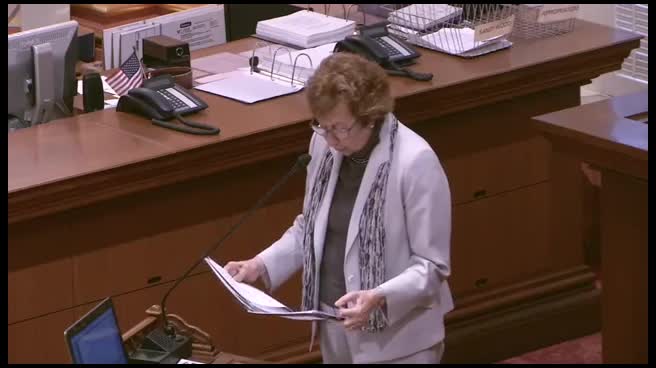 28MIN
Senate Floor
 7MIN
Senate Standing Committee on Appropriations
 1H
Senate Standing Committee on Business, Professions and Economic Development
Bill Author